Chiltern Walks: Great Missenden and Little Kingshill
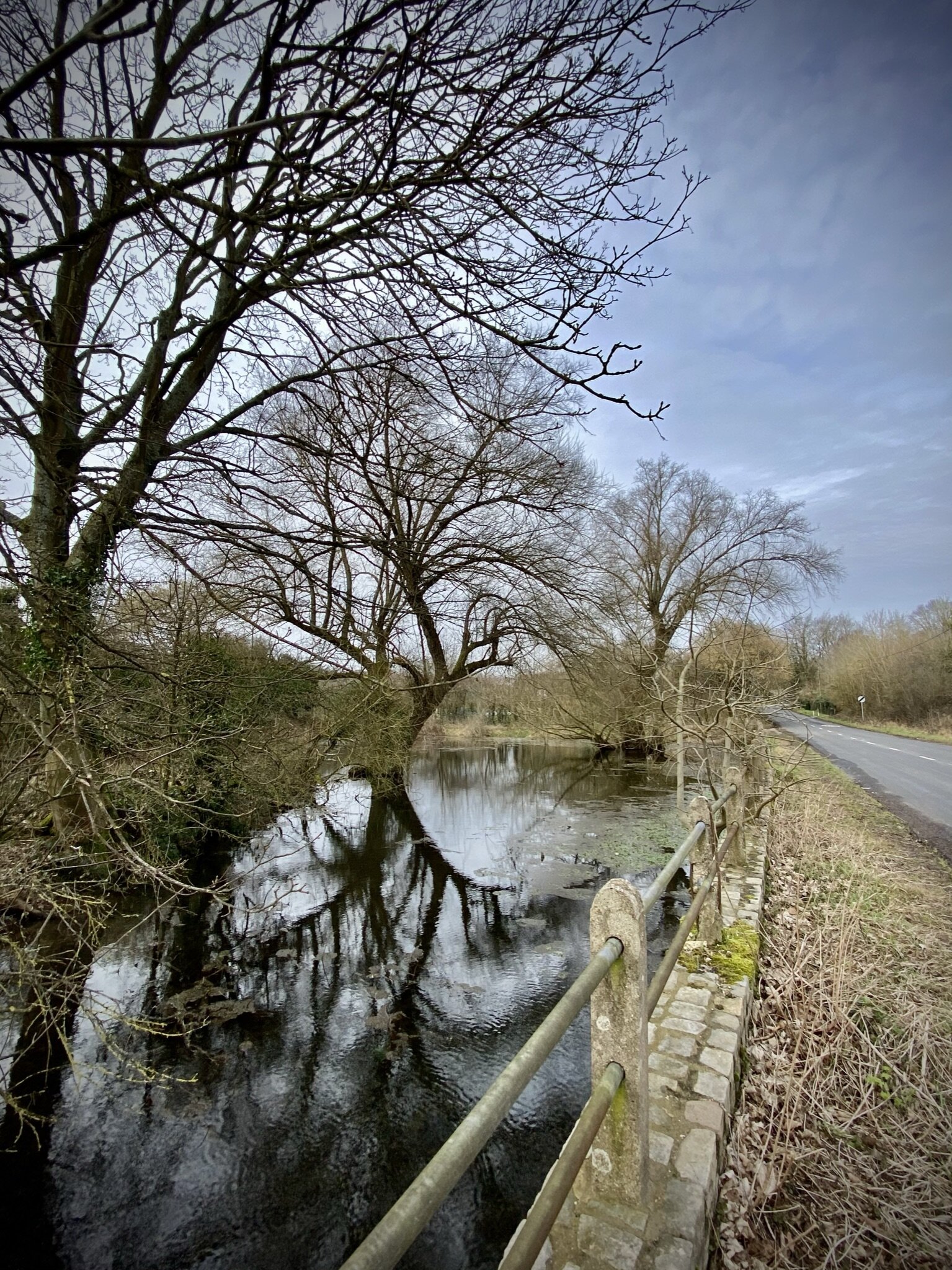
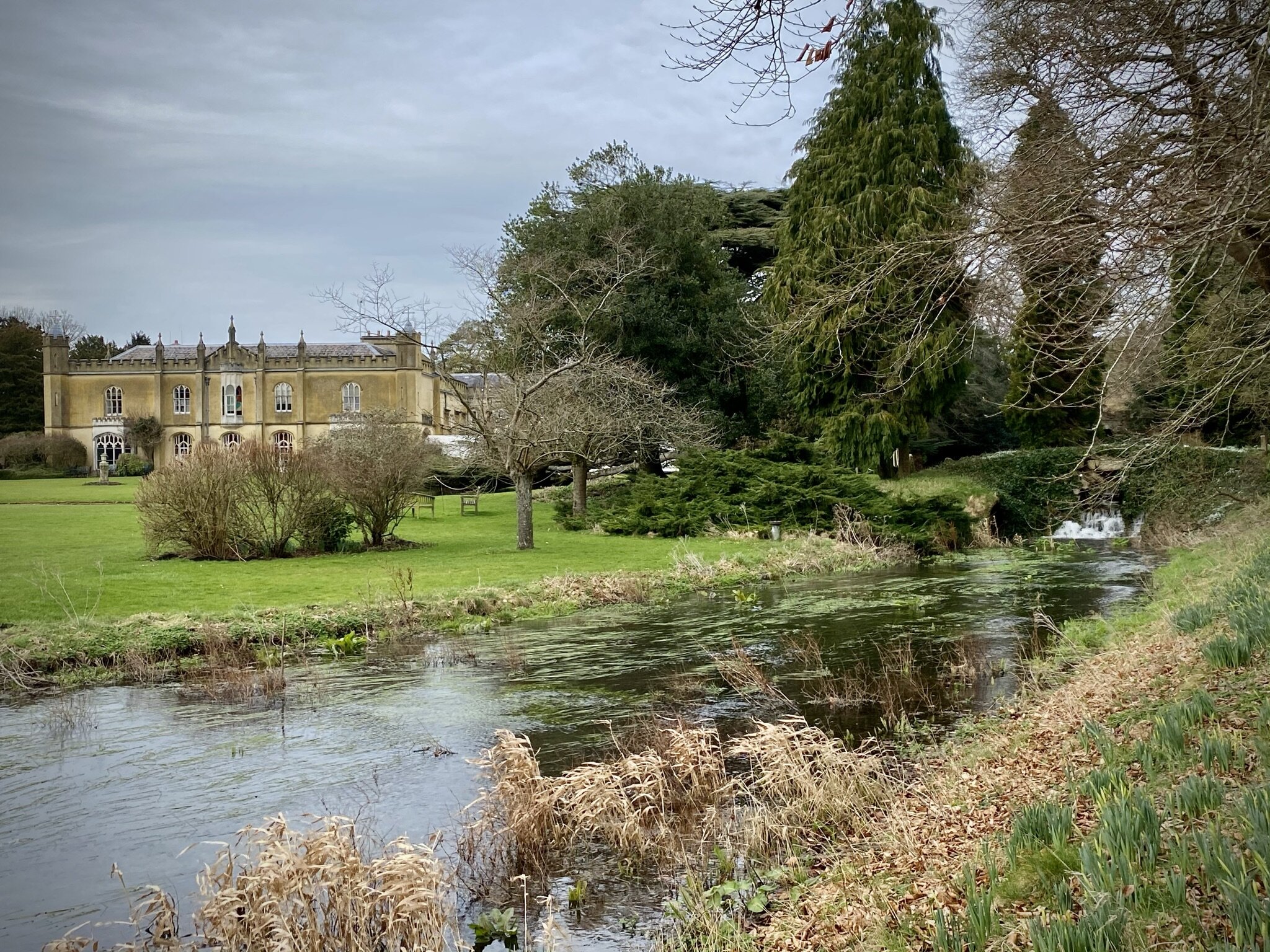
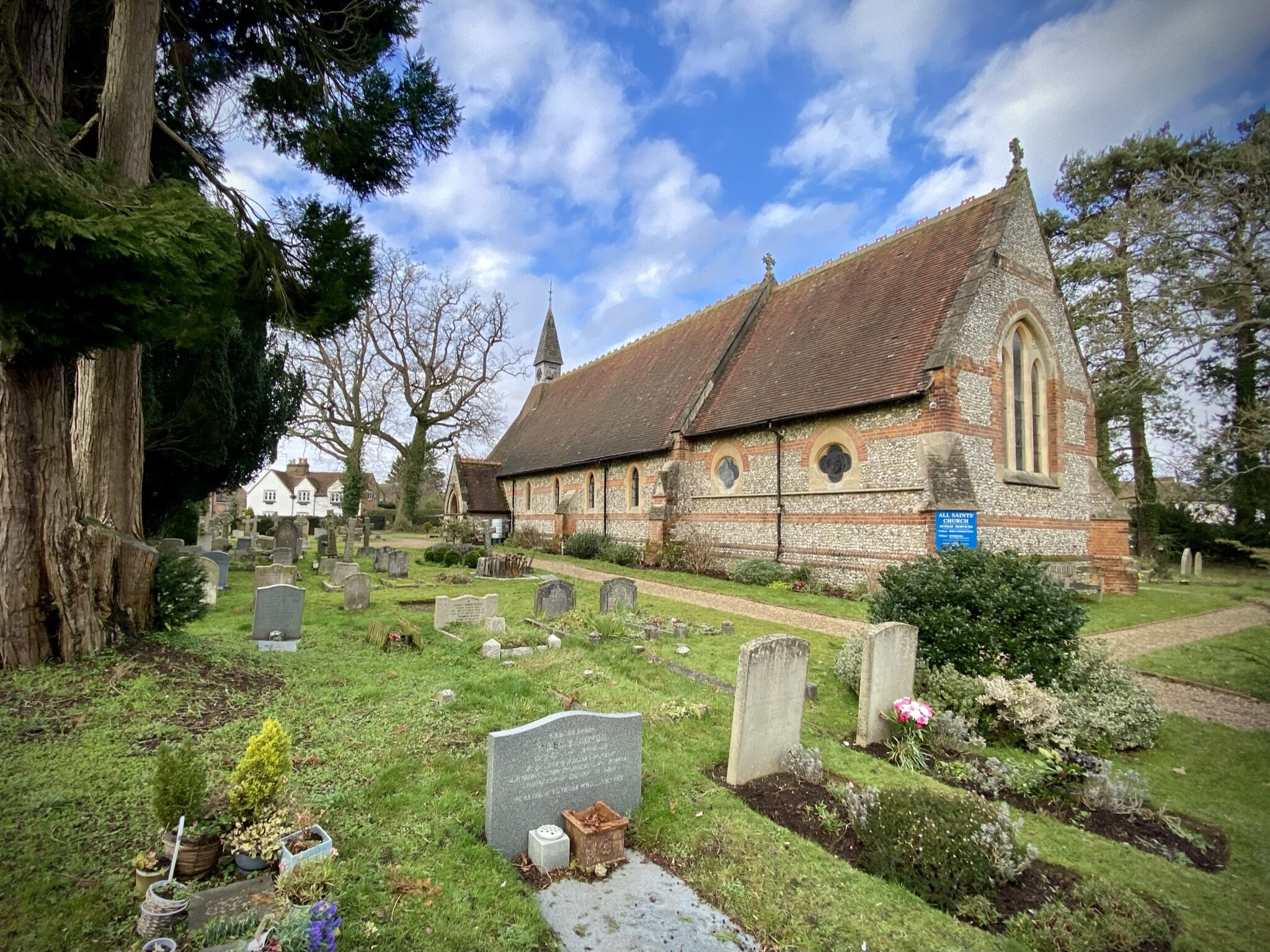
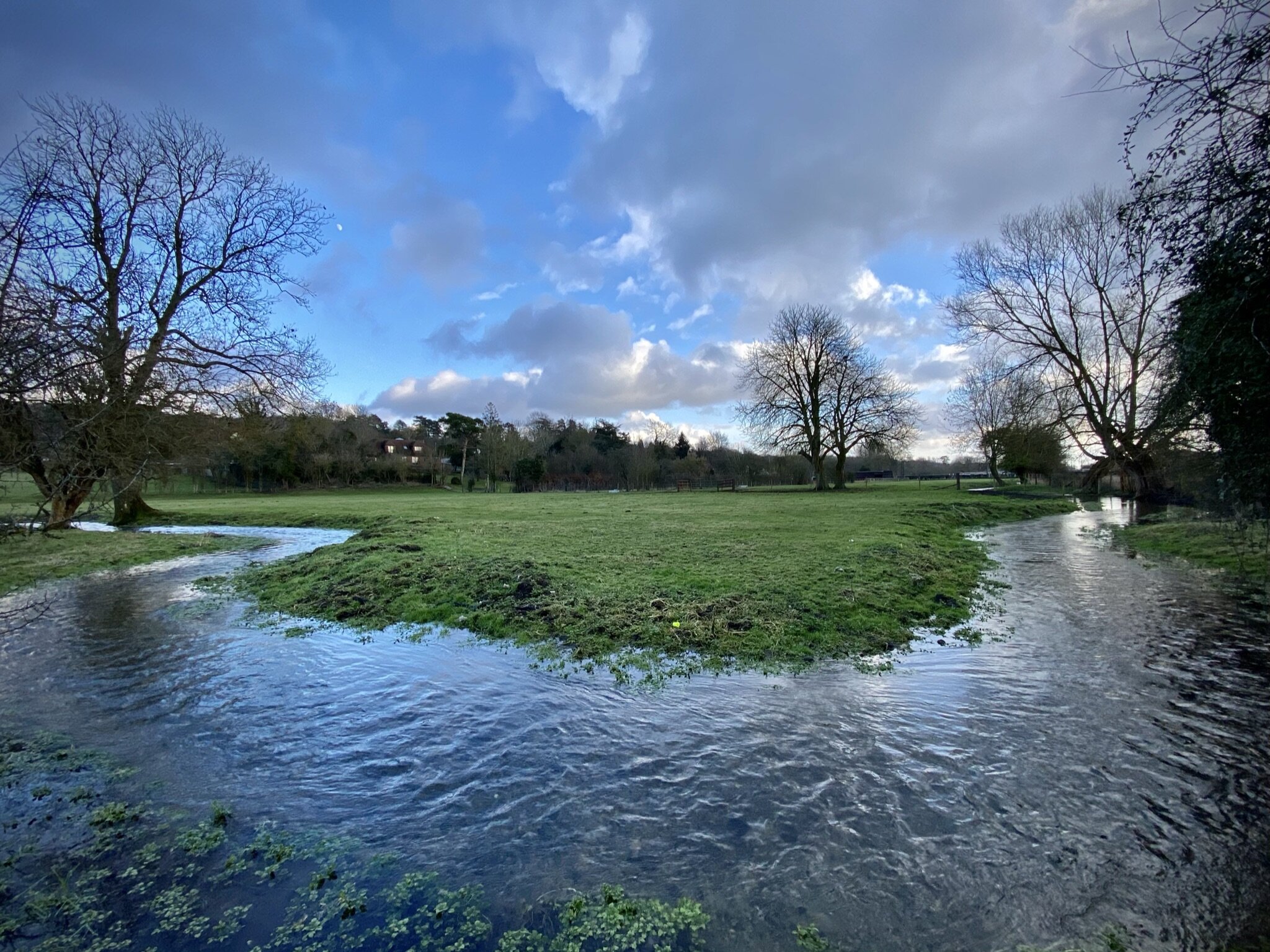
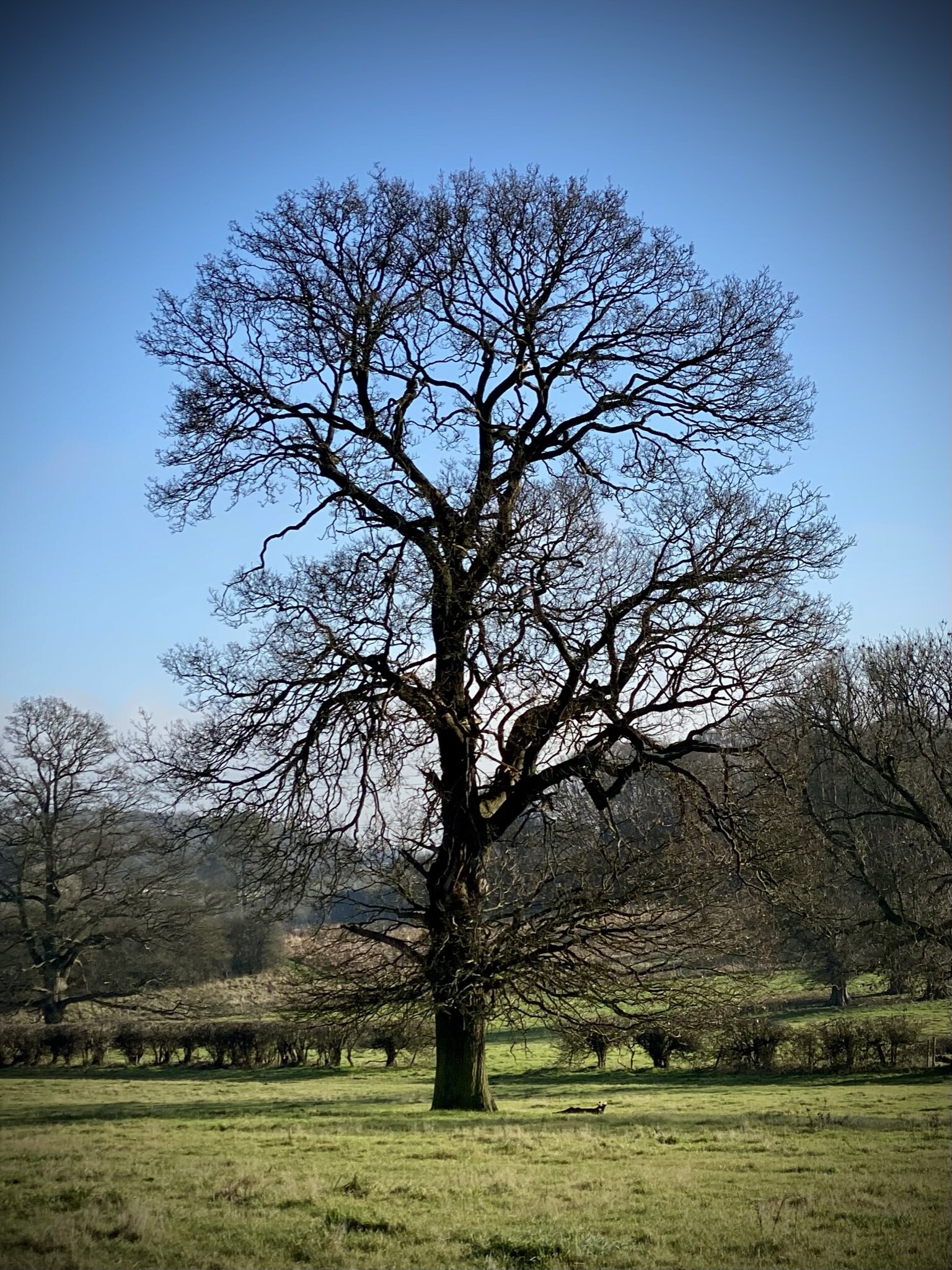
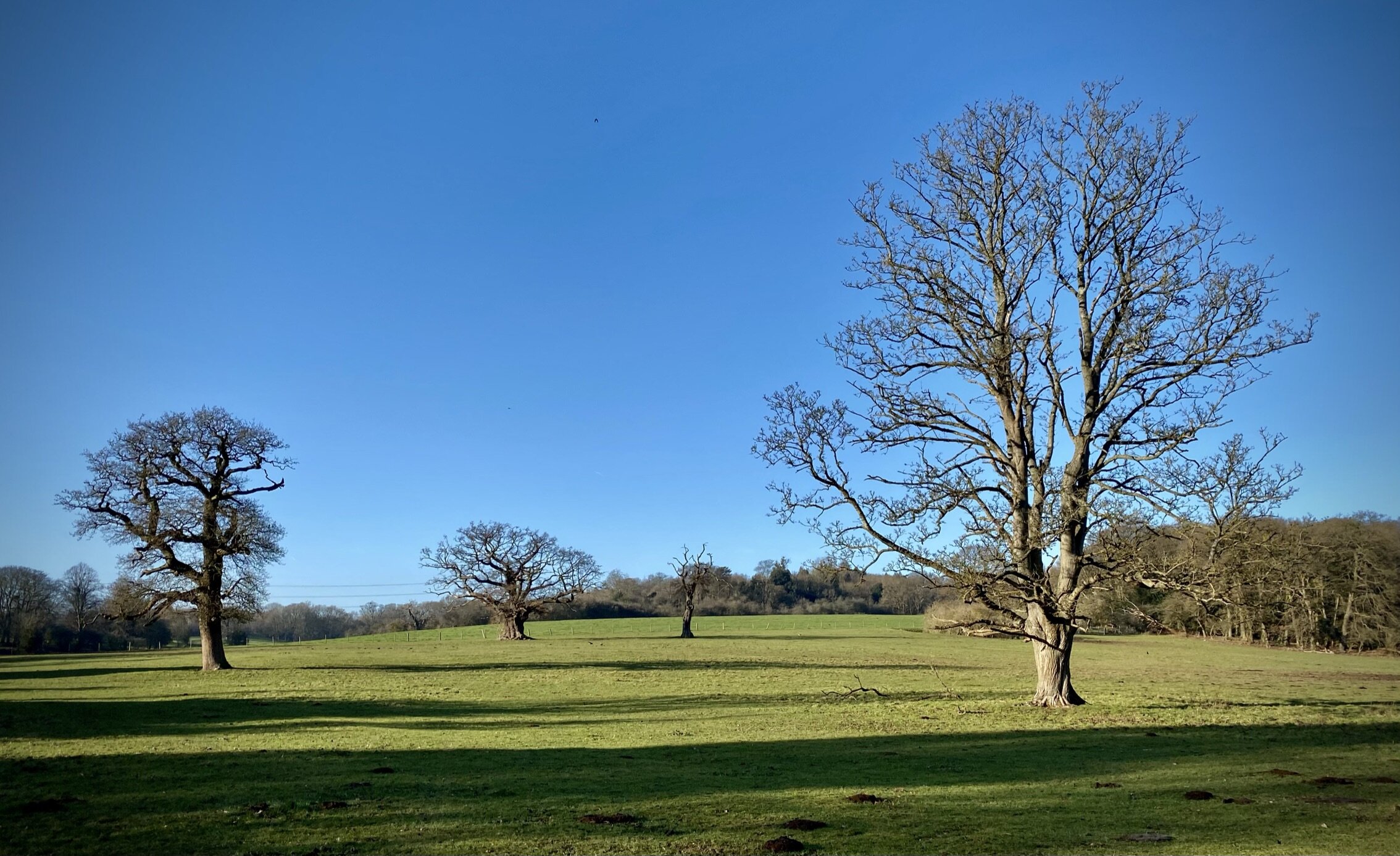
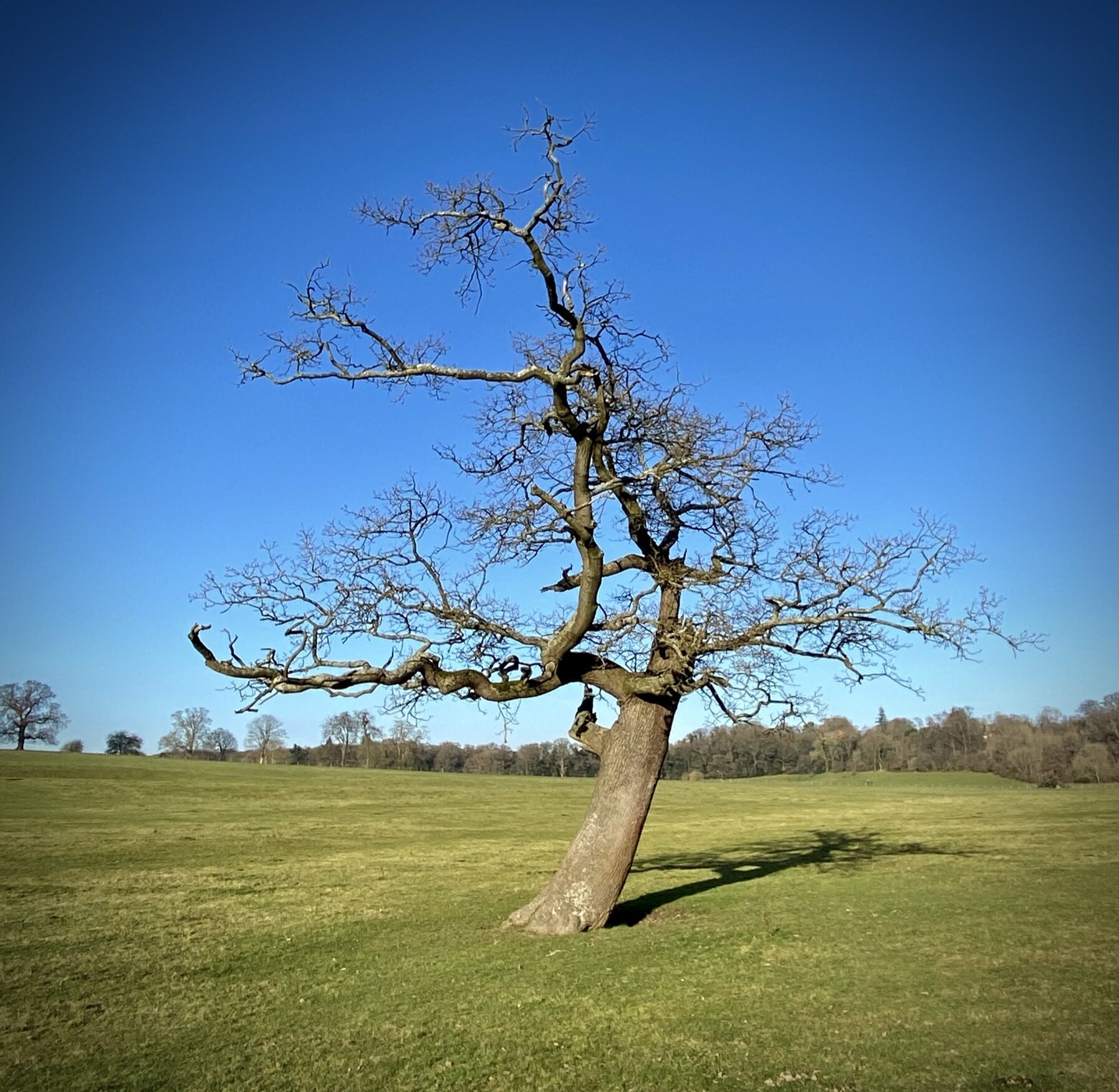
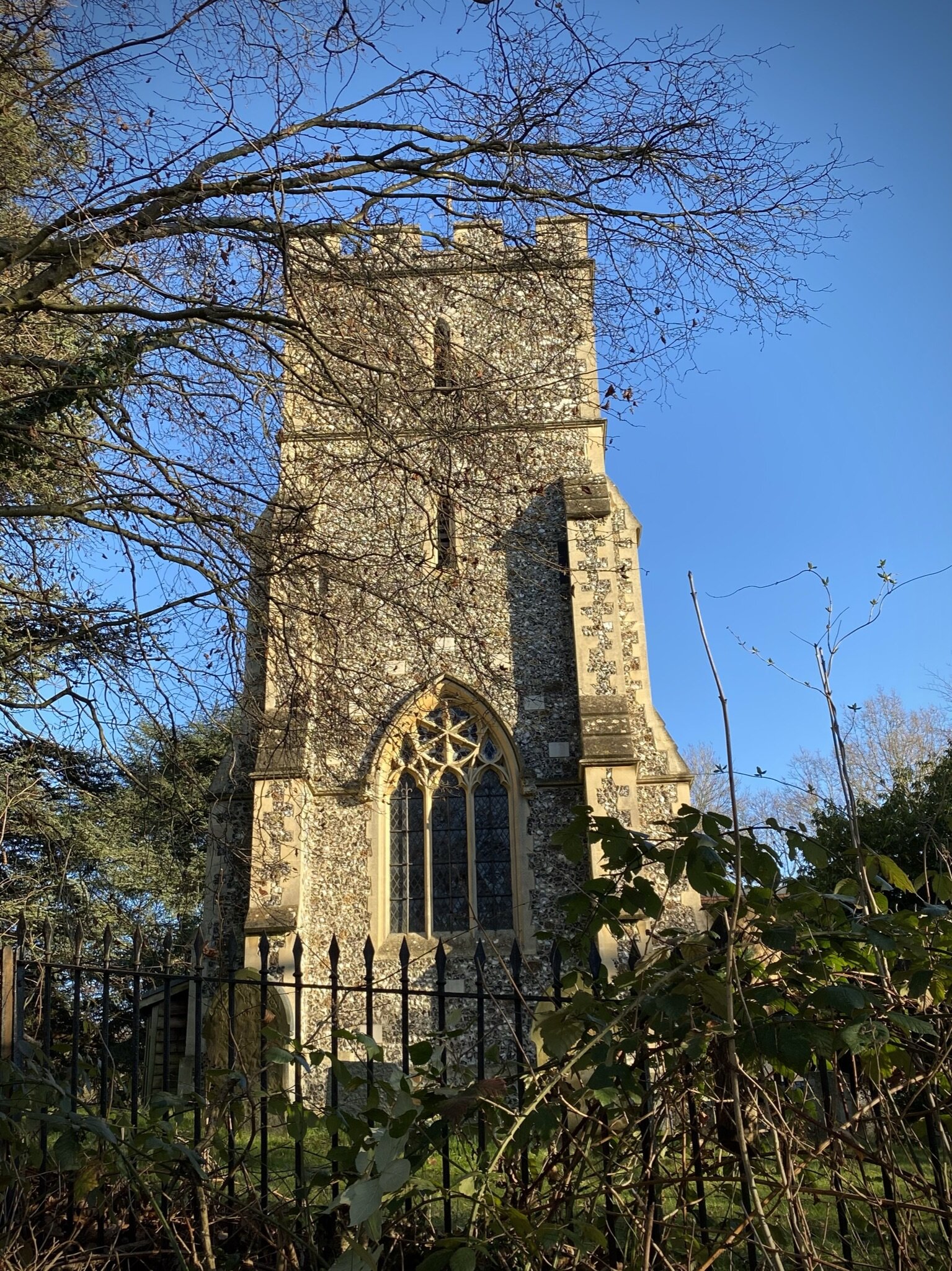
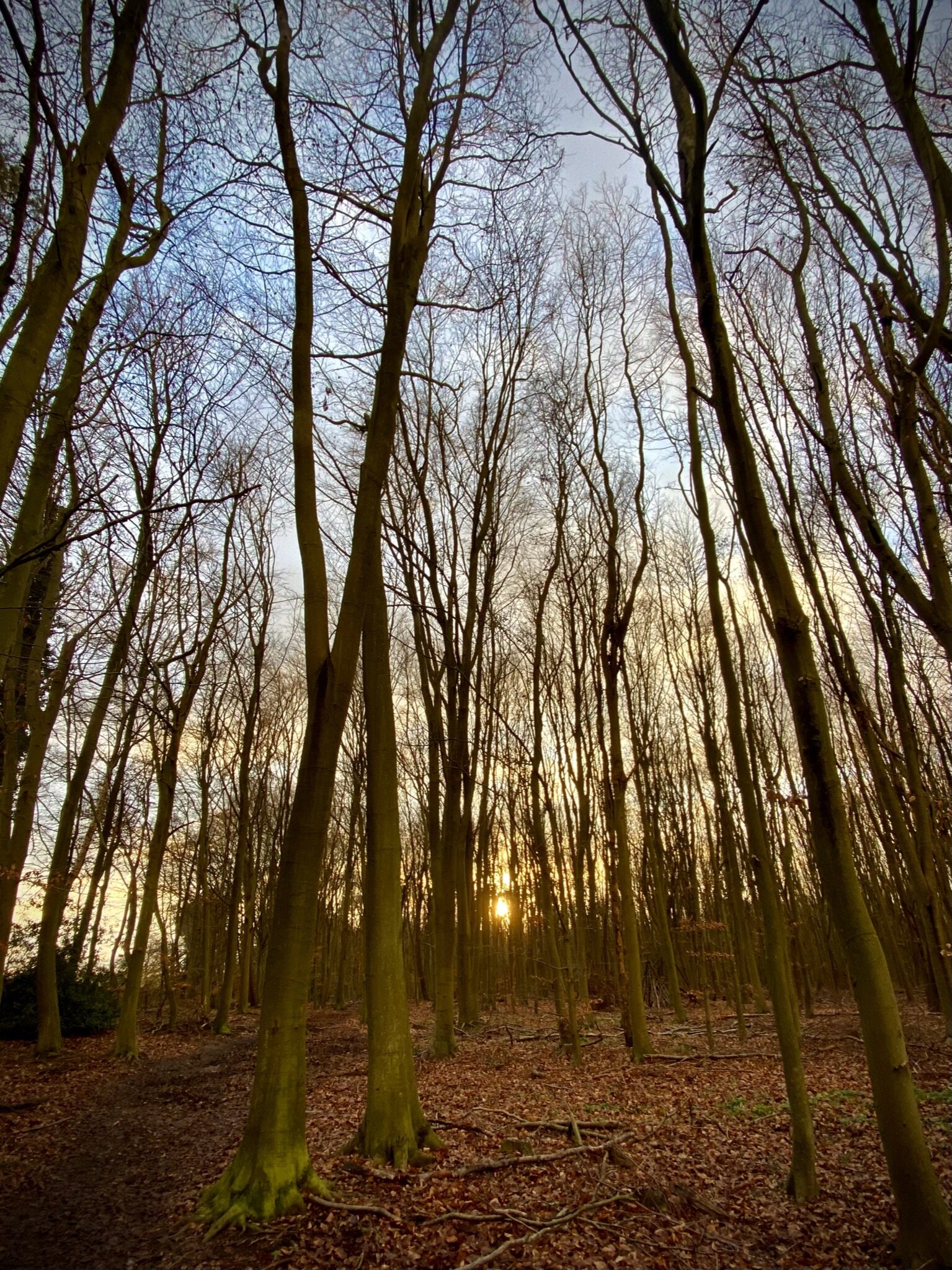
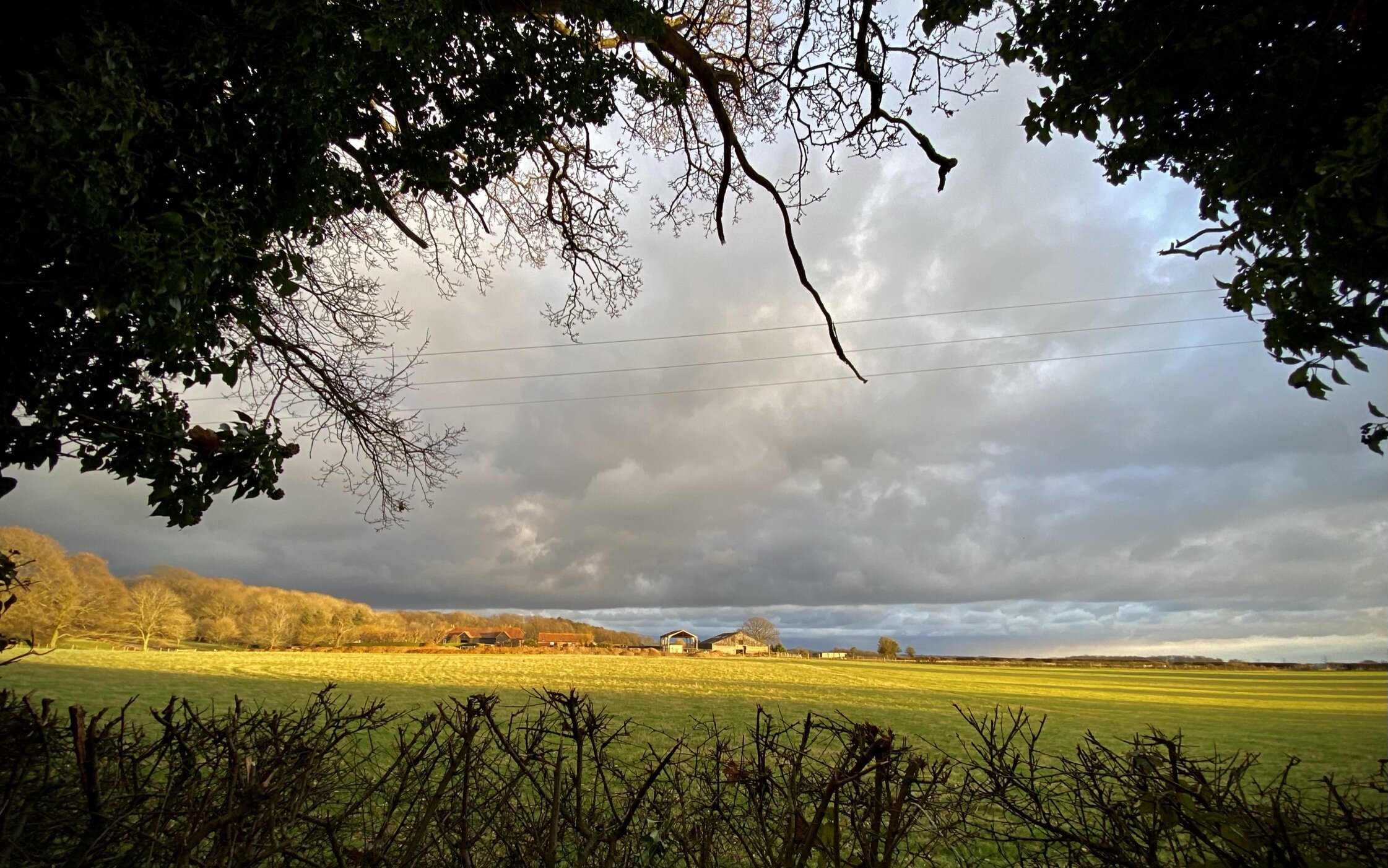
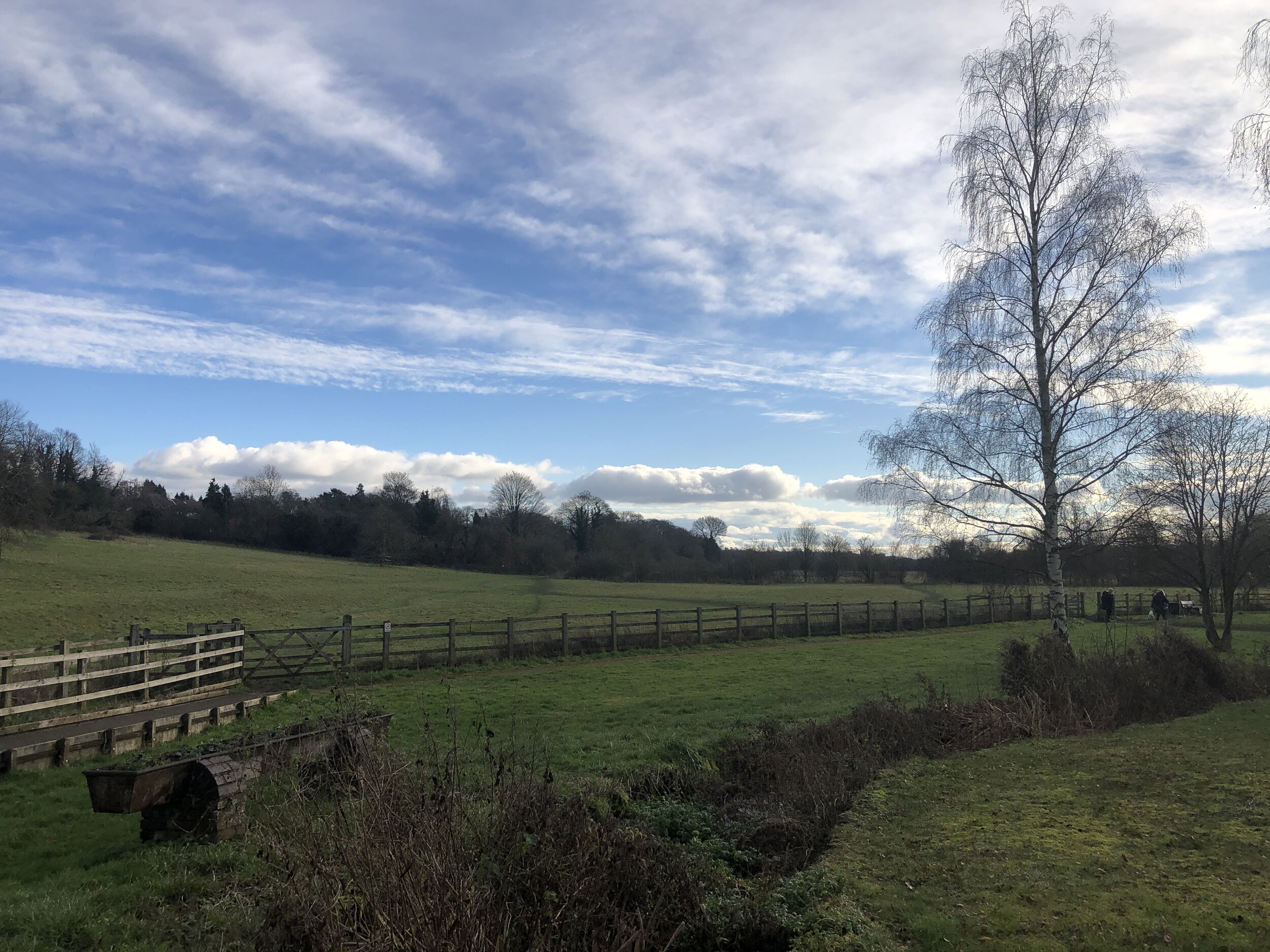
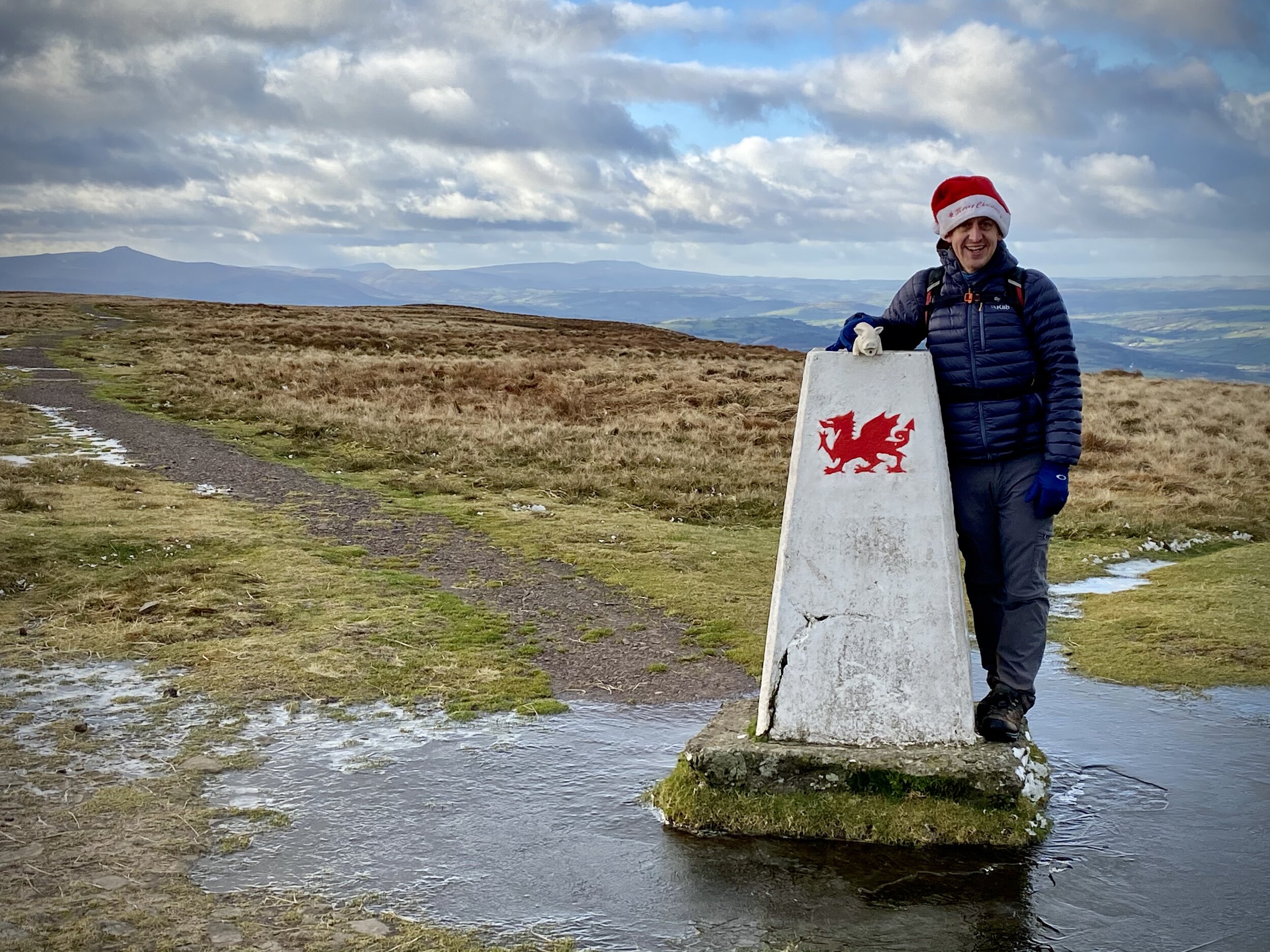
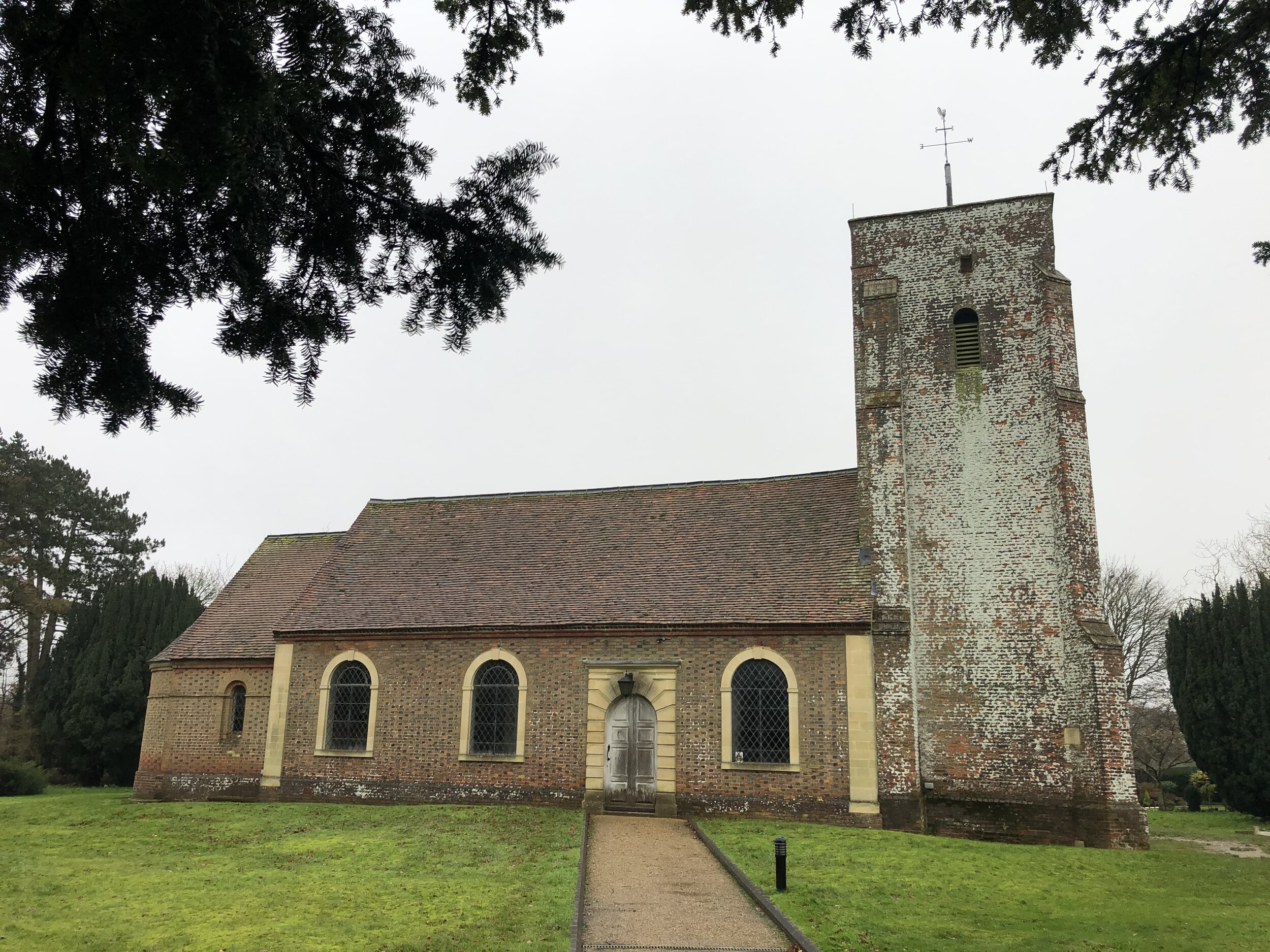
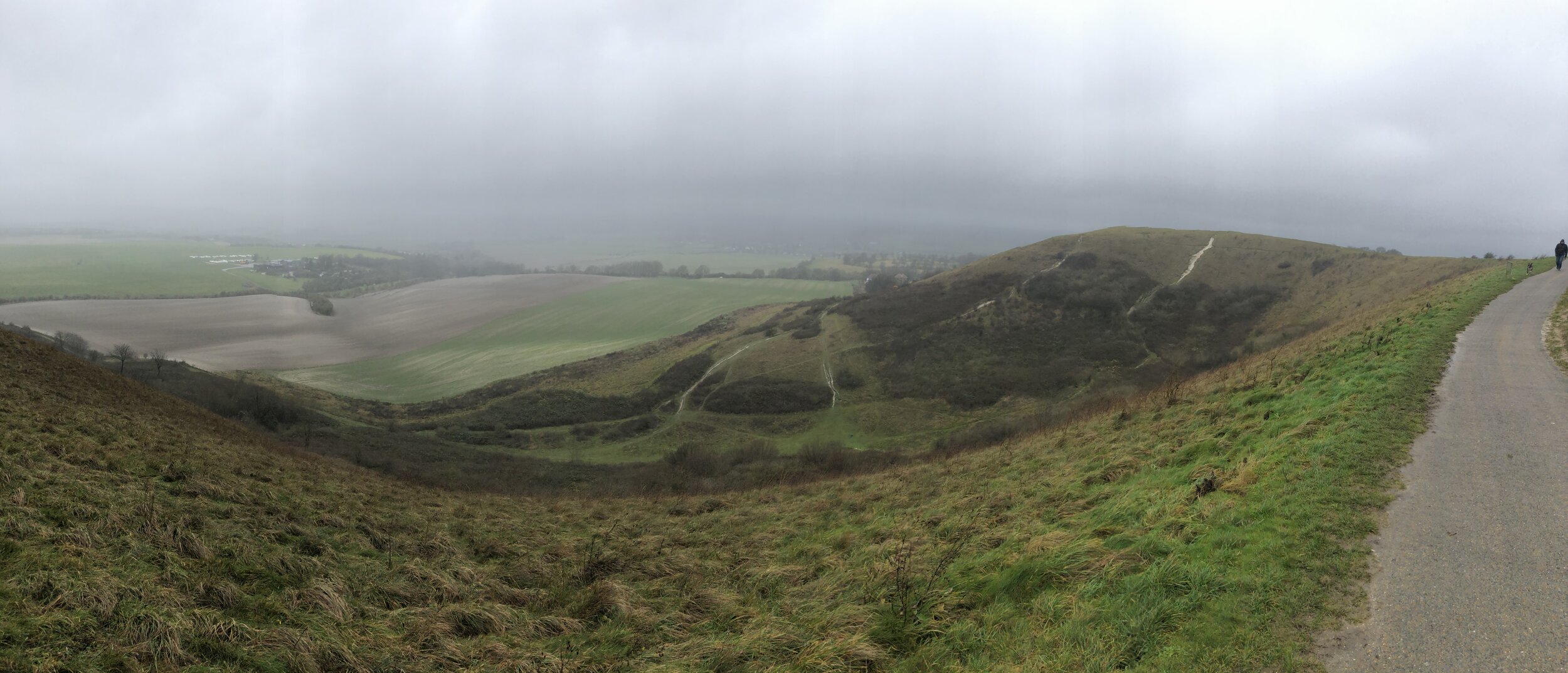
View to the south-east from Great Missenden Parish Church

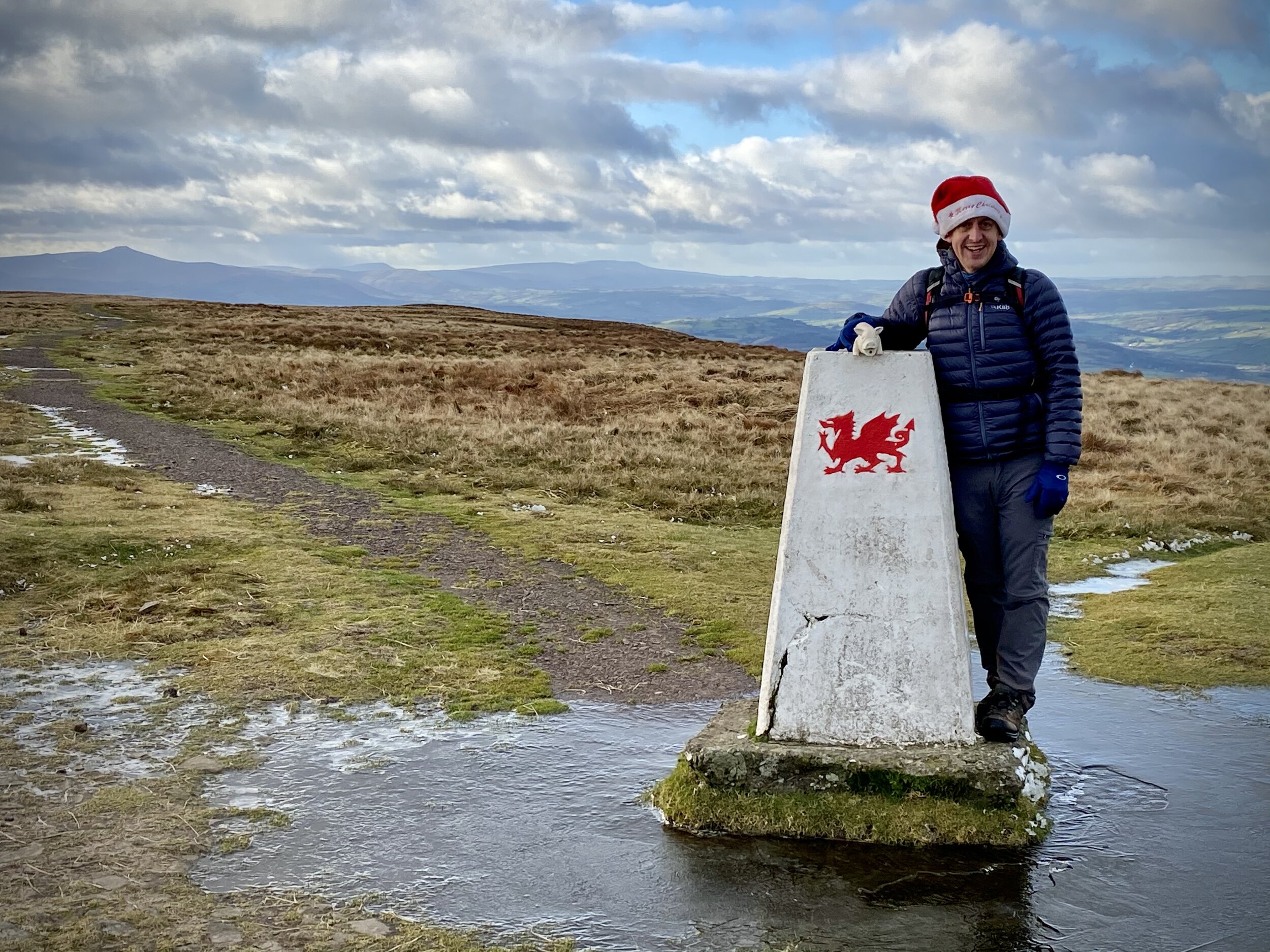
View to the south-east from Great Missenden Parish Church


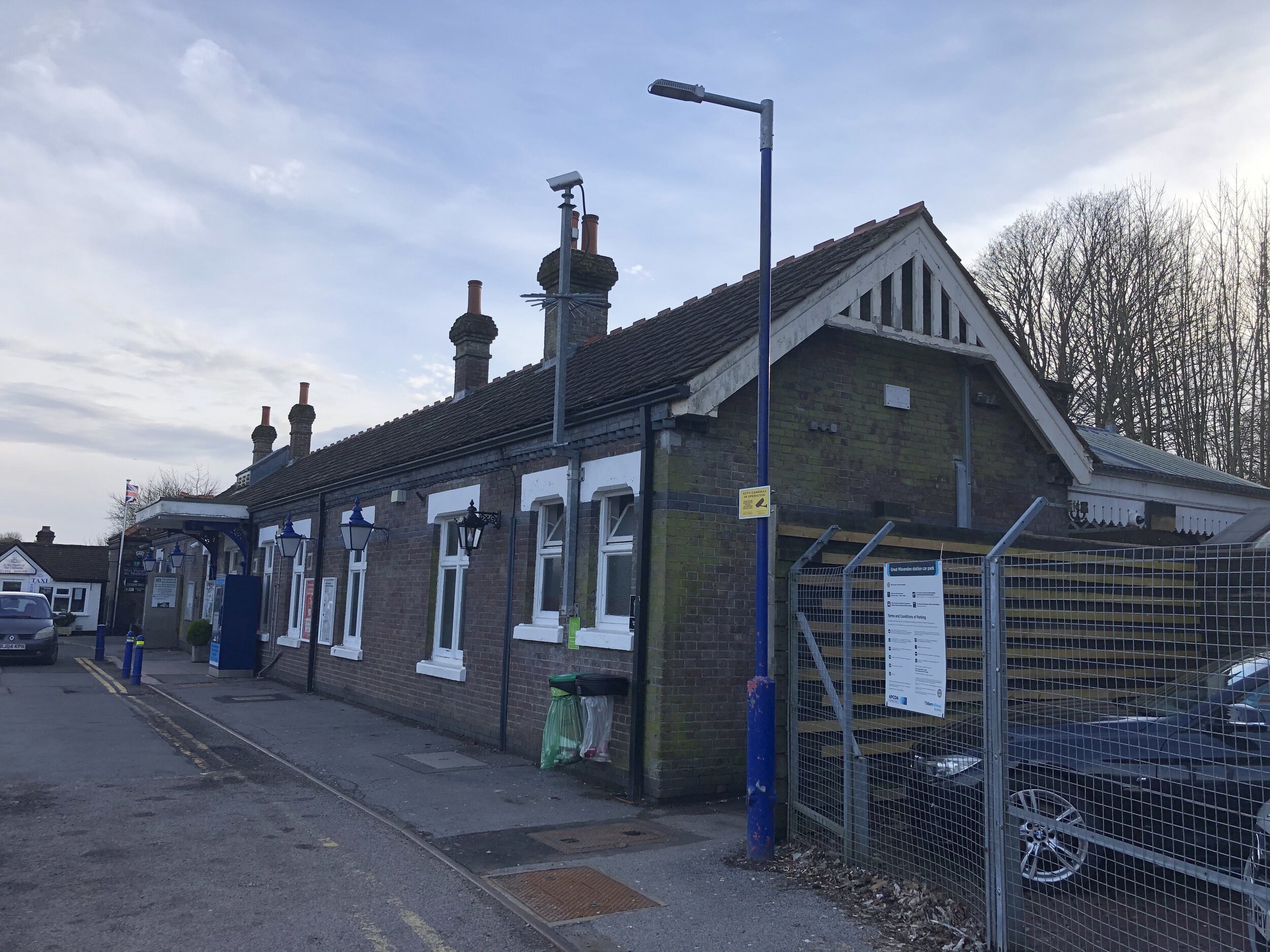
Start & Finish: Great Missenden Station, HP16 9WH
Alternative Start / Finish: Link Road Car Park, Great Missenden, HP16 9AE
Distance: 9.2 km (5.7 miles)
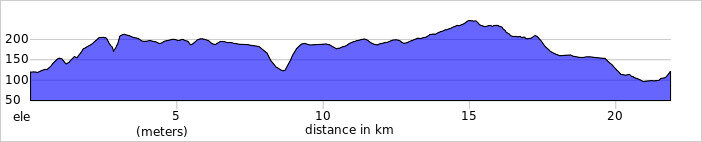
Elevation change: +/- 114m
South Bucks Way section covered: Great Missenden to Little Kingshill: 3.3 km
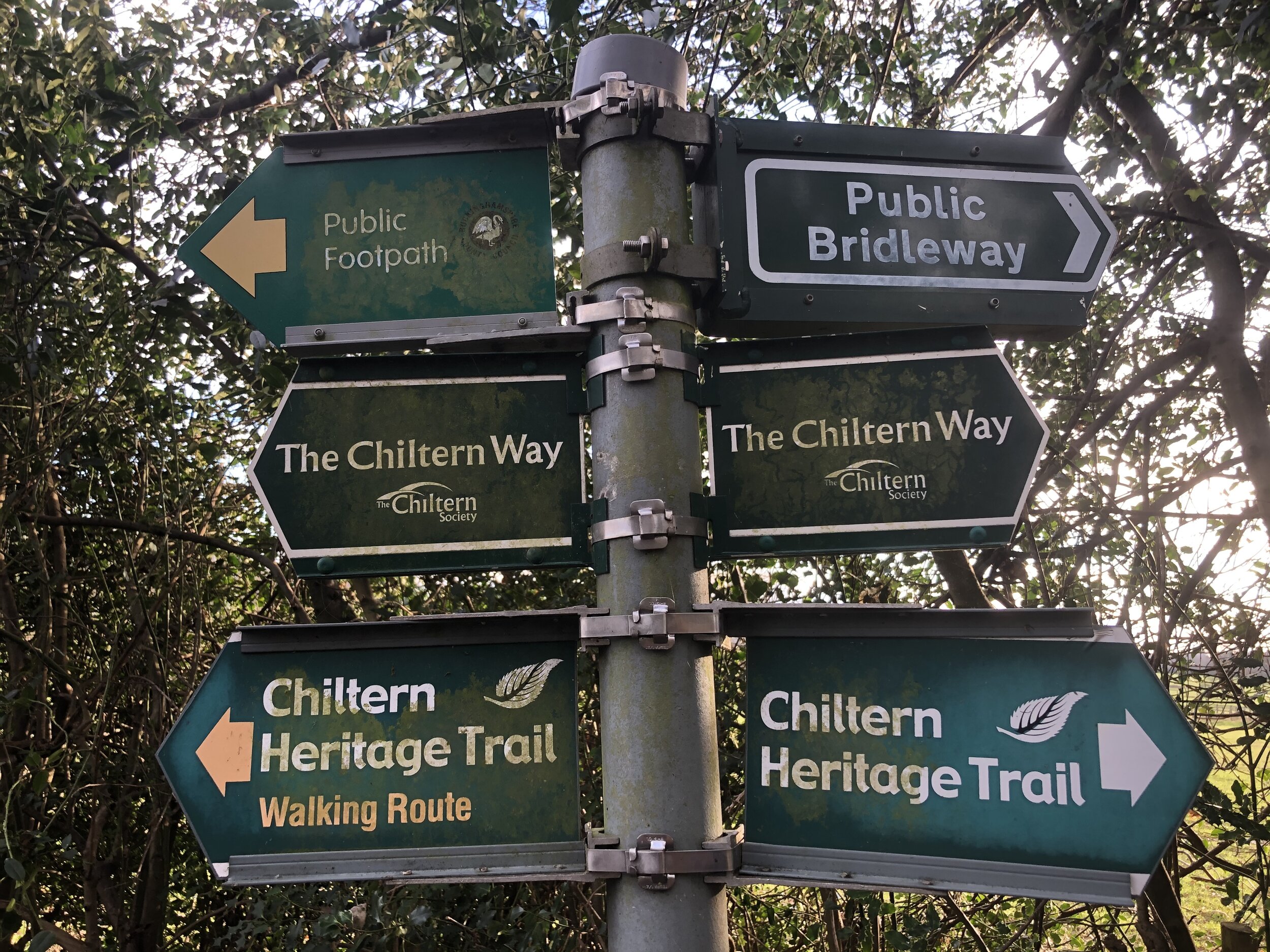
Chiltern Heritage Trail Section Covered: Little Kingshill Recreation Ground to Buryfield Car Park: 4.4 km
GPX File: get via Buy Me a Coffee
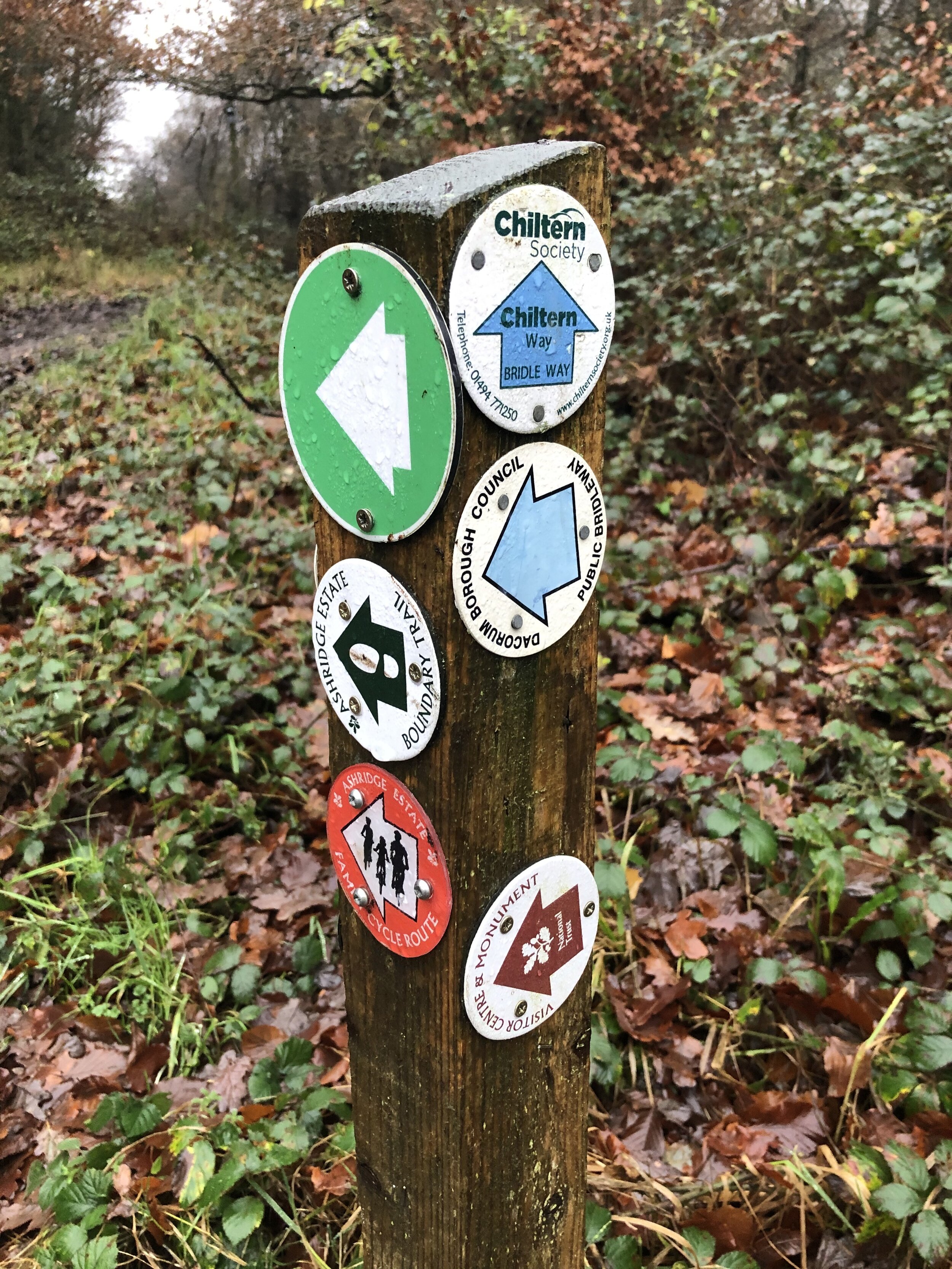
Other routes touched (walk): South Bucks Way, Chiltern Heritage Trail
Other routes touched (cycle): NCN 57, Chilterns Heritage Trail: Hampden Route
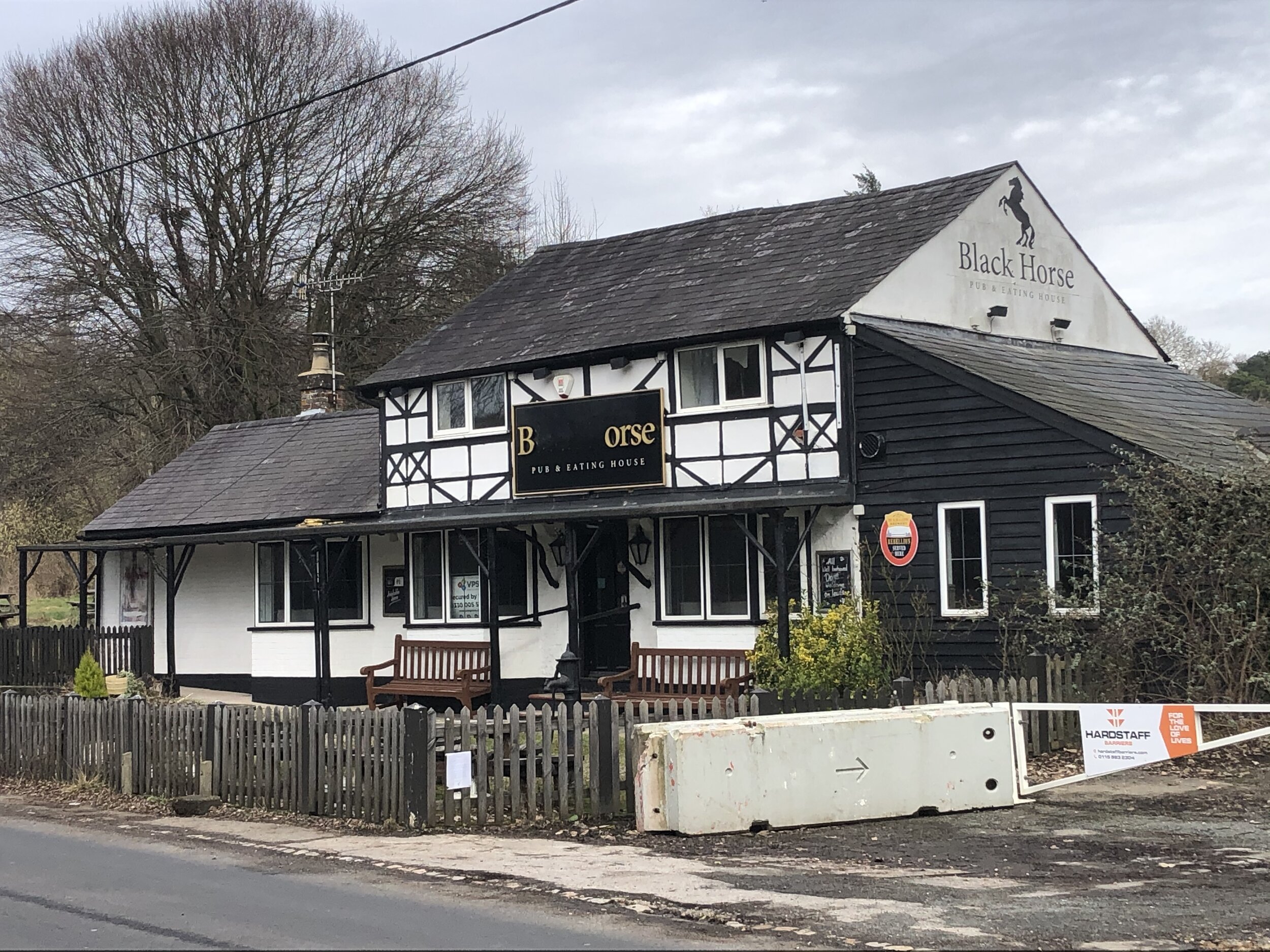
Pubs / Cafes on route: The Black Horse (1km in), The Full Moon (5.3km in), several cafes in Great Missenden Town Centre
Map: OS Explorer Map (172) Chiltern Hills East
Links: River Misbourne, Great Missenden, Great Missenden Station, Great Kingshill, Roald Dahl


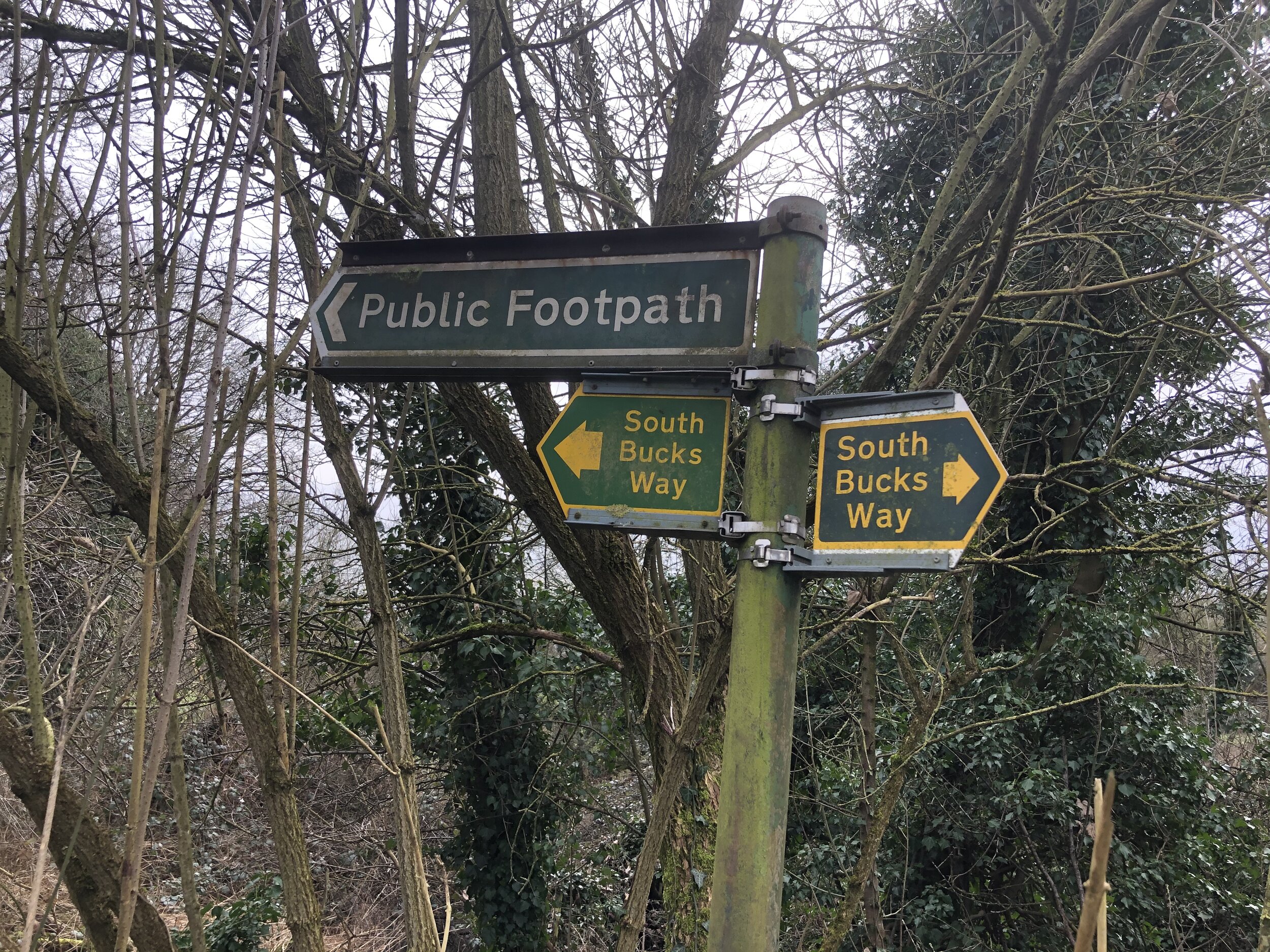
The South Bucks Way is a 37 km (23-mile) trail that promises a delightful escape for walkers and hikers. This scenic route, often overshadowed by its more famous counterparts, offers a tranquil journey through charming villages, lush countryside, and the gentle murmur of the River Misbourne. This post is part of a series of circular walks featuring the South Bucks Way. The full trail stretches from Coombe Hill near Wendover to the Grand Union Canal at Denham. Our walks take in short sections of the South Bucks Way and loop back to the start on other paths. The South Bucks Way is well sign-posted however you’ll need a map or GPX route to keep on track for the return sections of the loops. The guidance below will help but don’t use it as a fully accurate turn-by-turn guide.

The route is also part of a series of 17 walks that, between them, cover the 83 km of the Chiltern Heritage Trail. Created as a Millennium project, this trail links the towns and parishes within the district, offering stunning scenery, charming villages, and points of historical interest.

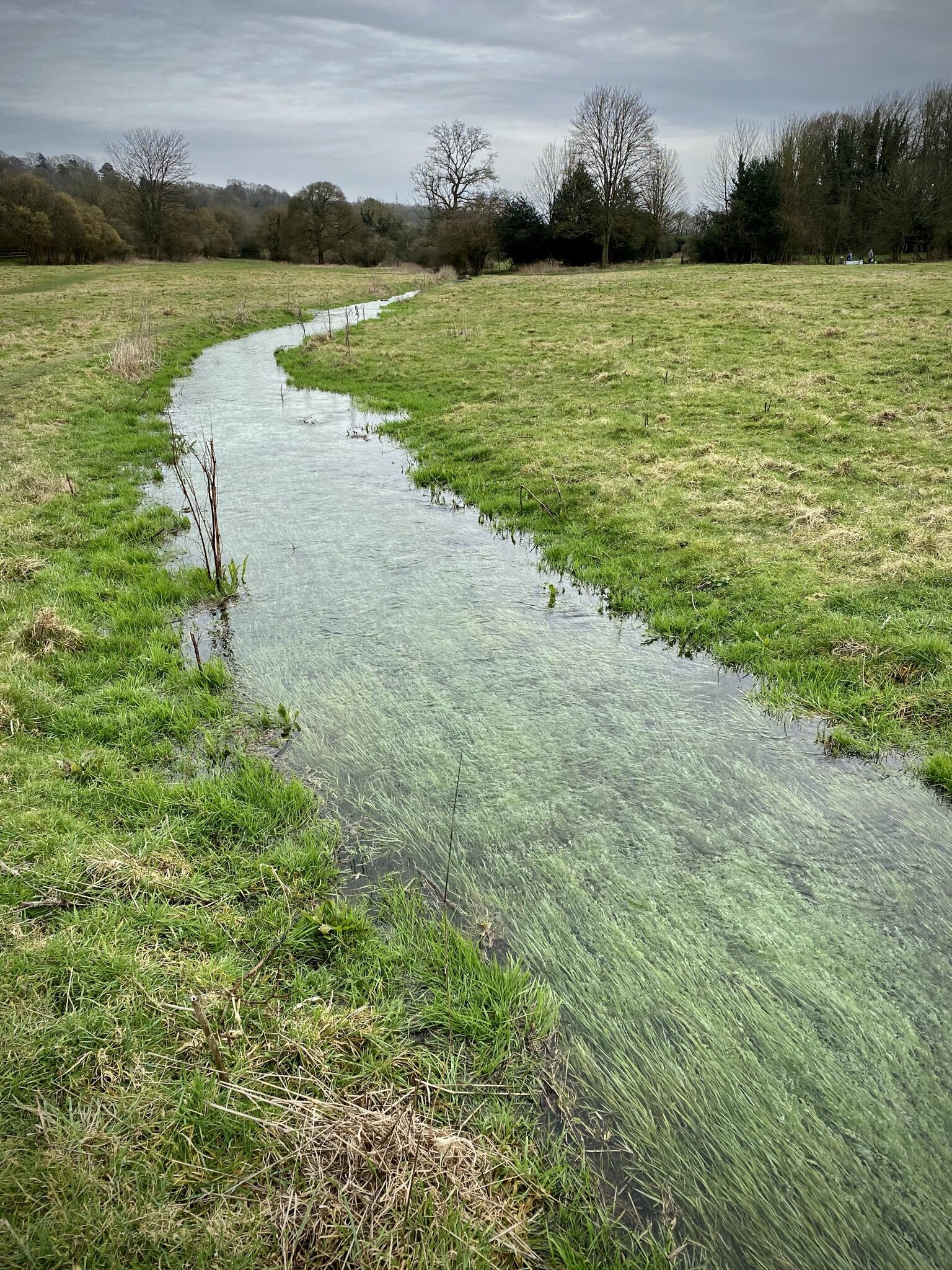
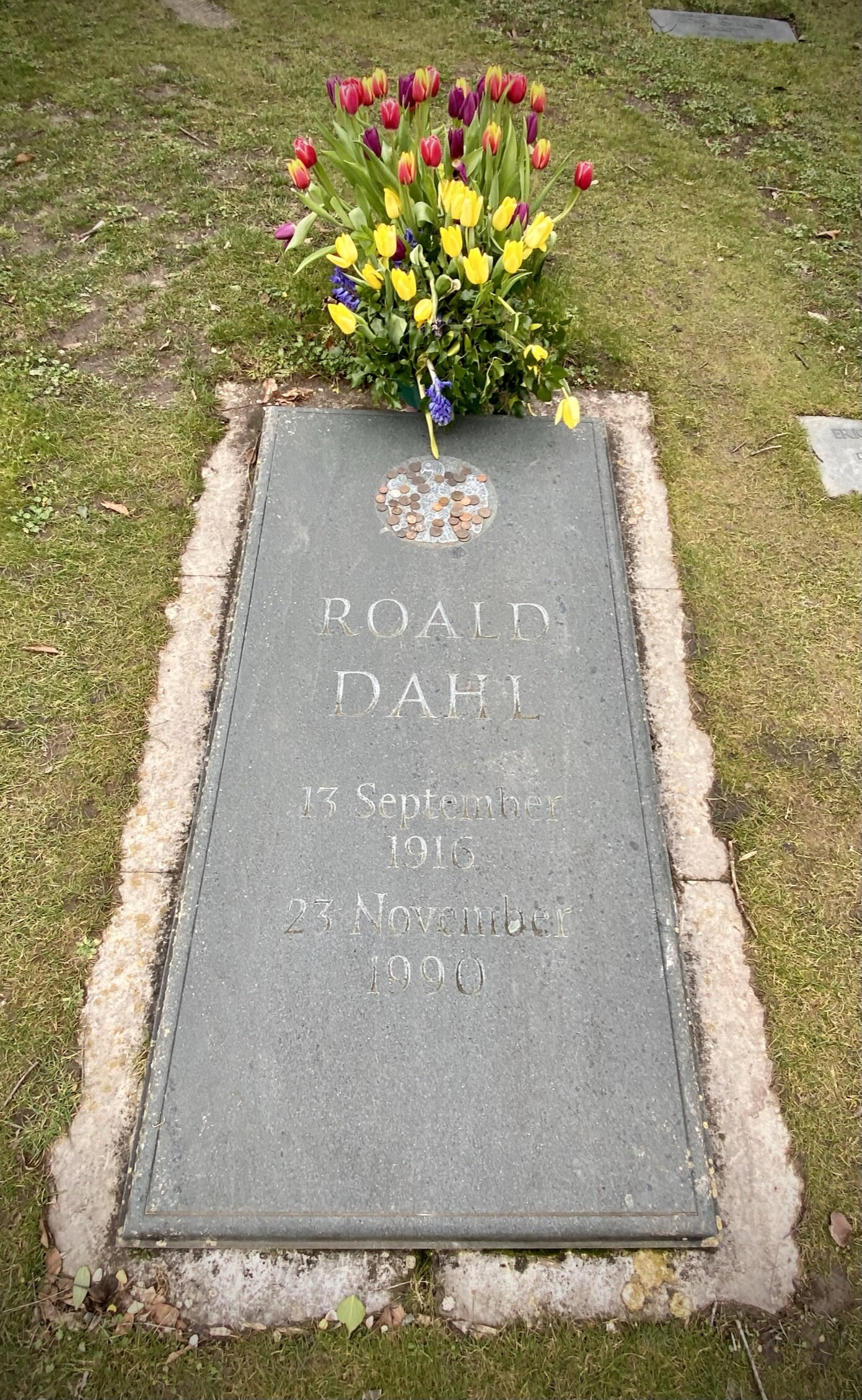
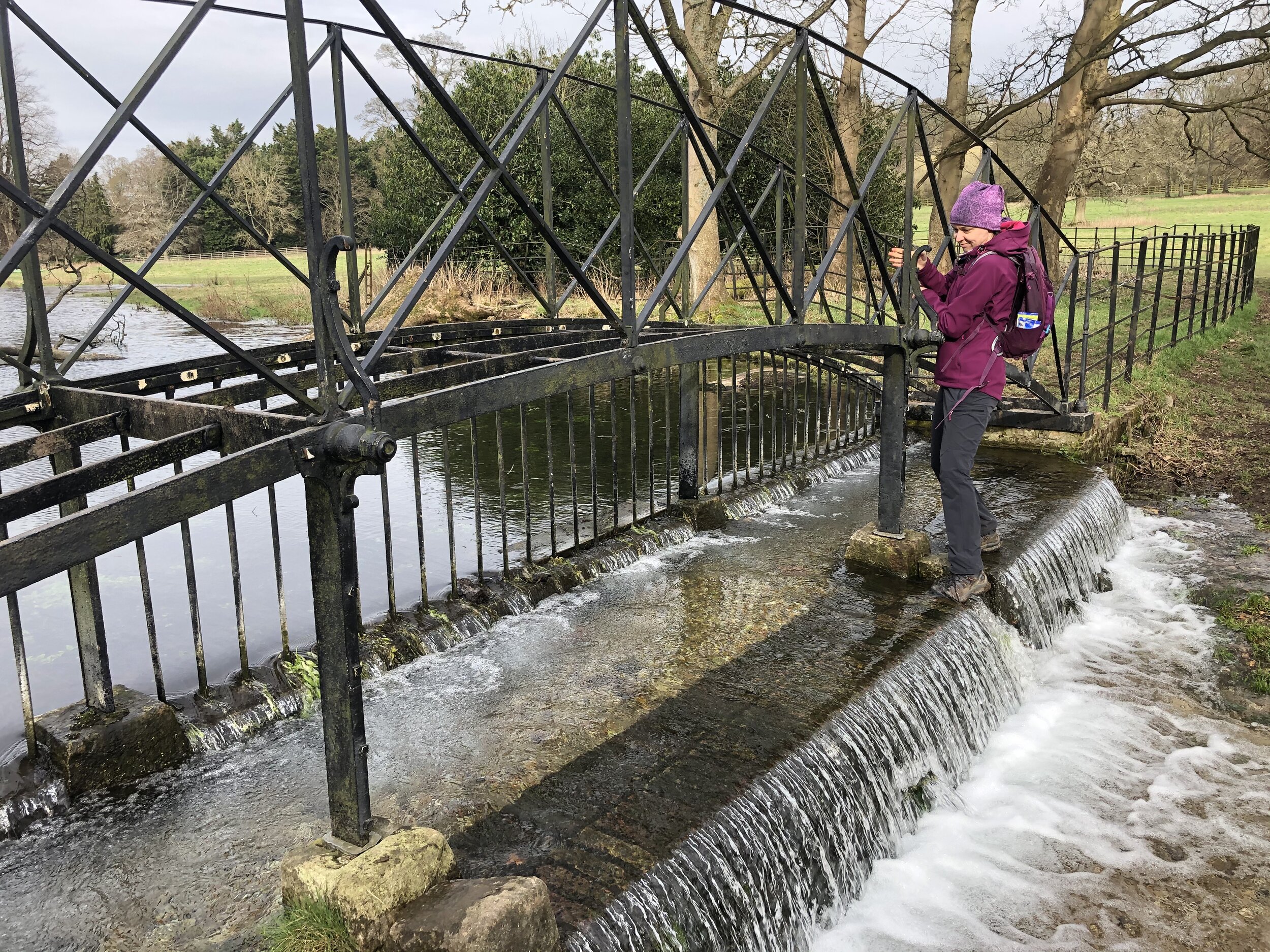
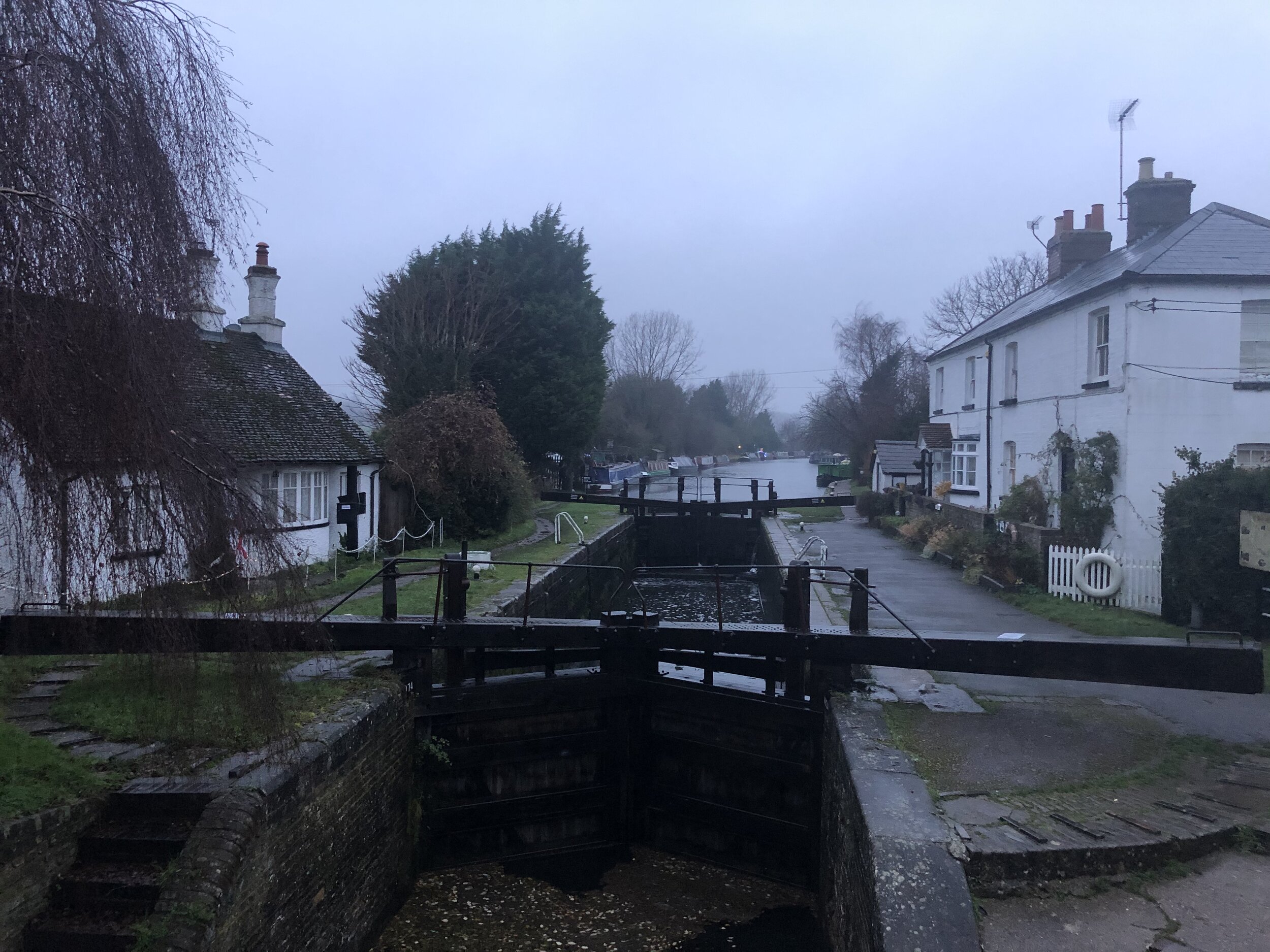
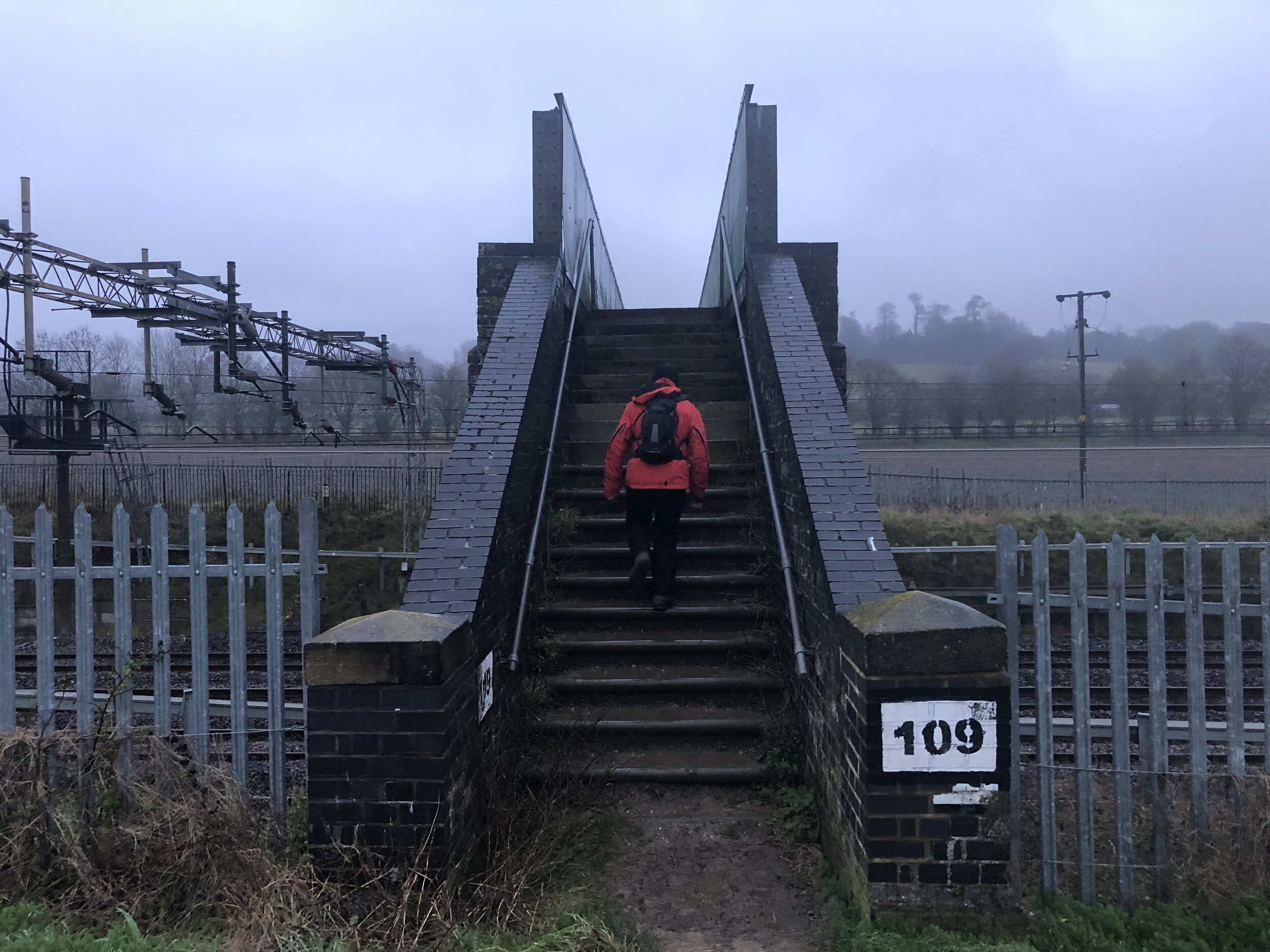
The walk starts at either Great Missenden Railway Station or nearby parking in Link Road. From here follow Link Road and take a right onto the South Bucks Way through Buryfields Recreation Ground. If you continue along Church Lane and over the A413 you can visit Great Missenden Parish Church of St Peter & St Paul and the grave of famous local resident and writer, Roald Dahl. From here retrace your steps back over the A413 bridge and rejoin the South Bucks Way heading south through Abbey Park. You’ll cross over a metal footbridge over the Misbourne at the south end of Missenden Abbey Lake. The bridge was in disrepair when we were there, so be careful and be prepared for a tricky crossing. Once over the bridge, the South Bucks Way crosses London Road and wiggles round the perimeter fence of the Misbourne School before crossing under the railway line.

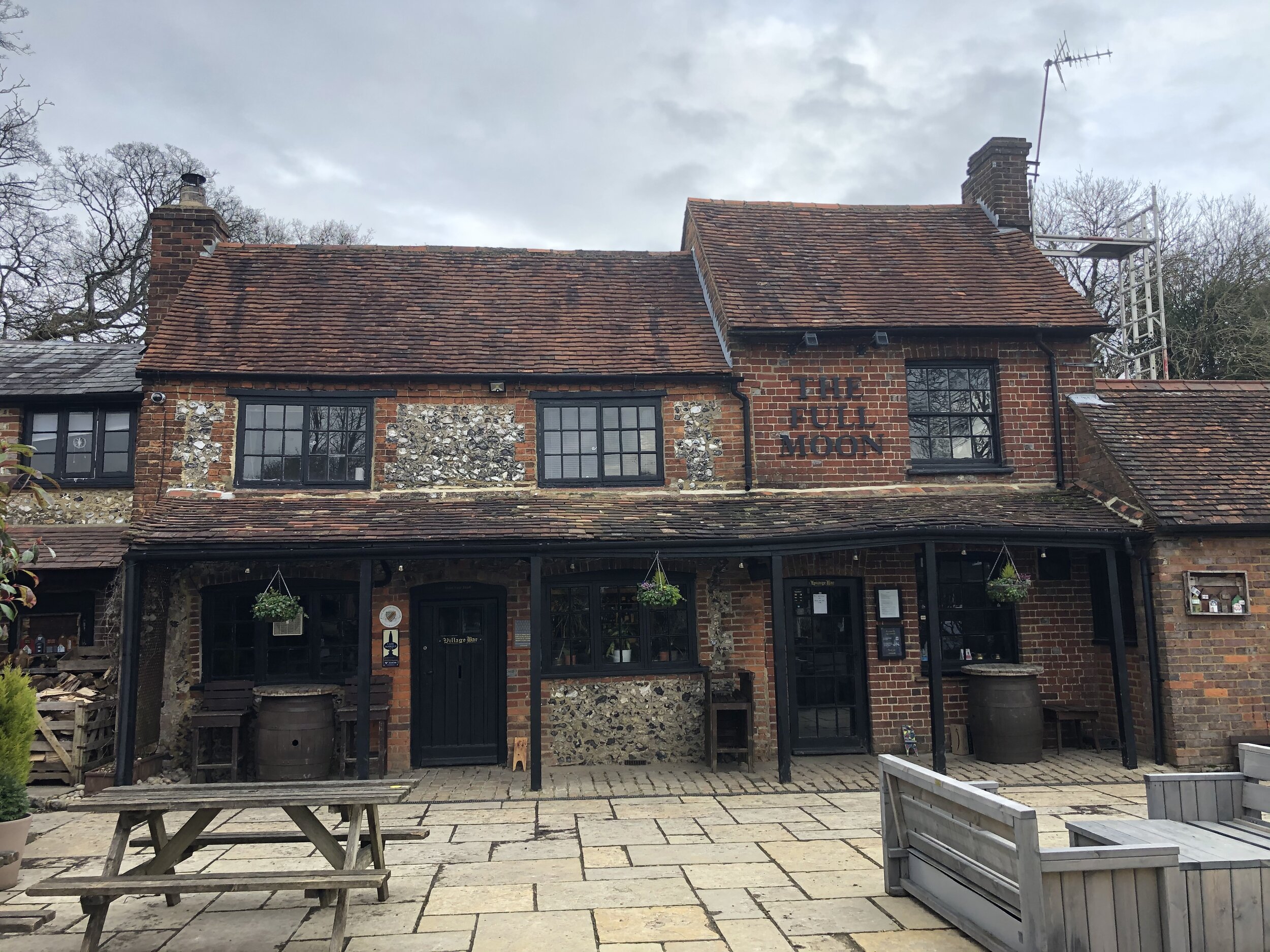
After the railway line continue along the South Bucks Way in a south-westerly direction until the Full Moon pub in Little Kingshill. This is a great half-way point for a rest before you’ll leave the South Bucks Way and travel north along the Chiltern Heritage Trail. You’ll notice a small triangle at the bottom of the map which is there to make sure there’s no gap in completing the whole of the South Bucks Way between this section and the next. If you’re not worried about the gap take the Chiltern Heritage Trail in a north-easterly direction. If you’re a completer-finisher like me, continue south along the South Bucks Way to Windsor Lane, take a right, then another right onto Hare Lane and you’ll end up back at the Full Moon pub.

This latter half of the trip is fairly easy to navigate as you’ll be on the Heritage Trail all the way back to Great Missenden Station.

South Bucks Way previous section (north): Little Hampden and Great Missenden
South Bucks Way next section (south):
Little Kingshill and Little Missenden

Chiltern Heritage Trail next section clockwise: Great Missenden and Ballinger
Chiltern Heritage Trail next section anti-clockwise: Little Kingshill and Little Missenden

The Brecon Beacons Rivers

Here’s a Tube-style map of the rivers of the Brecon Beacons (Bannau Brycheiniog in Welsh). Let me know if you spot any mistakes and I’ll donate £1 per correction to one of my causes. If you would like a printable PDF version, please Buy Me a Coffee and send me your e-mail via the Contact page. All copies for personal, not commercial use.


Brecon%2BBeacons%2BTube%2BMap%2B-%2BKey.jpg

Note: the map shows rivers that start, end or pass through the Brecon Beacons National Park. There are some rivers such as the Rhondda, Ogmore and Ely that are not included as their source is south of the Park even though they flow into the Bristol Channel or join another river on this map.


Other Posts for the Brecon Beacons (Bannau Brycheiniog)


Tube-style Maps


Zwift Watopia & (not)parkrun Mash-up

It took me nearly a year of cycling on Zwift before starting to do Zwift running too. I was hesitant to buy a treadmill so I considered buying the £38 RunPod to see if I could run both in Zwift and in real life (IRL) at the same time.

Winter 2020 approached and, with the prospect of being locked down for a long time, I bit the bullet and bought a treadmill. Predictably, I got hooked on Zwift running and was soon collecting the Run Achievement badges.

My friend Brian reminded me about the question of whether you can run both IRL and in Zwift at the same time. Having now had a better understanding of how Zwift Running works I thought that it would be weird but possible. As it turned out, that was true.

So, on a chilly Saturday afternoon in January I got to the start line of the Black Park parkrun course ready for the experiment. I had my Garmin watch ready to record the IRL run, my RunPod on my trainer and the Zwift App open on my iPhone. I selected the Watopia 5k Loop course, pressed start on the Garmin and I was off.

I normally run IRL with my iPhone in an arm strap. I kept it in my hand for this run as I wanted to keep track of my Zwift progress on screen and didn’t want to end the run by accidentally clicking on something. Keeping an eye on the IRL course and on the screen was a bit distracting but I wasn’t going for a PB so it was doable. I loved the contrast between the grey, drizzly Black Park and the bright, clear beach scene in Watopia.

When I’m running indoors there’s normally a noticeable difference between the treadmill speed and what shows in Zwift via the RunPod. The variance between Zwift and my Garmin for this run was only very slight. By the end of the run my Garmin showed 5.01 km to 4.77 km in Zwift.

5k is probably as far as I would do as a dual run. Apart from the distraction it was a quite a drain on the phone’s battery so it won’t have lasted for a 10k. It was a fun experiment to prove that it could be done but I don’t think I’ll be doing any more dual runs.


Zwift stats after sync with Garmin Connect

Zwift stats after sync with Garmin Connect

Zwift print screen at end of run

Zwift print screen at end of run

IRL stats directly recorded via Garmin watch

IRL stats directly recorded via Garmin watch

Start of Black Park parkrun course

Start of Black Park parkrun course

Black Park parkrun elevation profile

Black Park parkrun elevation profile


Chiltern Walks: Amersham and Coleshill
Downhill to Amersham

Downhill to Amersham


Start & Finish: The Red Lion, Coleshill, Village Rd, Amersham, HP7 0LH
Distance: 11.5 km (7.1 miles)
Elevation change: +/- 118m
South Bucks Way section covered: Amersham to (near) Chalfont St Giles: 4.0 km
Chiltern Heritage Trail Section Covered: Bottrells Lane to Amersham: 5.2 km
GPX File: get via Buy Me a Coffee
Other routes touched (walk): Chiltern Way, Chiltern Heritage Trail, South Bucks Way
Other routes touched (cycle): Milton Route
Other Pubs / Cafes on route: Seasons Cafe, Old Amersham plus others in Old Amersham town centre
Map: OS Explorer Map (172) Chiltern Hills East
Links: Coleshill, Amersham, River Misbourne


The South Bucks Way is a 37 km (23-mile) trail that promises a delightful escape for walkers and hikers. This scenic route, often overshadowed by its more famous counterparts, offers a tranquil journey through charming villages, lush countryside, and the gentle murmur of the River Misbourne. This post is part of a series of circular walks featuring the South Bucks Way. The full trail stretches from Coombe Hill near Wendover to the Grand Union Canal at Denham. Our walks take in short sections of the South Bucks Way and loop back to the start on other paths. The South Bucks Way is well sign-posted however you’ll need a map or GPX route to keep on track for the return sections of the loops. The guidance below will help but don’t use it as a fully accurate turn-by-turn guide.

The route is also part of a series of 17 walks that, between them, cover the 83 km of the Chiltern Heritage Trail. Created as a Millennium project, this trail links the towns and parishes within the district, offering stunning scenery, charming villages, and points of historical interest.

This section starts at the Market Square in Amersham. From here there’s 2 options, the first to follow the South Bucks Way, or to follow the Chiltern Heritage Trail and pick up the South Bucks Way after 1.8 km. We chose the Chiltern Heritage Trail option as it stays closer to the River Misbourne and is more interesting. If you take the South Bucks Way option follow Broadway in a south-easterly direction from Market Square and take the footpath on the eastern side of the Tesco Roundabout. Whichever option you take you’ll reach a path junction with the Chiltern Way around 4 km into the walk.

Here you’ll leave the South Bucks Way and take a right turn following the Chiltern Way up the hill. Follow the Chiltern Way in a westerly direction for 4 km along paths and through farmland back to Coleshill. Be careful when crossing the A355 as it’s very busy. At Coleshill take a right onto Village Road and follow the Chiltern Heritage Trail for in a northerly direction for 3 km back to Old Amersham.


South Bucks Way previous section (north): Amersham, Winchmore Hill and Penn
South Bucks Way next section (south):
Chalfont St Giles and Chalfont St Peter

Chiltern Heritage Trail next section clockwise: Amersham, Winchmore Hill and Penn
Chiltern Heritage Trail next section anti-clockwise: Chalfont St Peter, Seer Green and Chalfont St Giles

Richard gowerComment
Chiltern Walks: Seer Green and Jordans
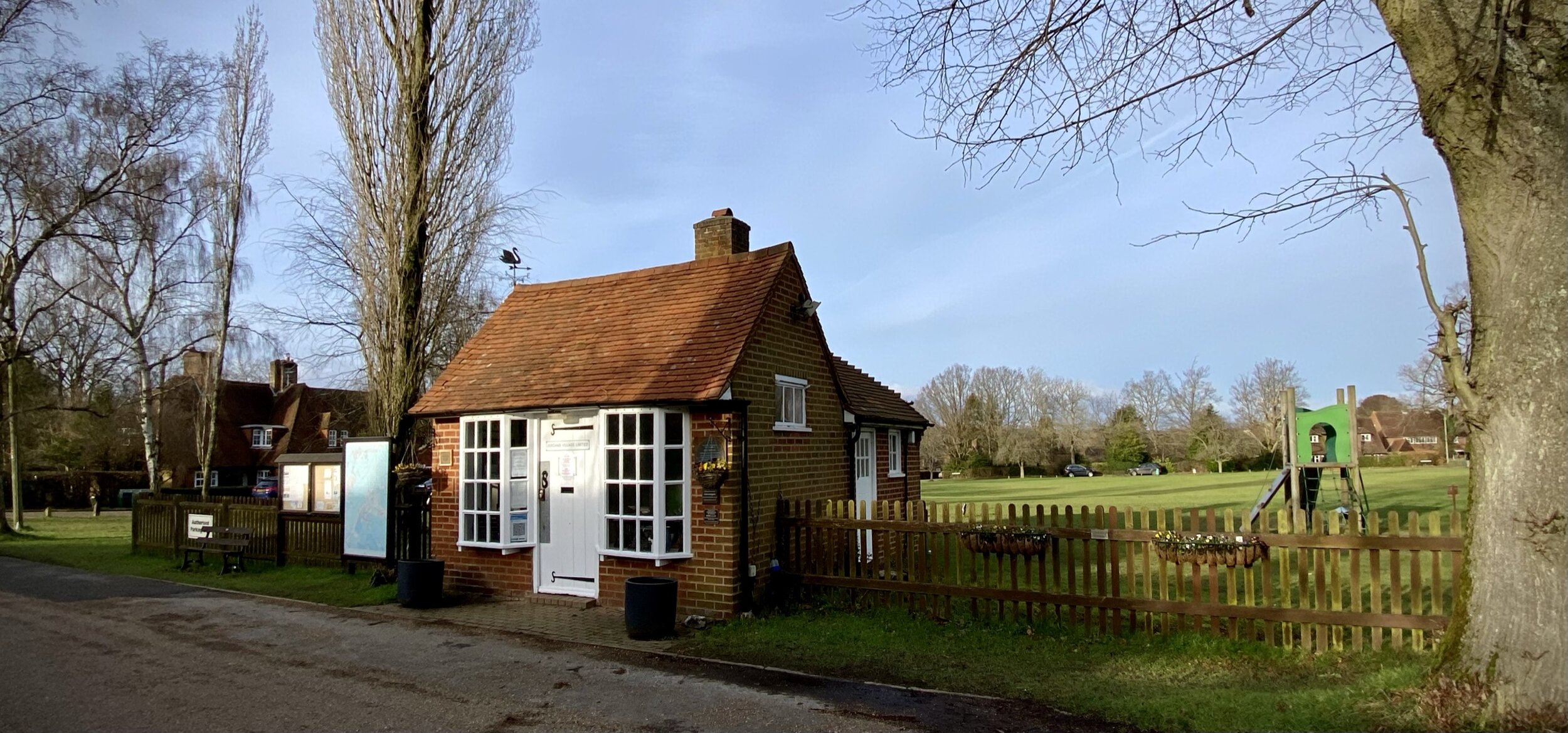
A bench on Jordans Village Green

Jordans Village Green


Start & Finish: Seer Green & Jordans Station, Farm Lane, Seer Green, HP9 2UP
Distance: 7.3 km (4.5 miles)
Elevation change: +/- 47m
GPX File: get via Buy Me a Coffee
Other routes touched (walk): Chiltern Heritage Trail
Other routes touched (cycle): None
Pubs / Cafes on route: The Jolly Cricketers, just off the route at ~1 km in
Map: OS Explorer Map (172) Chiltern Hills East
Links: Jordans, Seer Green and Jordans Station, Seer Green, William Penn, Jordan’s Quaker Meeting House and Centre


The Chiltern Hills National Landscape (formerly AONB) is a picturesque landscape located in the southeast of England. It covers an area of approximately 324 square miles and spans across four counties: Oxfordshire, Buckinghamshire, Bedfordshire, and Hertfordshire. The hills are characterized by rolling chalk hills, ancient woodlands, and charming villages with thatched roofs. It is a popular destination for hikers, cyclists, and nature lovers who come to enjoy the stunning vistas and the rich biodiversity of the area. The area is also rich in history and has many sites of archaeological and historical interest, such as Iron Age forts and medieval churches.

Walking Directions

This pleasant 7.3 km circular walk begins at the convenient Seer Green & Jordans Station, immediately taking you up towards the quintessential Buckinghamshire village of Seer Green. Escaping the residential streets, you will quickly find yourself immersed in the serene farmland and open spaces that make the Chilterns so spectacular, skirting the edges of the Oakland Park Golf Club and tranquil woodlands.

The return leg brings you near the historic heart of Jordans, brushing past the famous Quaker Centre and winding through the picturesque Crutches Wood. It’s a beautifully varied route that perfectly balances charming village scenery with the quiet, rural escapes the Chiltern Hills are famous for.

The guidance below will help you navigate but don’t use it as a fully accurate turn-by-turn guide. Always take a map and/or a GPX route and prepare well for the weather and terrain.

  • Starting from Seer Green and Jordans station you’ll follow a steep path up through some very nice houses into Seer Green village. This is a good point to stop for a drink at the Jolly Cricketers before tackling the rest of the walk.

  • From Seer Green village take a path in a north-easterly direction through fields and farmland to the junction of Newbarn Lane, Twitchell’s Lane and Three Households.

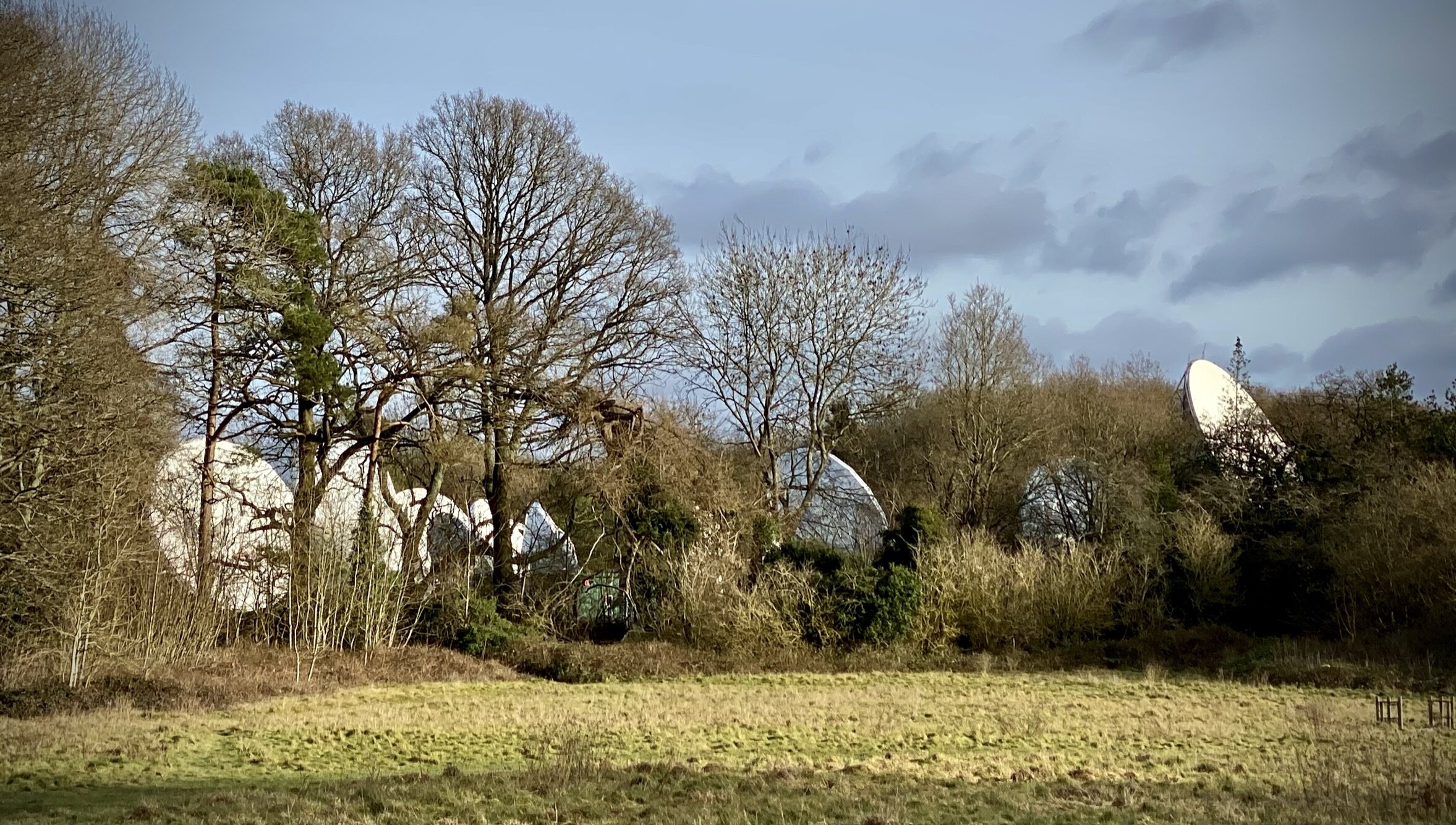
  • Continue in a north-easterly direction along Three Households for ~500m before taking a right-hand footpath through Oakland Park Golf Club. Continue in a south-easterly direction for ~1.4 km until you reach a T-junction in the footpath in the woods. Take the right-hand footpath, following along the edge of the boundary with the communications site with the large satellite dishes.

  • You’ll come to a large open space where you can take a right hand path, heading west.

  • Follow this path through farmland to Jordans Lane and the Chiltern Heritage Trail. Briefly follow this south towards the Quaker Centre, crossing the road when you see a footpath on the right heading west. Follow this path through the field, Crutches Wood, over Longbottom Lane and back to the start at Seer Green and Jordans station.

Points of Interest along or near to the Route

  • Seer Green Village Seer Green gets its name from the Old English sere (meaning dry) and grene (meaning a grassy spot). It was referred to as La Sere or La Cere in its earliest recorded mention in a legal writ from 1232, and historically sometimes spelt Sear Green or Shere Grene. The name Seer Green first appears in a 1407 document: an Inquisition Post Mortem recording the heir to the Lord of the manor of Farnham Royal. For much of its history, Seer Green was a detached part of Farnham Royal. Farnham (from farn meaning ferns and ham meaning village) held the 'Royal' designation because the Lord of the manor and Tenant-in-Chief provided a special service to the monarch: a privilege likely granted by Henry II after 1174 and later removed by Henry VIII in 1541. Renowned for cherry-growing, the village was once a key provider of the fruit to London markets throughout the 19th and early 20th centuries.

  • Jordans and the Quaker Centre While the area served as a significant early centre for the Quaker movement in the 17th century, the village of Jordans itself is much younger: it came into existence as a model Quaker community established on a green-field site from 1919. The village takes its name from Old Jordans Farm, which was identified as Jurdens on the 1770 Thomas Jefferys Buckinghamshire county map and John Cary's 1801 map, before becoming Jordans on Andrew Bryant's 1825 county map. The Jordans Meeting House, built in 1688, is one of the oldest in the country and is the final resting place of William Penn, the founder of the Province of Pennsylvania. Its simple, historic architecture reflects the Quaker values of peace and equality, making it a culturally significant and peaceful stop along your walk.

  • The Jolly Cricketers, Seer Green. The pub’s wisteria is well over 100 years old. The landlord serves Cask Marque accredited local real ales. The kitchen has an AA Rosette offering modern British food specialising in Cornish seafood. The owners have had the pub since 2008.

  • Old Long Grove is a historic woodland that has been established since at least 1557. The woods hold a fascinating royal connection: they were documented in the 'Court Survey of 1560' for Queen Elizabeth I, which recorded that the woodland had three years of growth at that time.

  • Crutches Wood. As you walk through Crutches Wood, you are experiencing a prime example of the ancient woodlands that characterise the Chiltern Hills. These tranquil, broadleaved woods are crucial habitats for local wildlife, offering shaded shelter for various woodland birds and mammals. Depending on the season, walkers might also be treated to spectacular carpets of native bluebells, a natural hallmark of the region's ancient woodland floors.

  • The Chiltern Heritage Trail. Your route briefly intersects with the Chiltern Heritage Trail, a celebrated 52-mile circular path designed to showcase the very best of the local area. Following this historic trail, even for a short stretch, connects you to a wider network of rolling chalk hills, ancient hedgerows, and historic parish boundaries that have shaped this National Landscape for centuries.


route-34990584-map-full.png
elevation_profile (1).jpg

Chiltern Walks: Hedgerley and Bulstrode
Bulstrode Park

Bulstrode Park


Start & Finish: The White Horse, Hedgerley, Village Lane, Hedgerley, Slough, SL2 3UY
Distance: 6.9 km (4.3 miles)
Elevation change: +/- 52m
GPX File: get via Buy Me a Coffee
Other routes touched (walk): Hedgerley Circular
Other routes touched (cycle): None
Other Pubs / Cafes on route: None
Map: OS Explorer Map (172) Chiltern Hills East
Links: Hedgerley, Gerrards Cross, Bulstrode Park


If you’ve already done the Hedgerley Circular, this short route returns to the highlights of the eastern section plus an extra loop over the M40. This additional section takes you into the grounds of Bulstrode Park. The estate pre-dates the Norman Conquest and a house has been on the land since the 1600s. For much of recent history the estate has been owned by an evangelical Christian mission although it has been in private hands since 2016. The house was being renovated when we were on this walk, although the paths through the park are always open. The guidance below will help you navigate but don’t use it as a fully accurate turn-by-turn guide. Always take a map and/or a GPX route and prepare well for the weather and terrain.

From The White Horse in Hedgerley walk south down Village Lane to the junction with Hill View and take the first footpath on the left. Follow the path in an easterly direction for just under 2 km, crossing under the M40, until you get to Hedgerley Lane. Follow Hedgerley Lane in a north-easterly direction for 200m then take the footpath on the left that leads to Main Drive. This brings you to the entrance of the Bulstrode Estate.

Take a left onto Main Drive to walk in a westerly direction passing the northern side of the main house. Eventually you’ll get back to Hedgerley Lane on the northern side of the M40. Cross over the M40 bridge then take the first path on the left to connect to Waspeys Lane. Take a left onto Waspey’s Lane then the first lane on the right. Follow the lane in a south westerly direction and continue as it becomes a footpath. This path will lead you to St Mary The Virgin Church and the start of the walk at the White Horse.


route-34988463-map-full.png
elevation_profile.jpg

Walks Along The Thames Path National Trail
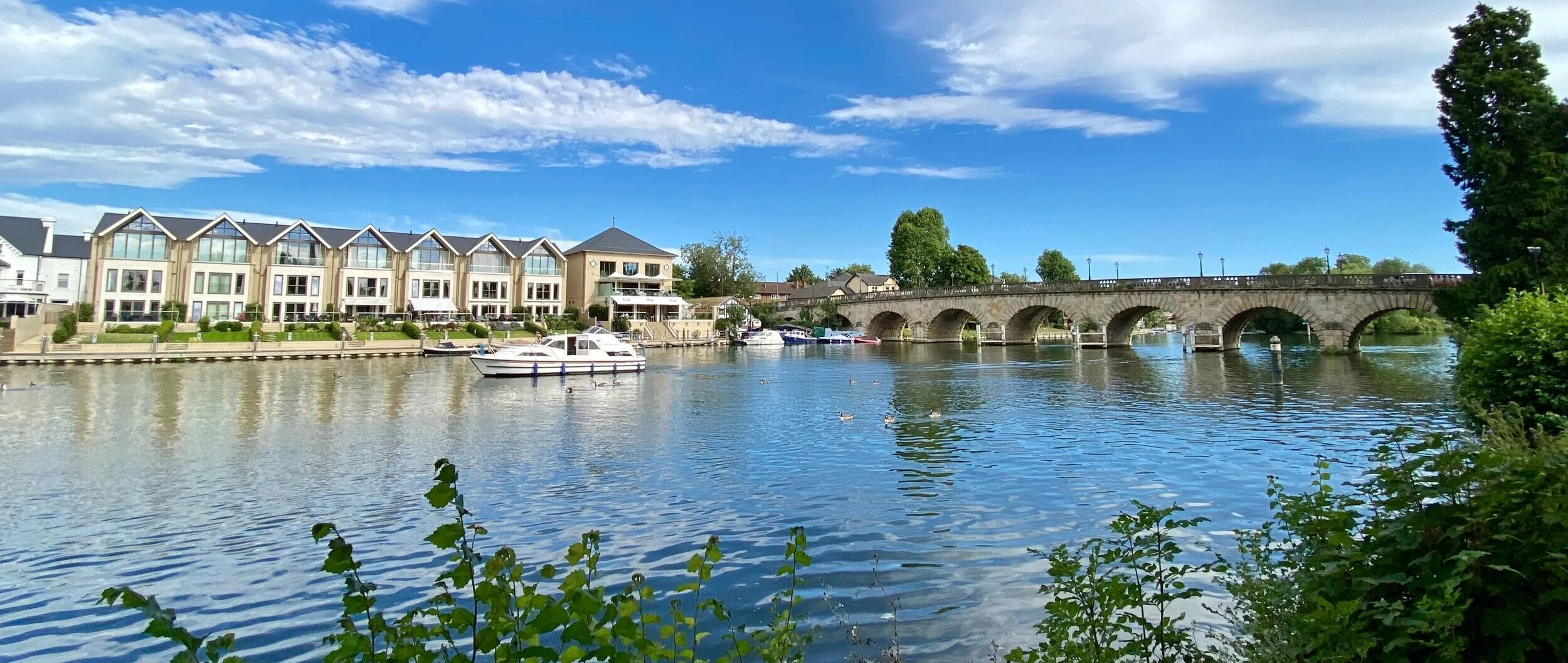
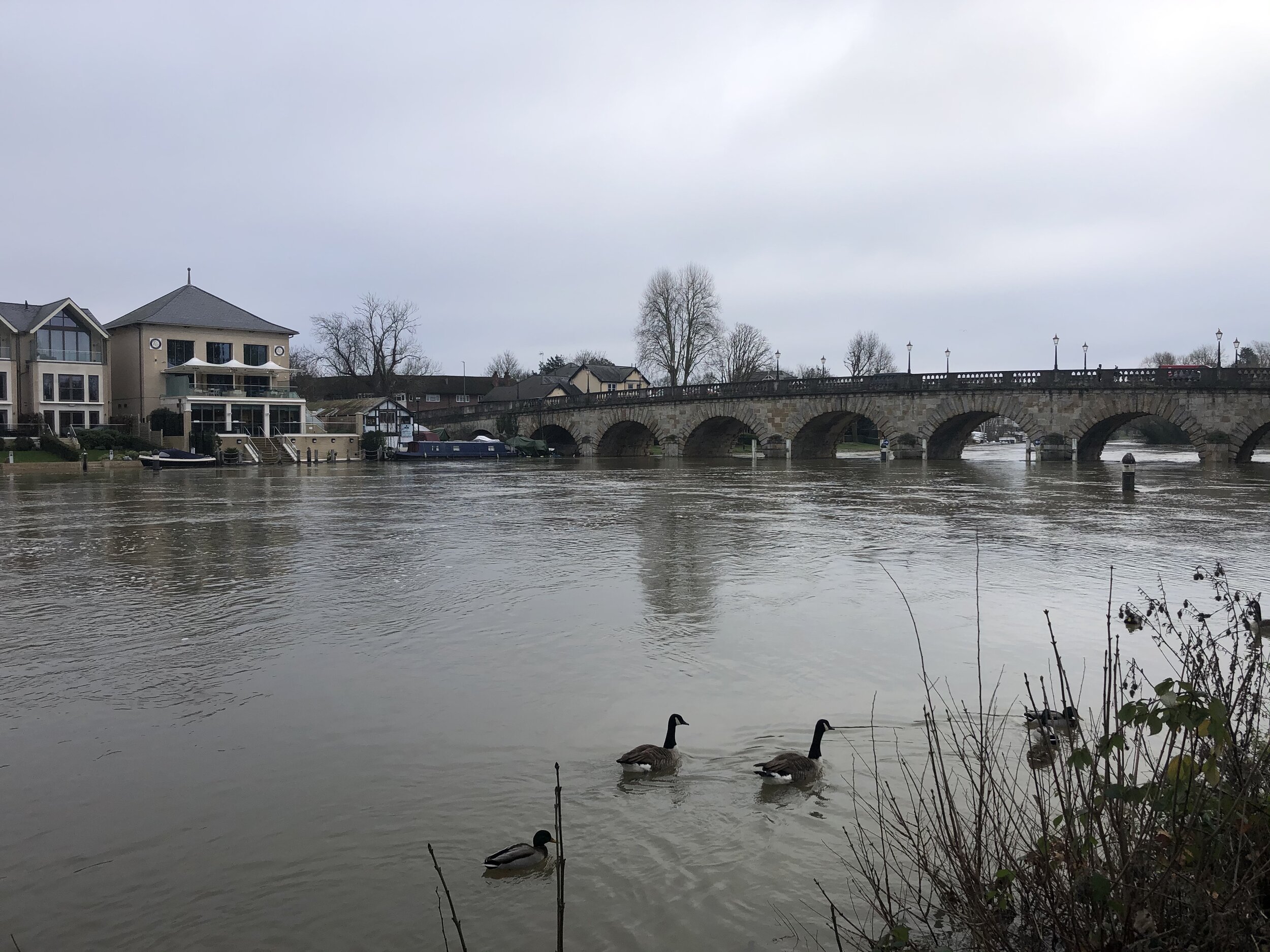
Maidenhead Bridge

Maidenhead Bridge

I’ve spent a lot of my life living close to the Thames and have done countless walks, runs and rides along it. It’s also the first National Trail that I’ve completed end to end. That was a cycle trip and, as my blog post on it describes, it’s best discovered on foot.

More recently I’ve been returning to the trail to do shorter circular walks containing stretches of the Thames Path. So far it’s been mostly focused on the Chilterns section, but I’ll extend towards the outer ends later. Here’s the links to the walks that I’ve done so far. They’re in order of closest to the source first.


From The Source to The Chilterns: Kemble to Wallingford

Circular Walks including the Thames Path


The Chilterns Section: Wallingford to Staines-upon-Thames


Circular Walks including the Thames Path


The London Section: Staines-upon-Thames to The Thames Barrier

Walks Crossing or Ending at The Thames Path


Round Berkshire Cycle Route - Windsor Loop
Cycle path between The Rangers Gate and Clewer Green

Cycle path between The Rangers Gate and Clewer Green


Start & Finish: Windsor Bridge, Windsor, SL4 6AA
Distance: 23.3 km (20 Miles)
Elevation change: +/- 212m
GPX File: get via Buy Me a Coffee
Other Routes Touched (walk): Thames Path, Jubilee River Path, Three Castles Path
Other Routes Touched (cycle): NCN 4, Ascot To Windsor Cycle Path
Pubs / Cafes on route: several on Eton High Street
Map: OS Explorer Map (160) Windsor, Weybridge & Bracknell
Links: Round Berkshire Cycle Route, Eton, Windsor, Windsor Bridge, Old Windsor, Windsor Great Park

Previous section: Round Berkshire Cycle Route - Maidenhead Loop


This is the first in a series of short trips to tackle the Round Berkshire Cycle Route in smaller sections. The full route is 140 miles from Lambourne in the west to Datchet in the east. I’ll probably do the whole route in a single trip one day, but for now I’m happy to break it into smaller sections.

We started this loop at Windsor Bridge, close to both of the town’s train stations and several car parks. From here the route heads north toward Slough before diverting east to Datchet. After Datchet the route follows the B3021 parallel to the Thames joining the A308 into Old Windsor. Depending on your love of hills, the climb up Crimp Hill into the Great Park is either a high or a low-light.

Must of Windsor Great Park is reserved for walkers and horse-riders with cycling prohibited on many paths. The route 52 takes you along the the cyclable parts on very well maintained roads. At the southern end of the park you’ll exit at Blacknest Gate following Mill Lane then Buckhurst Road. When you reach the Ascot Gate you’ll leave the route 52 as it continues along Sunninghill Road to Bracknell. Instead, return into the park and take Dukes Lane North-East to The Village.

At this point you can join an inner circle of the route 52 up to Snow Hill and the Copper Horse and back to The Village via Bishopsgate Road. On the day we were there the gates to Snow Hill were closed to cyclists so we had to double back to The Village. Whichever option you’ve taken, the next stage starts with following the westerly road from The Village junction, up to Primrose Hill and north to the Ranger’s Gate.

Be careful when exiting the Ranger’s Gate as the A332 can be extremely busy. The road is the quickest route back to Windsor, but for a safer, more interesting route, take the cycle path to the left of the road and follow it to the grounds of Windsor FC and onto the B3022. The final 2km of the route winds through residential streets before returning to the river on Barry Avenue between the Thames and Alexandra Park.


route-34938830-map-full.png
elevation_profile (1).jpg

Chiltern Walks: Heronsgate and Bottom Wood
View east from Philipshill Wood

View east from Philipshill Wood


Start & Finish: The Stag, Long Lane, Heronsgate, WD3 5BT
Distance: 6.5 km (4 miles)
Elevation change: + / - 82m
GPX File: get via Buy Me a Coffee
Other routes touched (walk): Chiltern Way, Chiltern Heritage Trail, South Bucks Way
Other routes touched (cycle): Chiltern Heritage Trail Milton Route
Pubs / Cafes on route: The Stag, Heronsgate
Map: OS Explorer Map (172) Chiltern Hills East
Links: Heronsgate, Philipshill Woods, Newlands Park


A short walk in the eastern Chilterns, touching parts of our previous walk from Chalfont St Giles to Newlands Park. We started from The Stag pub in Heronsgate, but Chorleywood station is not far and only adds a short distance if you’re coming in by train. The guidance below will help you navigate but don’t use it as a fully accurate turn-by-turn guide. Always take a map and/or a GPX route and prepare well for the weather and terrain.

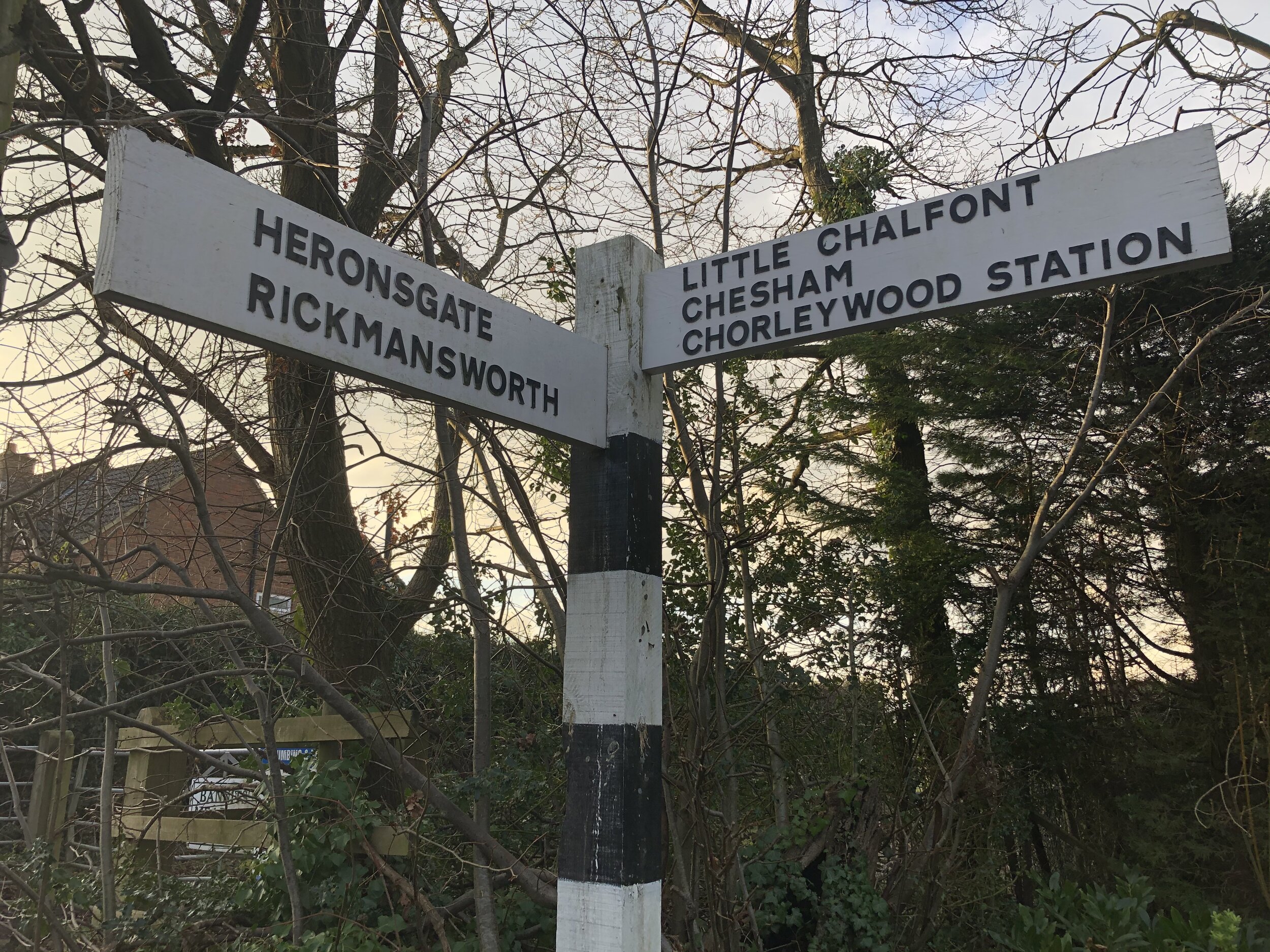
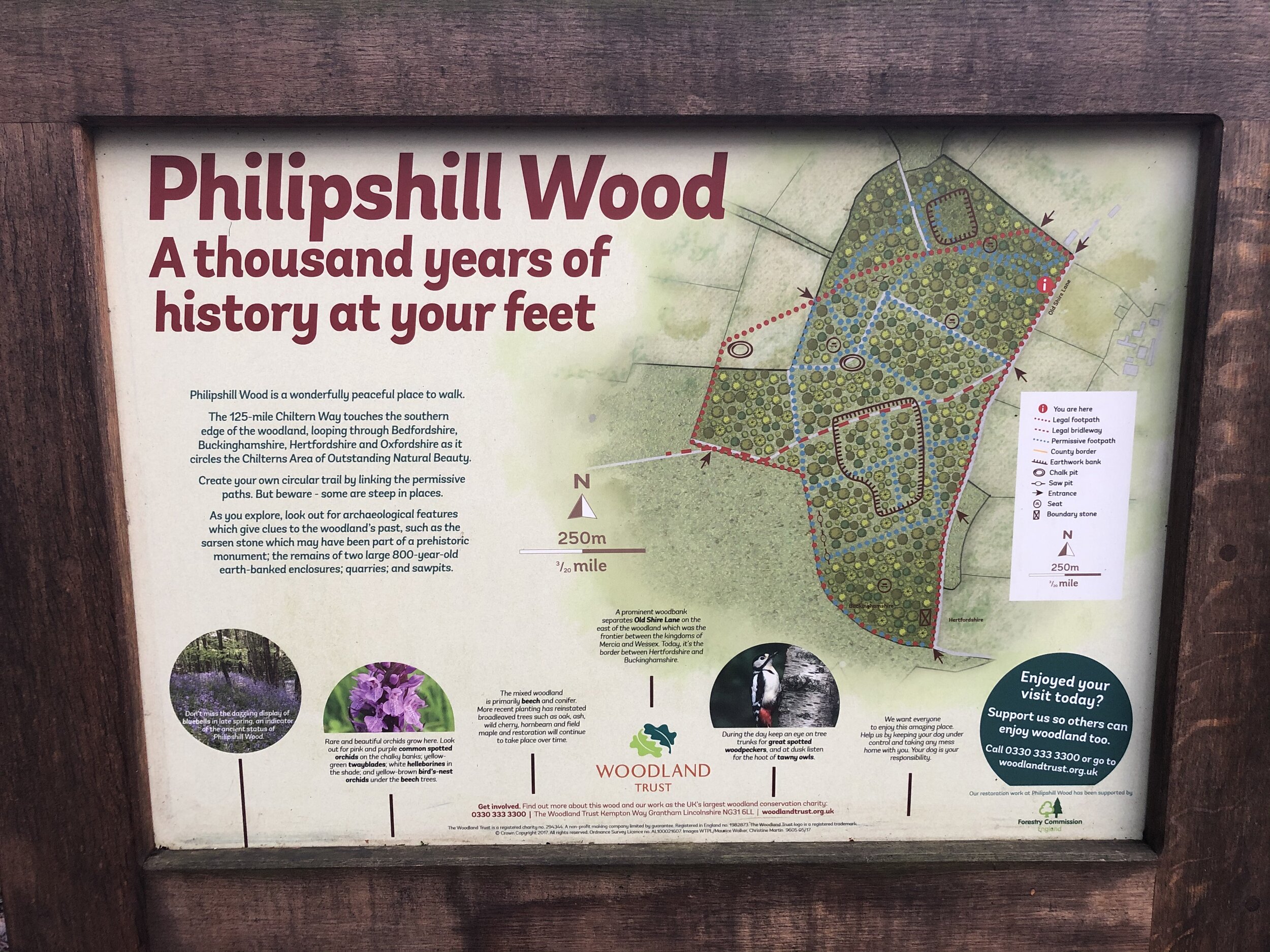
From The Stag cross over Long Lane and walk along Stag Lane in a north easterly direction. Take a left onto Rendlesham Way and follow it to Quickley Lane. Take a right then immediately left onto Burfield Road. At the T-junction take a left onto Shire Lane. Walk along Shire Lane in a south-westerly direction then onto Old Shire Lane. The Chiltern Way section of the route follows Old Shire Lane along the edge of Philipshill Wood. This ancient trackway is “is thought to mark part of the boundary between the Anglo-Saxon kingdoms of Wessex and Mercia” (Wikipedia).

Continue along old Shire Lane until you reach a T-junction in the path at the northern end of the Chiltern Open Air Museum. Take a left to continue along Old Shire Lane following the boundary of the Open Air Museum and Newlands Park. At ~3.5 km into the walk take a left off Old Shire Lane to follow a path heading east. After 400m take a left to cross through Bottom Wood. Exit Bottom Wood and continue east across the field towards the M25. When you reach the path at the edge of the Heronsgate Woods take a left to follow the Heronsgate boundary back to The Stag.


route-34952348-map-full.png
elevation_profile.jpg

Chiltern Walks: Chalfont St Giles and Newlands Park
Fields at eastern end of Newlands Park

Fields at eastern end of Newlands Park


Start & Finish: Chalfont St. Giles Village Centre, HP8 4QF
Distance: 8.6 km (5.3 miles)
Elevation change: + / - 75m
Chiltern Heritage Trail Section Covered: Newland Gorse to Chalfont Common: 4.6 km
GPX File: get via Buy Me a Coffee
Other routes touched (walk): Chiltern Way, Chiltern Heritage Trail, South Bucks Way
Other routes touched (cycle): Chiltern Heritage Trail Milton Route
Pubs / Cafes on route: Several in Chalfont St. Giles Village Centre
Map: OS Explorer Map (172) Chiltern Hills East
Links: Chalfont St Giles, Newlands Park, Philipshill Wood, Chalfont Centre for Epilepsy, Gott’s Monument, River Misbourne


This is part of a series of short circular walks in the Chilterns. It’s a part of a series of 17 walks that, between them, cover the 83 km of the Chiltern Heritage Trail. Created as a Millennium project, this trail links the towns and parishes within the district, offering stunning scenery, charming villages, and points of historical interest. The guidance below will help you navigate but don’t use it as a fully accurate turn-by-turn guide. Always take a map and/or a GPX route and prepare well for the weather and terrain.

From the village centre you’ll follow the Chiltern Way in an easterly direction over fields, across the A413 then up a steep hill. Soon you’ll pass the picturesque H2 construction site for one of the Chiltern tunnel vents. Continue along the Chiltern Way as it enters the Newlands Park Estate, curving around its perimeter.

Approximately 3 km into the trip you’ll meet a path junction in Philipshill Wood. Instead of taking a left turn to continue on the Chiltern Way, continue straight on, keeping to the left of the boundary of Newlands Park. After ~350m take a right hand path (Old Shire Lane), again keeping Newlands Park on your right. After ~600 metres, take a right hand path back into Newlands Park and follow the path toward then over Gorelands Lane. Continue in a south-westerly direction through farmland and into the Chalfont Centre for Epilepsy.

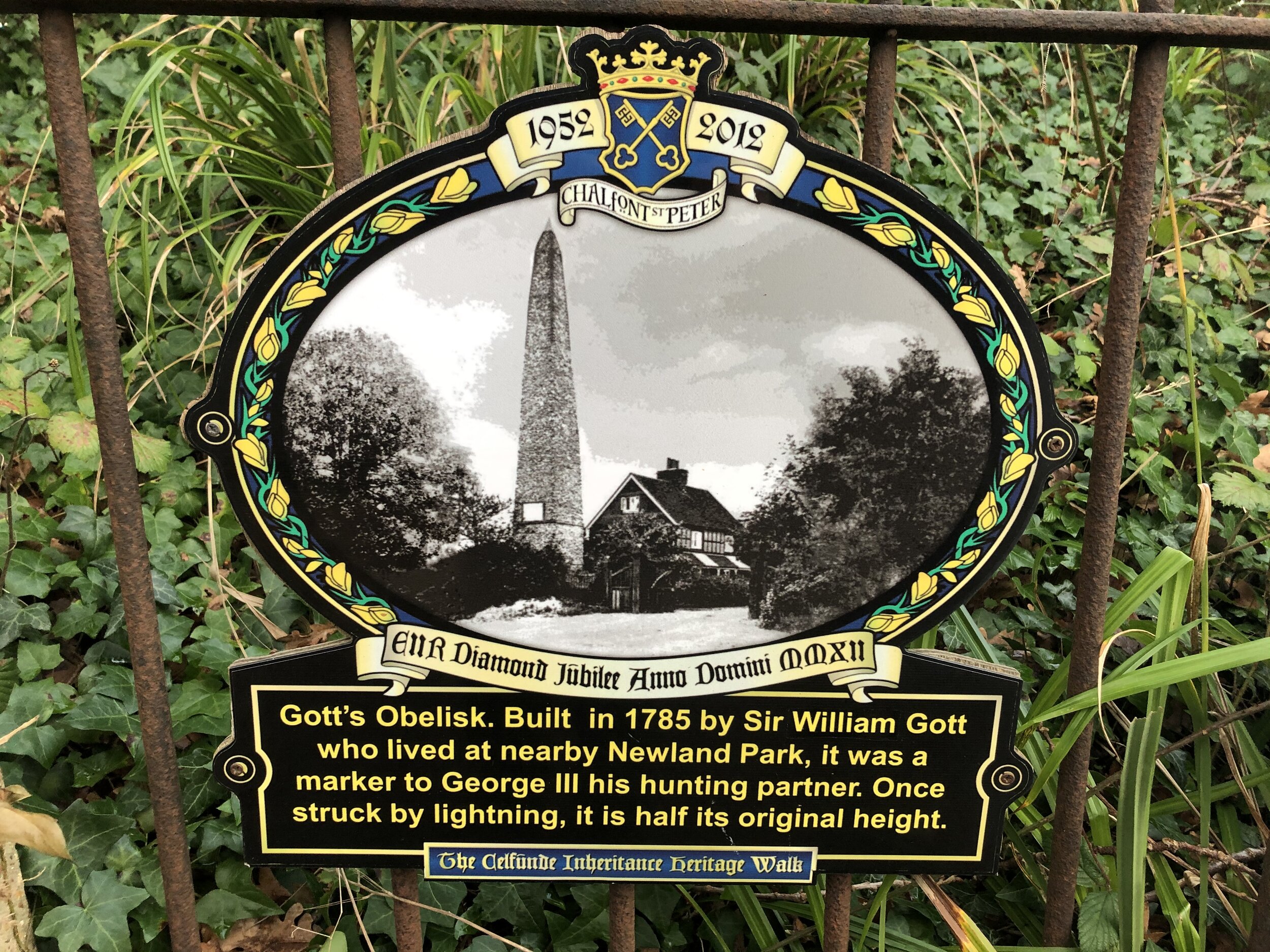
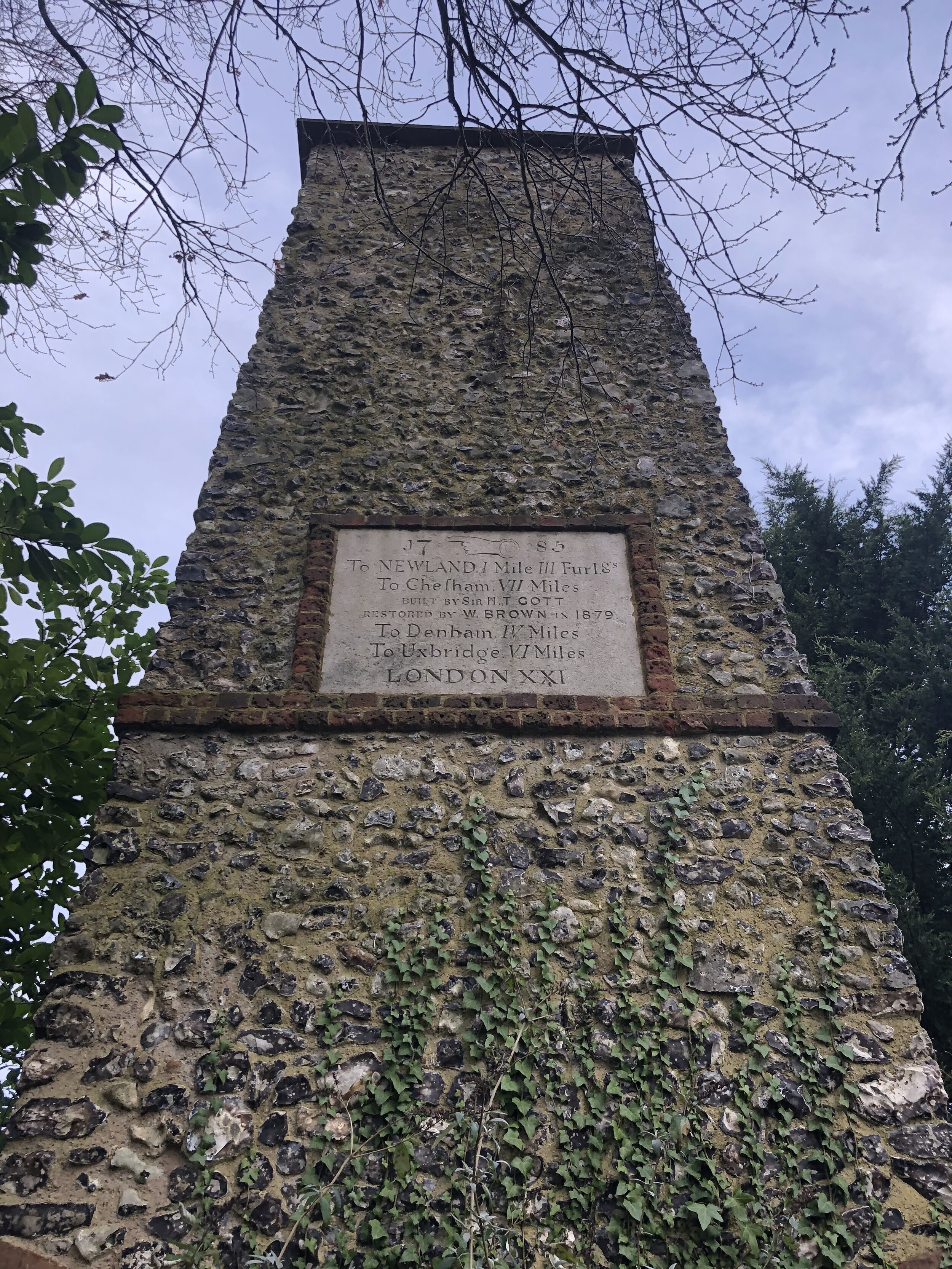
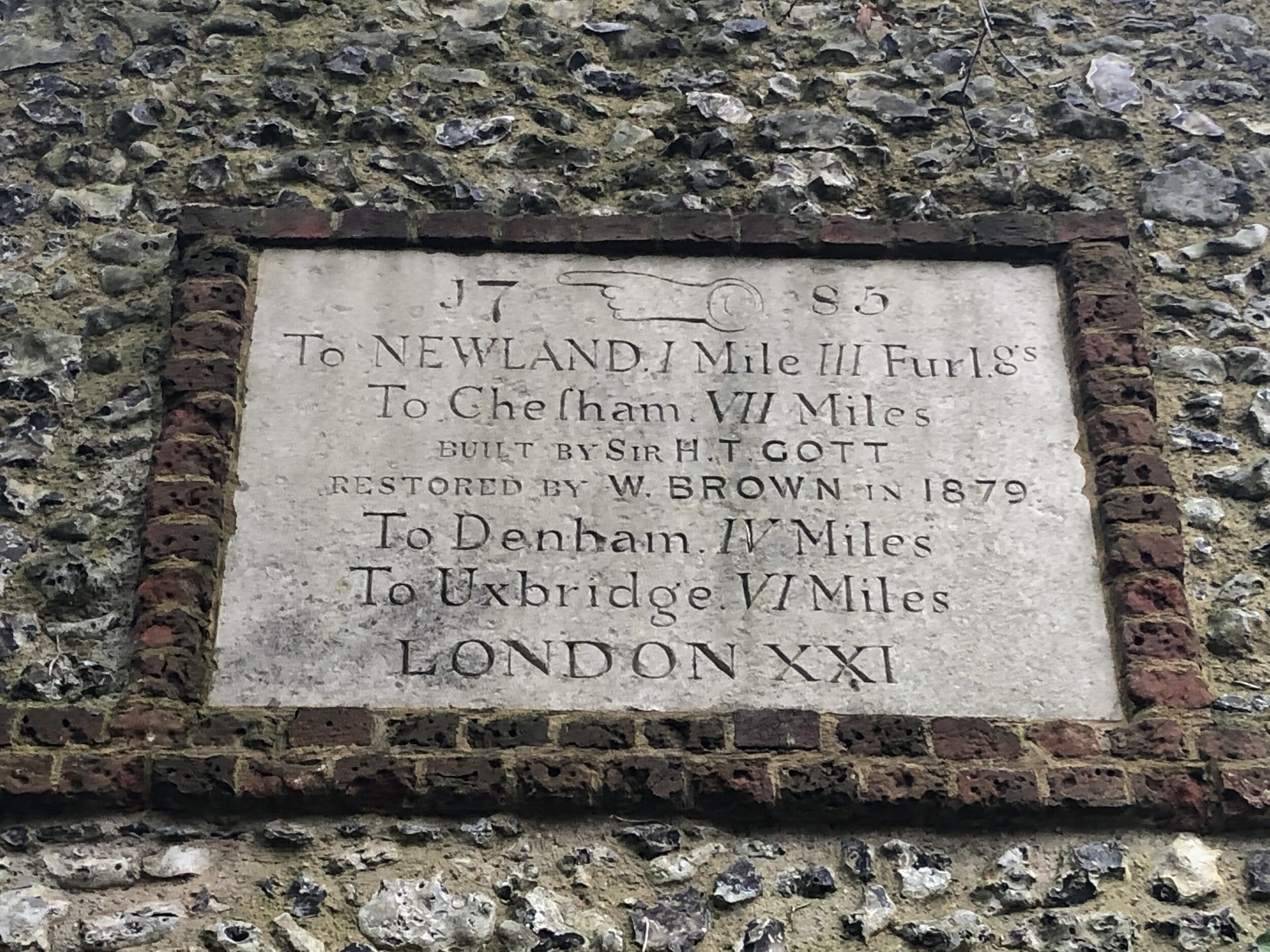
To the right of the main gate of the Centre for Epilepsy, look out for Gott’s Obelisk. According to the plaque, it was “… built in 1785 by Sir William Gott who lived at nearly Newlands Park, it was a marker to George III his hunting partner. Once struck by lightning it is half it’s original height”.

From the monument, take Misbourne Avenue down to the A413, take a left and briefly follow the main road until you see a footpath sign on the right. Carefully cross the road and take the path across the River Misbourne until you meet the Chiltern Heritage Trail. Turn right onto the trail and follow it back to Chalfont St. Giles.


route-34946606-map-full.png
elevation_profile.jpg

Chiltern Heritage Trail next section clockwise: Chalfont St Peter, Seer Green and Chalfont St Giles
Chiltern Heritage Trail next section anti-clockwise: Phillipshill Wood and Hanging Wood

Walking The London Loop and Capital Ring
The London Loop and Capital Ring in one view

London Loop in Blue, Capital Ring in Red. Base map from OpenStreetMap


The London Loop and Capital Ring are long distance circular walks around London. Both were conceived in the ‘90s and completed in the early 2000s. They pass through mostly green spaces around the capital and can easily be broken up into a series of shorter walks. Having cycled both a few years ago, I’m now returning to walk them. I’ve mostly covered the western sections and there’s a long way to go.

The list of sections below are those that I’ve planned but not necessarily completed yet. I’ve also included links to blog posts for other walks that follow or cross over parts of either the London Loop or the Capital Ring. If you would like GPX files of any of these sections please Buy Me a Coffee and let me know which section(s) you are interested in. For a limited time I would be happy to share files for all sections of either collection for 1 coffee plus any feedback on the route (corrections, changes etc.)

There are now several guidebooks to either the Loop or the Ring. Note that the sections below and the order of them don’t necessarily match exactly to those in the guides. I use Colin Saunders’ guides for each route and can highly recommend them for their description of the route and points of interest.


The London Loop In Sections

  • London Loop Section 01: Erith Riverside to Bexley. Distance: 14.0 km. Elevation Change: +72m / -67m. Net +6m

  • London Loop Section 02: Bexley to Petts Wood. Distance: 12.5 km. Elevation Change: +134m / -67m. Net +67m

  • London Loop Section 03: Petts Wood to West Wickham Common. Distance: 15.2 km. Elevation Change: +168m / -183m. Net -15m

  • London Loop Section 04: West Wickham Common to Hamsey Green. Distance: 15.1 km. Elevation Change: +285m / -182m. Net +183m

  • London Loop Section 05: Hamsey Green to Coulsdon South. Distance: 10.2 km. Elevation Change: +119m / -201m. Net -82m

  • London Loop Section 06: Coulsdon South to Banstead Downs. Distance: 8.0 km. Elevation Change: +126m / -87m. Net +39m

  • London Loop Section 07: Banstead Downs to Ewell West. Distance: 6.6 km. Elevation Change: +23m / -114m. Net -91m

  • London Loop Section 08: Ewell West to Kingston Bridge. Distance: 12.8 km. Elevation Change: +47m / -72m. Net -25m

  • London Loop Section 09: Kingston Bridge to Hatton Cross. Distance: 16.1 km. Elevation Change: +70m / -58m. Net +12m

  • London Loop Section 10: Hatton Cross to Hayes and Harlington. Distance: 6.8 km. Elevation Change: +36m / -24m. Net +12m

  • London Loop Section 11: Hayes and Harlington to Uxbridge. Distance: 12.0 km. Elevation Change: +55m / -54m. Net +1m

  • London Loop Section 12: Uxbridge to Harefield. Distance: 7.6 km. Elevation Change: +29m / -23m. Net +6m

  • London Loop Section 13: Harefield to Moor Park. Distance: 8.7 km. Elevation Change: +116m / -91m. Net -25m

  • London Loop Section 14: Moor Park to Hatch End. Distance: 7.7 km. Elevation Change: +93m / -95m. Net -2m

  • London Loop Section 15: Hatch End to Elstree. Distance: 15.2 km. Elevation Change: +182m / -153m. Net -29m

  • London Loop Section 16: Elstree to High Barnet. Distance: 18.1 km. Elevation Change: +243m / -238m. Net +5m

  • London Loop Section 17: High Barnet to Enfield Lock. Distance: 14.8 km. Elevation Change: +95m / -176m. Net -81m

  • London Loop Section 18: Enfield Lock to Chingford. Distance: 8.1 km. Elevation Change: +110m / -71m. Net +39m

  • London Loop Section 19: Chingford to Chigwell. Distance: 7.1 km. Elevation Change: +83m / -95m. Net -12m

  • London Loop Section 20: Chigwell to Havering. Distance: 10.7 km. Elevation Change: +175m / -115m. Net +60m

  • London Loop Section 21: Havering to Harold Wood. Distance: 8.1 km. Elevation Change: +29m / -97m. Net -68m

  • London Loop Section 22: Harold Wood to Upminster Bridge. Distance: 7.3 km. Elevation Change: +46m / -64m. Net -18m

  • London Loop Section 23: Upminster Bridge to Rainham. Distance: 7.7 km. Elevation Change: +32m / -43m. Net -11m

  • London Loop Section 24: Rainham to Purfleet. Distance: 8.3 km. Elevation Change: +38m / -38m. Net 0m


Other Walks on The London Loop


London Loop and Capital Ring.pptx.jpg

The Capital Ring in Sections

  • Capital Ring Section 01: Woolwich to Falconwood. Distance: 10.6 km. Elevation Change: +158m / -95m. Net +63m

  • Capital Ring Section 02: Falconwood to Grove Park. Distance: 6.9 km. Elevation Change: +56m / -80m. Net -24m

  • Capital Ring Section 03: Grove Park to Crystal Palace. Distance: 14.2 km. Elevation Change: +151m / -120m. Net +31m

  • Capital Ring Section 04: Crystal Palace to Streatham. Distance: 6.9 km. Elevation Change: +78m / -122m. Net -44m

  • Capital Ring Section 05: Streatham to Wimbledon Park. Distance: 9.4 km. Elevation Change: +49m / -59m. Net -10m

  • Capital Ring Section 06: Wimbledon Park to Richmond. Distance: 12.0 km. Elevation Change: +132m / -148m. Net -16m

  • Capital Ring Section 07: Richmond to Osterley Lock. Distance: 7.8 km. Elevation Change: +44m / -33m. Net +11m

  • Capital Ring Section 08: Osterley Lock to Greenford. Distance: 9.3 km. Elevation Change: +50m / -45m. Net -5m

  • Capital Ring Section 09: Greenford to South Kenton. Distance: 9.2 km. Elevation Change: +137m / -120m. Net +17m

  • Capital Ring Section 10: South Kenton to Hendon Park. Distance: 10.7 km. Elevation Change: +134m / -108m. Net +26m

  • Capital Ring Section 11: Hendon Park to Highgate. Distance: 9.4 km. Elevation Change: +99m / -70m. Net +29m

  • Capital Ring Section 12: Highgate to Stoke Newington. Distance: 9.1 km. Elevation Change: +42m / -112m. Net -70m

  • Capital Ring Section 13: Stoke Newington to Hackney Wick. Distance: 6.7 km. Elevation Change: +26m / -48m. Net -22m

  • Capital Ring Section 14: Hackney Wick to Royal Albert Dock. Distance: 8.4 km. Elevation Change: +31m / -33m. Net -2m

  • Capital Ring Section 15: Royal Albert Dock to Woolwich. Distance: 6.2 km. Elevation Change: +30m / -25m. Net +5m


Other Walks on The Capital Ring


Other Resources


More London Posts

If you enjoyed reading this post, there is plenty more to explore across the capital. I have put together a dedicated London Outdoors page where I keep track of all my other adventures around the city. It is a handy index where I group my posts by the different types of places I have visited: including historic boundary lines, canal towpaths, and some surprising urban high points.

The collection covers a bit of everything: from long-distance cycling routes to tracing the underground network on foot, and ticking off another Saturday morning parkrun. If you are looking for some inspiration for your own weekend outings, head back over to the London Outdoors page to see what else I have been up to.

Greater London High Points

Greater London is divided into 32 local authority districts called Boroughs plus the City of London. Living relatively close to the edge of London, it was natural that I would want to visit all 33 high points. Much like the UK County Tops some feel like a proper summit and others are unremarkable points in flat areas.

Westerham Heights on the Kent border is the high point of both Bromley and the whole of Greater London. It’s also a very short walk from Betsom’s Hill, the Kent County Top. Other than their elevations neither is particularly interesting though. You’ll need to visit Sanderstead Plantation in Croydon for the highest point that actually feels like a hill.

Prior to 1st April 1994, the Greater London high point was on the north-eastern slope of Botley Hill. A boundary change moved this point to Surrey where Leith Hill is higher.

Hampstead Heath, the high point of Camden is also the high point of the old County of London Administrative County. This area came into being with Local Government Act 1888 which split some Historic Counties into new Administrative Counties. The Administrative Counties have since been replaced by the Metropolitan and Non-metropolitan Counties plus Greater London.
High Holborn, the high point of The City of London, is not a borough but an English Ceremonial County.

As you would expect with high points, several are marked with OS Trig Pillars. Sanderstead Plantation in Croydon has a Trig Pillar nearby at Selsdon Park but it’s not at the summit. Pole Hill, in Waltham Forest is the highest point of a Greater London Borough that has a Trig Pillar on the summit.

By the end of 2021 I had completed the high points of all Greater London Boroughs. Click on the links in the list below to see details on each one. I still have the remaining Trig Pillars and Summits >100m to complete. Let me know if you spot any mistakes in the data below and I’ll donate £1 per correction to one of my causes.


London’s High Points and OS Trig Pillars


Greater London Boroughs High Points

Sanderstead Plantation

Pole Hill, Waltham Forest

Pole Hill, Waltham Forest

Bushey Heath, Harrow


London’s Natural High Points vs its Buildings & Structures

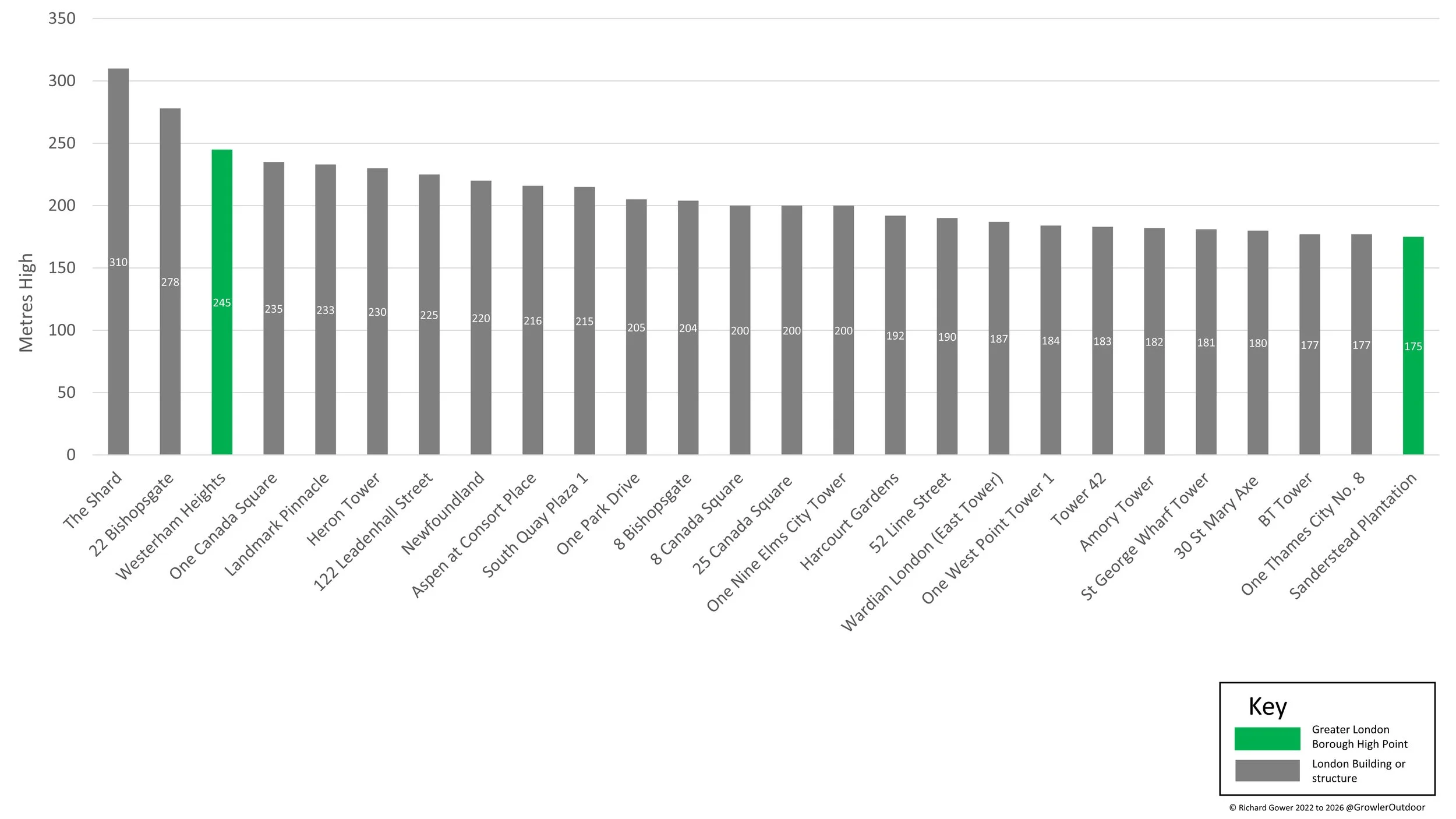
Westerham Heights was the highest point in London until the completion of The Shard in 2012. The Observation Deck at the Shard is at 244m, just 1m lower than Westerham Heights. However, the highest point on The Shard is 309.6m.

When 22 Bishopsgate was completed in 2020, it relegated Westerham Heights to 3rd place.

At the time of writing (march 2026) there are now 22 buildings and structures in London with heights between those of Westerham Heights and Sanderstead Plantation, London’s 2nd highest Borough High Point.


Parent Peaks of The Greater London Boroughs

The Parent Peaks of the London Borough High Points have a distinct north/south split. All High Points north of the Thames have Haddington Hill in the Chilterns as their parent. Botley Hill in Kent is the parent for all London High Points south of the Thames. The Nearest Higher Neighbour, according to Peakbagger also keeps to this north/south split with the exception of Heston The Vale.

The graphic below shows the Borough High Points in descending order from left to right with peaks north of the river on the top half and south of the river on the lower half.


More London posts

If you enjoyed reading this post, there is plenty more to explore across the capital. I have put together a dedicated London Outdoors page where I keep track of all my other adventures around the city. It is a handy index where I group my posts by the different types of places I have visited: including historic boundary lines, canal towpaths, and some surprising urban high points.

The collection covers a bit of everything: from long-distance cycling routes to tracing the underground network on foot, and ticking off another Saturday morning parkrun. If you are looking for some inspiration for your own weekend outings, head back over to the London Outdoors page to see what else I have been up to.


More County Tops


2020 in numbers

2020: The year of Zwift:


My mileage per activity type in 2020

My mileage per activity type in 2020


TOTAL DISTANCE IN 2020

  • Run (outdoor): 502 miles (803 km)

  • Run (Zwift): 50 miles (80 km)

  • Cycle (Outdoor): 352 miles (563 km)

  • Cycle (Zwift): 2,452 miles (3,923 km)

  • Trek: 687 miles (1,099 km)

  • Total = 4,043 miles (6,470 km)

Trek = recorded hiking & walking events, not general steps.


Bowsey Hill: Wokingham High Point

Significance: Highest peak in the Unitary Authority of Wokingham
Member of: N/A
Parent Peak: Butser Hill. NHN = Ashley Hill
Historic County: Berkshire (of which Walbury Hill is the County Top)
Elevation: 142m
Date “climbed”: 31st December 2020
Coordinates: 51° 30' 55'' N, 0° 50' 20'' W
On route of: NCN 4, Round Berkshire Cycle Route
Map: OS Explorer Map (171) Chiltern Hills West, Henley-on-Thames and Wallingford
Links: Wikipedia (Wokingham), Peakbagger, Hillbagging

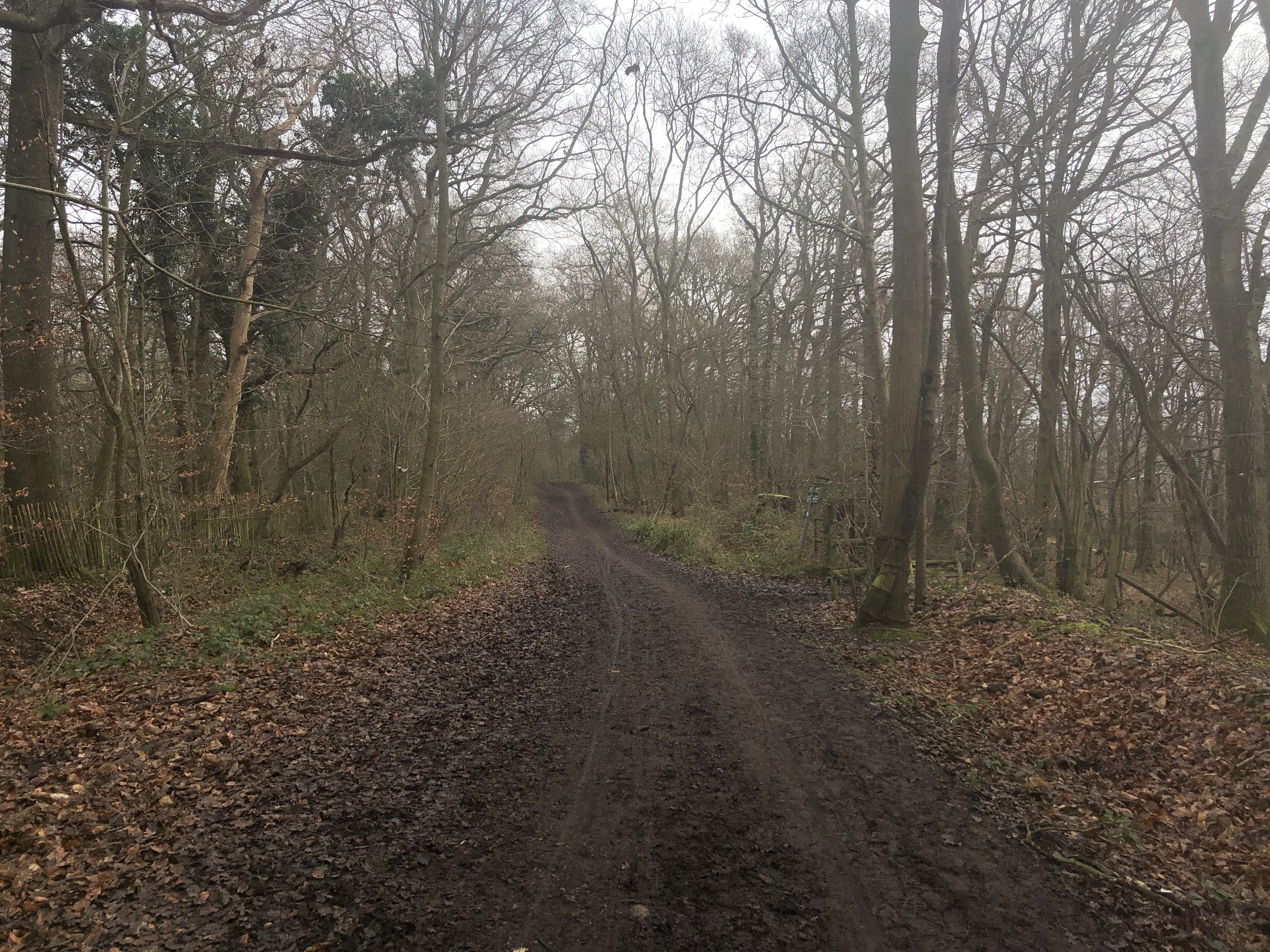
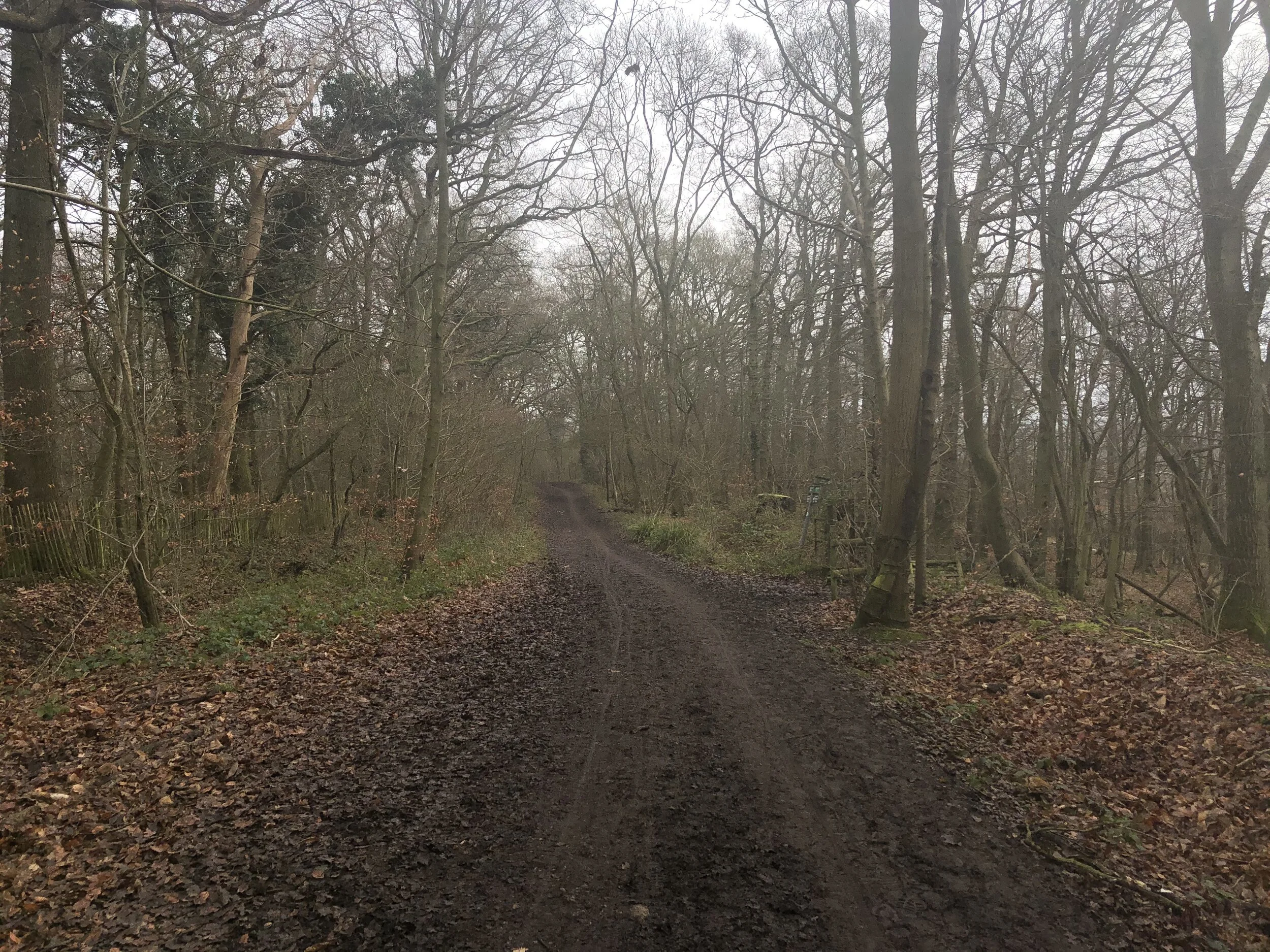
I’d bagged the high point of Wokingham several times without realising. It’s on a wide trail through the woods, passed by NCN 4 and the Round Berkshire Cycle Route. Nothing to mark the top but a nice place to pass through on a walk or cycle ride.


Round Berkshire Cycle Route - Maidenhead Loop
View to Danesfield House from Crazies Hill

View to Danesfield House from Crazies Hill


Start & Finish: Maidenhead Bridge, Bridge Road, Maidenhead, SL6 8DW
Distance: 44.3 km (27.5 Miles)
Elevation change: +/- 311m
GPX File: get via Buy Me a Coffee
Other Routes Touched (walk): Maidenhead Boundary Walk, Thames Path, The Wokingham Way, The Chiltern Way Berkshire Loop
Other Routes Touched (cycle): NCN 4, 61, Chilterns Cycleway Link
Other Routes Touched (horse): Knowl Hill Bridleway Circuit
Pubs / Cafes on route: several on Cookham High Street
Maps:
- OS Explorer Map (160) Windsor, Weybridge & Bracknell
- OS Explorer Map (171) Chiltern Hills West, Henley-on-Thames and Wallingford
- OS Explorer Map (172) Chiltern Hills East
Links: Maidenhead, Fifield, White Waltham, Knowl Hill, Crazies Hill, Burchett’s Green, Pinkney’s Green, Cookham

Next section: Round Berkshire Cycle Route - Windsor Loop


This is the first in a series of short trips to tackle the Round Berkshire Cycle Route in smaller sections. The full route is 140 miles from Lambourne in the west to Datchet in the east. I’ll probably do the whole route in a single trip one day, but for now I’m happy to break it into smaller sections.

The Maidenhead Loop was the obvious place for me to start as I grew up there and knew the lanes well. I chose the Thames bridge at Maidenhead as the starting point. There’s some free on-street parking near there and it’s a short ride from both Maidenhead and Taplow train stations.

The route is fairly well signposted with the white-on-blue route 52 numbering. I would still take a GPS or a map though as it’s easy to miss a sign. I found that out the hard way when I’d turned off my GPS to save power near Hurley and missed the turn up to Burchett’s Green.

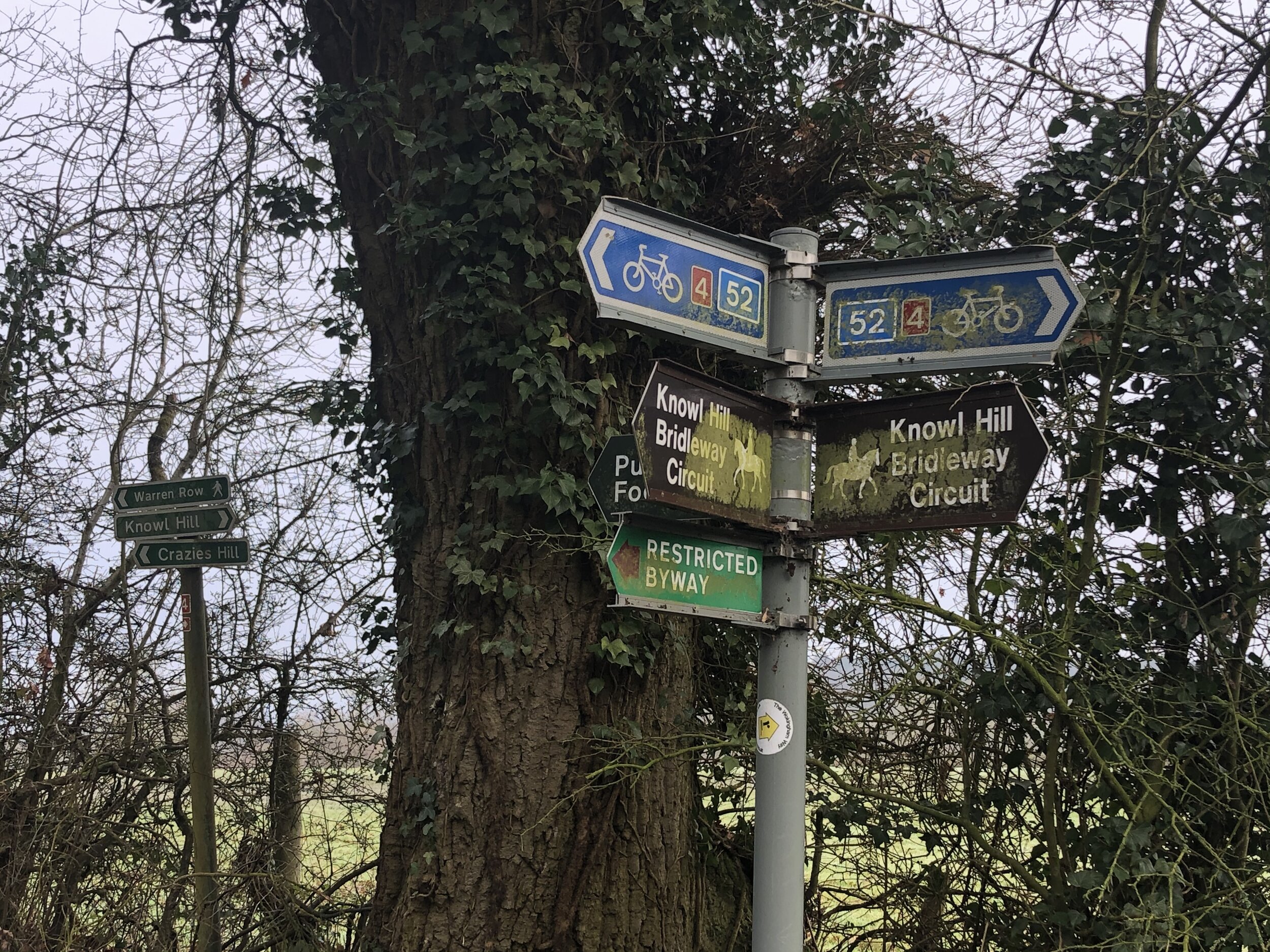
The part to take particular attention to is the Alternative Link between Fifield and Crazies Hill. This is the part that takes you off the larger circular route to make it a smaller loop. The split is just after you pass the Fifield Inn pub on Fifield Road. Take a right on the B3024 heading west rather than east towards Windsor. The convergence with the main route is at a crossroads at Crazies Hill. The larger route will meet you from the left from Highfield Lane and you’ll take a right onto Rose Lane heading north-east.


route-34906348-map-full.png
elevation_profile.jpg

Twmpa & Rhos Dirion Circular Walk
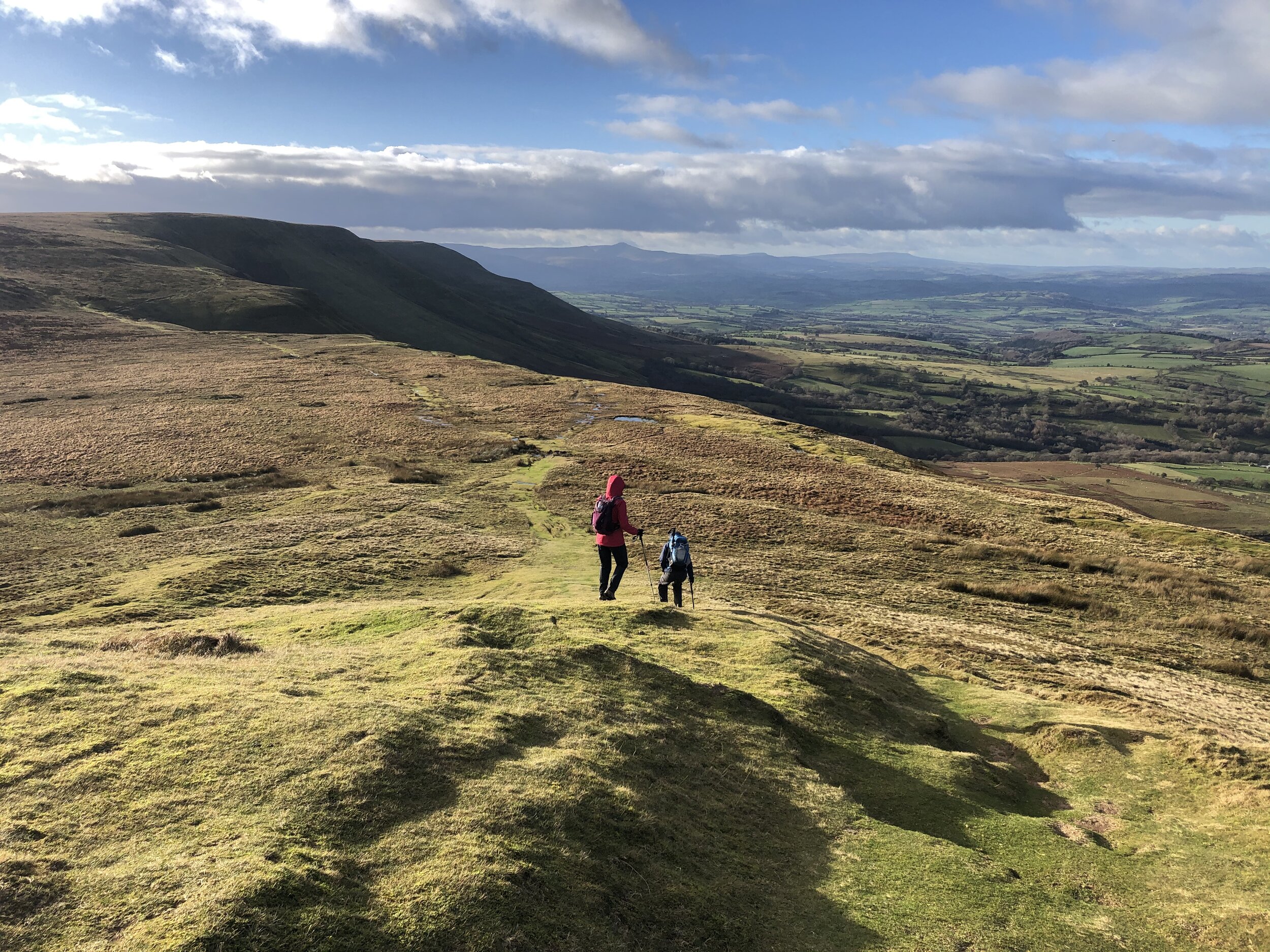
View to Pen y Fan from Rhos Dirion

View to Pen y Fan from Rhos Dirion


Start & Finish: Gospel Pass Car Park, Capel-y-ffin, Abergavenny, NP7 7NP
Distance: 13 km (8.1 miles)
Elevation change: + / - 376m
GPX File: get via Buy Me a Coffee
Other routes touched (walk): None
Other routes touched (cycle): NCN 42
Pubs / Cafes on route: None
Map: OS Explorer OL13 Brecon Beacons National Park - Eastern area
Links: Gospel Pass, Vale of Ewyas

Rhos Dirion:

Member of: None
Parent Peak: Waun Fach
Elevation: 713m
Date climbed: 24th December 2020
Coordinates: 51° 59' 36'' N, 3° 8' 59'' W
OS Trig Pillar: TP5658 - Rhos Dirion
Links: Wikipedia / Peakbagger

Twmpa:

Member of: None
Parent Peak: Waun Fach
Elevation: 690m
Date climbed: 24th December 2020
Coordinates: 52° 2' 7'' N, 3° 6' 17'' W
OS Trig Pillar: None
Links: Wikipedia / Peakbagger


In the third of three winter walks in the Vale of Ewyas we did a circular trek to the summits of Twmpa and Rhos Dirion.

From the free parking at Gospel Pass take the westerly path up to the summit of Twmpa, also called Lord Hereford’s Knob. Trig Baggers will be disappointed as there’s no pillar at the top. By continuing west for another 1.8 km you’ll reach the patriotically painted pillar at the top of Rhos Dirion. We were there on a cold but clear winter’s day and had a great view of Pen y Fan in the distance. After bagging Rho Dirion, retrace your steps down to the col between the two summits. Rather than climb back up to Twmpa, take a right to head in a south-easterly direction down the valley. Navigation is easy following a well worn path tracing the course of Nant Bwch.

The valley path turns into a farm track then a single-track road to Capel-y-ffin. Rather than stick to the road follow the path that curves round the side of the nose of the mountain half way up its elevation. On the southern-most point you’ll get a great view over Capel-y-ffin and the southern part of the Vale of Ewas.

Continue on the mountain pass as it curves anti-clockwise around the mountain. You’ll now be heading north back towards the Gospel Pass. After ~2 km the path will join the valley road which you can follow back to the car park.


route-34848075-map-full.png
elevation_profile.jpg

Llanthony Priory and Rhiw Arw Trig Pillar Circular Walk
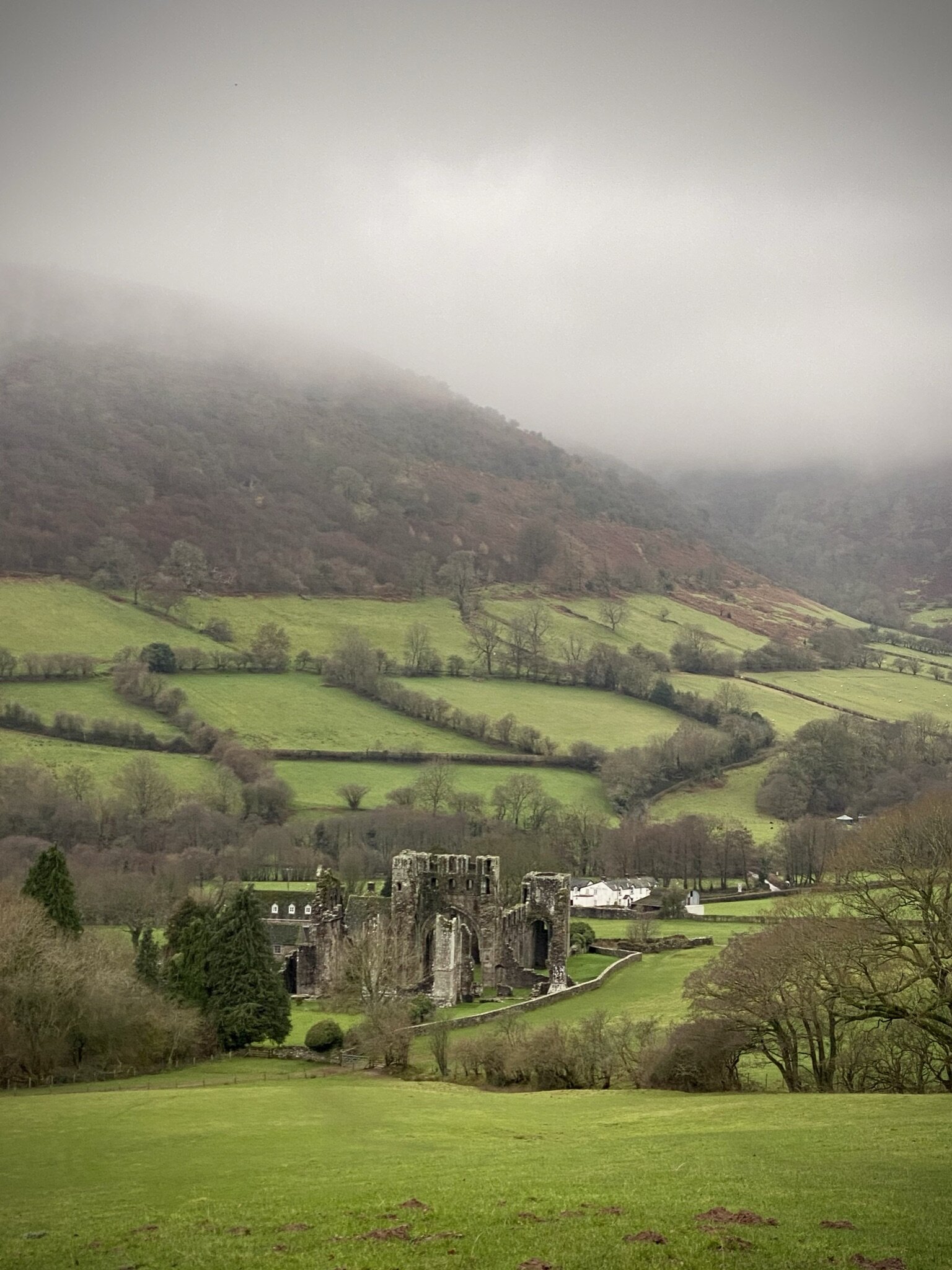
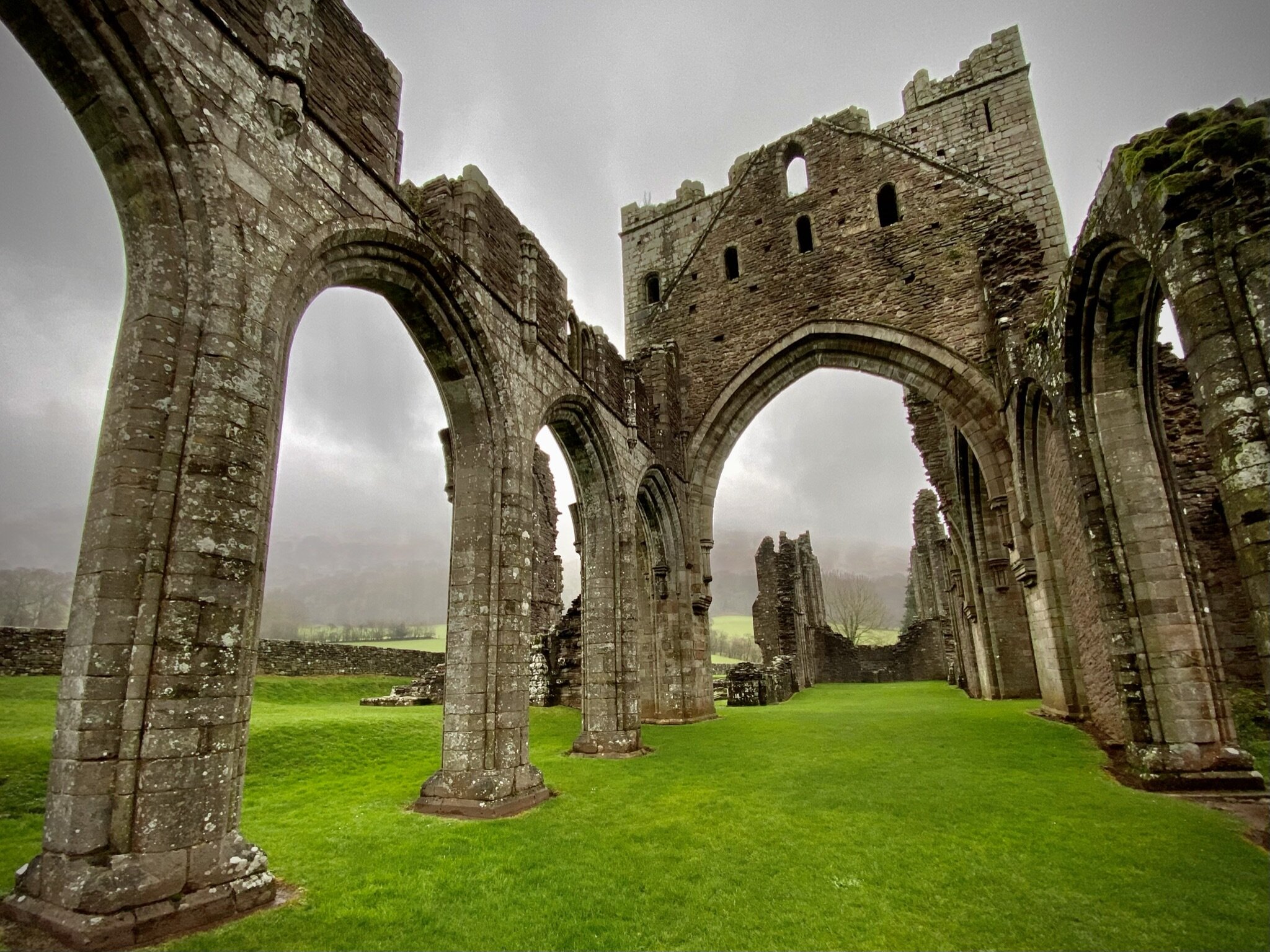
Misty descent to Llanthony Priory

Misty descent to Llanthony Priory


Start & Finish: Llanthony Priory Hotel, Llanthony, Abergavenny, NP7 7NN
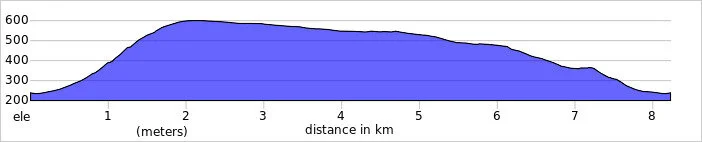
Distance: 8.2 km (5.1 miles)
Elevation change: + / - 364m
GPX File: get via Buy Me a Coffee
Other routes touched (walk): Offa’s Dyke Path, Beacons Way
Other routes touched (cycle): None, although NCN 42 passes by the road entrance to Llanthony Priory
Pubs / Cafes on route: Coffee Shop at Llanthony Priory. The Half Moon Pub is near the Priory but not on the route
Trig Pillar: TP5648 - Rhiw Arw
Map: OS Explorer OL13 Brecon Beacons National Park - Eastern area
Links: Llanthony, Llanthony Priory, River Honddu, Offa’s Dyke, Vale of Ewyas


In the second of three winter walks in the Vale of Ewyas we did a circular trek to the Rhiw Arw Trig Pillar.

From the free car parking at Llanthony Priory, take the Beacons way clockwise around the Priory. Leave the Beacons Way at the northern side of the Priory outer wall and follow the footpath signed to Hatterall Ridge as it curves round to the north-west. Keeping to this track you’ll reach the Offa’s Dyke National Trail approximately 2 km from the Priory. Take a right onto the National Trail, heading south-east. Follow Offa’s Dyke for ~2.5 km until you reach the Rhiw Arw Trig Pillar.

After the Trig Pillar continue south-east along Offa’s Dyke for just under 1 km and descend back to Llanthony Priory via The Beacons Way.


route-34878022-map-full.png
elevation_profile (1).jpg

North Daren Trig Pillar from Capel-y-ffin Out-and-Back Walk
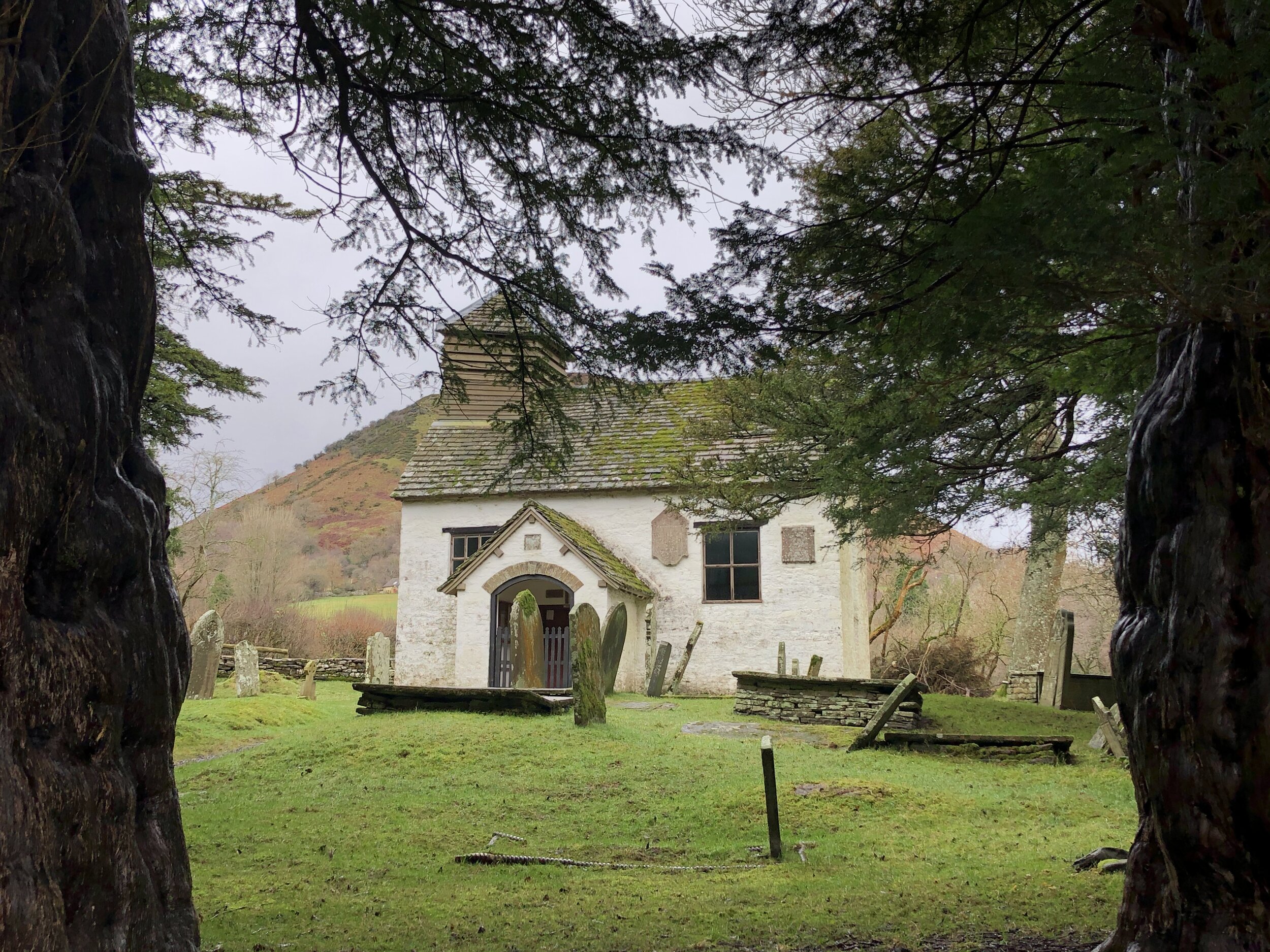
View towards Llanthony

View towards Llanthony


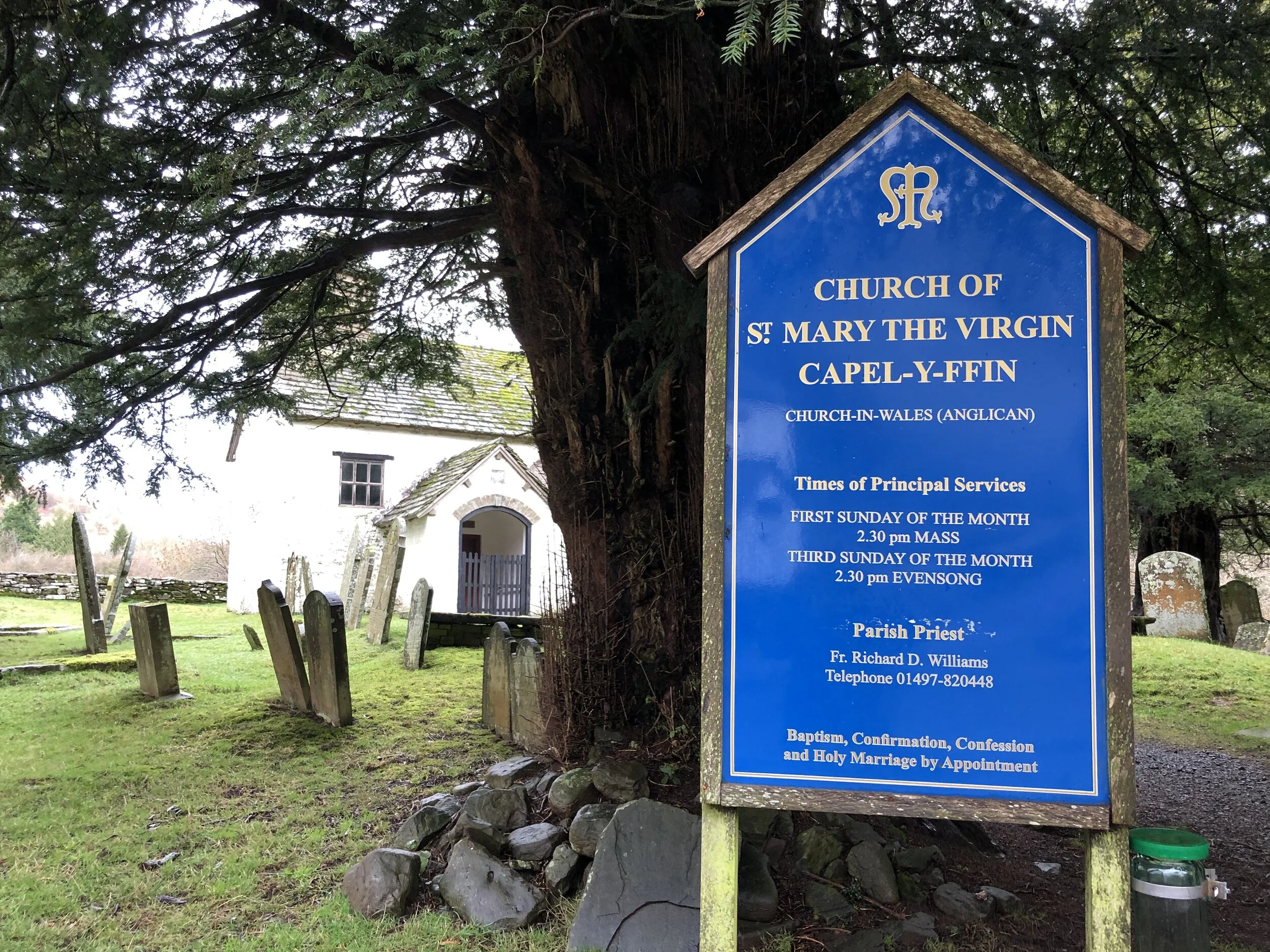
Start & Finish: Church of St. Mary the Virgin, Capel-y-ffin, Abergavenny, NP7 7NP
Distance: 8.8 km (5.5 miles)
Elevation change: + / - 325m
GPX File: get via Buy Me a Coffee
Other routes touched (walk): Offa’s Dyke Path
Other routes touched (cycle): NCN 42
Pubs / Cafes on route: None
Trig Pillar: TP5154 - North Daren
Map: OS Explorer OL13 Brecon Beacons National Park - Eastern area
Links: Capel-y-ffin, River Honddu, Offa’s Dyke, Vale of Ewyas


In the first of three winter walks in the Vale of Ewyas we did an out-and-back trek to the North Daren Trig Pillar.

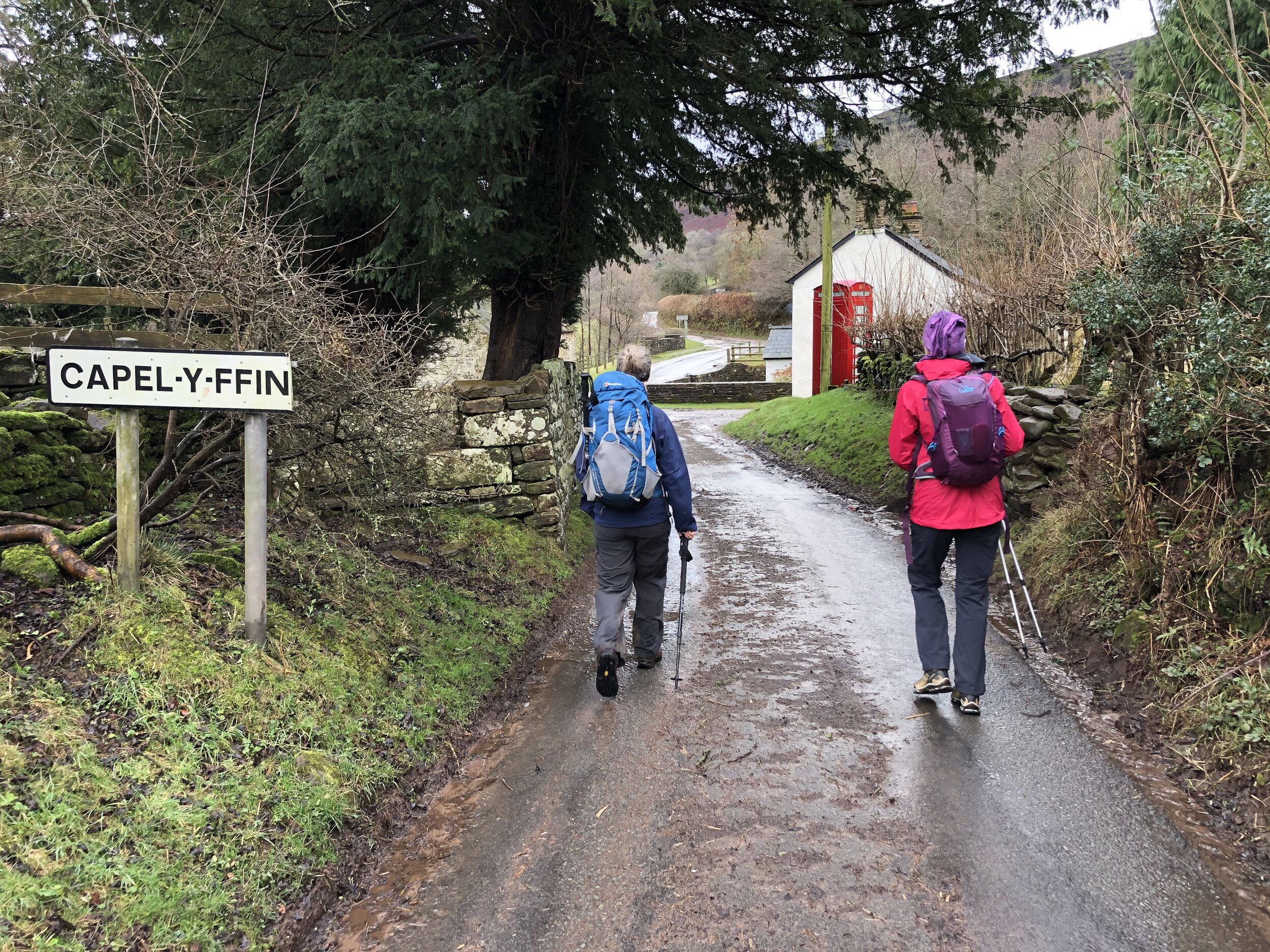
From Capel-y-ffin village centre, take the track to the right of St. Mary’s Chapel. Continue for ~1 km passing over the River Honddu, the Baptist church on the left and a farm on the right. When you reach the footpath sign for Offa’s Dyke, cross over the stile on the left of the track. From here follow the path at it climbs and zig zags up to to National Trail. The path uphill path was very obvious when we were there in winter but can be obscured by bracken in the summer.

A cairn and a stone sign marks the junction of the uphill path and Offa’s Dyke. Turn right (south-east) onto the National Trail and continue for ~1.6 km until you reach the Trig Pillar. For the return trip, retrace your steps back to the bottom of the hill where the path meets the track. Here you can take a right and follow the track back to Capel-y-ffin or take a left then a footpath shortly on the right. Here you can follow a path across a field, over a wooden bridge and onto the valley road. Take a right when you get to the road to return to Capel-y-ffin.

route-34539967-map-full.png
elevation_profile.jpg

Walking The Chiltern Way Part 2 - Cow Roast to Chalk Hill
Dunstable Down

Dunstable Down


Start: Cowroast Lock, 46 Wharf Lane, Tring, HP23 5RE
Finish: White Lion Pub, Watling Street, Houghton Regis, Dunstable, LU6 1RS
Distance: 21.9 km (13.6 Miles)
Elevation change: +314m / -315m. Net -1m
GPX File: get via Buy Me a Coffee
Other Routes Touched (walk): Chiltern Way, Iknield Way, Rangers’ Ramble, Foresters’ Walk, Ashridge Boundary Trail, Hertfordshire Way
Other Routes Touched (cycle): Chilterns Cycleway, Berkhamsted Route 6, Grand Union Canal Towpath
Pubs / Cafes on route: Bridgewater Arms, Little Gadesden / National Trust Cafe at Dunstable Downs
Maps: OS Explorer Map (181) Chiltern Hills North and OS Explorer Map (193) Luton and Stevenage
Links: Chiltern Way (Chiltern Society), Cow Roast, National Trust Ashridge Estate, Ashridge, Little Gaddesden, Whipsnade Zoo, Whipsnade, Dunstable Downs National Trust


This is the second of a series of point to point walks on the Chiltern Way. The full trail is approximately 177 miles (285 km) long, depending on which extensions you take, and takes a large circle around the Chiltern Hills National Landscape. My friend Brian and I have been doing a section a year on or around the Winter Solstice since 2019. At the current rate we plan to be finished in December 2027. The Chiltern Way is well sign-posted however you should take a map or GPX route to keep on track and be prepared for all weathers. This post isn’t intended as a fully accurate turn-by-turn guide.

For our latest Winter Solstice walk we picked up the Chiltern Way from where we left off a year ago. Cow Roast Lock at 08:00 was a bit brighter and significantly less rainy than how we left it in 2019. As we got into the first hour of the walk Brian and I reflected on some of the changes in a weird year of Covid-19. For the first time since I started my Solstice Walks I wasn’t doing it to unwind from my usual year-end work stress. I hadn’t been to an office since mid-February, had no work-related travel and very little commuting. This gave me a chance to build in more positive daily habits and have more control over my working environment. Year-end at work was still very busy, but now I felt energised rather than exhausted.

This first half of this section of the Chiltern Way was pleasant but with fewer points of interest. Fields and woodland went by in a blur as we caught up on our recent events. The route became more interesting as we ascended out of the Gade Valley after Dagnall and up toward Whipsnade. This part of the Chiltern Way converges with the Icknield Way path that I covered a few years ago in similar damp weather and muddy terrain.

We were walking between Lockdowns 2 and 3 and food stops were few and far between. Normally the Bridgewater Arms at Little Gadesden would have been open when we arrived, but we were too early for their later opening times. The National Trust Cafe at Dunstable Downs was our main hope but the Visitor Centre and Cafe were closed. We has to make do with a pasty and a coffee from the small takeaway hatch at the back. It was drizzling and freezing so we didn’t hang around for long and continued north.

Our finish point was the White Lion Pub on the A5 north of Dunstable. This felt like the obvious target as it was the starting point of our 2nd Icknield Way trip 2 years ago. As that also covered the next section of the Chiltern Way, we’ll start again from Streatley for our next Solstice walk.


route-31621522-map-full.png
elevation_profile.jpg