Posts tagged Buckinghamshire
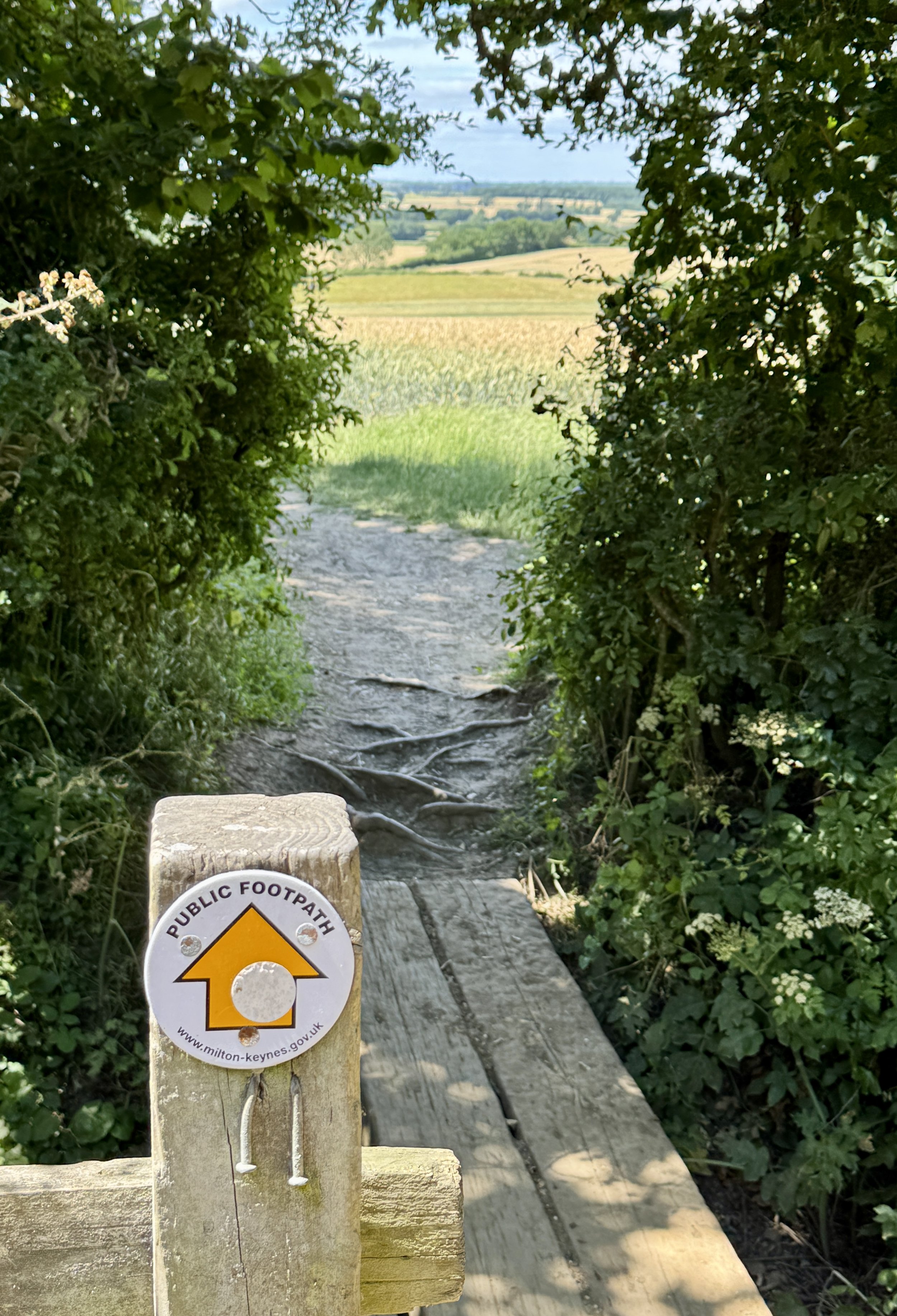
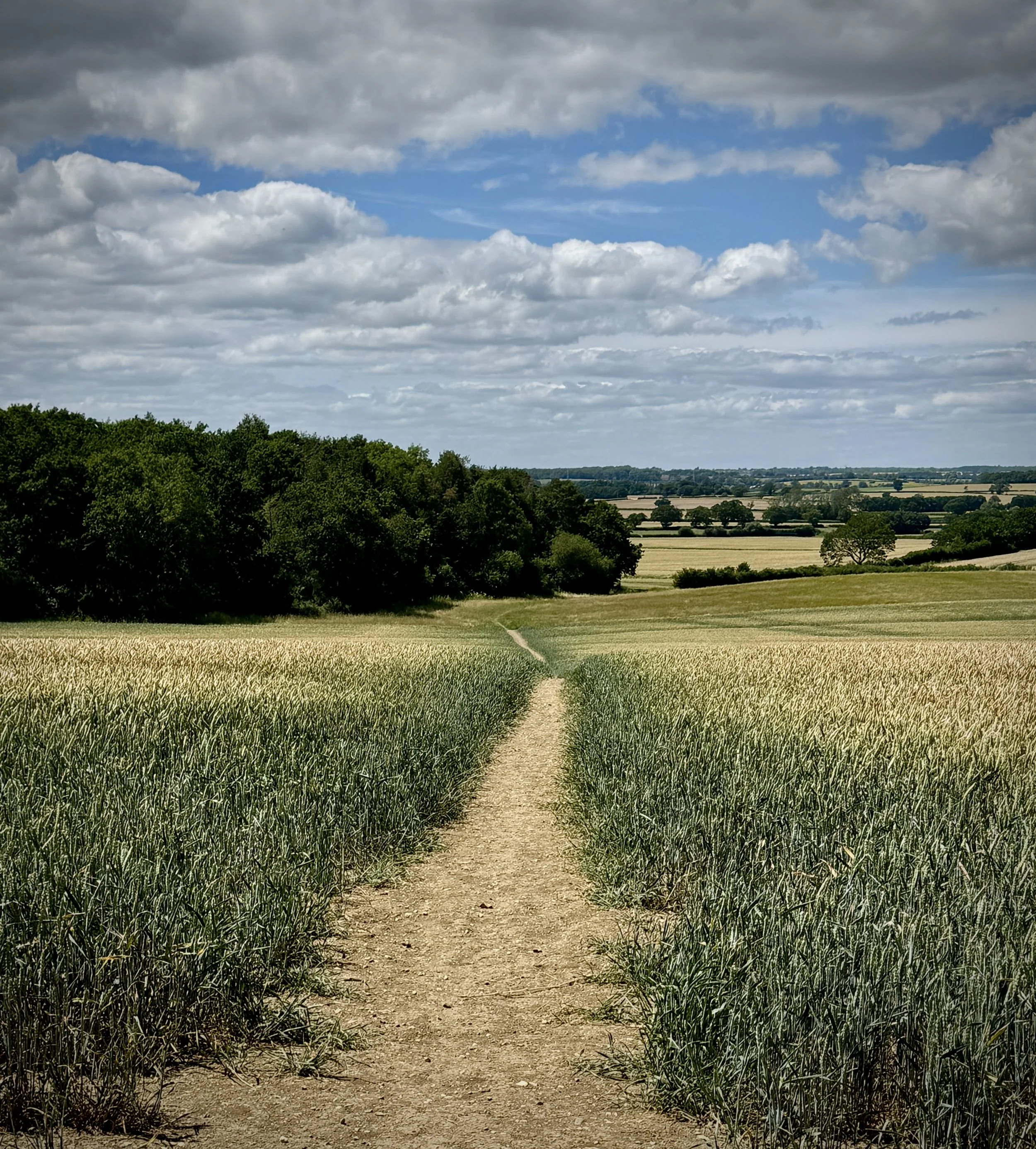
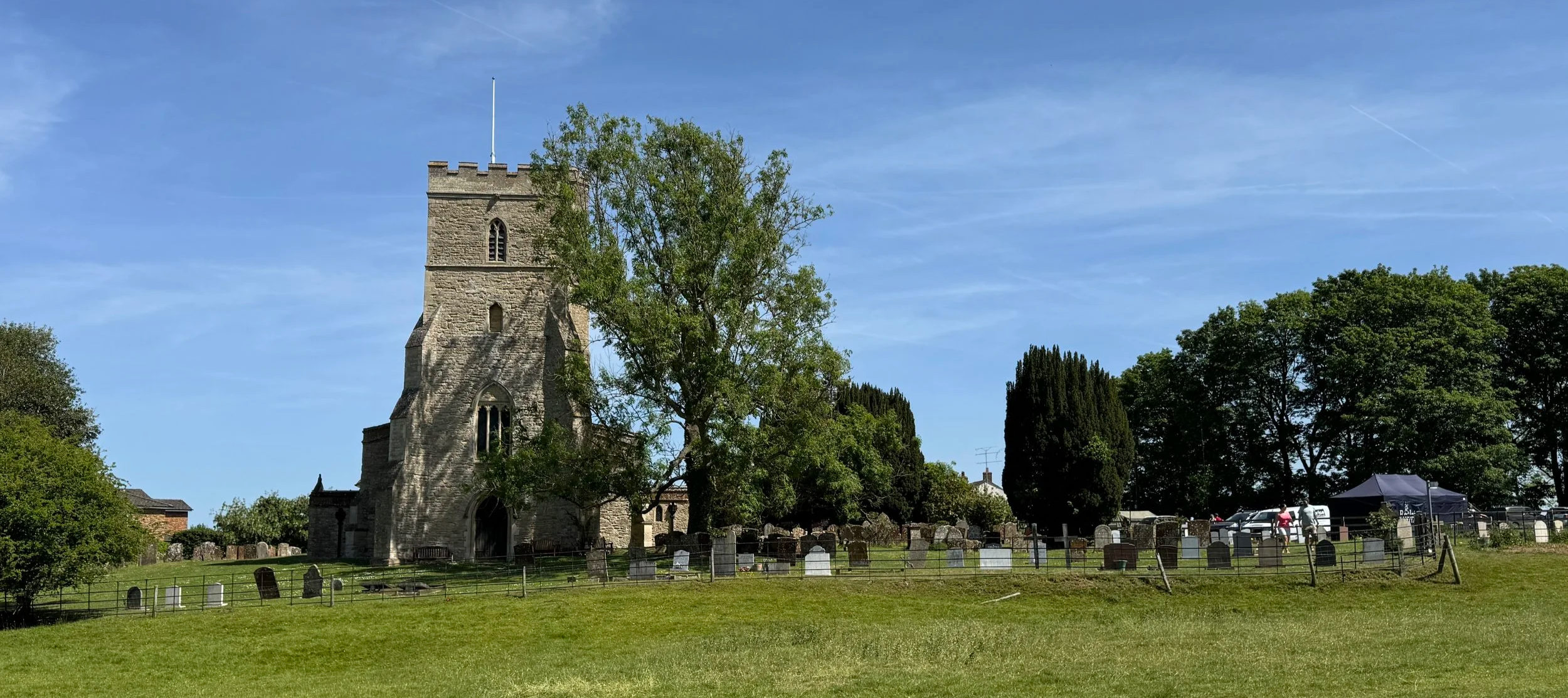
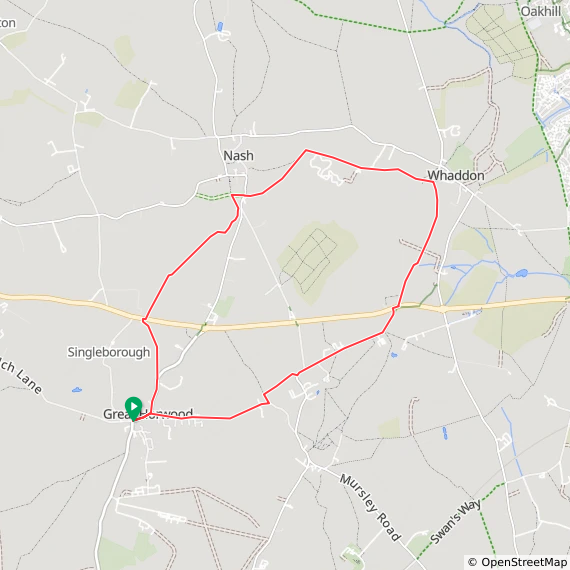
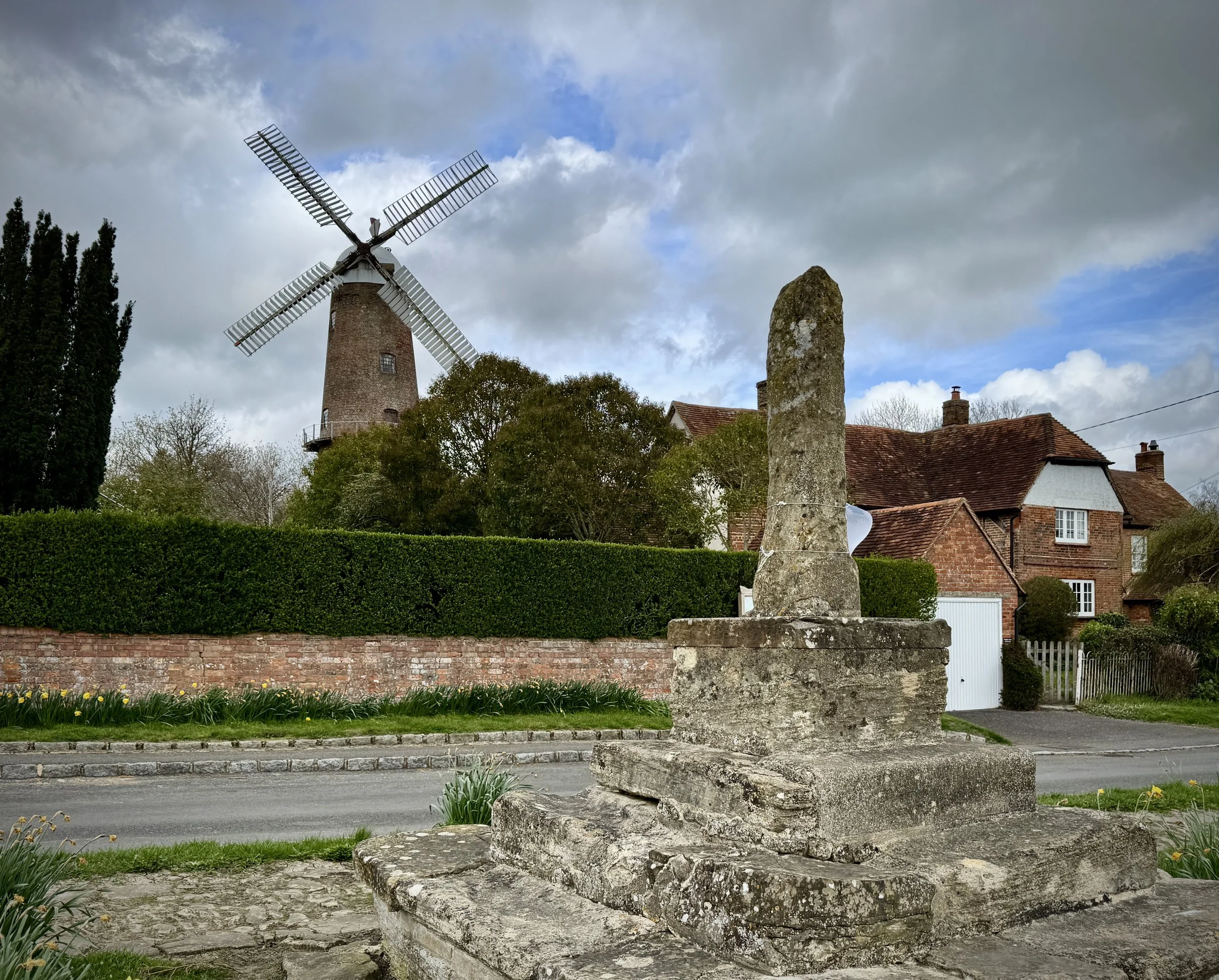
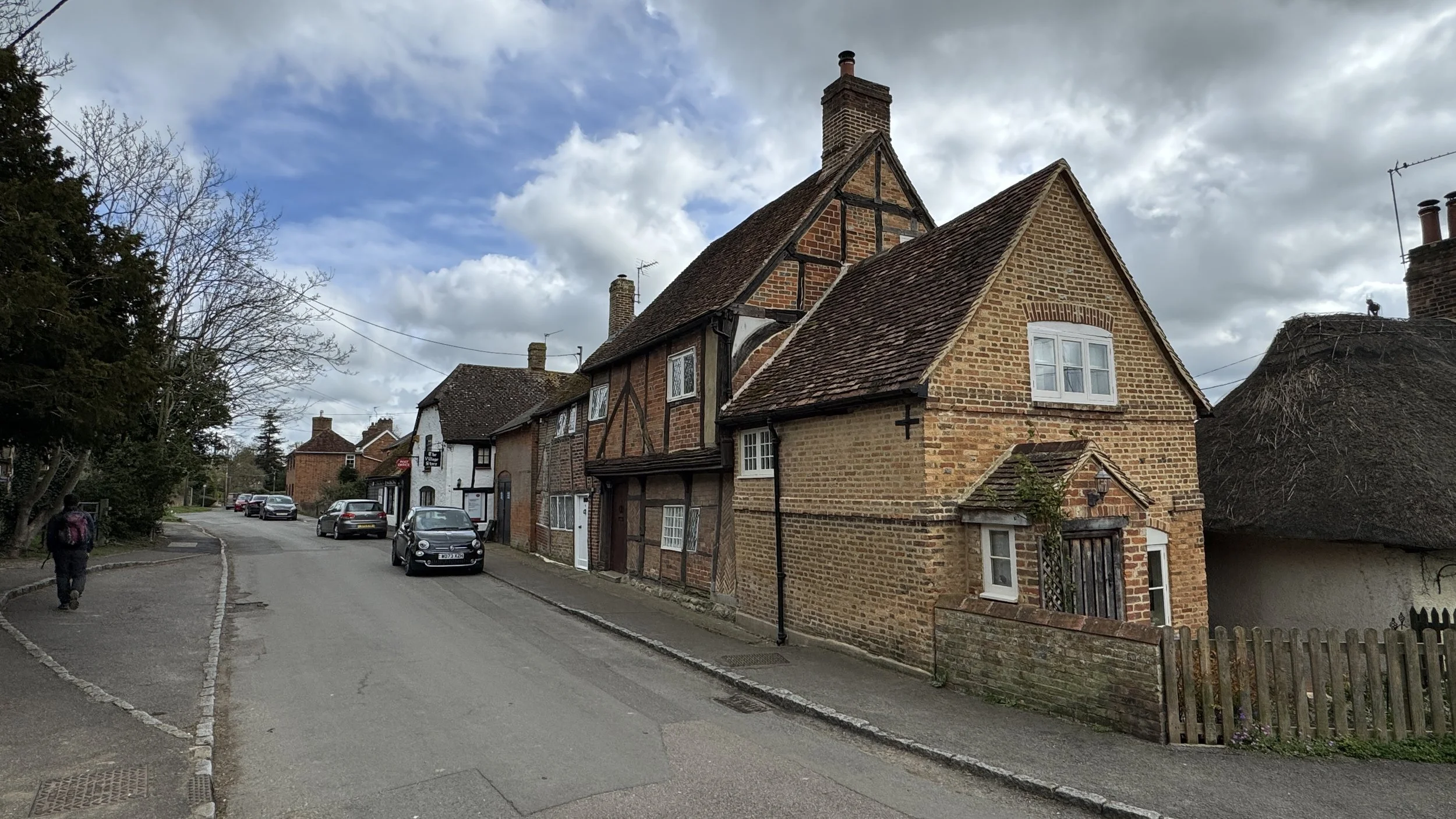
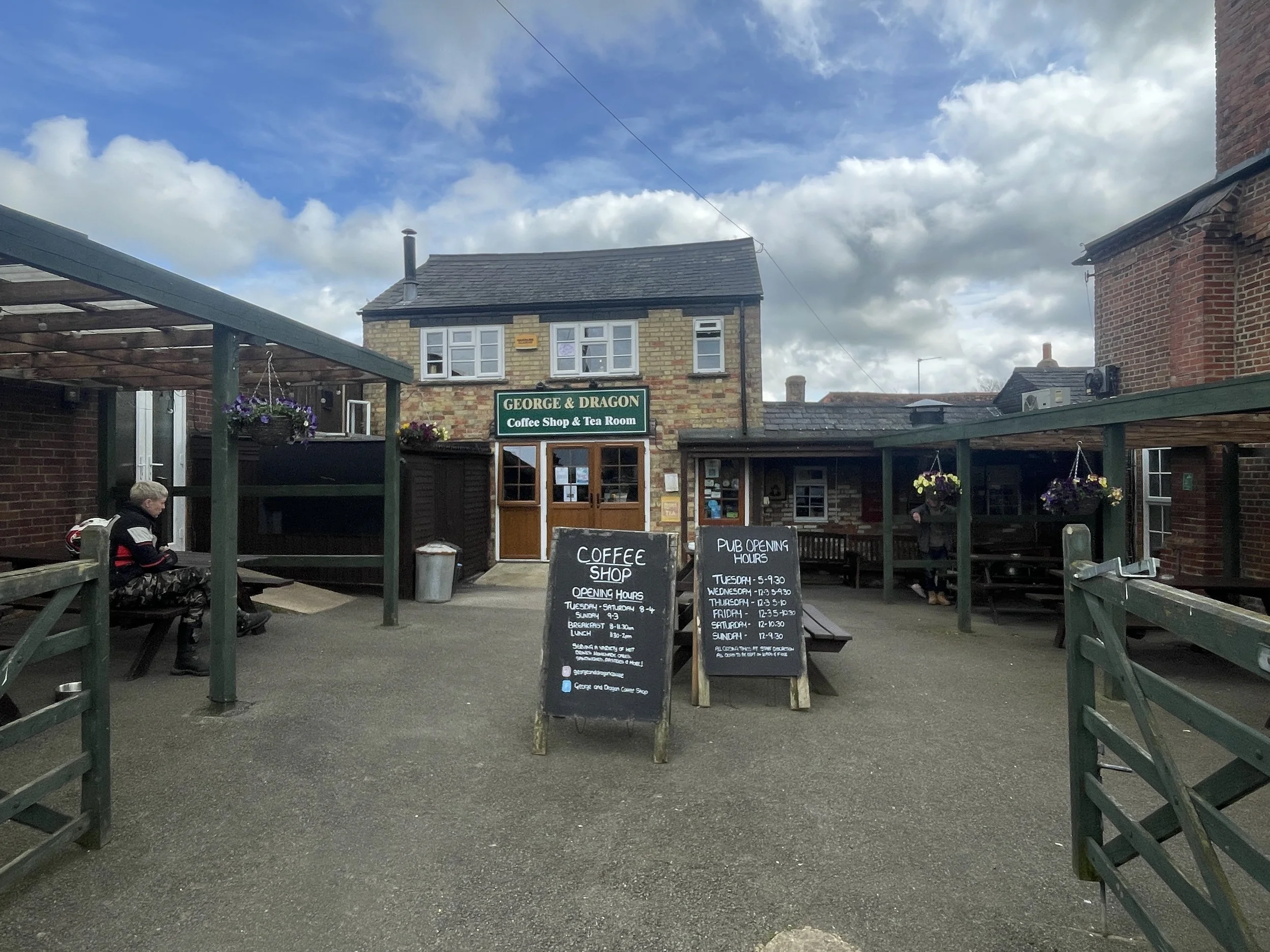
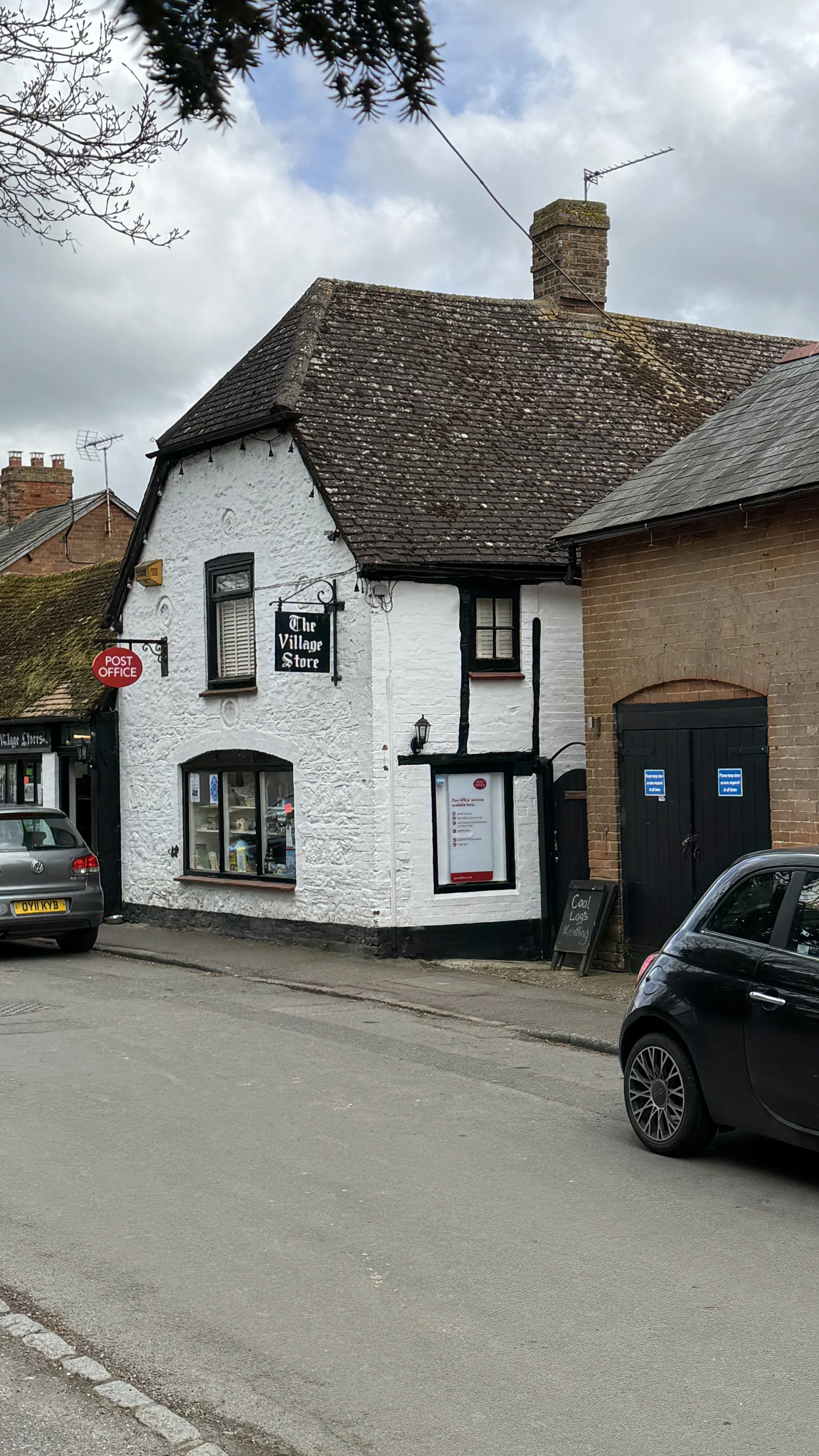
Walking The Midshires Way Part 5: Hartwell and Stone
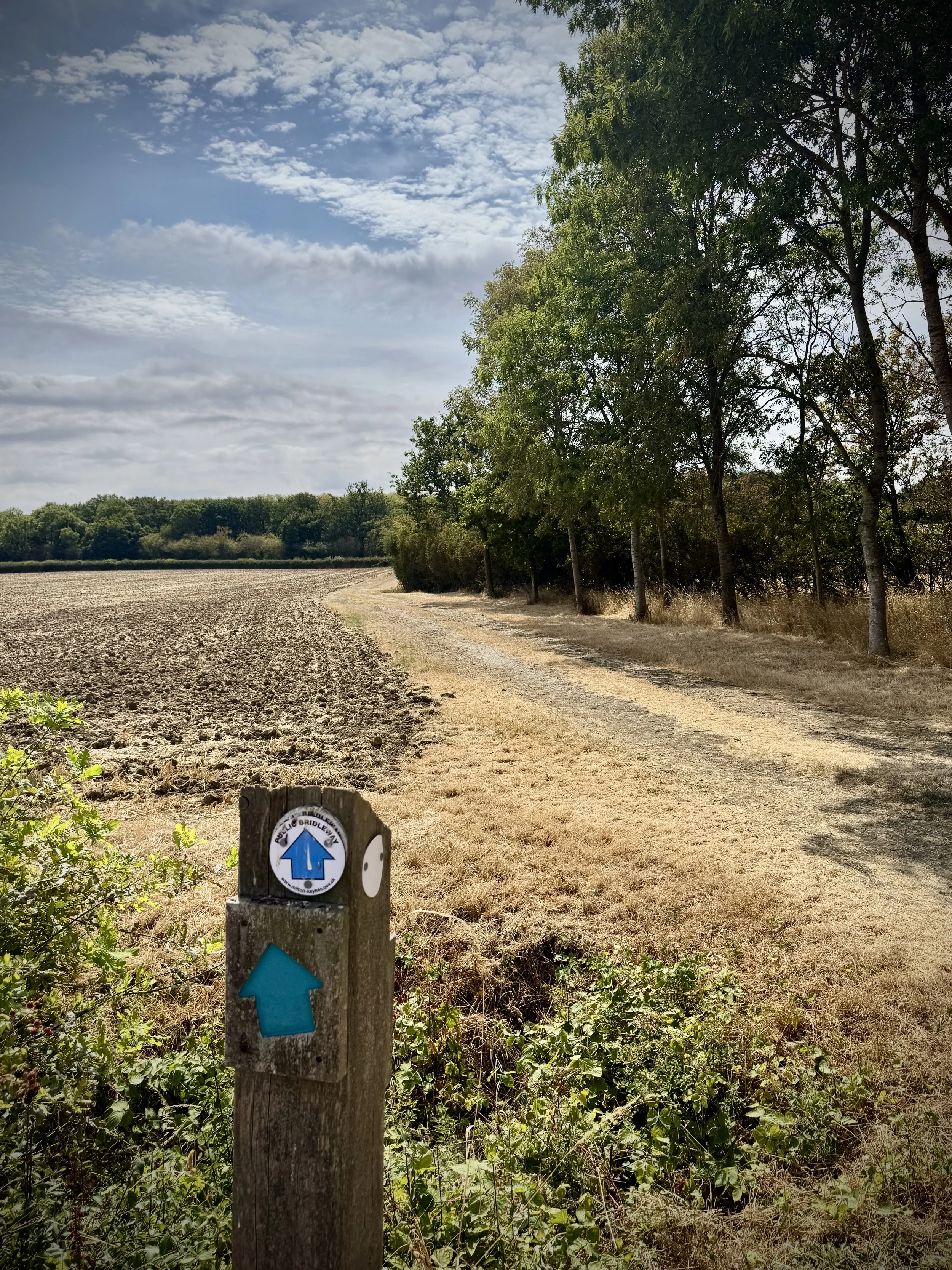
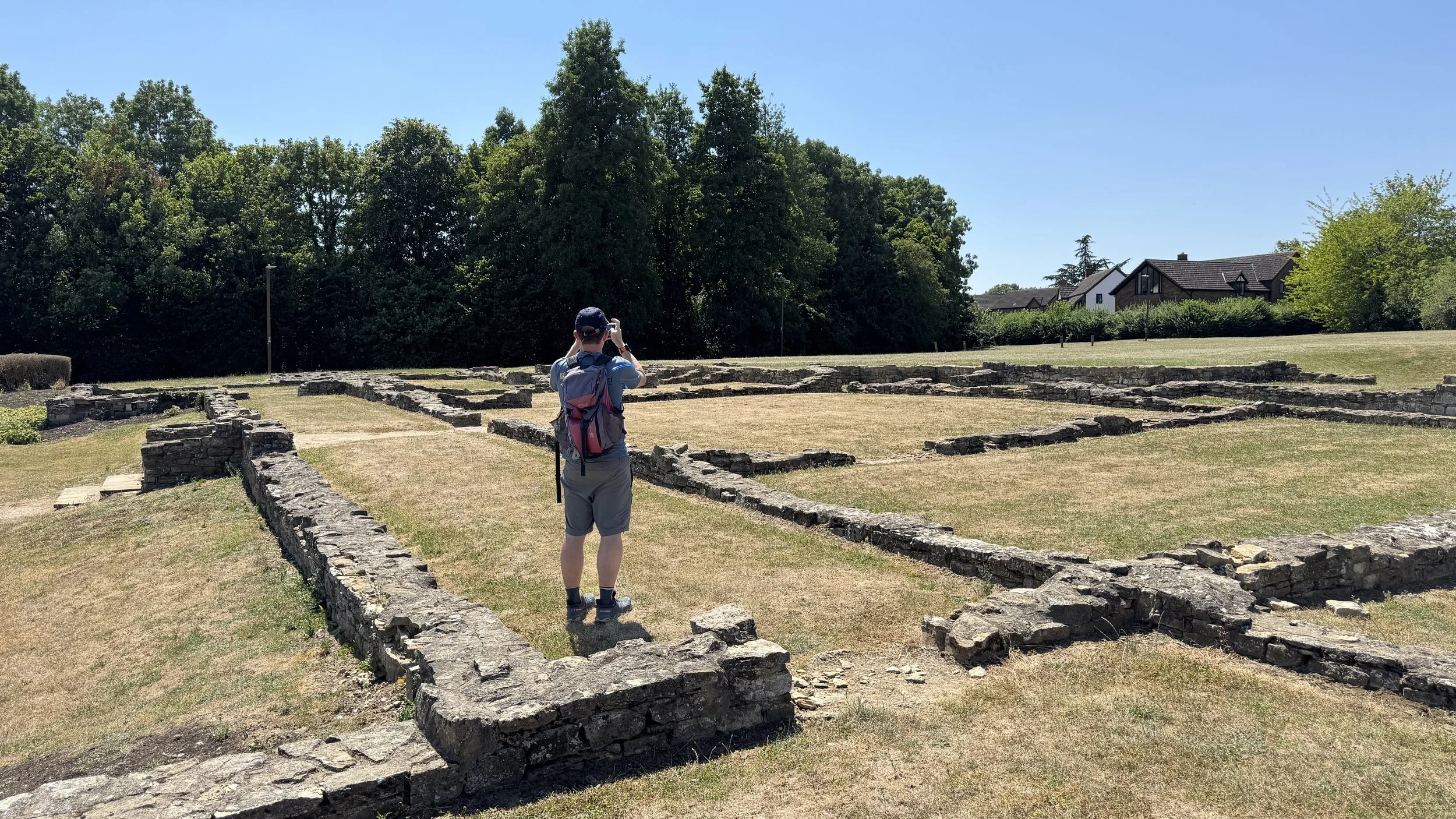
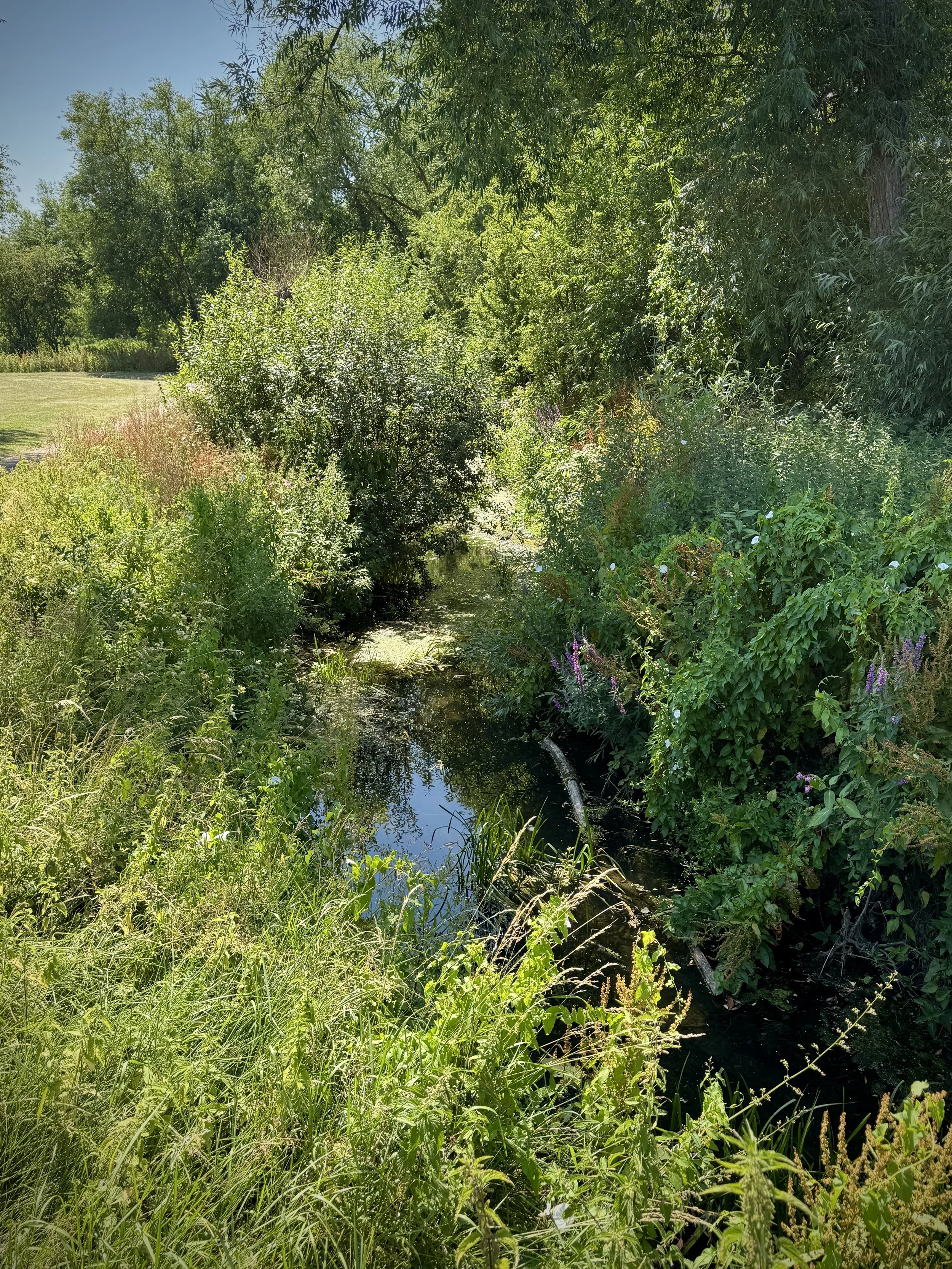
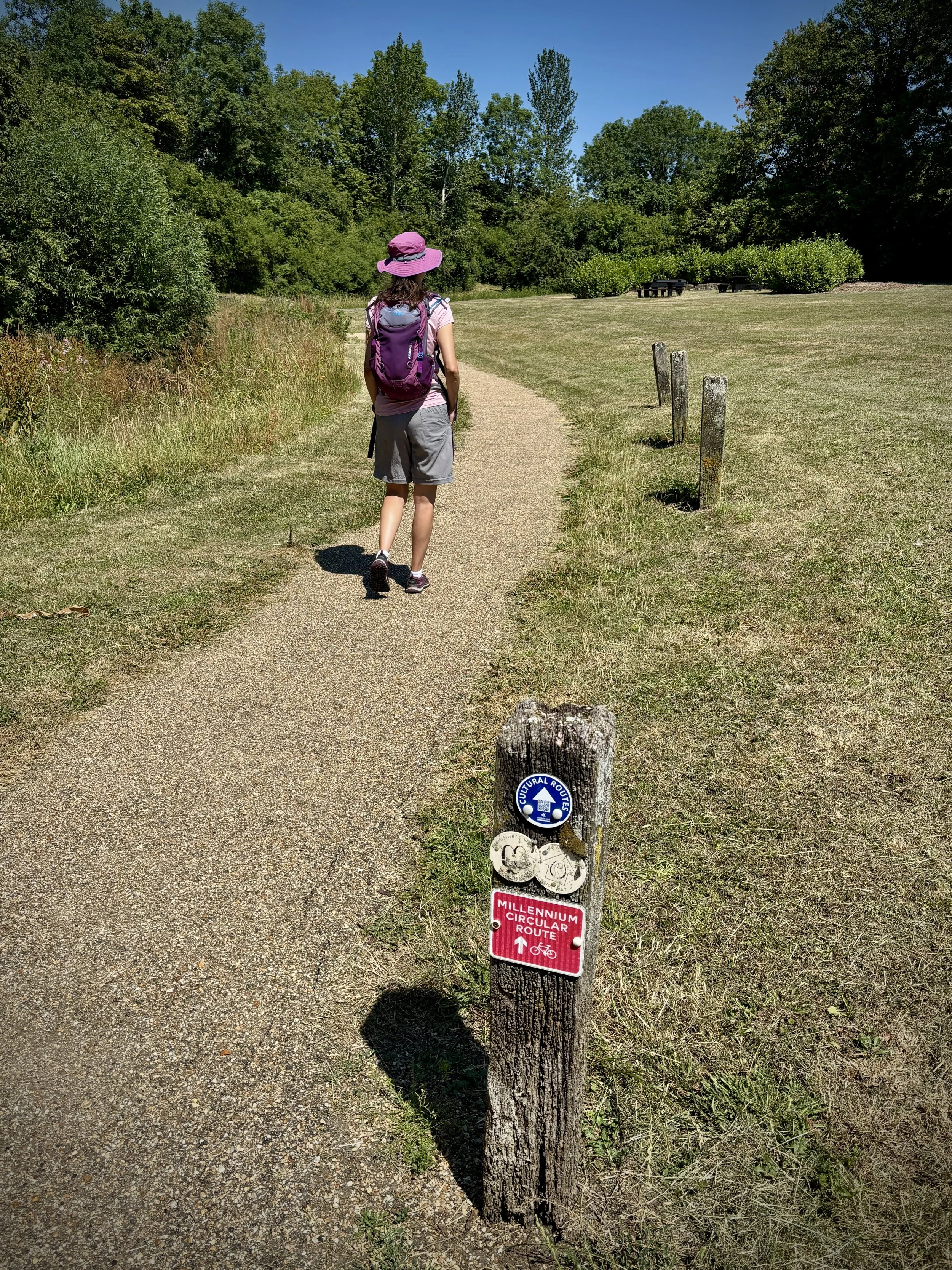
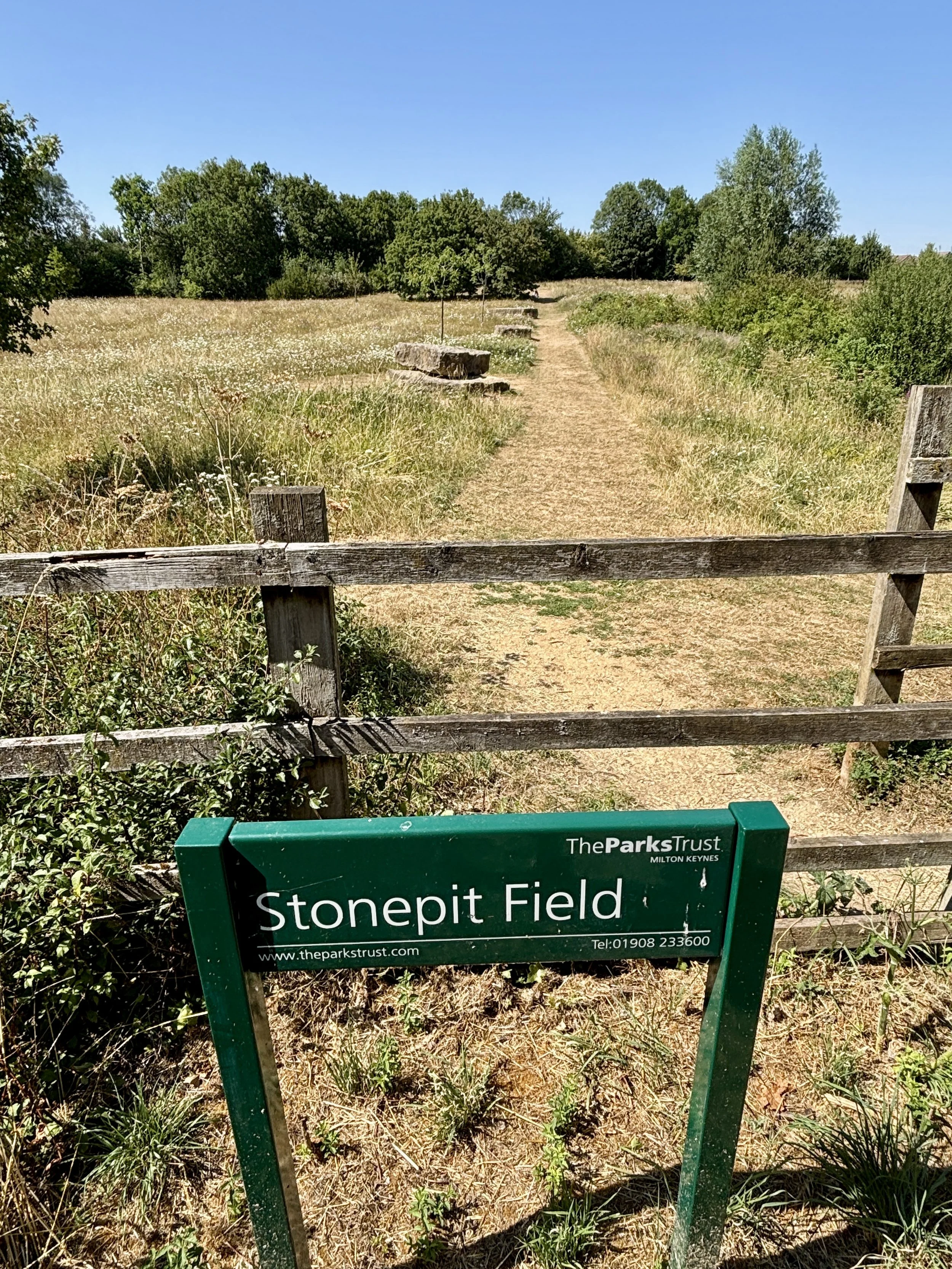
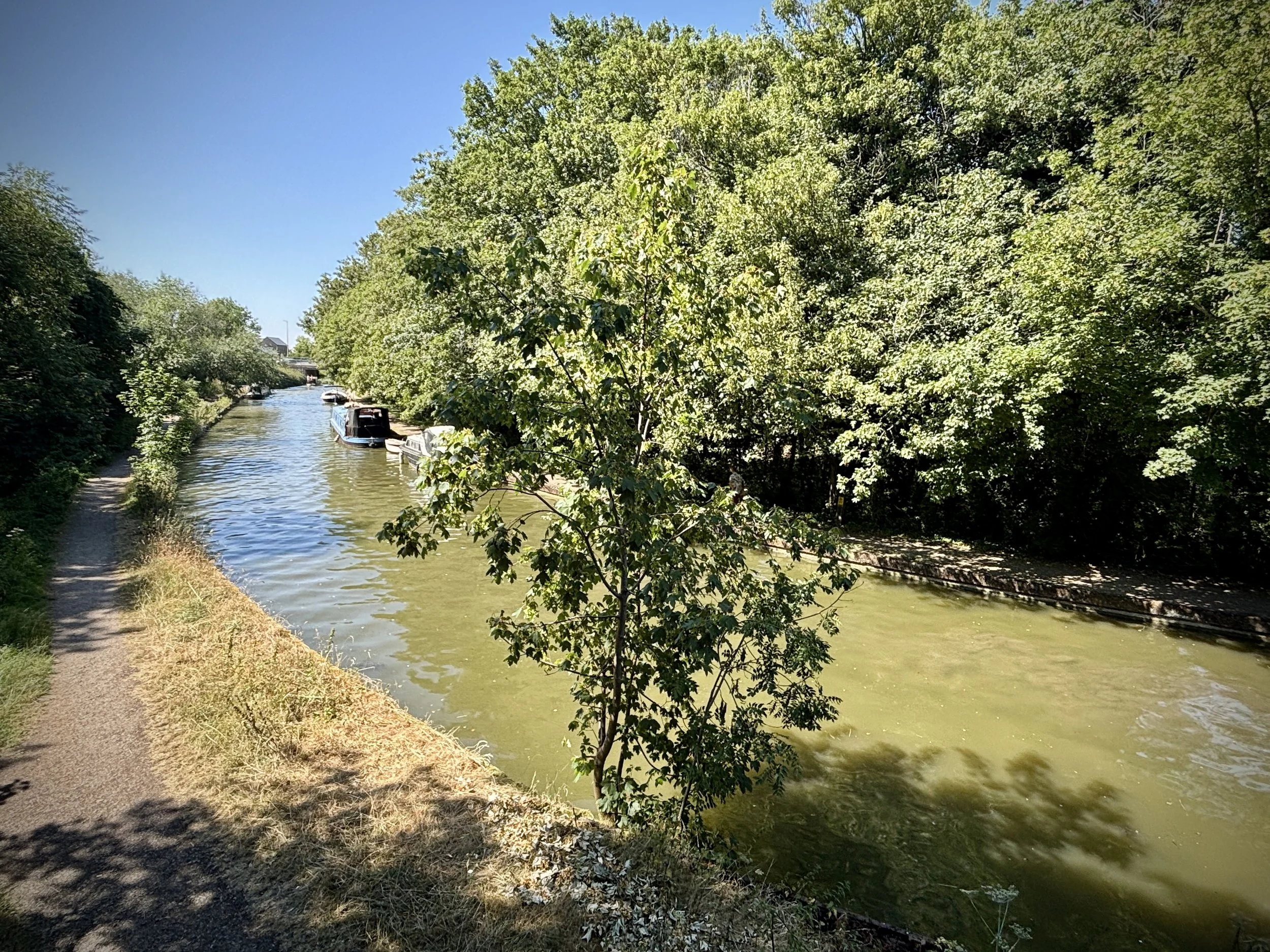
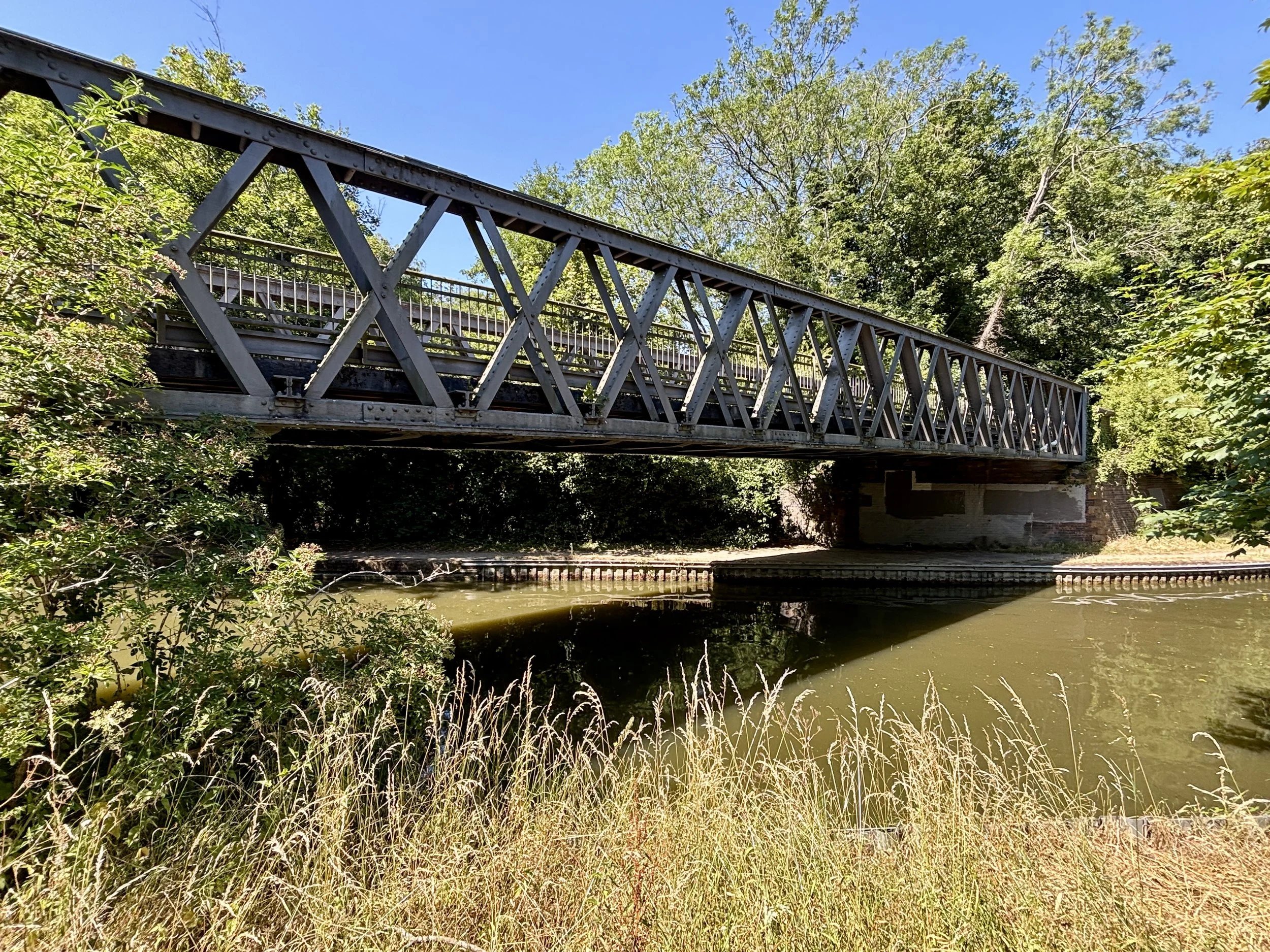
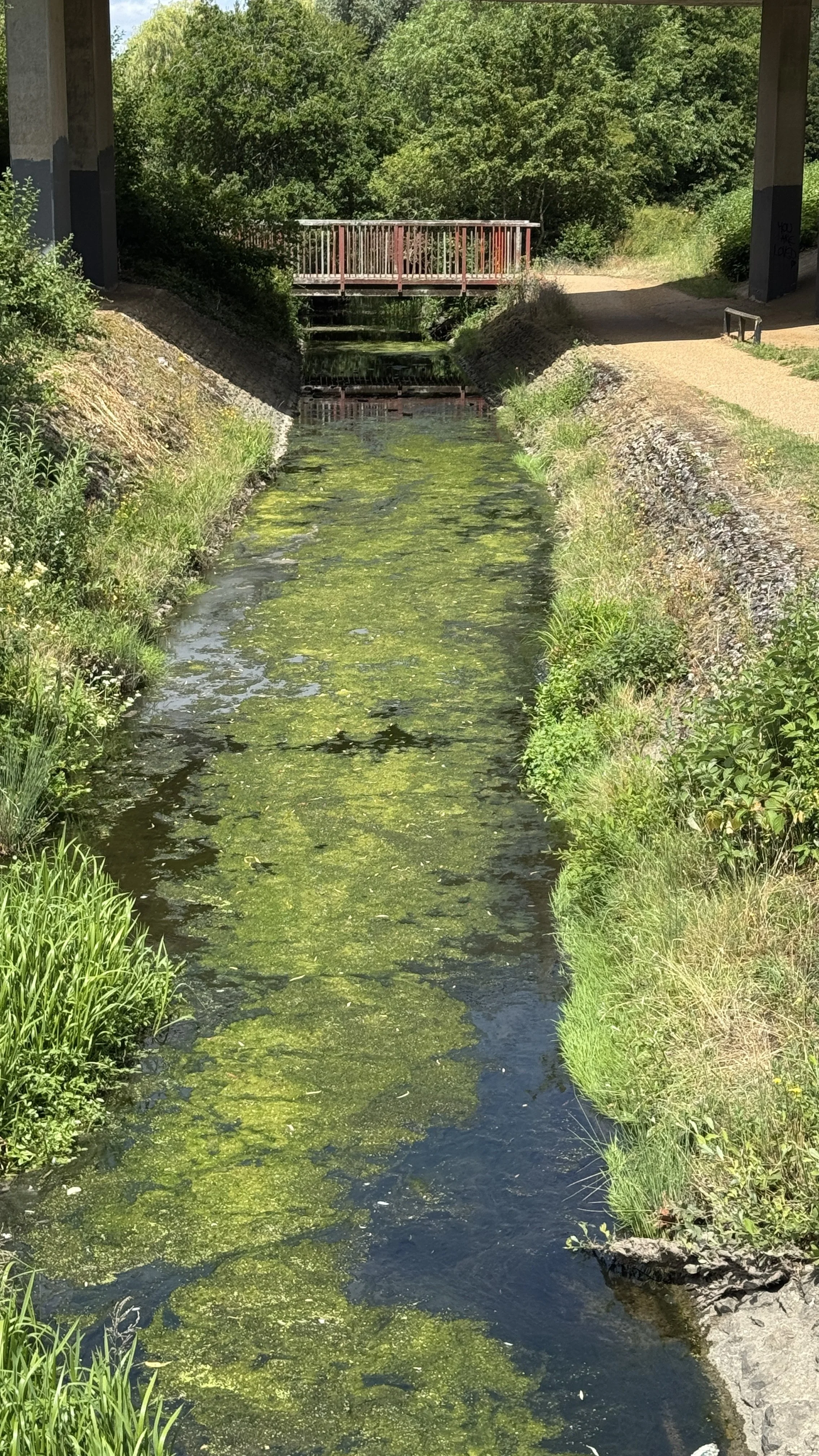
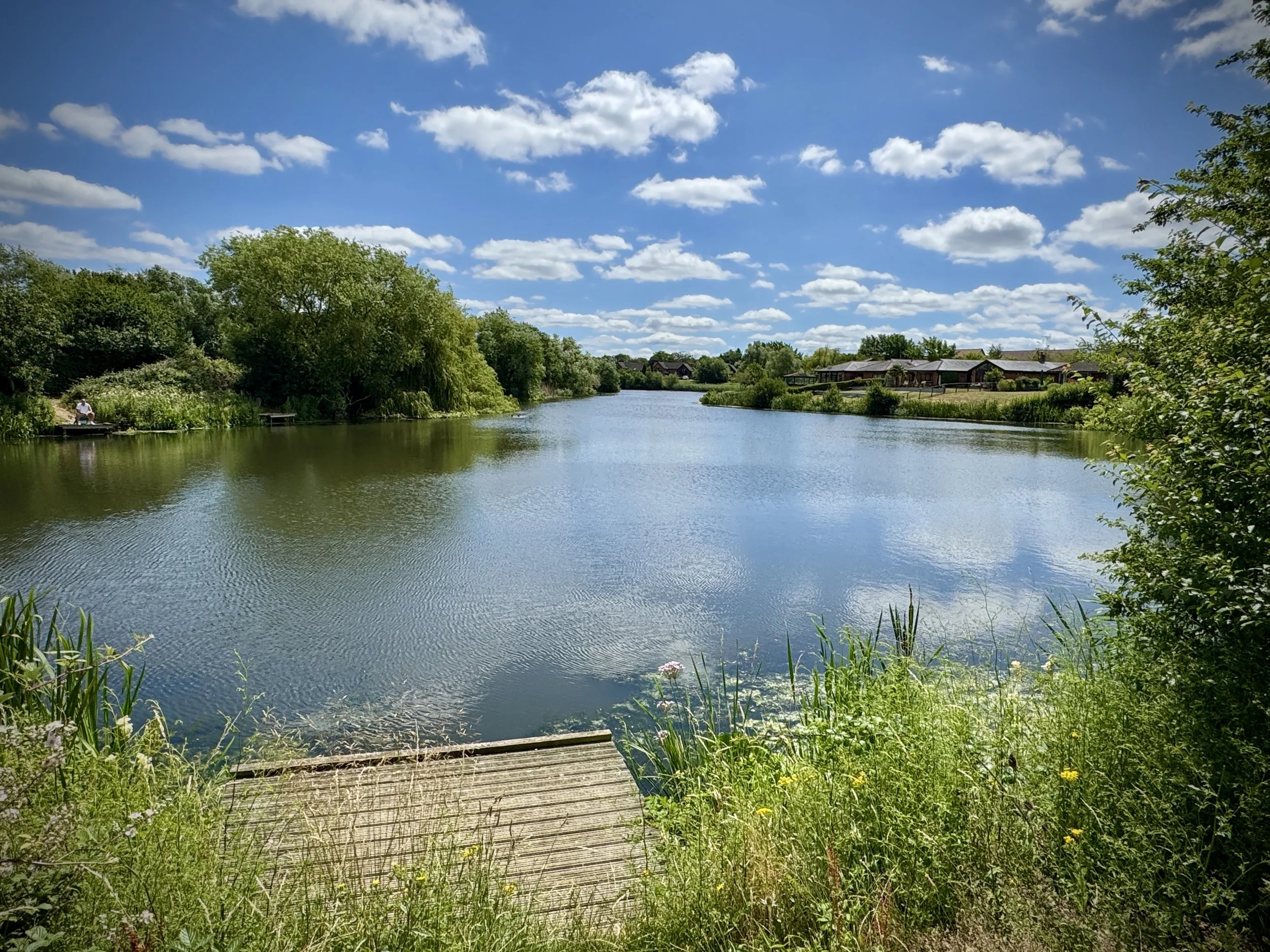
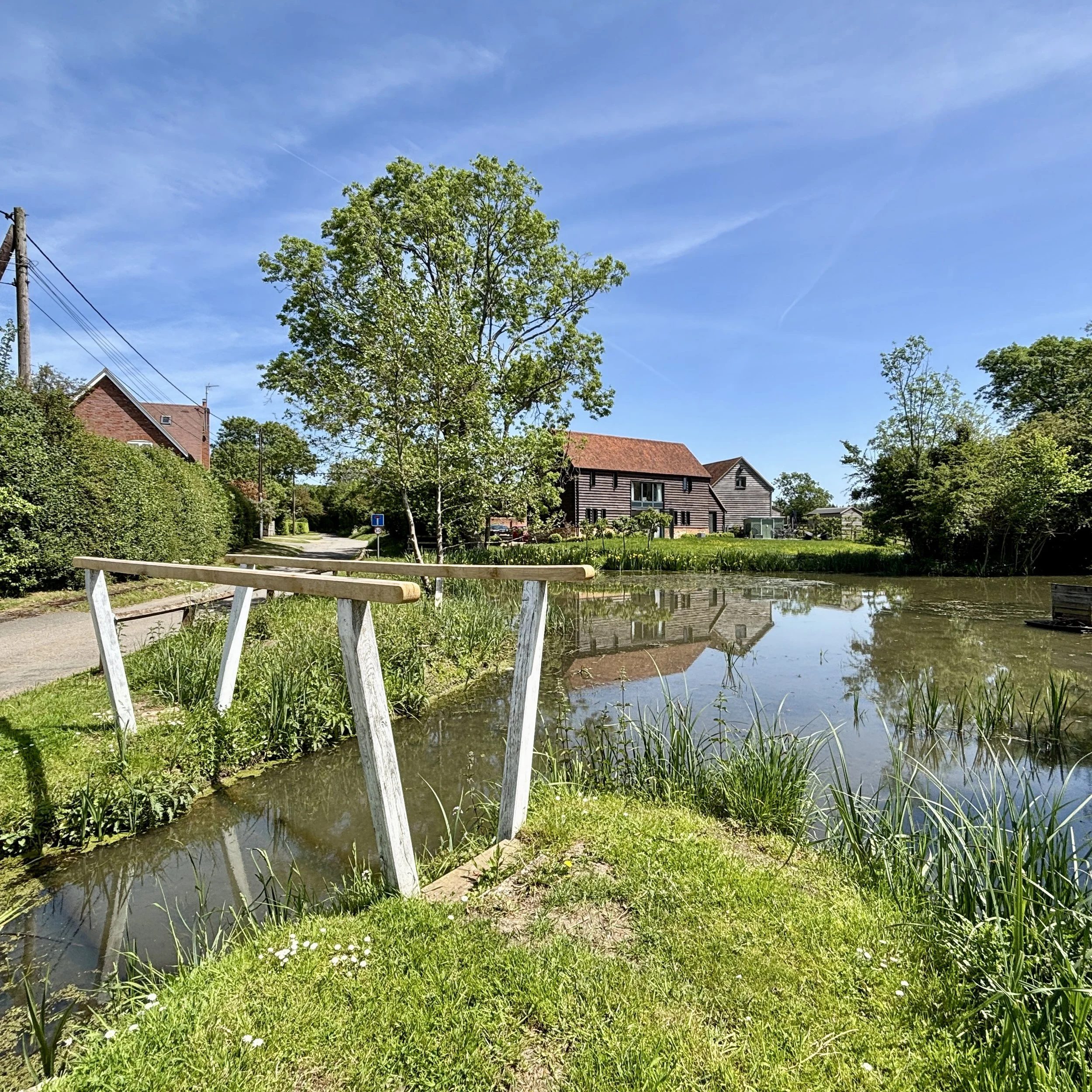
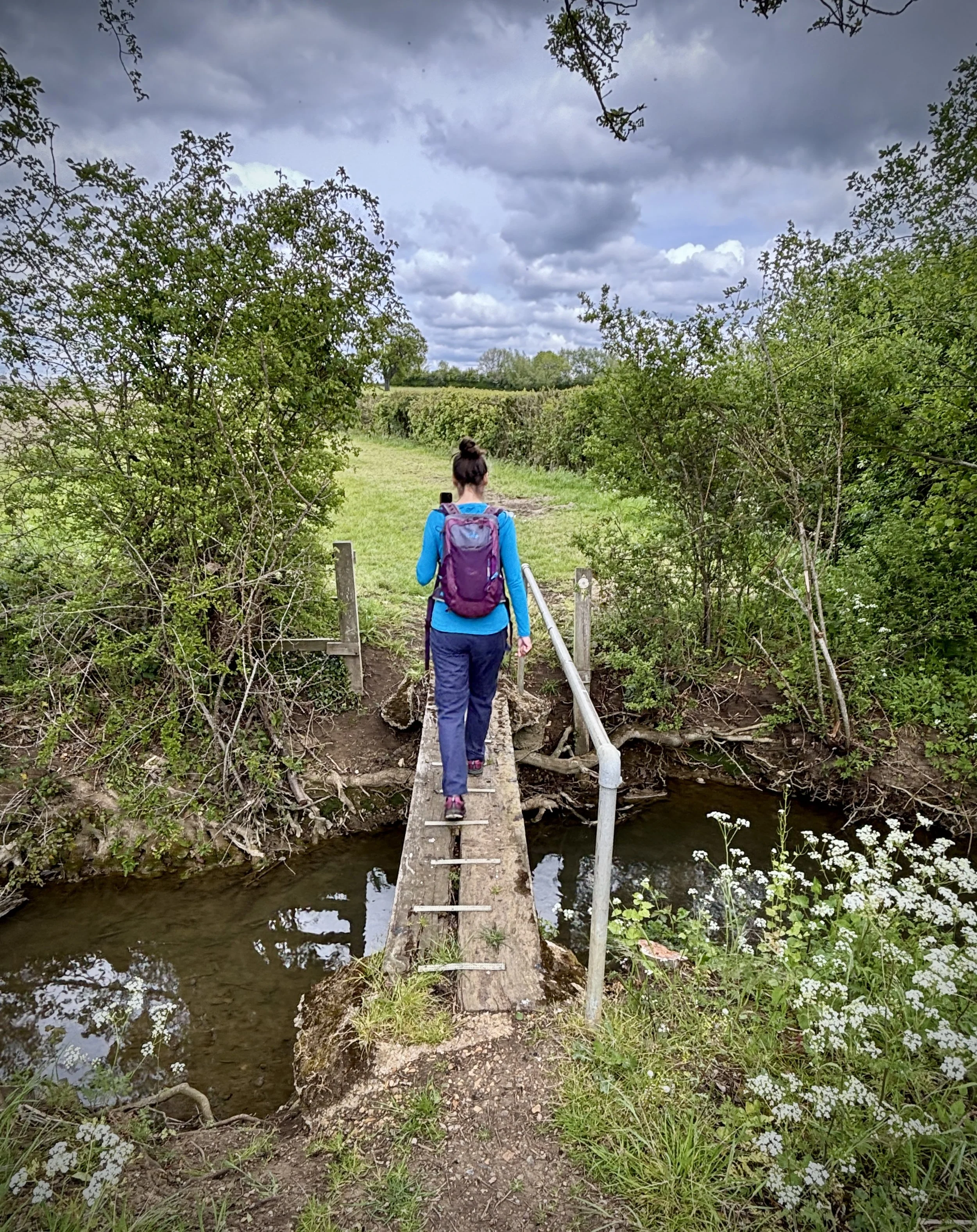
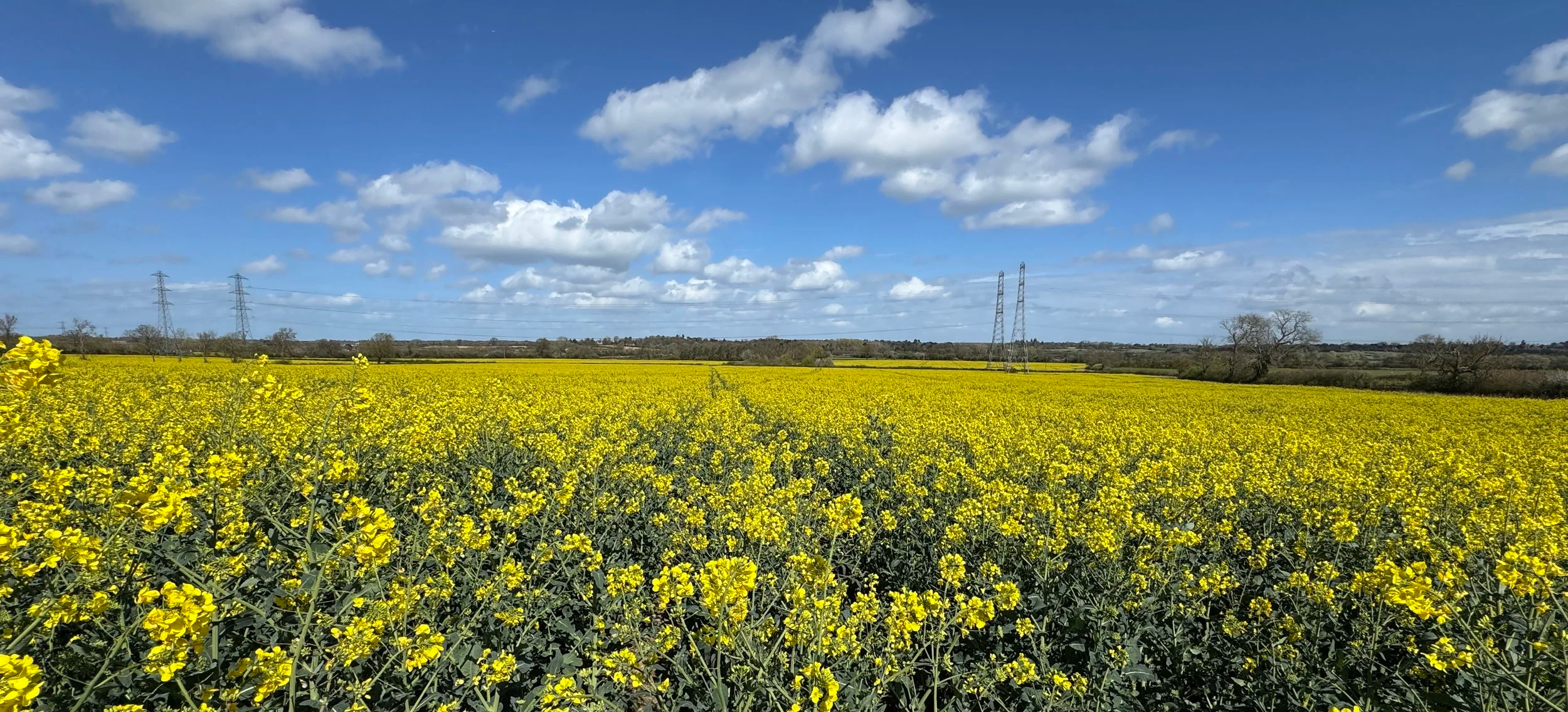
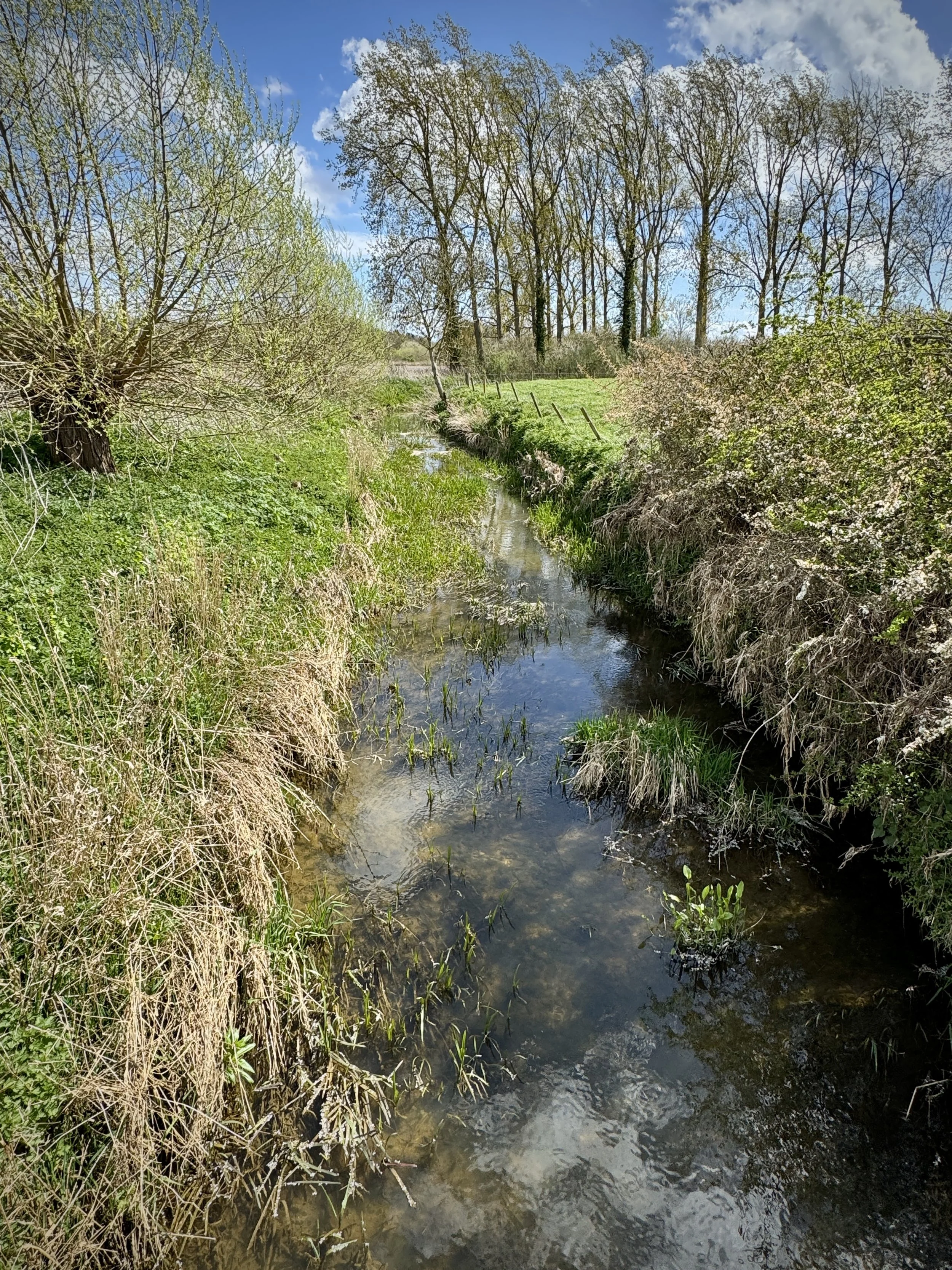
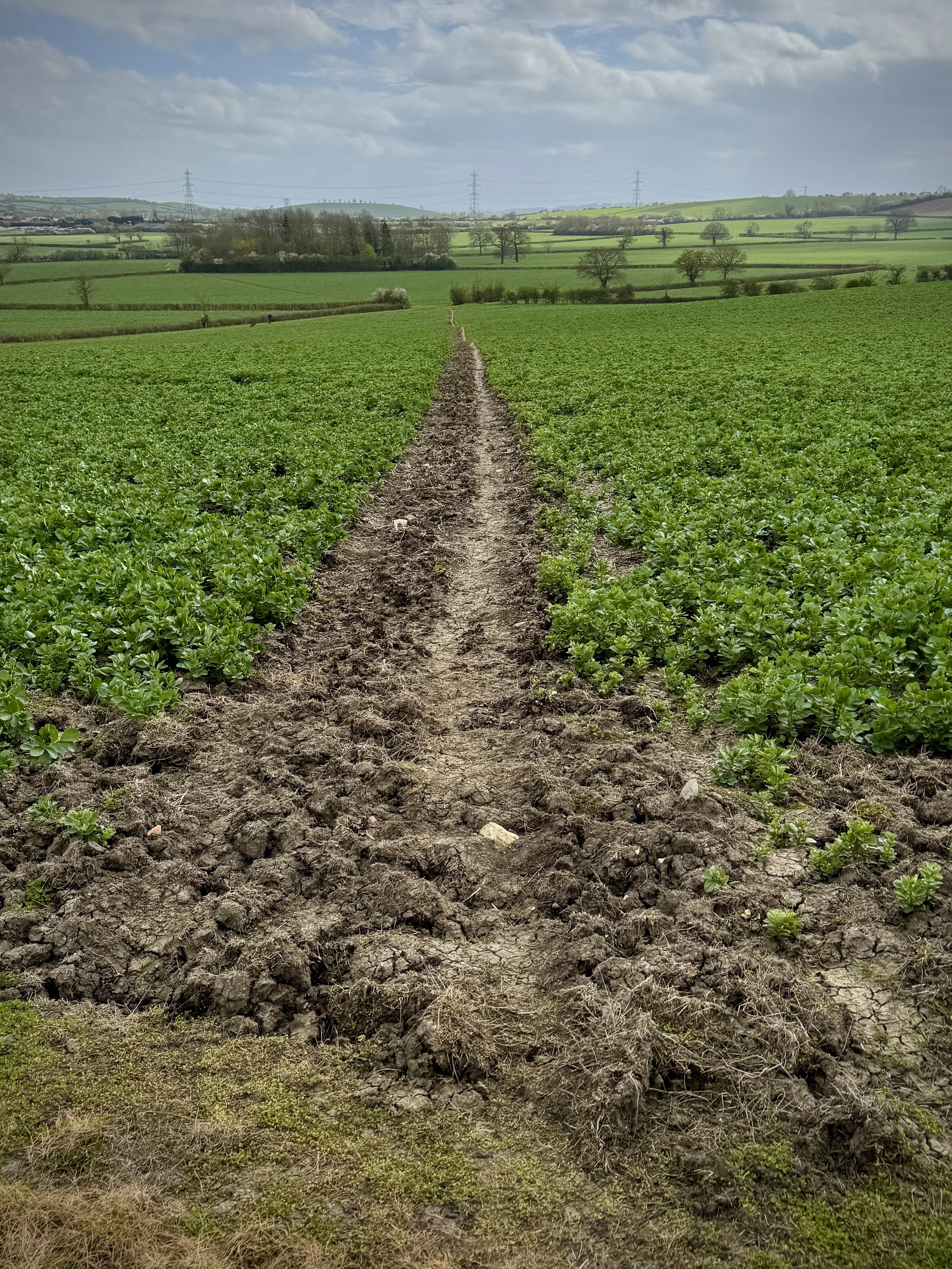
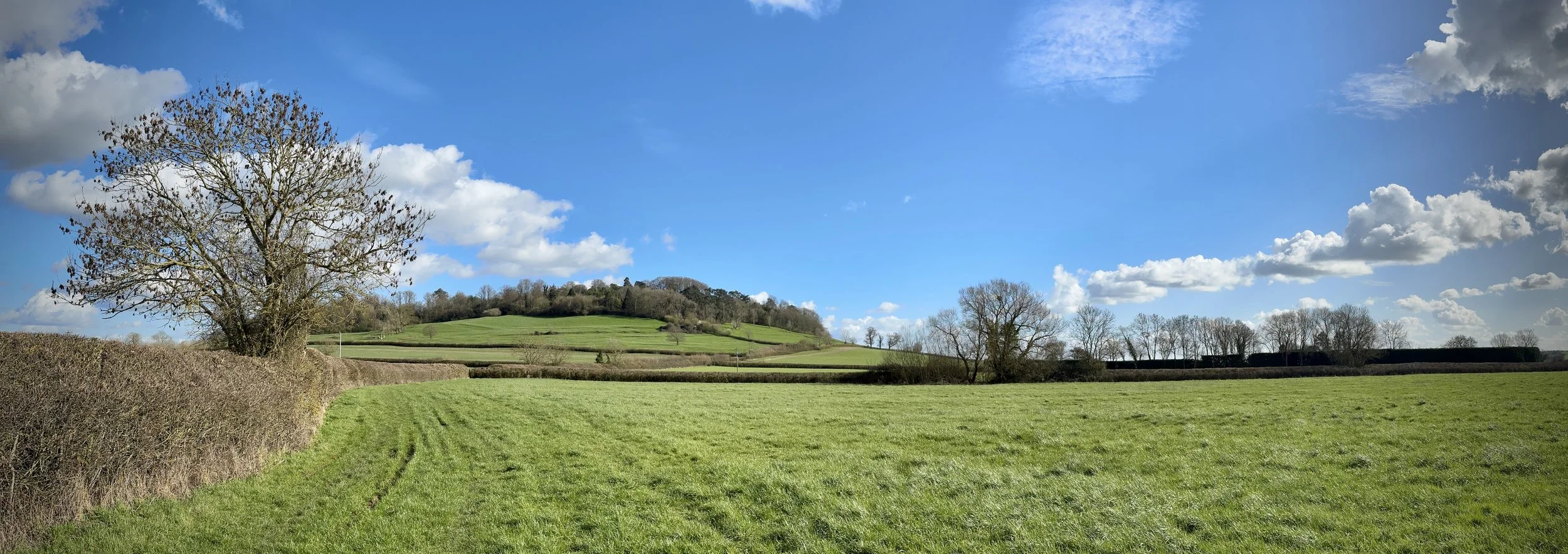
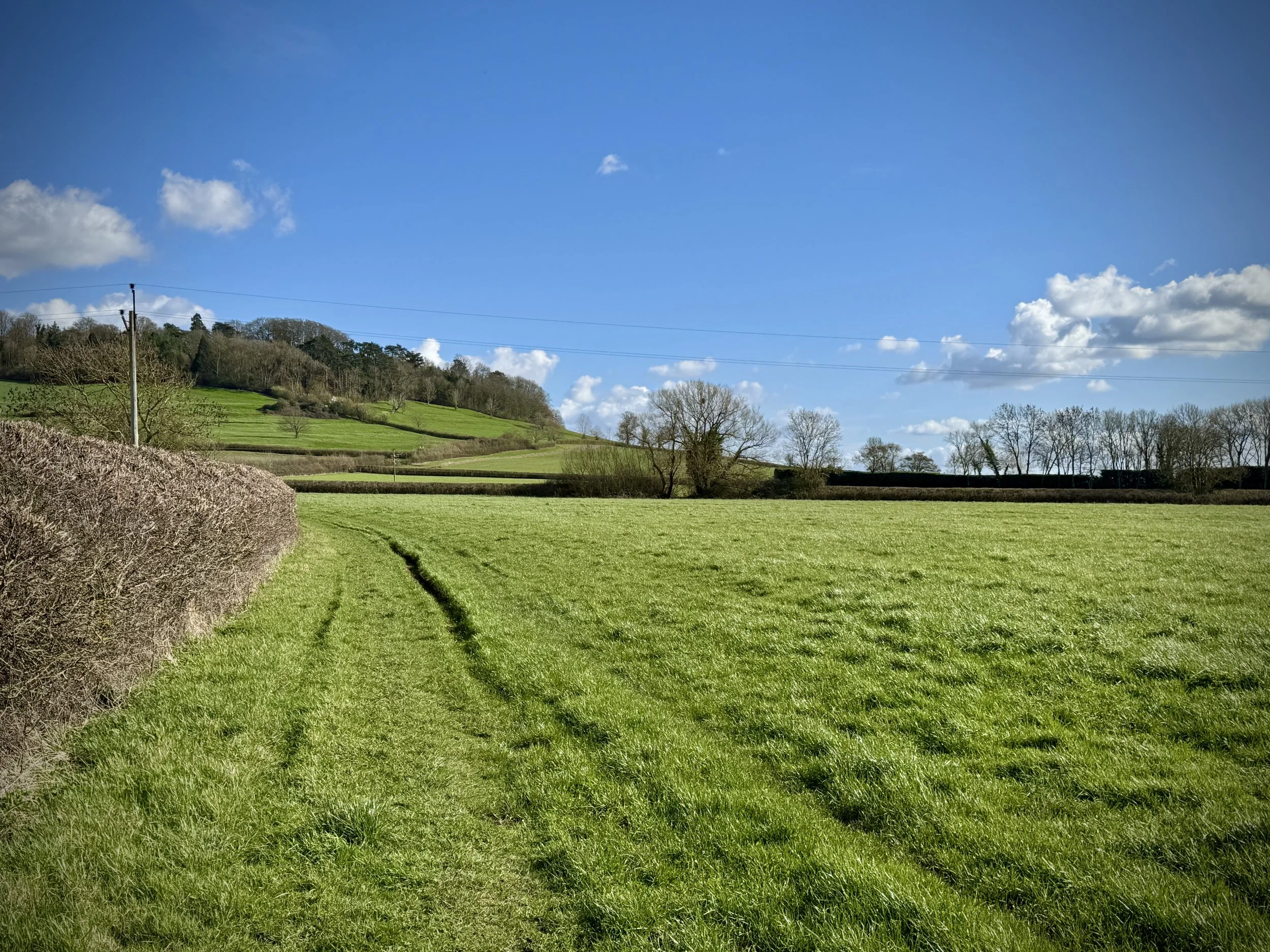
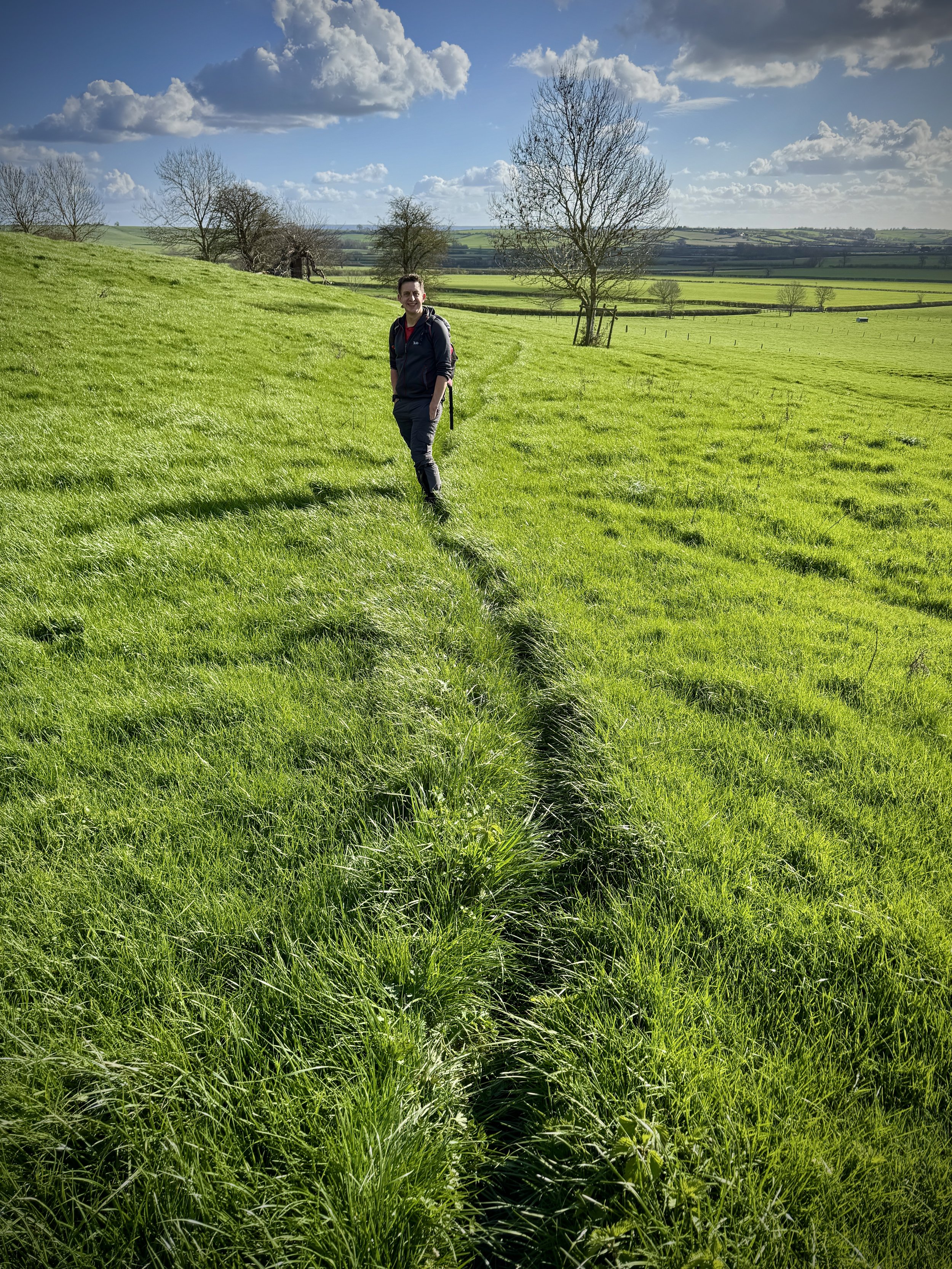
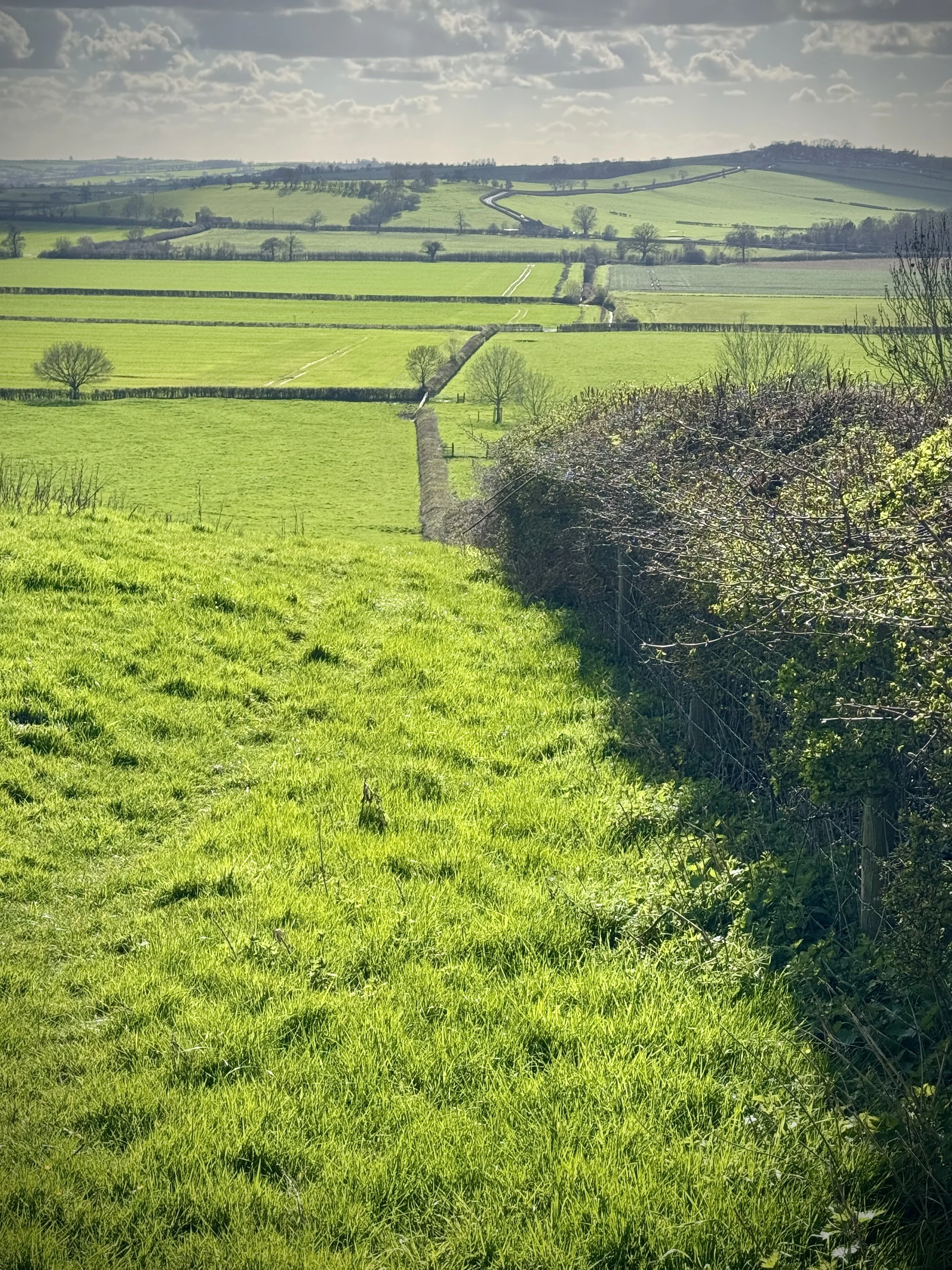
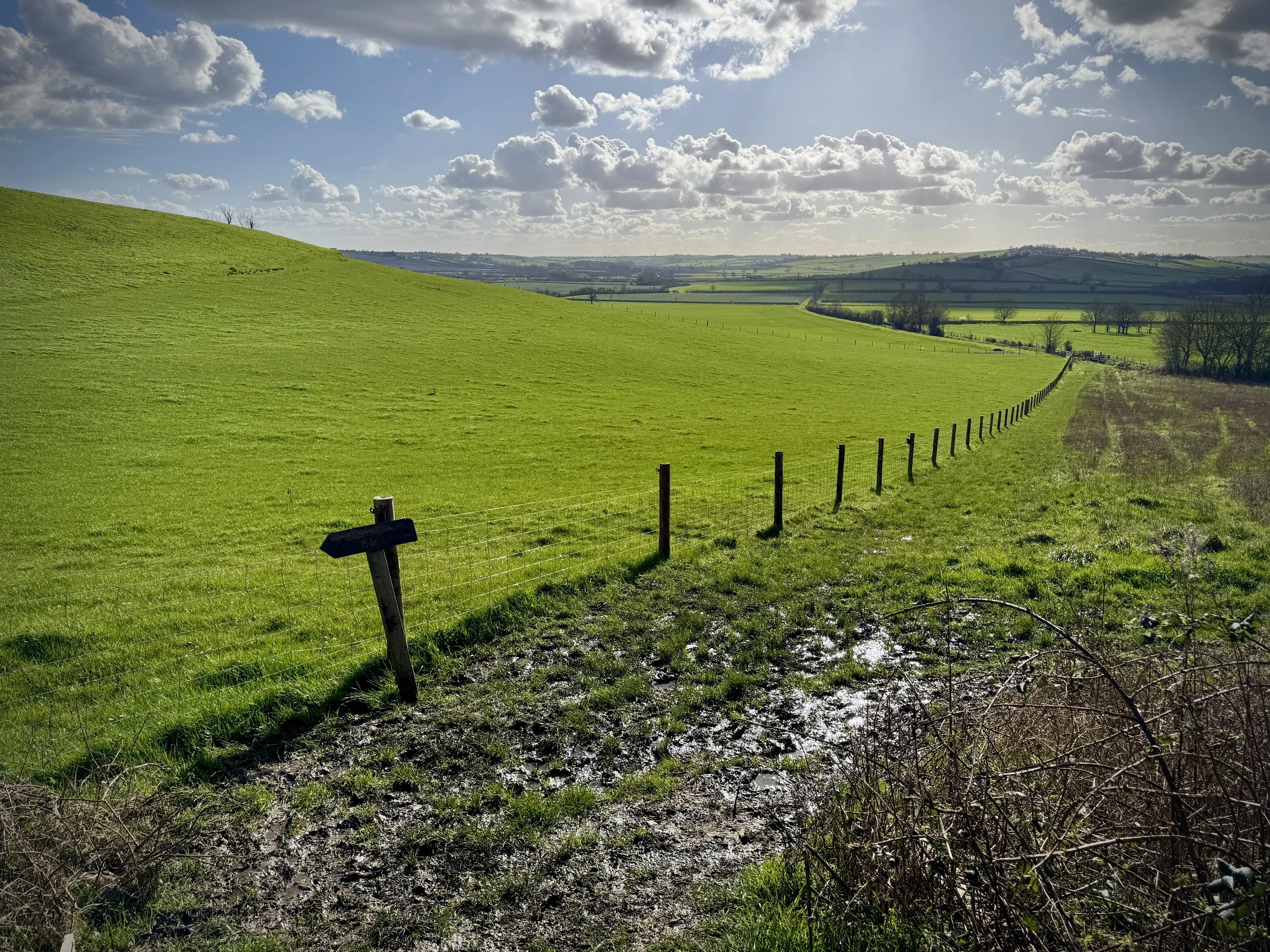
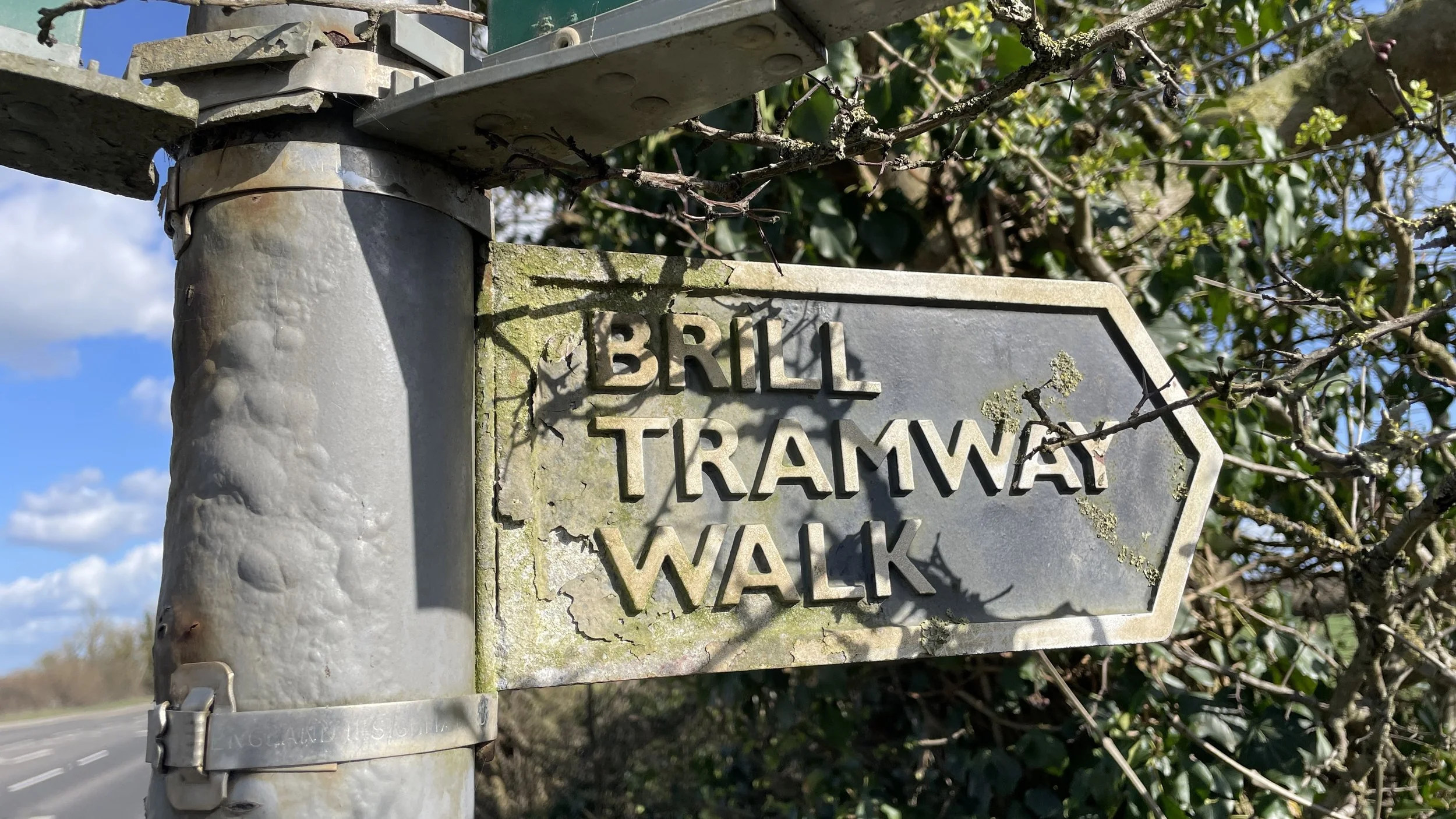
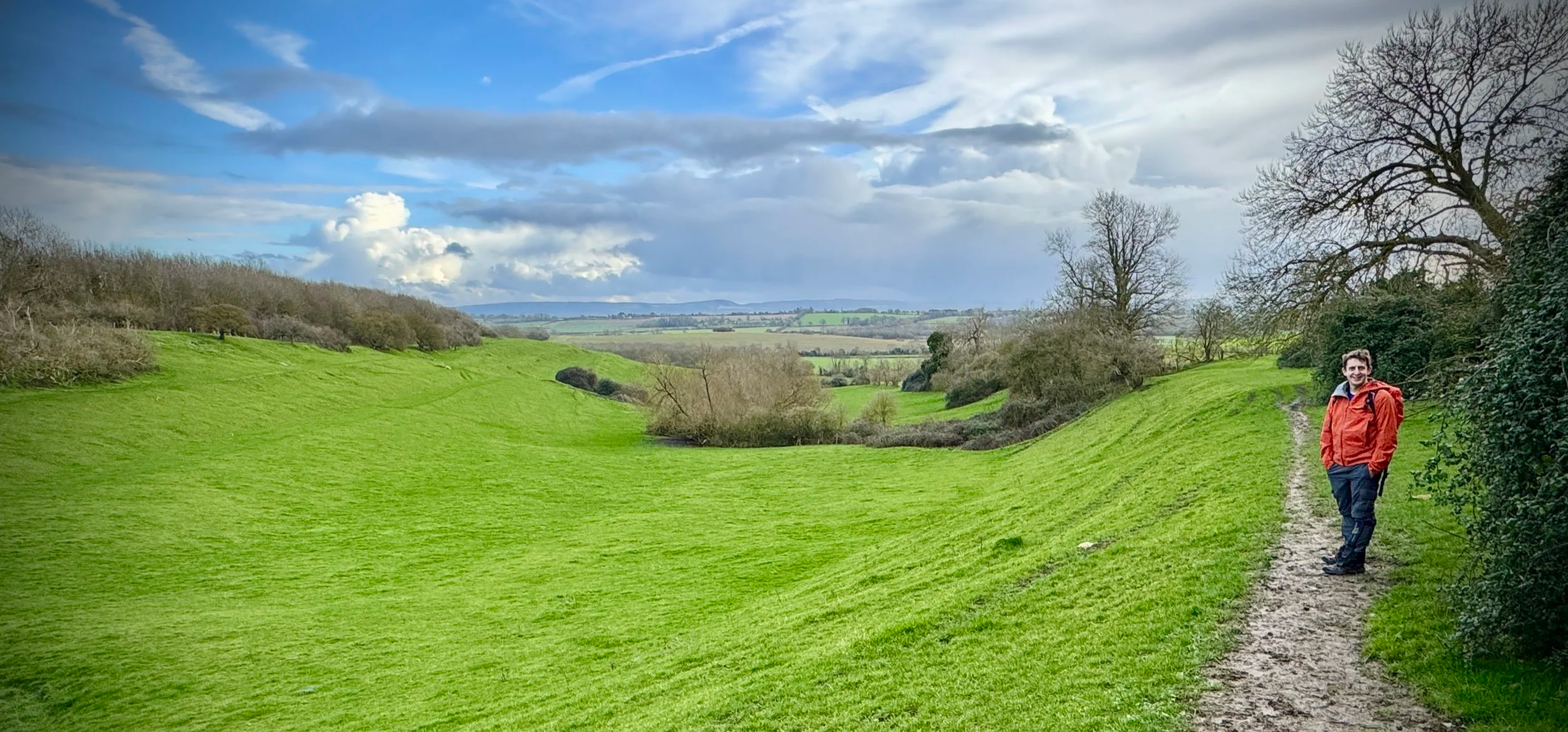
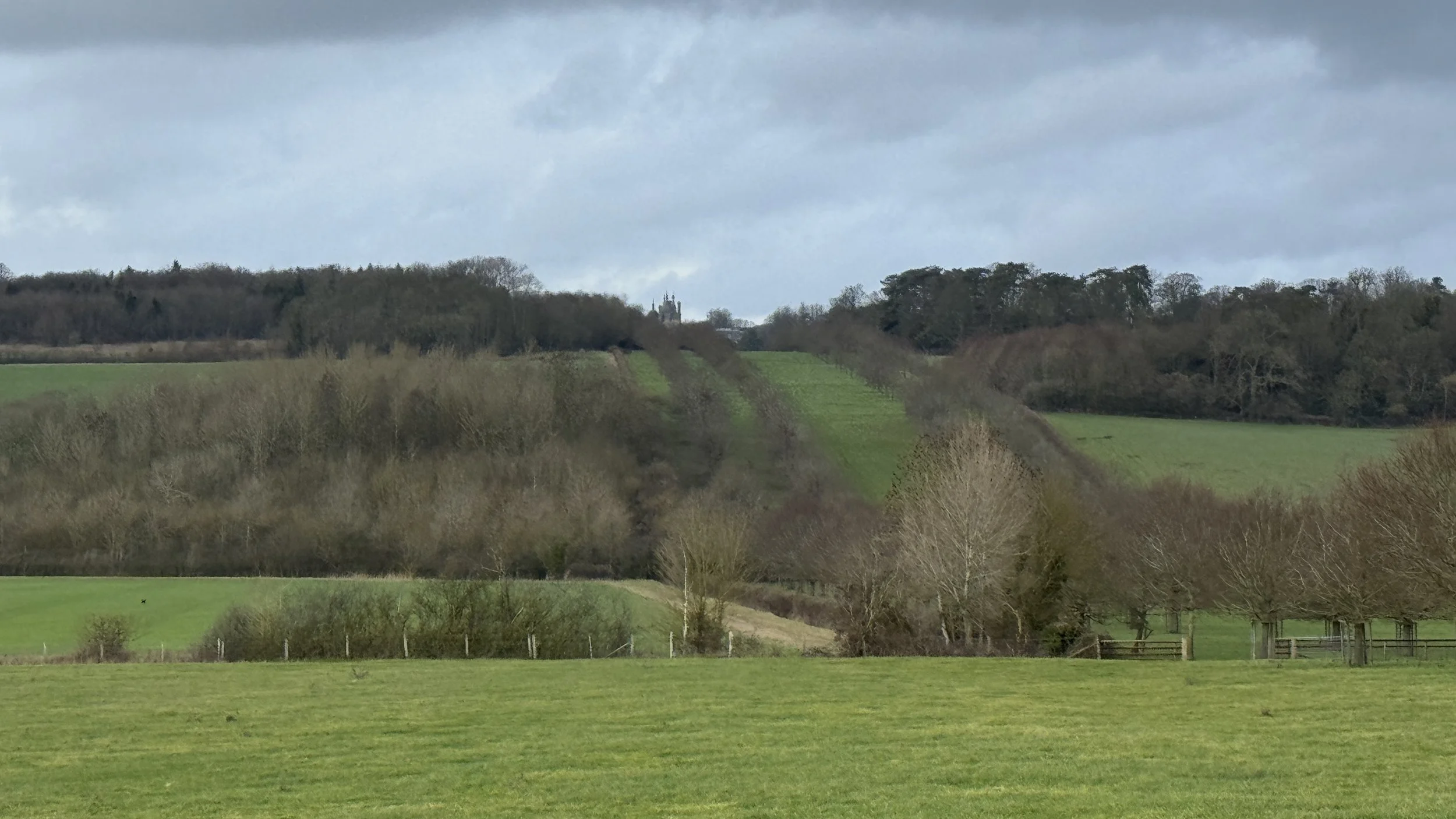
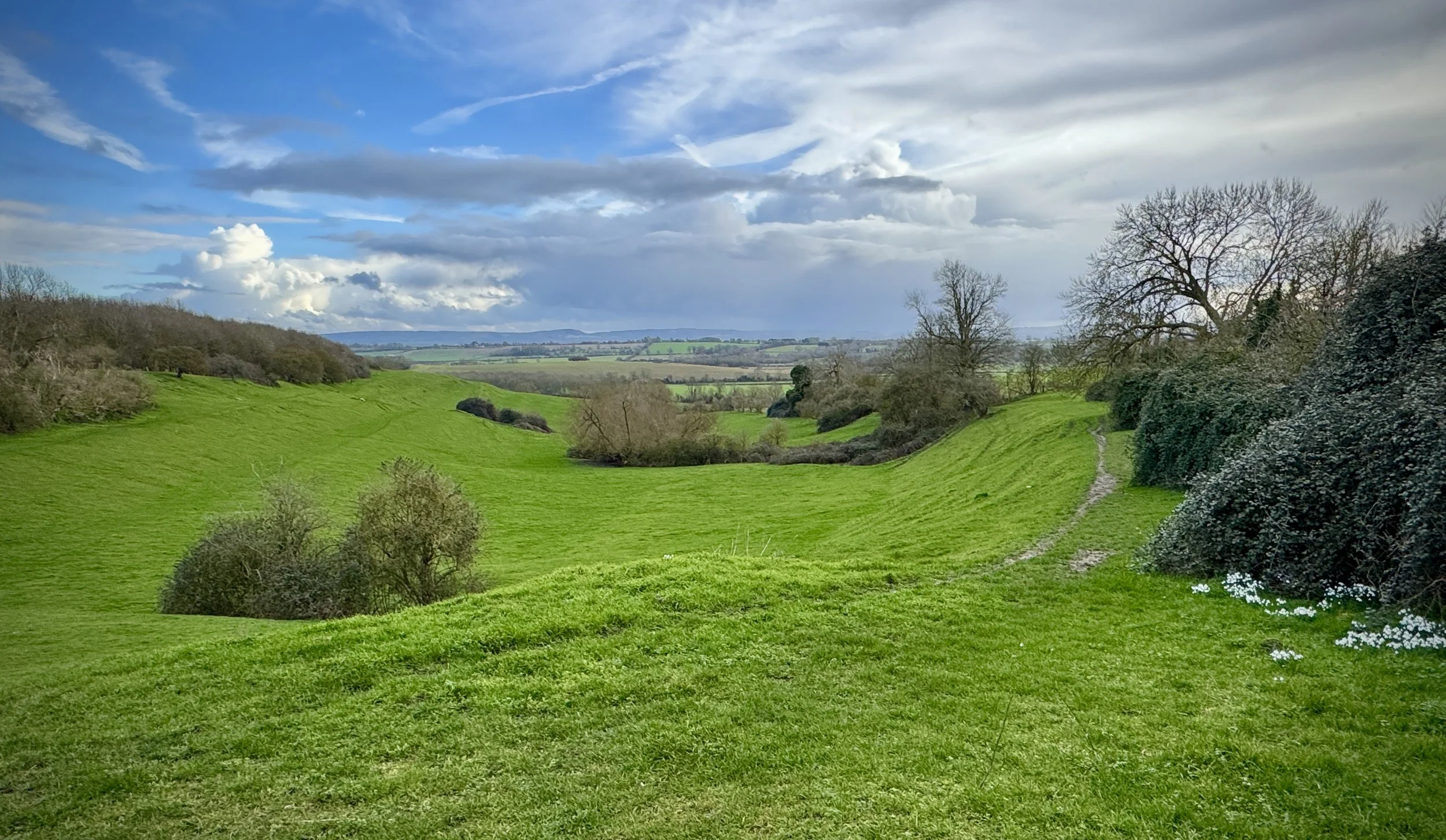
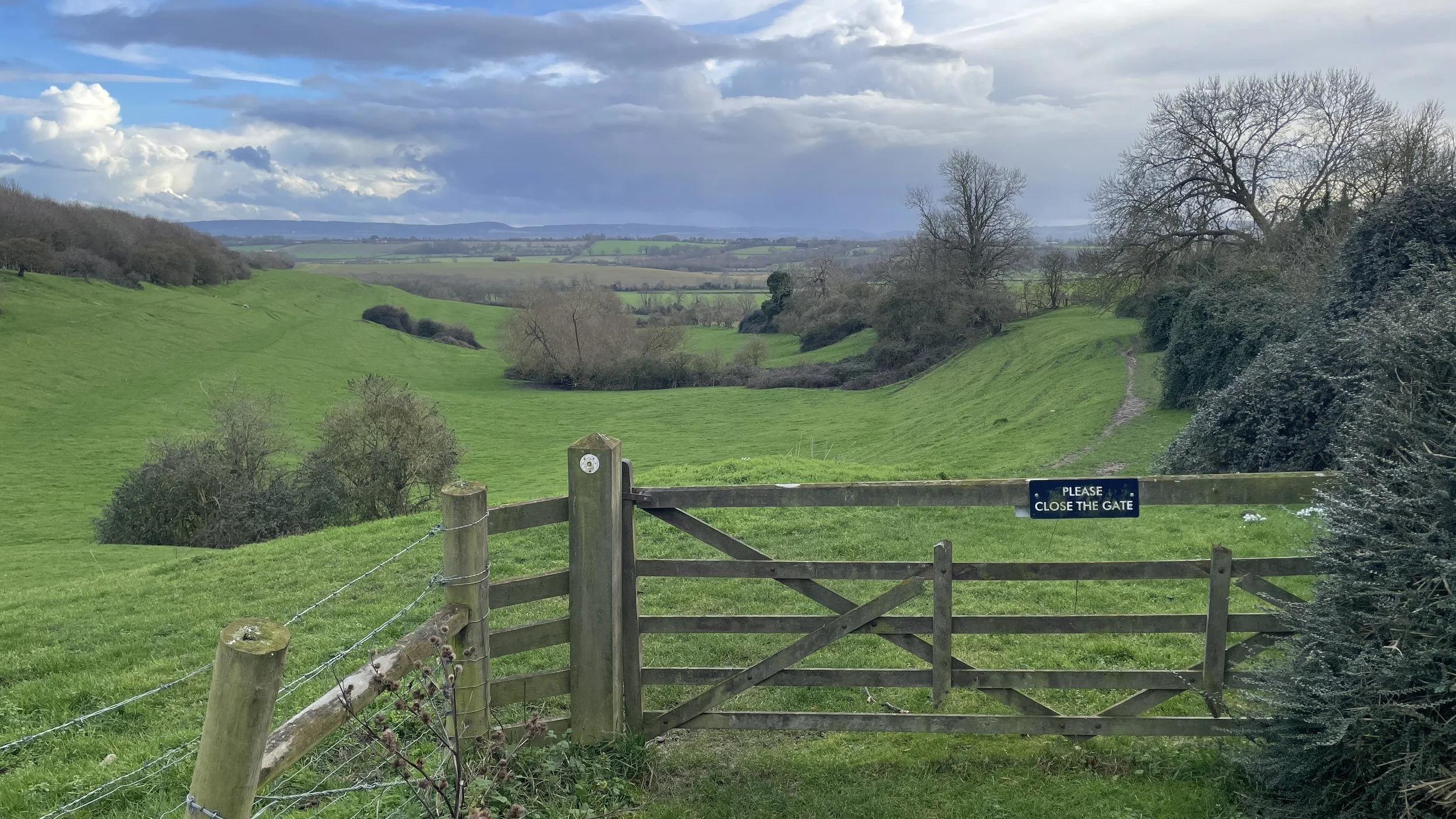
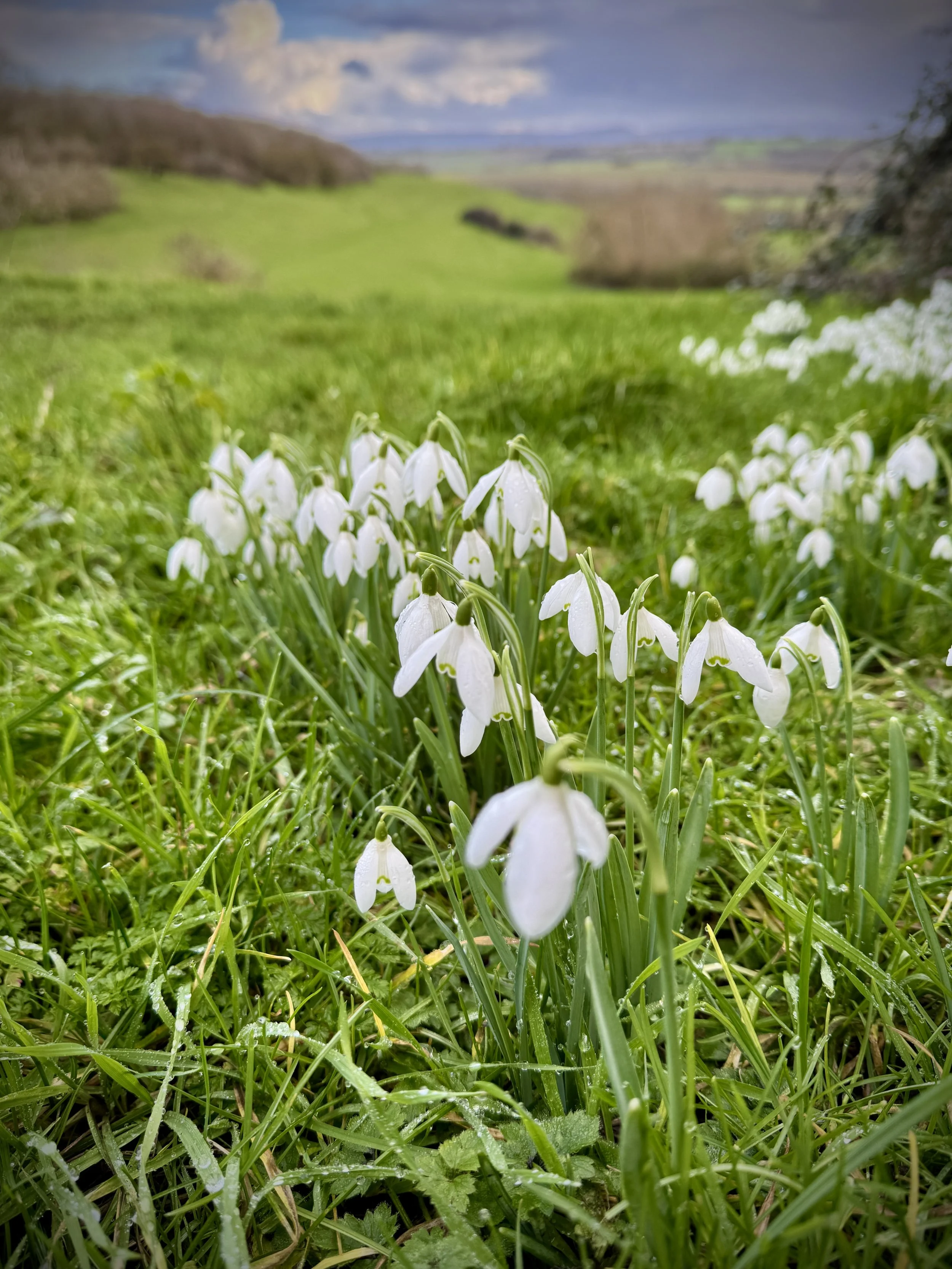
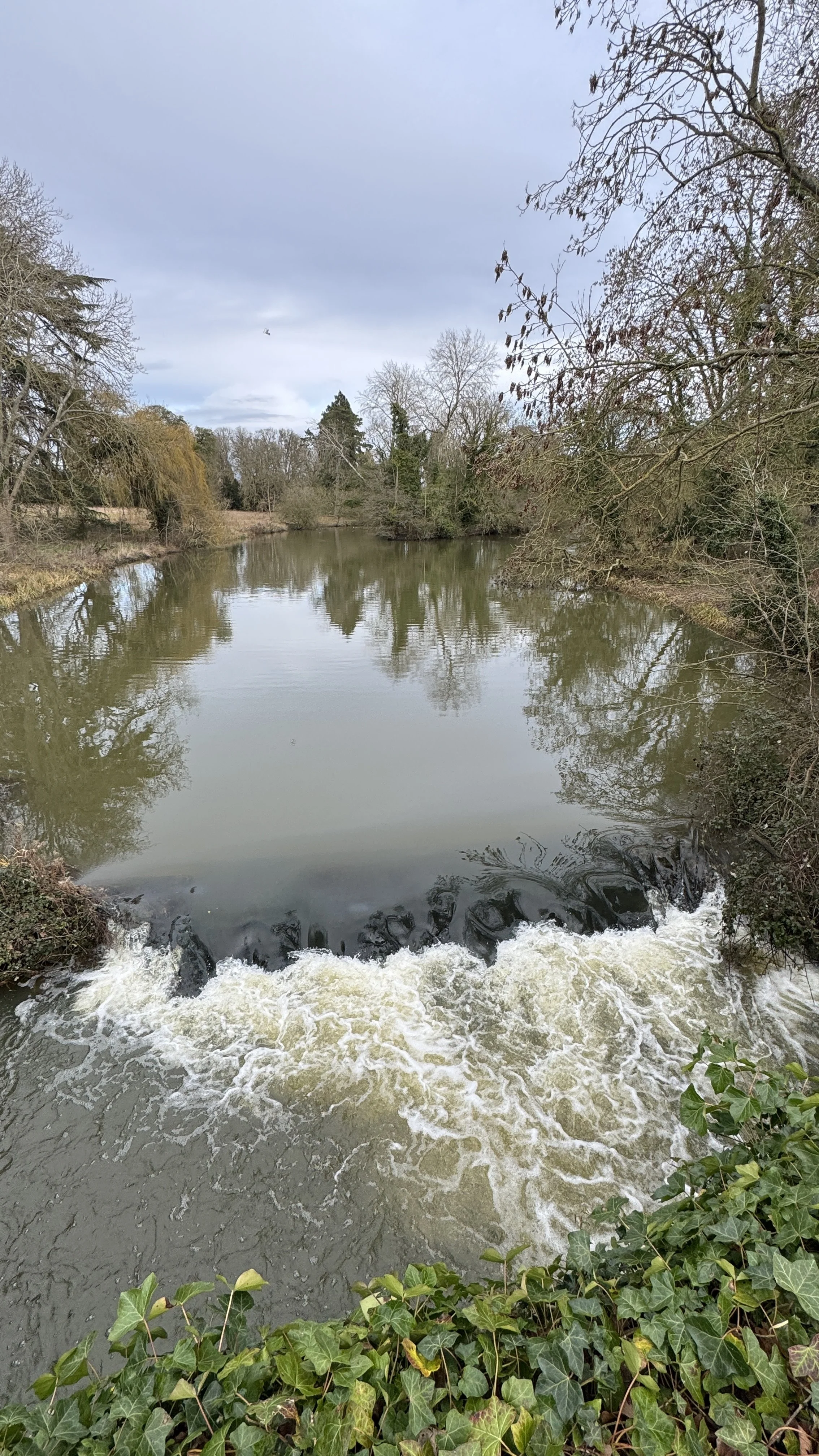
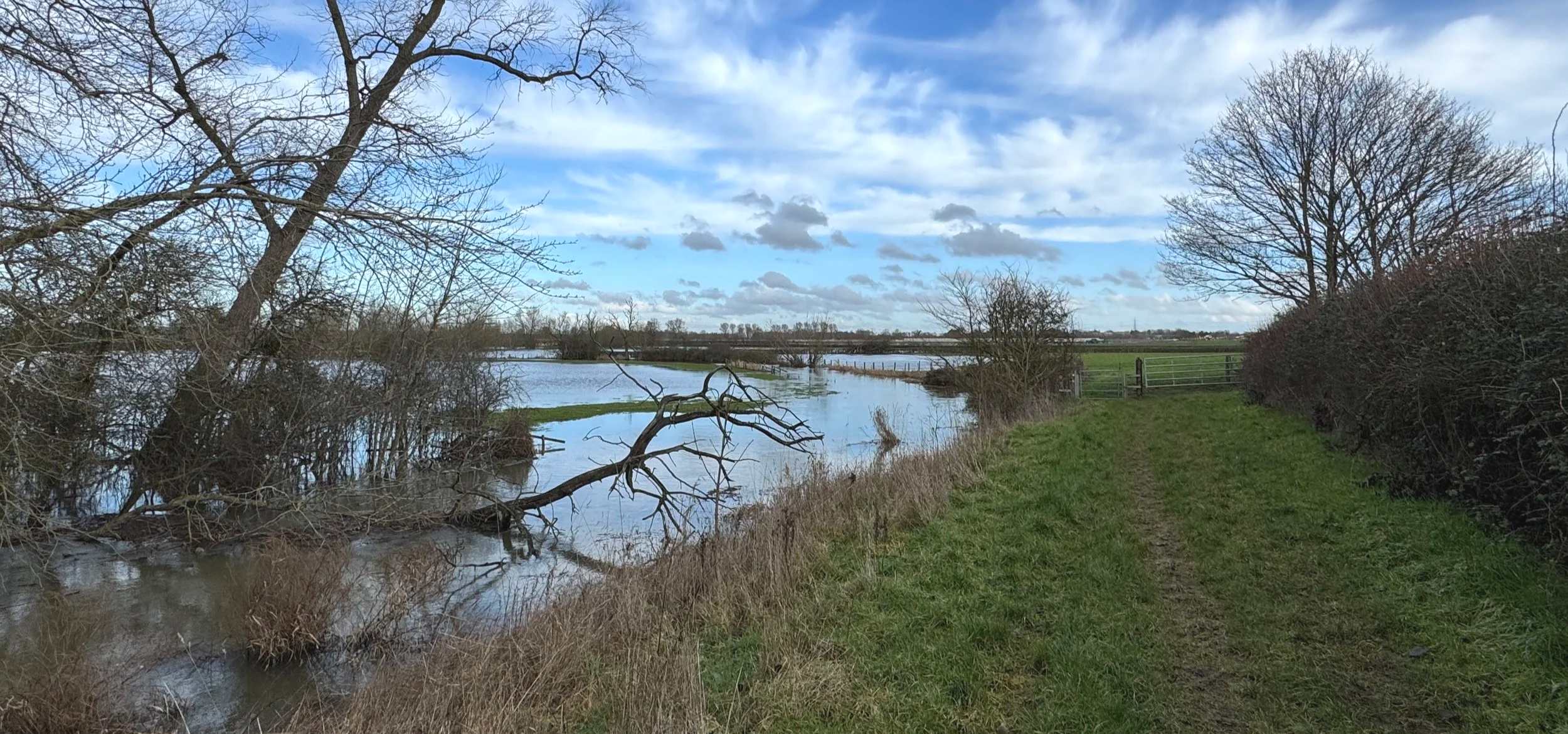
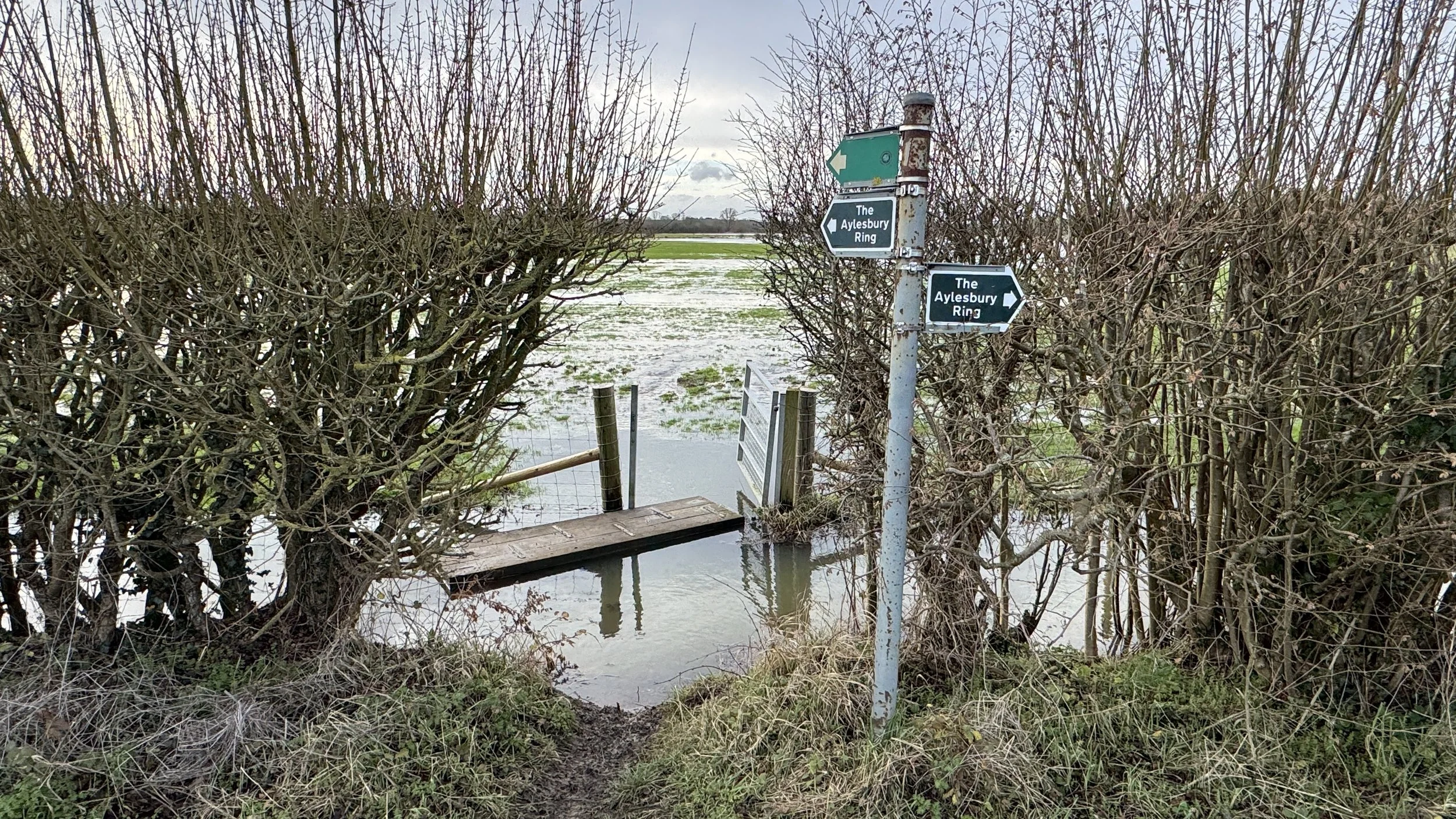
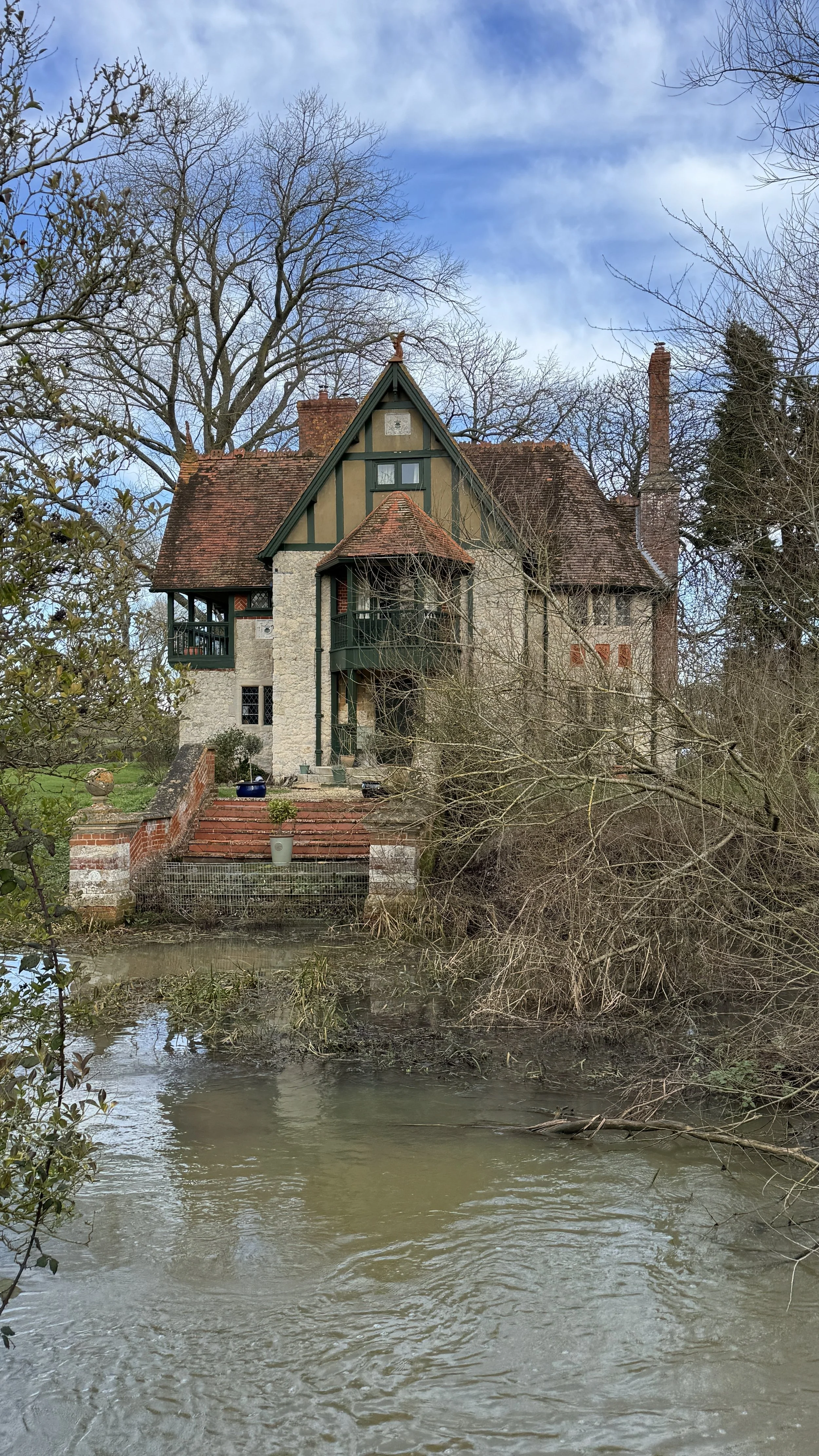
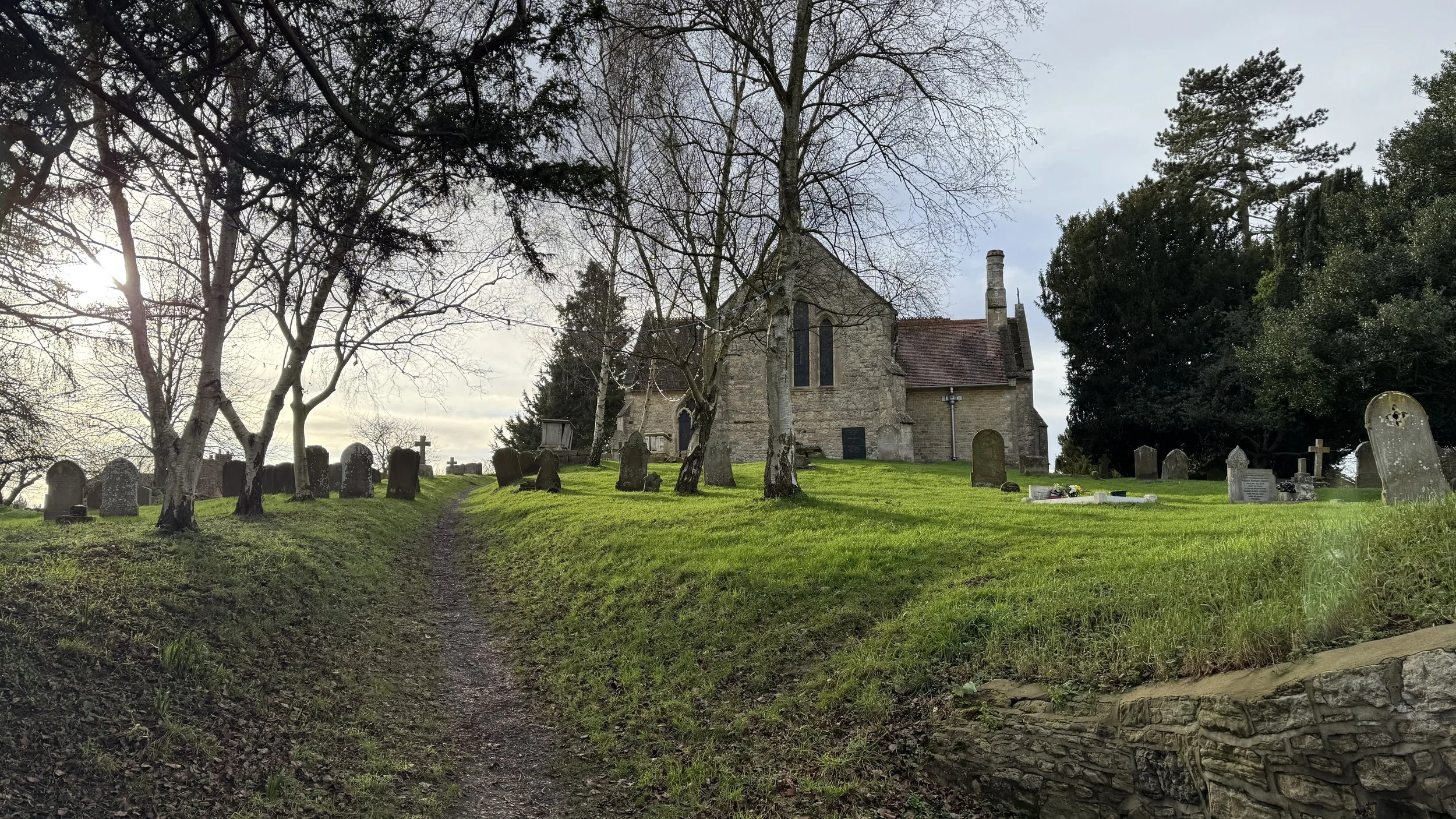
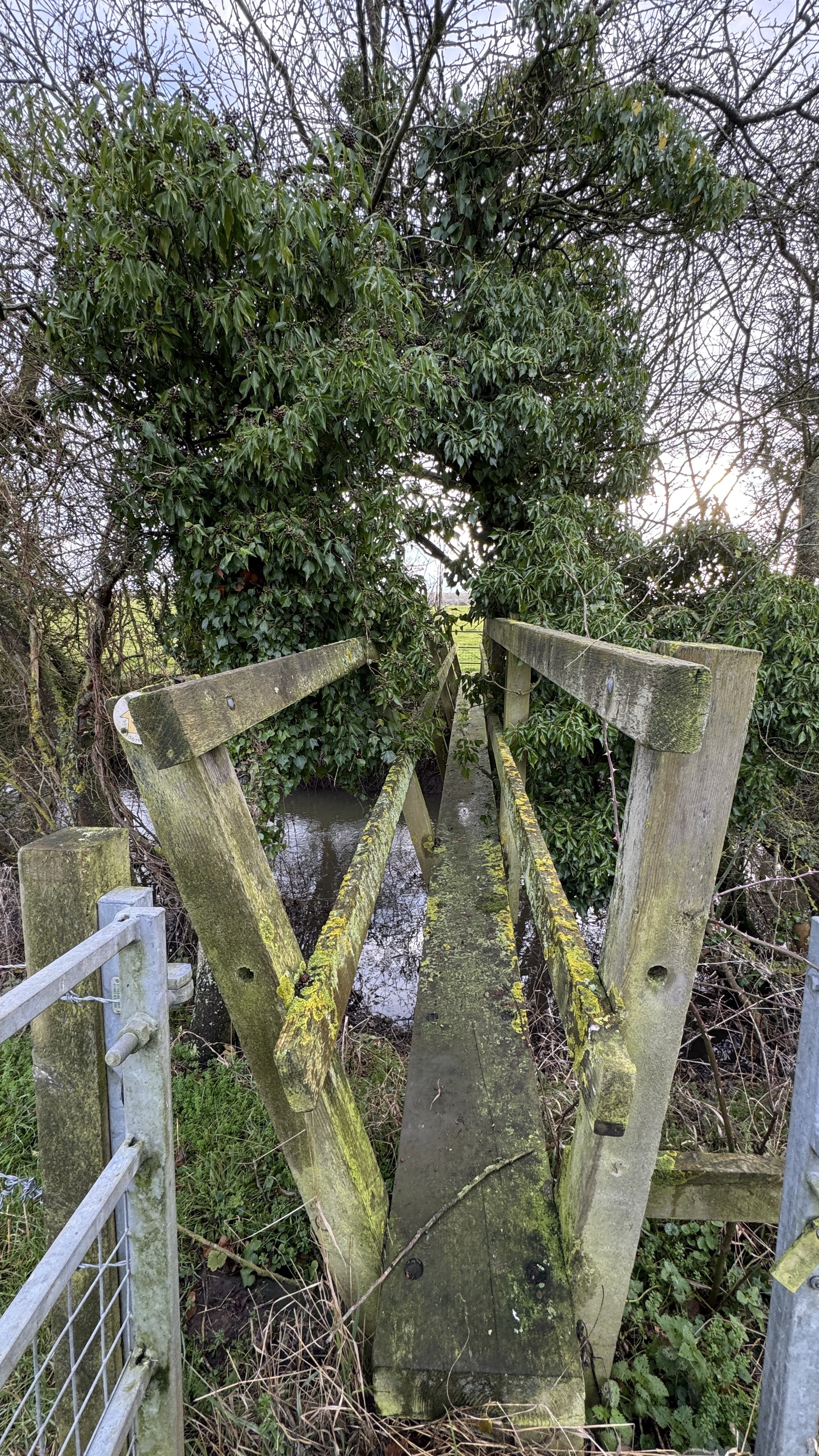
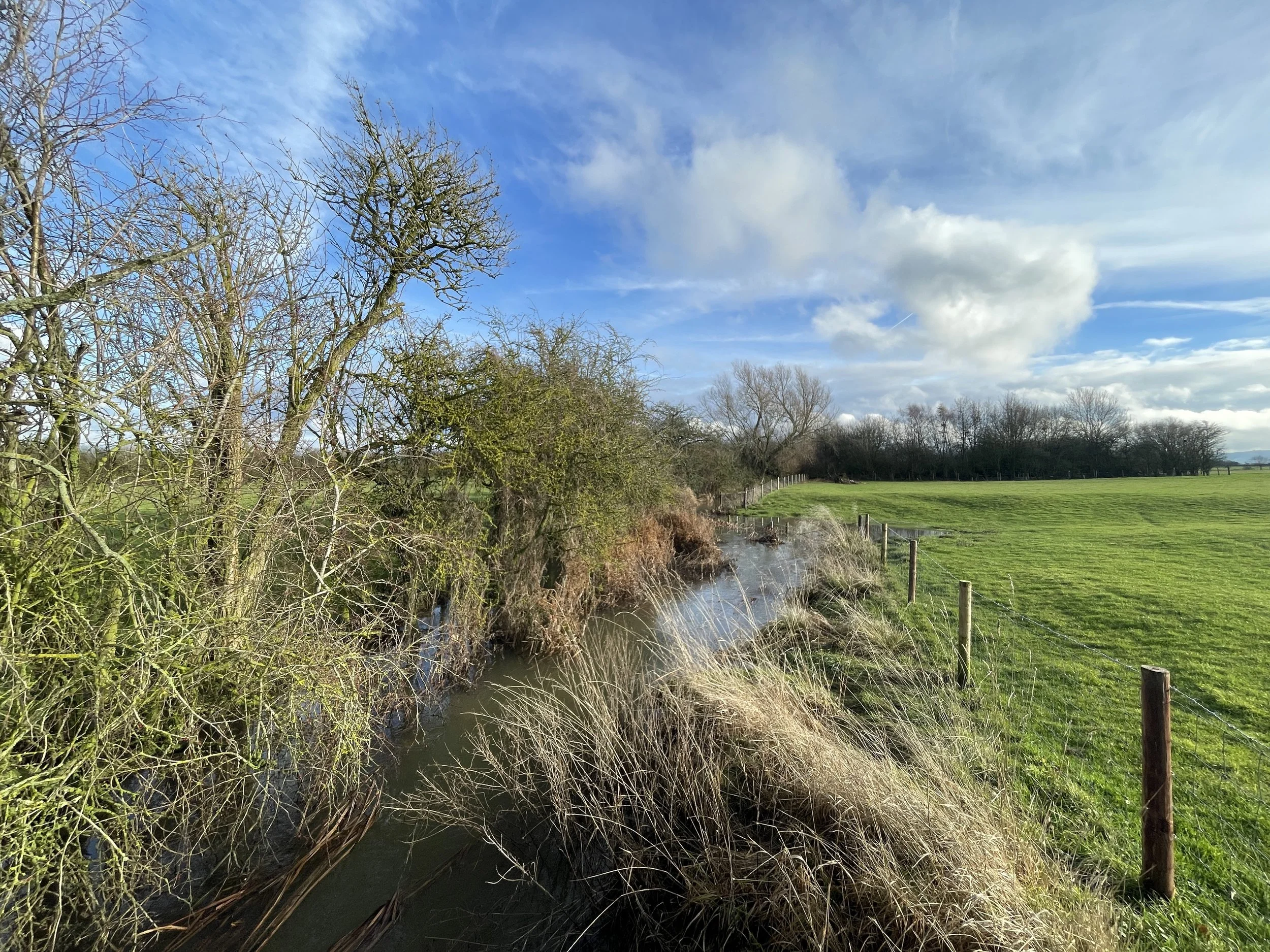
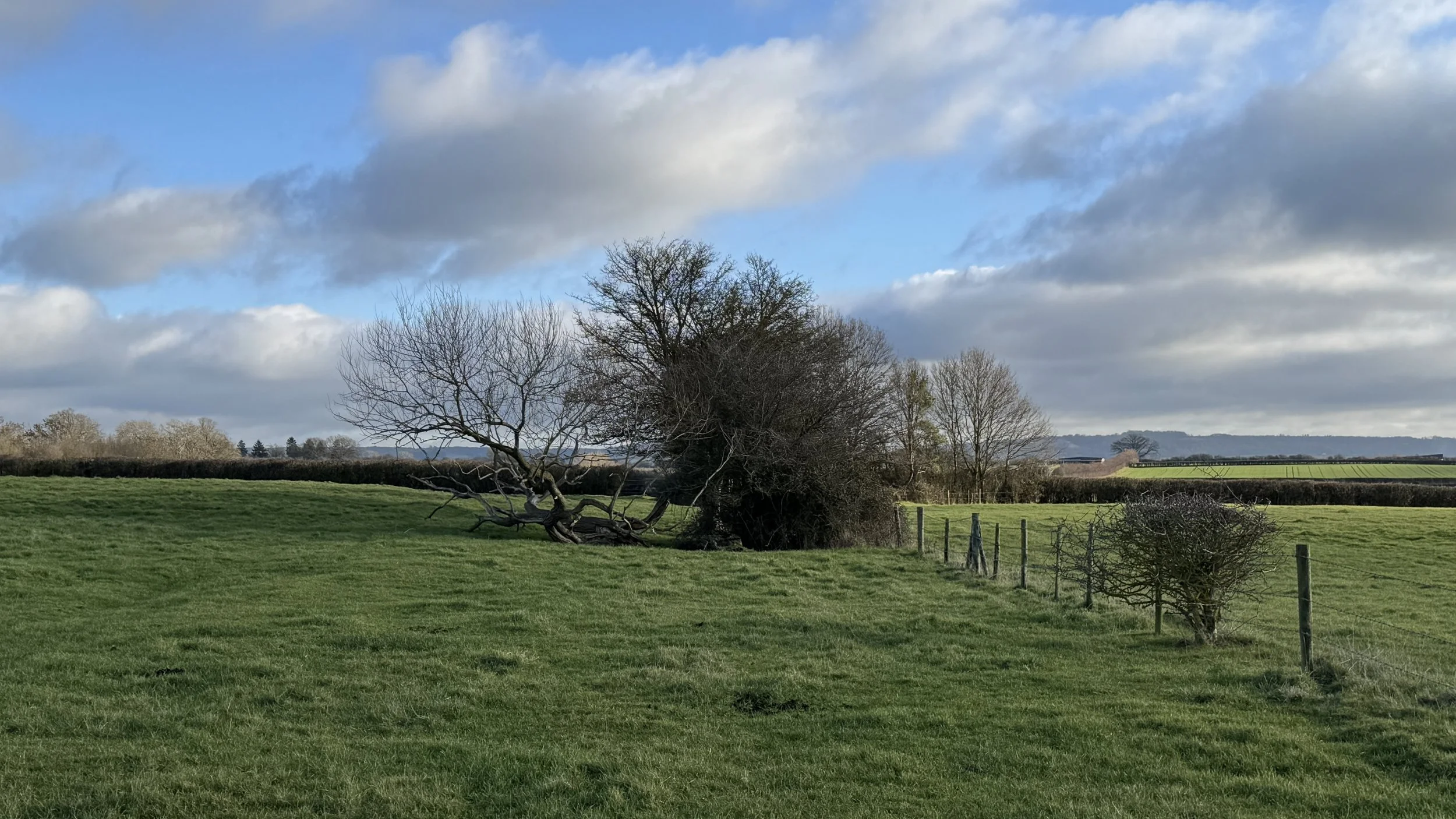
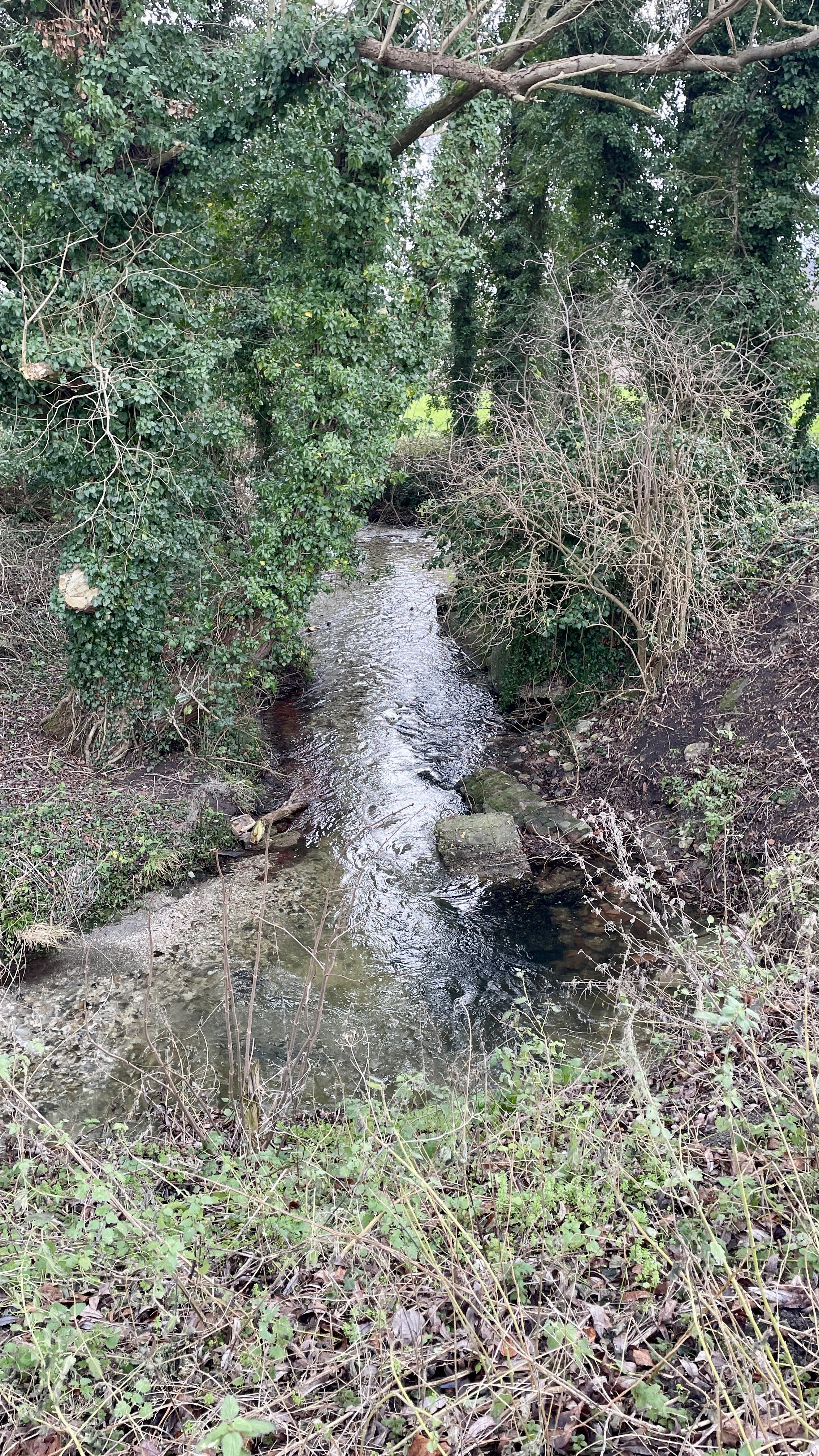
Flooded Banks of The River Thame on the Midshires Way

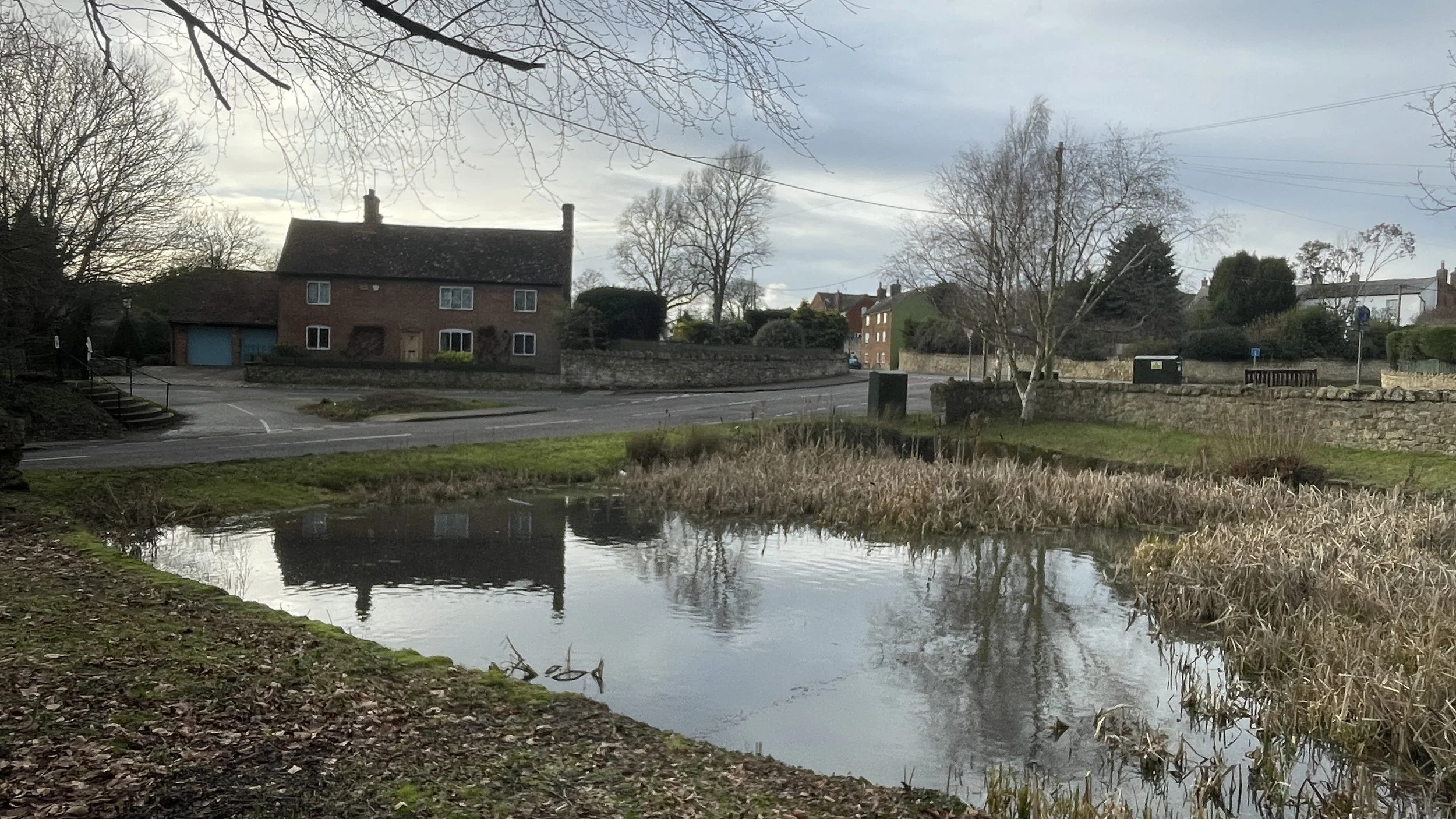
Flooded River Thame


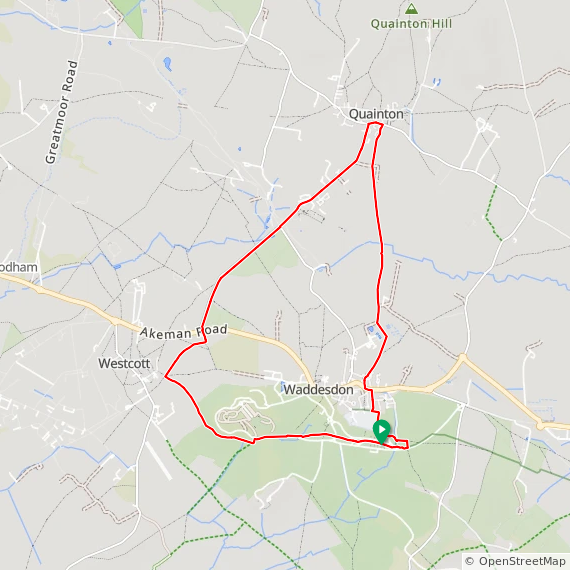
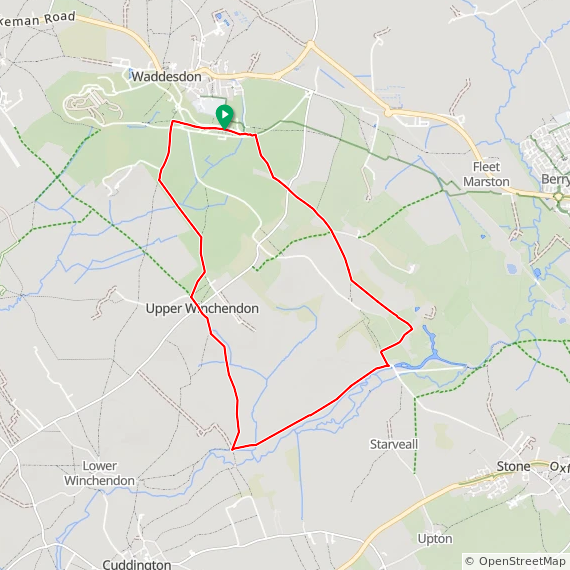
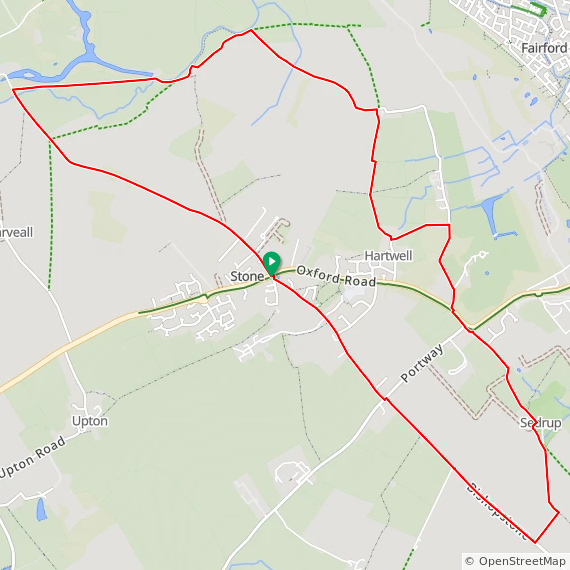
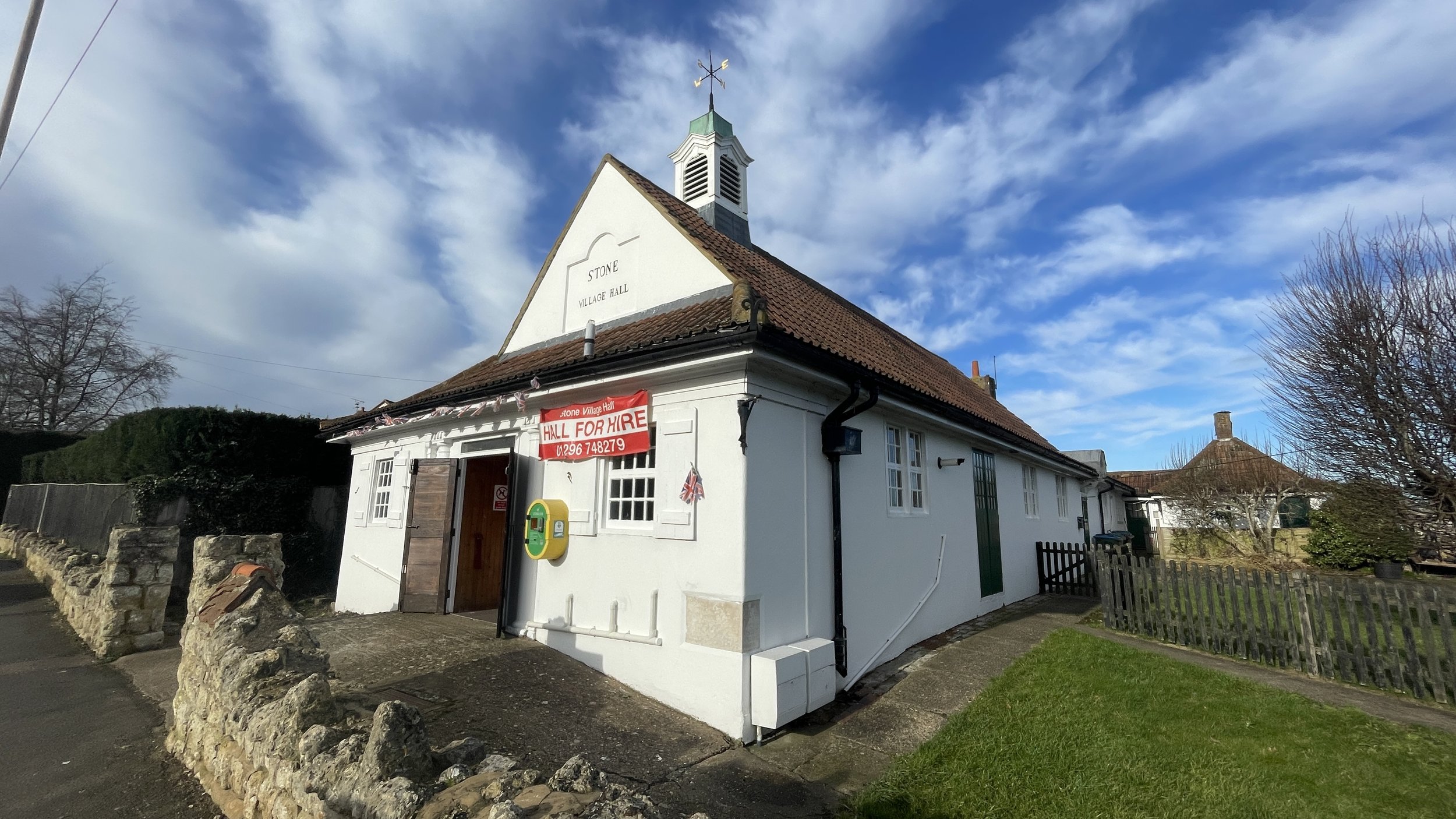
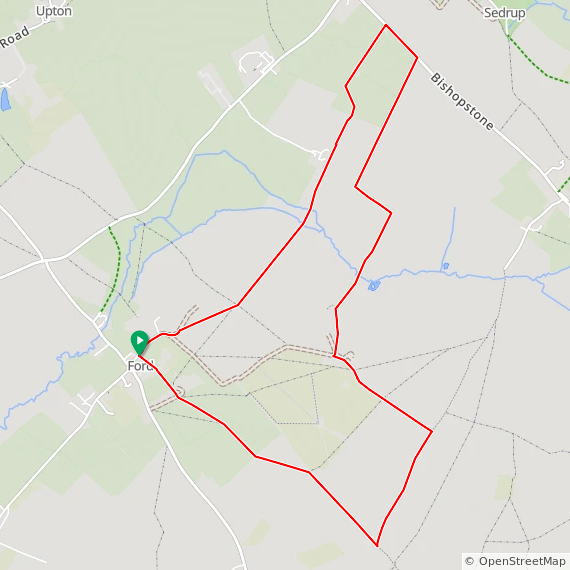
Start & Finish: Stone Village Hall, 50 Oxford Road, Stone Aylesbury, HP17 8PB
Distance: 10.1 km (6.3 miles)
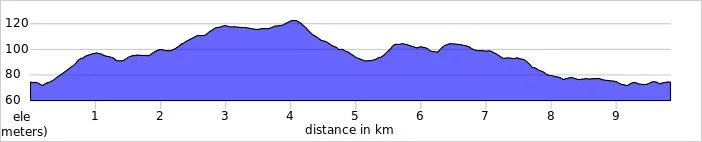
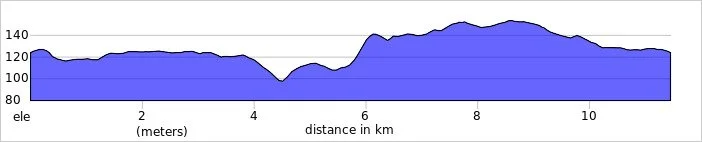
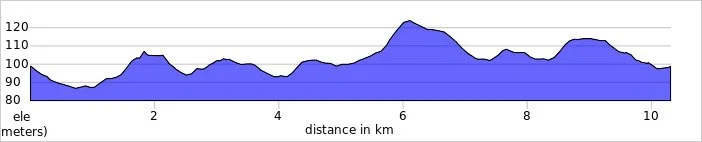
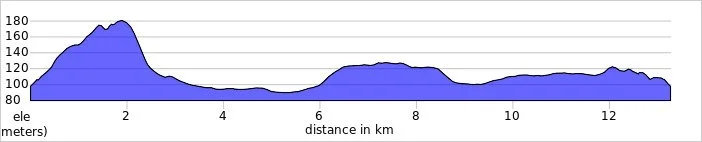
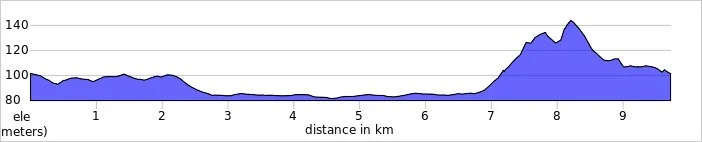
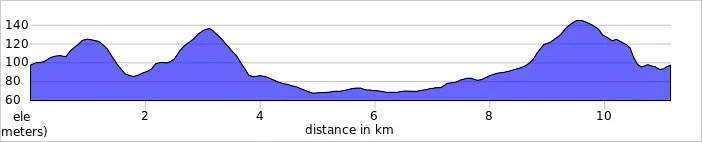
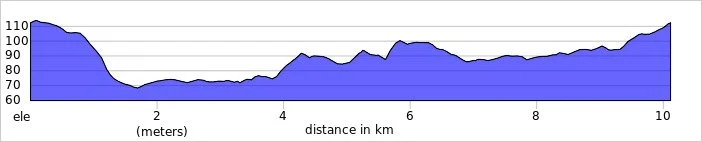
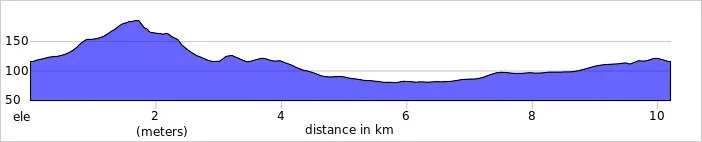
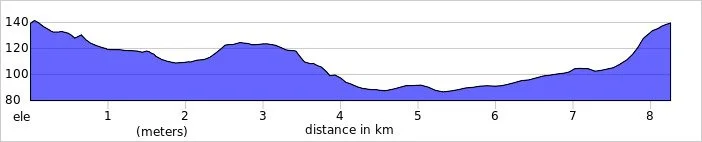
Elevation change: +/- 75 m
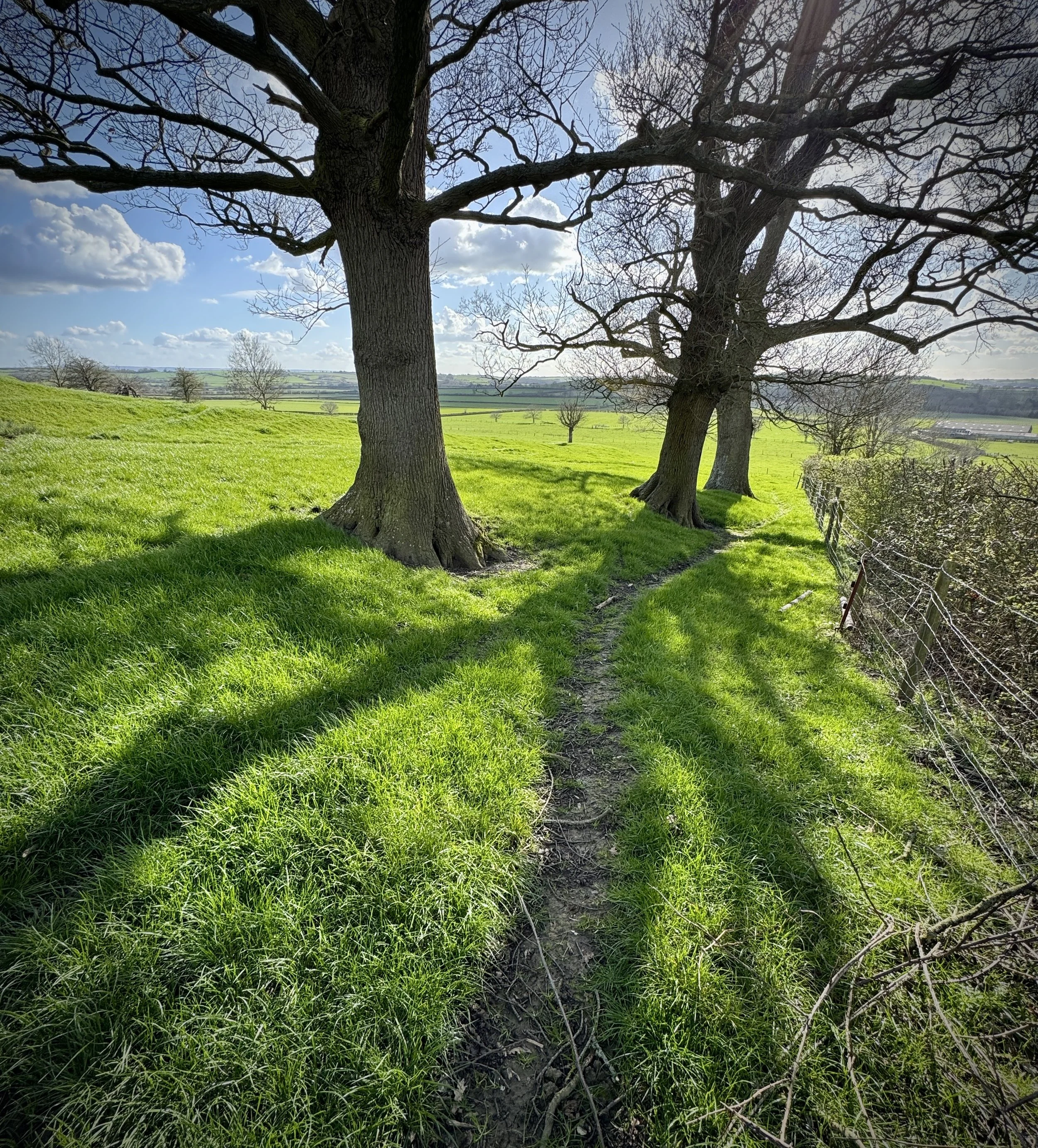
Terrain: A mixture of quiet village lanes and open field-edge bridleways.
Midshires Way section covered: Bishopstone Road to the River Thame: 3.5 km
GPX File: get via Buy Me a Coffee
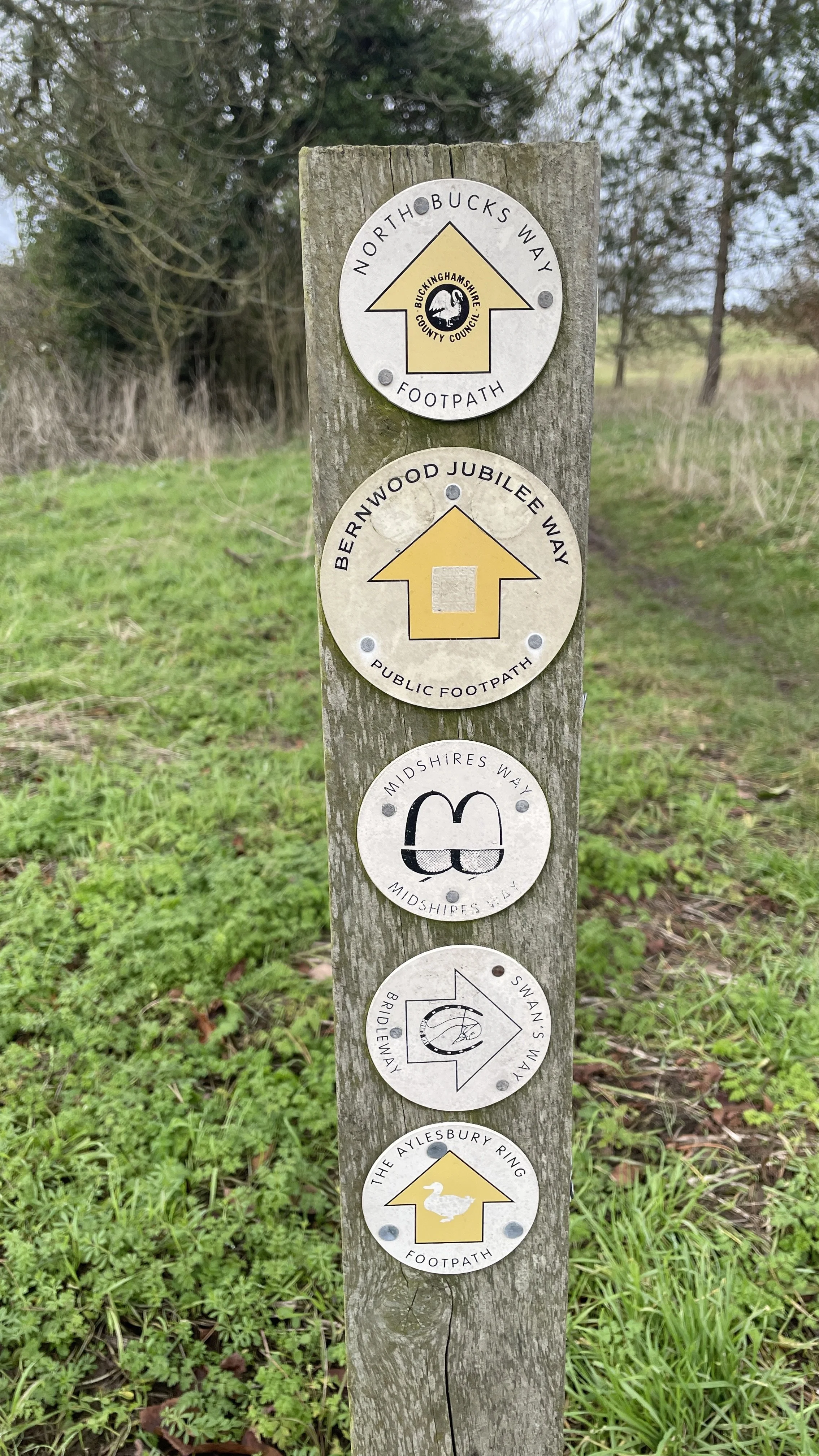
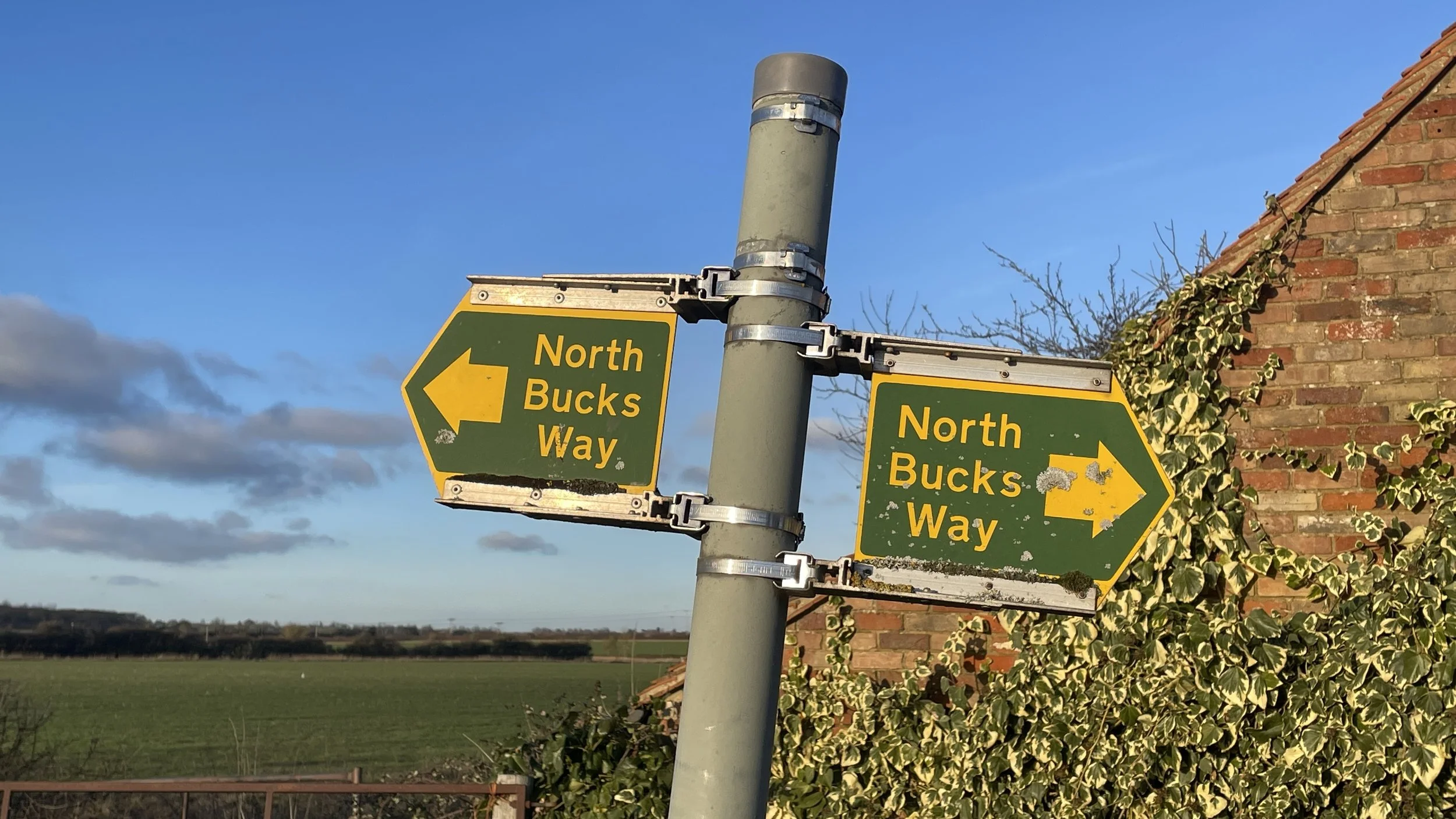
Other routes touched (walk): Midshires Way, The Swan Way, Thame Valley Walk, North Bucks Way
Other routes touched (cycle): Aylesbury Pebble Way
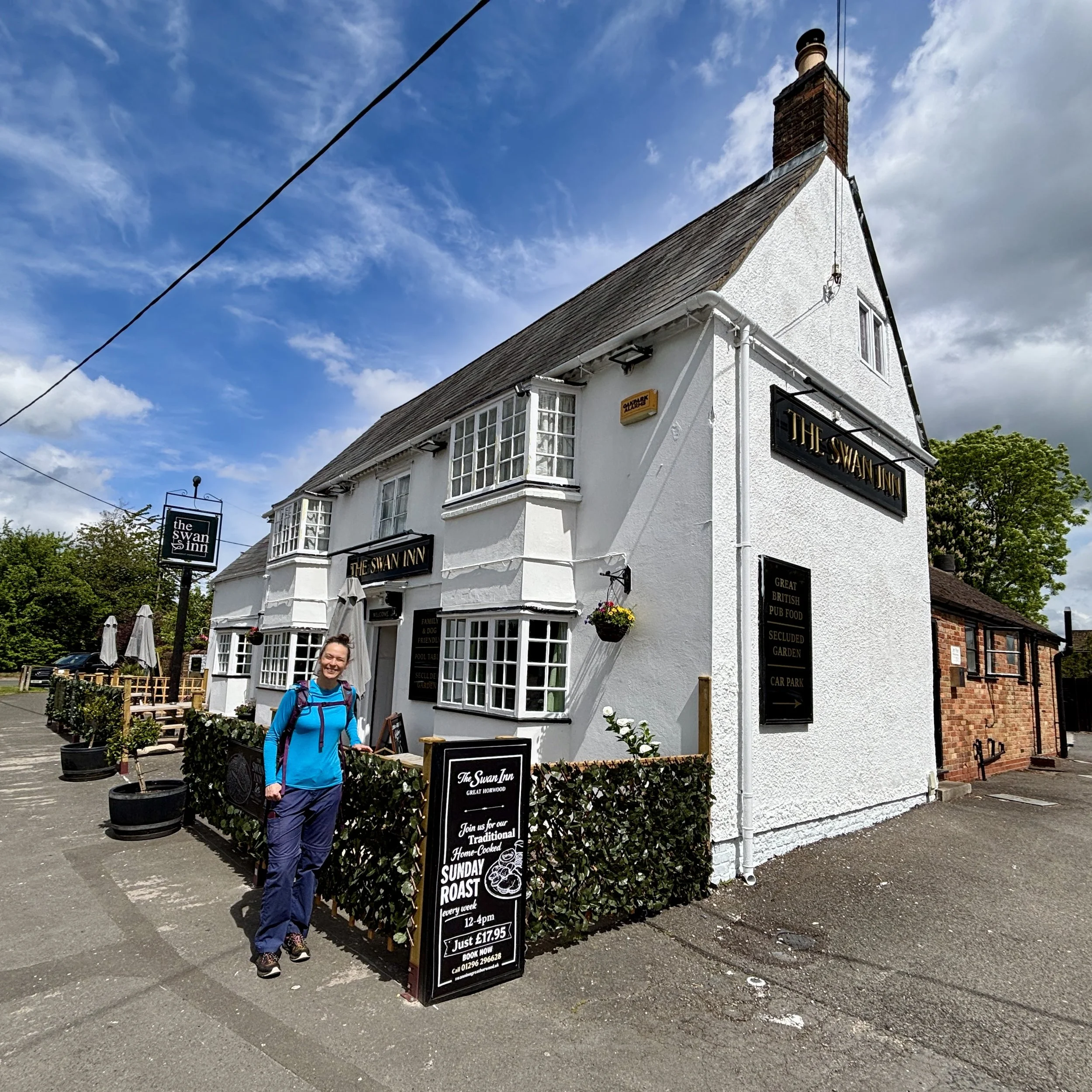
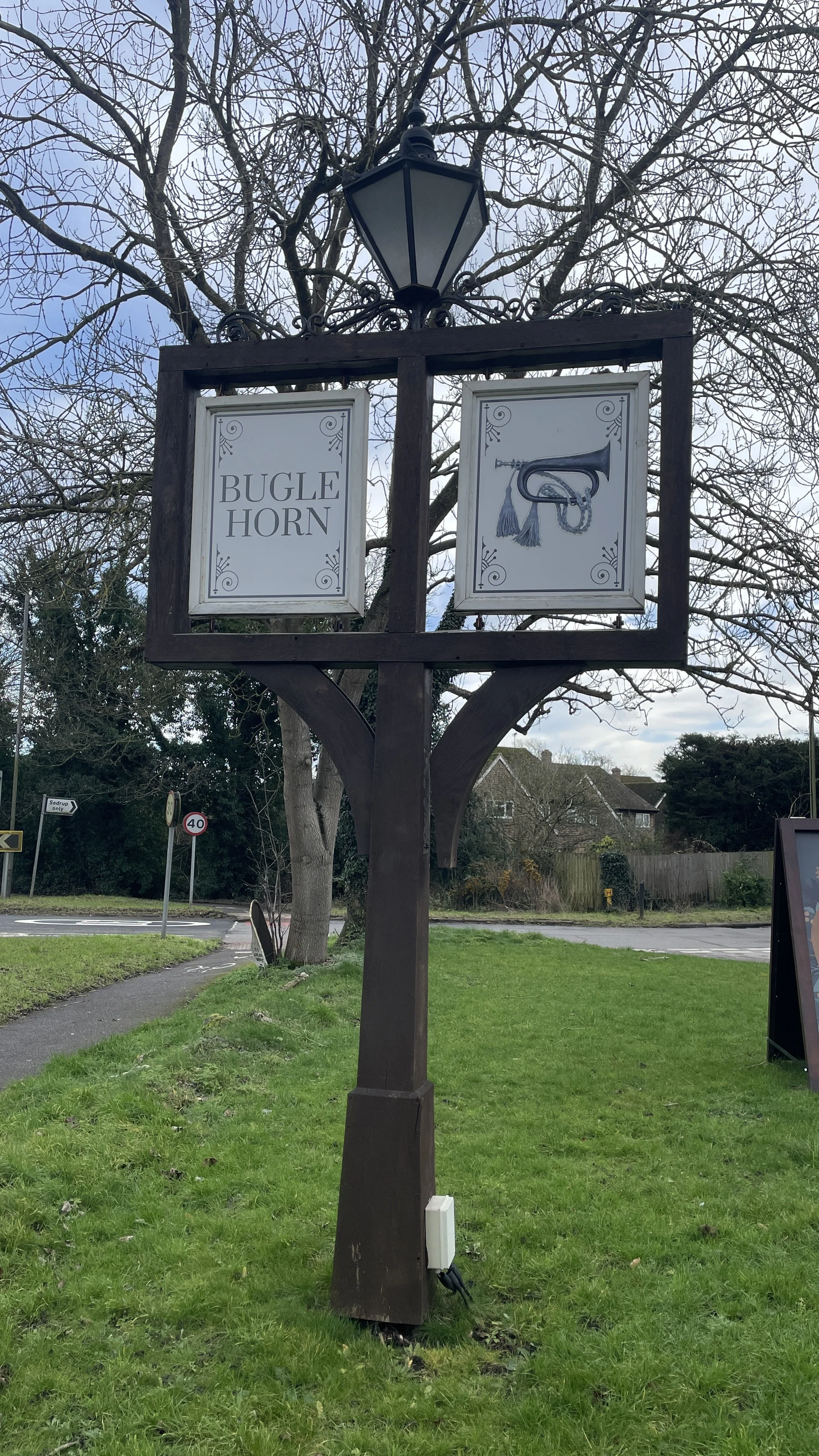
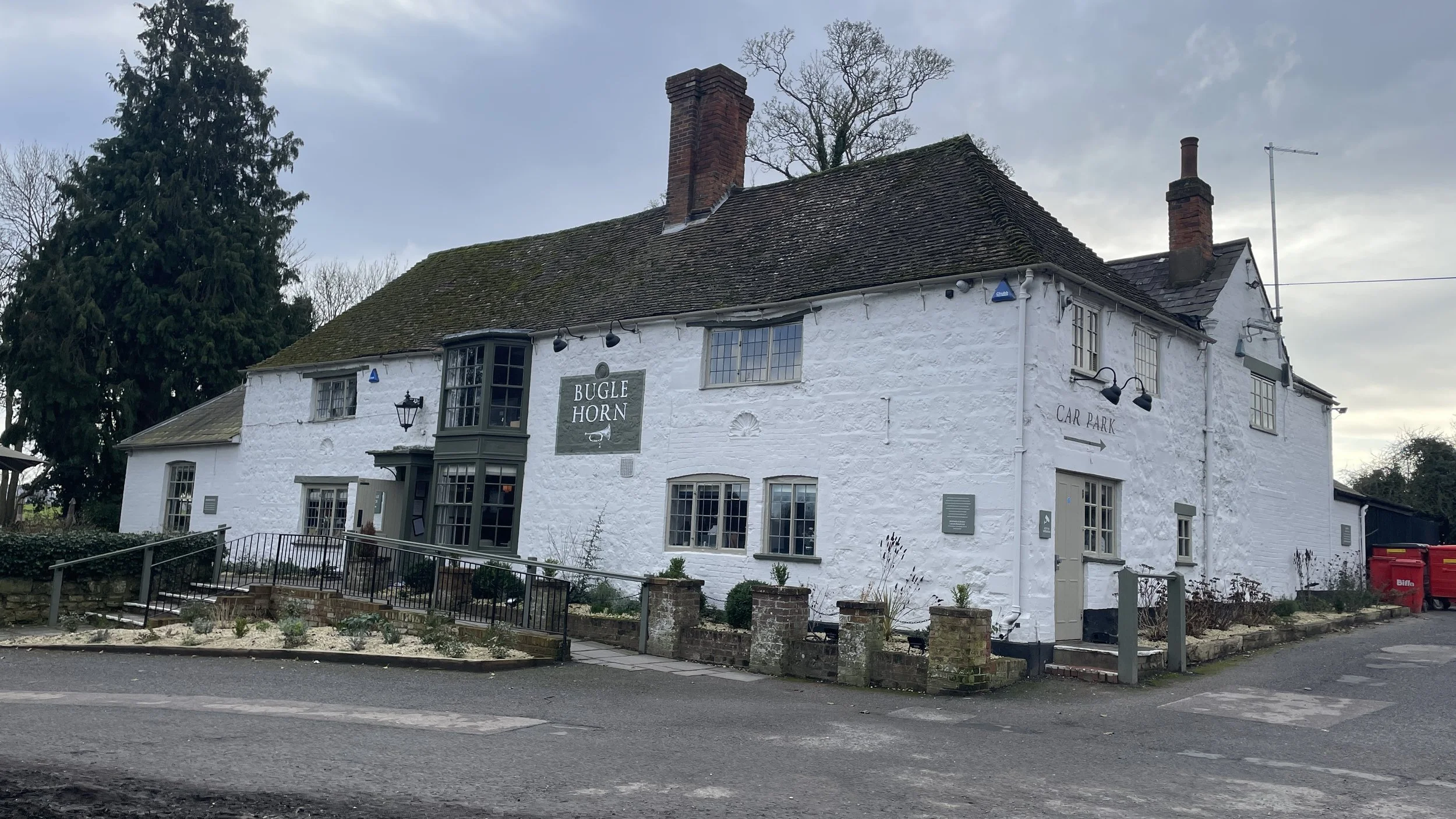
Pubs / Cafes on route: The Bugle Horn at 6.3 km in.
Map: Chiltern Hills North Map | Aylesbury, Berkhamsted & Chesham | Ordnance Survey | OS Explorer Map 181
Links: Stone, Hartwell, River Thame


This is part of a series of short circular walks following the length of the Midshires Way in Buckinghamshire. The Midshires Way is a 225-mile (362 km) trail that journeys through the rural heart of Middle England, linking the Ridgeway National Trail at Bledlow in the south to the Trans Pennine Trail at Stockport in the north. Opened in 1994, this route traverses several counties, including Buckinghamshire, Northamptonshire, Leicestershire, Nottinghamshire, Derbyshire, and Greater Manchester, following a scenic tapestry of ancient bridleways, quiet country lanes, and historic canals. In Buckinghamshire, the Midshires Way has a significant connection with the Swan's Way (often referred to as the Swan Way), a 65-mile long-distance bridleway. Essentially, the Swan's Way forms the backbone of the Buckinghamshire section of the Midshires Way, with the two routes being broadly coincident for approximately 50 miles between Salcey Forest and Bledlow. While the Swan's Way strictly adheres to bridleways to accommodate horse riders and cyclists, the Midshires Way sometimes offers alternative waymarked footpaths for walkers to avoid on-road sections.

Walking Directions

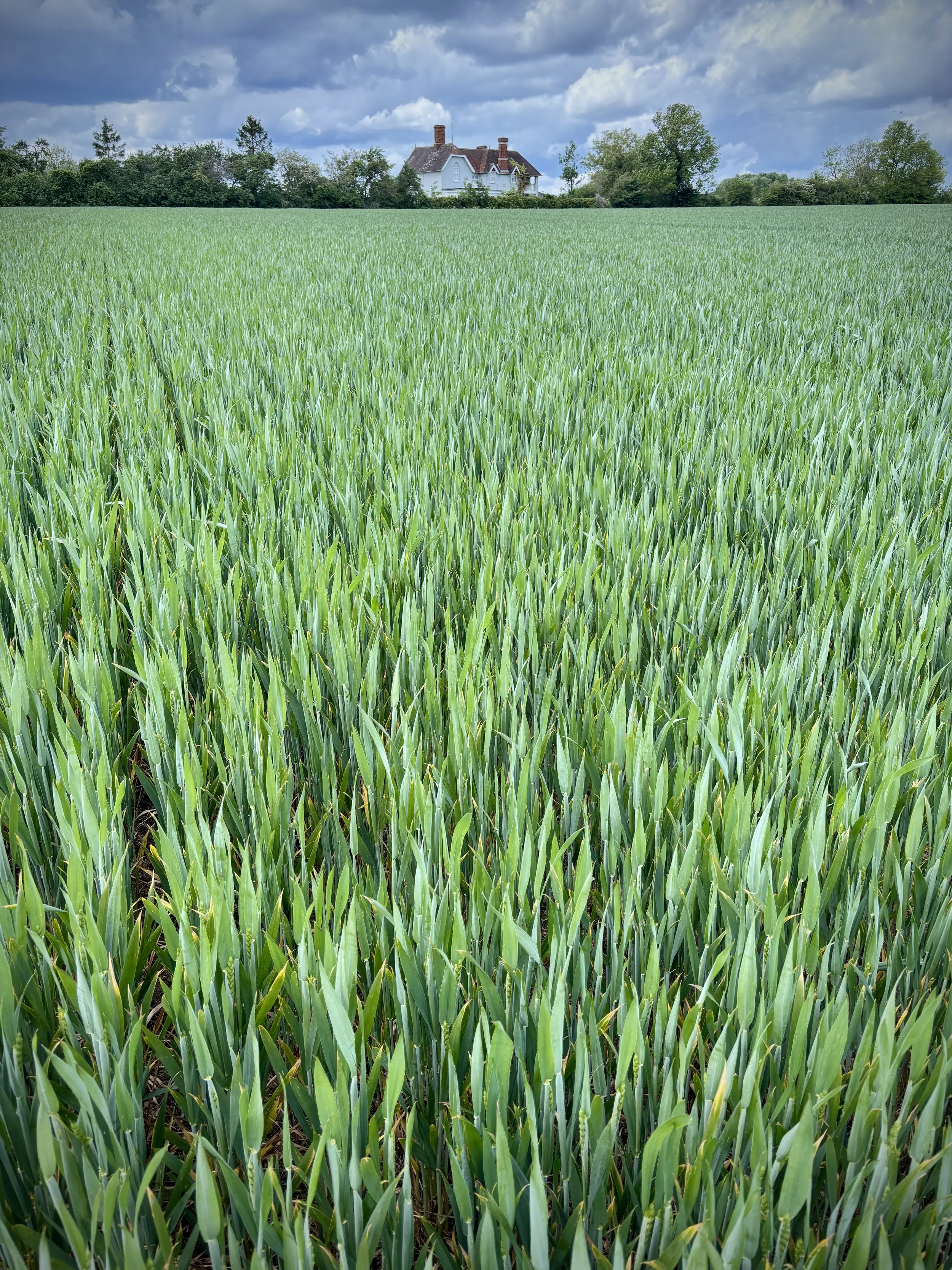
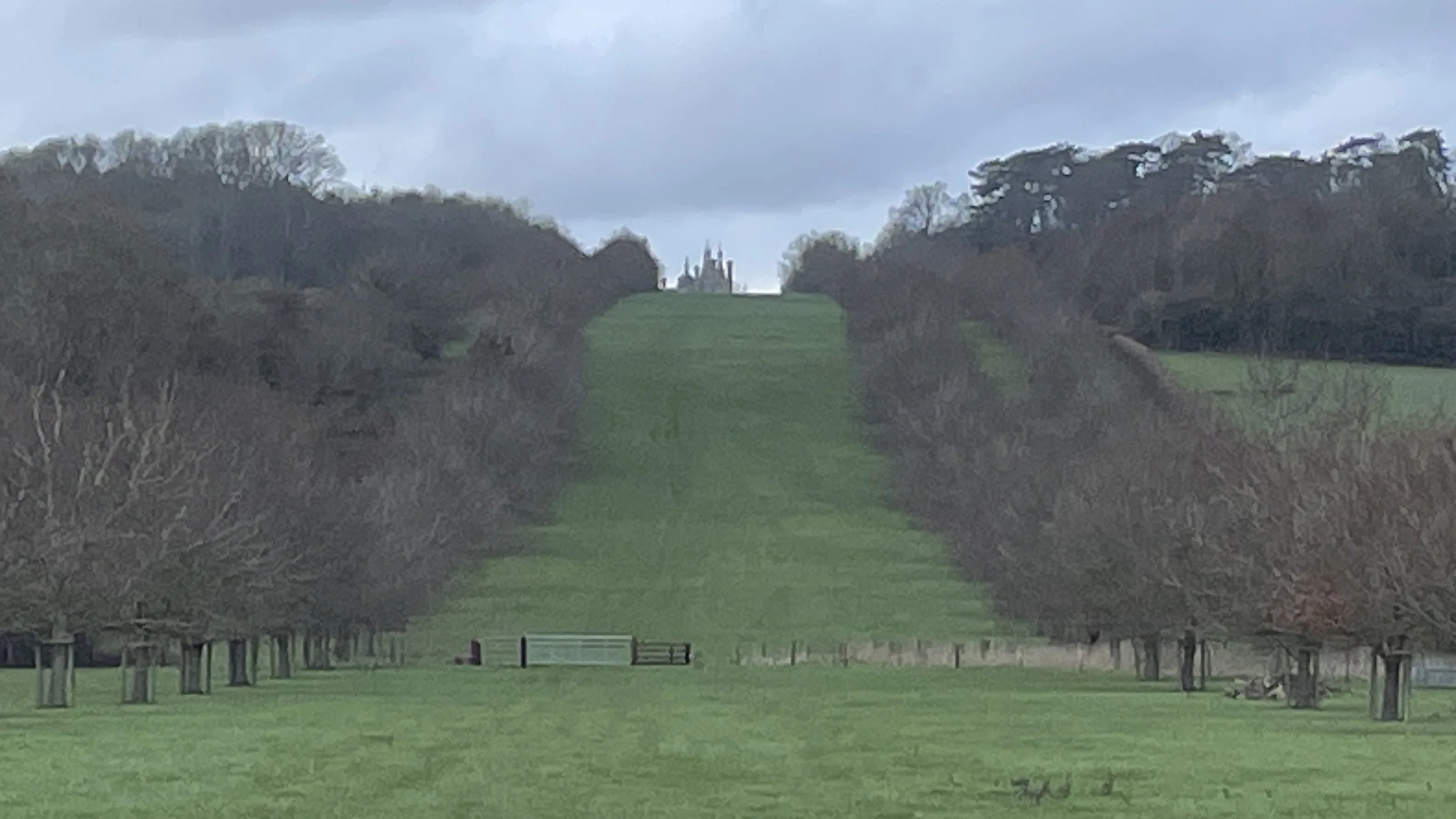
This walk explores a fascinating slice of Buckinghamshire history, linking the ancient village of Stone with the grand estate of Hartwell House. The route offers a pleasing contrast between the open, agricultural landscapes typical of the Aylesbury Vale and the manicured, historic parkland of Hartwell, where you can spot 18th-century follies and a decorative bridge.

The path is generally gentle and well-marked, following a section of the long-distance Midshires Way before looping back through the quiet fields south of the River Thame. It is a walk that combines architectural interest with rural tranquillity.

The guidance below will help you navigate but don’t use it as a fully accurate turn-by-turn guide. Always take a map and/or a GPX route and prepare well for the weather and terrain.

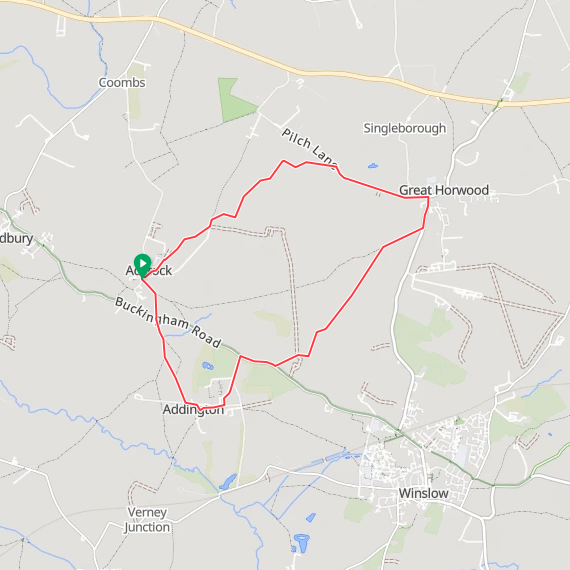
  • Start at the Village Hall in Stone, where there’s free on-street parking and head west along A418 Oxford Road.

  • Take a right onto Eythorpe Road and follow it in a north-westerly direction for 1.9 km until you cross over a tributary of the River Thame.

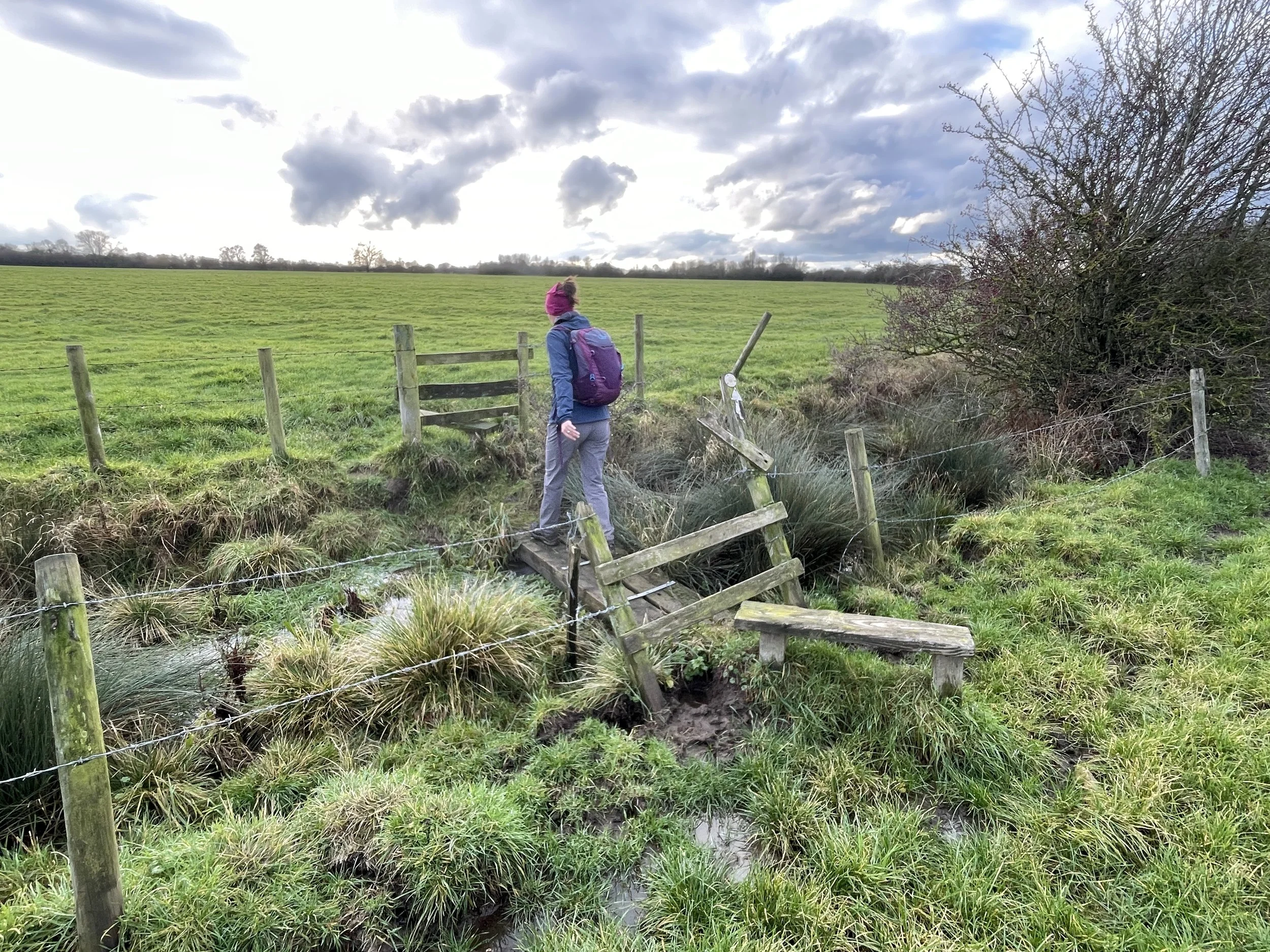
  • After the River Thame take the footpath on the right that follows a path between the River Thame to the left and the tributary to the right.

  • After ~1.5 km take a right to leave the Thame Valley Walk to stay on the North Bucks Way heading across fields in a south-easterly direction.

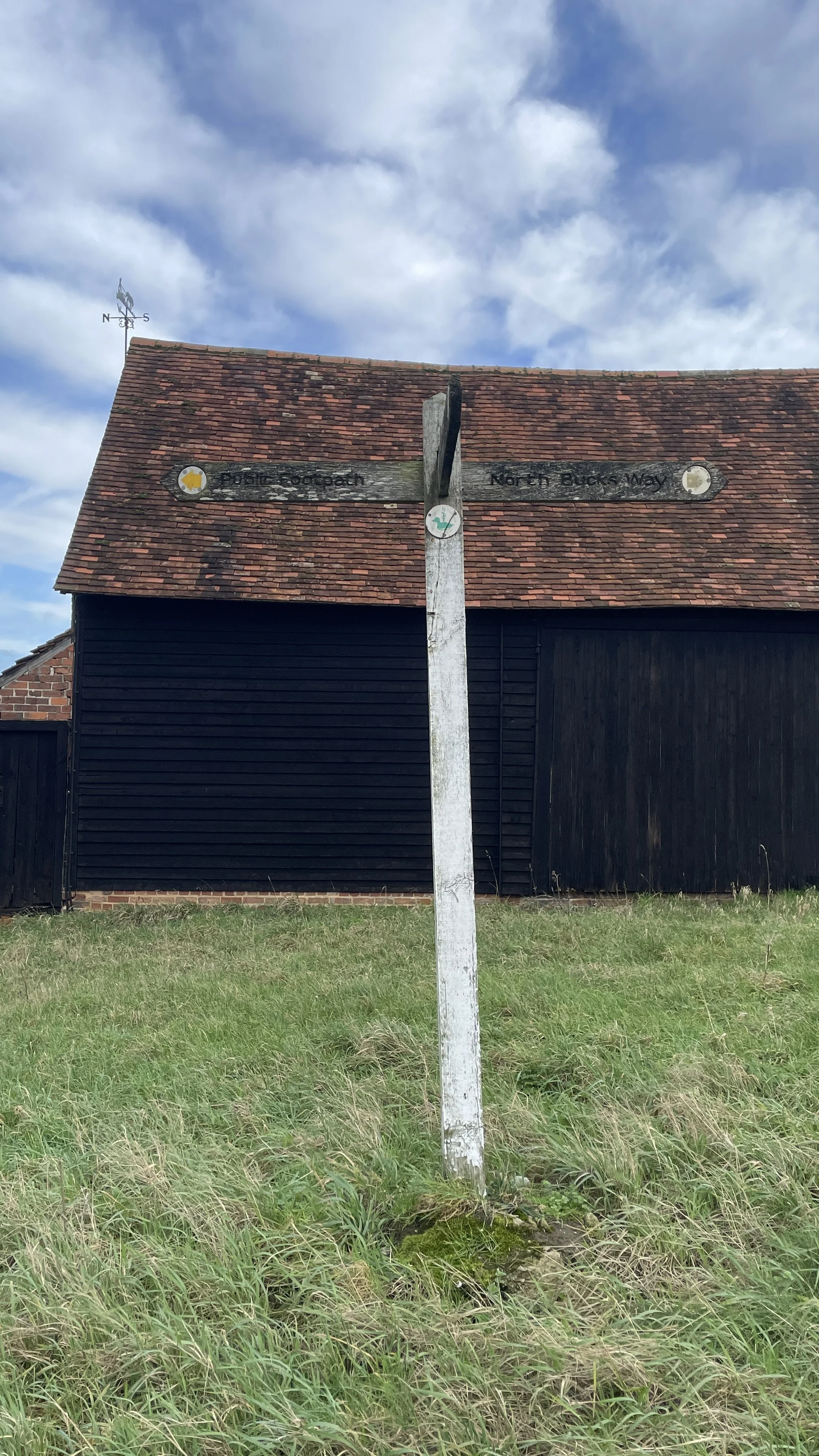
  • When you reach the farm buildings take a right to continue along the North Bucks Way in a southerly direction.

  • At Upper Hartwell Road take a left to continue along the North Bucks Way in an easterly direction to Lower Hartwell Road.

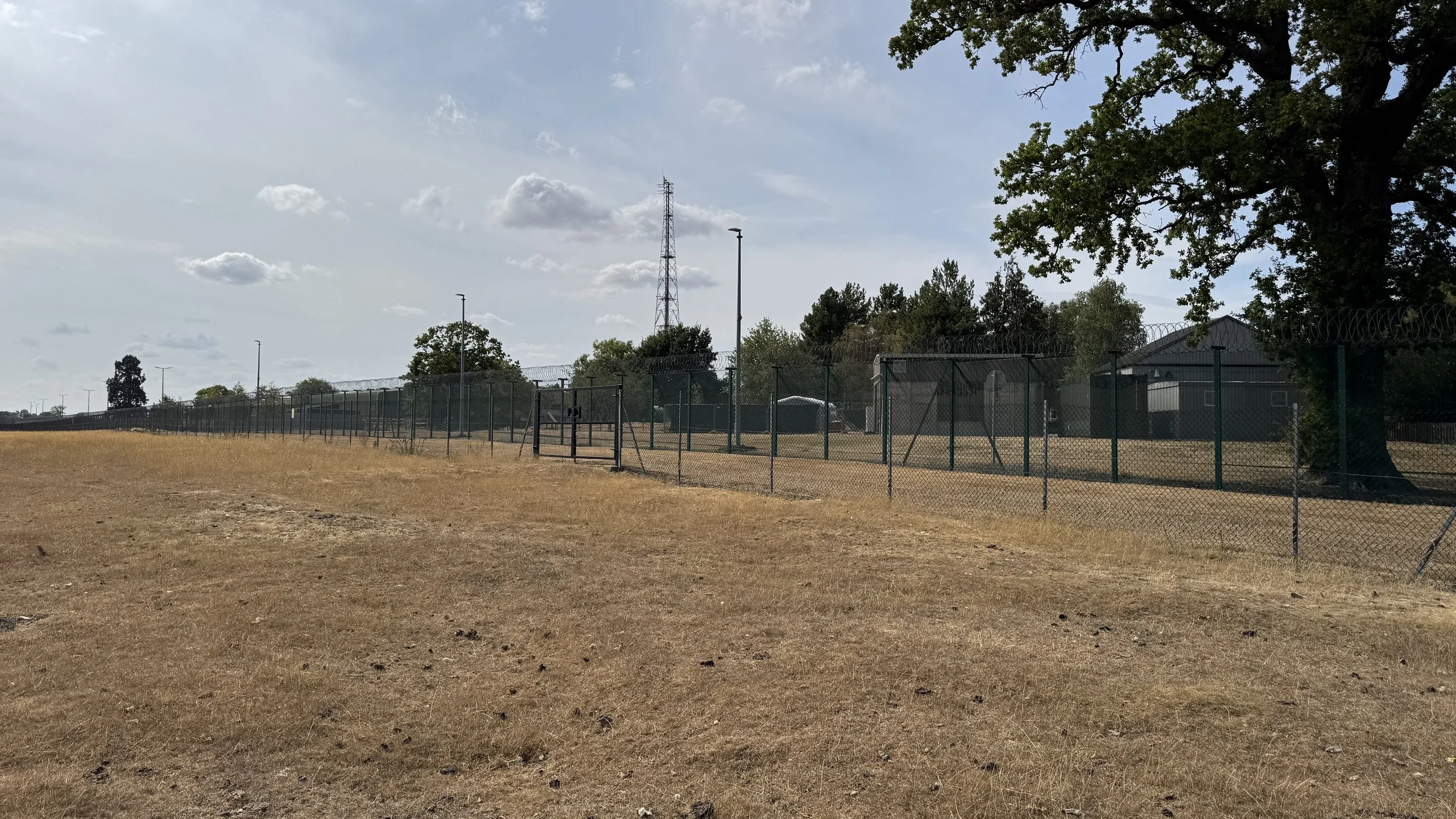
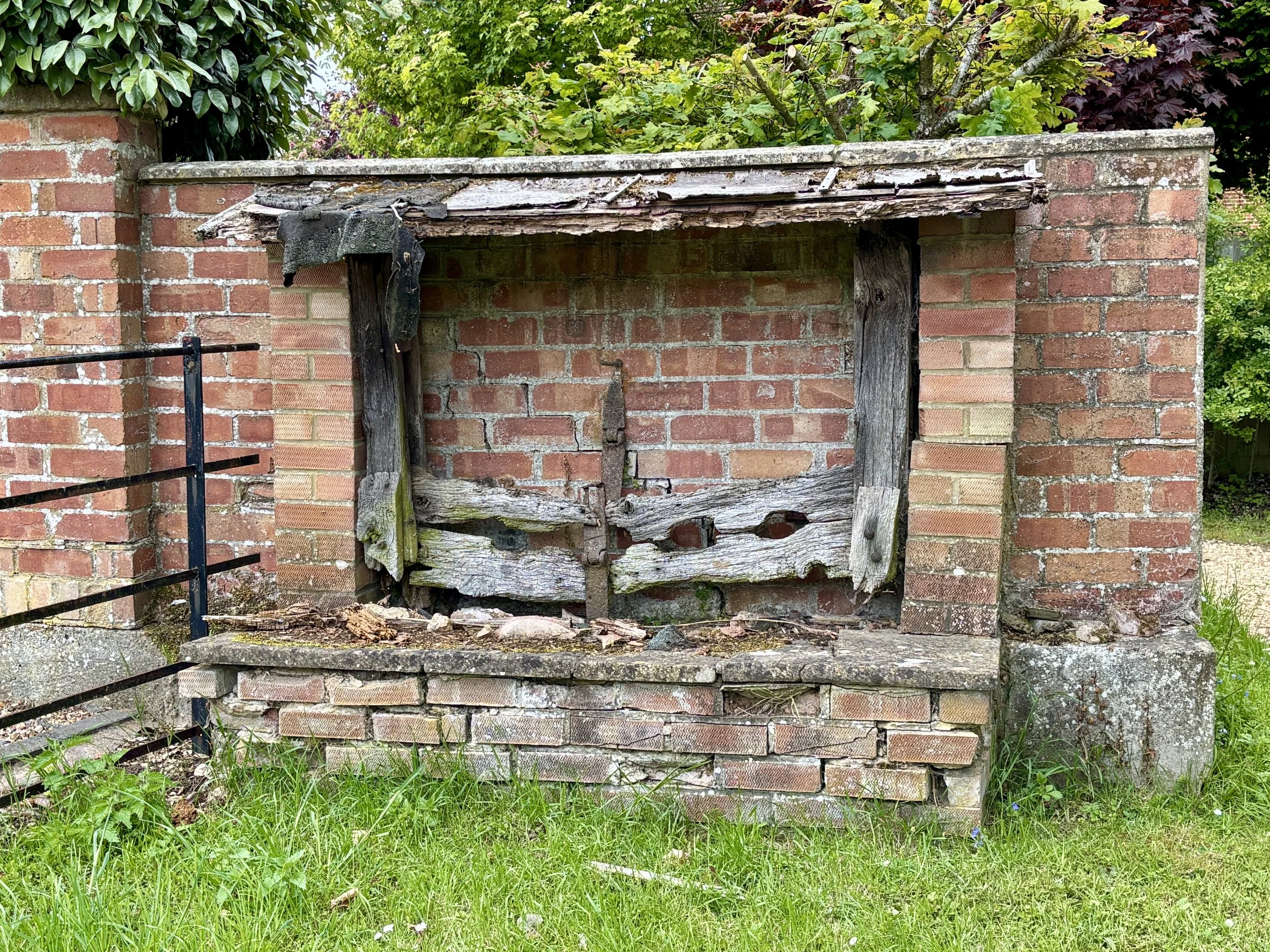
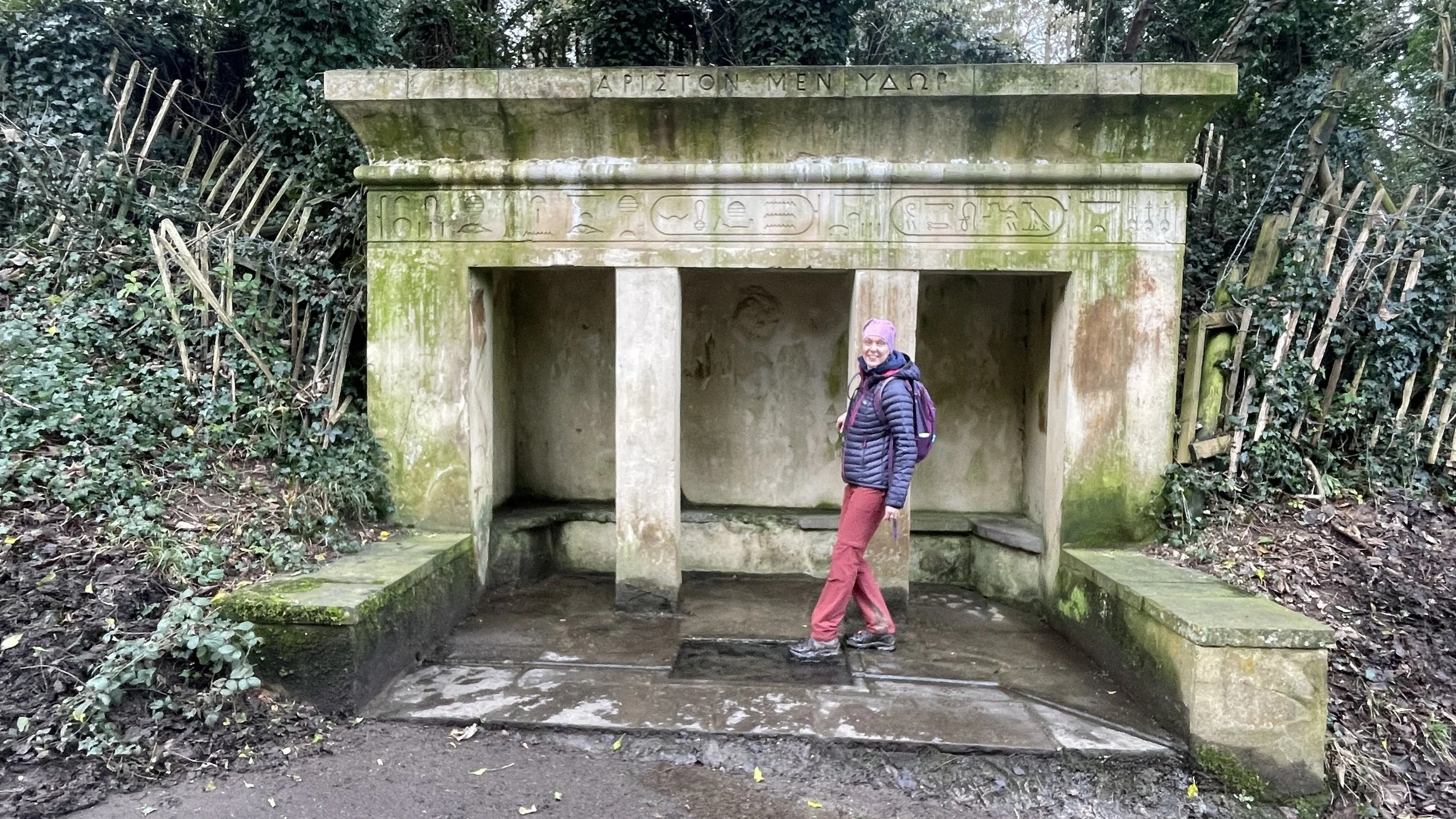
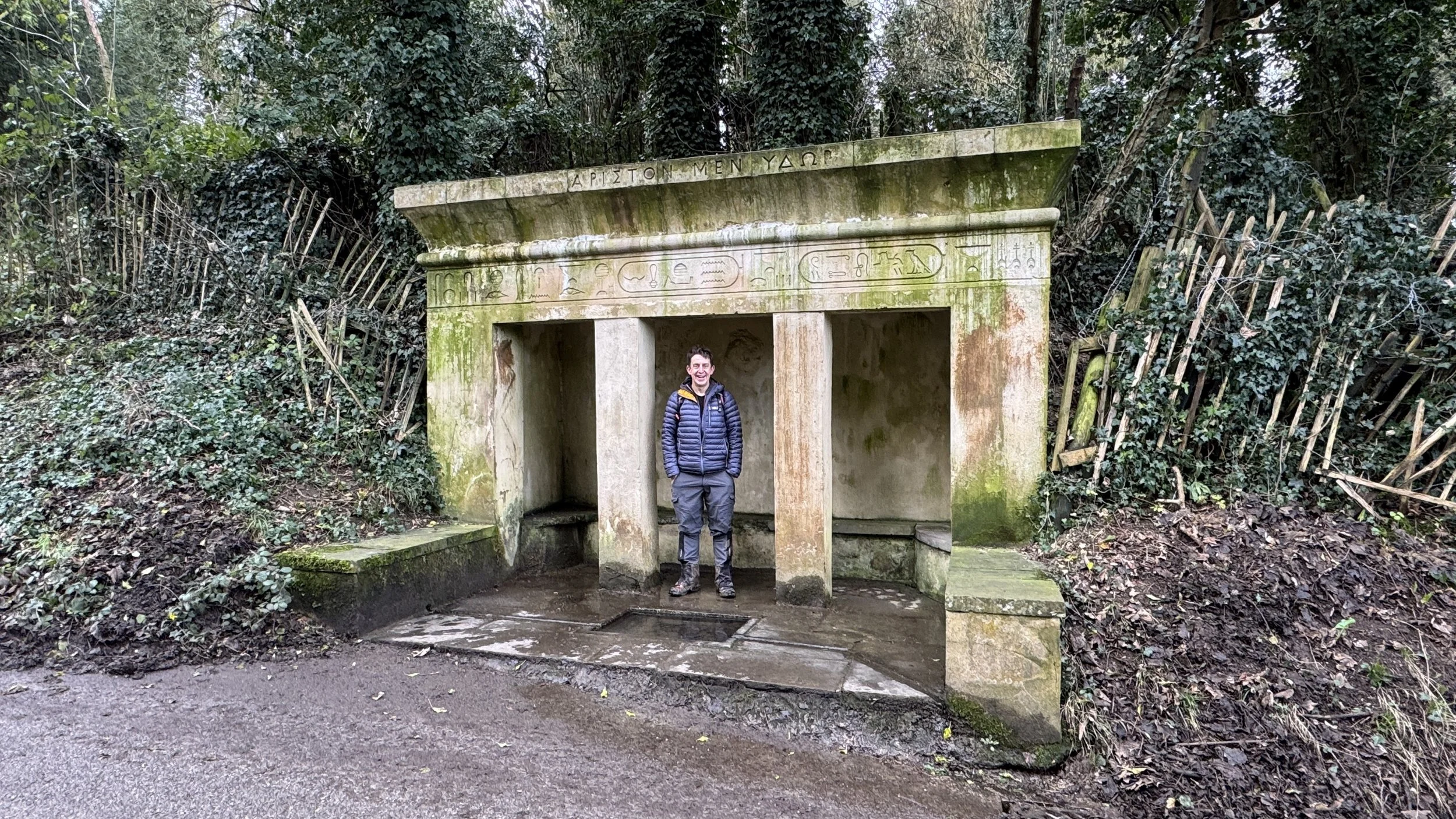
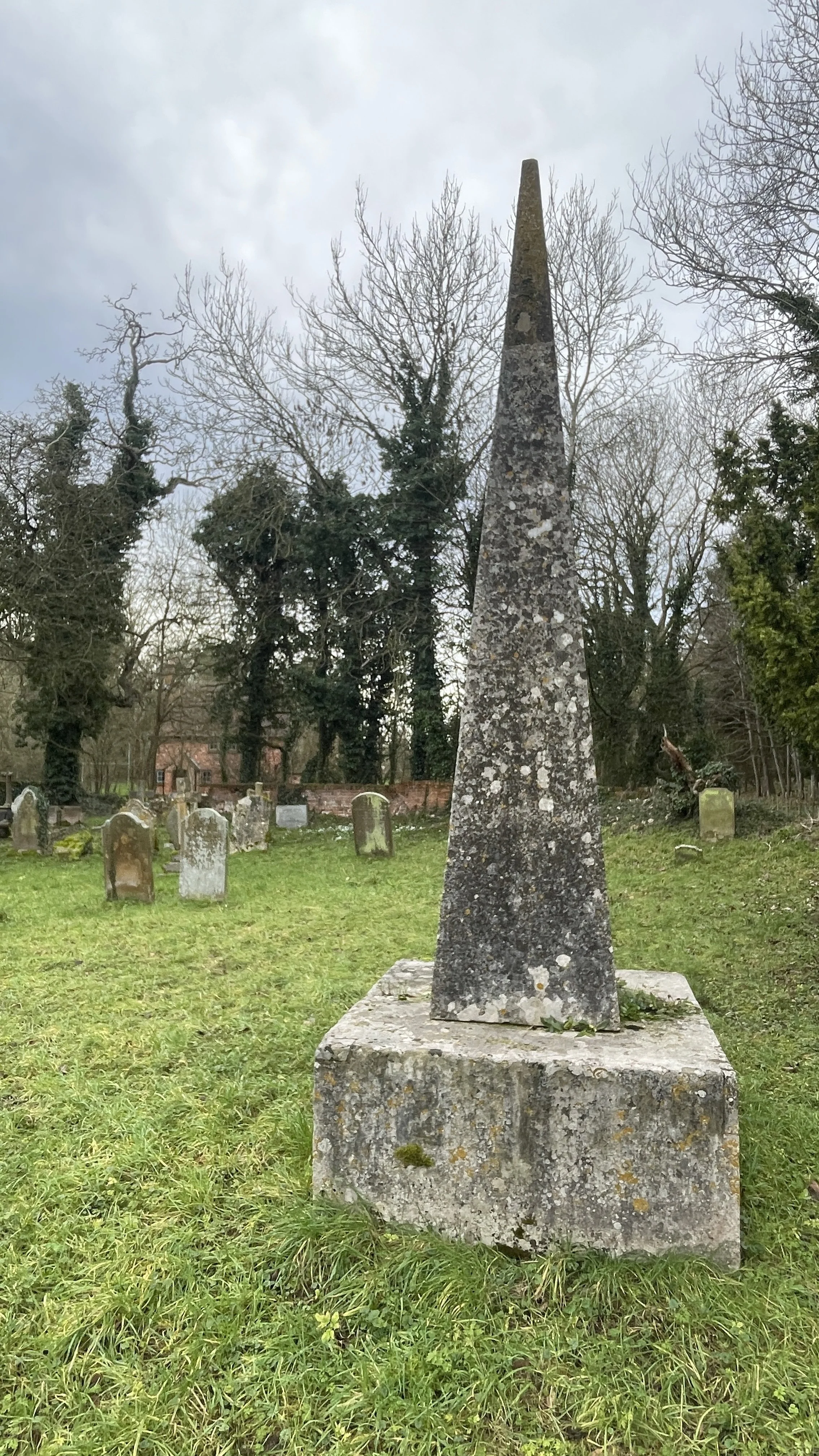
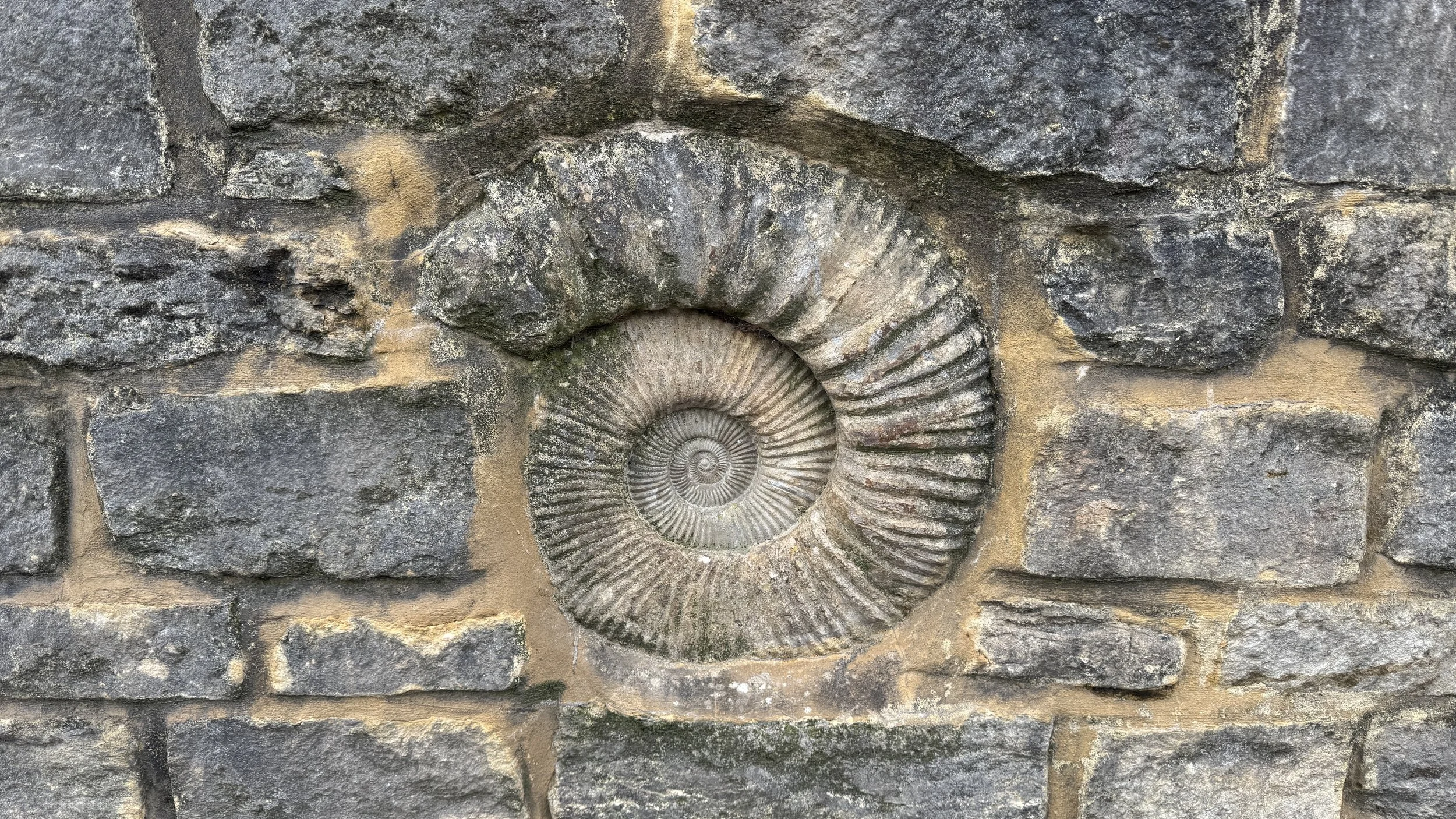
  • Take a right onto Lower Hartwell Road and follow it in a southerly direction to the junction with the A418 Oxford Road. Along this road you’ll pass the Egyptian Well, an old graveyard and the fossil-encrusted outer wall of Hartwell House.

  • Carefully cross over the Oxford Road and take a left to pass (or stop into) the Bugle Horn Pub.

  • Follow Sedrup Lane in a south-easterly direction to the outskirts of the small village of Sedrup.

  • Before the village take a right to leave the North Bucks Way and follow a path across fields that leads onto Bishopstone Road.

  • Take a right onto Bishopstone Road and walk along the grass verge in a north-westerly direction all the way back to the Oxford Road at Stone.

  • Take a right onto the Oxford Road to return back to the Village Hall.

Points of Interest along or near to the Route

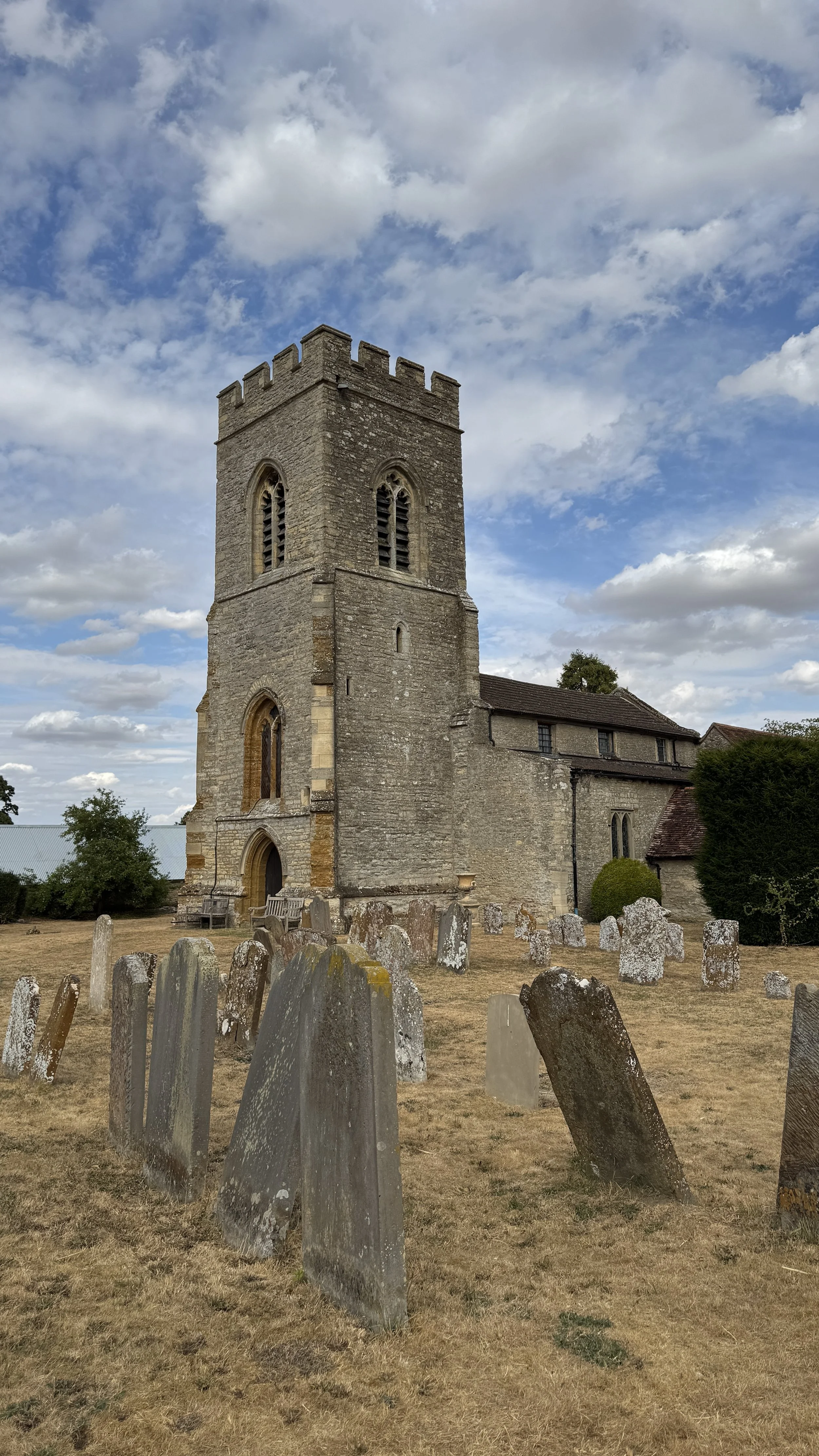
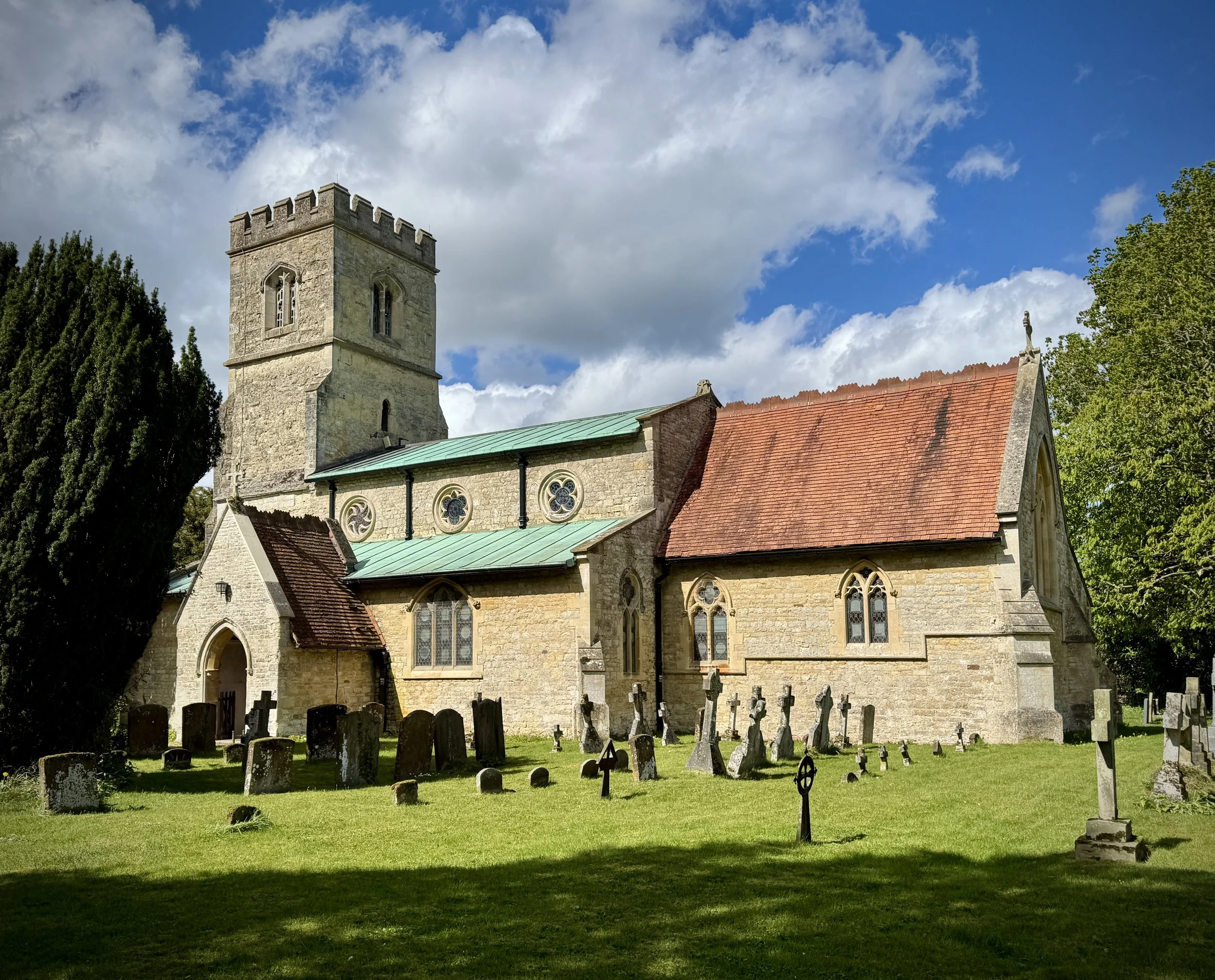
  • Stone: This historic village sits on a ridge of limestone and sand, giving it its name. The parish church of St John the Baptist dates back to 1273 and features a remarkable Norman font with intricate carvings of humans and animals.

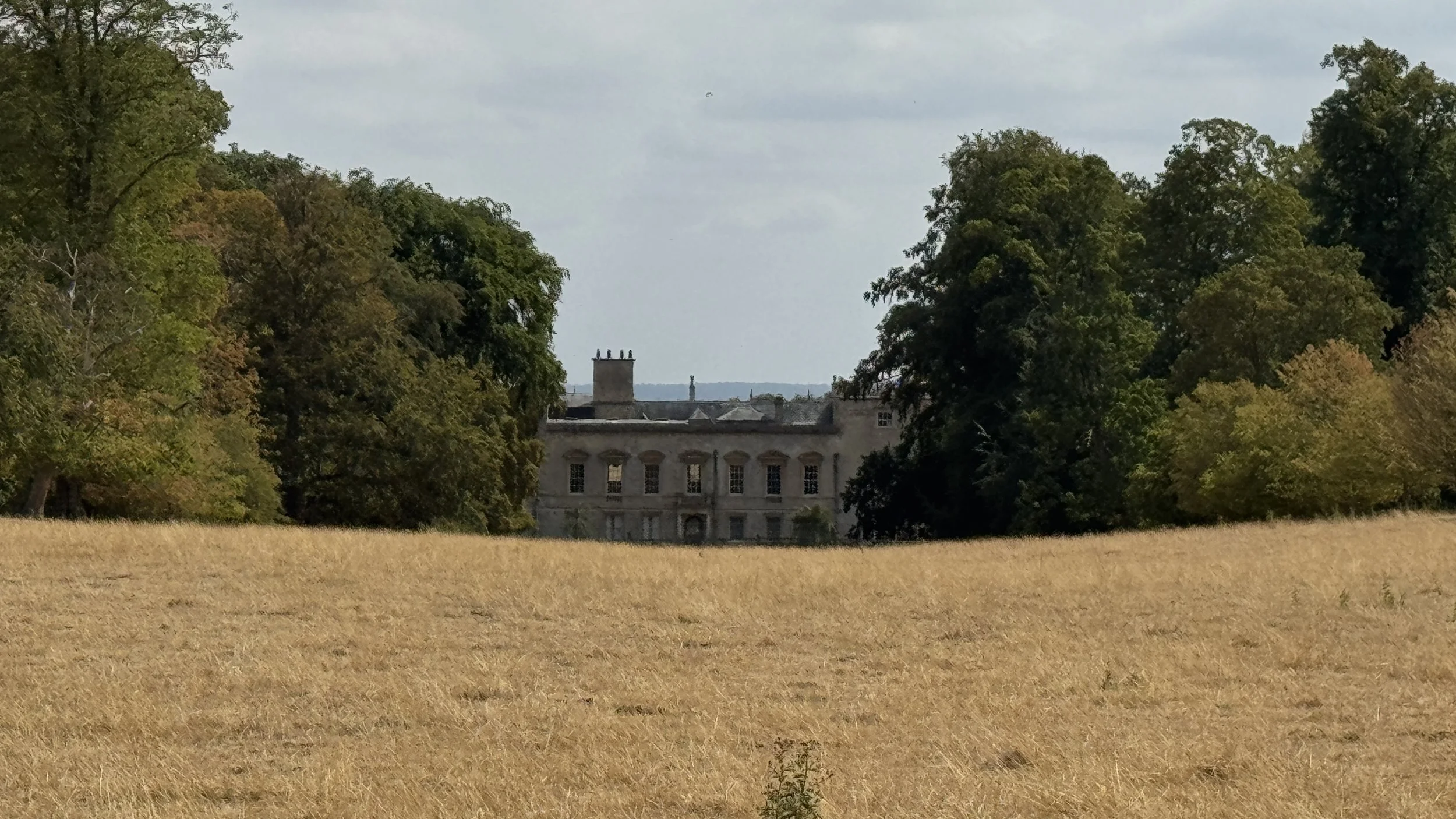
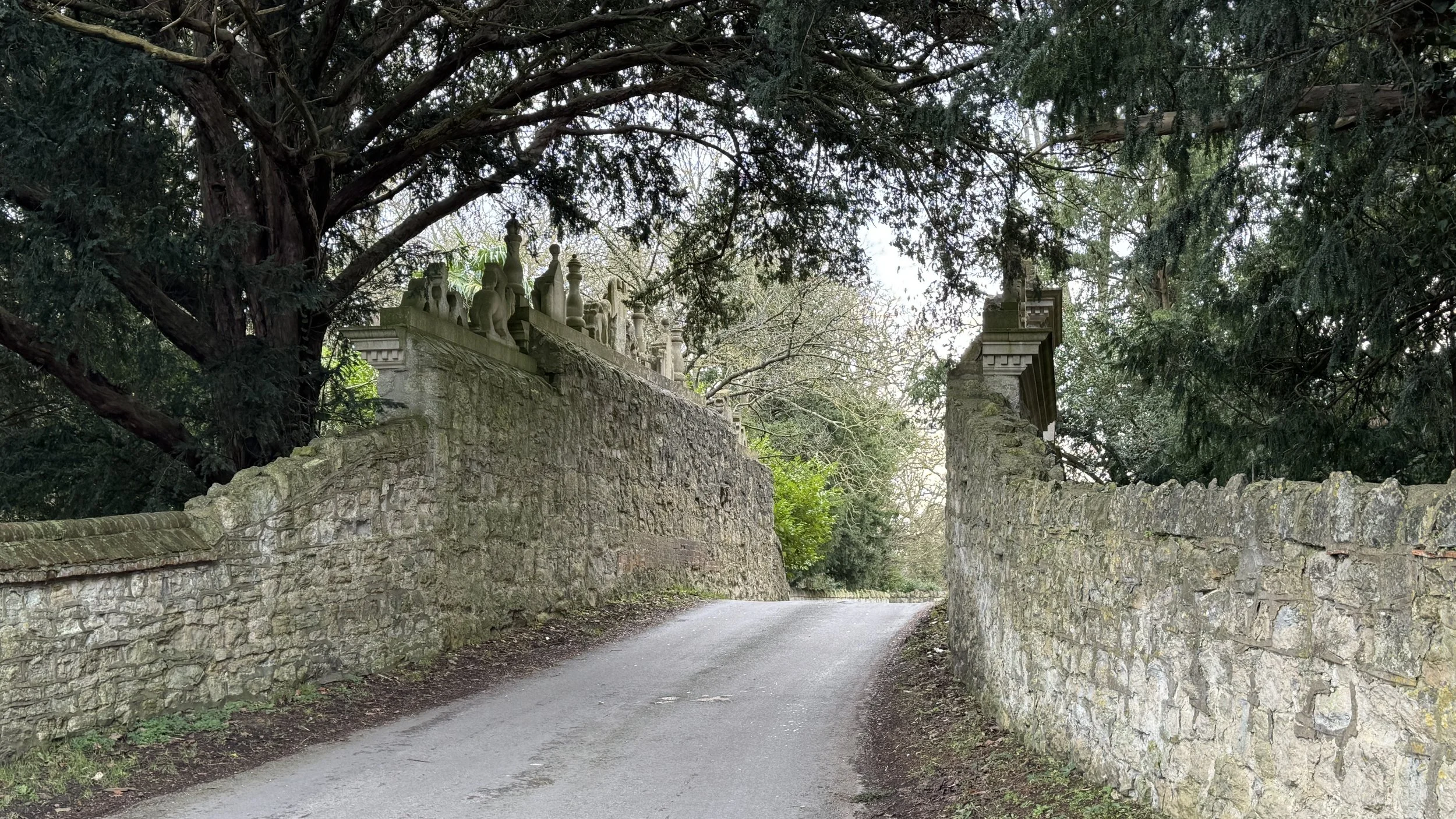
  • Hartwell House: A magnificent Grade I listed stately home that once served as the residence of the exiled King Louis XVIII of France. The parkland is dotted with 18th-century follies and monuments, many of which are visible from the public right of way. Look out for the estate walls; they are historically notable for being encrusted with fossils and rare stones.

  • The Egyptian Springs: A unique folly located near Hartwell House, commissioned by Dr John Lee in the 1850s. Designed by Joseph Bonomi the Younger, it features an Egyptian-style alcove and a Greek inscription which translates to "Water is Best"—a nod to Dr Lee's support for the temperance movement.

  • The Bugle Horn: Originally a farmhouse associated with the Hartwell estate, this building was converted into a pub in the 19th century. Its curved brick wall is a distinctive local landmark, said to have been built that way to prevent coaches from clipping the corner.


Back to Trek Index
Walking The Midshires Way Part 4: Ford and Michael's Peace
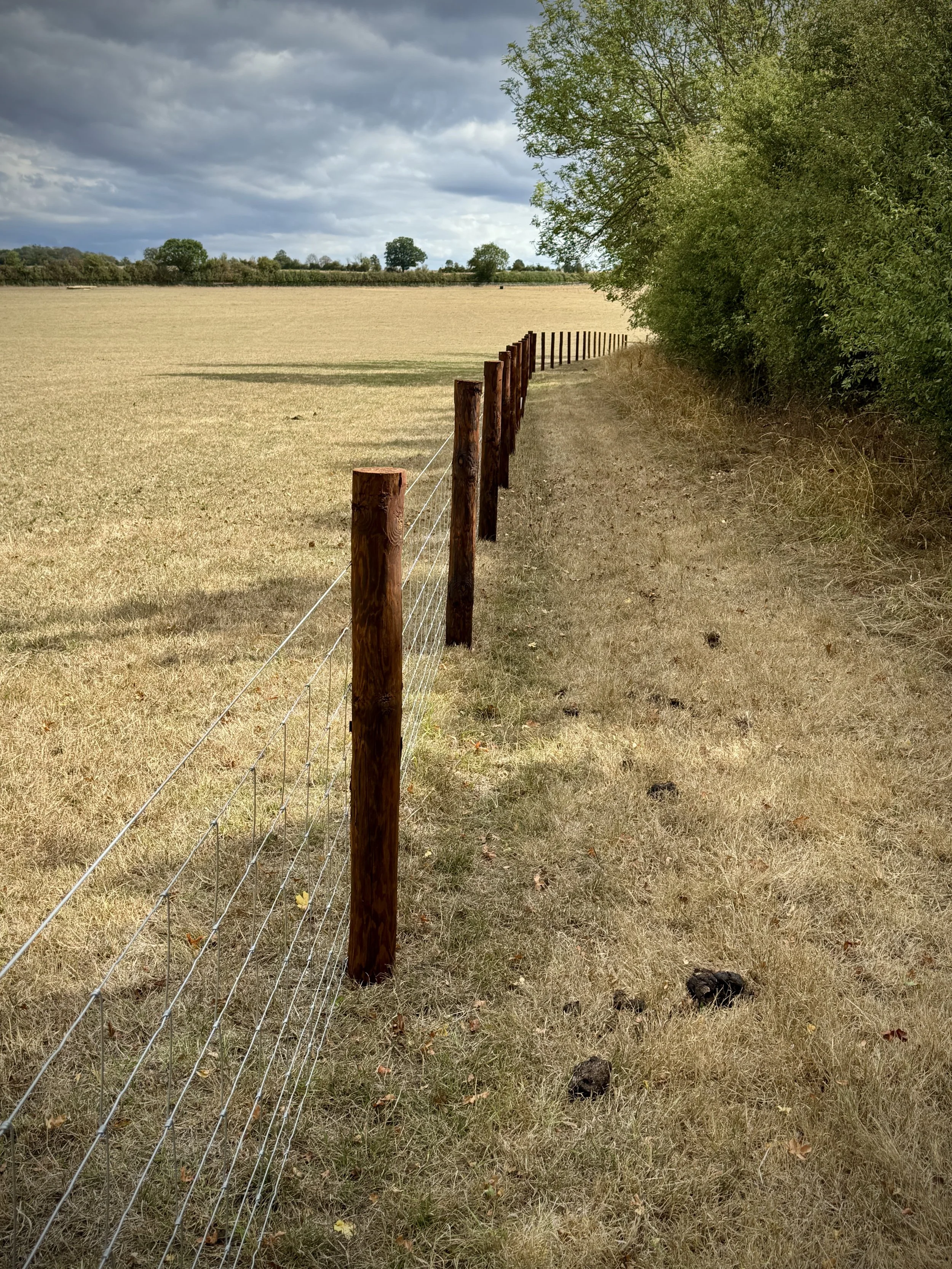
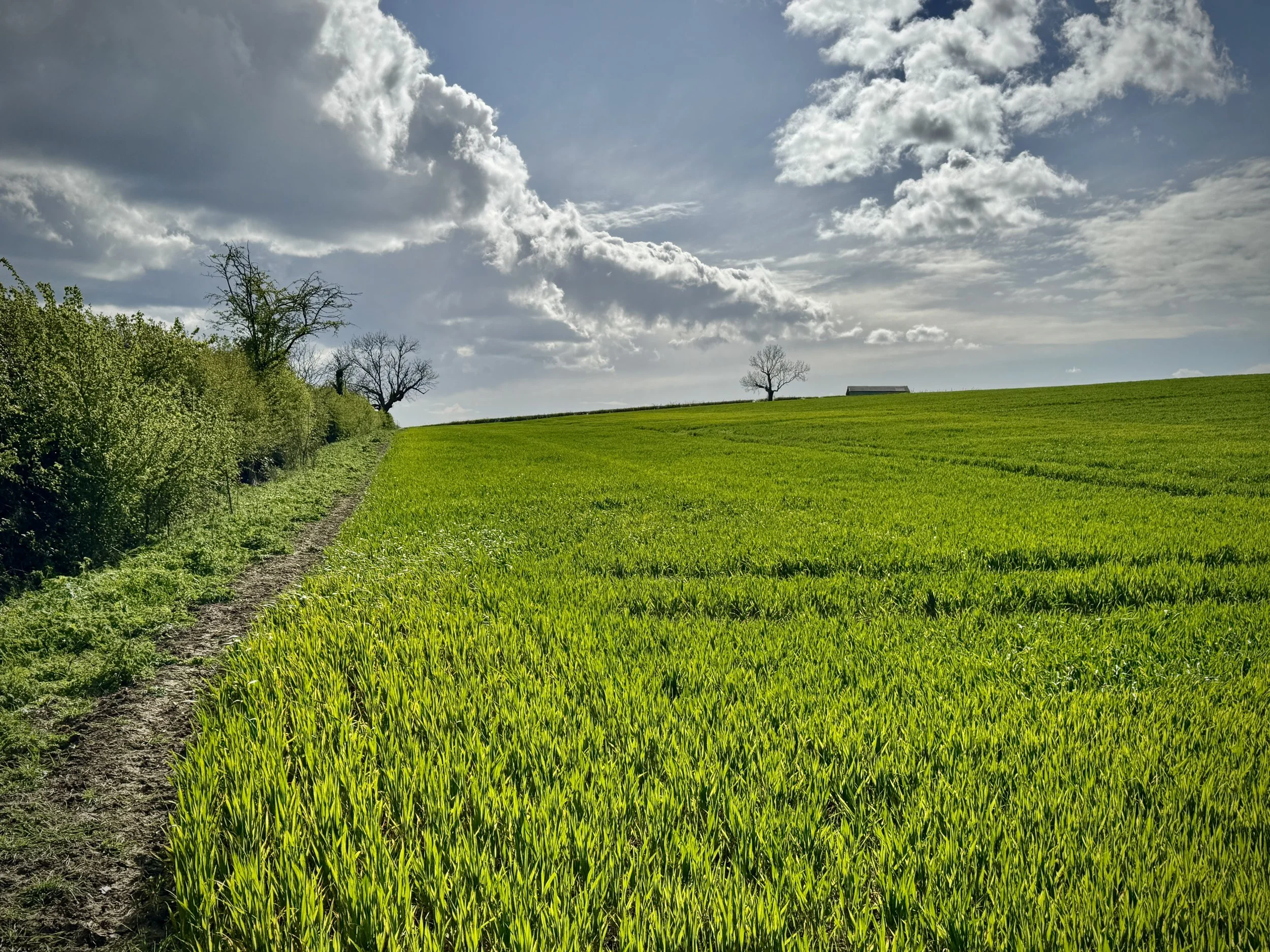
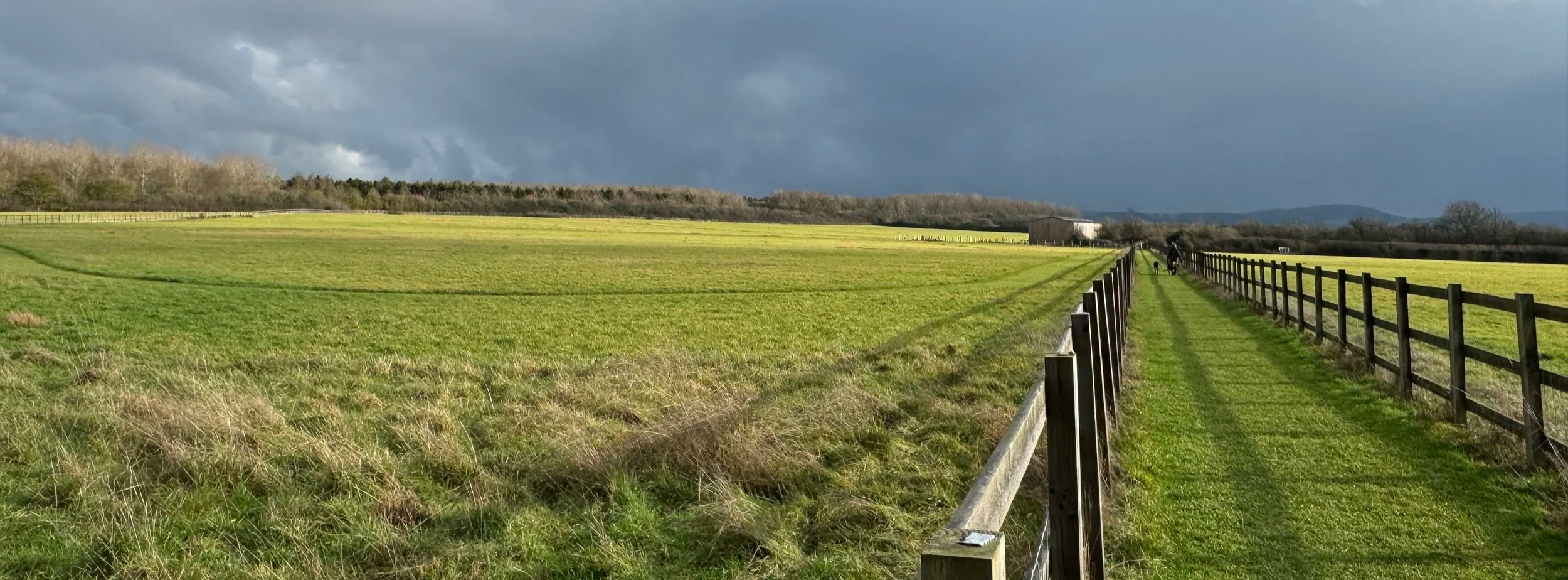
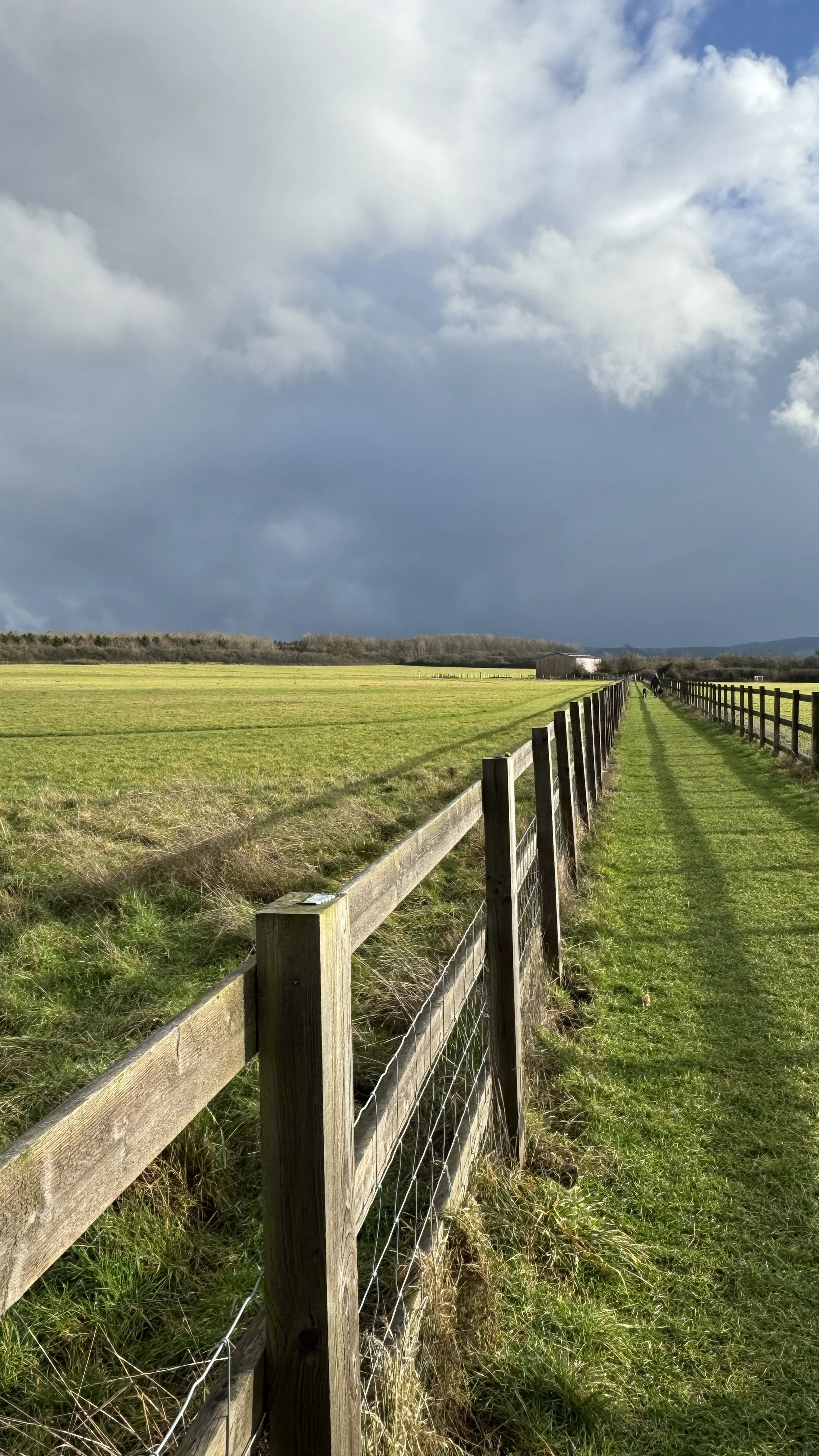
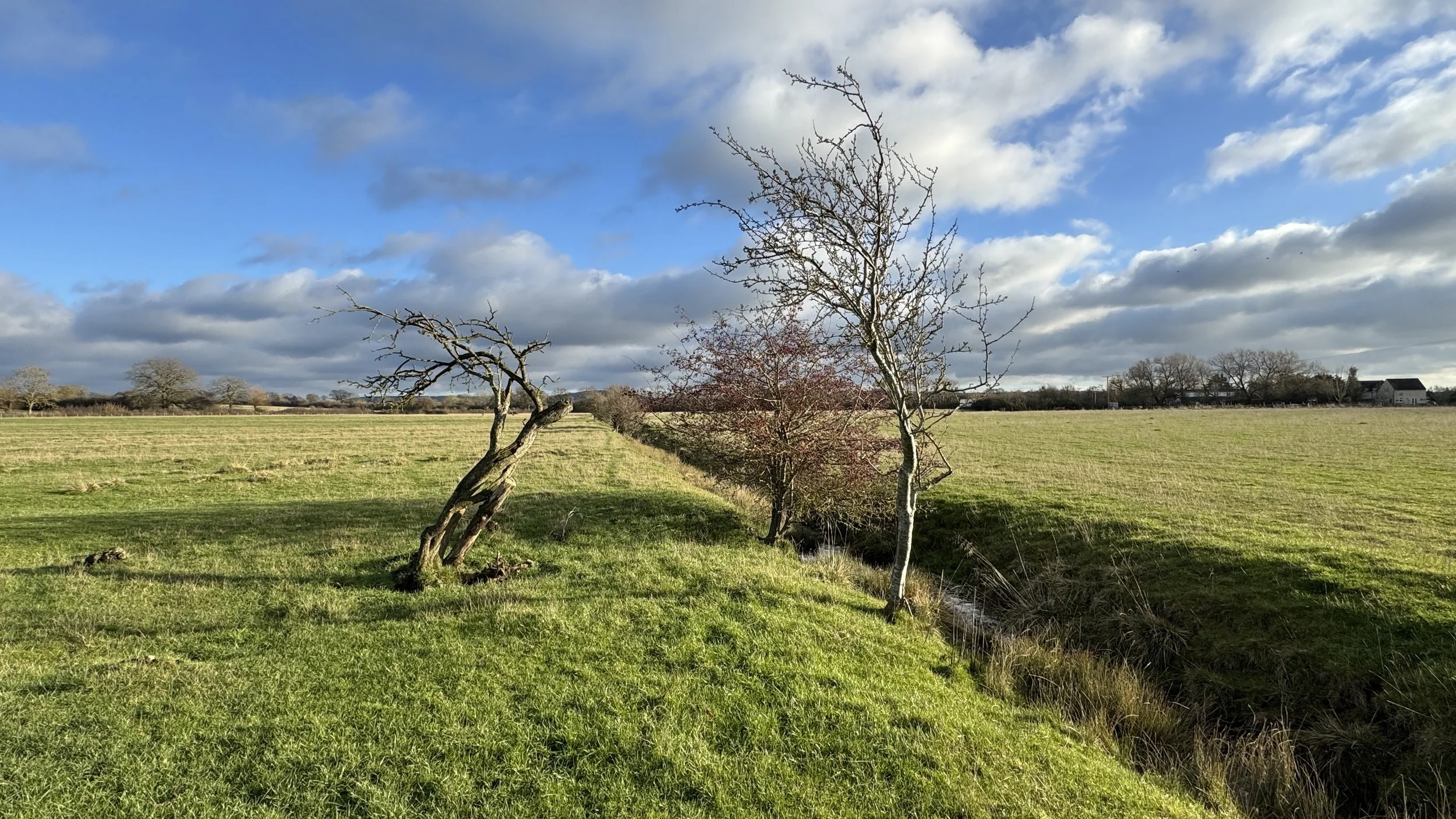
A fenced footpath leading across a field with the Chiltern hills in the background and grey skies

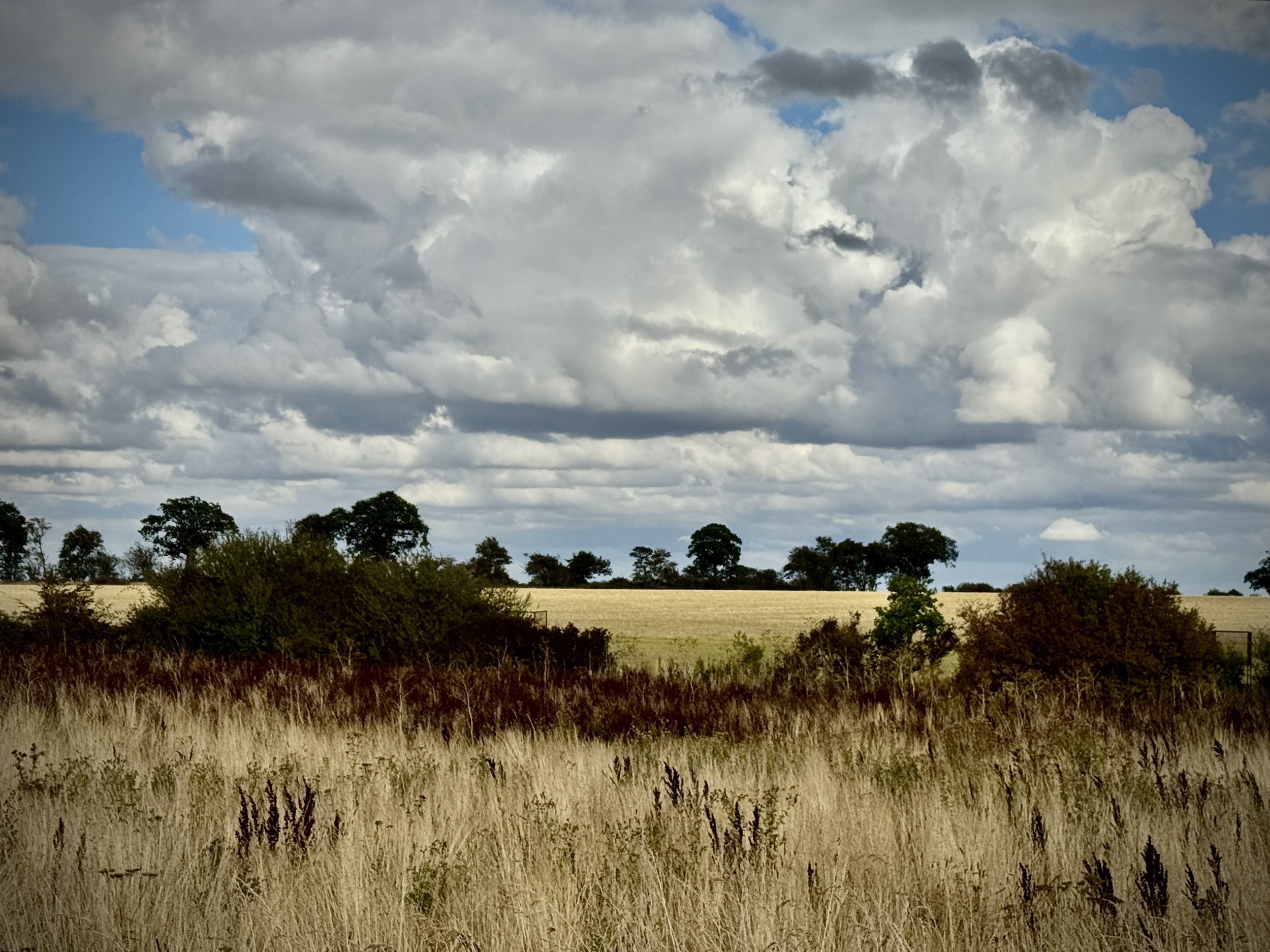
Cloudy sky over the Chilterns. View from near Ford village


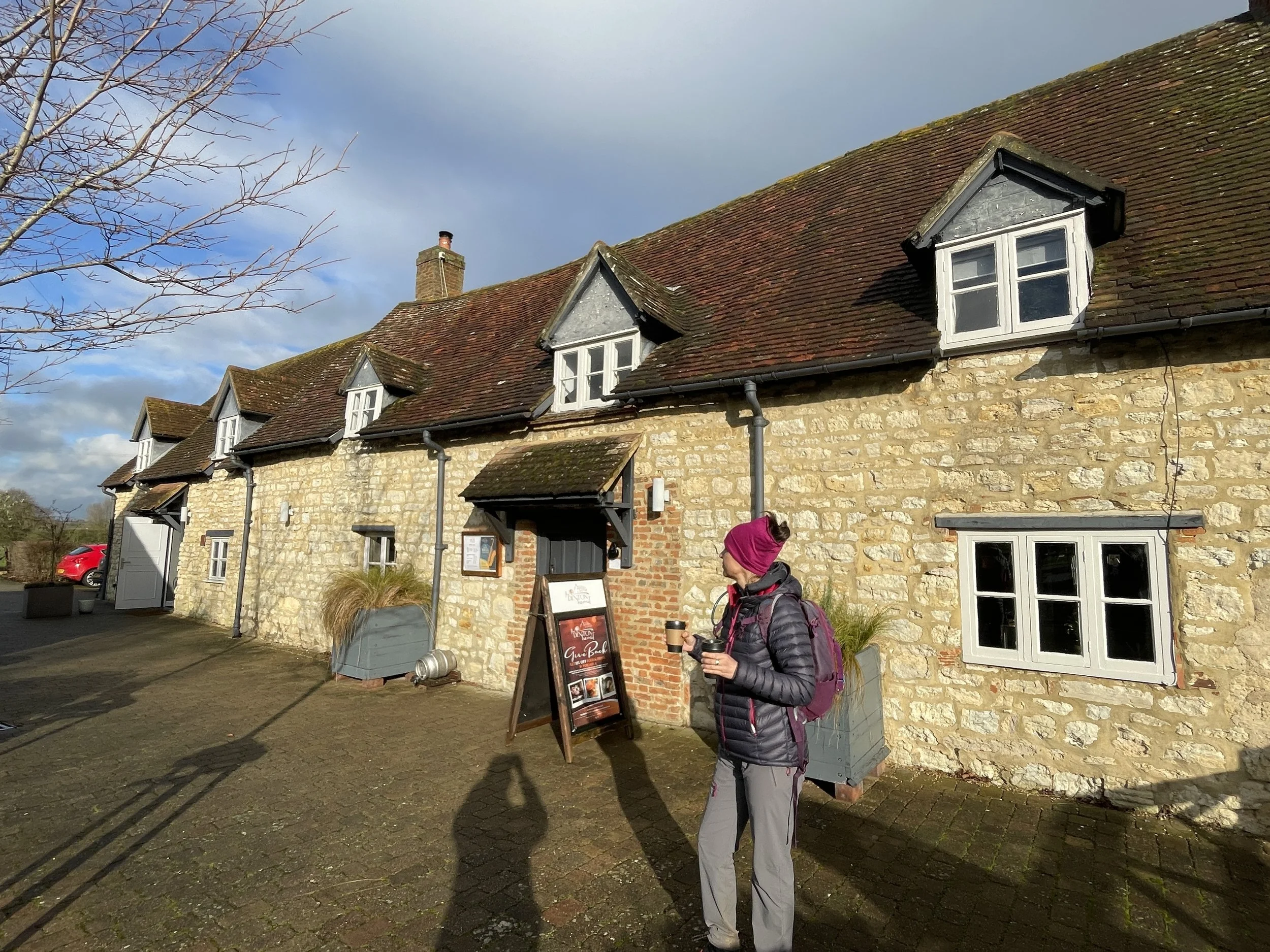
Start & Finish: The Dinton Hermit, Water Lane, Ford, Aylesbury, HP17 8XH
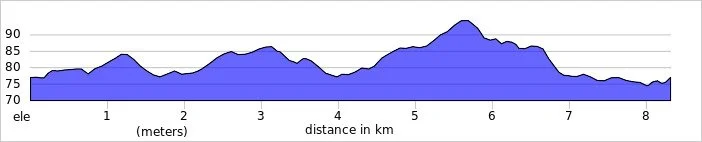
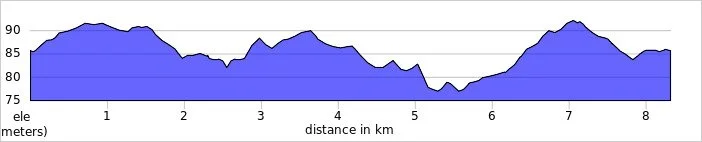
Distance: 8.3 km (5.2 miles)
Elevation change: +/- 41 m
Terrain: Mostly level field-edge paths, quiet country lanes, and a short optional section through community woodland.
Midshires Way section covered: Michael’s Peace to Bishopstone Road: 3.8 km
GPX File: get via Buy Me a Coffee
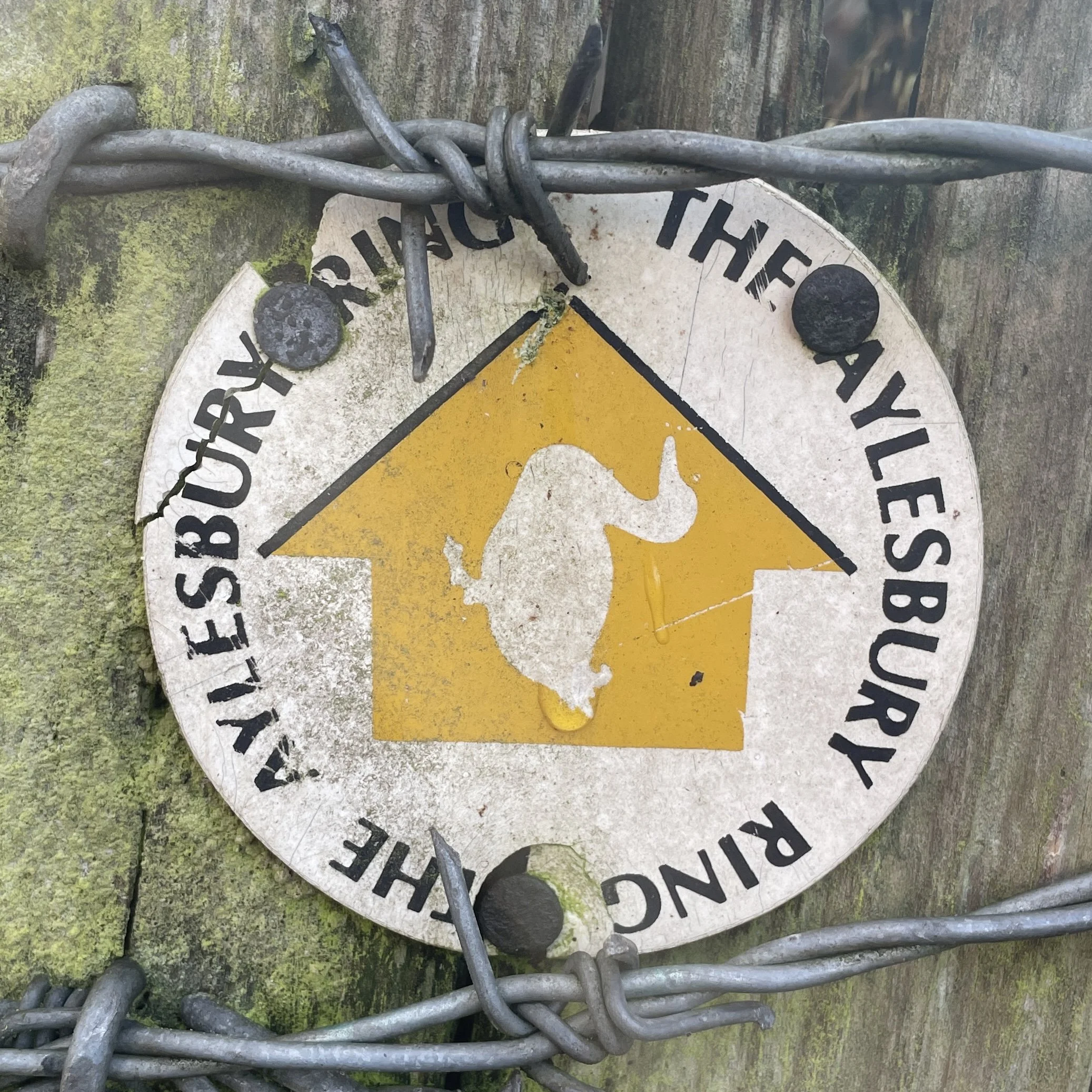
Other routes touched (walk): Midshires Way, The Swan Way, The Wychert Way, Aylesbury Ring, North Bucks Way
Other routes touched (cycle): None
Pubs / Cafes on route: The Dinton Hermit at the start and end of the walk
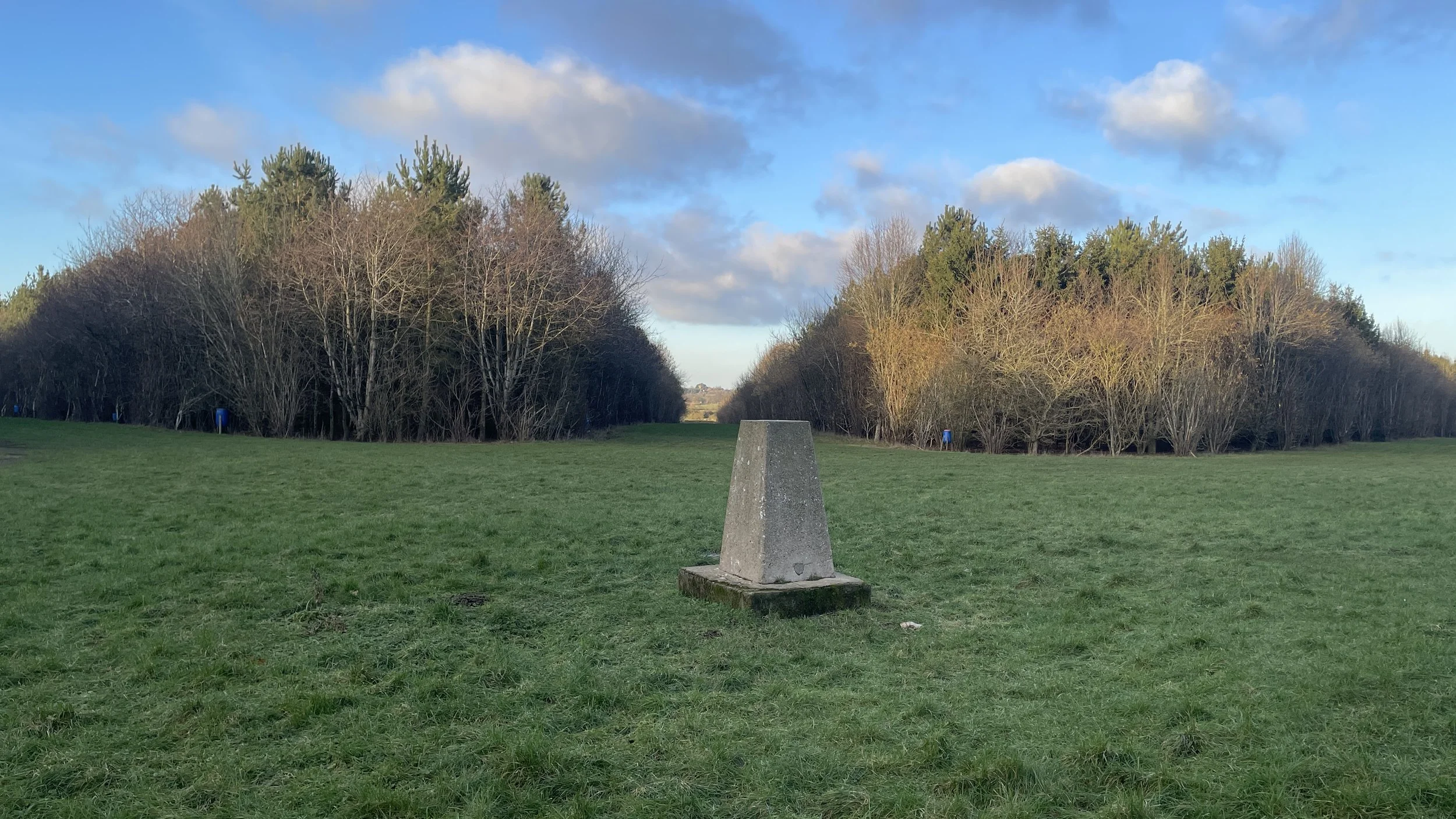
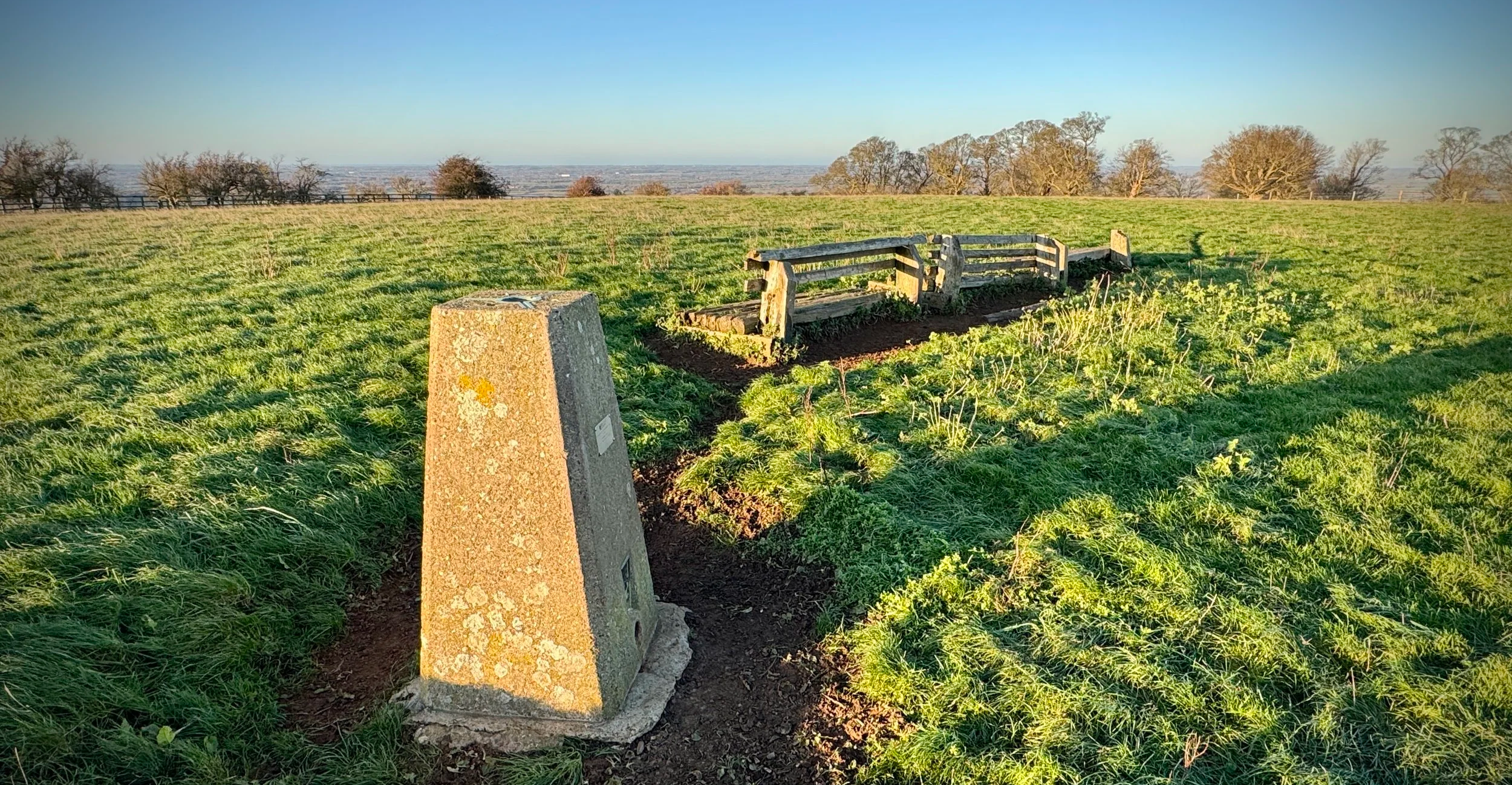
OS Trig Pillar: TP4919 - Moreton Farm
Map: Chiltern Hills North Map | Aylesbury, Berkhamsted & Chesham | Ordnance Survey | OS Explorer Map 181
Links: Ford, Buckinghamshire, Midshires Way


This is part of a series of short circular walks following the length of the Midshires Way in Buckinghamshire. The Midshires Way is a 225-mile (362 km) trail that journeys through the rural heart of Middle England, linking the Ridgeway National Trail at Bledlow in the south to the Trans Pennine Trail at Stockport in the north. Opened in 1994, this route traverses several counties, including Buckinghamshire, Northamptonshire, Leicestershire, Nottinghamshire, Derbyshire, and Greater Manchester, following a scenic tapestry of ancient bridleways, quiet country lanes, and historic canals. In Buckinghamshire, the Midshires Way has a significant connection with the Swan's Way (often referred to as the Swan Way), a 65-mile long-distance bridleway. Essentially, the Swan's Way forms the backbone of the Buckinghamshire section of the Midshires Way, with the two routes being broadly coincident for approximately 50 miles between Salcey Forest and Bledlow. While the Swan's Way strictly adheres to bridleways to accommodate horse riders and cyclists, the Midshires Way sometimes offers alternative waymarked footpaths for walkers to avoid on-road sections.

Walking Directions

This walk starts in the quiet hamlet of Ford, setting off into the heart of the Aylesbury Vale. The route primarily follows a scenic section of the Midshires Way, leading you through an undulating landscape of traditional English farmland. It is a fantastic choice for those looking for a peaceful journey that avoids the steeper climbs of the nearby Chiltern ridge while still offering great views of the hills in the distance.

If you are into bagging OS Trig Pillars, there’s an optional diversion into Michael’s Peace to the Moreton Farm Pillar.. The guidance below will help you navigate but don’t use it as a fully accurate turn-by-turn guide. Always take a map and/or a GPX route and prepare well for the weather and terrain.

  • Starting at the Dinton Hermit pub in Ford, head south-east cross over Water Lane to follow the Aylesbury Ring in a south-easterly direction for 1.8 km.

  • When you reach the track that connects with the Midshires Way take a left for ~750m to take the first path on the left.

  • Continue along the path for ~750m to a path junction on the boundary of Michael’s Peace. If you want to visit the Moreton Farm Trig Pillar, there’s 2 entrances on the left of this section of path.

  • At the path junction take a right to continue following the Midshires Way across farmland to Bishopstone Road.

  • Take a left onto Bishopstone Road then take the first path on the left at #2 Bishopstone.

  • Follow this path in a south-westerly direction for 2.5 km back to Water Lane and the Dinton Hermit pub.

Points of Interest along or near to the Route

  • Ford: A picturesque hamlet whose name derives from the Anglo-Saxon for a stream crossing. It is home to several Grade II listed buildings and thatched cottages.

  • The Dinton Hermit: This historic 17th-century country inn in Ford is named after John Bigg, the "Dinton Hermit," who was reputedly the executioner of King Charles I and lived in a cave nearby.

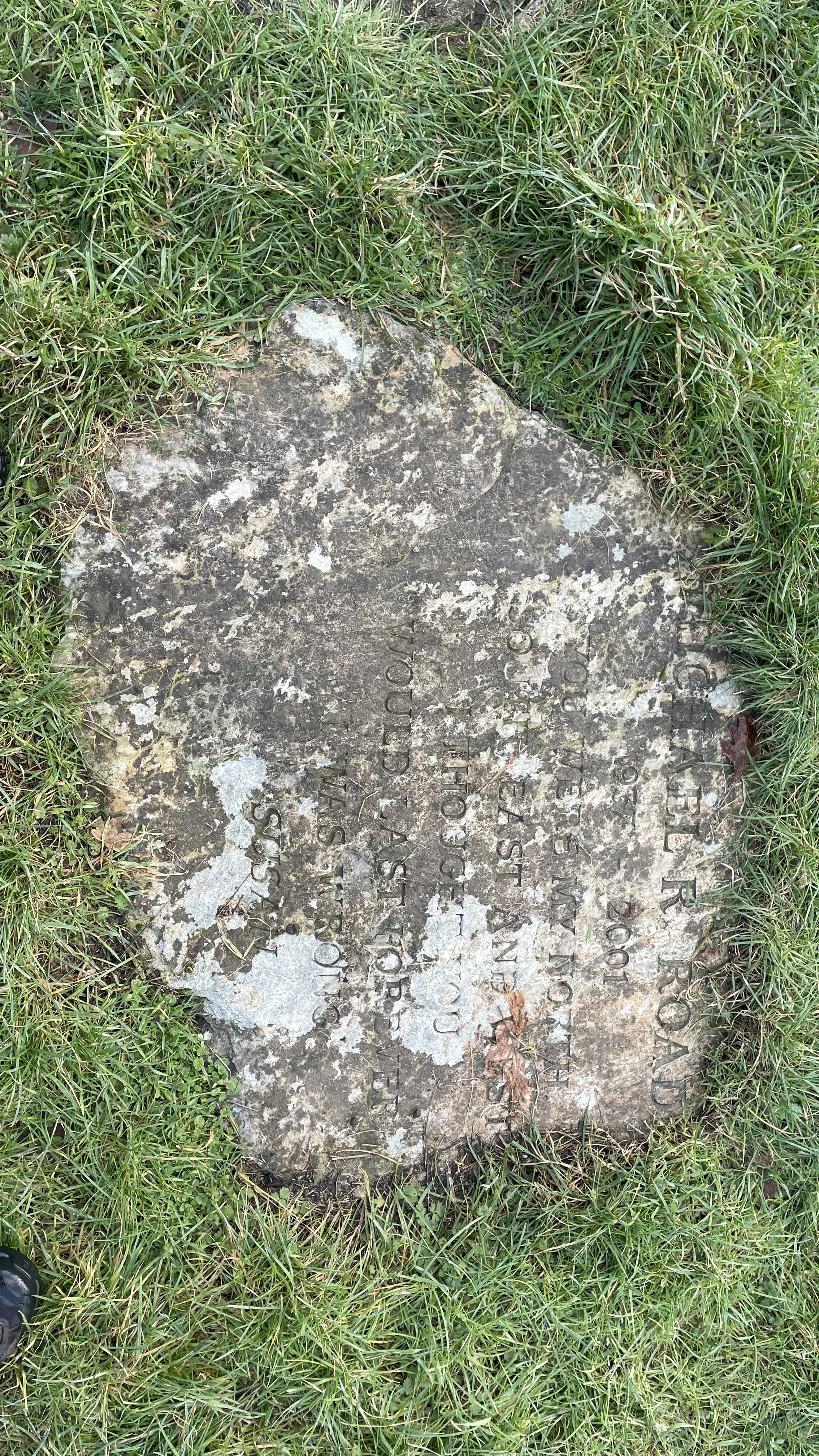
  • Michael's Peace: A 90-acre woodland planted in the winter of 2001-2002 that features diverse tree species like oak, ash, and hazel. A central memorial stone dedicated to Michael Roads serves as the starting point for six radiating rides, providing panoramic views of six local churches and the Chilterns. Supported by the Forestry Commission, this high point has become a haven for wildlife, including skylarks, little owls, and butterflies, making it a popular destination for the local community.

  • Moreton Farm Trig Pillar (TP4919): This concrete pillar is part of the historic Ordnance Survey triangulation network. At an elevation of roughly 92m, it provides a quiet marker in the Aylesbury Vale landscape.

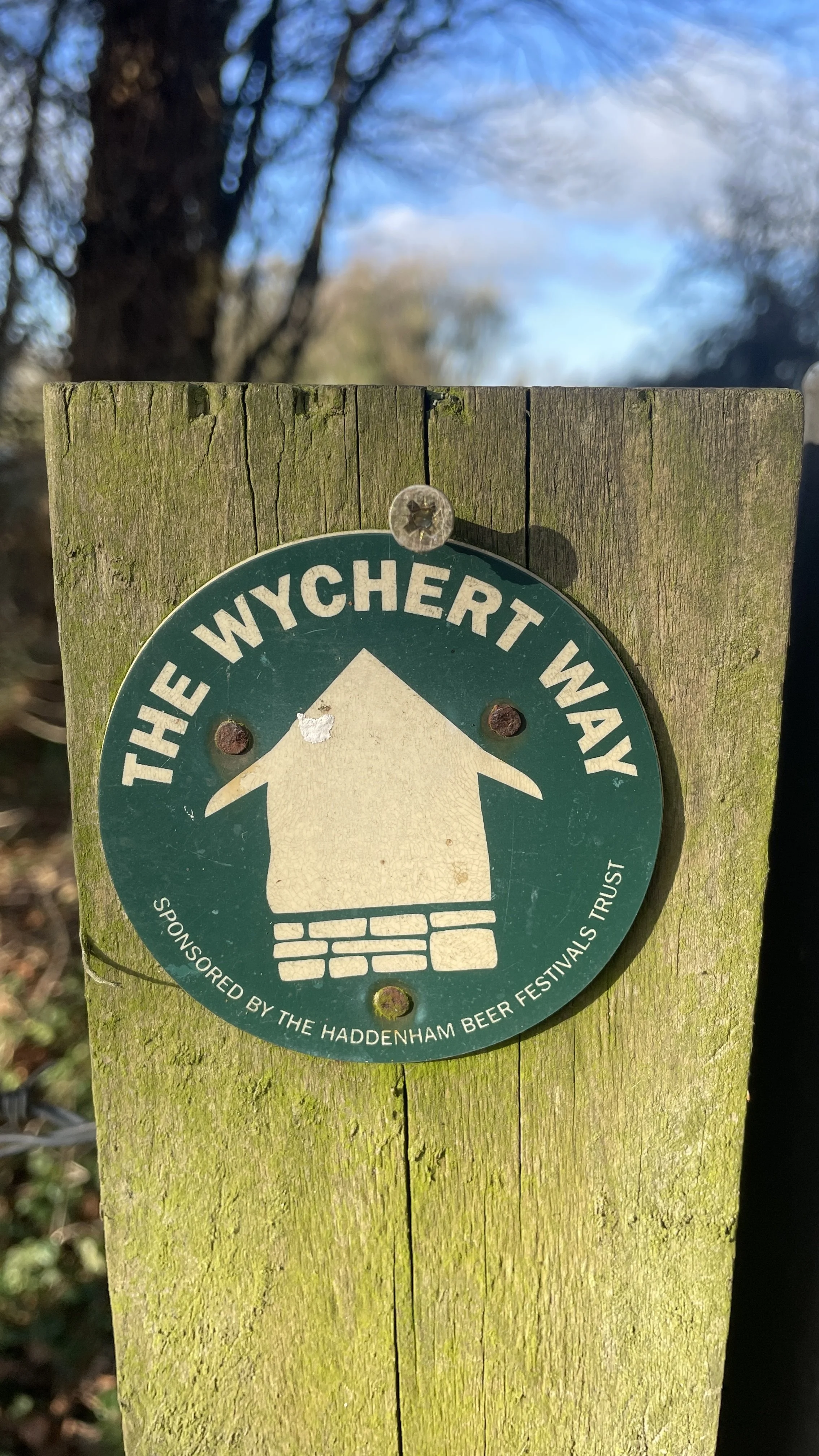
  • The Wychert Way: The route touches this unique local trail. "Wychert" is a traditional building material made of white decayed limestone and straw, unique to this small pocket of Buckinghamshire (the Haddenham/Dinton area).

  • View of Coombe Hill: On clear days, look south-east. The Boer War Monument on top of Coombe Hill is often visible as a tiny spike on the horizon of the Chilterns.


Midshires Way previous section South: Ford and Kemble Wick
Midshires Way next section North: Hartwell and Stone

Back to Trek Index
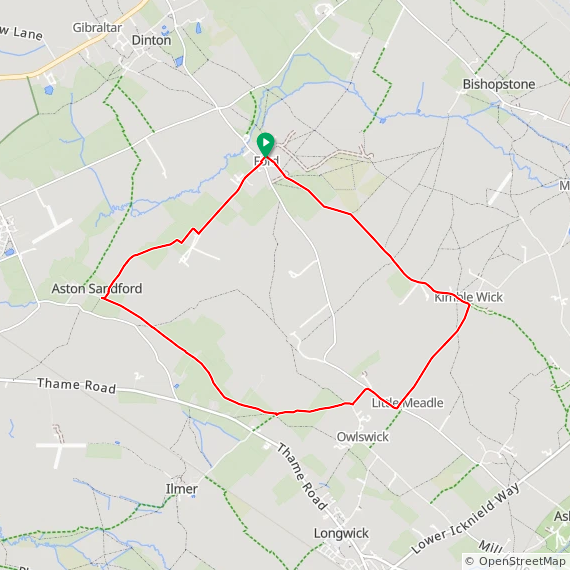
Walking The Midshires Way Part 3: Ford and Kemble Wick
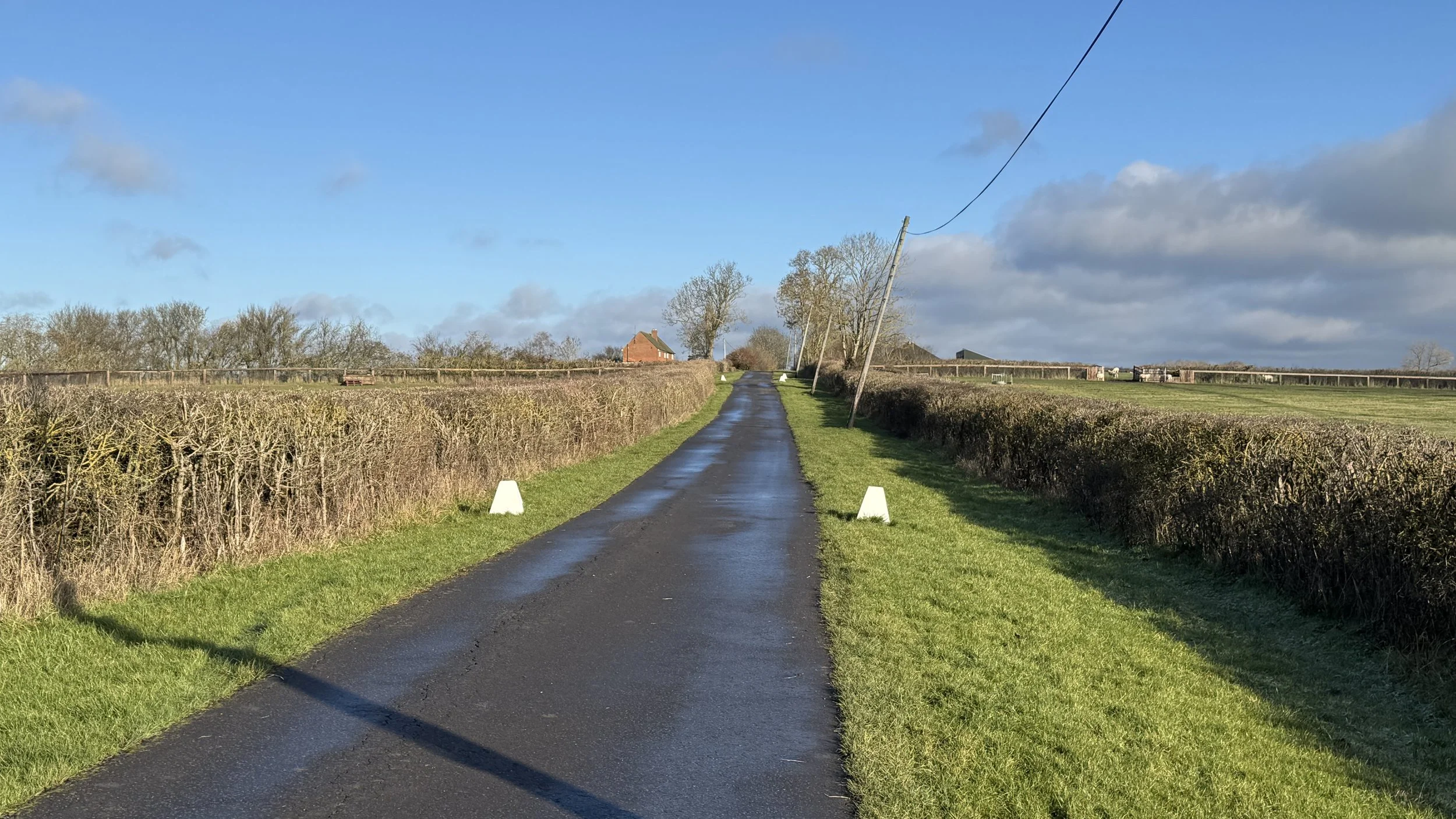
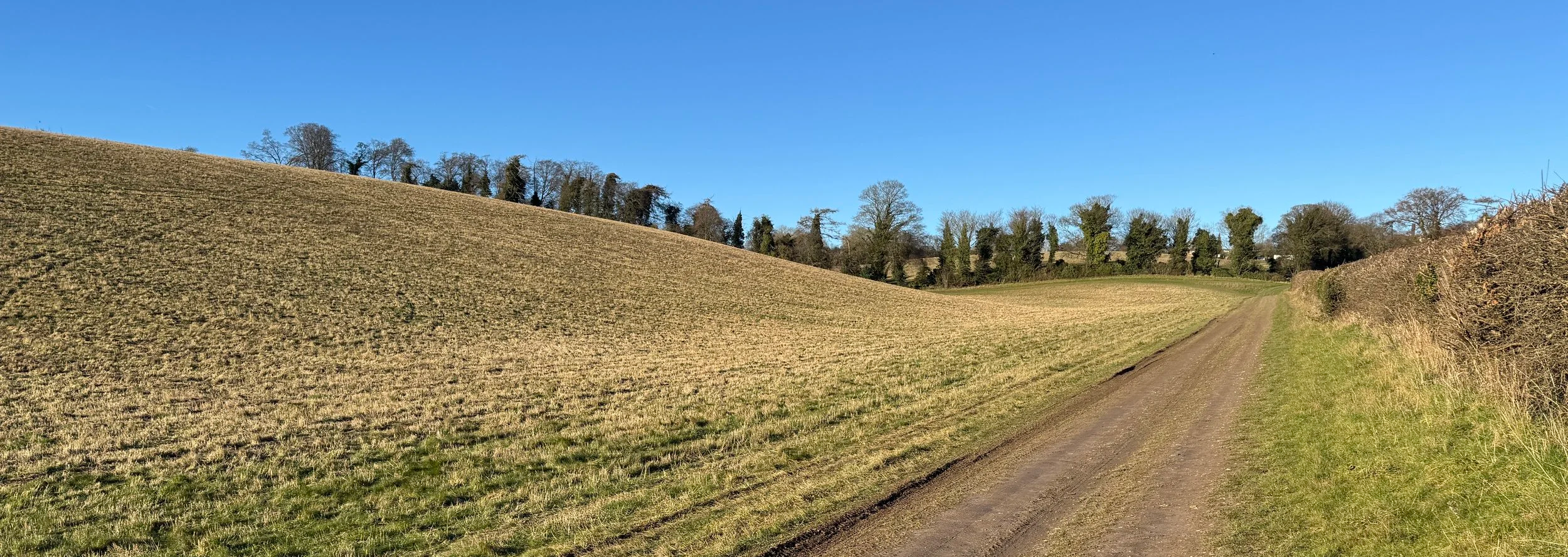
Open fields between Between Aston Sandford and Owlswick. Blue sky with clouds and winter-bare trees

Between Aston Sandford and Owlswick


Start & Finish: The Dinton Hermit, Water Lane, Ford, Aylesbury, HP17 8XH
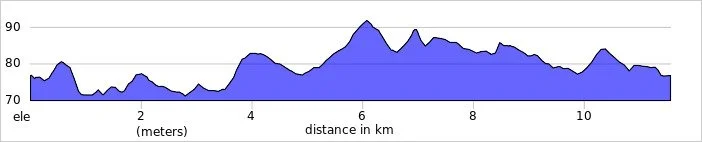
Distance: 11.6 km (7.2 miles)
Elevation change: +/- 58m
Terrain: Predominantly level terrain consisting of field-edge footpaths, narrow country lanes, and farm tracks across the Aylesbury Vale.
Midshires Way section covered: Longwick to Michael’s Peace: 4.3 km
GPX File: get via Buy Me a Coffee
Other routes touched (walk): Midshires Way, The Swan Way, The Wychert Way, Aylesbury Ring, Outer Aylesbury Ring, North Bucks Way
Other routes touched (cycle): None
Pubs / Cafes on route: The Dinton Hermit at the start and end of the walk
Map: Chiltern Hills North Map | Aylesbury, Berkhamsted & Chesham | Ordnance Survey | OS Explorer Map 181
Links: Ford, Buckinghamshire, Midshires Way, Kimble Wick, Kimblewick bit, Aylesbury Vale


This is part of a series of short circular walks following the length of the Midshires Way in Buckinghamshire. The Midshires Way is a 225-mile (362 km) trail that journeys through the rural heart of Middle England, linking the Ridgeway National Trail at Bledlow in the south to the Trans Pennine Trail at Stockport in the north. Opened in 1994, this route traverses several counties, including Buckinghamshire, Northamptonshire, Leicestershire, Nottinghamshire, Derbyshire, and Greater Manchester, following a scenic tapestry of ancient bridleways, quiet country lanes, and historic canals. In Buckinghamshire, the Midshires Way has a significant connection with the Swan's Way (often referred to as the Swan Way), a 65-mile long-distance bridleway. Essentially, the Swan's Way forms the backbone of the Buckinghamshire section of the Midshires Way, with the two routes being broadly coincident for approximately 50 miles between Salcey Forest and Bledlow. While the Swan's Way strictly adheres to bridleways to accommodate horse riders and cyclists, the Midshires Way sometimes offers alternative waymarked footpaths for walkers to avoid on-road sections.

Walking Directions

This third instalment of our Midshires Way series takes us deeper into the tranquil landscape of the Aylesbury Vale. Starting in the small hamlet of Ford, this circular route offers a wonderfully flat and accessible journey through the agricultural heart of Buckinghamshire. The walk is defined by its big skies and expansive views of the distant Chiltern Hills, providing a real sense of openness as you navigate the patchwork of fields between Ford, Kemble Wick, and the fringes of Dinton.

What makes this particular section so engaging is the blend of rural solitude and hidden local history. From crossing tiny tributaries of the River Thame to passing through secluded farmsteads, the route feels like a step back in time. Whether you are following the waymarked Swan Way bridleways or the narrow tracks of the Midshires Way, the walking is easy and the atmosphere is one of complete countryside peace.

The guidance below will help you navigate but don’t use it as a fully accurate turn-by-turn guide. Always take a map and/or a GPX route and prepare well for the weather and terrain.

  • Start in the hamlet of Ford, with parking available at The Dinton Hermit or along Chapel Road.

  • Head south-west out of the village along the Chapel Road, then take the footpath leading across the fields following The Wychert Way toward the south-west.

  • When you reach a path junction with the Outer Aylesbury Ring at Aston Sandford, take a left to follow the field edge in a south-easterly direction.

  • The route crosses a farm which was very muddy and in the process of construction. Be careful through this part.

  • When you reach a track that cuts diagonally across the Outer Aylesbury Ring you’ll now be back on the Midshires Way at the point where you left of in Part 2. Take a left onto the Midshires Way, leaving the Outer Aylesbury Ring.

  • Continue along the track to Stockwell Lane then take an right to follow Stockwell Lane. Take the next left onto Kimblewick Road.

  • When you reach Kimblewick Village, take a left to follow an unnamed no-through-road in a north-westerly direction.

  • The road will become a track and when it takes a sharp turn to the left, leave it to follow a footpath on the left through fields.

  • Continue along the path in a north-westerly direction until you return back to the Dinton Hermit pub on Water Lane.

Points of Interest along or near to the Route

  • Ford: A picturesque hamlet whose name derives from the Anglo-Saxon for a stream crossing. It is home to several Grade II listed buildings and thatched cottages.

  • The Dinton Hermit: This historic pub is named after John Bigg, a legendary local recluse who lived in a cave nearby. Bigg was a Parliamentarian sympathiser during the Civil War and was famously rumoured to have been one of the executioners of King Charles I.

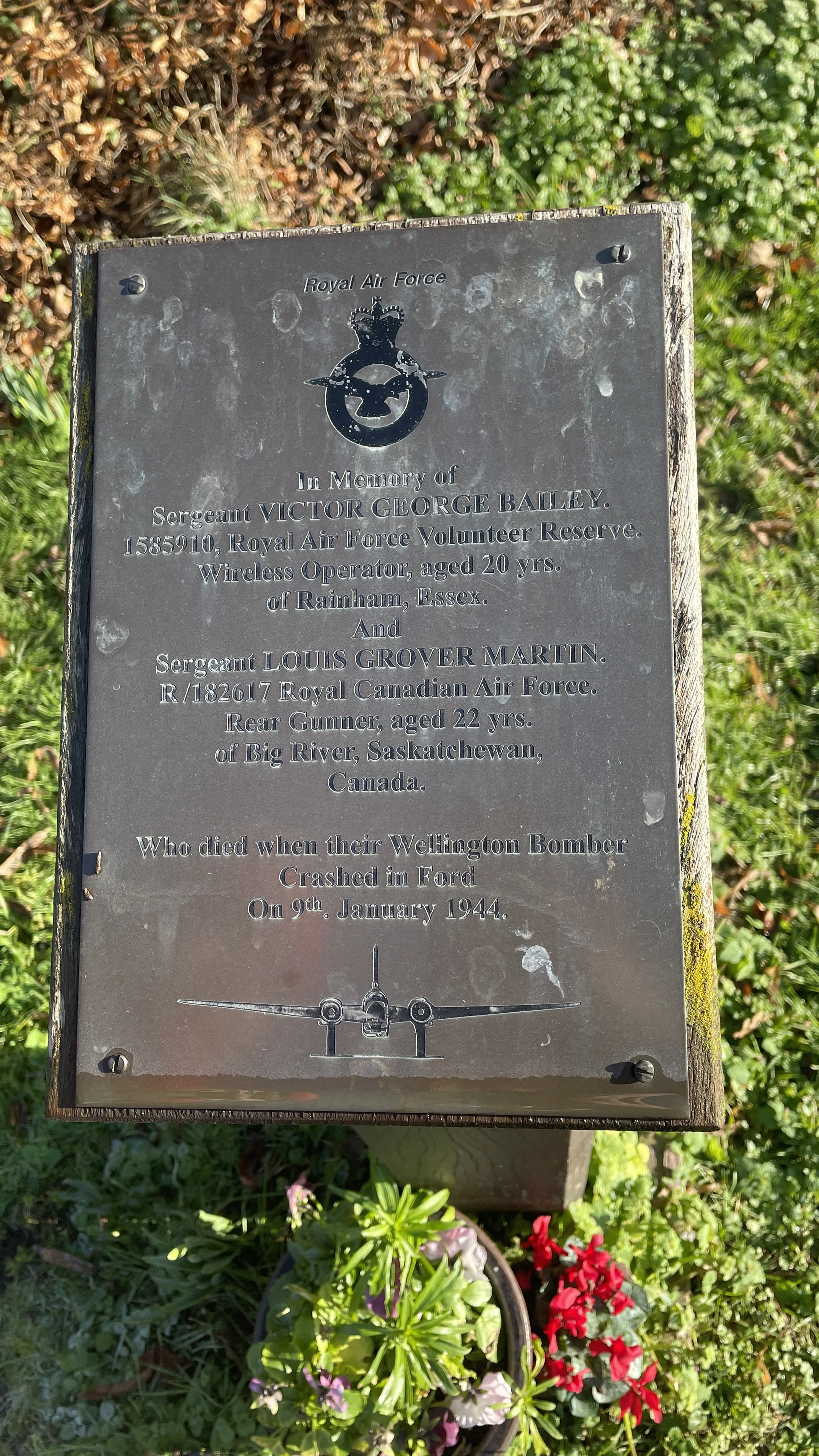
  • Wellington Bomber Memorial: Near Ford, a poignant memorial plaque commemorates Sergeant Victor George Bailey (RAF) and Sergeant Louis Grover Martin (RCAF). Both men died when their Wellington Bomber crashed in Ford on 9th January 1944. The crash involved a larger crew, most of whom survived.

  • The Aylesbury Vale Views: As you walk the level paths of the Midshires Way, keep an eye on the southern horizon. The route offers fantastic, distant views of the Chiltern Escarpment, including landmarks like Coombe Hill.

  • River Thame Tributaries: The route crosses several small brooks and drainage ditches that eventually feed into the River Thame, highlighting the low-lying, fertile nature of the Vale's agricultural land.

  • Kimble Wick: Part of the wider parish of Great and Little Kimble cum Marsh. It is famously the namesake of the Kimblewick bit, a type of horse bit first developed here by local farmer and showjumper Felix Oliver.


Midshires Way previous section South: Ilmer and Longwick
Midshires Way next section North: Ford and Michael's Peace

Back to Trek Index
Chiltern Walks: Flackwell Heath and Sheepridge
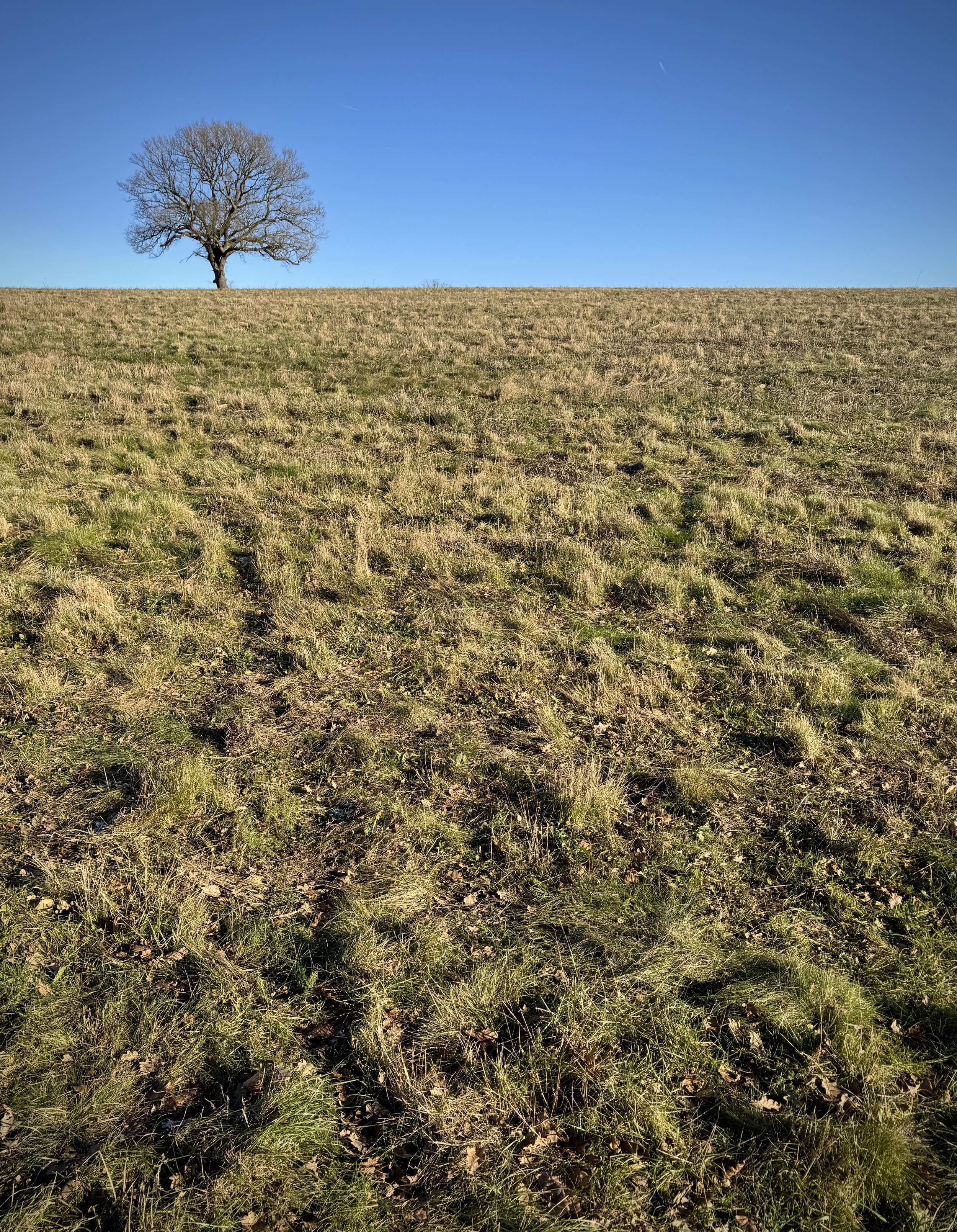
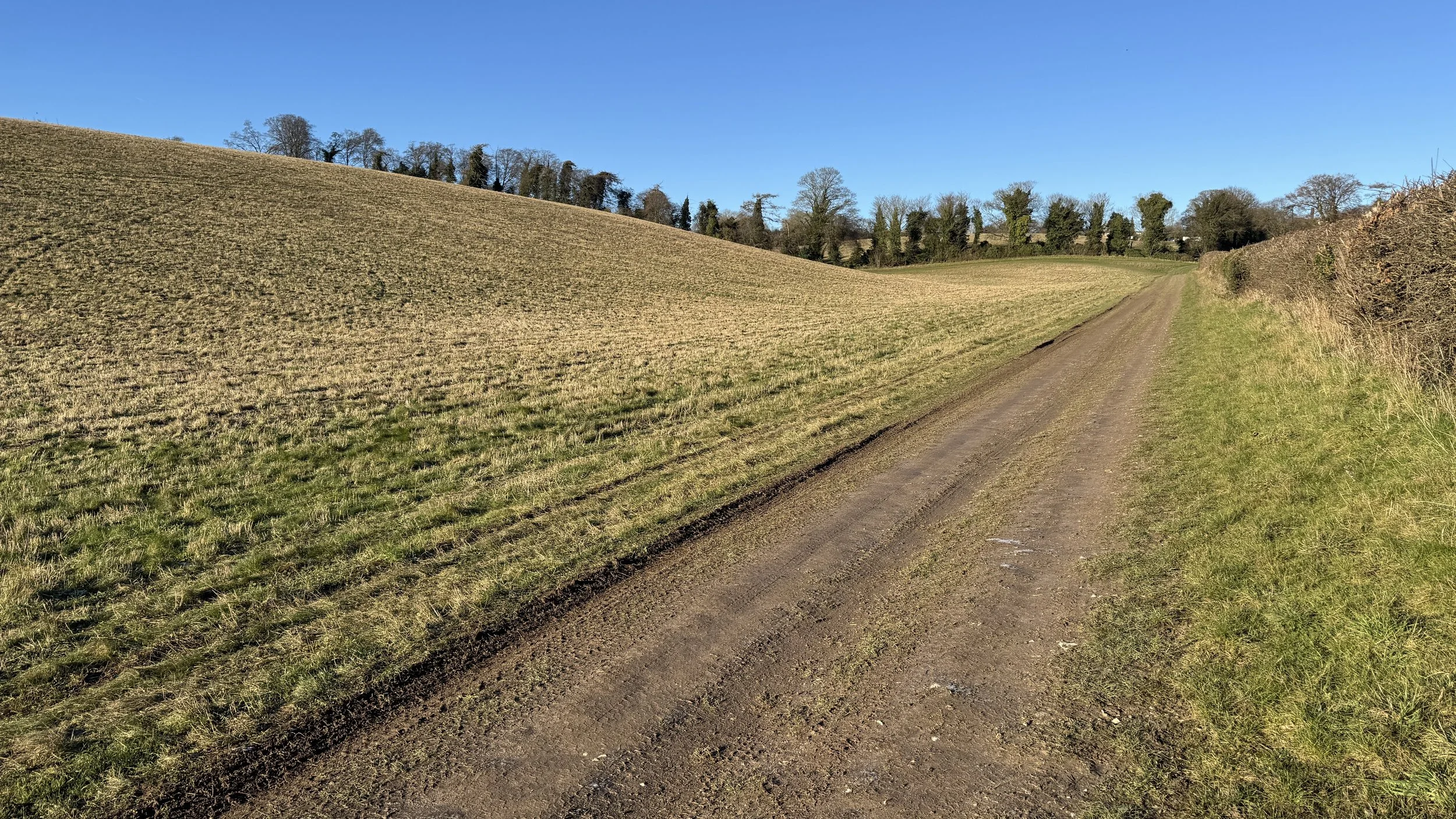
Scenic view of rolling green farmland near Sheepridge in the Buckinghamshire Chilterns.

Farmland near Sheepridge


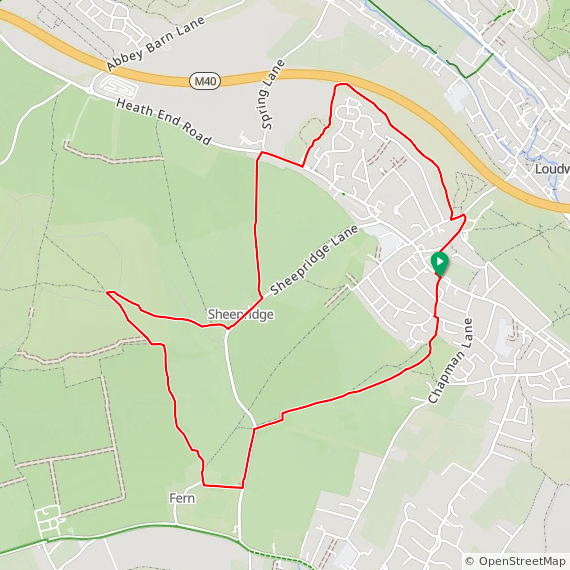
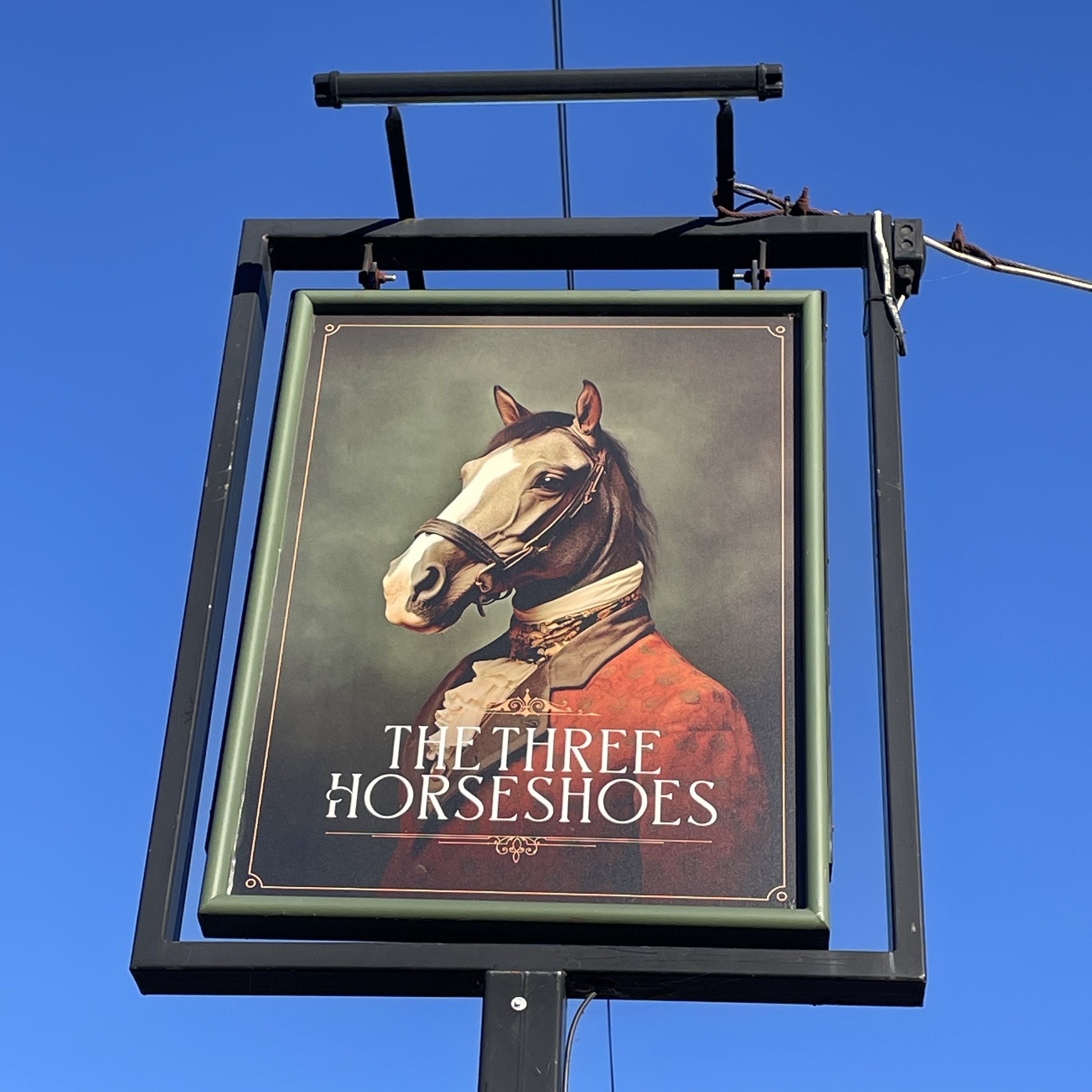
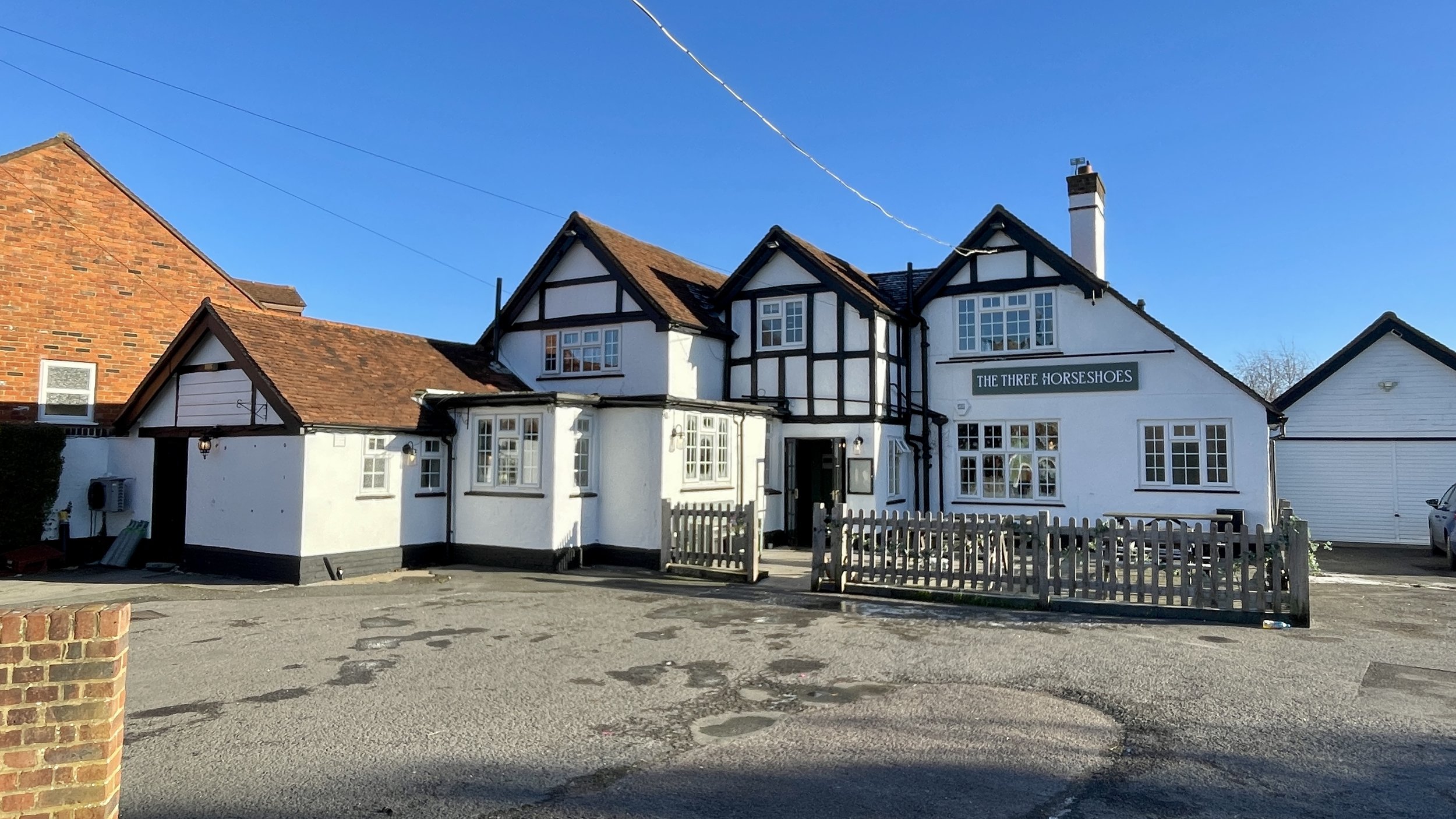
Start & Finish: On street parking near The Three Horseshoes pub, Treadaway Road, Flackwell Heath, HP10 9PG
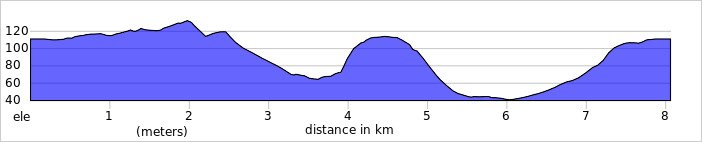
Distance: 8.1 km (5 miles)
Elevation change: +/- 139m
Terrain: Field-edge paths, ancient woodland trails, quiet country lanes, and village footpaths with some moderate ascents.
GPX File: get via Buy Me a Coffee
Other routes touched (walk): Chiltern Way
Other routes touched (cycle): None
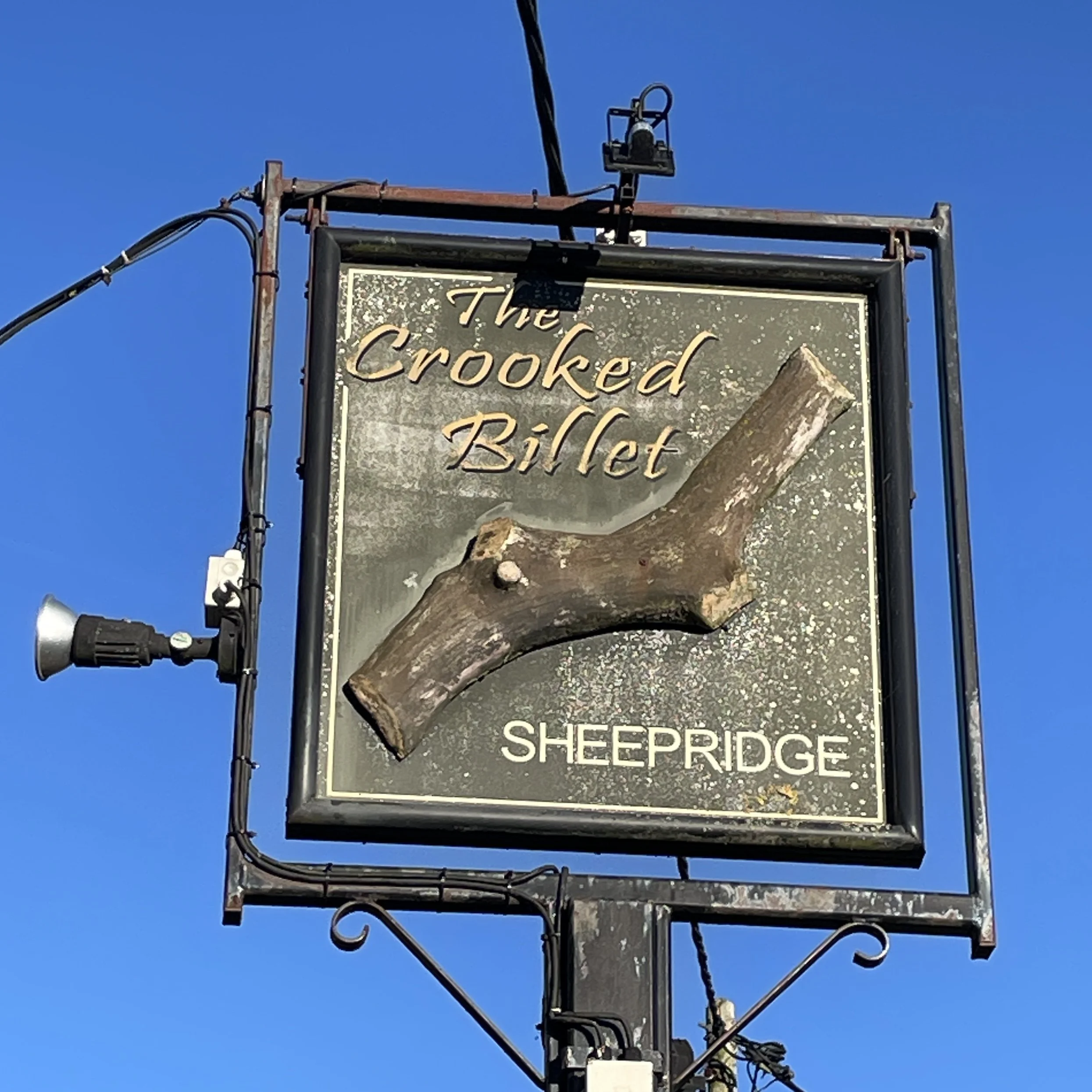
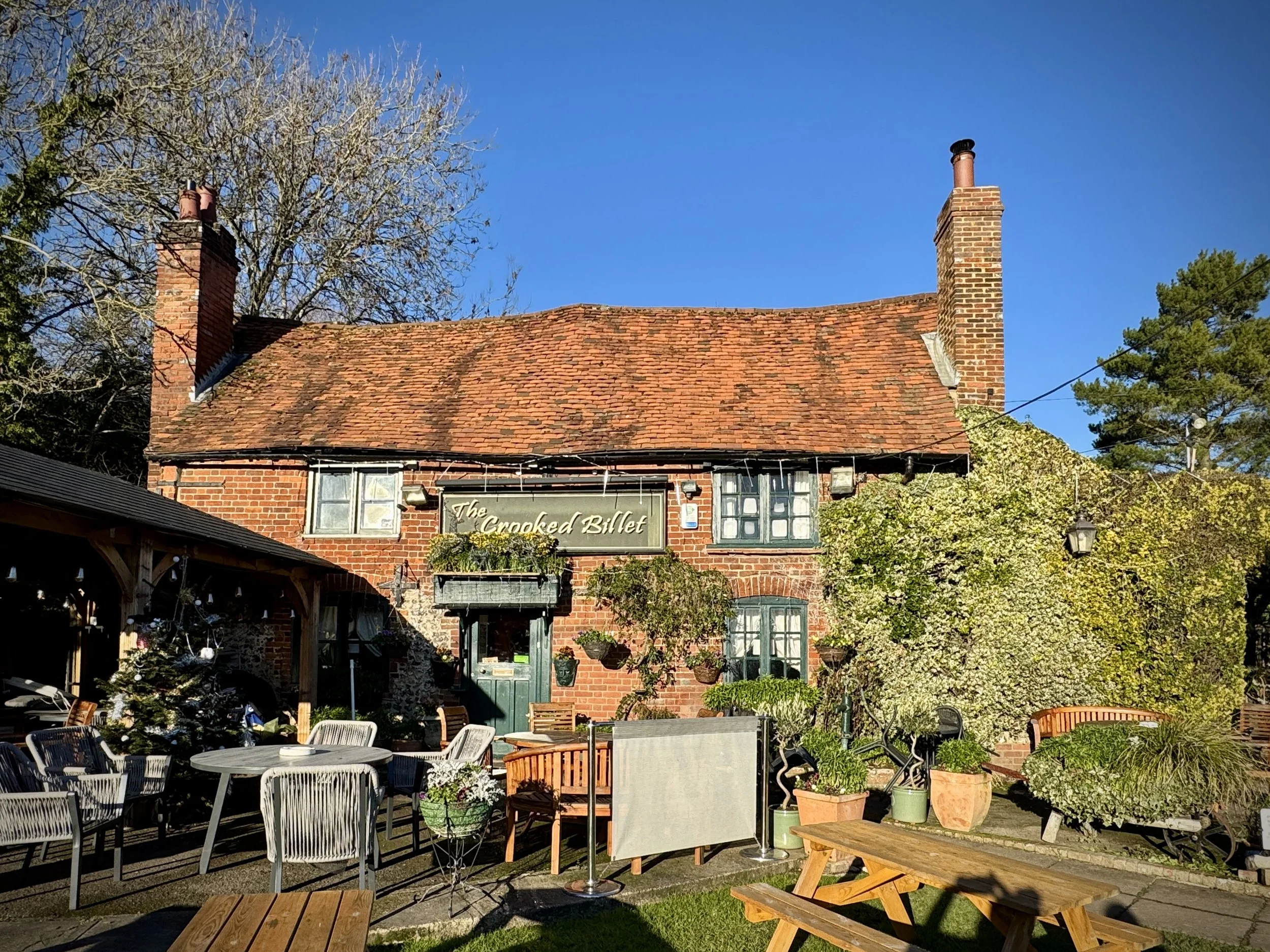
Pubs / Cafes on route: Several in Flackwell Heath at the start and end. We stopped at The Crooked Billet, Sheepridge, 3.3 km in
Map: Chiltern Hills East Map | High Wycombe, Maidenhead & Rickmansworth | Ordnance Survey | OS Explorer Map 172
Links: Flackwell Heath, Sheepridge, Little Marlow


This is part of a series of short circular walks in the Chilterns. This is centred around Flackwell Heath, a large village perched on a ridge overlooking the Wye Valley and takes in the small villages of Sheepridge and Fern.

Walking Directions

For this walk we parked on the Treadaway Road near the Three Horseshoes pub. The guidance below will help you navigate but don’t use it as a fully accurate turn-by-turn guide. Always take a map and/or a GPX route and prepare well for the weather and terrain.

  • Start at Treadaway Road: Begin by following Treadaway Road in a north-easterly direction from near The Three Horseshoes pub until you reach the junction with Swains Lane.

  • Enter the Woods: Cross the junction and take the footpath leading through the woodland in a northerly direction.

  • Join the Chiltern Way: Upon reaching the M40 underpass, you have reached the Chiltern Way. Turn left to follow this trail south-west along a field edge, then through further woodland until you reach Heath End Road.
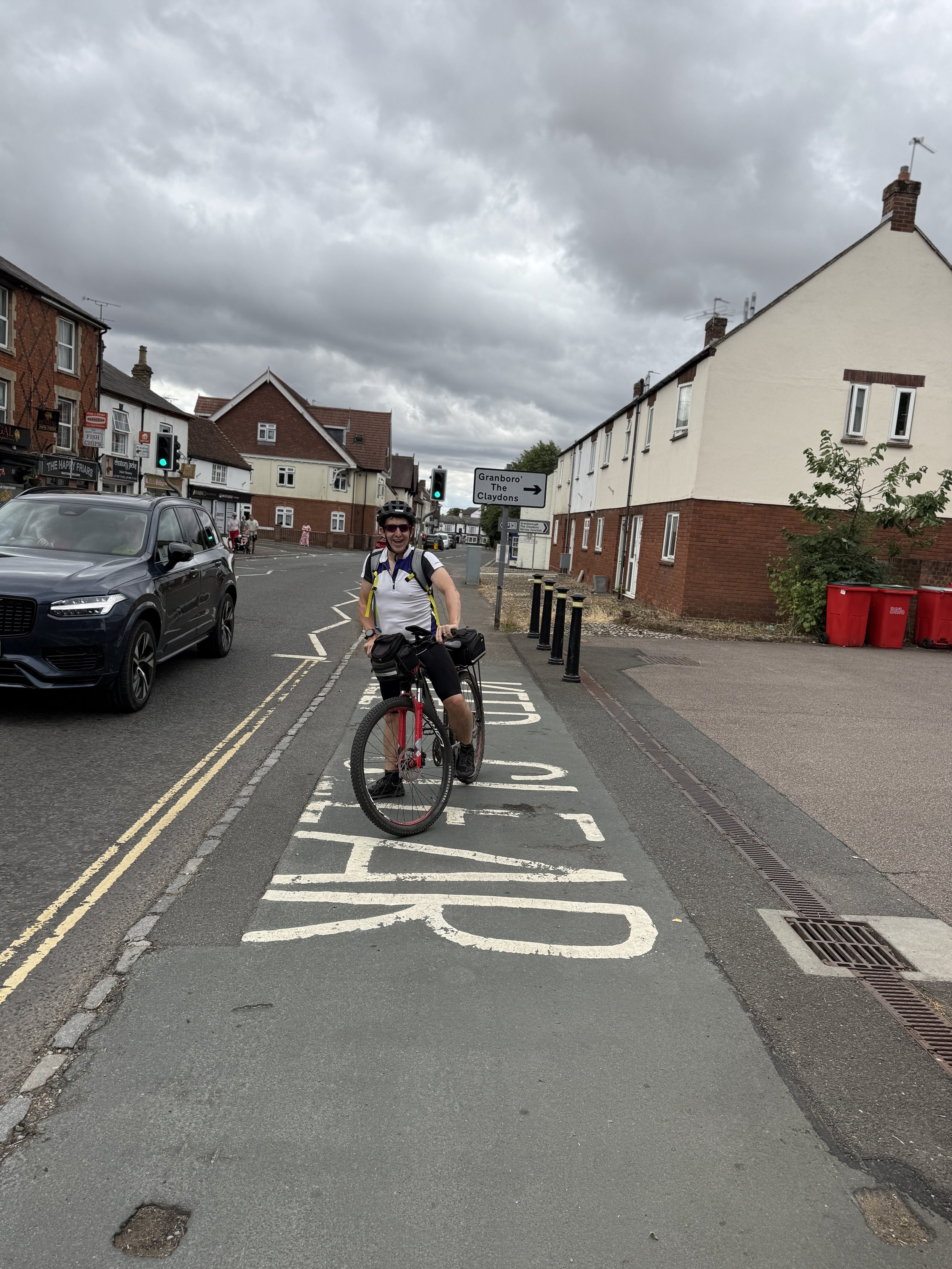
  • Descent to Sheepridge: Turn right onto Heath End Road for 250m, then take the footpath on your left. Continue following the Chiltern Way as it descends along the edge of a field down to Sheepridge Lane.

  • The Crooked Billet: Turn right onto Sheepridge Lane and walk south-west to reach The Crooked Billet pub, an ideal halfway stop approximately 3.3 km into the walk.
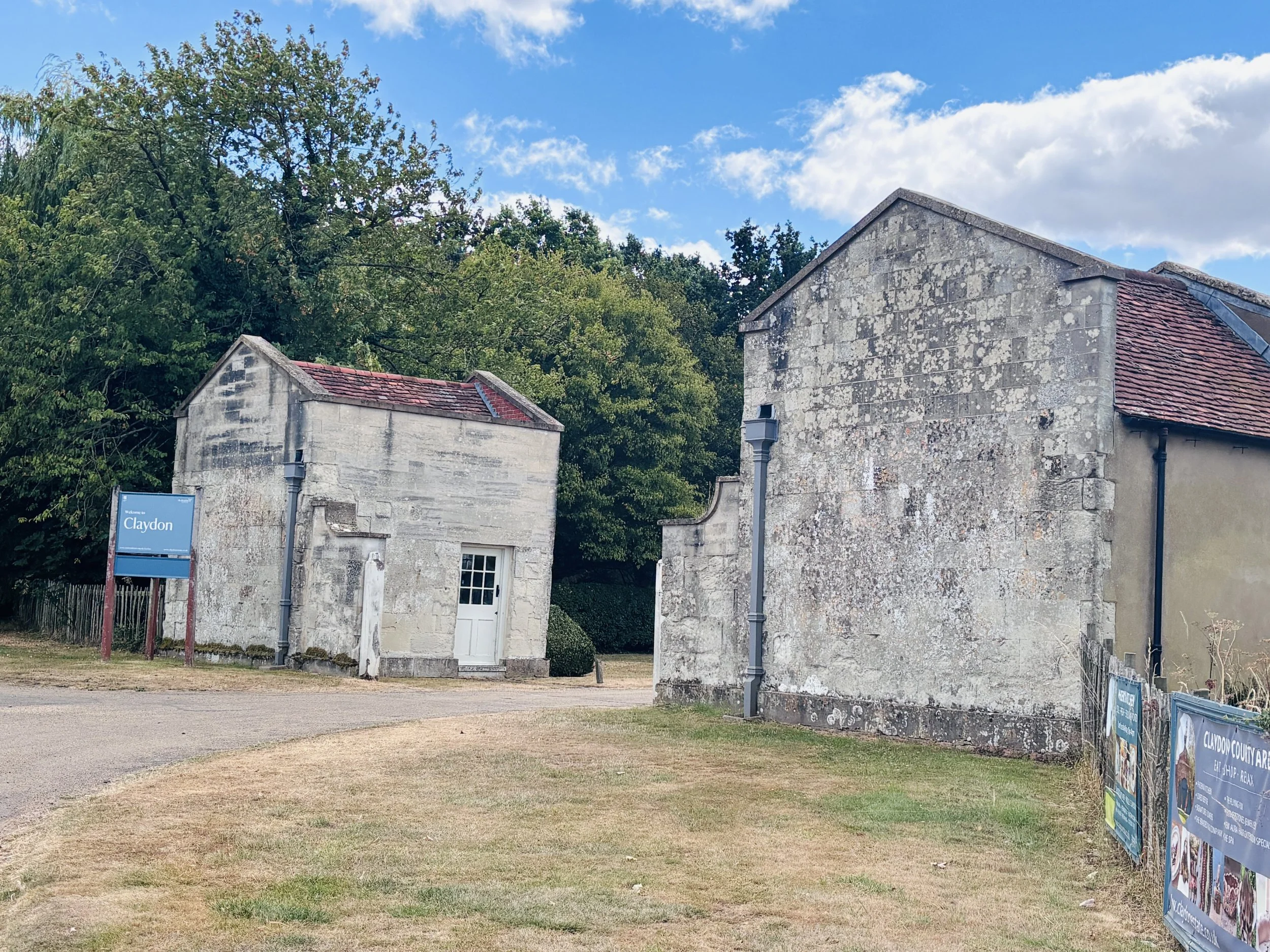
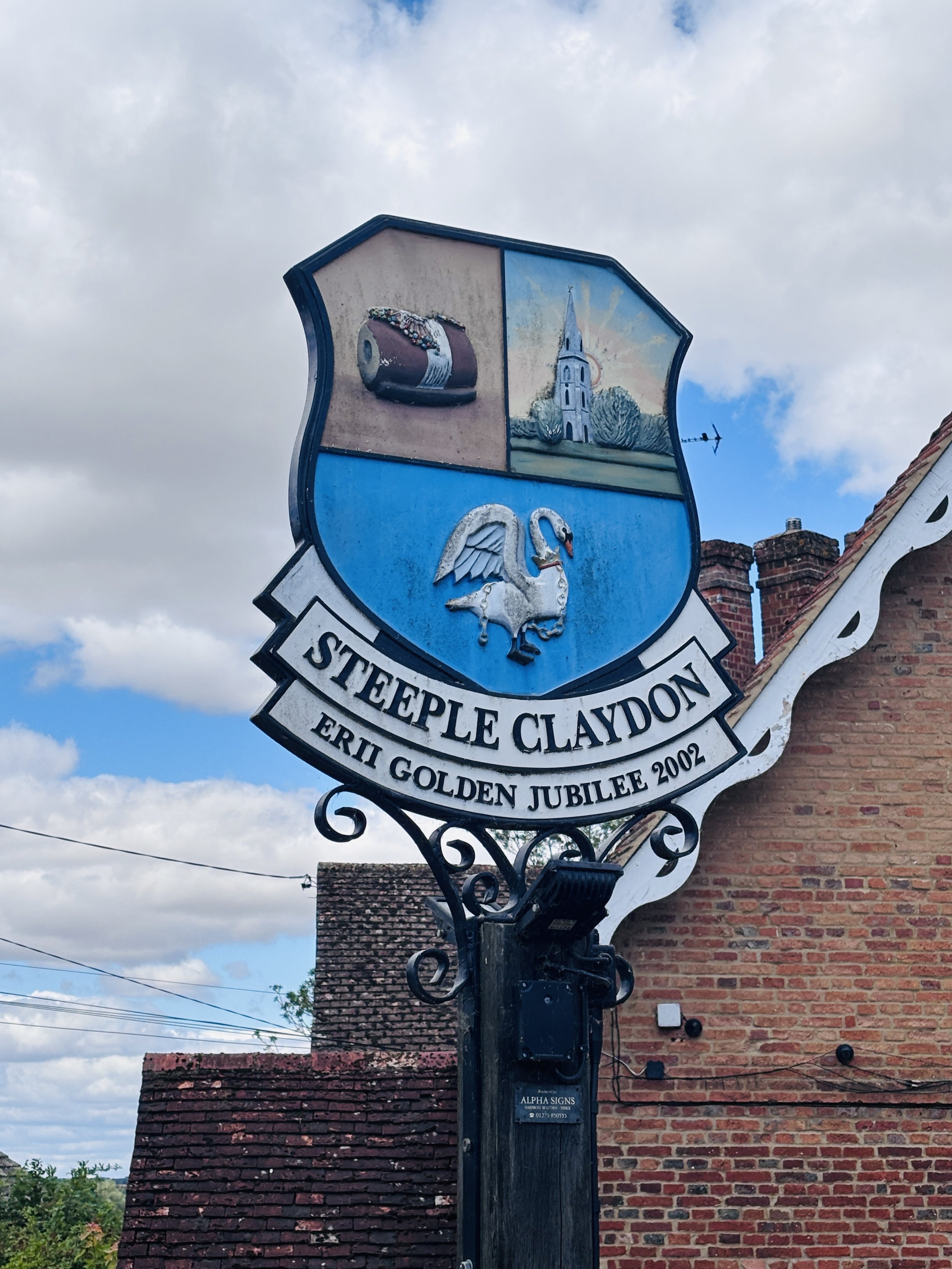
  • Ascend through Woodland: After the pub, take a right off Sheepridge Lane to ascend through the woods. After roughly 800m, reach a path junction where you will turn left, leaving the Chiltern Way to descend through a mix of woodland and farmland toward Fern Lane.

  • Little Marlow Cemetery: Walk through Little Marlow Cemetery to return to Sheepridge Lane. Turn left and follow the lane north until it curves; here, carefully cross over and take the footpath through the farm.

  • Return to Flackwell Heath: Follow the farm path all the way back to Sedgemoor Lane. Continue north through the village via Sedgemoor Road, Hedley Road, Straight Bit, and The Common to return to the start on Treadaway Road.

Points of Interest along or near to the Route

  • Flackwell Heath: The starting and ending point of your journey. Historically known for its cherry orchards, the village sits at an elevation of approximately 111 metres, providing a high vantage point before you begin your descent. The village was once the centre of the local cherry-growing industry. Look out for remaining orchards or older trees on the boundaries of the common.

  • The Crooked Billet: This historic pub in Sheepridge dates back to the 16th century. It is a quintessential timber-framed Chilterns building, famously offering a traditional atmosphere that feels worlds away from the nearby busy roads.

  • Little Marlow Cemetery & Parish: While the walk passes the cemetery, the village of Little Marlow itself is just to the south. The area is notable for its film history, having been used as a location for various productions, including The Vicar of Dibley.

  • Ancient Hedgerows and Wooded Paths: A significant portion of the walk follows established boundary lines and sheltered tracks. These paths are typical of the ancient agricultural landscape of the area, offering a tranquil environment and a chance to spot local wildlife.

  • Rolling Countryside Views: As the trail loops back toward Flackwell Heath, the elevation changes—dropping as low as 40 metres near the valley floor—provide expansive views of the surrounding hills and the patchwork of fields that define this part of the Chilterns.


Back to Chiltern Walks Index
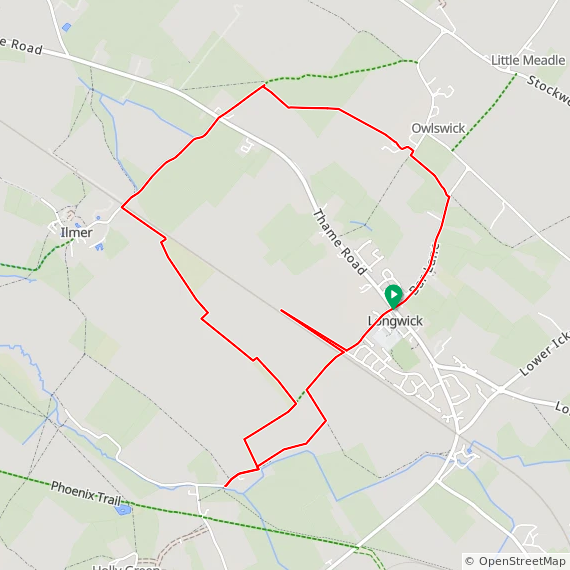
Walking The Midshires Way Part 2: Ilmer and Longwick
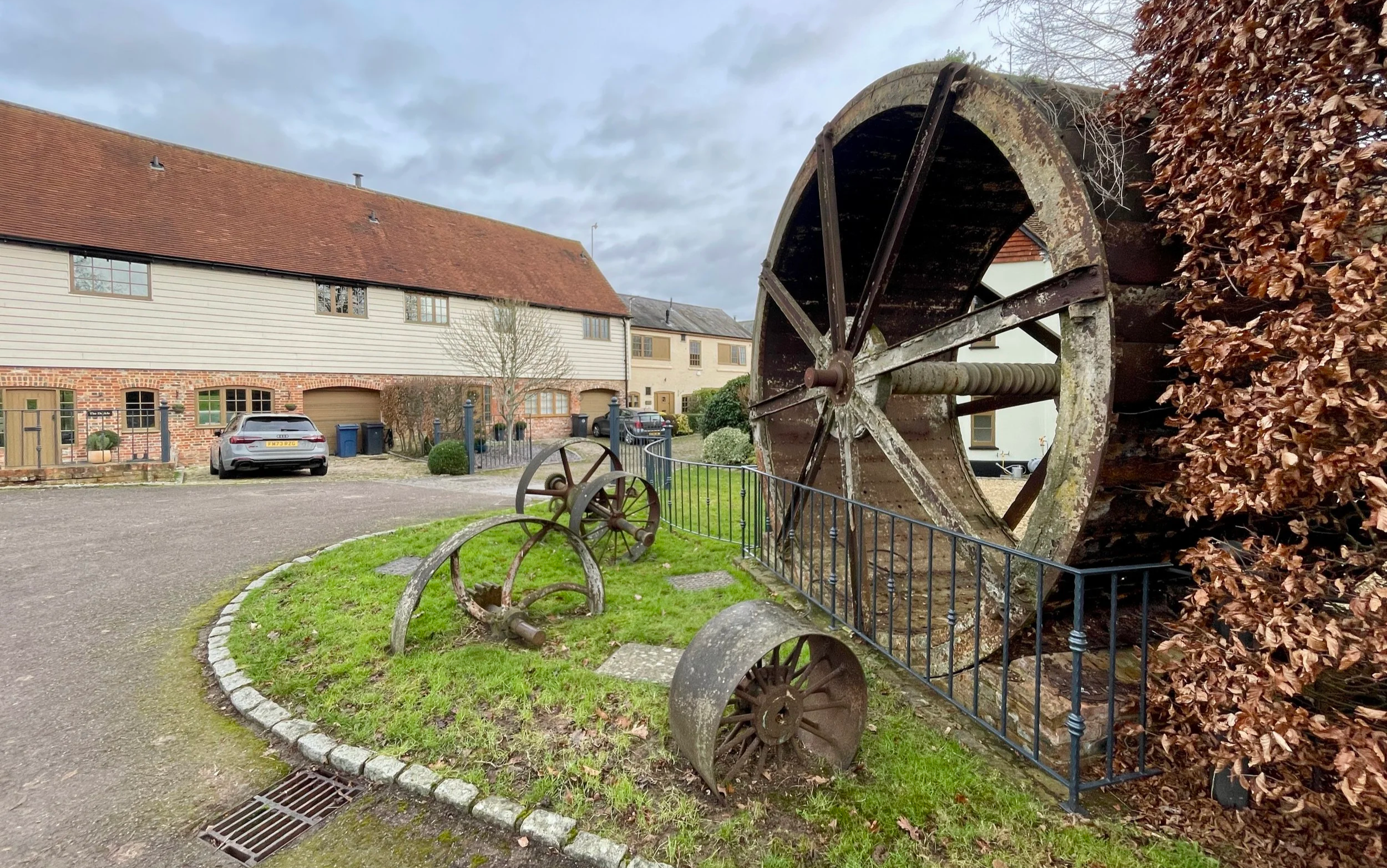
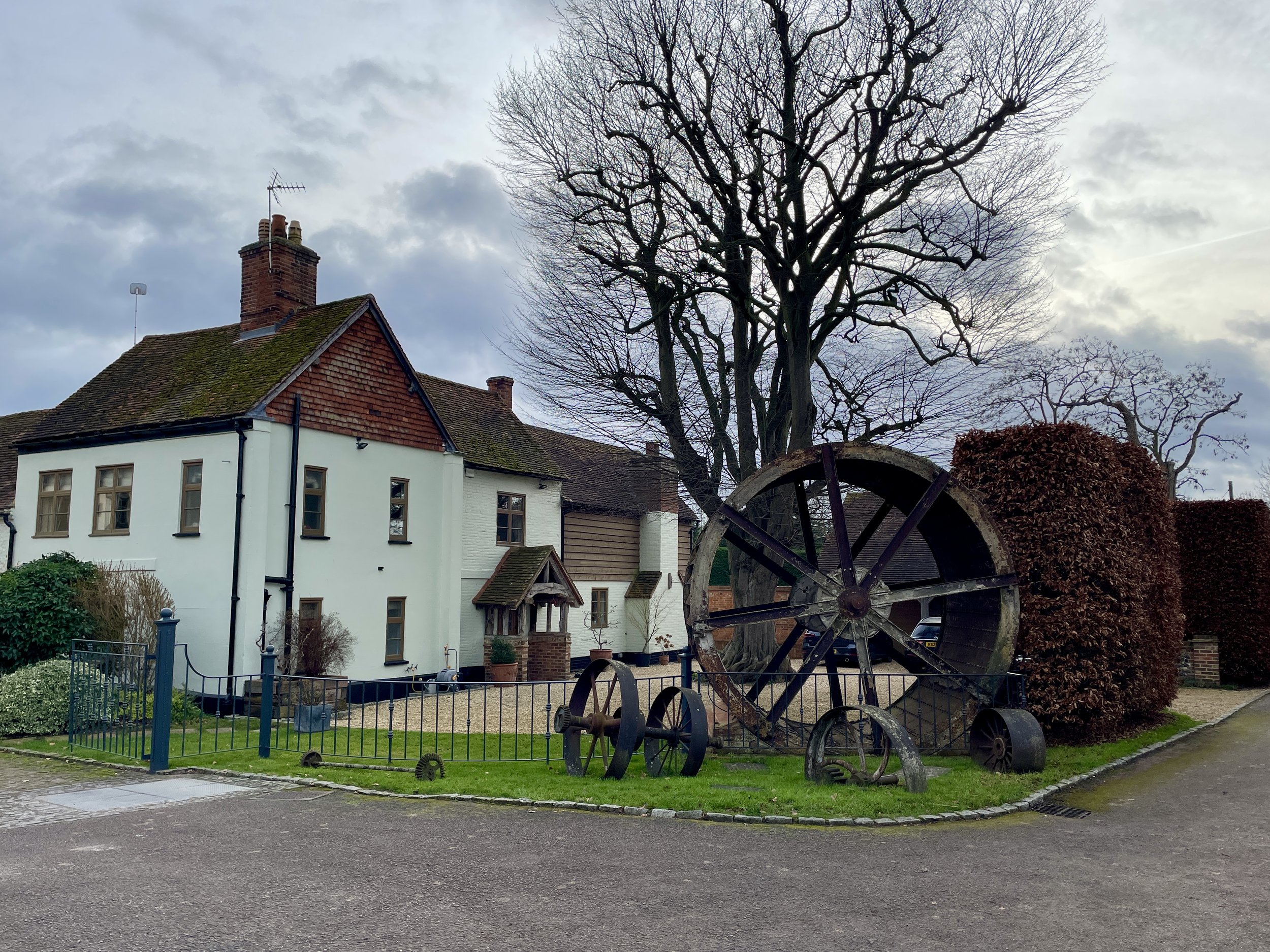
A historic wooden water wheel on North Mill Road near Longwick on the Midshires Way.

Water Wheel on North Mill Road


Start & Finish: Longwick Stores And Post Office, Thame Road, Longwick, Princes Risborough, HP27 9SF
Distance: 8.3 km (5.2 miles). Can be shortened by ~1 km by removing the detours. See walk description.
Elevation change: +/- 37m
Terrain: Level field-edge paths, quiet country lanes, and agricultural tracks.
Midshires Way section covered: North Mill Road to Longwick: 3.6 km
GPX File: get via Buy Me a Coffee
Other routes touched (walk): Midshires Way, Swan Way, Outer Aylesbury Ring,
Other routes touched (cycle): None
Pubs / Cafes on route: The Red Lion Longwick, just off the route at the start and end.
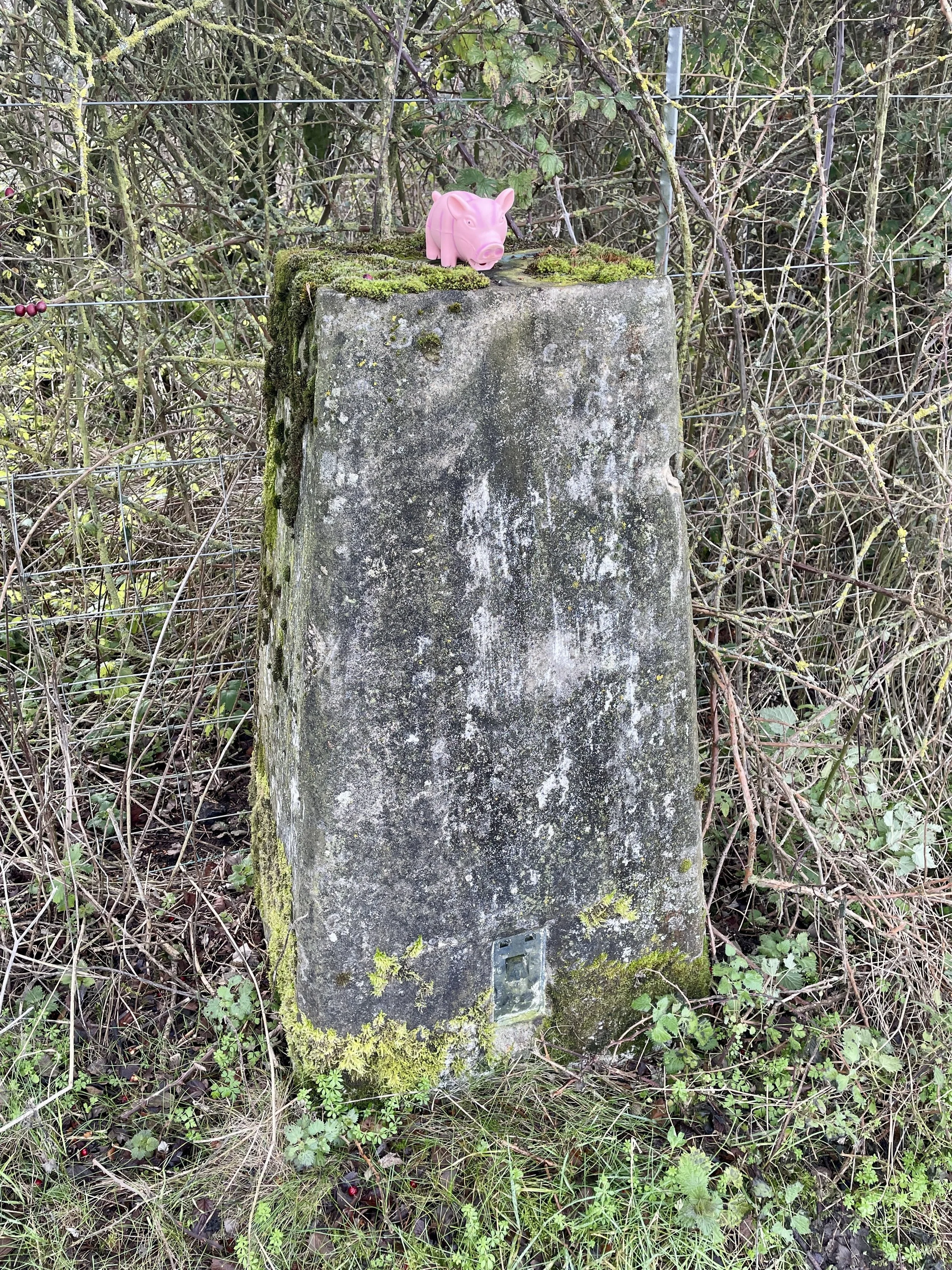
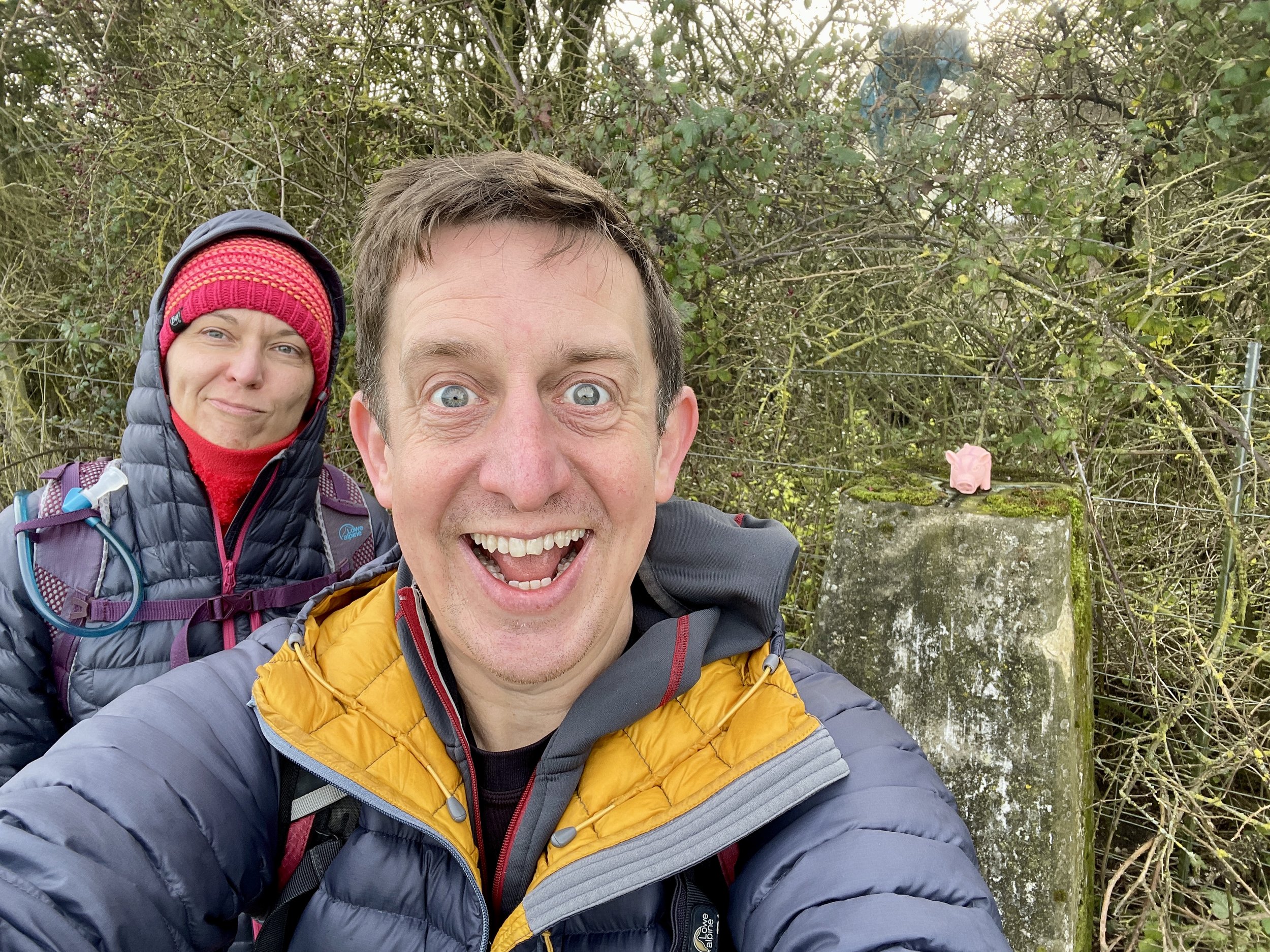
OS Trig Pillar: TP5612 - Red House Farm
Disused Station:
Ilmer Halt
Map: Chiltern Hills North Map | Aylesbury, Berkhamsted & Chesham | Ordnance Survey | OS Explorer Map 181
Links: Longwick, Ilmer, Aylesbury Vale,


This is part of a series of short circular walks following the length of the Midshires Way in Buckinghamshire. The Midshires Way is a 225-mile (362 km) trail that journeys through the rural heart of Middle England, linking the Ridgeway National Trail at Bledlow in the south to the Trans Pennine Trail at Stockport in the north. Opened in 1994, this route traverses several counties, including Buckinghamshire, Northamptonshire, Leicestershire, Nottinghamshire, Derbyshire, and Greater Manchester, following a scenic tapestry of ancient bridleways, quiet country lanes, and historic canals. In Buckinghamshire, the Midshires Way has a significant connection with the Swan's Way (often referred to as the Swan Way), a 65-mile long-distance bridleway. Essentially, the Swan's Way forms the backbone of the Buckinghamshire section of the Midshires Way, with the two routes being broadly coincident for approximately 50 miles between Salcey Forest and Bledlow. While the Swan's Way strictly adheres to bridleways to accommodate horse riders and cyclists, the Midshires Way sometimes offers alternative waymarked footpaths for walkers to avoid on-road sections.

Walking Directions

For this walk, we set out from Longwick, a pleasant village situated in the Aylesbury Vale just north of Princes Risborough. This circular route explores the quiet, low-lying farmlands of Buckinghamshire, leading us through the small hamlet of Ilmer and offering wide, open views of the Chiltern escarpment in the distance.

The trail is largely level, making it a relaxing journey through a patchwork of fields and narrow country lanes. It captures the quintessential rural charm of this part of the county, where ancient hedgerows and slow-moving streams define the landscape. The guidance below will help you navigate but don’t use it as a fully accurate turn-by-turn guide. Always take a map and/or a GPX route and prepare well for the weather and terrain.

  • Start in Longwick, where there’s free on-street parking near the Longwick Stores and Post Office on the A4129 Thame Road.

  • Take Walnut Tree Lane in a south-westerly direction toward the edge of the village.

  • When you reach the open field on the right hand side, where the Lane becomes a track, you have the option of taking a 800m out-and back diversion to bag the Red House Farm Trig Pillar. You’ll need to keep to the outside of the field to avoid damaging crops.

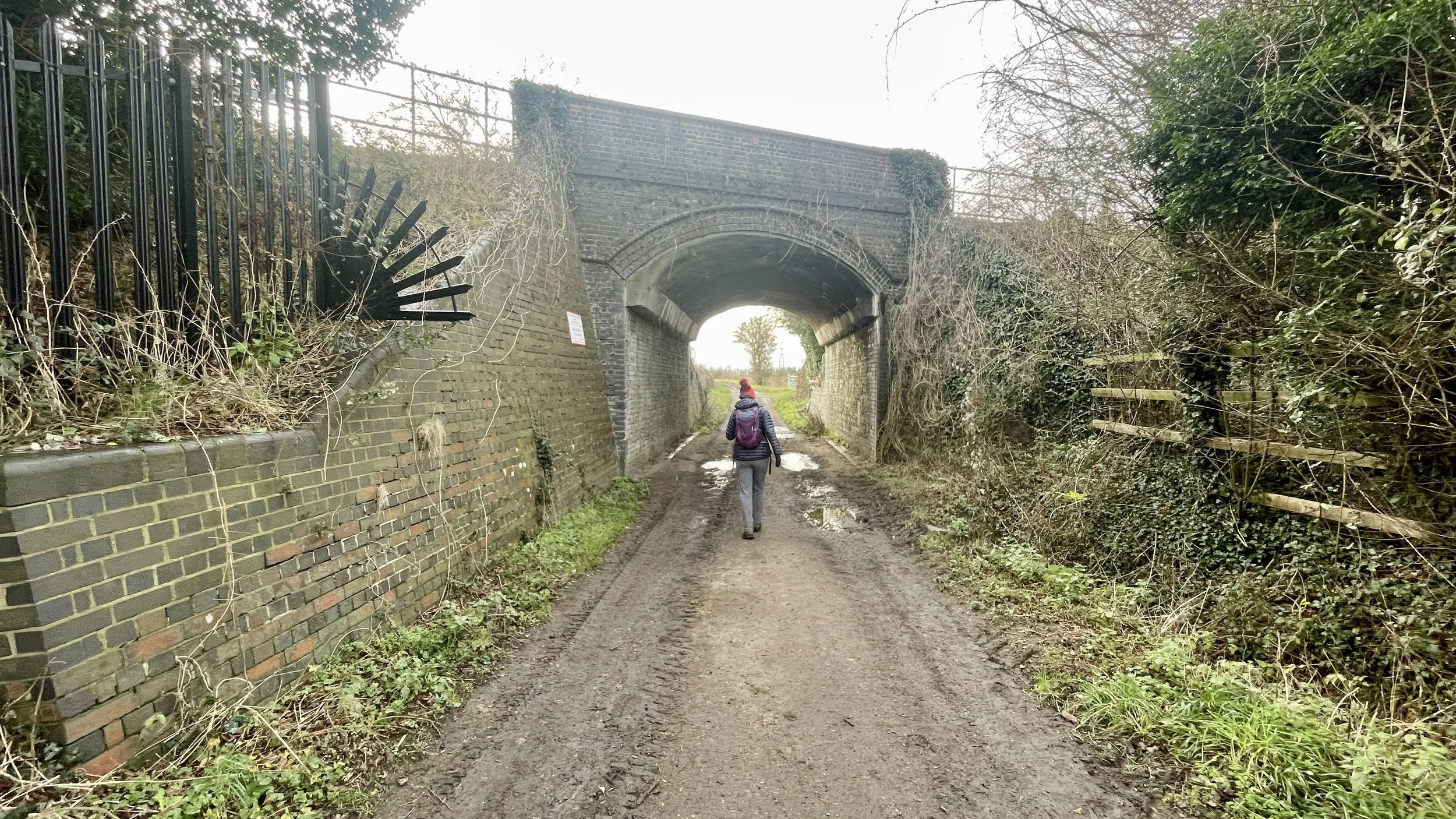
  • After passing under the railway bridge continue in a south-westerly direction for 300m then take a path on the left. Follow this path in a south-easterly direction for 220m then take a right to head south-west.

  • At the corner of the field you’ll meet the Midshires Way near a kink in the Horsenden Stream. You could take a right to follow the Midshires but you’ll have missed a very small section that connects to Part 1 of this series. For completer-finishers you can continue walking south-west to the corner of North Mill Road / Sandpit Lane where you crossed over the Horsenden Stream in Part 1. Retrace your steps back to the field-corner taking a moment to admire the old wooden water-wheel.

  • Follow The Midshires Way / Swan Way in a north-westerly direction along field edges until you meet Ilmer Lane. Take a right onto Ilmer Lane to cross under the railway bridge. On the right you can see a house called The Sidings, a clue that the old Ilmer Halt railway station was once located here.

  • Continue along Ilmer Lane in a north-easterly direction, cross over the A4129 Thame Road and along the track to the left of the entrance to the flower nursery.

  • Approximately 300m after crossing the A4129 take the first footpath on the right to leave the Midshires Way to cross open fields in an easterly direction to Bar Lane.

  • Take a right onto Bar Lane to follow it back to the start at the A4129 in Longwick Village.

Points of Interest along or near to the Route

  • Longwick: Our starting point is a village with a long agricultural history. Local produce from this area, including watercress and willow poles, was historically exported to London markets via the nearby railway.

  • Longwick Mill: Located in Longwick, this mill was part of a thriving network of local businesses that benefited from regional freight services.

  • Red House Farm Trig Pillar: Sitting at an elevation of 92m, this concrete pillar (TP5612) is part of the historic Ordnance Survey triangulation network used to map the UK.

  • Ilmer: A tiny, secluded hamlet known for the Grade II* listed St Peter’s Church. The name Ilmer is thought to mean "Yewmere," referring to a lake where yew trees grew.

  • The Horsenden Stream: A quiet tributary that the route follows near the Red House Farm. Its gentle flow is a key feature of the low-lying Aylesbury Vale landscape.

  • Ilmer Halt (Disused Station): Opened in 1929 and closed in 1963, this was one of the smallest "halts" on the Great Western Railway. The nearby house "The Sidings" marks the spot where commuters once boarded steam trains.

  • Views of the Chilterns: While the walk itself remains in the vale, the elevation changes provide a fantastic perspective of the nearby ridge, including Wain Hill.


Midshires Way previous section South: Hempton Wainhill & Bledlow
Midshires Way next section North: Ford and Kemble Wick

Back to Trek Index
Trig Pillar Walks: Brill Windmill and Muswell Hill
Panoramic views from Muswell Hill SSSI looking across the Buckinghamshire and Oxfordshire countryside.

Muswell Hill Trig Pillar


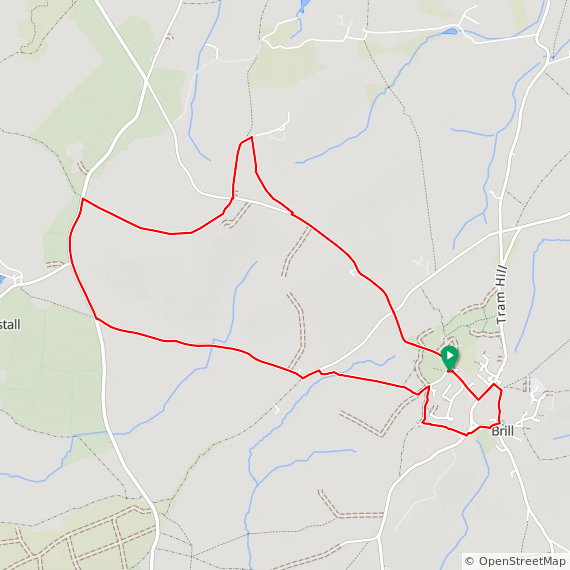
Start & Finish: Brill Windmill, South Hills, Brill, Aylesbury, HP18 9TQ
Distance: 7.6 km (4.7 miles)
Elevation change: +/- 125m
GPX File: get via Buy Me a Coffee
Terrain: Rolling hilltop ridges, open common land, geological SSSI sites, and village footpaths.
Other routes touched (walk): Bernwood Jubilee Way, Piddington Circular Walk
Other routes touched (cycle): National Byway
Pubs / Cafes on route: The Pointer, The Pheasant, both in Brill at the start and end of the walk.
OS Trig Pillars: TP0728 - Muswell Hill and (just off route) TP1632 - Brill House
Map: Oxford Map | Witney & Woodstock | Ordnance Survey | OS Explorer Map 180
Links: Brill, Brill Windmill, Muswell Hill (Buckinghamshire), Brill Tramway, Bernwood Forest.


This is part of a series of short circular walks in the Buckinghamshire based around bagging an Ordnance Survey Trig Pillar. If you’ve searched for or stumbled across this page then you probably already know what an OS Trig Pillar is. If you don’t then this article from the Ordnance Survey is a good place to start.

The Muswell Hill Trig Pillar is right on the route but the Brill House Pillar is just off the rout to the south-east of Brill just off the Thame Road. We bagged it as a drive-by after the main walk but you could add it into the walk by walking to it, and back, when you get to Church Street. This will add an extra 800m to the total route length.

Note that Muswell Hill shouldn’t be confused with the place in London of the same name. The two places named Muswell Hill, one in London and one in Buckinghamshire, share a similar name but not a proven shared origin. London’s Muswell Hill is well documented as taking its name from a medieval healing spring known as the “Mus Well,” which attracted pilgrims. The Buckinghamshire Muswell Hill, near Brill, is historically associated with a hermitage and chapel, giving it its own religious significance, though no clear evidence links its name to a well or to the London site. While both locations have medieval religious associations, the connection between them appears to be coincidental rather than a direct naming relationship.

Walking Directions

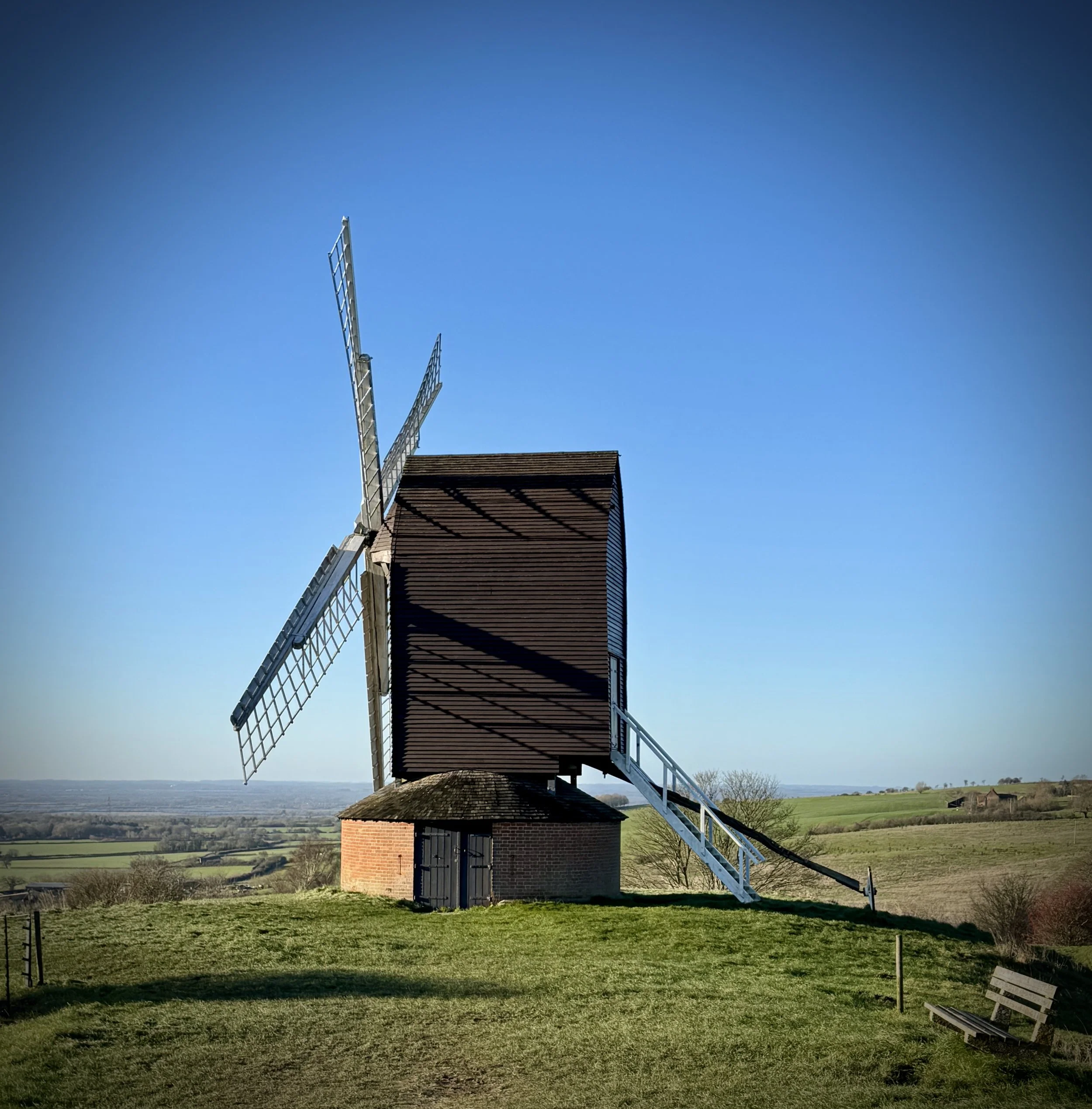
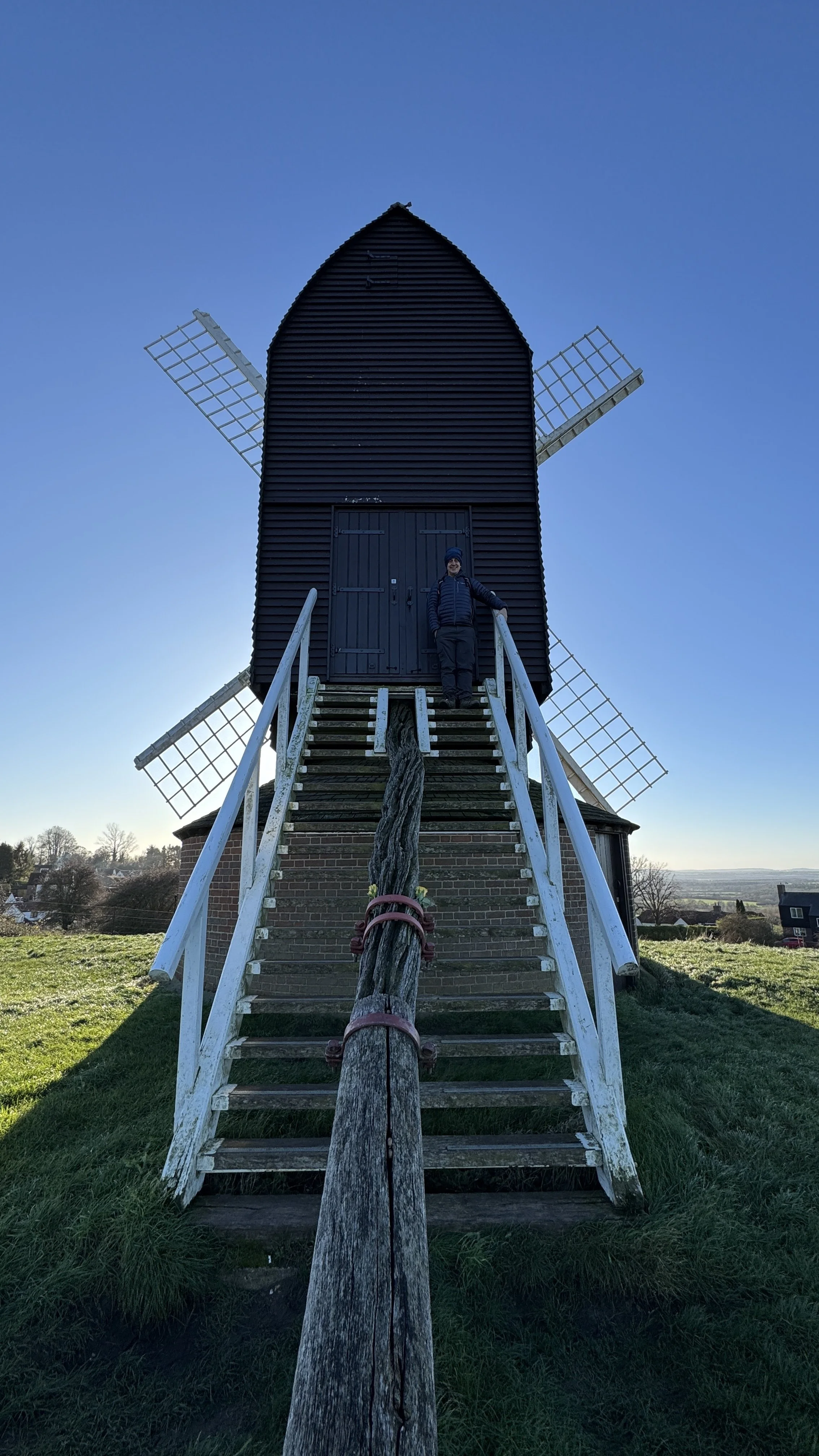
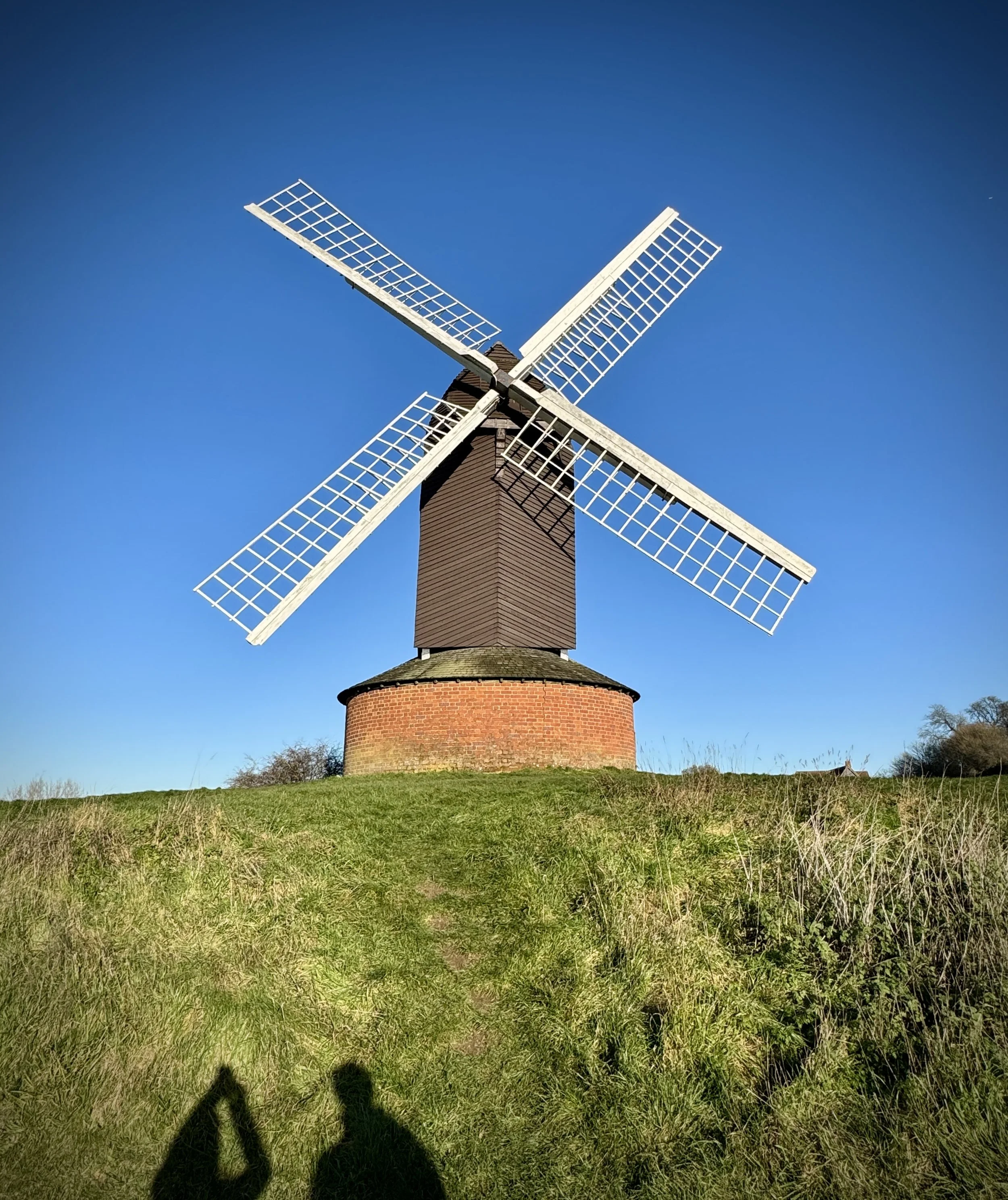
For this walk we parked at Brill in the free parking spaces outside the historic Windmill. This circular route begins at the iconic 17th-century post mill, leading you through an undulating landscape with expansive vistas across the Vale of Aylesbury. It was Christmas Day, and we were very lucky to have a bright, sunny day for our stroll.

The guidance below will help you navigate but don’t use it as a fully accurate turn-by-turn guide. Always take a map and/or a GPX route and prepare well for the weather and terrain.

  • Start at Brill Common: Begin at the historic Brill Windmill. Walk south-west across the undulating mounds of the common, which were formed by ancient clay workings.

  • Brill Village: Walk down Windmil Street in a south-easterly direction towards the village centre. Take a left onto Temple Street then a right on to a footpath that joins the Bernwood Jubilee Way. Keep on the Bernwood Jubilee Way as it traces a circle of the village, passing All Saints Church and onto The Square. After 1.4 km into the walk you’ll reach South Hills (road) where you’ll get another view of the Windmill.

  • The Jubilee Way: Keep following the Bernwood Jubilee Way in a westerly direction to the B4011.

  • Busy Road. Take a right onto this road to follow it in a northerly direction. Please note that there is no pavement here, so you need to be very careful of any approaching cars. Continue until you pass the signs marking the Oxfordshire/Buckinghamshire border. Just past these, take a right onto a footpath that also forms part of the Piddington circular walk.

  • Muswell Hill Ascent: Follow the path north-west to begin the steady climb up Muswell Hill (Buckinghamshire). As you reach the top, you will enter the geological SSSI area.

  • Private Drive: At the top of the hill, cross over the road and take the footpath on the left that follows a private drive. As you walk along the drive, look to your right and you will be able to see the trig pillar poking up over the top of the hill. When you turn the corner on the private drive, look out for the footpath on the right: there is a stile to climb over the fence.

  • Panoramic Views: Take time at the summit of Muswell Hill to enjoy the 360-degree views across the Vale of Aylesbury and toward the Oxfordshire border.

  • Return to Brill: After the trig pillar, keep walking in the same direction diagonally across the field to the stile in the corner. Earlier, take a left and follow the road all the way back to the Windmill to complete the loop.

Points of Interest along or near to the Route

  • Brill Windmill: Built around 1685, this is one of the best-preserved examples of a "post mill" in the UK. Its timber frame is Grade II* listed and offers a direct link to the village's agricultural past.

  • Muswell Hill (Buckinghamshire): A 0.2-hectare geological Site of Special Scientific Interest (SSSI). It is significant for its early Cretaceous sandstones and ironstones, providing a window into the area’s prehistoric environment.

  • The Brill Tramway Terminus: The route passes the site of Brill’s former tramway terminus. Remarkably, until 1935 this quiet hilltop was linked by the Metropolitan Railway all the way to Baker Street in central London.

  • Tolkien Connection: Scholars note that Tolkien drew inspiration for the village of Bree from Brill—both linguistically (“hill‑hill”) and from his familiarity with the area during his Oxford years.


Back to Trek Index
Walking The Midshires Way Part 1: Hempton Wainhill & Bledlow
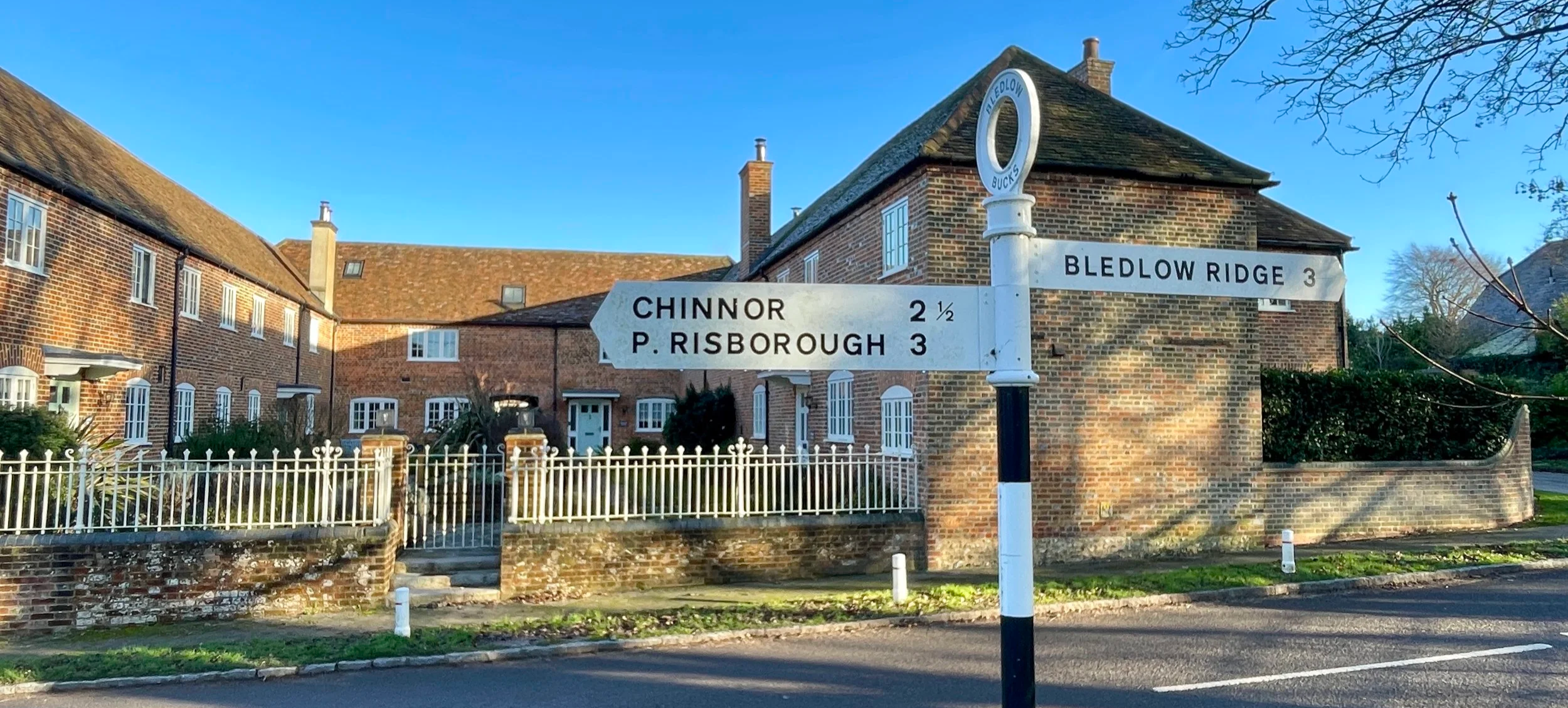
An old Buckinghamshire road sign pointing right to Bledlow Ridge and Left to Chinnor and Princes Risborough

Road junction at Bledlow


Start & Finish: Lions Of Bledlow, Church End, Bledlow, Princes Risborough, HP27 9PE
Distance: 10.2 km (6.4 miles)
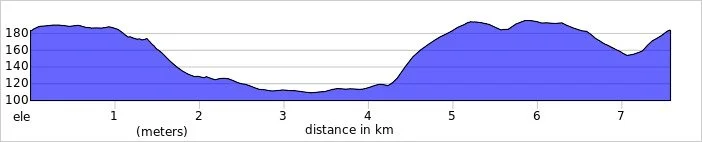
Elevation change: +/- 121m
Terrain: Elevated ridge-top bridleways, sheltered woodland trails, and level field-edge paths following the old railway line.
Midshires Way section covered: The Ridgeway at Wainhill to North Mill Road: 3.7 km
GPX File: get via Buy Me a Coffee
Other routes touched (walk): Midshires Way, The Swan Way, Chiltern Way, The Ridgeway, Risborough Pink Route, Risborough Green Route
Other routes touched (cycle): Phoenix Trail, NCN 57
Pubs / Cafes on route: Lions Of Bledlow at start and end
Disused Stations: Bledlow, Bledlow Bridge Halt
Map: Chiltern Hills North Map | Aylesbury, Berkhamsted & Chesham | Ordnance Survey | OS Explorer Map 181
Links: Bledlow, The Ridgeway, Midshires Way, Horsenden


This is part of a series of short circular walks following the length of the Midshires Way in Buckinghamshire. The Midshires Way is a 225-mile (362 km) trail that journeys through the rural heart of Middle England, linking the Ridgeway National Trail at Bledlow in the south to the Trans Pennine Trail at Stockport in the north. Opened in 1994, this route traverses several counties, including Buckinghamshire, Northamptonshire, Leicestershire, Nottinghamshire, Derbyshire, and Greater Manchester, following a scenic tapestry of ancient bridleways, quiet country lanes, and historic canals. In Buckinghamshire, the Midshires Way has a significant connection with the Swan's Way (often referred to as the Swan Way), a 65-mile long-distance bridleway. Essentially, the Swan's Way forms the backbone of the Buckinghamshire section of the Midshires Way, with the two routes being broadly coincident for approximately 50 miles between Salcey Forest and Bledlow. While the Swan's Way strictly adheres to bridleways to accommodate horse riders and cyclists, the Midshires Way sometimes offers alternative waymarked footpaths for walkers to avoid on-road sections.

Walking Directions

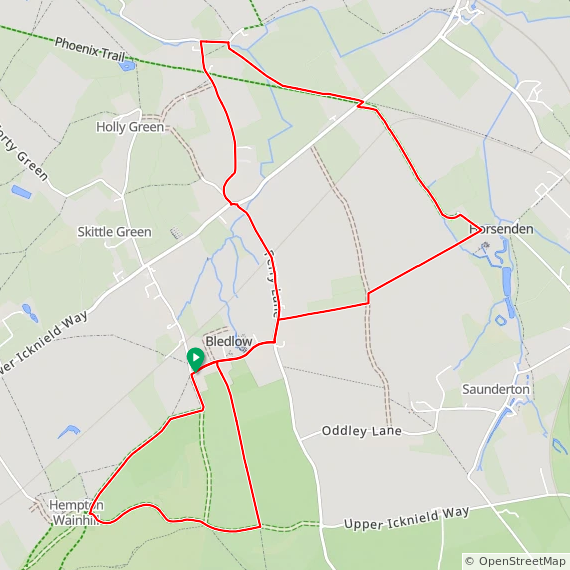
For this first section of the Midshires Way we parked near the Lions of Bledlow Pub. The route is a figure of 8, returning to the Lions at th3 3.6 km mark. The reason for this figure of 8 shape is to use the Chiltern Way and Ridgeway to get to the start of the Midshires Way then follow the Midshires Way in a northerly direction. This northerly direction will be consistent for all walks in this series. The guidance below will help you navigate but don’t use it as a fully accurate turn-by-turn guide. Always take a map and/or a GPX route and prepare well for the weather and terrain.

  • Starting from The Lions Of Bledlow walk along Church End (road) in a north-easterly direction then take the first footpath on the right to join the Chiltern Way. Follow the Chiltern Way in a south-easterly direction until the Upper Icknield Way.
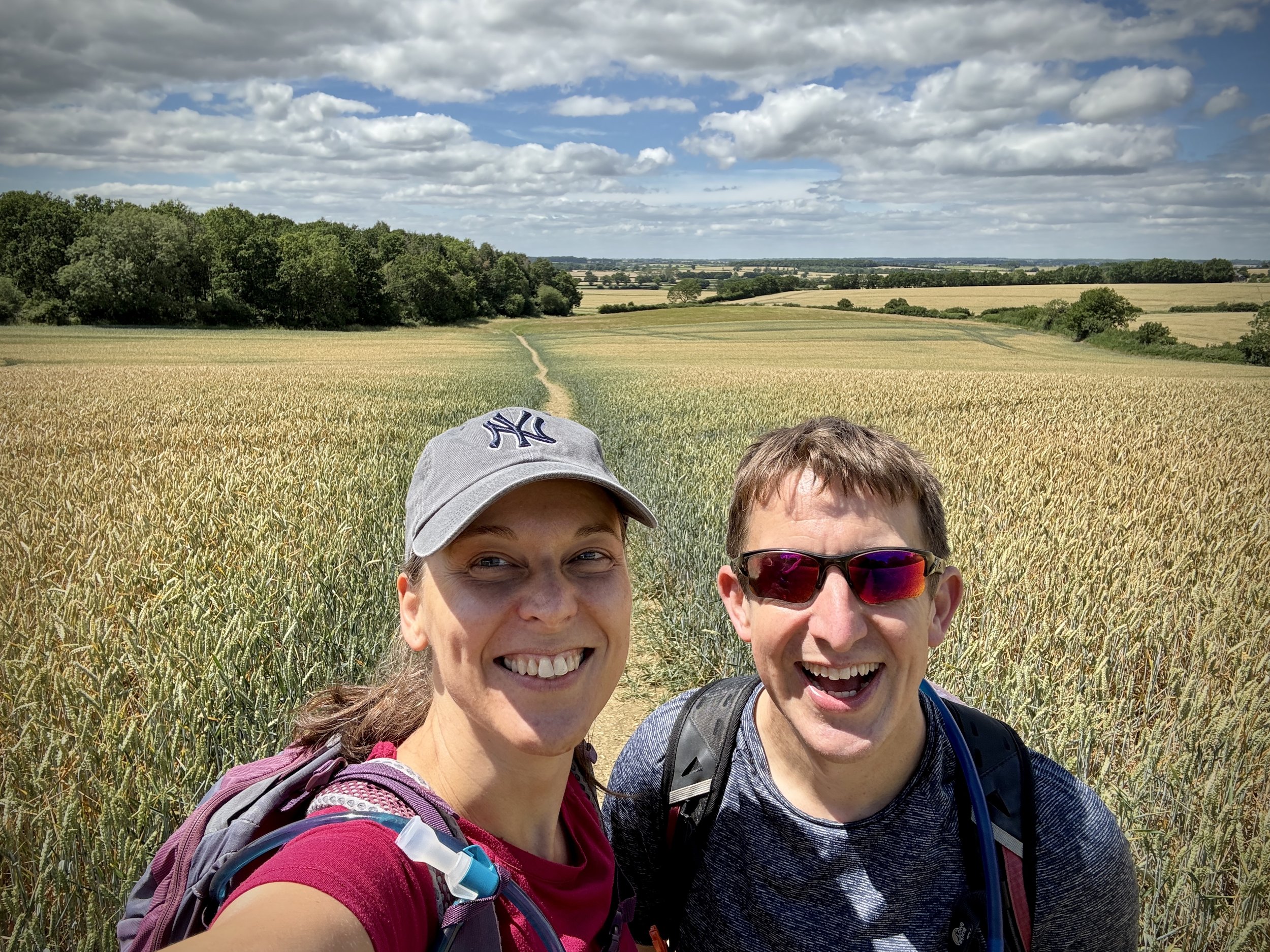
  • Take a right and follow the Upper Icknield Way in a westerly direction, connecting to the Ridgeway before entering the woods. When you reach the house at the top of the hill you are now at the start of the Midshires Way.

  • Take a right to leave the Ridgeway and follow the Midshires Way down the hill back to the Lions of Bledlow. Here you’ll get a great view of the Vale of Aylesbury to the north of the Chilterns.

  • Pass the Lions of Bledlow to follow Church Lane again. This time continue past the Chiltern Way footpath that you took earlier and continue to the junction with Bledlow Ridge Road and Perry Lane.

  • Take a left onto Perry Lane and follow it in a northerly direction to the junction with Chinnor Road and Lower Icknield Way, Half way along Perry Road you’ll pass under a railway bridge that carries the Chinnor and Princes Risborough Heritage Railway. The old Bledlow Bridge Halt was near this bridge.

  • Cross over the junction to Chapel Lane then take a right to follow Sandpit Lane. Follow Sandpit Lane in a northerly direction, crossing over the Phoenix trail, another disused railway. As you cross the Phoenix Trail look to your left to see the old Bledlow Station building.

  • Continue north up Sandpit Lane to North Mill Road where you’ll cross a small bridge over the Lyde Brook. Take a right to continue along North Mill Road keeping the Lyde Brook on your right.

  • Take the first footpath on the right, leaving the Midshires Way to cross over the Lyde Brook / Horsenden Stream. Follow the path across the fields to Lower Icknield Way.

  • Take a right onto Lower Icknield Way, passing under the old railway bridge that carries the Phoenix Trail. On the southern side of the bridge take a left to follow the Risborough Pink Route to Horsenden. Along the way you’ll pass over the level crossing for the Chinnor and Princes Risborough Heritage Railway.

  • When you reach the small village of Horsenden take a right to continue along the Risborough Pink Route back to Perry Lane. Take a left onto Perry Lane the a right onto Church End to return back to the start at the Lions of Bledlow.
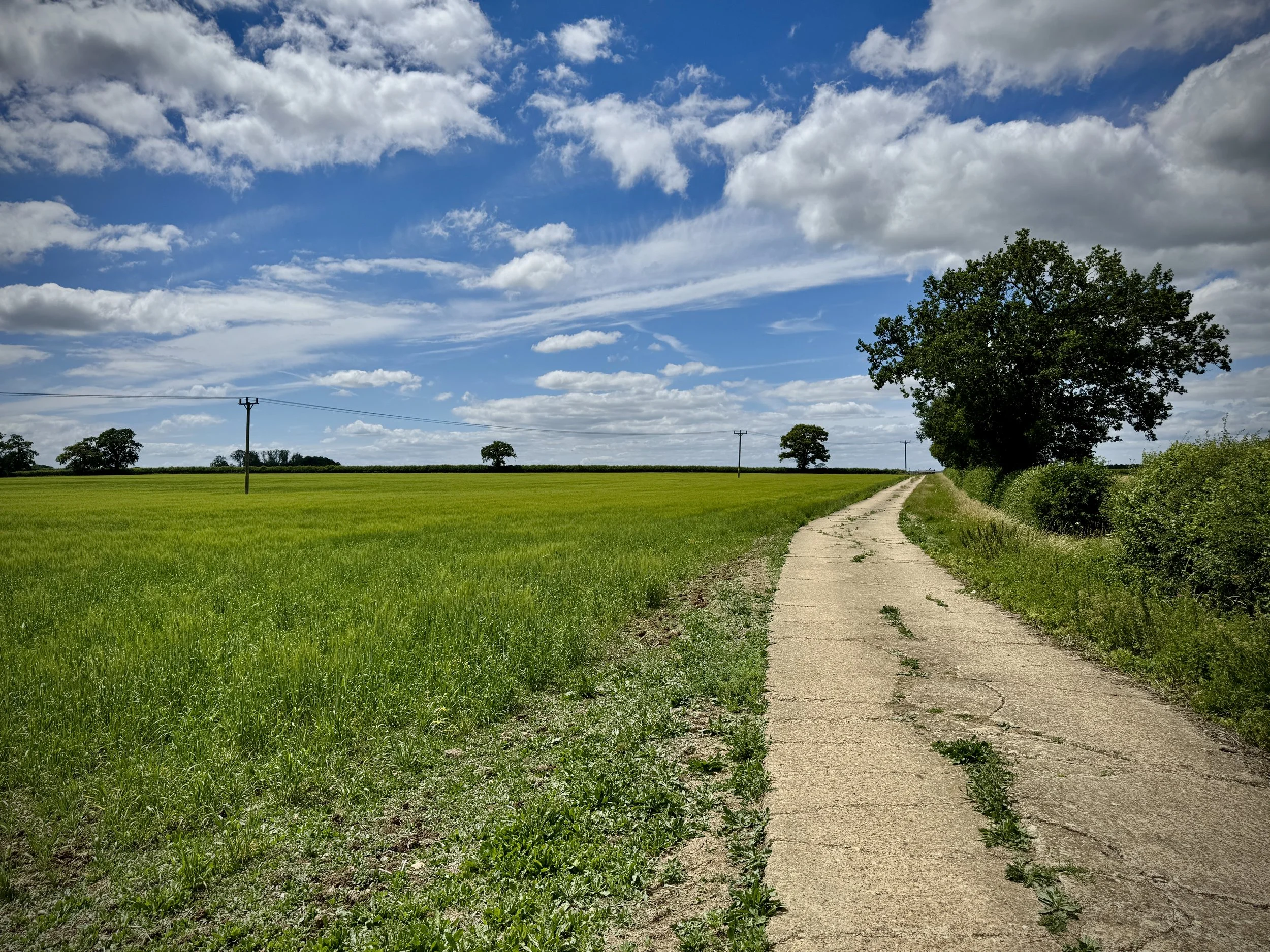
Points of Interest along or near to the Route

  • Bledlow Village: A quintessential Buckinghamshire village featuring flint and brick cottages and the beautiful church of the Holy Trinity.
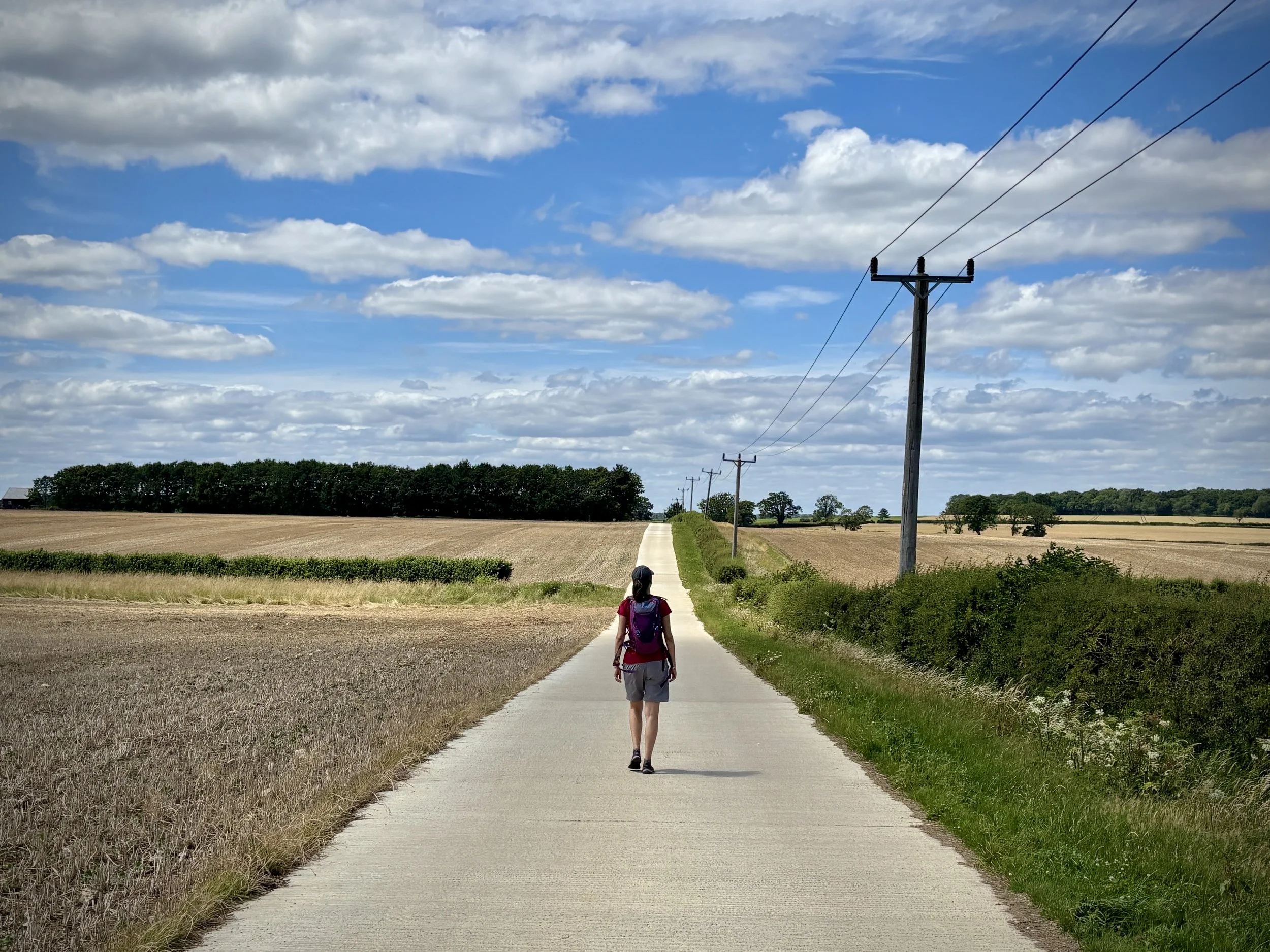
  • The Lyde Garden: Located just past the Holy Trinity Church, this "secret" water garden was created in a deep chalk sunken garden where natural springs surface.

  • Holy Trinity Church: A 12th-century church that has remained largely unchanged since the 13th century. It features a prominent tower with a peal of eight bells and a nave with columns dating back to approximately 1200.

  • Bledlow Cross: A large cross cut into the chalk turf on the north slope of Wain Hill. Although often overgrown, it is a significant local landmark dating back to at least the late 1700s.

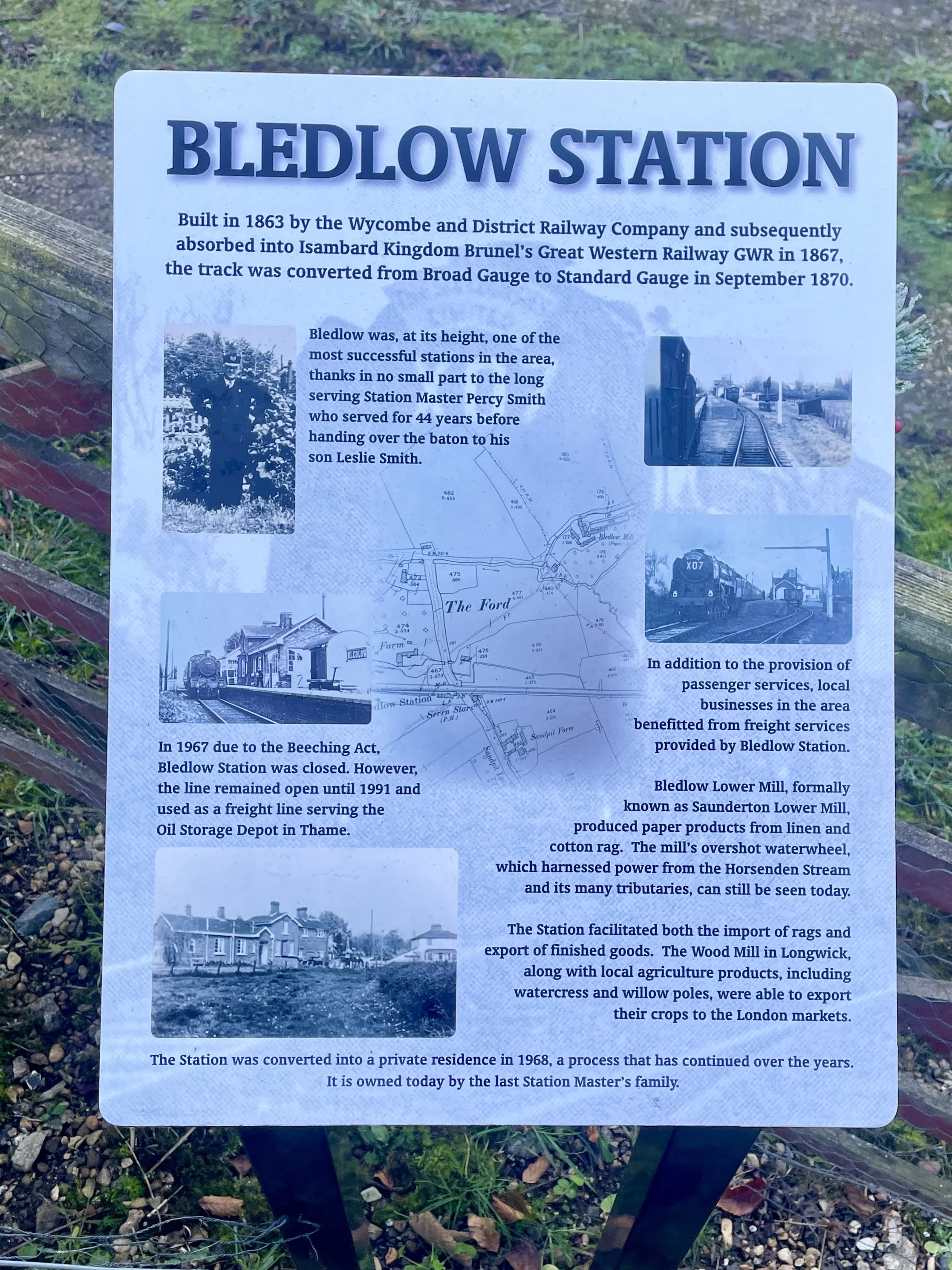
  • Bledlow Station: Now a private residence, this station was built in 1863 by the Wycombe and District Railway Company and absorbed into Isambard Kingdom Brunel's Great Western Railway in 1867. At its peak, it was a vital hub for local industries: importing rags for paper production at Bledlow Lower Mill and exporting finished goods, watercress, and willow poles to London markets. Though closed to passengers in 1967 due to the Beeching Act, the line served a freight depot in Thame until 1991.

  • Bledlow Lower Mill: Formerly known as Saunderton Lower Mill, this site harnessed the power of the Horsenden Stream to produce paper from linen and cotton rag. The mill's overshot waterwheel can still be seen today.


Midshires Way next section North: Ilmer and Longwick

Back to Chiltern Walks Index
Chiltern Walks: The Two Rivers Walk from Amersham to Chesham
Panoramic view looking down towards the historic buildings of Old Amersham from the edge of Parsonage Wood.

View to Old Amersham from the edge of Parsonage Wood


Start: Old Amersham Market Hall, 19 Market Square, Amersham, HP7 0DG
Finish: Chesham Underground Station, Station Approach, Chesham HP5 1DH, United Kingdom
Distance: 5.7 km (3.5 miles)
Elevation change: +93m / -76m. Net - 17m
Terrain: Town pavements, field-edge footpaths, ancient woodland trails through Chesham Bois, and parkland tracks.
GPX File: get via Buy Me a Coffee
Other routes touched (walk): South Bucks Way, Chiltern Heritage Trail, Chess Valley Walk, Chiltern Link
Other routes touched (cycle): NCN 57, Chiltern Heritage Trail Hampden, Harding and Milton Routes
Pubs / Cafes on route: Many in Amersham and Chesham. We like Seasons at the start in Old Amersham
Map: Chiltern Hills East Map | High Wycombe, Maidenhead & Rickmansworth | Ordnance Survey | OS Explorer Map 172
Links: Amersham, Chesham Bois, Chesham, River Misbourne, River Chess, Chalk stream.


This is part of a series of short walks in the Chilterns. This point-to-point route, often referred to as a "Two Rivers Walk" link, offers a delightful exploration of the Misbourne and Chess Valleys. It connects the historic market town of Old Amersham with the surrounding countryside, providing a mix of riverside paths, open meadows, and gentle hillside tracks. It is a fantastic option for those who enjoy historic architecture alongside their nature fix. You can return to the start by Underground and an additional 1 kilometre walk at the end.

Walking Directions

For this walk we parked at Old Amersham, specifically near St Mary’s Church or the public parking area off The Broadway. The guidance below will help you navigate but don’t use it as a fully accurate turn-by-turn guide. Always take a map and/or a GPX route and prepare well for the weather and terrain.

  • Start at Market Square: From the Old Amersham Market Hall, walk north through the grounds of St Mary’s Church to reach Rectory Drive.

  • Climb the Hill: Turn right, then left at the cemetery wall. Follow the path up the hill with the field on your right; stop at the edge of the woods to enjoy the classic Chilterns view back toward the town.

  • Through the Woods: Continue through the woodland to the north-western corner. Follow Rectory Hill road under the railway bridge.

  • Hervines Park: Turn left onto Longfield Drive, then take the footpath on the right to cross the open space of Hervines Park.

  • Chesham Bois: Cross Hervines Road and continue north-east. Turn right on Copperkins Lane, then left onto Chesham Lane. Instead of the pavement, follow the quieter parallel paths through Chesham Bois Woods.

  • Descent to Chesham: Near the top of the hill, take Maryhall Lane (left), which becomes a footpath curving north-east through fields.

  • Town Arrival: Enter Chesham via Fuller’s Close (near Chesham United FC) and follow Fullers Hill down to Germain Street.

  • Finish at the Station: Cross into Market Square, walk up the High Street, and turn right onto Station Road to reach Chesham Underground Station.

  • Return to Old Amersham: We took the Underground to Chalfont and Latimer then changed to take another Underground to Amersham. From here we retraced the first kilometre of the Two Rivers Walk back to Market Square in Amersham.

Points of Interest along or near to the Route

  • Old Amersham High Street: Before or after your walk, take a moment to admire the timber-framed buildings and the 17th-century Market Hall. The town has a rich history as a "Metroland" hub and a popular filming location.

  • St Mary’s Church, Amersham: A beautiful 12th-century flint church. Look for the Drake Chapel, which contains monuments to the local Drake family who lived at nearby Shardeloes.

  • River Misbourne: The walk follows sections of this rare chalk stream. These streams are a unique feature of the Chilterns, known for their clear water and supporting specialised wildlife.

  • Hervines Park: A large open space popular with locals. The path here offers a transition from the suburban feel of Amersham-on-the-Hill to the more rural Chiltern countryside.

  • Chesham Bois Common: The route brushes past the edge of this serene wooded common, which is particularly atmospheric in the autumn months with its canopy of beech and oak.

  • Chesham Bois Woods: These ancient woods are part of the local history of the Chilterns' "bodgers" (wood-turners). The canopy is primarily beech, typical of the region.

  • Chesham Links: As the route nears its northernmost point, it provides easy access to the outskirts of Chesham. This section offers a slightly different character as it transitions from the broad Misbourne valley toward the residential fringes of the town, allowing walkers to see the connectivity between these two historic Chiltern settlements.

  • The River Chess: Upon arriving in Chesham, you meet the second of the "Two Rivers". Like the Misbourne, it is a rare chalk stream, home to water voles and brown trout.


Back to Chiltern Walk Index
Cycling The Salt Hill Stream, Hay Mill Stream and Chalvey Ditch
A view of the Chalvey Ditch stream flowing through a concrete culvert under the M4 motorway bridge at Cippenham.

The Chalvey Ditch before it passes under the M4 at Cippenham


I was inspired to cycle the Salt Hill Stream and Hay Mill Stream / Chalvey Ditch after joining an event called Slough’s Lost Rivers. This event was hosted by Project Sponge in 2025 that helped us learn more about these lesser known streams. I had a particular interest in finding out more about the Chalvey Ditch as it runs through Cippenham where my parents grew up. I remember my Dad telling me stories of how he used to play in the open fields around the village green. The fields are now long gone, having been replaced by housing, but the stream that he would have played near is still there if you know where to look.

A big thanks to Gerald Higgins whose research into these streams has been a great contributor to the content of this post.


The Salt Hill Stream

The stream used to feed the mill which was in Salt Hill Park just north of the A4 Bath Road. The stream which flows through Salt Hill Park has two main feeder streams. The longest one starts near Fulmer on the edge of Frame Wood just south of Stoke Common and flows in a south-westerly direction through Stoke Park.

The easterly feeder starts in Stoke Wood, just to the east of Farnham Common and flows south into Brockhurst Wood, through South Buckinghamshire Golf Course and into Stoke Park. The two feeder streams converge near Northern Road, south of Stoke Park and at the northern end of the Manor Park estate. From there the stream flows south to Salt Hill Park, under the M4 and the Jubilee River towards the Thames. It goes across Eton College land and goes under Beggars Bridge on the Slough Road and flows along the side of Pococks Lane to join the River Thames.

The Hay Mill Stream and Chalvey Ditch

The stream used to start on the east side of Bedford Drive then went across into what is now Burnham Beeches. It flows into Upper Pond and on into Middle Pond. From here it flows to Swilley Pond and goes under Hawthorn Lane. From Swilley Pond the old course was across Crow Piece Lane and down the valley behind Burnham Civic Amenity Site. The course went across Farnham Lane near the junction with Walton Lane through Cocksherd Wood and continued down the valley to flow into the mill pond.

The whole area of the mill pond is now Haymill Valley Community Nature Reserve (The Millie), and the underground reservoir by Burnham Lane. The stream flows through the Millie although a lot of it is through reed beds. It enters a culvert before going underground again. Streamside Walk follows the course until it reappears out of the culvert passing through housing to cross under the M4 near Asda. When it emerges on the other side it has been diverted from its original course to run on the north side of the Jubilee River. It goes under the A355 and meets up with the stream from Salt Hill. From this point the stream flows west and joins its original course. It flows across Eton College land and goes under 14 Arch Bridge. It continues across Eton College land to join the River Thames.


The Cycle Route

For the cycle route I started with the Salt Hill Stream on the easterly feeder, following its course as closely as possible to the Thames. Then I followed the Thames to find the confluence with the Chalvey Ditch to follow it up to its source.

Cycle route start and end: The Broadway, Farnham Common, Slough SL2 3NE
Cycle route length:
28.7 km (17.8 miles)
Cycle route elevation change: +/- 126m
GPX File: get via Buy Me a Coffee
Other routes touched (walk): Beeches Way, Shakespeare’s Way, Jubilee River Path, Thames Path
Other routes touched (cycle): Beeches Cycleway, NCN 4, 461
Maps:
- Chiltern Hills East Map | High Wycombe, Maidenhead & Rickmansworth | Ordnance Survey | OS Explorer Map 172
Links: Farnham Common, Slough, Chalvey, Jubilee River, Eton, Eton Wick, Cippenham, Burnham


Part 1: Cycling the Salt Hill Stream from the source to the confluence with the Thames

This section starts at Farnham Common where there’s a parade of shops, a Costa Coffee and several pubs and restaurants. The village, on the edge of Burnham Beeches, was historically a stomping ground for highwaymen and is now a peaceful gateway to the Beeches. It’s a good meeting place for several cycle routes in the area. From the shops cycle north along the A355 Beaconsfield Road and then take a right onto Templewood Lane. At approximately 1.5 km into the route you’ll pass over the Salt Hill Stream. This is the closest you’ll get to the start of the stream as the source is inside the private woodland to the north of the lane.

Continue along Templewood Lane then take a right on the bridleway when the land curves to the left. Follow this bridleway in a southerly direction, connecting to the Beeches Way and Shakespeare’s Way. When you reach the first house on the right take a right to follow a small lane which leads to a footpath heading west through woodland back towards Farnham Common.

Shortly after the 3km point of the trip you’ll descend down to the Salt Hill Stream crossing over a small arched brick bridge. Continue along the path between Ingram’s Copse and Parson’s Wood to Parsonage Lane. Take a left onto Parsonage Lane and follow it in a southerly direction to the junction with Park Road. Take a right onto Park Road to the double roundabout at Farnham Royal. Take a left to follow Farnham Road in a southerly direction then a left onto Church Road. Follow Church Road as it becomes a bridleway then take a left onto Northern Road. You’re now in the Manor Park Estate.

Navigate Villiers Road, Douglas Road, Stanton Road, Granville Avenue and Pippin Close to travel south into the north-western corner of Granville Recreation Ground. Here you’ll see the Salt Hill Stream on the western edge of the park. Continue south through the park then exit onto Waterbeach Road where you’ll take a left. Cross over Oatlands Drive onto Hughenden Road, following it east into Godolphin Recreation Ground. Follow the eastern edge of the Recreation Ground, under the railway bridge and into Salt Hill Park. Here you’ll get some good views of the Salt Hill Stream with several information boards describing it.

At the southern exit of Salt Hill Park carefully cross over the busy A4 Bath Road and pick up the path that runs alongside the stream on the western side of the Montem Ice Rink. Look out for the Montem Mound. This Scheduled Ancient Monument is an Anglo-Saxon burial mound (tumulus) dating back to the 7th century, originally thought to be the burial site of a high-status individual. It was also the site of the bizarre 'Eton Montem' ceremony held by Eton College students until 1847.

Take a left when you get to Church Street then a right onto Chalvey High Street, a left onto Spackmans Way then a left onto the cycle path at the junction of Spackmans Way and Primary Road. Continue along the path then curve to the right when it reaches the railway line.

When you reach the Jubilee River follow the path on the northern side where you’ll cross over the Salt Hill Stream before you cross this man-made flood relief channel. Completed in 2002, it diverts water from the River Thames to reduce flood risk in Maidenhead, Windsor, and Eton. It has since become a thriving wildlife corridor for birds and fish.

Once on the southern side of the Jubilee River take a left to follow the Jubilee River footpath back in an easterly direction, shortly crossing over the Salt Hill Stream as it emerges from the river. Continue east under the railway then take a right onto a path that crosses over Woodham Road and into the grounds of an Eton College Sports Field.

Continue through the grounds of the sports field then take a right onto the B3022 Slough Road. After the mini roundabout take a left to follow the path past the Upper Club gatehouse then curve round to the right to follow a path that runs parallel to the Thames. Right after the curve you’ll reach a small bridge over the Salt Hill Stream. Here you can see the confluence of the Colenorton Brook with the River Thames.


Part 2: Between the Colenorton Brook and Boveney Ditch

Boveney Ditch before it meets the Thames

From the Colenorton Bridge in Upper Club, continue cycling in a south-westerly direction back to the B3022 Slough Road. Cross over the B3022 and follow Common Lane in a north-westerly direction through the heart of Eton College. This world-famous public school, founded in 1440 by King Henry VI. The college has educated 20 British Prime Ministers and features historic architecture dating back to the 15th century.

Follow the path on the eastern side of the Eton Great Common to Eton Wick Road. Cross over Eton Wick Road and follow the path diagonally across the field to cross under the railway bridge. Continue in a south-westerly direction to reach Meadow Lane next to the Thames. Take a right onto Meadow Lane, following it under the A332 to join up with the Thames Path.

Follow the Thames Path to Boveney Bridge where you’ll see the confluence of the Boveney Ditch and the River Thames. This small watercourse joins the Thames near Boveney. Nearby is St Mary Magdalene Church, a 12th-century church that served the bargees (barge workers) on the Thames. It is now cared for by the Friends of Friendless Churches.

Take a right onto the path on the eastern side of Boveney Bridge to follow it north along the eastern side of Eton Wick Recreation Ground to Eton Wick Road. Eton Wick is a village that grew to support the college and the castle. The recreation ground here offers open views of Windsor Castle in the distance. Take a left onto Eton Wick Road then first right on to Bell Lane. Take a left onto Alma Road, a right onto Inkerman Road and another right onto Moores Lane.

Follow Moores Lane in a northerly direction as it becomes a path then cross over the Jubilee River bridge. Take a right onto Wood Lane and continue following it north over the M40. Once you get to the northern side of the M40 bridge take a right to follow the path around the southern side of Asda, heading east to where you’ll meet the Chalvey Ditch. To the south the Chalvey Ditch crosses under the M40 to join the Salt Hill Stream before they both cross under the Jubilee River. We will now be following it north to its source.


Part 3: Cycling The Chalvey Ditch from the Jubilee River to the source

Starting from the bridge before the Chalvey Ditch crosses under the M40 follow a path heading north between houses, keeping the Ditch on your left hand side. Cross over Telford Drive and keep the Ditch on your left. When you reach Lodge Farm Park take a left to head west to cross over Telford Drive again. Follow the paths, now keeping the Ditch on your right. Cross over Richards Way continuing west and crossing the ditch twice over small bridges. Take a right onto Waterman Court, now heading north onto Millstream Lane on the eastern side of Cippenham Village Green.

The Village Green is a remnant of the old village of Cippenham, which was once a royal manor. The green is the heart of the historic village, surrounded by older cottages that contrast with the modern development nearby. You’ll see the ditch run right in front of the houses.

Once you reach Lower Cippenham Lane on the northern side of the village green, the Ditch disappears underground only to reappear a bit further north at Haymill Valley Community Nature Reserve. Cross over Lower Cippenham Lane heading north to Ward Gardens. Take a left onto Bowyer Drive then a right onto Elmshott Lane and follow it north to the A4.

Cross over the A4 and follow Station Road to Burnham Lane. Cross Burnham Lane to find a small footpath leading to Littlebrook Avenue. Find the entrance to Haymill Valley Community Nature Reserve. This reserve occupies the site of the former mill pond for the medieval 'Ay Mill'. When the mill fell into disuse after WWII, the pond silted up and became a reed bed. It is now a haven for reed warblers and kingfishers. Follow the path in a northerly direction to the top of the reserve near Whittaker Road. This is the final place you’ll see the uncovered Chalvey Ditch.

To complete the journey cross Whittaker Road and cross Lammas Meadow to Long Furlong Drive. Take Lynch Hill Lane in a northerly direction then take the path through Cocksherd Woods to join Farnham Lane. Follow Farnham Lane in an easterly direction then take a left onto Crown Lane. Follow Crown Lane north, then take a right onto Hawthorn Lane and a left onto Bedford Drive.

The route concludes near Burnham Beeches Nature Reserve. It is famous for its ancient pollarded beech trees, some of which are nearly 500 years old. The area has been a filming location for numerous movies, including Harry Potter and Robin Hood: Prince of Thieves. At the entrance to Burnham Beeches take a right onto Beeches Road to return back to the start at Farnham Common on the A355 Beaconsfield Road.


Back to Chiltern Rivers Index
Chiltern Walks: Marlow Bottom and Hollyhill Wood

The vineyard near Pump Lane


Start & Finish: Marlow Bottom Village Hall, 63 Marlow Bottom, Marlow, SL7 3NA
Distance: 8.6 km (5.3 miles)
Elevation change: +/- 160m
GPX File: get via Buy Me a Coffee
Other routes touched (walk): Chiltern Way
Other routes touched (cycle): None
Pubs / Cafes on route: Rebellion Tap Yard (1.3 km in), The Three Horseshoes at 2.9 km was shut down when we passed it. There’s several shops near the start.
Map: Chiltern Hills East Map | High Wycombe, Maidenshead & Rickmansworth | Ordnance Survey | OS Explorer Map 172
Links: Marlow Bottom, Hollyhill Wood Stupas


This is part of a series of short circular walks in the Chilterns. The guidance below will help you navigate but don’t use it as a fully accurate turn-by-turn guide. Always take a map and/or a GPX route and prepare well for the weather and terrain.

For this walk we parked at Marlow Bottom Village Hall near the footpath leading up to into Hunts Wood. This circular route offers a wonderful blend of valley views and tranquil woodland. After Hunts Wood the route climbs steadily toward the north near Handy Cross, passing through a vineyard and crossing The Chiltern Way.

The most interesting part of the hike traverses Hollyhill Wood. Within this section, you'll encounter a truly unexpected and serene site: a series of Tibetan Stupas (also known as *Chortens*). These monuments, appearing as white, domed structures with golden spires, add a unique spiritual dimension to the Buckinghamshire countryside. These stupas were hand-built in the late 1990s by Michael and Tina Choules following a visit to Tibet.

As you loop back, you'll pass through quiet woodland then back into Marlow Bottom with a final climb through Hunts Wood. If you’re tired at the end you can avoid the Hunts Wood section and continue along Marlow Bottom Road to the start.


Back to Chiltern Walks Index
Walking The Chiltern Way Part 7 - Chalfont St. Giles to Marlow Bottom

Near Wycombe Heights


Start: The Village Green, Chalfont Saint Giles, HP8 4QF
Finish:
Distance: 23.3 km (14.5 Miles)
Elevation change: +376m / -389m. Net -13m
GPX File: get via Buy Me a Coffee
Other Routes Touched (walk): Chiltern Way, Red Walk, Chiltern Heritage Trail, South Bucks Way, The Chiltern Way Berkshire Loop
Other Routes Touched (cycle): Chiltern Heritage Trail Milton Route,
Pubs / Cafes on route: Merlins Cave (at the start), The Red Lion, Coleshill (5.7 km in), The Potters Arms, Winchmore Hill (7.4 km in), The Stag, Flackwell Heath (just off course at 16.2 km in), The Crooked Billet, Sheepridge (17.6 km in)
Map: Chiltern Hills East Map | High Wycombe, Maidenshead & Rickmansworth | Ordnance Survey | OS Explorer Map 172
Links: Chiltern Way (Chiltern Society), Chalfont St Giles, Coleshill, Winchmore Hill, Flackwell Heath, Marlow Bottom


This is the seventh of a series of point to point walks on the Chiltern Way. The full trail is a 177 miles (285 km) long distance path around the Chiltern Hills National Landscape. My friend Brian and I have been doing a section a year on or around the Winter Solstice since 2019. At the current rate we plan to be finished in December 2027. The Chiltern Way is well sign-posted however you should take a map or GPX route to keep on track and be prepared for all weathers. This post isn’t intended as a fully accurate turn-by-turn guide.

There is a quiet, poetic symmetry to the Winter Solstice that a simple calendar date can’t quite capture. This year, the 7th occasion of my annual trek with Brian, we managed to bookend the day with almost mathematical precision. We stepped out into the pre-dawn chill exactly 20 minutes before the sun broke the horizon, and we crossed the finish line in Marlow Bottom exactly 20 minutes before it dipped away again. We didn’t just walk the trail; we occupied the day. We claimed every minute of the year's shortest light.

It felt like a hard-earned reward from the universe after a busy fourth quarter. In years past, the "Solstice Walk" has often been a battle of attrition. We’ve been caught out by the elements: weathering thunder, lightning, and the kind of driving December rain that turns a path into a psychological test. But 2025 offered a rare truce. The air was crisp and bright, the kind of cold that keeps you moving but doesn't bite through your layers. Despite a week of heavy rain leading up to the walk, the trails were surprisingly forgiving—a mix of firm ground and tarmac that allowed us to look up at the scenery rather than down at our boots.

As we walked, our conversation followed its own familiar, geological strata—a four-phase evolution we’ve refined over several years of miles. We were laughing at the structure of our own friendship, acknowledging the predictable patterns our brains fall into.

The morning began with Phase 1: the "Essential Download." We bridged the gaps in life, work, and family that had grown since the summer, reflecting heavily on my 50th year and the vibrant memories of my recent trip to Japan. But as the sun climbed higher, we transitioned into Phase 2: Technology. While previous years’ conversations were a discussion of home automation and gadgets, this year was dominated by experimentation with AI.

We wove a long, meta-discussion about the role of Gemini and other models in our creative lives, including the writing of this website. I shared my philosophy: using AI to "get the ball rolling" and handle the heavy lifting of deep research, but never letting it sit in the driver's seat. It was a conversation that actually prompted me to use Gemini to dictate the first version of this post during a post-walk session in the hot tub—capturing the "raw" story while the muscles were finally relaxing.

Phase 3: The cultural exchange of Brian’s book lists and our movie reviews was punctuated by an incredible stroke of "pub luck." In a tradition often marred by "Closed" signs and ill-timed breaks, this year was different. We reached The Stag in Flackwell Heath at 12:00 sharp, just as the key was turning in the lock.

We were the first souls through the door, beating even the chef to the pub. We decided to lean into the comfort, stretching our lunch to a full hour as the "Stag Special" burgers did the heavy work of refueling our systems. The ease of the morning's walk meant we were already two-thirds of the way through our route, and that "ahead of the clock" feeling turned a simple pit stop into a celebration. We followed it up with a short, 2km hop to The Crooked Billet in Sheepridge, a classic, old-fashioned spot that felt like a relic of a different century. A small drink there served as the perfect transition into our final stage.

Phase 4 is always the most tactical. It’s when the conversation shifts from the cerebral to the physical—calculating kilometers, measuring the remaining daylight, and eyeing the finish line. The final 7km stretch toward Marlow Bottom was straightforward and serene, bathed in that low-hanging winter sun that turns the Chilterns into a gallery of gold and grey.

We finished exactly as we started: in the twilight. Having walked the literal span of the day, we reached our destination with 20 minutes of light to spare. It was a perfect 7th chapter to a tradition that, much like our conversations and our pace, only seems to find more rhythm with age.


Previous section: Walking The Chiltern Way Part 6 - Shrub Hill Common to Chalfont St. Giles
Next section: Walking The Chiltern Way Part 8: Marlow Bottom to Maidensgrove. Blog post coming in December 2026


Back to Chiltern Way Index
Cycling The Horton Brook and Datchet Common Brook

Black Park Lake on the Horton Brook


It had been a few years since I thought that I had completed all of the Chiltern and Colne Valley rivers. Then I discovered the Horton Brook and The Datchet Common Brook on a map and needed to explore them too. Both are small and easily missed unless you’re looking out for them. They snake through fields and residential areas to the east of Slough but you can walk or cycle fairly close to them if you know where to look. Both of the brook’s sources are close to each other at Fulmer and and have confluences with the Thames near Wraysbury. This means that both can be discovered in a 40 km cycle ride, following the Horton brook from the source then the Datchet Common Brook from its confluence back to the source.


Cycling the Horton Brook from the source to the confluence with the Thames

River start: Boundary of Black Park and Pinewood Studios, Fulmer
River end: Confluence with the River Thames in National Trust, Ankerwyke
River length: 19.7 km (12.2 miles)
Links: DEFRA: Horton Brook

We started our cycle trip at the north-eastern corner of Black Park at the junction of Fulmer Common Road, Alderbourne Lane and Pinewood Road. Different maps show the source of the Brook either right on this corner or a little further south along the boundary of Black Park and Pinewood Studios. I’ve been cycling and walking there for years but always thought that it was a ditch.

After ~700m from Fulmer Common Road, the Brook cuts diagonally across the Country Park to empty into Black Park Lake, emerging on the south western side near the path to the car park. After Black Park the Brook crosses under Rowley Lane and into Rowley Farm. We cycled through the farm on the Rowley Farm Trail but ended up taking a fairly convoluted route to not stay very close to the Brook. The easiest route is to follow the A420 to George Green, although be very careful here is it’s a busy dual carriageway.

After the A420 the Brook snakes through George Green, Middle Green, across Langley Park Road and under the Grand Union Canal Slough Arm. Cycling close to the Brook is pretty straightforward and there’s a nice straight section of the canal to follow. After leaving the canal at Mansion Lane you’ll cross uner the railway and take a left onto Parlaunt Road then right onto Old Slade Lane. Meanwhile, the Brook passes through a field and Ritchlings Park Golf Club. After crossing over the M4, leave the Colne Valley Trail at a footpath junction and follow a messy path initially parallel to the motorway then cutting through a field to cross over the A4 Colnbrook Bypass. Here you’ll briefly re-join the Colne Valley Trail through Colnbrook village. After Colnbrook follow Horton Road keeping the Brook and The Queen Mother Reservoir on your right. Cross over Datchet Road to follow Park Lane and onto the footpath through the lakes to Station Road.

At Station Road you can take a left heading east to the bridge where the Brook flows under and into Wraysbury Lake. According to the DEFRA site, this is where the Horton Brook ends. The Wraysbury Lakes Ditch takes water from the lake and into the Colne Brook, which itself flows into the Thames at Runnymede.

For a more interesting cycle ride we took a right onto Station Road, passing through Wraysbury High Street then took at right into Magna Carta Lane. Here you can pass through the National Trust Ankerwyke site to connect to an arm of the Horton Brook that joins the Thames to the east of Ankerycke Yew. The paths through the National Trust site are for walking so best to lock your bikes up at the parking area.


Cycling The Datchet Common Brook from the Thames to the source

River start: Fulmer Wood Lake, Slough, SL3 6AA
River end: Confluence with the River Thames near The Avenue, Sunnymeads, Wraysbury, Staines, TW19 5EY
River length: 11.3 km (7 miles)
Links: DEFRA: Datchet Common Brook

From the end of the Horton Brook return to the B376 Staines Road and take a left towards Wraysbury. At the mini roundabout continue on the B376, then take a left onto The Avenue at Sunnymeads. Look out for the bridge over the Datchet Common Brook near house #37. This is the closest you’ll get to the confluence with the Thames which is behind the houses on the western side of the road.

After the bridge, turn around and take the next left onto Acacia Avenue to Sunnymeads Station. Take the footpath on the right to climb the steps back up to Welley Road. Take a left and follow Welley Road to the junction with Datchet Road. Take a left onto Datchet Road and follow it in an easterly direction towards Datchet Common. The Brook follows the Datchet Road on the northern side, following the edge of the Queen Mother Reservoir.

Take a right onto Penn Road, a left onto New Road then a right onto Ditton Road. Take a right at the junction with Major’s Farm Road, running parallel with the M4 until you reach the footbridge. Cross the bridge over the motorway to the northern side and look out for the entrance to Ditton Park on the corner of Ridig Court Road and Ditton Park Road.

You’re now in the most enjoyable part of the ride, following the course of the Brook through Ditton Park to Upton Court Road. At the north-eastern corner of Upton Park, take Quaves Road onto Lascelles Road then take a left on the A4 Wellington Street, crossing over to the northern side where safe to do so. At the large Sainsbury’s Roundabout take the A412 heading north. After crossing over the railway line and canal you can follow the quieter residential roads that run parallel to the A412.

Take a left onto Church Lane then a right onto Wexham Park Lane. Look out for the bridge over the Brook at Valley End at the bottom of the hill. Shortly after Valley End, at a curve in the road, take the footpath on the left called Gallions Lane and follow it in a northerly direction. The Brook will now be on your left running through Wexham Park Golf Course. Just before the end of Gallions Lane take a right to follow the path running parallel to Rowley Lane to the end at Black Park Lane. Follow Black Park Lane in a northerly direction to the end at Fulmer Common Road. When you meet the Shakespeare’s Way and Beeches Way that join from the left you’re now as close as you’ll get to the source of the Datchet Common Brook at Fulmer Wood Lake.

Take a right onto Fulmer Common Road to return to the start of the cycle ride at the north-eastern corner of Black Park


Red = Cycle Route, Green = Datchet Common Brook, Blue = Horton Brook

Elevation for cycle route


Back to Chiltern Rivers Index
Shardeloes 10k Trail

When: September 27th 2025
Where: Amersham Cricket Club, Amersham, HP7 0RN
Organiser: Chiltern Harriers AC
Distance: 10 km
Elevation: +/- 133m
Course: 1 small loop of the cricket club field then a large clockwise loop via Mop End, Beamond End and Little Missenden
Other routes touched (Walk): South Bucks Way, Chiltern Heritage Trail
Other routes touches (Cycle): Chiltern Heritage Trail Hampden Route
Finish time: 1 hour, 36 seconds


Back to Run Index
Walking The Shakespeare's Way: The Chilterns Section

Rotten Row

The Shakespeare’s Way is a 235 km / 146 mile mile long-distance path connecting Shakespeare's birthplace in Stratford-upon-Avon with the Shakespeare's Globe (Theatre), Southwark, London. A 34km section of the path cuts through the Chiltern Hills National Landscape in a south-easterly direction. Our walks take in short sections of the Shakespeare’s Way and loop back to the start on other paths. The Shakespeare’s Way is reasonably well marked however you’ll need a map or GPX route to keep on track for the return sections of the loops. The guidance below will help but don’t use it as a fully accurate turn-by-turn guide.


Point to Point: Britwell Salome to The Grand Union Canal at Yiewsley

Start: Britwell Salome, Watlington, OX49 5LG
Finish: Grand Union Tow Path, Yiewsley, West Drayton, UB7 7XN
Distance: 59 km (36.7 miles)
Elevation change: + 665 / - 755m. Net +90m
GPX File: get via Buy Me a Coffee
Maps: See individual section posts linked below.
-
Chiltern Hills West Map | Henley-on-Thames & Wallingford | Ordnance Survey | OS Explorer Map 171
Links: Shakespeare’s Way (LWDA), See individual section posts linked below for other links.


Walking The Shakespeare’s Way Chilterns Section in 12 Circular Routes

If you’re not up for an 59 km walk in one go, you can take in the Shakespeare’s way in 12 circular walks of between 6 and 13 km each. We chose this option, completing all 12 sections over a few years from 2020 to 2025. The advantage of this option is exploring more of the villages and side paths close to the route. After Route 12 you can follow the Beeches Way to reach Yiewsley and the end of the Chilterns Section of the Shakespeare’s Way.

Note that these walks take you through the Chilterns Hills National Landscape. See the Walking The Beeches Way post for the continuation from Cookham to Yiewsley

Each number refers to a circular walk below. Base map: Esri Topo via RideWithGPS


Part 1: Britwell Salome and Lower Warren

  • Distance: 7.8 km (4.8 miles)

  • Elevation change: +/- 123m

  • Shakespeare’s Way section covered: Britwell Salome to The Ridgeway: 2.2 km


Part 2: Swyncombe and The North

  • Distance: 8.1 km (5 miles)

  • Elevation change: +/- 176m

  • Shakespeare’s Way section covered: The Ridgeway to Cookley Green: 3.8 km


Part 3: Swyncombe and Park Corner

  • Distance: 9.9 km (6.2 miles)

  • Elevation change: +/- 199m

  • Shakespeare’s Way section covered: Cookley Green to The Chiltern Way near Maidensgrove: 2.1 km


Part 4: Nettlebed, Park Corner and Maidensgrove

  • Distance: 8.5 km (5.3 miles)

  • Elevation change: +/- 159m

  • Shakespeare’s Way section covered: The Chiltern Way near Maidensgrove to Park Lane: 1.2 km


Part 5: Russell's Water, Pishill and Maidensgrove

  • Distance: 9.2 km (5.7 miles)

  • Elevation change: +/- 166m

  • Shakespeare’s Way section covered: Maidensgrove Common to farm at south Maidensgrove: 1.32 km


Part 6: Stonor and Turville Heath

  • Distance: 10 km (6.2 miles)

  • Elevation change: +/- 208m

  • Shakespeare’s Way section covered: Farm at south of Maidensgrove to Southend: 5.9 km


Part 7: Southend and Skirmett

  • Distance: 12.3 km (7.6 miles)
    Elevation change: +/- 216m
    Shakespeare’s Way section covered: Southend to Hambleden: 5.4 km


Part 8: North-east Hambleden Circular

  • Distance: 9.7 km (6 miles)

  • Elevation change: +/- 145m

  • Shakespeare’s Way section covered: Hamble Brook to Rogues Plantation: 2.9 km


Part 9: Bovingdon Green and Shillingridge Wood

  • Distance: 10.9 km (6.8 miles)
    Elevation change: +/- 152m
    Shakespeare’s Way section covered: Rogues Plantation to Pullingshill Wood: 2.5 km


Part 10: Marlow and Harleyford

  • Distance: 10.2 km (6.3 miles)

  • Elevation change: +/- 94m

  • Shakespeare’s Way section covered: Pullingshill Wood to The Thames Path at Marlow: 3.4 km


Part 11: Marlow Donkey

  • Distance: 11.4 km (7 miles)

  • Elevation change: + / - 65m

  • Shakespeare’s Way section covered: The Thames Path at Marlow to Bourne End Rail Bridge: 3.4 km


Part 12: Bourne End, Cookham and Wooburn

  • Distance: 8.2 km (5.1 miles)

  • Elevation change: +/- 83m

  • Shakespeare’s Way section covered: Bourne End Rail Bridge to Broad Lane, Widmoor: 3.9 km


Back to Chiltern Walks Index
Chiltern Walks: Southend and Skirmett

View to Turville and Fingest from the edge of Great Wood


Start & Finish: Car park next to the Stag and Huntsman, Hambleden, Henley-on-Thames RG9 6RP
Distance: 12.3 km (7.6 miles)
Elevation change: +/- 216m
Shakespeare’s Way section covered: Southend to Hambleden: 5.4 km
GPX File: get via Buy Me a Coffee
Other routes touched (walk): The Chiltern Way, Shakespeare’s Way
Other routes touched (cycle): Chiltern Cycleway
Pubs / Cafes on route: The Stag and Huntsman at the start and finish, The Frog at Skirmett (closed for refurbishment when we passed)
Map: OS Explorer 171: Chiltern Hills West, Henley-on-Thames and Wallingford
Links: Hambleden, Skirmett, Southend


The Shakespeare’s Way is a 235 km / 146 mile mile long-distance path connecting Shakespeare's birthplace in Stratford-upon-Avon with the Shakespeare's Globe (Theatre), Southwark, London. A 34km section of the path cuts through the Chiltern Hills National Landscape in a south-easterly direction. Our walks take in short sections of the Shakespeare’s Way and loop back to the start on other paths. The Shakespeare’s Way is reasonably well marked however you’ll need a map or GPX route to keep on track for the return sections of the loops. The guidance below will help but don’t use it as a fully accurate turn-by-turn guide.

For this walk we parked at the car park next to the Stag and Huntsman in Hambleden and took Pheasant’s Hill (lane) in a northerly direction out of the village. After approximately 300m take a footpath on the left to join the Chiltern Way and continue following it north until Shogmore Lane. Take a left then a right onto Fingest Lane. Shortly after The Frog pub in Skirmett, take the first footpath on the left and follow it until it rejoins the Chiltern Way. Take a left onto the Chiltern Way and follow it in a south-westerly direction to Drover’s Lane in Southend.

Take a right onto Drovers Lane, continuing on the Chiltern Way to connect with the Shakespeare’s Way. Take the first footpath on the left to follow both the Chiltern Way and Shakespeare’s Way back to the start in Hambleden.


Shakespeare’s Way previous section (west): Stonor and Turville Heath
Shakespeare’s Way next section (east): North-East Hambleden Circular


Back to Chiltern Walks Index
Ales & Trails Chiltern Valley 10k

When: May 18th 2025
Where: Chiltern Valley Winery & Brewery, Old Luxters, Henley-on-Thames, RG9 6JW
Organiser: Racing Line Running
Distance: 10 km
Elevation: +/- 167m
Course: 8 km loop of farms and woodland to the west of the Winery 7 Brewery with a 1 km out-and-back from the start/finish. Mostly farm track, woodland paths. Hilly
Other routes touched: Chiltern Way, Shakespeare’s Way
Finish time: 1 hour, 1 minute, 57 seconds


Back to Run Index
Walking The Rowley Farm Trail

Start & Finish: Car Park at Black Park Country Park, Black Park Road, Slough, SL3 6DS
Distance: 5.9 km (3.7 miles)
Elevation change: +/- 43m
GPX File: get via Buy Me a Coffee
Other routes touched (walk): Beeches Way, Shakespeare’s Way
Other routes touched (cycle): Beeches Cycleway
Pubs / Cafes on route: Four Seasons Cafe, Black Park at start and end.
Map: OS Explorer Map (172) Chiltern Hills East and OS Explorer Map (160) Windsor, Weybridge & Bracknell
Links: Black Park


This is part of a series of short circular walks in the Chilterns. The guidance below will help you navigate but don’t use it as a fully accurate turn-by-turn guide. Always take a map and/or a GPX route and prepare well for the weather and terrain.

This is a short, flat walk around the perimeter of Rowley Farm to the west of Black Park Country Park. We went at the end of April when the bluebells were out, making this a pleasant Spring walk. From the car park look out for the first Rowley Farm Trail roundel to the right of the road entrance. Follow the path to Black park Road then cross over Rowley Lane to enter the woods. You’re now on the main part of the trail.

The Trail is well sign-posted so navigation is fairly easy. There’s a couple of things to look out for though.

  • After 1.4 km the trail takes a right to take a boundary route of Wexham Park Golf Course, Wexham Street and a path on the northern edge of Wexham Park hospital. If you’re looking for a shorter walk you can avoid this section by continuing south on Gallions Lane instead of turning right onto the golf course.

  • The southern section that crosses fields near Rowley Lake can get wet after rain so wear boots and fast-drying trousers in damp conditions.

  • There’s a short section in the final 1 km that’s runs on Rowley Lane before taking the path up to the northern side of Black Park Lake. Be careful on this section as there’s no pavement and cars can often go fast here.


Back to Chiltern Walks Index
The One In The Woods - Danesfield Trail 10k

When: March 16th 2025
Where: Danesfield, Buckinghamshire
Organiser: Onerace Events
Distance: 10 km
Elevation: +/- 188m
Course: Single hilly loop around Pullingshill Wood, Rogues Plantation and Rotten Row with a short out-and back section at the start and end from Danesfield School.
Other routes touched: Shakespeares’s Way, Chiltern Way
Finish time: 1 hour, 8 minutes, 58 seconds


Back to Run Index
Walking The Chiltern Heritage Trail

View to the Chess from the Latimer Estate


The Chiltern Heritage Trail is a 83 km (52 mile) circular long-distance footpath in Buckinghamshire. Created as a Millennium project, this trail links the towns and parishes within the district, offering stunning scenery, charming villages, and points of historical interest. Along the way it passes through Chesham, Latimer, Chorleywood, the Chalfonts, Amersham, Penn, the Missendens and Chartridge. We completed the trail in a series of shorter circular walks.


Point to Point: The full Chiltern Heritage Trail

Recommended start points:
-
Chesham Underground Station (51°42'19"N 0°36'40"W)
- Chalfont St Giles High Street (51°37'56"N 0°34'13"W)
- Chalfont St Peter High Street (51°36'26"N 0°33'24"W)
- Seer Green Railway Station (51°36'35"N 0°36'28"W)
- Old Amersham High Street (51°39'59"N 0°36'60"W)
- Great Missenden Railway Station (51°42'13"N 0°42'33"W)
Distance: 82.9 km (51.9 miles)
Elevation change: +/-933m
GPX File: get via Buy Me a Coffee
Maps:
-
Chiltern Hills North Map | Aylesbury, Berkhamsted & Chesham | Ordnance Survey | OS Explorer Map 181
- Chiltern Hills East Map | High Wycombe, Maidenshead & Rickmansworth | Ordnance Survey | OS Explorer Map 172
Links: Chiltern Heritage Trail (LDWA), See individual section posts linked below for other links.


Walking The Chiltern Heritage Trail in 17 Circular Routes

If you’re not up for an 83 km walk in one go, you can take in the Chiltern Heritage Trail in 17 circular walks of between 7.5 and 13 km each. We chose this option, completing all 17 sections over a few years from 2020 to 2025. The advantage of this option is exploring more of the villages and side paths close to the route

Each number refers to a circular walk below. Base map: Esri Topo via RideWithGPS


Route 1: Ashley Green and Whelpley Hill

  • Distance: 10.5 km (6.5 miles)

  • Elevation change: +/- 113m

  • Chiltern Heritage Trail Section Covered: Chesham Vale to Orchard Leigh: 6.5 km


Route 2: Orchard Leigh and Botley

  • Distance: 6.9 km (4.3 miles)

  • Elevation change: +/- 58m

  • Chiltern Heritage Trail Section Covered: Orchard Leigh to Tyler’s Hill: 3.4 km


Route 3: Chesham & Tylers Hill

  • Distance: 9.3 km (5.8 miles)

  • Elevation change: +/- 84m

  • Chiltern Heritage Trail Section Covered: Tylers Hill to Lower Bois: 4.49 km


Route 4: Chesham & Bois and Wychfield Spring

  • Distance: 7.8 km (4.8 miles)

  • Elevation change: +/- 166m

  • Chiltern Heritage Trail Section Covered: River Chess at Lower Bois to Blackwell Hall Lane: 4.4 km


Route 5: Latimer and Codmore Wood

  • Distance: 7.7 km (4.8 miles)

  • Elevation change: +/- 120m

  • Chiltern Heritage Trail Section Covered: Blackwell Hall Lane to Stoney Lane: 3.2 km


Route 6: Little Chalfont and Latimer

  • Distance: 7.5 km (4.7 miles)
    Elevation change: +/- 91m
    Chiltern Heritage Trail Section Covered: Latimer to Carpenters Wood: 3.3 km


Route 7: Phillipshill Wood and Hanging Wood

  • Distance: 9.1 km (5.7 miles)

  • Elevation change: +/- 101m

  • Chilterns Heritage Trail Section Covered: Carpenters Wood to Newland Gorse: 3.5 km


Route 8: Chalfont St Giles and Newlands Park

  • Distance: 8.6 km (5.3 miles)

  • Elevation change: +/- 75m

  • Chiltern Heritage Trail Section Covered: Newland Gorse to Chalfont Common: 4.6 km


Route 9: Chalfont St Peter, Seer Green and Chalfont St Giles

  • Distance: 13.1 km (8.1 miles)

  • Elevation change: + / - 124 m

  • Chiltern Heritage Trail Section Covered: Chalfont St Giles to Hodgemoor Wood: 10.3 km


Route 10: Amersham and Coleshill

  • Distance: 11.5 km (7.1 miles)

  • Elevation change: +/- 118m

  • Chiltern Heritage Trail Section Covered: Bottrells Lane to Amersham: 5.2 km


Route 11: Amersham, Winchmore Hill and Penn

  • Distance: 12.5 km (7.8 miles)

  • Elevation change: +/- 119m

  • Chiltern Heritage Trail Section Covered: Coleshill to Toby’s Lane: 8.1 km


Route 12: Little Kingshill and Little Missenden

  • Distance: 9.9 km (6.1 miles)

  • Elevation change: + / - 104m

  • Chiltern Heritage Trail Section Covered: Beamond End Lane to Little Kingshill Recreation Park: 6.2 km


Route 13: Great Missenden and Little Kingshill

  • Distance: 9.2 km (5.7 miles)

  • Elevation change: +/- 114m

  • Chiltern Heritage Trail Section Covered: Little Kingshill Recreation Ground to Buryfield Car Park: 4.4 km


Route 14: Great Missenden and Ballinger

  • Distance: 9.8 km (6 miles)

  • Elevation Change: +/- 113m

  • Chiltern Heritage Trail Section Covered: Buryfield Car Park to Ballinger Common: 3 km


Route 15: Lee Common and Ballinger

  • Distance: 7.5 km (4.6 miles)

  • Elevation change: +/- 65m

  • Chiltern Heritage Trail Section Covered: Ballinger Common to Chartridge: 5.2 km


Route 16: Chartridge, Asheridge and Buckland Common

  • Distance: 9.5 km (5.9 miles)

  • Elevation change: +/- 97m

  • Chiltern Heritage Trail Section Covered: Hightree Wood to Buckland Common: 5.1 km


Route 17: Cholesbury and Asheridge

  • Distance: 11 km (6.8 miles)

  • Elevation change: +/- 103m

  • Chiltern Heritage Trail Section Covered: Blue Ball Braziers Lane to Ramscote Lane: 7.8 km


Cycling The Chilterns Heritage Trails

If you have completed the Chiltern Heritage Trail walking routes there’s also 3 cycling routes in the area. Each route is a circuit so can be started at any point, however Amersham New Town is an obvious base. Amersham has a direct rail and Underground connection to London and good parking options.

The 3 routes are:

  • Milton Route, named after John Milton who was an English Poet and Civil Servant.

    • Distance: 42km / 26 miles. Elevation Change: +/- 391m

  • Hampden Route, named after John Hampden, who was an early parliamentarian.

    • Distance: 41km / 25.5 miles. Elevation Change: +/- 352m

  • Harding Route, named after Thomas Harding who was burnt at the stake in 1532 for possessing a Bible when this was still forbidden.

    • Distance: 40 km / 24.8 miles. Elevation Change: +/- 385m

Click here for more information on the Chiltern Heritage Trail cycle routes.


Back to Chiltern Walks Index