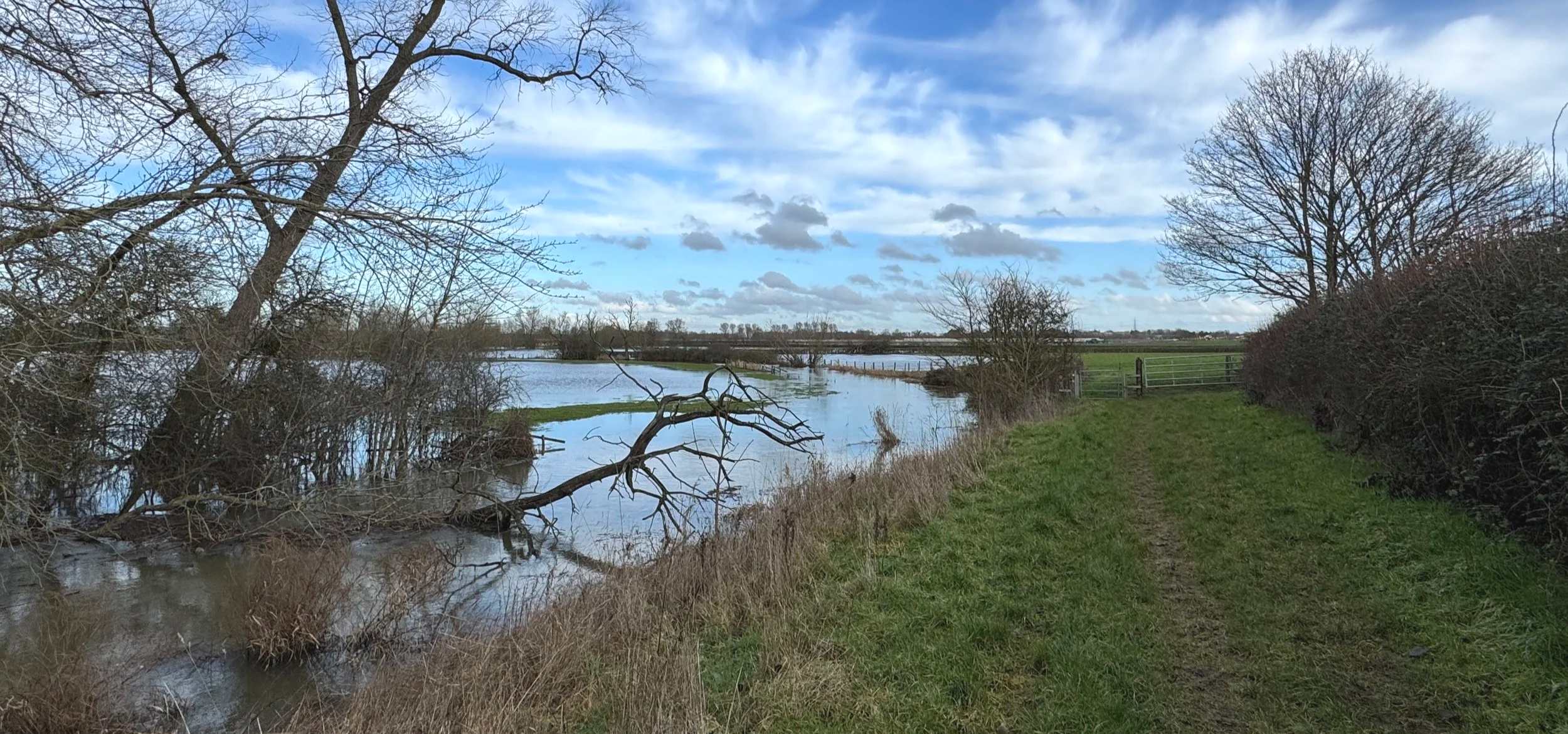
Flooded River Thame
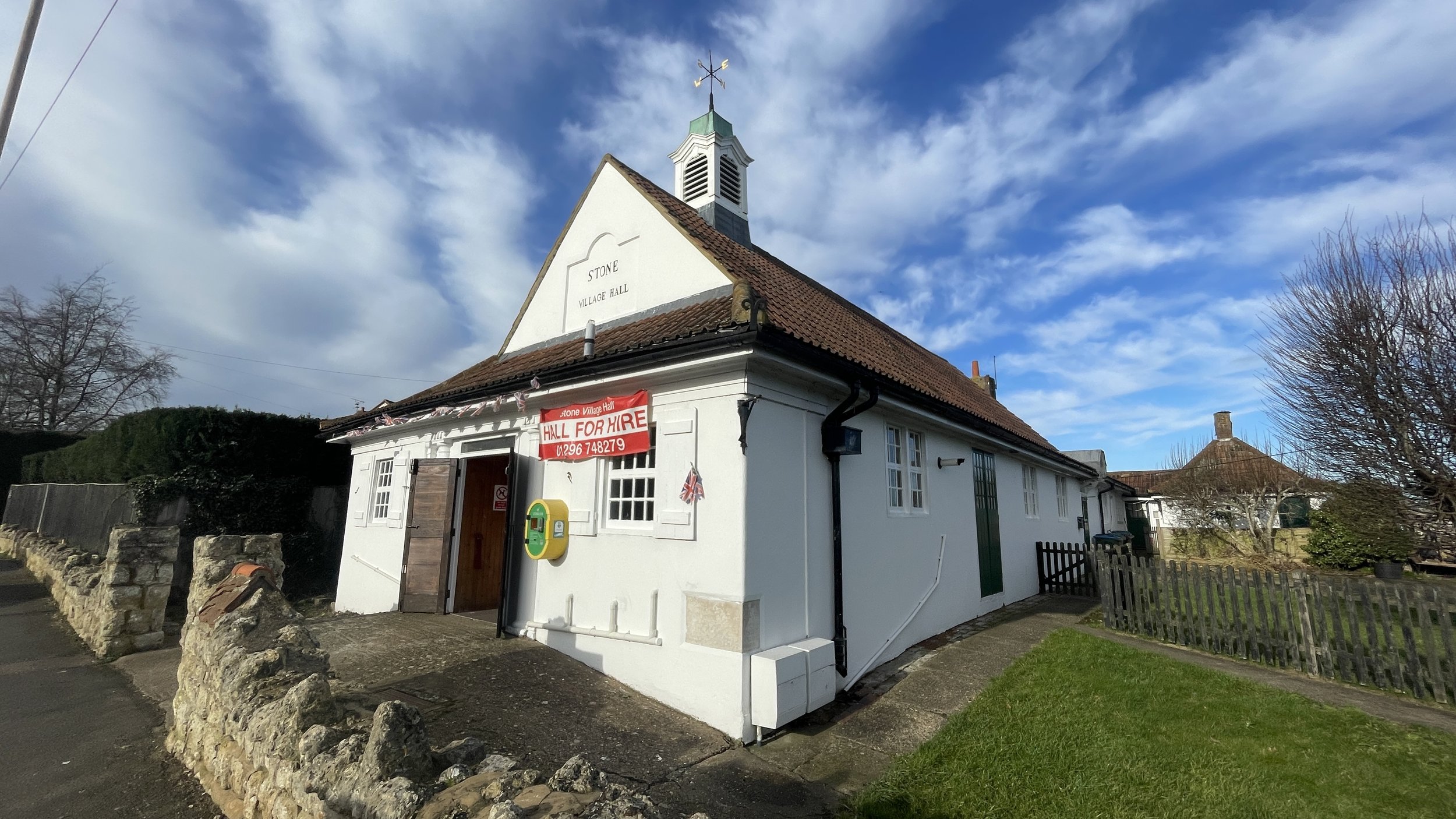
Start & Finish: Stone Village Hall, 50 Oxford Road, Stone Aylesbury, HP17 8PB
Distance: 10.1 km (6.3 miles)
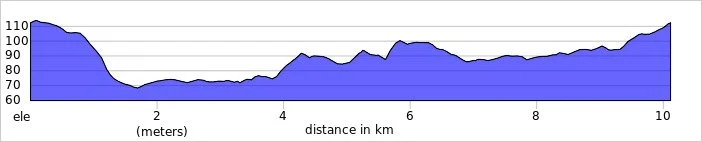
Elevation change: +/- 75 m
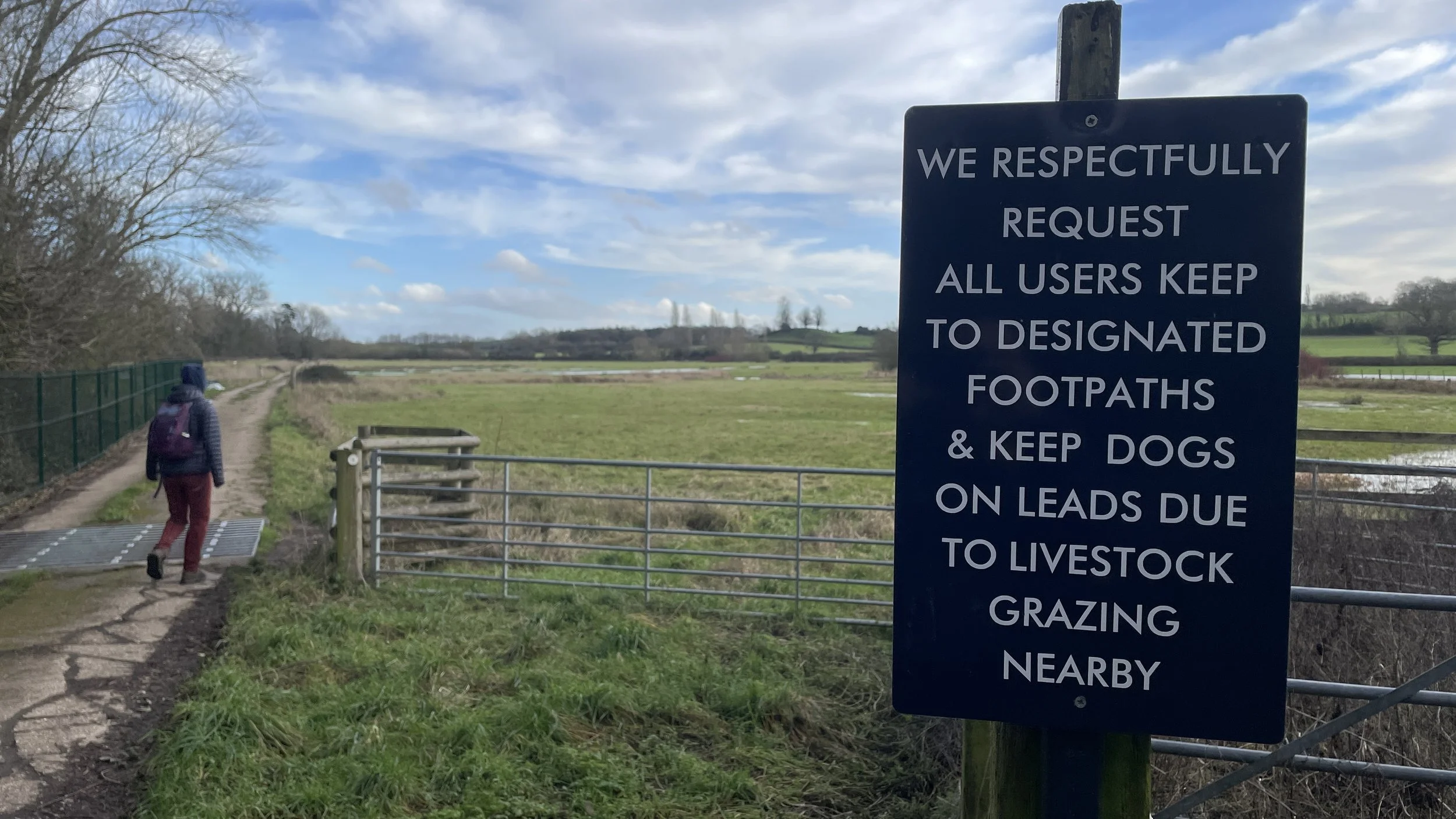
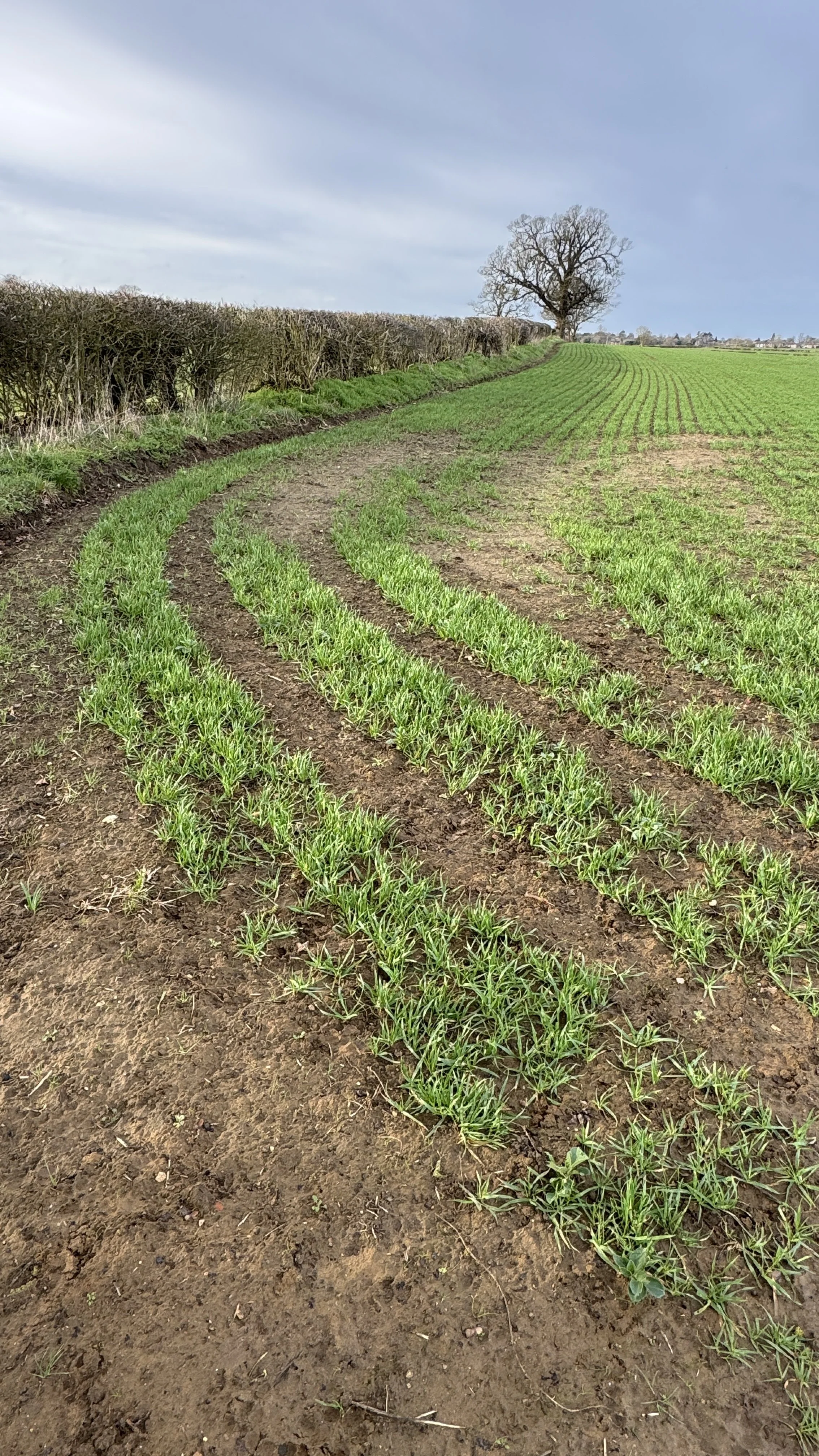
Terrain: A mixture of quiet village lanes and open field-edge bridleways.
Midshires Way section covered: Bishopstone Road to the River Thame: 3.5 km
GPX File: get via Buy Me a Coffee
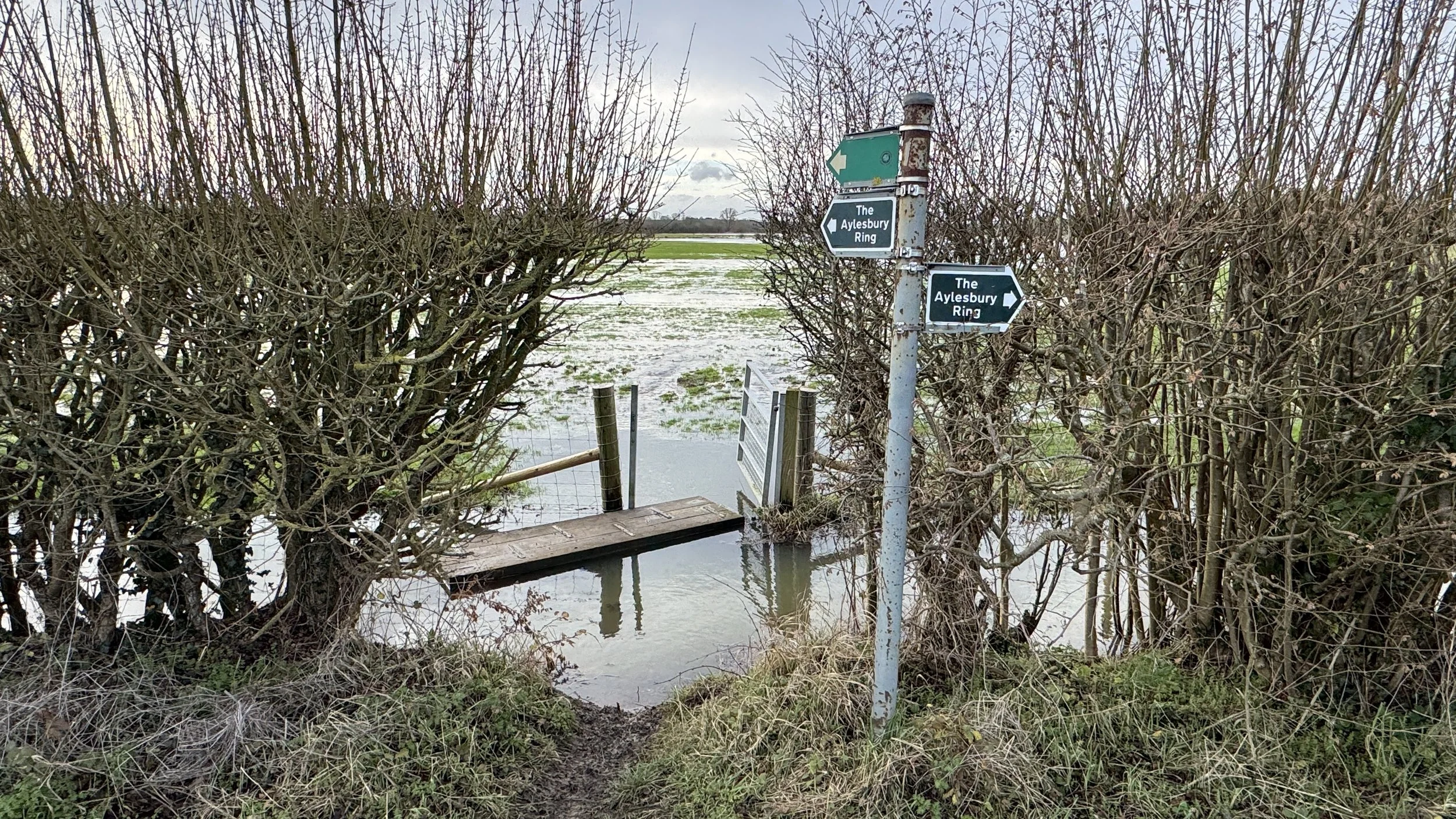
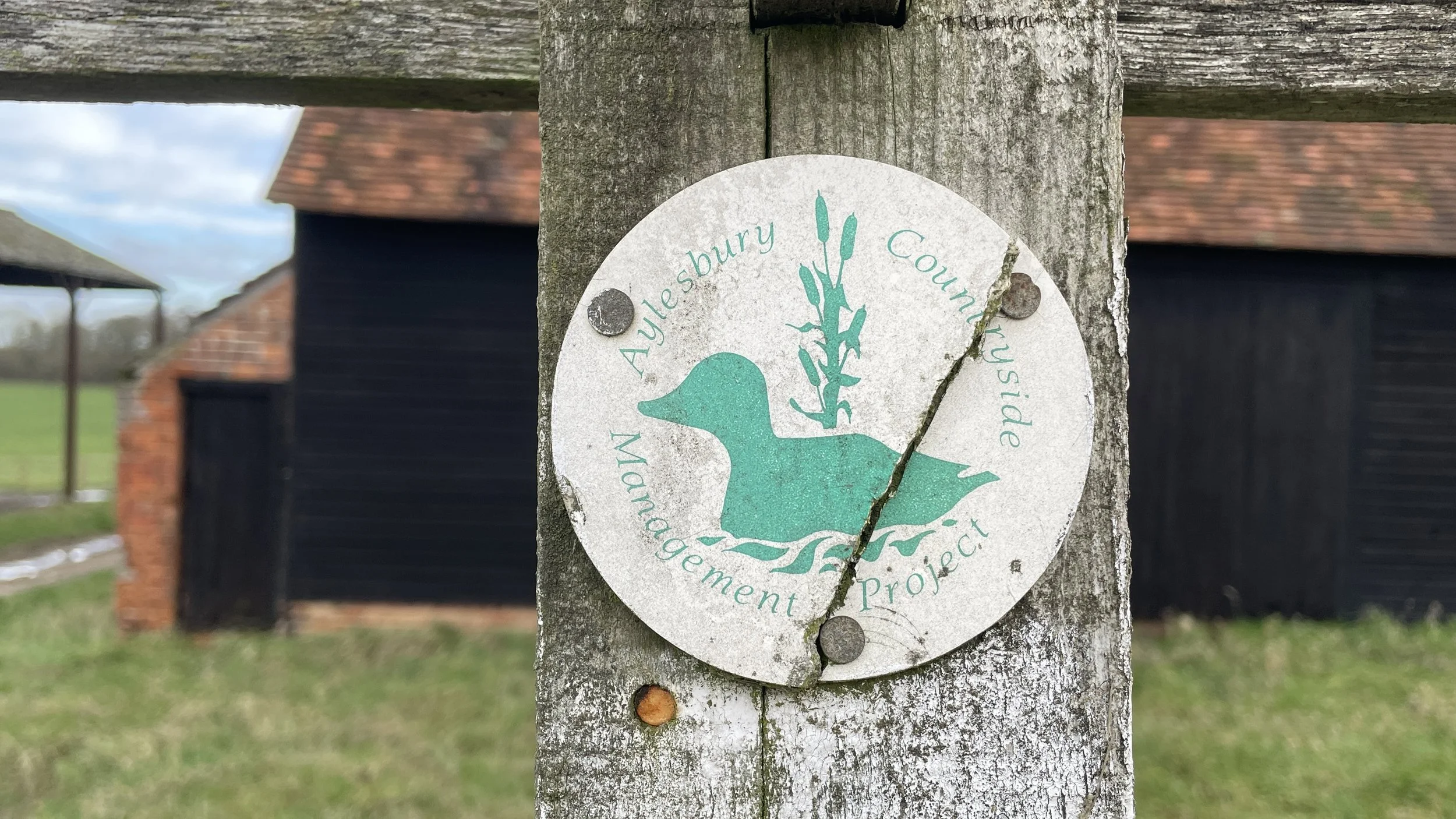
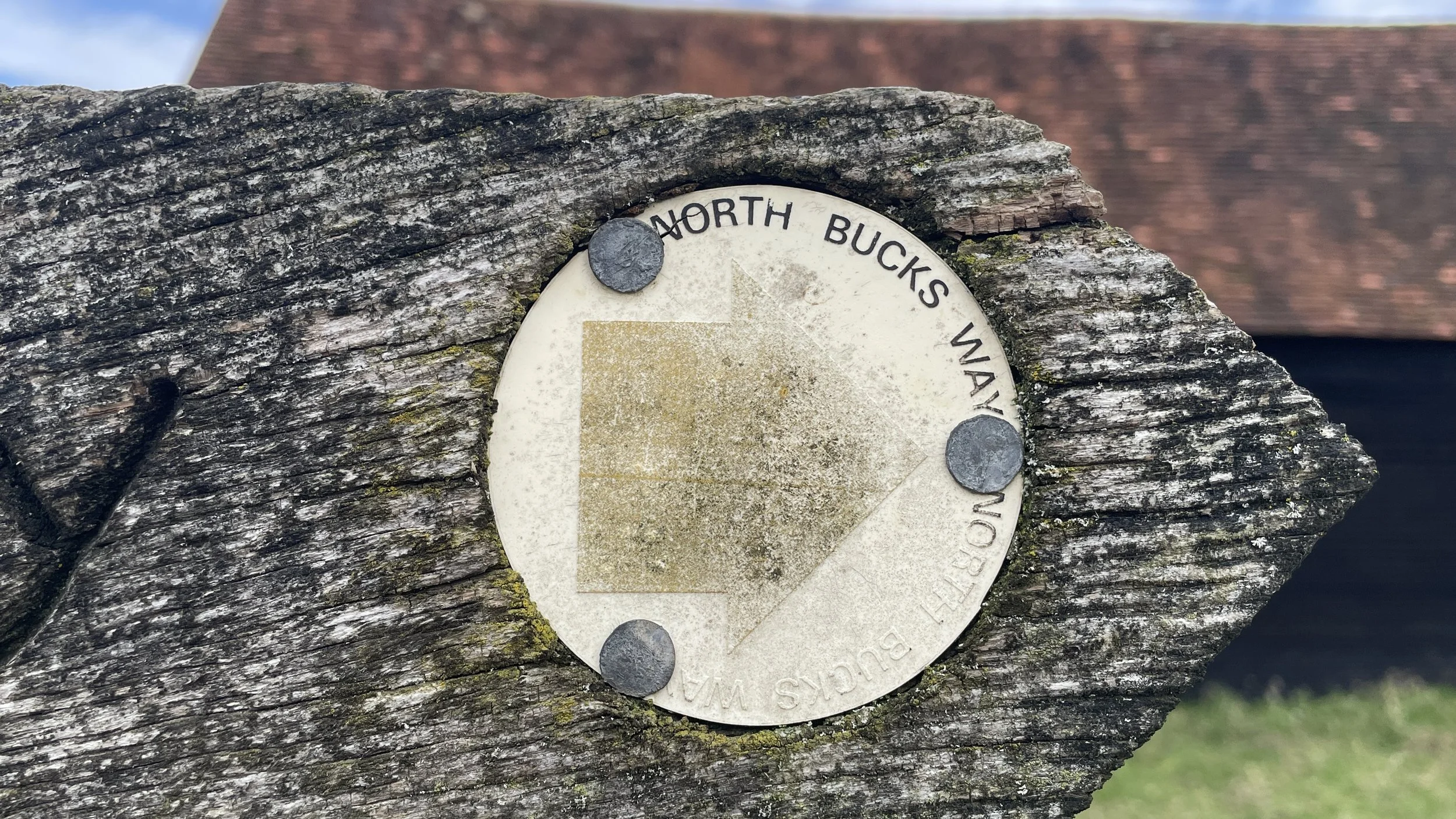
Other routes touched (walk): Midshires Way, The Swan Way, Thame Valley Walk, North Bucks Way
Other routes touched (cycle): Aylesbury Pebble Way
Pubs / Cafes on route: The Bugle Horn at 6.3 km in.
Map: Chiltern Hills North Map | Aylesbury, Berkhamsted & Chesham | Ordnance Survey | OS Explorer Map 181
Links: Stone, Hartwell, River Thame
Welcome to Part 5 of our series of short circular walks along the Buckinghamshire section of the Midshires Way. For a complete overview of the 225-mile trail's history, its connection to the Swan's Way, and preparation tips, please read my complete Midshires Way Through Buckinghamshire Guide.
Walking Directions
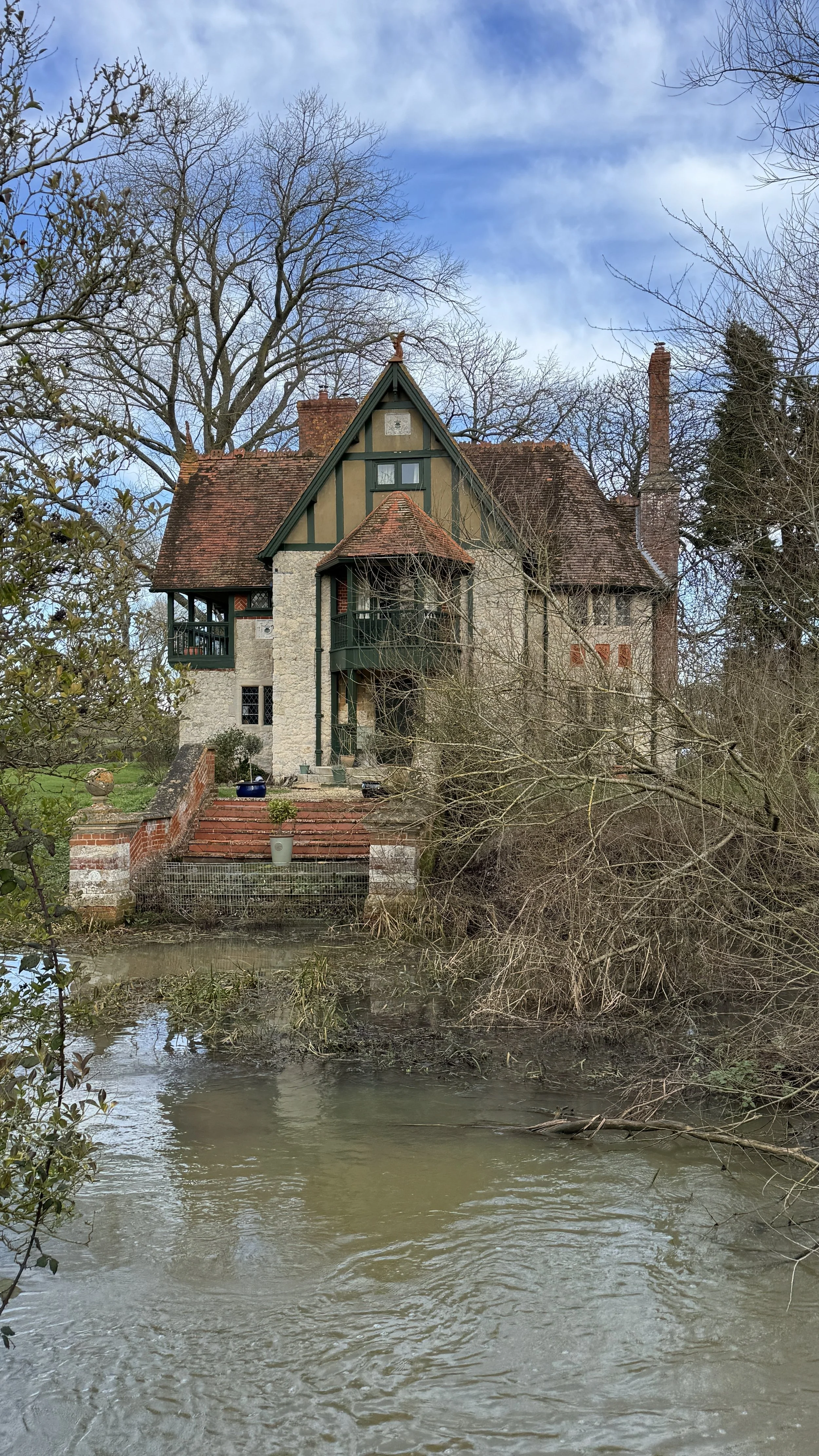
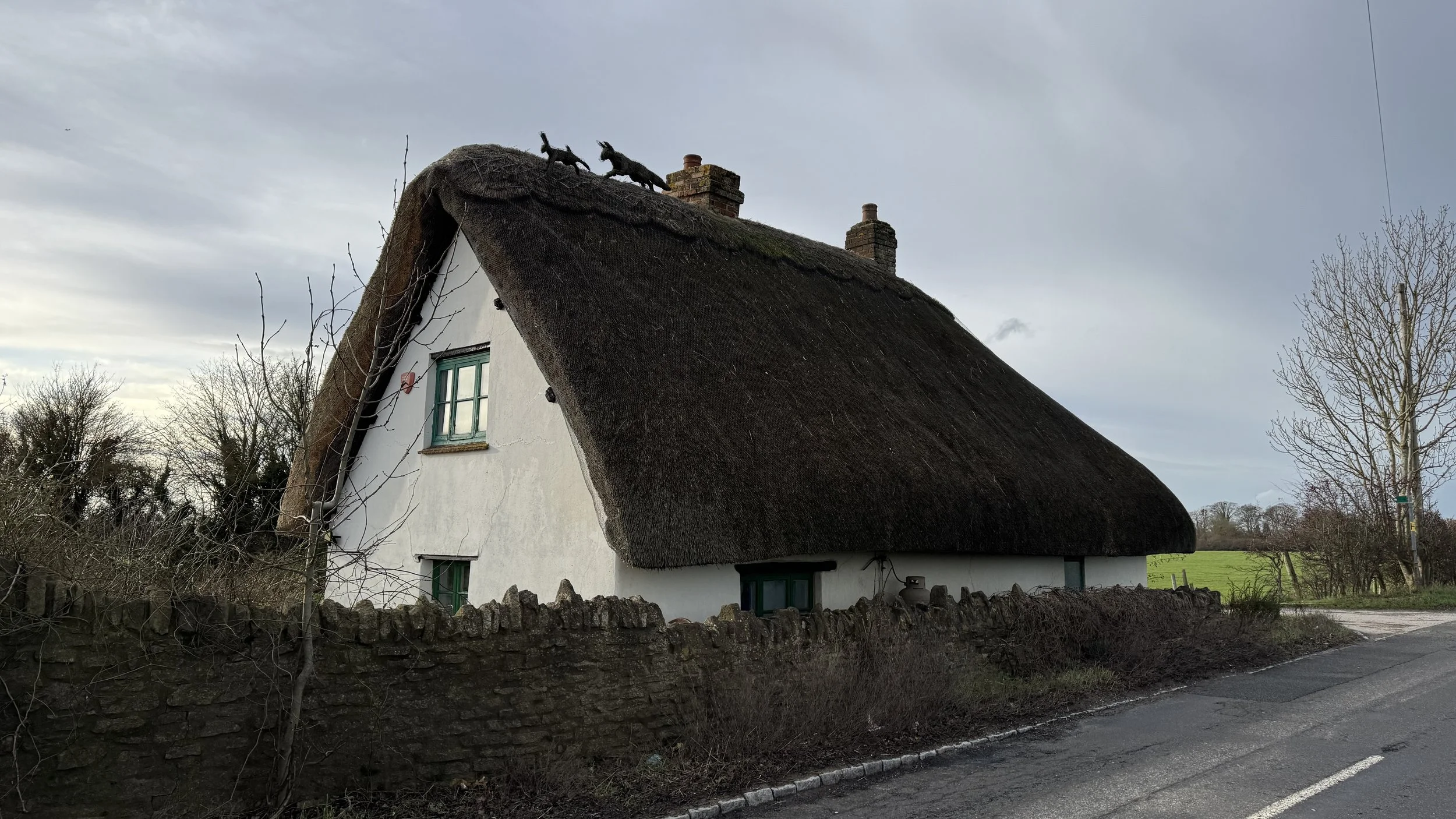
This walk explores a fascinating slice of Buckinghamshire history, linking the ancient village of Stone with the grand estate of Hartwell House. The route offers a pleasing contrast between the open, agricultural landscapes typical of the Aylesbury Vale and the manicured, historic parkland of Hartwell, where you can spot 18th-century follies and a decorative bridge.
The path is generally gentle and well-marked, following a section of the long-distance Midshires Way before looping back through the quiet fields south of the River Thame. It is a walk that combines architectural interest with rural tranquillity.
The guidance below will help you navigate but don’t use it as a fully accurate turn-by-turn guide. Always take a map and/or a GPX route and prepare well for the weather and terrain.
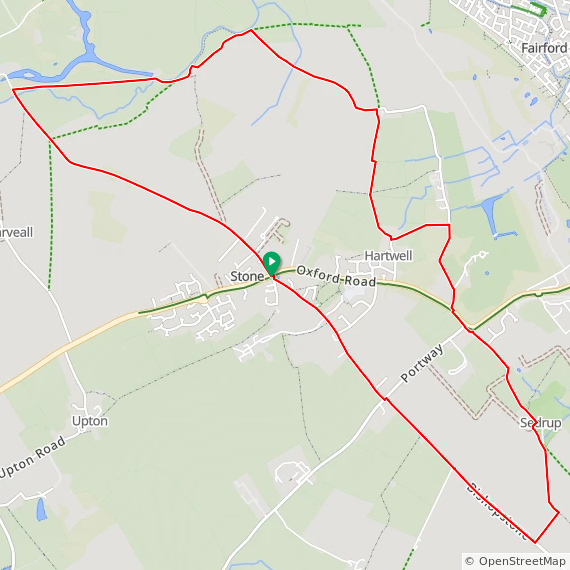
Start at the Village Hall in Stone, where there’s free on-street parking and head west along A418 Oxford Road.
Take a right onto Eythorpe Road and follow it in a north-westerly direction for 1.9 km until you cross over a tributary of the River Thame.
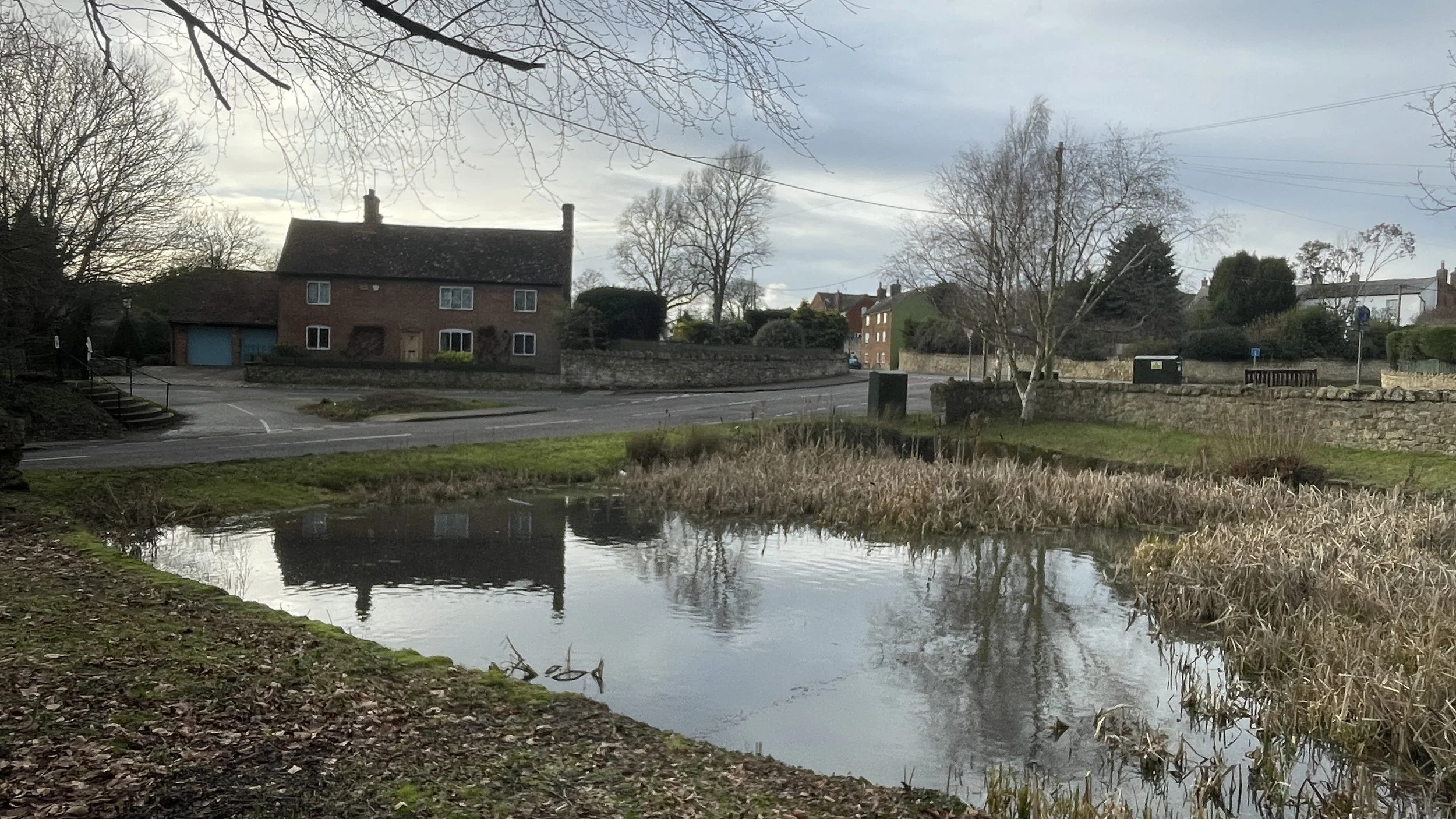
After the River Thame take the footpath on the right that follows a path between the River Thame to the left and the tributary to the right.
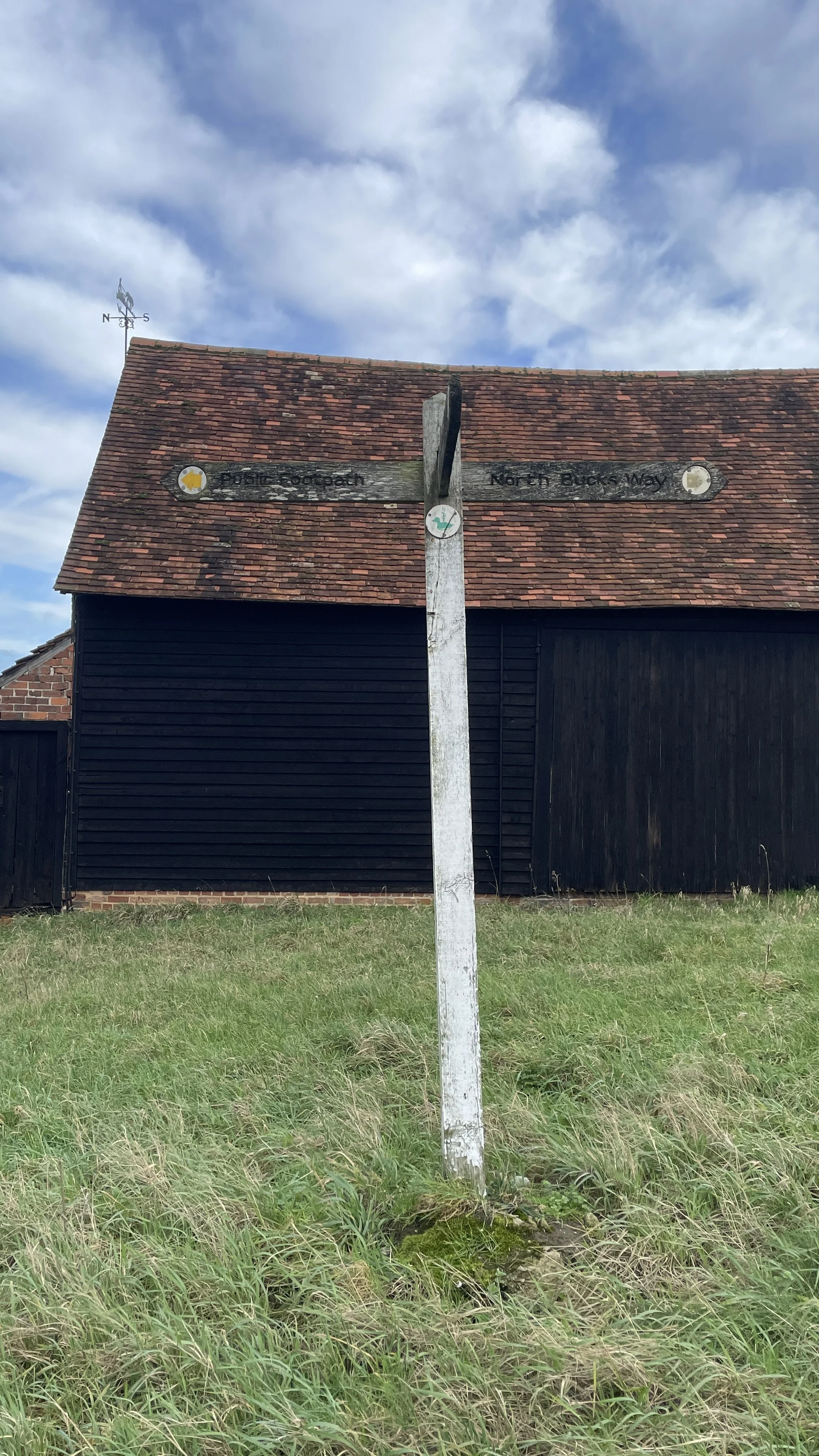
After ~1.5 km take a right to leave the Thame Valley Walk to stay on the North Bucks Way heading across fields in a south-easterly direction.
When you reach the farm buildings take a right to continue along the North Bucks Way in a southerly direction.
At Upper Hartwell Road take a left to continue along the North Bucks Way in an easterly direction to Lower Hartwell Road.
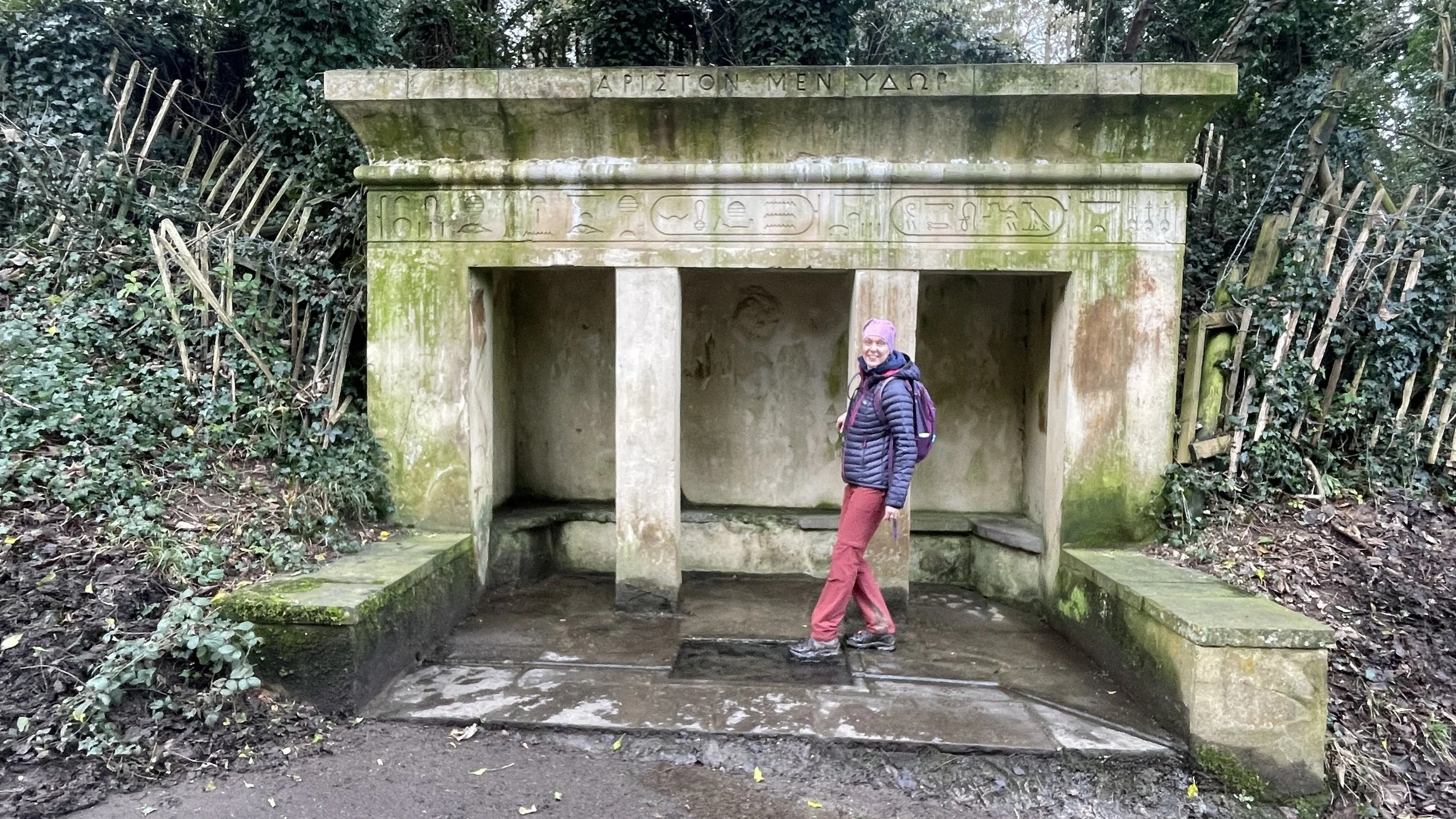
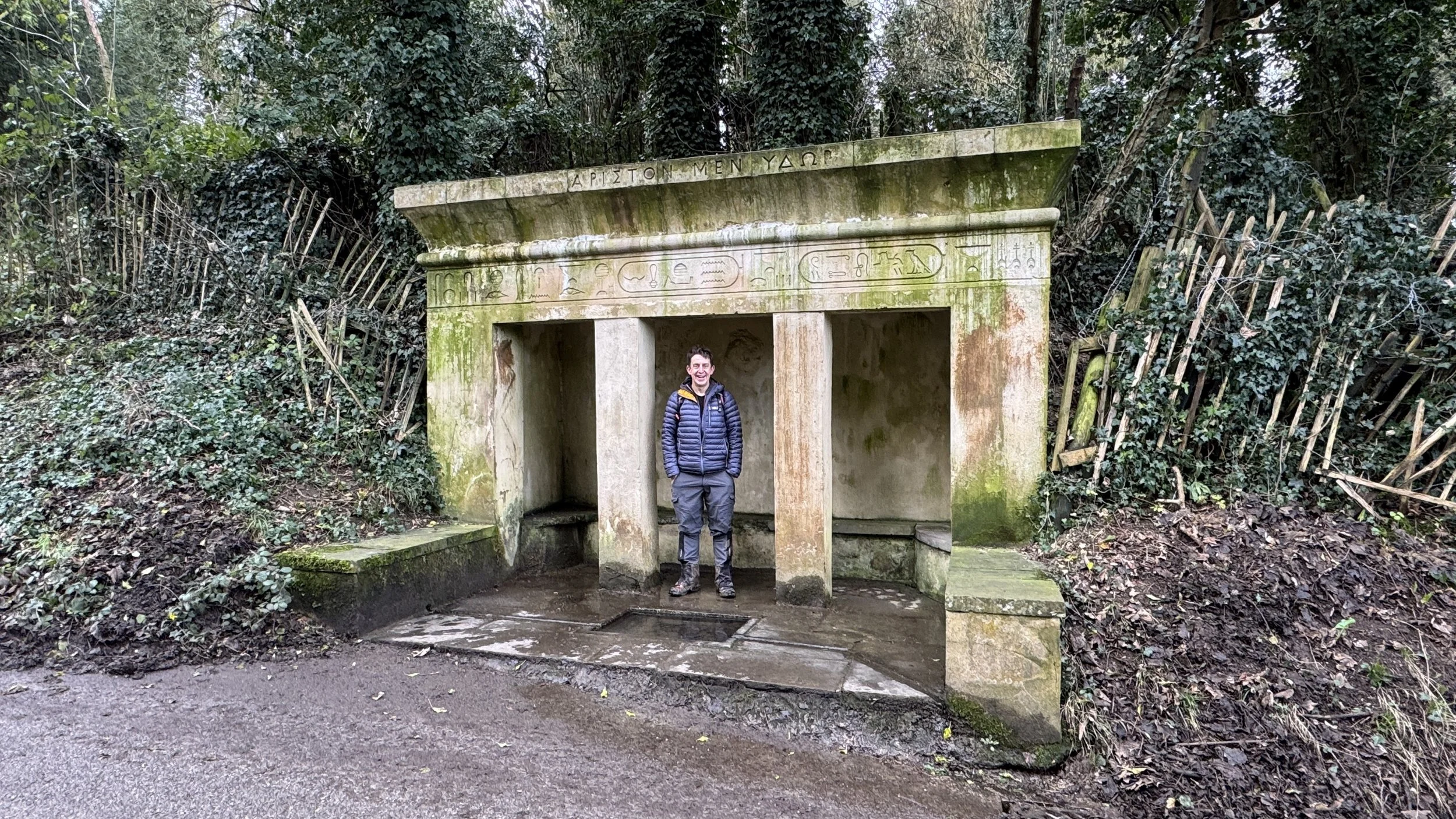
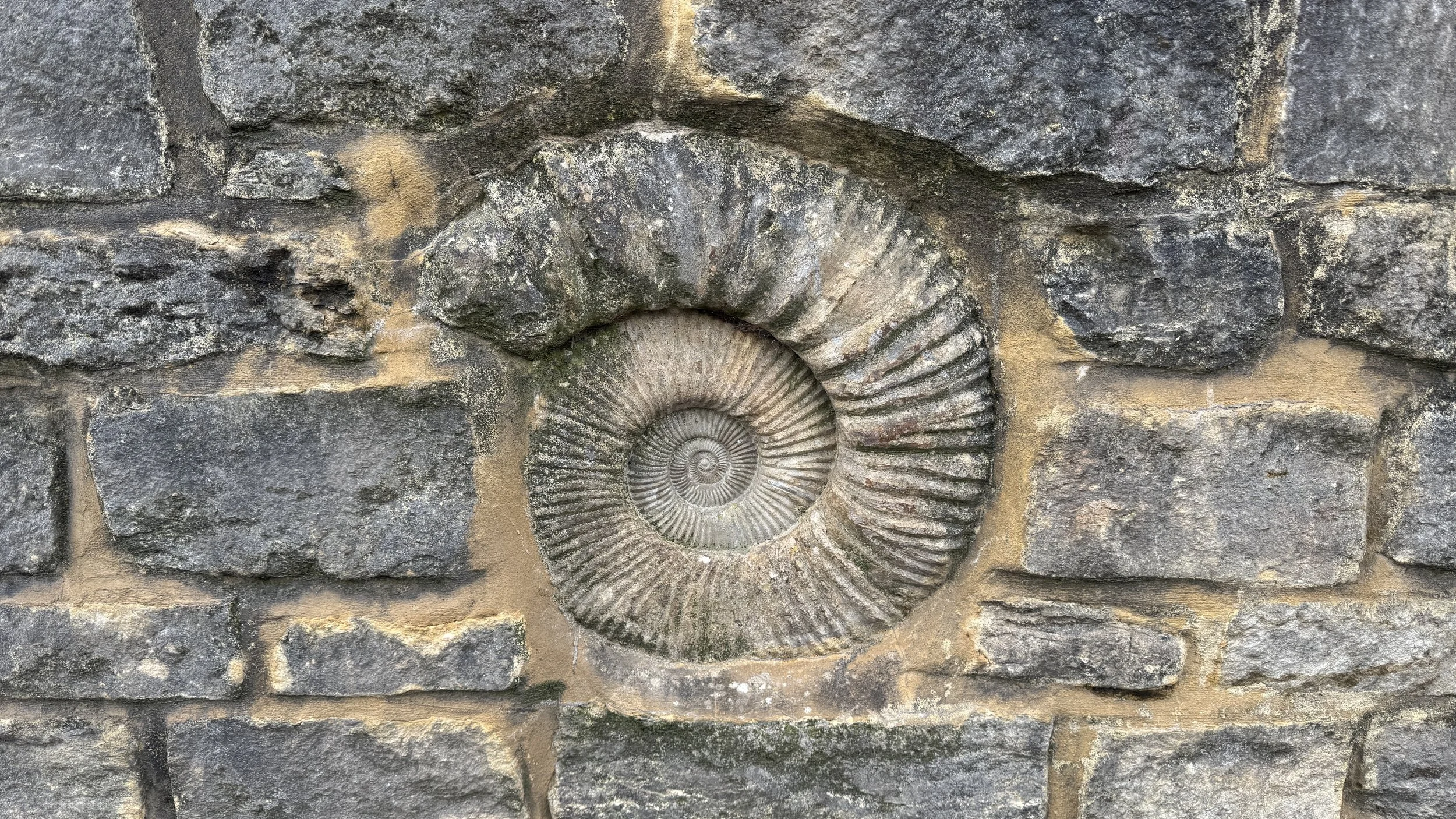
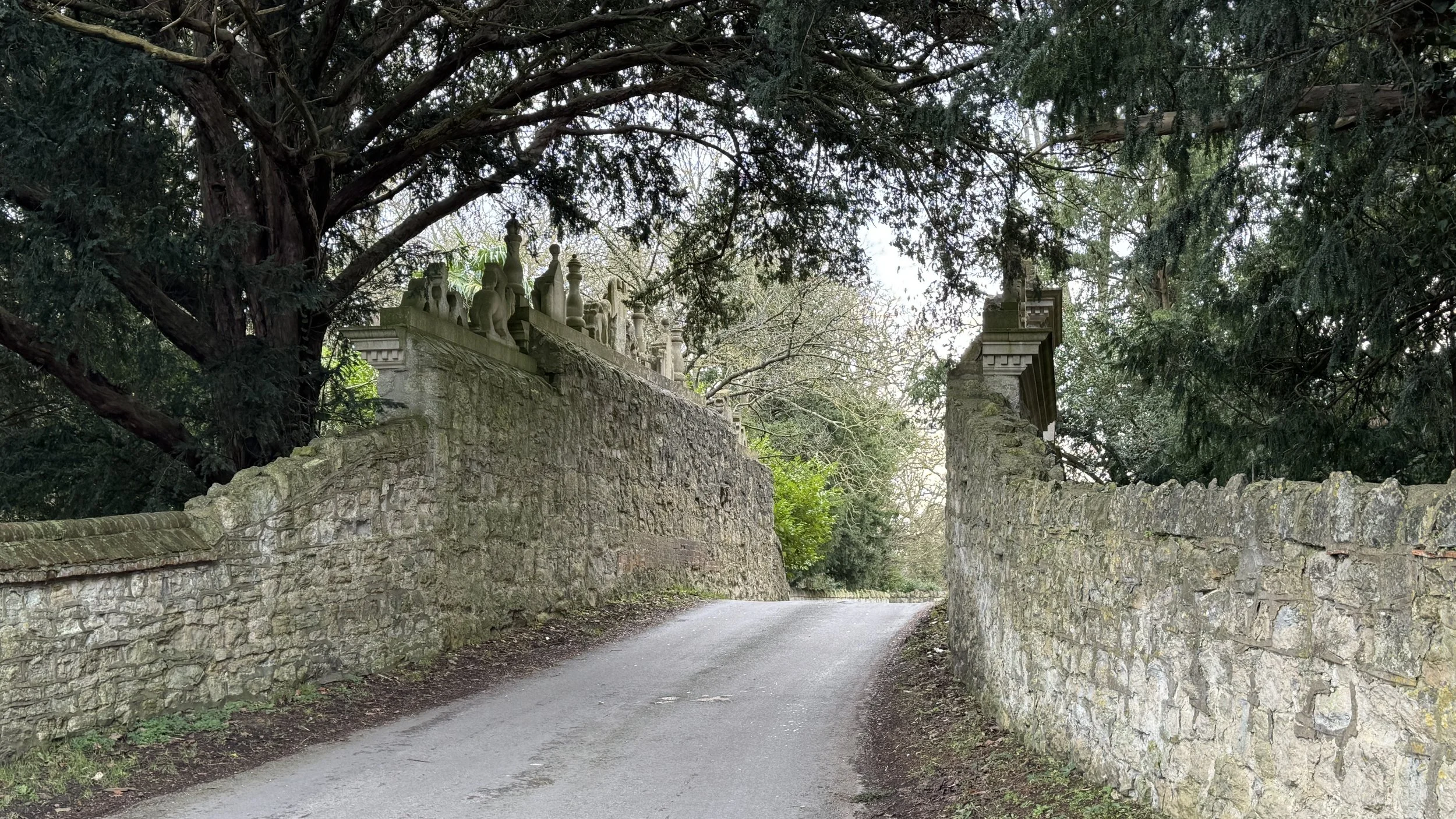
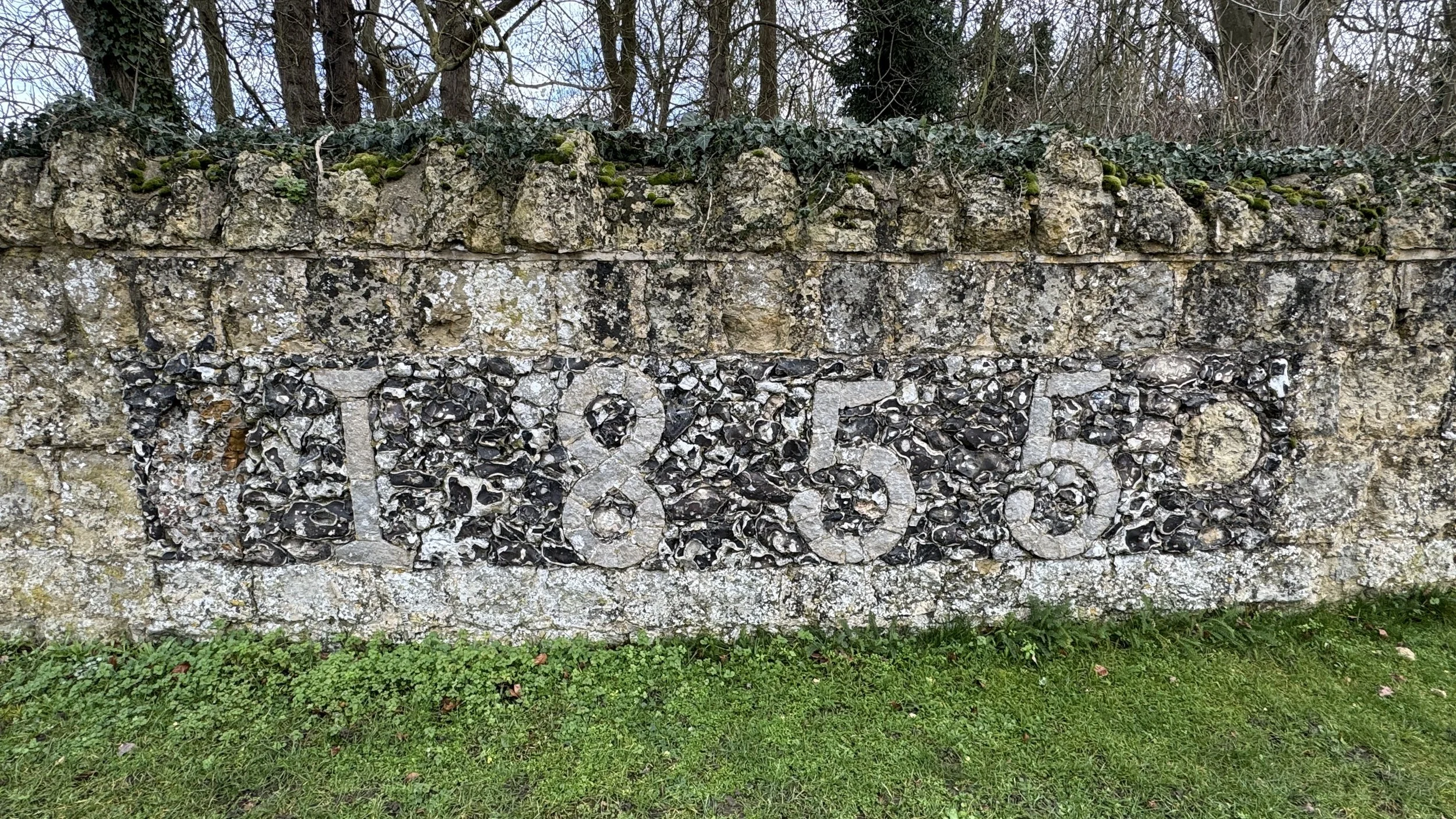
Take a right onto Lower Hartwell Road and follow it in a southerly direction to the junction with the A418 Oxford Road. Along this road you’ll pass the Egyptian Well, an old graveyard and the fossil-encrusted outer wall of Hartwell House.
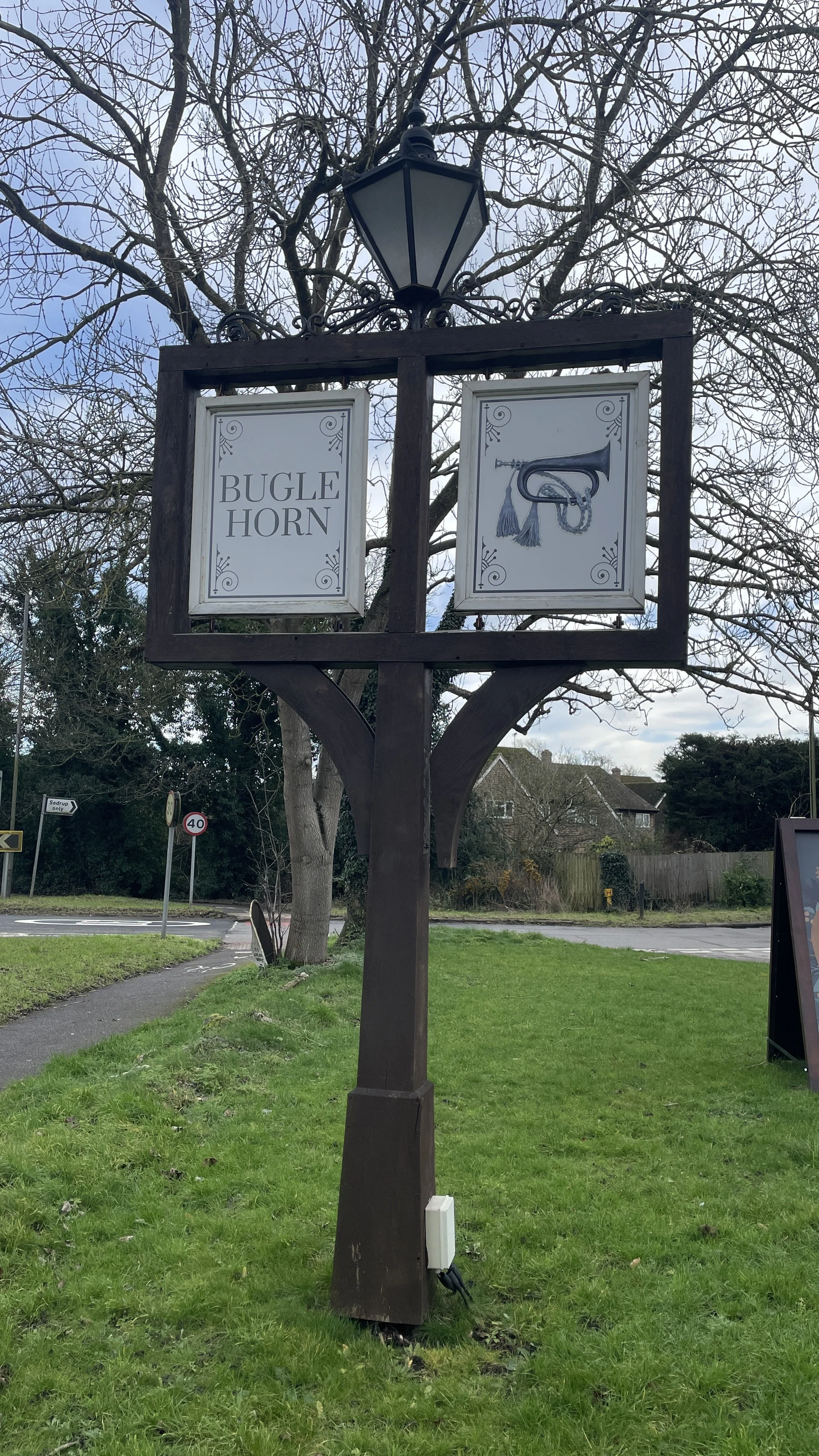
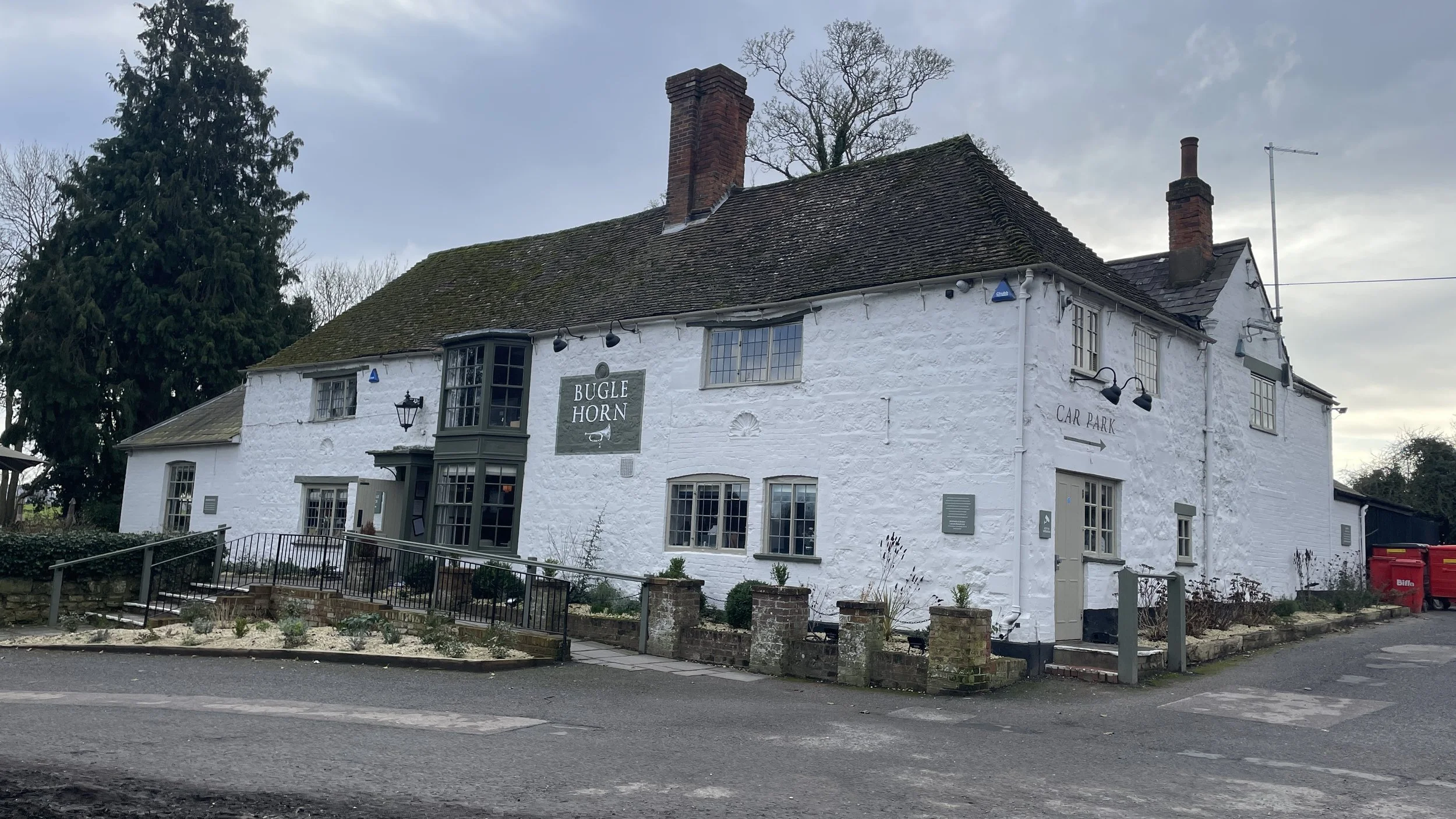
Carefully cross over the Oxford Road and take a left to pass (or stop into) the Bugle Horn Pub.
Follow Sedrup Lane in a south-easterly direction to the outskirts of the small village of Sedrup.
Before the village take a right to leave the North Bucks Way and follow a path across fields that leads onto Bishopstone Road.
Take a right onto Bishopstone Road and walk along the grass verge in a north-westerly direction all the way back to the Oxford Road at Stone.
Take a right onto the Oxford Road to return back to the Village Hall.
Points of Interest along or near to the Route
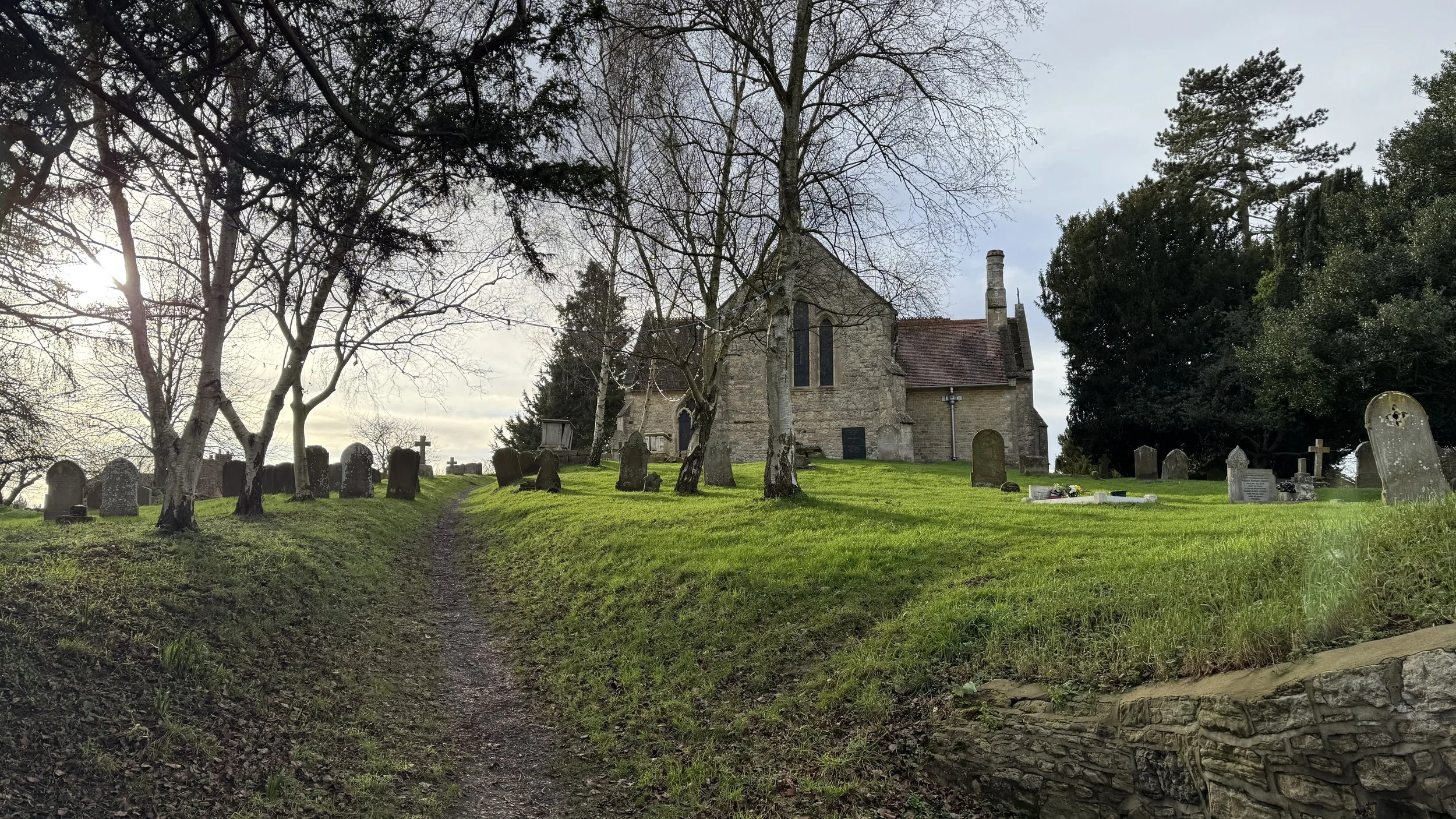
Stone: This historic village sits on a ridge of limestone and sand, giving it its name. The parish church of St John the Baptist dates back to 1273 and features a remarkable Norman font with intricate carvings of humans and animals.
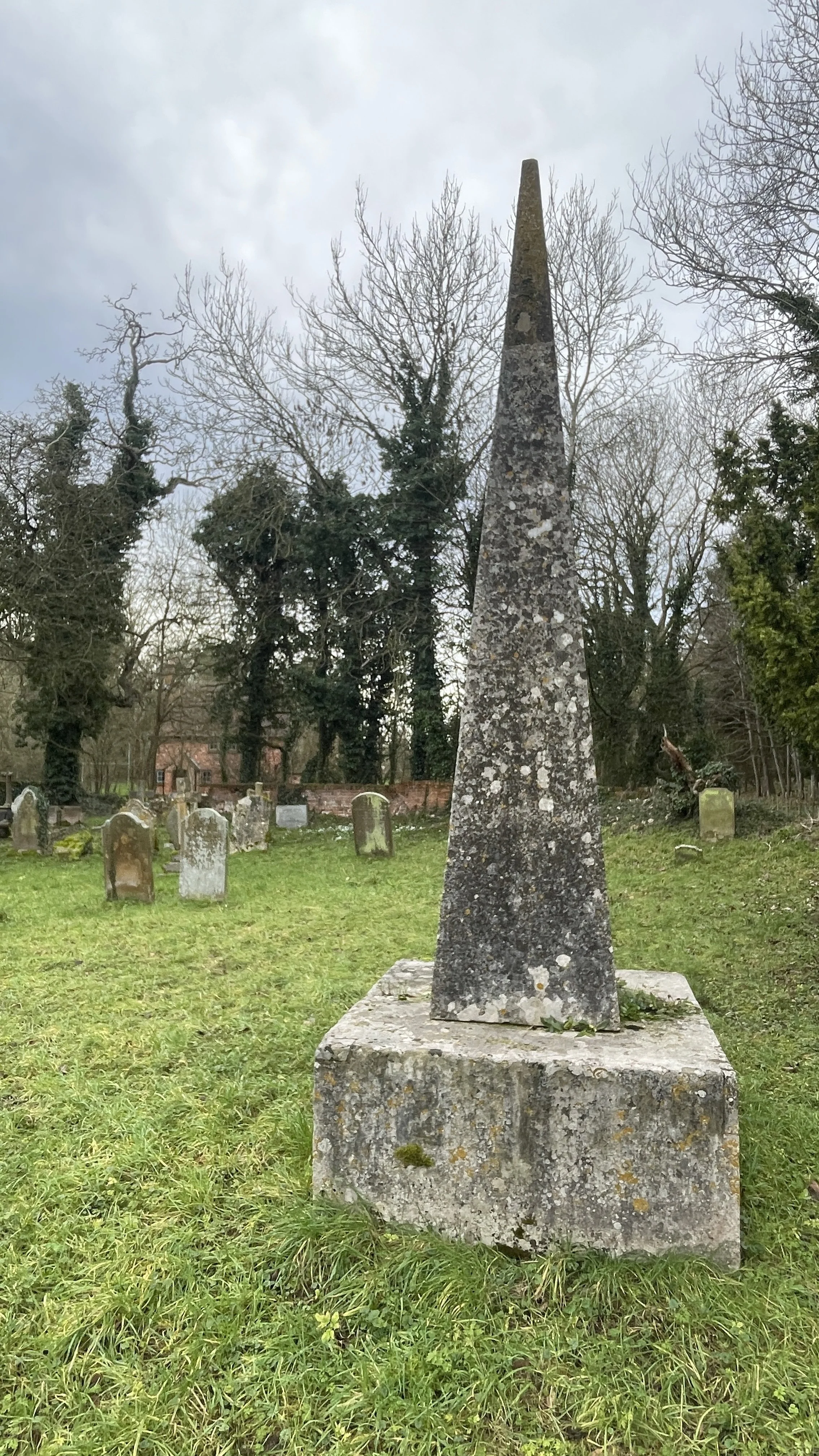
Hartwell House: A magnificent Grade I listed stately home that once served as the residence of the exiled King Louis XVIII of France. The parkland is dotted with 18th-century follies and monuments, many of which are visible from the public right of way. Look out for the estate walls; they are historically notable for being encrusted with fossils and rare stones.
The Egyptian Springs: A unique folly located near Hartwell House, commissioned by Dr John Lee in the 1850s. Designed by Joseph Bonomi the Younger, it features an Egyptian-style alcove and a Greek inscription which translates to "Water is Best"—a nod to Dr Lee's support for the temperance movement.
The Bugle Horn: Originally a farmhouse associated with the Hartwell estate, this building was converted into a pub in the 19th century. Its curved brick wall is a distinctive local landmark, said to have been built that way to prevent coaches from clipping the corner.
Midshires Way previous section (south): Ford and Michael's Peace
Midshires Way next section (north): Waddesdon and Eythrope