All The Waterloo & City Line Stations
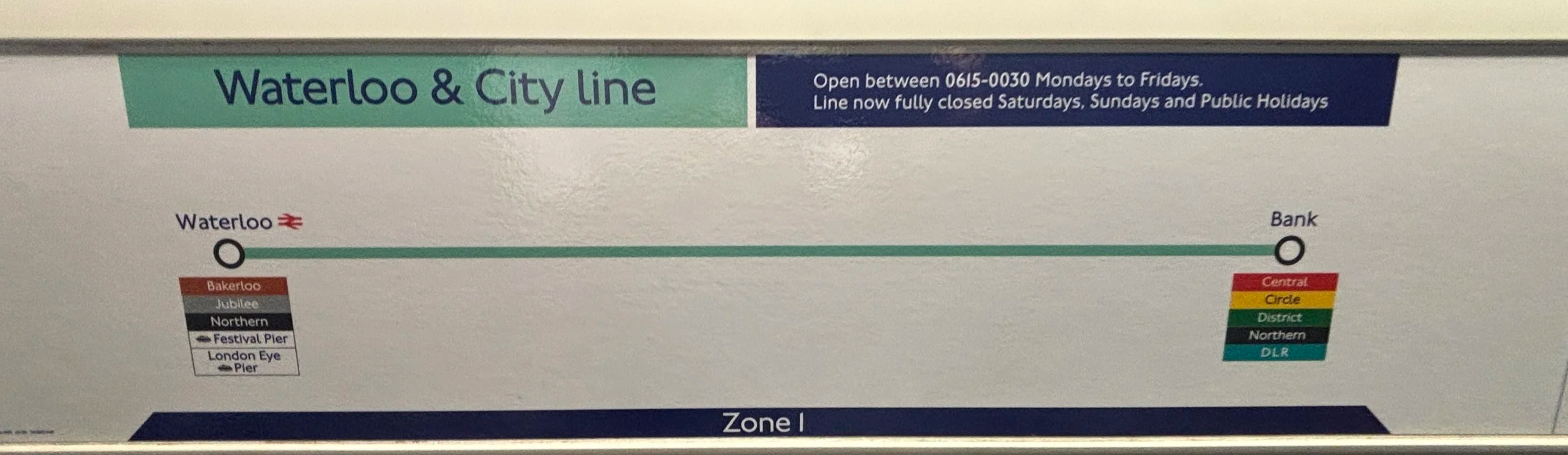
As a part of my ongoing series of visiting "all the stations", I rode the Waterloo and City line bagging all 2 of its stations :-). The last time I completed a line, it was the 41 stations of the Elizabeth Line so this trip was a very quick one by comparison.
I had this on my list for some time, having noticed little bits of trivia about the Waterloo and City line on different geeky YouTube videos I follow. Because one of the unique things about the line is that it is not open on weekends, I needed to do it on a weekday when I was already in London. So, I picked a glorious summer day to catch a very early train into the city, do the Waterloo and City tube line, walk back to Waterloo, and then get back to my office in Paddington at a normal work time.
There’s a few other ways that the Waterloo and City line is unique:
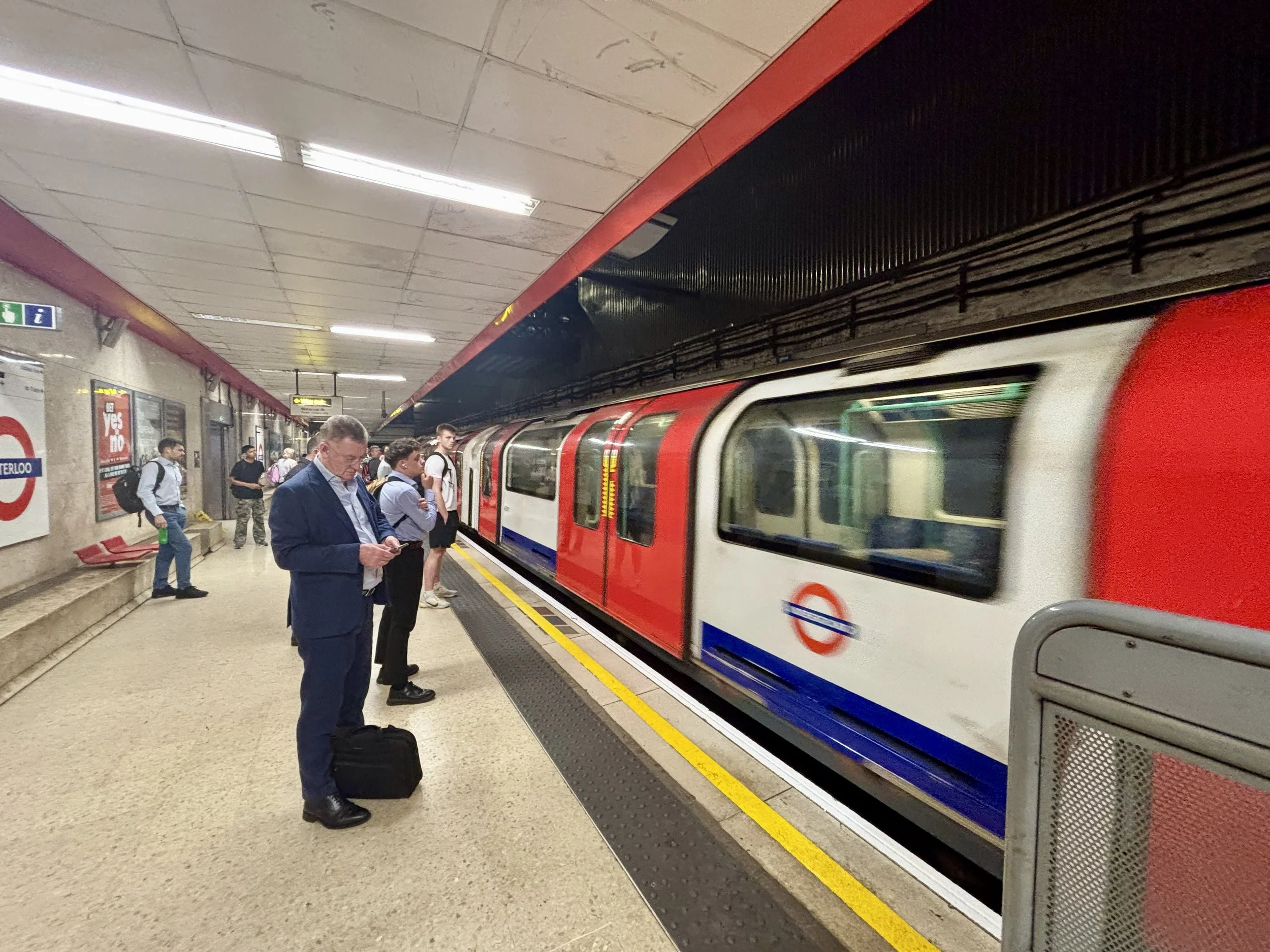
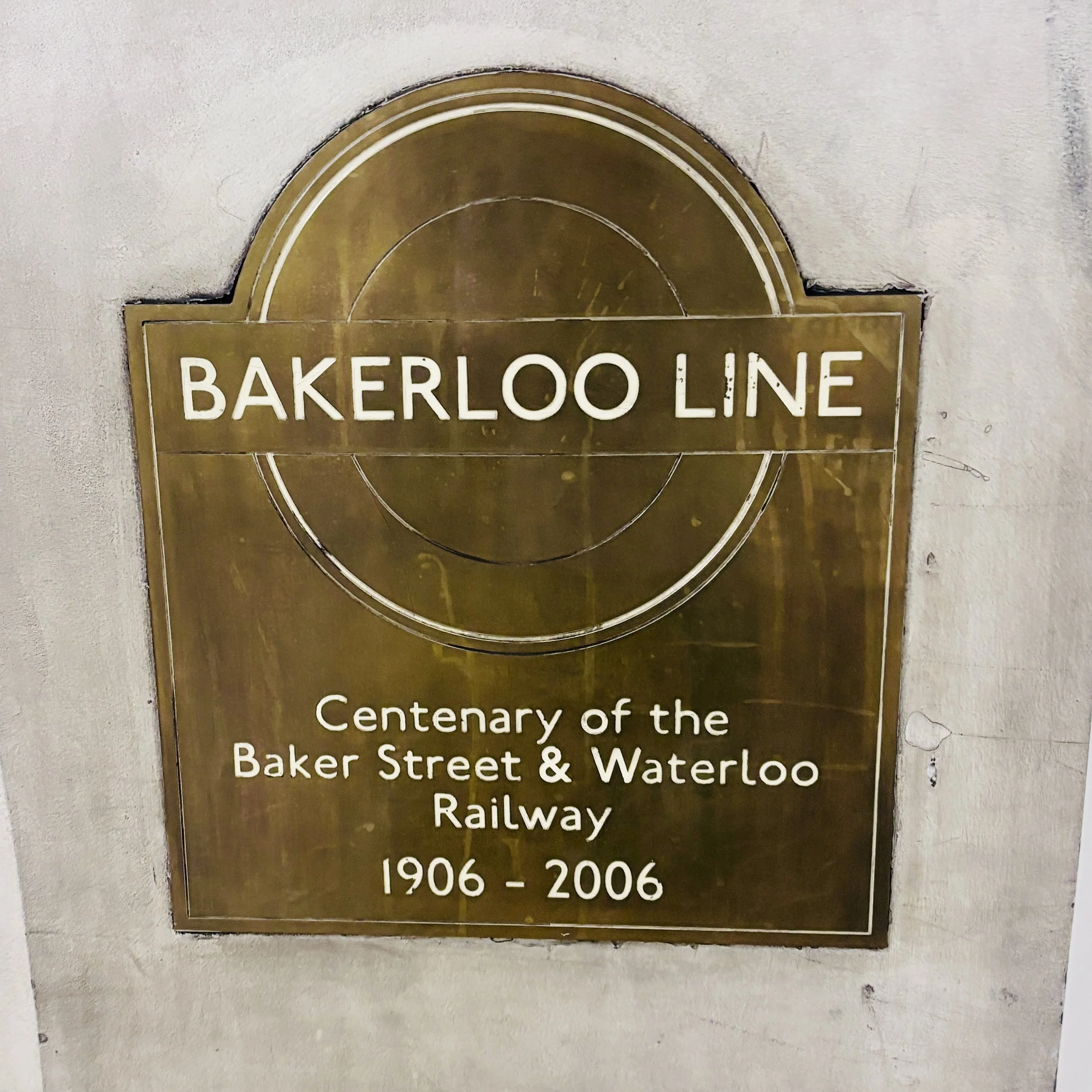
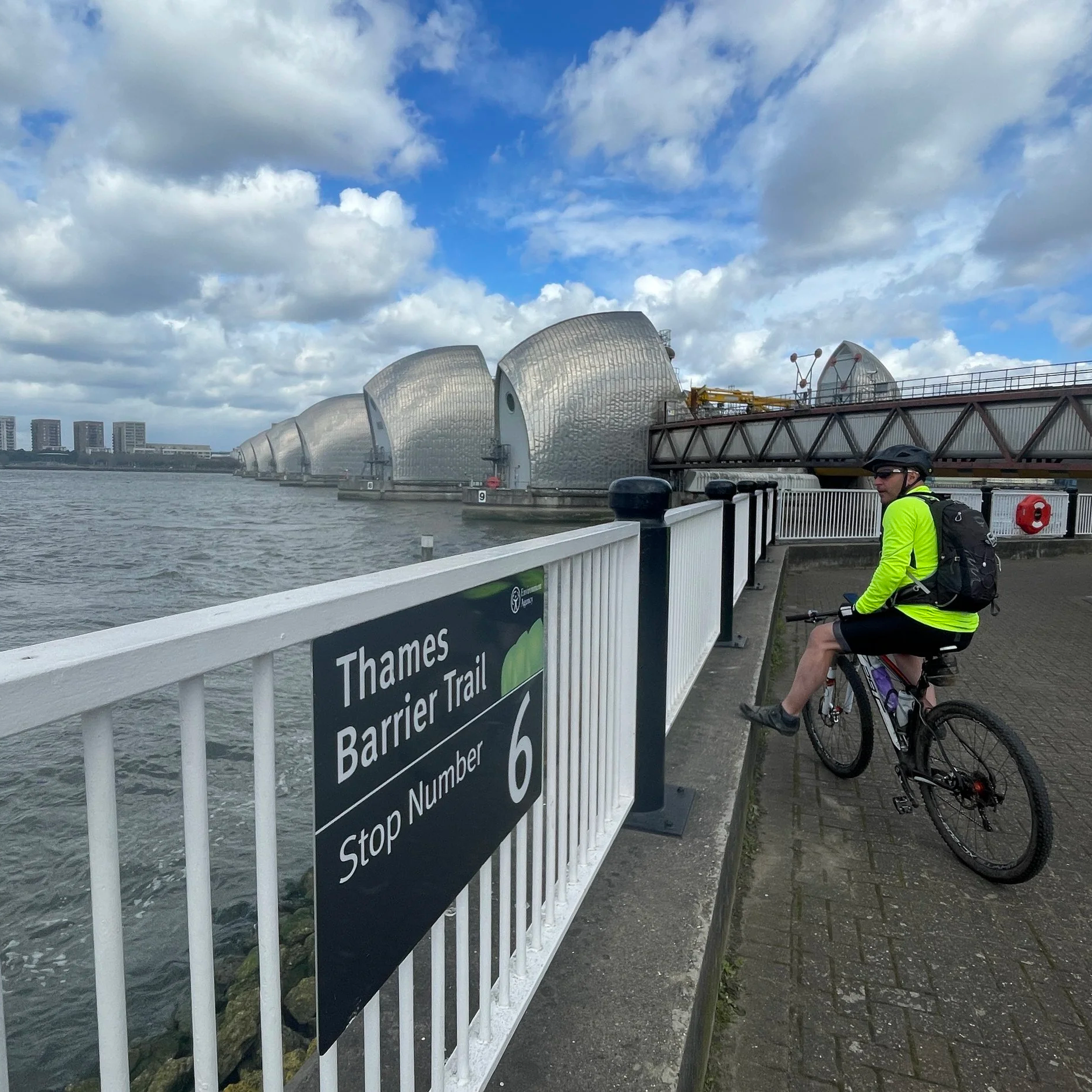
It is the shortest of all the London Underground lines at just 1.47 miles long, with a journey time of only four minutes between its two stations, Waterloo and Bank.
It is the only tube line that was administered as part of the national rail network until it transferred to the London Underground in 1994.
It is completely isolated and has no physical link with the rest of the tube network. Because of this, when carriages need replacing or heavy servicing, they cannot just be driven out: they must be lifted out of the depot by a crane.
The line is affectionately known as 'The Drain'. This nickname seemingly comes from the appearance of the lengthy sloping subway access at Bank station.
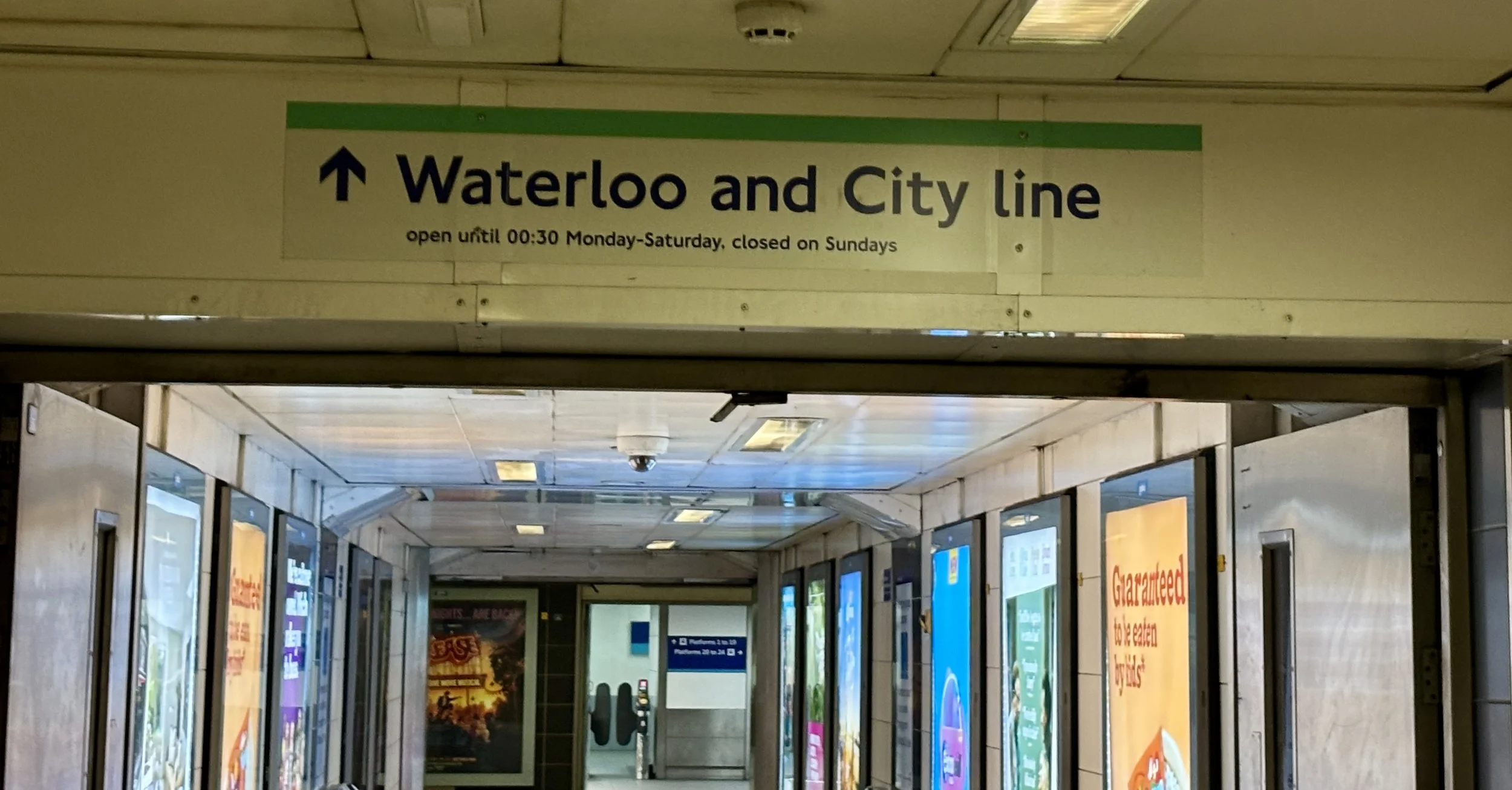
The platforms at Waterloo are still numbered 25 and 26, matching the numbering of the mainline station above.
It is one of only two lines on the network (the other being the Victoria line) that is fully underground.
The walk back: Bank to Waterloo
What is most interesting about the line: and the real reason I wanted to do this: is the return leg. After arriving, when you walk back from Bank to Waterloo, you can actually do this entire walk without crossing or stepping on a single road. For a detailed guide on that specific path, you can check out the excellent article on the Londonist website (article linked here).
It was a very hot day with not a cloud in the sky, making for a beautiful walk, particularly along the Thames Path section. However, there were a few navigational discoveries and points of interest I found along the way that are worth noting:
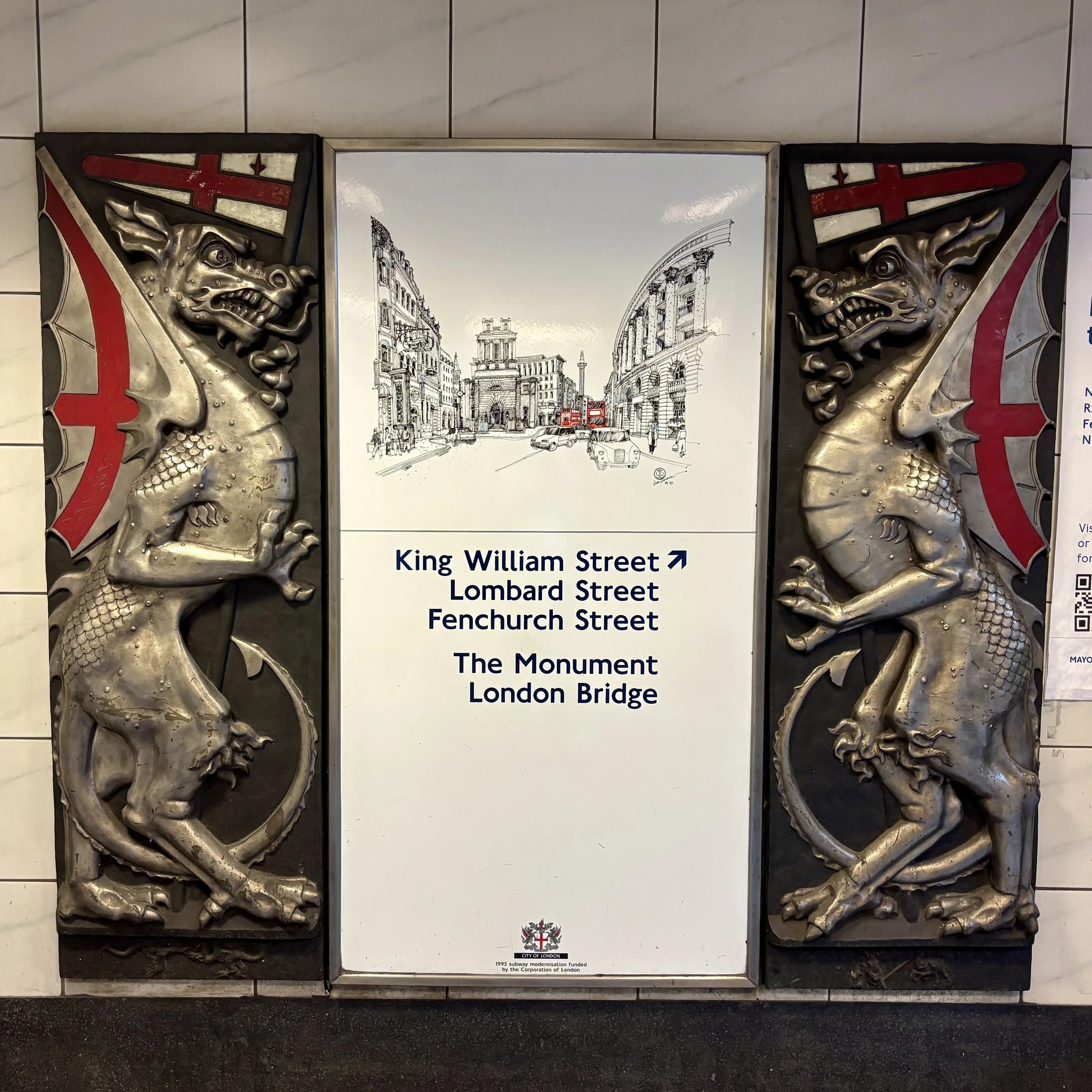
Navigating Bank Station: When I got to Bank station, I found it tricky to locate the correct passage between Bank and Monument station due to the sheer number of exits. You definitely need to keep your eyes peeled and be careful here.
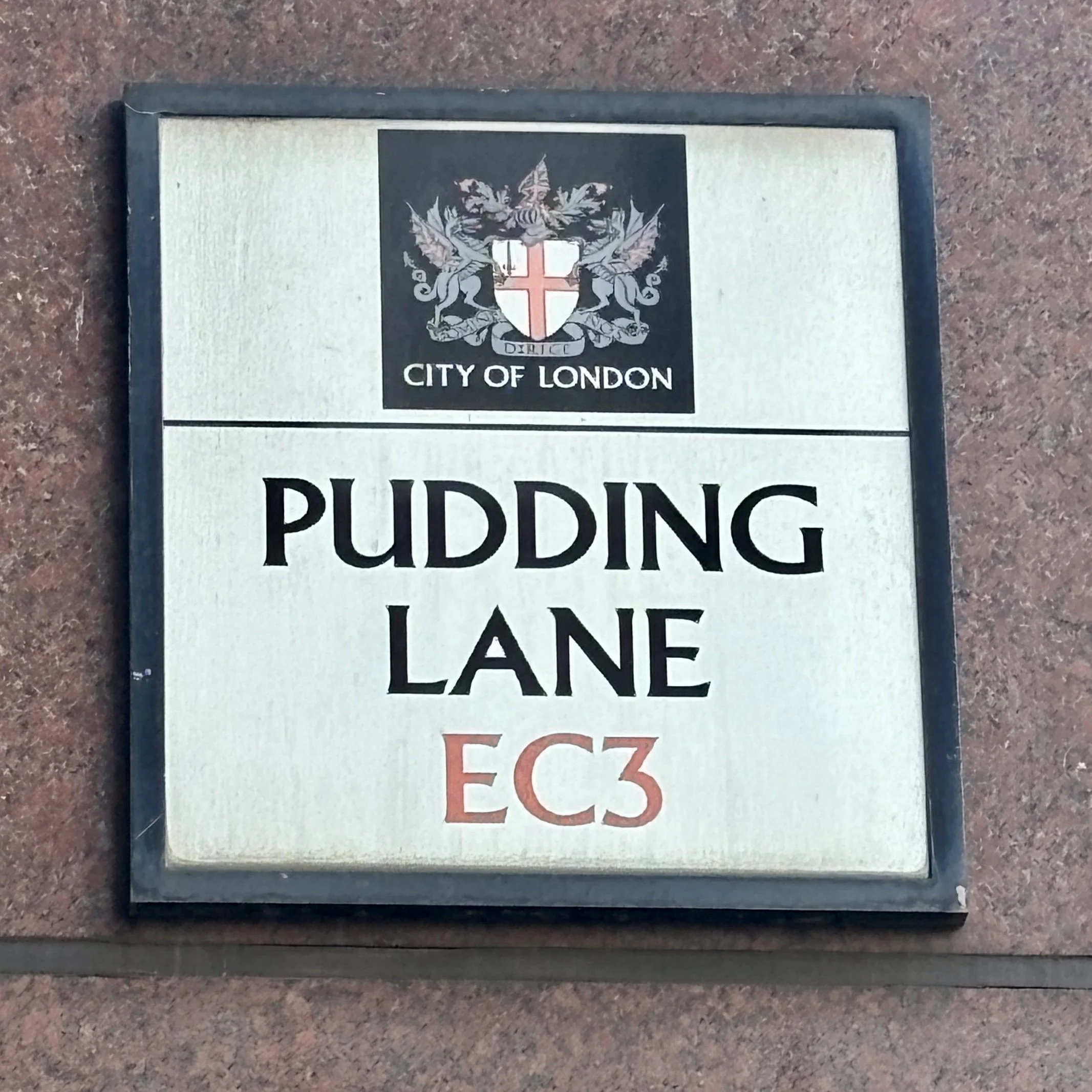
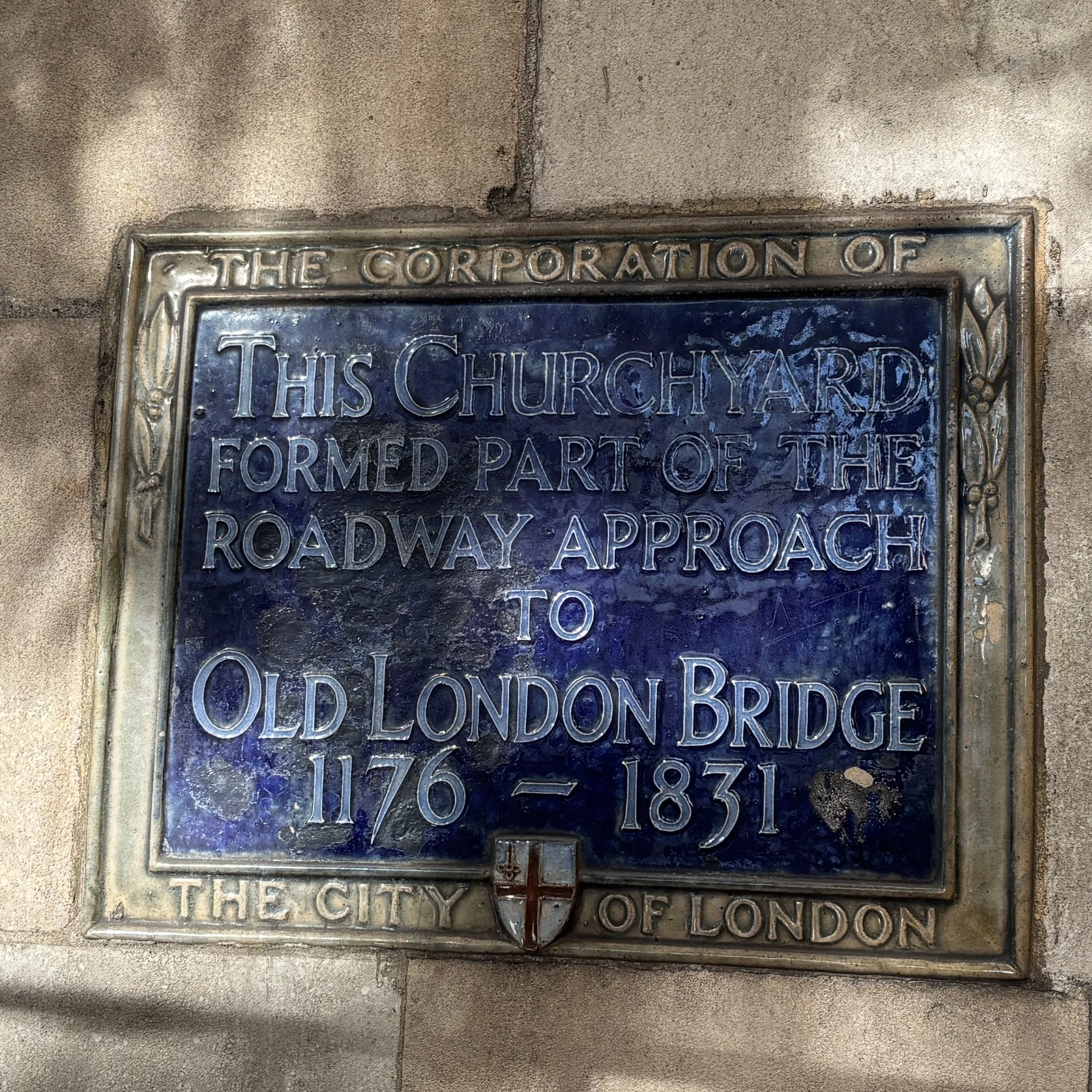
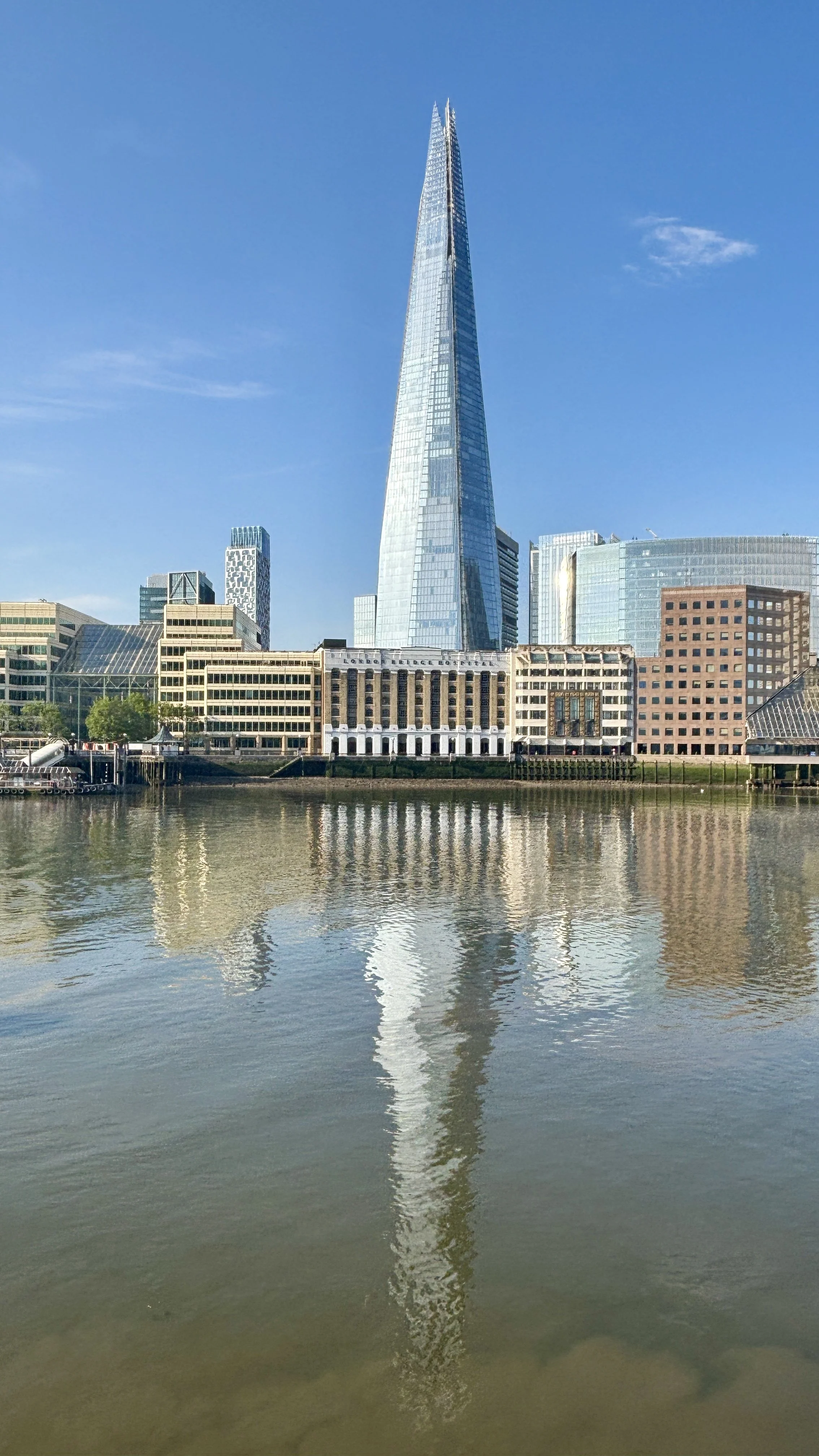
The Pedway Bridge: There is a pedestrian bridge crossing from Pudding Lane to St Magnus the Martyr church. Unfortunately, this was shut during my visit due to reconstruction of a building on the south side of the road. I was a bit disappointed as I actually had to cross the road to avoid the closure, temporarily breaking the "no roads" rule.
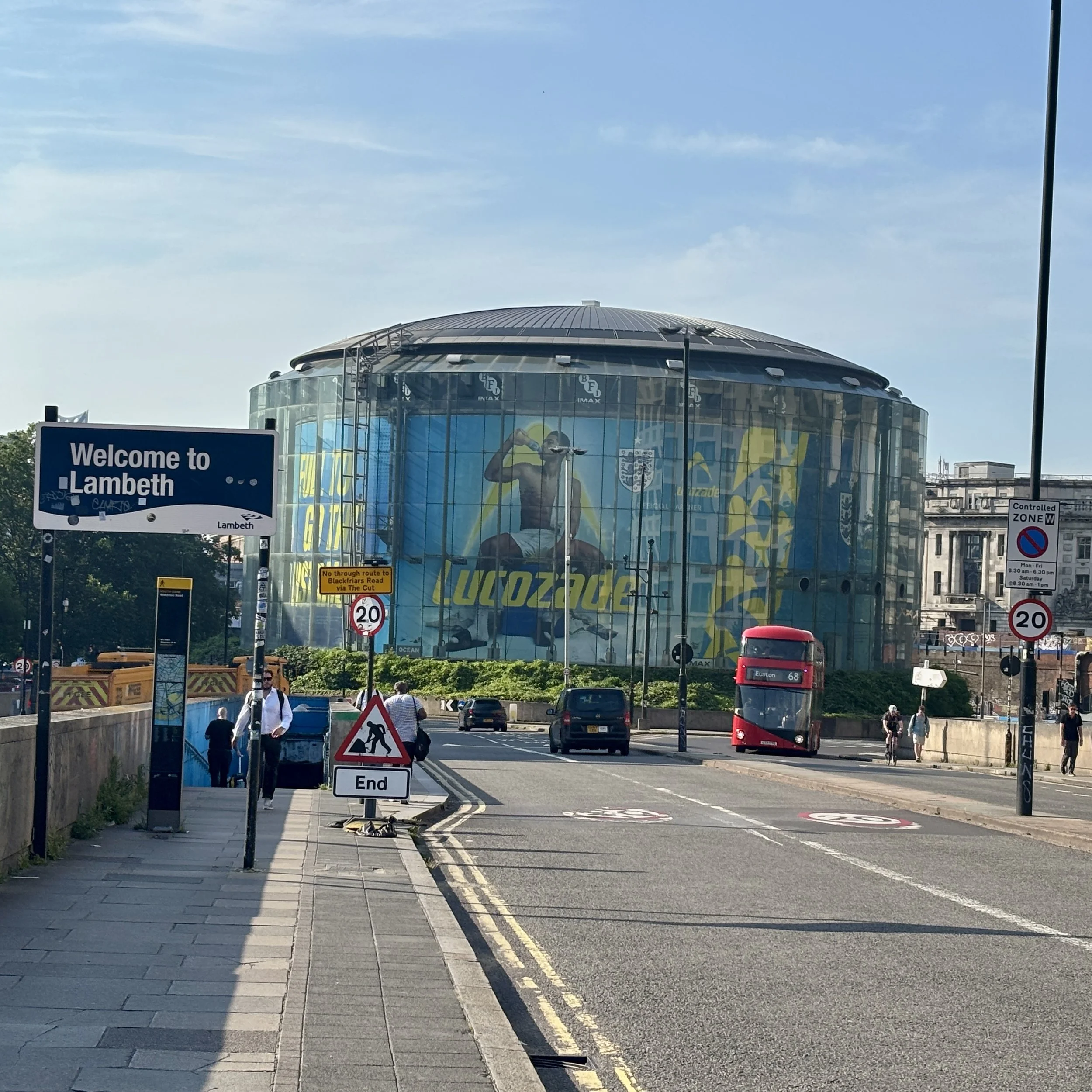
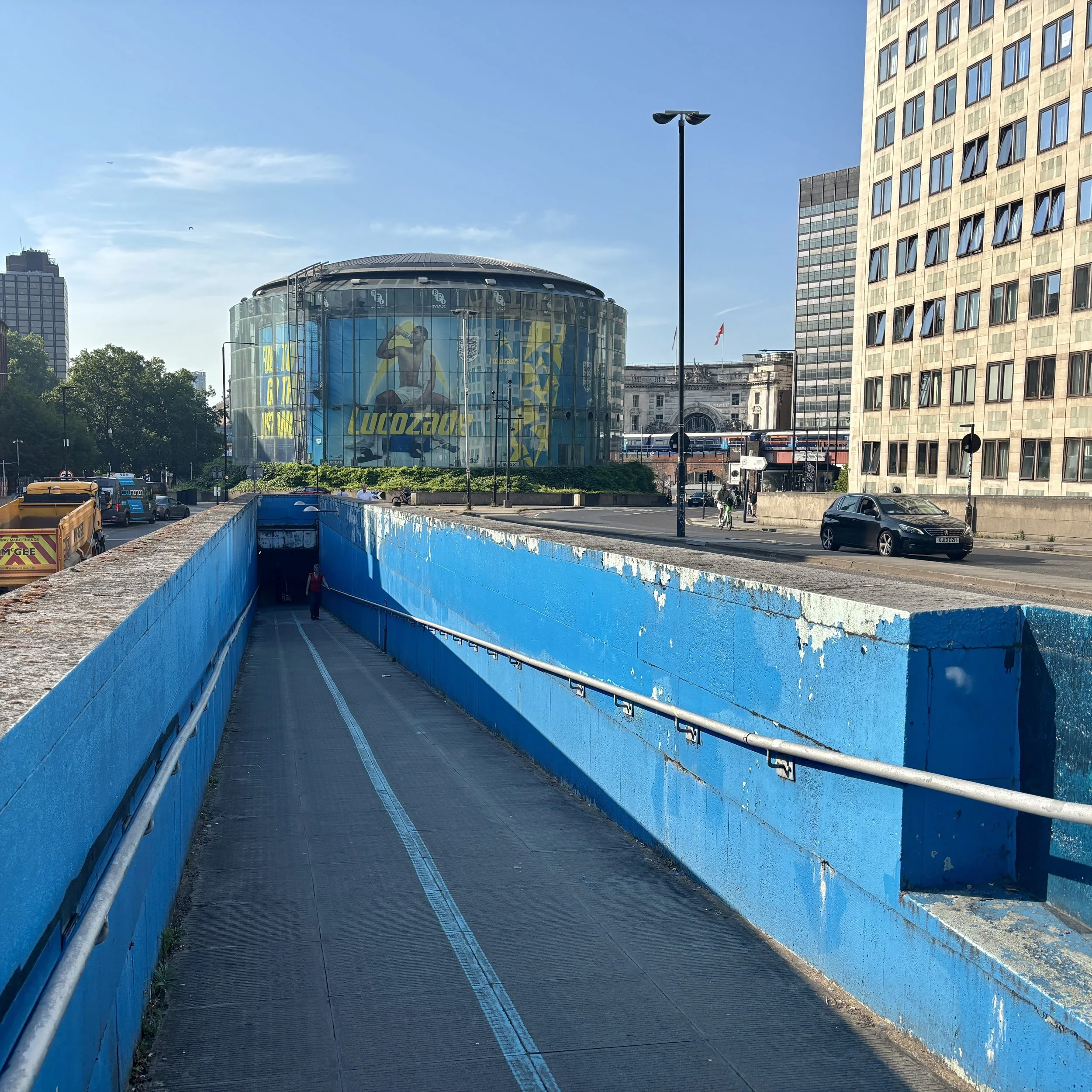
Approaching Waterloo: As you get to the IMAX near the end of the walk, you need to make sure you find the right route to get from the IMAX to Waterloo station without crossing a road.
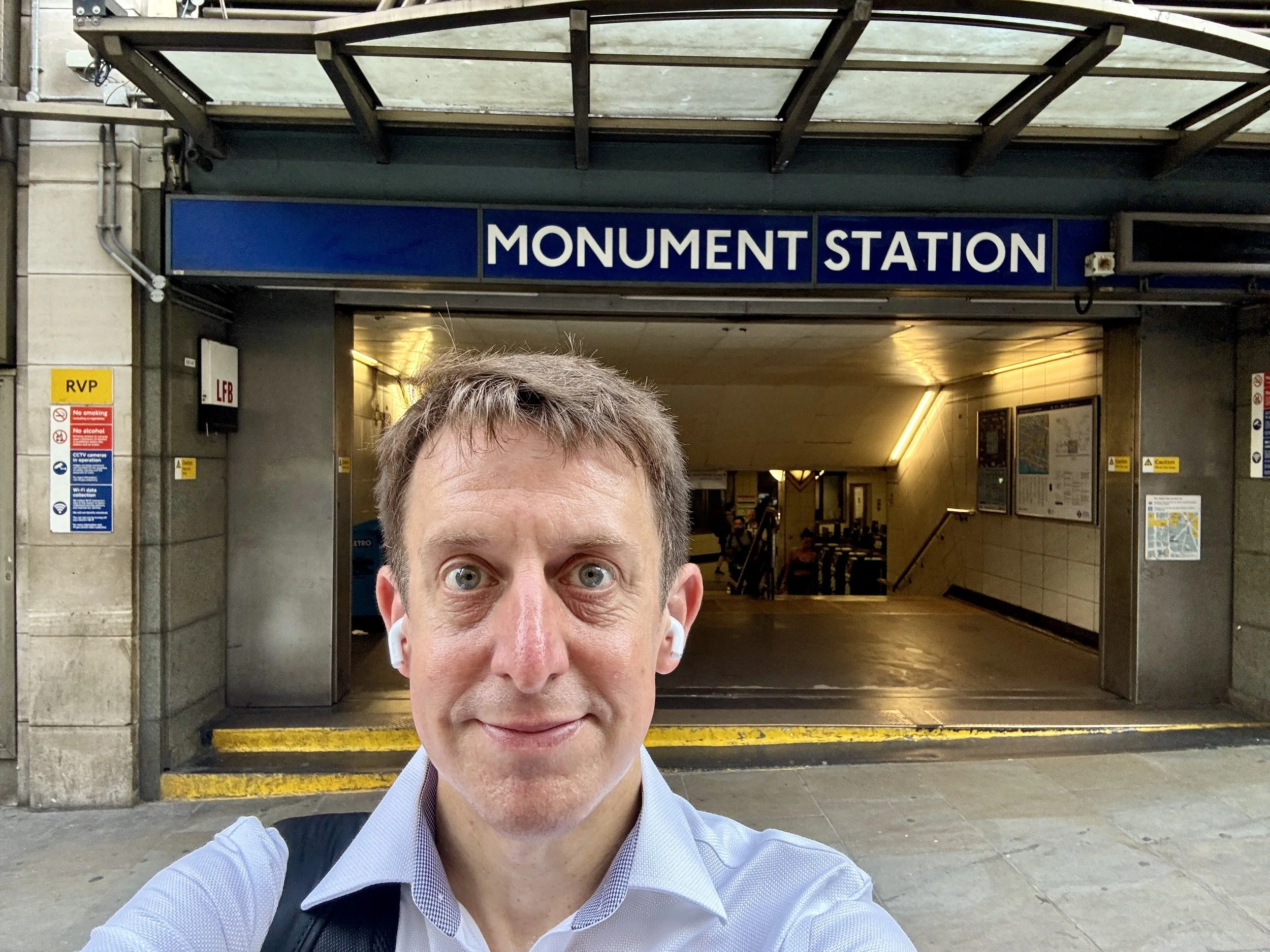
Start: Monument Station, Fish Street Hill Exit, London, EC3R 6BR
Finish: Waterloo Station, Waterloo Road, London SE1 8SW
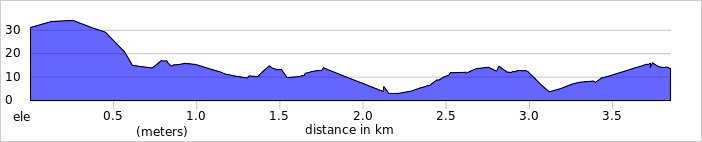
Distance: 4.0 km (2.5 miles)
Elevation change: +32m / -49m. Net - 17m
GPX File: get via Buy Me a Coffee
Other routes touched (walk): Pudding Lane Pedway, Thames Path, Green Link Walk
Other routes touched (cycle): NCN 4
Pubs / Cafes on route: Loads, it’s London. See the points of interest section below for 2 significant pubs.
Map: London North Map | The City, West End, Enfield, Ealing, Harrow & Watford | Ordnance Survey | OS Explorer Map 173
Red = Waterloo & City Underground Line. Blue = The walk back
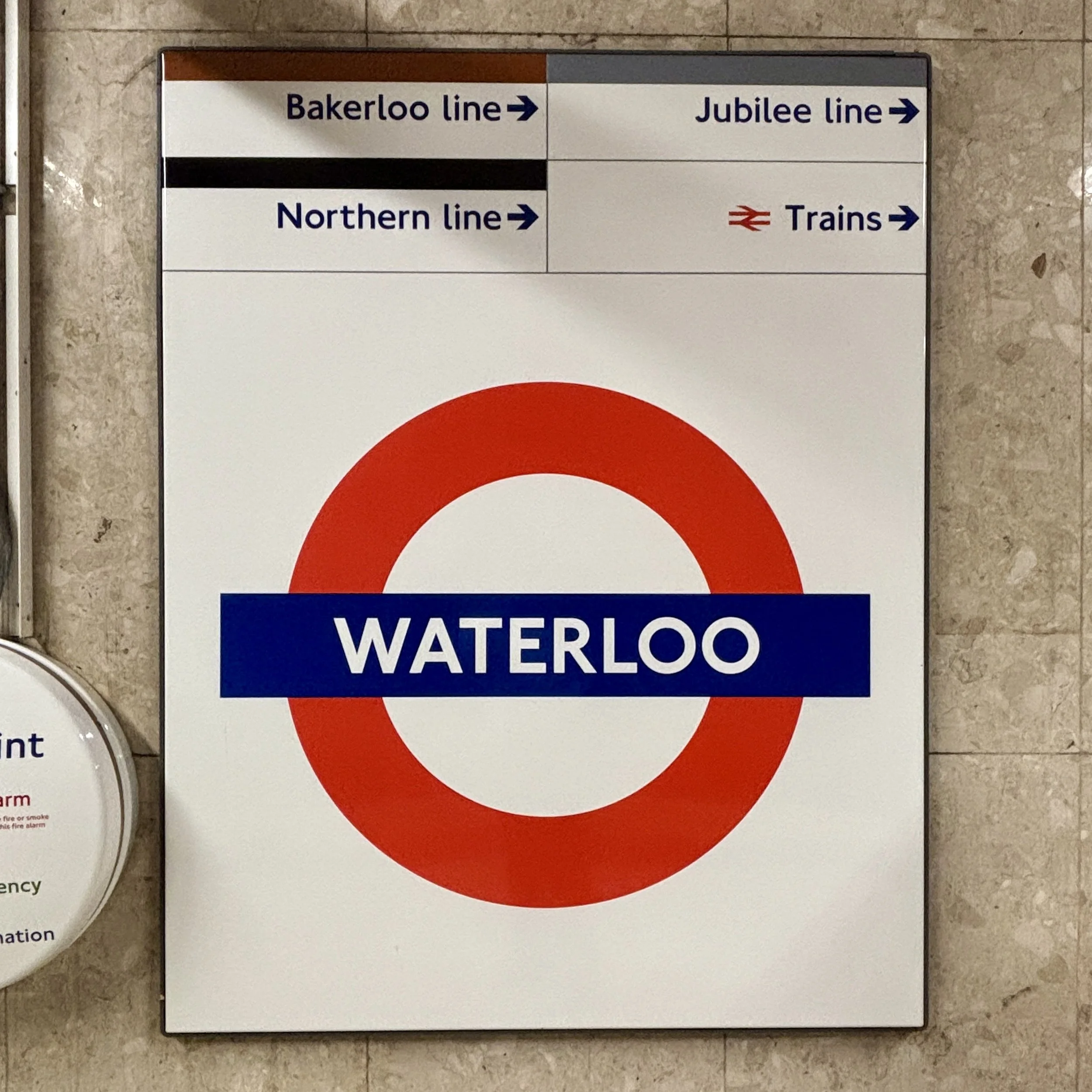
Points of Interest along the walking route
In order of the route from Bank to Waterloo, showing how many kilometres into the route it is from the Fish Street Hill exit of Monument Station.
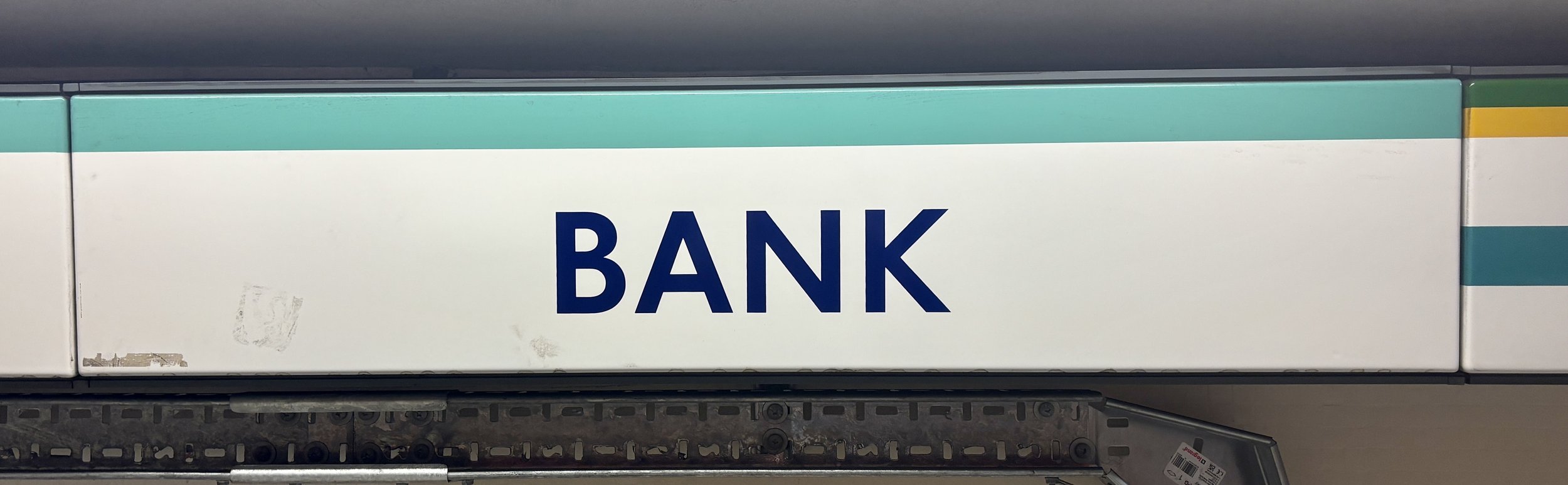
Bank Station. A major interchange station on the London Underground, named after the nearby Bank of England. It is famous for its complex maze of tunnels, steep escalator shafts, and pedestrian subways, which were built over decades, making it one of the most notoriously confusing (and crowded) stations to navigate on the entire network.
Monument Station. Linked directly to Bank station via deep-level pedestrian tunnels, it takes its name from the nearby Monument to the Great Fire of London. It originally opened in 1884 as part of the Metropolitan Inner Circle completion and provides a crucial gateway to the historic heart of the City of London.
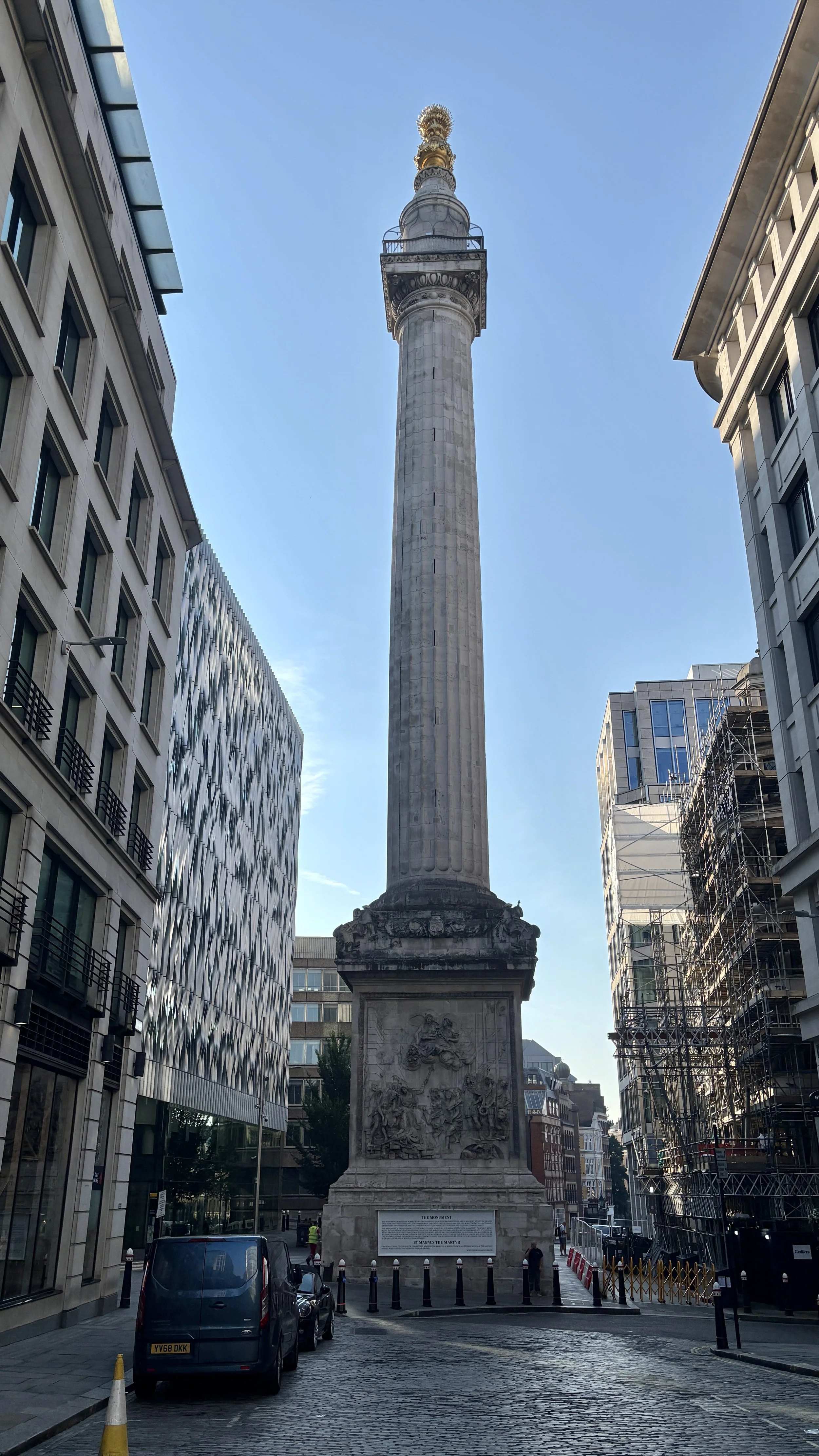
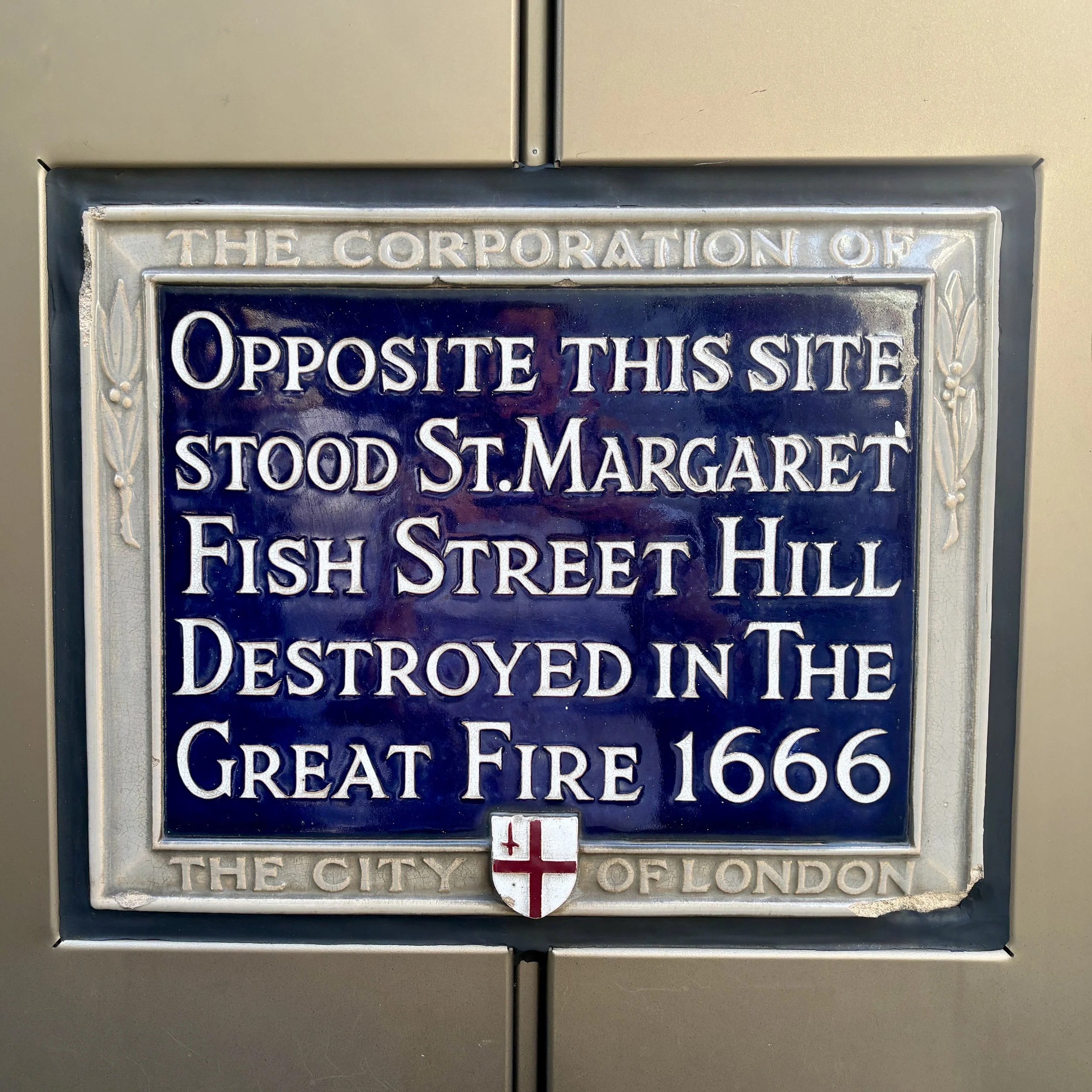
(0.1 km) Monument to the Great Fire of London. Designed by Sir Christopher Wren and Dr Robert Hooke, this 202-foot-tall Doric column commemorates the catastrophic Great Fire of London in 1666. Its height is no coincidence. If the column were laid flat on the ground, the tip would reach the exact spot of Thomas Farriner's bakery in Pudding Lane where the fire started.
(0.1 km) Pudding Lane. A small cobbled street in the City of London that is infamous worldwide as the starting point of the Great Fire. Despite its sweet-sounding name, "pudding" was actually a medieval term for animal innards, which butchers carted down this lane from Eastcheap market to the river to be discarded.
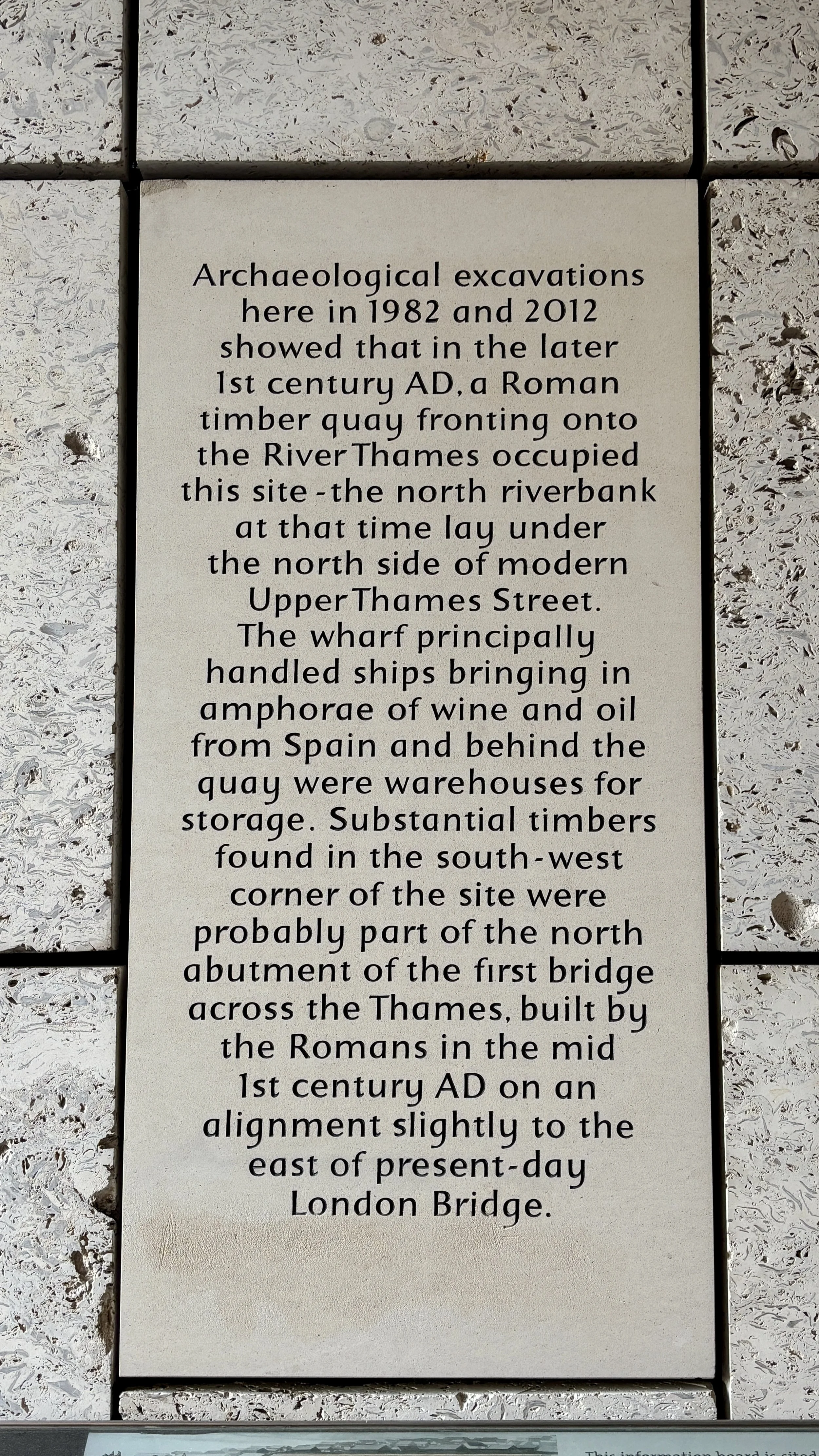
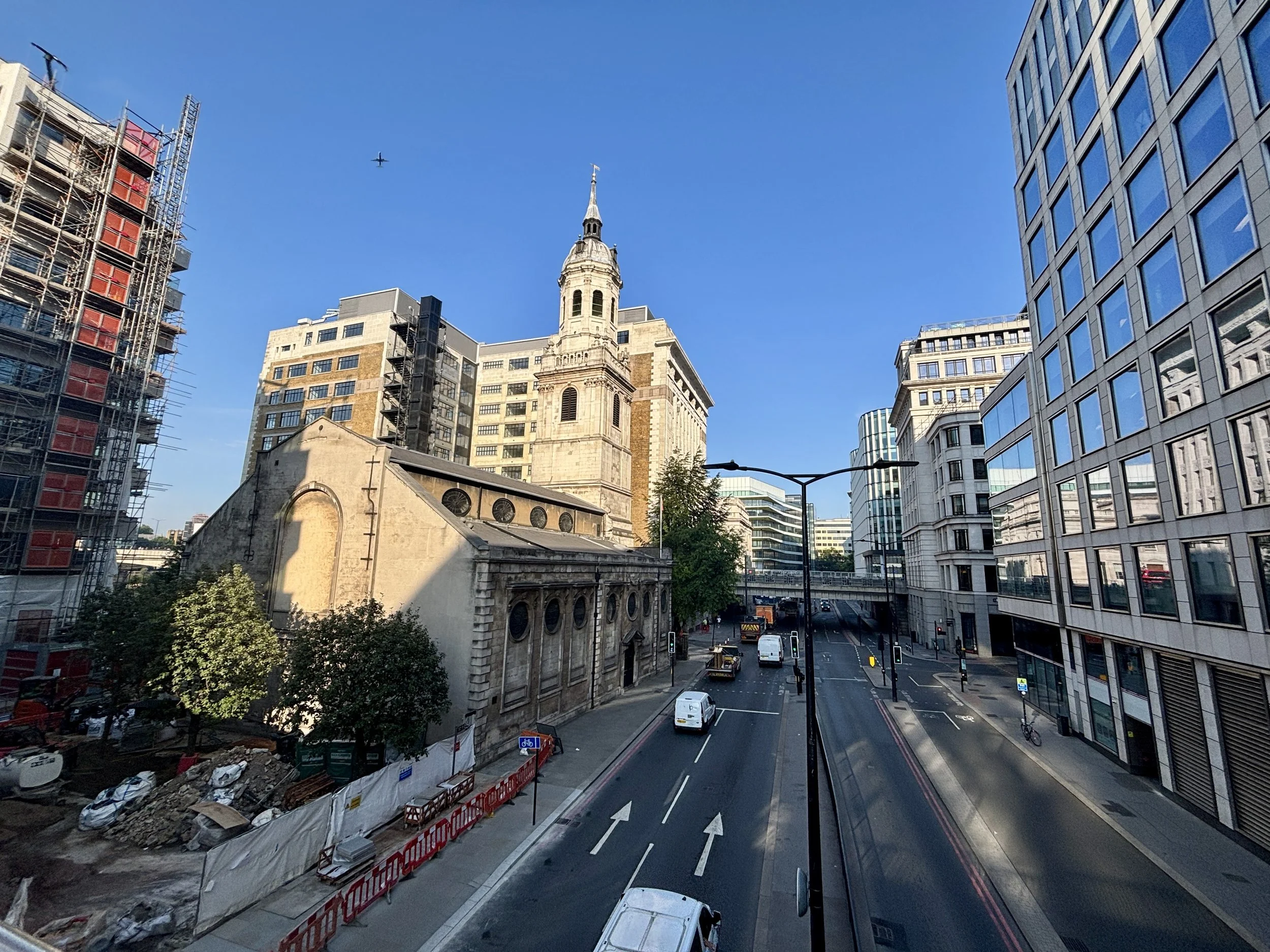
(0.2 km) Church of Saint Magnus-the-Martyr. Another stunning architectural masterpiece rebuilt by Sir Christopher Wren after the Great Fire, this church once stood right at the foot of the old medieval London Bridge. A surviving piece of Roman timber wharf from the 1st century AD is remarkably displayed in its porch, blending centuries of London history in a single spot.
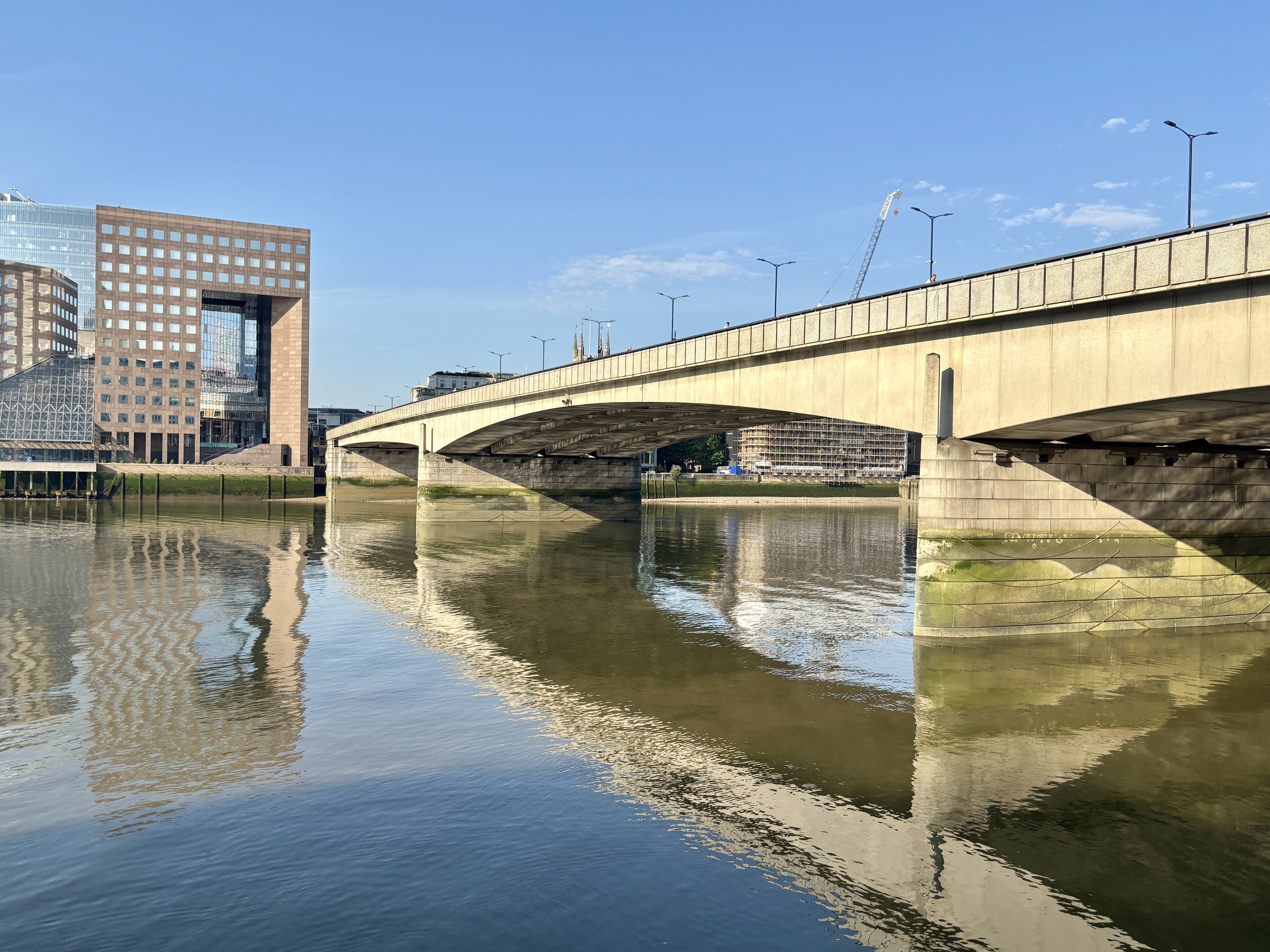
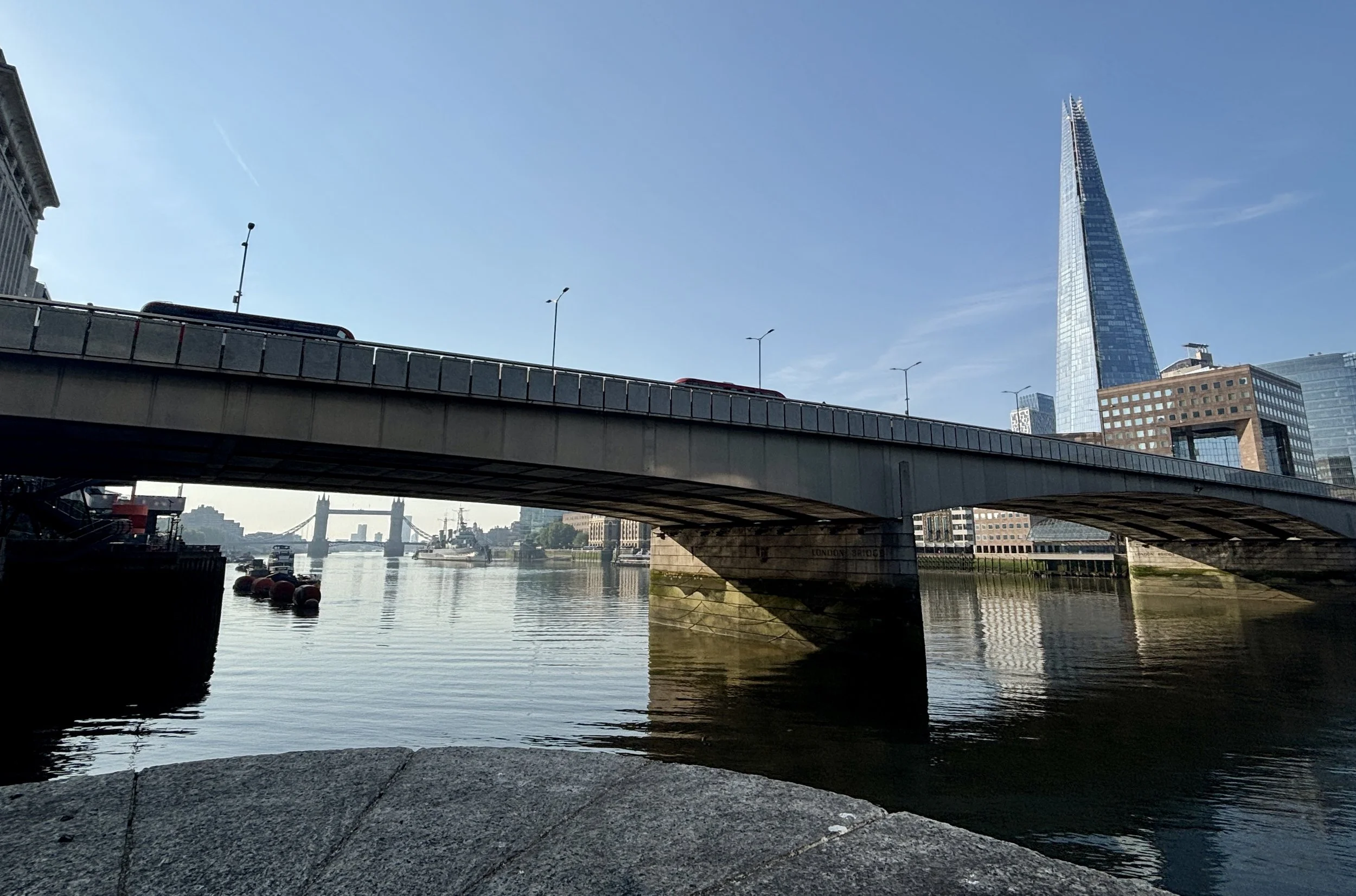
(0.4 km) London Bridge is the oldest crossing over the River Thames, with a rich history originating from a Roman pontoon structure built around 43 AD. The 19th-century version of the bridge was famously sold to an American entrepreneur in 1968 and rebuilt stone by stone in Arizona.
(0.6 km) Cannon Street Bridge. Constructed between 1863 and 1866, Cannon Street Railway Bridge features two monumental Victorian brick towers originally built to conceal water tanks for the station's hydraulic lifts. At low tide the riverbank beneath the bridge is frequently scattered with centuries-old animal bones from historical butchers and abattoirs.
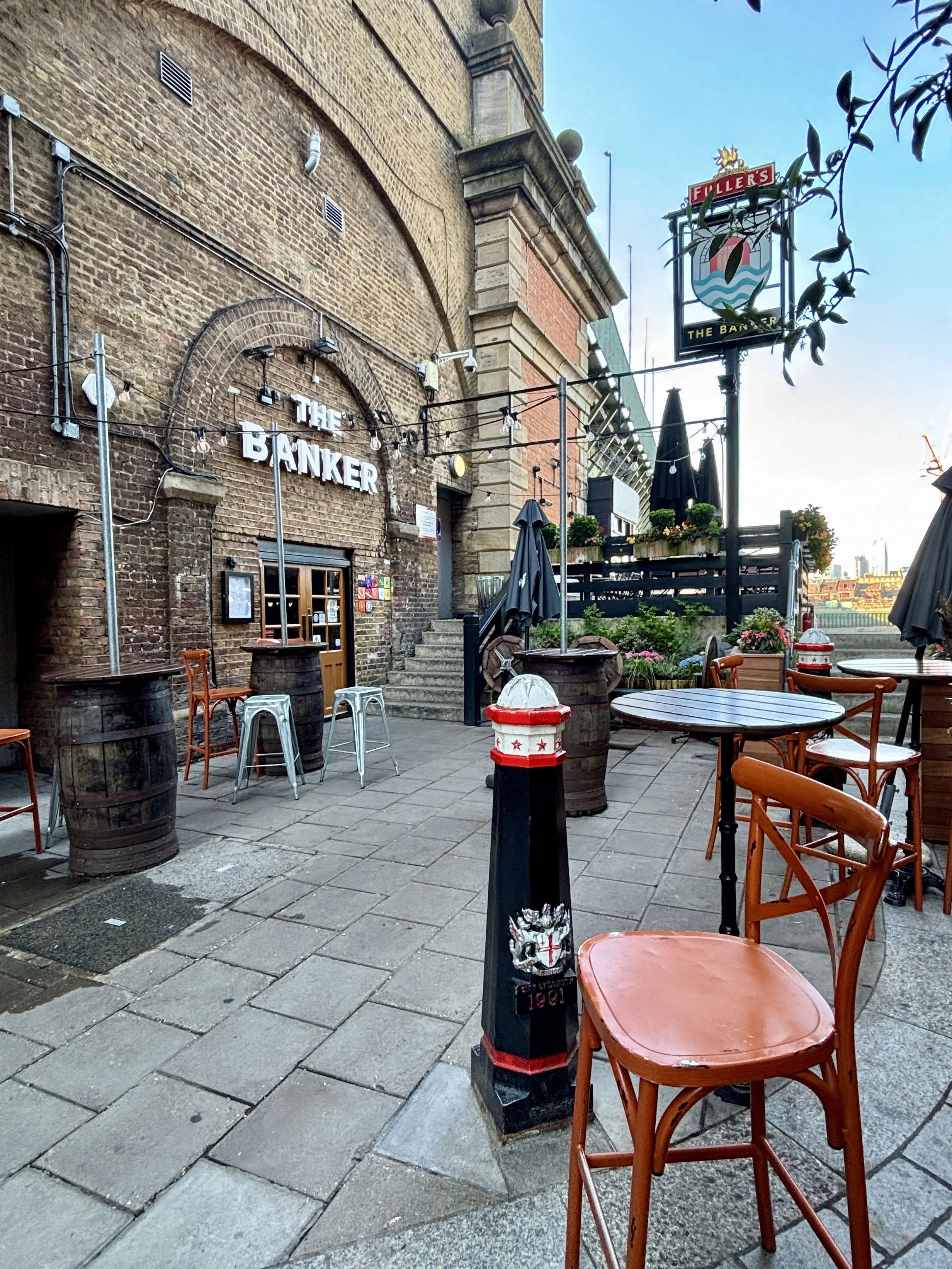
(0.7 km) The Banker Pub, EC4 Nestled snugly within the towering brick arches of the Cannon Street Railway Bridge, this riverside pub offers spectacular views of the Thames. The cavernous vaults it occupies are a testament to robust Victorian railway engineering.
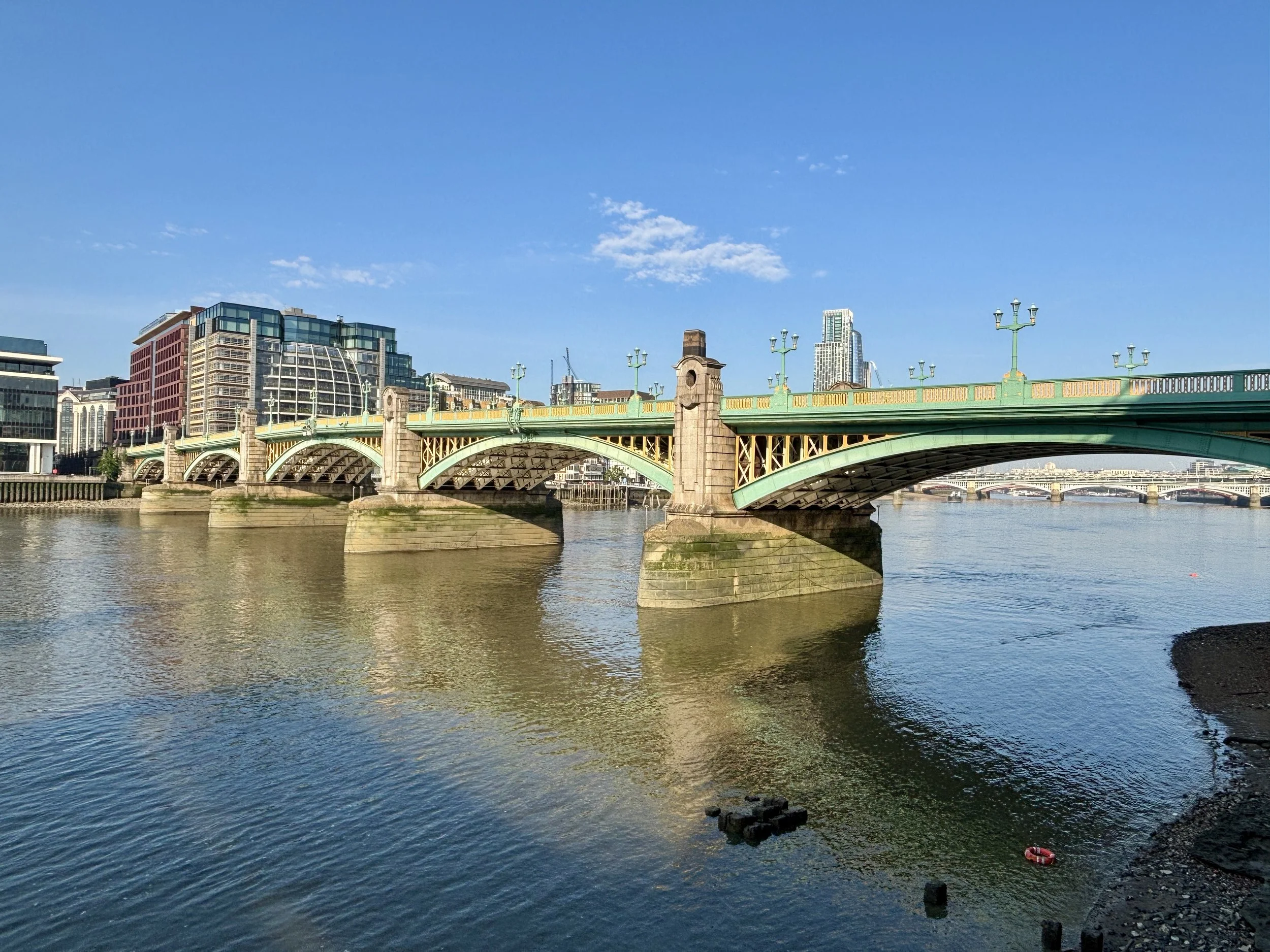
(0.8 km) Southwark Bridge. Rebuilt in 1921, the vibrant green and yellow Southwark Bridge was cleverly designed so its arches align perfectly with neighbouring bridges to ensure a smooth flow of river traffic. For a glimpse into the past, pedestrians can still spot old stone steps on the south bank once used by Thames watermen to moor their boats.
(0.8 km) Fruiterers Passage This narrow, easily missed walkway is a ghost of London's trading past, named after the Worshipful Company of Fruiterers, one of the City's ancient livery companies. It serves as a quiet reminder of the medieval days when different trades clustered in specific riverside alleys to load and unload their goods.
(1.0 km) The Alfred Plaque This modest stone memorial marks King Alfred the Great's restoration of London in 886 AD after a period of Viking occupation. It highlights how he rebuilt the Roman walls and re-established the nearby Queenhithe dock to revive the city's trade and ensure its survival.
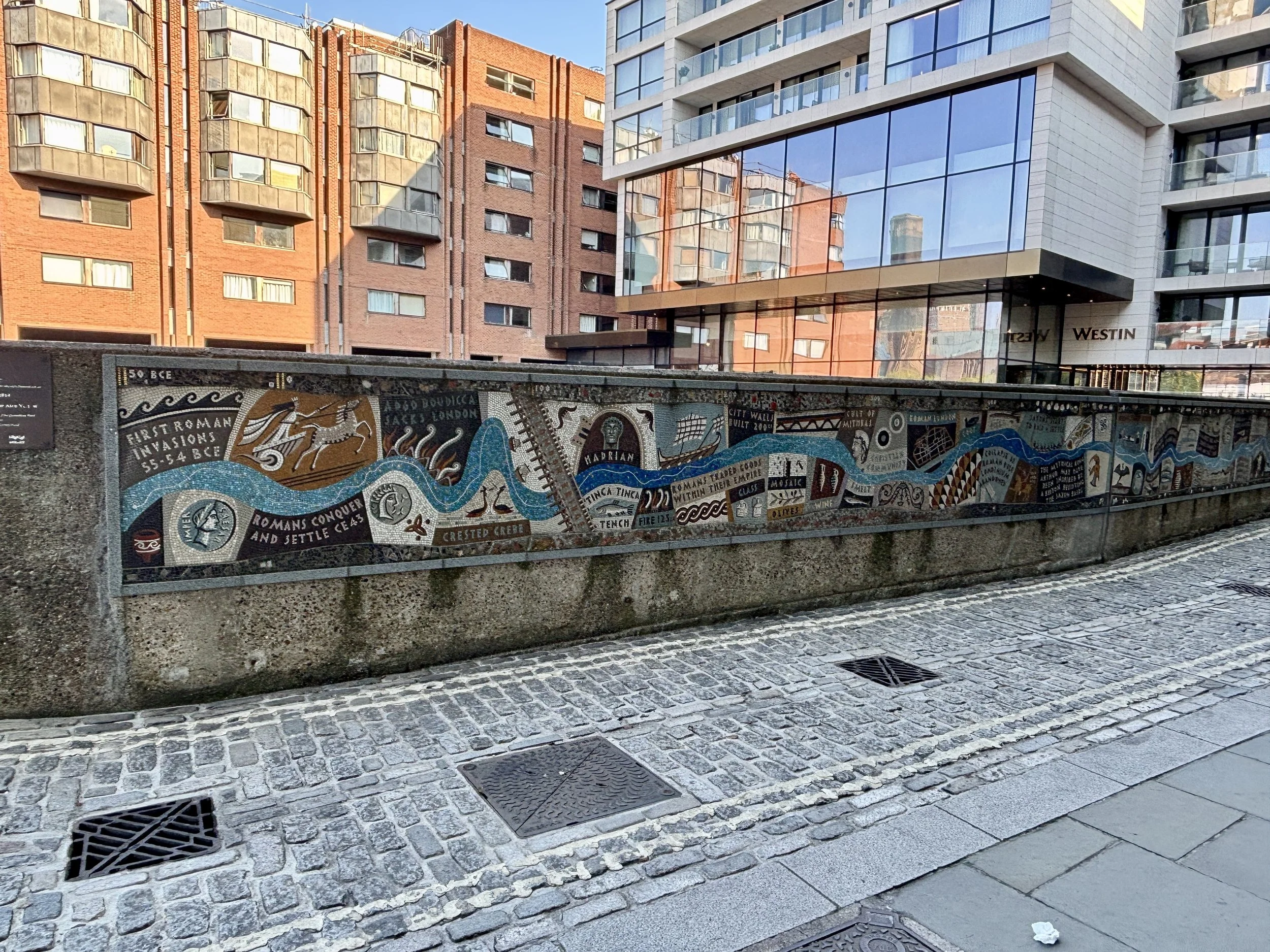
(1.0 km) Queenhithe Mosaic Unveiled in 2014, this beautiful 30-meter-long mosaic timeline vividly illustrates the history of London and the Queenhithe dock from Roman times right up to the present day. It is an unexpected, colorful piece of public art that encapsulates the historical significance of the shoreline you are walking along.
(1.1 km) Queenhithe Dock and Wharf Once the most important dock in Saxon and medieval London, goods like corn, fish, and fur were traded here for centuries. Today, it is a scheduled ancient monument and the only surviving inlet on the modern City waterfront, offering a rare, untouched glimpse into the ancient port of London.
(1.2 km) Samuel Pepys Pub Named after the famous 17th-century diarist who documented both the Great Fire and the Great Plague, this pub sits in a historic wooden warehouse on the north bank.
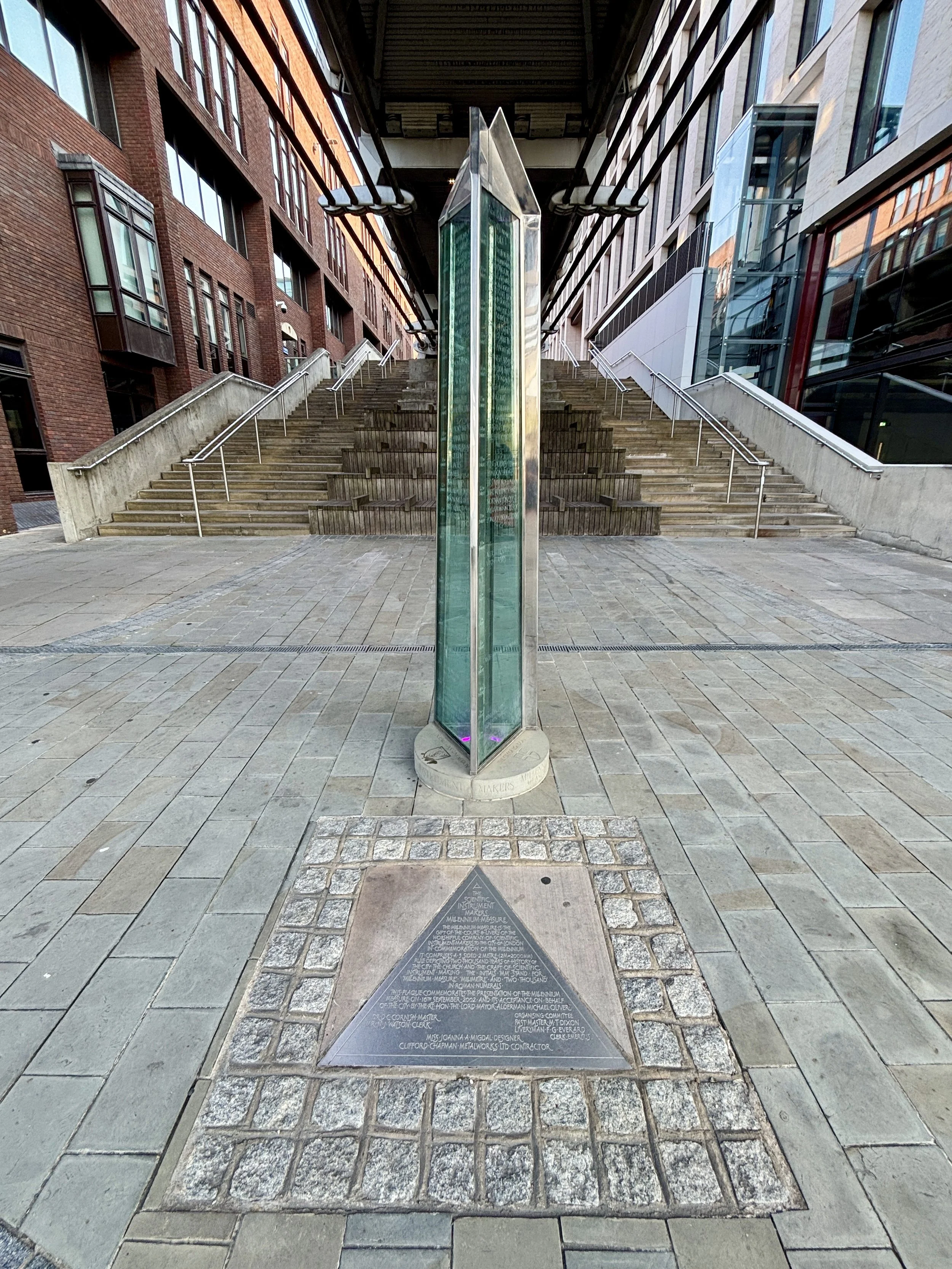
(1.4 km) Millennium Measure. Gifted by the Worshipful Company of Scientific Instrument Makers for the year 2000, the Millennium Measure is a stainless steel and glass sculpture serving as a three-sided, two-metre rule that depicts two thousand years of history. Its initials "MM" cleverly stand for three things simultaneously: "Millennium Measure", "millimetre", and the number two thousand in Roman numerals.
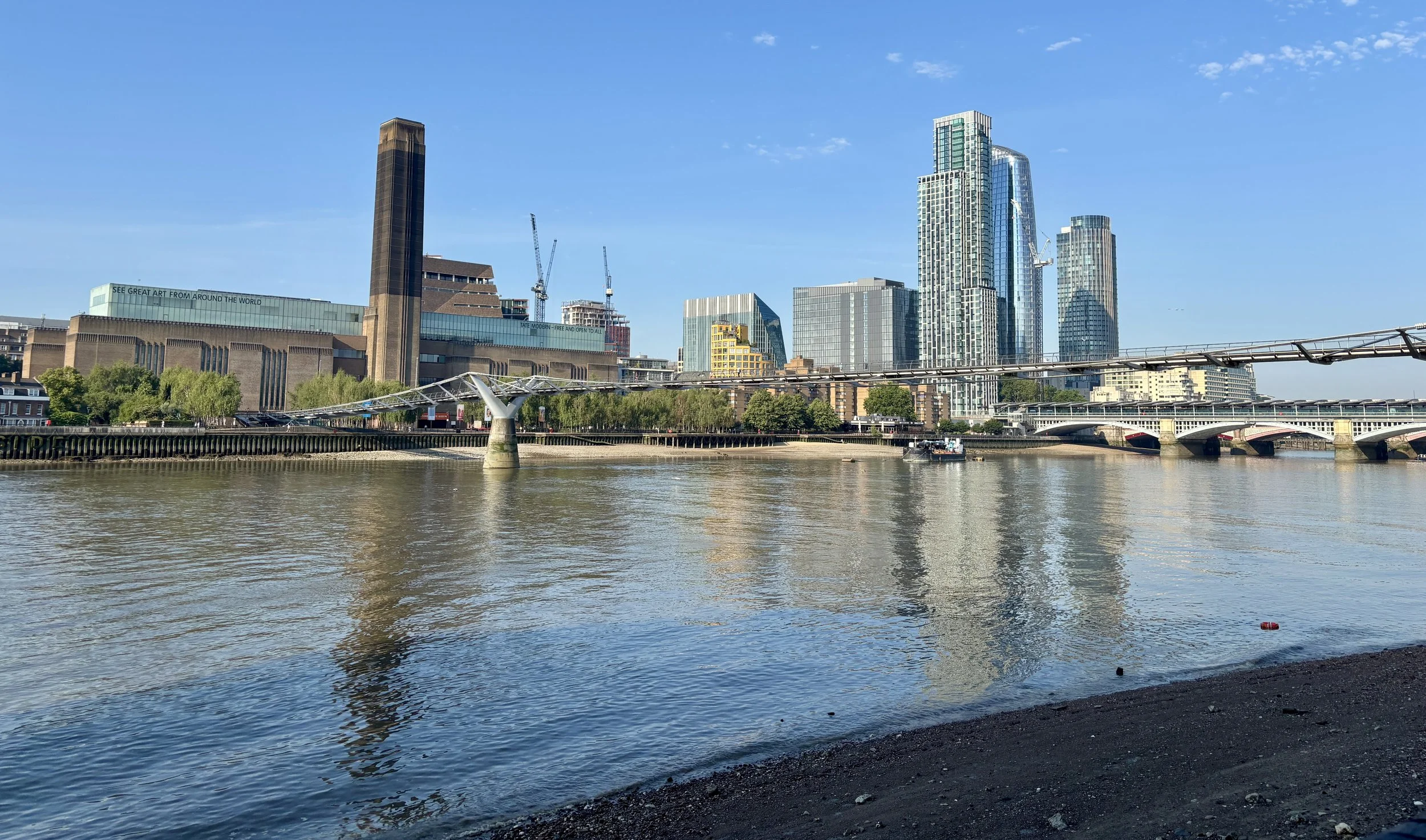
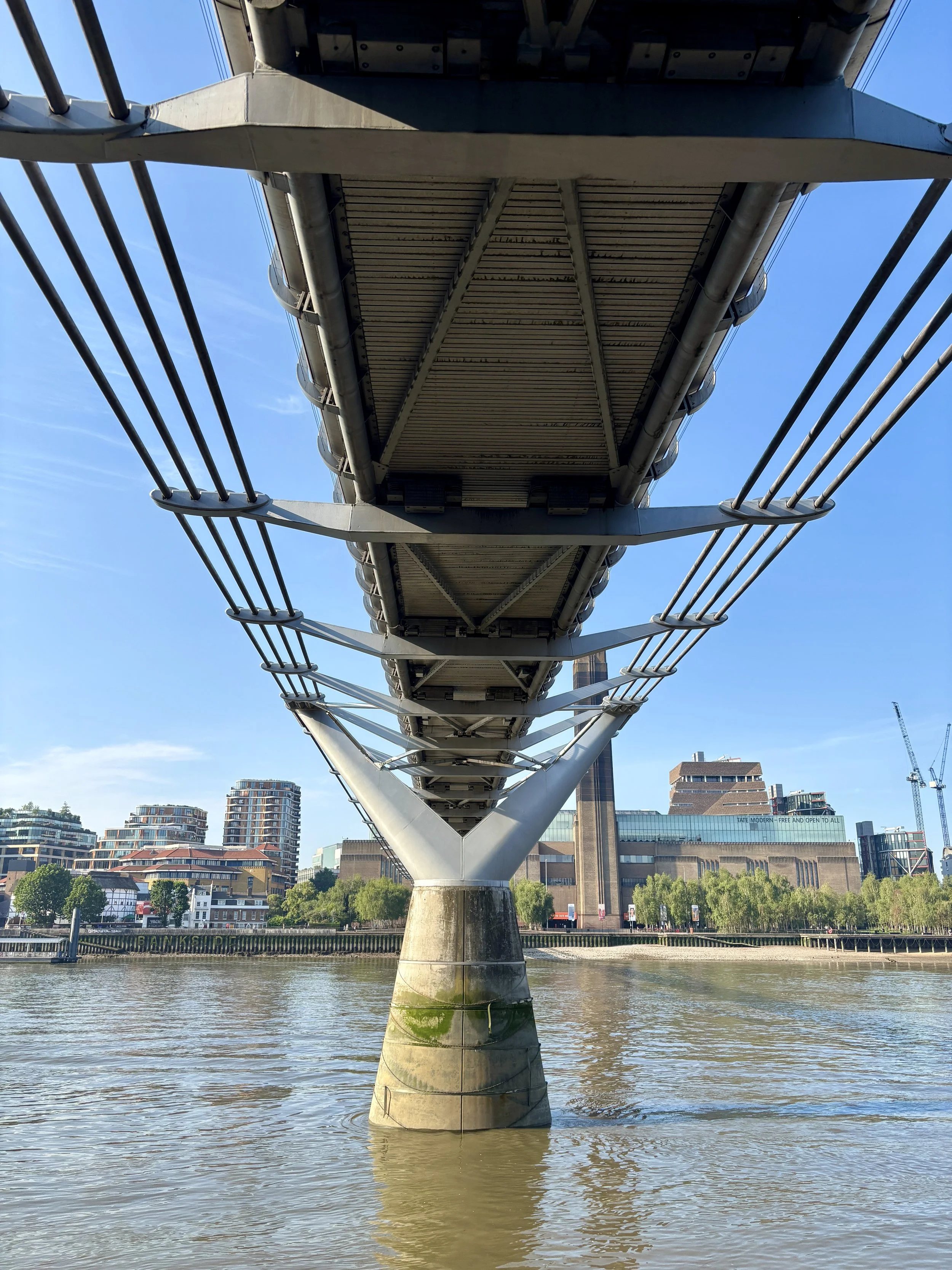
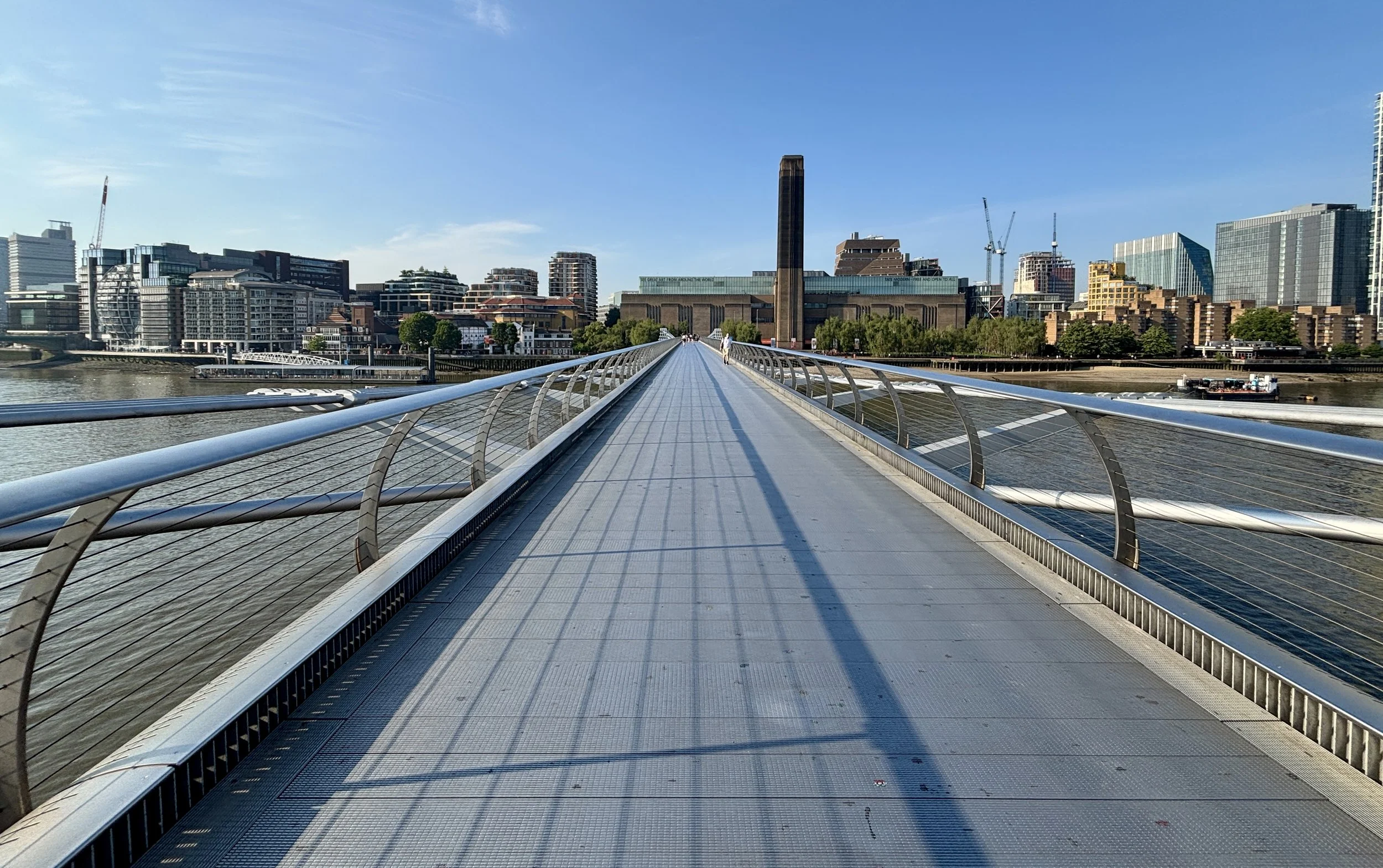
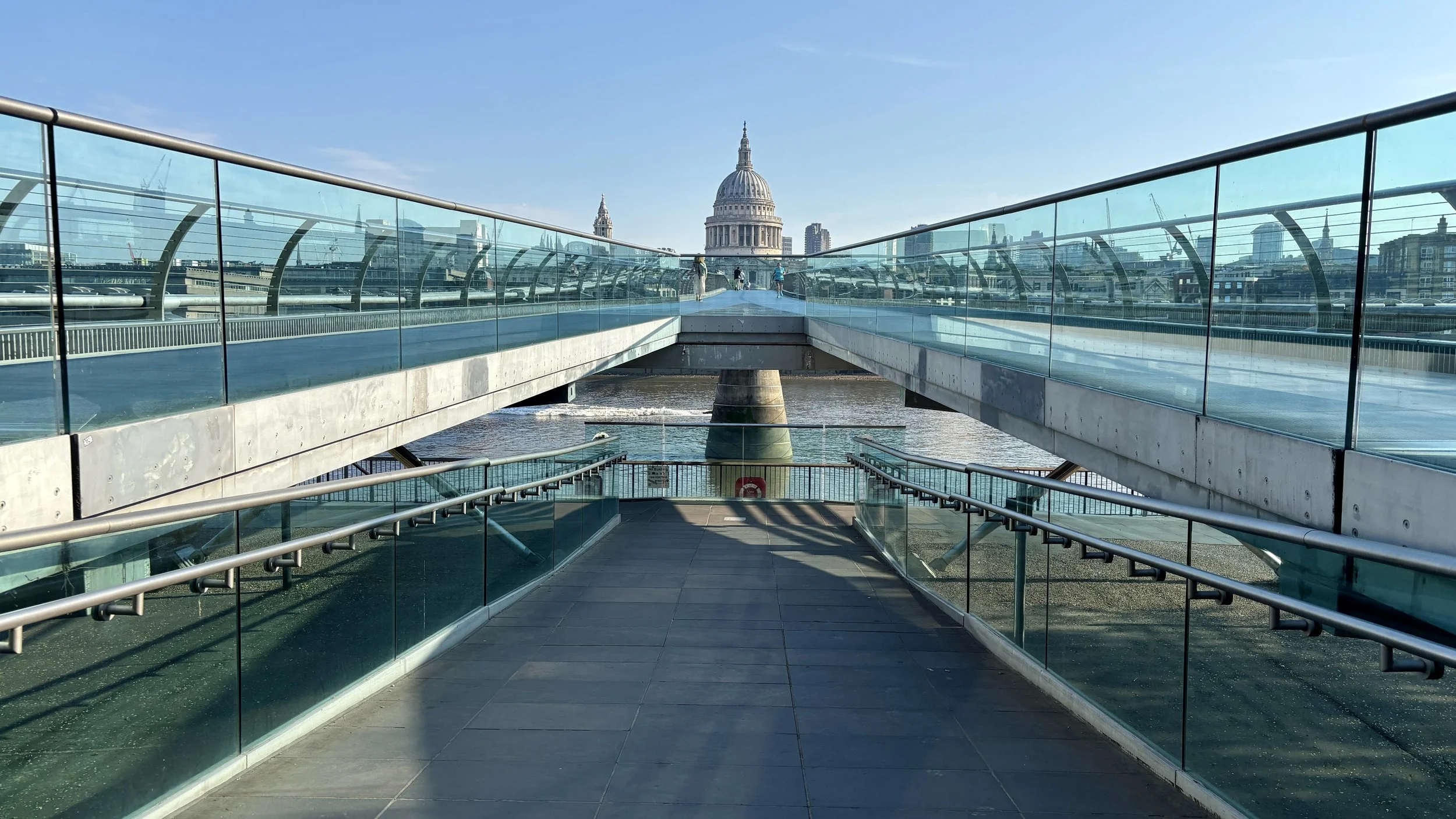
(1.4 km) Millennium Bridge Opened in 2000, this steel suspension footbridge elegantly links St Paul's Cathedral with the Tate Modern. It famously earned the nickname "The Wobbly Bridge" due to a swaying motion experienced on its opening day, an engineering quirk which took two years and specialized dampeners to finally fix.
(1.5 km) St Paul's Cathedral Though you don't walk right up to it on this specific path, the view of its iconic dome from the Millennium Bridge is a deliberately engineered sightline. Sir Christopher Wren's architectural masterpiece is framed perfectly by the bridge's suspension cables, offering one of the most celebrated and deliberate vistas in all of London.
(1.8 km) Shakespeare's Globe Located just off the path after crossing the river, this is a meticulous reconstruction of the original Elizabethan playhouse where Shakespeare debuted his greatest works. A wonderfully quirky detail: it features the first and only thatched roof permitted in London since the Great Fire of 1666, protected today by specially designed fire-retardant sprinklers.
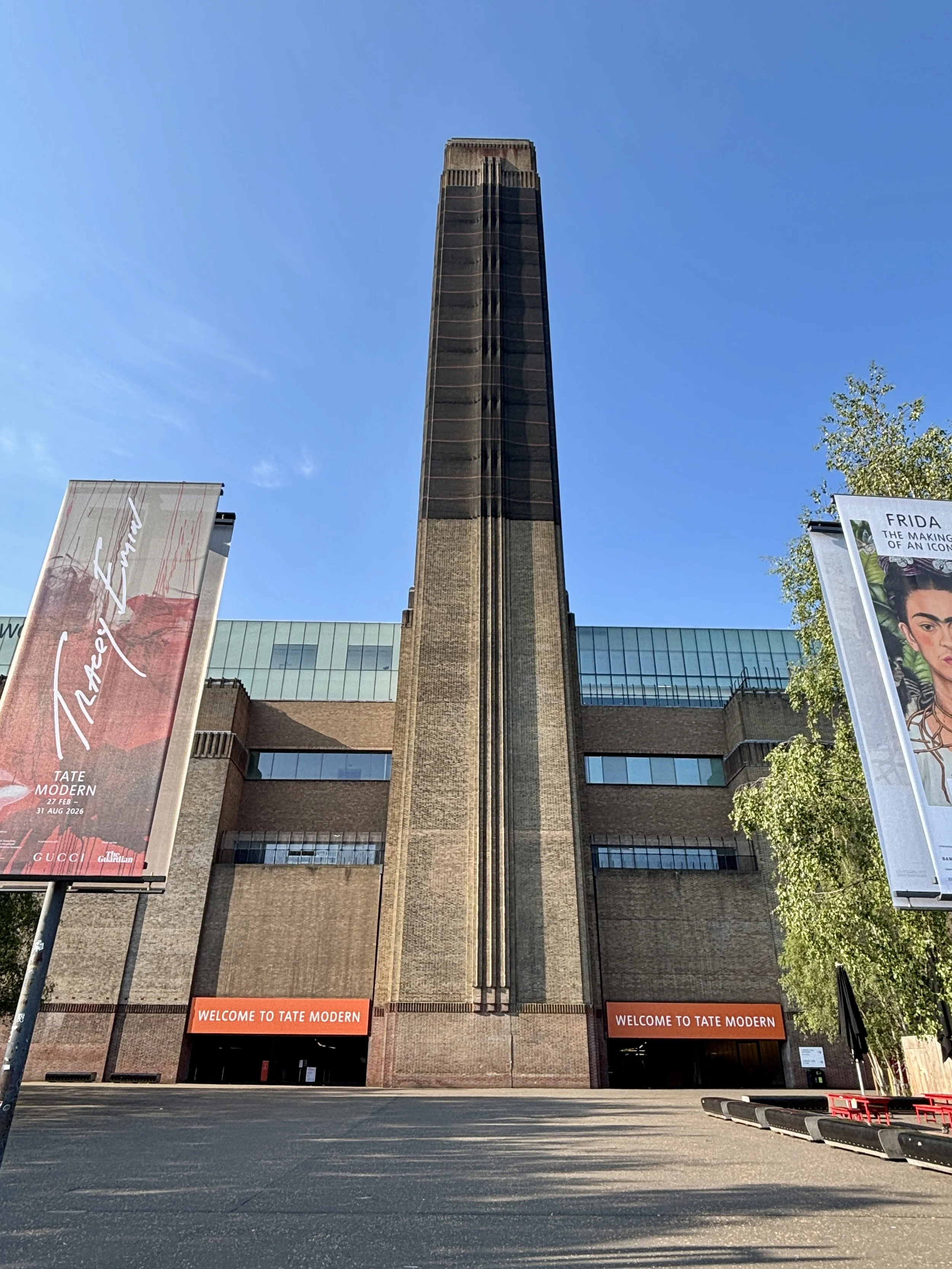
(1.9 km) Tate Modern Housed in the colossal former Bankside Power Station, this world-renowned gallery is Britain's national museum of international modern and contemporary art. The iconic towering chimney and cavernous Turbine Hall are stunning remnants of its industrial past repurposed into spectacular exhibition spaces.
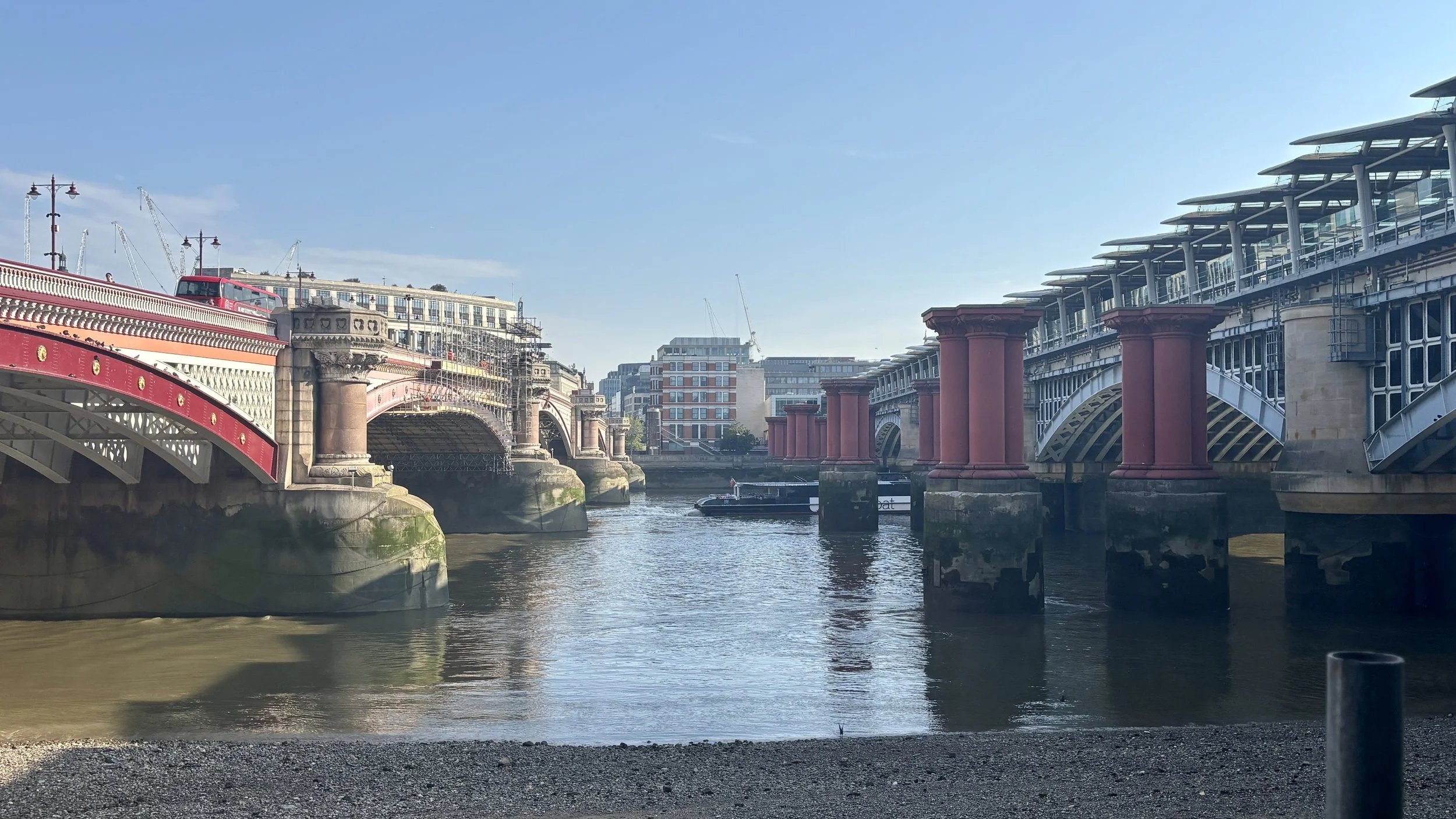
(2.1 km) Blackfriars Railway Bridge Pillars As you continue along the South Bank, look out into the river to see a row of red, cast-iron pillars standing completely alone in the water. These are the beautifully preserved remains of the original 1864 London, Chatham and Dover Railway bridge, dismantled in the 1980s. The railway insignia is still brilliantly visible on the columns.
(2.5 km) Oxo Tower Originally a power station, the building was largely rebuilt in the 1920s by the Liebig Extract of Meat Company (makers of Oxo cubes). Refused permission for illuminated rooftop advertising, they cleverly circumvented the ban by designing the tower's windows in the shapes of a circle, a cross, and a circle subtly spelling out "OXO" across the skyline.
(2.6 km) The Queen's Walk This vibrant pedestrian promenade stretches along the South Bank of the Thames, formalized in 1977 to mark the Silver Jubilee of Queen Elizabeth II. It connects several major cultural landmarks and is renowned for its bustling atmosphere, street performers, and unmatched views across the river.
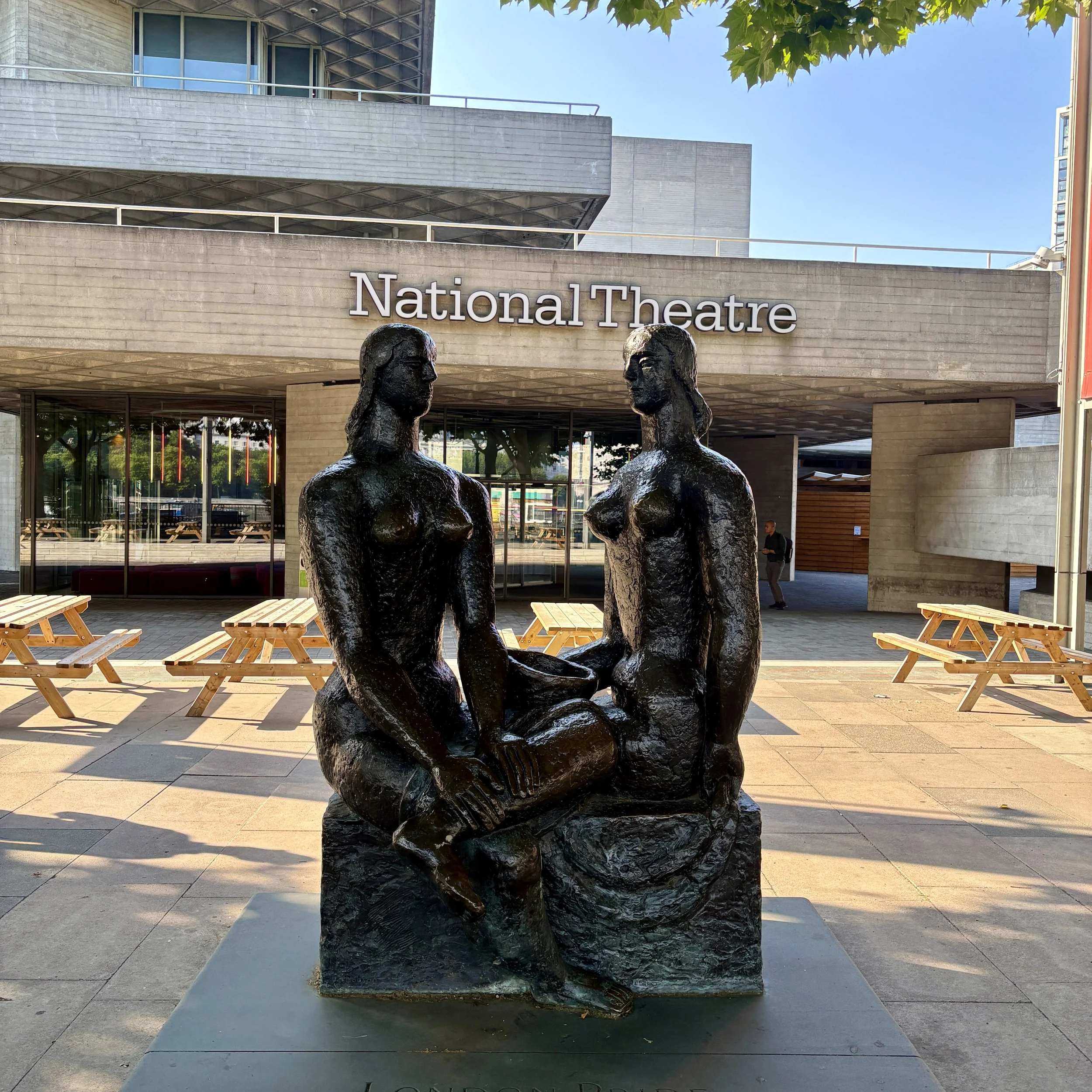
(2.9 km) National Theatre A highly polarizing piece of architecture, this massive concrete complex is one of London's most prominent examples of the Brutalist style. King Charles once famously compared it to a "clever way of building a nuclear power station," but regardless of its divisive exterior, it houses three world-class auditoriums producing unparalleled theatre.
(3.1 km) Southbank Centre Book Market Nestled directly beneath Waterloo Bridge, this is one of the only outdoor second-hand and antique book markets in southern England. Operating daily since 1982, it's a wonderfully atmospheric spot on the walking route to browse weather-beaten classics while the traffic rumbles overhead.
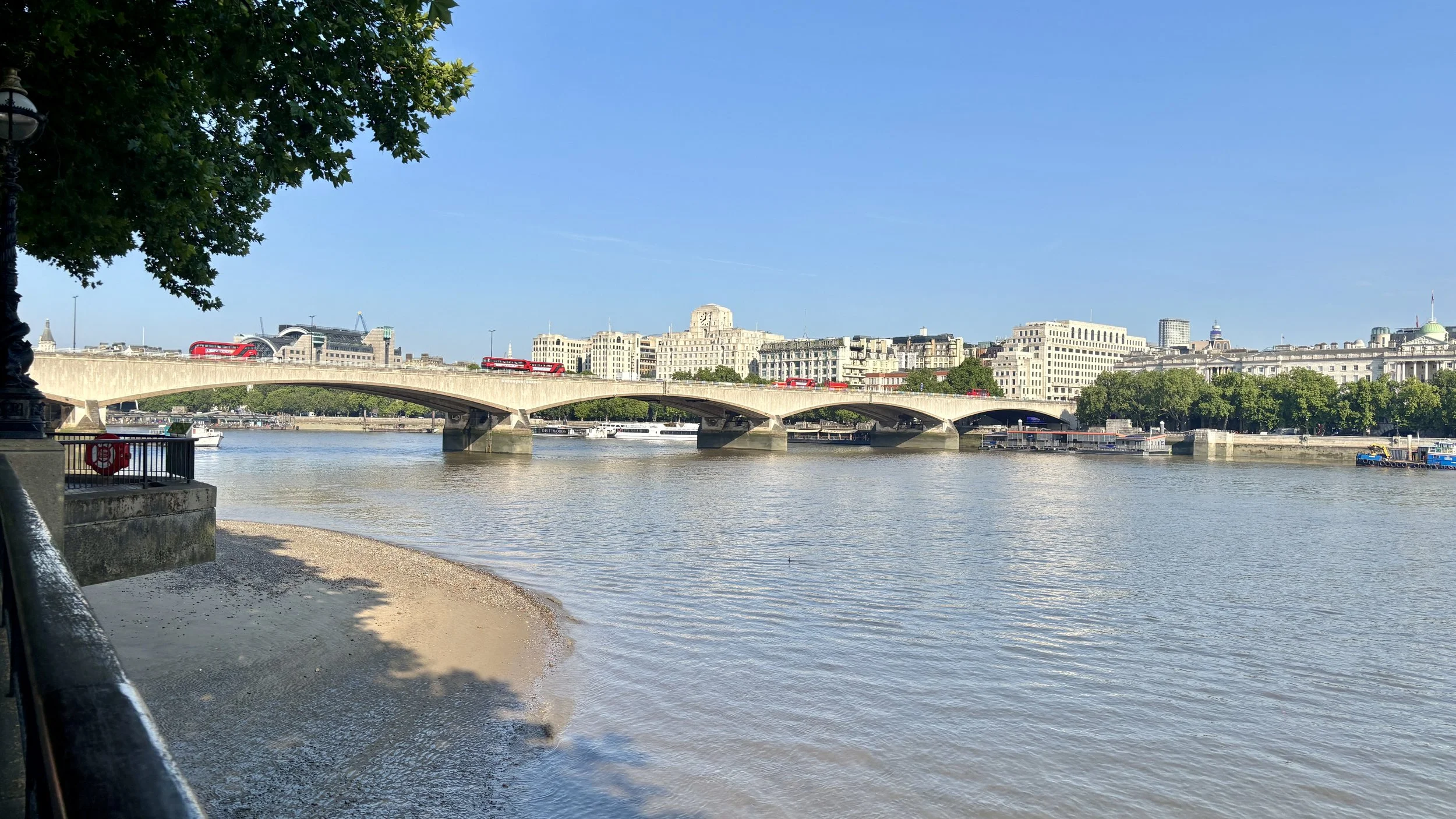
(3.2 km) Waterloo Bridge Often affectionately called the "Ladies' Bridge" because it was largely built by a female workforce during World War II, this bridge offers arguably the best panoramic views in London. Look east for the City skyline and St Paul's Cathedral, or west for the London Eye and the Houses of Parliament.
(3.4 km) BFI Imax Sitting right in the center of a busy traffic roundabout, this striking glass cylinder is home to the largest cinema screen in the UK. The sheer scale of the auditorium is mind-boggling, and the entire structure is built on sophisticated anti-vibration pads to drown out the rumble of the tube lines running directly beneath it.
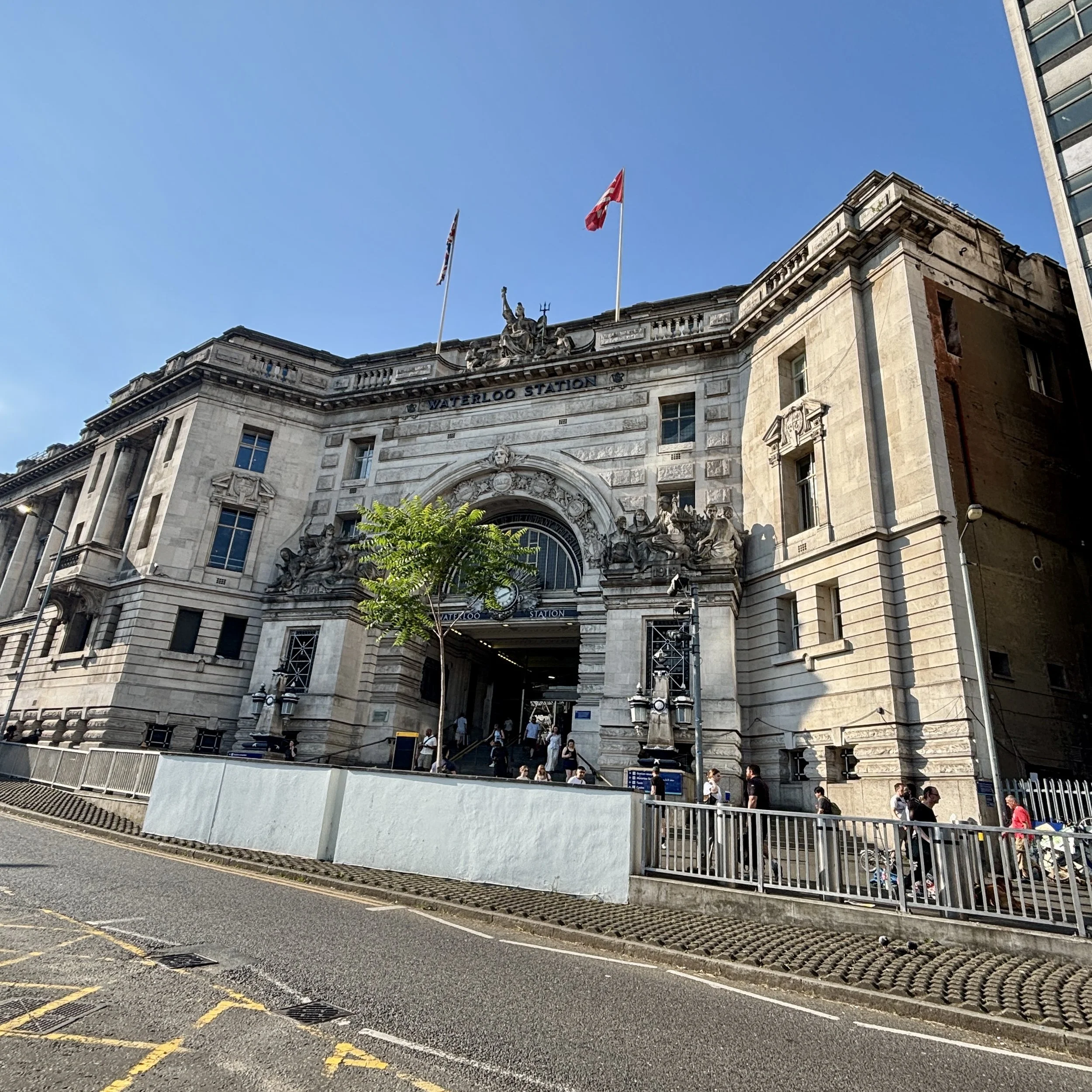
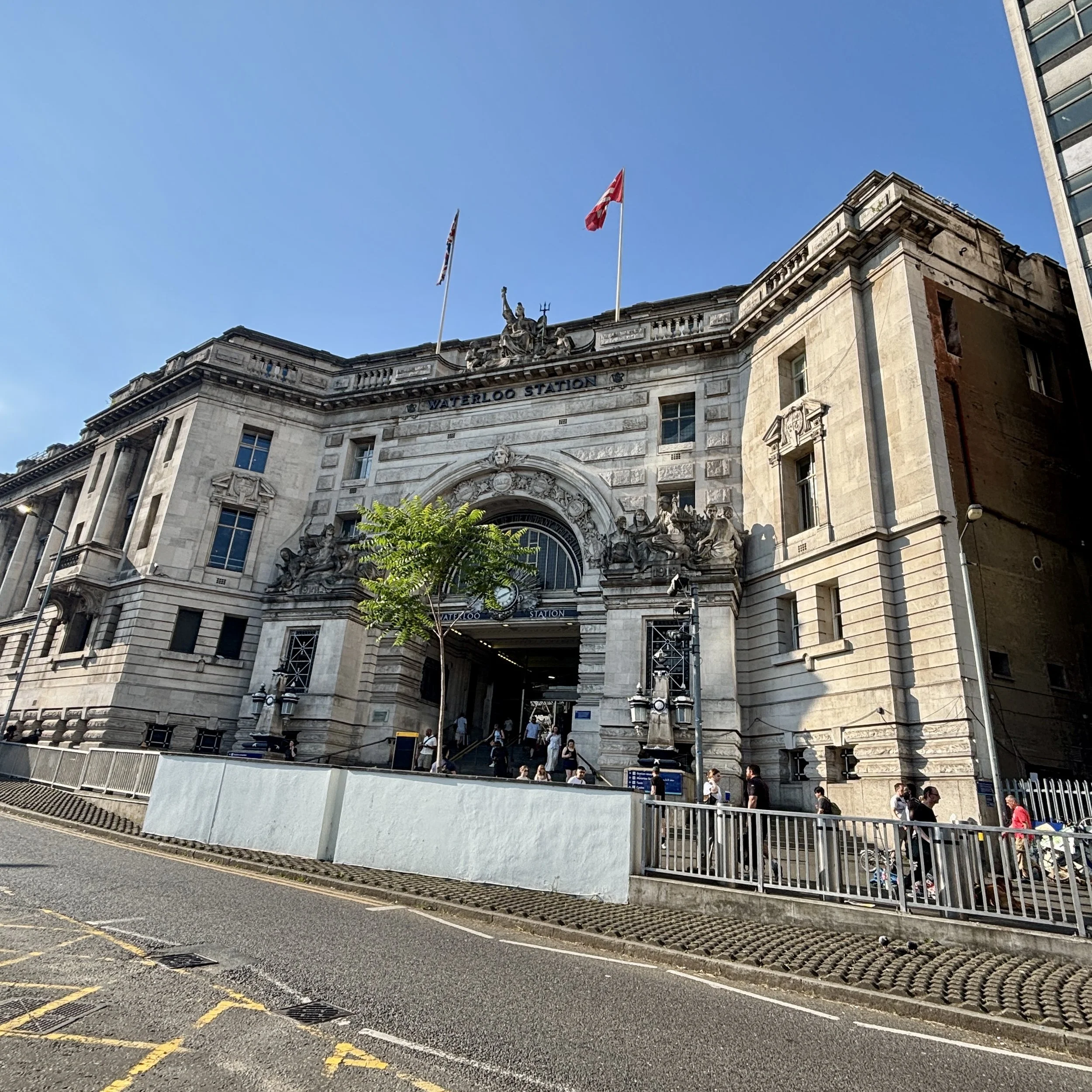
(3.5 km) Waterloo Station Britain’s busiest railway station by passenger volume, it is a bustling hub that first opened in 1848. A famous quirky detail is the great four-faced clock hanging in the middle of the main concourse, which has served as an iconic rendezvous point for countless romantic dates and classic movie scenes since the 1920s.
More London Posts
If you enjoyed reading this post, there is plenty more to explore across the capital. I have put together a dedicated London Outdoors page where I keep track of all my other adventures around the city. It is a handy index where I group my posts by the different types of places I have visited: including historic boundary lines, canal towpaths, and some surprising urban high points.
The collection covers a bit of everything: from long-distance cycling routes to tracing the underground network on foot, and ticking off another Saturday morning parkrun. If you are looking for some inspiration for your own weekend outings, head back over to the London Outdoors page to see what else I have been up to.
Walking The Thames Path - Tilehurst to Sonning
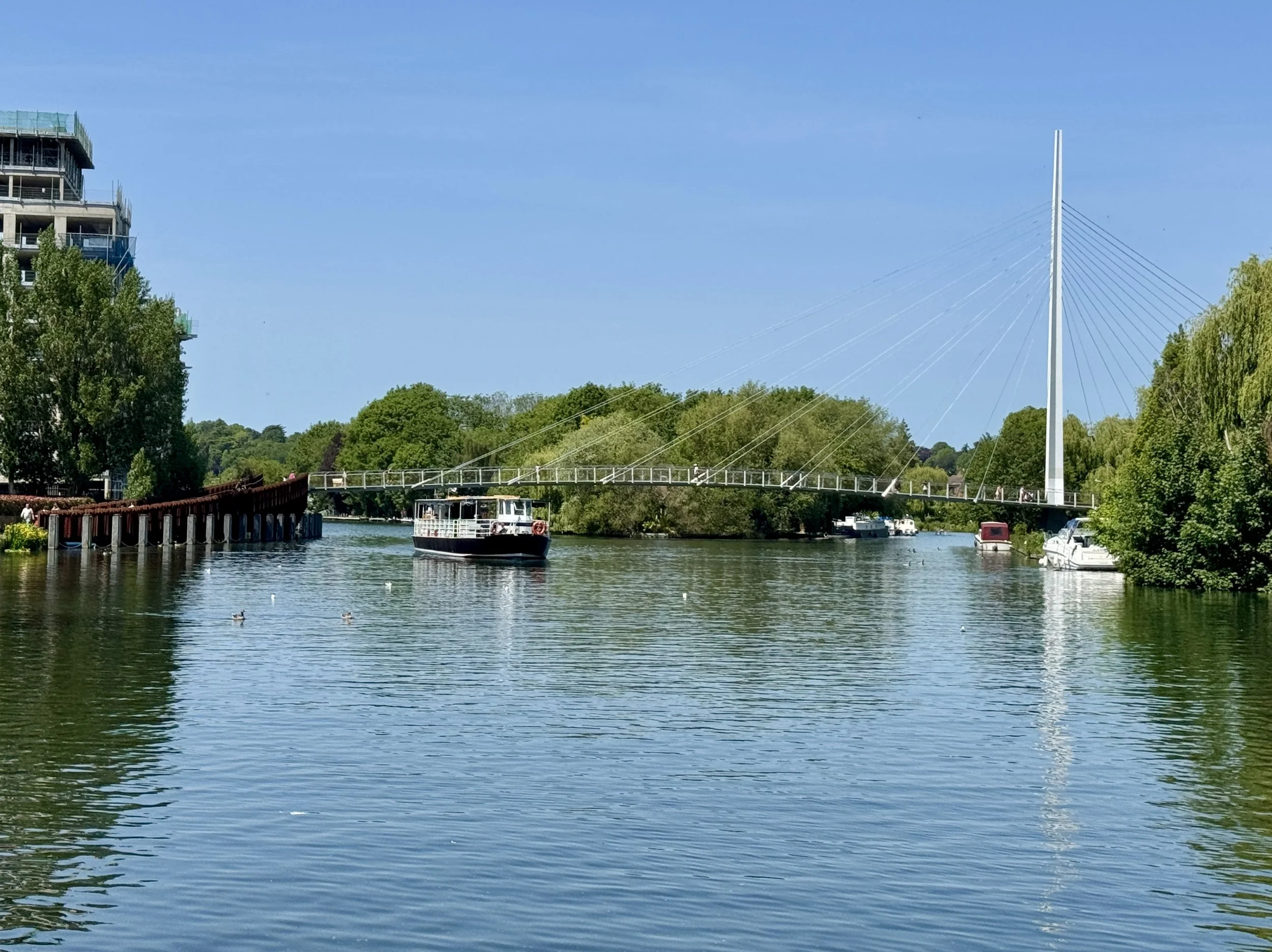
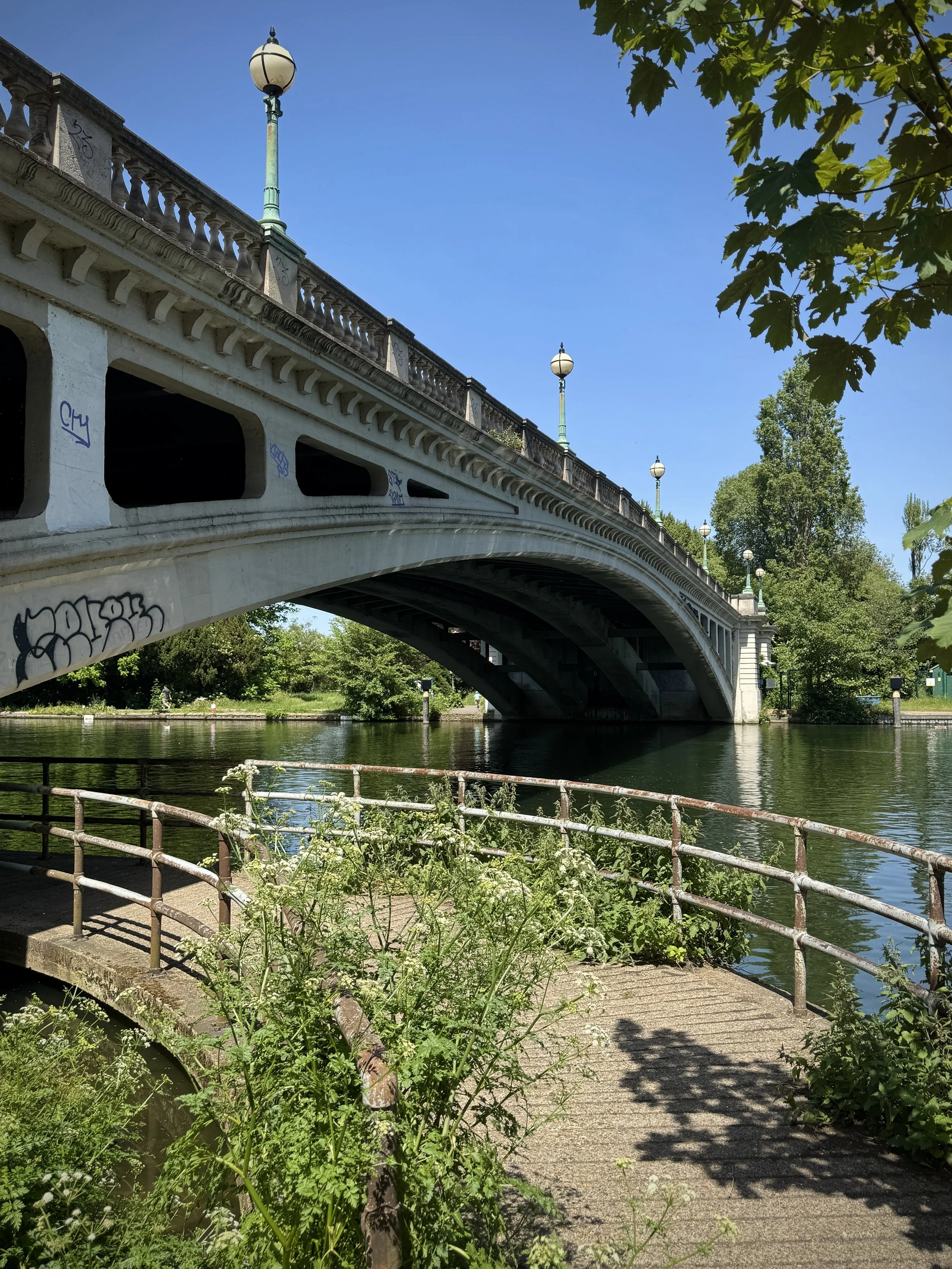
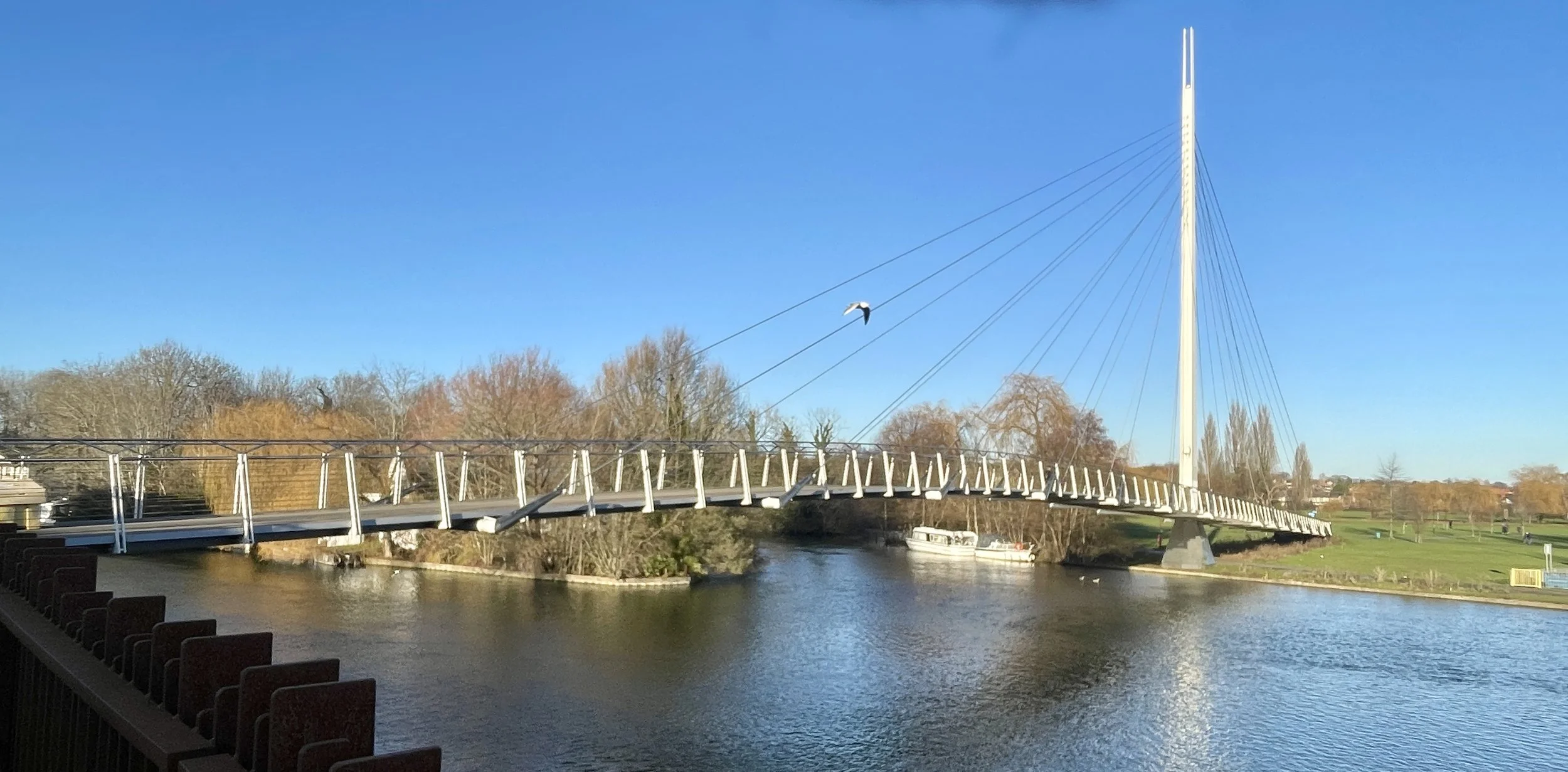
Approaching Caversham Bridge from the west
Start & Finish: Tilehurst Station, Reading, RG31 6TH
Distance: 10.9 km (6.8 miles)
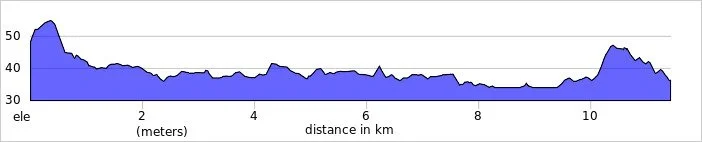
Elevation change: +41 / -54m. Net -13m
Terrain: Flat, well-paved or hard-packed riverside paths with some grassy sections.
Thames Path section covered: Tilehurst to Sonning: 10.9 km
GPX File: get via Buy Me a Coffee
Other routes touched (walk): Thames Path, St Frideswide’s Way, Wokingham Way
Other routes touched (cycle): NCN 4, 5
Pubs / Cafes on route: Several options in Reading but we stopped at the Thames Lido restaurant at 6.1 km in. Also The Great House Sonning at the end.
Map: Reading, Wokingham & Pangbourne Map | Thames Path | Ordnance Survey | OS Explorer Map 159
Links: Tilehurst, Reading, River Thames, Caversham, Sonning
This is part of a series of short walks following the length of the Thames Path National Trail. The Thames Path is a 185-mile (298 km) National Trail that journeys alongside England's best-known river, linking its source in the rural Cotswolds in the west to the Thames Barrier and Woolwich in the east. Opened in 1996, this route traverses several counties, including Gloucestershire, Wiltshire, Oxfordshire, Berkshire, Buckinghamshire, Surrey, and Greater London, following a scenic tapestry of peaceful water meadows, bustling towns, and historic towpaths.
Walking Directions
This section of the Thames Path offers a fascinating mix of environments, taking you seamlessly from suburban fringes right through the heart of a major town and out into peaceful countryside. Starting at Tilehurst railway station, the path joins the river and stays remarkably close to the water for the entire route. It is a fantastic walk for those who enjoy flat, easy terrain with plenty of opportunities to stop for refreshments along the way.
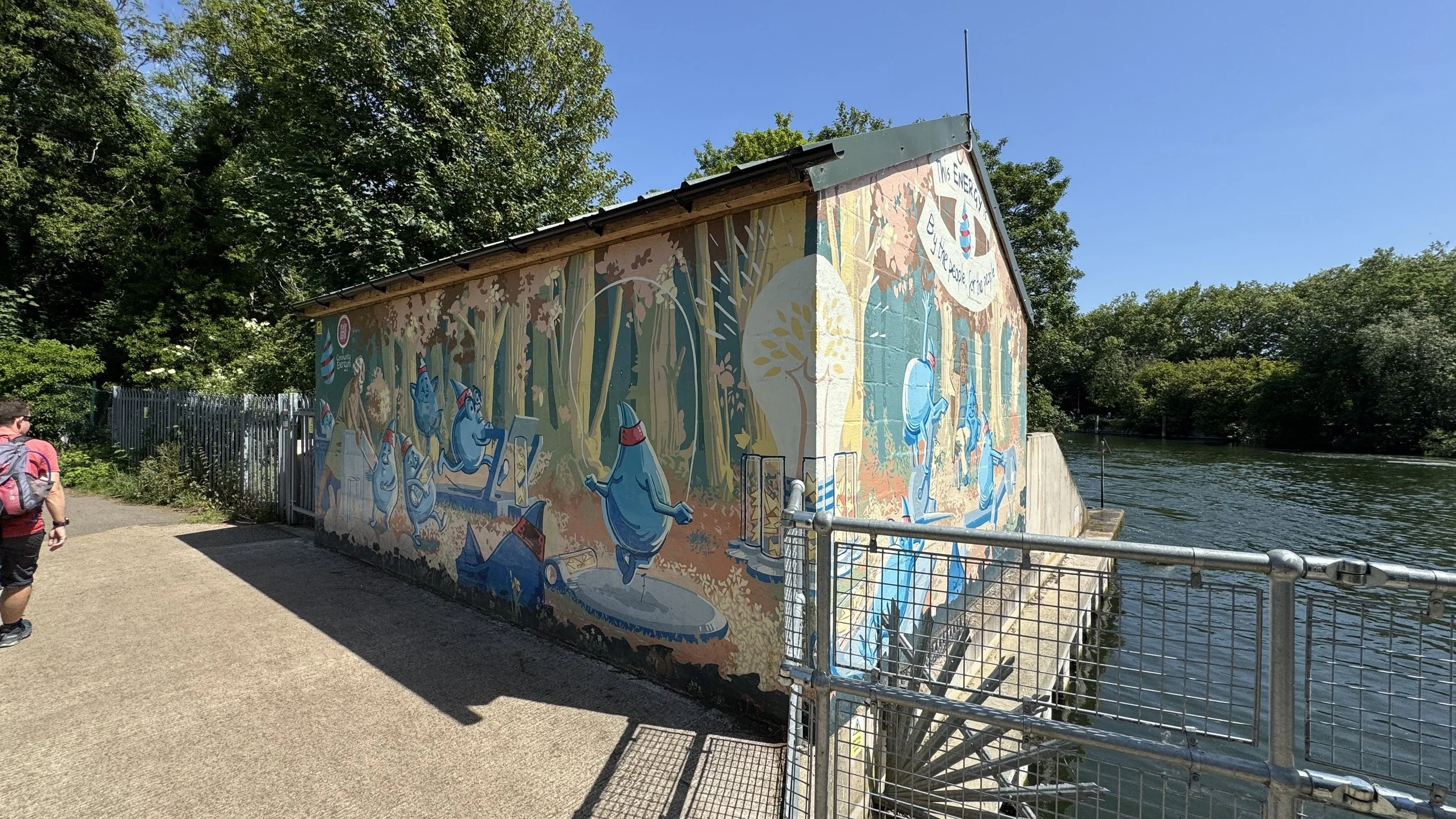
As you progress towards Reading, the landscape transitions from tree-lined riverbanks to the bustling centre of the town, passing rowing clubs and historic bridges. Once you navigate past the mouth of the River Kennet, the urban environment quickly fades away. The final stretch alongside Thames Valley Park is tranquil and green, guiding you gently into the picturesque, historic village of Sonning.
The guidance below will help you navigate but don’t use it as a fully accurate turn-by-turn guide. Always take a map and/or a GPX route and prepare well for the weather and terrain.
Start at Tilehurst railway station and head north to join the Thames Path on the south bank of the river.
Follow the paved riverside path eastwards, keeping the River Thames on your left.
Continue straight along the path as it passes the Rivermead Leisure Complex and Reading Rowing Club.
Walk directly under Caversham Bridge and continue along the promenade towards Reading Bridge.
Pass under Reading Bridge and enter King's Meadow, following the designated path along the river edge.
Cross the pedestrian walkway at Horseshoe Bridge, which takes you over the point where the River Kennet meets the Thames.
Follow the path as it curves around the edge of Thames Valley Park, continuing to keep the river on your left.
Stay on the main riverside trail through the wooded and grassy sections leading towards Sonning.
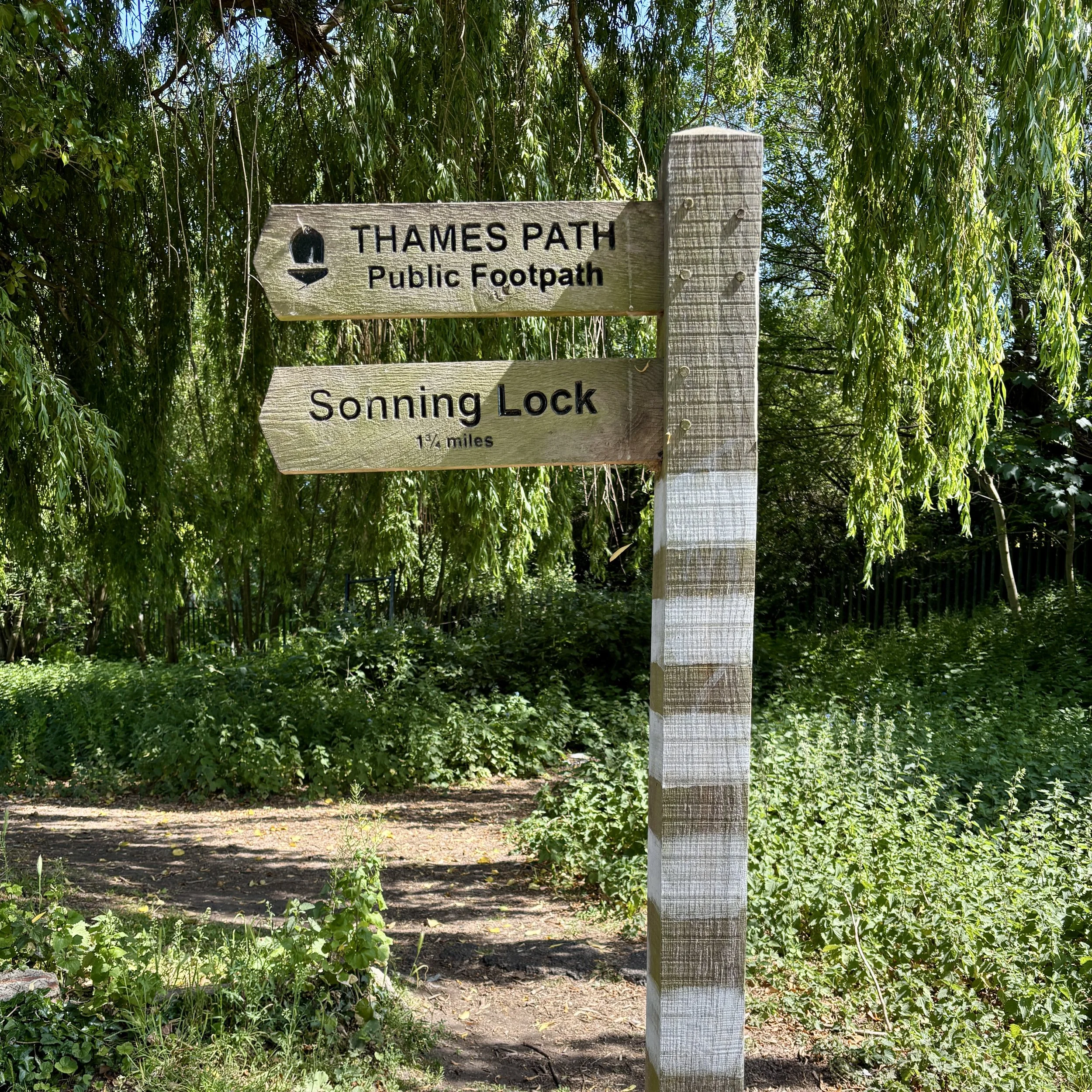
Arrive at Sonning Lock and continue the final short distance to finish the walk at Sonning Bridge.
Note that we did this as a point-to-point walk, leaving our car near Sonning Bridge and taking an Uber to Tilehurst. An alternative option is to add an extra 5 km to the walk to reach Twyford Station and take a train from there back to the start at Tilehurst. The 129 bus route also connects Twyford Station and Sonning High Street.
Points of Interest along or near to the Route
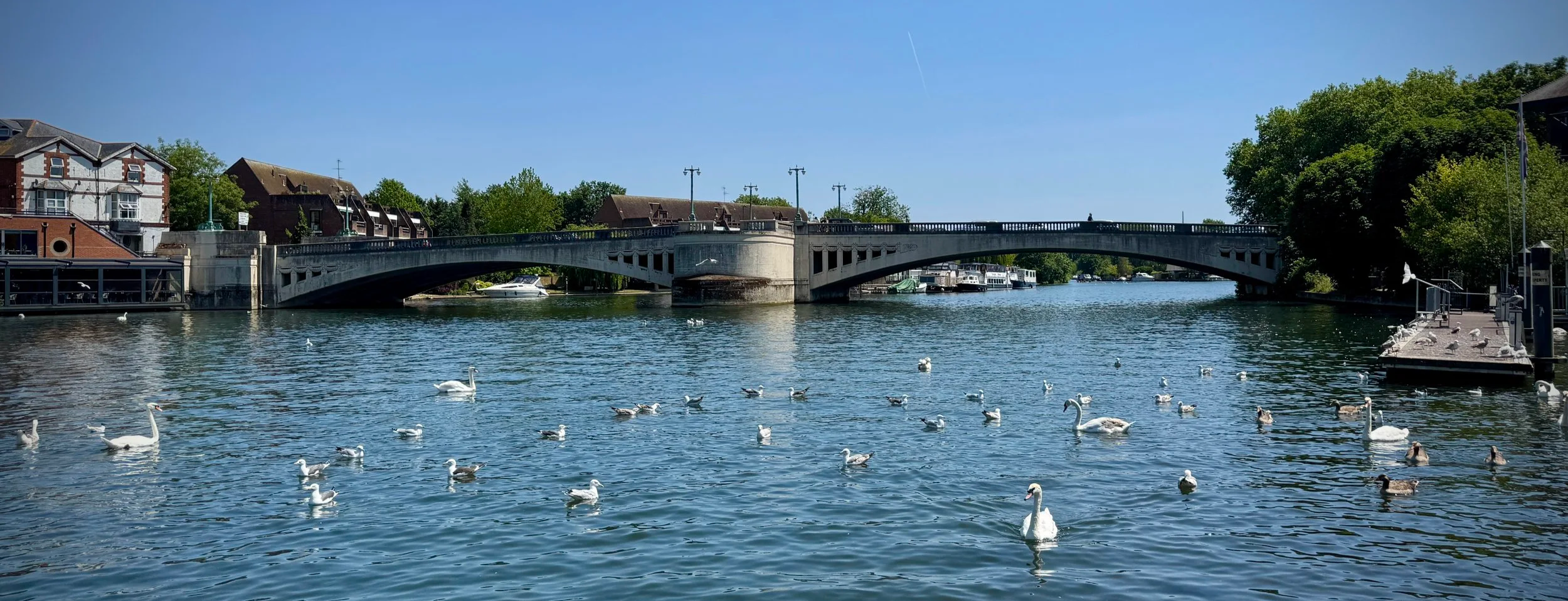
Caversham Bridge: Spanning the River Thames between Reading and Caversham, this long‑established crossing point has served travellers since at least the 12th century, when the first recorded bridge stood here. The current structure — an elegant combination of concrete and granite — was opened in 1926 by Edward, Prince of Wales (later King Edward VIII). Today it marks one of the busiest urban stretches of the Thames Path, offering walkers broad views of the river’s lively boat traffic and the activity of Reading’s rowing clubs.
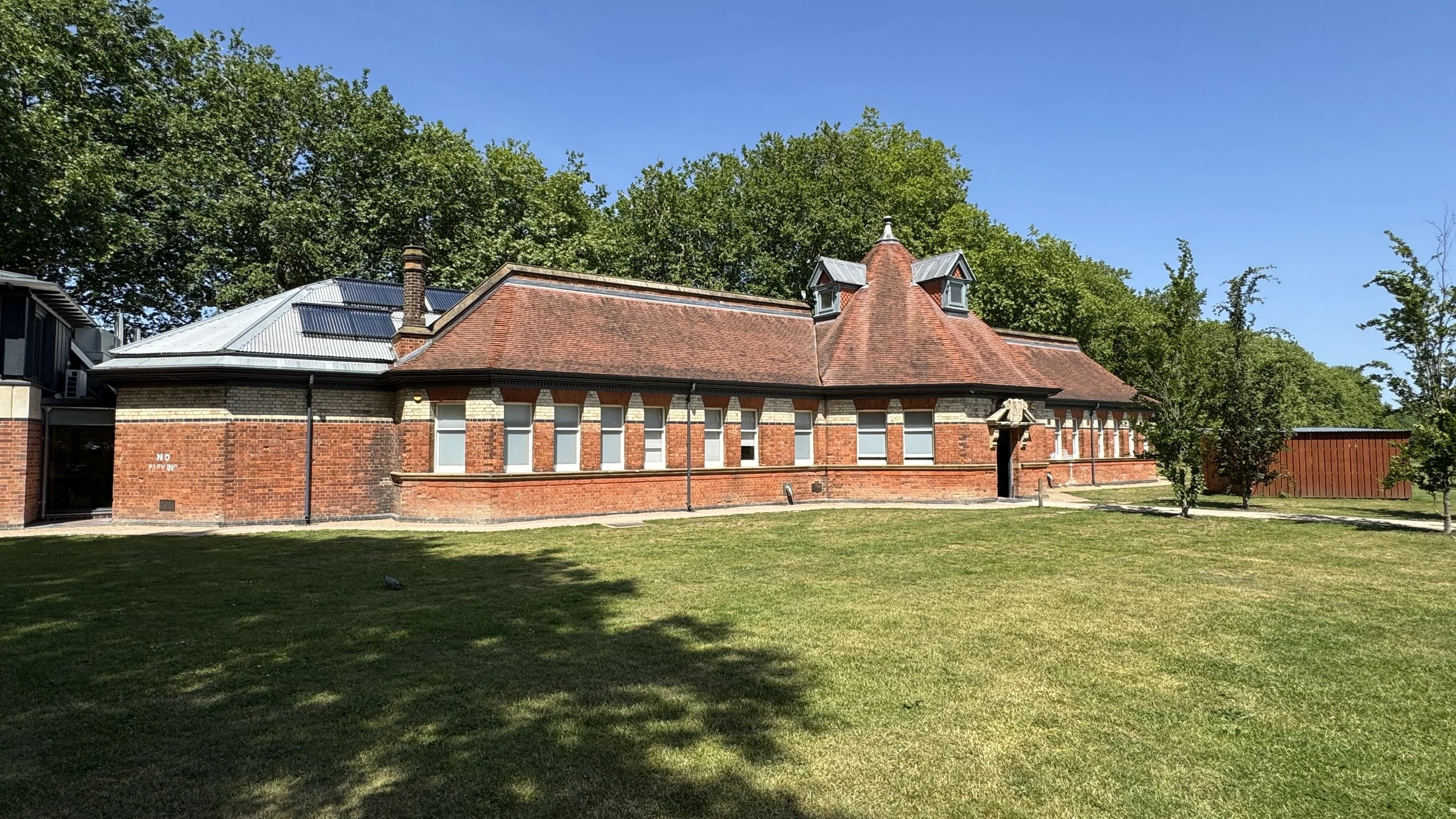
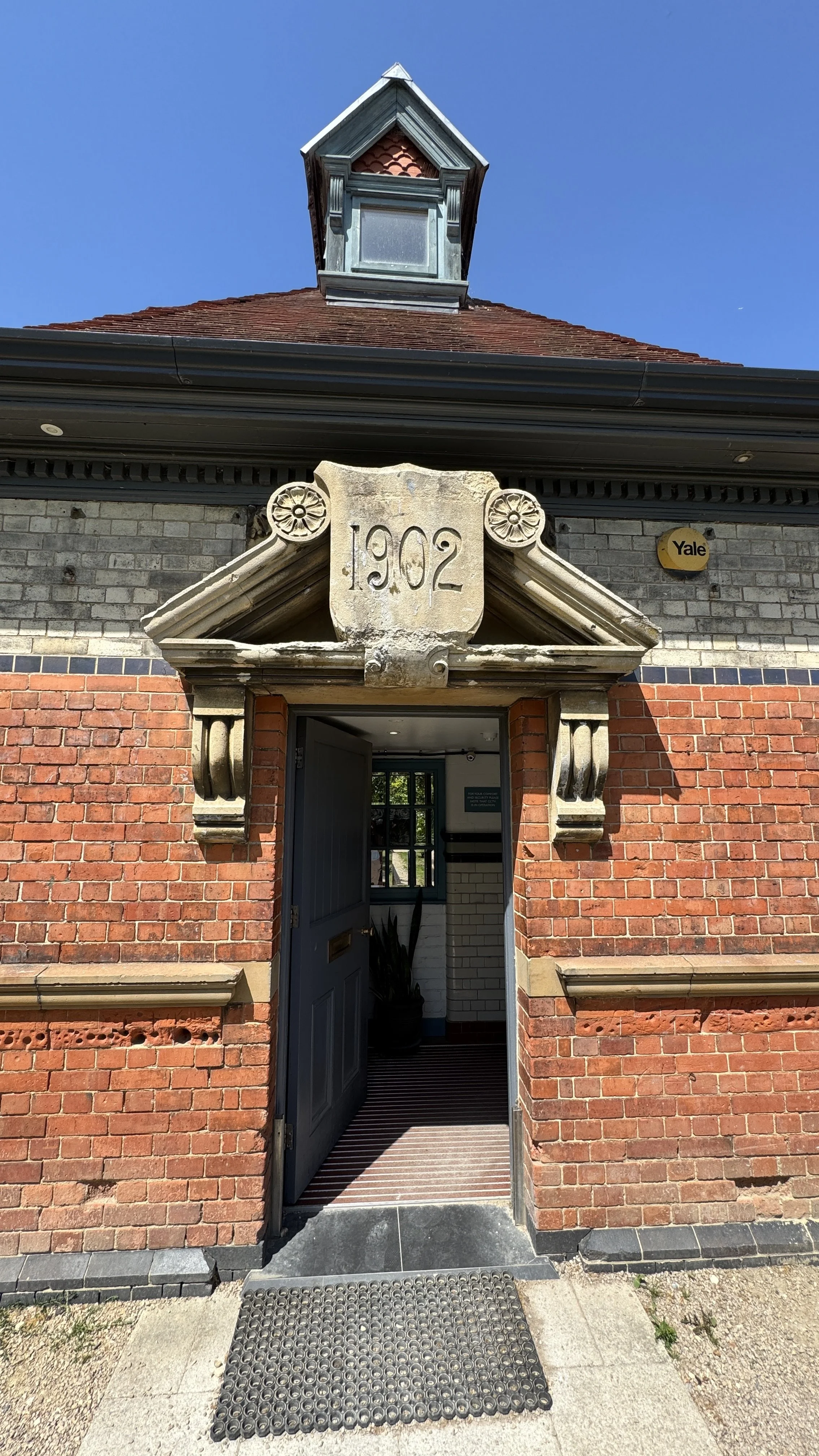
King's Meadow and Thames Lido: Just east of Reading’s centre lies King’s Meadow, a historic riverside park once owned by Reading Abbey and purchased for public use in 1869. Set within its 12 acres is the Thames Lido, housed in the beautifully restored King’s Meadow swimming pool. First opened in 1902 as the Ladies’ Swimming Bath and originally fed directly from the Thames, it now operates as a heated outdoor pool, spa and restaurant following an extensive restoration completed in 2017. It makes an excellent mid‑walk stop for a swim, coffee or meal.
Horseshoe Bridge: At the point where the River Kennet meets the Thames, walkers cross the distinctive Horseshoe Bridge. Added in 1892 as an accommodation and footbridge alongside Isambard Kingdom Brunel’s 1839 Great Western Railway bridge, it provides a convenient pedestrian route across the Kennet’s mouth. This junction is historically significant: just upstream lies Blake’s Lock, the eastern terminus of the Kennet & Avon Canal, marking the end of the waterway’s long route from Bath.
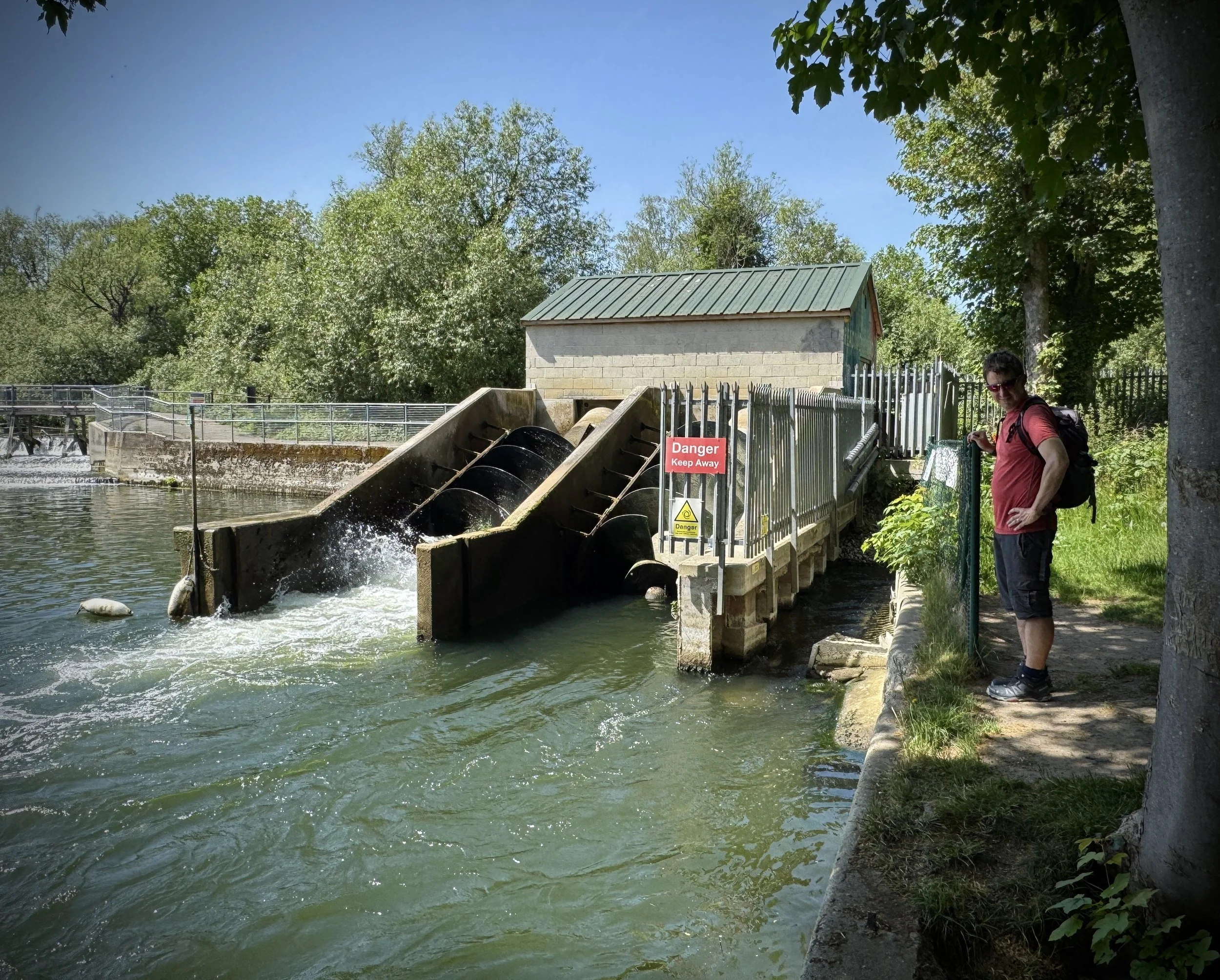
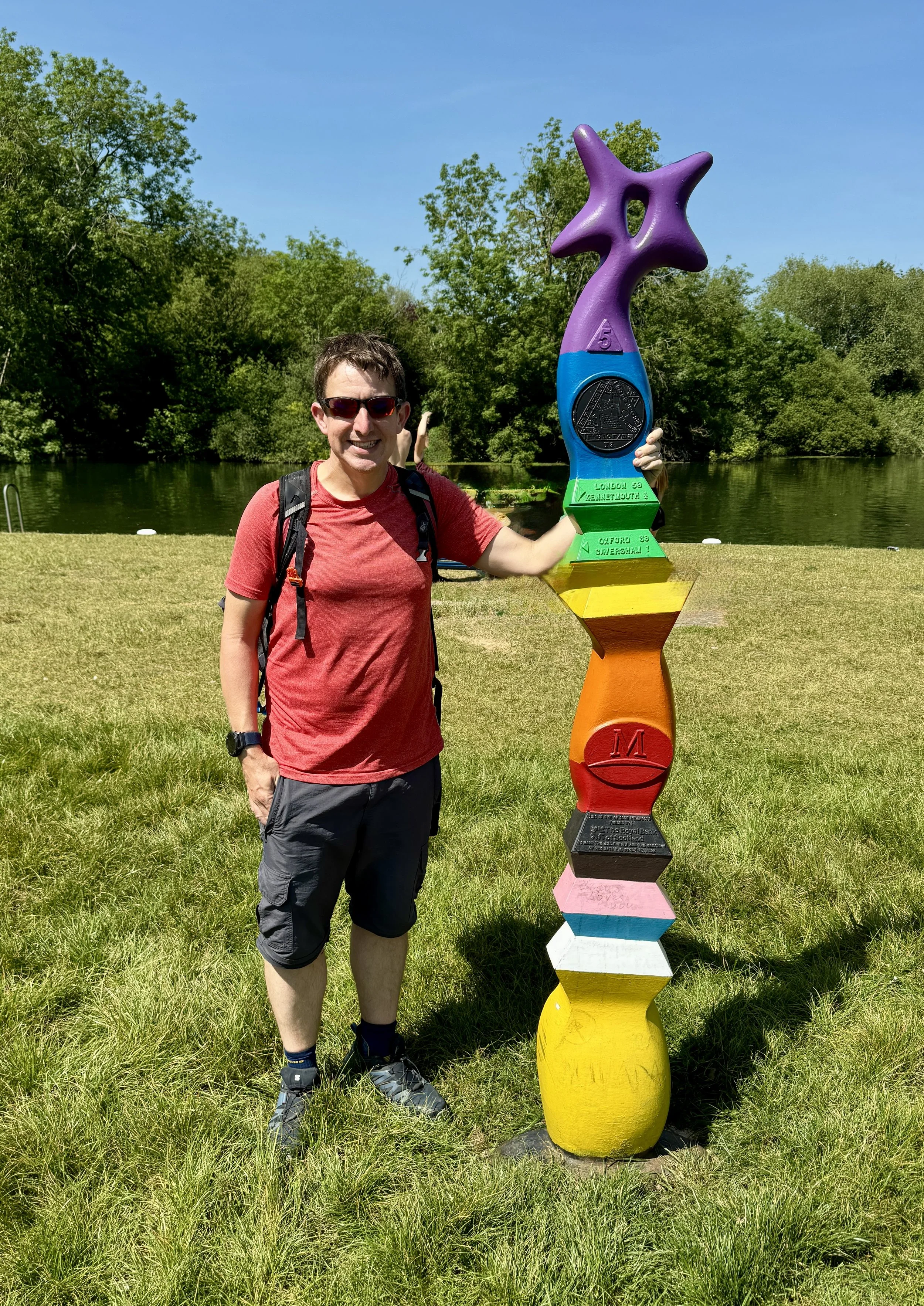
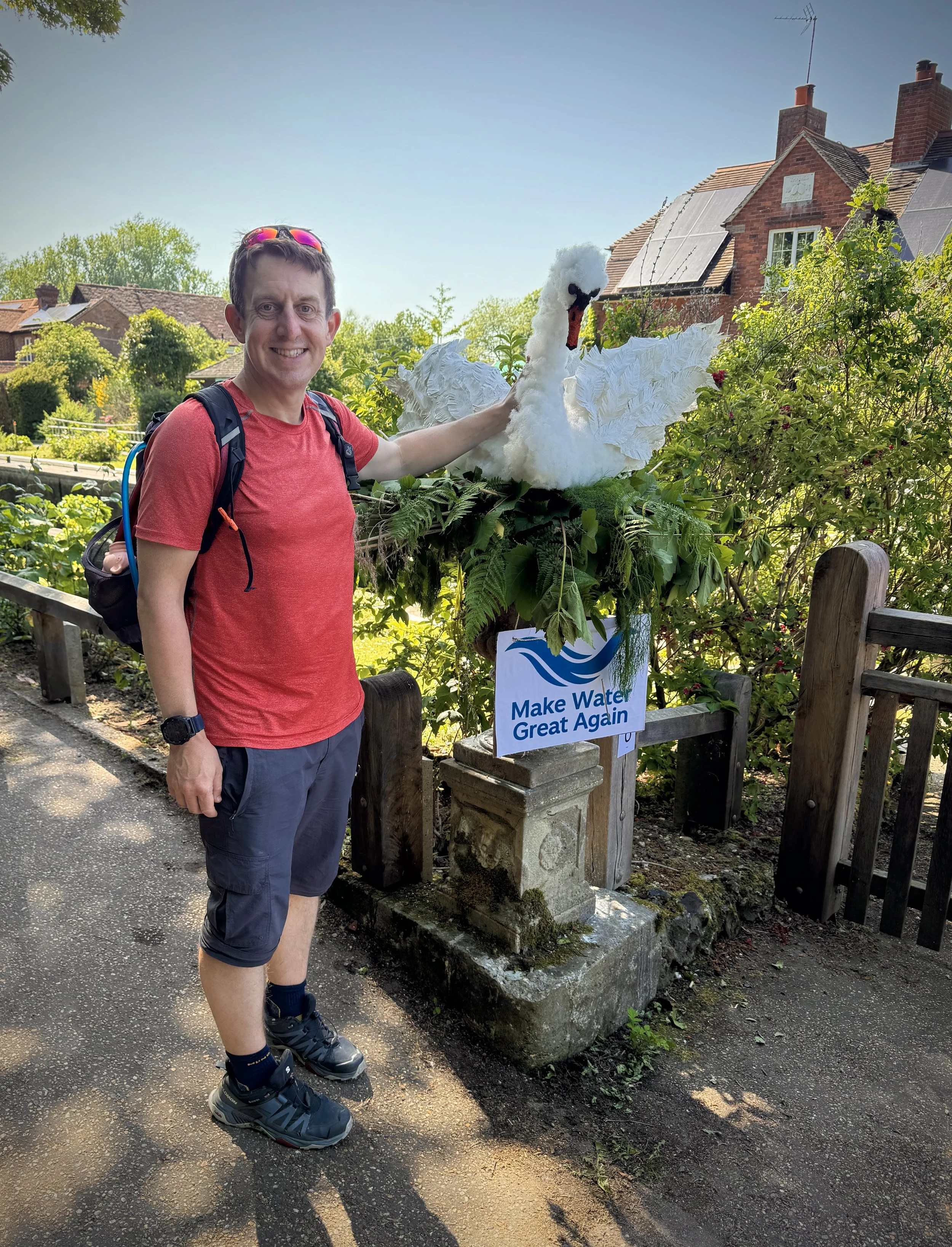
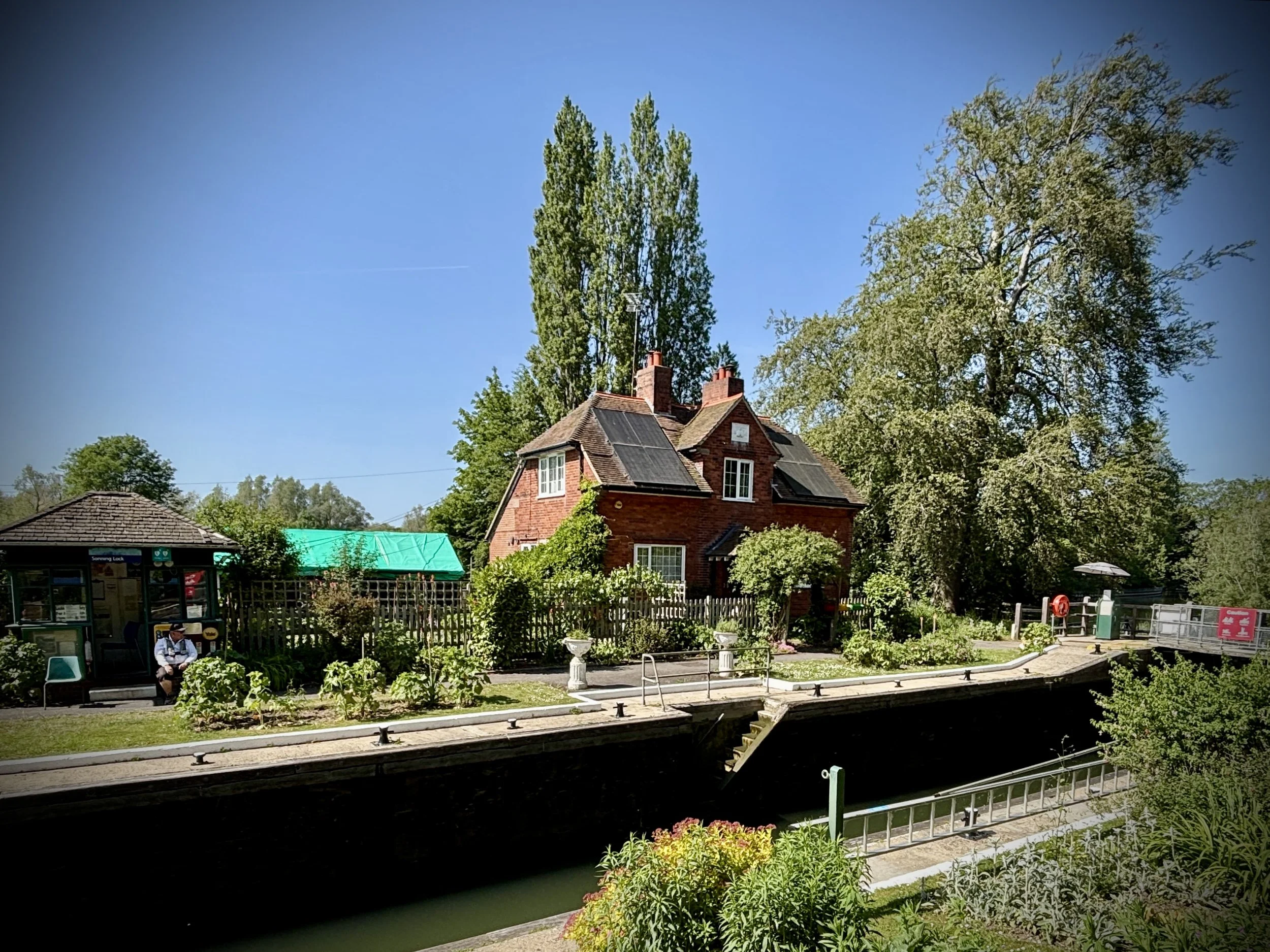
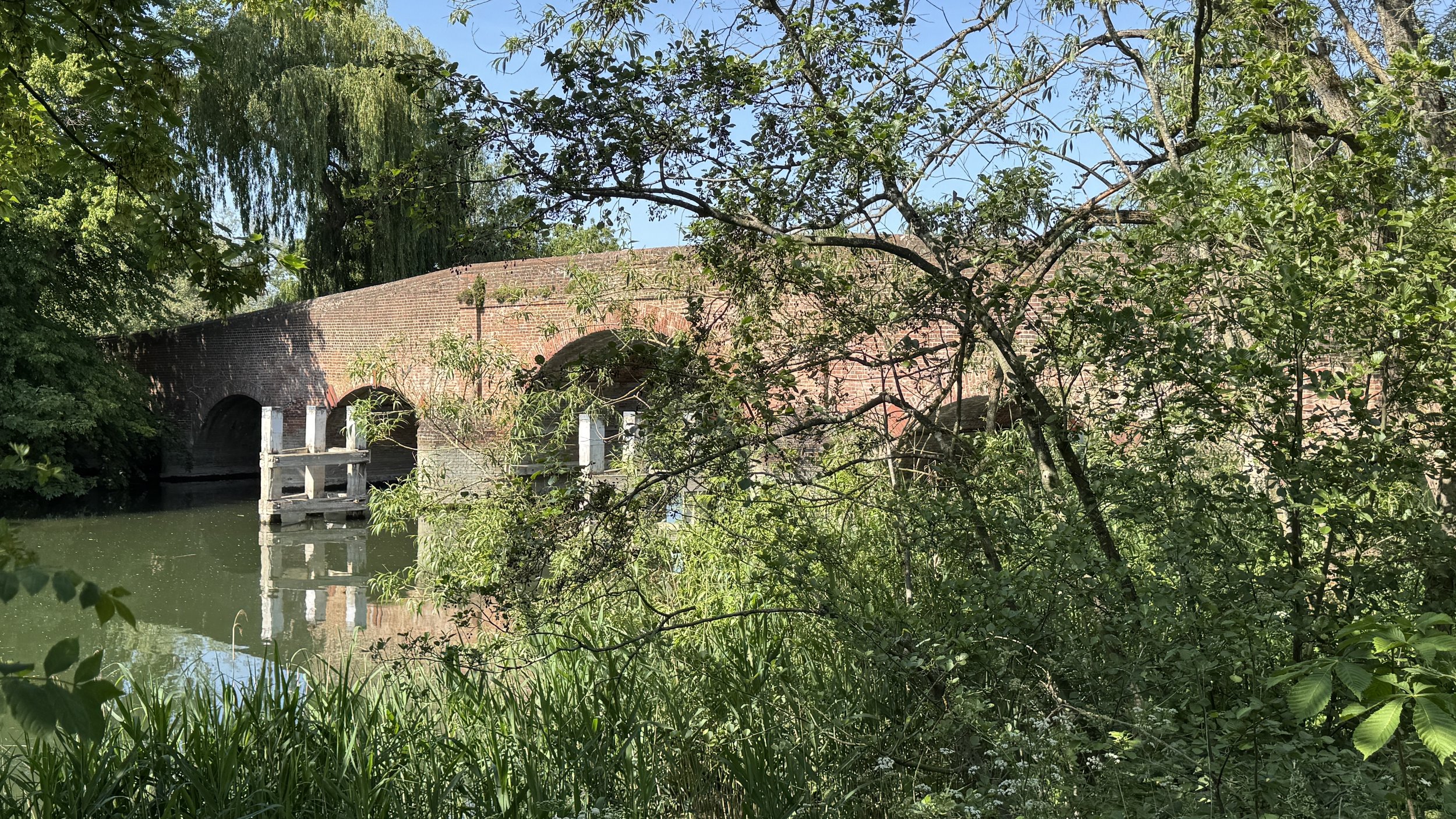
Sonning Lock and Village: A fitting finale to the walk, Sonning Lock — first built in 1773 and rebuilt in 1905 — is widely regarded as one of the most picturesque locks on the Thames, celebrated for its colourful, carefully tended gardens. Beyond the lock lies the historic village of Sonning, described by Jerome K. Jerome as “the most fairy‑like little nook on the whole river.” Its 18th‑century brick bridge, riverside pubs and handsome period buildings create a quintessential Berkshire village scene.

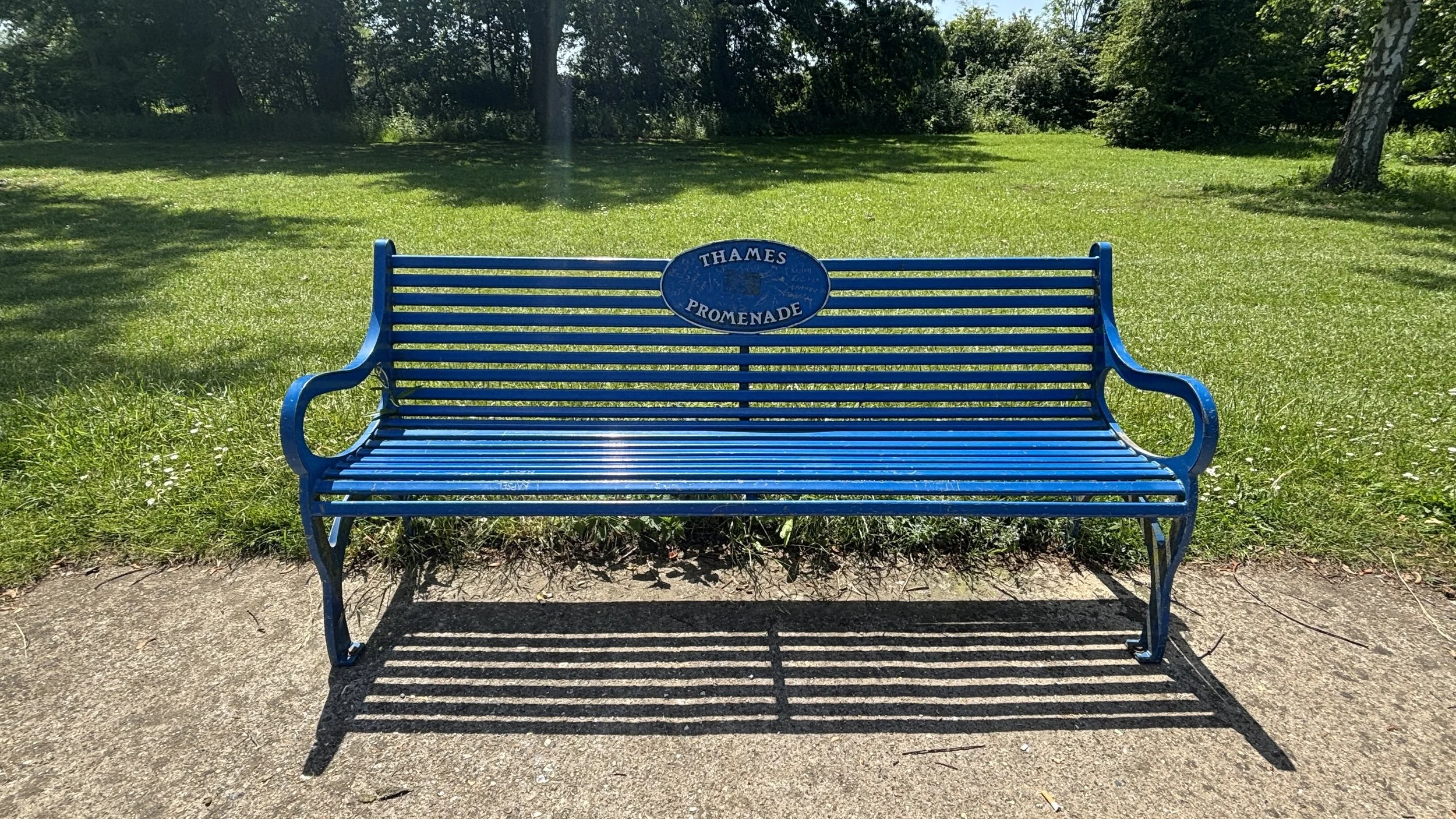
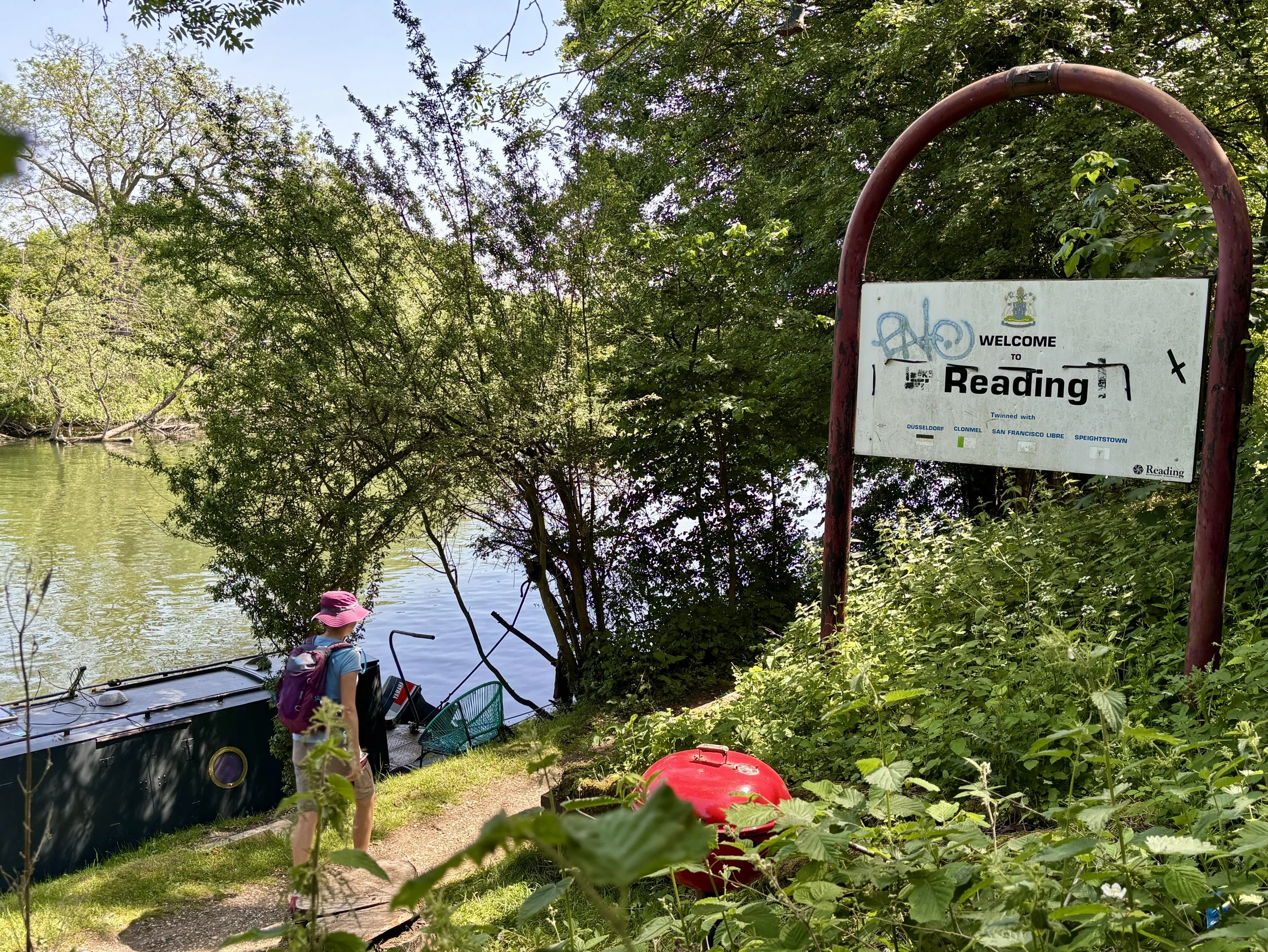
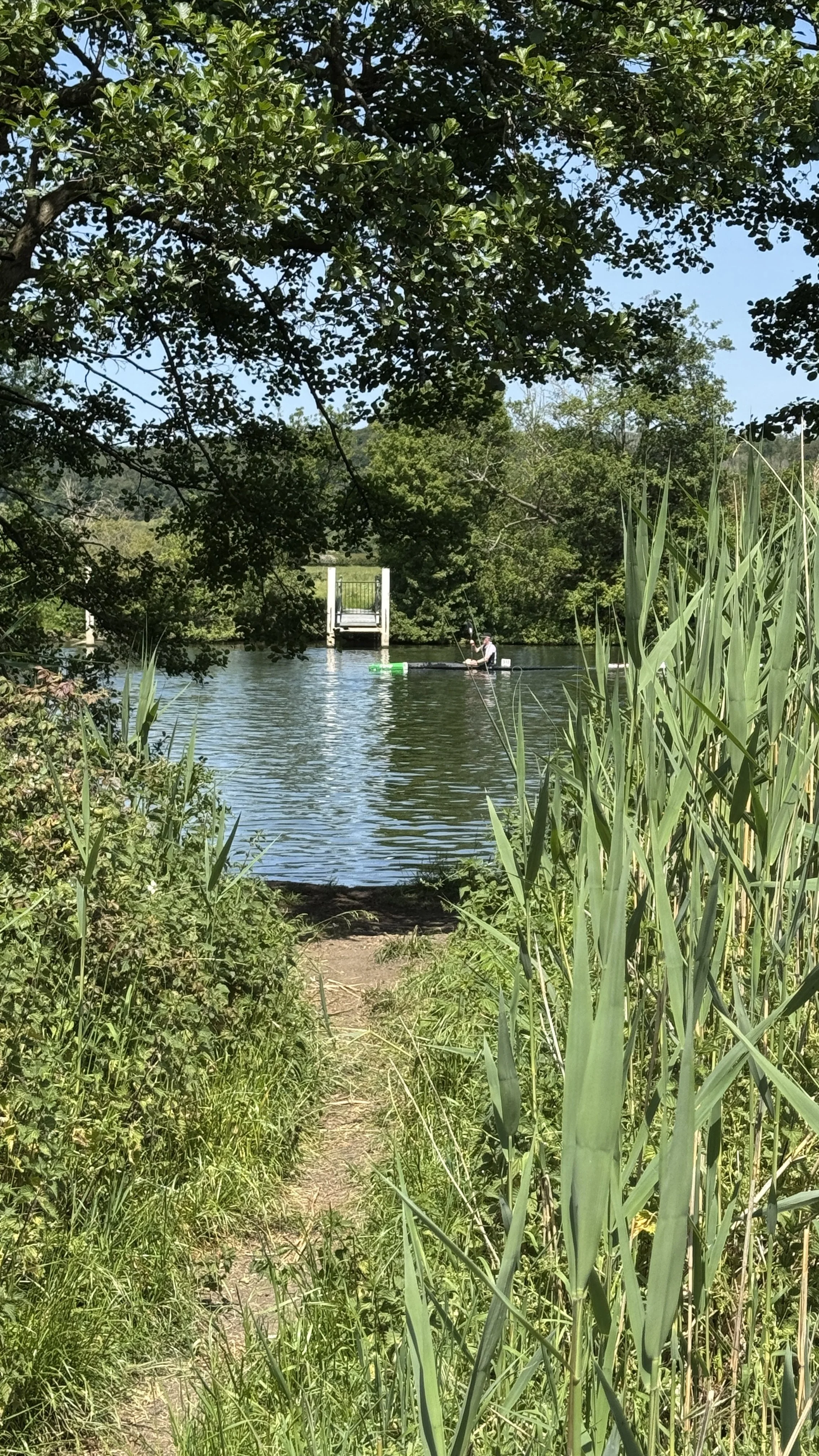



Thames Path previous section (west): Goring to Tilehurst (blog post coming soon)
Thames Path next section (east): Shiplake, Binfield Heath and Sonning Eye
Cycling The NCN 5 from Banbury to Reading
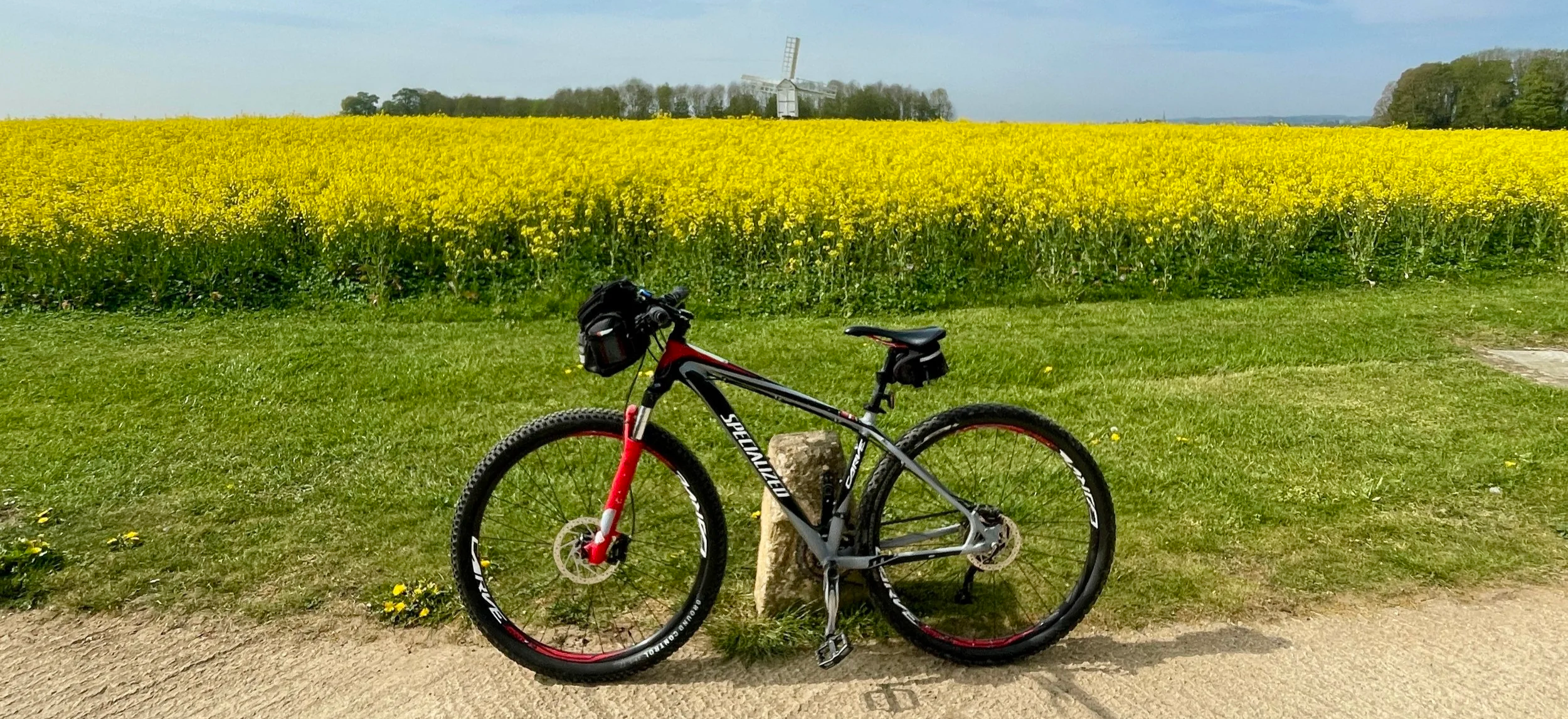
Warriner Windmill near Bloxham Grove
National Cycle Network (NCN) Route 5 spans roughly 370 miles from Holyhead on Anglesey down to Reading. It takes in a long, varied stretch of the country, picking up the North Wales coast, weaving through Chester, Birmingham, and Oxford, and uses a mix of canal towpaths and river valleys.
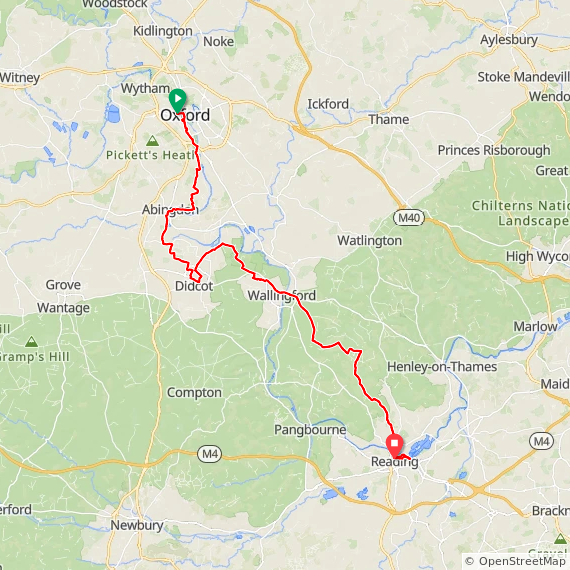
The Banbury to Reading segment is highly practical for a point-to-point ride. Heading south from Banbury, it uses the Salt Way and the Oxford Canal towpath. South of Oxford, it crosses the River Thames and climbs over the Chiltern ridge before dropping into Reading.
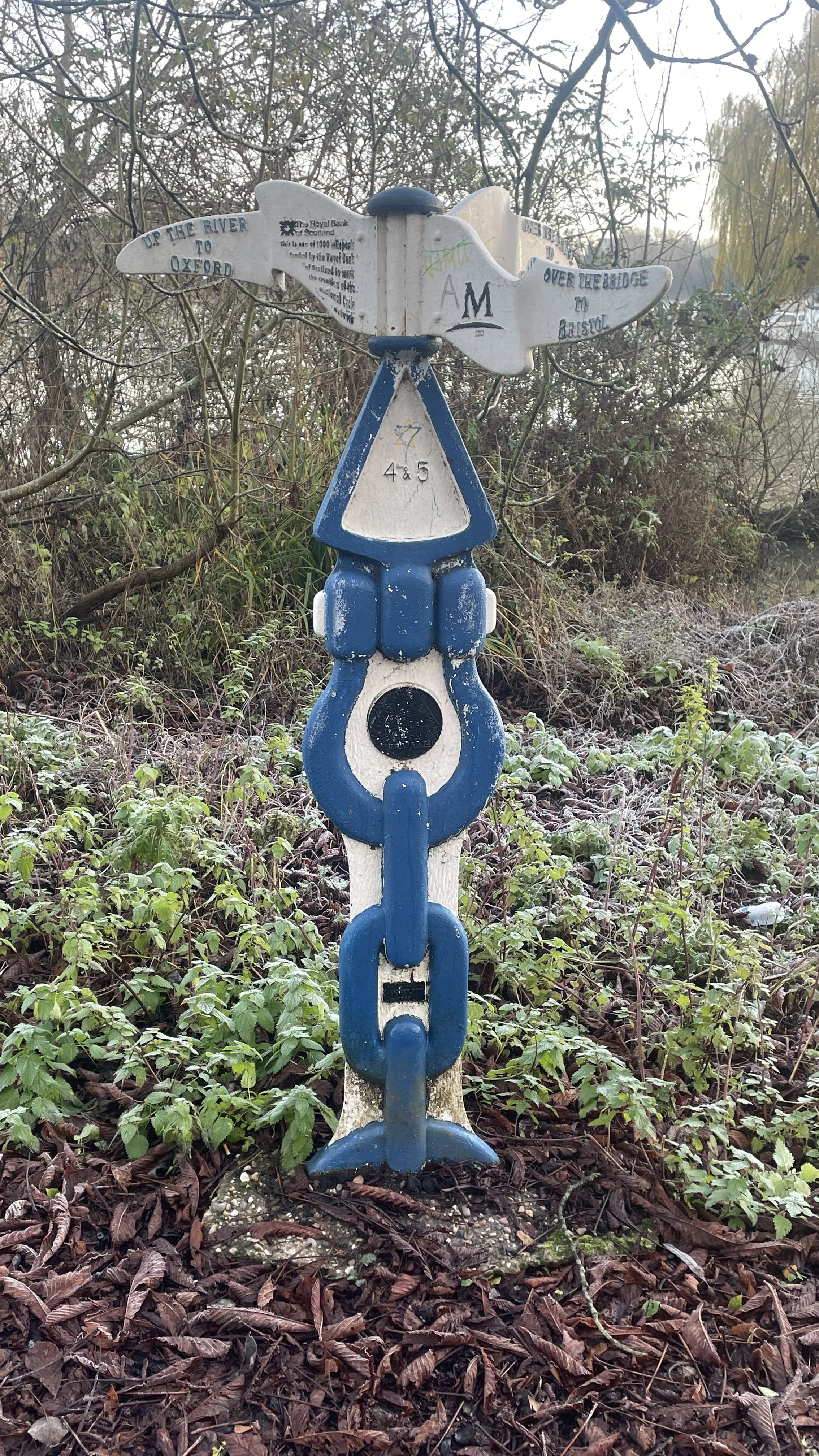
I cycled this section of NCN 5 on my own years ago, but it was before the installation of the Millennium Mileposts. Since I’ve recently become obsessive about 'bagging' all the Mileposts in the South East, I had to go back and ride it properly.
Day 1: Banbury to Oxford
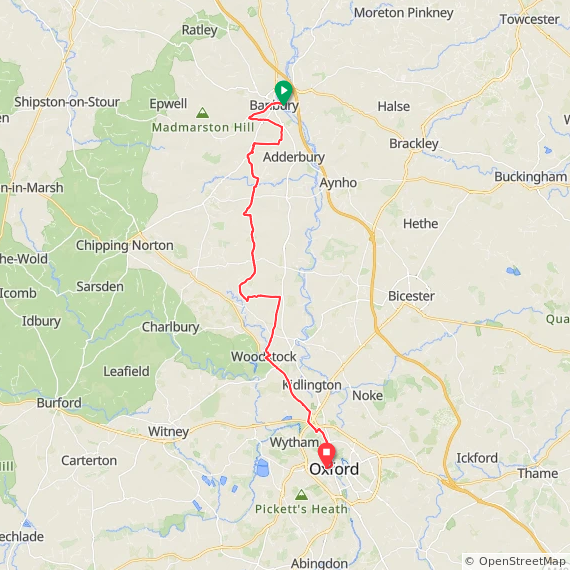
Start: Banbury Station, Station Road, Banbury OX16 5AB, United Kingdom
Finish: Oxford Station, Park End Street, Oxford OX1 1HS
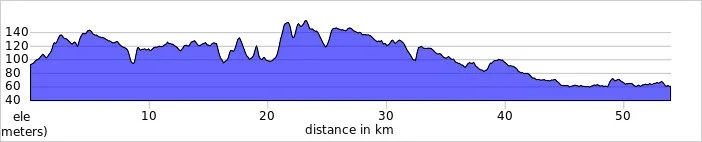
Distance: 54 km (33.5 miles)
Elevation change: +396 / -428m (-32m)
GPX File: get via Buy Me a Coffee
Other routes touched (walk): Jurassic Way, Oxford Canal Walk, Cross Cotswold Pathway, Salt Way, Oxfordshire Way, The Roman Way, Shakespeare’s Way,
Other routes touched (cycle): NCN 5, National Byway
Pubs / Cafes on route: Several. We stopped in Woodstock (39 km in) for lunch at The King's Arms
Millennium Mileposts: 684, 686, 706, 818, 819
Maps:
- Banbury, Bicester & Chipping Norton Map | Brackley | Ordnance Survey | OS Explorer Map 191
- Oxford Map | Witney & Woodstock | Ordnance Survey | OS Explorer Map 180
Links: Banbury, Bodicote, Bloxham, Barford St Michael, Woodstock, Yarnton, Oxford
Back in January, my friend Brian and I tackled the Oxford to Reading leg. Although it slightly disturbed me that we were doing the 2 part route out of order, we did Part 2 first as it was closer to home and we had to work around the shorter daylight. We waited for the weather to improve before attempting the northern Banbury to Oxford. By April it was finally warm and dry enough to finish the job.
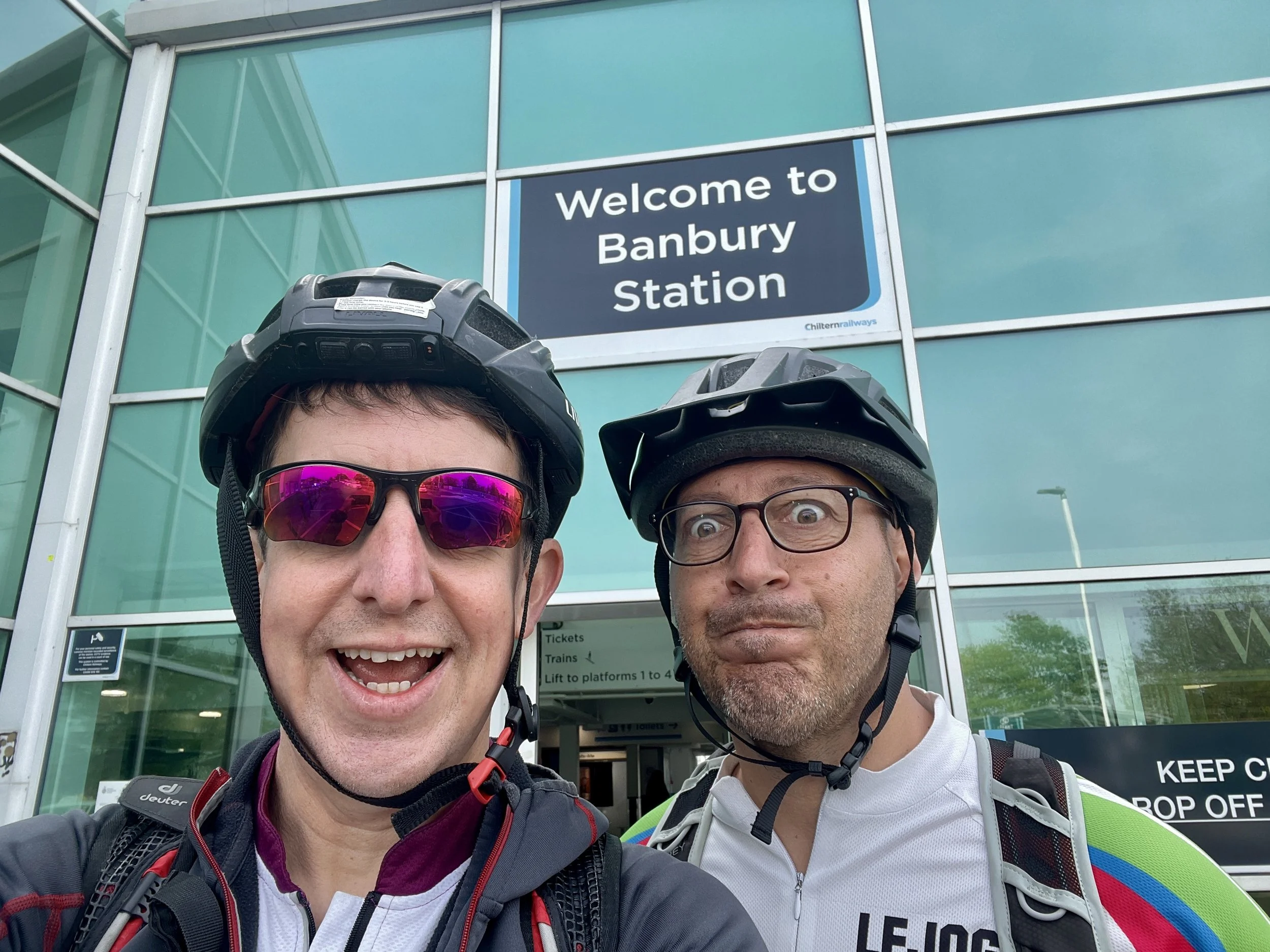
The logistics of the Banbury to Reading corridor are straightforward thanks to a direct rail link. We parked near Oxford station and caught the train up to Banbury: a 17-minute journey. Factoring in a 45-minute wait at Oxford, we’d already consumed enough coffee and cake, allowing us to bypass the Banbury town centre cafes entirely.
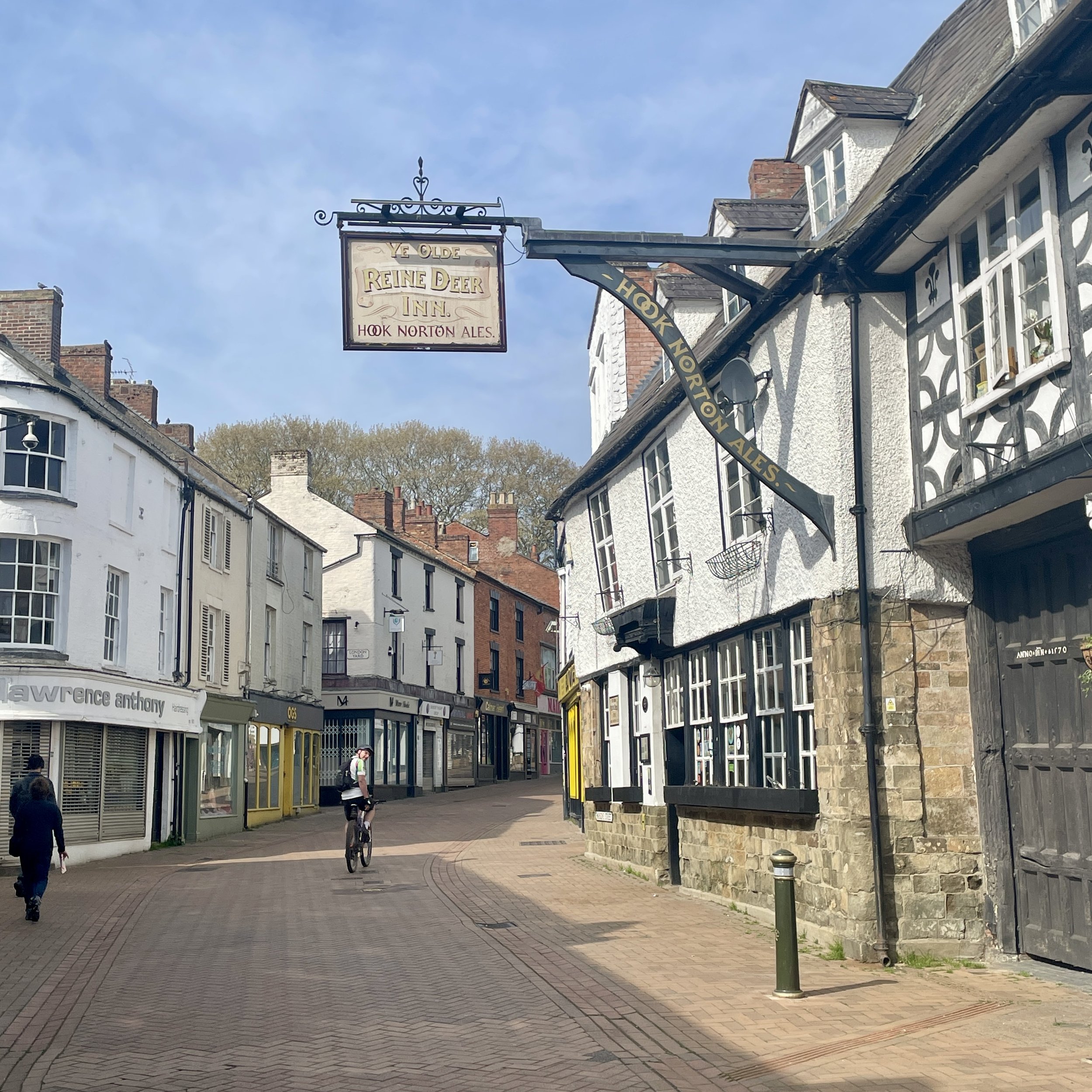
Banbury isn’t directly on the National Cycle Route so the first few kilometres were through the town centre and quiet roads and paths to the western part of town.
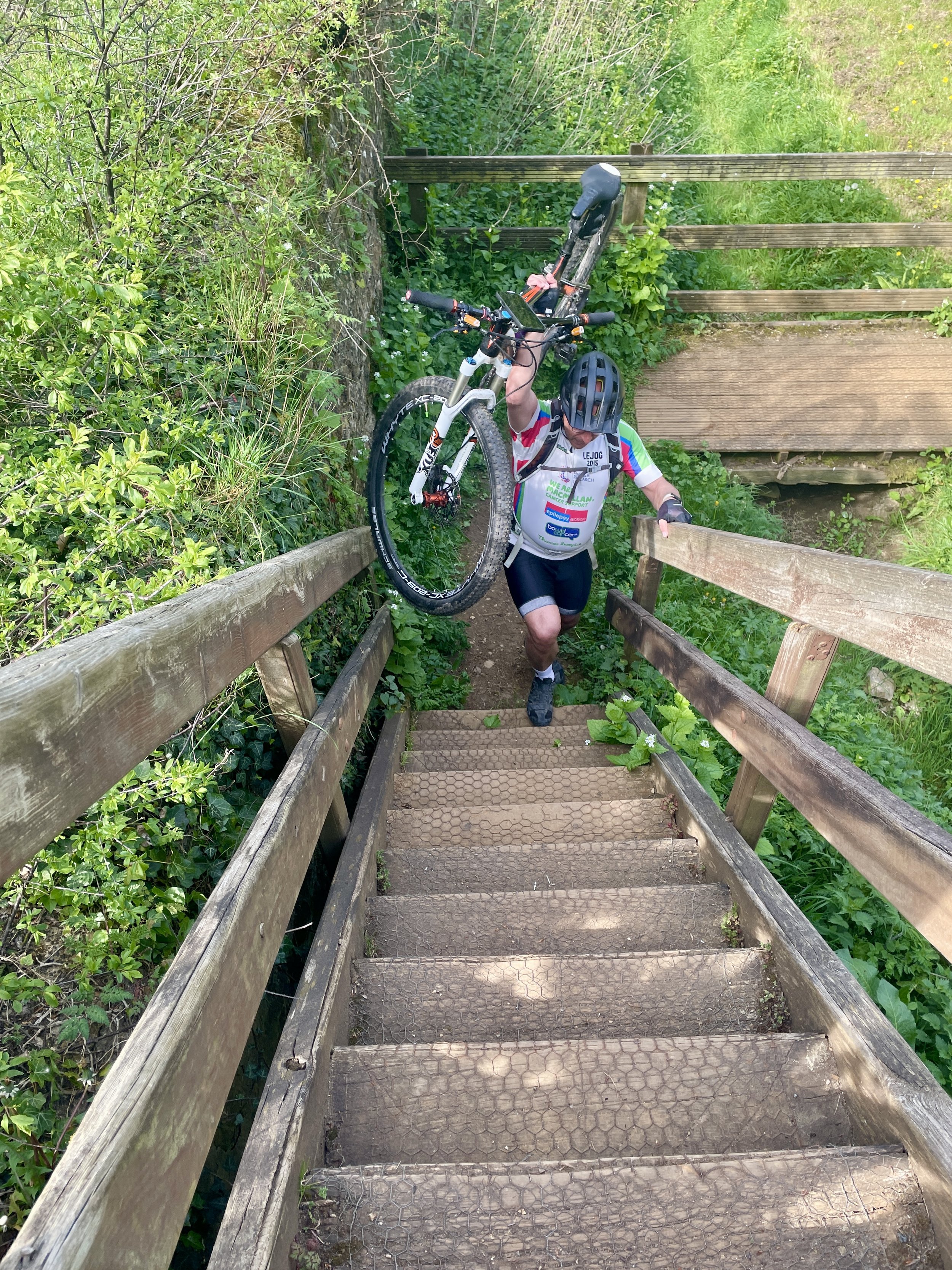
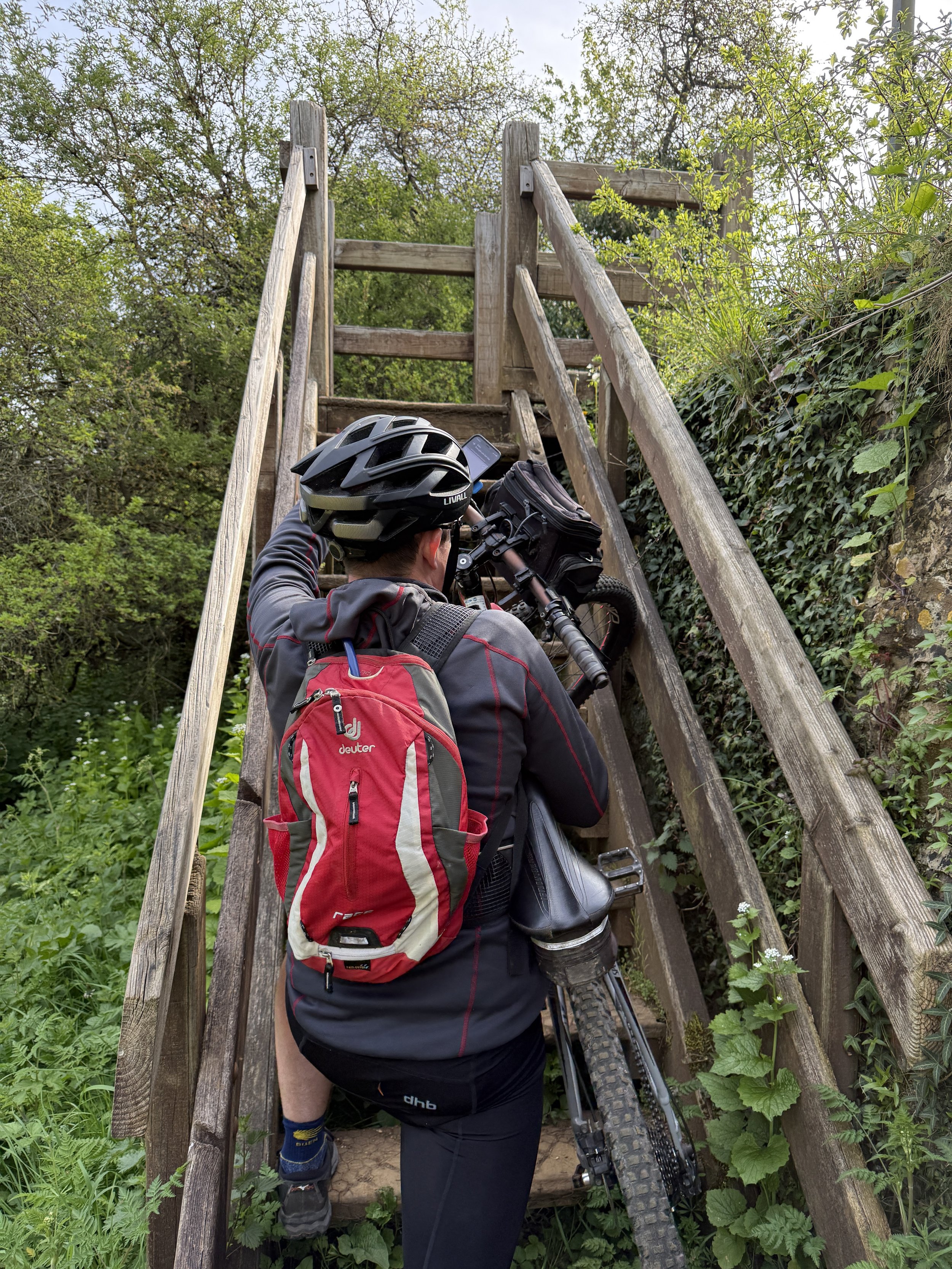
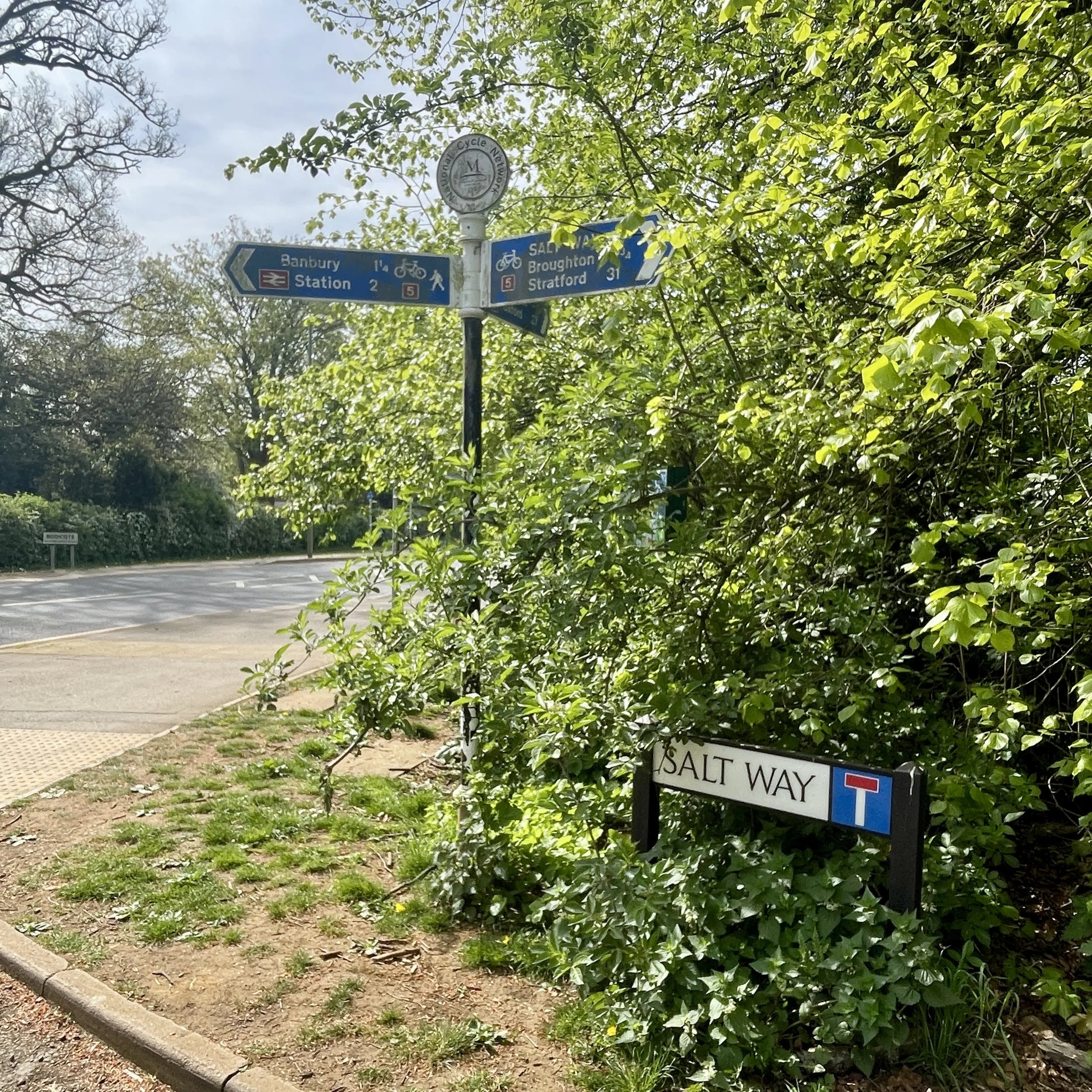
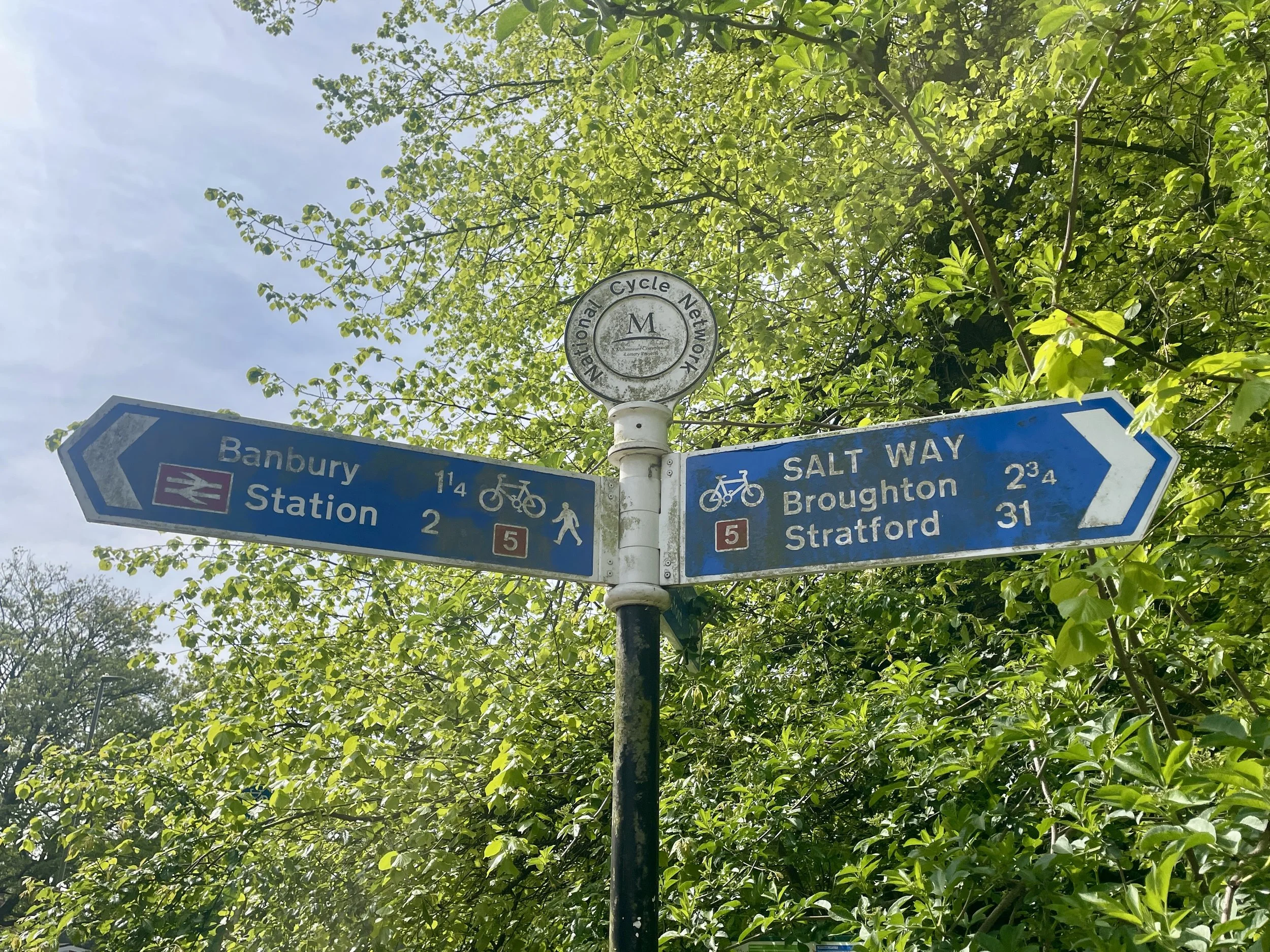
At 4 km, we hit the NCN5. We spotted the first Millennium Milepost of the day right away. Getting to it, however, meant hauling the bikes up a steep, unexpected set of wooden steps from the cycle path onto the main road.
Across the road, we joined the Salt Way. This is a straight, off-road track. The Salt Way Activity Group notes this was an ancient route used for transporting salt.
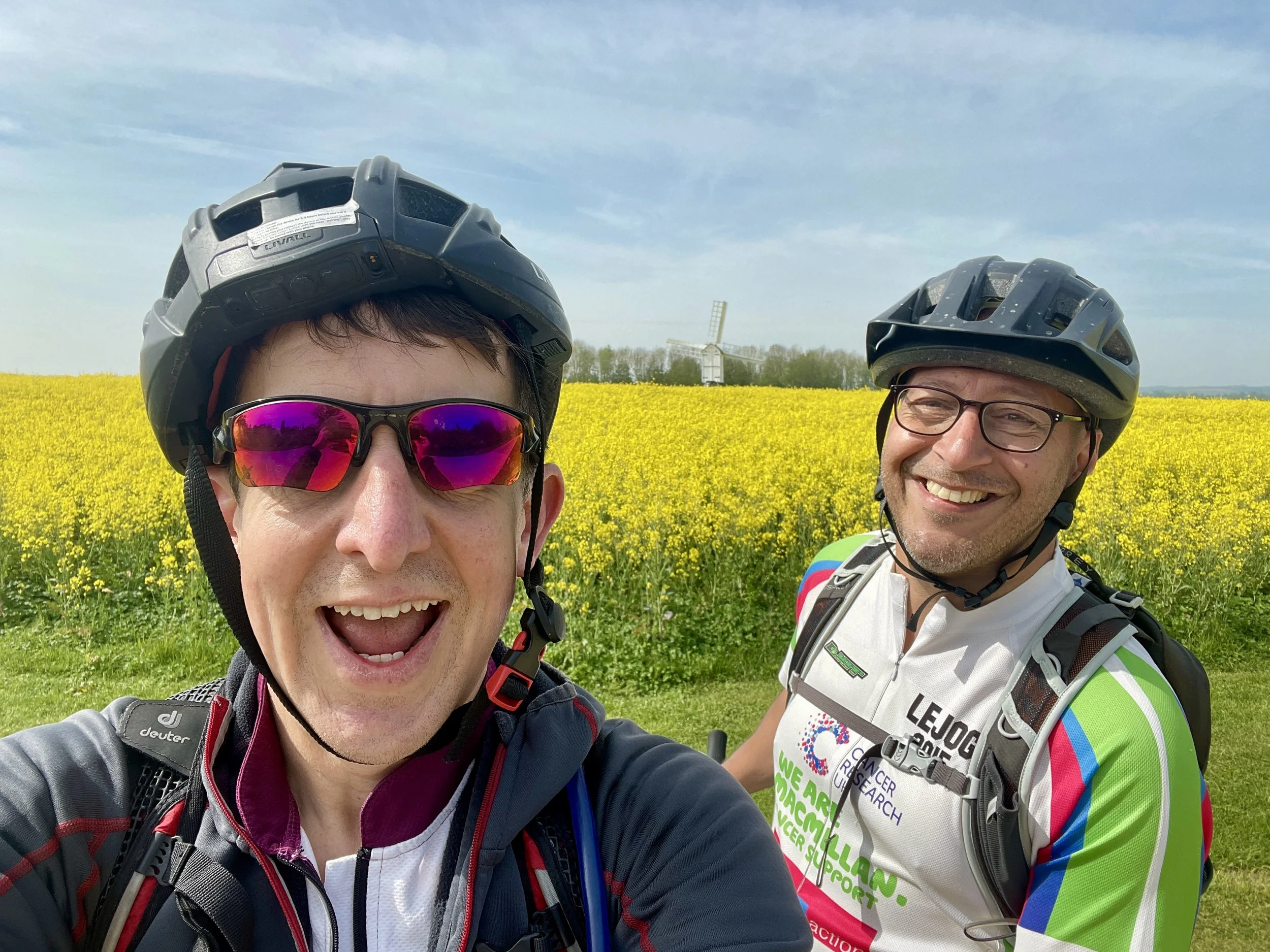
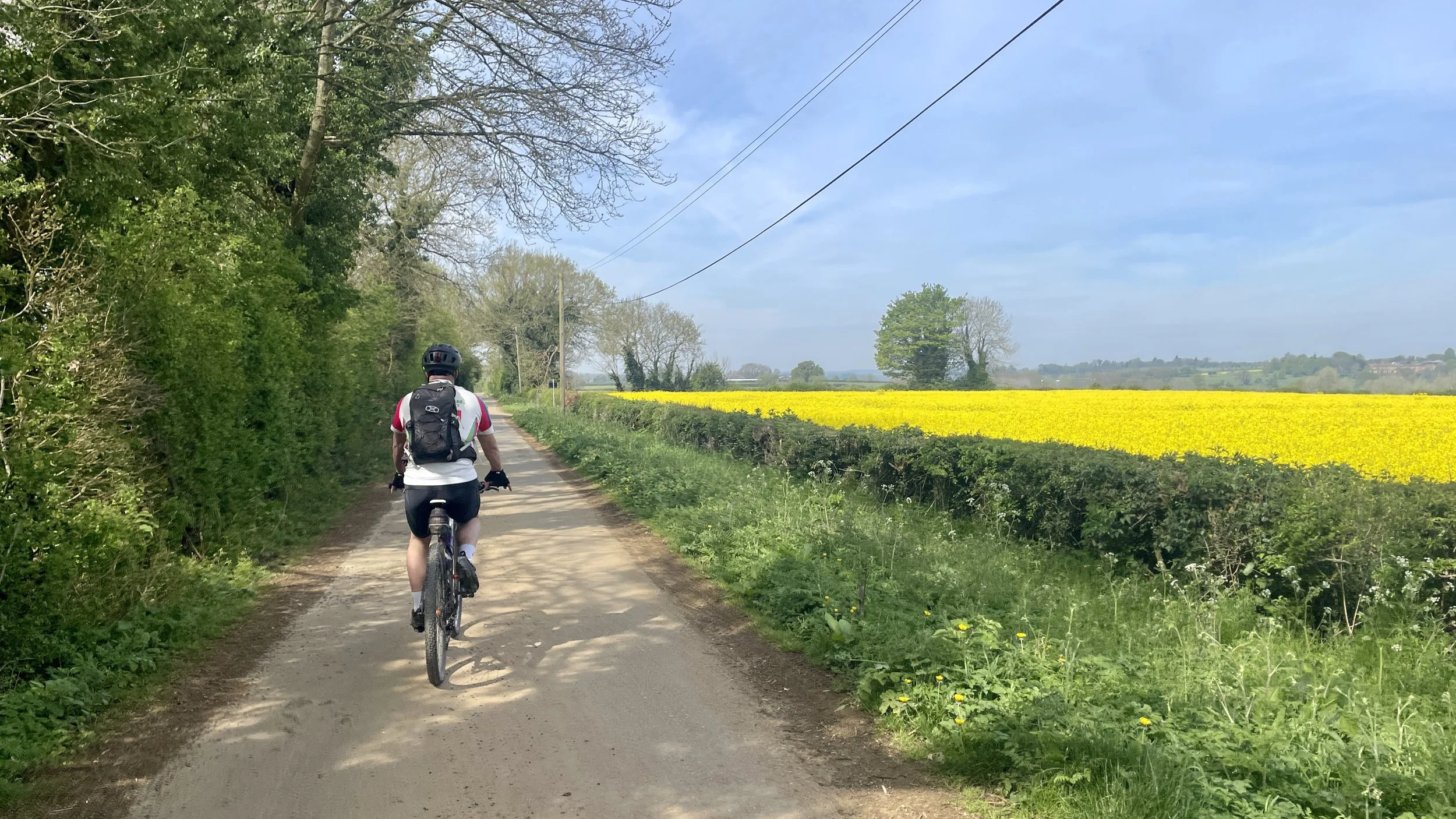
By the 11 km mark, we found our second Millennium Milepost in the small town of Bloxham. Just outside of town, we passed a yellow rapeseed field with a small windmill in the middle: the banner photo for this post. The route continued south through the "Barfords" (Barford St. John and Barford St. Michael), leading us to Nether Worton at 18 km, where we bagged milepost number three.
Reaching Middle Barton at 23 km, the "second breakfast" cravings had set in. However, we ran into a recurring logistical failure for Brian and me: we start so early that we consistently beat the opening hours of rural pubs and cafes.
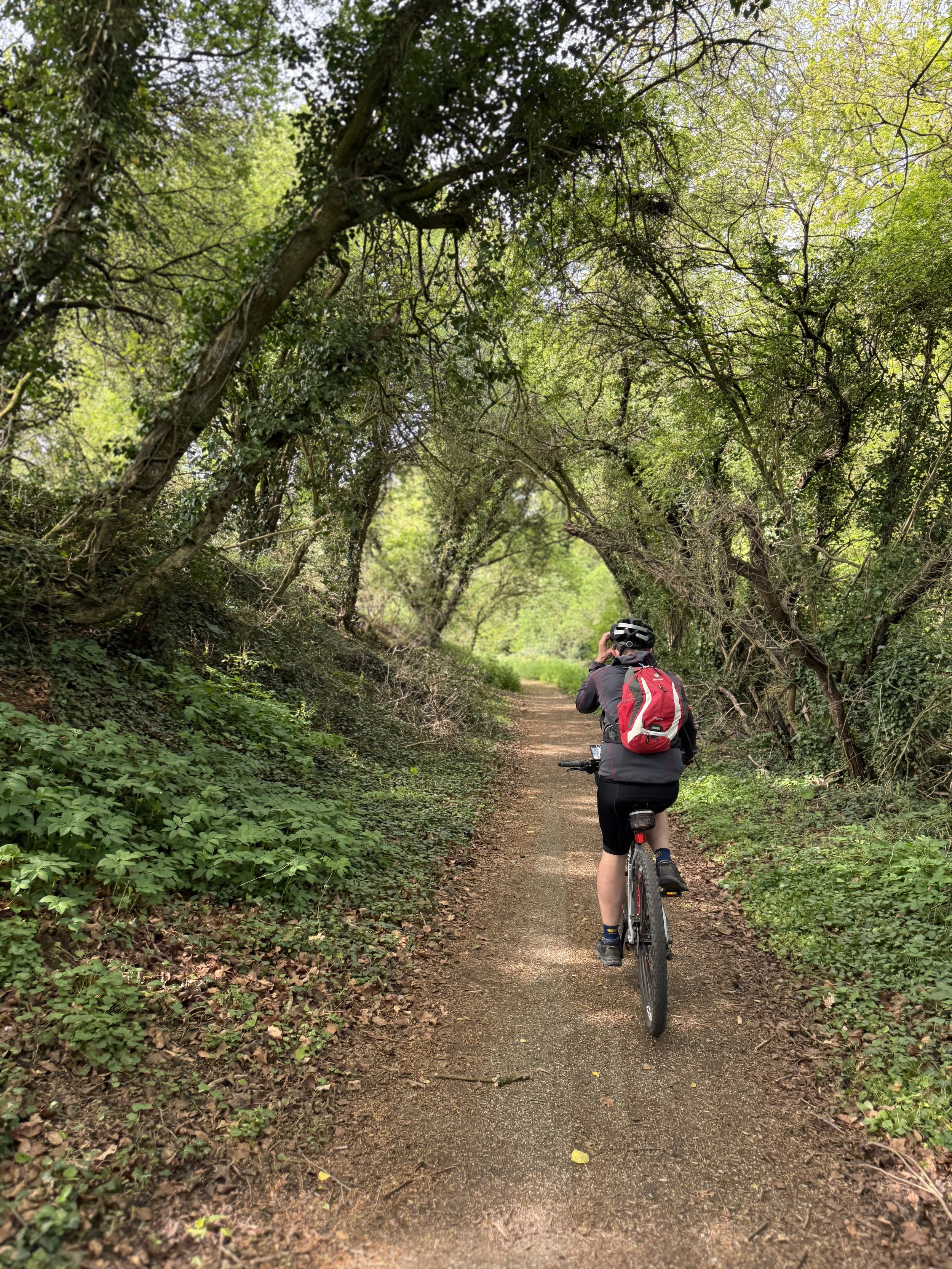
The fourth milepost appeared just outside Glympton around the 35 km mark. Shortly after, there is a great section running through a forest parallel to a river. It is easily one of the best parts of the route.
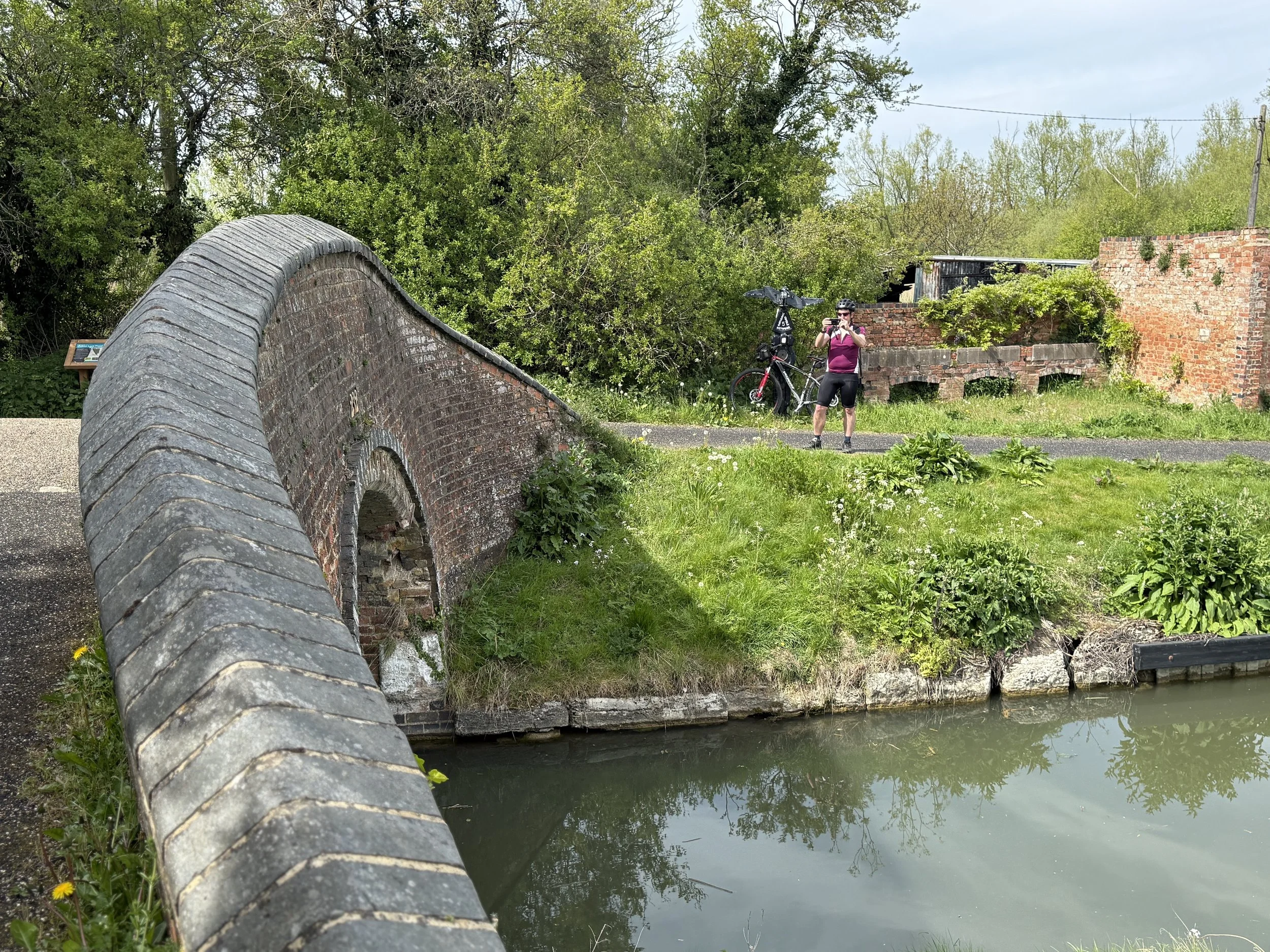
We rolled into Woodstock at 40 km at exactly 1:00 pm. We paused the ride here, finding a pub in the town centre for fish and chips. Pointing the bikes south-east toward Oxford post-lunch, we located the final Millennium Milepost (number five) at 48 km where the route joins the Oxford Canal at the north end of the city. Following the canal path through the residential streets of North Oxford, we arrived back at the train station and the car by 3:30 pm.
It was an efficient and hugely enjoyable day out and much warmer than the January attempt.
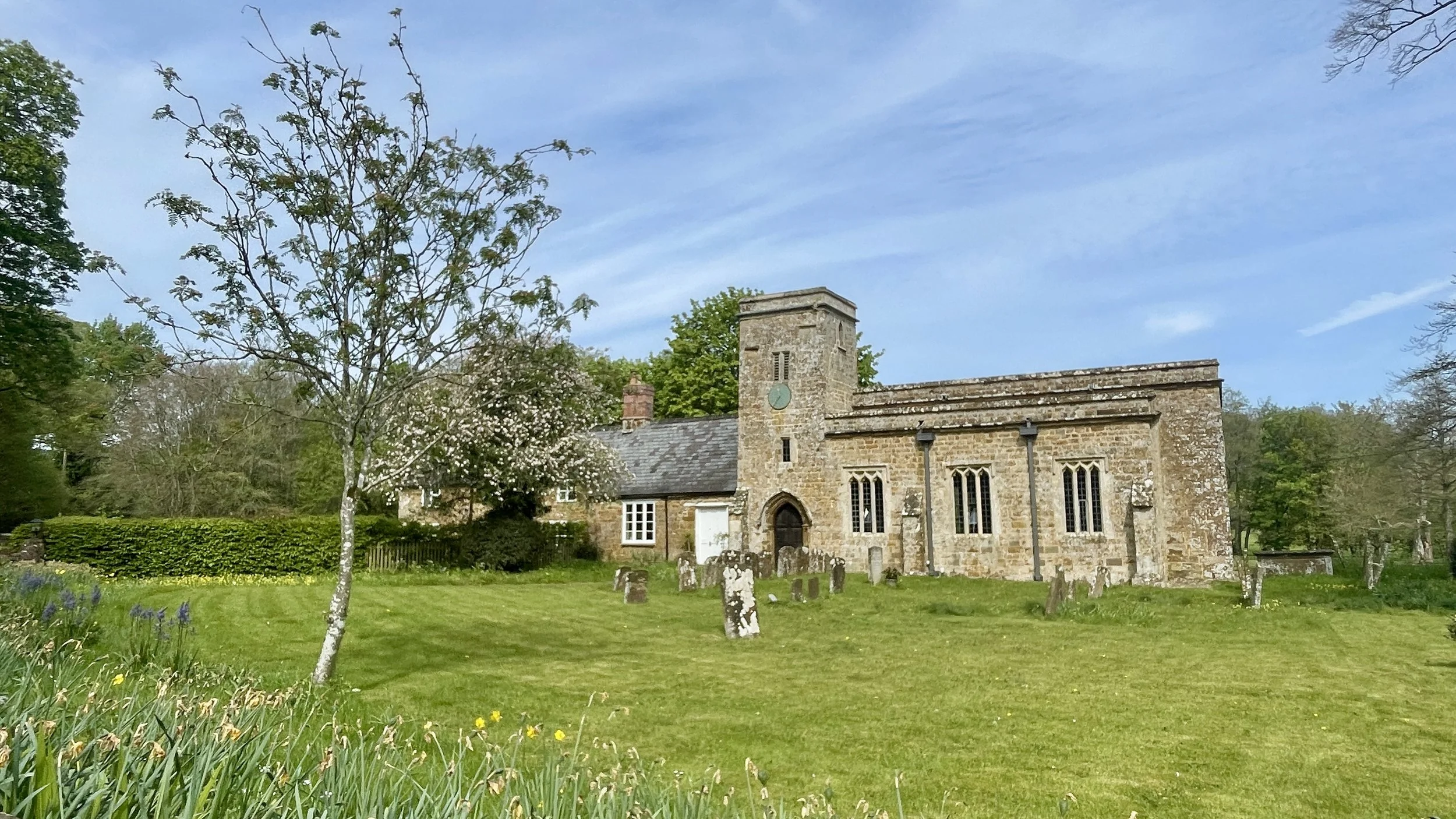
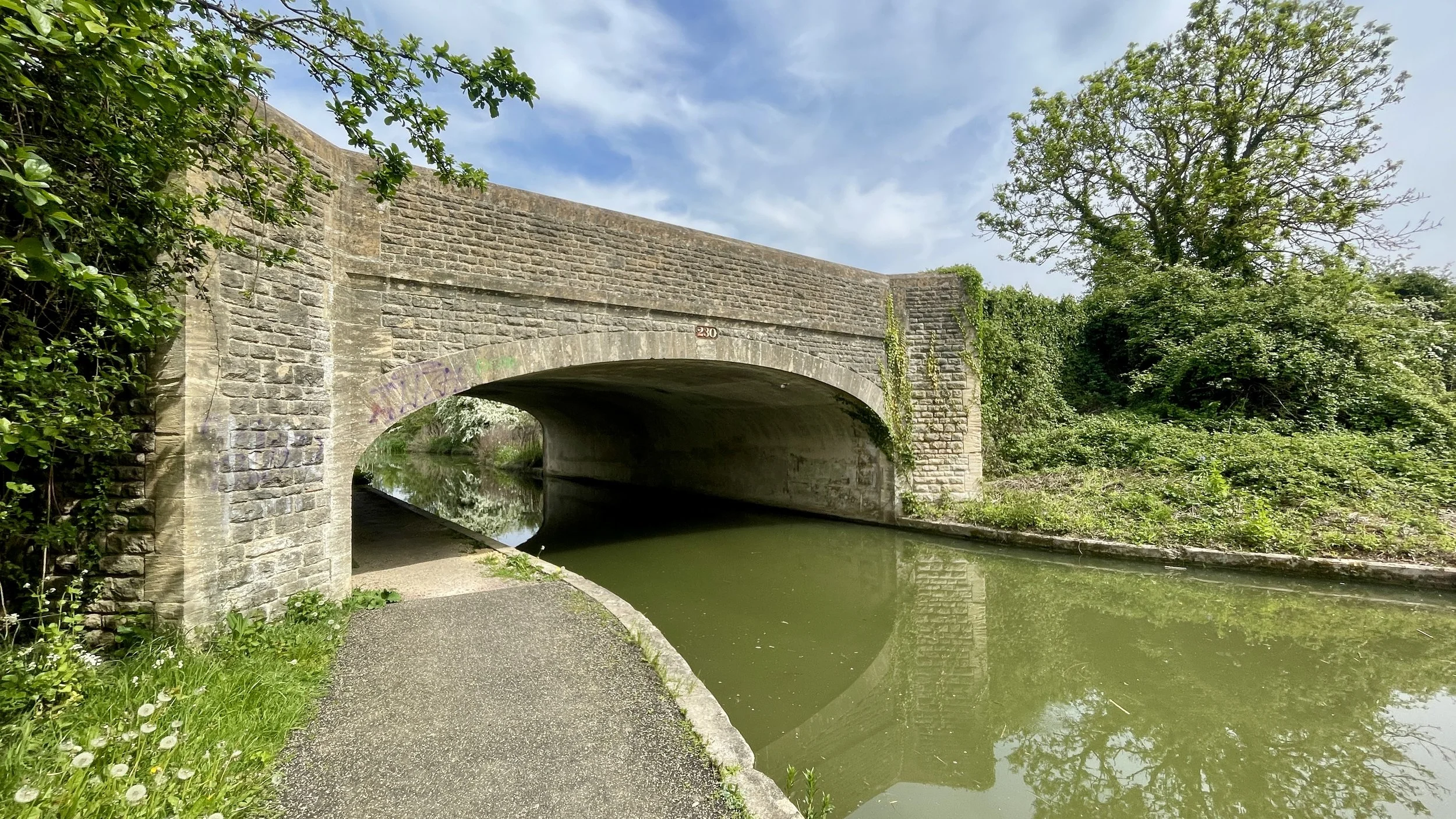
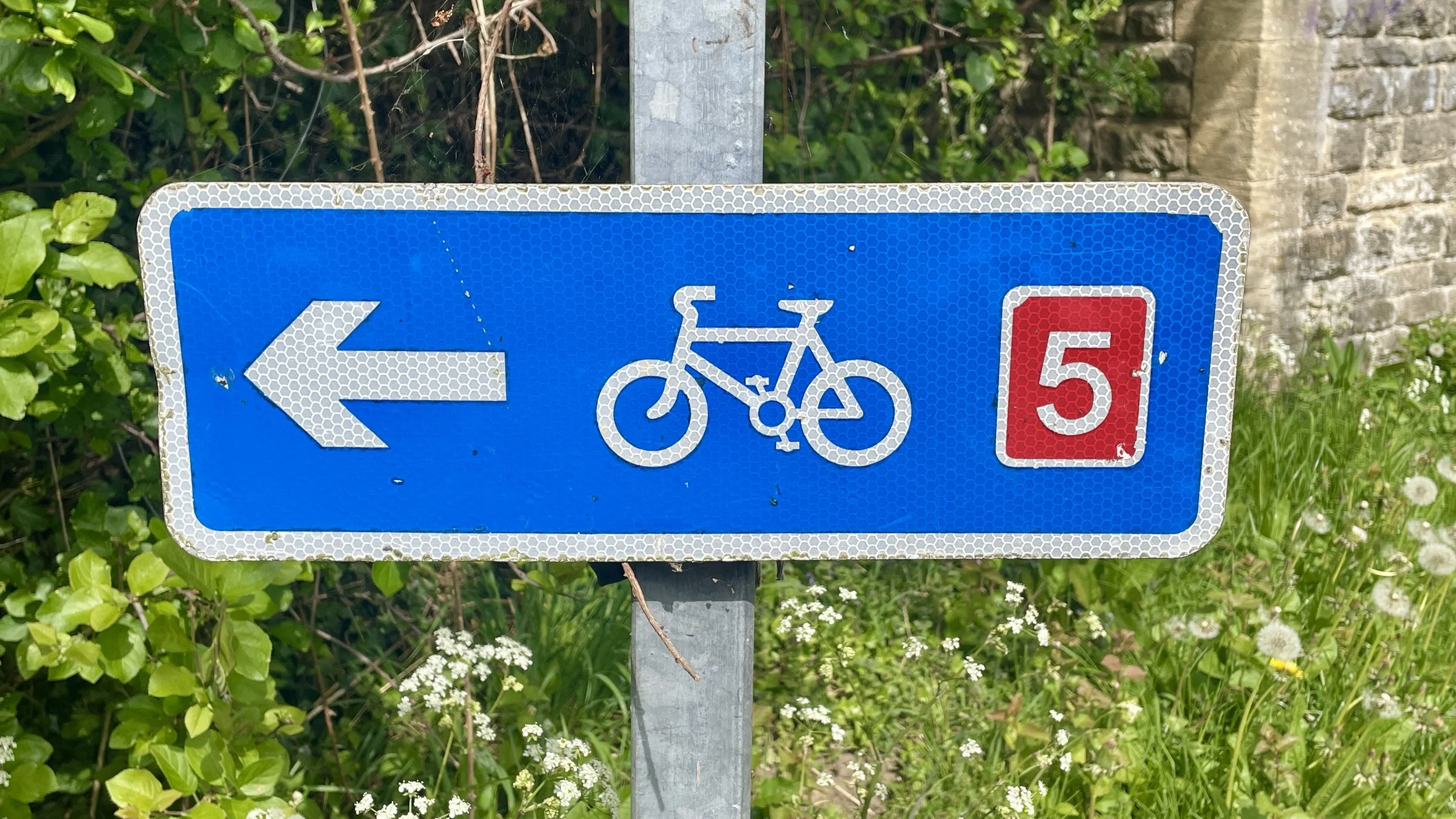
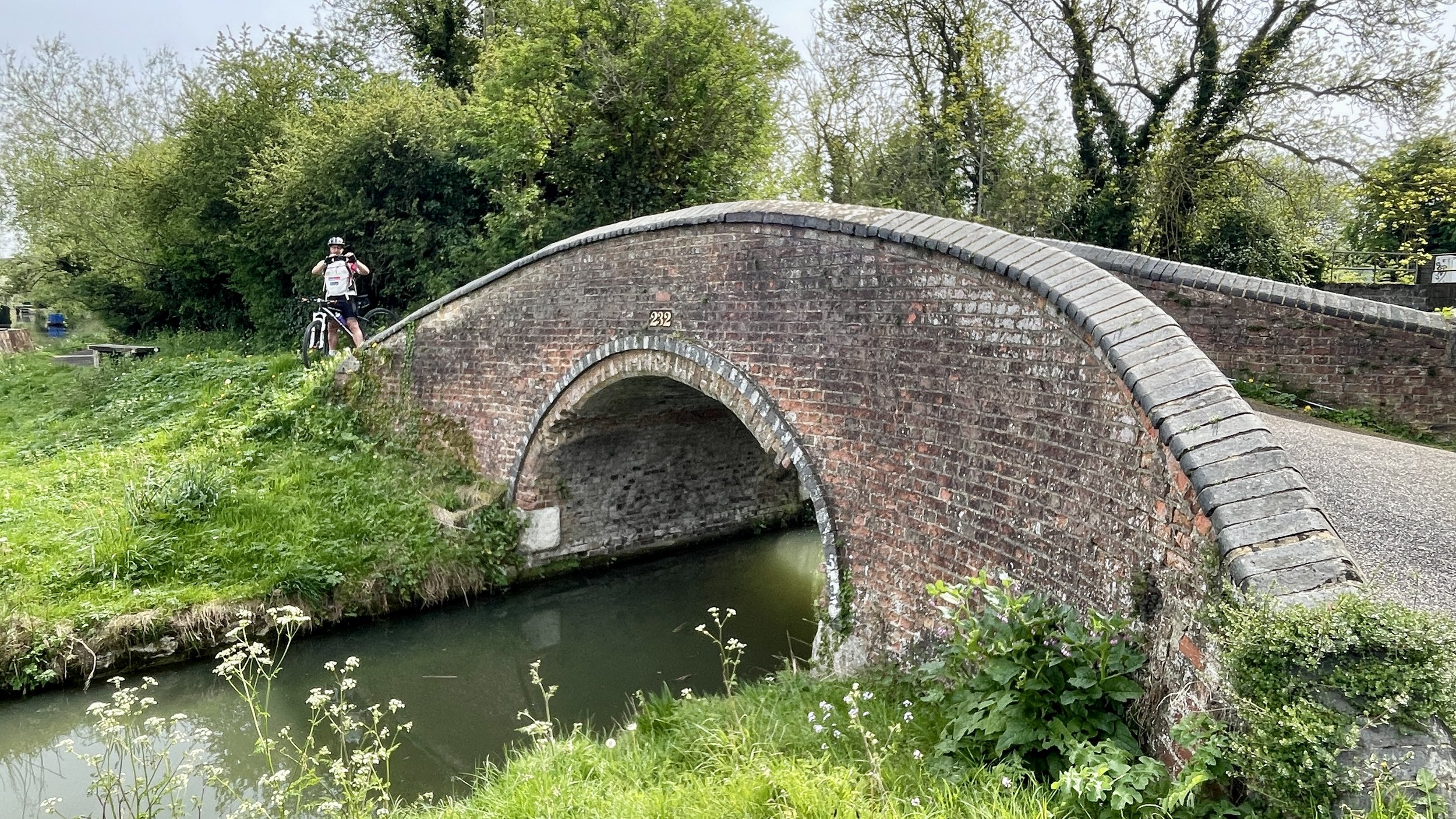
Day 2: Oxford to Reading
Start: Oxford Station, Park End Street, Oxford OX1 1HS
Finish: Reading Station, Bagnall Way, Reading, RG1 8BT
Distance: 68 km (42 miles)
Elevation change: + 455 / -476m. Net +21 m
GPX File: get via Buy Me a Coffee
Other routes touched (walk): Thames Path, Oxford Green Belt Way, The Vale Way, The Roman Way, The Ridgeway, Chiltern Way Southern Extension, St Frideswide's Way
Other routes touched (cycle): NCN 4, 5, 544, Icknield Way Trail
Pubs / Cafes on route: Many on the route. We stopped for a coffee at Abingdon at 15 km in
Millennium Mileposts: 231, 223, 224, 225, 226, 227, 230, 229, 222, 58, 141, 140
Maps:
- Oxford Map | Witney & Woodstock | Ordnance Survey | OS Explorer Map 180
- Vale of White Horse Map | Abingdon-on-Thames, Wantage, Wallingford & Faringdon | Ordnance Survey | OS Explorer Map 170
- Chiltern Hills West Map | Henley-on-Thames & Wallingford | Ordnance Survey | OS Explorer Map 171
Links: Oxford, Abingdon, Didcot, Wallingford, Stoke Row, Caversham, Reading
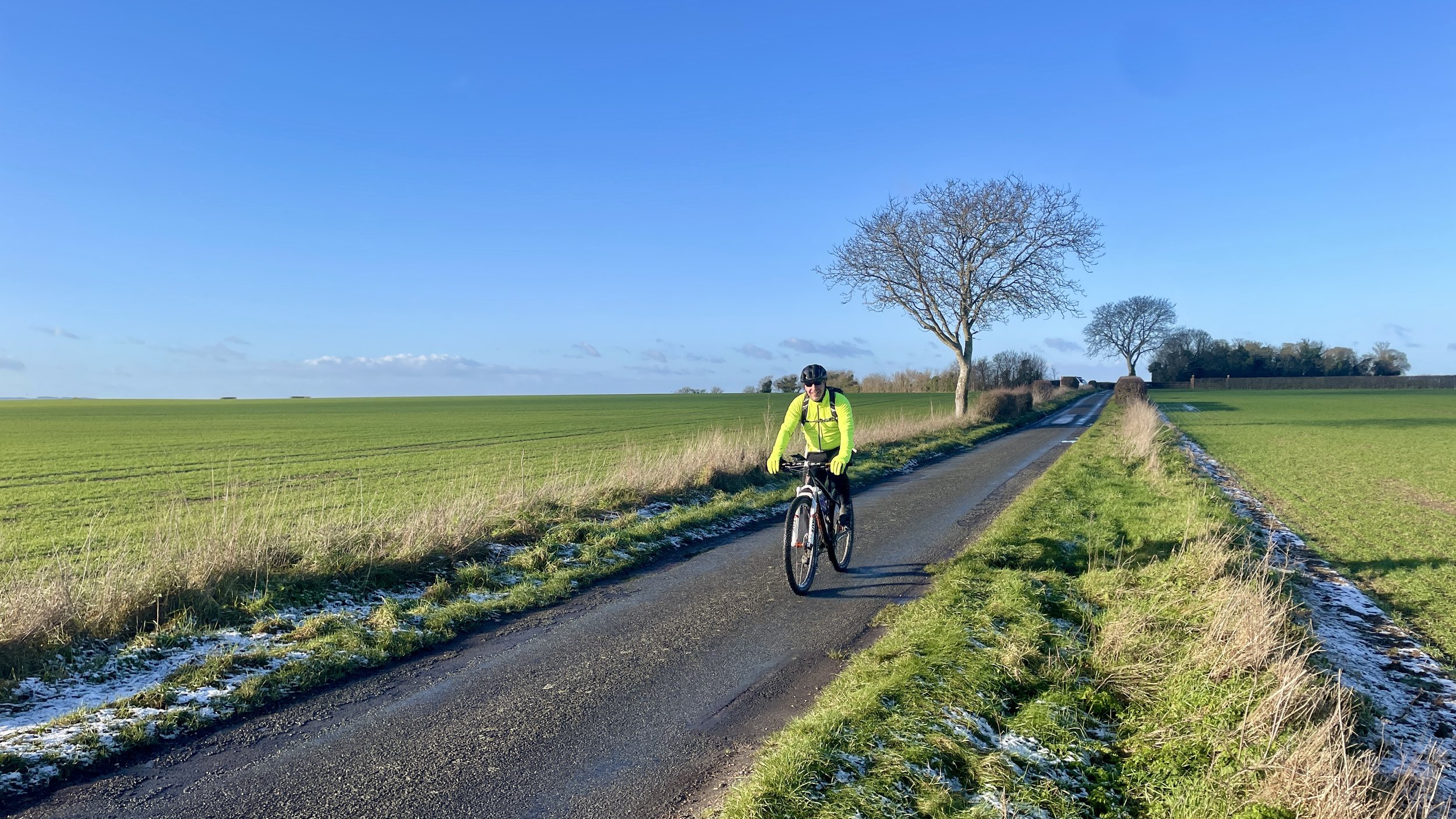
On the 2nd of January, Brian and I set off to tackle the southern section. Our original plan was to cycle from Reading to Oxford and return by train. However, during the drive, Brian actually checked the forecast and discovered we would be cycling directly into a headwind the entire way. We aborted the original plan, drove to Oxford, parked near the station, and cycled south instead.
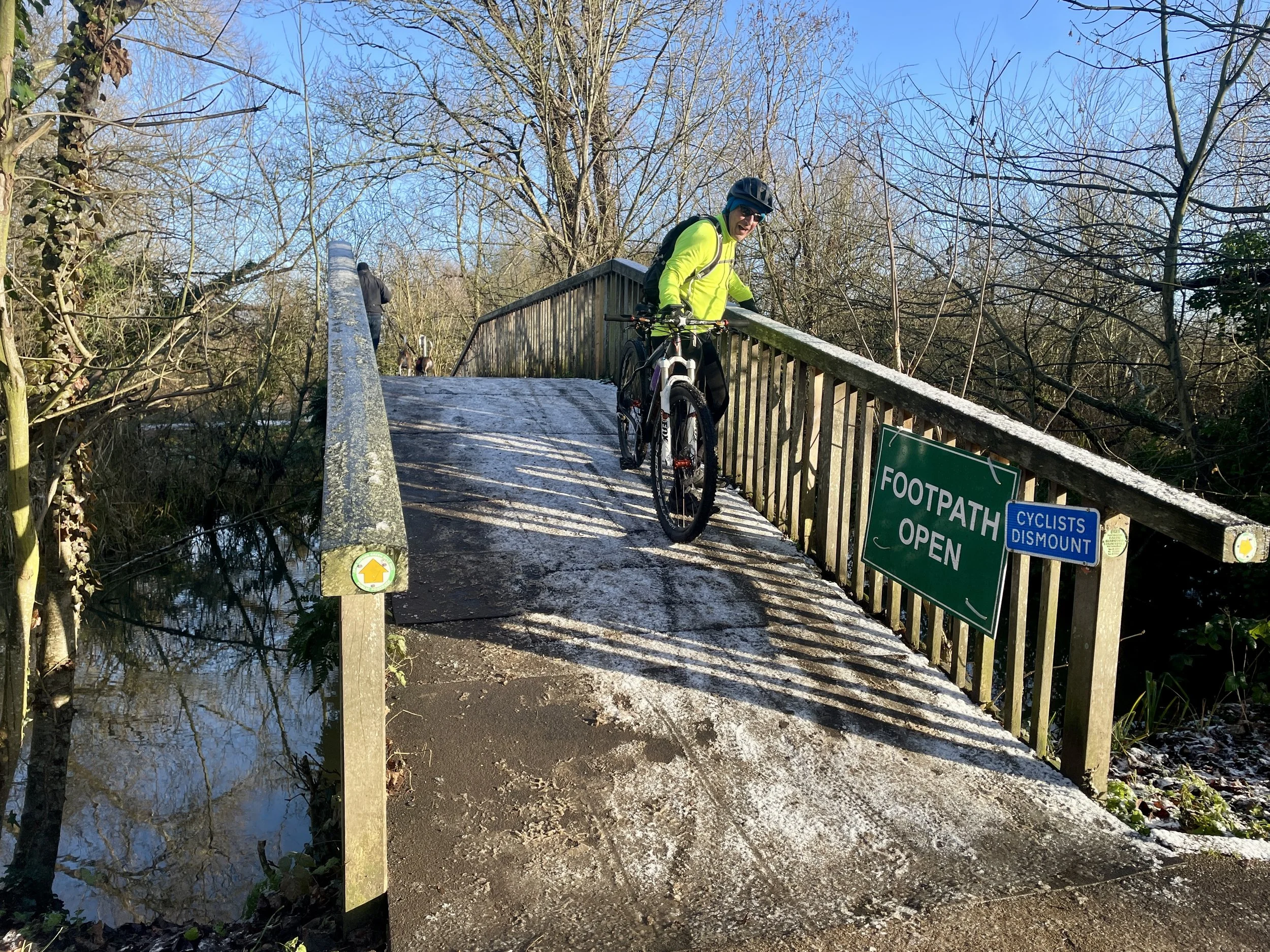
Conditions were terrible. It had rained overnight, and the ground was covered in snow and ice. For the first 10 km, we spent an hour cycling cautiously to avoid slipping. By the time we reached Abingdon, we were moving significantly slower than my standard parkrun pace. We stopped at a coffee shop to warm up, establishing a contingency plan to abandon the ride at Didcot and take the train back if the ice persisted.
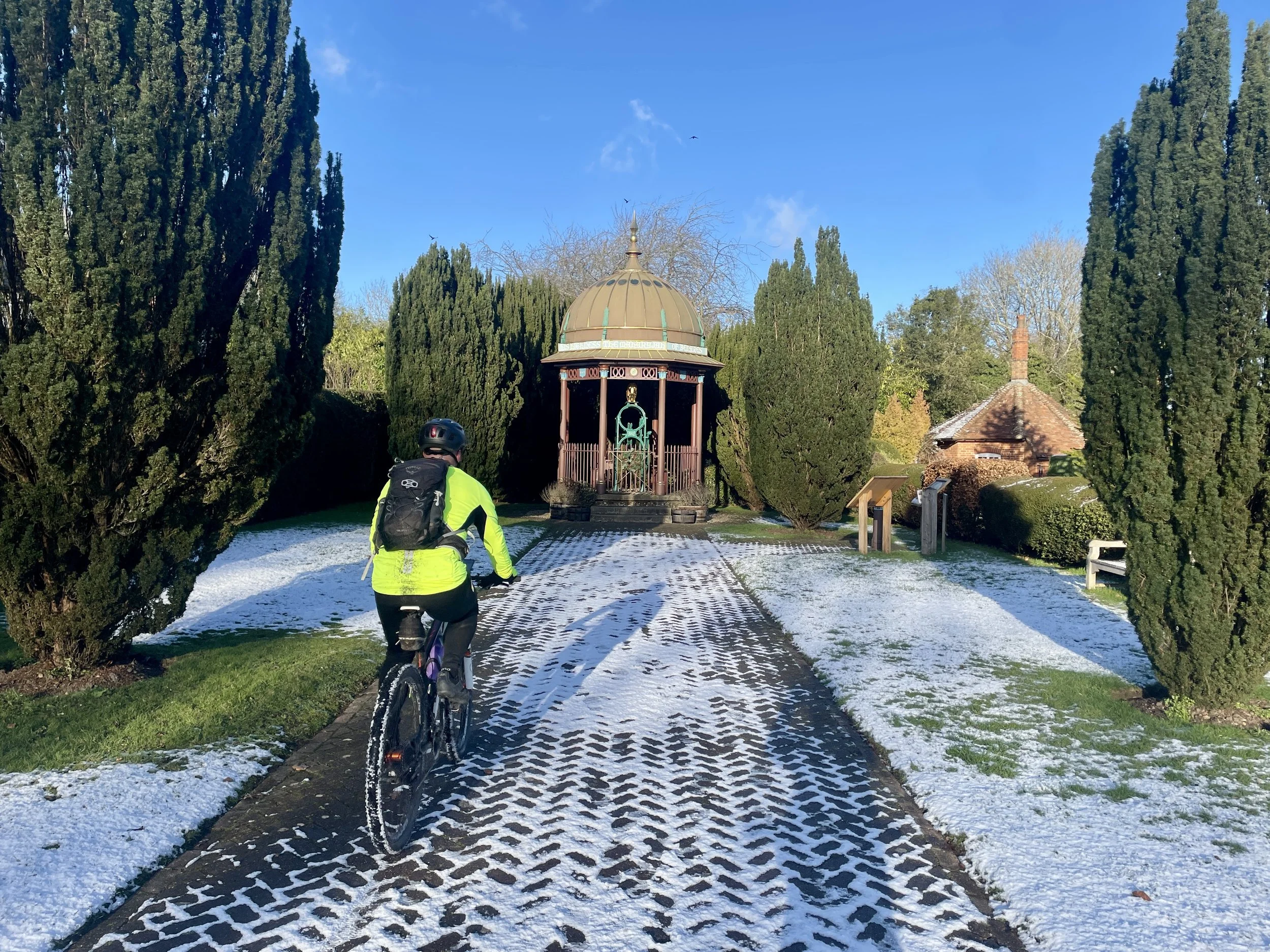
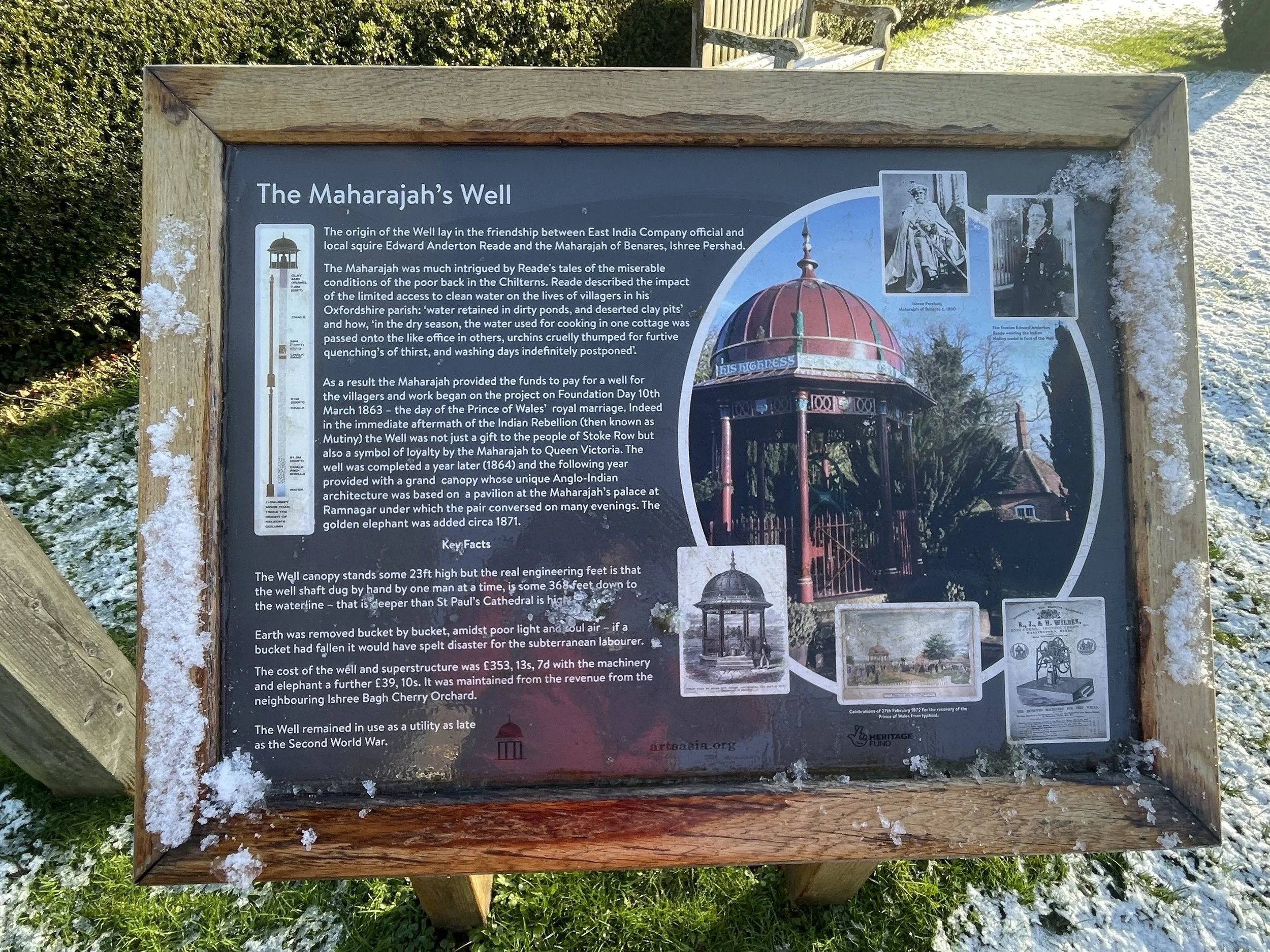
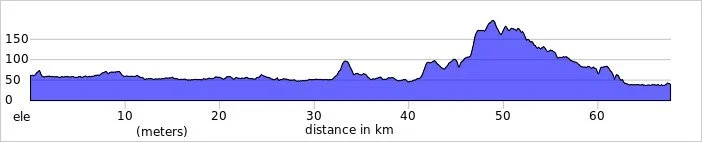
Leaving the cafe, the weather broke. The sun melted the ice, and our pace drastically improved. Around the 20 km mark, we passed Didcot, bagging several Millennium Mileposts along the way. Ten kilometres later, we passed Wallingford, crossed the River Thames, and entered the Chilterns. Riding from Wallingford across the Ridgeway and into the Chiltern Hills under clear skies made up for the freezing start.
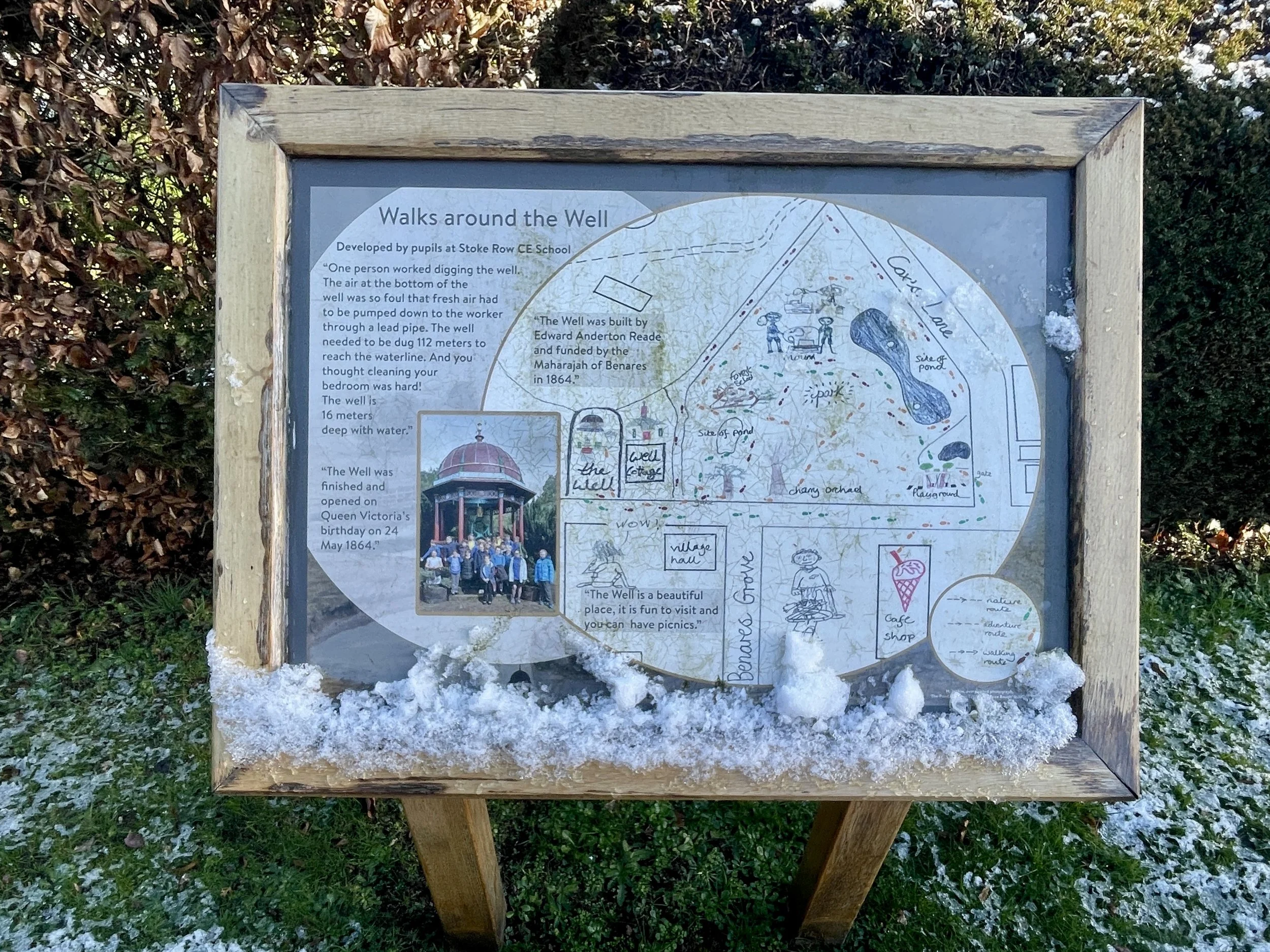
The final major leg at 55 km required a climb up and over the Chiltern ridge, followed by a fast descent into Caversham from Stoke Row. Finally, at 60 km, we bagged one final Millennium Milepost in Caversham, crossed the river, and finished the ride at Reading station.
Technically, NCN 5 continues east along the Thames for another 1.5 km to the confluence with the River Kennet. Having cycled that section previously and already bagged its two mileposts, we opted to skip it to ensure we got back to Oxford in daylight.
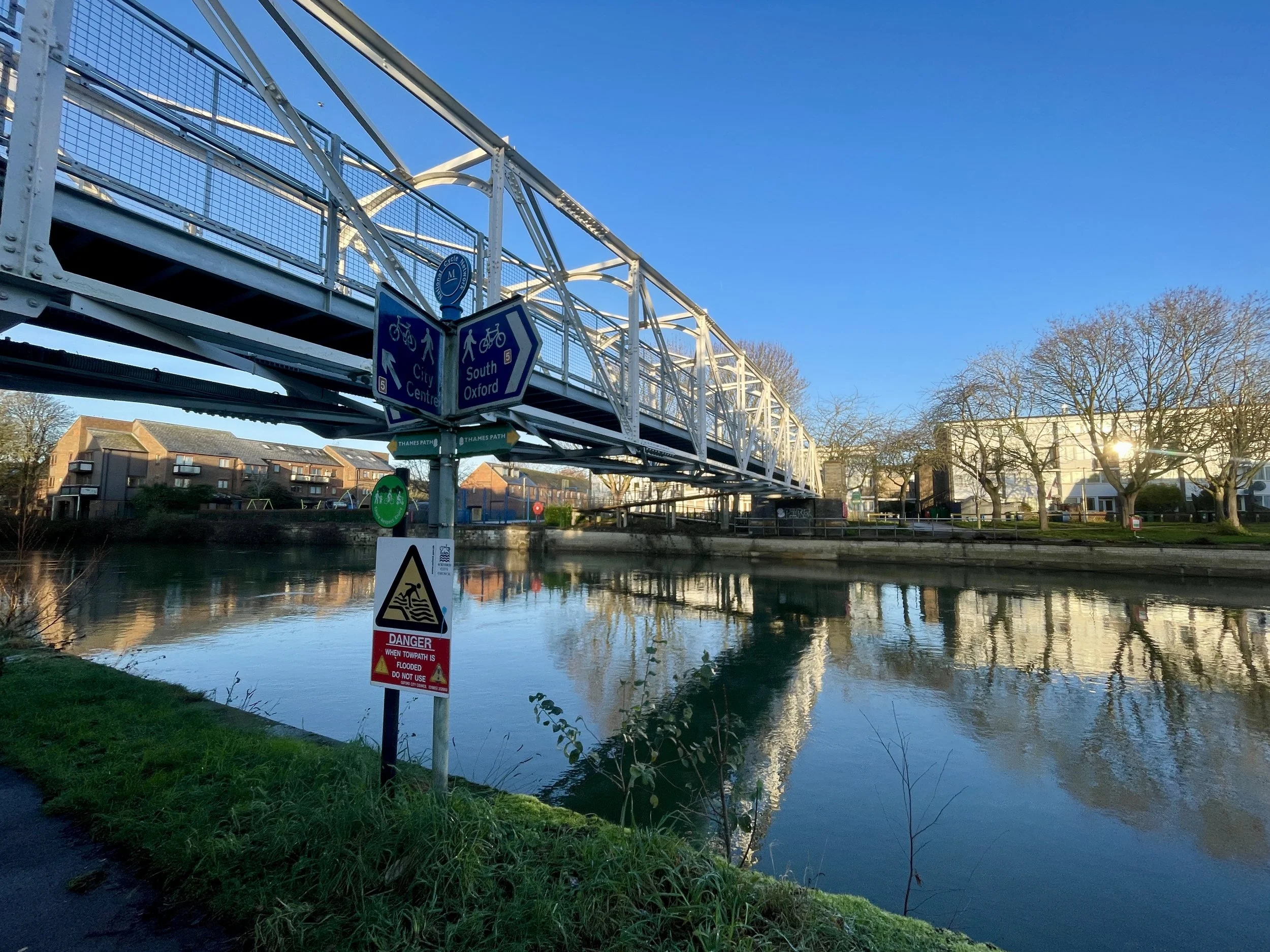
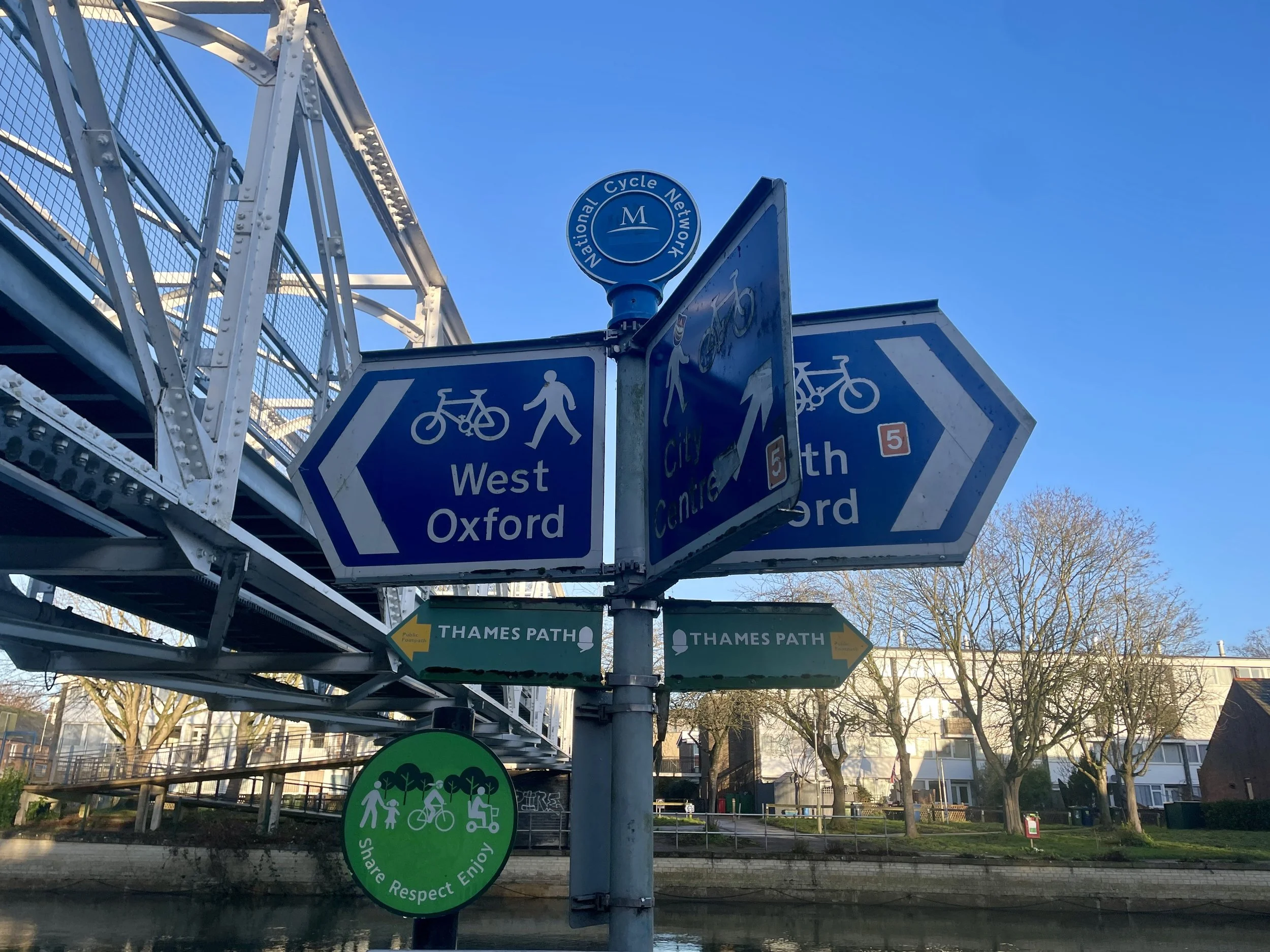
The Full 2-Day Route
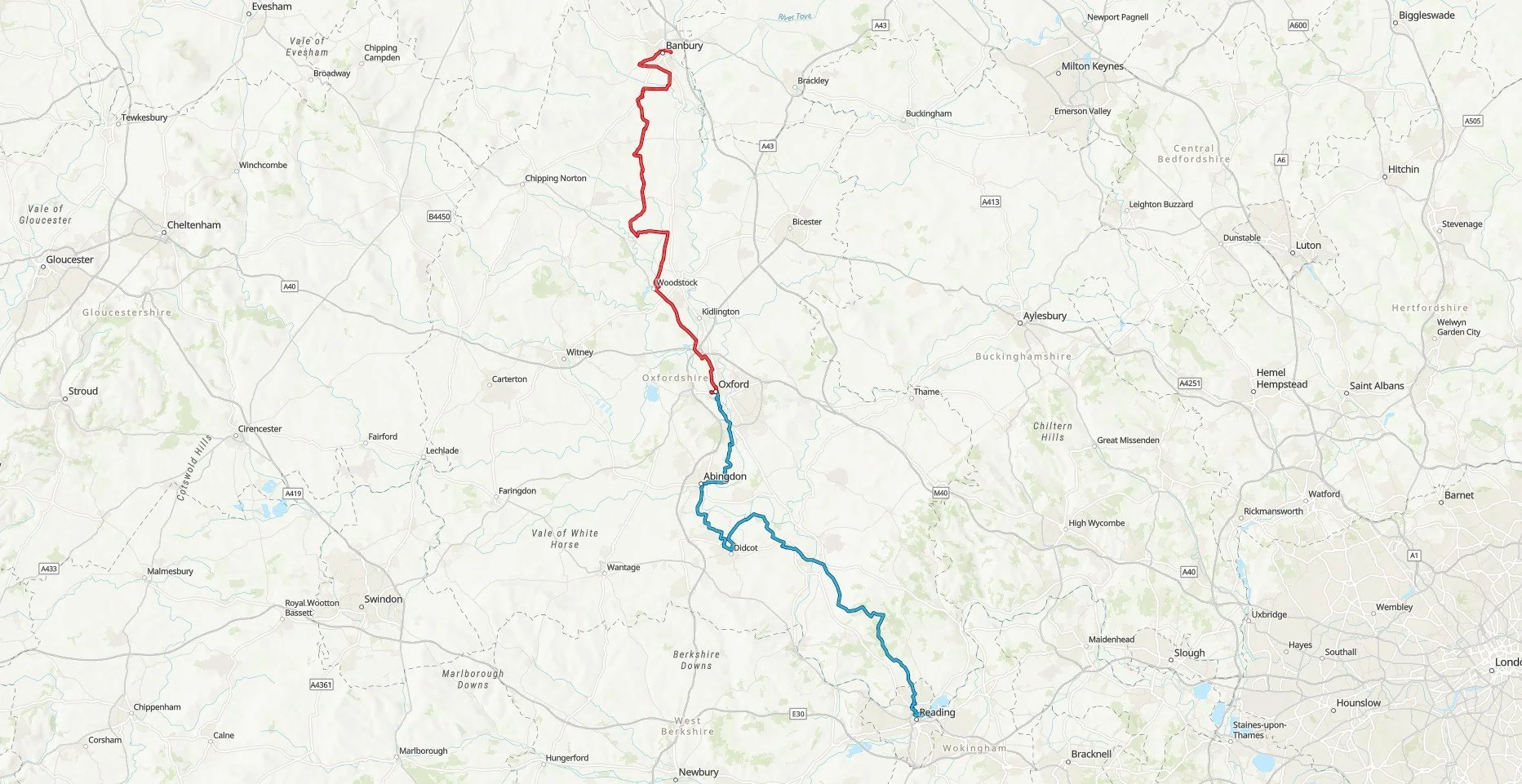
Day 1 in red, day 2 in blue
The Millennium Mileposts
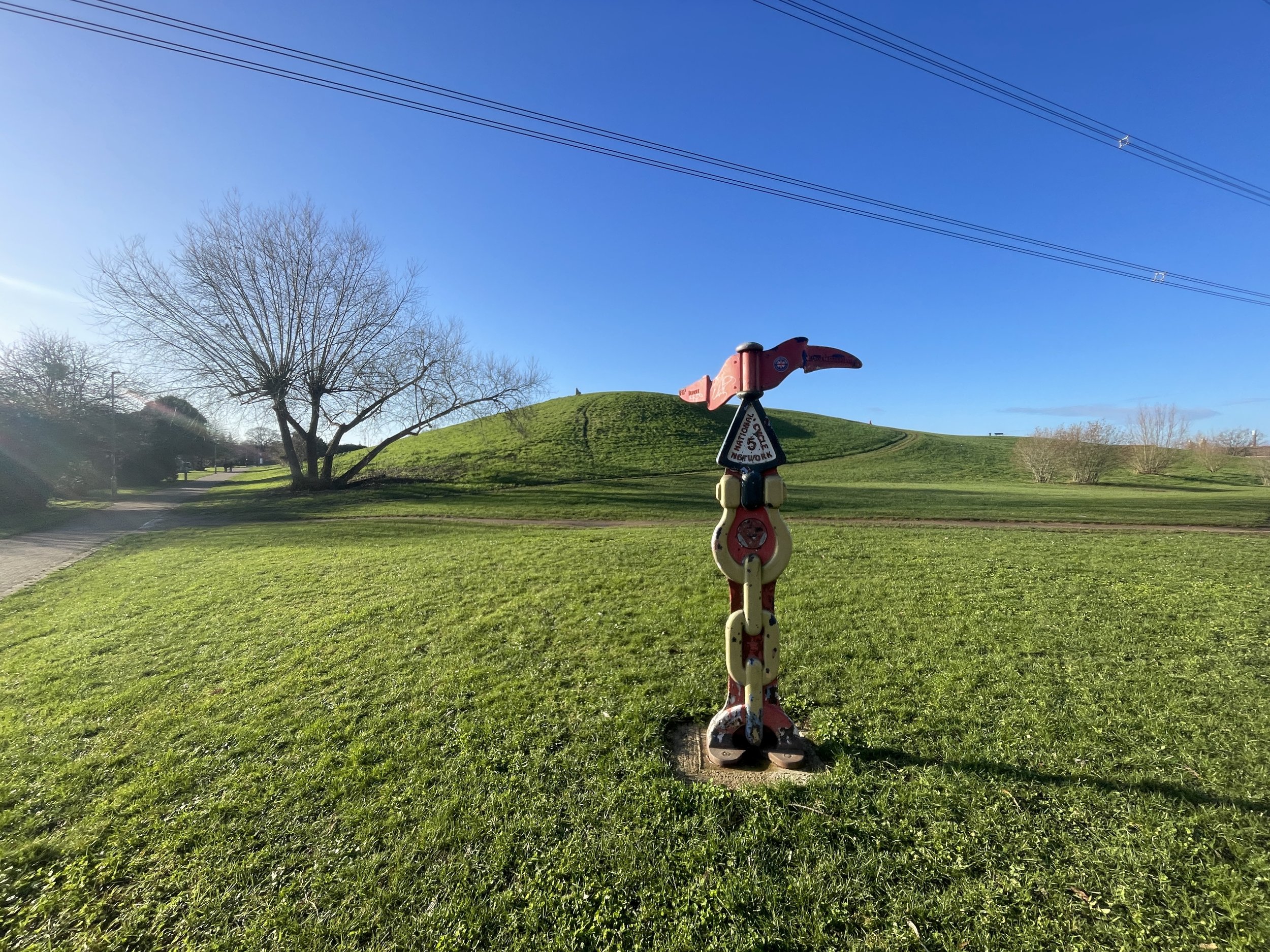
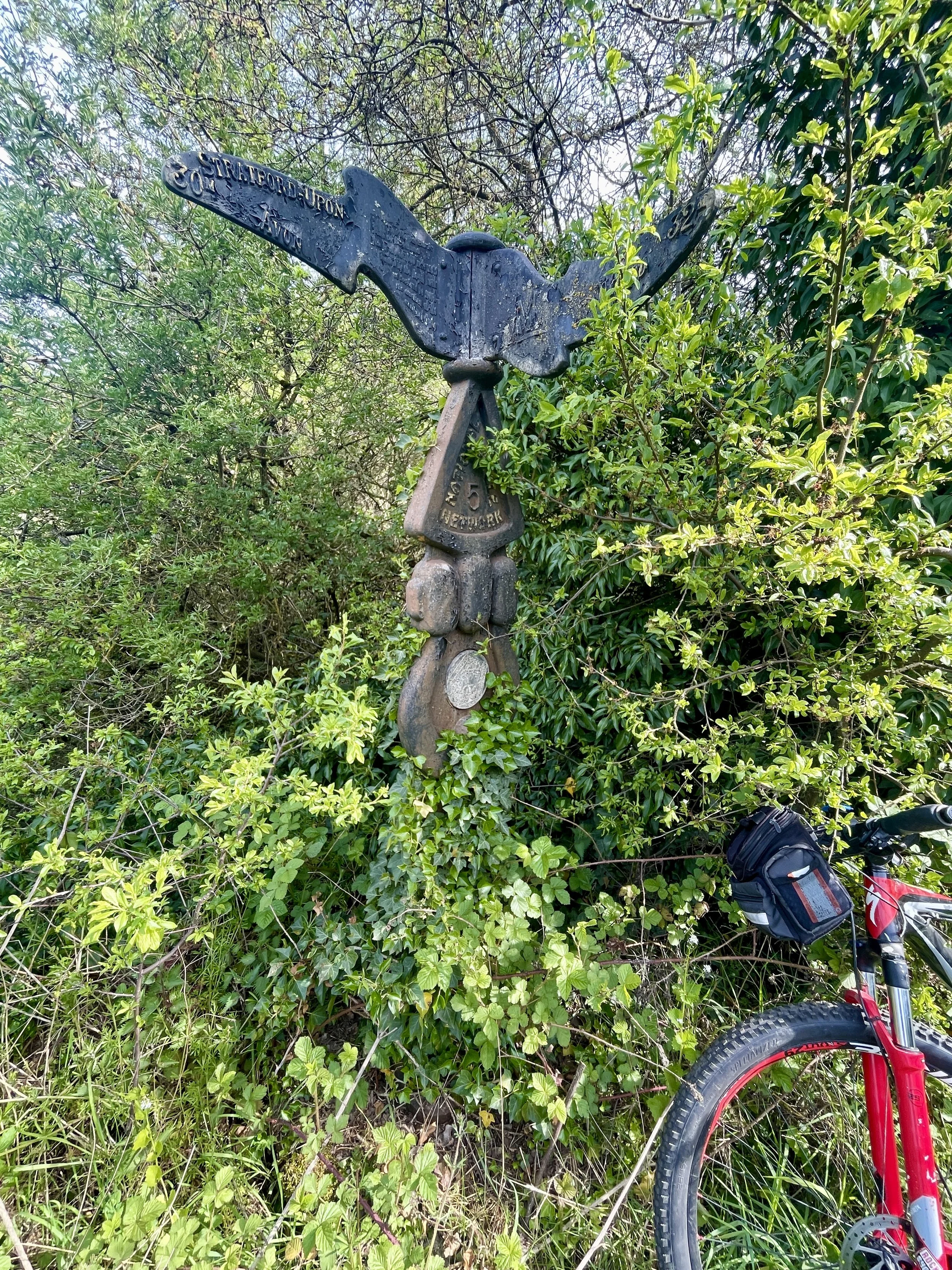
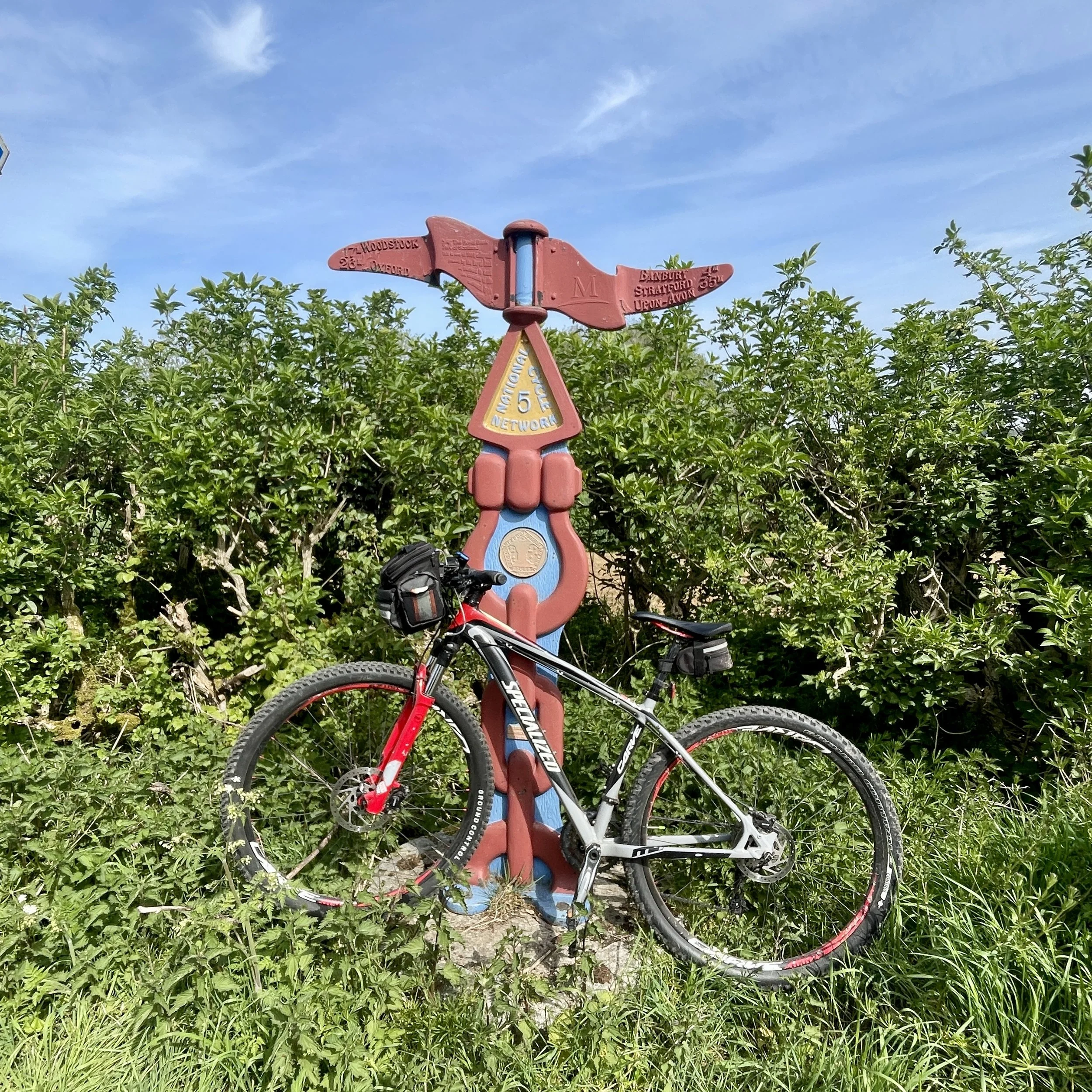
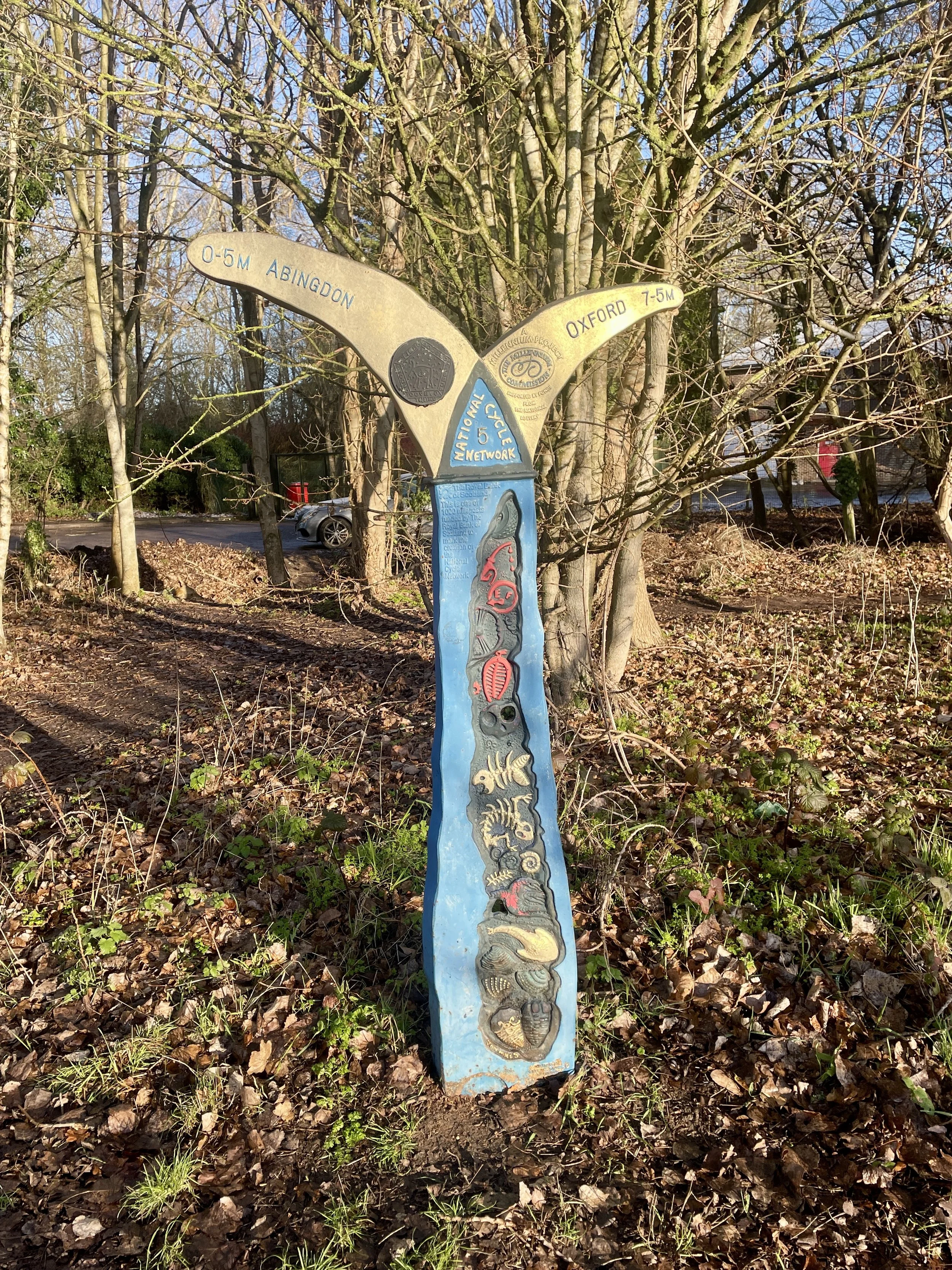
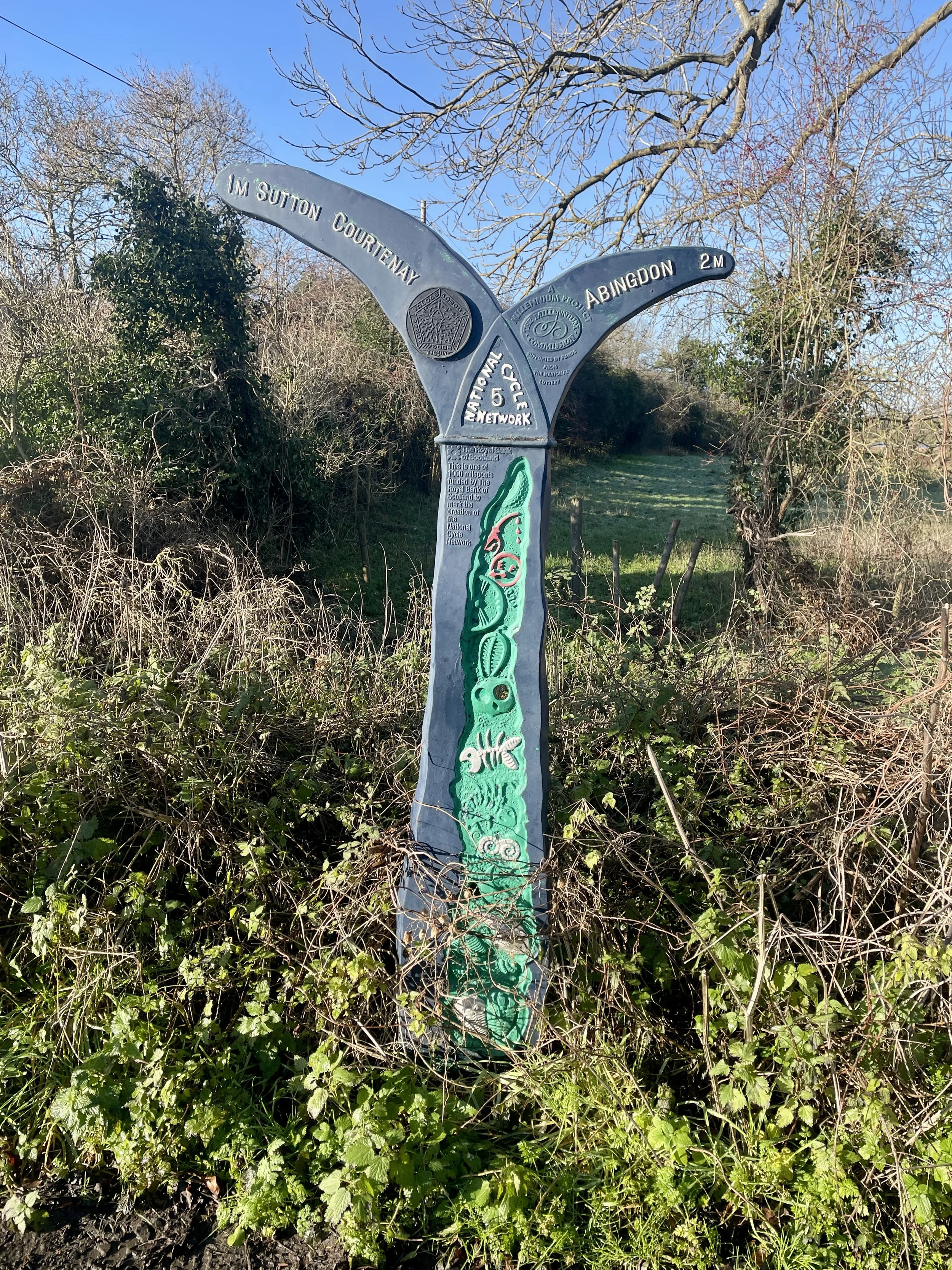
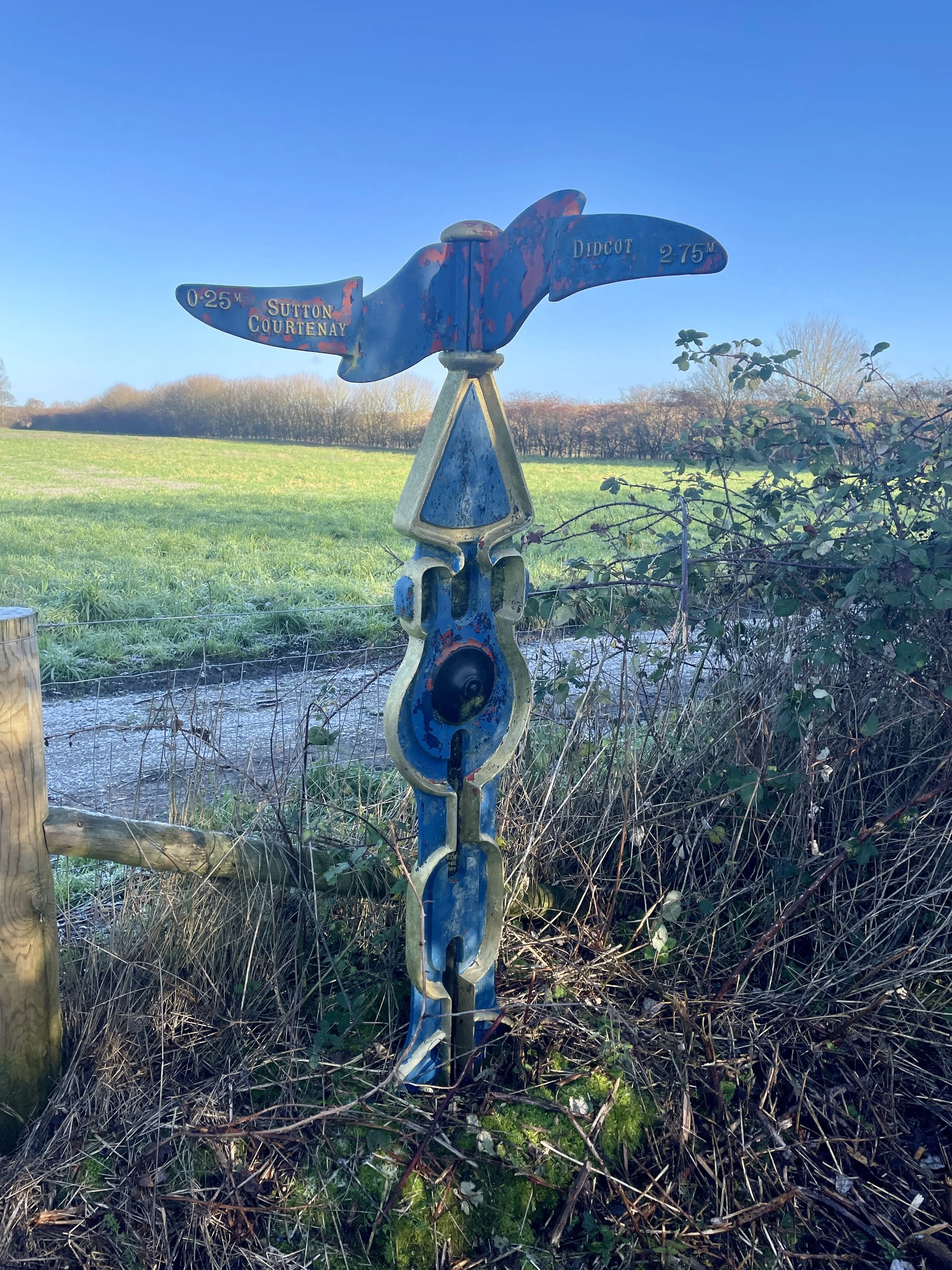
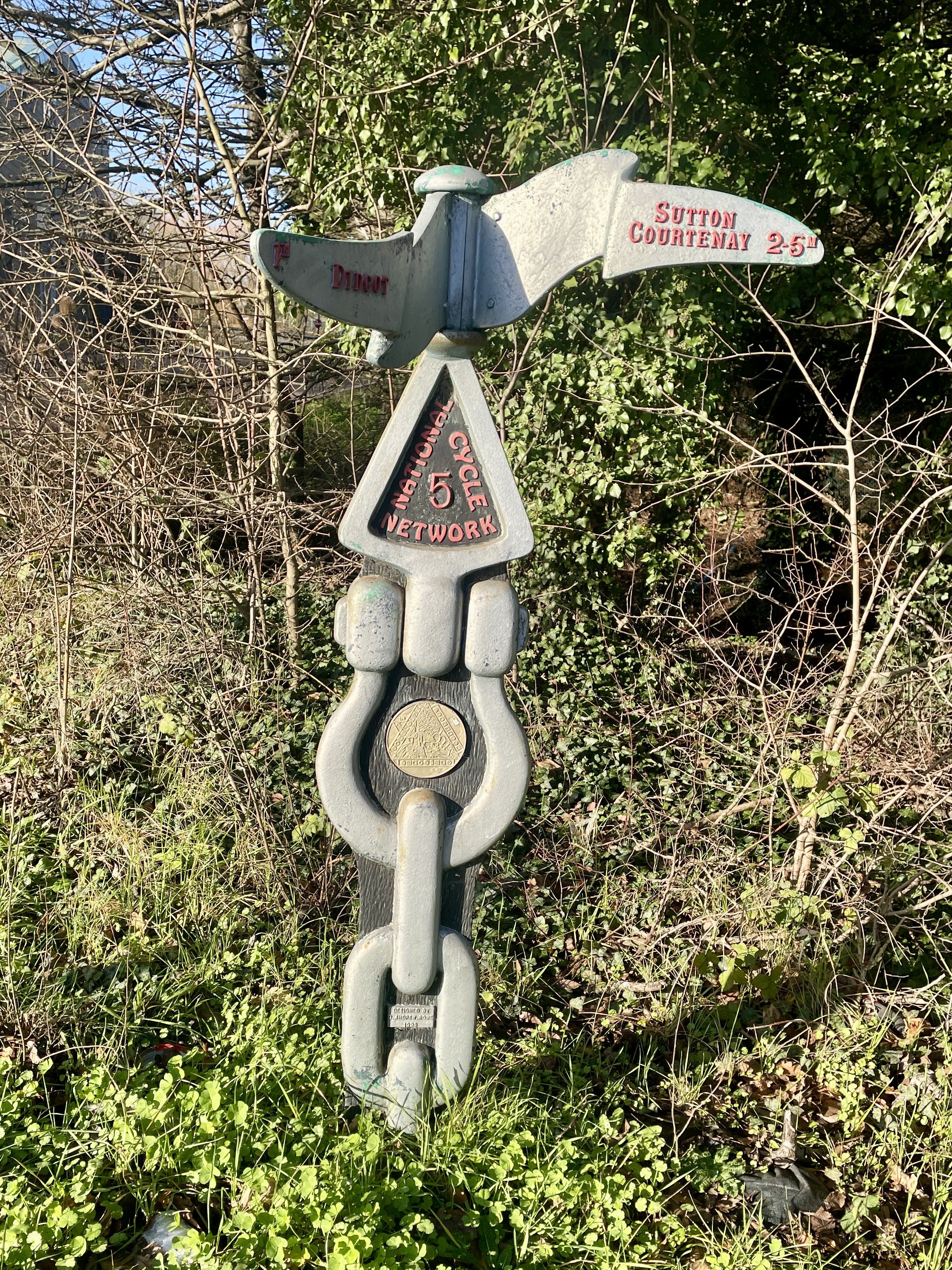
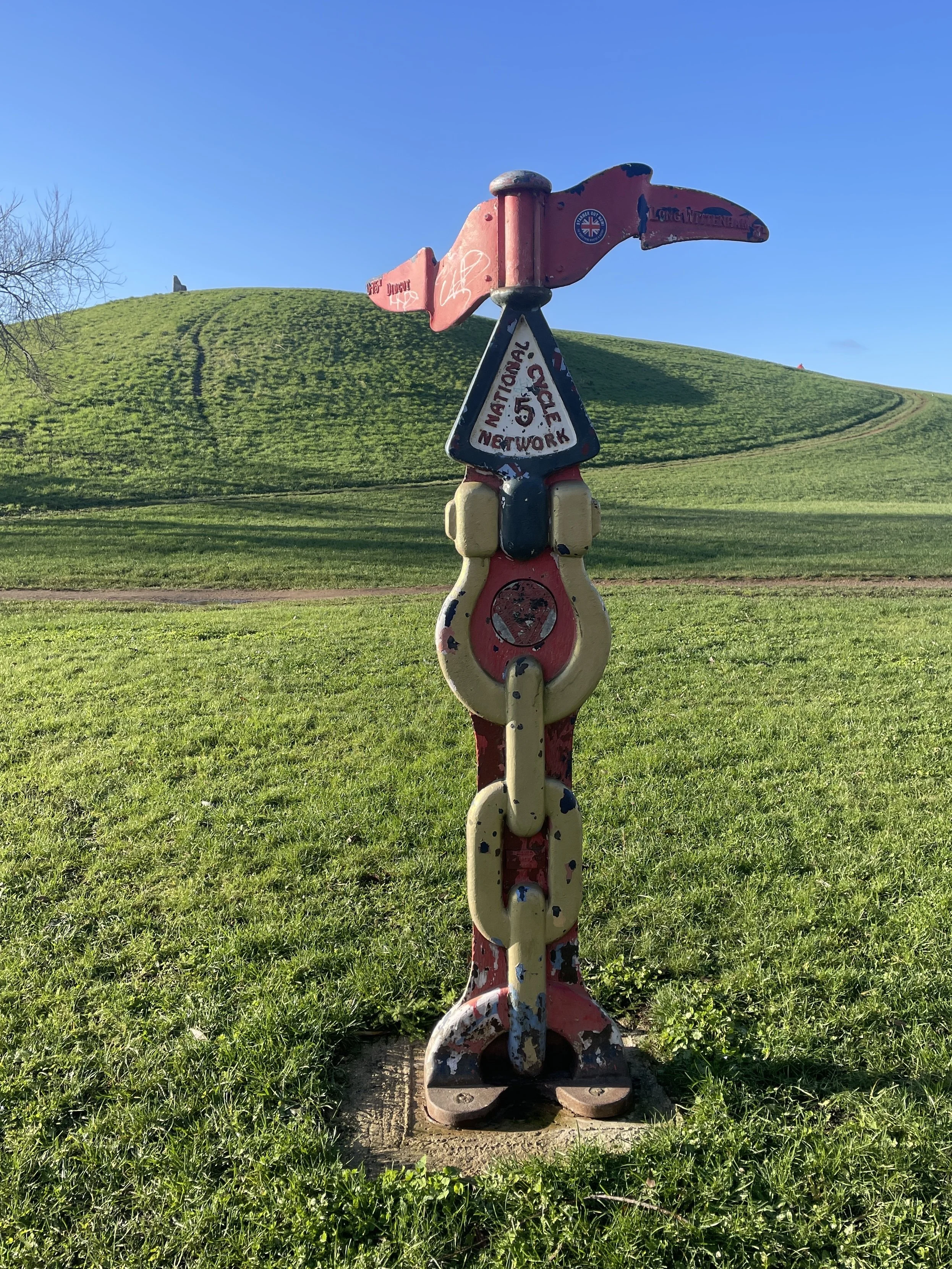
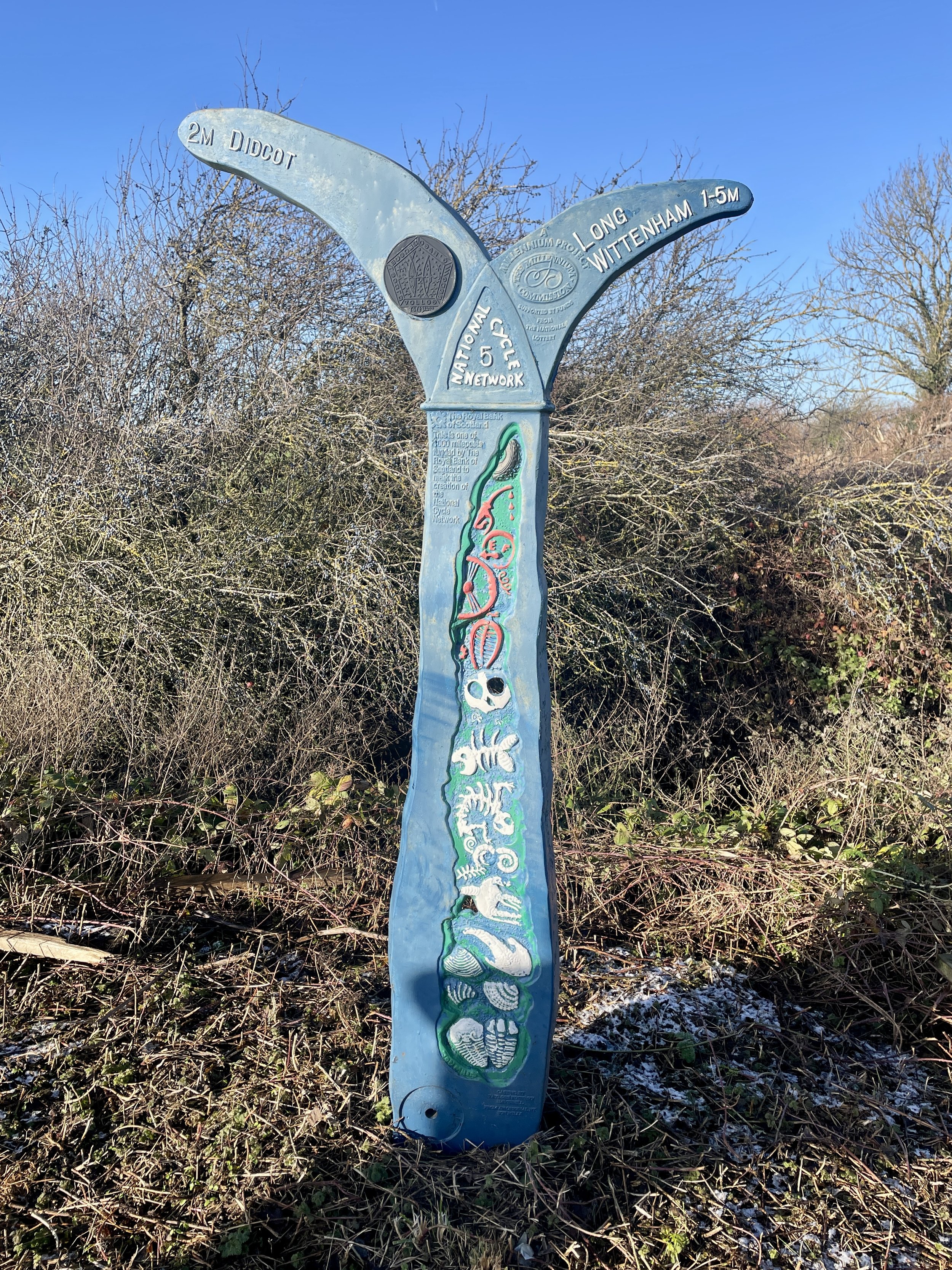
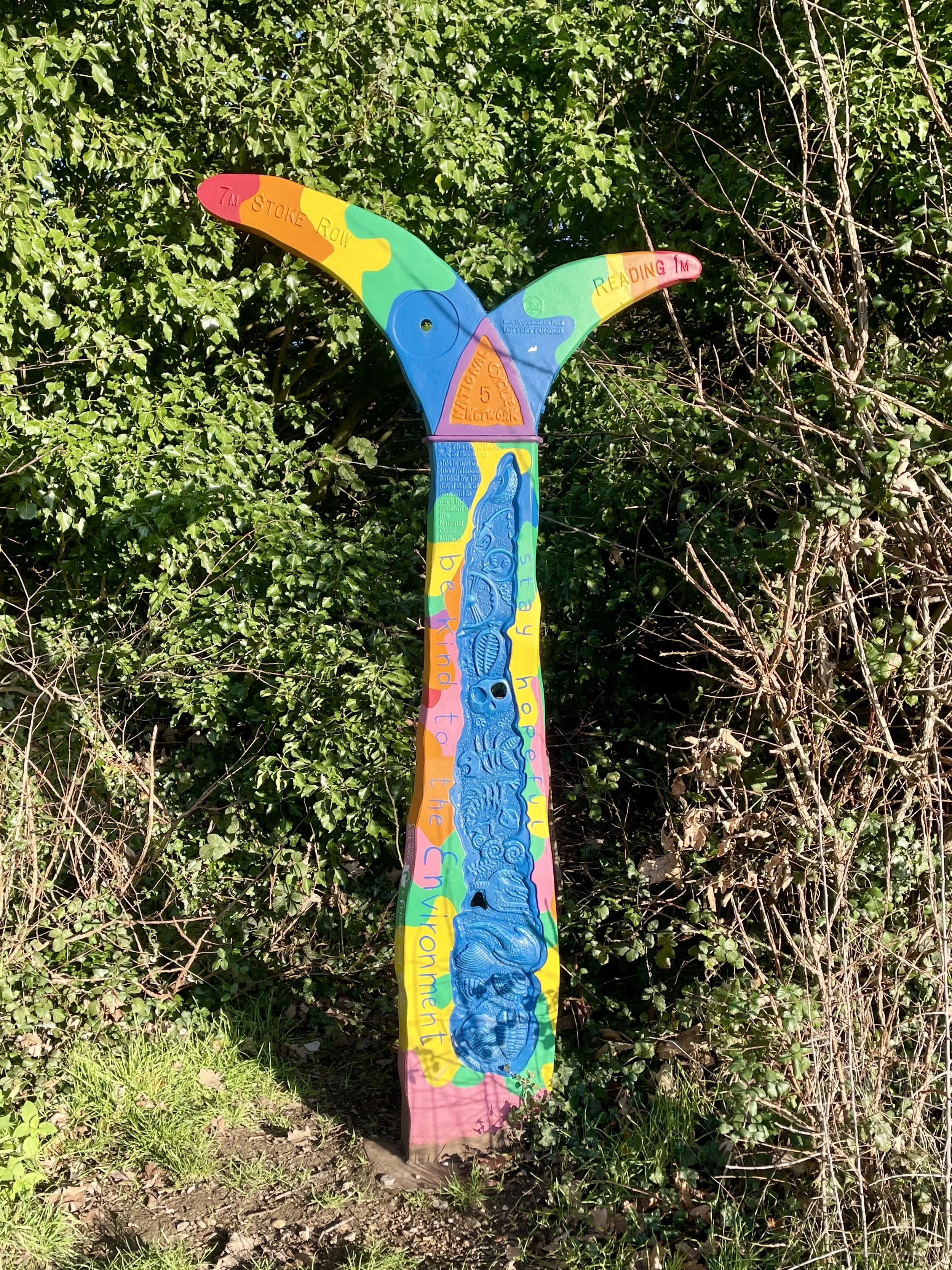
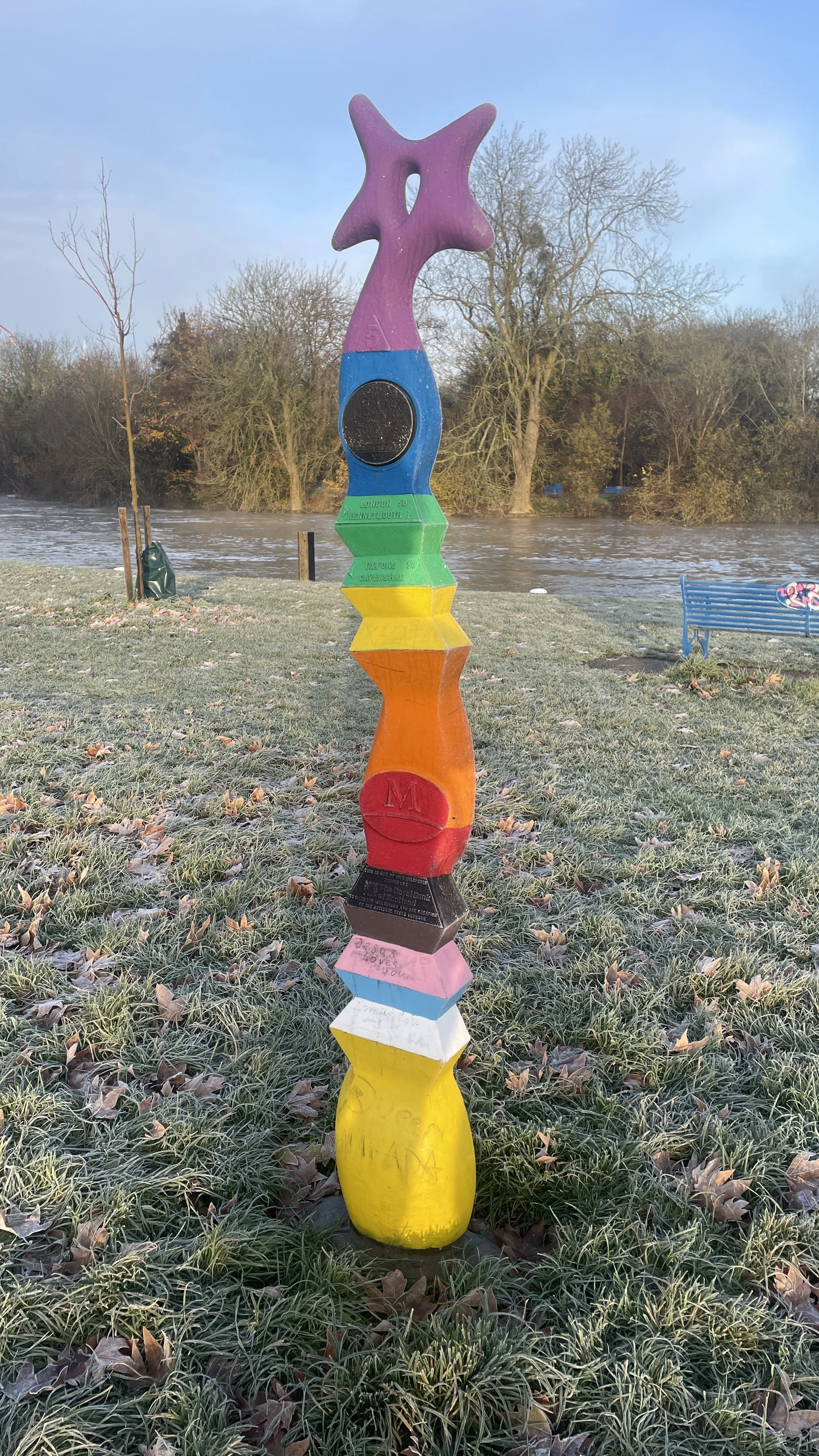
Dotting the UK's National Cycle Network are over 1,000 unique markers known as the Millennium Mileposts. Unveiled in 2000, these cast-iron sculptures are more than just waymarkers. Designed by four artists, one from each nation of the UK, they celebrate the diversity of the cycling routes. These artistic mileposts come in various shapes and can be found in both bustling towns and scenic landscapes, adding a touch of artistic charm to a cycling adventure.
Millennium Mileposts on Day 1: Banbury to Oxford
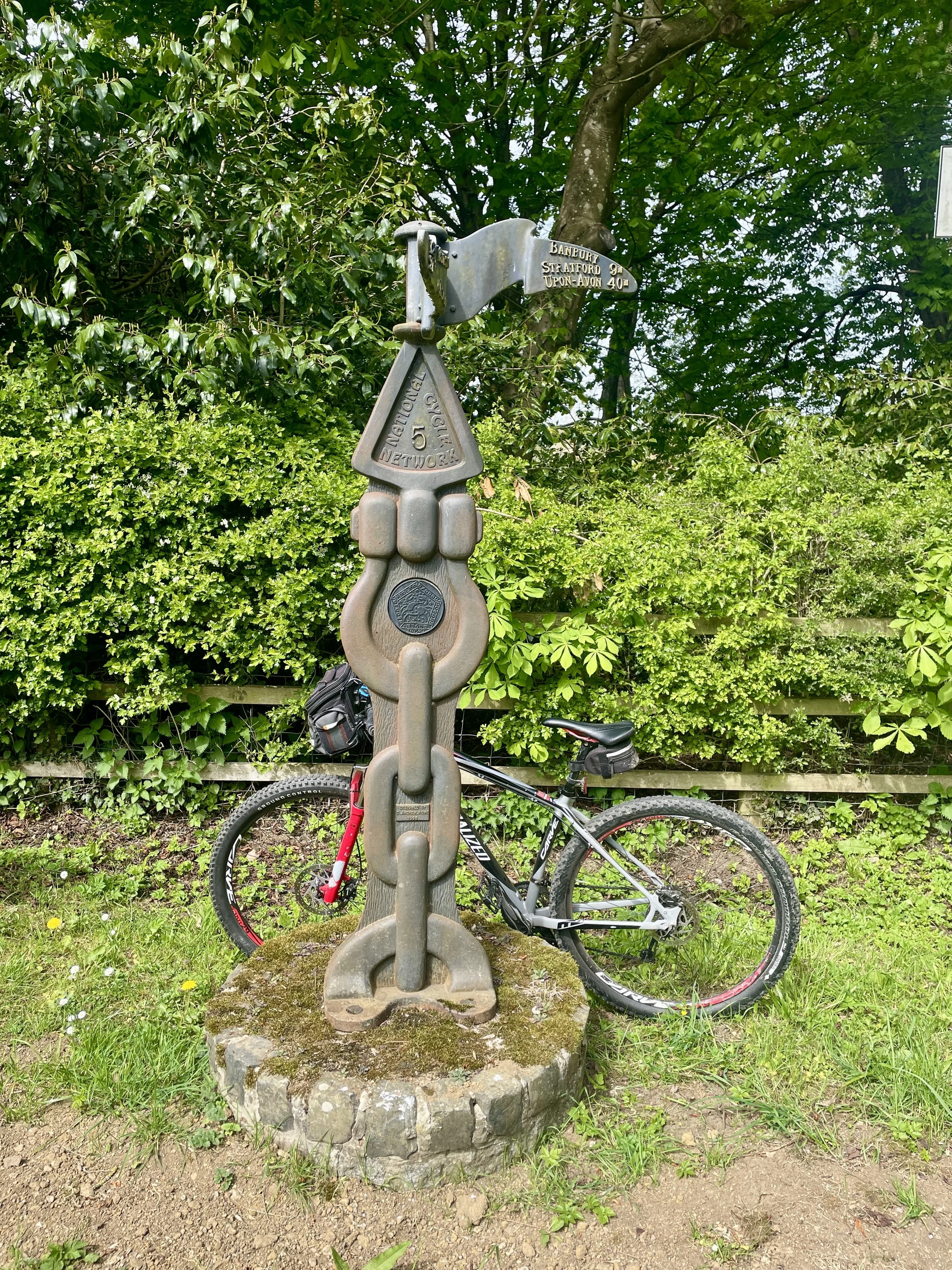
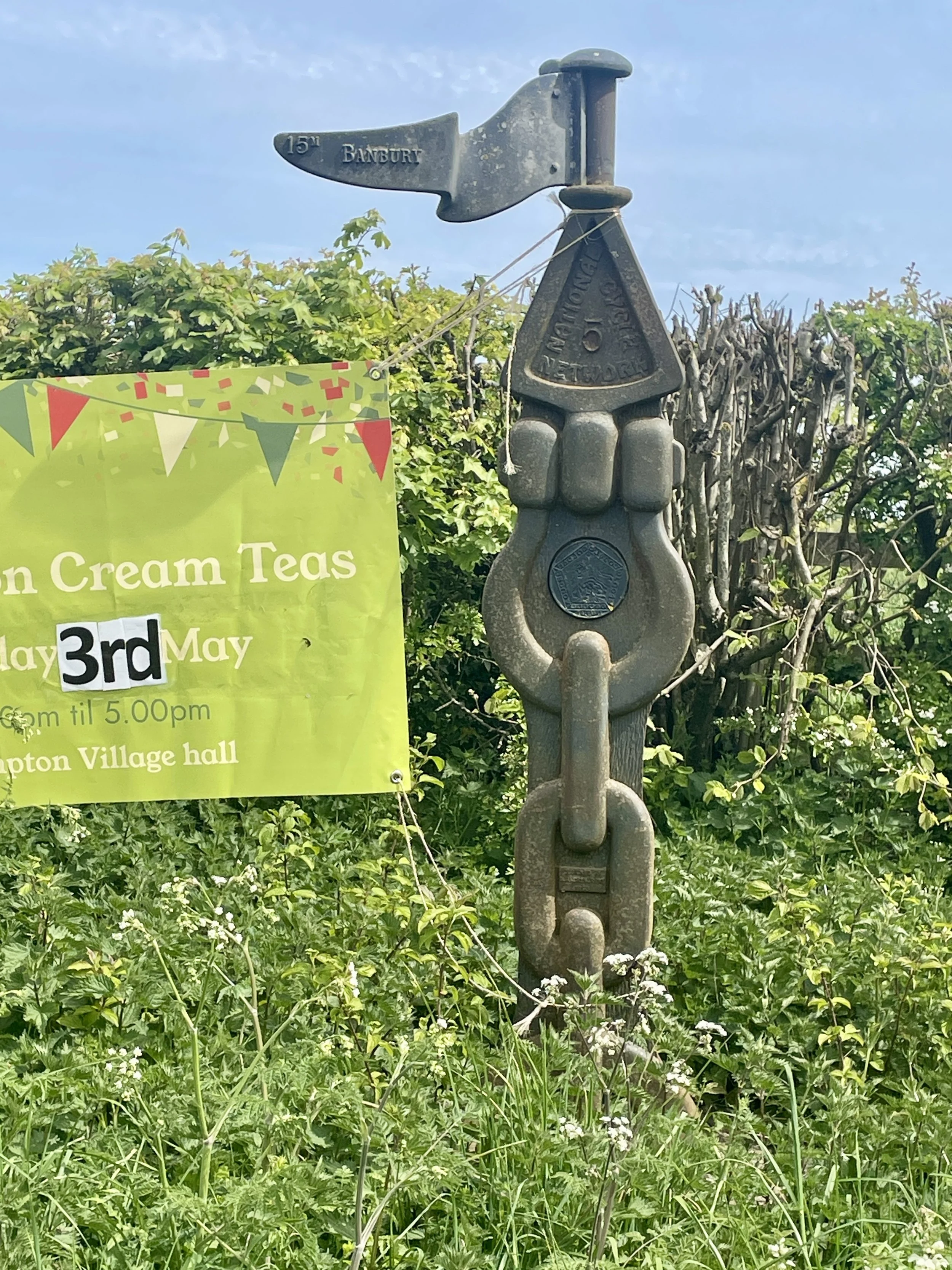
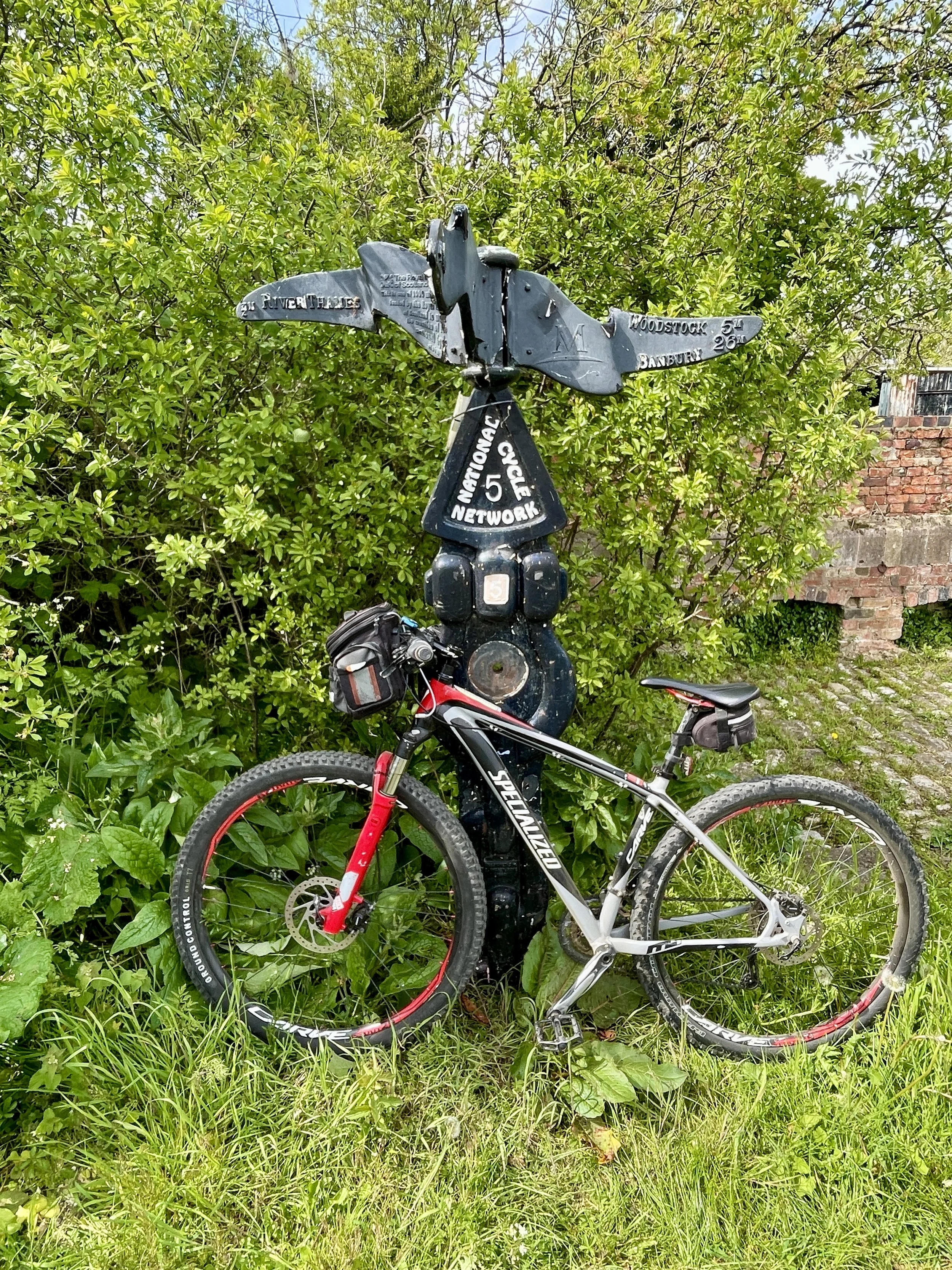
Millennium Mileposts on Day 2: Oxford to Reading
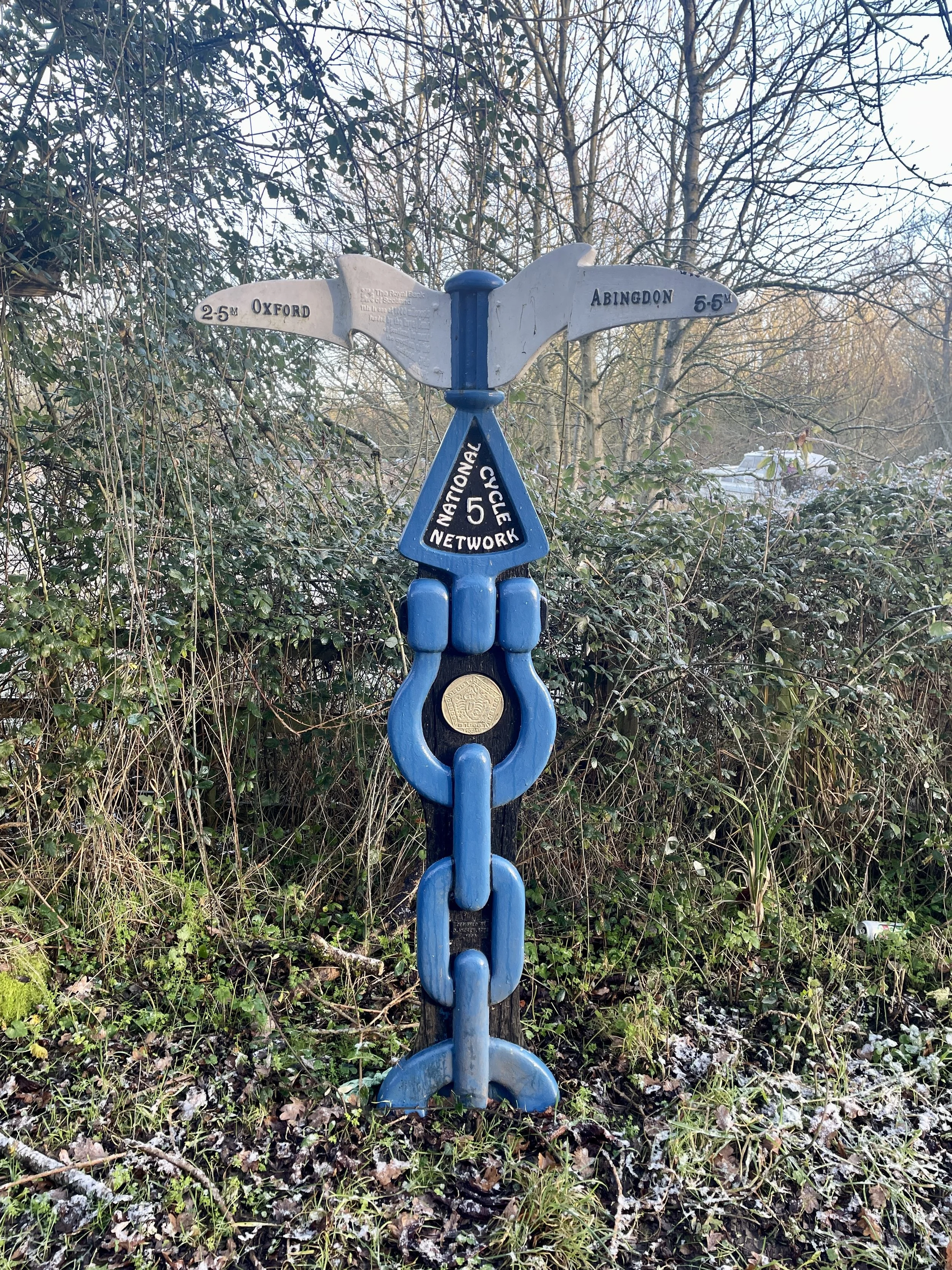

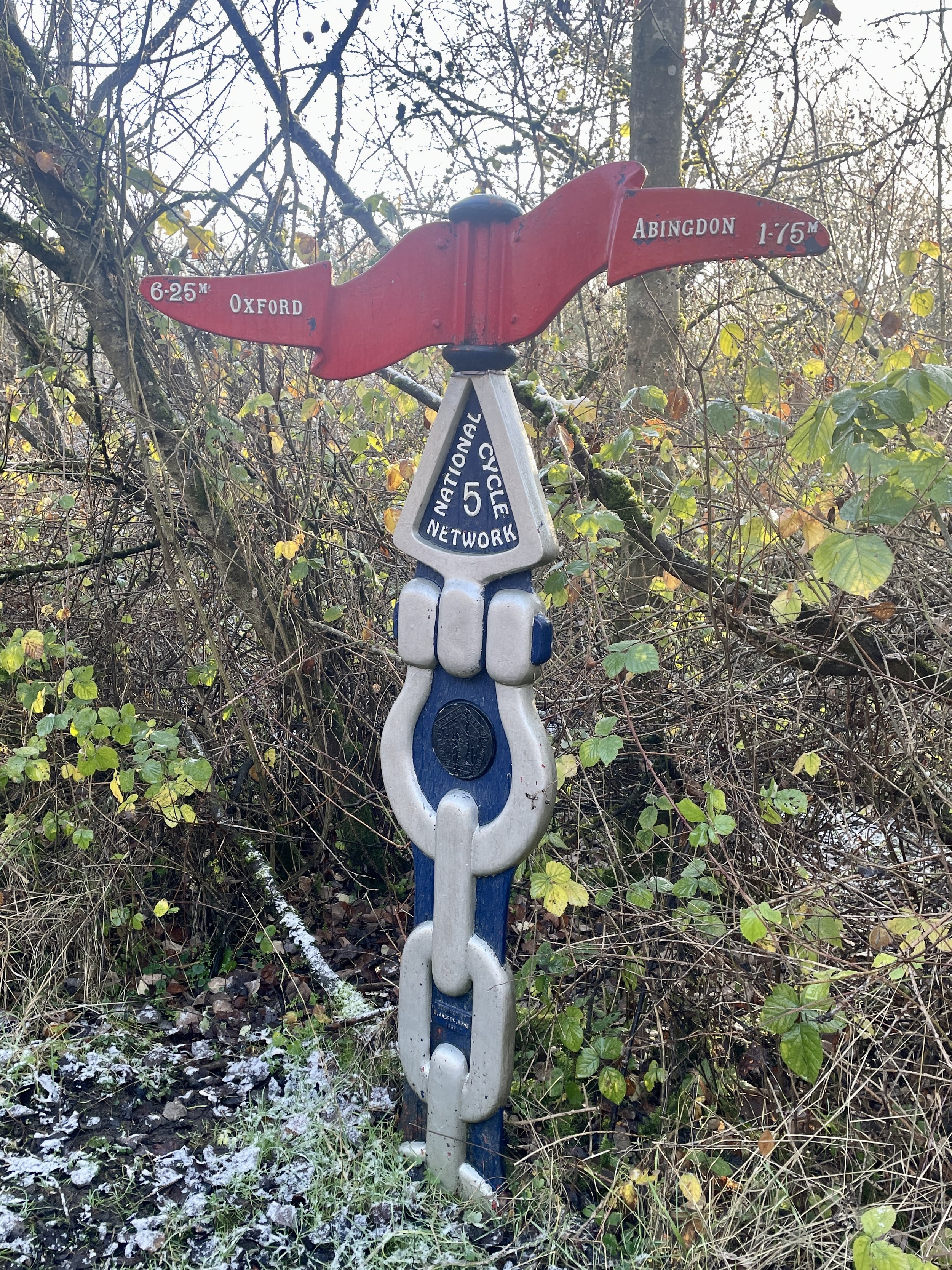
London Outdoors
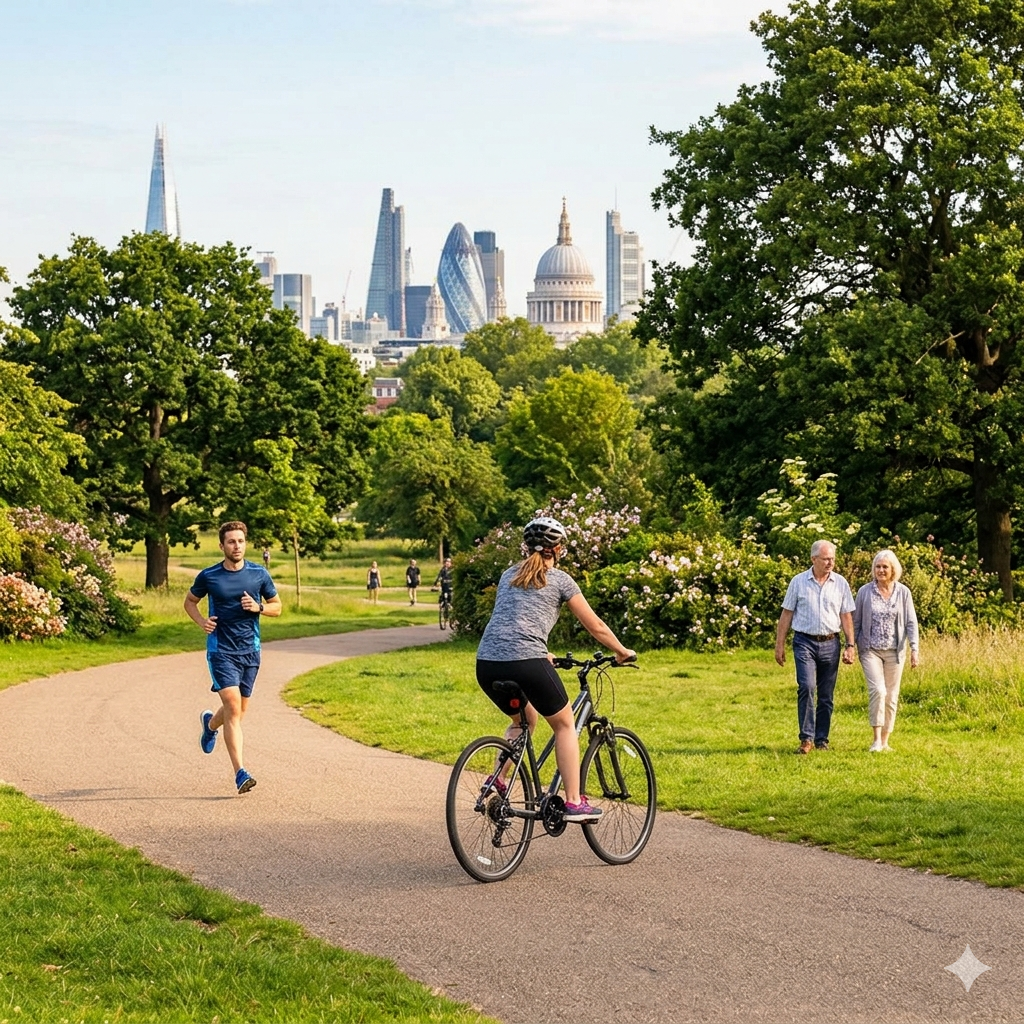
Welcome to London Outdoors. London might be a busy city, but it is also packed with incredible green spaces and trails. This page is a collection of my outdoor adventures across the capital: whether I am heading out for a long walk, exploring new cycling routes, or lacing up my trainers for a local parkrun. Have a look through the index below to find all my posts about getting outside in the city.
Comment below or contact me if you have any questions, suggestions for improvement or if you spot any errors in any of the posts. I’ll donate £ to one of the outdoor causes that i support for any correction made.
Featured and Popular Posts
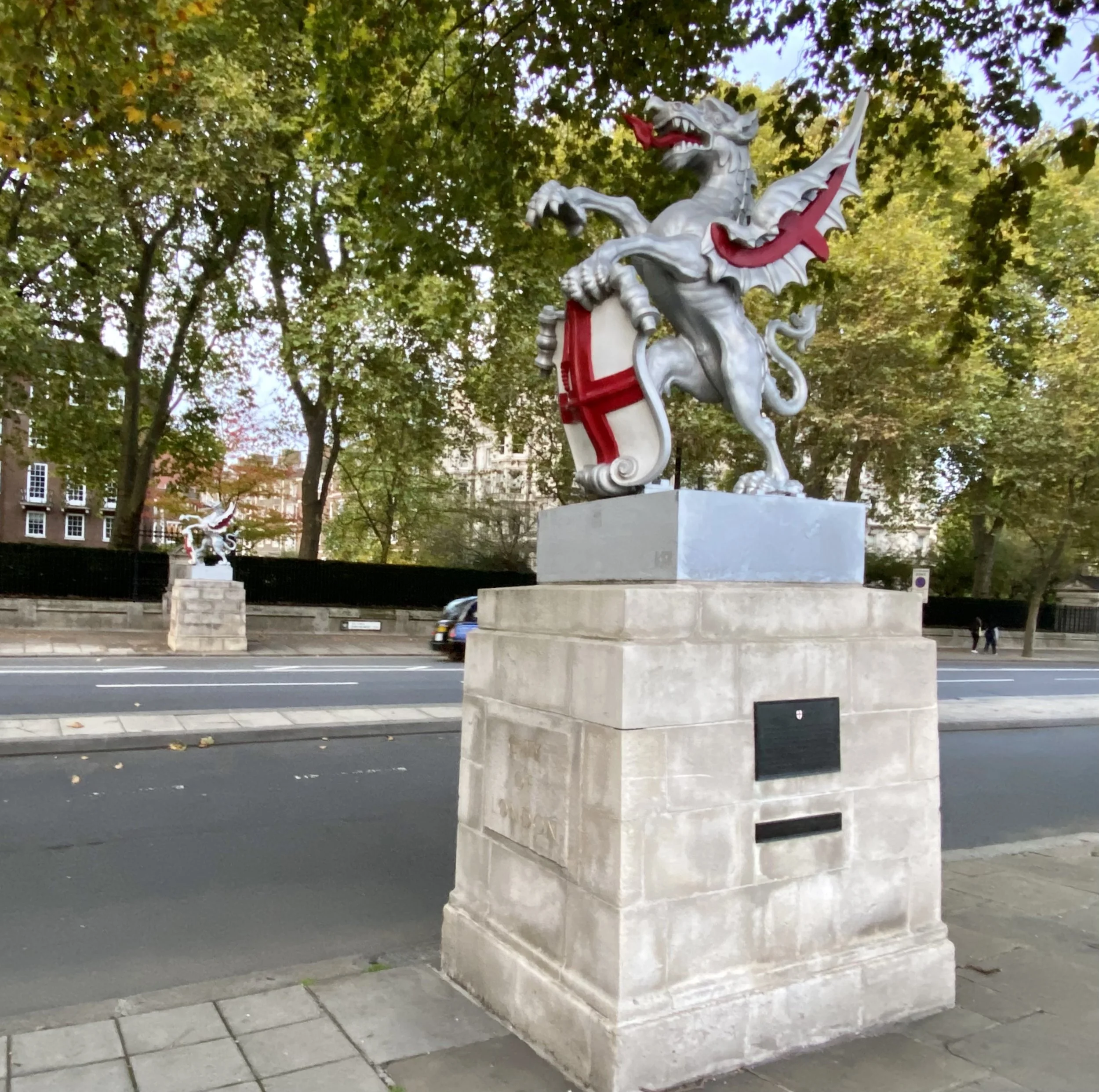
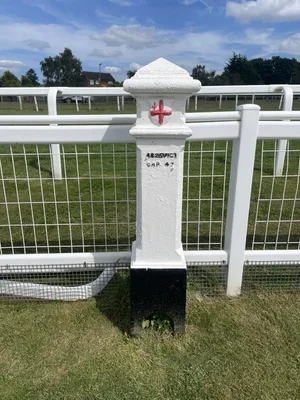
This section brings together some of my most memorable urban explorations. It includes the fascinating history behind London's Coal Duty Posts and the challenge of navigating the historic City of London boundary.
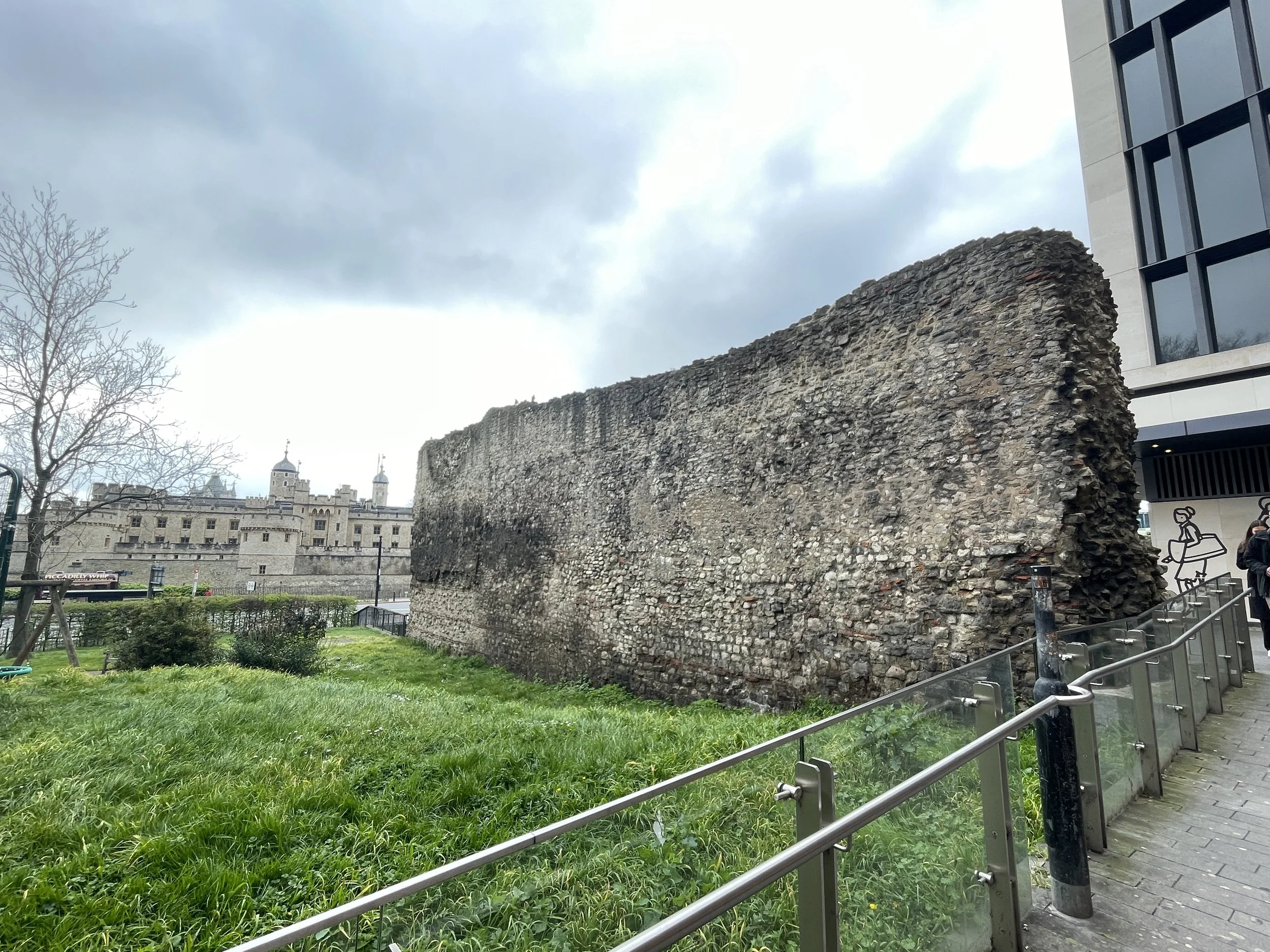
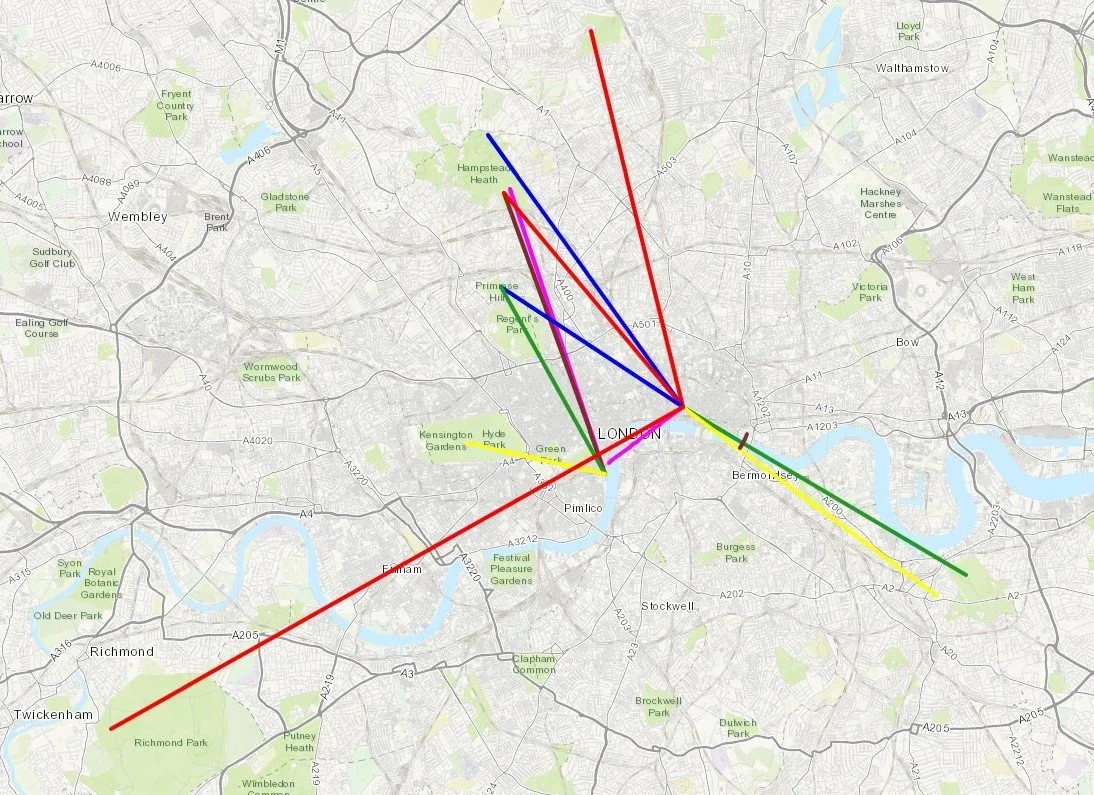
You can also find my journeys tracing the Roman London Wall and my comprehensive treks around the London Loop and Capital Ring. These routes offer a fantastic mix of history and scenery: showcasing the diverse places that make the capital so unique.
Walking in London
Exploring on foot is one of the best ways to uncover the hidden details of the capital. This section brings together a variety of walking routes across the city, from short urban strolls through central neighbourhoods to much longer trails connecting the outer boroughs.
It is not just about the distance covered, either: these walks also take in a wide variety of fascinating places. Whether your route passes by historic National Trust properties, takes in the Royal Parks or other green spaces, these posts will guide you through the diverse landmarks that make navigating the city so rewarding.
Scroll down for a separate section on walks along London’s Waterways.
London High Points
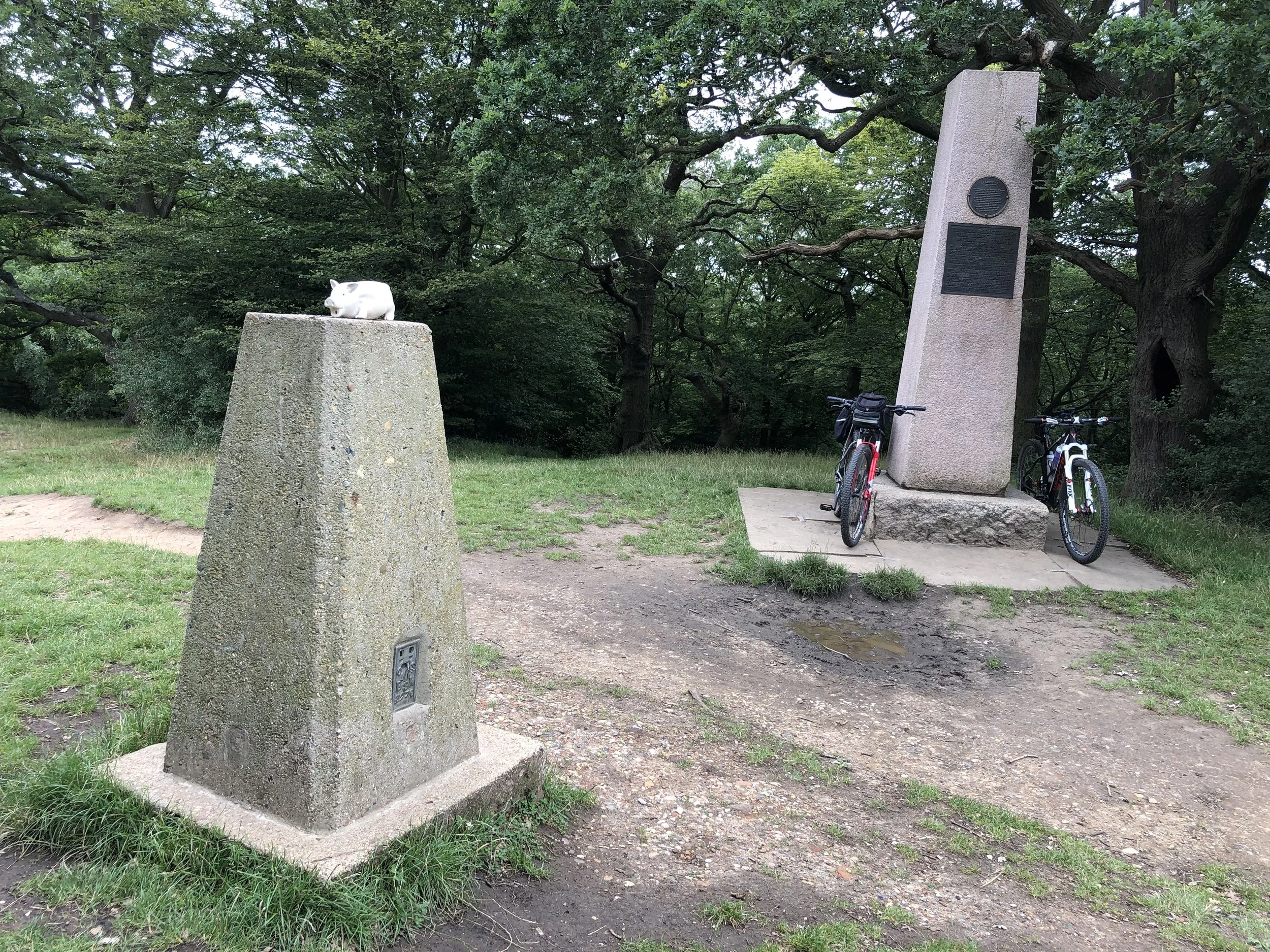
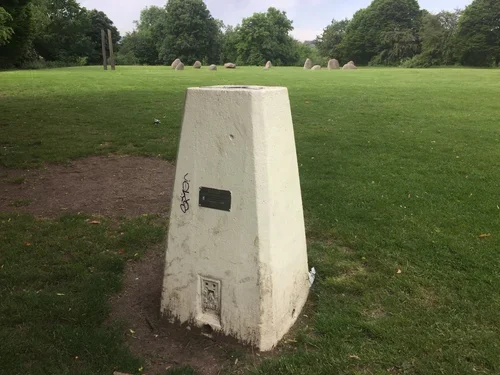
For those who like a good view or a geographical challenge, this collection focuses on the highest spots across the city. From standing at the specific peaks of every London Borough to tracking down Greater London OS Trig Pillars, there is plenty of elevation to seek out.
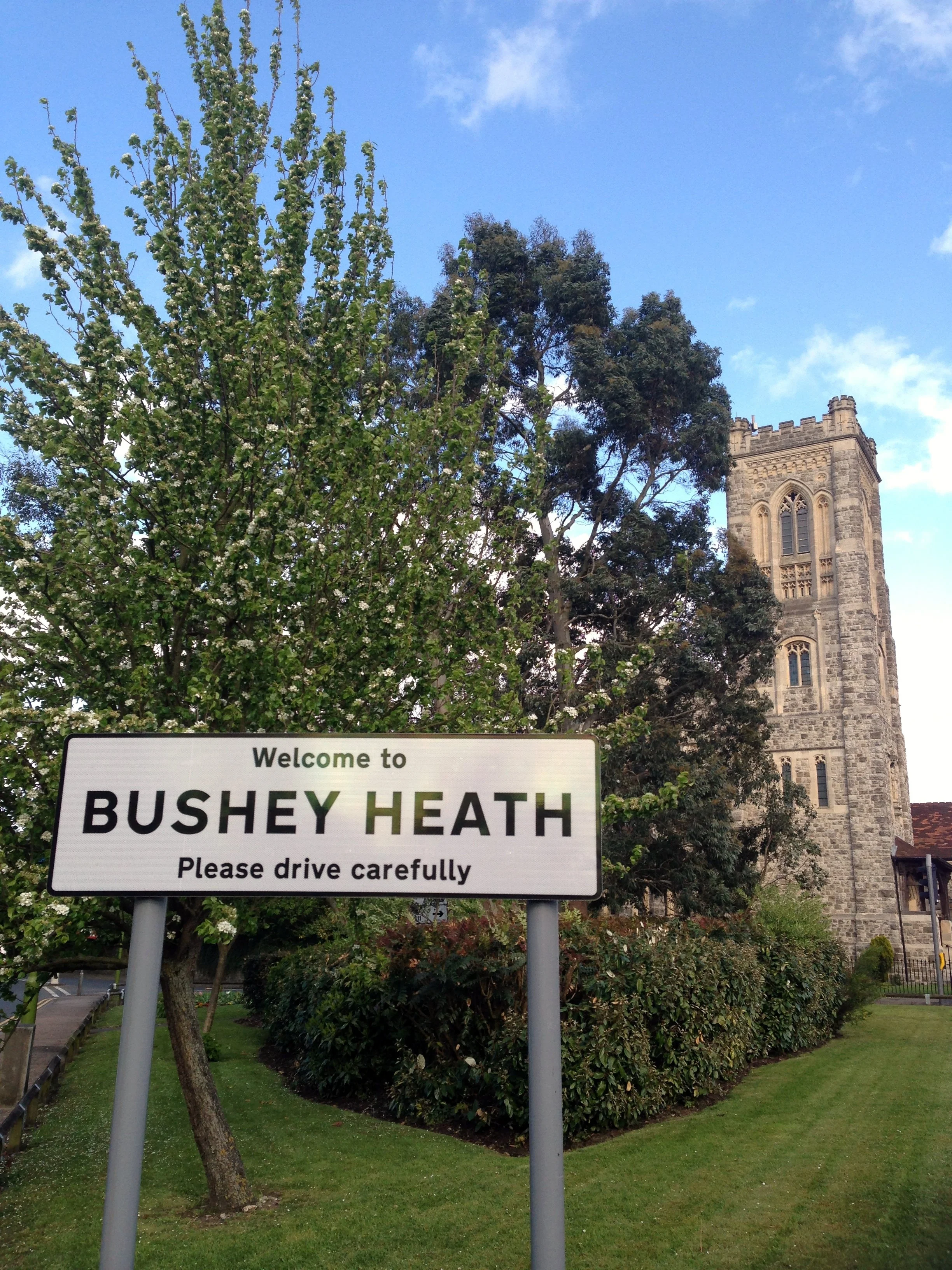
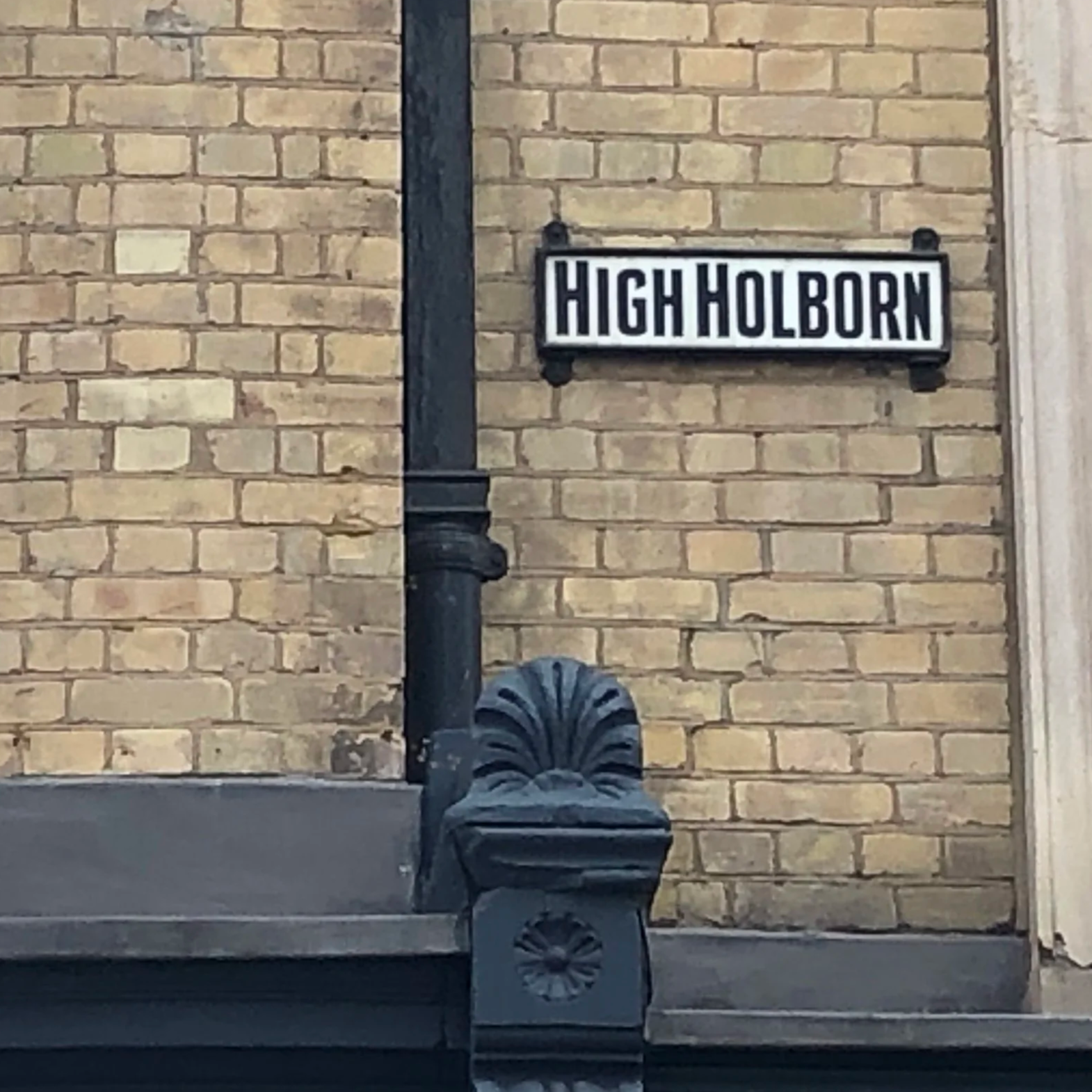
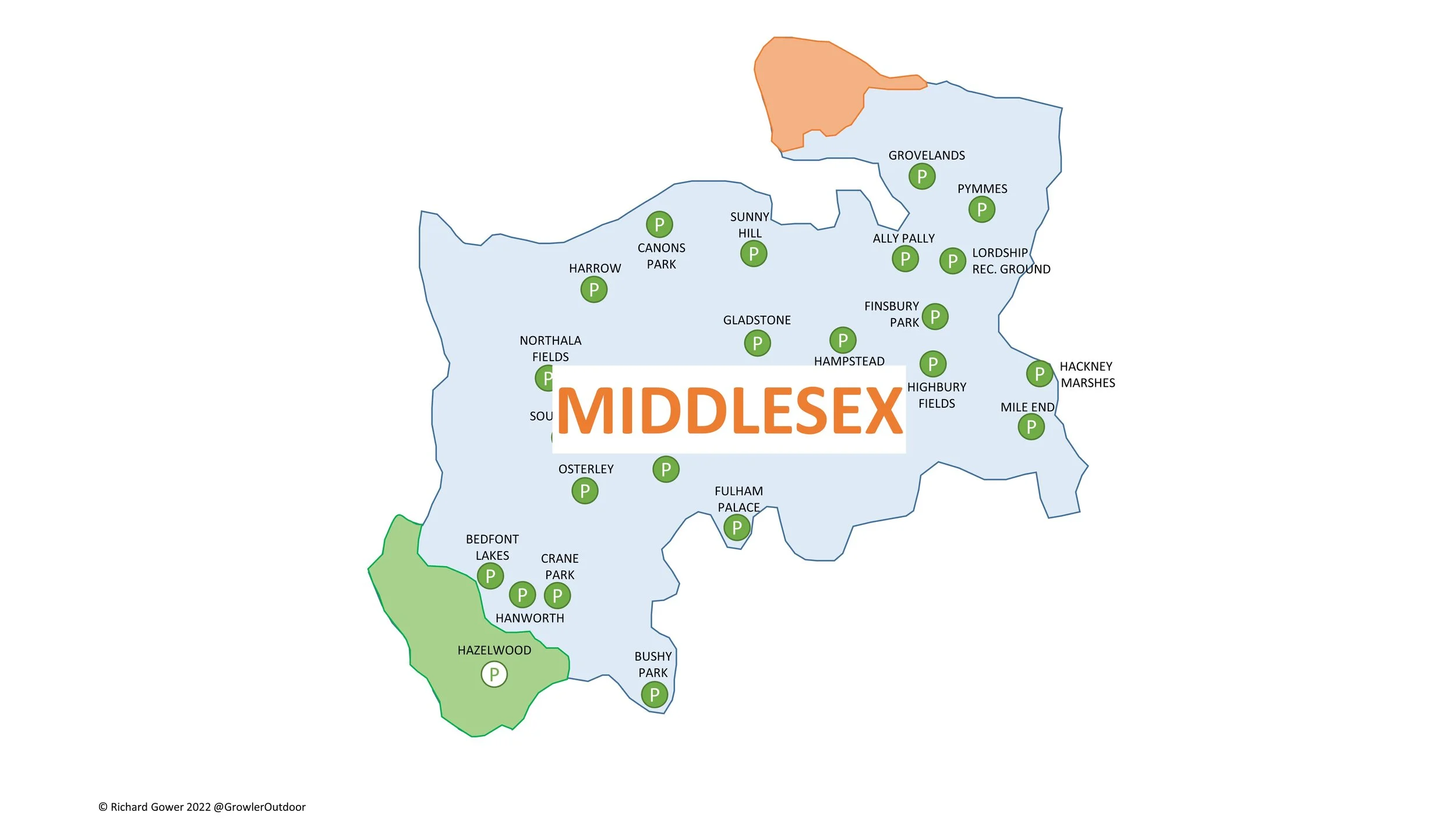
Whether you are aiming for the Middlesex County Top at Bushey Heath or uncovering the City of London High Point at High Holborn, these posts will guide you to the summits hidden within the urban landscape.
London’s Rivers and Waterways
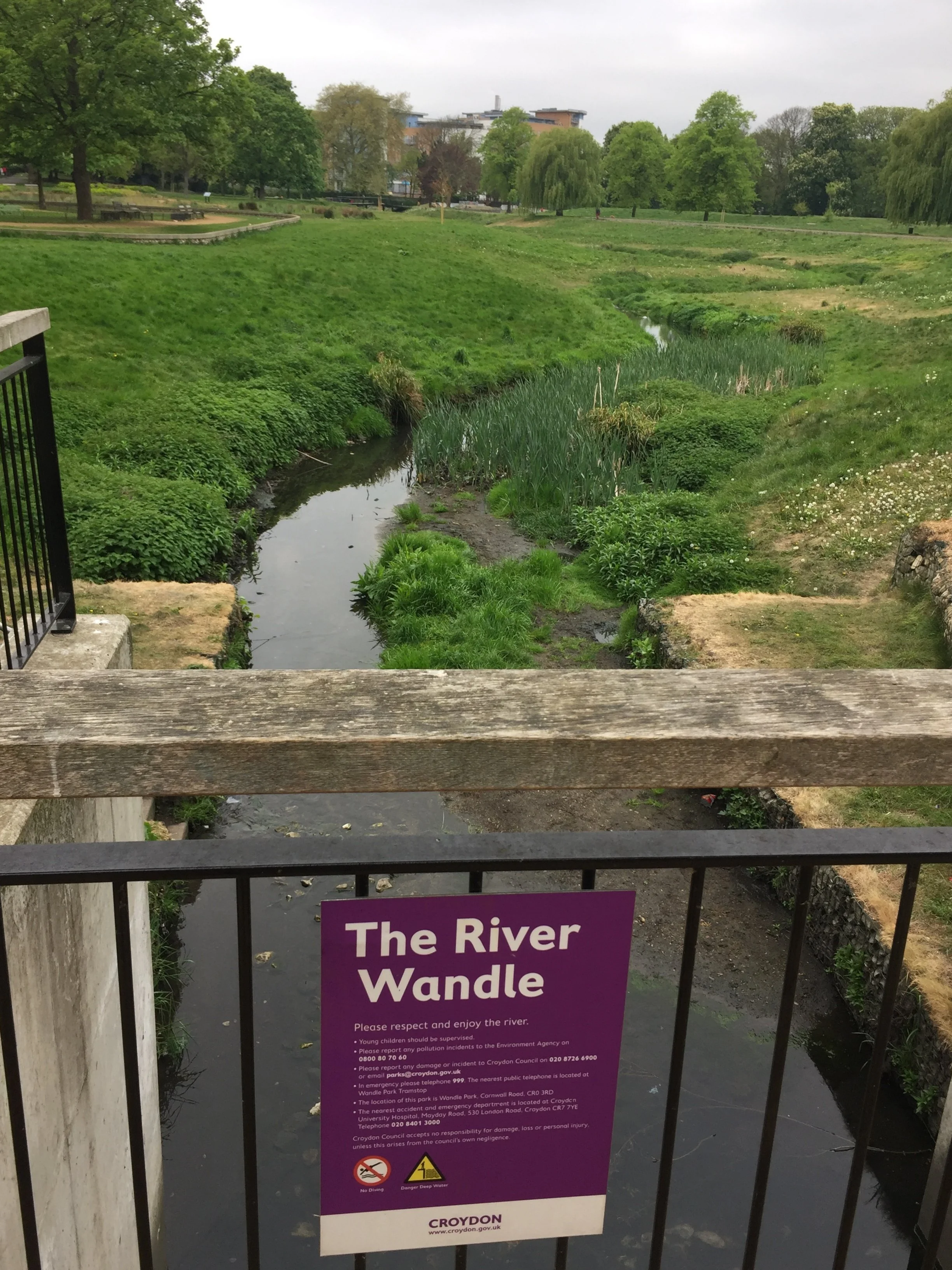
London is defined by its waterways, and walking their paths reveals a calmer side to the busy city. This section covers relaxing strolls along the River Wandle Trail and the River Brent Path, as well as tracing the fascinating historic route of the River Fleet.
If you prefer towpaths, you will also find my guides to navigating the Regent's Canal, the Limehouse Cut, and the Hertford Union Canal. These waterside routes are brilliant environments to explore at your own pace.
Train and Tube
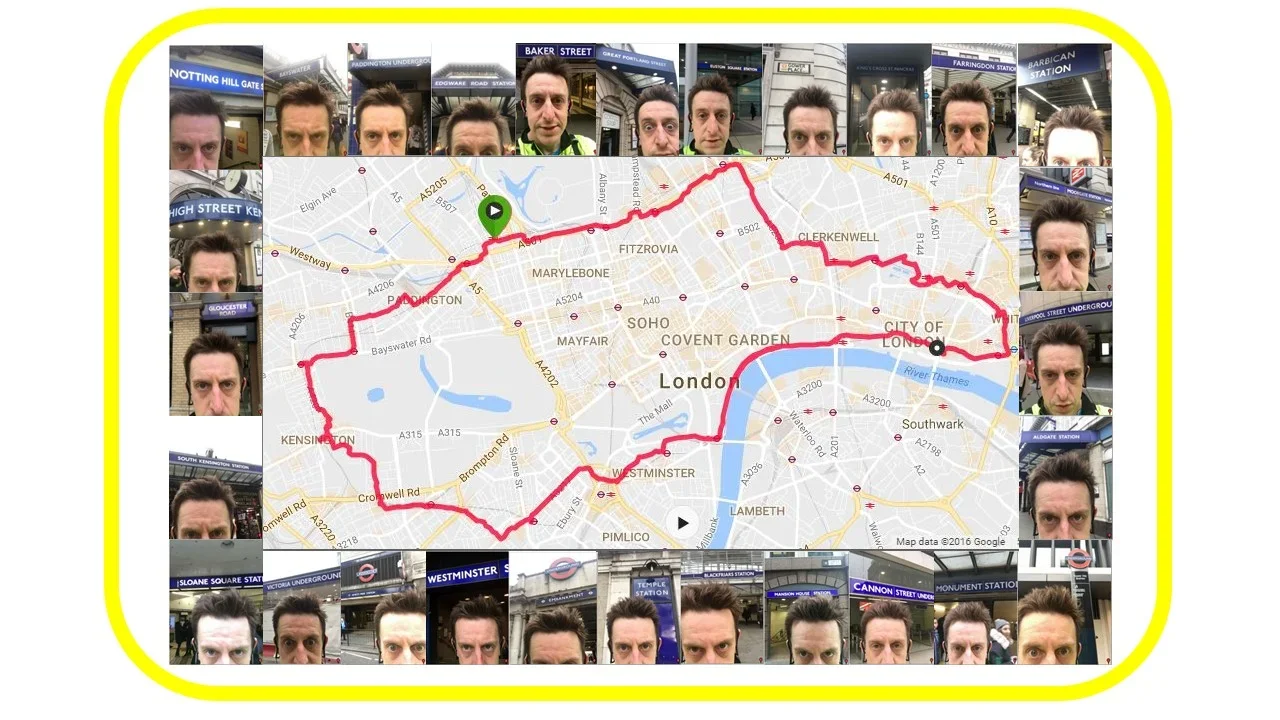
Public transport networks offer some surprising opportunities for outdoor adventures. Here you can read about tracking the Elizabeth Line stations above ground and the physical challenge of running the entire Circle Line.
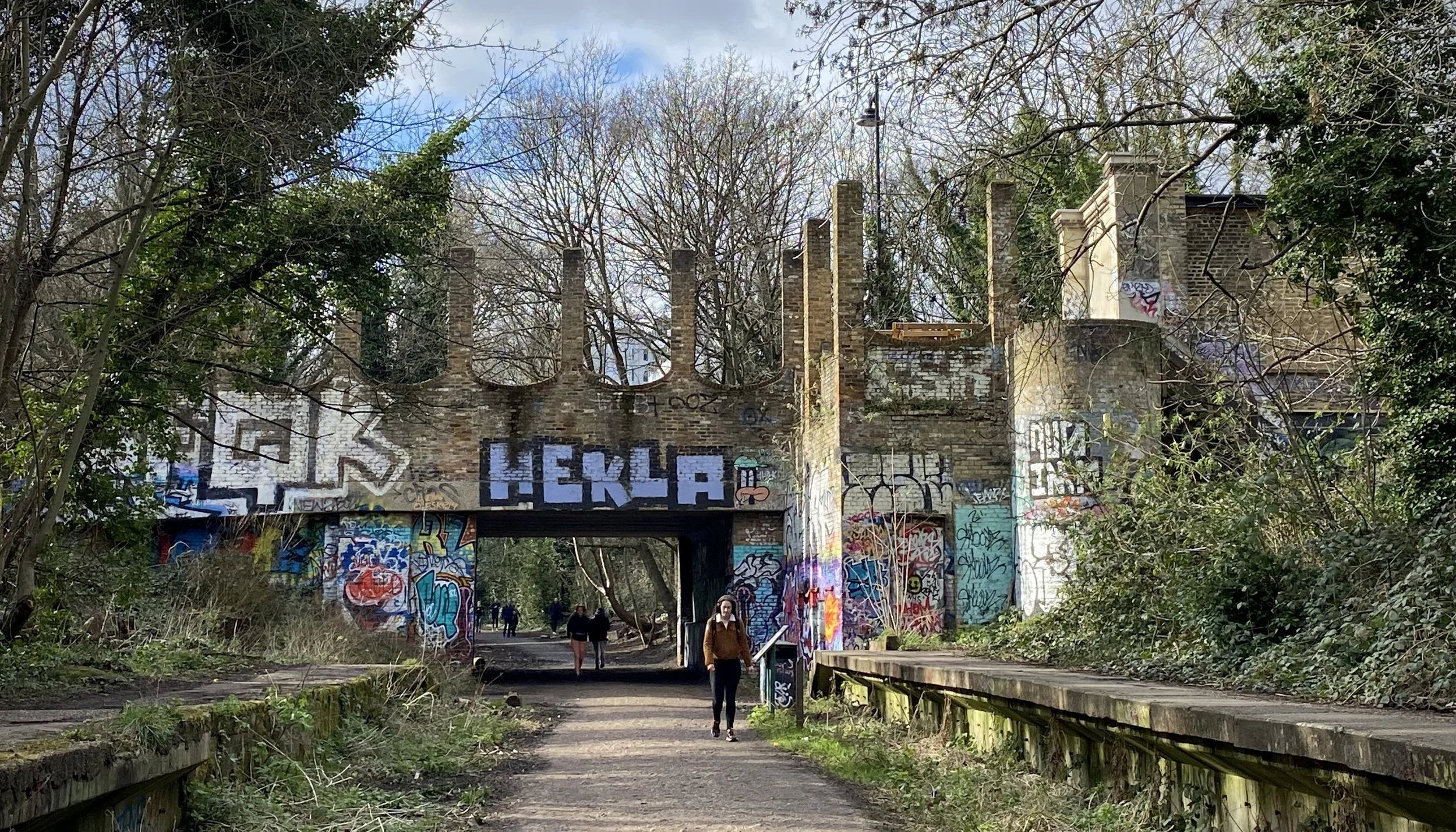
It is not just about active lines, either: this section also explores historic transport routes transformed into nature trails, including the Parkland Walk near Alexandra Palace and the disused railway from Uxbridge to Denham.
London parkruns
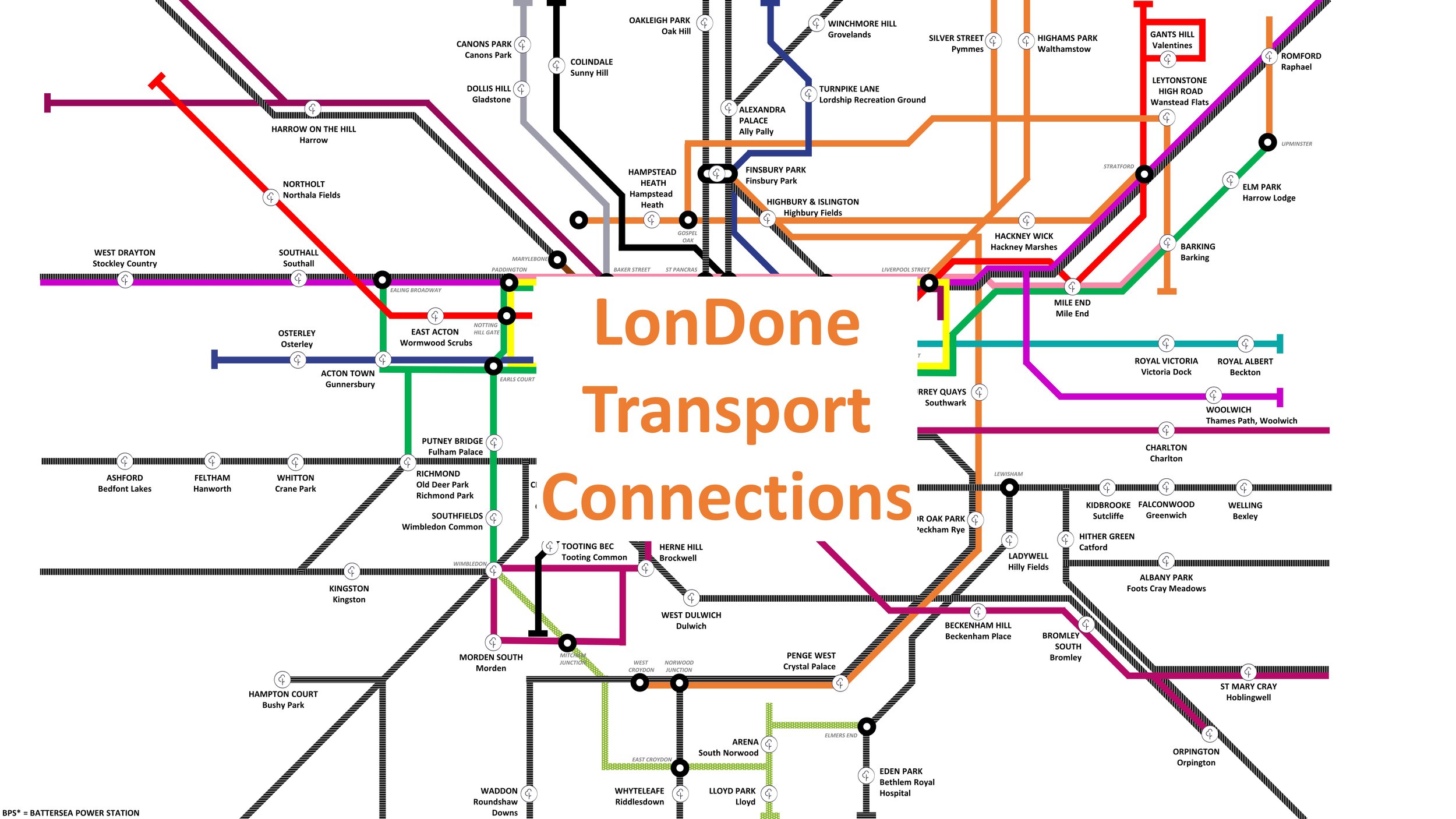
Saturday mornings are often dedicated to parkrun, and this category is a dedicated hub for achieving the coveted 'LonDone' status. It details my experiences visiting events across Greater London and completing all the Middlesex courses.
For anyone else chasing the ultimate tourism goals, I have also included guides on transport connections and venturing into the extended challenges of LonDone + and LonDone ++.

Cycling In London
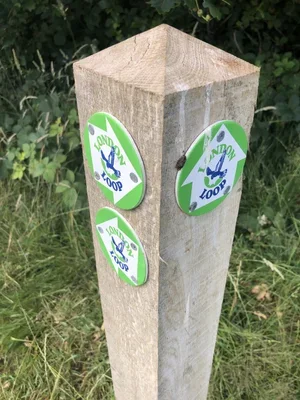
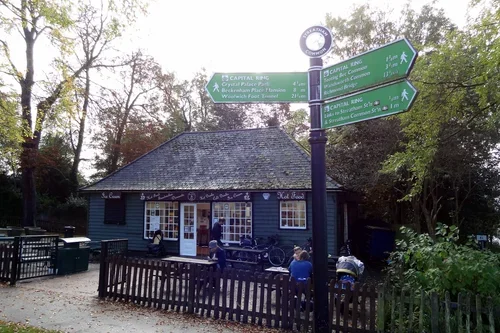
Getting on the bike is one of the best ways to cover longer distances across the city's green spaces. These posts highlight dedicated cycling routes, including the vast orbital circuits of the London Loop and Capital Ring.
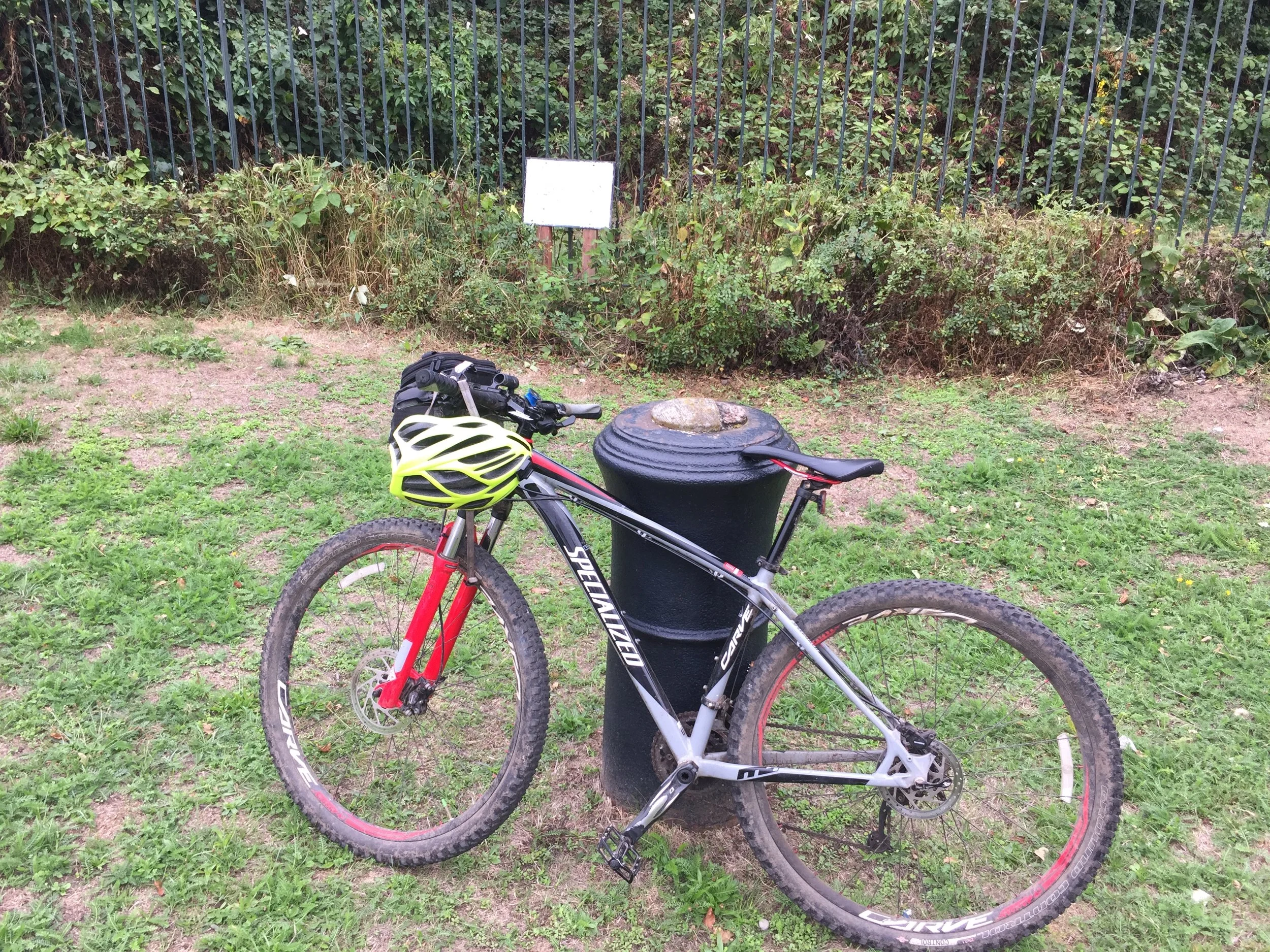
You can also follow my two-wheeled adventures along the River Crane and the River Ash: offering peaceful cycling alternatives away from the busy main roads.
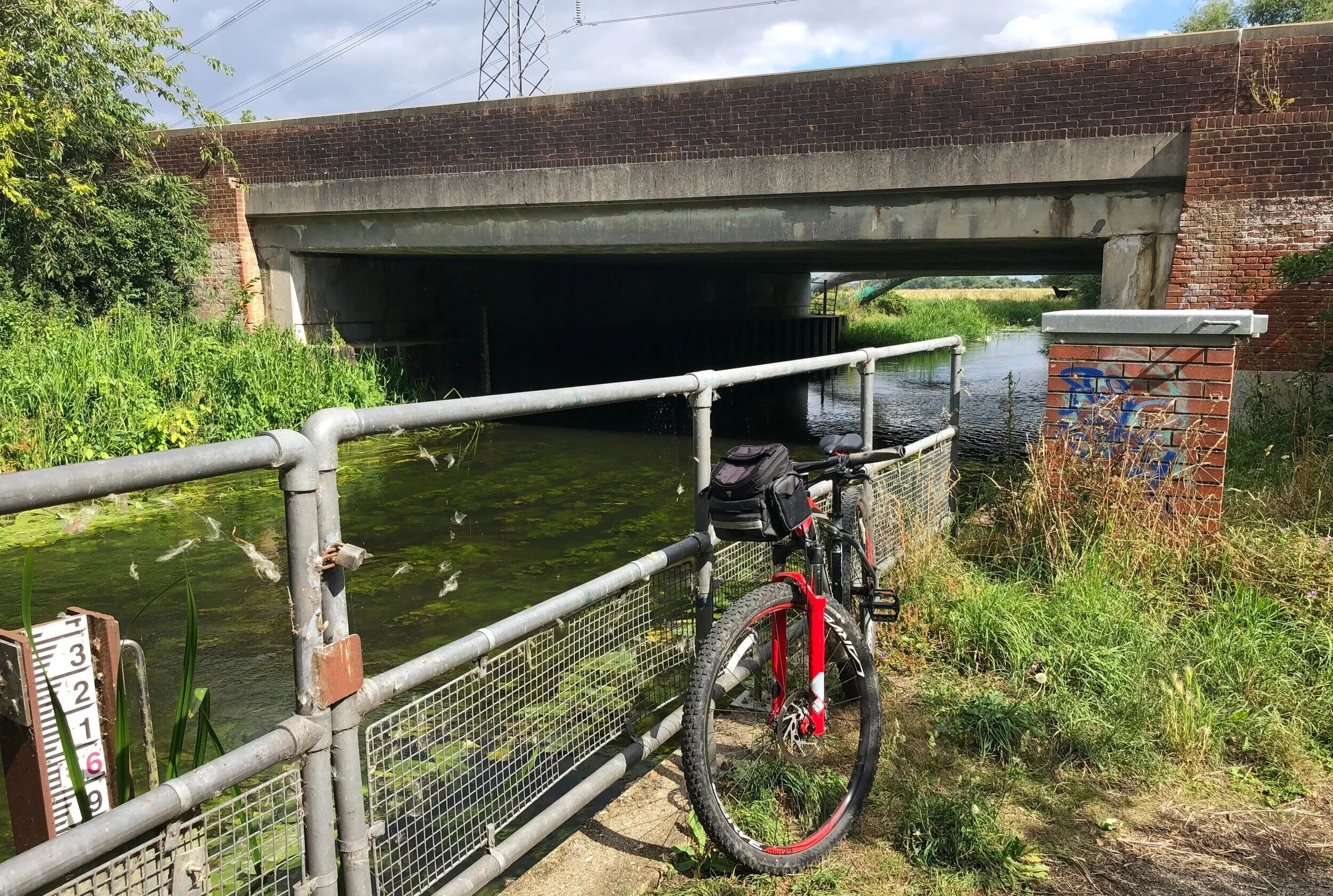
Cycling to and through London
For those looking to stretch their legs on longer rides, these routes connect the capital to the wider landscape. You will find journeys along the Grand Union Canal and the River Lea, offering straightforward navigation right into the heart of the city.
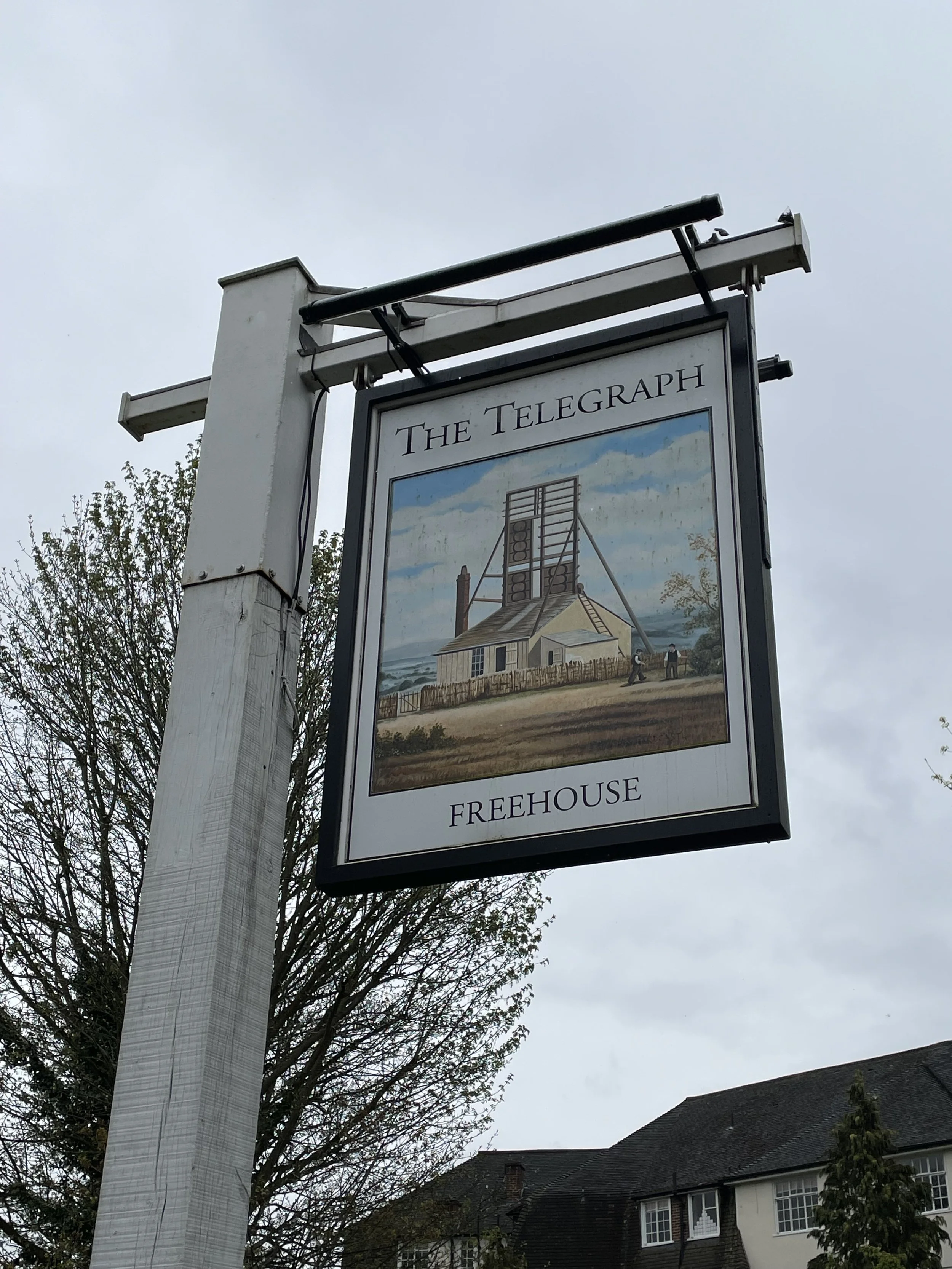
The collection also features epic rides tracking the Prime Meridian, following the historic Semaphore Line from Portsmouth, and riding out to the coast along the Thames Estuary to Margate.
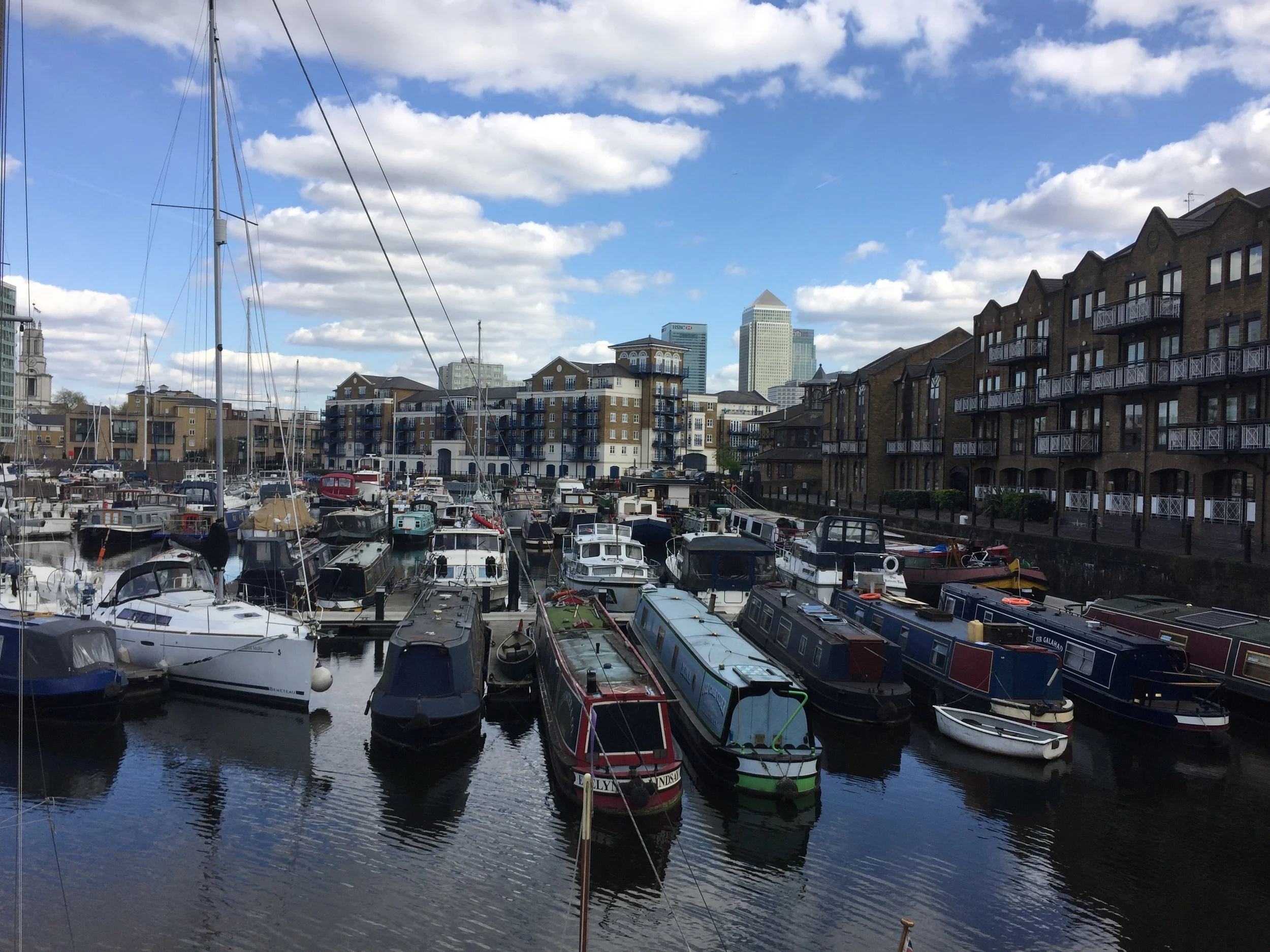
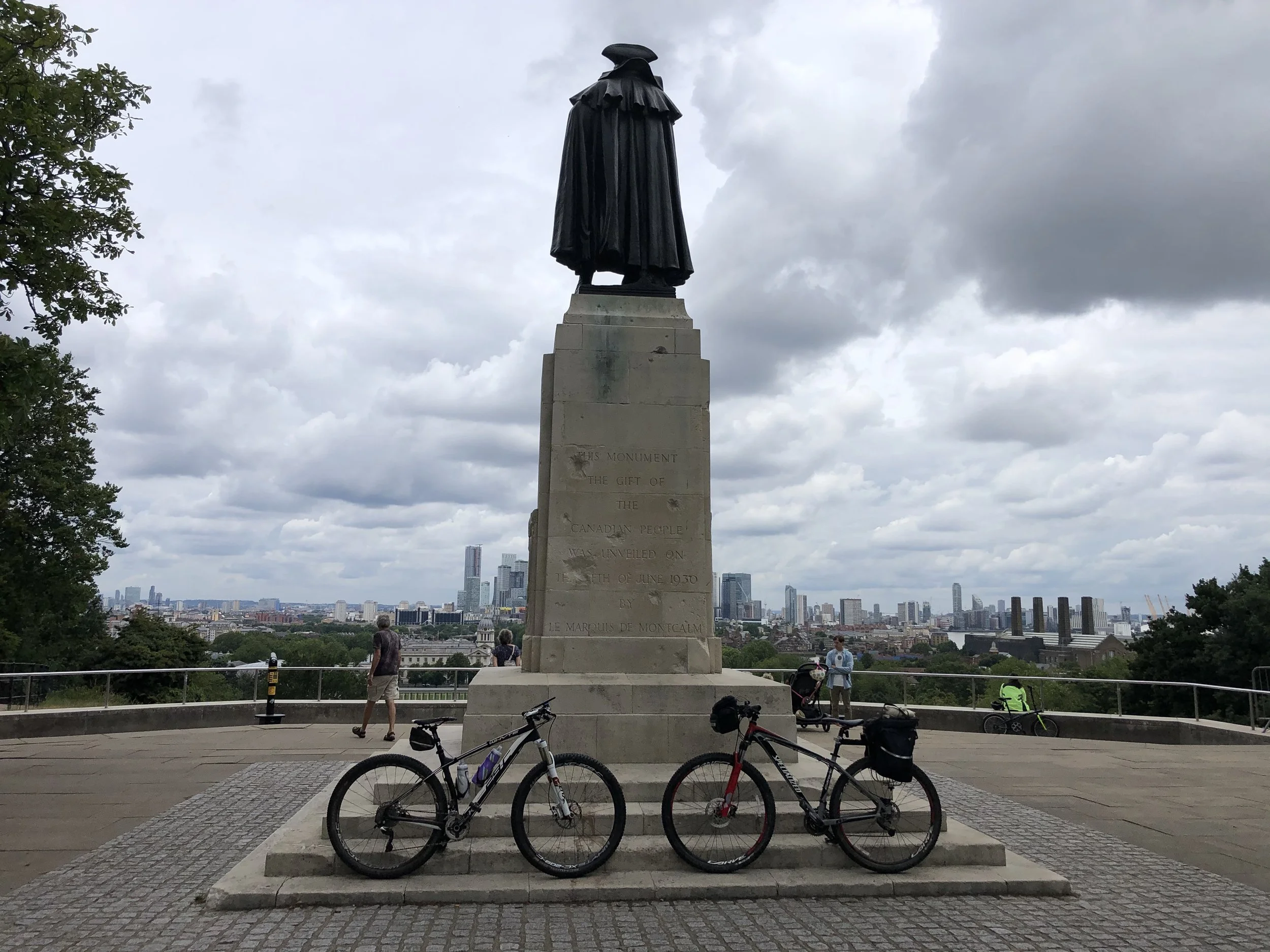
Double-click to edit...
Cycling The Salt Hill Stream, Hay Mill Stream and Chalvey Ditch
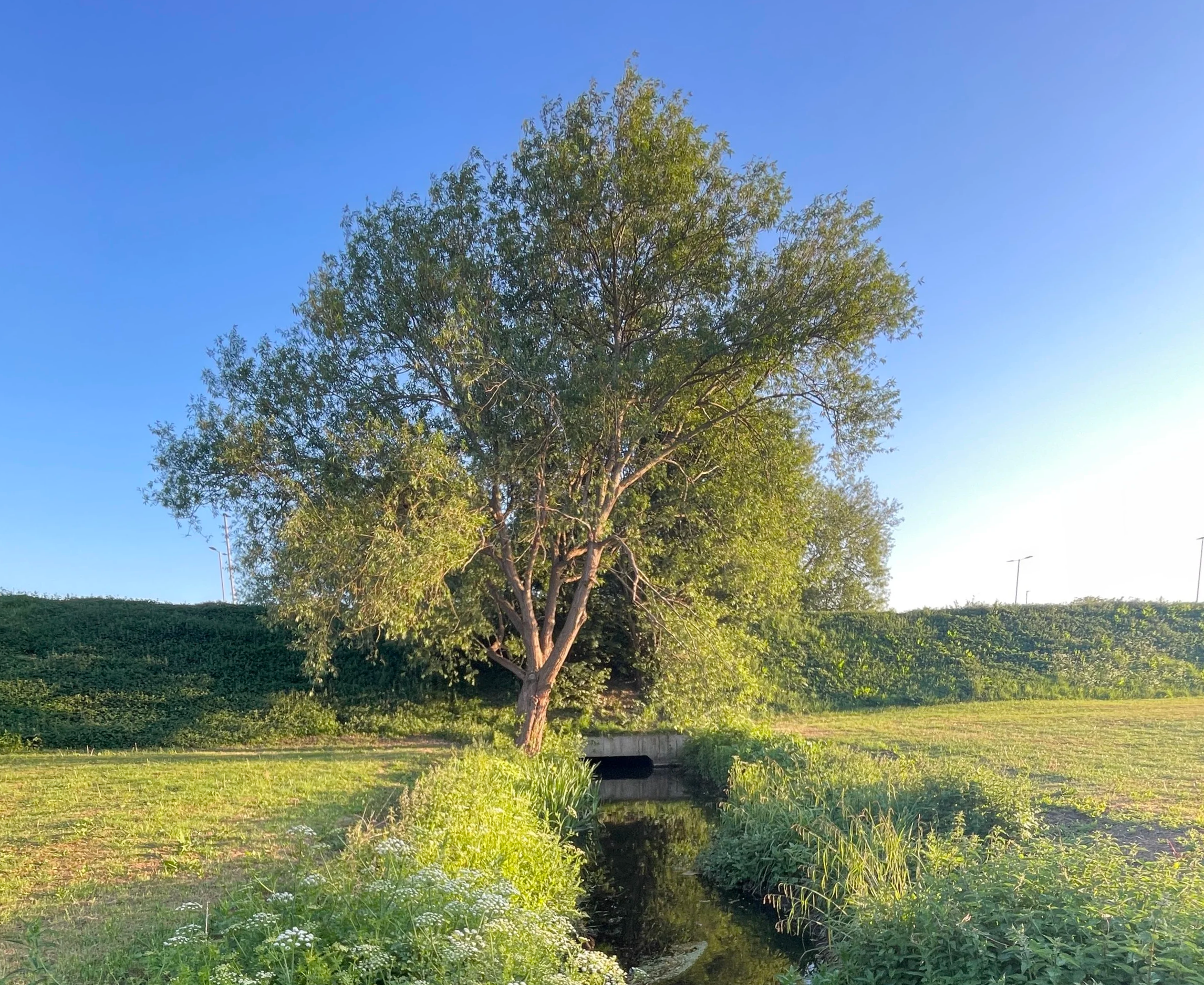
The Chalvey Ditch before it passes under the M4 at Cippenham
I was inspired to cycle the Salt Hill Stream and Hay Mill Stream / Chalvey Ditch after joining an event called Slough’s Lost Rivers. This event was hosted by Project Sponge in 2025 that helped us learn more about these lesser known streams. I had a particular interest in finding out more about the Chalvey Ditch as it runs through Cippenham where my parents grew up. I remember my Dad telling me stories of how he used to play in the open fields around the village green. The fields are now long gone, having been replaced by housing, but the stream that he would have played near is still there if you know where to look.
A big thanks to Gerald Higgins whose research into these streams has been a great contributor to the content of this post.
The Salt Hill Stream
The stream used to feed the mill which was in Salt Hill Park just north of the A4 Bath Road. The stream which flows through Salt Hill Park has two main feeder streams. The longest one starts near Fulmer on the edge of Frame Wood just south of Stoke Common and flows in a south-westerly direction through Stoke Park.
The easterly feeder starts in Stoke Wood, just to the east of Farnham Common and flows south into Brockhurst Wood, through South Buckinghamshire Golf Course and into Stoke Park. The two feeder streams converge near Northern Road, south of Stoke Park and at the northern end of the Manor Park estate. From there the stream flows south to Salt Hill Park, under the M4 and the Jubilee River towards the Thames. It goes across Eton College land and goes under Beggars Bridge on the Slough Road and flows along the side of Pococks Lane to join the River Thames.
The Hay Mill Stream and Chalvey Ditch
The stream used to start on the east side of Bedford Drive then went across into what is now Burnham Beeches. It flows into Upper Pond and on into Middle Pond. From here it flows to Swilley Pond and goes under Hawthorn Lane. From Swilley Pond the old course was across Crow Piece Lane and down the valley behind Burnham Civic Amenity Site. The course went across Farnham Lane near the junction with Walton Lane through Cocksherd Wood and continued down the valley to flow into the mill pond.
The whole area of the mill pond is now Haymill Valley Community Nature Reserve (The Millie), and the underground reservoir by Burnham Lane. The stream flows through the Millie although a lot of it is through reed beds. It enters a culvert before going underground again. Streamside Walk follows the course until it reappears out of the culvert passing through housing to cross under the M4 near Asda. When it emerges on the other side it has been diverted from its original course to run on the north side of the Jubilee River. It goes under the A355 and meets up with the stream from Salt Hill. From this point the stream flows west and joins its original course. It flows across Eton College land and goes under 14 Arch Bridge. It continues across Eton College land to join the River Thames.
The Cycle Route
For the cycle route I started with the Salt Hill Stream on the easterly feeder, following its course as closely as possible to the Thames. Then I followed the Thames to find the confluence with the Chalvey Ditch to follow it up to its source.
Cycle route start and end: The Broadway, Farnham Common, Slough SL2 3NE
Cycle route length: 28.7 km (17.8 miles)
Cycle route elevation change: +/- 126m
GPX File: get via Buy Me a Coffee
Other routes touched (walk): Beeches Way, Shakespeare’s Way, Jubilee River Path, Thames Path
Other routes touched (cycle): Beeches Cycleway, NCN 4, 461
Maps:
- Chiltern Hills East Map | High Wycombe, Maidenhead & Rickmansworth | Ordnance Survey | OS Explorer Map 172
Links: Farnham Common, Slough, Chalvey, Jubilee River, Eton, Eton Wick, Cippenham, Burnham
Part 1: Cycling the Salt Hill Stream from the source to the confluence with the Thames
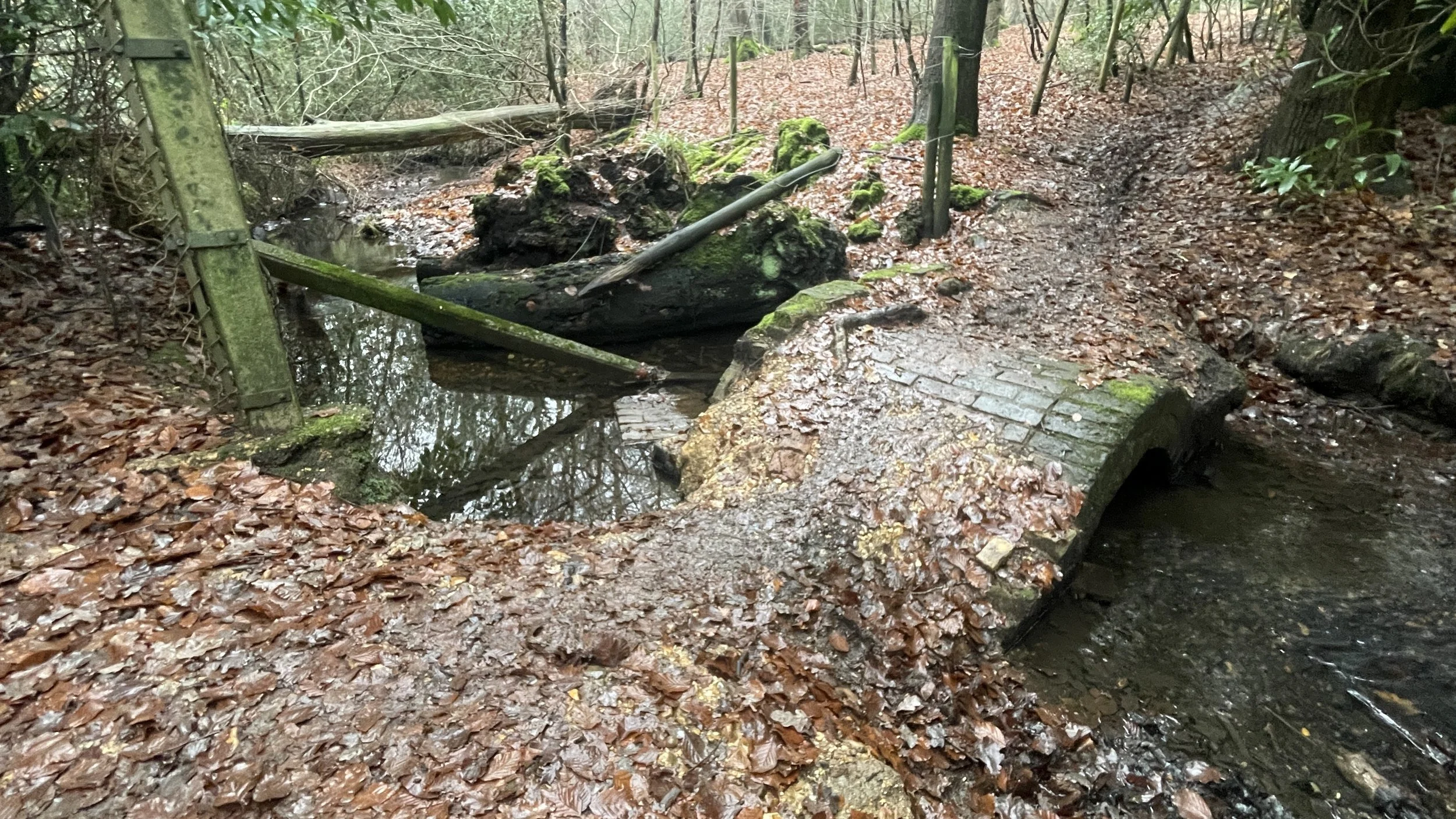
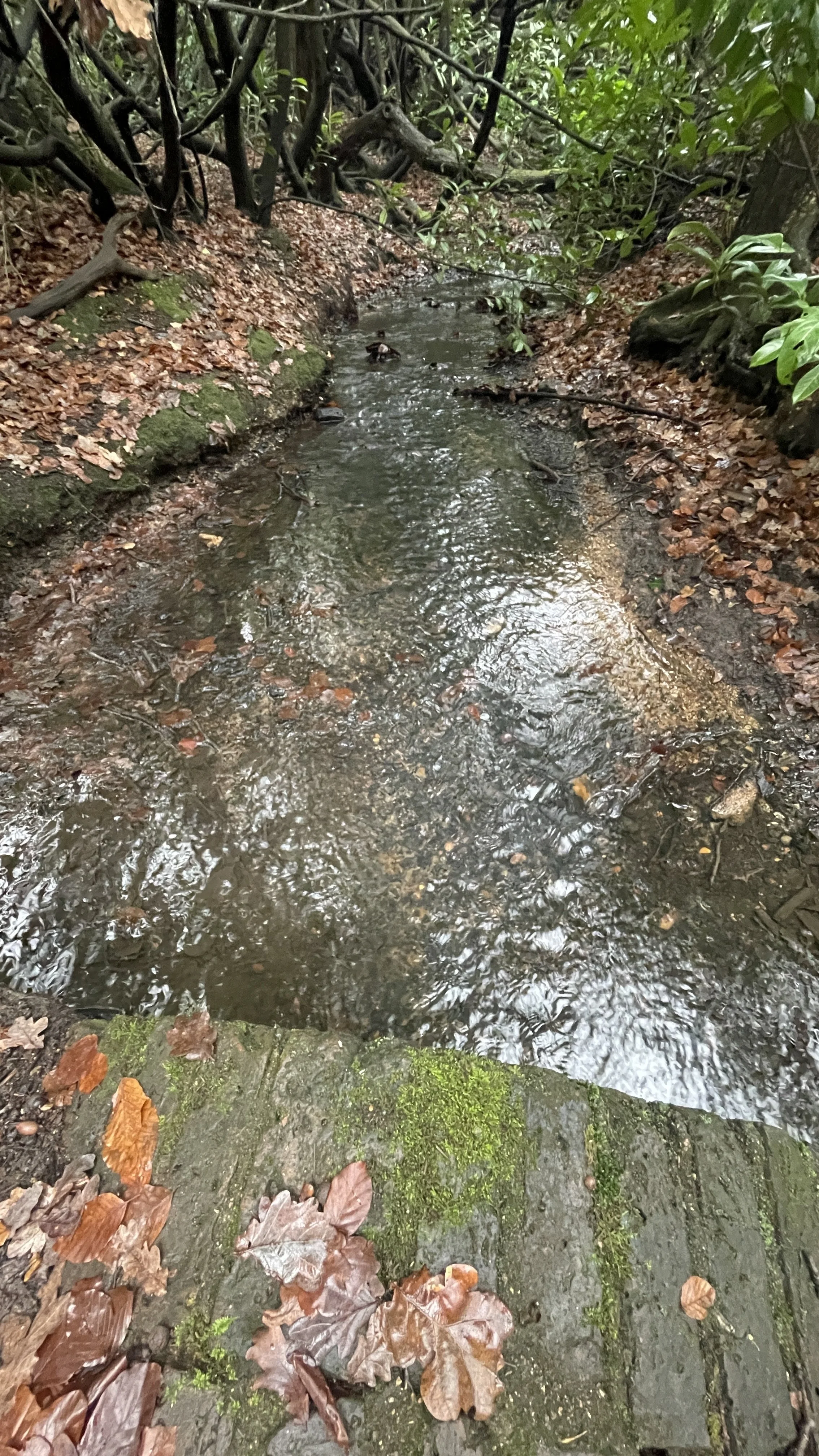
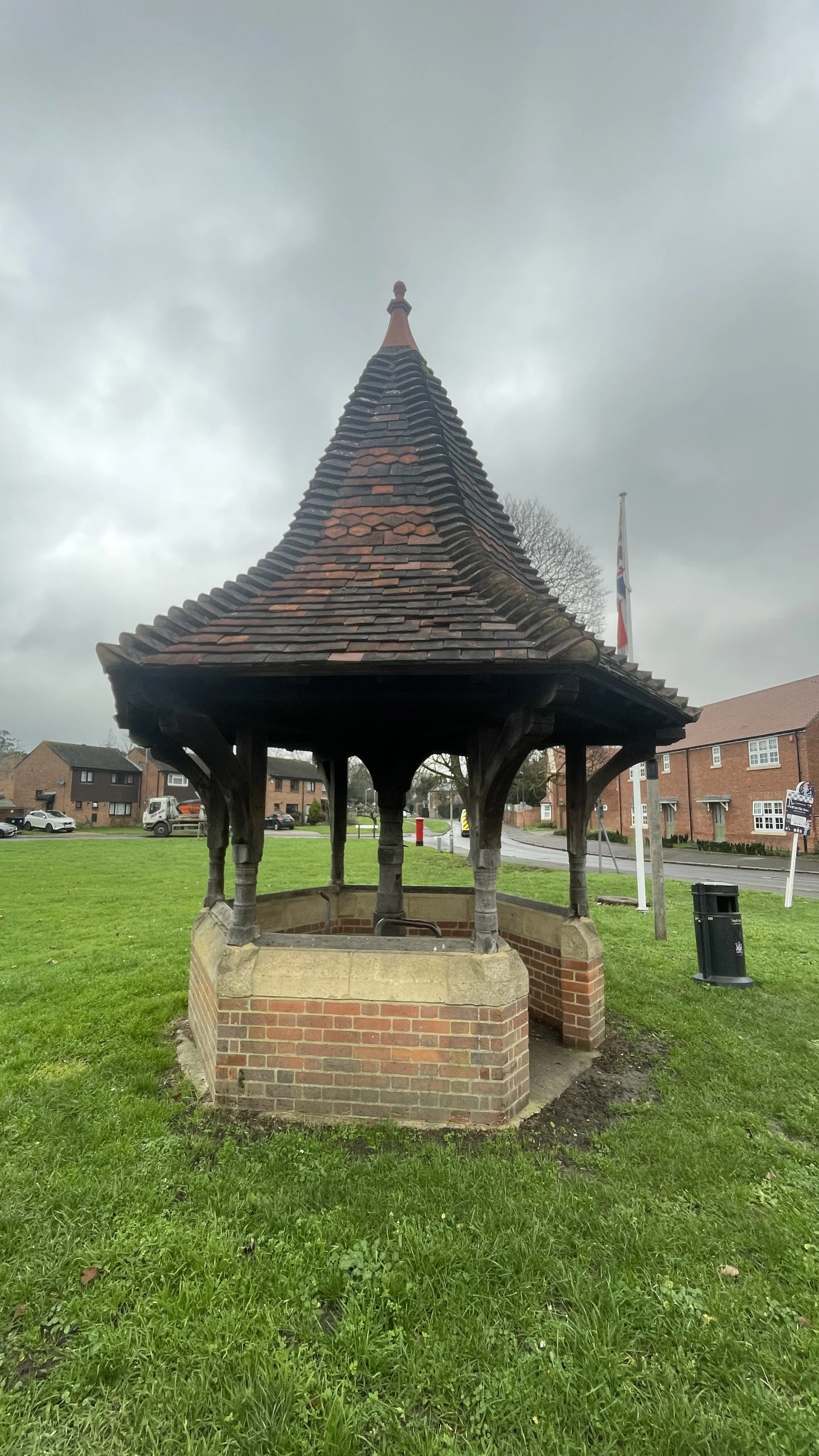
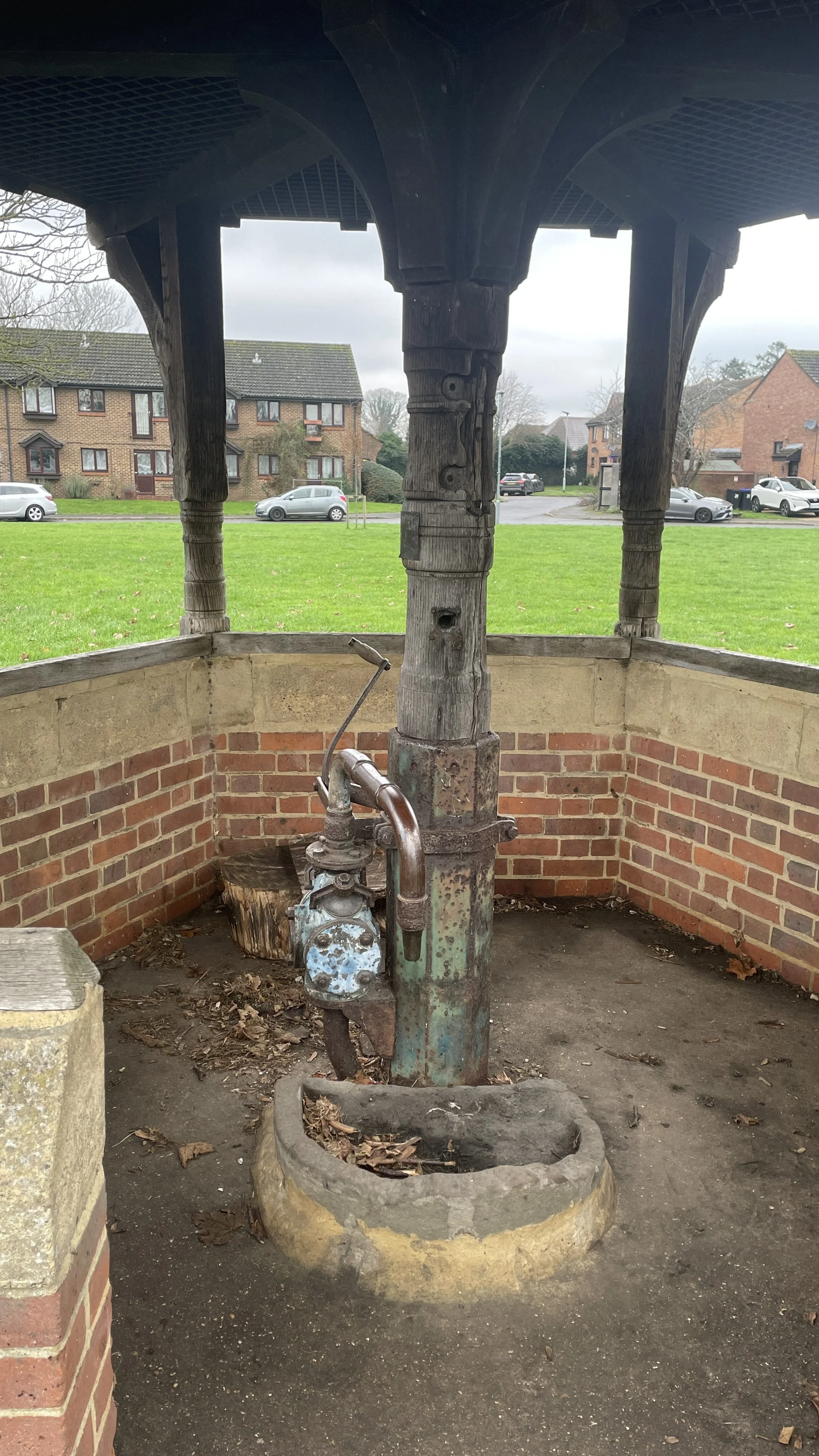
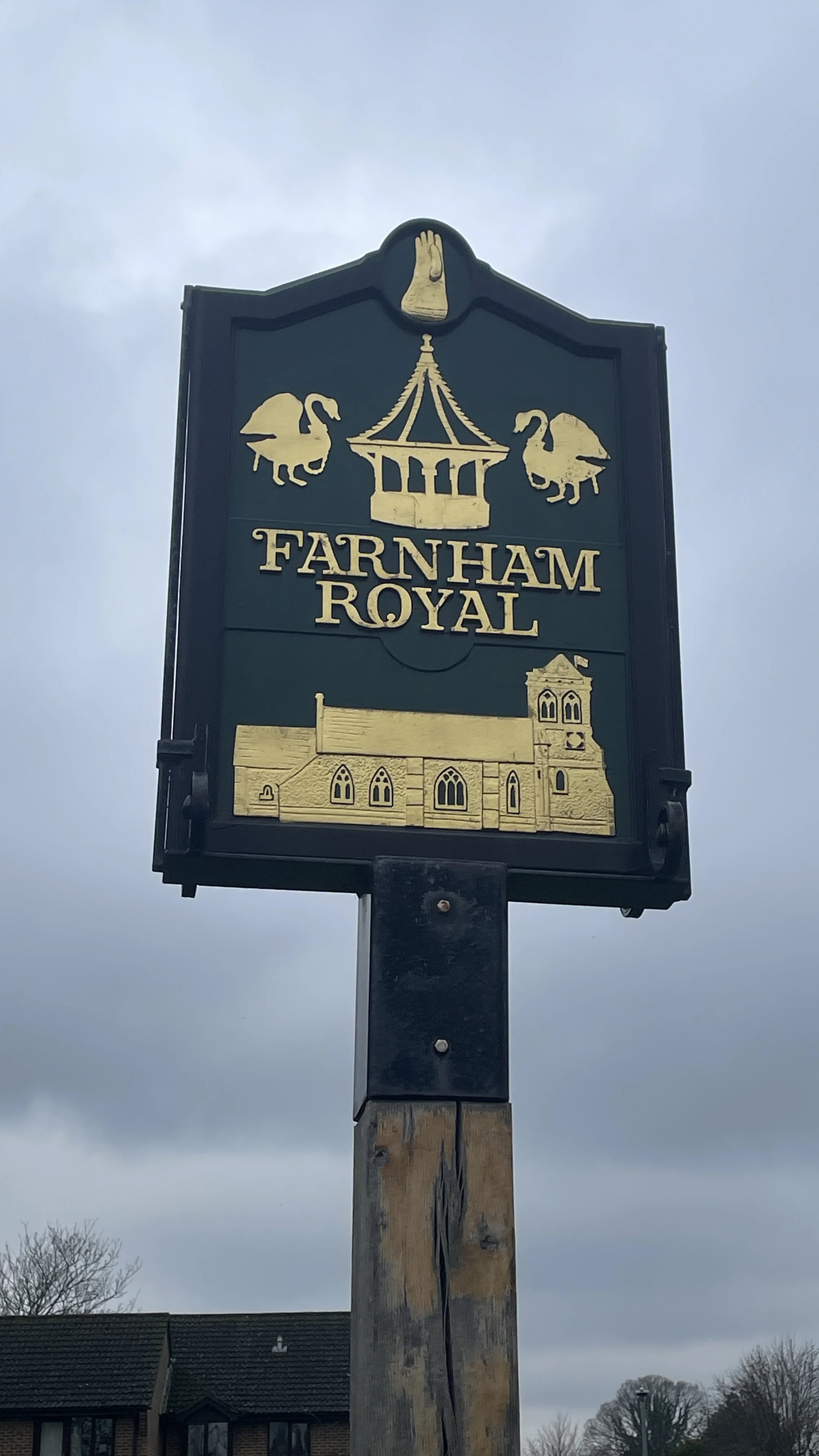
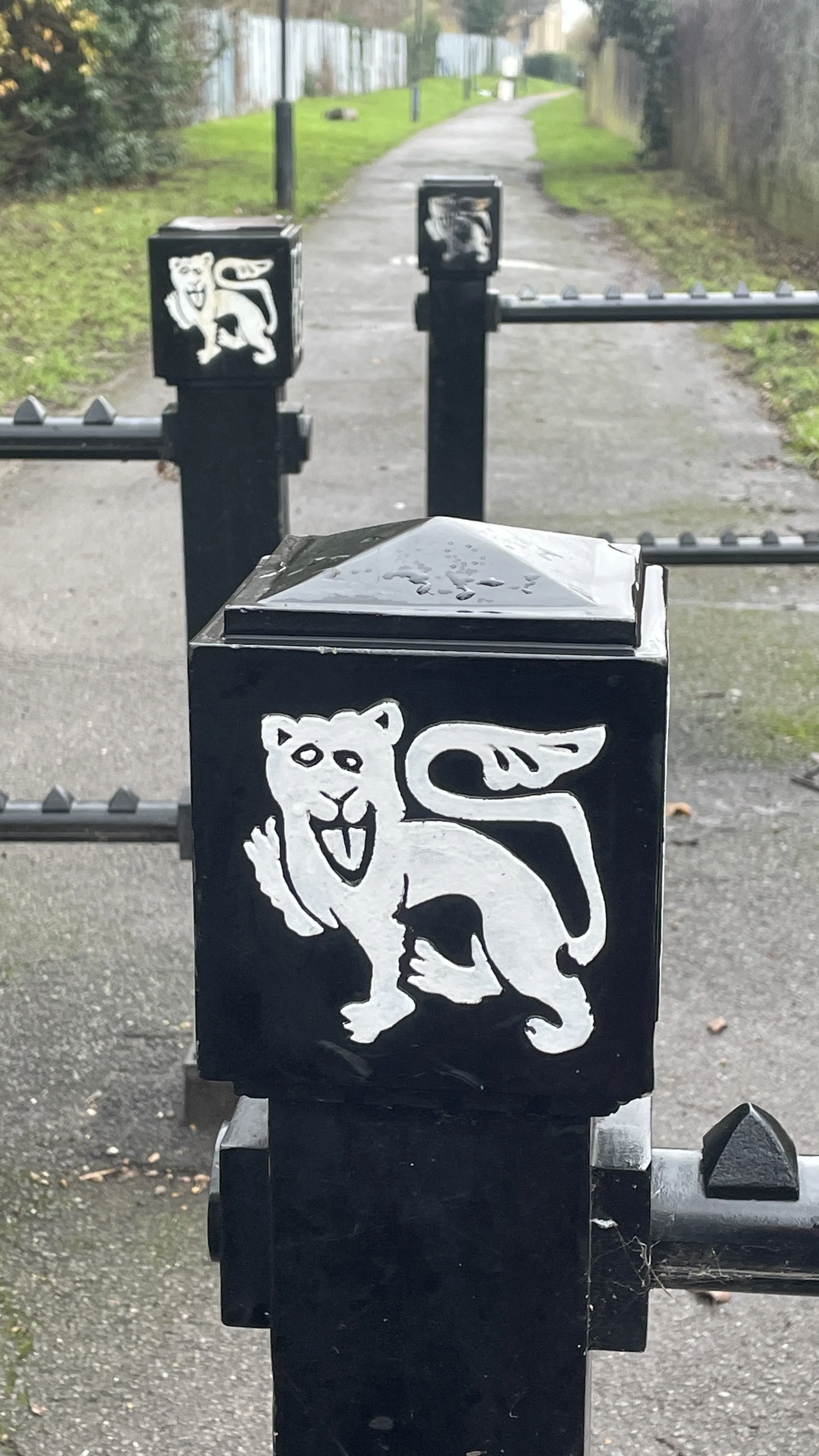
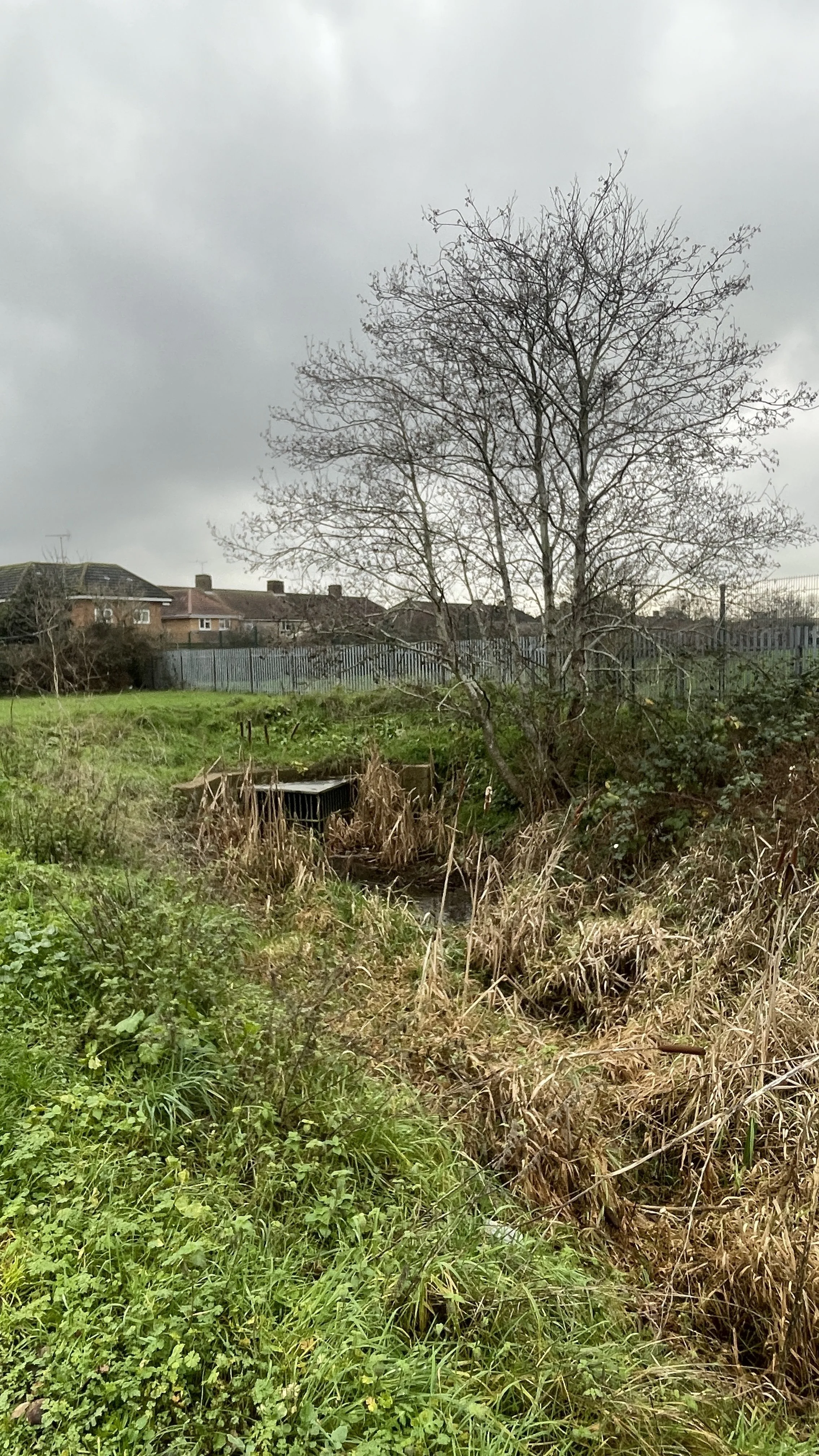
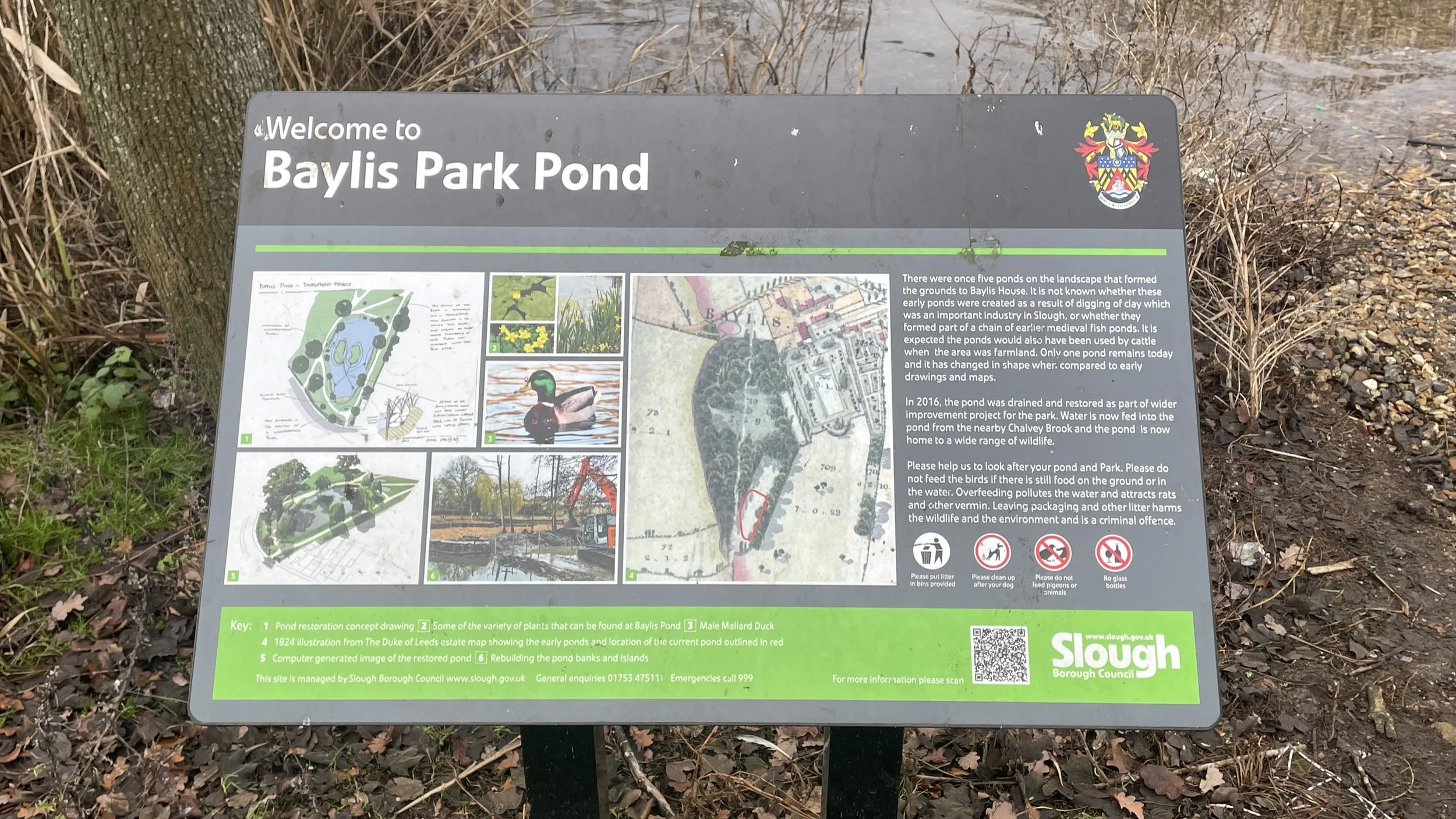
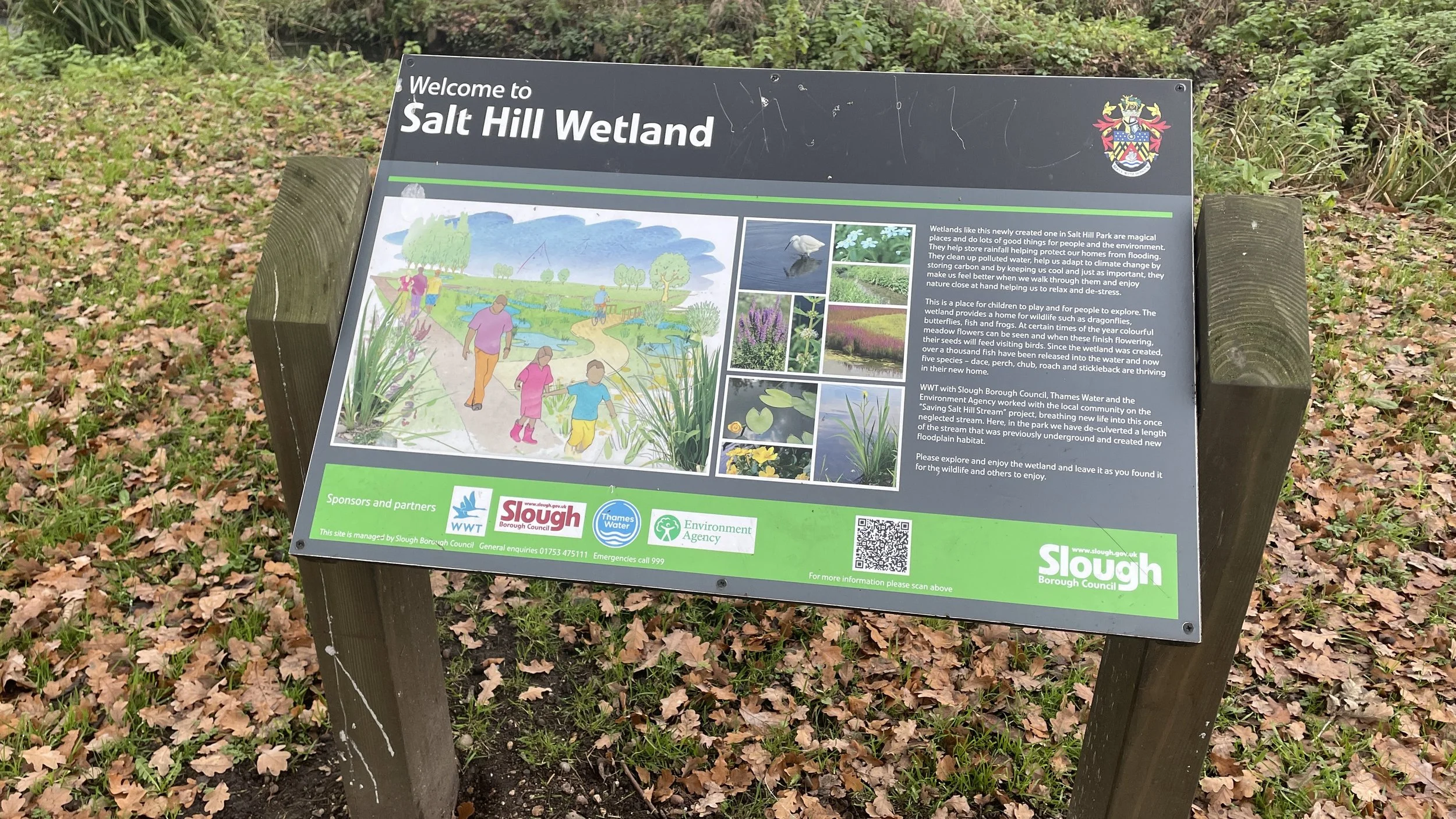
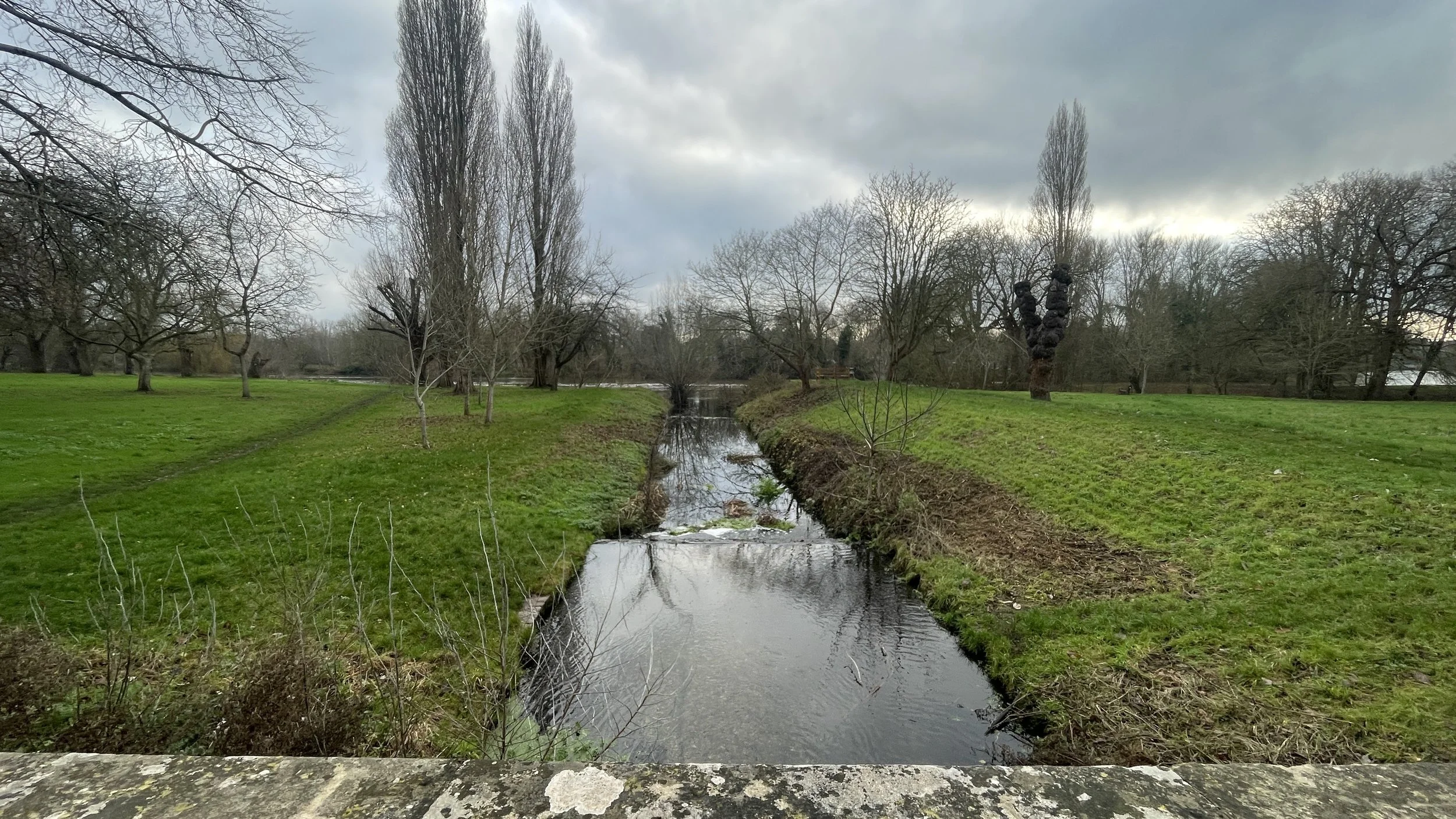
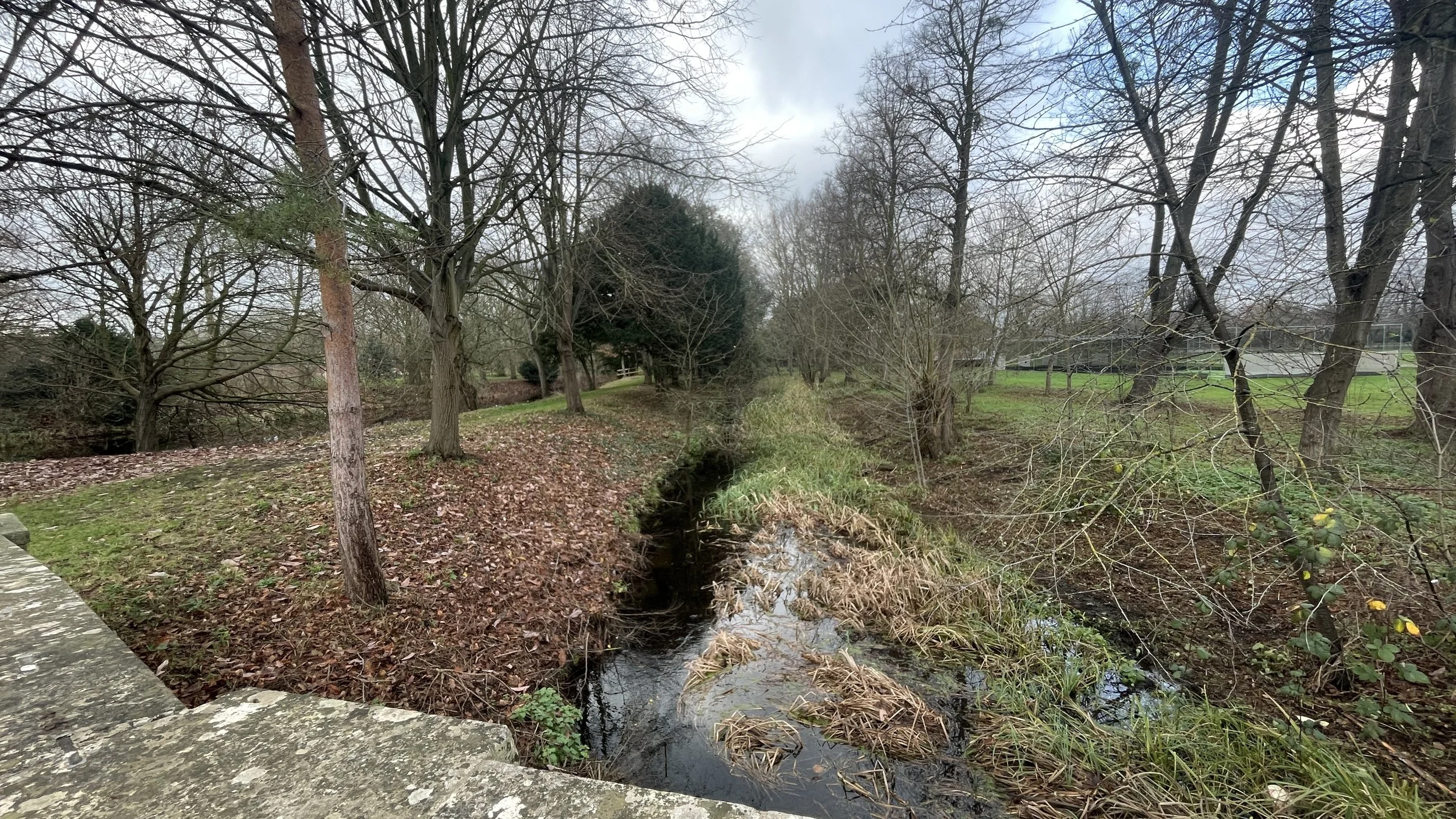
This section starts at Farnham Common where there’s a parade of shops, a Costa Coffee and several pubs and restaurants. The village, on the edge of Burnham Beeches, was historically a stomping ground for highwaymen and is now a peaceful gateway to the Beeches. It’s a good meeting place for several cycle routes in the area. From the shops cycle north along the A355 Beaconsfield Road and then take a right onto Templewood Lane. At approximately 1.5 km into the route you’ll pass over the Salt Hill Stream. This is the closest you’ll get to the start of the stream as the source is inside the private woodland to the north of the lane.
Continue along Templewood Lane then take a right on the bridleway when the land curves to the left. Follow this bridleway in a southerly direction, connecting to the Beeches Way and Shakespeare’s Way. When you reach the first house on the right take a right to follow a small lane which leads to a footpath heading west through woodland back towards Farnham Common.
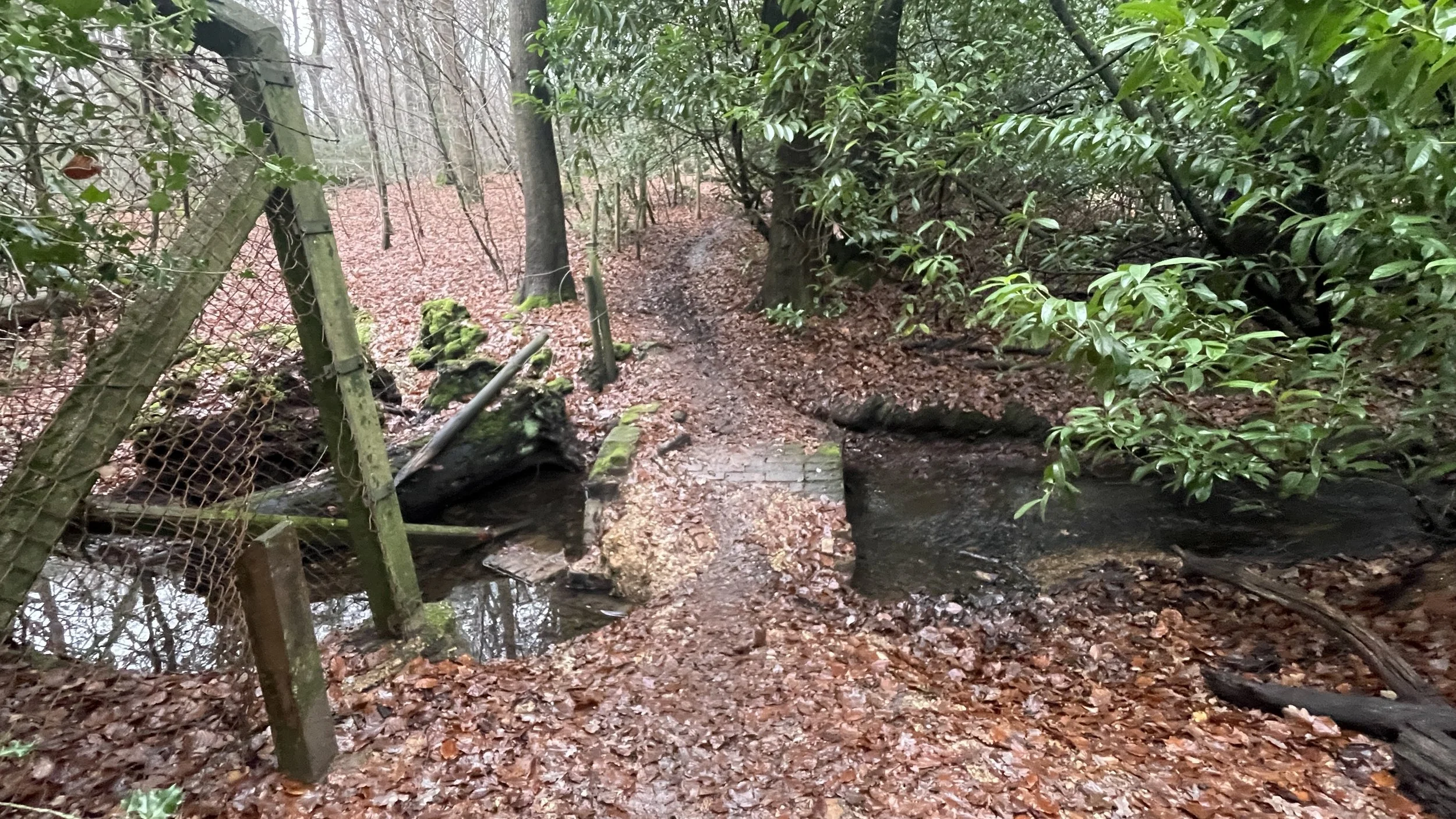
Shortly after the 3km point of the trip you’ll descend down to the Salt Hill Stream crossing over a small arched brick bridge. Continue along the path between Ingram’s Copse and Parson’s Wood to Parsonage Lane. Take a left onto Parsonage Lane and follow it in a southerly direction to the junction with Park Road. Take a right onto Park Road to the double roundabout at Farnham Royal. Take a left to follow Farnham Road in a southerly direction then a left onto Church Road. Follow Church Road as it becomes a bridleway then take a left onto Northern Road. You’re now in the Manor Park Estate.
Navigate Villiers Road, Douglas Road, Stanton Road, Granville Avenue and Pippin Close to travel south into the north-western corner of Granville Recreation Ground. Here you’ll see the Salt Hill Stream on the western edge of the park. Continue south through the park then exit onto Waterbeach Road where you’ll take a left. Cross over Oatlands Drive onto Hughenden Road, following it east into Godolphin Recreation Ground. Follow the eastern edge of the Recreation Ground, under the railway bridge and into Salt Hill Park. Here you’ll get some good views of the Salt Hill Stream with several information boards describing it.
At the southern exit of Salt Hill Park carefully cross over the busy A4 Bath Road and pick up the path that runs alongside the stream on the western side of the Montem Ice Rink. Look out for the Montem Mound. This Scheduled Ancient Monument is an Anglo-Saxon burial mound (tumulus) dating back to the 7th century, originally thought to be the burial site of a high-status individual. It was also the site of the bizarre 'Eton Montem' ceremony held by Eton College students until 1847.
Take a left when you get to Church Street then a right onto Chalvey High Street, a left onto Spackmans Way then a left onto the cycle path at the junction of Spackmans Way and Primary Road. Continue along the path then curve to the right when it reaches the railway line.
When you reach the Jubilee River follow the path on the northern side where you’ll cross over the Salt Hill Stream before you cross this man-made flood relief channel. Completed in 2002, it diverts water from the River Thames to reduce flood risk in Maidenhead, Windsor, and Eton. It has since become a thriving wildlife corridor for birds and fish.
Once on the southern side of the Jubilee River take a left to follow the Jubilee River footpath back in an easterly direction, shortly crossing over the Salt Hill Stream as it emerges from the river. Continue east under the railway then take a right onto a path that crosses over Woodham Road and into the grounds of an Eton College Sports Field.
Continue through the grounds of the sports field then take a right onto the B3022 Slough Road. After the mini roundabout take a left to follow the path past the Upper Club gatehouse then curve round to the right to follow a path that runs parallel to the Thames. Right after the curve you’ll reach a small bridge over the Salt Hill Stream. Here you can see the confluence of the Colenorton Brook with the River Thames.
Part 2: Between the Colenorton Brook and Boveney Ditch
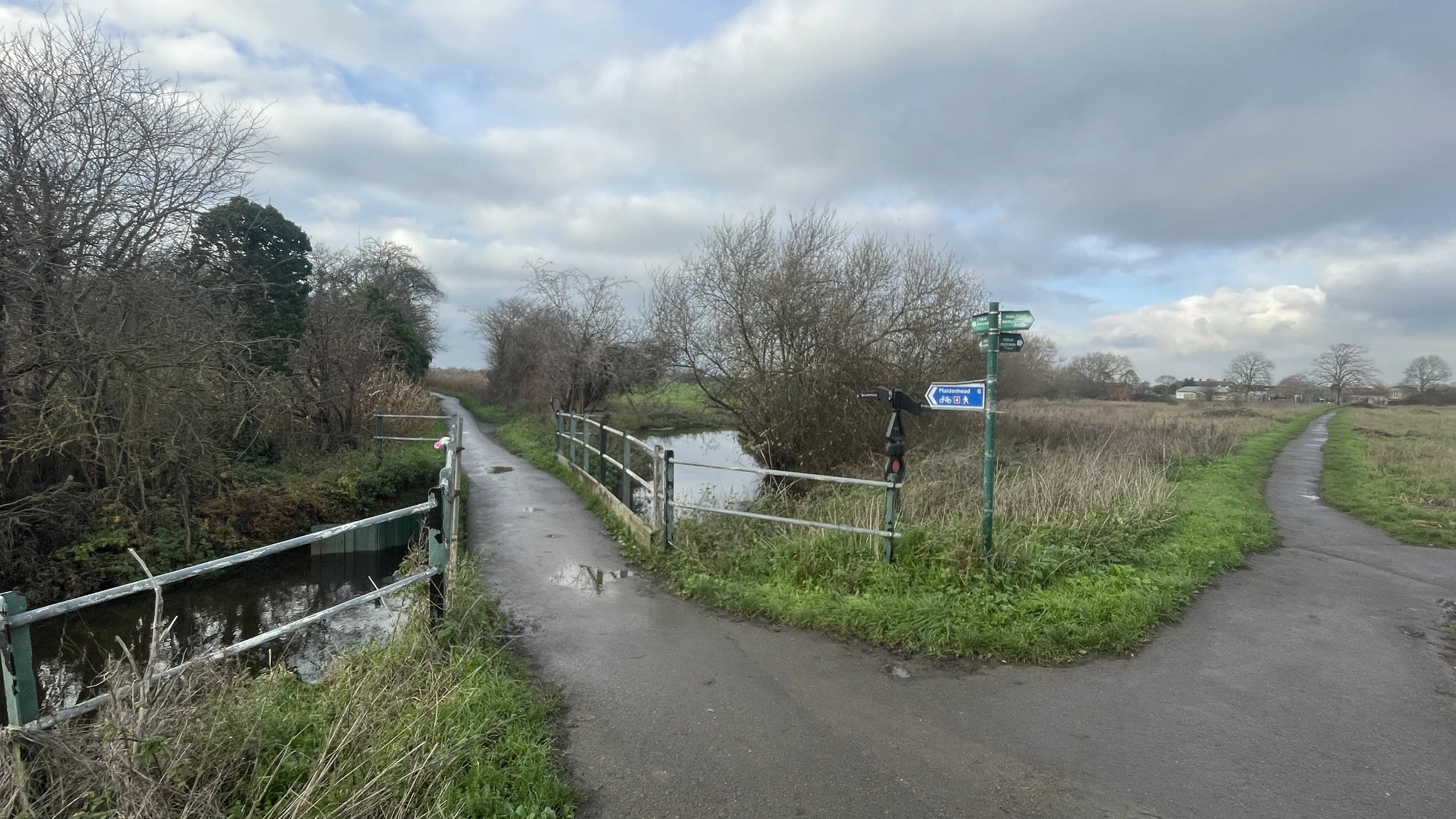
Boveney Ditch before it meets the Thames
From the Colenorton Bridge in Upper Club, continue cycling in a south-westerly direction back to the B3022 Slough Road. Cross over the B3022 and follow Common Lane in a north-westerly direction through the heart of Eton College. This world-famous public school, founded in 1440 by King Henry VI. The college has educated 20 British Prime Ministers and features historic architecture dating back to the 15th century.
Follow the path on the eastern side of the Eton Great Common to Eton Wick Road. Cross over Eton Wick Road and follow the path diagonally across the field to cross under the railway bridge. Continue in a south-westerly direction to reach Meadow Lane next to the Thames. Take a right onto Meadow Lane, following it under the A332 to join up with the Thames Path.
Follow the Thames Path to Boveney Bridge where you’ll see the confluence of the Boveney Ditch and the River Thames. This small watercourse joins the Thames near Boveney. Nearby is St Mary Magdalene Church, a 12th-century church that served the bargees (barge workers) on the Thames. It is now cared for by the Friends of Friendless Churches.
Take a right onto the path on the eastern side of Boveney Bridge to follow it north along the eastern side of Eton Wick Recreation Ground to Eton Wick Road. Eton Wick is a village that grew to support the college and the castle. The recreation ground here offers open views of Windsor Castle in the distance. Take a left onto Eton Wick Road then first right on to Bell Lane. Take a left onto Alma Road, a right onto Inkerman Road and another right onto Moores Lane.
Follow Moores Lane in a northerly direction as it becomes a path then cross over the Jubilee River bridge. Take a right onto Wood Lane and continue following it north over the M40. Once you get to the northern side of the M40 bridge take a right to follow the path around the southern side of Asda, heading east to where you’ll meet the Chalvey Ditch. To the south the Chalvey Ditch crosses under the M40 to join the Salt Hill Stream before they both cross under the Jubilee River. We will now be following it north to its source.
Part 3: Cycling The Chalvey Ditch from the Jubilee River to the source
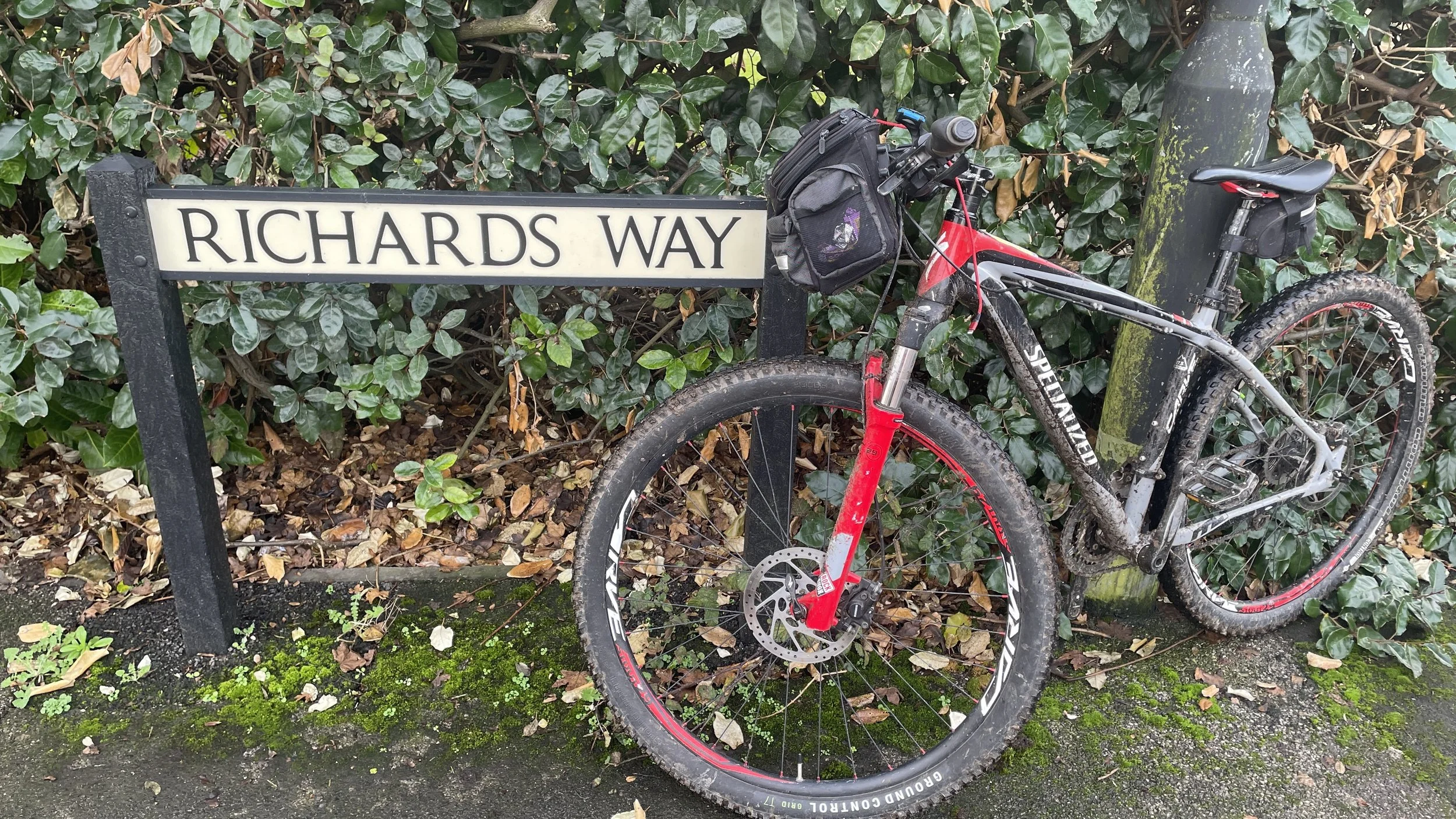
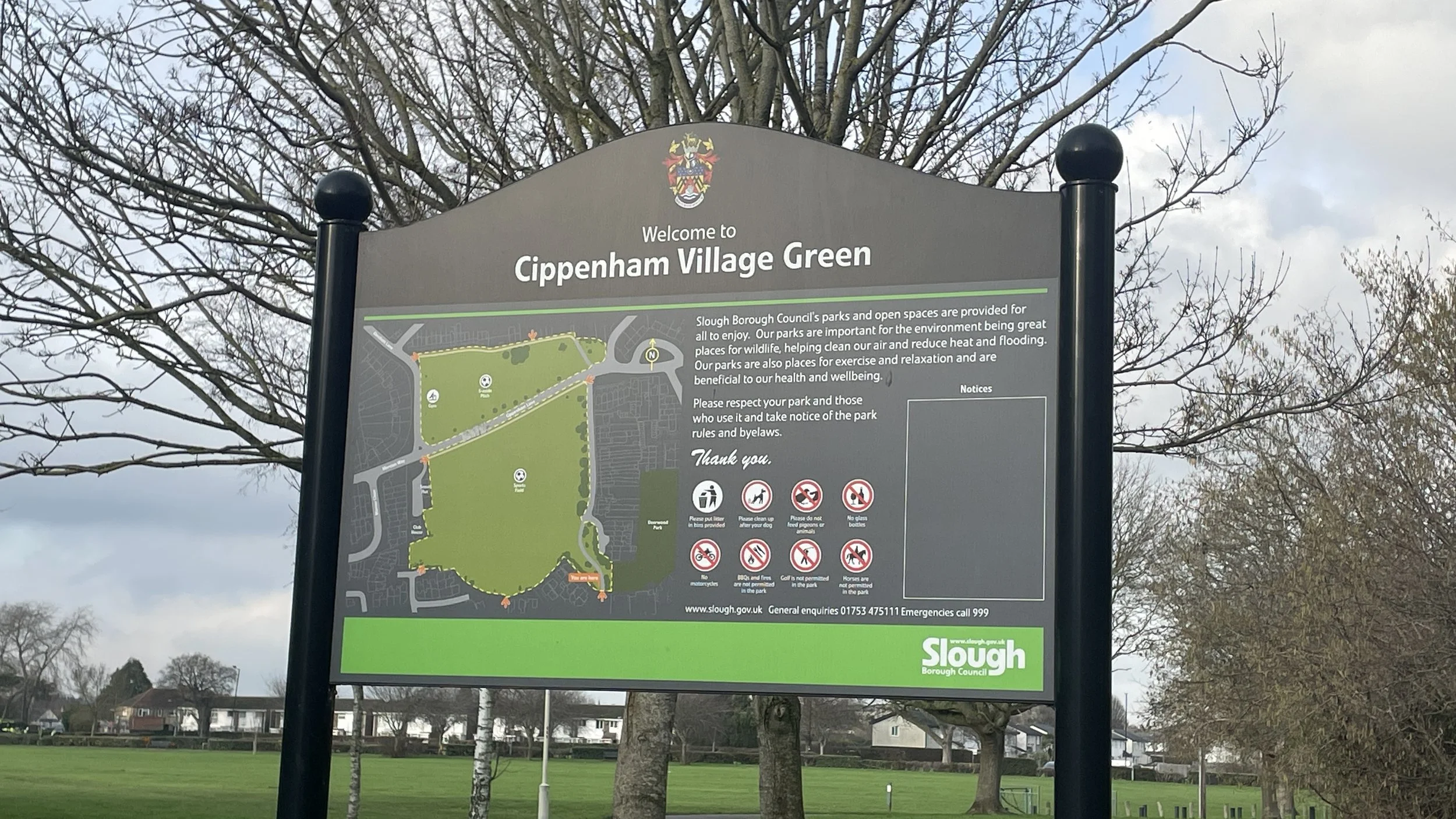
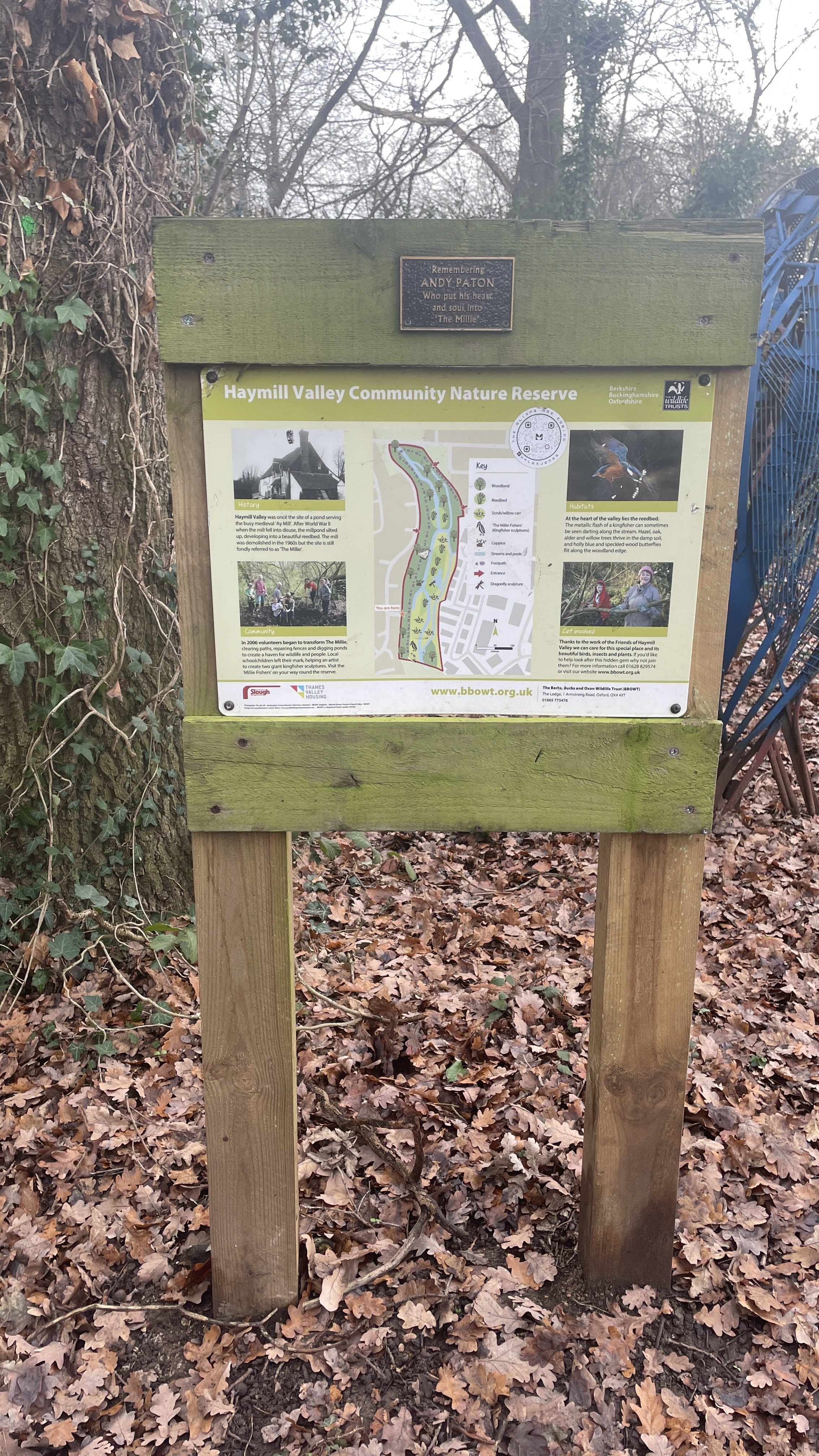
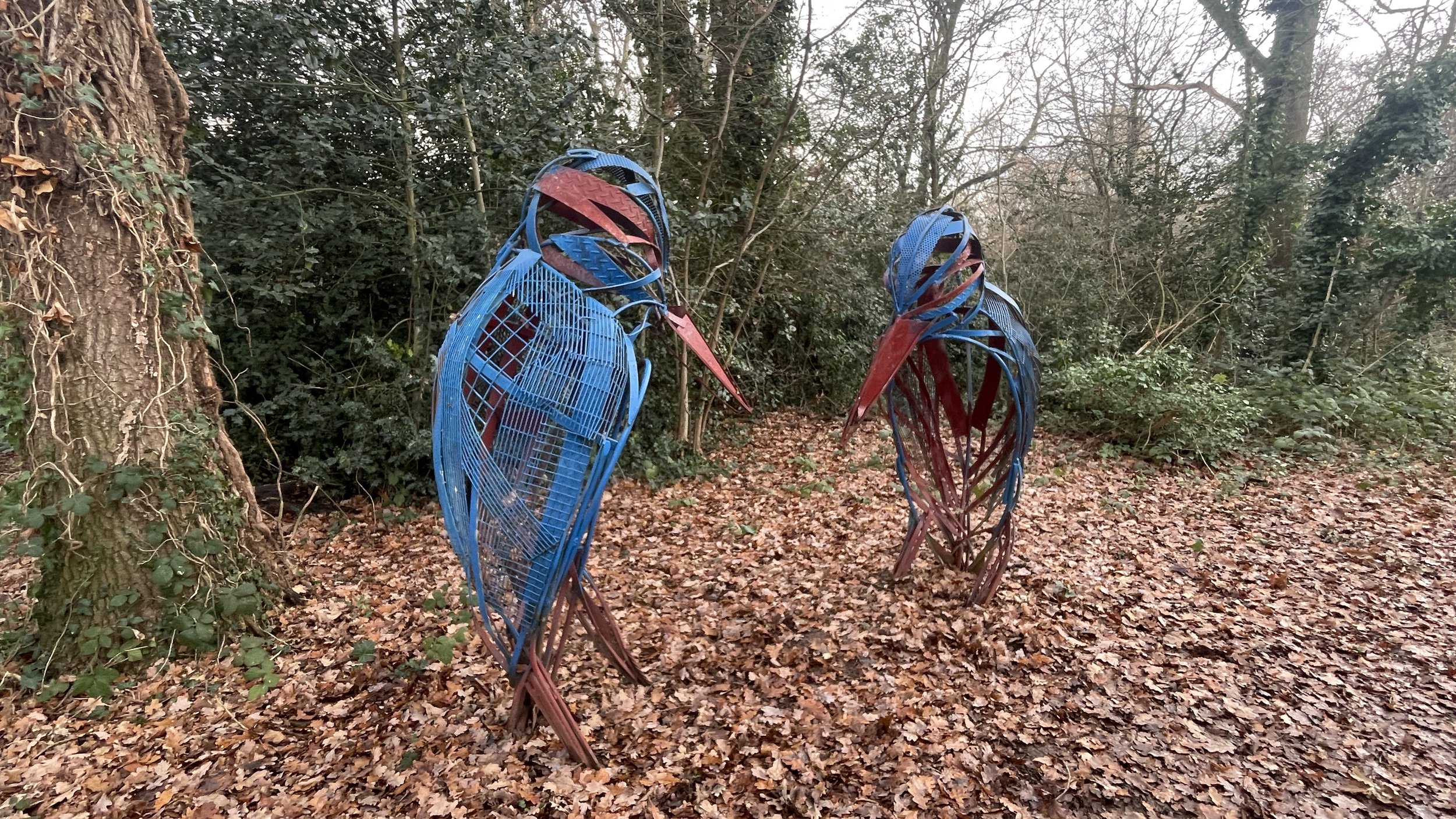
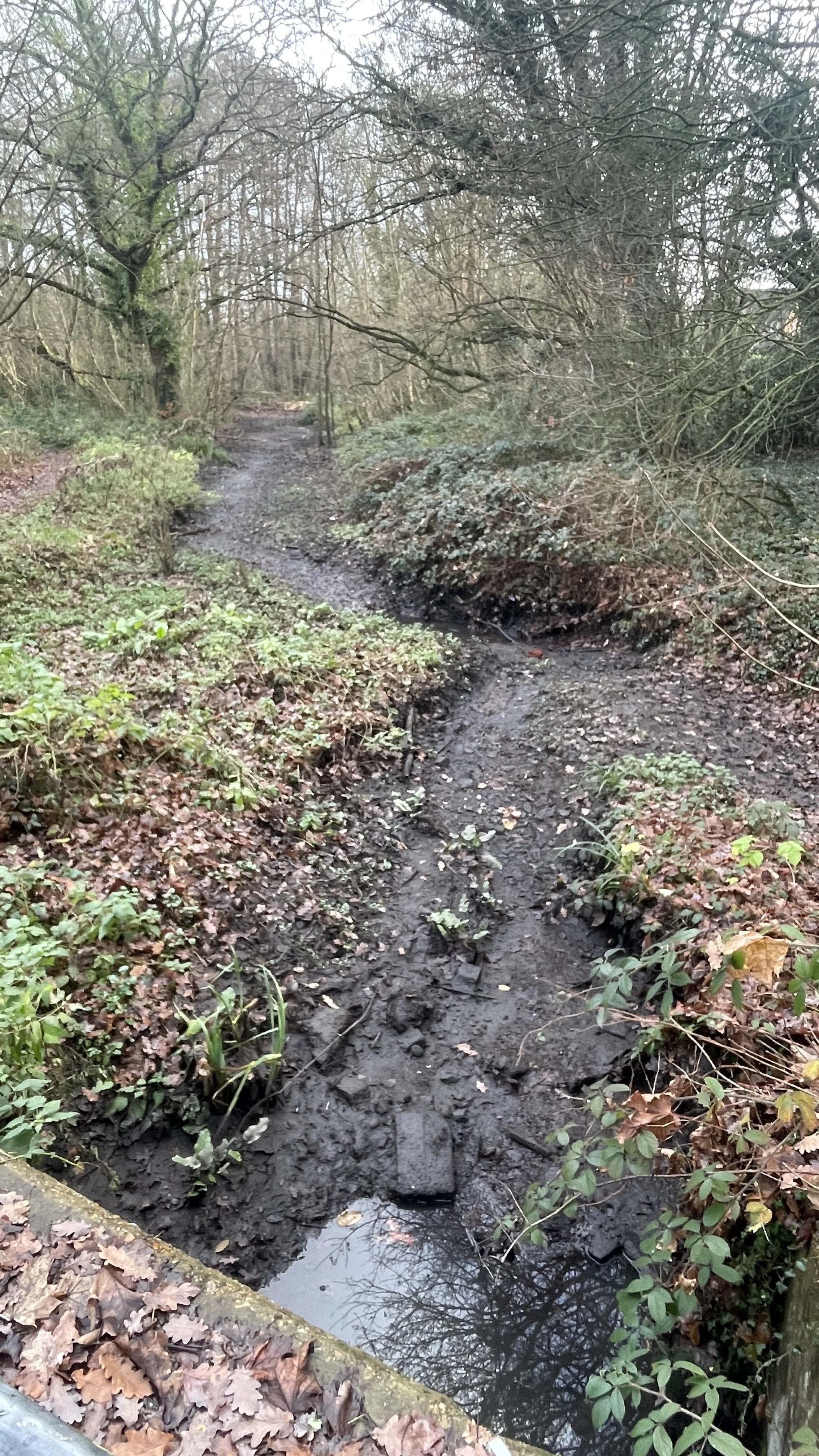
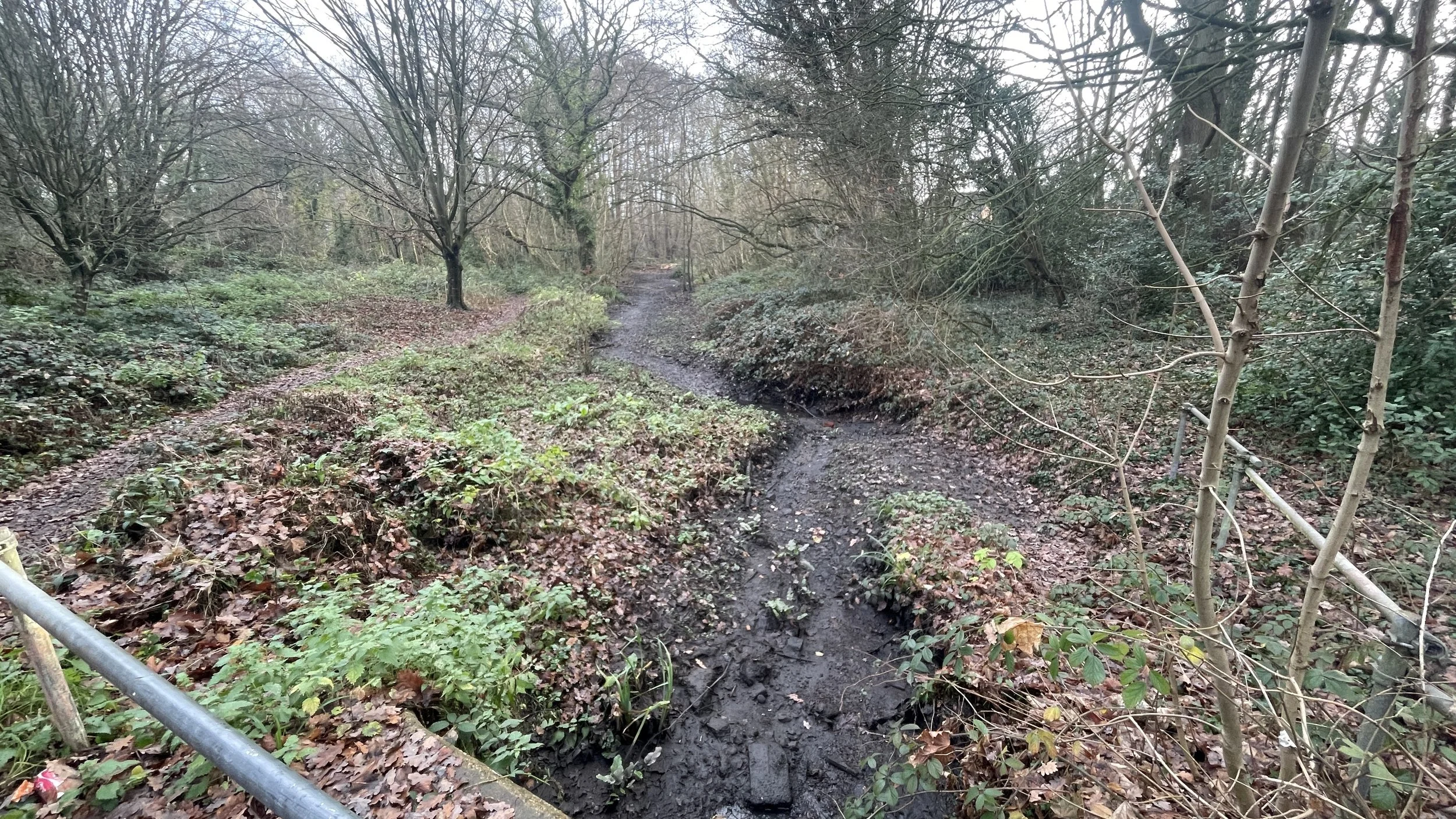
Starting from the bridge before the Chalvey Ditch crosses under the M40 follow a path heading north between houses, keeping the Ditch on your left hand side. Cross over Telford Drive and keep the Ditch on your left. When you reach Lodge Farm Park take a left to head west to cross over Telford Drive again. Follow the paths, now keeping the Ditch on your right. Cross over Richards Way continuing west and crossing the ditch twice over small bridges. Take a right onto Waterman Court, now heading north onto Millstream Lane on the eastern side of Cippenham Village Green.
The Village Green is a remnant of the old village of Cippenham, which was once a royal manor. The green is the heart of the historic village, surrounded by older cottages that contrast with the modern development nearby. You’ll see the ditch run right in front of the houses.
Once you reach Lower Cippenham Lane on the northern side of the village green, the Ditch disappears underground only to reappear a bit further north at Haymill Valley Community Nature Reserve. Cross over Lower Cippenham Lane heading north to Ward Gardens. Take a left onto Bowyer Drive then a right onto Elmshott Lane and follow it north to the A4.
Cross over the A4 and follow Station Road to Burnham Lane. Cross Burnham Lane to find a small footpath leading to Littlebrook Avenue. Find the entrance to Haymill Valley Community Nature Reserve. This reserve occupies the site of the former mill pond for the medieval 'Ay Mill'. When the mill fell into disuse after WWII, the pond silted up and became a reed bed. It is now a haven for reed warblers and kingfishers. Follow the path in a northerly direction to the top of the reserve near Whittaker Road. This is the final place you’ll see the uncovered Chalvey Ditch.
To complete the journey cross Whittaker Road and cross Lammas Meadow to Long Furlong Drive. Take Lynch Hill Lane in a northerly direction then take the path through Cocksherd Woods to join Farnham Lane. Follow Farnham Lane in an easterly direction then take a left onto Crown Lane. Follow Crown Lane north, then take a right onto Hawthorn Lane and a left onto Bedford Drive.
The route concludes near Burnham Beeches Nature Reserve. It is famous for its ancient pollarded beech trees, some of which are nearly 500 years old. The area has been a filming location for numerous movies, including Harry Potter and Robin Hood: Prince of Thieves. At the entrance to Burnham Beeches take a right onto Beeches Road to return back to the start at Farnham Common on the A355 Beaconsfield Road.
London's Coal Duty Posts
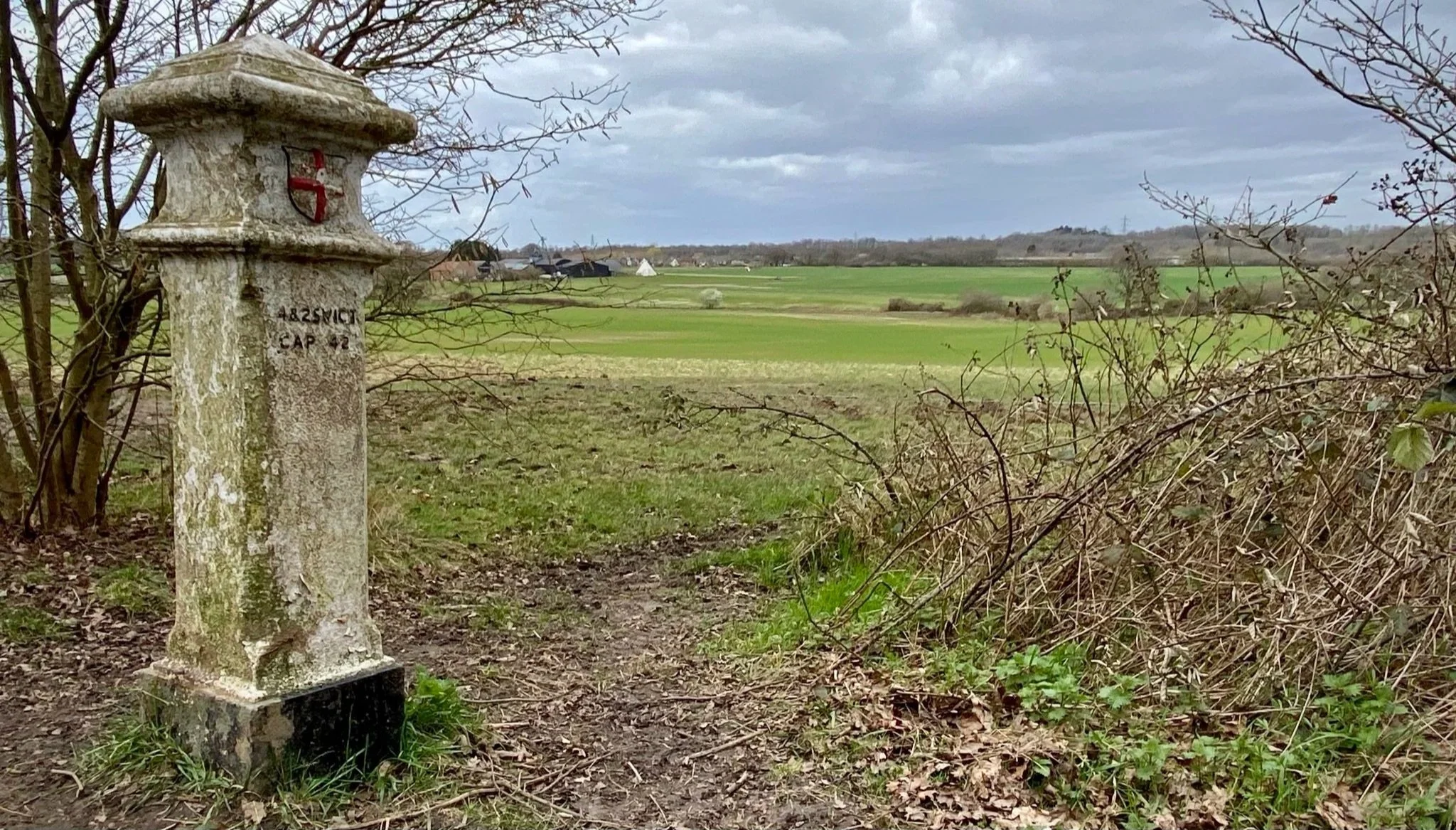
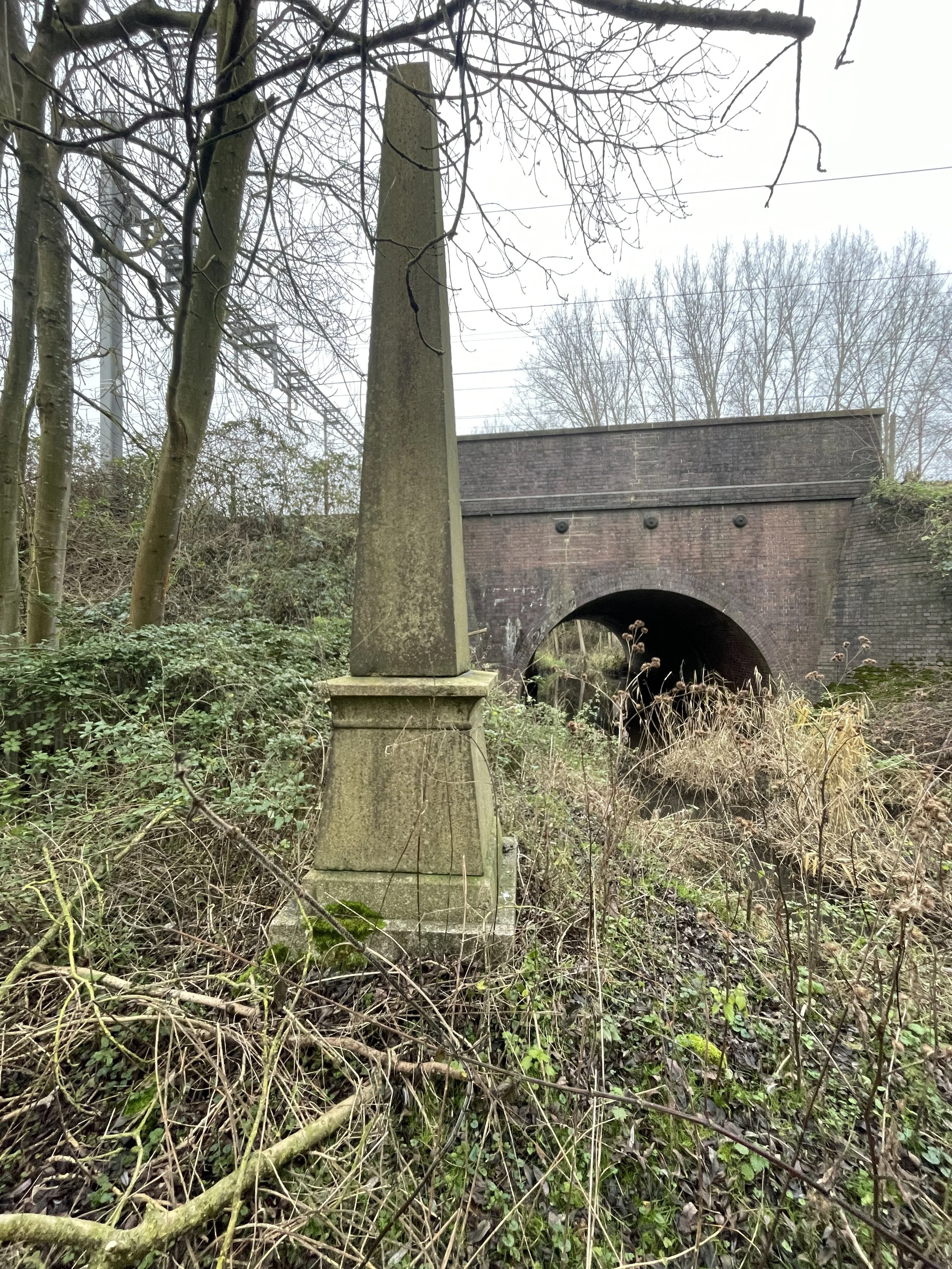
View to Rushett Farm airstrip from the Coal Post on the north edge of Ashtead Woods
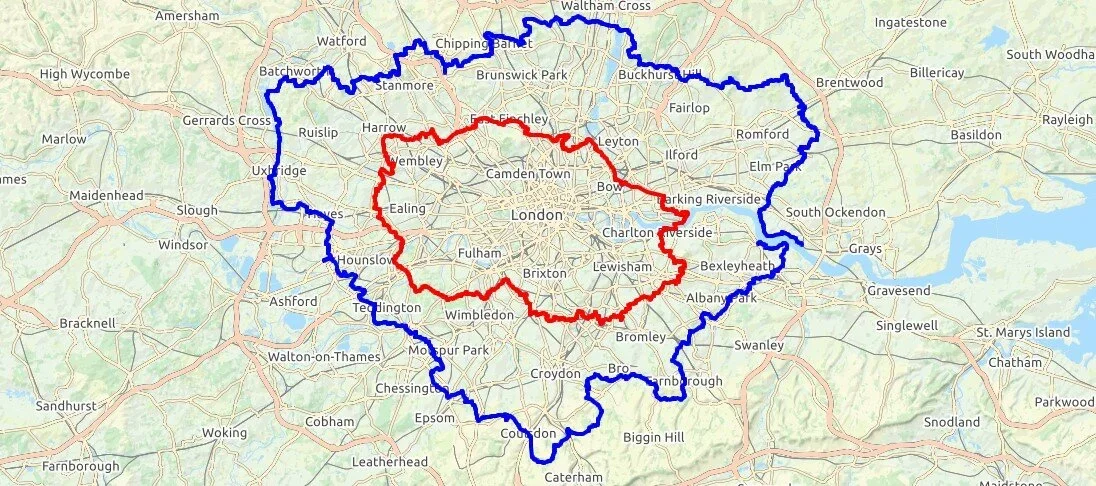
The Coal Post Boundary compared with the current Greater London Boundary and the M25
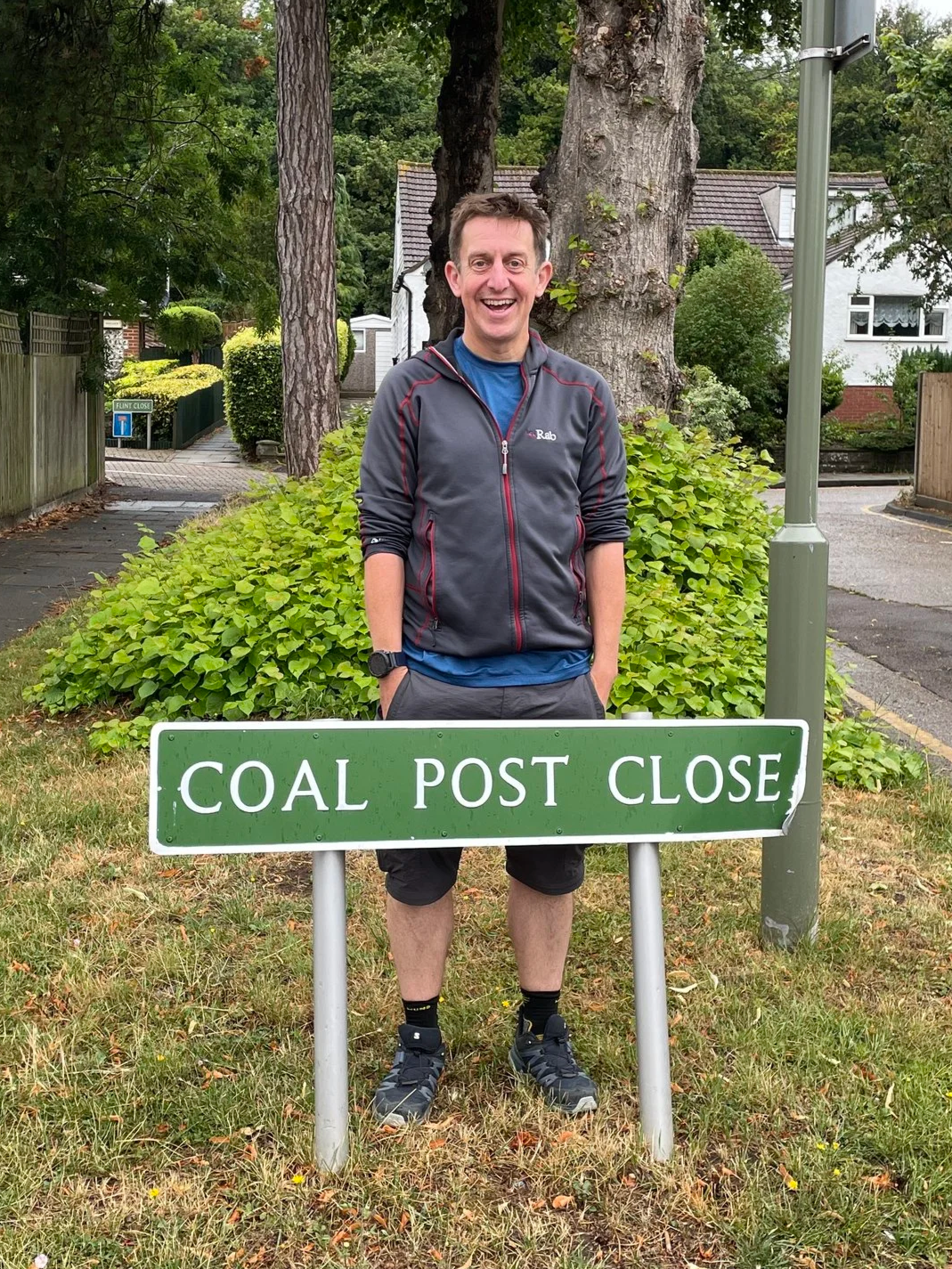
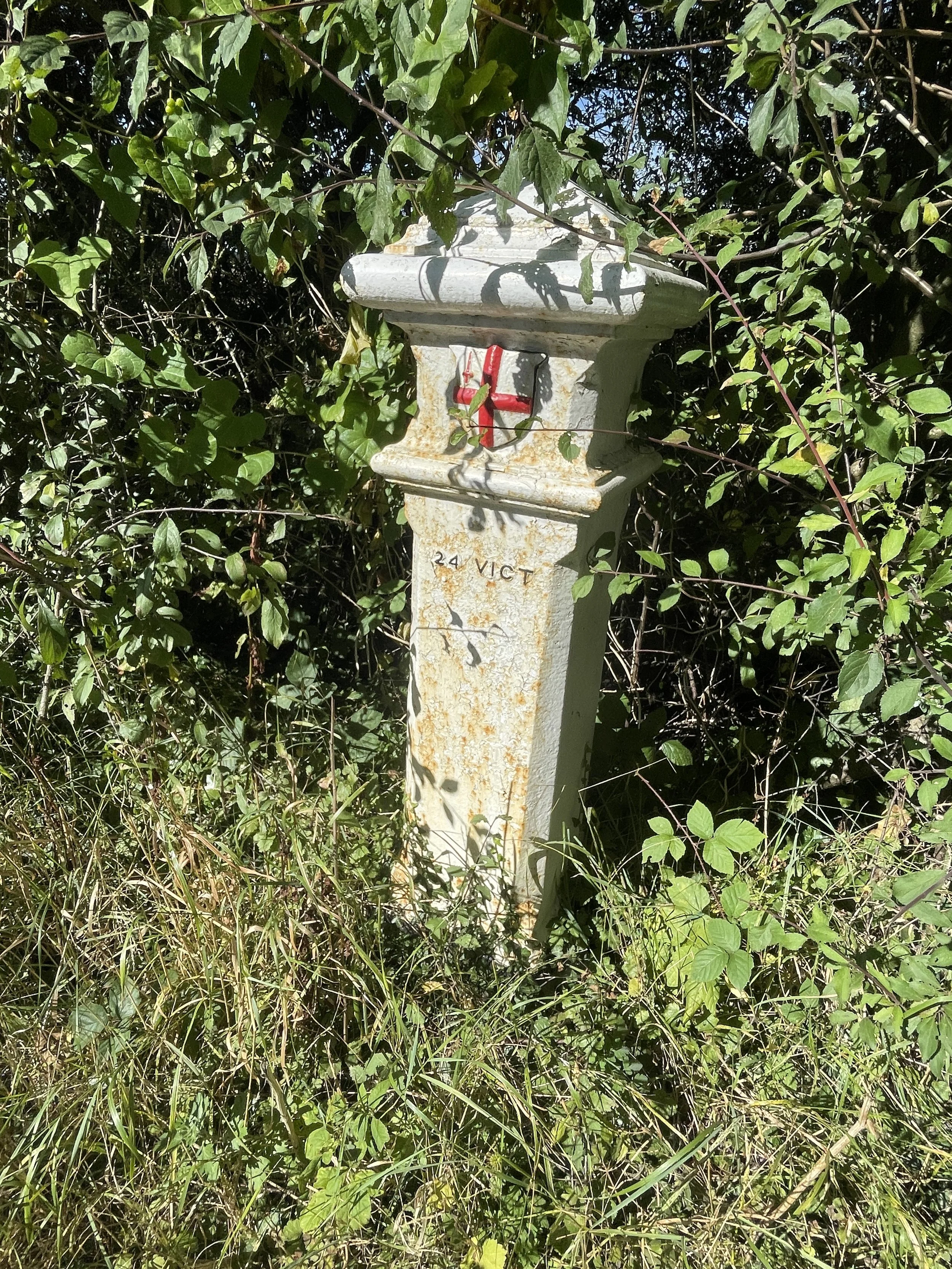
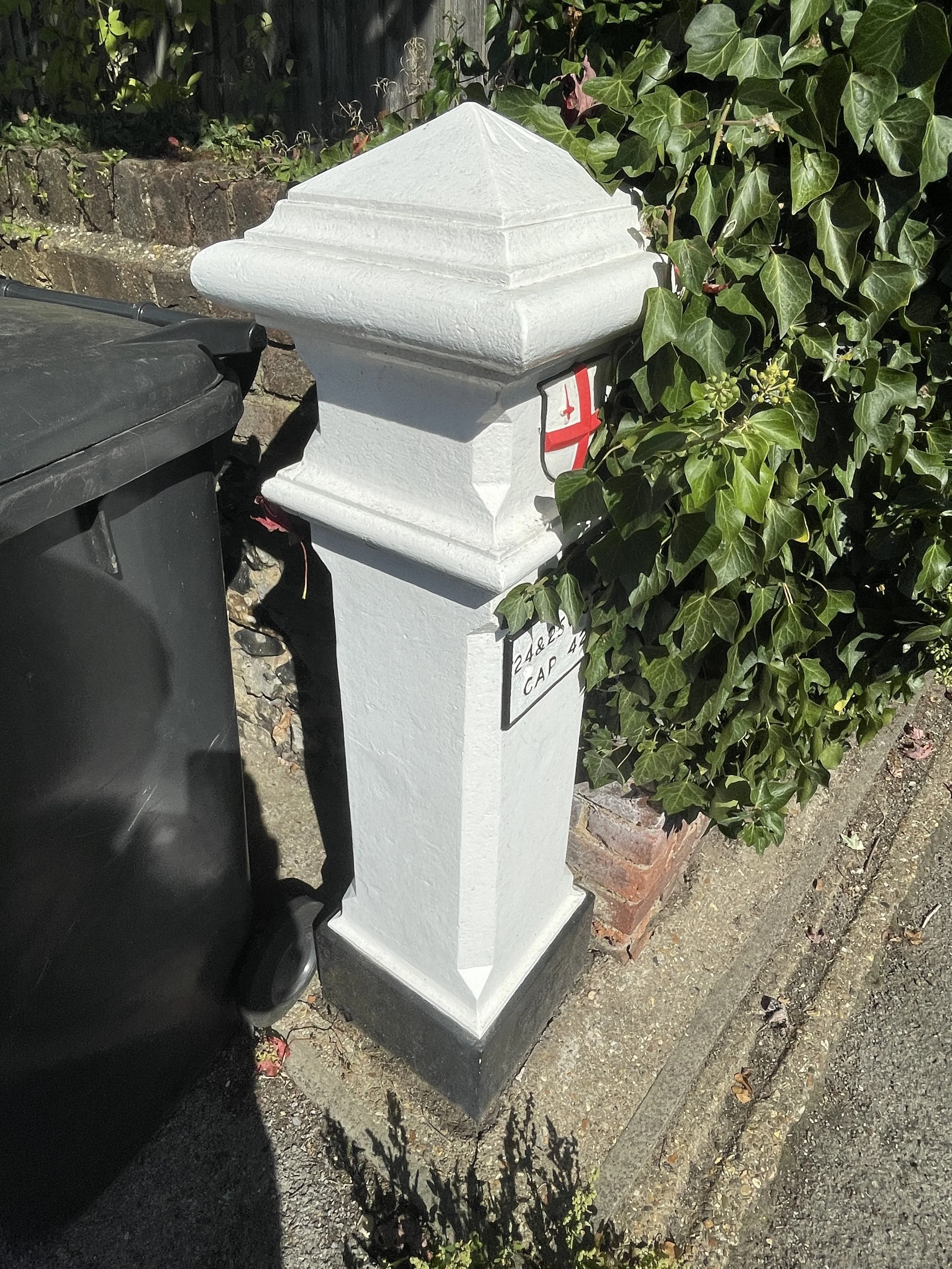
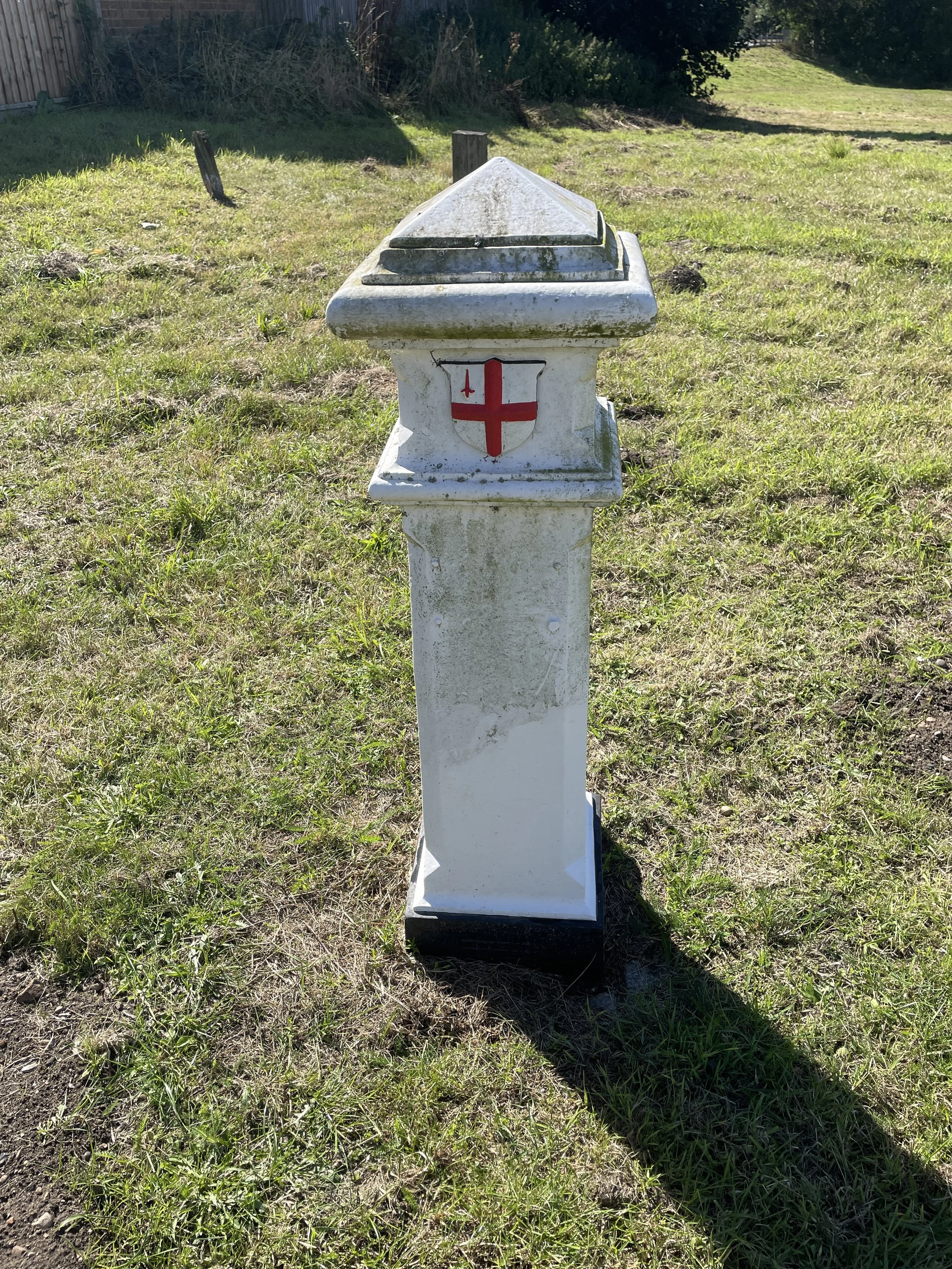
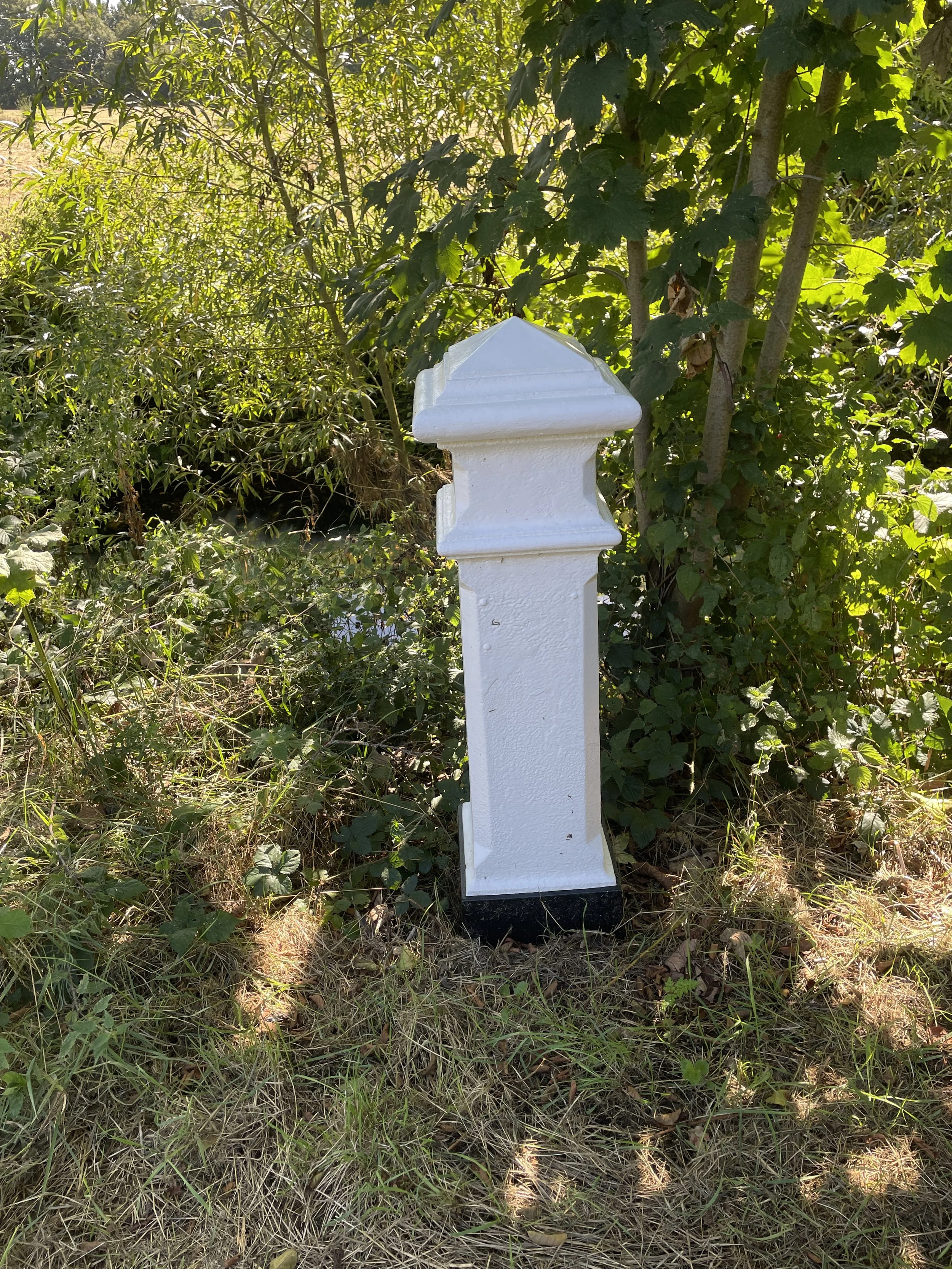
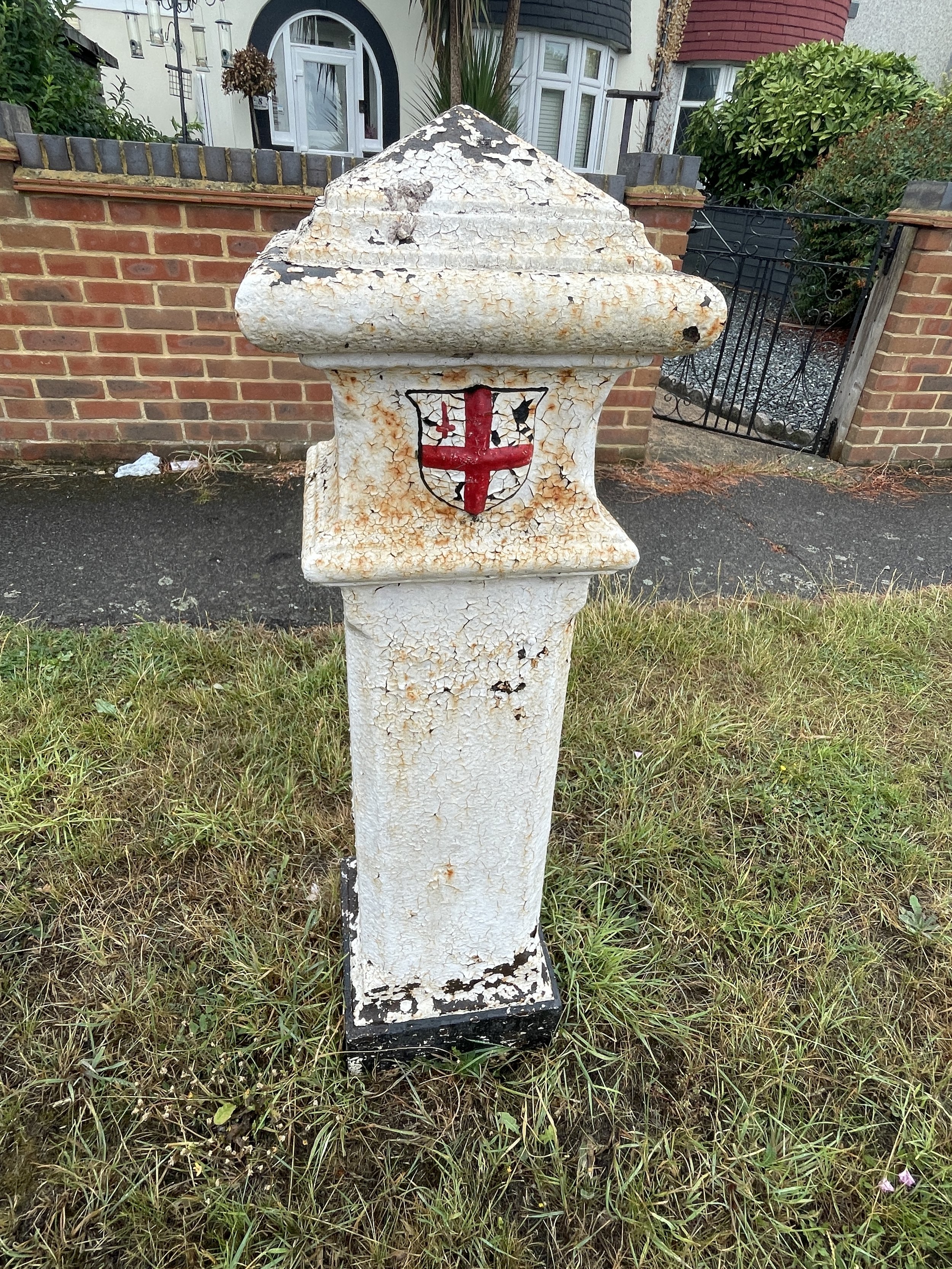
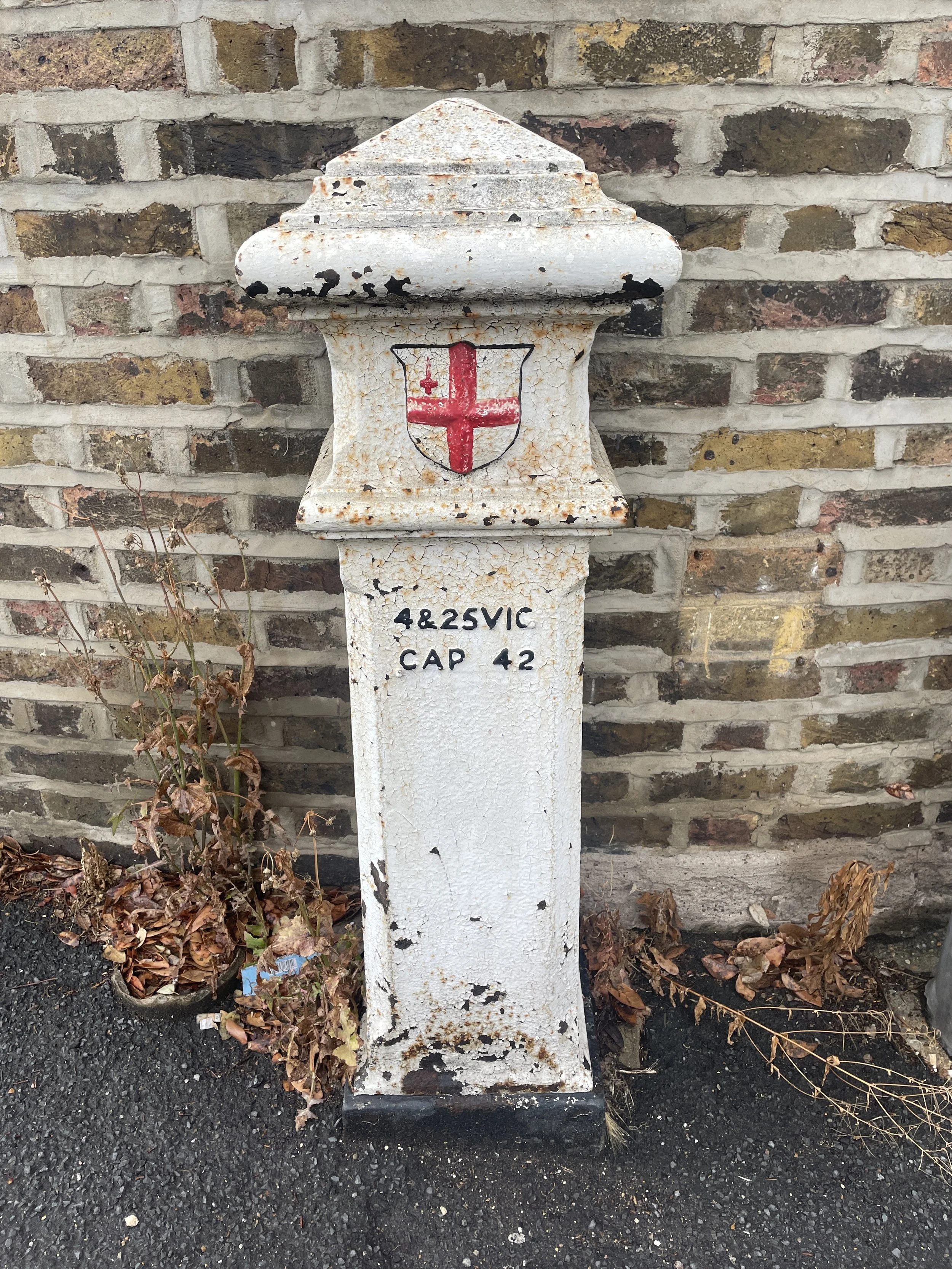
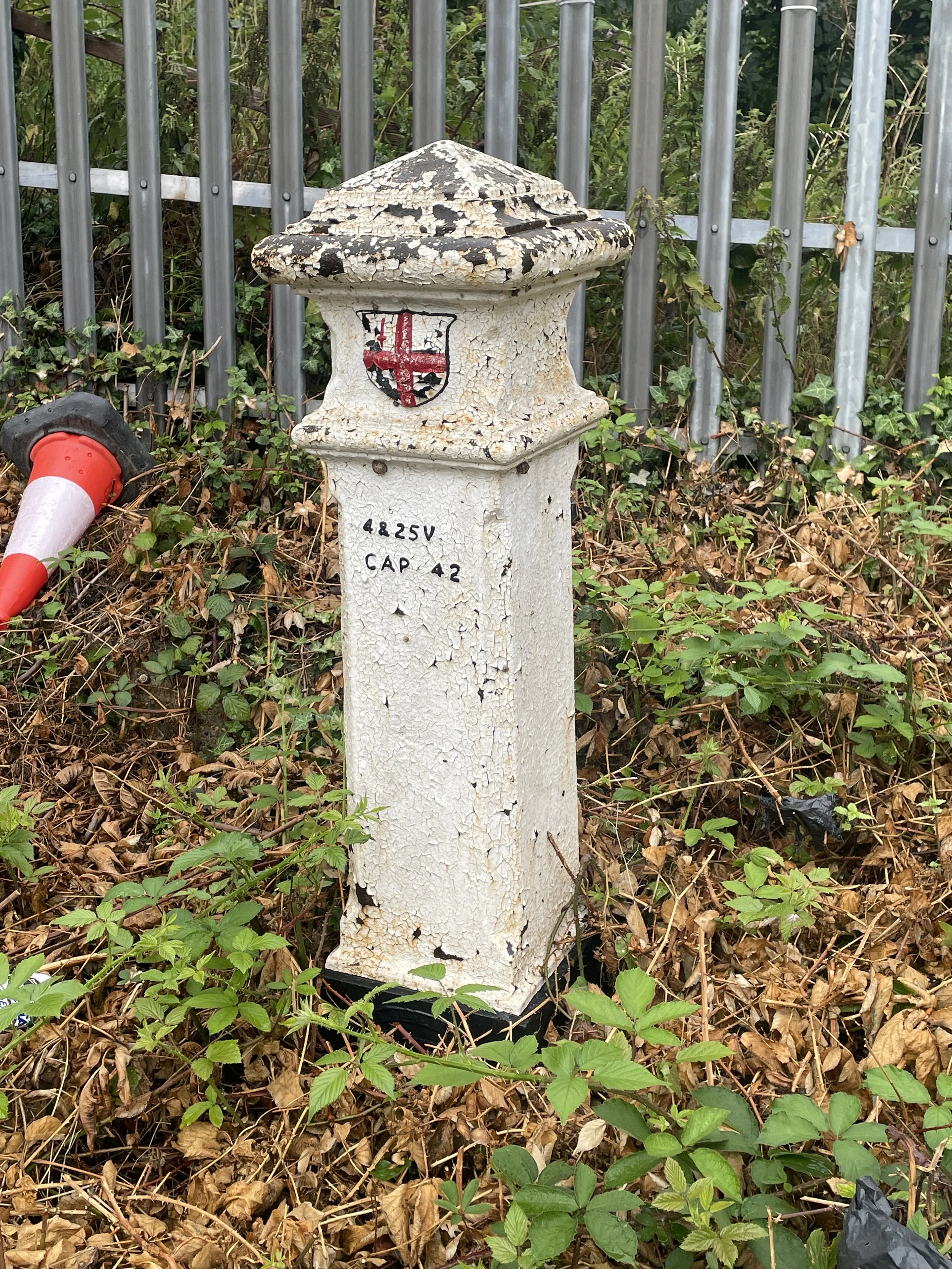
Not content with visiting all of the Greater London High Points and OS Trig Pillars in London, I set myself the mission to visit all of the over 200 London Coal Duty Posts that are still standing.
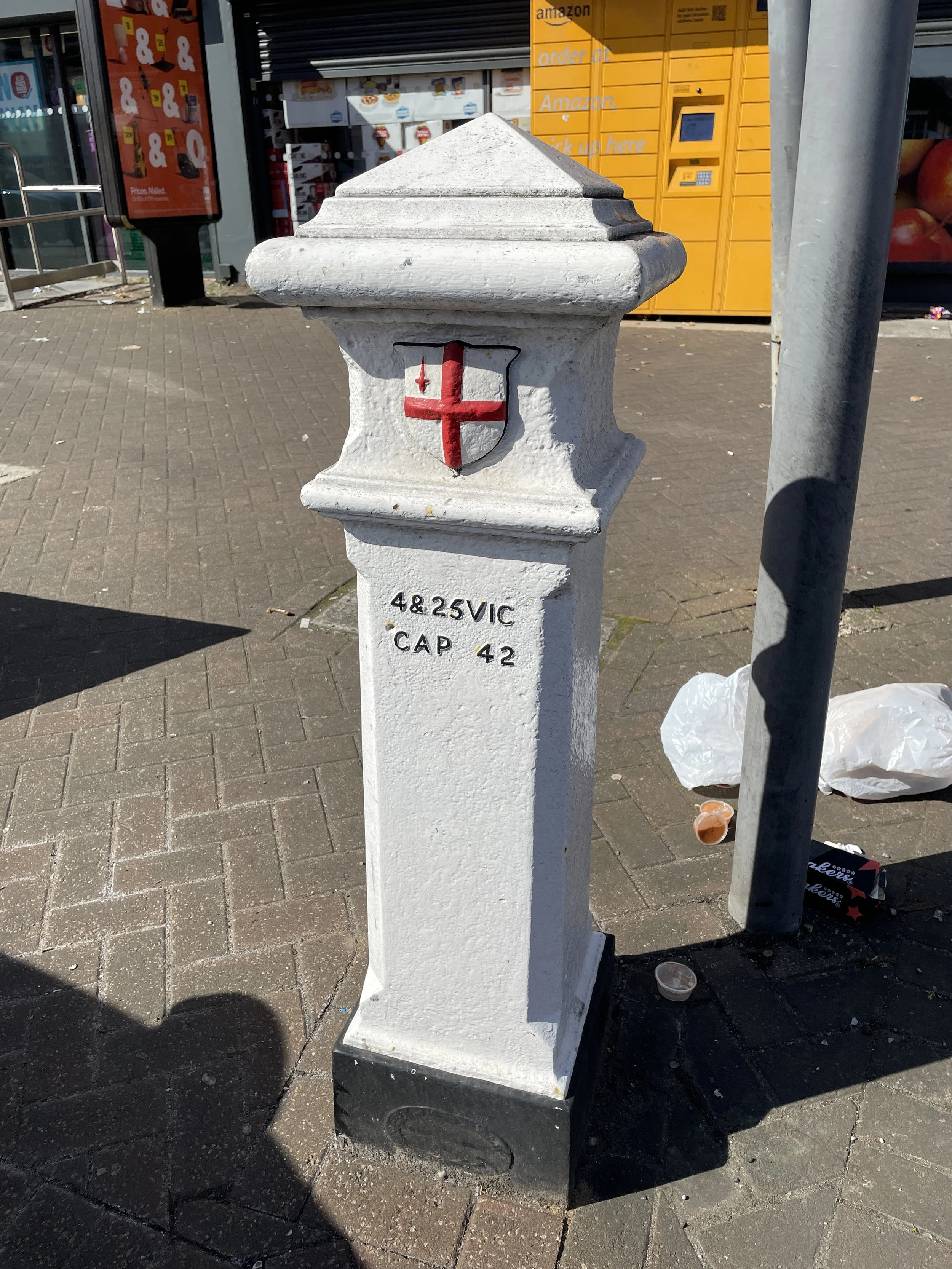
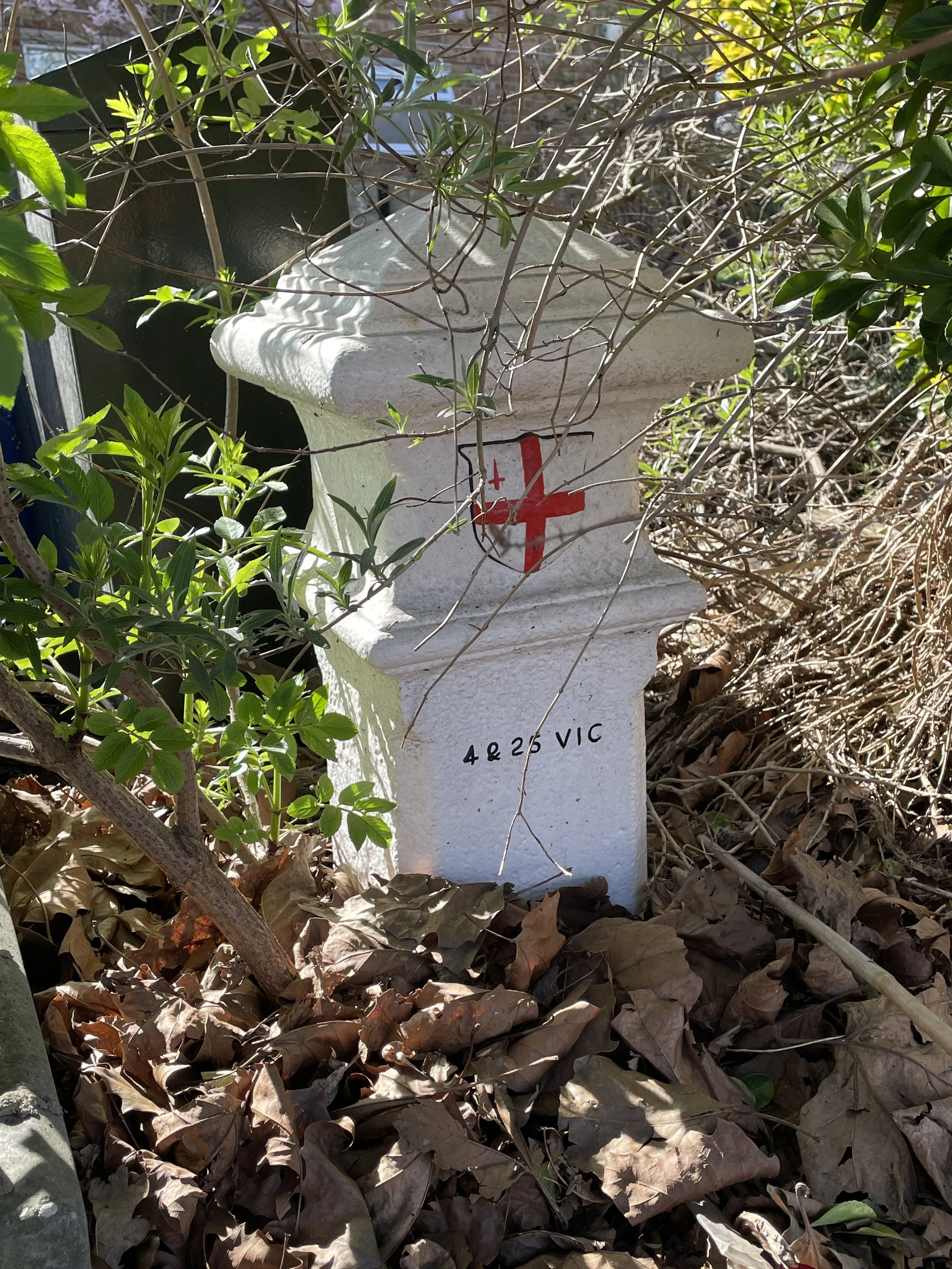
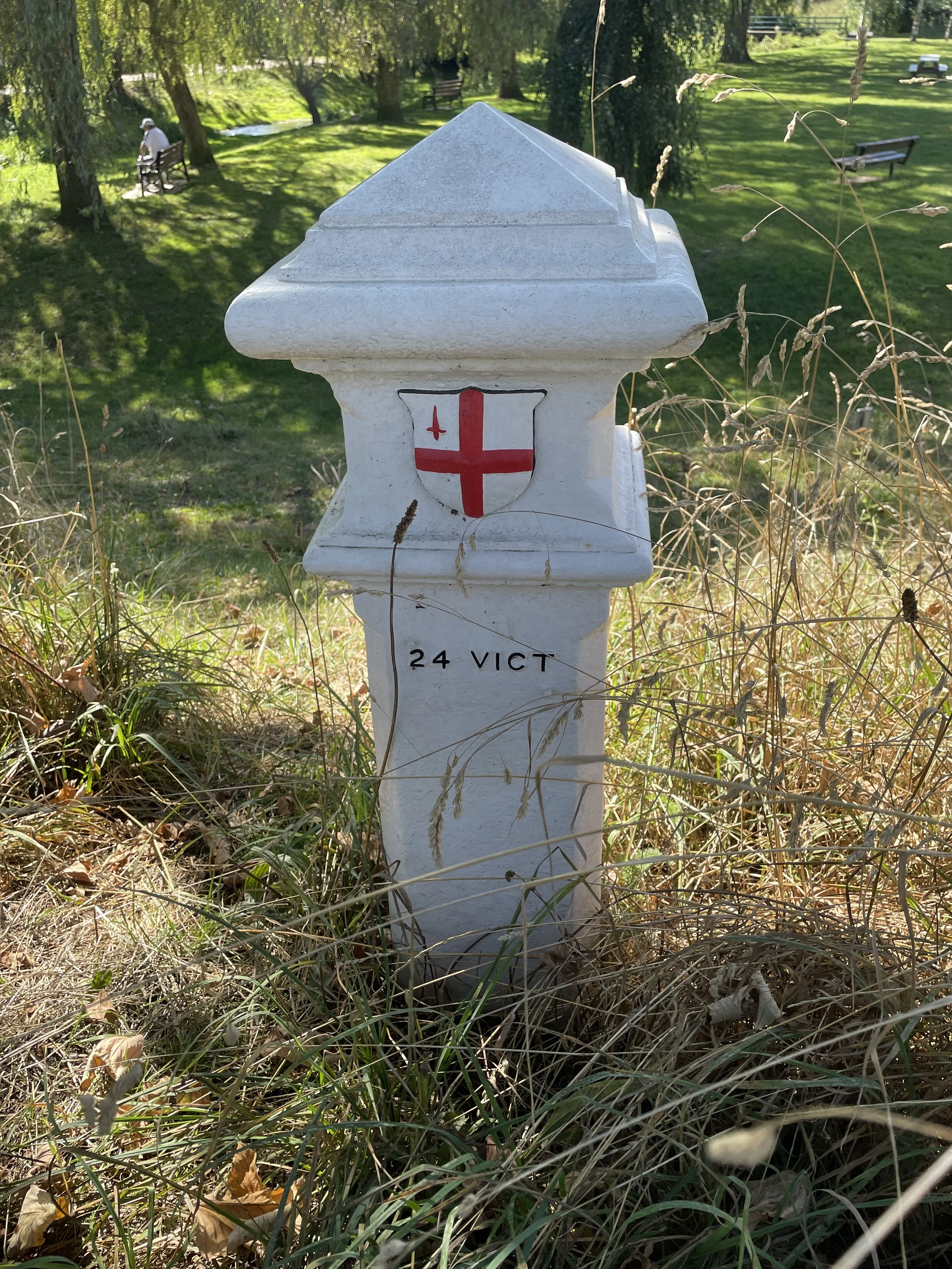
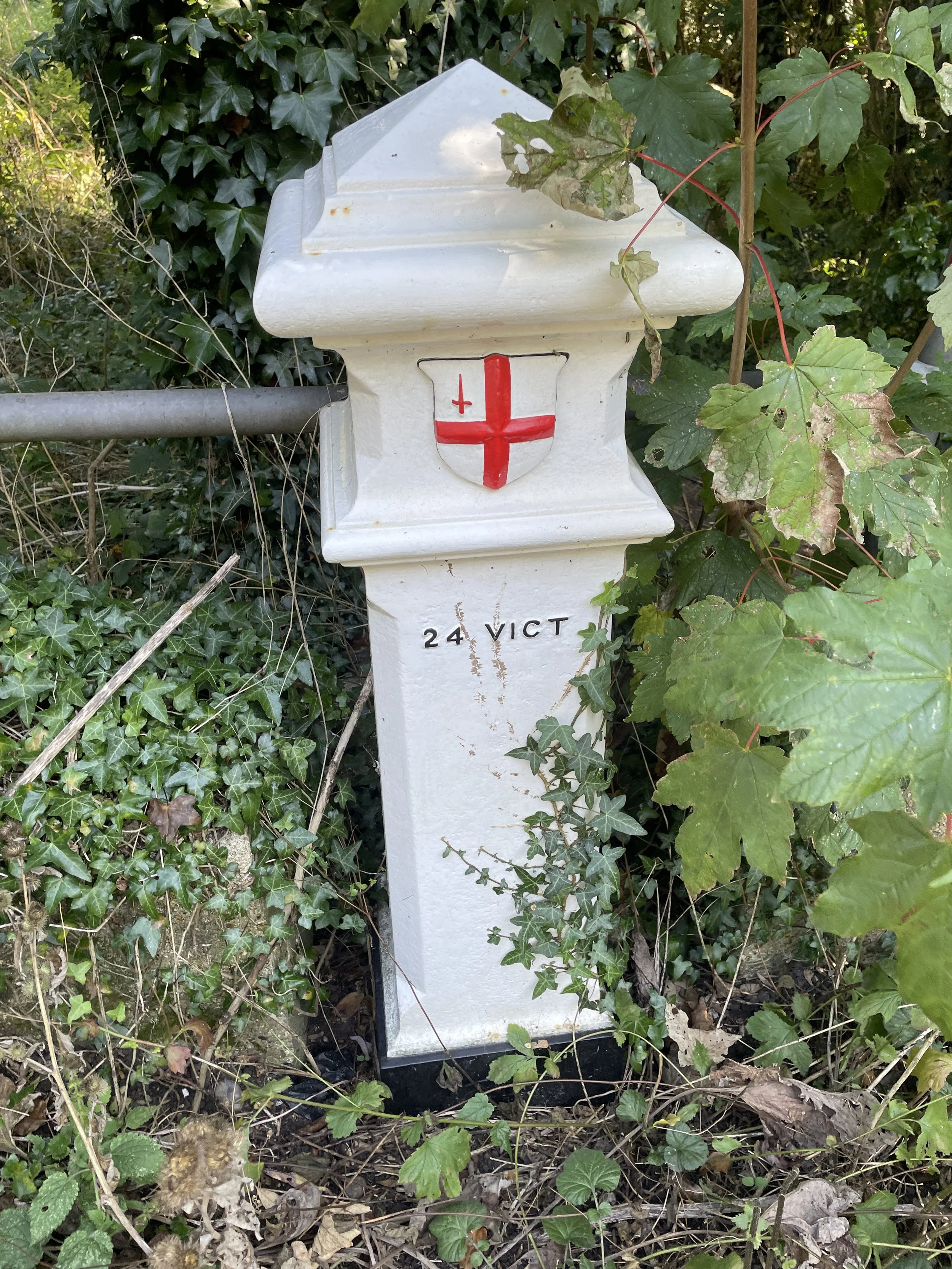
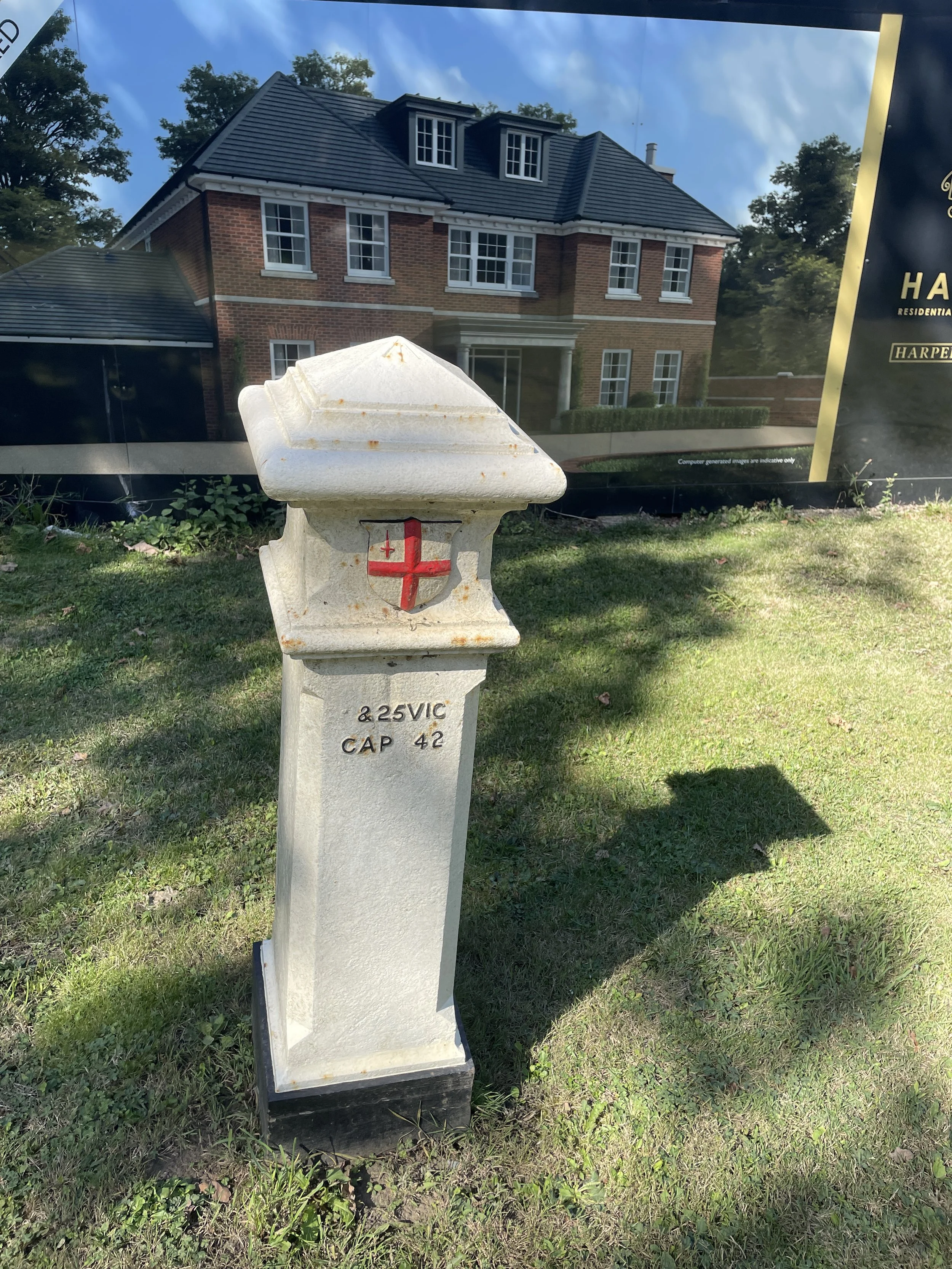
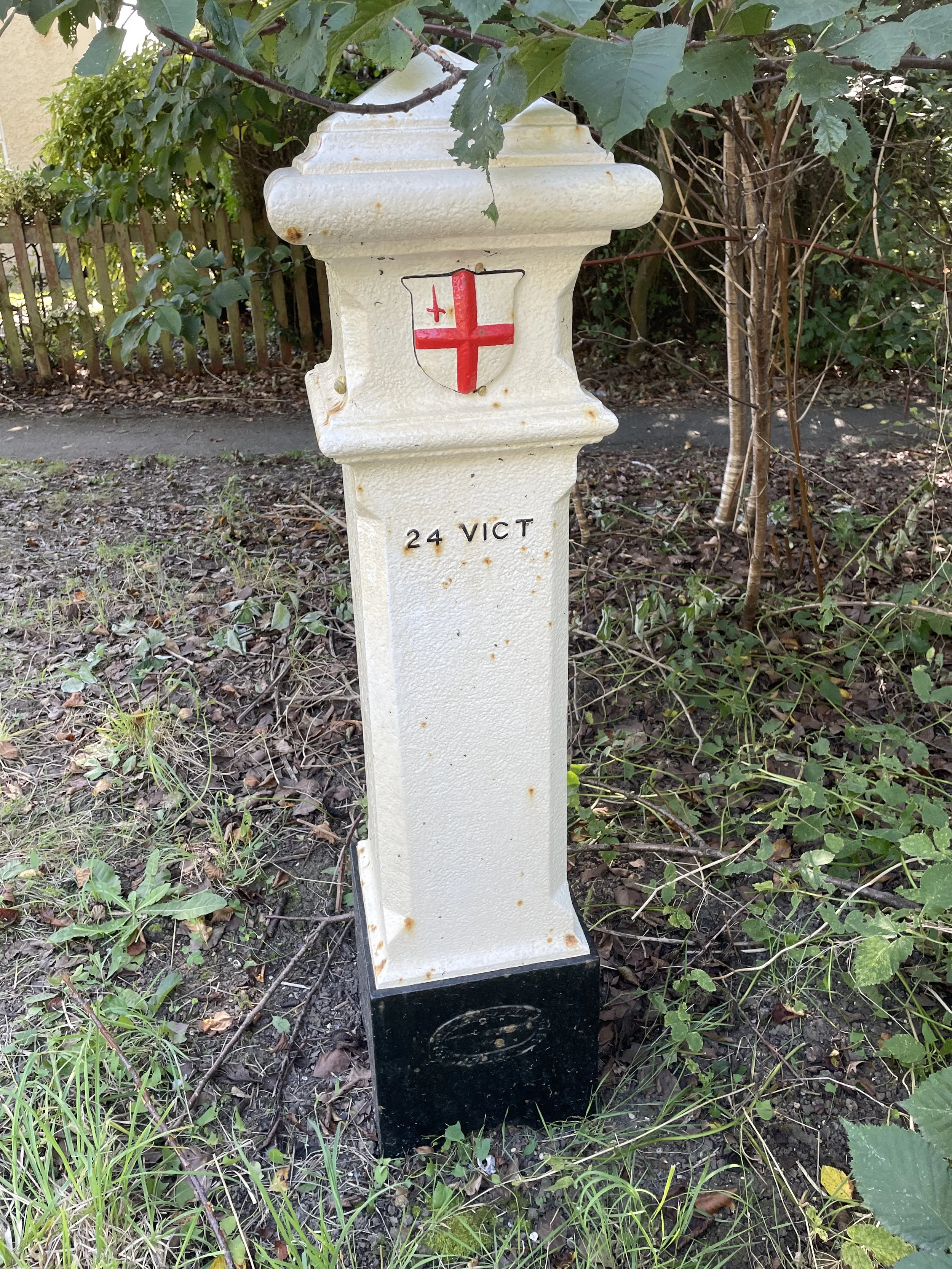
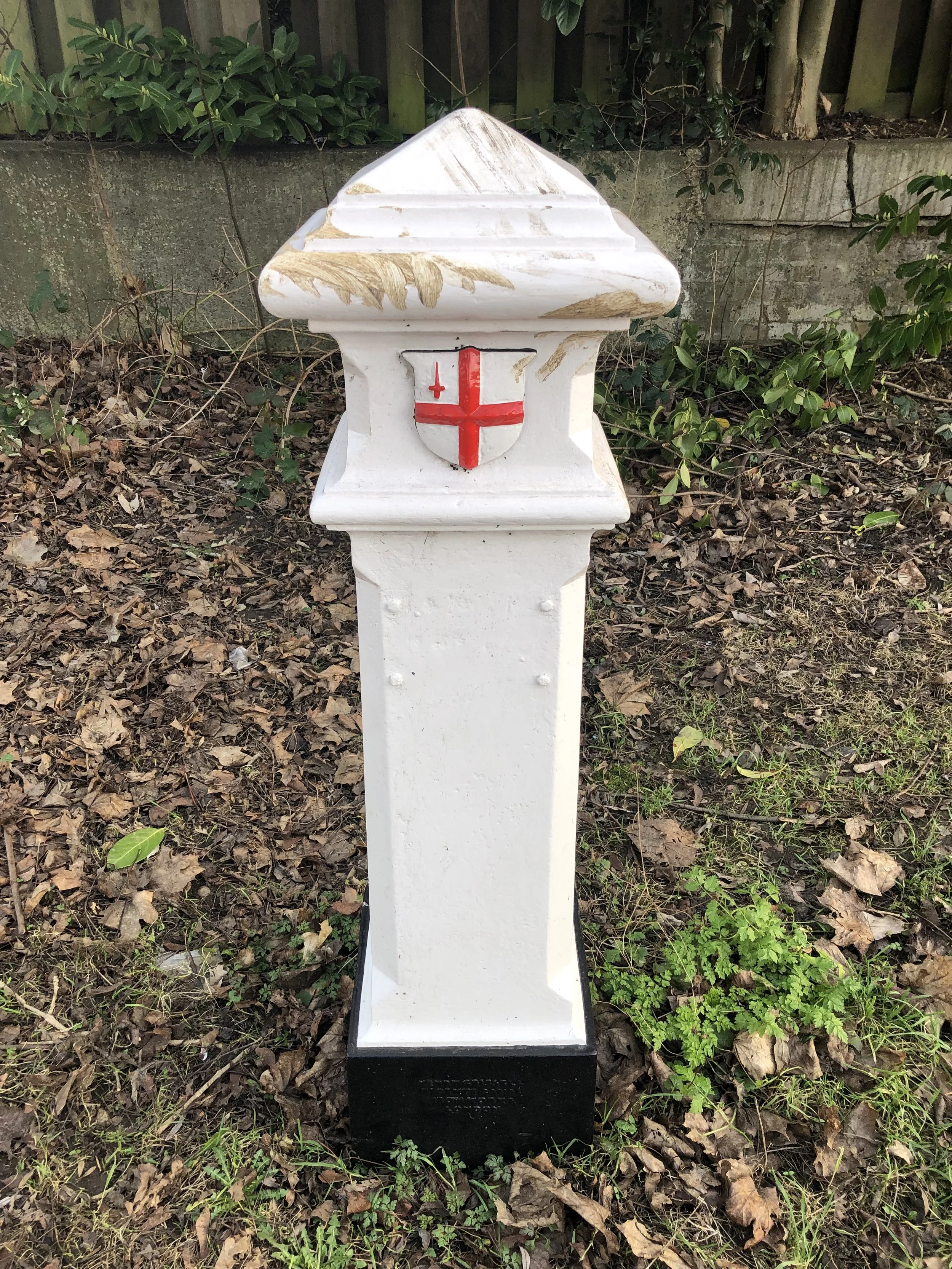
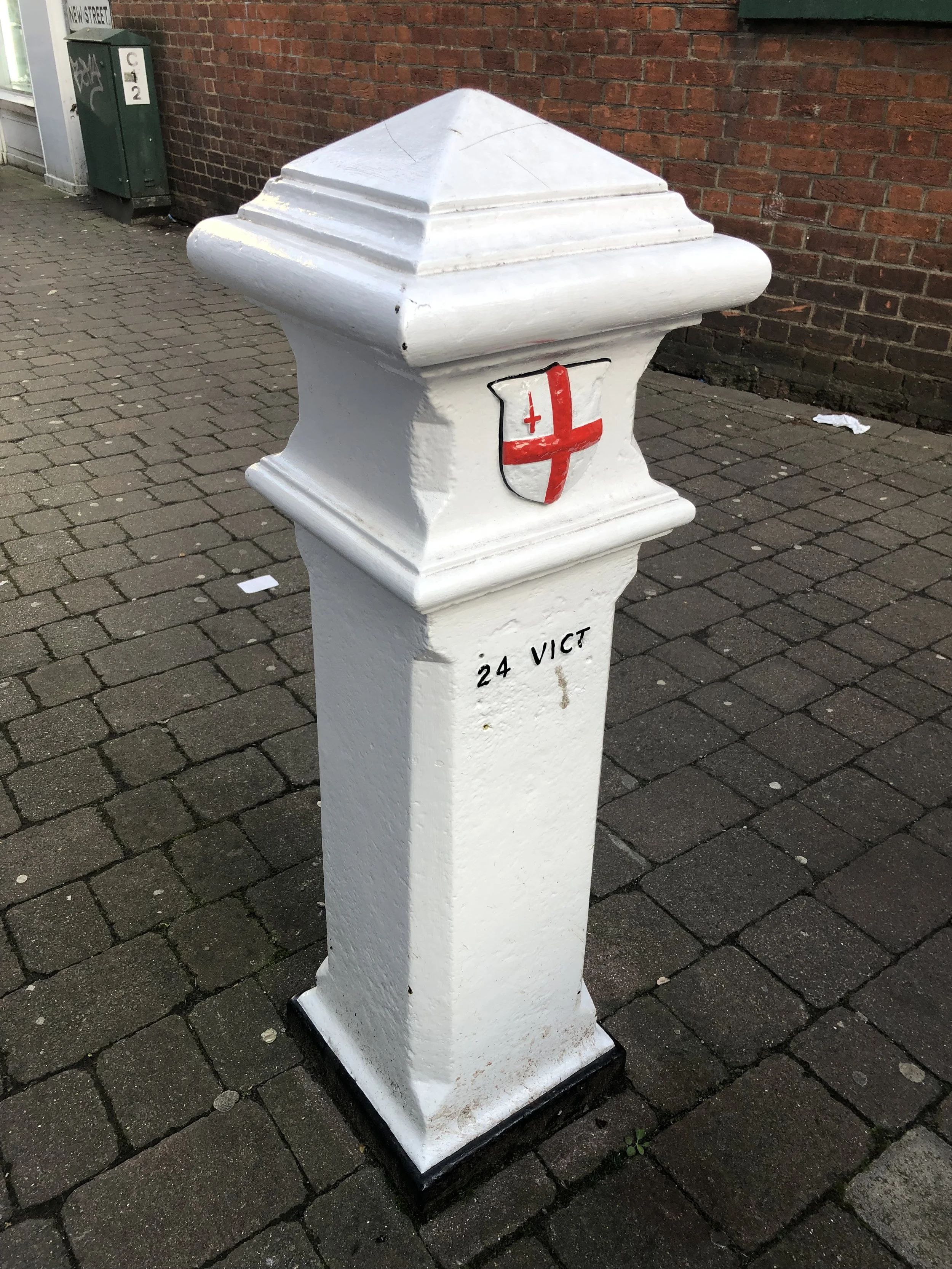
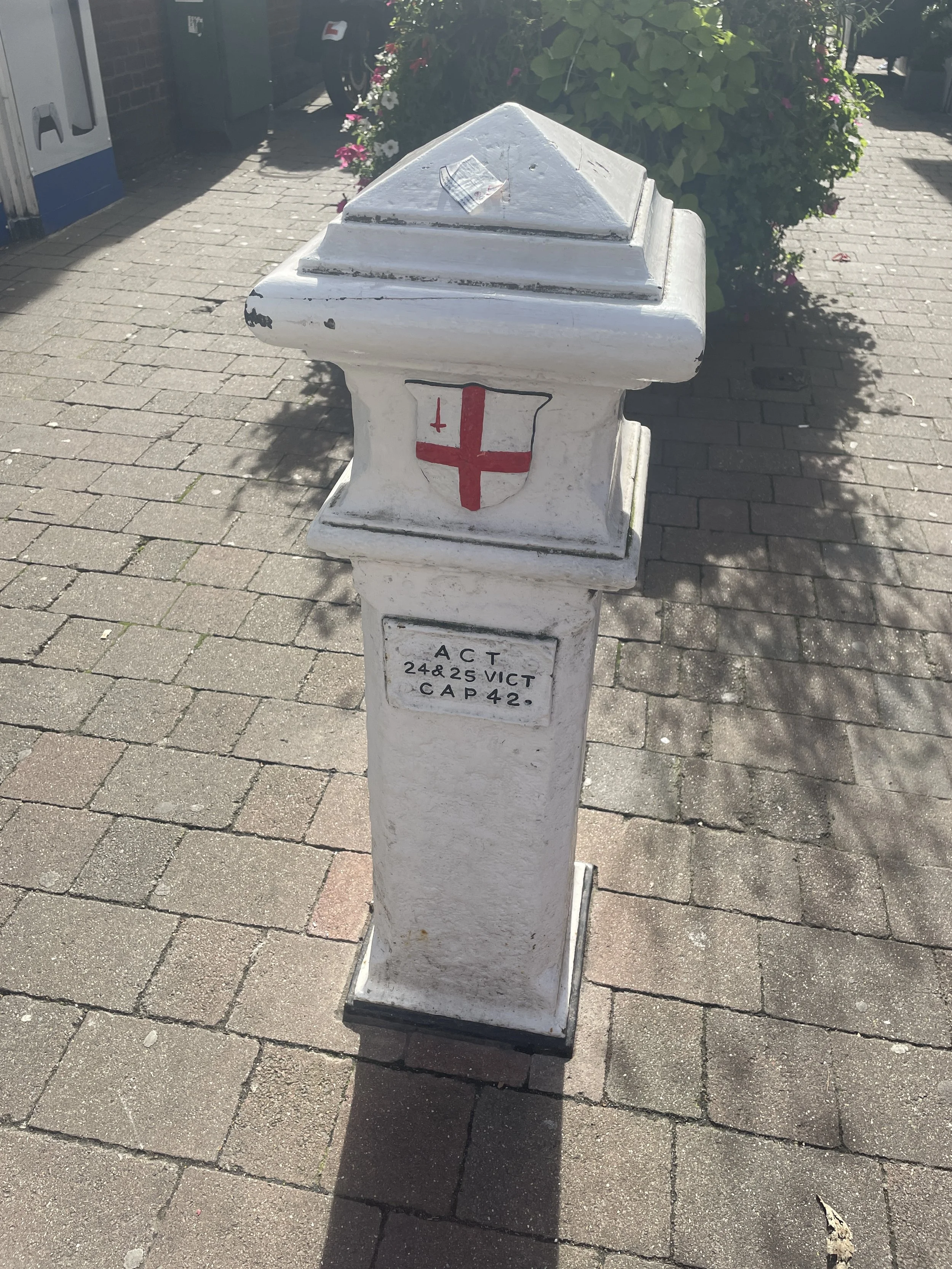
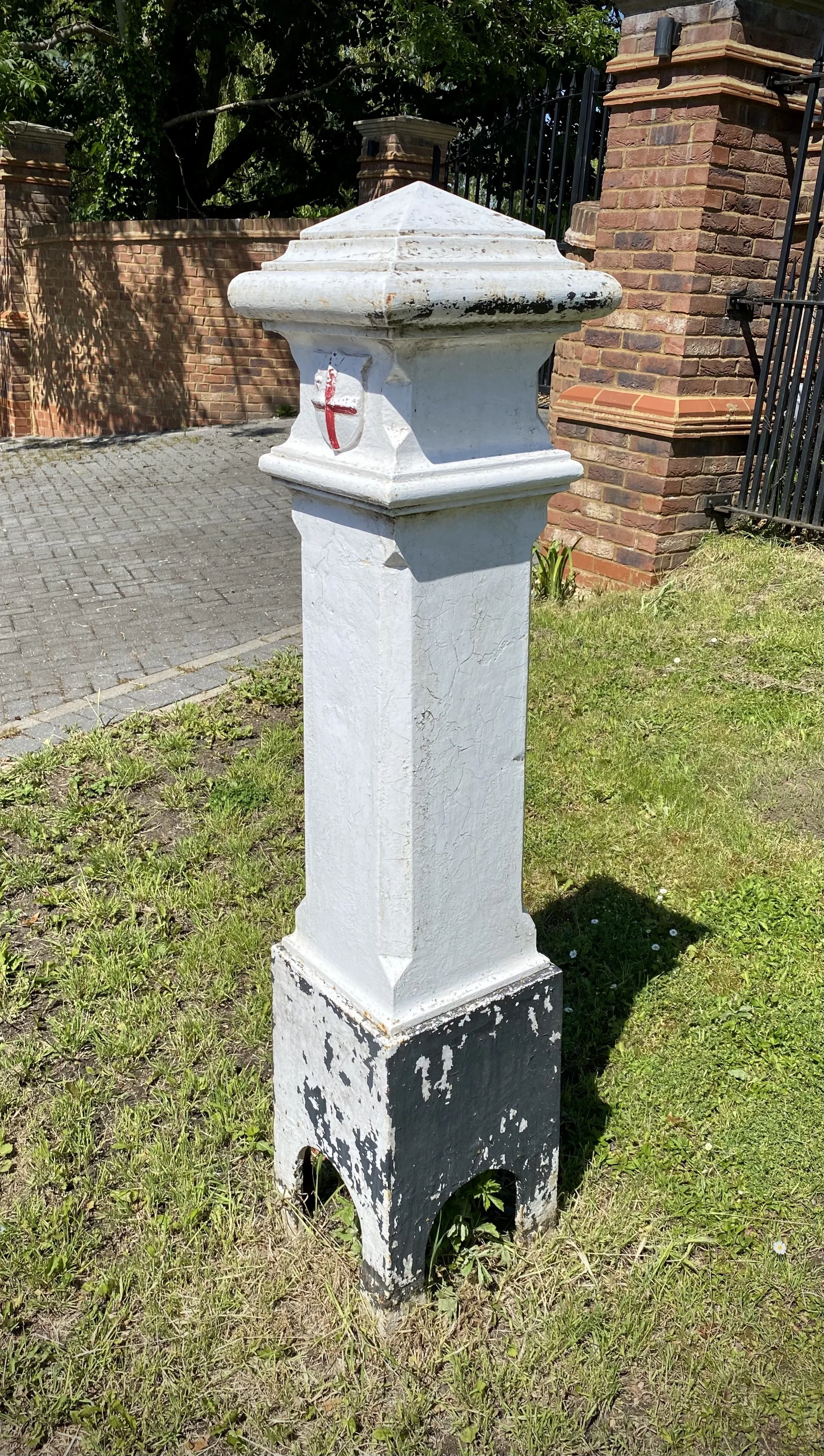
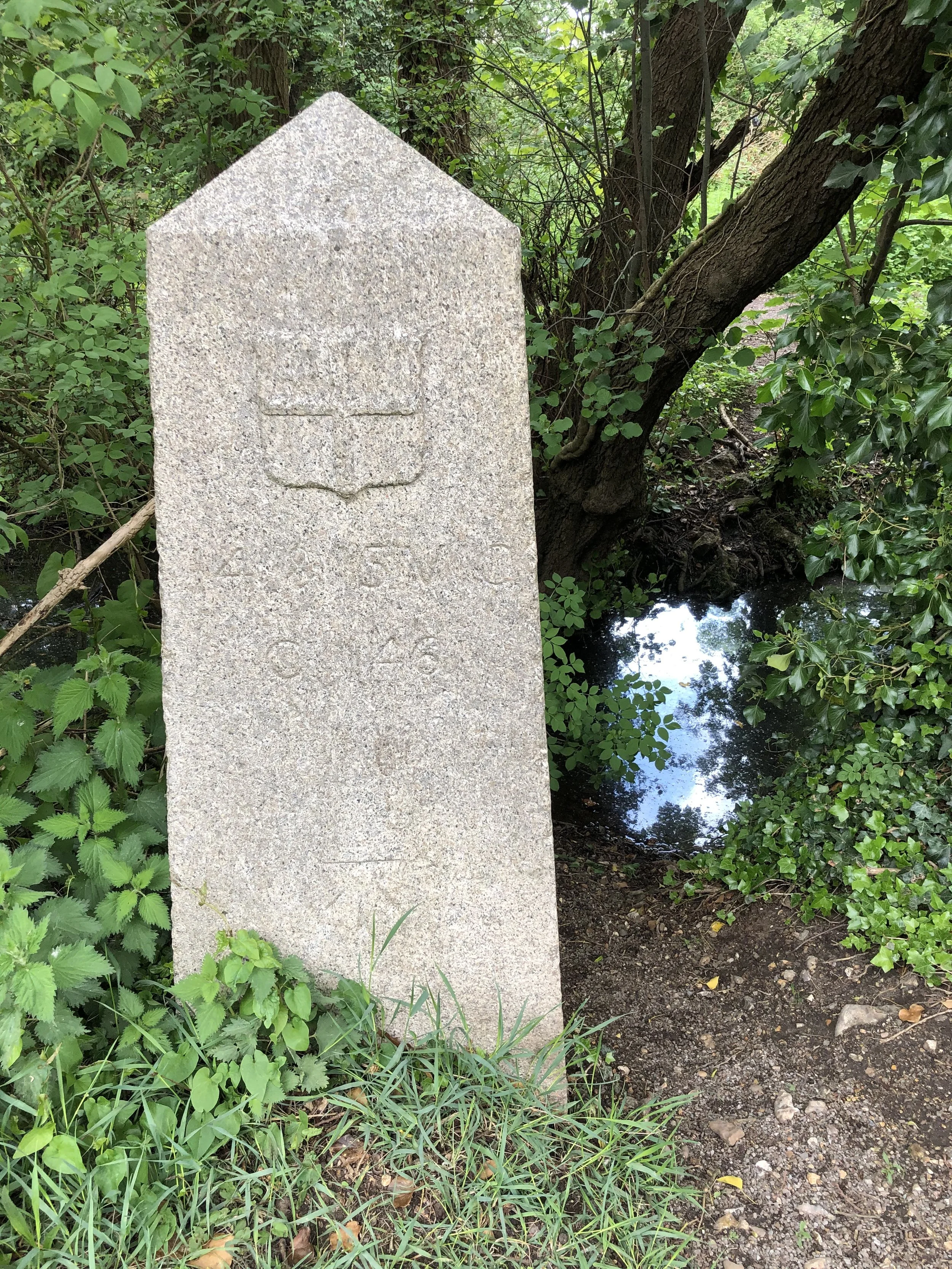
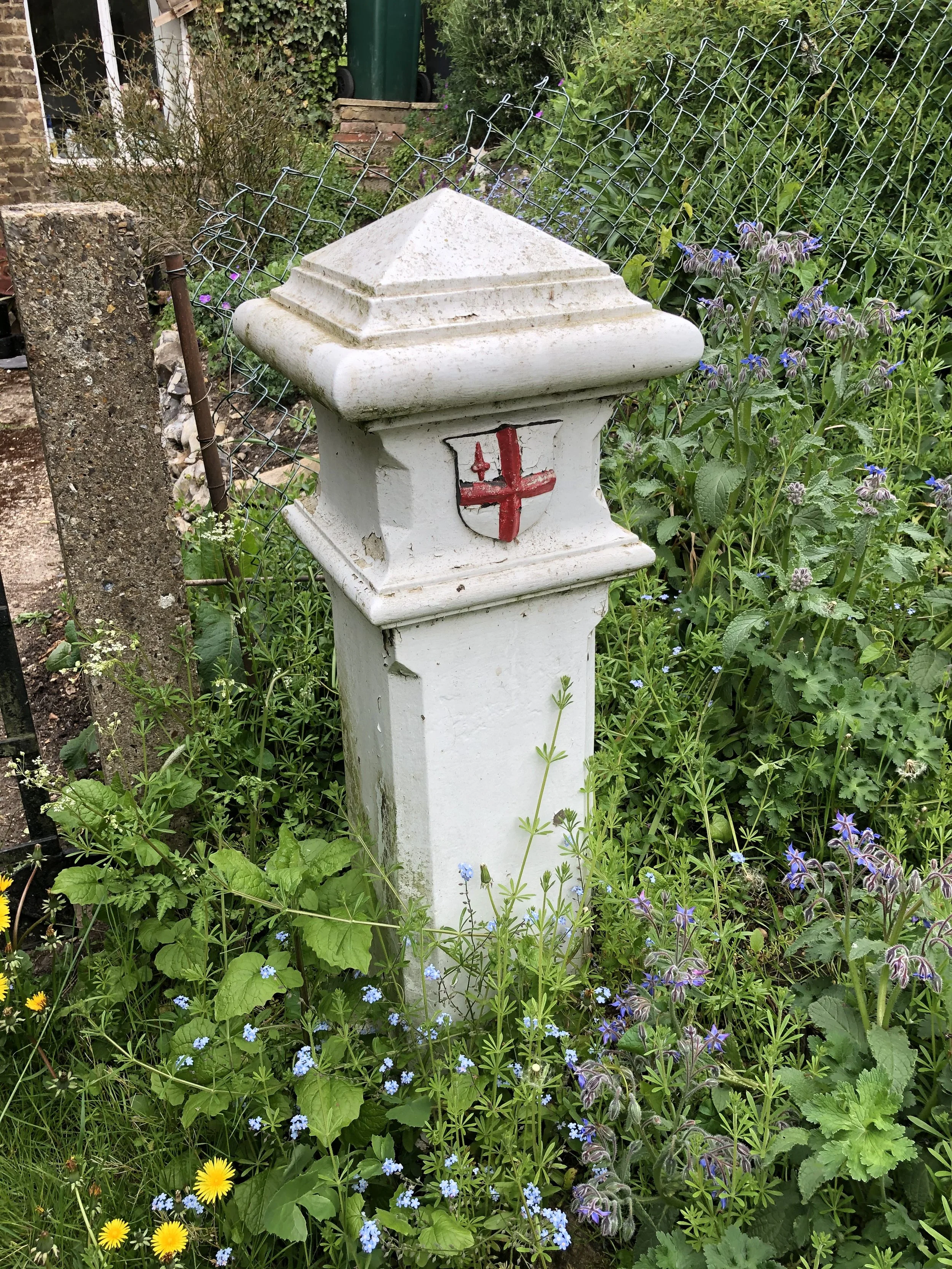
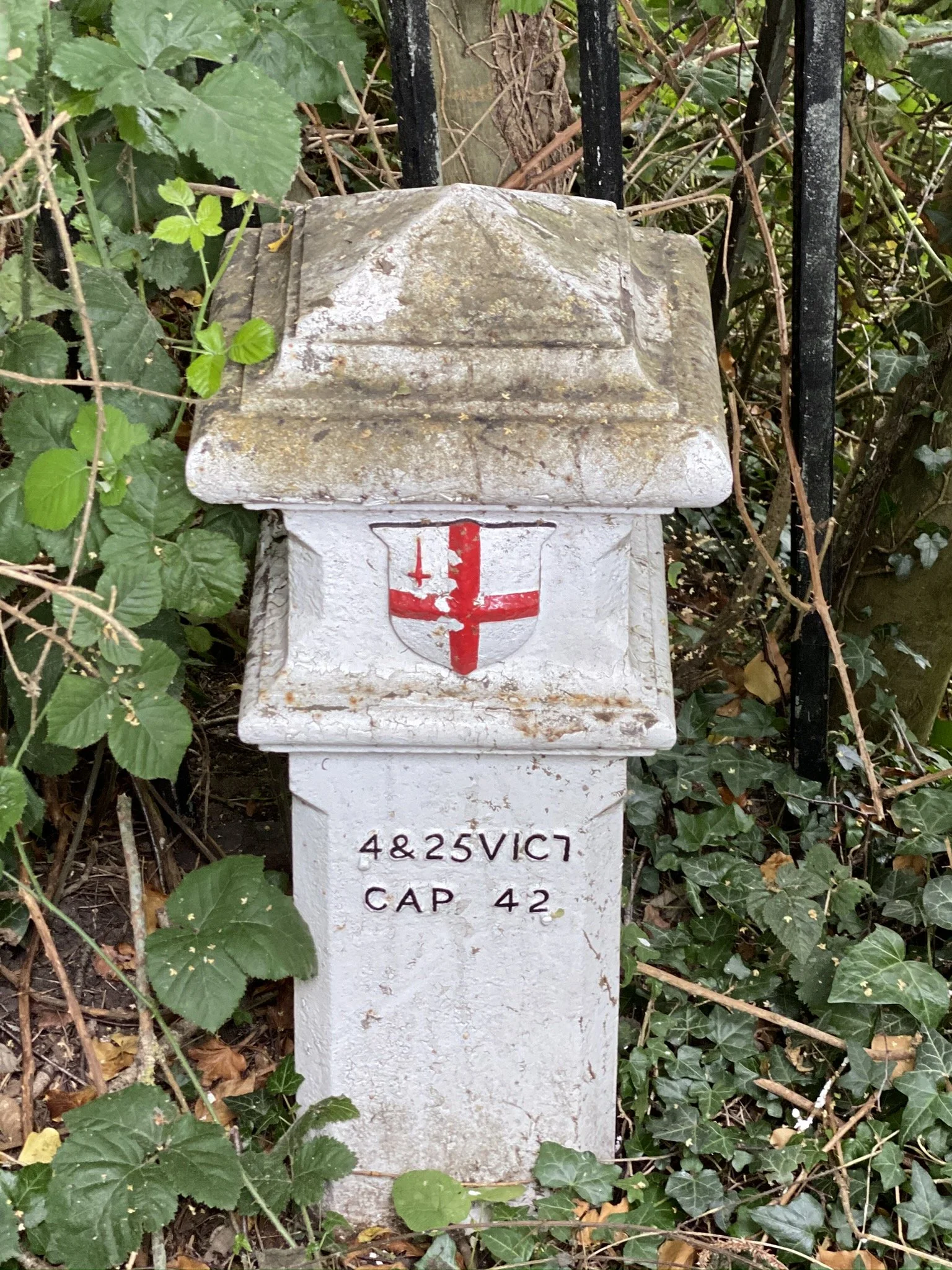
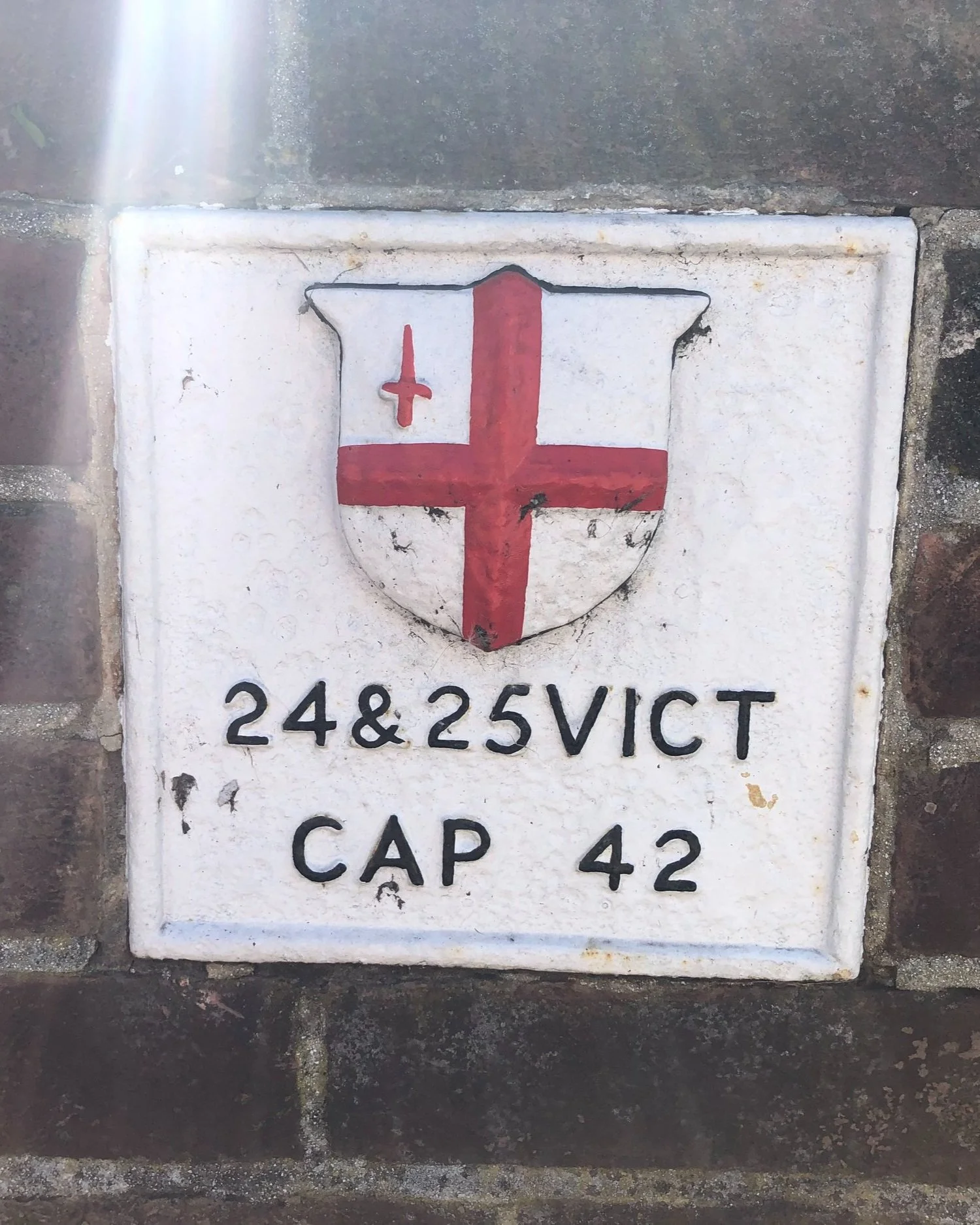
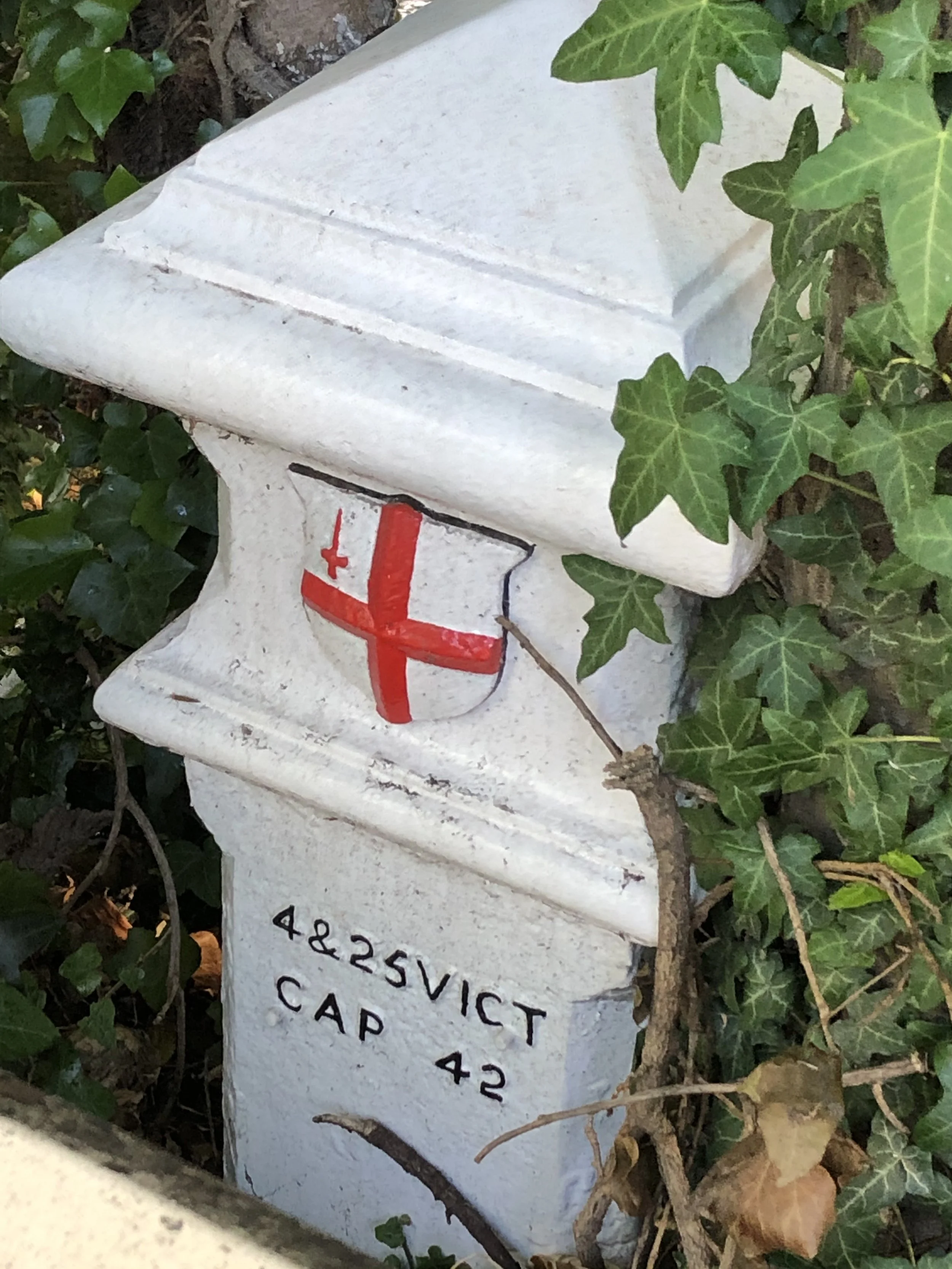
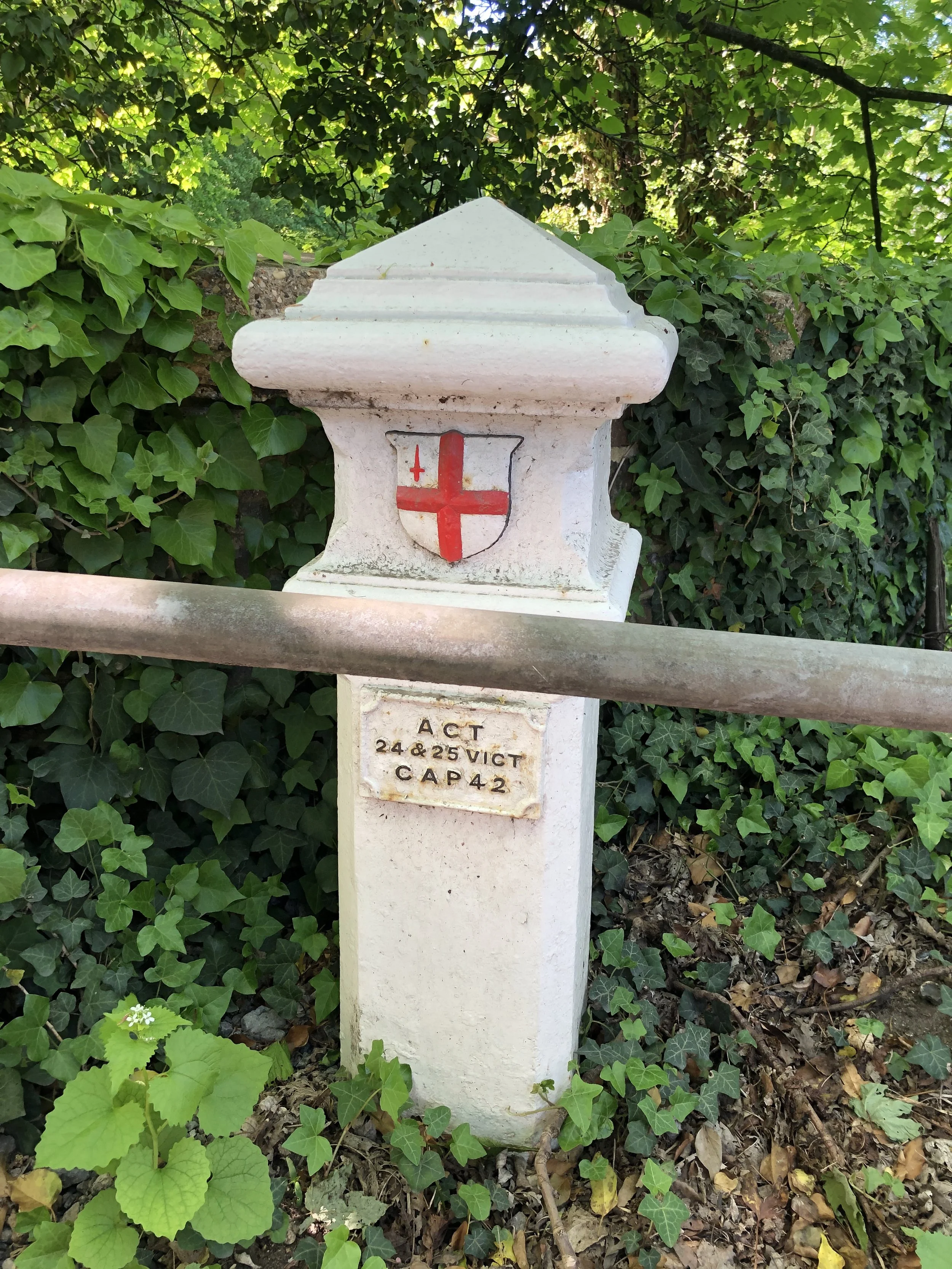
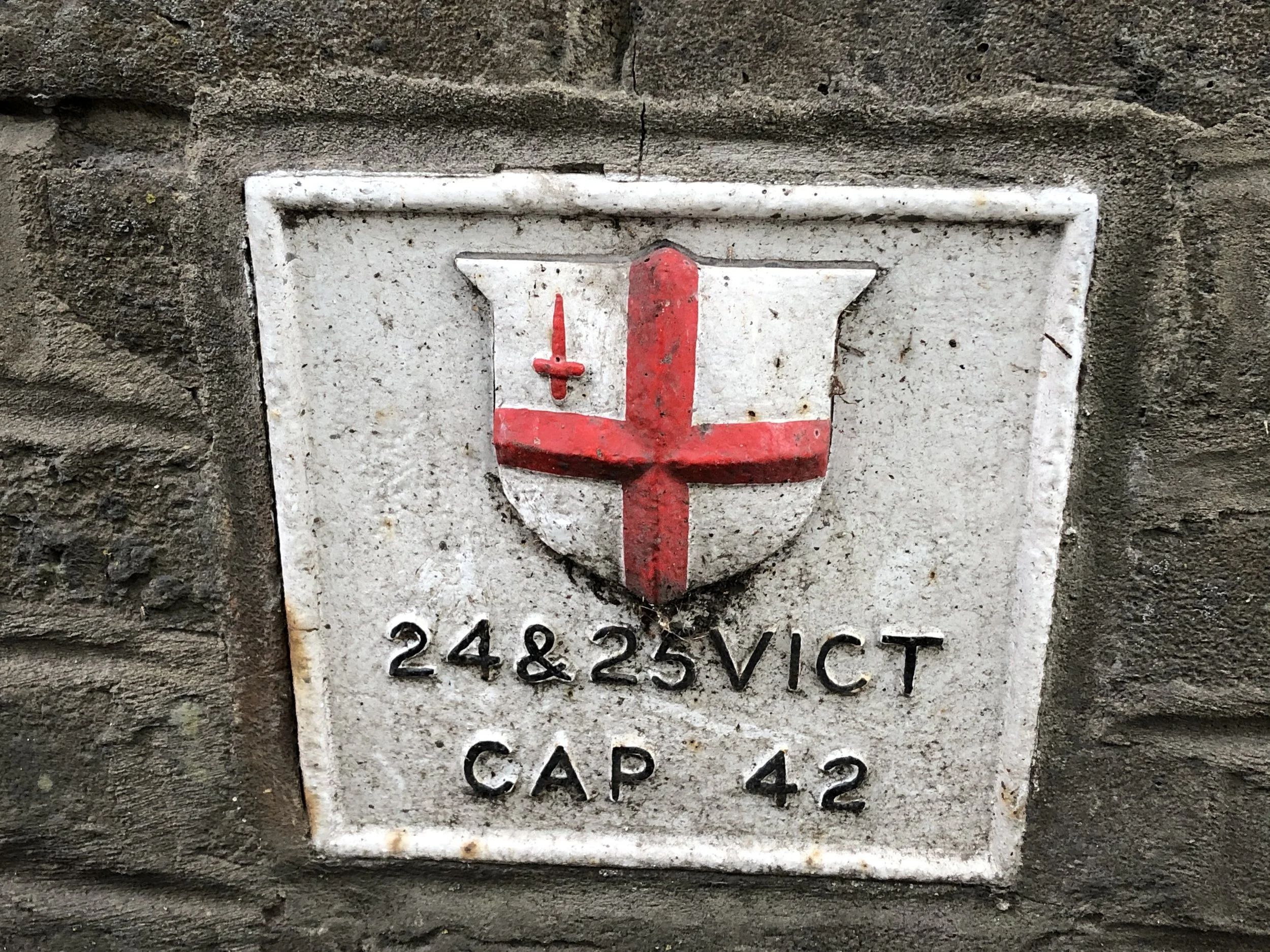
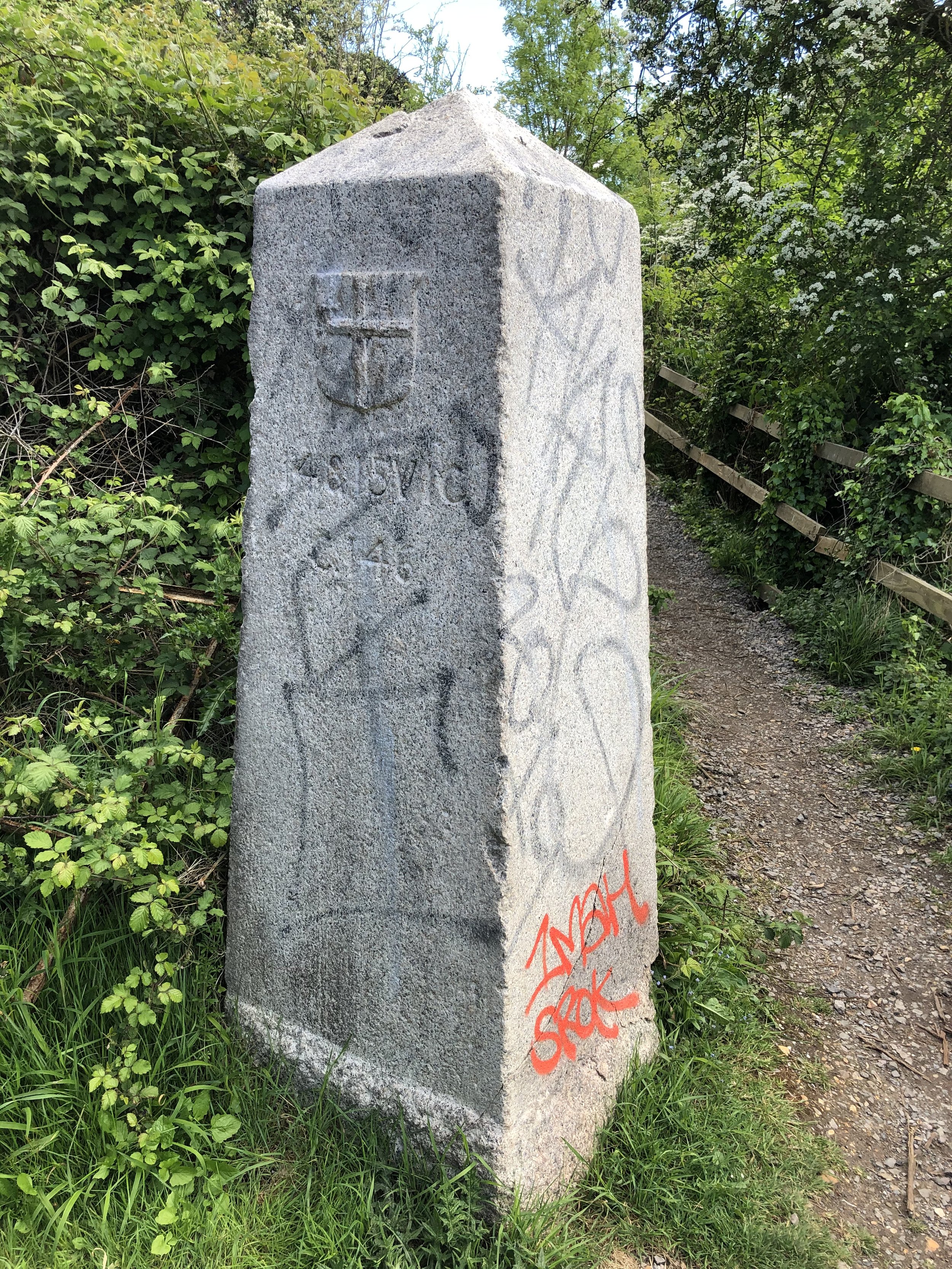
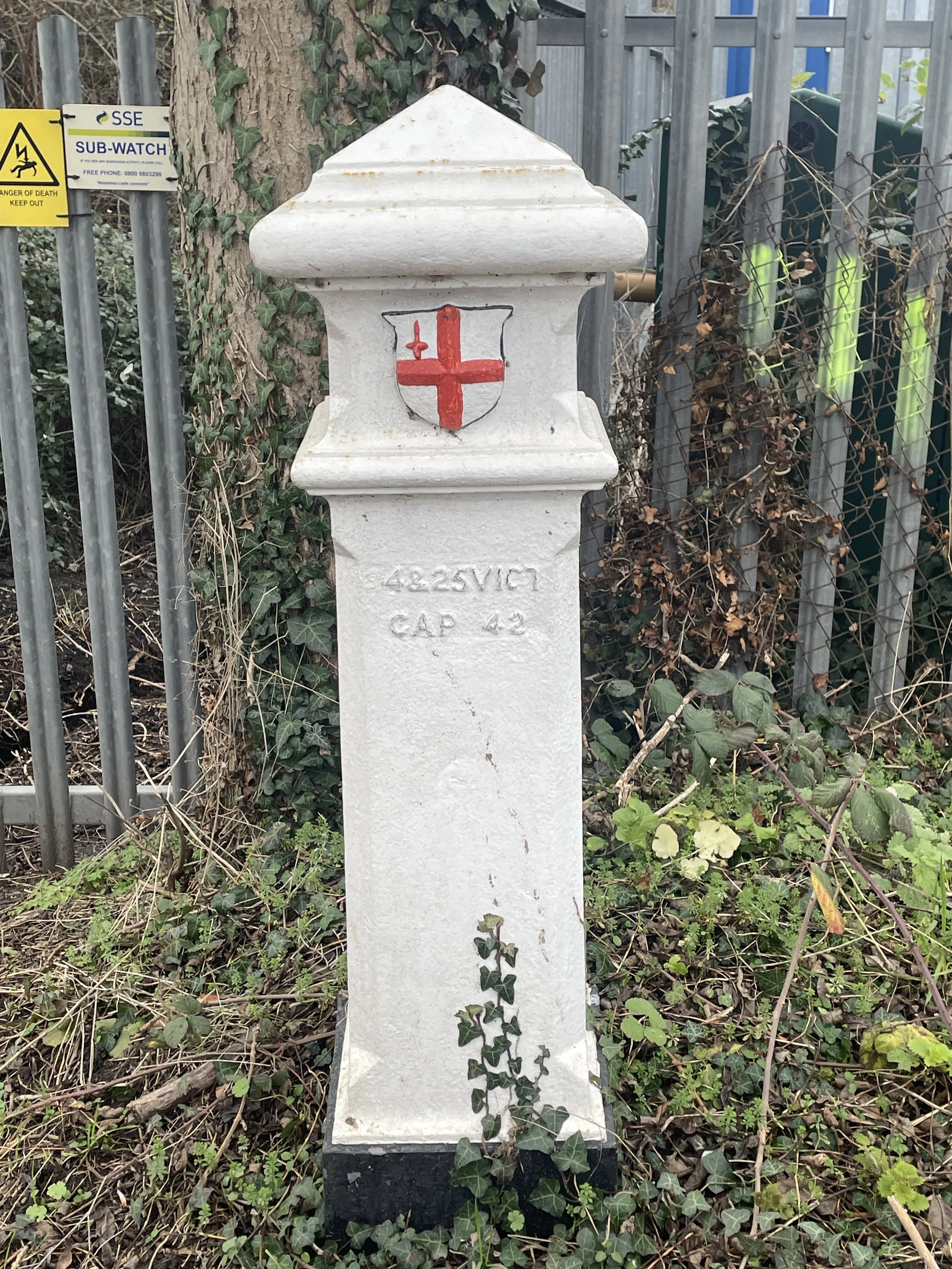
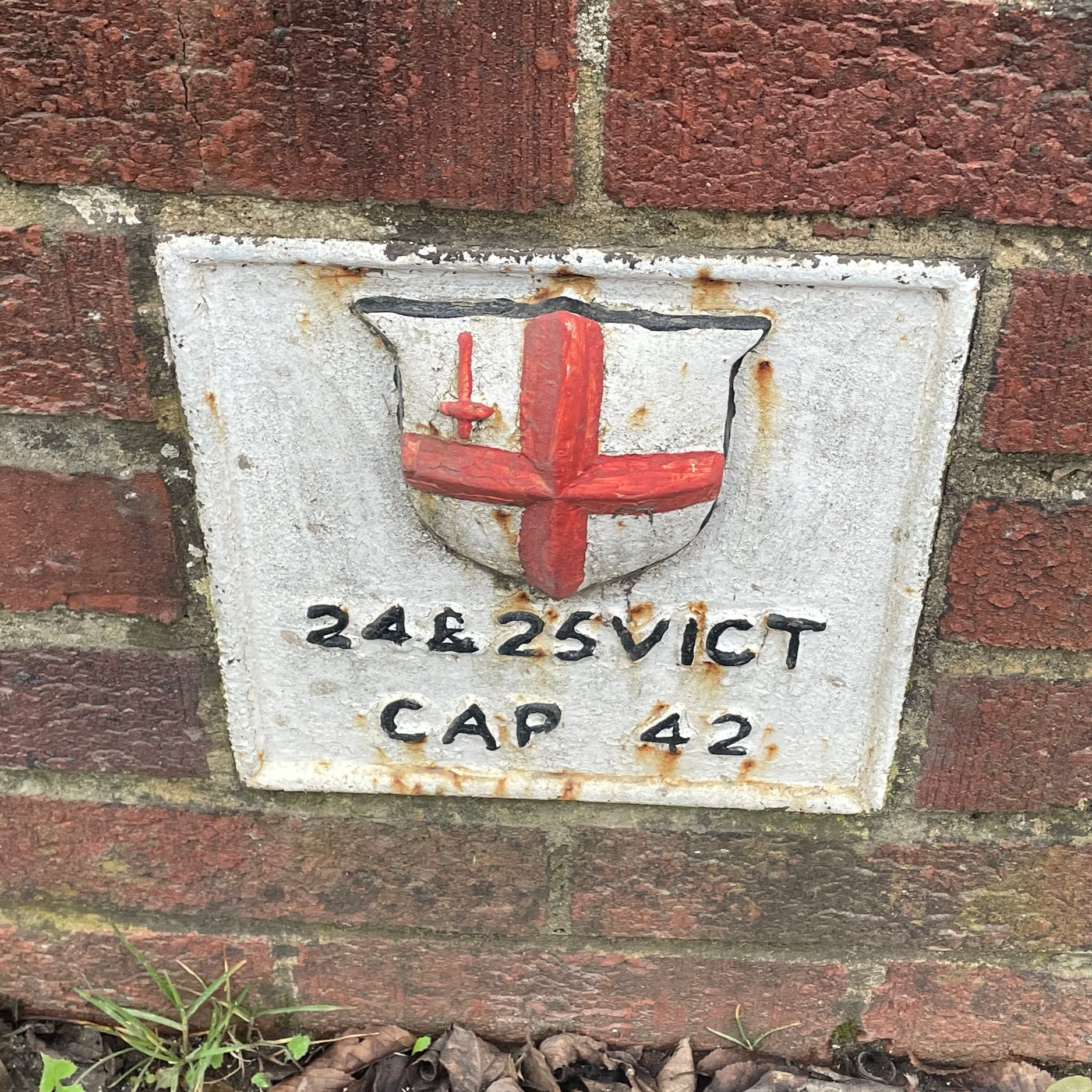
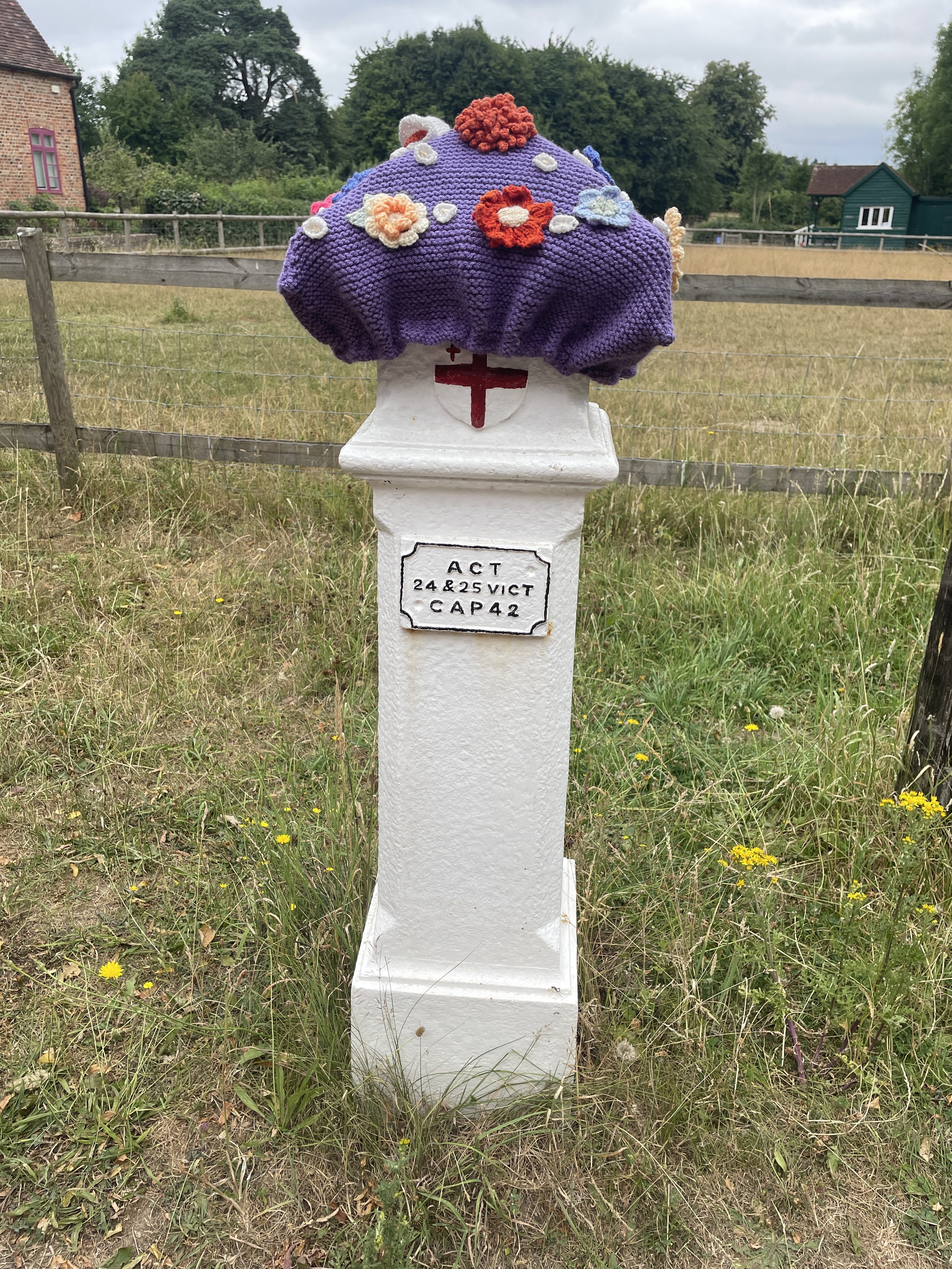
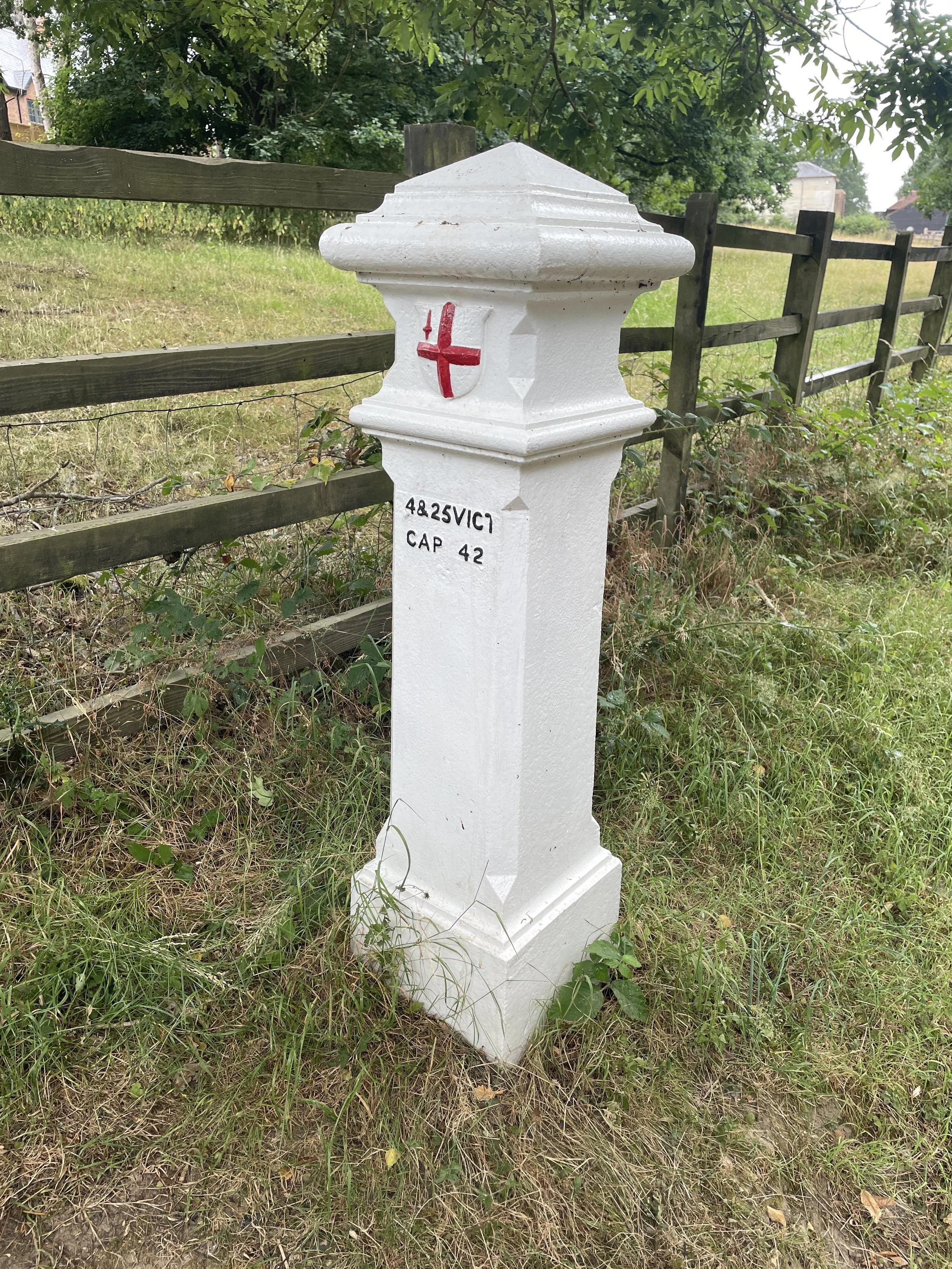
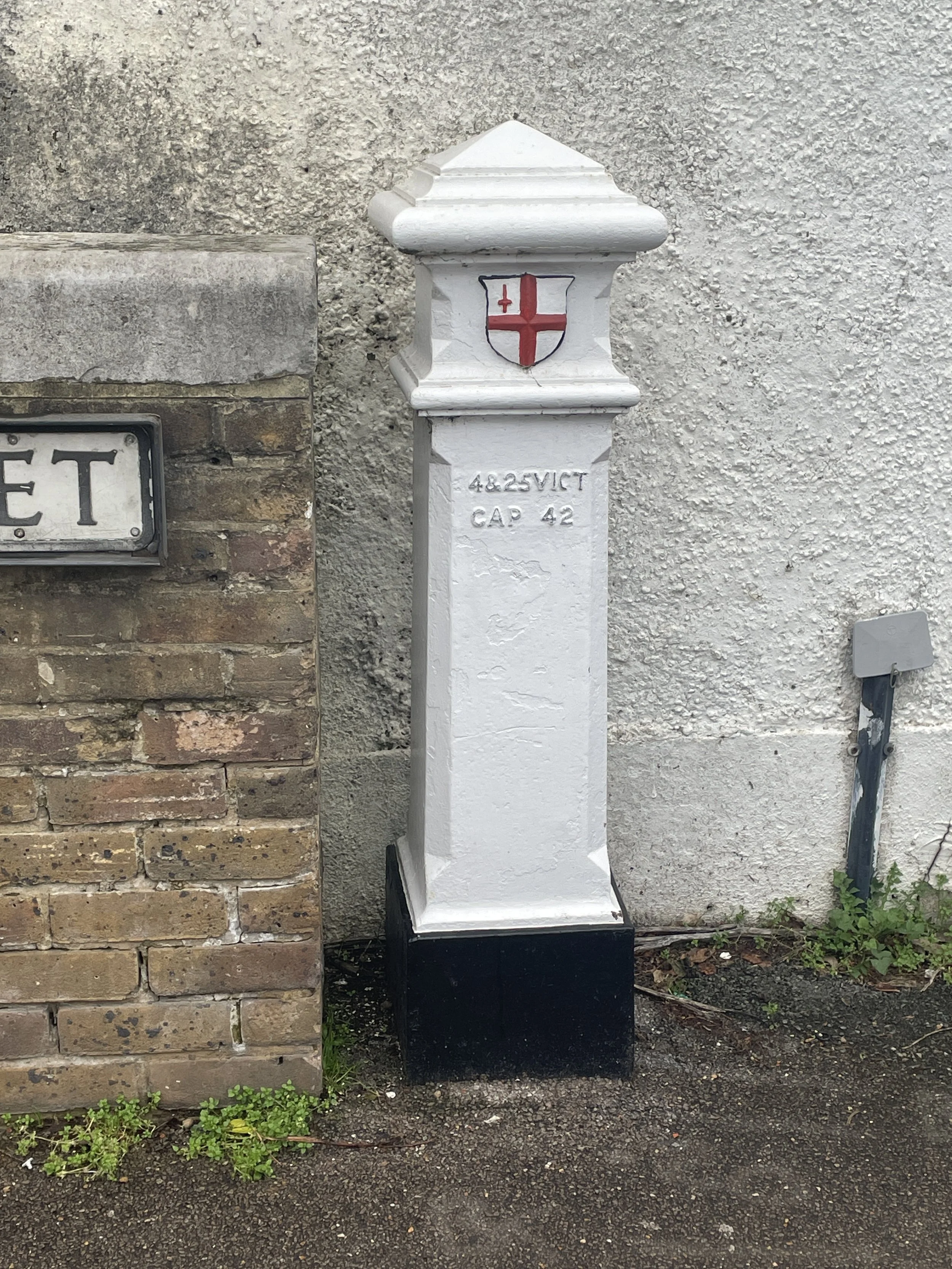
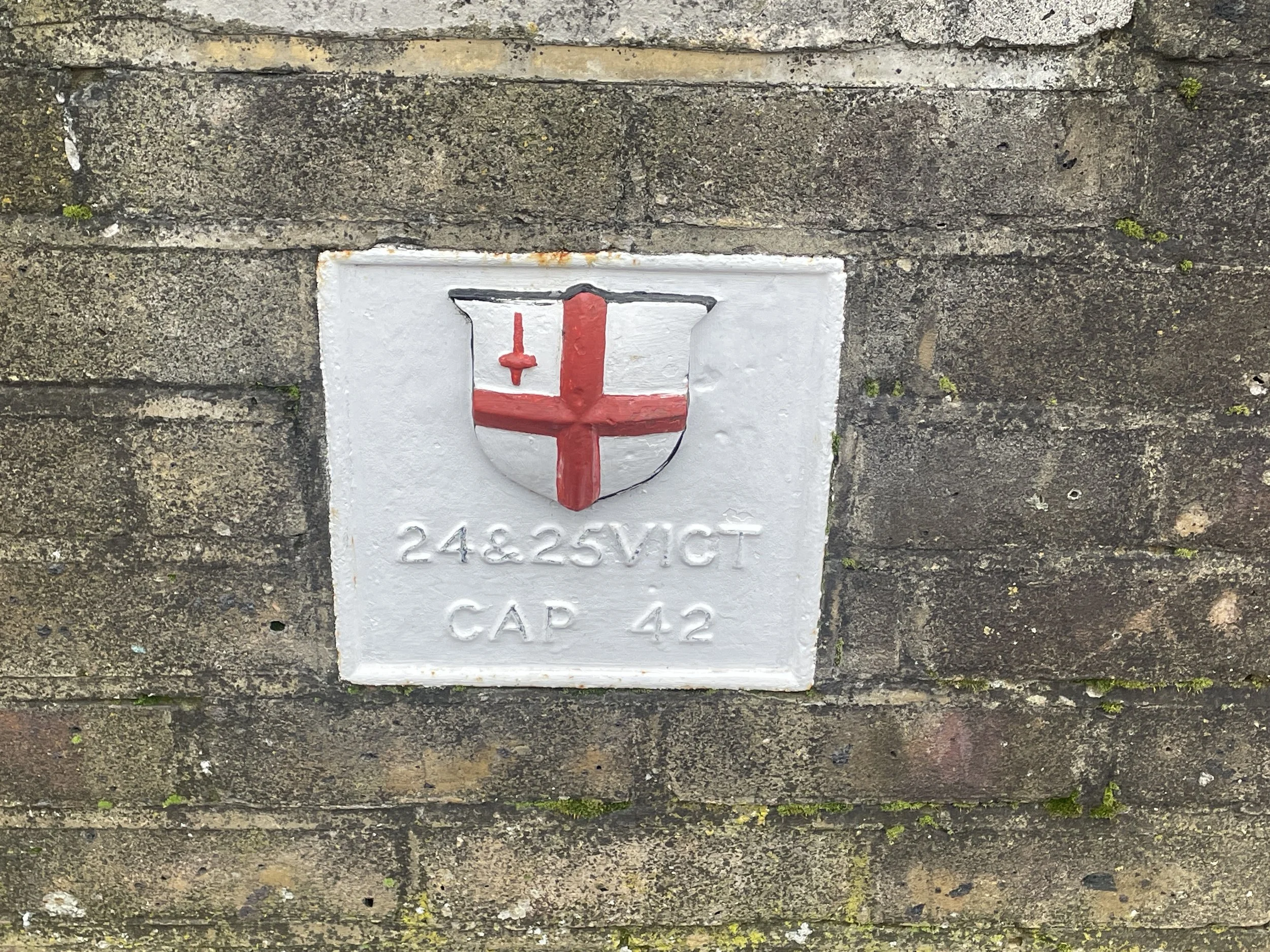
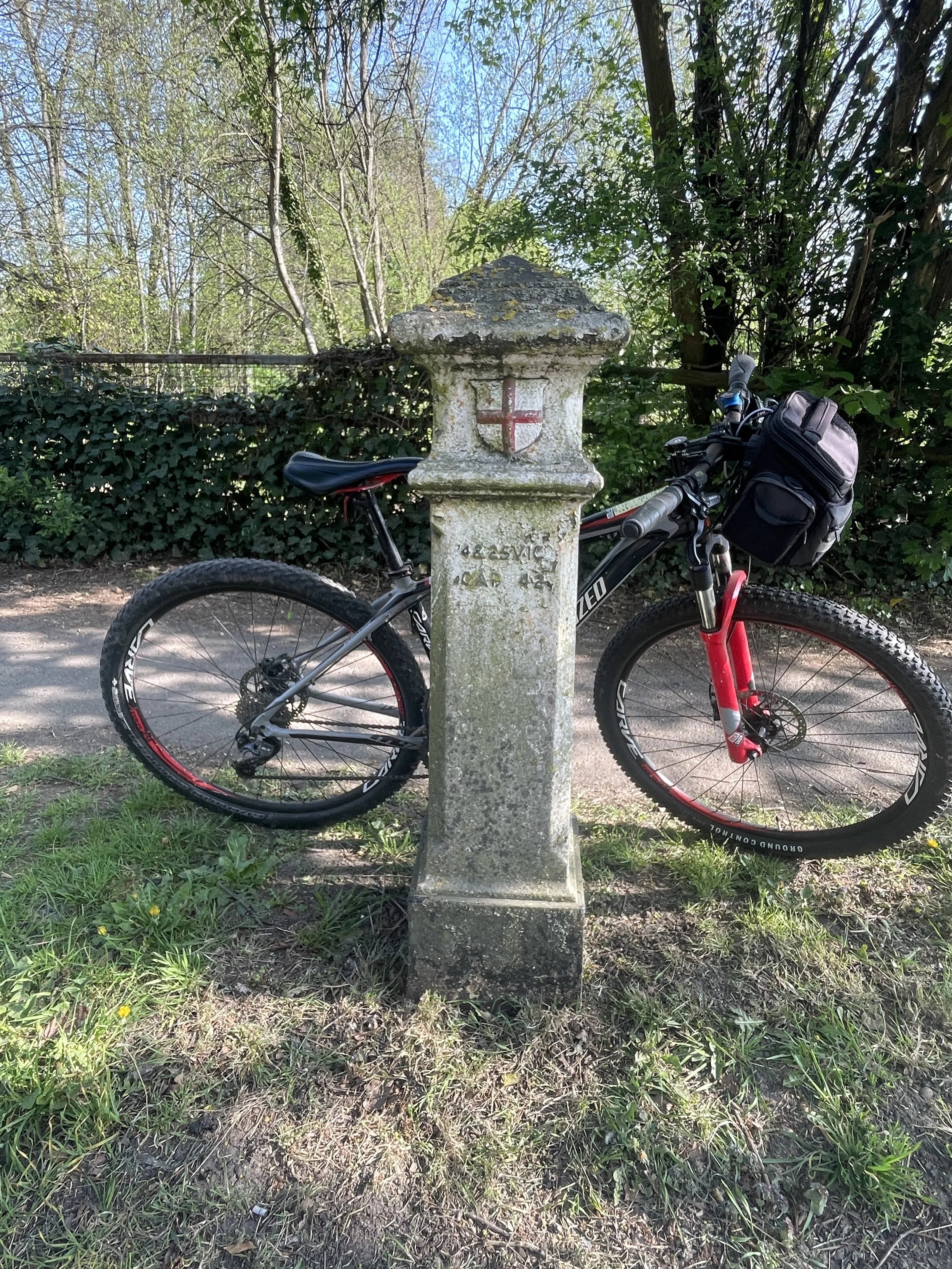
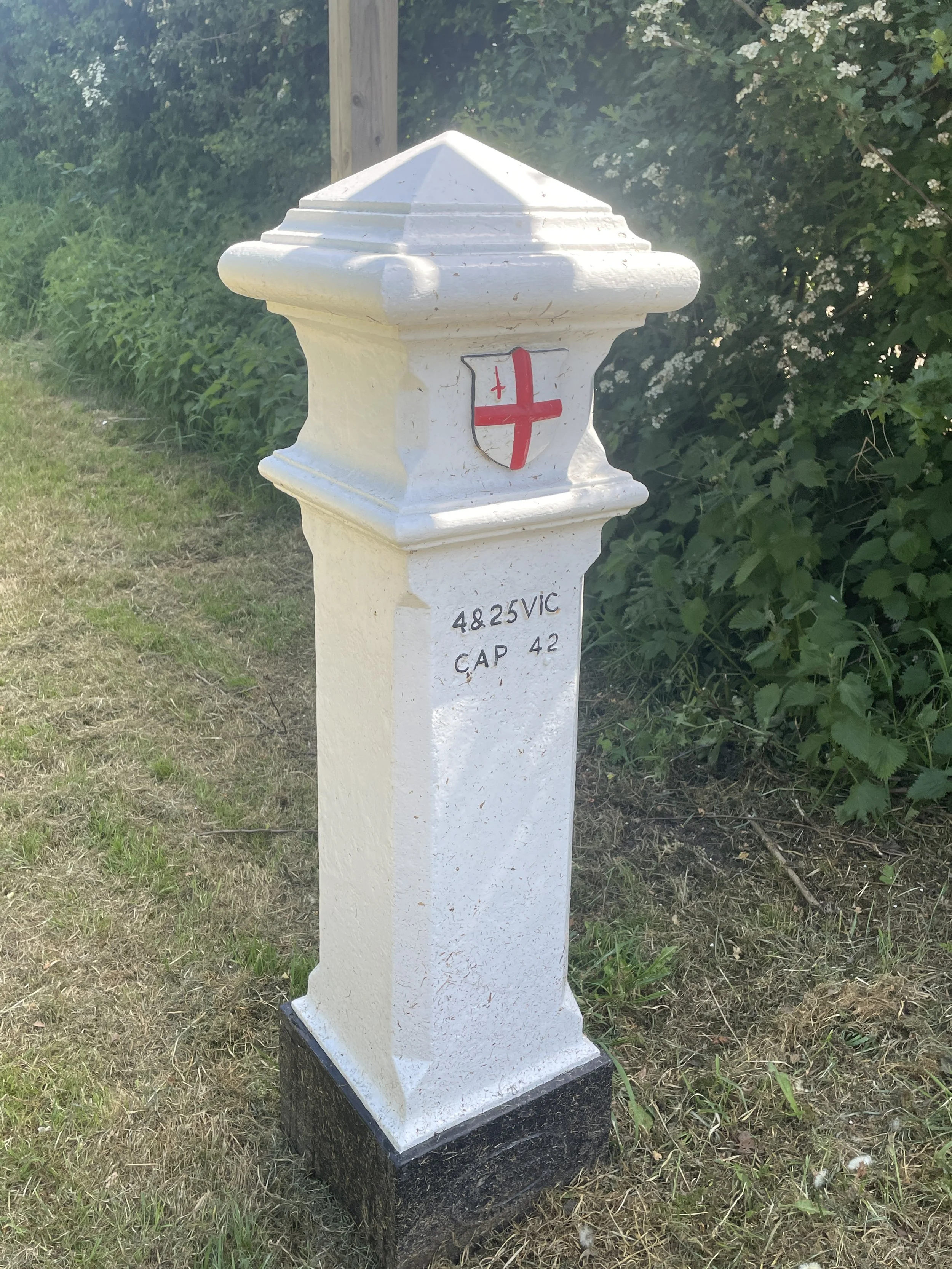
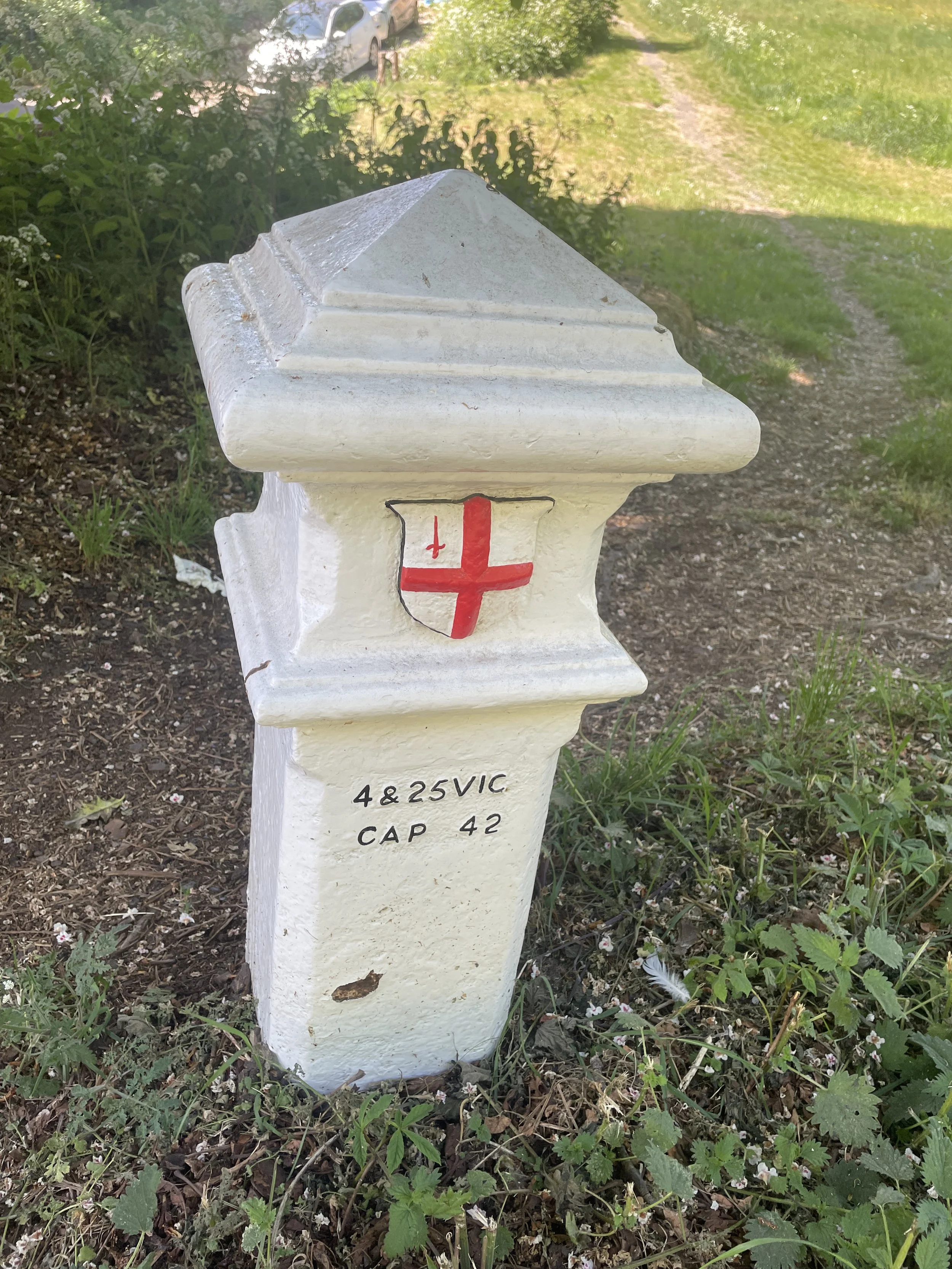
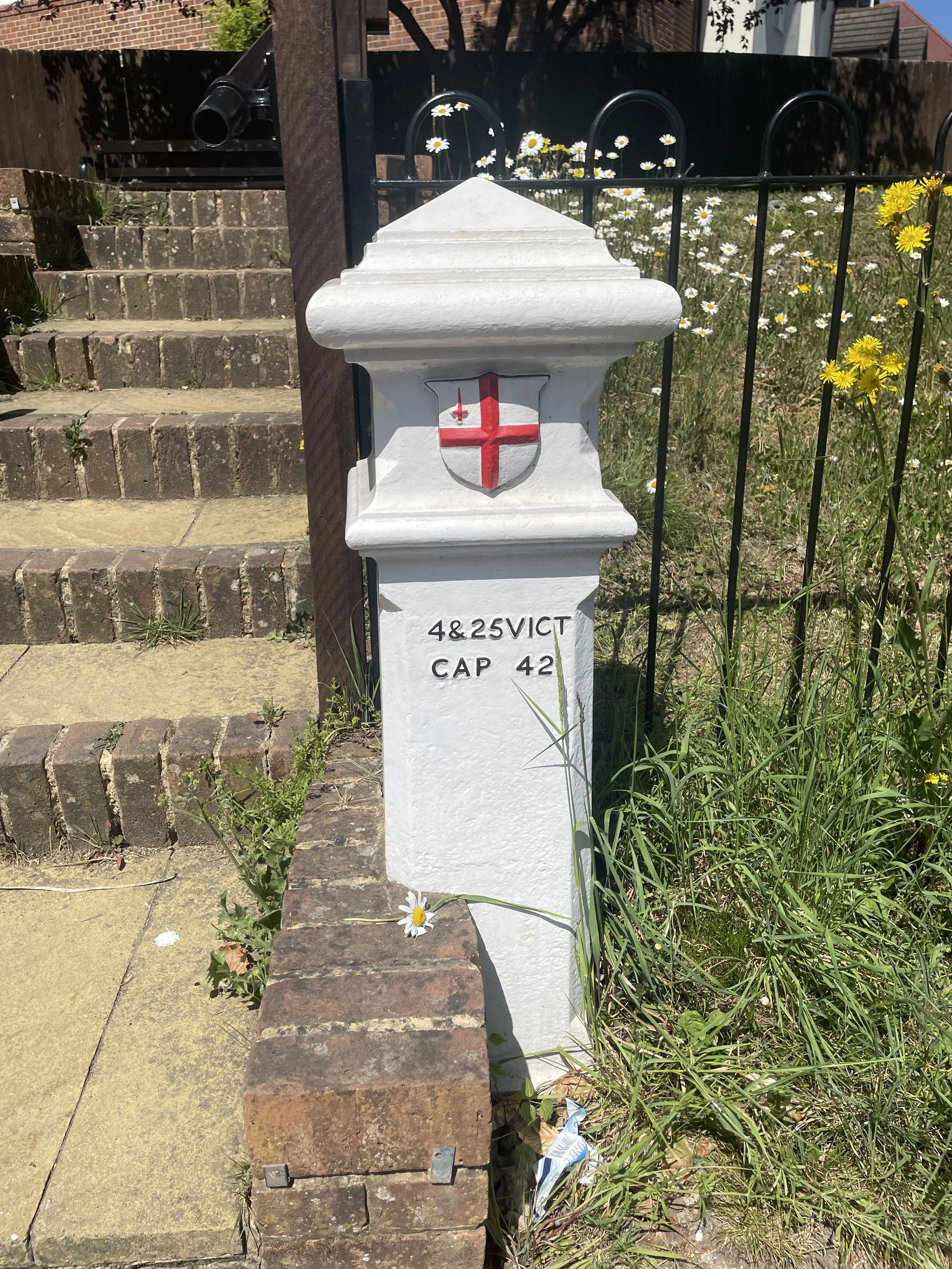
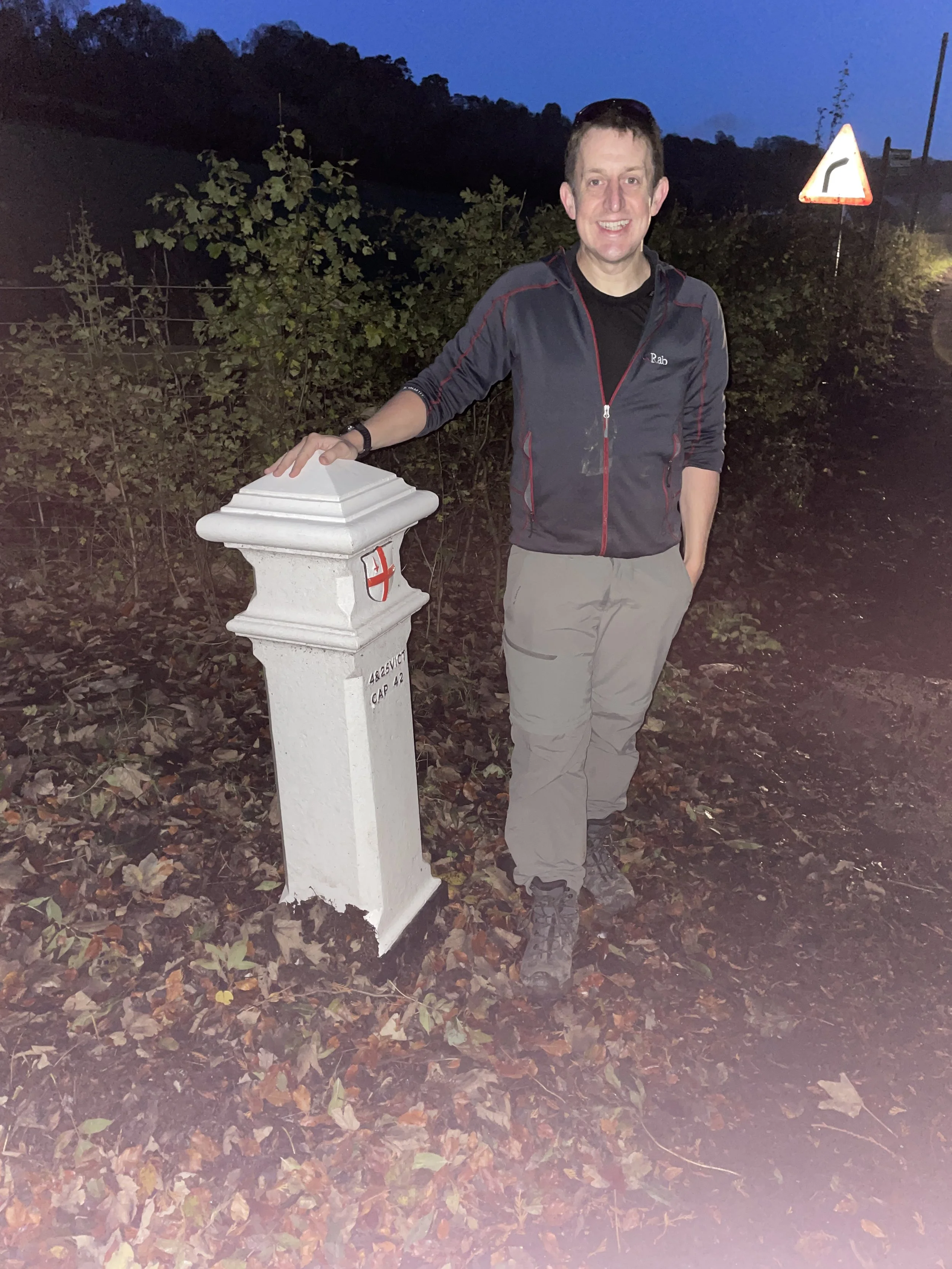
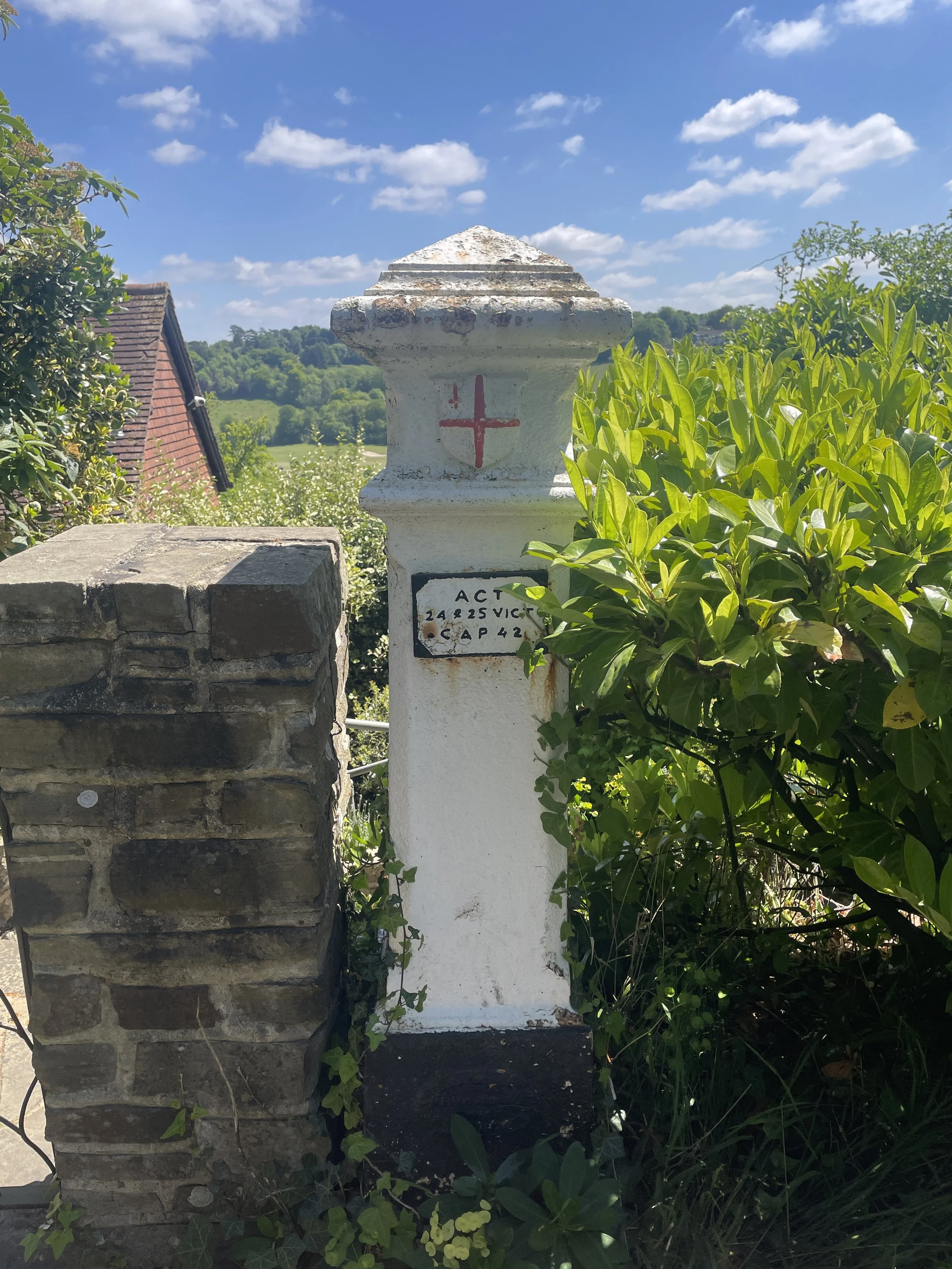
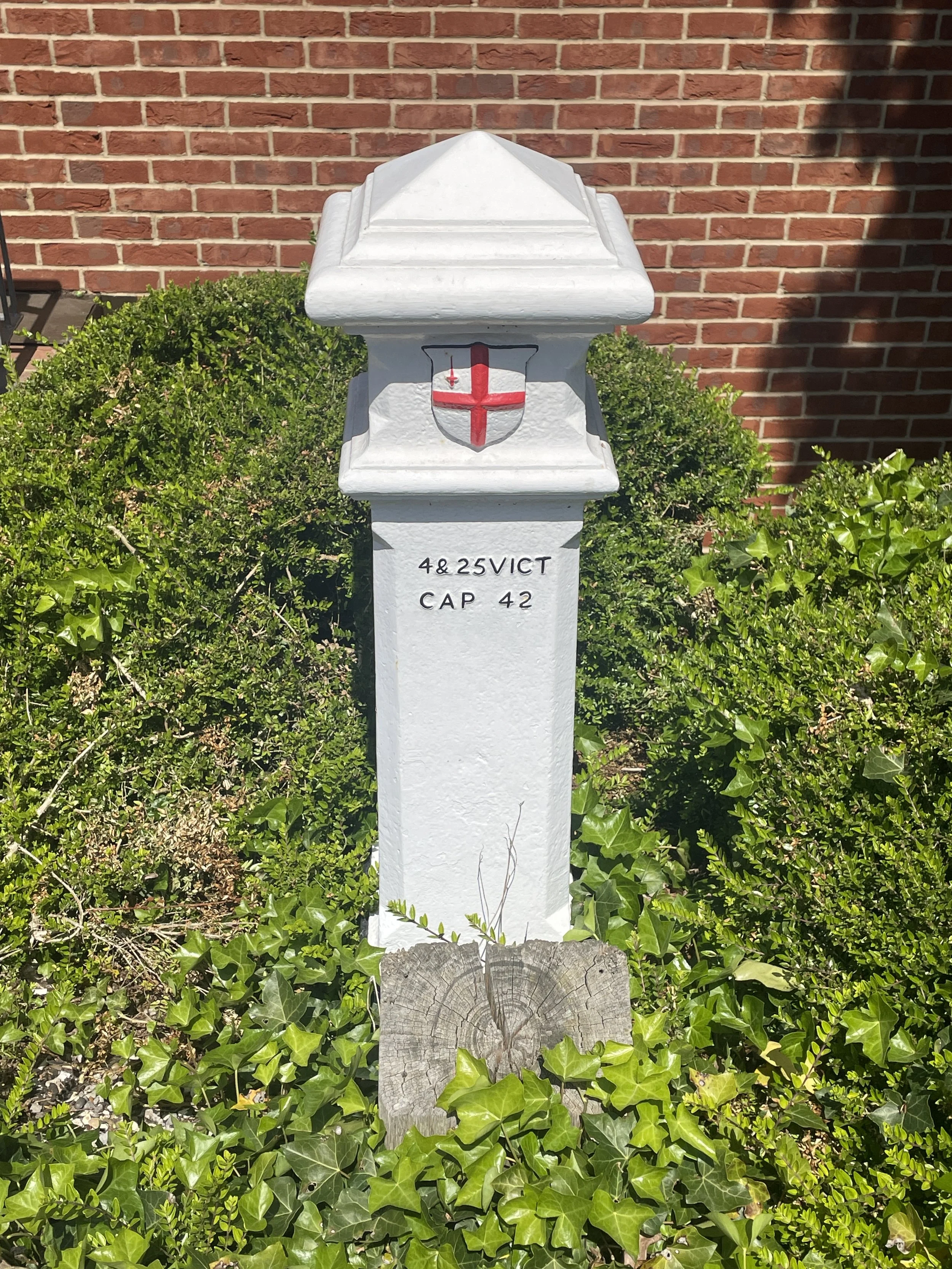
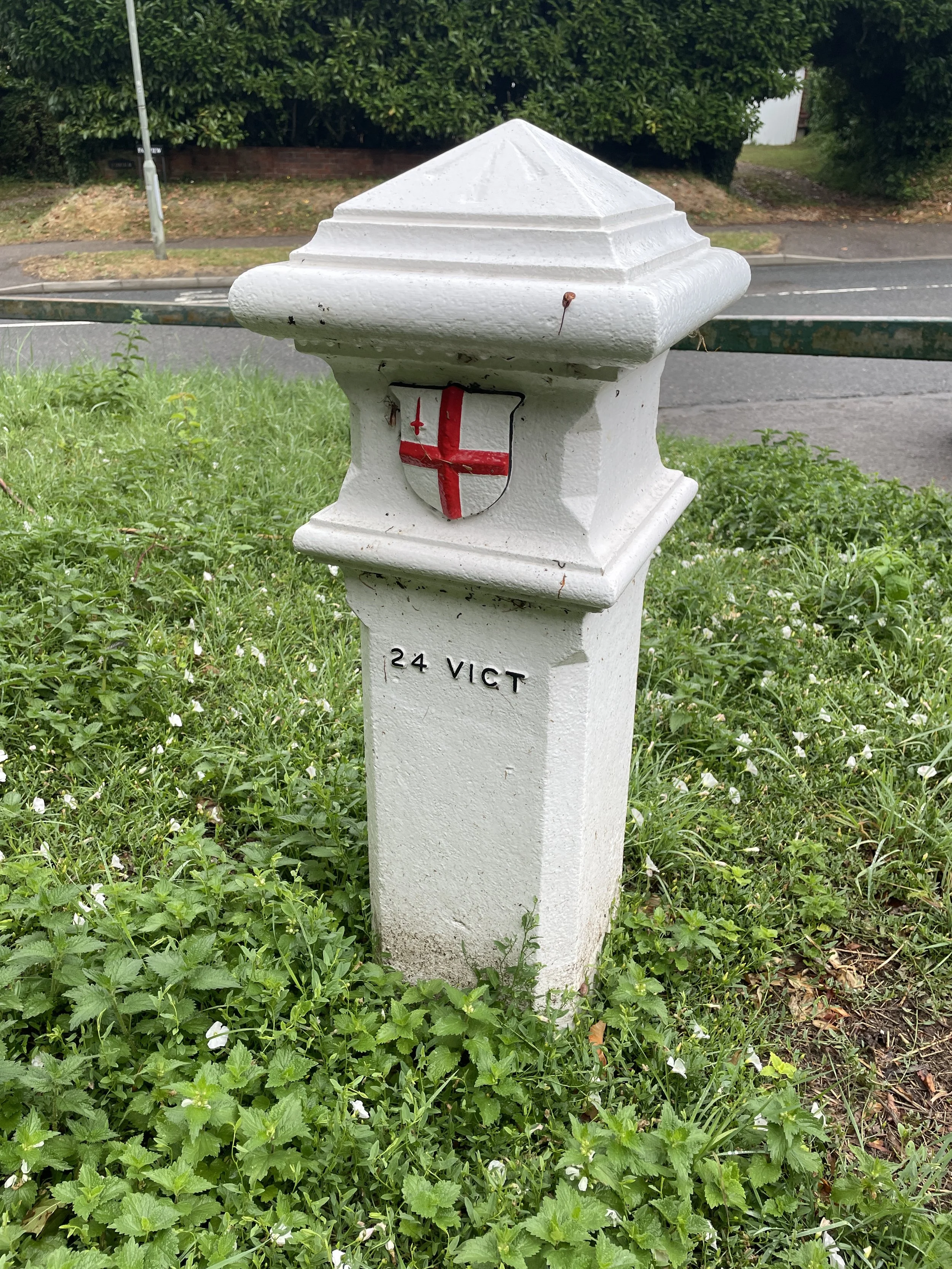
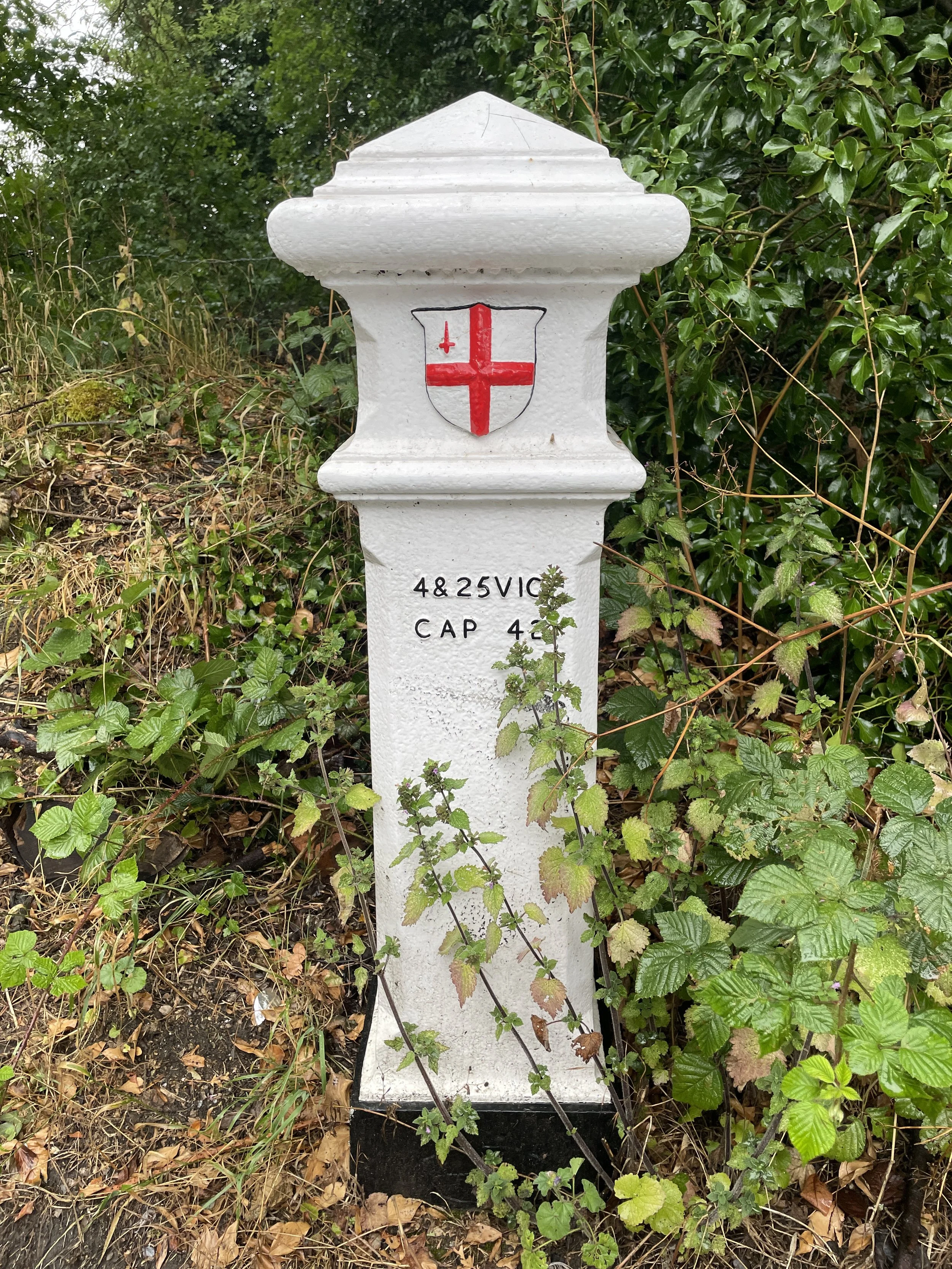
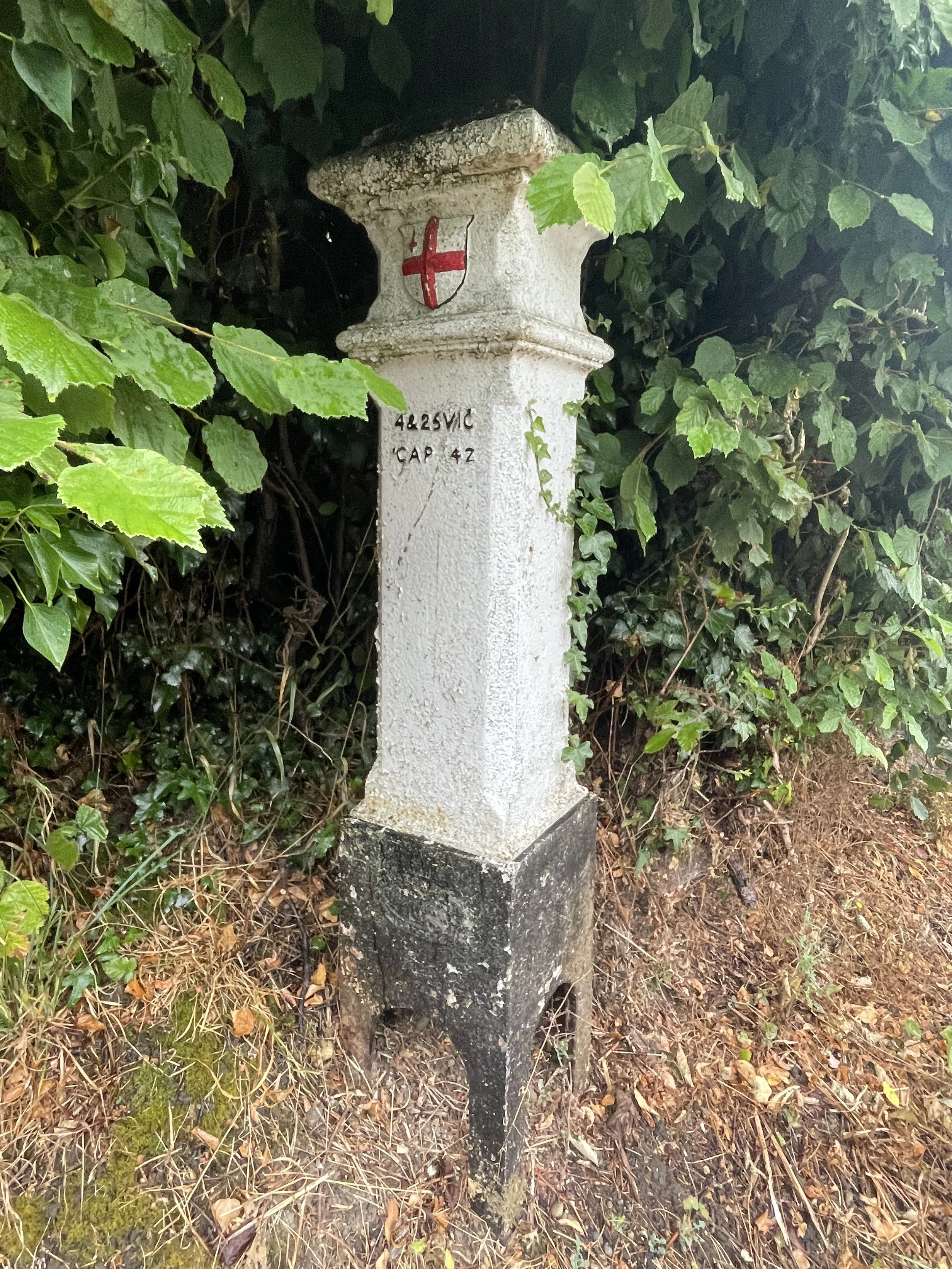
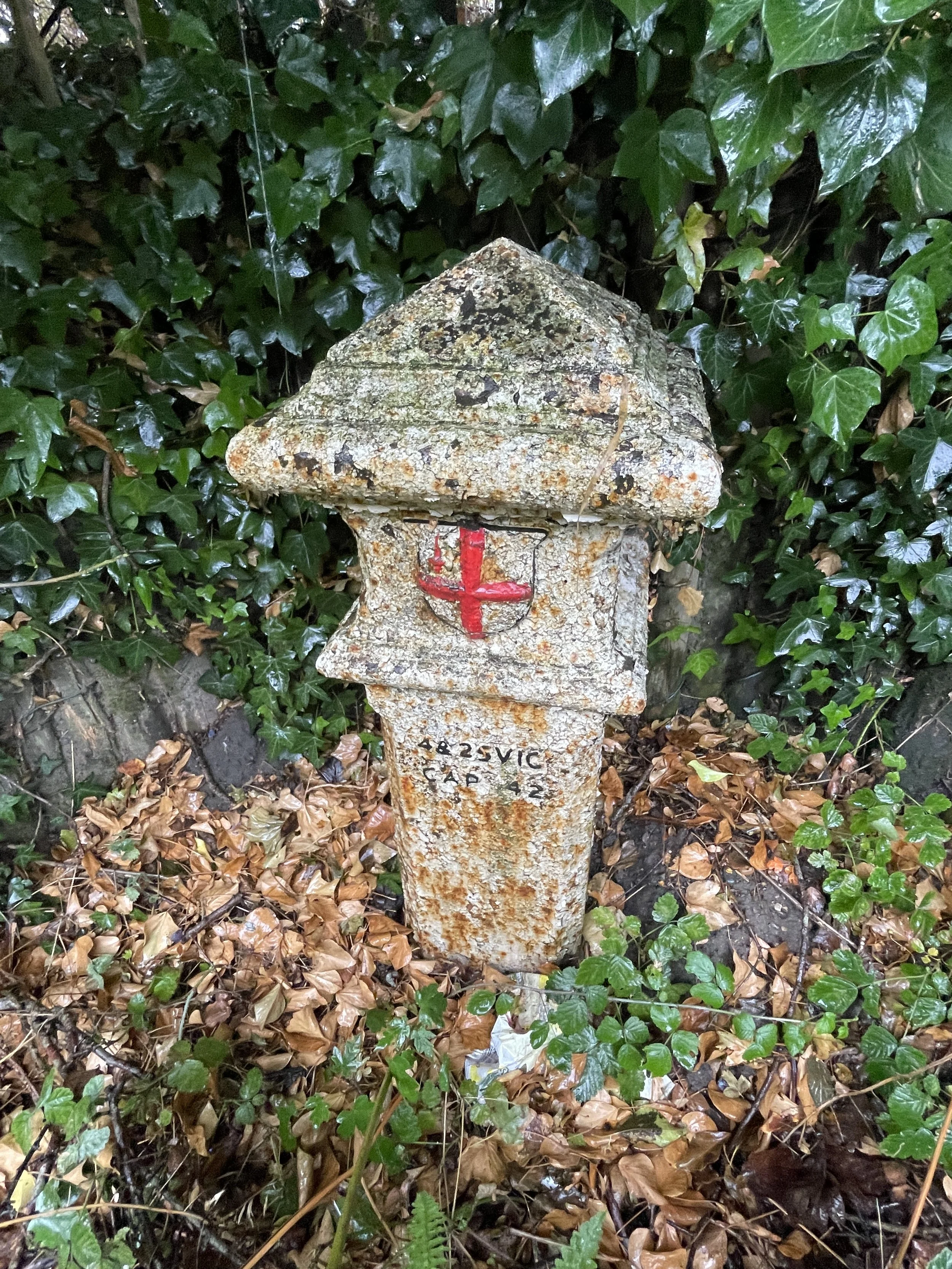
The London Coal Duty Posts mark a fascinating chapter in the capital's history of taxation and urban development. Erected primarily in the 1860s, these posts denote the irregular boundary, roughly 12 to 18 miles from central London, where a tax was levied on coal (and for a period, wine) entering the Metropolitan Police District. This ancient duty, which dates back to the 17th century, was a vital source of income for the Corporation of London, initially intended to fund the rebuilding of the city after the devastating Great Fire of 1666.
The purpose of these posts was to provide clear, visible markers of where the duty became payable, ensuring that no one could feign ignorance of the tax. With the advent of canals and railways in the 19th century, which brought coal into London through new routes, it became necessary to extend the collection points beyond the traditional river Thames entry. Approximately 280 posts were installed along roads, railways, and canals, and remarkably, over 200 of them still survive today, many of them now Grade II listed buildings. While the duty was generally not collected at the posts themselves (this was usually handled by transport companies or coal merchants), the posts served as an undeniable physical demarcation of the chargeable zone.
Though the coal duties were finally abolished in 1890, these unassuming markers remain a tangible link to London's past. The funds raised from these taxes played a significant role in financing numerous crucial public works and improvements across the growing metropolis. Projects such as the construction of the Thames Embankment, the Holborn Viaduct, and the freeing of several Thames bridges from tolls were all beneficiaries of this revenue. So, the next time you encounter one of these distinctive posts, take a moment to appreciate its subtle but profound historical significance: a small piece of iron that helped shape the modern fabric of London.
If you want to find out more about the Coal Duty Posts I highly recommend visiting Martin Nail’s website. It’s an amazingly thorough documentation of the history, location and conditions of the posts. Rather than reproduce anything here, my post below contains my own photos, notes and links to Coal Post themed walks and cycle trips that I have done. I’ve used Martin’s Coal Post numbering and where there’s a link to a specific post it goes to the relevant page on Martin’s website.
If you spot any errors on this page or have new information about any of the posts that I have missed please contact me or comment below. I’ll donate £1 to one of the outdoor causes that I support for every edit made.
The North-East: Posts 1 to 31.
Anti-clockwise from Dagenham to the A1(M). The first 6 posts (Posts 0a to 0f) are missing. Coal Post #1 is the first extant post north of the Thames in the east. Scroll down to the Notes section at the bottom of this page for details of missing photos.
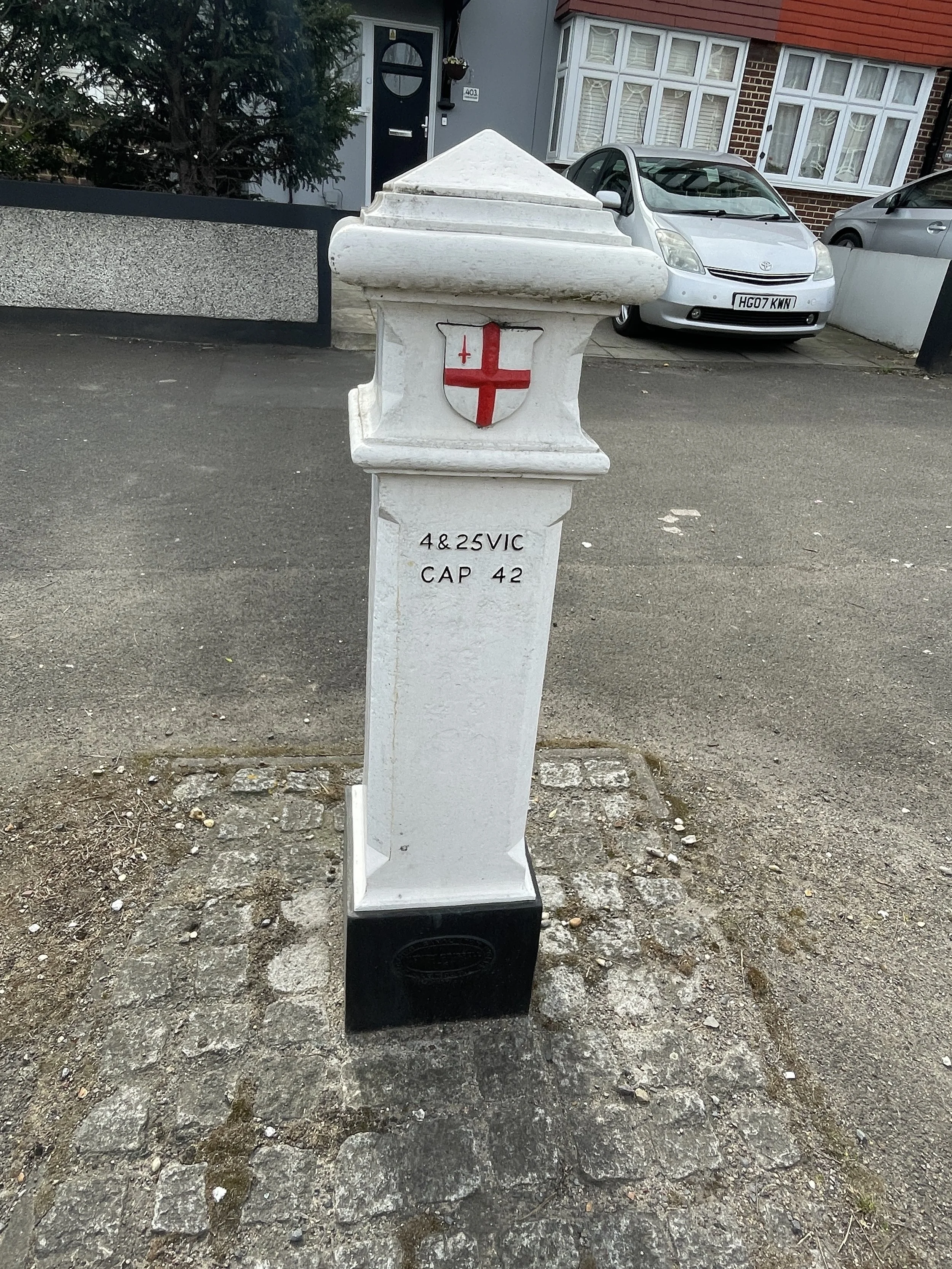
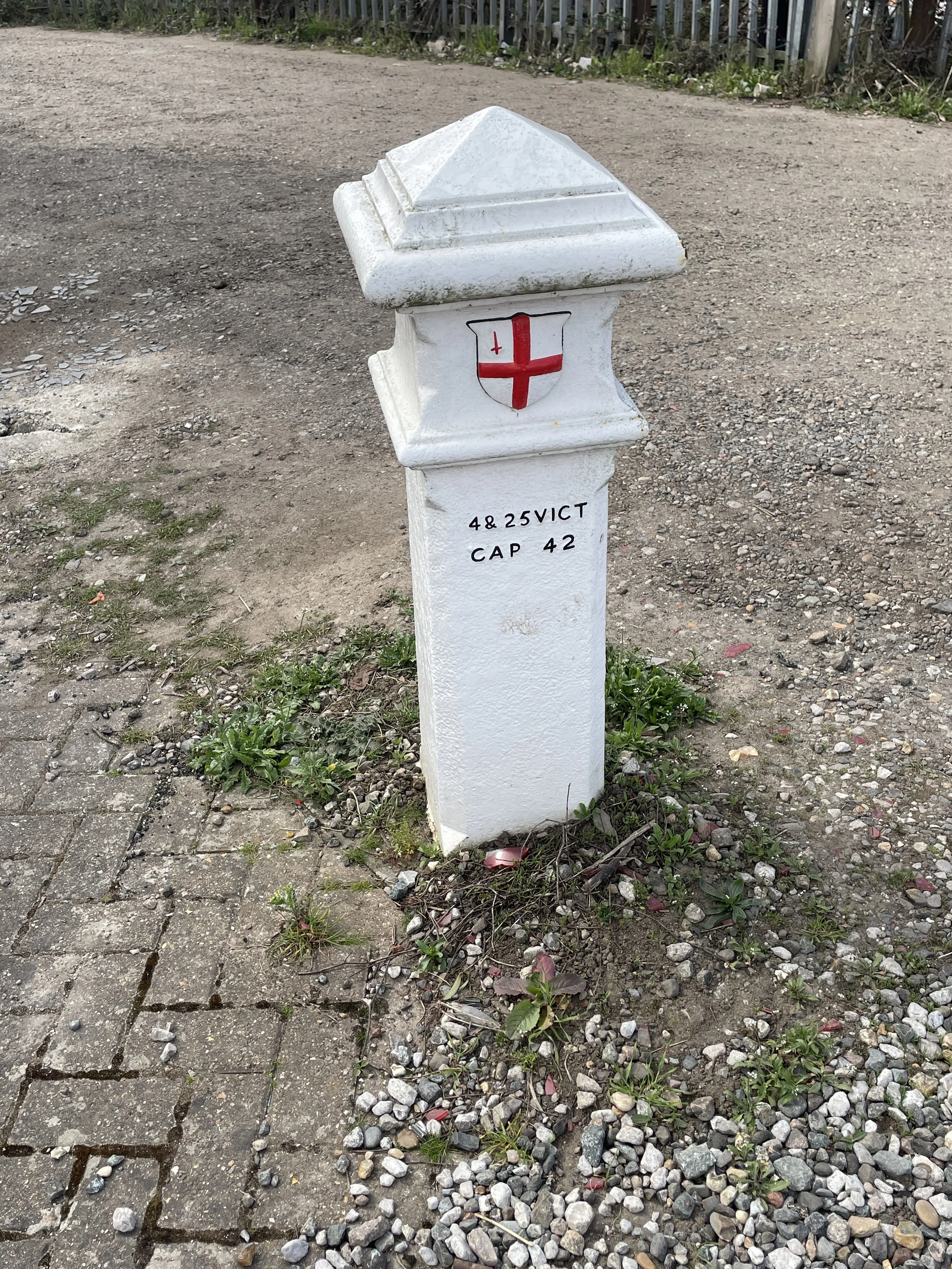
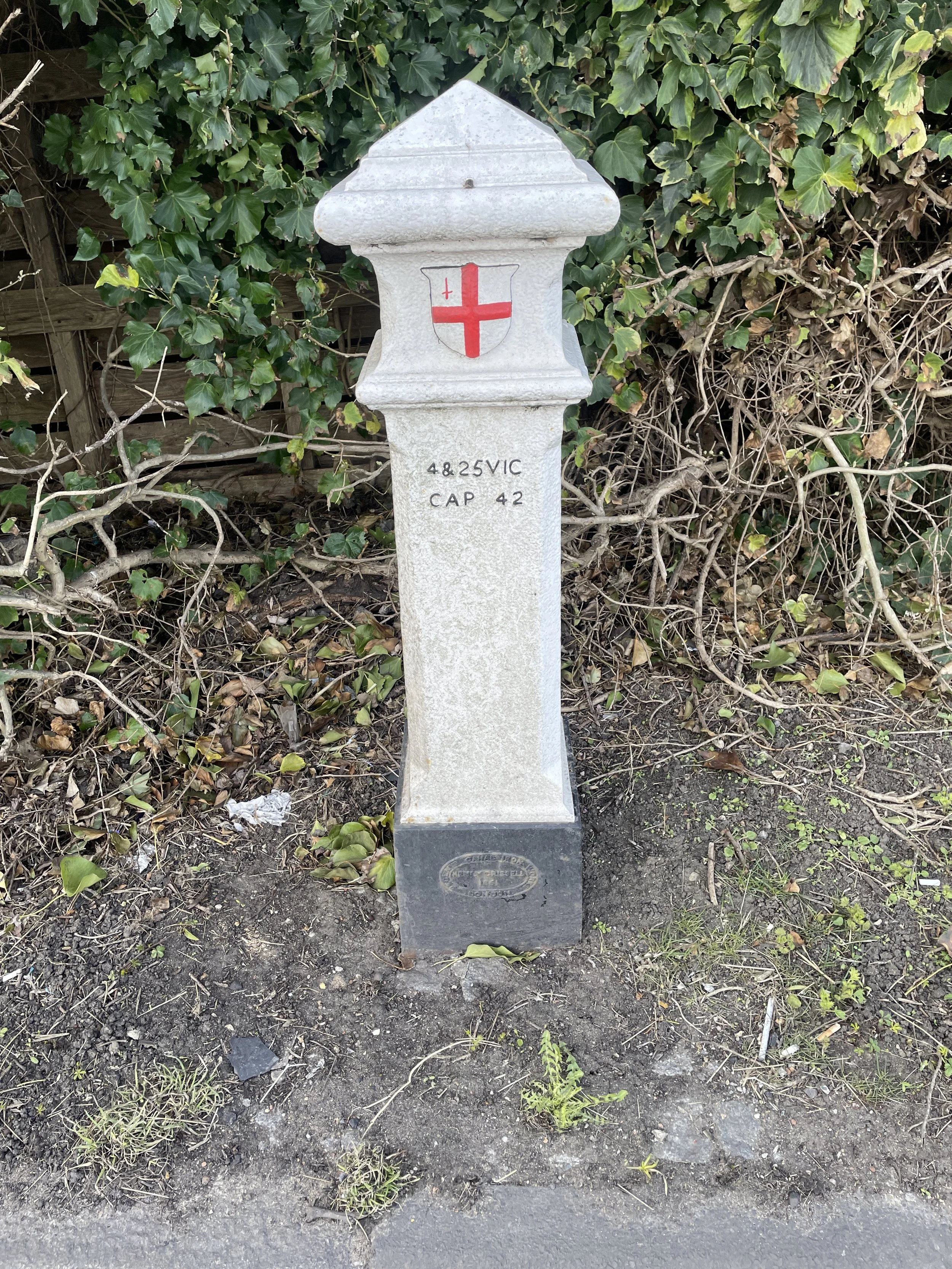
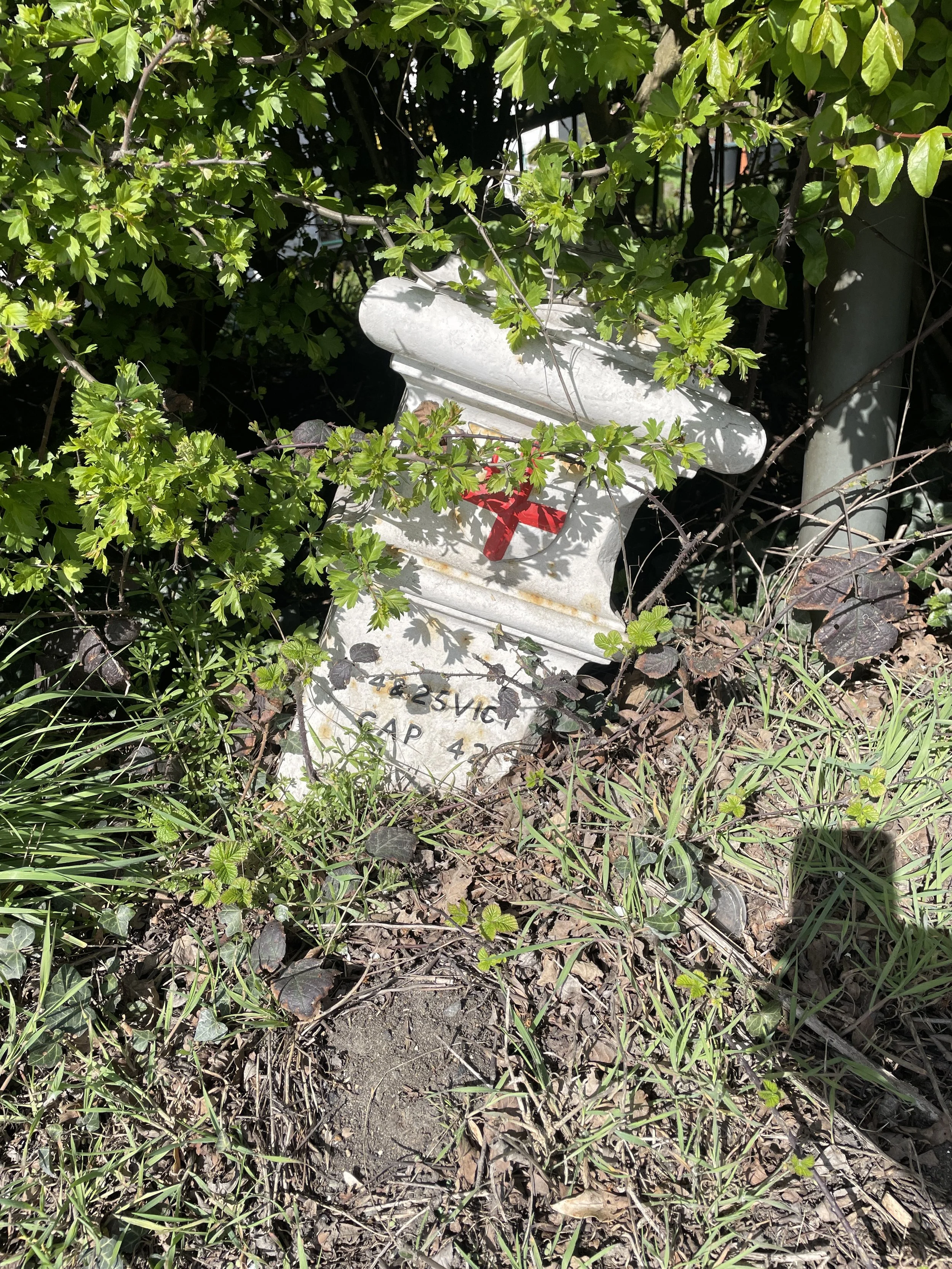
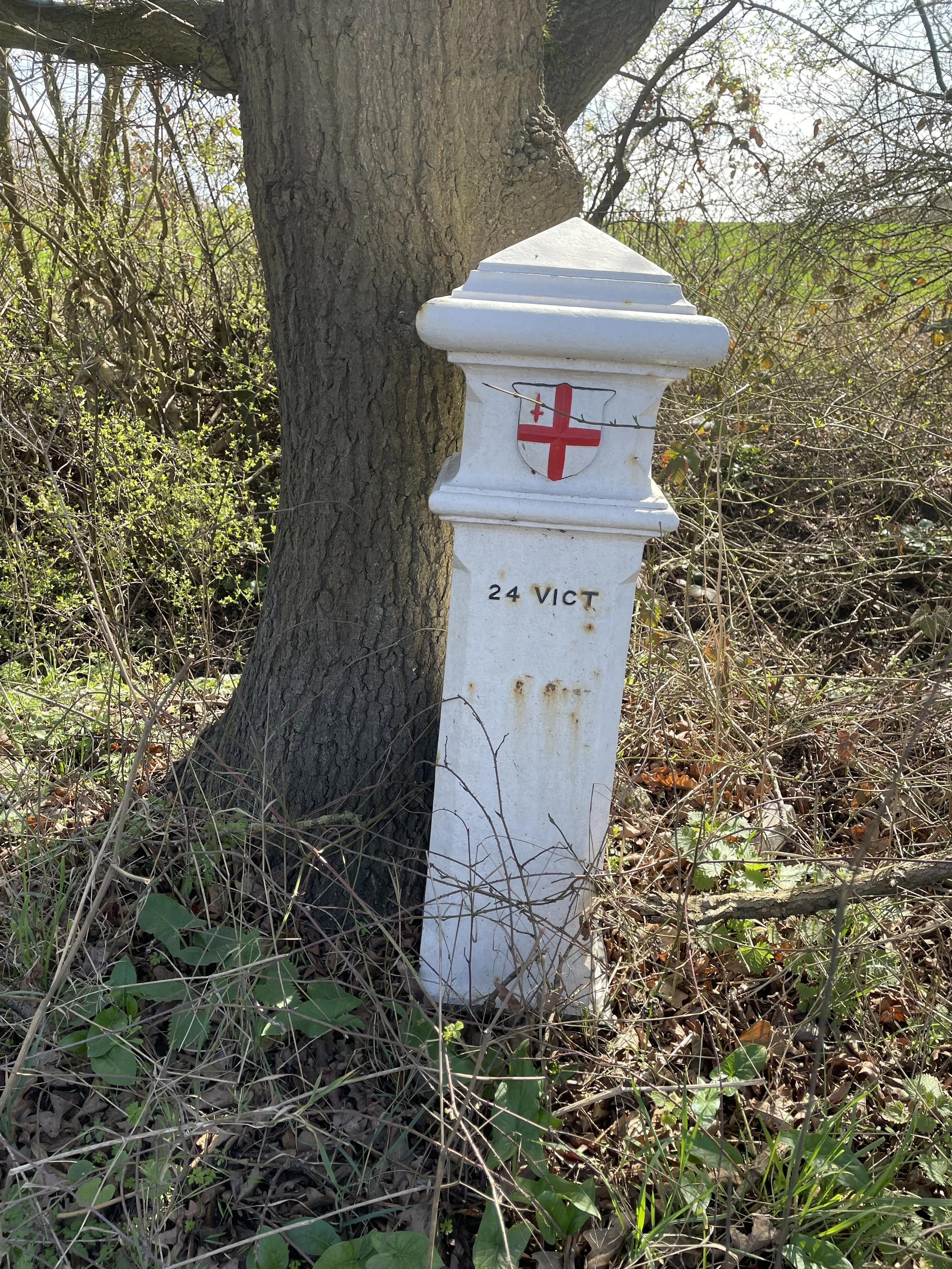
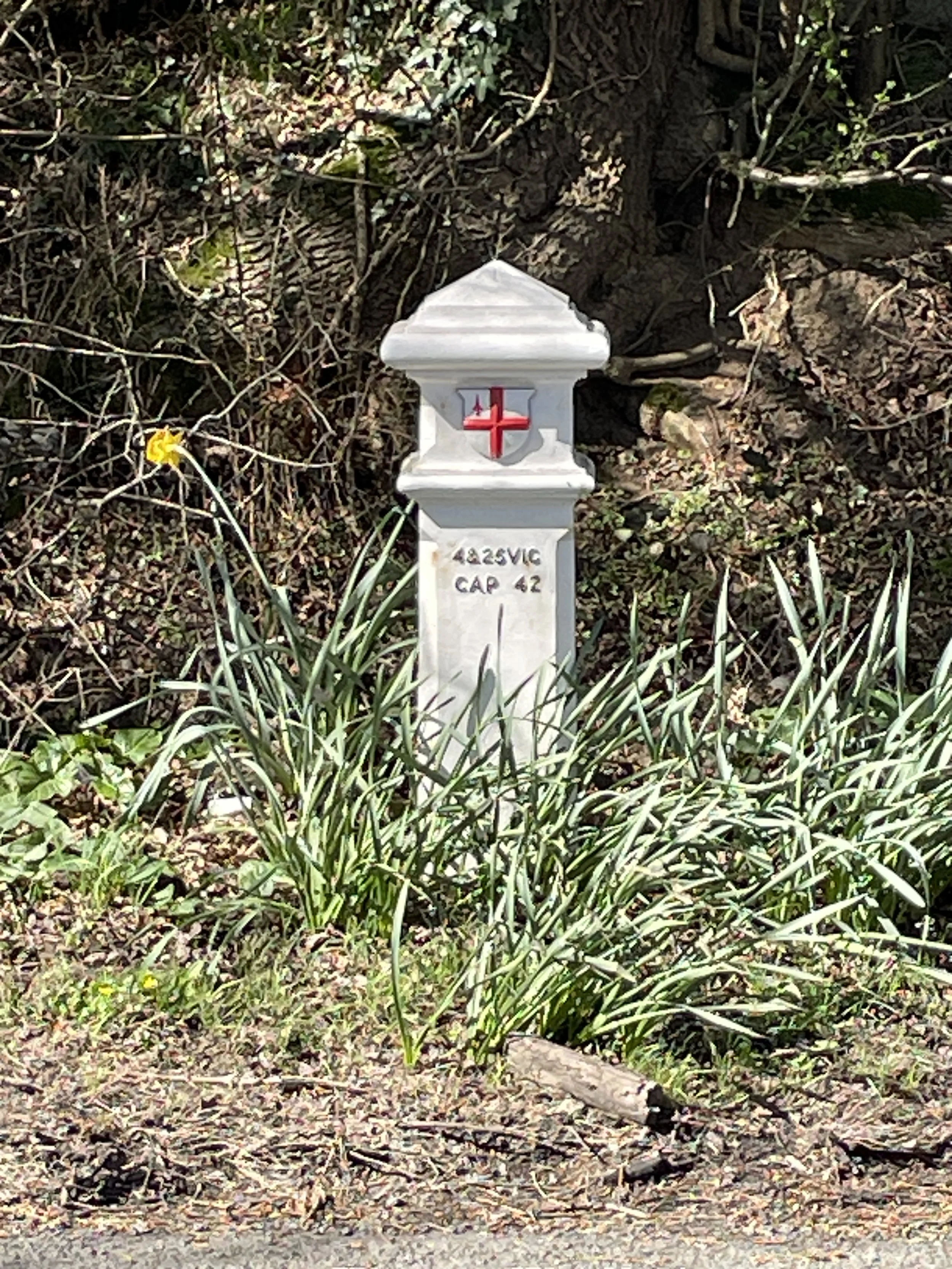
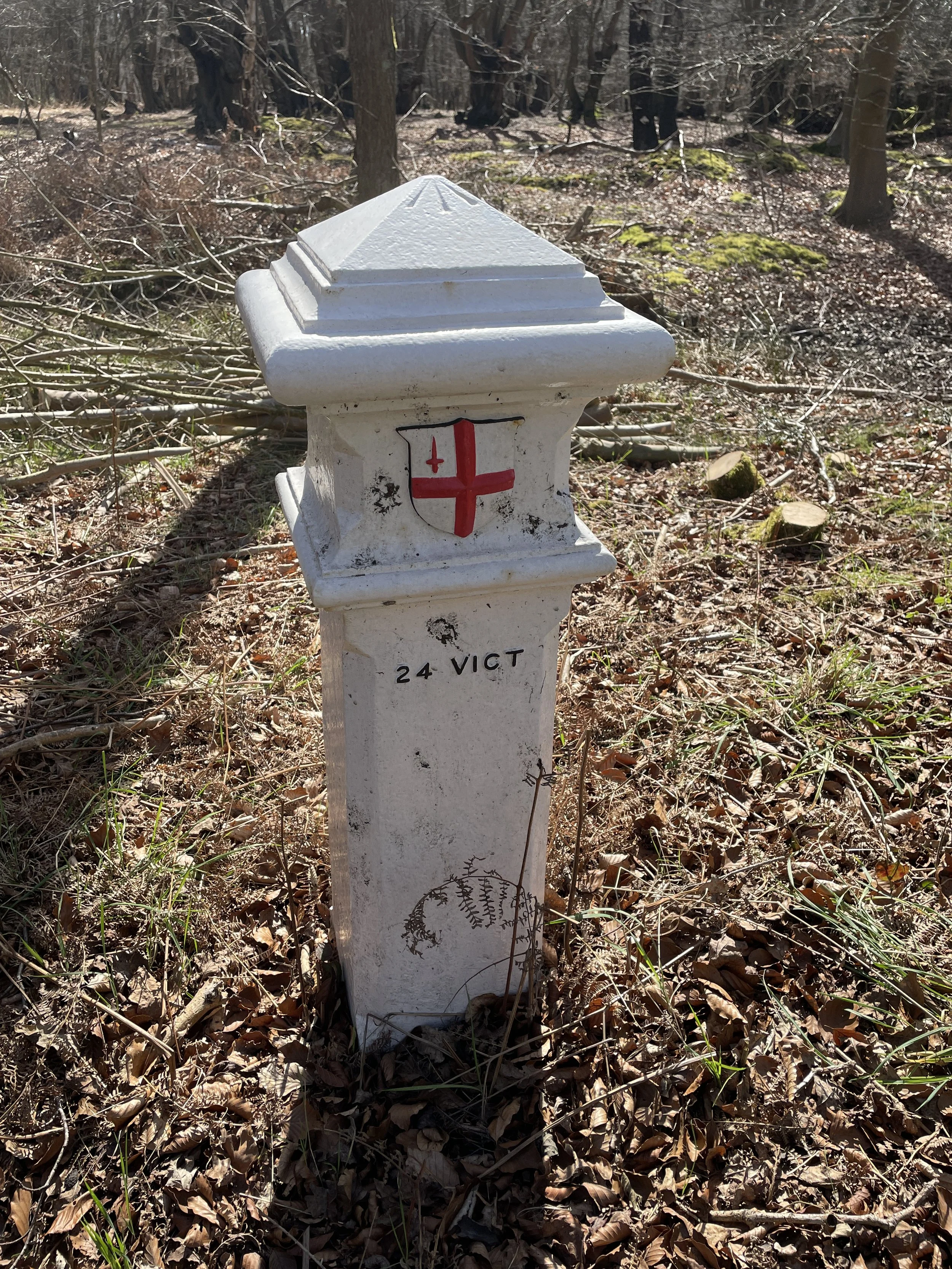
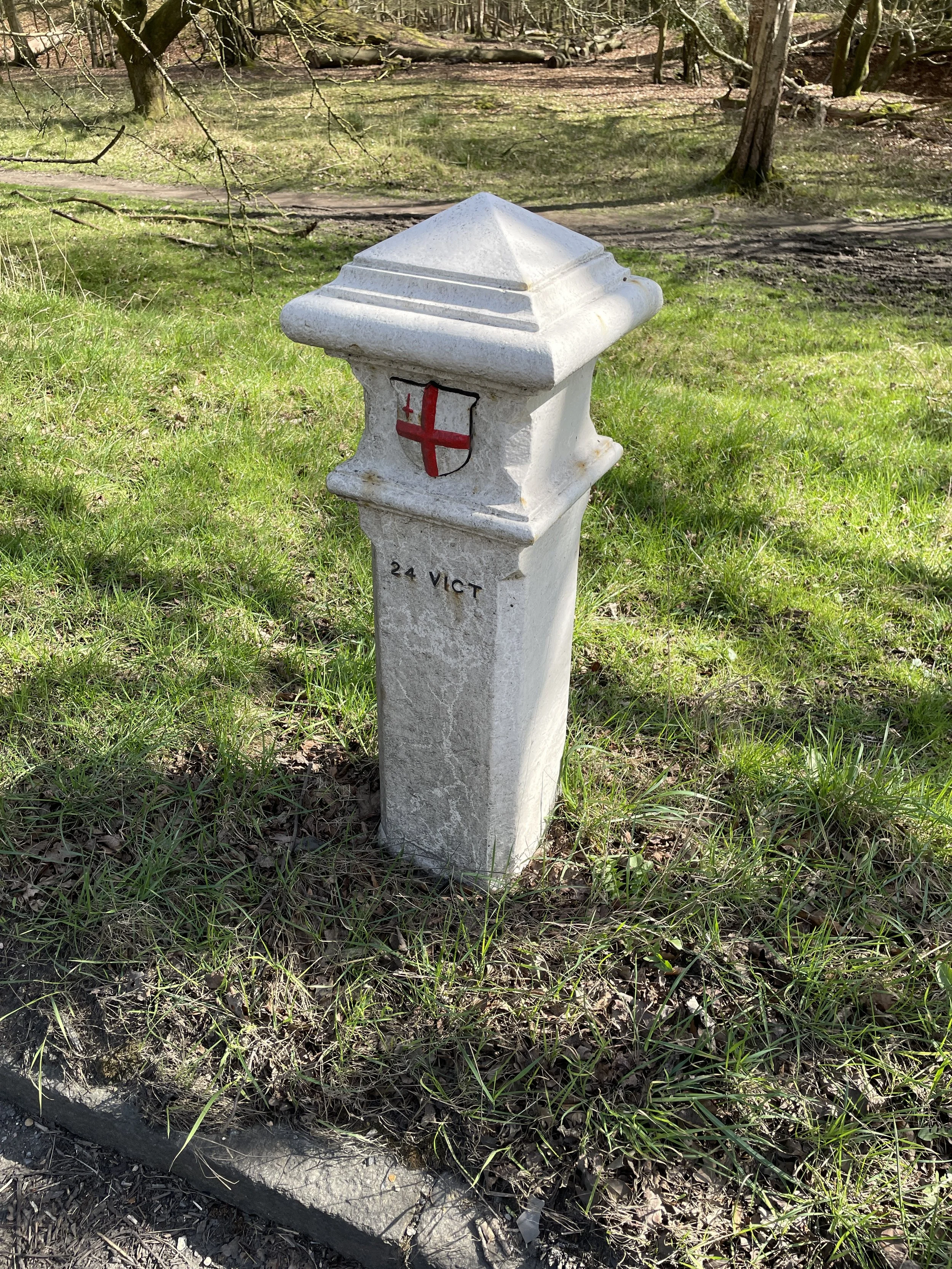
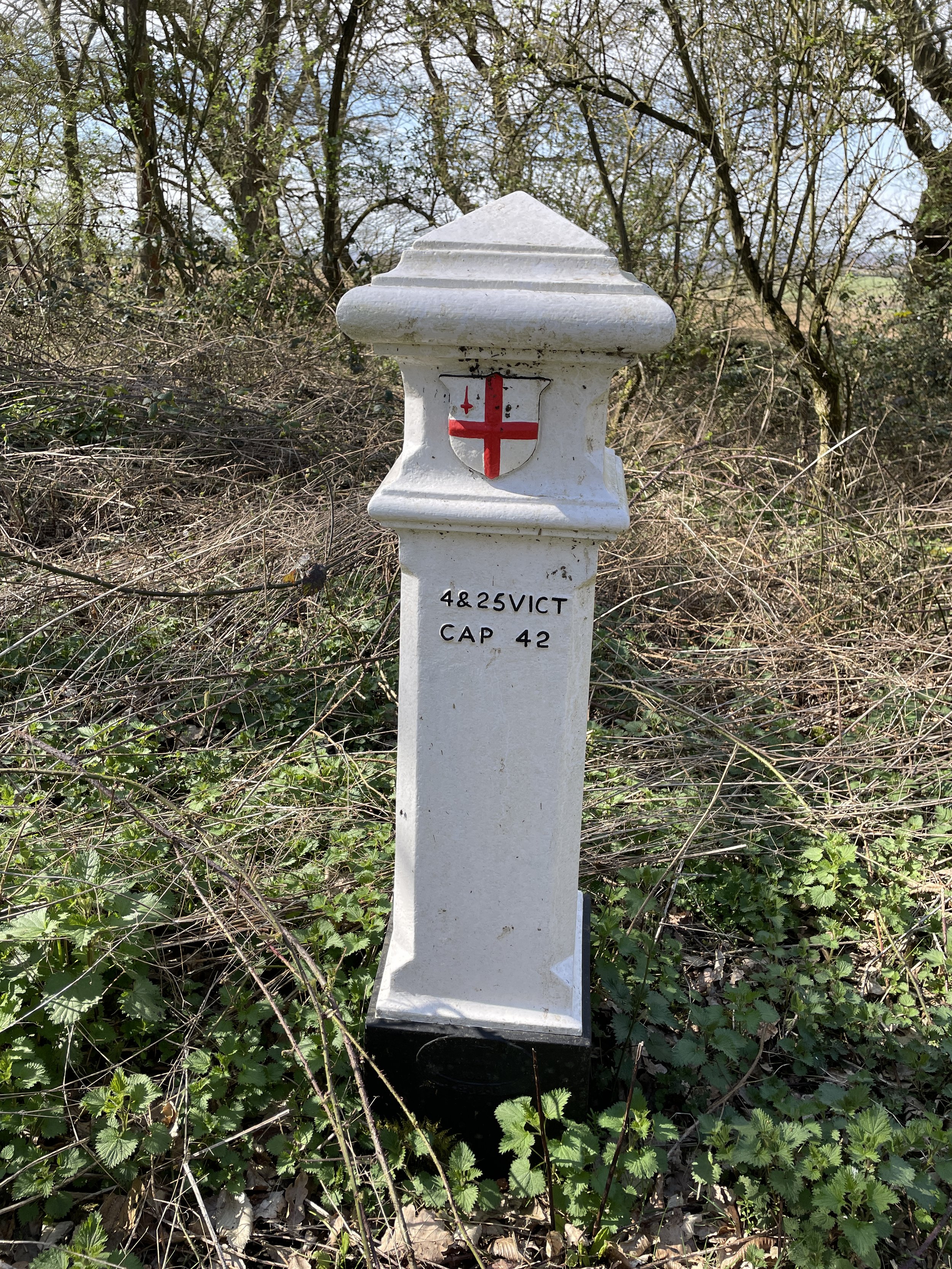
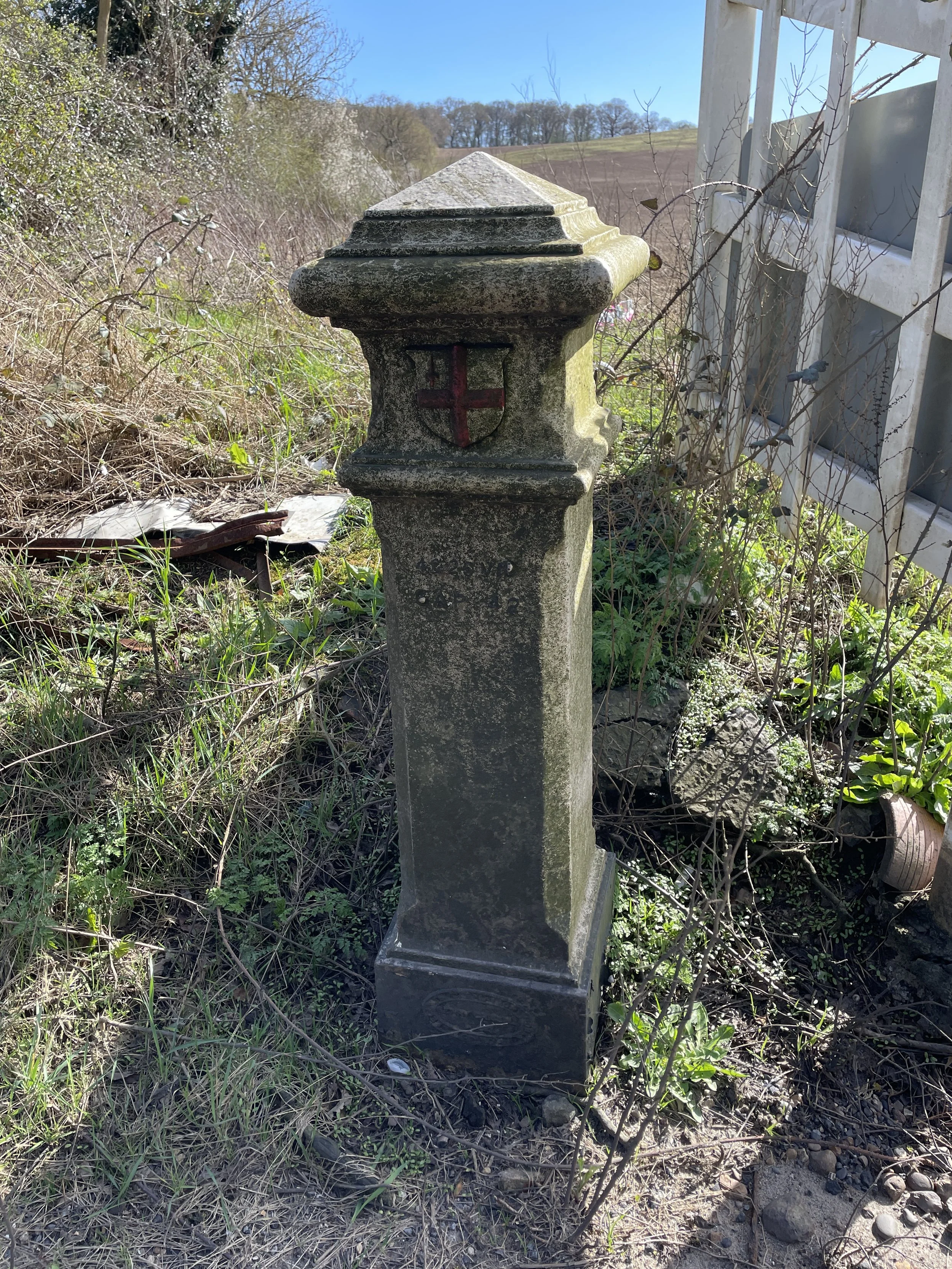
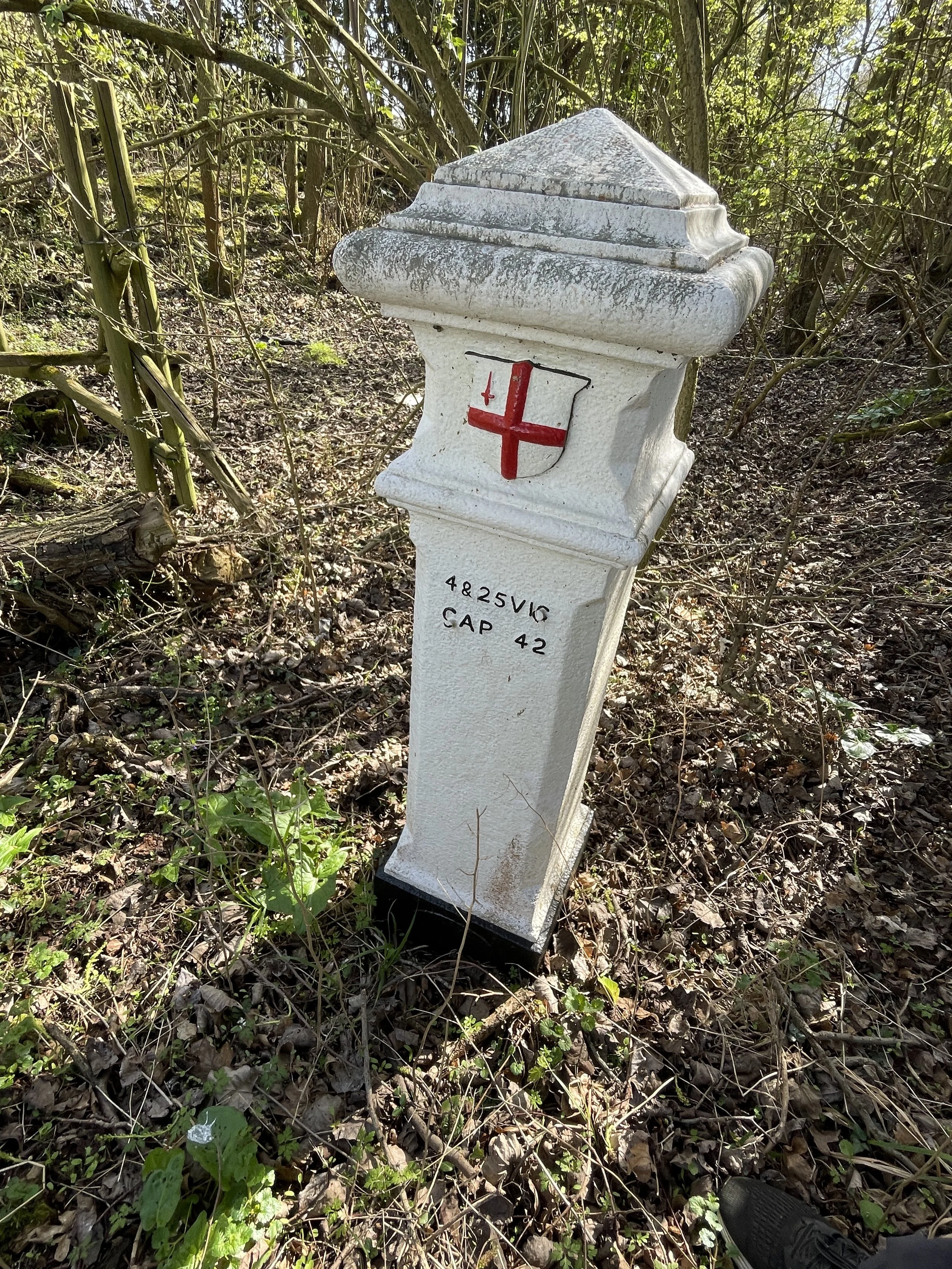
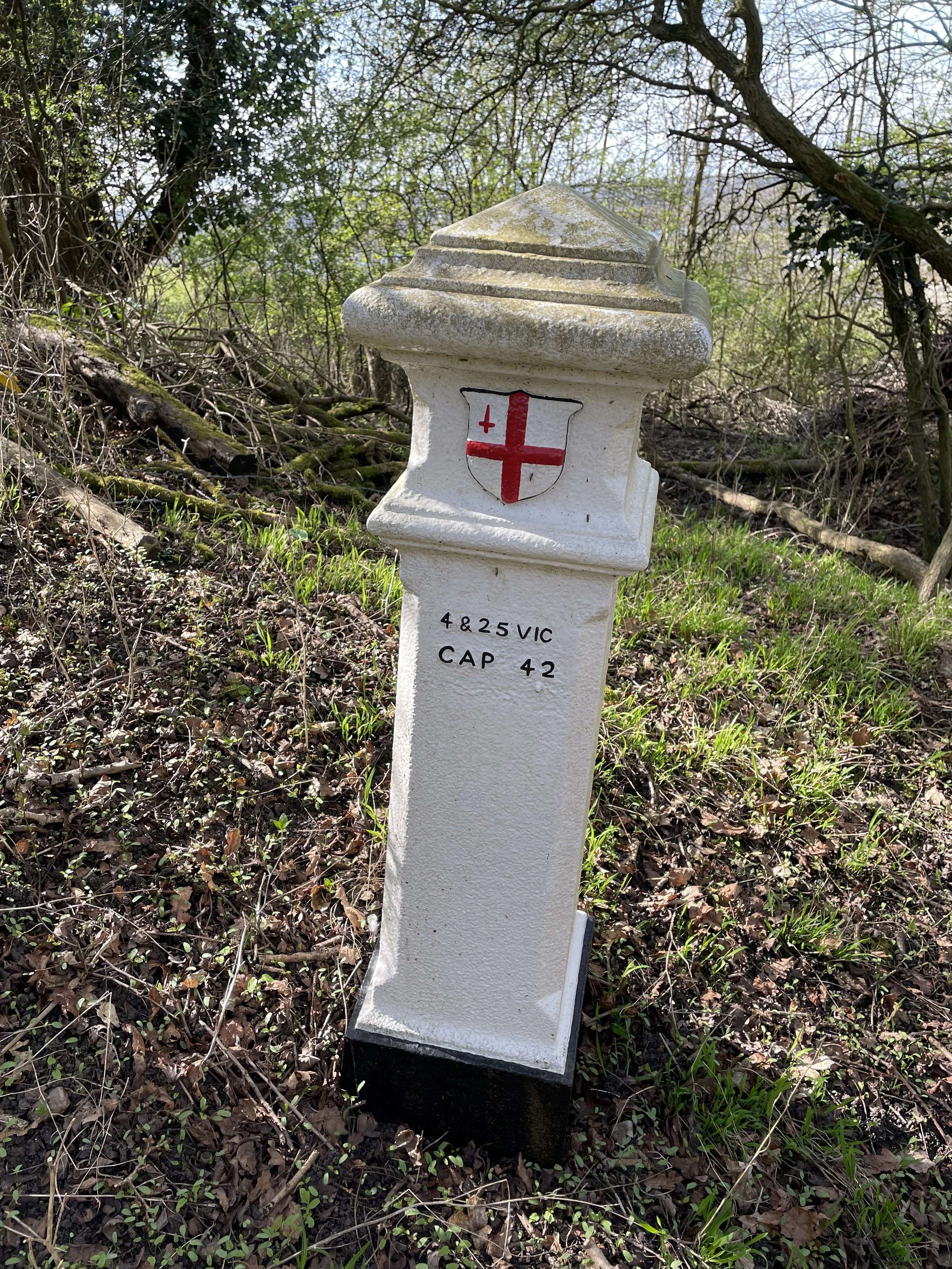
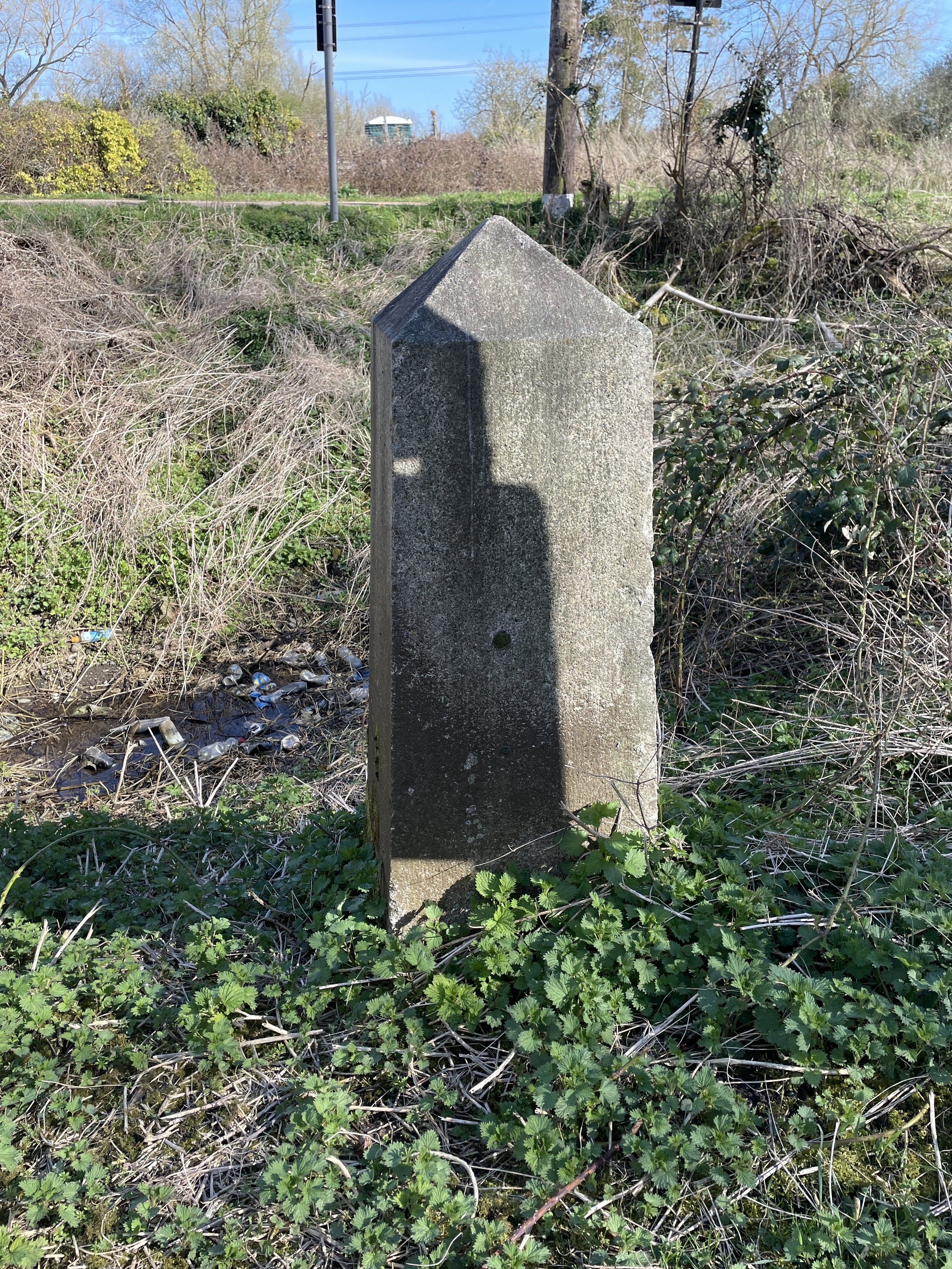
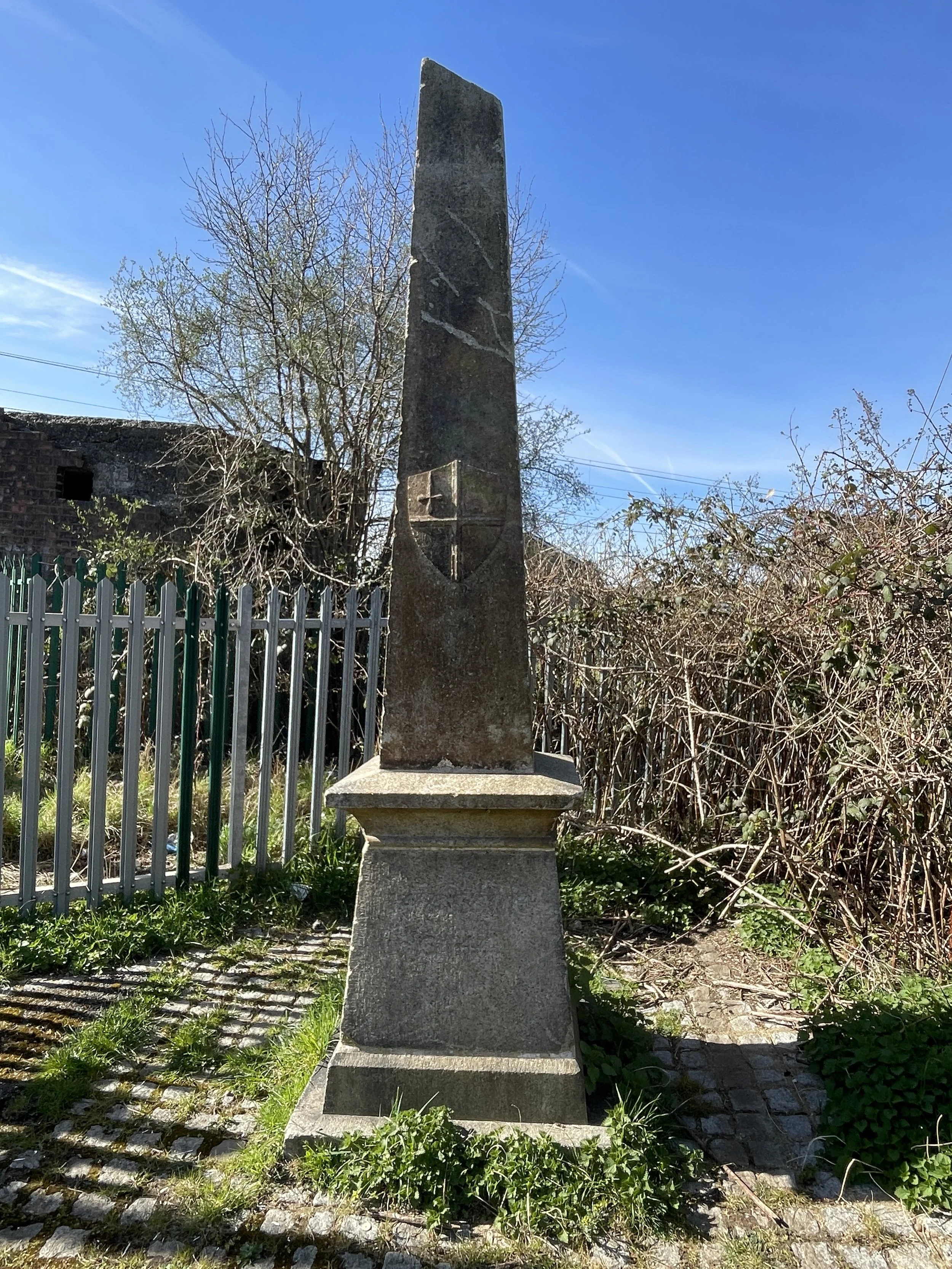
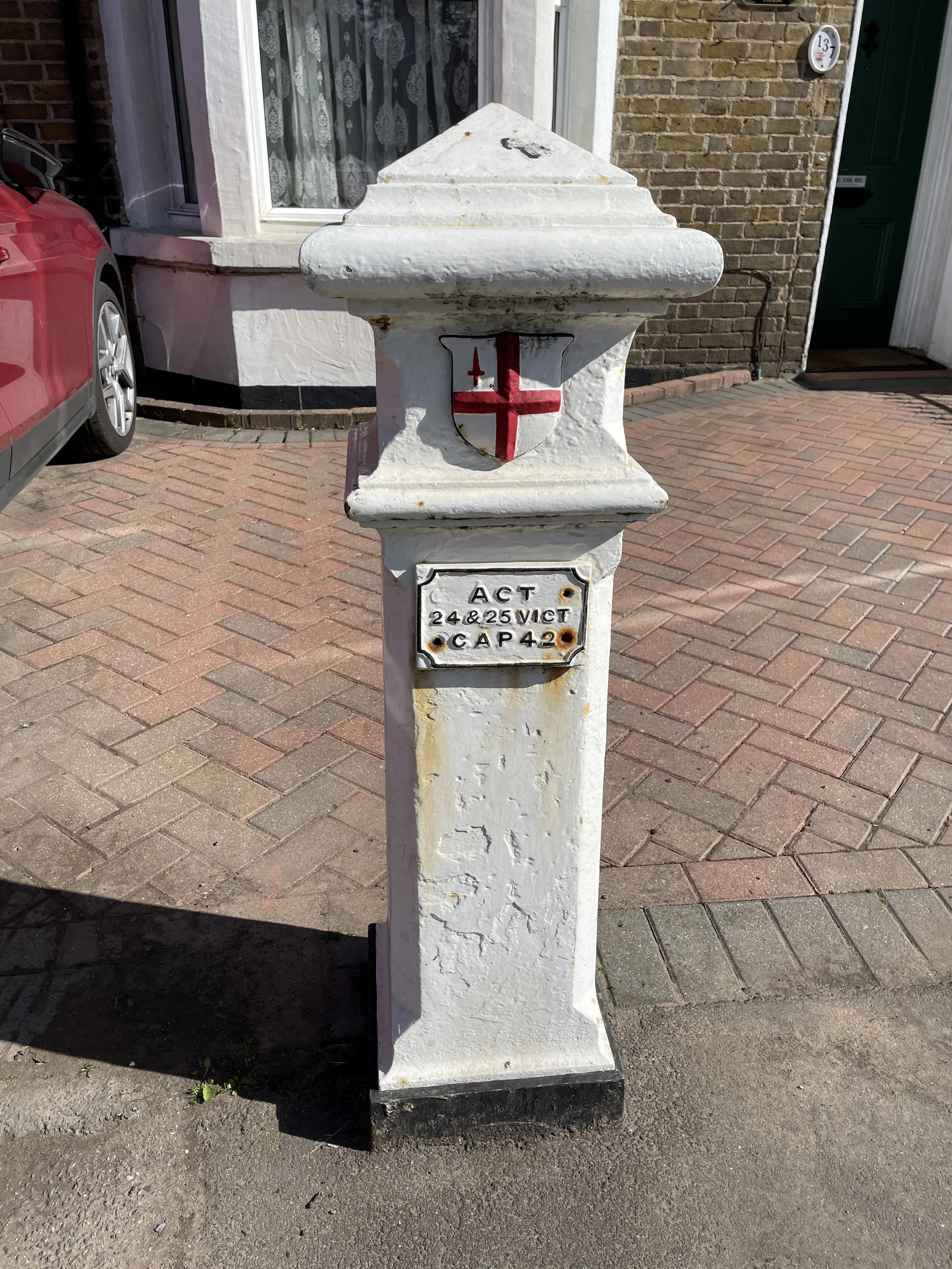
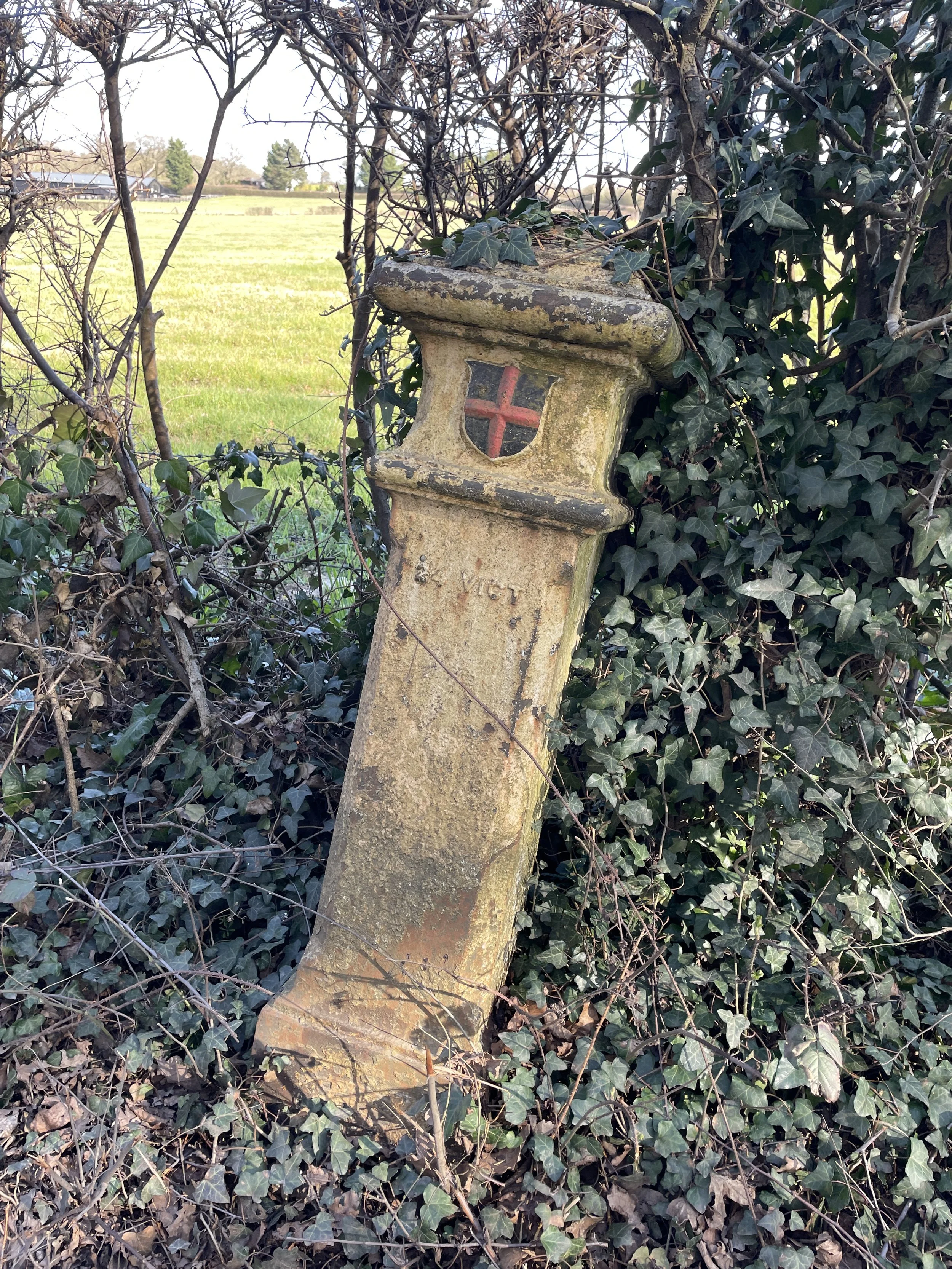
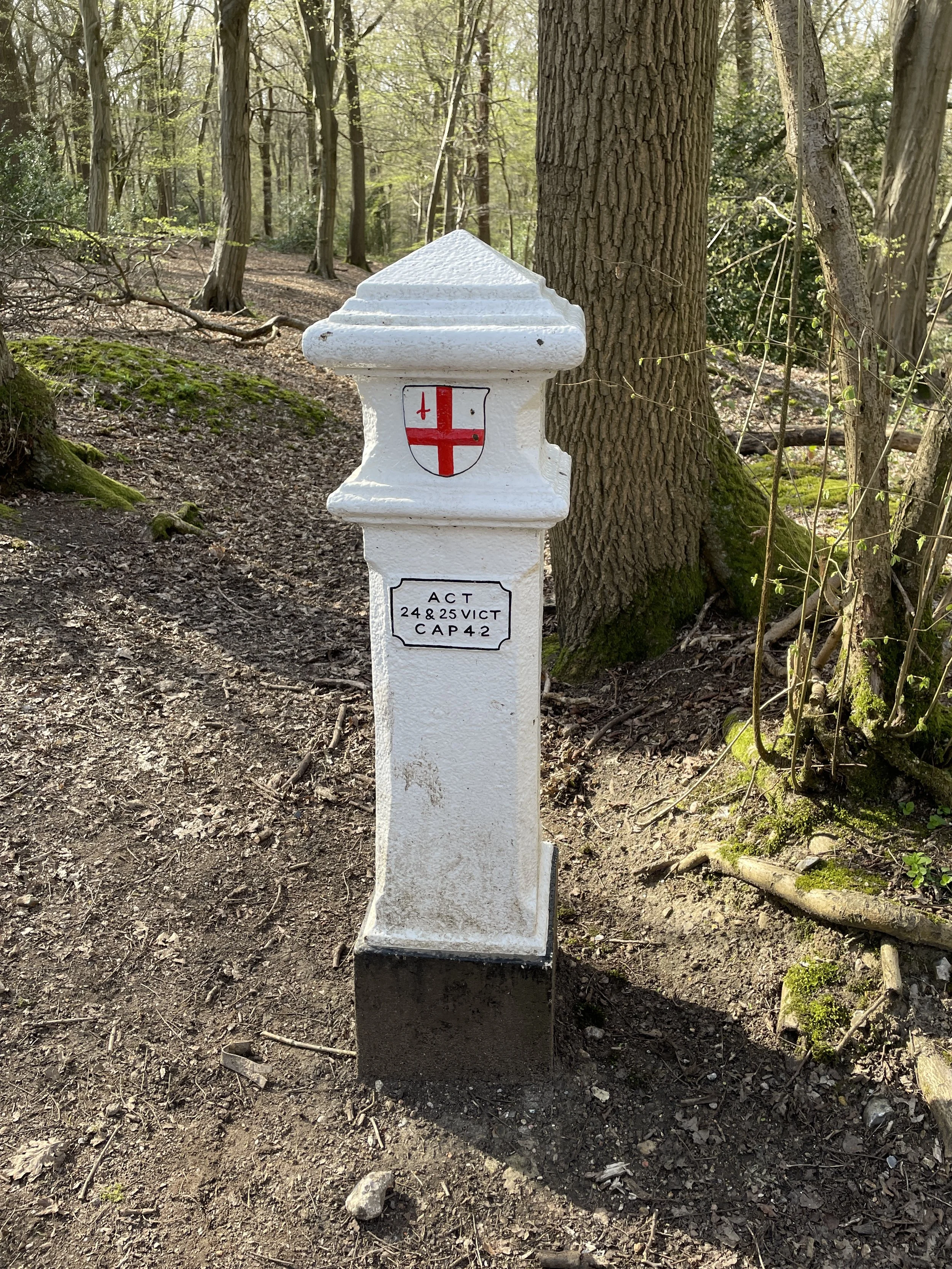
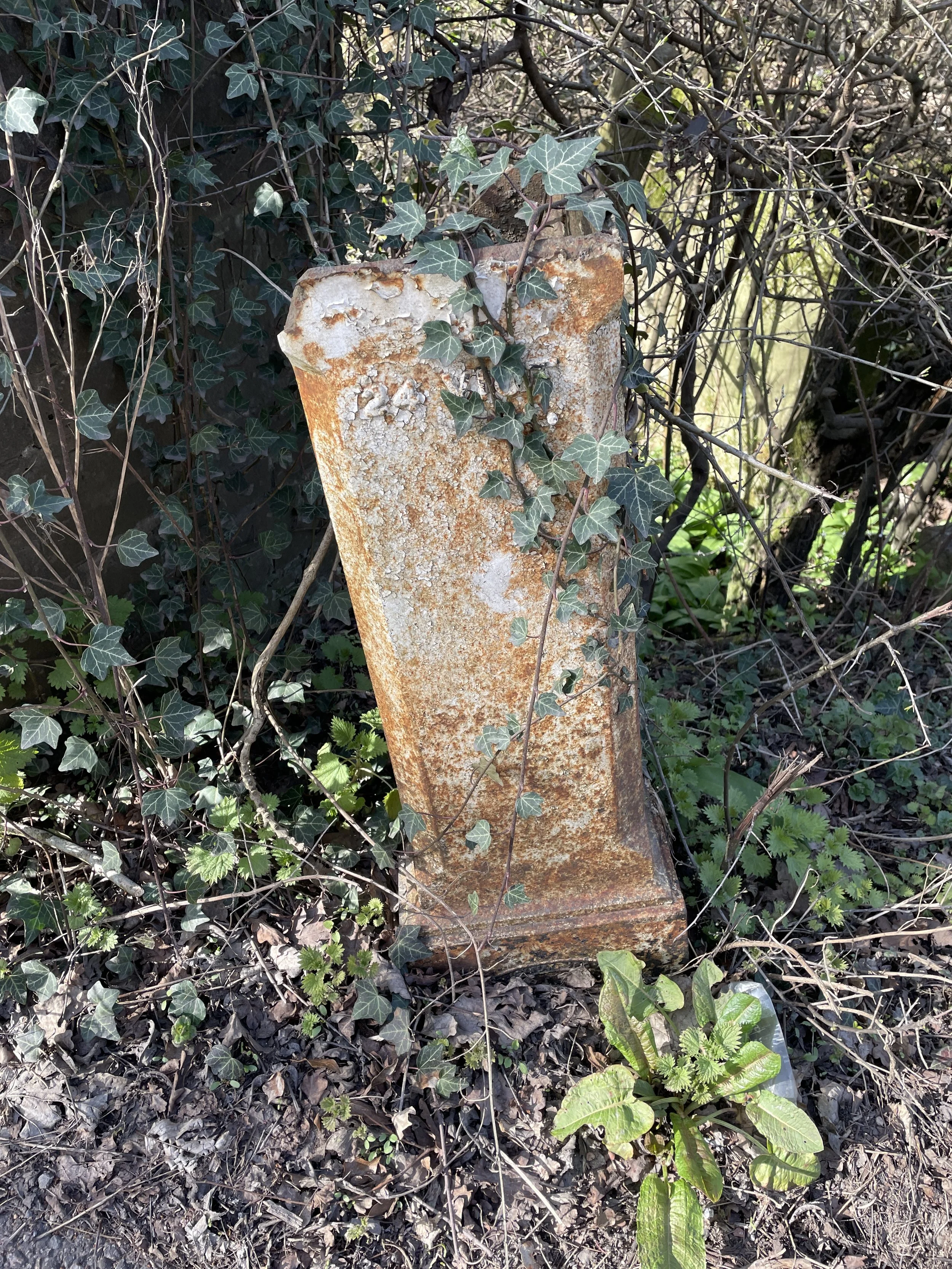
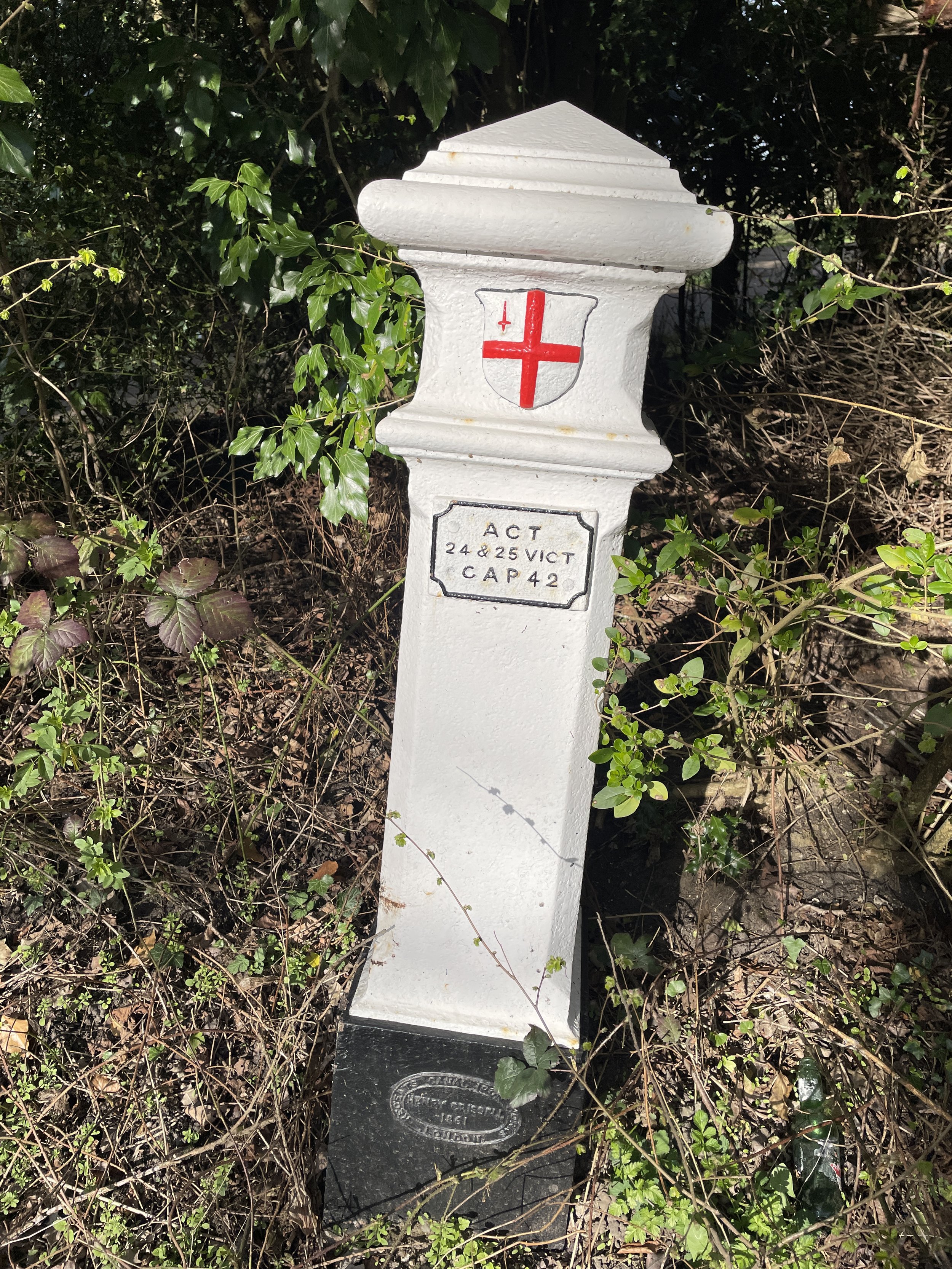
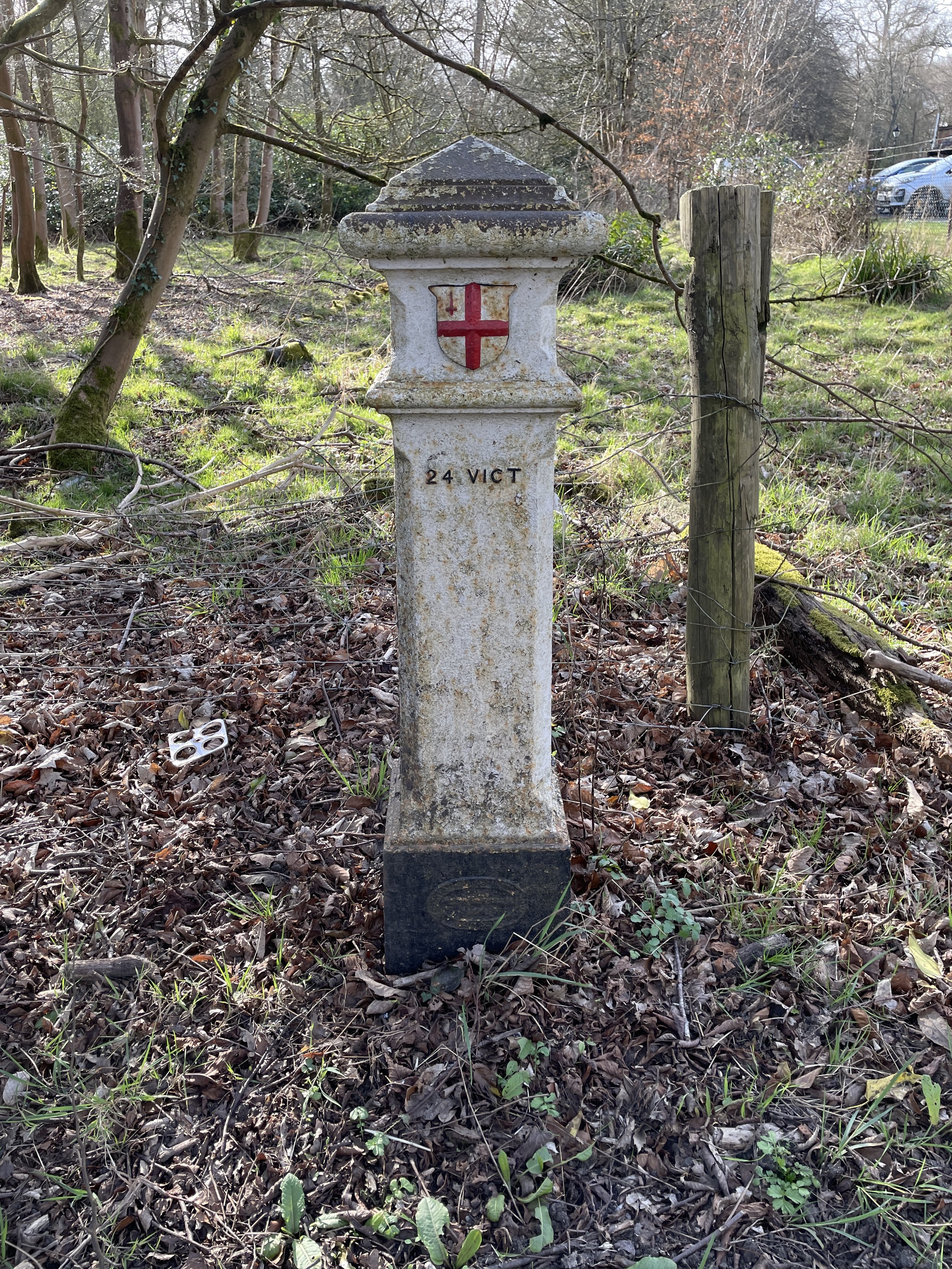
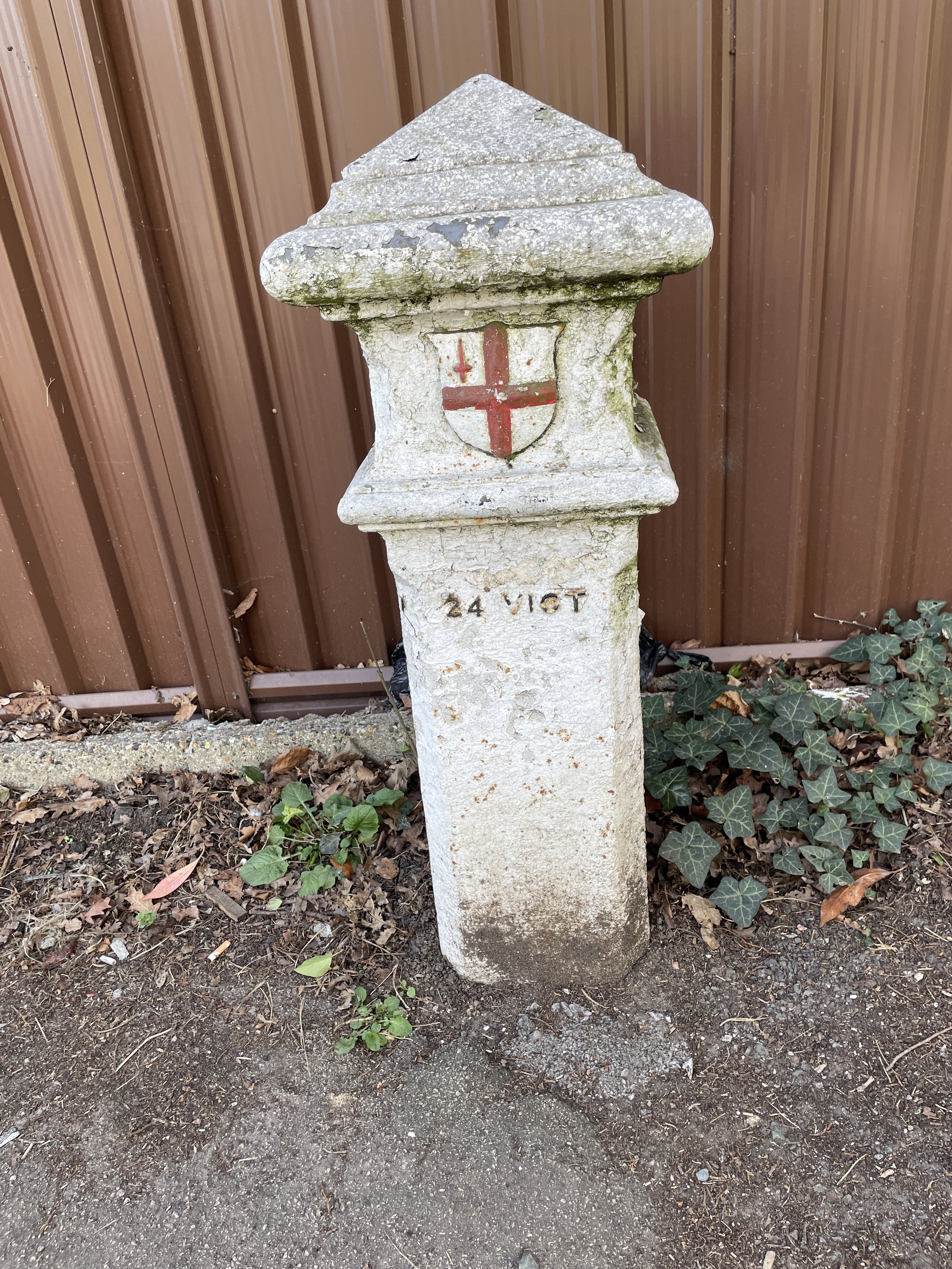
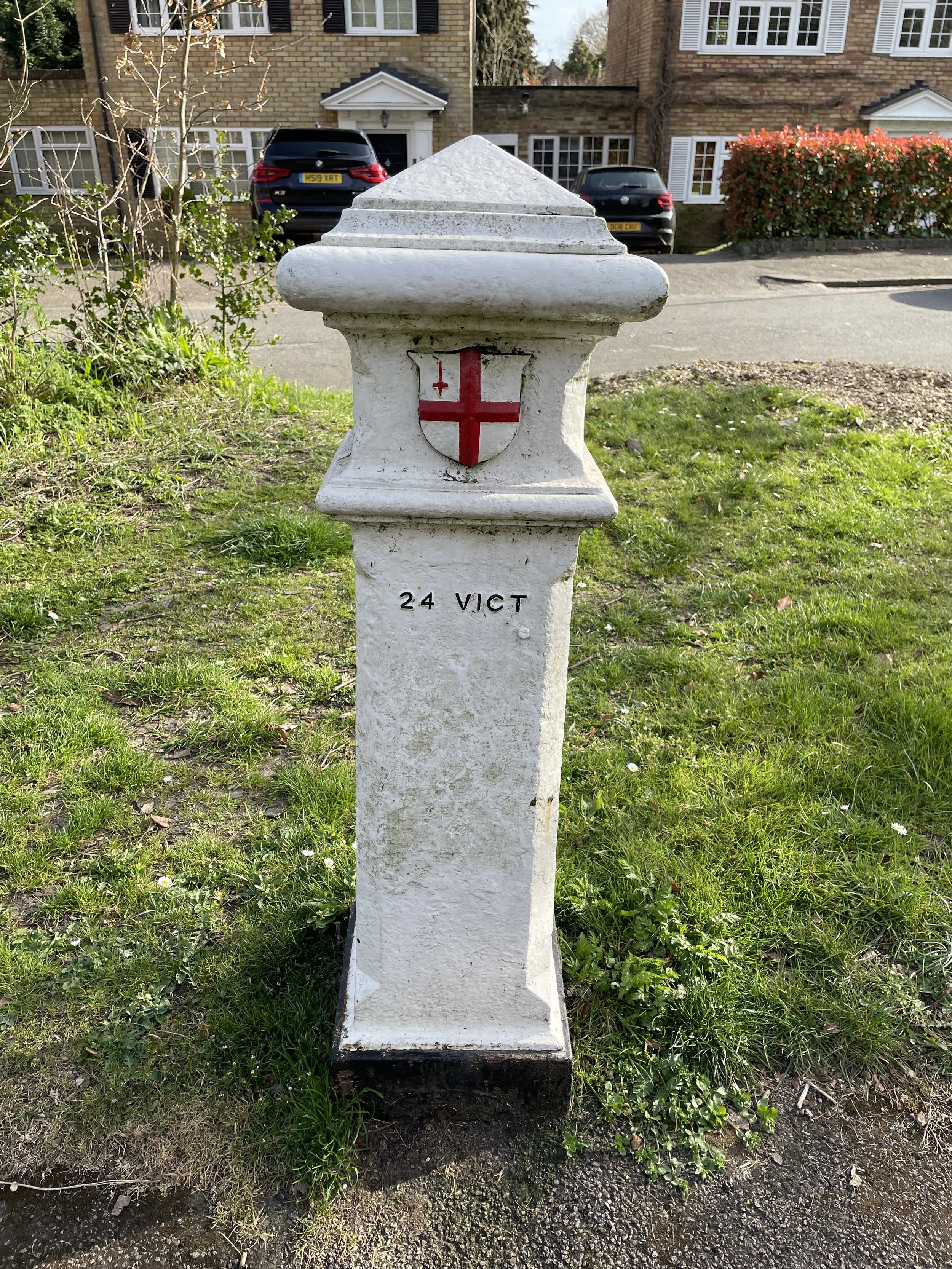
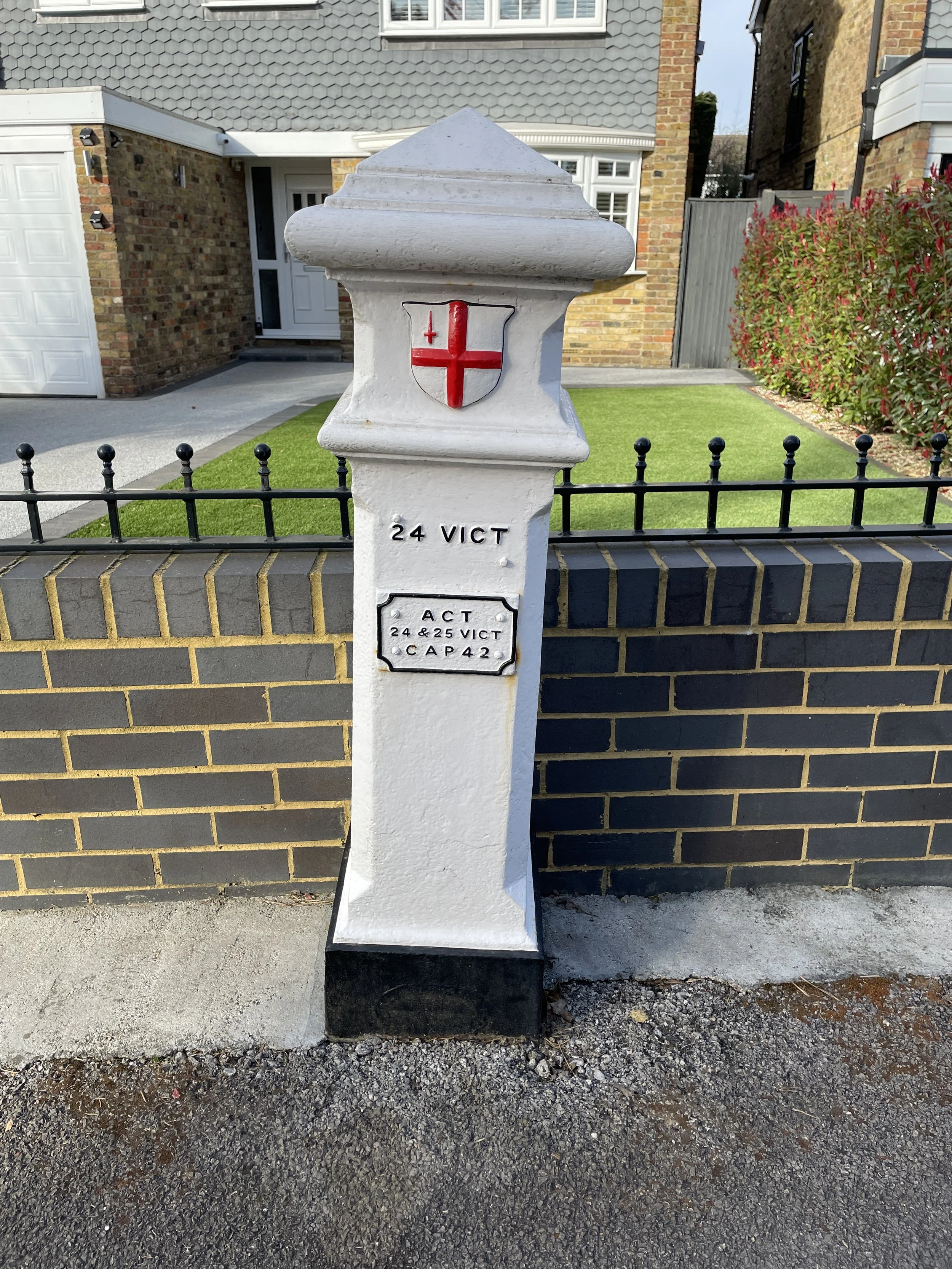
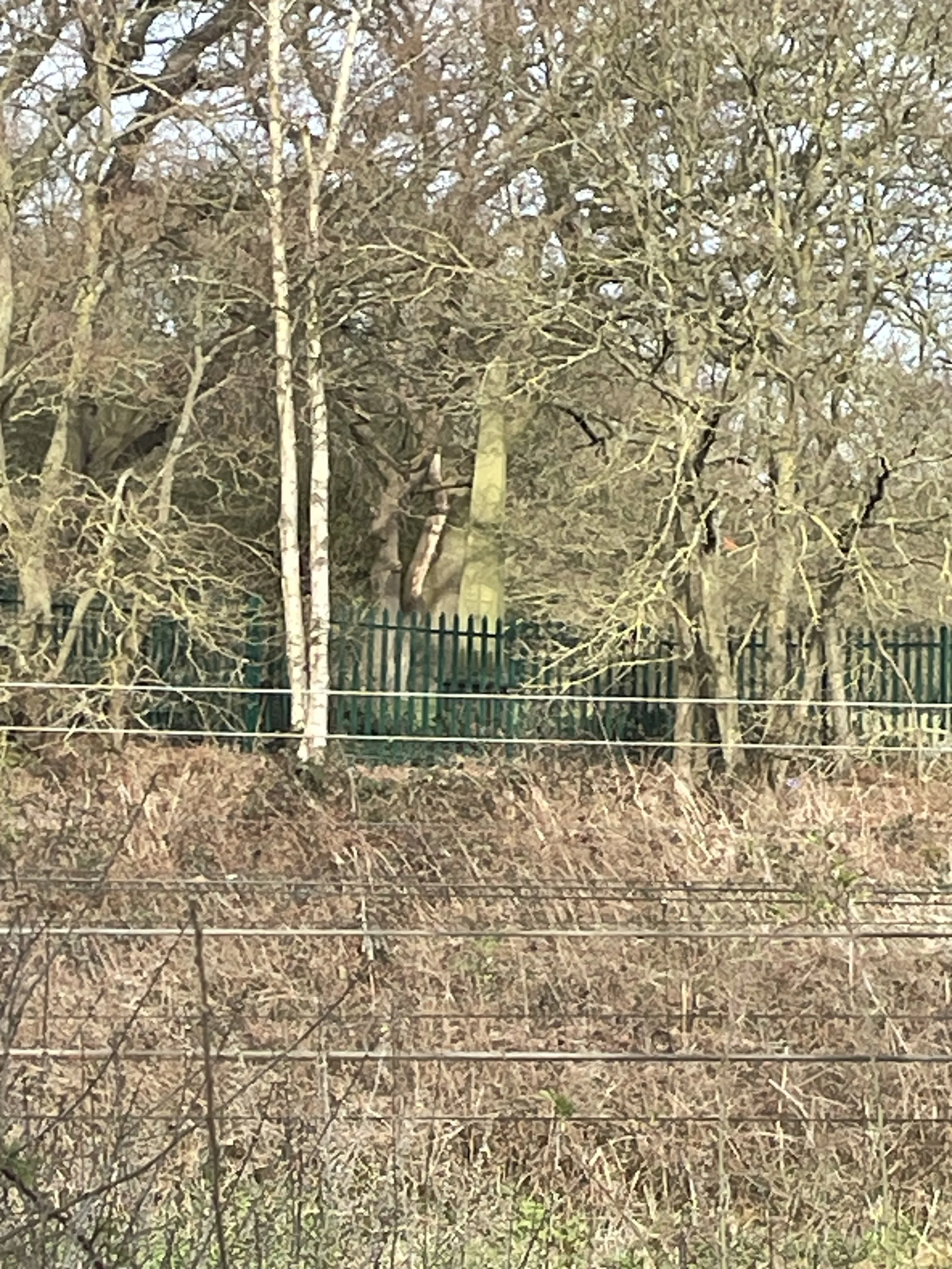
The North-West: Posts 33 to 83
Anti-clockwise from the A1(M) to the River Thames at Staines. Scroll down to the Notes section at the bottom of this page for details of missing photos.
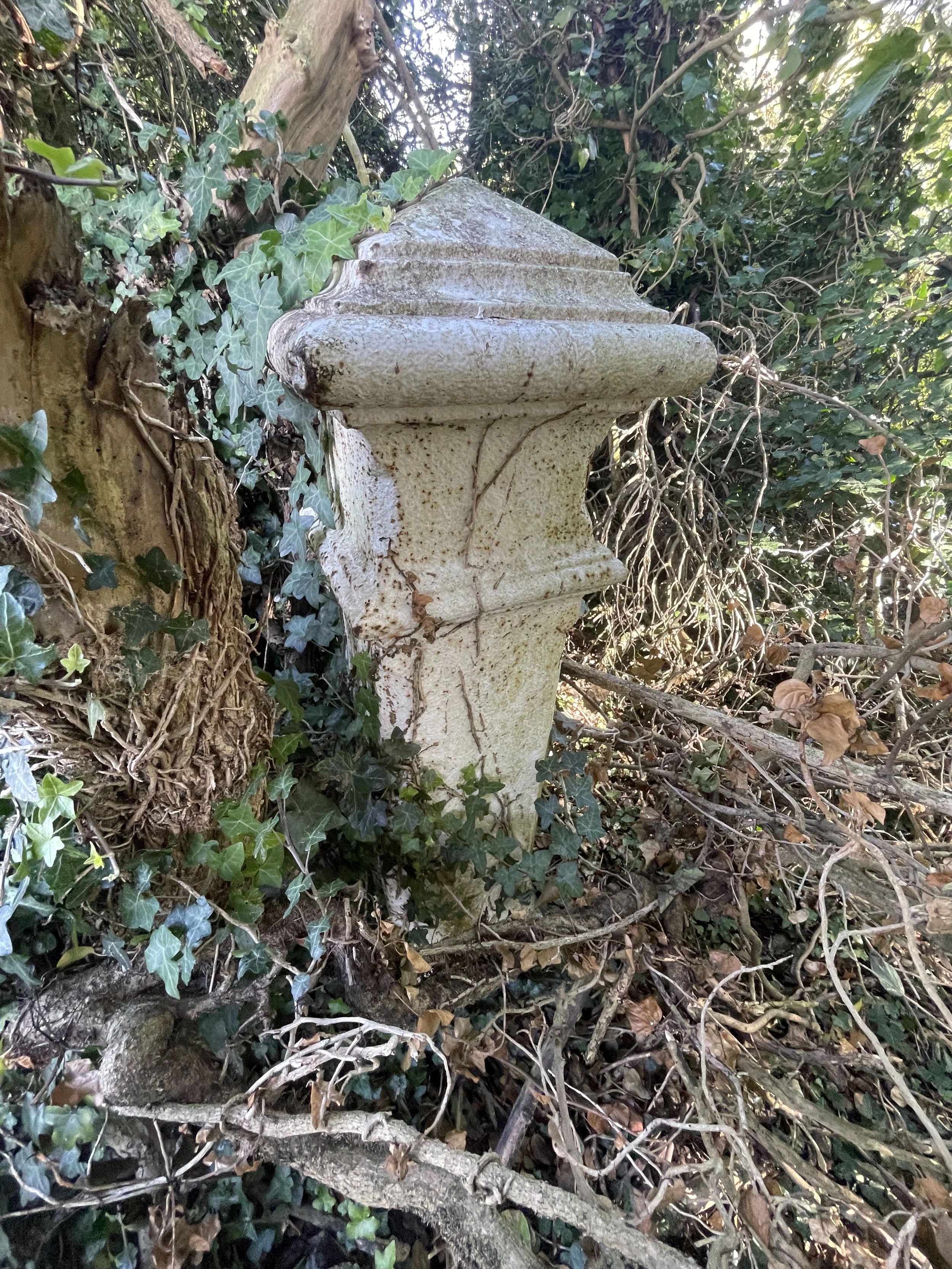
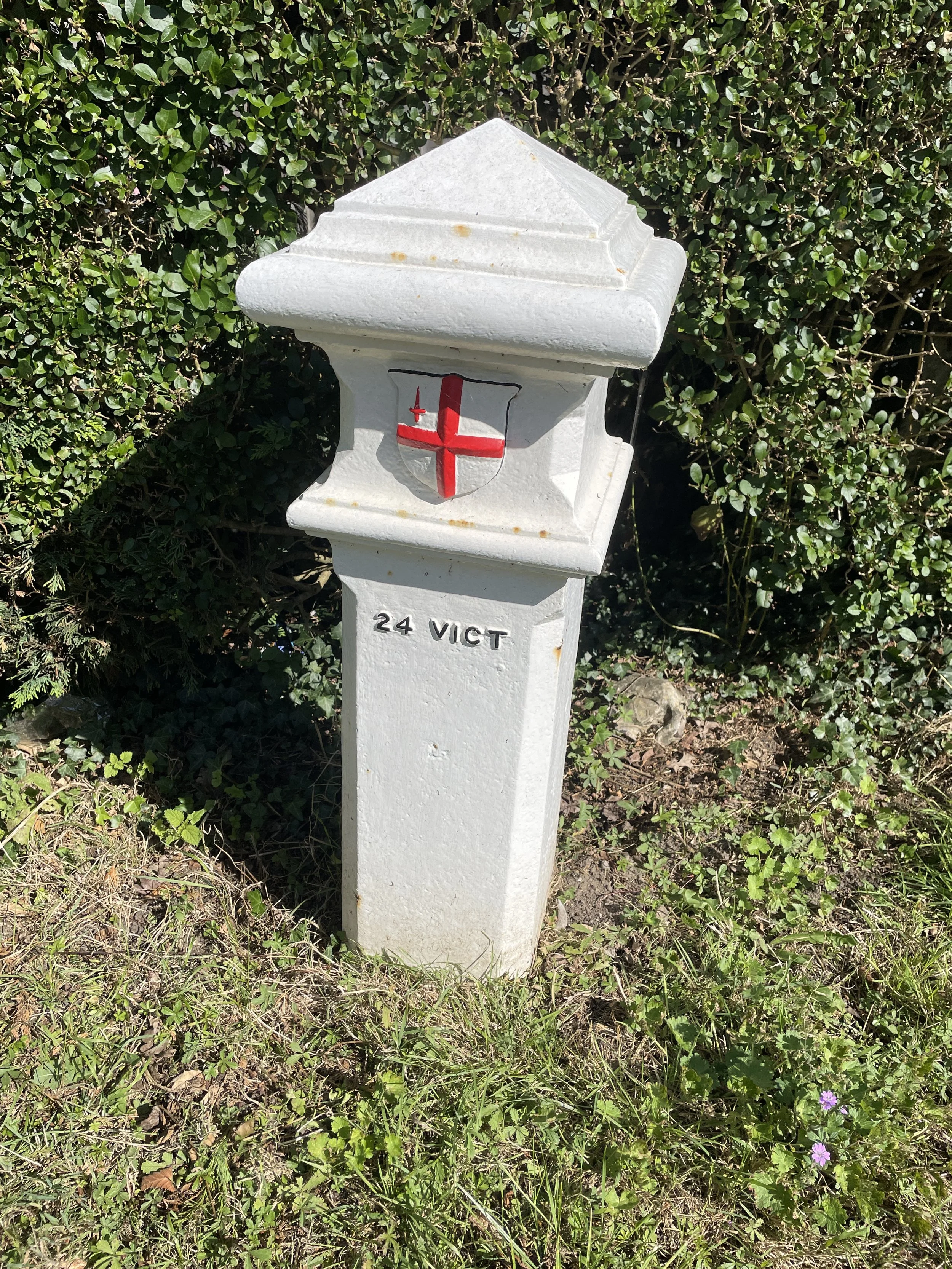
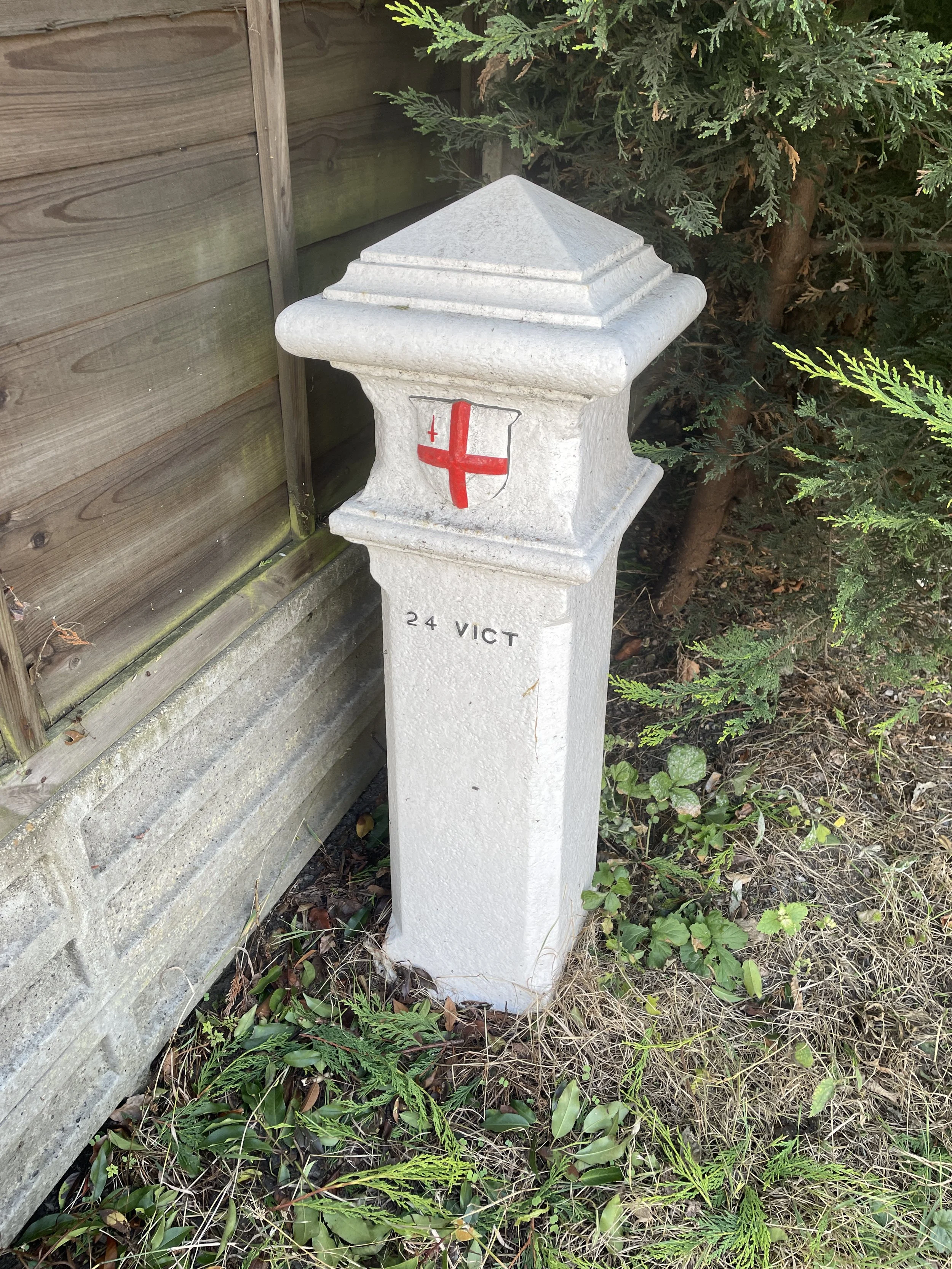
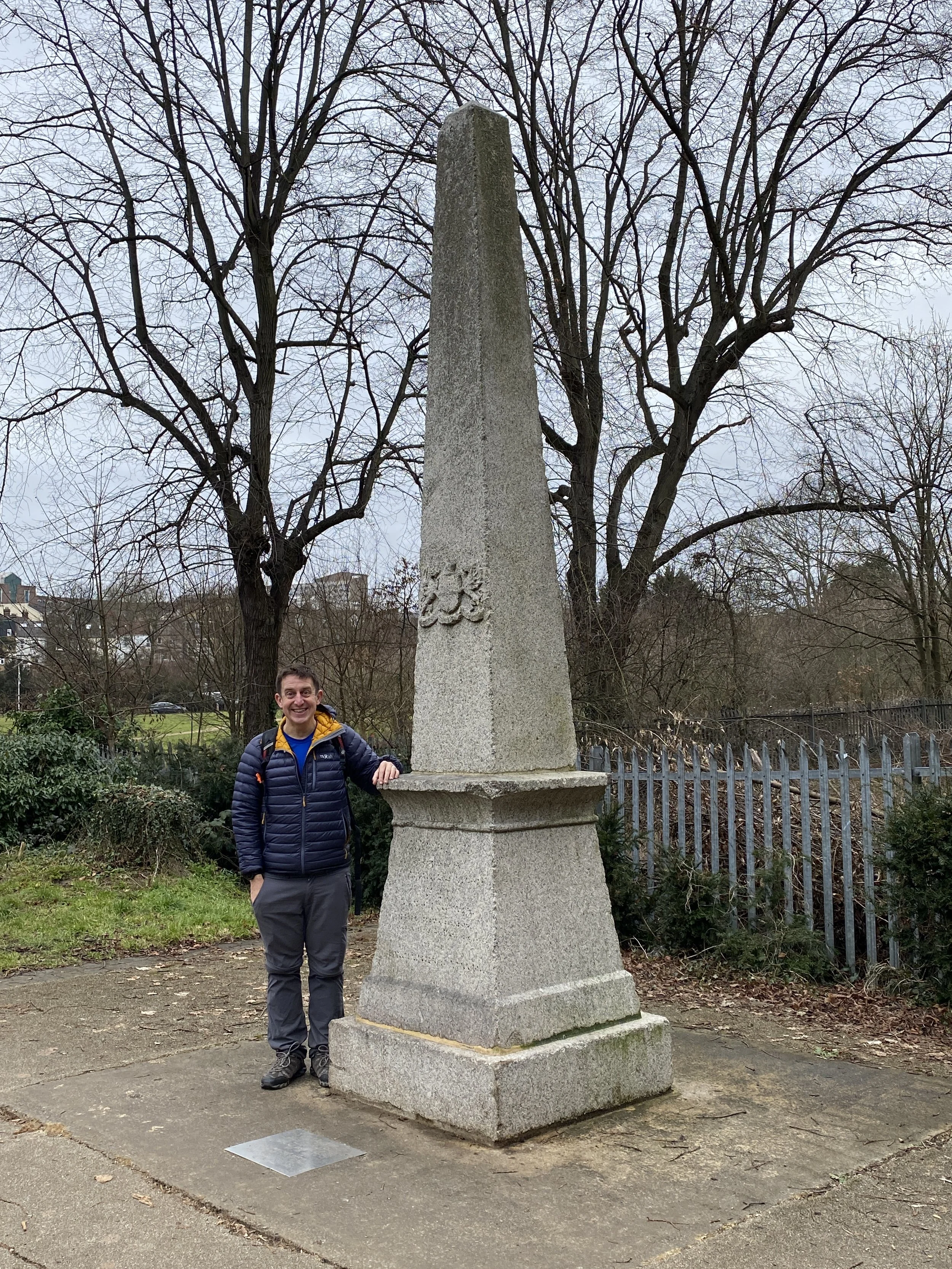
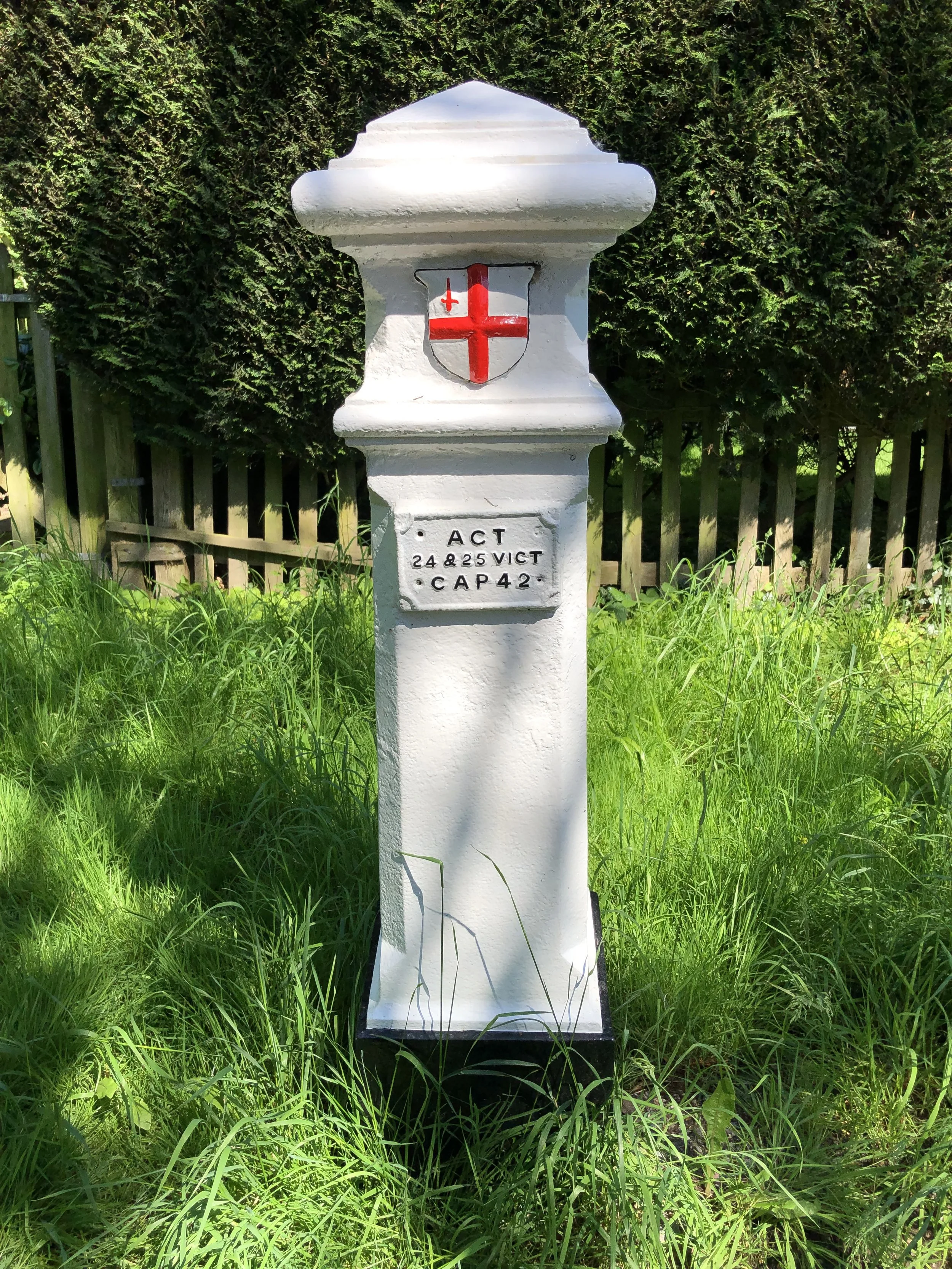
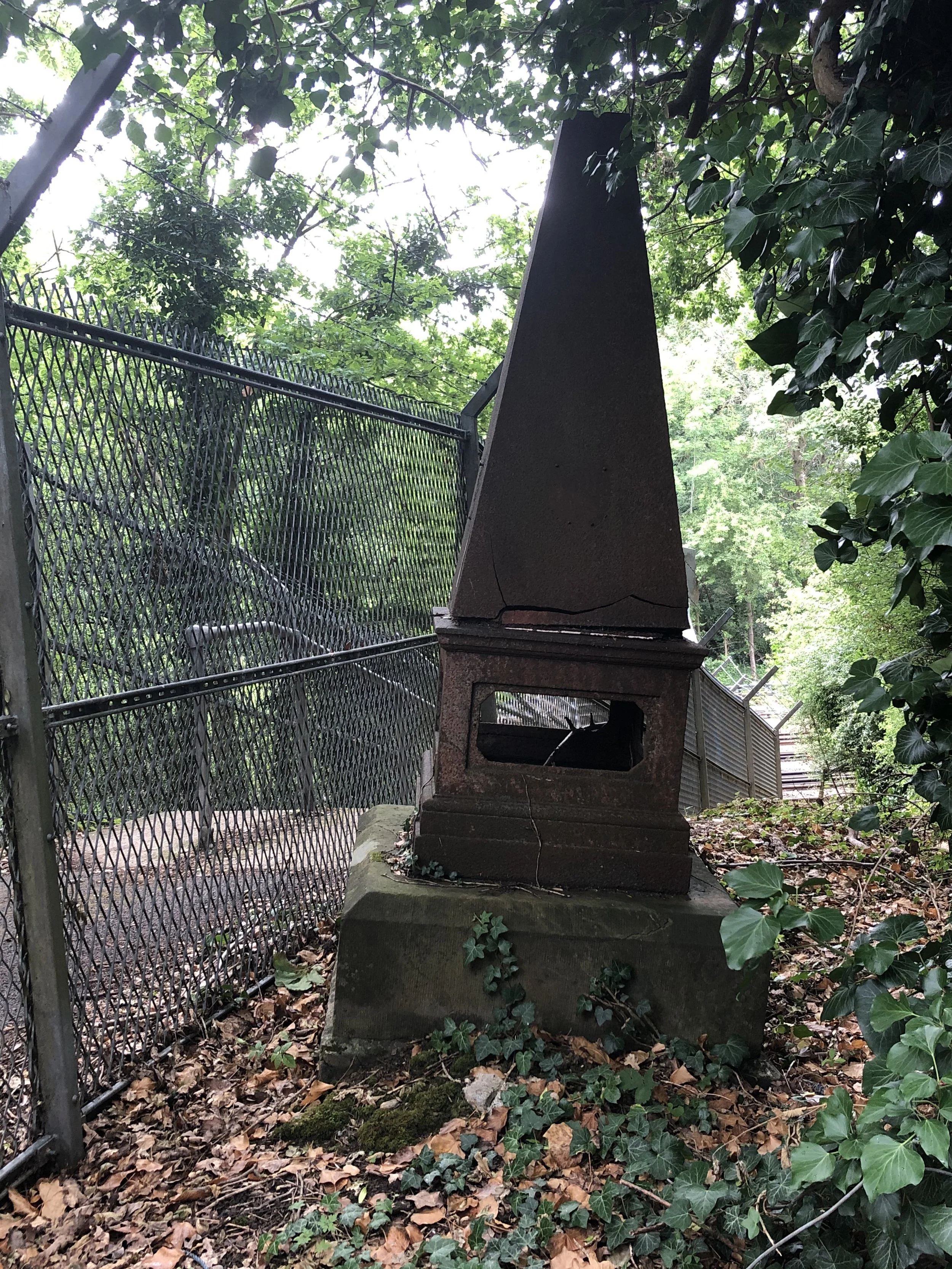
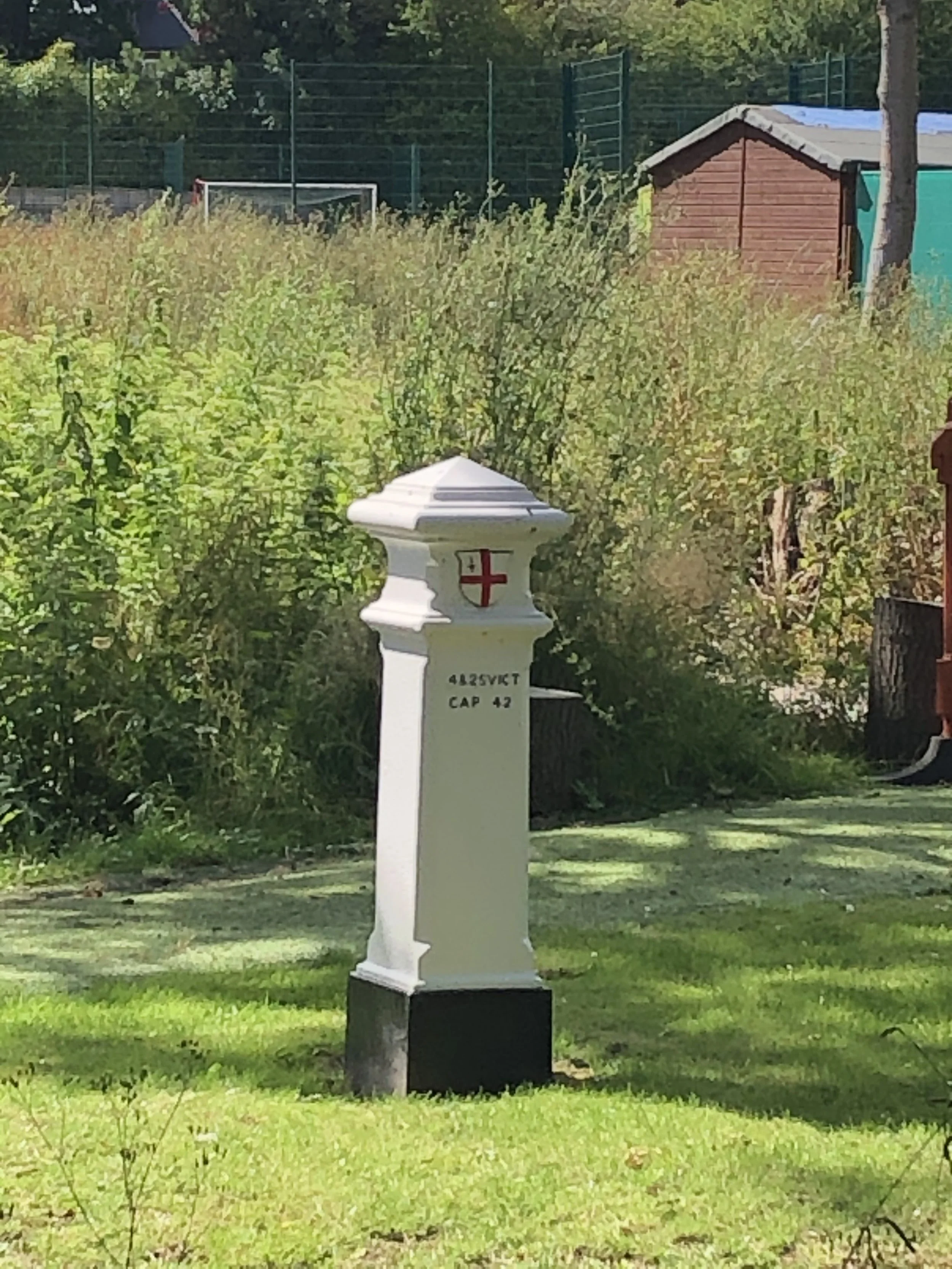
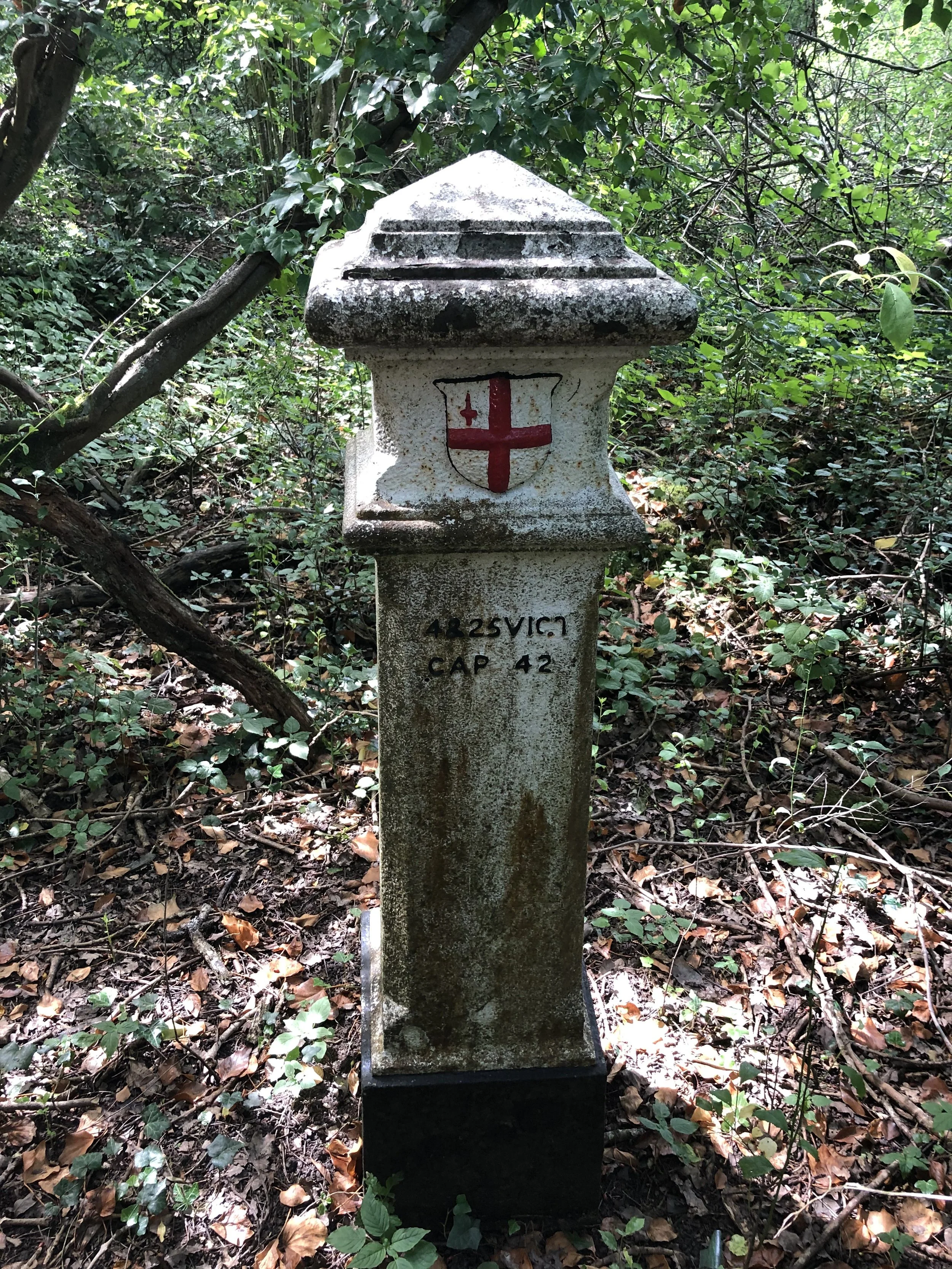
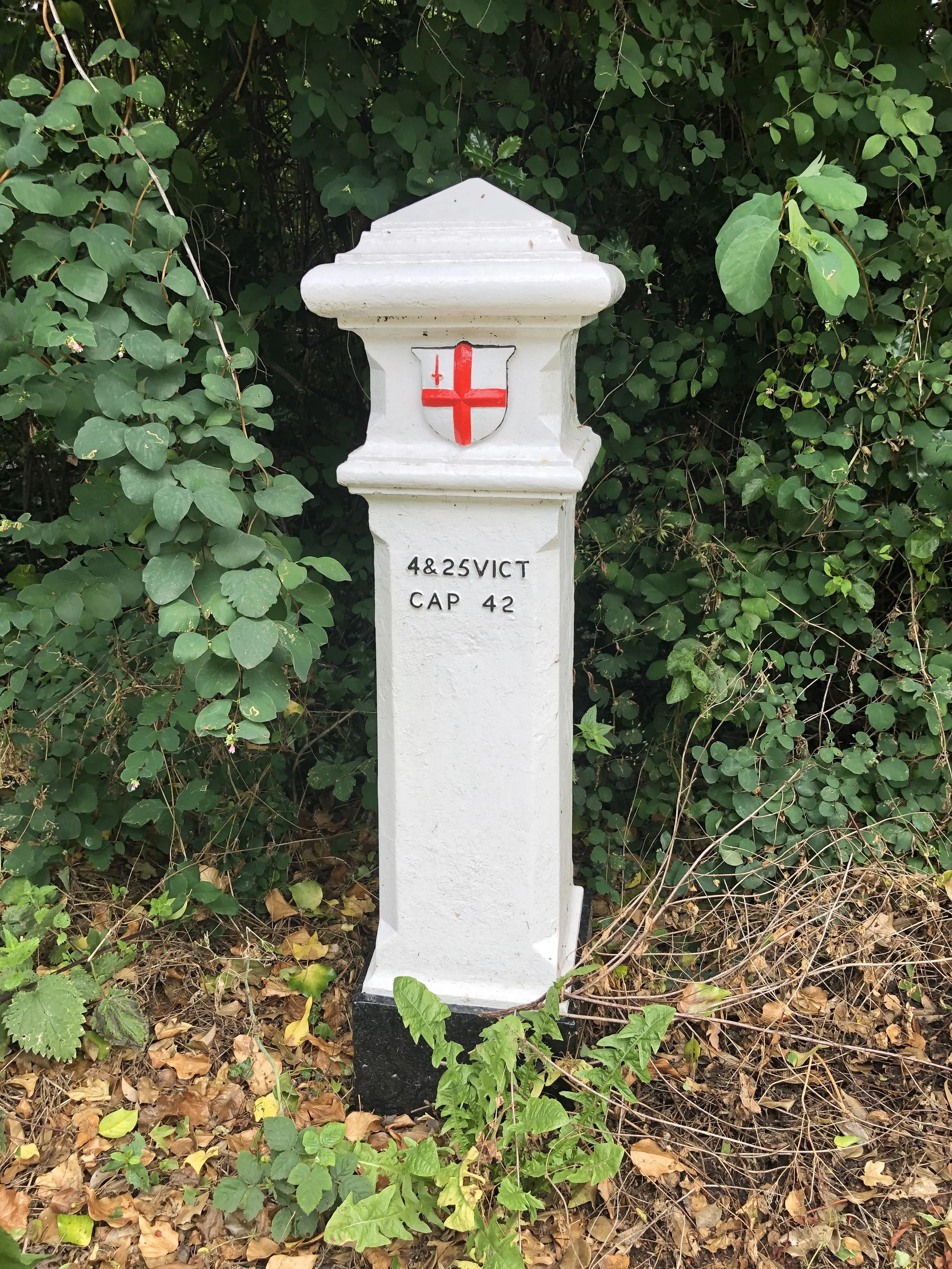
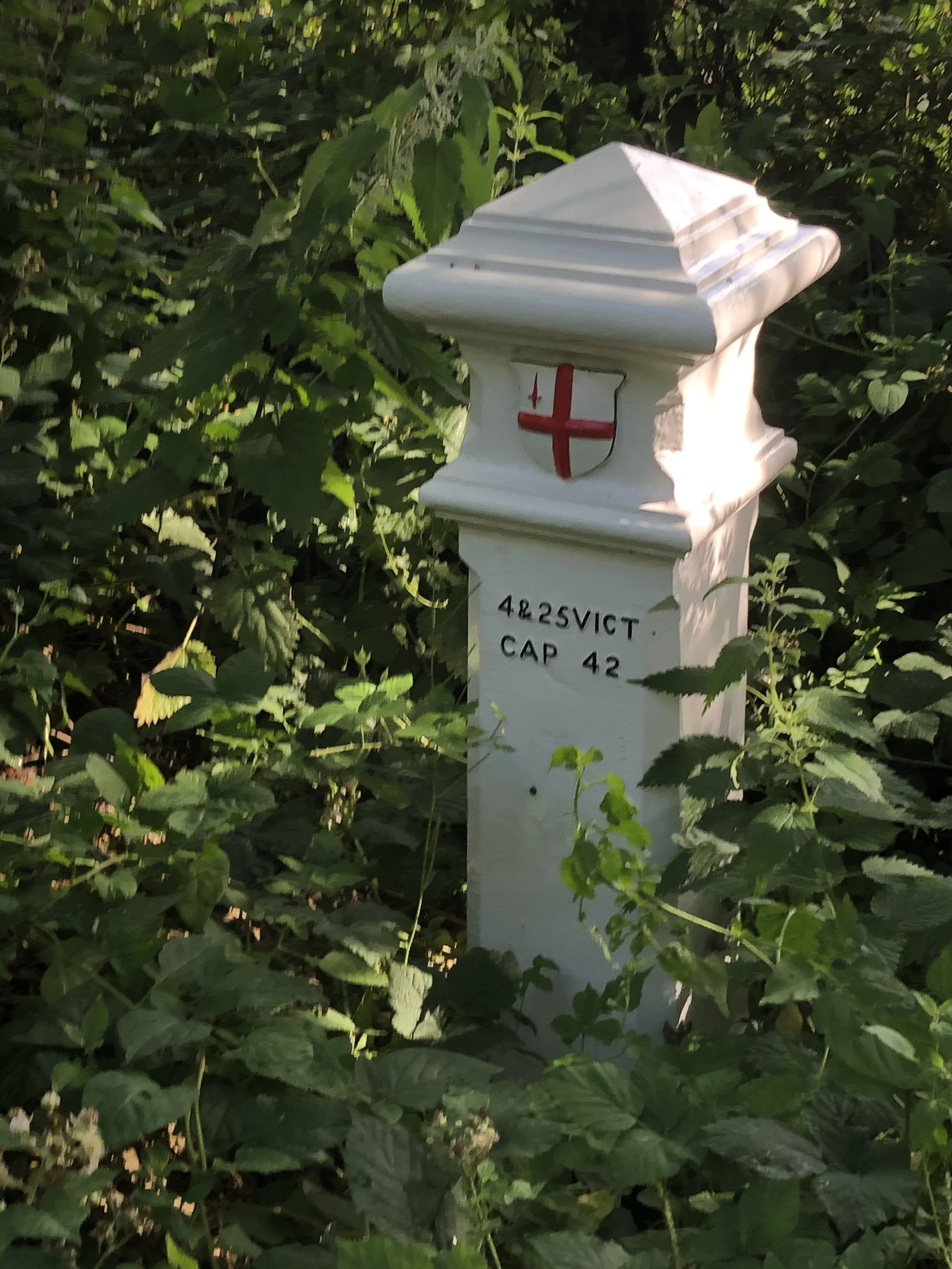
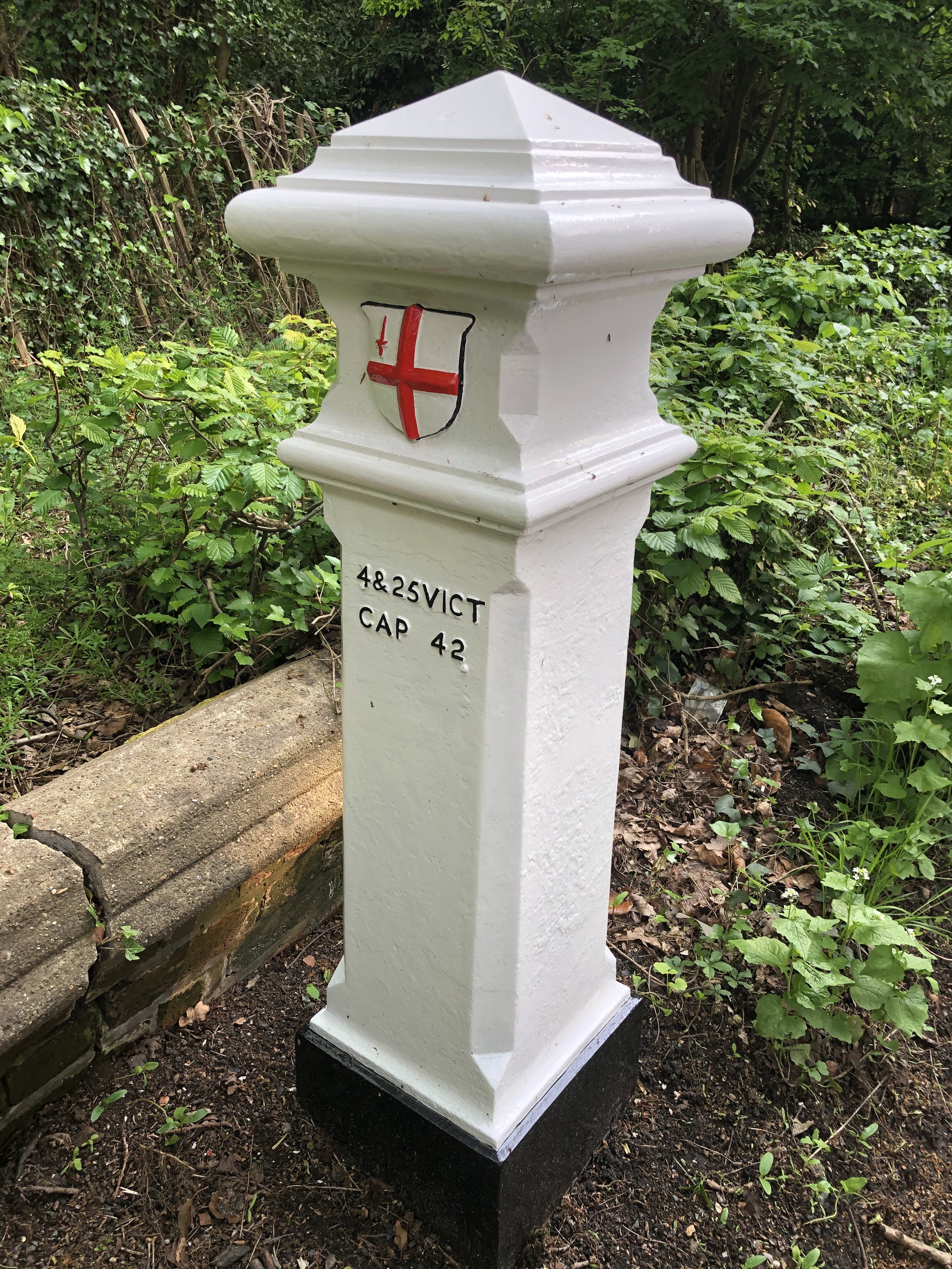
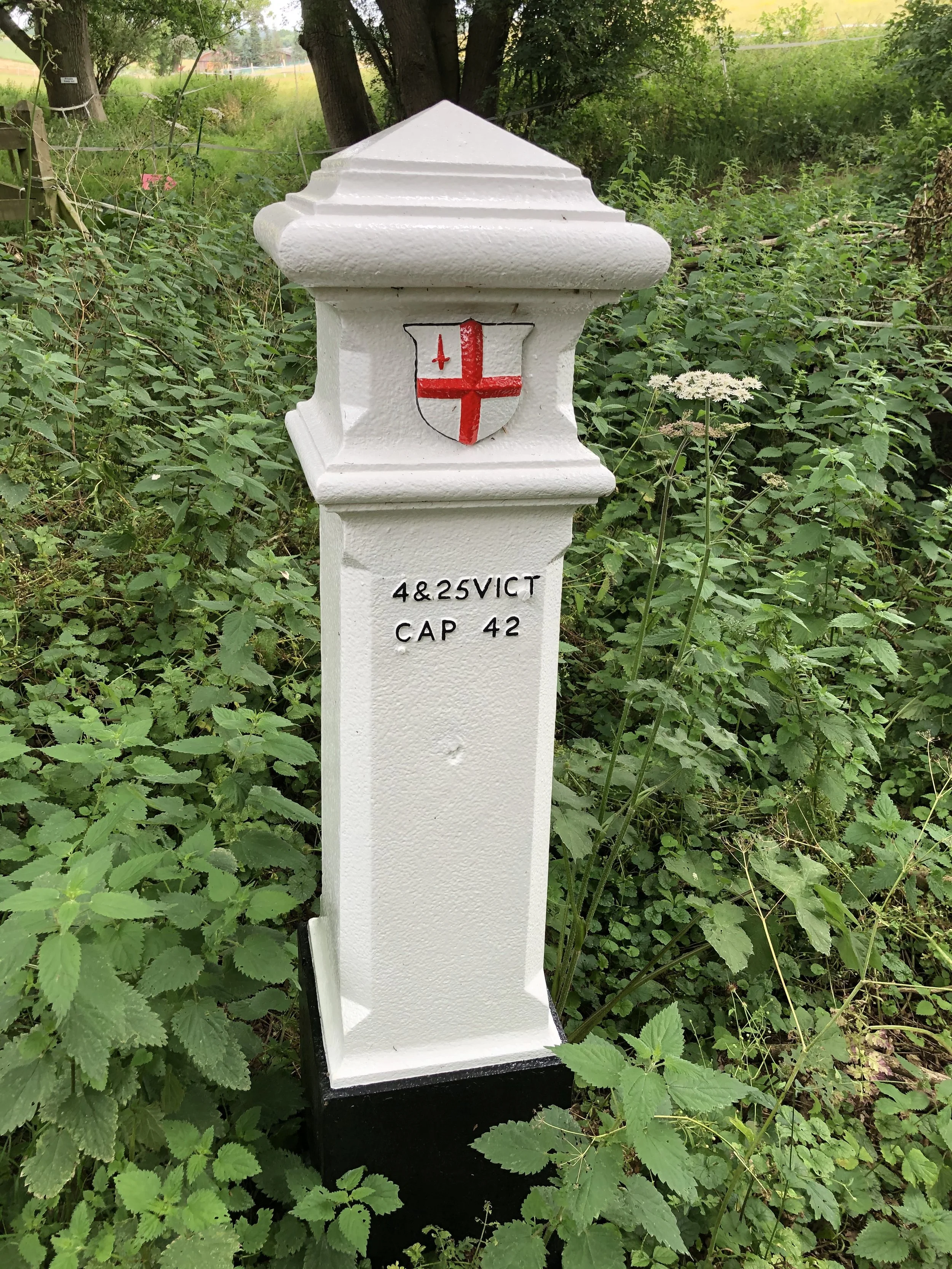
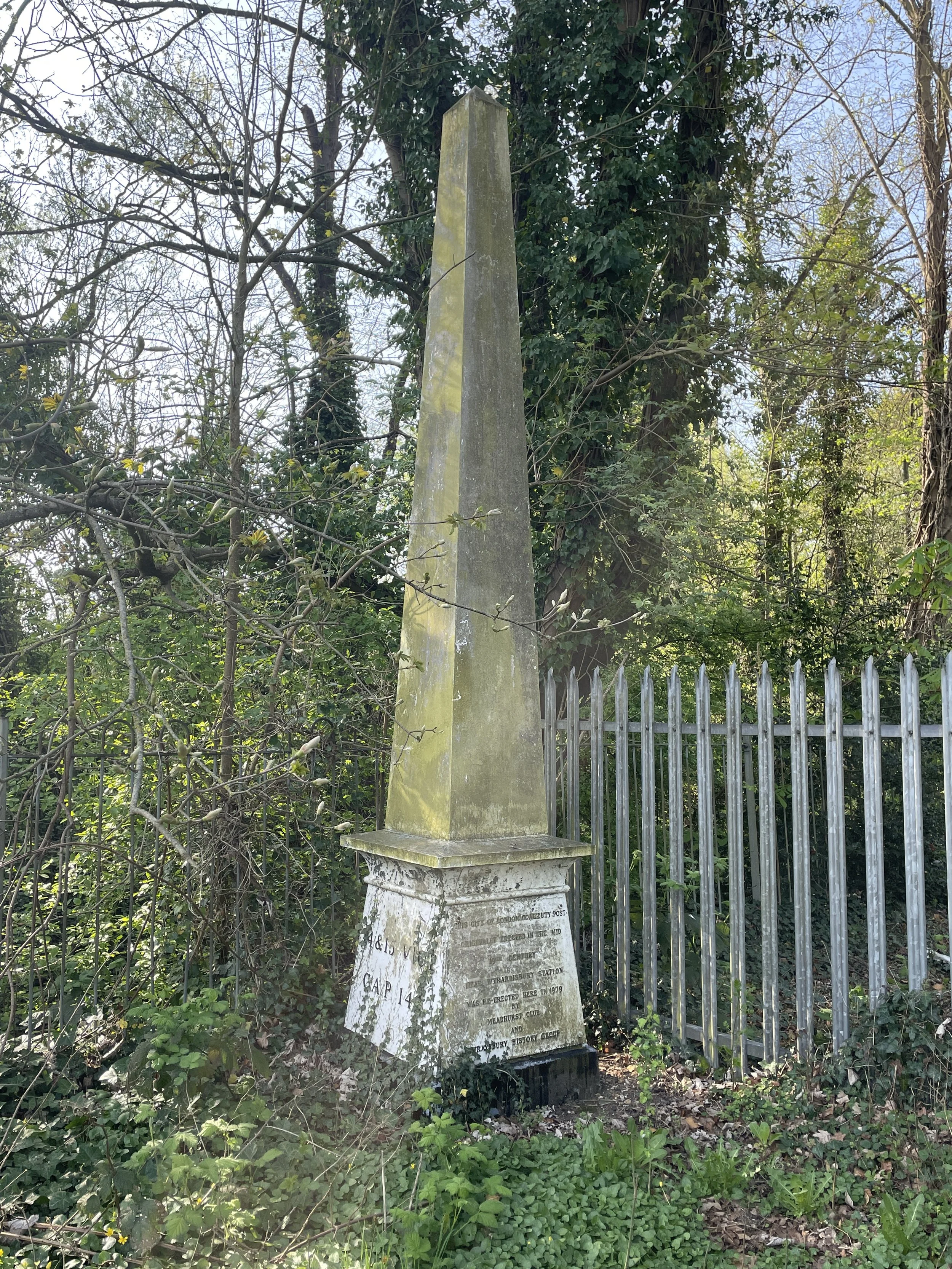
The South-West: Posts 84 to 164
Anti-clockwise from the River Thames at Staines to Hooley. Scroll down to the Notes section at the bottom of this page for details of missing photos.
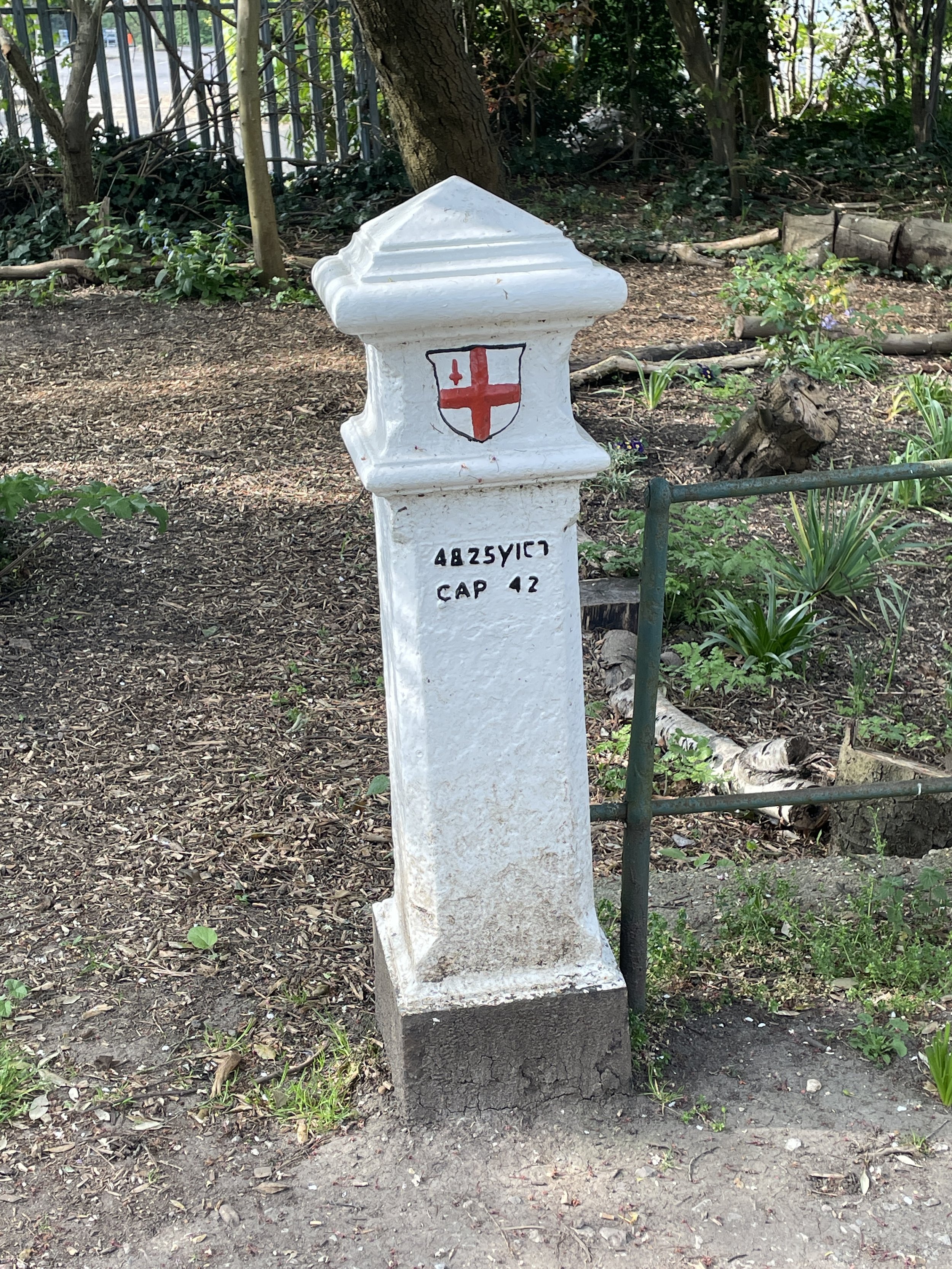
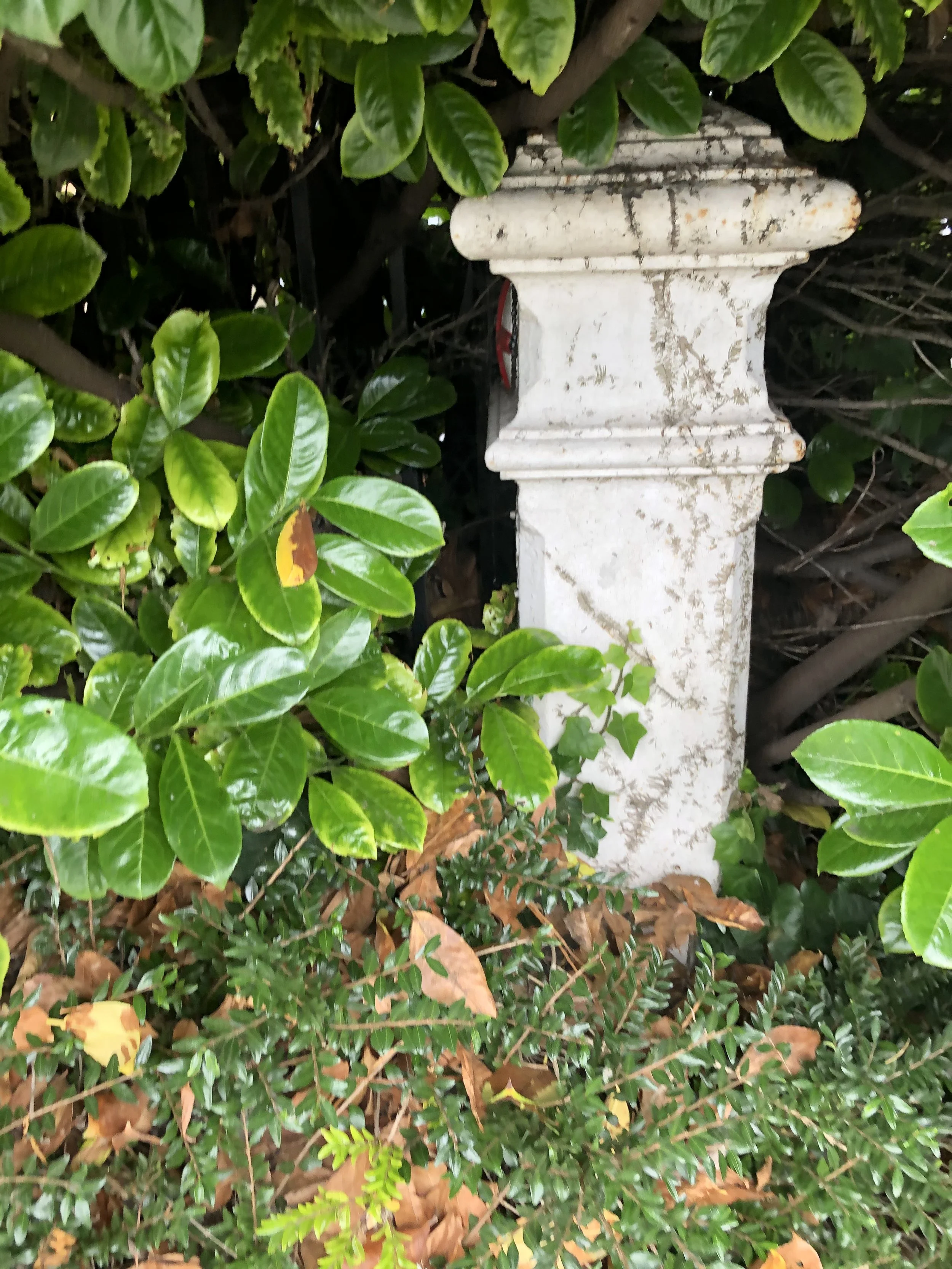
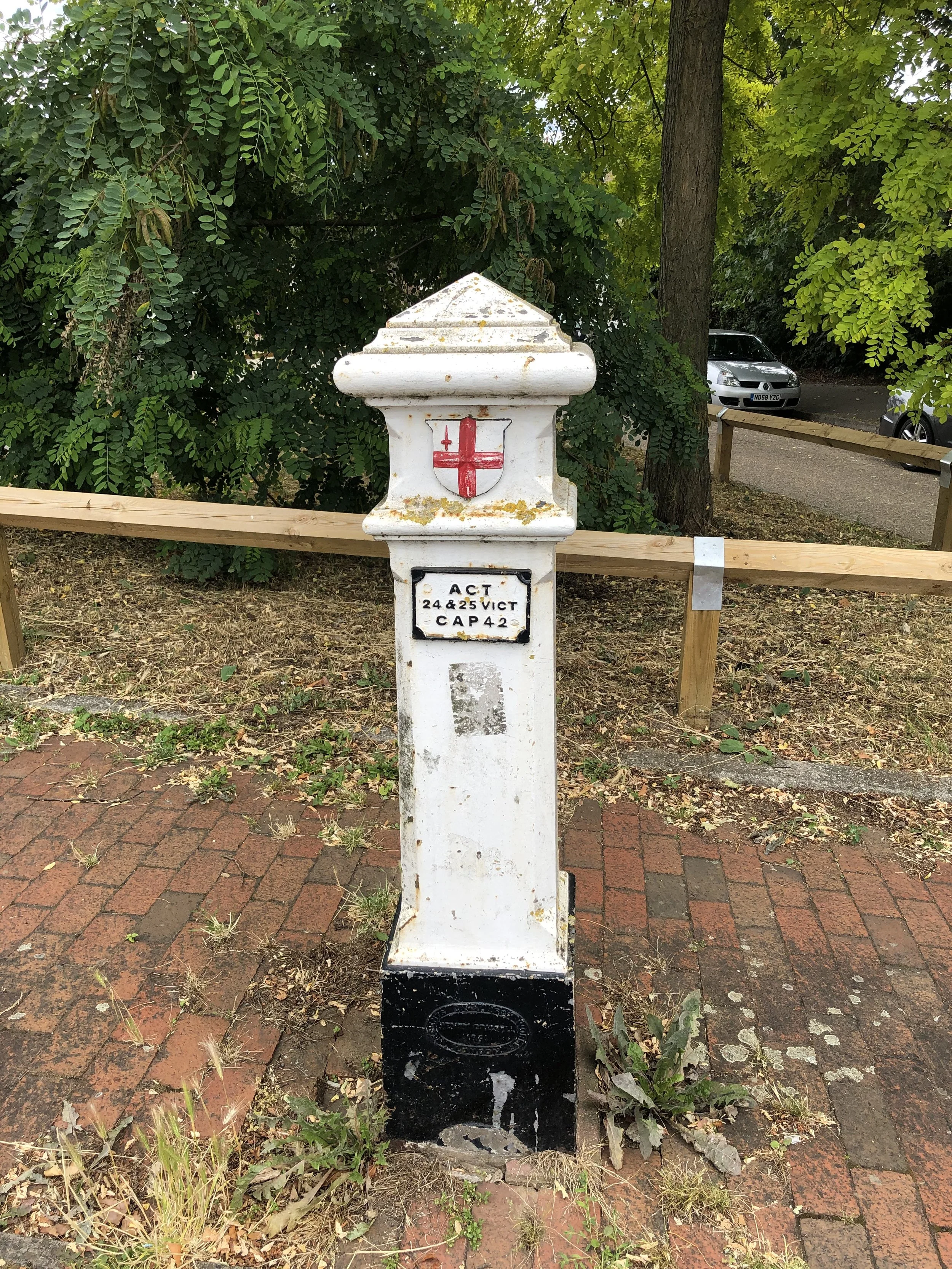
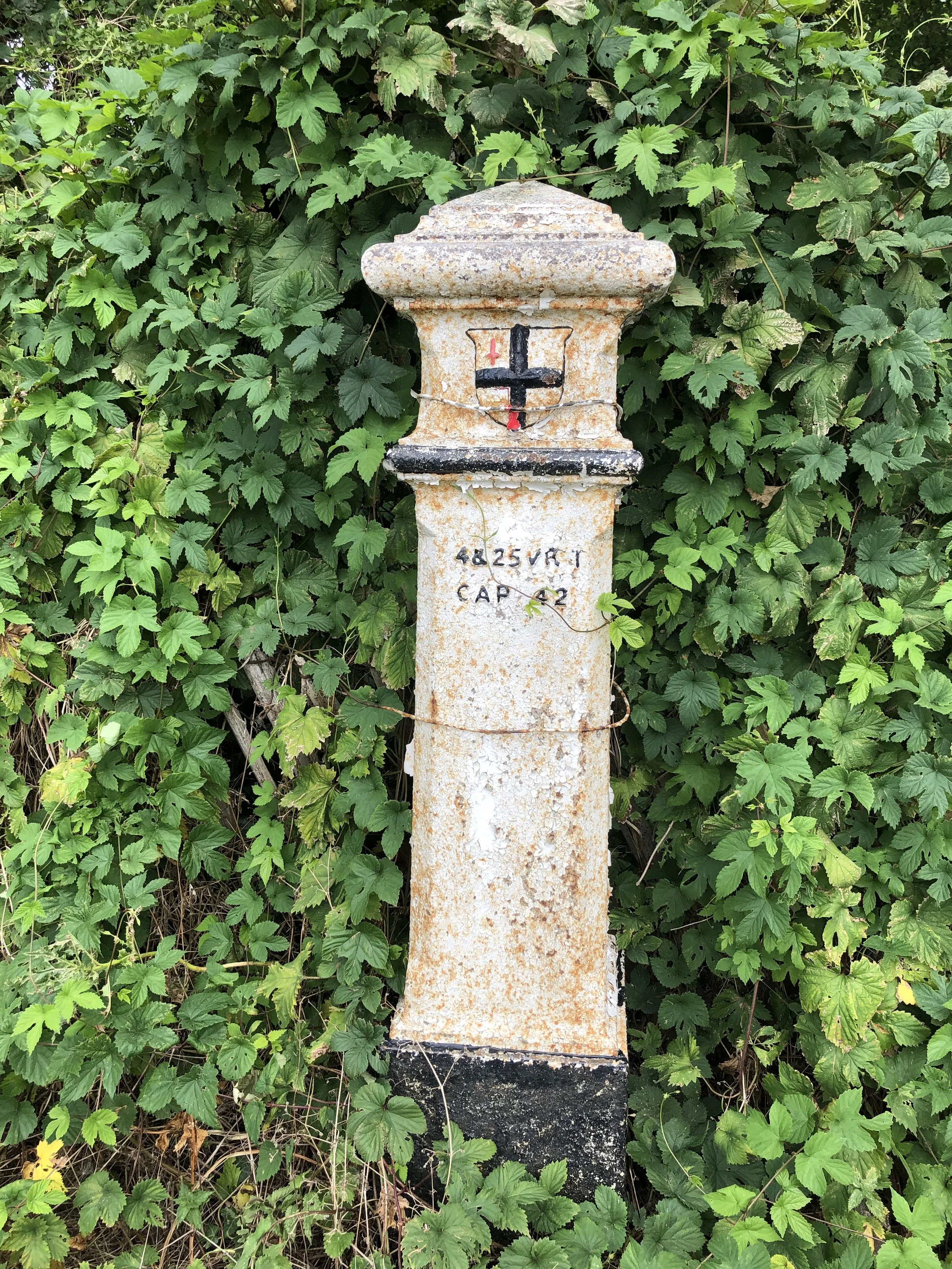
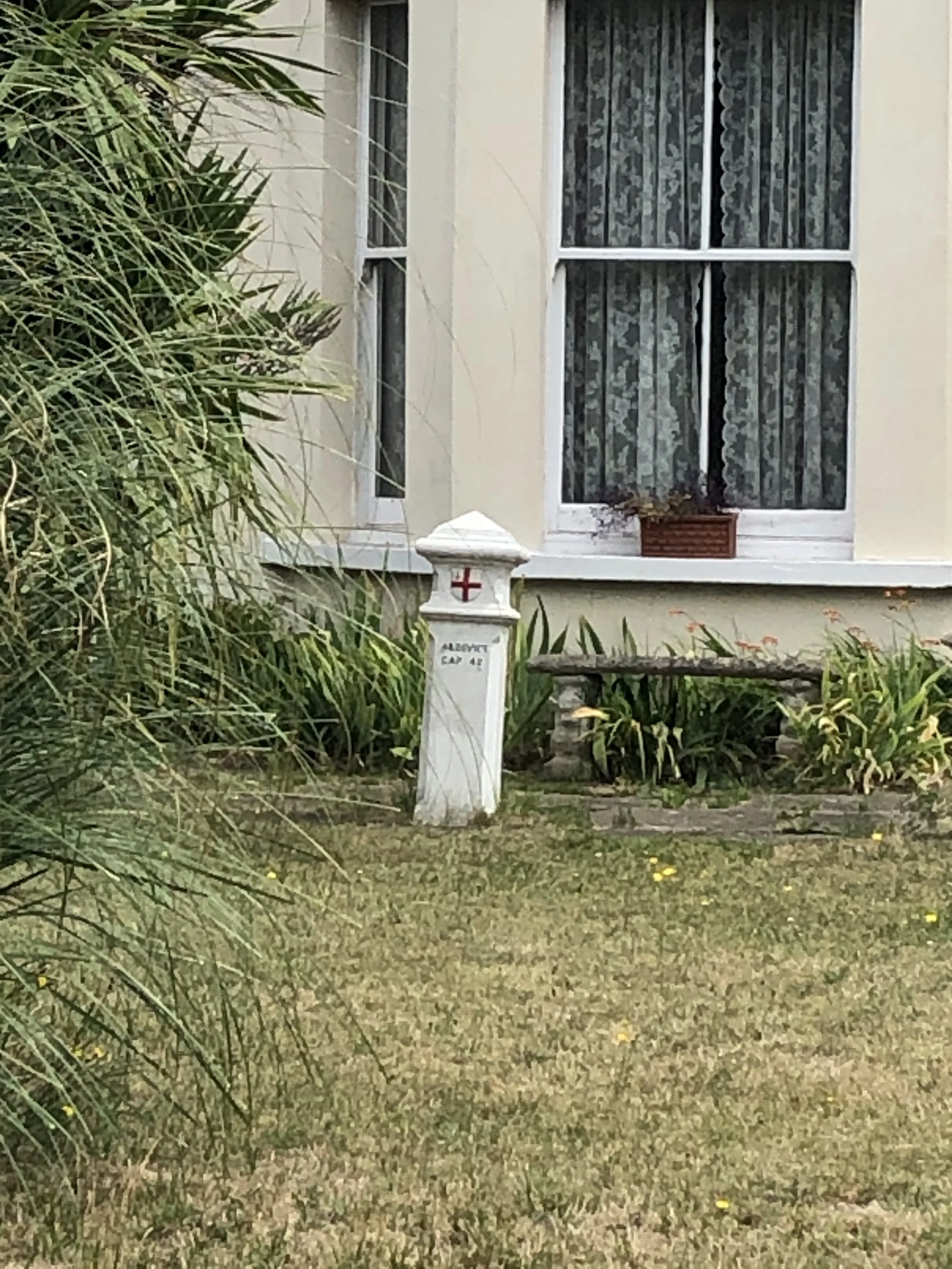
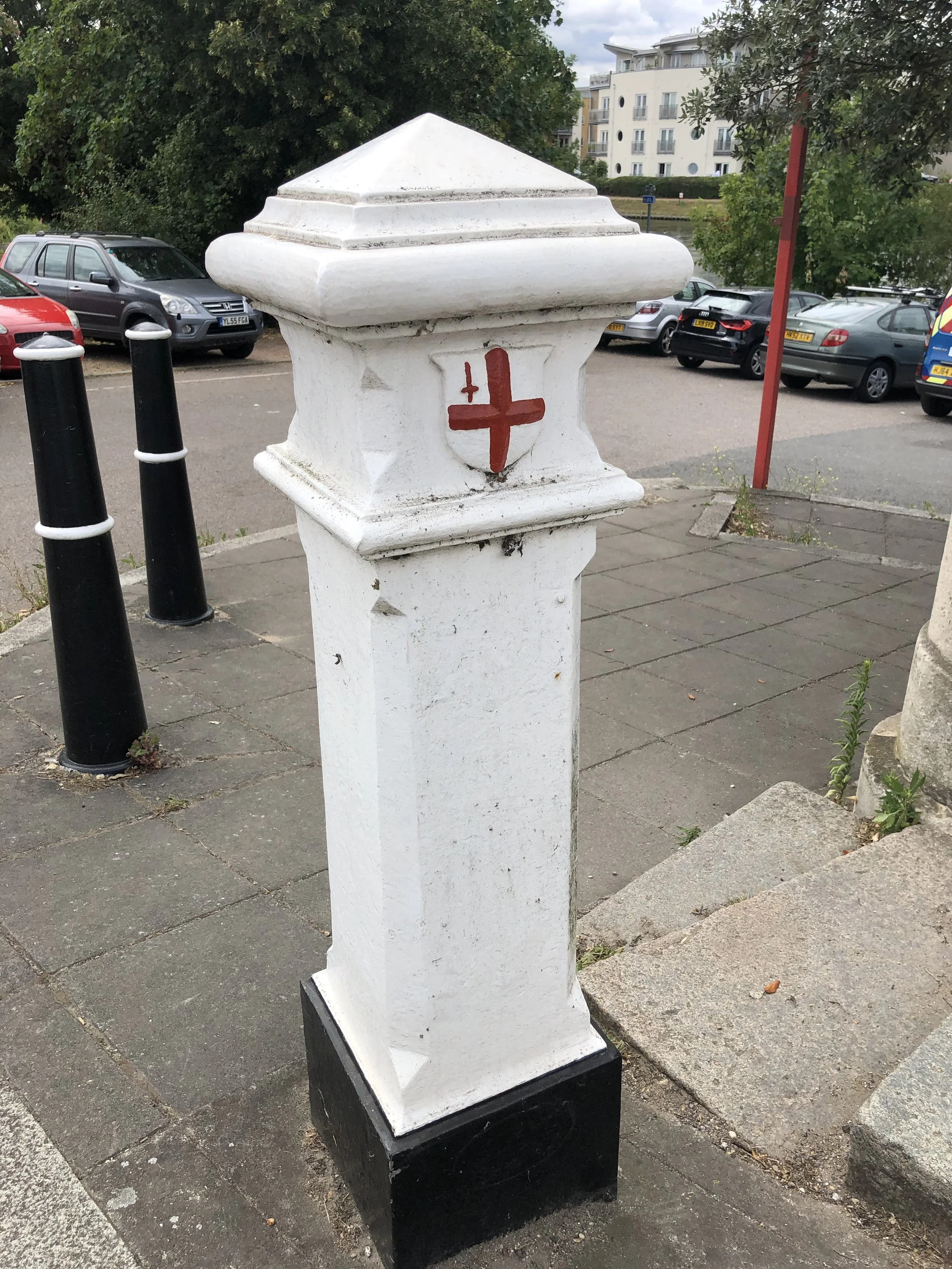
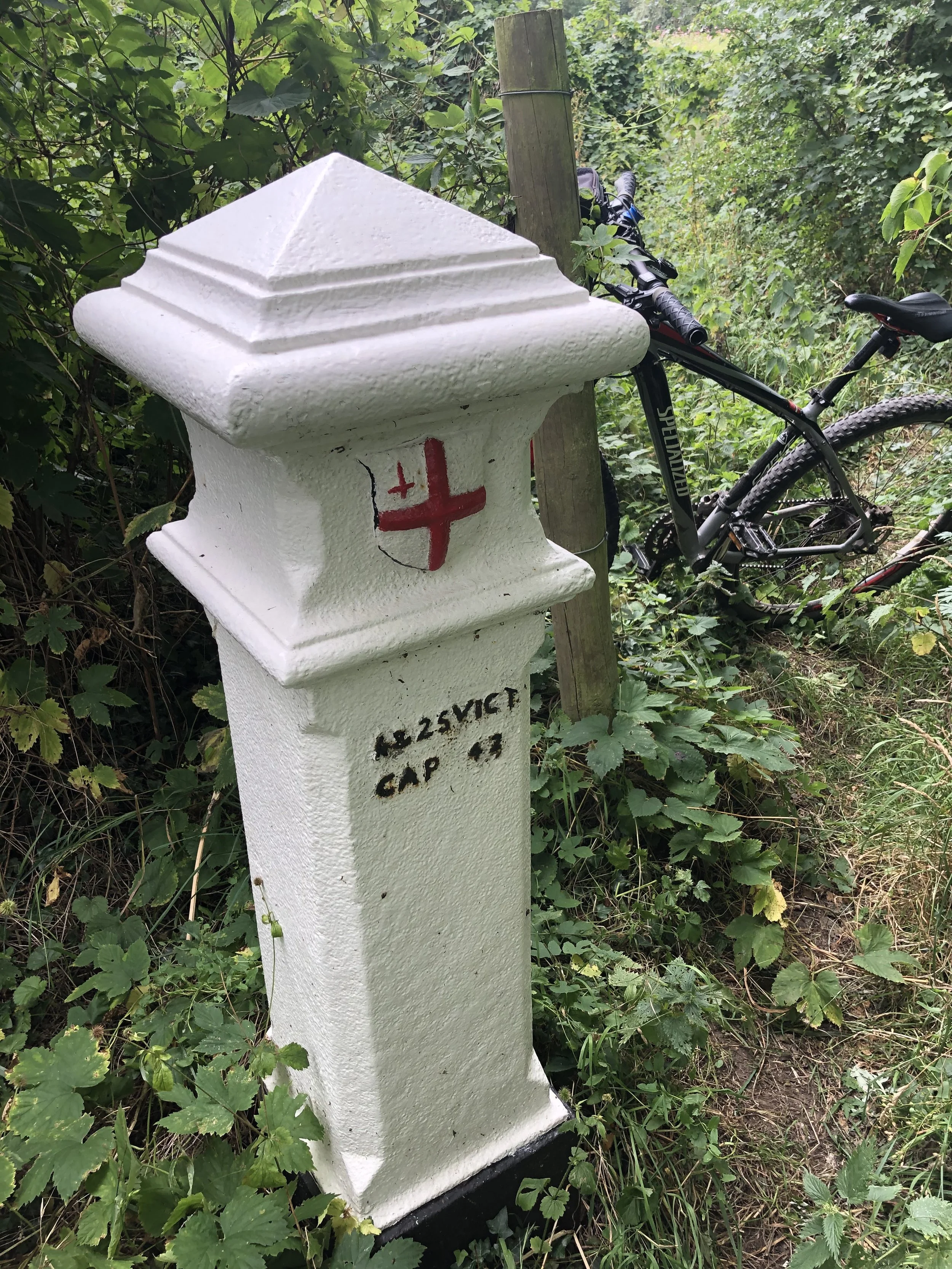
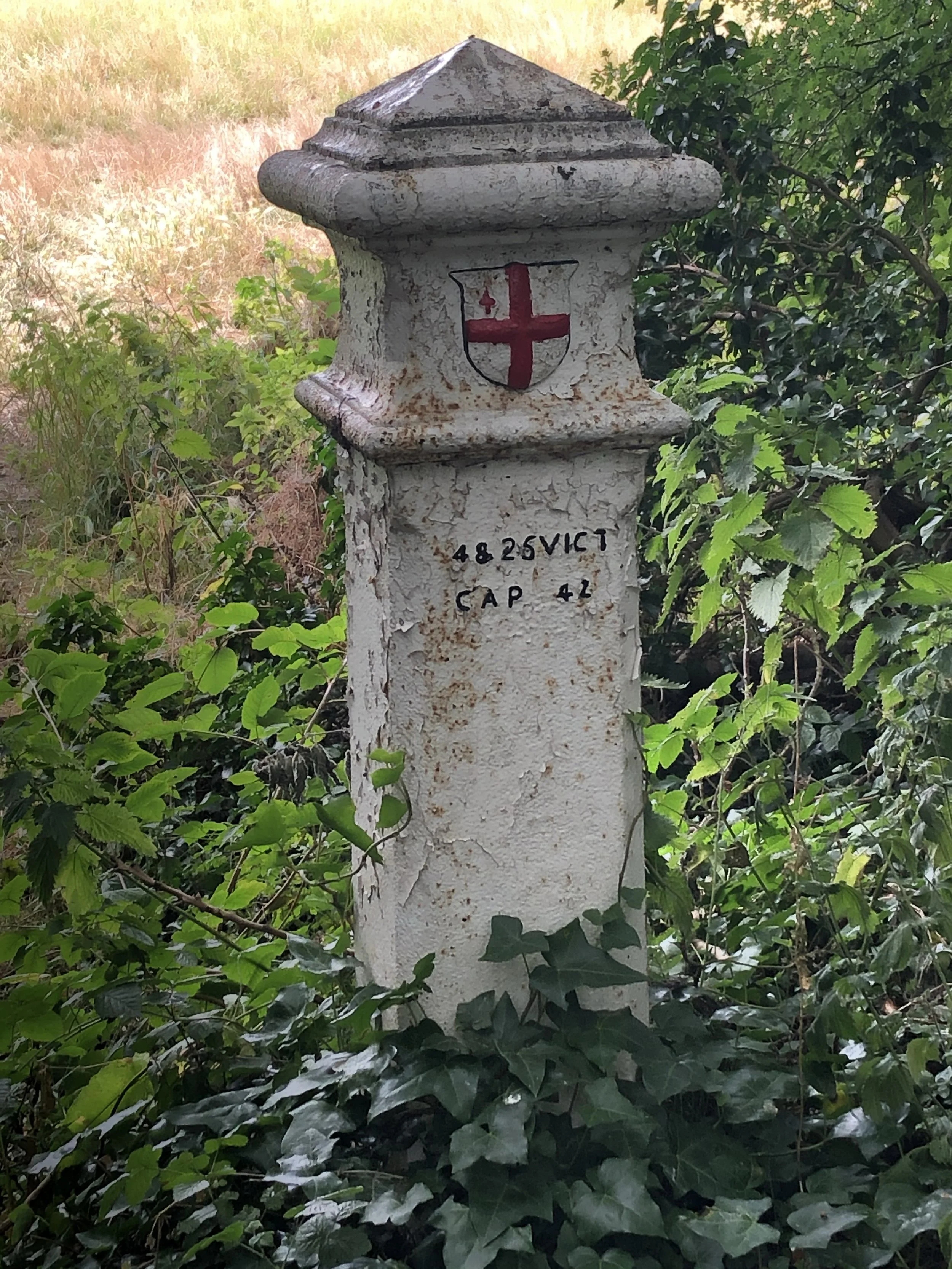
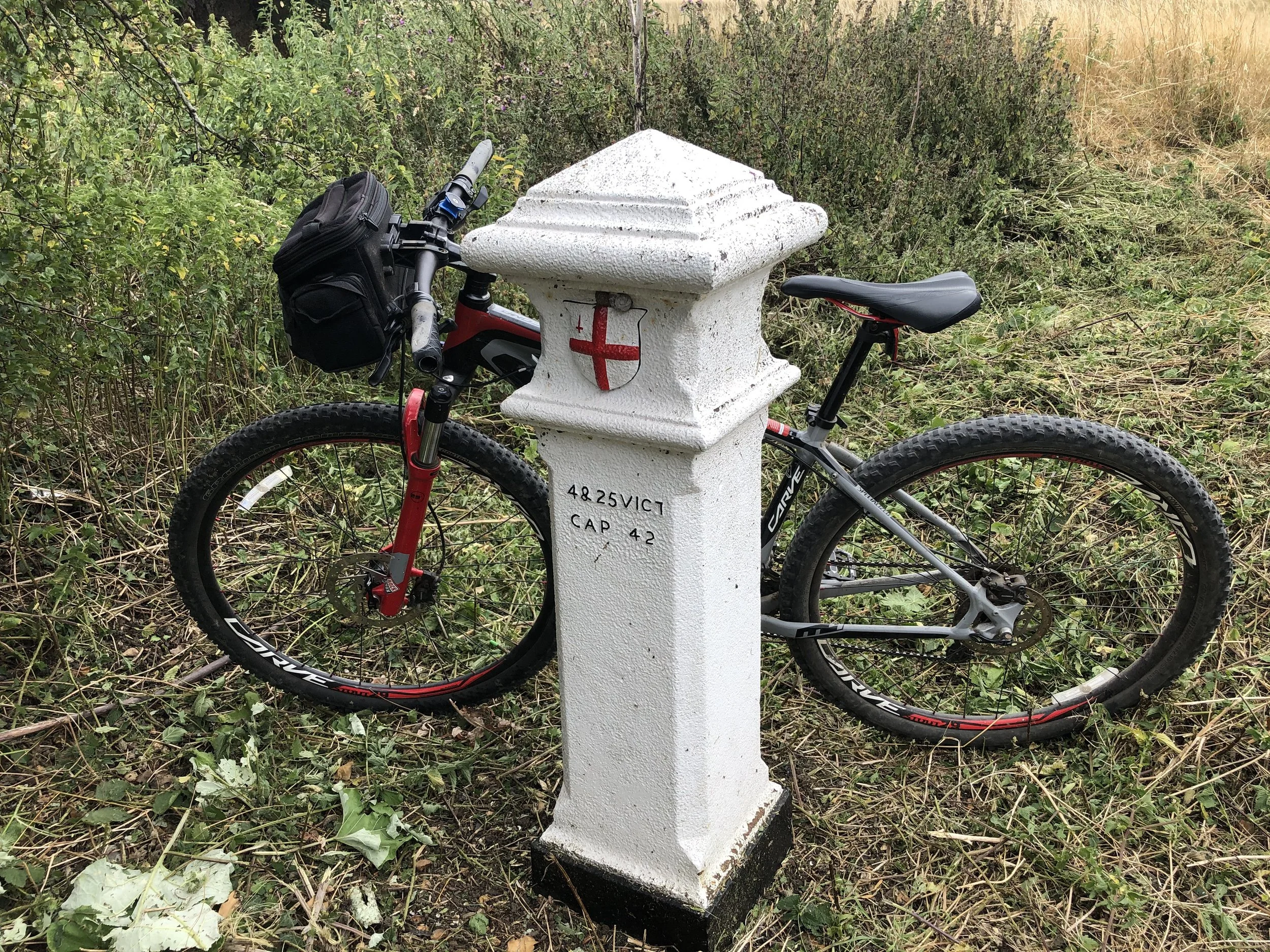
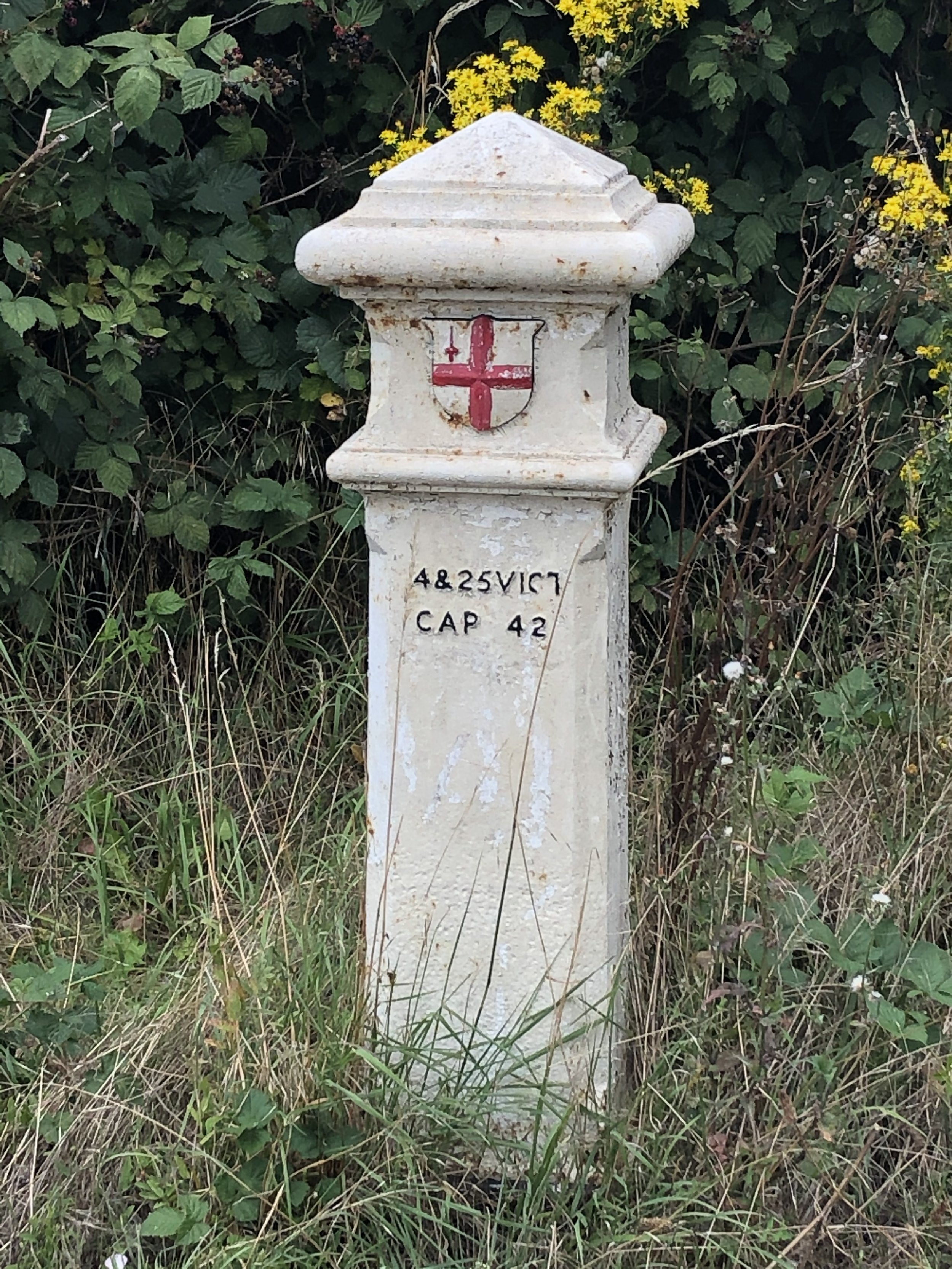
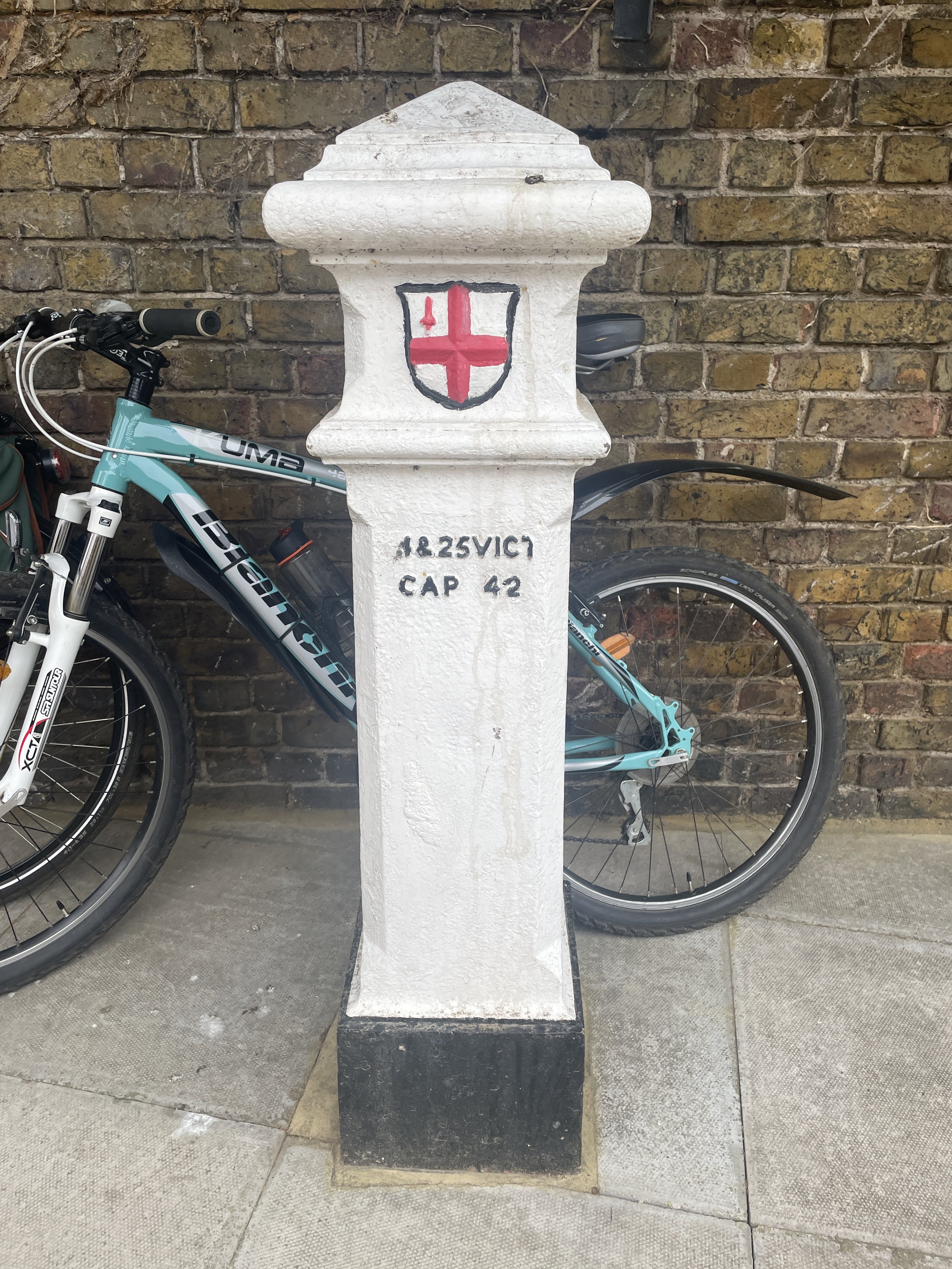
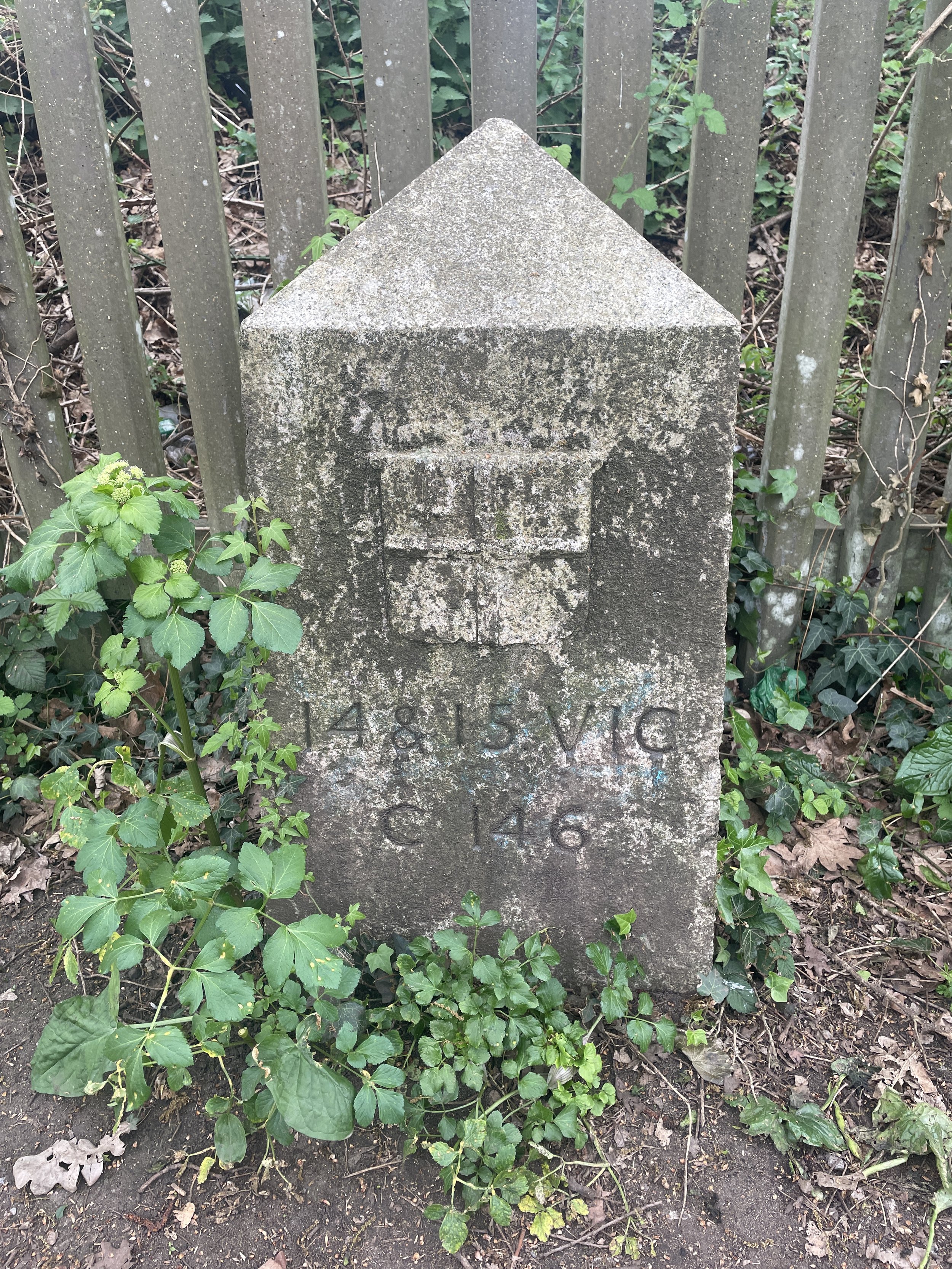
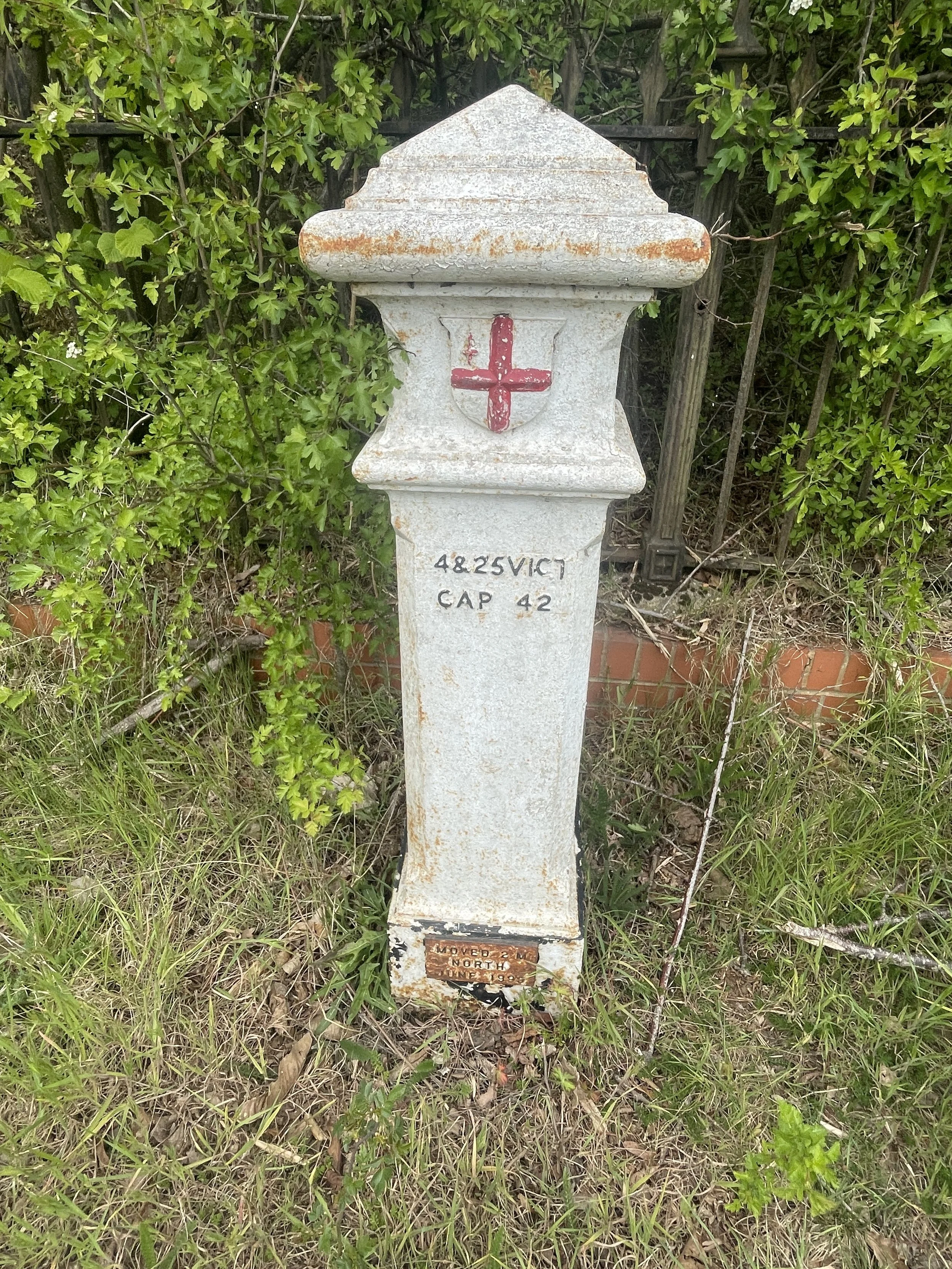
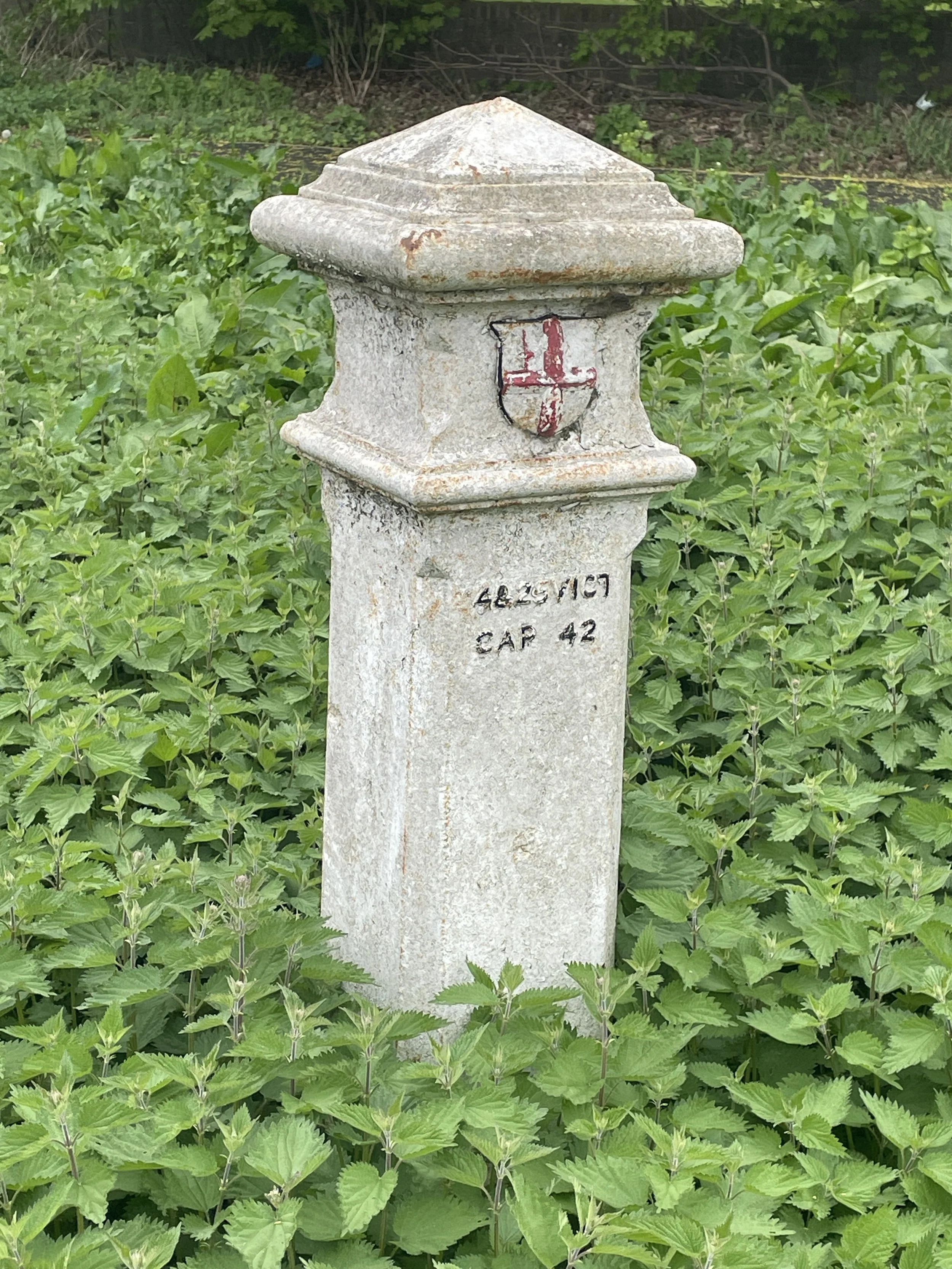
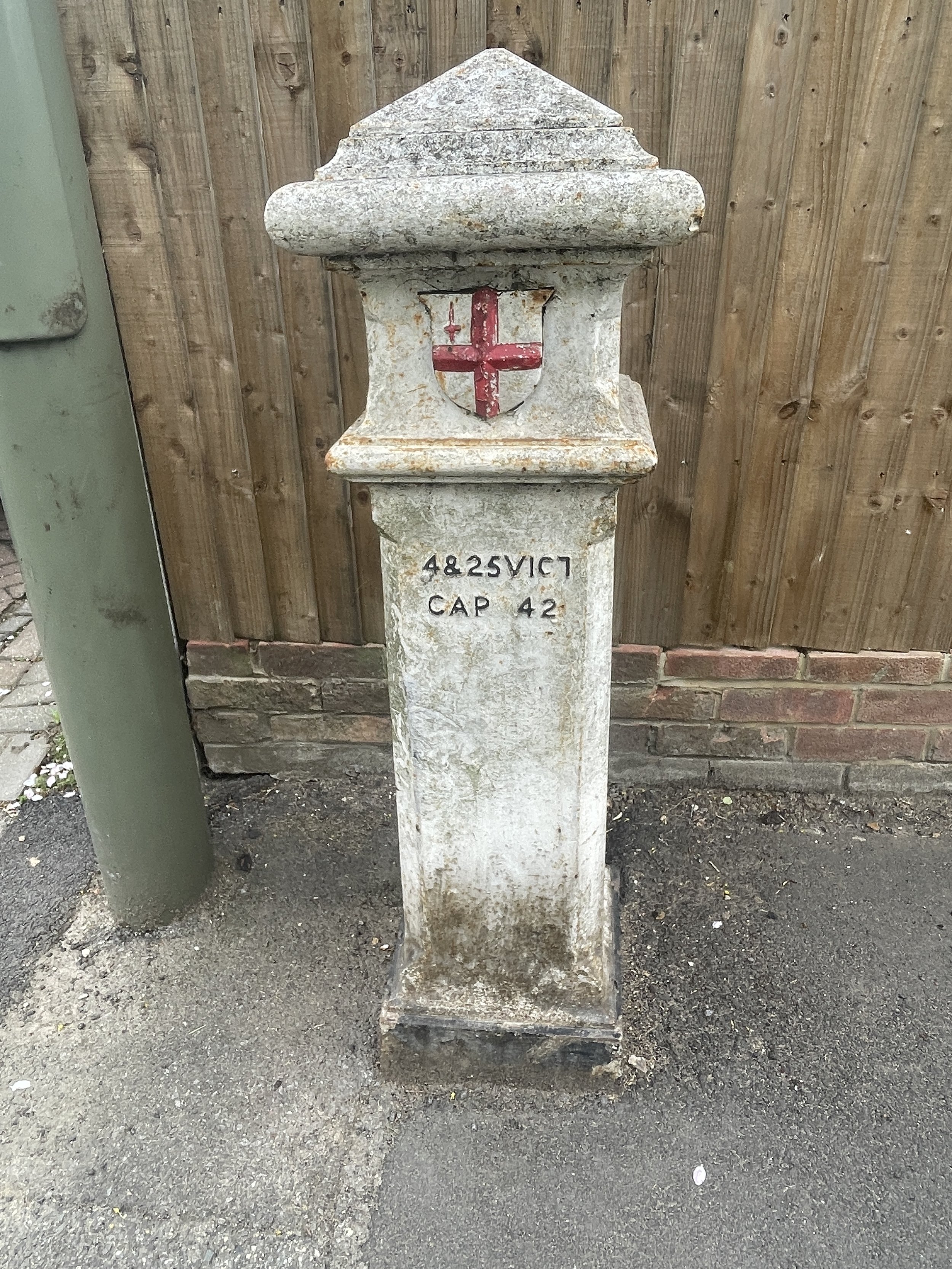
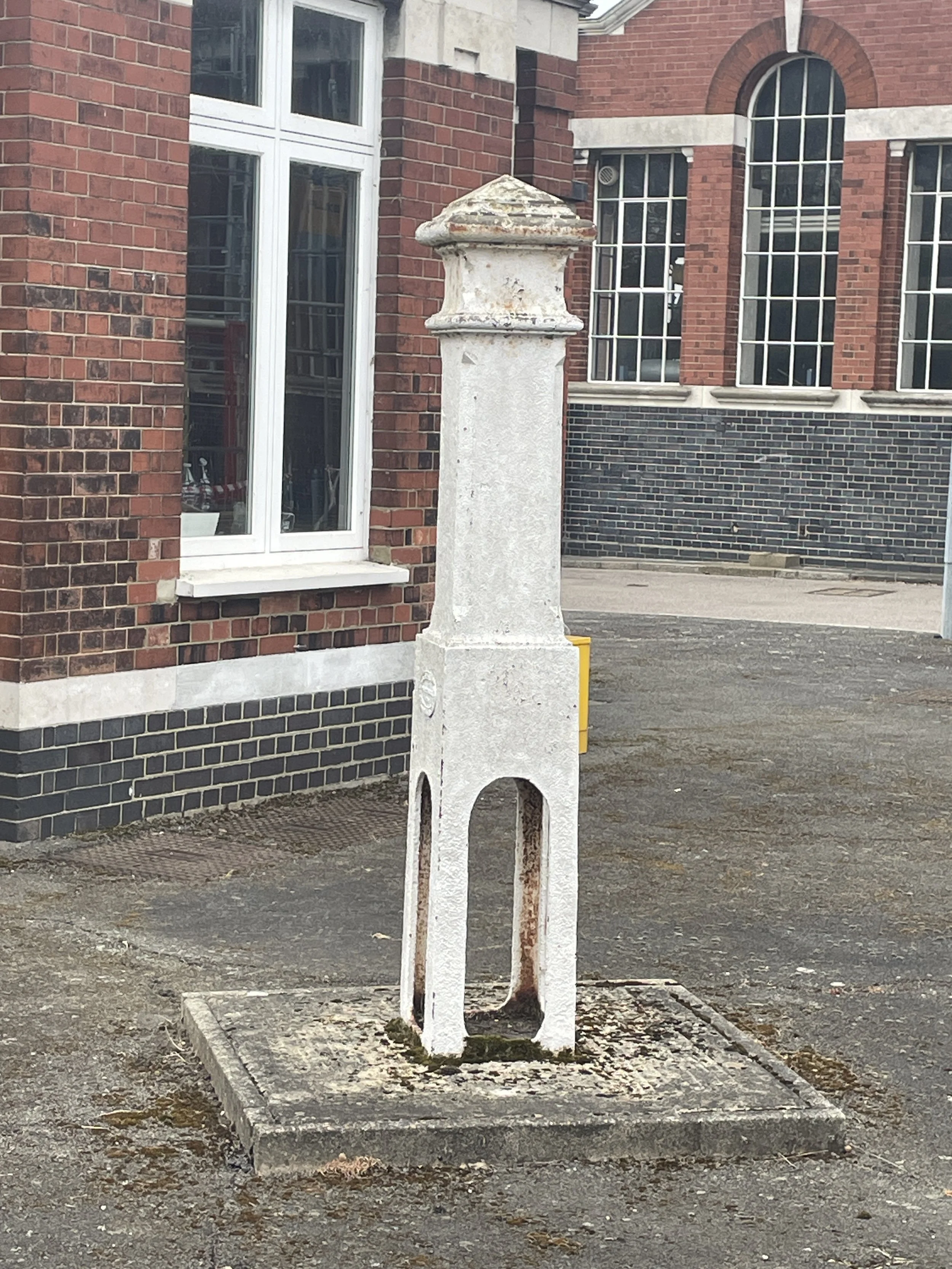
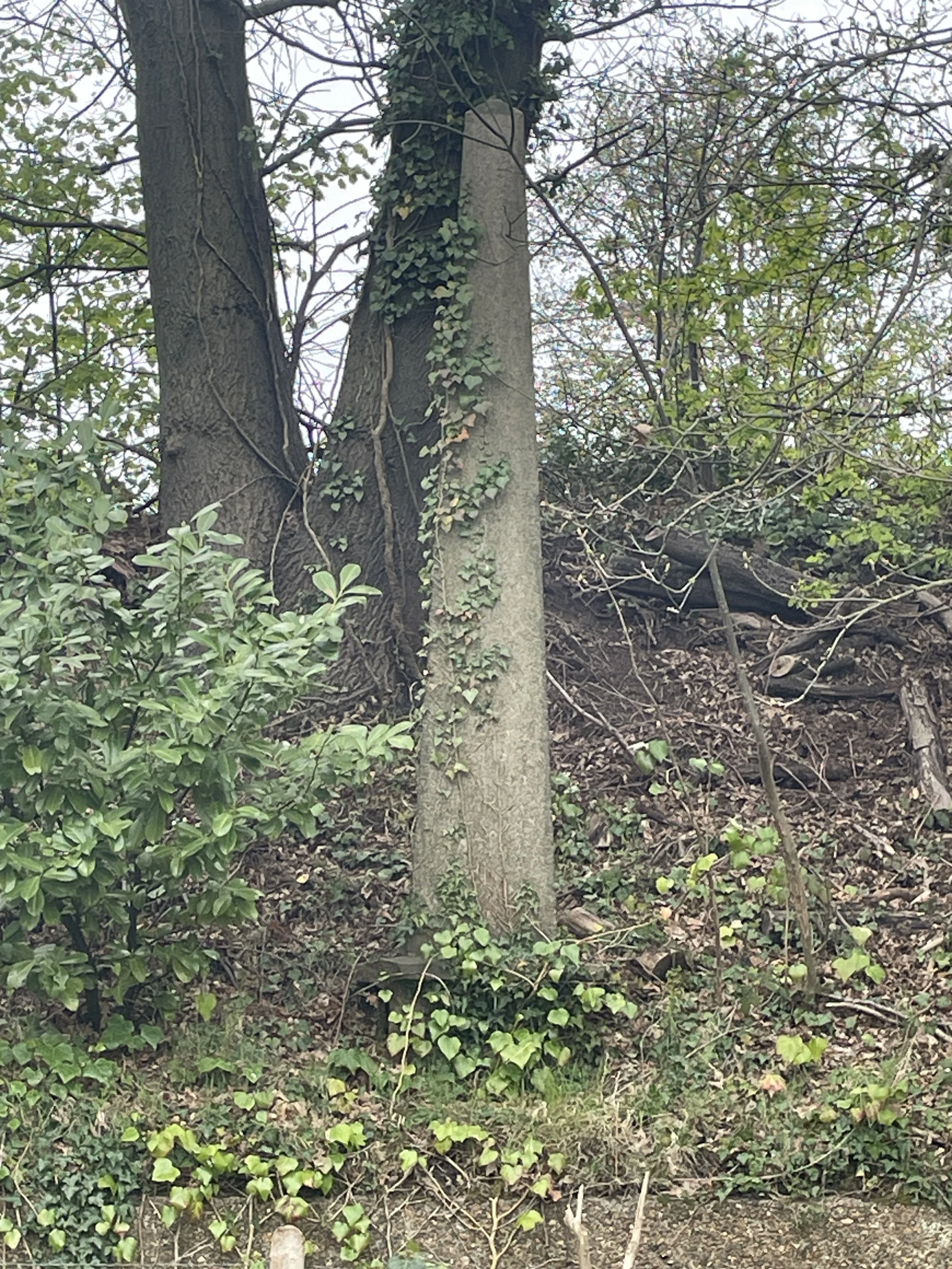
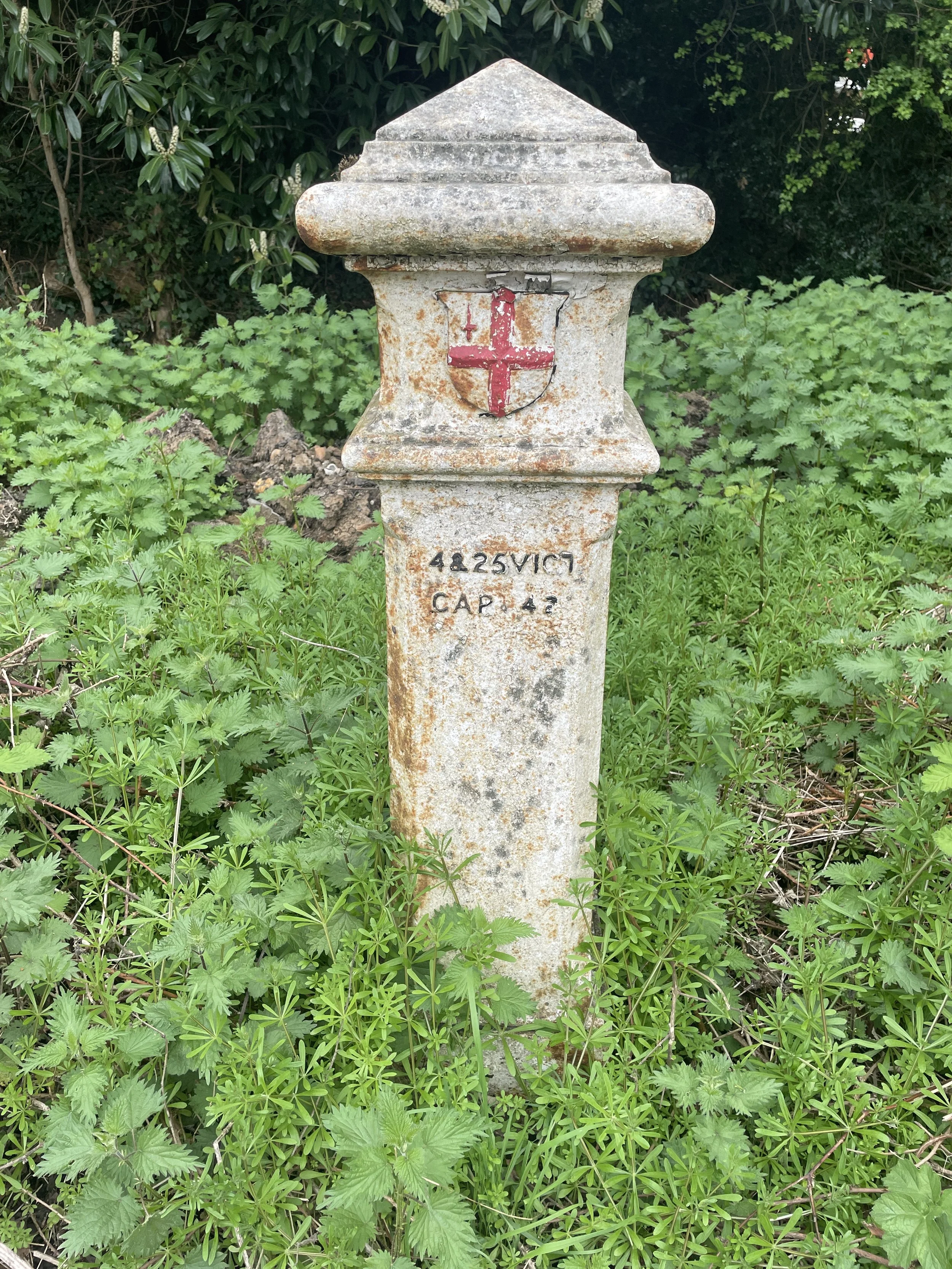
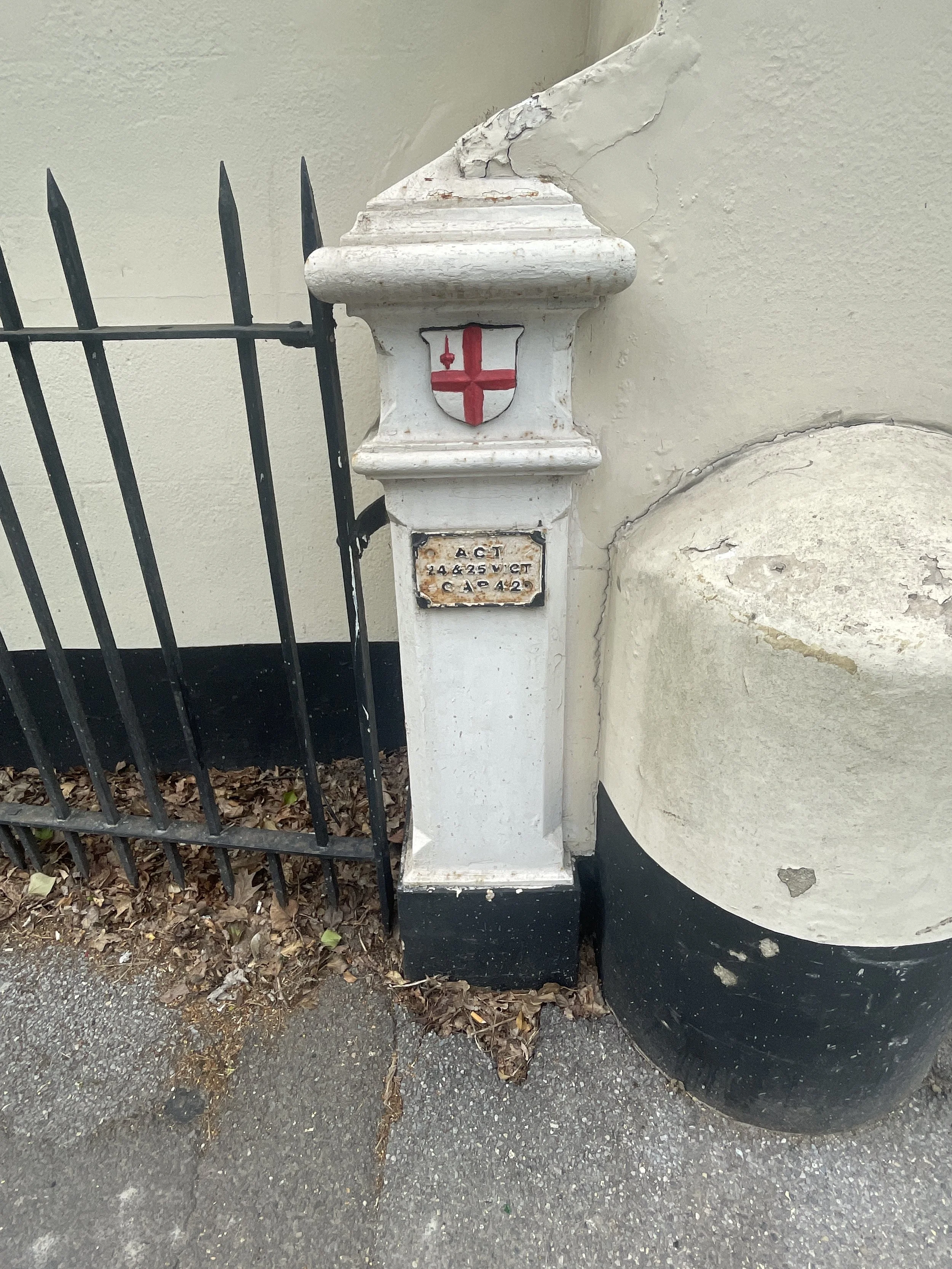
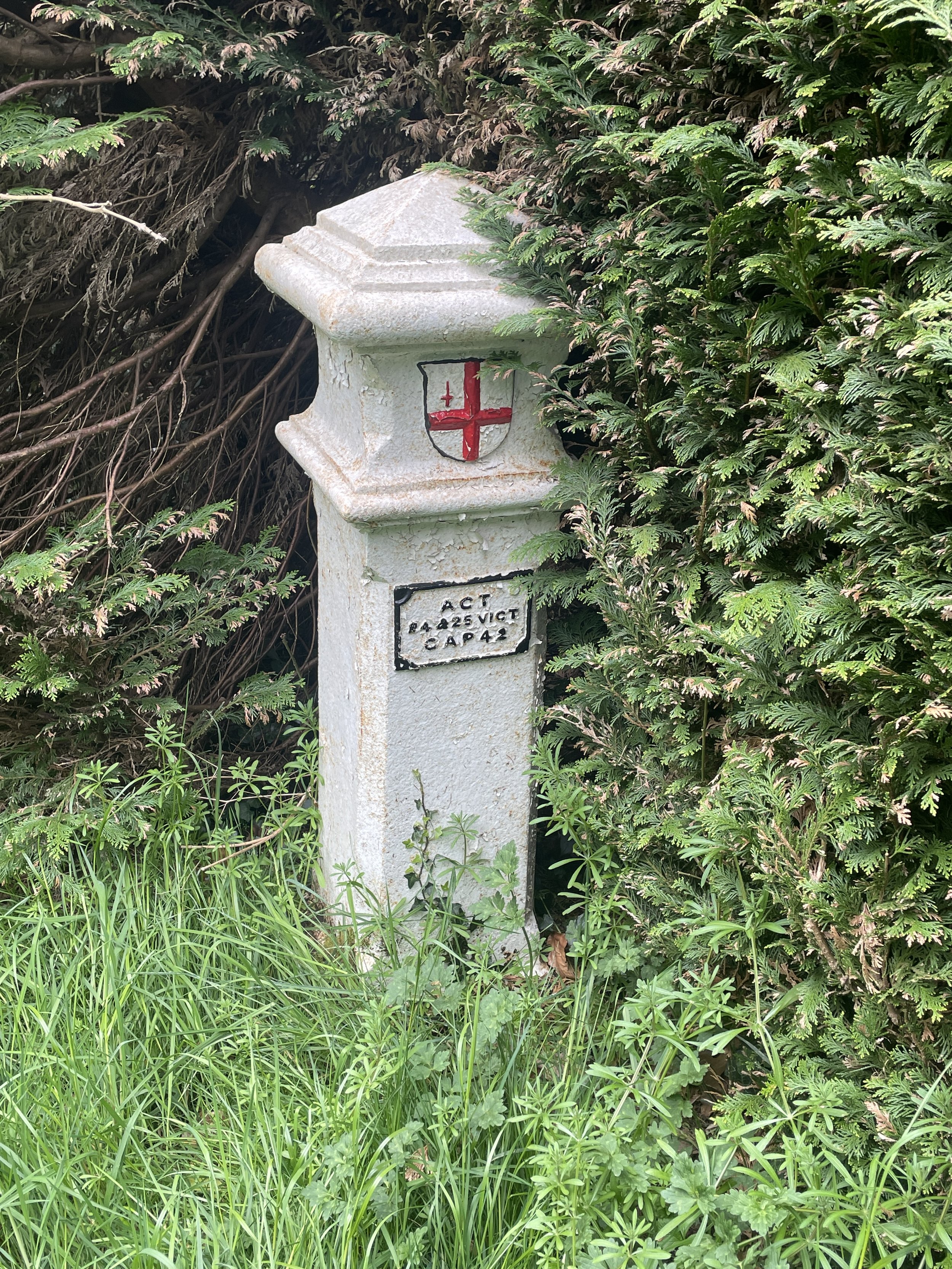
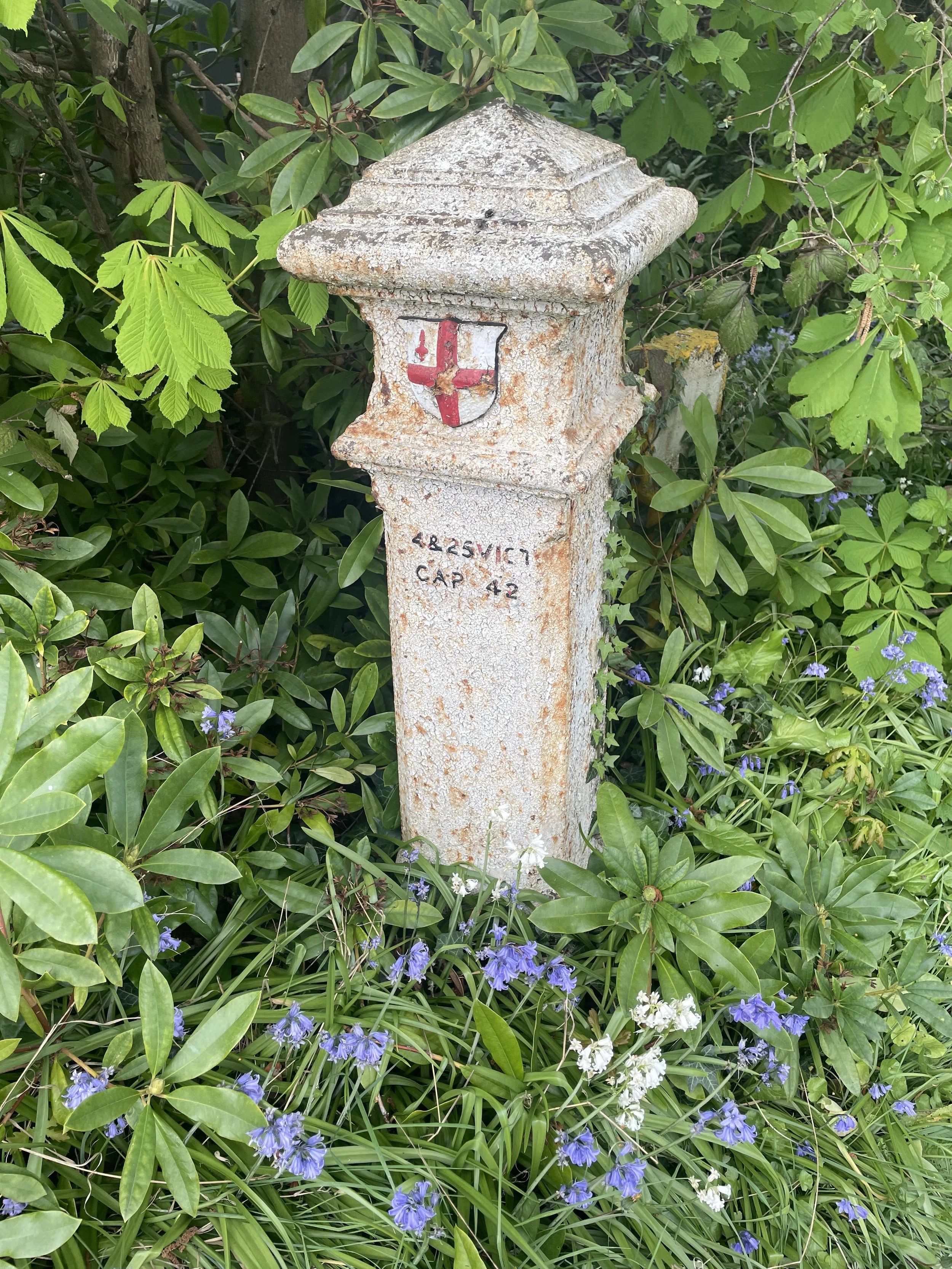
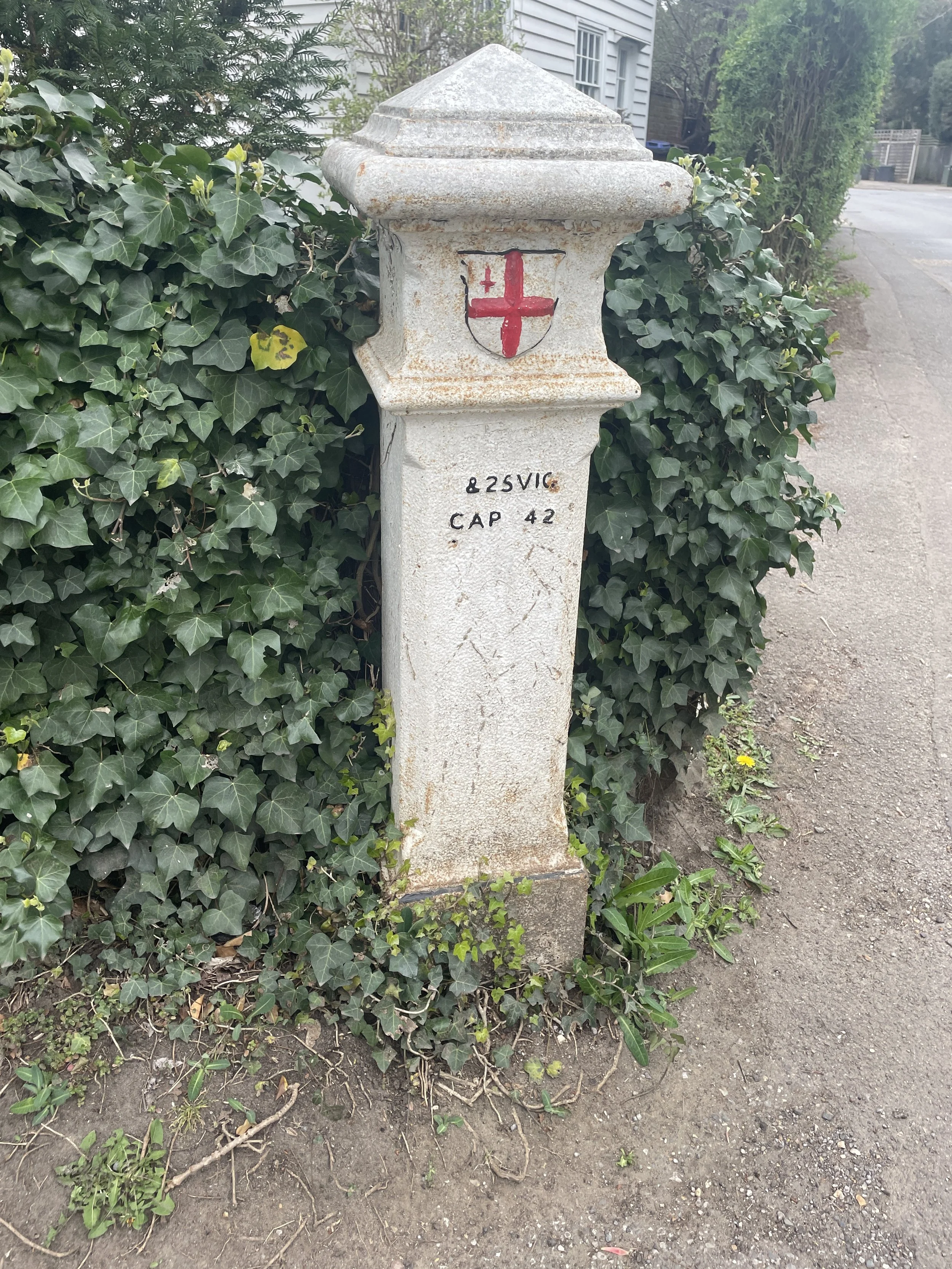
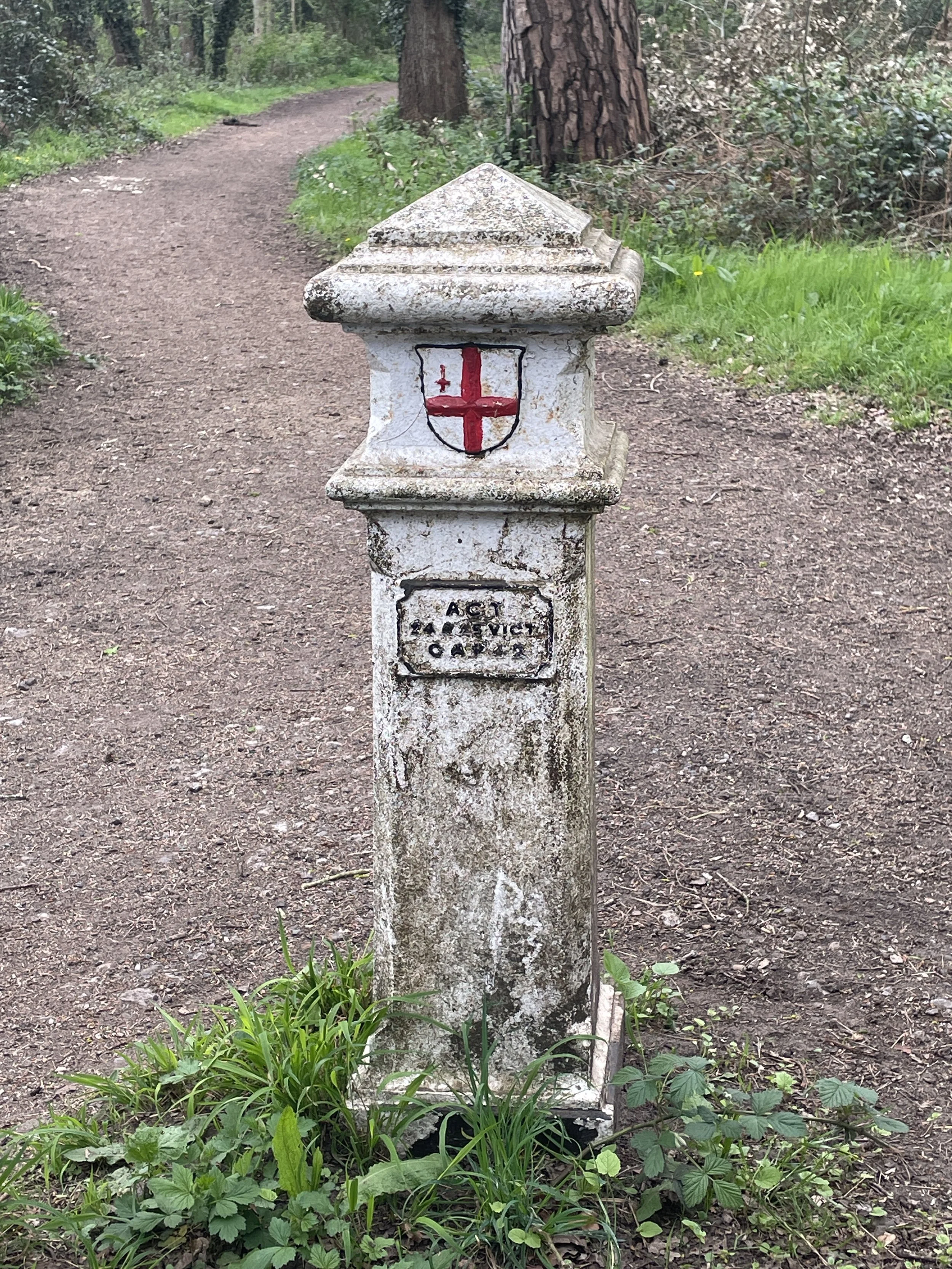
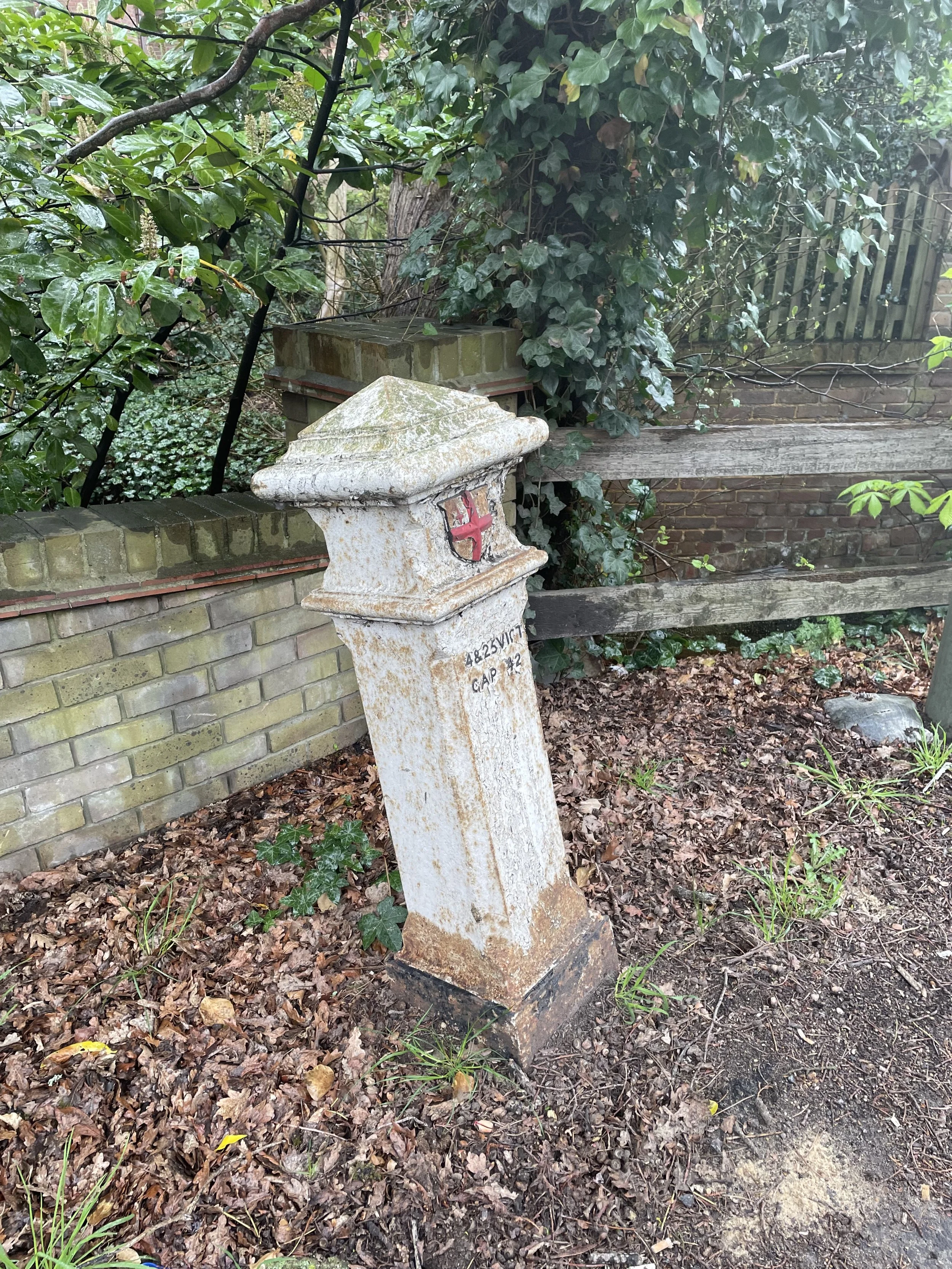
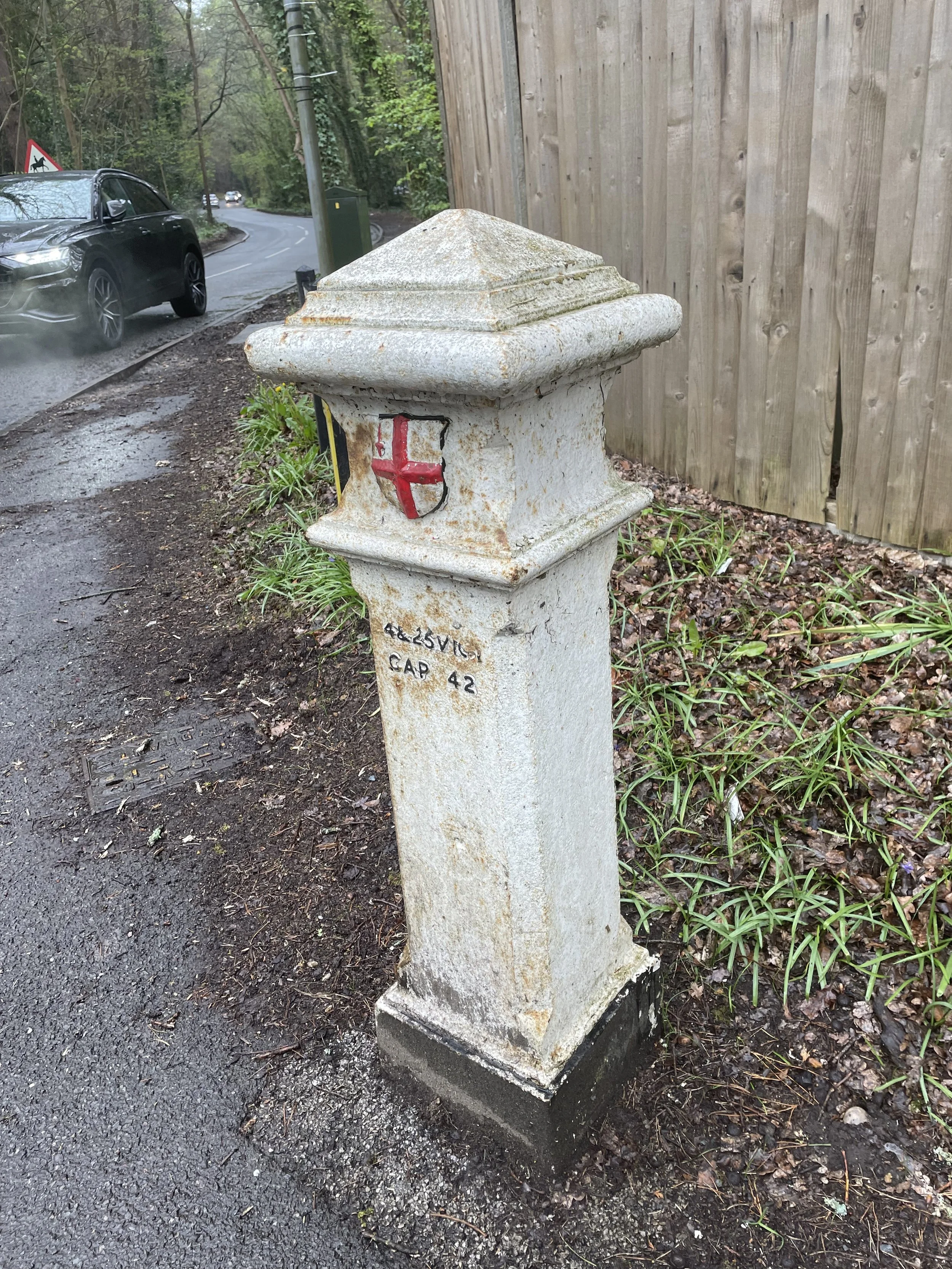
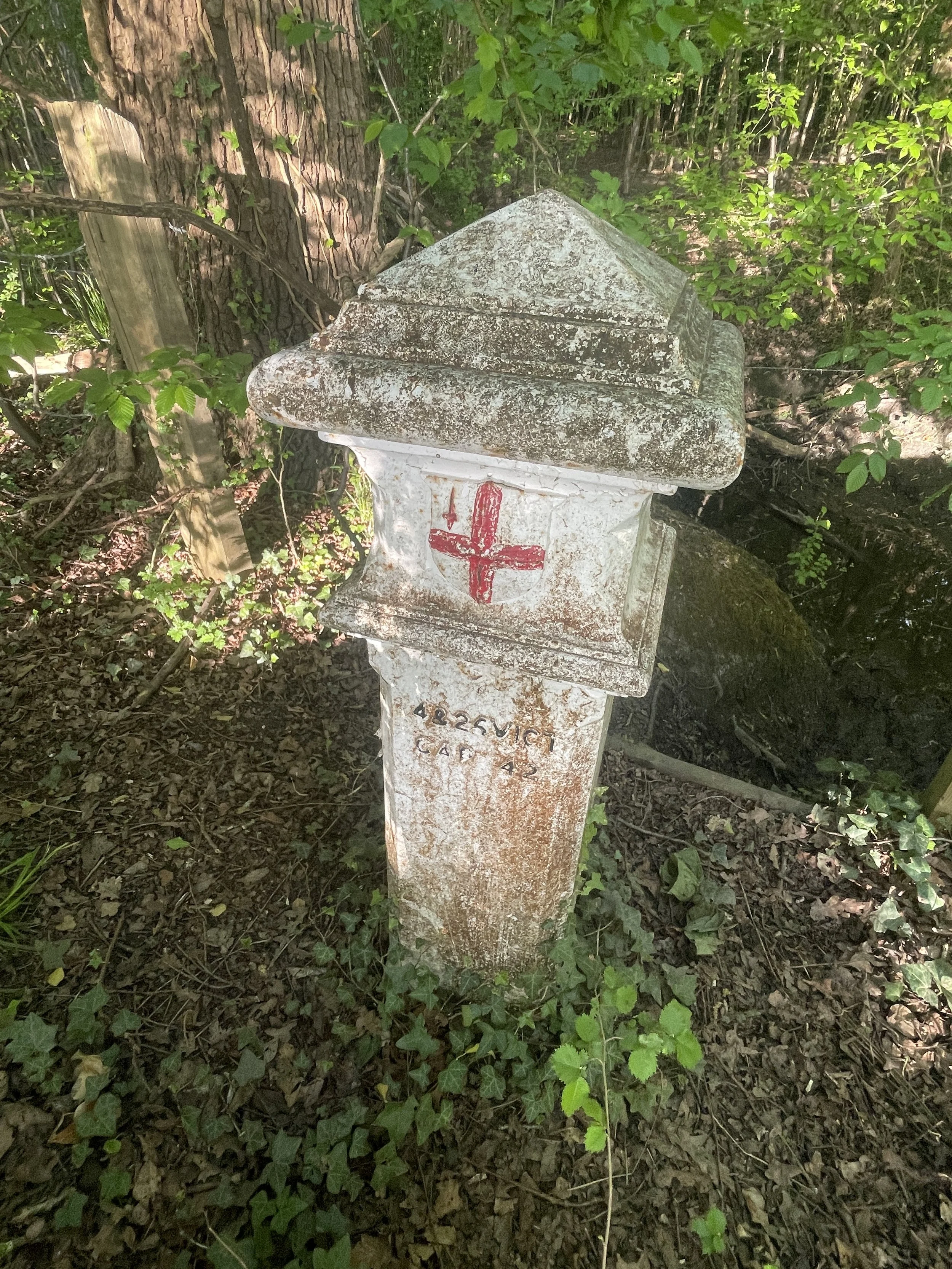
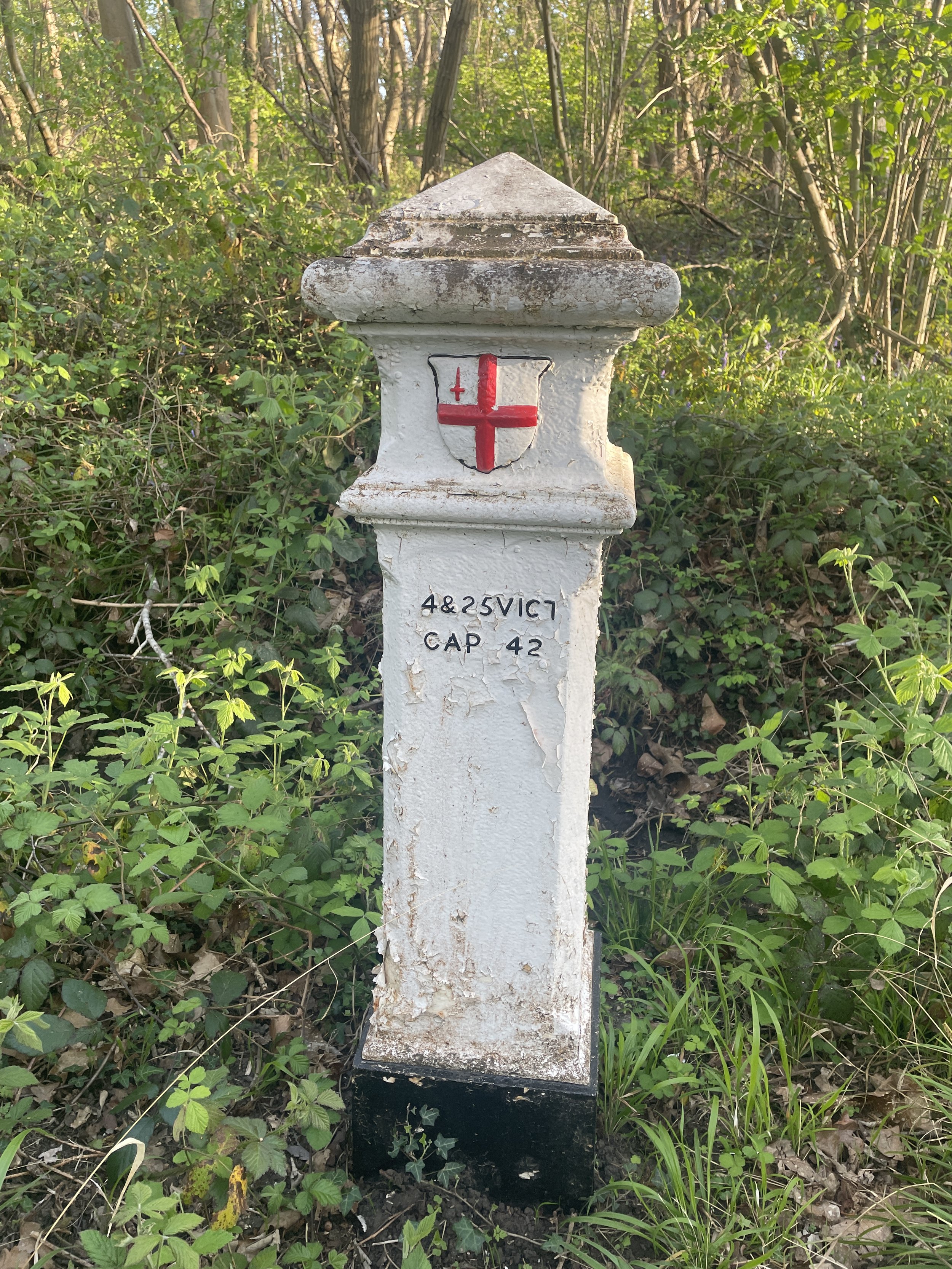
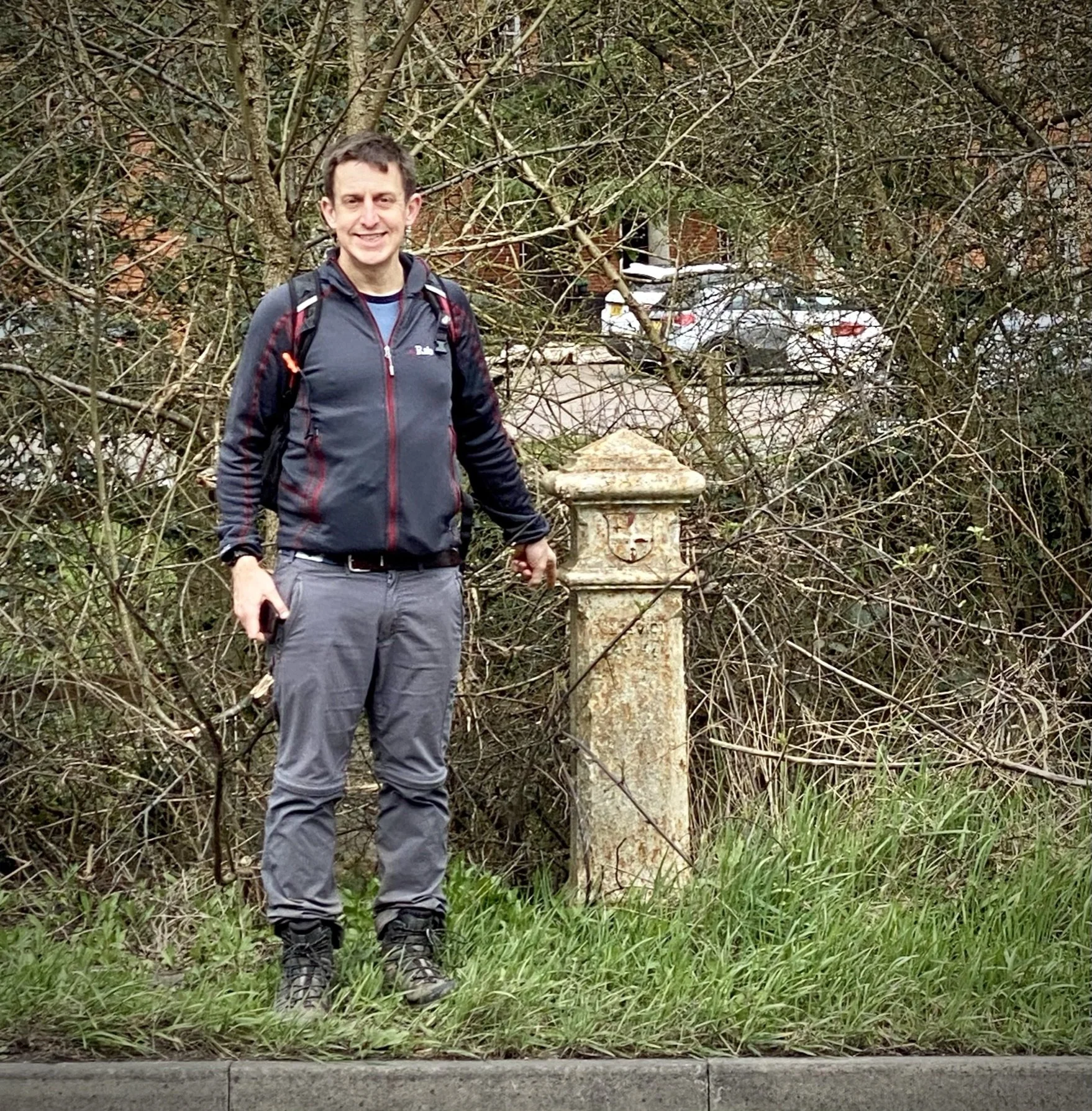
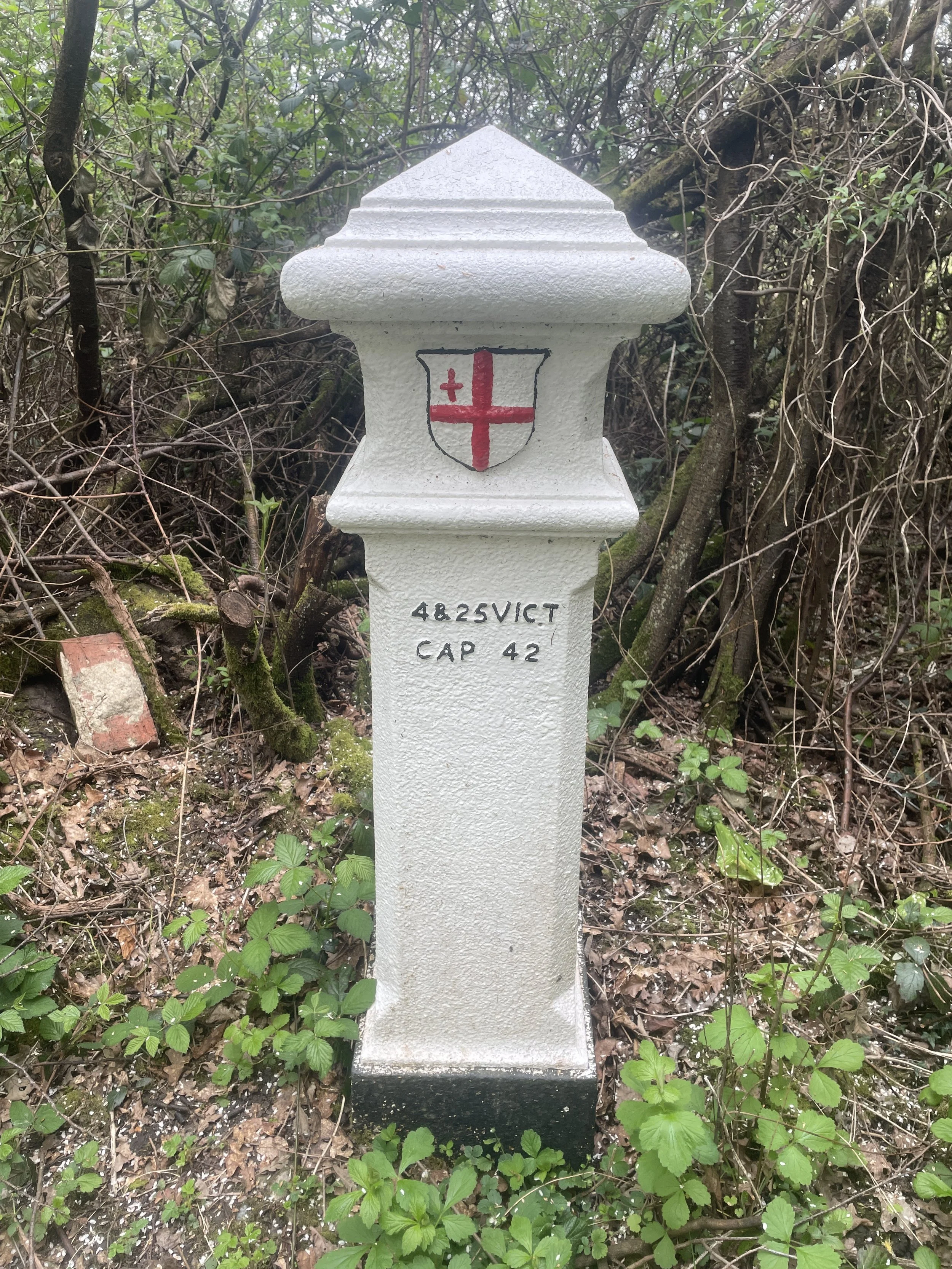
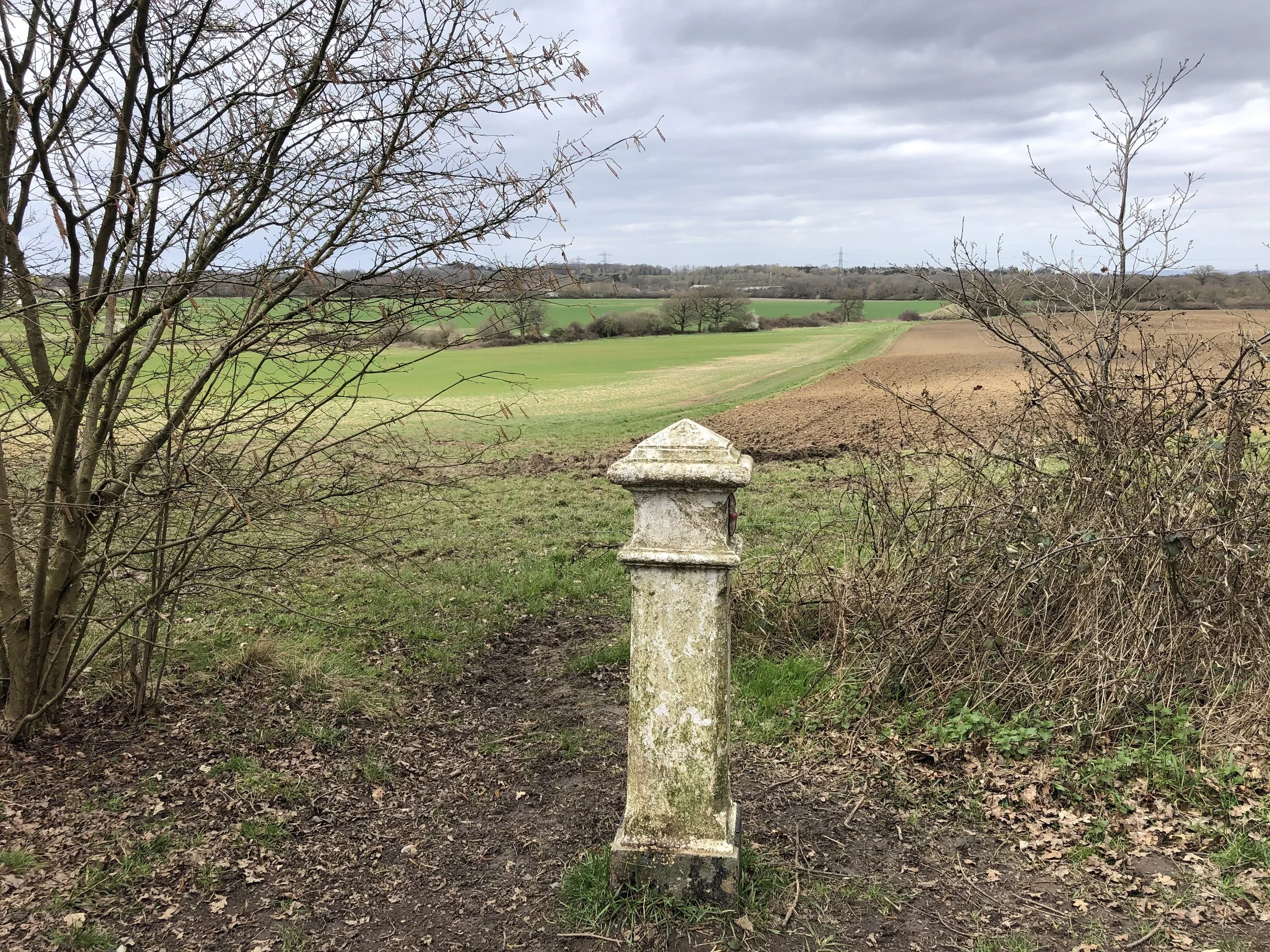
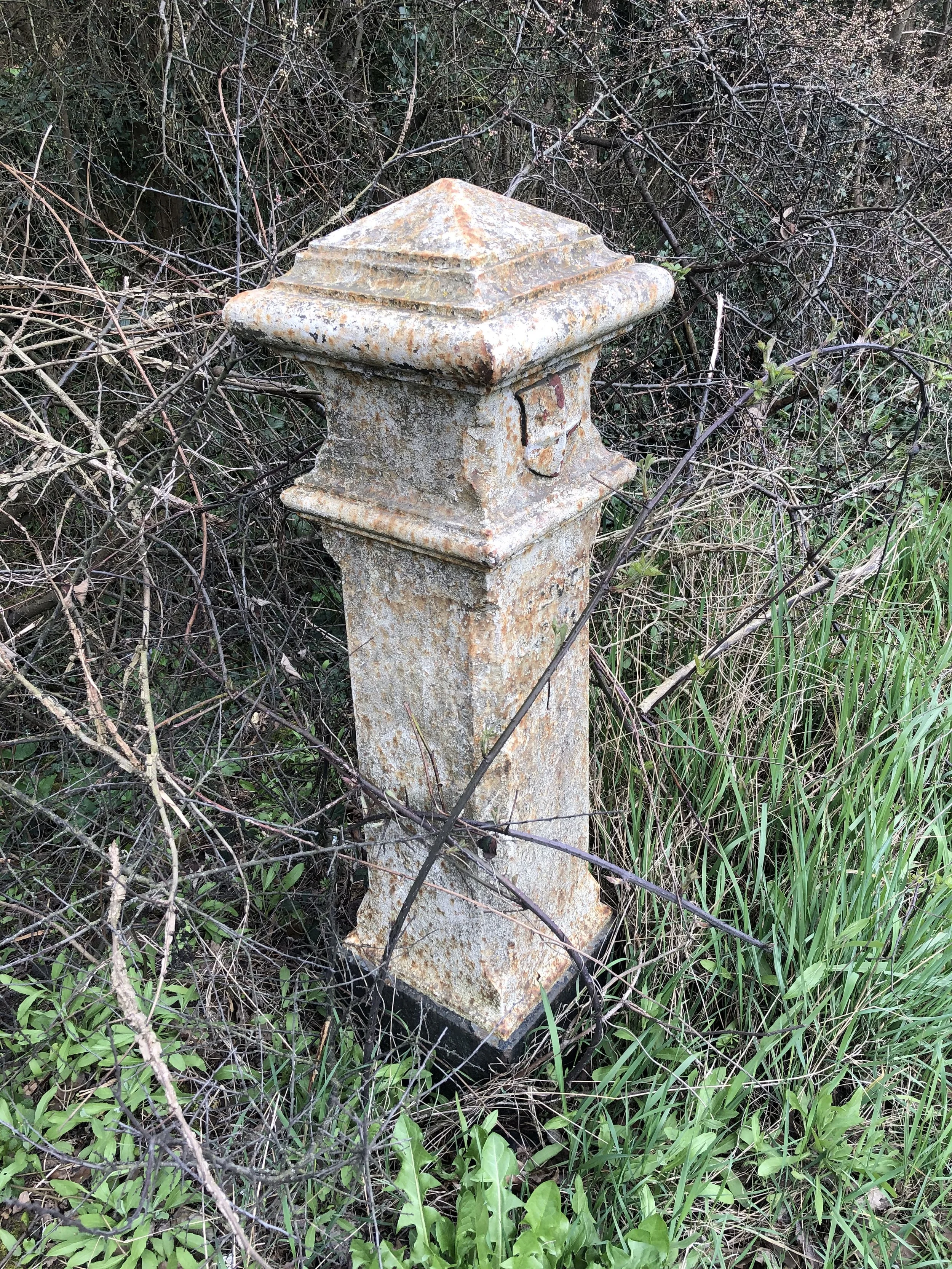
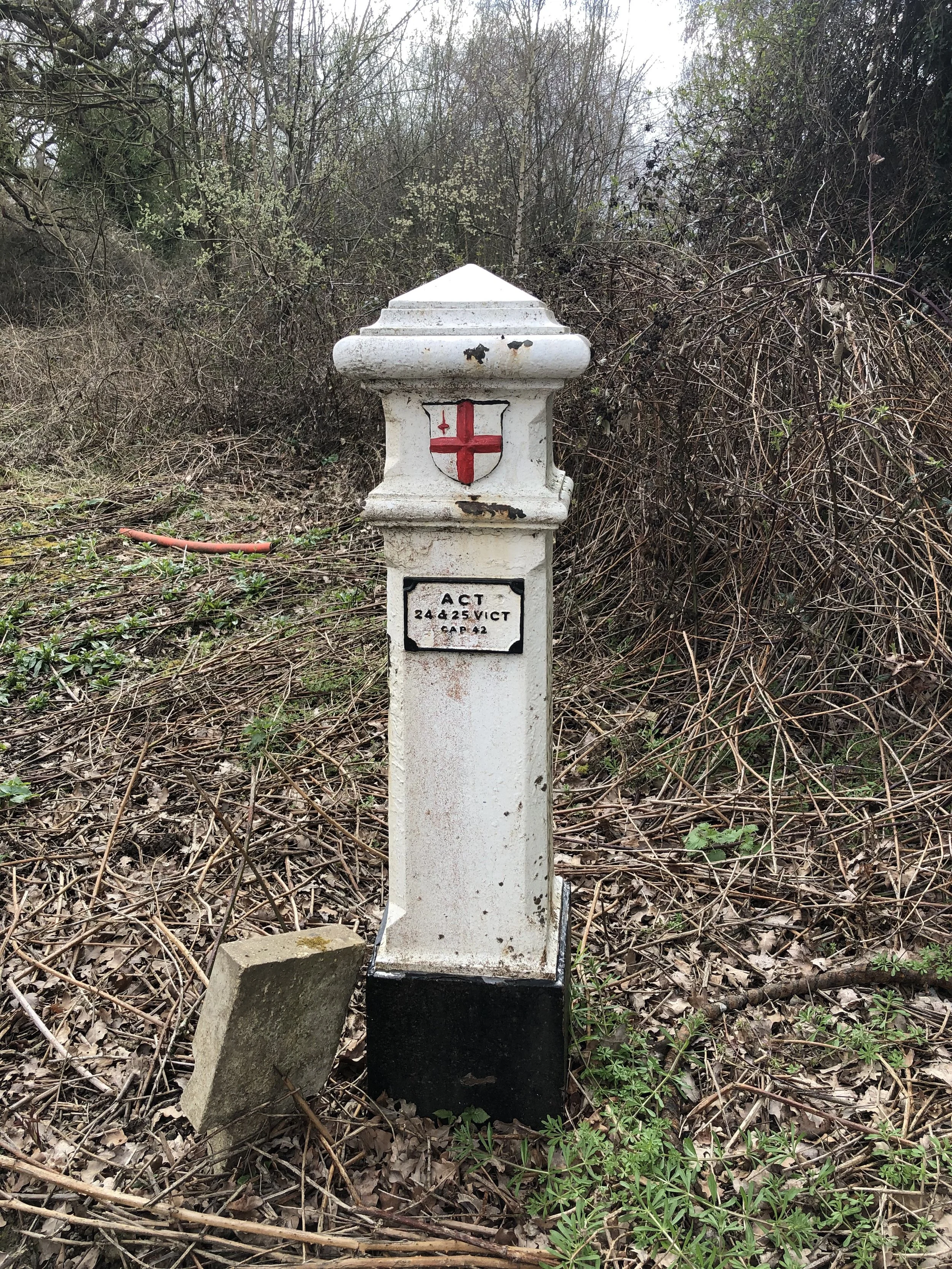
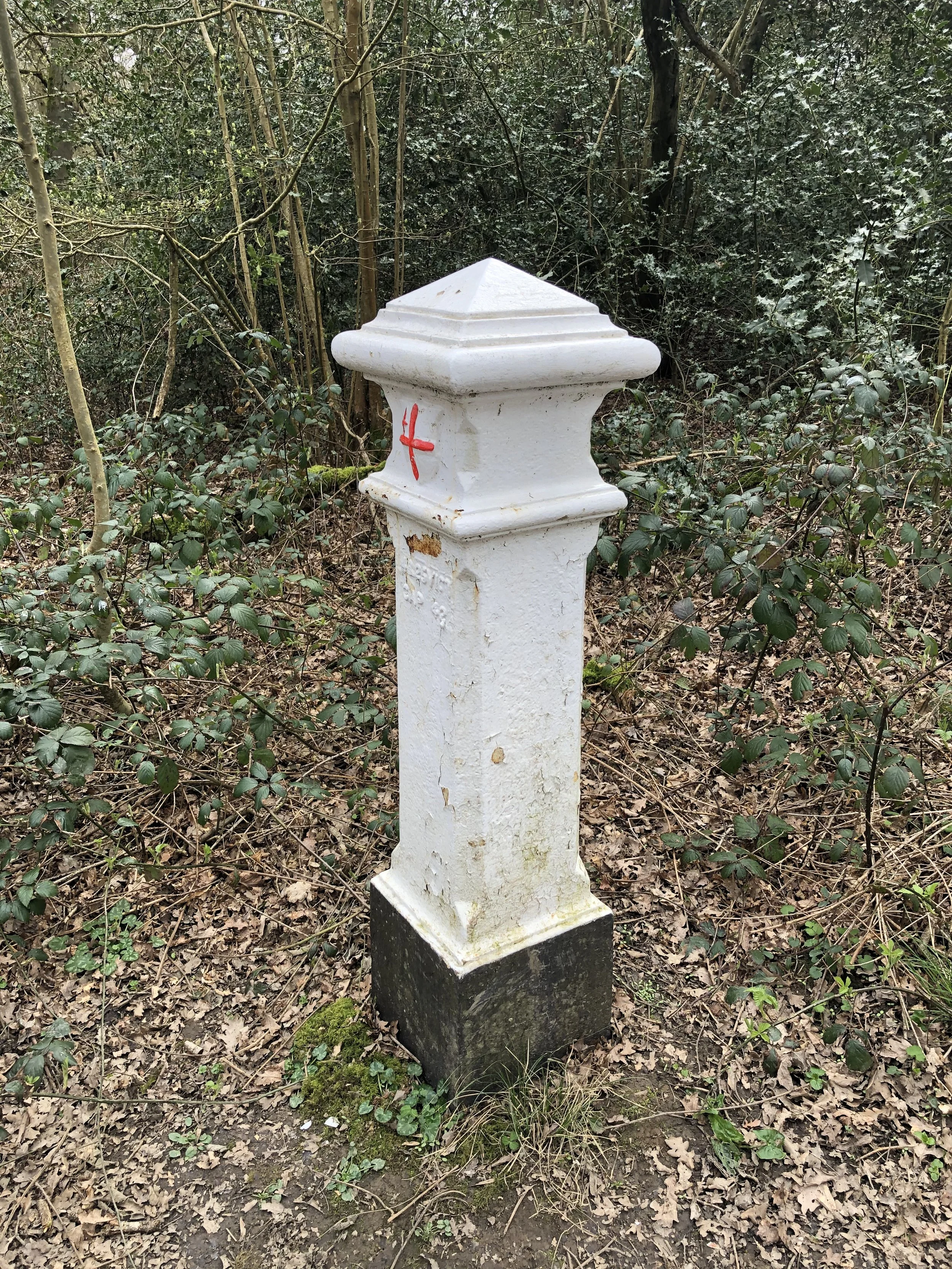
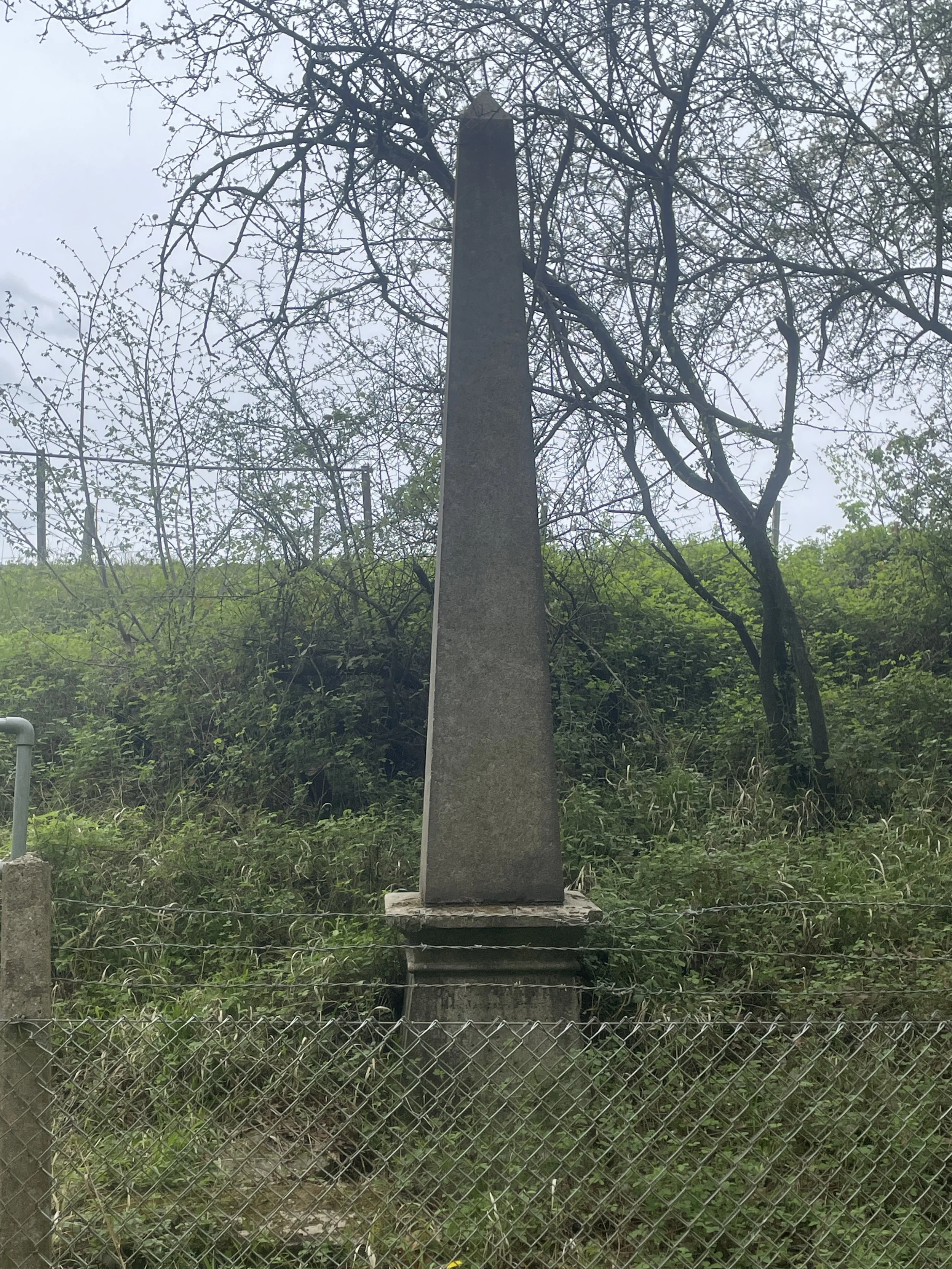
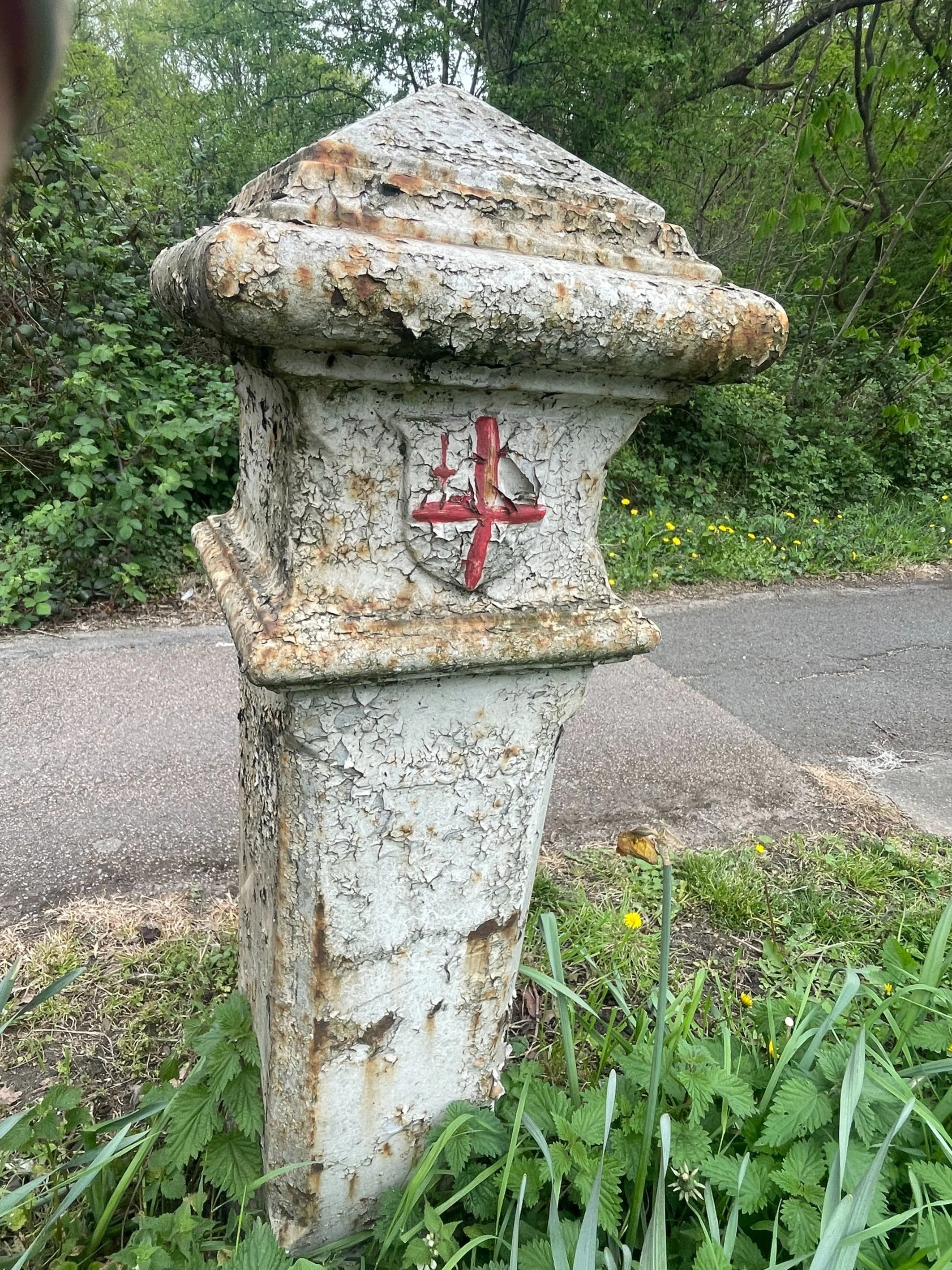
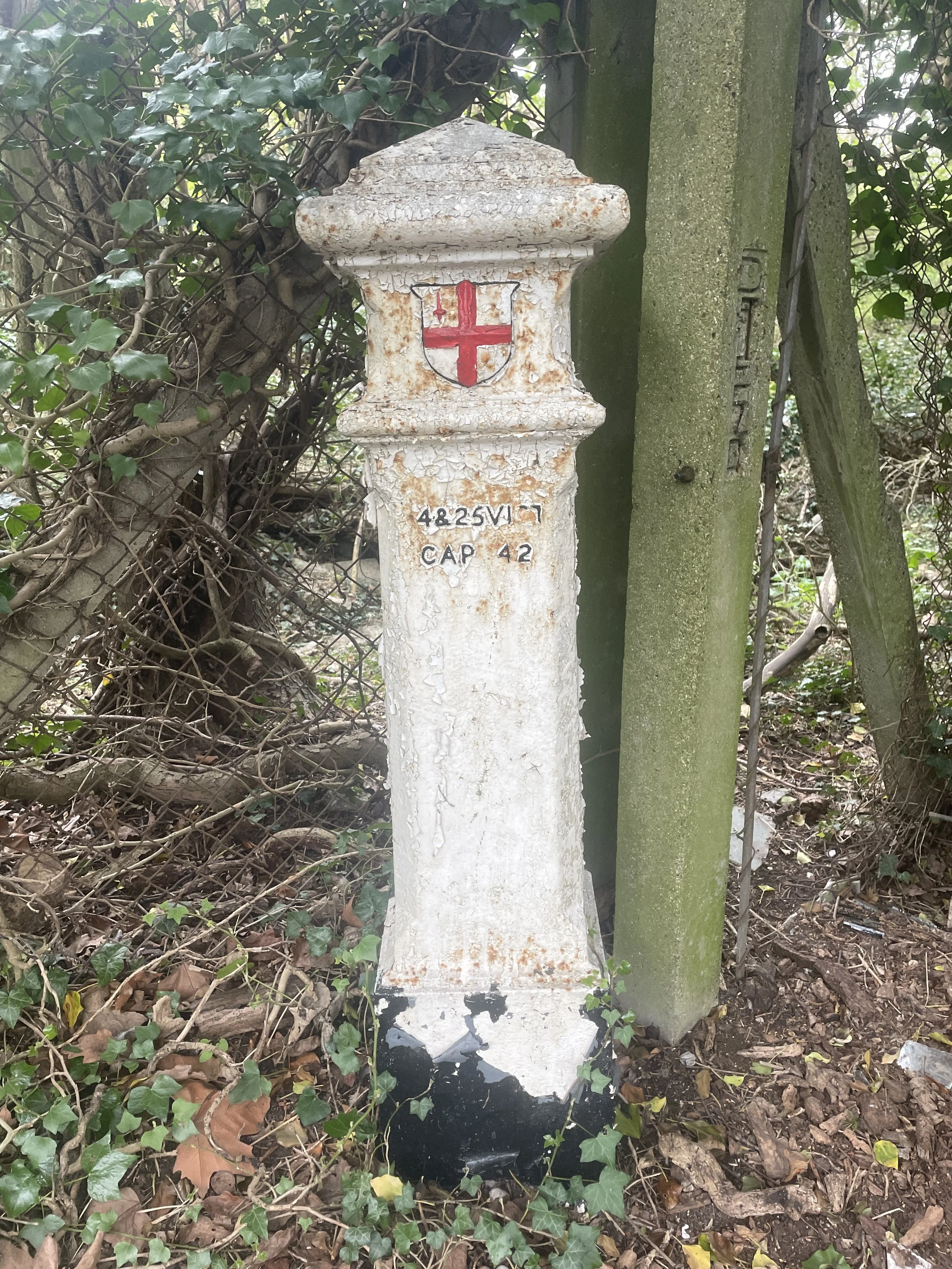
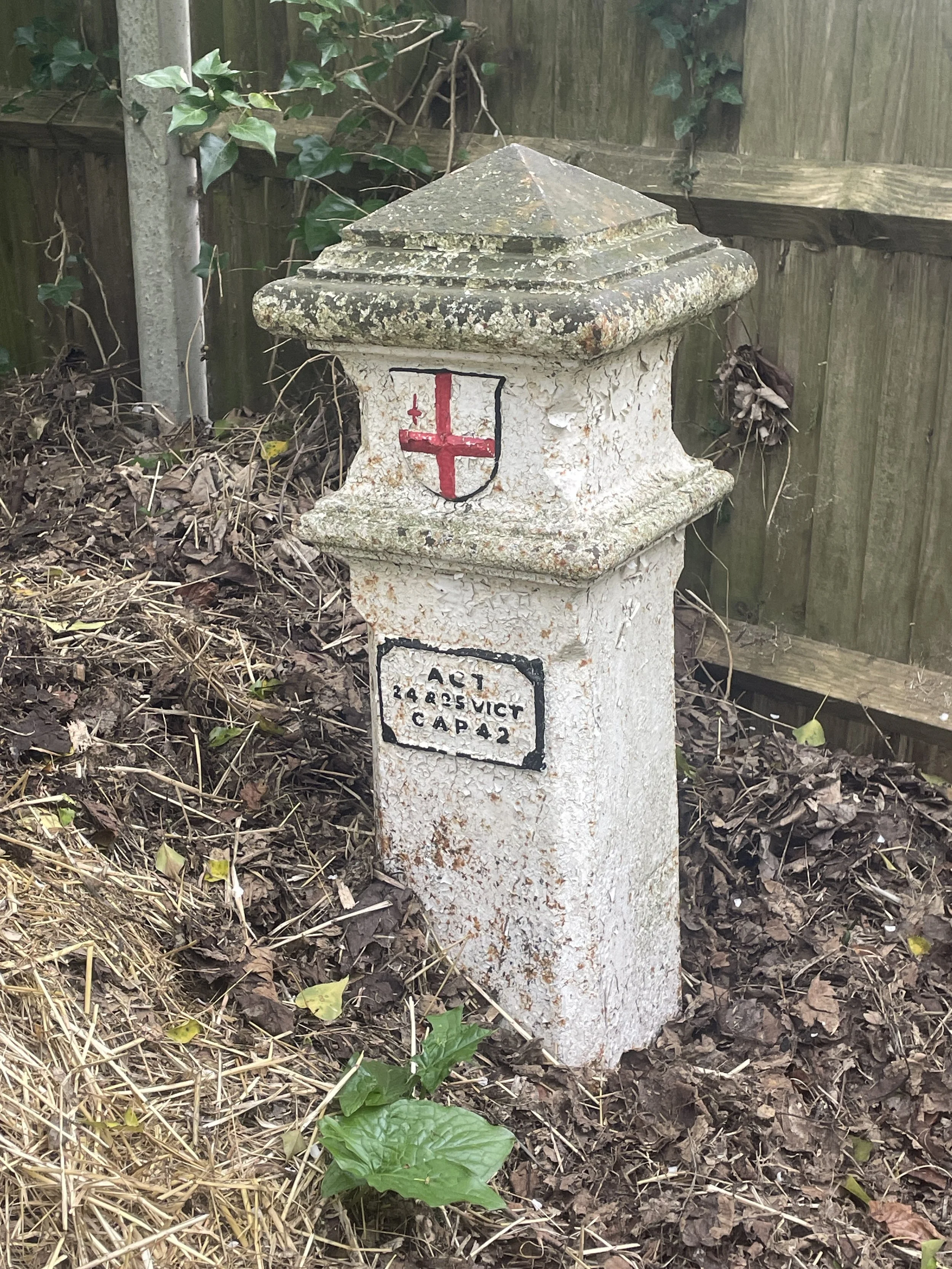
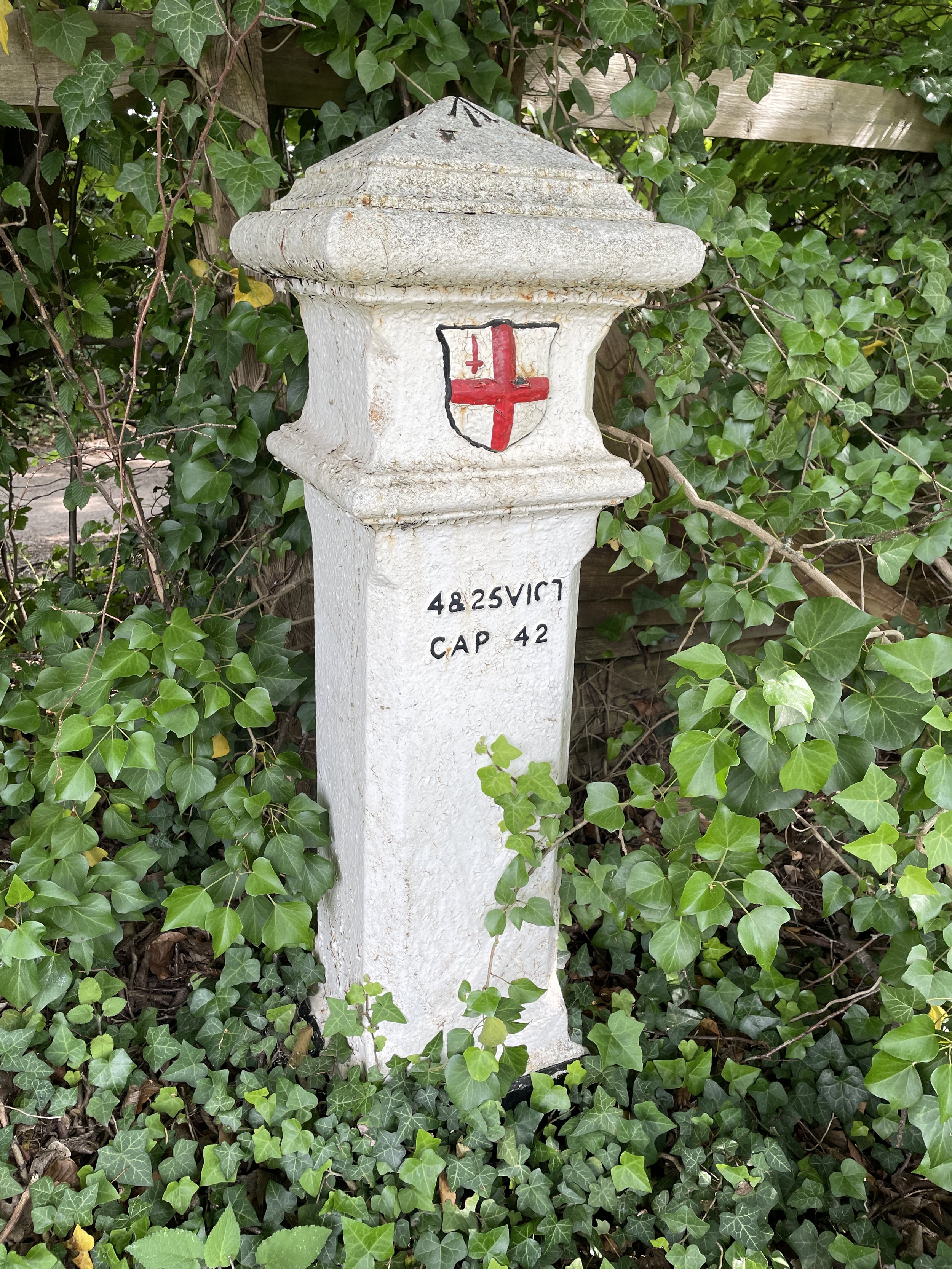
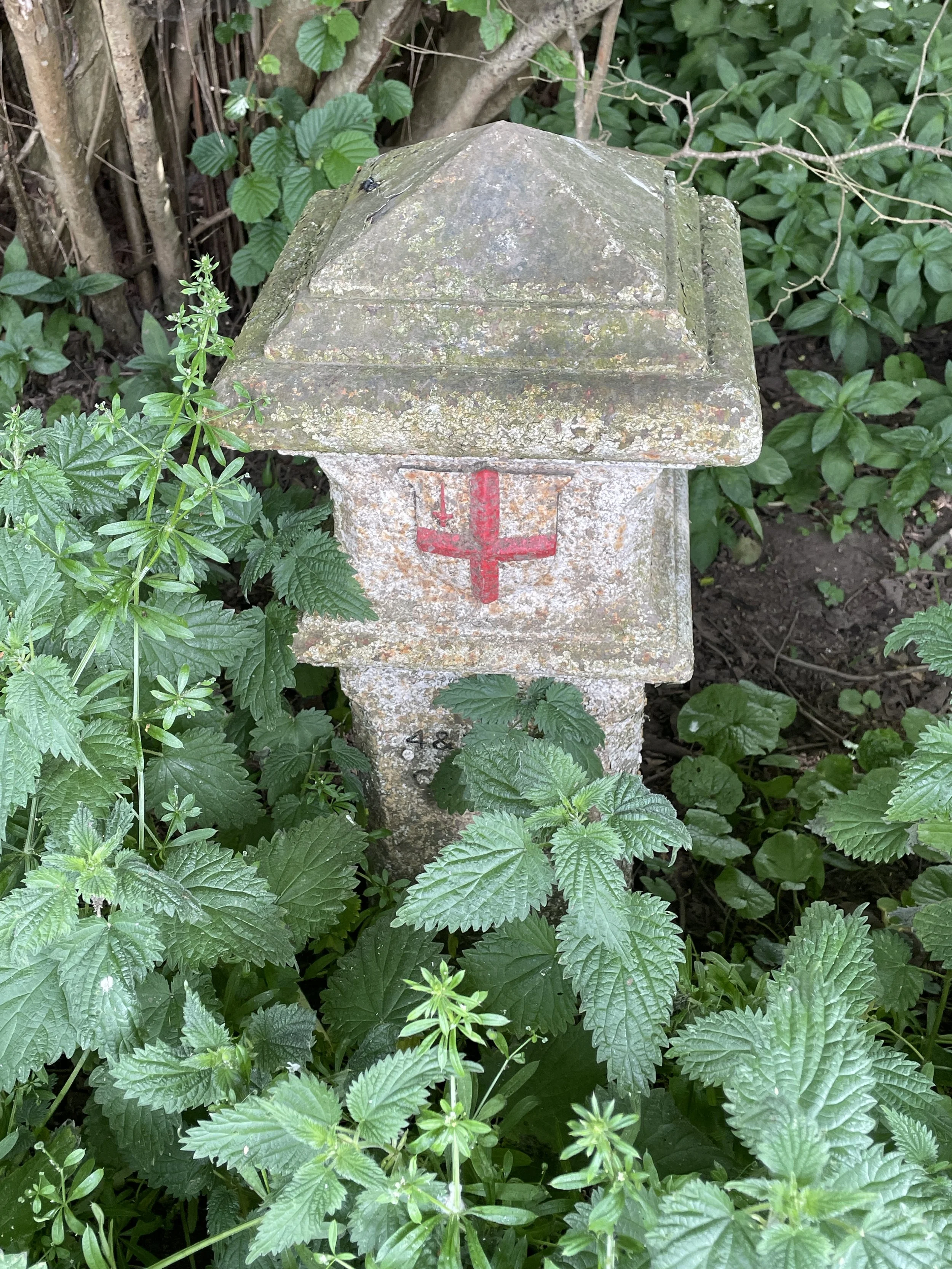
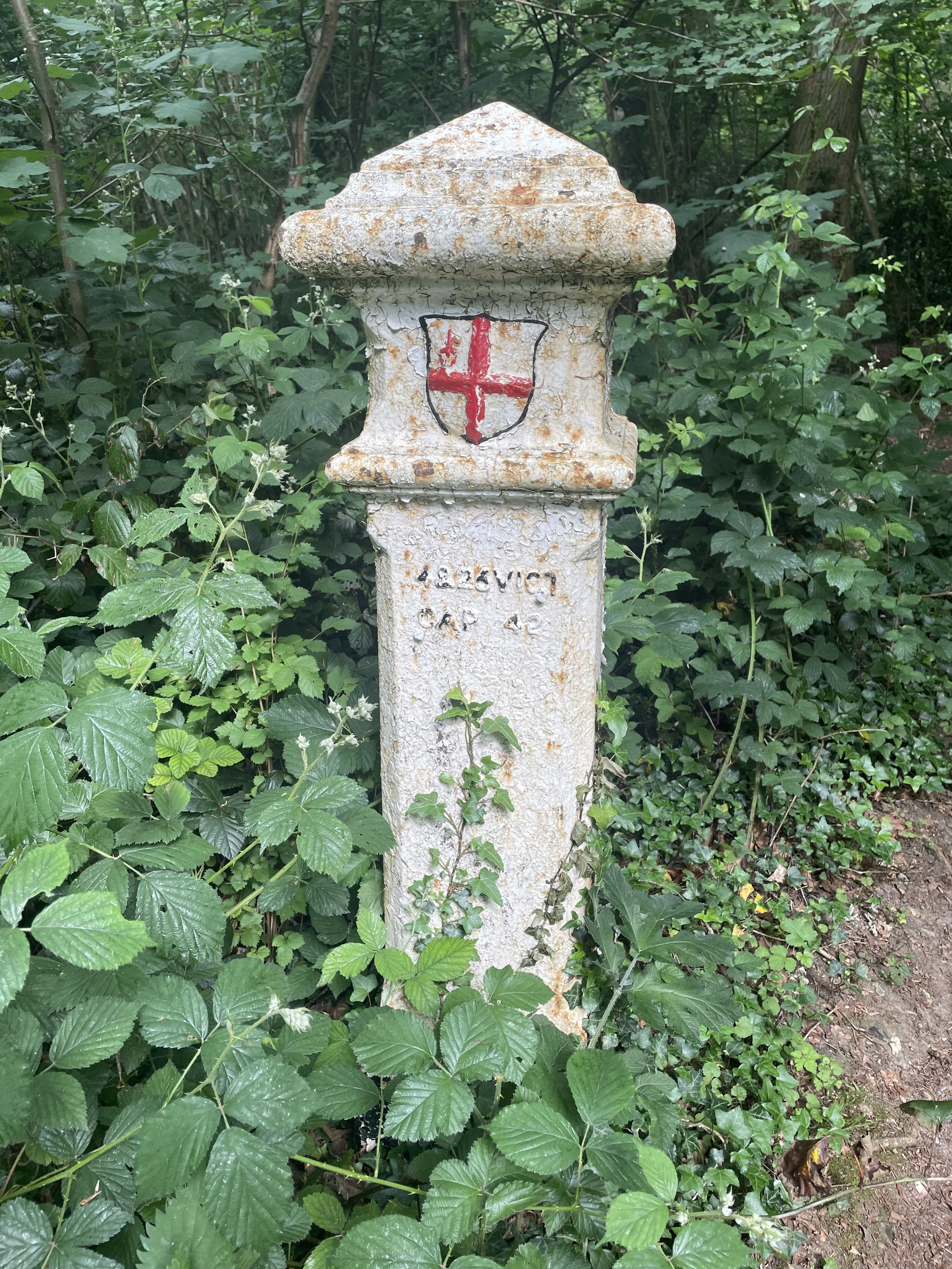
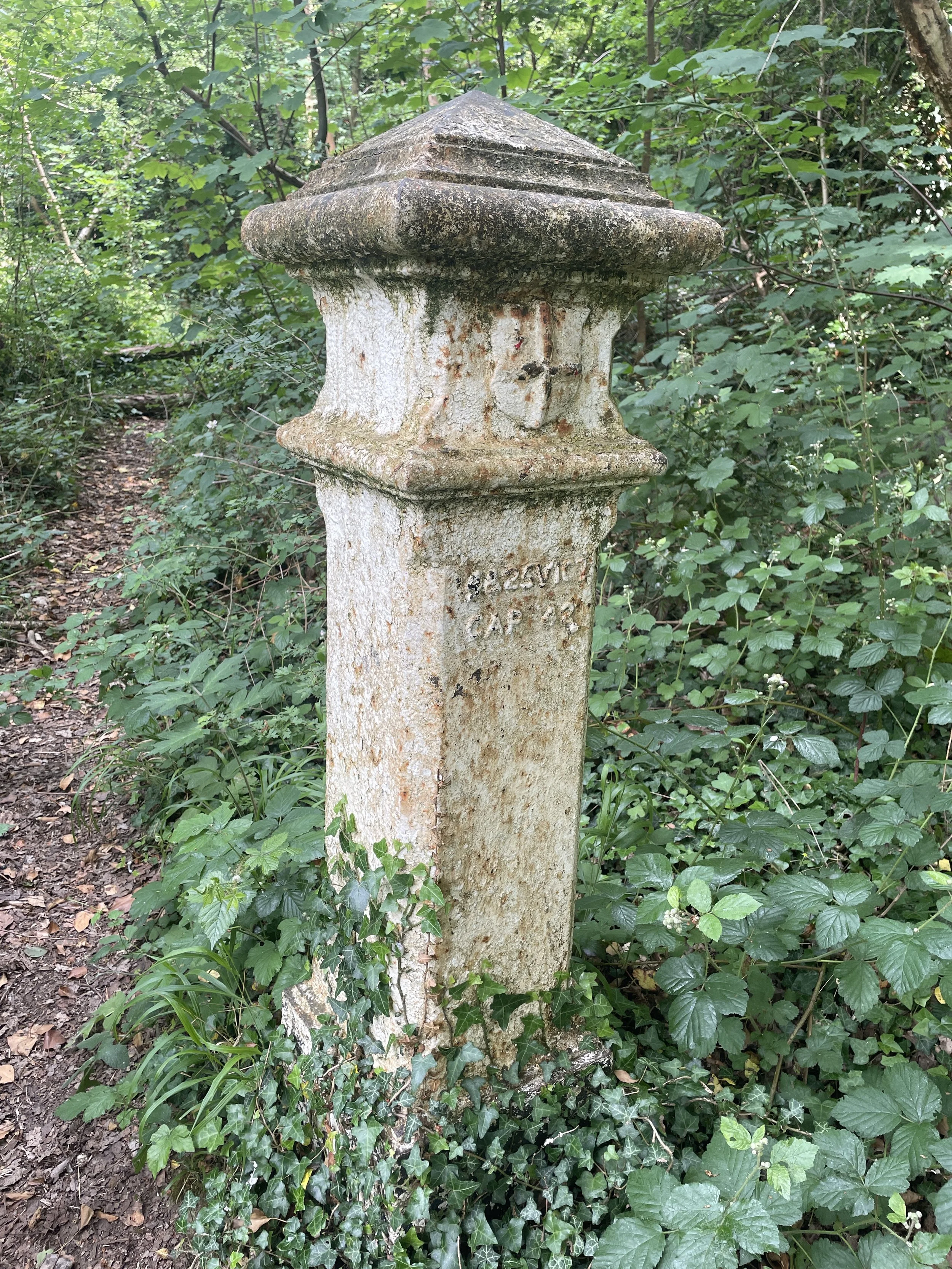
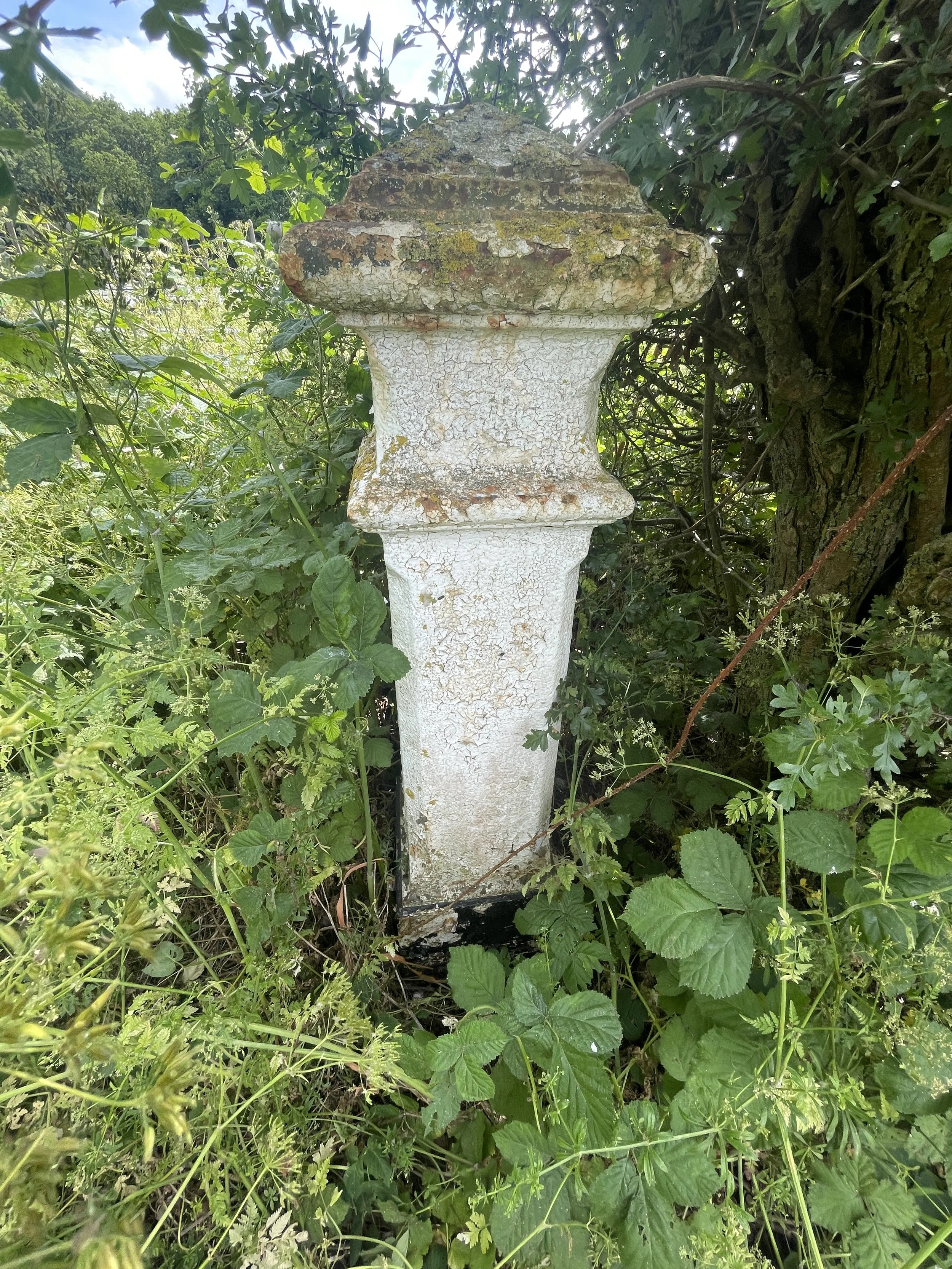
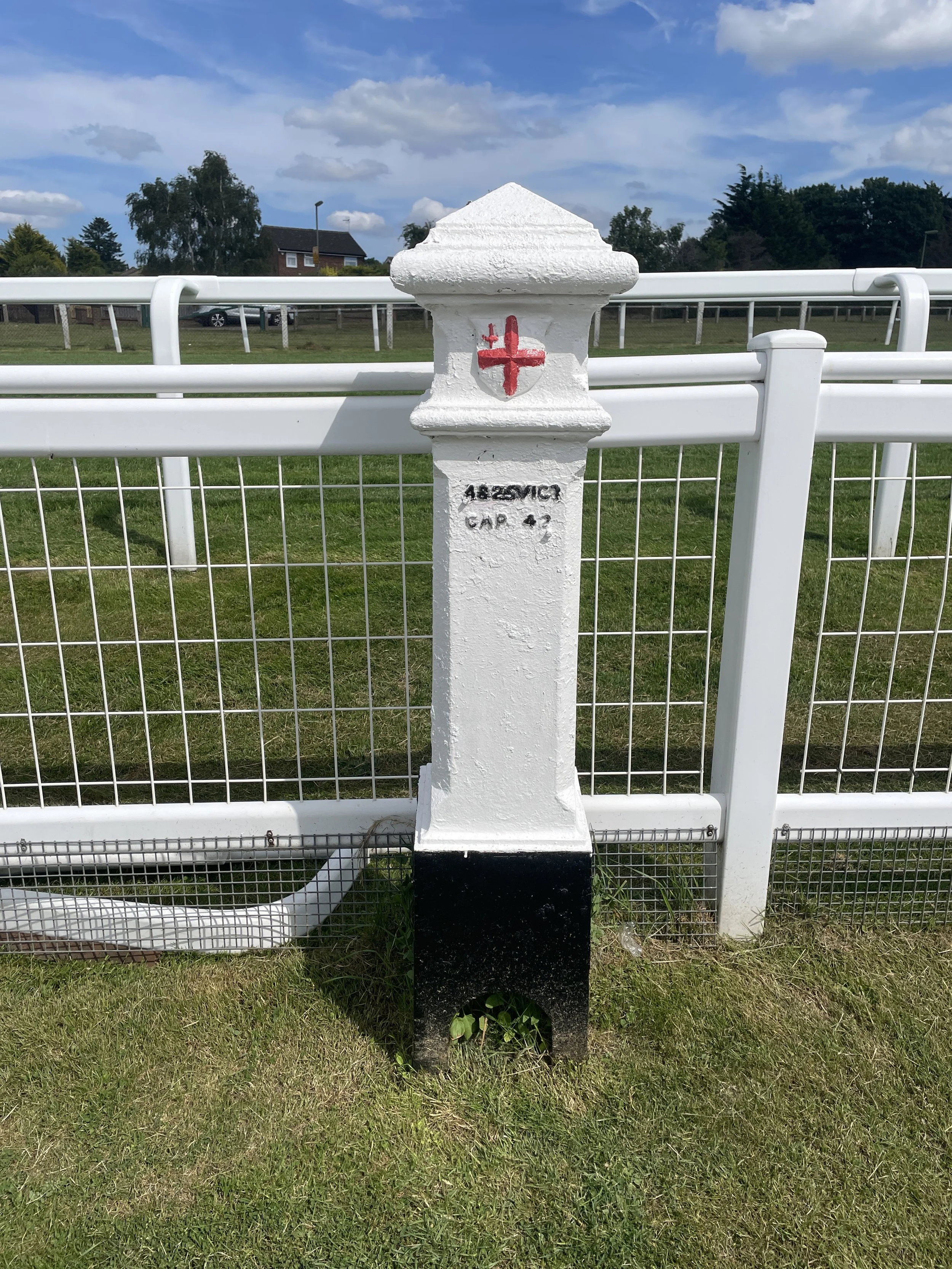
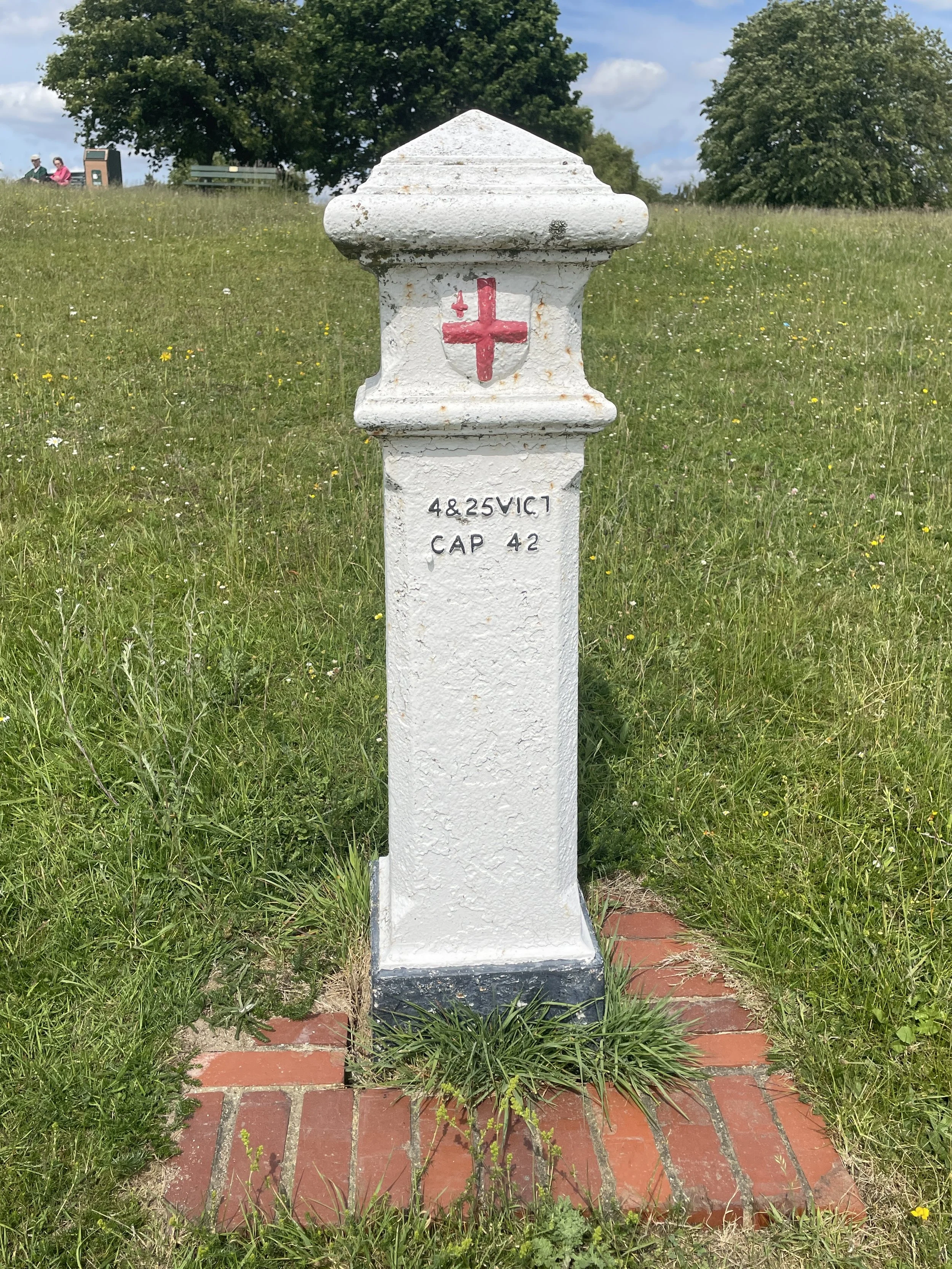
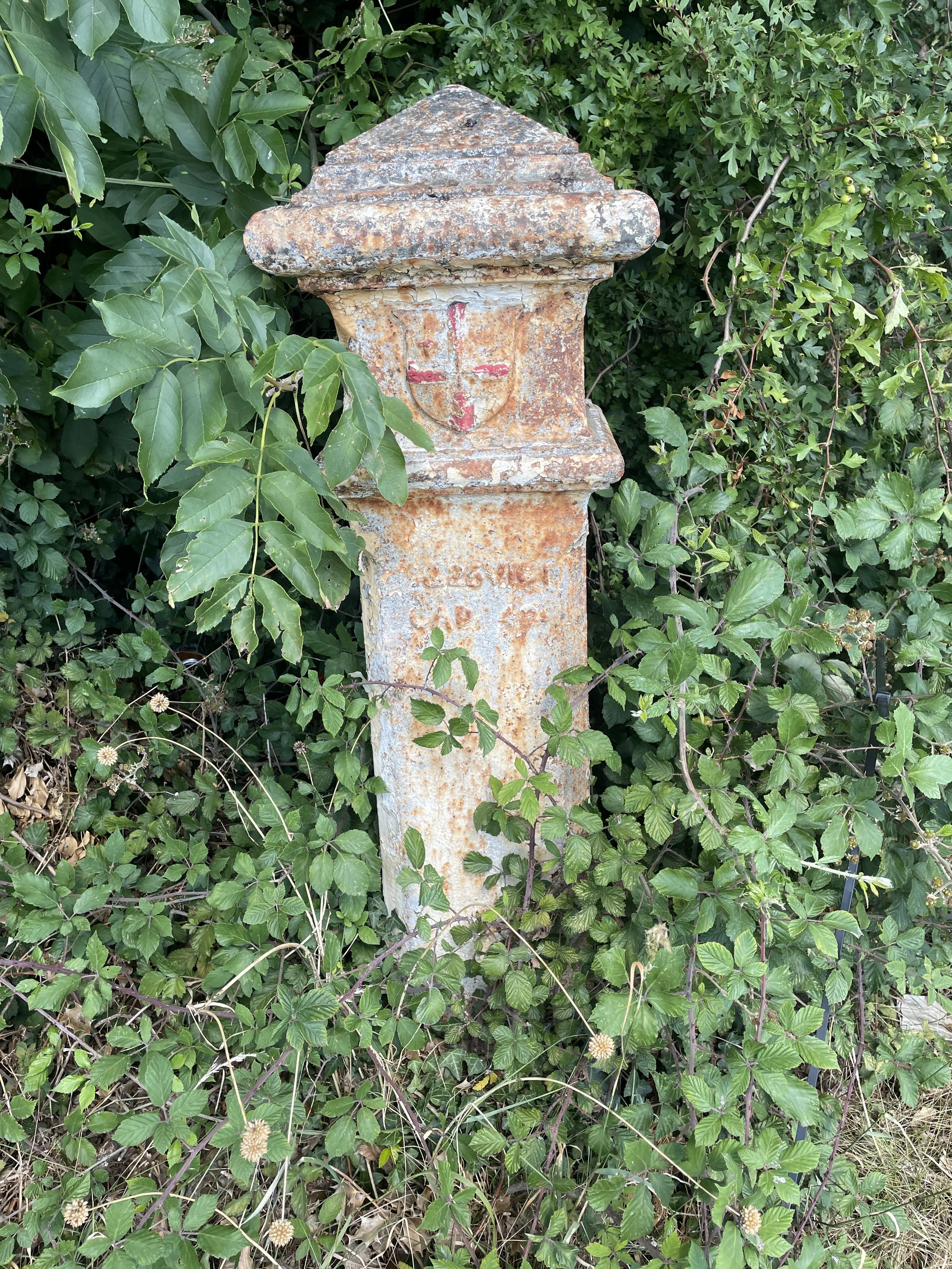
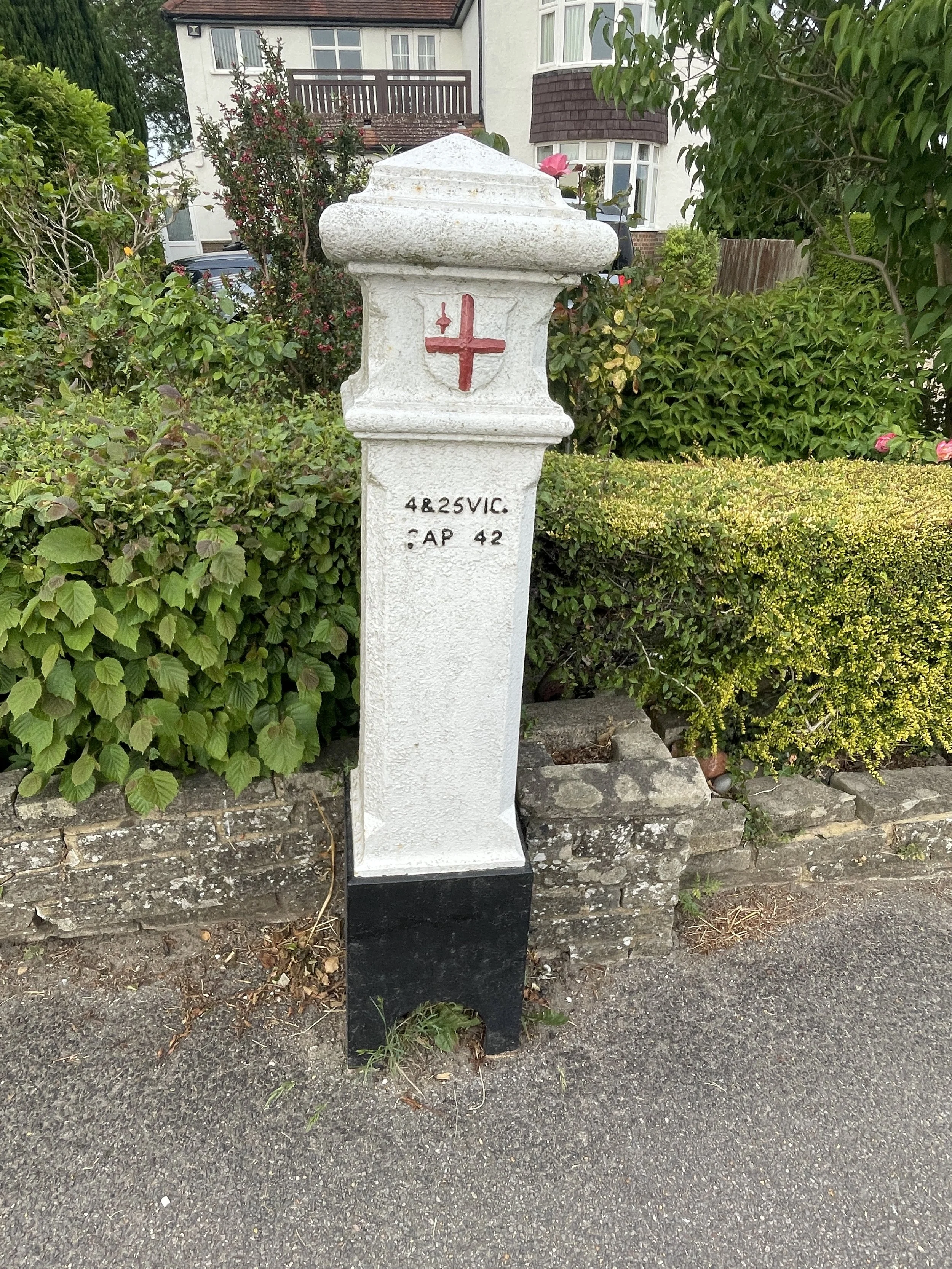
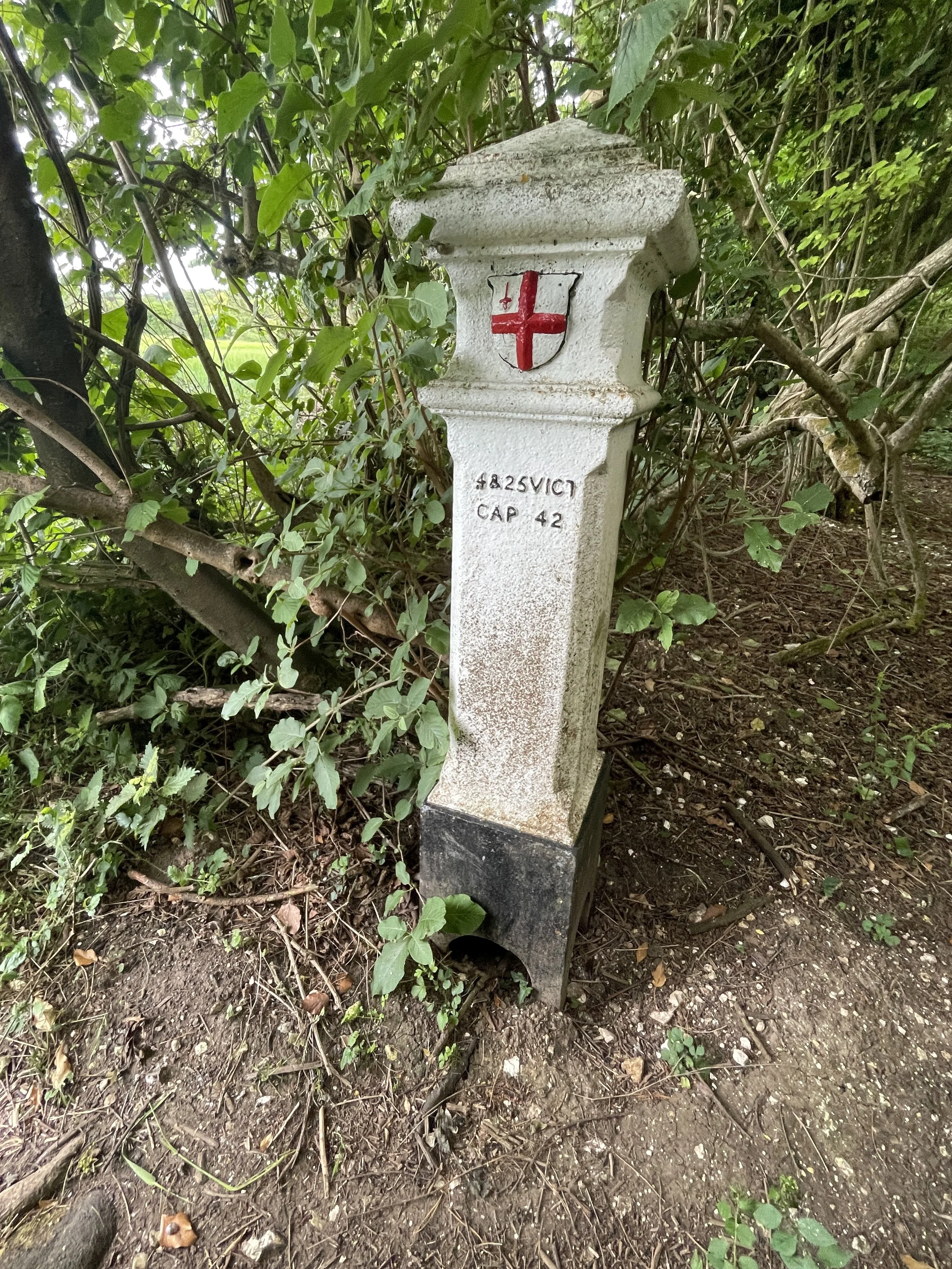
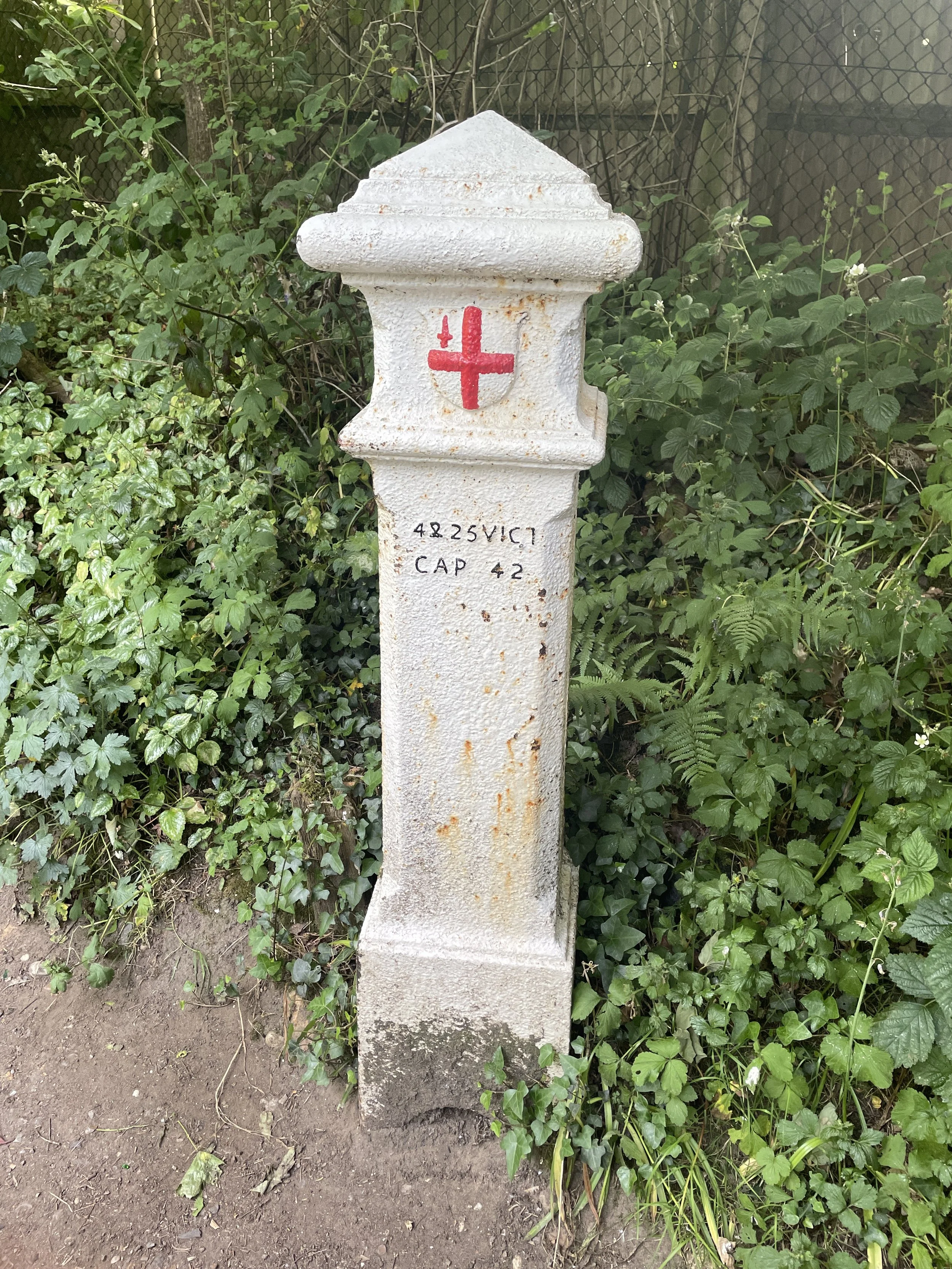
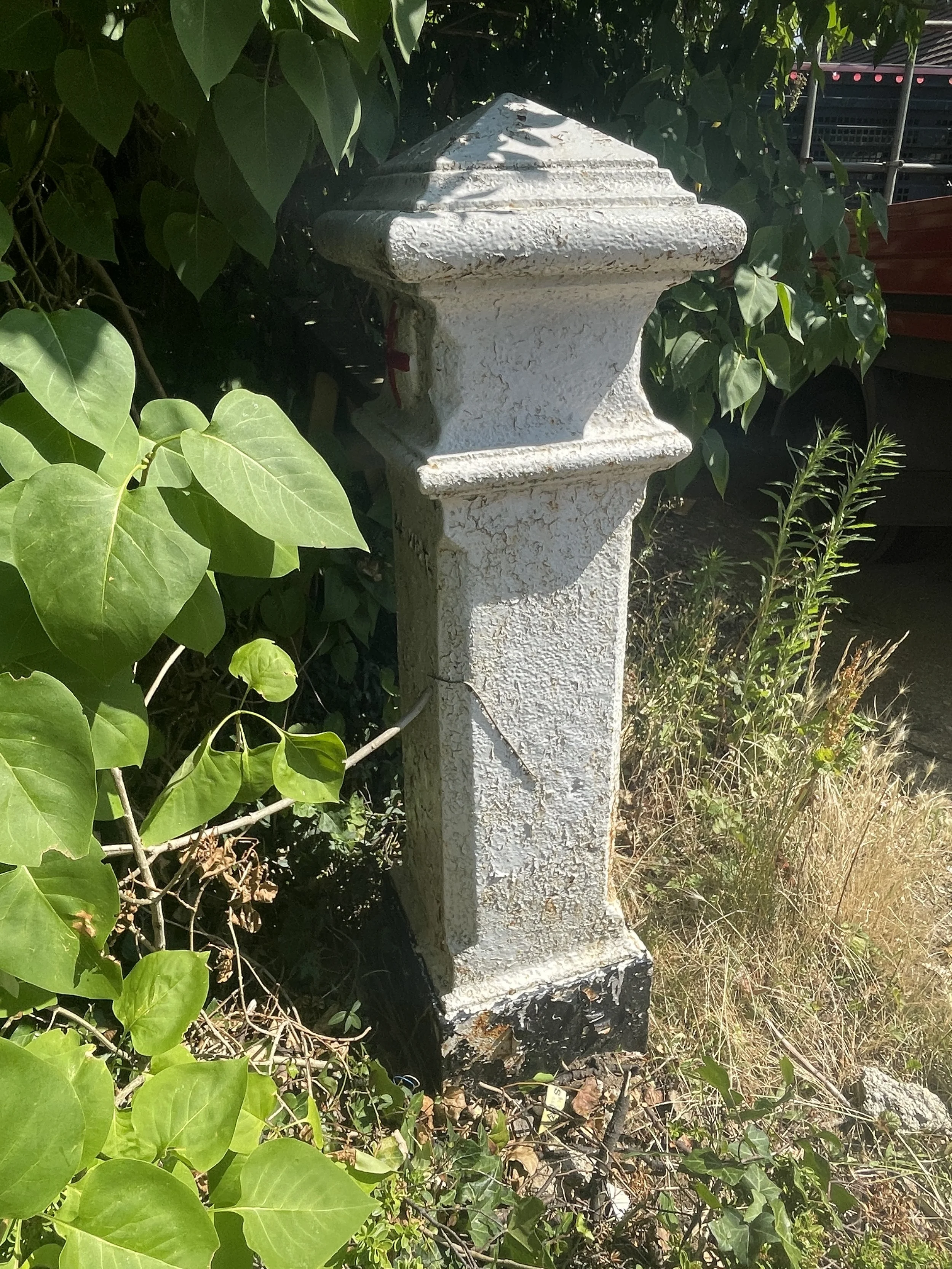
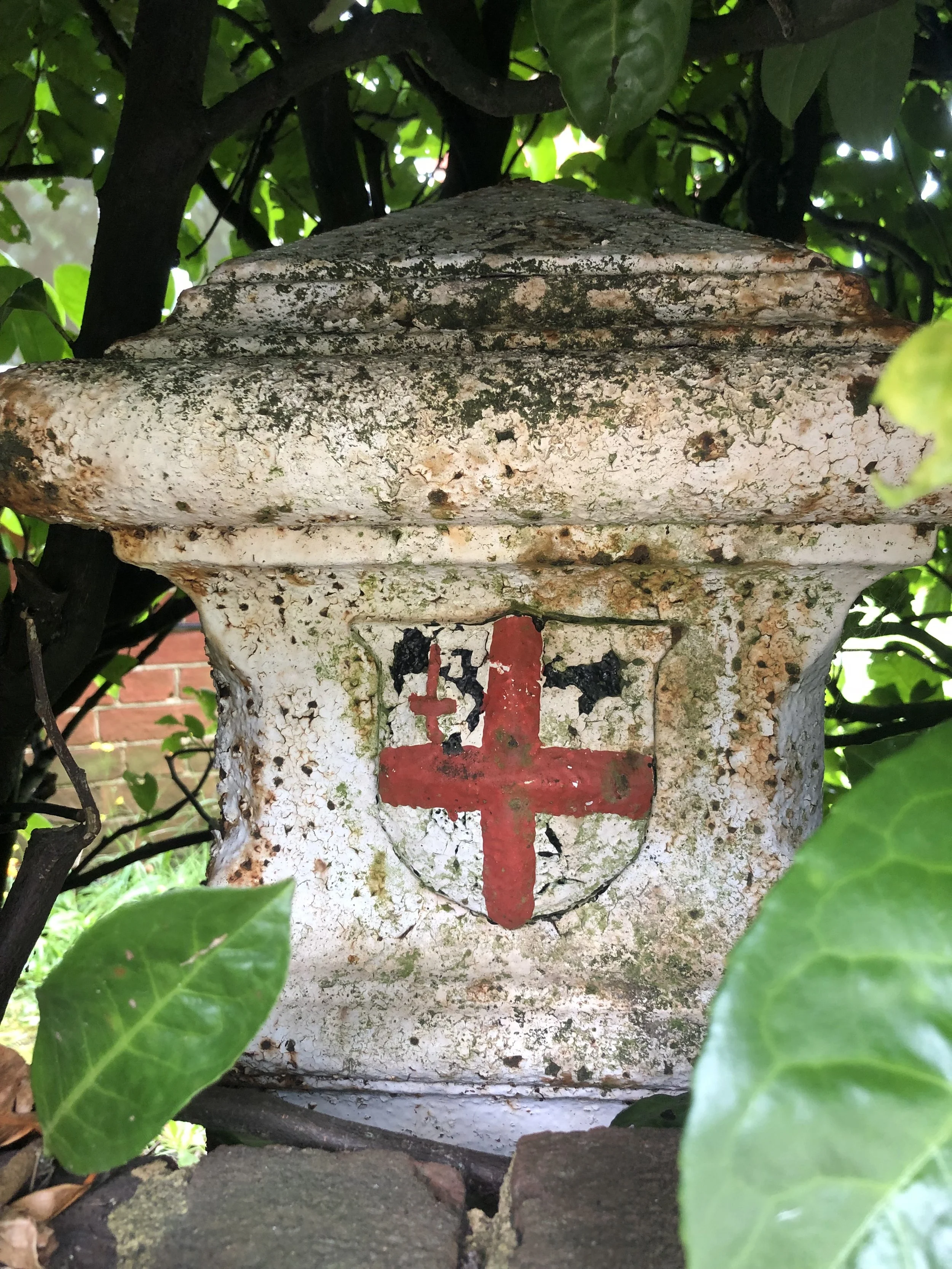
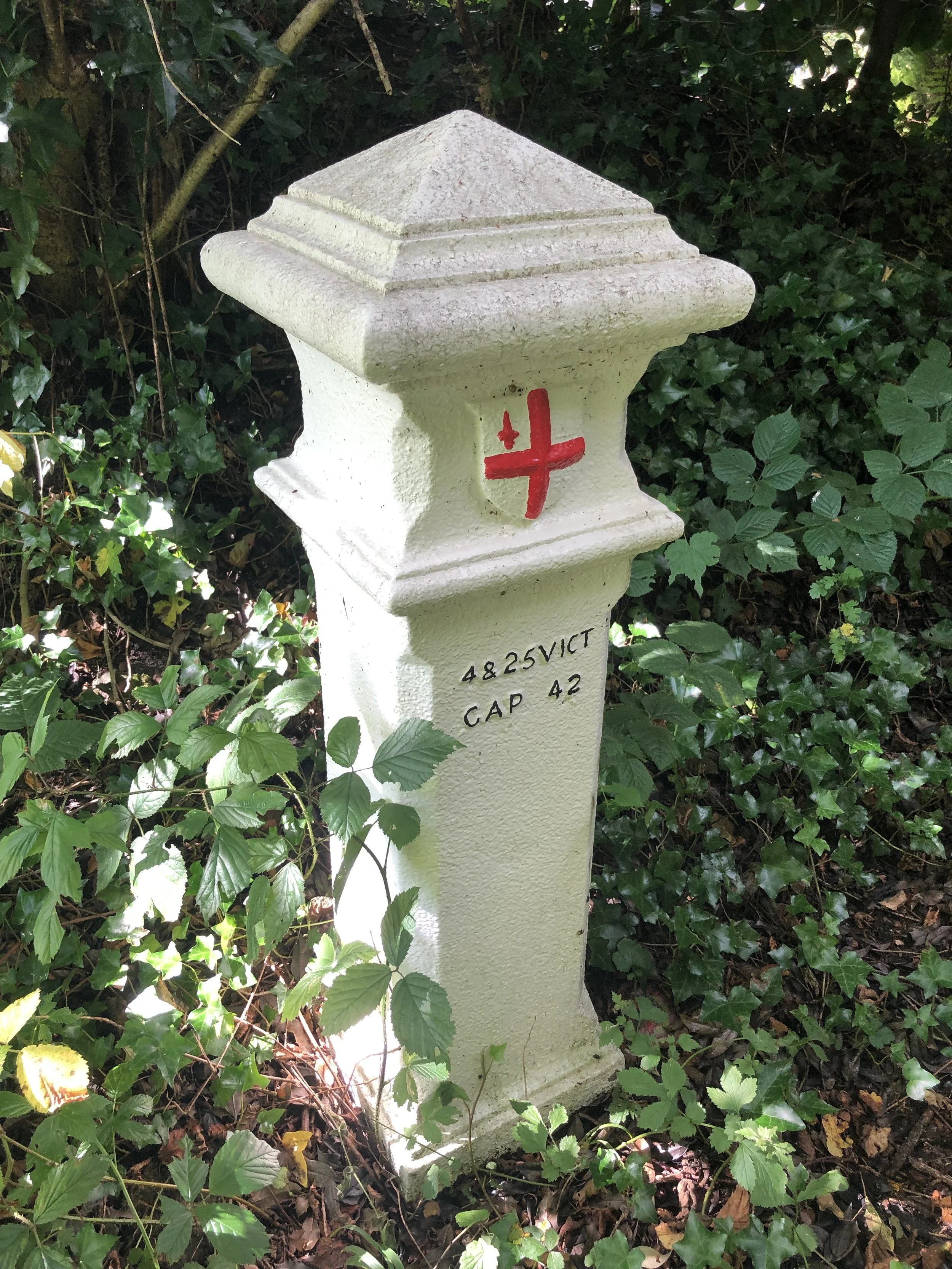
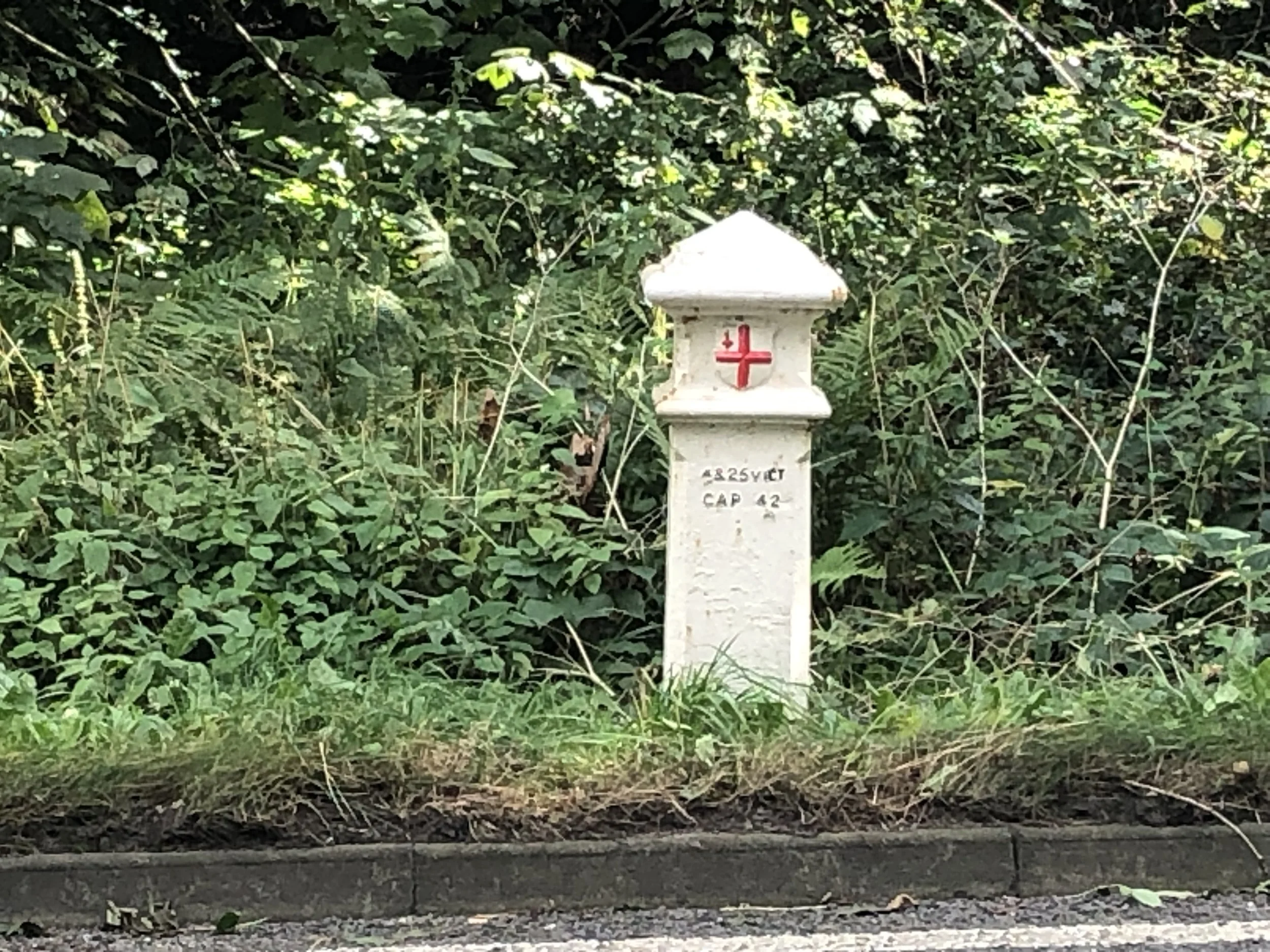
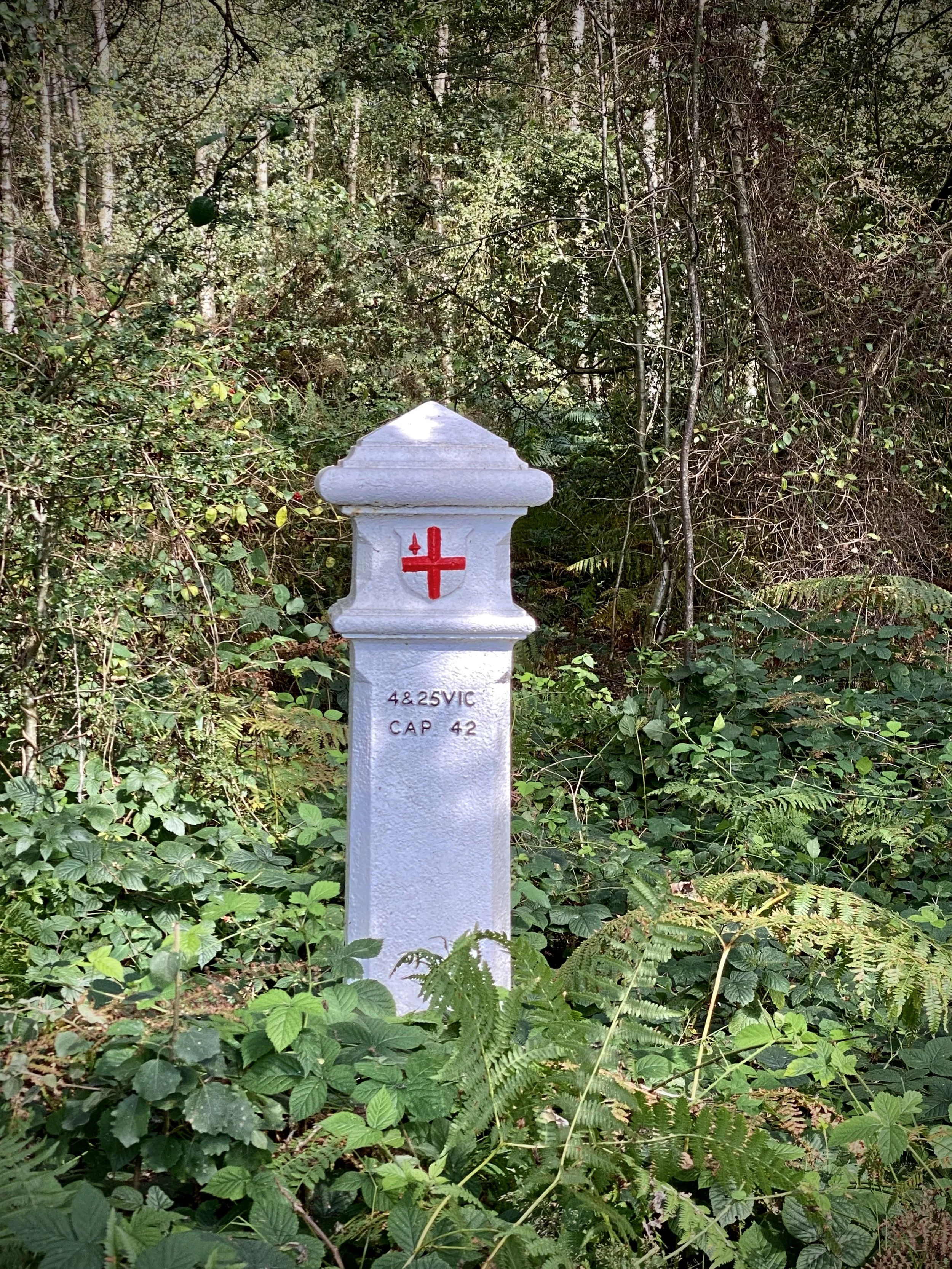
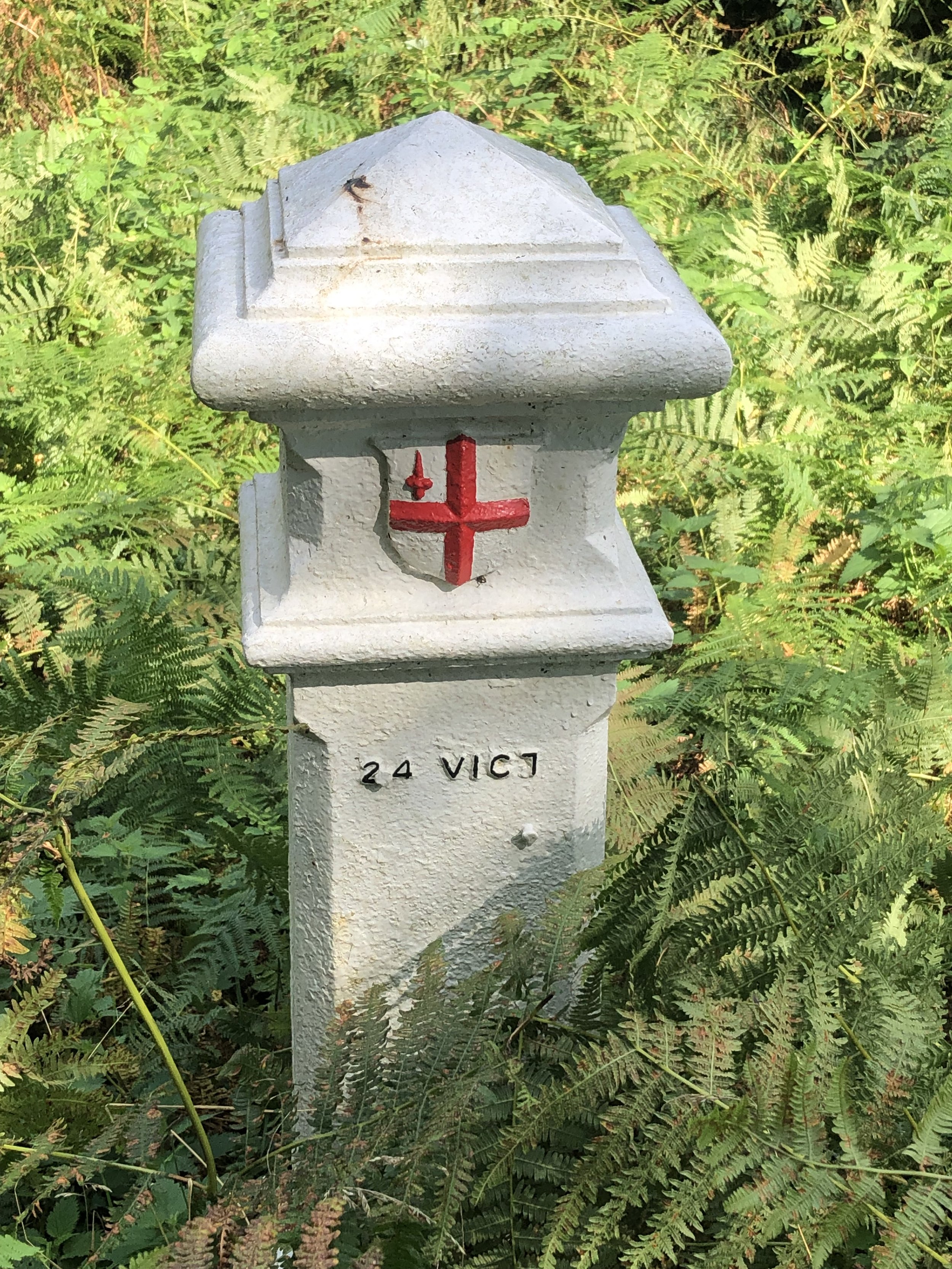
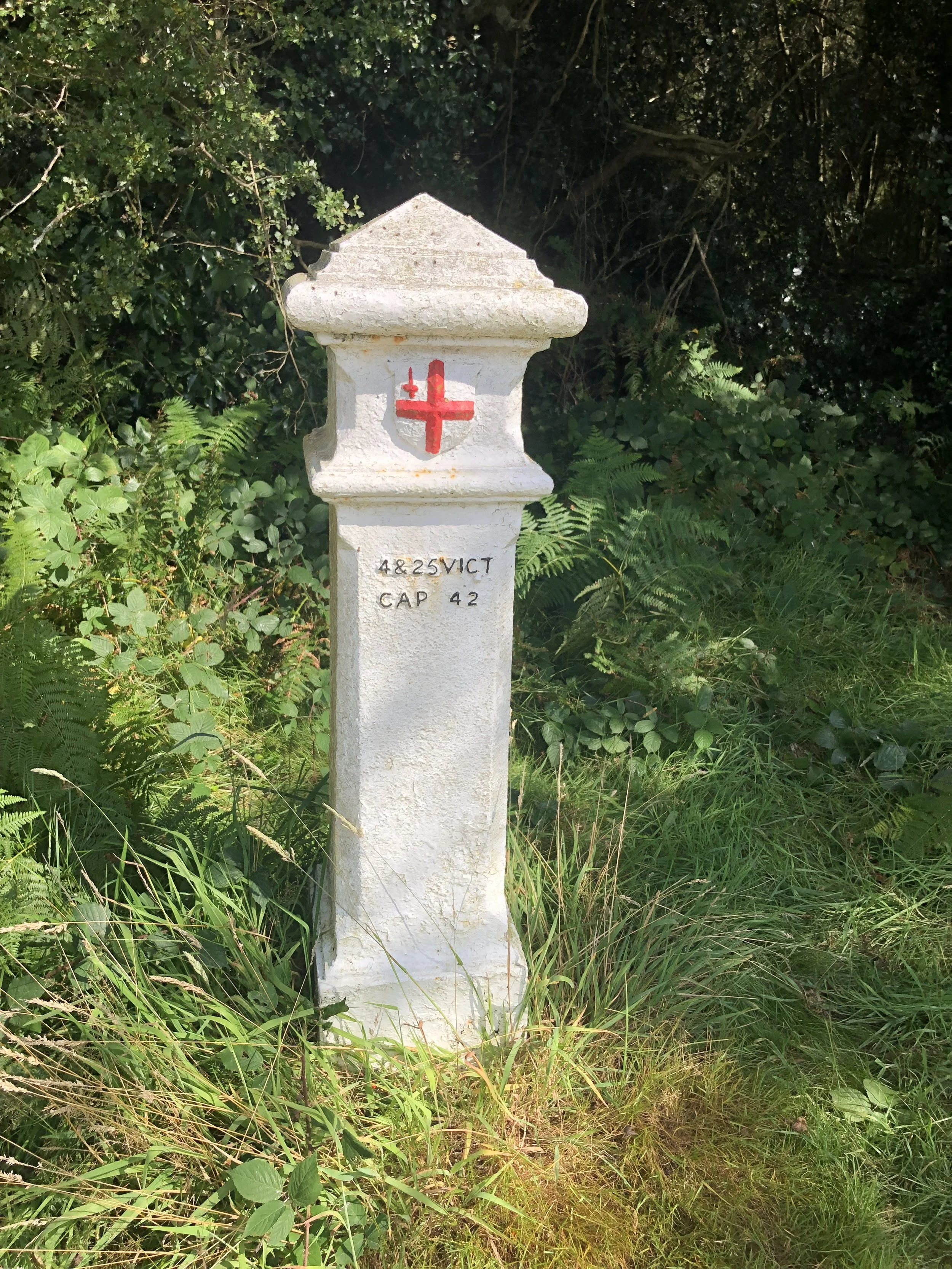
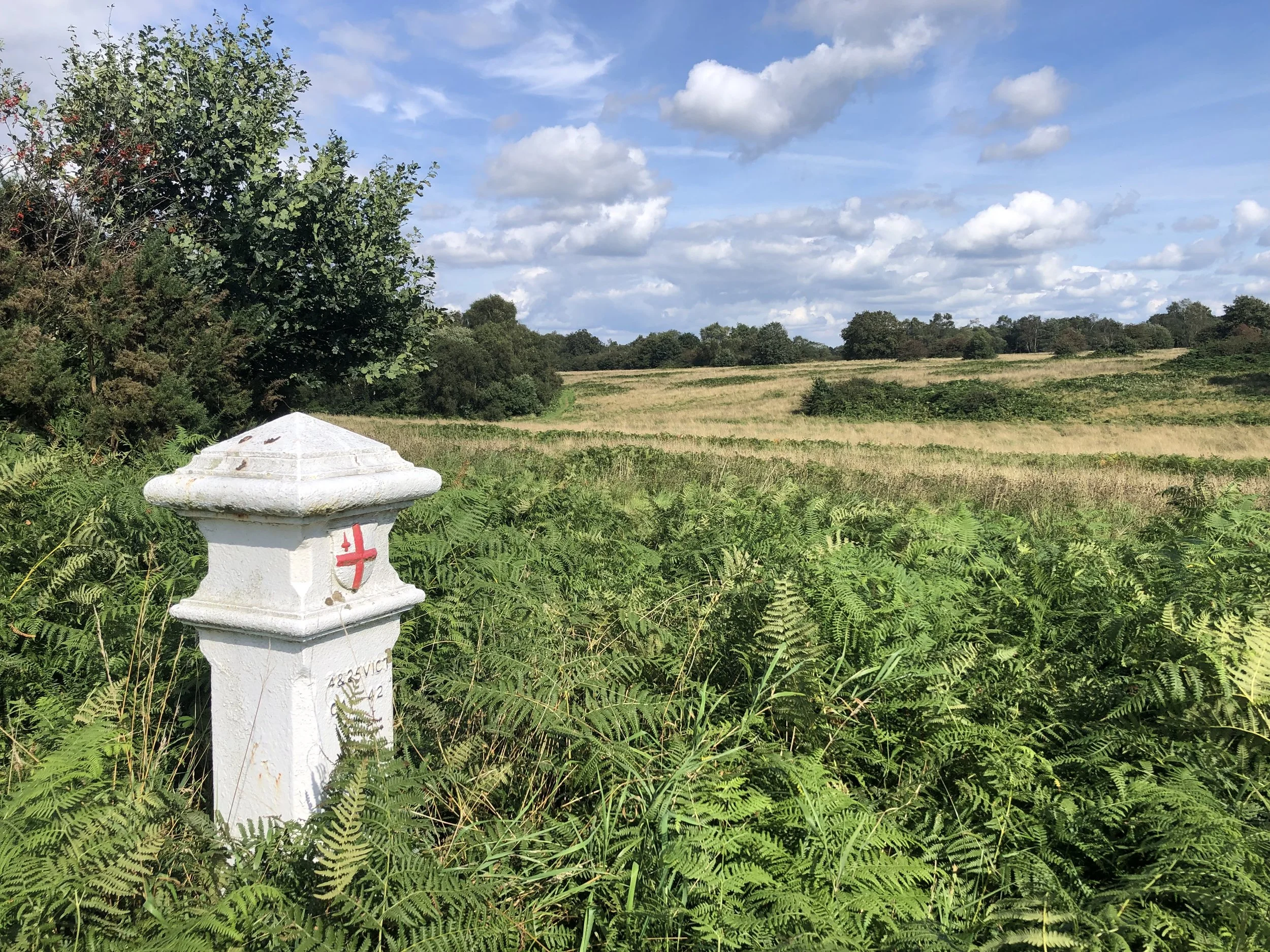
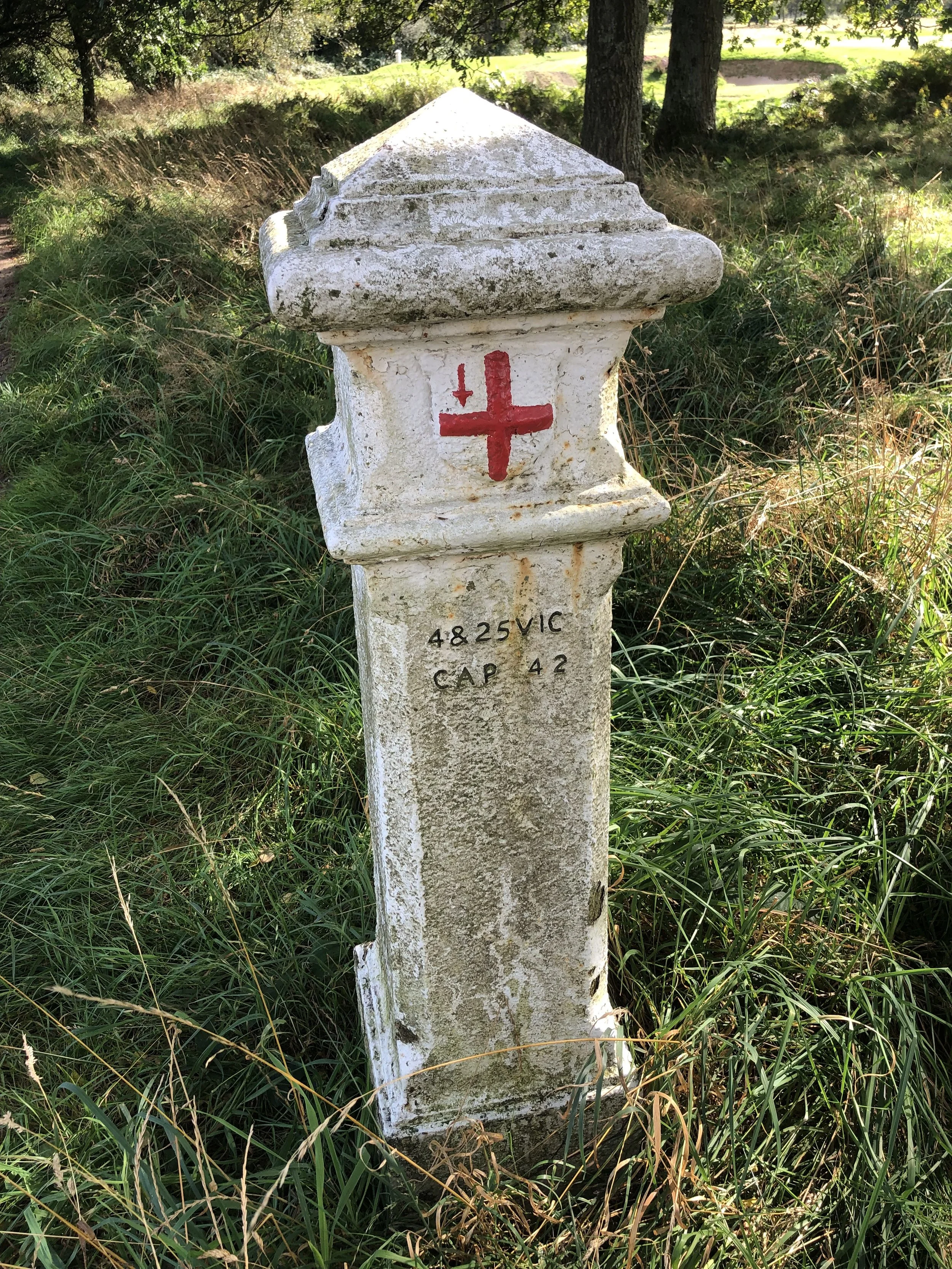
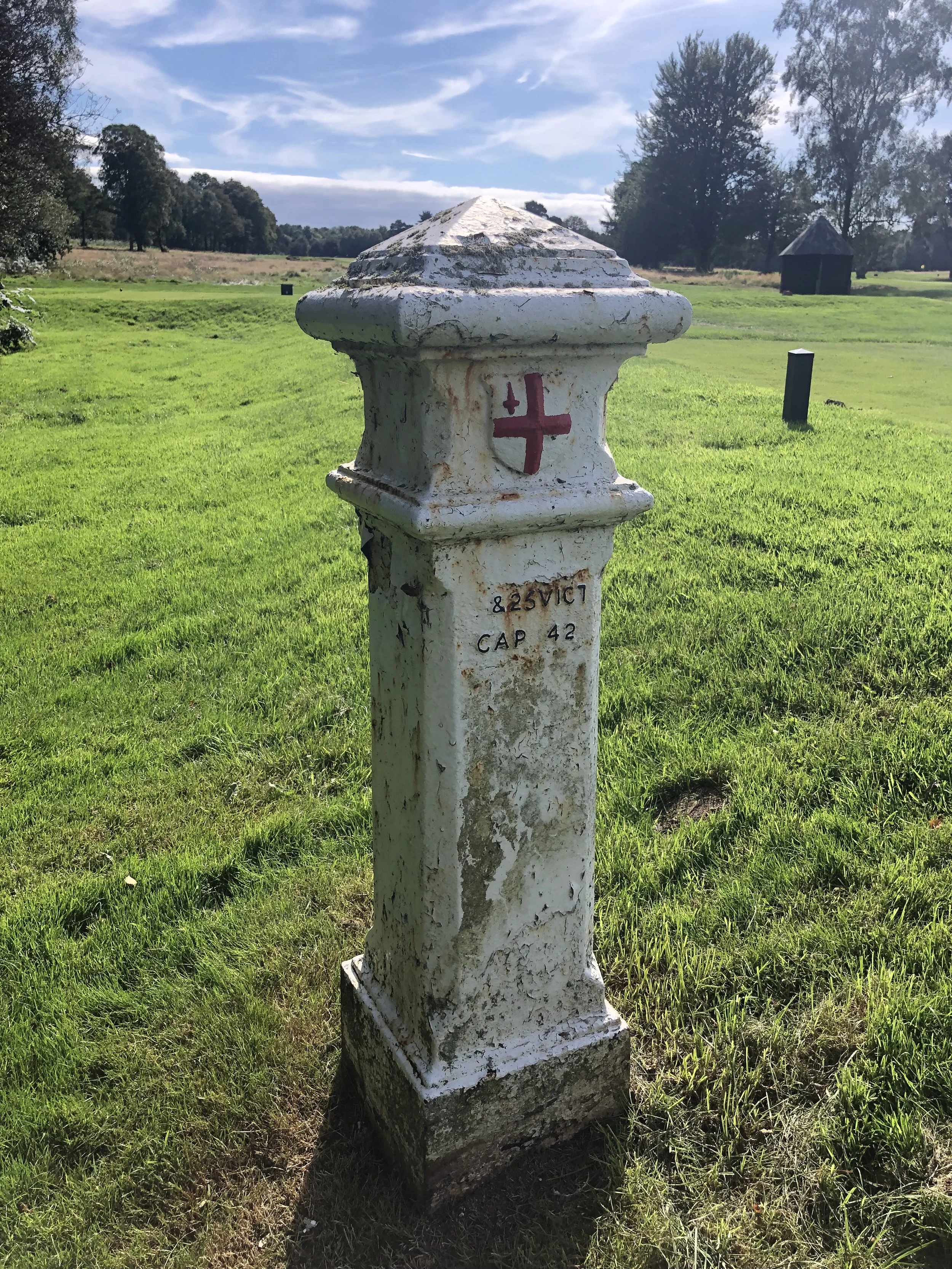
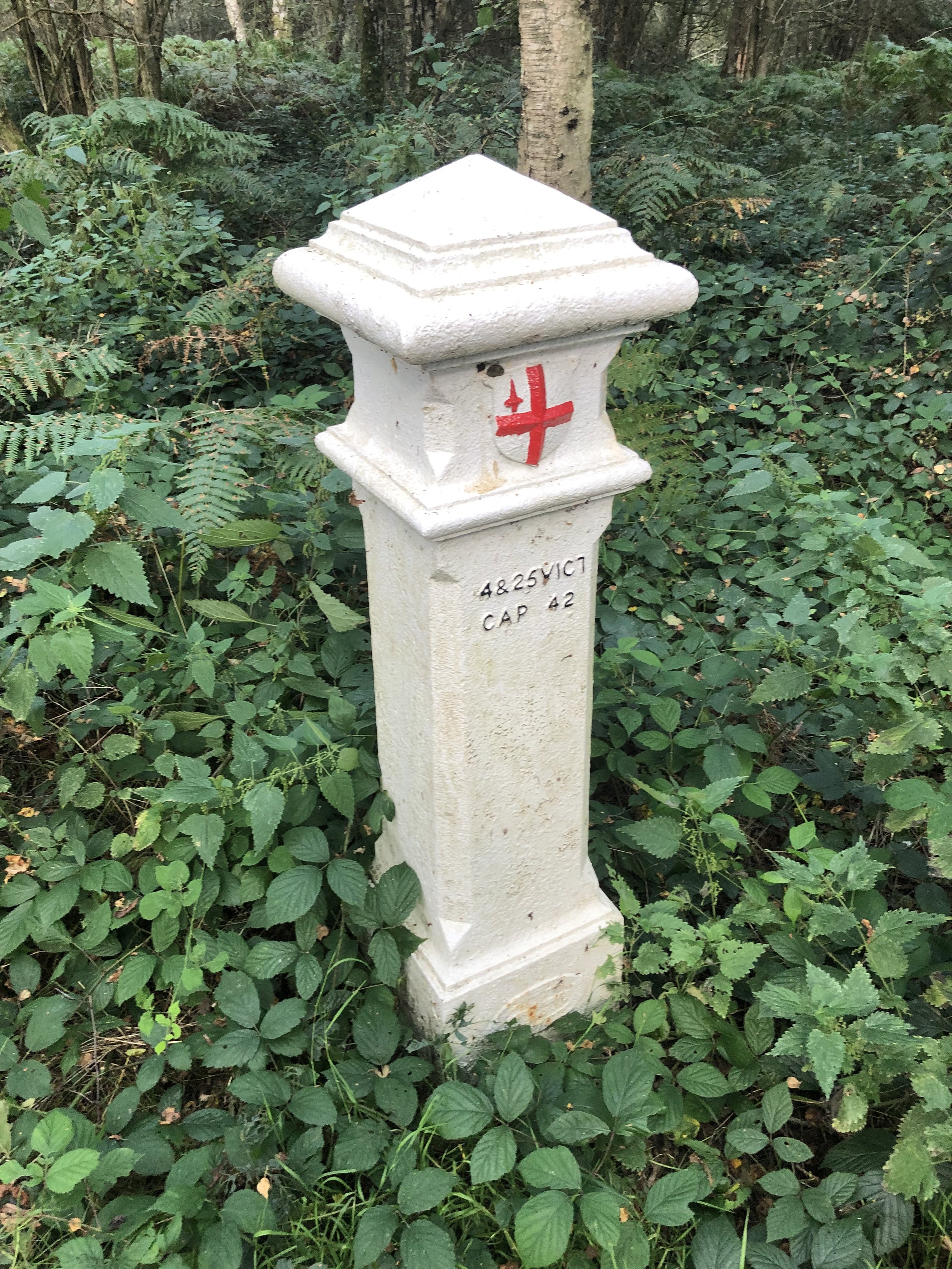
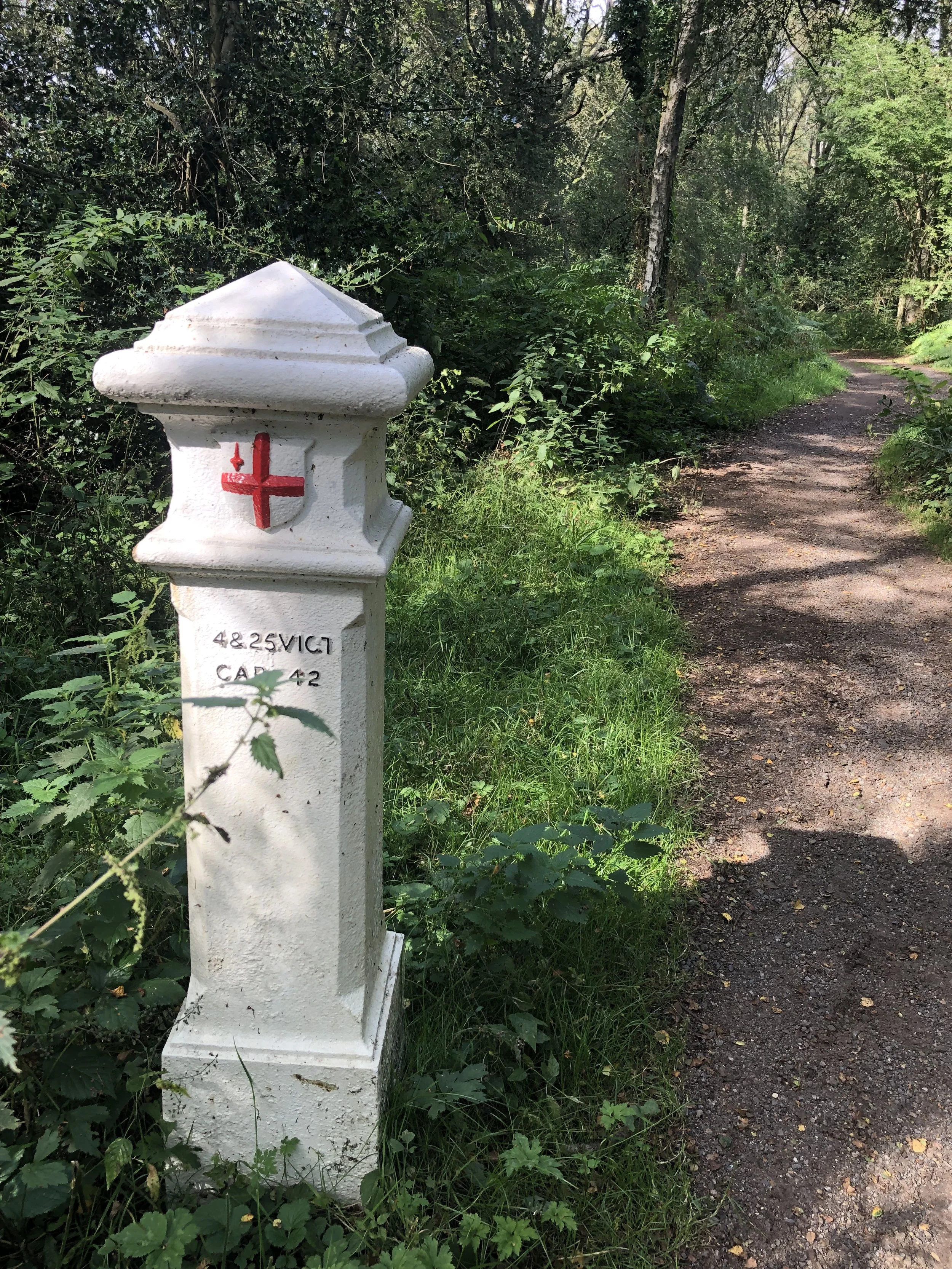
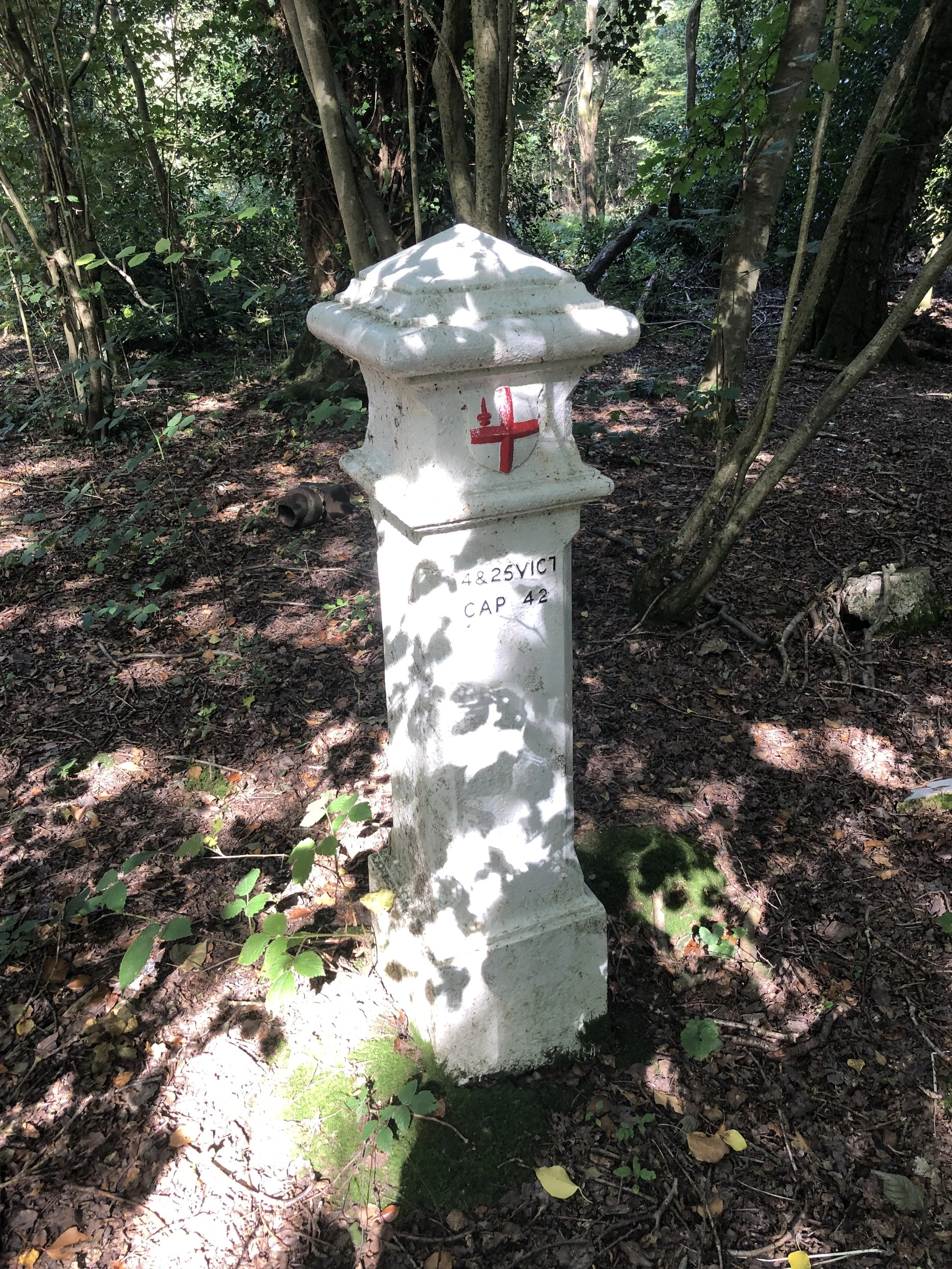
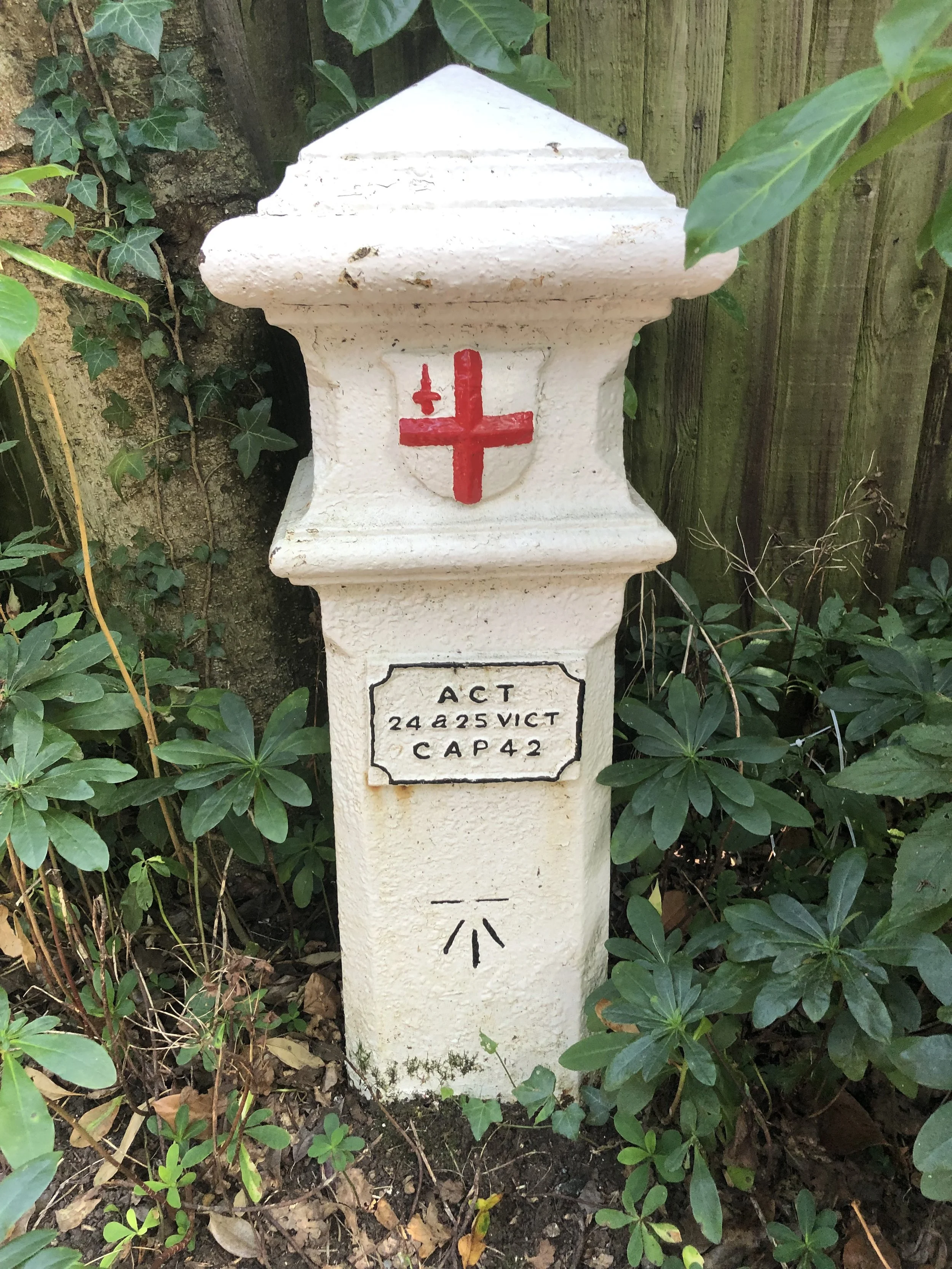
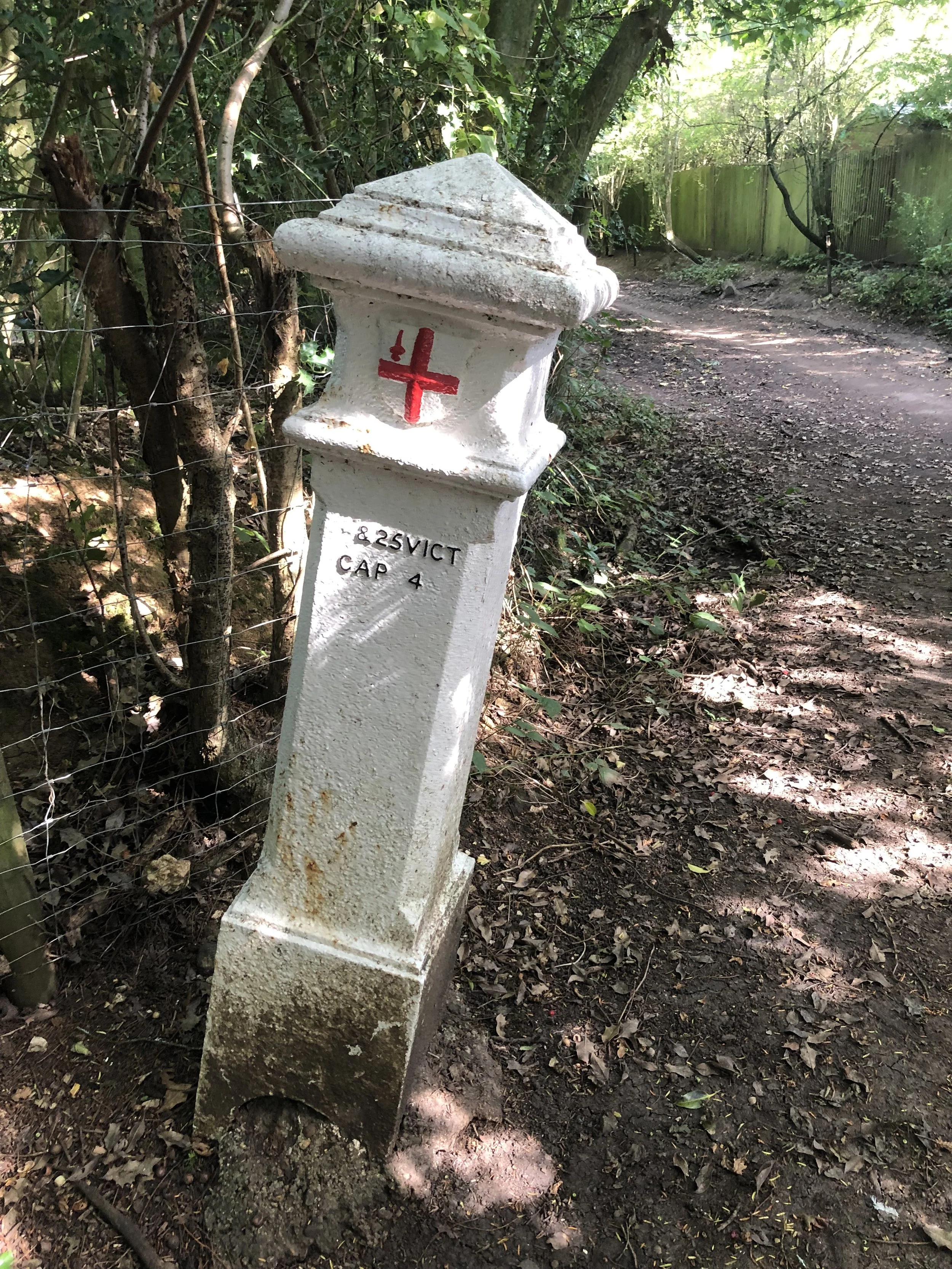
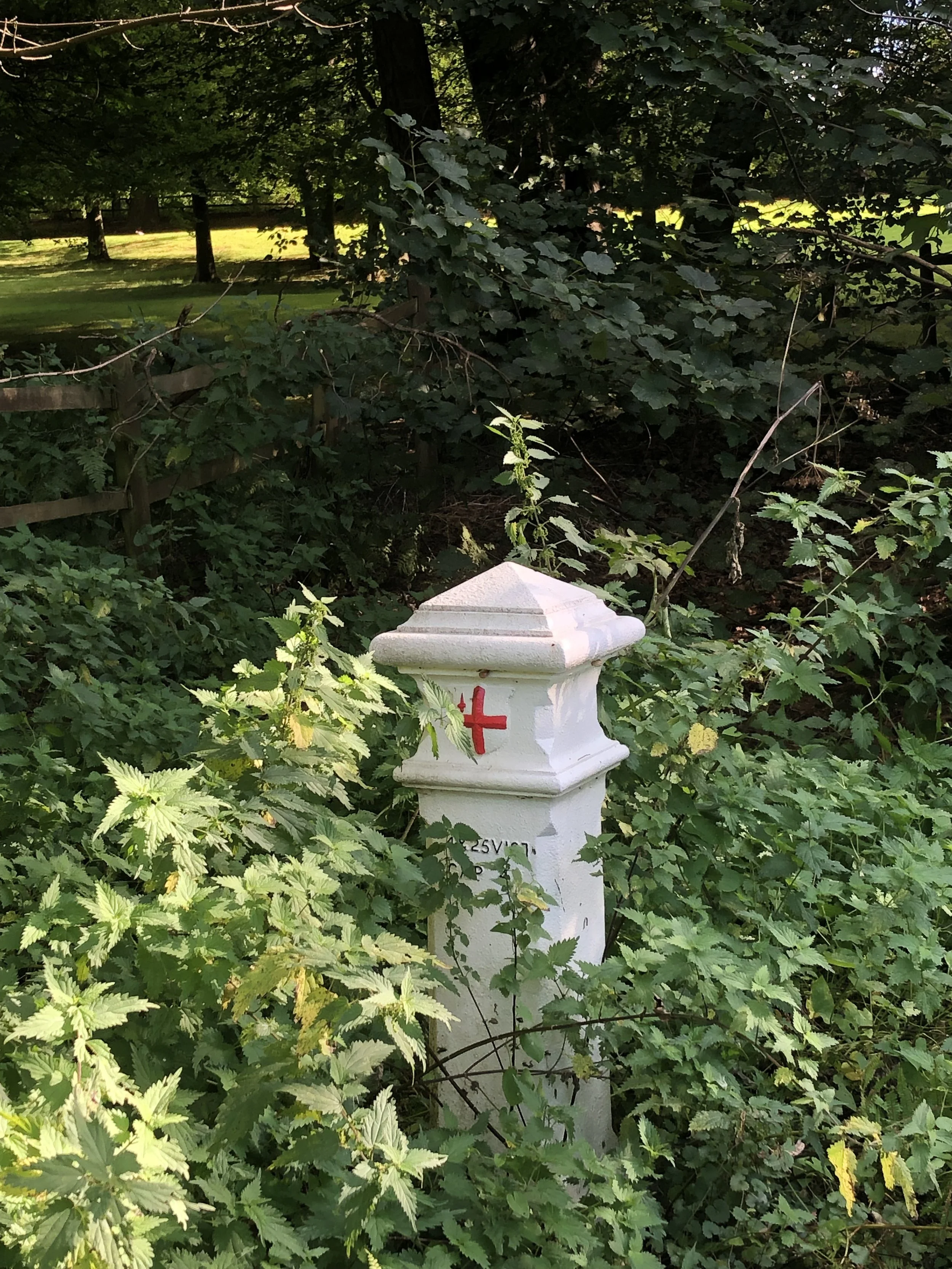
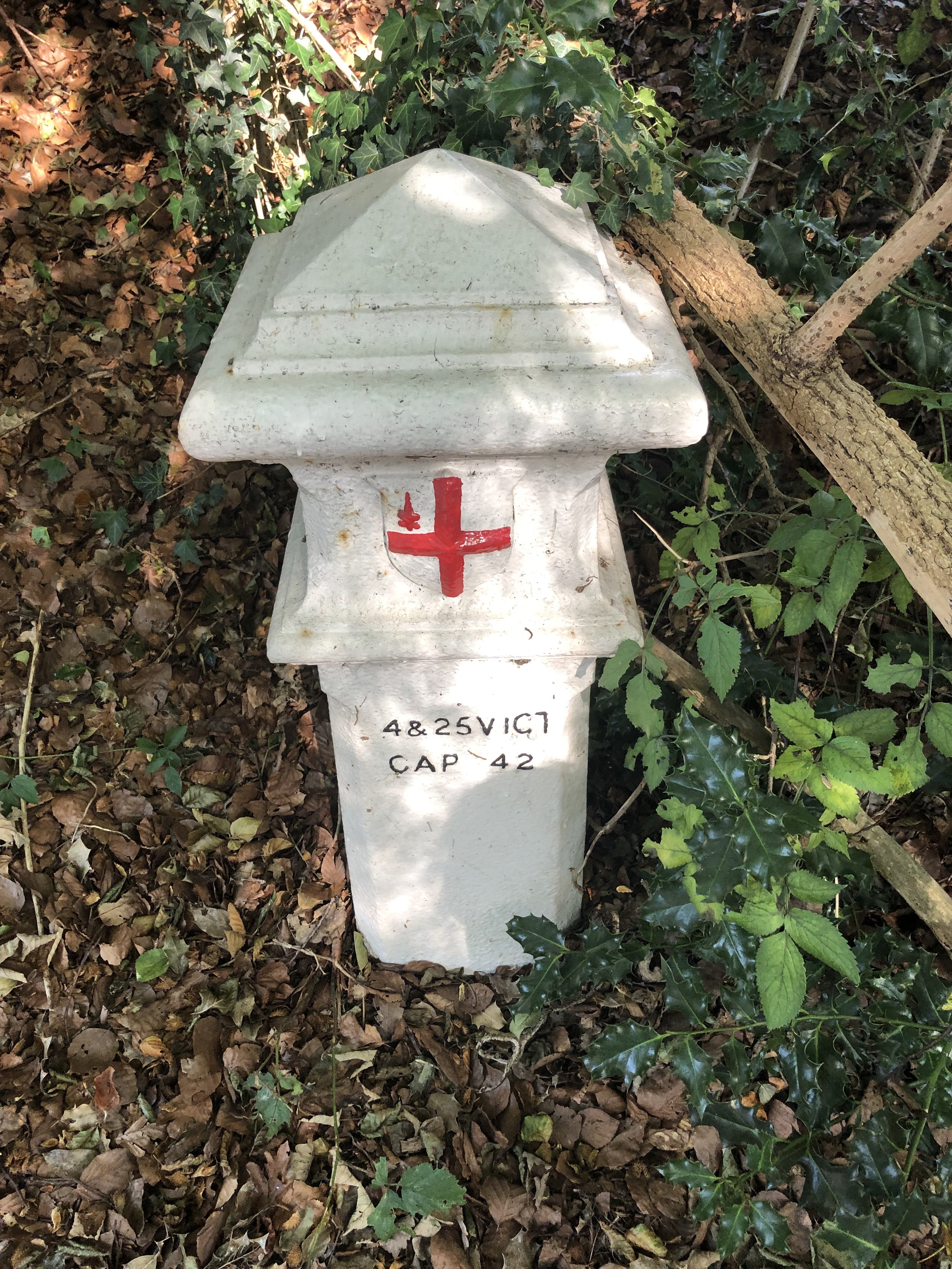
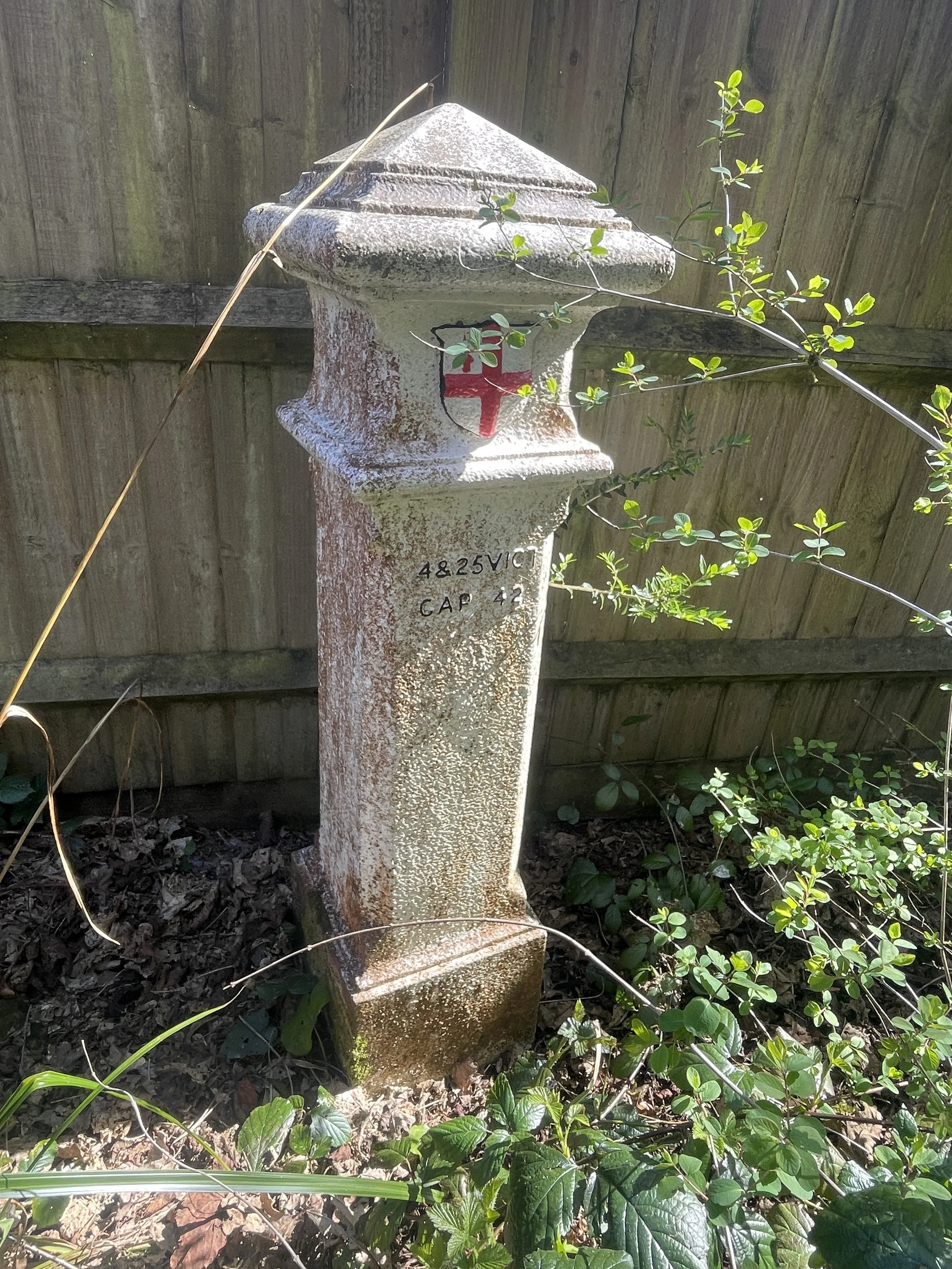
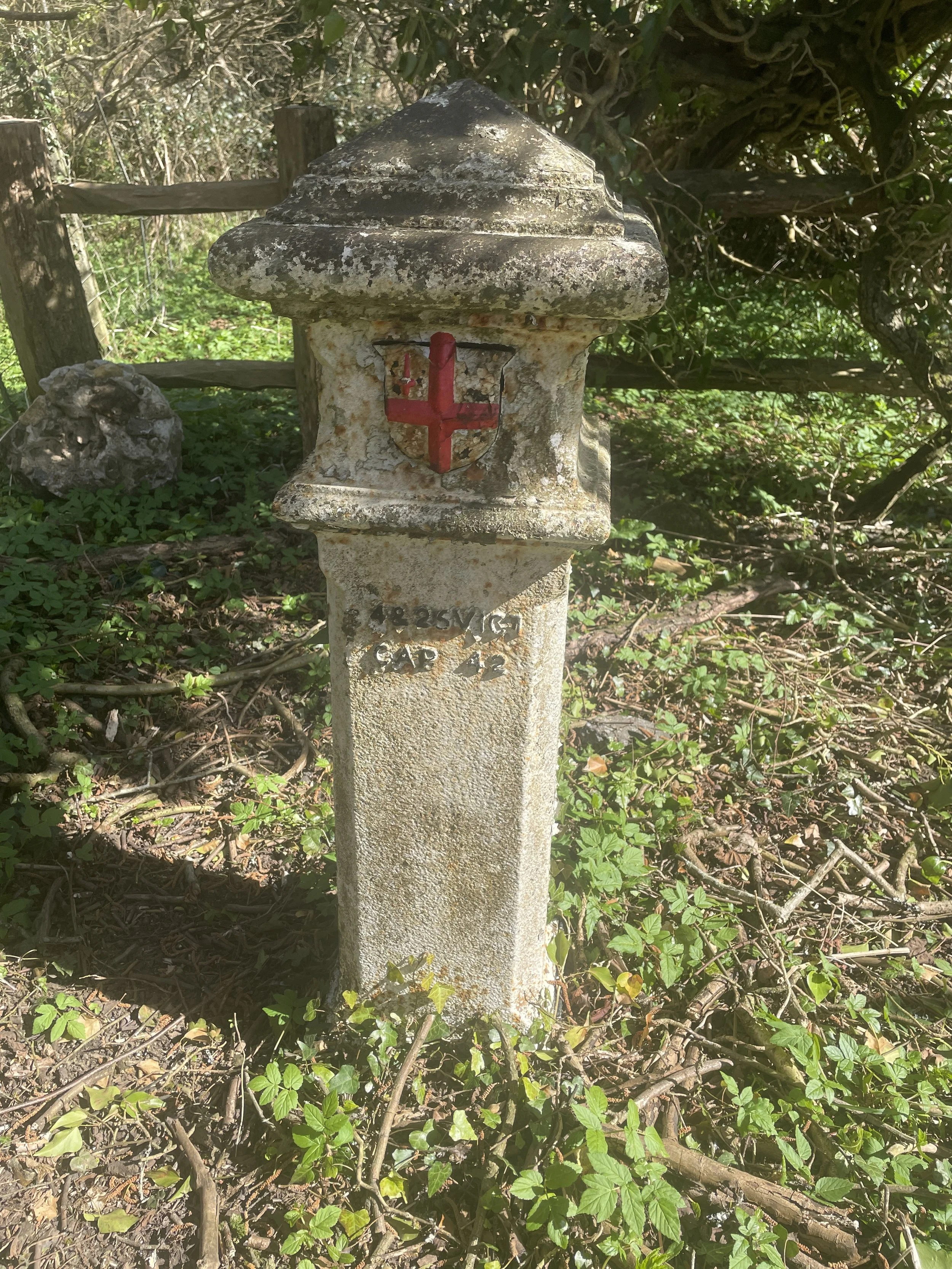
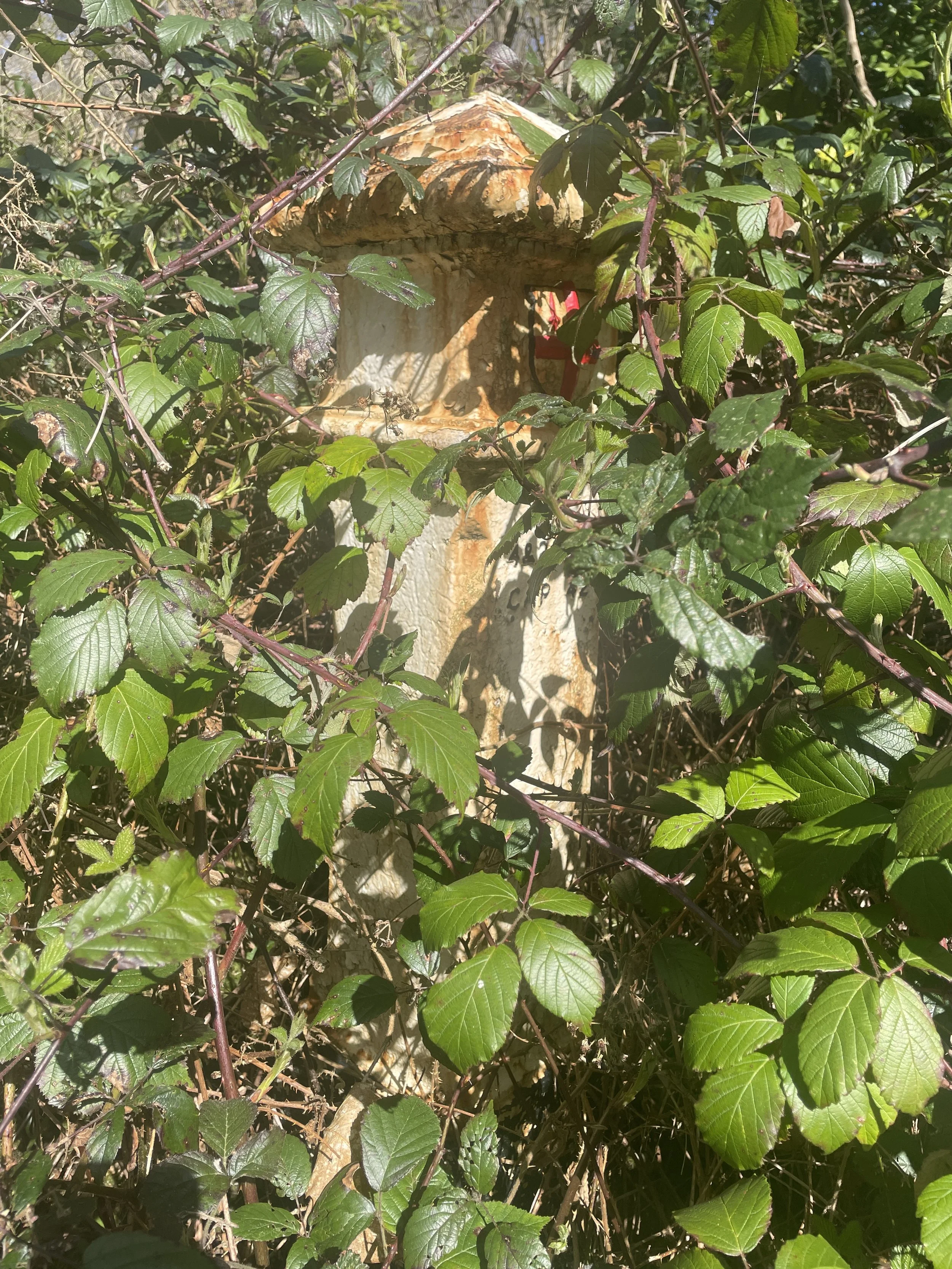
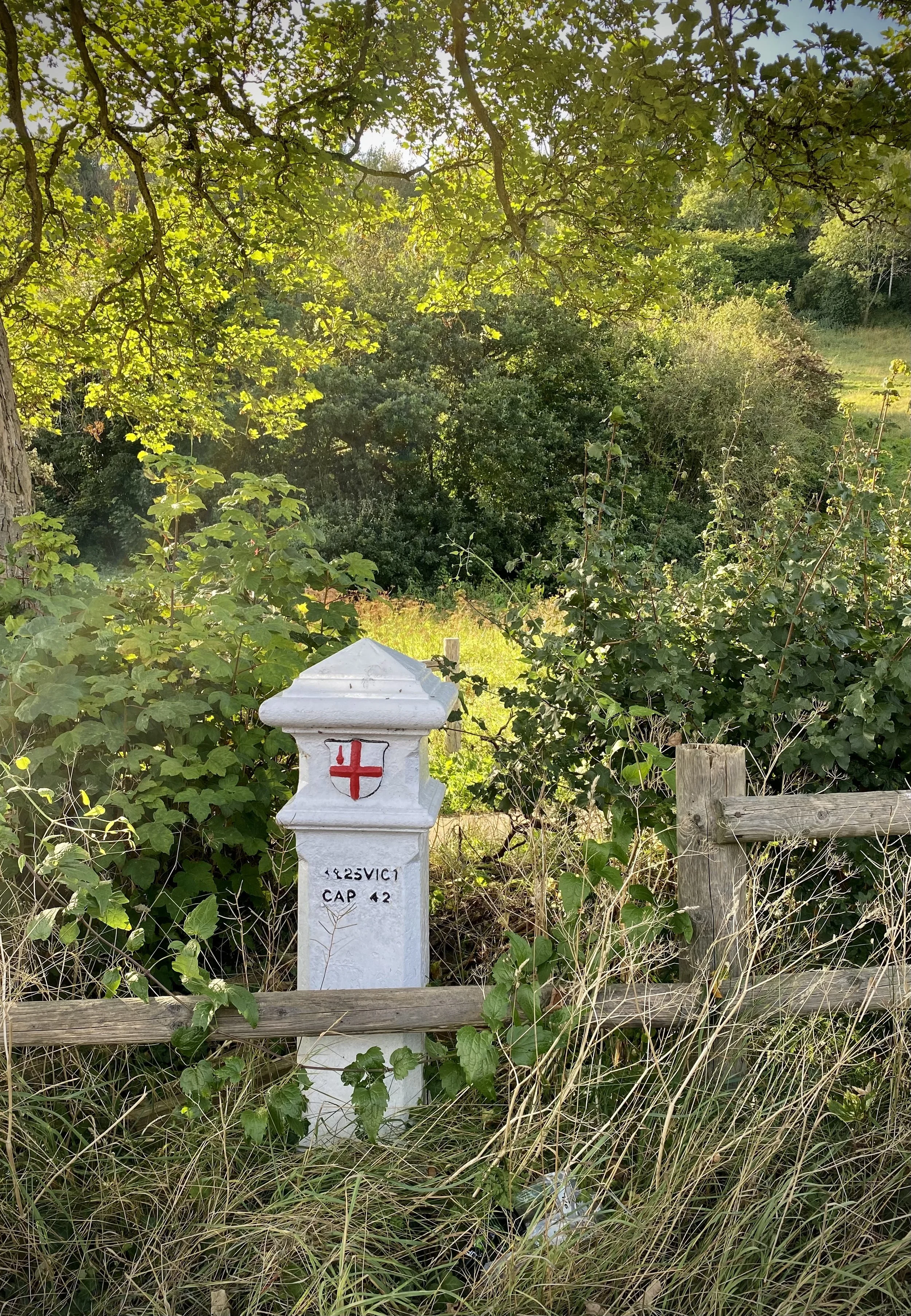
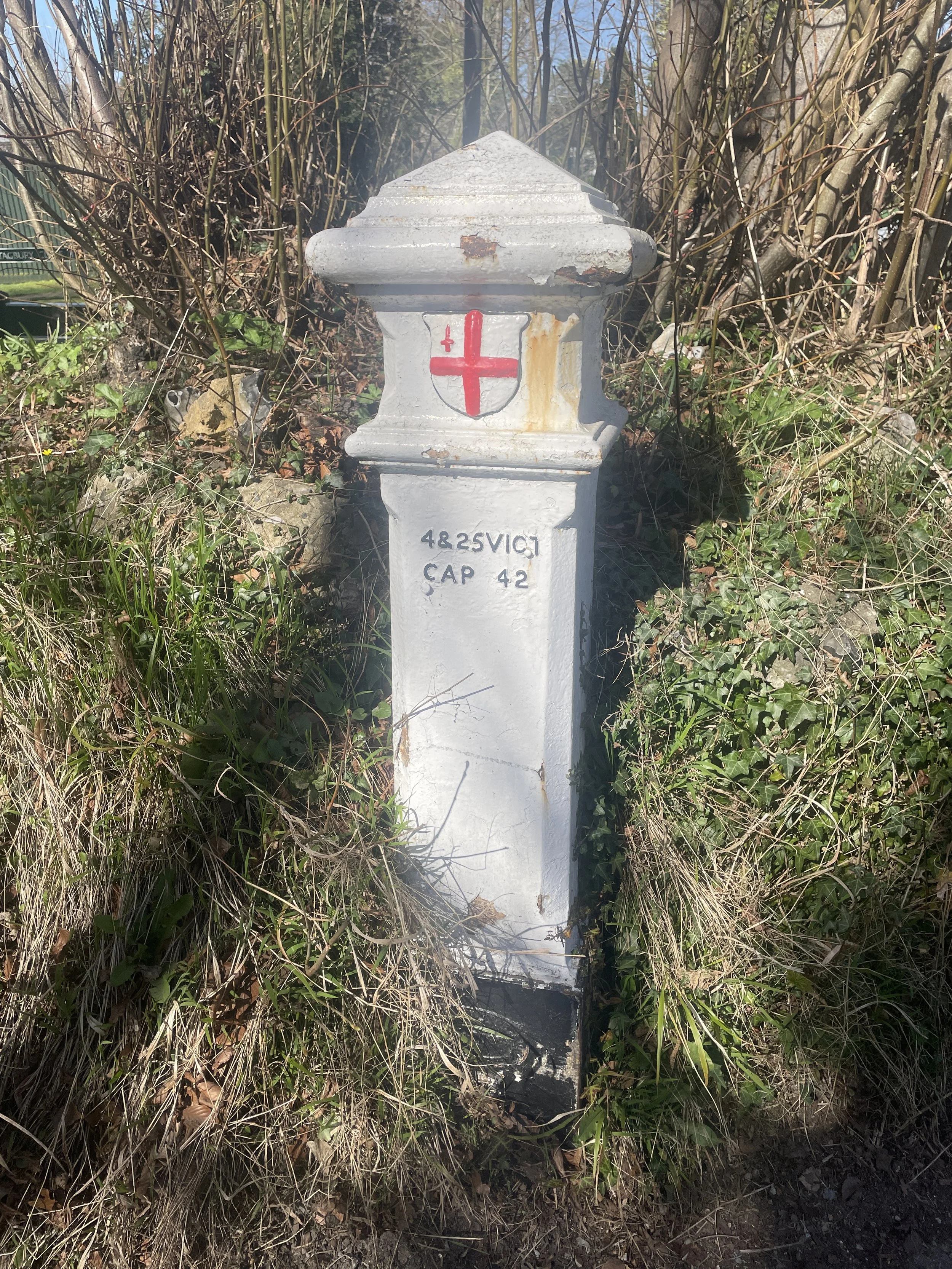
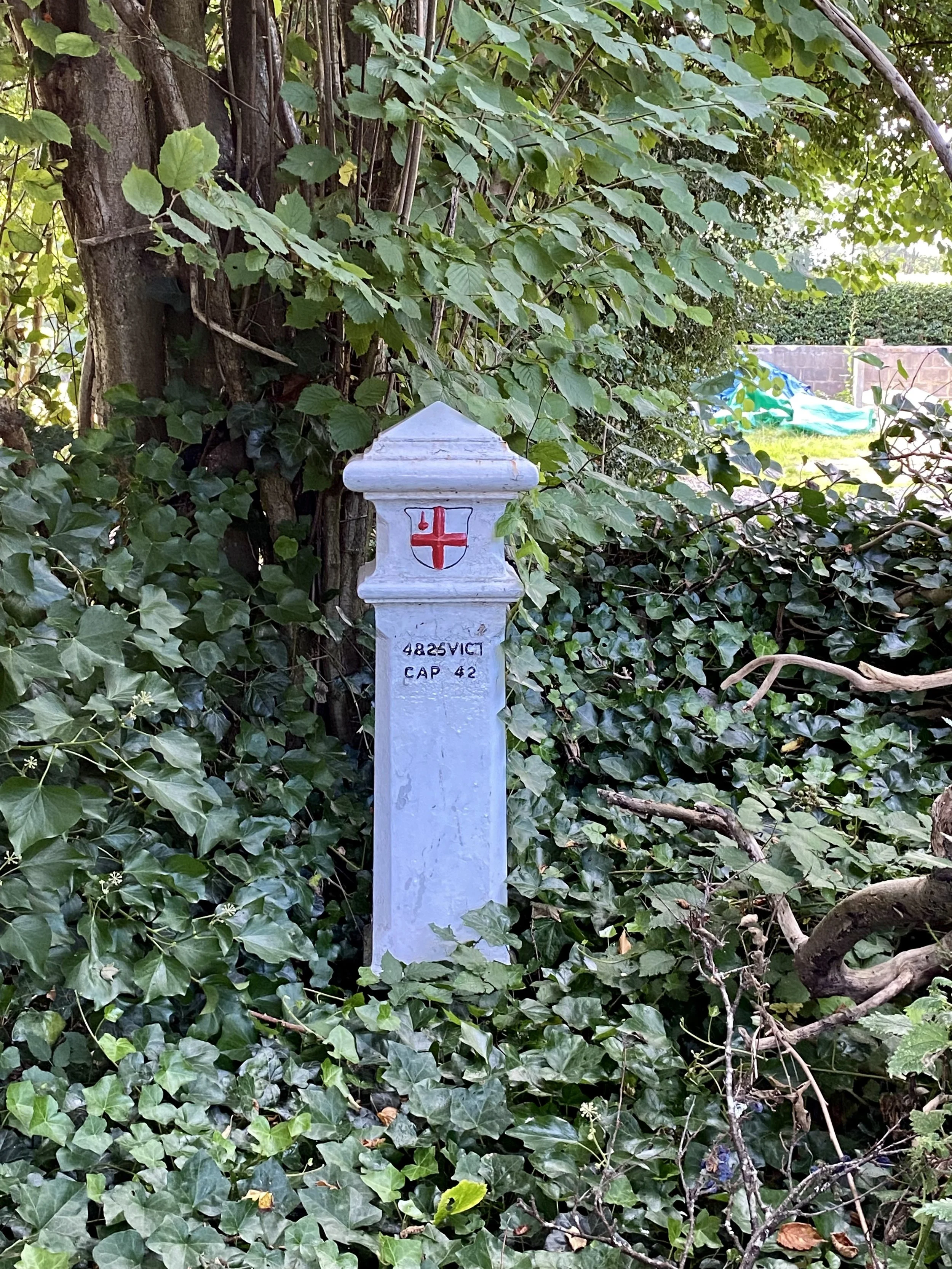
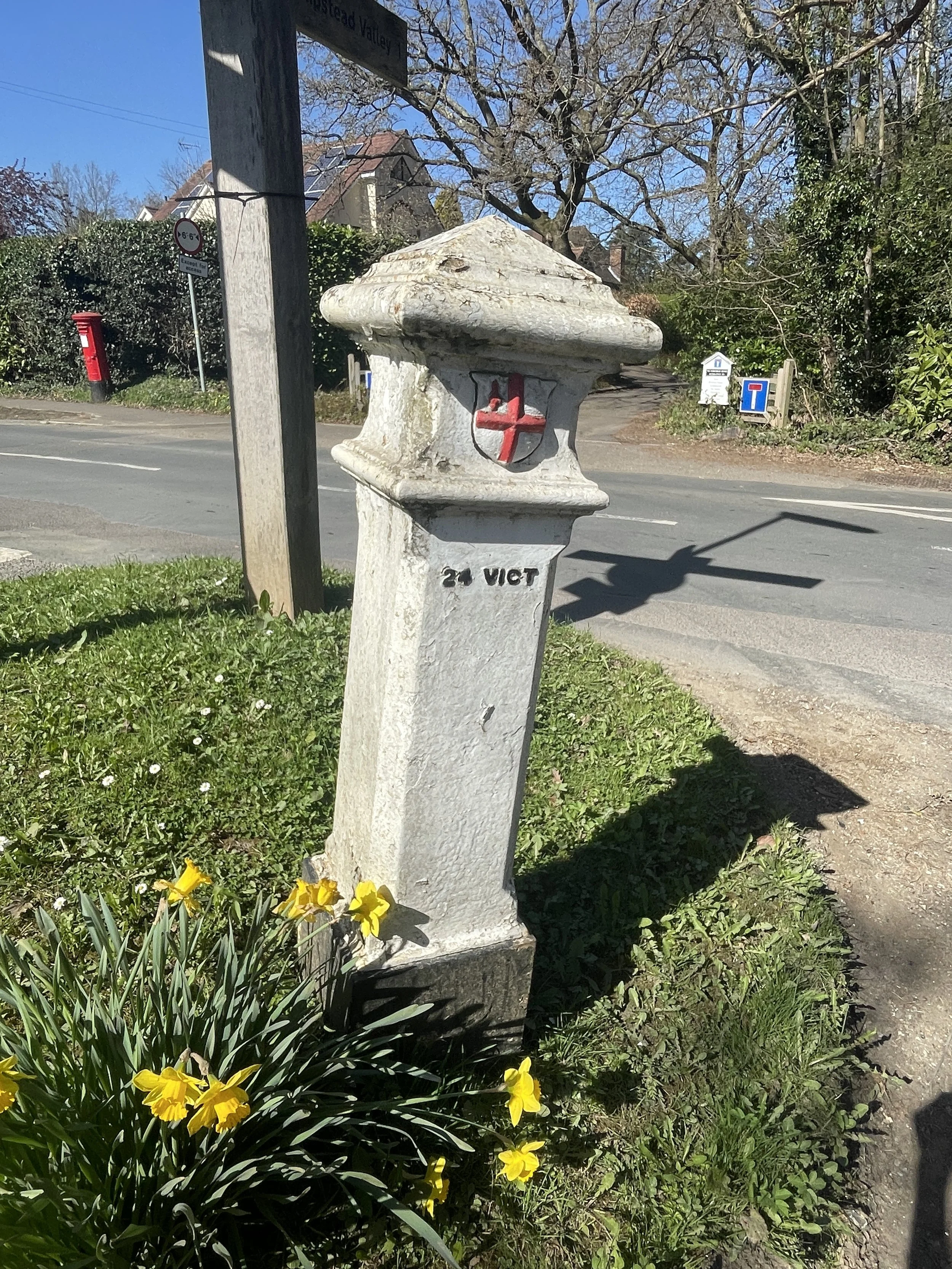
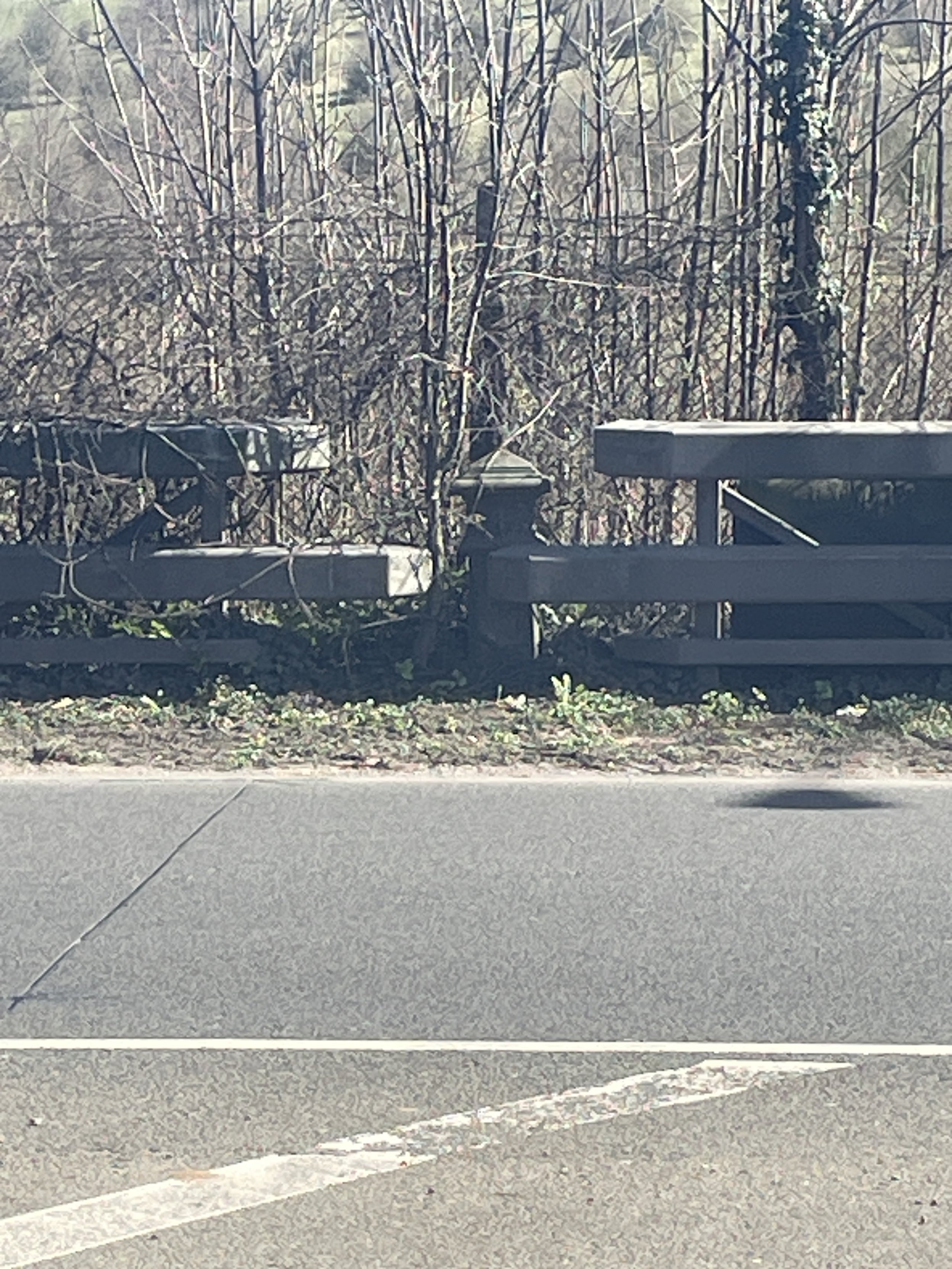
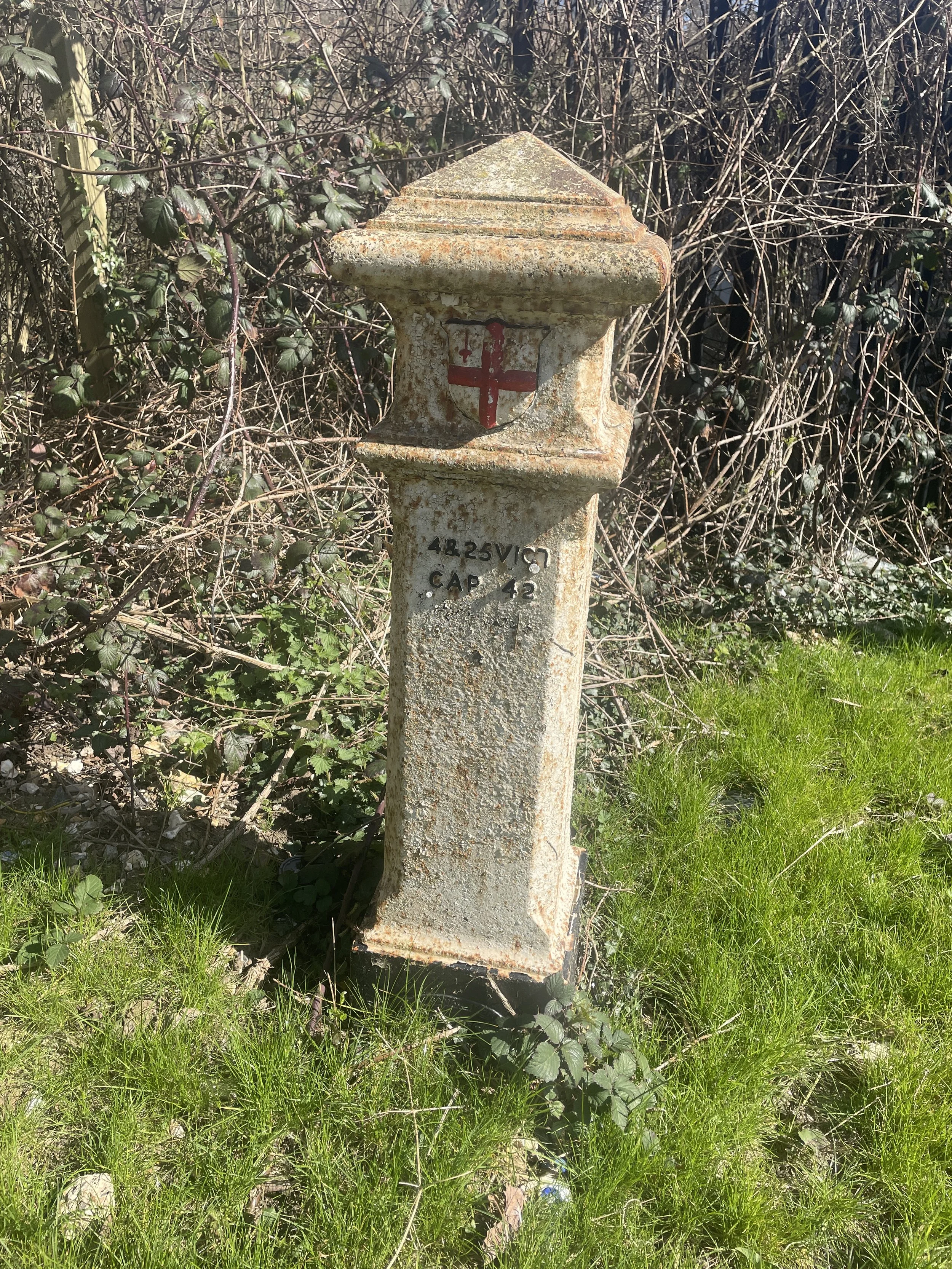
The South-East: Posts 165 to 217
Anti-clockwise from the River Thames at Staines to Hooley. Scroll down to the Notes section at the bottom of this page for details of missing photos.
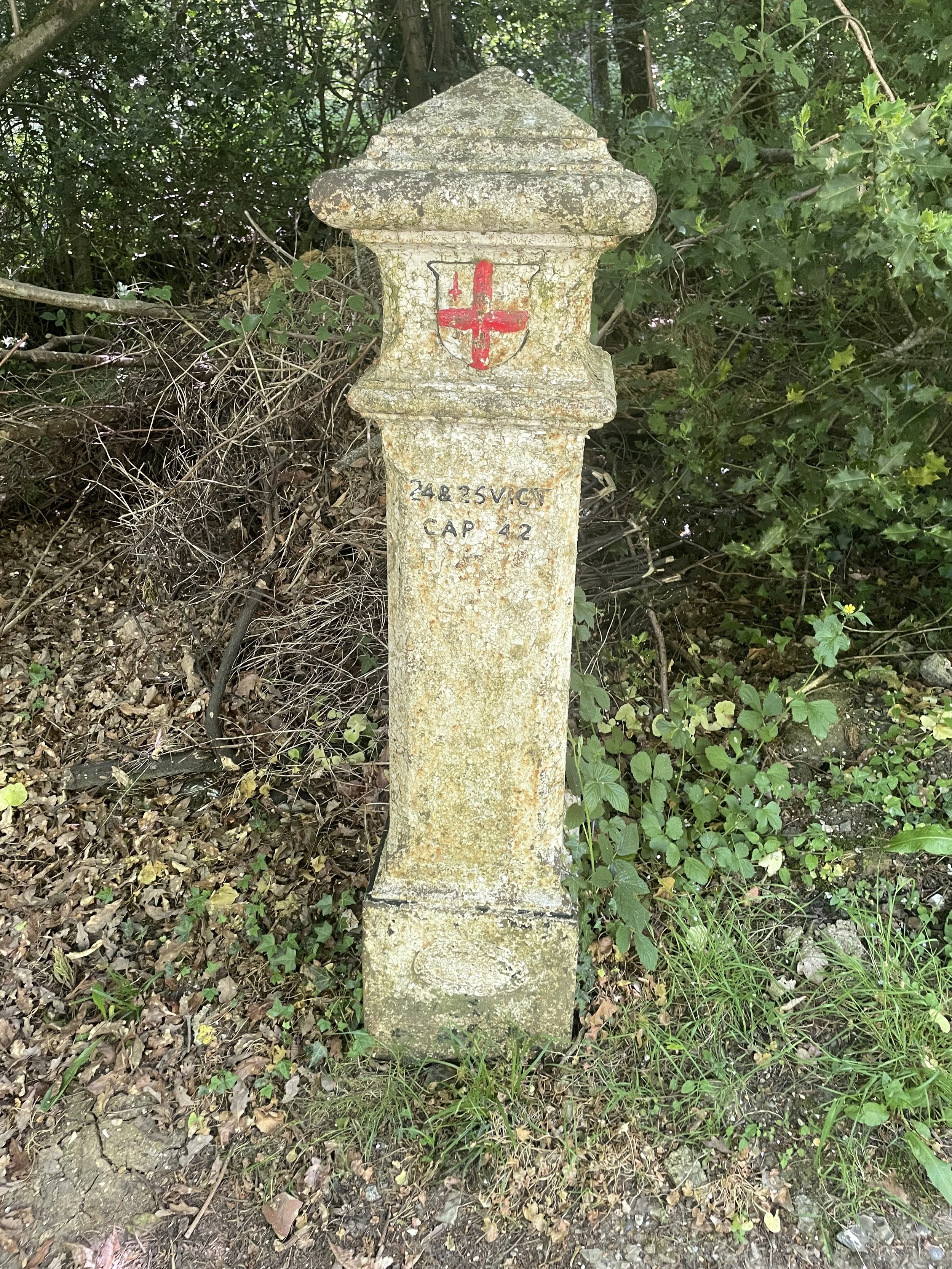
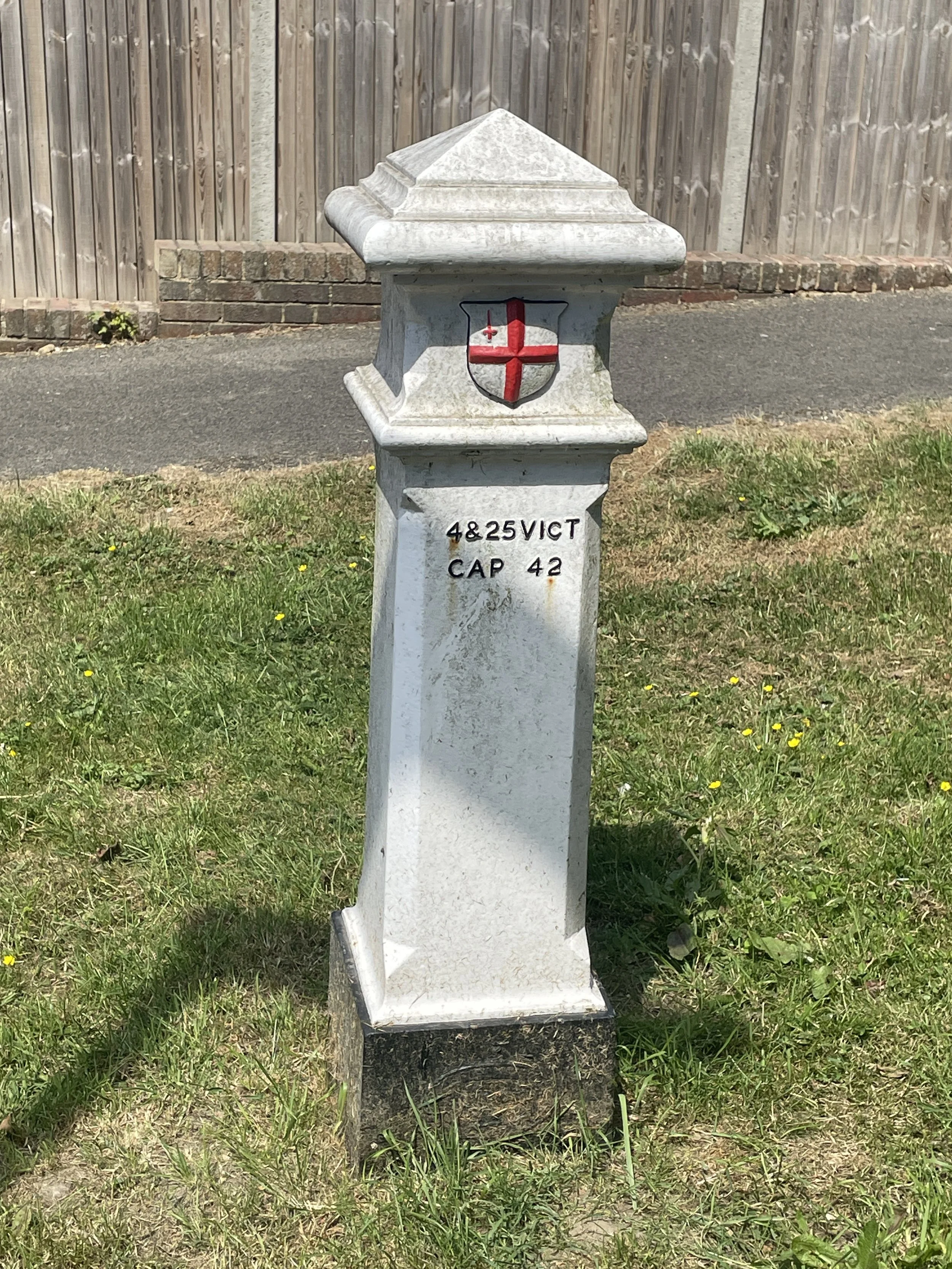
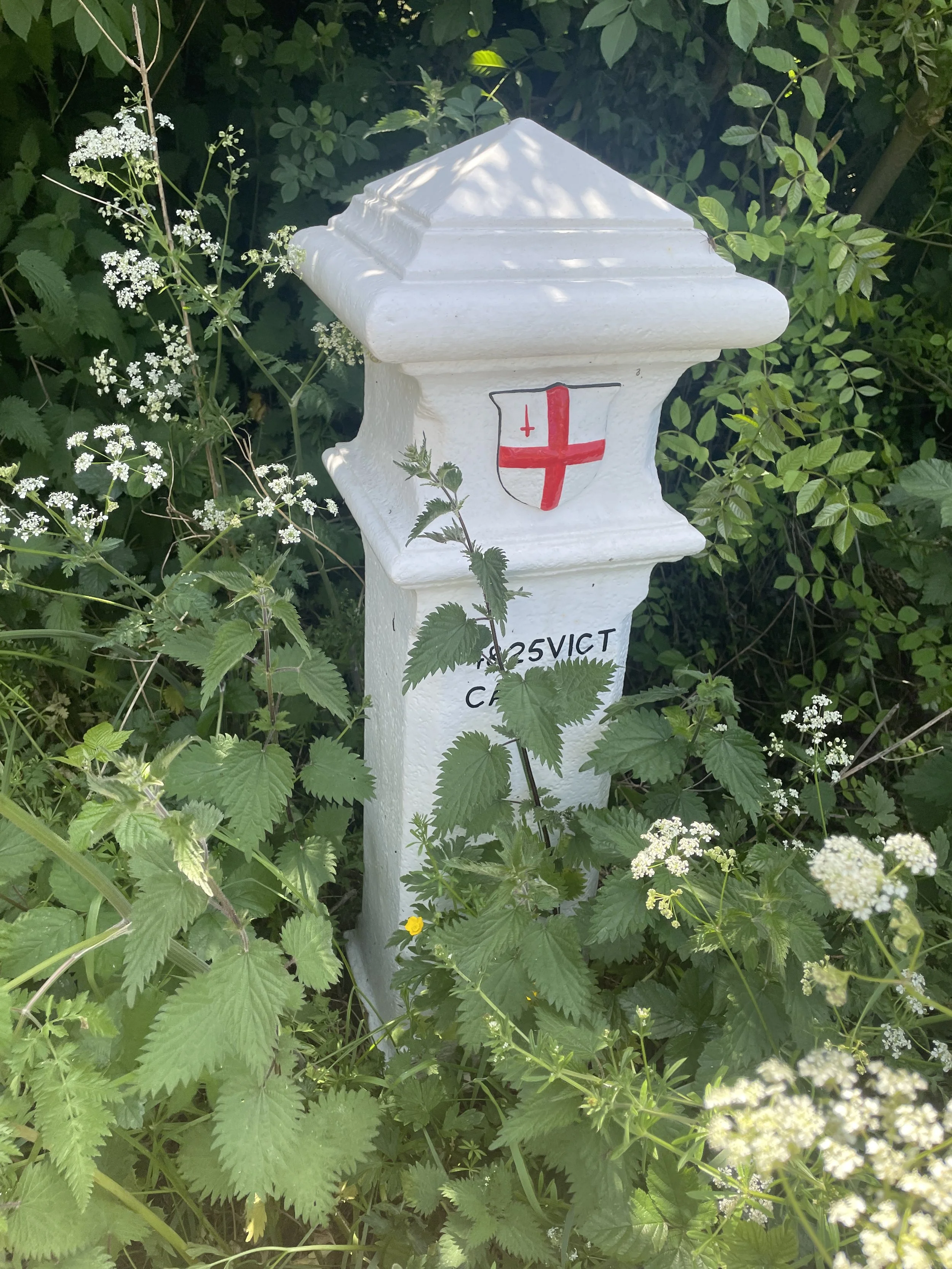
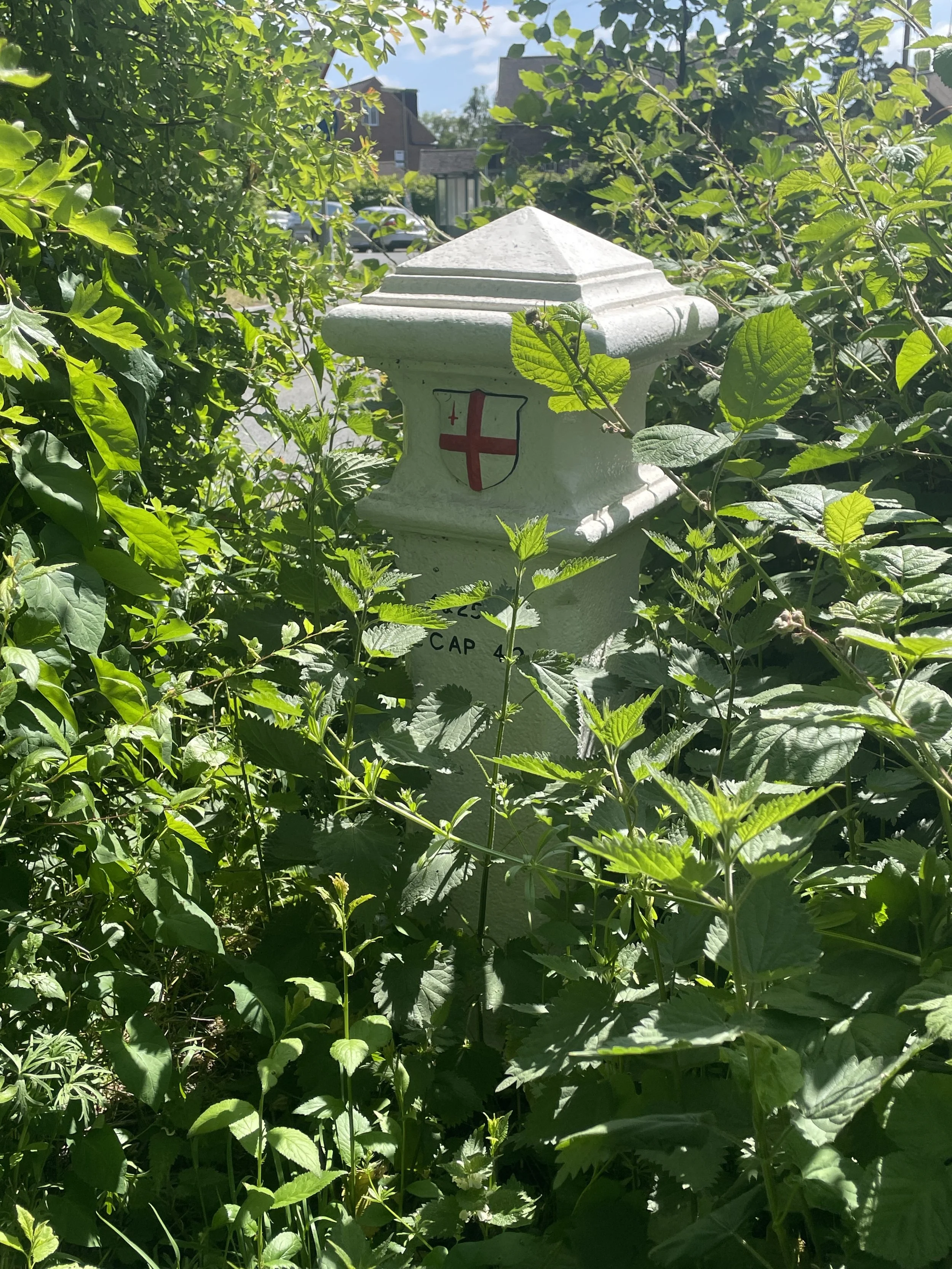
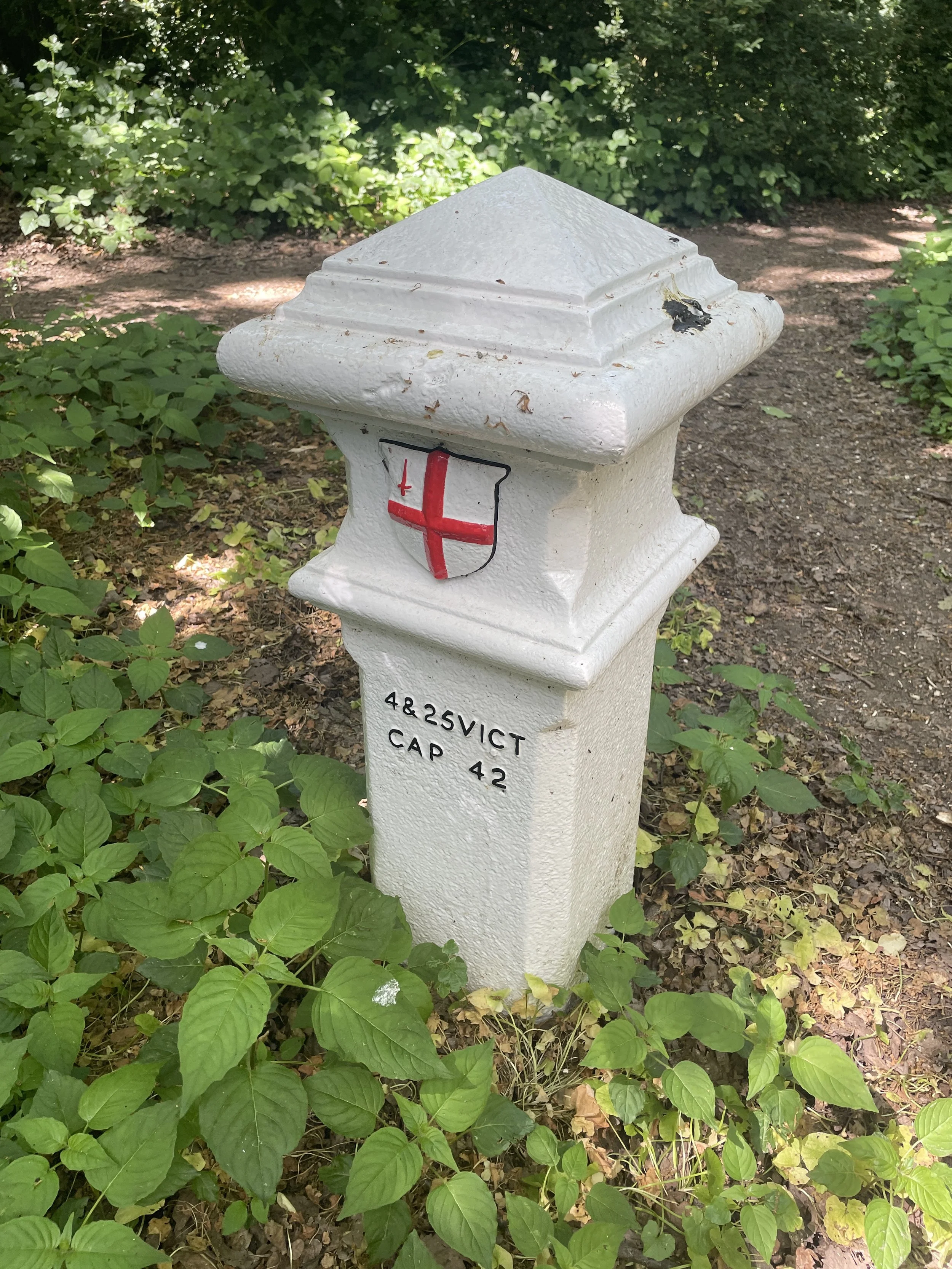
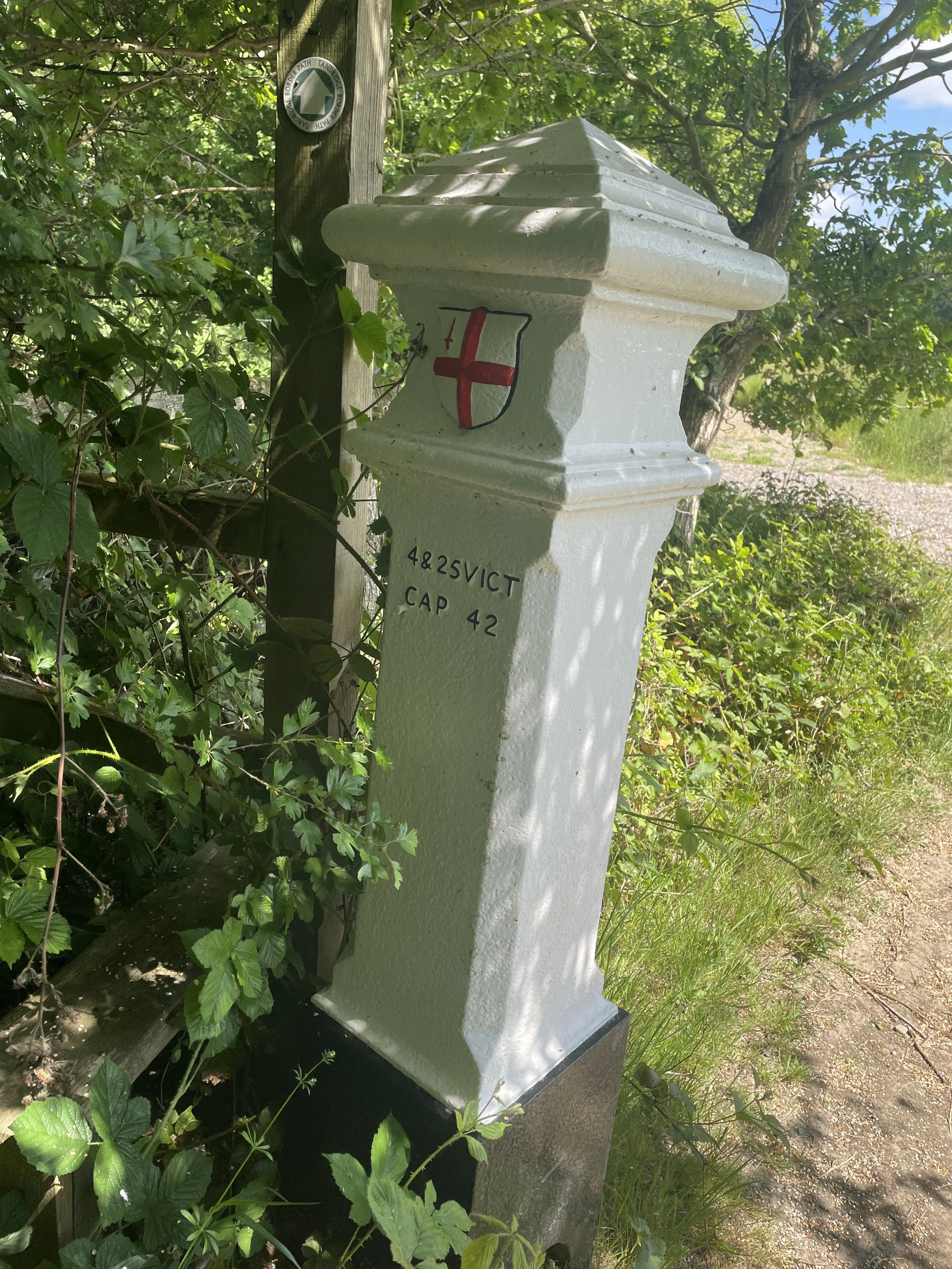
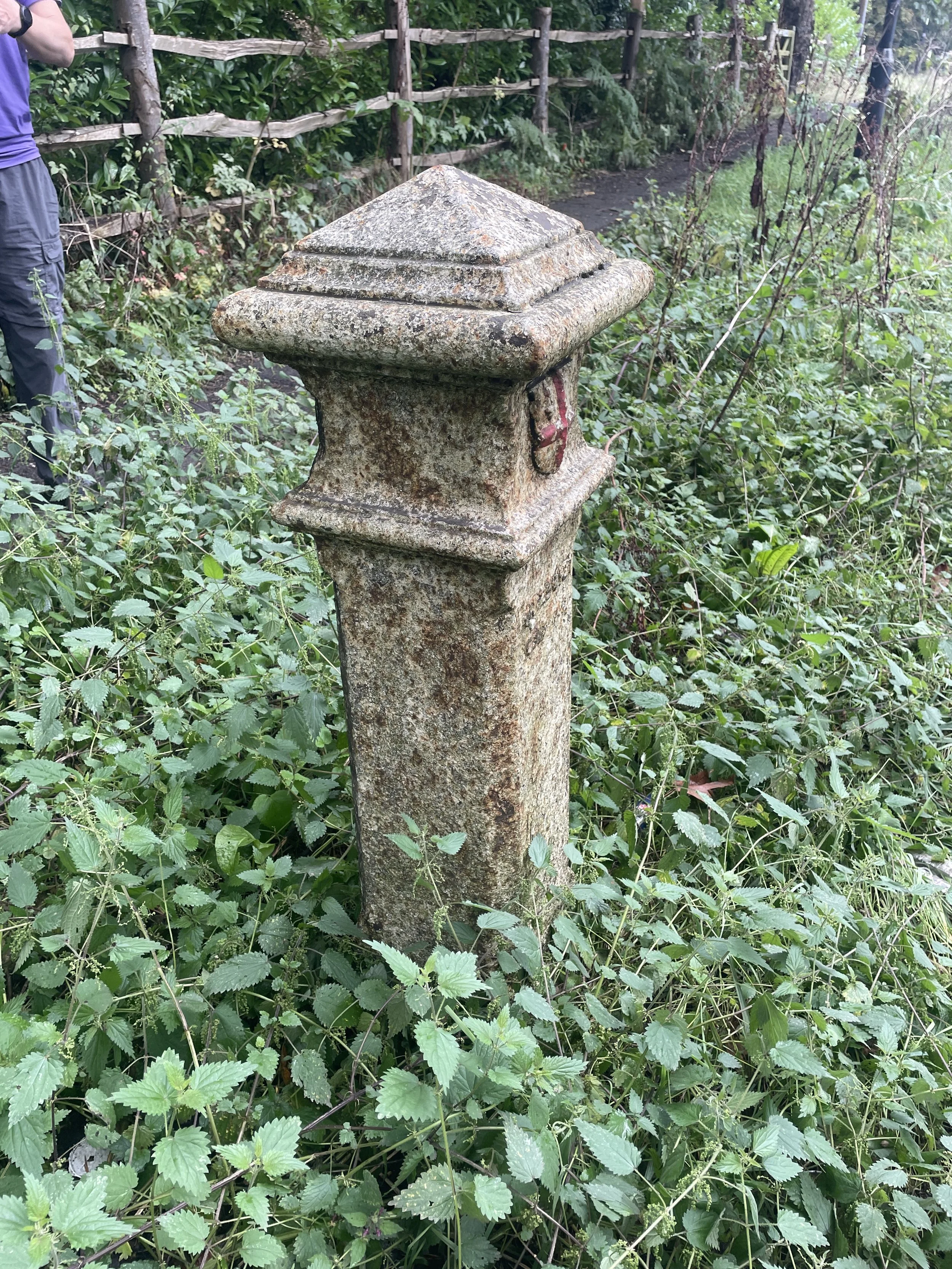
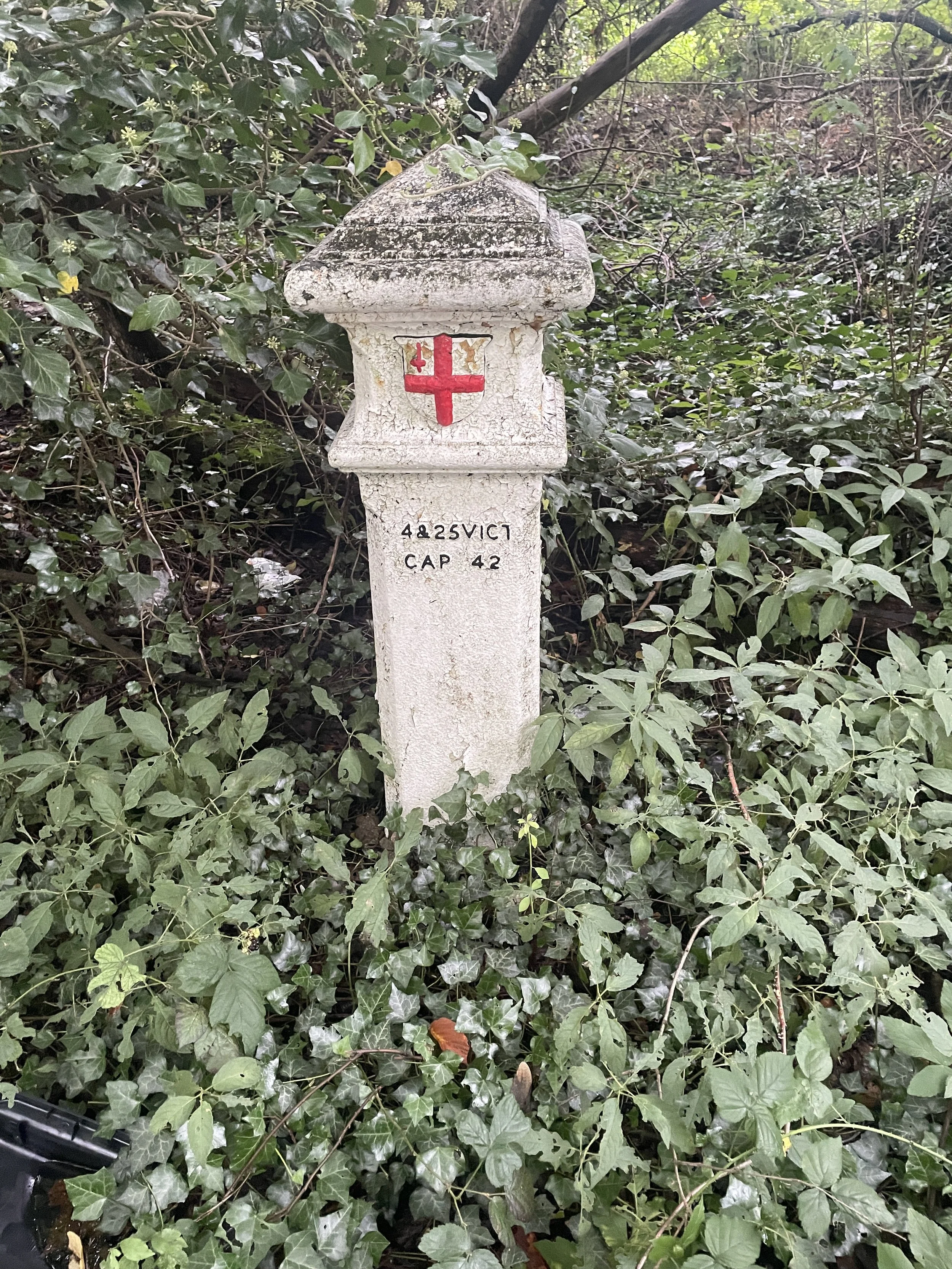
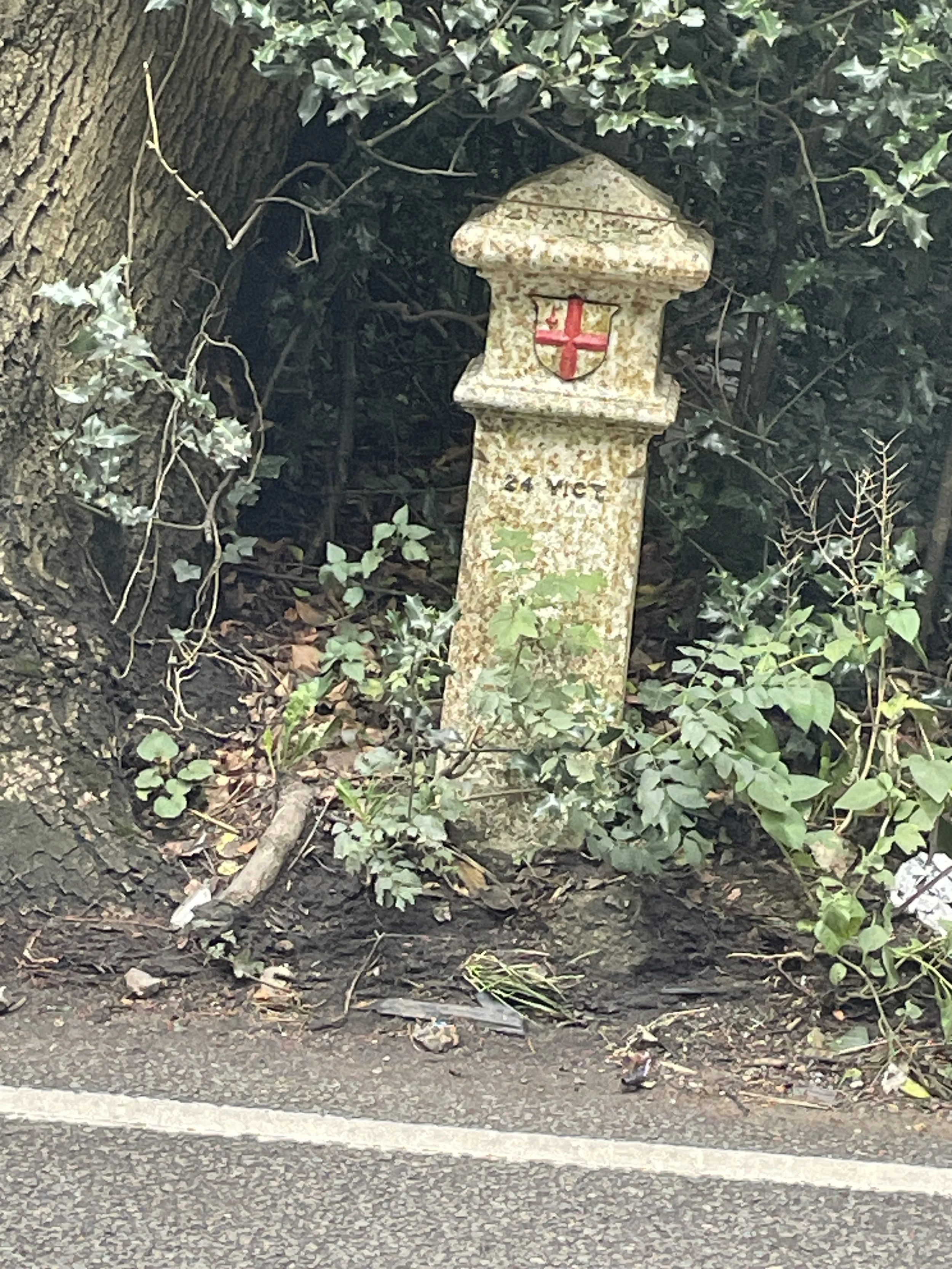
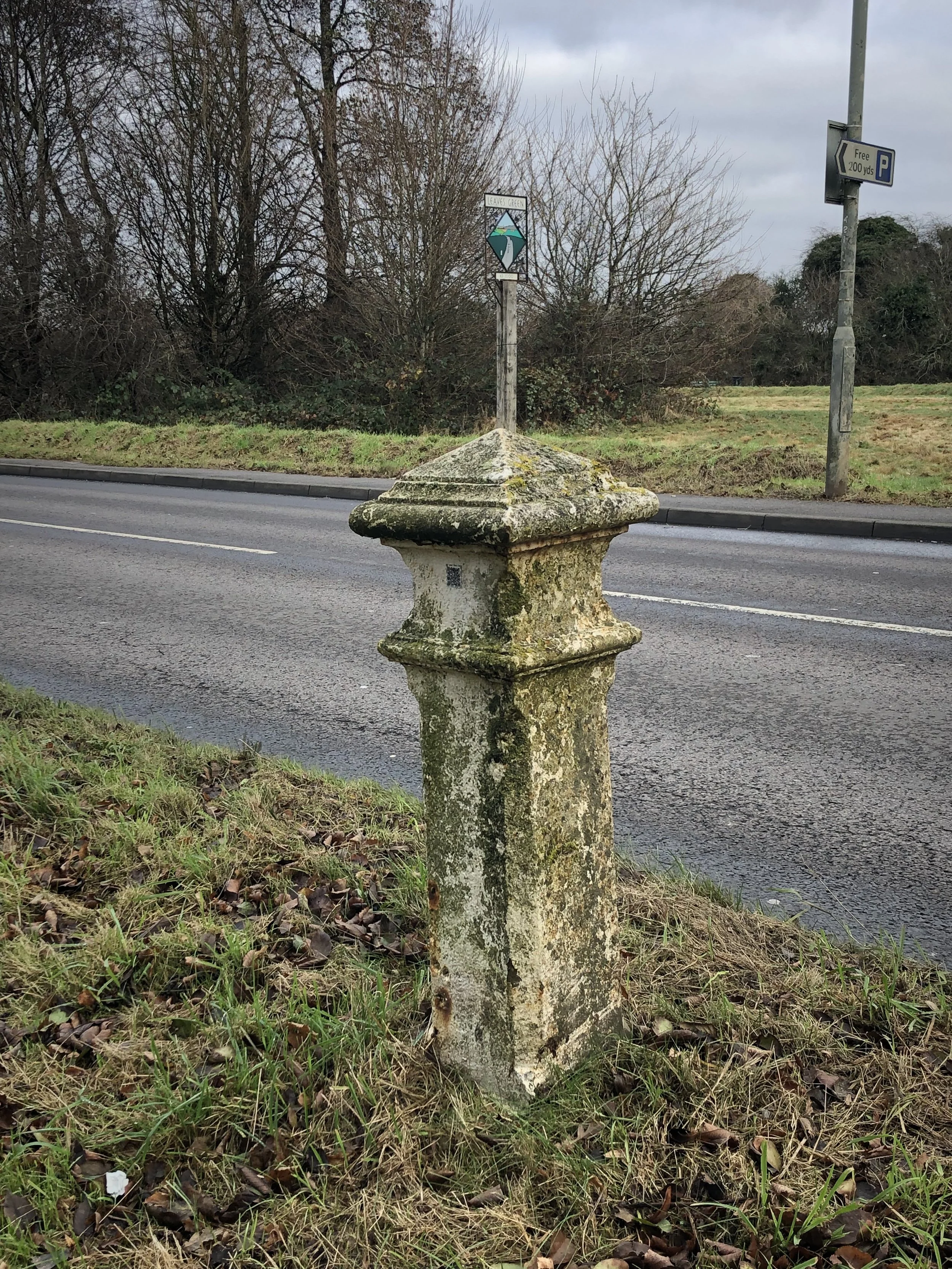
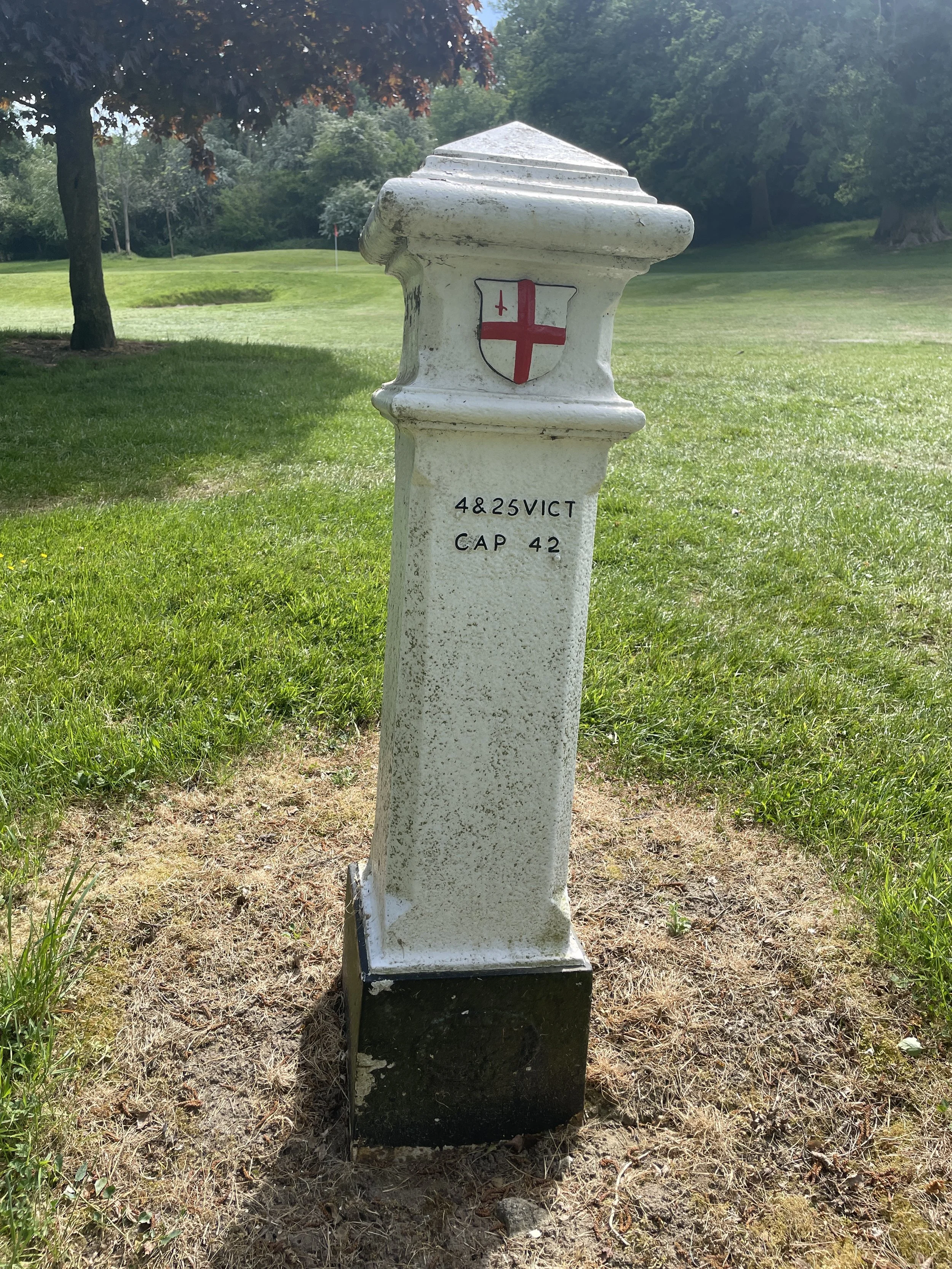
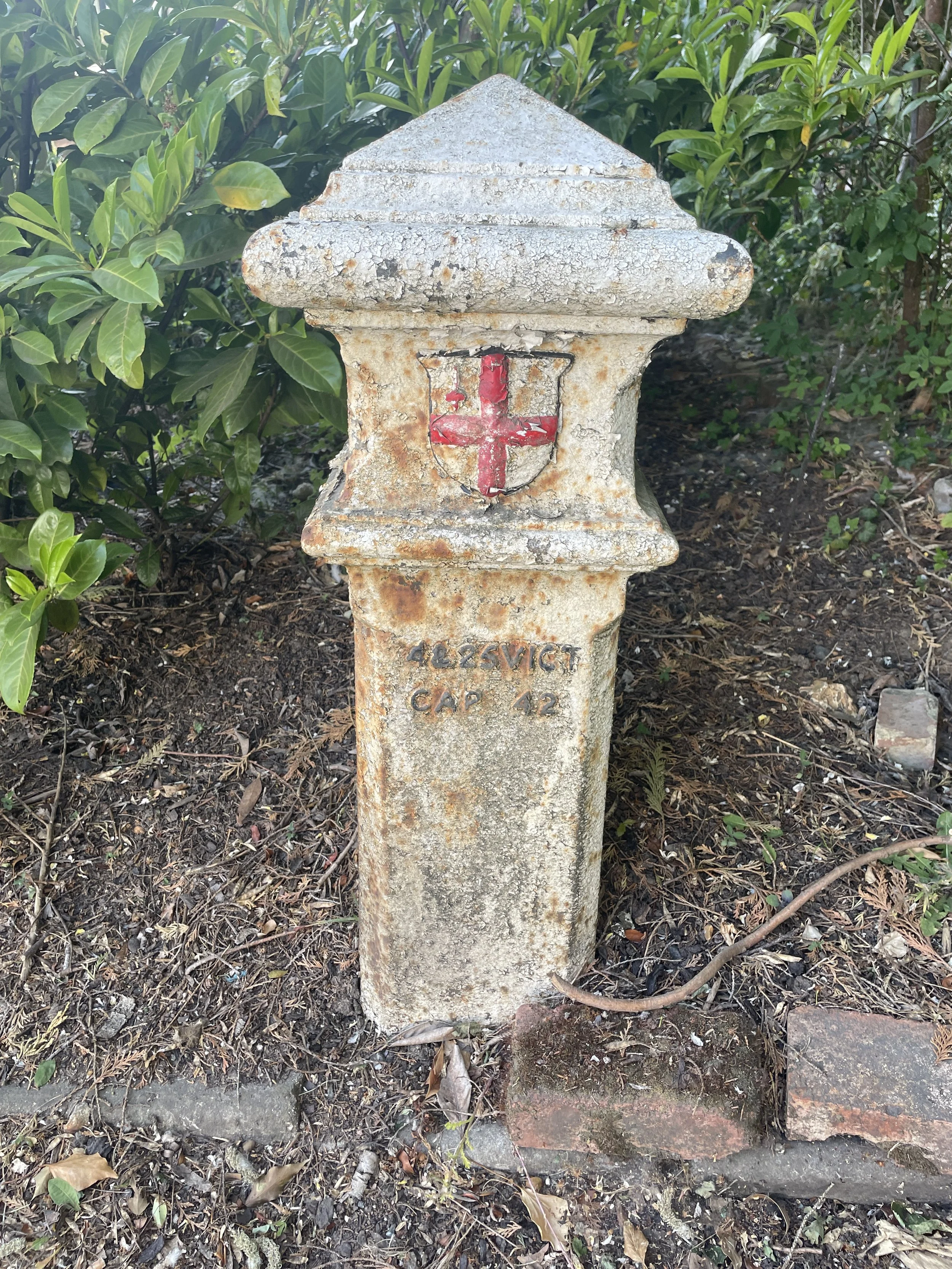
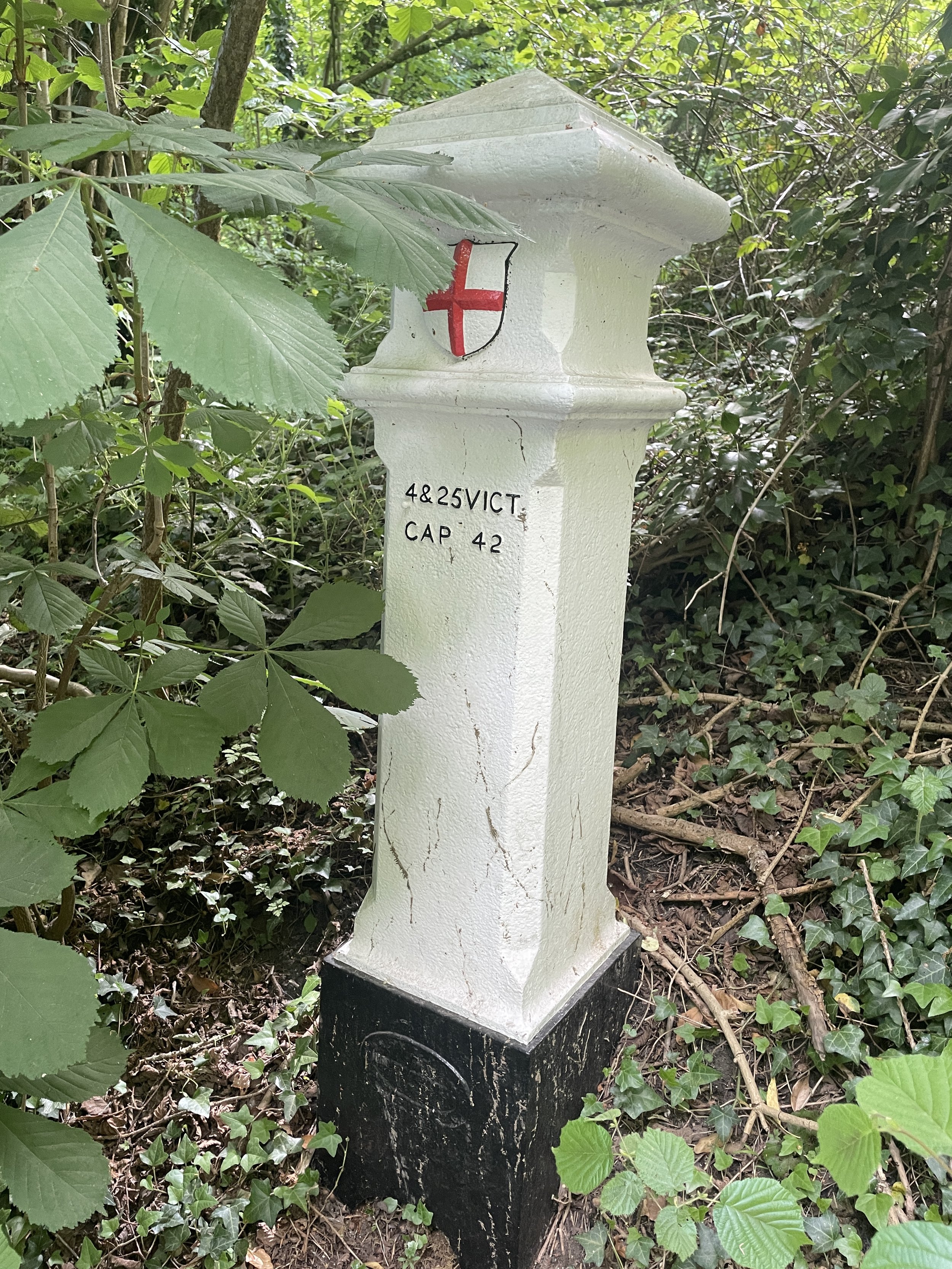
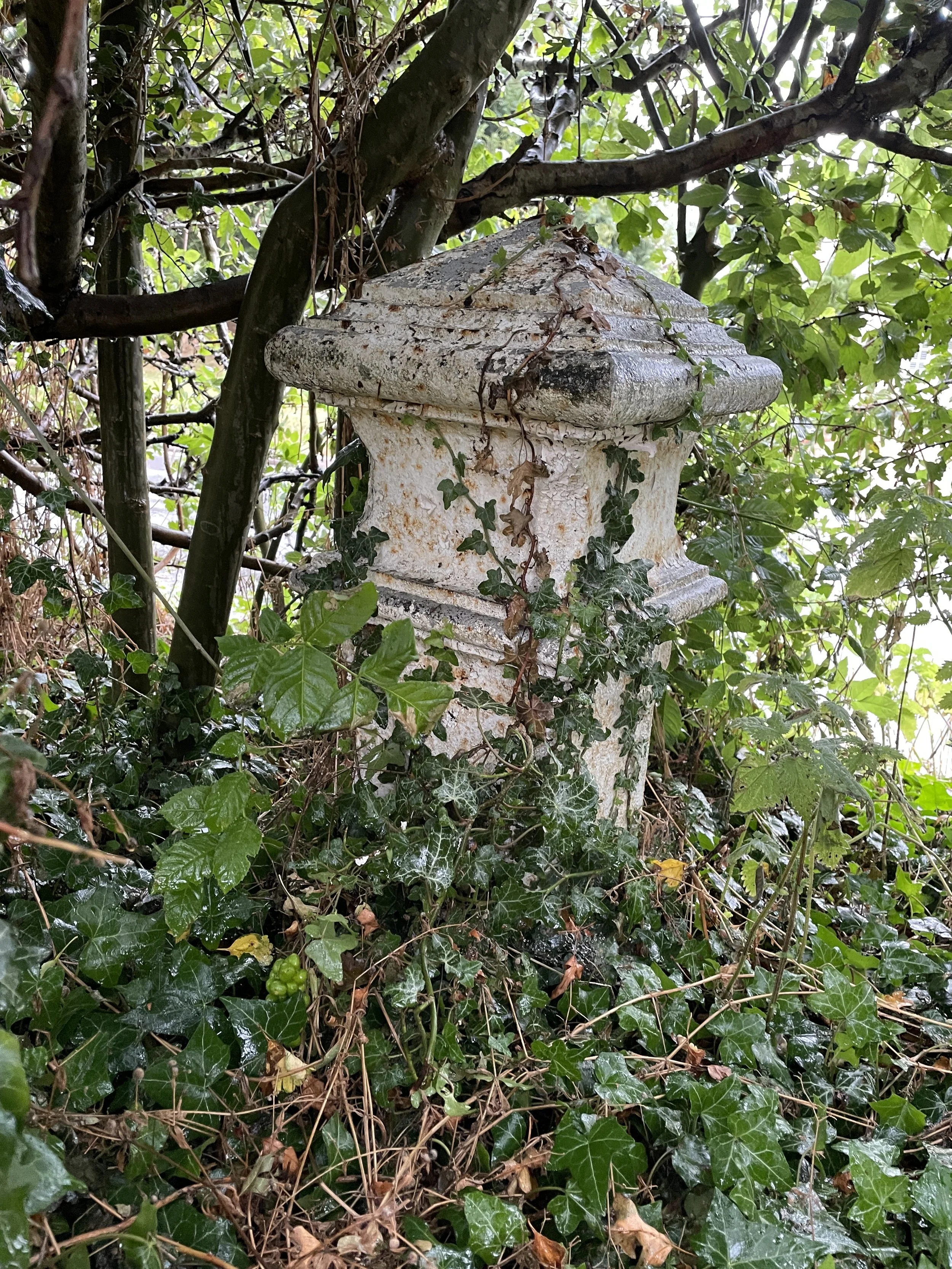
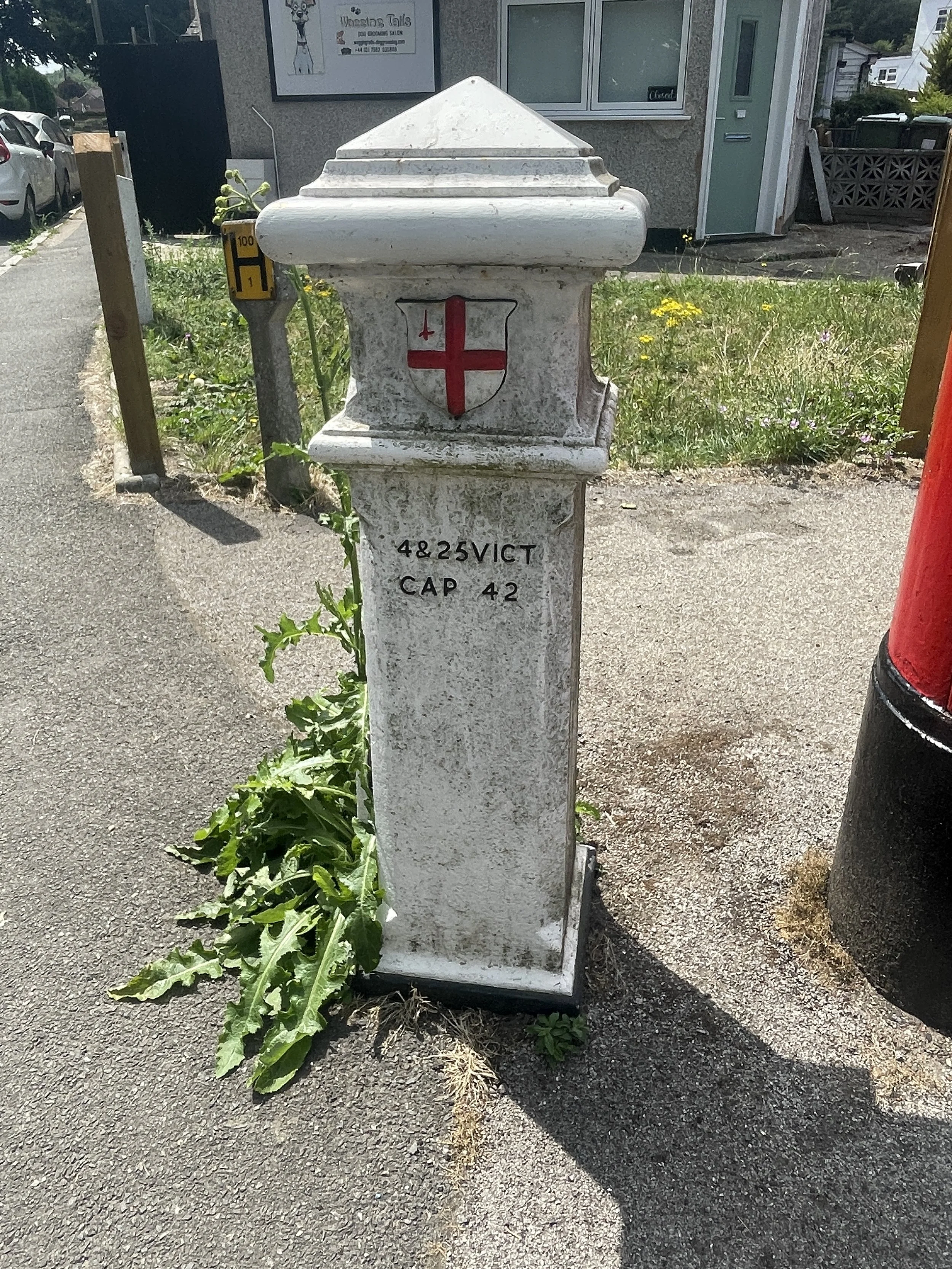
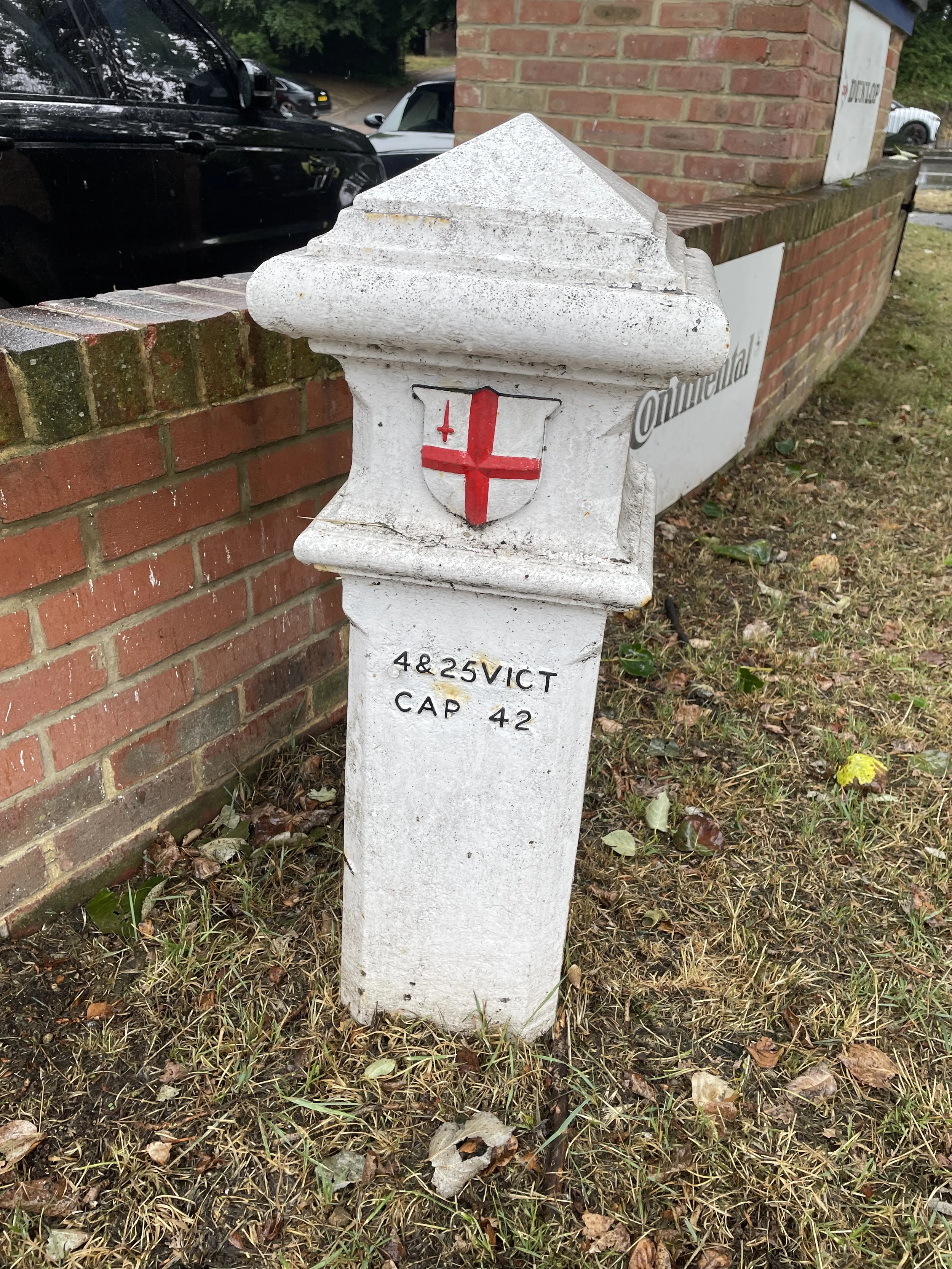
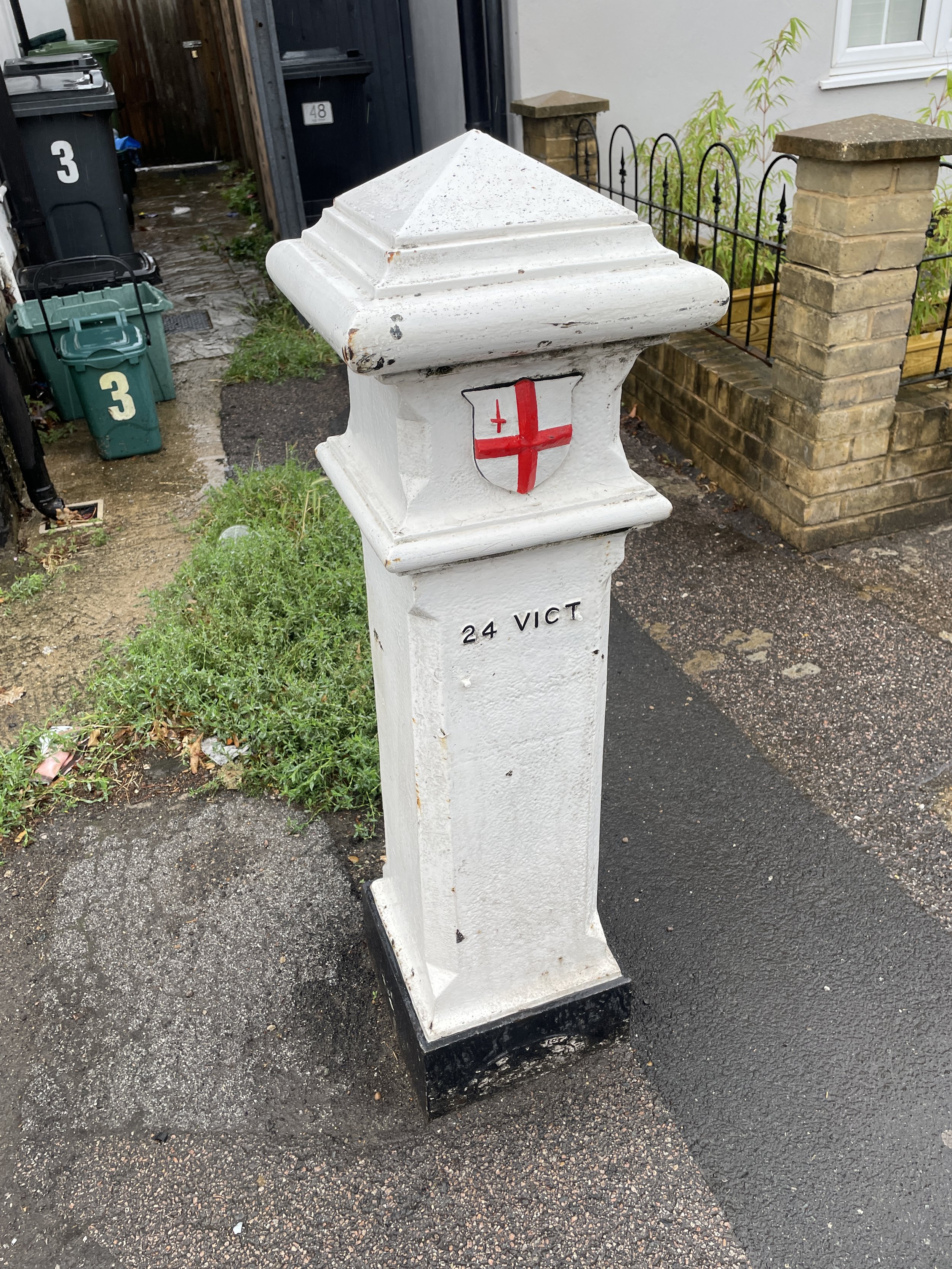
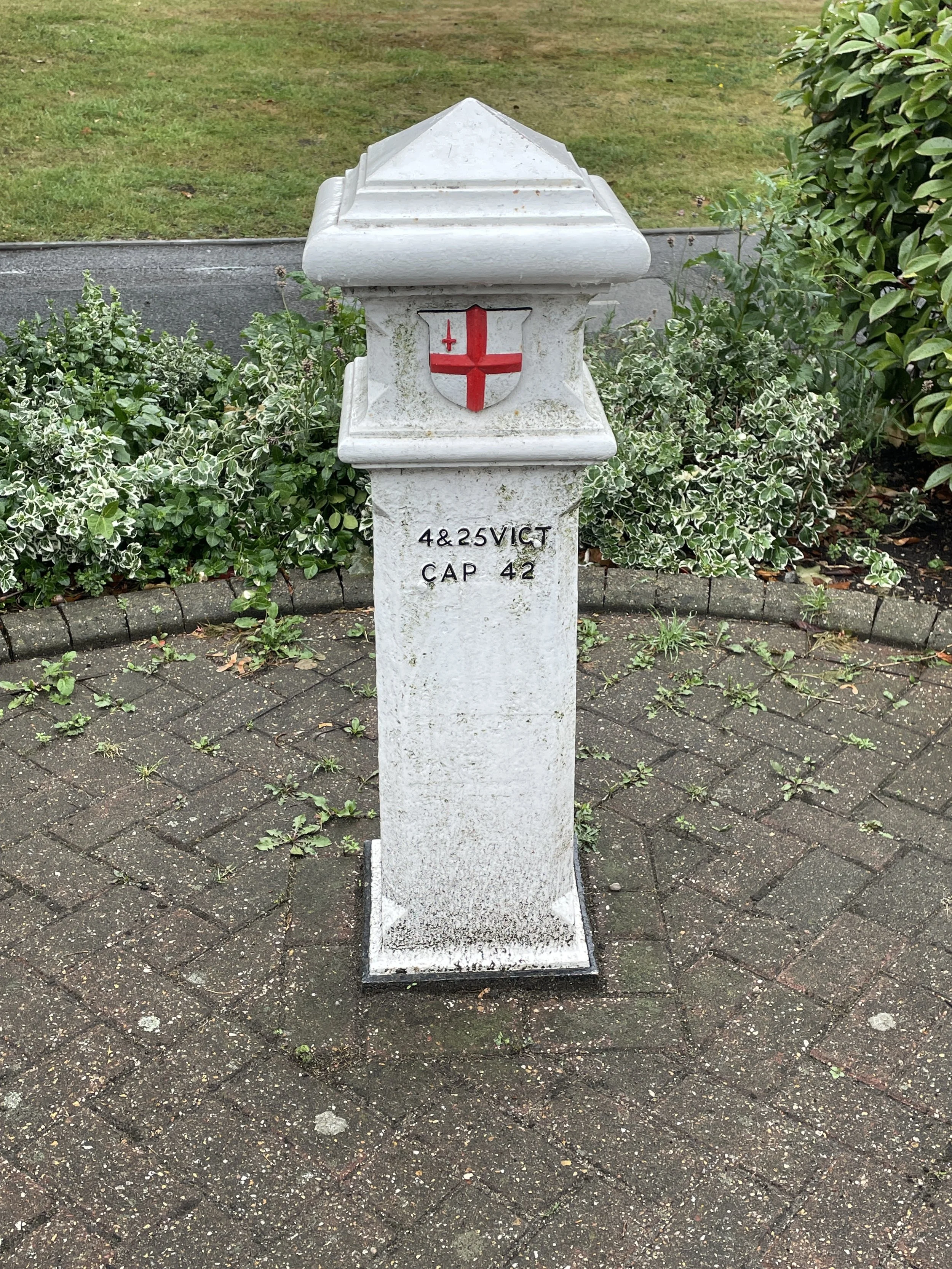
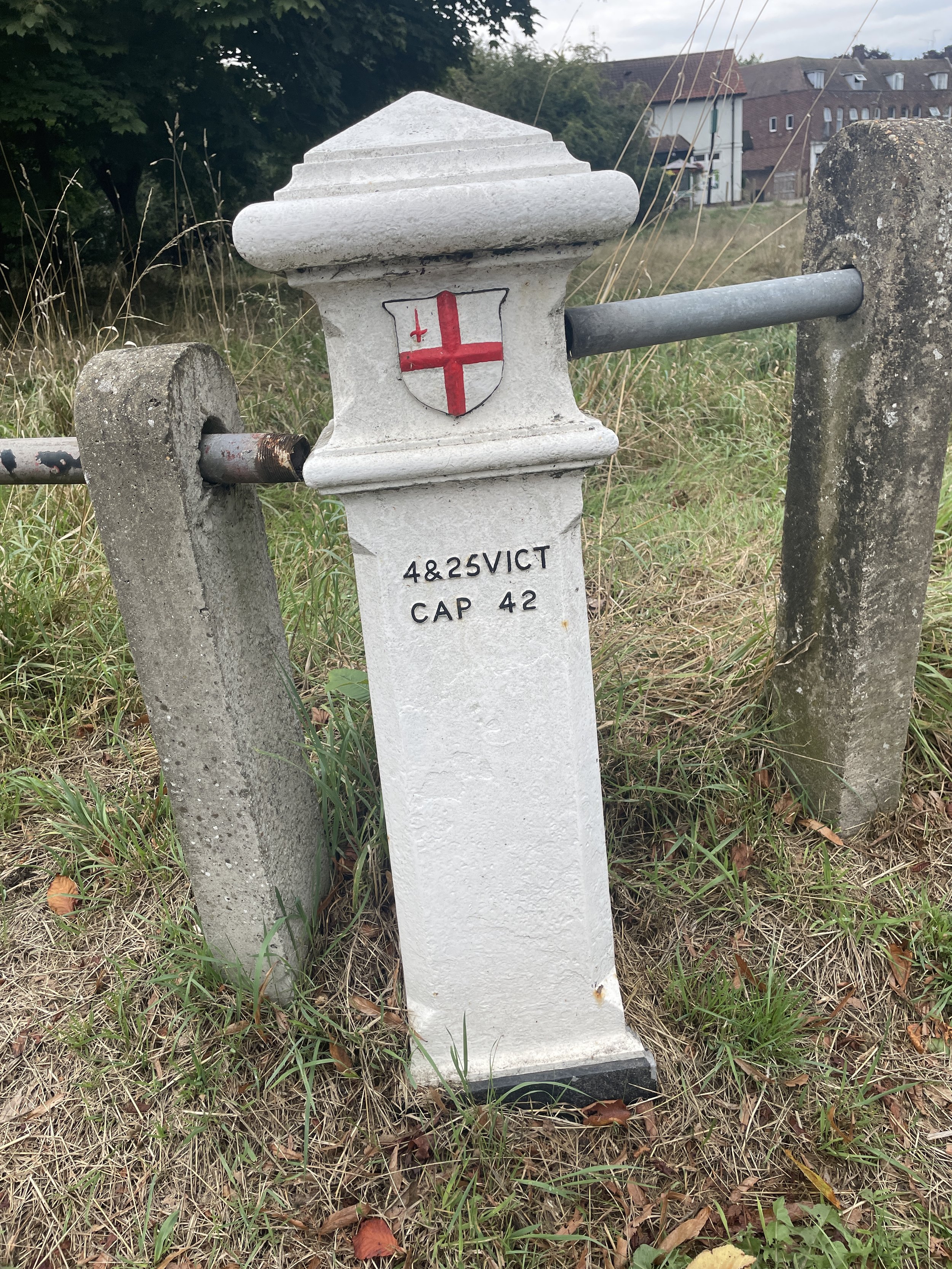
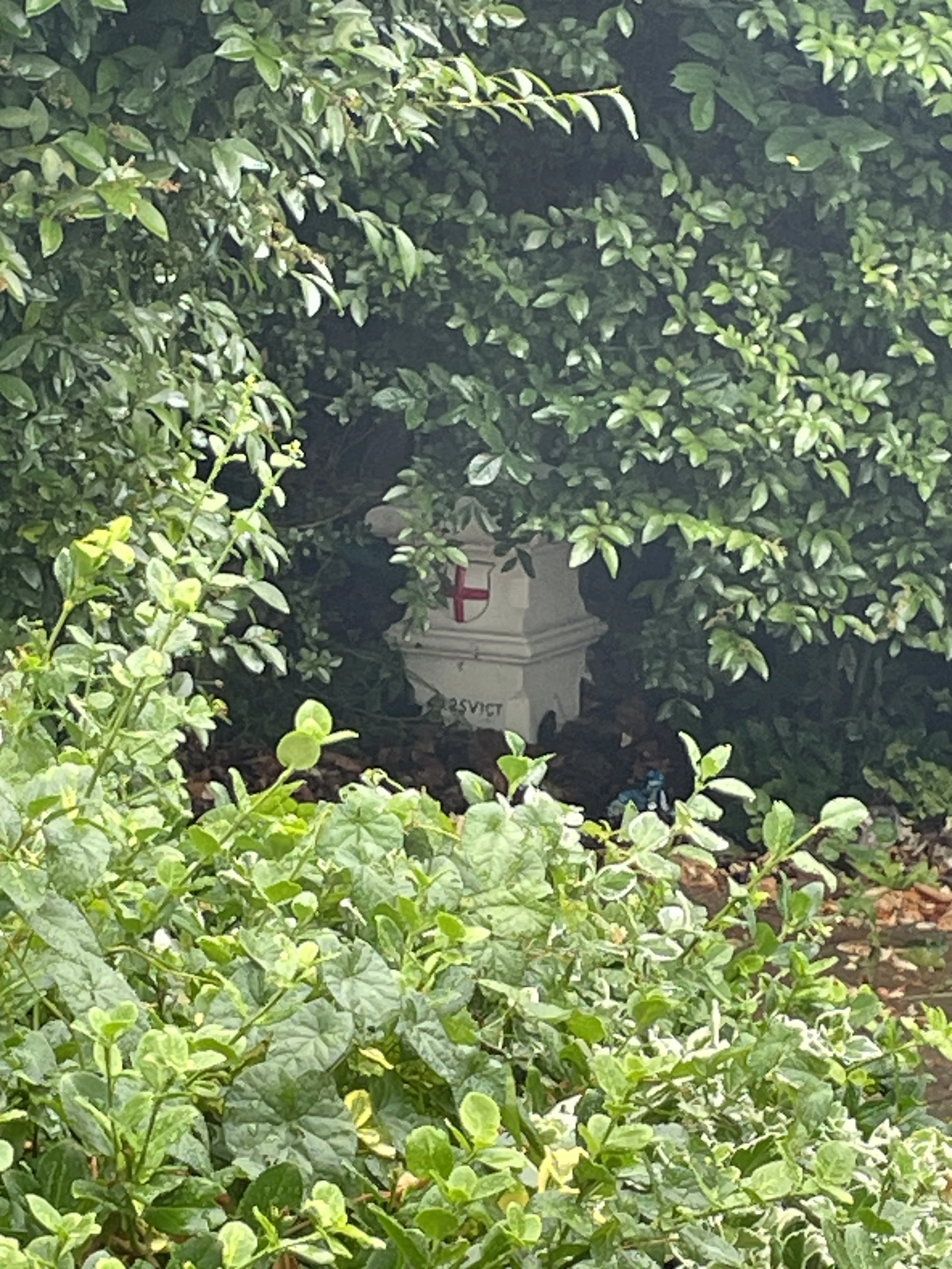
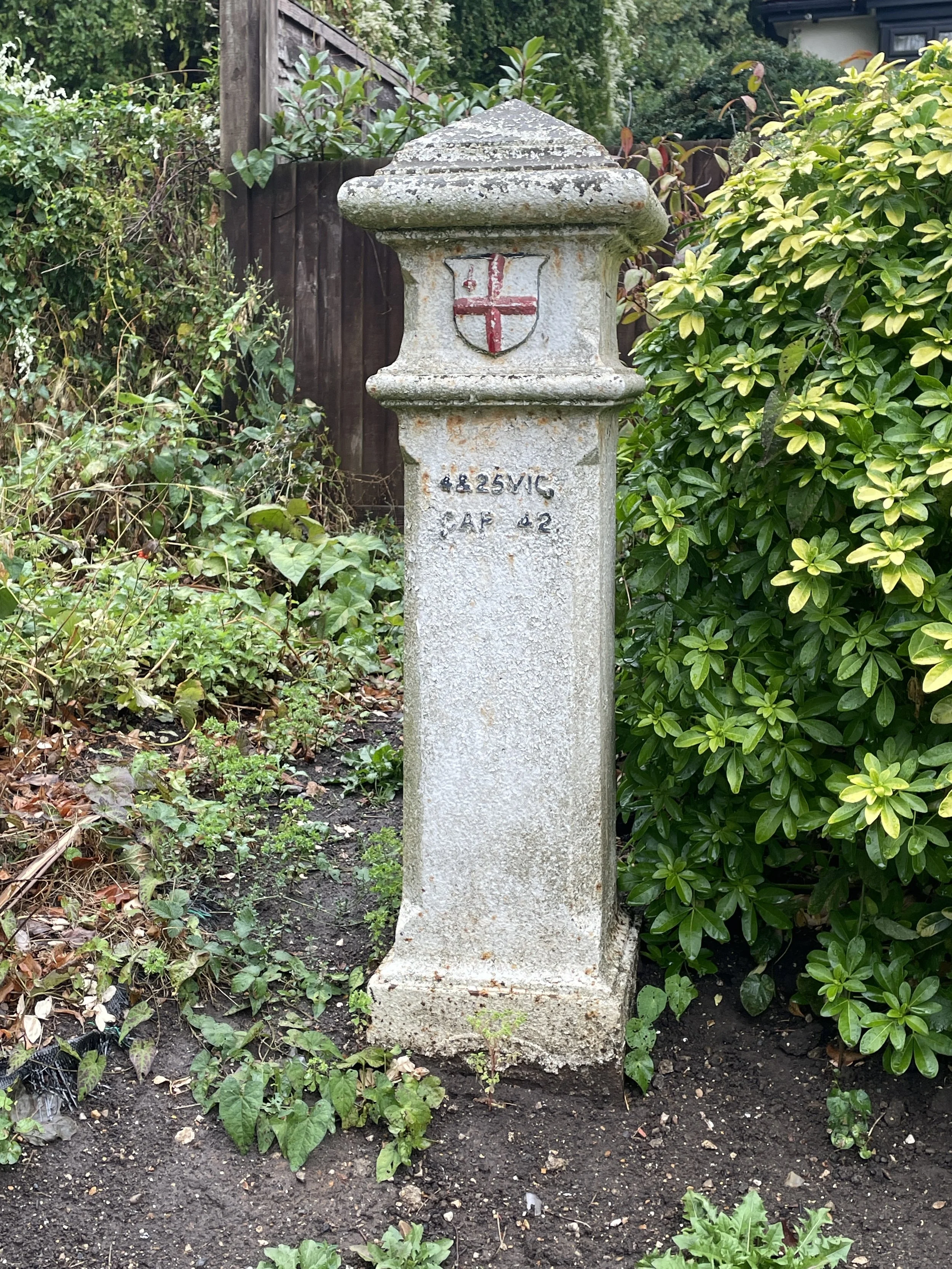
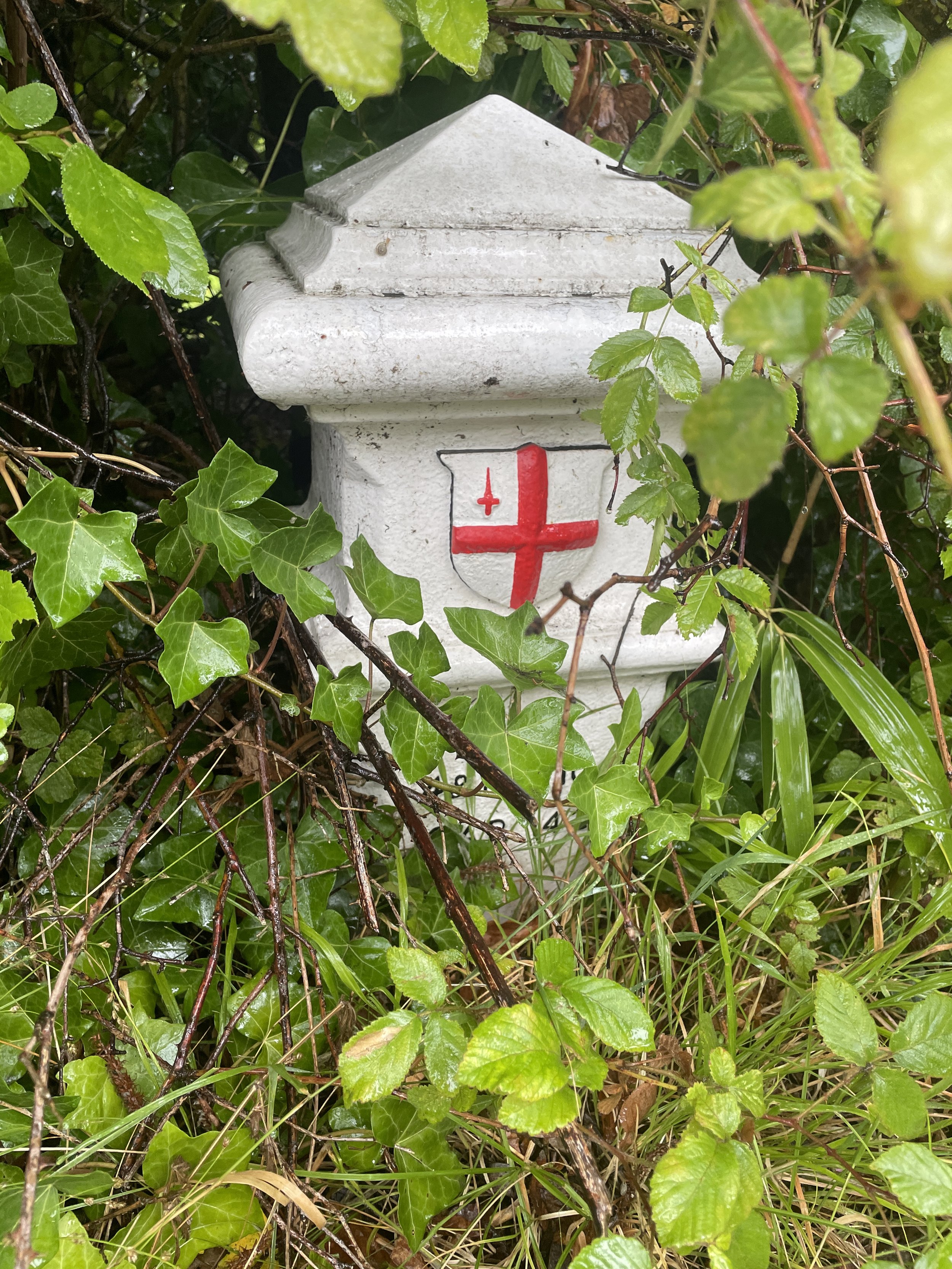
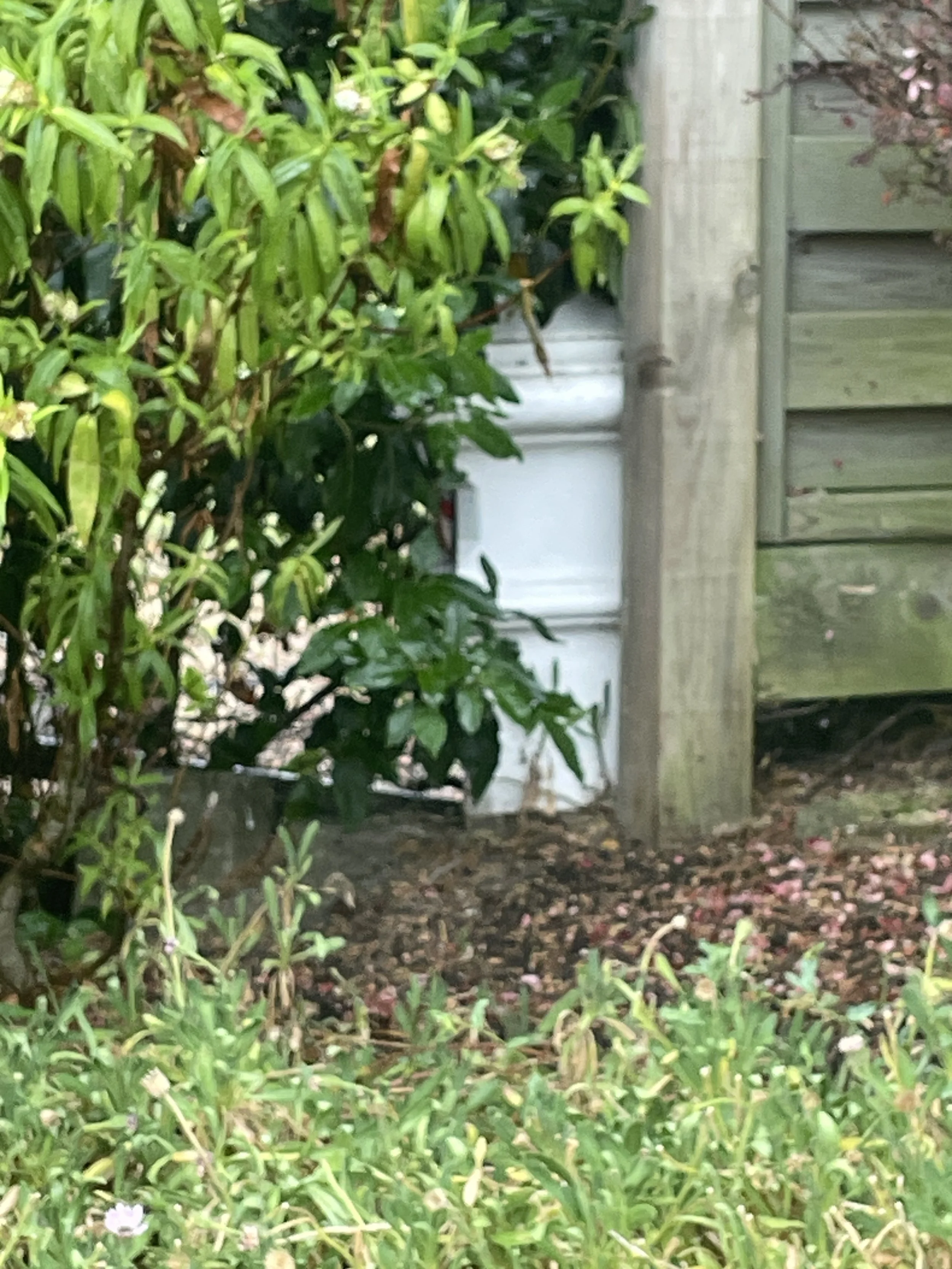
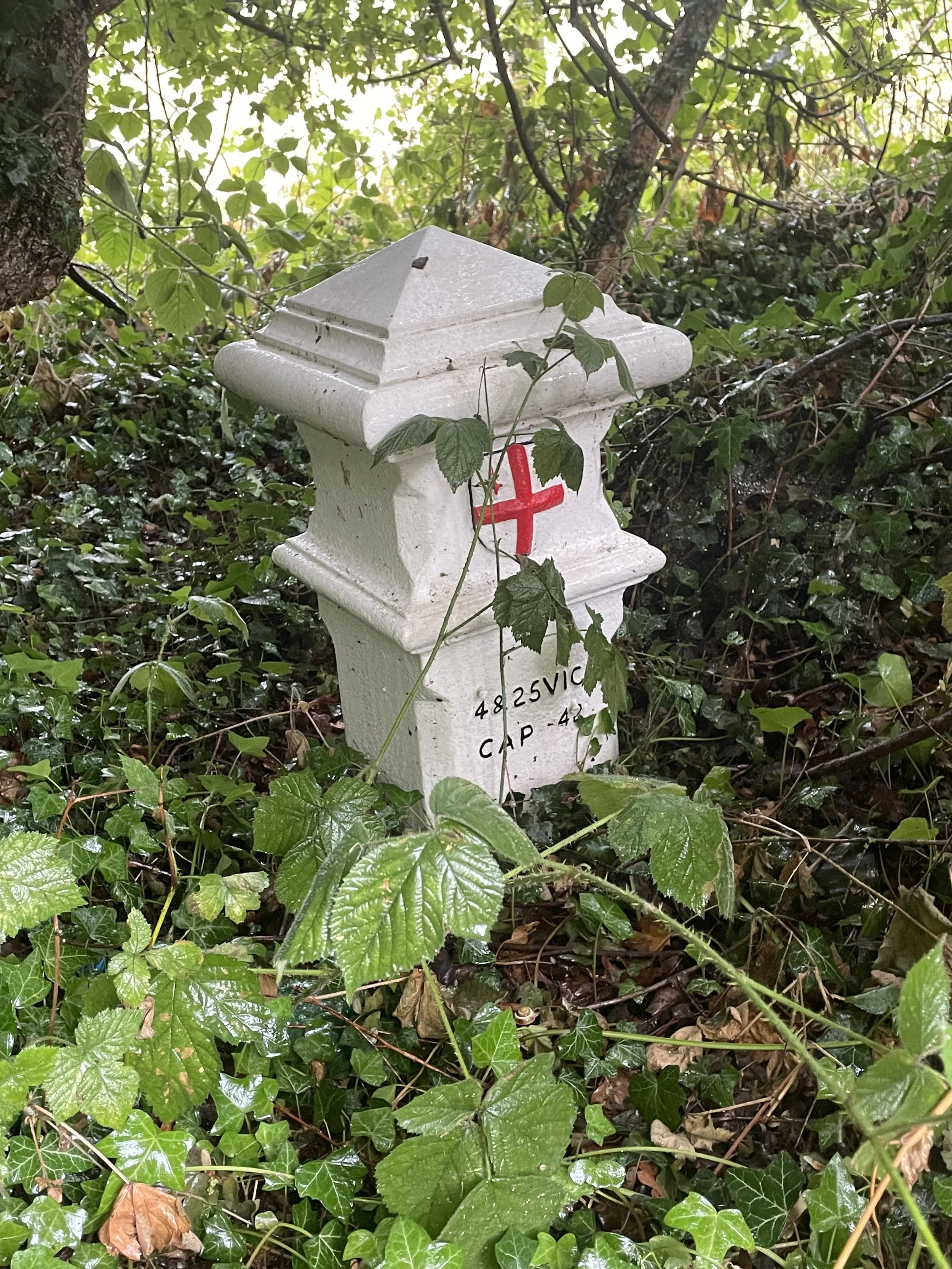
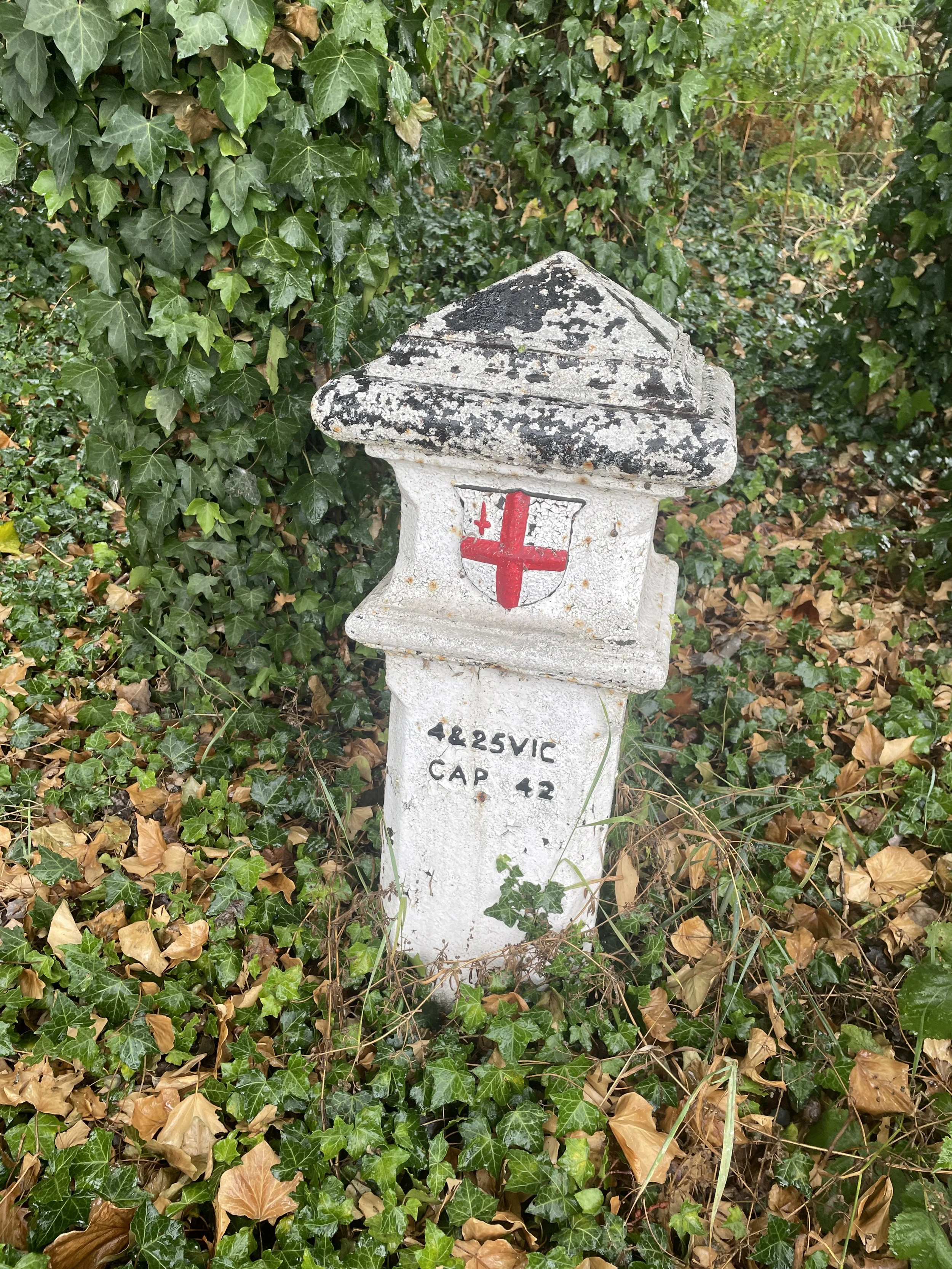
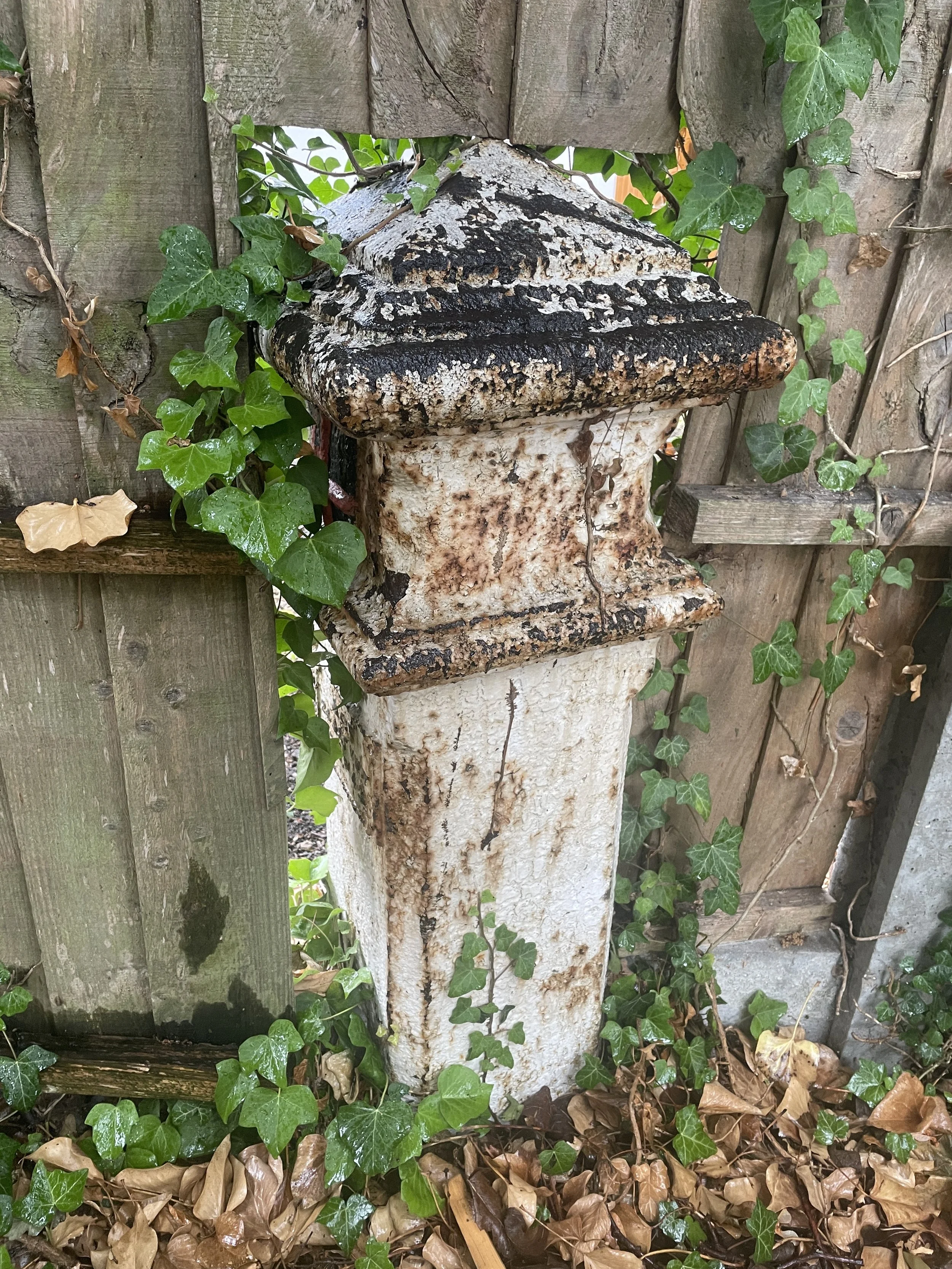
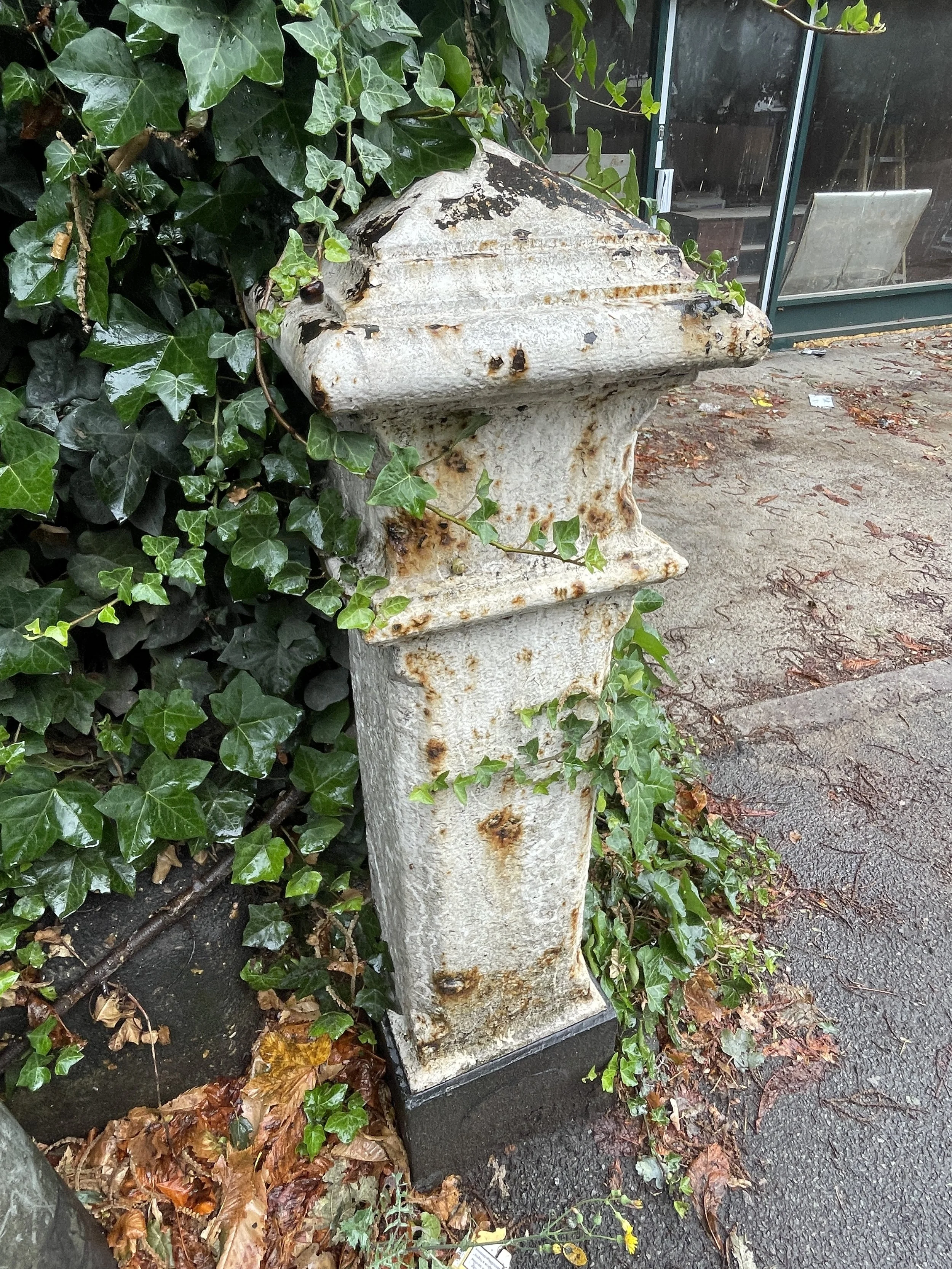
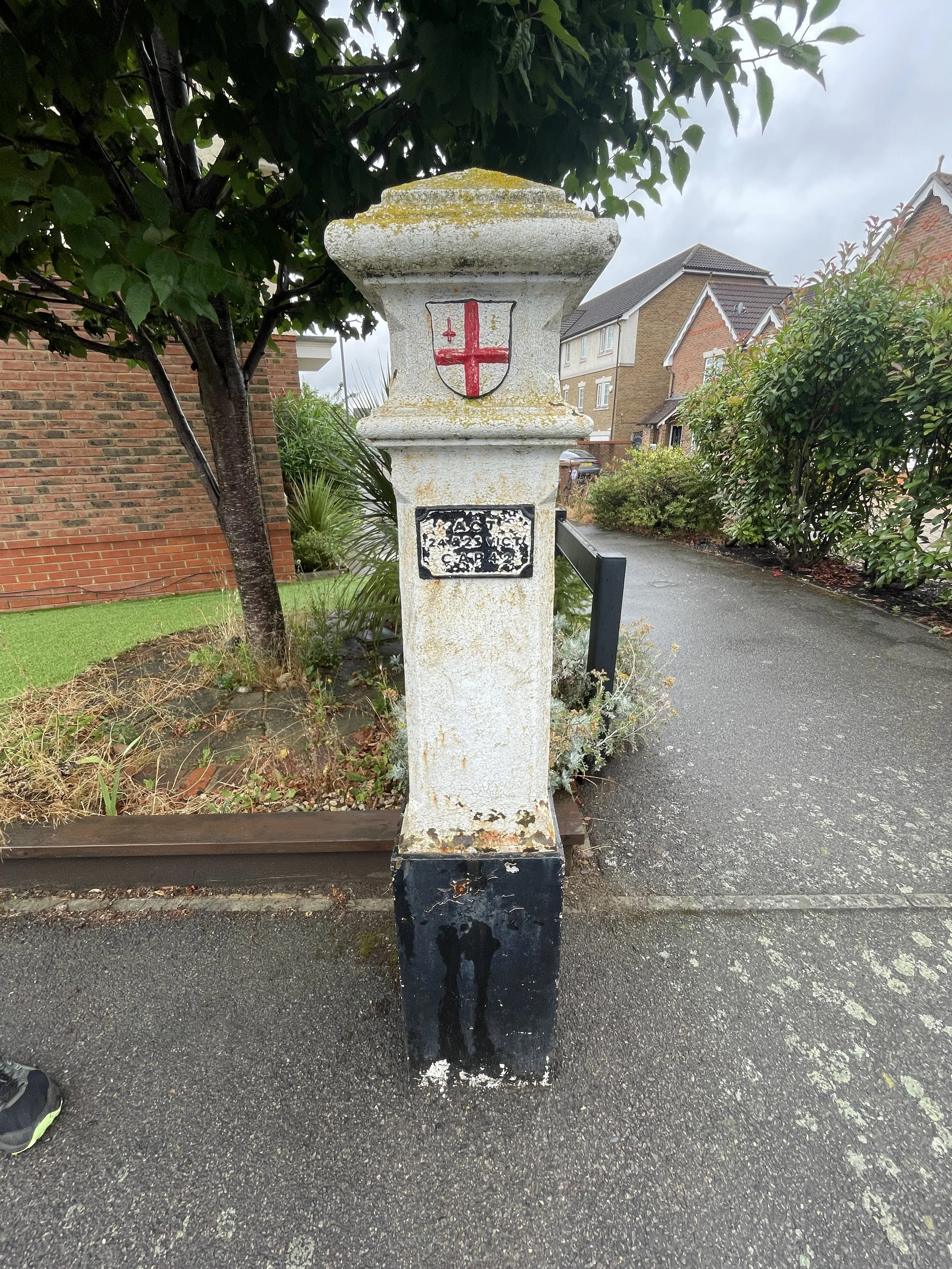
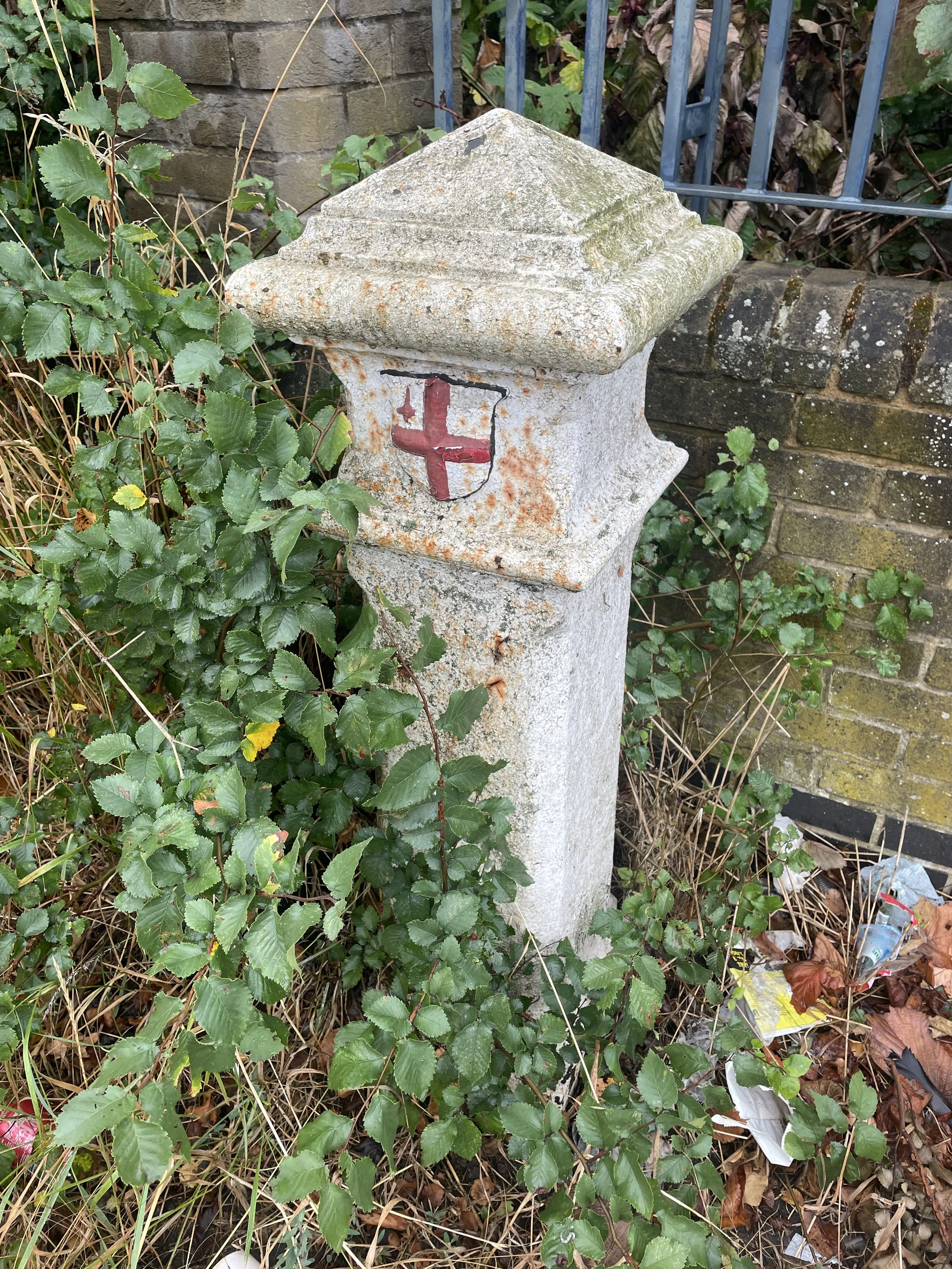
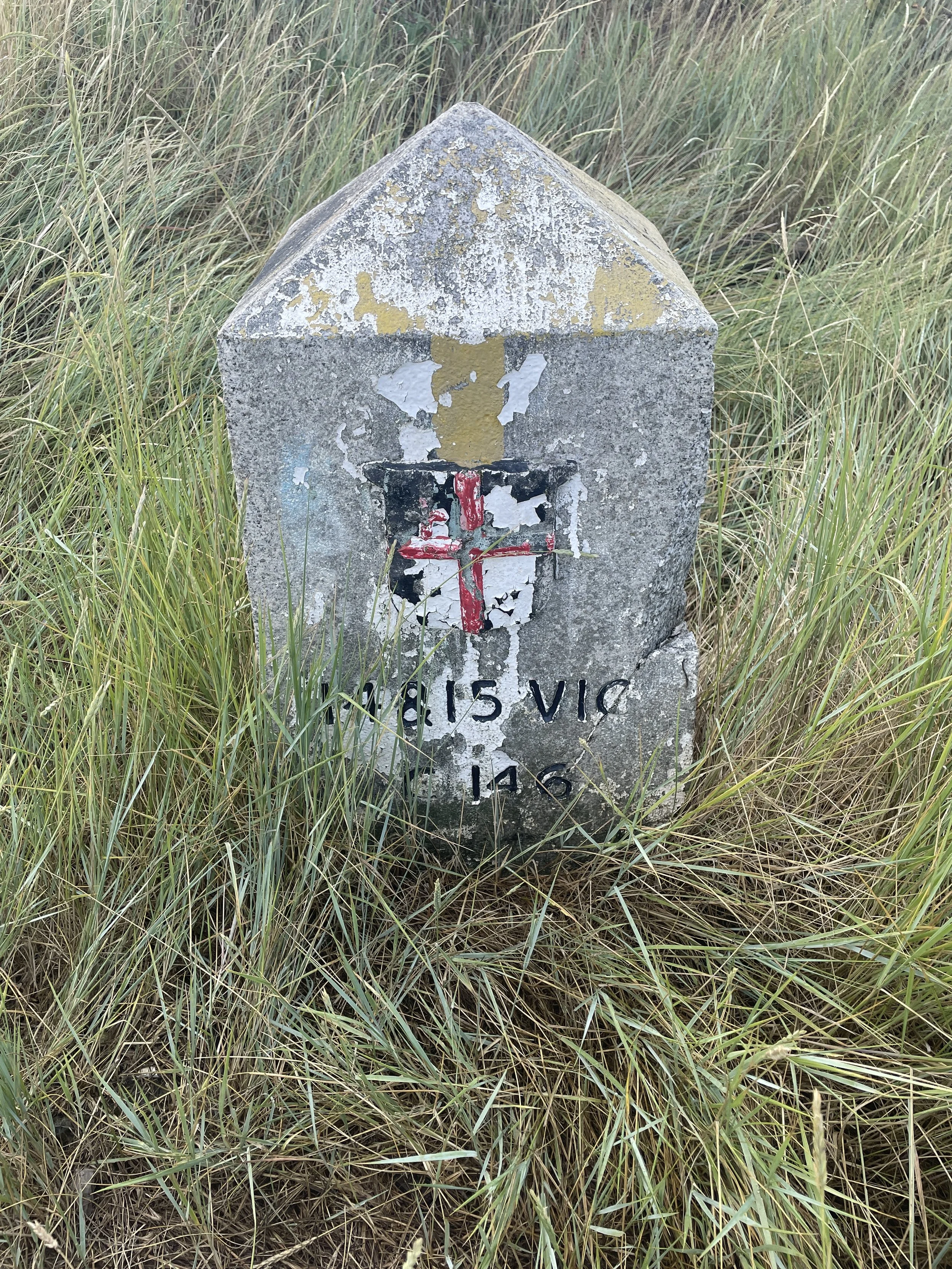
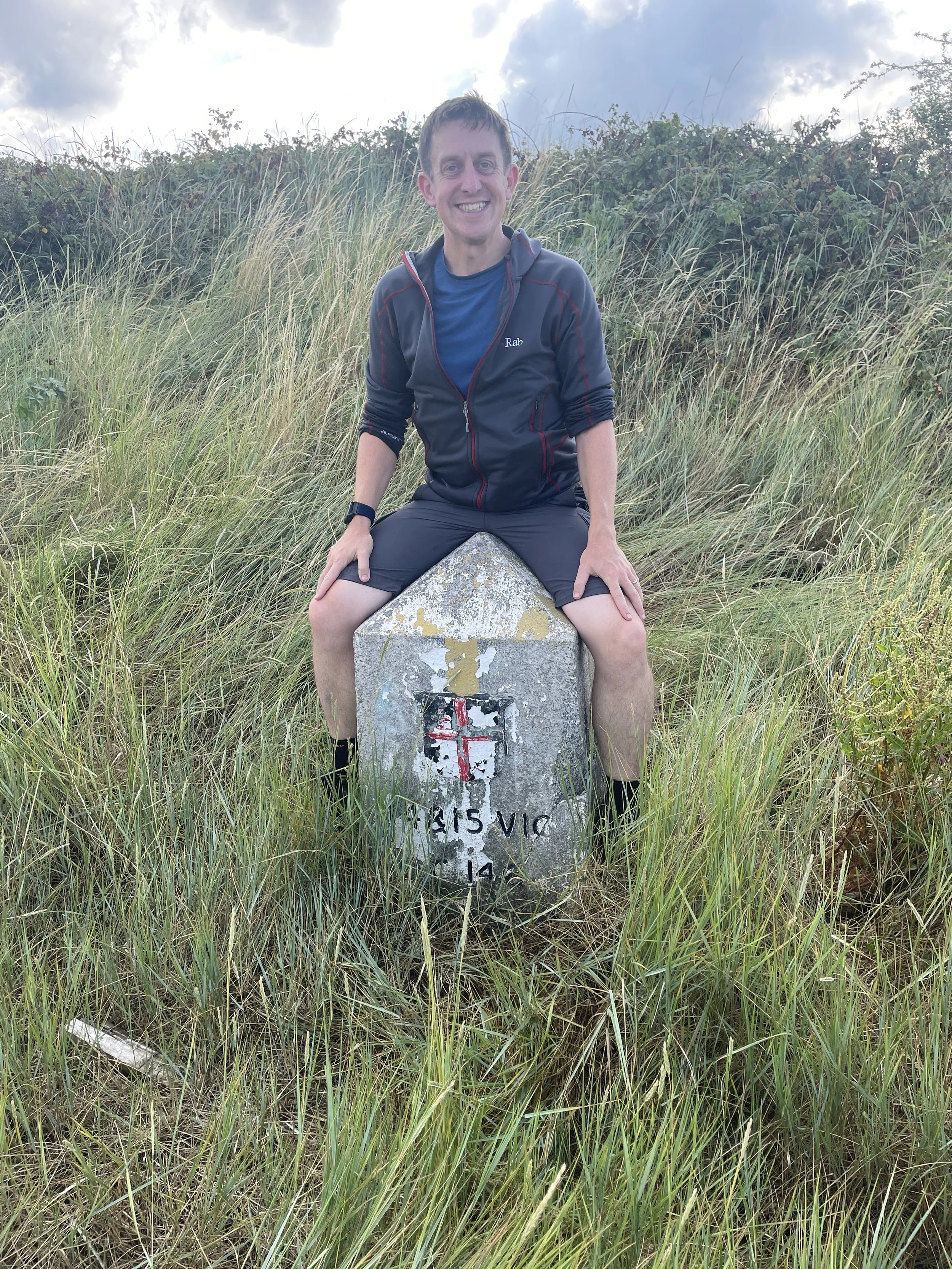
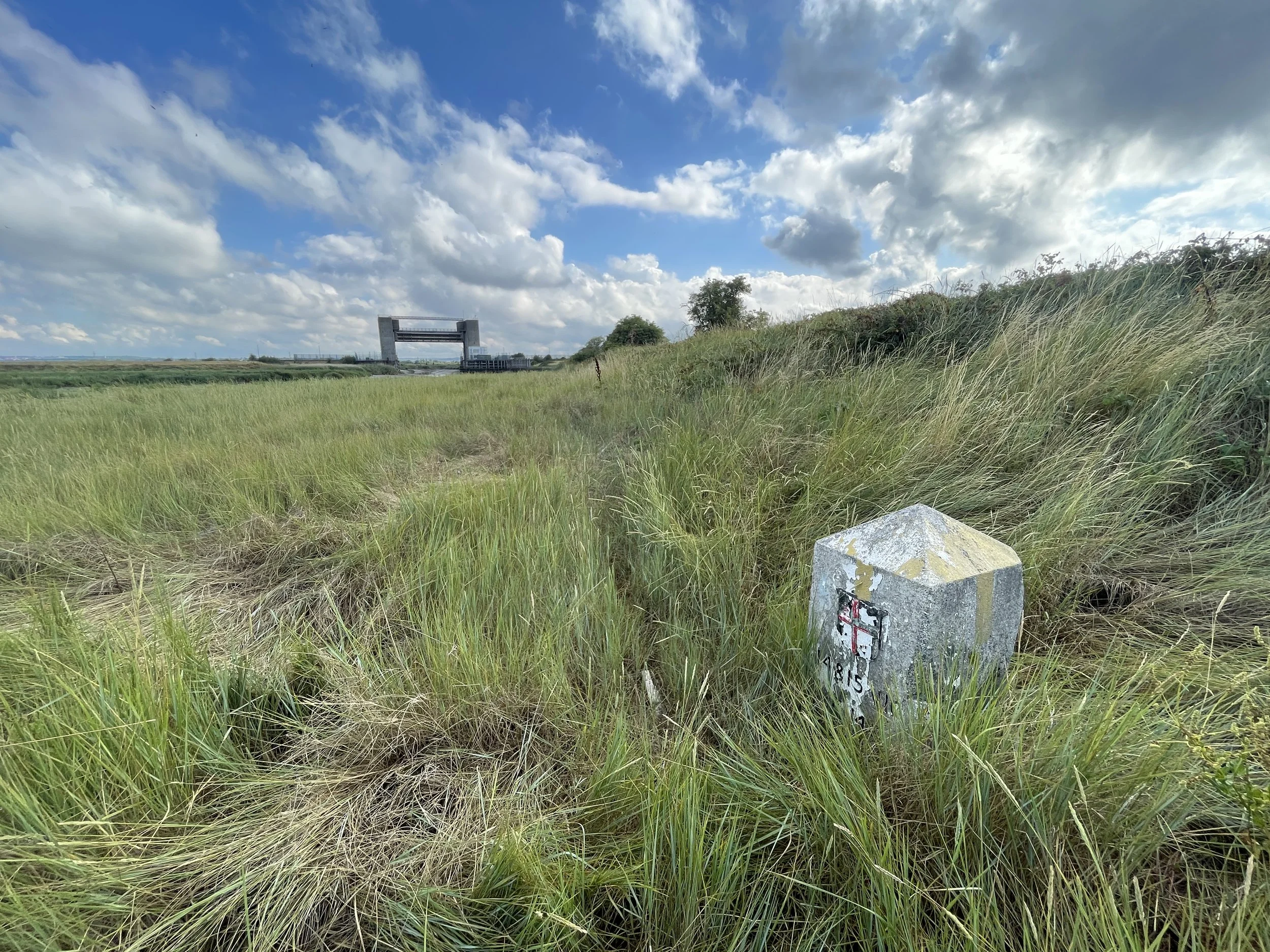
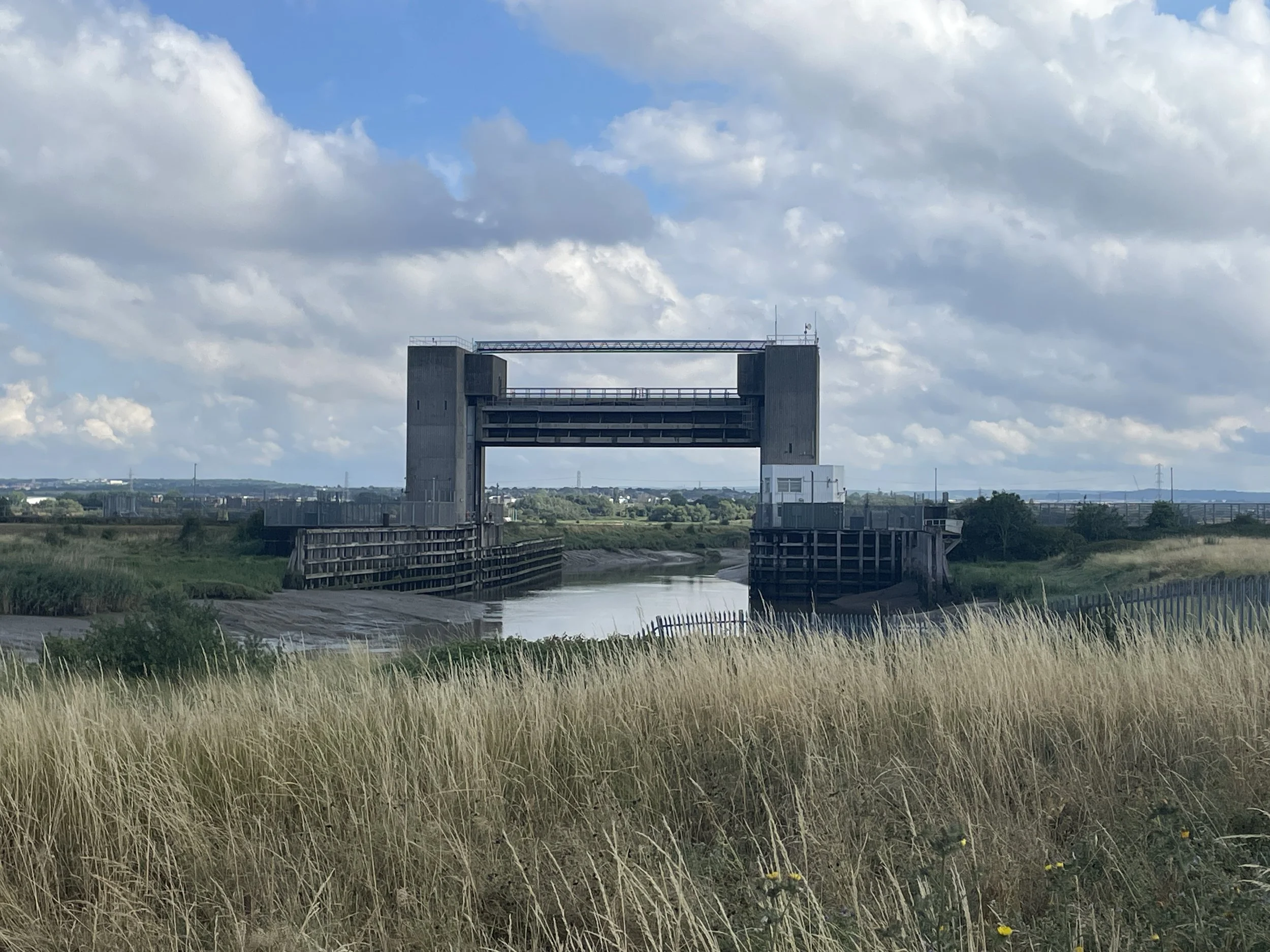
The Final Coal Duty Post at Erith
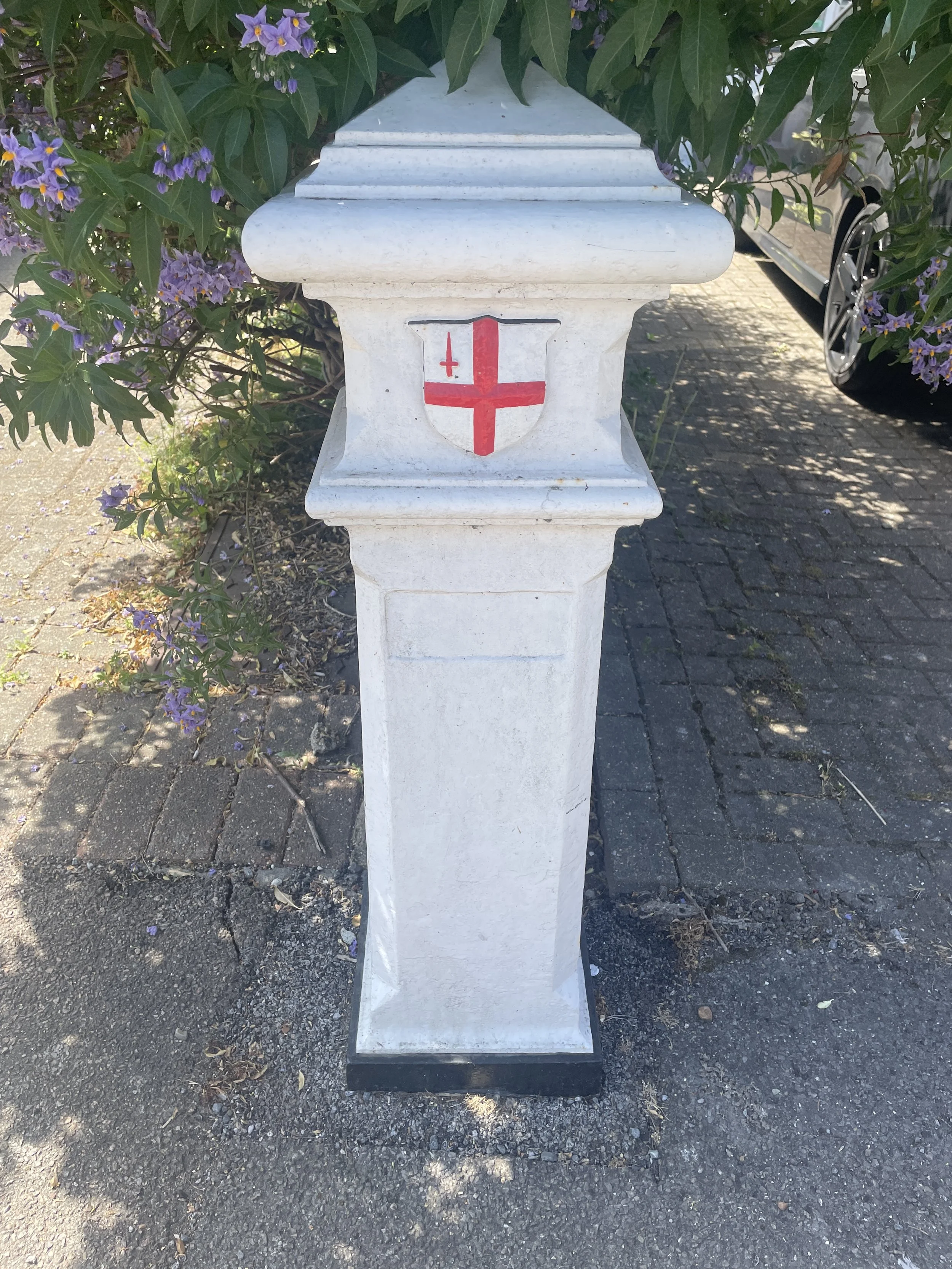
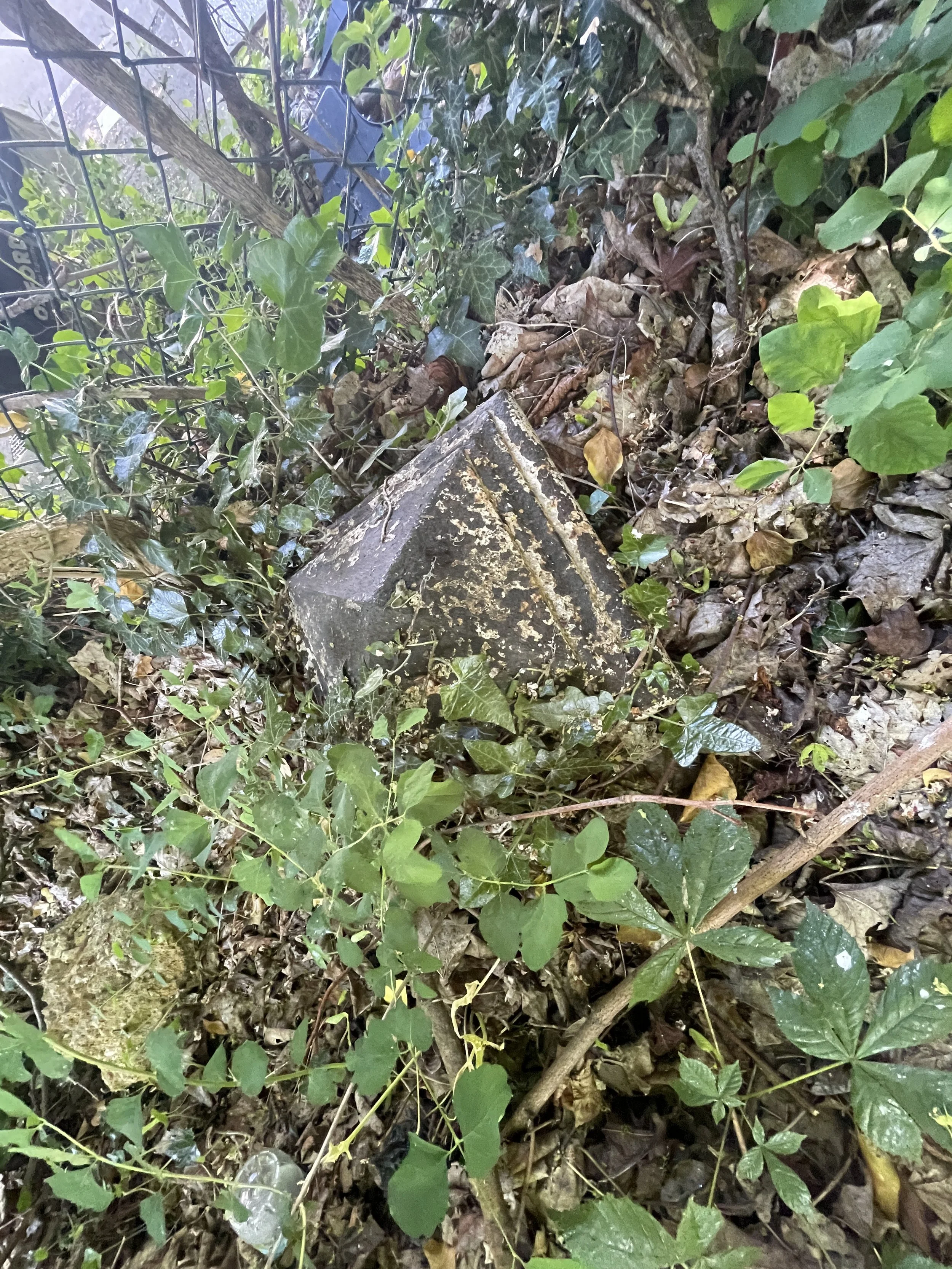
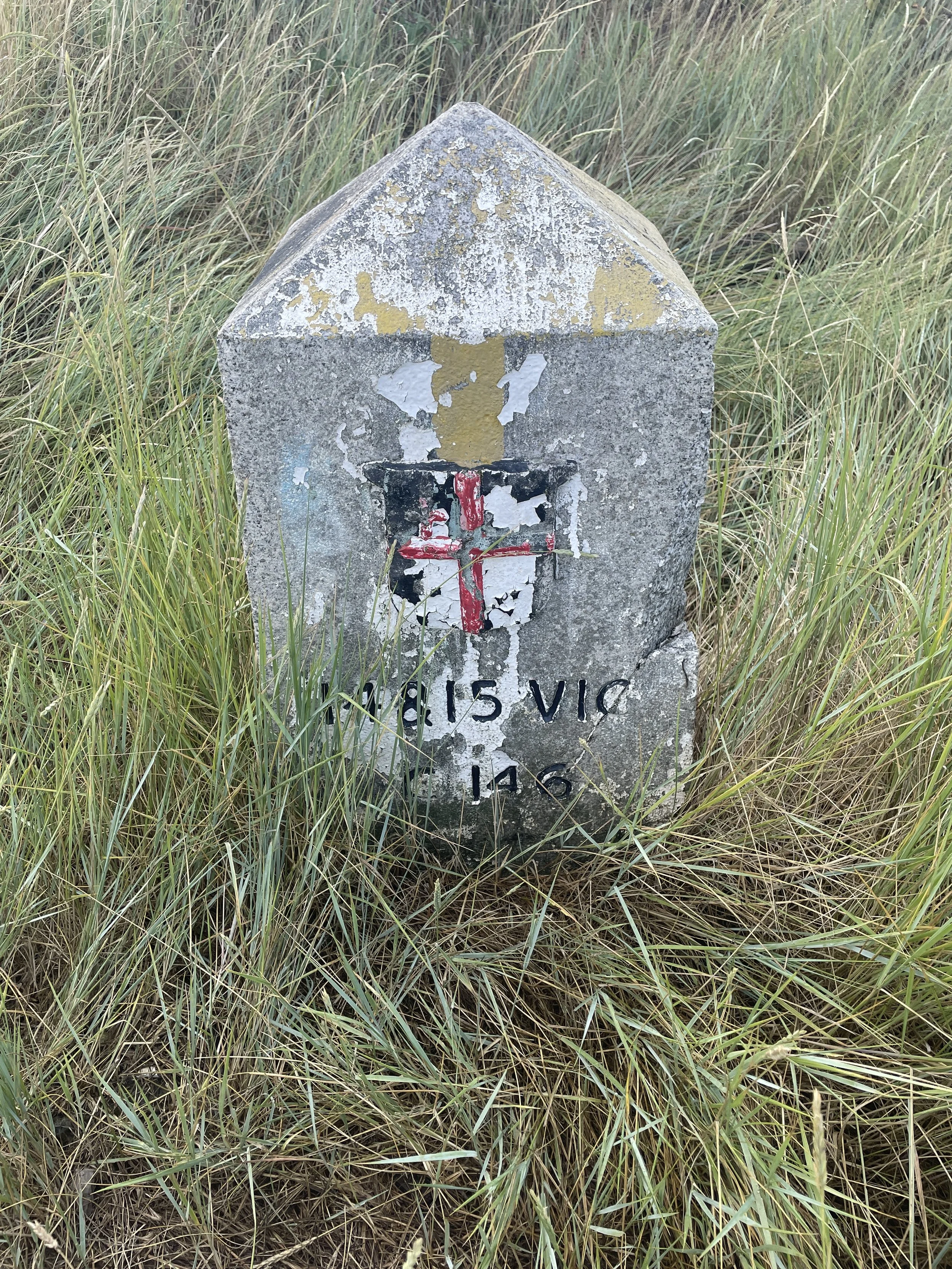
Although I visited most of the posts in a fairly random order, I saved the final extant and in-place post to the end. I had unknowingly cycled past it years before on the London Loop ride. It’s very easy to miss though as the post is off the path on a grassy peninsula next to the confluence of the rivers Darent and Thames.
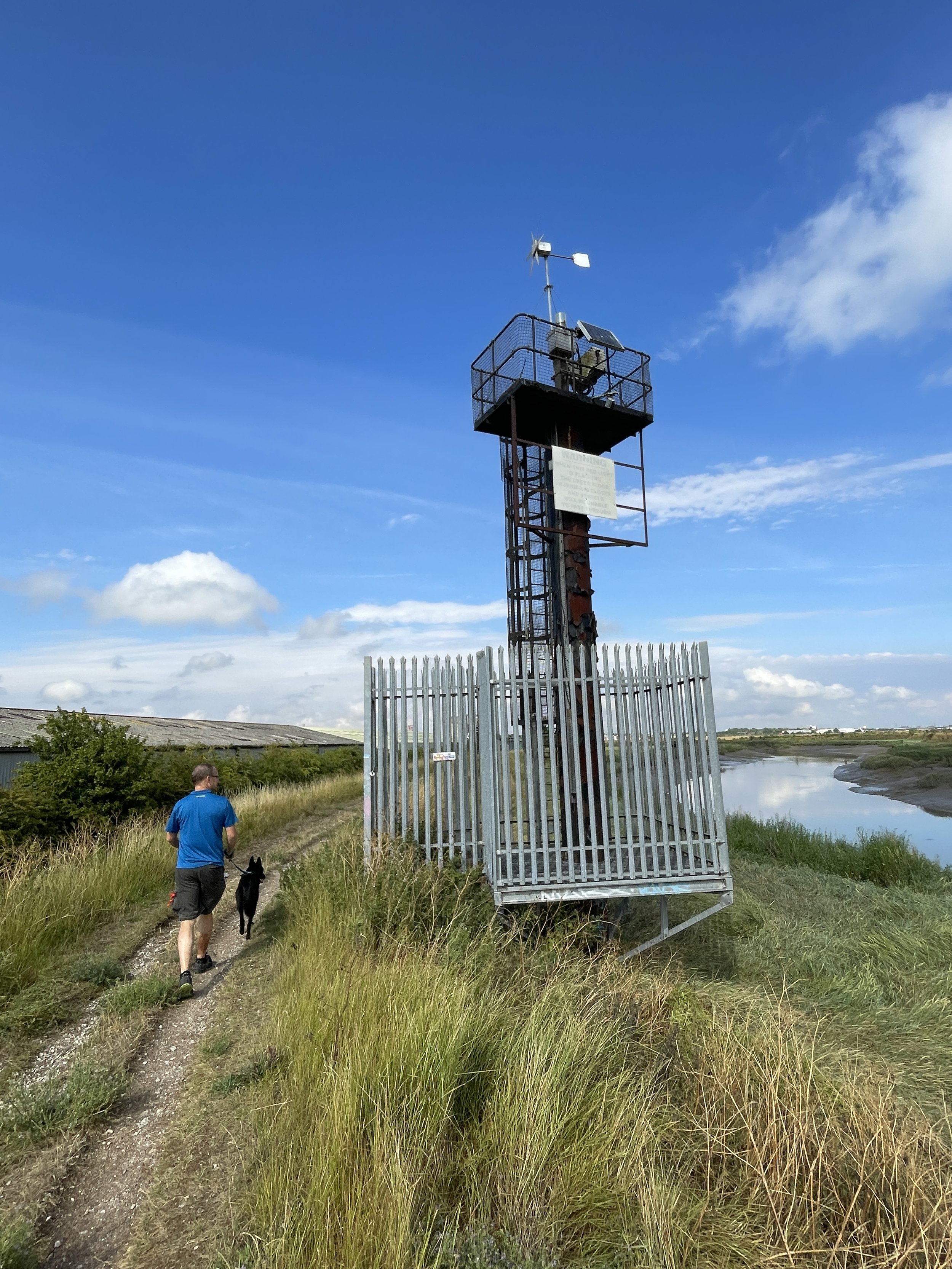
To access it, park at the corner of Burnett Road and Ness Road and take the footpath running in a south easterly direction to the footpath running along the river Darent. This path forms part of the London Loop, Cray Riverway Path and the National Cycle Network Route 1. Take a left to follow the path towards the Thames. When you reach the confluence, leave the path to carefully walk down the grassy part where you’ll find the pillar
The Randoms
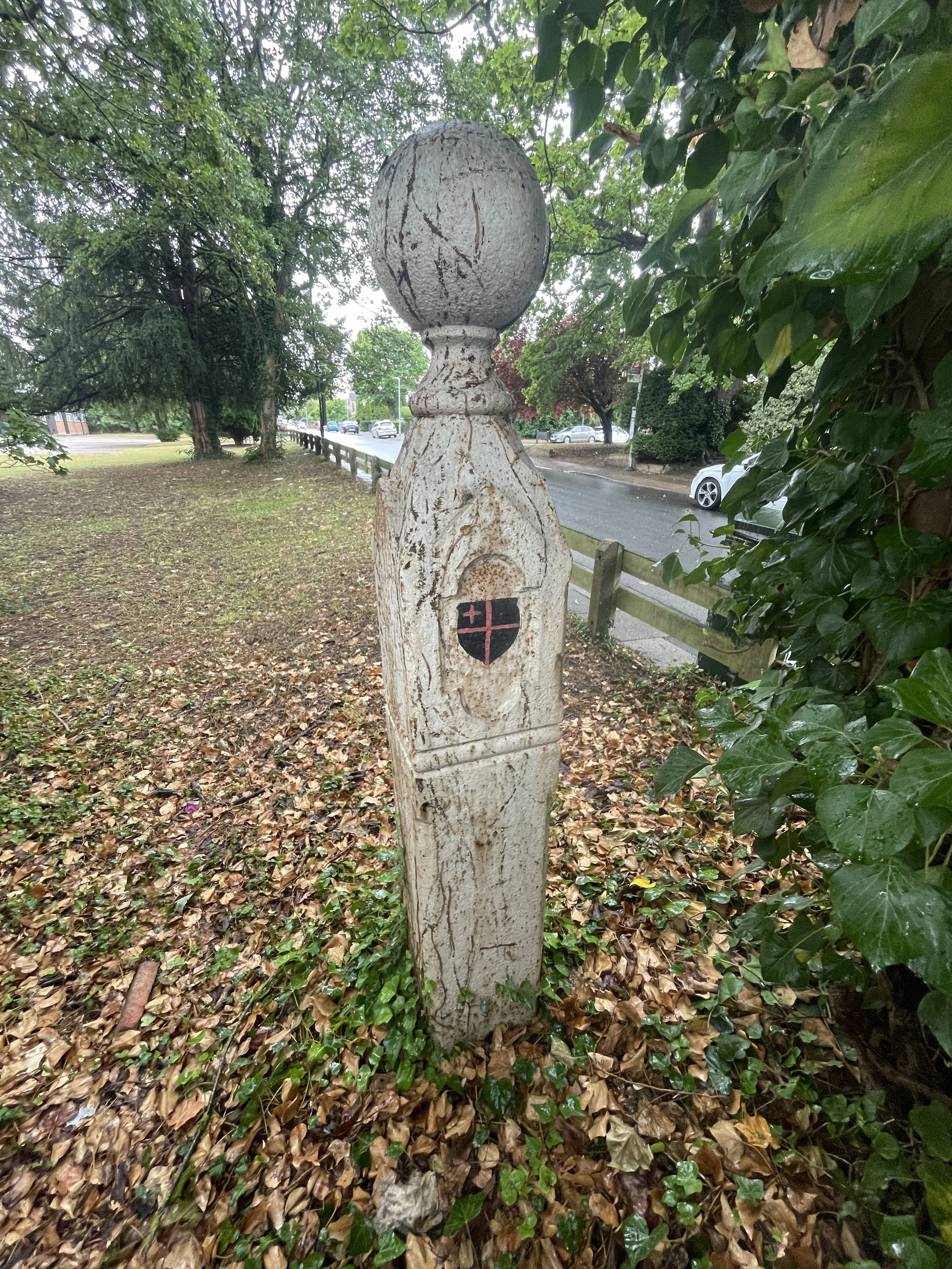
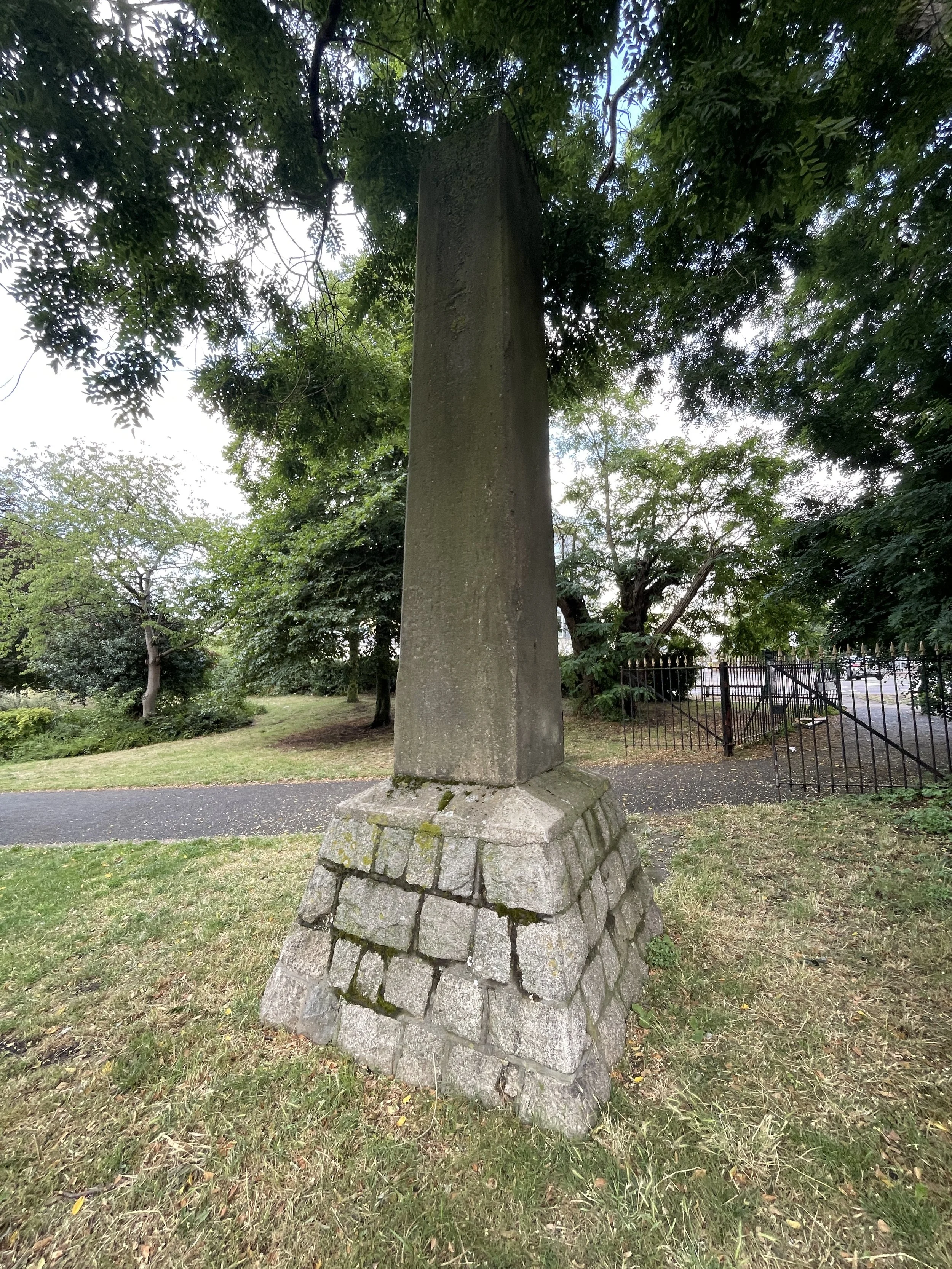
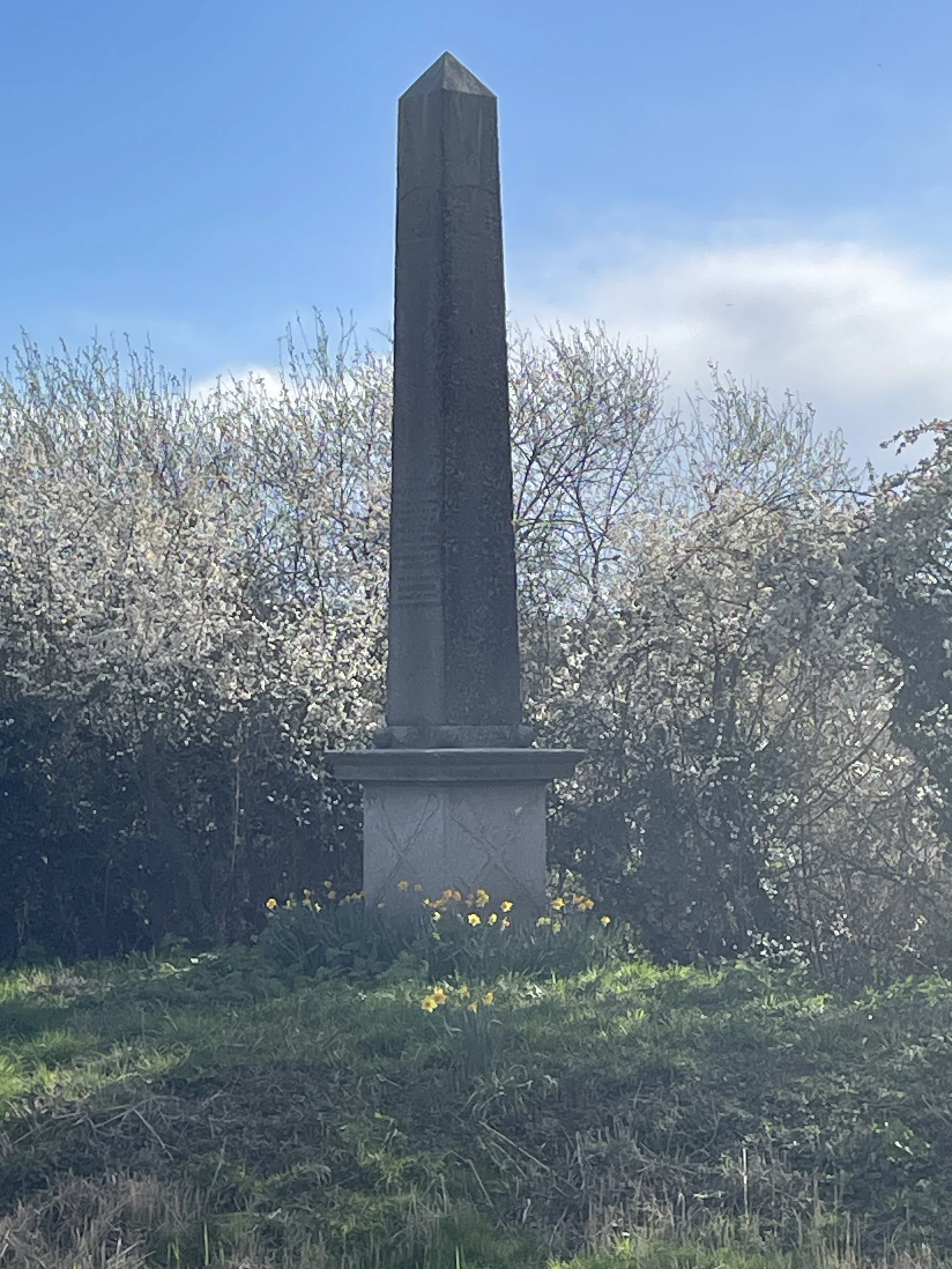
Here are a few other posts and markers related to the Corporation of London that are not in Martin’s List of Coal Duty Posts:
Kiln Lane Boundary Marker: Located next to Coal Duty Post #208 near Bexley.
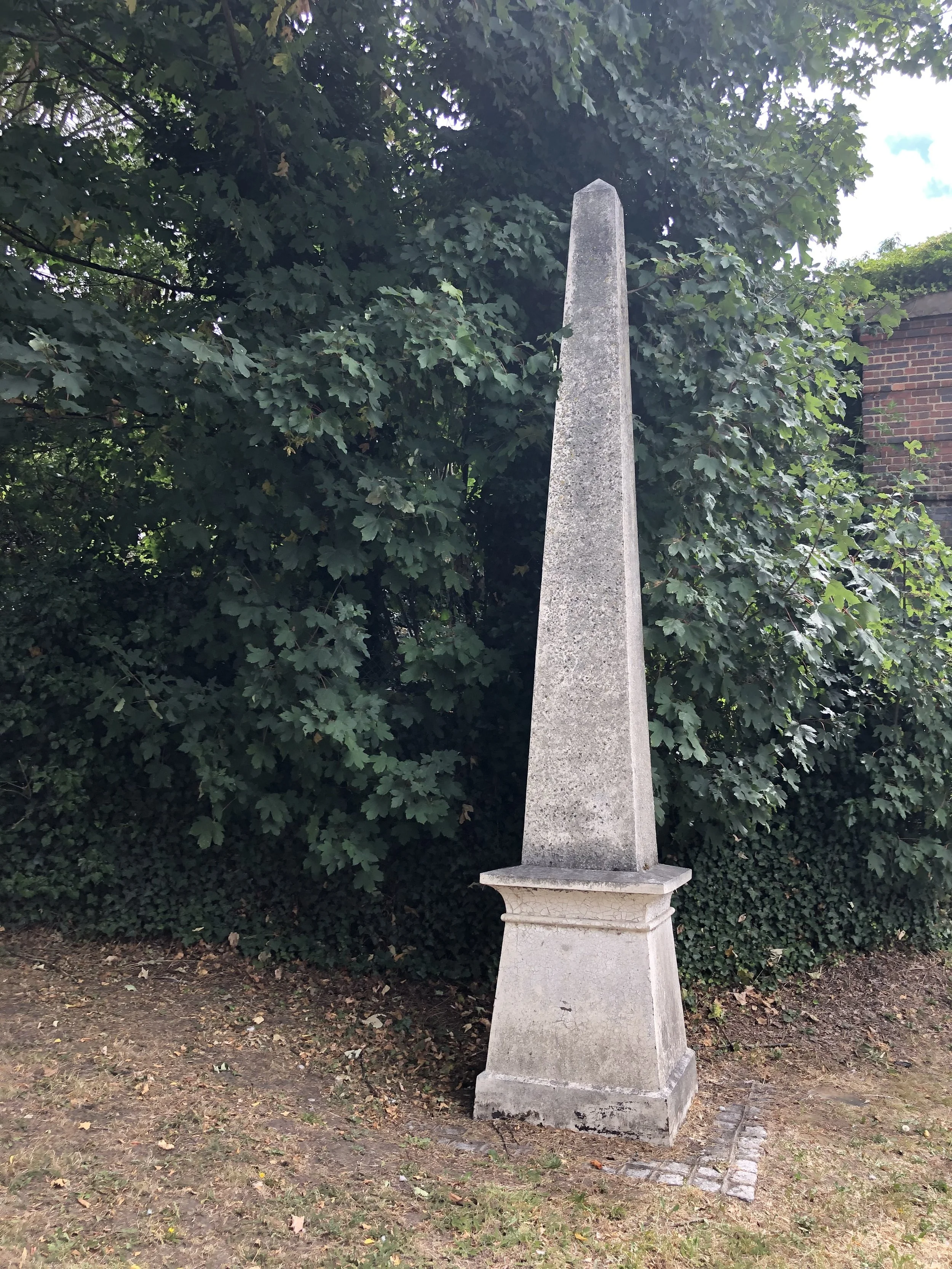
Gravesend Obelisk: Unknown whether this is related to coal duty.
Medway Obelisk: On the Thames and Medway Canal to mark the jurisdiction of the Cities of London and Rochester for the collection of dues
Comment below or contact me if you know of any other pillars, posts or markers related to the Corporation of London boundary.
Coal Duty Posts in Museums
Coal Duty Post 5 is now at Valence House Museum, Dagenham. It was moved to the museum following road widening in 1960. It is currently outside the museum to left of the front door.
Coal Duty Post 63. In Museum of London reserve collections. Originally at the side of Springwell Lane in parapet of Drayton Ford Bridge. Removed in 1923 and in current ownership since 1965. I contacted the Museum in summer 2025 to enquire about visiting the stone but at the time it was not available to see it.
Coal Duty Posts 74 and 75 are now on display at the Chiltern Open Air Museum in Chalfont St. Giles. They were removed in 1982 in advance of construction of the M25 motorway and have been at the museum since 1998.
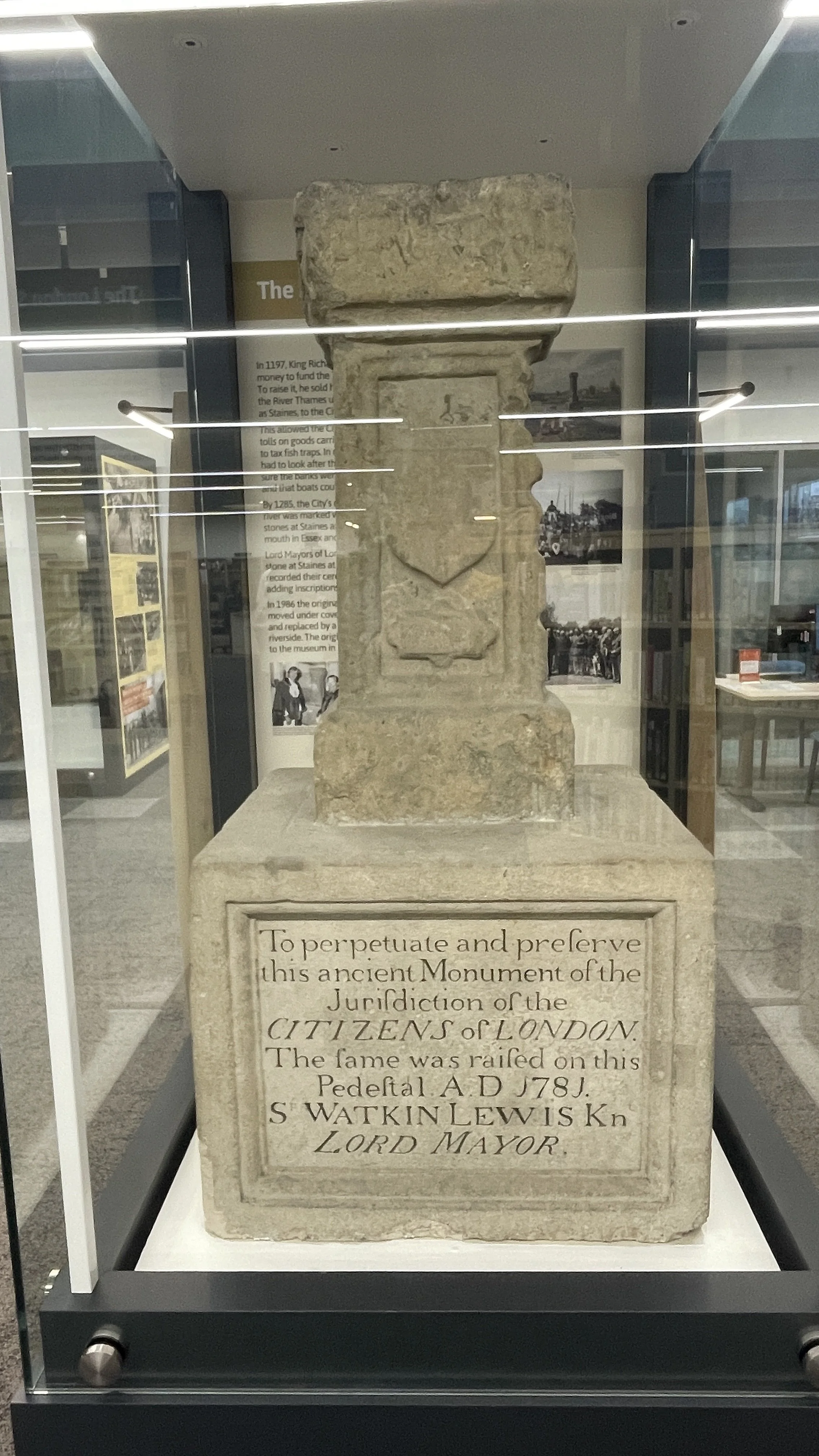
Coal Duty Post 83, also known as The London Stone, is now on display at Spelthorne Museum in Staines, It was first moved in 1986 and has been at the museum since 2004; it was replaced at its original location by a replica.
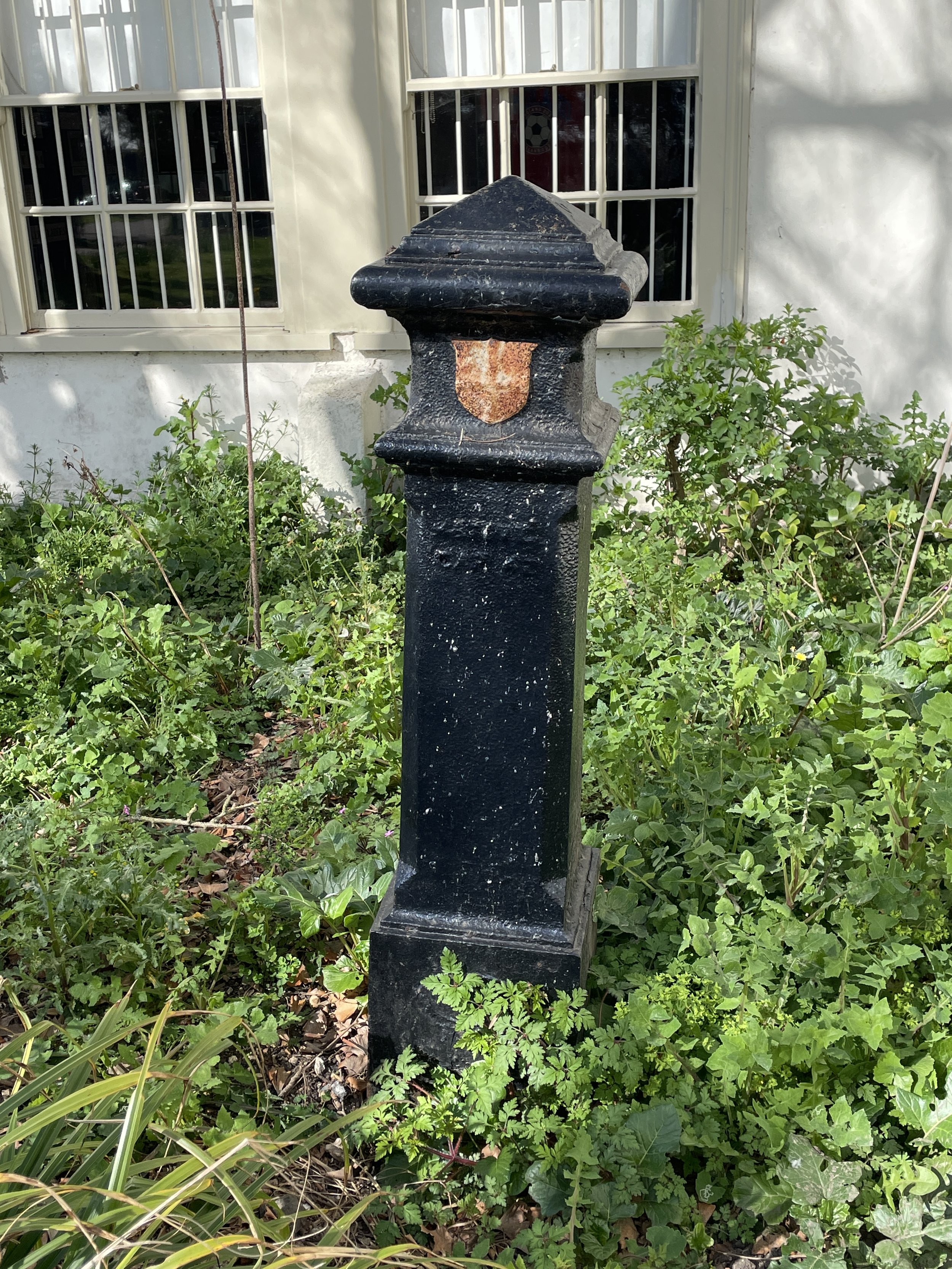
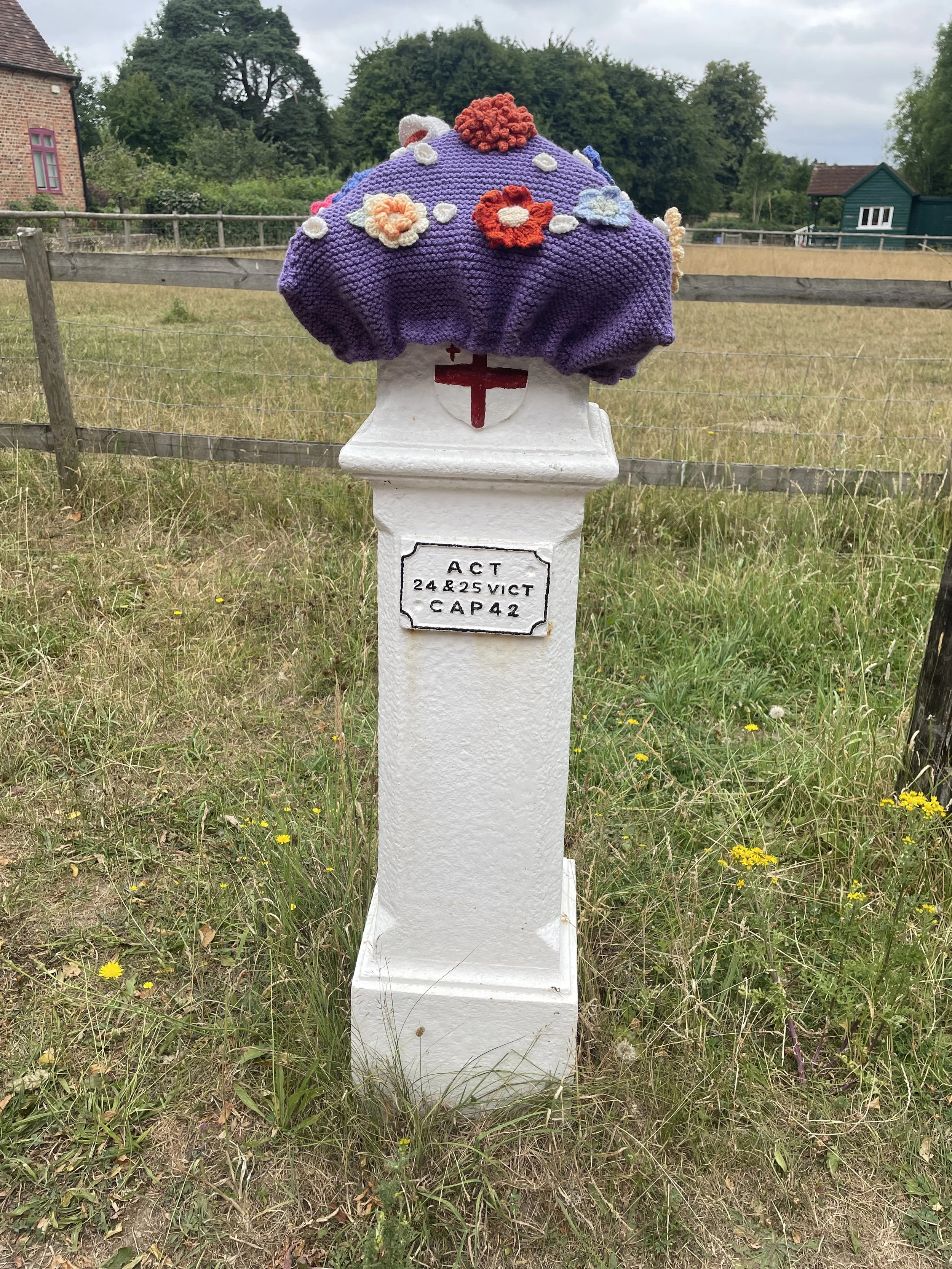
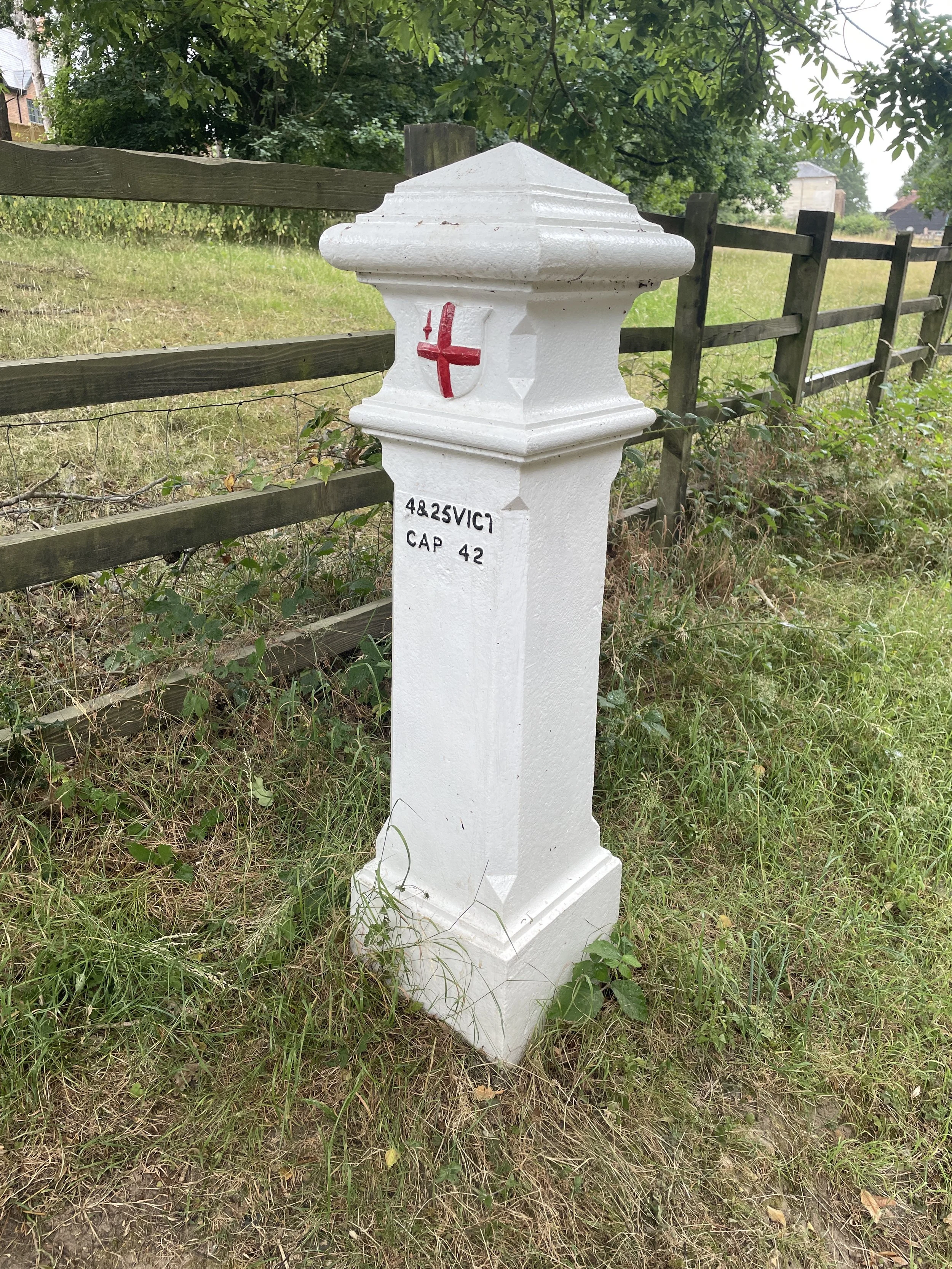
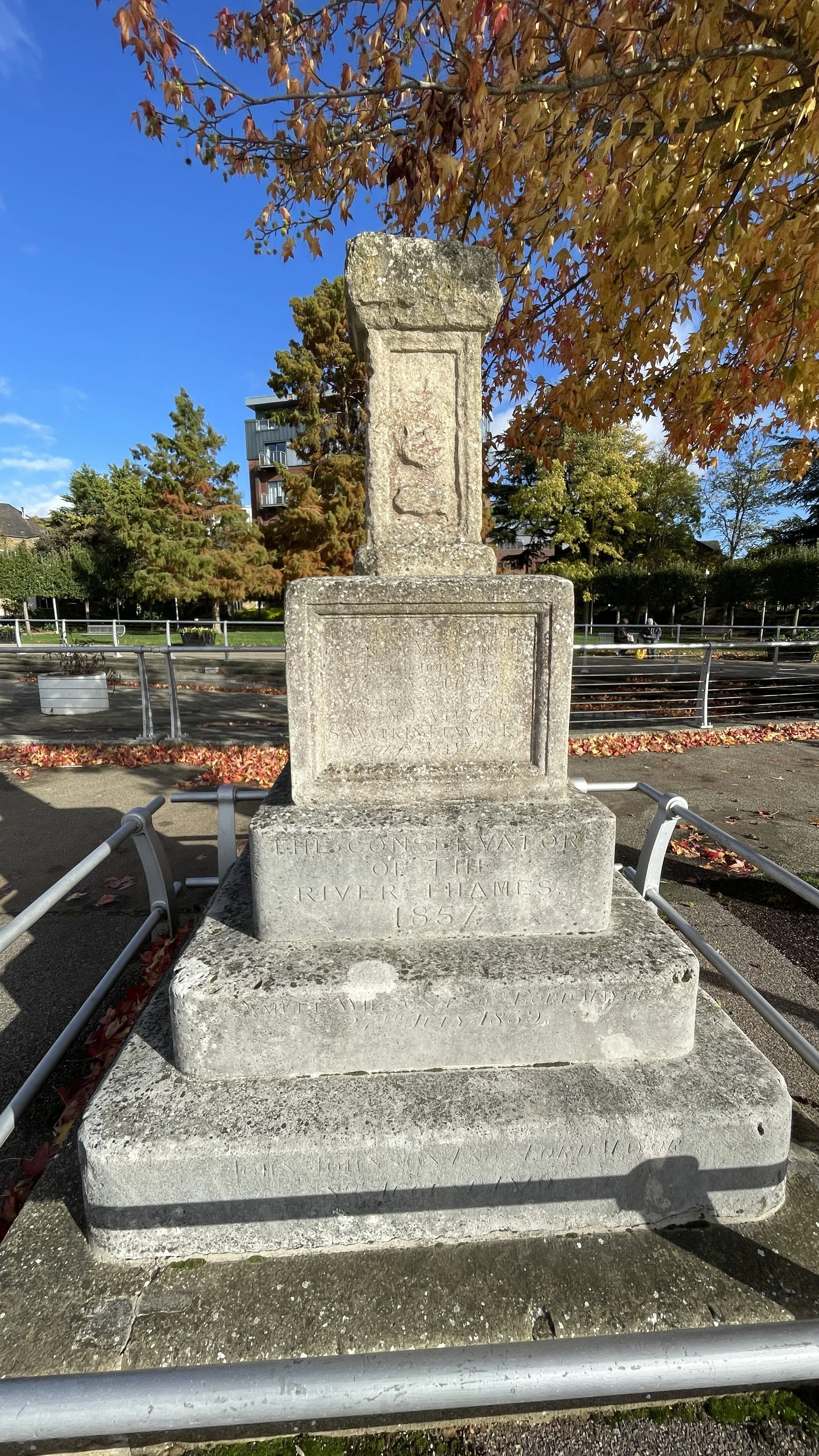
Blog posts including the London Coal Duty Posts
45, 46: Walking The Ebury Way
49,50,51: Walking The London Loop: Stanmore Common to South Oxhey
60, 65, 66: Walking The Colne Valley Trail
91 to 93: Walking the River Wey Part 1: Weybridge and Desborough Island
117 to 120: Chessington Countryside Walk
#125 to 136: Epsom Downs and Langley Vale Wood Circular Walk
137 to 155: Banstead Heath Circular Walk
151, 152: Walking The North Downs Way Part 5 - Betchworth to Merstham
Notes
#5 has been relocated to the outside of the Valance House Museum. See the section on Coal Duty Posts in Museums.
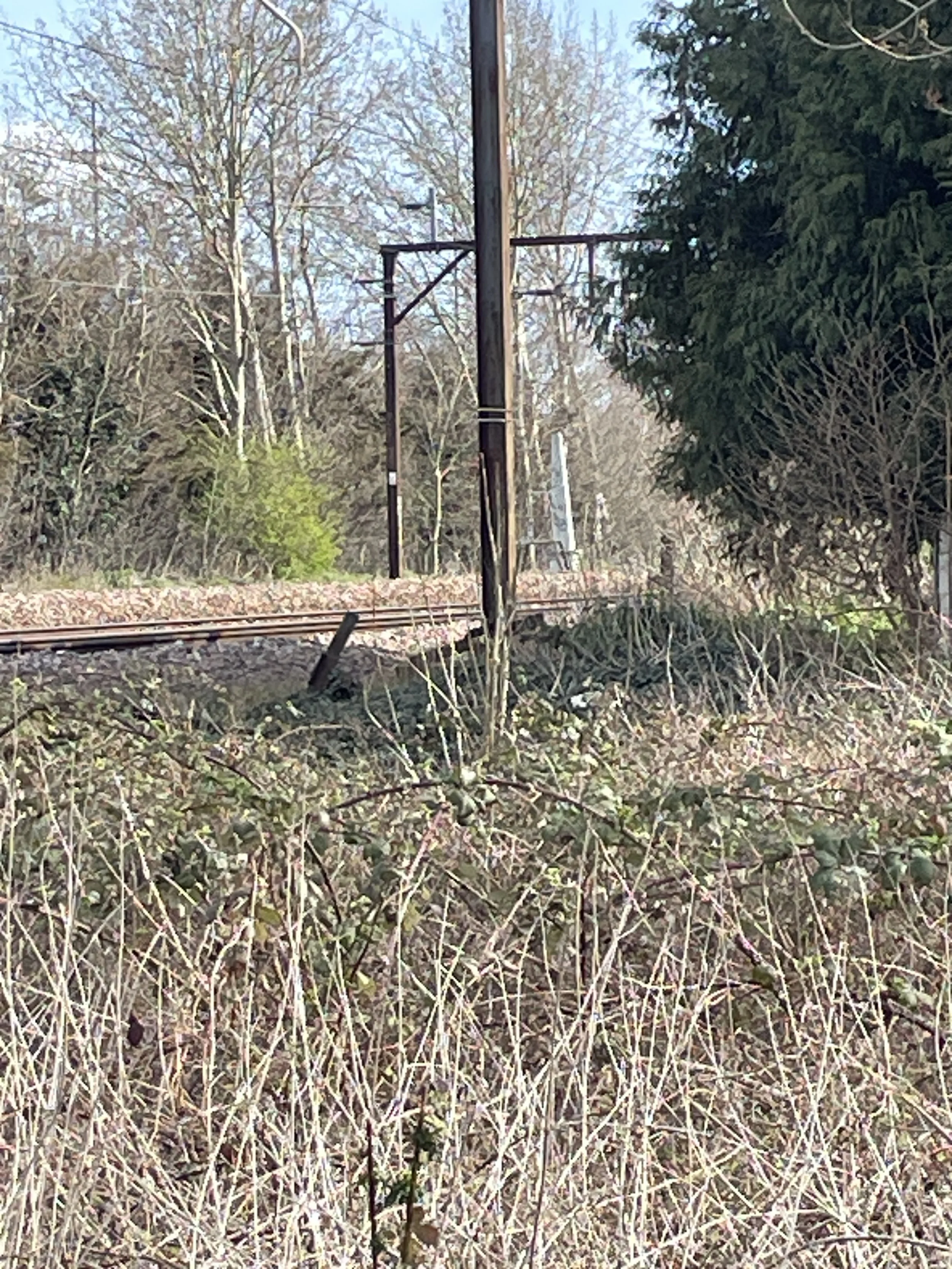
#10 is inaccessible but, according to coaldutyposts.co.uk, is visible from the train.
#16 is shown as extant on coaldutyposts.co.uk but I couldn't find it when visited in March 2025. Possible road widening or just overgrown?
#17 is missing.
#32 is missing. See this article for an interesting story about it.
#42 is listed on coaldutyposts.co.uk as “On railway land but visible from road”. I couldn’t see it when visited in 2025.
#50 is listed on coaldutyposts.co.uk as “On railway land but visible from public footpath on opposite side of railway” I couldn’t see it when visited in 2025.
#51 is also the highest point of the London Borough of Hillingdon.
#56 is missing.
#218 is out of sequence with the anti-clockwise numbering of the other post. Located between #60 and #62
#61 is listed on coaldutyposts.co.uk as “On private land but visible from permissive footpath on other bank of river”. I couldn’t see it when visited in 2020.
#63 is now in the reserve collection of the Museum of London
#64 is on a Private Road. I decided not to visit.
#71 is missing.
#79 is on private land. I decided not to visit.
#95 is listed on coaldutyposts.co.uk as “In grounds of Middle Thames Yacht Club at N side of Sunbury Lock Ait”. I visited in April 2025, assisted by 2 members of the Sunbury Yacht Club but couldn't find it and they couldn’t remember seeing it before. Maybe now missing?
#111 is listed on coaldutyposts.co.uk as “On railway land but visible from Stokesheath Road”. I couldn’t see it when visited in 2025.
#112 is listed on coaldutyposts.co.uk as “In garden of house but visible from road”. I couldn’t see it when visited in 2025.
#135 is listed on coaldutyposts.co.uk as “In garden of house but visible from road”. New high fence installed. Not visible when visited in 2025.
#170 is listed on coaldutyposts.co.uk as “On railway land but visible from road”. I couldn’t see it when visited in 2025.
#197 is listed on coaldutyposts.co.uk as “On railway land but visible from Crown Close”. I couldn’t see it when visited in 2025.
#206 is listed on coaldutyposts.co.uk as “On railway land but visible from public footpath on opposite side of railway”. I couldn’t see it when visited in 2025.
#216 is listed on coaldutyposts.co.uk as “On railway land but visible from public footpath”. I couldn’t see it when visited in 2025.
I’ve not listed any Coal Duty Posts on this page that were identified as missing on coaldutyposts.co.uk. These are mostly identified with a letter after the number (e.g. 66a). The exceptions are posts identified as missing on coaldutyposts.co.uk but don’t have a letter after the number (e.g. 71) which I’ve noted above.
More London posts
If you enjoyed reading this post, there is plenty more to explore across the capital. I have put together a dedicated London Outdoors page where I keep track of all my other adventures around the city. It is a handy index where I group my posts by the different types of places I have visited: including historic boundary lines, canal towpaths, and some surprising urban high points.
The collection covers a bit of everything: from long-distance cycling routes to tracing the underground network on foot, and ticking off another Saturday morning parkrun. If you are looking for some inspiration for your own weekend outings, head back over to the London Outdoors page to see what else I have been up to.
Walking The River Brent Path
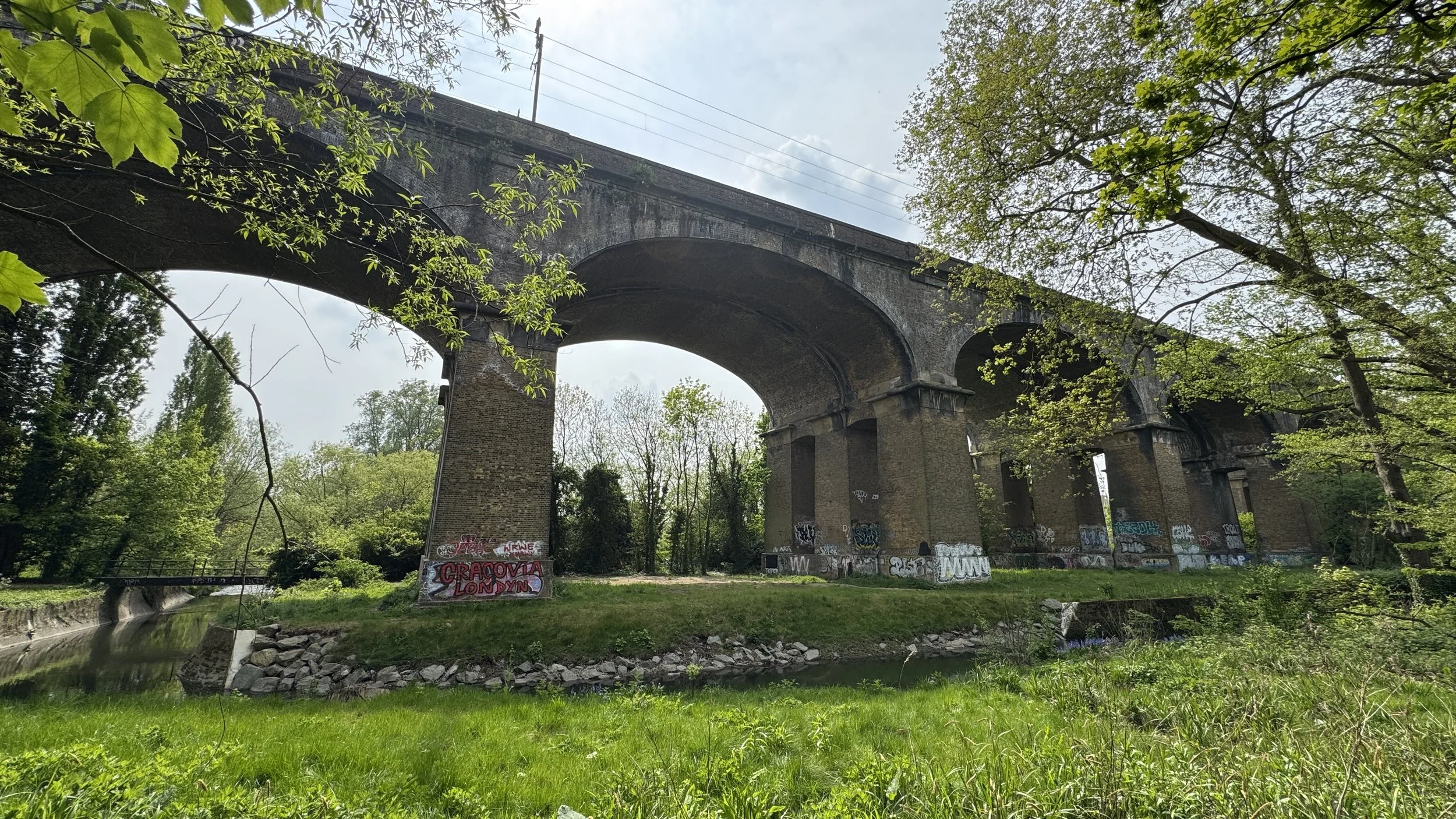
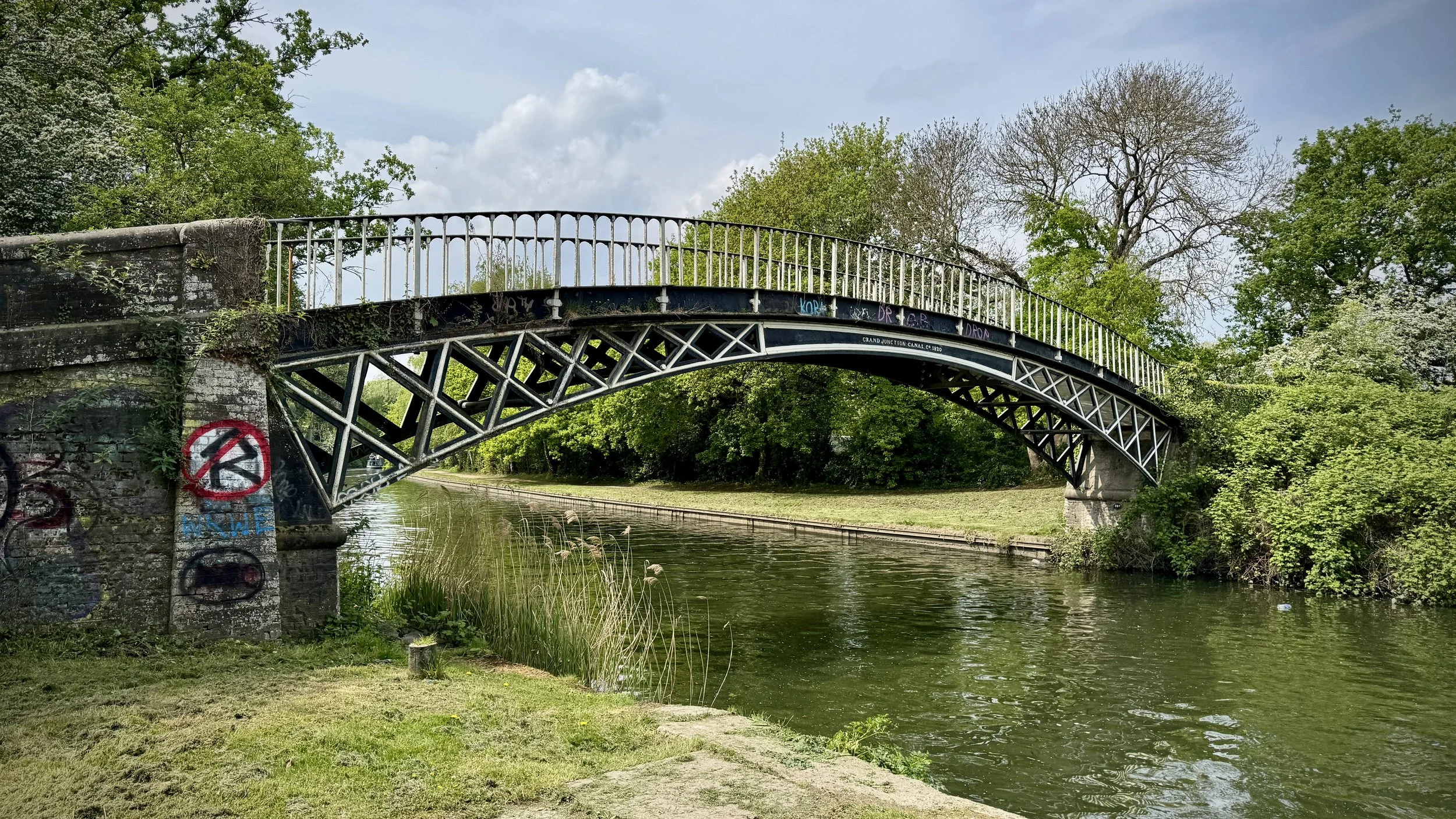
River Brent at the Wharncliffe Viaduct
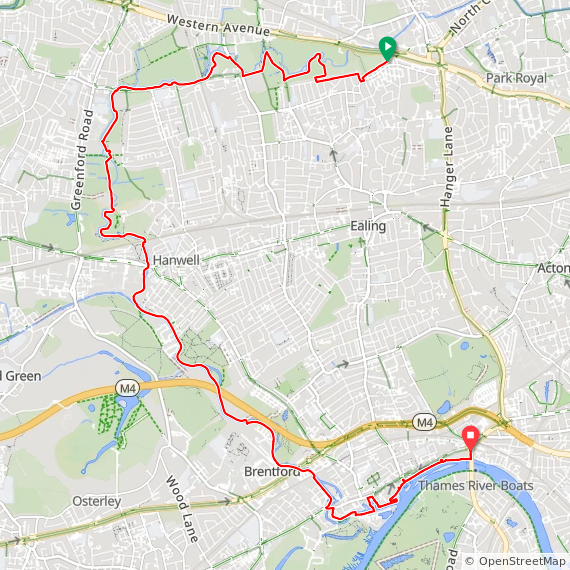
Start: Brentham Allotments, Lynwood Rd, London, W5 1JL
Finish: Kew Bridge Road, Brentford, TW8 0FJ
Distance: 15.4 km (9.6 miles)
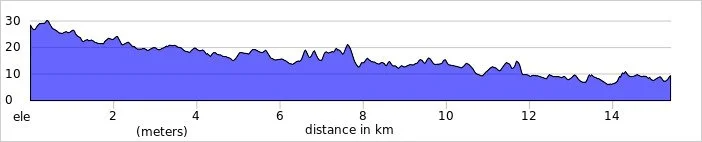
Elevation change: +64m / -83m. Net -19m
GPX File: get via Buy Me a Coffee
Other routes touched (walk): Capital Ring, Thames Path
Other routes touched (cycle): C40, Grand Union Canal Towpath
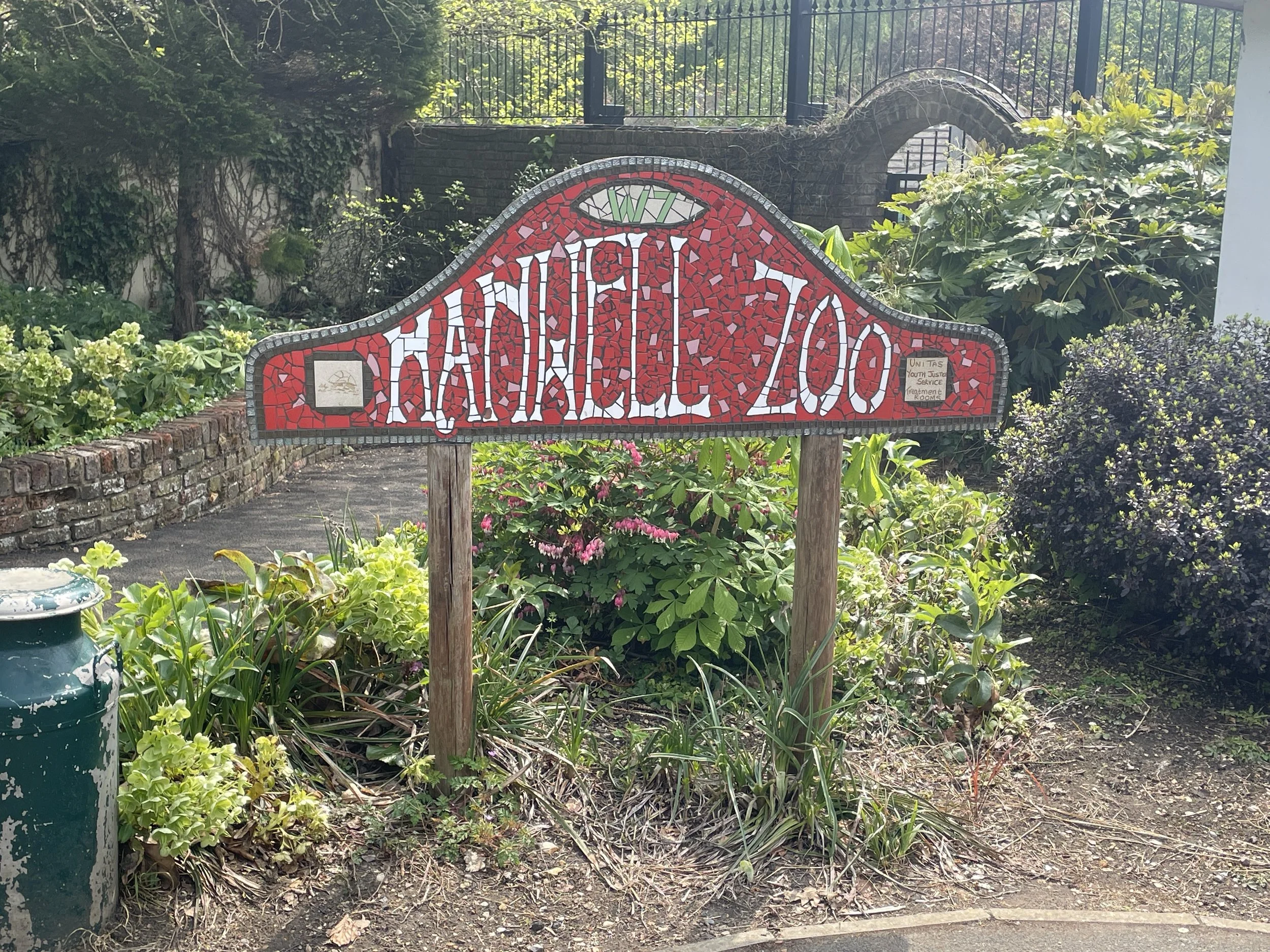
Pubs / Cafes on route: Hanwell Zoo Cafe (7.3 km in), several at Brentford Lock (12.5 km in), One Over The Ait at the end.
Map: London South Map | Westminster, Greenwich, Croydon, Esher & Twickenham | Ordnance Survey | OS Explorer Map 161
Links: Brent River and Canal Society (BRCS), River Brent Park, Hanwell Zoo, Wharncliffe Viaduct, River Brent, Grand Union Canal, Brentford Dock, Brentford, Kew Bridge
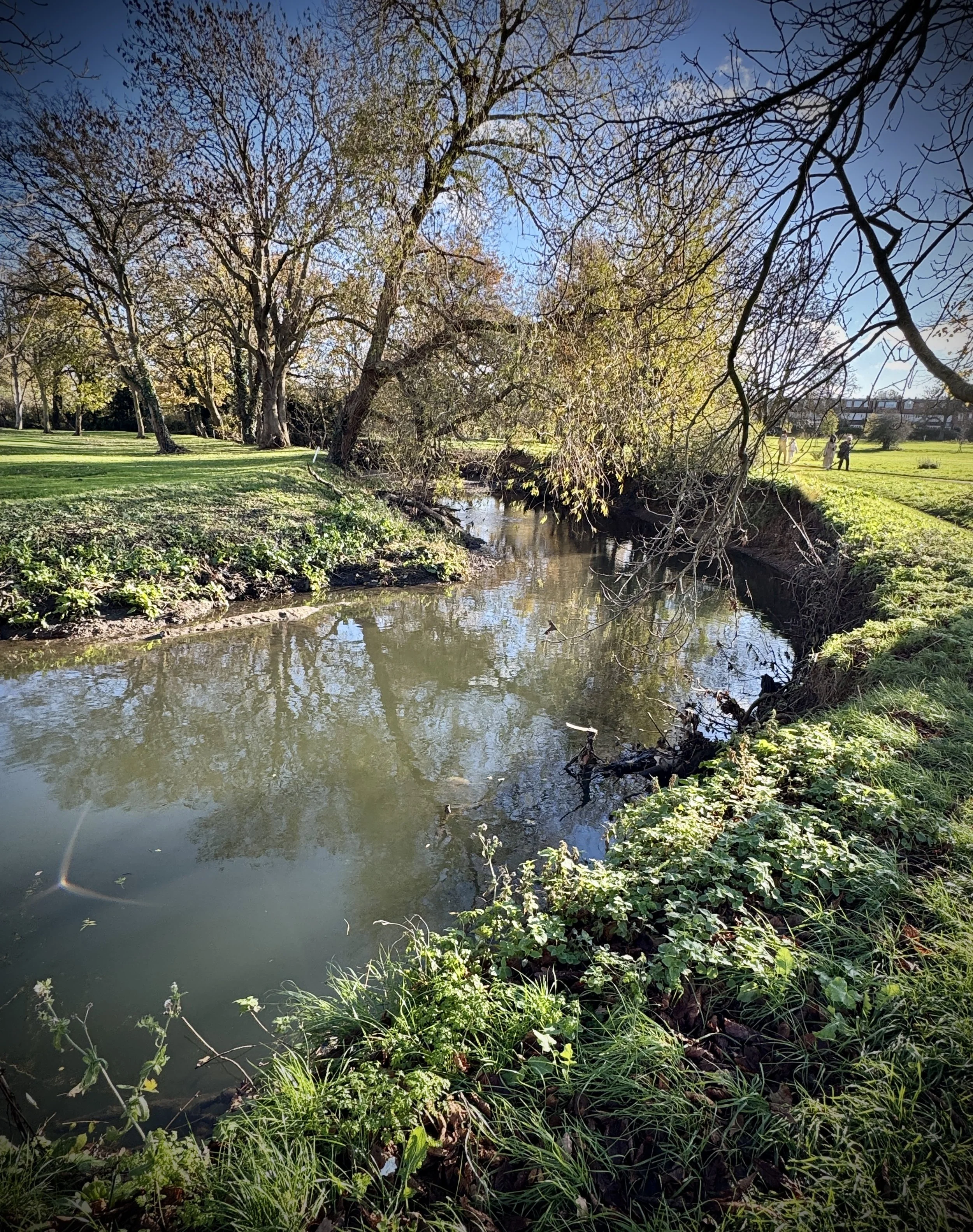
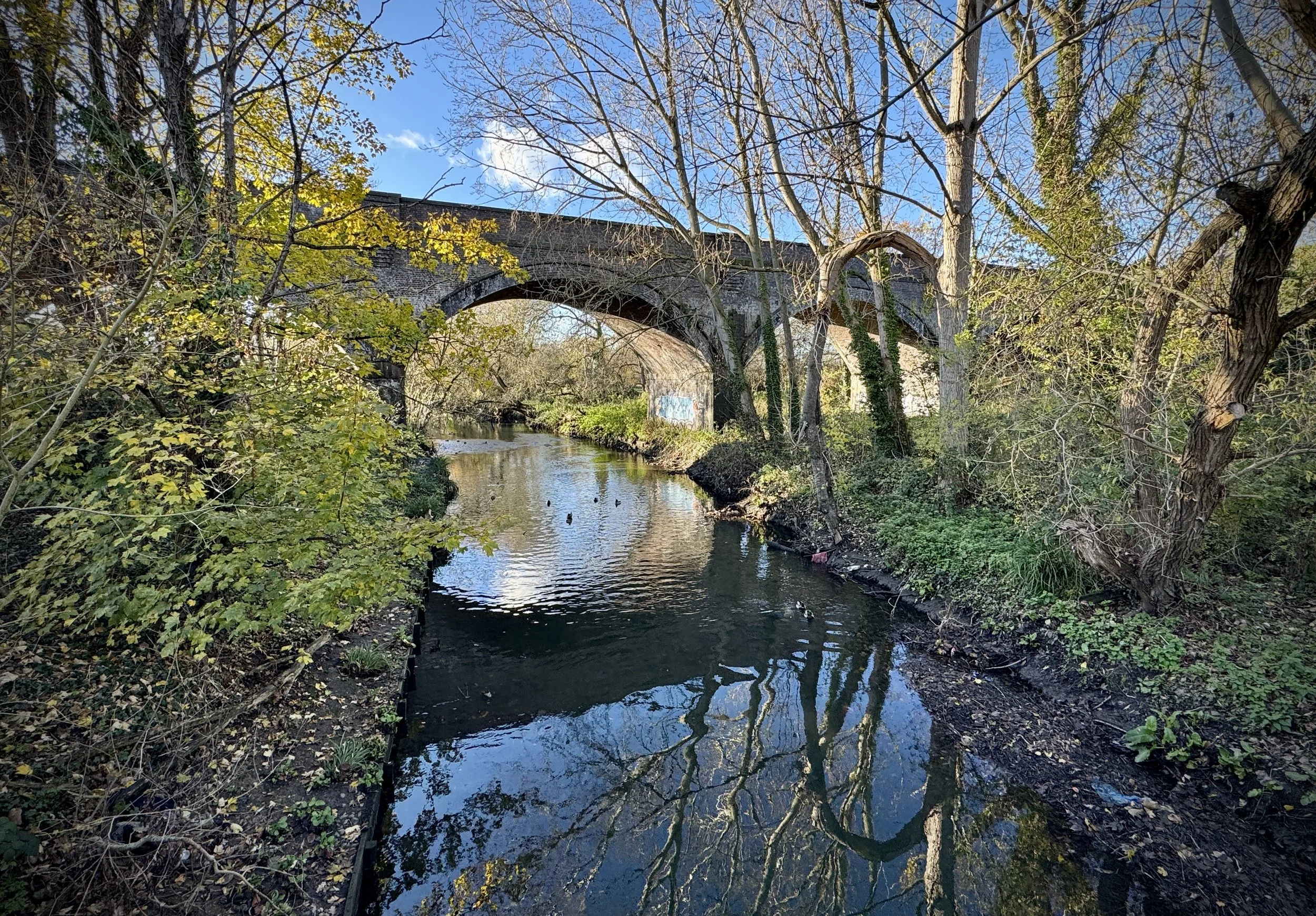
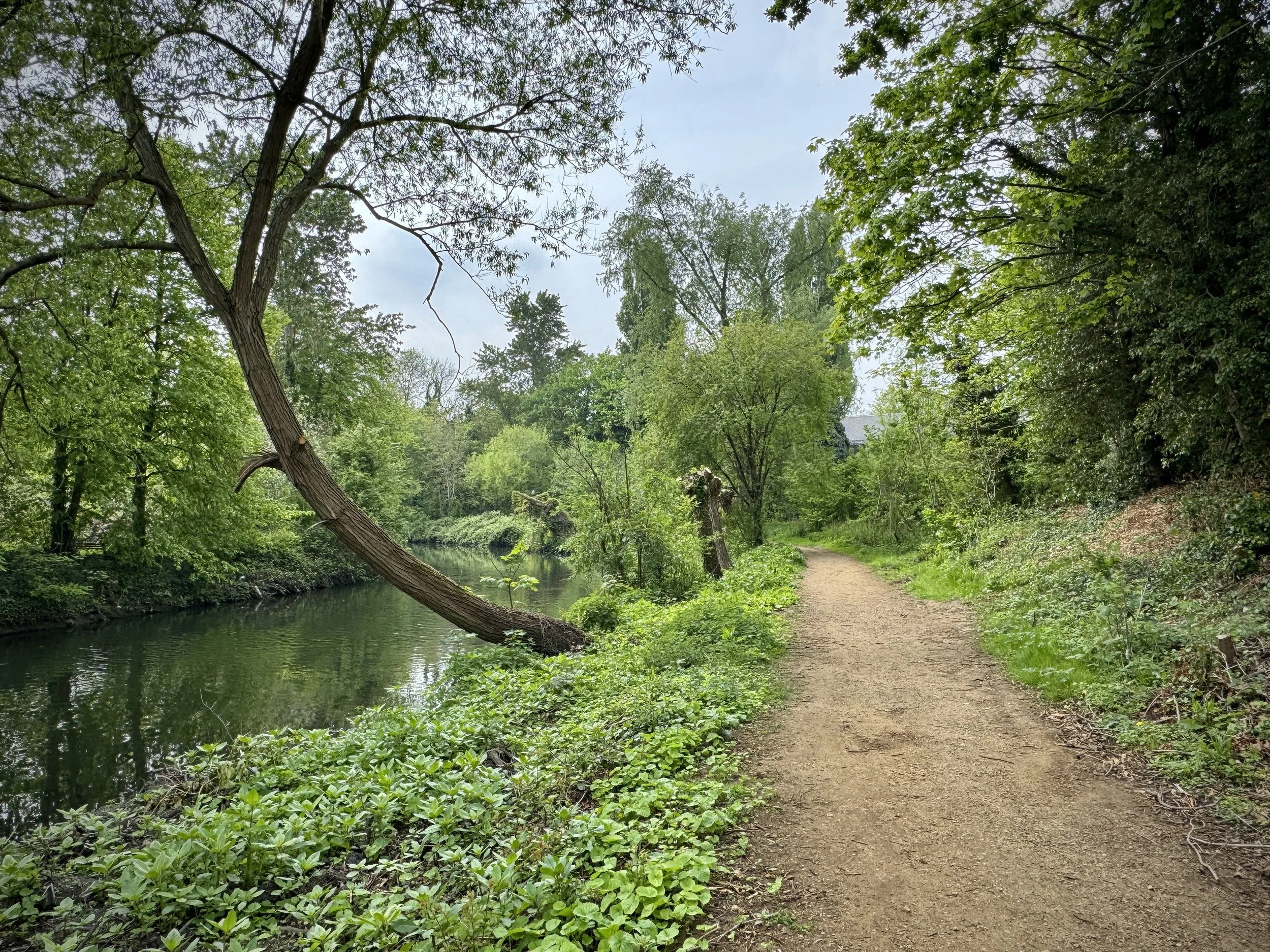
In the heart of West London, Ealing is famed for its leafy suburbs and Victorian charm. But for those seeking a true escape from the pavement, look no further than the River Brent Path. This green corridor, tracing the meandering route of the River Brent, offers a surprisingly wild and tranquil journey right on your doorstep.
The Brent River Park is the result of dedicated campaigning by the Brent River and Canal Society (BRCS) to protect the river valley from development. The resulting linear park stretches for approximately 7 km within the Borough of Ealing, encompassing about 400 hectares of connected green space.
Starting near Greenford and winding its way south towards Hanwell and the Grand Union Canal, the path connects several major open spaces, creating an uninterrupted haven for both wildlife and people. As you walk, you traverse a brilliantly varied landscape, from formal grounds like Pitshanger Park and Brent Lodge Park to stretches of wilder, almost rural-feeling woodland and meadows.
The walk is much more than just a riverside path; it is a journey past local history and nature. Here are a few highlights you can look forward to:
Brent Lodge Park and Hanwell Zoo: A perfect detour for families. Brent Lodge Park is home to a small, popular zoo, affectionately known to locals as "The Bunny Park."
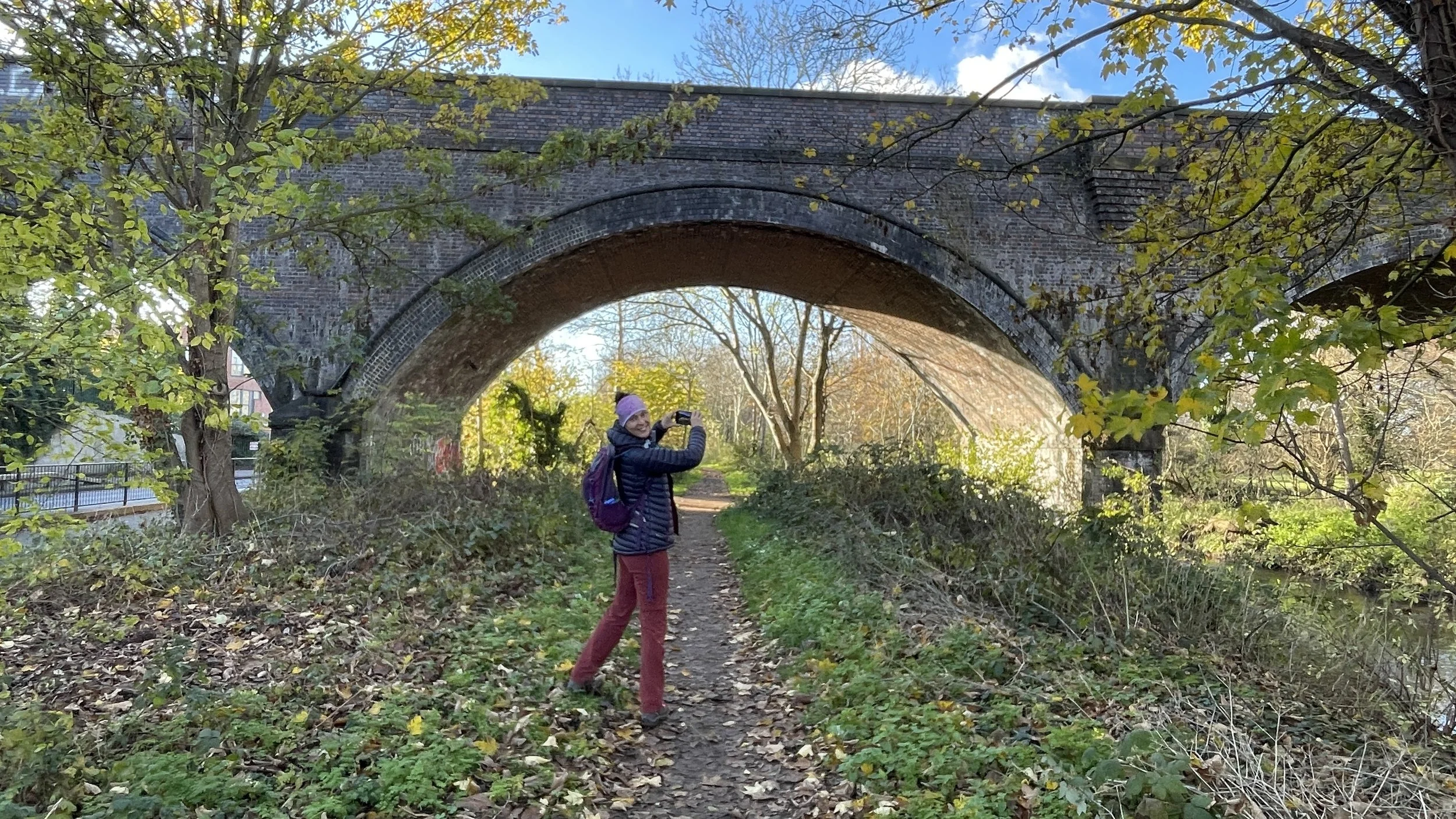
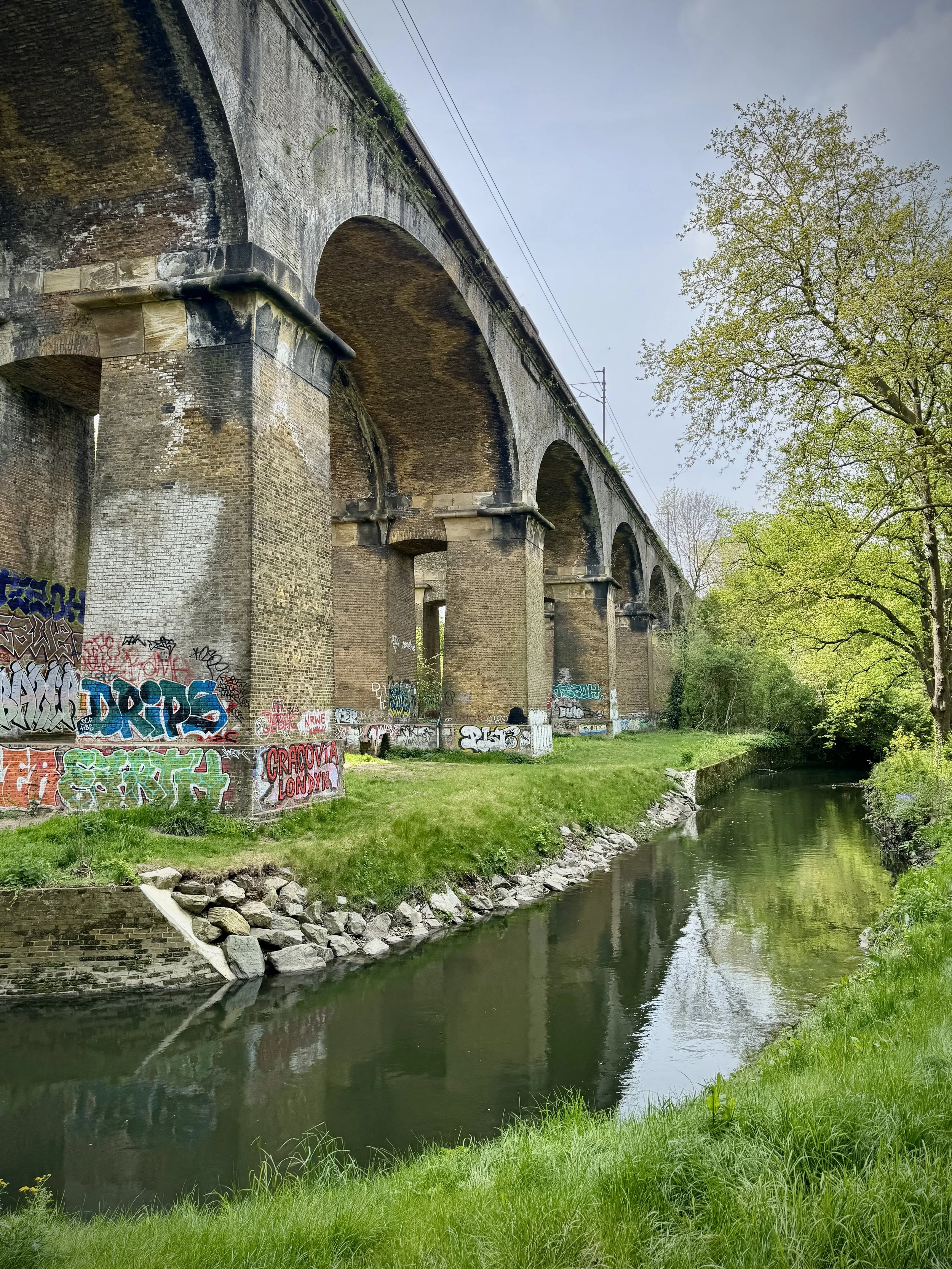
The Wharncliffe Viaduct: In Hanwell, keep an eye out for this magnificent brick structure. Designed by Isambard Kingdom Brunel, it carries the Great Western Main Line over the valley. It was actually Brunel's very first major structural design, and if you look closely, the viaduct includes specially built hollows that act as a protected roost for a colony of Daubenton's bats!
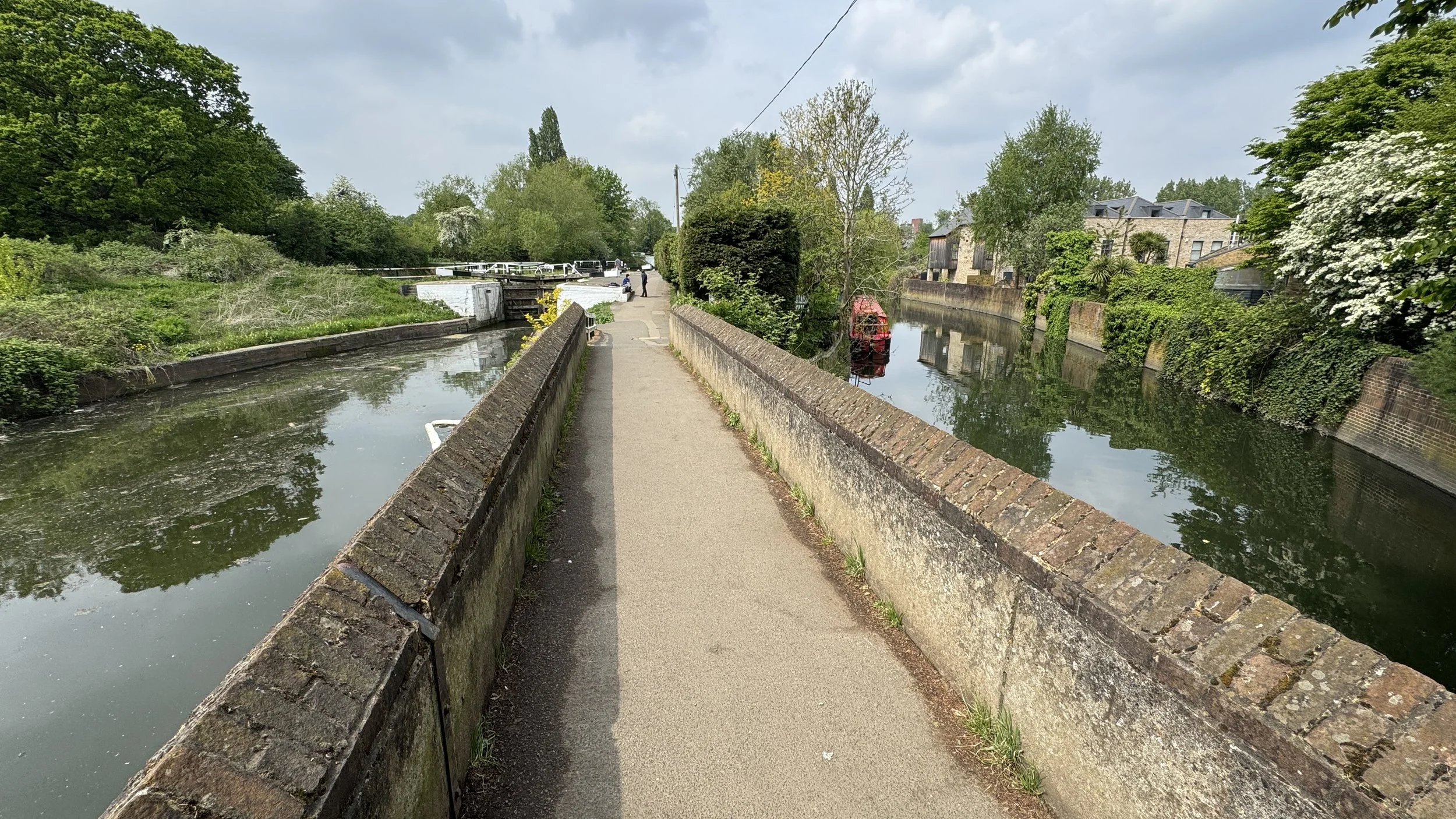
The Grand Union Canal: The path eventually converges with the Capital Ring and the Grand Union Canal Walk. Here, you can watch colourful narrowboats navigate the locks, notably the famous Hanwell Flight, a steep series of six locks designated as a Scheduled Ancient Monument.
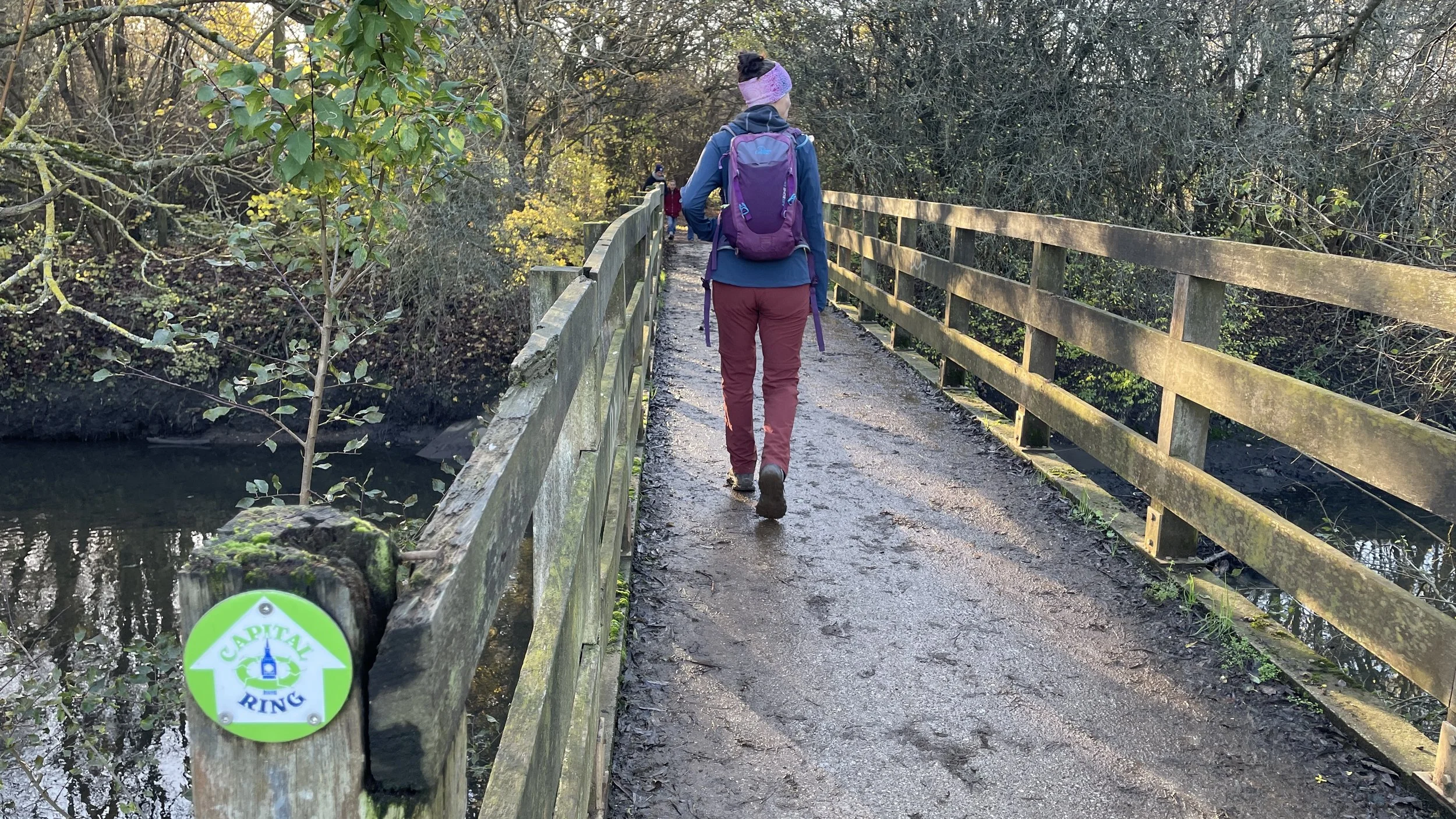
The route is well-signposted, often sharing its way with sections of the Capital Ring, making navigation straightforward and allowing for flexible starting and finishing points.
As a flat, easy walk, you could comfortably do it all in a day; however, we split it into two smaller walks of approximately 8 km, using Hanwell Zoo as the halfway point. There is a small free car park next to the Zoo on Church Road, and Hanwell Station (on the Elizabeth Line) is also very close to this midpoint. The River Brent officially meets the Thames at Brentford Creek, but rather than stopping exactly where the rivers meet, we continued a short distance along the Thames Path to finish the walk with a well-earned rest near Kew Bridge Station.
More London Posts
If you enjoyed reading this post, there is plenty more to explore across the capital. I have put together a dedicated London Outdoors page where I keep track of all my other adventures around the city. It is a handy index where I group my posts by the different types of places I have visited: including historic boundary lines, canal towpaths, and some surprising urban high points.
The collection covers a bit of everything: from long-distance cycling routes to tracing the underground network on foot, and ticking off another Saturday morning parkrun. If you are looking for some inspiration for your own weekend outings, head back over to the London Outdoors page to see what else I have been up to.
Cycling The Horton Brook and Datchet Common Brook

Black Park Lake on the Horton Brook
Part of the Chiltern Rivers Series
Cycle route start and end: Boundary of Black Park and Pinewood Studios, Fulmer
Cycle route length: 39.4 km (24.5 miles)
Cycle route elevation change: +/- 166m
GPX File: get via Buy Me a Coffee
Other routes touched (walk): Beeches Way, Shakespeare’s Way, Colne Valley Trail, Slough Arm Canal Towpath, Rowley Farm Trail
Other routes touched (cycle): NCN 6, 61
Maps:
- Chiltern Hills East Map | High Wycombe, Maidenshead & Rickmansworth | Ordnance Survey | OS Explorer Map 172
- Windsor, Weybridge & Bracknell Map | Thames Path | Ordnance Survey | OS Explorer Map 160
Links: Black Park, George Green, Grand Union Canal Slough Arm, Langley, Colnbrook, Horton, Wraysbury, National Trust Ankerwyke, Sunnymeads, Datchet Common, Ditton Park, Slough, Wexham
It had been a few years since I thought that I had completed all of the Chiltern and Colne Valley rivers. Then I discovered the Horton Brook and The Datchet Common Brook on a map and needed to explore them too. Both are small and easily missed unless you’re looking out for them. They snake through fields and residential areas to the east of Slough but you can walk or cycle fairly close to them if you know where to look. Both of the brook’s sources are close to each other at Fulmer and and have confluences with the Thames near Wraysbury. This means that both can be discovered in a 40 km cycle ride, following the Horton brook from the source then the Datchet Common Brook from its confluence back to the source.
Cycling the Horton Brook from the source to the confluence with the Thames
River start: Boundary of Black Park and Pinewood Studios, Fulmer
River end: Confluence with the River Thames in National Trust, Ankerwyke
River length: 19.7 km (12.2 miles)
Links: DEFRA: Horton Brook
We started our cycle trip at the north-eastern corner of Black Park at the junction of Fulmer Common Road, Alderbourne Lane and Pinewood Road. Different maps show the source of the Brook either right on this corner or a little further south along the boundary of Black Park and Pinewood Studios. I’ve been cycling and walking there for years but always thought that it was a ditch.
After ~700m from Fulmer Common Road, the Brook cuts diagonally across the Country Park to empty into Black Park Lake, emerging on the south western side near the path to the car park. After Black Park the Brook crosses under Rowley Lane and into Rowley Farm. We cycled through the farm on the Rowley Farm Trail but ended up taking a fairly convoluted route to not stay very close to the Brook. The easiest route is to follow the A420 to George Green, although be very careful here is it’s a busy dual carriageway.
After the A420 the Brook snakes through George Green, Middle Green, across Langley Park Road and under the Grand Union Canal Slough Arm. Cycling close to the Brook is pretty straightforward and there’s a nice straight section of the canal to follow. After leaving the canal at Mansion Lane you’ll cross uner the railway and take a left onto Parlaunt Road then right onto Old Slade Lane. Meanwhile, the Brook passes through a field and Ritchlings Park Golf Club. After crossing over the M4, leave the Colne Valley Trail at a footpath junction and follow a messy path initially parallel to the motorway then cutting through a field to cross over the A4 Colnbrook Bypass. Here you’ll briefly re-join the Colne Valley Trail through Colnbrook village. After Colnbrook follow Horton Road keeping the Brook and The Queen Mother Reservoir on your right. Cross over Datchet Road to follow Park Lane and onto the footpath through the lakes to Station Road.
At Station Road you can take a left heading east to the bridge where the Brook flows under and into Wraysbury Lake. According to the DEFRA site, this is where the Horton Brook ends. The Wraysbury Lakes Ditch takes water from the lake and into the Colne Brook, which itself flows into the Thames at Runnymede.
For a more interesting cycle ride we took a right onto Station Road, passing through Wraysbury High Street then took at right into Magna Carta Lane. Here you can pass through the National Trust Ankerwyke site to connect to an arm of the Horton Brook that joins the Thames to the east of Ankerycke Yew. The paths through the National Trust site are for walking so best to lock your bikes up at the parking area.
Cycling The Datchet Common Brook from the Thames to the source
River start: Fulmer Wood Lake, Slough, SL3 6AA
River end: Confluence with the River Thames near The Avenue, Sunnymeads, Wraysbury, Staines, TW19 5EY
River length: 11.3 km (7 miles)
Links: DEFRA: Datchet Common Brook
From the end of the Horton Brook return to the B376 Staines Road and take a left towards Wraysbury. At the mini roundabout continue on the B376, then take a left onto The Avenue at Sunnymeads. Look out for the bridge over the Datchet Common Brook near house #37. This is the closest you’ll get to the confluence with the Thames which is behind the houses on the western side of the road.
After the bridge, turn around and take the next left onto Acacia Avenue to Sunnymeads Station. Take the footpath on the right to climb the steps back up to Welley Road. Take a left and follow Welley Road to the junction with Datchet Road. Take a left onto Datchet Road and follow it in an easterly direction towards Datchet Common. The Brook follows the Datchet Road on the northern side, following the edge of the Queen Mother Reservoir.
Take a right onto Penn Road, a left onto New Road then a right onto Ditton Road. Take a right at the junction with Major’s Farm Road, running parallel with the M4 until you reach the footbridge. Cross the bridge over the motorway to the northern side and look out for the entrance to Ditton Park on the corner of Ridig Court Road and Ditton Park Road.
You’re now in the most enjoyable part of the ride, following the course of the Brook through Ditton Park to Upton Court Road. At the north-eastern corner of Upton Park, take Quaves Road onto Lascelles Road then take a left on the A4 Wellington Street, crossing over to the northern side where safe to do so. At the large Sainsbury’s Roundabout take the A412 heading north. After crossing over the railway line and canal you can follow the quieter residential roads that run parallel to the A412.
Take a left onto Church Lane then a right onto Wexham Park Lane. Look out for the bridge over the Brook at Valley End at the bottom of the hill. Shortly after Valley End, at a curve in the road, take the footpath on the left called Gallions Lane and follow it in a northerly direction. The Brook will now be on your left running through Wexham Park Golf Course. Just before the end of Gallions Lane take a right to follow the path running parallel to Rowley Lane to the end at Black Park Lane. Follow Black Park Lane in a northerly direction to the end at Fulmer Common Road. When you meet the Shakespeare’s Way and Beeches Way that join from the left you’re now as close as you’ll get to the source of the Datchet Common Brook at Fulmer Wood Lake.
Take a right onto Fulmer Common Road to return to the start of the cycle ride at the north-eastern corner of Black Park
Red = Cycle Route, Green = Datchet Common Brook, Blue = Horton Brook


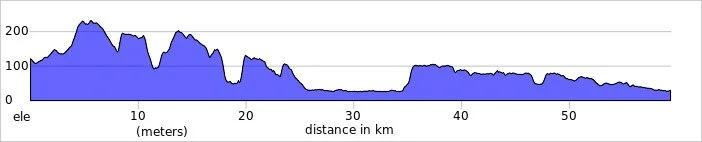
Elevation for cycle route
Walking The Shakespeare's Way: The Chilterns Section

Rotten Row
The Shakespeare’s Way is a 235 km / 146 mile mile long-distance path connecting Shakespeare's birthplace in Stratford-upon-Avon with the Shakespeare's Globe (Theatre), Southwark, London. A 34km section of the path cuts through the Chiltern Hills National Landscape in a south-easterly direction. Our walks take in short sections of the Shakespeare’s Way and loop back to the start on other paths. The Shakespeare’s Way is reasonably well marked however you’ll need a map or GPX route to keep on track for the return sections of the loops. The guidance below will help but don’t use it as a fully accurate turn-by-turn guide.
Point to Point: Britwell Salome to The Grand Union Canal at Yiewsley
Start: Britwell Salome, Watlington, OX49 5LG
Finish: Grand Union Tow Path, Yiewsley, West Drayton, UB7 7XN
Distance: 59 km (36.7 miles)
Elevation change: + 665 / - 755m. Net +90m
GPX File: get via Buy Me a Coffee
Maps: See individual section posts linked below.
- Chiltern Hills West Map | Henley-on-Thames & Wallingford | Ordnance Survey | OS Explorer Map 171
Links: Shakespeare’s Way (LWDA), See individual section posts linked below for other links.


Walking The Shakespeare’s Way Chilterns Section in 12 Circular Routes
If you’re not up for an 59 km walk in one go, you can take in the Shakespeare’s way in 12 circular walks of between 6 and 13 km each. We chose this option, completing all 12 sections over a few years from 2020 to 2025. The advantage of this option is exploring more of the villages and side paths close to the route. After Route 12 you can follow the Beeches Way to reach Yiewsley and the end of the Chilterns Section of the Shakespeare’s Way.
Note that these walks take you through the Chilterns Hills National Landscape. See the Walking The Beeches Way post for the continuation from Cookham to Yiewsley

Each number refers to a circular walk below. Base map: Esri Topo via RideWithGPS

Part 1: Britwell Salome and Lower Warren
Distance: 7.8 km (4.8 miles)
Elevation change: +/- 123m
Shakespeare’s Way section covered: Britwell Salome to The Ridgeway: 2.2 km

Part 2: Swyncombe and The North
Distance: 8.1 km (5 miles)
Elevation change: +/- 176m
Shakespeare’s Way section covered: The Ridgeway to Cookley Green: 3.8 km

Part 3: Swyncombe and Park Corner
Distance: 9.9 km (6.2 miles)
Elevation change: +/- 199m
Shakespeare’s Way section covered: Cookley Green to The Chiltern Way near Maidensgrove: 2.1 km

Part 4: Nettlebed, Park Corner and Maidensgrove
Distance: 8.5 km (5.3 miles)
Elevation change: +/- 159m
Shakespeare’s Way section covered: The Chiltern Way near Maidensgrove to Park Lane: 1.2 km

Part 5: Russell's Water, Pishill and Maidensgrove
Distance: 9.2 km (5.7 miles)
Elevation change: +/- 166m
Shakespeare’s Way section covered: Maidensgrove Common to farm at south Maidensgrove: 1.32 km

Part 6: Stonor and Turville Heath
Distance: 10 km (6.2 miles)
Elevation change: +/- 208m
Shakespeare’s Way section covered: Farm at south of Maidensgrove to Southend: 5.9 km

Distance: 12.3 km (7.6 miles)
Elevation change: +/- 216m
Shakespeare’s Way section covered: Southend to Hambleden: 5.4 km

Part 8: North-east Hambleden Circular
Distance: 9.7 km (6 miles)
Elevation change: +/- 145m
Shakespeare’s Way section covered: Hamble Brook to Rogues Plantation: 2.9 km

Part 9: Bovingdon Green and Shillingridge Wood
Distance: 10.9 km (6.8 miles)
Elevation change: +/- 152m
Shakespeare’s Way section covered: Rogues Plantation to Pullingshill Wood: 2.5 km

Part 10: Marlow and Harleyford
Distance: 10.2 km (6.3 miles)
Elevation change: +/- 94m
Shakespeare’s Way section covered: Pullingshill Wood to The Thames Path at Marlow: 3.4 km

Distance: 11.4 km (7 miles)
Elevation change: + / - 65m
Shakespeare’s Way section covered: The Thames Path at Marlow to Bourne End Rail Bridge: 3.4 km

Part 12: Bourne End, Cookham and Wooburn
Distance: 8.2 km (5.1 miles)
Elevation change: +/- 83m
Shakespeare’s Way section covered: Bourne End Rail Bridge to Broad Lane, Widmoor: 3.9 km
Walking the River Wey Part 1: Weybridge and Desborough Island

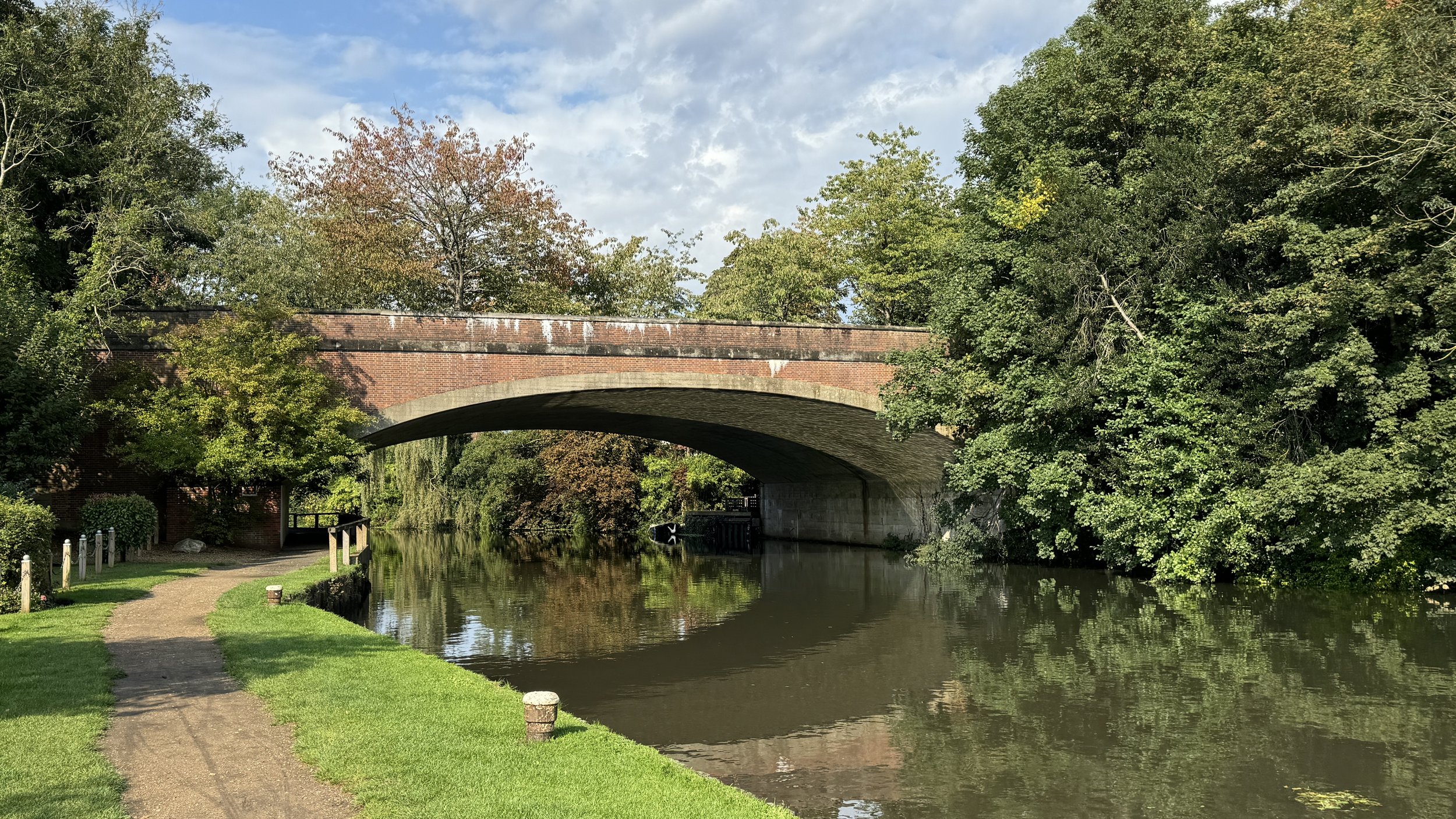
The Old Wey Bridge
Start & Finish: Churchfield Car Park, Churchfield Road, Weybridge, KT13 8DB
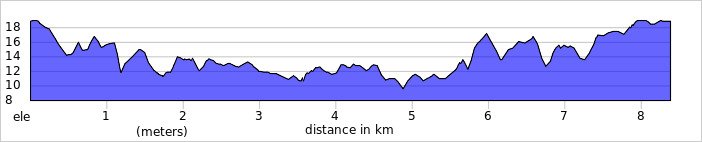
Distance: 8.4 km (5.2 miles)
Elevation Change: +/- 34m
GPX File: get via Buy Me a Coffee
Other Routes Touched (walk): Wey Navigation Footpath, Locks and Levels, Thames Path
Other Routes Touched (cycle): NCN 4
London Coal Duty Posts: 91, 92, 93
Cafe / pub on route: Several in Weybridge Town Centre, The Old Crown and The Minnow (2.2 km in), D'Oyly's (2.7 km in)
Map: OS Explorer Map (160) Windsor, Weybridge & Bracknell
Links: Weybridge, Wey Navigation, River Wey, River Wey and Godalming Navigations (National Trust), D'Oyly Carte Island, Desborough Island, Desborough Cut,
This is the first of a series of short circular walks along the River Wey and the Wey Navigation canal in Surrey. The guidance below will help you navigate but don’t use it as a fully accurate turn-by-turn guide. Always take a map and/or a GPX route and prepare well for the weather and terrain.
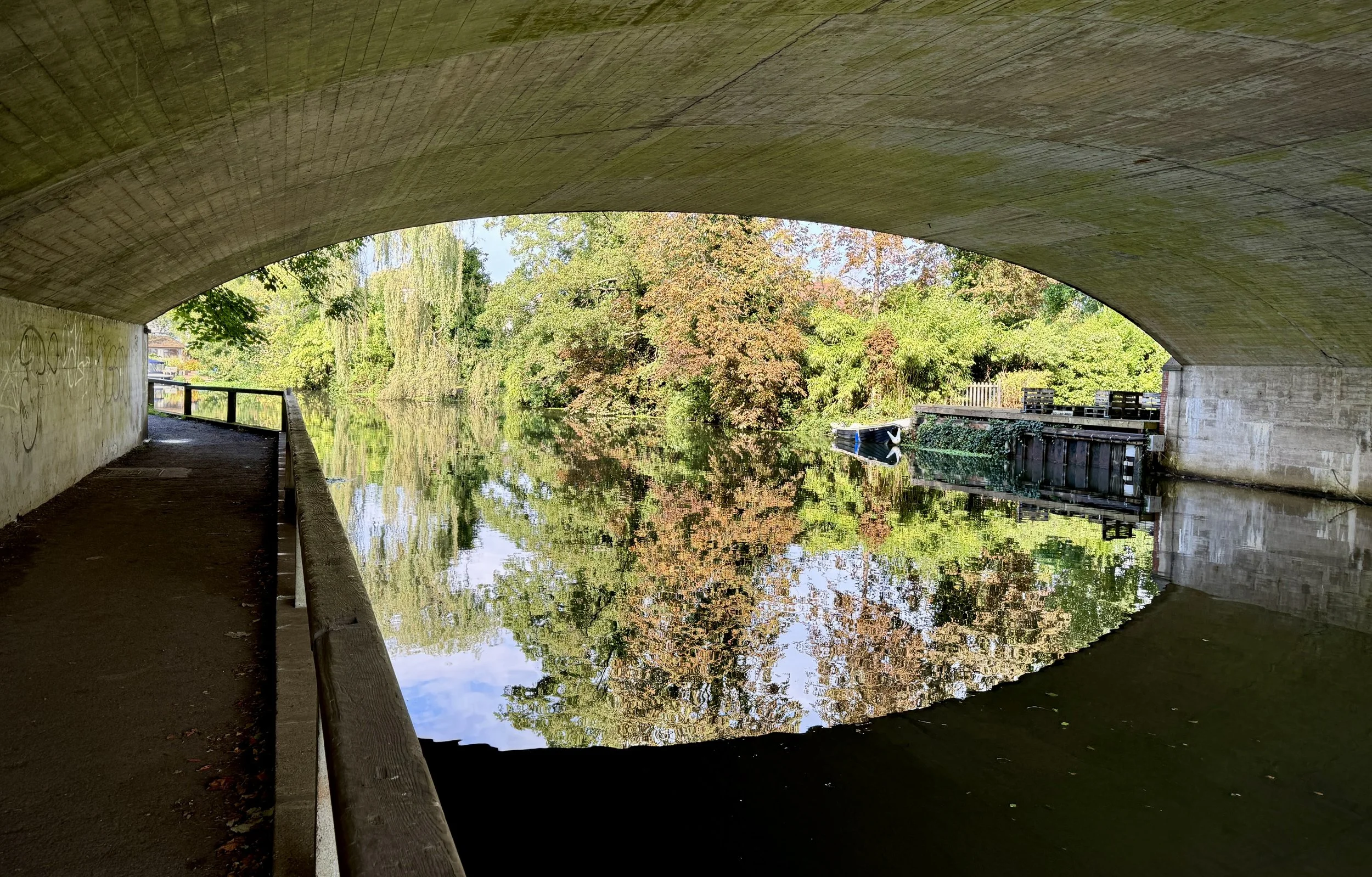
This walk starts at the Churchfields Car Park in Weybridge town centre. Walk along Church Street in a south-westerly direction then take a right onto Bridge Street. Soon you’ll cross the old Wey Bridge which the town took its name from. The bridge crosses over both the River Wey and the Wey Navigation. Once over the bridge take a right to step down to the Wey Navigation footpath to follow it in a northerly direction towards the confluence with the River Thames. You’ll pass a lot of large, expensive houses on the route. At 1.6 km into the walk you’ll reach Thames Lock, the final lock on the Wey Navigation. Cross over to the right hand side of the lock and follow the path that crosses over the River Wey onto Church Walk. Take a left onto Church Walk, cross over Jessamy Road and follow the path to Thames Street. Take a left onto Thames Street, heading north and pass the Old Crown and The Minnow pubs. Take a left into the small car park next to the Rowing Club to join the path by the River Thames.
Follow the path by the Thames in a north-easterly direction. Soon you'll pass the small ferry where you’ll pick up the Thames Path National Trail. Next you’ll pass D’Oyly Carte Island where there a good, and often busy, cafe. Just after D’Oyly Carte Island, you’ll reach the Desborough Cut, an artificial channel, completed in the 1930s, that bypasses a meandering stretch of the Thames near Shepperton. The Thames Path National Trail follows the Cut, but for this walk we crossed over the Walton Lane bridge to follow the path along the northern side of Desborough Island to stay close to the original course of The Thames.
At the eastern end of Desborough Island cross over the bridge and walk down the steps to rejoin the Thames Path. After 100m, cross over Walton Lane to pick up Broad Water Walk, a path that follows the southern edge of the Engine River and Broad Water lake. Follow this path in a westerly direction until you reach Grenside Road. Take a left to follow Grenside Road south, onto Thames Street, then High Street where you’re back at the start of the walk at Weybridge town centre.




Next section (south): Walking the River Wey Part 2: Weybridge Locks and Levels
Cycling The Basingstoke Canal

Where the Basingstoke Canal meets the Wey Navigation at New Haw
Start: Greywell Tunnel, 134 Hook Road, Greywell, Hook, RG29 1BY
Finish: Thames Towpath parking, 91 Thames St, Weybridge, KT13 8LR
Distance: 55.6 km (34.5 miles)
Elevation change: +246m / -318m. Net -72m
GPX File: get via Buy Me a Coffee
Other routes touched (walk): Three Castles Path, Blackwater Valley Path, River Wey Navigation Path, Locks and Levels,
Other routes touched (cycle): NCN 221, 223, 4,
Pubs / Cafes on route: The Fox and Goose at the start. Several just off-route but we stopped in Fleet (16 km in) and Woking (43.5 km in) and The Old Crown near the end.
Maps:
- Basingstoke, Alton & Whitchurch Map | Odiham, Overton & Hook | Ordnance Survey | OS Explorer Map 144
- Guildford & Farnham Map | Godalming & Farnborough | Ordnance Survey | OS Explorer Map 145
- Windsor, Weybridge & Bracknell Map | Thames Path | Ordnance Survey | OS Explorer Map 160
Links: Basingstoke Canal, Greywell, Greywell Tunnel, Odiham Castle, Fleet, Woking, Aldershot, Mytchett, River Wey Navigation, River Wey
The Basingstoke Canal is a navigable waterway that runs through Hampshire and Surrey. Originally built in the late 18th century to transport goods between Basingstoke and the Thames, the canal fell into disuse in the mid-20th century. The first 10 km from Basingstoke to the Greywell Tunnel is either completely lost or unnavigable. Most of the eastern side of the canal after is navigable albeit the first couple of km only suitable for canoes and paddleboards.
We completed the full length of the canal in 2 sections. The first section was a walk of the “lost” part from Basingstoke to Greywell and the section section a tow-path cycle ride from Greywell to the Thames. See my previous post for the first section and read on for part 2.
The first point of interest is only 1 km into the ride. On the left hand side of the path you’ll find the ruins of Odiham Castle, build in the early 1200s for King John. I had already visited it on a Three Castles Path walk a few years ago but it had a bit of restoration work since then.
Our trip was on a misty late-summer Sunday morning which made for a very pleasant quiet ride along the misty canal. Cycling in this direction shows the gradual increase of its use from overgrown and empty at Greywell to an active use at Woking. The canal takes it’s time to get to the Thames, meandering around the contours on a consistent level at the start before a much straighter and steeper descent at the end.
Navigation is super-simple (just stick to the tow-path) and there’s lots of options just off the path for food stops. We stopped at Fleet and Woking, both big towns, although there’s other choices if you keep an eye on the map.
The Basingstoke Canal ends at Woodham Junction near Byfleet and New Haw railway station. Here the canal joins the Wey Navigation and its where the Waterloo to Basingstoke railway line crosses under the M25. This is an obvious place to stop if you just want to complete the Basingstoke Canal and you also have the option here to return to Basingstoke by train.
We weren’t done yet though as we wanted to reach the Thames. We crossed the small bridge over the Wey Navigation and took a left to follow the towpath on the eastern side toward Weybridge. The Wey Navigation meets the River Wey 4km north of Woodham Junction. Keep to the towpath on the western edge of the Wey Navigation to the end point at the confluence of the Wey and the Thames.


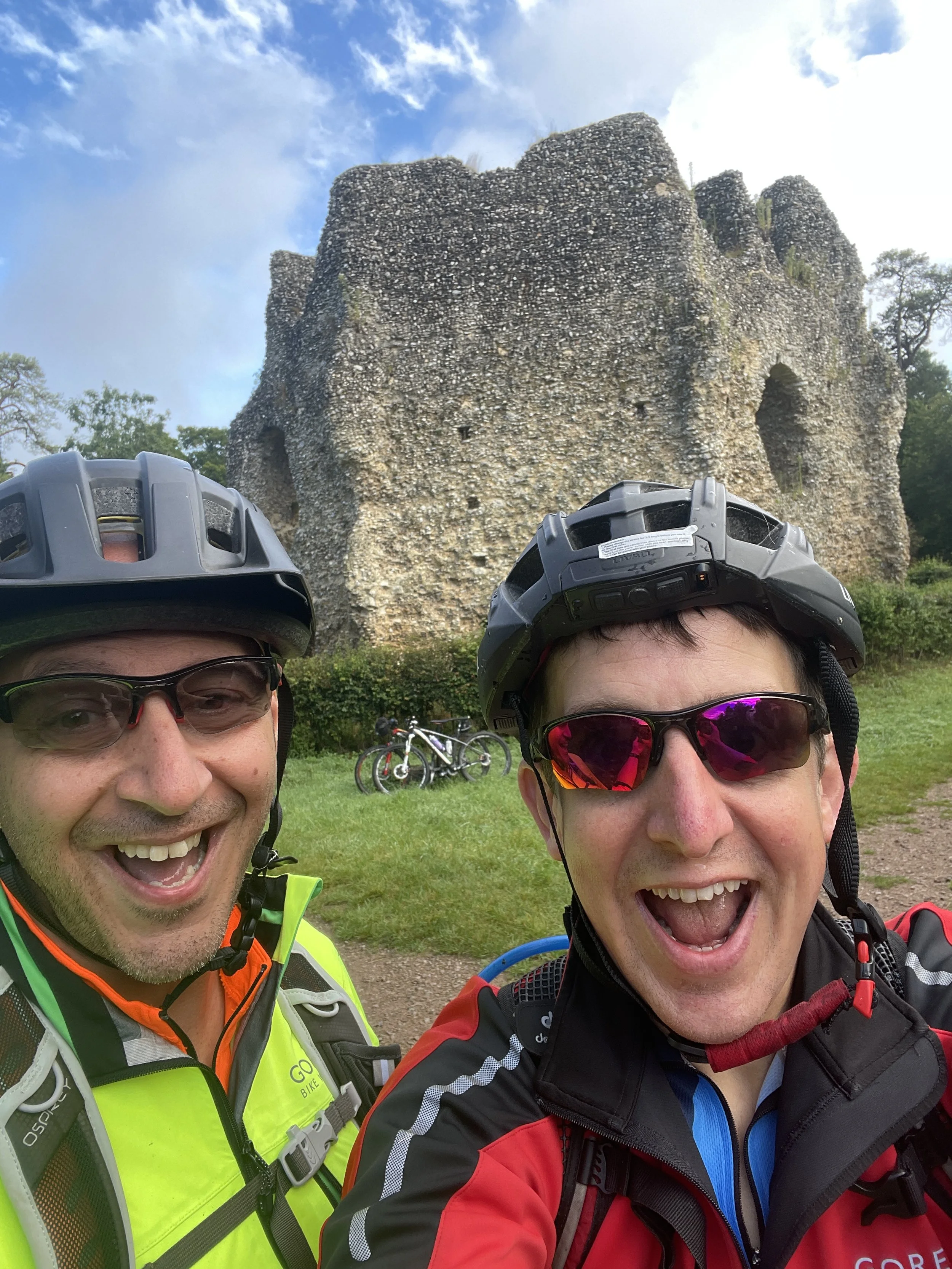


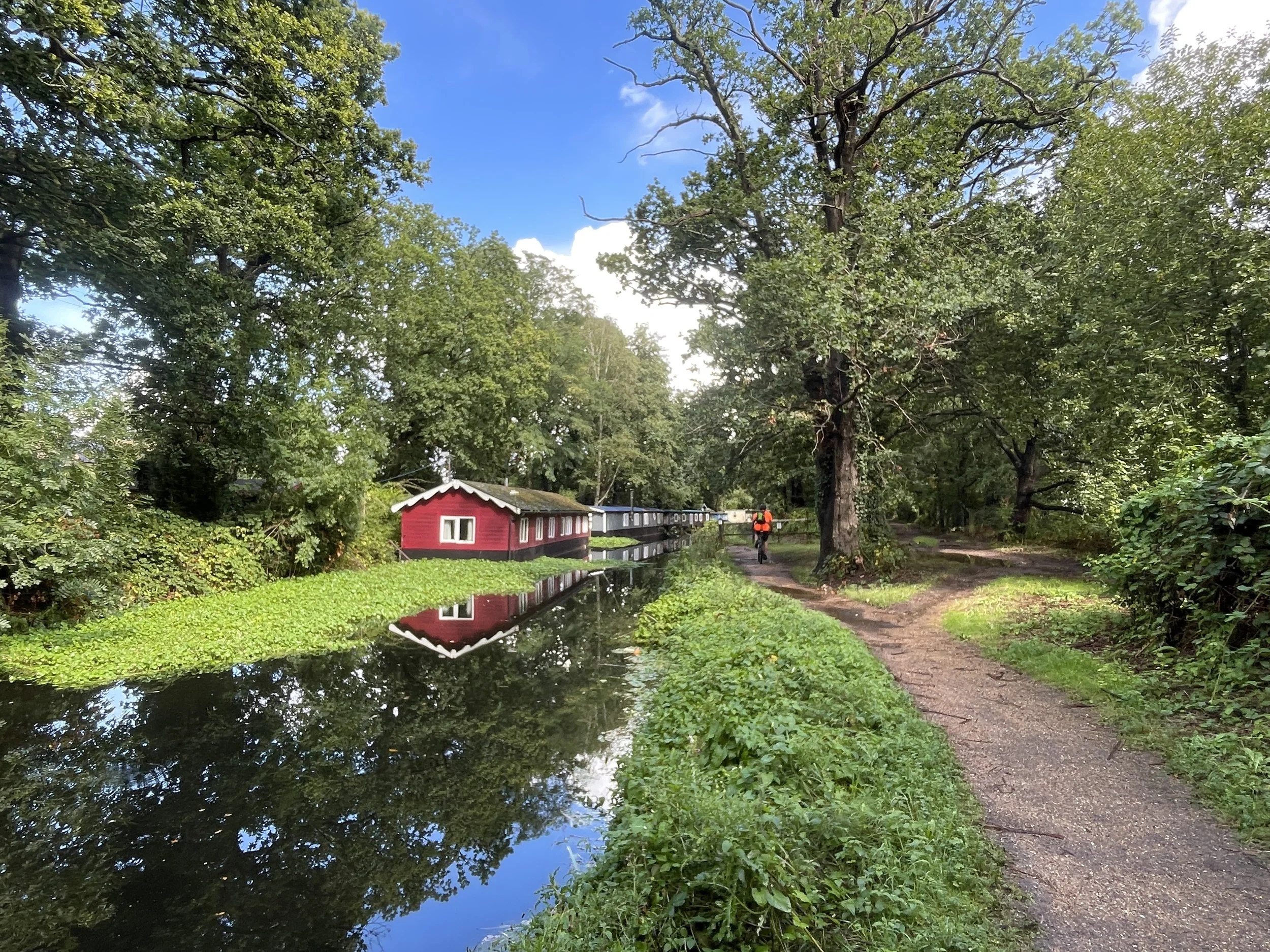


Walking The Limehouse Cut and Hertford Union Canal

House Mill
Start: Canary Wharf Station, Canada Square, London, E14 5AB
Finish: Bethnal Green Underground Station, Cambridge Heath Road, Bethnal Green, London, E2 0ET
Distance: 10.6 km (6.6 miles)
Elevation change: + 58m / -53m. Net -5m
GPX File: get via Buy Me a Coffee
Other routes touched (walk): Thames Path, Greenwich Meridian Trail, Lee Valley Walk, Jubilee Greenway, Capital Ring, London to Walsingham Camino, Regents Canal Towpath
Other routes touched (cycle): Prime Meridian Cycle Route, NCN 1, 13, C2
Pubs / Cafes on route: Several at the Start and End at Canary Wharf and Bethnal Green. Also the Cafe at House Mill (5.1 km in) and several at the junction of the Lee Navigation and Hertford Canal (7.3 km in)
Map: London North Map | The City, West End, Enfield, Ealing, Harrow & Watford | Ordnance Survey | OS Explorer Map 173
Links: Canary Wharf, Limehouse Basin, Limehouse Cut, Bow Locks, Lee Navigation, House Mill, Hertford Union Canal, Regent’s Canal, Bethnal Green
This is a short, flat, and deeply interesting canal-side walk in the east of London. For us, it was the perfect epilogue to the Regent's Canal walk that we completed the previous year, taking in two short canals that both intersect with the eastern end of the Regent's. We started the walk from Canary Wharf Elizabeth Line Station, but if you want to shorten it by 2 km, you could also easily start from the Limehouse DLR Station.
From Canary Wharf, walk in a westerly direction across Cabot Square and Westferry Circus to the north bank of the River Thames. Take a right and follow the Thames Path to Limehouse Basin. Take a right into the basin, keeping to the eastern edge of the marina until you get to the Limehouse Cut.
The Limehouse Cut is actually London's oldest canal, opened way back in 1770 to relieve congestion on the River Thames and provide a more direct, non-tidal route for sailing barges bringing grain and malt down from Hertfordshire. The Cut is just over 2km long and is initially straight, then turns in a curve to Bow Locks, where the Lee Navigation meets Bow Creek. On this walk, you will follow the path between the Lee Navigation and Bow Creek to reach House Mill at the entrance to Three Mills Island. The House Mill is the largest surviving tidal mill in Britain, built in 1776, it once supplied huge quantities of flour to the local gin distilleries! It has a small exhibition and a cafe if you are ready for a rest at this halfway point in the walk.
After House Mill, cross over to the western side of the Lee Navigation and continue north along the towpath. You will pass through some fascinating post-industrial land in various stages of redevelopment before reaching the edge of the Olympic Park. Here you will find several brilliant canal-side options for food, all of which were a bit too busy when we arrived on a Saturday afternoon.
Cross over to the western side of the canal at White Post Lane, take a left, and then a right onto the Hertford Union Canal. Originally known as Duckett's Canal after the man who funded it in 1830, it is just over a mile long. It was essentially built as a commercial shortcut, connecting the Lee Navigation straight to the Regent's Canal so that barges could bypass the crowded, toll-heavy Thames altogether. It passes beautifully between Victoria Park on the northern side and residential housing to the south.
When you reach the Regent's Canal, take a left and walk south for 200m, then cross over the Roman Road Bridge. Follow Roman Road for 1km to the end of the walk at Bethnal Green Underground Station.


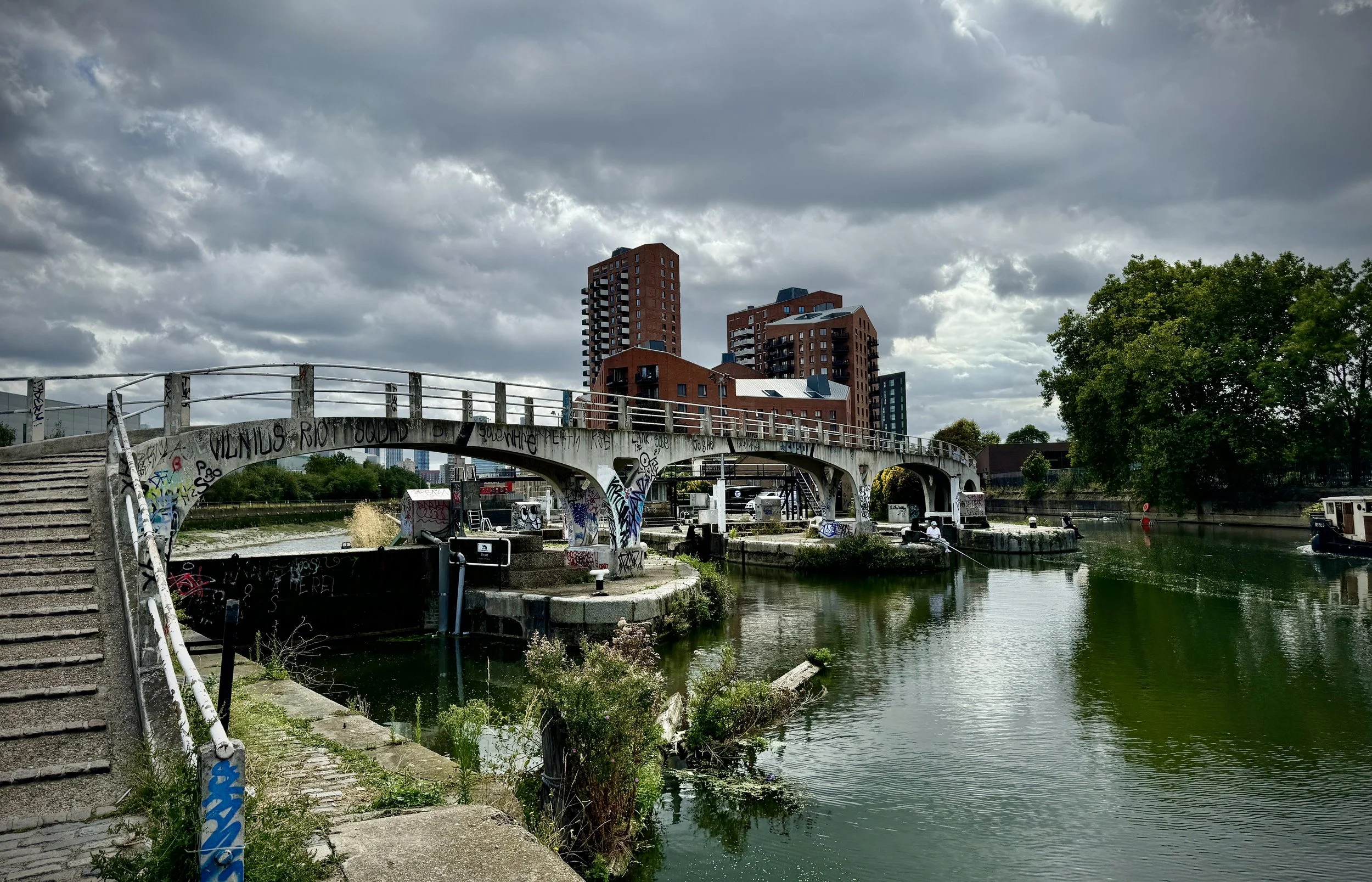


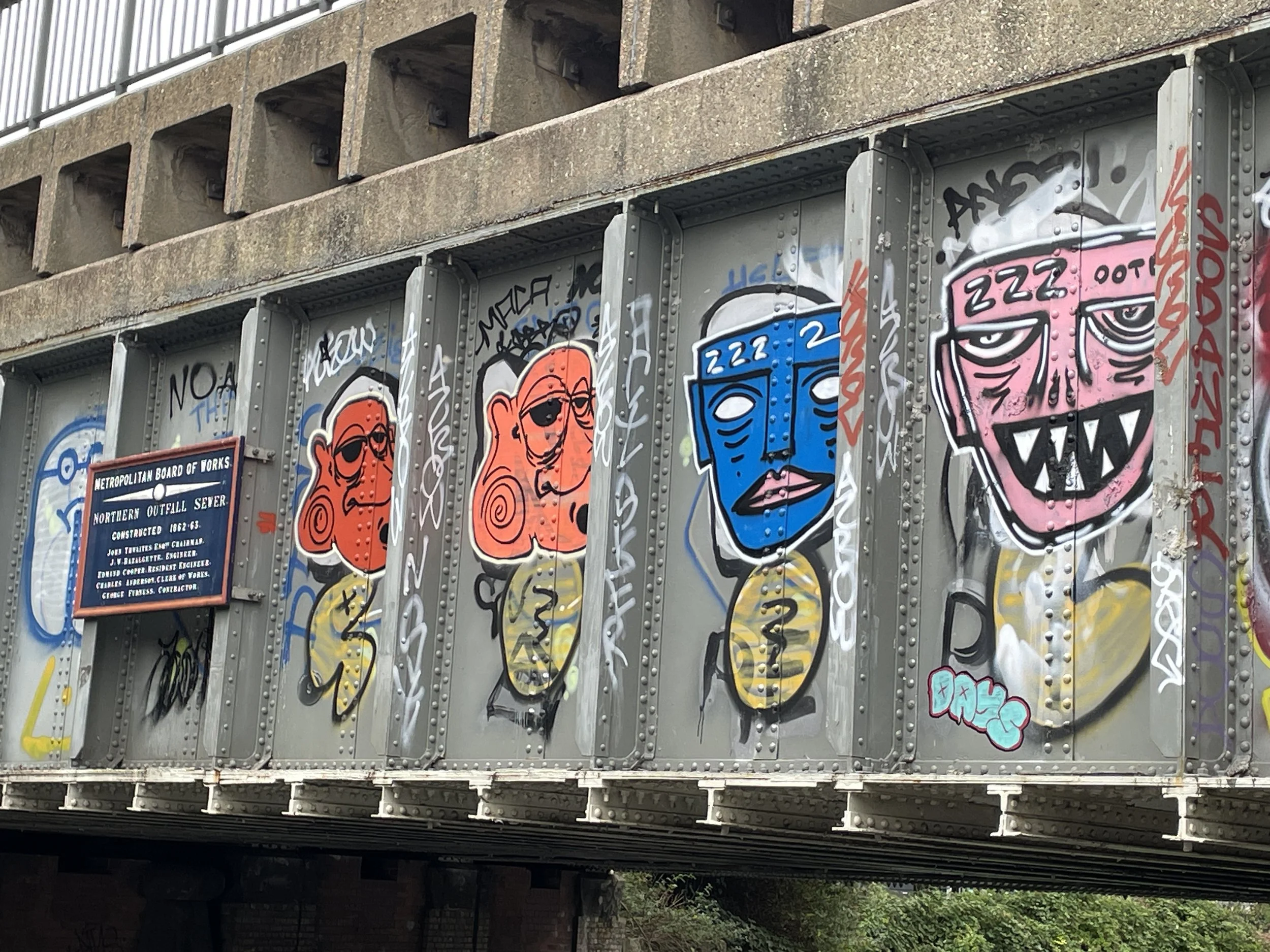



More London Posts
If you enjoyed reading this post, there is plenty more to explore across the capital. I have put together a dedicated London Outdoors page where I keep track of all my other adventures around the city. It is a handy index where I group my posts by the different types of places I have visited: including historic boundary lines, canal towpaths, and some surprising urban high points.
The collection covers a bit of everything: from long-distance cycling routes to tracing the underground network on foot, and ticking off another Saturday morning parkrun. If you are looking for some inspiration for your own weekend outings, head back over to the London Outdoors page to see what else I have been up to.
RideLondon 2024

Brian and I, somewhere in Essex. Photo by Sportograf
Start: The Embankment, Temple, London, EC4Y 9BS
Finish: Tower Bridge, Tower Bridge Road, London, SE1 2UP
Distance: 166 km (103 miles)
Elevation change: +/- 1,090m
GPX File: get via Buy Me a Coffee
Other routes touched (cycle): C3, C22 NCN 1, 13, 16
Maps:
- London North Map | The City, West End, Enfield, Ealing, Harrow & Watford | Ordnance Survey | OS Explorer Map 173
- Greenwich & Gravesend Map | East End, Docklands, Bromley, Sidcup & Thurrock | Ordnance Survey | OS Explorer Map 162
- Epping Forest & Lee Valley Map | Hertford & Harlow | Ordnance Survey | OS Explorer Map 174
- Chelmsford &The Rodings Map | Maldon & Witham | Ordnance Survey | OS Explorer Map 183
- Braintree & Saffron Walden Map | Halstead & Great Dunmow | Ordnance Survey | OS Explorer Map 195
Links: RideLondon, Wikipedia: RideLondon
RideLondon had been on my back-burner for years. It began life in 2013 as Prudential RideLondon, following the route of the 2012 Olympics road race from London to the Surrey Hills and back. In the early years it was so popular that there was a ballot for places. I didn't get in for a years, then missed a few as it coincided with our summer holiday dates, then I kind of forgot about it.
The route changed completely in 2022 when it moved from Surrey to Essex. There was also no ballot and the date changed to late May. After my friend Brian did it in 2023 it soon came back to the top of my list.
It had been a long time since I'd done an organised cycling event, preferring self-organised bike-packing adventures instead. I didn't doubt that I could do the distance but I was concerned about what bike I would take. A light road bike is the obvious choice but I had one stolen a few years back. My only other one is very old and permanently lives on my turbo-trainer for Zwifting. Rather than go through the faff of renting a bike I decided to go on my mountain bike. It's really heavy and definitely not intended for 100 miles of road, but I love riding it. I decided that the extra effort was worth the time and cost saved from other options.
The event day was awesome. It was expertly organised with 25,000 cyclists getting though 103 miles of closed roads. The route follows a diverse mix of Central London to Canary Wharf, the East End through Newham and a long stretch of the A12 dual carriageway before the more pleasant North-London suburbs and quiet Essex countryside.
Brian and I kept together for the first 70 miles then I slipped back a bit and stopped for a few minutes to pick up some more water. Brian would have waited but his RideLondon app showed me as being ahead of him so he powered on.
Brian arrived at the Tower Bridge finish line 20 minutes head of me. After the official timings had filtered out the welfare stop, our finish times were only 9 minutes apart. Given the heaviness of the bike I had I was very pleased.
Completing RideLondon takes me to 2 out of the 3 events that I need for the London Classics Medal. I already had the London Marathon in the bag so it's just the 2 mile Serpentine Swim to complete. I just need to learn how to swim now ....




Chiltern Walks: Marlow and Harleyford

Pullingshill Wood
Start & Finish: Entrance to Higginson Park off High Street, Marlow, SL7 2AB
Distance: 10.2 km (6.3 miles)
Elevation change: +/- 94m
Shakespeare’s Way section covered: Pullingshill Wood to The Thames Path at Marlow: 3.4 km
GPX File: get via Buy Me a Coffee
Other routes touched (walk): Thames Path, Shakespeare’s Way, Chiltern Way
Other routes touched (cycle): None
Pubs / Cafes on route: Cafe in Higginson Park at start and finish. Harleyford Golf Club bar (4km in). Many in Marlow High Street.
Map: Chiltern Hills East Map | High Wycombe, Maidenshead & Rickmansworth | Ordnance Survey | OS Explorer Map 172
Links: Marlow, Harleyford, Harleyford Estate, Pullingshill Wood & Marlow Common
The Shakespeare’s Way is a 235 km / 146 mile mile long-distance path connecting Shakespeare's birthplace in Stratford-upon-Avon with the Shakespeare's Globe (Theatre), Southwark, London. A 34km section of the path cuts through the Chiltern Hills National Landscape in a south-easterly direction. Our walks take in short sections of the Shakespeare’s Way and loop back to the start on other paths. The Shakespeare’s Way is reasonably well marked however you’ll need a map or GPX route to keep on track for the return sections of the loops. The guidance below will help but don’t use it as a fully accurate turn-by-turn guide.
For this walk we parked at Pound Lane car park at the northern end of Higginson Park. From here follow the Thames Path in a south-westerly direction for just over 2km. Take a right onto Harleyford Lane and follow it for 1km to to a T junction. Take a left and follow the footpath in a westerly direction through the Harleyford Estate. Approximately 600m past the Golf Course Club House you’ll reach a path junction in the woods. Take a right here and follow the path to the A4155 Henley Road. Cross over the A4155 and take a right onto Thames Reach. This will curve round to the north through RAF housing.
Continue along Thames Reach then North Close and into the footpath into Hog and Hollowhill Nature Reserve. Continue in a northerly direction into Pullingshill Woods. Look out for the information board detailing the woods’ history as a WW1 trench training. Shortly after the information board you’ll reach the junction with the Chiltern Way/Shakespeare’s Way.
Take a right onto Chiltern Way/Shakespeare’s Way and follow the path in a south-easterly direction. After ~300 the Chiltern Way and Shakespeare’s Way split. Leave the Chiltern Way and keep on the Shakespeare’s Way continuing in a south-easterly direction. When you reach the A4155 Henley Road, cross over and follow Pound Lane all the way back to the Pound Lane car park at Higginson Park.

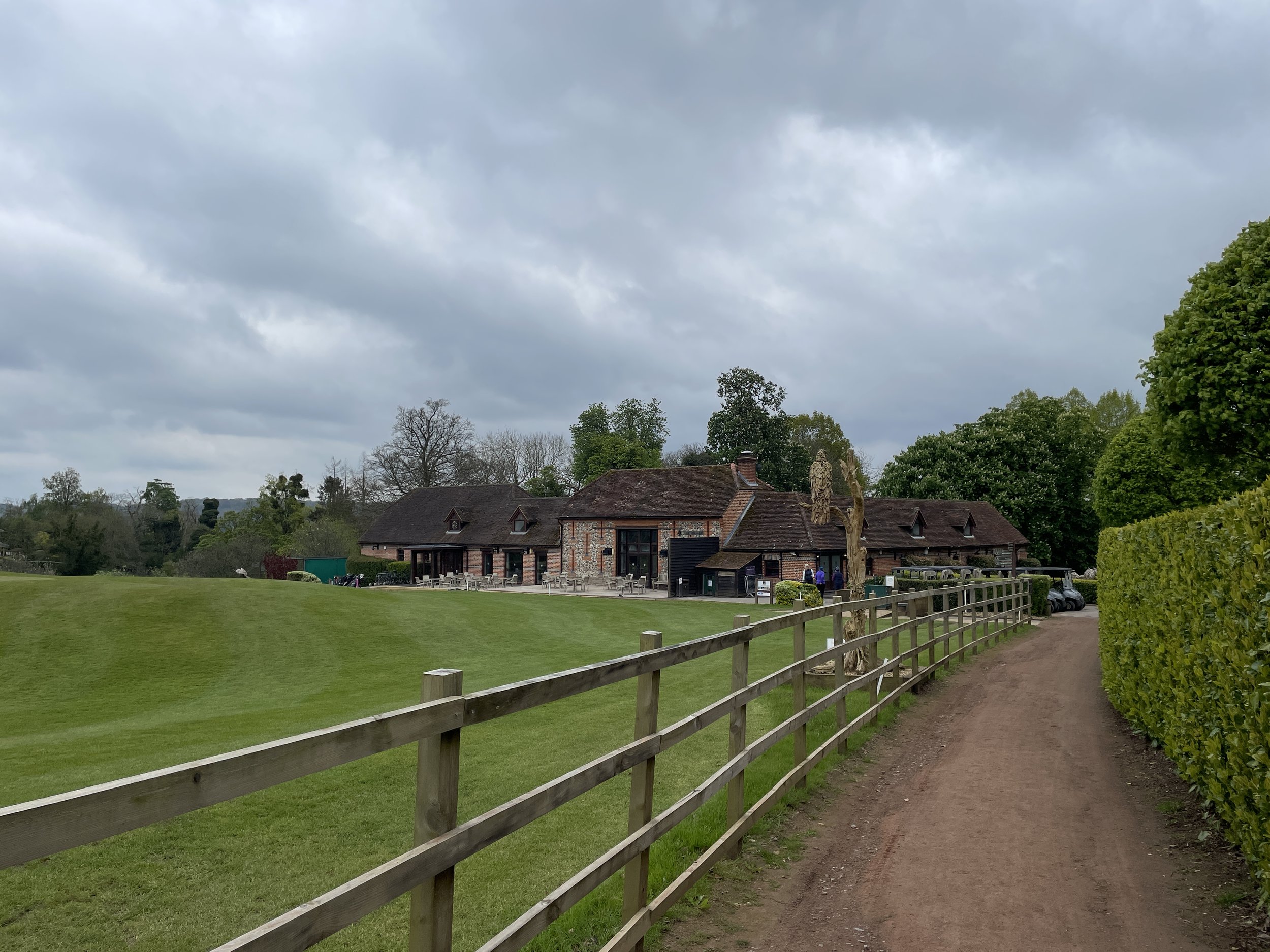
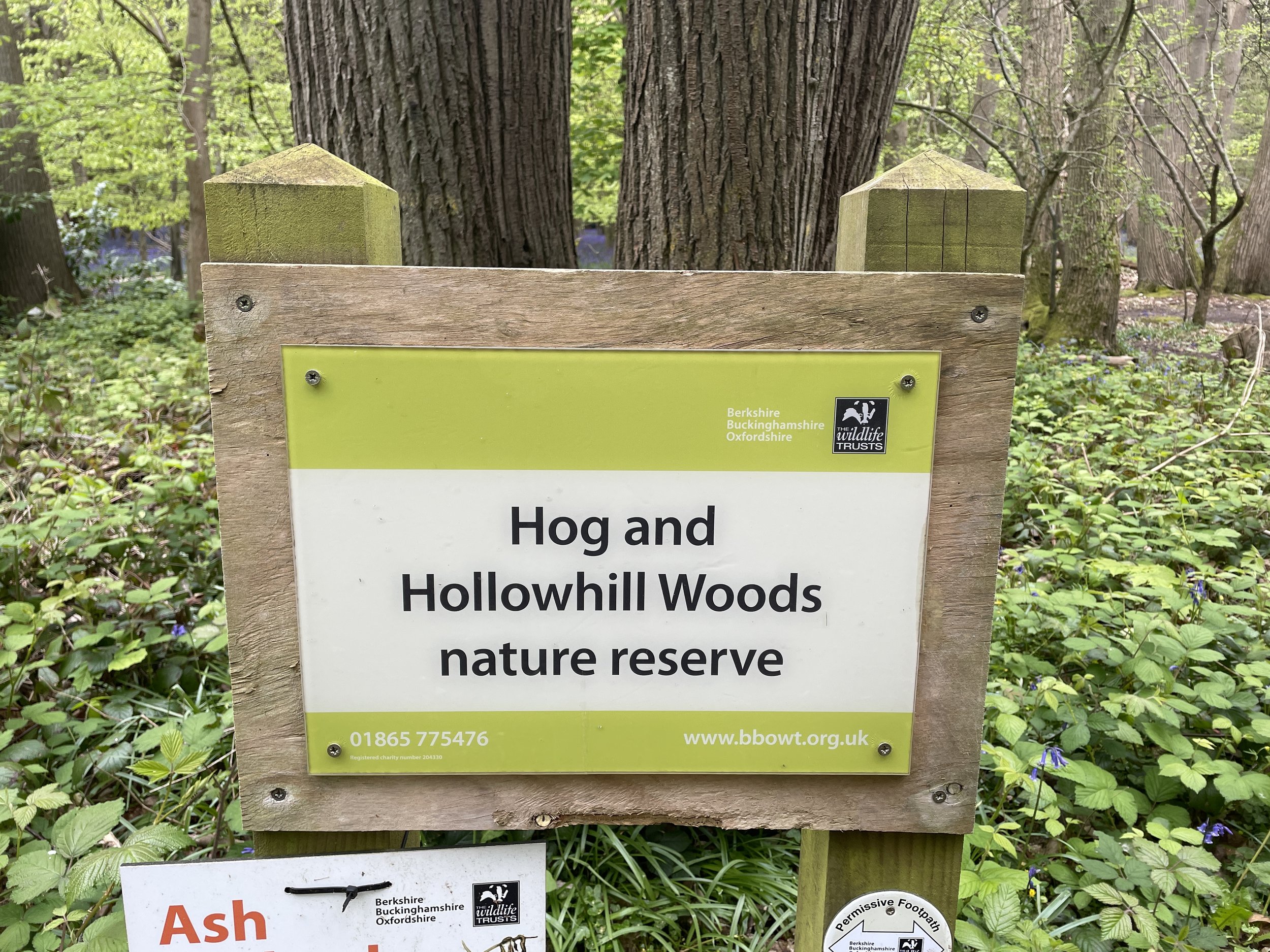
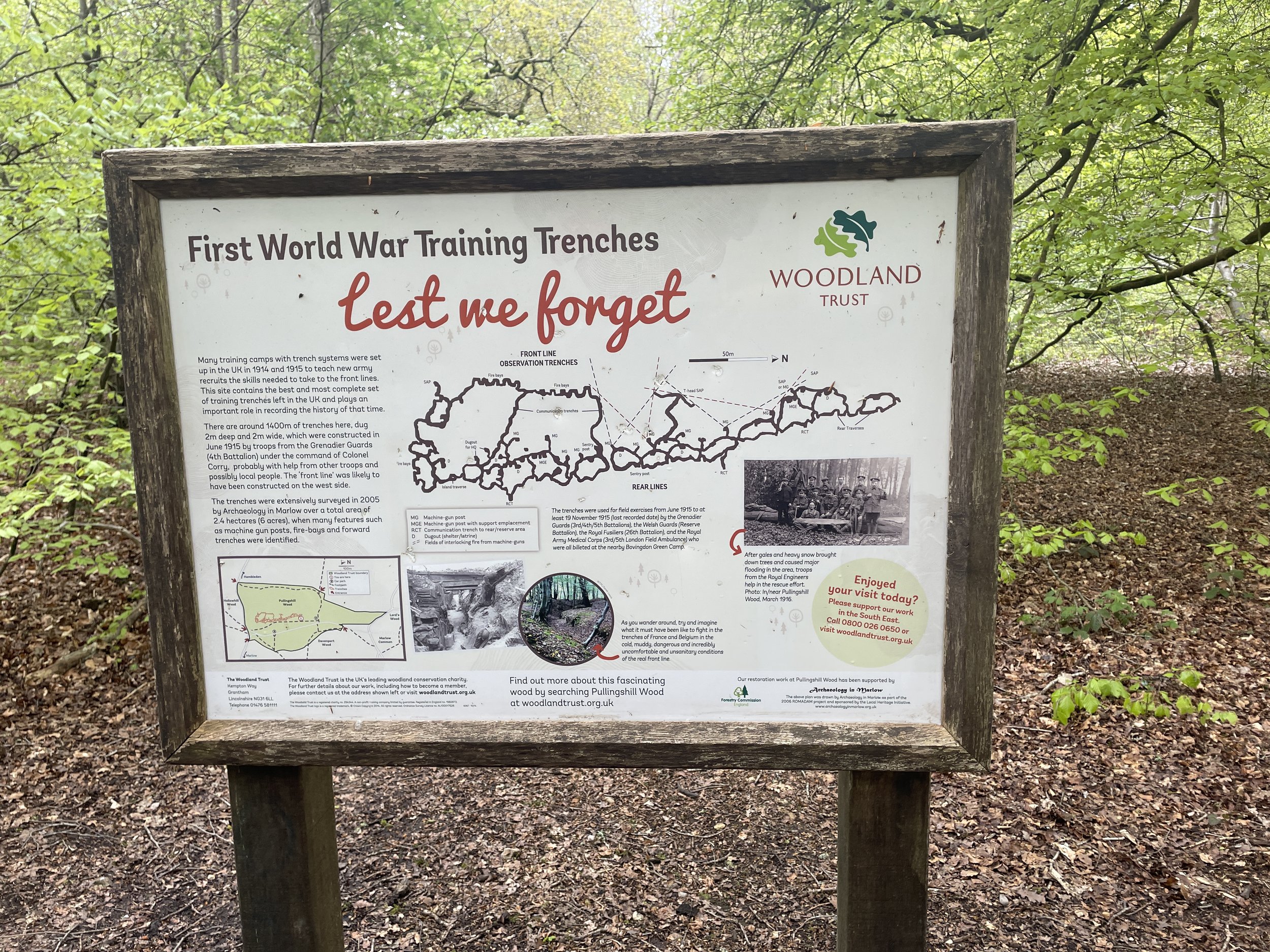
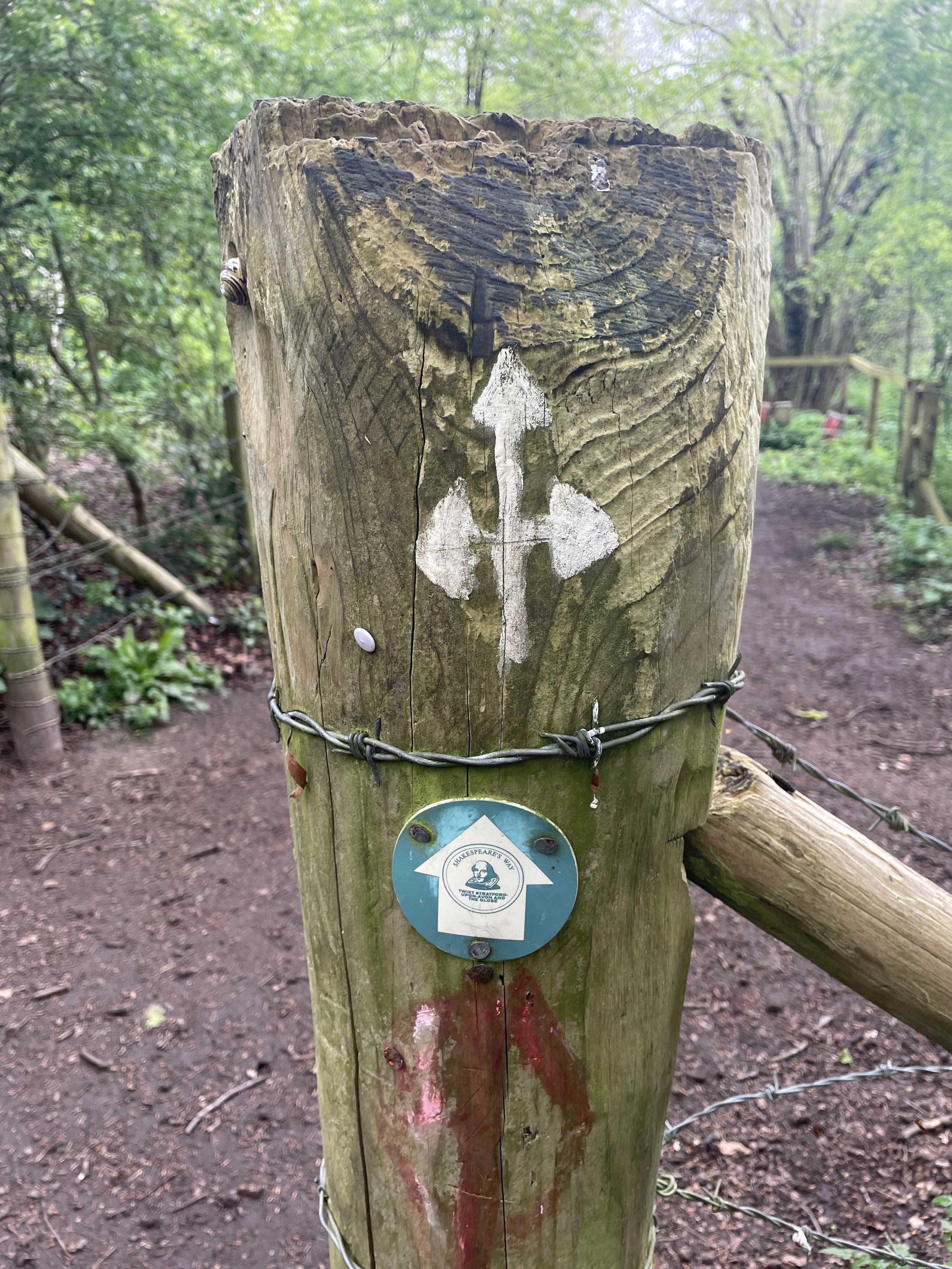
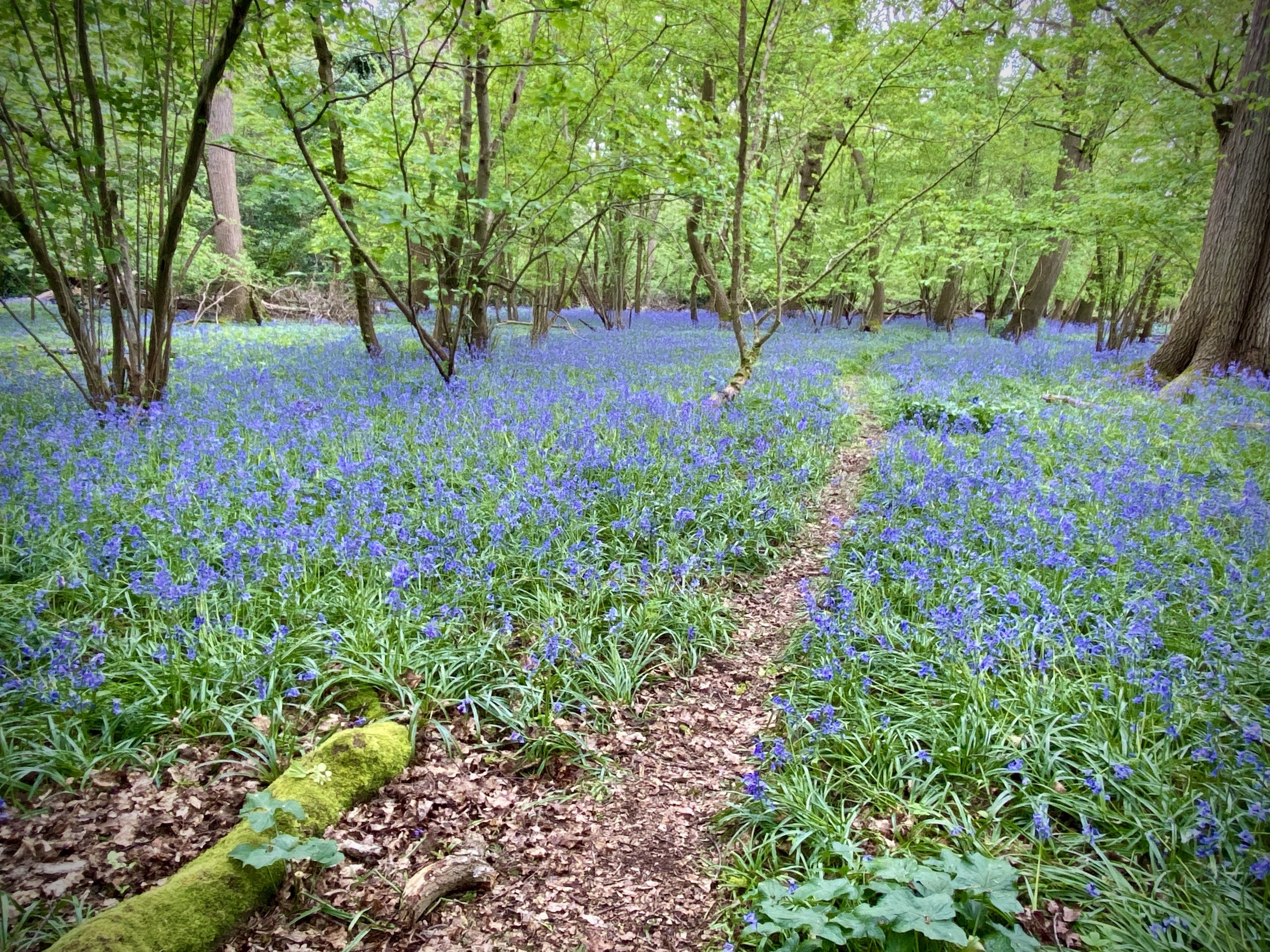
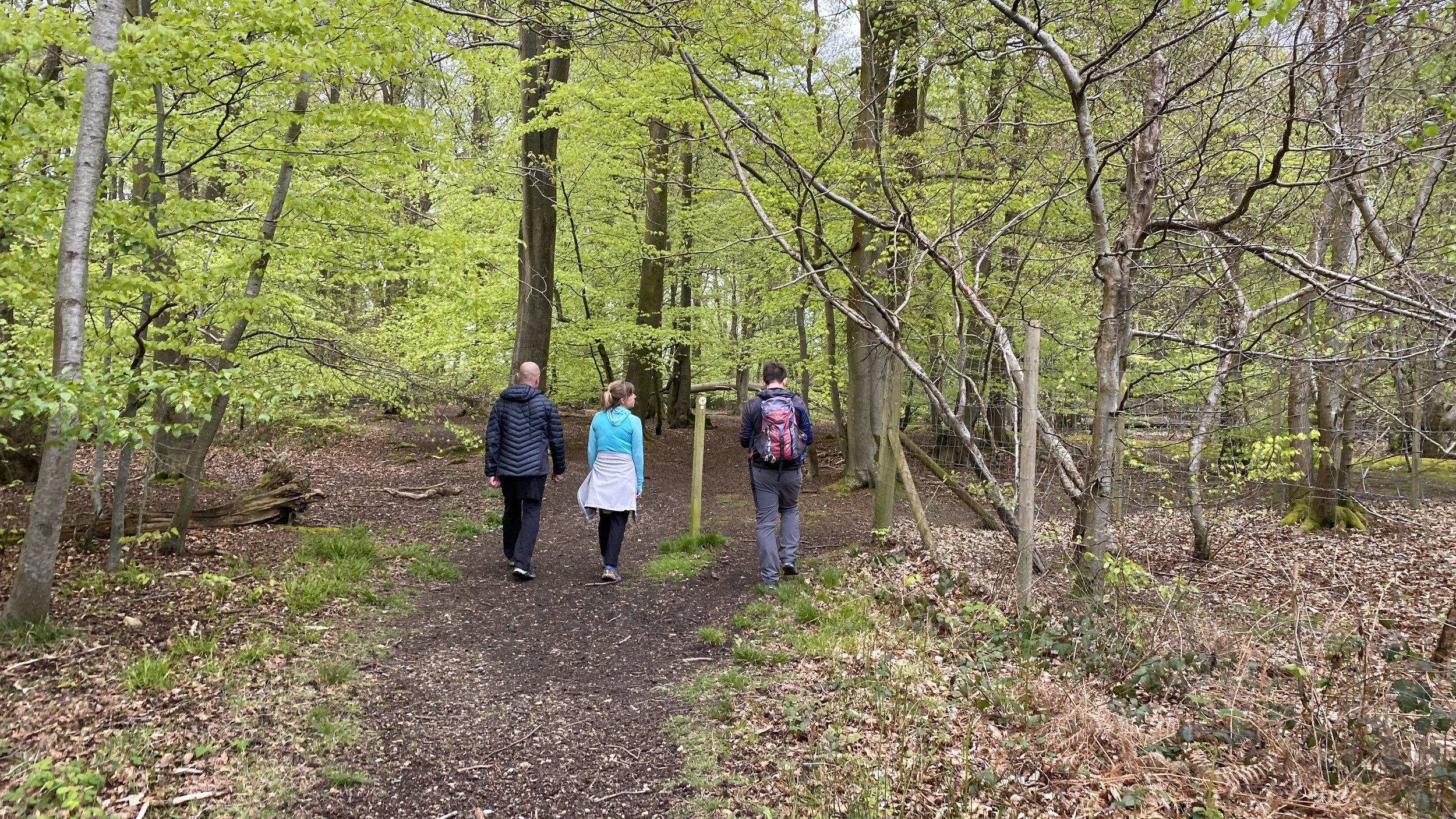
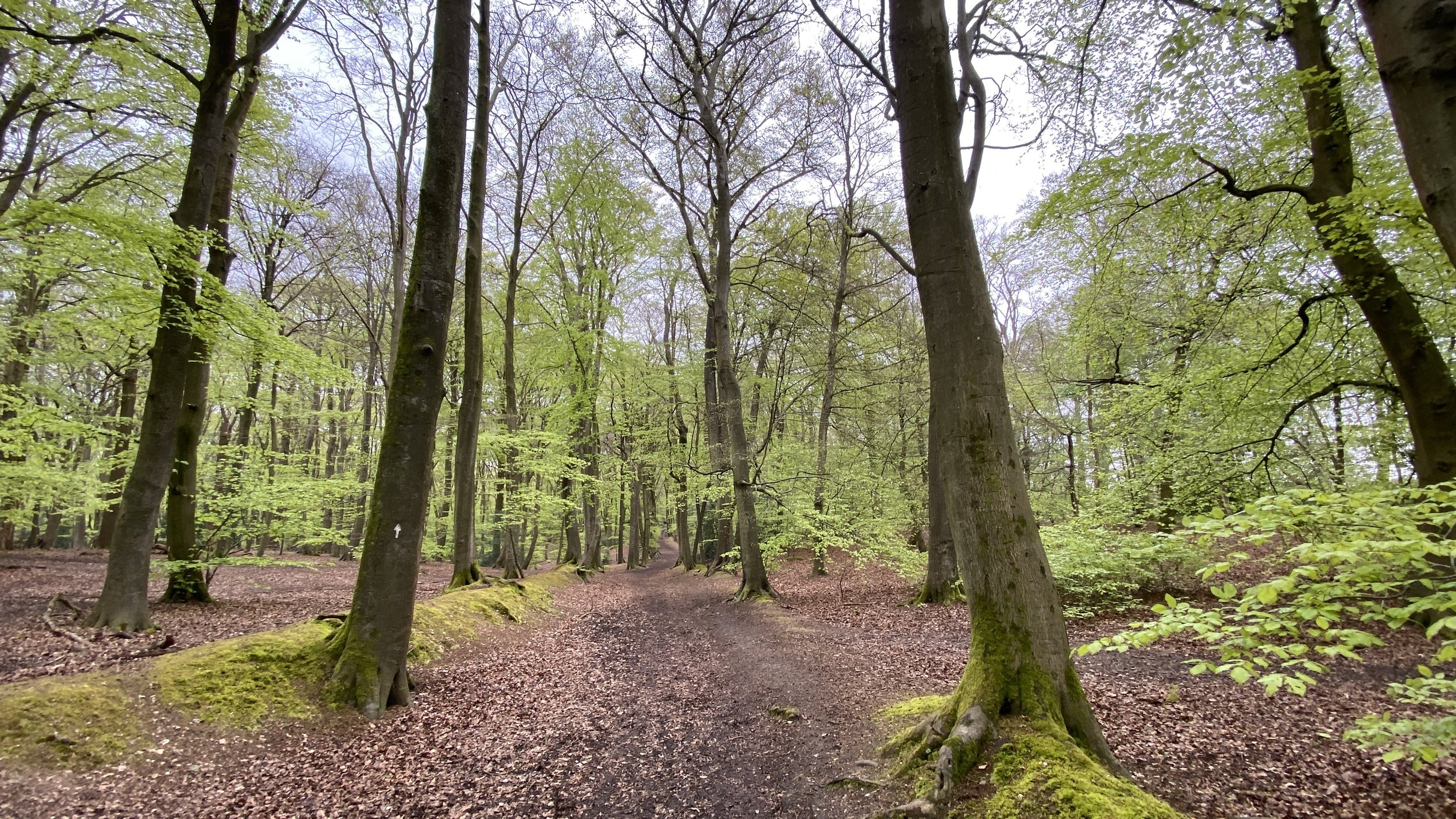

Shakespeare’s Way previous section (west): Bovingdon Green and Shillingridge Wood
Shakespeare’s Way next section (east): Marlow Donkey
Cycling The Thames Estuary: Thames Barrier to Margate

The Thames Barrier, London
This was a trip that had been at the back of my mind for thirty years. Back in the summer of 1994, I cycled the length of the Thames from its source near Kemble in Gloucestershire down to the Thames Barrier near Woolwich. The last day was a long one, and we ended up arriving at the Barrier long after dark. At the time, we considered the adventure to be complete. A few years later, however, I started to plan a second part: riding from the Barrier east along the Thames Estuary to Margate.
Over the intervening years, I got more excited about other trips. I also either lost contact with a few of the old Thames Path gang or they got preoccupied with having babies. Early in 2024, the stars finally aligned, and the Estuary adventure popped right back up to the top of my cycling backlog.
The route to Margate mostly follows NCN Route 1, linking up with a stretch of the Route 15 Viking Coastal Trail at the very end. Handily, it runs almost entirely parallel to the main rail line between London and Margate, making trip logistics incredibly simple. We did it over a weekend, staying both Friday and Saturday night at the Victory Pier Premier Inn in Chatham.
Day 1: Thames Barrier to Chatham
Start: Charlton Railway Station, London, SE7 7QG, United Kingdom
Finish: Premier Inn Chatham/Gillingham (Victory Pier) hotel, Blake Avenue, Gillingham, ME7 1GB, United Kingdom
Distance: 62.8 km (39 miles)
Elevation change: + 408m / -409m (Net +1m)
GPX File: get via Buy Me a Coffee
Other routes touched (walk): Thames Path, Capital Ring, Jubilee Greenway, Green Chain Walk, London Loop. Cray River Way, Hoo Peninsula Path, Weald Way, Thames and Medway Canal Towpath, Saxon Shore Way, England Coast Path, Strood Community Trail,
Other routes touched (cycle): NCN 1, 125, 179, Q14
Pubs / Cafes on route: At Woolwich Arsenal (4km in), Erith (15km in), Dartford (25km in), Gravesend (39 km in), Rochester (57km in), Chatham (59km in)
Maps:
- Greenwich & Gravesend Map | East End, Docklands, Bromley, Sidcup & Thurrock | Ordnance Survey | OS Explorer Map 162
- Gravesend & Rochester Map | Hoo Peninsula | Ordnance Survey | OS Explorer Map 163
Links: Charlton, Thames Barrier, Woolwich Arsenal, Erith, Dartford, Gravesend, Thames and Medway Canal, Rochester, Chatham, Gillingham
Like all Saturdays, the day started with a quick parkrun, this time at Great Lines Heritage Park, just over a mile from the hotel. From there, we headed to Chatham Station to catch the train to Charlton. The Thames Barrier is a very easy 1.4km ride from Charlton Station to officially begin the ride.
Navigation is very straightforward: you simply keep to NCN Route 1 all the way to Chatham. The first 20km hugs the riverside, passing a real mix of pleasant, gentrified areas like Woolwich Arsenal and much grittier industrial parts. After Erith, Route 1 cuts south away from the river towards Dartford to bypass the sprawling entrance to the Queen Elizabeth II Bridge. We had originally planned a coffee and cake stop in Dartford, but nothing really inspired us, so we carried on. By the time we reached Gravesend, we were genuinely hungry and optimistic about finding pub food. We found Gravesend equally uninspiring, so we didn't stop there either.
After Gravesend, the scenery becomes significantly more pleasant, with Route 1 following the towpath of the disused Thames and Medway Canal. Keep an eye out for the historic obelisk that marks the exact halfway point between the cities of London and Rochester. Route 1 eventually leaves the canal at Lower Higham, which conveniently happens to have a train station. Brian was having serious problems with his wheel after several punctures, and we had run out of options to fix it at the roadside. We decided that Brian would head to Chatham by train, and I would finish the first day on my own.
As it turned out, Brian missed one of the best parts of the first day. The final section included lovely, quiet countryside and a sweeping descent down into Rochester. Had we kept together, we would have stopped in Rochester for food ahead of the final few miles, but I decided that I was on a personal mission to beat Brian's train journey back to Chatham, so I wasn't hanging around. The canal tunnel at Higham was actually bought by the railway network in the 1840s, so Brian was literally riding the train through the canal tunnel I was meant to be cycling over!
A 20-minute wait for his train meant that I was back at the hotel before Brian even arrived at Halfords in Chatham. With a newly fixed wheel and fresh supplies of inner tubes, we were ready for Day 2.

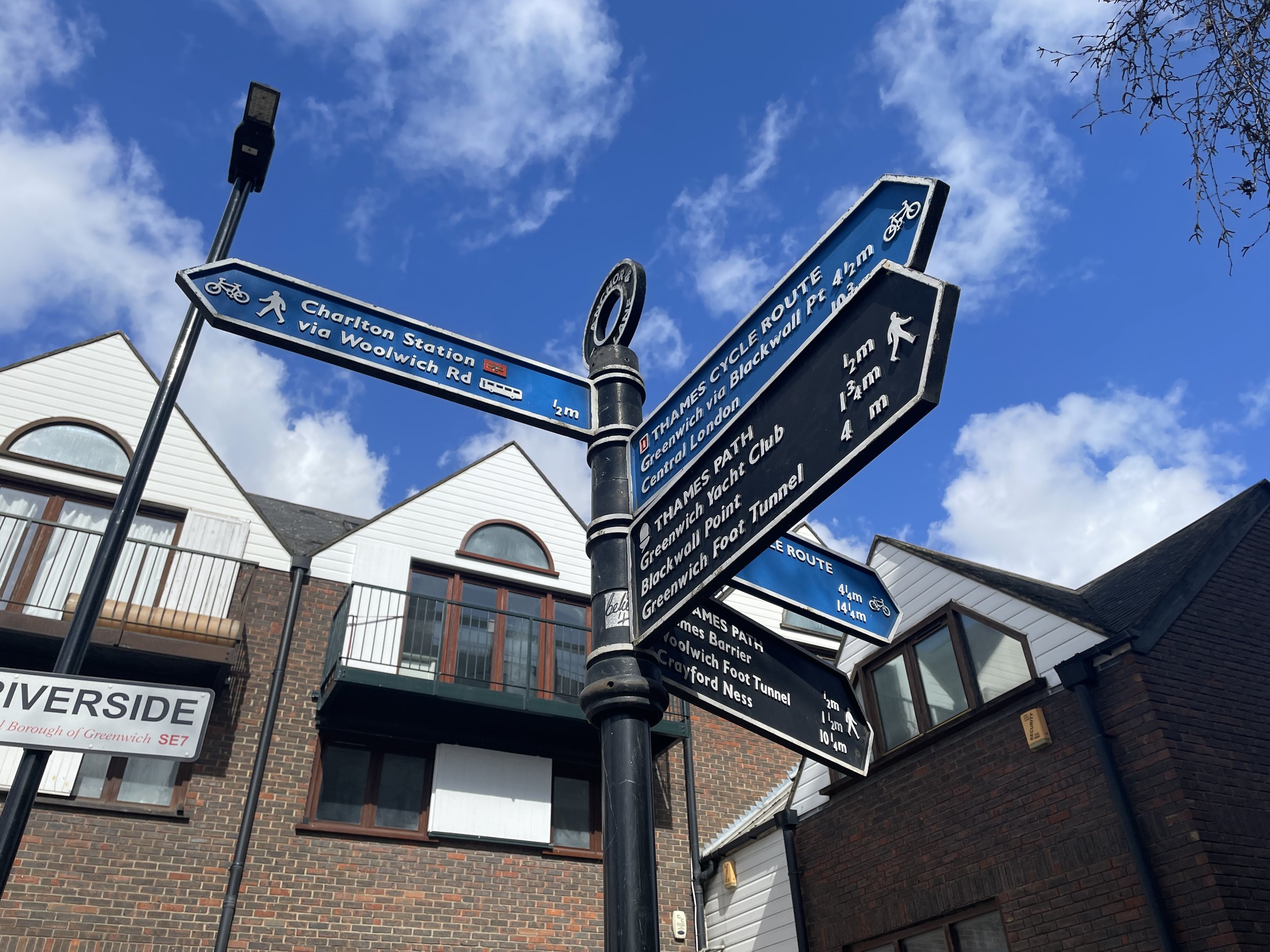
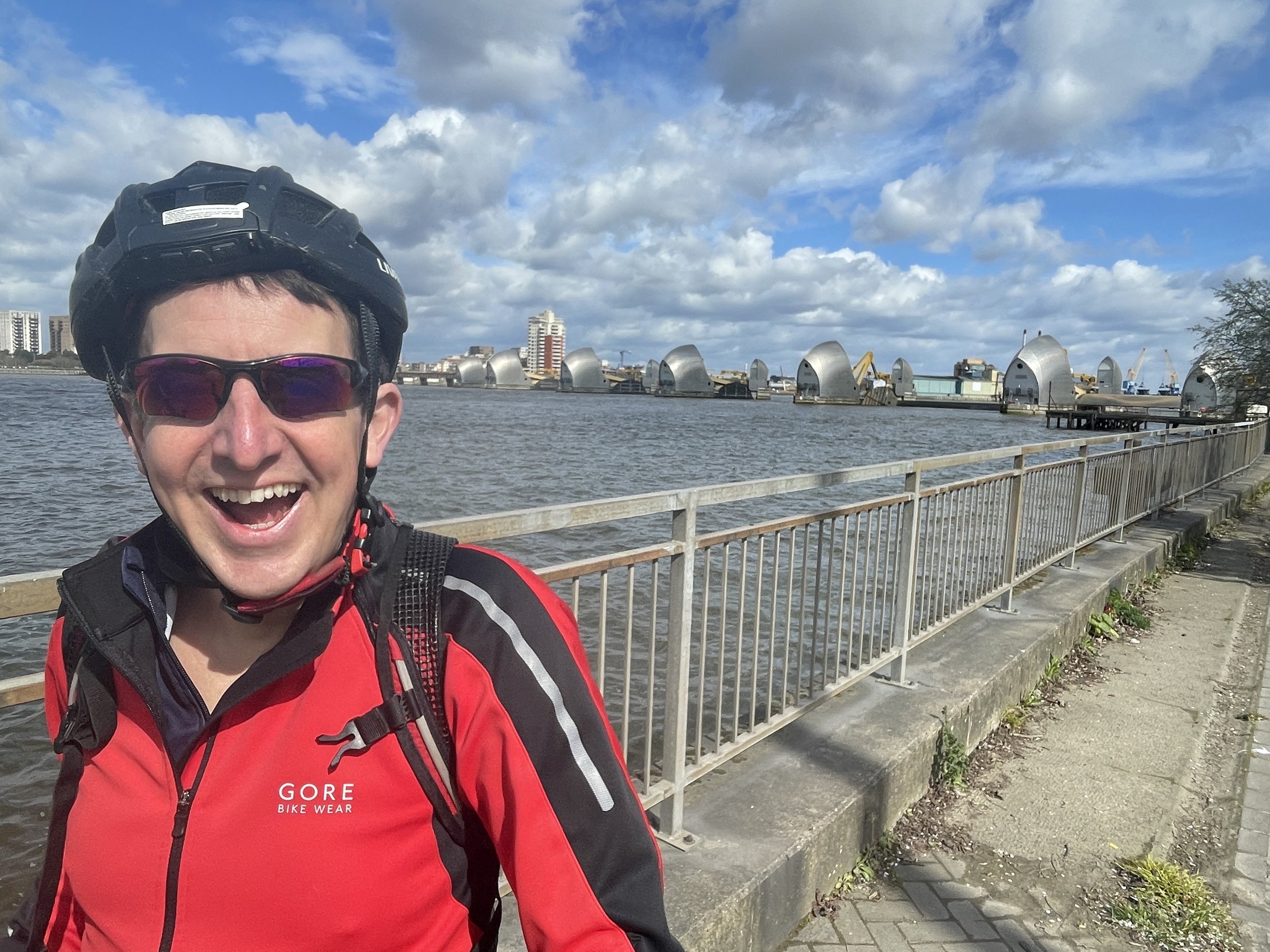
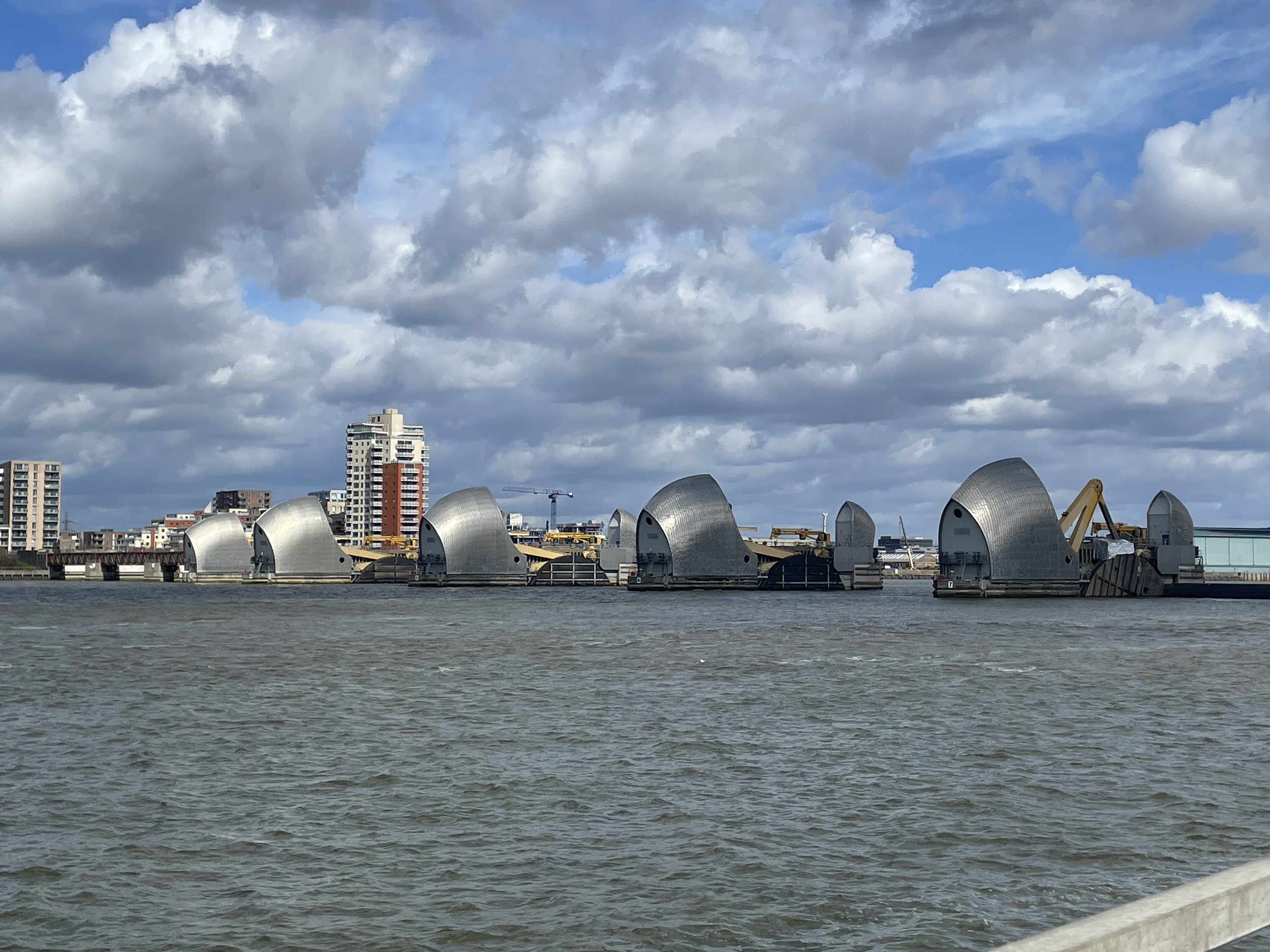
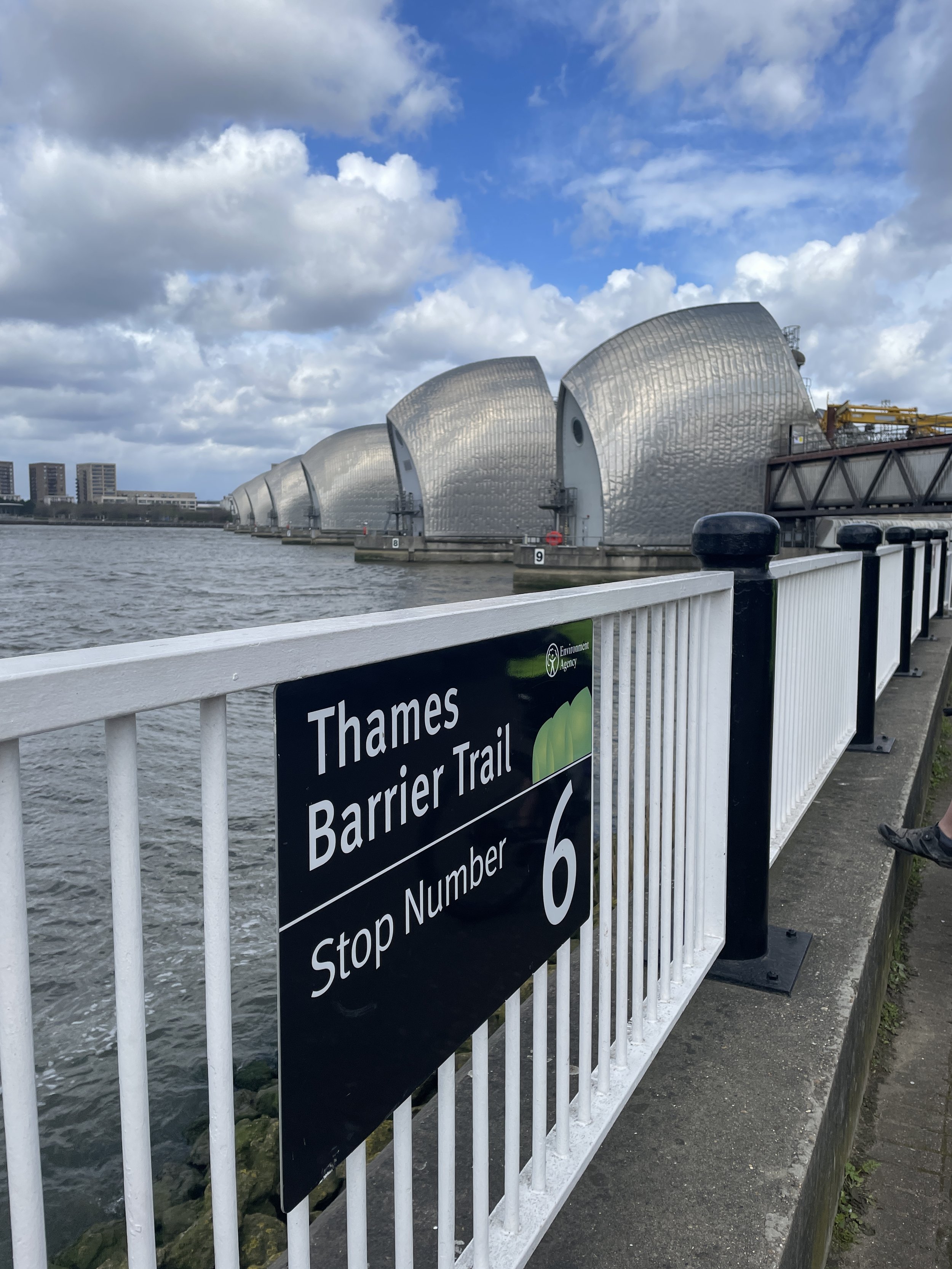

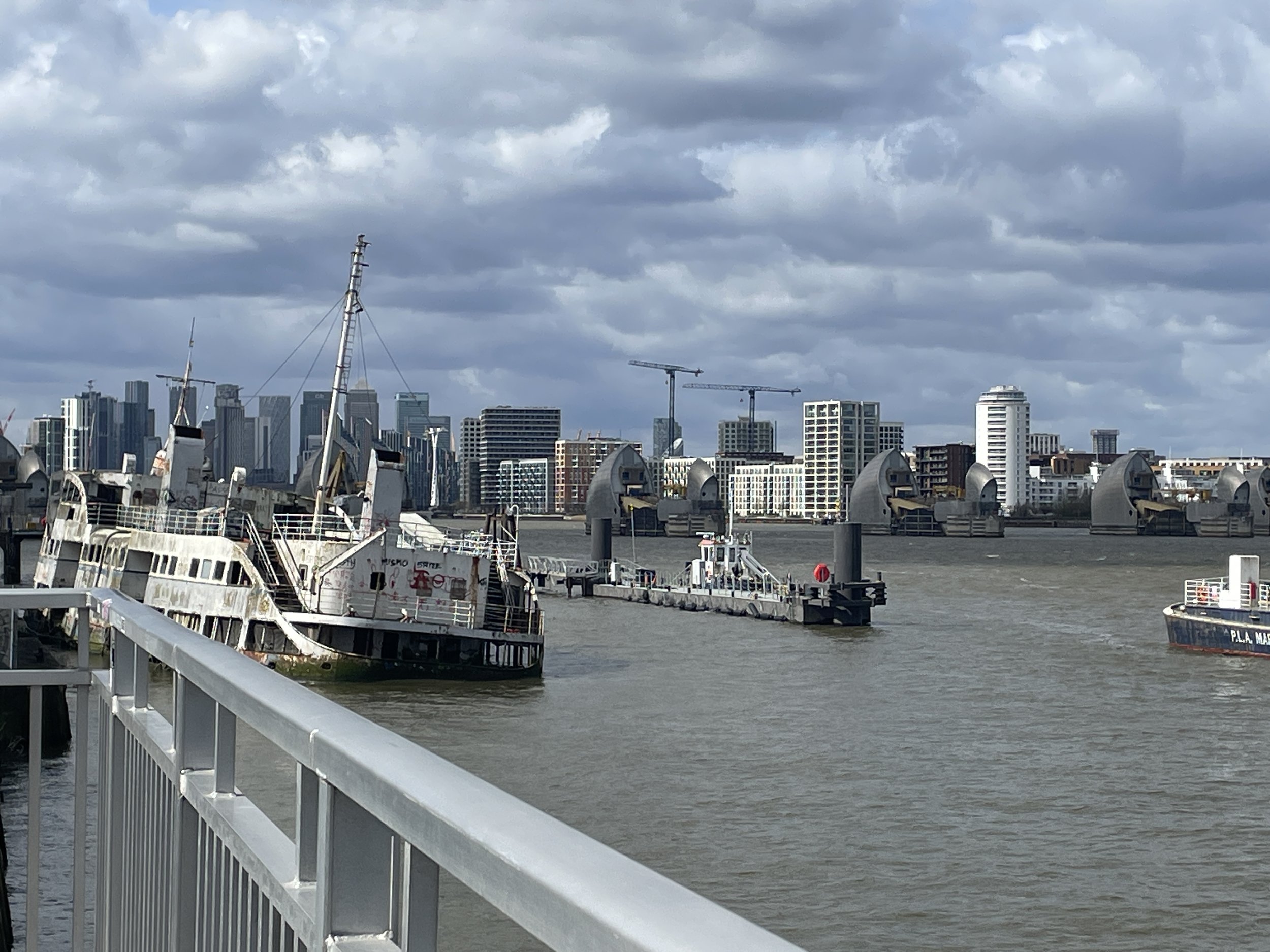
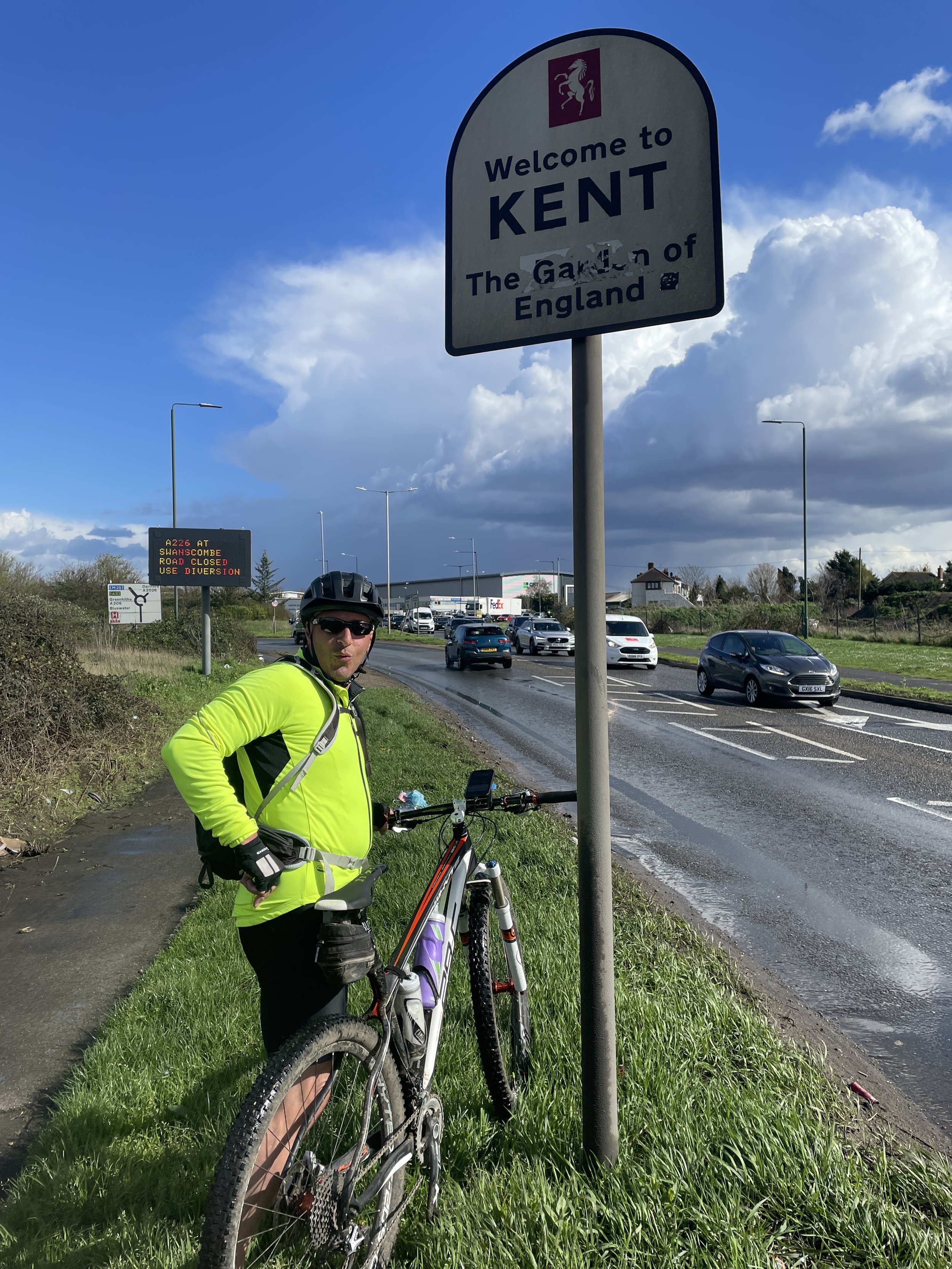
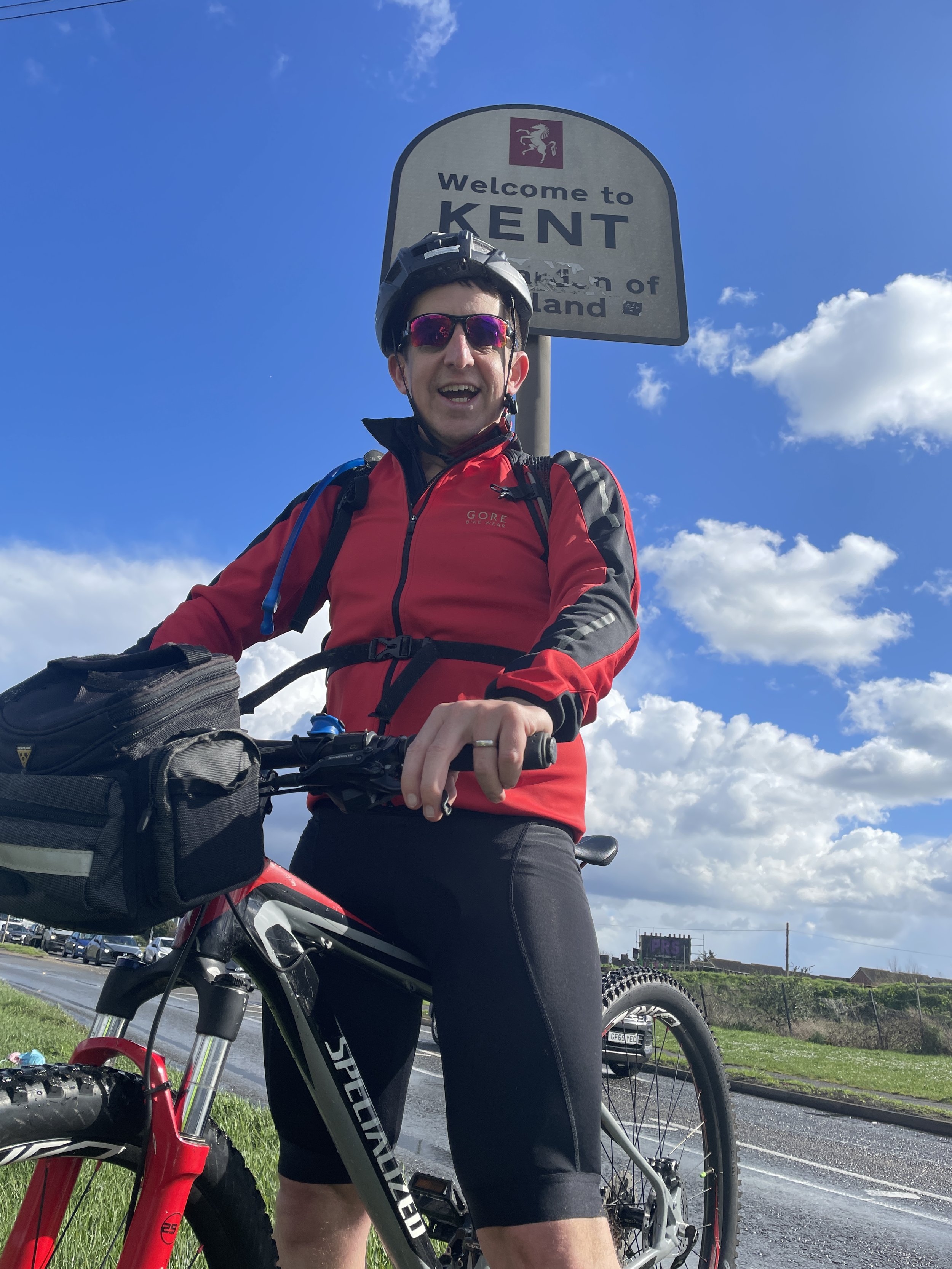
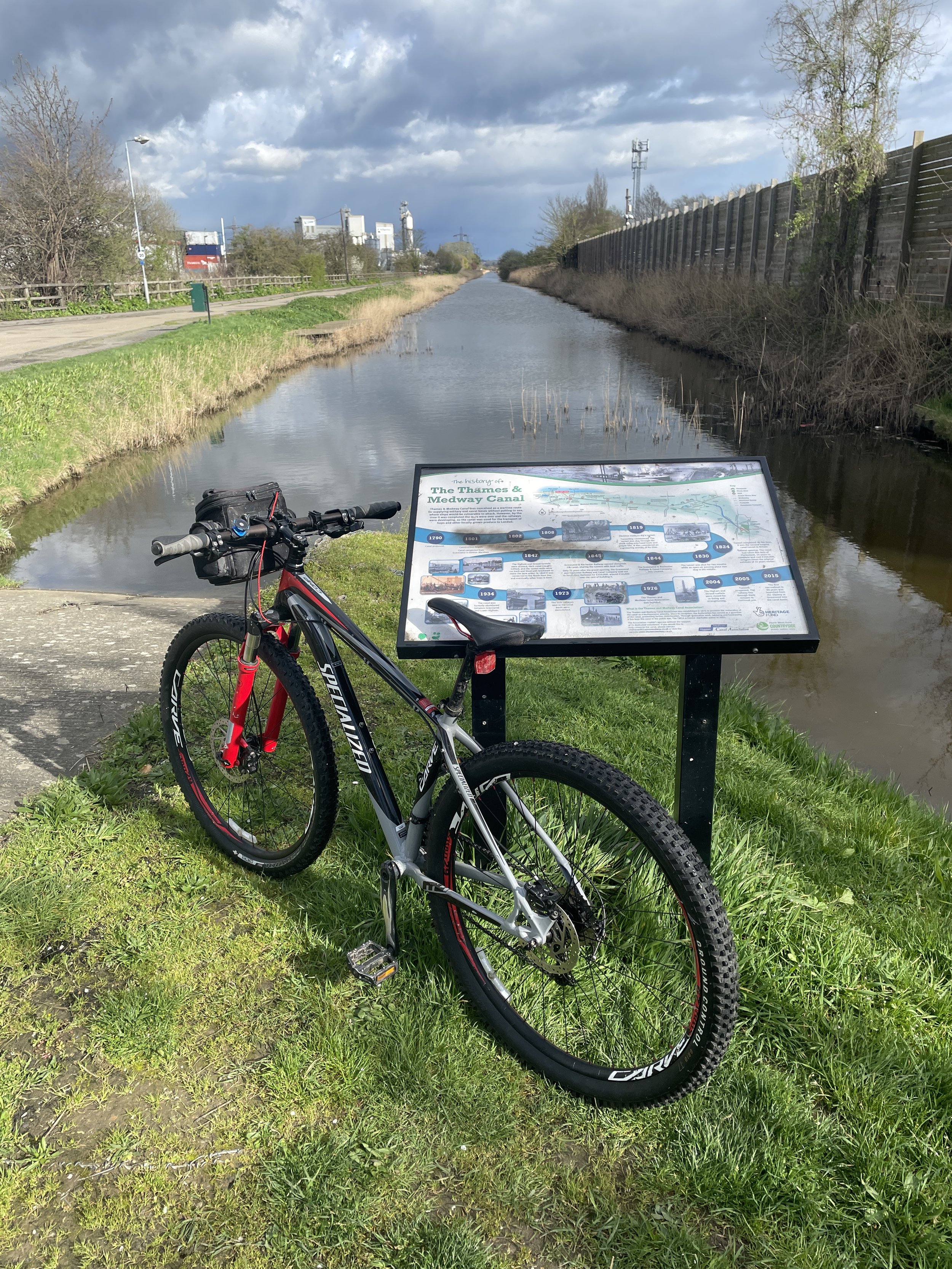
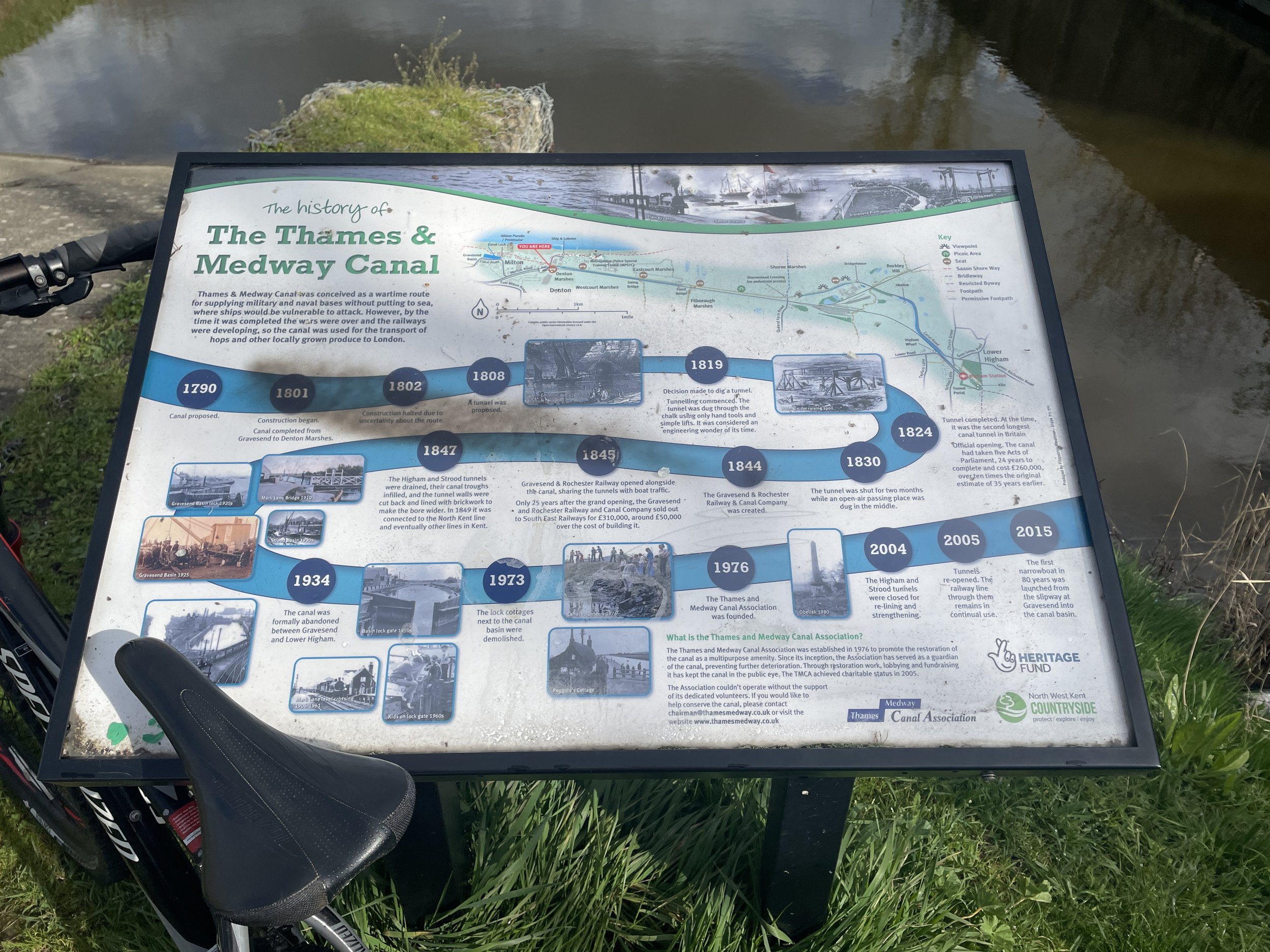
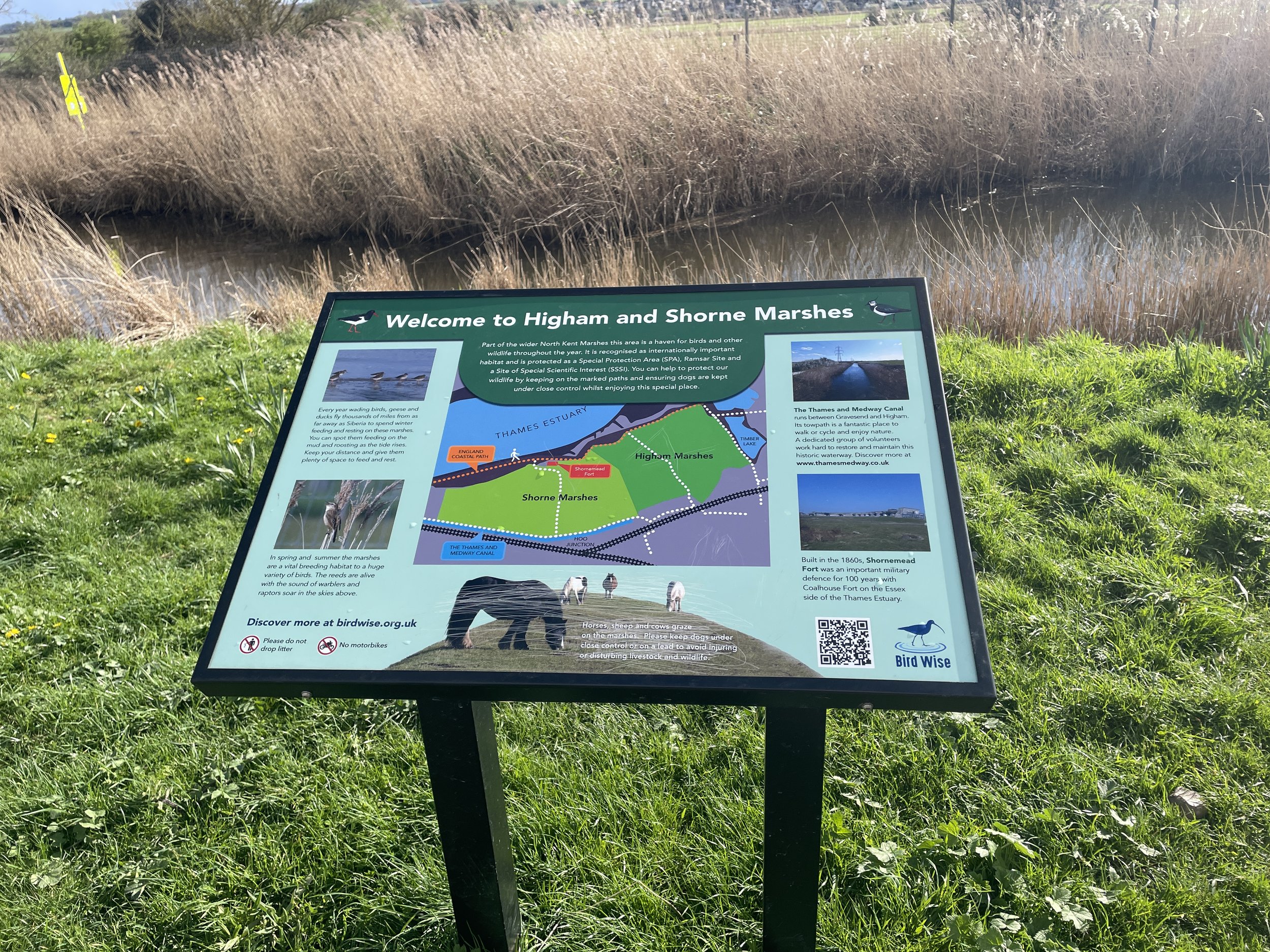
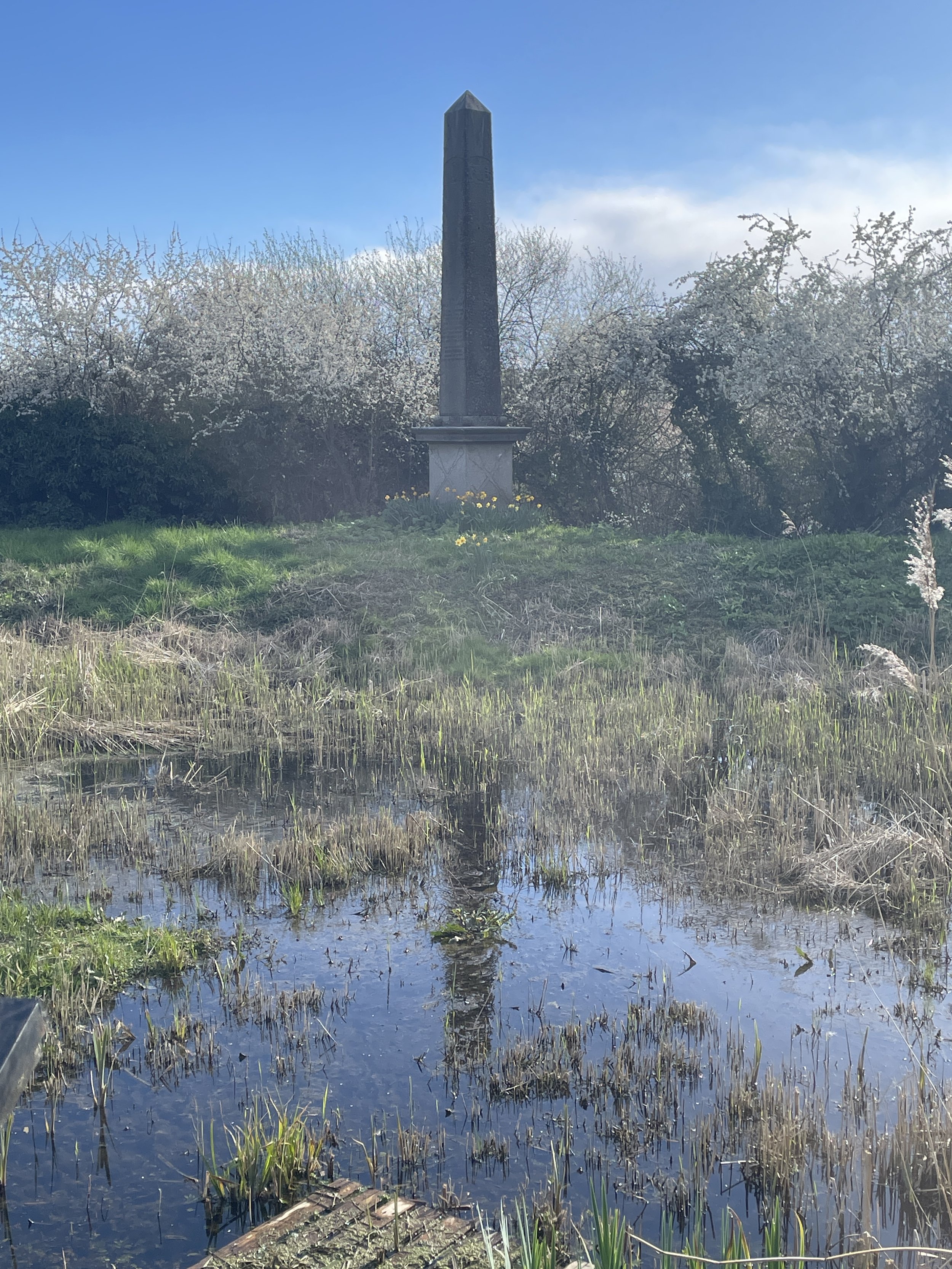

Day 2: Chatham to Margate
Start: Premier Inn Chatham/Gillingham (Victory Pier) hotel, Blake Avenue, Gillingham, ME7 1GB, United Kingdom
Finish: Margate Lighthouse, Harbour Arm, Margate, CT9 1AP
Distance: 87 km (54 miles)
Elevation change: + 514m / -513m (Net -1m)
GPX File: get via Buy Me a Coffee
Other routes touched (walk): Saxon Shore Way, England Coast Path, Swale Heritage Trail, Invicta Way, Wantsum Walk,
Other routes touched (cycle): NCN 1, 174, 15: Viking Coastal Trail
Pubs / Cafes on route: At Sittingbourne (22km in), Faversham (40km in), Whitstable (59km in), Herne Bay (66km in), Westgate-on-Sea (83km in) and Margate.
- We stopped at Cafe Guild in Faverham (40 km in) and The Ship Inn, Herne Bay (66km in)
Maps:
- Gravesend & Rochester Map | Hoo Peninsula | Ordnance Survey | OS Explorer Map 163
- Sittingbourne & Faversham Map | Isle of Sheppey | Ordnance Survey | OS Explorer Map 149
- Canterbury & Isle of Thanet Map | Herne Bay, Deal & Whitstable | Ordnance Survey | OS Explorer Map 150
Links: Sittingbourne, Faversham, Crab & Winkle Way, Whitstable, Herne Bay, Reculver, Westgate-on-Sea, Margate, Margate Lighthouse
Shortly after leaving the Chatham/Gillingham area, Route 1 passes through Riverside Country Park. It was very popular with dog walkers early that Sunday morning, so it was a good excuse to take it slow as we warmed up our legs. After the park, the route cuts away from the estuary from Rainham down to Sittingbourne.
Sittingbourne was our original plan for a breakfast stop, but we were similarly uninspired by the food options as we were on Day 1. By the time we arrived in Faversham with 40km down, we were starving. It was absolutely worth the wait, though. Faversham is a beautiful, historic Kent market town (famous for being home to Britain's oldest brewer, Shepherd Neame), and it has several brilliant cafes.
After Faversham, the route heads back towards the coast before taking a detour up the steepest hill of the entire trip to bypass Whitstable town centre. After a well-earned descent, we reached the Crab & Winkle Way: a disused railway path that once connected Whitstable to Canterbury. This was the exact point where we left NCN 1, which continues south along the old railway line. Instead, we followed the Crab & Winkle Way north to join the Route 15 Viking Coastal Trail at the Whitstable coast.
The final 28km along the Viking Coastal Trail from Whitstable to Margate was easily my favourite section of the whole route. This stretch sticks rigidly to the coast along wide, flat boulevards, passing classic seaside towns and the imposing, twin-towered ruins of the 12th-century Reculver Church. We had made very good time, so we stopped for a while at a pub in Herne Bay to gaze across the estuary and contemplate future adventures.
Our two-day ride finished right at the Margate Lighthouse, an obvious and highly photogenic place to mark the end of the estuary adventure. We thoroughly enjoyed the trip and, barring the wheel and puncture issues at the end of Day 1, found it pretty easy going. I still didn't quite get that ultimate sense of completion, though. Yes, we had cycled the estuary to finish the Thames journey, but we had now left the southern section of NCN Route 1 uncompleted! Within a couple of days, I was already planning the next two-day adventure to complete both NCN Route 1 from Whitstable down to Dover and the rest of the Viking Coastal Trail.

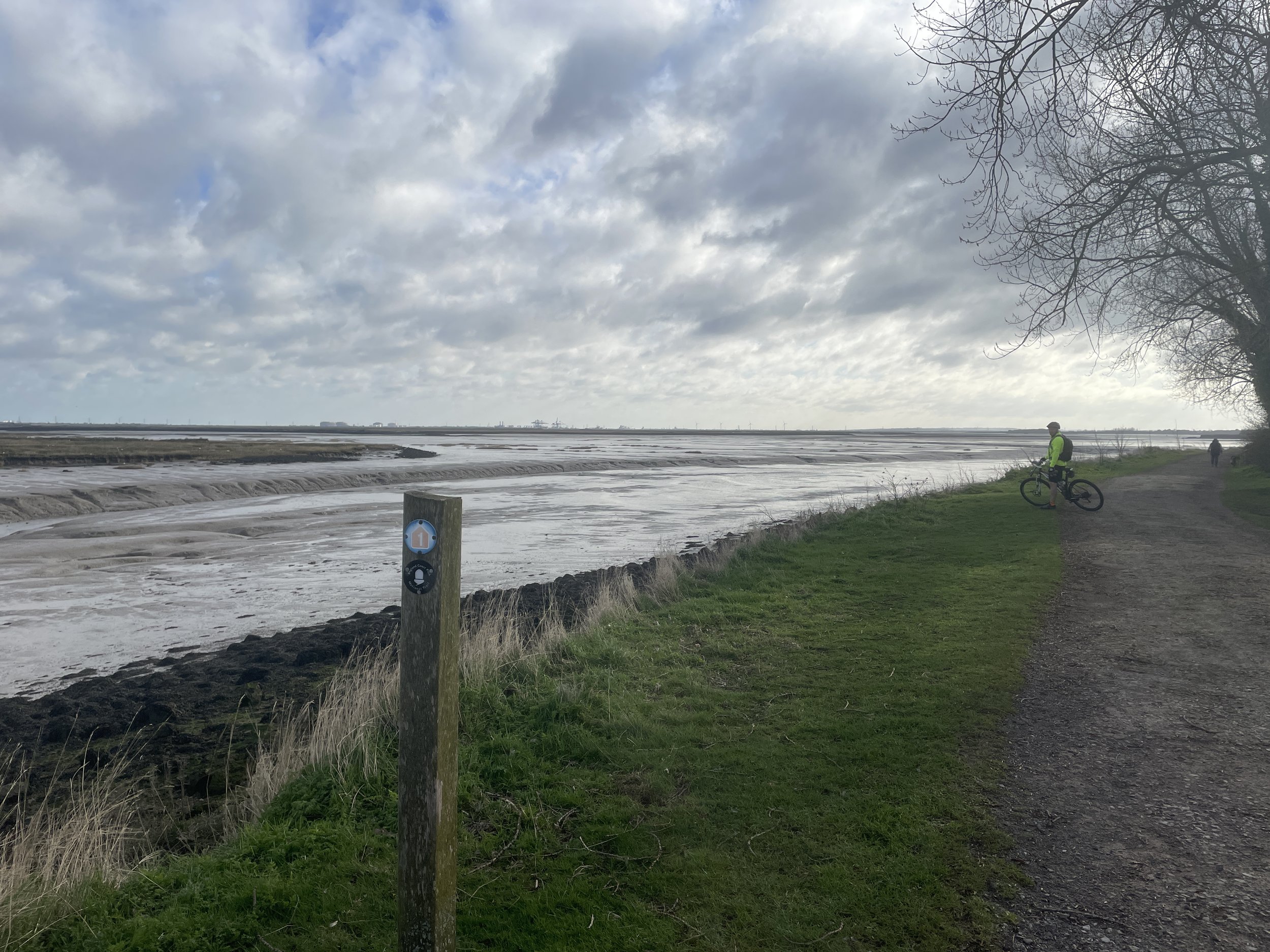
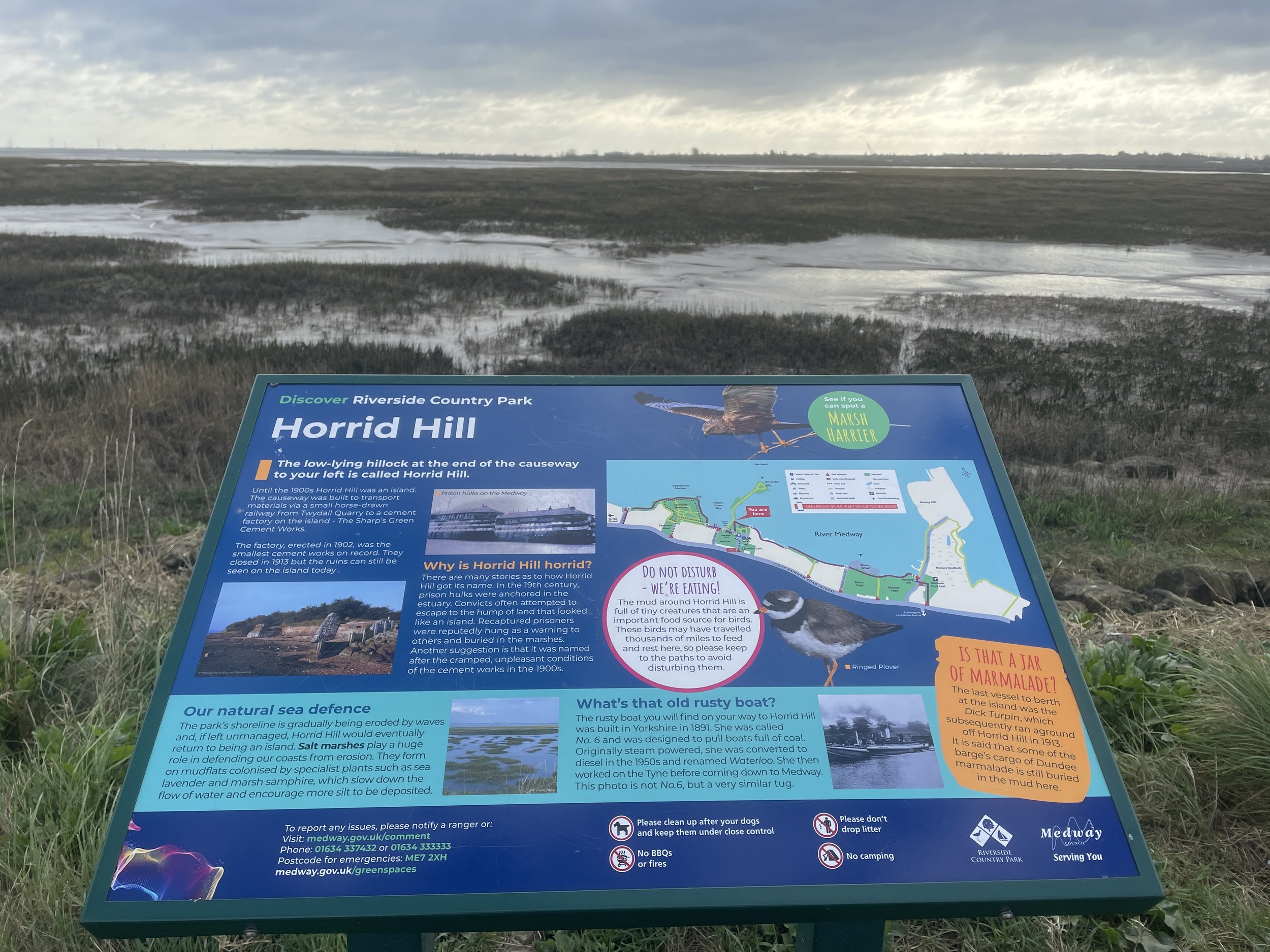

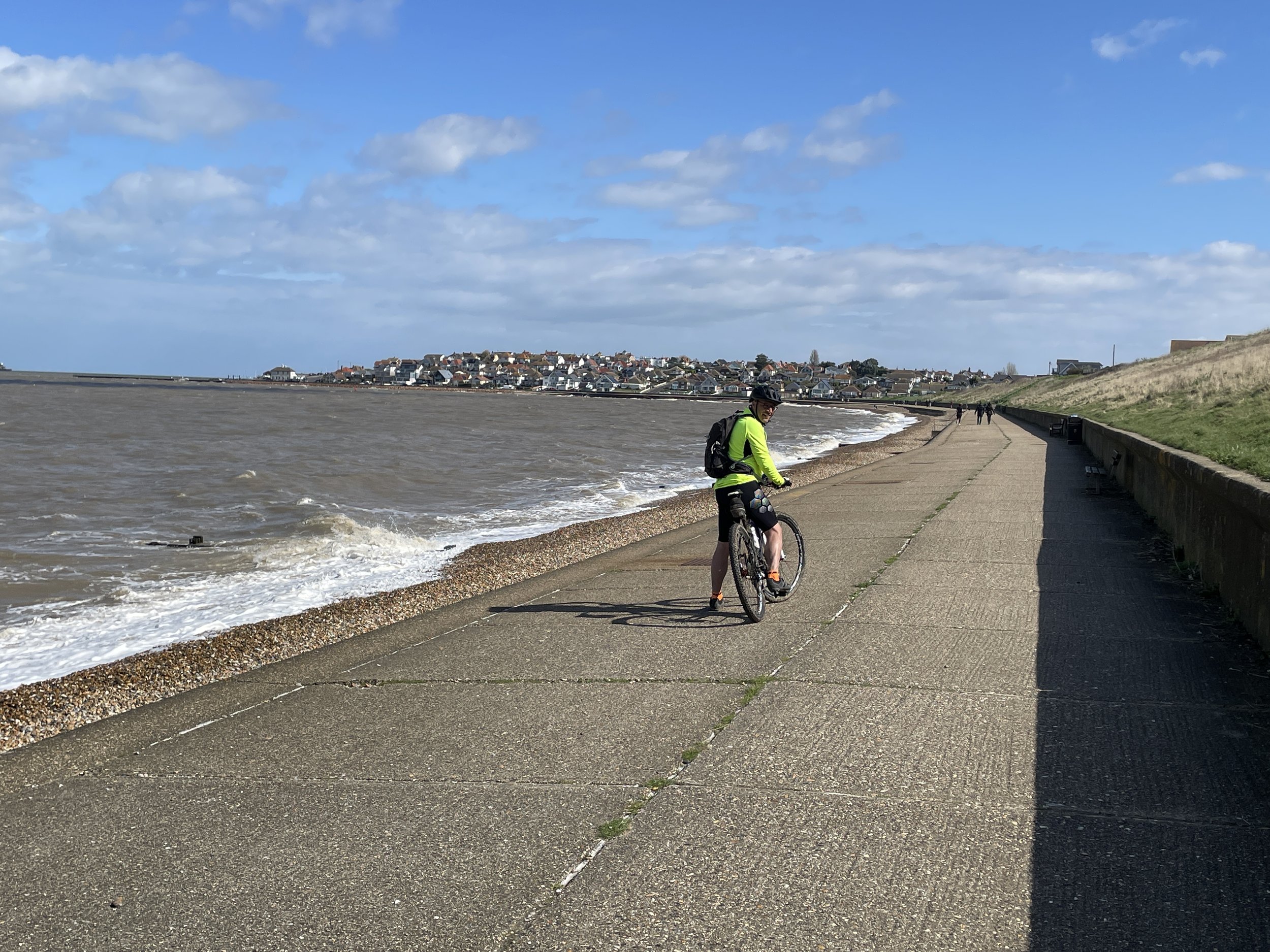
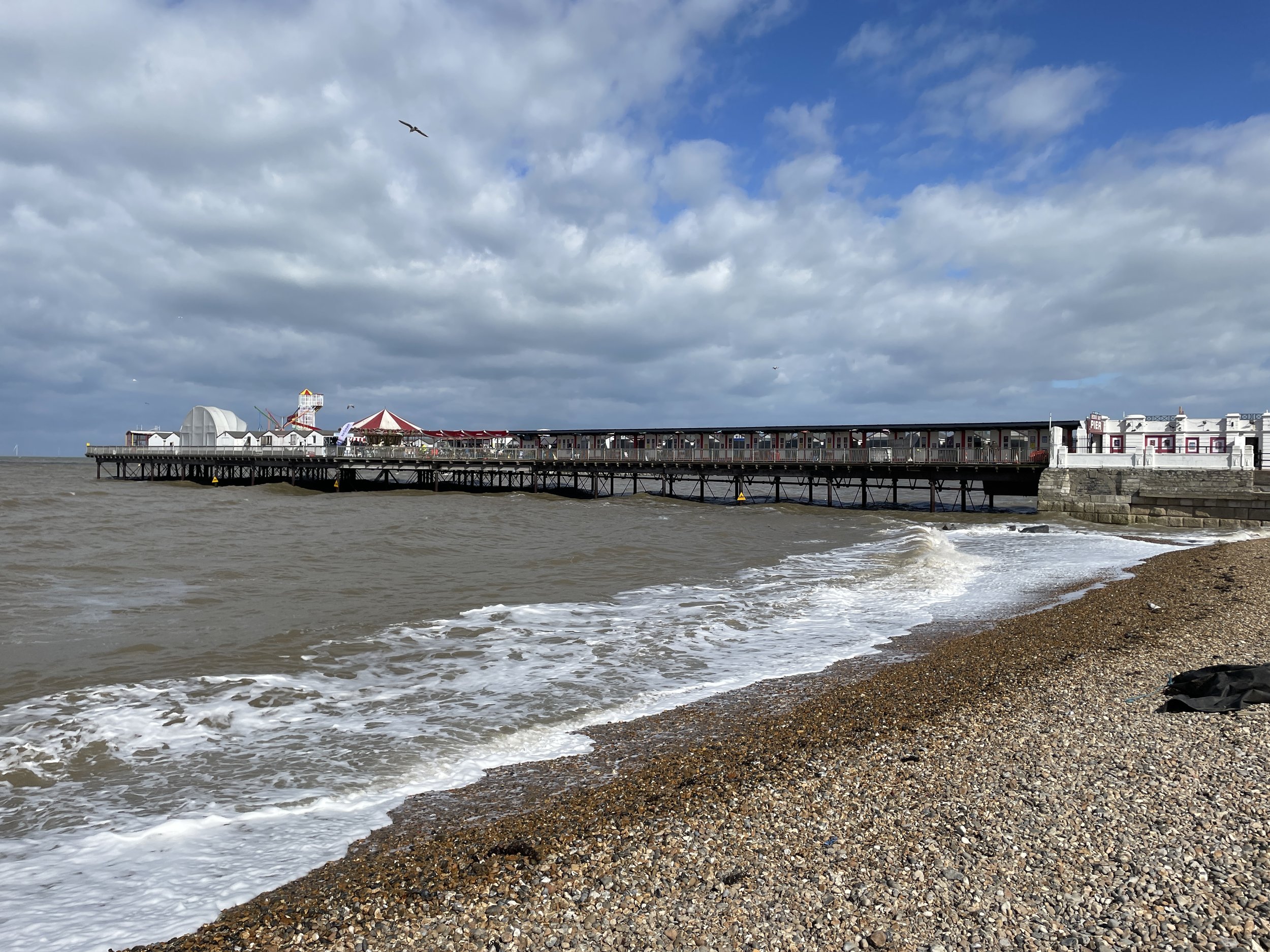
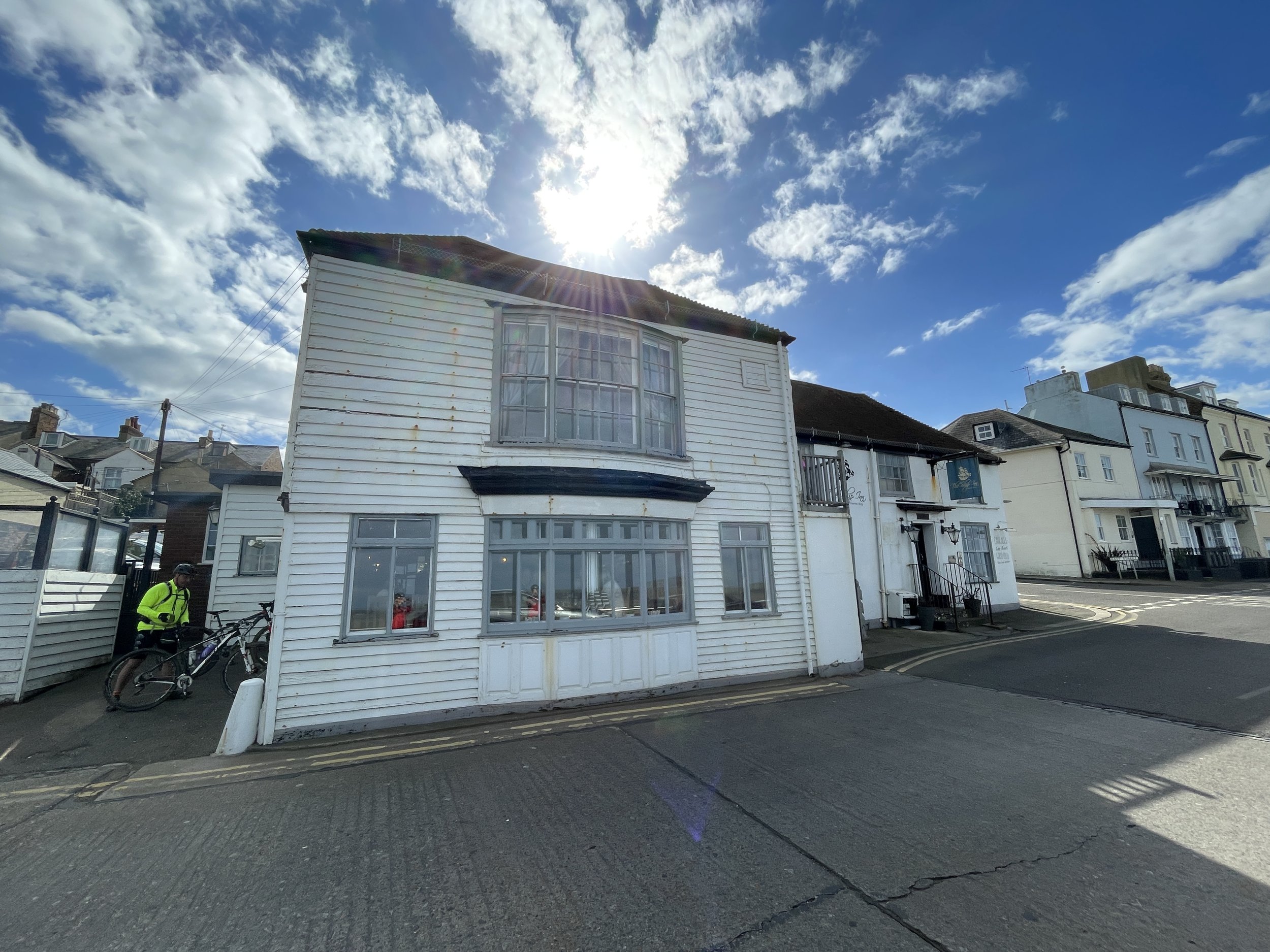
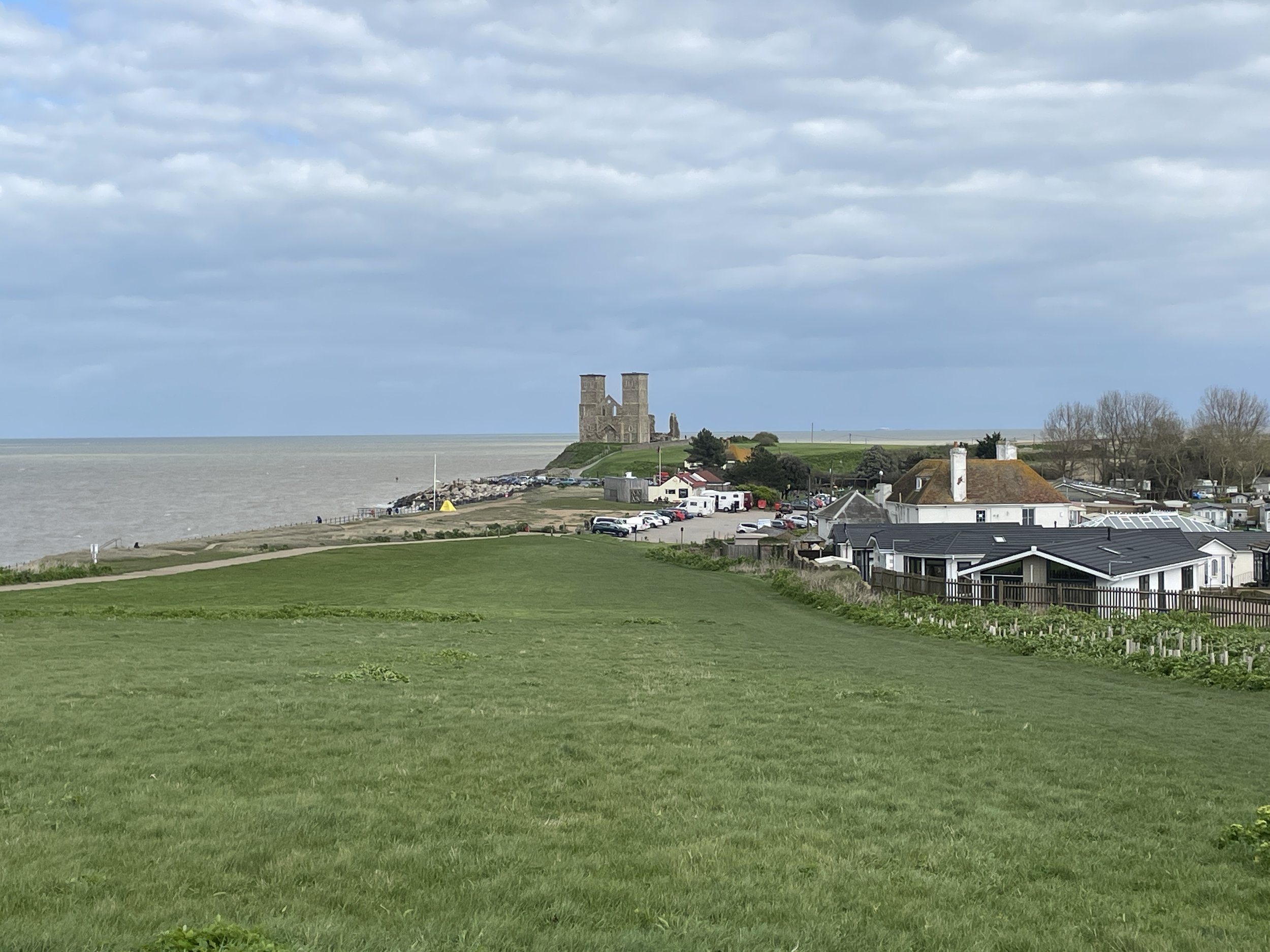
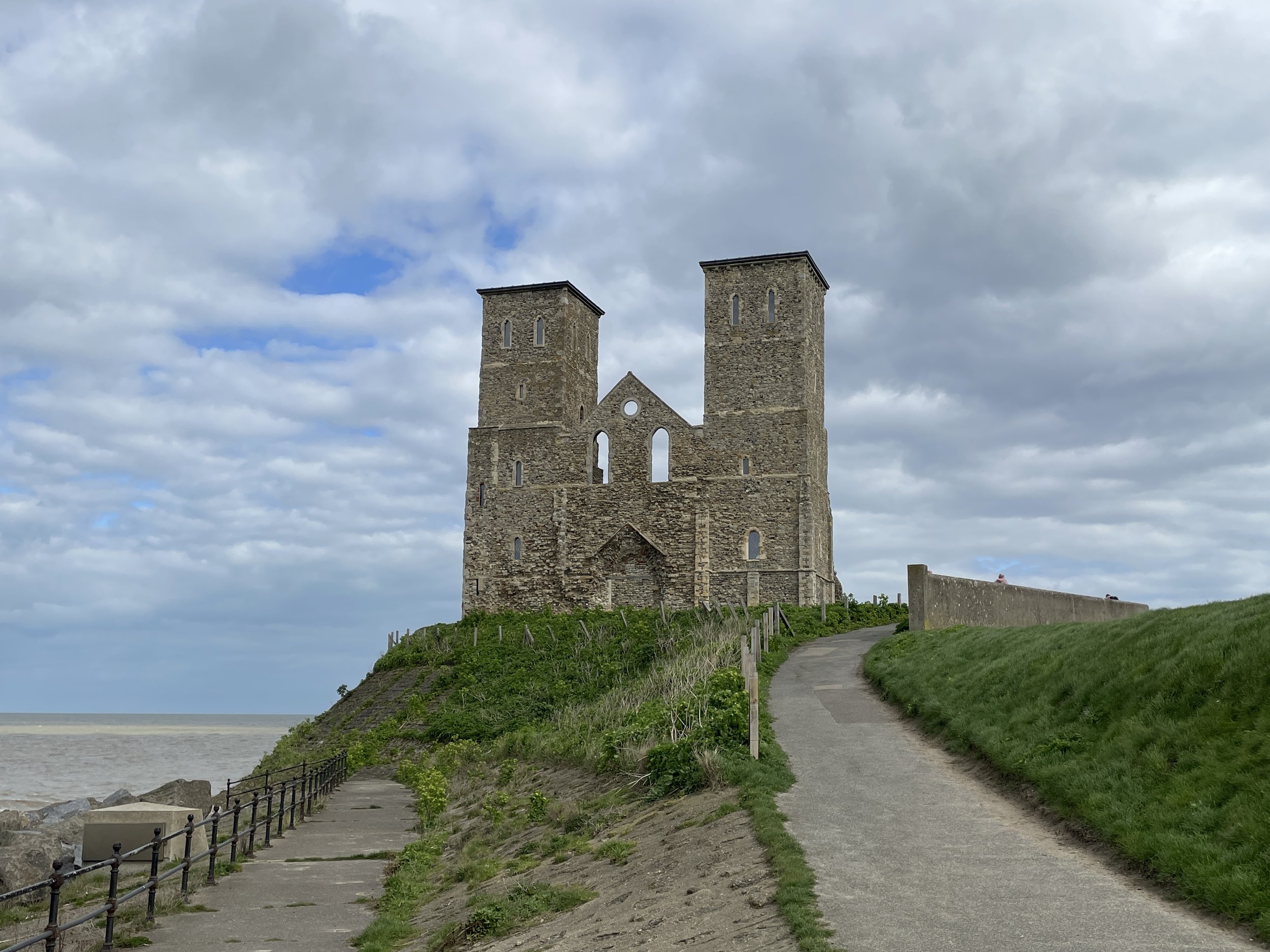
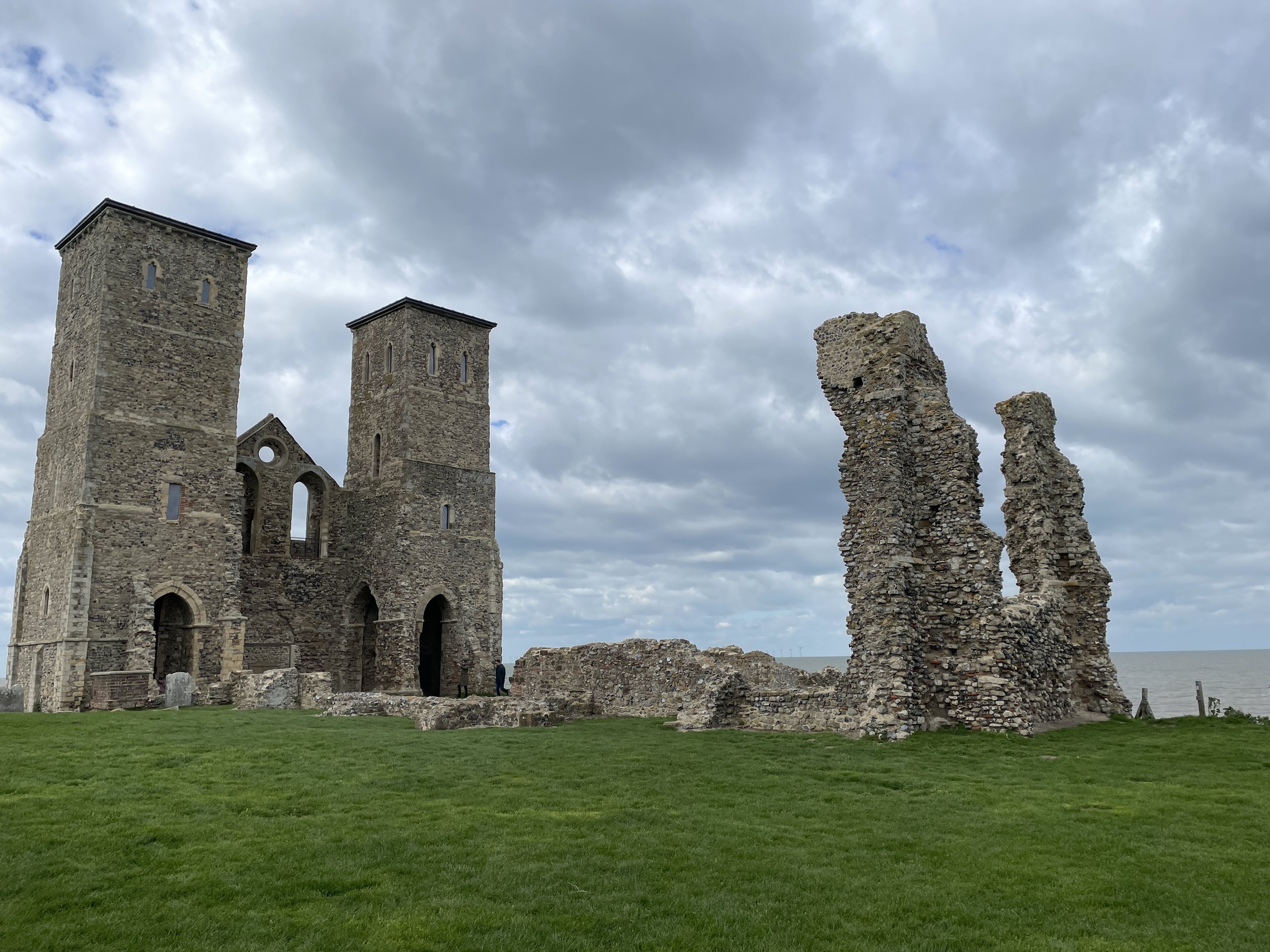
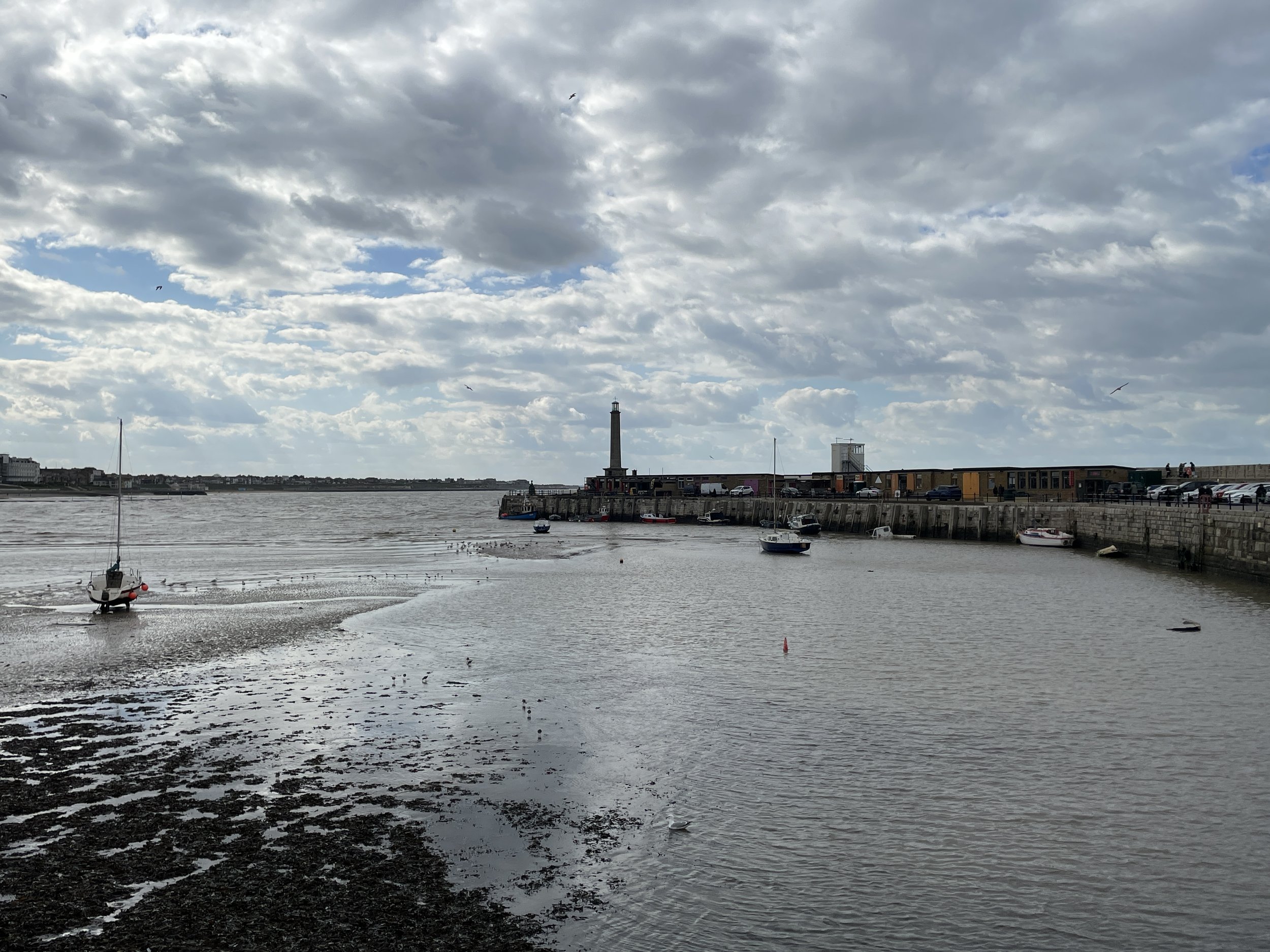
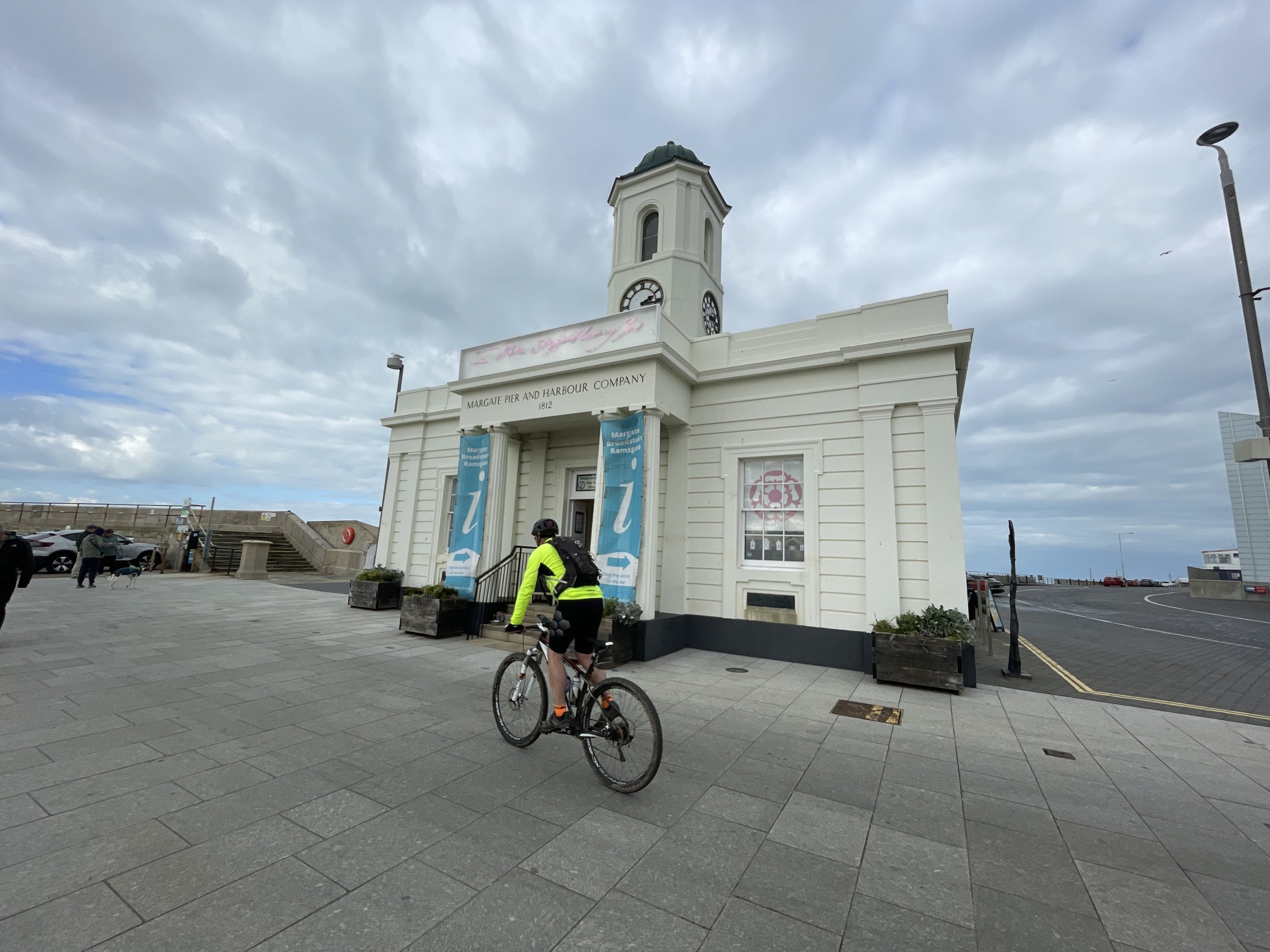
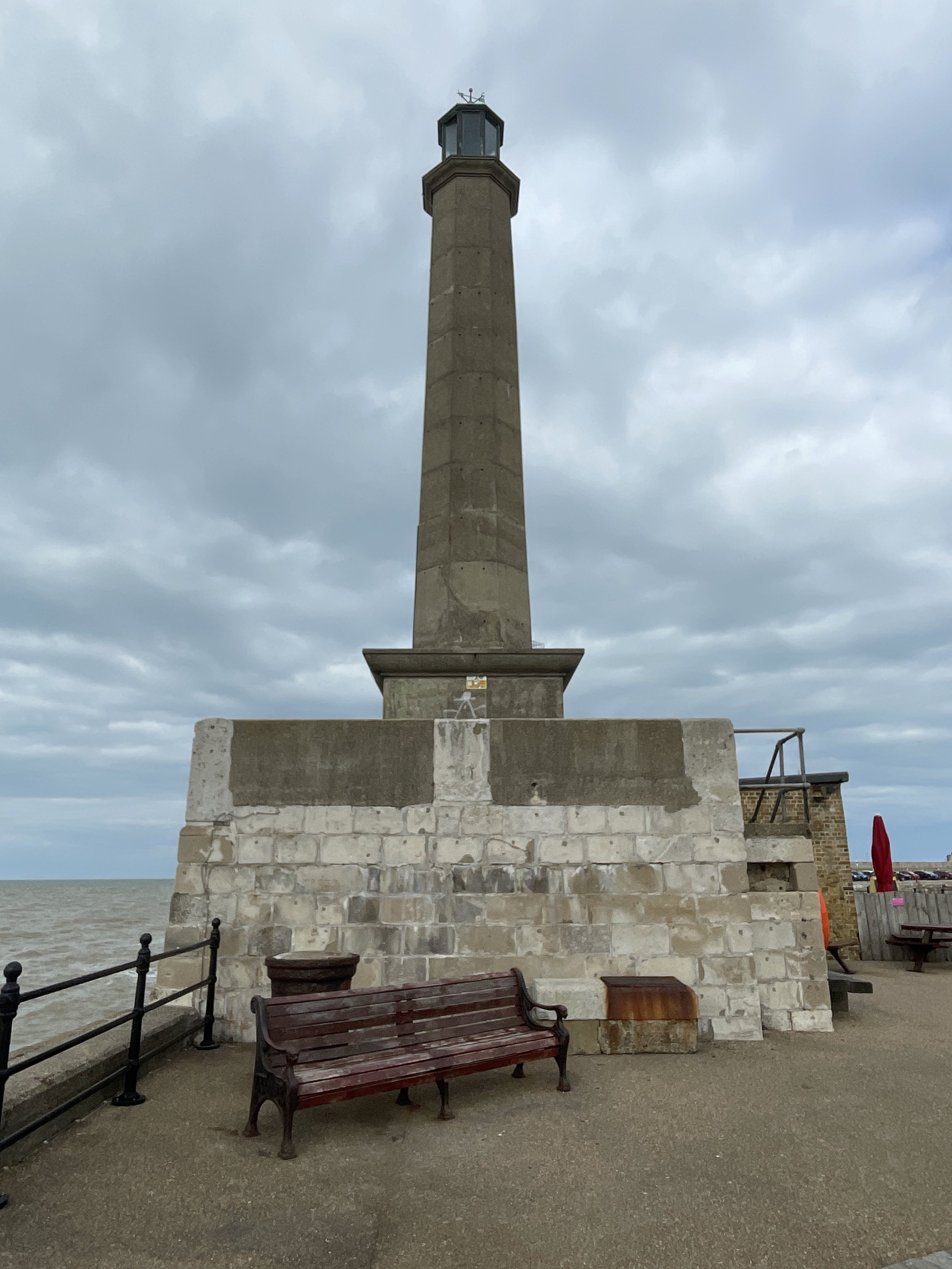
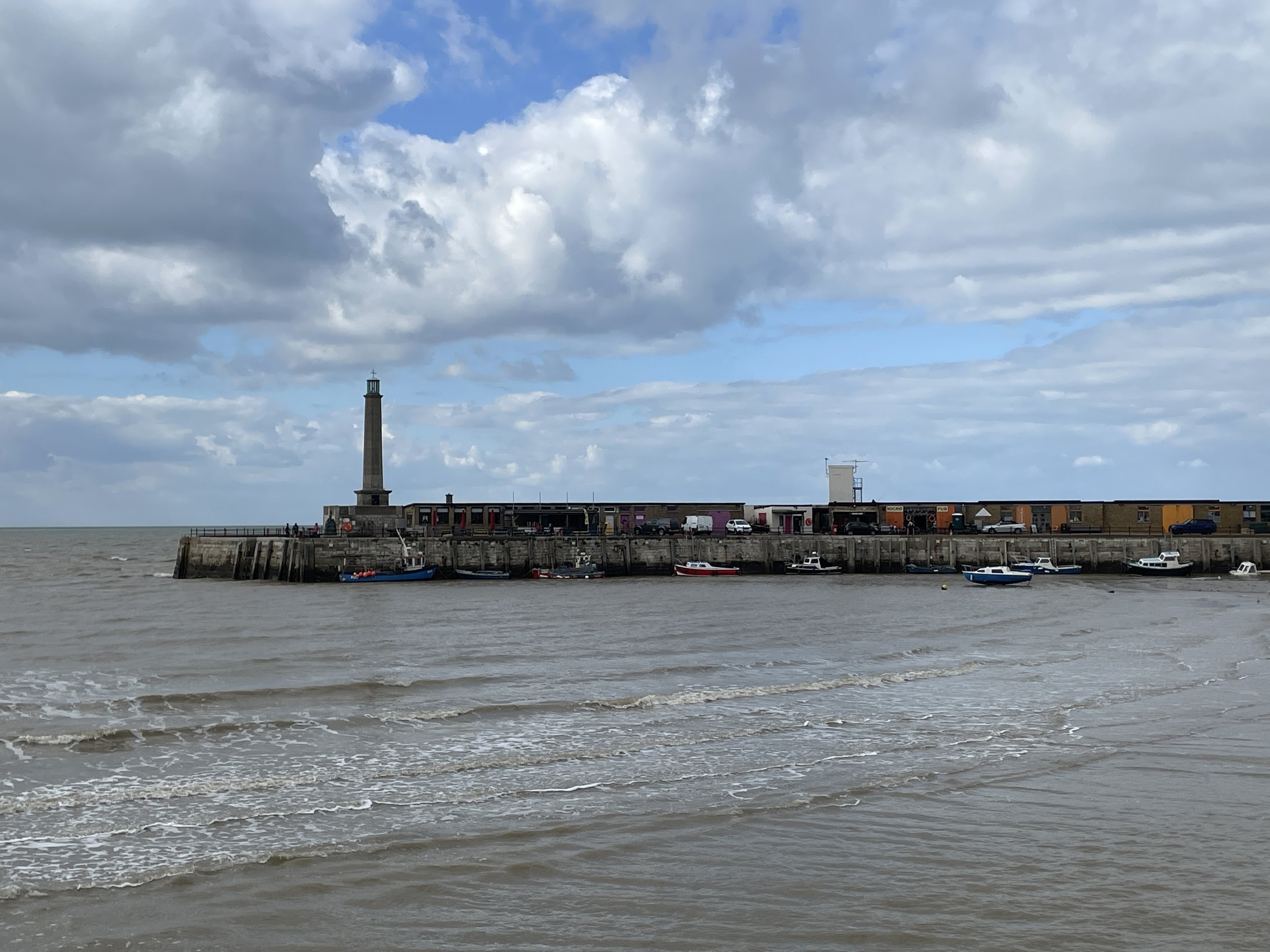
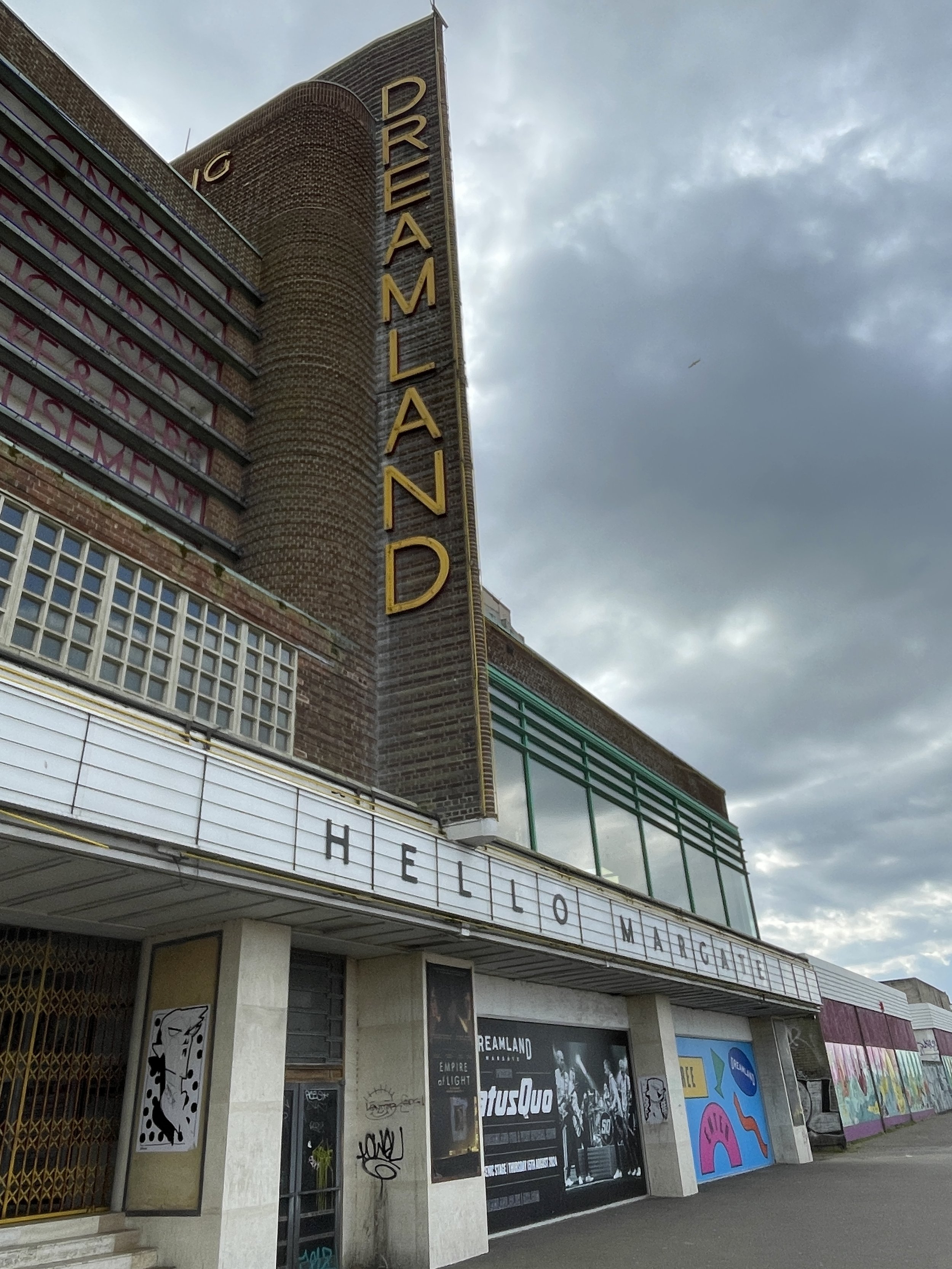
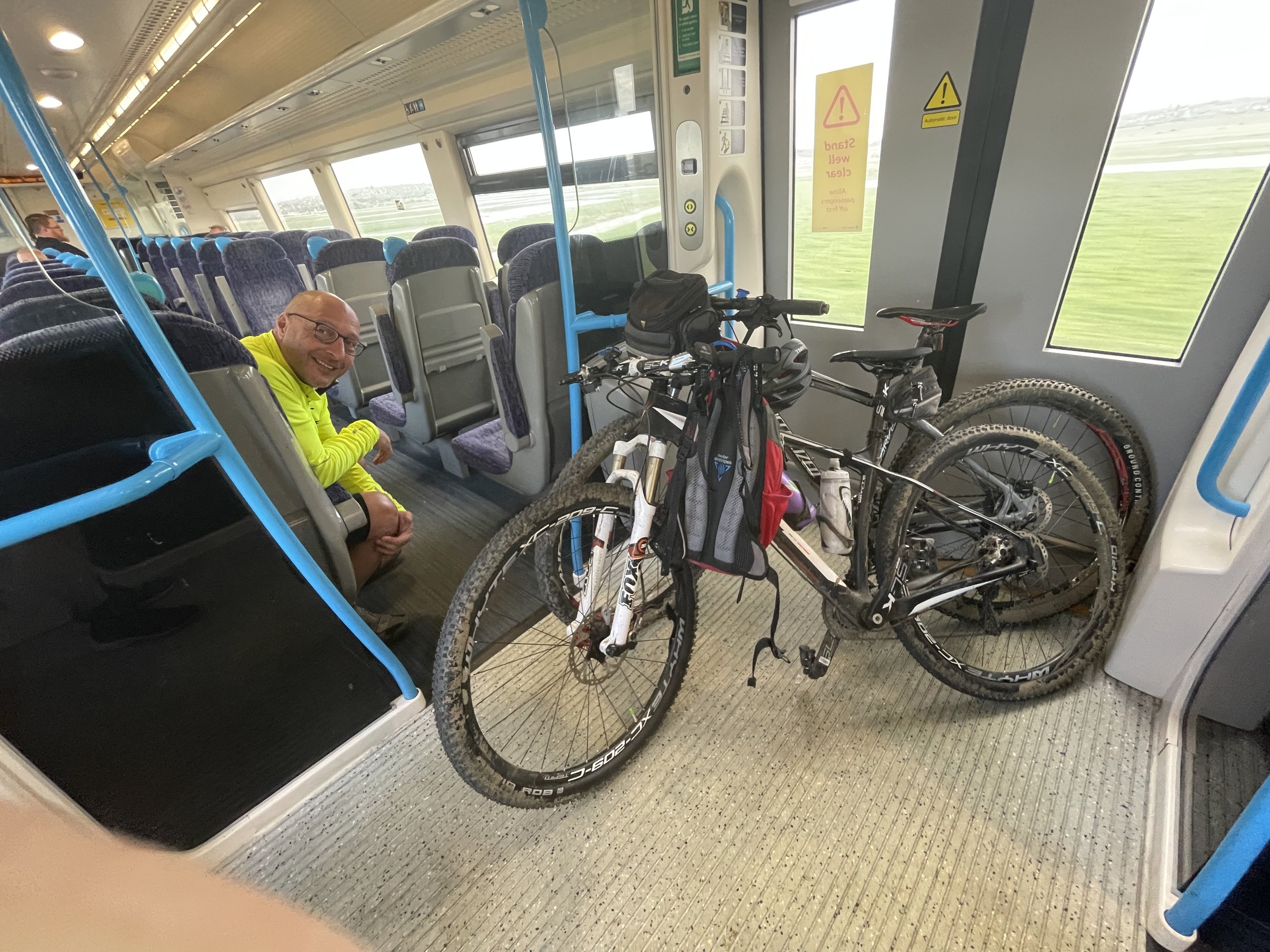

The Full 2-Day Route

The Millennium Mileposts
Dotting the UK's National Cycle Network are over 1,000 unique markers known as the Millennium Mileposts. Unveiled in 2000, these cast-iron sculptures are more than just waymarkers. Designed by four artists, one from each nation of the UK, they celebrate the diversity of the cycling routes. These artistic mileposts come in various shapes and can be found in both bustling towns and scenic landscapes, adding a touch of artistic charm to a cycling adventure. Here are the 15 Mileposts that I spotted on the 2 day estuary adventure.
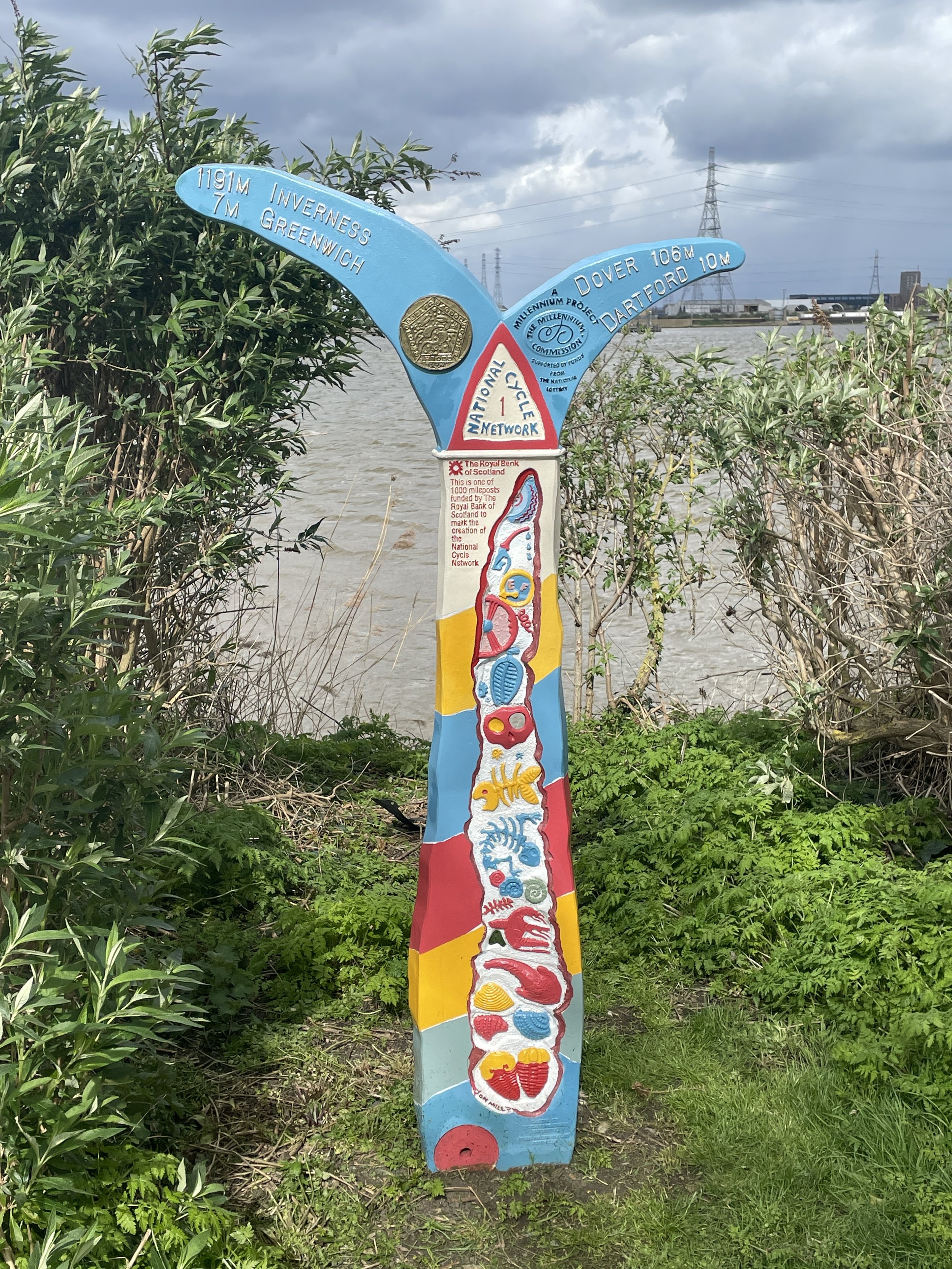
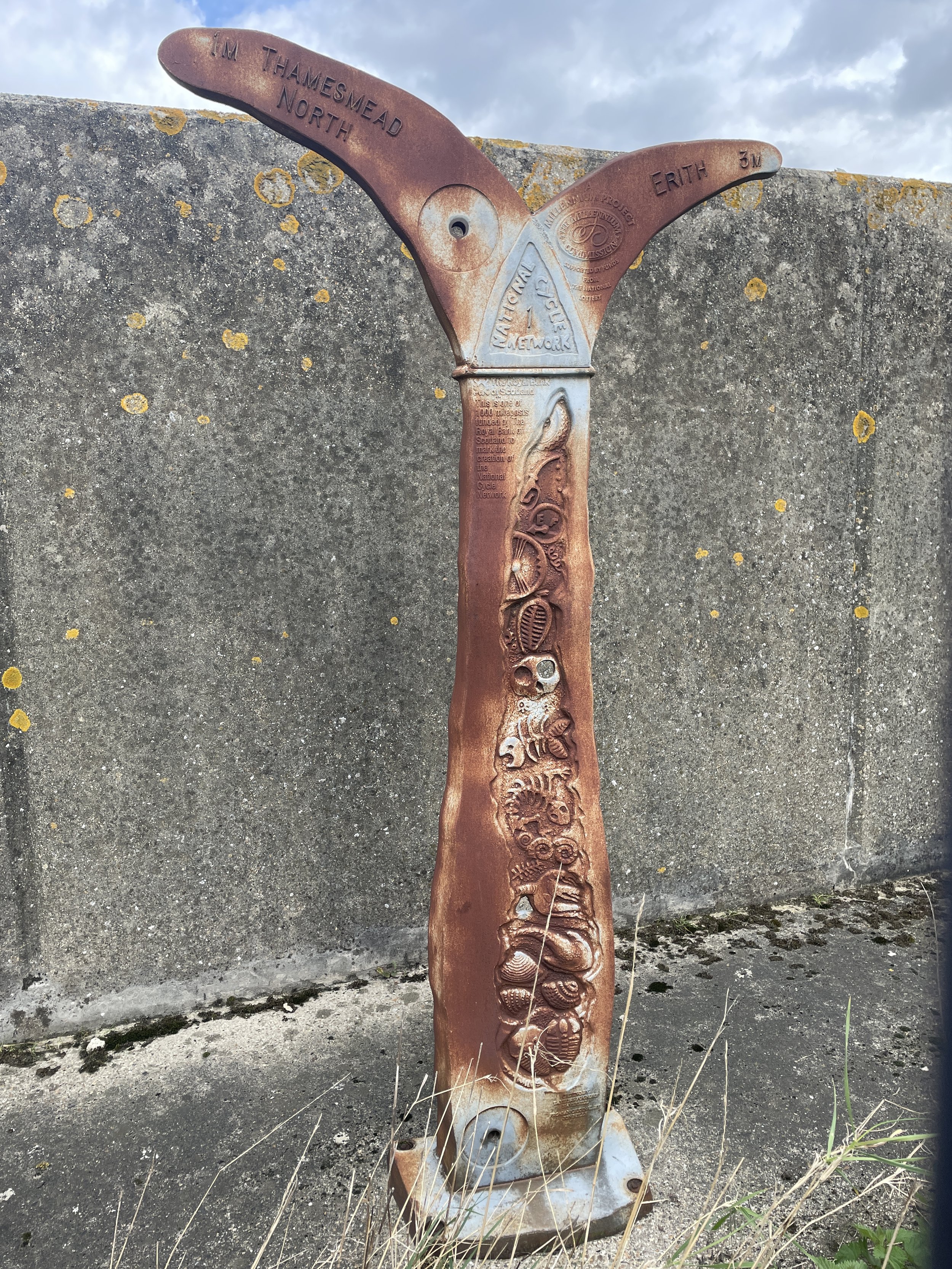
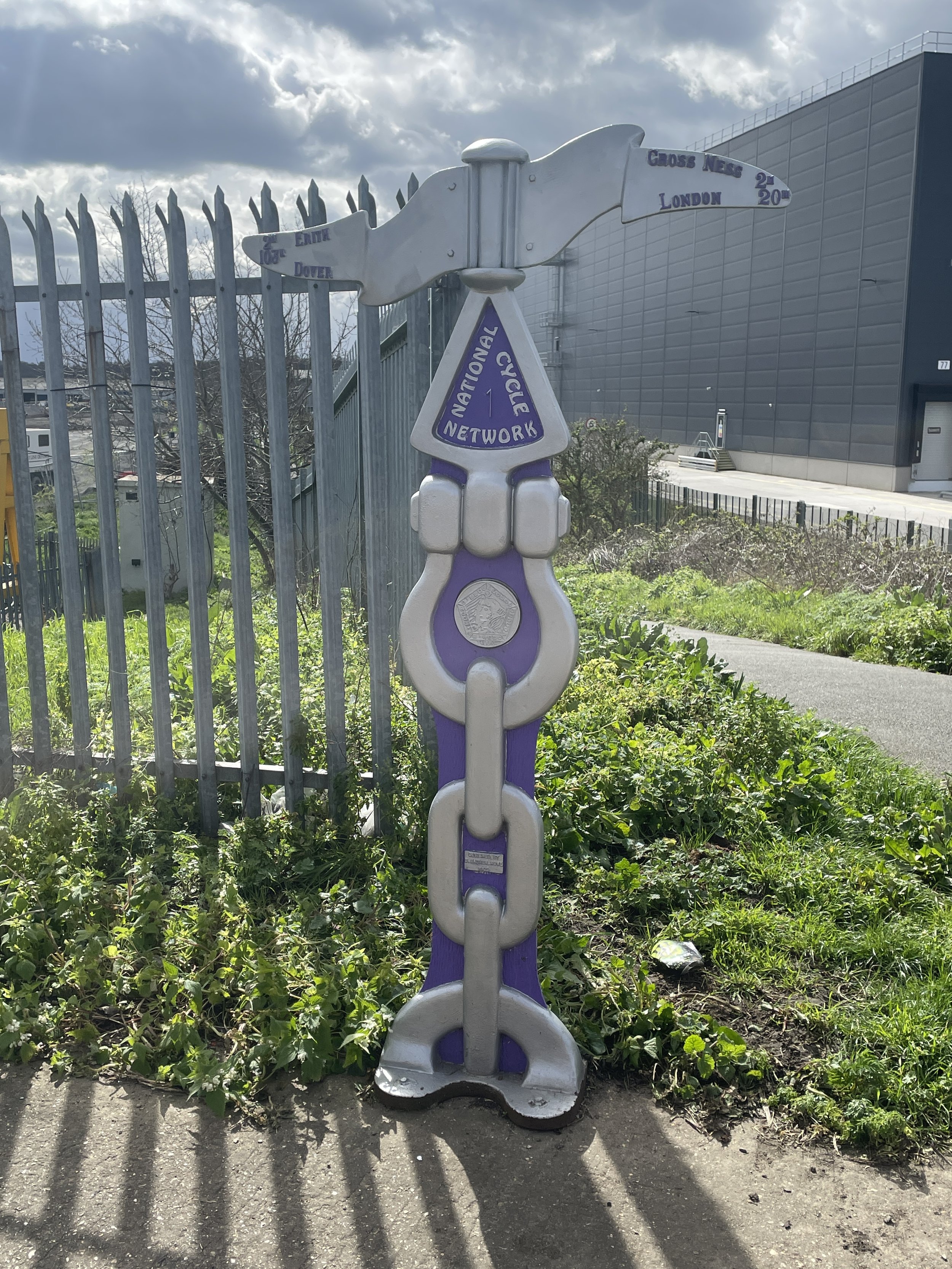
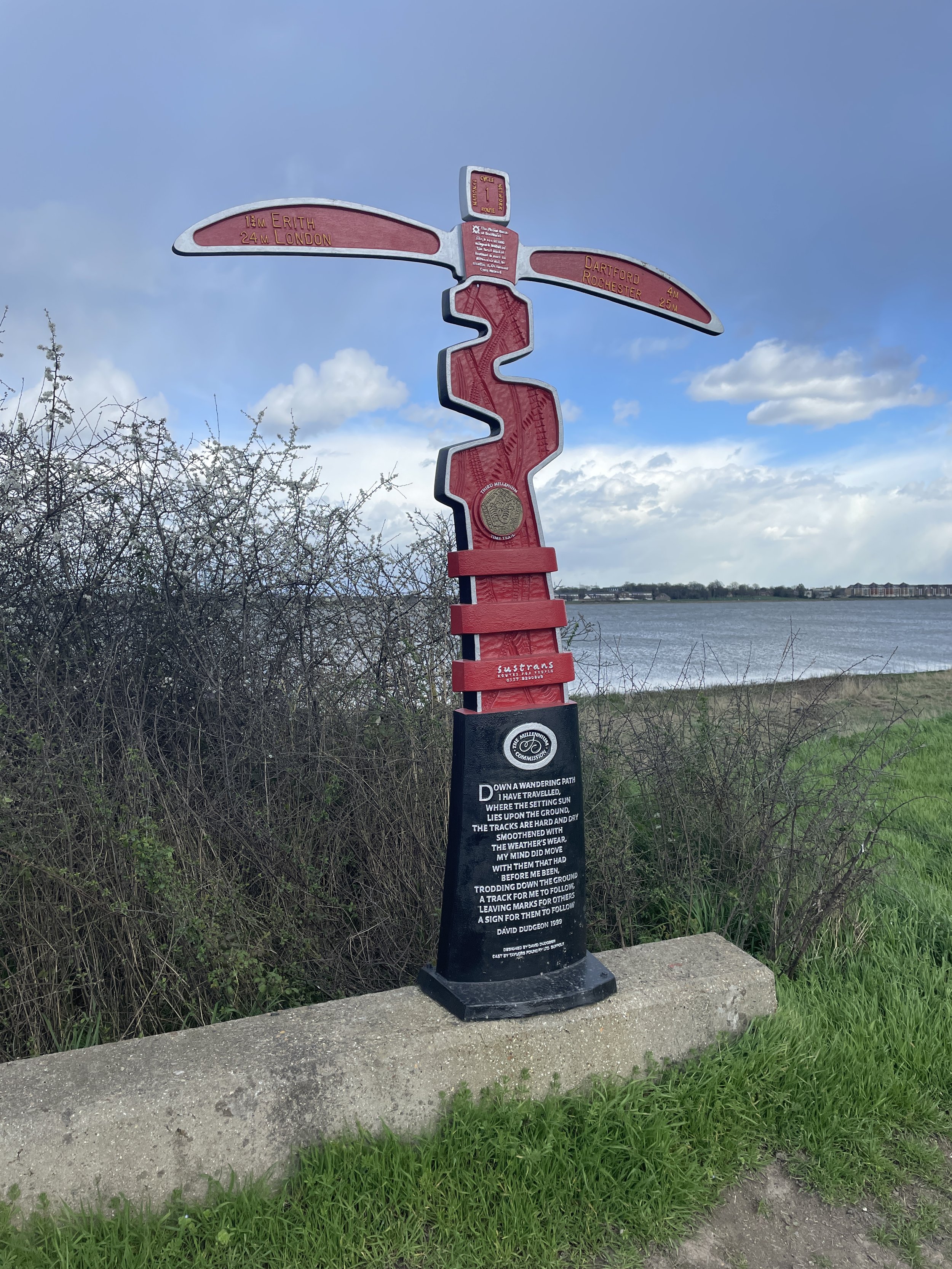
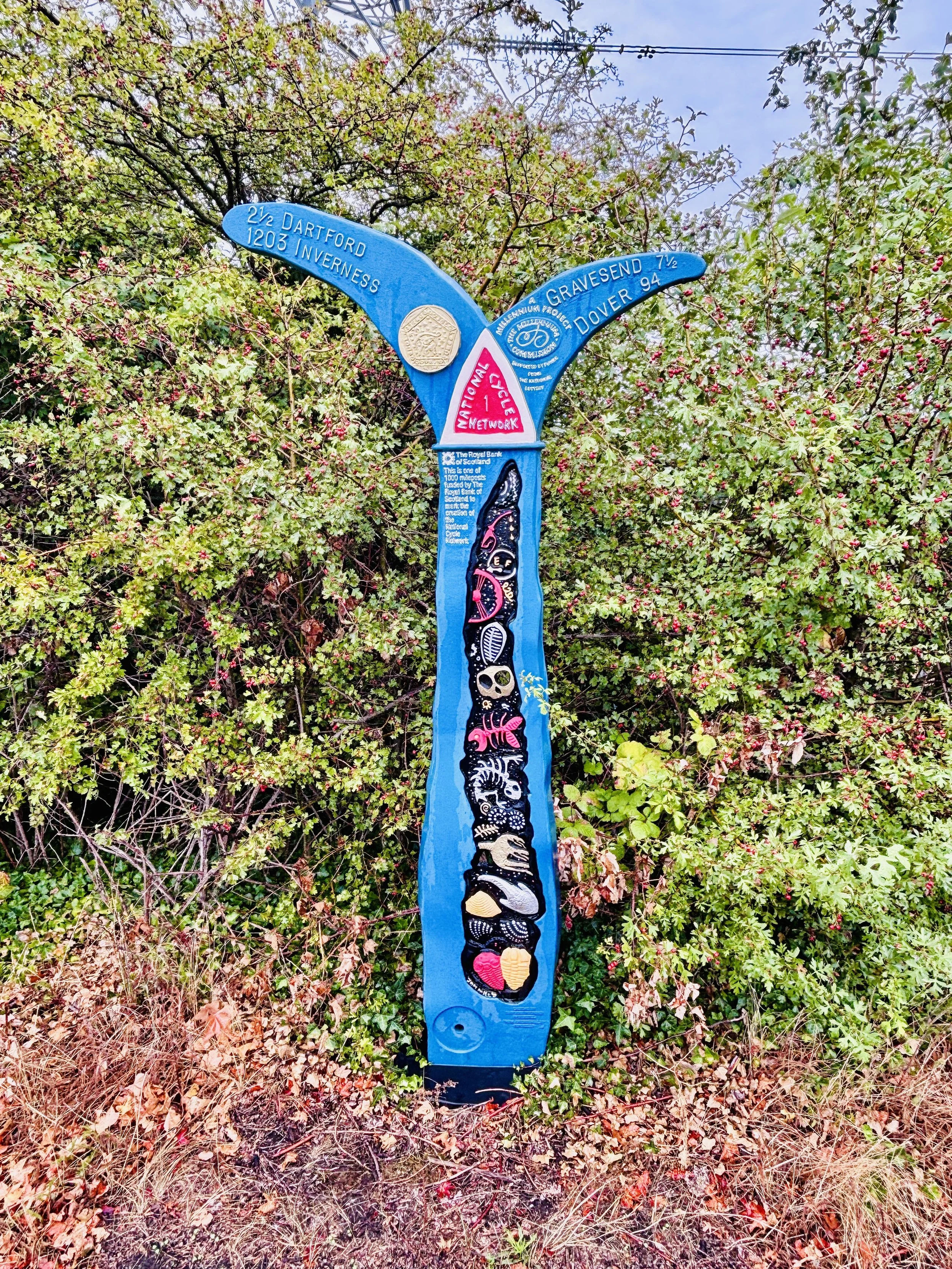
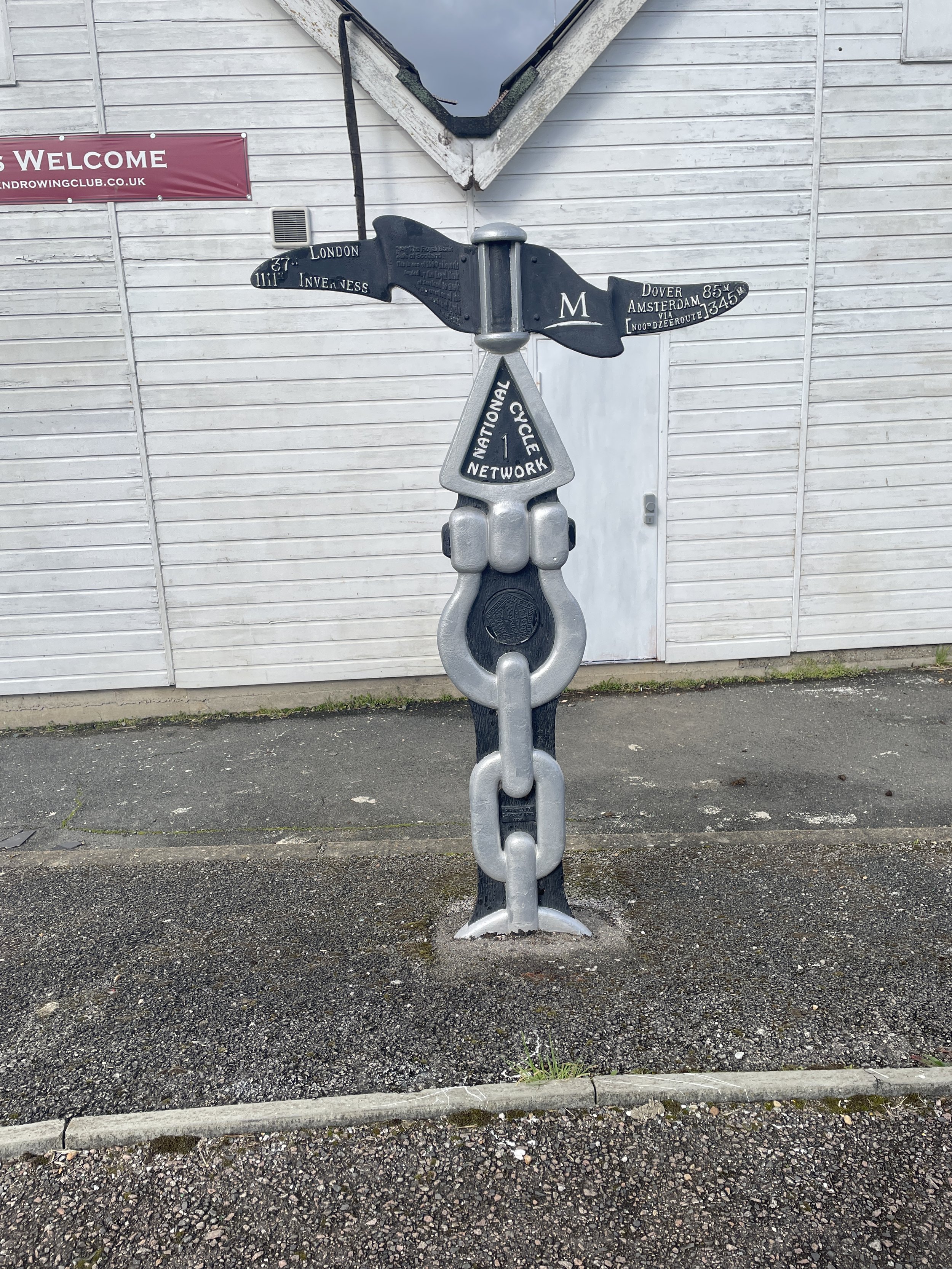
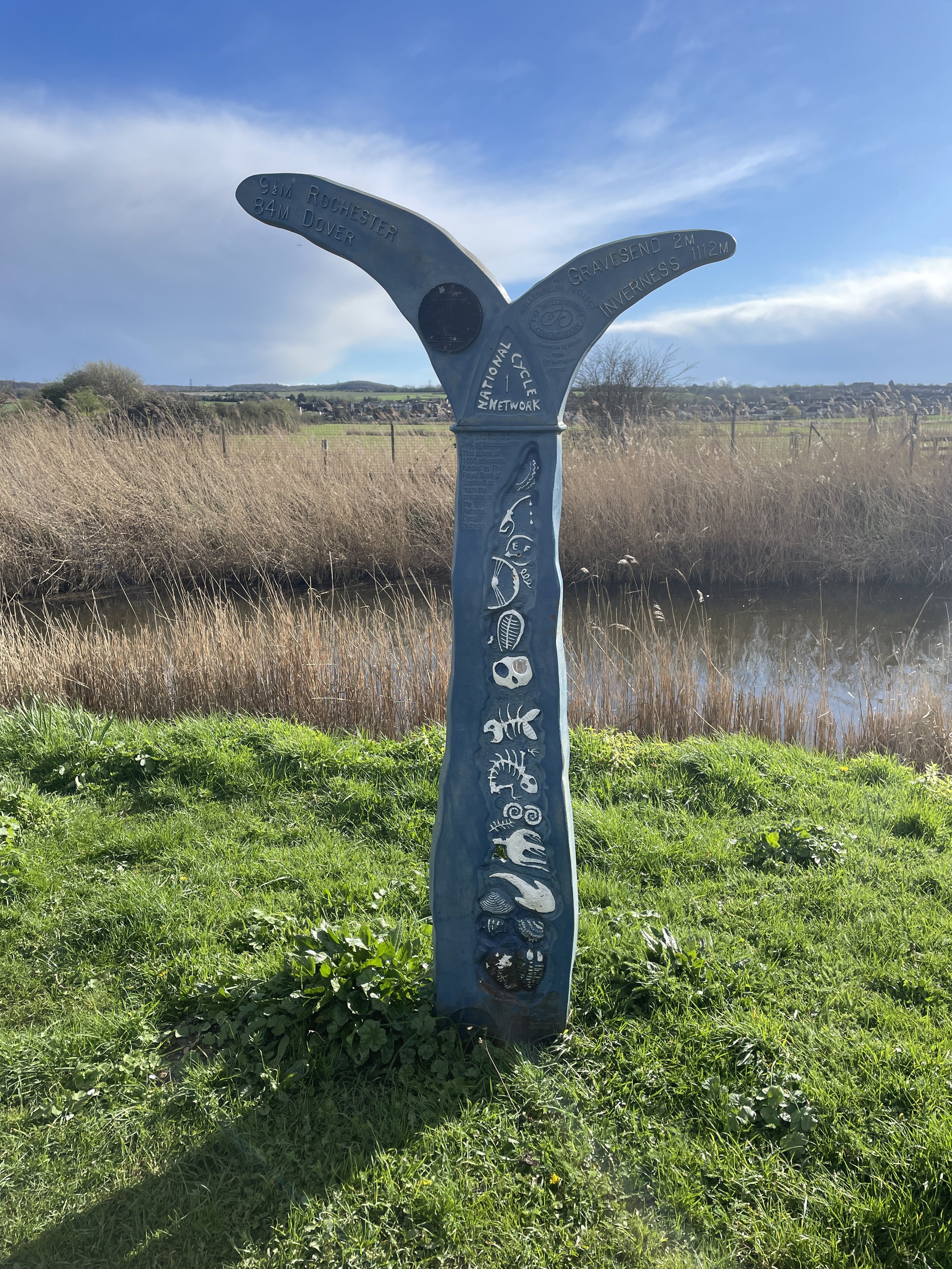
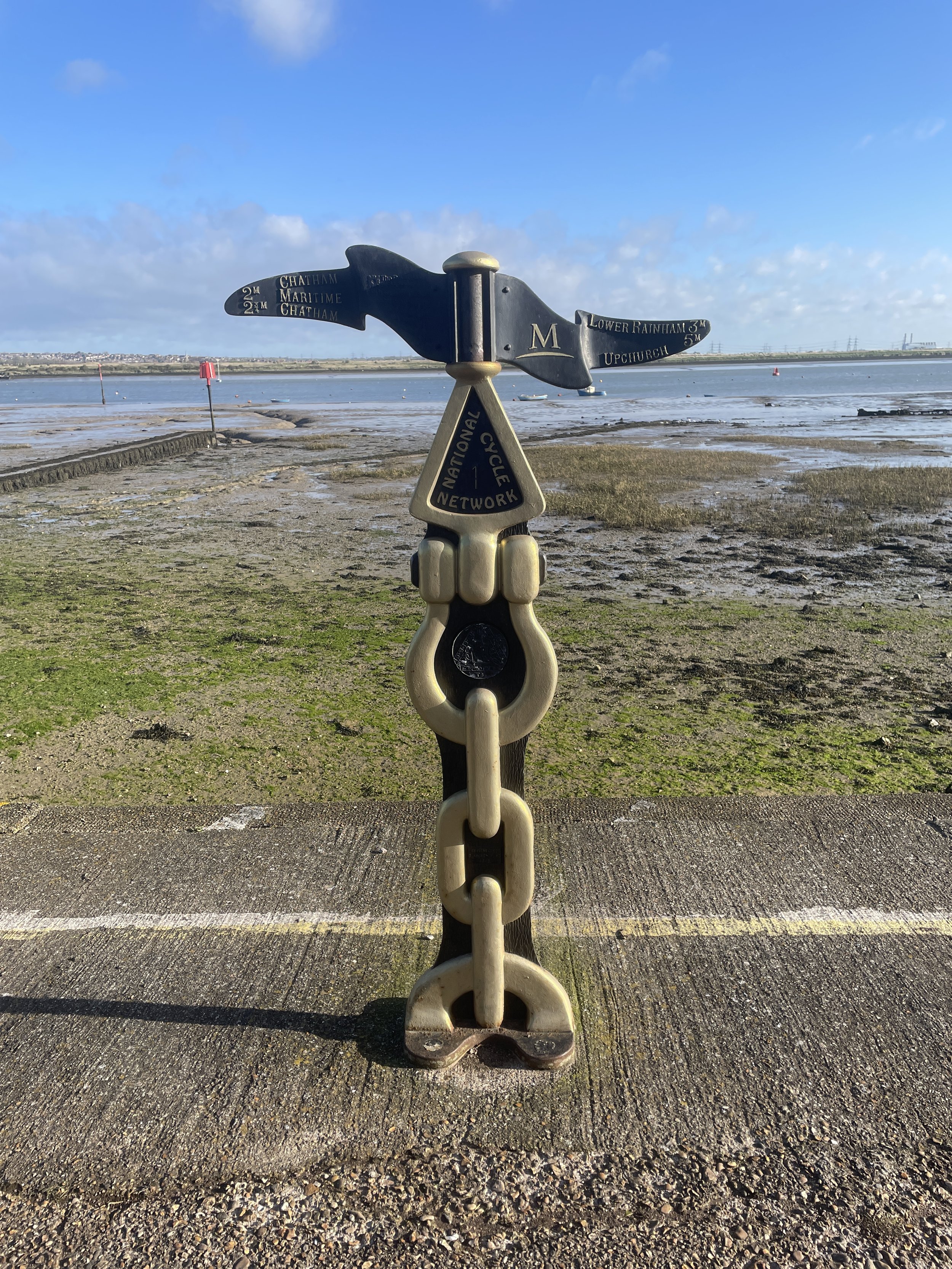
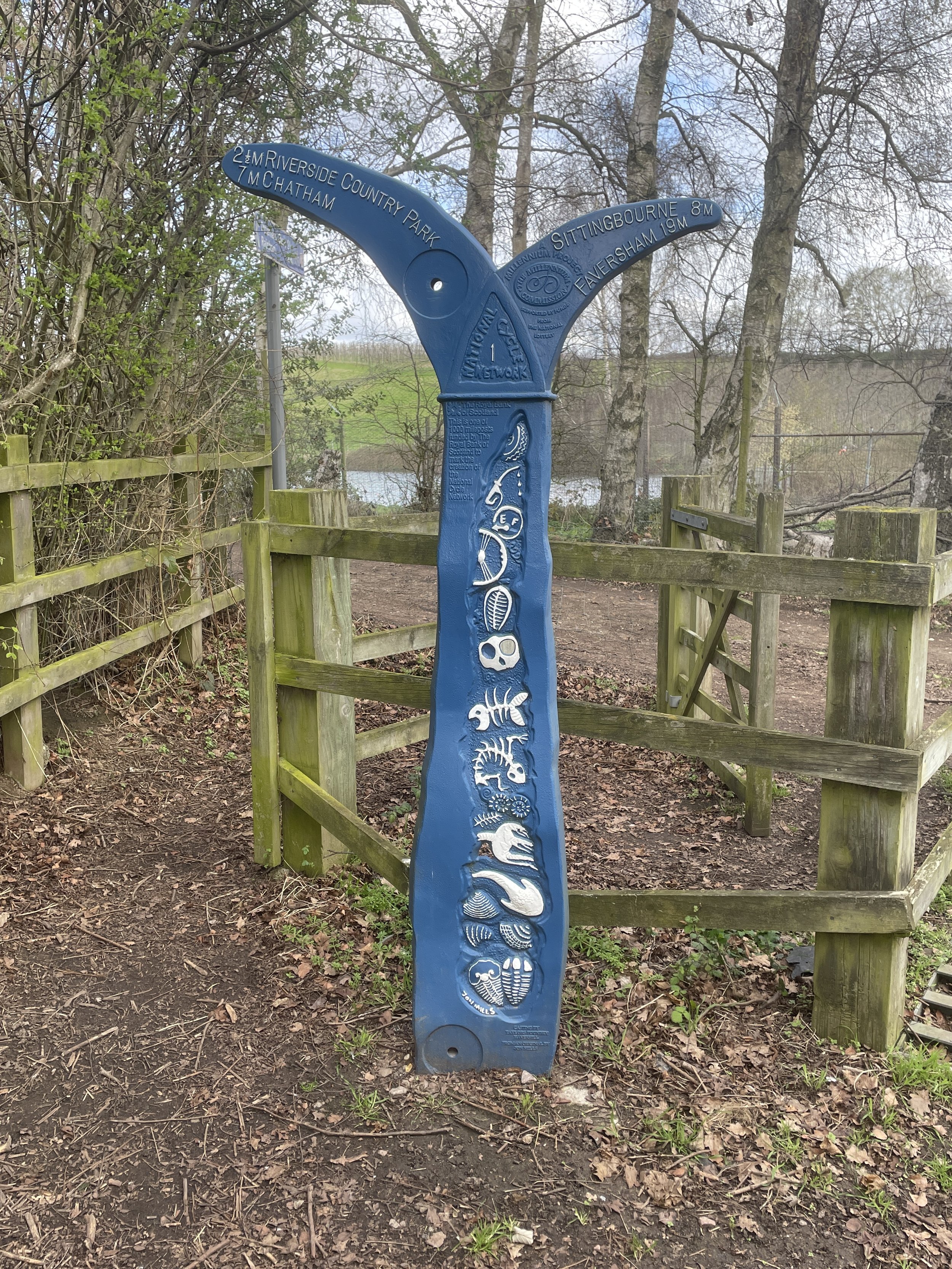
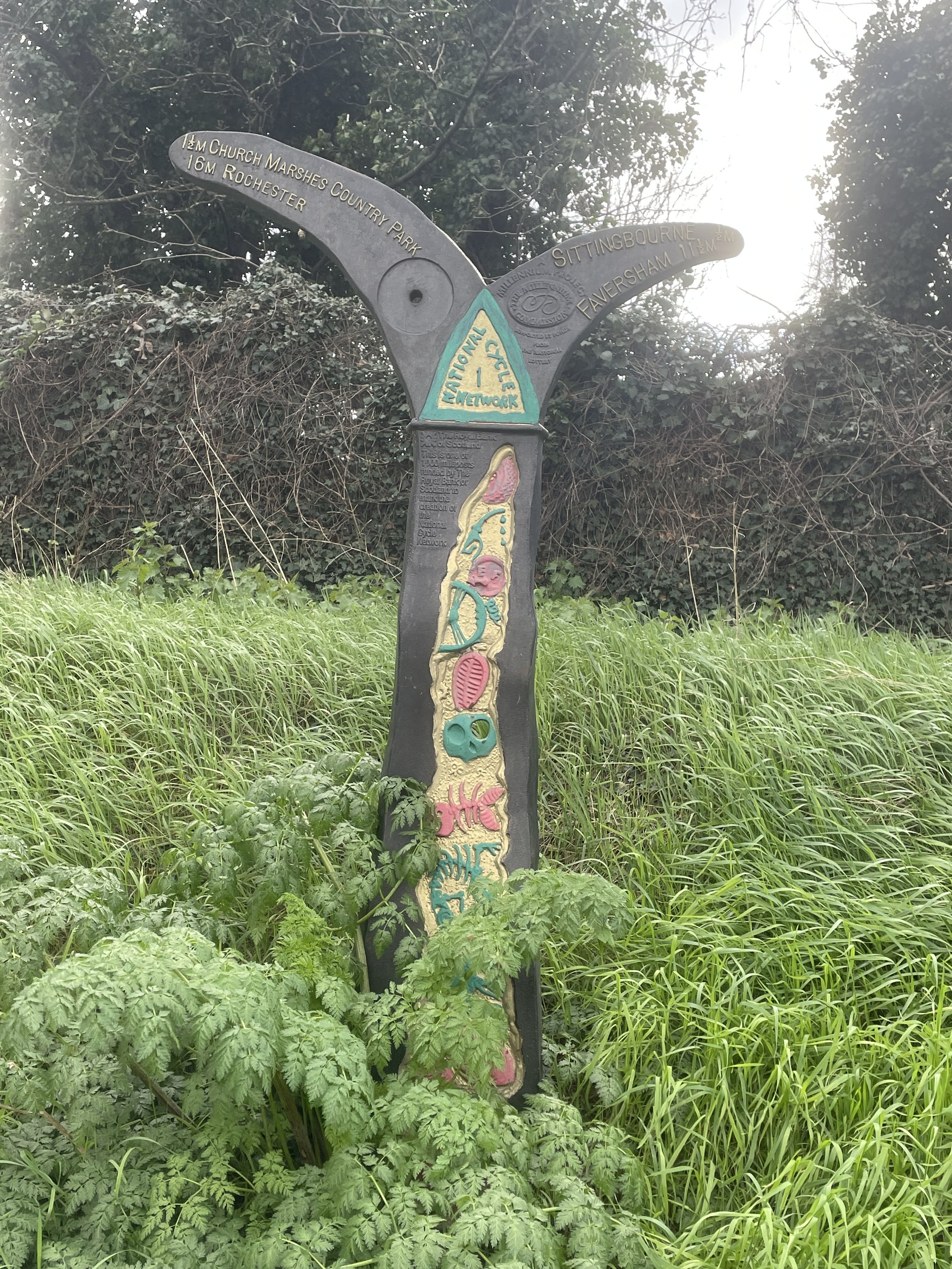
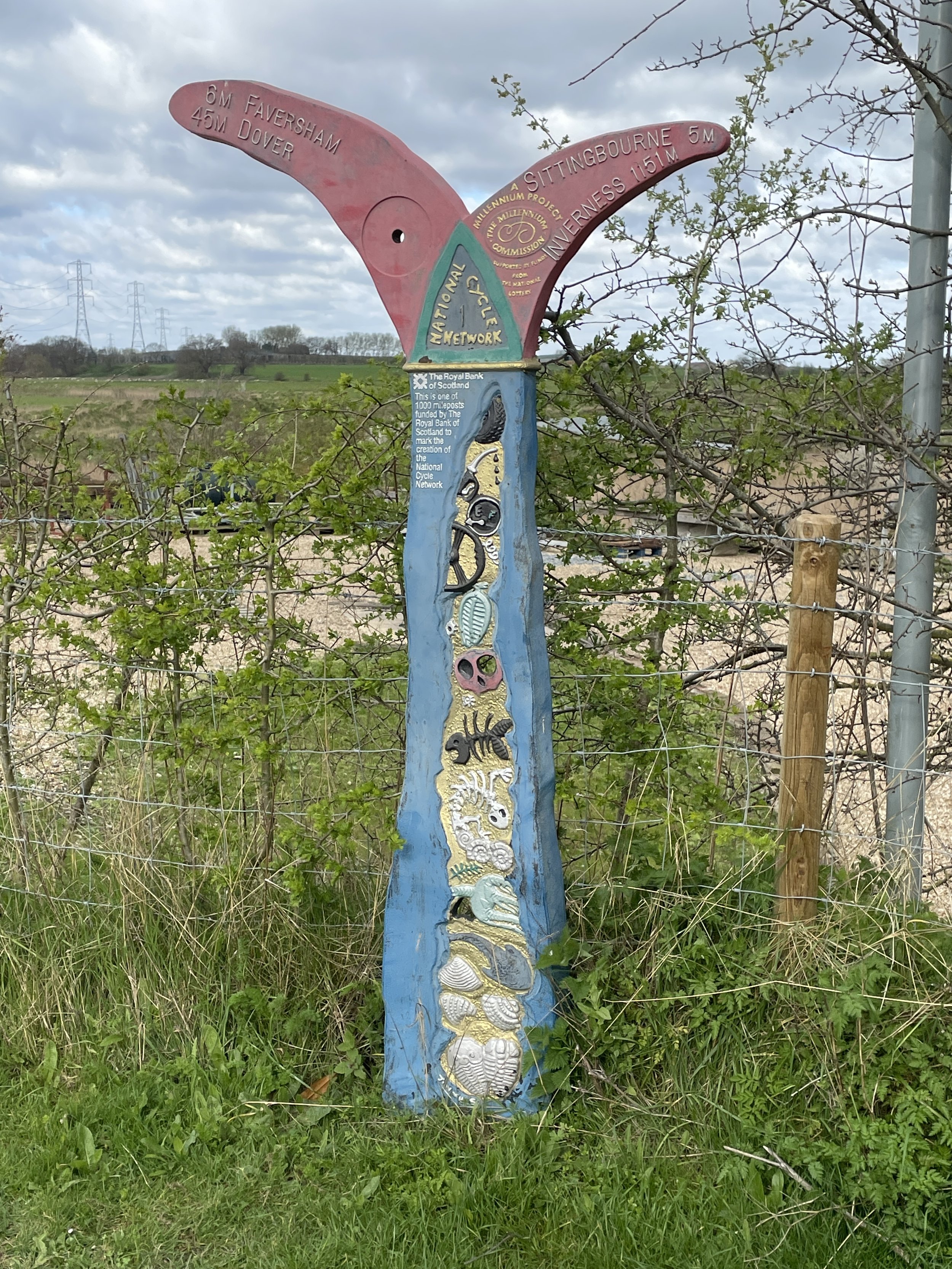
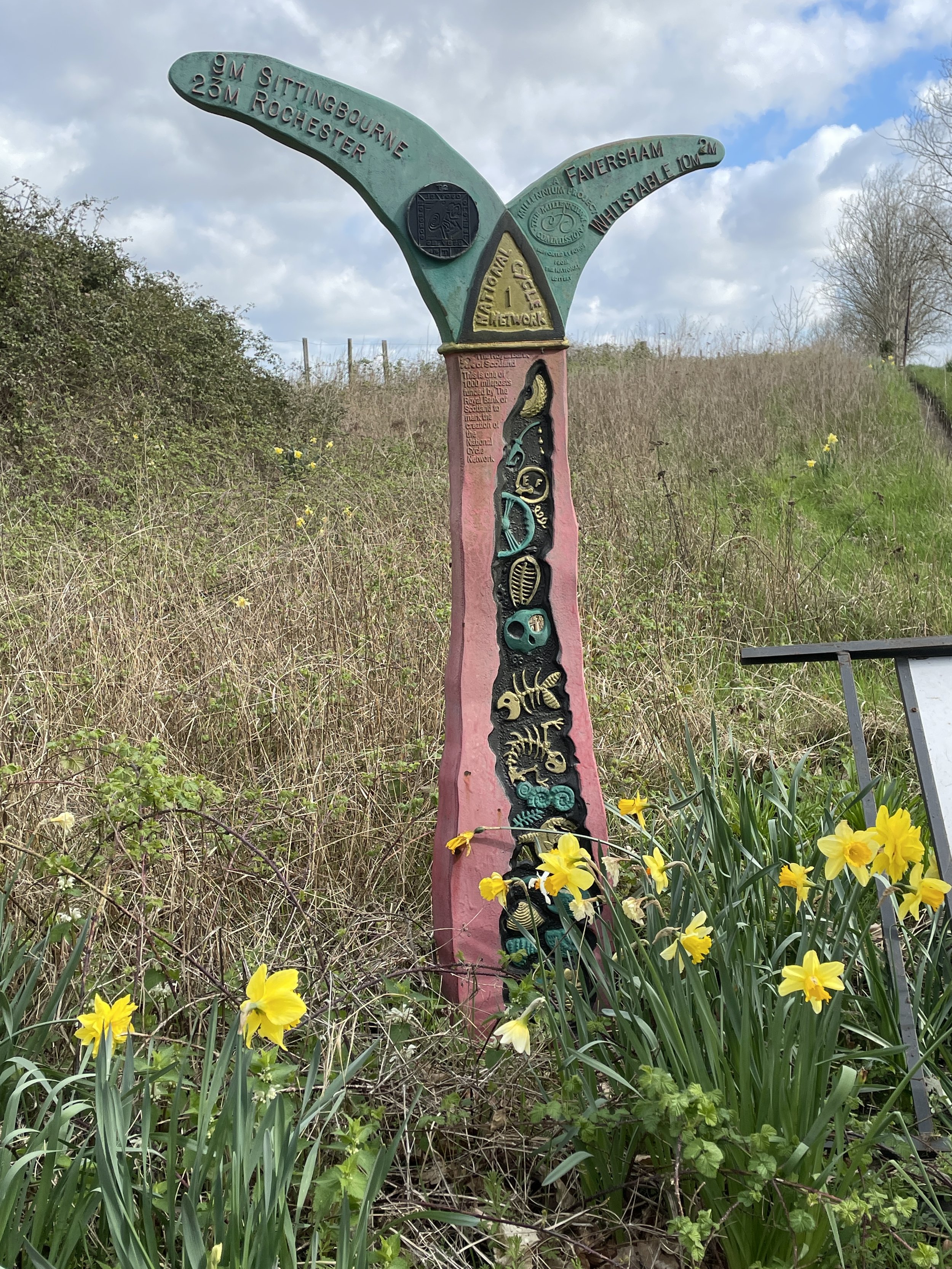
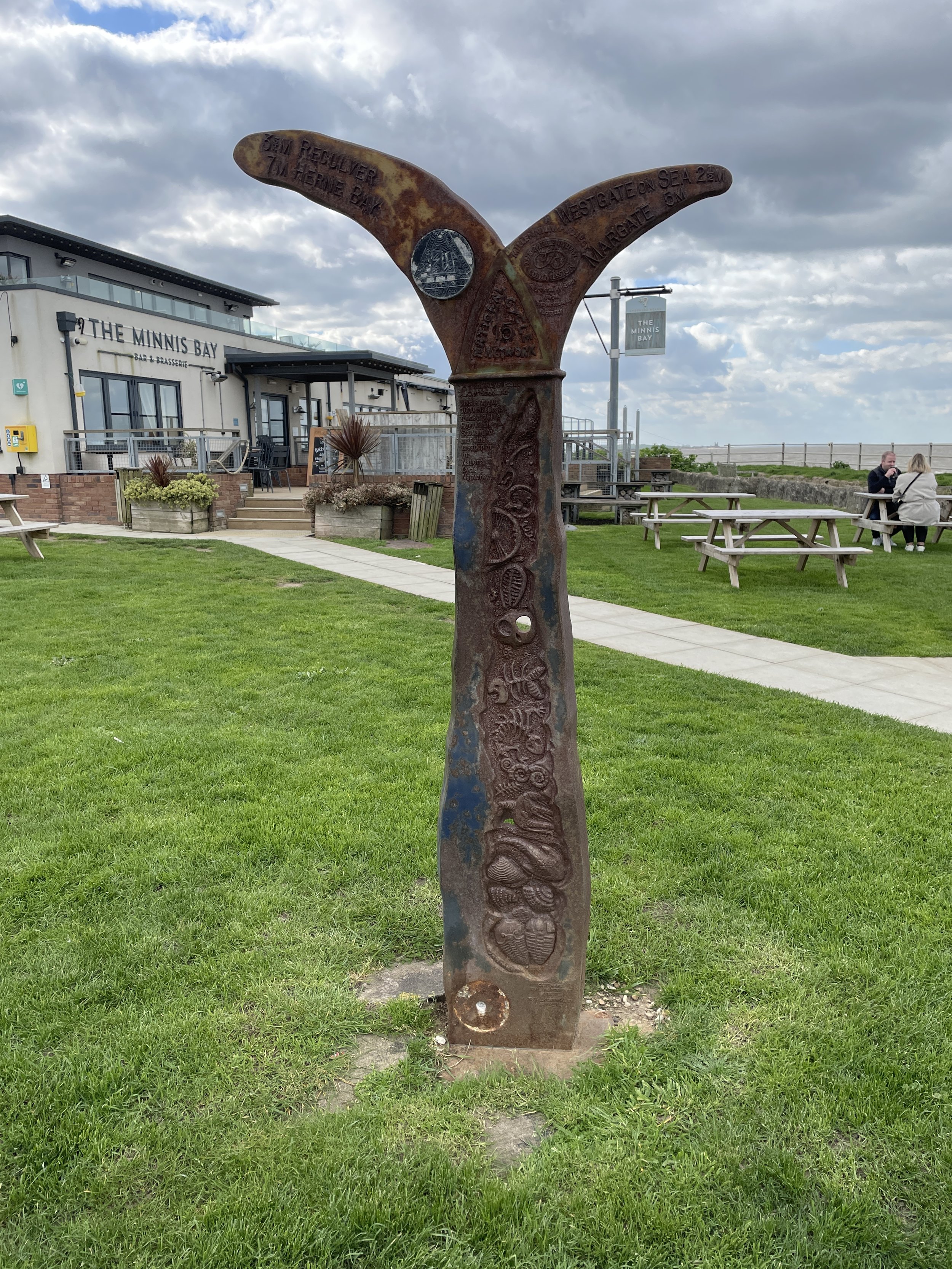
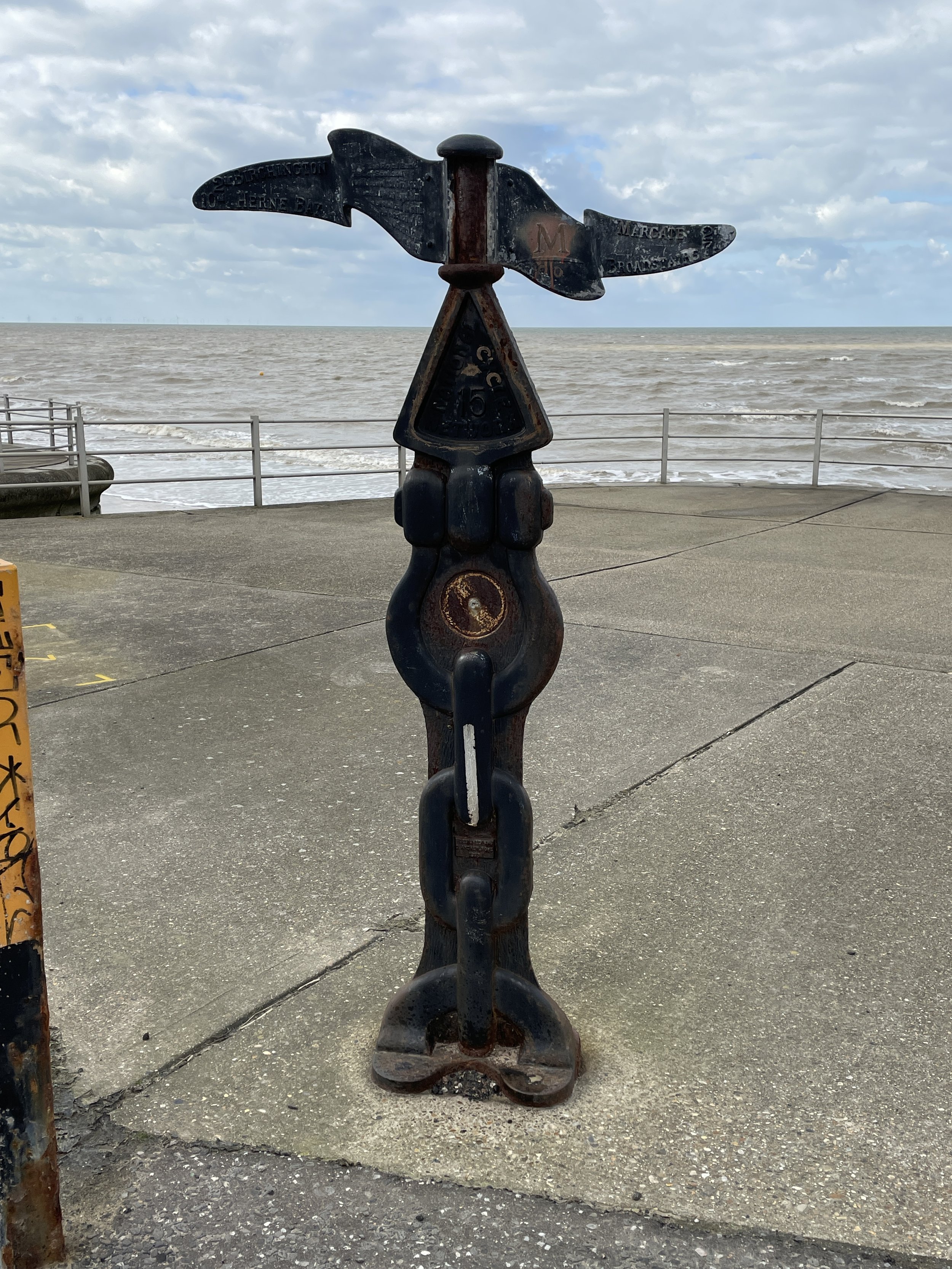
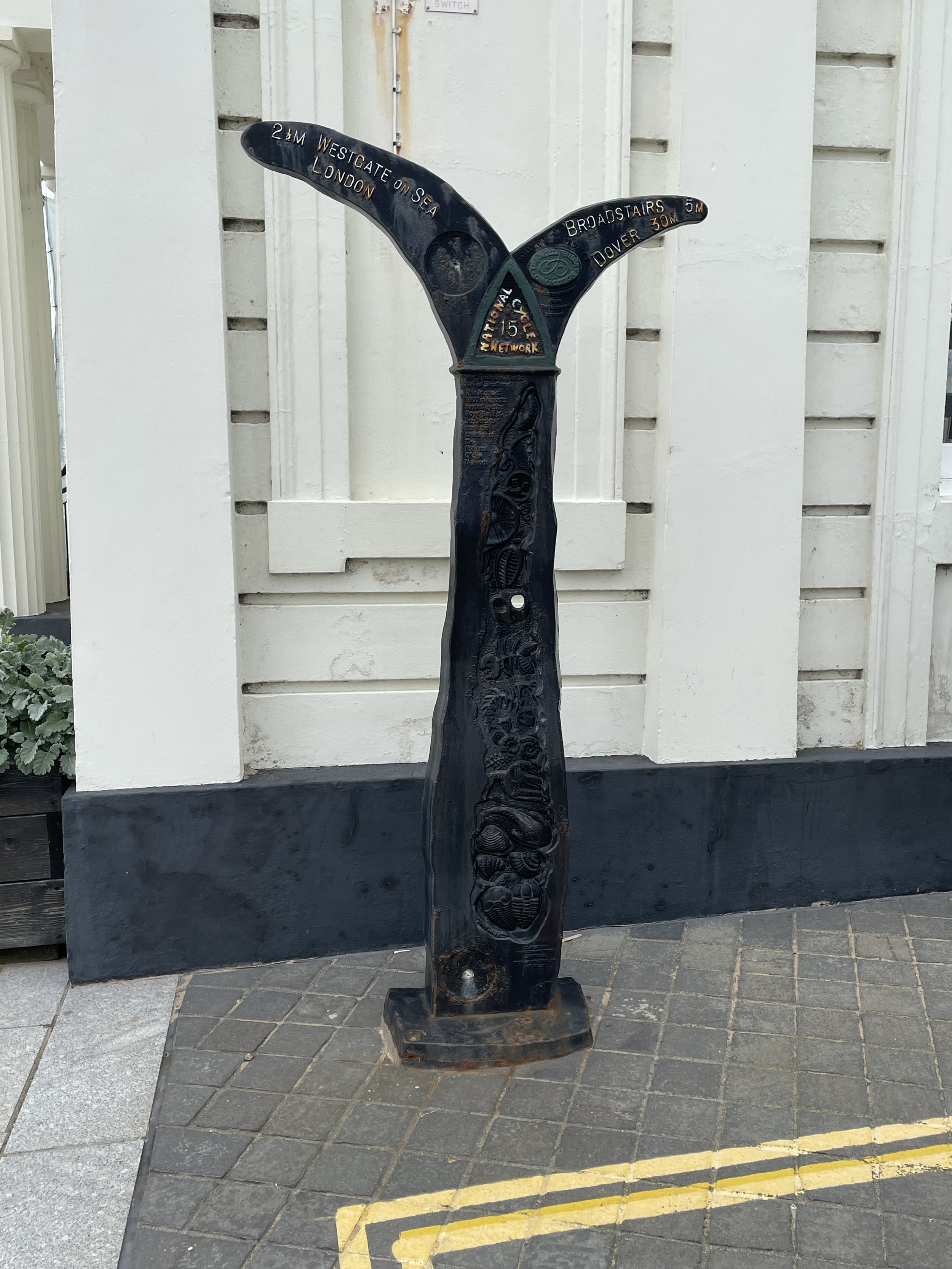
Chiltern Walks: Bourne End, Cookham and Wooburn
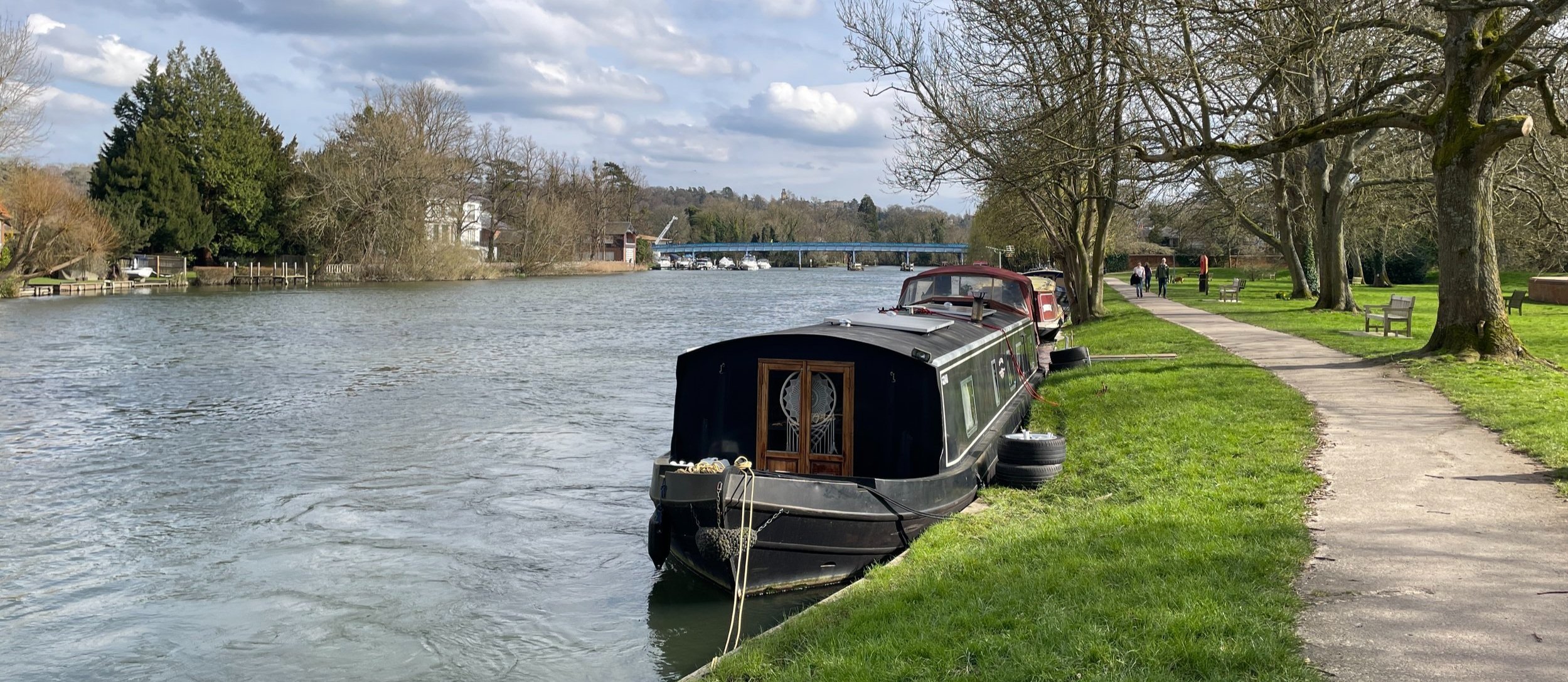
River Thames at Cookham
Start & Finish: Wakeman Road Car Park, 2A Wakeman Road, Bourne End, SL8 5SX
Distance: 8.2 km (5.1 miles)
Elevation change: +/- 83m
Shakespeare’s Way section covered: Bourne End Rail Bridge to Broad Lane, Widmoor: 3.9 km
GPX File: get via Buy Me a Coffee
Other routes touched (walk): Thames Path, Shakespeare’s Way, Beeches Way, Chiltern Way Berkshire Loop, High Wycombe to Bourne End Disused Railway
Other routes touched (cycle): N/A
Pubs / Cafes on route: Several in Bourne End and Cookham village centres. Also The Ferry (2.4 km in), The Garibaldi (3.7 km in), Chequers Inn (5.3 km in),
Map: OS Explorer Map (172) Chiltern Hills East
Links: Bourne End, Cookham, Wooburn
The Shakespeare’s Way is a 235 km / 146 mile mile long-distance path connecting Shakespeare's birthplace in Stratford-upon-Avon with the Shakespeare's Globe (Theatre), Southwark, London. A 34km section of the path cuts through the Chiltern Hills National Landscape in a south-easterly direction. Our walks take in short sections of the Shakespeare’s Way and loop back to the start on other paths. The Shakespeare’s Way is reasonably well marked however you’ll need a map or GPX route to keep on track for the return sections of the loops. The guidance below will help but don’t use it as a fully accurate turn-by-turn guide.
For this walk we parked at Wakeman Road Car Park in Bourne End and walked to the River Thames via the footpath to the left of the station. At the Thames cross over the railway bridge and, at the bottom of the steps, take a right to follow the Thames Path in a southerly direction.
Leave the Thames Path at Cookham Bridge and cross over to the north side of the Thames to follow Ferry Lane north. Here you have 2 choices: to follow The Beeches Way by taking the first path on the right after the bridge or to take an alternative route via Hedsor Road. Both options come together around the 5km mark at the top of Harvest Hill. We had already done the Beeches Way option so we took the alternative described below.
Continue north along Ferry Lane the take a right onto Hedsor Road, following it for ~500m to take a left onto Heavens Lea. Cross over Hedsor Hill (road) to follow Harvest Hill (road) in a north-easterly direction to Kiln Lane. Take a left onto Kiln Lane then a right onto a footpath just before the Chequers pub. Follow this footpath all the way down to Wooburn Park then cross over the River Wye and Town Lane.
Take the path to the left of Spake Oak depot to reach the disused Wycombe to Bourne End Railway Line. Follow this in a south-westerly direction to the end at the A4155 Cores End Road. Follow this back to the car park in Bourne End.

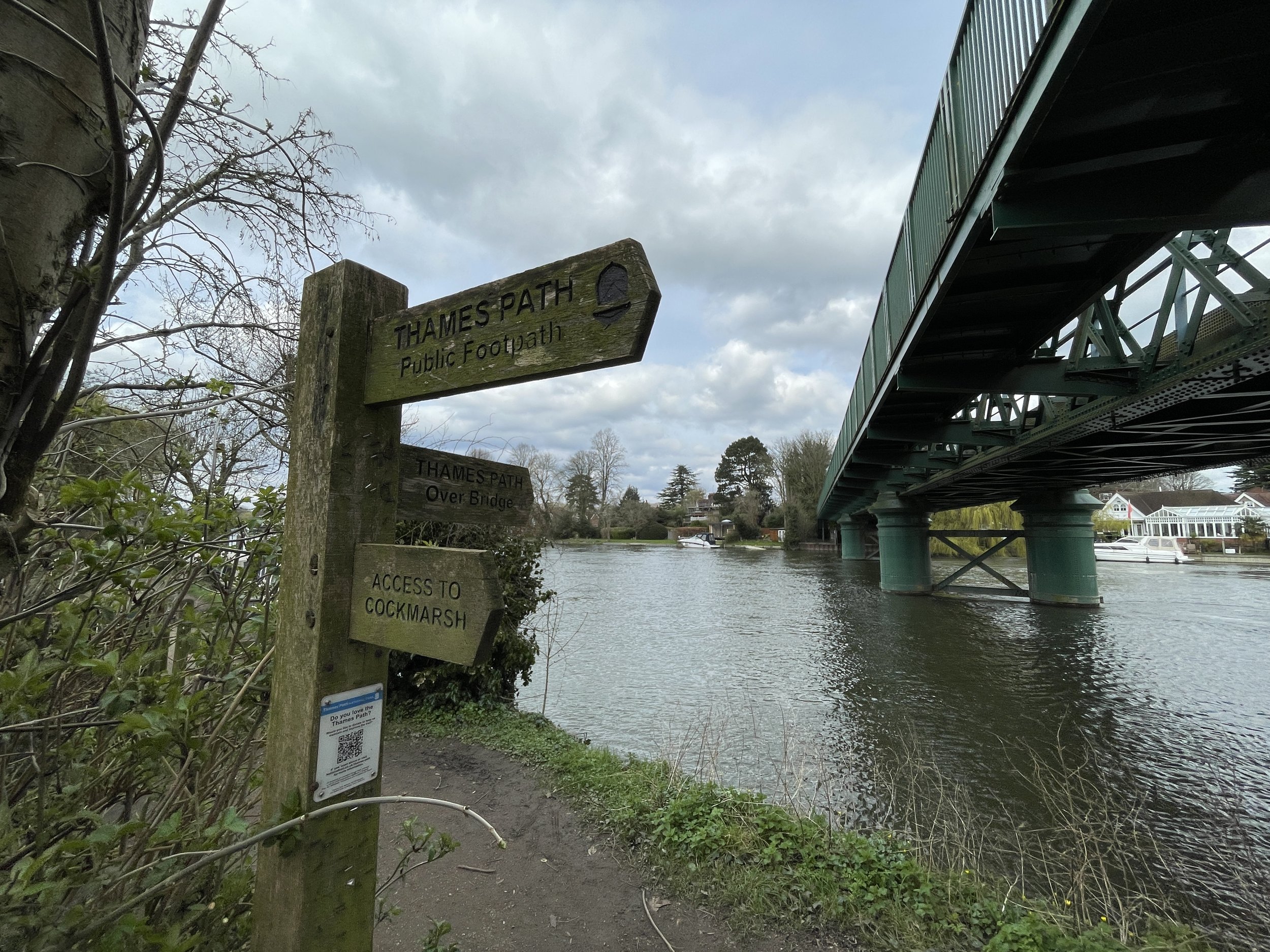
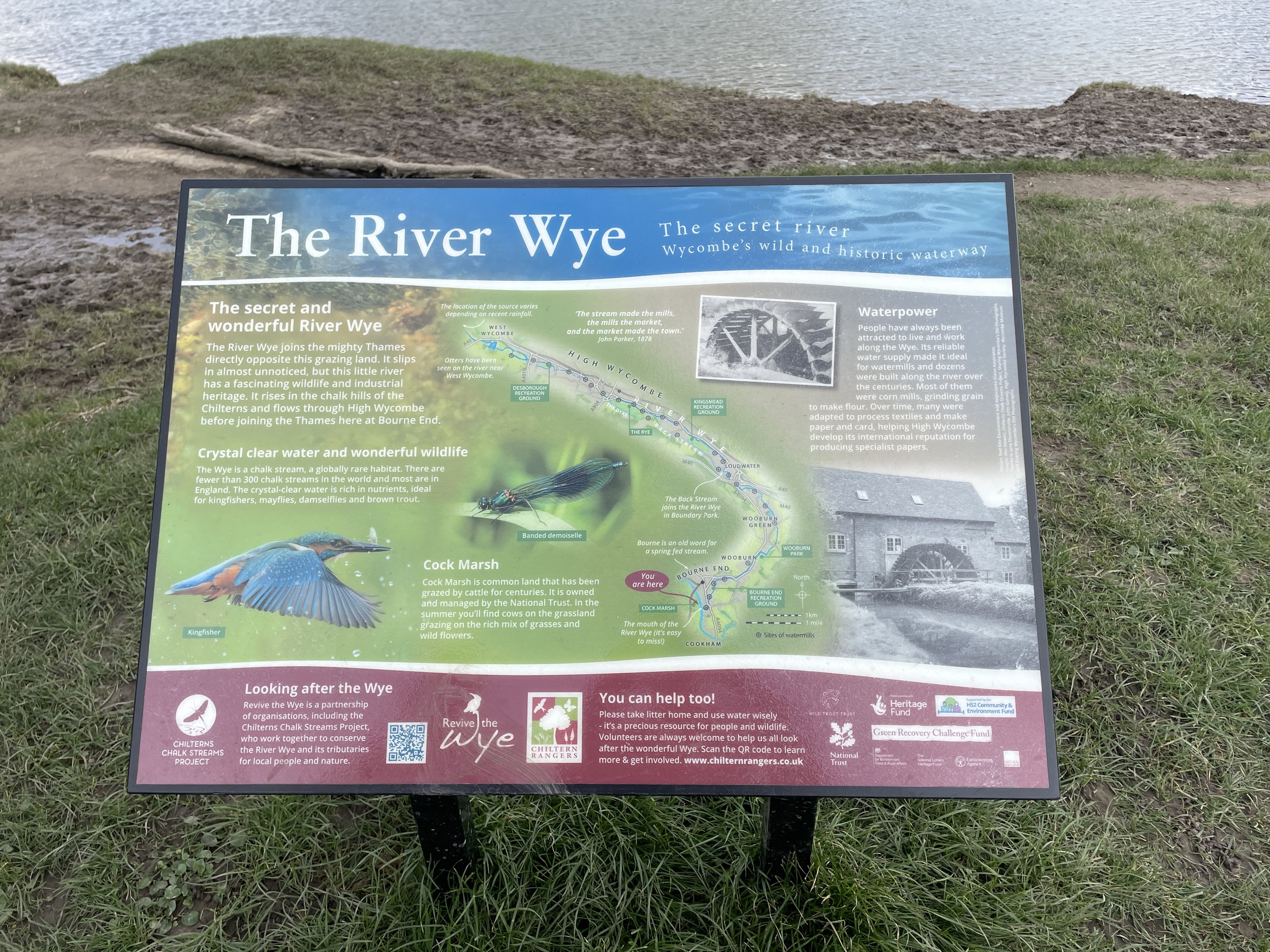
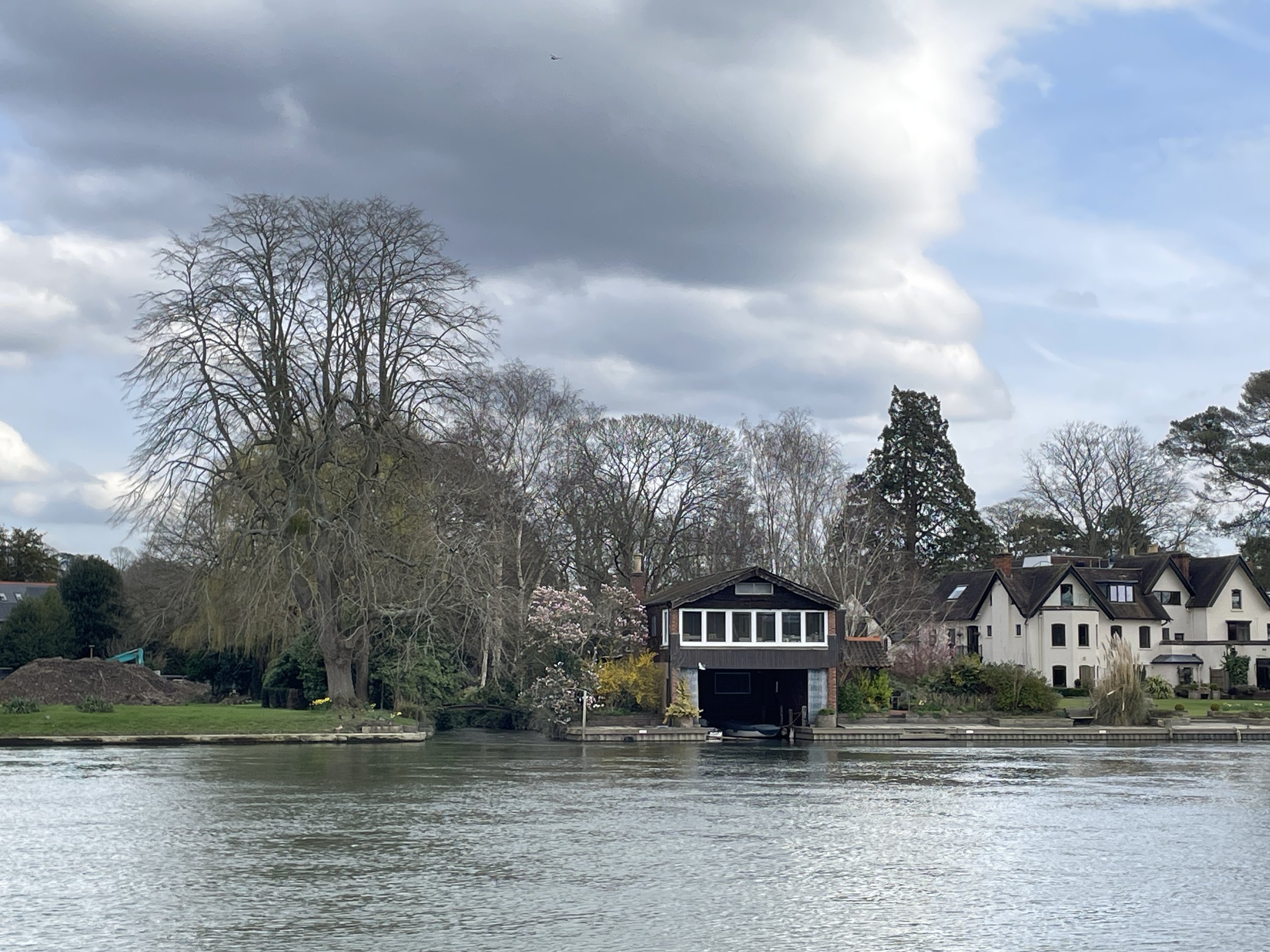
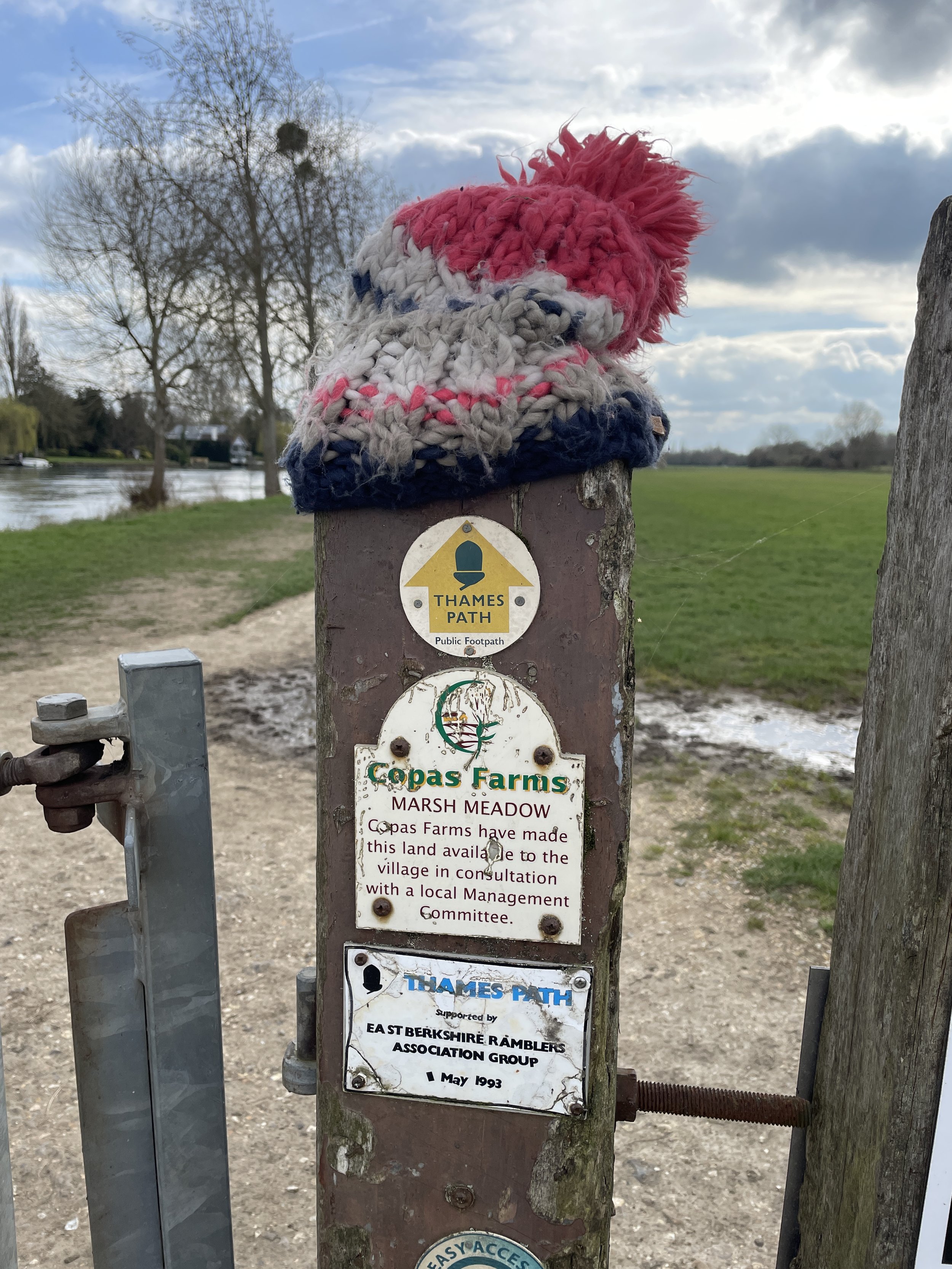
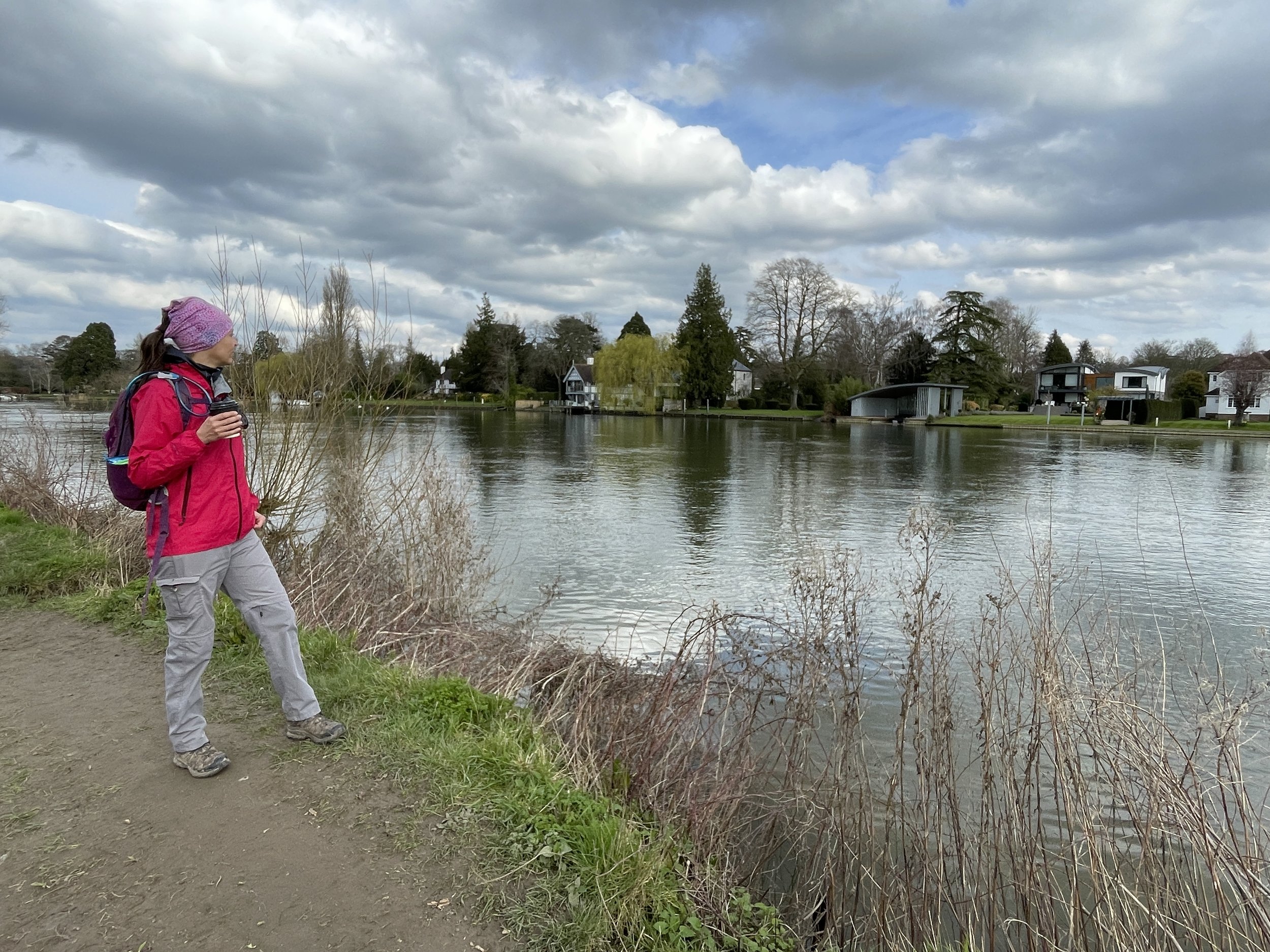
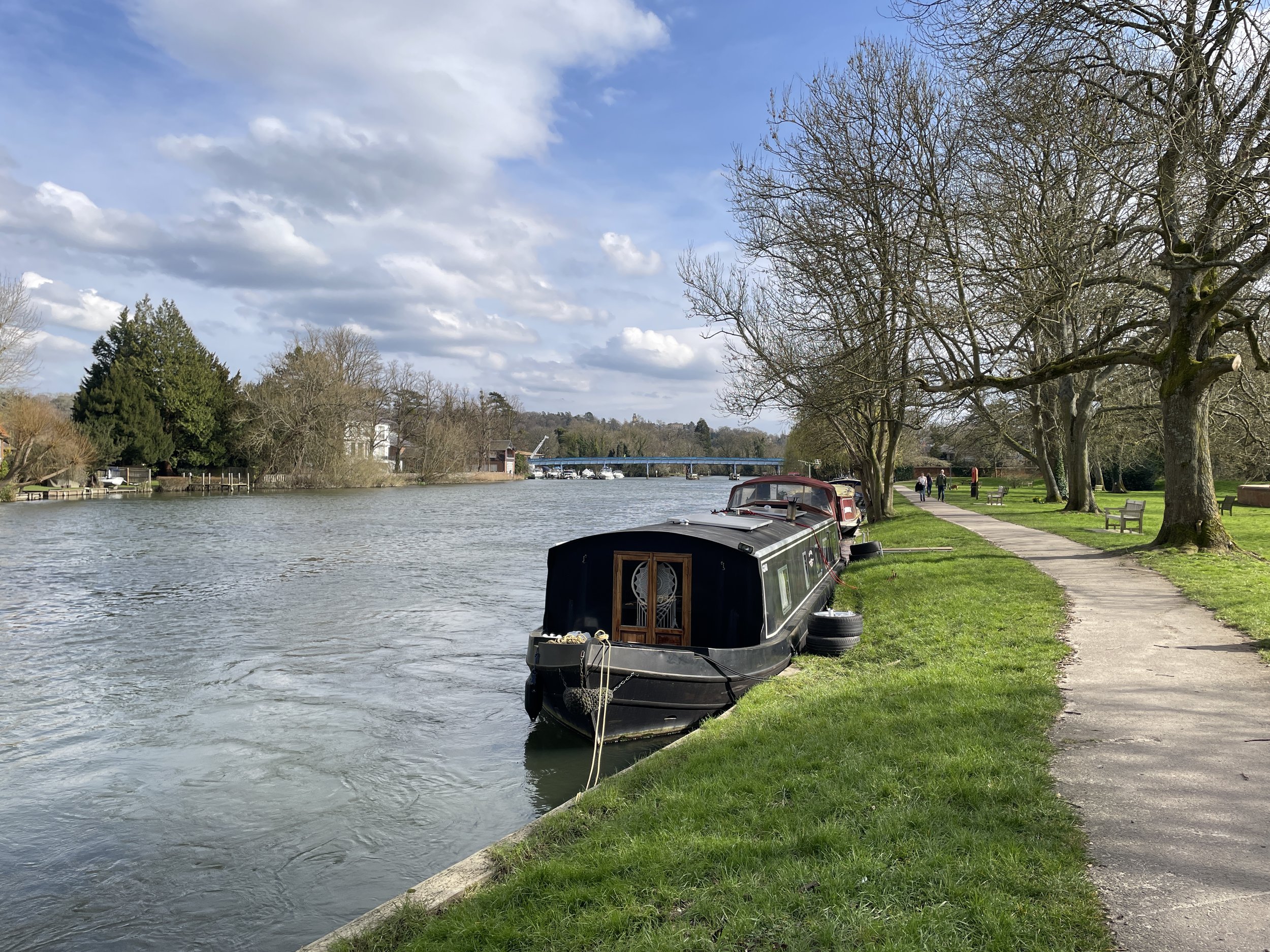

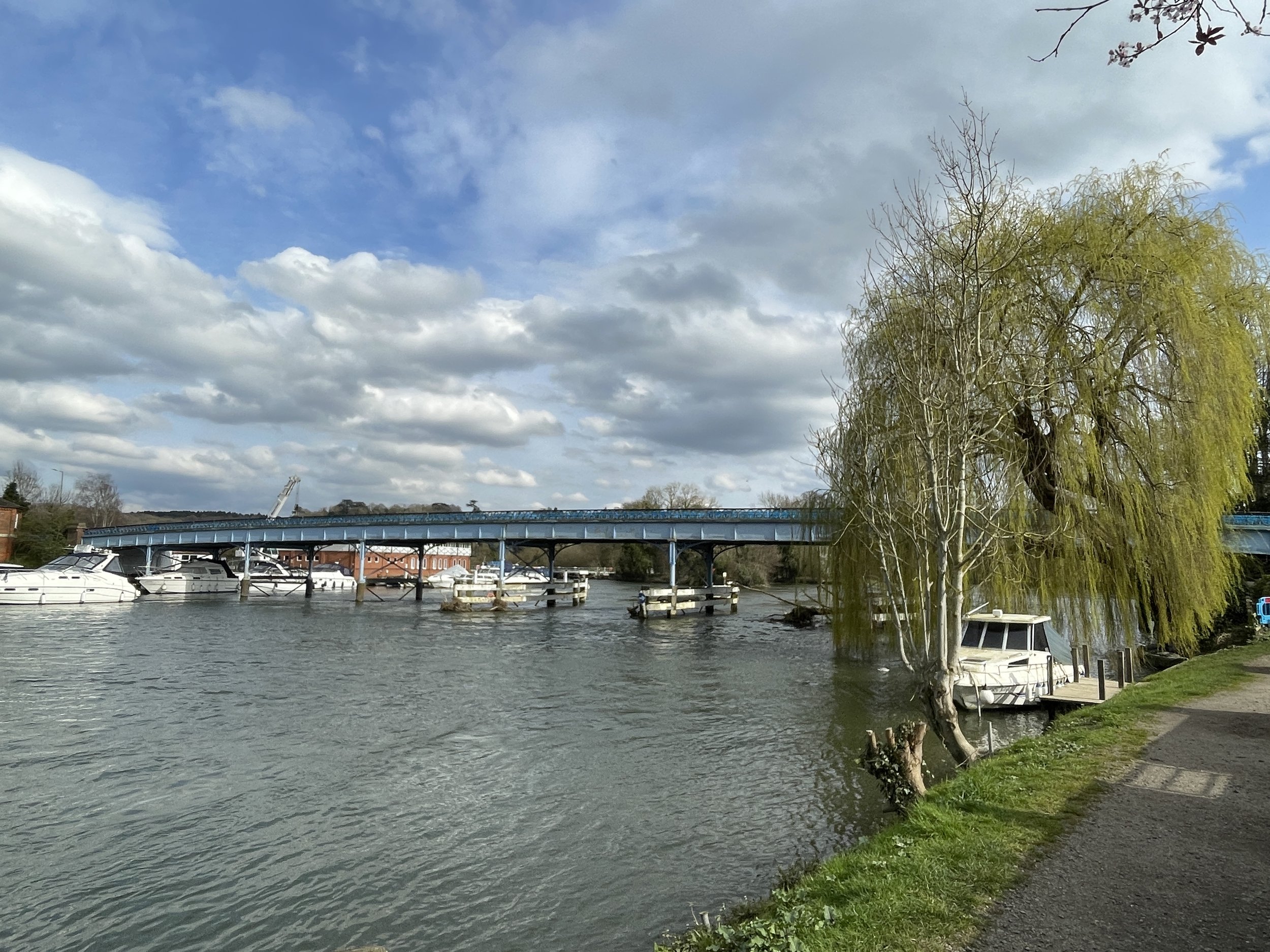
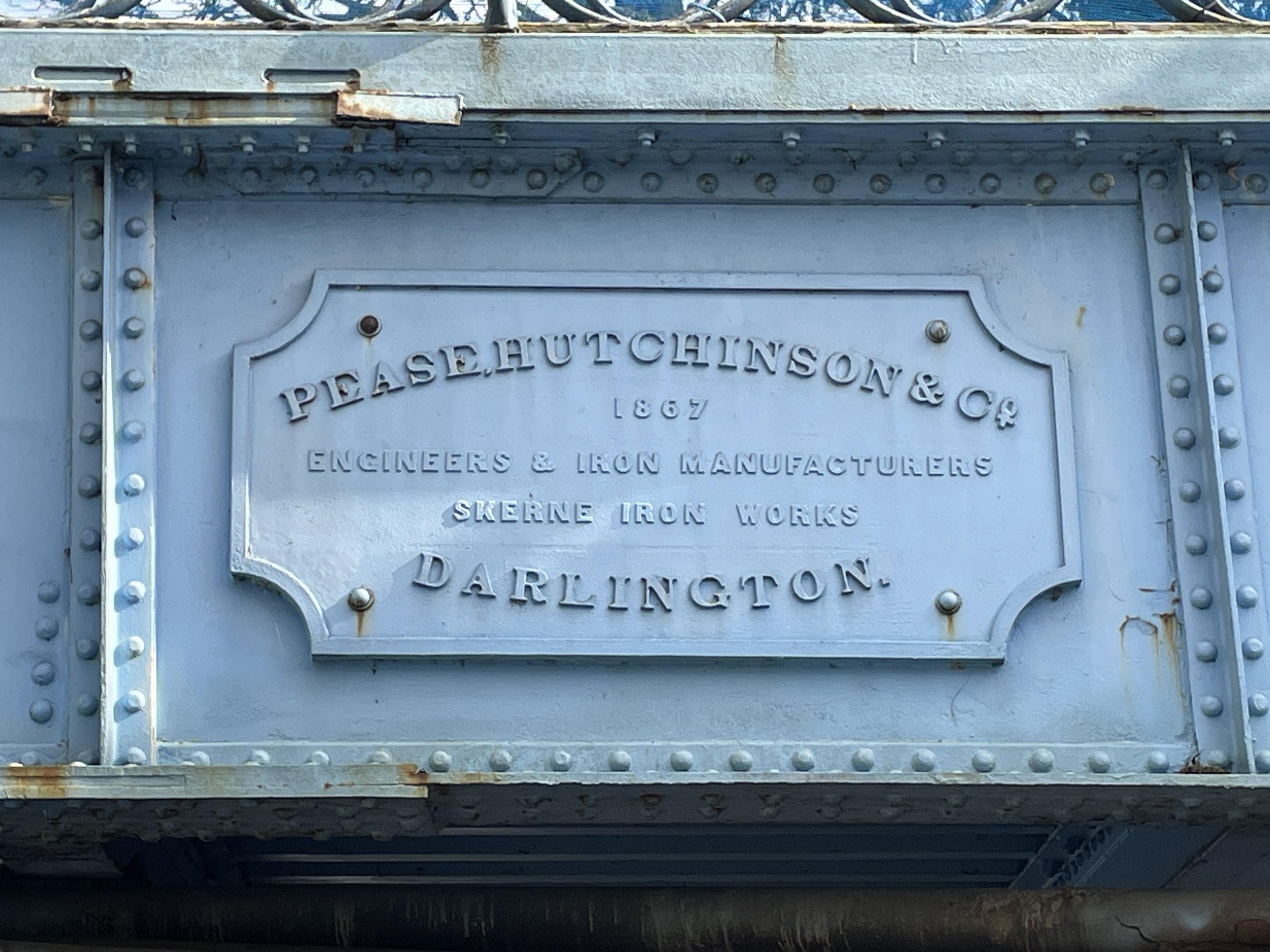

Shakespeare’s Way previous section (west): Marlow Donkey
Shakespeare’s Way next section (east): Beeches Way
Windsor Home Park Circular Walk

Approaching Windsor Castle on the Long Walk
Start & Finish: Windsor & Eton Bridge, Thames Street, Windsor SL4 1PX
Distance: 9 km (5.6 miles)
Elevation change: + / - 42 m
GPX File: get via Buy Me a Coffee
Other routes touched (walk): Thames Path
Other routes touched (cycle): N/A
Pubs / Cafes on route: Coffee Shop at Windsor Farm Shop (5.4 km in), many in Windsor Town Centre
Map: OS Explorer Map (160) Windsor, Weybridge & Bracknell
Links: Windsor, Windsor Home Park, Datchet, The Long Walk
This is part of a series of short circular walks containing the Thames Path National Trail. This one connects the 4th section of the Thames Path and Jubilee River series with the Runnymede and Old Windsor Circular. It’s also a great circuit of the perimeter of Windsor Castle and Home Park.
The walk starts at Windsor and Eton Bridge near Windsor Town Centre and follows the Thames Path in a north-easterly direction on the south side of the river. The first 1.3 km follows a path between the river and the railway line to Staines, passing Romney Lock. After the bridge that takes the rail line across the river the path follows the edge of the public part of Home Park. Continue following the river until Victoria Bridge. This is as far as you can go on the south side as Home Park becomes the private gardens of Windsor Castle the on other side of Victoria Bridge.
Cross over Victoria Bridge and take the path on the right to follow the Thames on the northern side. Here you’ll be able to see into the private areas of Home Park on the opposite side. The Thames Path joins the B470 after Datchet Golf Club and follows it for 130 metres, before briefly returning to the banks of the Thames for a short section to Albert Bridge. Cross Over Albert Bridge and follow the B3021 until the Old Windsor Roundabout. The Windsor Farm Shop is a good place to stop for a rest at this point.
At the Old Windsor Roundabout take a right and follow the A308 for 130 metres until you reach the Long Walk. Take a right onto the Long Walk to follow it all the way to the end at the castle. Here you’ll get great views of the castle ahead of you, the rest of the long walk behind you and the Frogmore Estate to the right.
At the end of the Long Walk, take a left onto Park Street, and continue onto High Street and Thames Street all the way back to the start at the Thames.
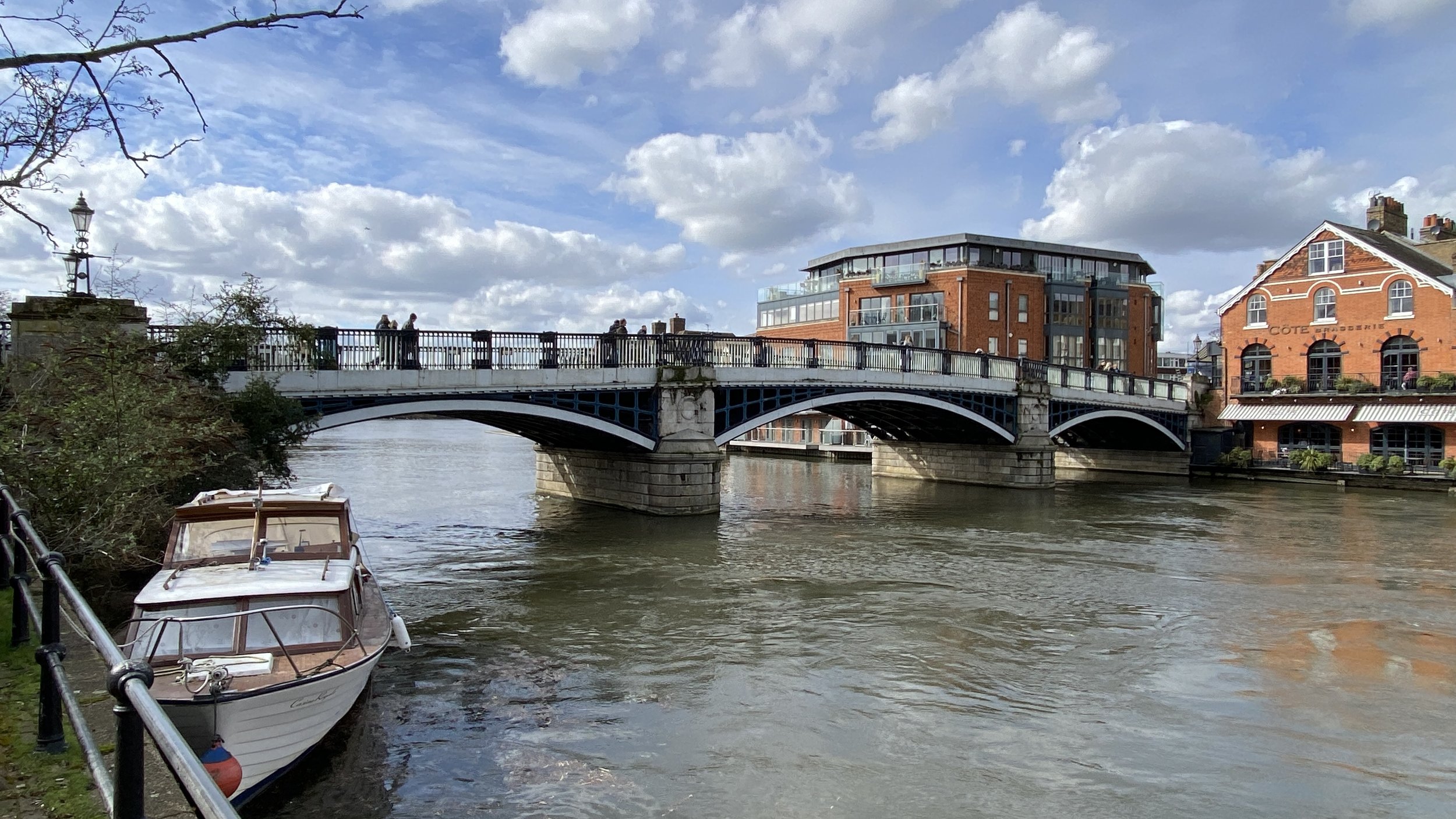
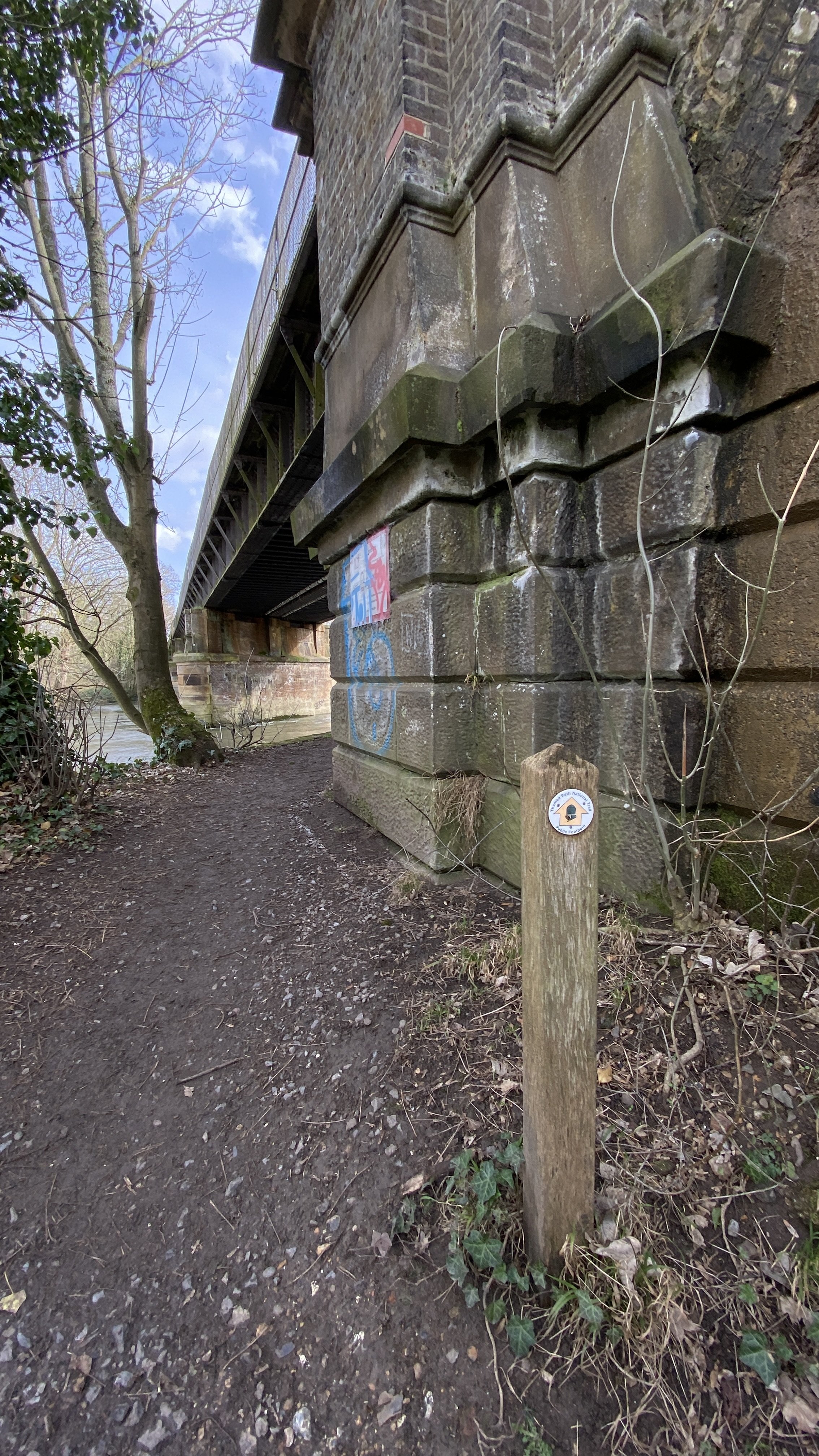
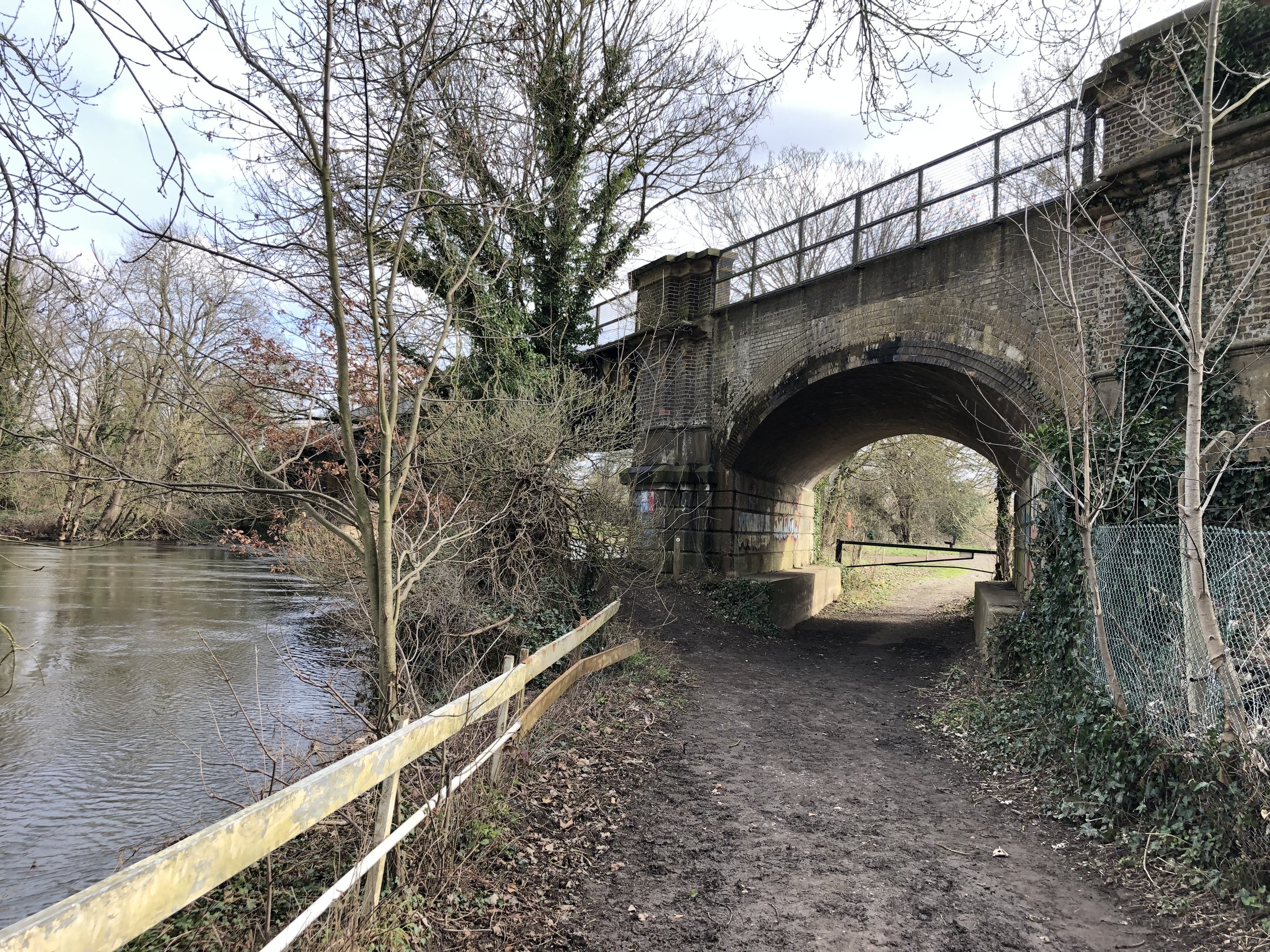
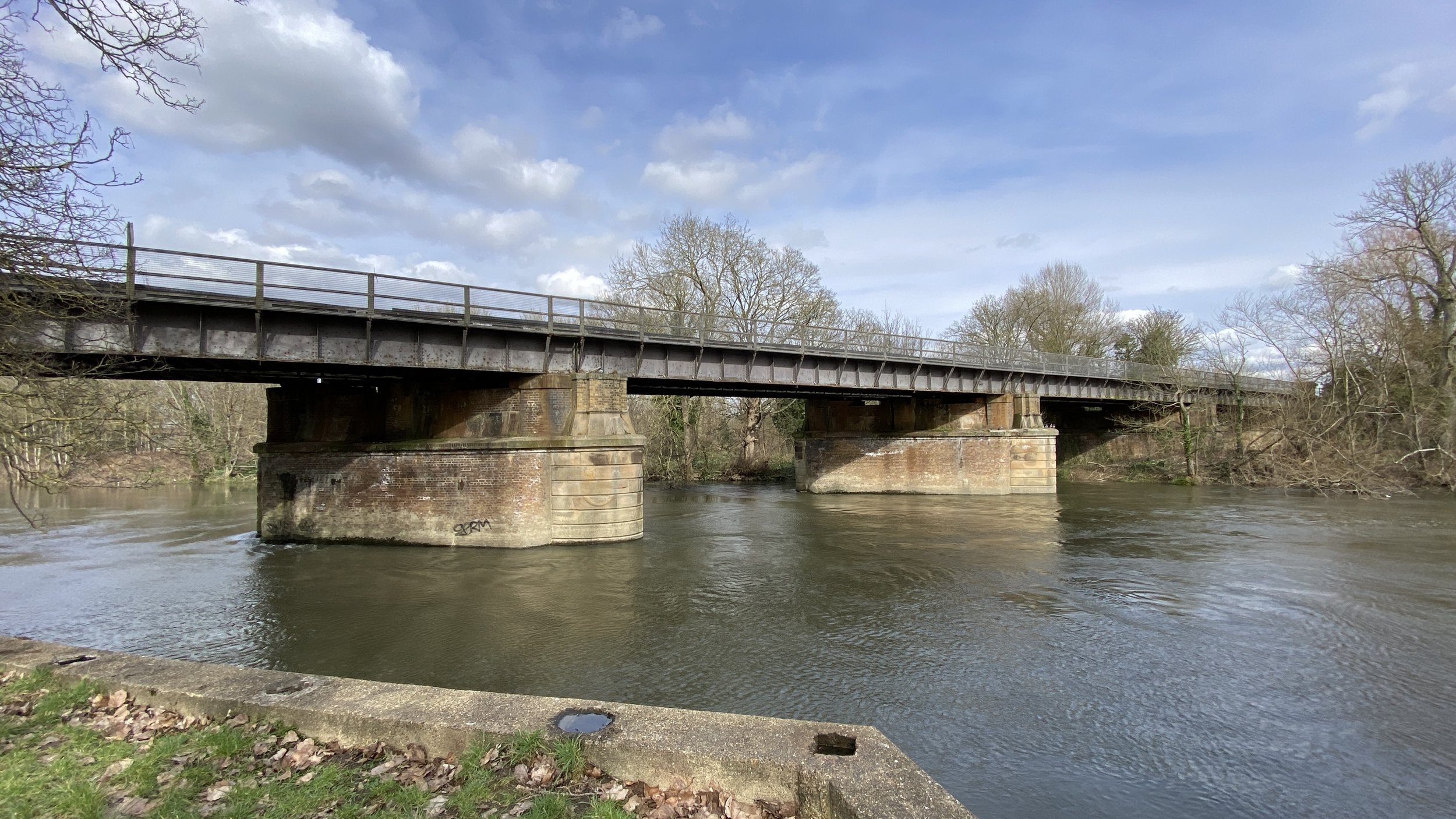

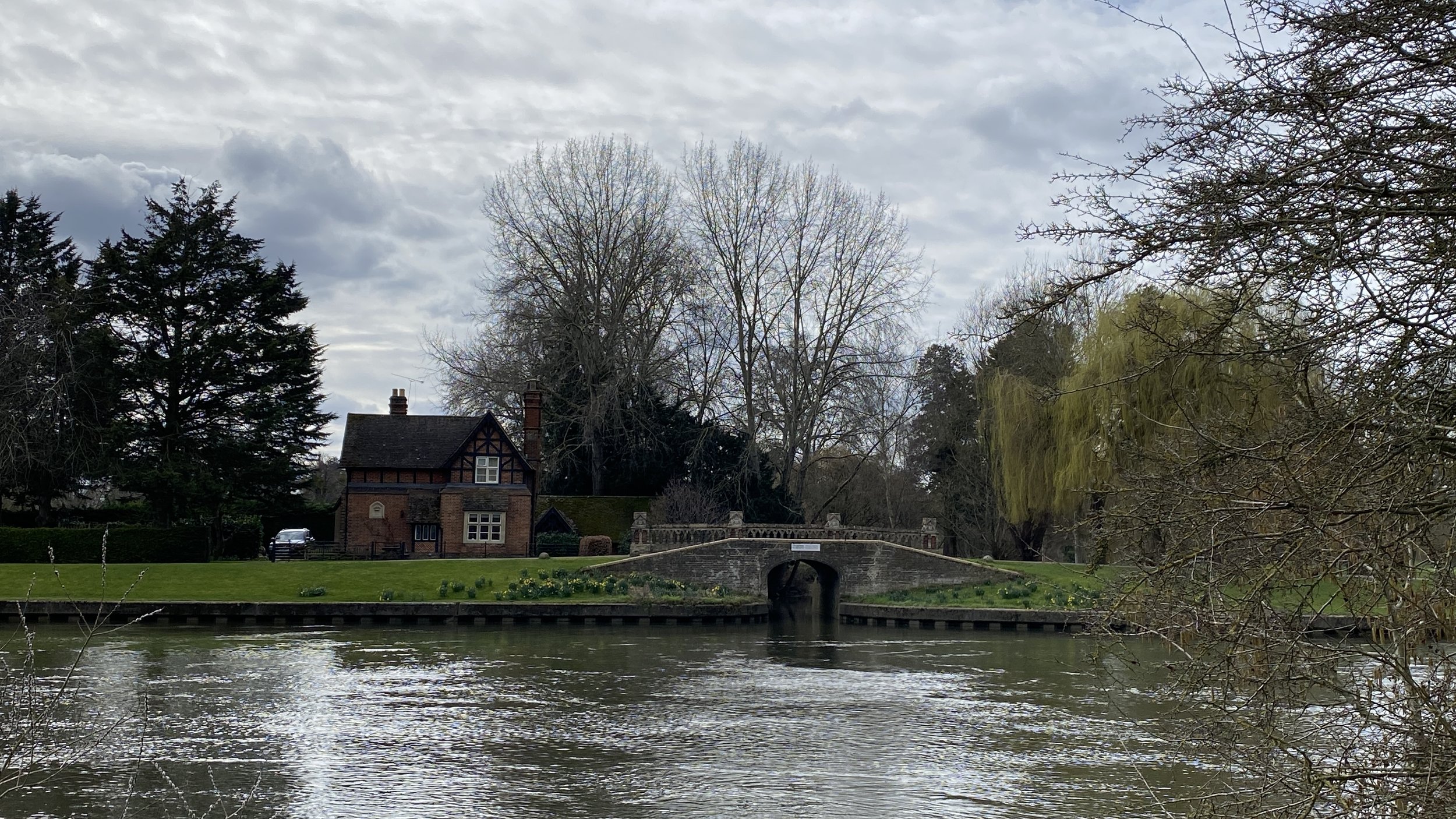
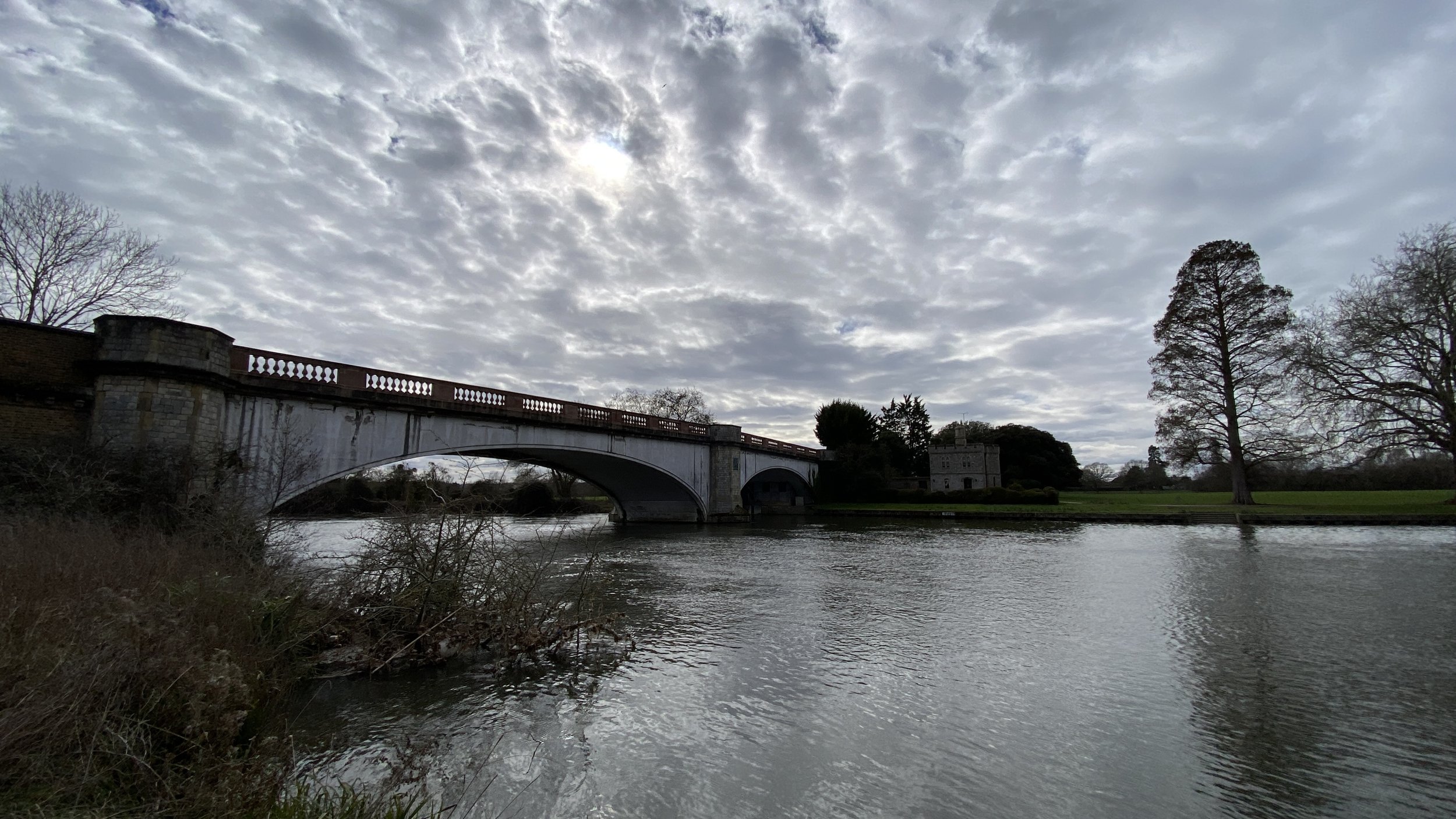
Previous section: Thames Path & Jubilee River Walk - Eton and Datchet
Next section: Runnymede and Old Windsor Circular Walk
Chiltern Walks: Hambleden and Medmenham
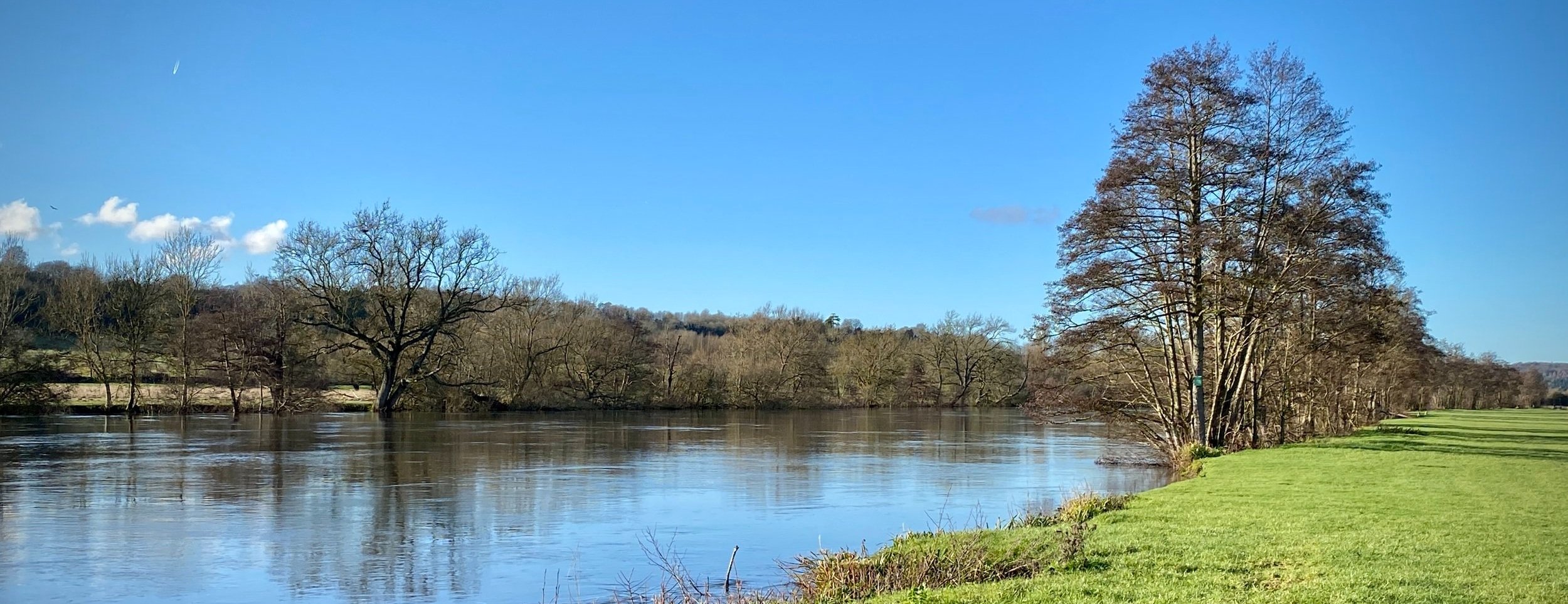
River Thames between Mill End and Medmenham
Start & Finish: Car park next to the Stag and Huntsman, Hambleden, Henley-on-Thames RG9 6RP
Distance: 9.1 km (5.6 miles)
Elevation change: +/- 85m
GPX File: get via Buy Me a Coffee
Other routes touched (walk): Chiltern Way, Shakespeare’s Way
Other routes touched (cycle): None
Pubs / Cafes on route: The Stag and Huntsman at the start and finish,
Map: OS Explorer 171: Chiltern Hills West, Henley-on-Thames and Wallingford
Links: Hambleden, Medmenham
This is part of a series of short circular walks in the Chilterns. The guidance below will help you navigate but don’t use it as a fully accurate turn-by-turn guide. Always take a map and/or a GPX route and prepare well for the weather and terrain.
For this walk we parked in the private car park behind the Stag and Huntsman. Although there’s free on-street parking in the village, it gets very busy and takes away from the old-fashioned feel of the village. The car-park, at time of writing, can be paid only by phone via an app or text.
From the car-park walk through the village past the church and the village stores to the small bridge over the Hambleden Brook. Immediately after the bridge take a footpath on the left that crosses fields and follows the Hambleden Brook in a southerly direction. The path ends 1.3 km from the car-park at a small road leading to Rotten Row. Take a right onto this road then a left onto Skirmett Road. Continue along the pavement on Skirmett Road until it ends at the A4155.
Take a left onto the A4155 and follow it for 100m. Cross over the road and into a small parking area to the left of the last house on the south side of the A4155. Walk through the car park then take a left onto a path that leads to Ferry Lane. Continue along Ferry Lane to the end where there’s a footpath junction. Take a right to follow the path along the side of the field towards the river. Follow the path next to the river for 2.2 km until you reach the small bridge over a stream at (a different) Ferry Lane.
Here’s you’ll find an elaborate monument to a legal case regarding the ferry that used to cross the river here. The inscription says “This monument was erected to commemorate the successful action fought by Hudson Ewbank Kearley First Viscount Devonport which resulted in the Court of Appeal deciding on the 28th of March 1899 that Medmenham Ferry is public”.
Take a left onto Ferry Lane, following it for 300m until you reach a footpath on the left opposite the last house on the right. Follow this footpath until you meet the access road to the large estate to the left of the footpath. The access road is private but there’s a footpath that runs parallel to it on it’s western edge. Follow this path in a northerly direction until a path juction near a stream. Cross over the stream and continue along the path in a north-westerly direction to meet the A4155.
Cross over the A4155 to take the first footpath on the right. This leads steeply up a hill into woodland that’s part of the Hambleden Estate. Keep to the right at the first footpath junction on the hill to takes the path that leads to the small road to Rotten Row. Cross over and continue along the footpath until you’re back at Hanbleden.

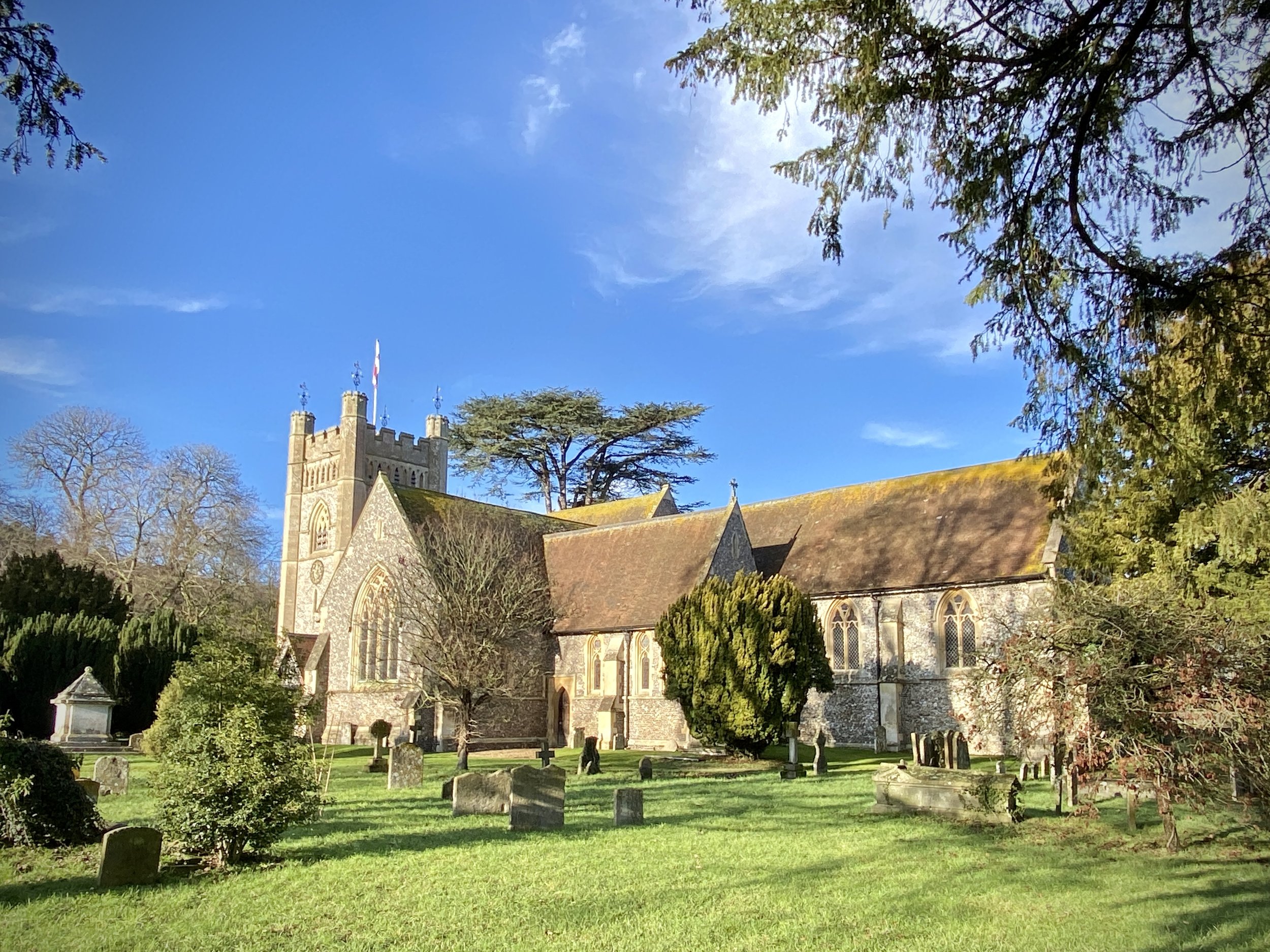
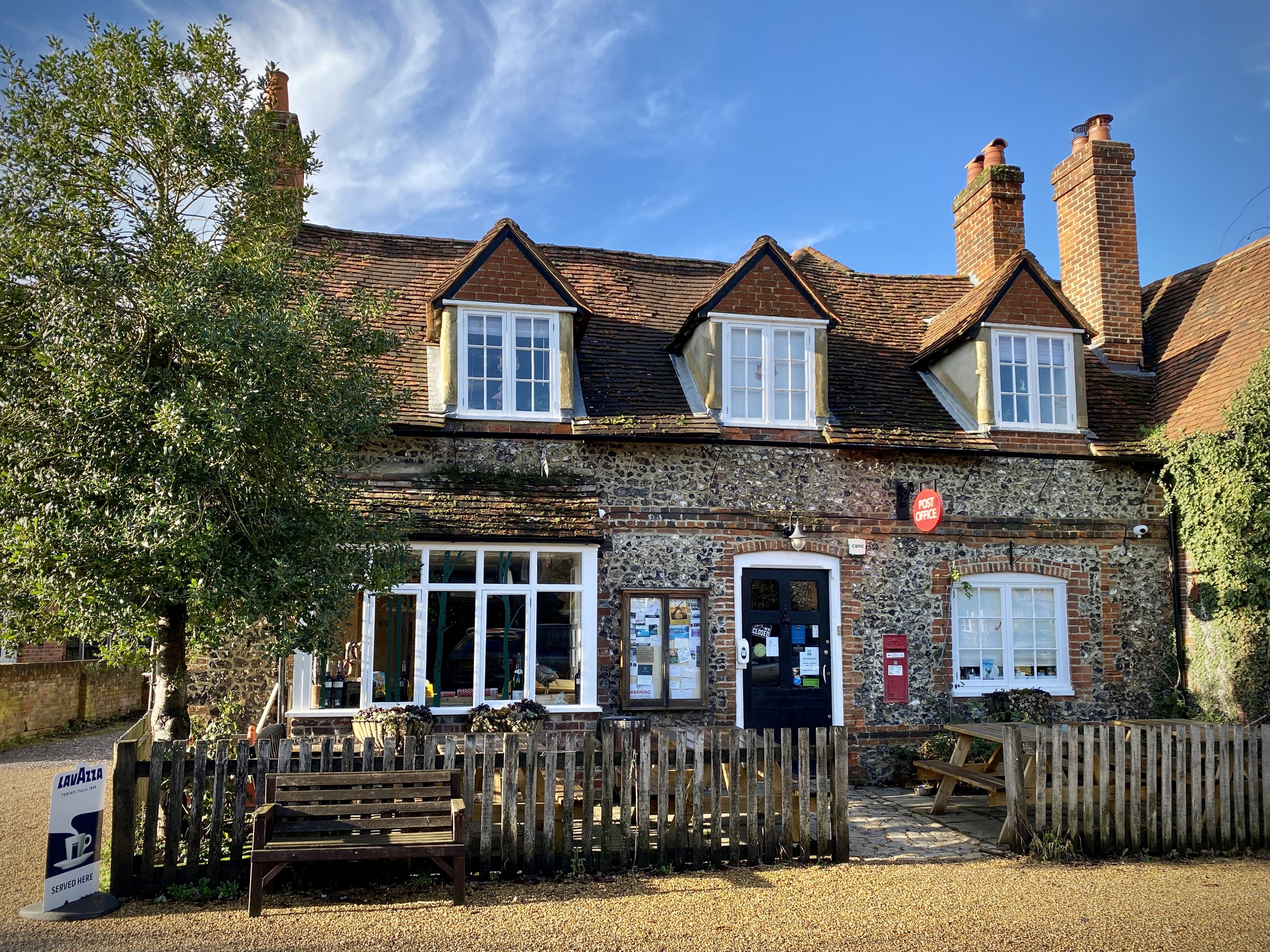
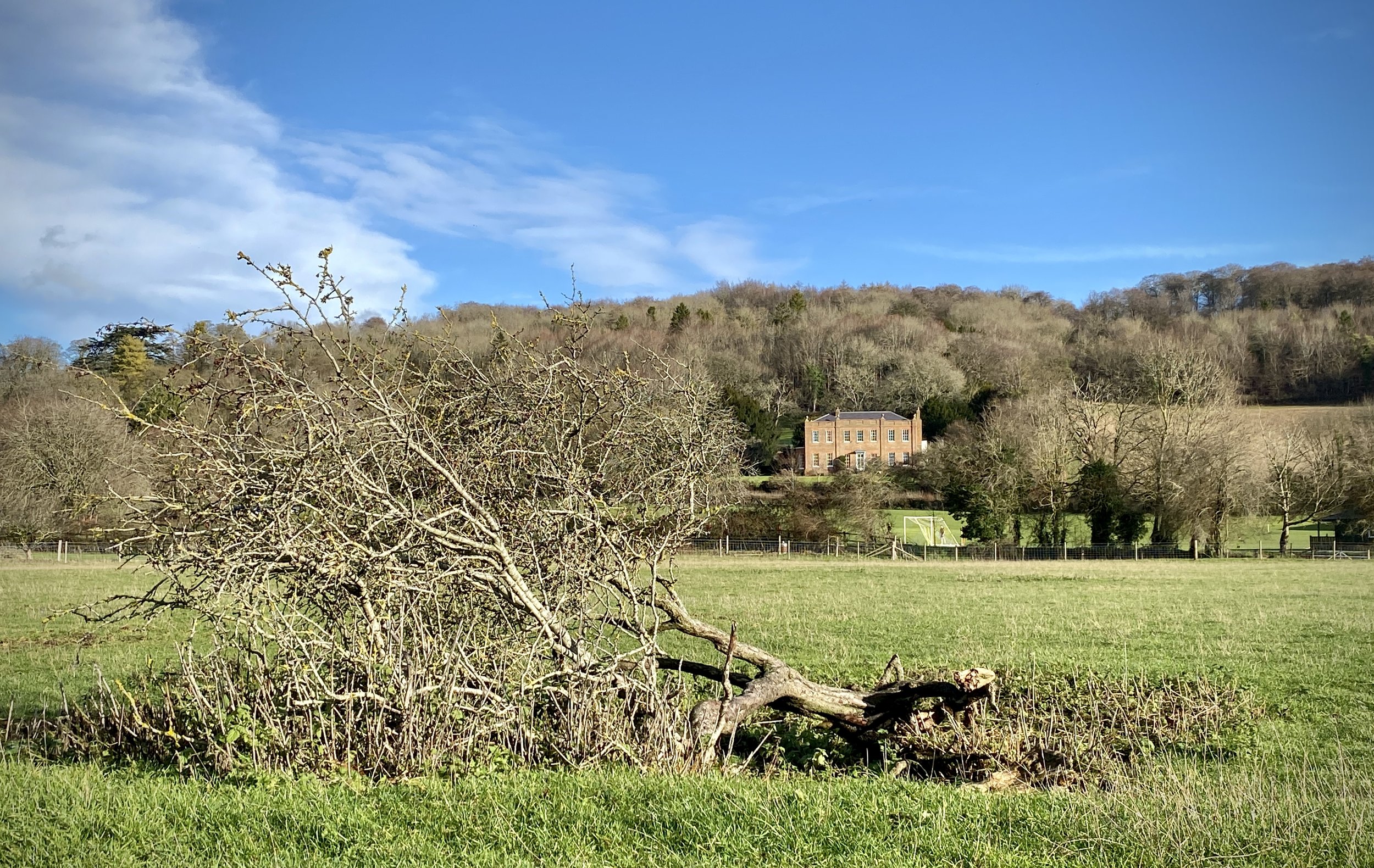
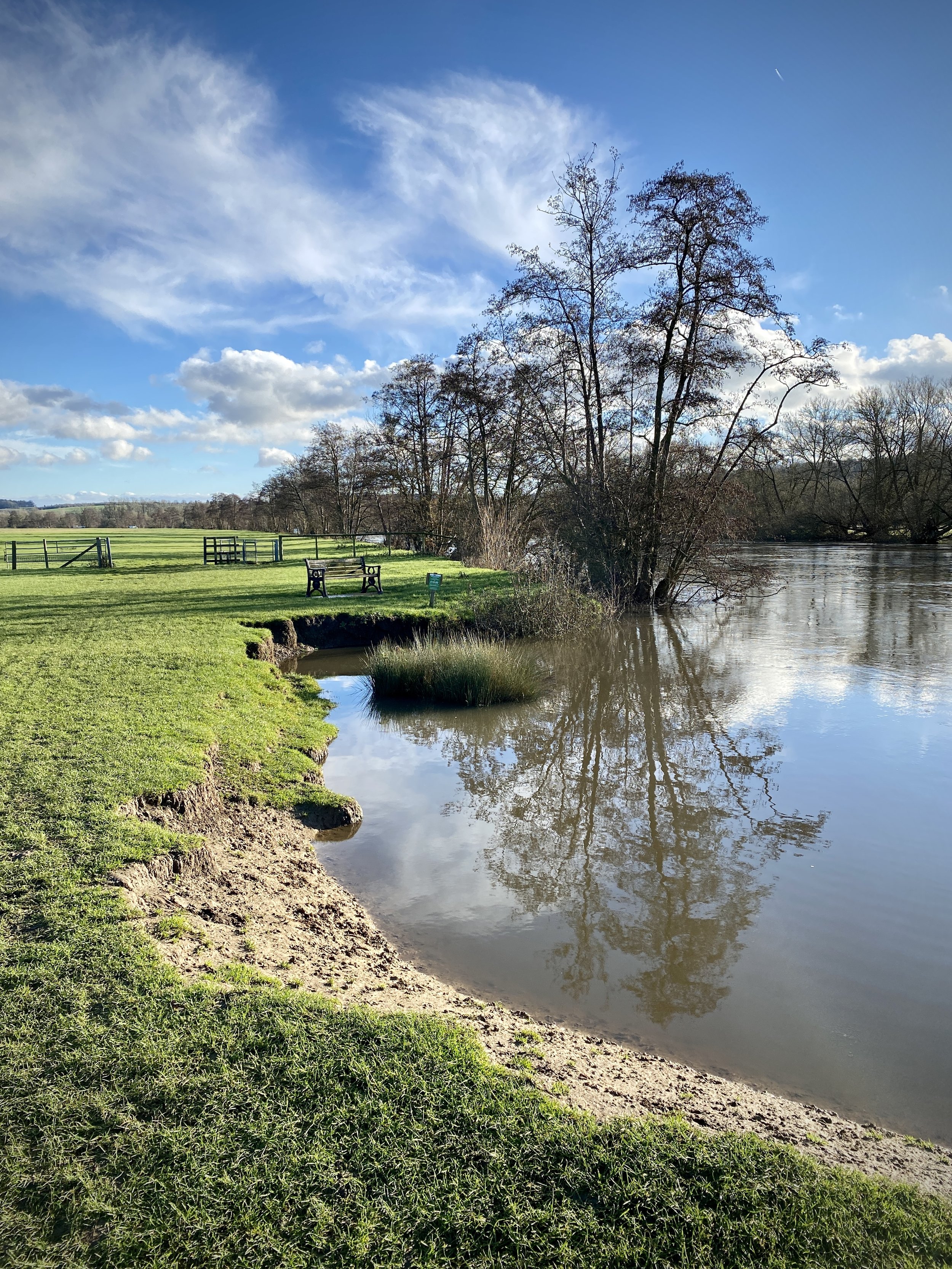
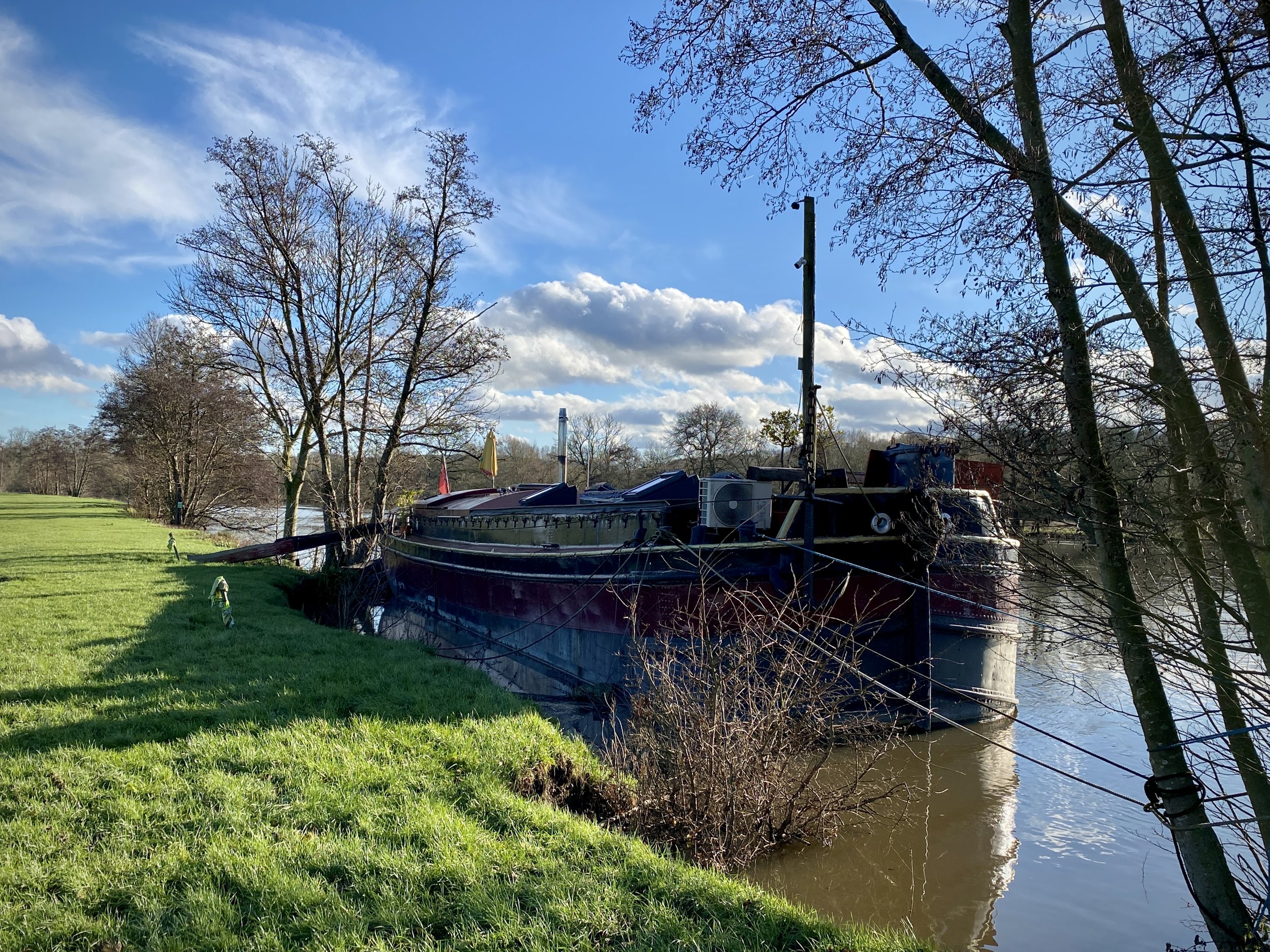
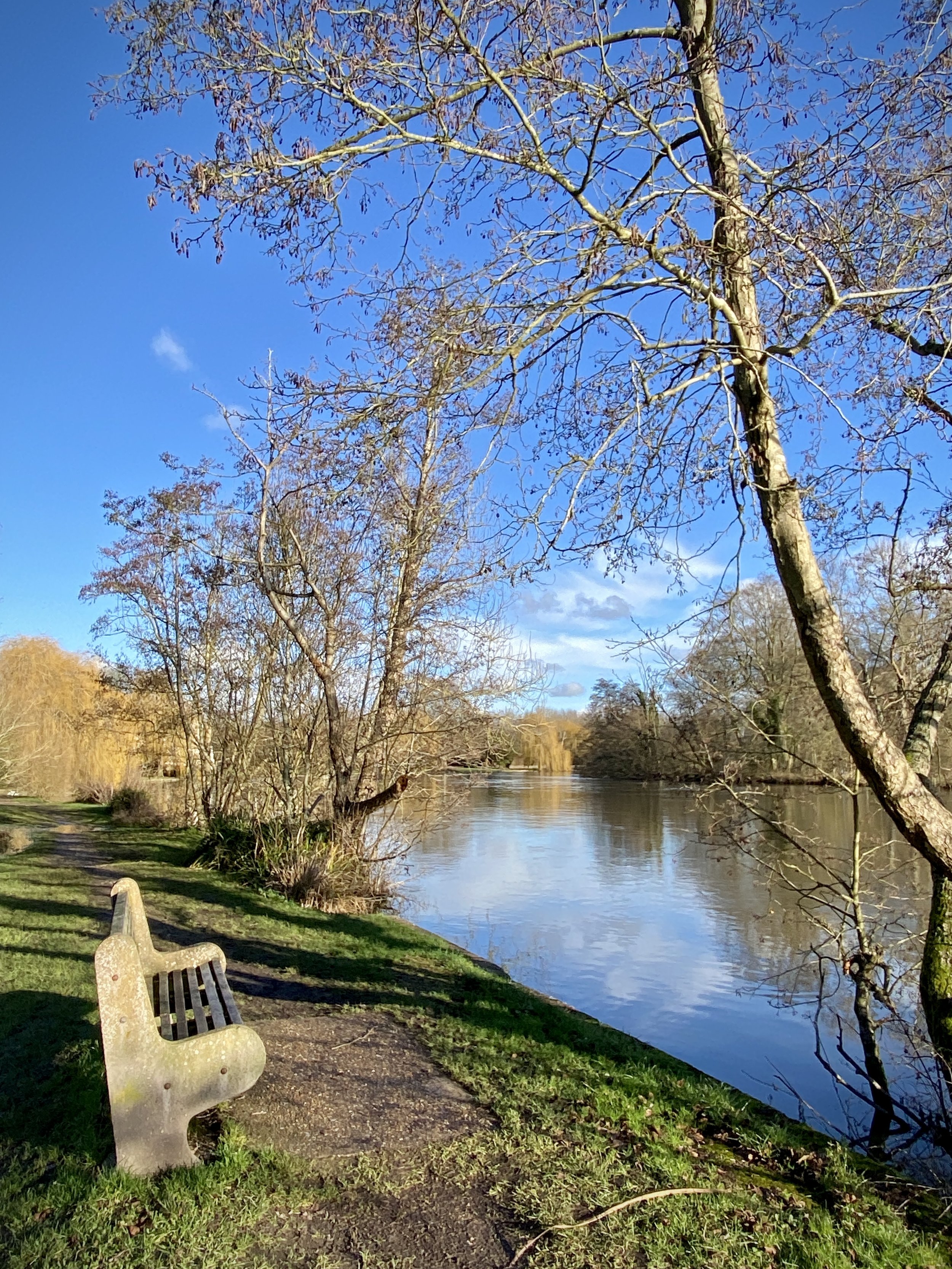
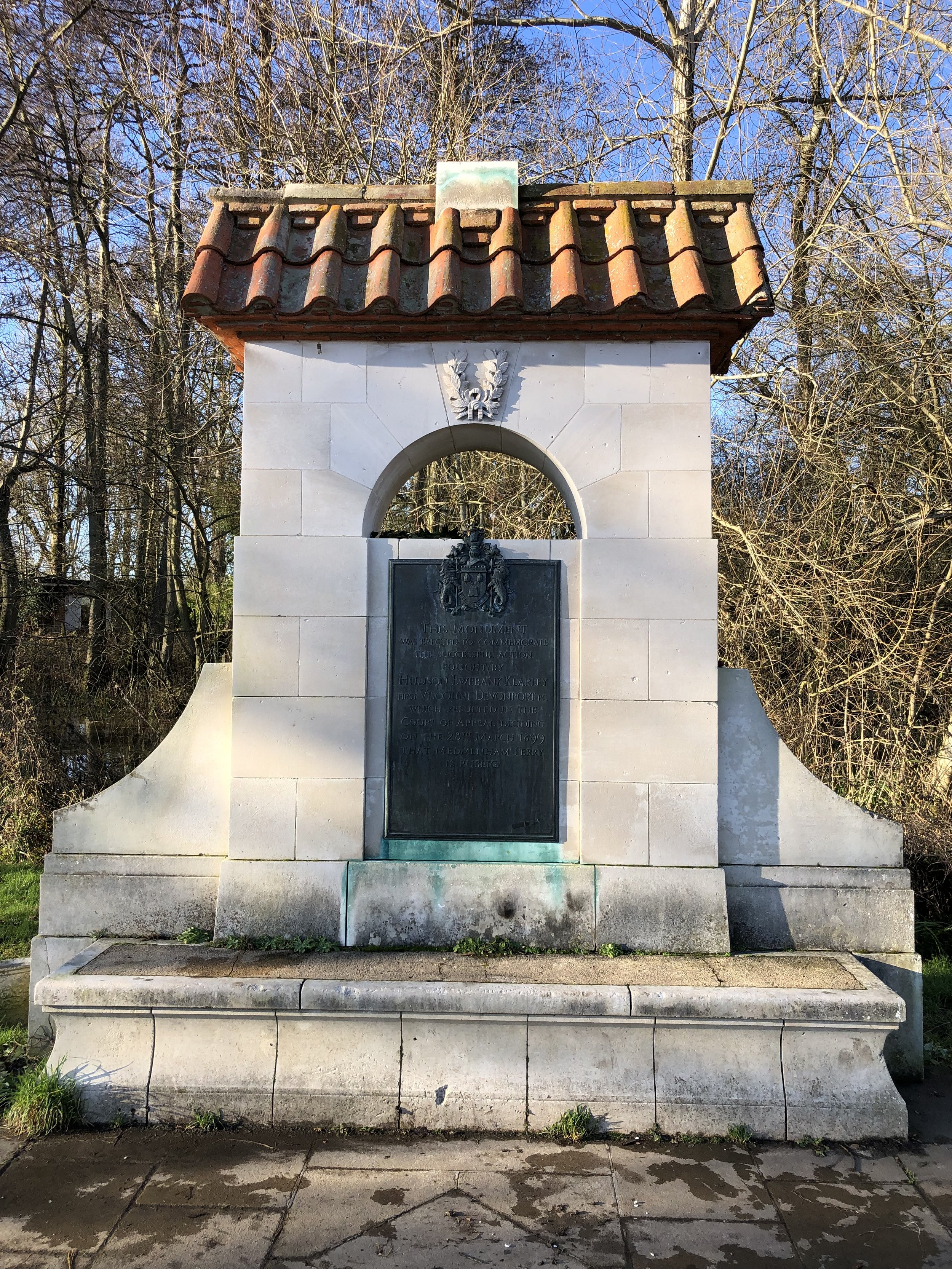
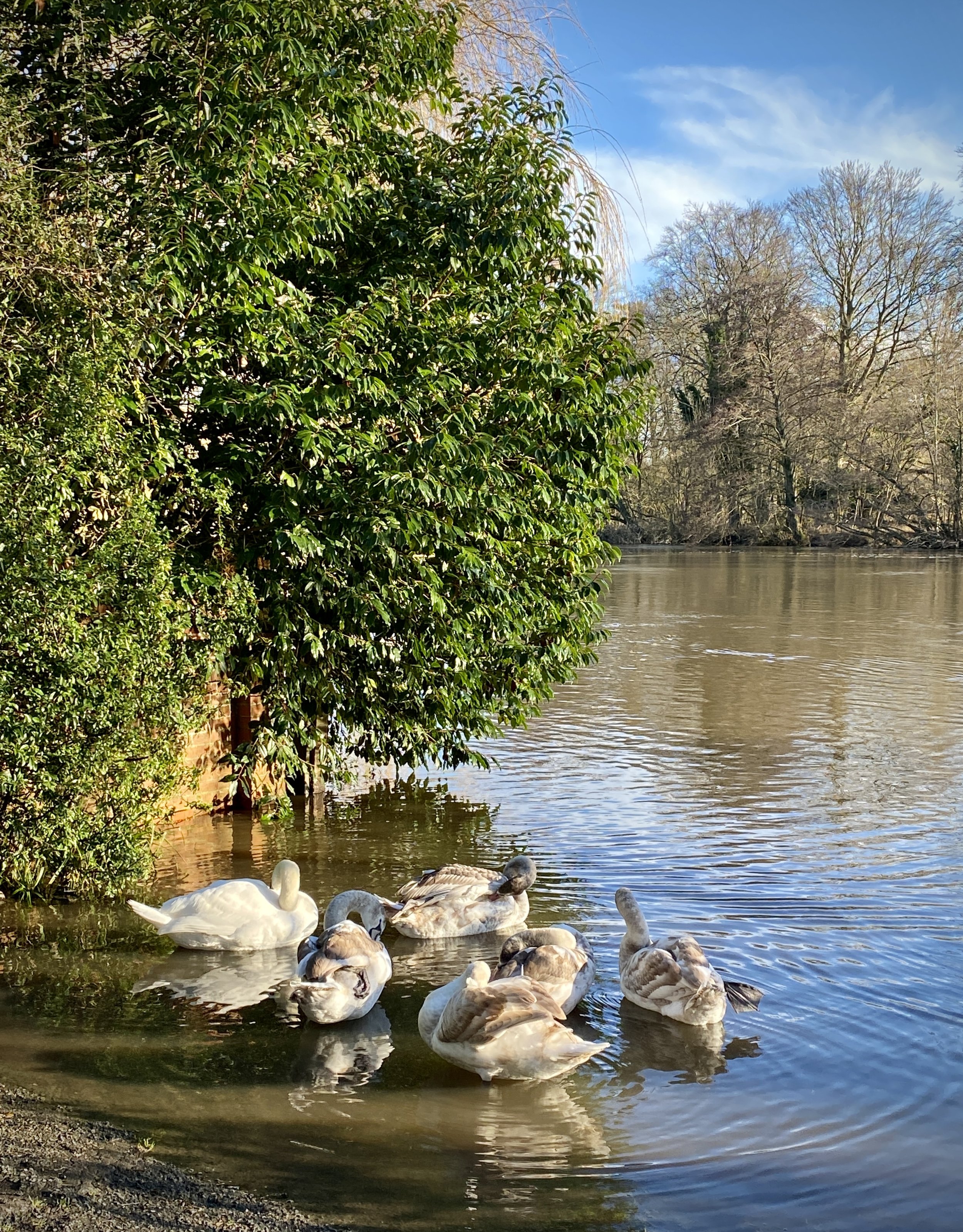
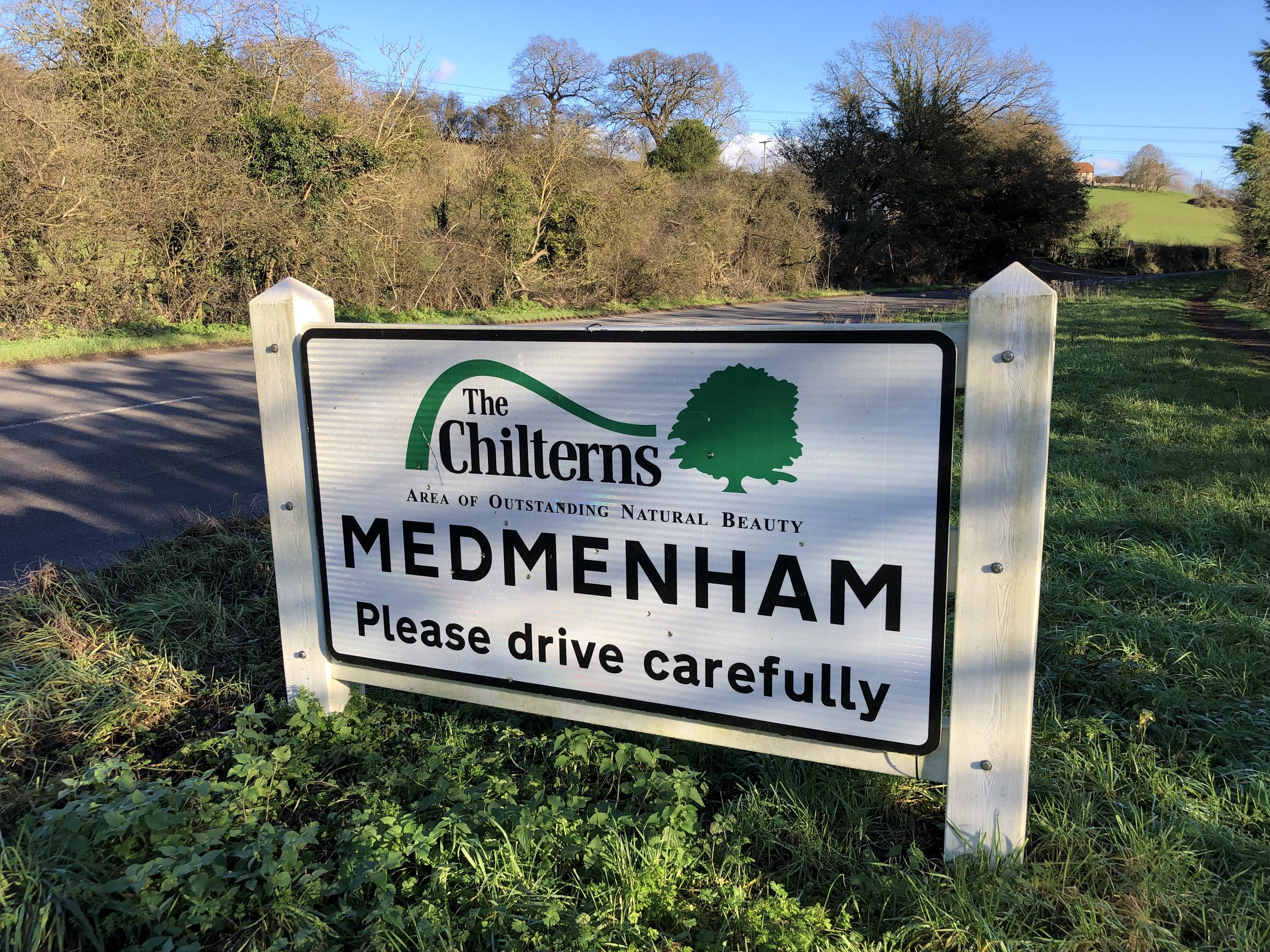
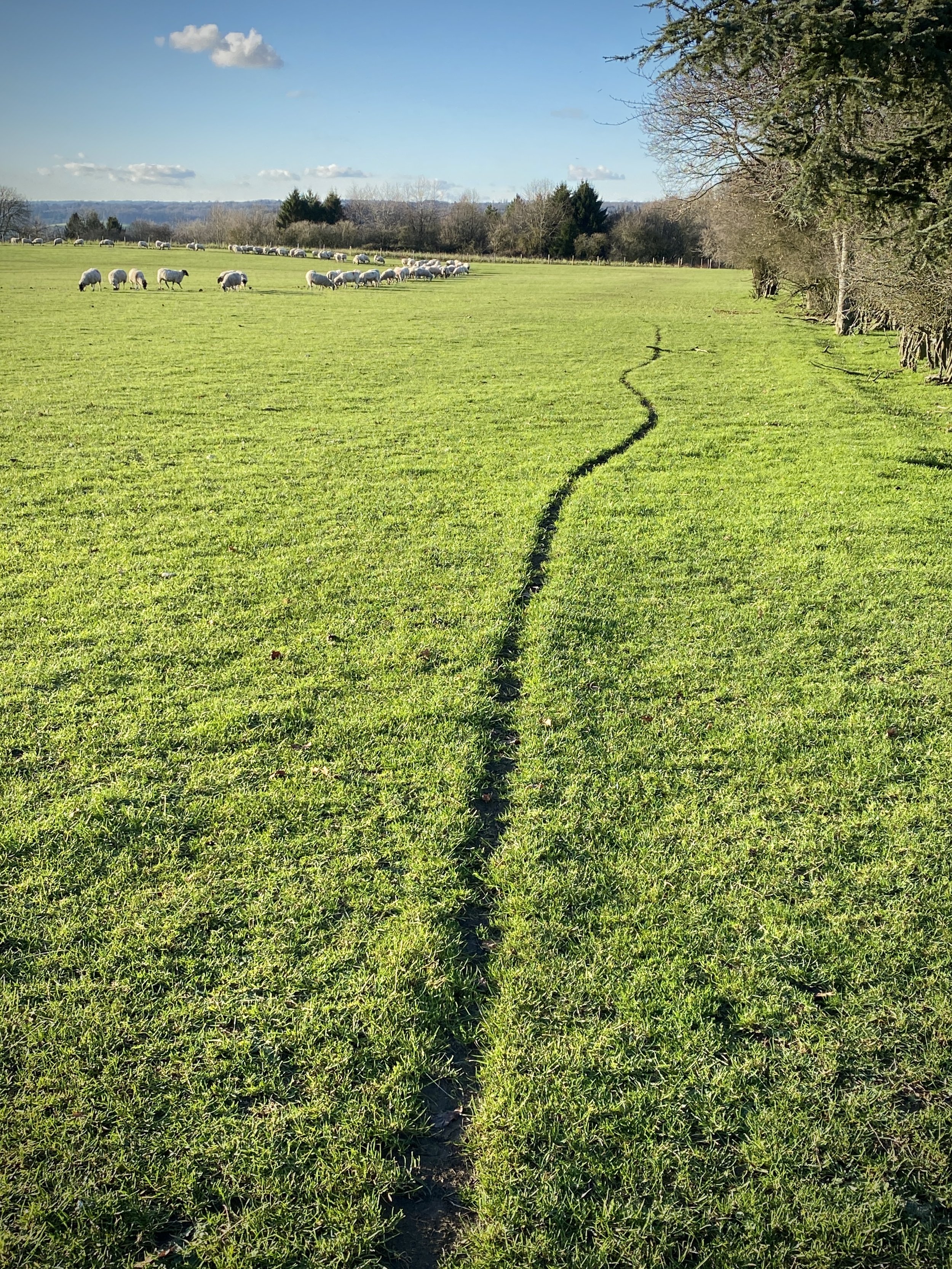
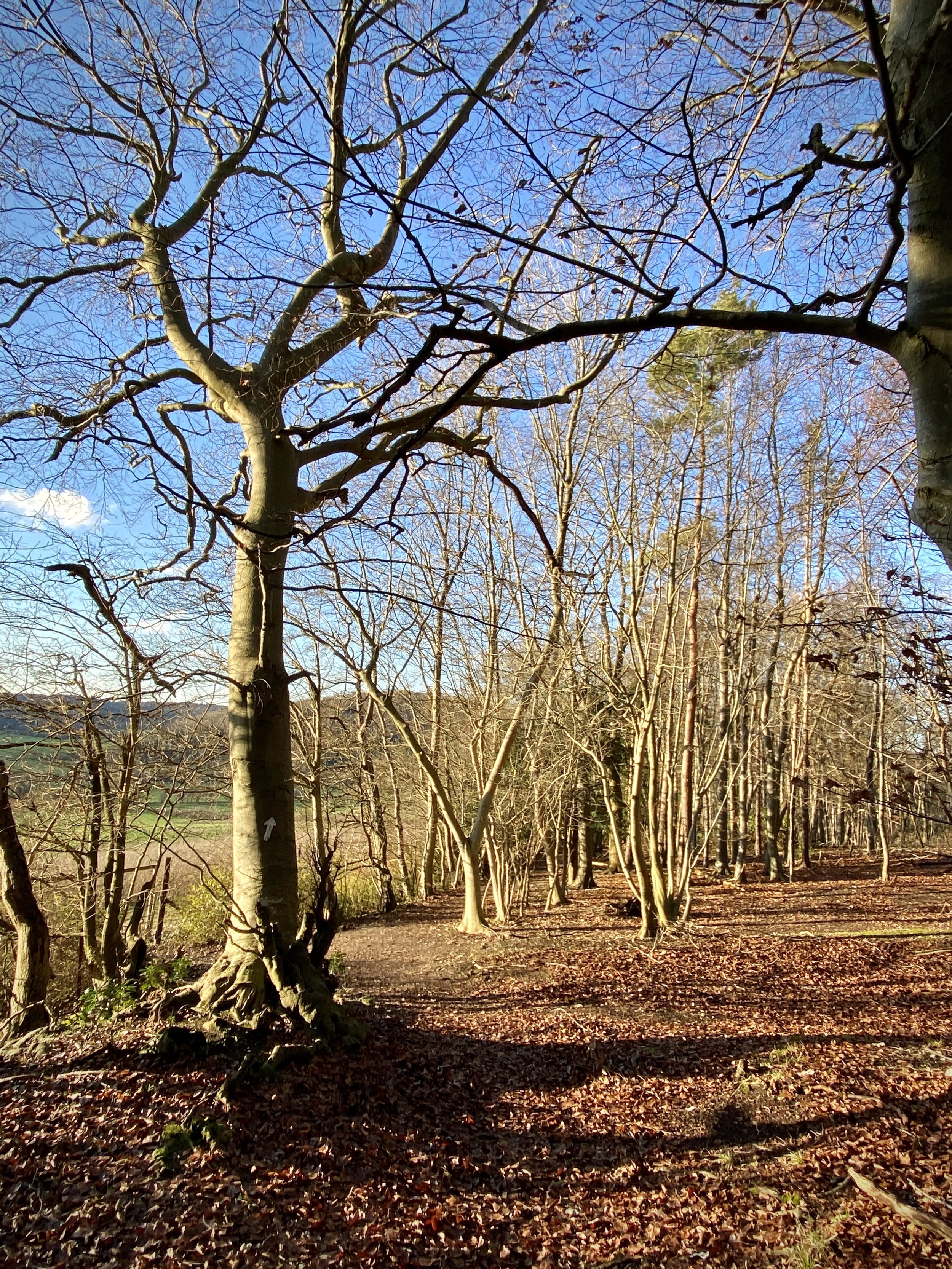
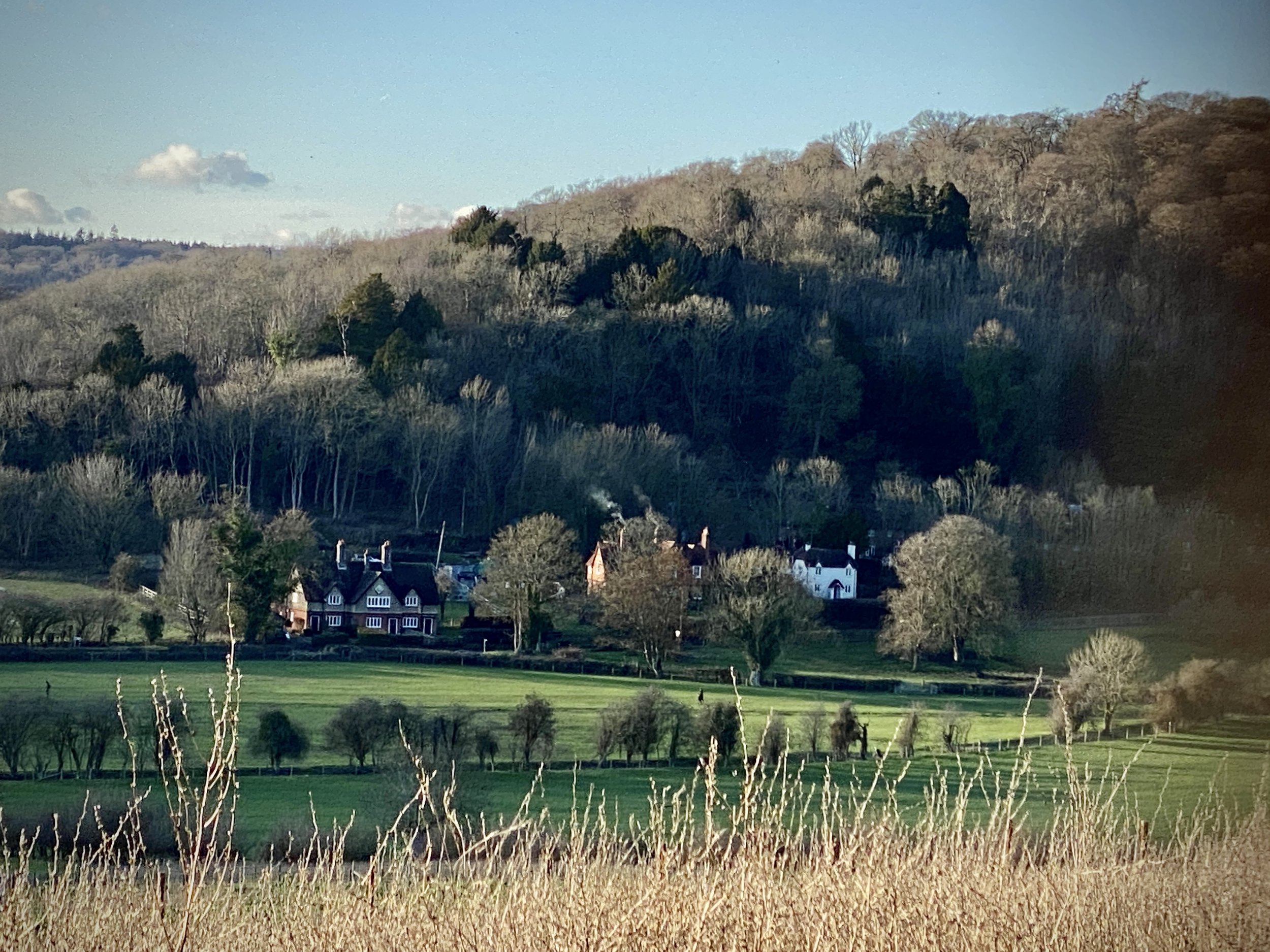
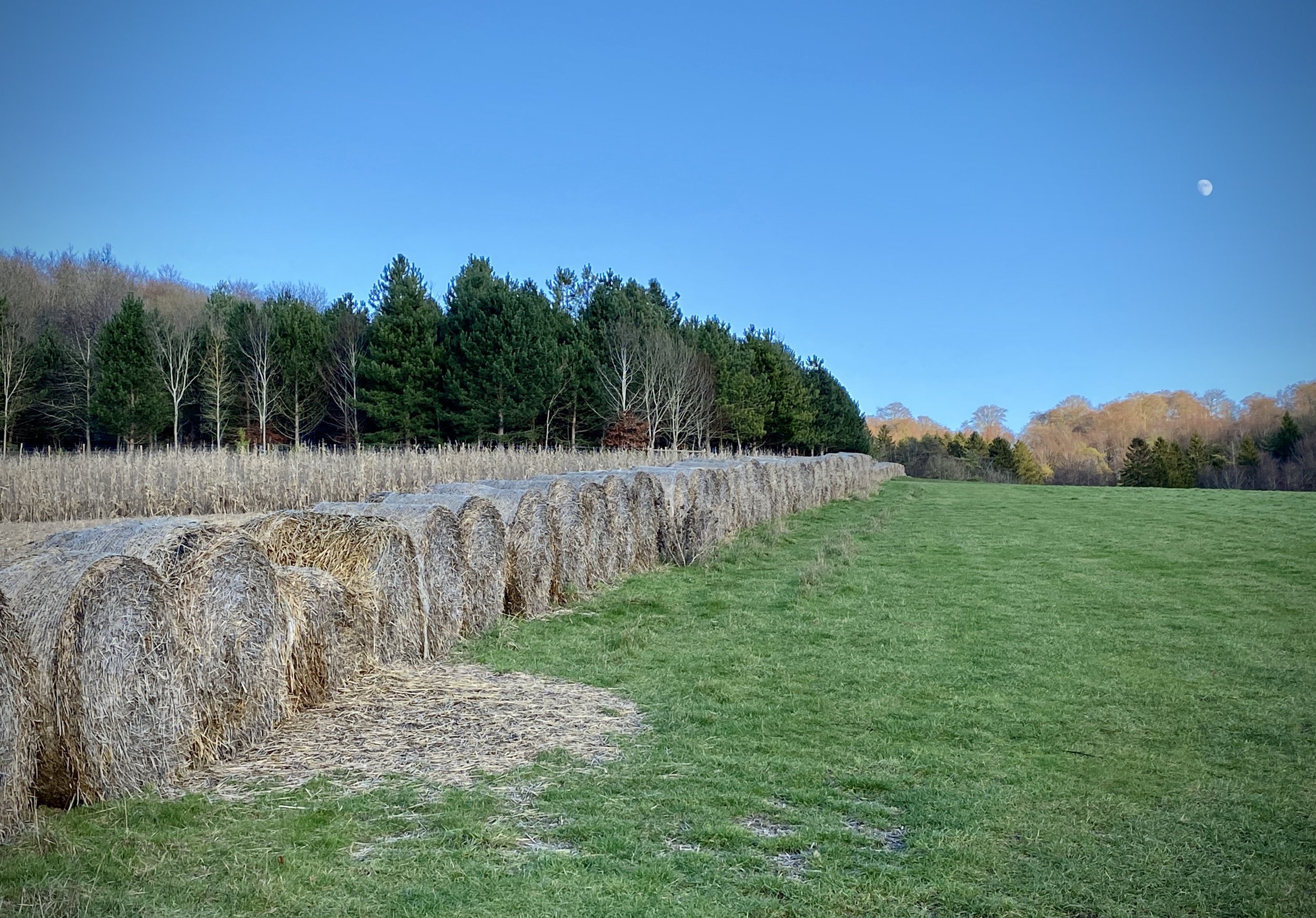

Walking the City of London Boundary
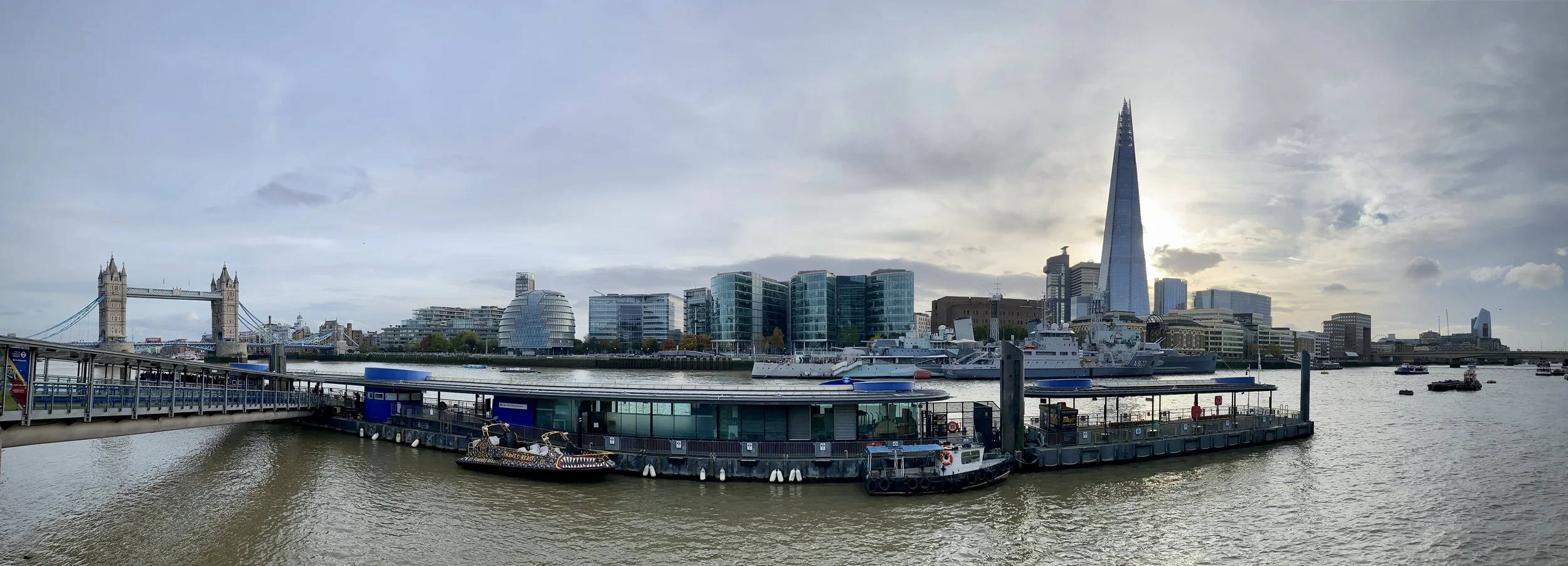
View of the Thames from the southern border of The City at the City/Tower Hamlets/Southwark Tri-point
The City of London is a unique place in the UK’s geography and governance. It’s part of Greater London but not one of the 32 London Boroughs. It’s inside a city but is a city itself. It’s a Ceremonial County and was within the boundaries of the Historic County of Middlesex but was self-governing.
A Brief History of the Boundary
The boundaries of the City of London have evolved from ancient fortifications into the modern administrative borders we see today. For its first millennium, Roman Londinium covered just half a square mile, with its boundary defined by a defensive wall built in the late second and early third centuries.
As trade increased in importance during the medieval period, the authorities expanded the boundaries beyond the original Roman walls and gates to secure passage and collect tolls from outside the old wall. This medieval expansion established an area of 1.12 square miles, earning the City its famous nickname, the "Square Mile." Aside from minor administrative adjustments, this boundary has remained largely unchanged for the past 500 years.
Walking the Boundary Today
Because the boundary encompasses an area of just 1.12 square miles, the perimeter is less than 11 km long. With negligible elevation change, it makes for a very manageable walk of approximately 3 to 4 hours.
As a walk, it is absolutely fascinating. You will skirt the course of the Roman wall (with substantial ruins still visible near the route, particularly at Tower Hill) and traverse the liberties beyond the walls where the City's ancient trade privileges once reached out into the surrounding fields. Along the way, you'll pass 7 tri-points with the London Boroughs and the highest point of the City of London. Keep an eye out for parish boundary plates tucked away on Victorian brickwork, and notice the sudden shifts in paving and street furniture that signal you are crossing into an adjacent borough.
Here Be Dragons
The most iconic landmarks along the route are undoubtedly the dragons. The major roads into the City are guarded by silver cast iron statues with red details on their wings and tongues.
There are 14 of these statues in total. (Note: Some older sources mention 13 dragons due to the temporary removal of the Moorgate dragon for Crossrail construction, but it was safely returned to its plinth in early 2022).
While they might look like a matched set, they have distinct histories:
Victoria Embankment Dragons: These twin seven-foot-tall dragons are the originals. They were cast in 1849 and initially adorned the Coal Exchange building on Lower Thames Street. When the Coal Exchange was demolished in 1963, the statues were saved and mounted on Portland stone plinths along the Embankment. Most of the other dragons you will see on the walk are half-size replicas commissioned in the 1960s based on these originals.
Temple Bar Memorial: Located where Fleet Street meets the Strand, this monument features the oldest boundary dragon, which was cast in 1880. It marks the historical location of Sir Christopher Wren's Temple Bar gate before it was moved.
(For a more detailed history of the dragons, see the excellent post on IanVisits.).

The Tri-points
Our boundary walk was partly inspired by David Natzler’s project to visit the Borough Tri-Points of Greater London. David’s project, documented in this blog post, visits 32 points where three London Boroughs connect. The City of London isn’t a borough so the 7 Tri-Points of the City with 2 boroughs were out of scope for that project. Given that all 7 of these are on the City of London boundary I wanted to find them all.
David had the great idea of using an oak sprig in photos of each Tri-Point. I wanted to do something slightly different and used a fridge magnet of a London postbox to show the Tri-Point location. Scroll down to see details and the photo of each Tri-Point at the relevant part of the walk.
The page below describes the walk that we did in October 2022. Directions start at the Victoria Embankment Dragon, close to Temple Station, but there are several other good starting points close to tube or rail stations.
Let me know if you spot an error or have an interesting fact about the boundary to share. I’ll donate £1 to one of my causes for each update to the page.
Start & Finish: At the Embankment Dragons, Victoria Embankment, Temple, London, WC2R 2PN
Distance: 10.6 km (6.6 miles)
Elevation change: +/- 89m
GPX File: get via Buy Me a Coffee
Other routes touched (walk): Thames Path, Jubilee Walkway, Jack The Ripper Walk, Jubilee Greenway
Other routes touched (cycle): CS 3,7, C2,6
Map: London North Map | The City, West End, Enfield, Ealing, Harrow & Watford | Ordnance Survey | OS Explorer Map 173
Links: City of London, Dragon Boundary Mark

Route of the boundary walk showing locations of the Dragons (liliac icon), Tri-points (brown icon) and high point (red icon)
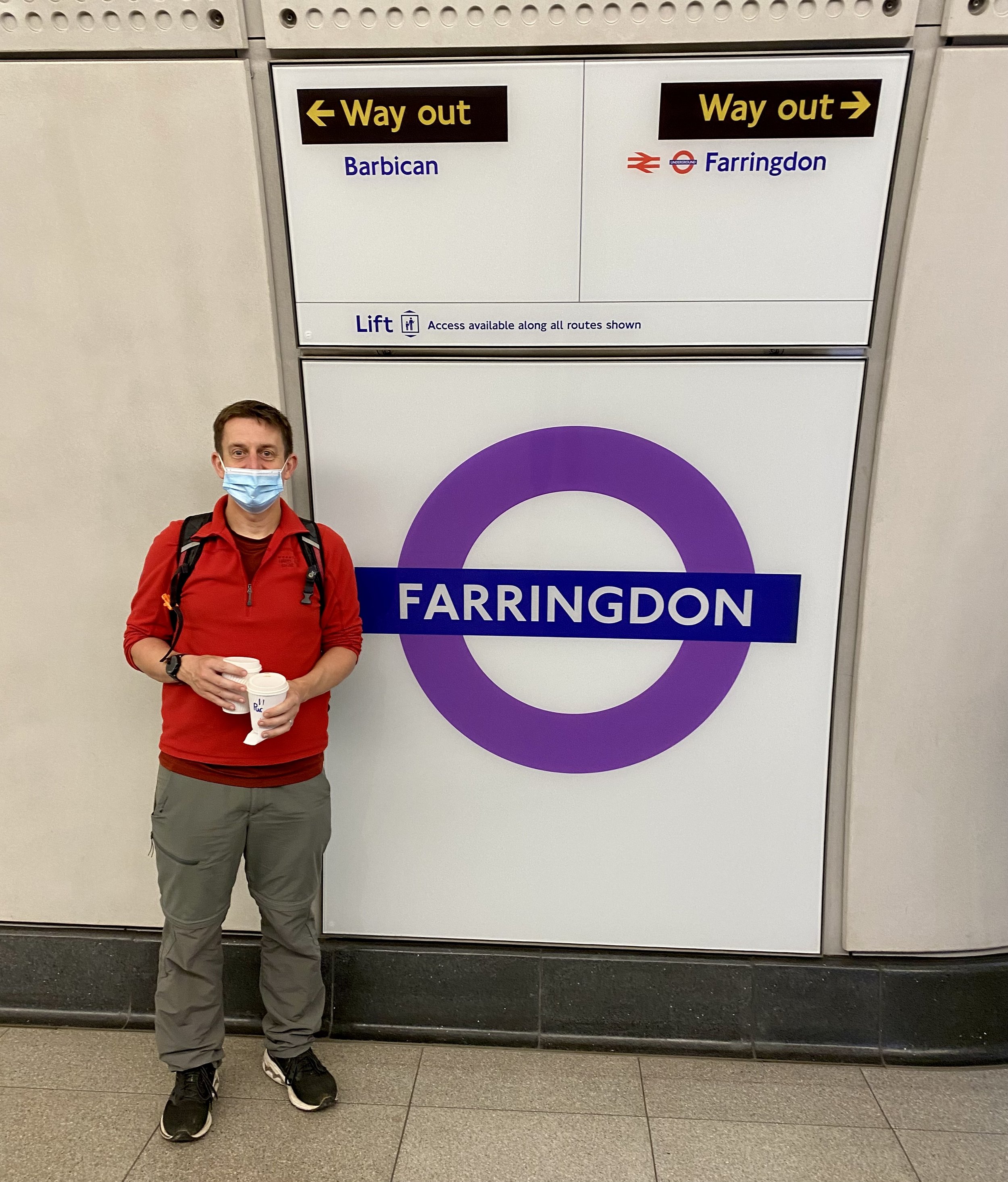
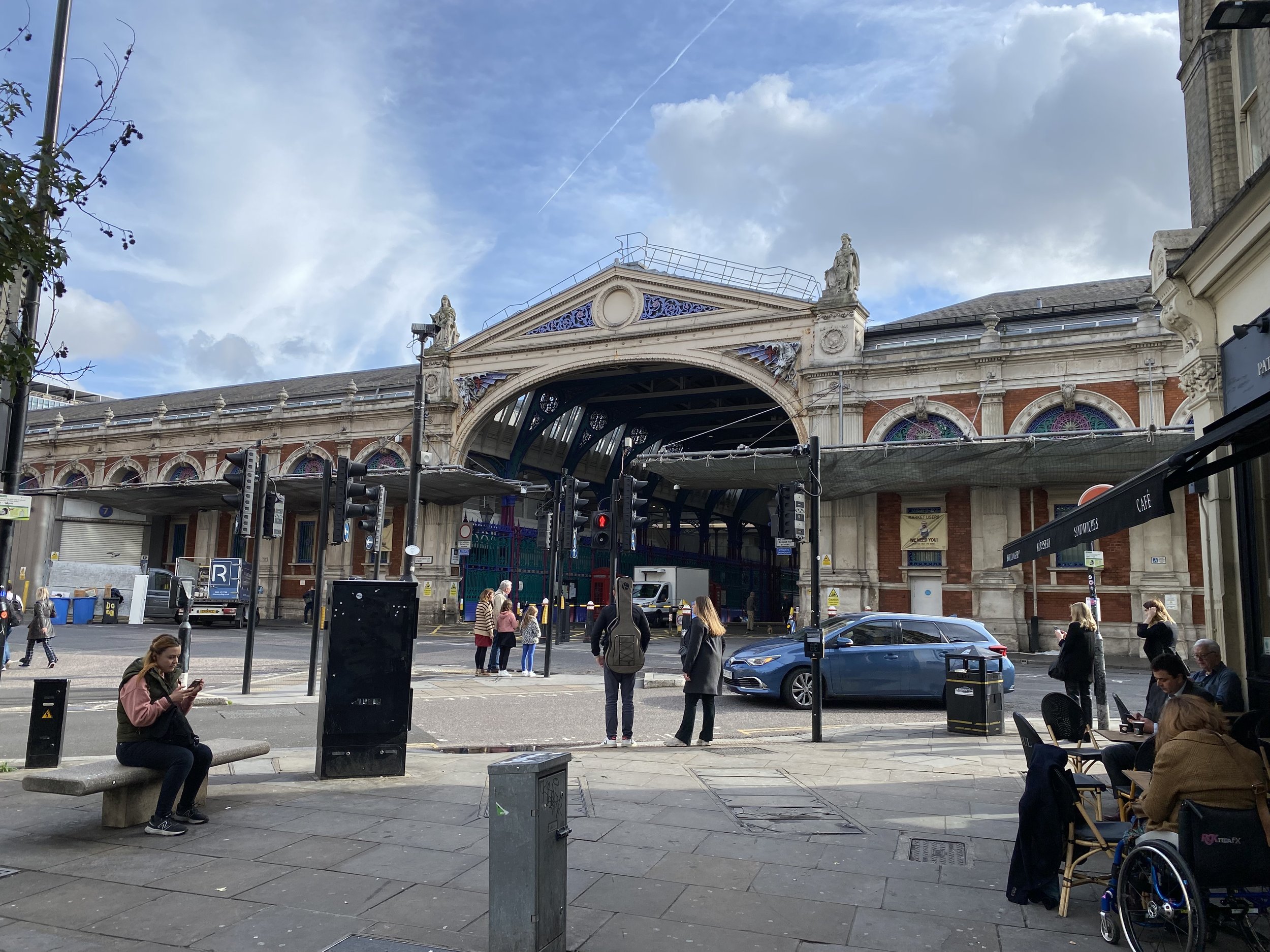
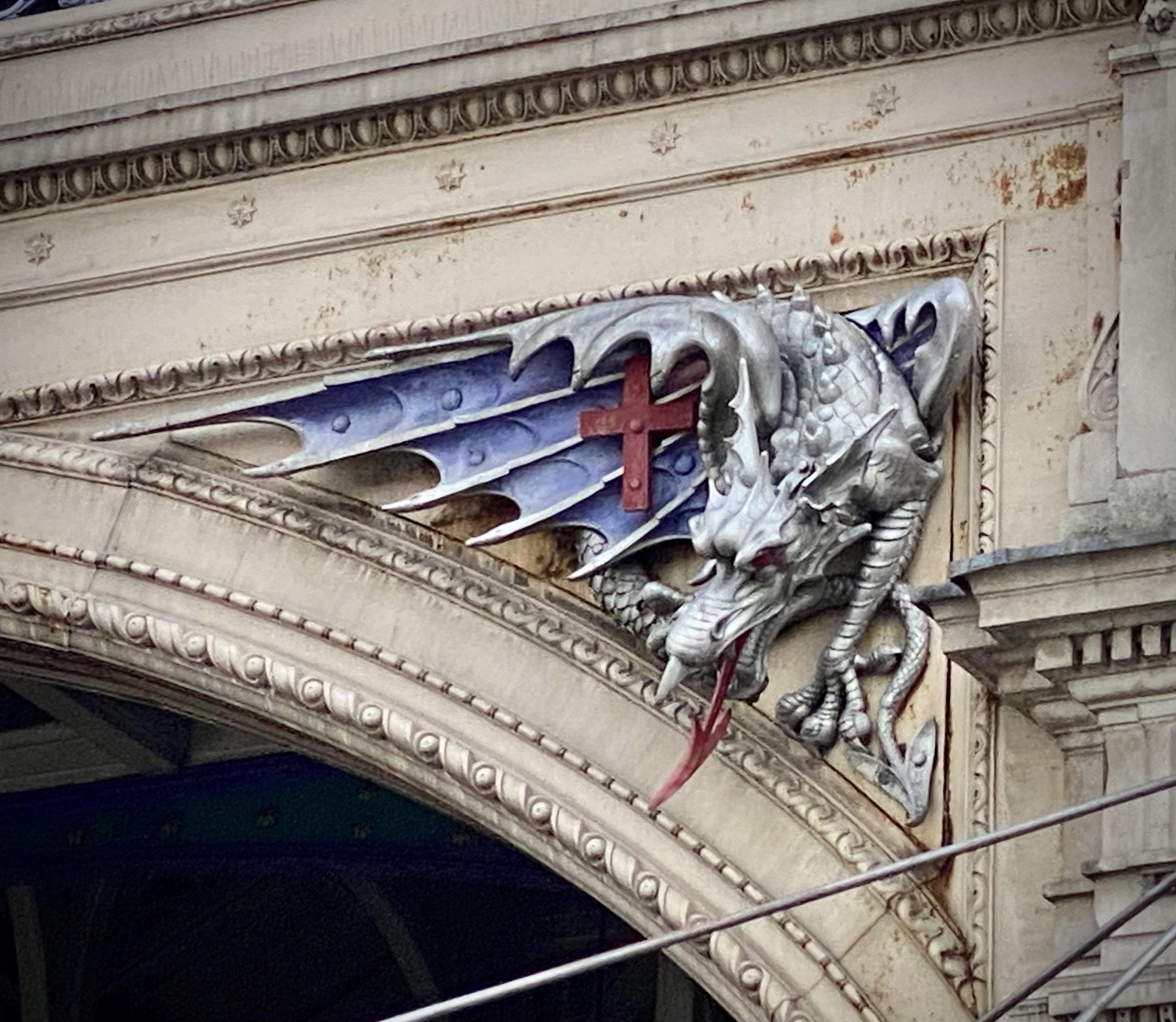
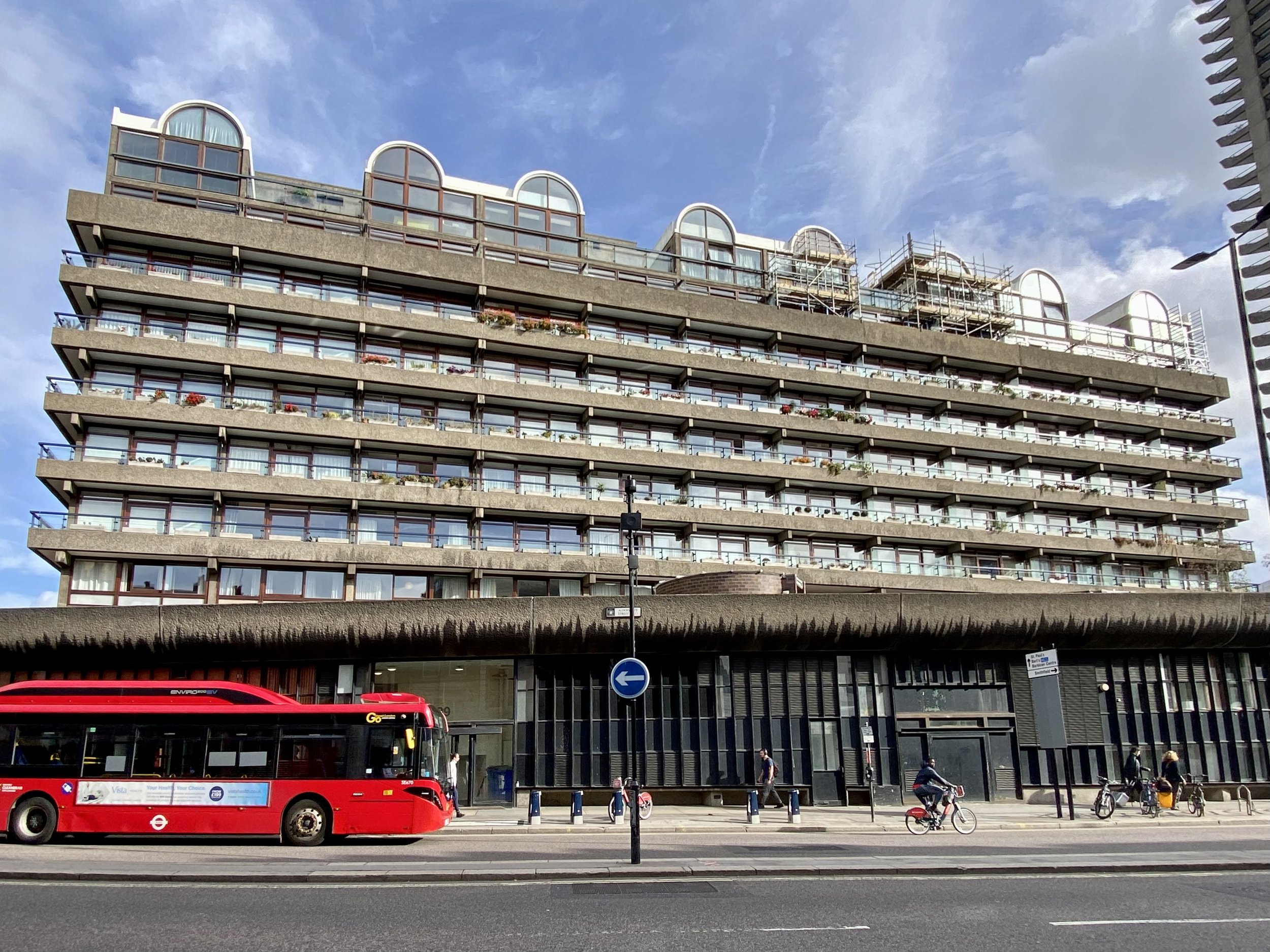
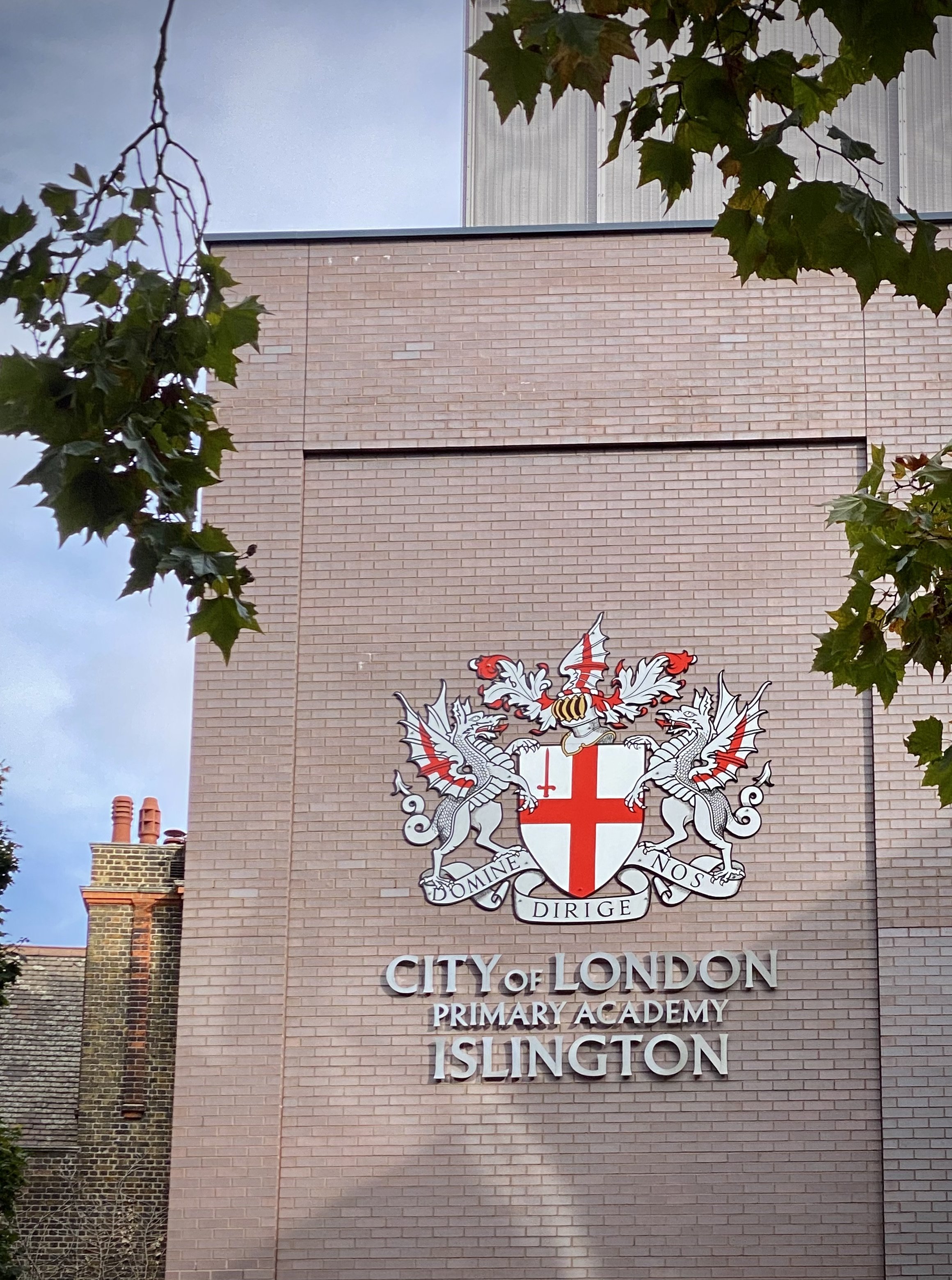
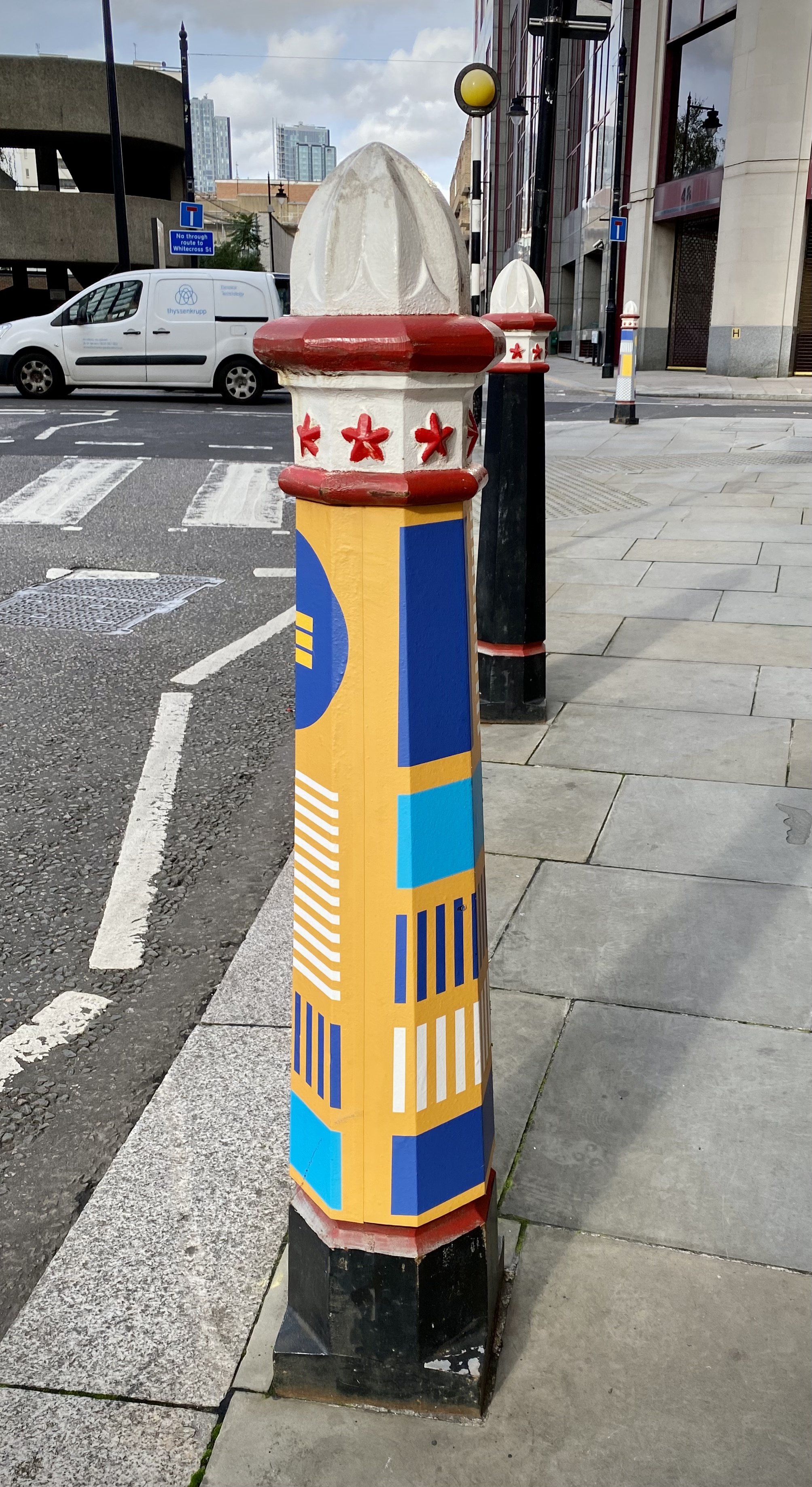
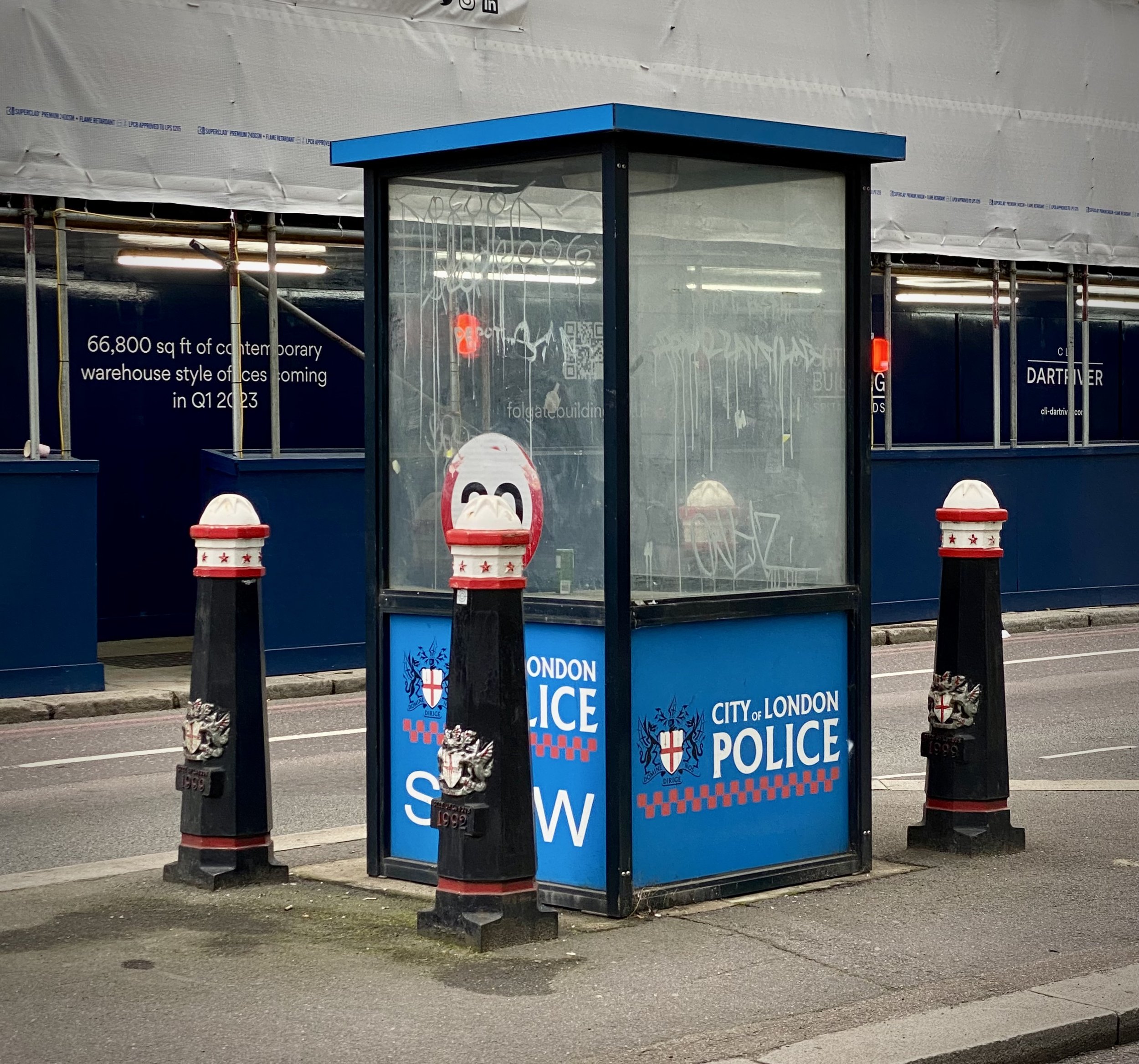
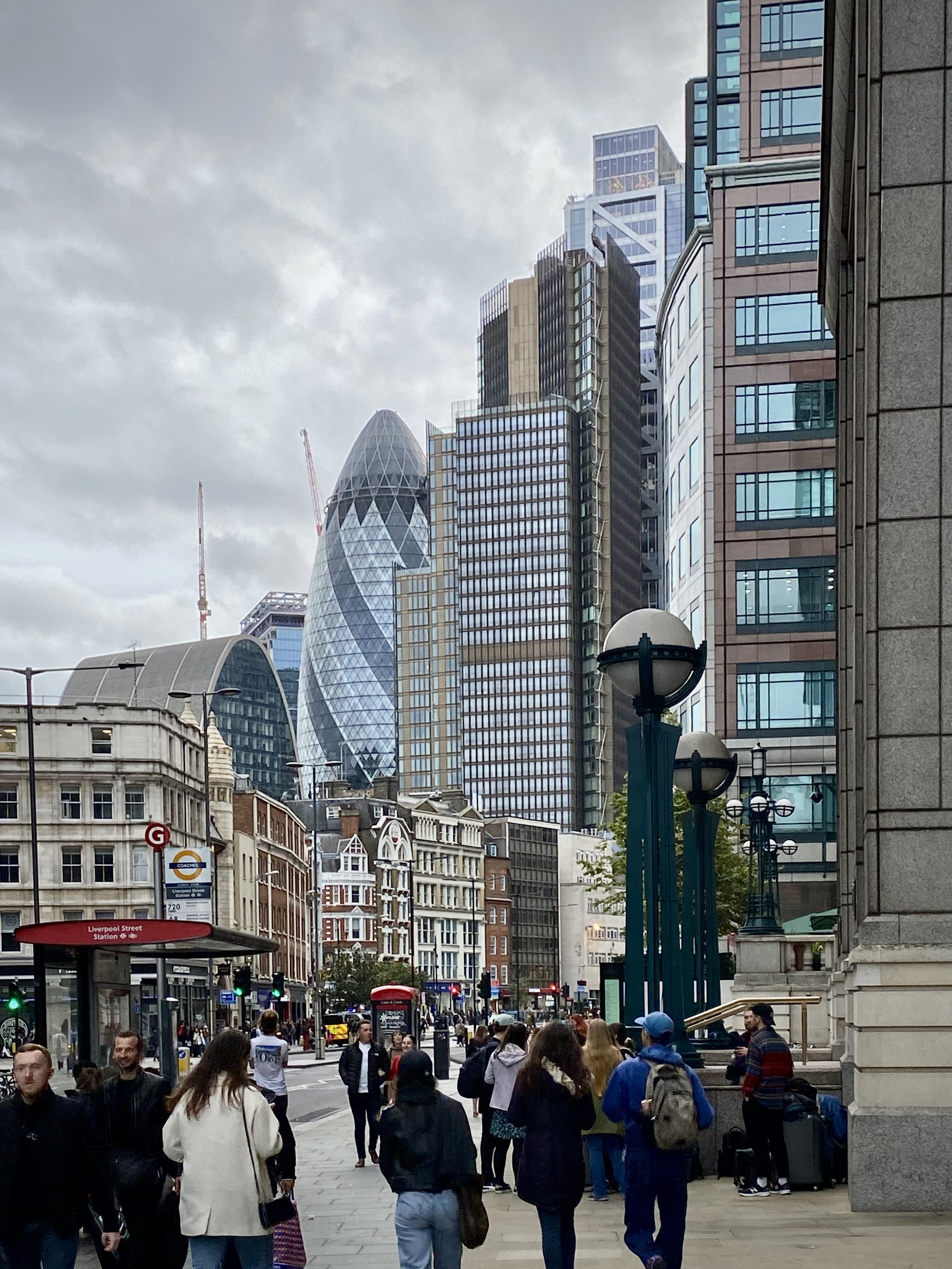
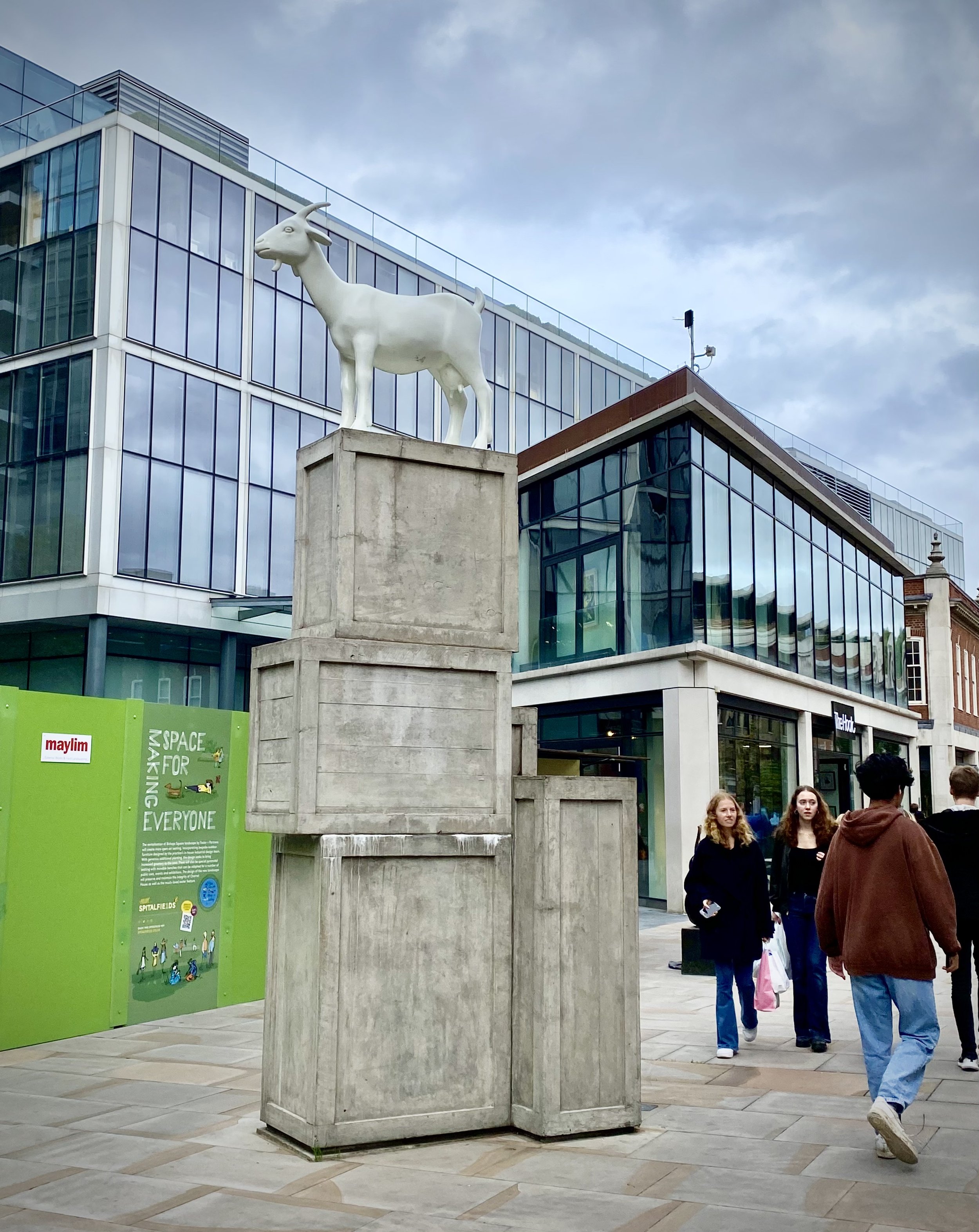
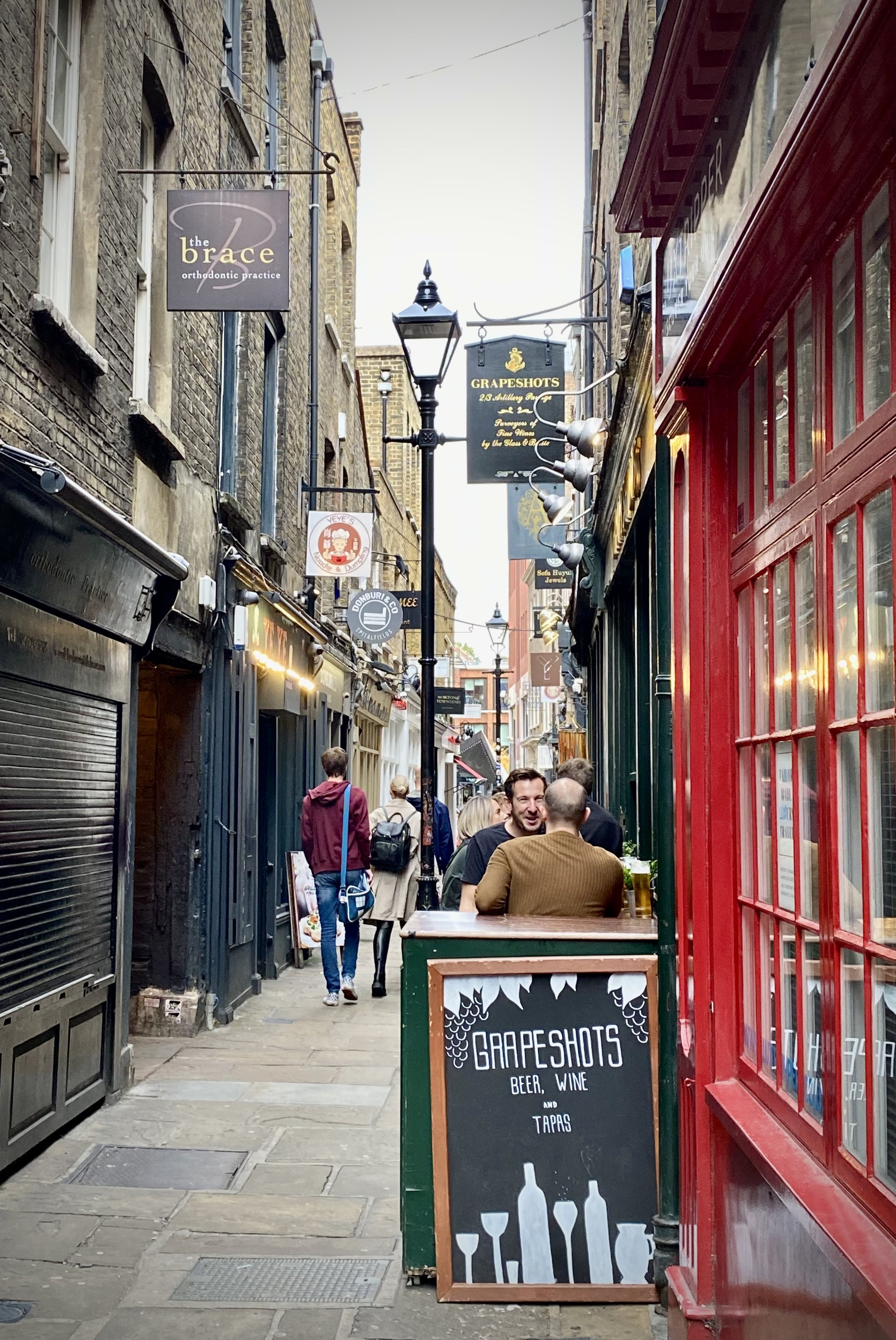
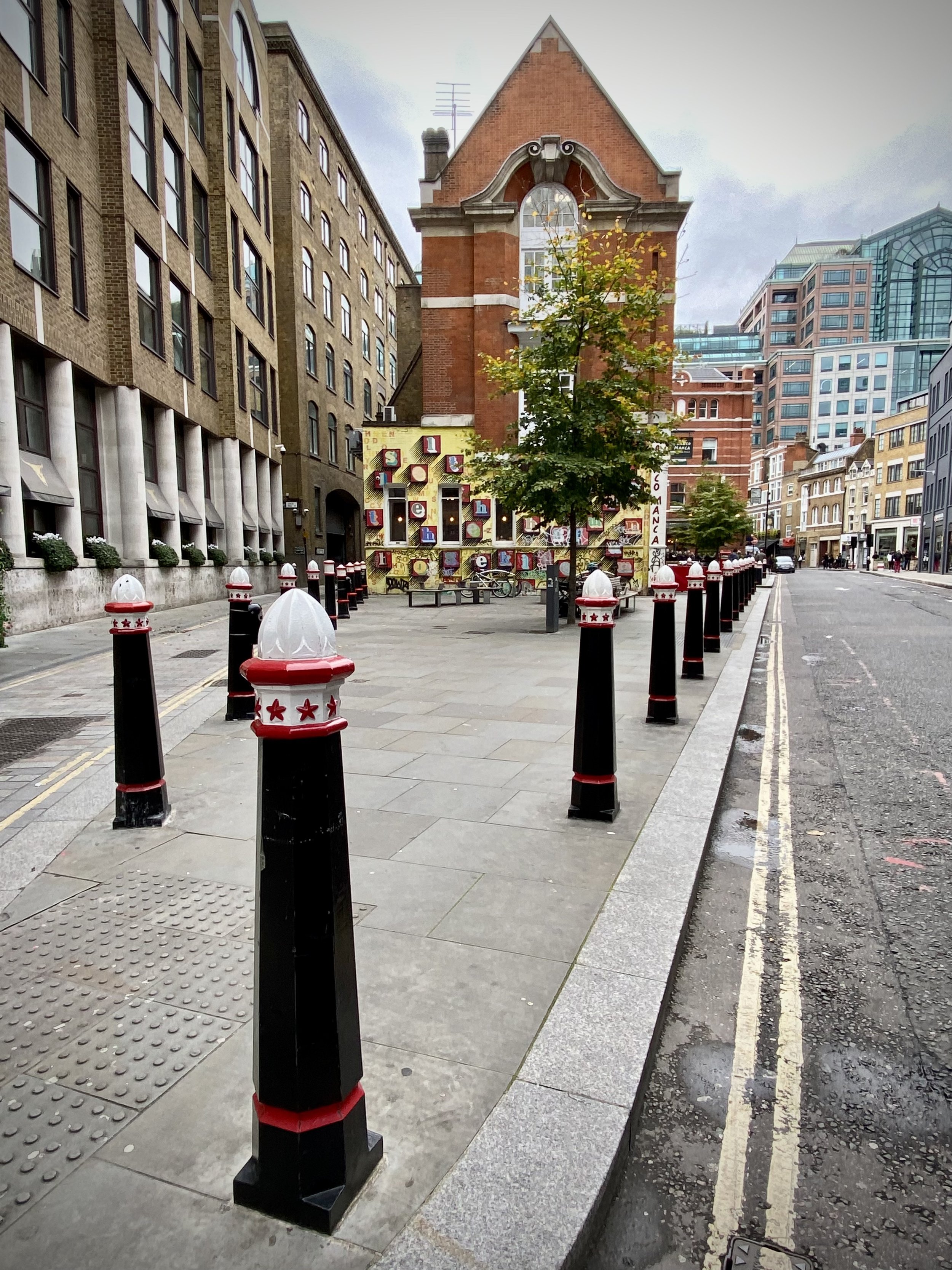
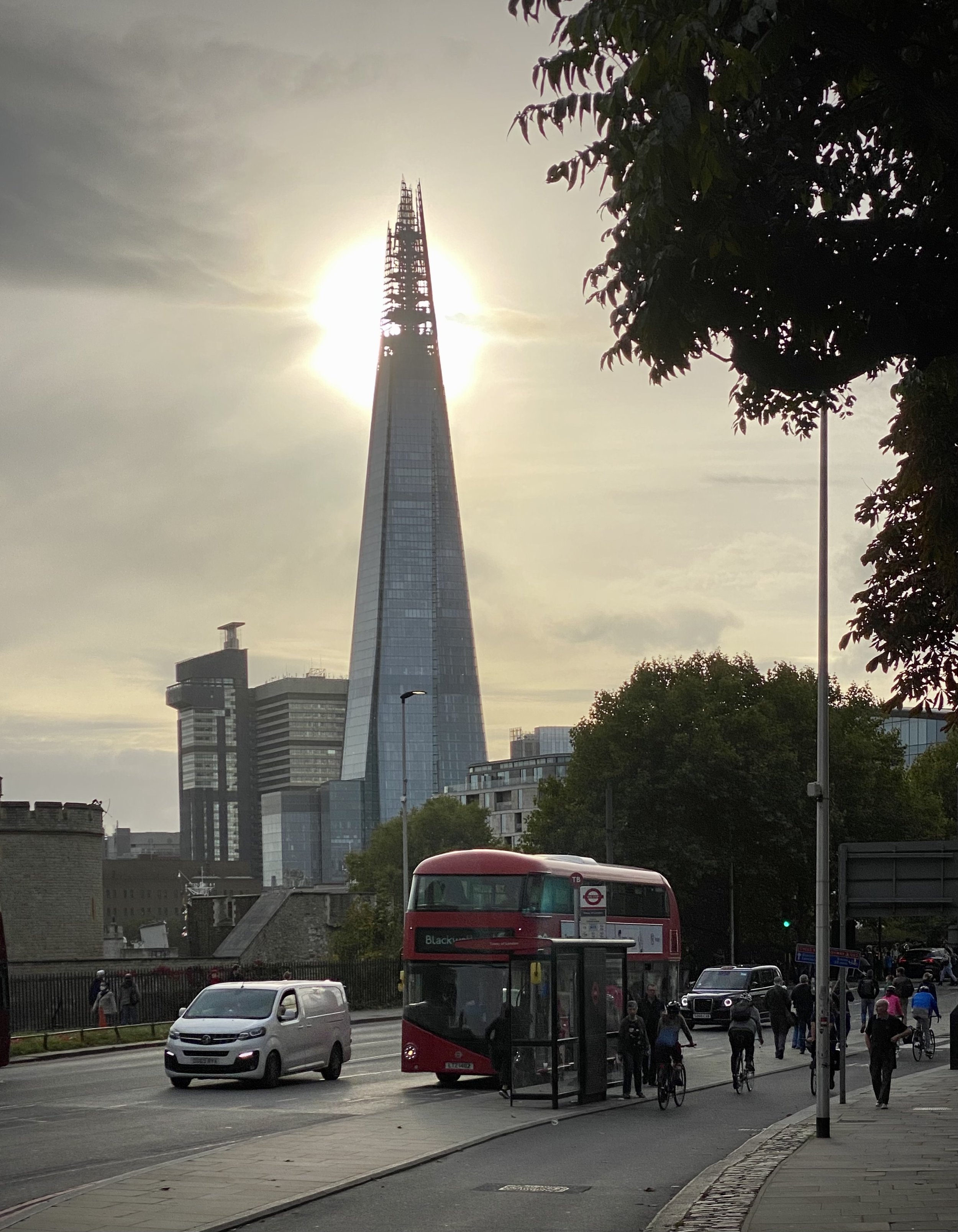
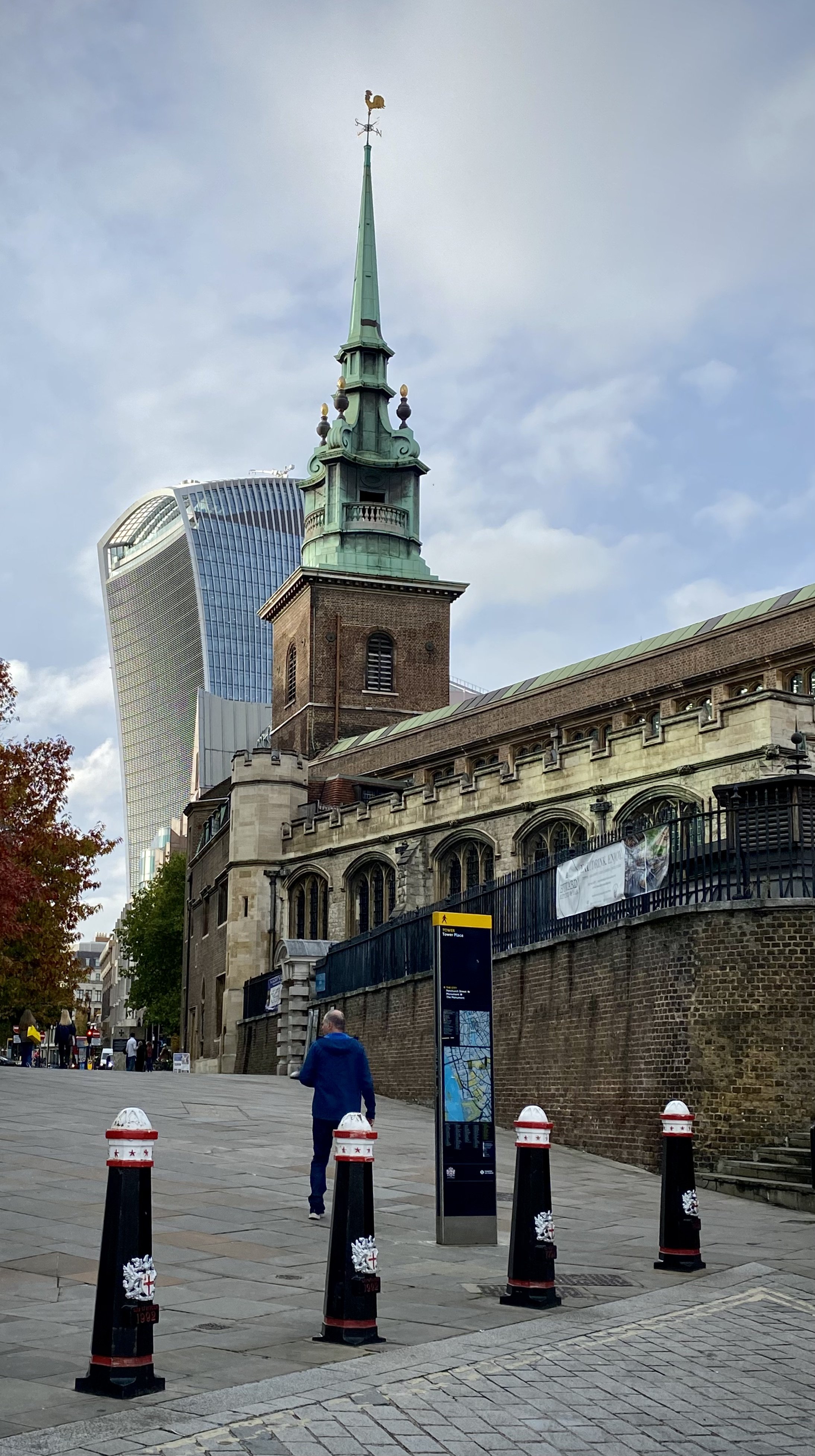
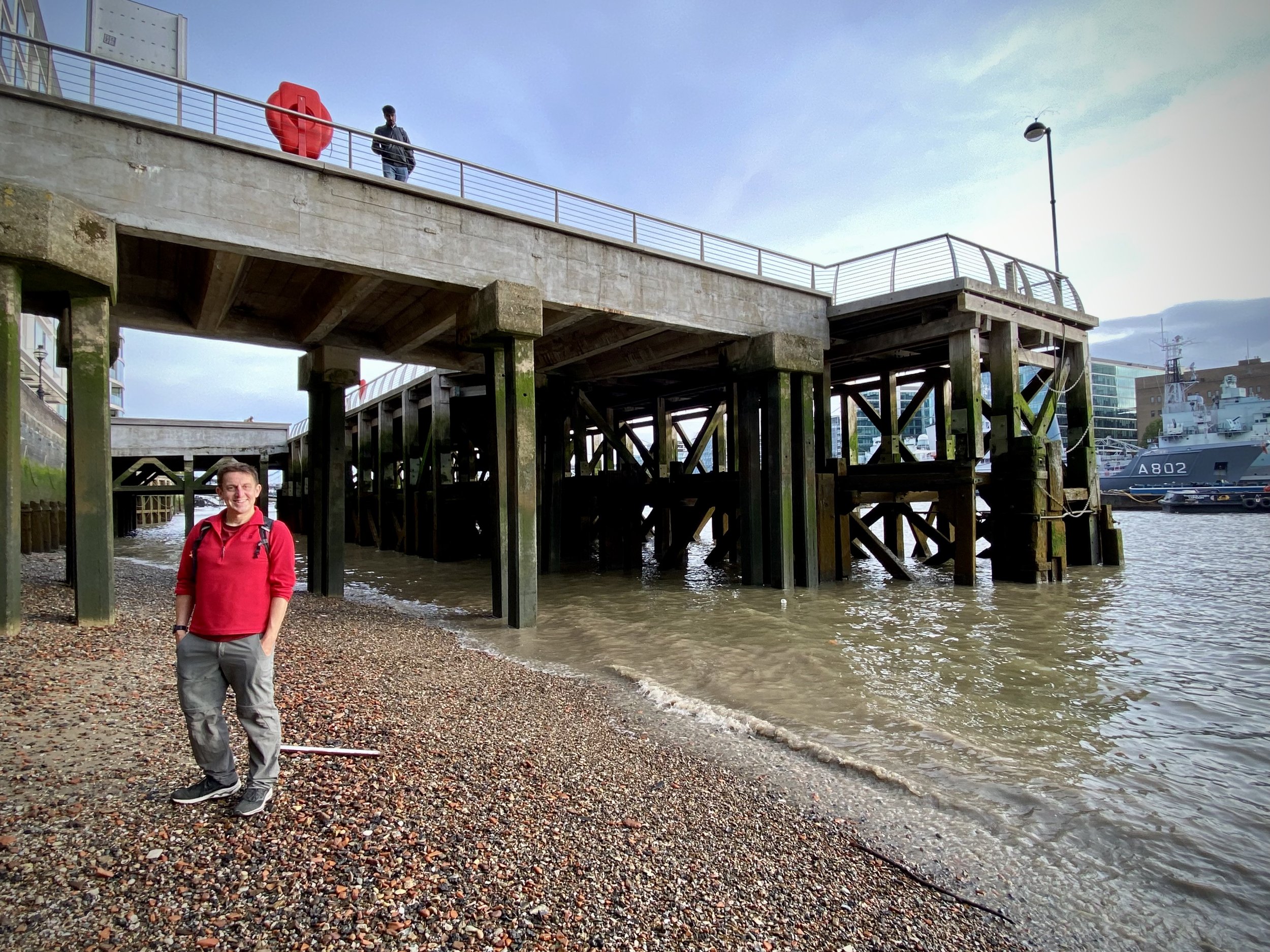
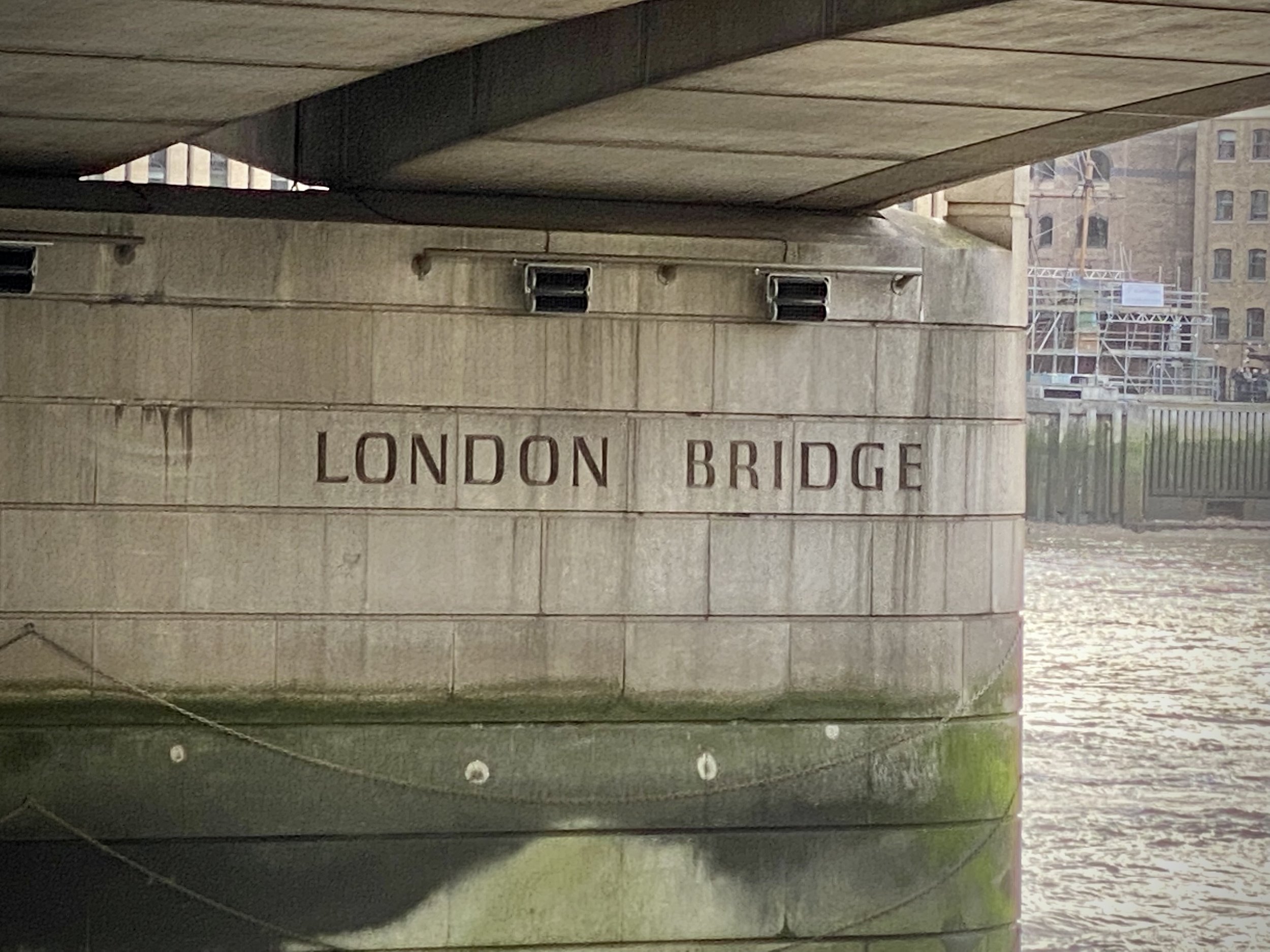
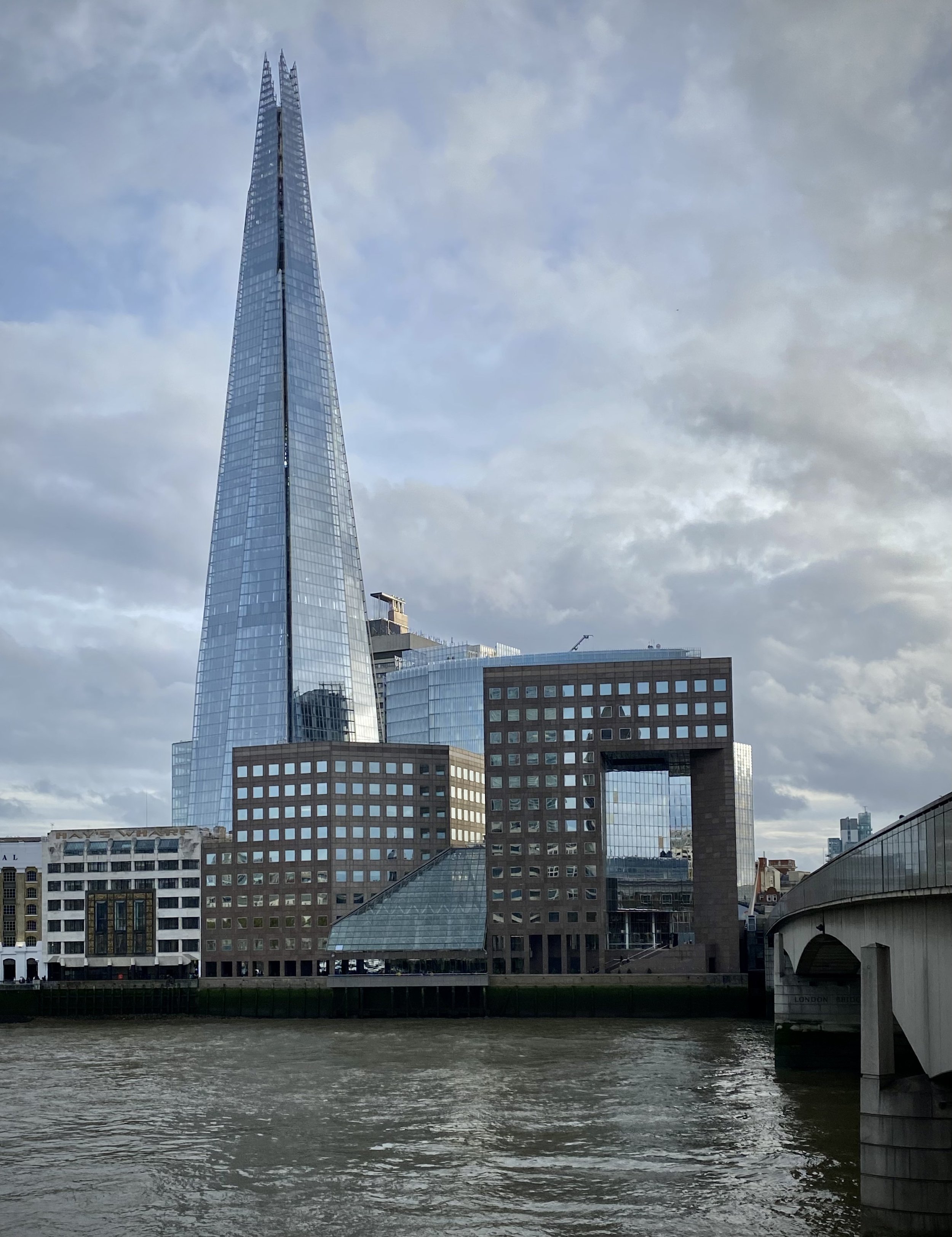
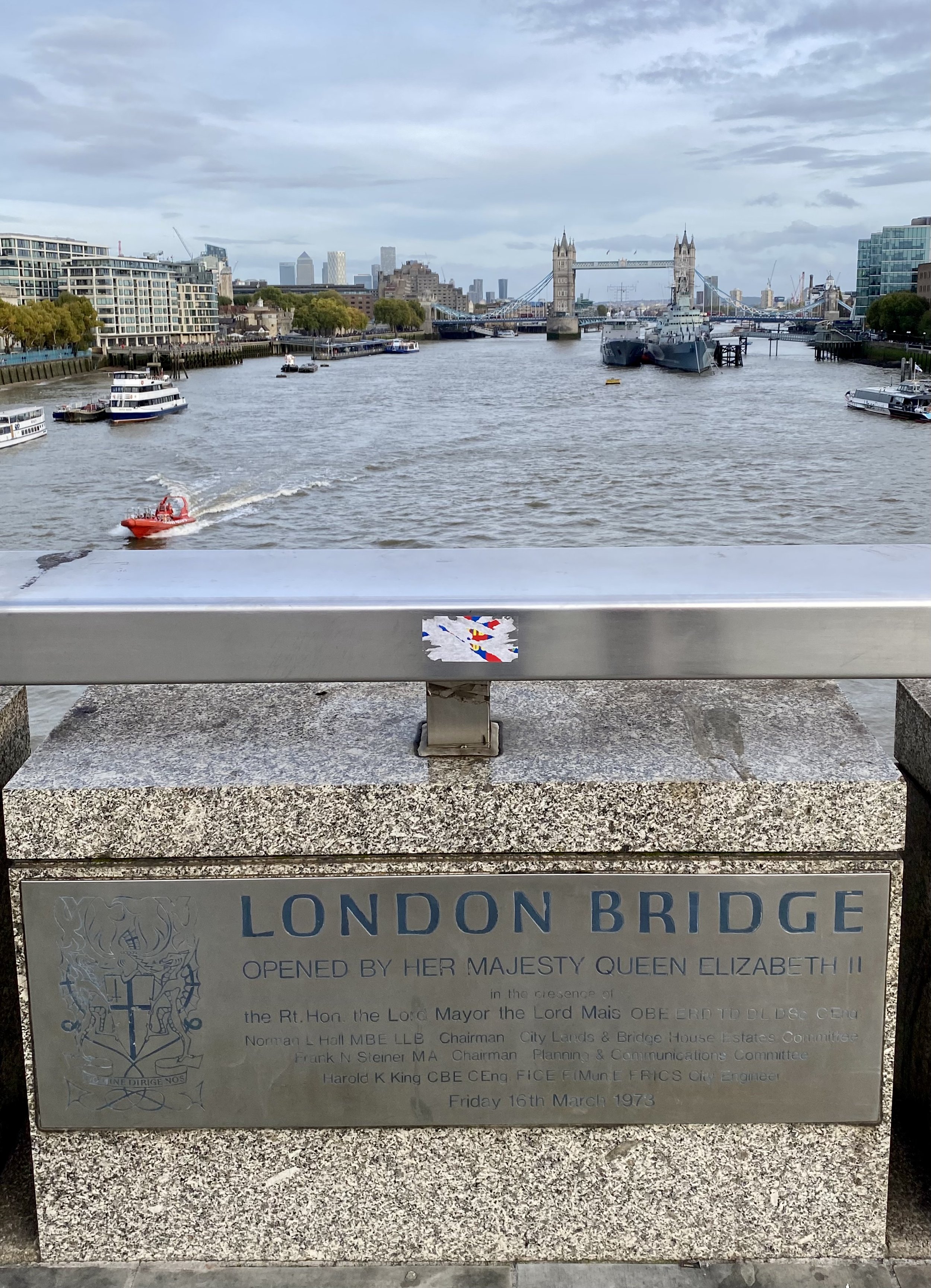
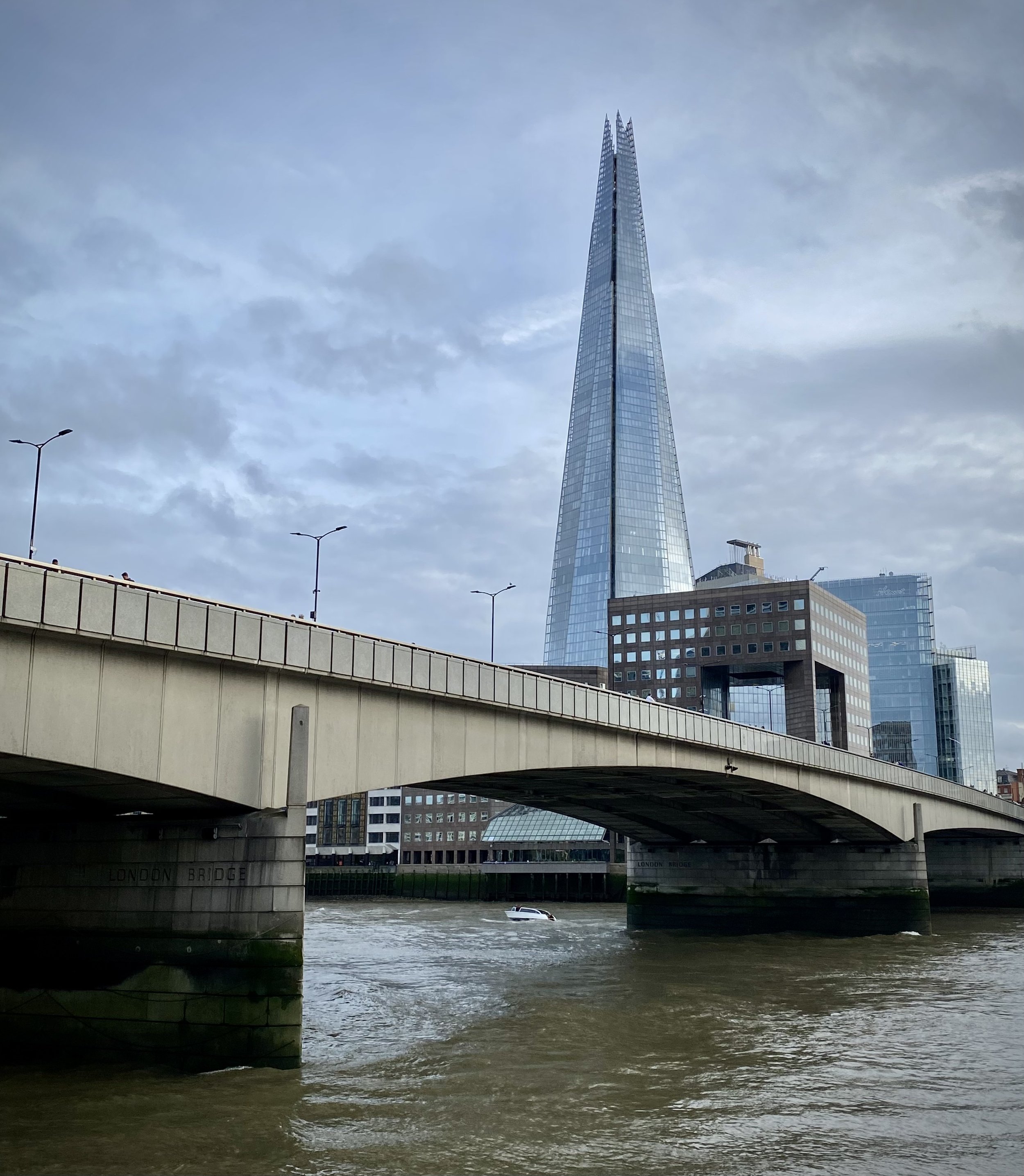
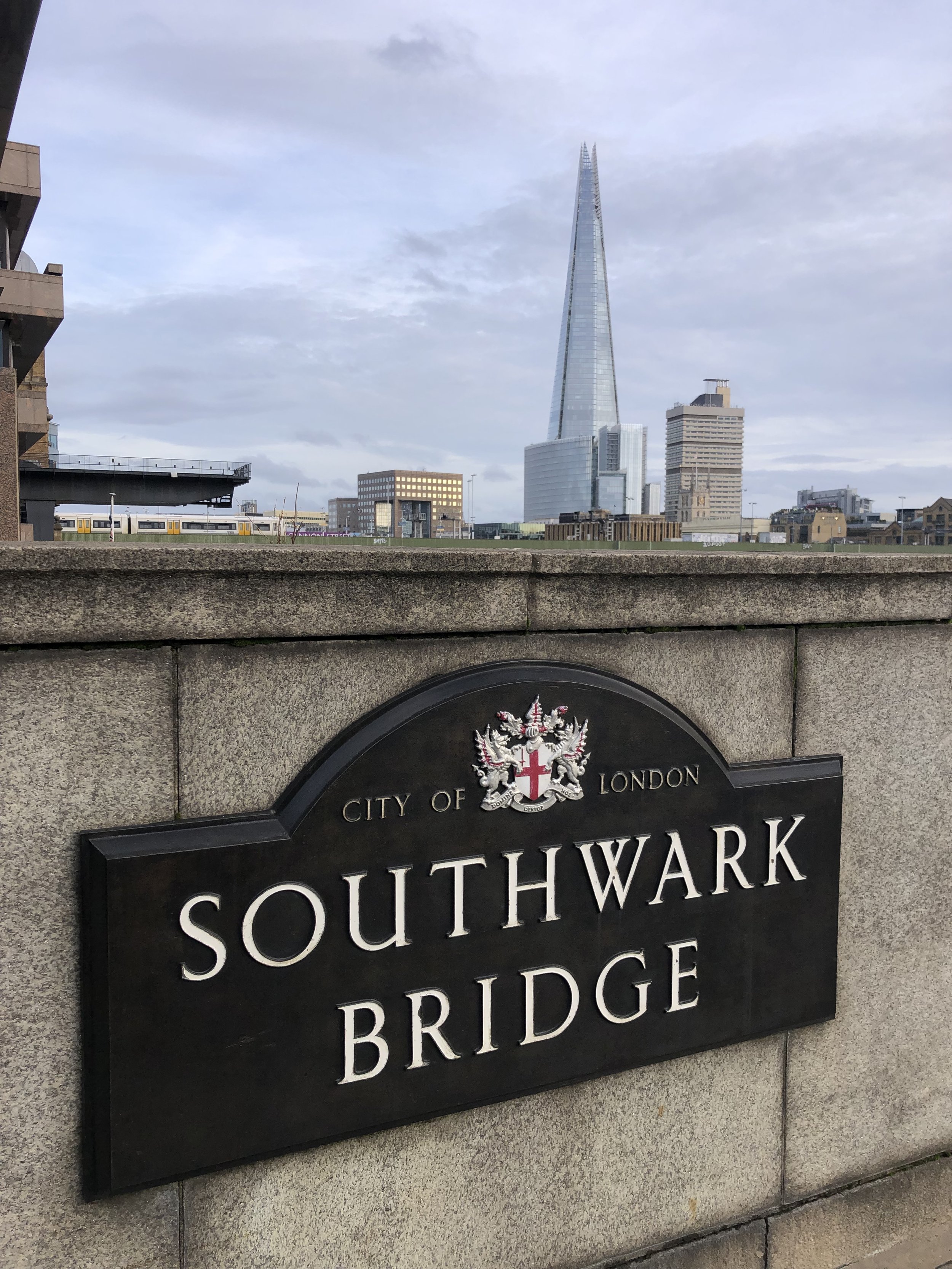
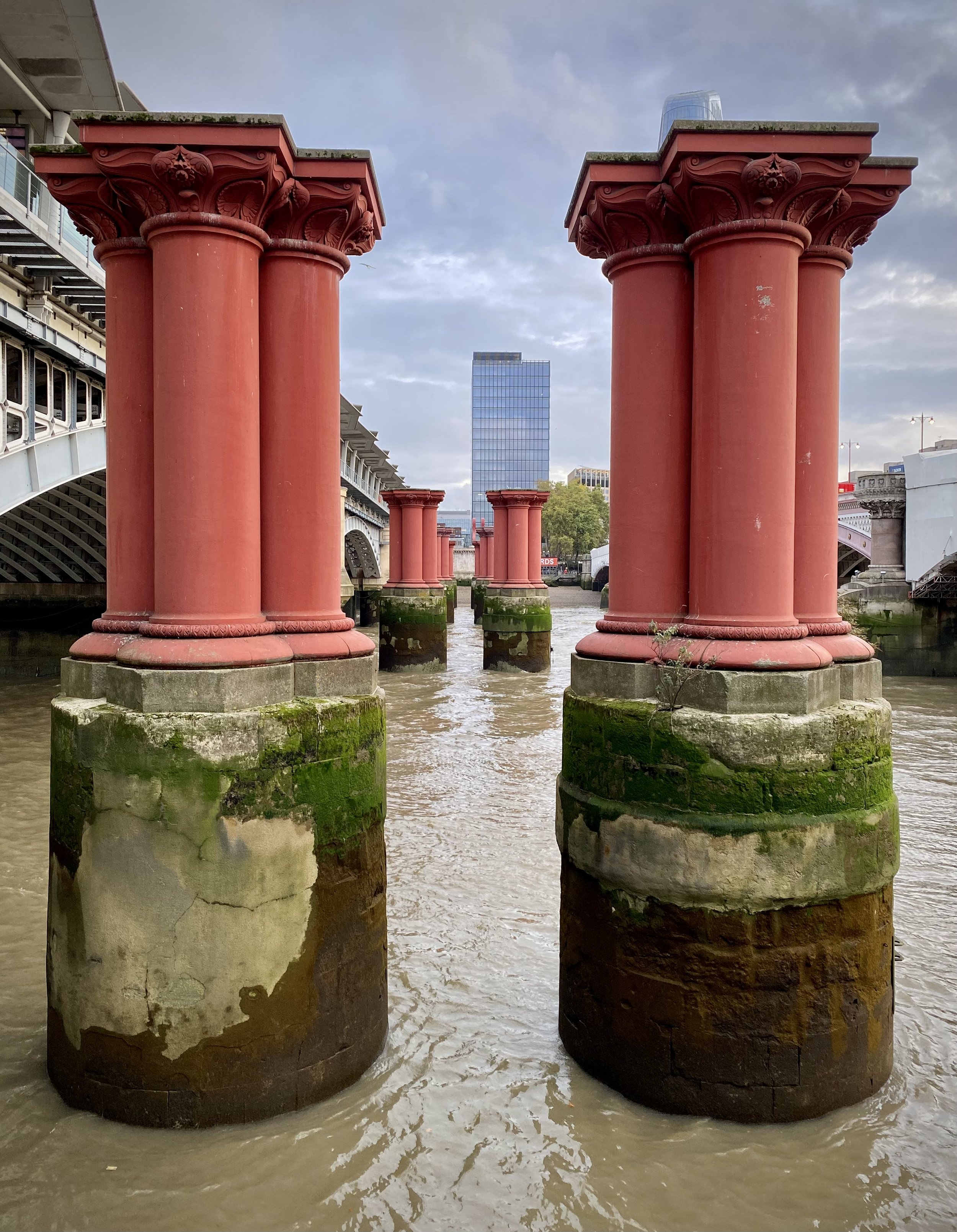
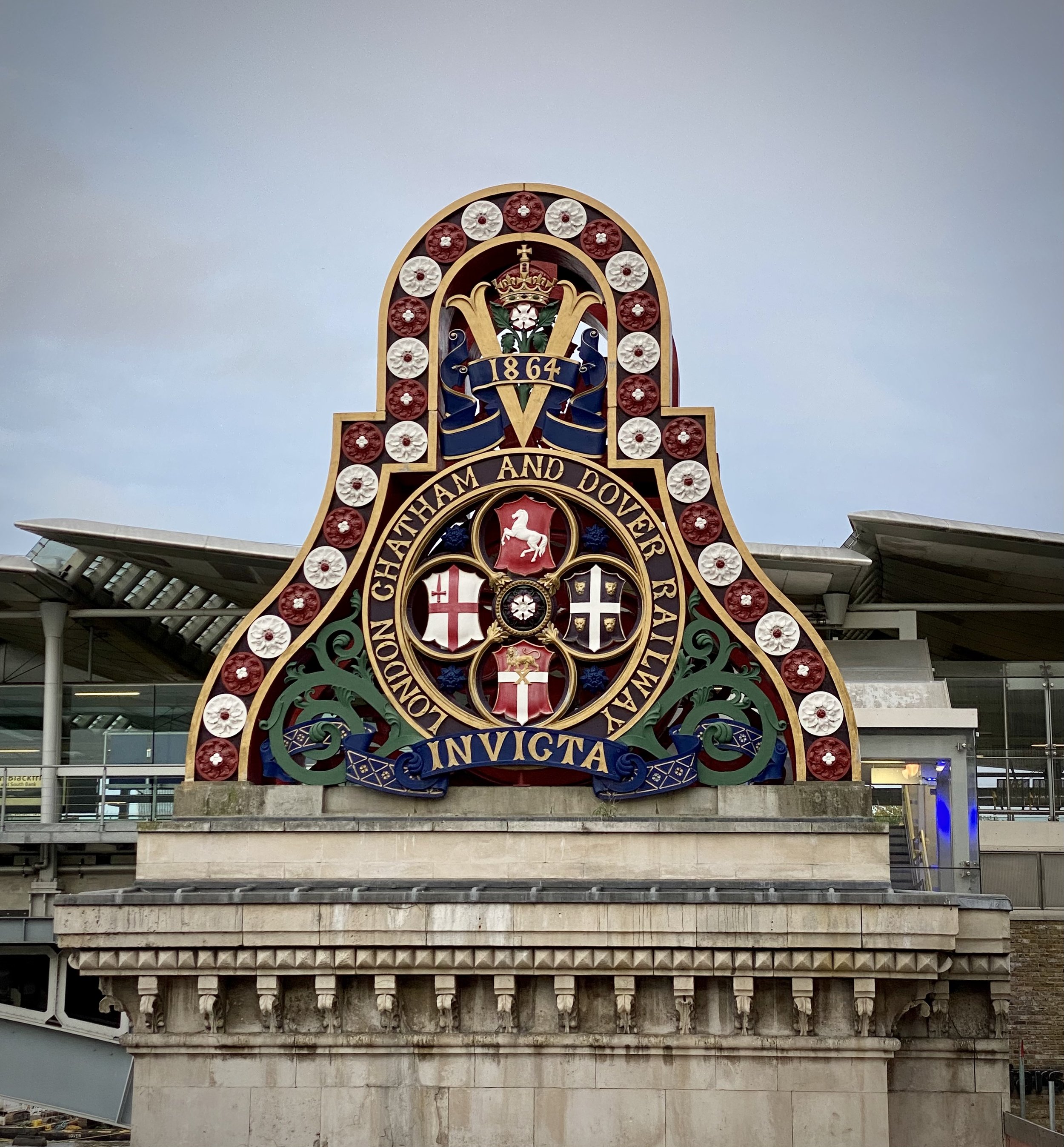
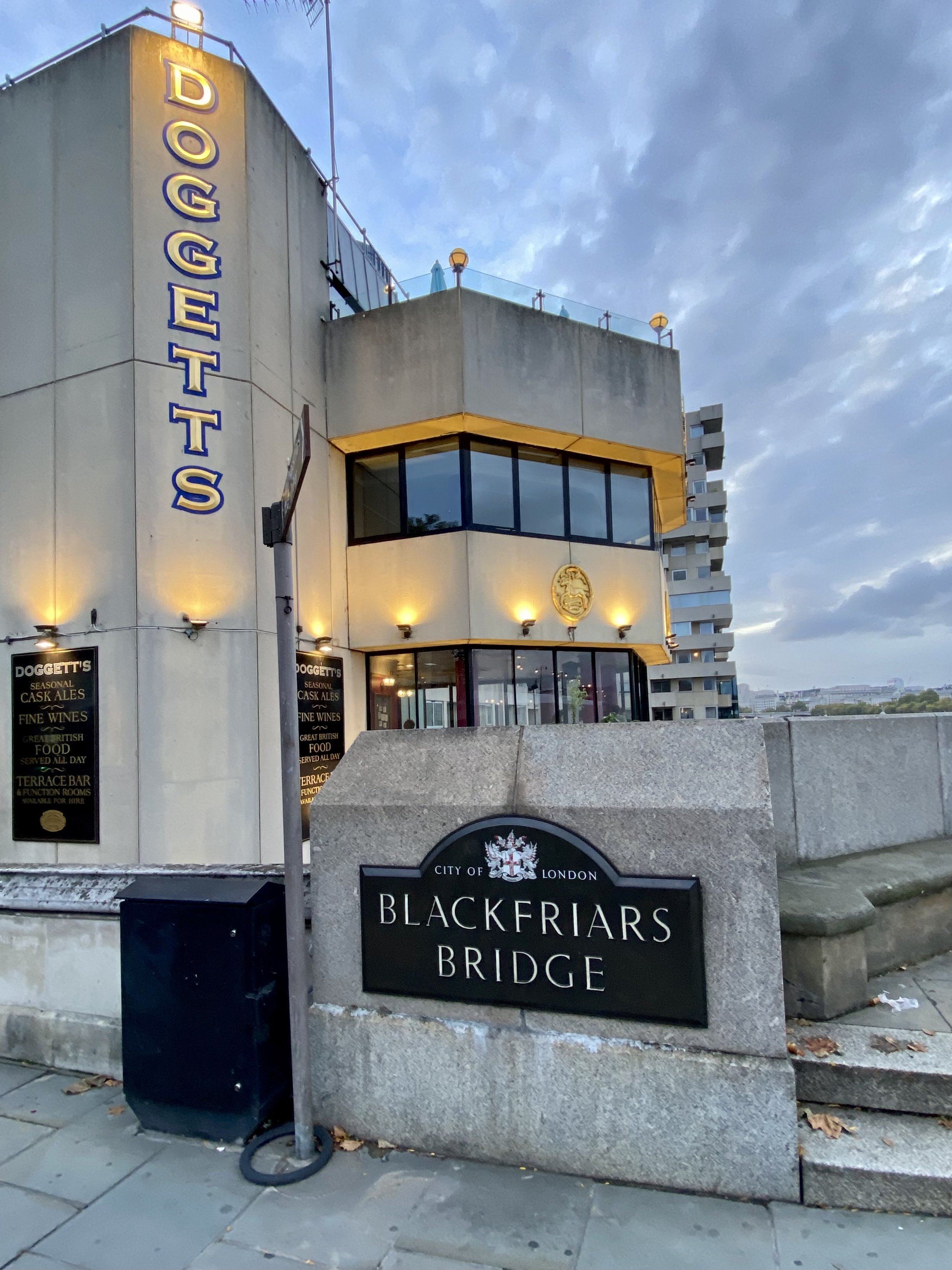
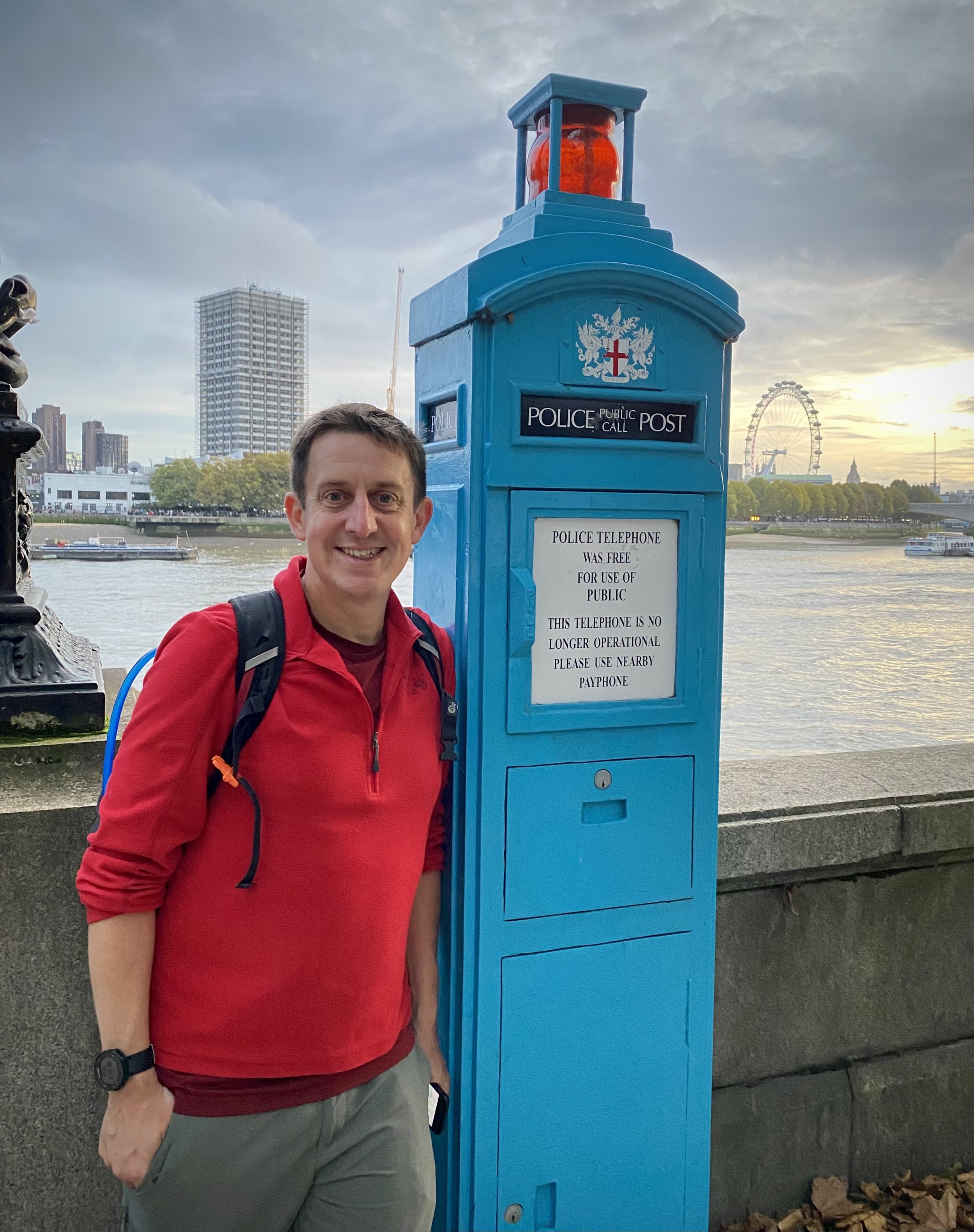


Dragons 1 & 2: Victoria Embankment
These twin seven-foot-tall dragons are the originals. They were cast in 1849 and initially adorned the Coal Exchange building on Lower Thames Street. When the Coal Exchange was demolished in 1963, the statues were saved and mounted on Portland stone plinths along the Embankment. Most of the other dragons you will see on the walk are half-size replicas commissioned in the 1960s based on these originals.
Type: Twins, either side of Victoria Embankment, mounted on stone pedestals.
Distance into walk: 0 km
Address: Victoria Embankment, Temple, London, WC2R 2PN.
Nearest Station: Temple (Circle, District)
Coordinates: 51°30'40.0"N 0°06'41.5"W
Links: Victoria Embankment, Inner Temple Gardens

Dragon 3: Temple Bar
Located where Fleet Street meets the Strand, this monument features the oldest boundary dragon, cast in 1880. It is larger, black, and much more fierce and gothic-looking than the other silver dragons. It marks the historical location of Sir Christopher Wren's Temple Bar gate before it was moved.
Type: Large single dragon on top of a memorial obelisk.
Distance into walk: 0.4 km
Address: The Strand, Temple, London, EC4A 2LT
Nearest Stations: Temple (Circle, District) or City Thameslink
Coordinates: 51°30'49.4"N 0°06'42.9"W
Directions from previous point: Right onto Temple Place, up the Milford Lane steps, along Essex Street, right onto The Strand. Note that the boundary runs through the buildings east of Essex Street. Essex Street itself is actually in the City of Westminster.
Links: Temple Bar, Temple Bar Memorial, Royal Courts of Justice

City of London High Point
Distance into walk: 1 km
Address: Junction of Chancery Lane and High Holborn.
Nearest Station: Chancery Lane (Central)
Coordinates: 51°31'05.3"N 0°06'49.5"W
Directions from previous point: Left onto Chancery Lane, continue to the junction with High Holborn.
See this related post for more details and photos of the City of London High Point

Dragons 4 & 5: High Holborn
These two twin dragons are mounted on 19th-century granite obelisks that originally supported gas lanterns. The obelisks themselves were made Grade II listed structures in 1972.
Type: Twin dragons on stone plinths either side of the road.
Distance into walk: 1.2 km
Address: Either side of High Holborn near exit to Chancery Lane Underground. Staple Inn 5, London, WC1V 7QH.
Nearest Station: Chancery Lane (Central)
Coordinates: 51°31'05.1"N 0°06'40.7"W
Directions from previous point: Turn right out of Chancery Lane onto High Holborn, continue east.
Links: Chancery Lane, High Holborn
This one is often referred to as the Chancery Lane Dragon, however High Holborn is a more accurate name for its location.

Tri-Point: City of London / Westminster / Camden
Distance into walk: 1.3 km
Address: Between the two carriageways of High Holborn at the corner of High Holborn and Furnival Street, WC1V 7QU.
Nearest Station: Chancery Lane (Central)
Coordinates: 51°31'05.0"N 0°06'37.6"W
Directions from previous point: Continue east along High Holborn.
Links: City of Westminster, Camden
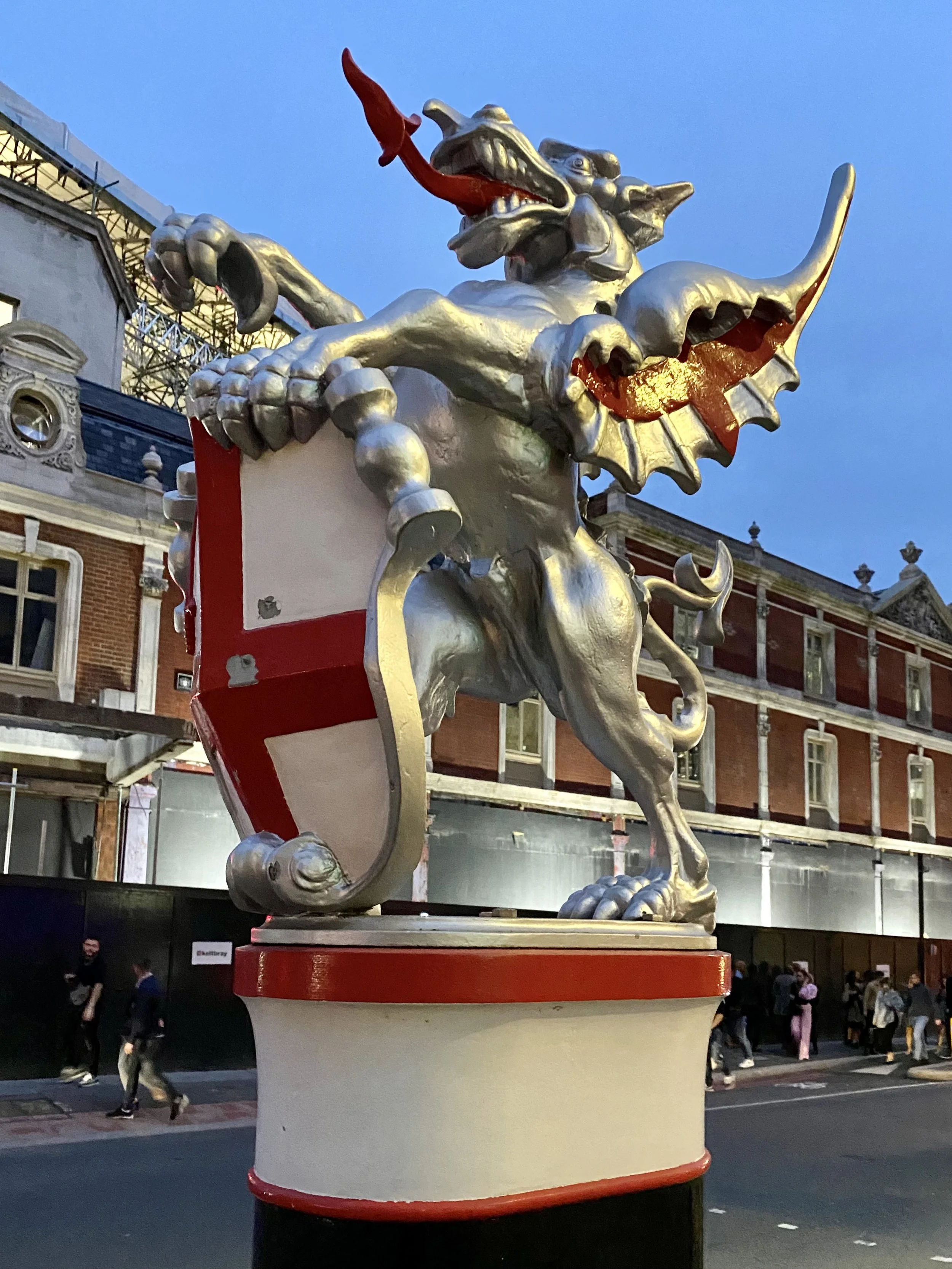
Dragon 6: Farringdon
This single dragon sits on a painted cast-iron plinth right in the center of the road, about 100 yards north of Holborn Viaduct.
Type: Single dragon on a pedestal.
Distance into walk: 1.7 km
Address: South side of junction of Charterhouse Street and Farringdon Street, EC4A 4LL.
Nearest Station: Farringdon (Circle, Hammersmith & City, Metropolitan, Elizabeth Line, Thameslink)
Coordinates: 51°31'06.6"N 0°06'19.1"W
Directions from previous point: Turn left onto Charterhouse Street at Junction of High Holborn/Hatton Garden/Charterhouse/New Fetter Lane.
Links: Farringdon, Smithfield, Smithfield Market
Look out for the 2 “bonus” dragons either side of the arch at the entrance to Smithfield Market on Charterhouse Street.

Tri-Point: City of London / Camden / Islington
Distance into walk: 1.7 km
Address: South side of junction of Charterhouse Street and Farringdon Street, EC4A 4LL.
Nearest Station: Farringdon (Circle, Hammersmith & City, Metropolitan, Elizabeth Line, Thameslink)
Coordinates: 51°31'06.6"N 0°06'19.1"W
Directions from previous point: N/A - at Farringdon Dragon.
Links: Camden, Islington

Dragon 7: Barbican
Sitting next to the Golden Lane housing estate, this single dragon guards a boundary where the east side of the road is in the City, while the west side is in Islington.
Type: Single dragon on a pedestal.
Distance into walk: 2.5 km
Address: Junction of A1 Goswell Road and Baltic Street West. 38 Goswell Road, Golden Lane Estate, London, EC1M 7AA.
Nearest Station: Barbican (Circle, Hammersmith & City, Metropolitan)
Coordinates: 51°31'22.4"N 0°05'52.1"W
Directions from previous point: Continue along Charterhouse Street until end, turn left onto A1 Goswell Road, continue north.
Links: Barbican, Barbican Estate, Golden Lane Estate

Dragon 8: Moorgate
At the time that we visited in October 2022 the Moorgate Dragon was looking shiny and new having been recently replaced. The original had been removed to allow room for lorries accessing the construction site for Crossrail / The Elizabeth Line.
Type: Single dragon on a pedestal.
Distance into walk: 3.6 km
Address: South-east side of junction of Ropemaker Street/A501 Moorgate/South Place, EC2M 2RB.
Nearest Station: Moorgate (National Rail)
Coordinates: 51°31'08.5"N 0°05'15.9"W
Directions from previous point: Turn right into Baltic Street West, onto Baltic Street East, right onto Golden Lane, Left onto B100 Beech Street, onto B100 Chiswell Street, right onto Moor Lane, left onto Ropemaker Street.
Links: Moorgate

Tri-Point: City of London / Islington / Hackney
Distance into walk: 3.9 km
Address: South-East Corner of Finsbury Square / Sun Street and Wilson Street, EC2M 2PA.
Nearest Station: Liverpool Street (Circle, Hammersmith & City, Metropolitan, Central, Elizabeth Line, Overground, National Rail)
Coordinates: 51°31'13.2"N 0°05'06.9"W
Directions from previous point: Continue east along South Place, left onto Wilson Street, continue to junction with Sun Street.
Links: Islington, Hackney

Dragon 9: Bishopsgate
This one is often referred to as the Liverpool Street Dragon, however Bishopsgate is a more accurate name for its location.
Type: Single dragon on a pedestal.
Distance into walk: 4.5 km
Address: Corner of Worship Street and A10 Norton Foldgate.
Nearest Station: Liverpool Street (Circle, Hammersmith & City, Metropolitan, Central, Elizabeth Line, Overground, National Rail)
Coordinates: 51°31'17.3"N 0°04'43.1"W
Directions from previous point: Turn right onto Sun Street, curve to the left onto Appold Street, right onto Worship Street.
Links: Bishopsgate

Tri-Point: City of London / Hackney / Tower Hamlets
Distance into walk: 4.5 km
Address: East side of A10 Shoreditch High Street opposite junction with Worship Street.
Nearest Station: Liverpool Street (Circle, Hammersmith & City, Metropolitan, Central, Elizabeth Line, Overground, National Rail)
Coordinates: 51°31'17.4"N 0°04'42.5"W
Directions from previous point: Opposite side of A10 North Foldgate to the Liverpool Street Dragon.
Links: Hackney, Tower Hamlets

Dragon 10: Aldgate
This single dragon stands on the pavement near Middlesex Street. Aldgate was one of the original large gateways in the ancient Roman wall.
Type: Single dragon on a pedestal.
Distance into walk: 5.5 km
Address: South-west corner of Middlesex Street and Aldgate High Street, E1 8AX.
Nearest Stations: Aldgate (Circle, Metropolitan) and Aldgate East (District, Hammersmith & City)
Coordinates: 51°30'51.7"N 0°04'26.6"W
Directions from previous point: Turn right out of Worship Street onto A10 North Foldgate, left onto Brushfield Street, right onto Fort Street, (briefly) right onto Artillery Lane, left onto Sandy’s Row, left onto Middlesex Street, left onto St Botolph Street.
Links: Aldgate

Dragon 11: Tower Hill
This single dragon stands on the south side of Byward Street, proudly looking out toward the Tower of London.
Type: Single dragon on a pedestal.
Distance into walk: 6.6 km
Address: South side of Byward Street/Tower Hill, at 1 Tower Hill Terrace, London, EC3N 4EE.
Nearest Station: Tower Hill (Circle, District)
Coordinates: 51°30'34.1"N 0°04'43.1"W
Directions from previous point: Cross over Aldgate High Street onto A1210 Mansell Street, right onto Shorter Street, cross over The Minories and follow the north side of Trinity Square Gardens to Tower Hill (road). Cross over to South Side of Tower Hill (road).
Links: Tower Hill, Tower of London

Tri-Point: City of London / Tower Hamlets / Southwark
Distance into walk: 6.8 km
Address: In River Thames between west end of Millennium Pier (north-side) and east end of HMS Belfast (south-side).
Nearest Station: Tower Hill (Circle, District)
Coordinates: 51°30'24.7"N 0°04'48.7"W
Directions from previous point: Turn right onto Tower Hill Terrace, continue onto Petty Wales then to the Thames Path.
Links: Tower Hamlets, Southwark

Dragon 12 and 13: London Bridge
The actual boundary of the City of London runs through the middle of the Thames between the City/Tower Hamlets/Southwark Tri-Point in the east and the City/Southwark/Lambeth Tri-Point in the west. Both London Bridge and Blackfriars Bridge are wholly within the City boundary and are overseen by the City of London Corporation (through Bridge House Estates). Two other bridges, between these: Southwark Bridge and Millennium Bridge are not part of the City of London, however the northern half of each is within the river boundary.
Type: Twin dragons on stone plinths either side of southern entrance to bridge.
Distance into walk: 7.7 km
Address: On A3 London Bridge (road) at south end of #1 London Bridge (plus twin on opposite side of road), SE1 9AJ.
Nearest Station: London Bridge (Jubilee, Northern)
Coordinates: 51°30'23.6"N 0°05'16.5"W
Directions from previous point: Follow Thames Path in a westerly direction to London Bridge. Cross bridge to south side.
Links: London Bridge. Other bridges between London and Blackfriars: Southwark Bridge, Millennium Bridge.

Dragon 14: Blackfriars Bridge
Similar to London Bridge, this single dragon sits at the southern end of the bridge in the middle of the road. This gives the southern half of Blackfriars Bridge the highly unusual postal address of "City of London, SE1".
Type: Single dragon on a pedestal.
Distance into walk: 9.7 km
Address: Middle of carriageway at southern end of A2021 Blackfriars Bridge (road), SE1 9UD.
Nearest Station: Blackfriars (Circle, District, Thameslink, National Rail)
Coordinates: 51°30'30.7"N 0°06'15.8"W
Directions from previous point: Cross back over London Bridge to north side of the Thames, continue along Thames Path in a westerly direction to Blackfriars Bridge. Cross bridge to south side.
Links: Blackfriars Bridge

Tri-Point: City of London / Southwark / Lambeth
Distance into walk: 10.5 km
Address: In River Thames between Inner Temple Gardens (north-side) and west end of the Oxo Building (south-side).
Nearest Stations: Temple (Circle, District) or Blackfriars (Circle, District, Thameslink, National Rail)
Coordinates: 51°30'35.2"N 0°06'41.3"W
Directions from previous point: Cross back over Blackfriars Bridge to north side of the Thames, continue along Thames Path in a westerly direction.
Links: Southwark, Lambeth

Tri-Point: City of London / Lambeth / Westminster
Distance into walk: 10.6 km
Address: In River Thames between east end of HMS Wellington (north-side) and The London Studios (south-side).
Nearest Station: Temple (Circle, District)
Coordinates: 51°30'35.5"N 0°06'33.1"W
Directions from previous point: Continue along Thames Path in a westerly direction.
Links: Lambeth, City of Westminster
A Load of Bollards
If collecting the dragons, the tri-points and the high point isn’t geeky enough for you, there’s also the bollards. We noticed that most of the bollards have a date at the bottom and decided to see if we could get the full set. We completed 1991 through to 2000 plus 1988 and 2007.
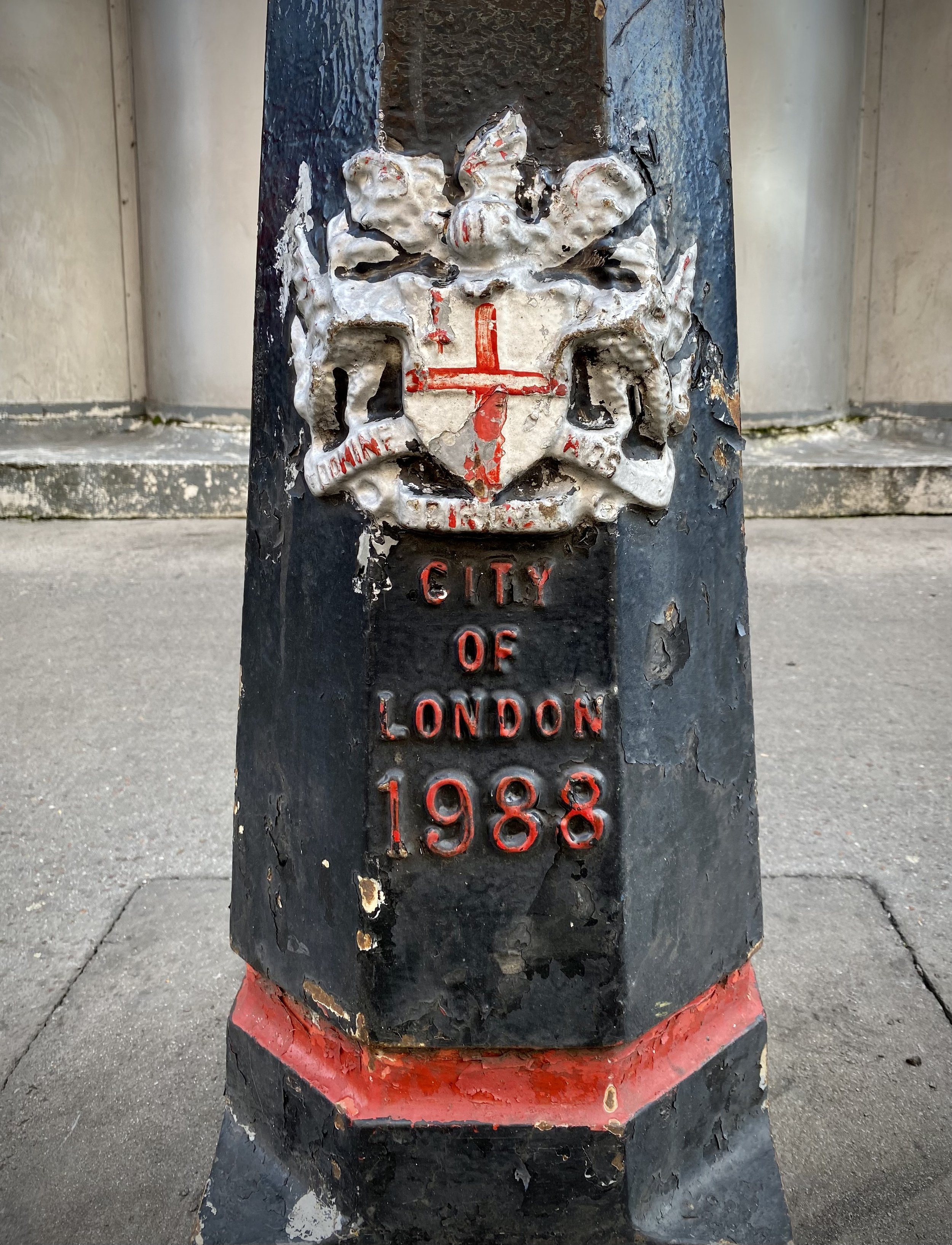
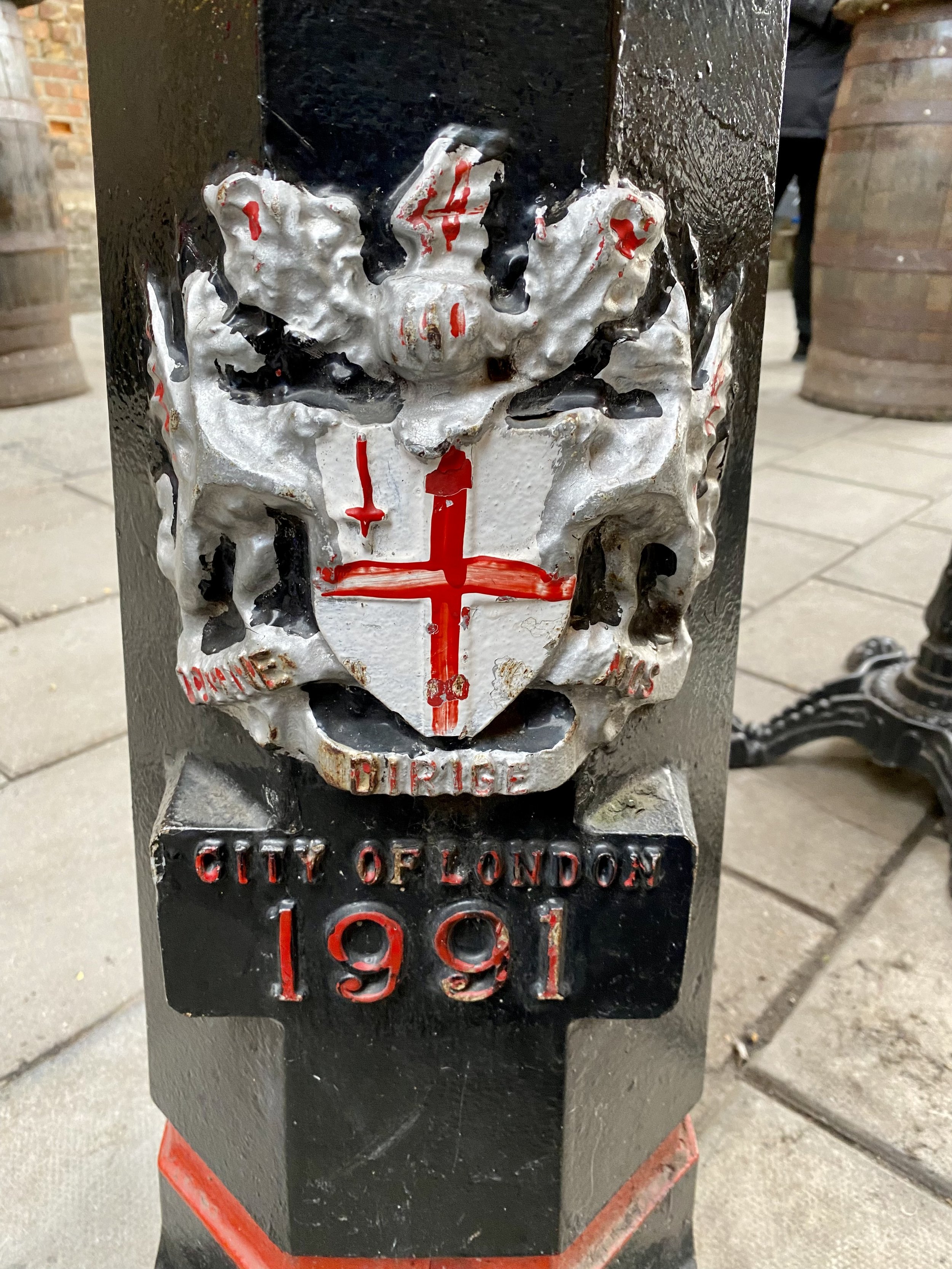

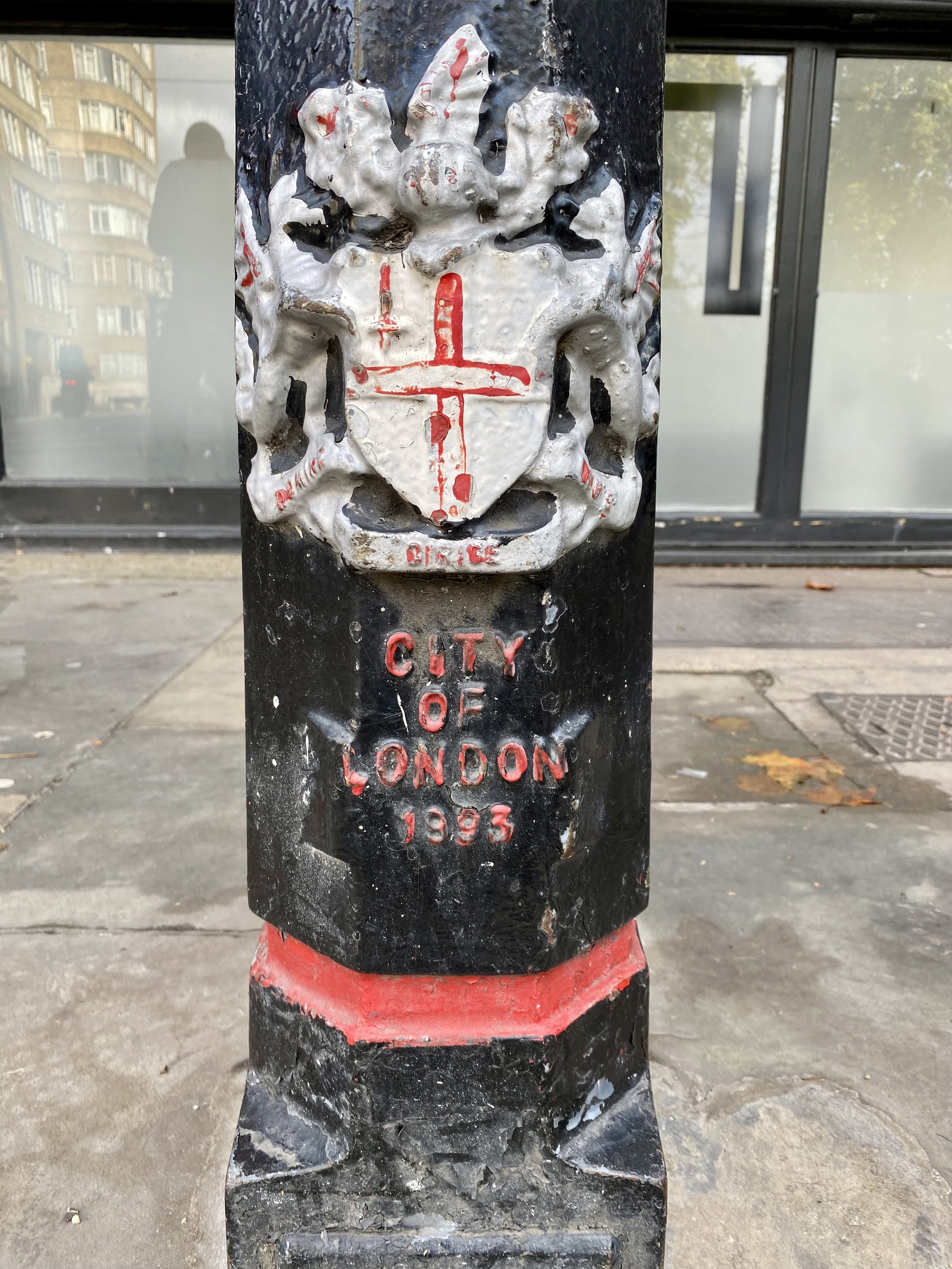
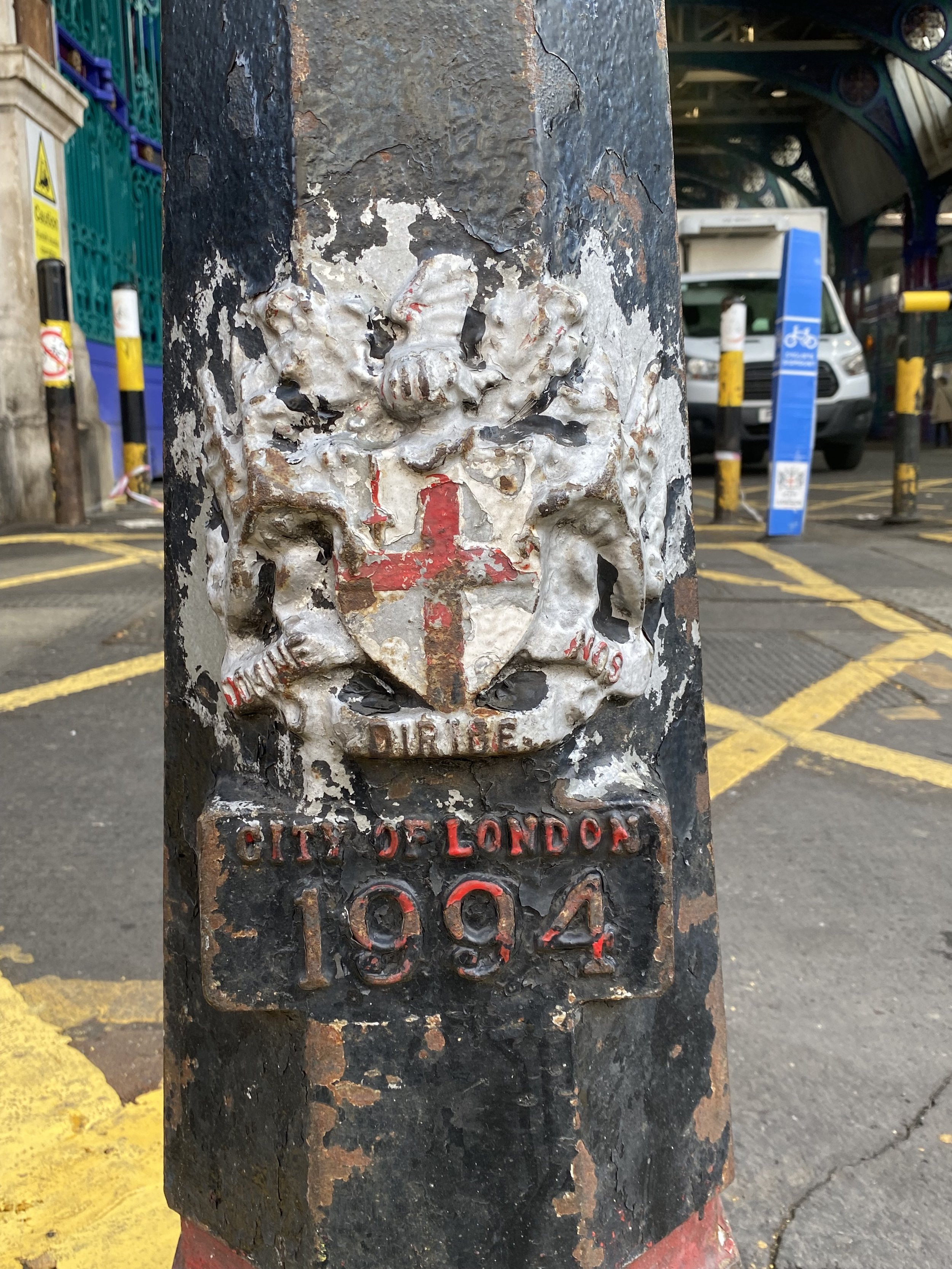
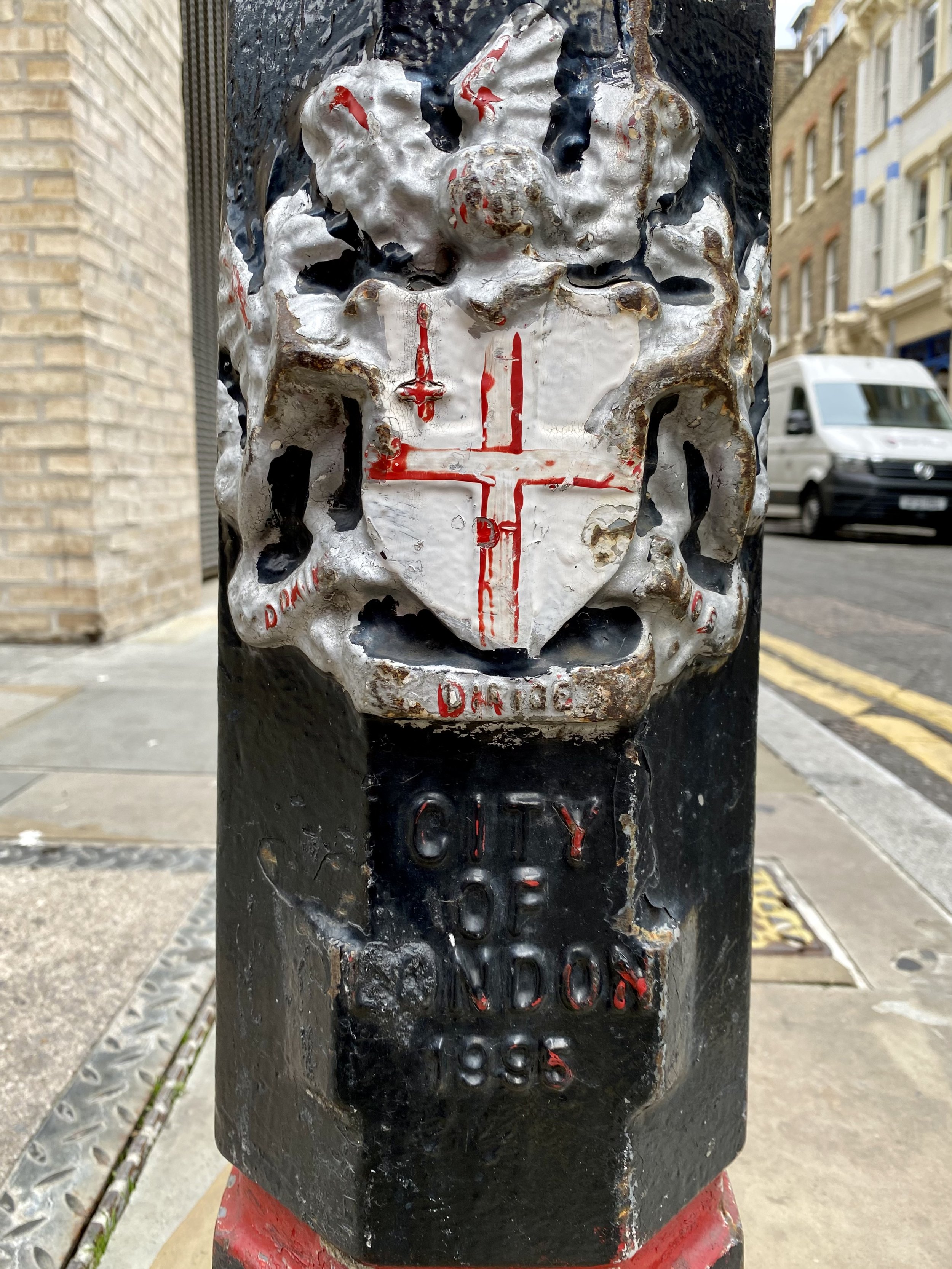
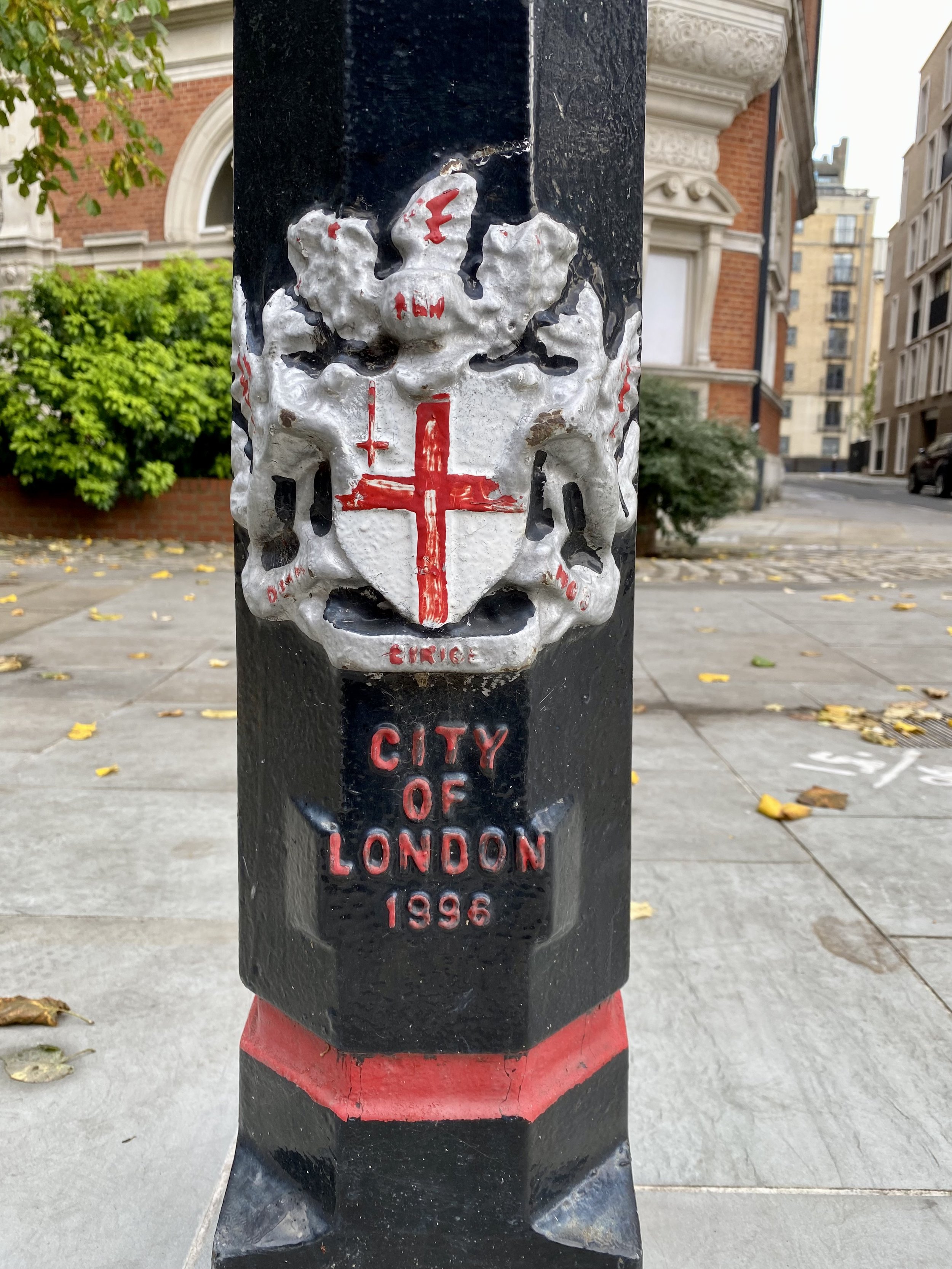
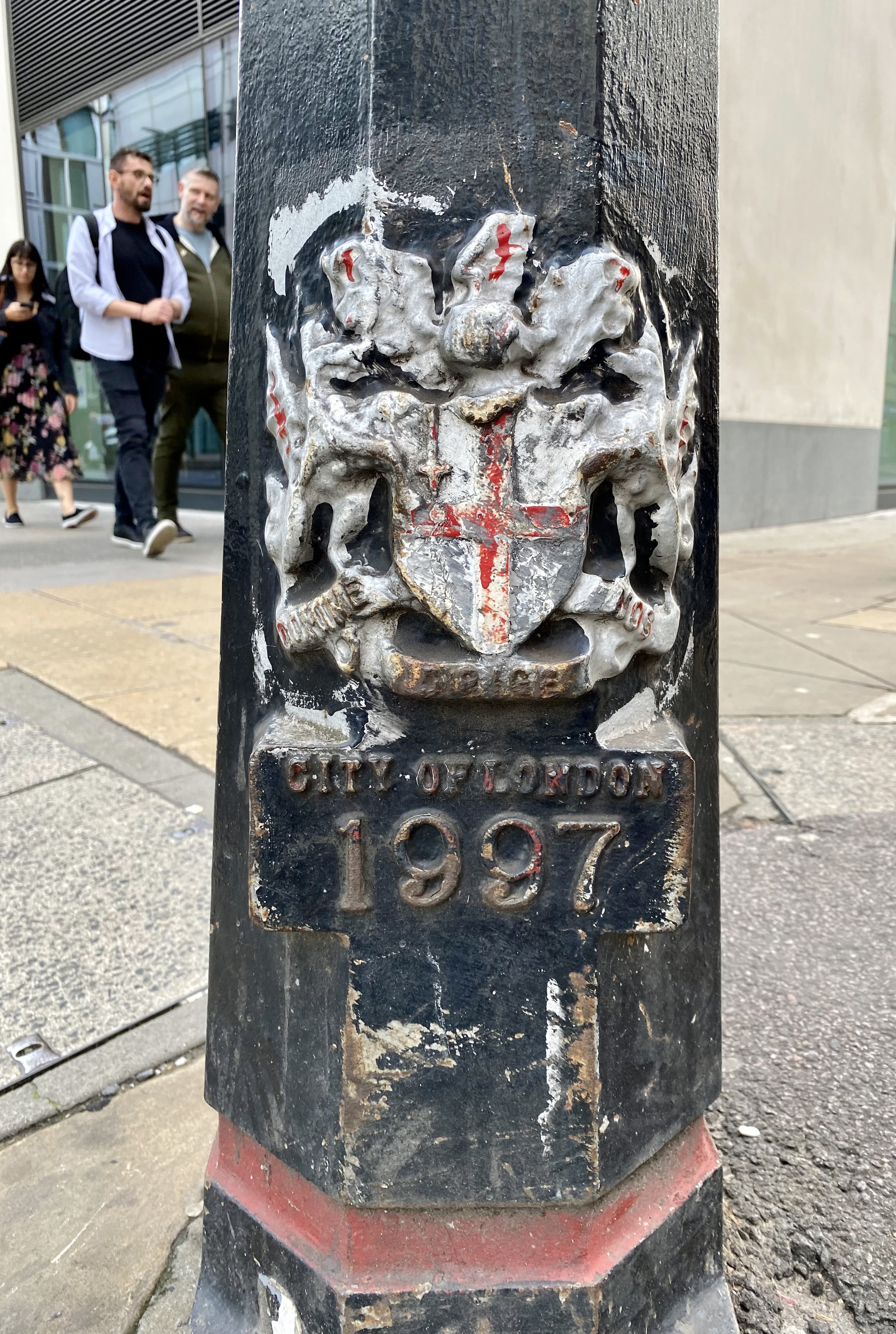

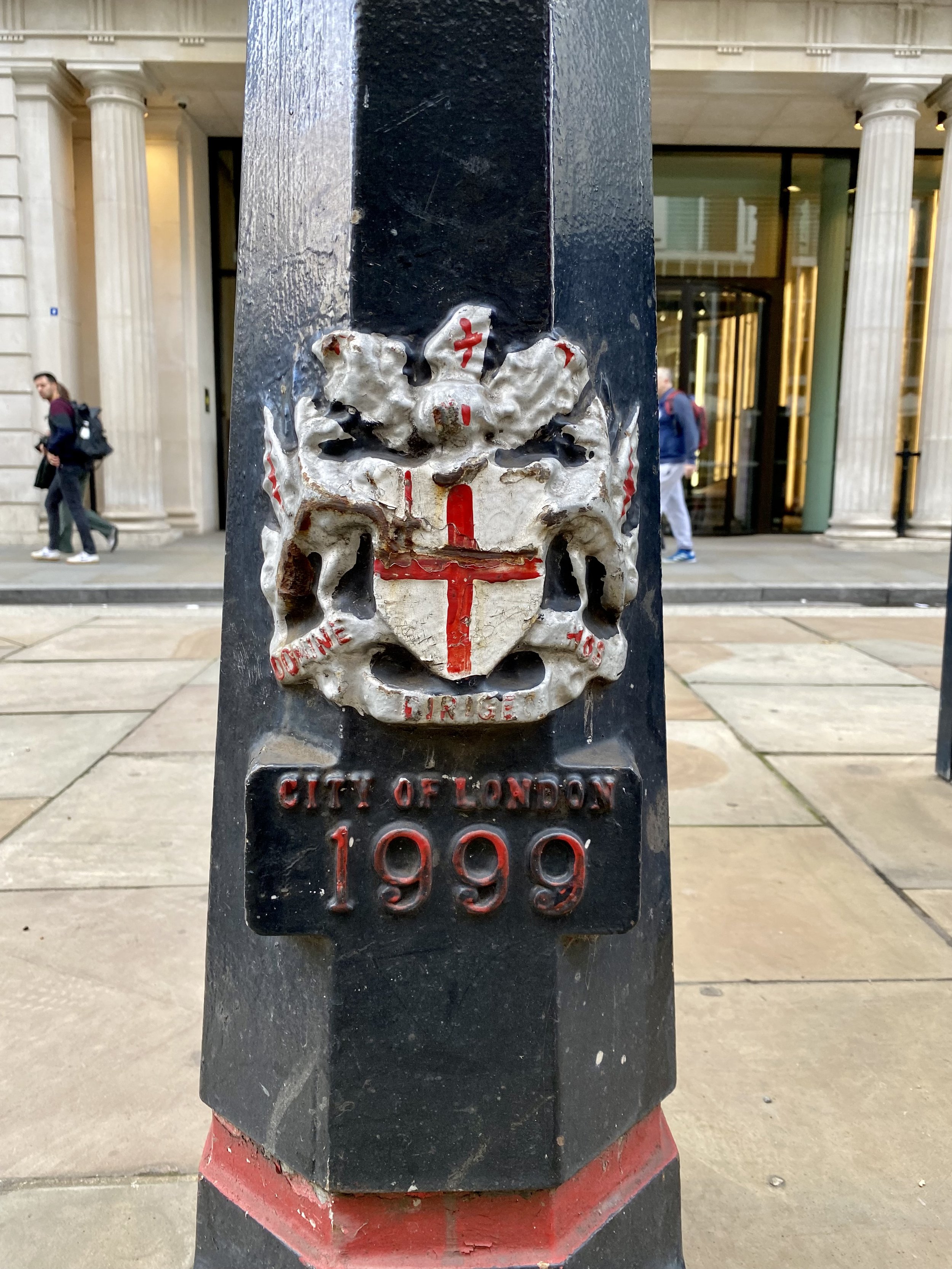
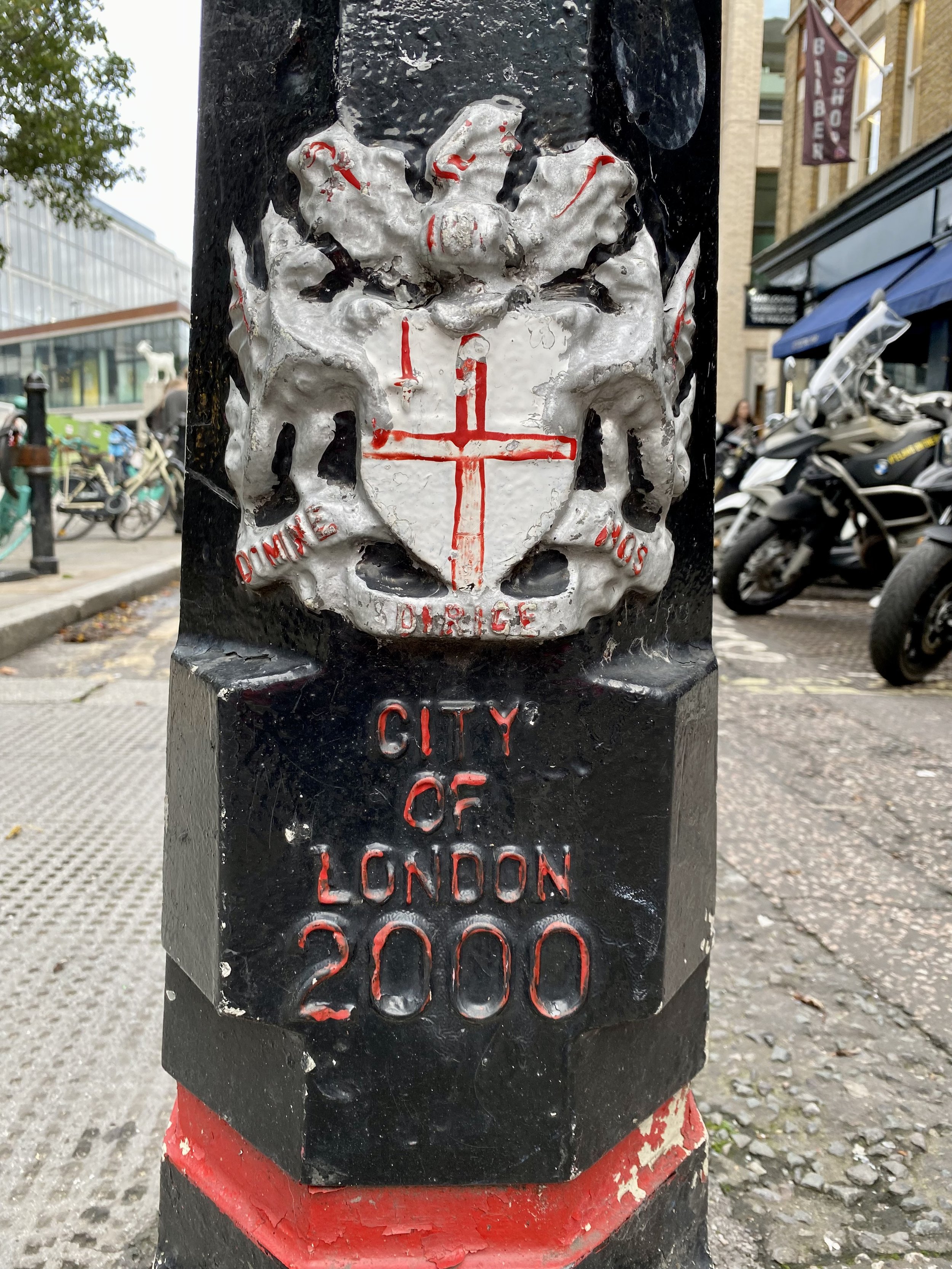
Other articles and blog posts on the City of London Boundary
More London Posts
If you enjoyed reading this post, there is plenty more to explore across the capital. I have put together a dedicated London Outdoors page where I keep track of all my other adventures around the city. It is a handy index where I group my posts by the different types of places I have visited: including historic boundary lines, canal towpaths, and some surprising urban high points.
The collection covers a bit of everything: from long-distance cycling routes to tracing the underground network on foot, and ticking off another Saturday morning parkrun. If you are looking for some inspiration for your own weekend outings, head back over to the London Outdoors page to see what else I have been up to.
Winter Hill and Cookham Dean Circular Walk

View to Hedsor from Winter Hill Golf Course
Start & Finish: Cookham Moor Public Car Park, 2 High Street, Cookham, SL6 9SG
Distance: 10.1 km (6.3 miles)
Elevation change: +/- 118m
GPX File: get via Buy Me a Coffee
Other routes touched (walk): Thames Path, Shakespeare’s Way, The Chiltern Way Berkshire Loop
Other routes touched (cycle): Round Berkshire Cycle Route
Pubs / Cafes on route: The Bounty, Bourne End, The Mole and Badger, Cookham Dean
Map: OS Explorer Map (172) Chiltern Hills East
Links: Cookham, Bourne End, Winter Hill, Cookham Dean, National Trust Maidenhead and Cookham Commons
This is a short circular walk mixing the flat ground of the Thames Path and a loop of nearby Winter Hill. Start at the National Trust Car Park (free to members) on Cookham Moor and walk in a northerly direction to the Thames. Take a left and follow the Thames Path in a northerly direction until the Bourne End rail bridge. Leave the Thames Path here as it crosses the bridge and keep to the south side of the Thames, now starting to curve toward the west.
After 3 km from the Car Park, the path takes a right-angle behind some riverside houses. Cross the field heading south-east to and take the path that climbs the hill heading in a south-westerly direction. Follow this path for 1.6 km until you reach Quarry Wood Road. Along the way you’ll see some great views across the river to Little Marlow and the Chiltern Hills beyond.
When you reach Quarry Wood Road take a right onto it and follow it for approx 100 metres and cross over to a footpath on the left hand side of the road. Be very careful here as there’s no pavement on this road and cars can be quite fast. Be visible and keep to the right facing oncoming traffic.
Follow the path in Quarry Wood in a south-westerly direction for 200 metres to a path junction. Take a left and follow this path for another 200 metres to the corner with Quarry Wood Road. Take a right and follow the path on the south-eastern edge of the Wood for 300 metres. Cross Over Grubwood Lane and take the path through the field, up the hill next to the llama enclosure. Continue to the woods at the top of the hill where you’ll now be on the Chiltern Way Berkshire Extension.
Once in the Woods, take a left and follow the Chiltern Way. This will take you past the Mole And Badger pub, round the Cricket Common and down to Dean Lane. Follow Dean Lane in an easterly direction to Alleyns Lane having left the Chiltern Way. Follow Alleyns Lane to Broadcuts Lane, then continue over the lane and along the path to Terry’s Lane. Continue over the next field to rejoin the Chiltern Way Berkshire Extension. Take the right hand path to follow the Chiltern Way across Winter Hill Golf Course to the bridge over the railway.
Once over the railway take a right and follow the path to Terry’s Lane. Take a path on the left and follow this to the east then south, following Stroud Water back to the National Trust Car Park.

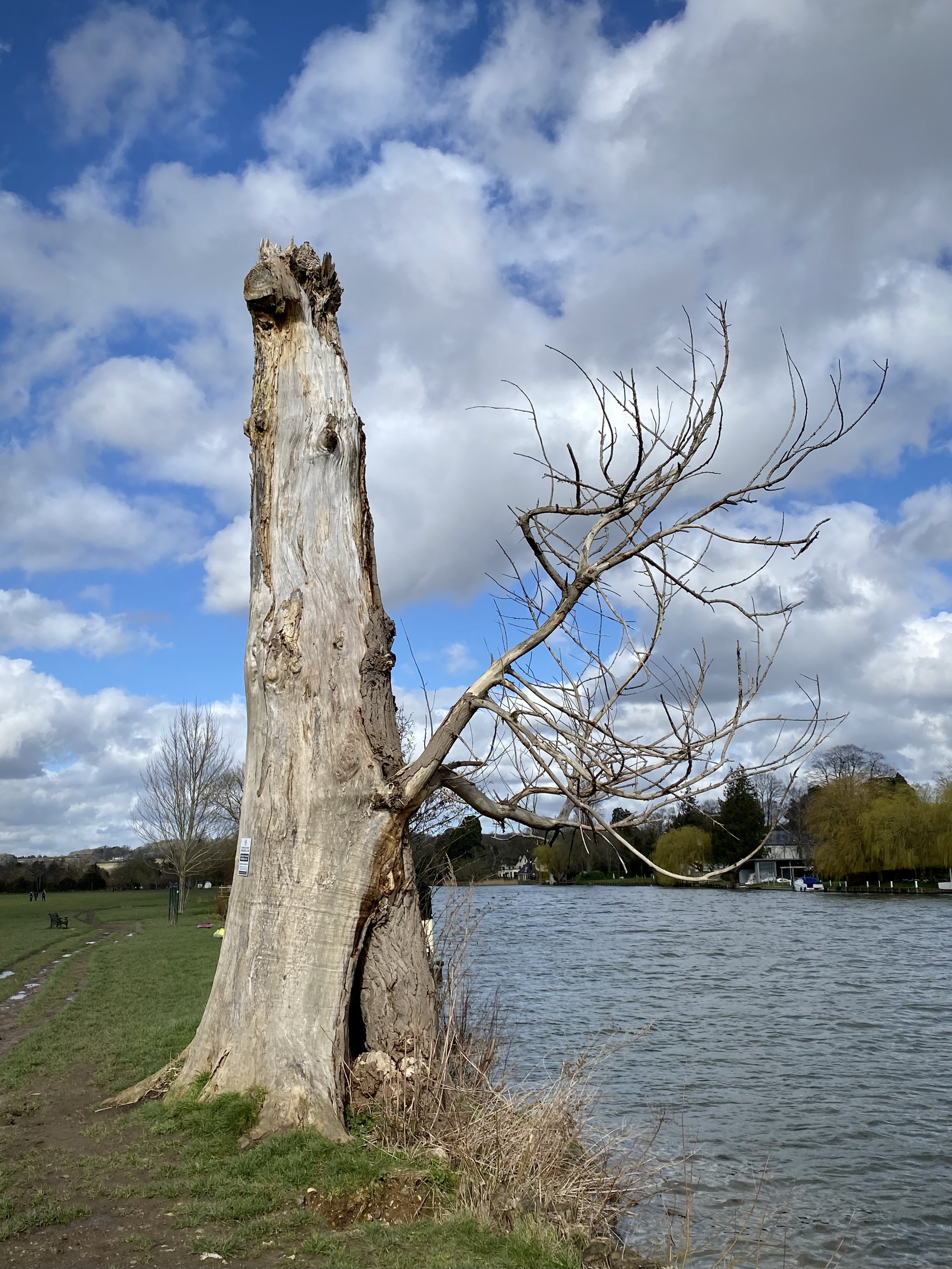
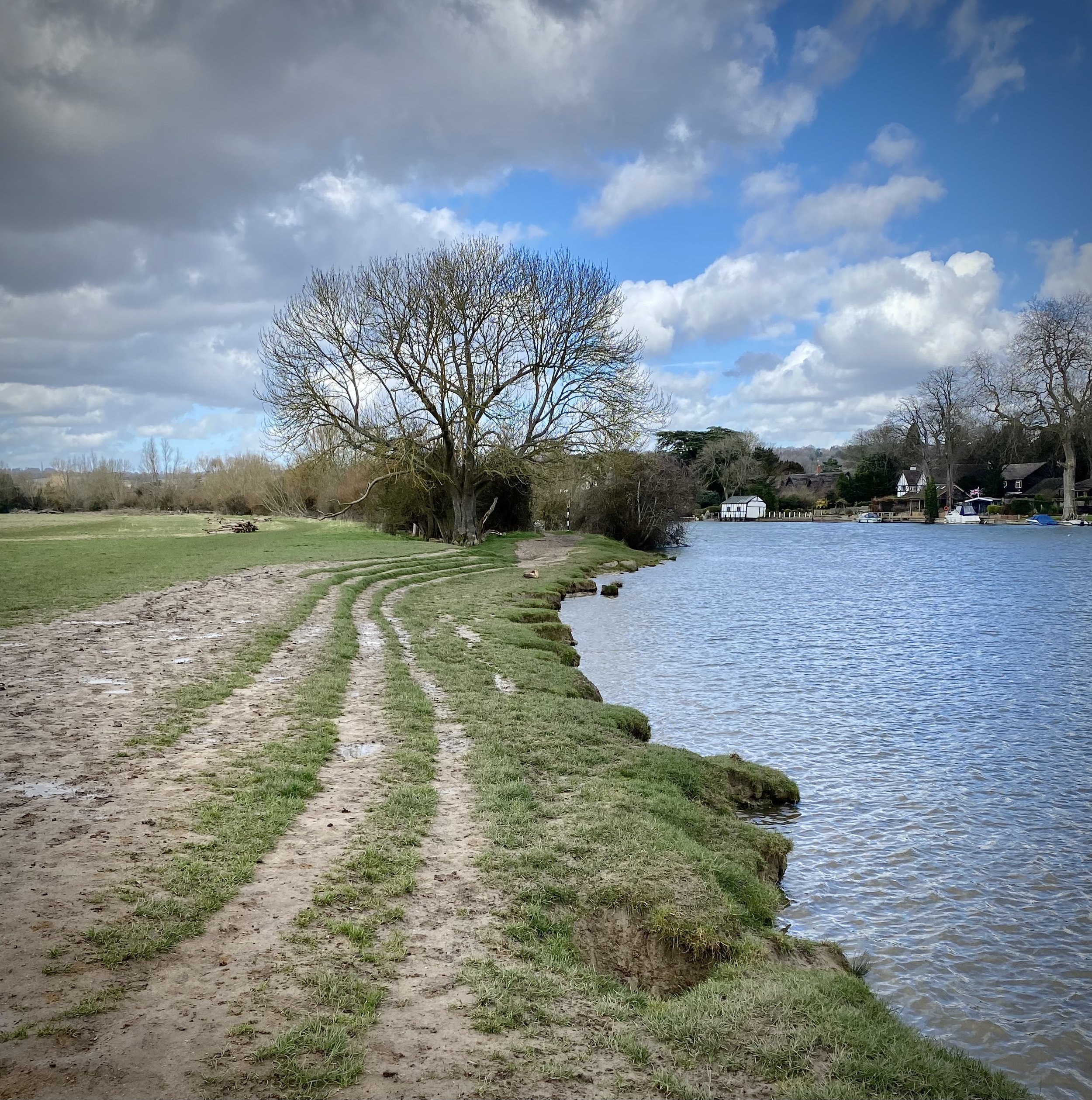
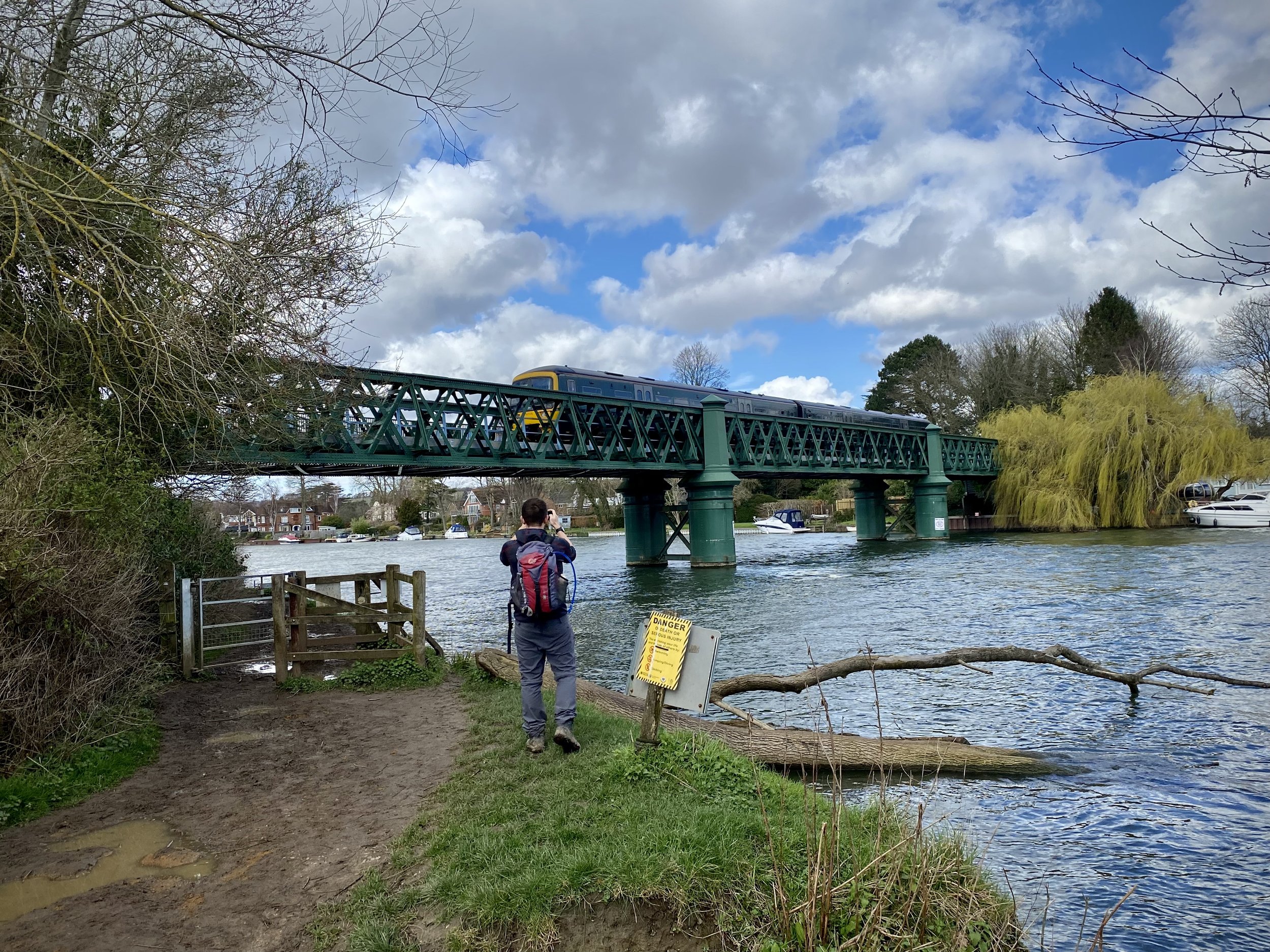
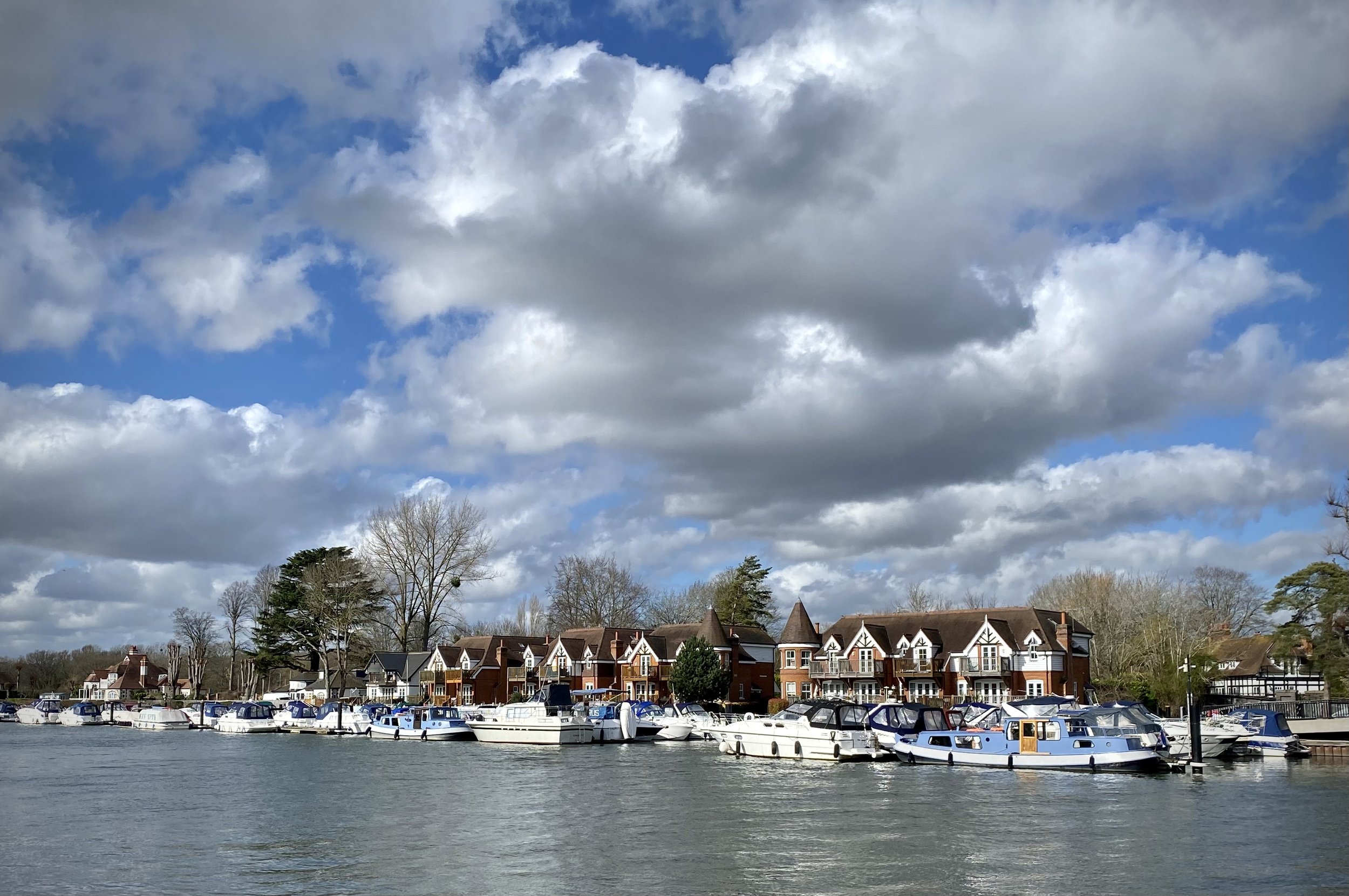
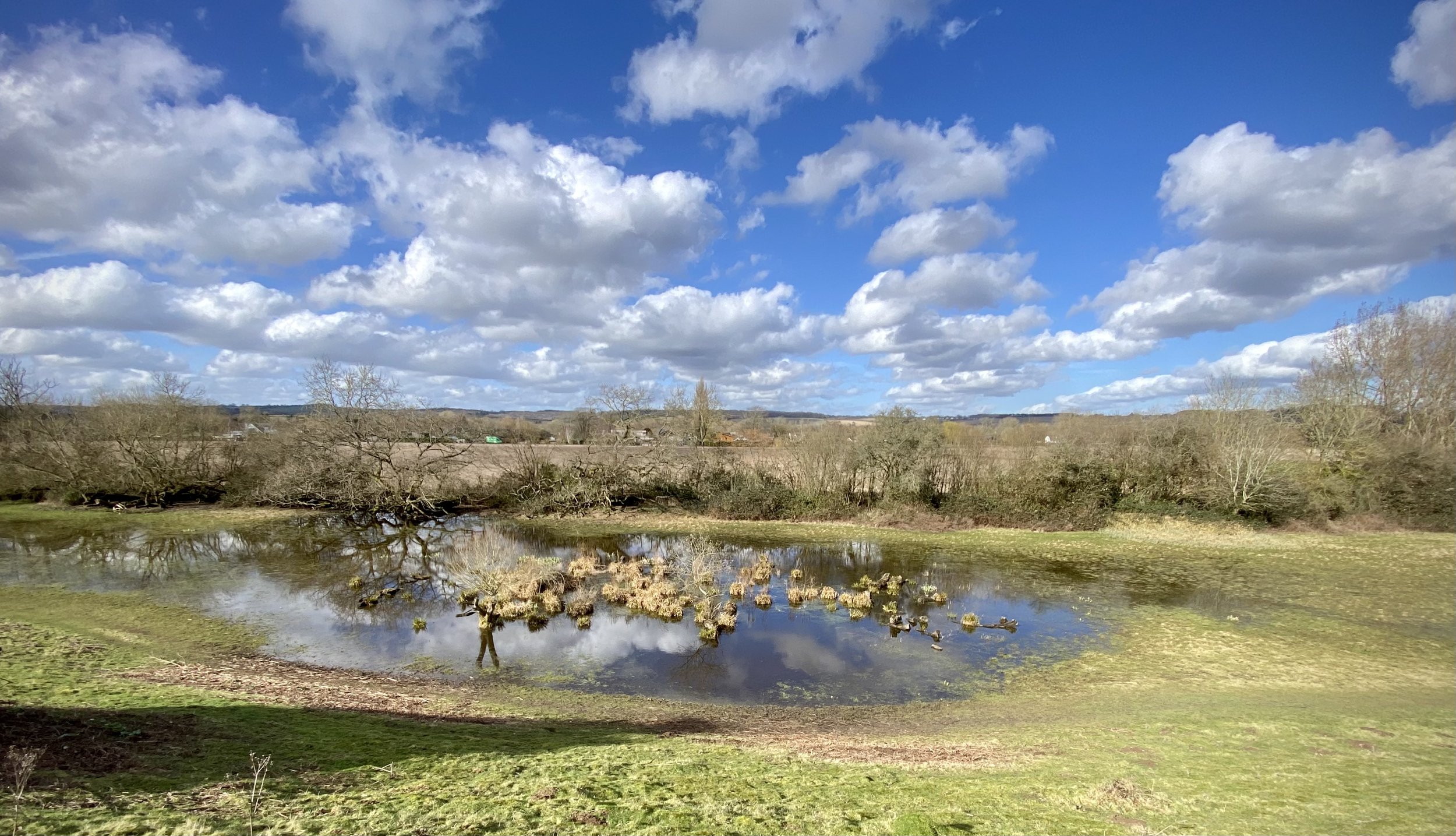
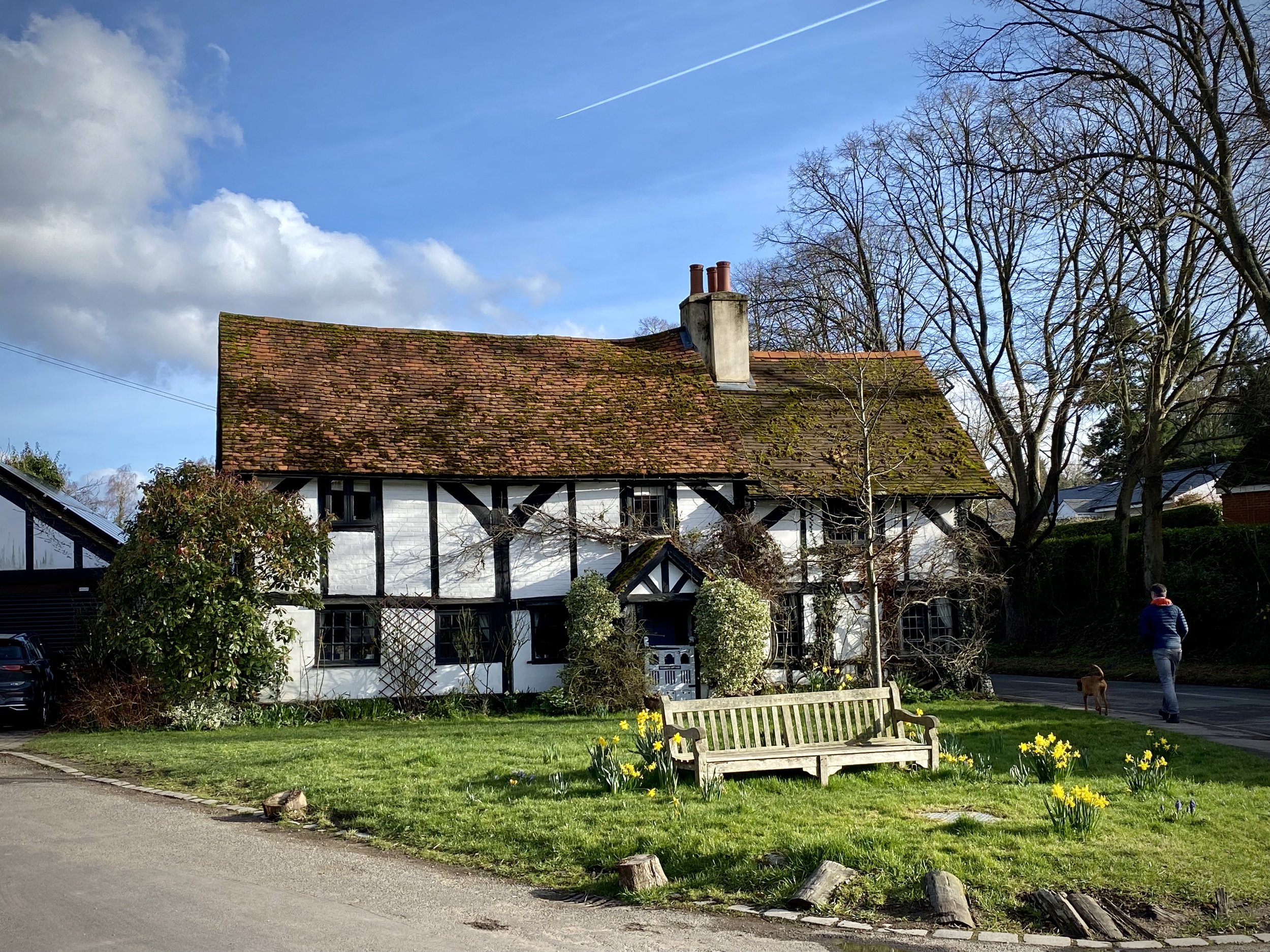
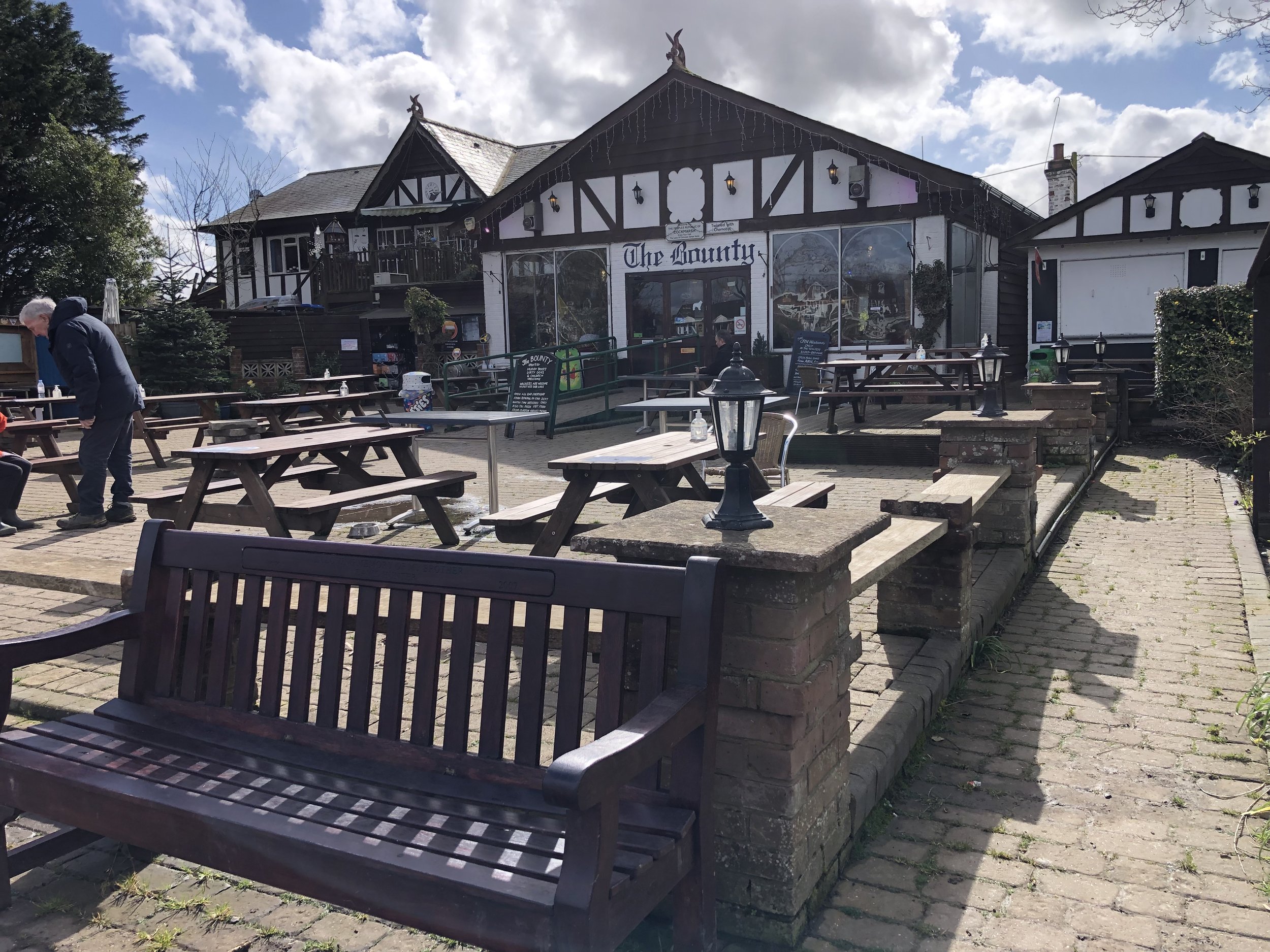

Previous Thames Path Section (west): Bourne End & Marlow (The Marlow Donkey)
Next Thames Path Section (east): Maidenhead & Cookham