
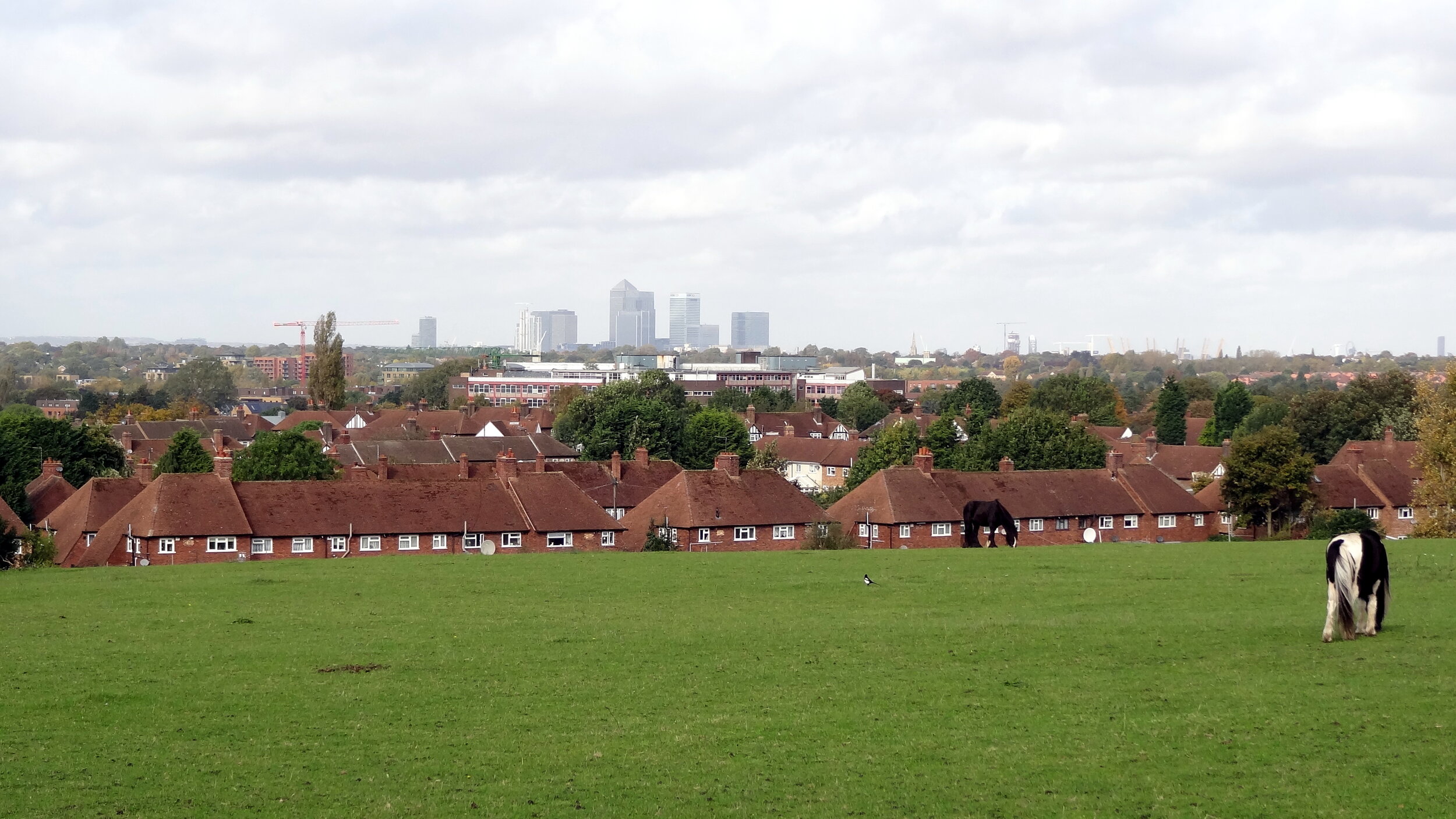
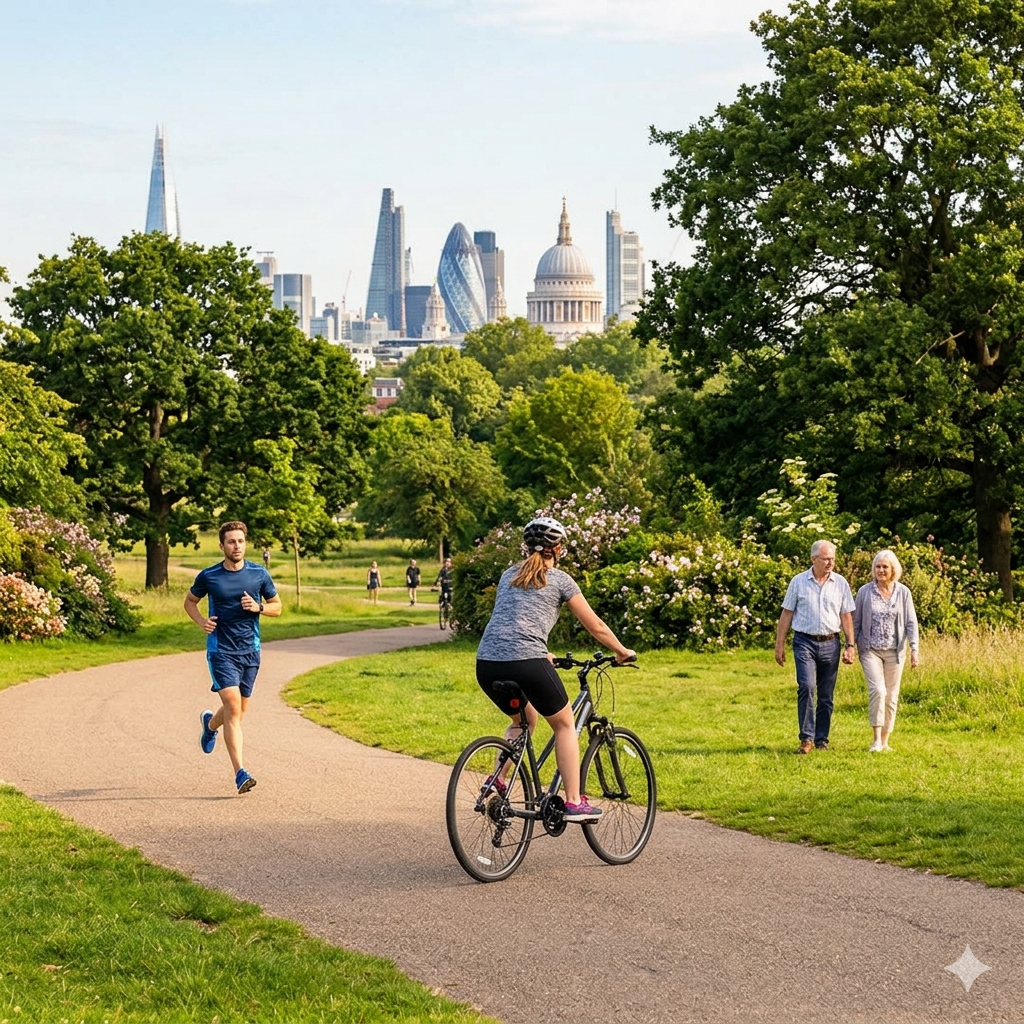
View to the city on the northern section
Start & Finish: Old Deer Park Car Park, Park Lane, Richmond, TW9 2RA
Distance: 127 km / 79 miles
Elevation Change: + / - 1,017m
GPX File: get via Buy Me a Coffee
Other Routes Touched (Walk): Thames Path, Wandle Trail, Green Chain Walk, King John’s Walk, Explore Charlton Trail, Jubilee Greenway, The Greenway, Lea Canal Towpath, Lea Valley Walk, New River Path, Grand Union Canal Towpath
Other Routes Touched (Cycle): NCN 1, 13, 20, 21, 4 / CS 1, 2, 3
Guidebook: The Capital Ring by Colin Saunders. Arum Press.
Maps:
- OS Explorer Map (161) London South, Westminster, Greenwich, Croydon, Esher & Twickenham
- OS Explorer Map (173) London North, The City, West End, Enfield, Ealing, Harrow & Watford
The Capital Ring is a fantastic 78-mile walking route circling inner and central London. Established in 2005 as a continuous, signposted path, it takes in an incredible array of London's parks, green spaces, and historic places. While there are many books and articles detailing how to walk it, there is very little advice out there for cyclists. That is probably intentional, as some parts, particularly Richmond Park and Wimbledon Common, specifically prohibit cycling along the official walking paths.
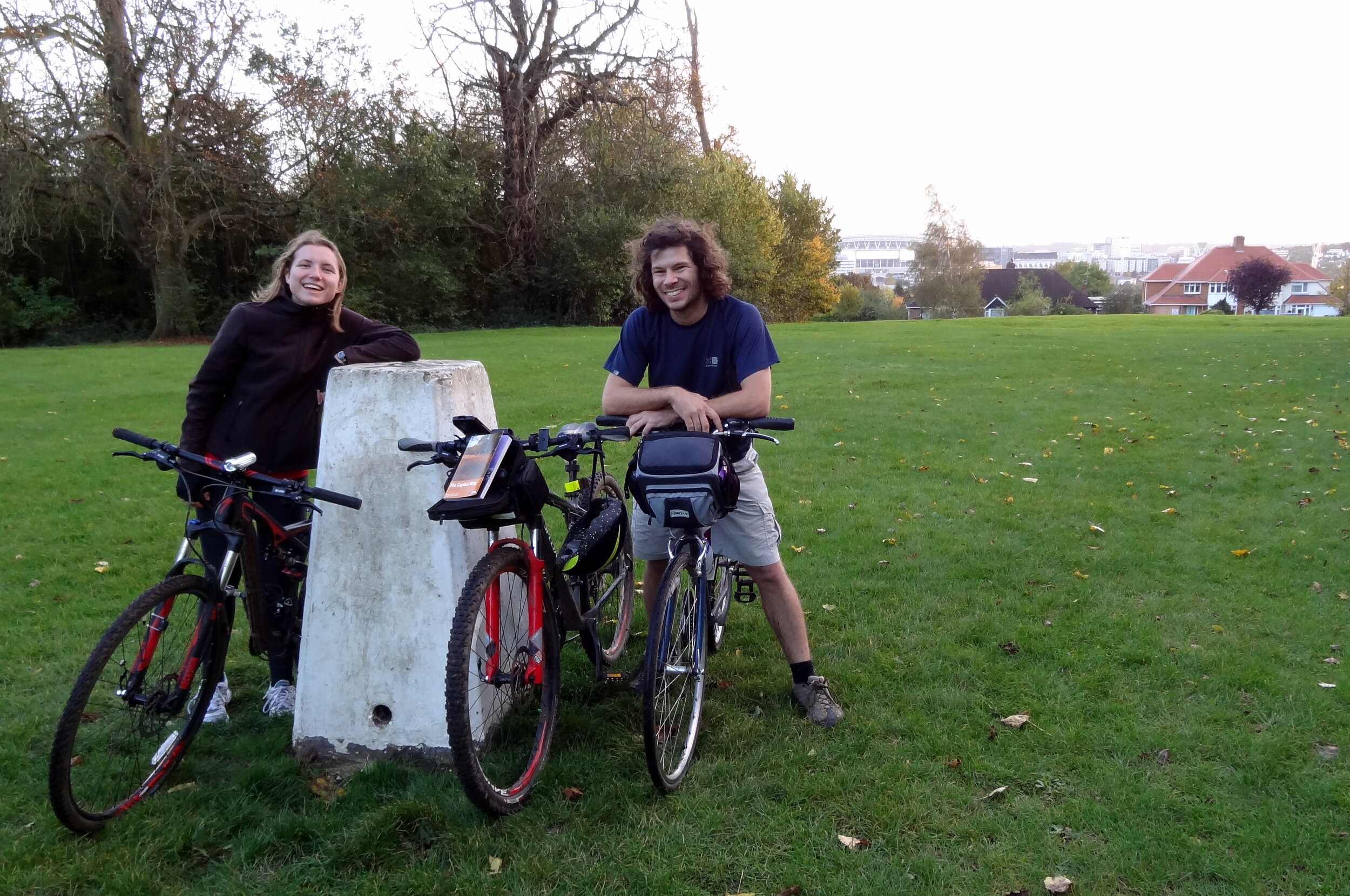
My very first attempt at cycling the Capital Ring was in 2013, six months after a successful two-day adventure on its big sister, the 130-mile London Loop. Having found the Loop relatively straightforward, I casually assumed the Ring would be easy. I was wrong. My first attempt with two friends failed spectacularly thanks to a combination of my ineffective navigation, Brian's broken bike, and Ray's broken body! A broken chain en route to the start and some confusion over the meet-up point meant an 11:00 am start—far too late for a 70-plus-mile ride on an autumn day. We decided to see how far we could get, but less than 20 miles in, we realised it simply wasn't going to happen. We ended up with a smaller 45-mile trip. It was a nice day out, but we certainly hadn't conquered the Capital Ring.
I had learned my navigation lesson by the second attempt a year later. Previously, I had been relying entirely on Colin Saunders' excellent guide to the route. It is appropriately detailed and brilliant for walkers, but it is not something you can safely read while cycling at speed. Even though the route is well-signposted, it is incredibly easy to miss the markers every now and then. The solution for attempt two was a handlebar-mounted phone case and a cycling app loaded with a GPX file of the route. This was the single biggest reason we were finally able to complete the entire route in one day.
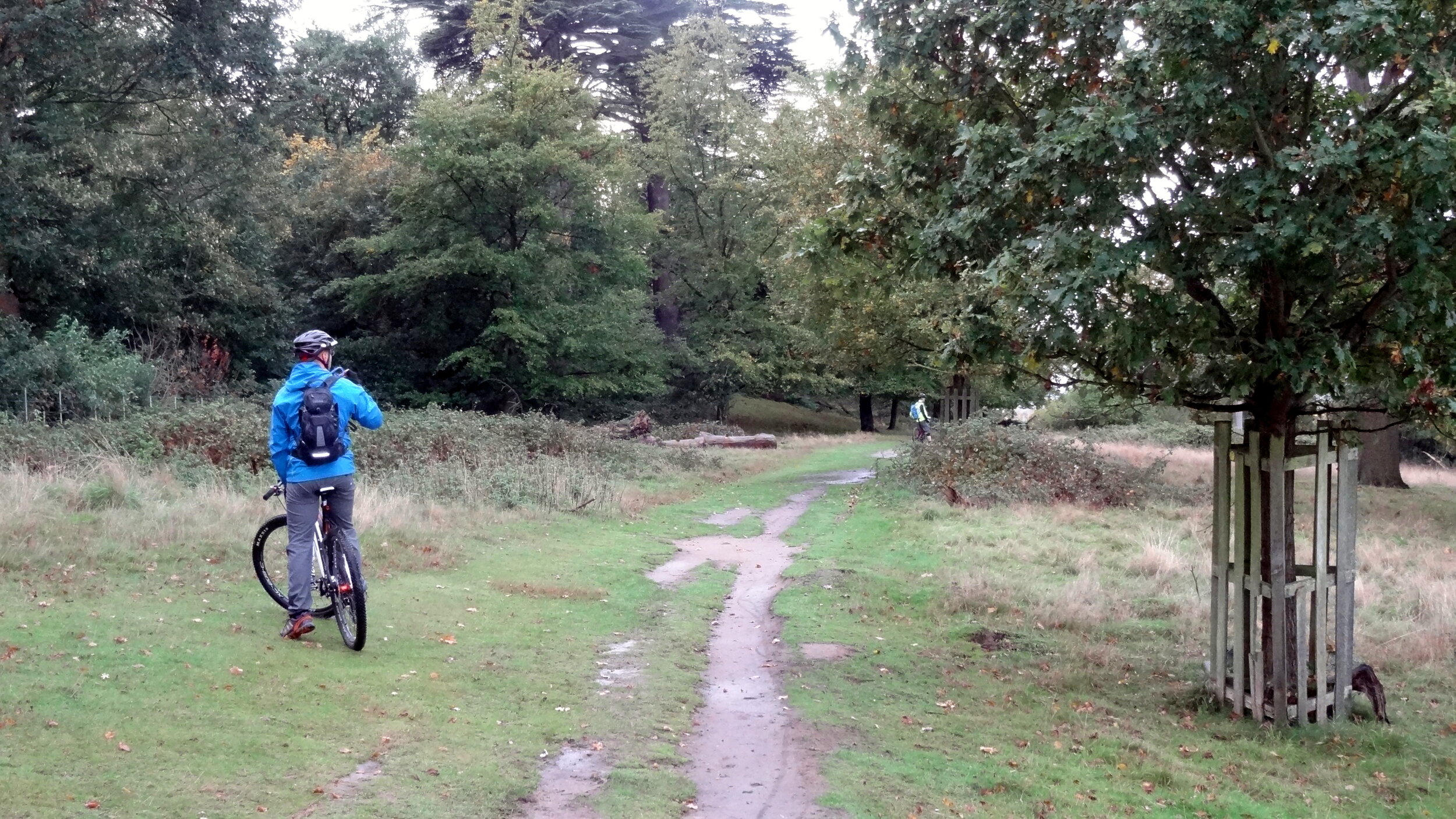
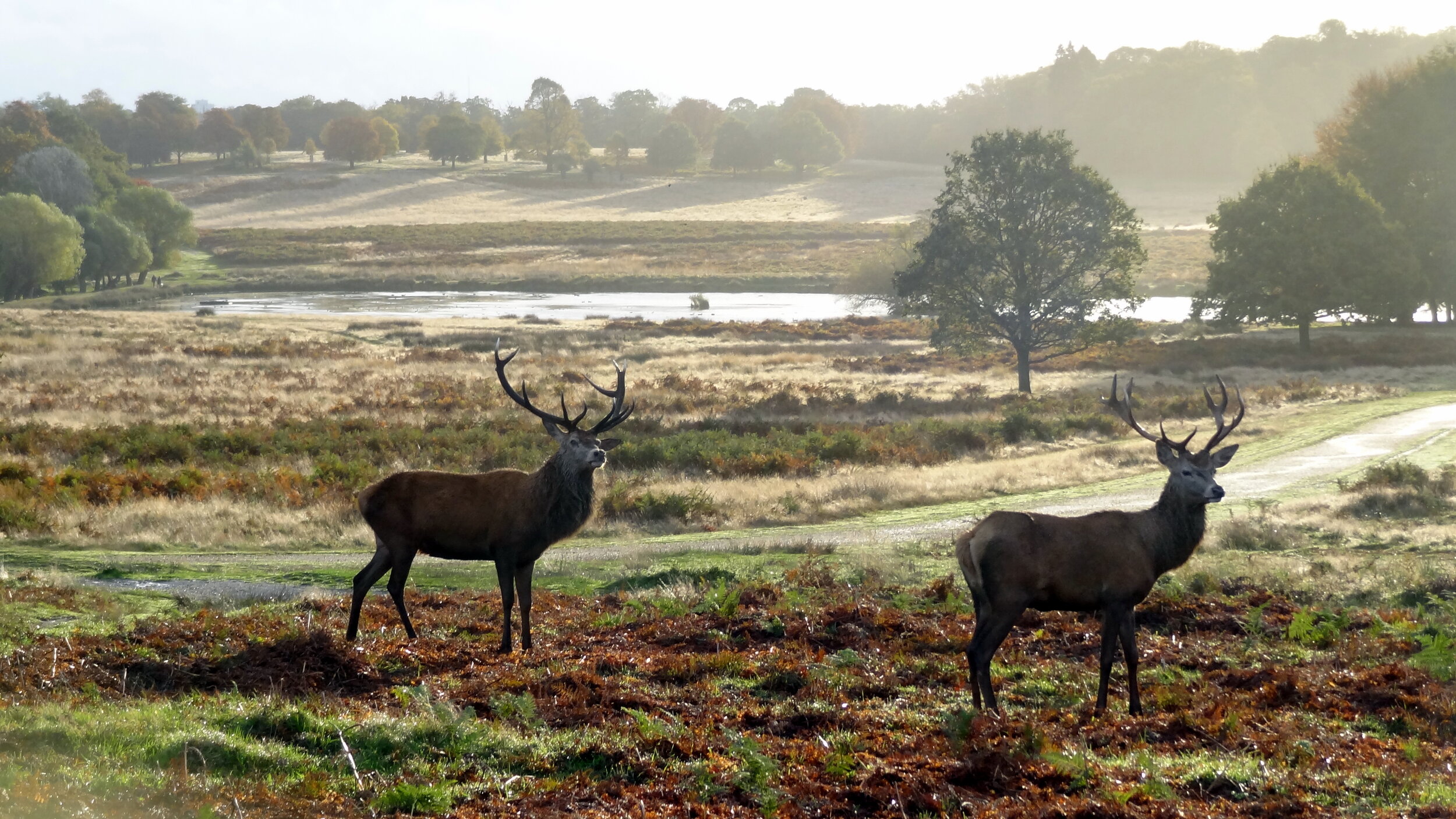
The route itself is a beautifully thought-out mix of famous landmarks and completely unfamiliar parts of London. Although the official start is the Woolwich Foot Tunnel on the eastern side, you can pick it up wherever you want. We started in the far west at Richmond Bridge and rode anti-clockwise. This gave us some amazing early-morning views across Richmond Park and some great photo opportunities with the deer. The official Capital Ring route through the park strictly prohibits cycling, so it is important to take a sensible detour here onto the designated cycle paths to avoid annoying the early morning walkers and risking a potential £50 fine!
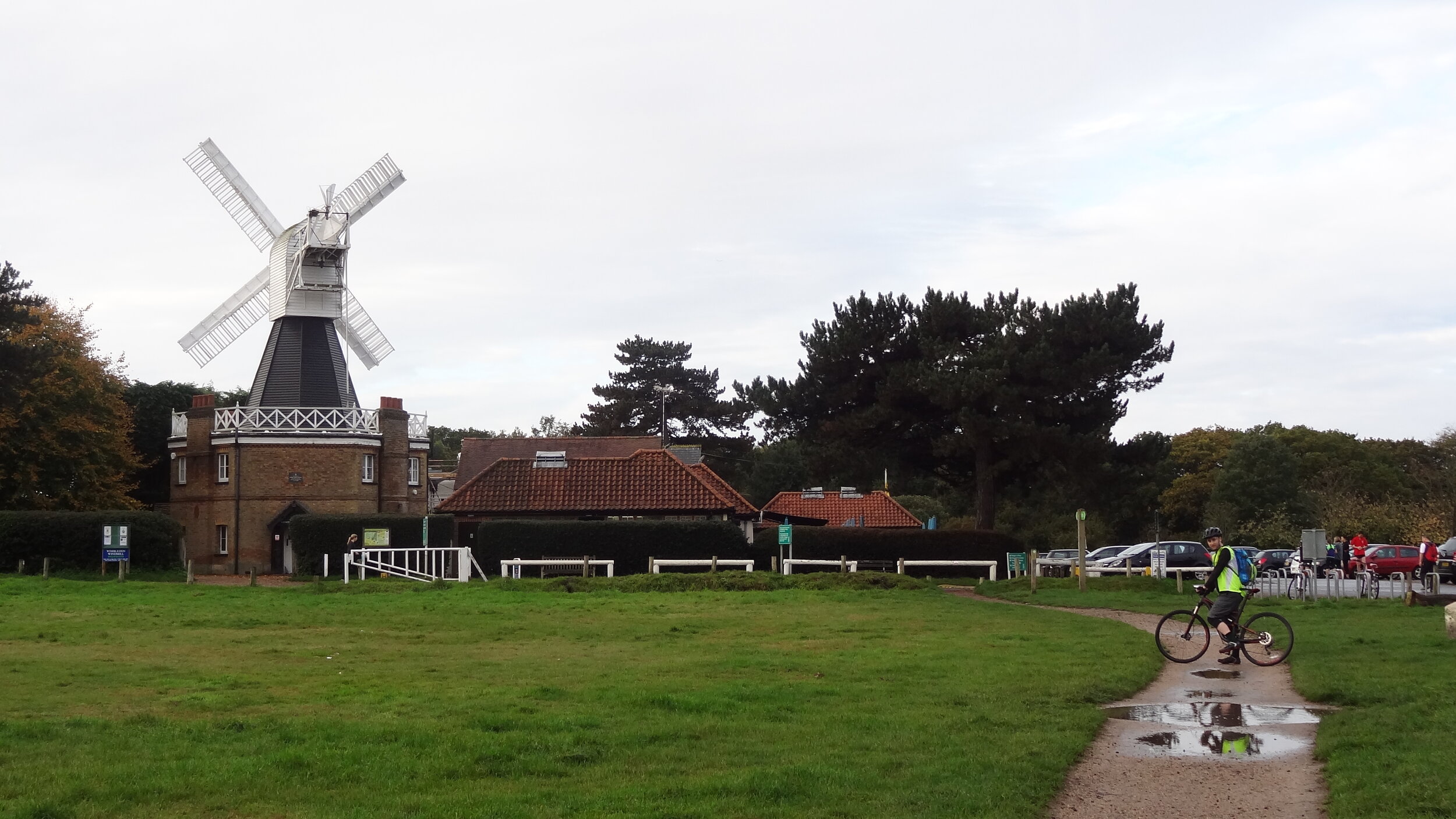
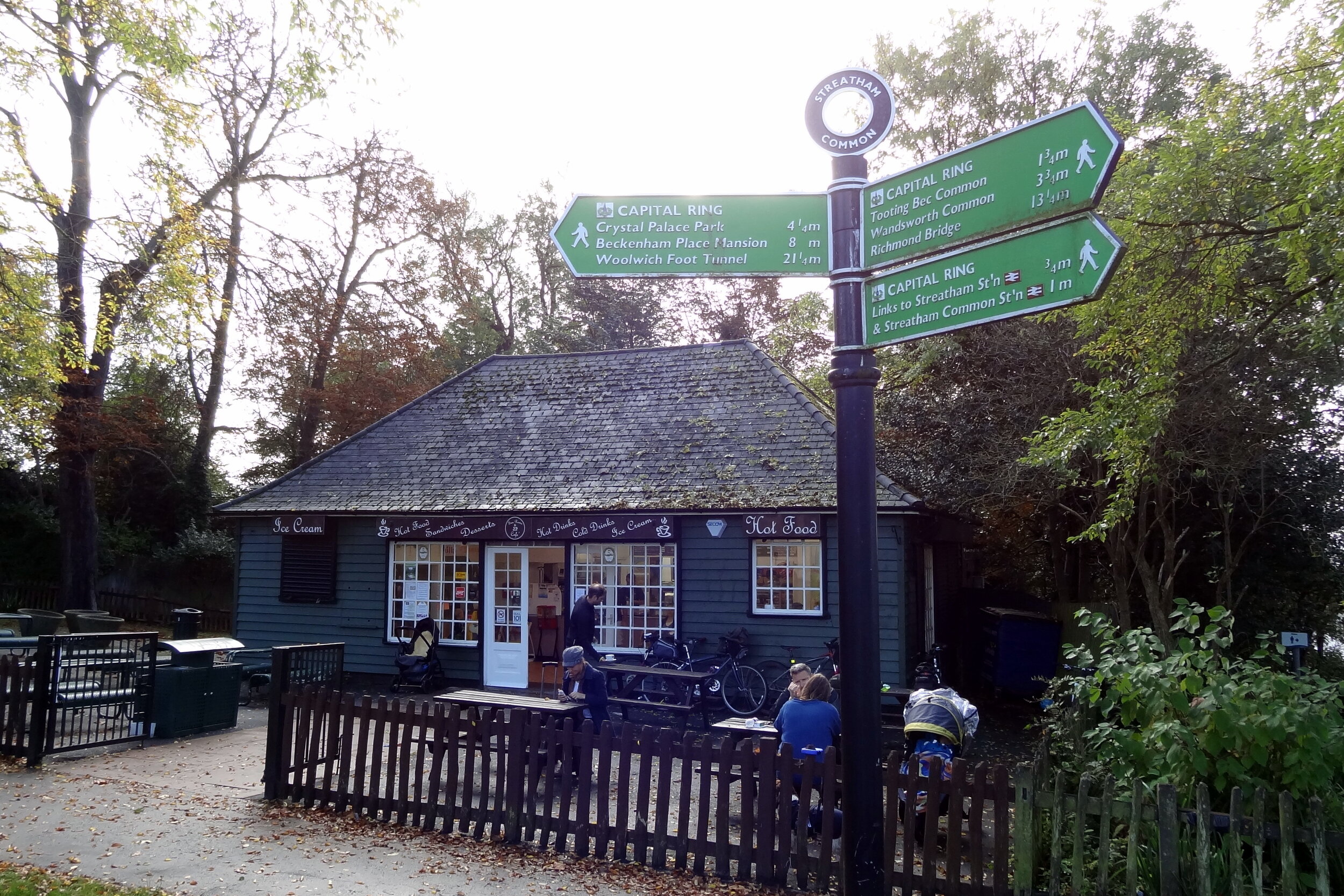
The rest of the south side is highly scenic, taking in Wimbledon Common, Streatham, and the historic remains of Eltham Palace. The route crosses the River Thames at the Woolwich Foot Tunnel before passing through the heavily industrialised areas around London City Airport and Barking. Things get fascinating again when you join The Greenway, a long, elevated cycleway taking you right into the Queen Elizabeth Olympic Park. Unbeknownst to many, The Greenway isn't a disused railway, but is actually built directly on top of the Victorian Northern Outfall Sewer, engineered by Joseph Bazalgette in the 1860s to save London from the "Great Stink"!
The North London section is a wonderful combination of canals and leafy parks, punctuated by a few busy sections around the A1 and A406 road links near Brent Cross. This section climbs steadily towards Harrow—passing right by the famous Harrow School playing fields which, based on our chosen start point, coincided perfectly with the sun going down and tiredness setting in. From Harrow, it is downhill almost all the way back to Richmond Bridge. The official route takes advantage of canal and stream towpaths, although we took an alternative road-based route to avoid accidentally falling into the Grand Union Canal in the pitch dark.
Our experience proved that cycling the Capital Ring is both highly practical and incredibly rewarding. Since there is still no detailed published guide for cycling it, I highly recommend some careful planning and being prepared for spontaneous detours. Roughly 90% of the route is cycle-friendly, with easy road alternatives for the tricky bits. A good GPS device is essential for getting back on track when you inevitably miss a sign or need to bypass a muddy hill.
For maximum enjoyment, I would suggest splitting it over two days and taking a slow pace. This gives you time to actually read the guidebook as you go and explore the historic places along the way. The one-day version we did is a very different experience: it is much more of a physical and navigational challenge. Either way, it is an unforgettable route and a completely unique way to see the capital.

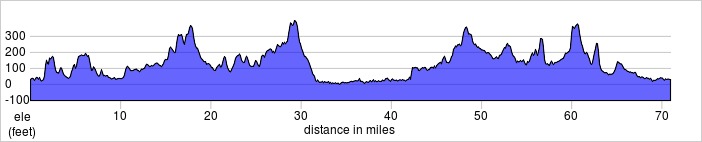
Capital Ring Elevation Profile
The Capital Ring and The London Loop

London Loop in Blue, Capital Ring in Red. Base map from OpenStreetMap
More London Posts
If you enjoyed reading this post, there is plenty more to explore across the capital. I have put together a dedicated London Outdoors page where I keep track of all my other adventures around the city. It is a handy index where I group my posts by the different types of places I have visited: including historic boundary lines, canal towpaths, and some surprising urban high points.
The collection covers a bit of everything: from long-distance cycling routes to tracing the underground network on foot, and ticking off another Saturday morning parkrun. If you are looking for some inspiration for your own weekend outings, head back over to the London Outdoors page to see what else I have been up to.