The Thames Barrier, London
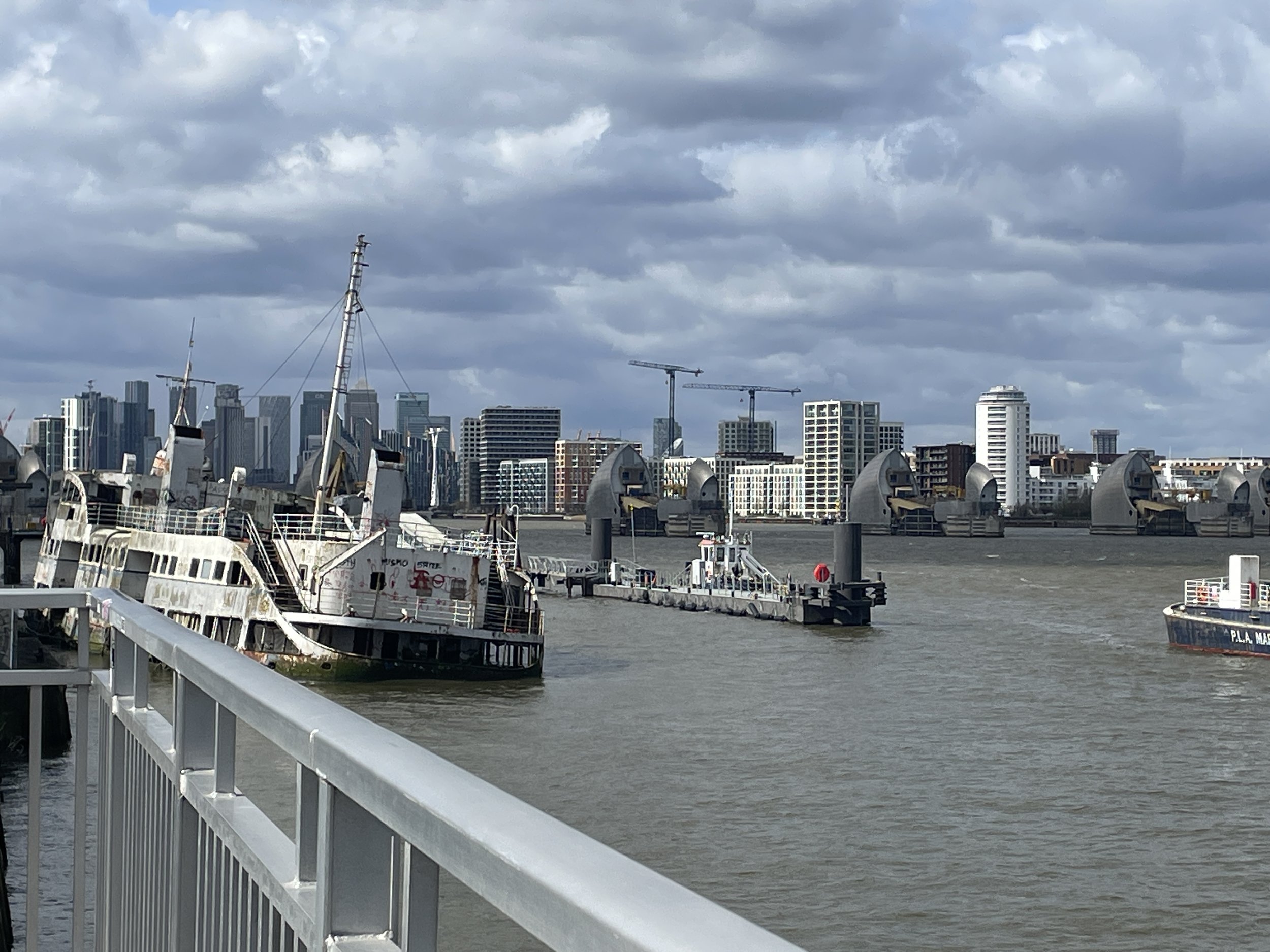
This was a trip that had been at the back of my mind for thirty years. Back in the summer of 1994, I cycled the length of the Thames from its source near Kemble in Gloucestershire down to the Thames Barrier near Woolwich. The last day was a long one, and we ended up arriving at the Barrier long after dark. At the time, we considered the adventure to be complete. A few years later, however, I started to plan a second part: riding from the Barrier east along the Thames Estuary to Margate.
Over the intervening years, I got more excited about other trips. I also either lost contact with a few of the old Thames Path gang or they got preoccupied with having babies. Early in 2024, the stars finally aligned, and the Estuary adventure popped right back up to the top of my cycling backlog.
The route to Margate mostly follows NCN Route 1, linking up with a stretch of the Route 15 Viking Coastal Trail at the very end. Handily, it runs almost entirely parallel to the main rail line between London and Margate, making trip logistics incredibly simple. We did it over a weekend, staying both Friday and Saturday night at the Victory Pier Premier Inn in Chatham.
Day 1: Thames Barrier to Chatham
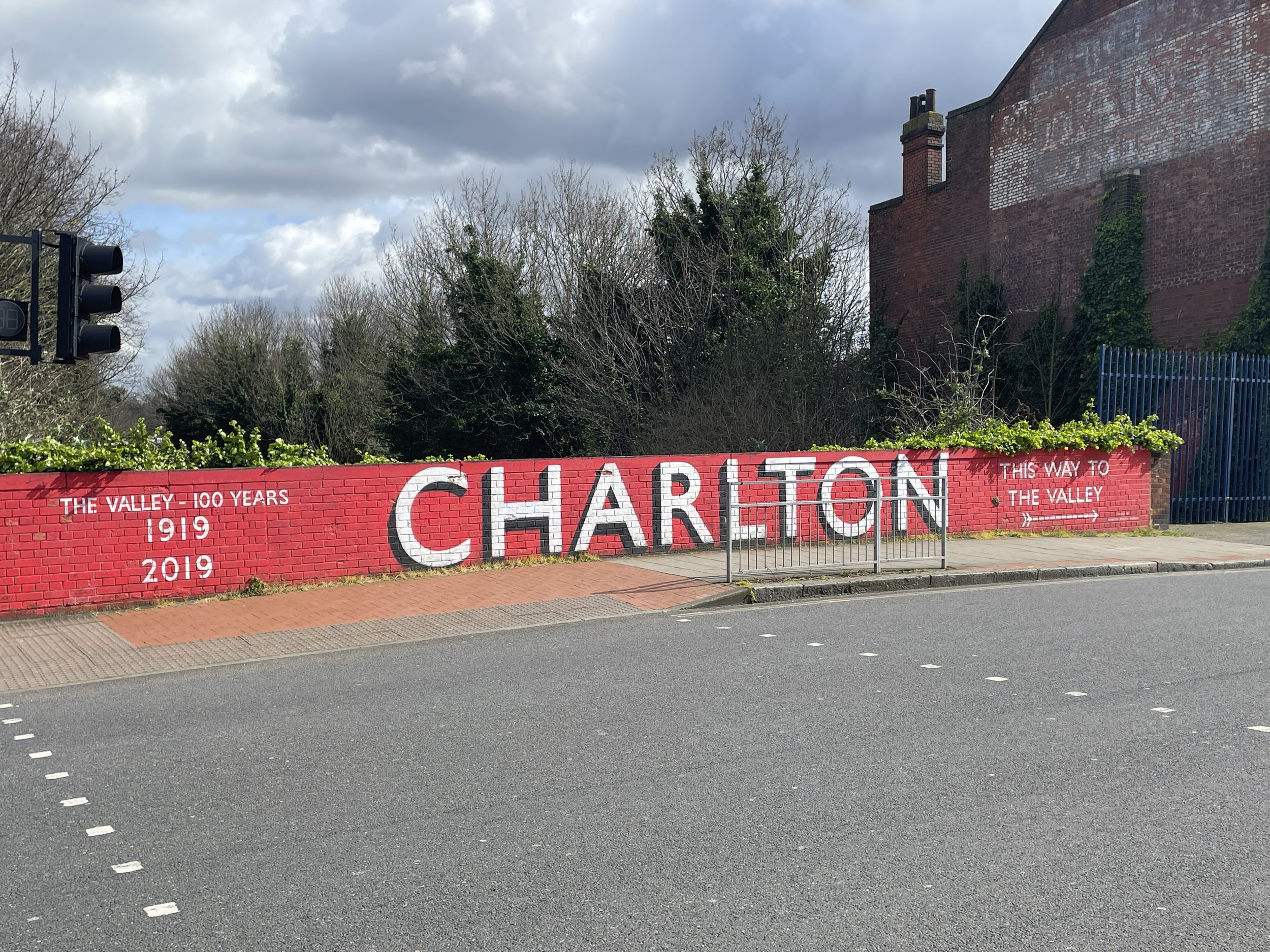
Start: Charlton Railway Station, London, SE7 7QG, United Kingdom
Finish: Premier Inn Chatham/Gillingham (Victory Pier) hotel, Blake Avenue, Gillingham, ME7 1GB, United Kingdom
Distance: 62.8 km (39 miles)
Elevation change: + 408m / -409m (Net +1m)
GPX File: get via Buy Me a Coffee
Other routes touched (walk): Thames Path, Capital Ring, Jubilee Greenway, Green Chain Walk, London Loop. Cray River Way, Hoo Peninsula Path, Weald Way, Thames and Medway Canal Towpath, Saxon Shore Way, England Coast Path, Strood Community Trail,
Other routes touched (cycle): NCN 1, 125, 179, Q14
Pubs / Cafes on route: At Woolwich Arsenal (4km in), Erith (15km in), Dartford (25km in), Gravesend (39 km in), Rochester (57km in), Chatham (59km in)
Maps:
- Greenwich & Gravesend Map | East End, Docklands, Bromley, Sidcup & Thurrock | Ordnance Survey | OS Explorer Map 162
- Gravesend & Rochester Map | Hoo Peninsula | Ordnance Survey | OS Explorer Map 163
Links: Charlton, Thames Barrier, Woolwich Arsenal, Erith, Dartford, Gravesend, Thames and Medway Canal, Rochester, Chatham, Gillingham
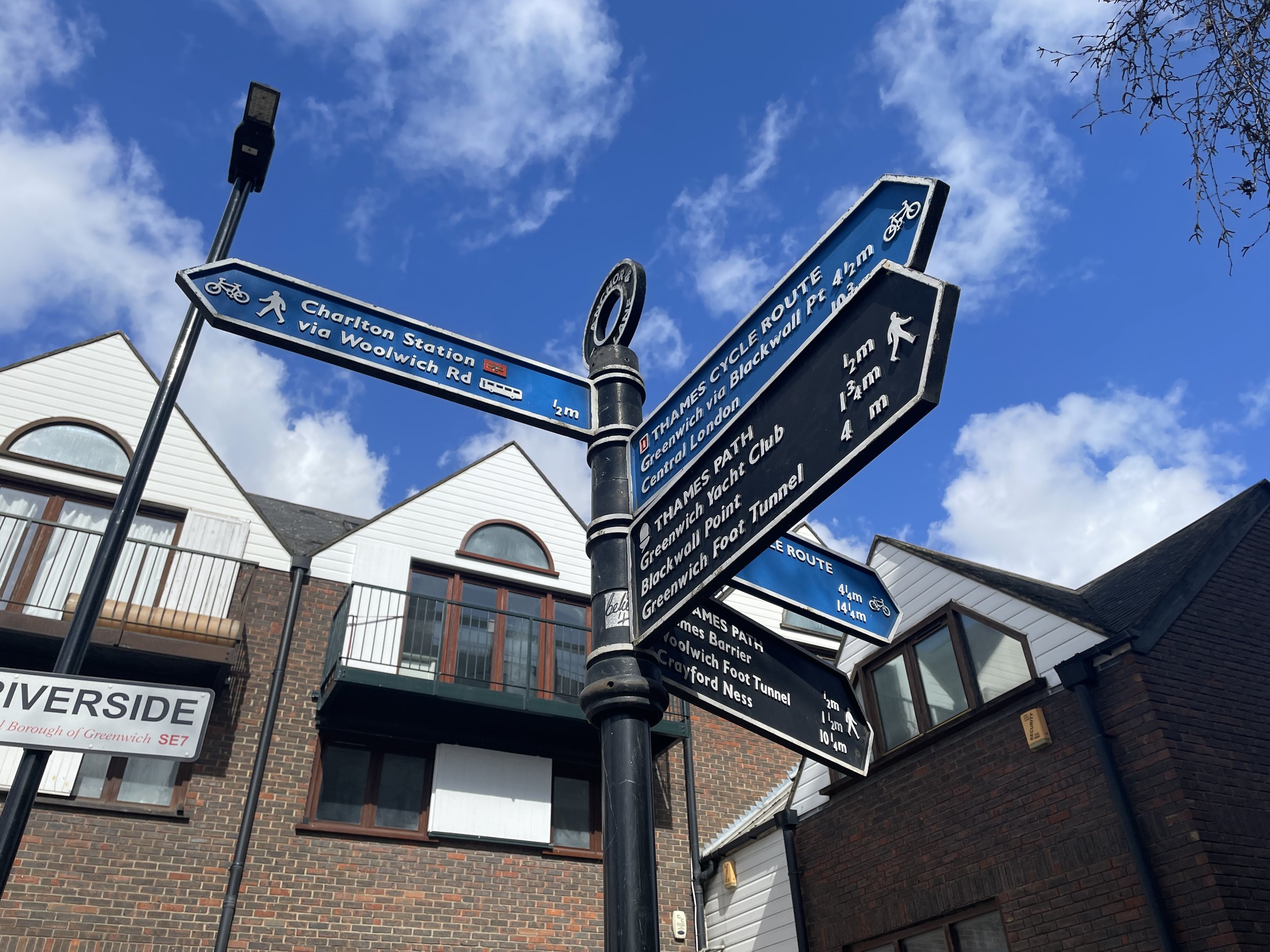
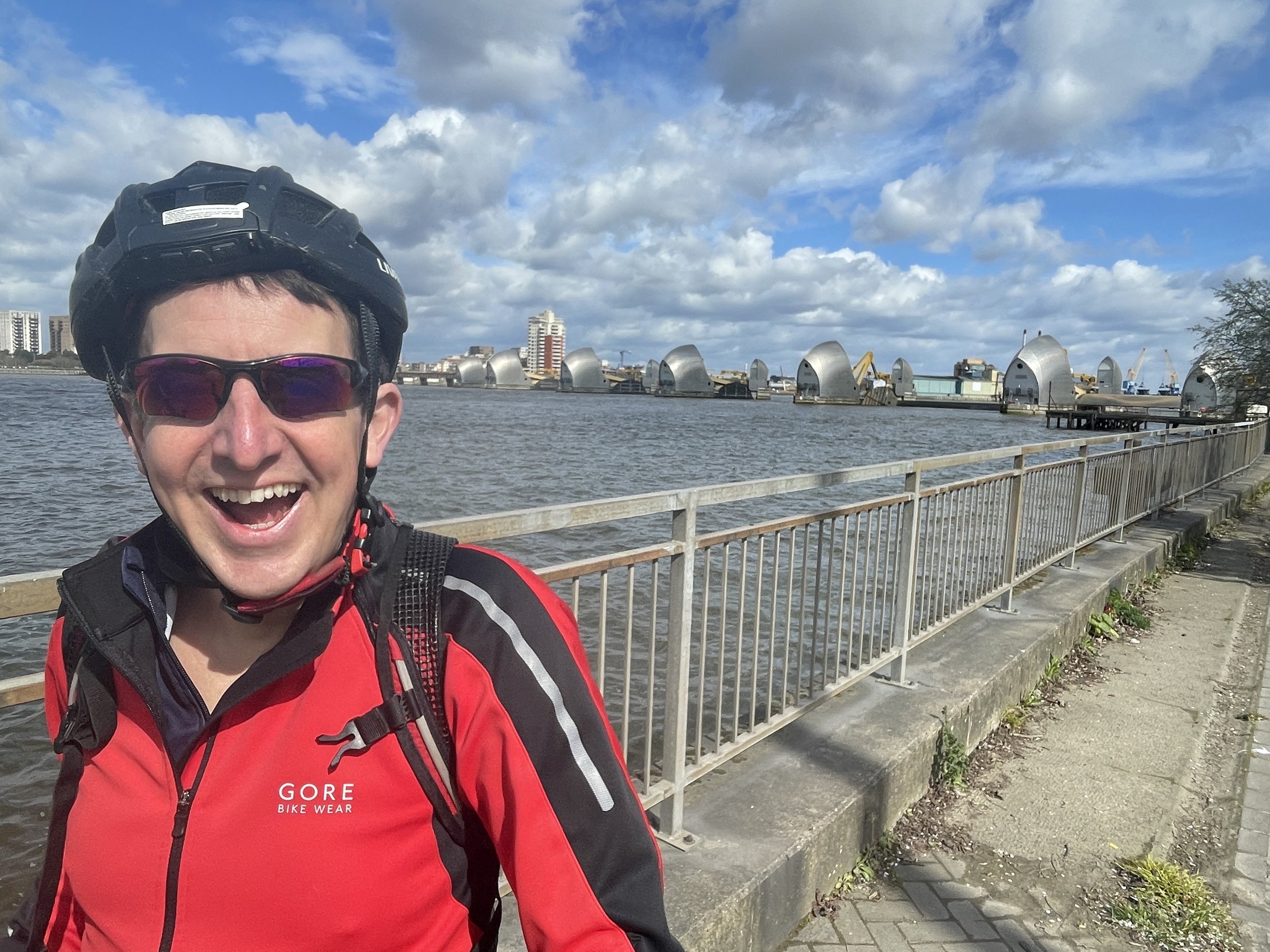
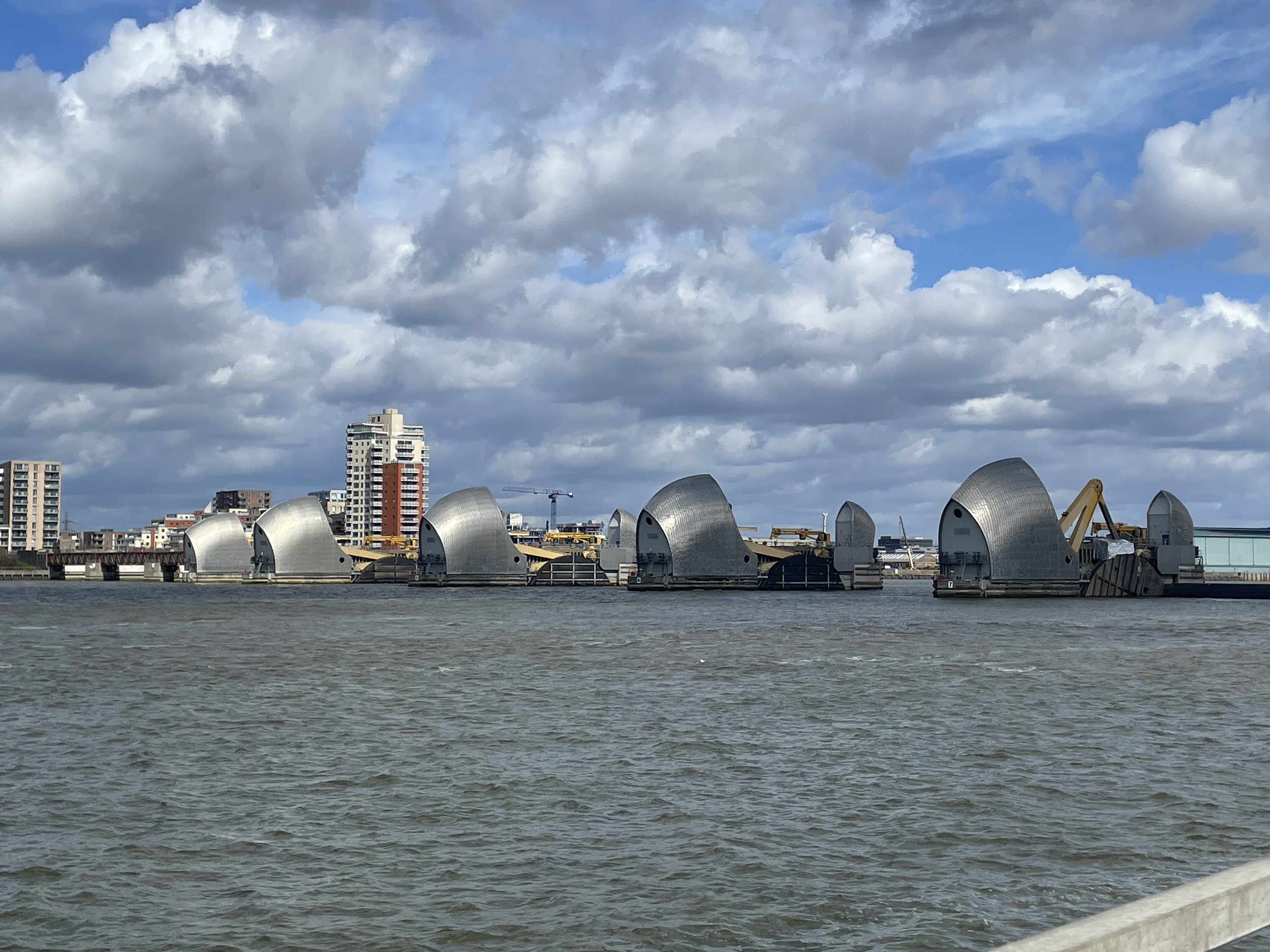
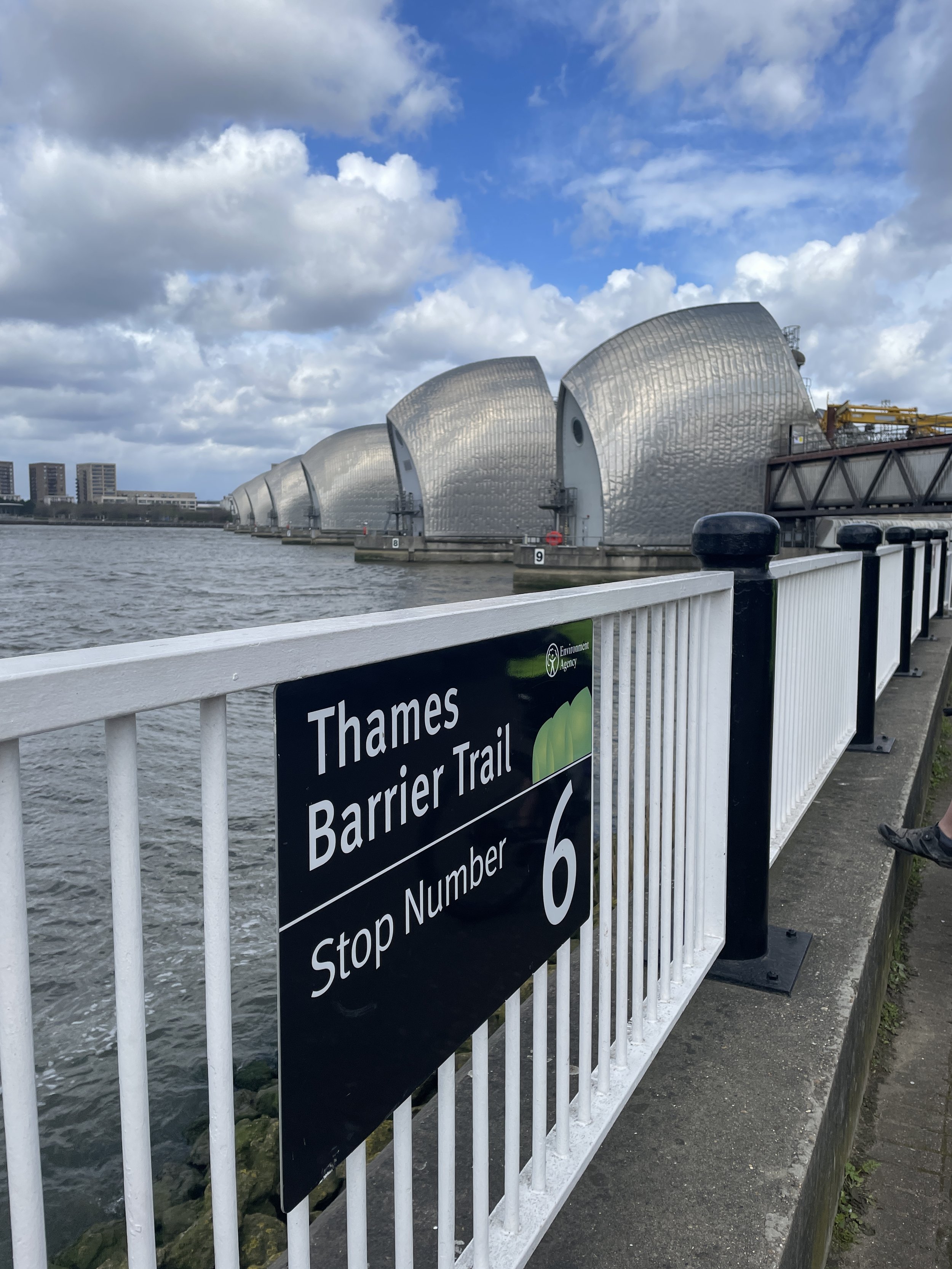
Like all Saturdays, the day started with a quick parkrun, this time at Great Lines Heritage Park, just over a mile from the hotel. From there, we headed to Chatham Station to catch the train to Charlton. The Thames Barrier is a very easy 1.4km ride from Charlton Station to officially begin the ride.
Navigation is very straightforward: you simply keep to NCN Route 1 all the way to Chatham. The first 20km hugs the riverside, passing a real mix of pleasant, gentrified areas like Woolwich Arsenal and much grittier industrial parts. After Erith, Route 1 cuts south away from the river towards Dartford to bypass the sprawling entrance to the Queen Elizabeth II Bridge. We had originally planned a coffee and cake stop in Dartford, but nothing really inspired us, so we carried on. By the time we reached Gravesend, we were genuinely hungry and optimistic about finding pub food. We found Gravesend equally uninspiring, so we didn't stop there either.
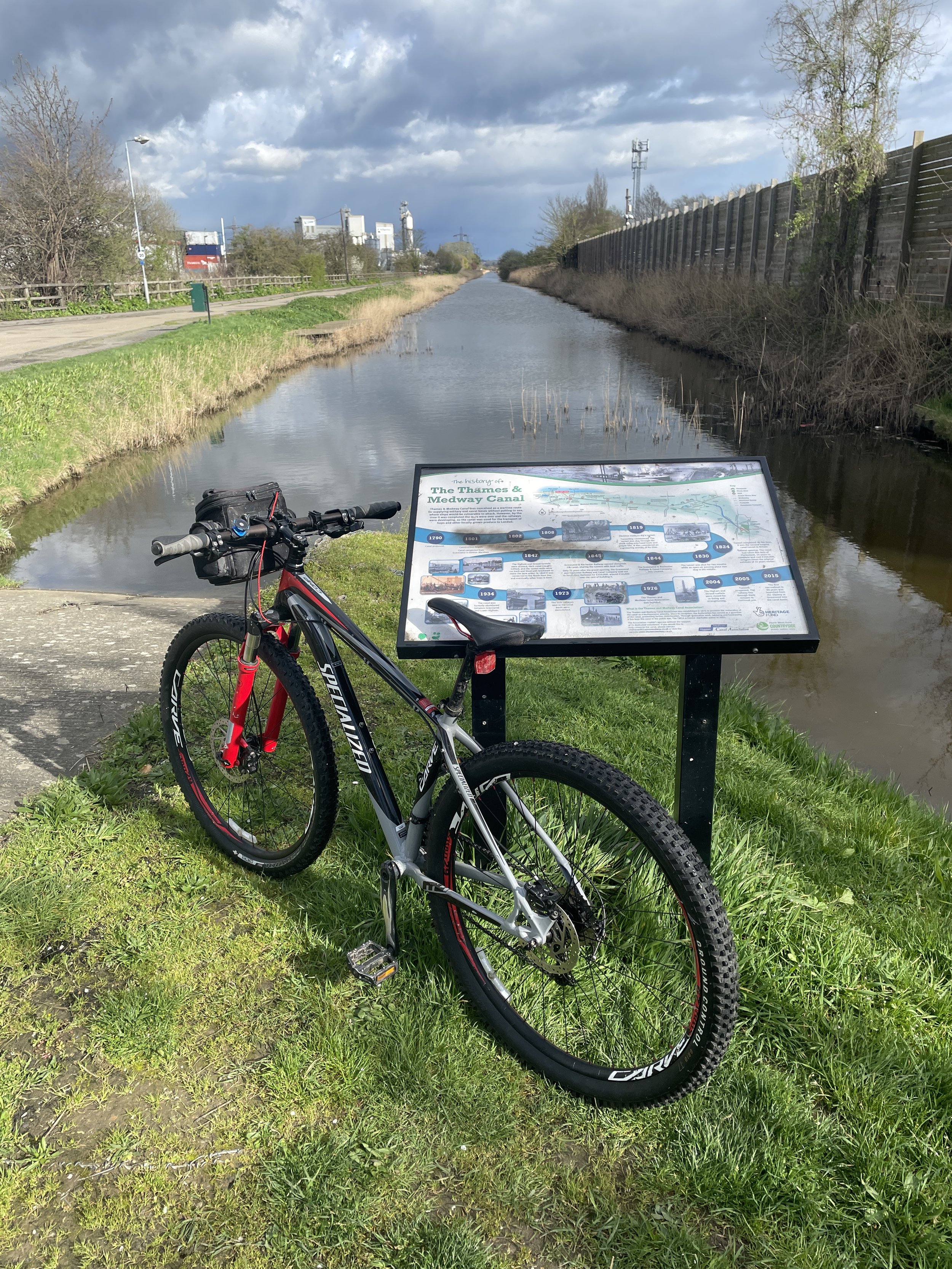
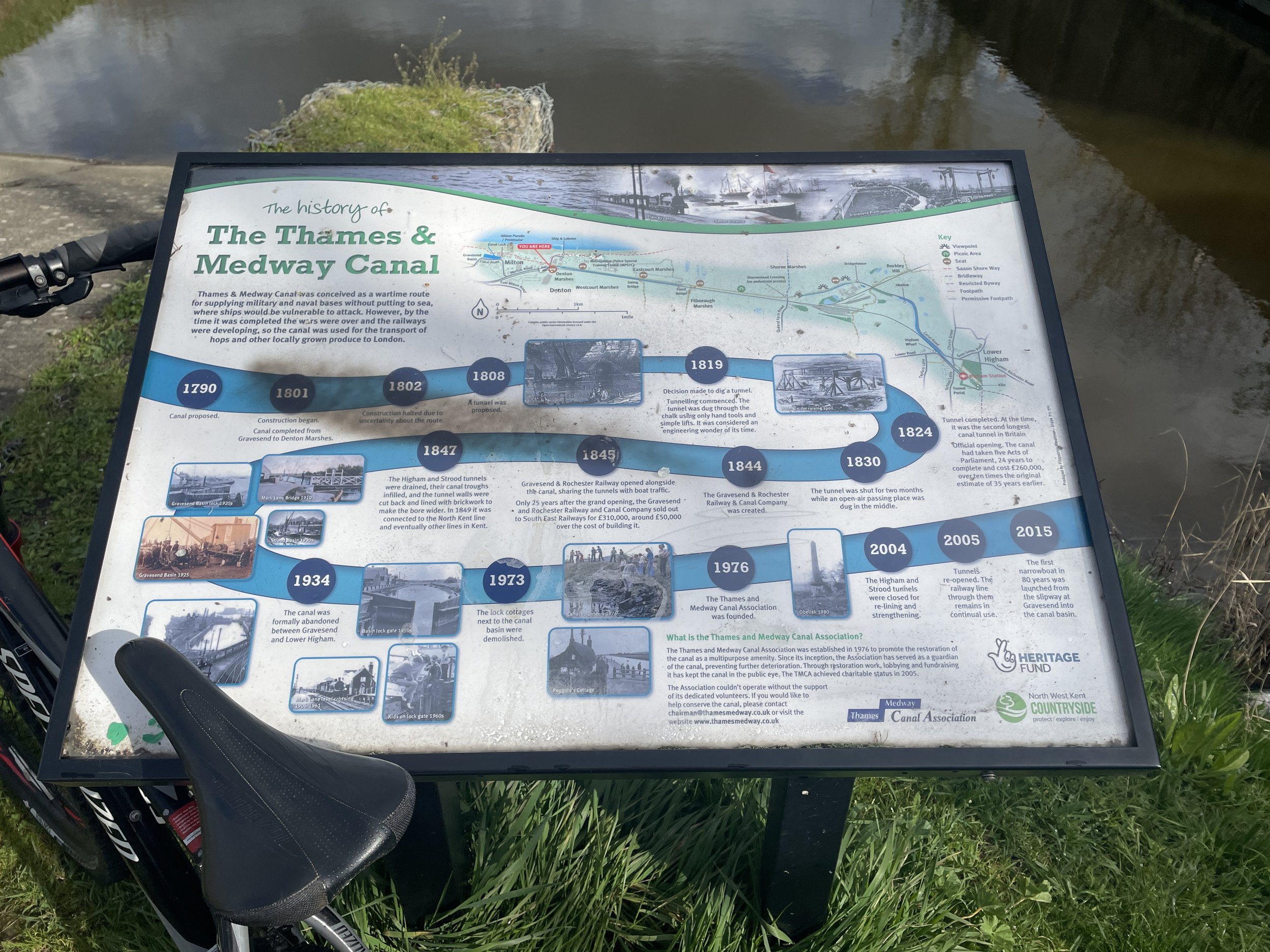
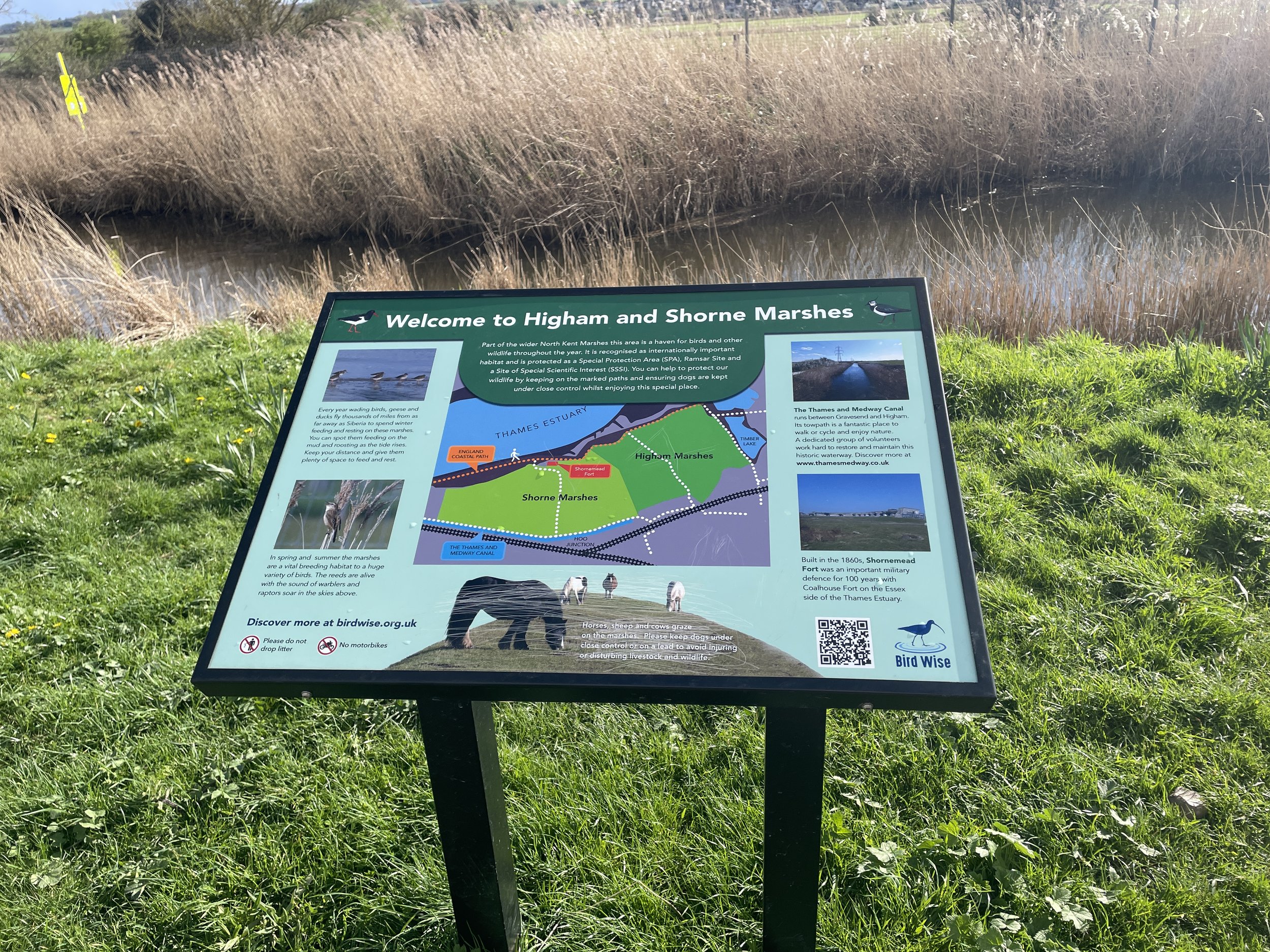
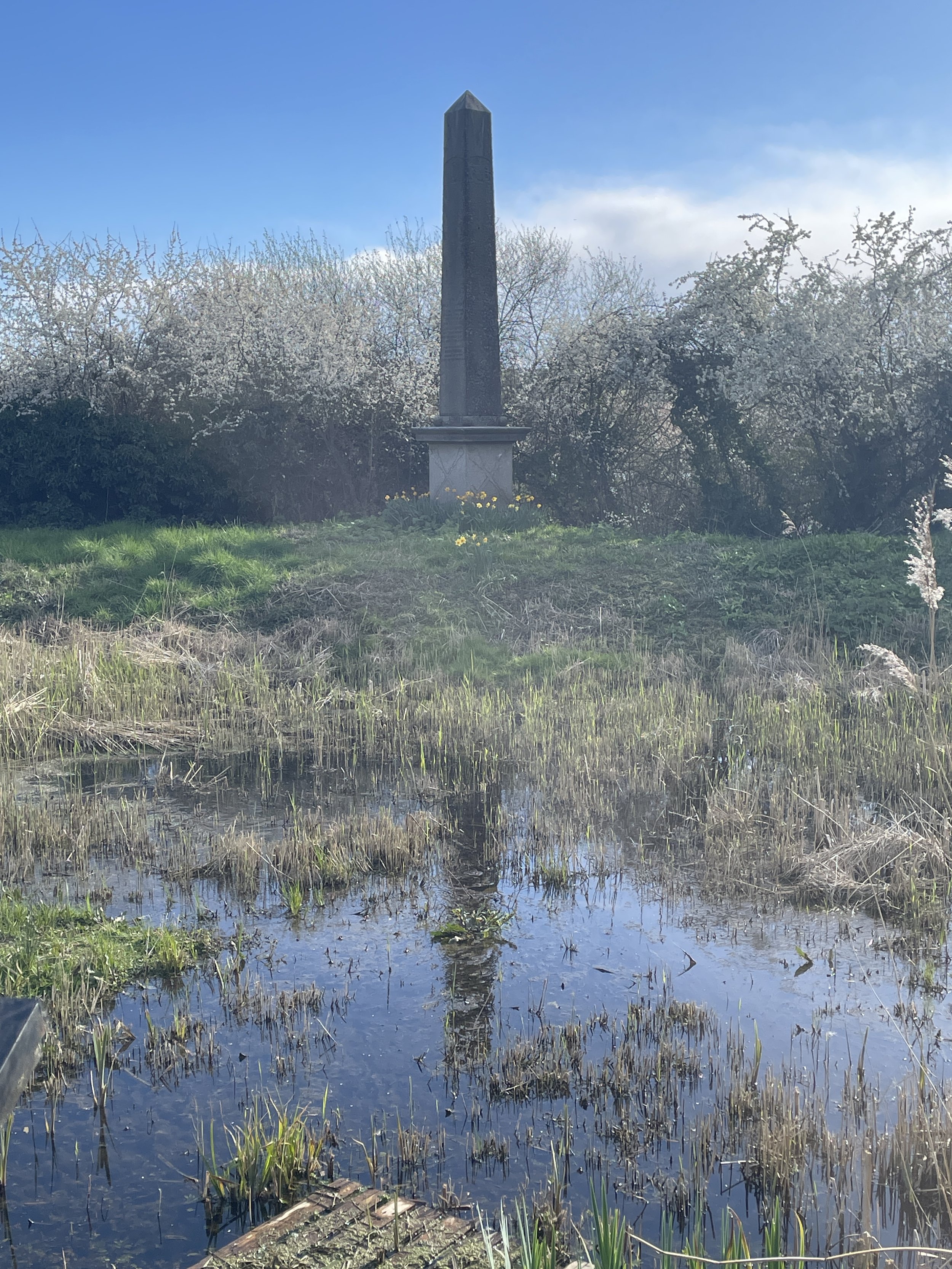
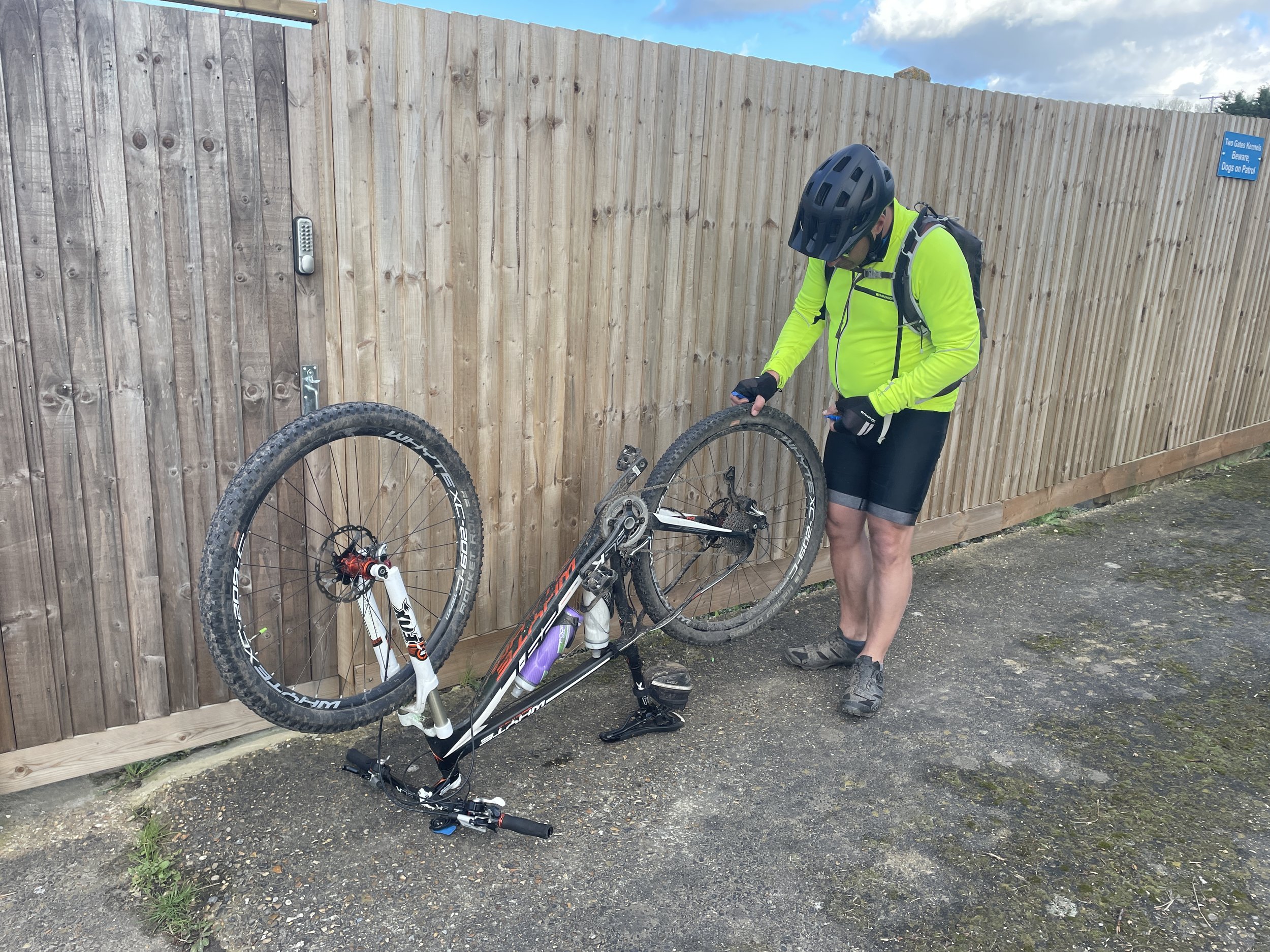
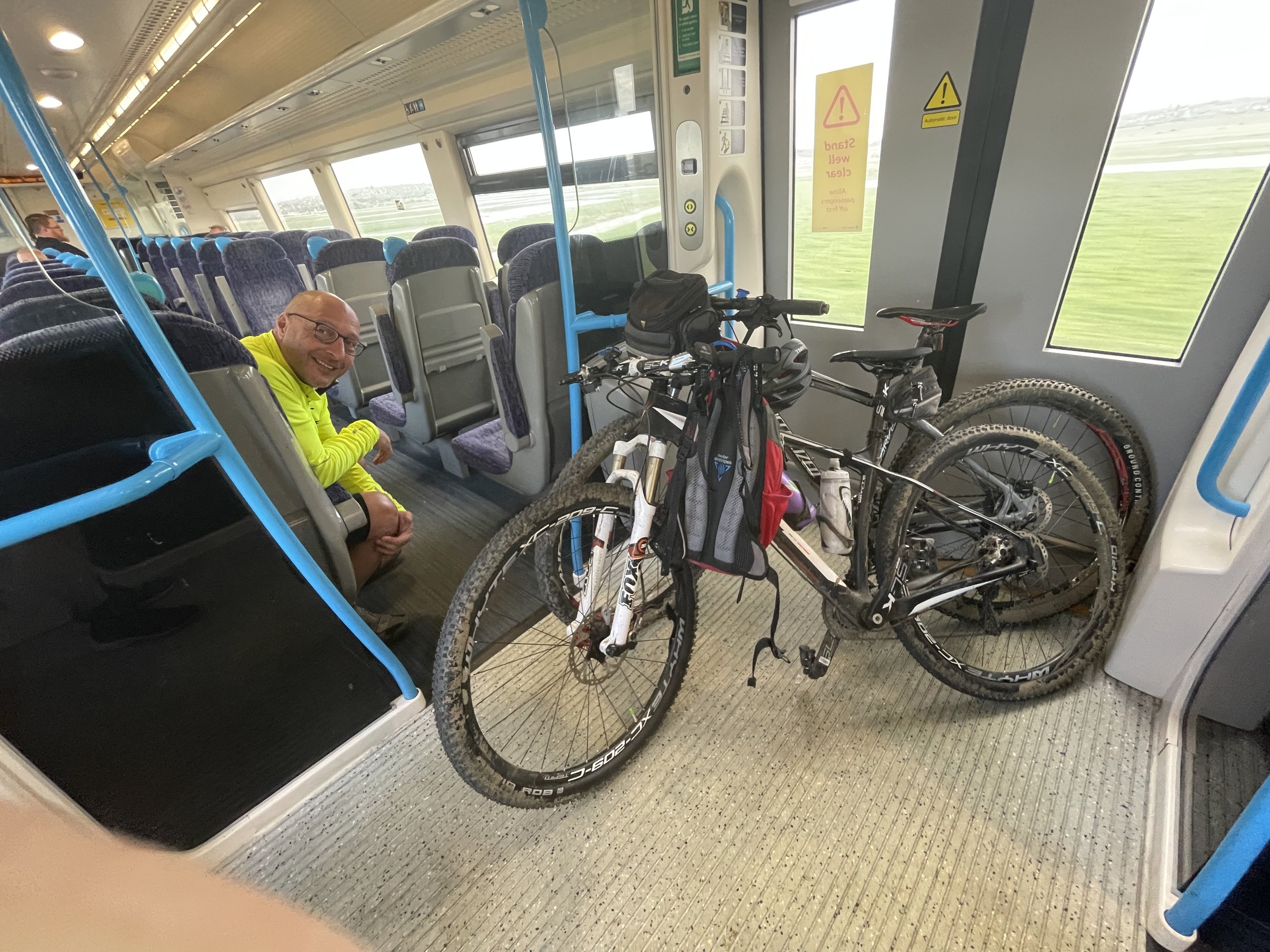
After Gravesend, the scenery becomes significantly more pleasant, with Route 1 following the towpath of the disused Thames and Medway Canal. Keep an eye out for the historic obelisk that marks the exact halfway point between the cities of London and Rochester. Route 1 eventually leaves the canal at Lower Higham, which conveniently happens to have a train station. Brian was having serious problems with his wheel after several punctures, and we had run out of options to fix it at the roadside. We decided that Brian would head to Chatham by train, and I would finish the first day on my own.
As it turned out, Brian missed one of the best parts of the first day. The final section included lovely, quiet countryside and a sweeping descent down into Rochester. Had we kept together, we would have stopped in Rochester for food ahead of the final few miles, but I decided that I was on a personal mission to beat Brian's train journey back to Chatham, so I wasn't hanging around. The canal tunnel at Higham was actually bought by the railway network in the 1840s, so Brian was literally riding the train through the canal tunnel I was meant to be cycling over!
A 20-minute wait for his train meant that I was back at the hotel before Brian even arrived at Halfords in Chatham. With a newly fixed wheel and fresh supplies of inner tubes, we were ready for Day 2.


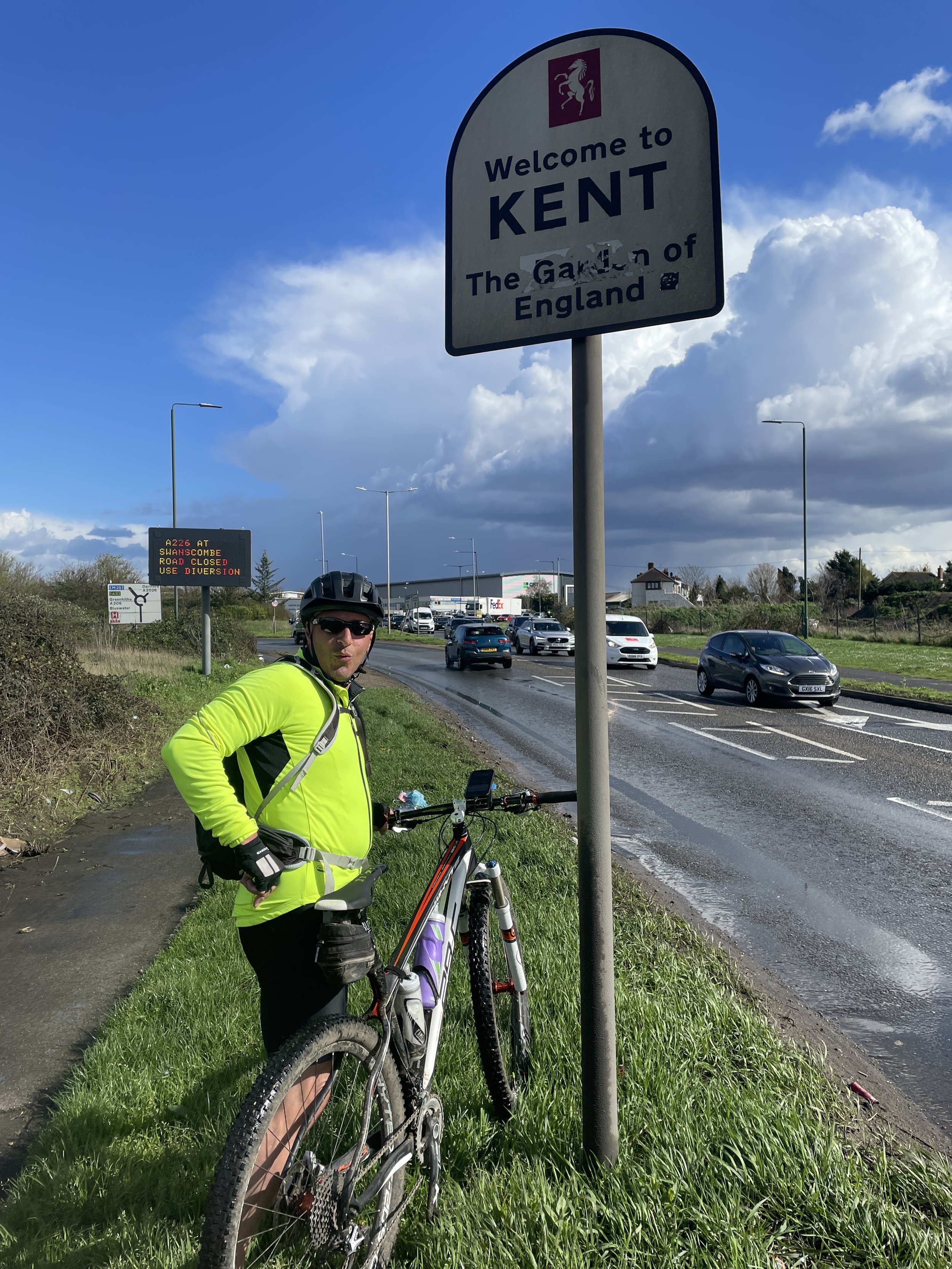
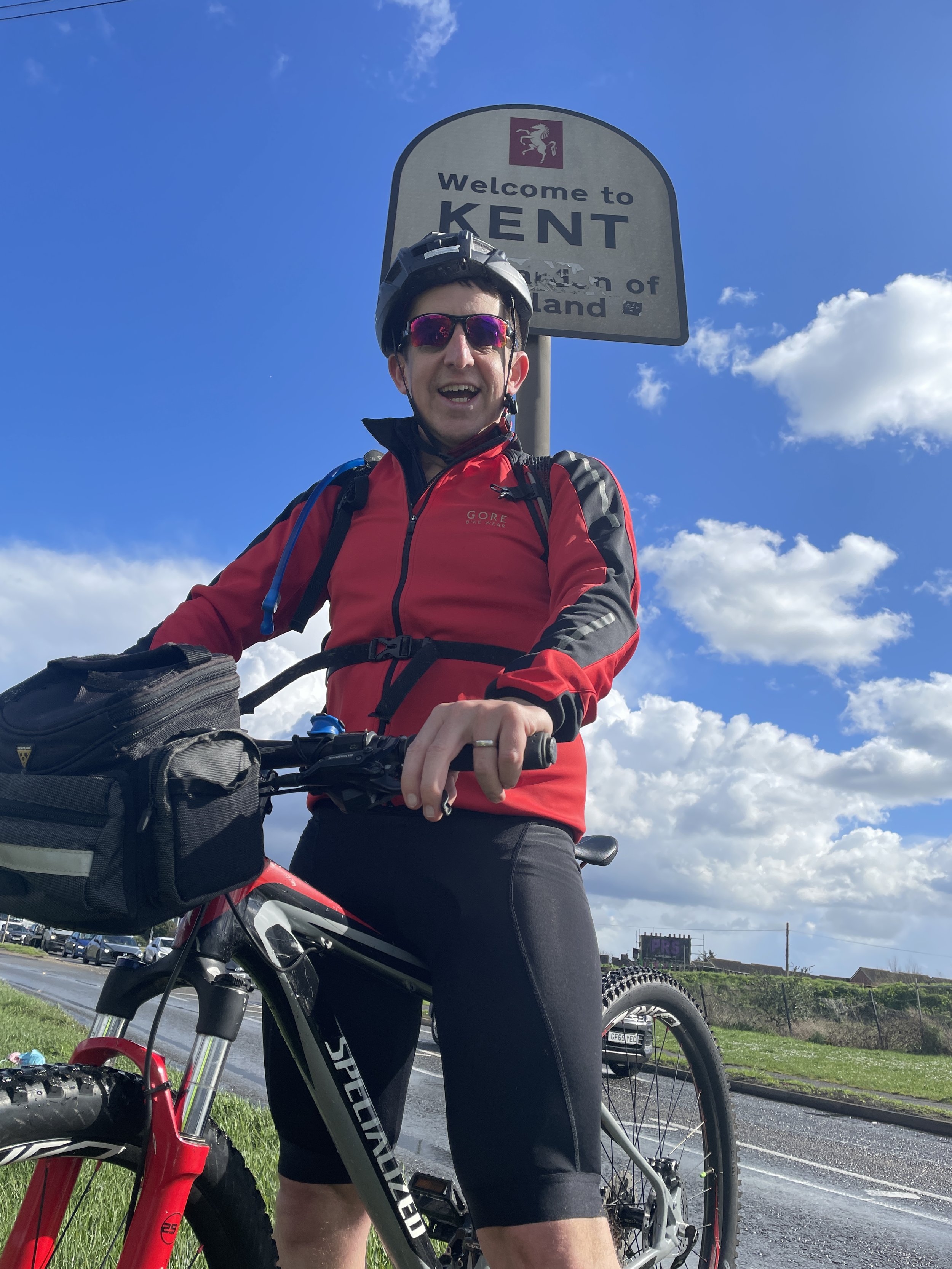

Day 2: Chatham to Margate
Start: Premier Inn Chatham/Gillingham (Victory Pier) hotel, Blake Avenue, Gillingham, ME7 1GB, United Kingdom
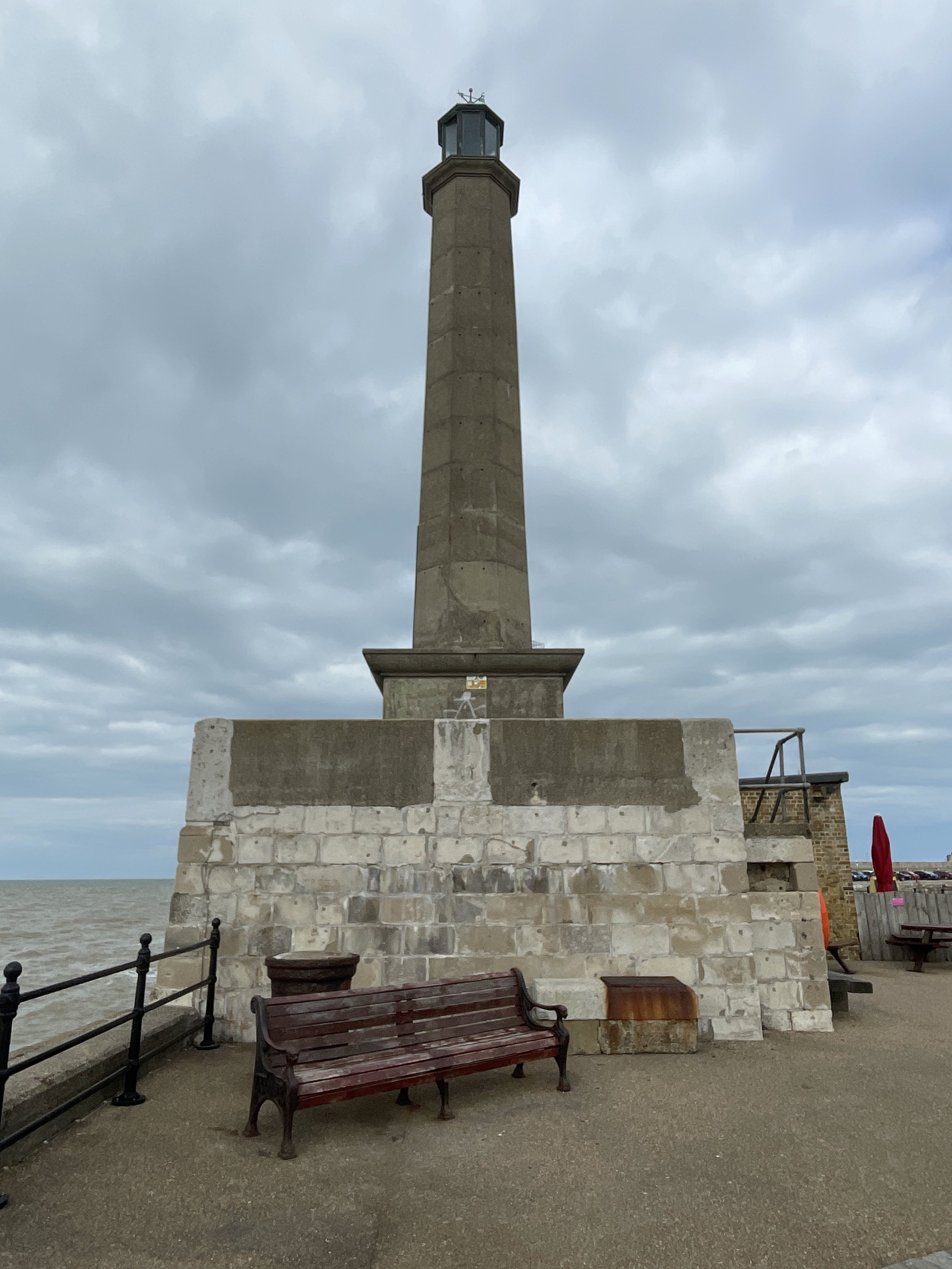
Finish: Margate Lighthouse, Harbour Arm, Margate, CT9 1AP
Distance: 87 km (54 miles)
Elevation change: + 514m / -513m (Net -1m)
GPX File: get via Buy Me a Coffee
Other routes touched (walk): Saxon Shore Way, England Coast Path, Swale Heritage Trail, Invicta Way, Wantsum Walk,
Other routes touched (cycle): NCN 1, 174, 15: Viking Coastal Trail
Pubs / Cafes on route: At Sittingbourne (22km in), Faversham (40km in), Whitstable (59km in), Herne Bay (66km in), Westgate-on-Sea (83km in) and Margate.
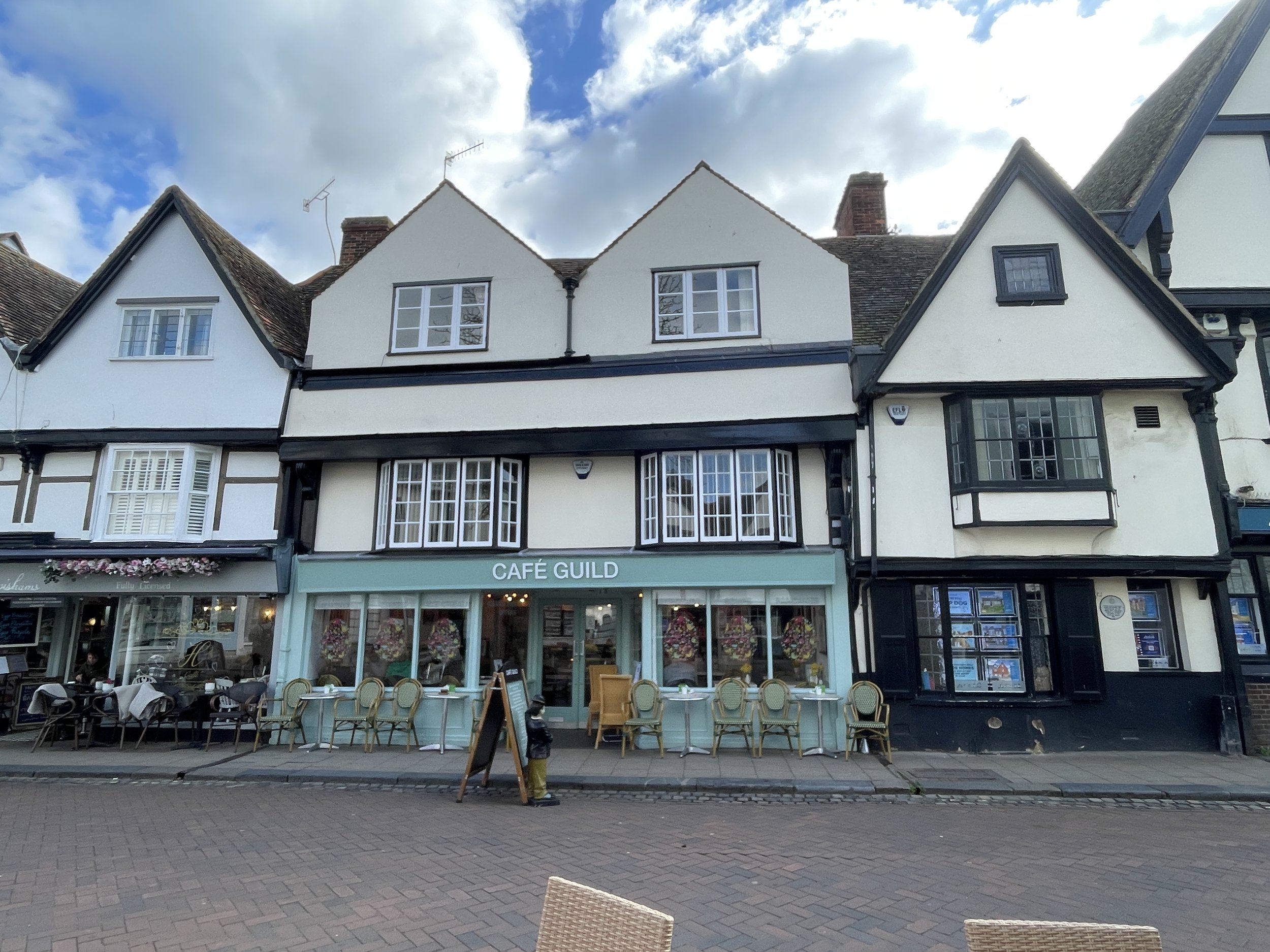
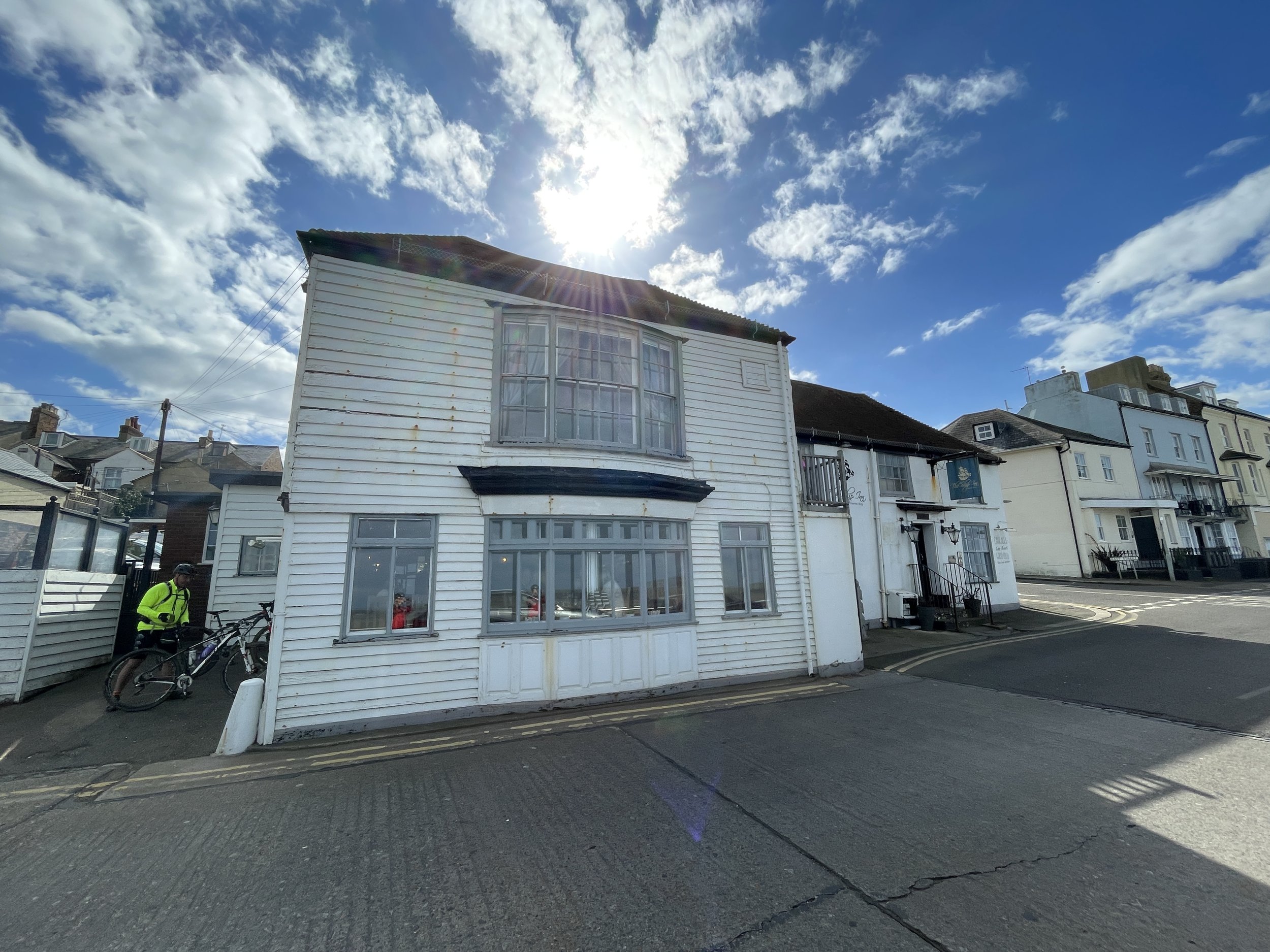
- We stopped at Cafe Guild in Faverham (40 km in) and The Ship Inn, Herne Bay (66km in)
Maps:
- Gravesend & Rochester Map | Hoo Peninsula | Ordnance Survey | OS Explorer Map 163
- Sittingbourne & Faversham Map | Isle of Sheppey | Ordnance Survey | OS Explorer Map 149
- Canterbury & Isle of Thanet Map | Herne Bay, Deal & Whitstable | Ordnance Survey | OS Explorer Map 150
Links: Sittingbourne, Faversham, Crab & Winkle Way, Whitstable, Herne Bay, Reculver, Westgate-on-Sea, Margate, Margate Lighthouse
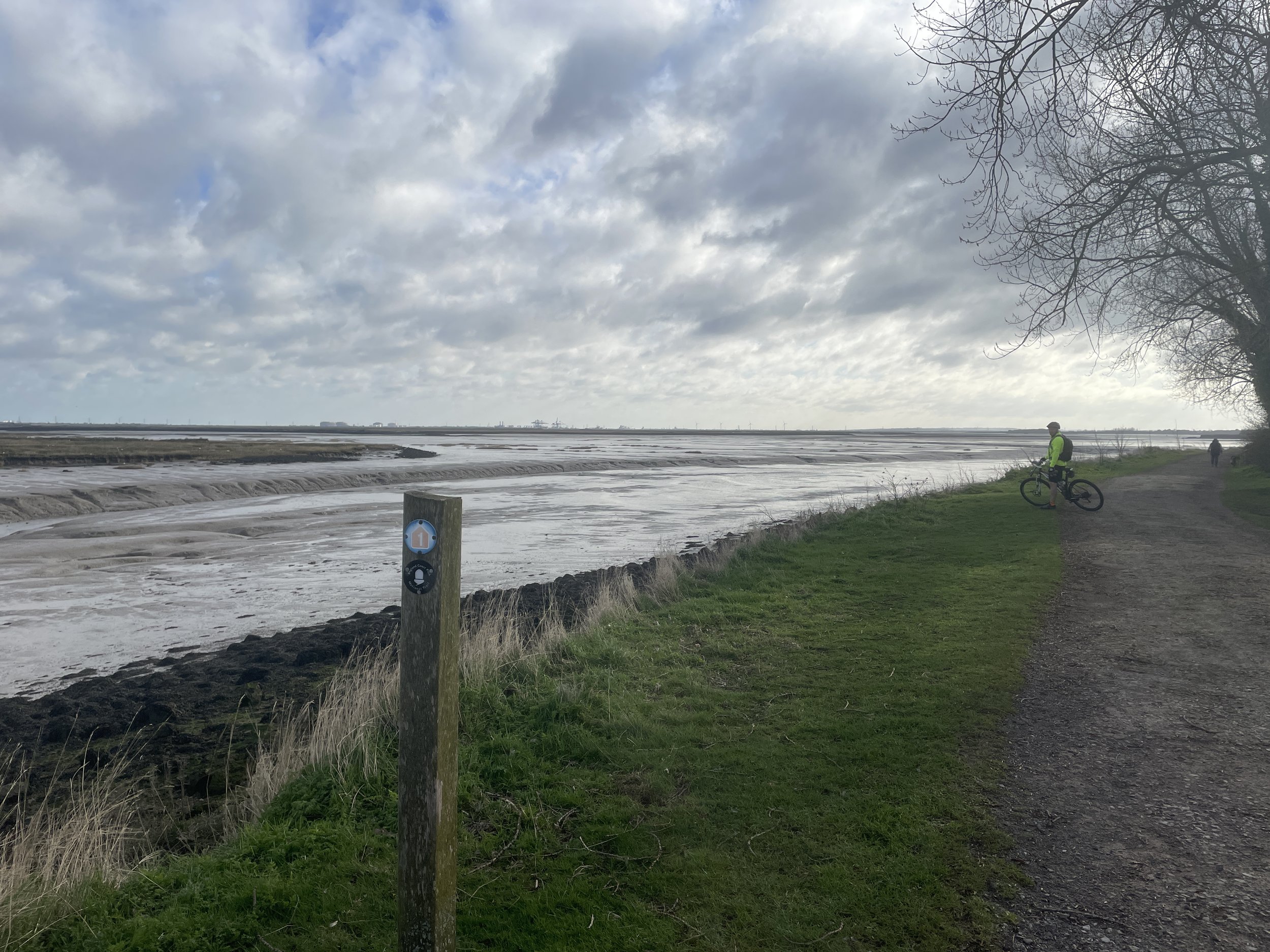
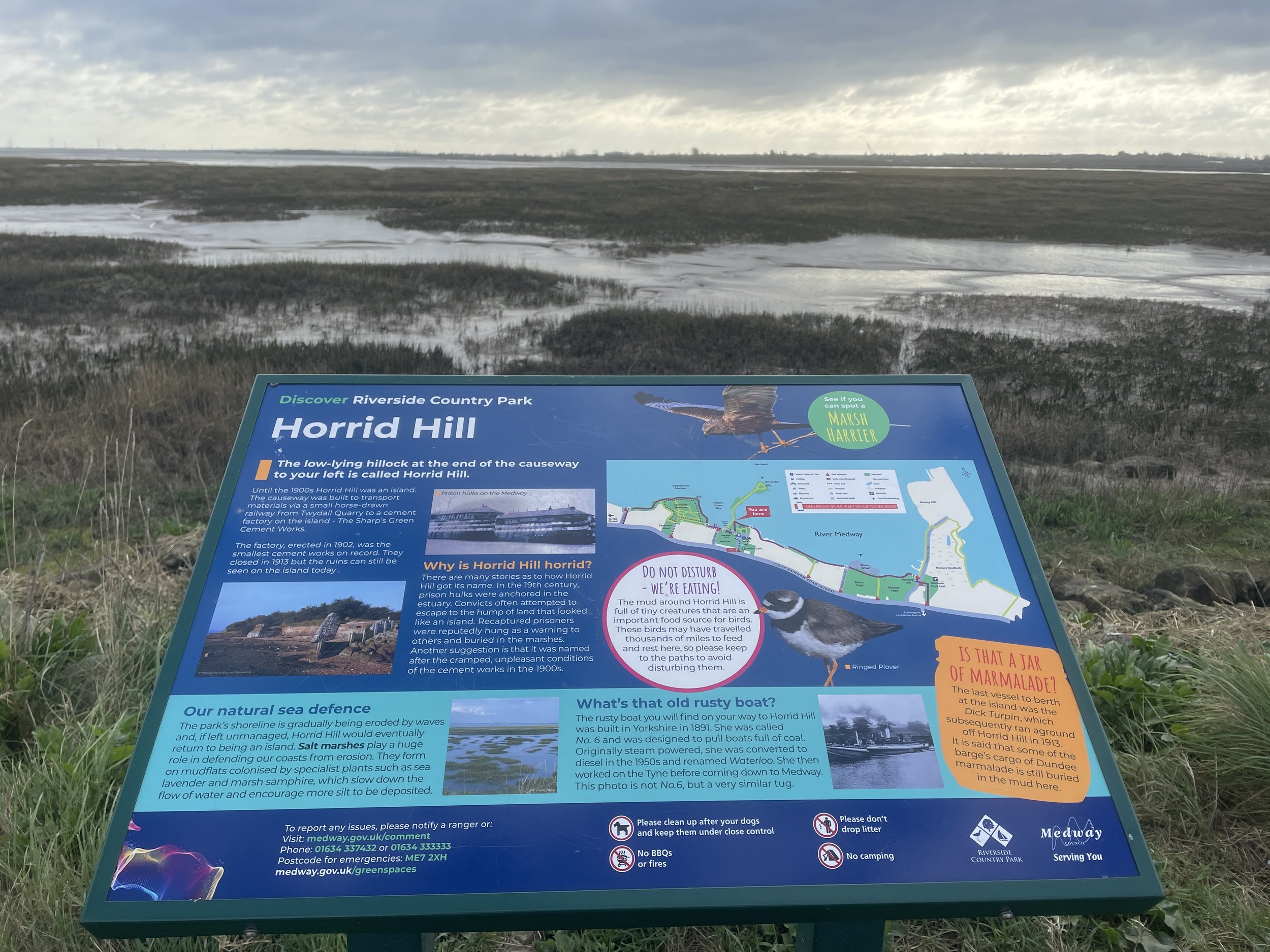
Shortly after leaving the Chatham/Gillingham area, Route 1 passes through Riverside Country Park. It was very popular with dog walkers early that Sunday morning, so it was a good excuse to take it slow as we warmed up our legs. After the park, the route cuts away from the estuary from Rainham down to Sittingbourne.
Sittingbourne was our original plan for a breakfast stop, but we were similarly uninspired by the food options as we were on Day 1. By the time we arrived in Faversham with 40km down, we were starving. It was absolutely worth the wait, though. Faversham is a beautiful, historic Kent market town (famous for being home to Britain's oldest brewer, Shepherd Neame), and it has several brilliant cafes.
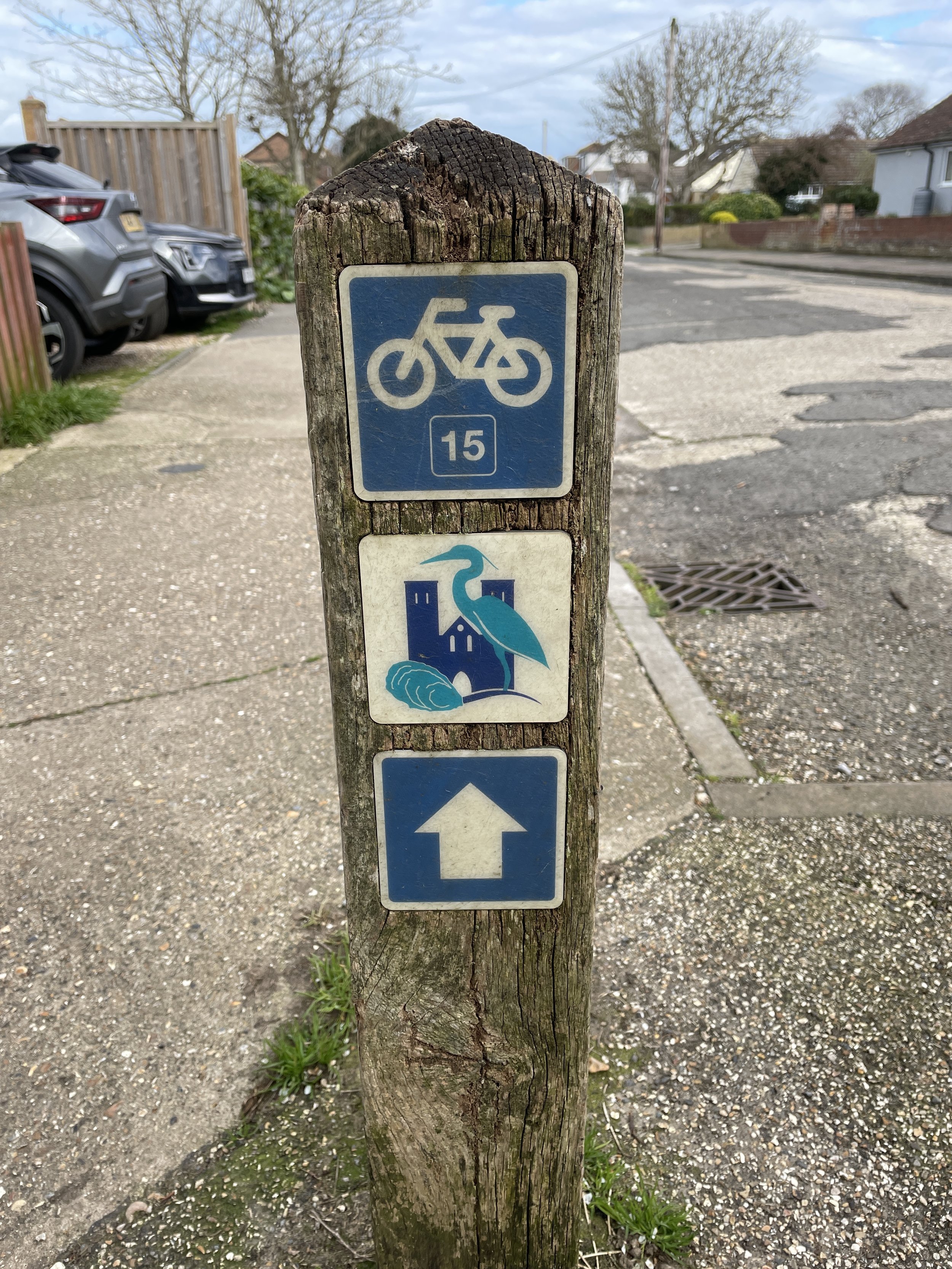
After Faversham, the route heads back towards the coast before taking a detour up the steepest hill of the entire trip to bypass Whitstable town centre. After a well-earned descent, we reached the Crab & Winkle Way: a disused railway path that once connected Whitstable to Canterbury. This was the exact point where we left NCN 1, which continues south along the old railway line. Instead, we followed the Crab & Winkle Way north to join the Route 15 Viking Coastal Trail at the Whitstable coast.
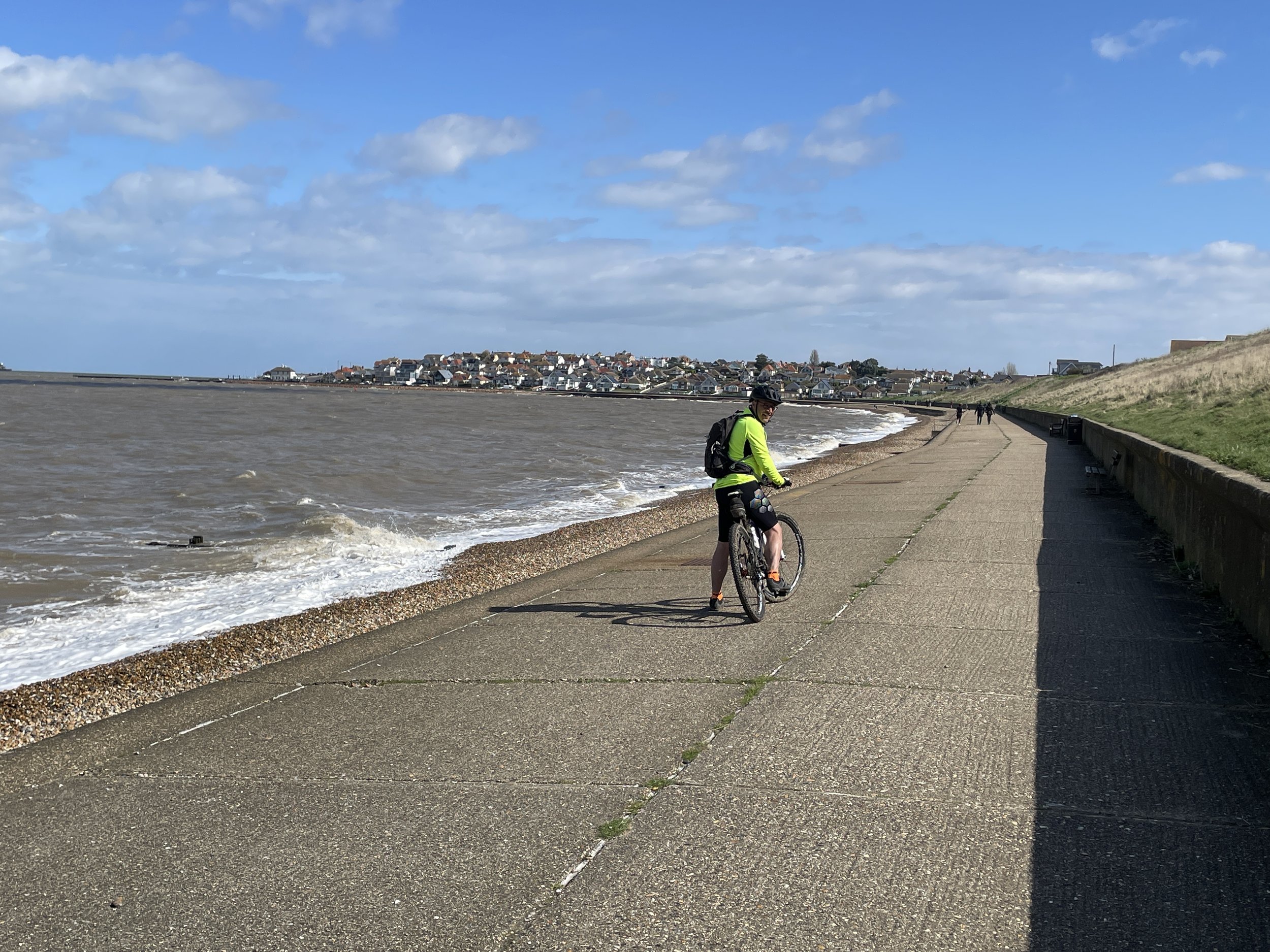
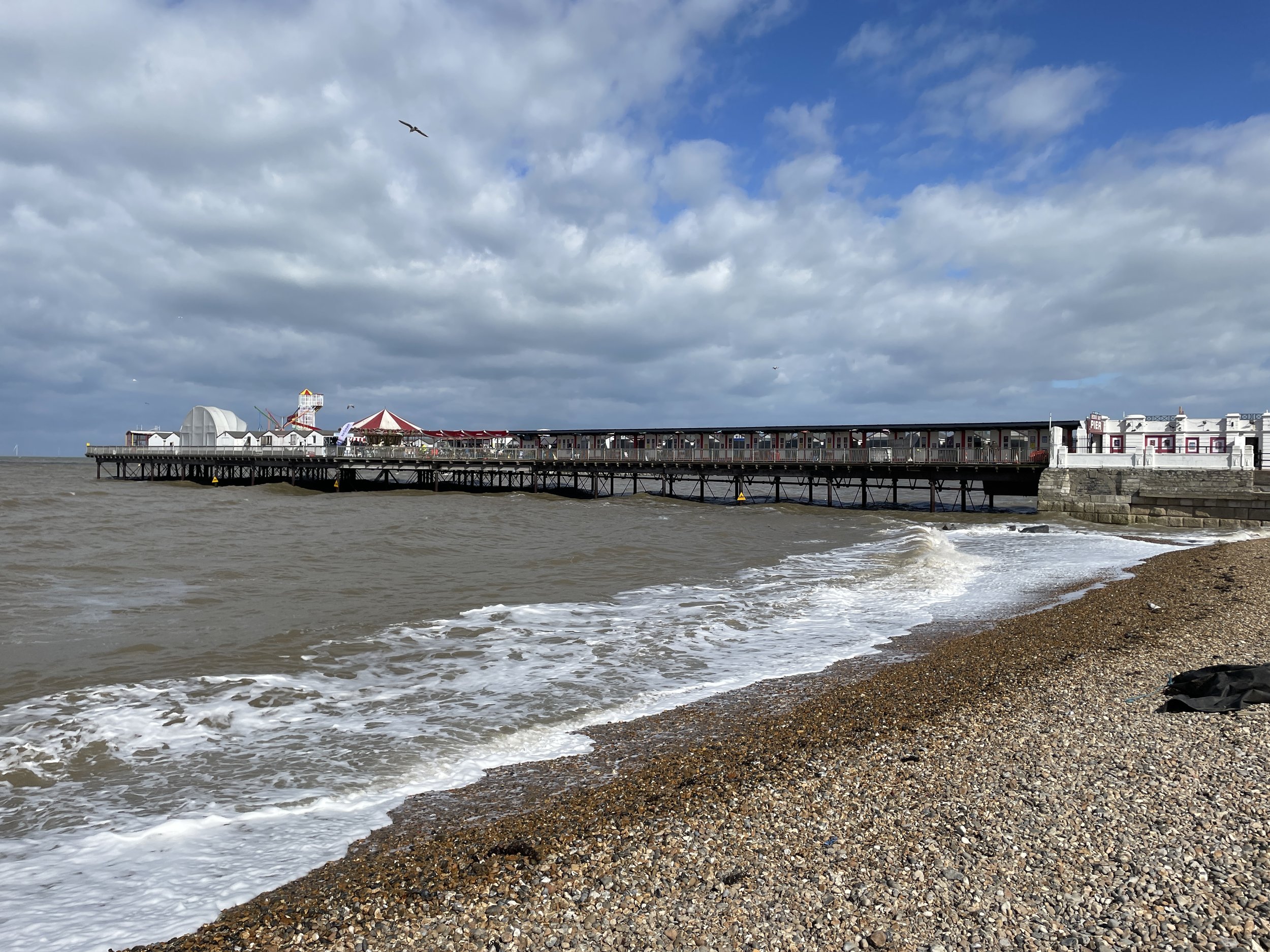
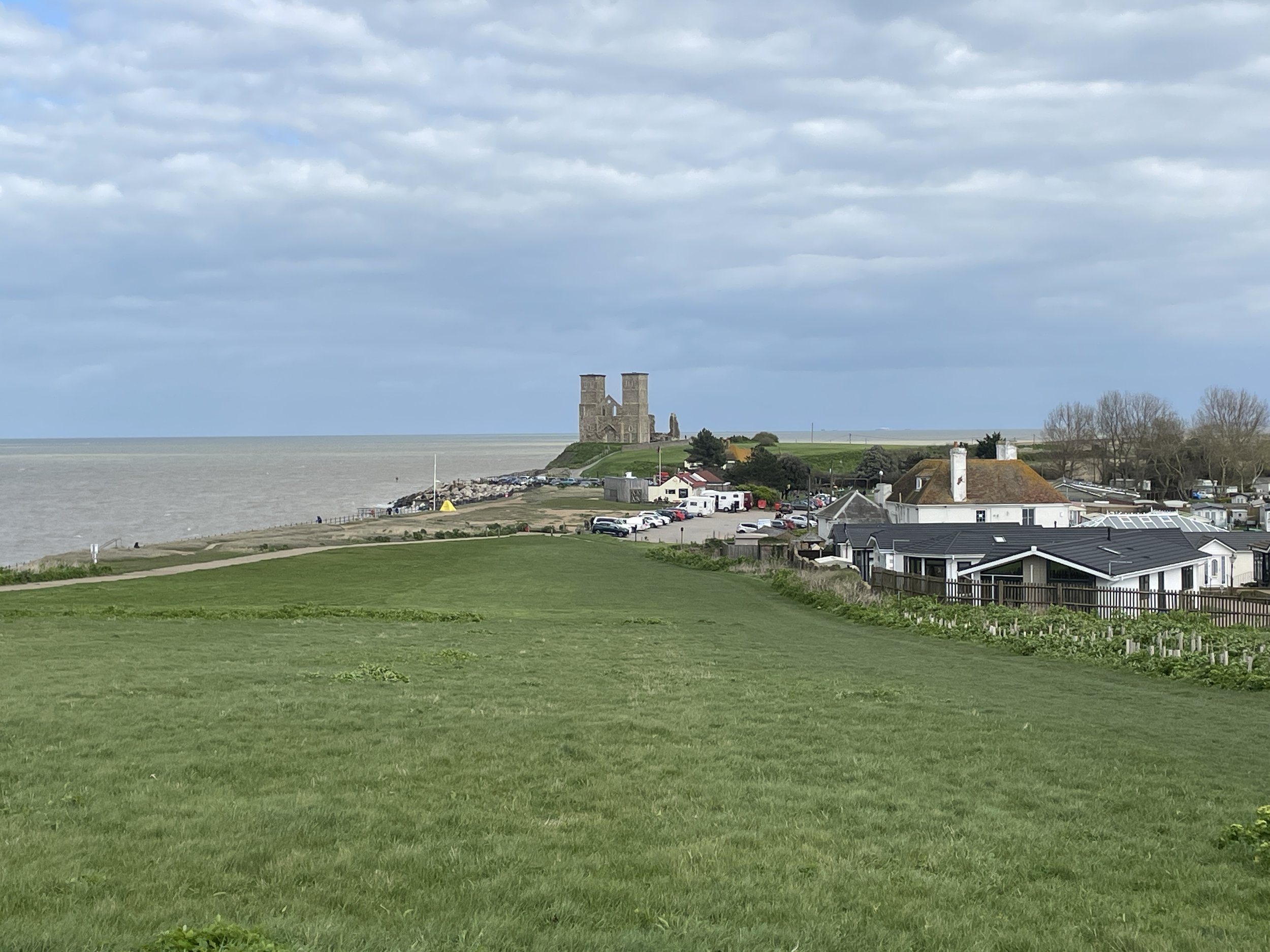
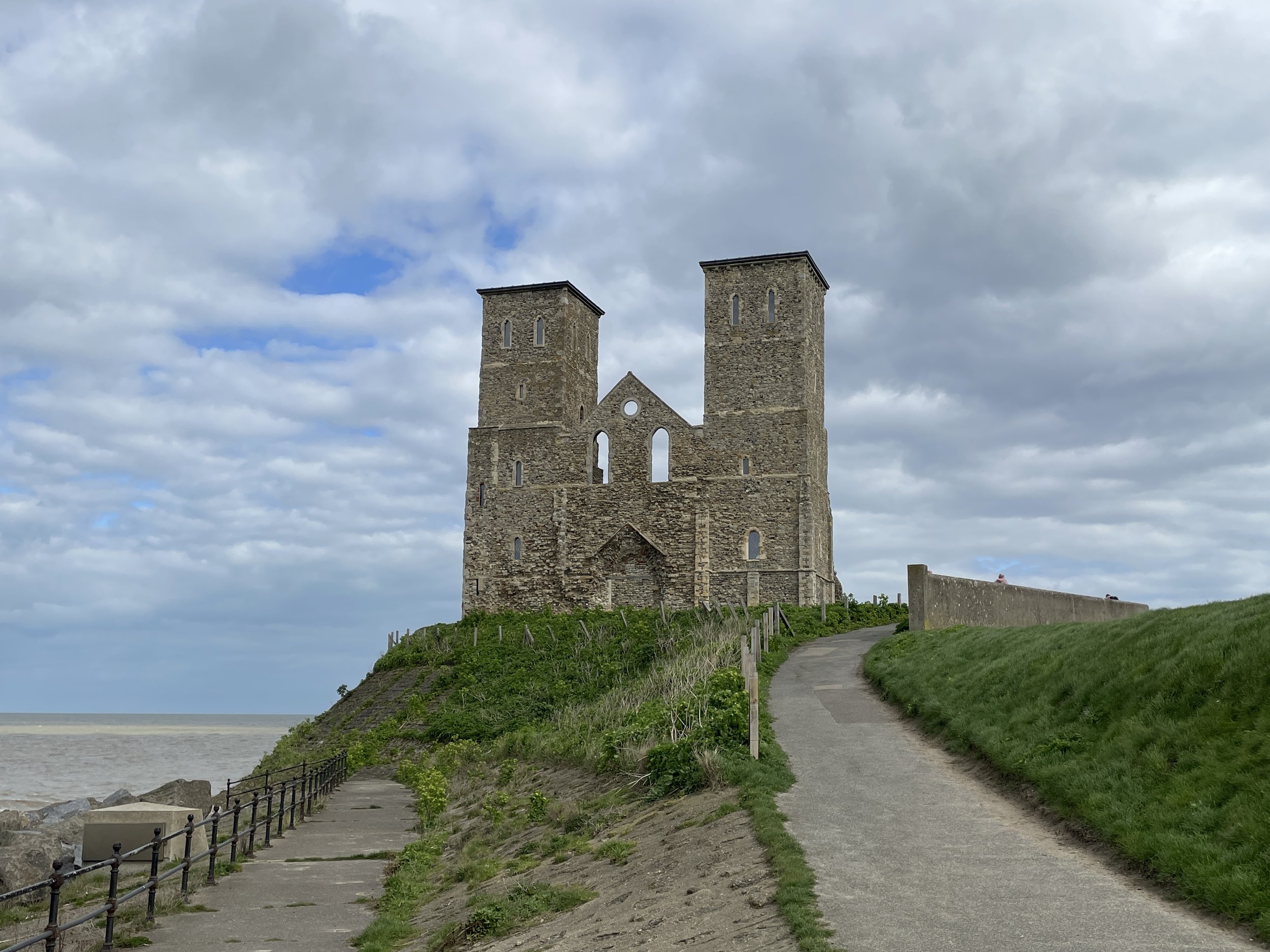
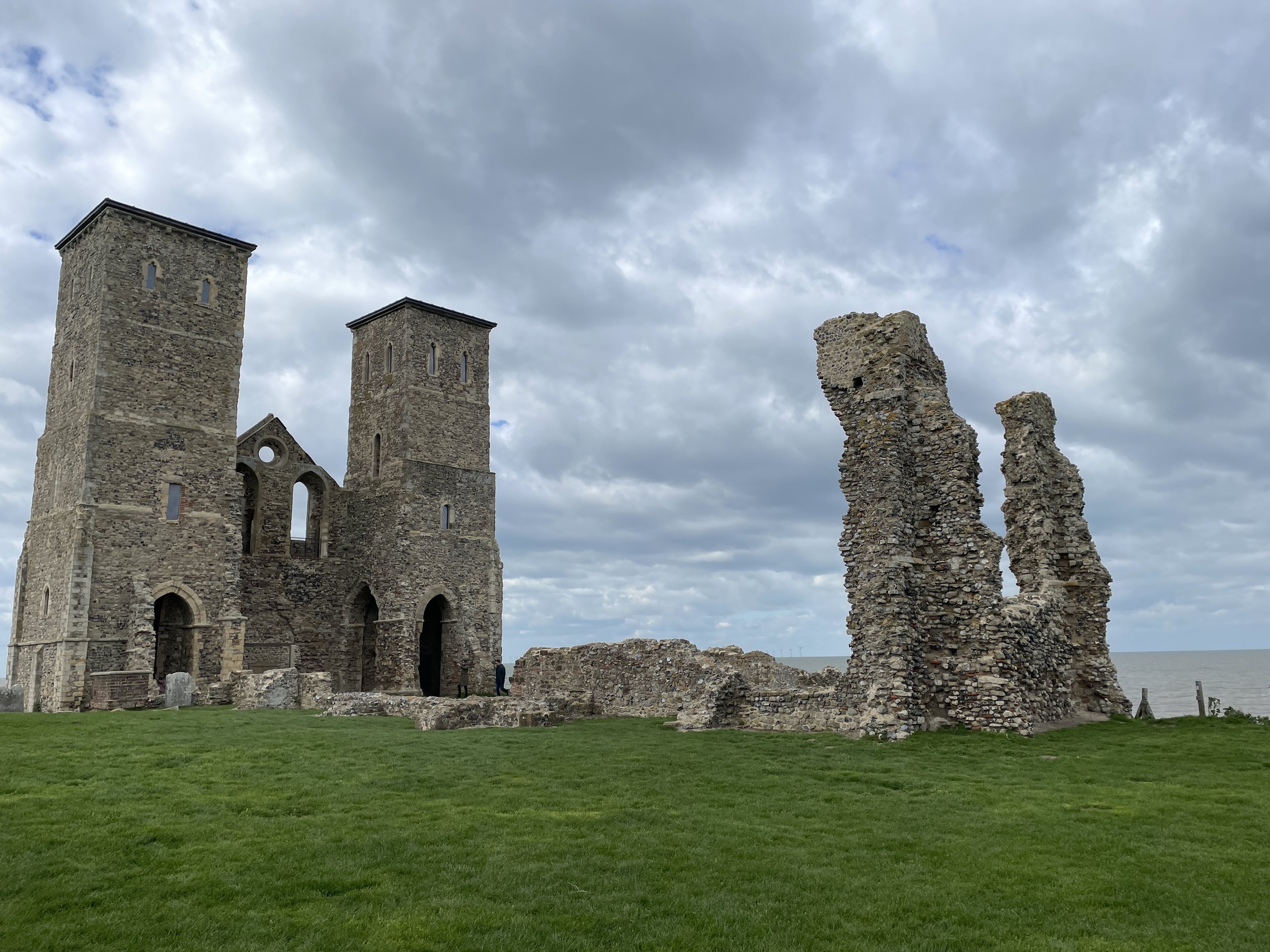
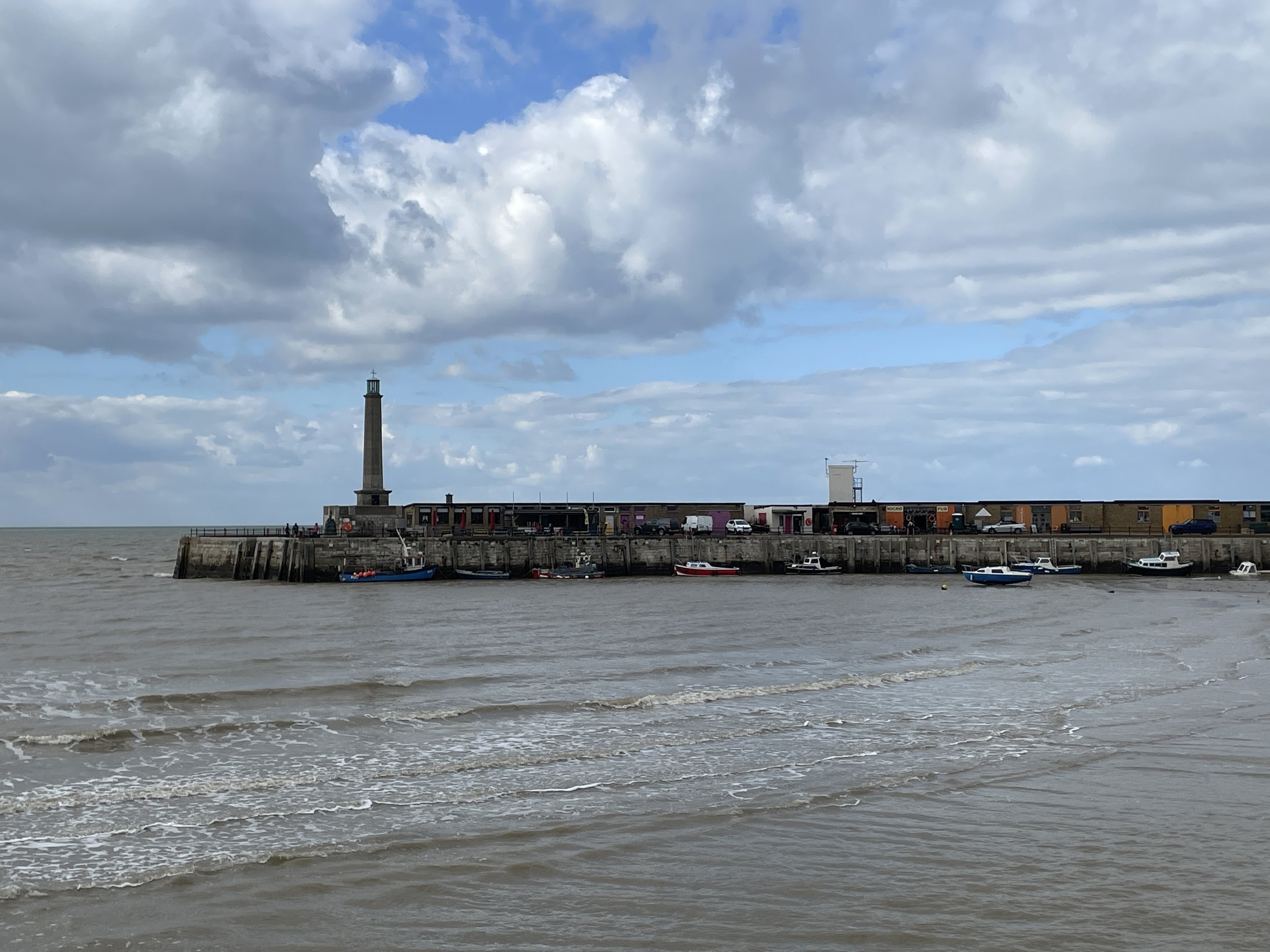
The final 28km along the Viking Coastal Trail from Whitstable to Margate was easily my favourite section of the whole route. This stretch sticks rigidly to the coast along wide, flat boulevards, passing classic seaside towns and the imposing, twin-towered ruins of the 12th-century Reculver Church. We had made very good time, so we stopped for a while at a pub in Herne Bay to gaze across the estuary and contemplate future adventures.
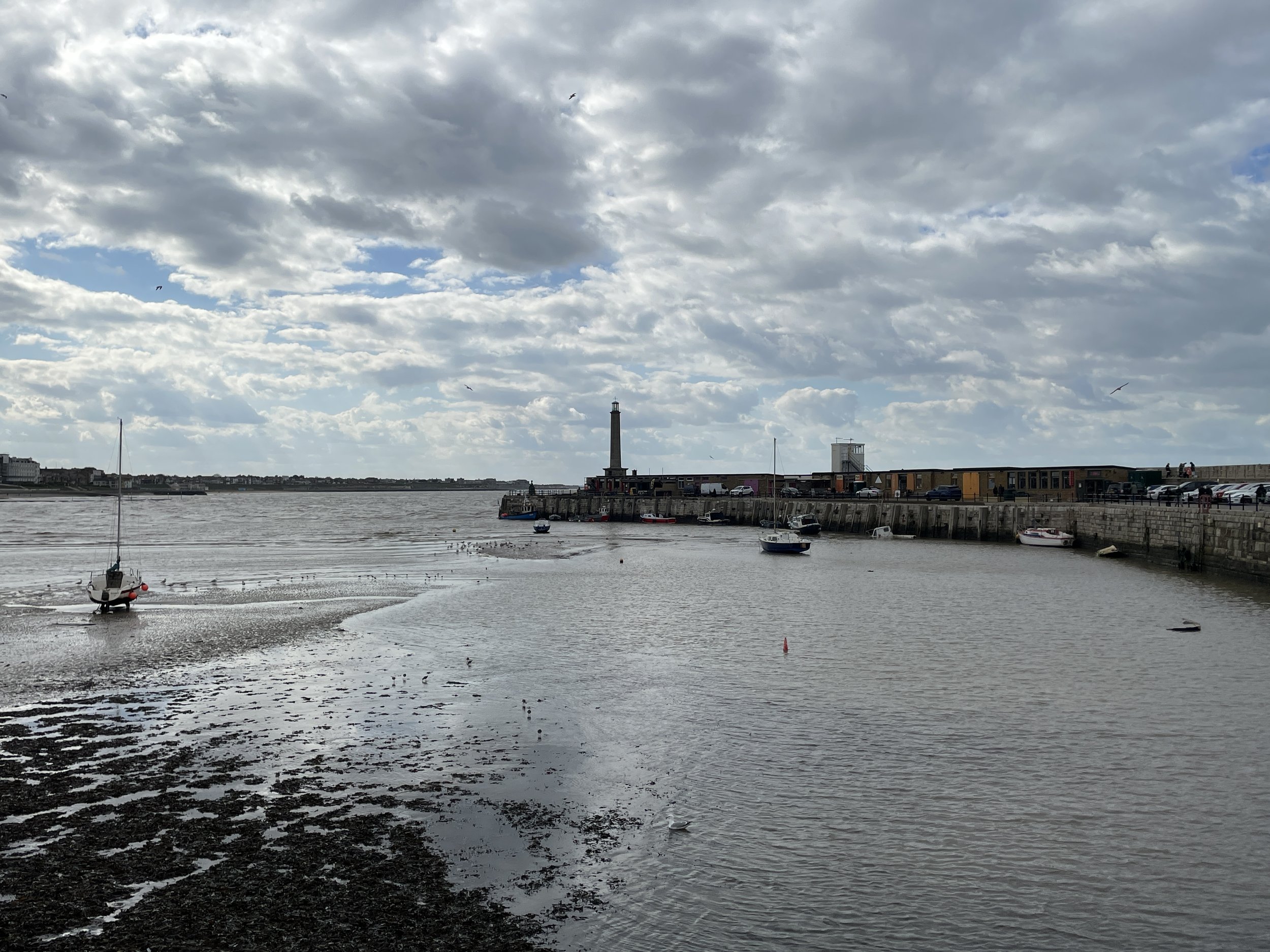
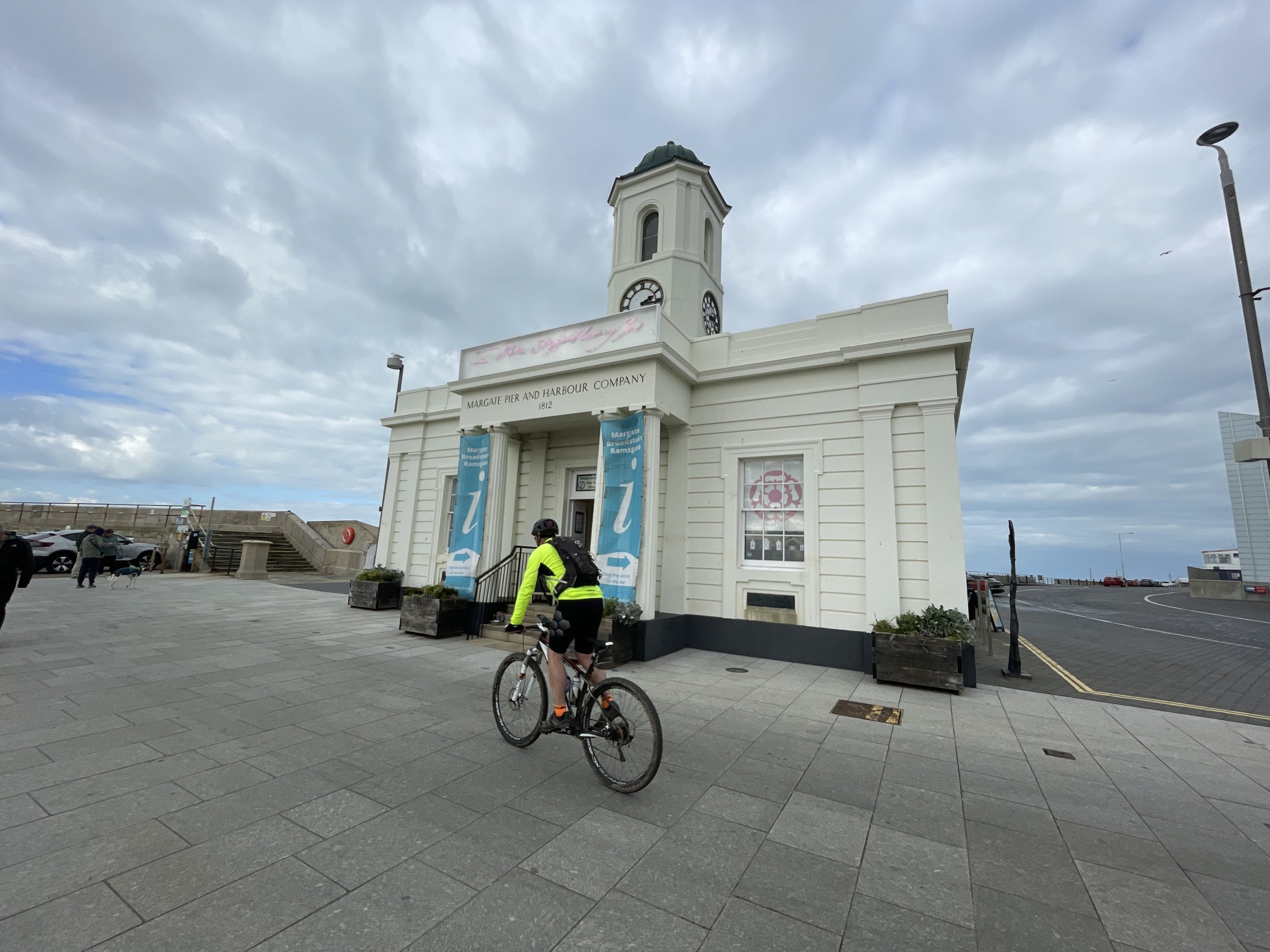
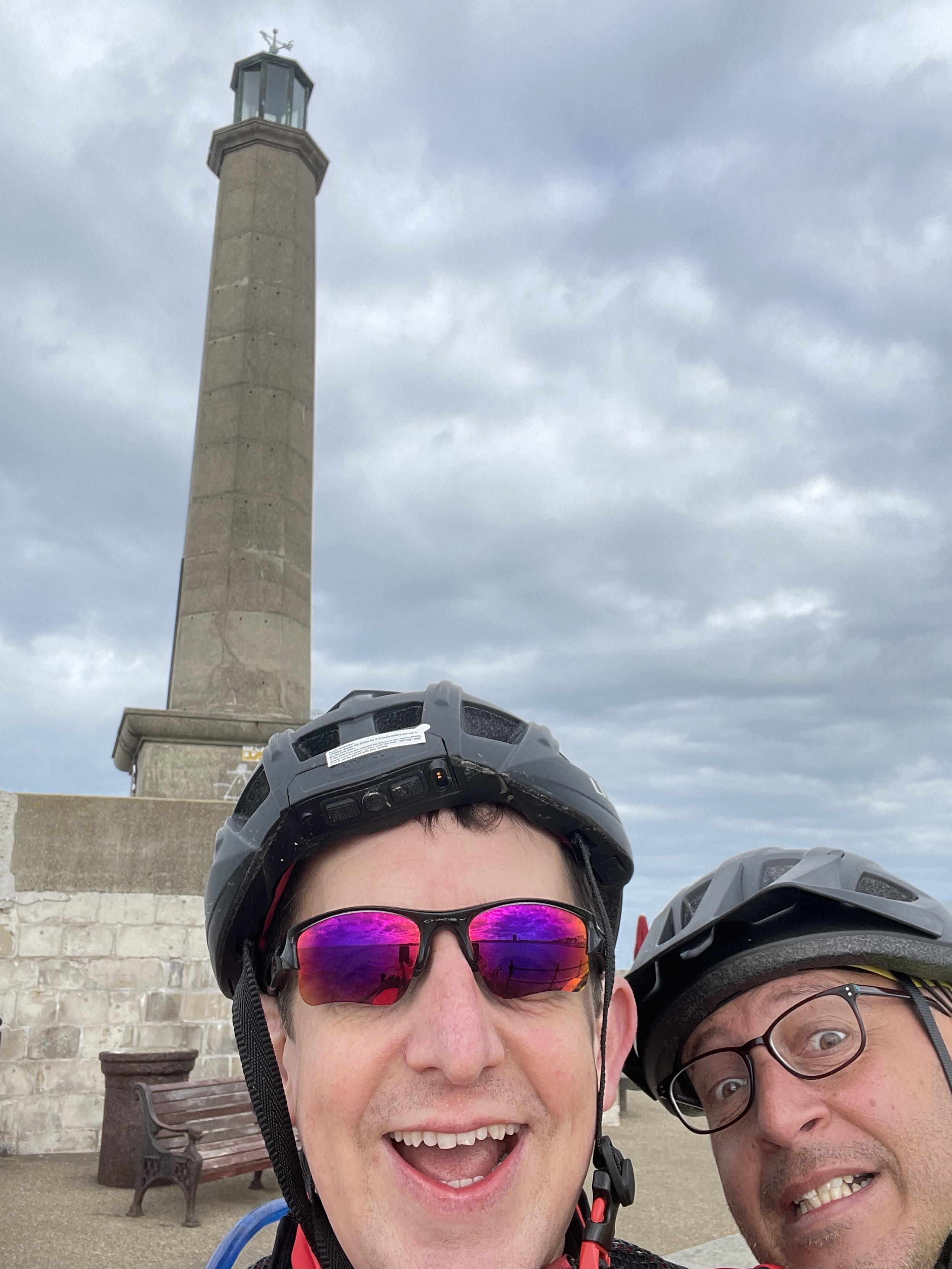
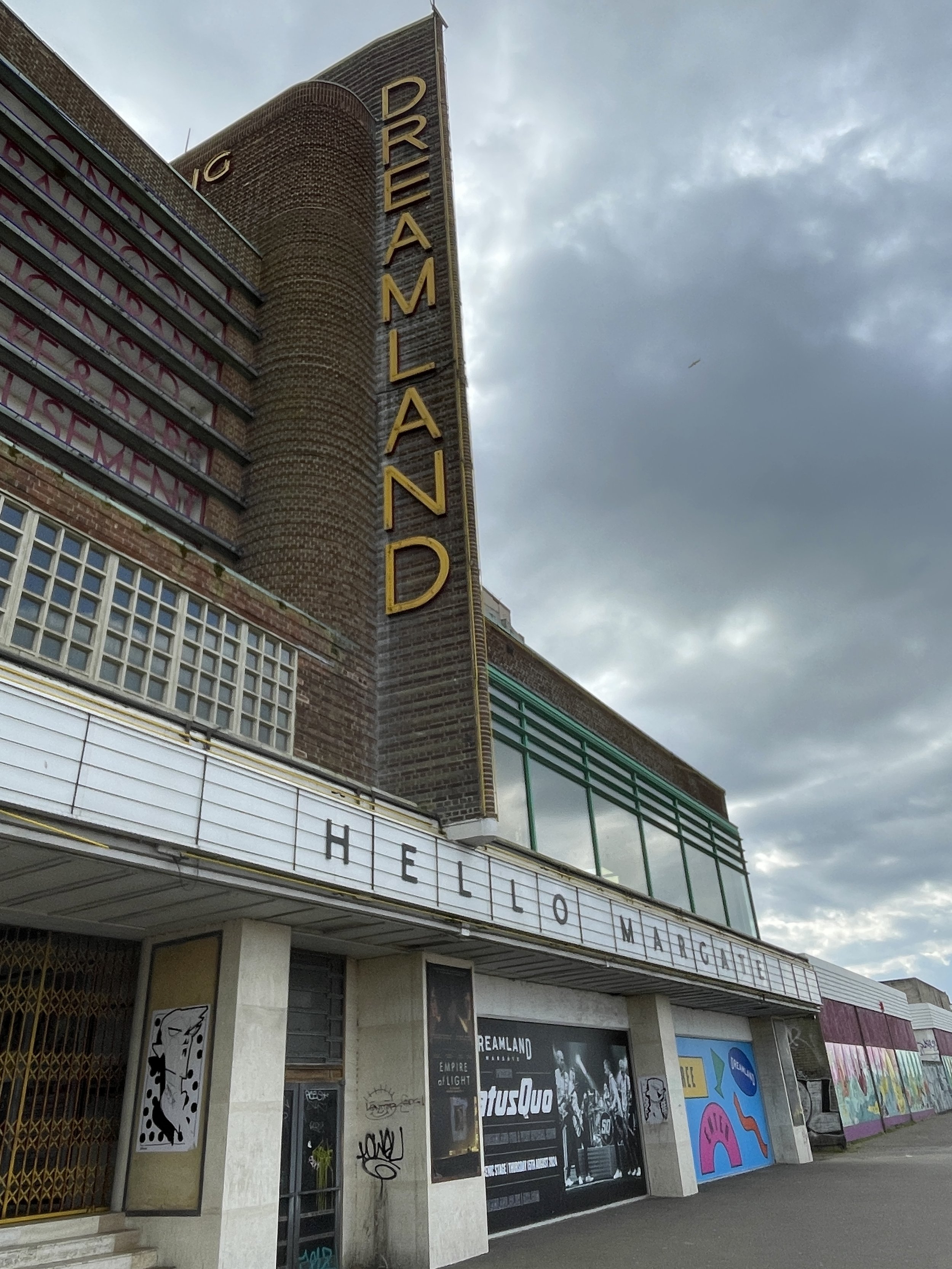
Our two-day ride finished right at the Margate Lighthouse, an obvious and highly photogenic place to mark the end of the estuary adventure. We thoroughly enjoyed the trip and, barring the wheel and puncture issues at the end of Day 1, found it pretty easy going. I still didn't quite get that ultimate sense of completion, though. Yes, we had cycled the estuary to finish the Thames journey, but we had now left the southern section of NCN Route 1 uncompleted! Within a couple of days, I was already planning the next two-day adventure to complete both NCN Route 1 from Whitstable down to Dover and the rest of the Viking Coastal Trail.



The Full 2-Day Route

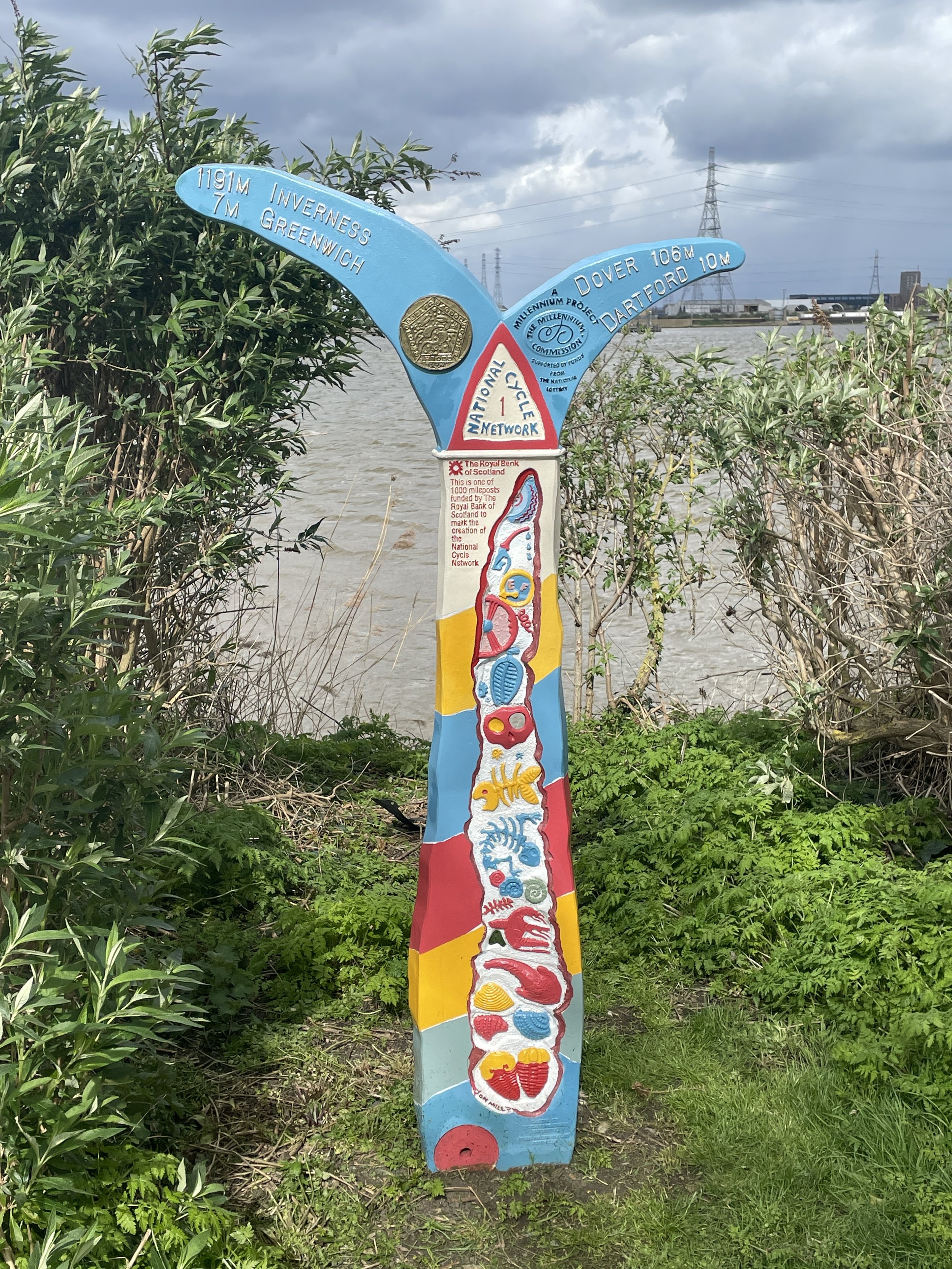
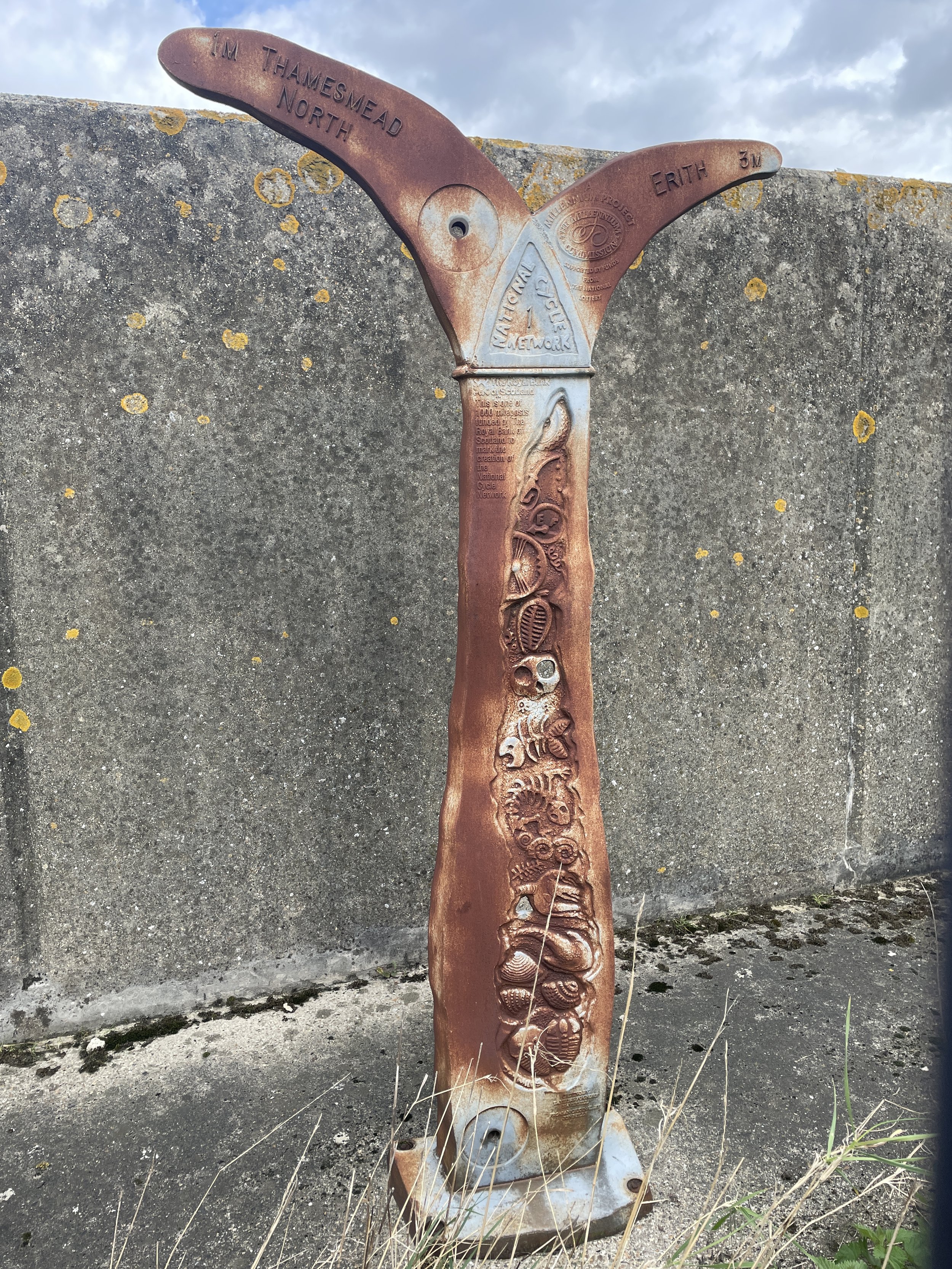
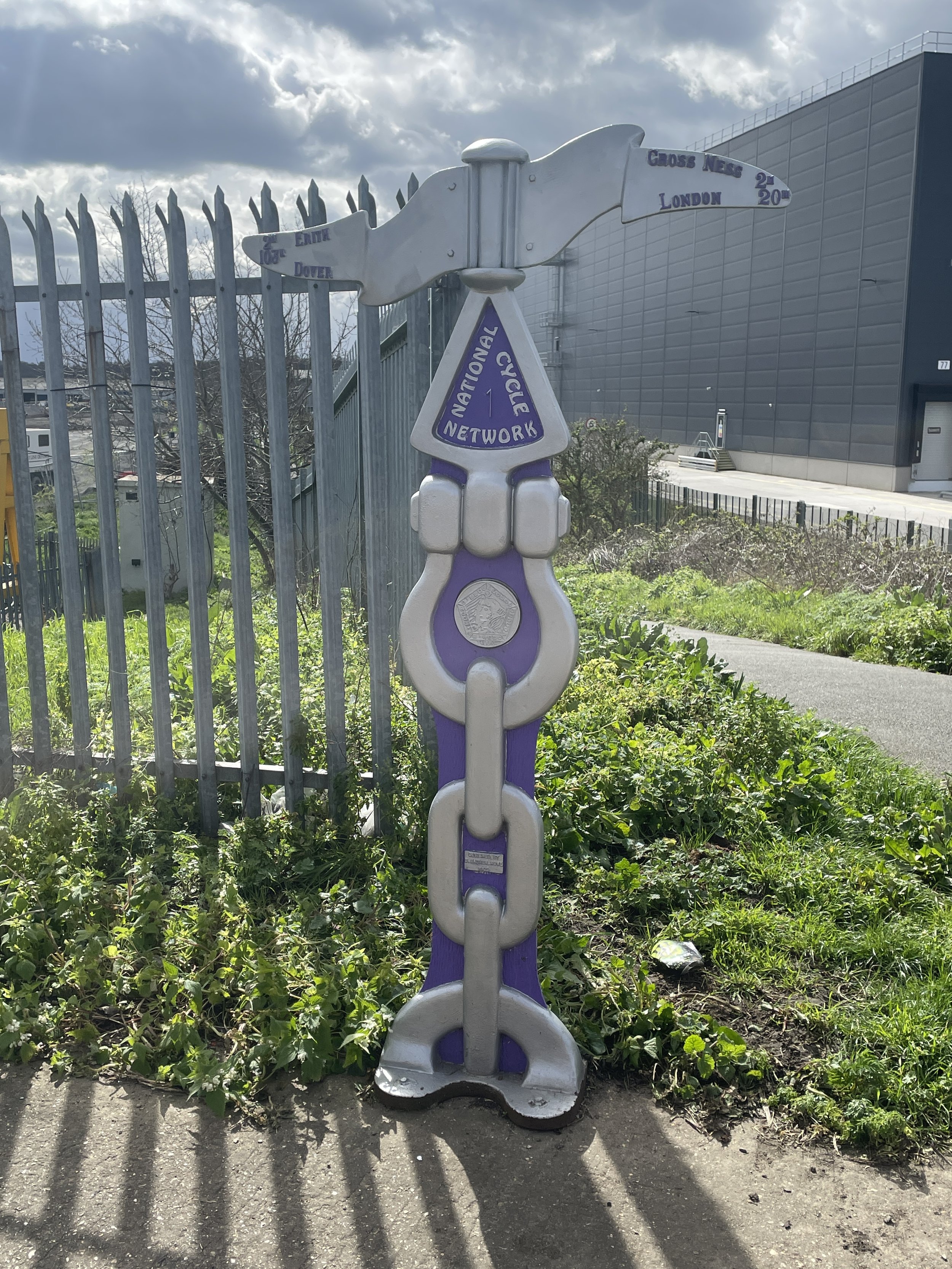
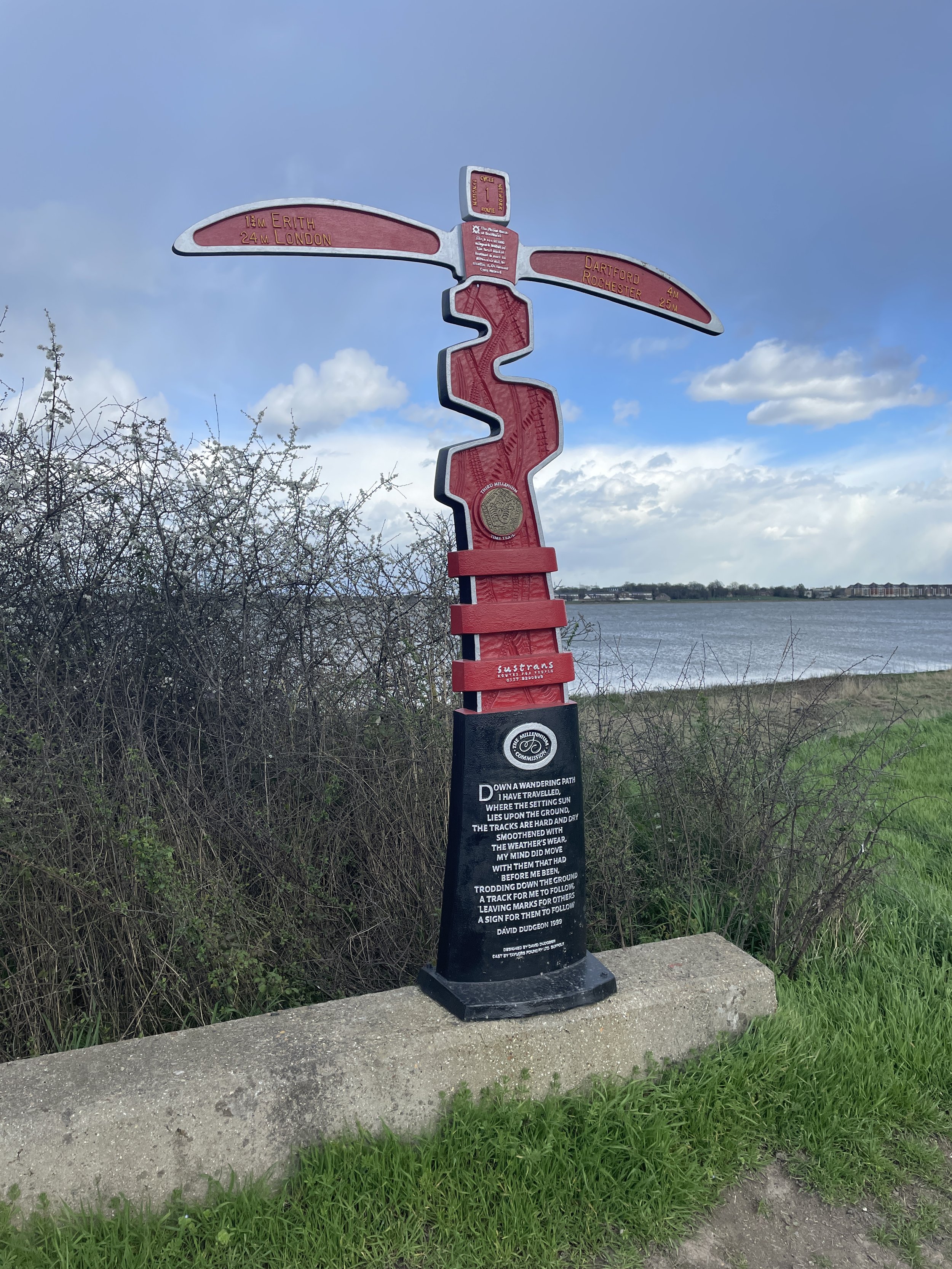
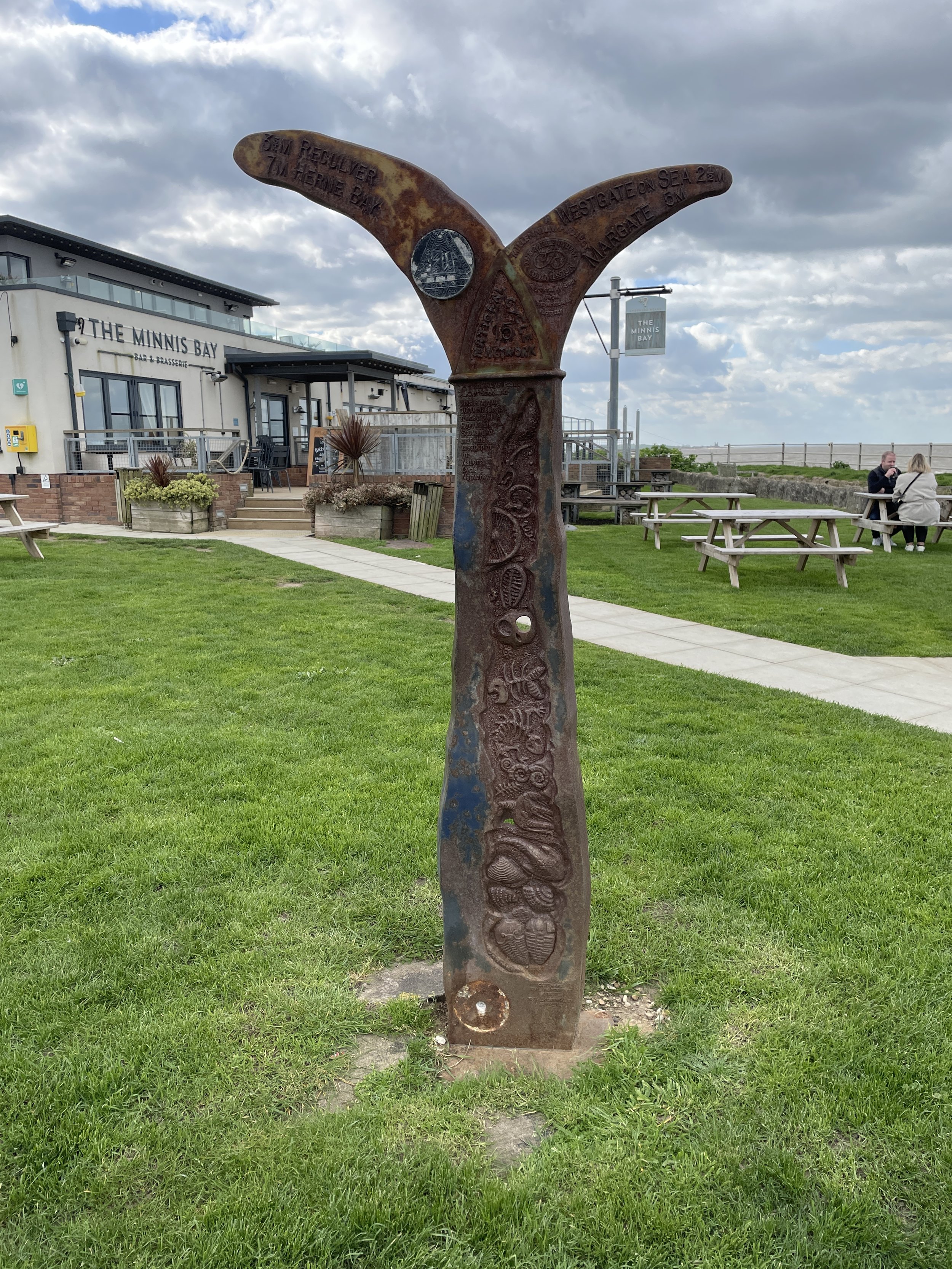
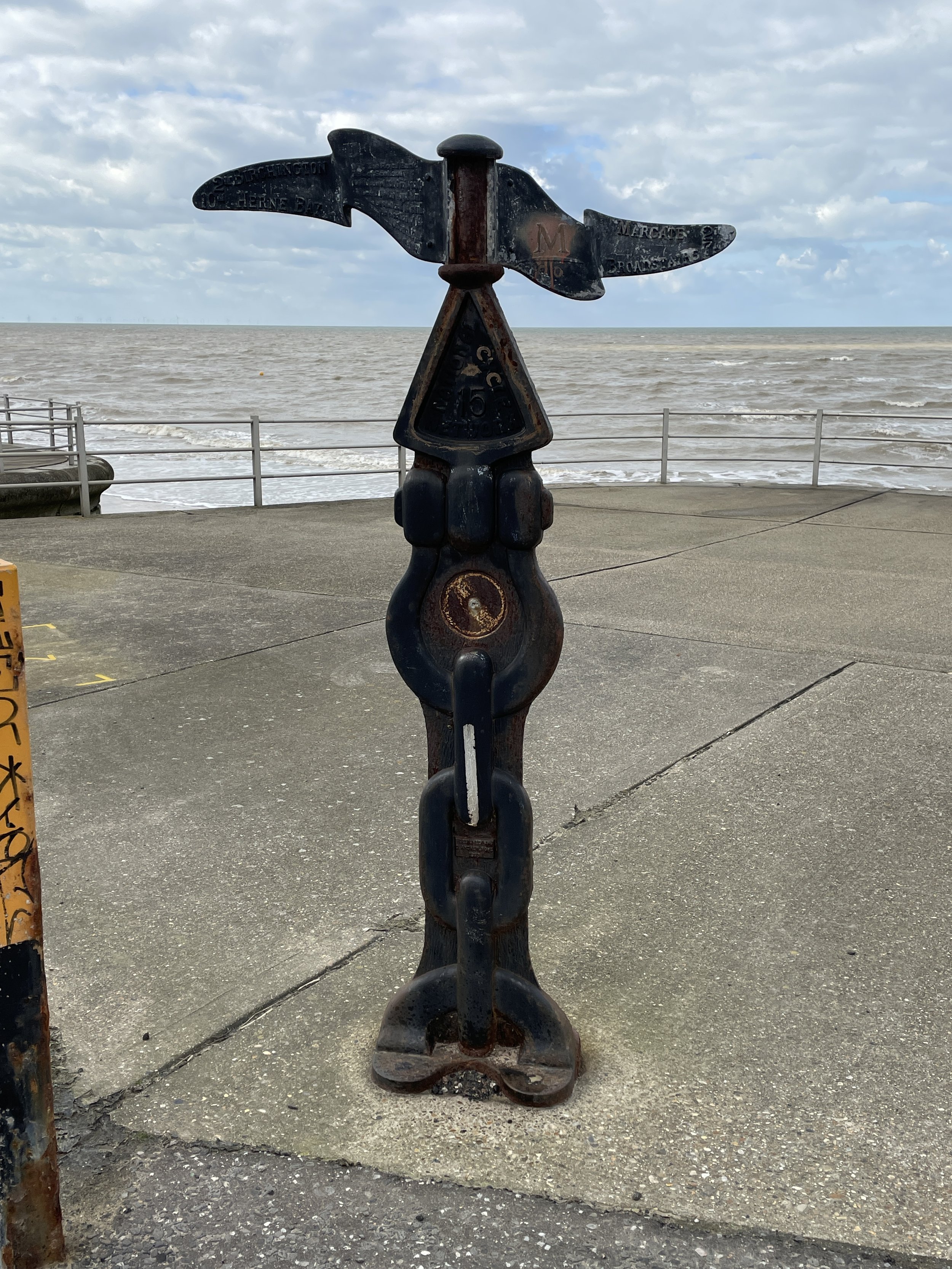
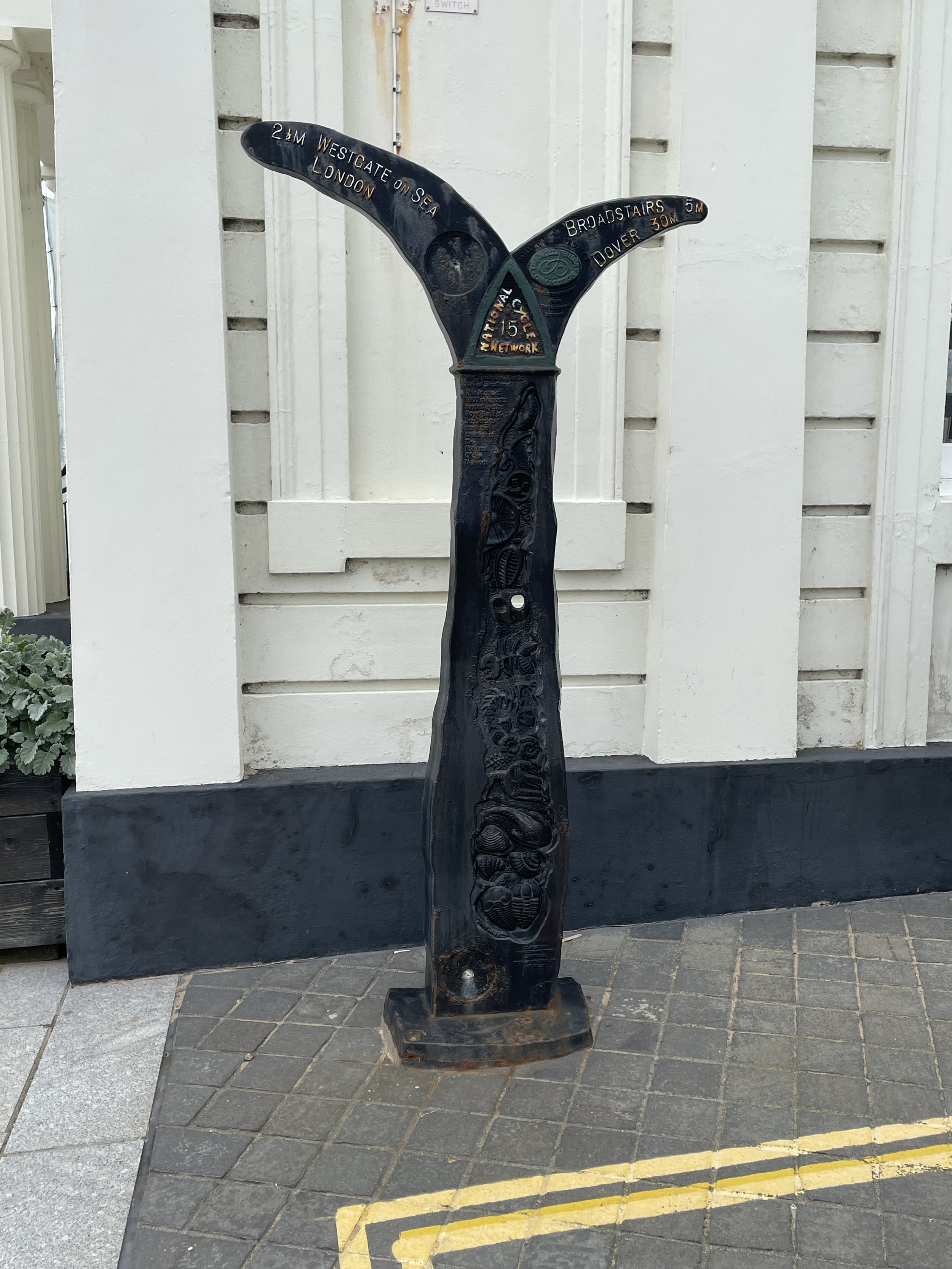
The Millennium Mileposts
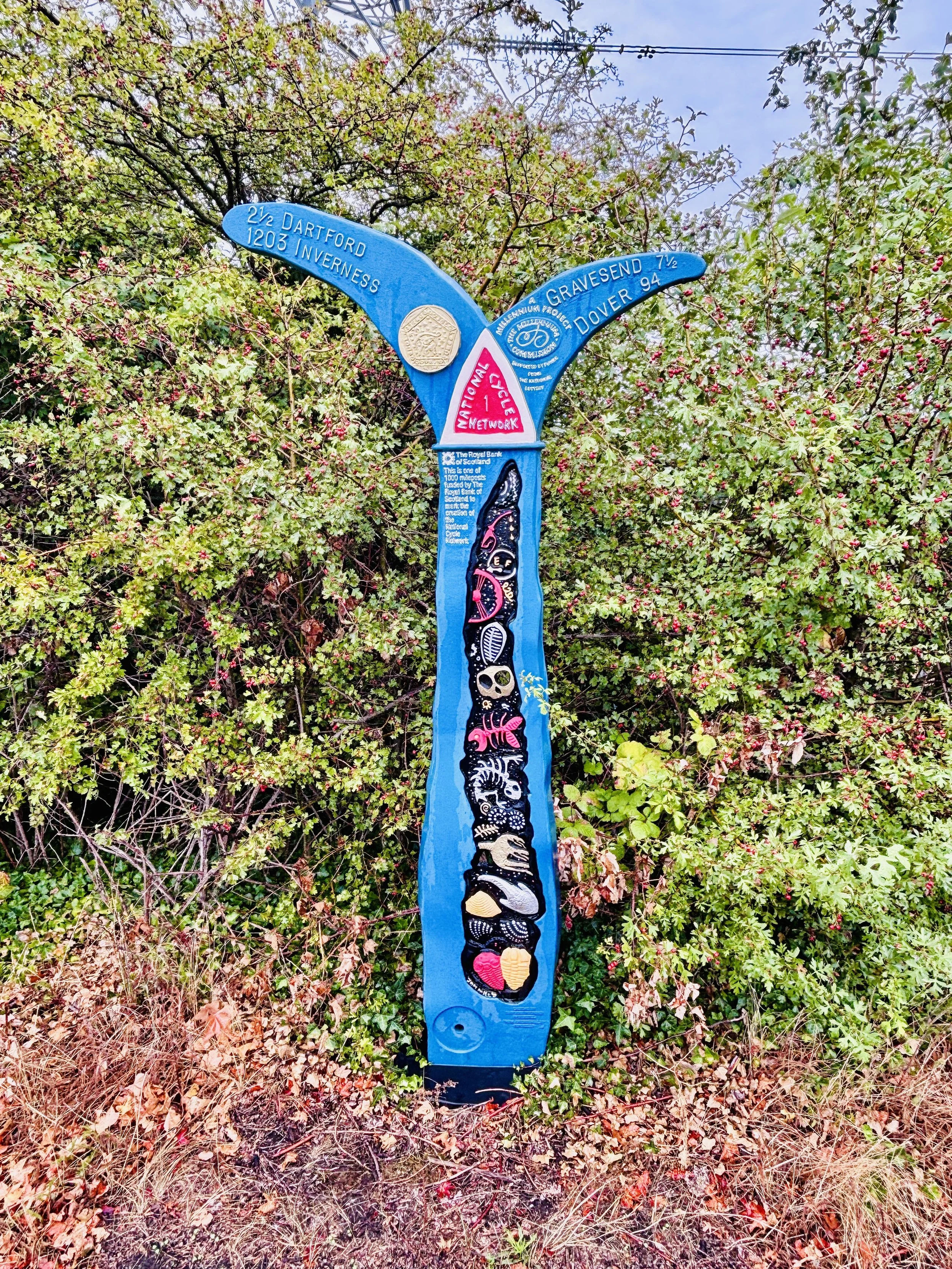
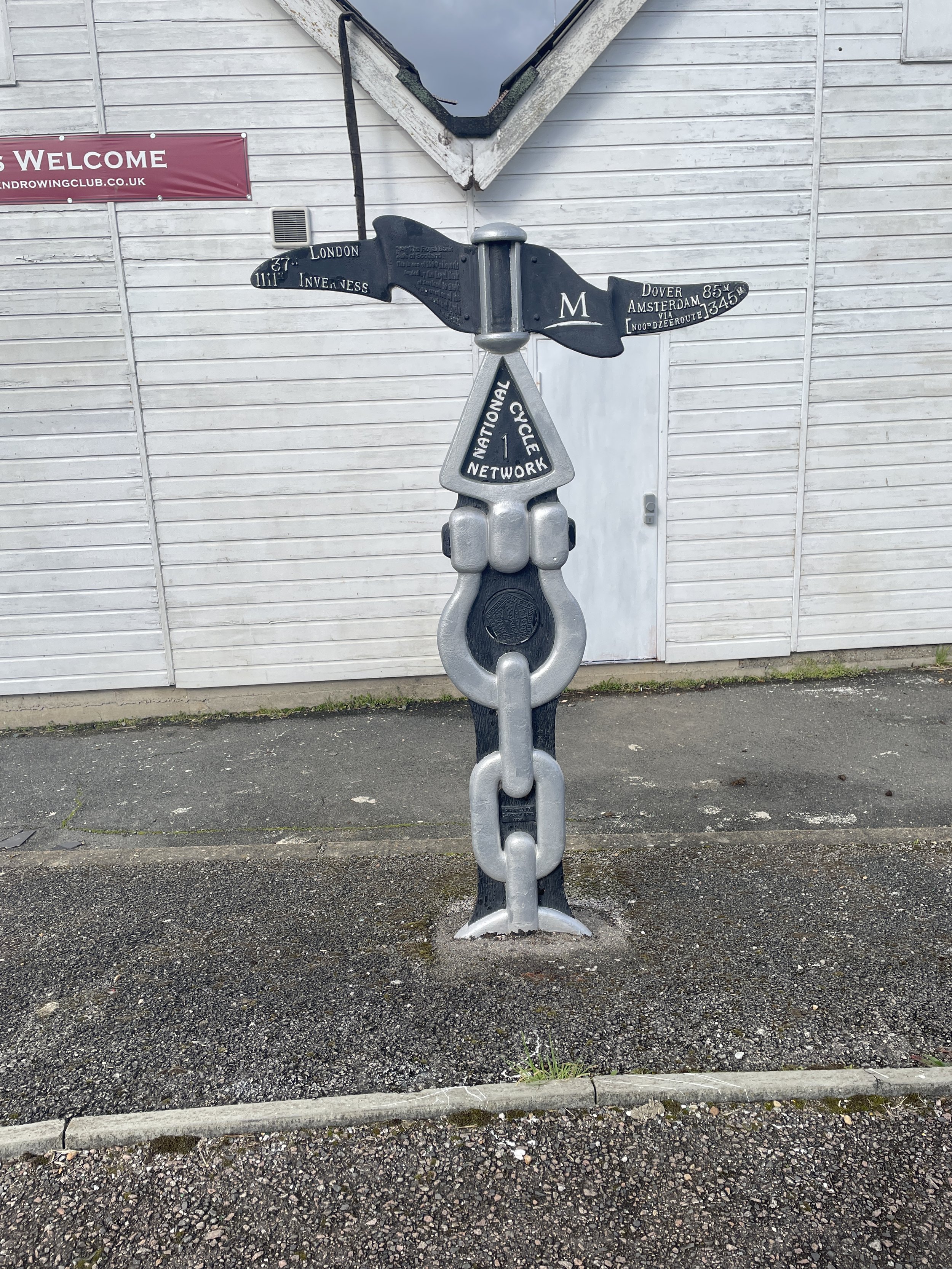
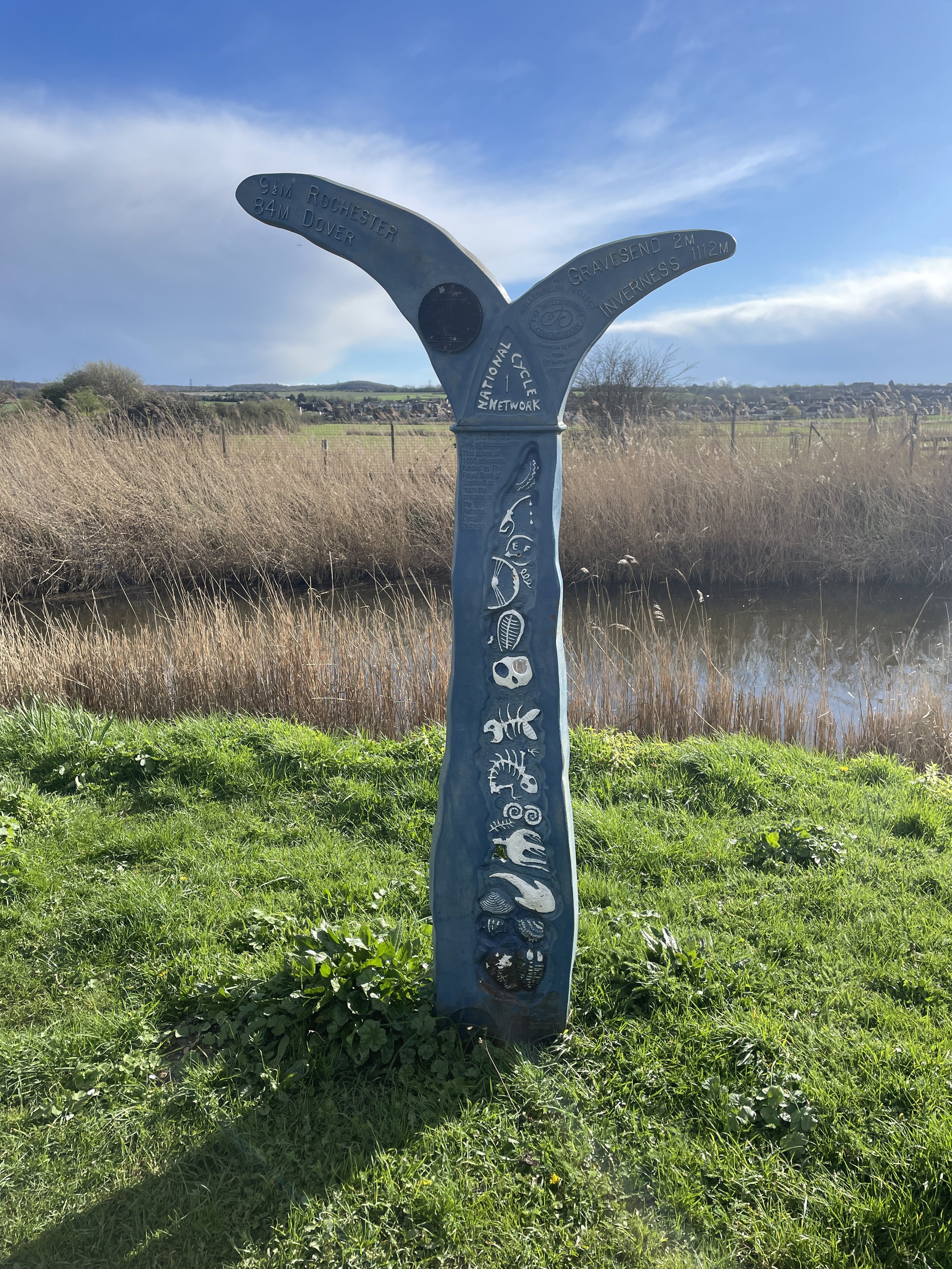
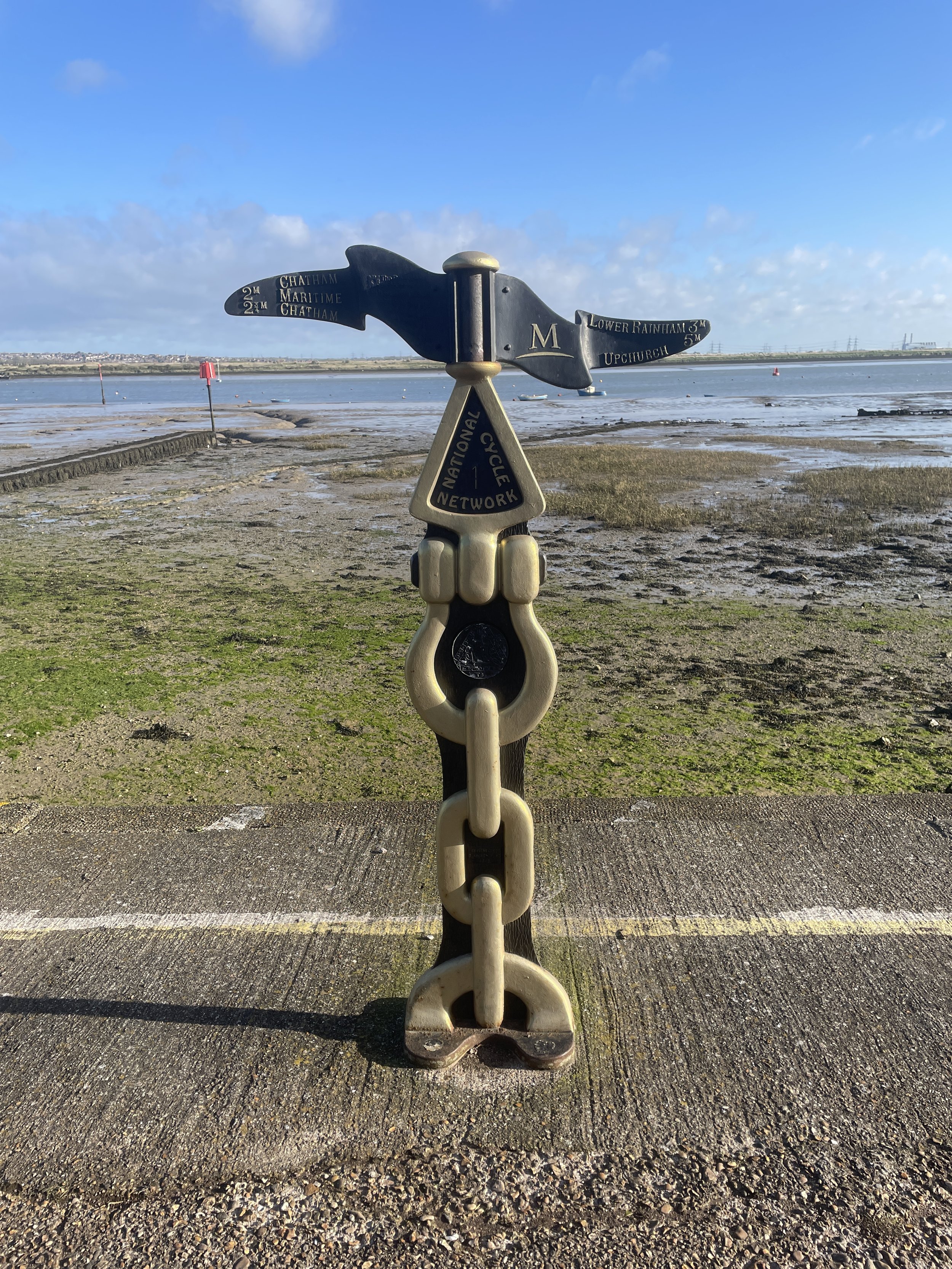
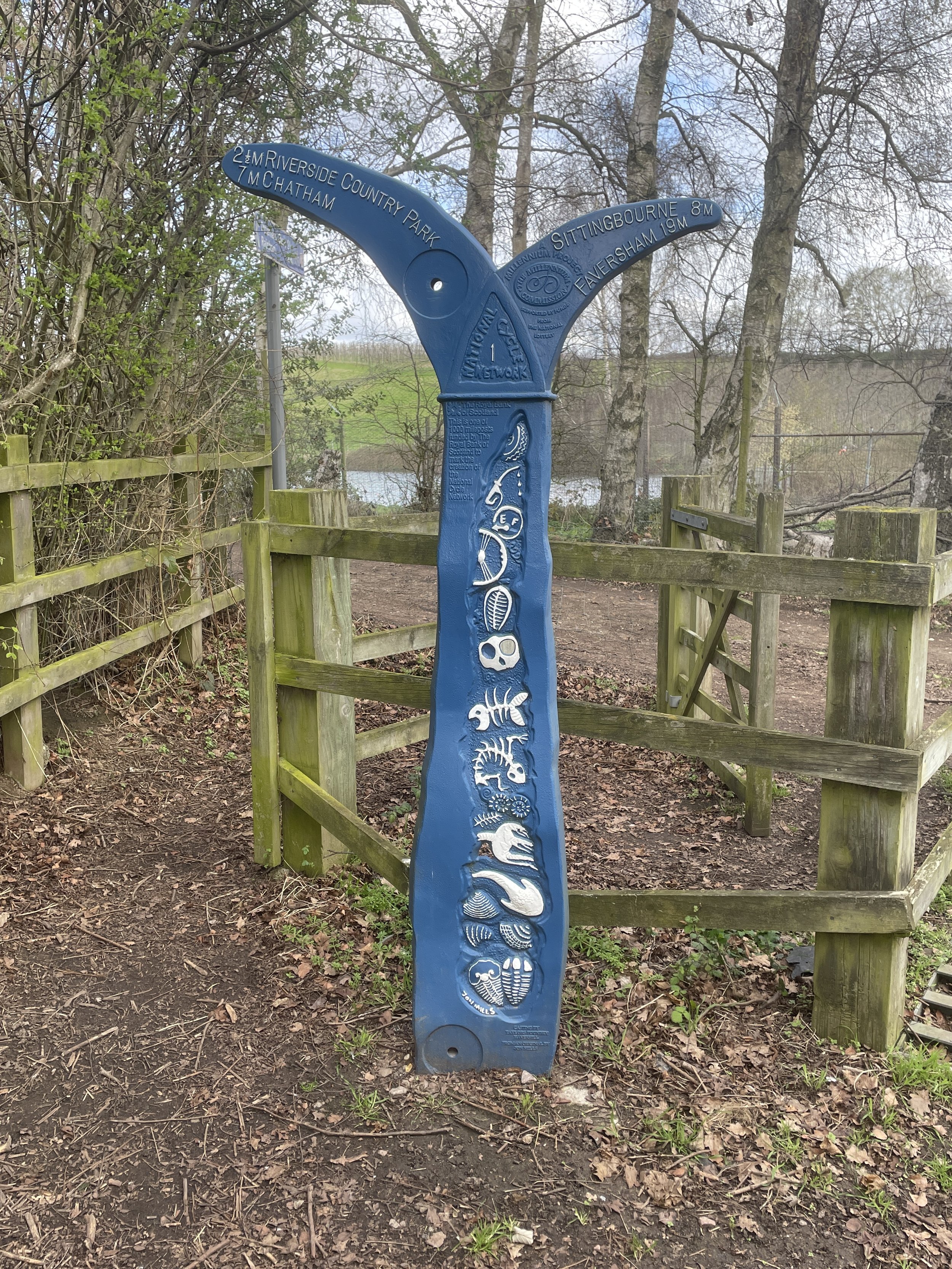
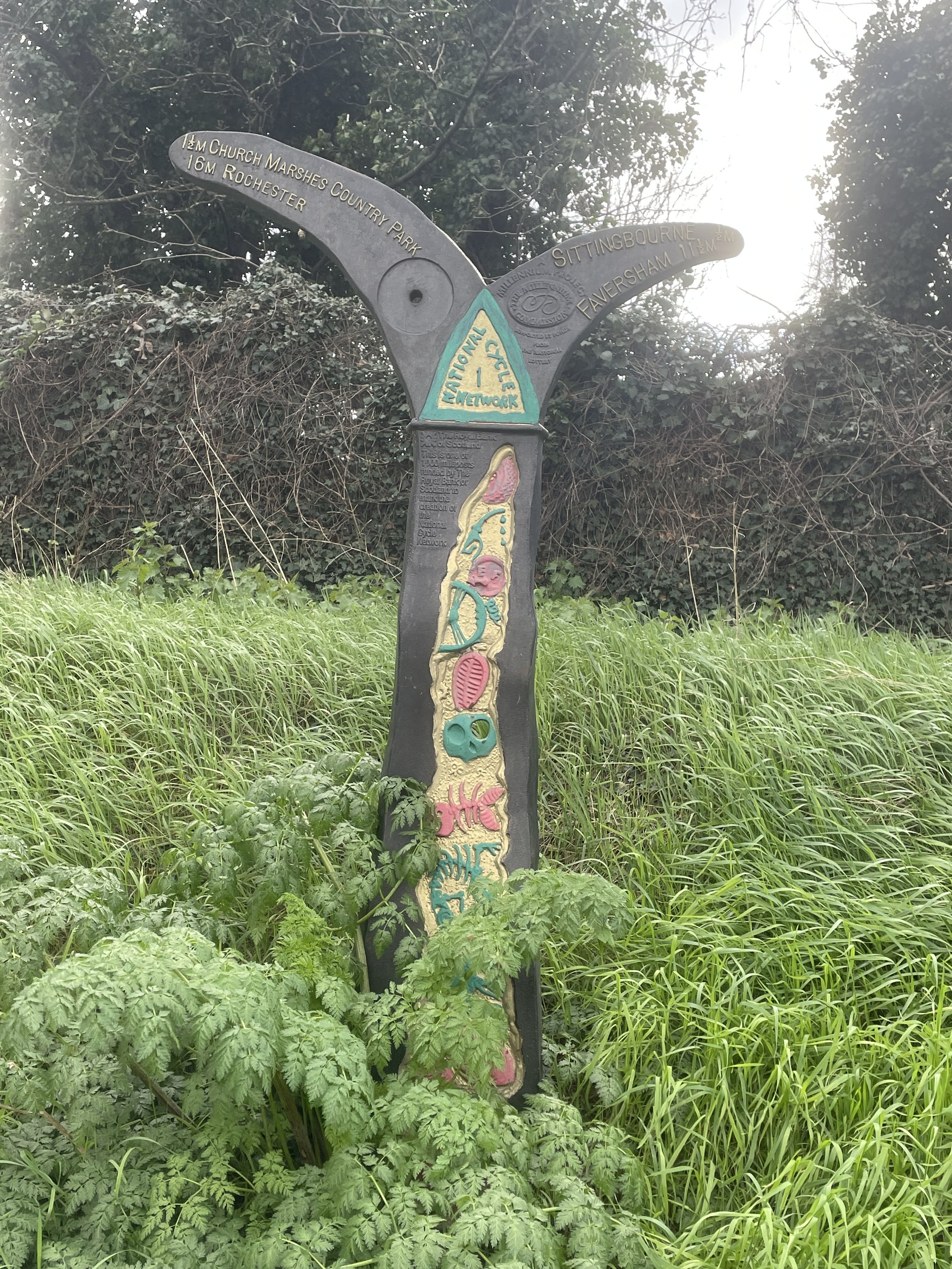
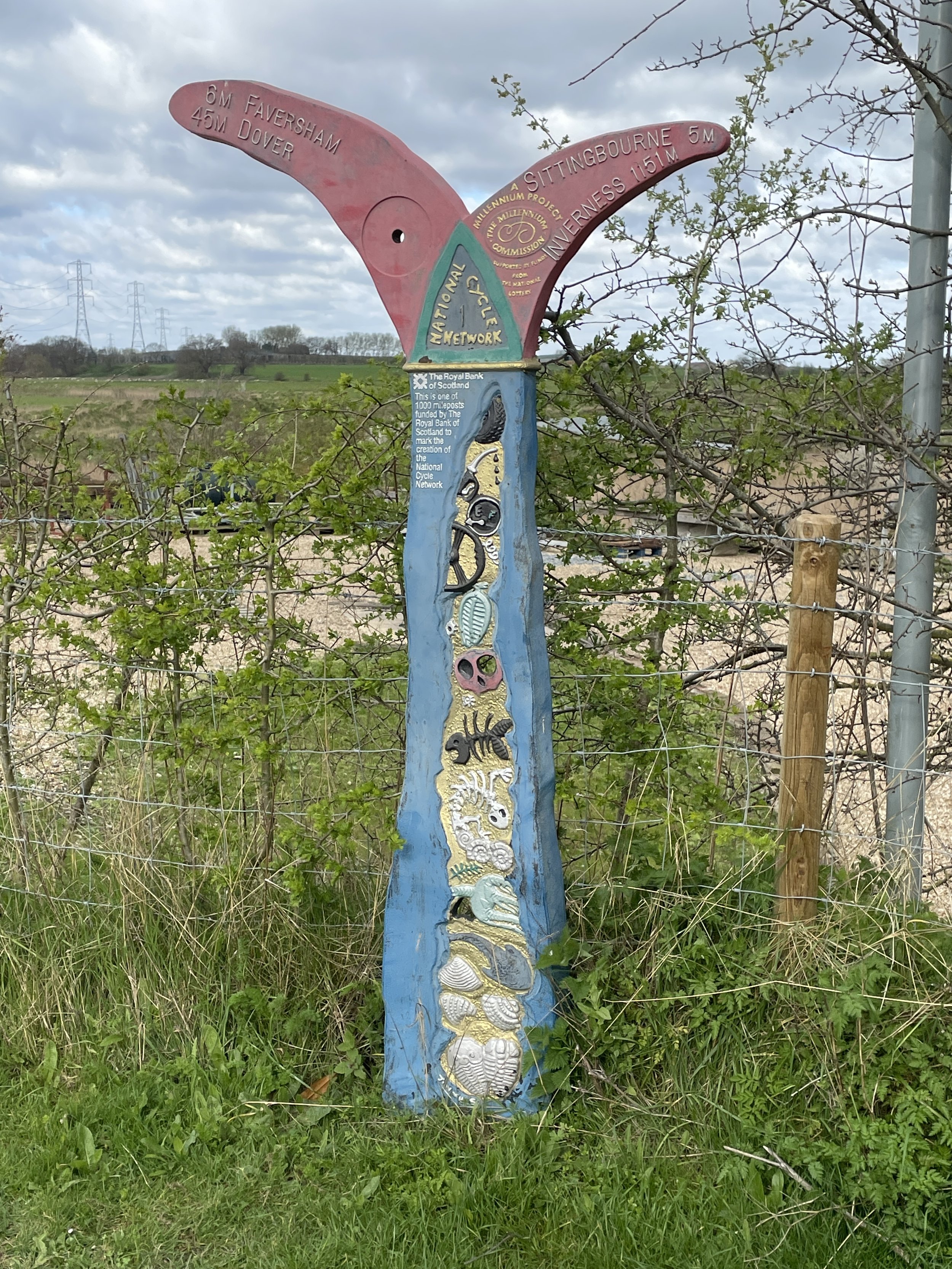
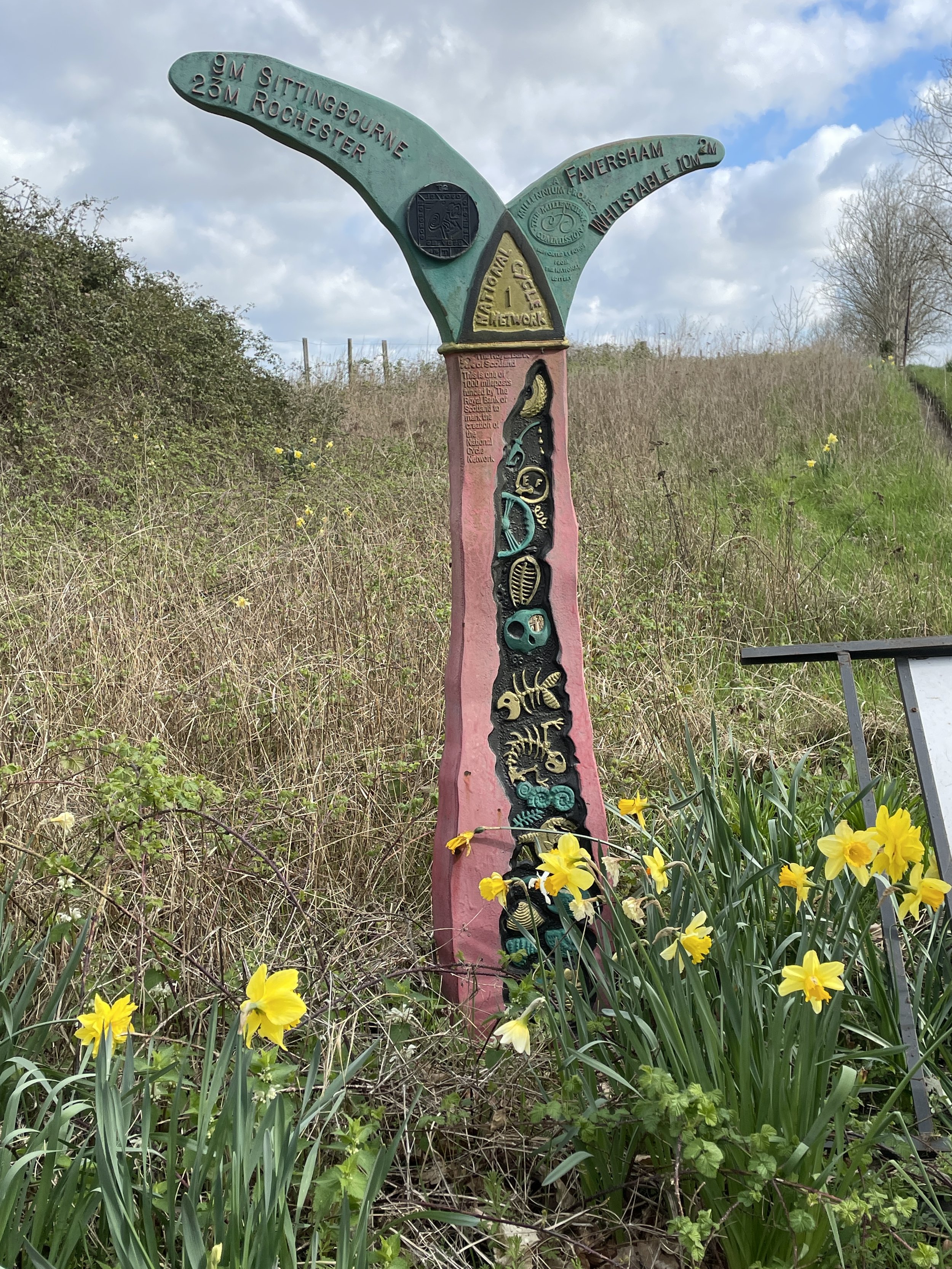
Dotting the UK's National Cycle Network are over 1,000 unique markers known as the Millennium Mileposts. Unveiled in 2000, these cast-iron sculptures are more than just waymarkers. Designed by four artists, one from each nation of the UK, they celebrate the diversity of the cycling routes. These artistic mileposts come in various shapes and can be found in both bustling towns and scenic landscapes, adding a touch of artistic charm to a cycling adventure. Here are the 15 Mileposts that I spotted on the 2 day estuary adventure.