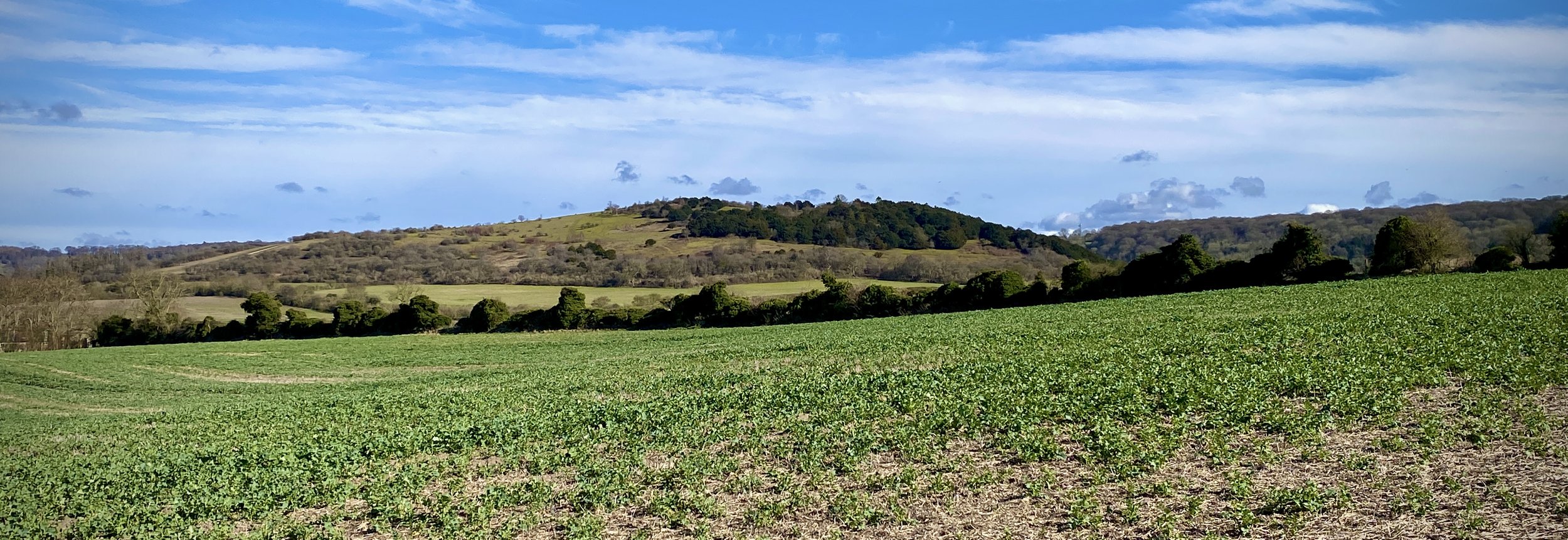
View to Watlington Hill
Start & Finish: Public Car Park, Hill Road, Watlington, OX49 5AB
Distance: 7.9 km (4.9 miles)
Elevation change: +/- 59m
Terrain: A mix of historic town streets, grassy field-edge footpaths, chalk bridleways along the Ridgeway National Trail, and quiet country lanes.
Oxfordshire Way Section Covered: The Ridgeway to Pyrton Lane: 1.67 km
GPX File: get via Buy Me a Coffee
Other routes touched (walk): The Ridgeway, The Oxfordshire Way
Other routes touched (cycle): None
Pubs / Cafes on route: The Spire and Spoke (at start and end), The Chequers (7.3km in). Others in Watlington.
Map: OS Explorer Map (171) Chiltern Hills West, Henley-on-Thames and Wallingford
Links: Watlington, Watlington Hill, Watlington White Mark, St Leonard's Church, Watlington, Shirburn Castle, Chiltern Hills
Welcome to Part 5 of our series of short circular walks along the Oxfordshire section of the Oxfordshire Way. This is a 66 mile long-distance path connecting Bourton-on-the-Water in the Cotswolds with Henley-on-Thames. For a complete overview of the trail's history, and the end-to-end route, please read my complete Oxfordshire Way Guide.
Walking Directions
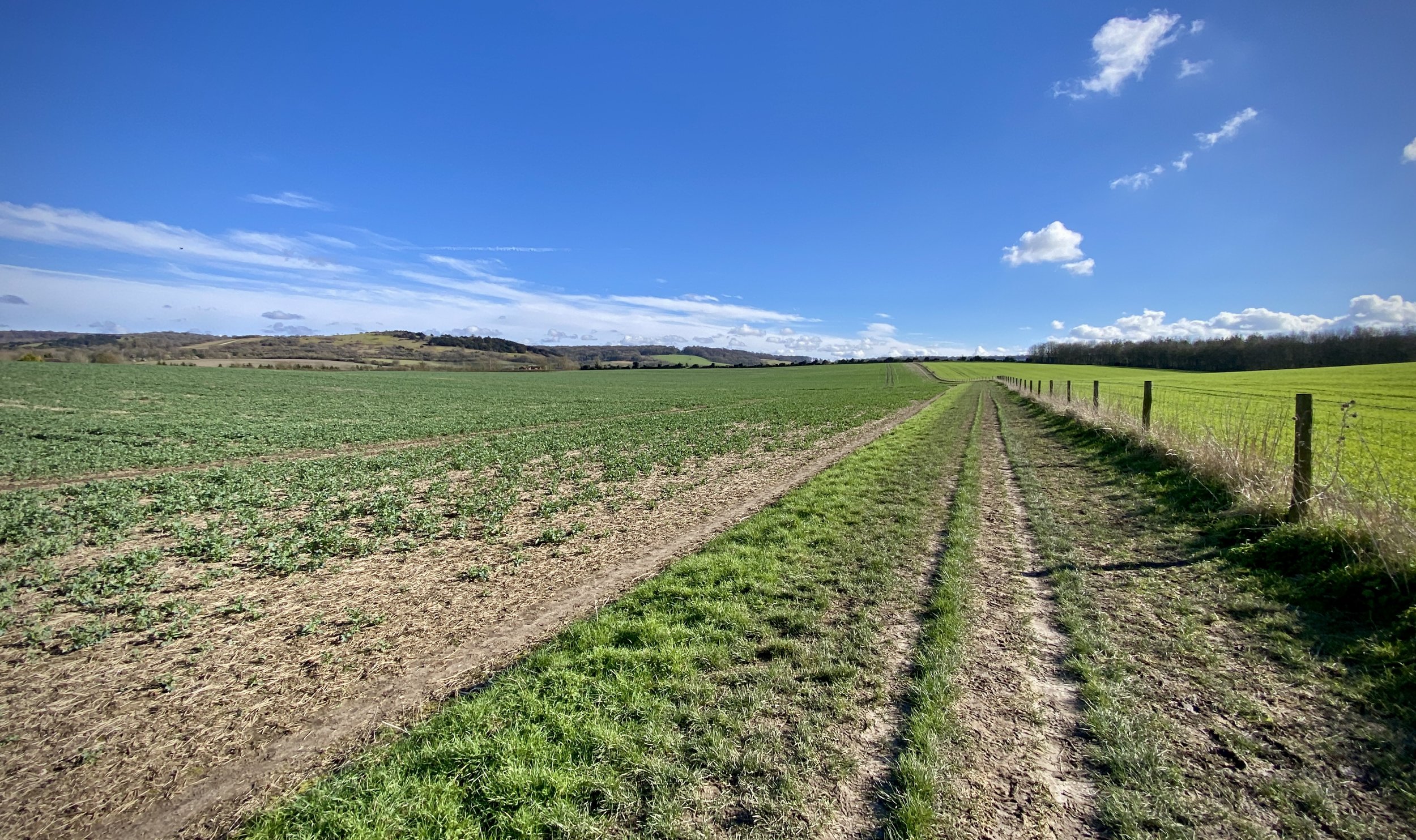
This circular walk from the historic Oxfordshire market town of Watlington offers a rewarding exploration of the lower slopes of the Chiltern escarpment and the ancient trackways that run beneath it. Beginning right in the heart of the town, the route weaves through quiet residential lanes and historic thoroughfares before climbing gently out into open farmland towards the southern foothills. From these elevated field paths, you are treated to expansive views across the Oxfordshire plain and looking back up towards the chalk grassland of Watlington Hill.
The centrepiece of the route is a glorious 1.8 km stretch heading north-east along The Ridgeway National Trail, which follows the course of the prehistoric Icknield Way along the foot of the hills. After soaking up the wide skies and rolling downland scenery along this famous chalk bridleway, the route loops back down into the northern fringes of Watlington past the historic parish church of St Leonard. It is an accessible, varied walk that pairs centuries of local heritage with classic Chilterns countryside, finishing right back in town with plenty of options for a post-walk pint or coffee.
The guidance below will help you navigate but don’t use it as a fully accurate turn-by-turn guide. Always take a map and/or a GPX route and prepare well for the weather and terrain.
For this walk we parked in the public car park near The Spire and Spoke on Hill Road, Watlington.
From the north-western side of the car park follow Watcombe Road in a south-westerly direction then a right onto the B480 Brook Street.
Take a left onto a footpath after ~20m which will open out into a large field. Cross the field diagonally in an easterly direction to meet a footpath.
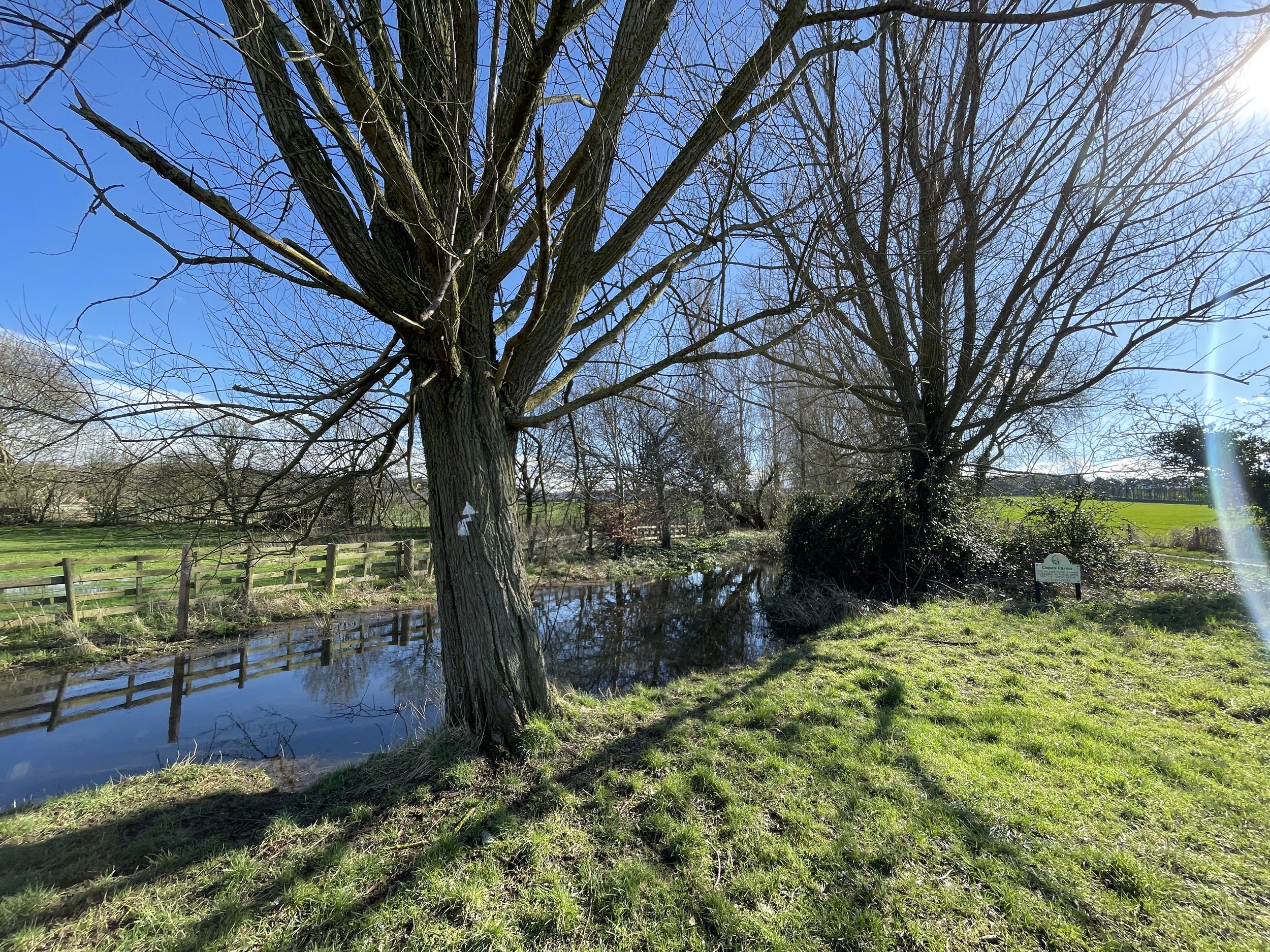
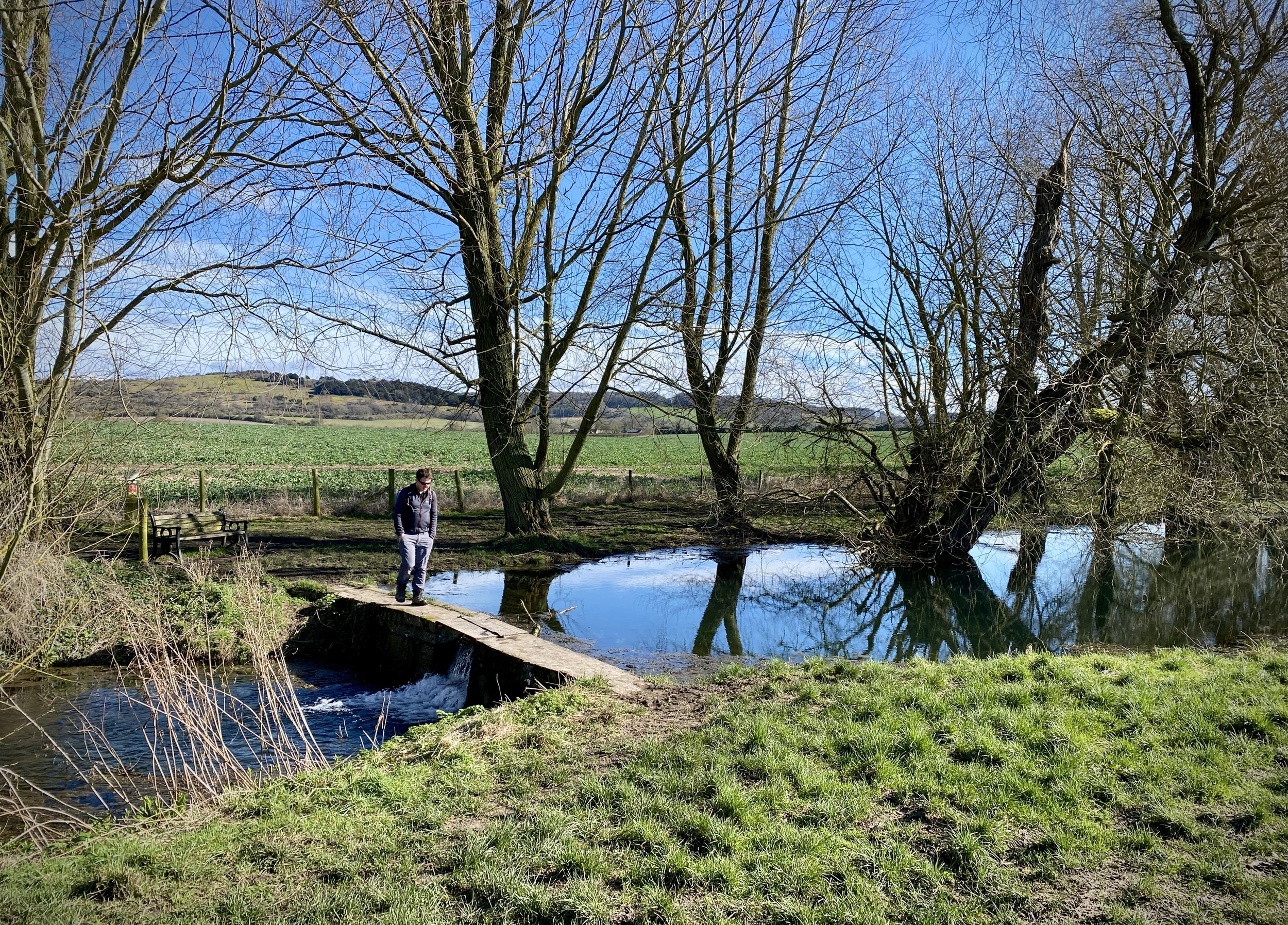
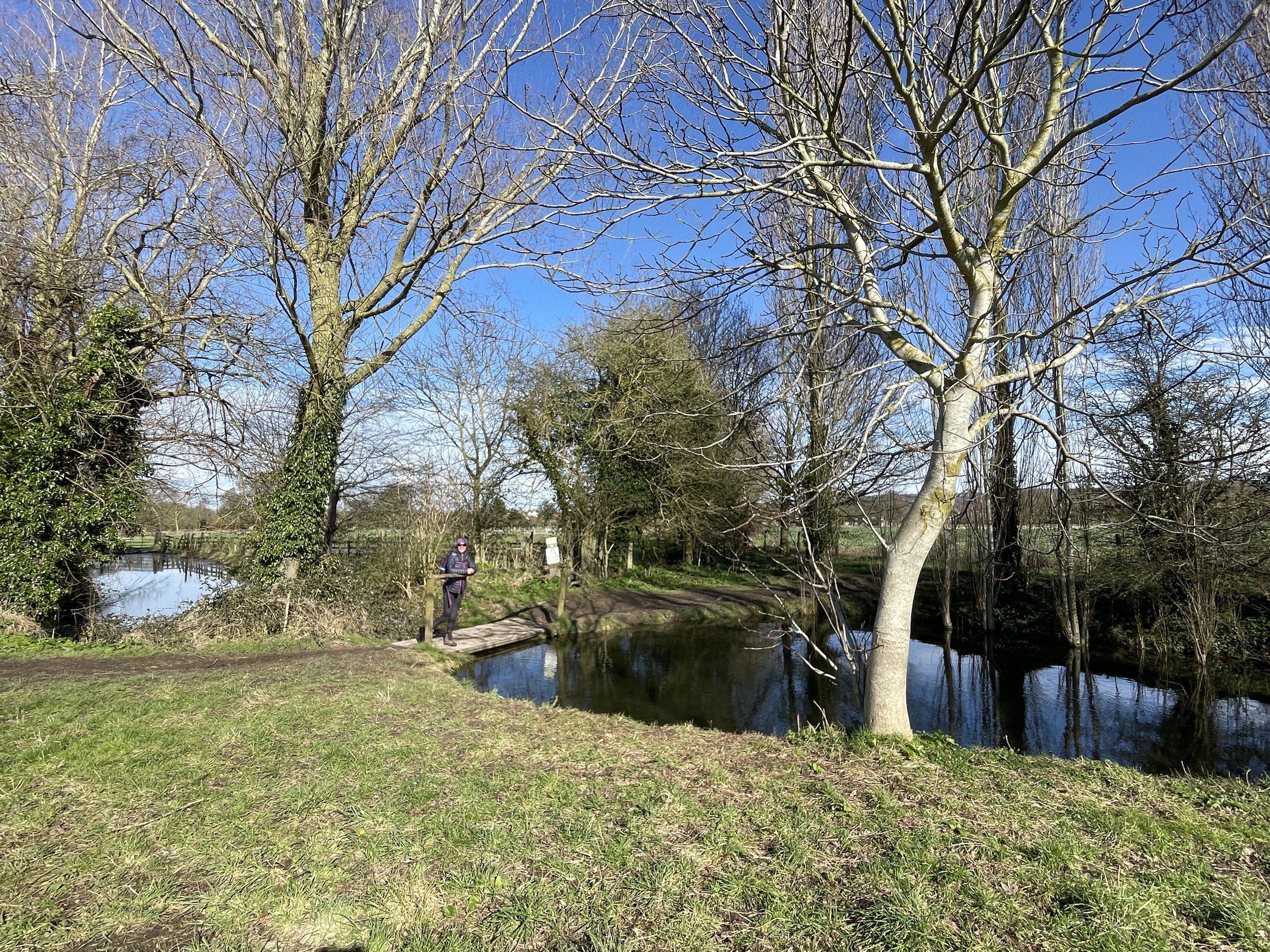
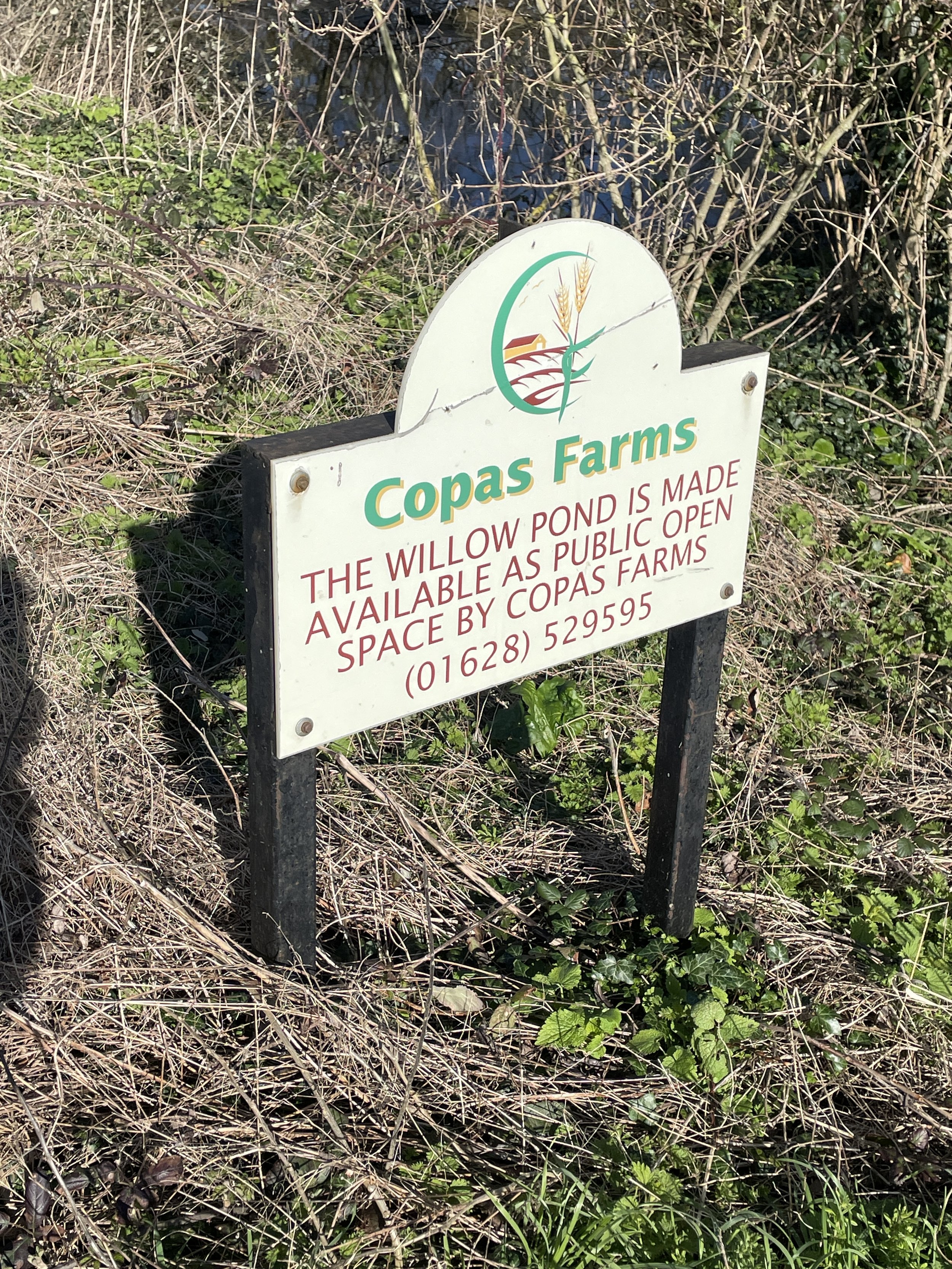
Take a left to follow this path for approximately 1.4km in a southerly direction to The Ridgeway. Along this path you’ll pass Willow Pond, a public space with a stream that you can walk either side of.
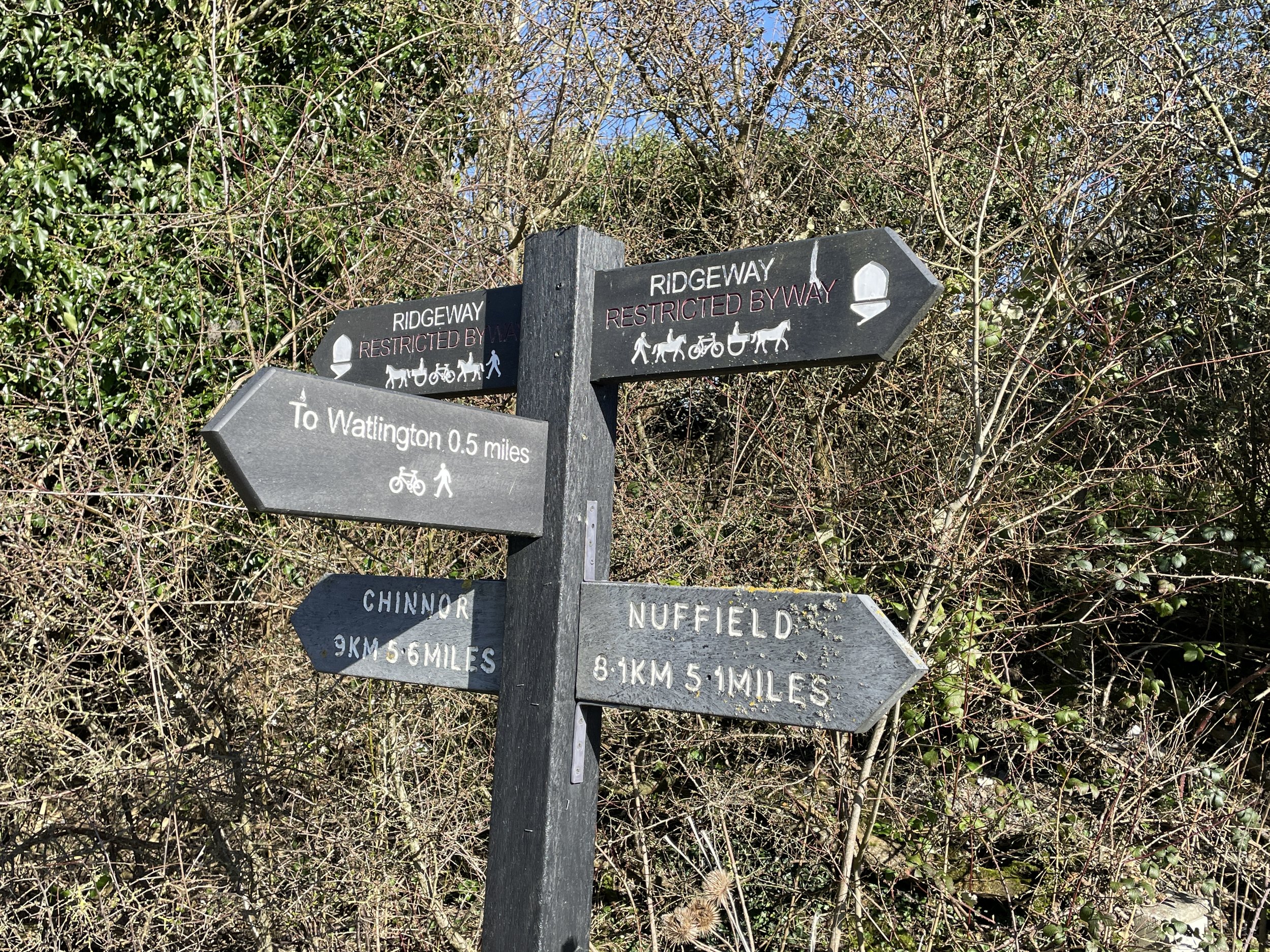
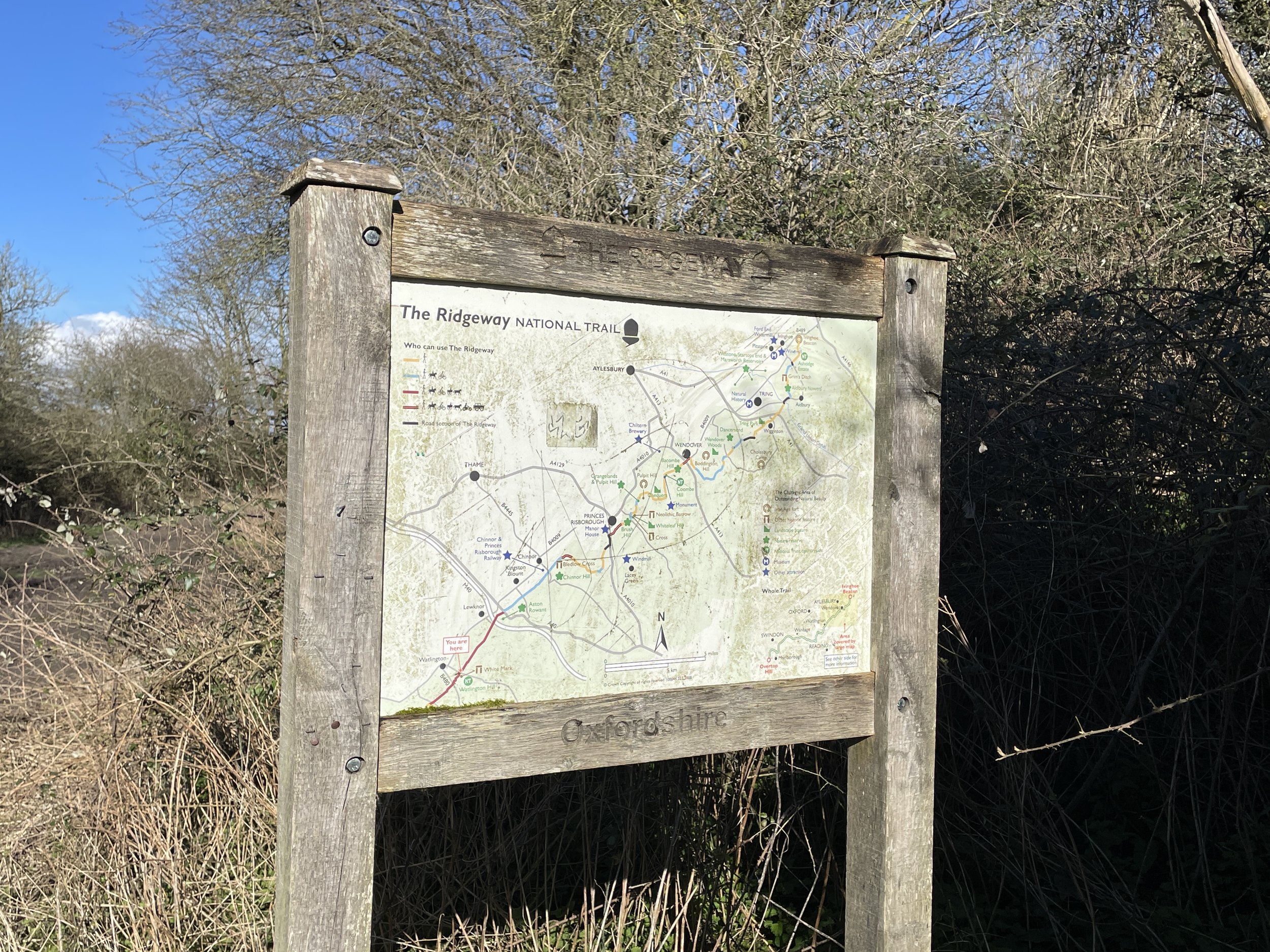
Turn left onto The Ridgeway and follow it in a north-easterly direction for approximately 2.5km.
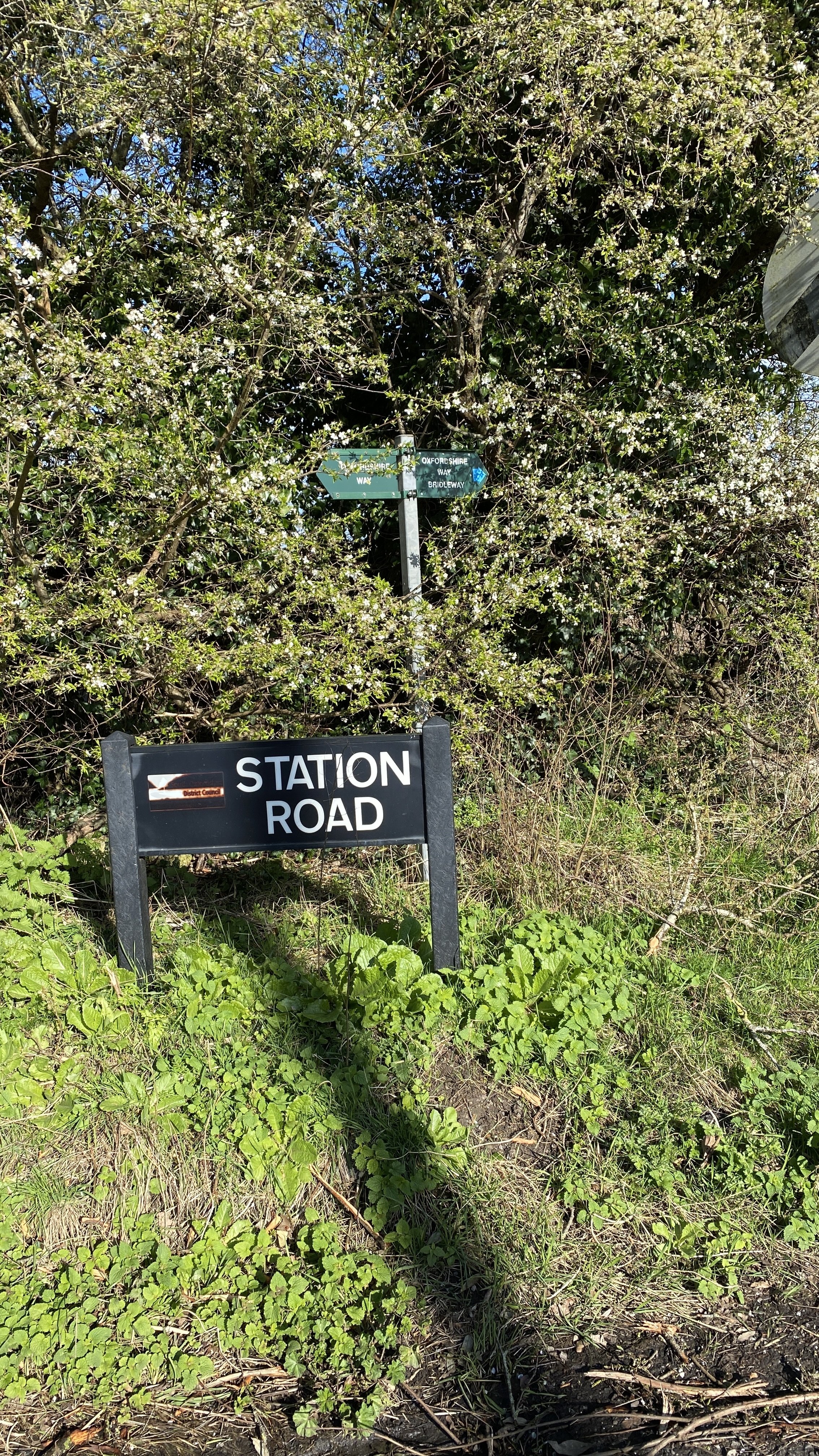
Take a left onto Station Road and follow it to the intersection with the B4009 Watlington Road.
Just before the intersection, on the right hand side, you’ll pass the remains of the disused Watlington Station. There’s not much left and access to it is locked off but you can see the remains from the road.
Cross over the B4009 to follow Pyrton Lane for 55m until a junction where Pyrton Lane diverts to the left and Knightsbridge Lane continues to the north-west to Pyrton.
This juction is as far as we go on the Chilterns Section of the Oxfordshire Way. The junction with the B4009 was the point where the Oxfordshire Way crosses out of the Chiltern Hills National Landscape.
Follow Pyrton Lane in a south-westerly direction for 40m then take a footpath on the left following the boundary of Icknield Community College.
Follow the boundary of the college to Love Lane, following it onto Chapel Street then High Street.
Take a left onto High Street and follow it back to the car park.
Points of Interest along or near to the Route
Watlington: Often described as England's smallest market town, Watlington takes its name from the Anglo-Saxon people of Waecla's tribe. Its historic core is a designated Conservation Area featuring timber-framed cottages, coaching inns, and a medieval street pattern that has remained largely unchanged for centuries. (Note: While Watlington holds a 1252 market charter and is widely referred to locally as England's smallest town, Fordwich in Kent holds the official title of Britain's smallest town with a town council).
Watlington Town Hall: Standing at the central crossroads of High Street, Hill Road, and Couching Street, this Grade II* listed building was funded by local landowner Thomas Stonor and completed in 1665 (though some local heritage boards and sources state 1664). The red-brick structure features open ground-floor arches once used as a covered market and an upper room that formerly housed a boys' grammar school.
The Ridgeway and Icknield Way: Running along the foot and crest of the Chiltern escarpment, The Ridgeway National Trail follows sections of the ancient Icknield Way route along the Chiltern escarpment, often cited as Britain's oldest road. Used for thousands of years by prehistoric travellers, traders, and soldiers, this section forms a wide, grassy bridleway offering uninterrupted views across the vale.
Watlington Hill and the White Mark: Rising steeply to the east of the Ridgeway section of the walk, Watlington Hill is a National Trust-managed reserve of chalk downland and ancient yew woodland. Carved into the turf on its western flank is the Watlington White Mark: a 270-foot-long triangular chalk figure cut in 1764 by local squire Edward Horne. Sources offer two explanations for its creation: popular local lore states that Horne carved the obelisk shape so that, when viewed from his home in town, it aligned with the tower of St Leonard's Church to create the optical illusion of a church spire; however, some landscape historians suggest it may simply have been cut as an estate boundary marker or folly.
St Leonard's Church: Passed on the return leg from Pyrton Lane, the parish church of St Leonard dates largely from the 12th century and underwent significant Victorian restoration in 1877. The church tower houses an historic ring of eight bells and the oldest known turreted clock frame in Oxfordshire.
Shirburn Castle: Located just a short distance north of the route's northernmost point on Pyrton Lane, Shirburn Castle is a Grade I listed, 14th-century moated fortress built from brick and stone starting in 1377. The castle is privately owned and not open to the public, though its surrounding parkland and estate boundary border the northern approaches to Watlington.




Oxfordshire Way next section (north): Pyrton and Clare
Oxfordshire Way next section (south): Christmas Common, Watlington Hill and Greenfield