Running The Bakerloo Line
A few weeks ago, I completed my run of the Circle Line above ground. That particular challenge was actually completed in two parts, with a whole ten years between them! The first part covered the main circle, while the second part, completed much more recently, ticked off the Hammersmith Spur. That most recent run sparked something in me, inspiring me to take on more London Underground runs and walks.
Next up on the list: the Bakerloo line.
The line was originally called the "Baker Street and Waterloo Railway", but a journalist coined the term "Bakerloo" in a newspaper column shortly after it opened in 1906, and the railway company quickly adopted it. On paper, running the Bakerloo line is a much more straightforward undertaking. It’s a single point-to-point line with no complicated spurs and no circles to navigate.
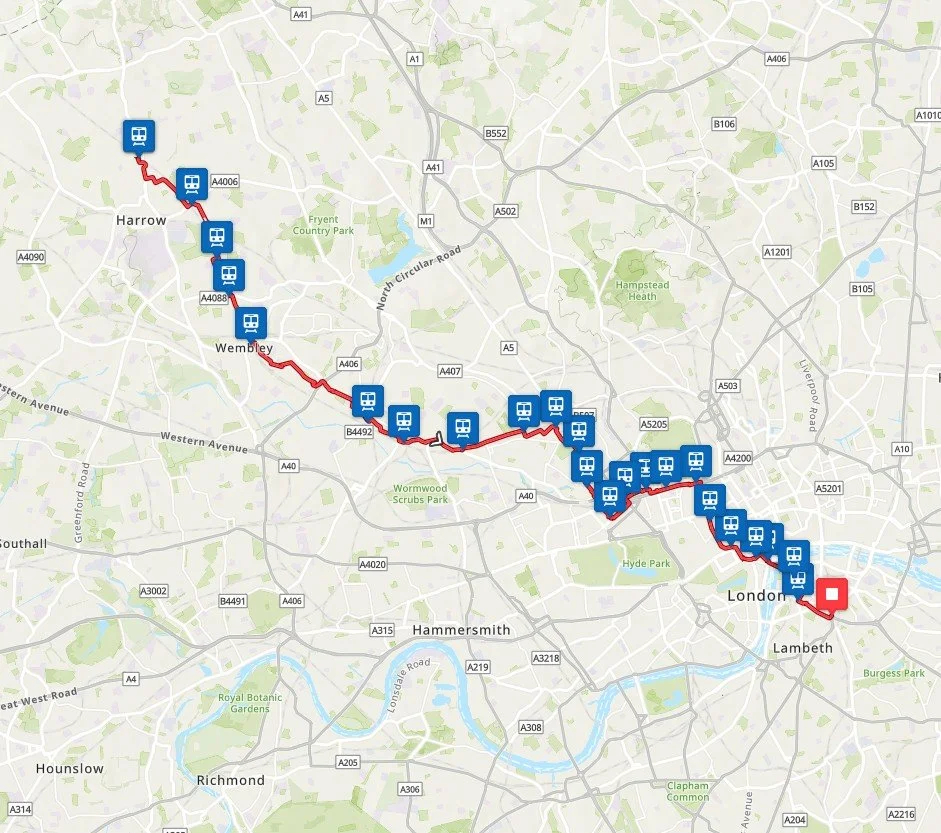
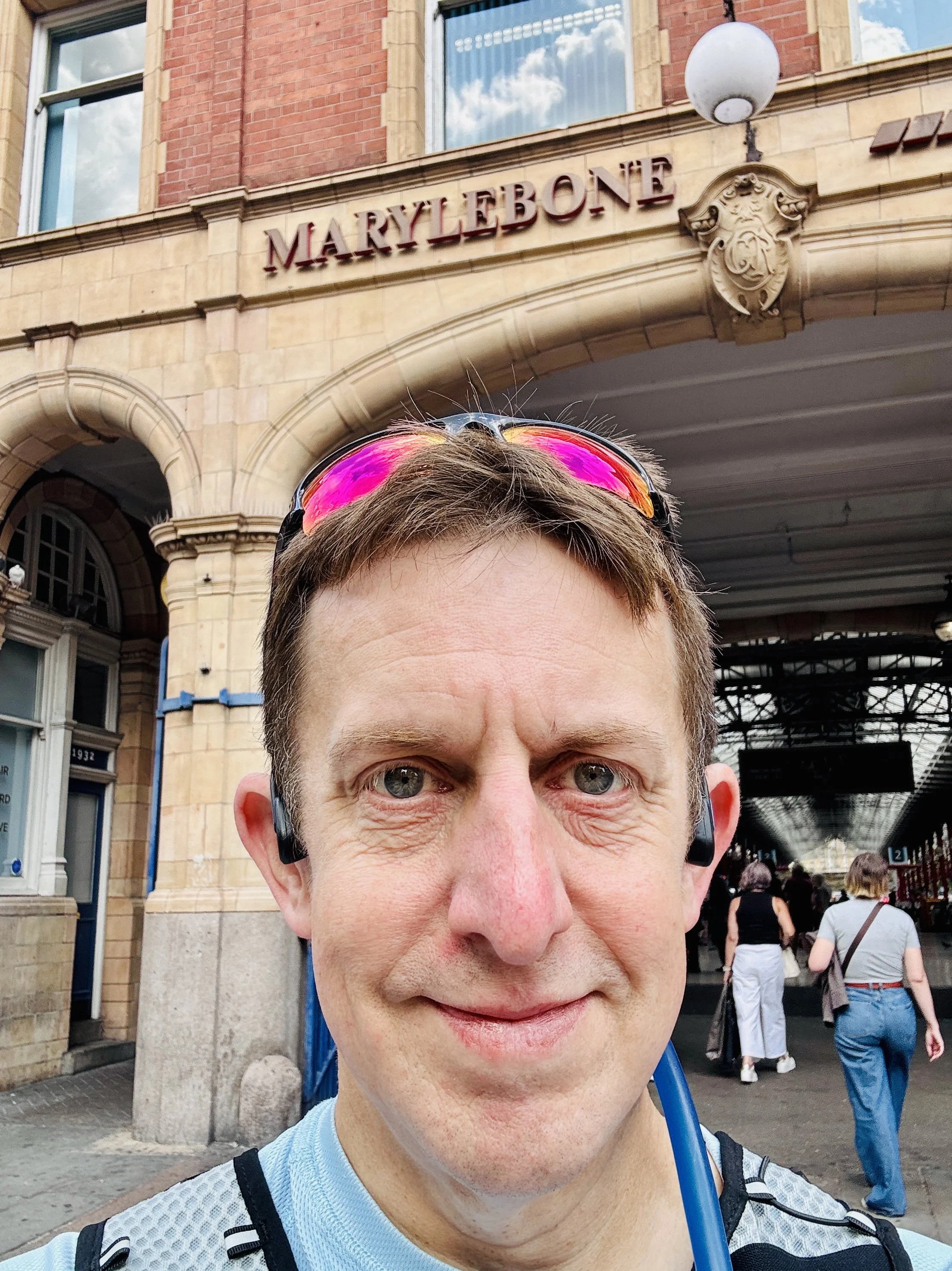
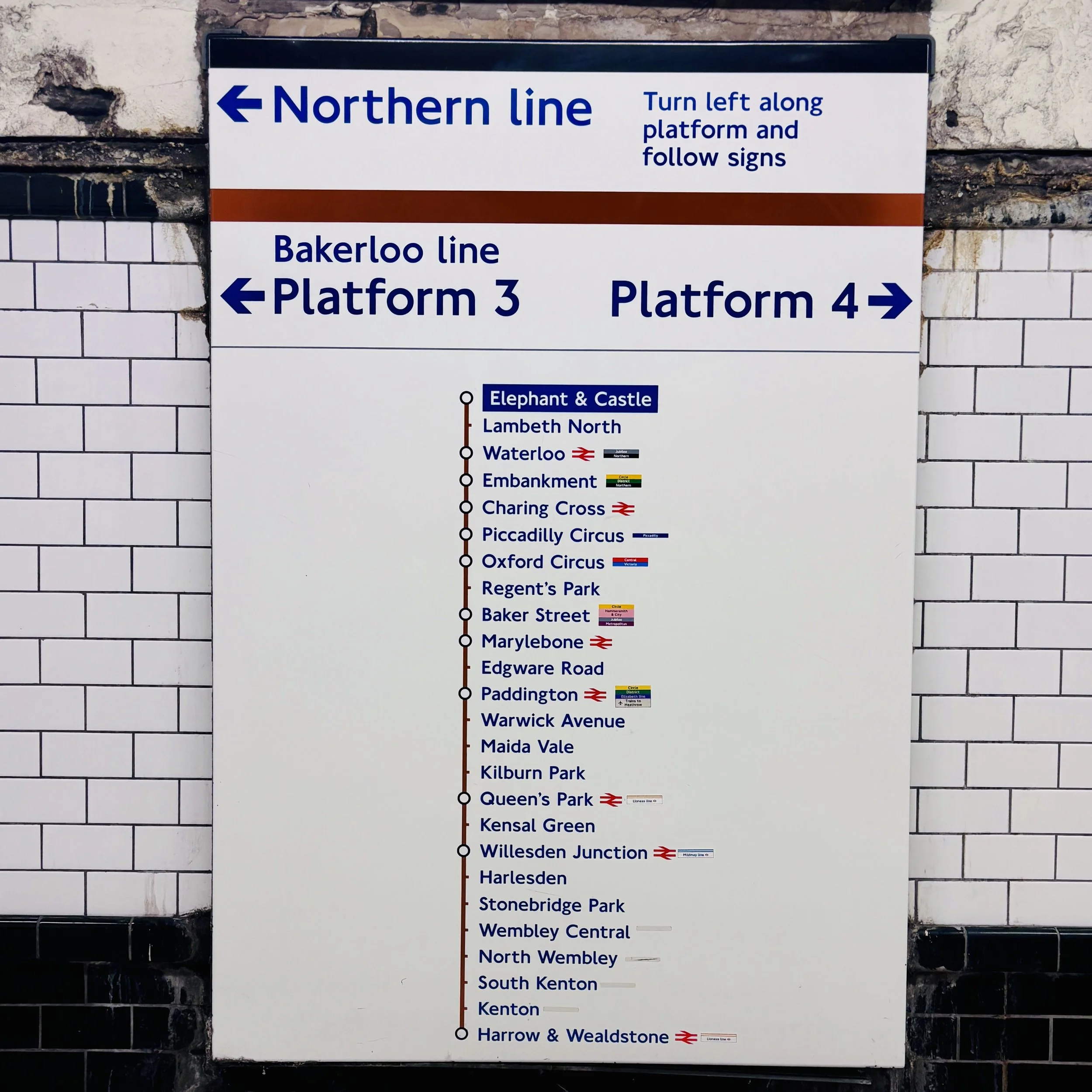
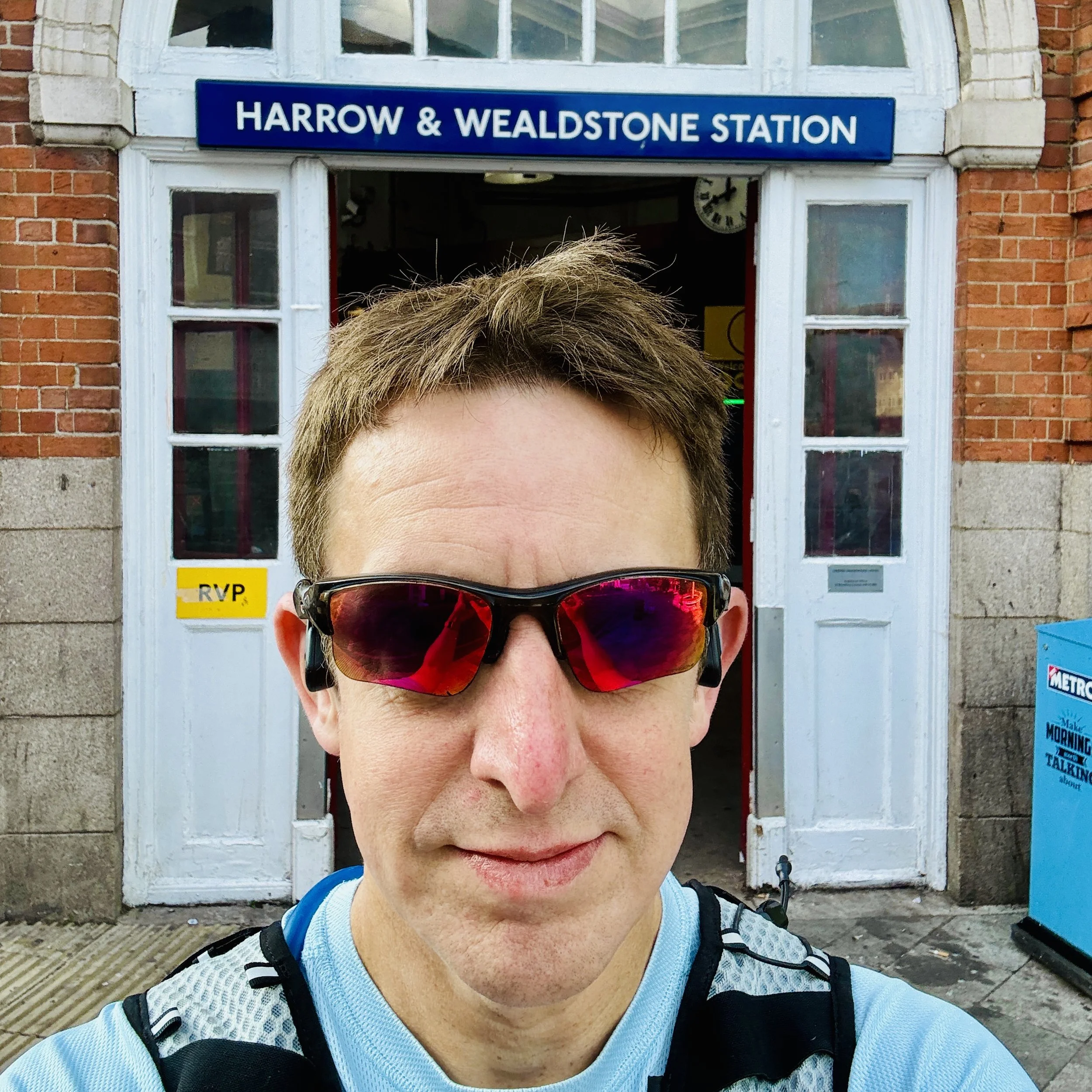
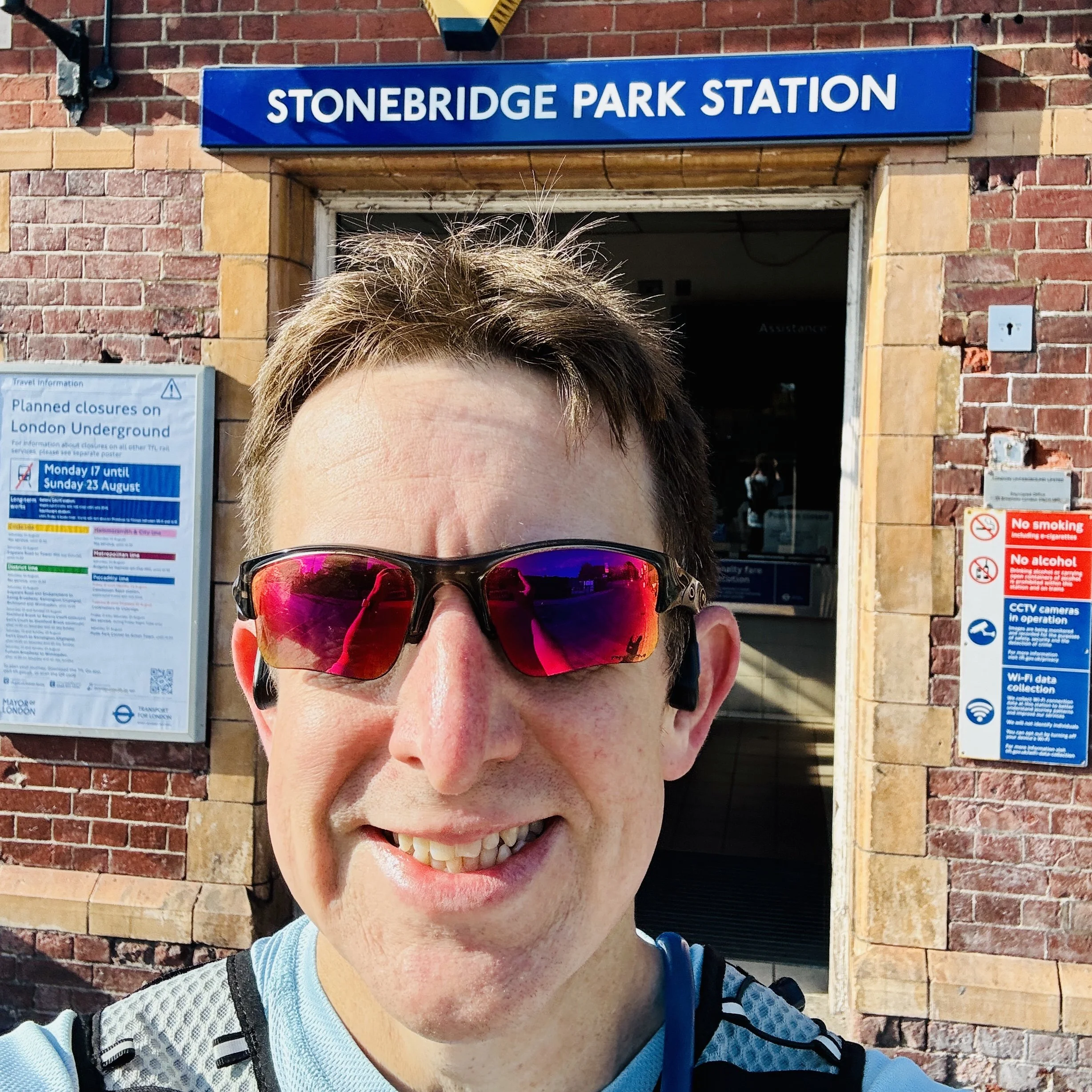
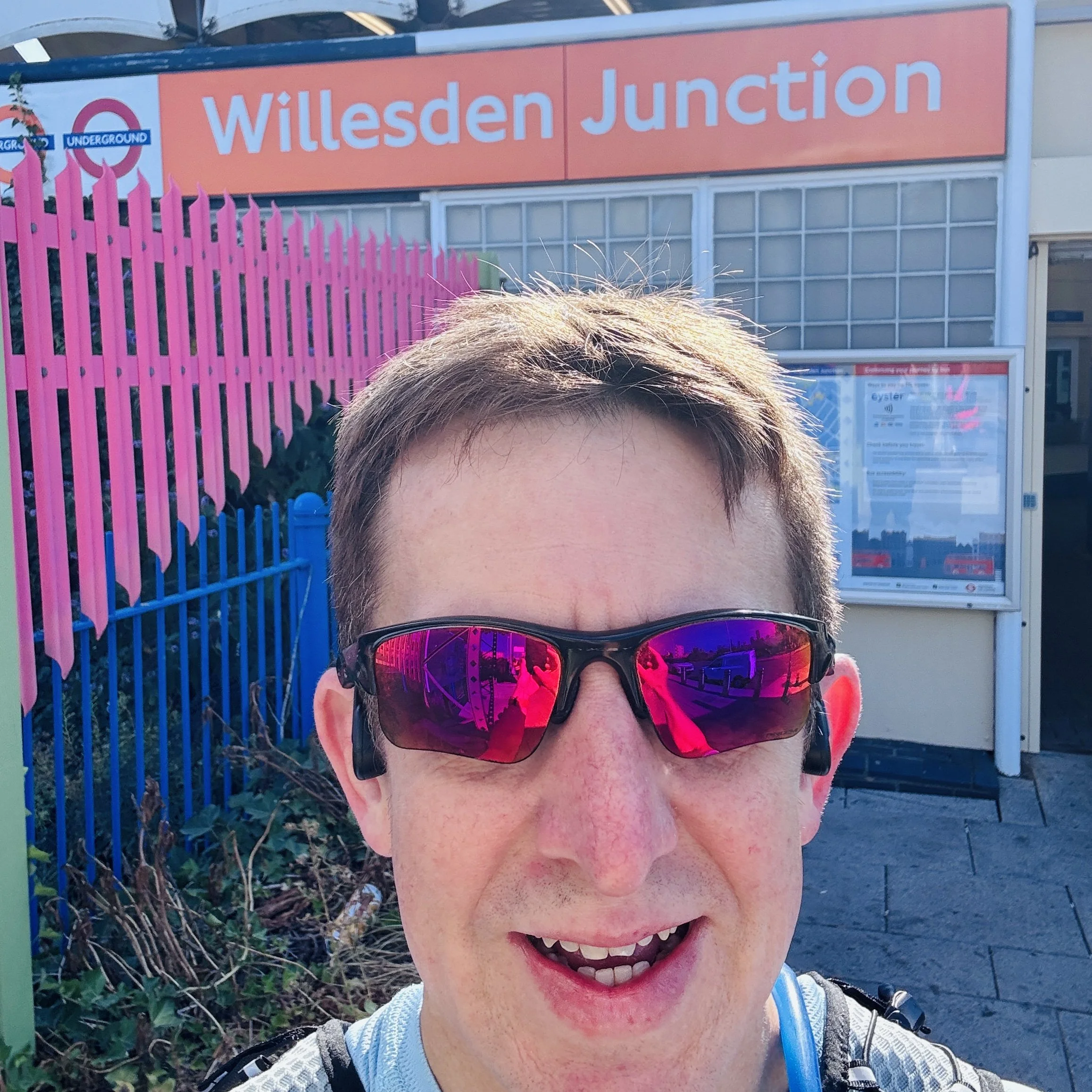
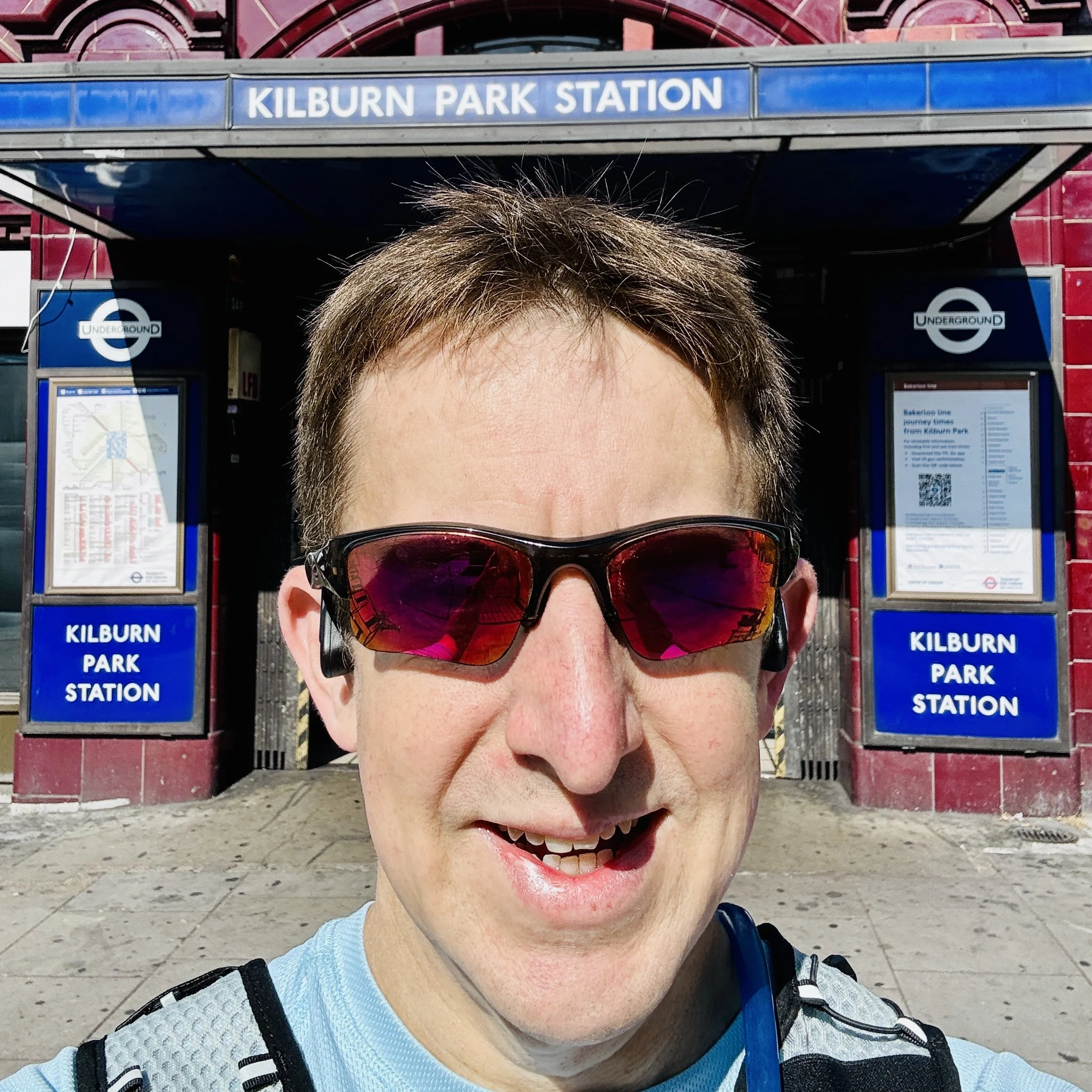
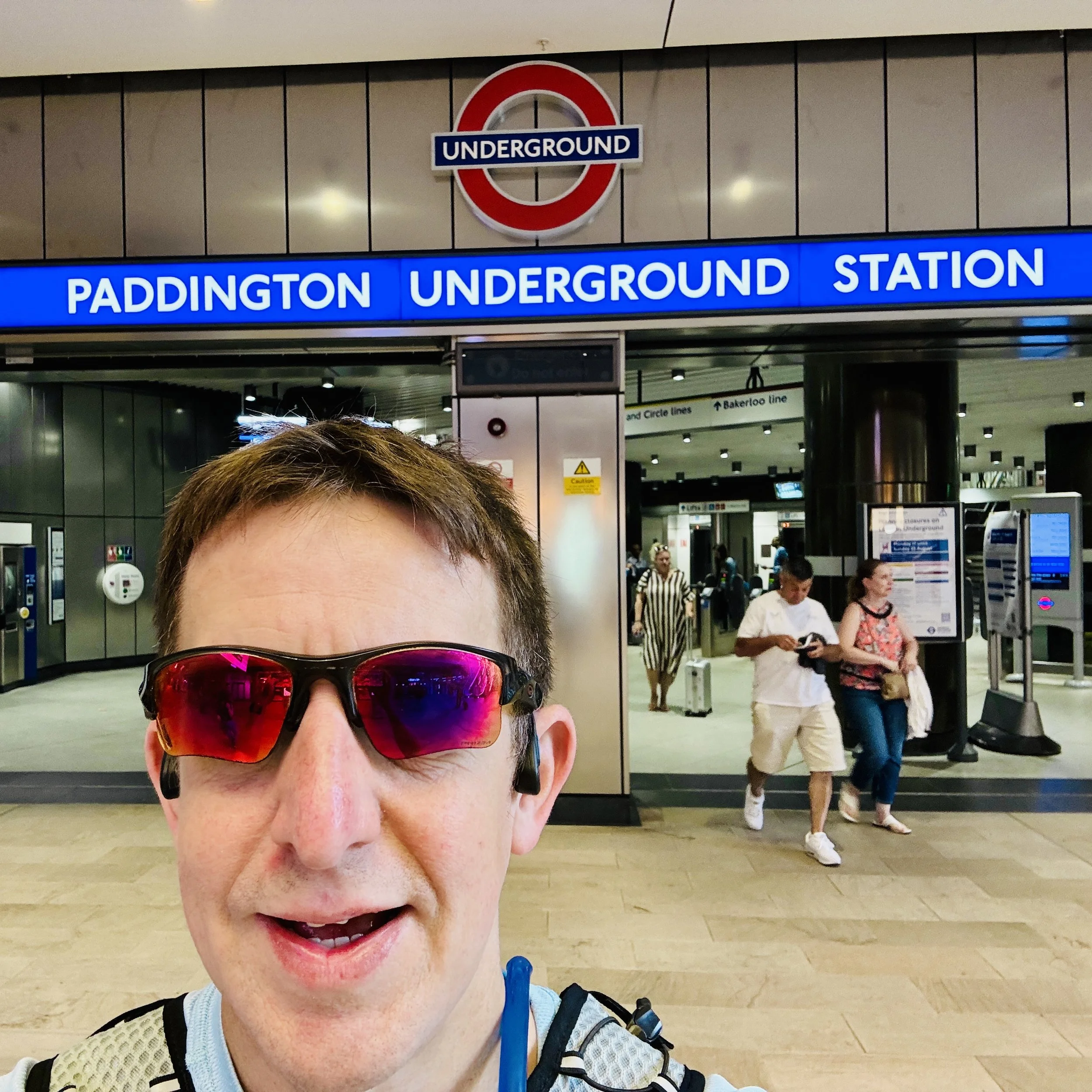
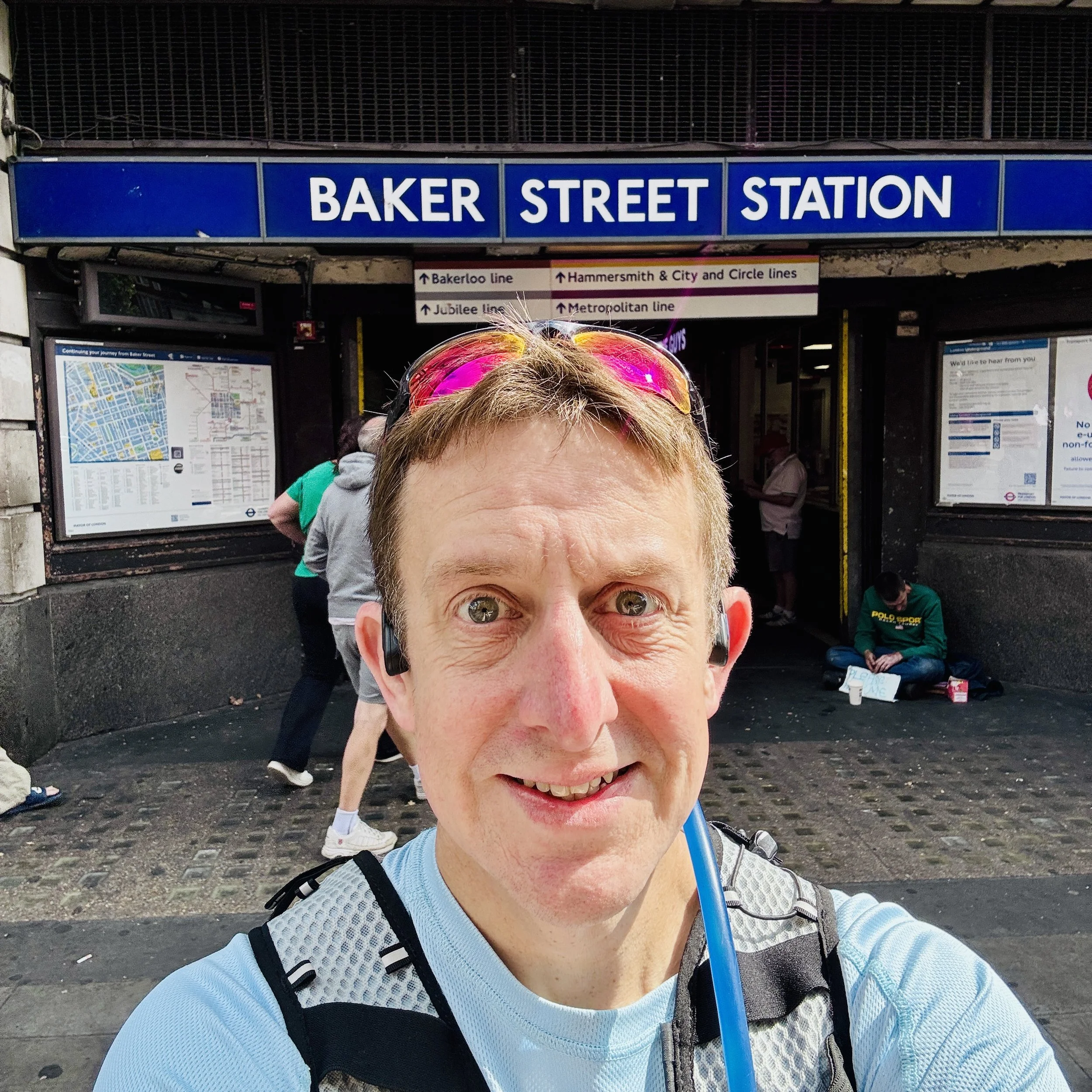
The plan was simple: start at the northern terminus of Harrow & Wealdstone, follow the route as closely as possible above ground, visit every station for a mandatory selfie, and finish at Elephant & Castle 27 kilometres later. Afterwards, I’d simply take the tube all the way back to the start.
I’ll admit, the prep for this one wasn't ideal. I’d had a pretty heavy week at work, and the day before the run, I had been out on a day adventure on the south coast hunting OS Trig Pillars. Safe to say, when Sunday morning rolled around, I didn't feel completely up for a continuous 27 km run. I decided to adapt. The new plan was to run as much of the route as I could, and then walk the rest. To be honest, staying above ground seemed like the better option anyway: if I had taken the tube for that first leg, I would have been travelling on the oldest rolling stock on the London Underground, dating back to 1972, and sharing the tunnels with the Culex molestus, a unique breed of mosquito specific to the Underground network.
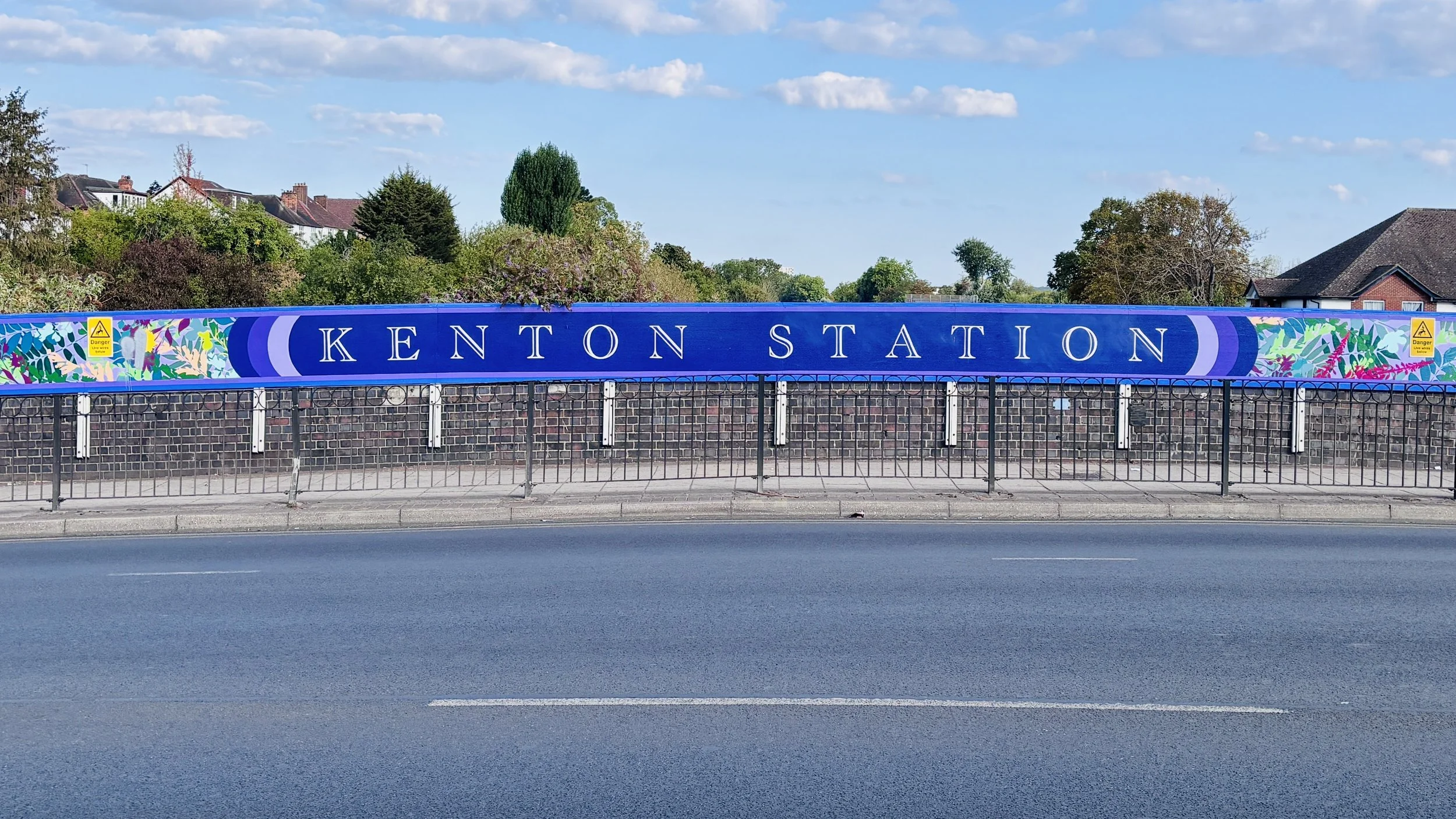
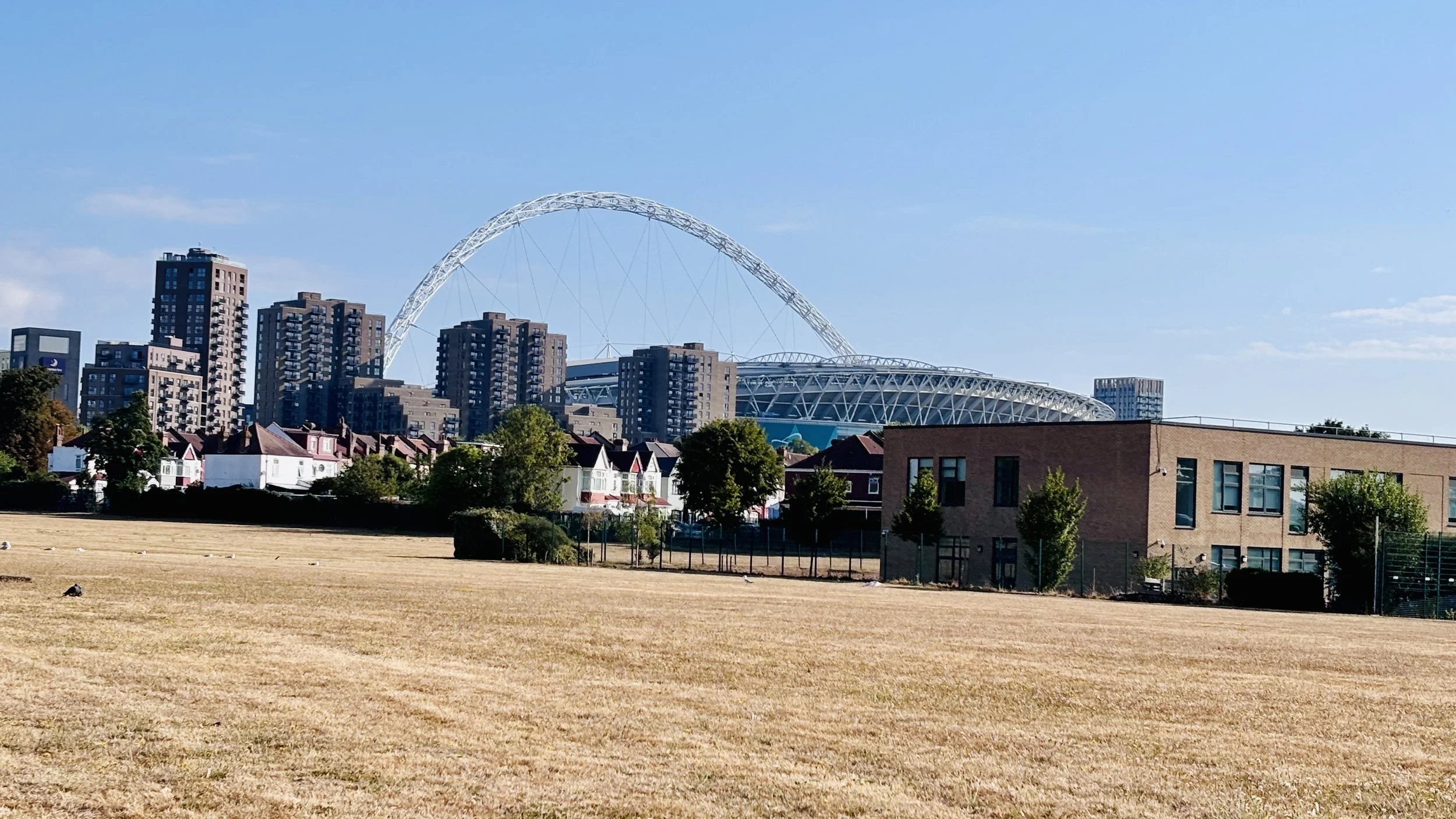
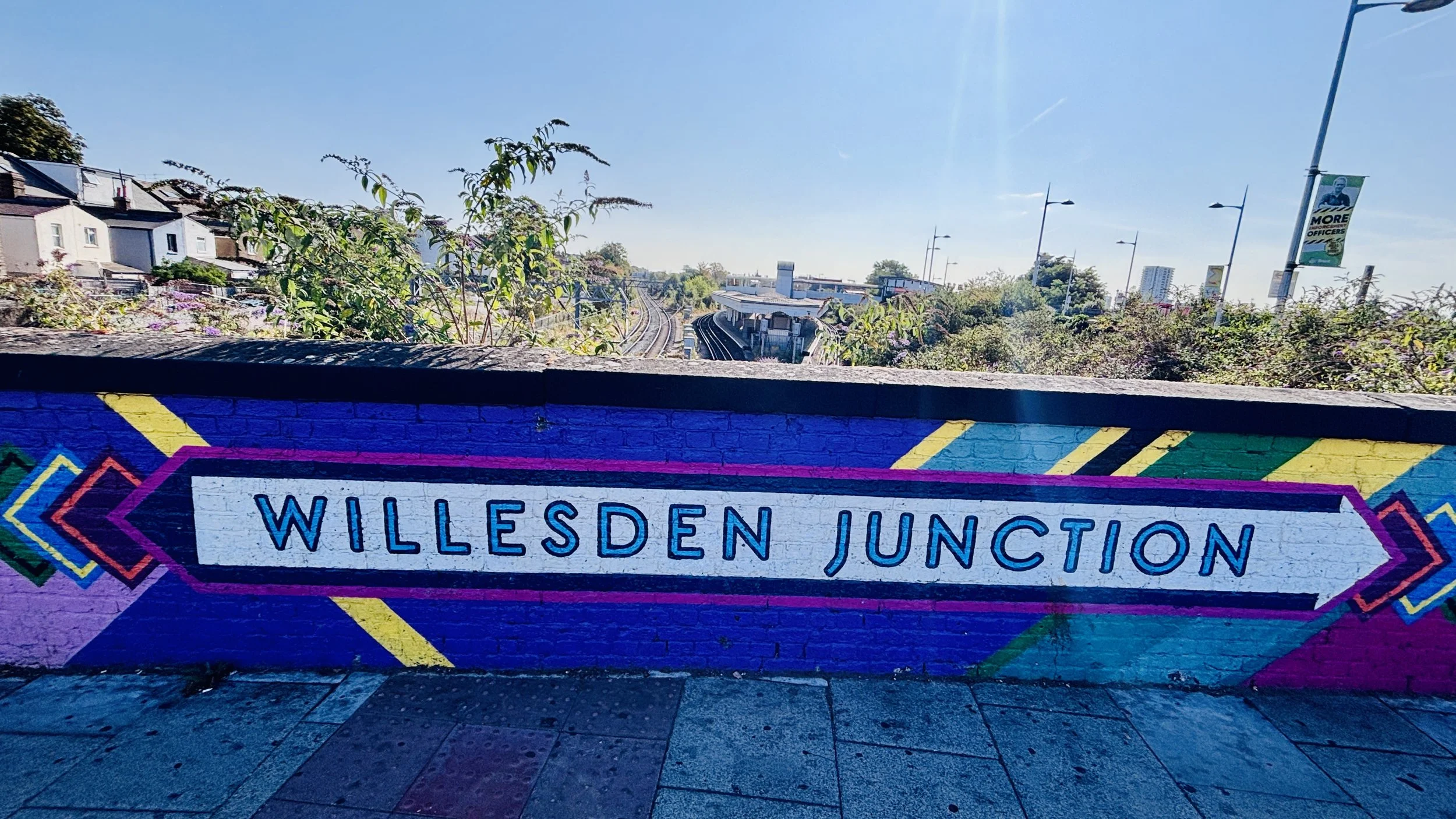
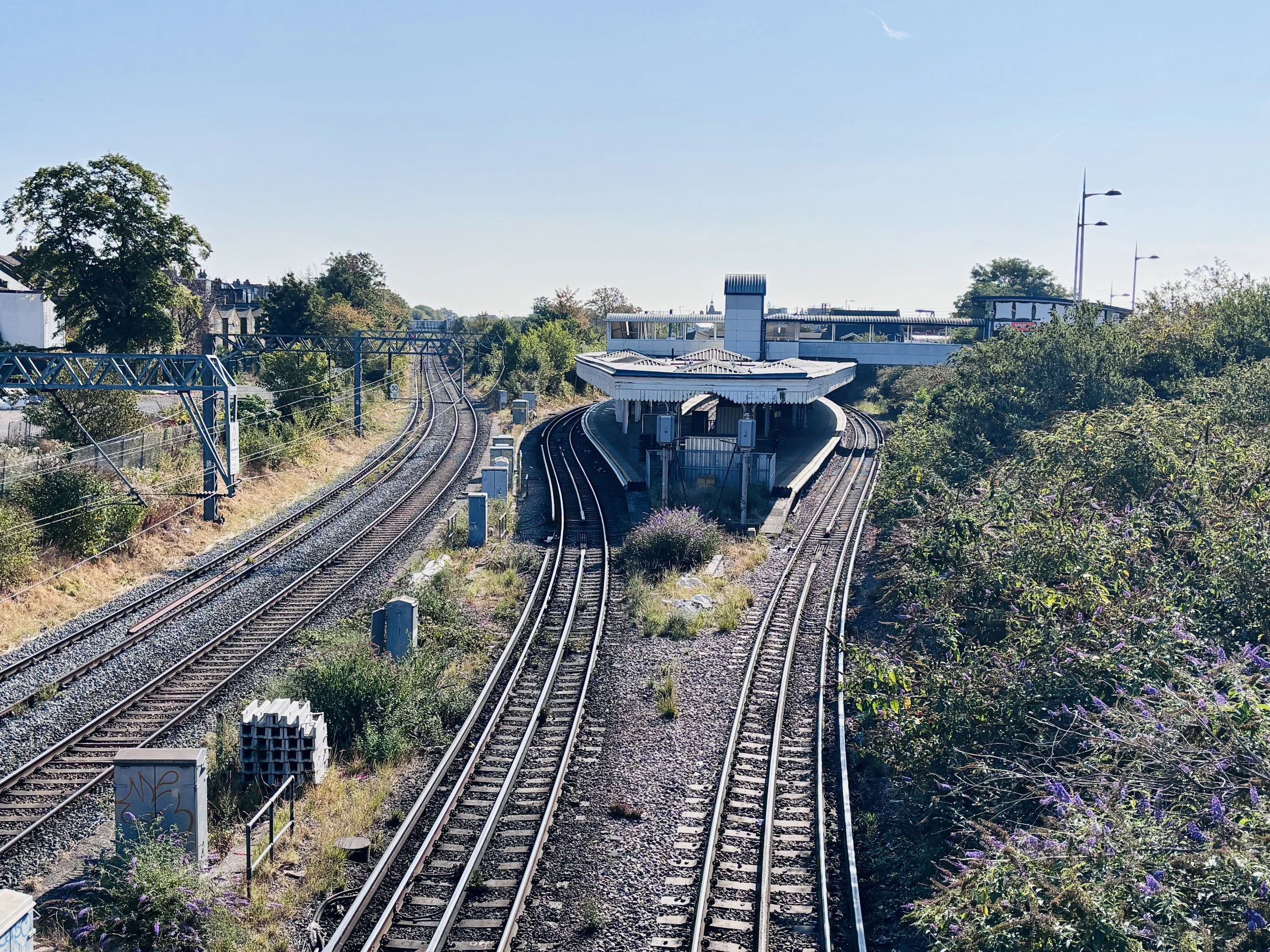
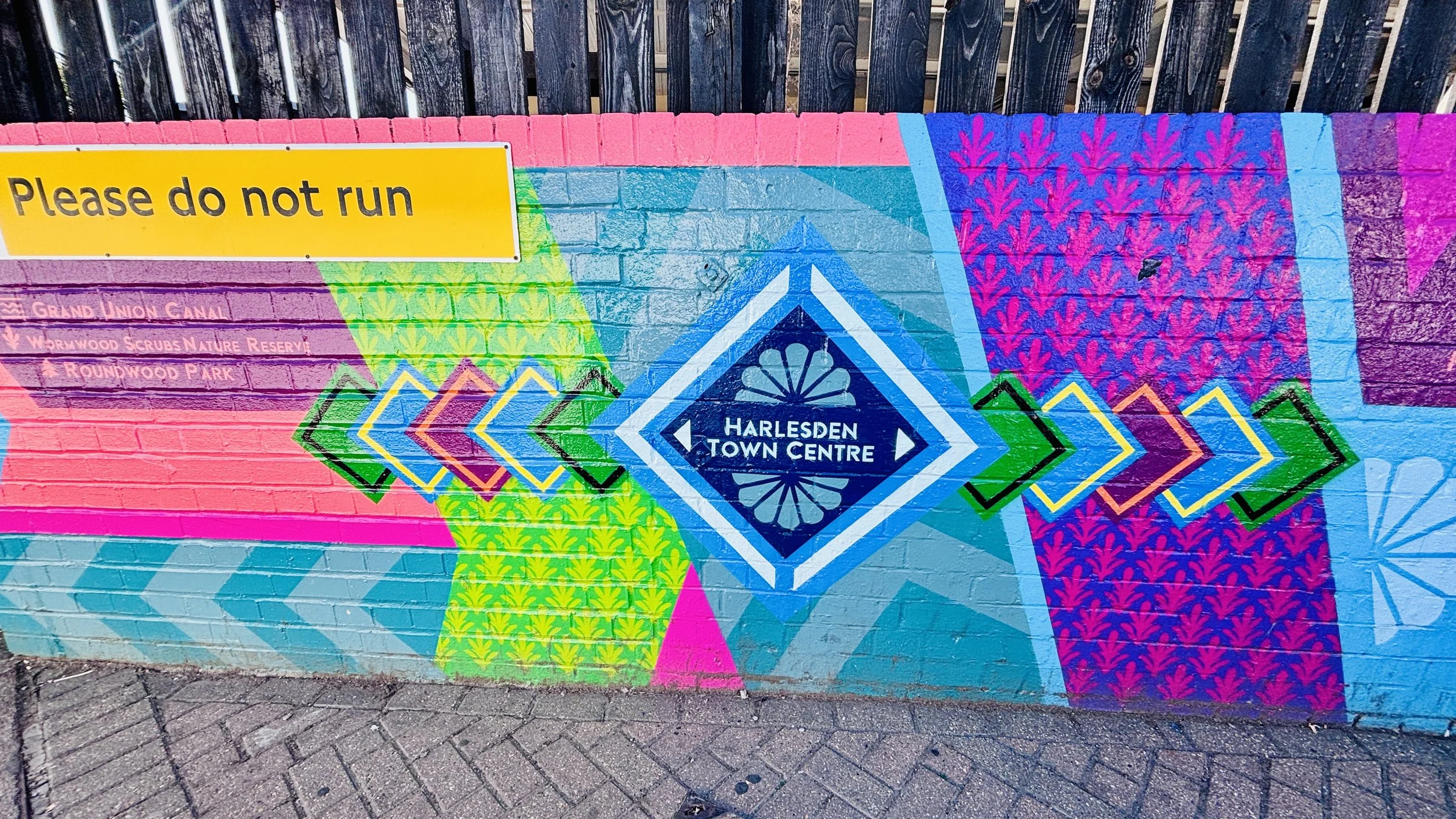
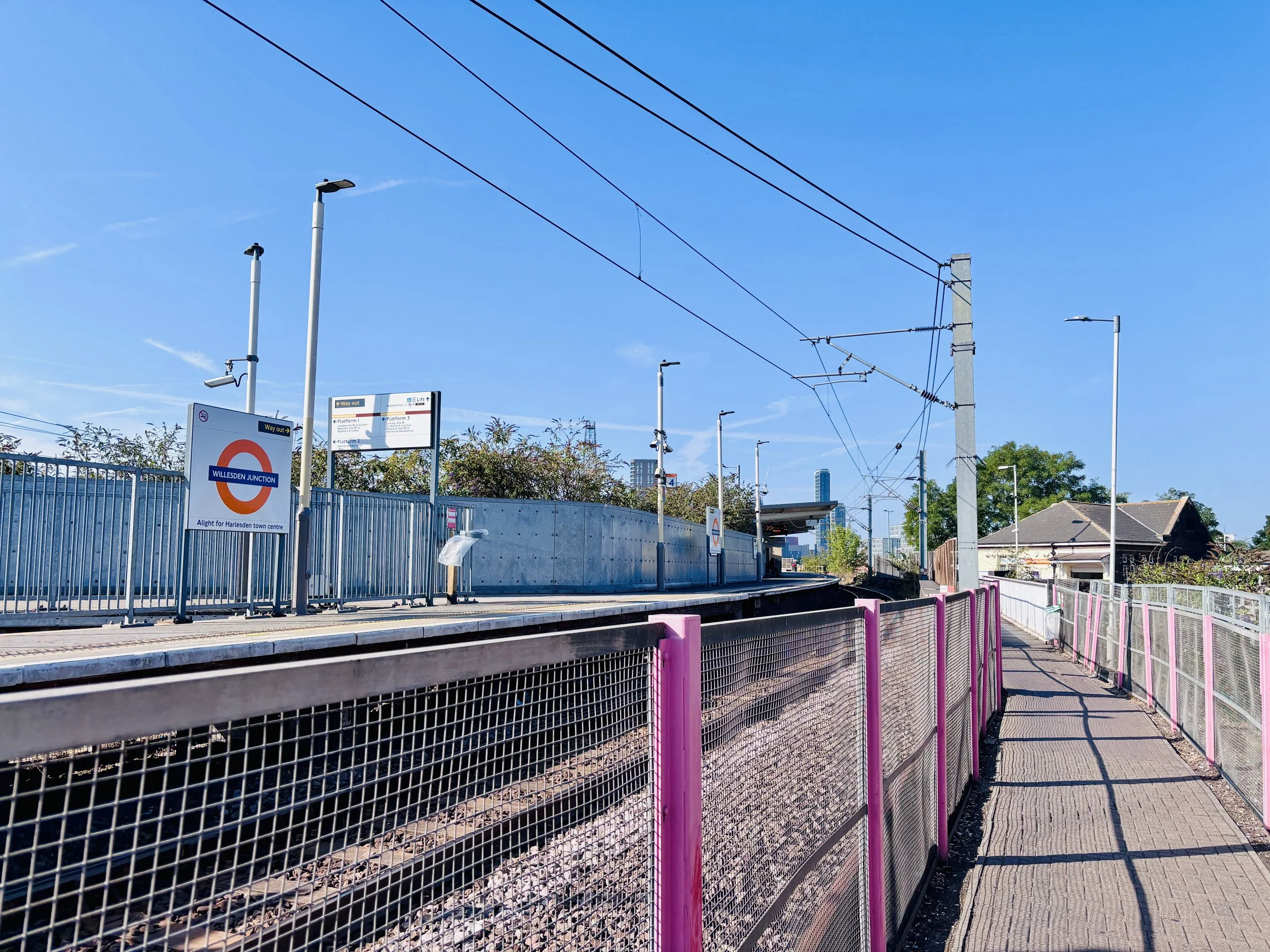
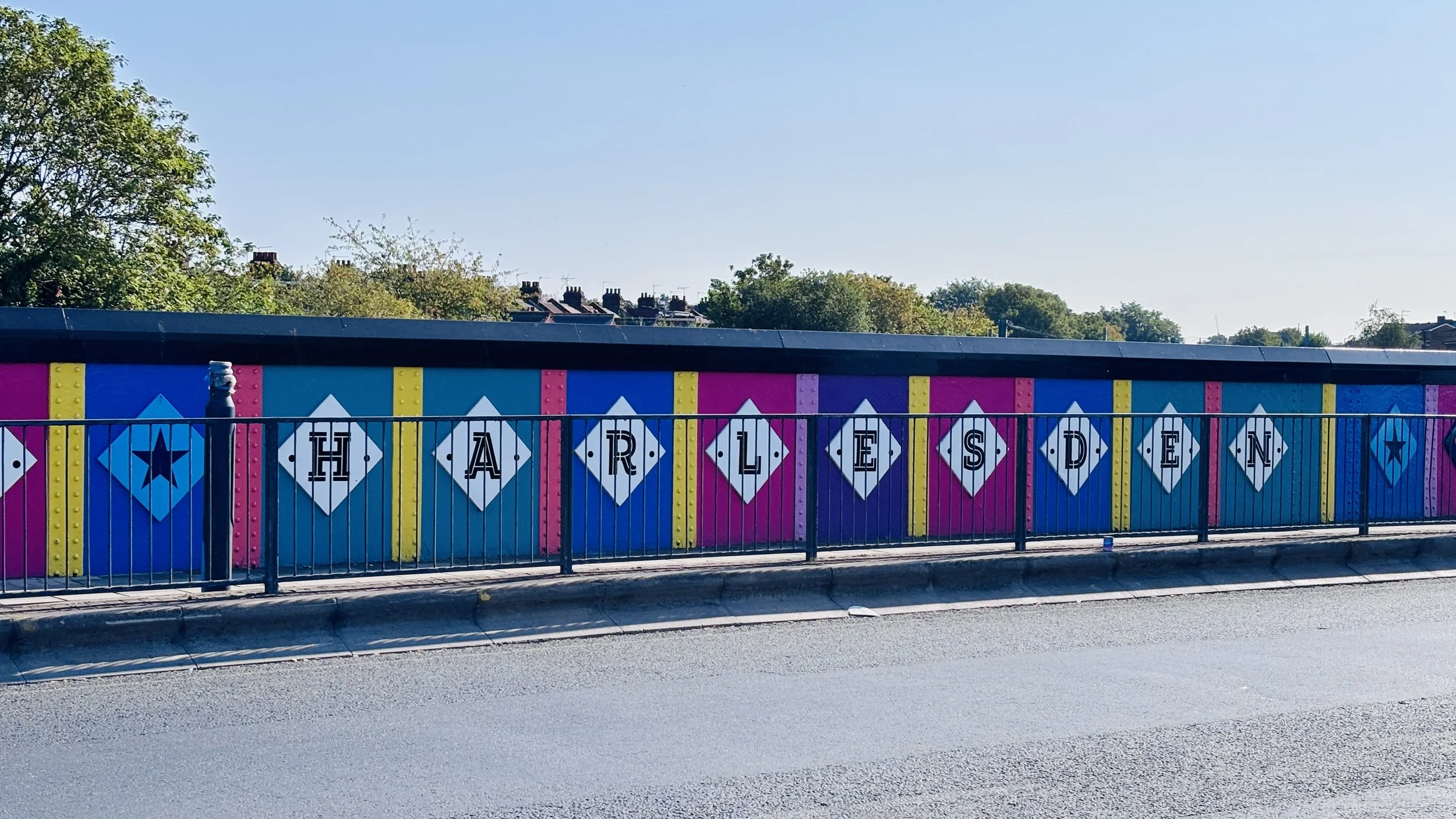
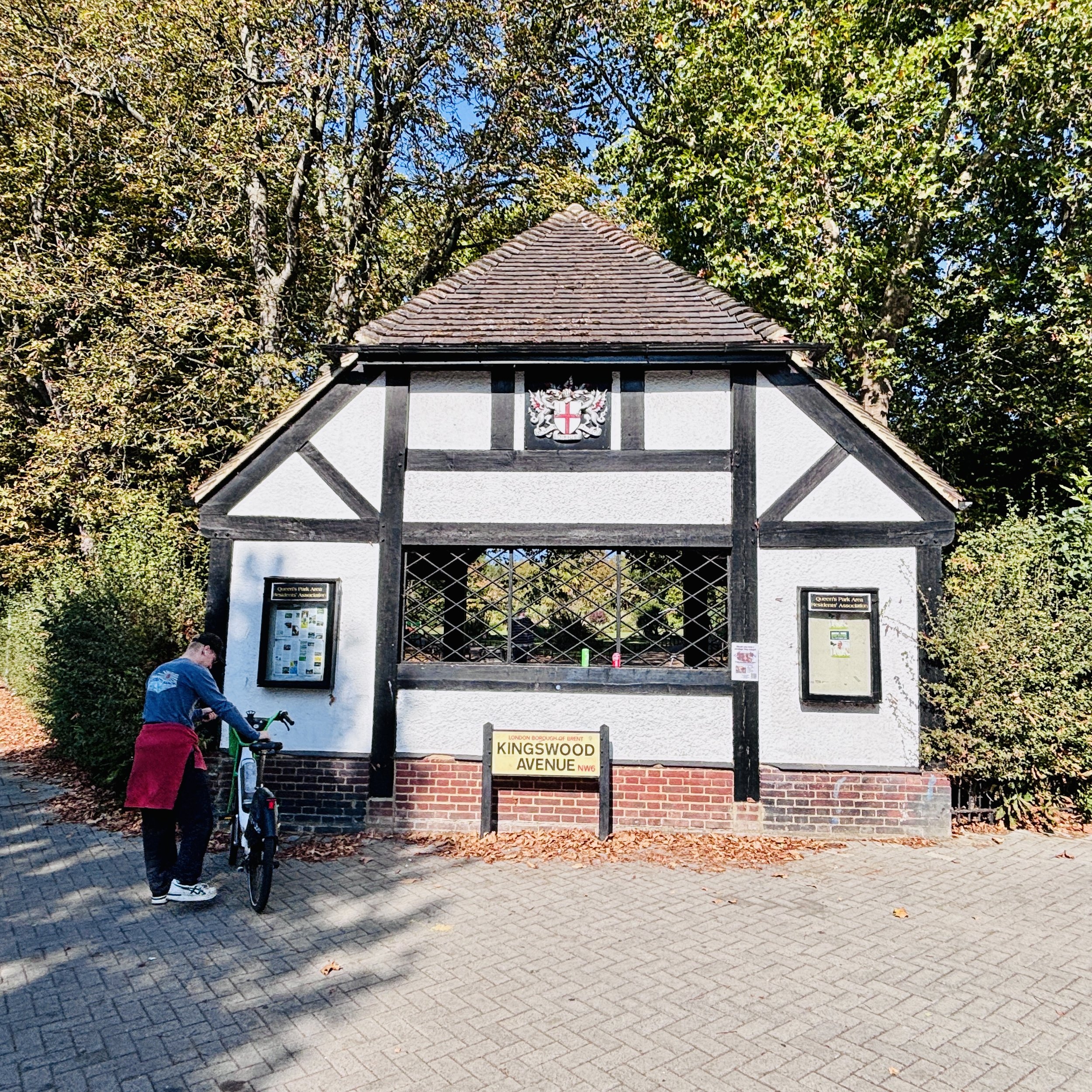
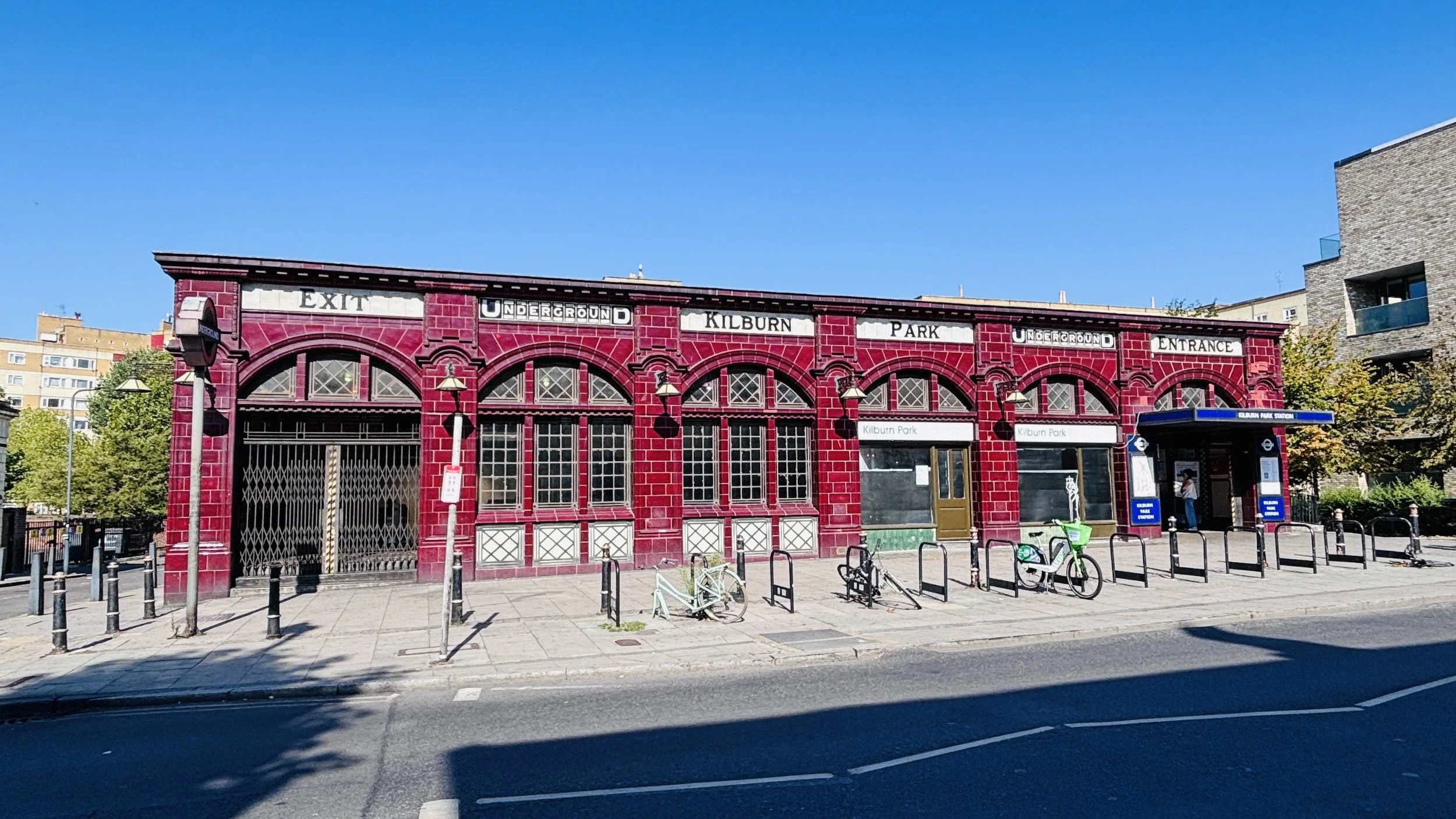
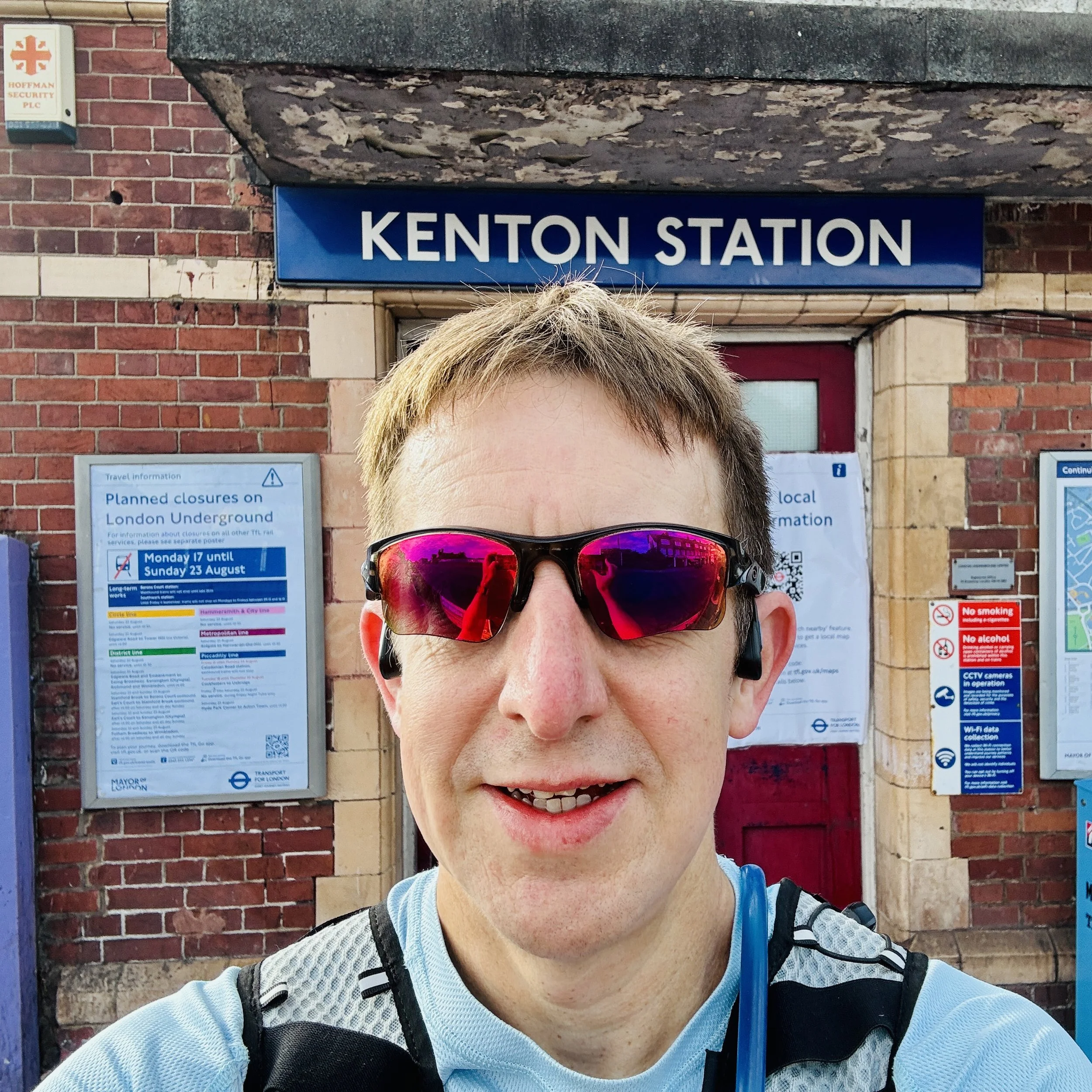
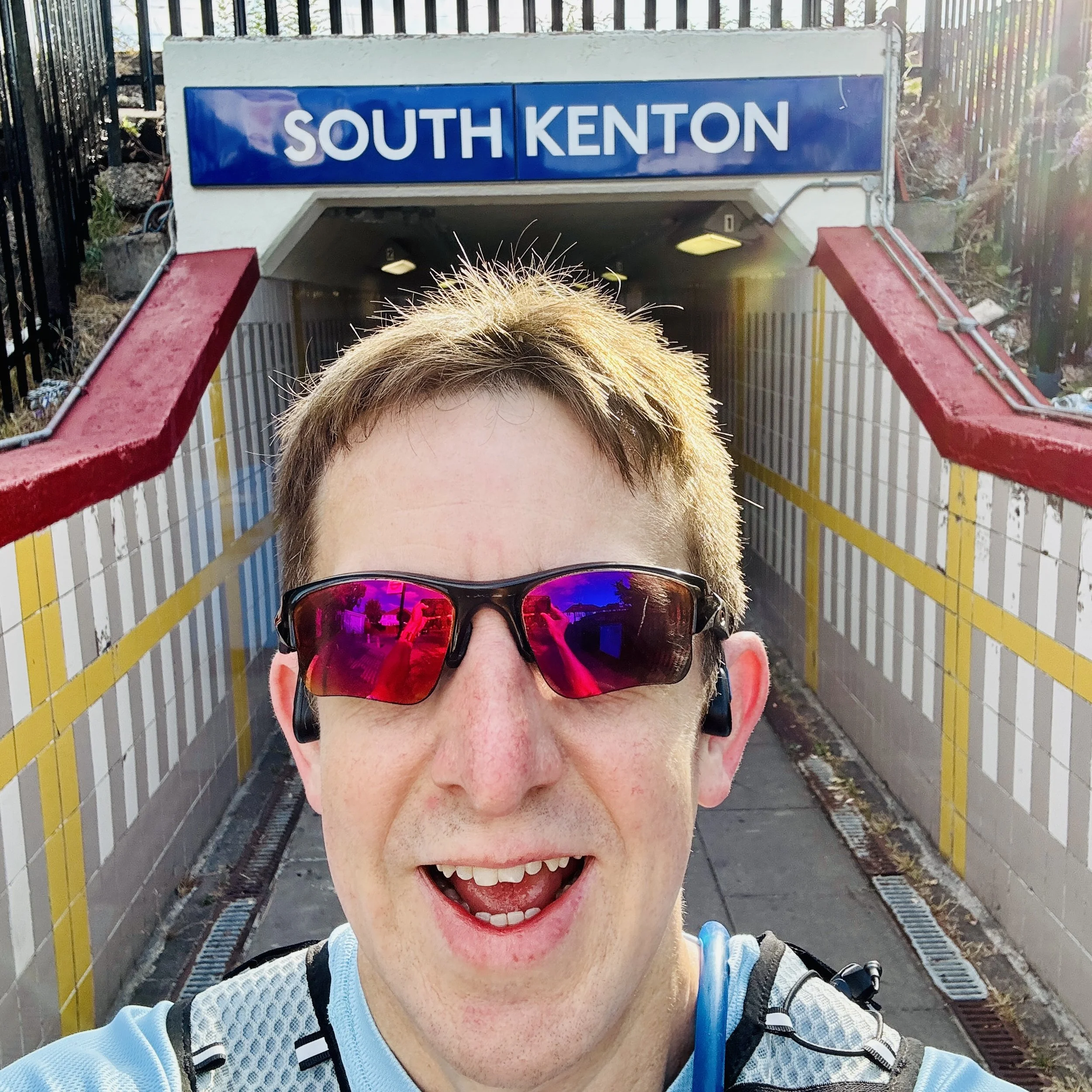
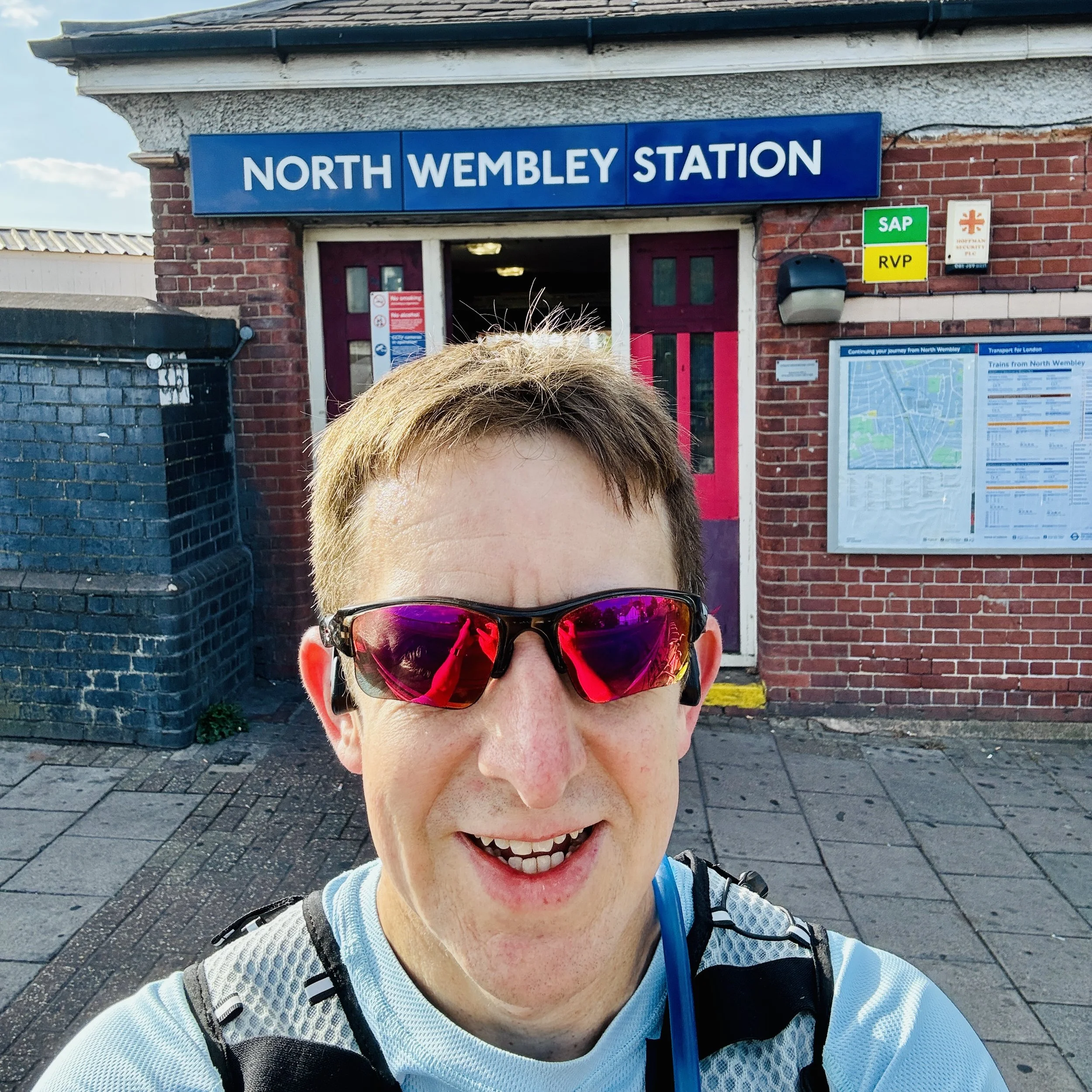
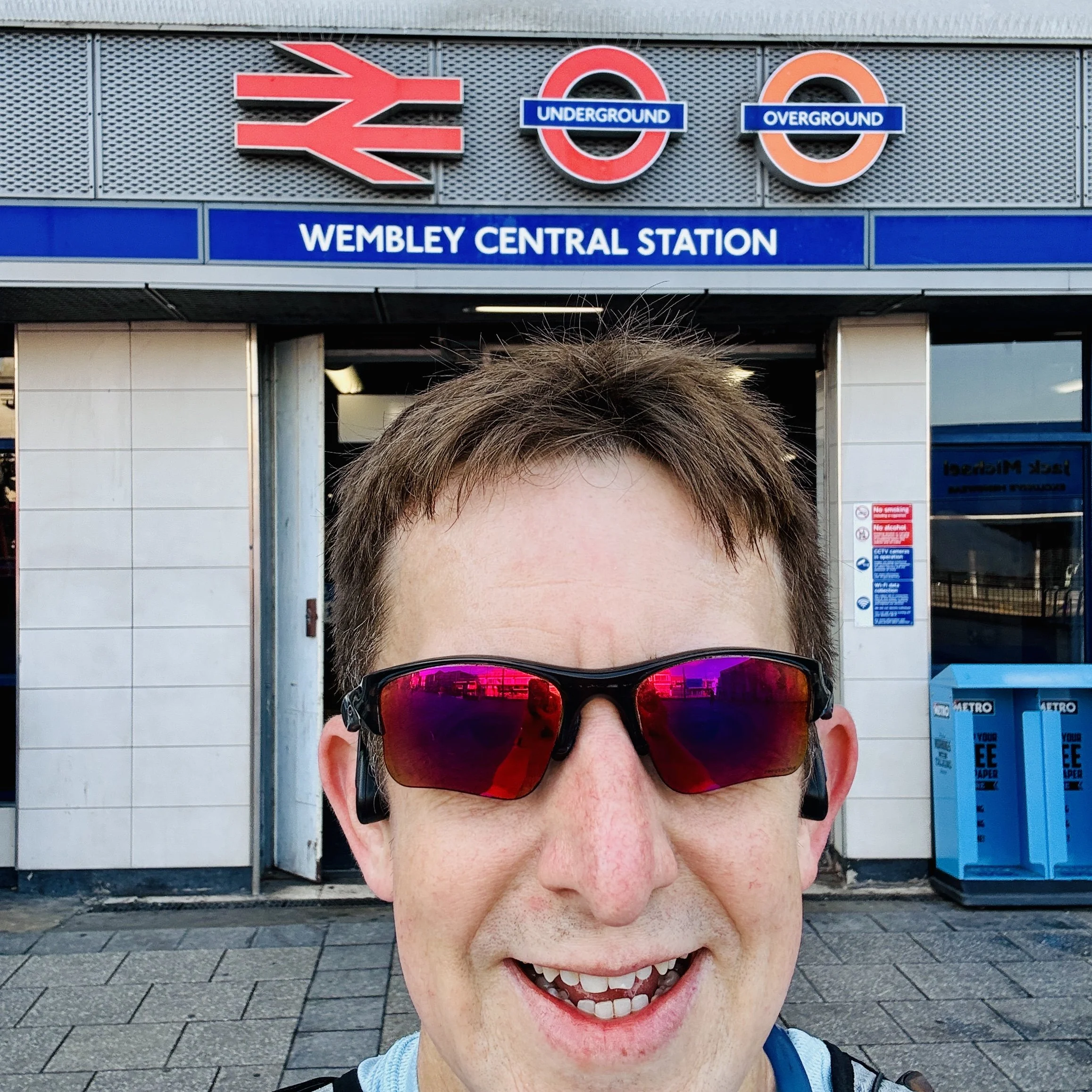
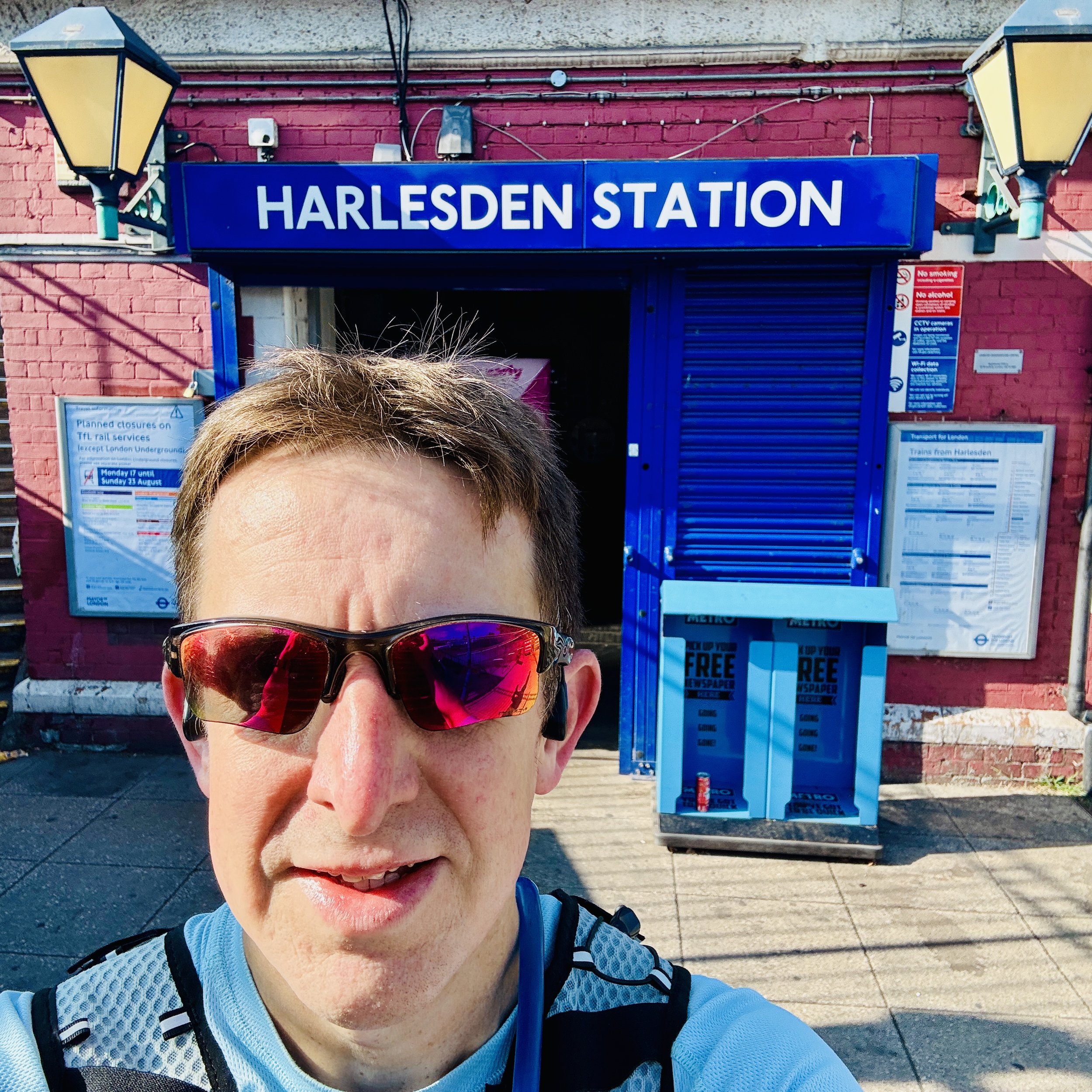
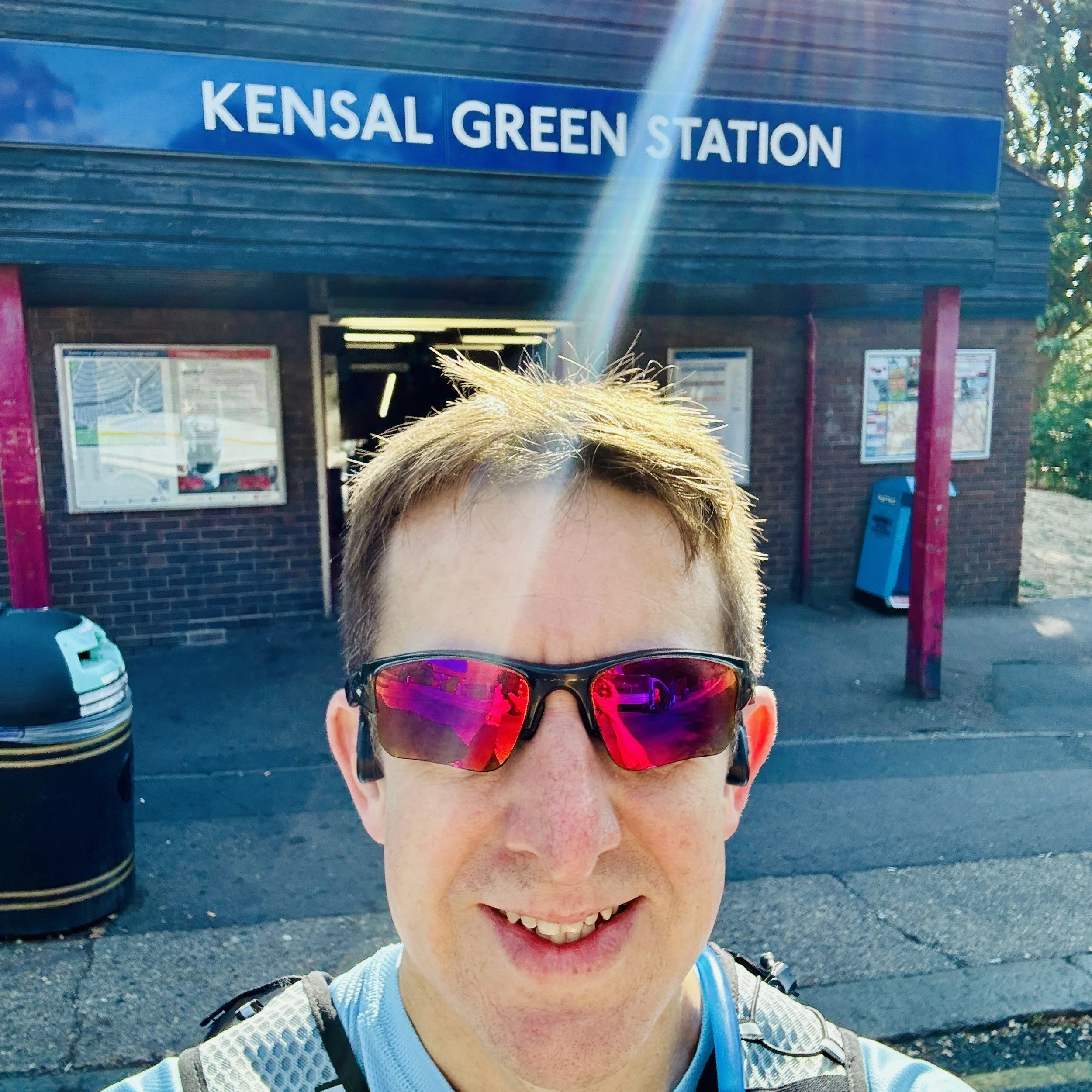
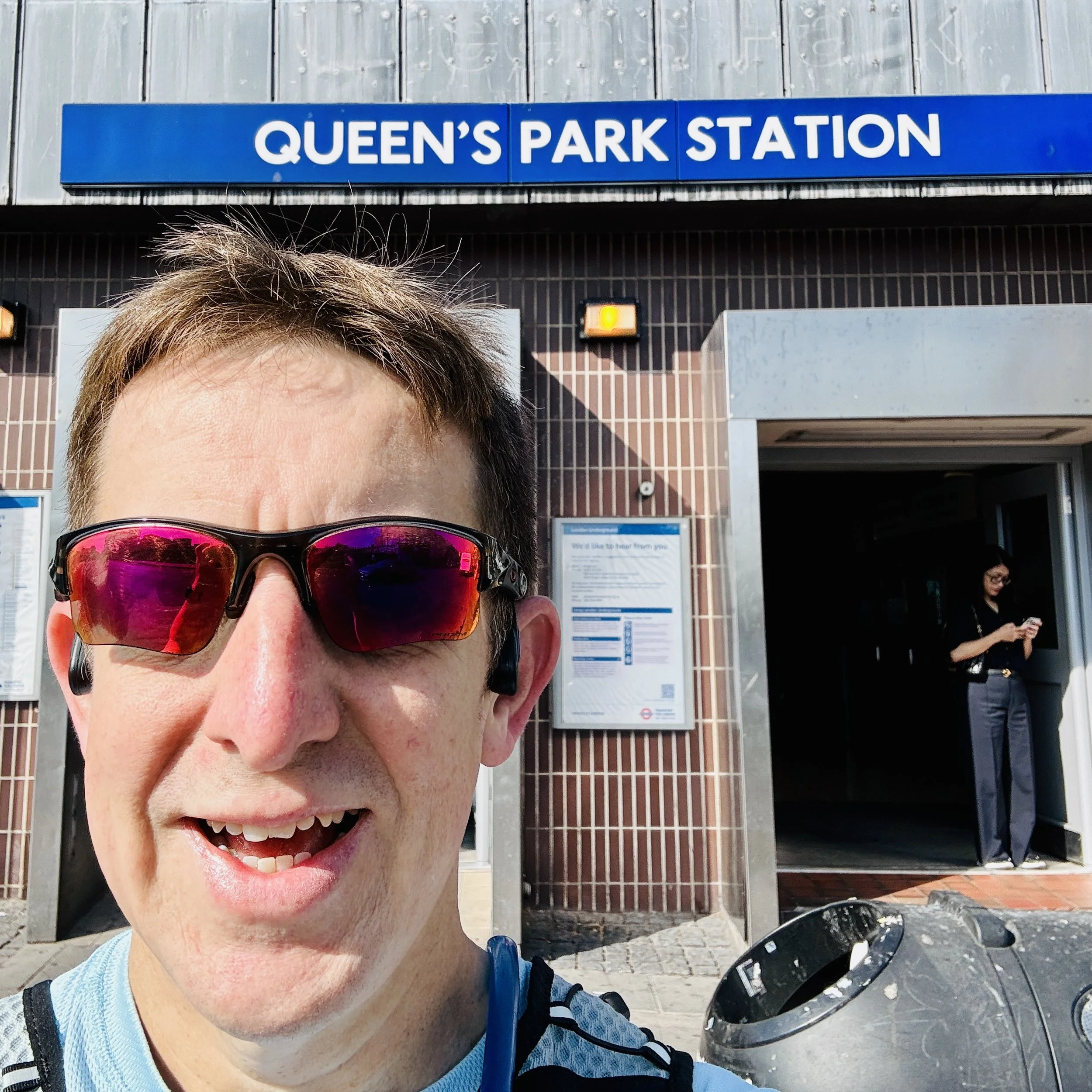
I drove to Harrow & Wealdstone station, parked up, and set off in a south-easterly direction. The first section of the route took me through the fairly residential north-west stretches of the line, through areas including Kenton, Wembley, Harlesden, and Queen's Park. There is nothing wrong with this section, but it is fairly residential and not massively distinct compared to what comes later.
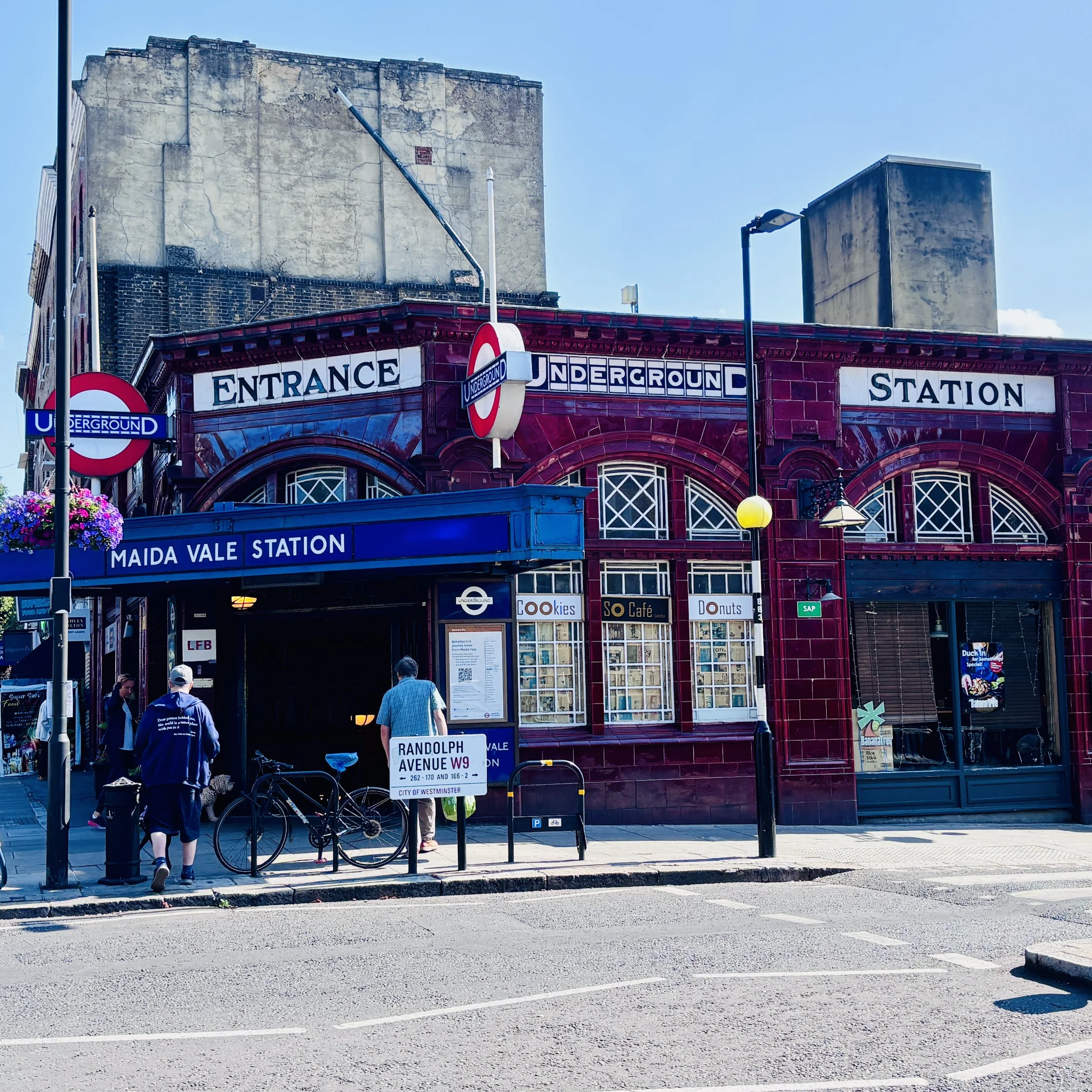
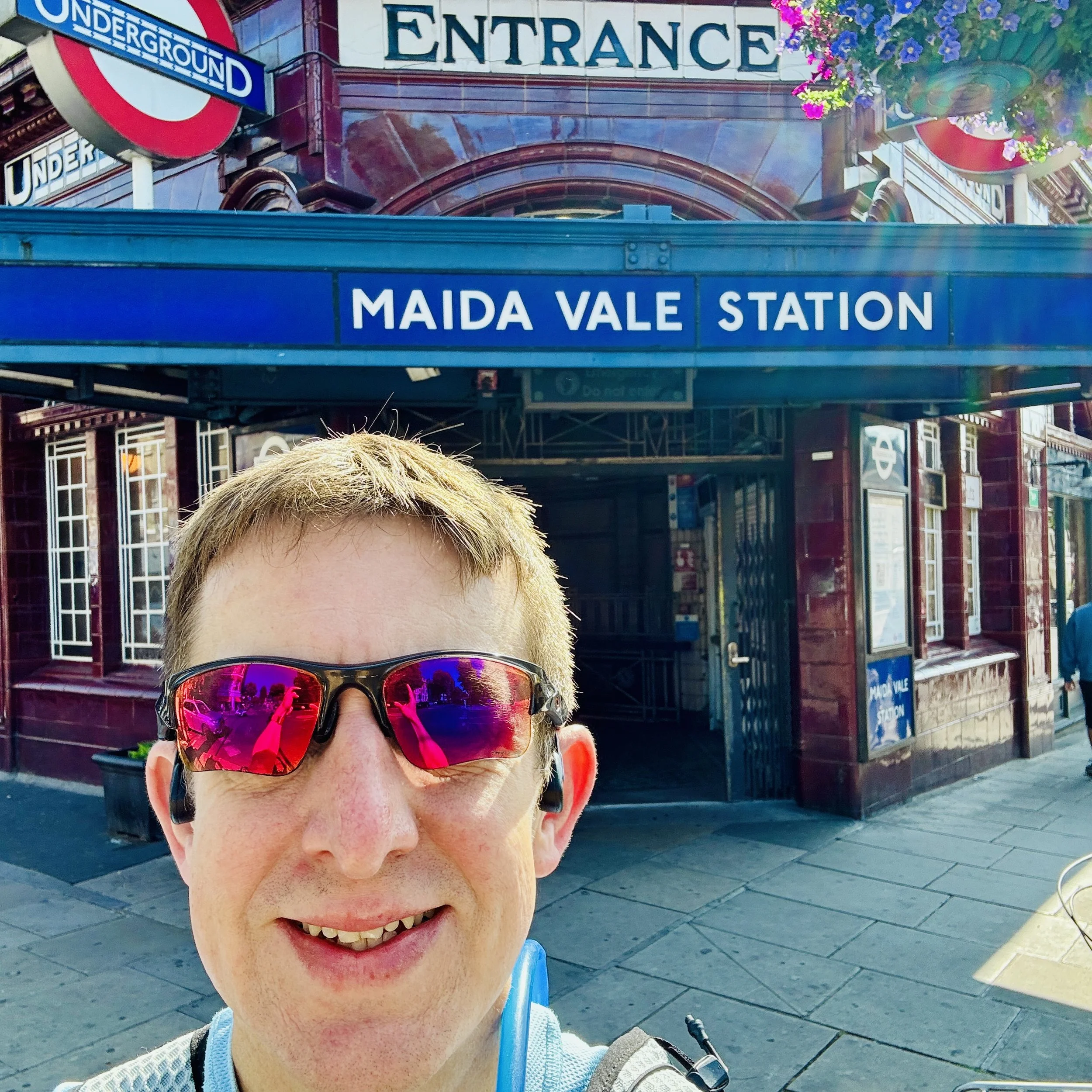
By the time I reached Maida Vale, I was well and truly ready for a coffee and a piece of cake. I ducked into a Starbucks, completely satisfied that I had done all the running I wanted to do for the day. While taking a breather there, I was at a site of Underground history: when Maida Vale opened in 1915 during the First World War, it was the first station on the network to be staffed entirely by women. From this point on, it was going to be a walk.
From Maida Vale onwards, the route gets more interesting as you enter the pleasant, affluent parts of north-west London. There is a lot more to see, so it made perfect sense to take it slow, conserve my energy, and actually take in the sights.
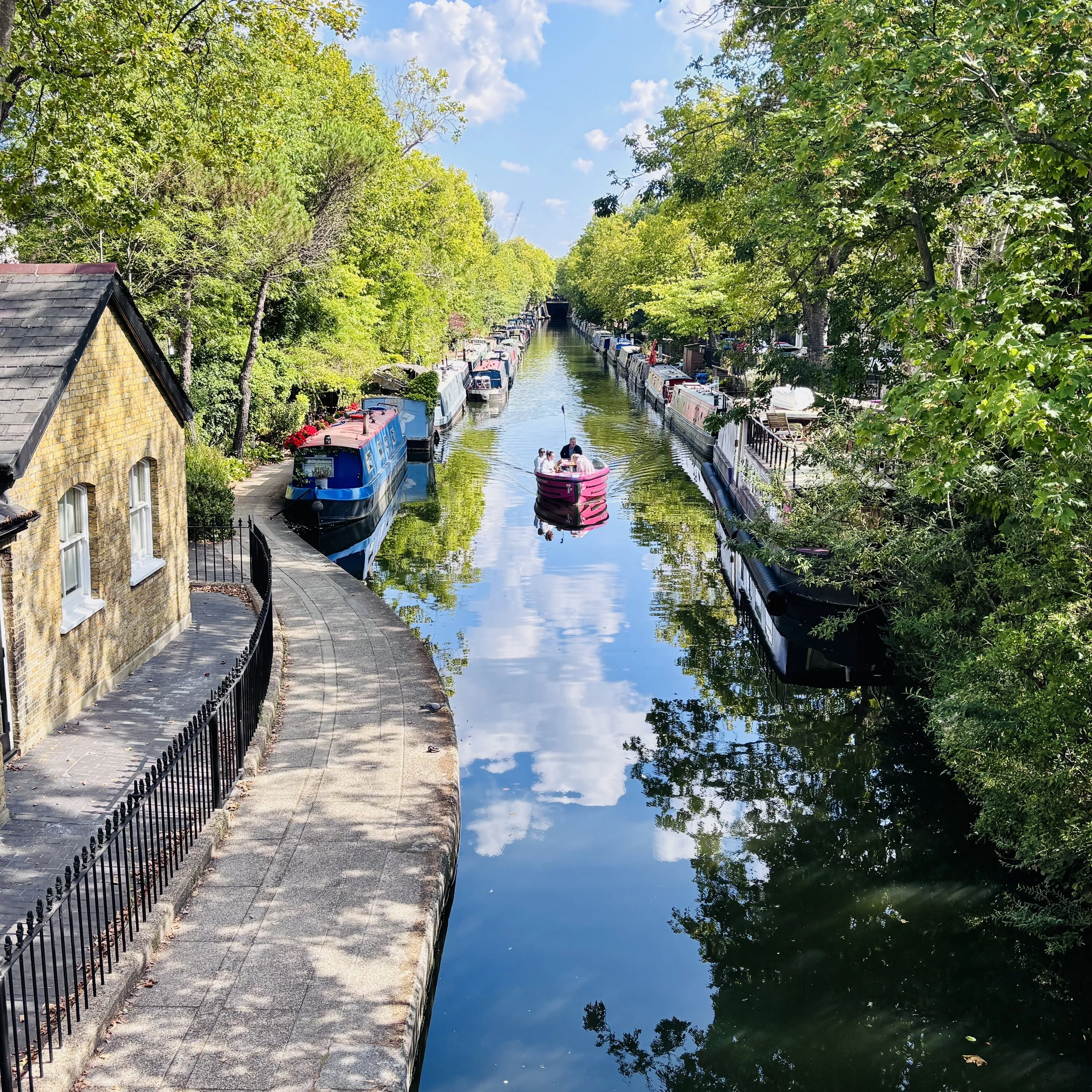
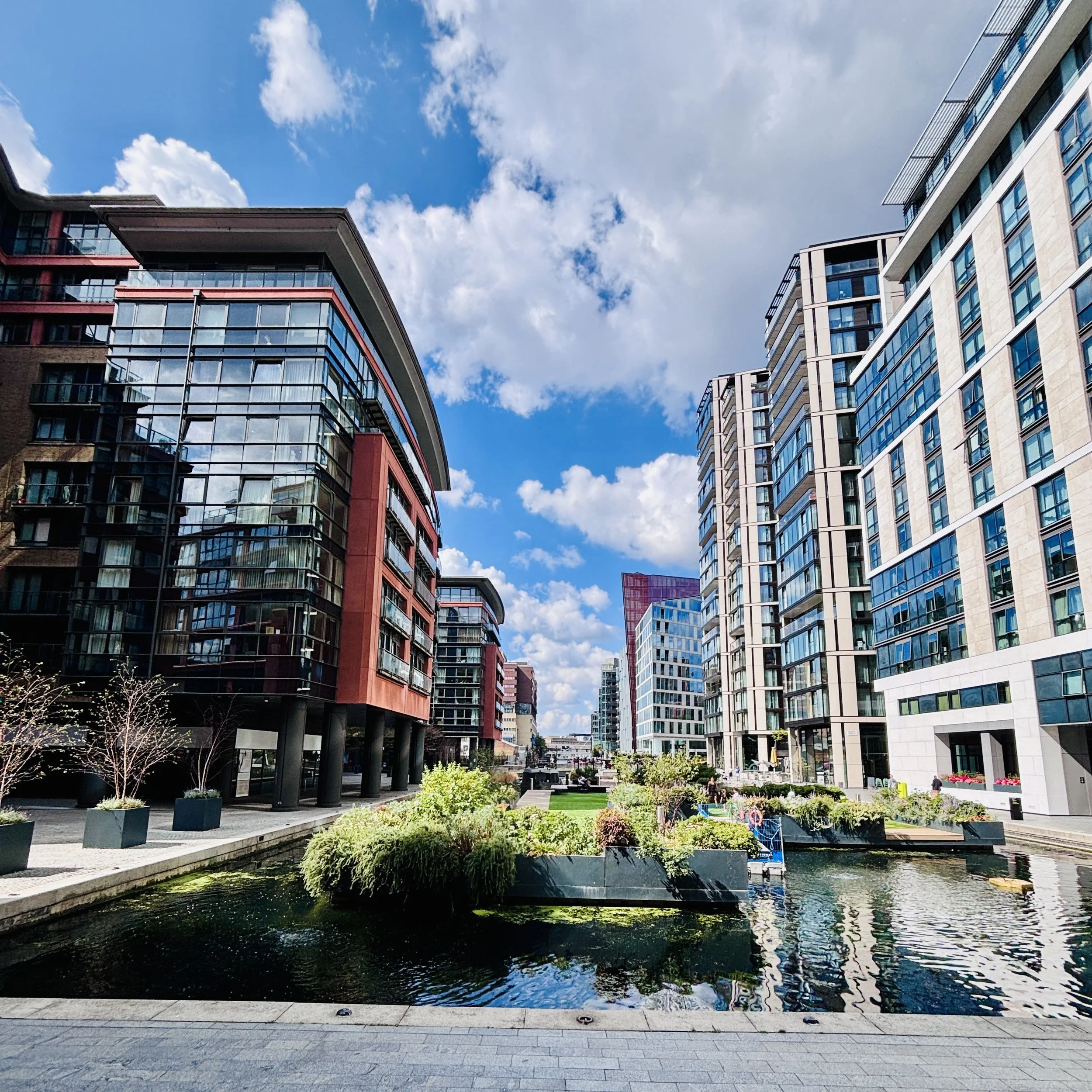
Shortly after Maida Vale, I hit the Grand Union Canal. This is very familiar territory for me as I work nearby, and I enjoyed the stroll through Paddington Basin before scooting around St. Mary's Hospital towards Edgware Road.
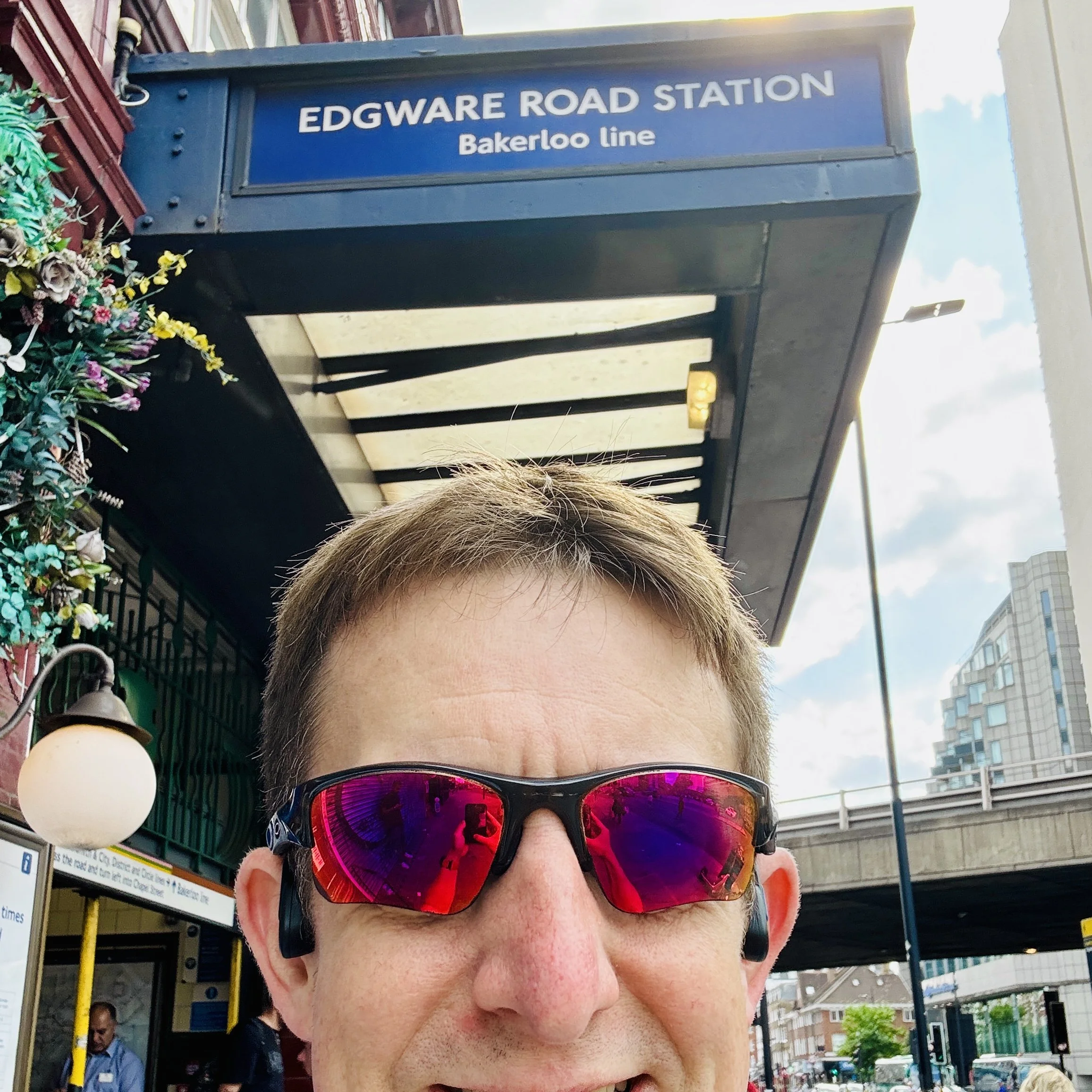
It was at Edgware Road that I encountered my first navigational issue. When mapping out the run, I had accidentally planned my route to the wrong Edgware Road station. As tube trivia fans will know, there are two stations with the same name located very close to each other, but they aren't physically connected. One serves the Hammersmith & City and Circle lines, while the other, situated on the opposite side of the A40, serves the Bakerloo line. Naturally, I ended up visiting both of them by accident.
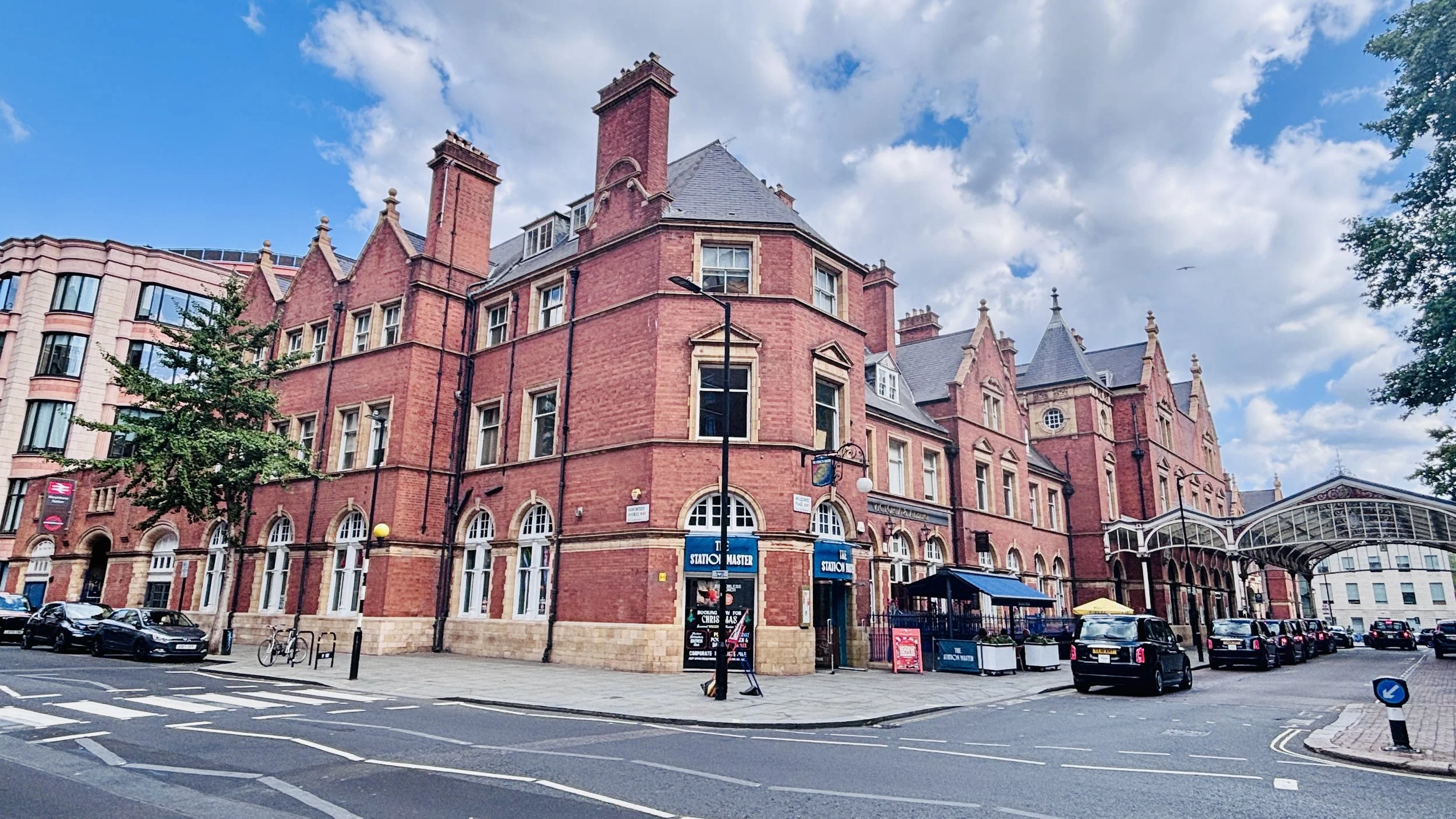
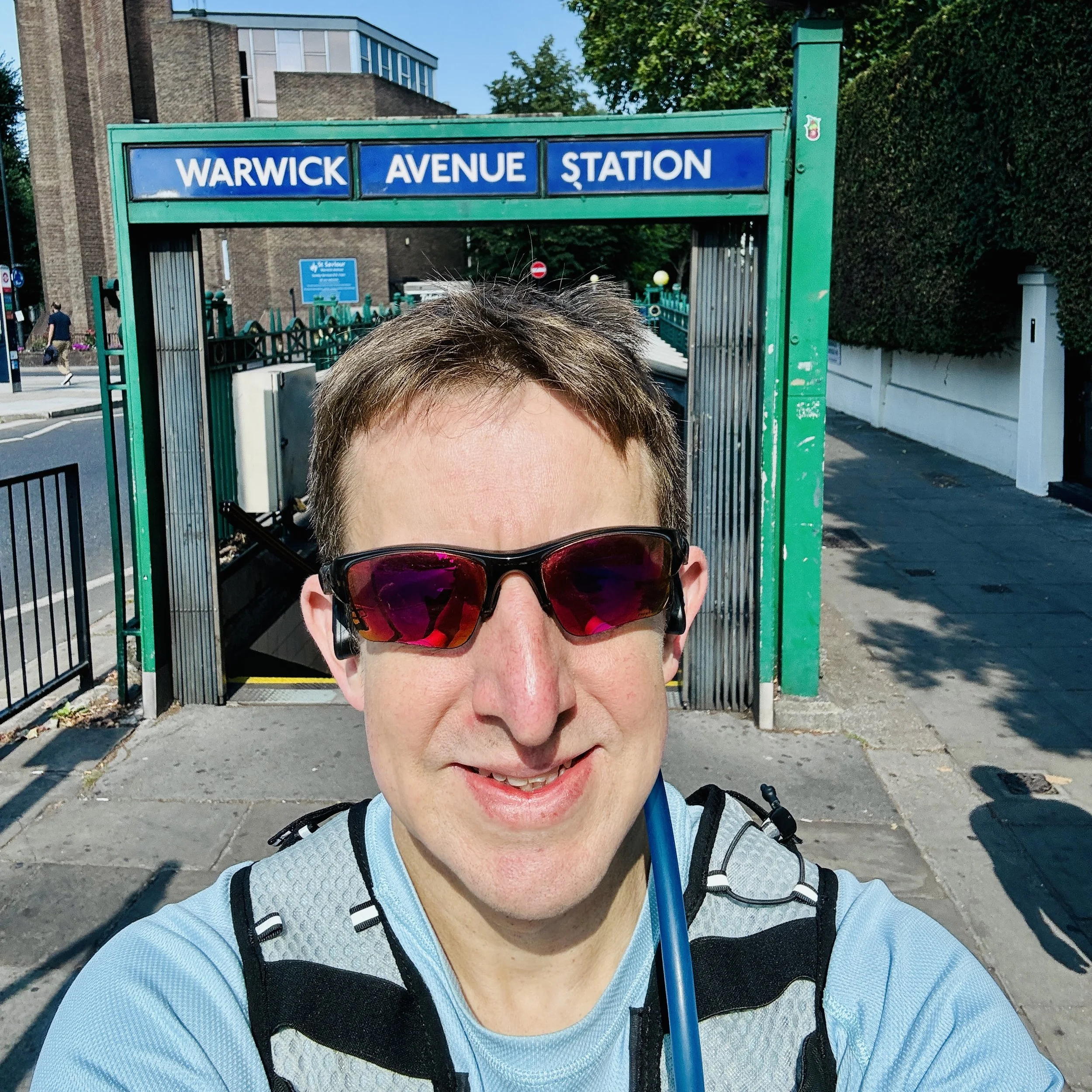
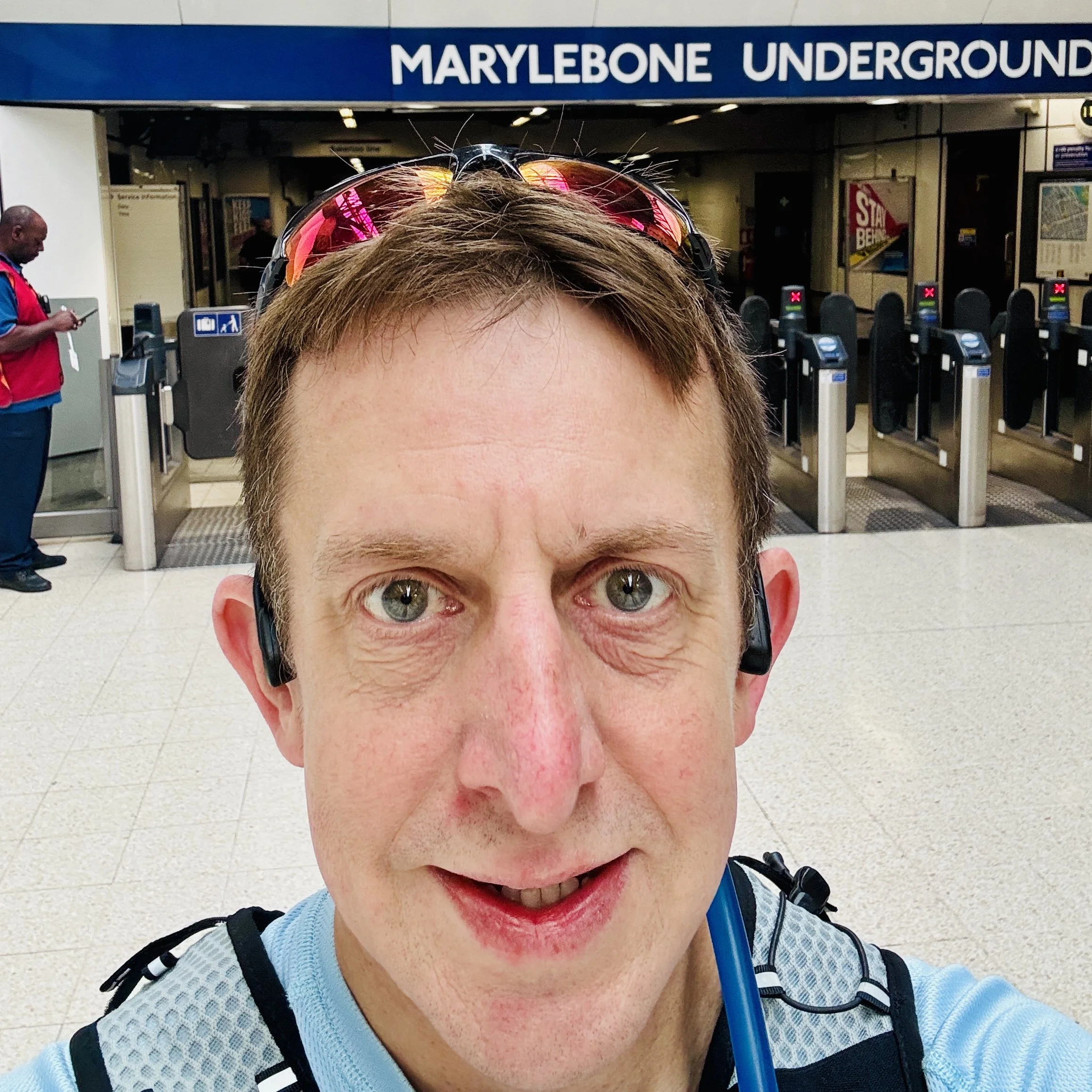
To compound my planning errors, I realised at Edgware Road that I had completely missed Marylebone station off my route list. Thankfully, I was able to divert and get that one in before heading on to Baker Street.
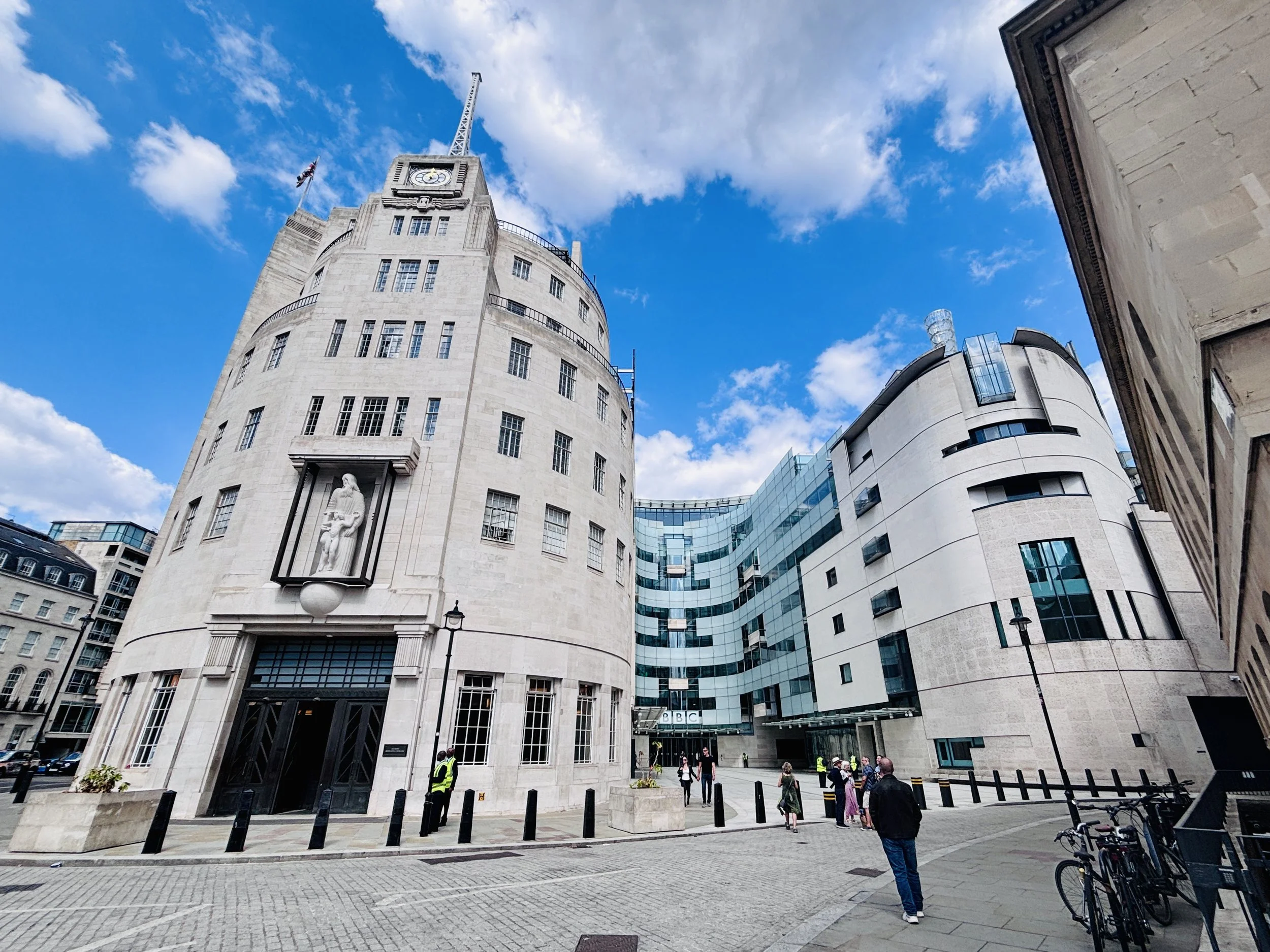
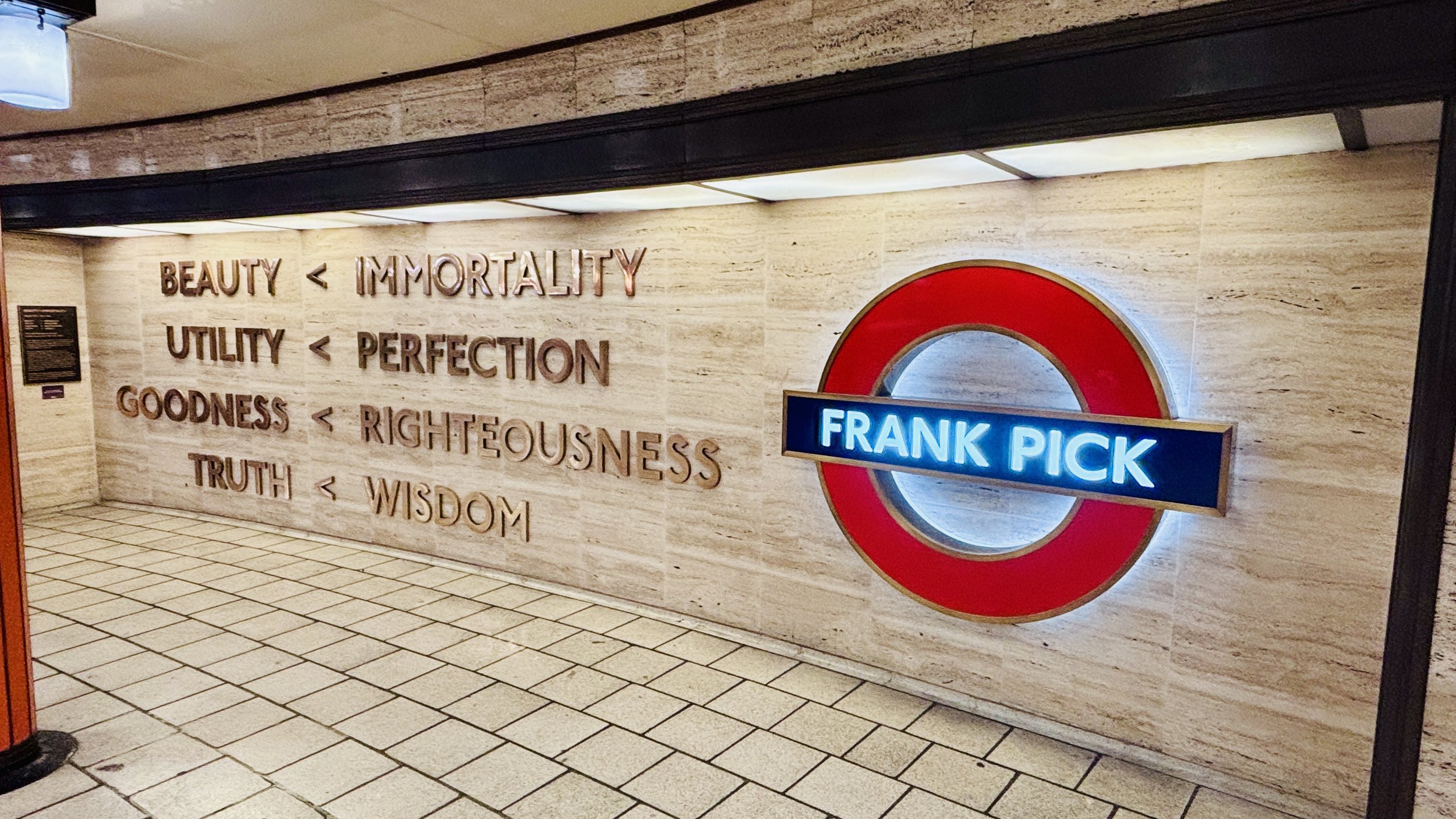
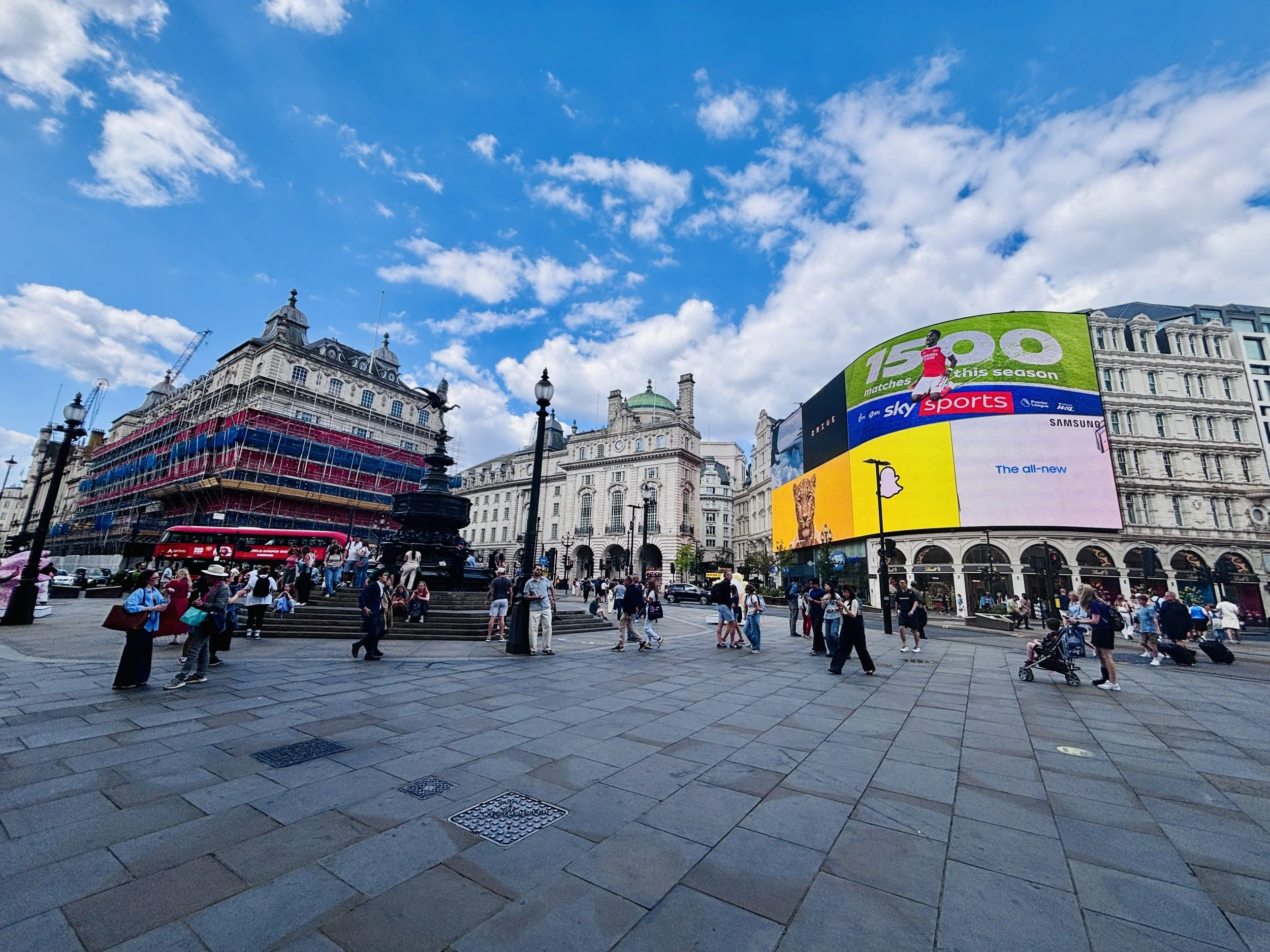
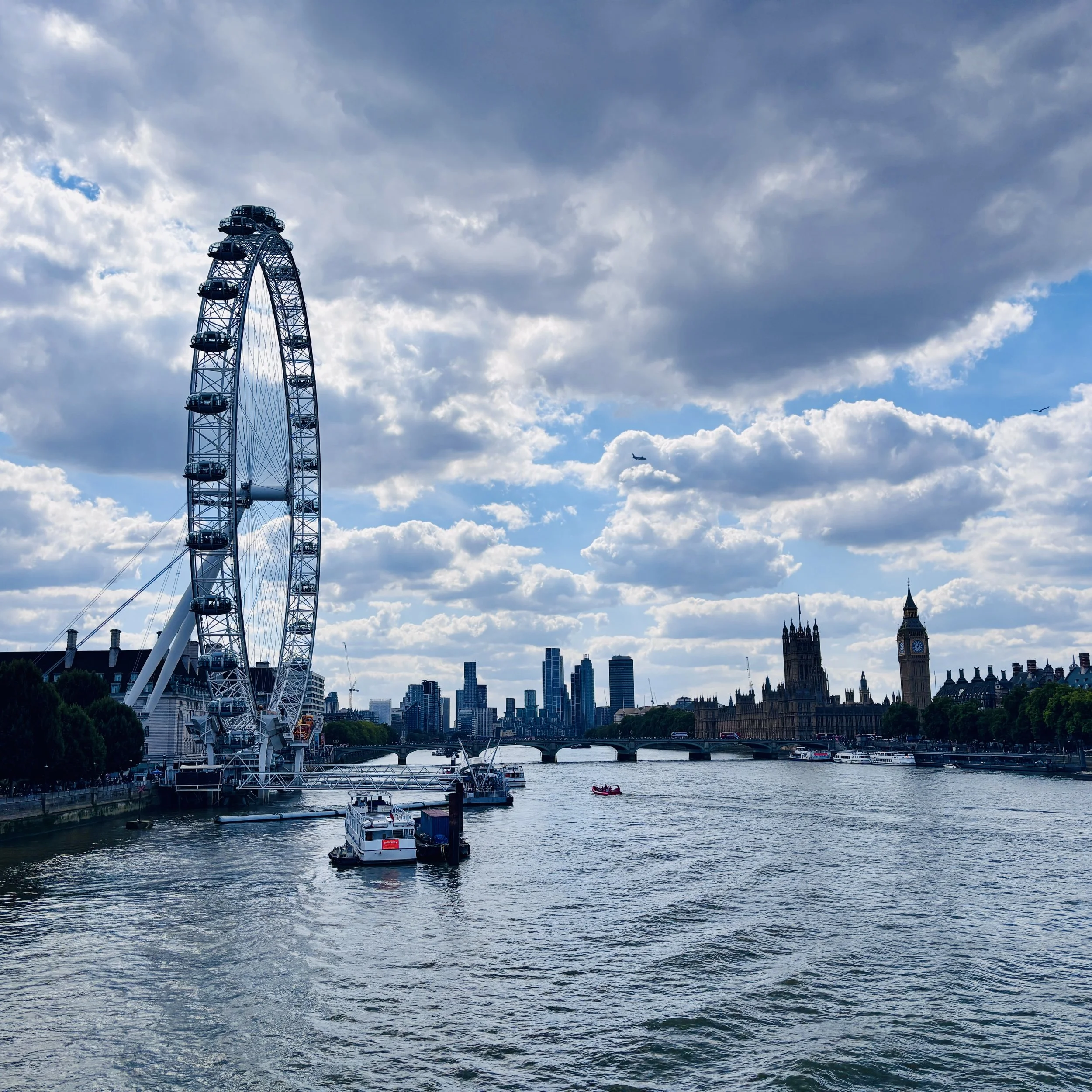
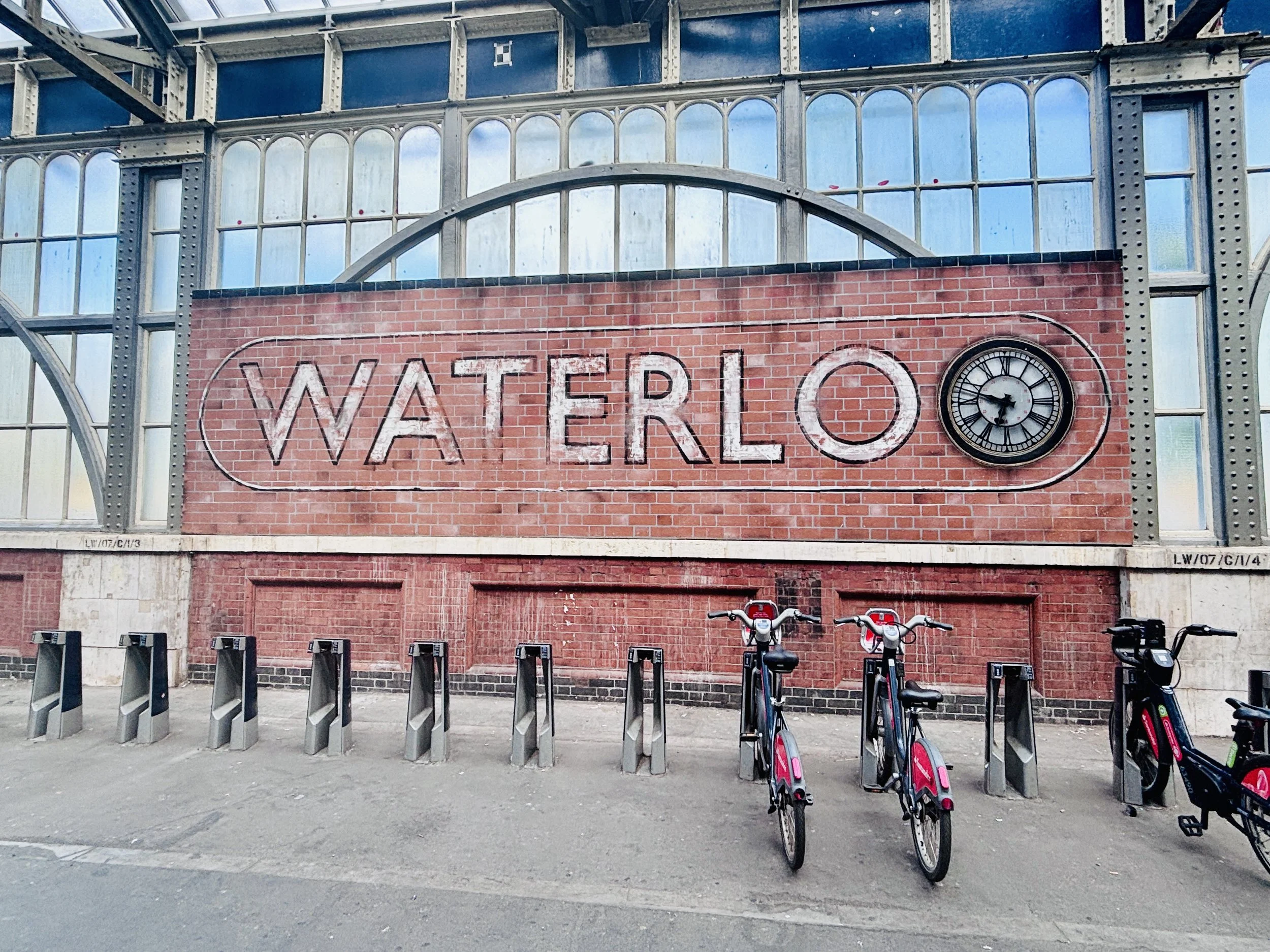
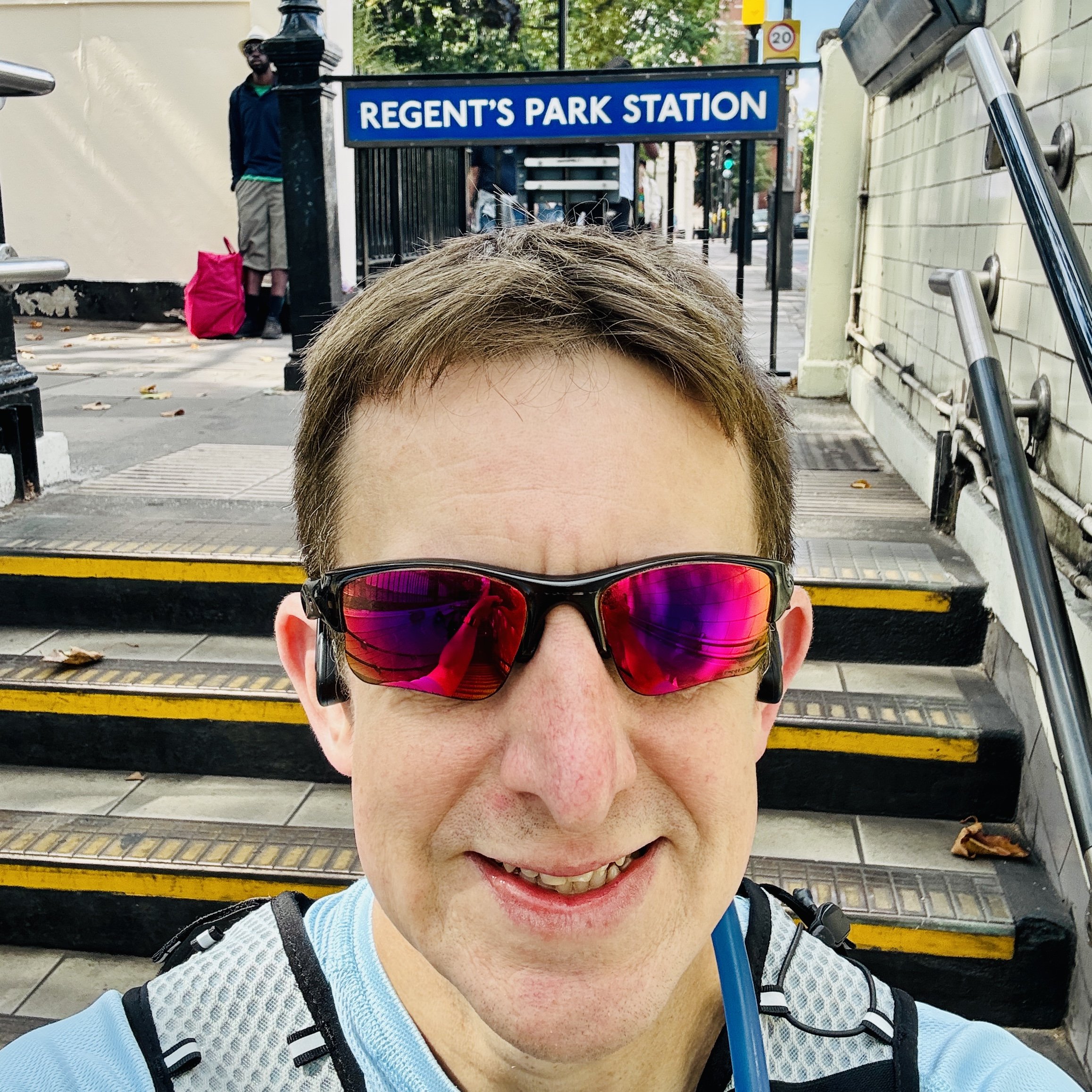
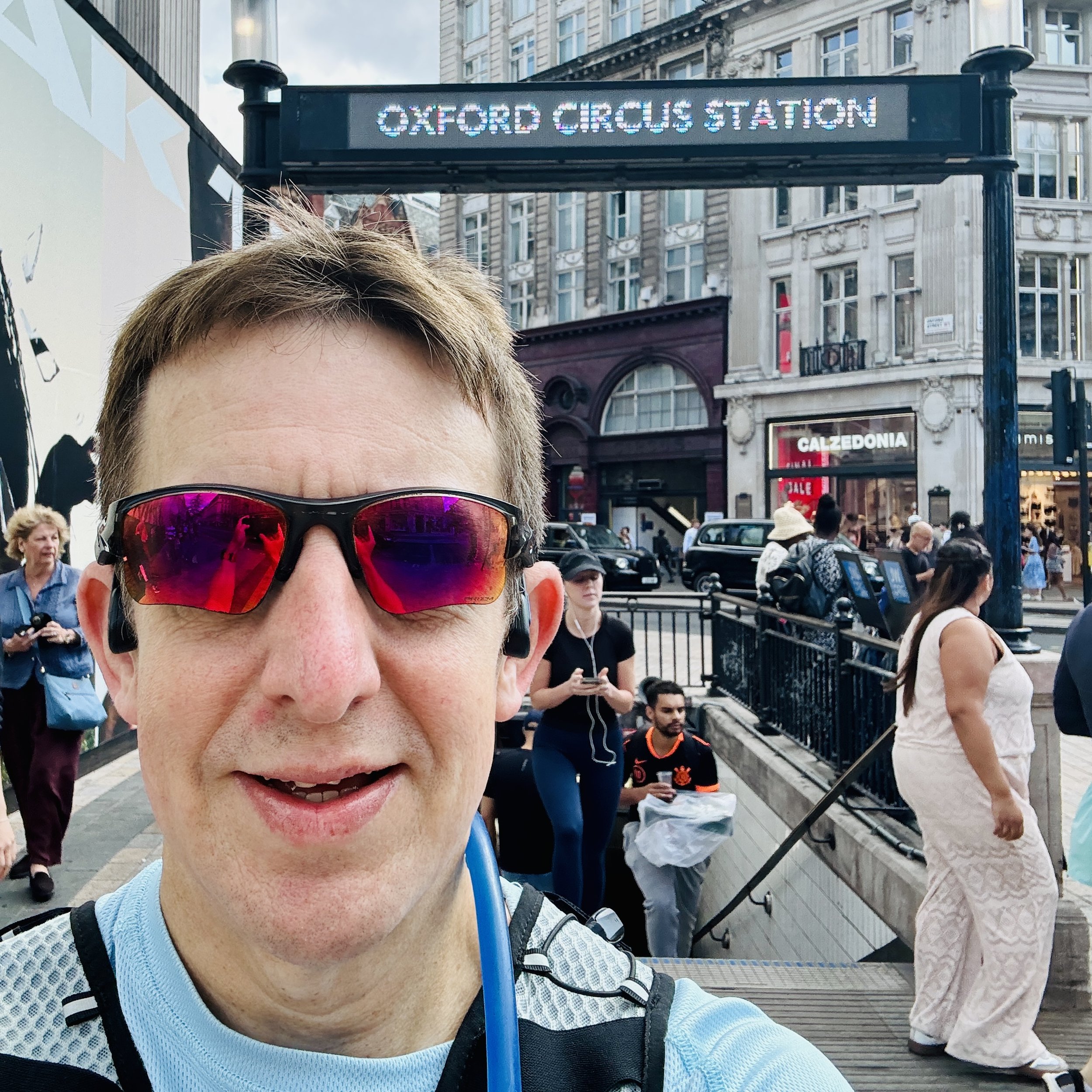
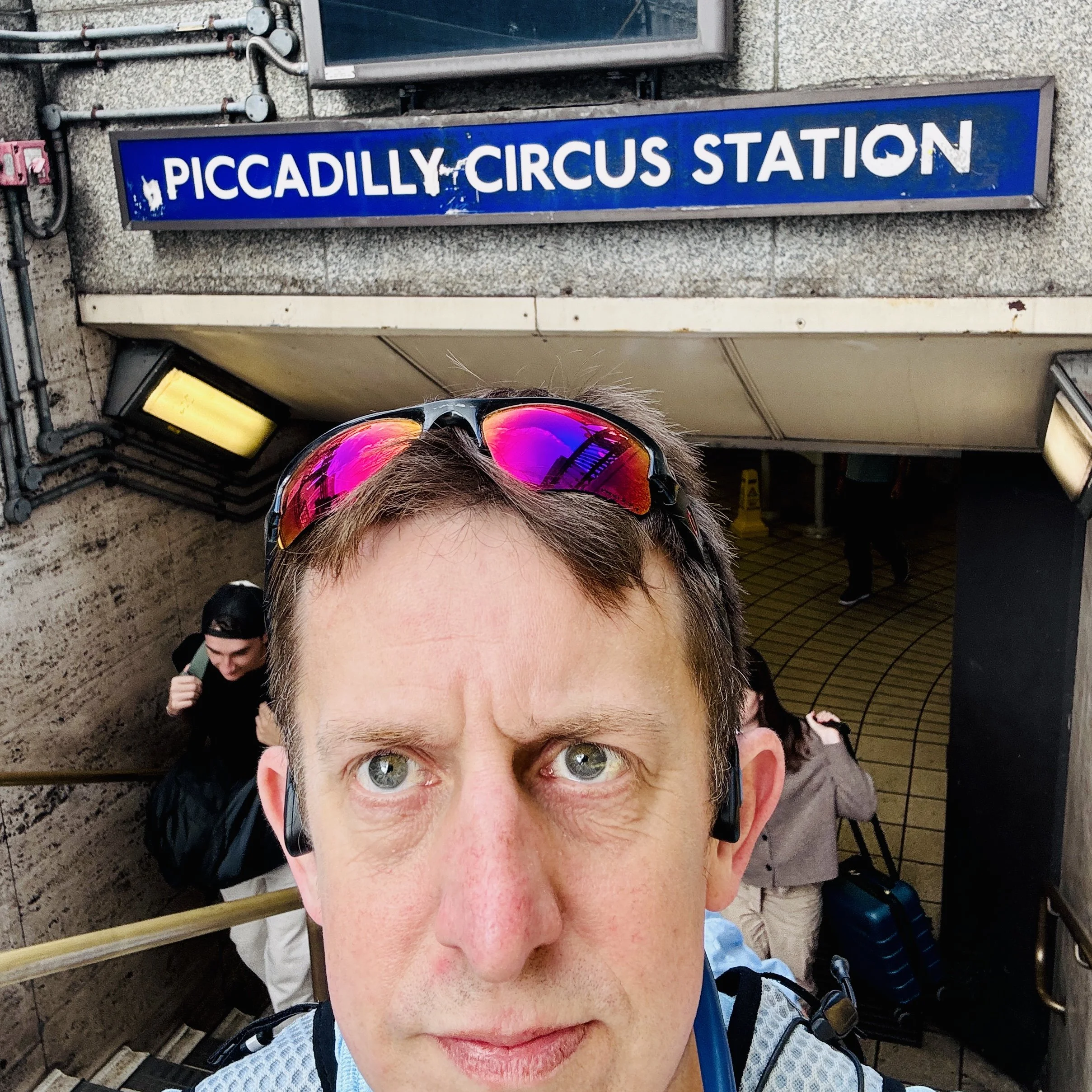
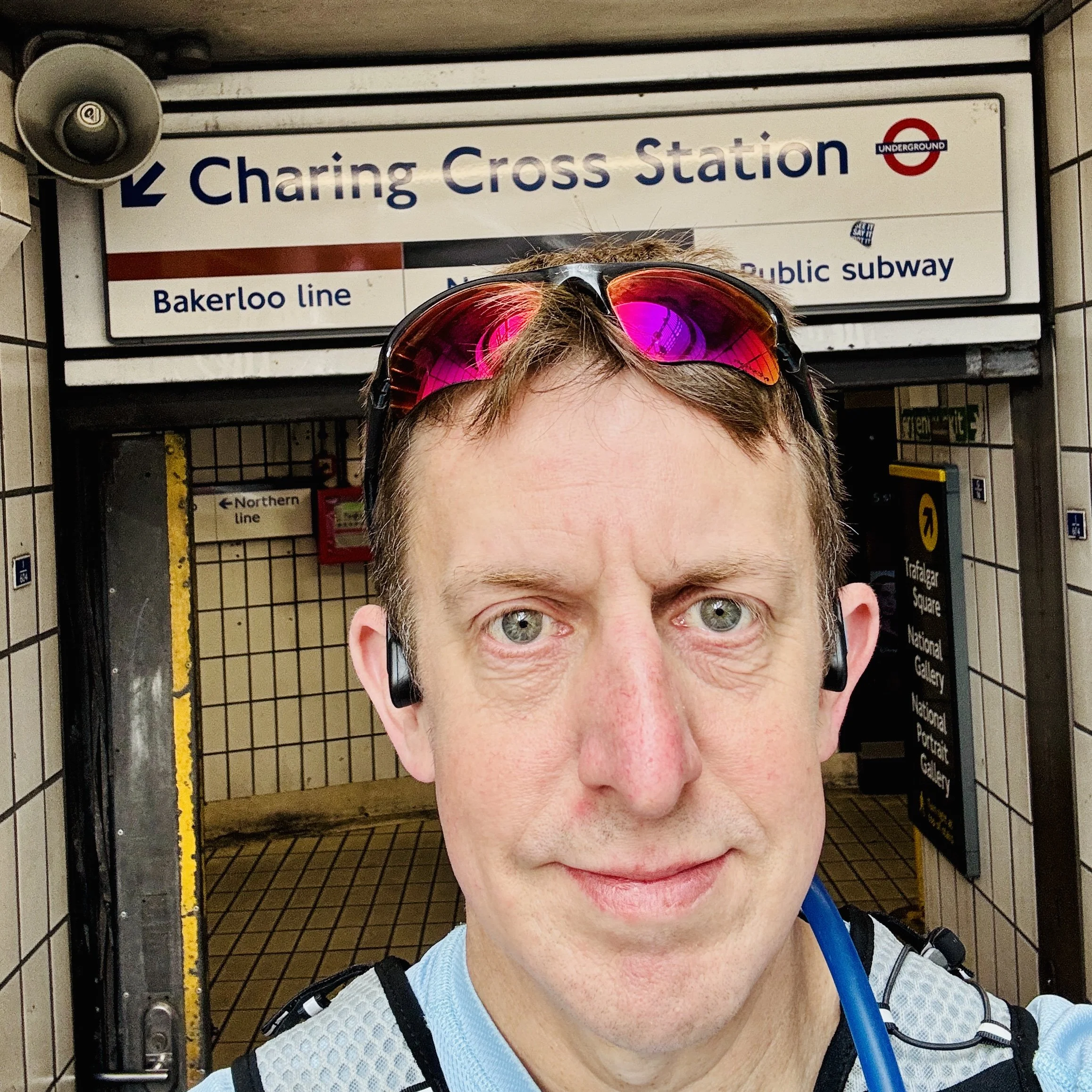
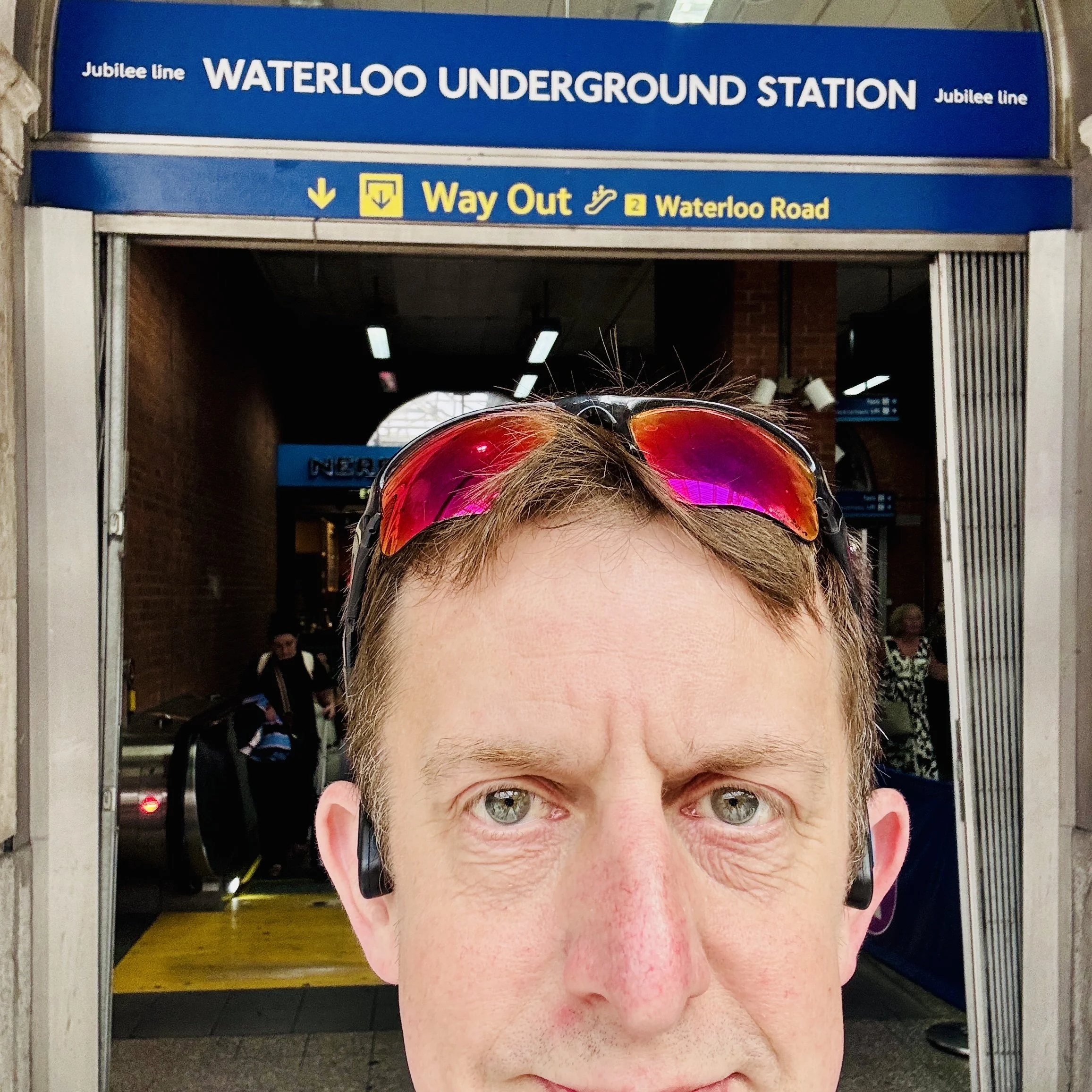
Upon reaching Regent's Park, the Bakerloo line takes a sharp right turn to the south. Interestingly, this station was actually an afterthought: it only received planning permission after construction had already begun on the rest of the line. I followed suit, walking down Regent Street, past the bustling crowds of Oxford Street, and on to Piccadilly Circus. From there, I headed down to Charing Cross and finally crossed the river towards Waterloo Station.
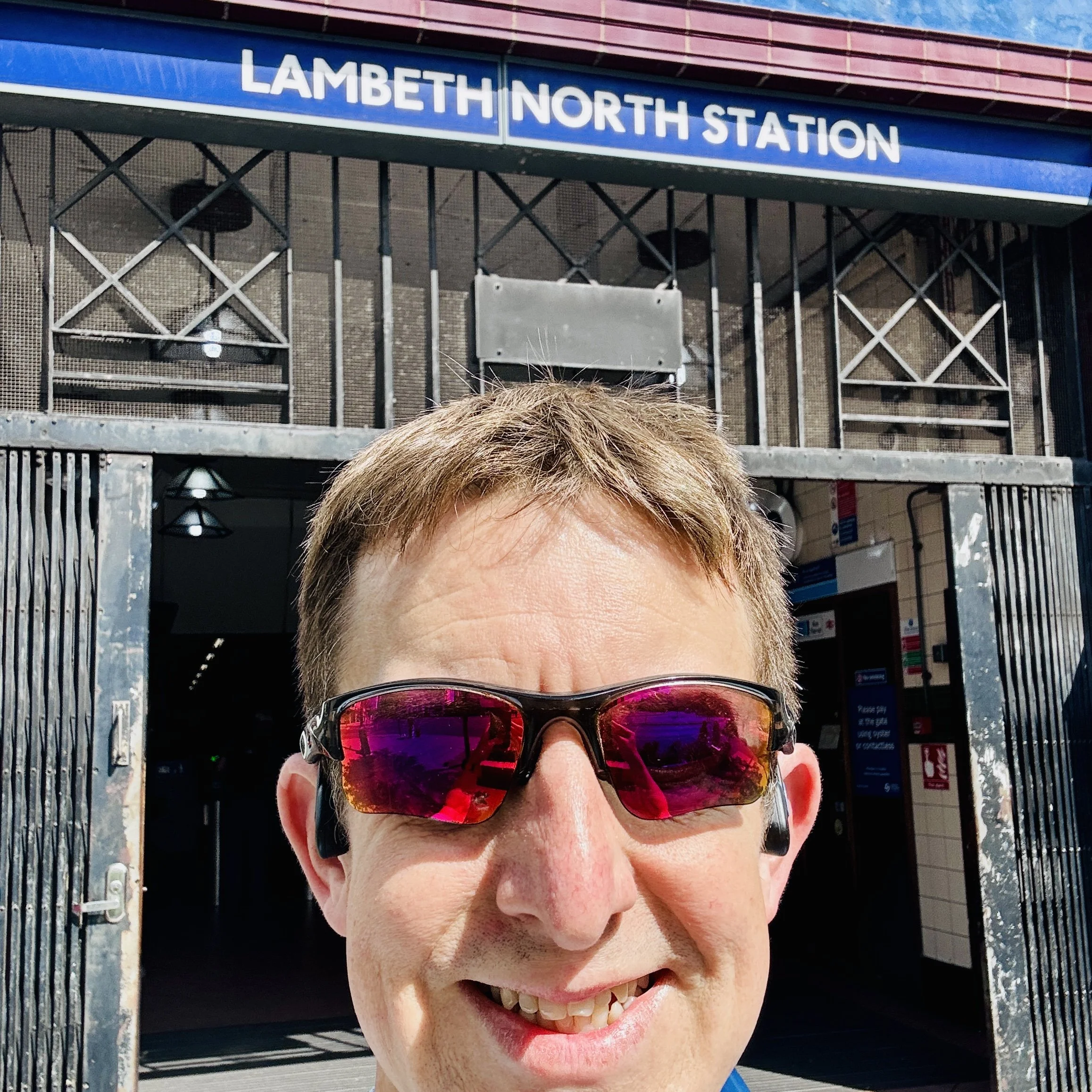
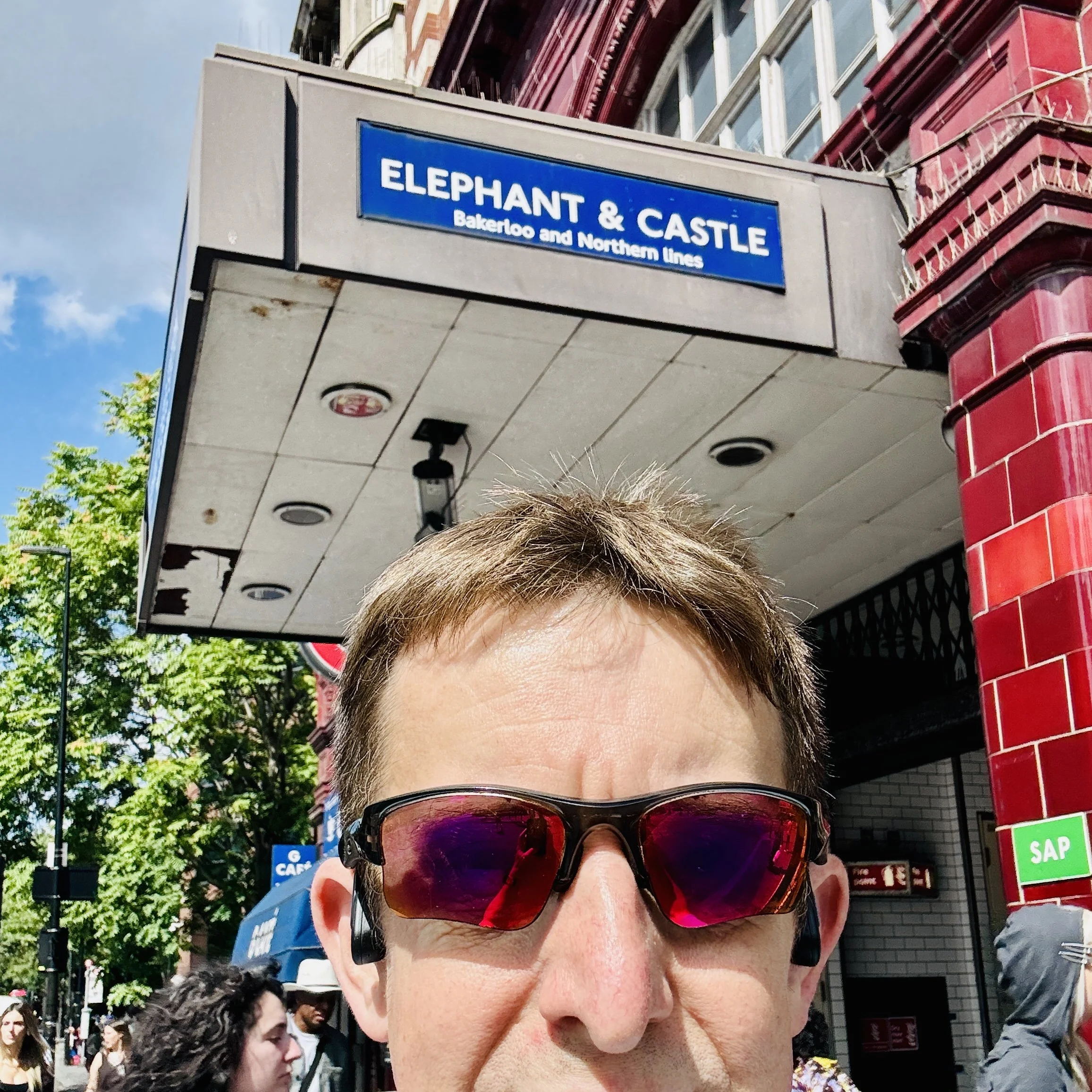
Arriving at Waterloo, my patchy route planning struck again. I realised I had also left Lambeth North out of my itinerary. It is quite ironic that I missed it, as the station has historically struggled with its own identity. When it opened in 1906, it was originally called Kennington Road, was renamed Westminster Bridge Road months later, and finally settled on Lambeth North in 1917. I made a quick detour south to visit it, snapping the required selfie before finally ending up at the southern terminus: Elephant & Castle.
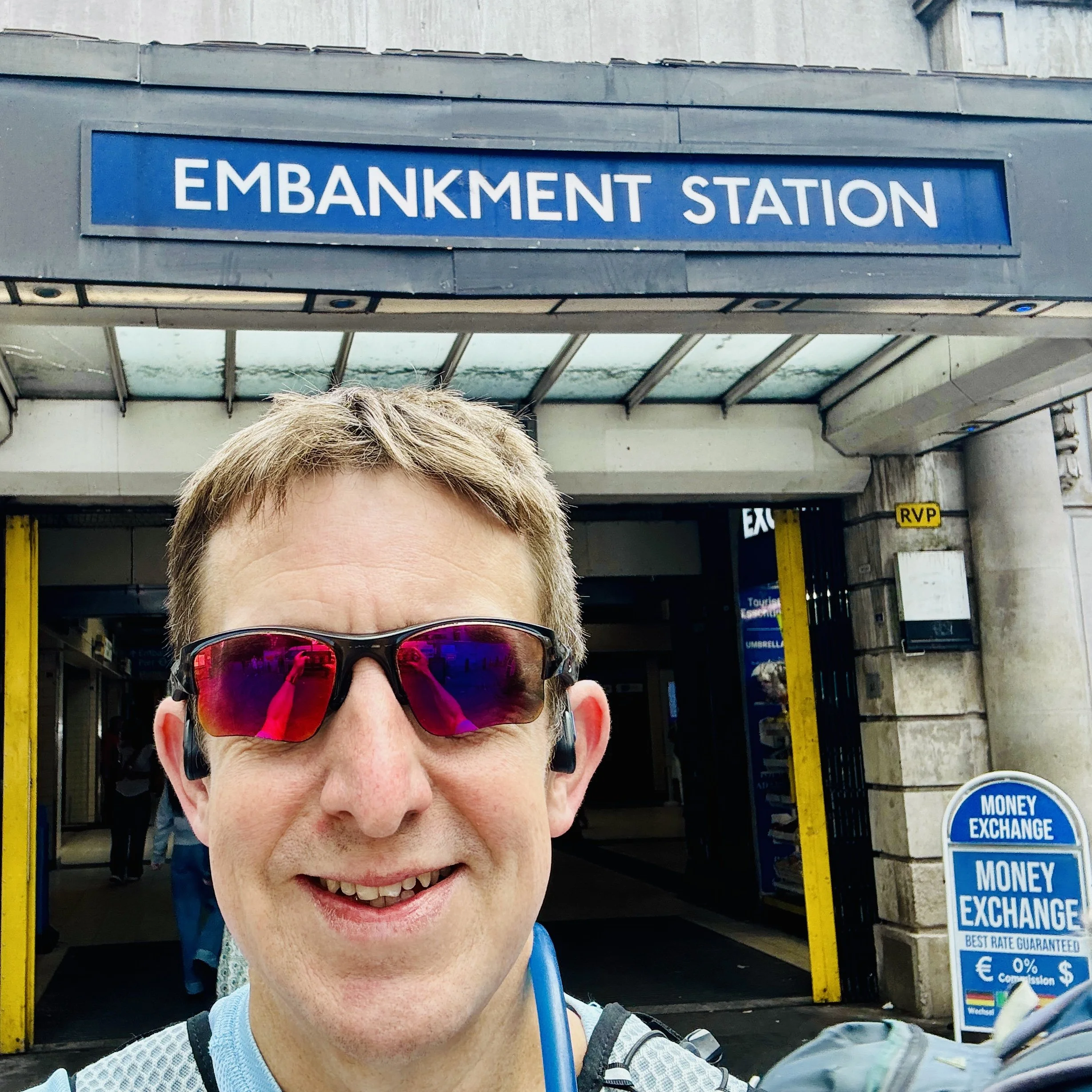
I had covered the 27 kilometres. The run/walk was complete. Or so I thought. As I stood at Elephant & Castle, reviewing the day's efforts, I had a sudden, sinking realisation. I had walked straight past Embankment station without getting a selfie.
There was only one thing to do. I hopped on the Bakerloo line at Elephant & Castle, rode it a few stops north, and got out at Embankment to take the forgotten selfie. Mission officially accomplished, I got back on the train and took the tube all the way back up to Harrow & Wealdstone to collect my car and head home.
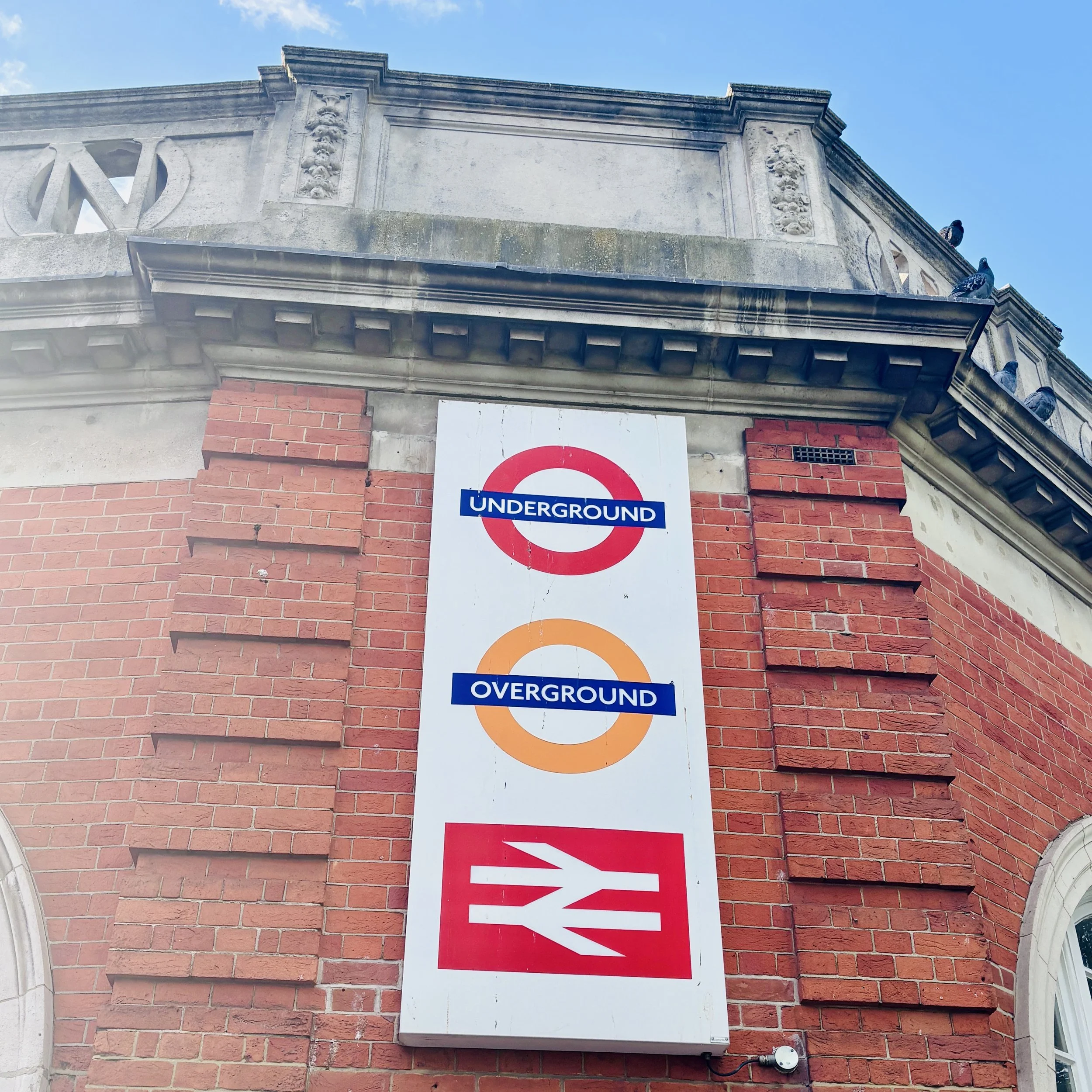
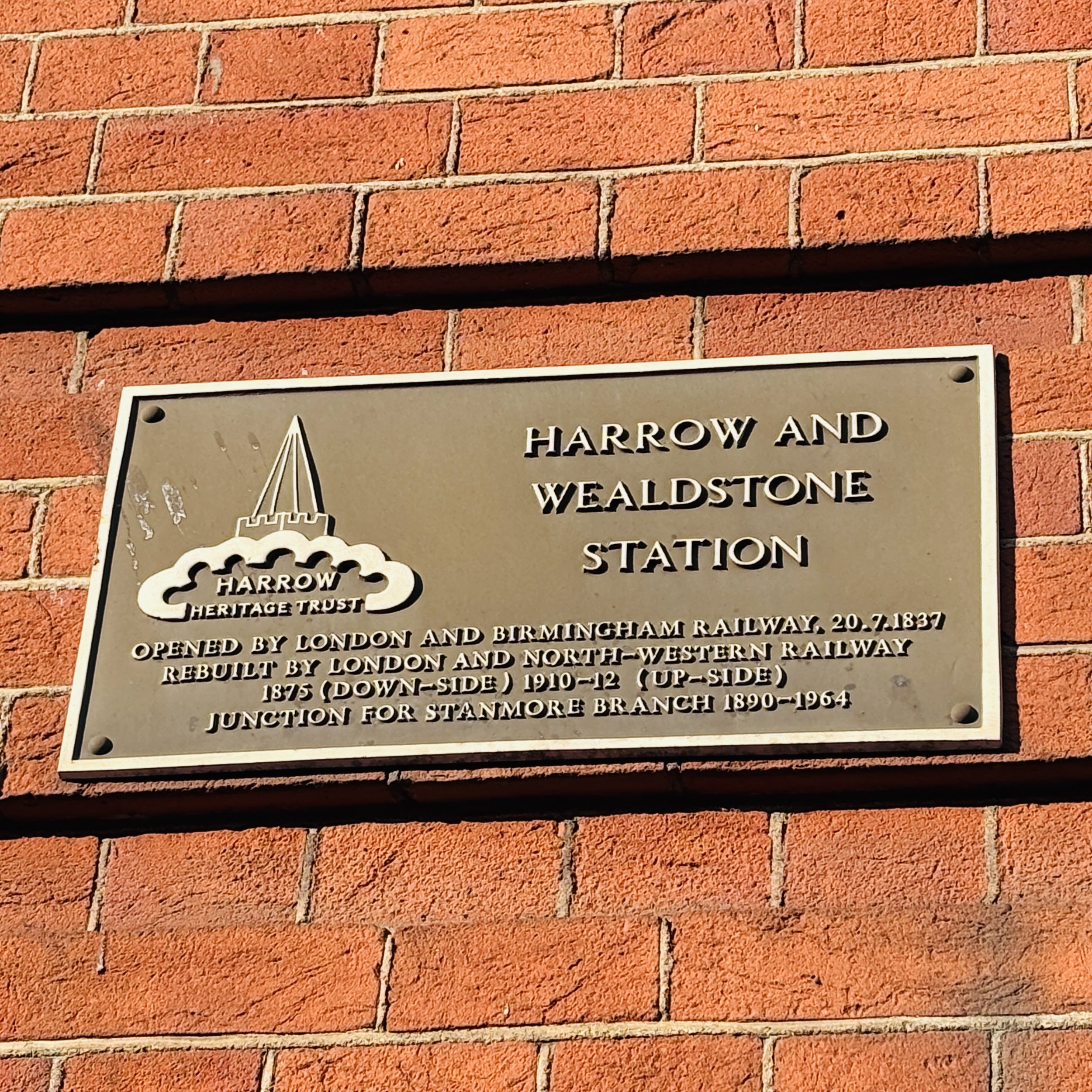
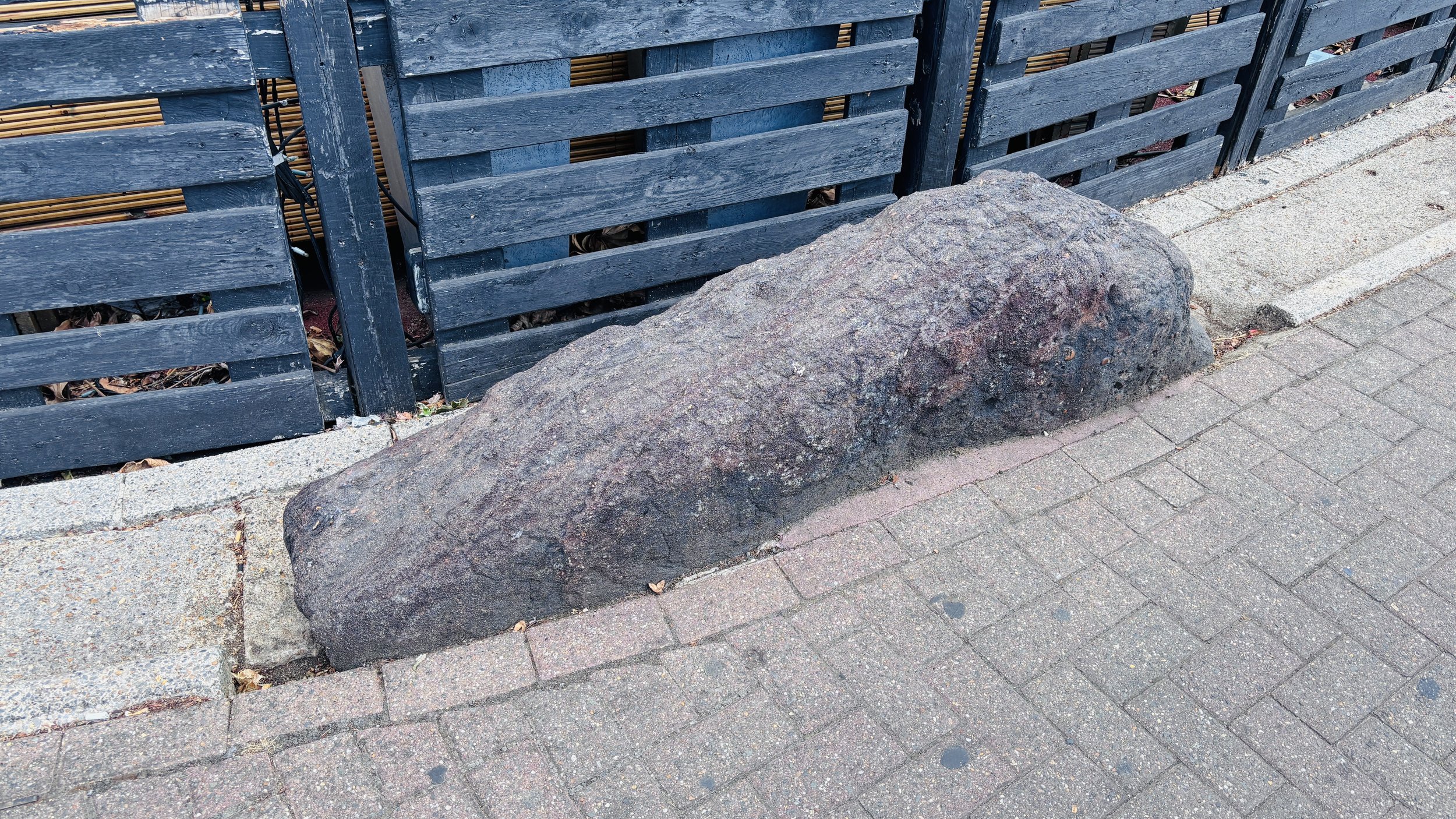
Back at Harrow & Wealdstone station, I decided to do a little extra bit of geekery by finding the eponymous Weald Stone. It is a seven-minute drive away, sitting unassumingly outside the Bombay Central restaurant on a roundabout.
It turns out that this ancient stone traditionally marked the old boundary between the parishes of Harrow and Harrow Weald. Interestingly, it is a sarsen stone, which is the exact same type of stone used to build Stonehenge. Finding this quirky piece of history made for a very satisfying end to a weekend of adventures.
Start: Harrow & Wealdstone Station, The Bridge, High St, Harrow HA3 5BP
Finish: Elephant & Castle Station, Bakerloo Line, Elephant and Castle, London SE1 6LW
Distance: 27 km (16.8 miles)
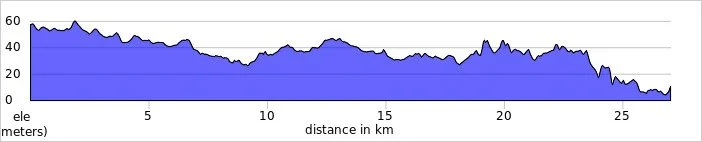
Elevation change: +145m /-193m. Net -48m
GPX File: get via Buy Me a Coffee
Other routes touched (Walk): Capital Ring, Regents Canal Towpath, Jubilee Greenway, Thames Path
Other routes touched (Cycle): C3, C5, C6, C27, C57, NCN4
Map: OS Explorer Map (173) London North, The City, West End, Enfield, Ealing, Harrow & Watford
More London Posts
If you enjoyed reading this post, there is plenty more to explore across the capital. I have put together a dedicated London Outdoors page where I keep track of all my other adventures around the city. It is a handy index where I group my posts by the different types of places I have visited: including historic boundary lines, canal towpaths, and some surprising urban high points.
The collection covers a bit of everything: from long-distance cycling routes to tracing the underground network on foot, and ticking off another Saturday morning parkrun. If you are looking for some inspiration for your own weekend outings, head back over to the London Outdoors page to see what else I have been up to.
Running The Circle Line
The idea of navigating above-ground trips along the London Underground lines is not exactly new. Mark Mason's brilliant 2011 book, Walk the Lines, is perhaps the best example, and many other running geeks have also attempted them. Needing to escape the house and clear my head on a cold mid-December morning in 2016, I set off to conquer the Circle Line.
The Circle Line is a great starting point for above-ground Tube adventures. All the other lines have distant start and end points that stretch deep into the suburbs and require quite a bit more logistical planning. At just over a half marathon, tracing the Circle is an easy, self-contained half day adventure.
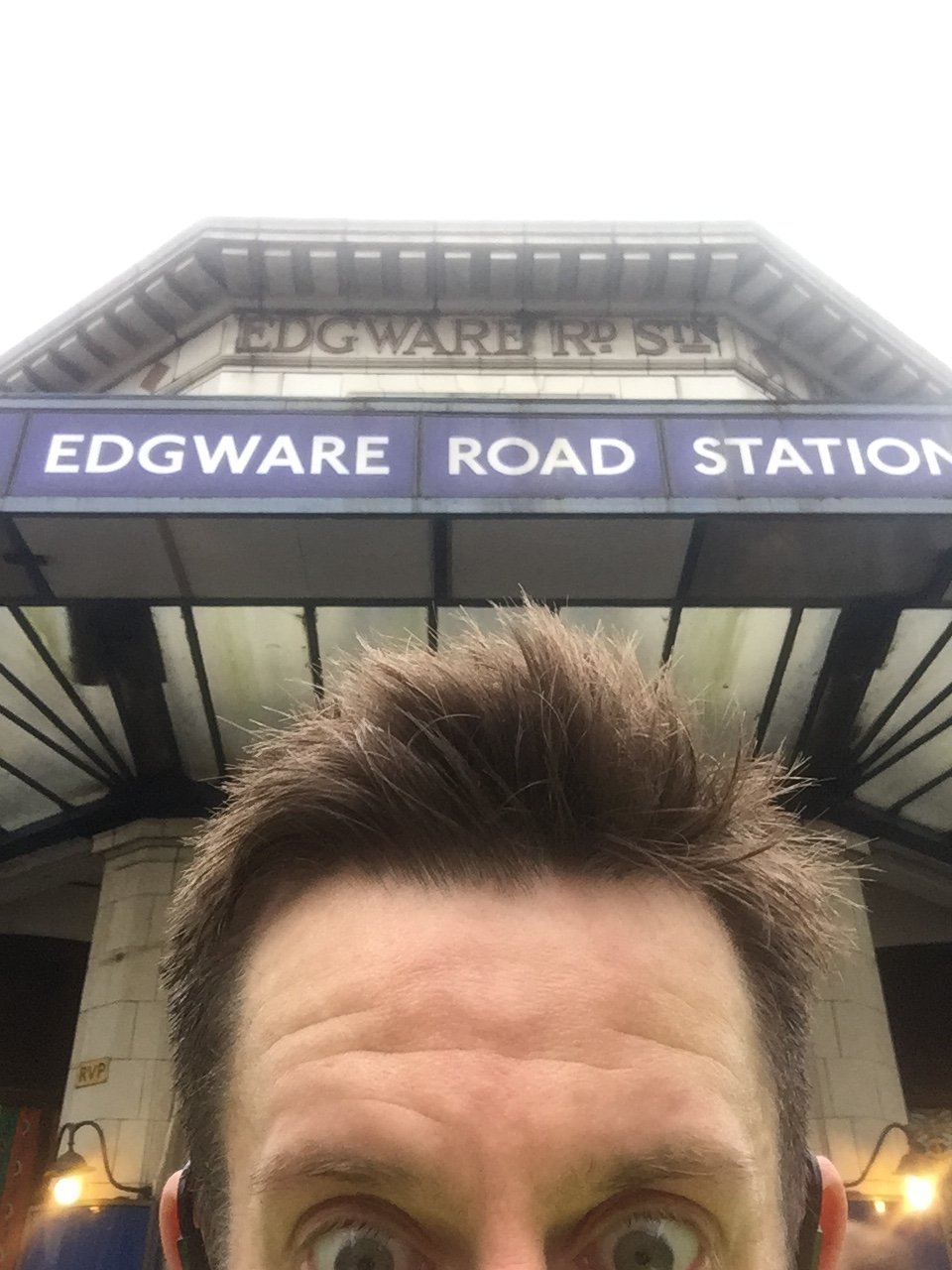
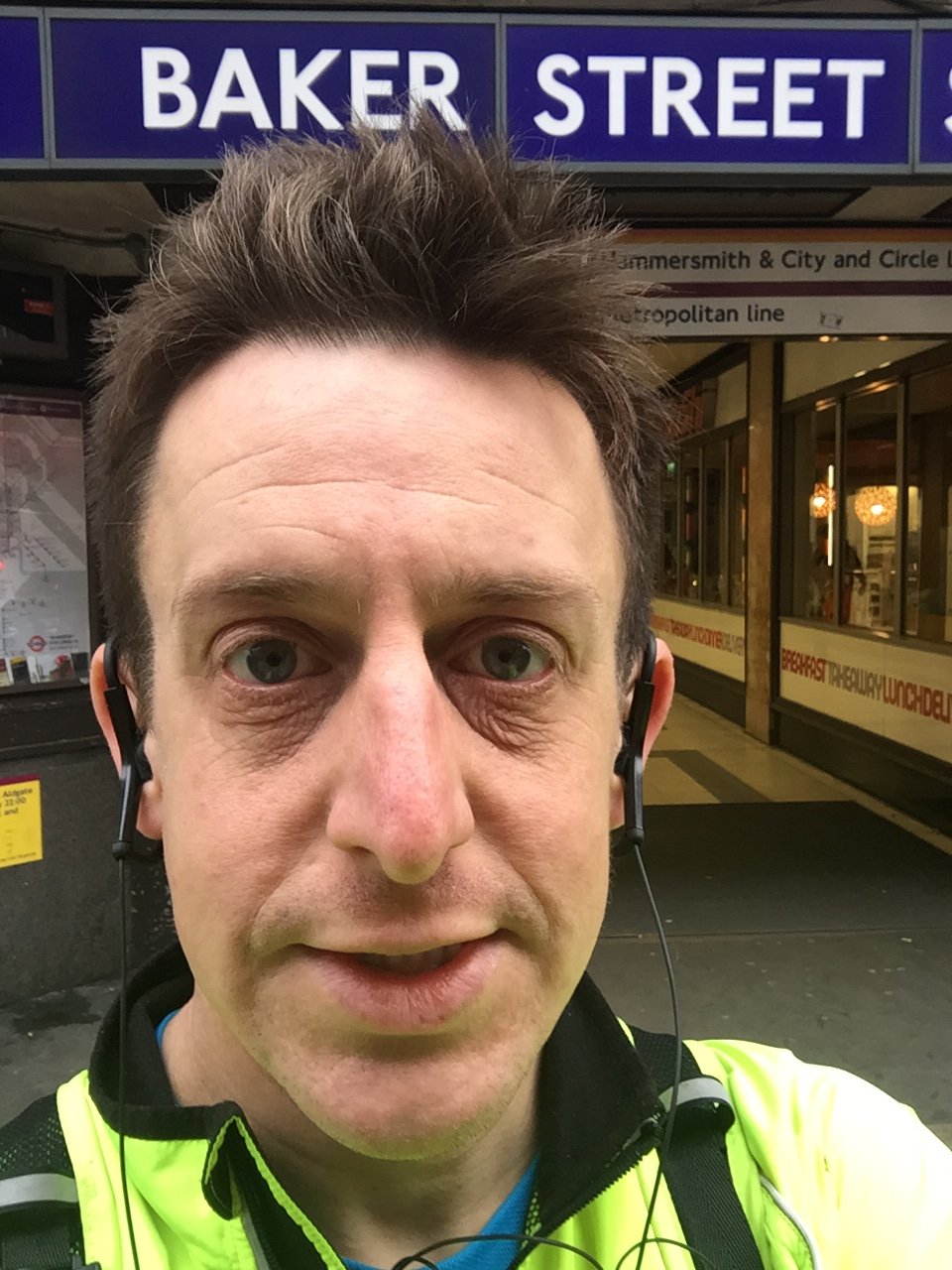
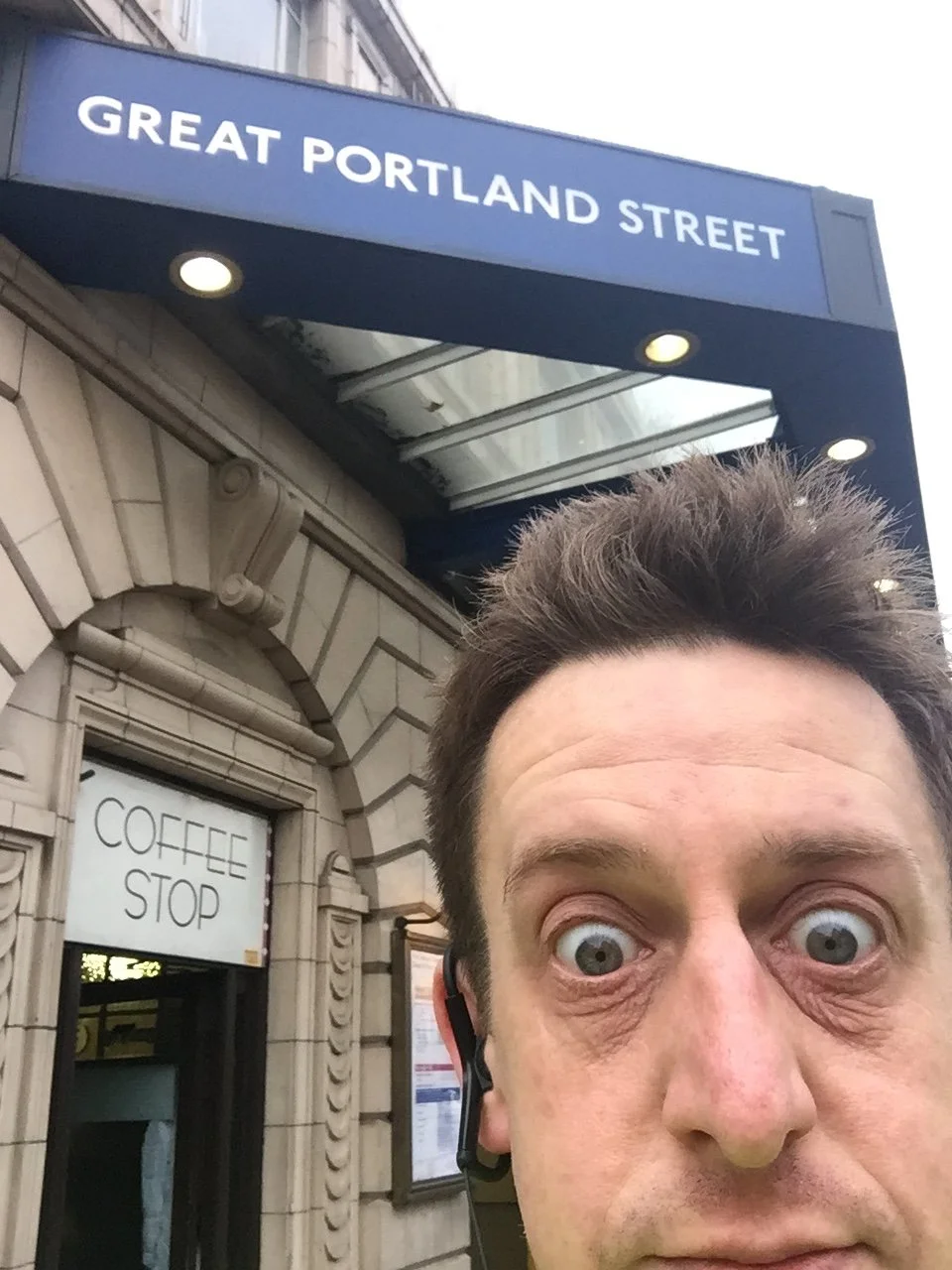
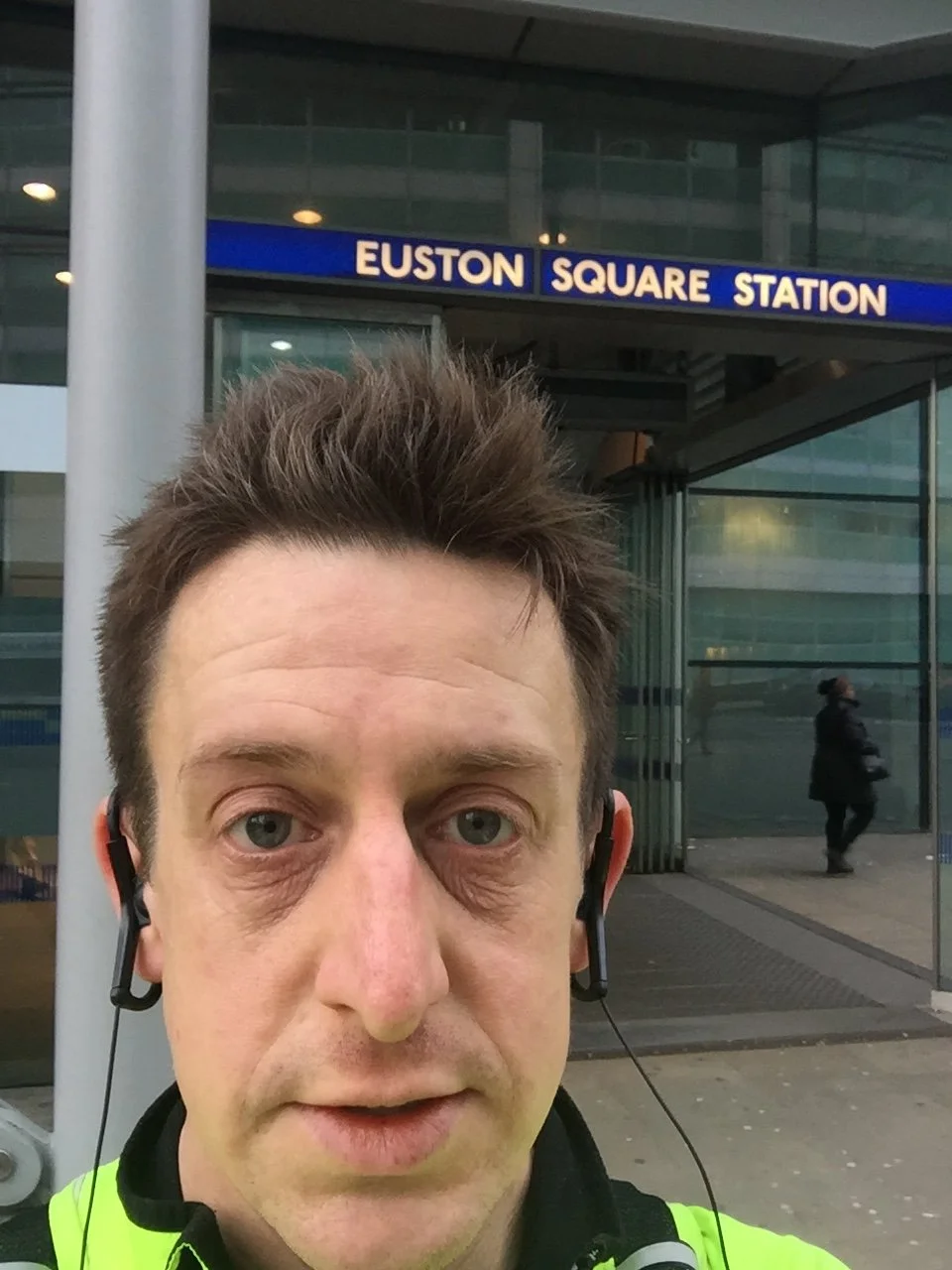
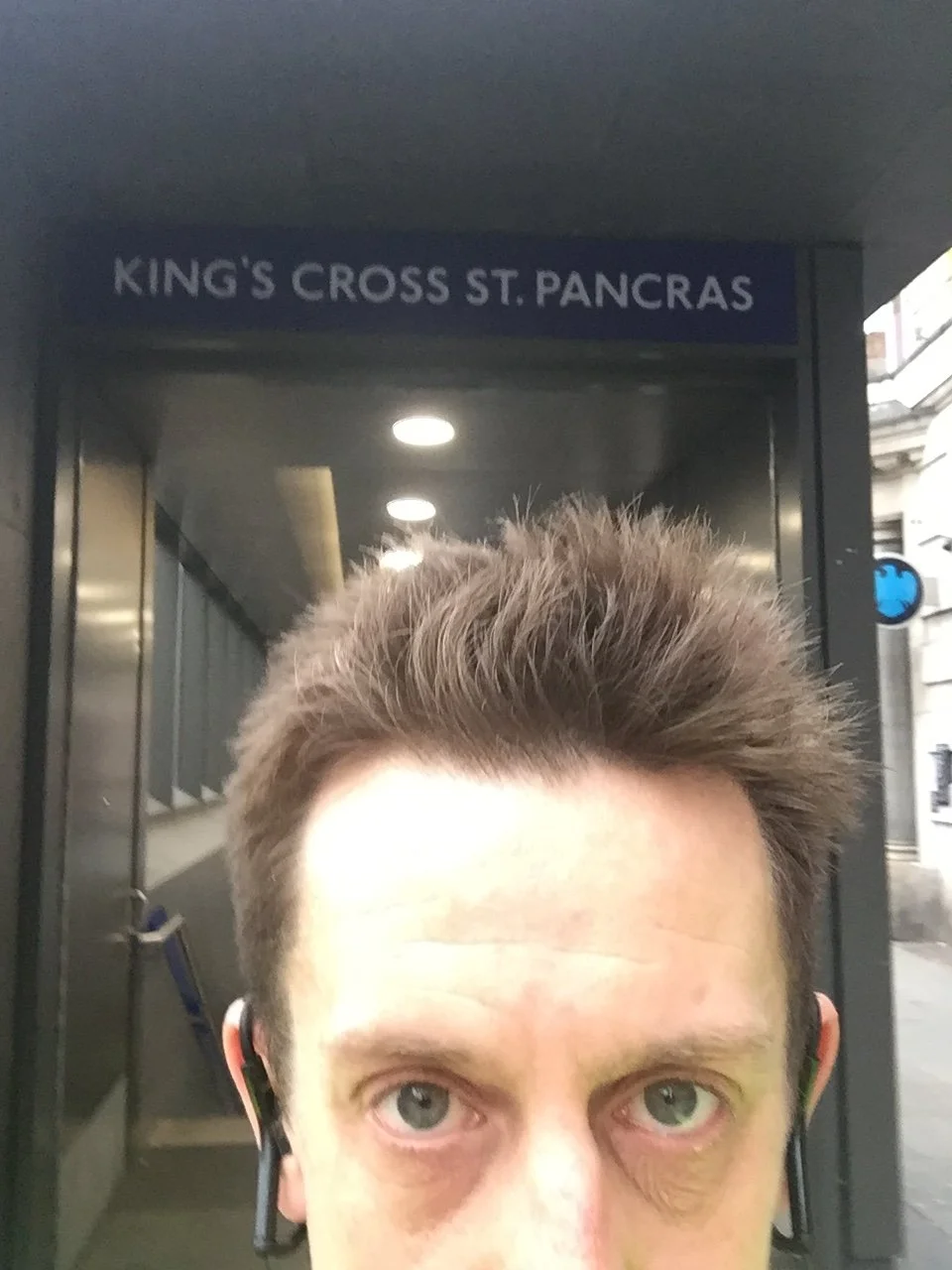
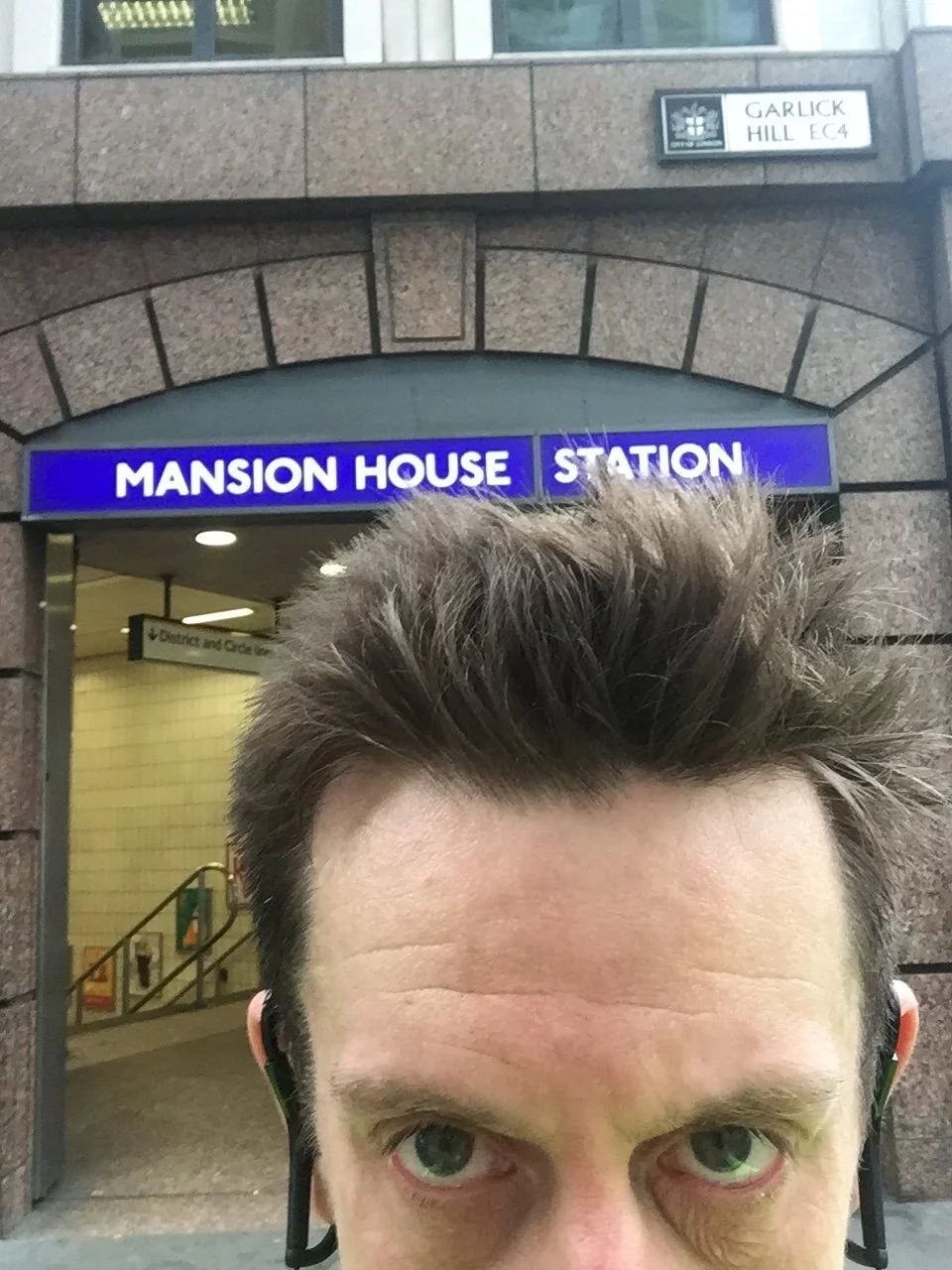
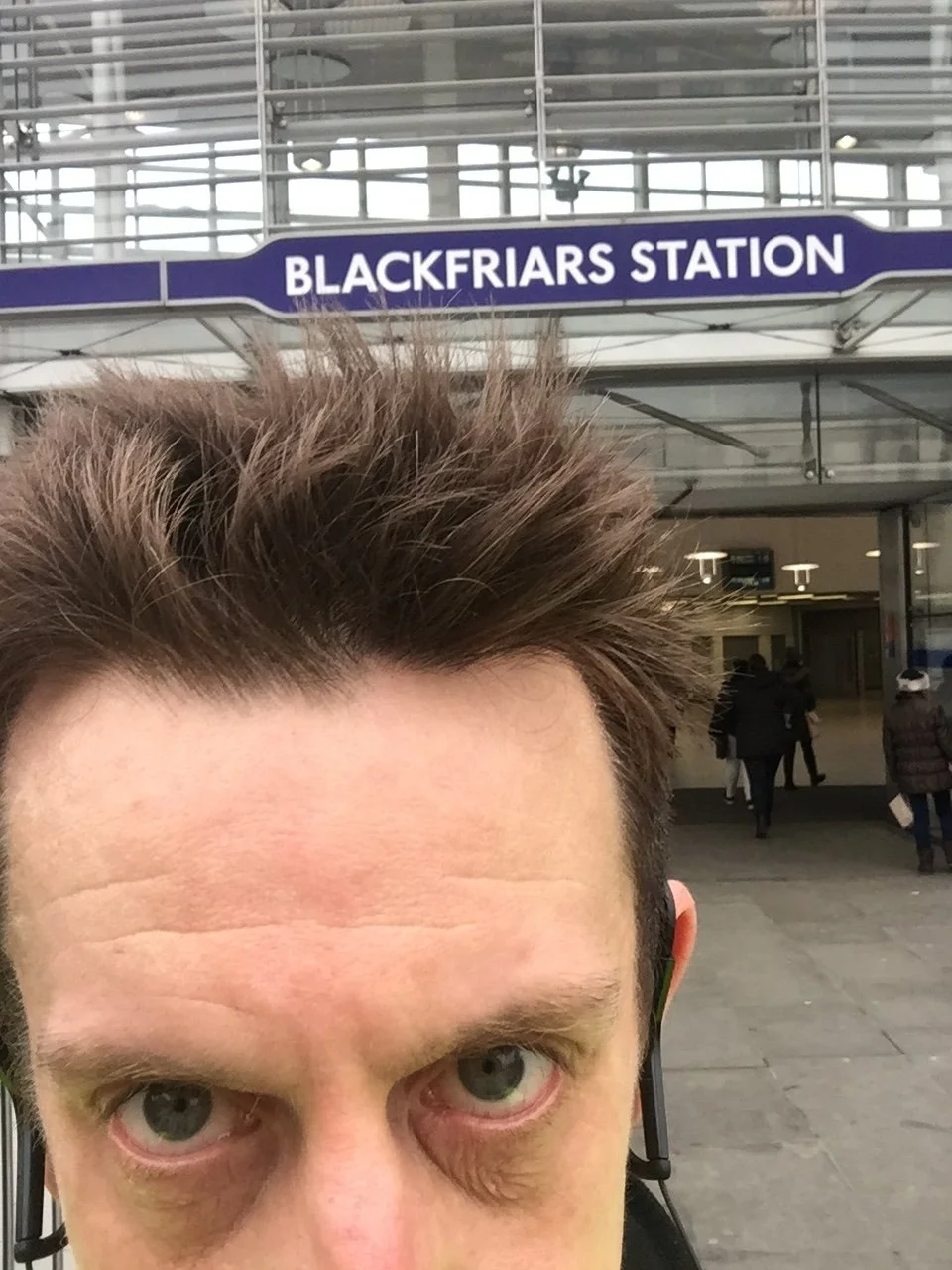
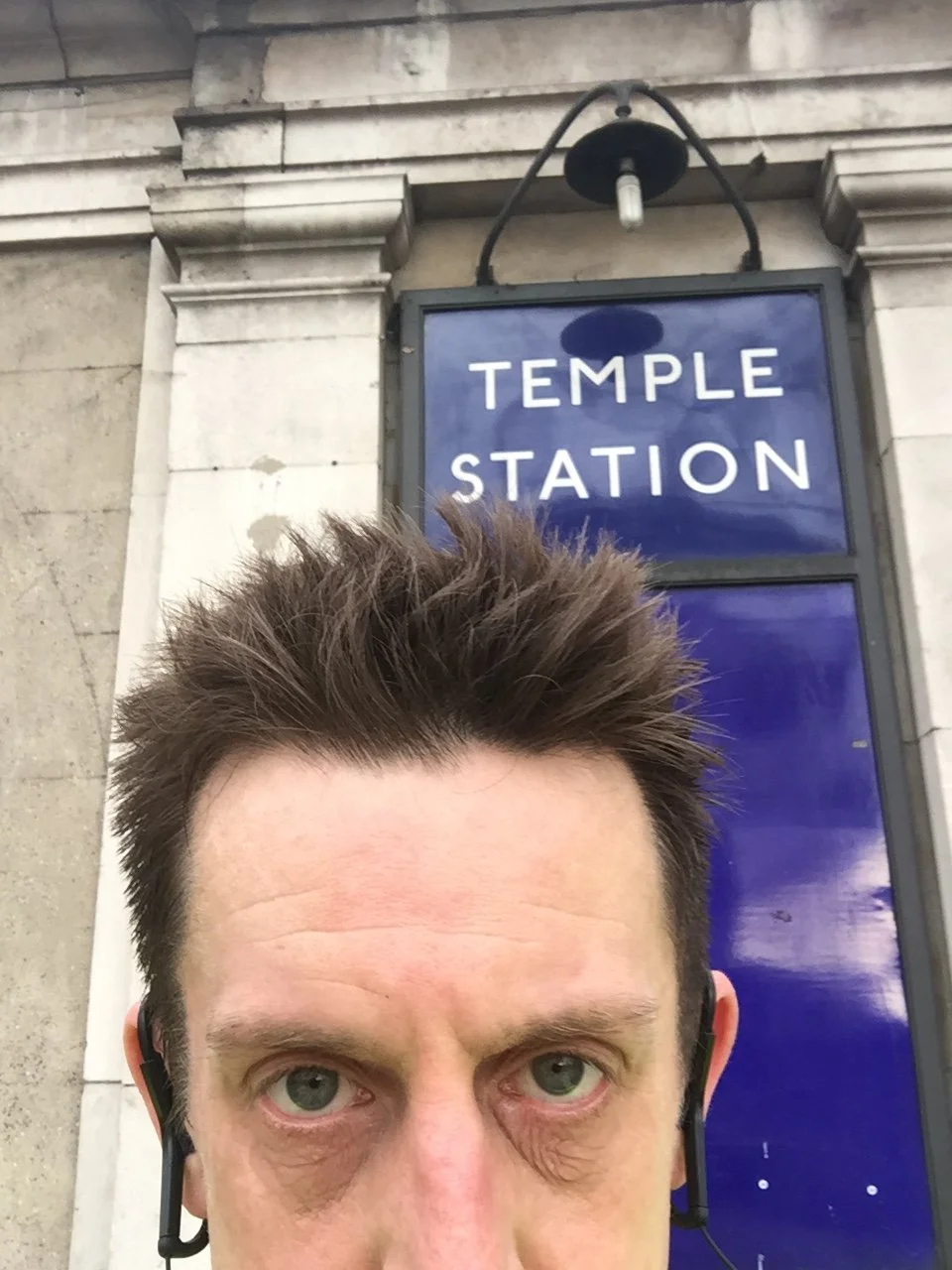
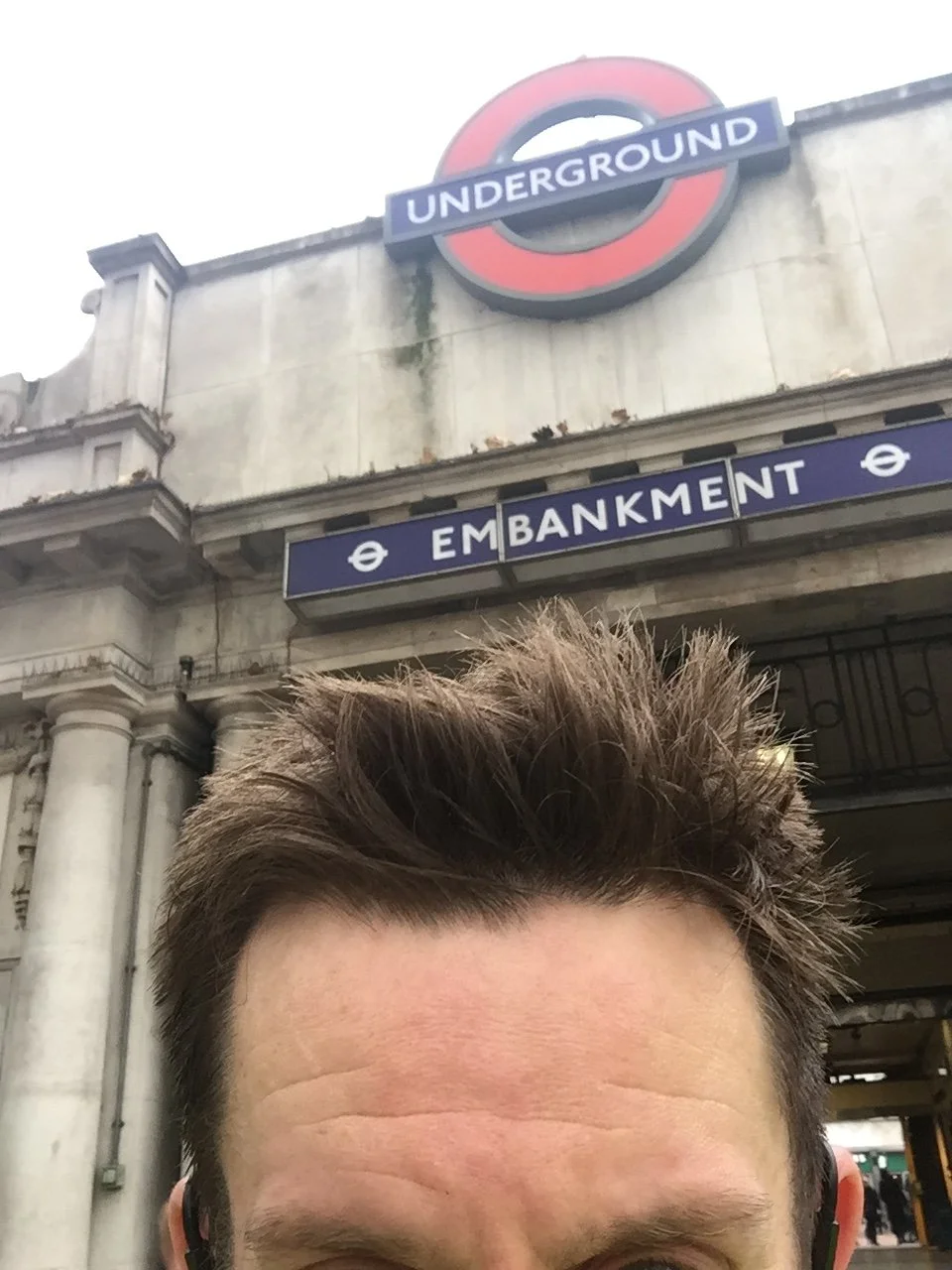
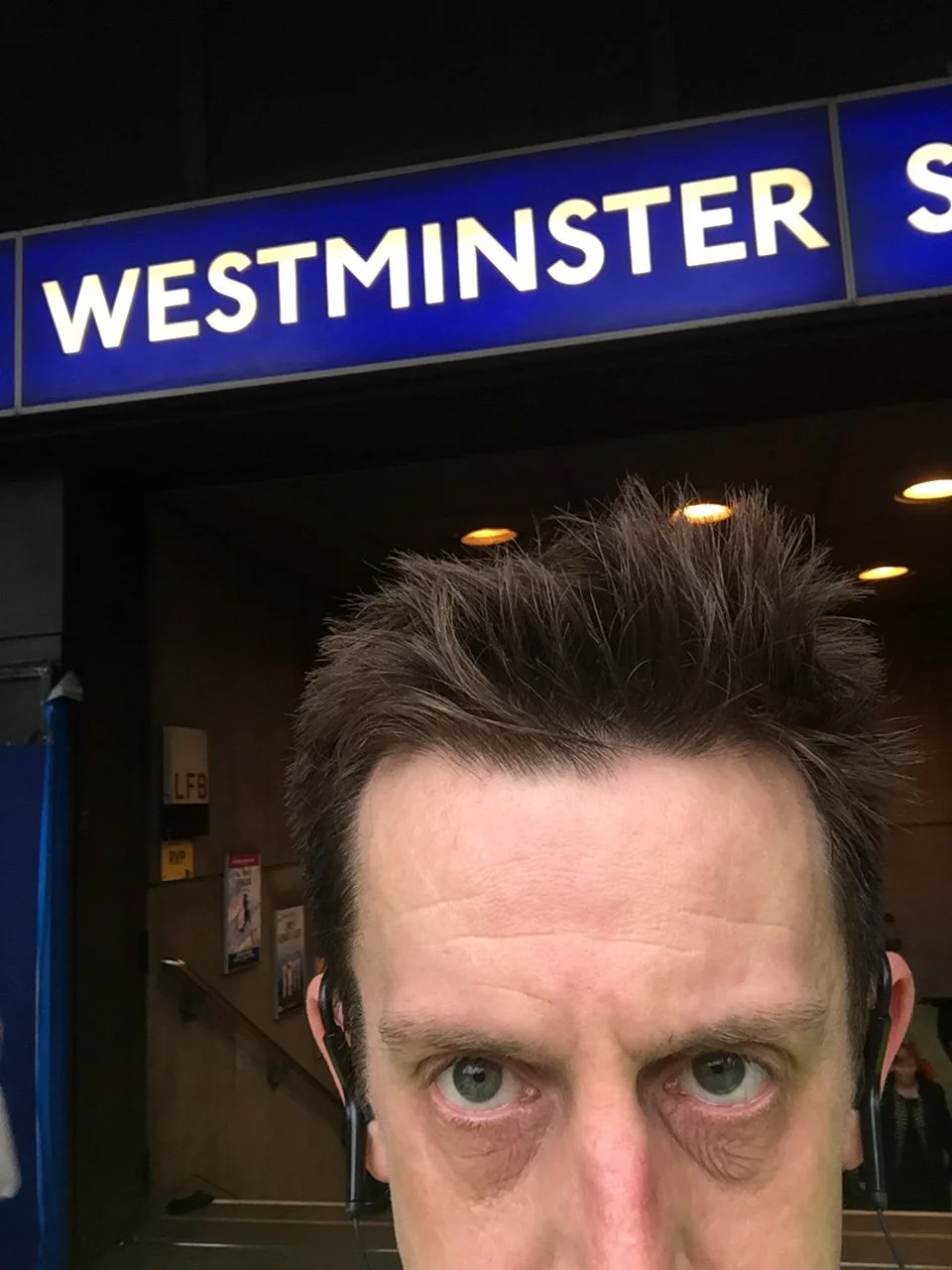
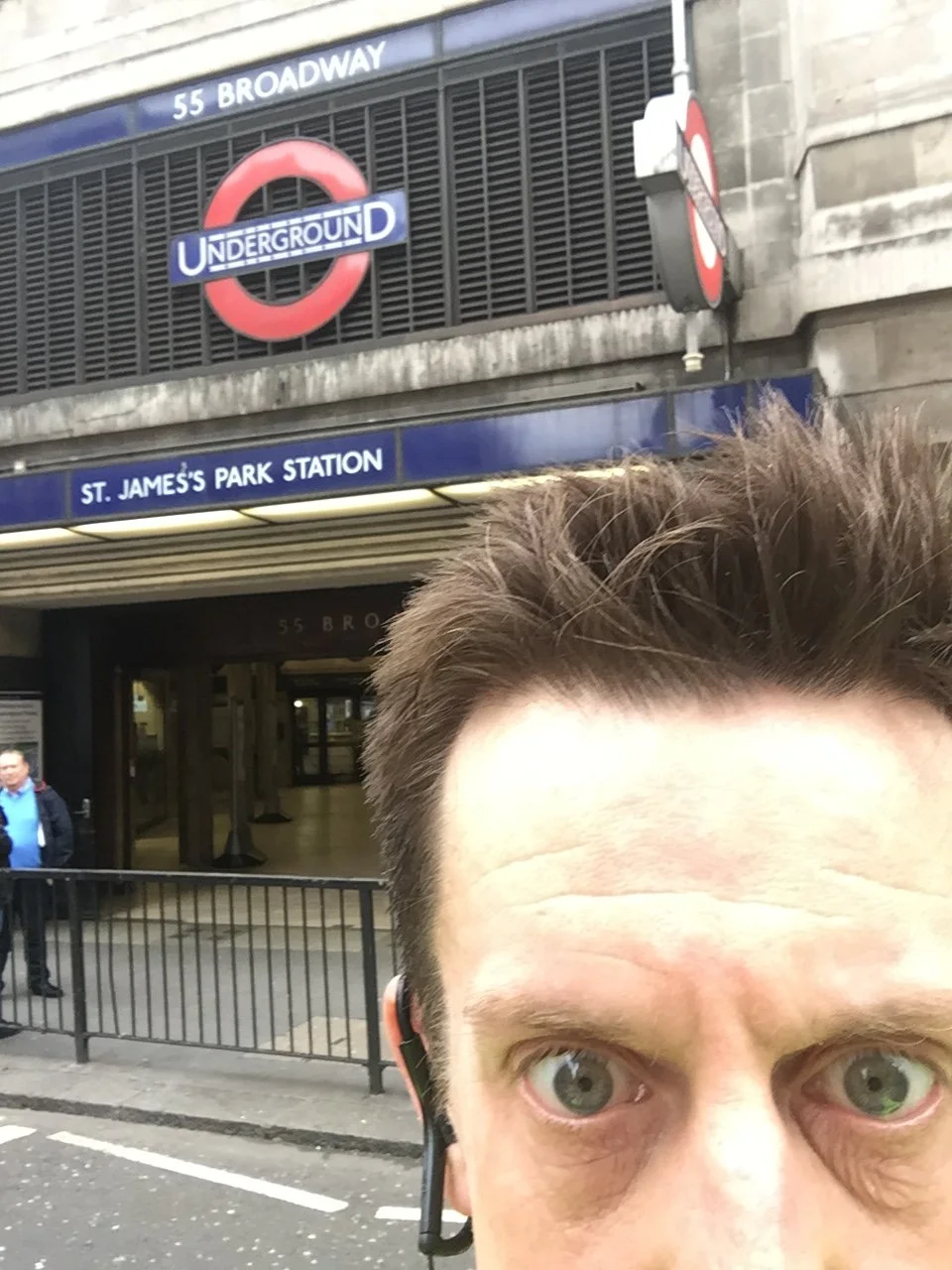
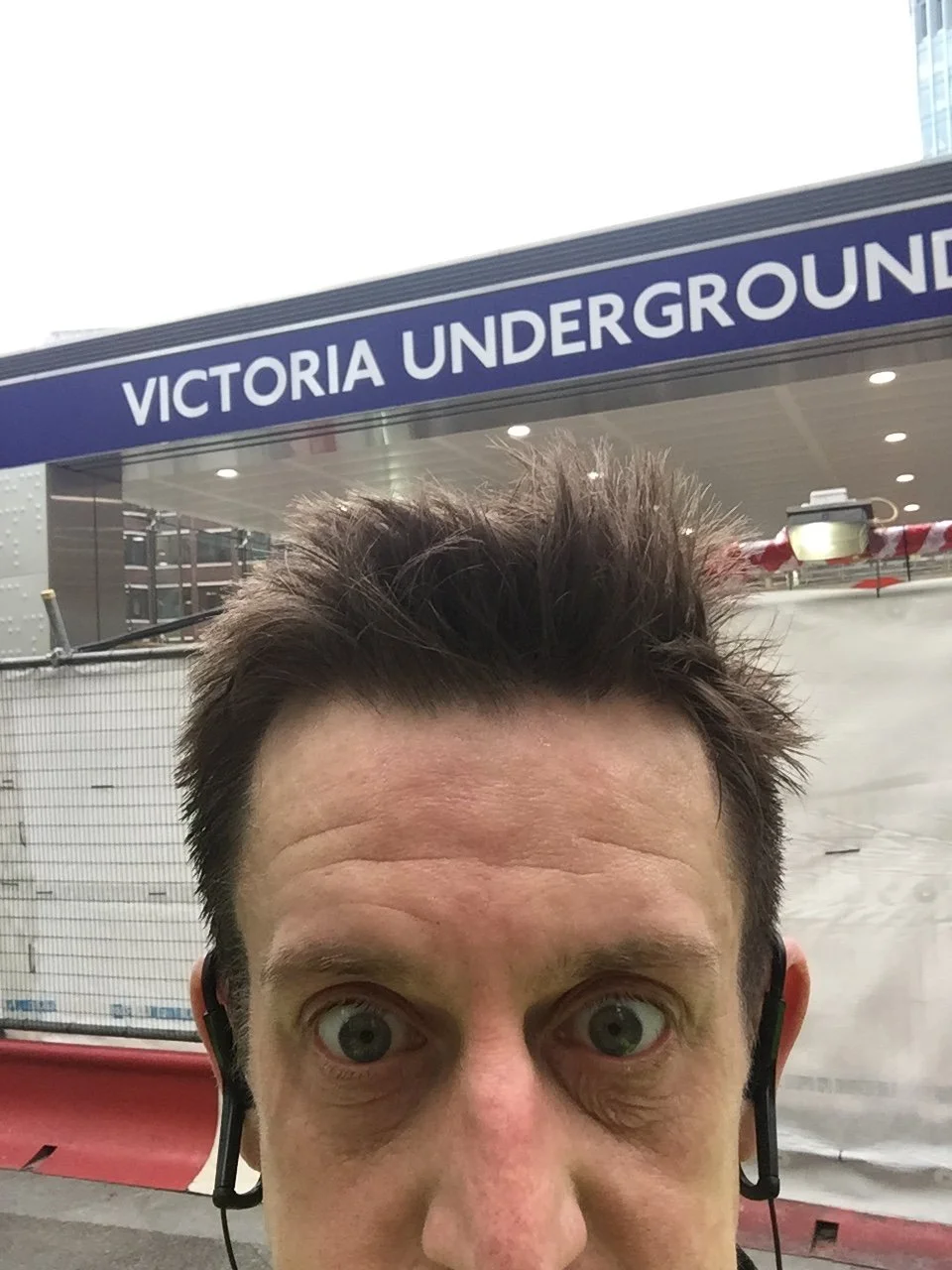
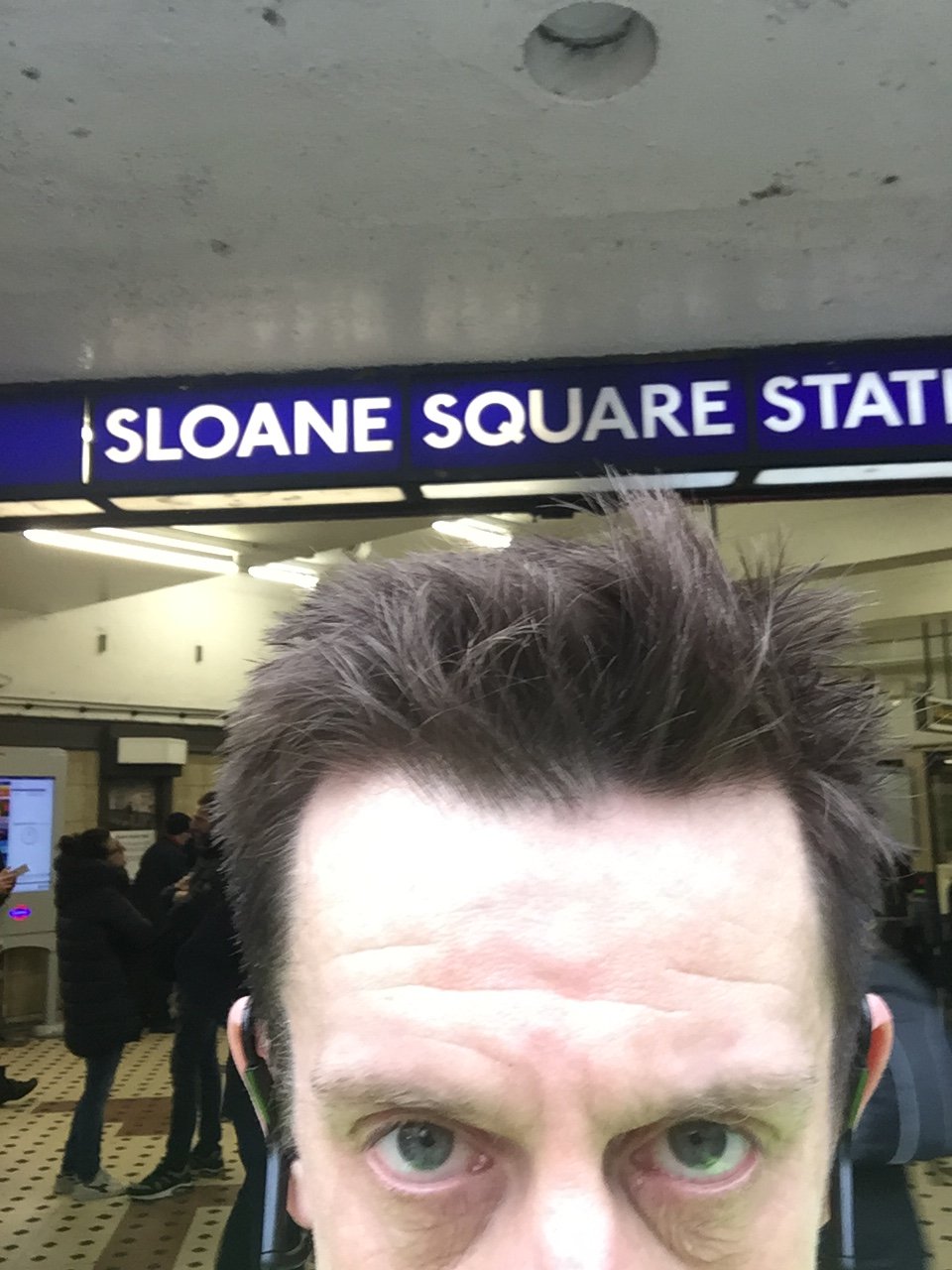
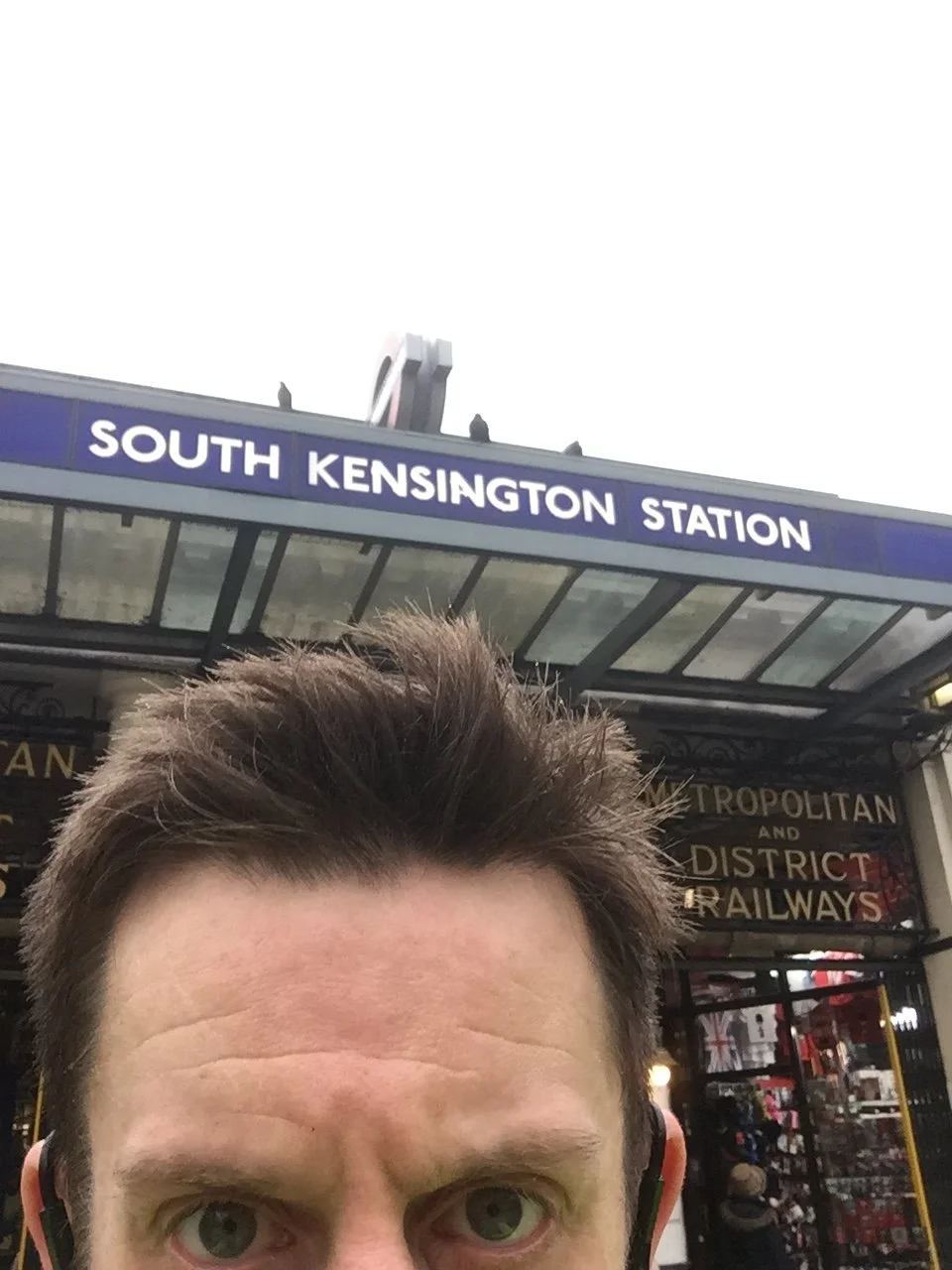
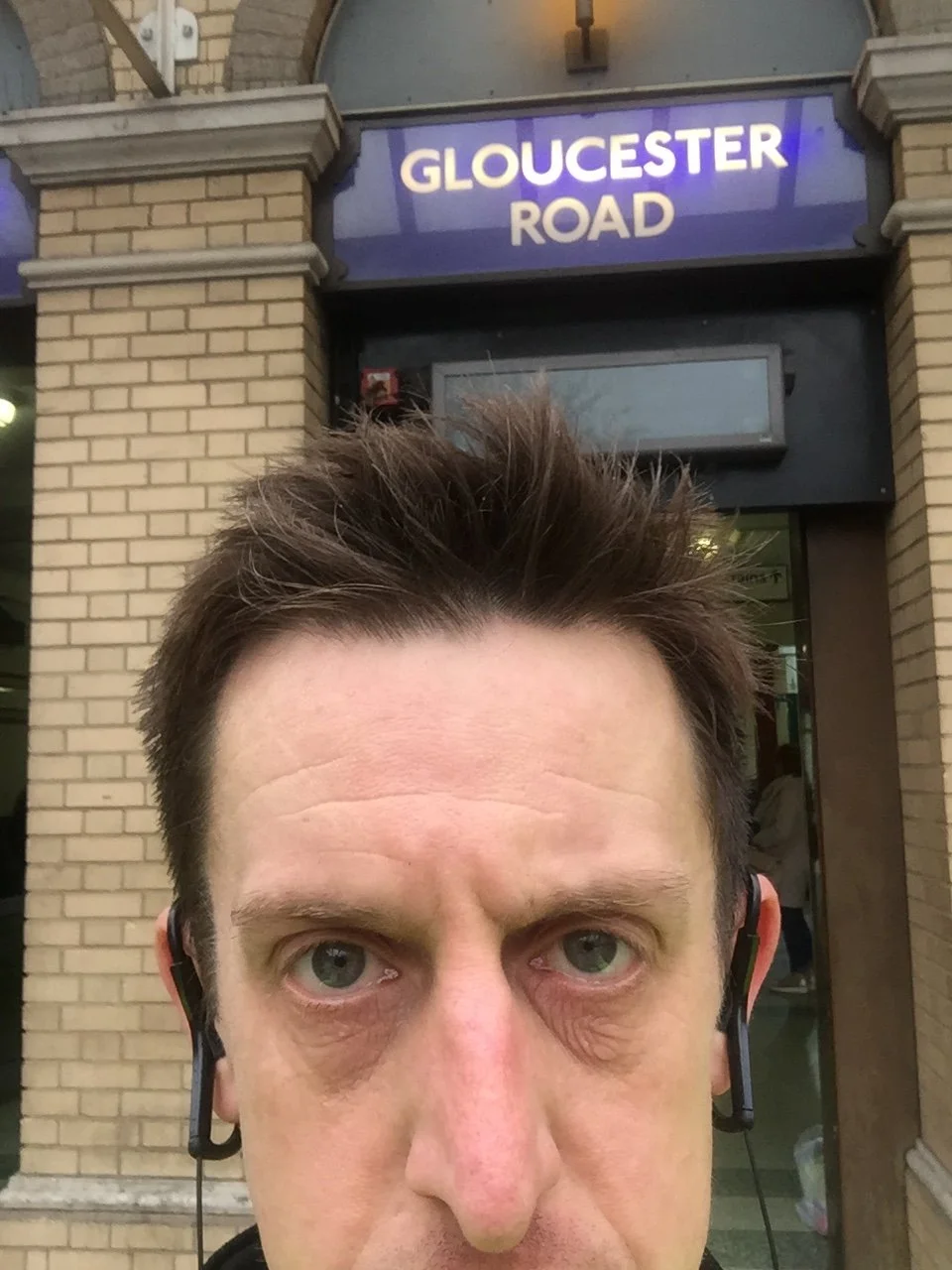
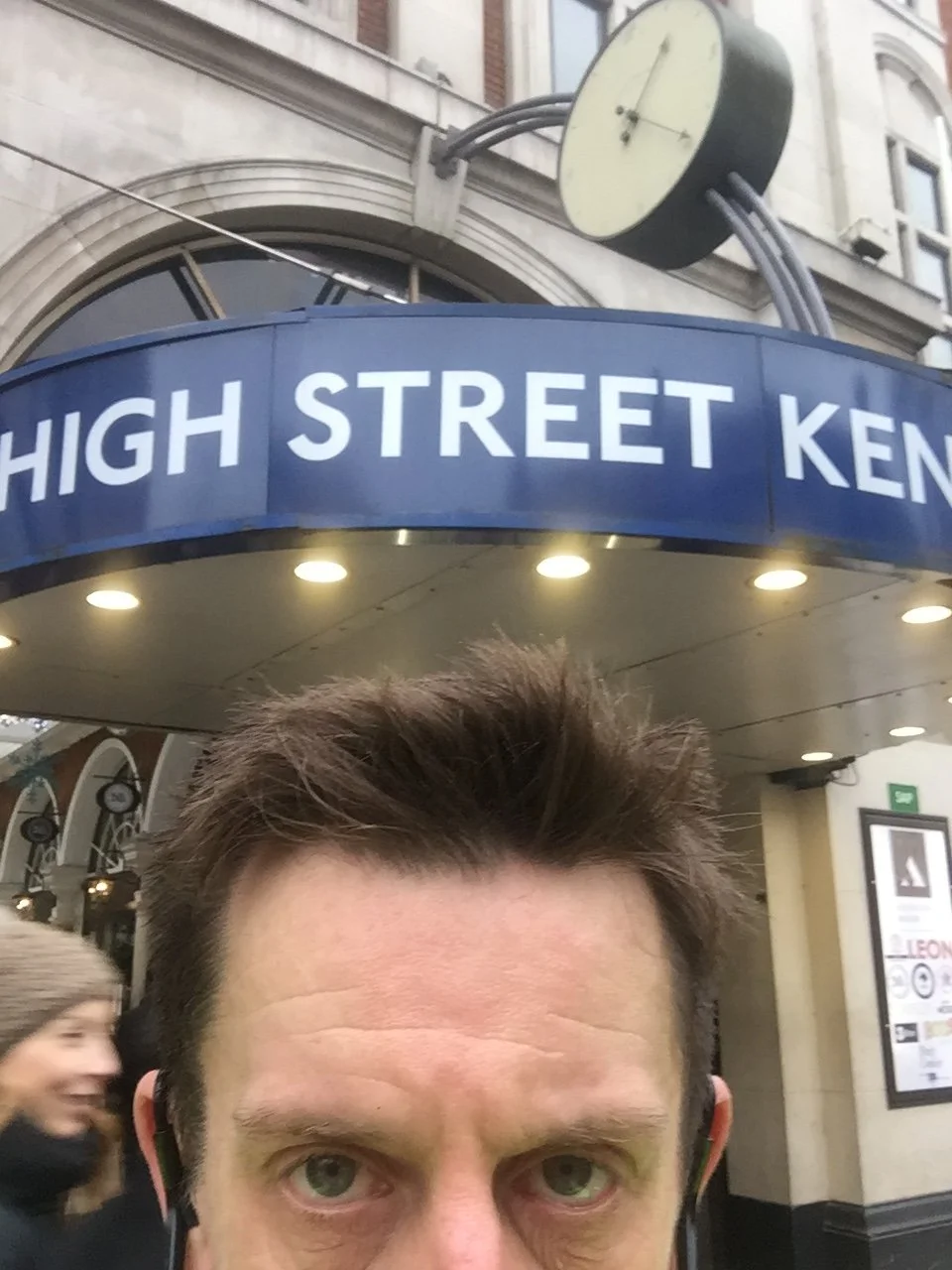
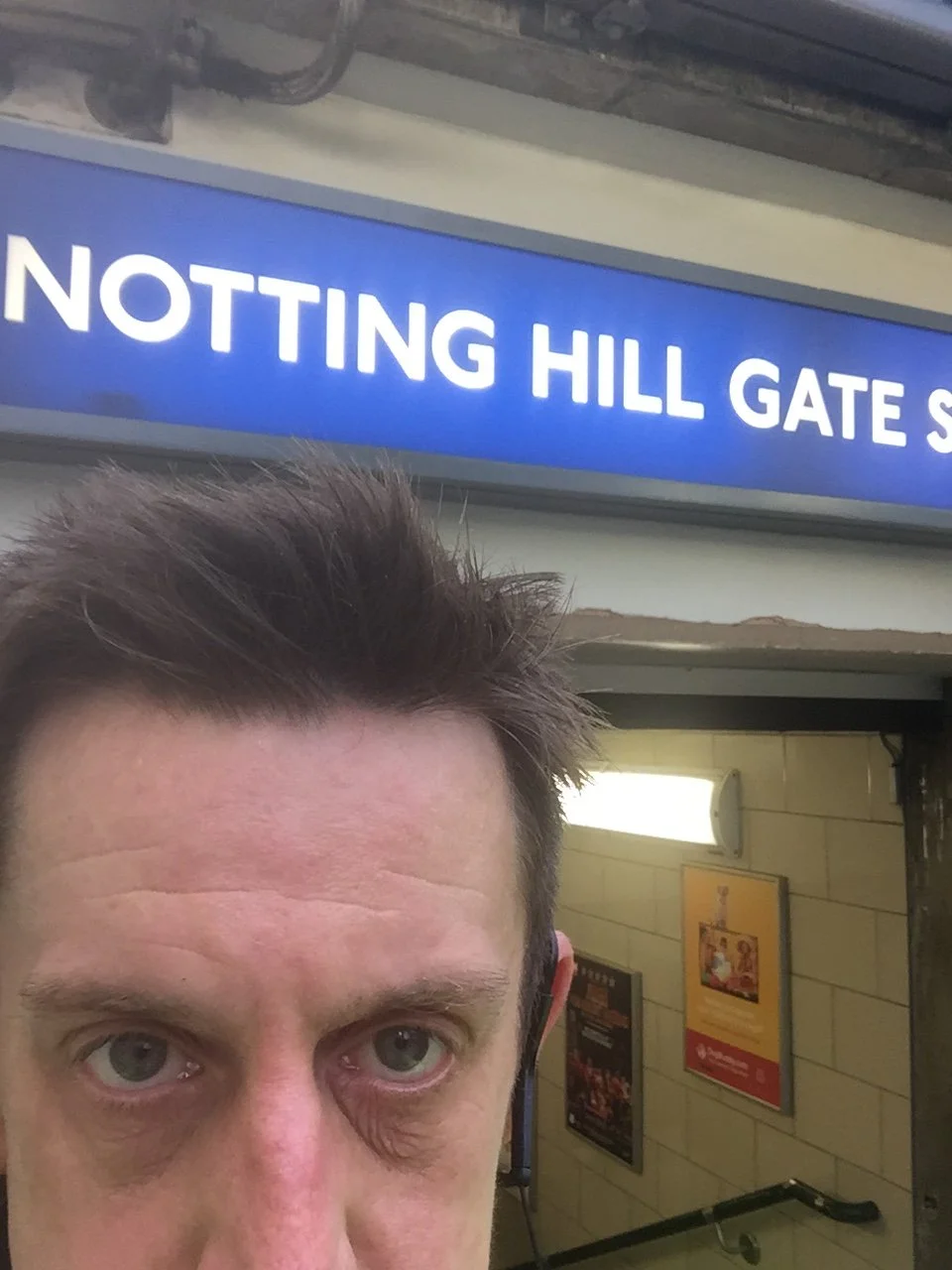
My start point was Marylebone Station. Although it is not actually on the Circle Line itself, it sits perfectly on the walking route between Edgware Road and Baker Street, which were my true start and end points. I set off clockwise with the strict aim of marking each station with a selfie. A quirky bit of history: when the classic loop first opened in 1884, it was operated by two fiercely rival companies, the Metropolitan and the District railways, who ran their steam trains in opposite directions!
The official distance of the tracks underground for the classic loop is 15 miles: worth noting for the transport geeks that I stuck to the historic loop rather than the modern "teacup" extension out to Hammersmith. However, the trains have the distinct advantage of cutting straight under buildings. Negotiating the streets, traffic lights, and pavements above ground adds at least another mile to the journey. Missing Temple station and having to run all the way back to it from Embankment added yet another mile on top of that. Don't do that.
Once I arrived back at Marylebone, I had covered just over 16 miles. At around three hours, it was certainly no Personal Best, but speed is not really something to be aimed for while dodging pedestrians on a working day in central London. It was a fun trip, though, and a highly satisfying way to link up some very familiar places across the capital.
10 years later …
Although back in 2016 I thought I had completed running the Circle Line, it was always in the back of my head that I hadn't really run the whole thing. I had missed the Hammersmith spur: the section that starts from Hammersmith and runs on elevated sections all the way through to Edgware Road and Paddington.
Back then, I kind of wrote that bit off because it's not really a circle: it's the added bit on the western side. But it was bugging me. So, on a very nice and warm Sunday morning, I decided to finally tie up that loose end. I caught the Tube over to Hammersmith station to start the run.
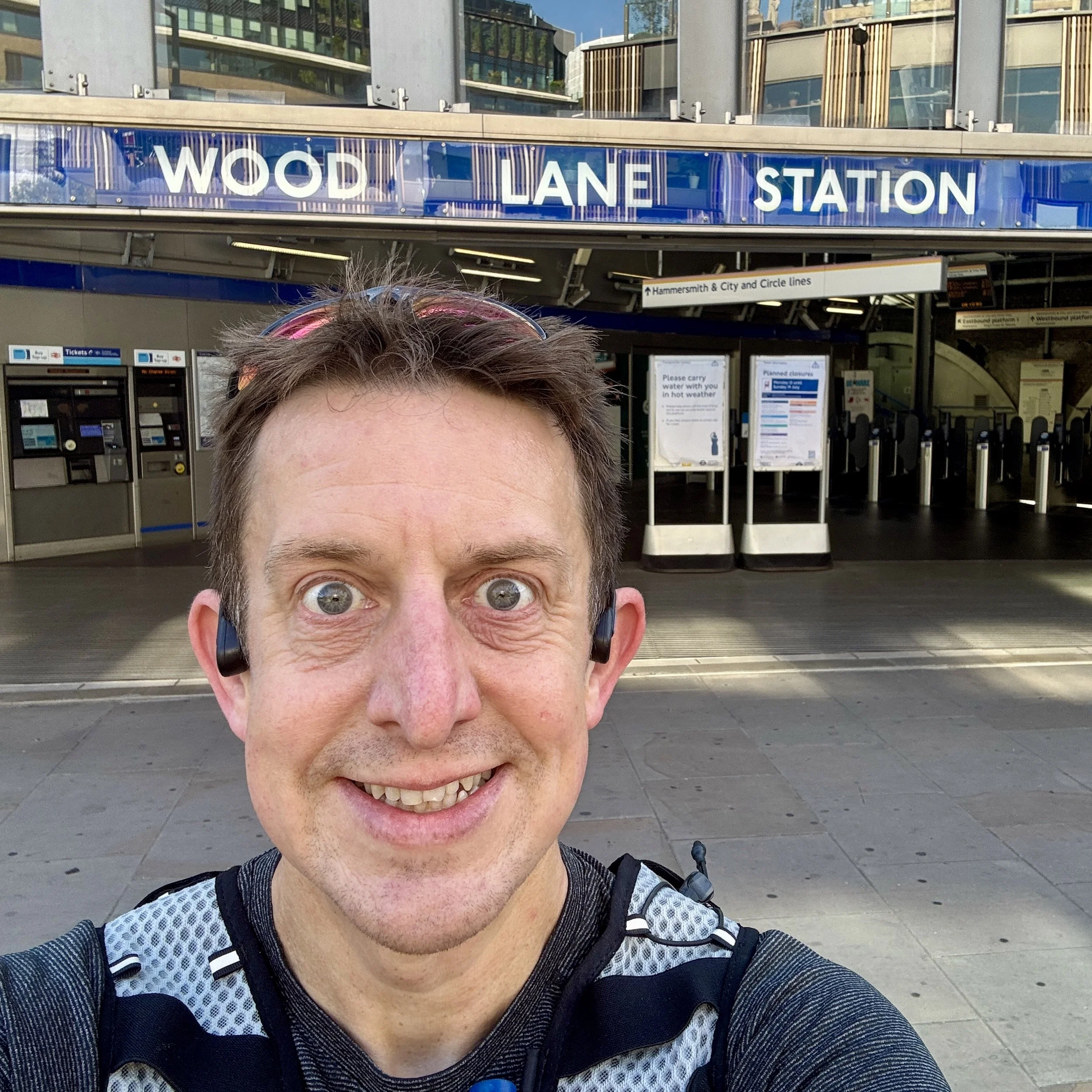
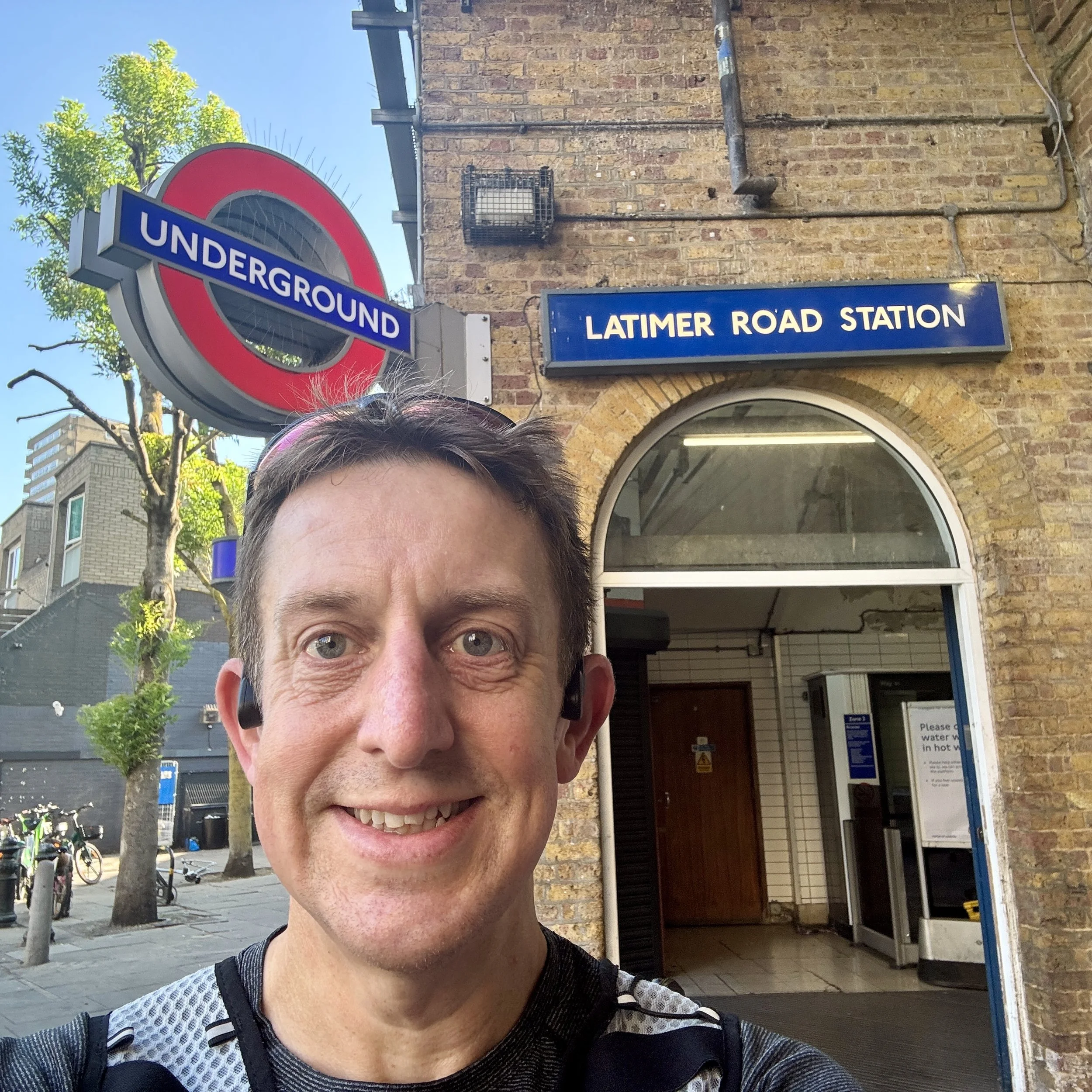
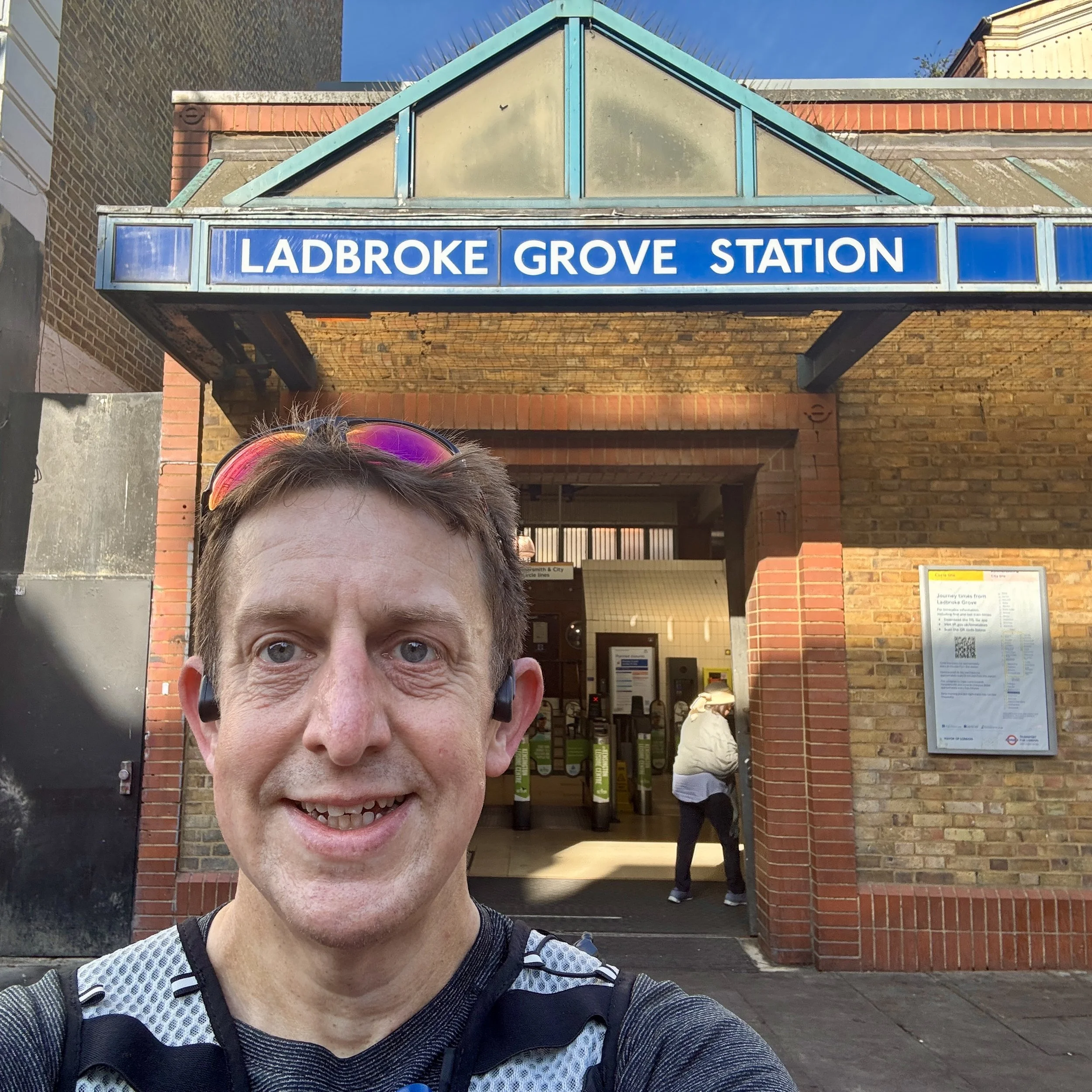
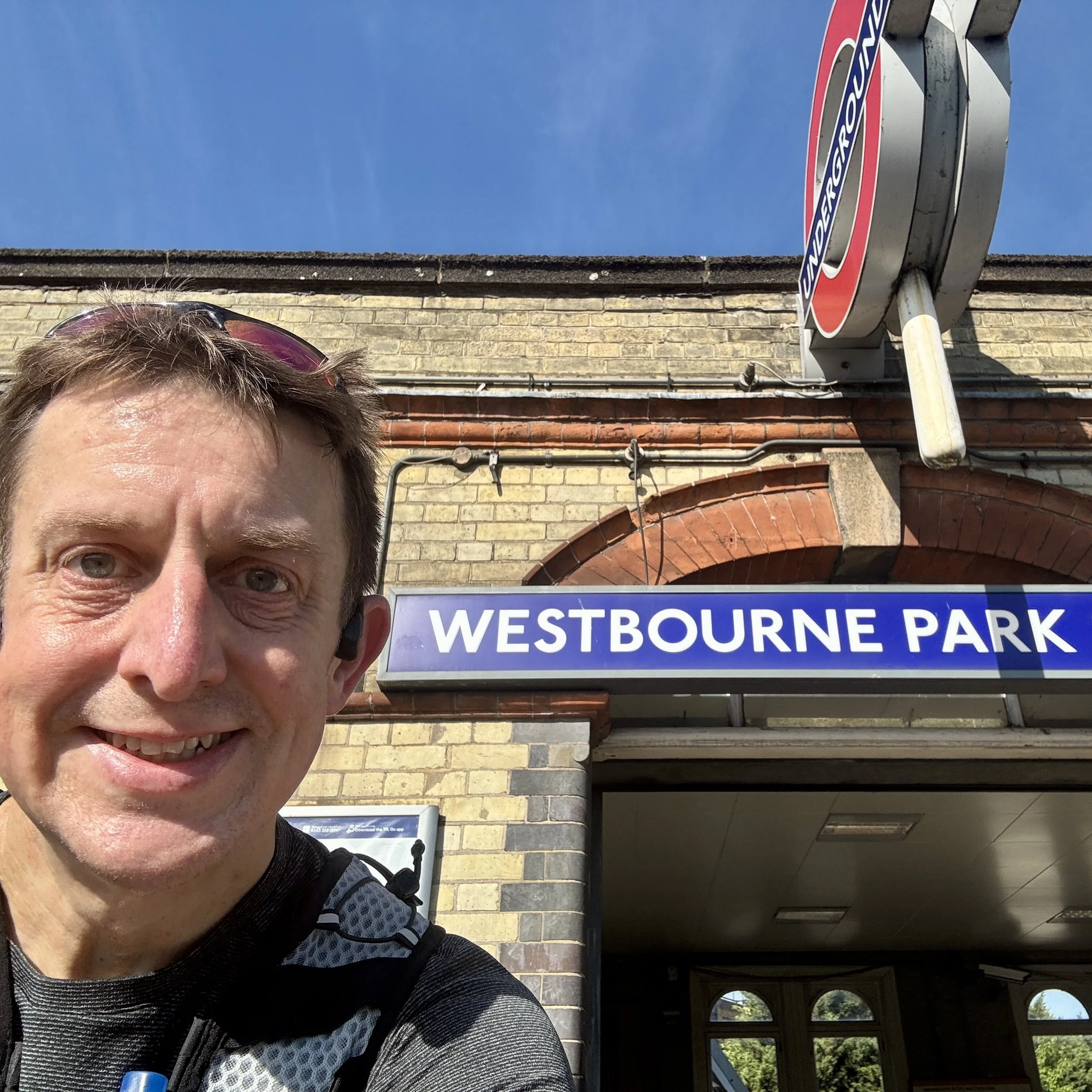
Leaving Hammersmith, I tried to stick as close as possible to the route of the above-ground track, which is shared by the District and Hammersmith & City lines. I did a mix of running and walking, and there were some incredibly pleasant parts, particularly around the Notting Hill and Ladbroke Grove areas.
If you are planning to attempt this western spur at a weekend, there are a few navigational tips to keep in mind:
Goldhawk Road to Shepherd's Bush: Just after Goldhawk Road, you might be tempted to go down Shepherd's Bush Market street. However, it is gated off at the weekends. Instead, you need to take Pennard Road: this runs parallel and is just a couple of hundred metres away from the main route.
Wood Lane and Westfield: After Wood Lane, you will find the Westfield Shopping Centre standing between you and Latimer Road. If you are there when it is open, you can actually cut right through the shopping centre to get onto Ariel Way and then cross over the West Cross Route, which is a very busy dual carriageway. Because I was there so early on a Sunday morning, the centre was closed, so I had to walk around it.
Once you are over the busy dual carriageway that leads out to the Westway, you are rewarded with some very pleasant running. The streets run near the railway at the north of Notting Hill and the south of North Kensington.
At Royal Oak, you cross over the railway and then head across the Westbourne Green open space. This brings you to the Grand Union Canal at Browning's Pool, where the water splits for the Paddington Arm of the Grand Union Canal and forks off to the Regent's Canal.
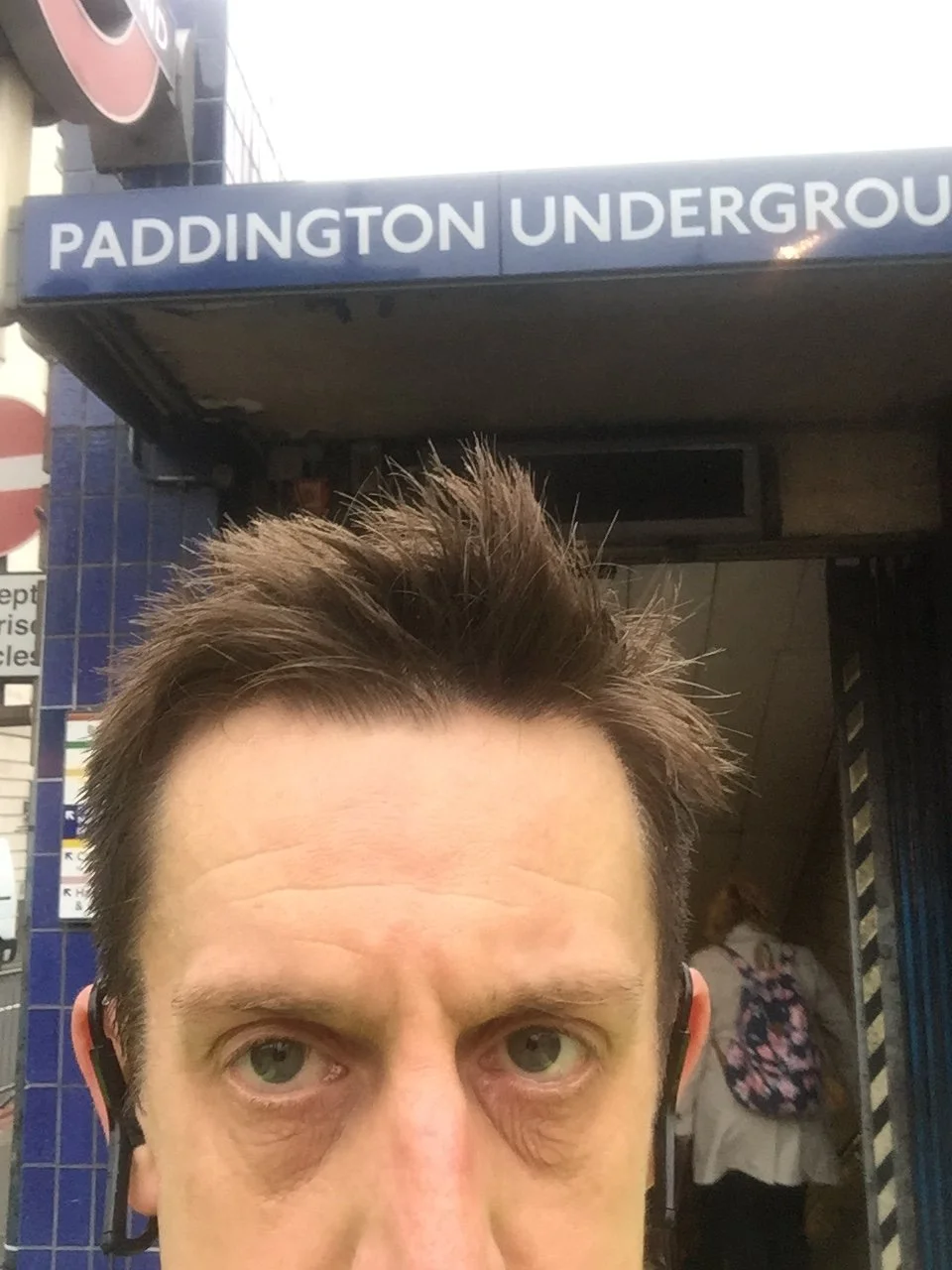
If you carry on along the Paddington Arm canal towards Paddington Basin, you will eventually end up right at the entrance to Paddington station, perfectly positioned by the Circle and Hammersmith & City line station. It was a brilliant way to conclude this part of the journey and finally put that unfinished business to rest.
The Main Loop
Start & Finish: Marylebone Station, Melcombe Place, Marylebone, London, NW1 6JJ
Distance: 24.7 km (15.3 miles)
Elevation change: +/- 190m
GPX File: get via Buy Me a Coffee
Other routes touched (Walk): Thames Path, Jubilee Walkway, River Fleet Walk, River Westbourne Walk, Jubilee Greenway
Other routes touched (Cycle): CS3, CS6
Maps:
- OS Explorer Map (161) London South, Westminster, Greenwich, Croydon, Esher & Twickenham
- OS Explorer Map (173) London North, The City, West End, Enfield, Ealing, Harrow & Watford
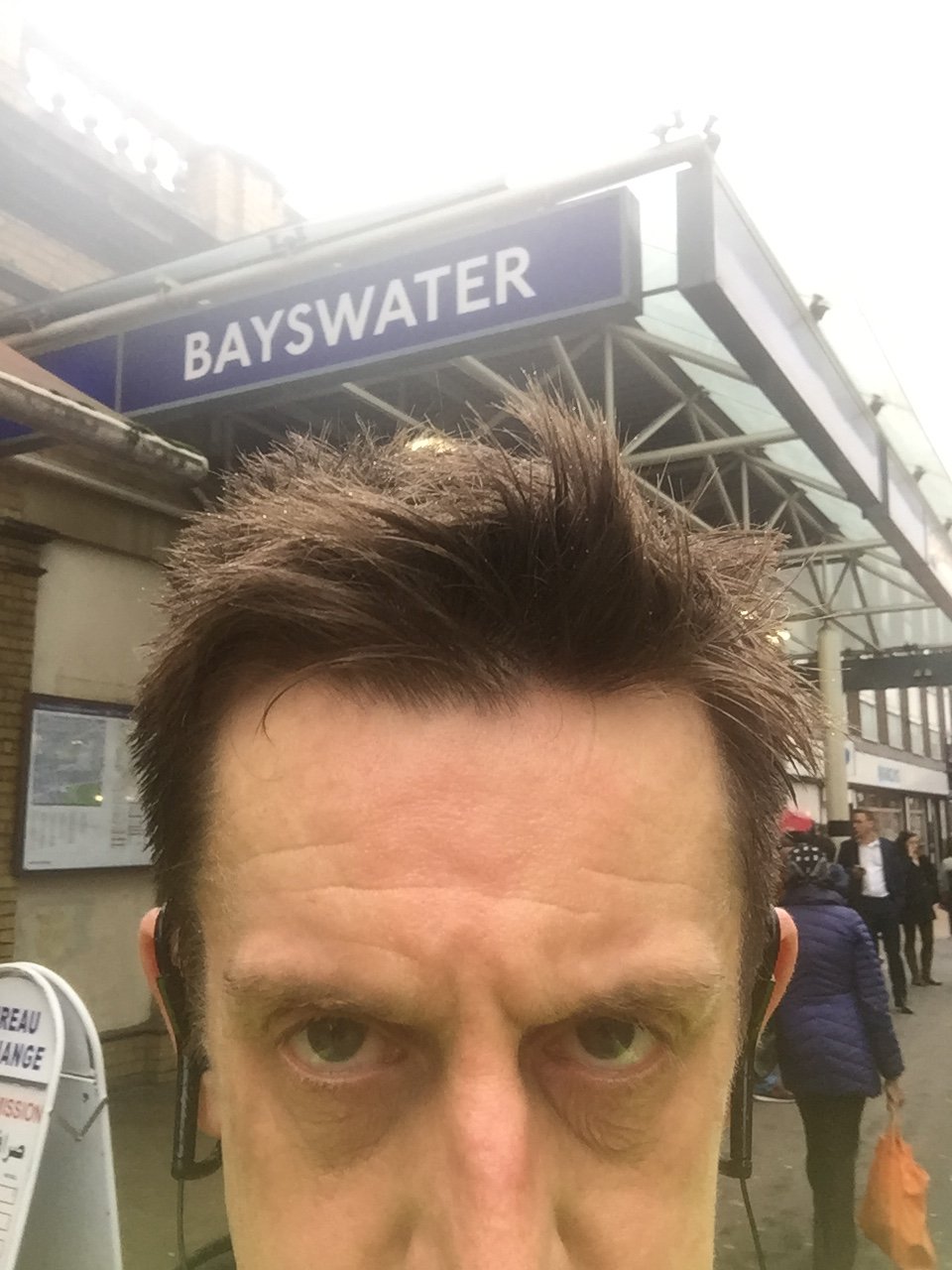
The Hammersmith Spur
Start & Finish: Hammersmith Station, Underground Ltd, Beadon Rd, London W6 7AA
Distance: 7.5 km (4.6 miles)
Elevation change: +48m / - 30m. Net +18m
GPX File: get via Buy Me a Coffee
Other routes touched (Walk): Jubilee Greenway, Grand Union Canal / Regents Canal Towpath
Other routes touched (Cycle): C27, C44
Map: OS Explorer Map (173) London North, The City, West End, Enfield, Ealing, Harrow & Watford
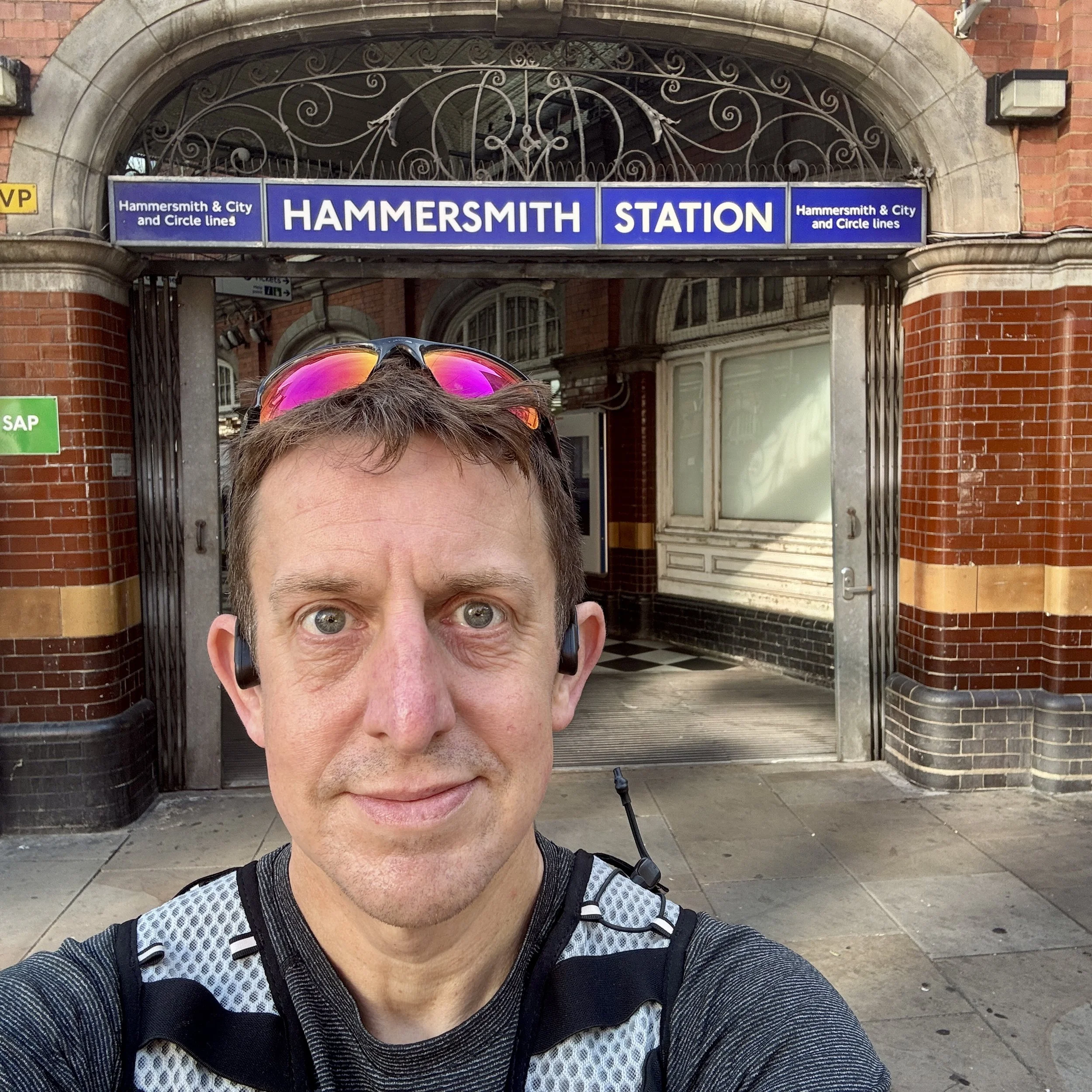
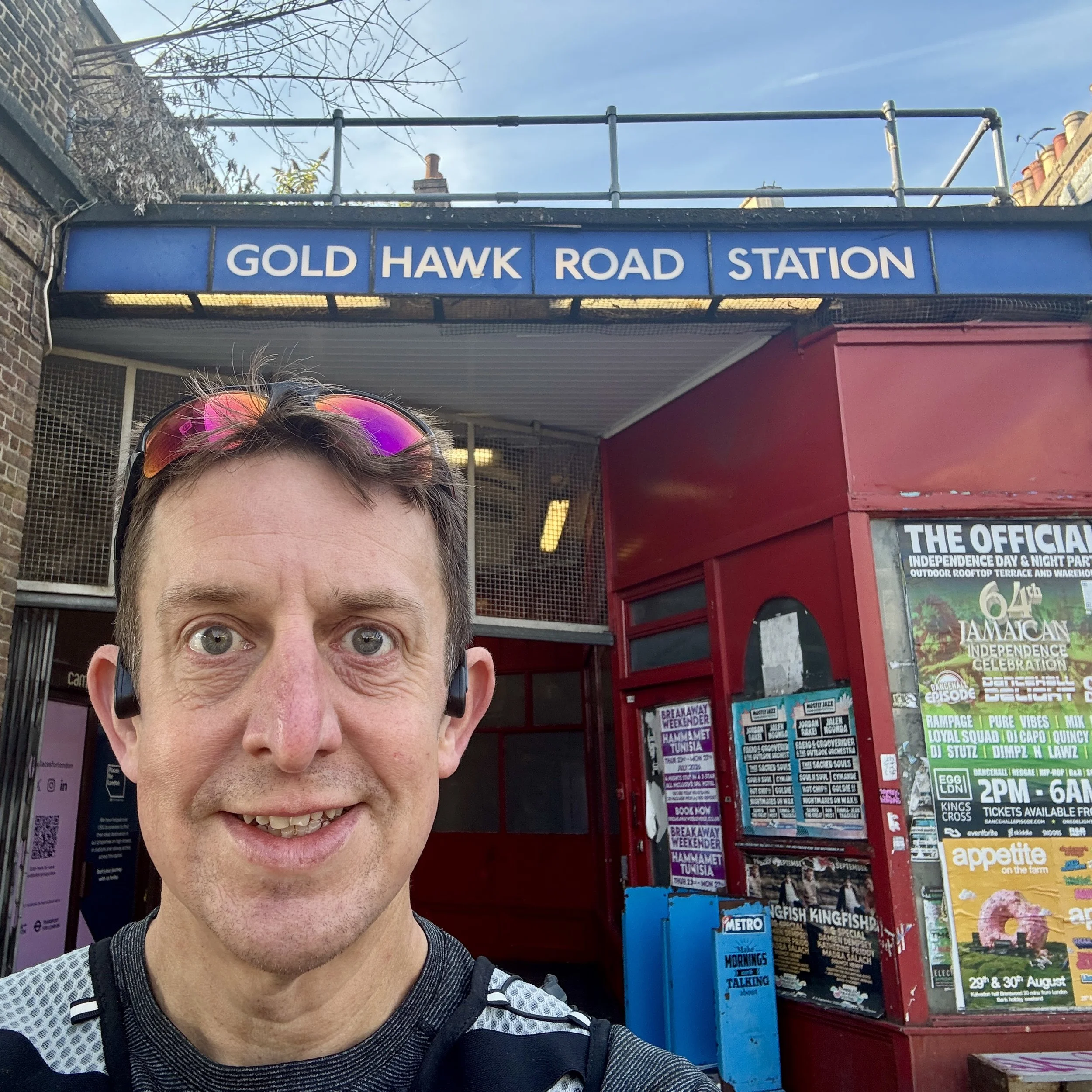
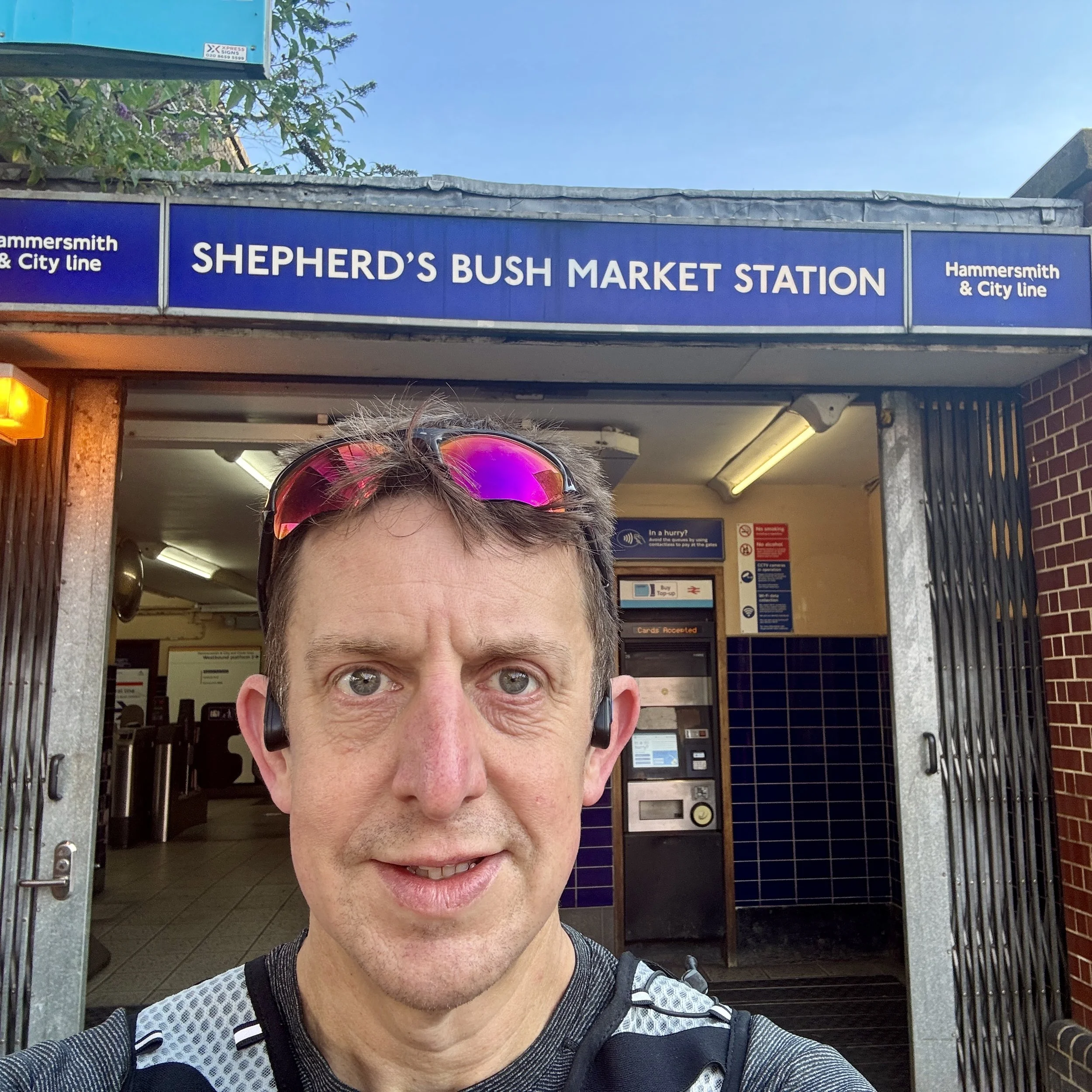
The Complete Circle Line Running Route
More London Posts
If you enjoyed reading this post, there is plenty more to explore across the capital. I have put together a dedicated London Outdoors page where I keep track of all my other adventures around the city. It is a handy index where I group my posts by the different types of places I have visited: including historic boundary lines, canal towpaths, and some surprising urban high points.
The collection covers a bit of everything: from long-distance cycling routes to tracing the underground network on foot, and ticking off another Saturday morning parkrun. If you are looking for some inspiration for your own weekend outings, head back over to the London Outdoors page to see what else I have been up to.
All The Waterloo & City Line Stations
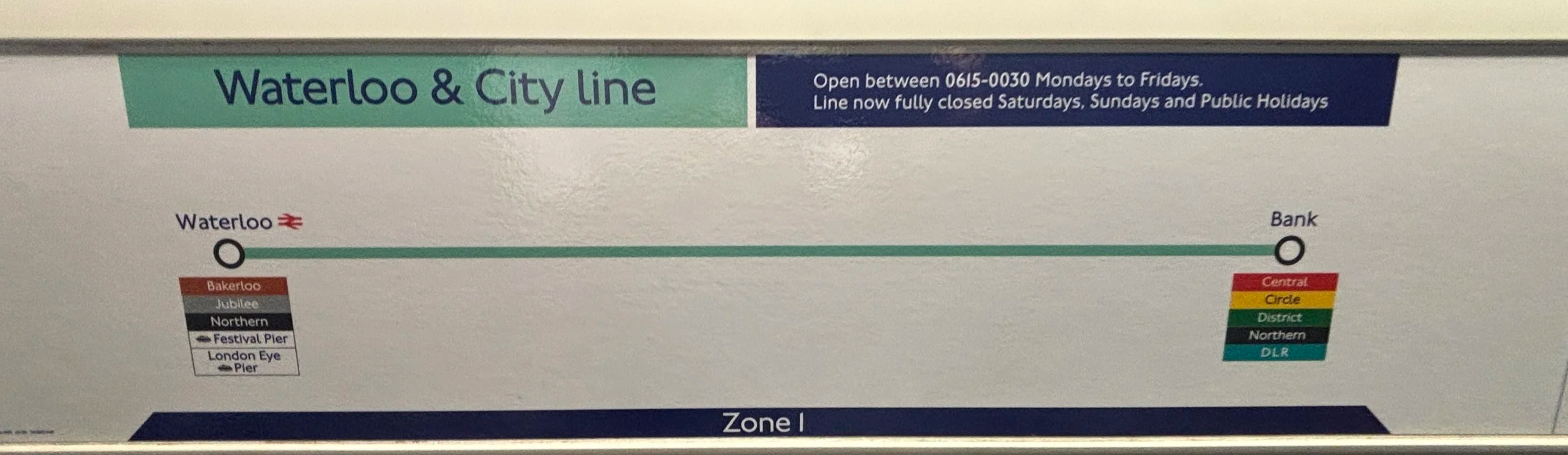
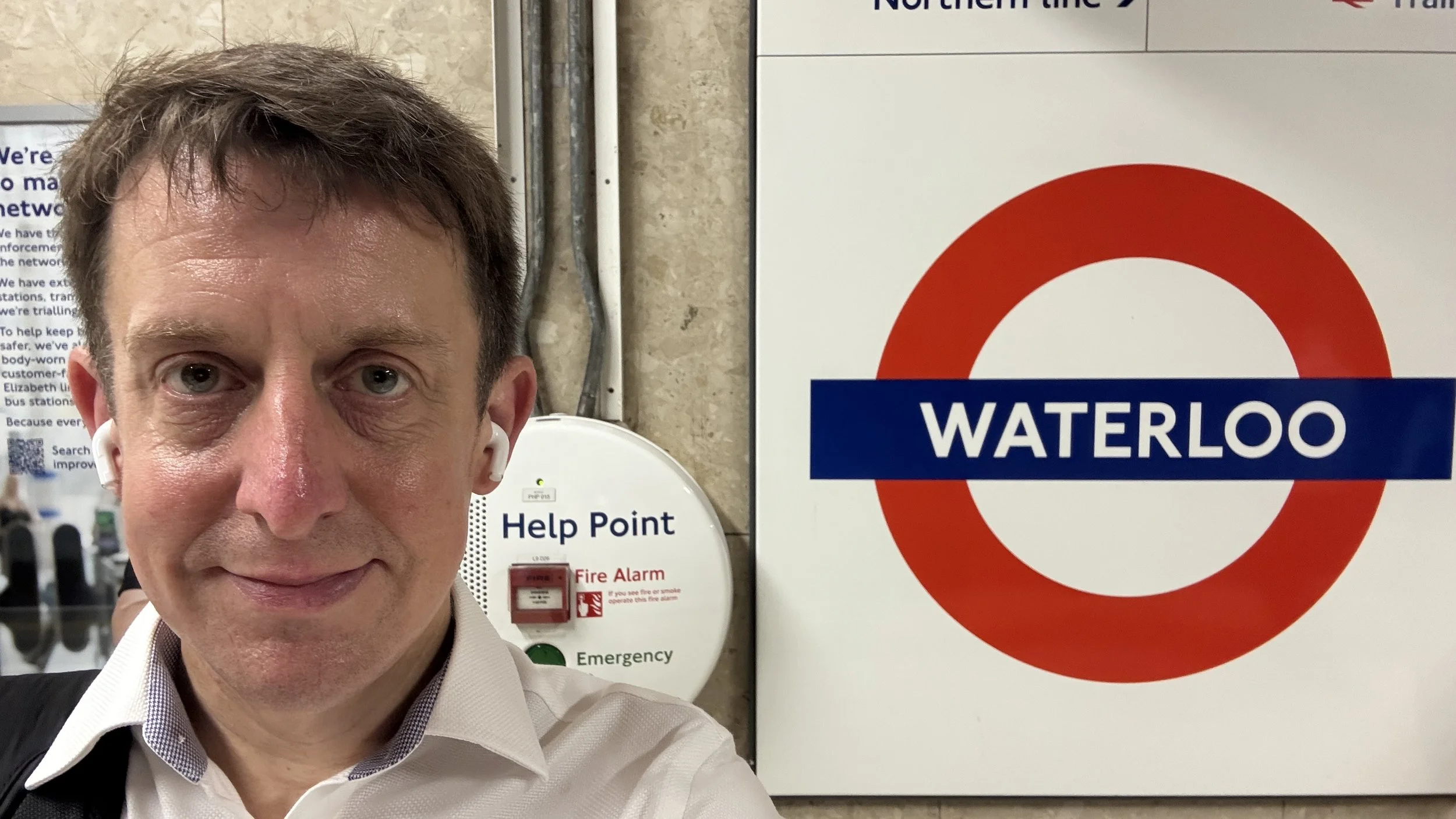
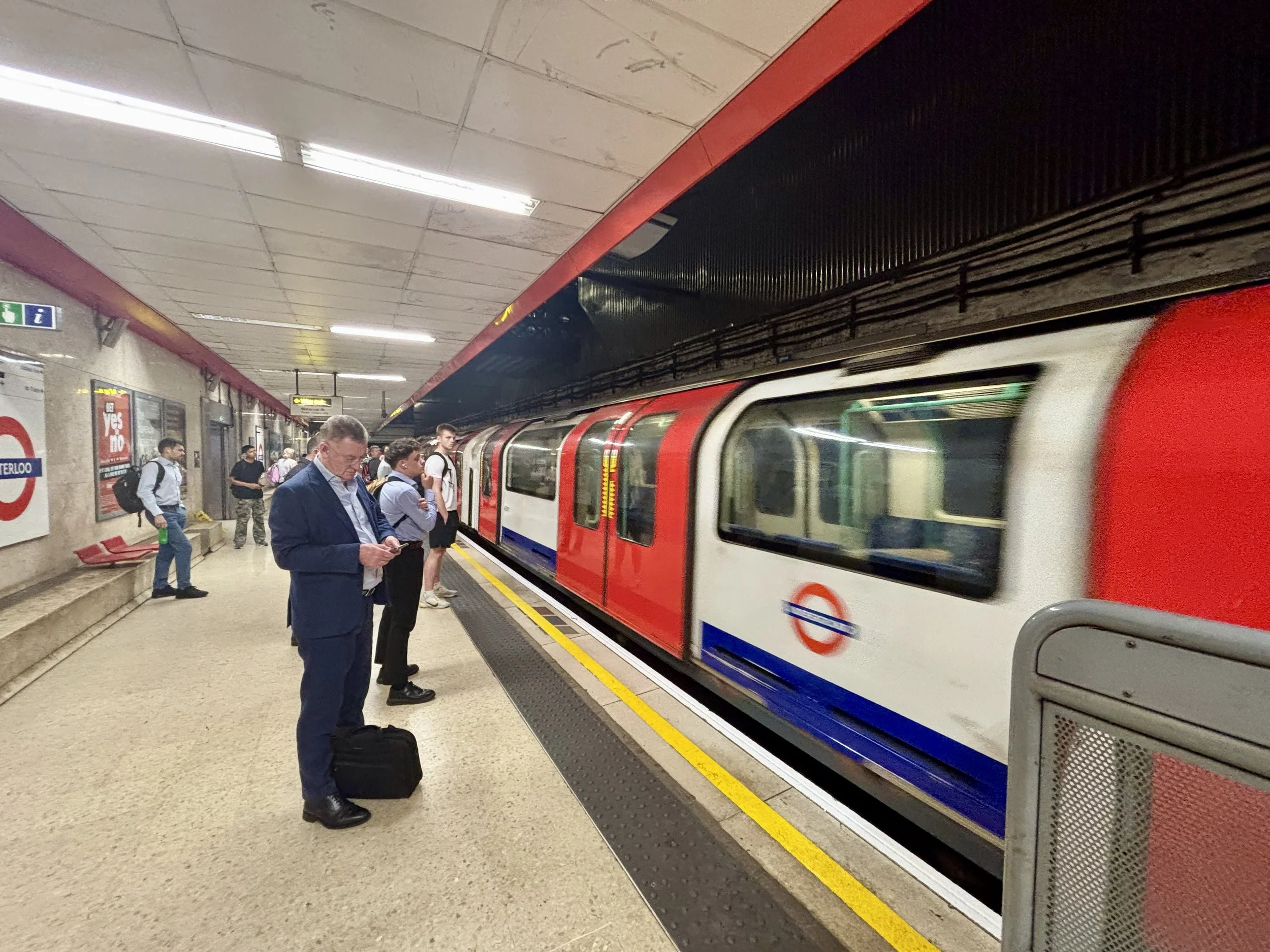
As a part of my ongoing series of visiting "all the stations", I rode the Waterloo and City line bagging all 2 of its stations :-). The last time I completed a line, it was the 41 stations of the Elizabeth Line so this trip was a very quick one by comparison.
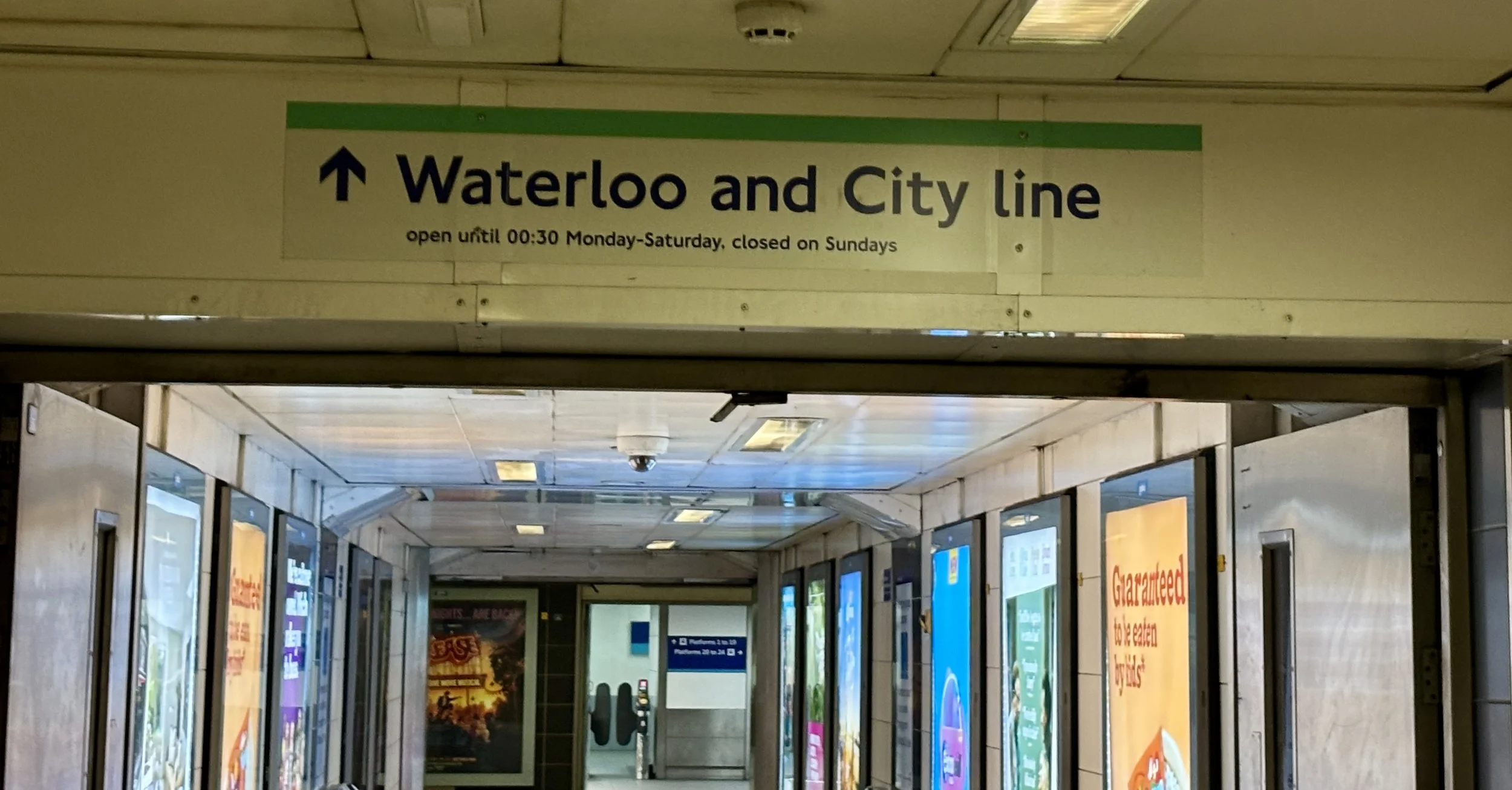
I had this on my list for some time, having noticed little bits of trivia about the Waterloo and City line on different geeky YouTube videos I follow. Because one of the unique things about the line is that it is not open on weekends, I needed to do it on a weekday when I was already in London. So, I picked a glorious summer day to catch a very early train into the city, do the Waterloo and City tube line, walk back to Waterloo, and then get back to my office in Paddington at a normal work time.
There’s a few other ways that the Waterloo and City line is unique:
It is the shortest of all the London Underground lines at just 1.47 miles long, with a journey time of only four minutes between its two stations, Waterloo and Bank.
It is the only tube line that was administered as part of the national rail network until it transferred to the London Underground in 1994.
It is completely isolated and has no physical link with the rest of the tube network. Because of this, when carriages need replacing or heavy servicing, they cannot just be driven out: they must be lifted out of the depot by a crane.
The line is affectionately known as 'The Drain'. This nickname seemingly comes from the appearance of the lengthy sloping subway access at Bank station.
The platforms at Waterloo are still numbered 25 and 26, matching the numbering of the mainline station above.
It is one of only two lines on the network (the other being the Victoria line) that is fully underground.
The walk back: Bank to Waterloo
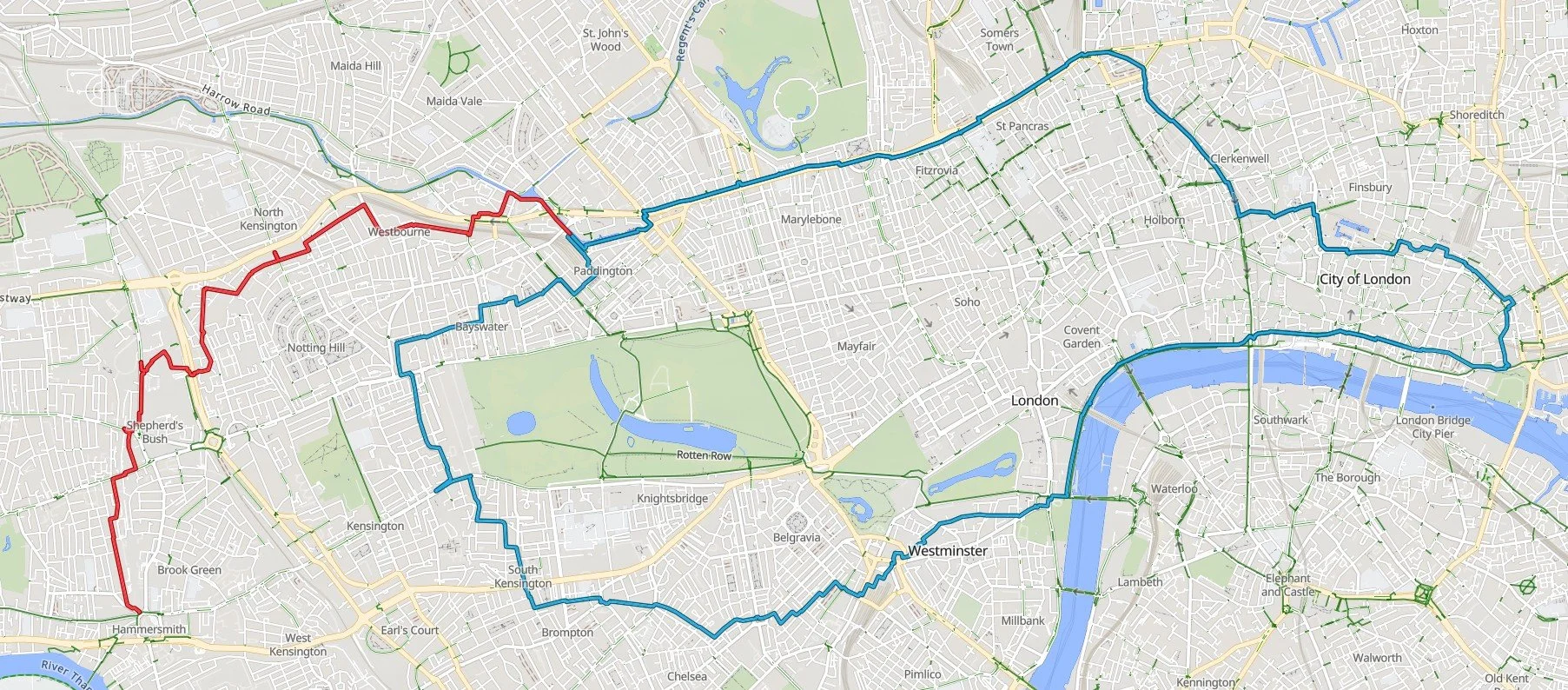
What is most interesting about the line: and the real reason I wanted to do this: is the return leg. After arriving, when you walk back from Bank to Waterloo, you can actually do this entire walk without crossing or stepping on a single road. For a detailed guide on that specific path, you can check out the excellent article on the Londonist website (article linked here).
It was a very hot day with not a cloud in the sky, making for a beautiful walk, particularly along the Thames Path section. However, there were a few navigational discoveries and points of interest I found along the way that are worth noting:
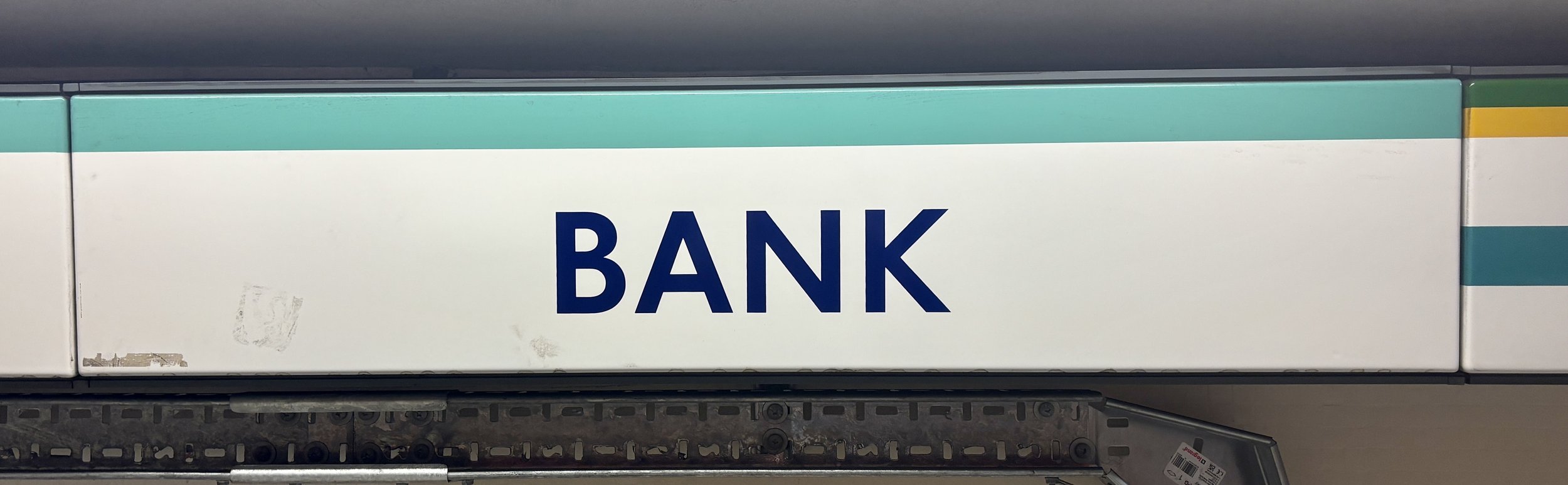
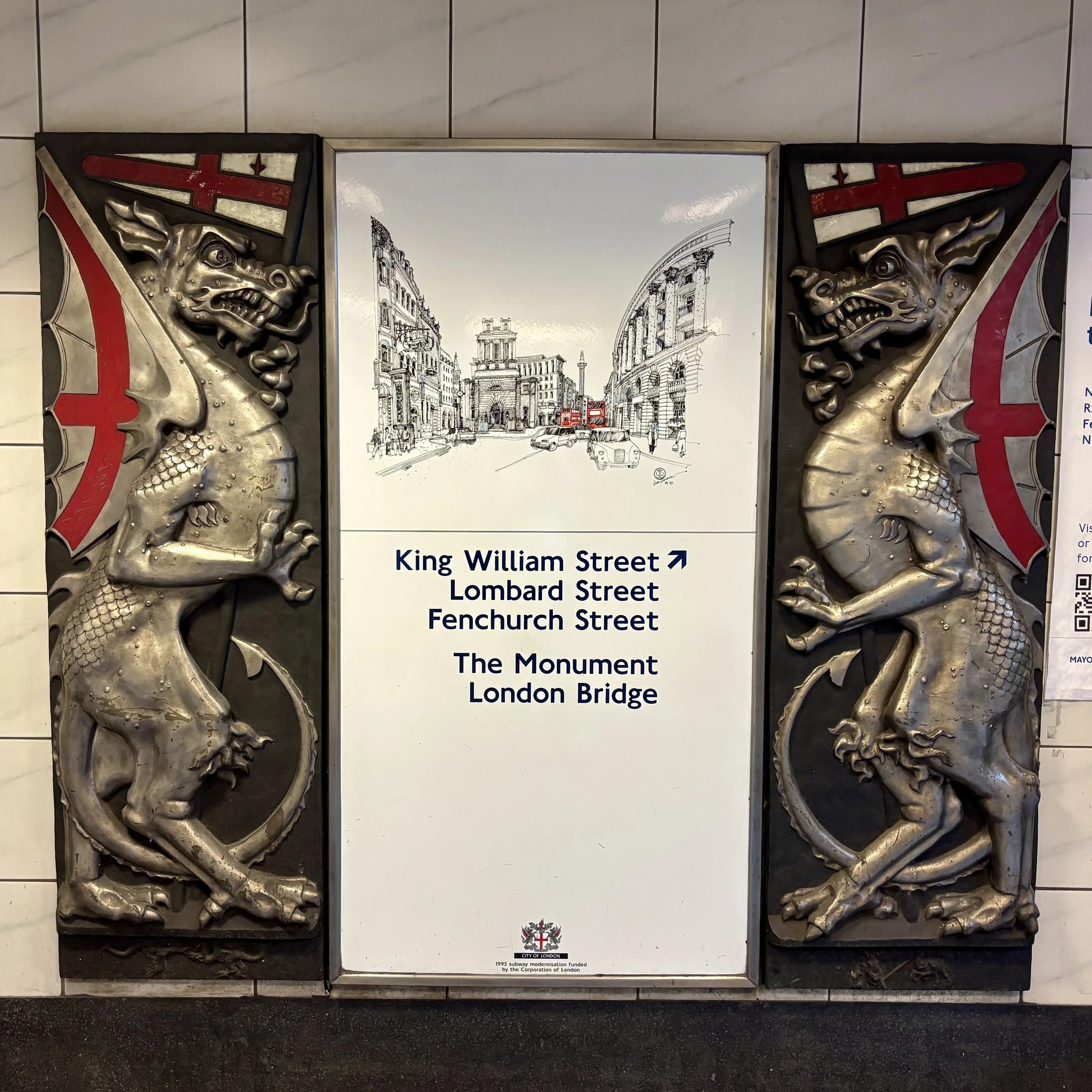
Navigating Bank Station: When I got to Bank station, I found it tricky to locate the correct passage between Bank and Monument station due to the sheer number of exits. You definitely need to keep your eyes peeled and be careful here.
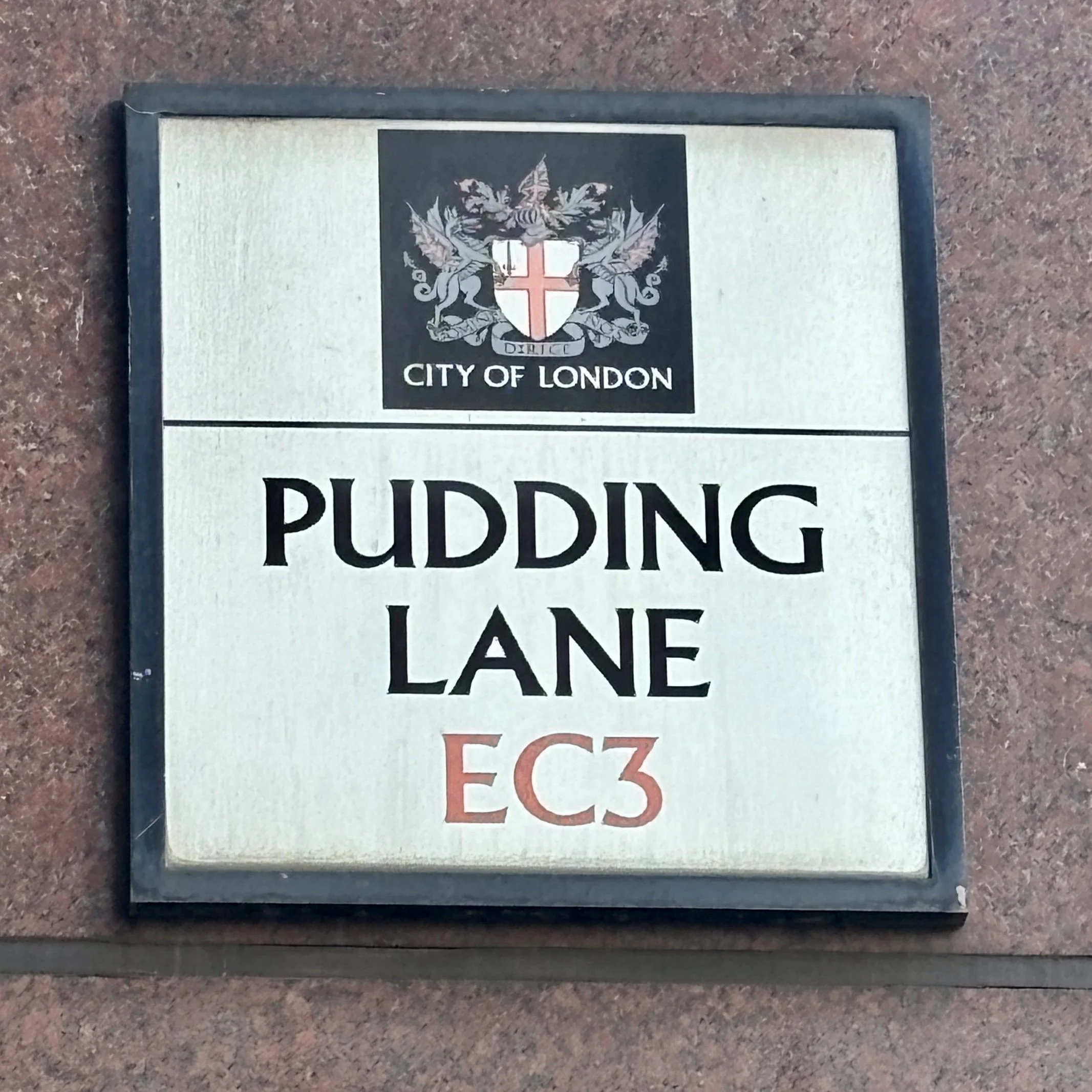
The Pedway Bridge: There is a pedestrian bridge crossing from Pudding Lane to St Magnus the Martyr church. Unfortunately, this was shut during my visit due to reconstruction of a building on the south side of the road. I was a bit disappointed as I actually had to cross the road to avoid the closure, temporarily breaking the "no roads" rule.
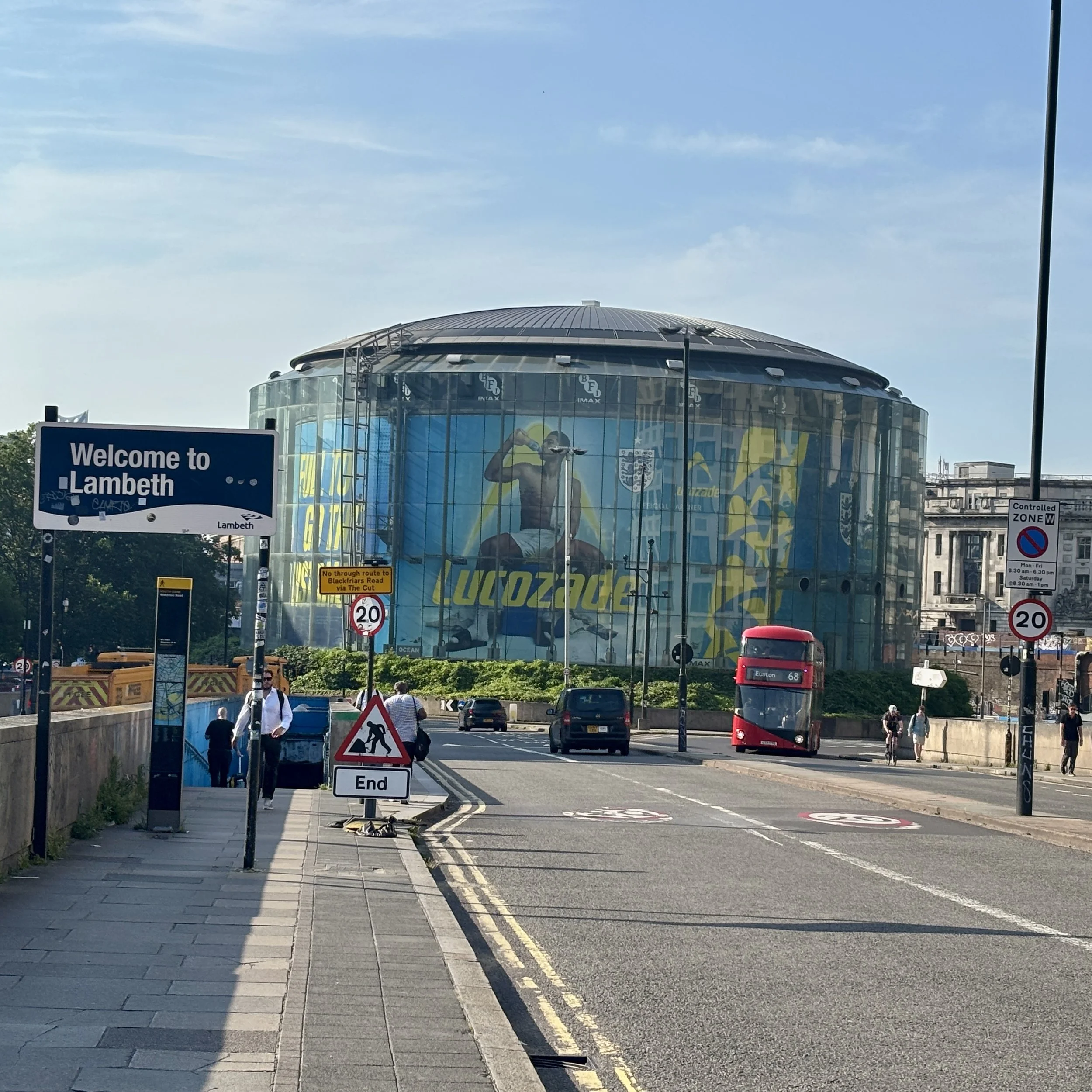
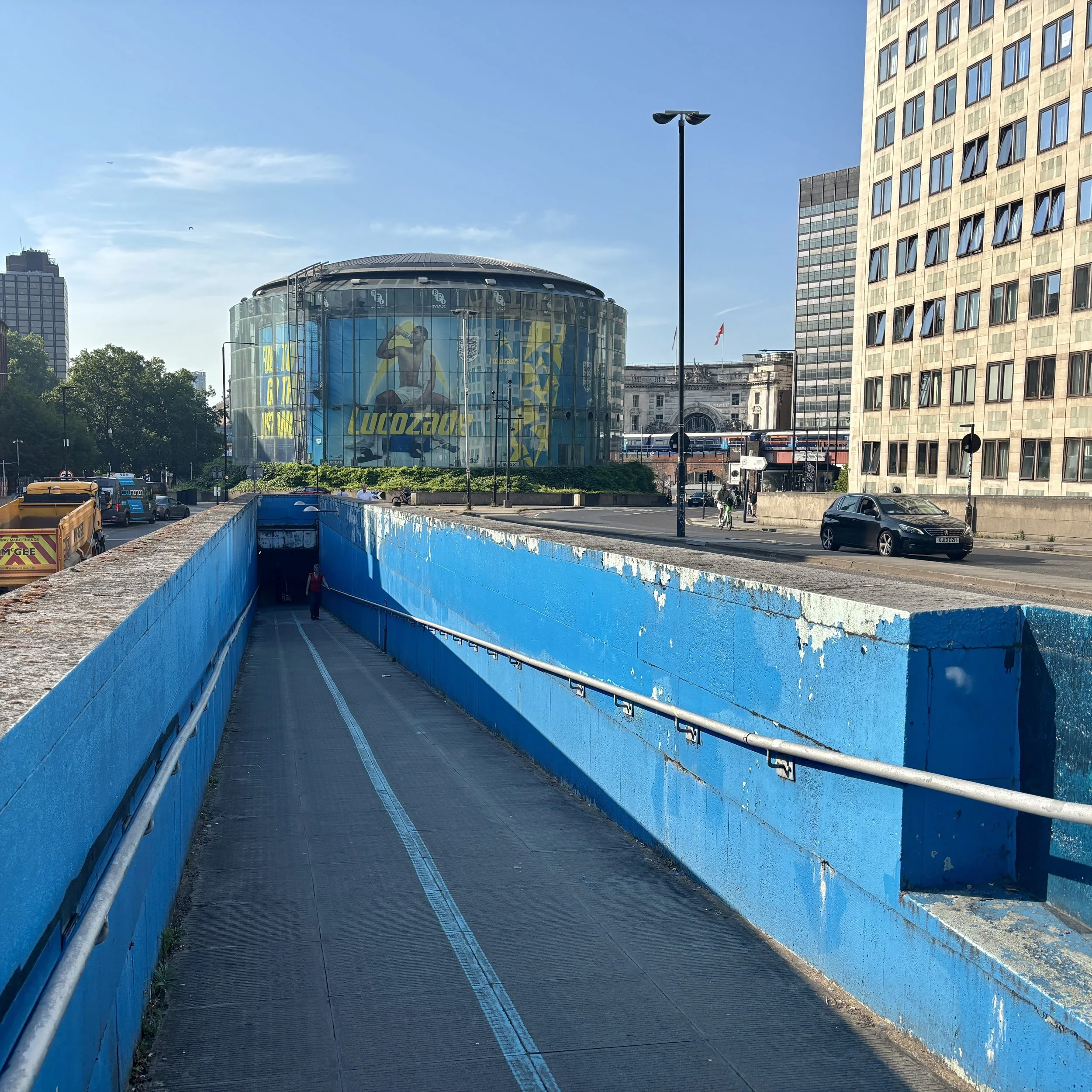
Approaching Waterloo: As you get to the IMAX near the end of the walk, you need to make sure you find the right route to get from the IMAX to Waterloo station without crossing a road.
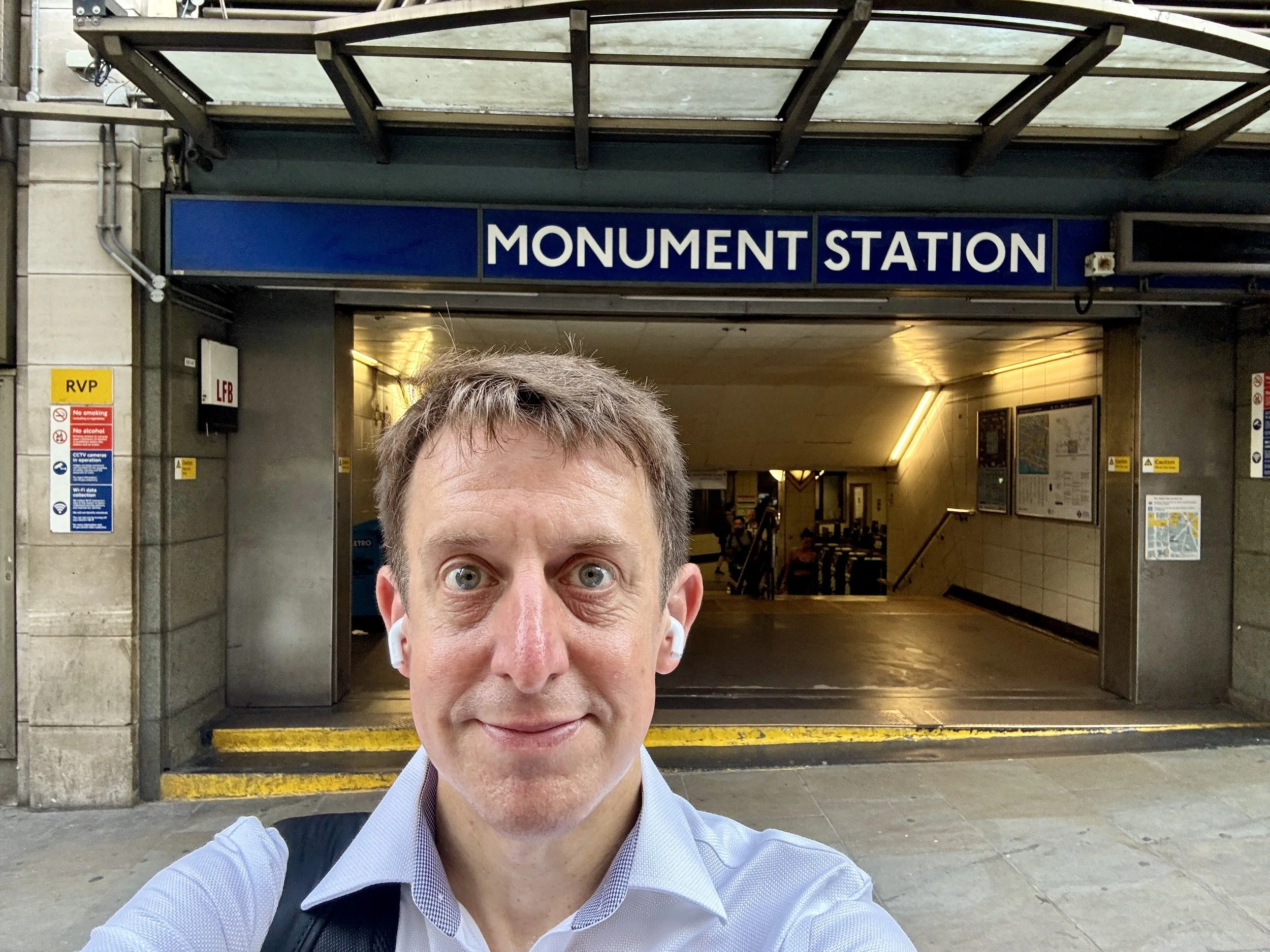
Start: Monument Station, Fish Street Hill Exit, London, EC3R 6BR
Finish: Waterloo Station, Waterloo Road, London SE1 8SW
Distance: 4.0 km (2.5 miles)
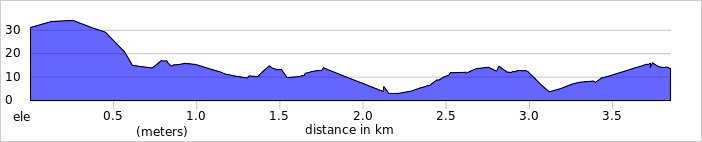
Elevation change: +32m / -49m. Net - 17m
GPX File: get via Buy Me a Coffee
Other routes touched (walk): Pudding Lane Pedway, Thames Path, Green Link Walk
Other routes touched (cycle): NCN 4
Pubs / Cafes on route: Loads, it’s London. See the points of interest section below for 2 significant pubs.
Map: London North Map | The City, West End, Enfield, Ealing, Harrow & Watford | Ordnance Survey | OS Explorer Map 173
Red = Waterloo & City Underground Line. Blue = The walk back
Points of Interest along the walking route
In order of the route from Bank to Waterloo, showing how many kilometres into the route it is from the Fish Street Hill exit of Monument Station.
Bank Station. A major interchange station on the London Underground, named after the nearby Bank of England. It is famous for its complex maze of tunnels, steep escalator shafts, and pedestrian subways, which were built over decades, making it one of the most notoriously confusing (and crowded) stations to navigate on the entire network.
Monument Station. Linked directly to Bank station via deep-level pedestrian tunnels, it takes its name from the nearby Monument to the Great Fire of London. It originally opened in 1884 as part of the Metropolitan Inner Circle completion and provides a crucial gateway to the historic heart of the City of London.
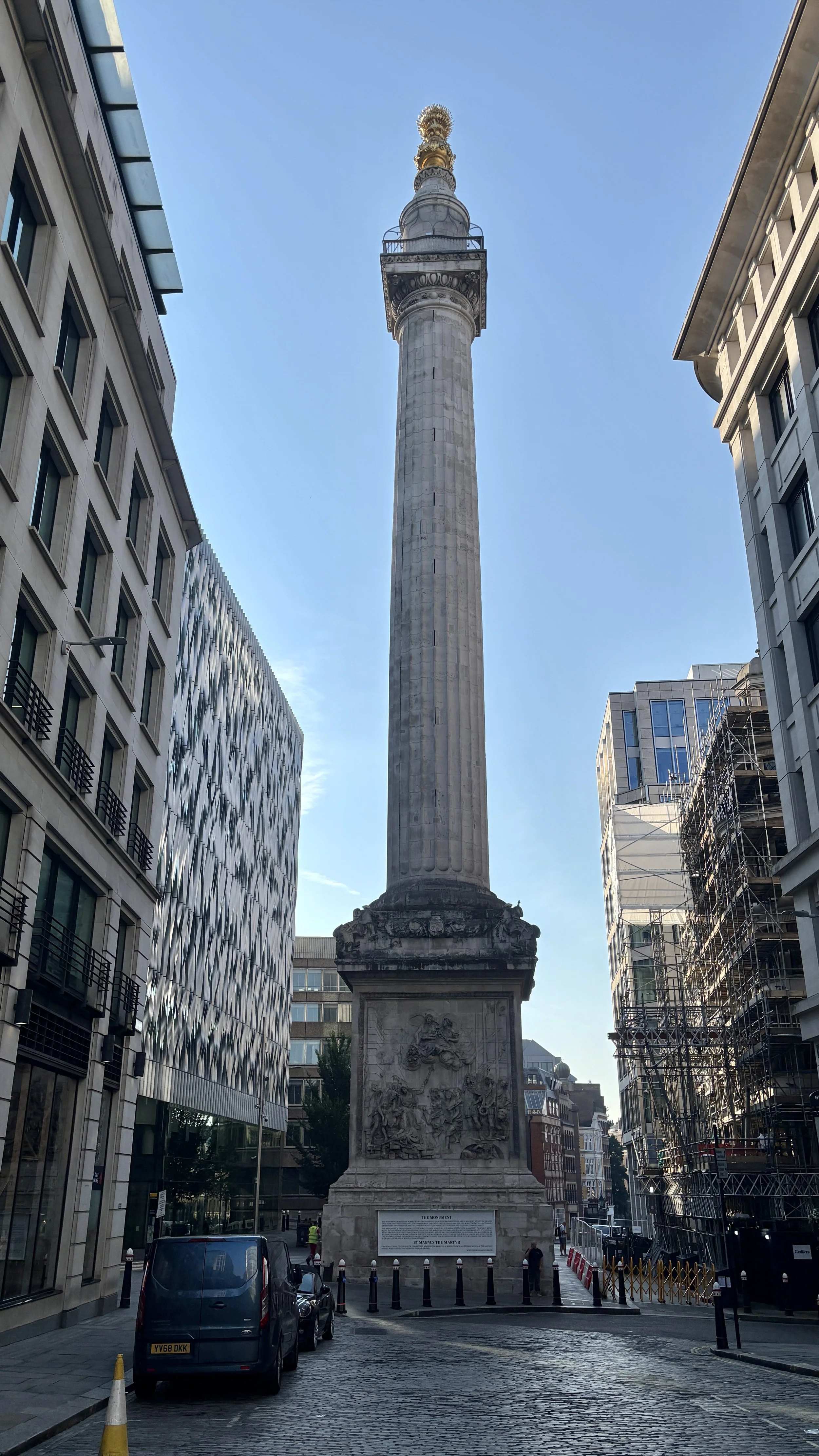
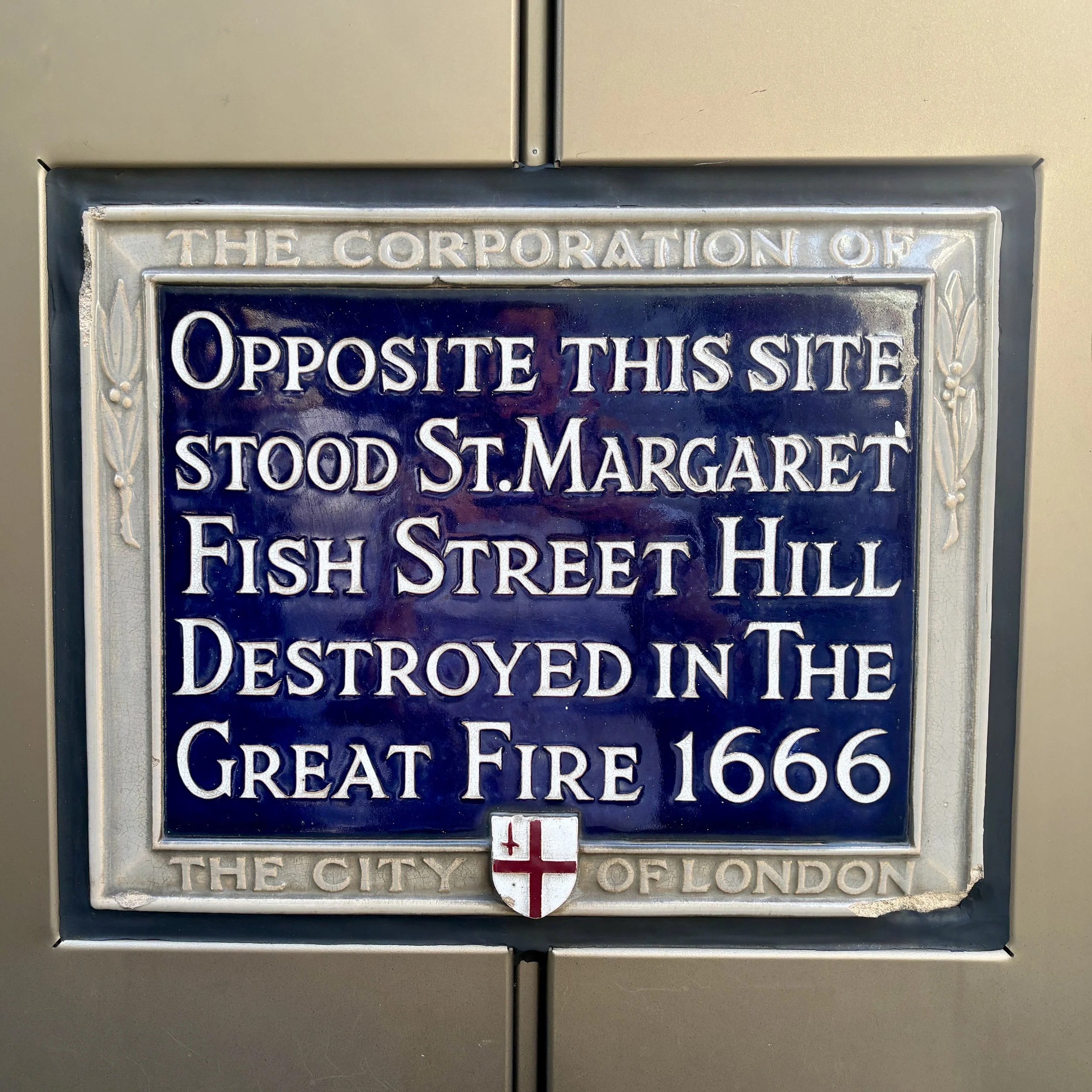
(0.1 km) Monument to the Great Fire of London. Designed by Sir Christopher Wren and Dr Robert Hooke, this 202-foot-tall Doric column commemorates the catastrophic Great Fire of London in 1666. Its height is no coincidence. If the column were laid flat on the ground, the tip would reach the exact spot of Thomas Farriner's bakery in Pudding Lane where the fire started.
(0.1 km) Pudding Lane. A small cobbled street in the City of London that is infamous worldwide as the starting point of the Great Fire. Despite its sweet-sounding name, "pudding" was actually a medieval term for animal innards, which butchers carted down this lane from Eastcheap market to the river to be discarded.
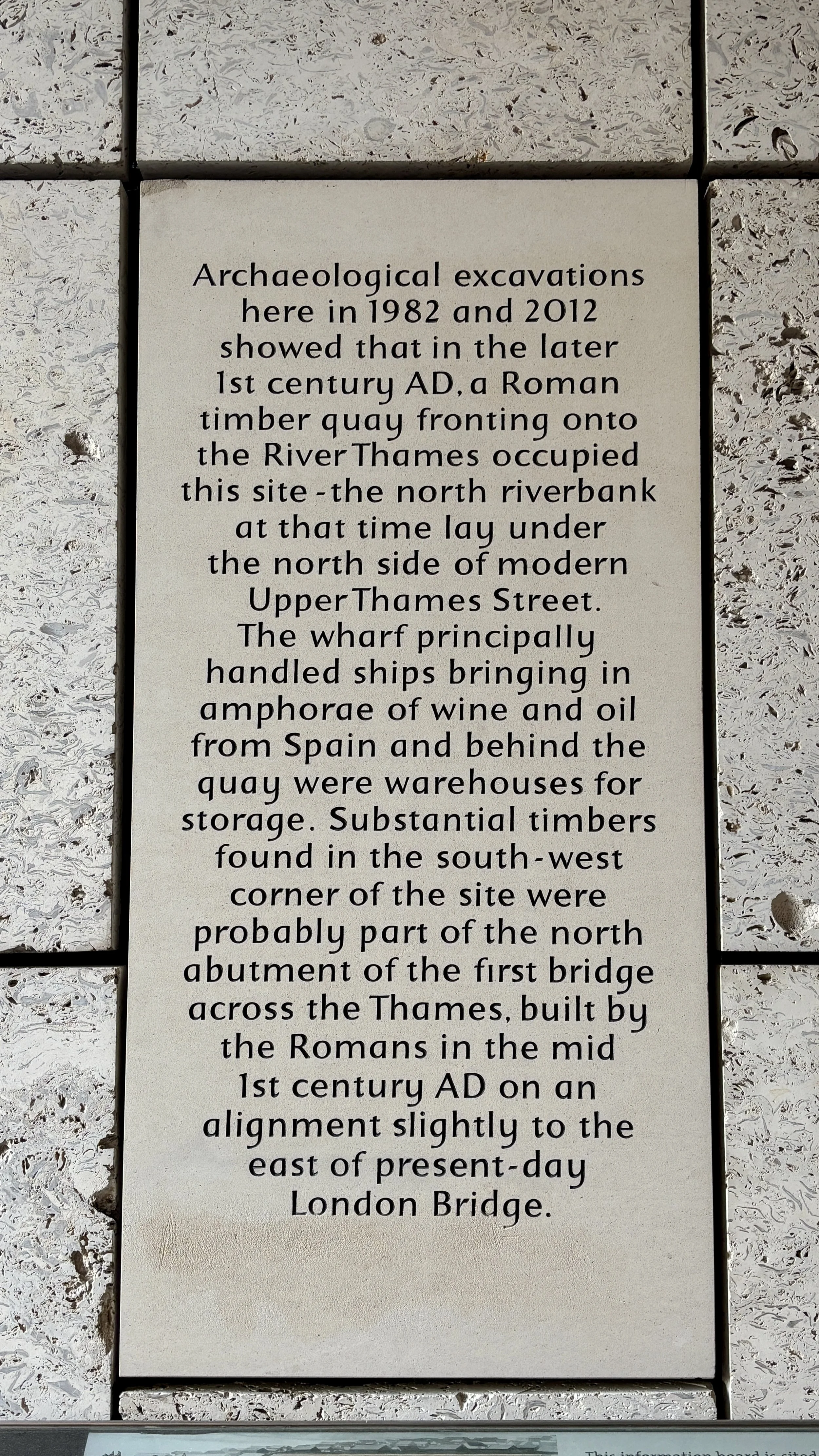
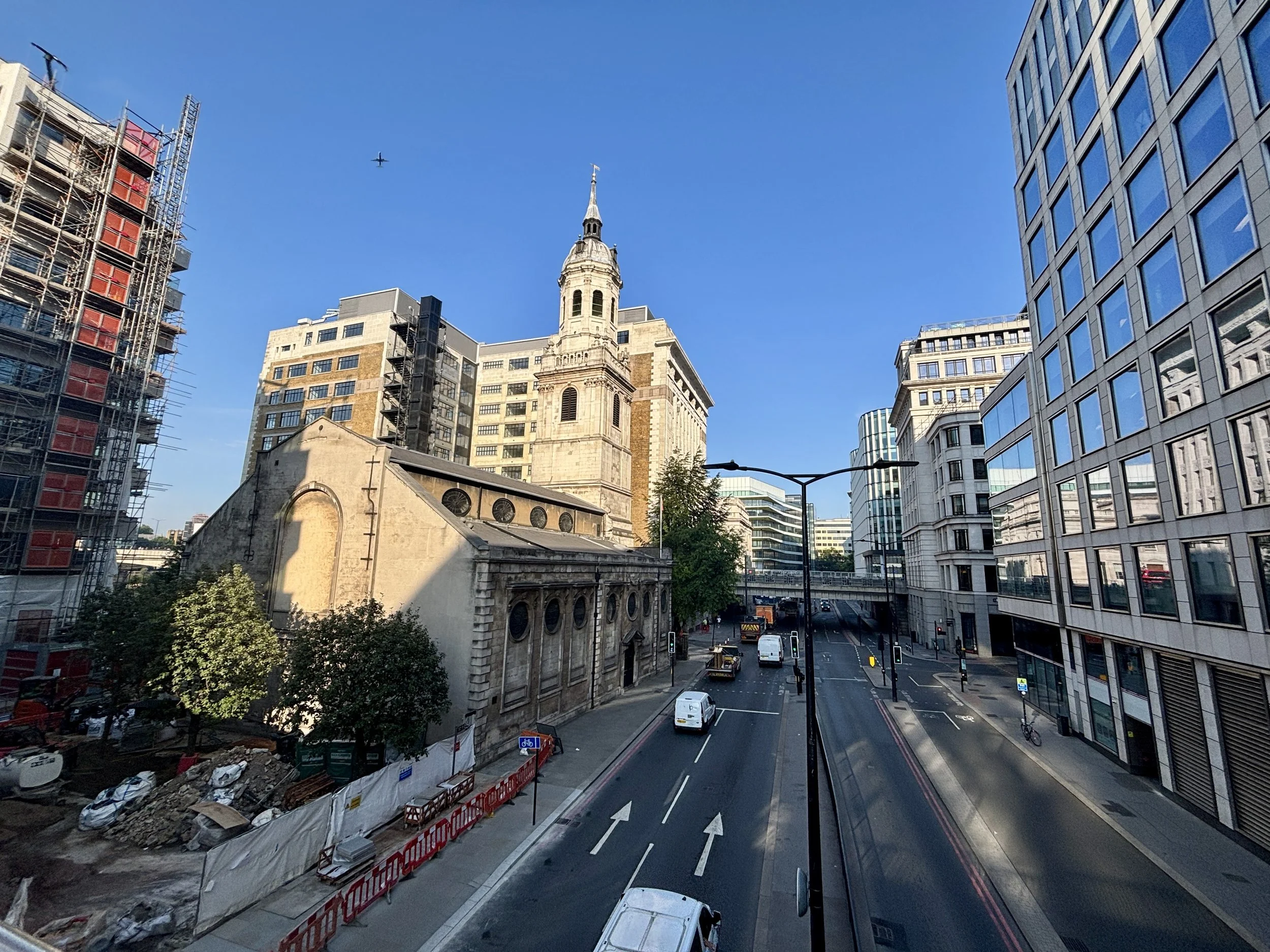
(0.2 km) Church of Saint Magnus-the-Martyr. Another stunning architectural masterpiece rebuilt by Sir Christopher Wren after the Great Fire, this church once stood right at the foot of the old medieval London Bridge. A surviving piece of Roman timber wharf from the 1st century AD is remarkably displayed in its porch, blending centuries of London history in a single spot.
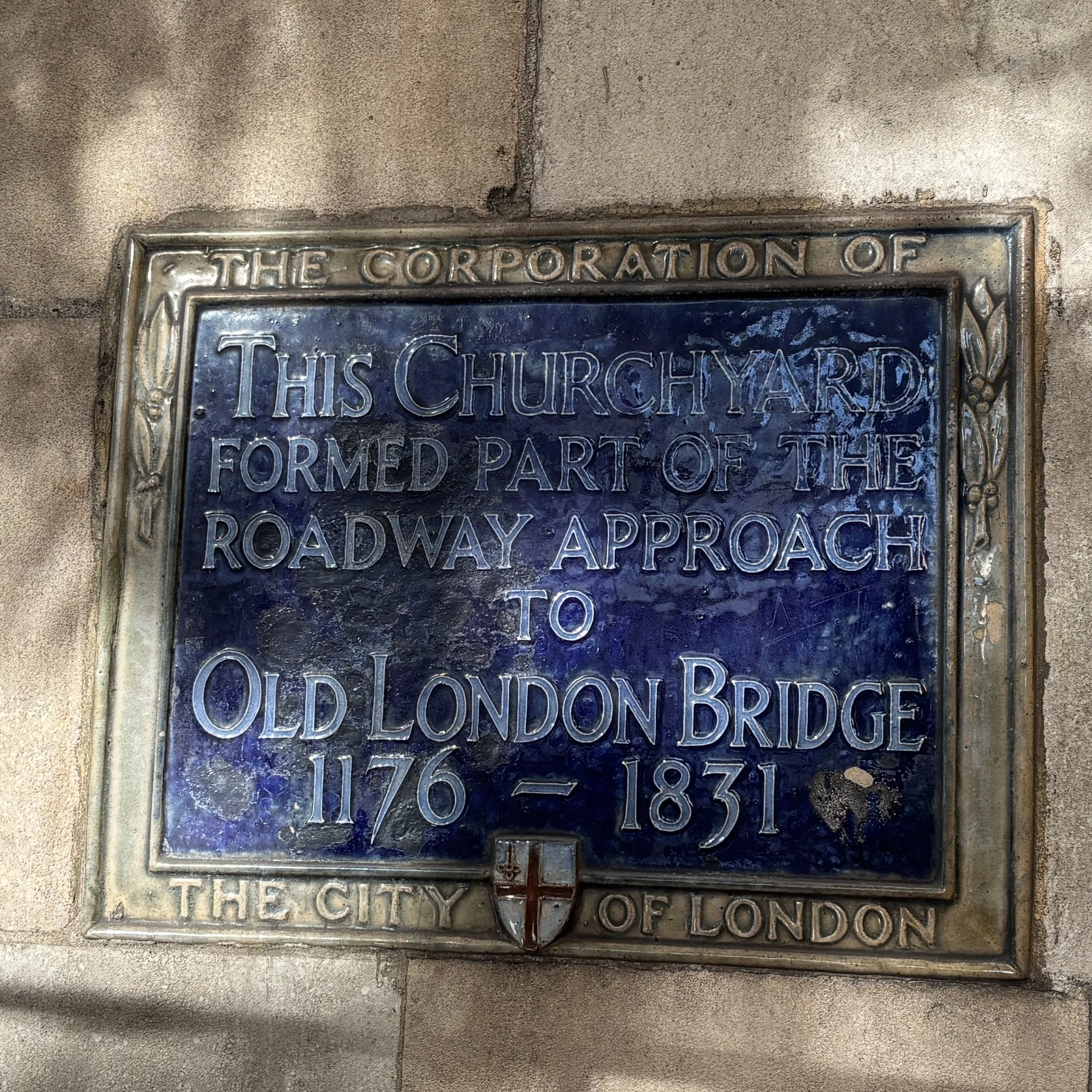
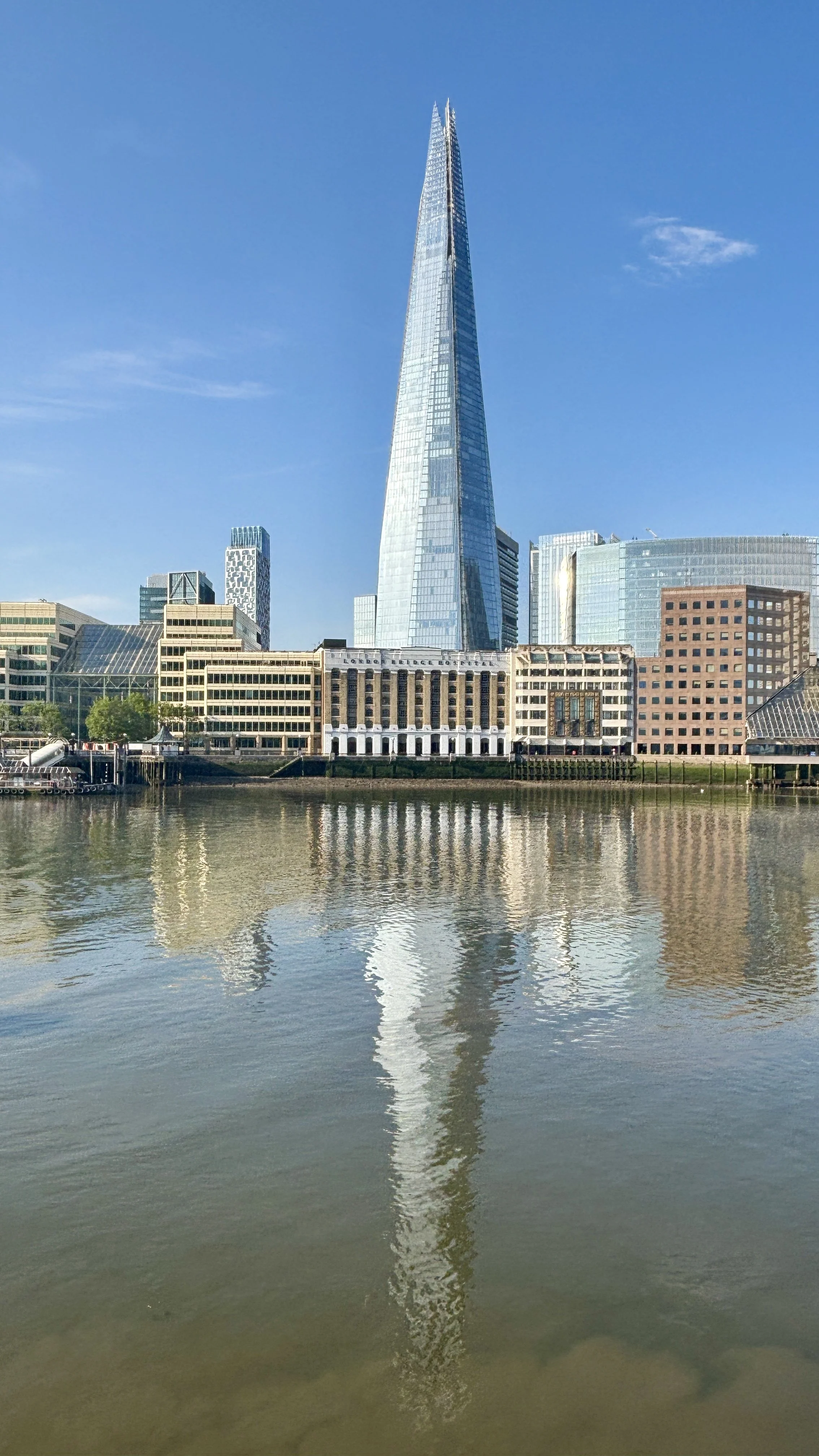
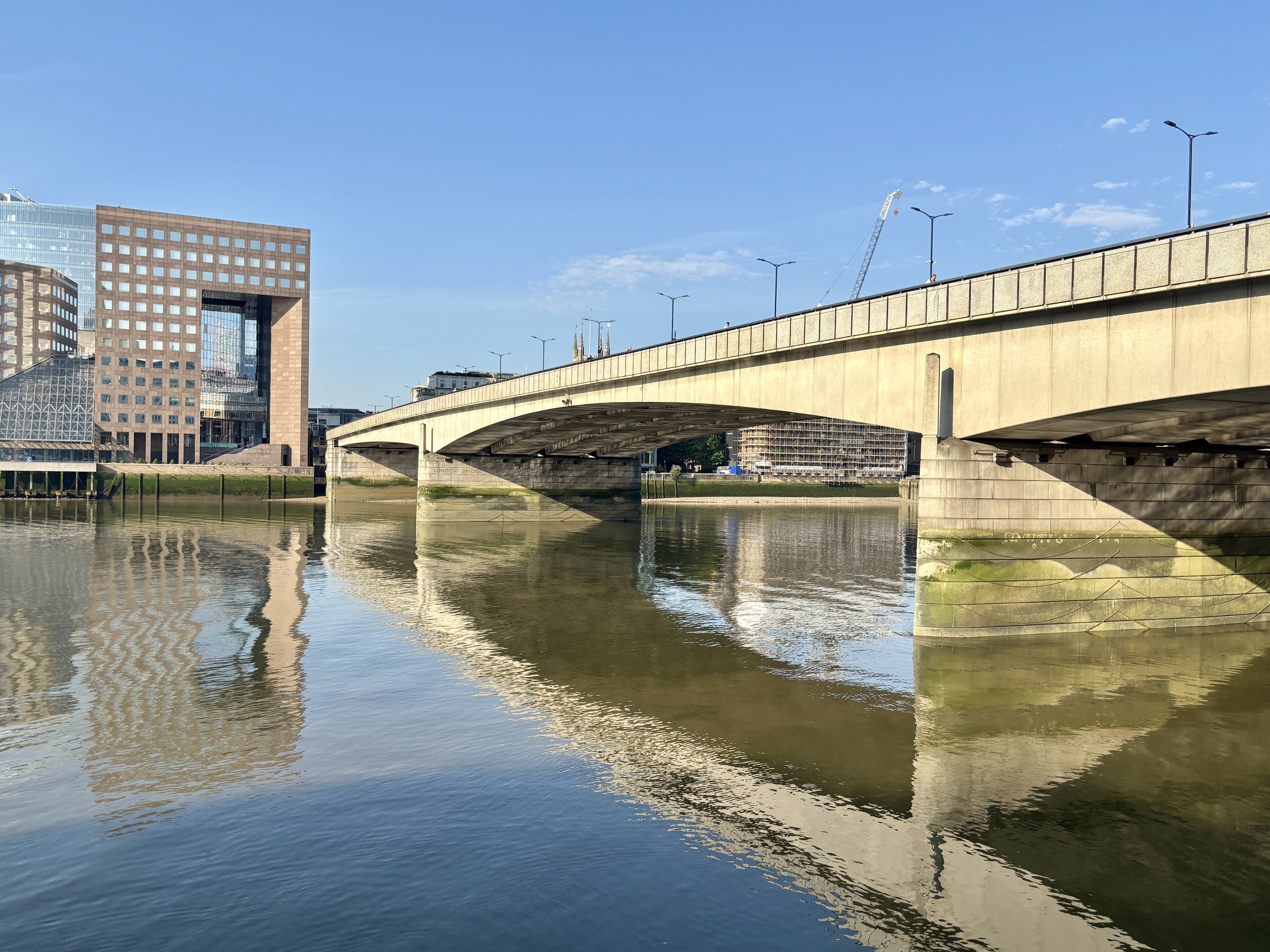
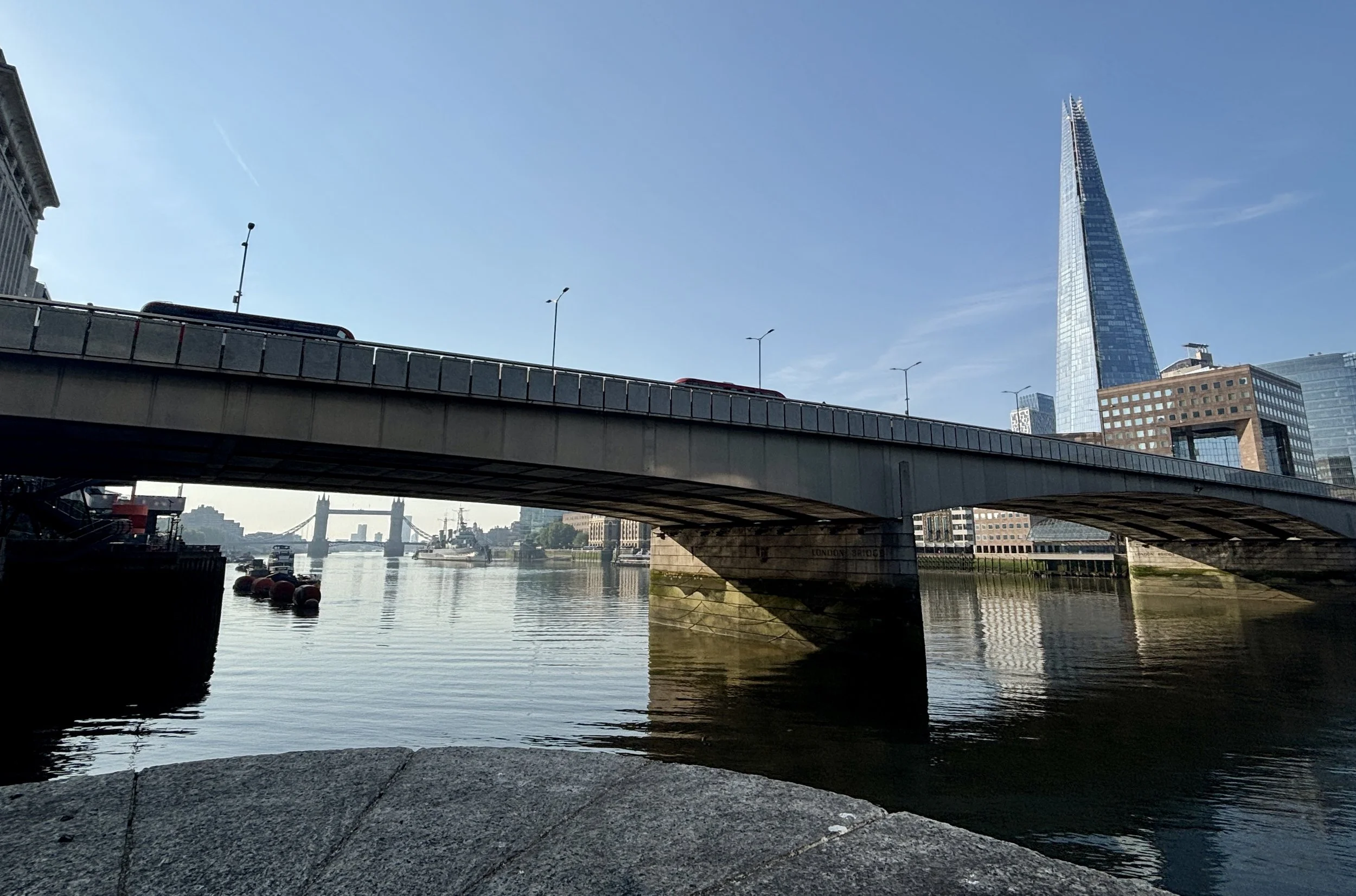
(0.4 km) London Bridge is the oldest crossing over the River Thames, with a rich history originating from a Roman pontoon structure built around 43 AD. The 19th-century version of the bridge was famously sold to an American entrepreneur in 1968 and rebuilt stone by stone in Arizona.
(0.6 km) Cannon Street Bridge. Constructed between 1863 and 1866, Cannon Street Railway Bridge features two monumental Victorian brick towers originally built to conceal water tanks for the station's hydraulic lifts. At low tide the riverbank beneath the bridge is frequently scattered with centuries-old animal bones from historical butchers and abattoirs.
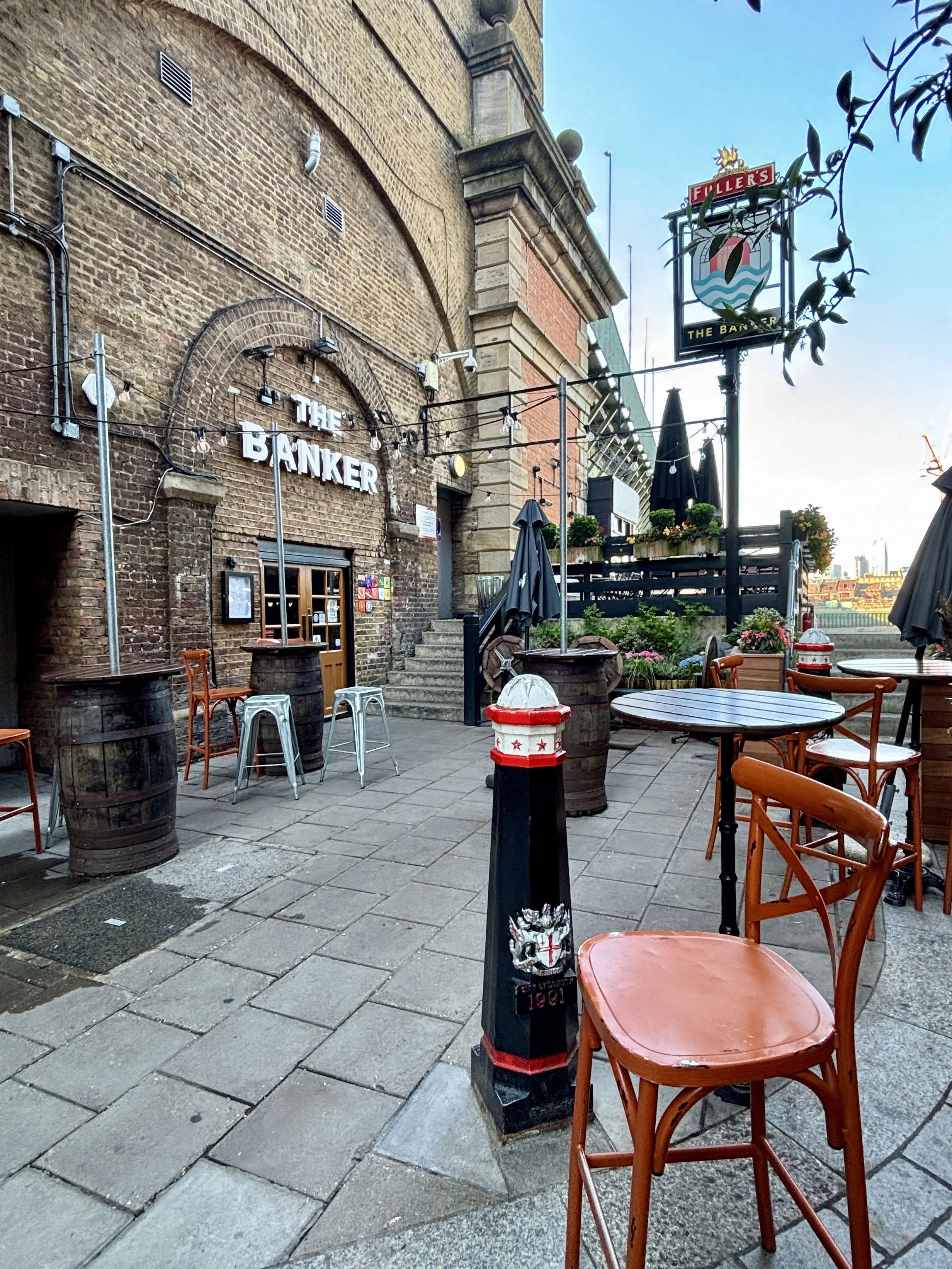
(0.7 km) The Banker Pub, EC4 Nestled snugly within the towering brick arches of the Cannon Street Railway Bridge, this riverside pub offers spectacular views of the Thames. The cavernous vaults it occupies are a testament to robust Victorian railway engineering.
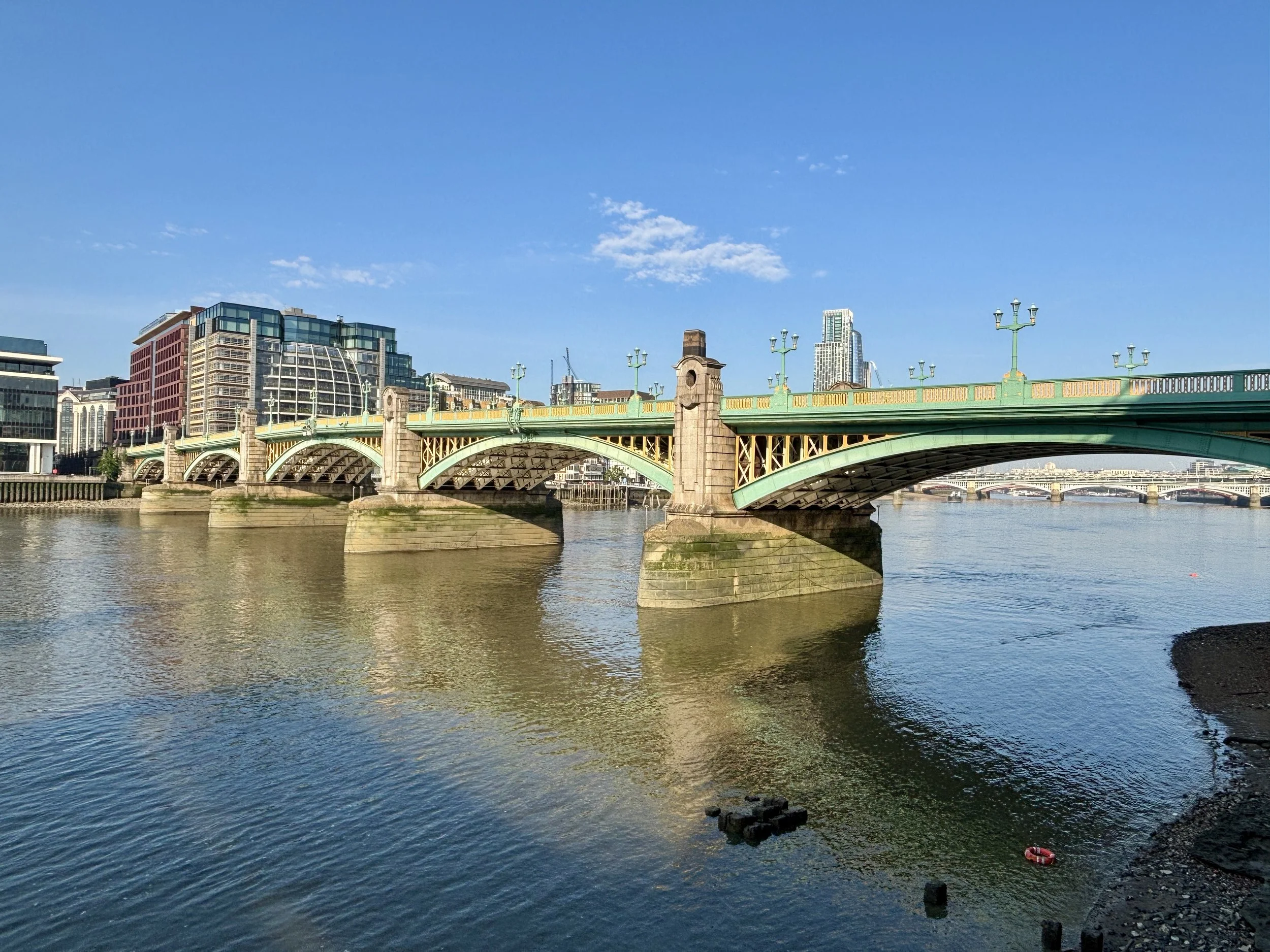
(0.8 km) Southwark Bridge. Rebuilt in 1921, the vibrant green and yellow Southwark Bridge was cleverly designed so its arches align perfectly with neighbouring bridges to ensure a smooth flow of river traffic. For a glimpse into the past, pedestrians can still spot old stone steps on the south bank once used by Thames watermen to moor their boats.
(0.8 km) Fruiterers Passage This narrow, easily missed walkway is a ghost of London's trading past, named after the Worshipful Company of Fruiterers, one of the City's ancient livery companies. It serves as a quiet reminder of the medieval days when different trades clustered in specific riverside alleys to load and unload their goods.
(1.0 km) The Alfred Plaque This modest stone memorial marks King Alfred the Great's restoration of London in 886 AD after a period of Viking occupation. It highlights how he rebuilt the Roman walls and re-established the nearby Queenhithe dock to revive the city's trade and ensure its survival.
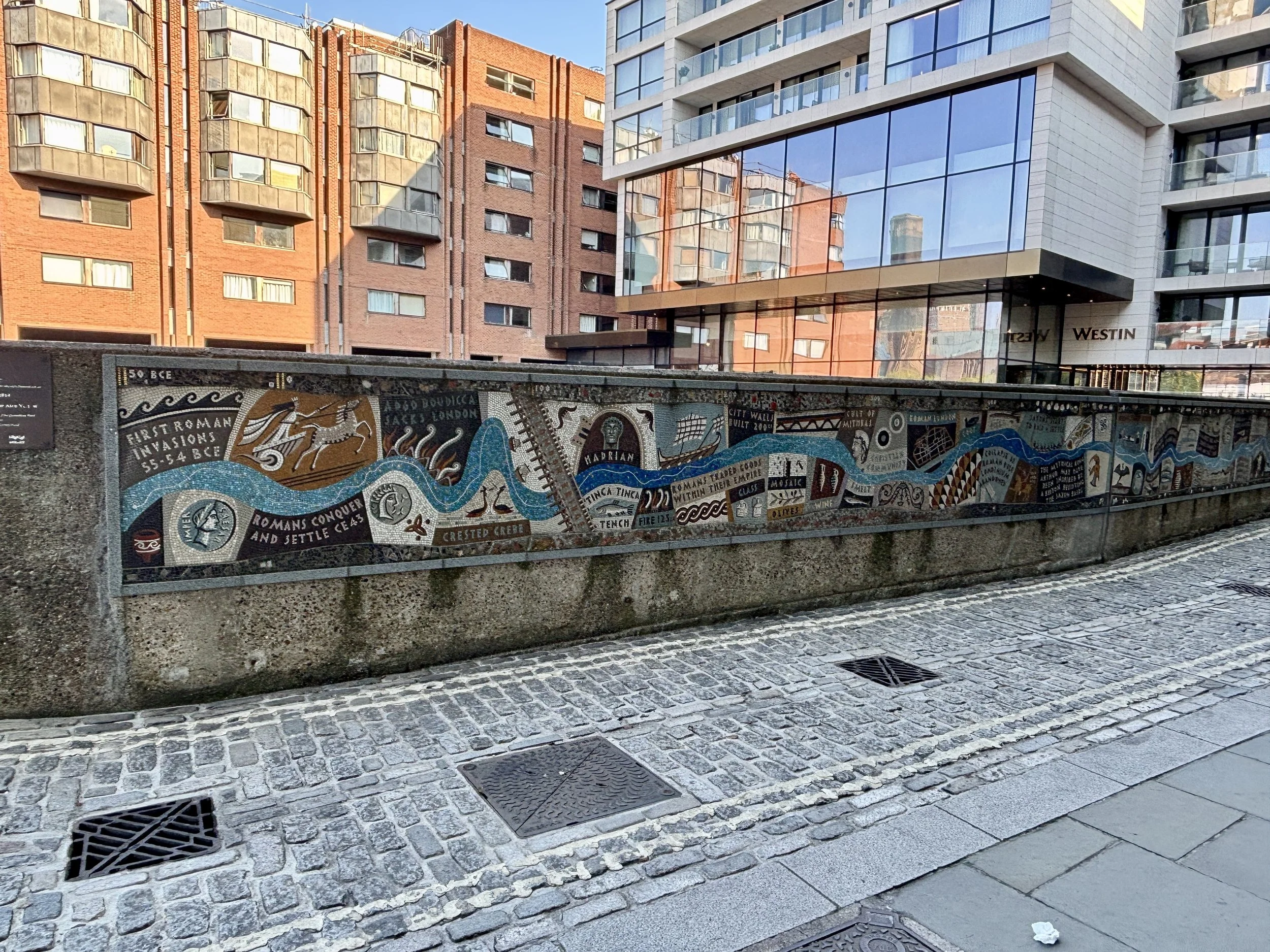
(1.0 km) Queenhithe Mosaic Unveiled in 2014, this beautiful 30-meter-long mosaic timeline vividly illustrates the history of London and the Queenhithe dock from Roman times right up to the present day. It is an unexpected, colorful piece of public art that encapsulates the historical significance of the shoreline you are walking along.
(1.1 km) Queenhithe Dock and Wharf Once the most important dock in Saxon and medieval London, goods like corn, fish, and fur were traded here for centuries. Today, it is a scheduled ancient monument and the only surviving inlet on the modern City waterfront, offering a rare, untouched glimpse into the ancient port of London.
(1.2 km) Samuel Pepys Pub Named after the famous 17th-century diarist who documented both the Great Fire and the Great Plague, this pub sits in a historic wooden warehouse on the north bank.
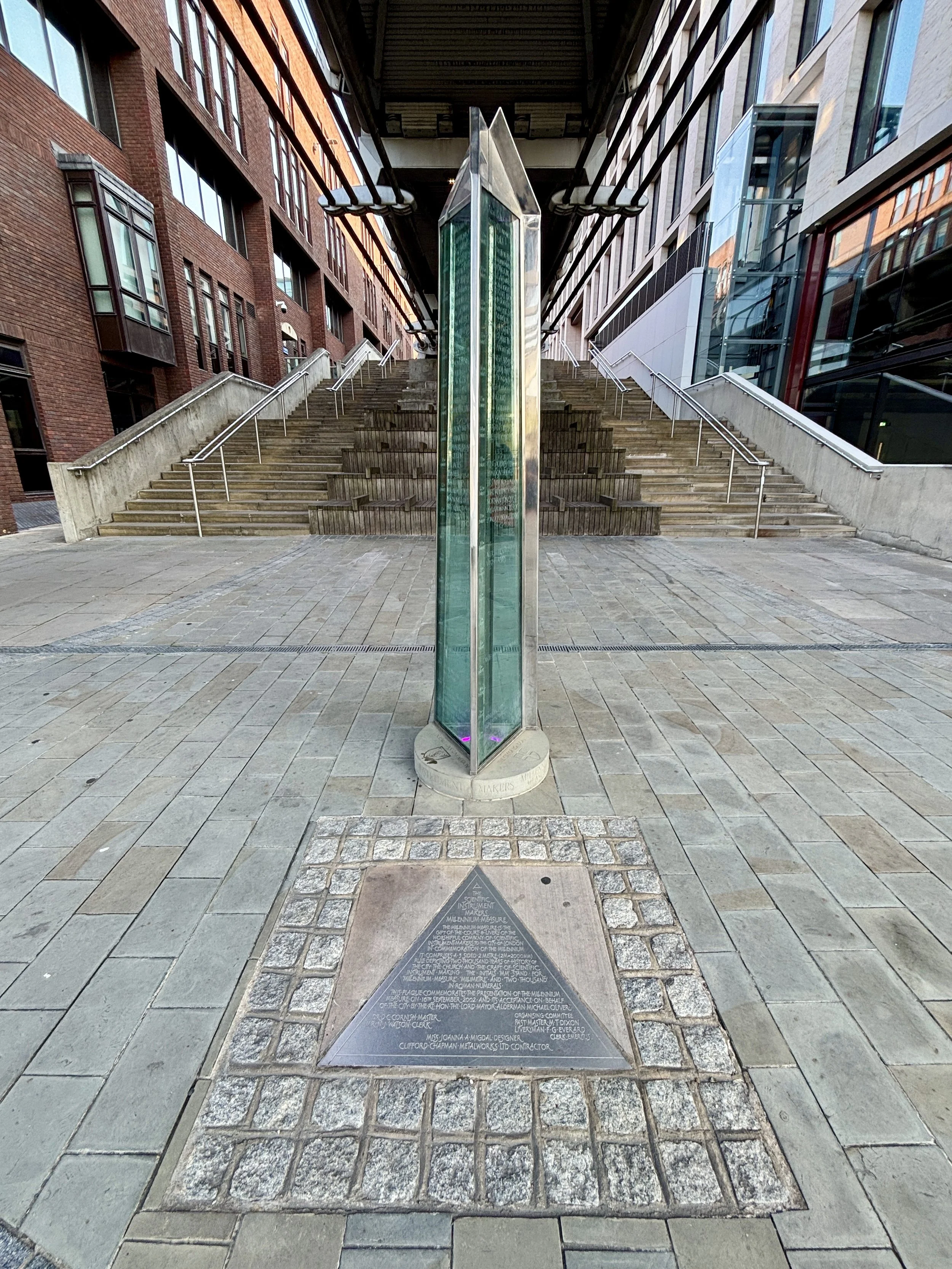
(1.4 km) Millennium Measure. Gifted by the Worshipful Company of Scientific Instrument Makers for the year 2000, the Millennium Measure is a stainless steel and glass sculpture serving as a three-sided, two-metre rule that depicts two thousand years of history. Its initials "MM" cleverly stand for three things simultaneously: "Millennium Measure", "millimetre", and the number two thousand in Roman numerals.
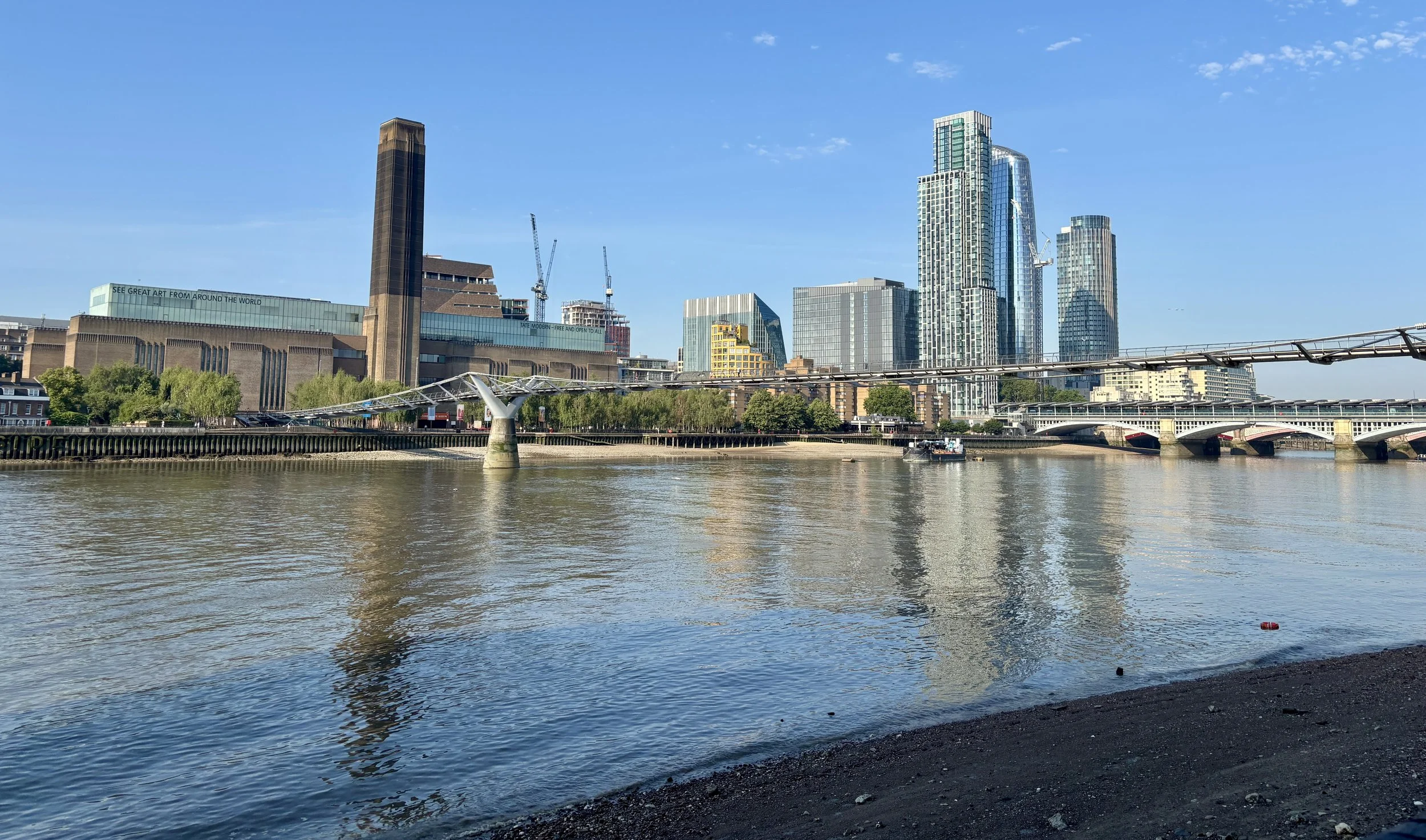
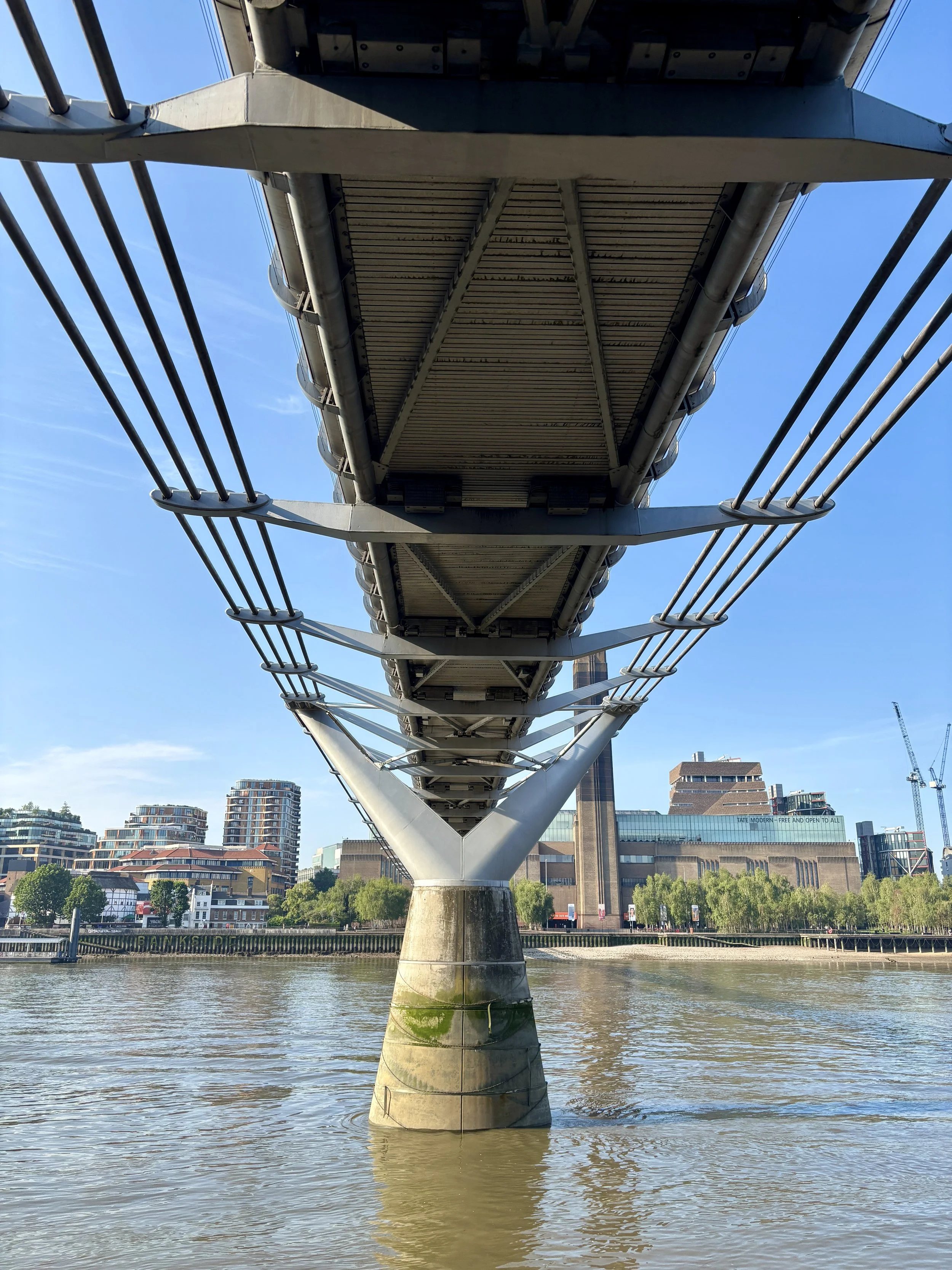
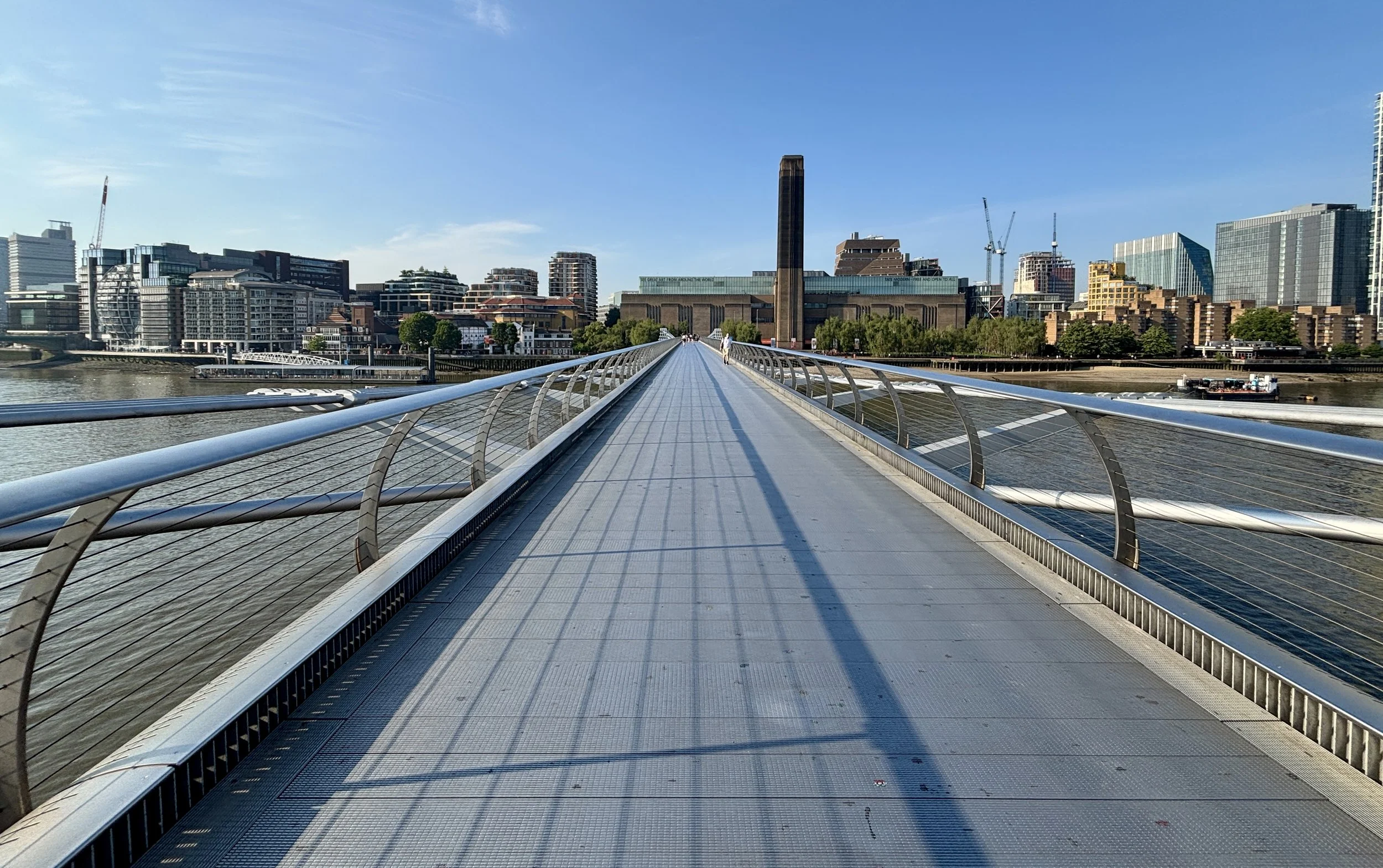
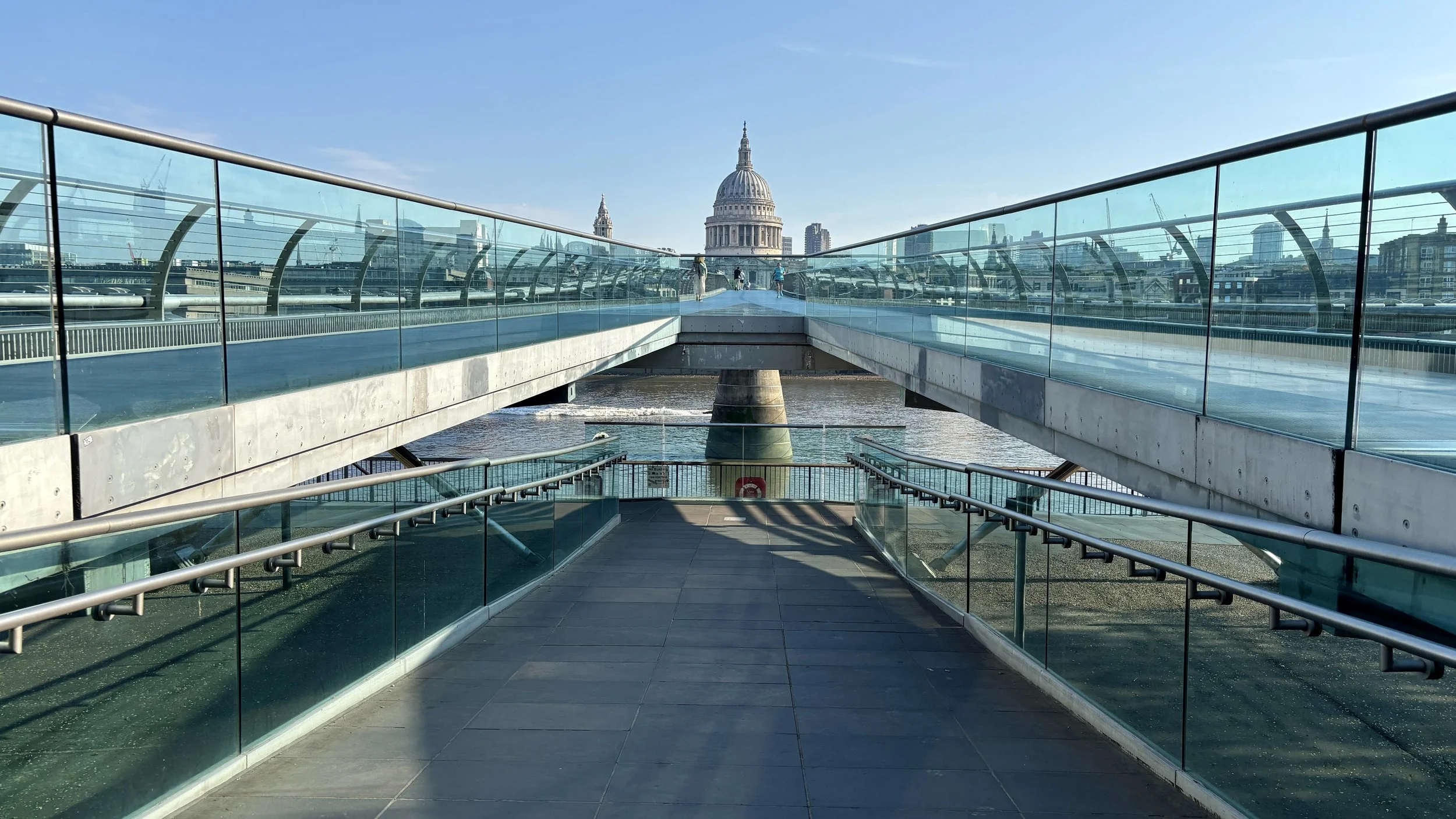
(1.4 km) Millennium Bridge Opened in 2000, this steel suspension footbridge elegantly links St Paul's Cathedral with the Tate Modern. It famously earned the nickname "The Wobbly Bridge" due to a swaying motion experienced on its opening day, an engineering quirk which took two years and specialized dampeners to finally fix.
(1.5 km) St Paul's Cathedral Though you don't walk right up to it on this specific path, the view of its iconic dome from the Millennium Bridge is a deliberately engineered sightline. Sir Christopher Wren's architectural masterpiece is framed perfectly by the bridge's suspension cables, offering one of the most celebrated and deliberate vistas in all of London.
(1.8 km) Shakespeare's Globe Located just off the path after crossing the river, this is a meticulous reconstruction of the original Elizabethan playhouse where Shakespeare debuted his greatest works. A wonderfully quirky detail: it features the first and only thatched roof permitted in London since the Great Fire of 1666, protected today by specially designed fire-retardant sprinklers.
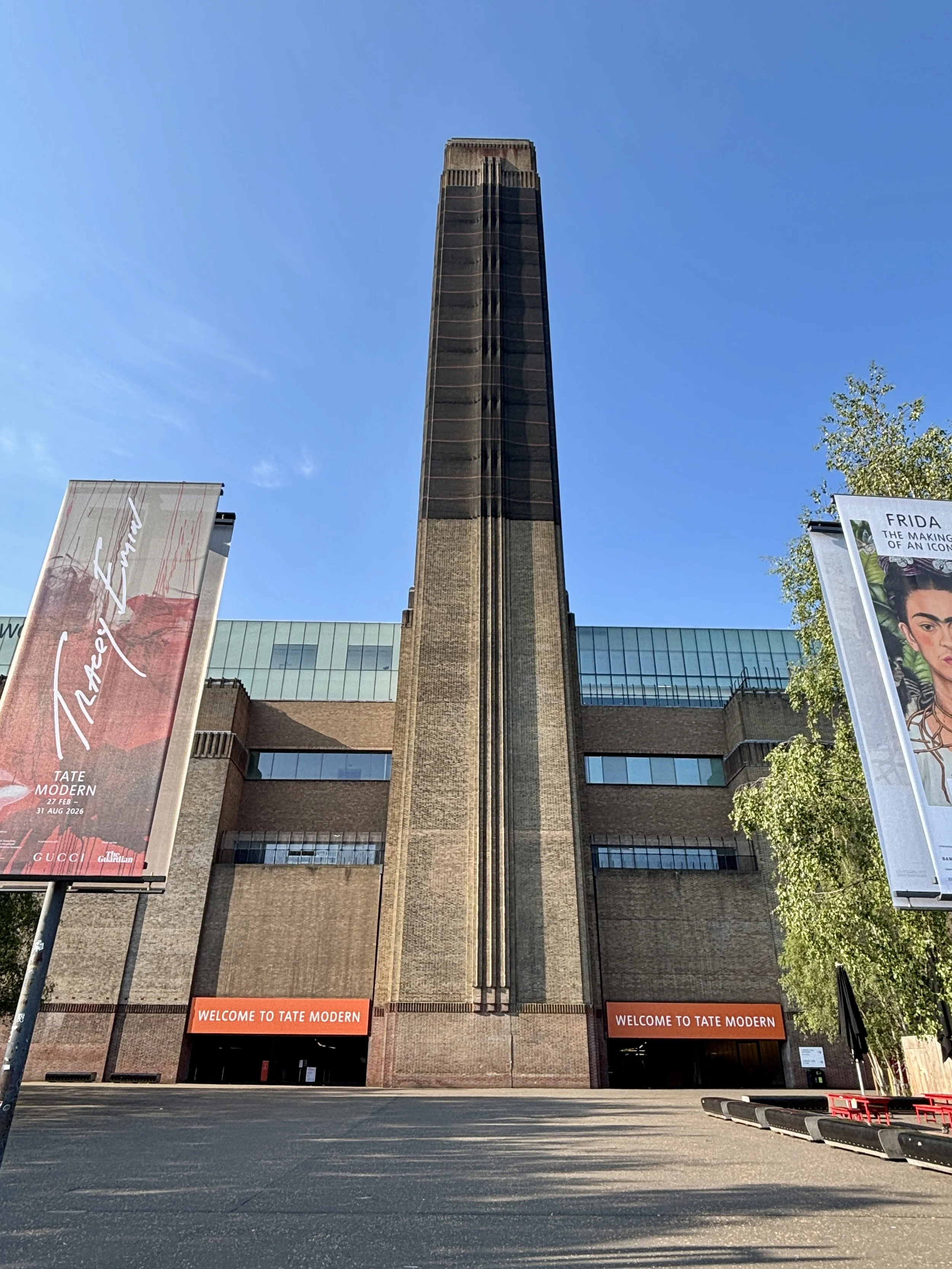
(1.9 km) Tate Modern Housed in the colossal former Bankside Power Station, this world-renowned gallery is Britain's national museum of international modern and contemporary art. The iconic towering chimney and cavernous Turbine Hall are stunning remnants of its industrial past repurposed into spectacular exhibition spaces.
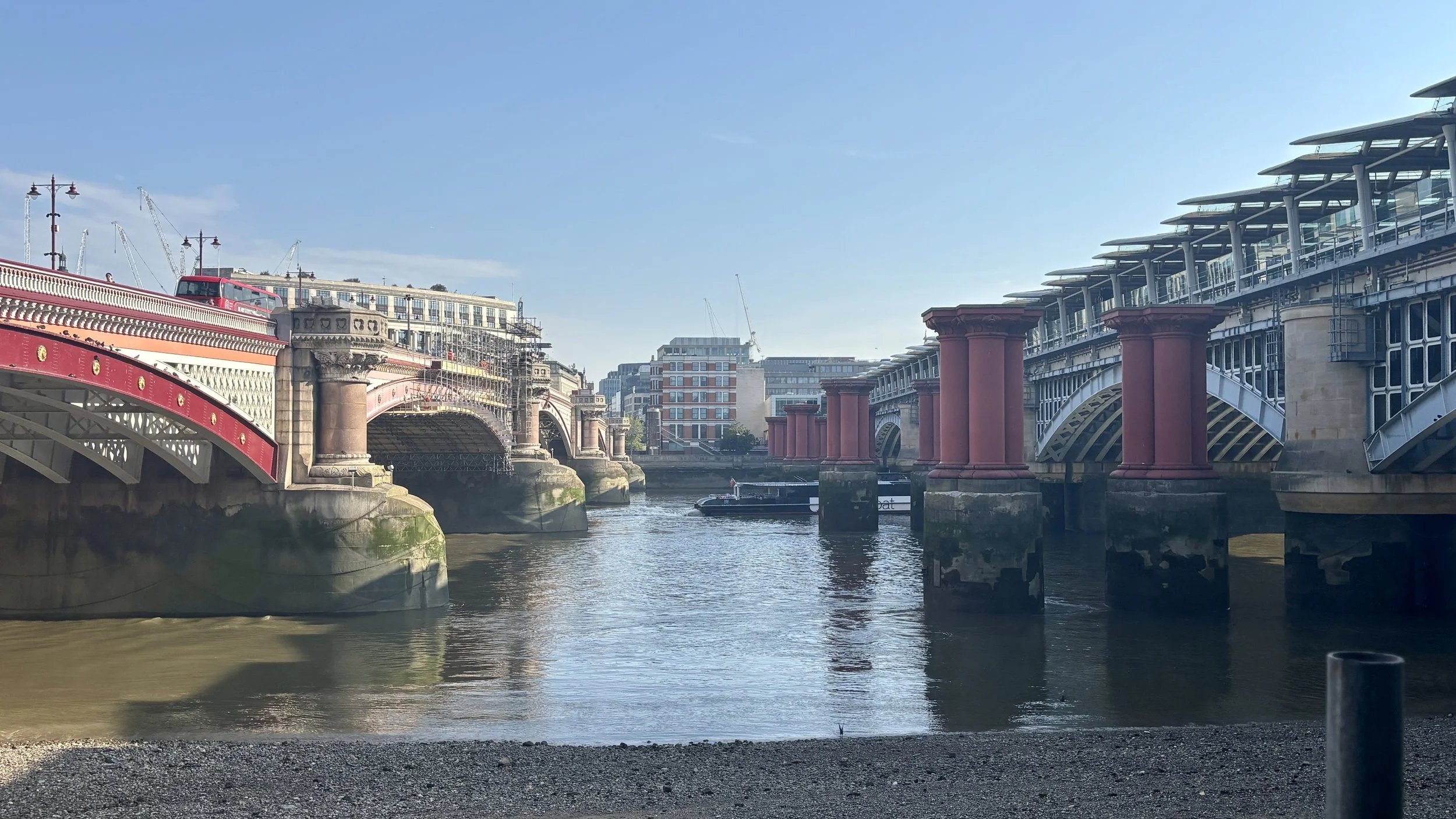
(2.1 km) Blackfriars Railway Bridge Pillars As you continue along the South Bank, look out into the river to see a row of red, cast-iron pillars standing completely alone in the water. These are the beautifully preserved remains of the original 1864 London, Chatham and Dover Railway bridge, dismantled in the 1980s. The railway insignia is still brilliantly visible on the columns.
(2.5 km) Oxo Tower Originally a power station, the building was largely rebuilt in the 1920s by the Liebig Extract of Meat Company (makers of Oxo cubes). Refused permission for illuminated rooftop advertising, they cleverly circumvented the ban by designing the tower's windows in the shapes of a circle, a cross, and a circle subtly spelling out "OXO" across the skyline.
(2.6 km) The Queen's Walk This vibrant pedestrian promenade stretches along the South Bank of the Thames, formalized in 1977 to mark the Silver Jubilee of Queen Elizabeth II. It connects several major cultural landmarks and is renowned for its bustling atmosphere, street performers, and unmatched views across the river.
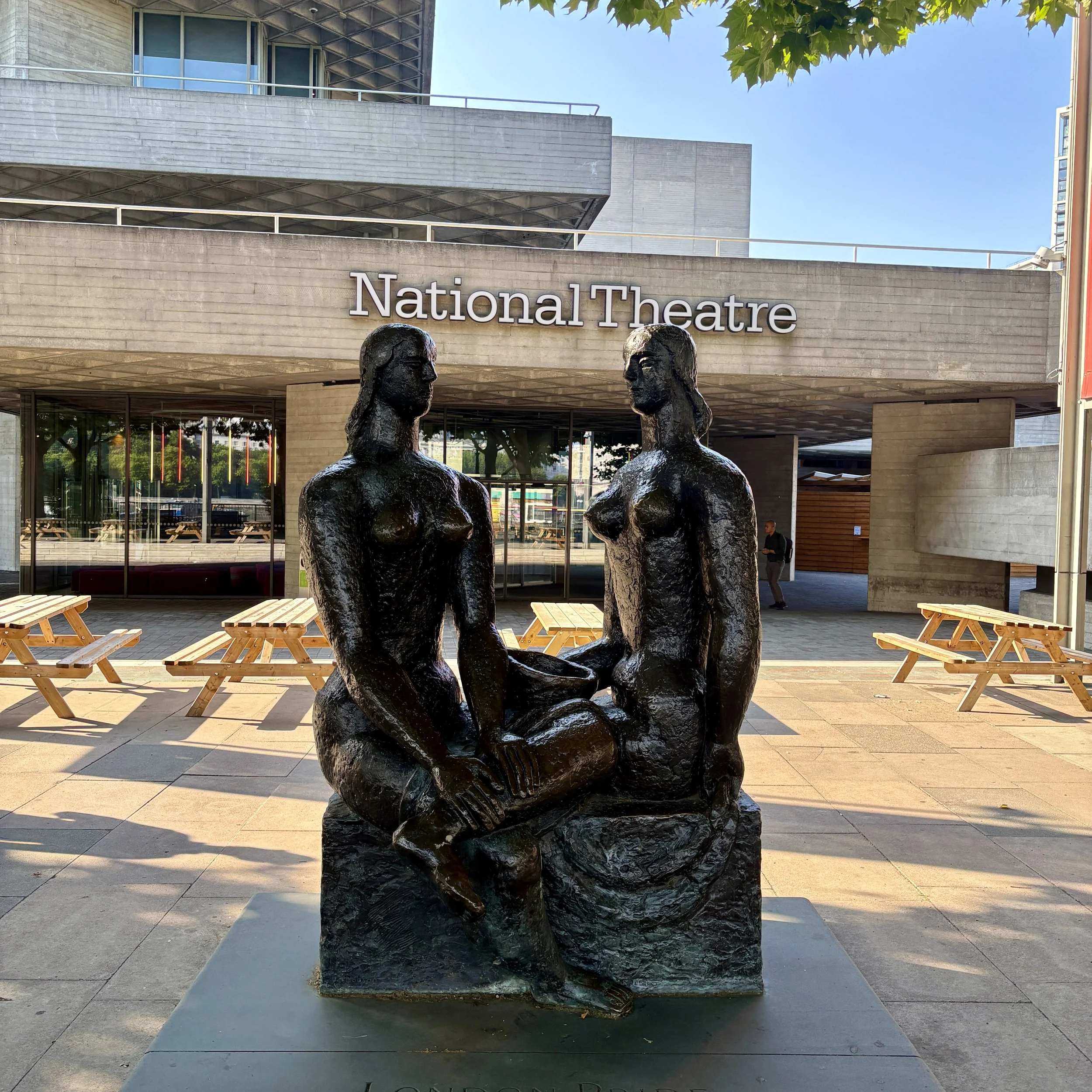
(2.9 km) National Theatre A highly polarizing piece of architecture, this massive concrete complex is one of London's most prominent examples of the Brutalist style. King Charles once famously compared it to a "clever way of building a nuclear power station," but regardless of its divisive exterior, it houses three world-class auditoriums producing unparalleled theatre.
(3.1 km) Southbank Centre Book Market Nestled directly beneath Waterloo Bridge, this is one of the only outdoor second-hand and antique book markets in southern England. Operating daily since 1982, it's a wonderfully atmospheric spot on the walking route to browse weather-beaten classics while the traffic rumbles overhead.
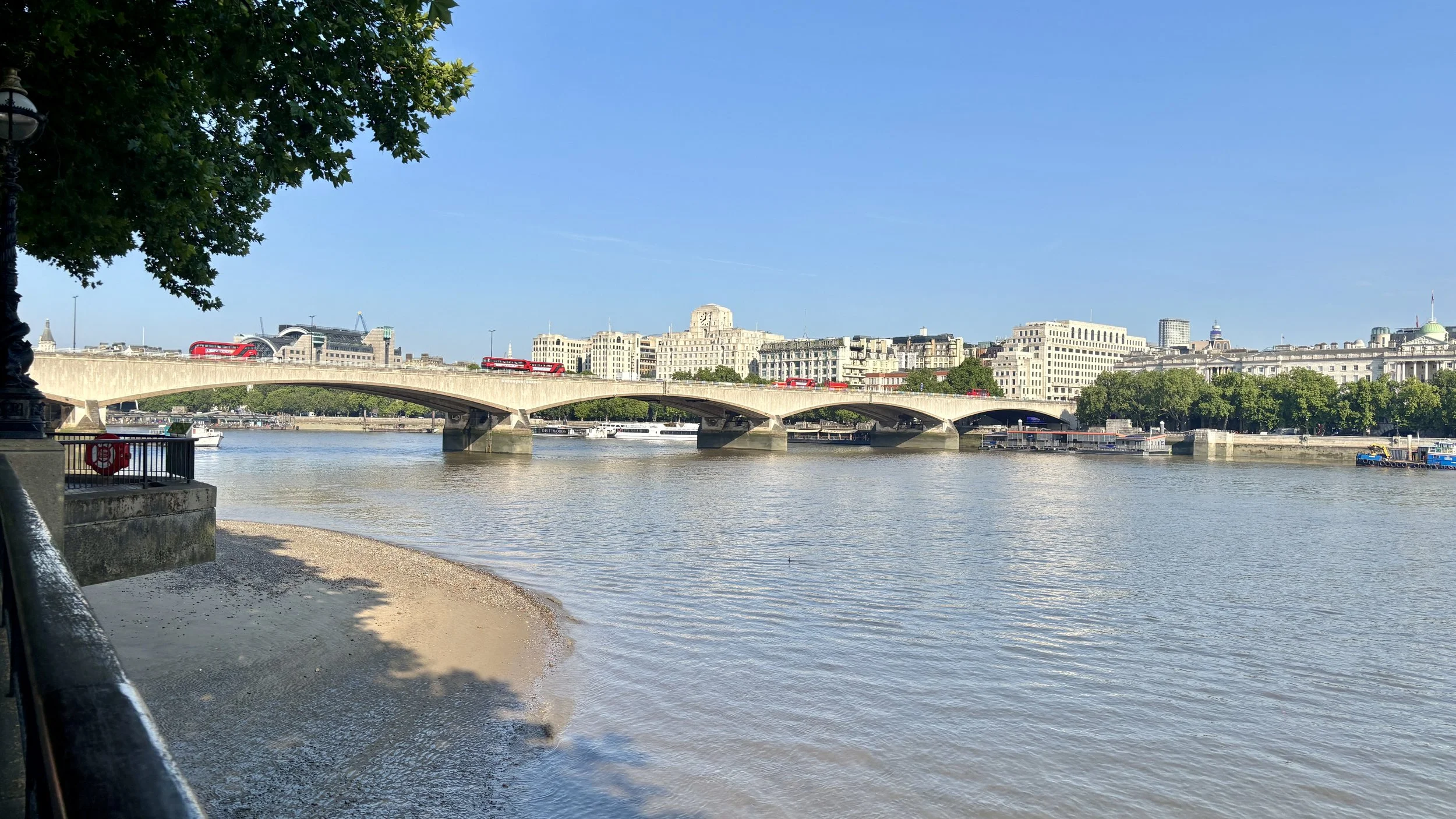
(3.2 km) Waterloo Bridge Often affectionately called the "Ladies' Bridge" because it was largely built by a female workforce during World War II, this bridge offers arguably the best panoramic views in London. Look east for the City skyline and St Paul's Cathedral, or west for the London Eye and the Houses of Parliament.
(3.4 km) BFI Imax Sitting right in the center of a busy traffic roundabout, this striking glass cylinder is home to the largest cinema screen in the UK. The sheer scale of the auditorium is mind-boggling, and the entire structure is built on sophisticated anti-vibration pads to drown out the rumble of the tube lines running directly beneath it.
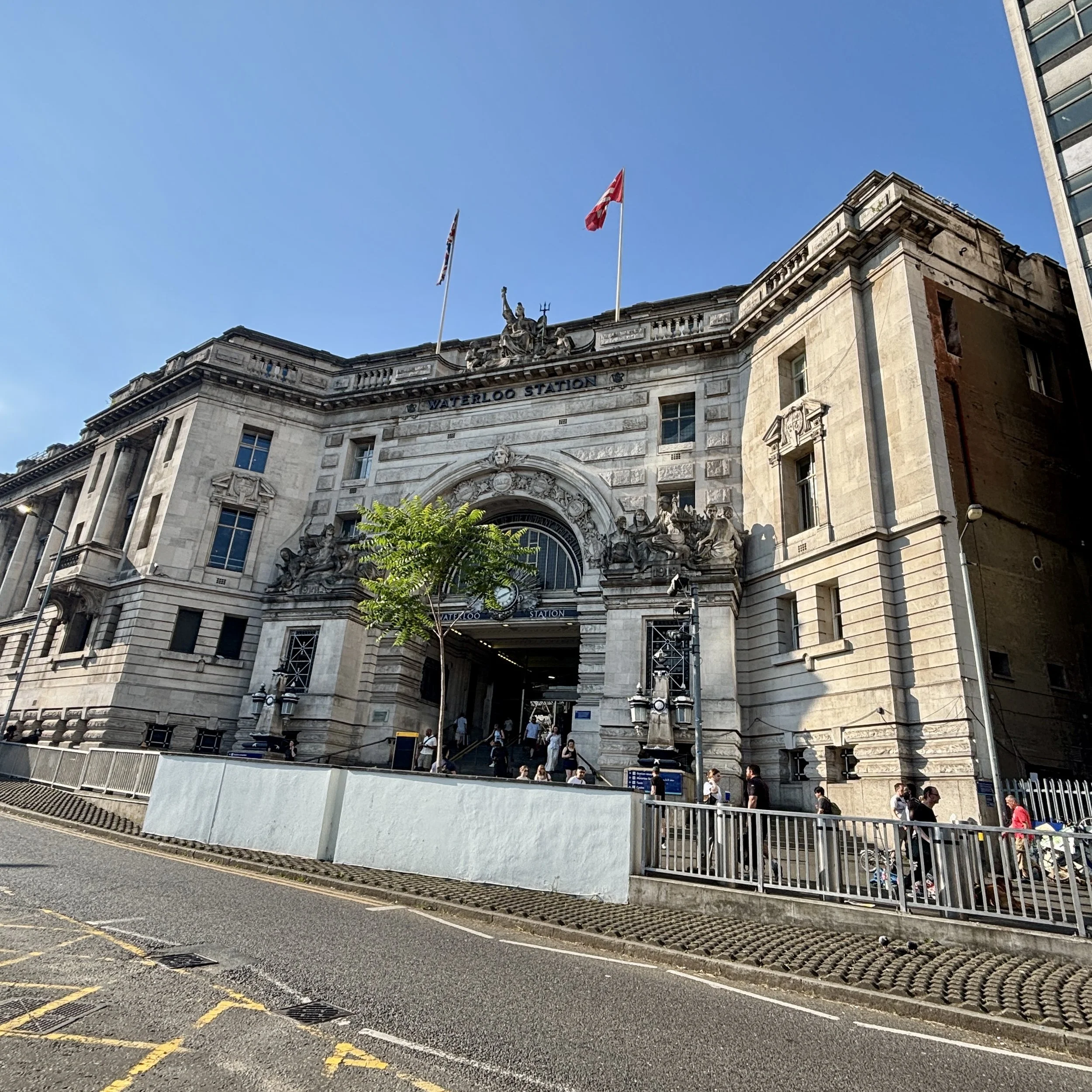
(3.5 km) Waterloo Station Britain’s busiest railway station by passenger volume, it is a bustling hub that first opened in 1848. A famous quirky detail is the great four-faced clock hanging in the middle of the main concourse, which has served as an iconic rendezvous point for countless romantic dates and classic movie scenes since the 1920s.
More London Posts
If you enjoyed reading this post, there is plenty more to explore across the capital. I have put together a dedicated London Outdoors page where I keep track of all my other adventures around the city. It is a handy index where I group my posts by the different types of places I have visited: including historic boundary lines, canal towpaths, and some surprising urban high points.
The collection covers a bit of everything: from long-distance cycling routes to tracing the underground network on foot, and ticking off another Saturday morning parkrun. If you are looking for some inspiration for your own weekend outings, head back over to the London Outdoors page to see what else I have been up to.
All The Elizabeth Line Stations
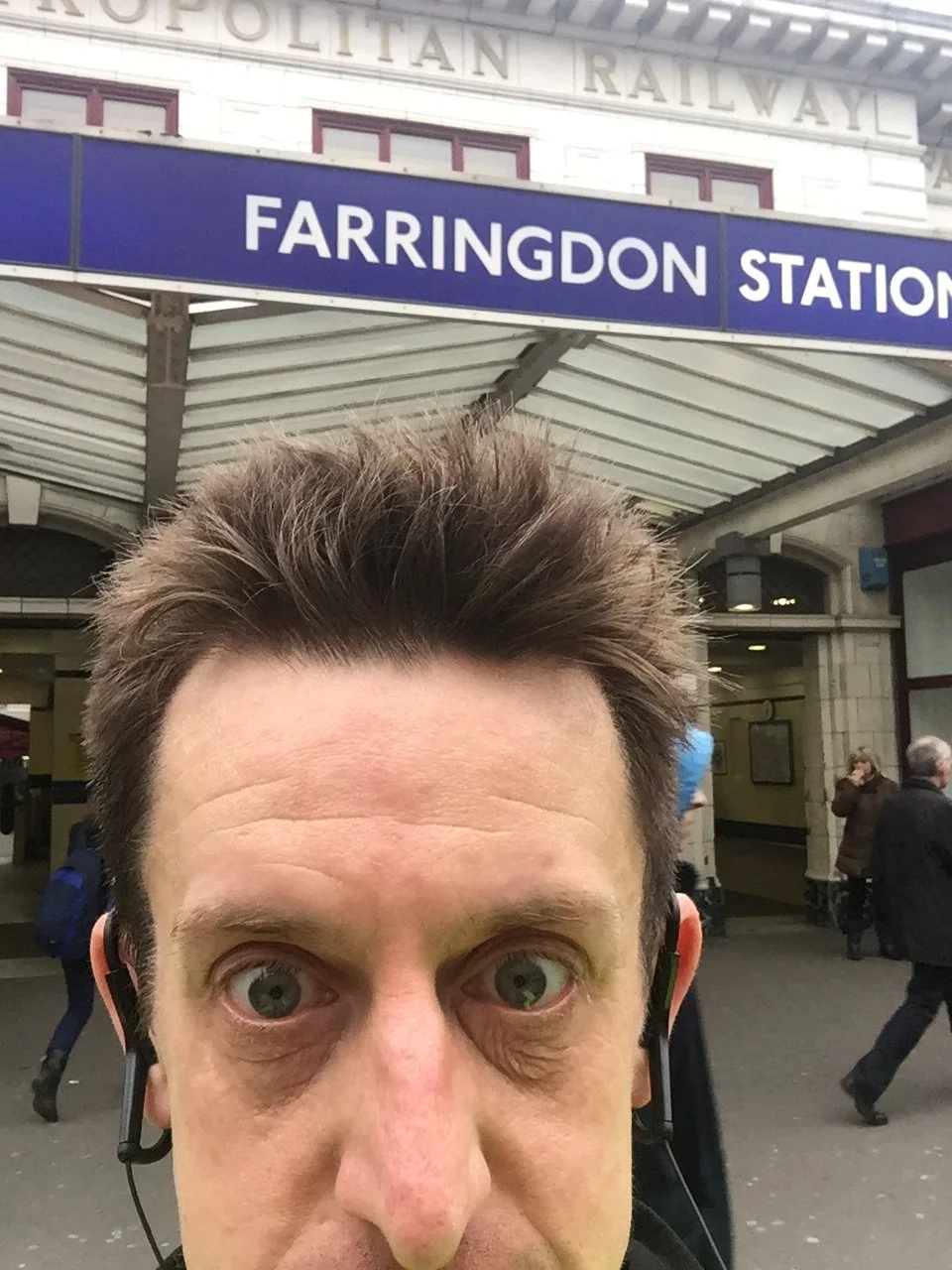
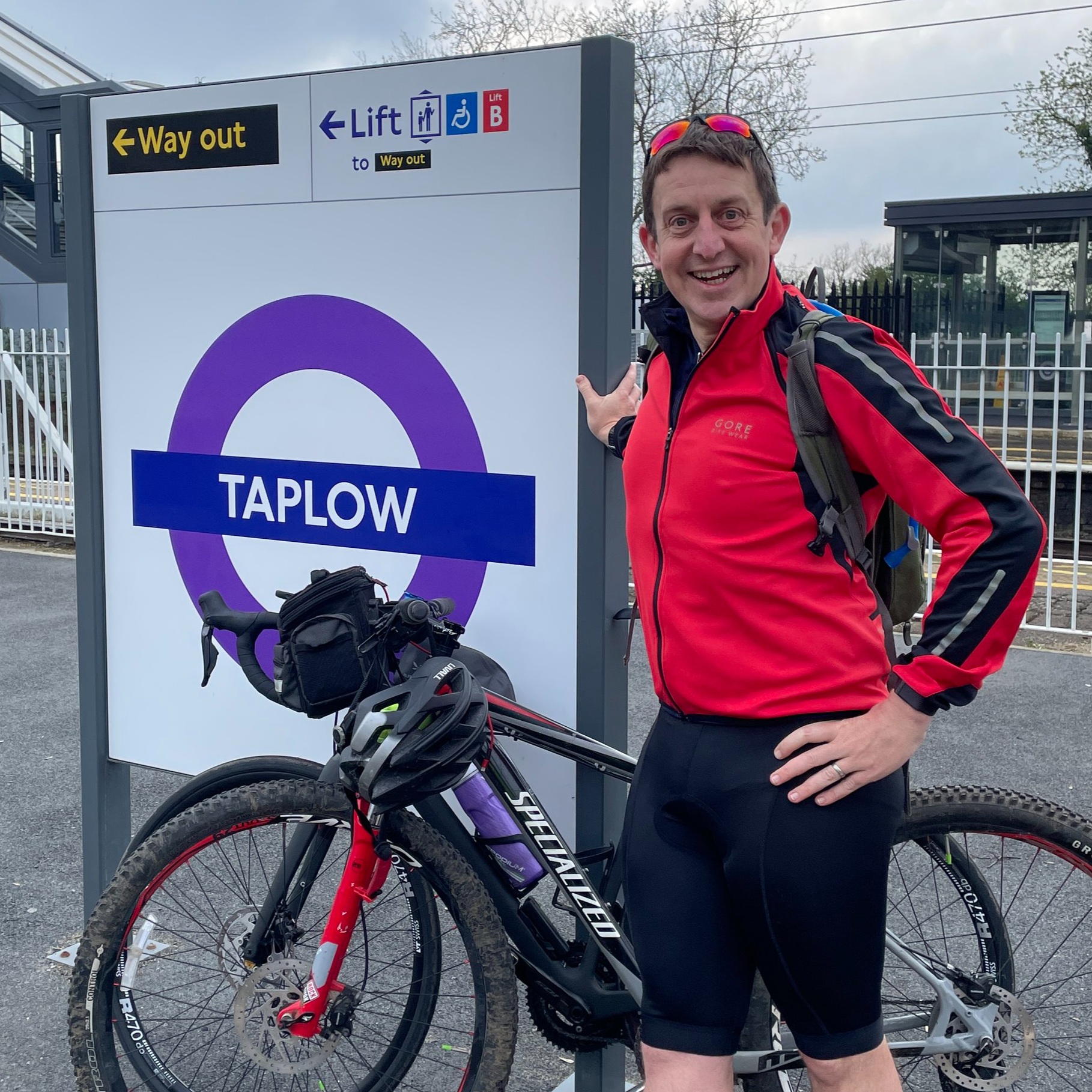
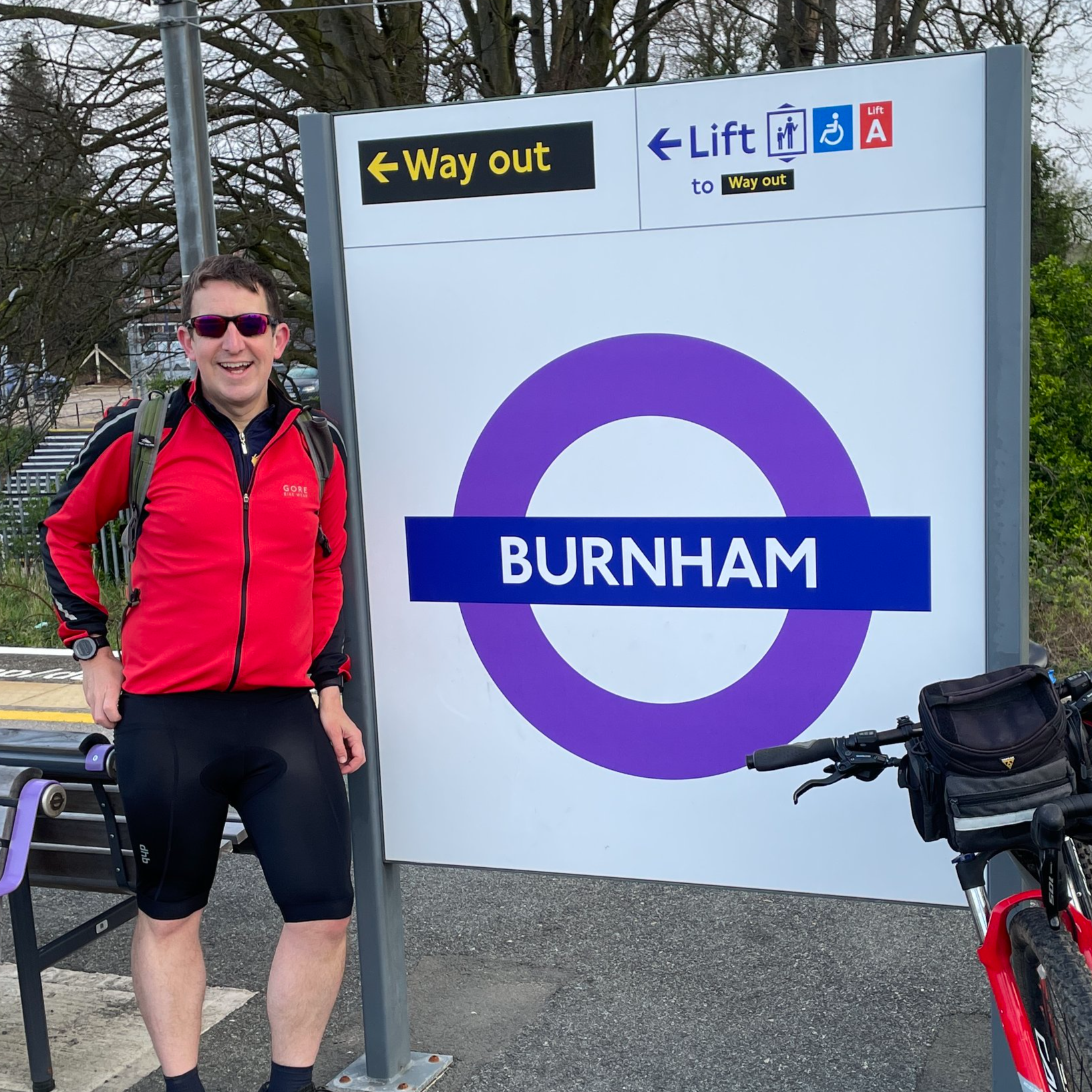
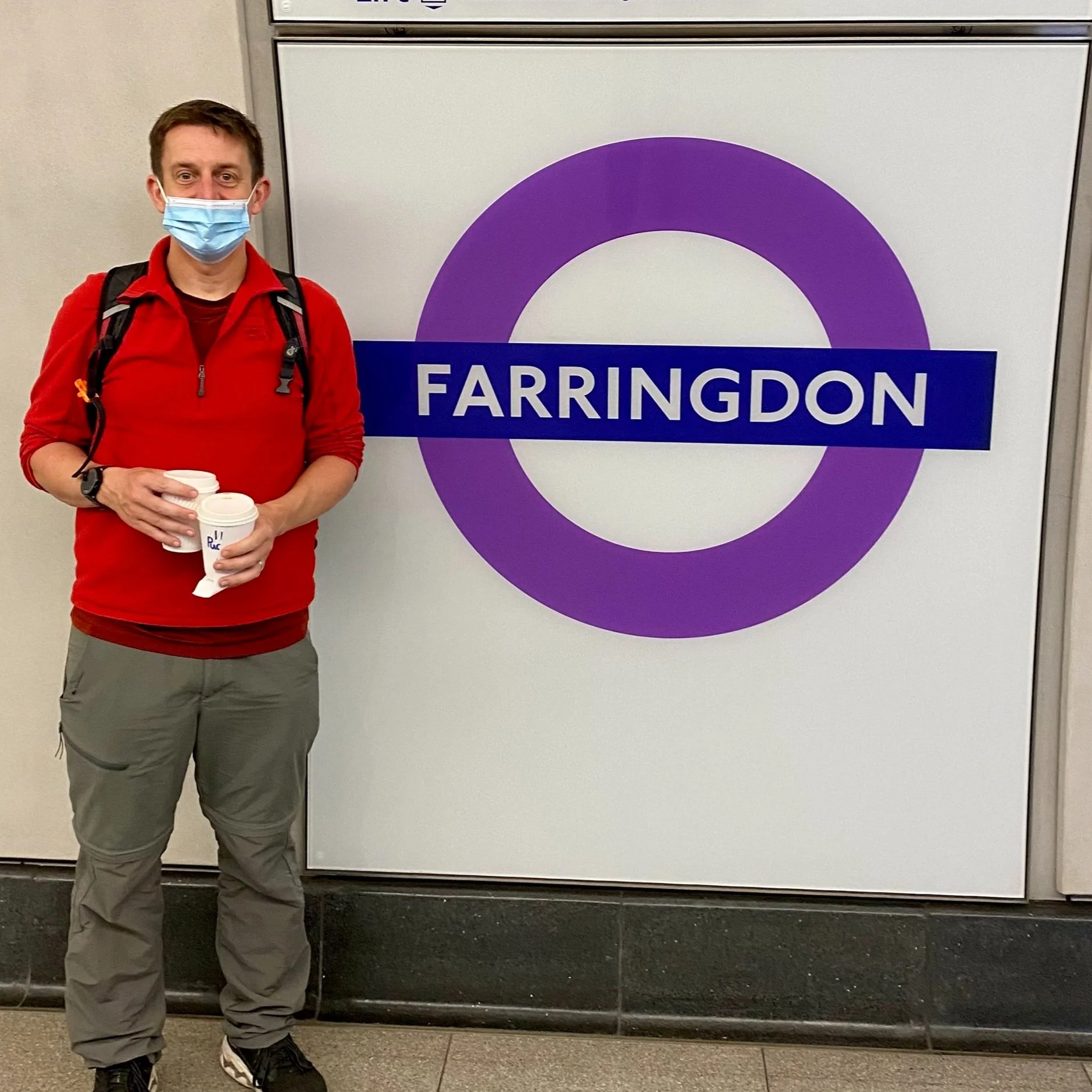
My first journey on the Elizabeth Line was in October 2022, marking my first trip into London after the Covid lockdowns. I was incredibly excited both to be back in the capital and to finally ride the Elizabeth Line, having geekily followed the progress of its construction for years. Timea took a photo of me with the shiny new purple roundel at Farringdon Station to mark the occasion. (Fun fact: Farringdon's new platforms are so long that they actually stretch all the way to Barbican station at the other end!)
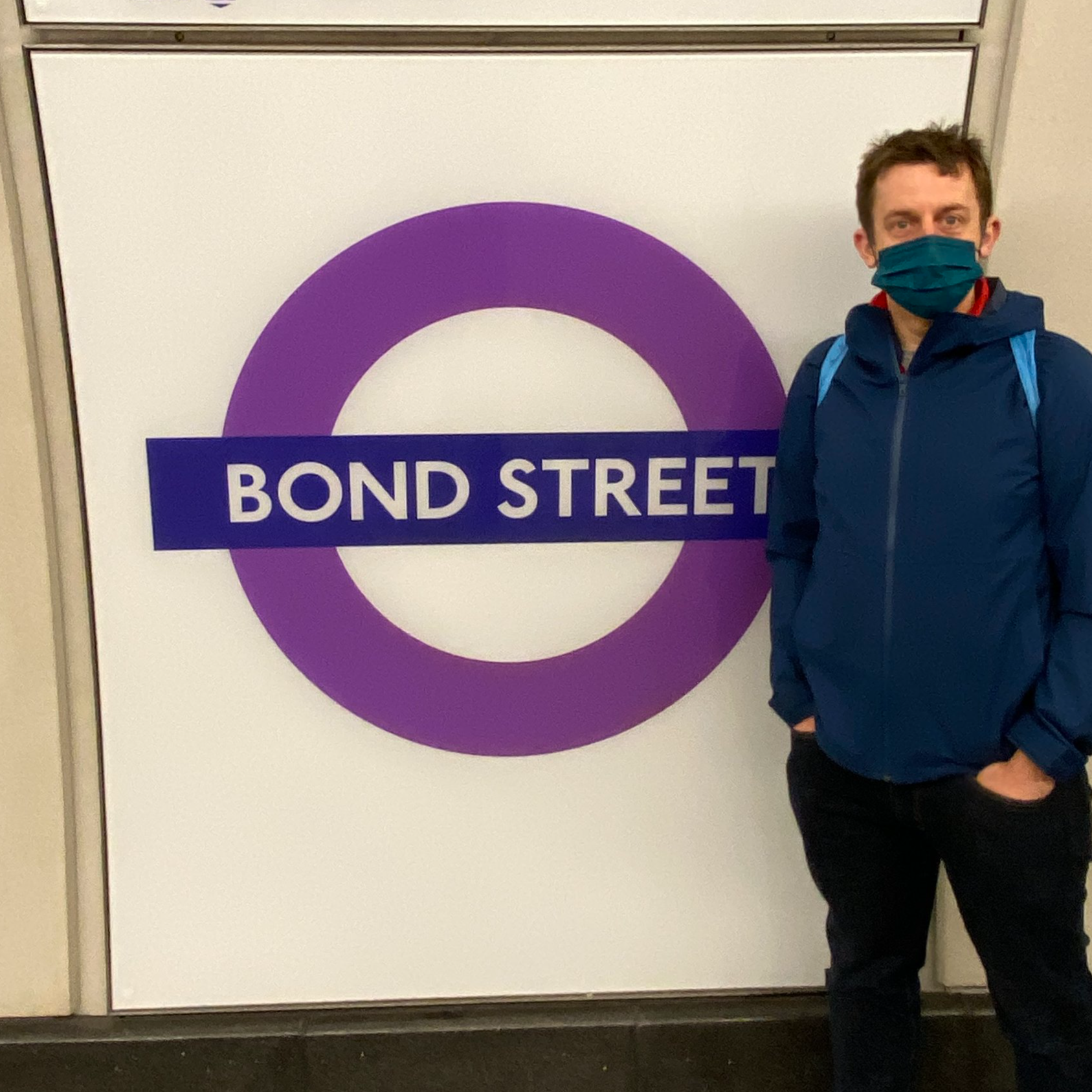
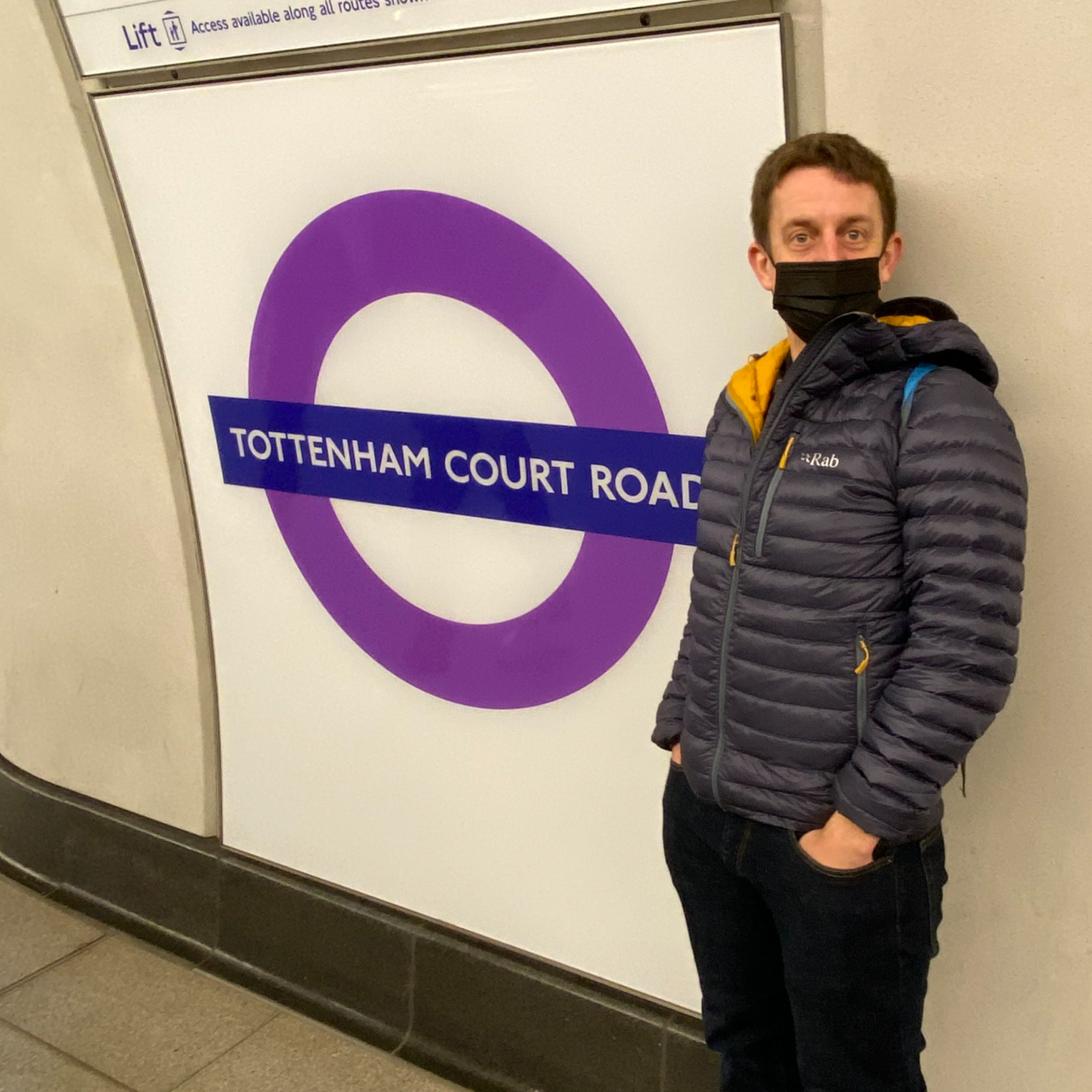
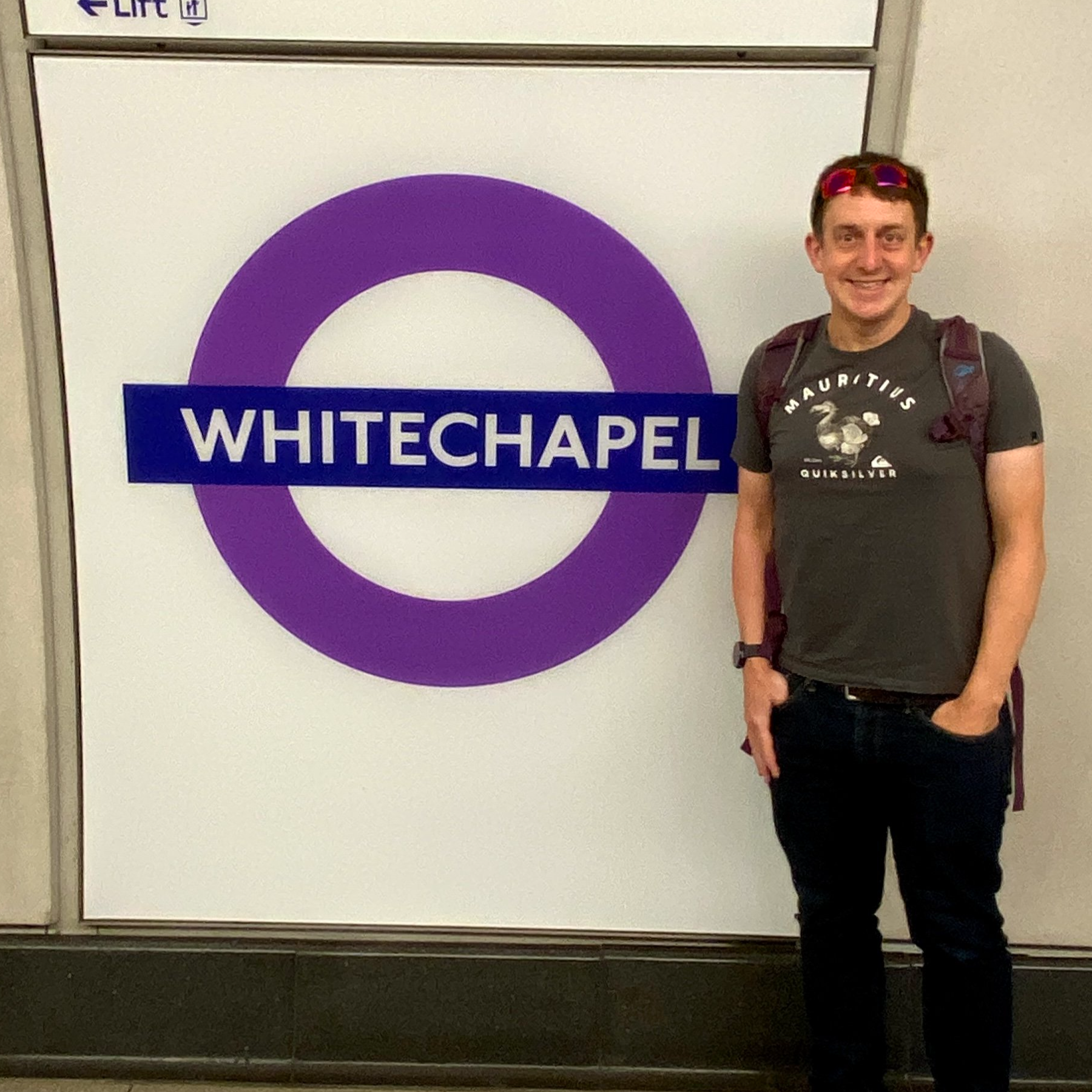
A few weeks later, we made a Christmas trip into the West End and took similar photos of me at Tottenham Court Road and Bond Street stations. That was exactly what triggered my compulsive need to tick off everything in a series that can be turned into an adventure.
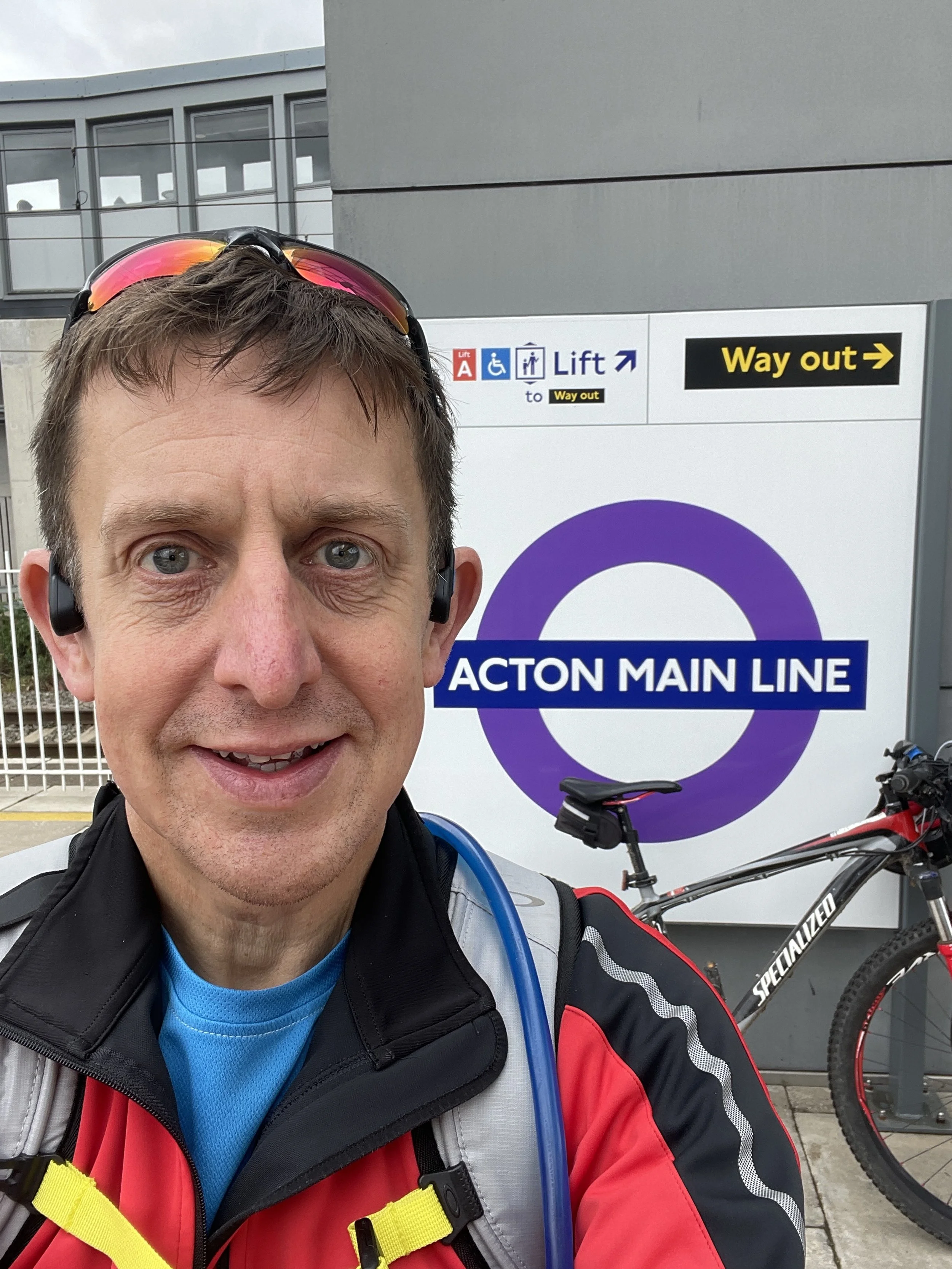
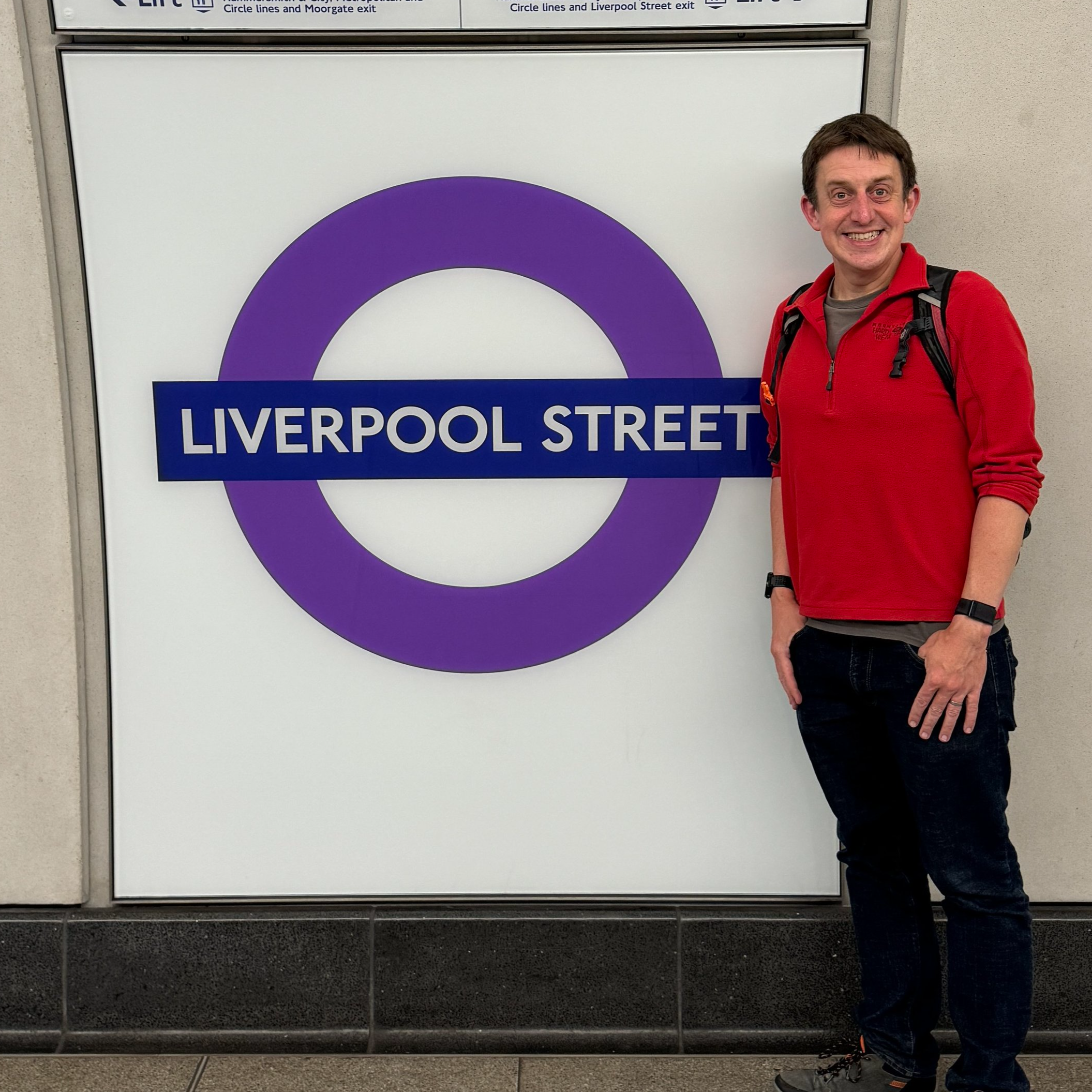
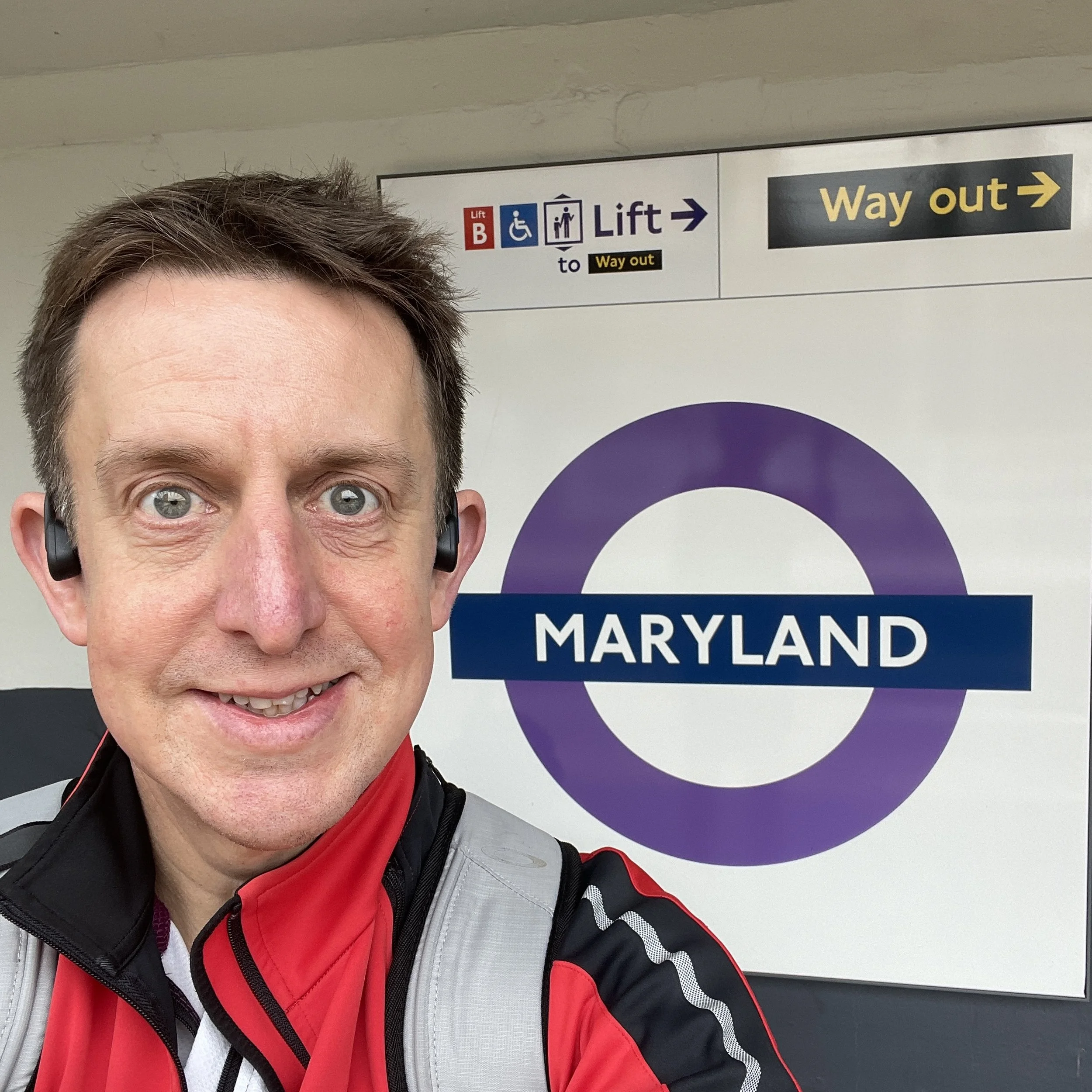
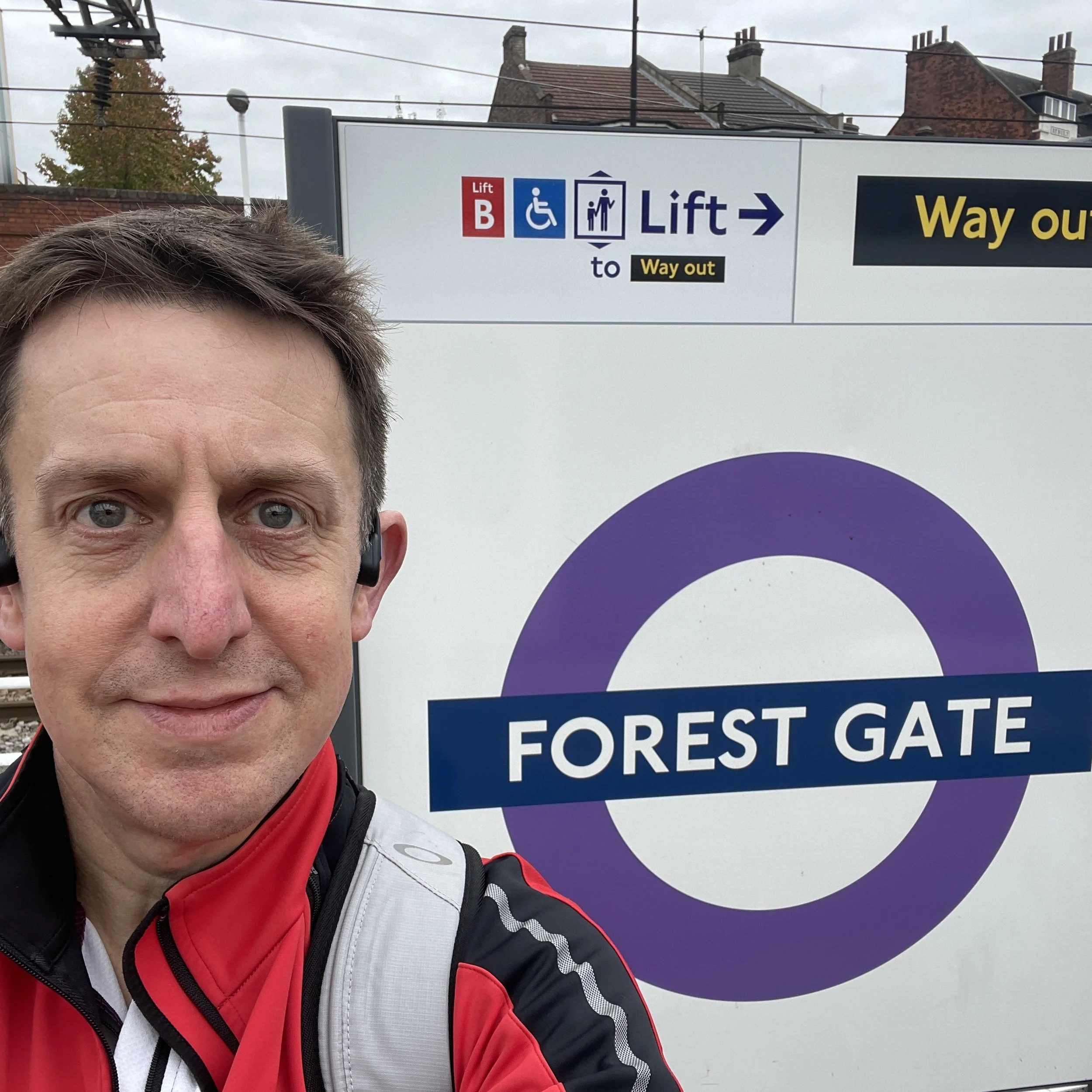
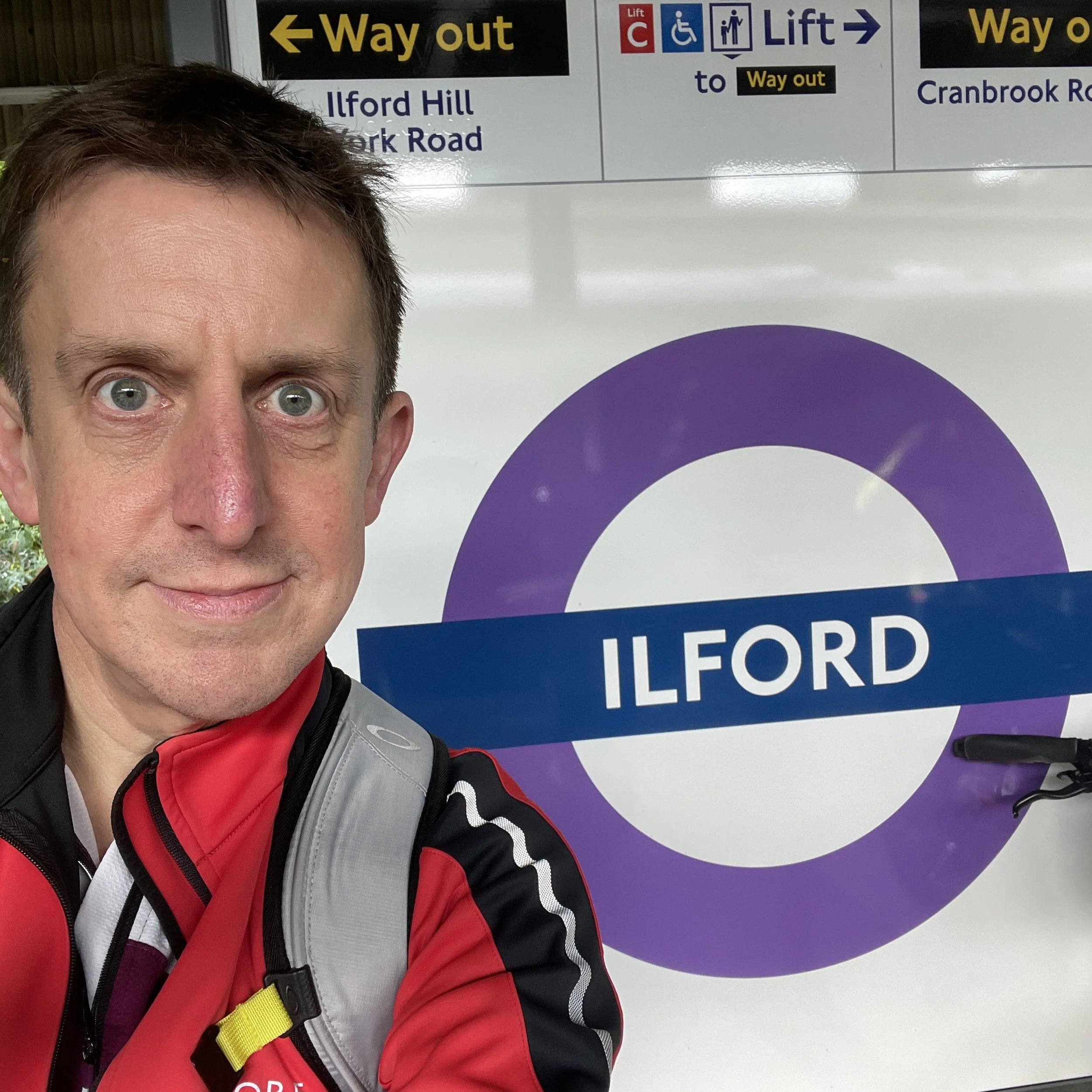
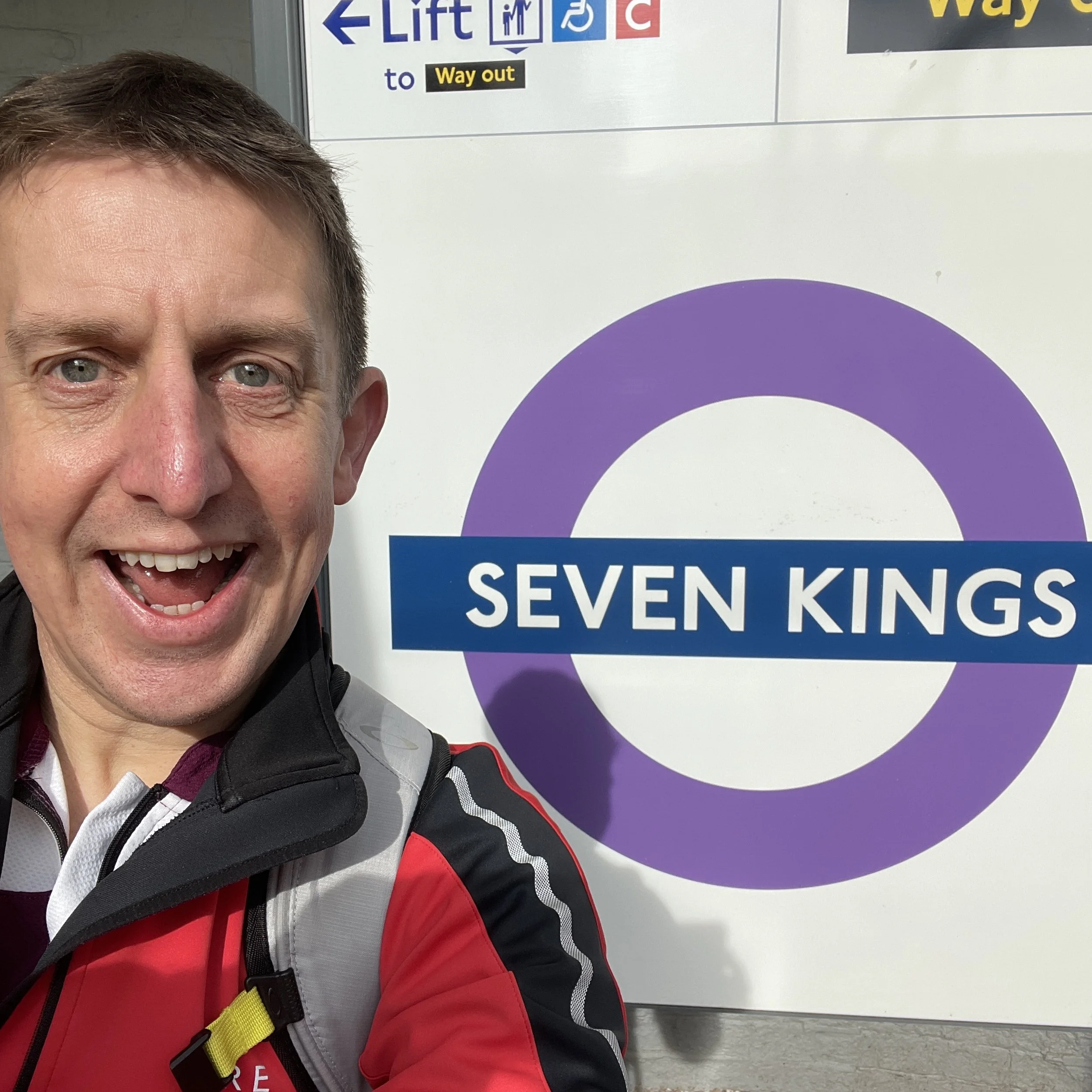
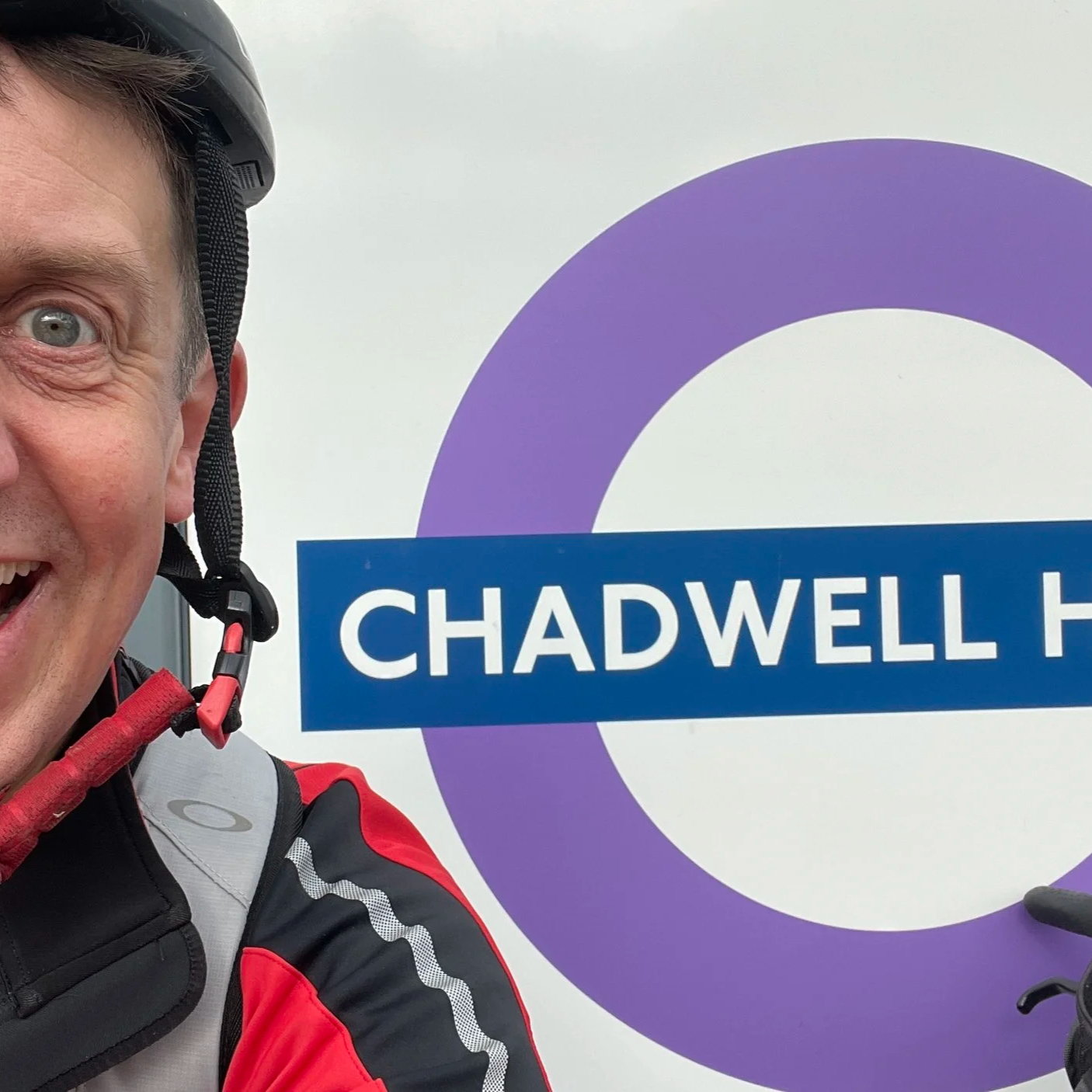
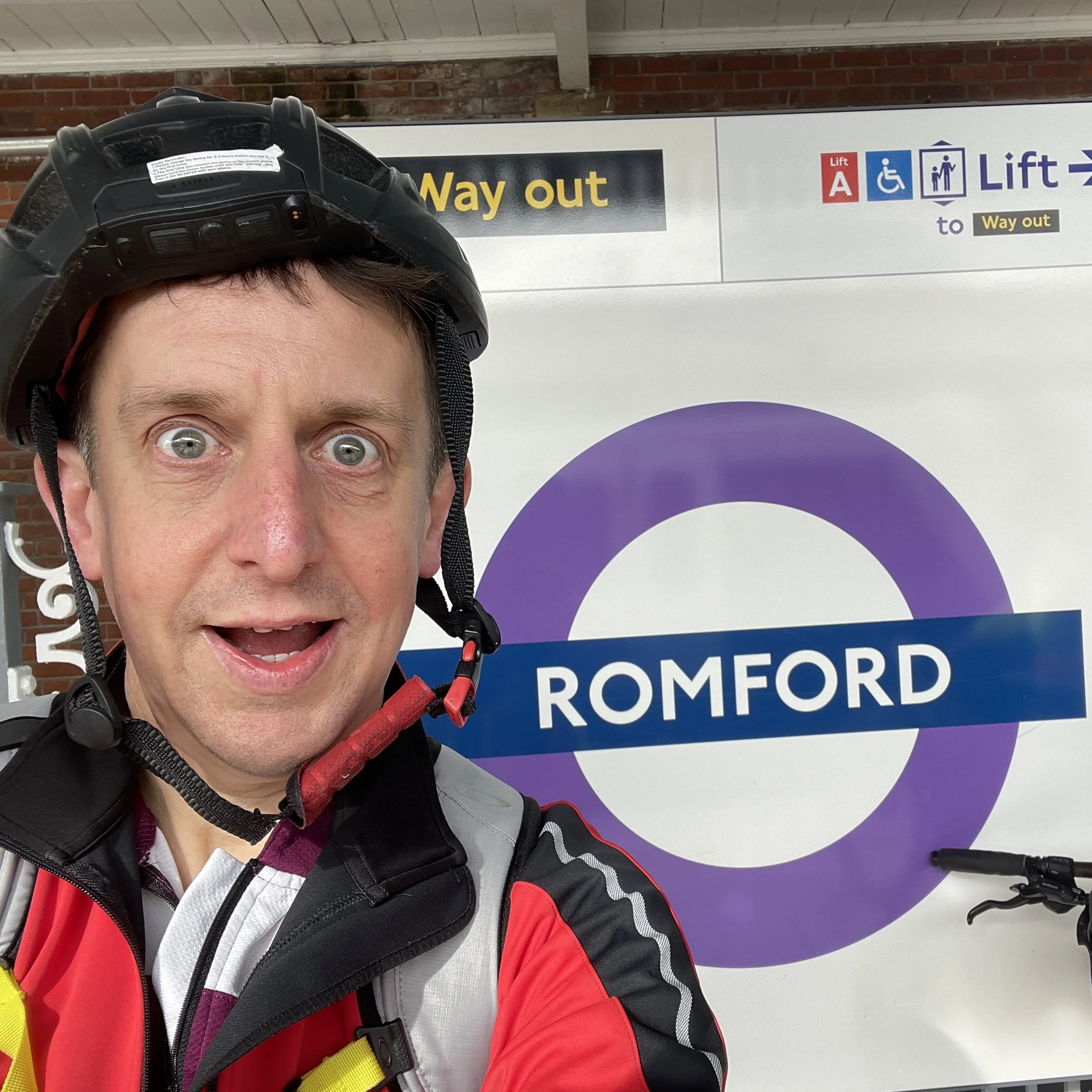
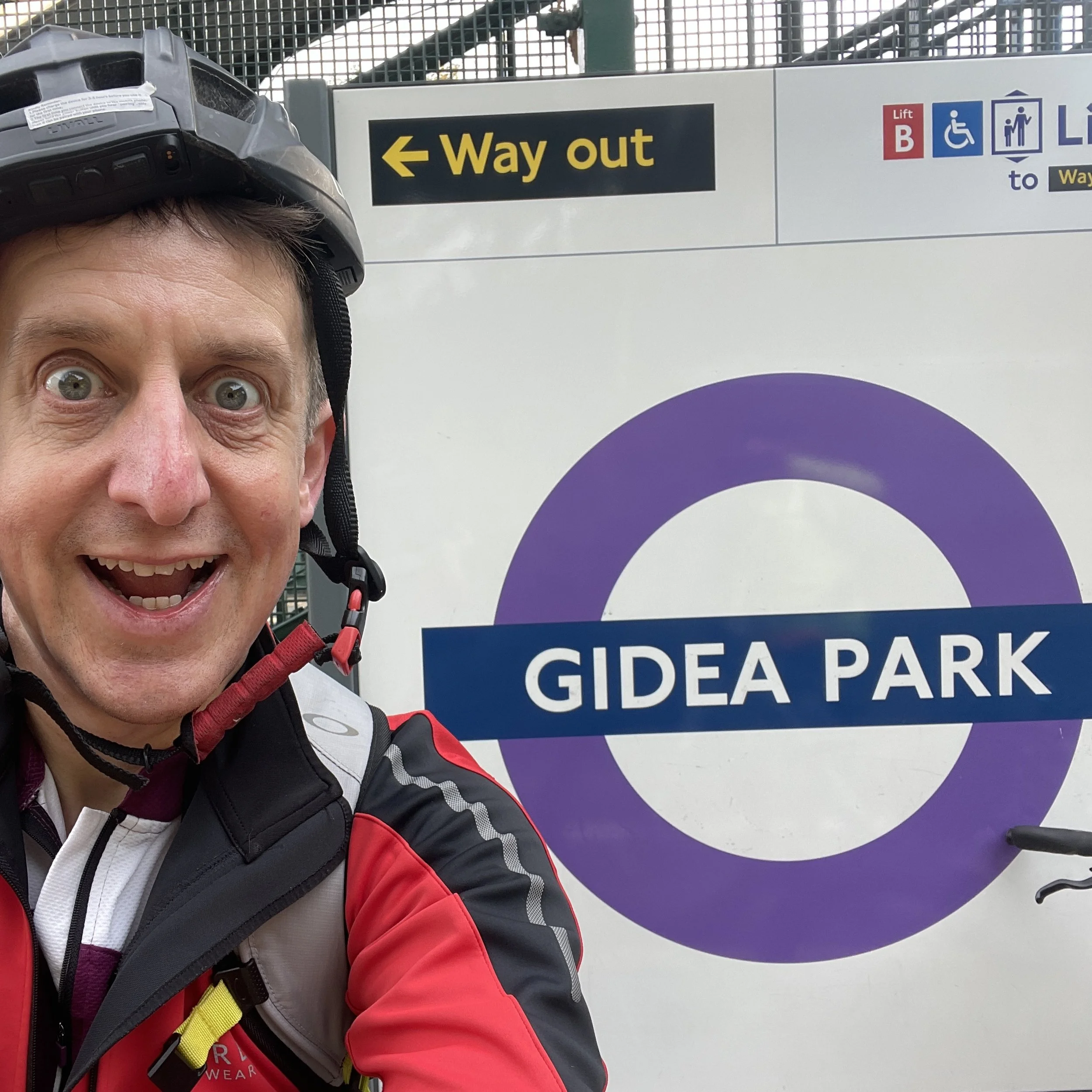
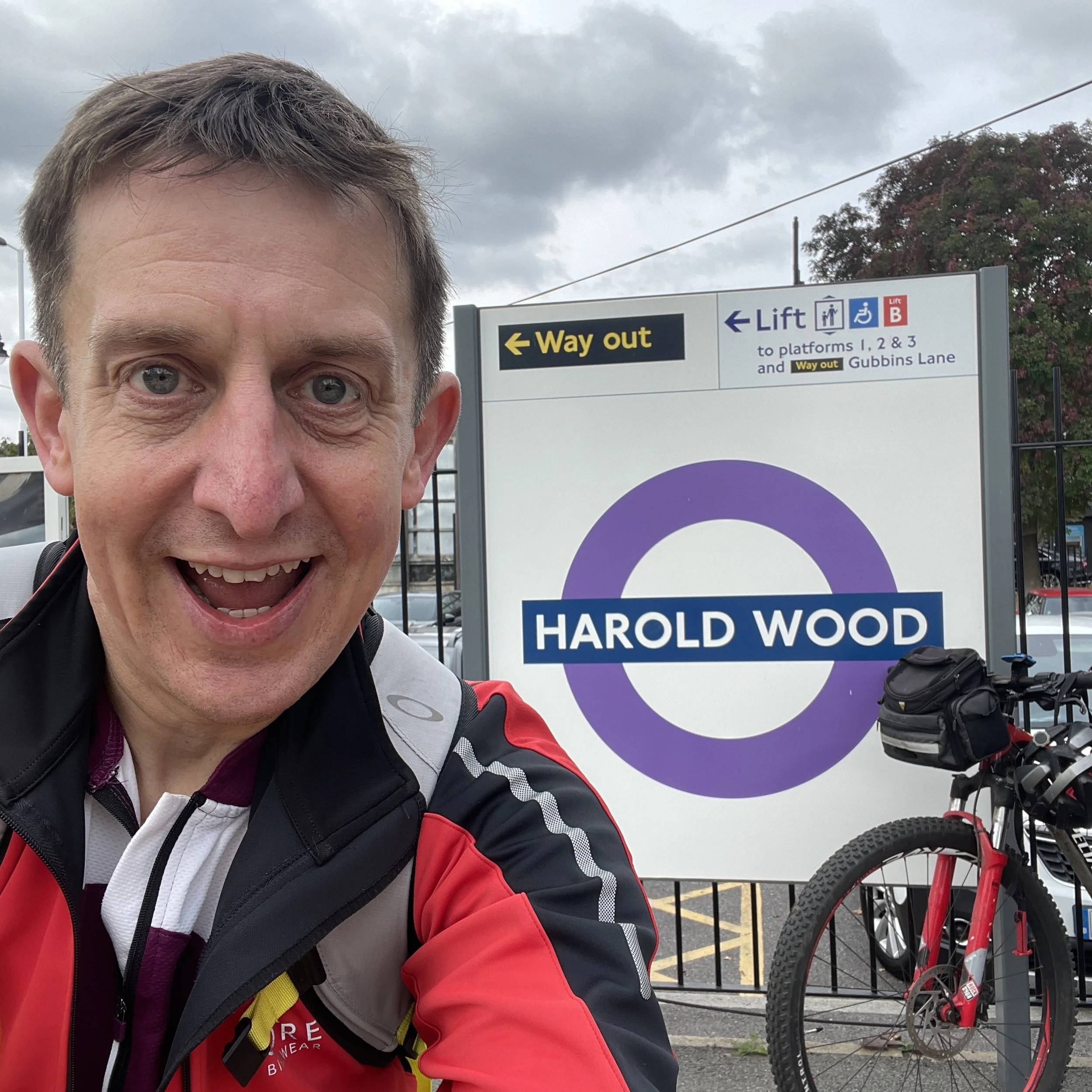
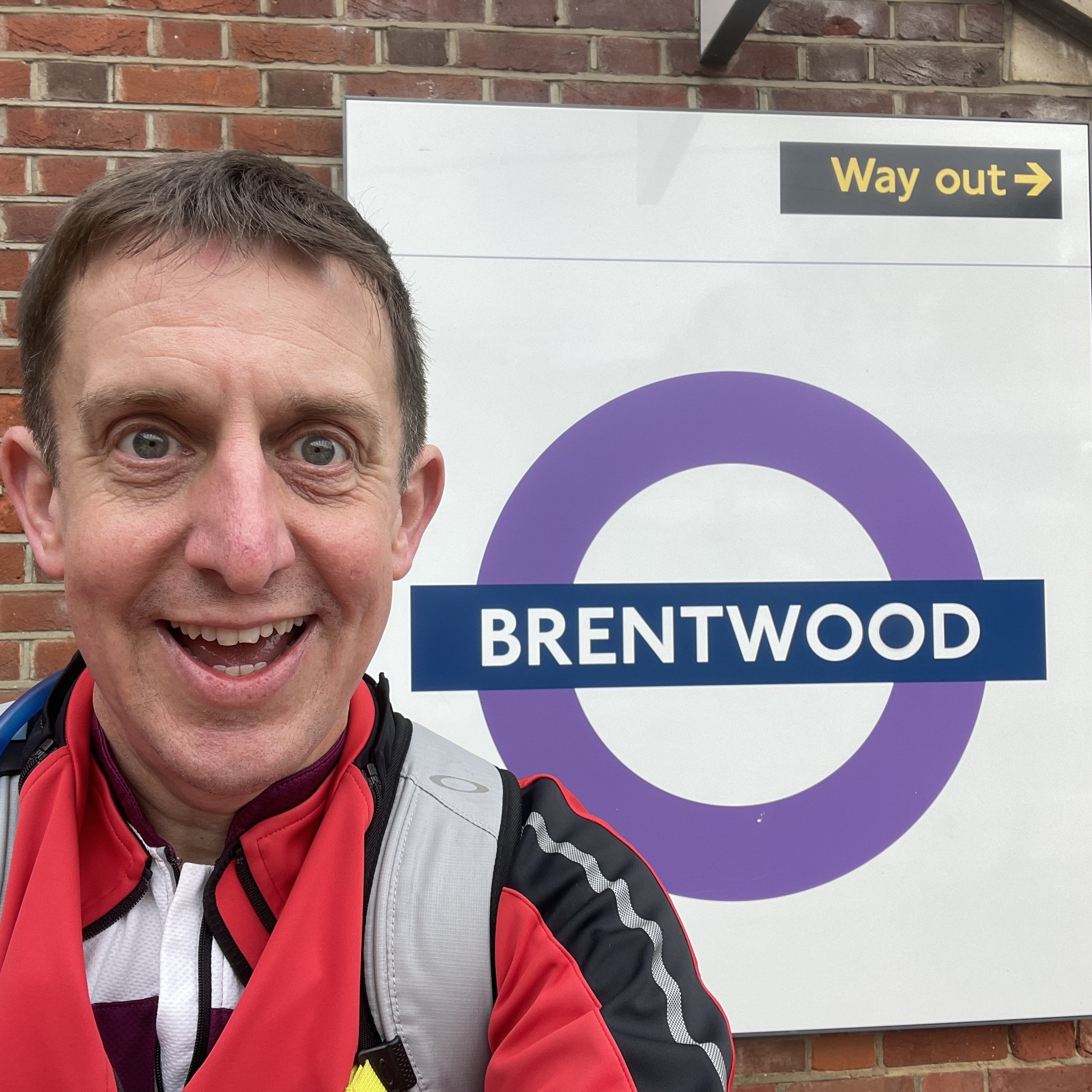
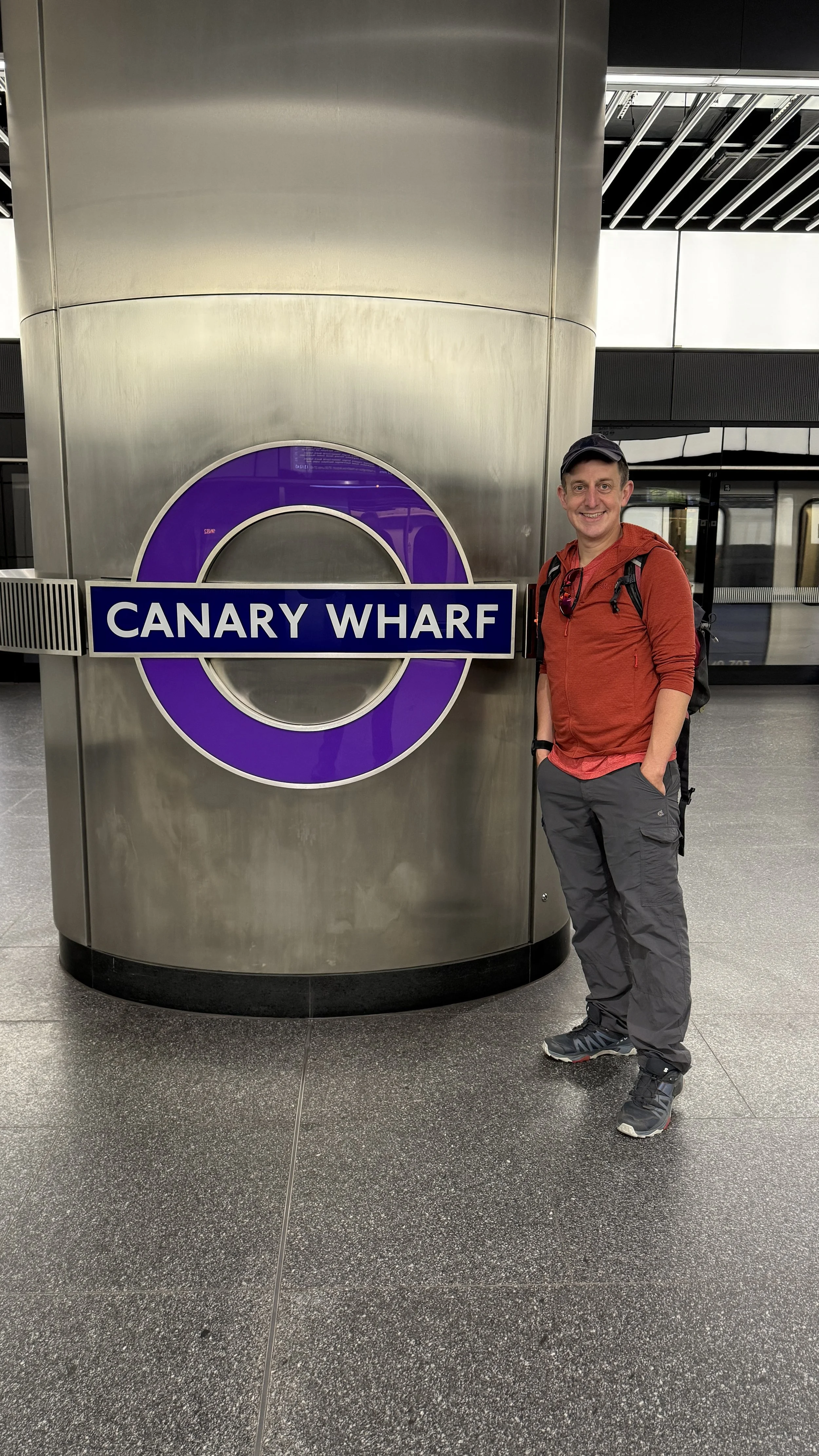
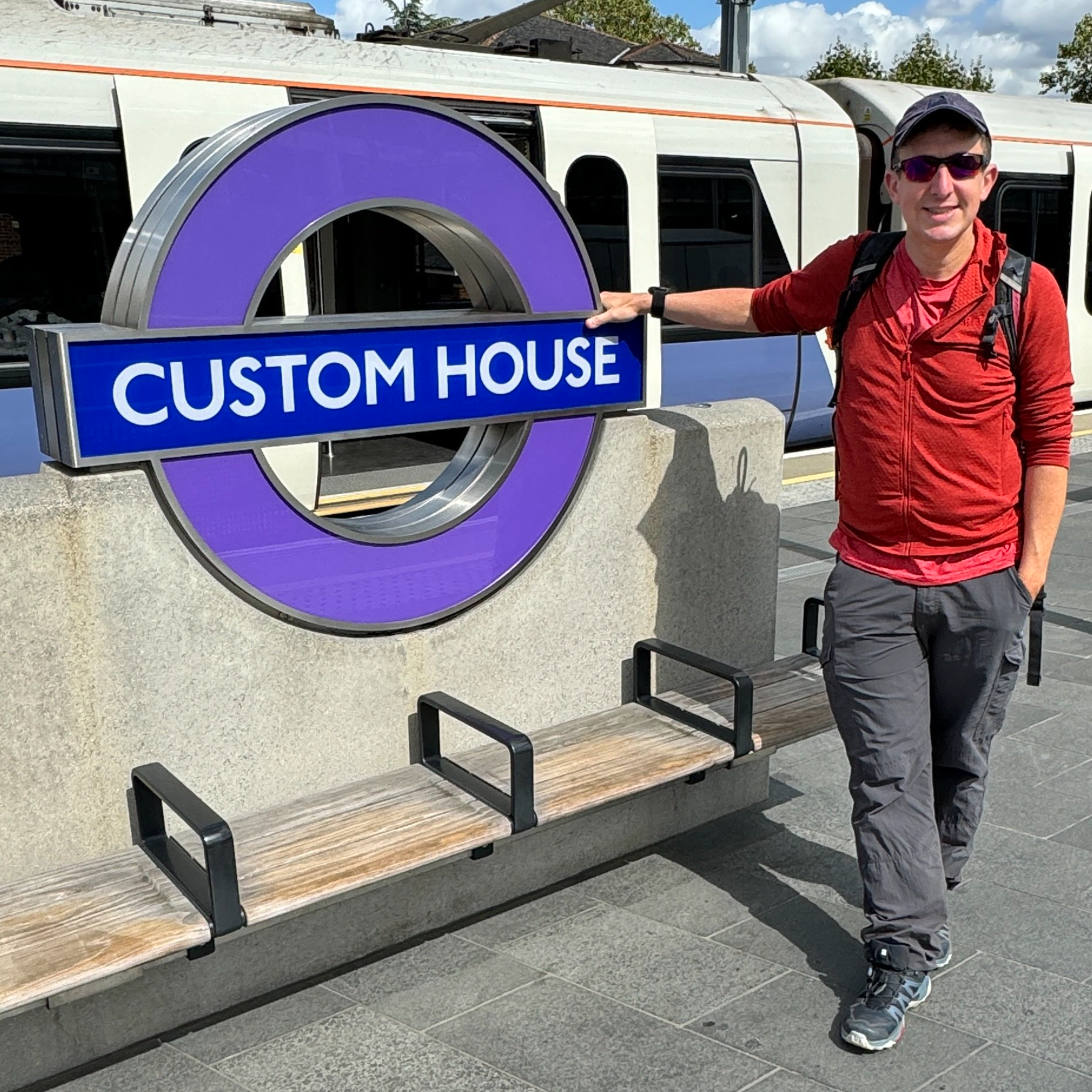
Over the next couple of years, I casually ticked off several more stations during other trips to London. Naturally, I had to make some strict rules to guide the collection: I had to have a photo of myself on the platform with the Elizabeth Line roundel behind me, and I also had to be physically getting on or off an Elizabeth Line train to get there. By early 2025, I had visited about half of the stations and decided that this would be the year I completed the entire set. What followed was a brilliant series of cycle rides, often with my friend Brian, to tick off the stations that I wouldn't naturally pass through on other trips. The grand finale was in December 2025, wrapping up with the three stations hidden deep under Heathrow Airport.
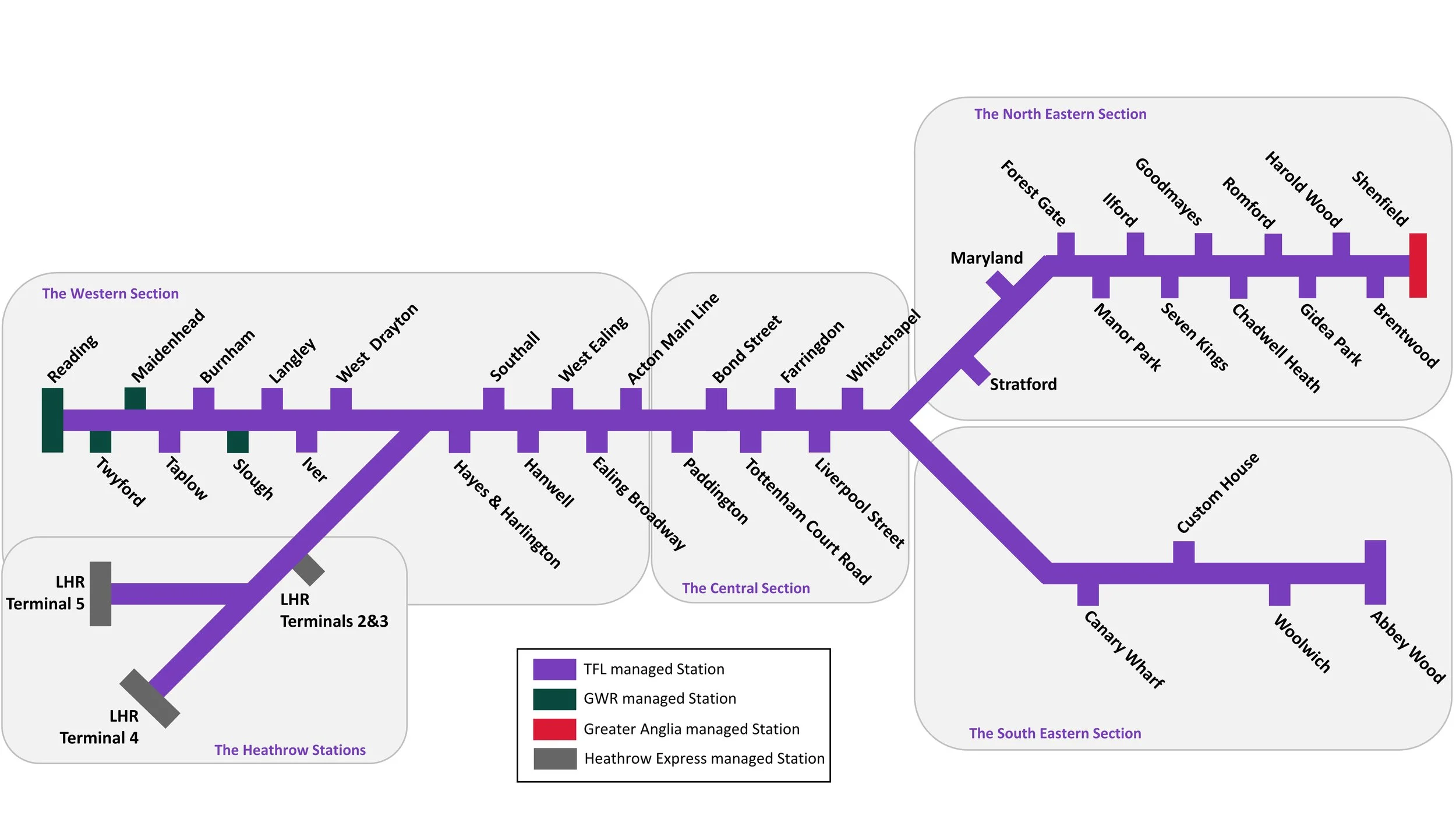
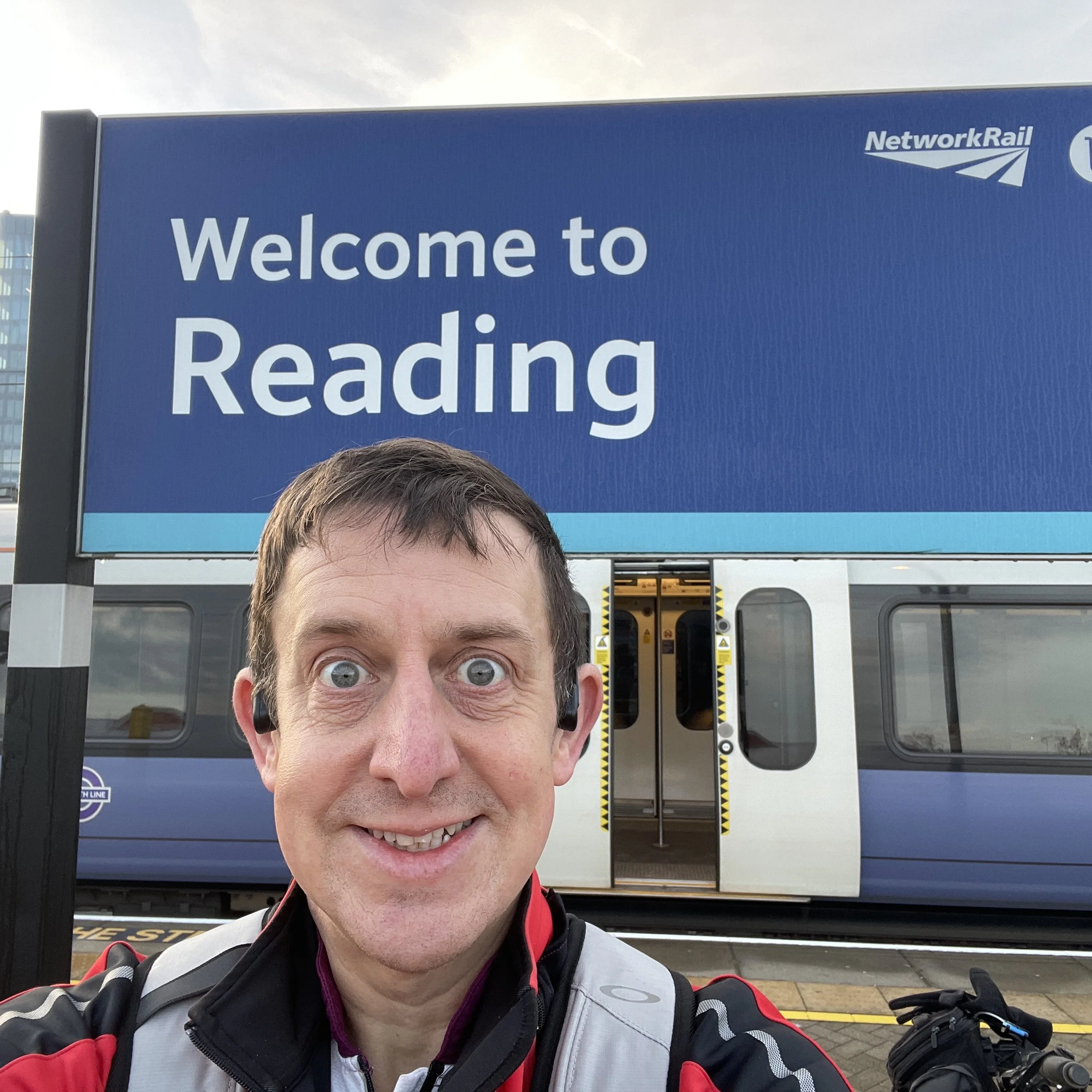
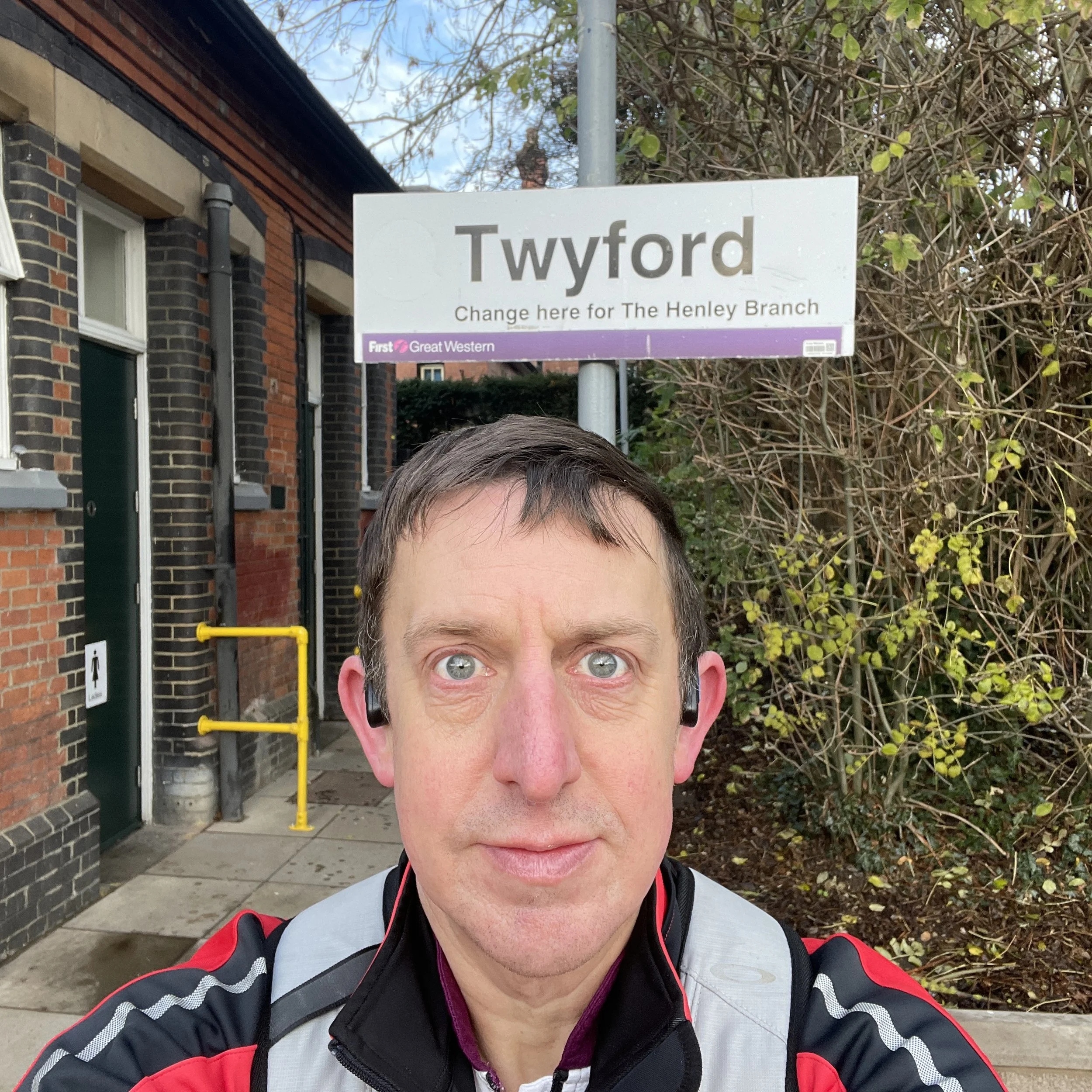
Along the way, I learned a quirky truth: not all stations actually have purple roundels on the platforms! Generally, it is only the stations fully managed by Transport for London (TfL) that get the full purple treatment. The completer-finisher in me still had to visit the other stations, though. I can't imagine anyone else feeling the need to do the same, but just in case you are planning your own mission, here is what you can look forward to:
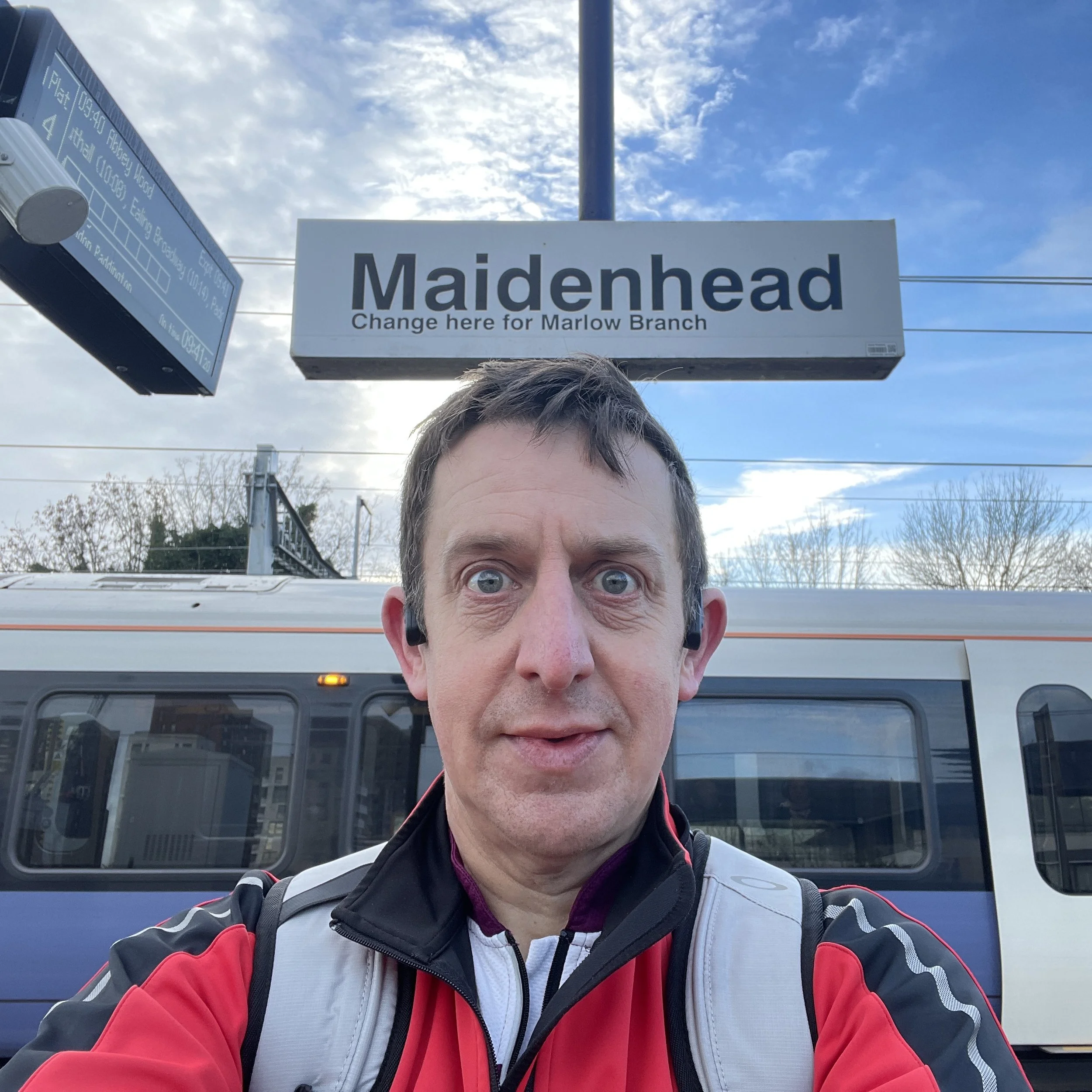
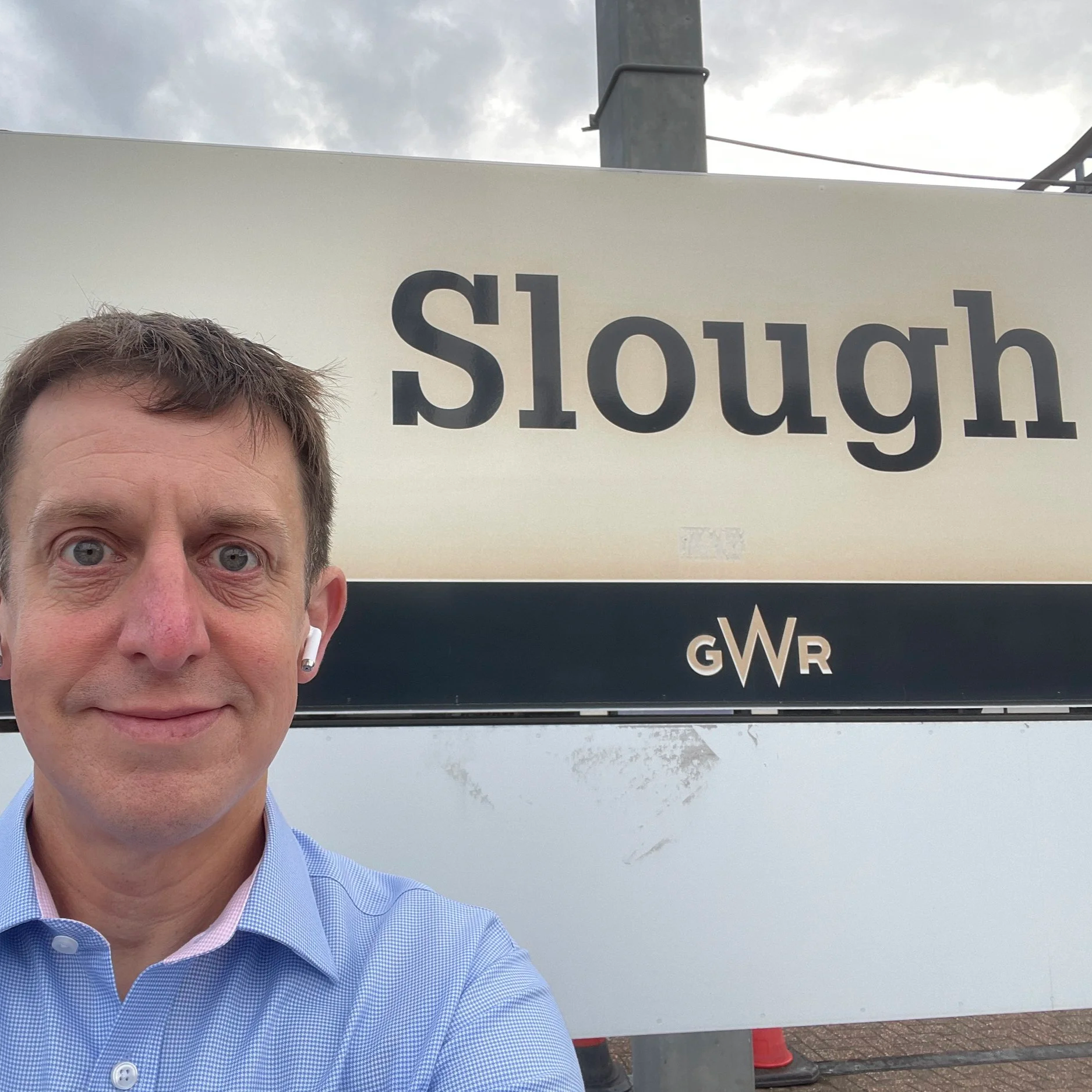
Great Western Railway Stations: Reading, Twyford, Maidenhead, and Slough are all managed by GWR. Because of this, you won't find any purple Elizabeth Line roundels on their platforms.
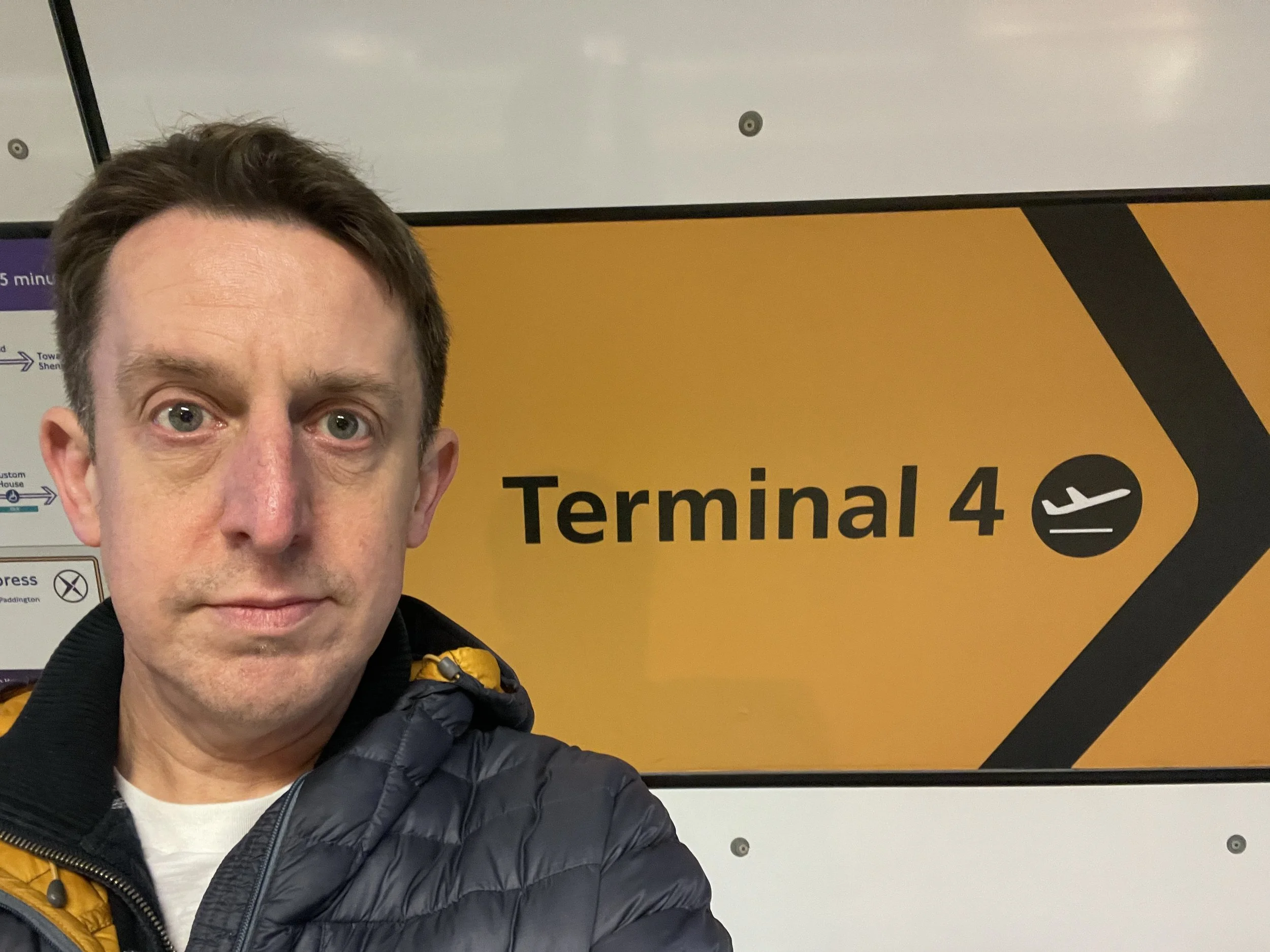
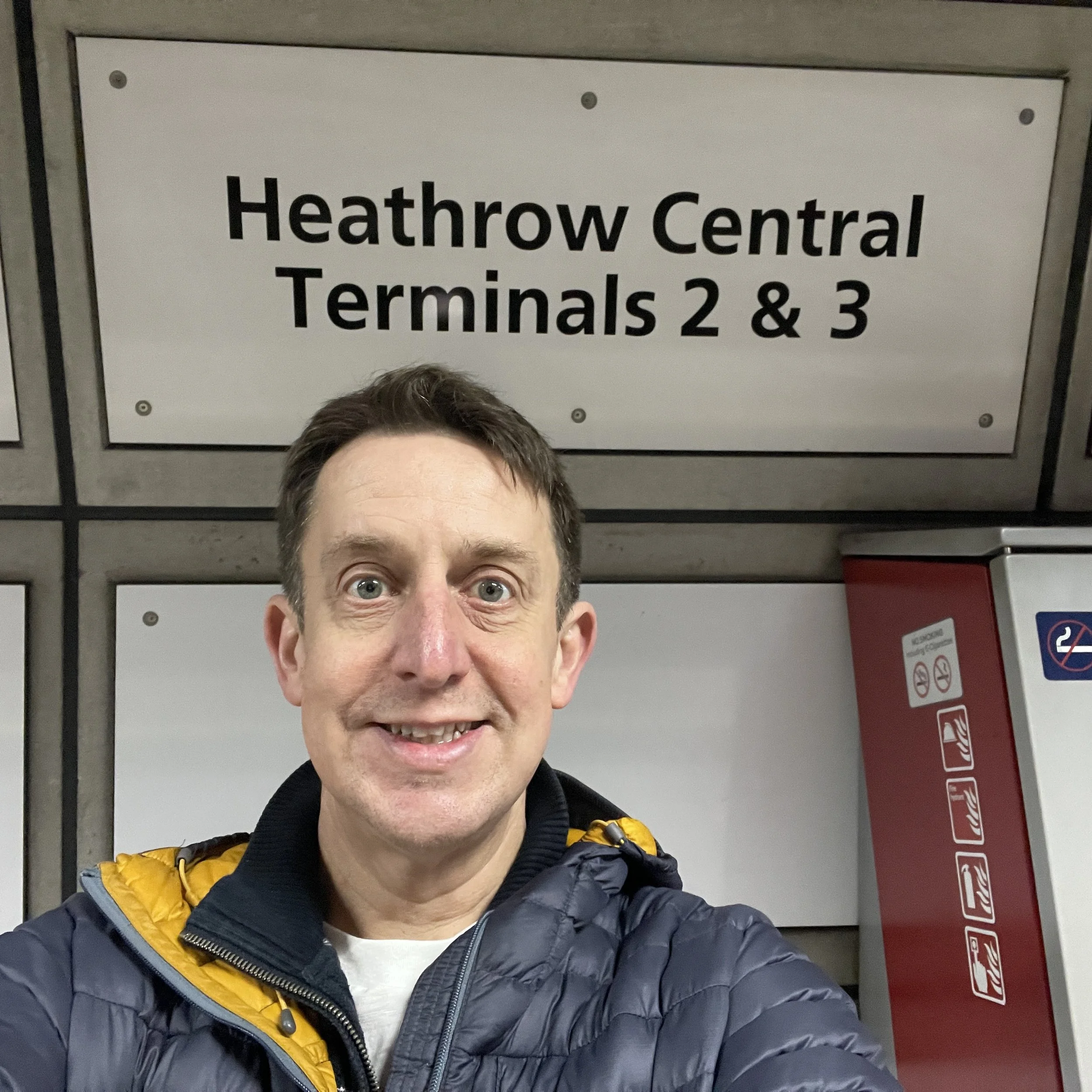
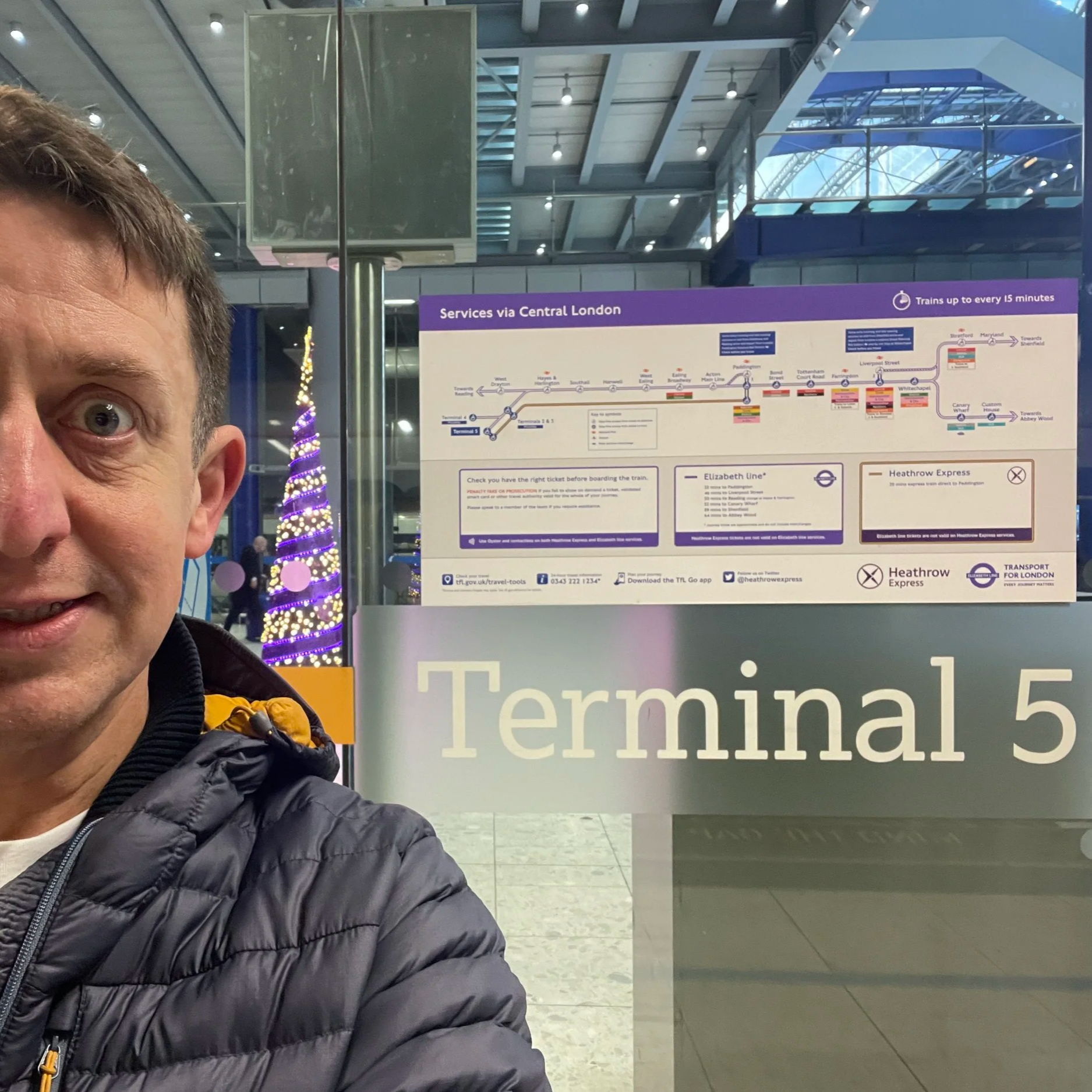
The Heathrow Stations: The three airport stations are entirely managed by Heathrow Express. They serve the Elizabeth Line perfectly, but they do not feature the roundels.
Paddington: The historic mainline station is managed by Network Rail. However, the cavernous new deep-level Elizabeth Line station is managed directly by TfL and does feature the roundels. Just be aware that some Elizabeth Line services from the west terminate up in the main mainline station, where there are no purple roundels to be found!
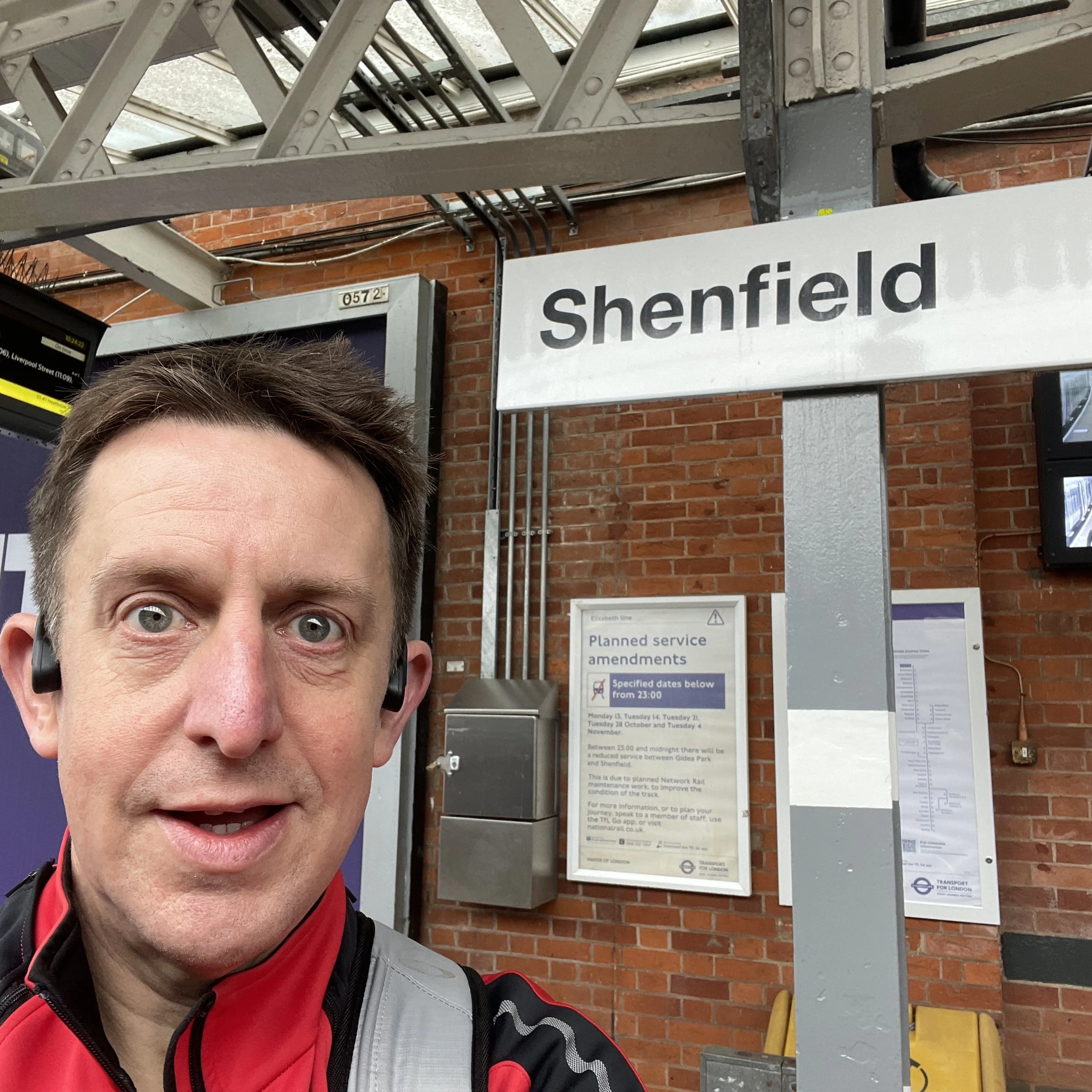
Stratford and Shenfield: Both stations serve the line, but neither features a purple roundel down on the platform itself, although you can spot them mounted above the main station entrances if you look closely.
The Western Section: Reading To Acton Mainline
Scroll down to the the stations not managed by TFL section for photos of Reading, Twyford and Maidenhead.
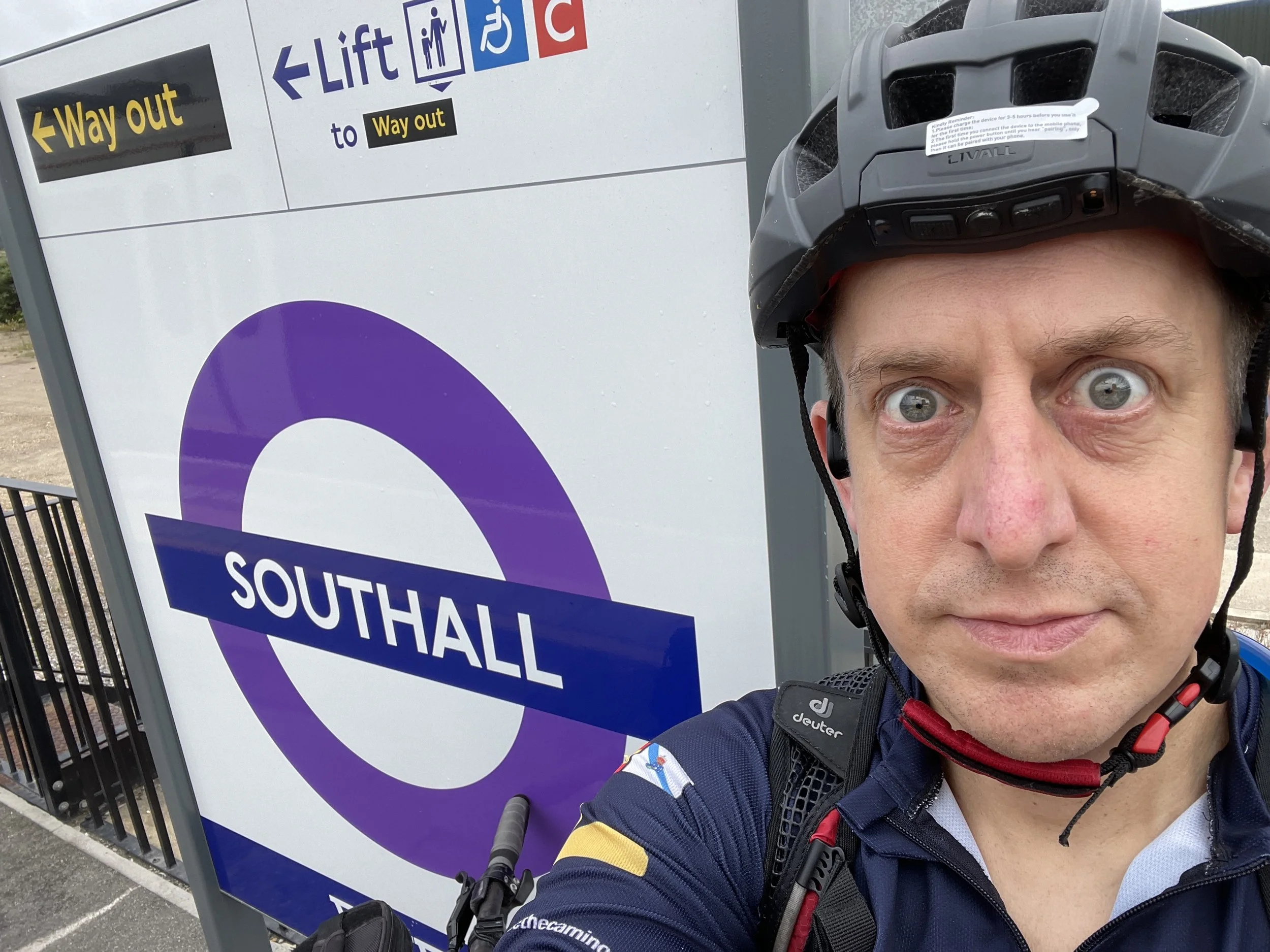
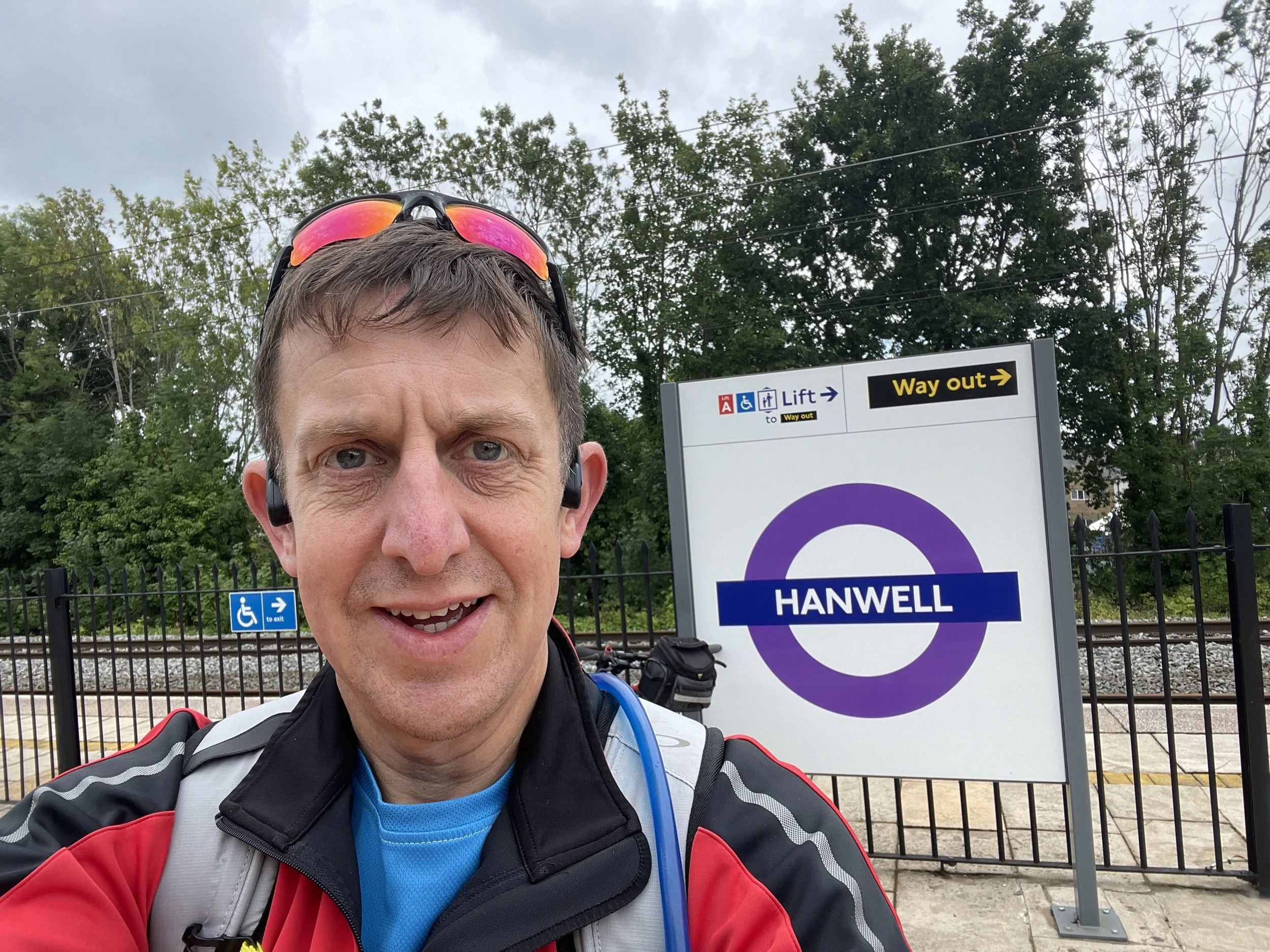
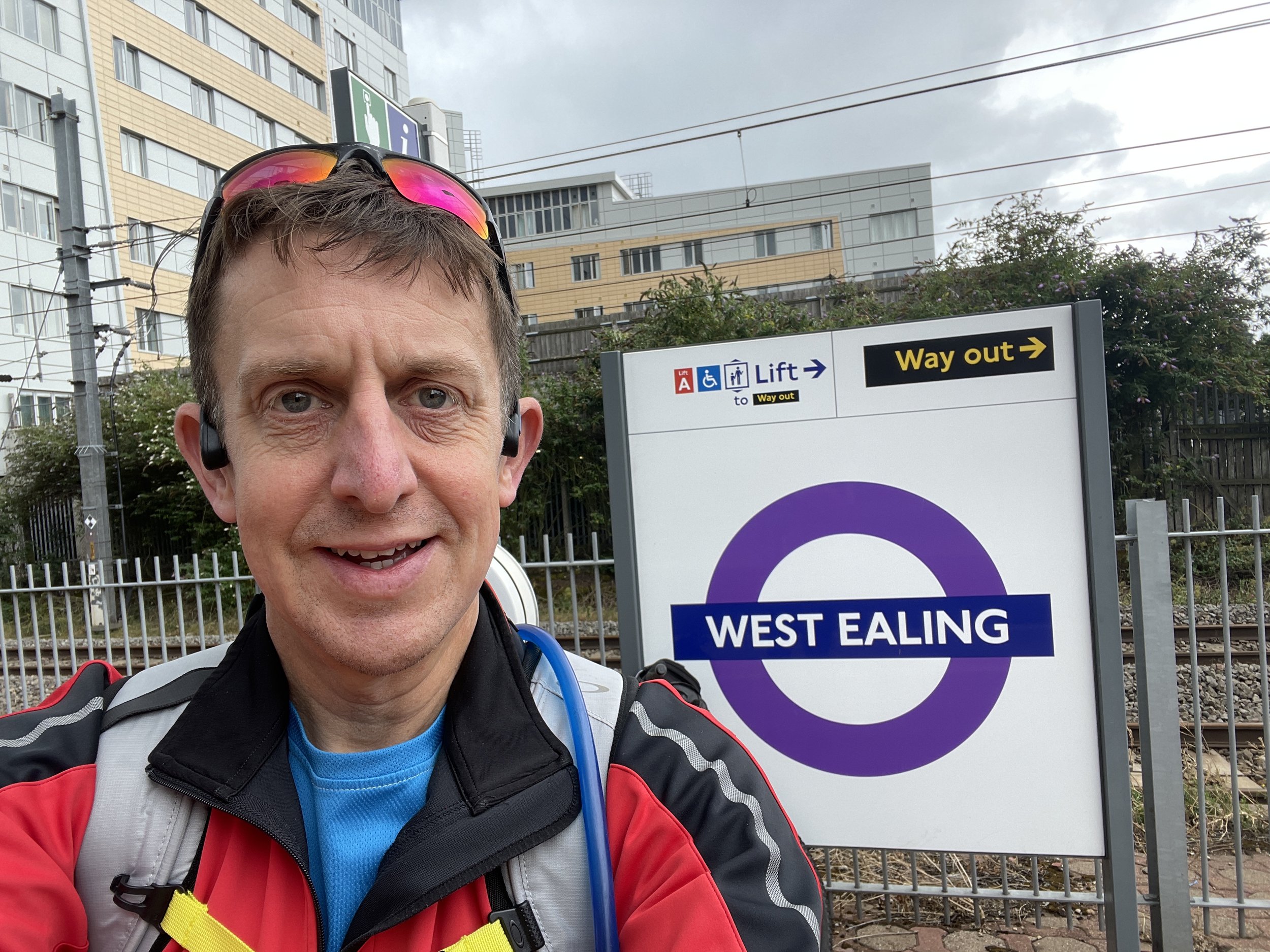
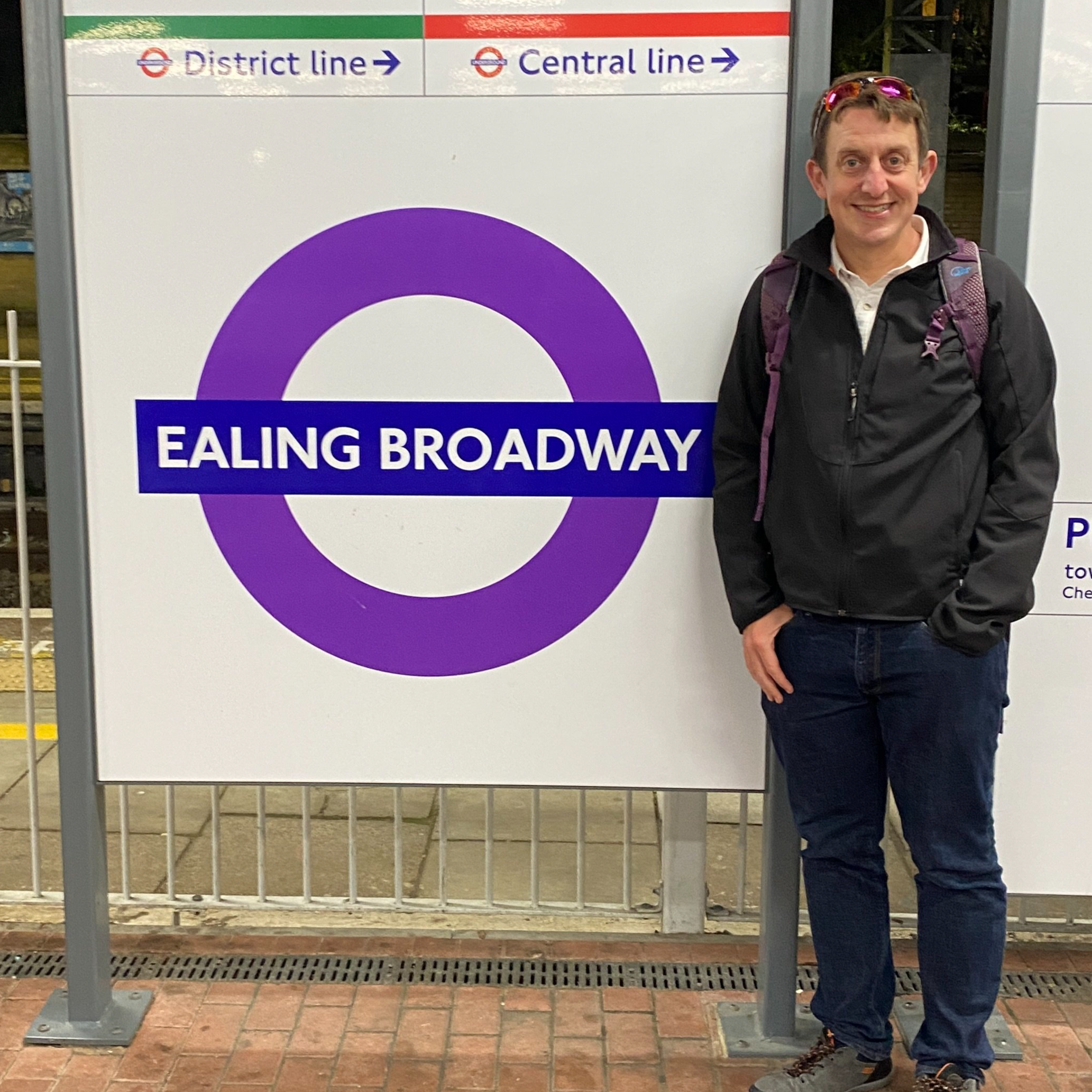
The Heathrow Stations
All are managed by Heathrow Express. There are no Elizabeth Line roundels on the platform.
The Central Section: Paddington to Whitechapel

The North Eastern Section: Stratford to Shenfield
No Elizabeth Line roundel on the Stratford Station platform.



The South Eastern Section: Canary Wharf to Abbey Wood
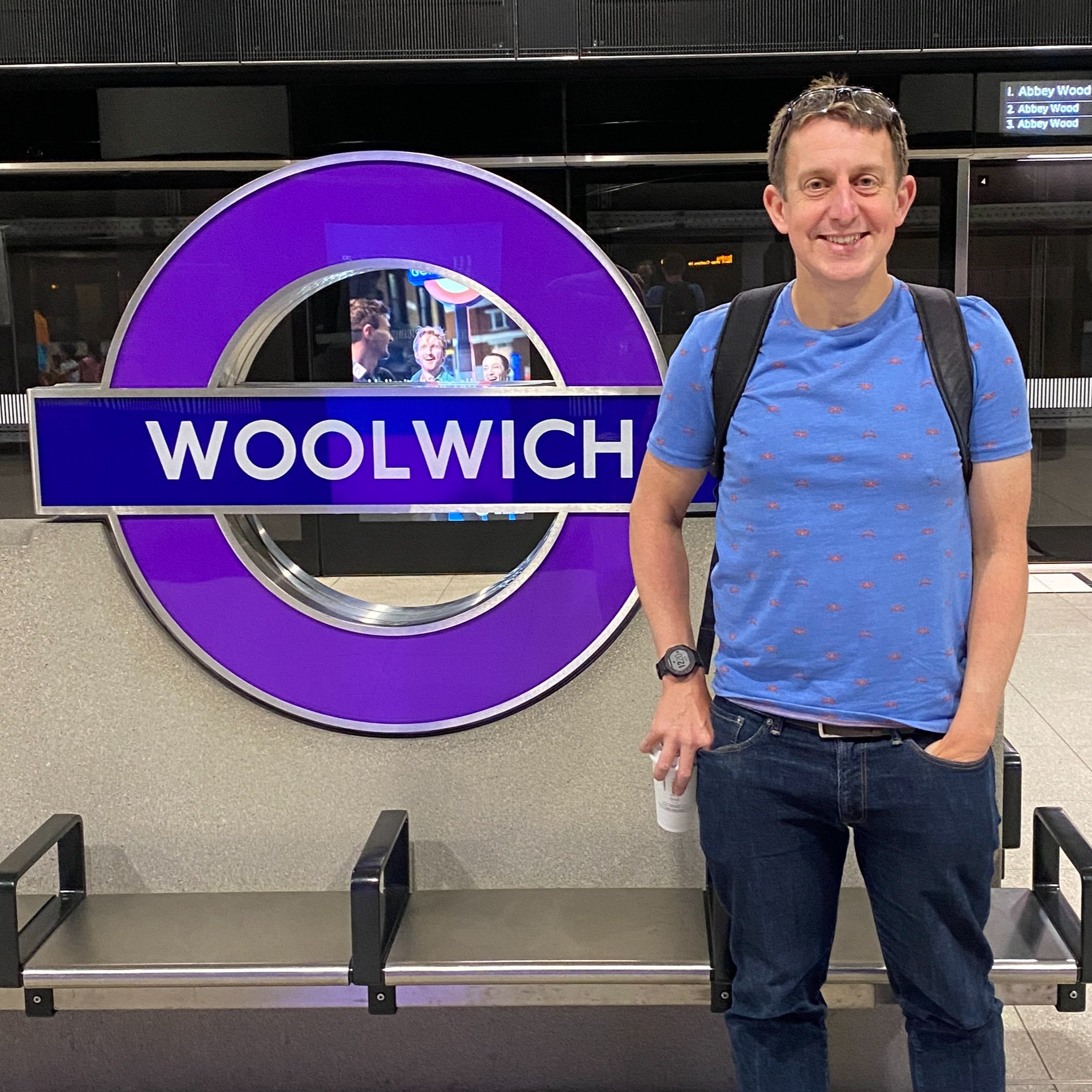
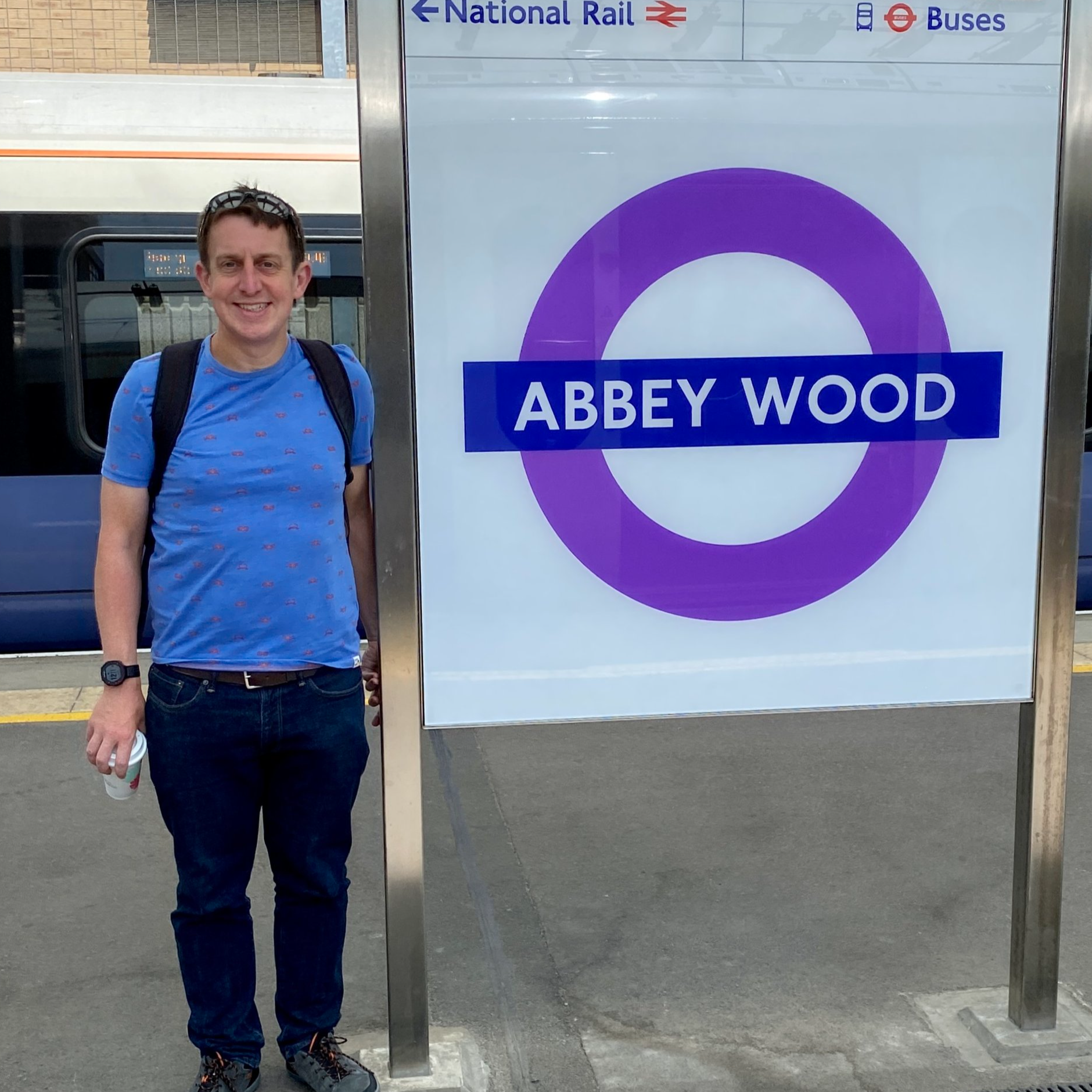
The stations not managed by TFL
No Elizabeth Line roundels here.
More London Posts
If you enjoyed reading this post, there is plenty more to explore across the capital. I have put together a dedicated London Outdoors page where I keep track of all my other adventures around the city. It is a handy index where I group my posts by the different types of places I have visited: including historic boundary lines, canal towpaths, and some surprising urban high points.
The collection covers a bit of everything: from long-distance cycling routes to tracing the underground network on foot, and ticking off another Saturday morning parkrun. If you are looking for some inspiration for your own weekend outings, head back over to the London Outdoors page to see what else I have been up to.
LonDone parkrun Transport Connections
LonDone is the term for completing all parkrun events in Greater London. There are currently 65 parkrun events in Greater London. The first was Bushy Park which started on October 2nd 2004 and there’s typically a couple of new events added to the region each year. London is blessed with great public transportation links with most parkrun events within walking distance of a train, tube, tram or DLR stop. Travelling by bus gives you even more options.
Driving to the events is generally discouraged, but it will be the preferred option for some parkrunners for some events. Key considerations for drivers are parking options and whether the event is in, or the trip is through, the ULEZ or Congestion Charge zone.
Content on this page is sourced from the individual event pages, desktop research and input from the parkrun community. There make be some errors in the early release of this page and things can change. When planning your trip use this as a guide but always check the Course page of the relevant parkrun event and check other travel sites for any issues on your route for the day. Let me know if you spot any errors or have new information and I’ll make a quick update and will donate £1 to parkrun for every update made.
See my main parkrun LonDone page for more geekery on the Greater London parkrun events.
Scroll right on the table below to also see parking, ULEZ and Congestion Charge, toilets and cafes and nearest airports. Click Here to open up the Spreadsheet in a new browser tab for easier navigation. See below the table for notes on each section.
Public Transport: Nearest Stations and Stops
Notes:
Nearest station, excluding bus stops, is shown with a white background. Nearest alternative type shown with a light blue background.
Nearest and nearest alternative stations are all within walking distance of the start line. “Walking distance” is subjective but for the purposes of this I’ve determined it as “half-a-parkrun” (2.5 km).
Stations with an orange background are longer walks of between 2.5 km and 5 km.
“N/A” indicates that there’s no station of this type within a 5 km walk for the start line.
The Bus column shows the nearest stop to the start line. There’s normally several other stops nearby and on different routes.
Parking, ULEZ and Congestion Charges
Driving to London parkrun events is generally discouraged and it can often be expensive. I learned that the hard way when I running late for Victoria Dock had to pay £20 for a short stay in the nearest car park.
If you are driving the main three things to know are about parking, the ULEZ zone and Congestion Charge.
Most events have a car park either in the park or nearby. Some can be small so plan to arrive early to make sure you get a space and have time to pay (if needed) and walk to the start. If there’s a charge many car parks have pay-by-app options. This is great if you already have the app but takes time if you’re a first-time user and need to set it up. Northala Fields is an example of app-only parking with no options to pay by cash or card at a machine. I’ve made note of any specific details on parking, but let me know if you have additional local knowledge.
The Ultra Low Emission Zone (ULEZ) is a large area of London where you have to pay a charge if your car doesn’t meet certain emissions standards. You can find out if your car is exempt, see the area covered, and pay the fee on this TFL page. From August 29th 2023 the ULEZ zone was expanded to include most of Greater London, and all London parkruns are now in the zone. 2 events; Bedfont Lakes and Riddlesdown are right on the edge of the zone. It’s possible to reach these by car and park outside of the ULEZ zone, however be careful not to cross into it on the drive there.
There are currently no parkrun events inside the Congestion Charge zone. As with the ULEZ Zone, be careful when planning your drive as you may have to pass through the zone even if the parkrun event is outside of it.
Cafés and Toilets
Knowing whether there’s a toilet at the event is often important when planning your trip. Most events have one near the start line but if they don’t it’s worth checking to see what’s on your route, especially for long trips. The original information here is from the Course pages from each event. Let me know if you have additional information (e.g. opening times, disabled access) on each that would help other parkrunners.
The cafés shown here are either ones noted on the Course pages or the closest one if not mentioned. These are not recommendations.
The LonDone parkrun tube and train map
There’s often chat in the Facebook parkrun groups about having a transport map showing the nearest stations to the London parkrun events. I’m certainly not the first to have this idea or to give it a go. Here’s my attempt at putting one together. Things to know are:
It shows nearest stations to parkruns and key interchanges, not all stations and lines.
Other stations may be more convenient for each parkrun, depending on where you’re coming from. Check the tables above for alternatives.
It’s intended to be an “artistic impression”, not for navigation.
Nearest airports to London parkrun events
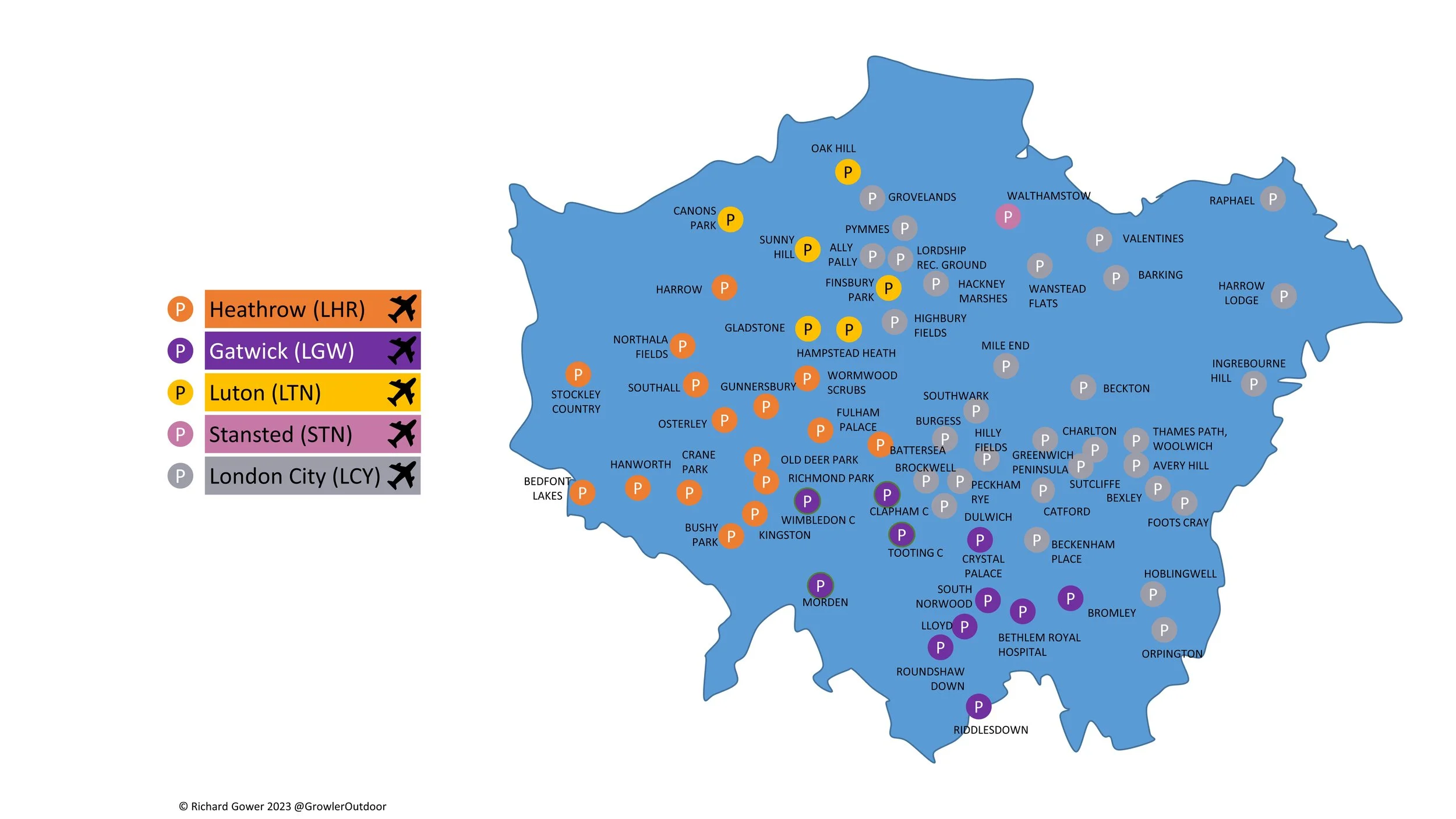
I’m guessing that parkrun’s encouragement of using public transport doesn’t include flying to events. This section is likely to be pretty niche, but I included it anyway. The map and table below shows the nearest major London airport to each parkrun event. “Nearest” is defined as the fastest route via public transport rather than as the crow flies.
The reality is that anyone flying to London for a parkrun is likely to choose whichever airport has the best cost and route options from wherever they are flying in from. Every parkrun event is accessibly from each of these airports within 90 minutes, so flying into any London airport on a Friday gives you lots of options to get to the event by parkrun o’clock on the Saturday.
A few notes on the exercise:
I included major commercial airports and excluded RAF or smaller airfields such as Northolt or Biggin Hill.
London Southend (SEN) was in-scope but there is no London parkrun that is closer to it by public transport than to a different airport. Harrow Lodge is the closest event to SEN but it’s quicker to get there by public transport from London City Airport (LCY).
Walthamstow is the only parkun event that is closer to London Stansted (STN) than any other London airport. This is mostly due to LCY being very well connected to many public transport routes with fewer options into London from STN.

More parkrun posts
parkruns are free, weekly, community 5k events all around the world. I started in December 2012 and have been obsessive about it ever since. See my parkrun Collection page for details.
Featured and popular parkrun posts:
Alexandra Palace and The Parkland Walk

Protected View to St Paul’s Cathedral
Start & Finish: Alexandra Palace, Alexandra Palace Way, London N22 7AY
Distance: 11.1 km (6.9 miles)
Elevation change: +/- 138m
GPX File: get via Buy Me a Coffee
Other routes touched (walk): New River Path, Capital Ring
Other routes touched (cycle): None
Pubs / Cafes on route: Many, including: Finsbury Park Cafe, Goods Office (Parkland Walk South), Queens Wood Cafe (Highgate Wood)
Map: OS Explorer 173 London North
Links: Alexandra Palace, New River, Finsbury Park, Parkland Walk, Highgate Wood, London’s Protected Views
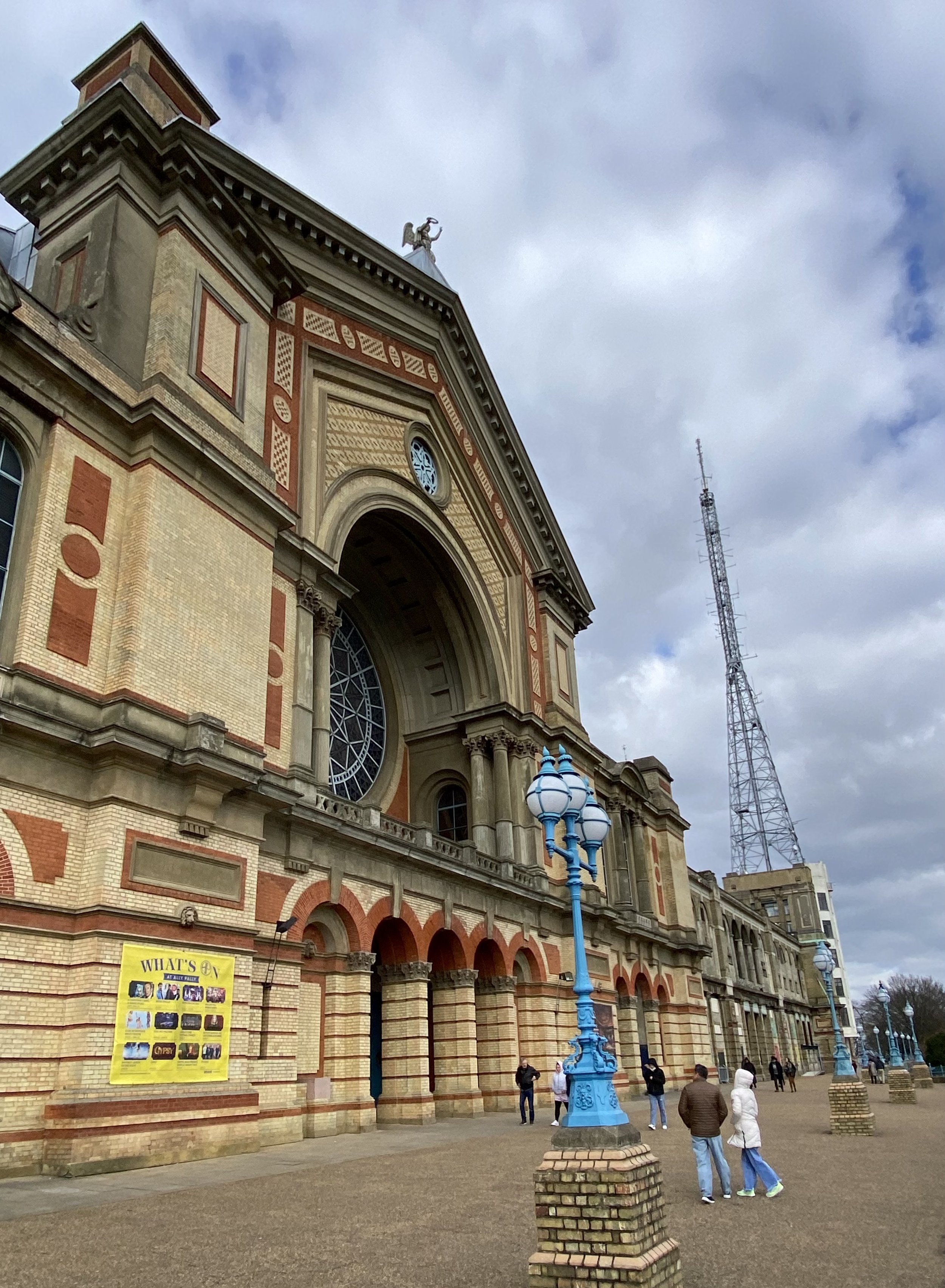
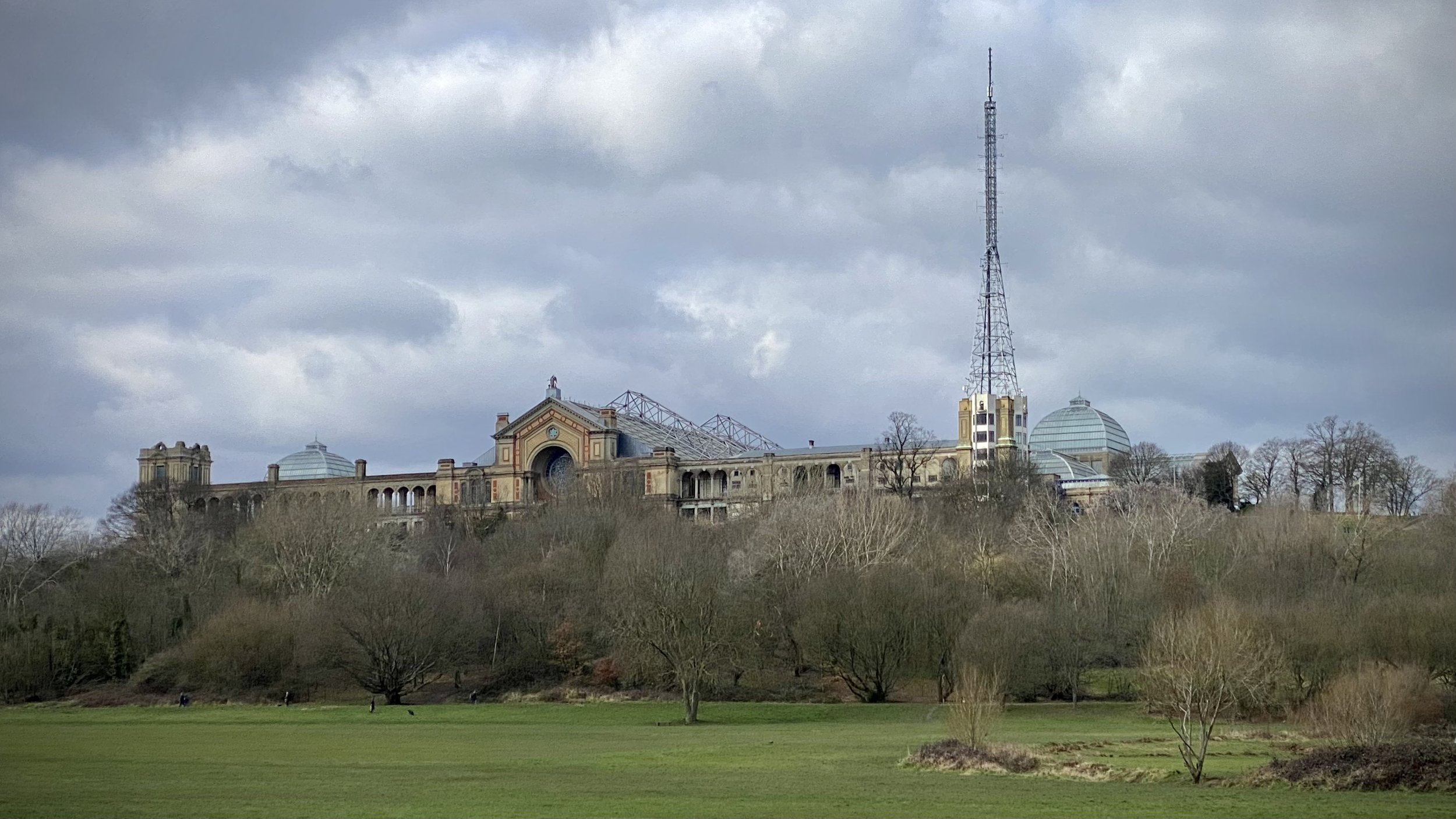
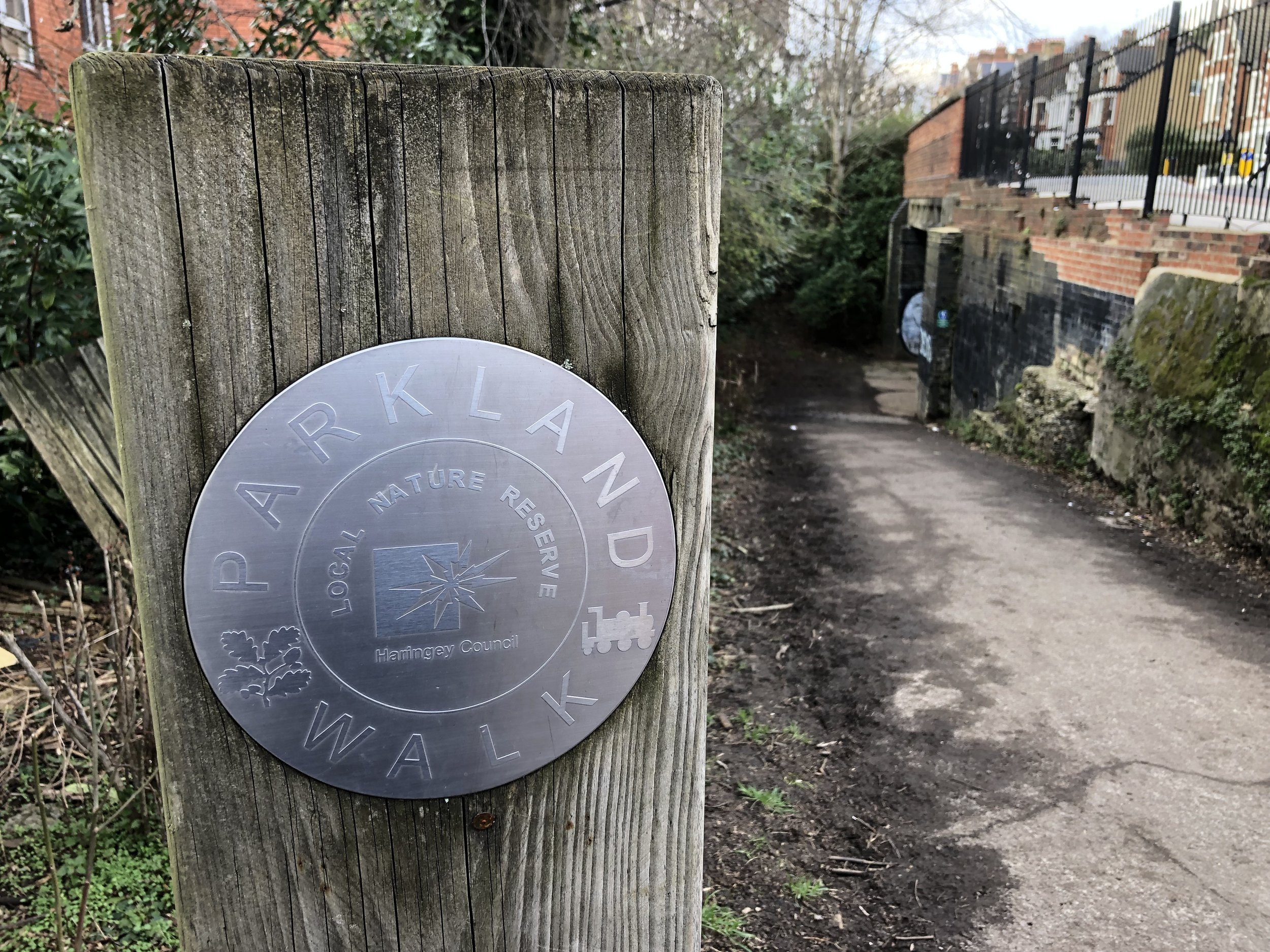
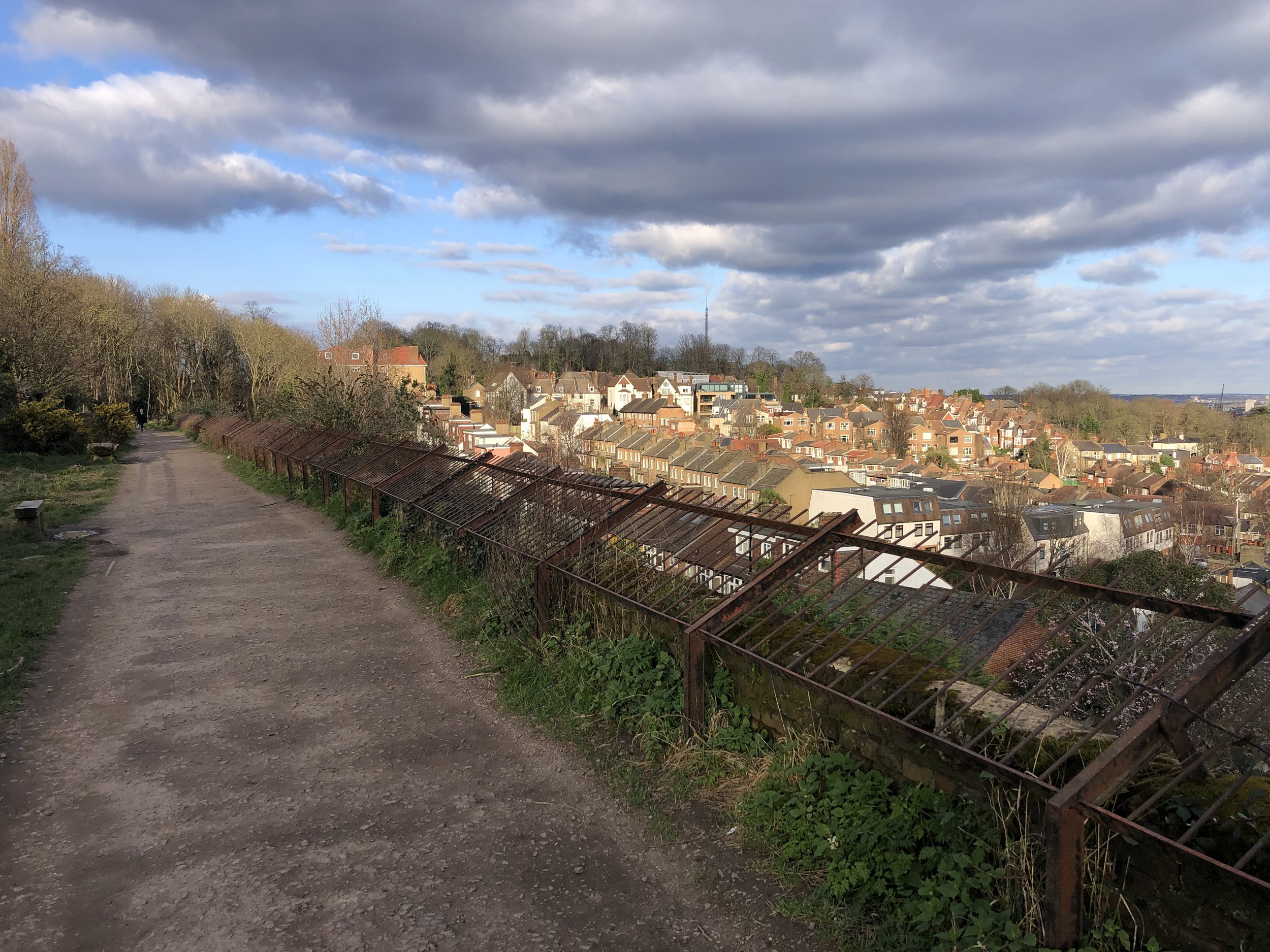
This is a brilliant, short circular walk in North London that takes in Alexandra Palace, the New River Path, and the Parkland Walk. The Parkland Walk follows a disused railway line and is now a fantastic, leafy green corridor providing a genuine area of calm in a very busy part of the capital.
If you are driving, there is a large car park at Alexandra Palace that, at the time of writing, asks for donations rather than a fixed charge. To access the route by public transport, the path passes close to Hornsey and Harringay rail stations, as well as Highgate tube station on the Northern Line.
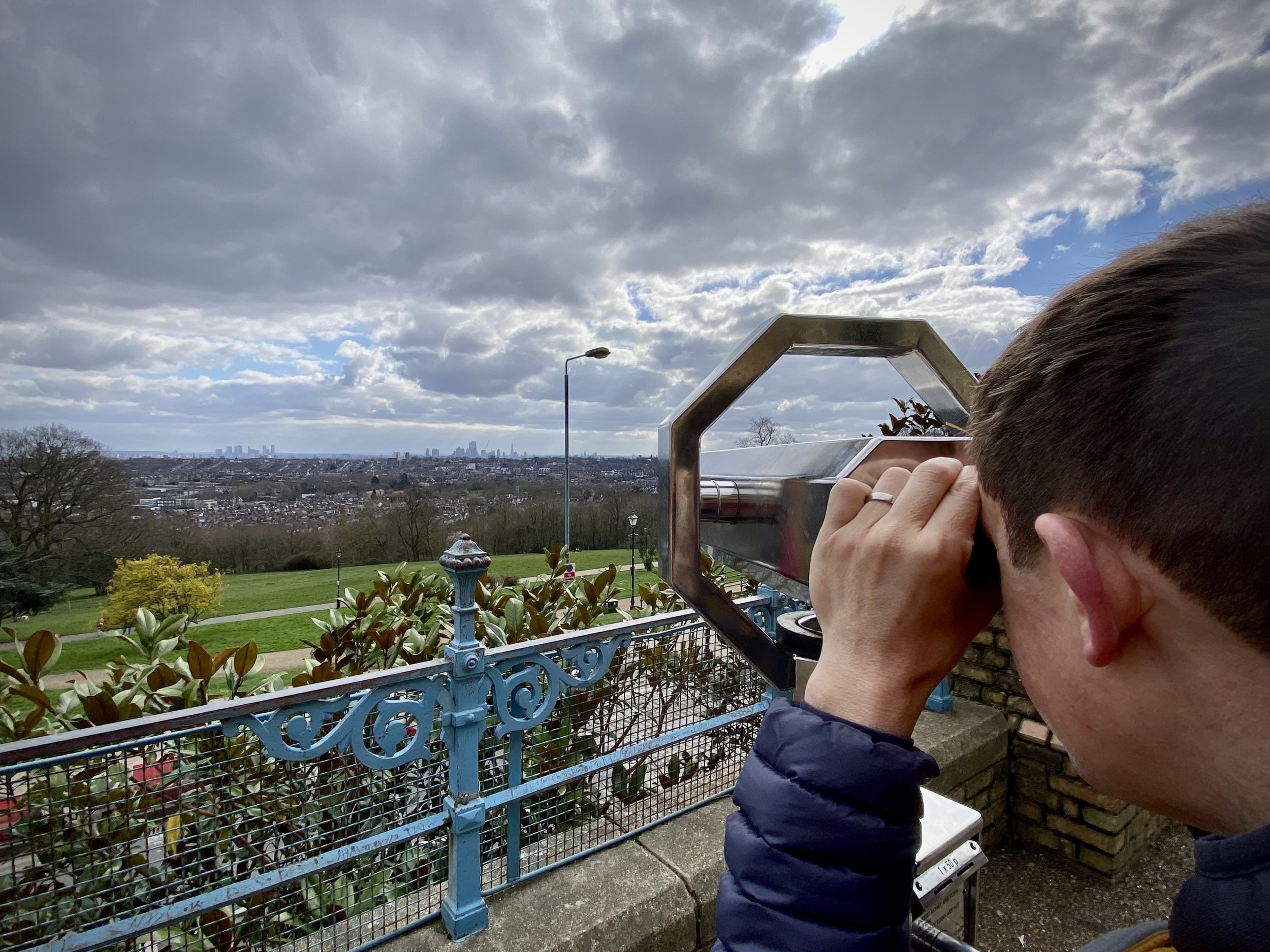
At Alexandra Palace, start by finding the viewpoint on the terrace at the centre of the south side of the main building. This is one of London's legally Protected Views looking towards St Paul's Cathedral. When we visited, we couldn't actually see St Paul's even through the metal viewfinder; it must have been hiding in the London haze! It is a spectacular panoramic spot regardless, originally built so Victorian Londoners could escape the smog of the city below.
From the viewpoint, take the paths through Alexandra Park to the southern exit onto North View Road. Here you can either take a left onto the path following the southern edge of the park, or follow North View Road and Newlands Road as they run parallel to it. We were there after a lot of rain and the path was incredibly muddy, so we took the roads. The path and Newlands Road join just before the Campsbourne Play Centre. Follow Newlands Road, then Greenways in an easterly direction until you reach the New River Path. (A quirky fact about the New River: it is neither new nor a river! It is actually a 17th-century aqueduct built to supply drinking water to London from Hertfordshire).
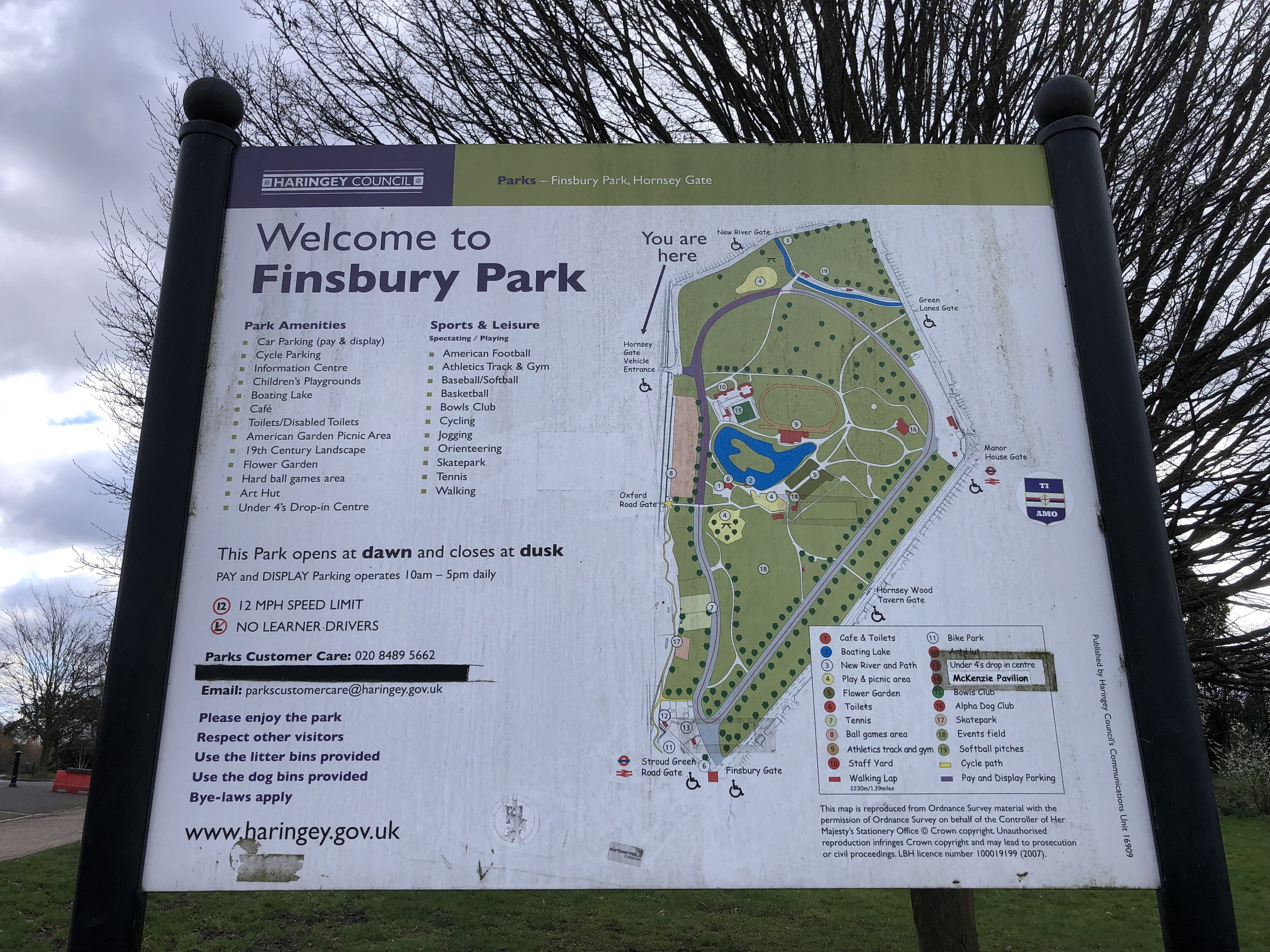
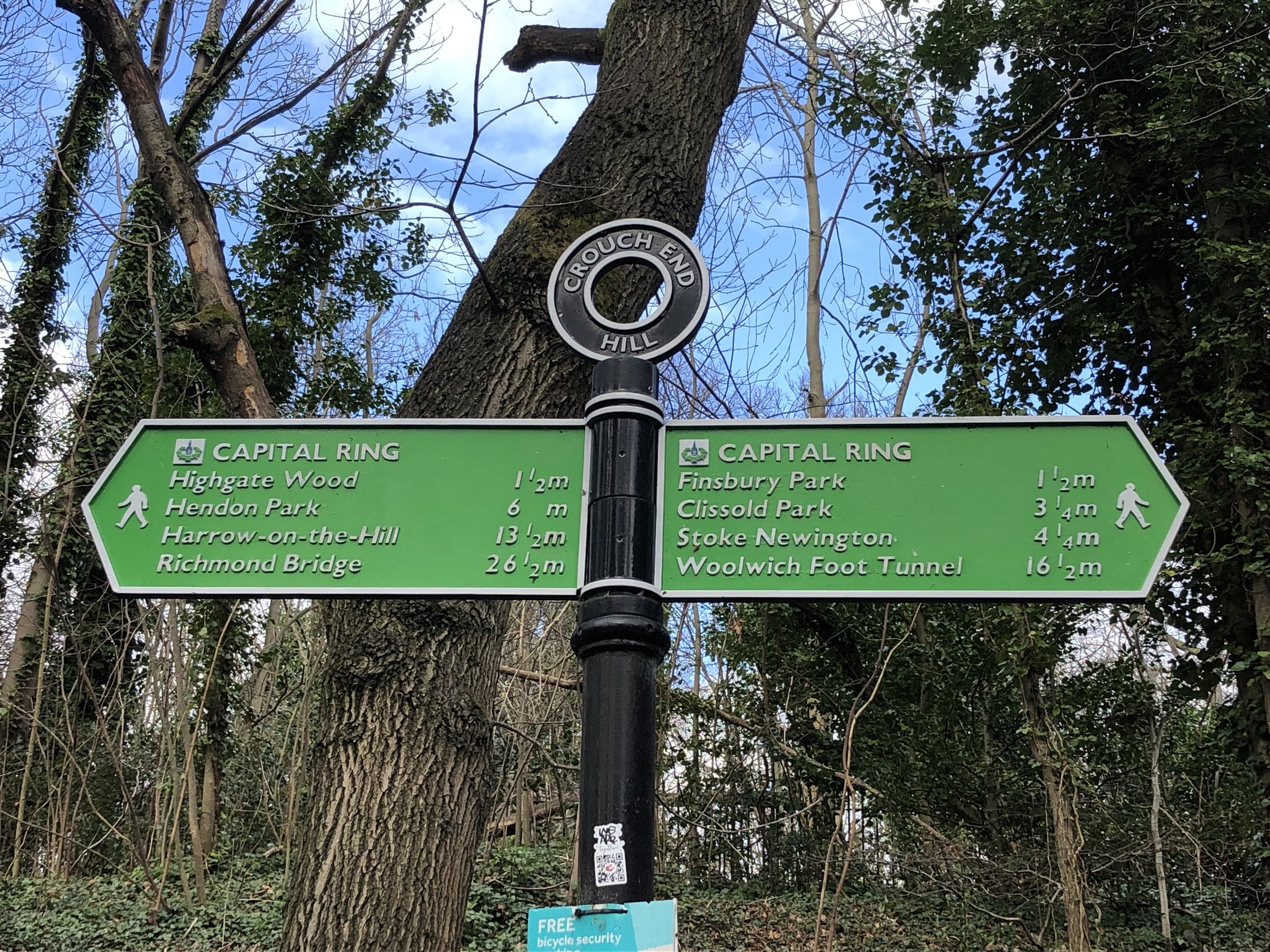
Follow the New River Path in a southerly direction for 2.6km until the junction of Alroy Road and Endymion Road. Take a right onto Endymion Road and follow it south until you reach the entrance to Finsbury Park. Enter the park and follow the path on the western edge down to meet the Capital Ring just south of the Finsbury Park Café. Take a right onto the Capital Ring, cross the footbridge over the active rail line, and join the Parkland Walk.
Parkland Walk South
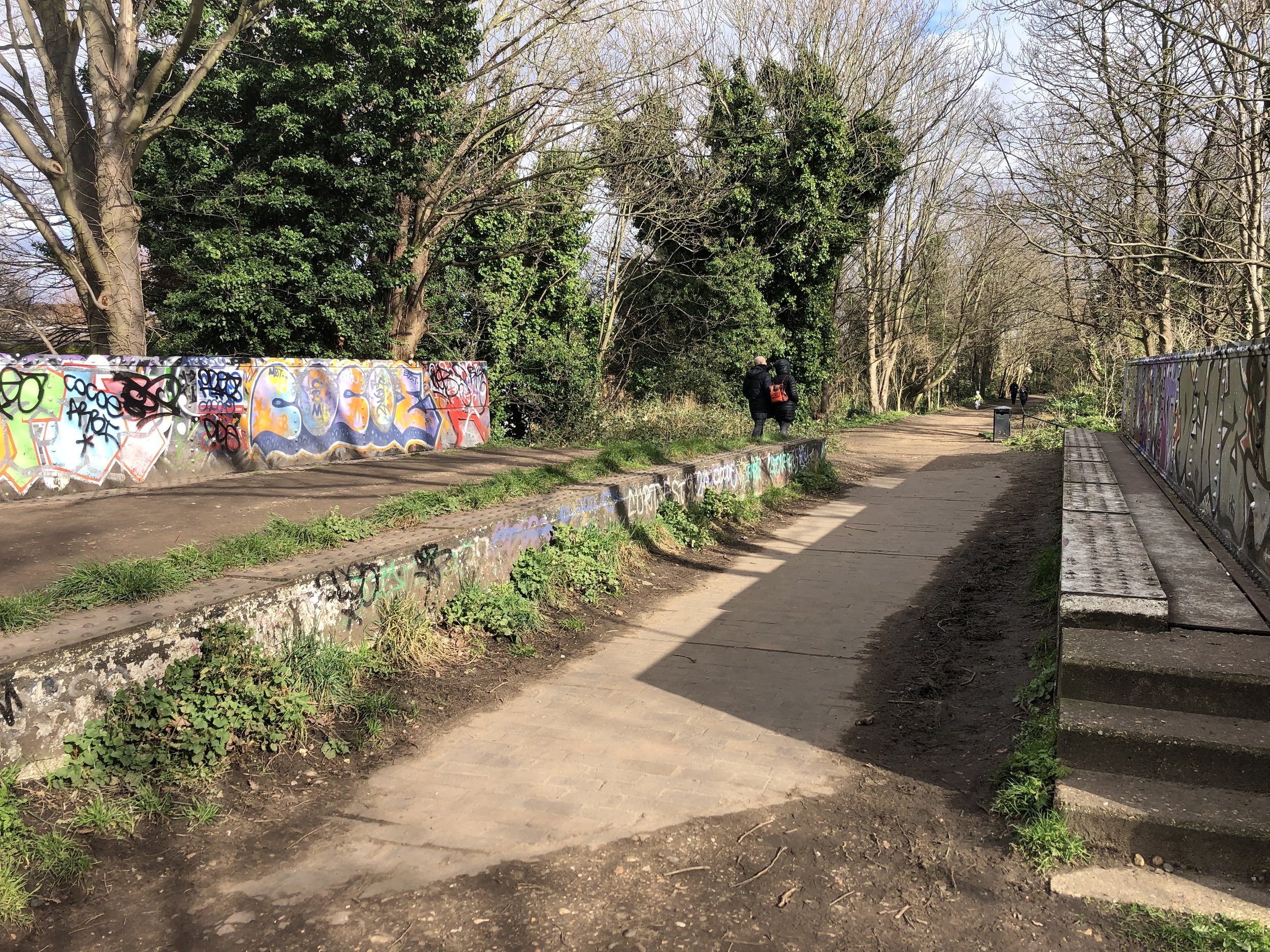
The Parkland Walk traces the route of the old railway line that ran from Finsbury Park to Alexandra Palace. The route of the southern, and longer, section of the Parkland Walk runs from the edge of Finsbury Park up to the Holmesdale Tunnels near Highgate tube station. Look out for the curious sight of a spriggan (a type of Cornish fairy) bursting out of one of the old railway arches along the way!
Disused Stations Passed:
Stroud Green: Platforms no longer exist. The Station Master's House survives and is now in alternative use.
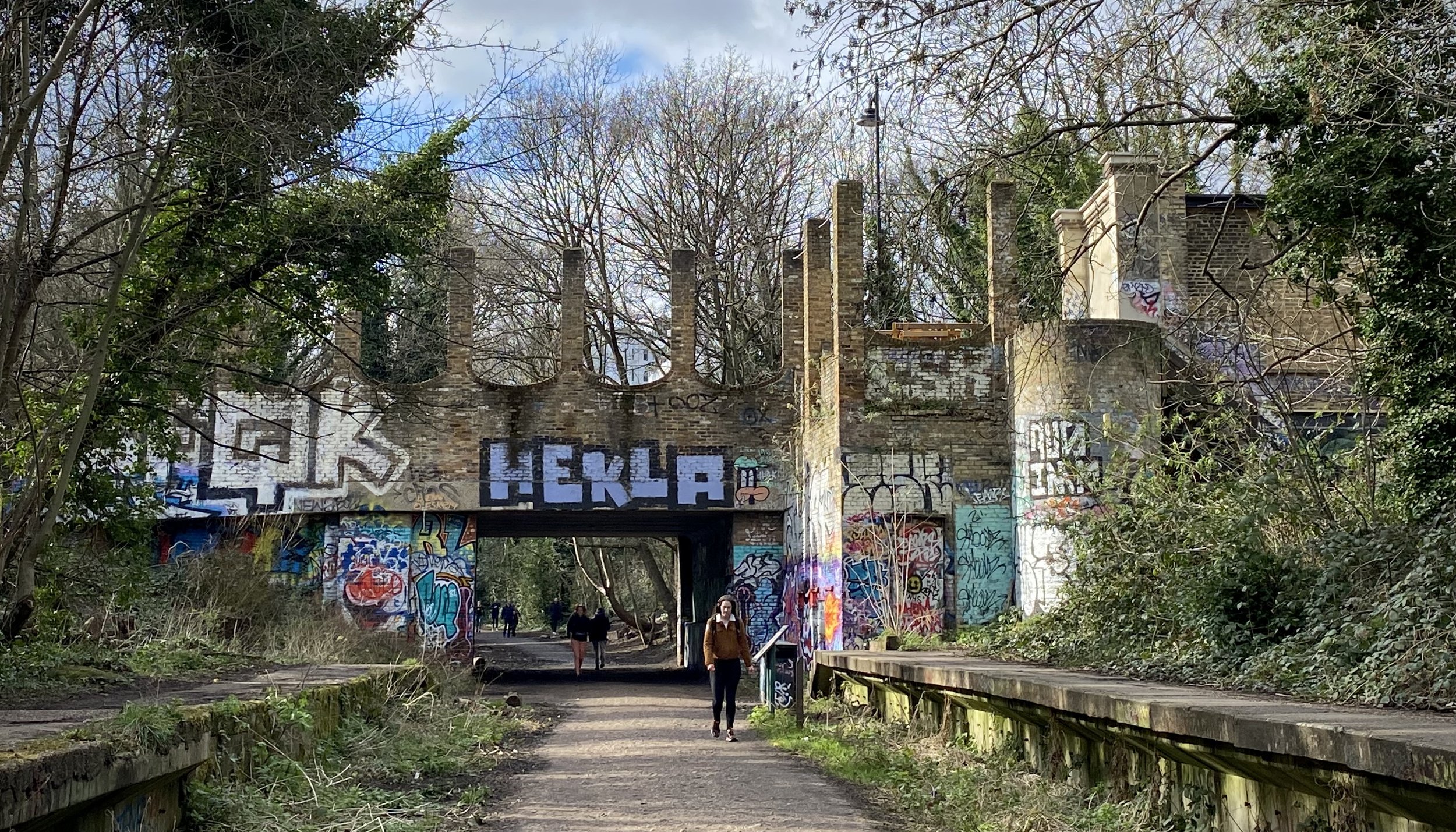
Crouch End Station: Both platforms survive and are slowly being reclaimed by nature.
Highgate: Still exists, but the high-level platforms are not publicly accessible.
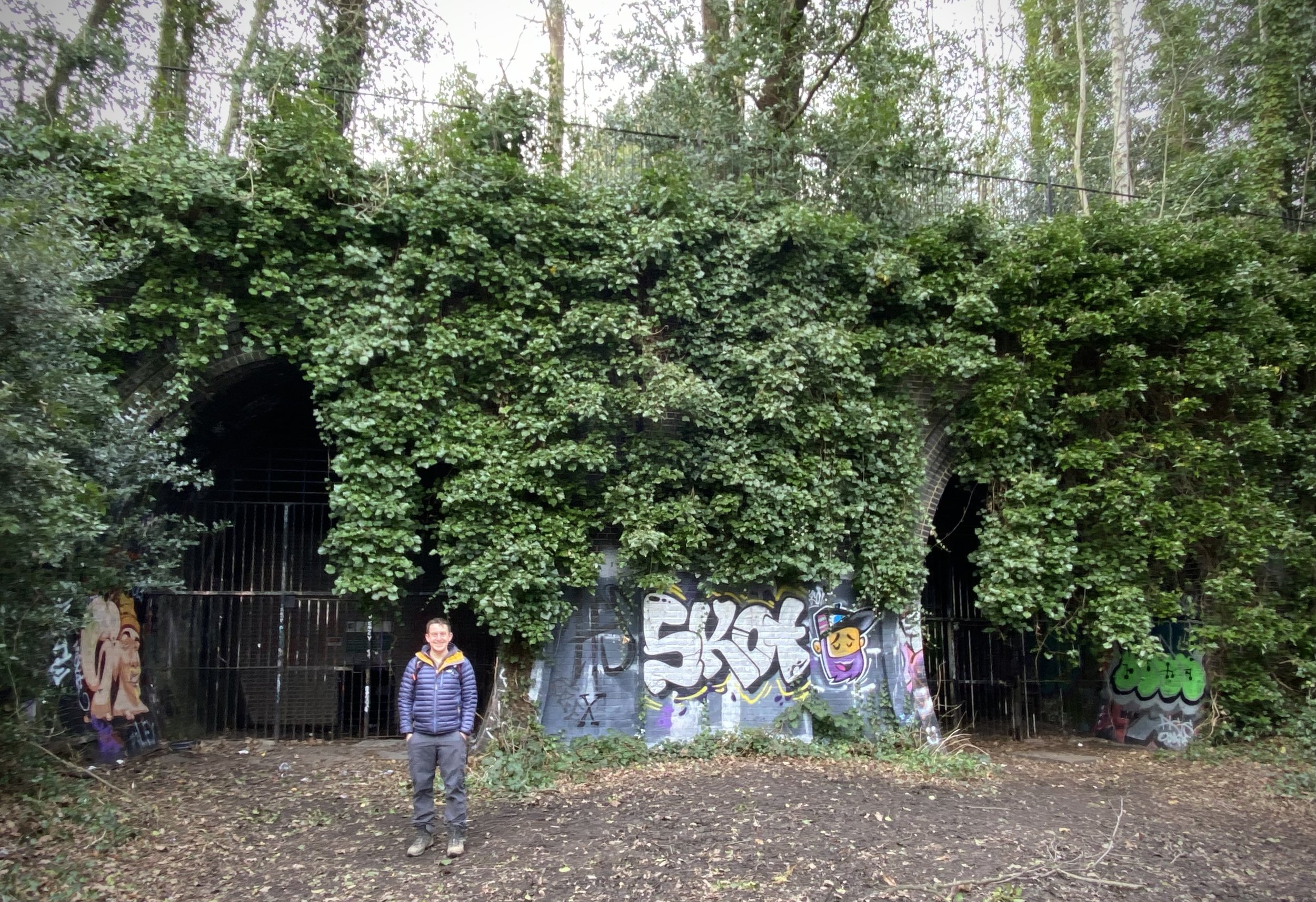
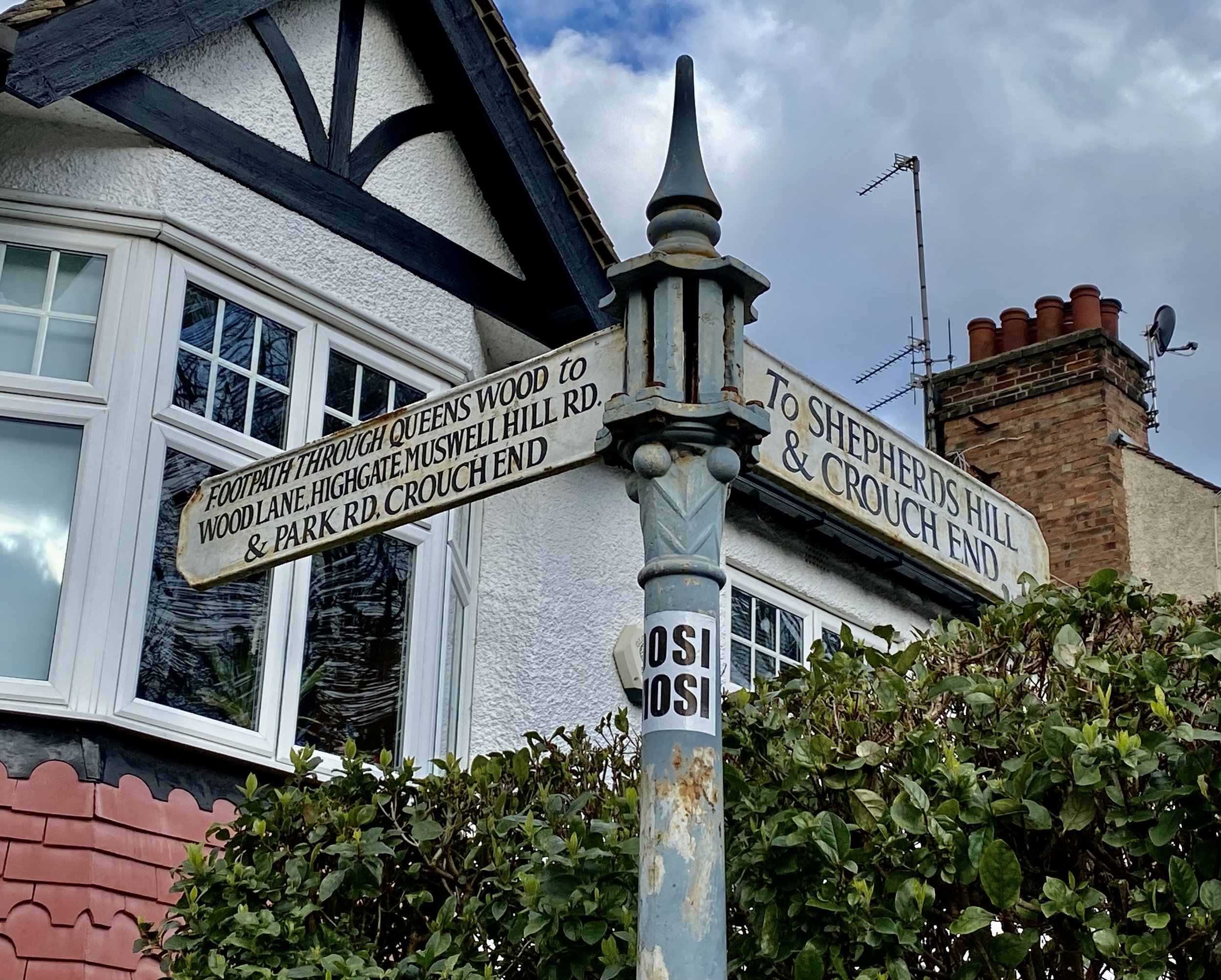
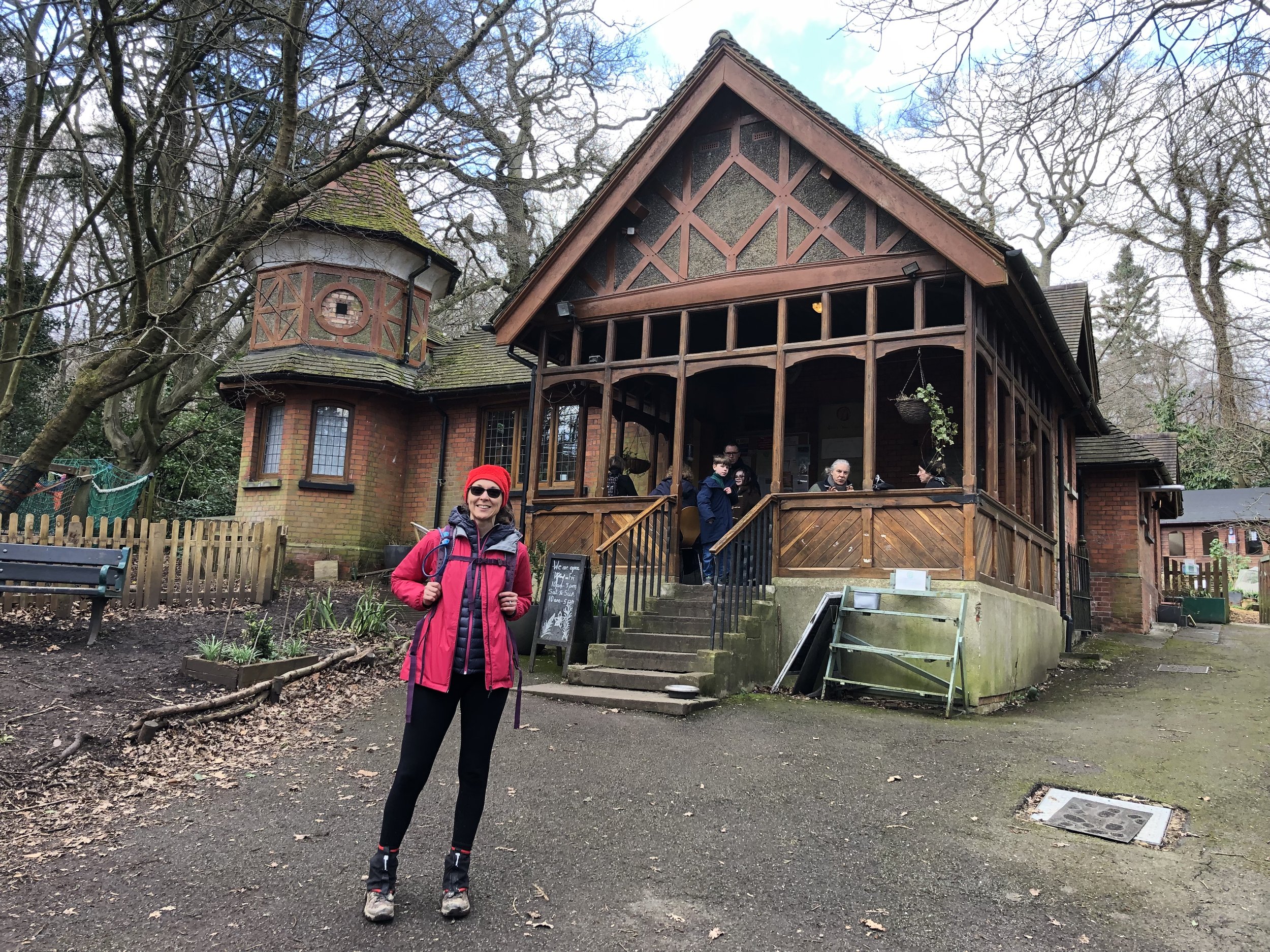
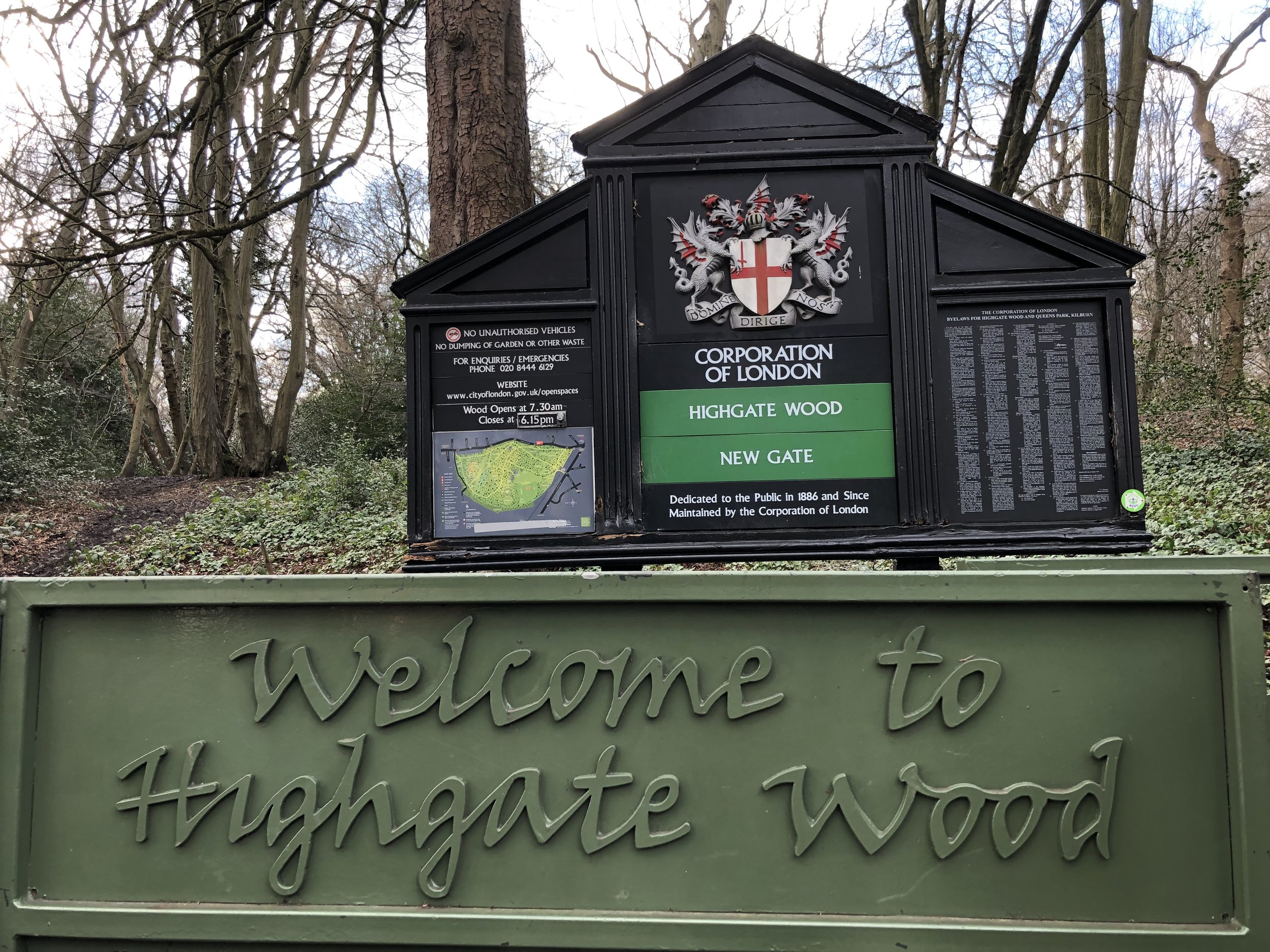
When you reach the western end of Parkland Walk, have a look at the entrance to the old tunnels before leaving the path. These are now heavily gated off to protect the rare species of bats that have taken up residence inside. Leave the Parkland Walk at Holmesdale Road and follow the signs for the Capital Ring. You will pass through Priory Gardens, Queen's Wood, and Highgate Wood. The Queen's Wood Café is a great place to stop for a rest ahead of the final 2km. Once you have crossed Muswell Hill Road from Queen's Wood into Highgate Wood, leave the Capital Ring and follow the path on the eastern edge of Highgate Wood to the north-east corner at Cranley Gardens. If you want to stay strictly true to the route of the old rail line, you could follow the path on the western side of Highgate Wood instead.
Parkland Walk North
After Highgate Wood, the Parkland Walk can be picked up again at the junction of Muswell Hill Road and Cranley Gardens. This section of the walk exits right back into Alexandra Park, leaving you just a very short stroll back up the hill to the start.
Disused Stations Passed:
Cranley Gardens: No longer exists. The site is now used for housing and St James primary school.
Muswell Hill: No longer exists. The site is now used for Muswell Hill primary school.
Alexandra Palace: The platforms have been removed, but the grand old station building survives and is now used as a community centre.



More Disused Railway Posts

More London Posts
Welcome to London Outdoors. London might be a busy city, but it is also packed with incredible green spaces and trails. This page is a collection of my outdoor adventures across the capital: whether I am heading out for a long walk, exploring new cycling routes, or lacing up my trainers for a local parkrun. Have a look through the index below to find all my posts about getting outside in the city.
Comment below or contact me if you have any questions, suggestions for improvement or if you spot any errors in any of the posts. I’ll donate £ to one of the outdoor causes that i support for any correction made.
Walking The Merton, Wandsworth and Richmond London Borough High Points
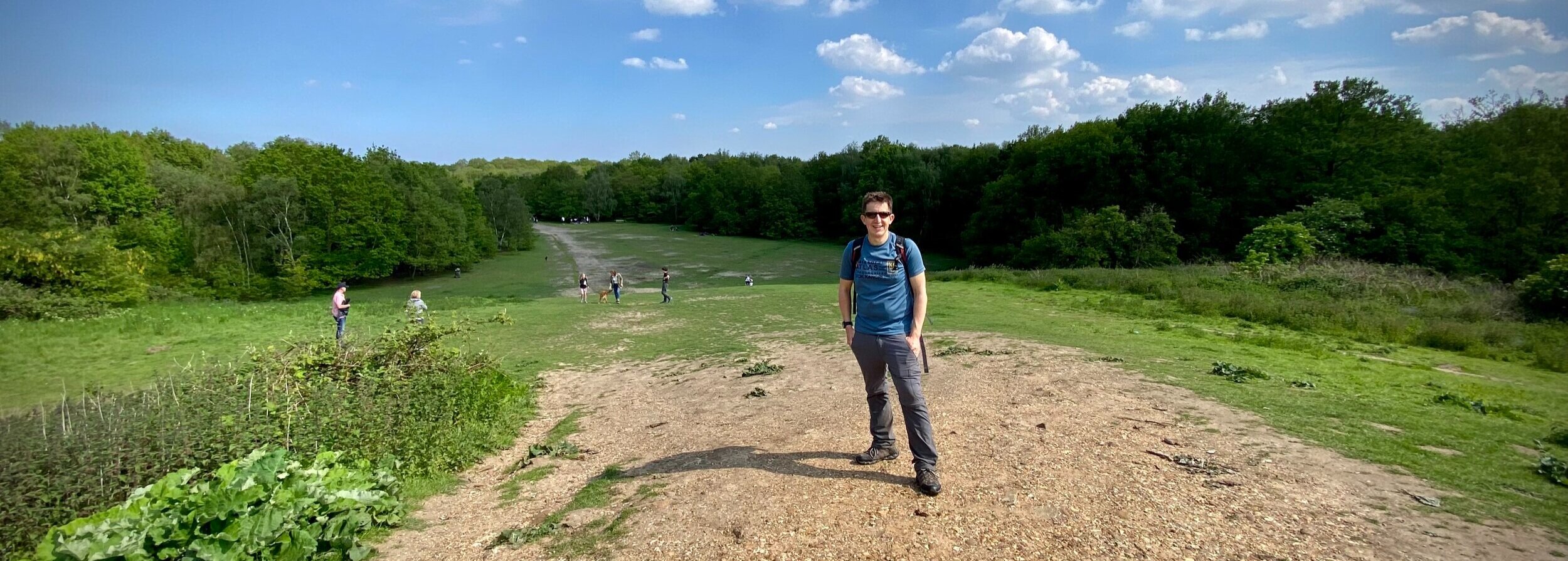
Big Alp, Wandsworth Borough High Point, Putney Heath

Start: Wimbledon Station, The Broadway, London, SW19 7NL
Finish: The Quadrant, Richmond, TW9 1EZ
Distance: 13.3 km (8.3 miles)
Elevation change: +126m /- 142m. Net -16m
GPX File: get via Buy Me a Coffee
Other routes touched (walk): The Capital Ring
Other routes touched (cycle): NCN 4
Pubs / Cafes on route: Several on Wimbledon and Richmond High Streets plus Pen Ponds Cafe near Spankers Hill in Richmond Park
Map: OS Explorer Map (161) London South, Westminster, Greenwich, Croydon, Esher & Twickenham
Guidebook: Capital Ring (National Trail Guides) by Colin Saunders
Links: Wimbledon, Wimbledon Station, Wimbledon Common & Putney Heath, Wimbledon Common Windmill, Richmond Park, Richmond, Richmond Station, London’s Protected Views
For our latest Greater London Boroughs High Points walk we ticked off Merton, Wandsworth and Richmond-upon Thames. All three can be reached via a 13km stretch of the Capital Ring with a few minor diversions. As a point-to-point route it’s very accessible as it starts and ends at 2 London Overground stations with a ~25 minute connection between them.


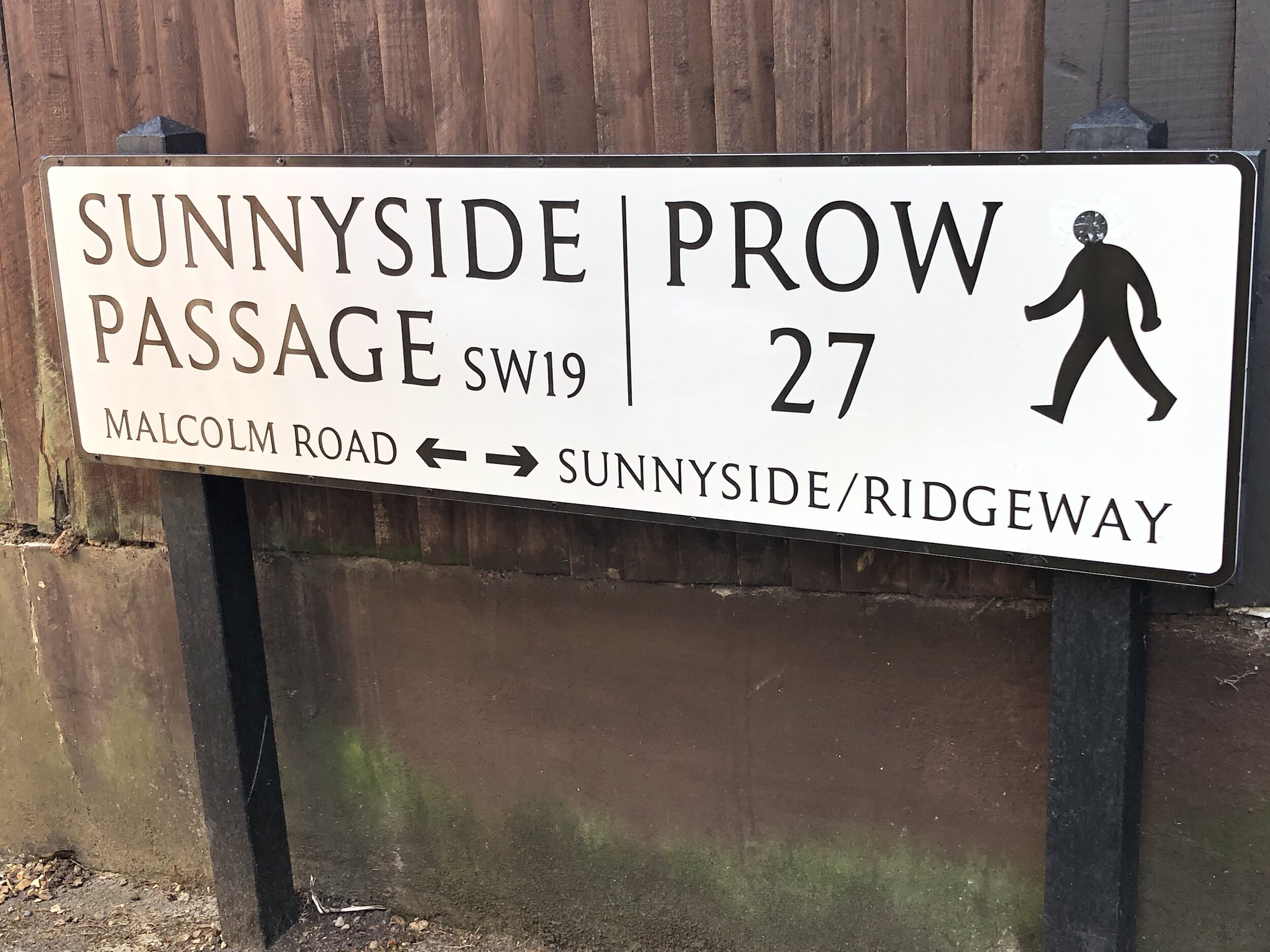
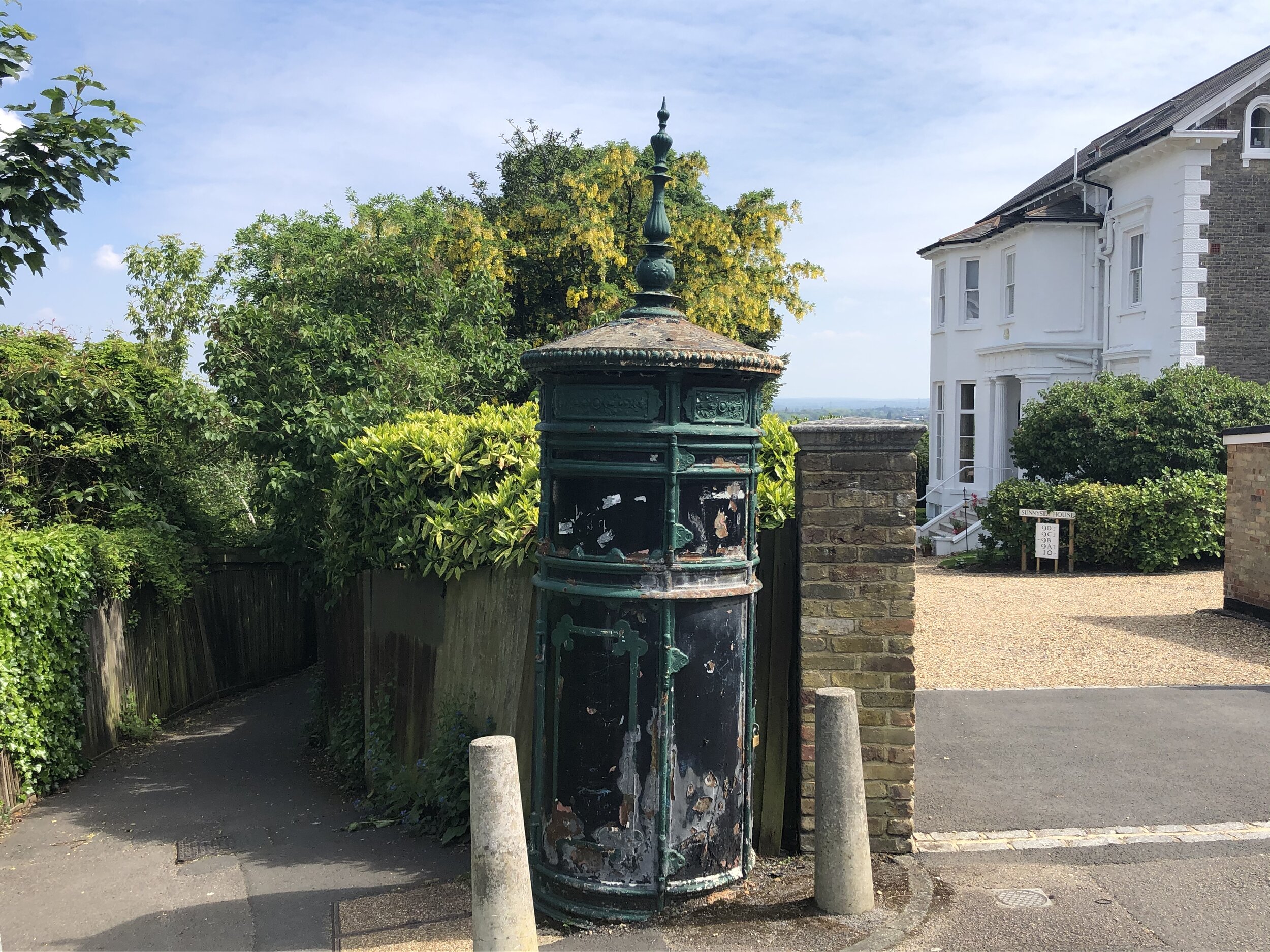
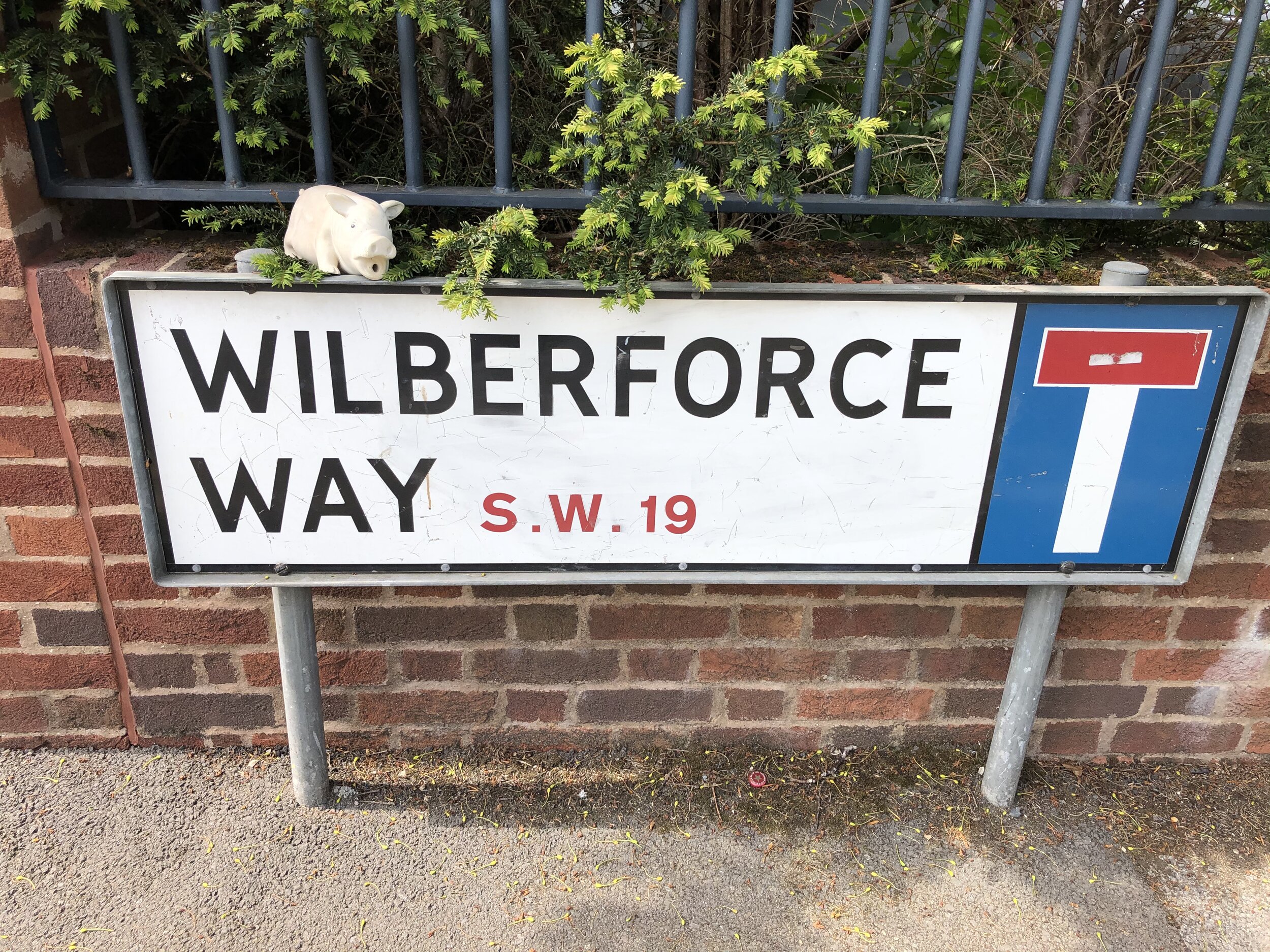
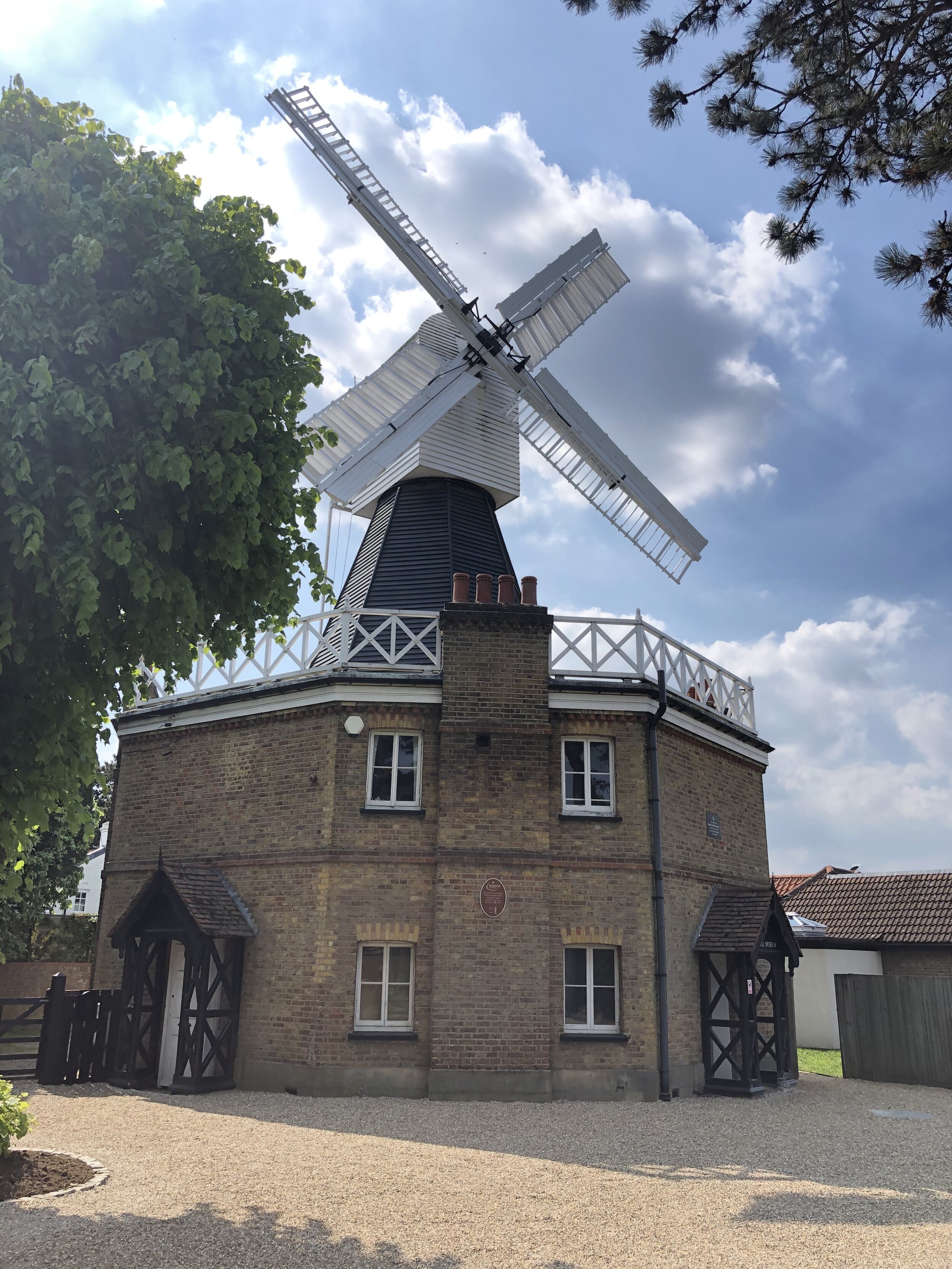
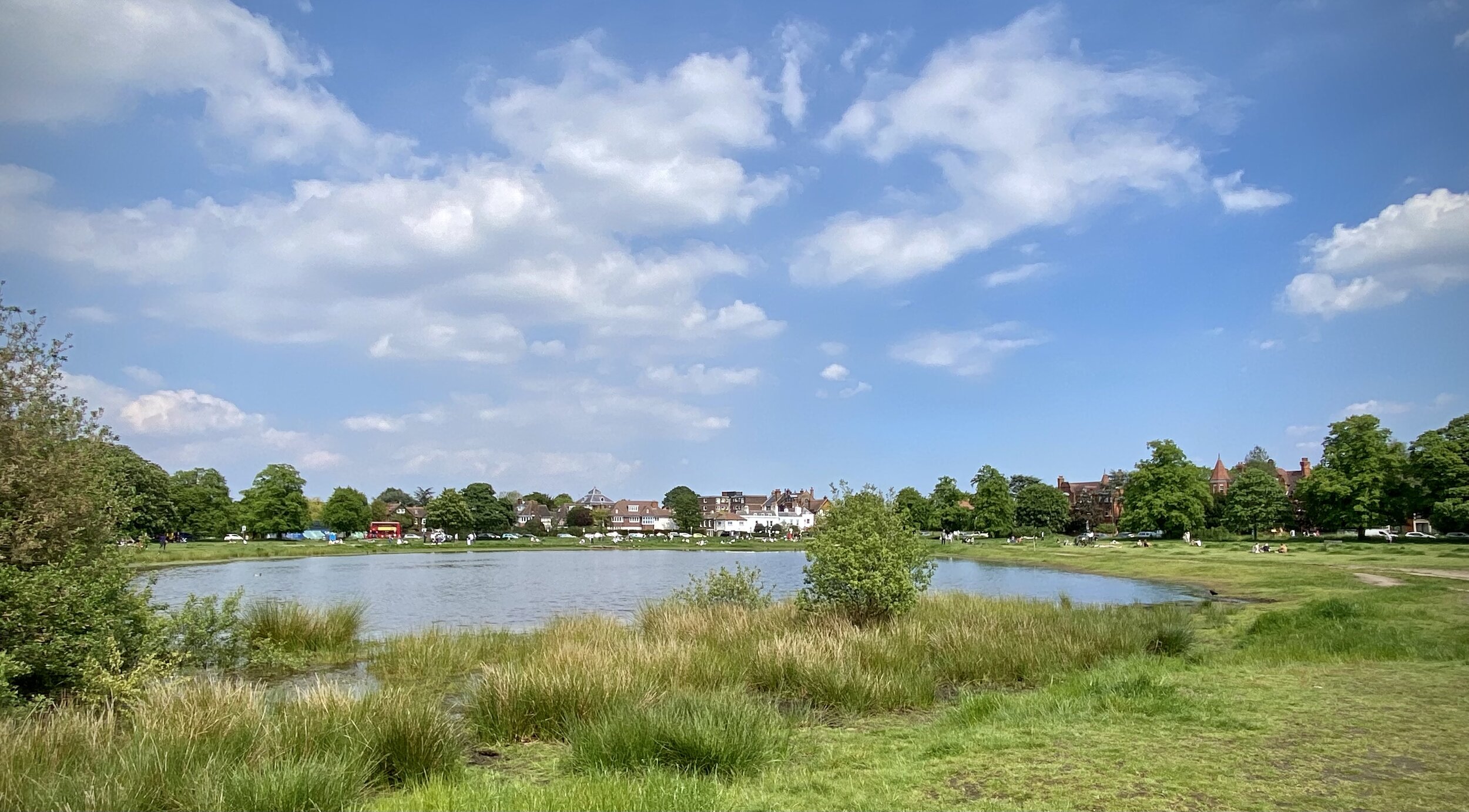
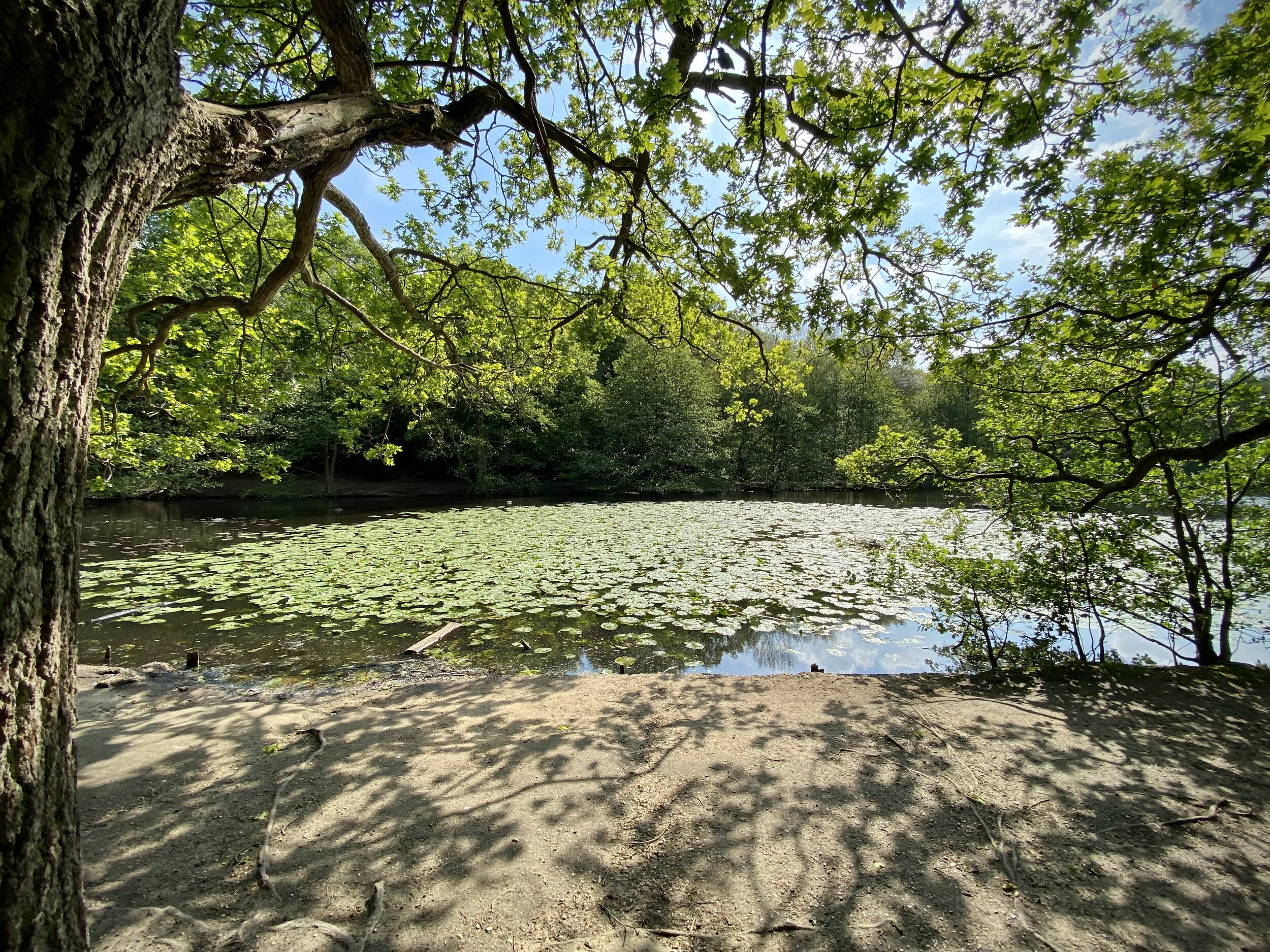
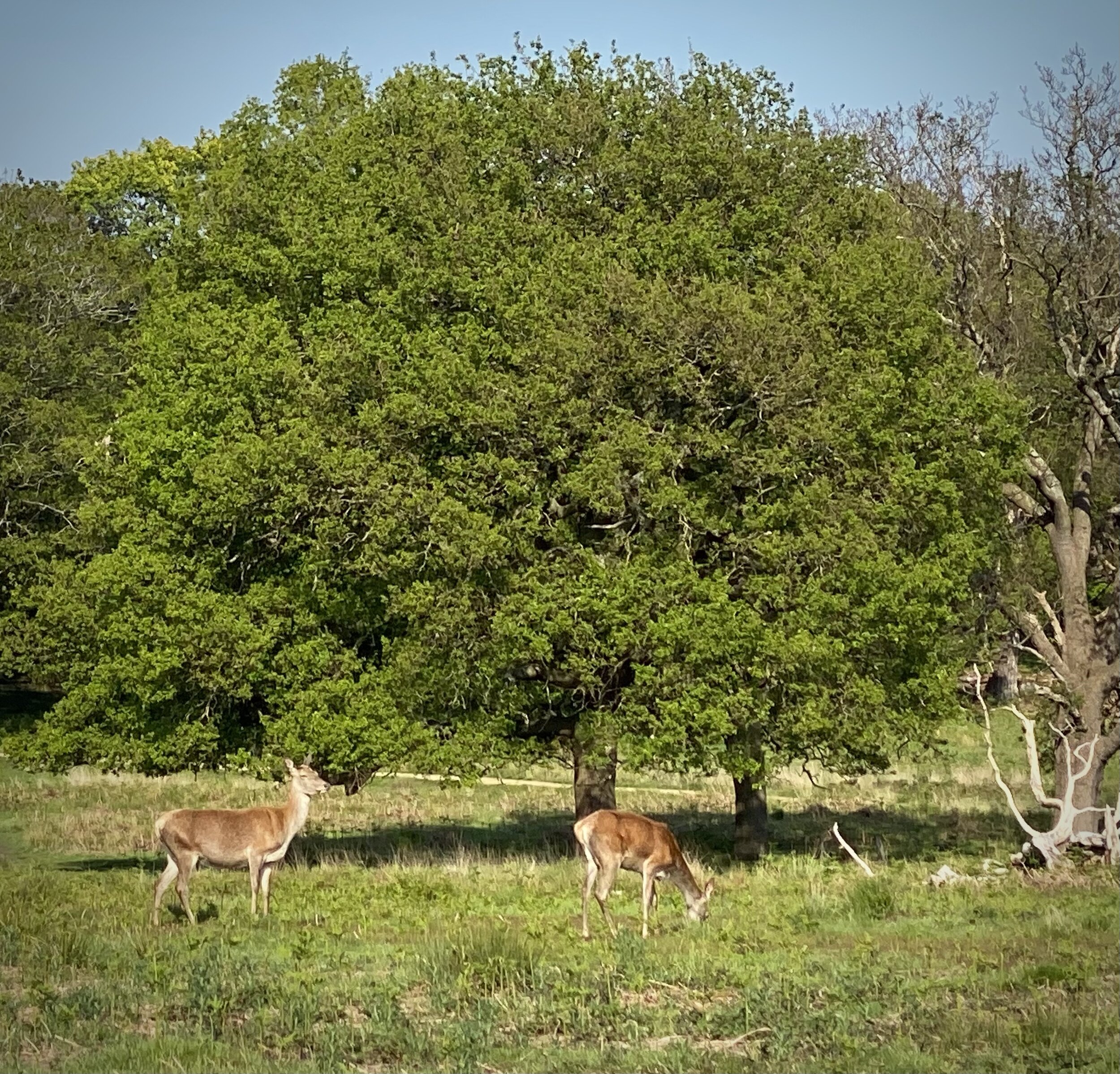


Lauriston Road
Significance: (alternative) Highest point in London Borough of Merton
Member of: N/A
Parent Peak: Botley Hill. NHN = Big Alp, Putney Heath
Historic County: Surrey (of which Leith Hill is the County Top)
Elevation: 55m
Date “climbed”: 29th May 2021
Coordinates: 51° 25' 22'' N, 0° 13' 24'' W
Nearest Station: Wimbledon (South Western Railway, Thameslink): 1.4 km
On route of: N/A. The Capital Ring is 2 km to the north
Map: OS Explorer Map (161) London South, Westminster, Greenwich, Croydon, Esher & Twickenham
Links: Wikipedia (Merton), Peakbagger, Hillbagging
The first of 2 alternative high points for Merton can be found on the way to Wimbledon Common from Wimbledon Station. The unmarked high point is on the north side of Lauriston Road just north of the junction with Wilberforce Way.

Wimbledon Common
Significance: Highest point in London Borough of Merton
Member of: N/A
Parent Peak: Botley Hill. NHN = Big Alp, Putney Heath
Historic County: Surrey (of which Leith Hill is the County Top)
Elevation: 55m
Date “climbed”: 29th May 2021
Coordinates: 51° 25' 58'' N, 0° 13' 27'' W
Nearest Station: Wimbledon (South Western Railway, Thameslink): 2 km
On route of: N/A. The Capital Ring is 0.7 km to the north
Map: OS Explorer Map (161) London South, Westminster, Greenwich, Croydon, Esher & Twickenham
Links: Wikipedia (Merton), Peakbagger, Hillbagging
The Wimbledon Common high point of Merton is ~1 km north of Lauriston Road. You can access it either by the pavement alongside Parkside road or via the parallel footpath on the edge of the common. Look out for the Parkside Road sign opposite the entrance to Calonne Road

Big Alp, Putney Heath
Significance: Highest point in London Borough of Wandsworth
Member of: N/A
Parent Peak: Botley Hill. NHN = Westow Hill
Historic County: Surrey (of which Leith Hill is the County Top)
Elevation: 60m
Date “climbed”: 29th May 2021
Coordinates: 51° 26' 27'' N, 0° 14' 1'' W
Nearest Station: Southfields (District Line): 2.3 km
On route of: N/A. The Capital Ring is 0.4 km to the south
Map: OS Explorer Map (161) London South, Westminster, Greenwich, Croydon, Esher & Twickenham
Links: Wikipedia (Wandsworth), Peakbagger, Hillbagging
Big Alp on Putney Heath is just over 1 km north west of the Wimbledon Common high point. After the underwhelming summits of Merton this at least feels like a real hill. From Big Alp descend through the woods in a south-westerly direction to pick up the Capital Ring at the southern end of Queensmere lake. From here follow the Capital Ring in a westerly direction into Richmond Park.
When you enter Richmond Park at Robin Hood Gate you’re only ~300m from the tri-point of the boroughs of Kingston, Richmond and Wandsworth on the Beverley Brook. I hadn’t researched it at the time otherwise I would have taken to the small diversion to see it.
Further into Richmond Park at Pen Ponds cafe you can make a minor diversion to the summit of Spankers Hill. There’s nothing of interest there, just go to ponder how it got that name.

Richmond Park
Significance: Highest point in London Borough of Richmond upon Thames
Member of: Protected View of St Paul’s
Parent Peak: Botley Hill. NHN = Big Alp, Putney Heath
Historic County: Surrey (of which Leith Hill is the County Top)
Elevation: 56m
Date “climbed”: 29th May 2021
Coordinates: 51° 26' 42'' N, 0° 17' 38'' W
Nearest Station: Richmond (Overground, South Western Railway, District Line): 2.4 km
On route of: N/A. The Capital Ring is 0.2 km to the west
OS Trig Pillar: TP5674 - Richmond Park
Map: OS Explorer Map (161) London South, Westminster, Greenwich, Croydon, Esher & Twickenham
Links: Wikipedia (Richmond-upon Thames), Peakbagger, Hillbagging, London’s Protected Views
After Pen Ponds leave the Capital Ring and take a short cut west through Sidmouth Wood. After leaving the wood continue across Queen’s Road to find the Richmond high point.
Although not the highest point on this trip, the Richmond-upon-Thames high point is the most interesting. There’s an OS Trig Pillar to mark the summit and it’s one of the Protected Views of St Paul’s Cathedral.
From the Trig Pillar continue following the boundary of the park for ~1km, then exit at Cambrian Gate. Head north-west along Cambrian Road, Marlborough Road and Church Road to reach the end at Richmond Station.
Chiltern Railways Walking Routes
Having walked and cycled a lot of the Chilterns over the past few years I’ve become much more familiar with its landscape. I discovered the valleys in my cycling trips along the Chiltern Rivers and the high points while bagging the Trig Points. With a need to find more short local walks during the Covid Lockdowns my attention turned to finding the rail lines and stations in the Chiltern Hills National Landscape. All of the walks listed below the map are around 10k (~6 miles) with a start and finish at a Chiltern rail station. This list covers all stations inside the National Landscape, shaded in green on the map. There’s also a selection of walks covering stations in the “Greater Chiltern Area”, shaded in peach, which covers the area bounded by the north end of the National Landscape and the Rivers Thames, Lea and Colne.

Rail-based circular walks in the Chiltern Hills National Landscape
Where all or most of the walk is within the boundary of the National Landscape
Aldbury & Ashridge (Tring Station): 7.8 km (4.8 miles) +/- 138m Elevation Gain.
Amersham Old and New Towns (Amersham Station): 8.3 Km. +/- 75m Elevation Gain.
Berkhamstead and Bourne End (Berkhamsted station): 11.9 km (7.3 miles)/ +/- 144m Elevation Gain.
Berkhamsted Castle and Common (Berkhamsted station): 10.5 Km. +/- 73m Elevation Gain.
Chesham & Tylers Hill (Chesham station): 9.3 Km. +/- 84m Elevation Gain.
Chorleywood and Chenies (Chorleywood station): 8.0 Km. +/- 85m Elevation Gain.
Goring & Streatley Station Circular (Goring & Streatley station): 8.9 Km. +/- 155m Elevation Gain.
Great Missenden and Ballinger (Great Missenden station): 9.8 Km. +/- 113m Elevation Gain.
Great Missenden and Little Kingshill (Great Missenden station): 10 Km. +/- 112m Elevation Gain.
Little Chalfont and Latimer (Chalfont & Latimer station): 8.4 Km. +/- 140m Elevation Gain.
Saunderton & Loosely Row (Saunderton station): 9.1 Km. +/- 125m Elevation Gain.
Tring Park and Northfield (Tring Station): 8.4 Km. +/- 140m Elevation Gain.
Uxbridge to Denham (Uxbridge High Street, Denham stations): 6.3 km. +/- 27m Elevation Gain.
Wendover and Coombe Hill (Wendover station): 7.3 Km. +/- 139m Elevation Gain.
Rail-based circular walks in the Greater Chilterns Area
Where all or most of the walk is outside of the boundary of the National Landscape
Beaconsfield, Knotty Green and Seer Green (Beaconsfield station): 10.6 Km. +/- 84m Elevation Gain.
Cassiobury, Whippendell Woods and Croxley Green: (Croxley and Watford stations): 10.1 km. +/- 84m Elevation Gain.
Rickmansworth and Chorleywood (Rickmansworth station): 9.4 Km. +/- 100m Elevation Gain.
Risborough Railways Ramble (Princes Risborough station): 10.7 Km. +/- 83m Elevation Gain.
Shiplake and Henley-on-Thames (Shiplake and Henley-on-Thames stations): 8.8 Km. +/- 80m Elevation Gain.
Walking The Marlow Donkey (Bourne End and Marlow stations): 11.4 Km. +/- 65m Elevation Gain.
Rail-based point to point walks in the Greater Chilterns Area
Boxmoor and Kings Langley (Hemel Hempstead and Kings Langley stations): 12.8 km (7.9 miles). +154m / - 175m. Net -21m Elevation Gain.
Chess Valley Walk (Rickmansworth and Chesham stations): 17.9 Km. +309m / -256m Elevation Gain.
Gerrards Cross to Denham (Gerrards Cross and Denham stations). 10.4 km (6.4 miles). +81 / -116. Net -35m Elevation Gain.
Walking The Abbey Line Trail (St Albans City to Watford Junction): 15 Km. -74m / -86m Elevation Gain.
Walking The Bourne End To Maidenhead Line (Bourne End, Cookham, Furze Platt and Maidenhead stations): 9.6 Km. +60m / -58m Elevation Gain.
Walking The Wycombe to Bourne End Disused Railway (High Wycombe & Bourne End stations): 9.9 Km. +37m / -86m. Net -49m Elevation Gain.
Walking The Ebury Way Disused Railway (Watford Junction to Rickmansworth Church Street): 8.8 Km. +39m / -61m Elevation Gain.
Train out, walk back: The Chinnor and Princes Risborough Railway: 6.3 km (3.9 miles). +73m / -46m. Net = +27m. Elevation Gain.
Rail-based cycle trips in the Greater Chilterns Area
Cycling The Nickey Line, Ayot Greenway and The Alban Way: 54.2 km. +/- 364m Elevation Gain.
via the routes of the disused Harpenden to Hemel Hempstead Branch Railway, Dunstable Branch Line and Hatfield and St Albans Railway lines.Cycling The Phoenix Trail and Watlington & Princes Risborough Railway: 46.6 km. +/- 313m Elevation Gain.
via the routes of the disused Wycombe Railway from Princes Risborough to Thame and back via the old Watlington and Princes Risborough line.Cycling The Windsor to Staines Railway: 26.3 km +/- 78m Elevation Gain.
via Windsor & Eton Riverside, Datchet, Sunnymeads, Wraysbury and Staines stationsCycling The Staines West to Denham Disused Railways: 22.9 km. + 99m / -67m. Net +22m Elevation Gain
via 3 separate disused railways through West Drayton and Uxbridge
Walking The London Loop and Capital Ring

London Loop in Blue, Capital Ring in Red. Base map from OpenStreetMap
The London Loop and Capital Ring are long distance circular walks around London. Both were conceived in the ‘90s and completed in the early 2000s. They pass through mostly green spaces around the capital and can easily be broken up into a series of shorter walks. Having cycled both a few years ago, I’m now returning to walk them. I’ve mostly covered the western sections and there’s a long way to go.
The list of sections below are those that I’ve planned but not necessarily completed yet. I’ve also included links to blog posts for other walks that follow or cross over parts of either the London Loop or the Capital Ring. If you would like GPX files of any of these sections please Buy Me a Coffee and let me know which section(s) you are interested in. For a limited time I would be happy to share files for all sections of either collection for 1 coffee plus any feedback on the route (corrections, changes etc.)
There are now several guidebooks to either the Loop or the Ring. Note that the sections below and the order of them don’t necessarily match exactly to those in the guides. I use Colin Saunders’ guides for each route and can highly recommend them for their description of the route and points of interest.
The London Loop In Sections
London Loop Section 01: Erith Riverside to Bexley. Distance: 14.0 km. Elevation Change: +72m / -67m. Net +6m
London Loop Section 02: Bexley to Petts Wood. Distance: 12.5 km. Elevation Change: +134m / -67m. Net +67m
London Loop Section 03: Petts Wood to West Wickham Common. Distance: 15.2 km. Elevation Change: +168m / -183m. Net -15m
London Loop Section 04: West Wickham Common to Hamsey Green. Distance: 15.1 km. Elevation Change: +285m / -182m. Net +183m
London Loop Section 05: Hamsey Green to Coulsdon South. Distance: 10.2 km. Elevation Change: +119m / -201m. Net -82m
London Loop Section 06: Coulsdon South to Banstead Downs. Distance: 8.0 km. Elevation Change: +126m / -87m. Net +39m
London Loop Section 07: Banstead Downs to Ewell West. Distance: 6.6 km. Elevation Change: +23m / -114m. Net -91m
London Loop Section 08: Ewell West to Kingston Bridge. Distance: 12.8 km. Elevation Change: +47m / -72m. Net -25m
London Loop Section 09: Kingston Bridge to Hatton Cross. Distance: 16.1 km. Elevation Change: +70m / -58m. Net +12m
London Loop Section 10: Hatton Cross to Hayes and Harlington. Distance: 6.8 km. Elevation Change: +36m / -24m. Net +12m
London Loop Section 11: Hayes and Harlington to Uxbridge. Distance: 12.0 km. Elevation Change: +55m / -54m. Net +1m
London Loop Section 12: Uxbridge to Harefield. Distance: 7.6 km. Elevation Change: +29m / -23m. Net +6m
London Loop Section 13: Harefield to Moor Park. Distance: 8.7 km. Elevation Change: +116m / -91m. Net -25m
London Loop Section 14: Moor Park to Hatch End. Distance: 7.7 km. Elevation Change: +93m / -95m. Net -2m
London Loop Section 15: Hatch End to Elstree. Distance: 15.2 km. Elevation Change: +182m / -153m. Net -29m
London Loop Section 16: Elstree to High Barnet. Distance: 18.1 km. Elevation Change: +243m / -238m. Net +5m
London Loop Section 17: High Barnet to Enfield Lock. Distance: 14.8 km. Elevation Change: +95m / -176m. Net -81m
London Loop Section 18: Enfield Lock to Chingford. Distance: 8.1 km. Elevation Change: +110m / -71m. Net +39m
London Loop Section 19: Chingford to Chigwell. Distance: 7.1 km. Elevation Change: +83m / -95m. Net -12m
London Loop Section 20: Chigwell to Havering. Distance: 10.7 km. Elevation Change: +175m / -115m. Net +60m
London Loop Section 21: Havering to Harold Wood. Distance: 8.1 km. Elevation Change: +29m / -97m. Net -68m
London Loop Section 22: Harold Wood to Upminster Bridge. Distance: 7.3 km. Elevation Change: +46m / -64m. Net -18m
London Loop Section 23: Upminster Bridge to Rainham. Distance: 7.7 km. Elevation Change: +32m / -43m. Net -11m
London Loop Section 24: Rainham to Purfleet. Distance: 8.3 km. Elevation Change: +38m / -38m. Net 0m
Other Walks on The London Loop
Walking The London Loop: Stanmore Common to South Oxhey. Distance: 9.2 km. Elevation Change: + 103m / - 120m. Net -17m
Walking The London Loop: South Oxhey to Hill End. Distance: 10 km. Elevation Change: + 93 / - 136 m. Net -43m
Walking The Hillingdon Trail. Covers the London Loop from Hill End to The Grand Union and from The Parkway to Cranford Park
Walking The Colne Valley Trail. Covers the London Loop from Coppermill Lock, Harefield to Yiewsley
Walking The London Loop: Cranford Park to Bushy Park. Distance: 17.5 km. Elevation Change: +60m / -79m. Net -19m
Walking The Thames Down Link. Covers the London Loop from Kingston-upon-Thames to West Ewell

The Capital Ring in Sections
Capital Ring Section 01: Woolwich to Falconwood. Distance: 10.6 km. Elevation Change: +158m / -95m. Net +63m
Capital Ring Section 02: Falconwood to Grove Park. Distance: 6.9 km. Elevation Change: +56m / -80m. Net -24m
Capital Ring Section 03: Grove Park to Crystal Palace. Distance: 14.2 km. Elevation Change: +151m / -120m. Net +31m
Capital Ring Section 04: Crystal Palace to Streatham. Distance: 6.9 km. Elevation Change: +78m / -122m. Net -44m
Capital Ring Section 05: Streatham to Wimbledon Park. Distance: 9.4 km. Elevation Change: +49m / -59m. Net -10m
Capital Ring Section 06: Wimbledon Park to Richmond. Distance: 12.0 km. Elevation Change: +132m / -148m. Net -16m
Capital Ring Section 07: Richmond to Osterley Lock. Distance: 7.8 km. Elevation Change: +44m / -33m. Net +11m
Capital Ring Section 08: Osterley Lock to Greenford. Distance: 9.3 km. Elevation Change: +50m / -45m. Net -5m
Capital Ring Section 09: Greenford to South Kenton. Distance: 9.2 km. Elevation Change: +137m / -120m. Net +17m
Capital Ring Section 10: South Kenton to Hendon Park. Distance: 10.7 km. Elevation Change: +134m / -108m. Net +26m
Capital Ring Section 11: Hendon Park to Highgate. Distance: 9.4 km. Elevation Change: +99m / -70m. Net +29m
Capital Ring Section 12: Highgate to Stoke Newington. Distance: 9.1 km. Elevation Change: +42m / -112m. Net -70m
Capital Ring Section 13: Stoke Newington to Hackney Wick. Distance: 6.7 km. Elevation Change: +26m / -48m. Net -22m
Capital Ring Section 14: Hackney Wick to Royal Albert Dock. Distance: 8.4 km. Elevation Change: +31m / -33m. Net -2m
Capital Ring Section 15: Royal Albert Dock to Woolwich. Distance: 6.2 km. Elevation Change: +30m / -25m. Net +5m
Other Walks on The Capital Ring
Walking The Capital Ring: Harrow on the Hill to Horsenden Hill. Distance: 9.9 km. Elevation Change: +96m / - 146m. Net -50m
Walking The Merton, Wandsworth and Richmond London Borough High Points. Covers the section on Wimbledon Common and Richmond Park
Walking The River Brent Path. Covers the section from Greenford to Kew Bridge
Alexandra Palace and The Parkland Walk. Covers the section from Finsbury Park to Highgate Wood
Other Resources
Transport for London: The London Loop, The Capital Ring
Wikipedia: The London Loop, The Capital Ring
Long Distance Walkers Association: The London Loop, The Capital Ring
More London Posts
If you enjoyed reading this post, there is plenty more to explore across the capital. I have put together a dedicated London Outdoors page where I keep track of all my other adventures around the city. It is a handy index where I group my posts by the different types of places I have visited: including historic boundary lines, canal towpaths, and some surprising urban high points.
The collection covers a bit of everything: from long-distance cycling routes to tracing the underground network on foot, and ticking off another Saturday morning parkrun. If you are looking for some inspiration for your own weekend outings, head back over to the London Outdoors page to see what else I have been up to.
Chiltern Walks: Rickmansworth and Chorleywood

Cows grazing on Chorleywood Common
Start & Finish: Rickmansworth Station, WD3 1QY
Alternative start with car parking at: Chorleywood Common, WD3 5EG
Distance: 9.4 km (5.8 miles)
Elevation change: +/- 100m
GPX File: get via Buy Me a Coffee
Other routes touched (walk): Chess Valley Walk
Other routes touched (cycle): none
Pubs / Cafes on route: The Black Horse Pub, Chorleywood Common
Map: OS Explorer Map (172) Chiltern Hills East
Links: Rickmansworth, Rickmansworth Station, River Chess, Chorleywood
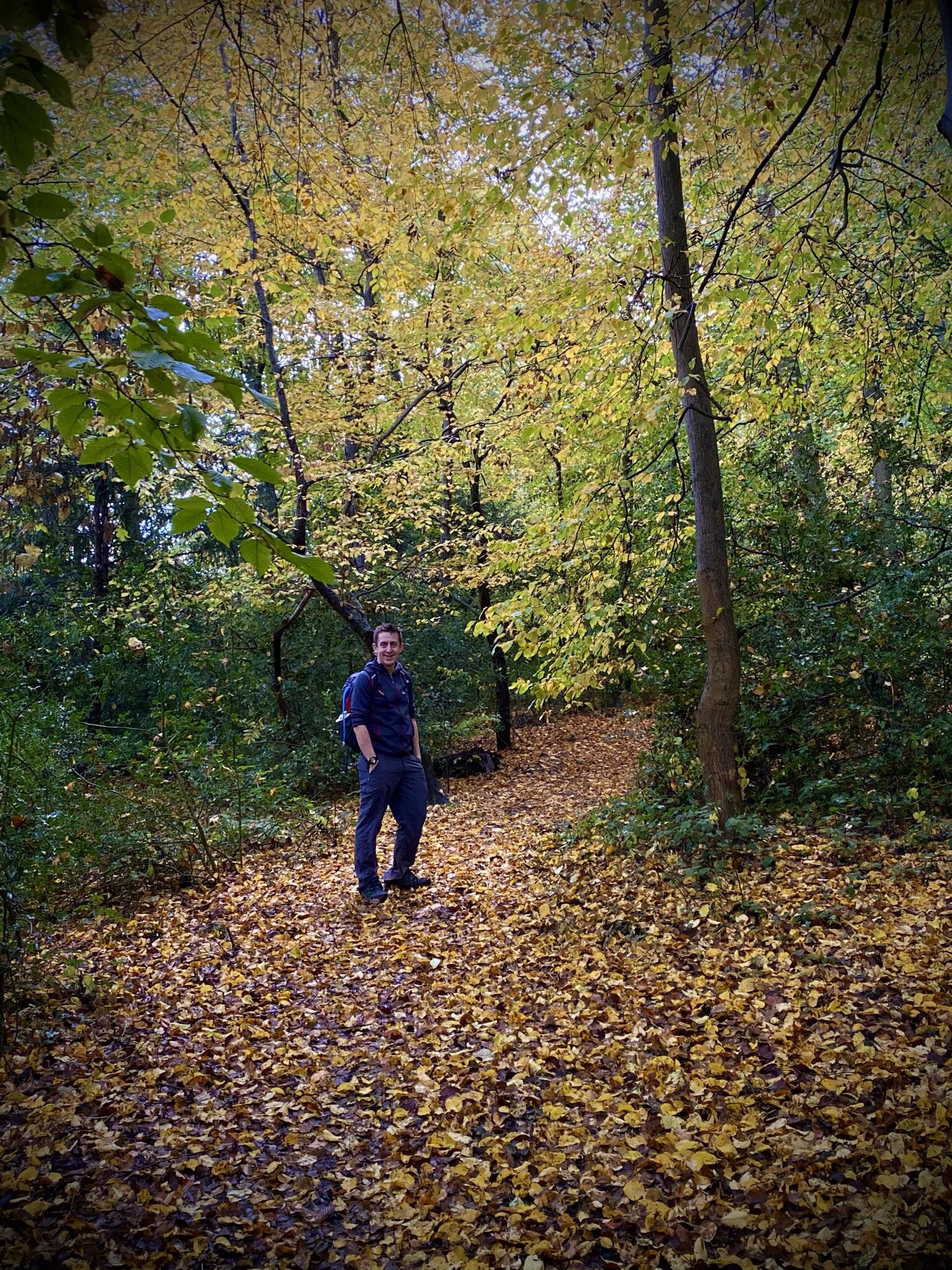
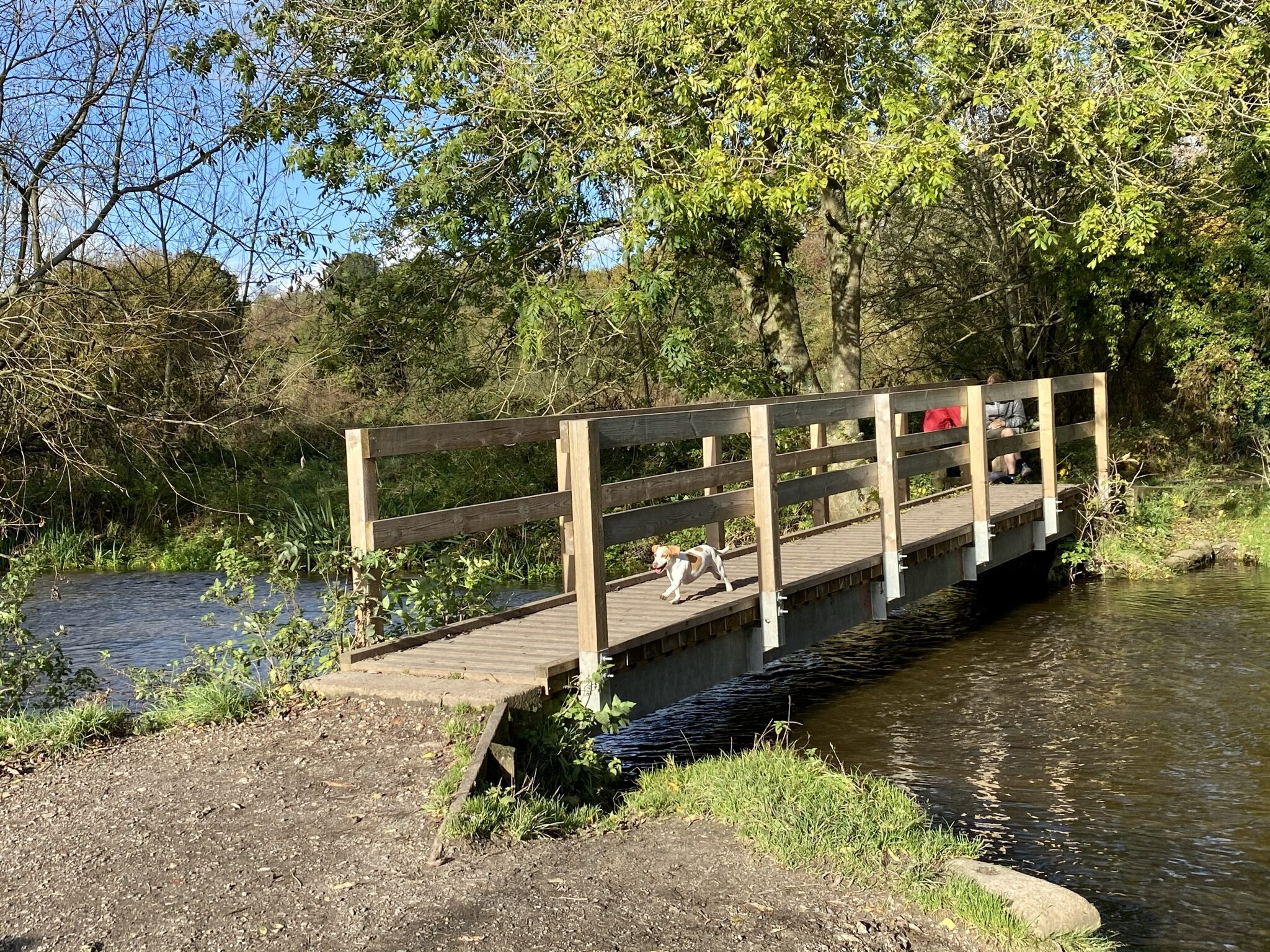
This trip was both part of our River Chess Circulars and our walks based around the rail and underground stations of the Chilterns. The River Chess runs from its source at Pednor, near Chesham, to Rickmansworth where it joins the Colne. The Chess Valley Walk is a point-to-point trail along the course of the river from Chesham to Rickmansworth stations. The guidance below will help you navigate but don’t use it as a fully accurate turn-by-turn guide. Always take a map and/or a GPX route and prepare well for the weather and terrain.
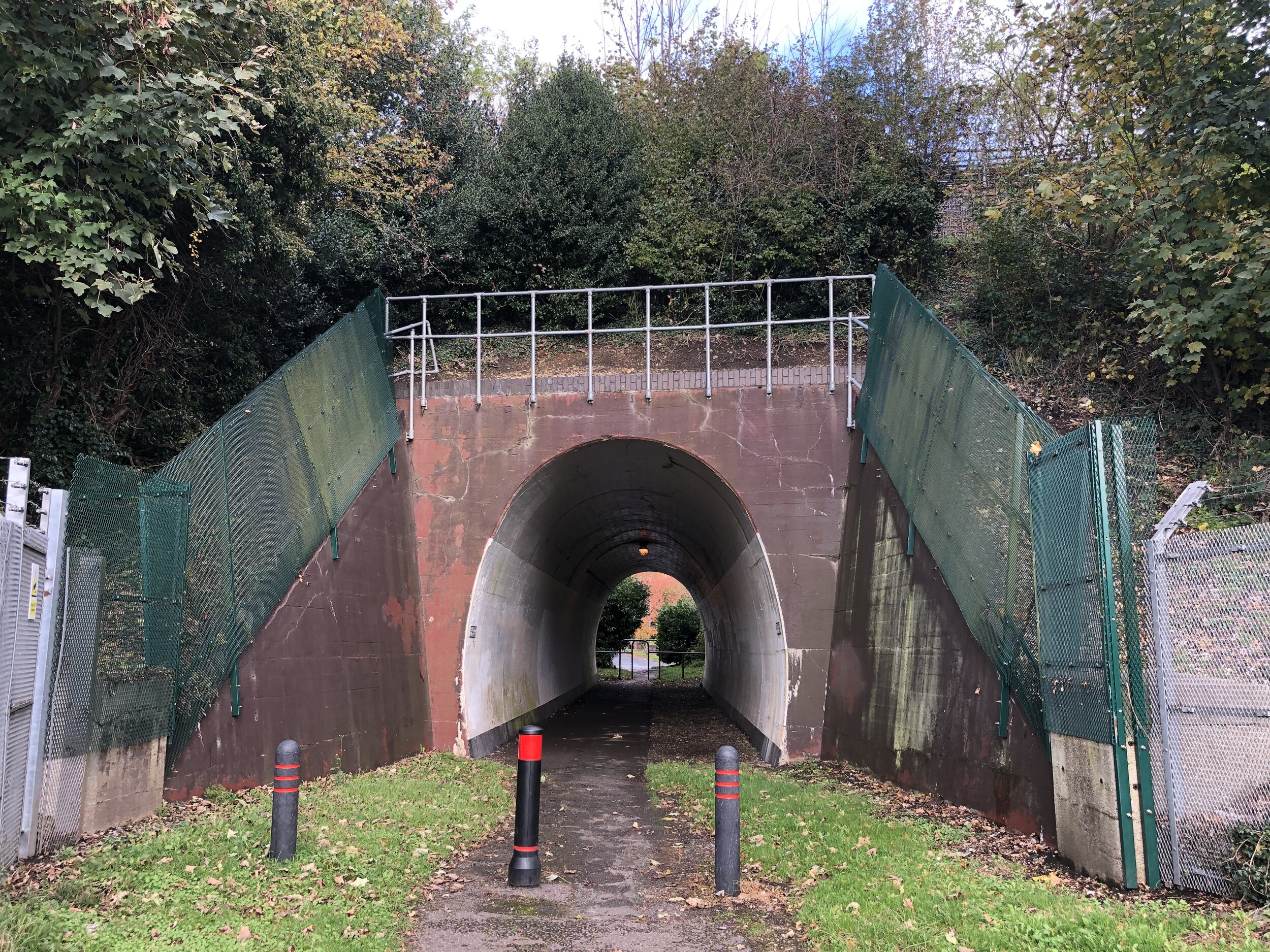
From Rickmansworth station the route follows the first (or last!) 4 kilometres of the Chess Valley Trail. The confluence with the River Colne is to the south of the station and you can pass over it on the Rickmansworth Three Rivers Circular walk. After the M25 crossing you’ll leave the Chess Valley Walk and continue up Solesbridge Lane to Chorleywood Common. Solesbridge Lane is quite narrow with no pavement so a diversion around Chess Way and Wyatt’s Road is recommended. Once over the A404 keep to the paths alongside Dog Kennel Lane until you reach the rail line. Footpaths through the woods to the south side of the rail line will take you back to Rickmansworth.


Chiltern Walks: Amersham Old and New Towns

View from High Spring Woods south to Shardeloes
Start & Finish: Amersham Station, Amersham, HP6 5FG, Buckinghamshire
Distance: 8.3 km (5.2 miles)
Elevation change: +/- 75m
GPX File: get via Buy Me a Coffee
Other routes touched (walk): Chiltern Heritage Trail, South Bucks Way, Two Rivers Walk
Other routes touched (cycle): Chilterns Cycleway, Milton Route, Hampden Route
Pubs / Cafes on route: Seasons Cafe, Old Amersham plus others in Old and New Amersham town centres
Map: OS Explorer Map (172) Chiltern Hills East
Links: Amersham, Amersham Station, Martyr’s Memorial, River Misbourne
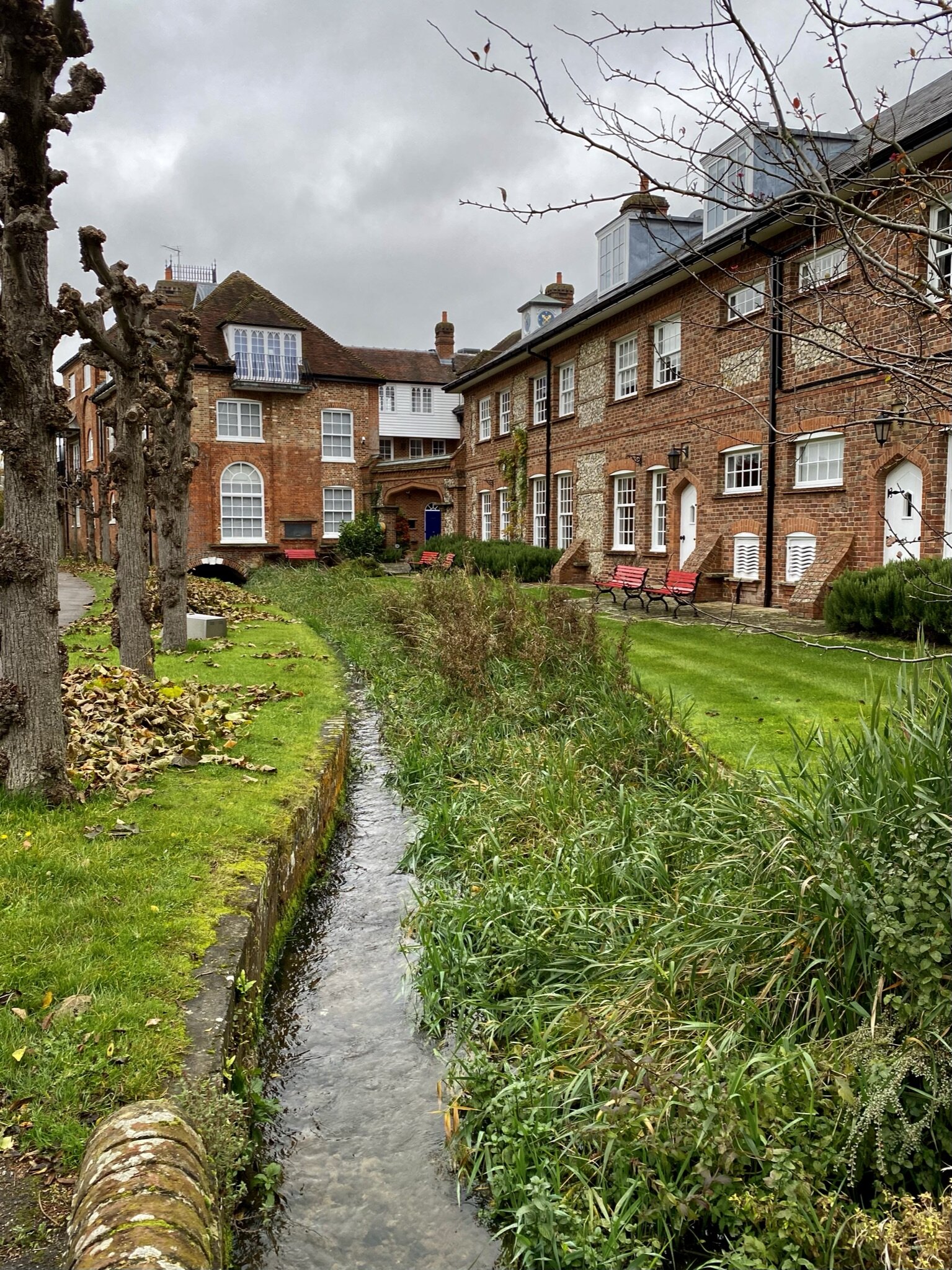
This trip was both part of our River Misbourne Circulars and our walks based around the rail and underground stations of the Chilterns. The River Misbourne runs from its source at Great Missenden, to Denham where it joins the Colne. The guidance below will help you navigate but don’t use it as a fully accurate turn-by-turn guide. Always take a map and/or a GPX route and prepare well for the weather and terrain.
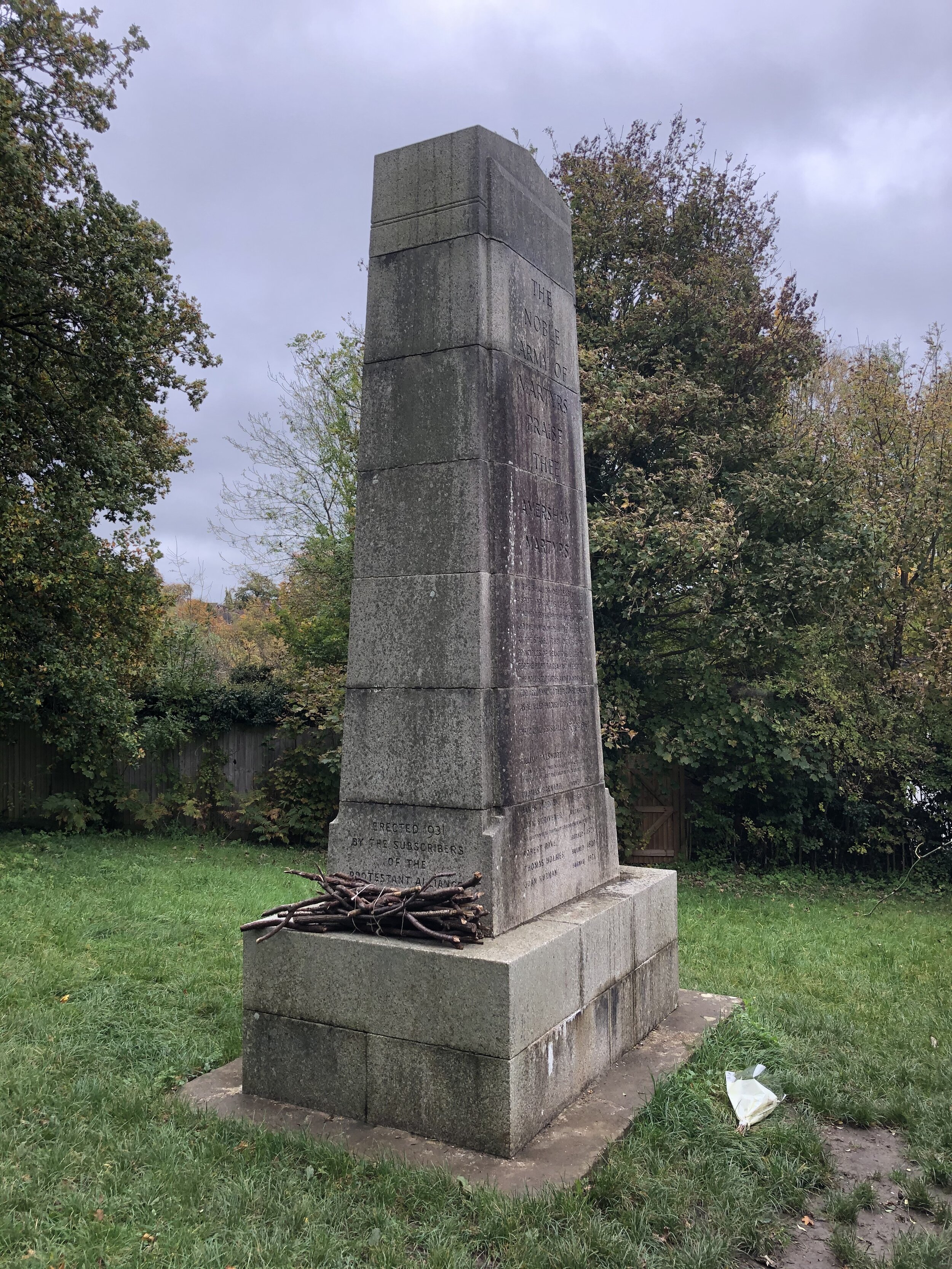
This walk starts at Amersham Station in Amersham New Town and also passes through Old Amersham. The New Town sits at the top of the hill with the Chess Valley to the North and the Misbourne Valley to the South. An unexpected find for us was the Martyr’s Memorial on the edge of a field near Station Road. Per the description on the monument: “In the shallow depression at a spot 100 yards left of this monument seven protestant men and one woman were burnt to death at the stake. They died for the principles of religious liberty, for the right to read and interpret the holy scriptures and to worship God according to their consciences as revealed through God’s holy word. Their names shall live forever.”



Chiltern Walks: Chesham and Tylers Hill

Descending to Chesham on the Chilterns Heritage Trail
Start & Finish: Chesham Station, Chesham. HP5 1DA
Alternative Car Parking at: Star Yard Car Park, Parsonage, Lane, Chesham, HP5 1EP
Distance: 9.3 km (5.8 miles)
Elevation change: +/- 84m
Chilterns Heritage Trail Section Covered: Tylers Hill to Lower Bois: 4.49 km
GPX File: get via Buy Me a Coffee
Other routes touched (walk): Chess Valley Walk, Chiltern Heritage Trail, Chiltern Link, Two Rivers Walk
Pubs / Cafes on route: Several in Chesham Town Centre.
Map: OS Explorer Map (181) Chiltern Hills North
Links: Chesham, Chesham Station, Tylers Hill, River Chess
This trip was both part of our River Chess Circulars and our walks based around the rail and underground stations of the Chilterns. The River Chess runs from its source at Pednor, near Chesham, to Rickmansworth where it joins the Colne. The Chess Valley Walk is a point-to-point trail along the course of the river from Chesham to Rickmansworth stations.
It’s also part of a series of 17 walks that, between them, cover the 83 km of the Chiltern Heritage Trail. Created as a Millennium project, this trail links the towns and parishes within the district, offering stunning scenery, charming villages, and points of historical interest. The guidance below will help you navigate but don’t use it as a fully accurate turn-by-turn guide. Always take a map and/or a GPX route and prepare well for the weather and terrain.
The walk starts at Chesham Underground station and initially follows the Chiltern Link to the High Street. At the end of the High Street cross over Red Lion Street (A416) and onto Germain Street. When you reach the bridge over the River Chess, take a left onto the small footpath that follows the northern bank of the Chess then crossing over to the southern bank at the Amersham Road roundabout. Follow the Chess Valley Walk for ~3 km until Latimer Road where you’ll take a left onto the road to cross to the northern side of the Chess. When passing through Lower Bois make sure that you keep to the Chess Valley Walk and leave the Chiltern Heritage Trail when it splits off to the south.
After Latimer Road crosses the Chess you’ll leave the Chess Valley Walk to take a path ascending up Burns Lane. After ~750m you’ll reach a T-junction in the path. Take a right to follow the path to Green Lane. Take a left onto Green Lane, then the first footpath on the left. Follow the paths through the fields in a north-westerly direction, through Cowcroft Wood and onto Tylers Hill Road. Take a left onto a footpath to reconnect with the Chiltern Heritage Trail. Follow the Heritage Trail all the way back to Chesham Underground Station.



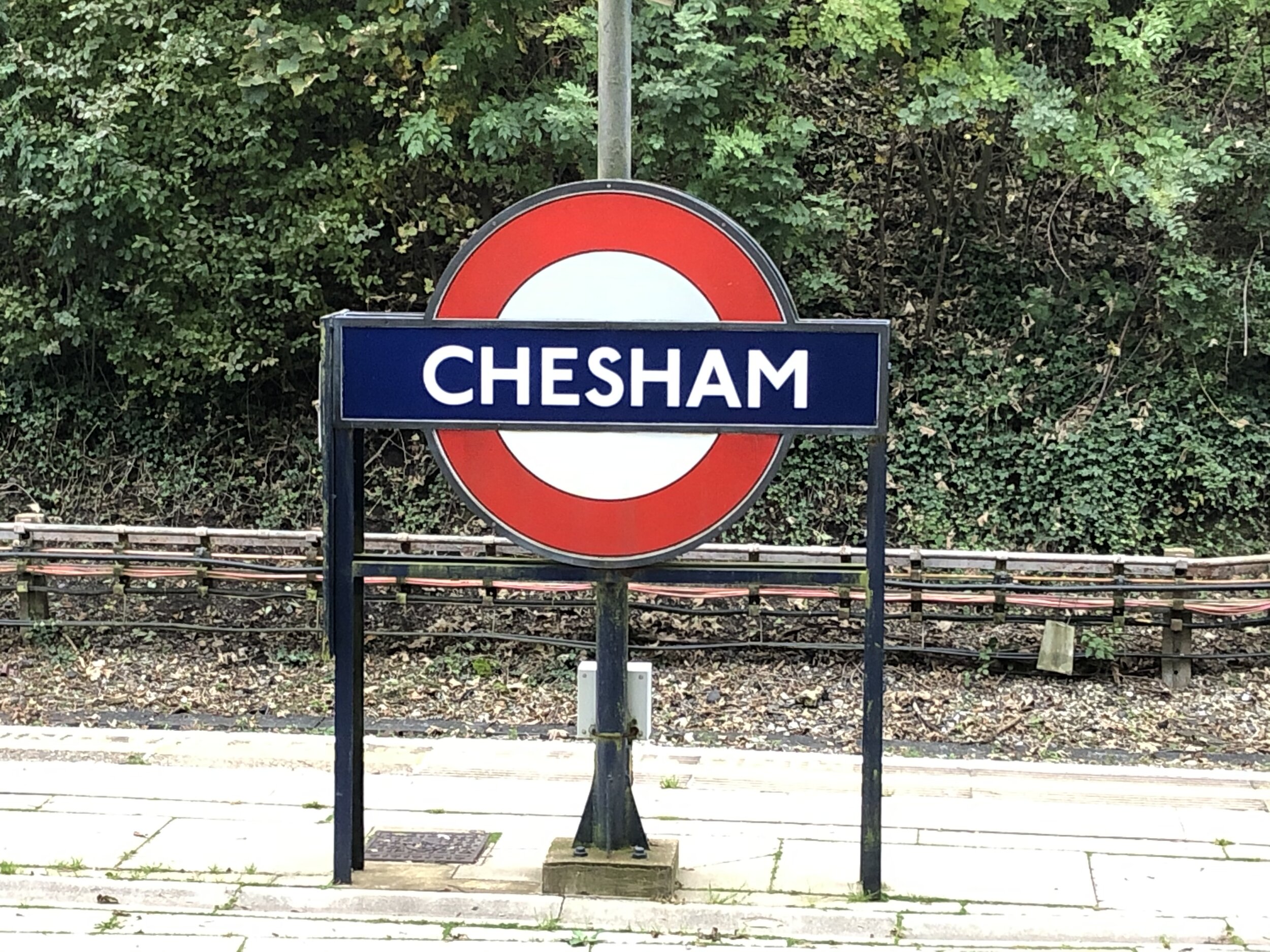
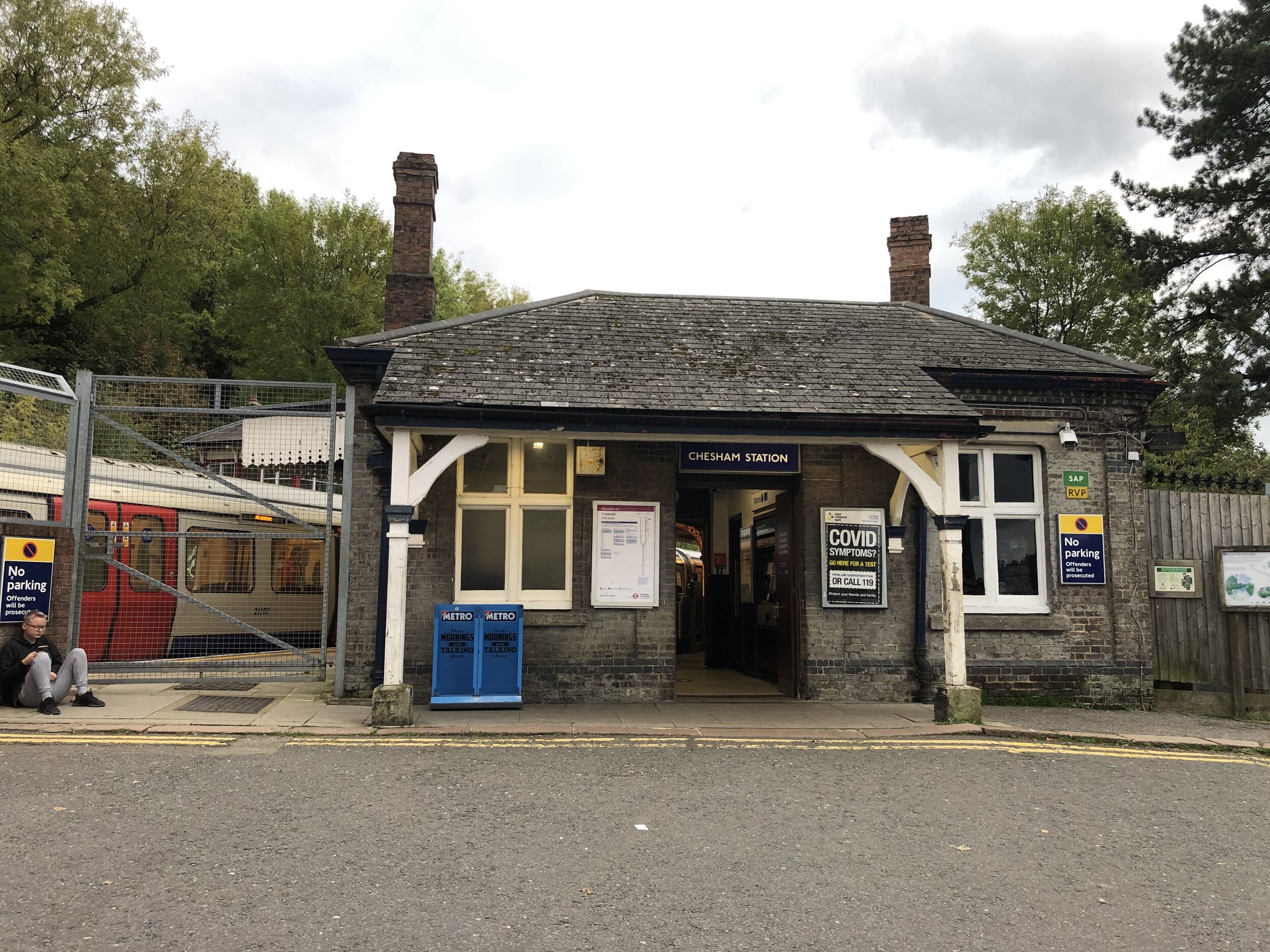
Chiltern Heritage Trail next section clockwise: Chesham & Bois and Wychfield Spring
Chiltern Heritage Trail next section anti-clockwise: Orchard Leigh and Botley
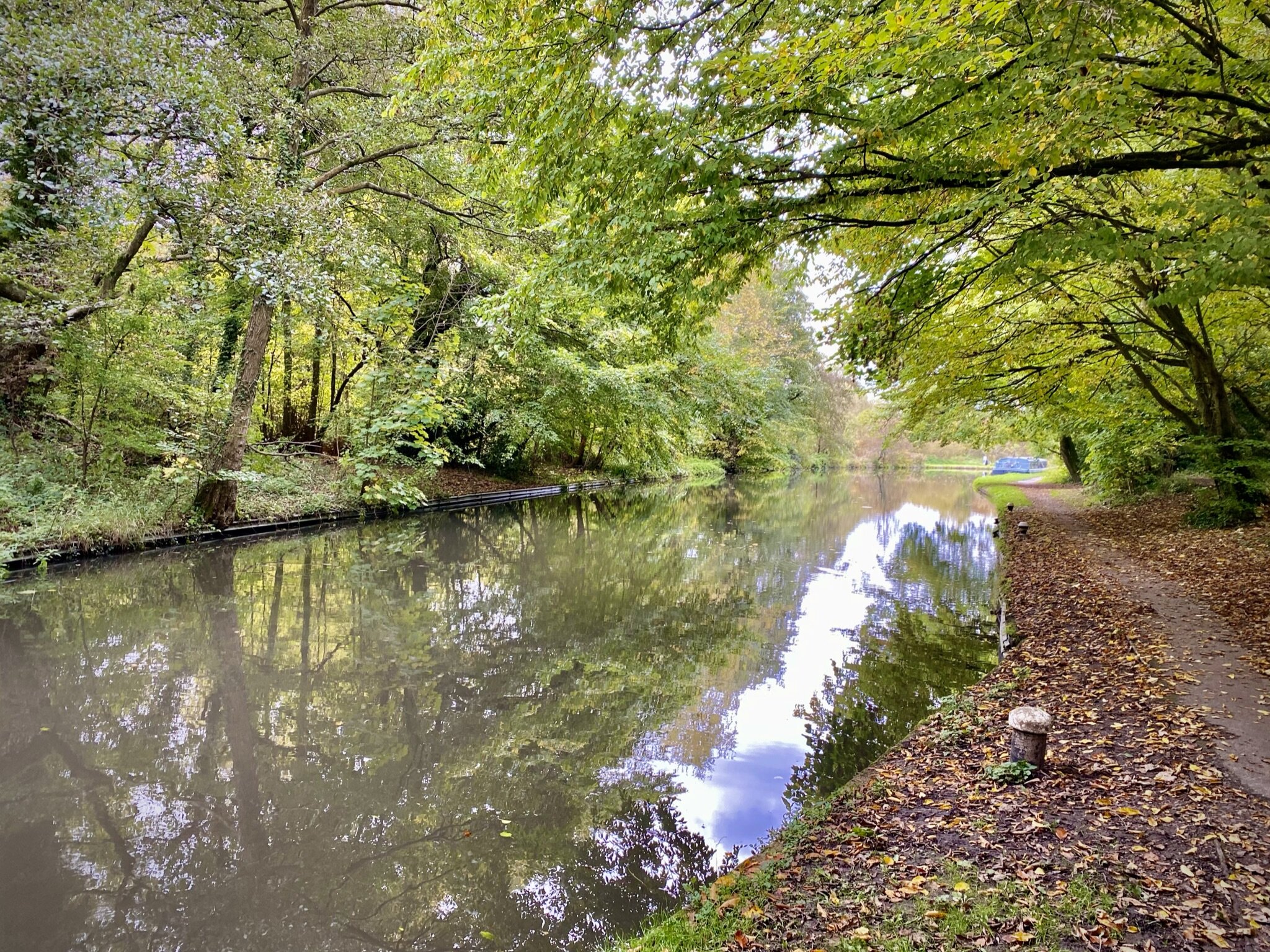
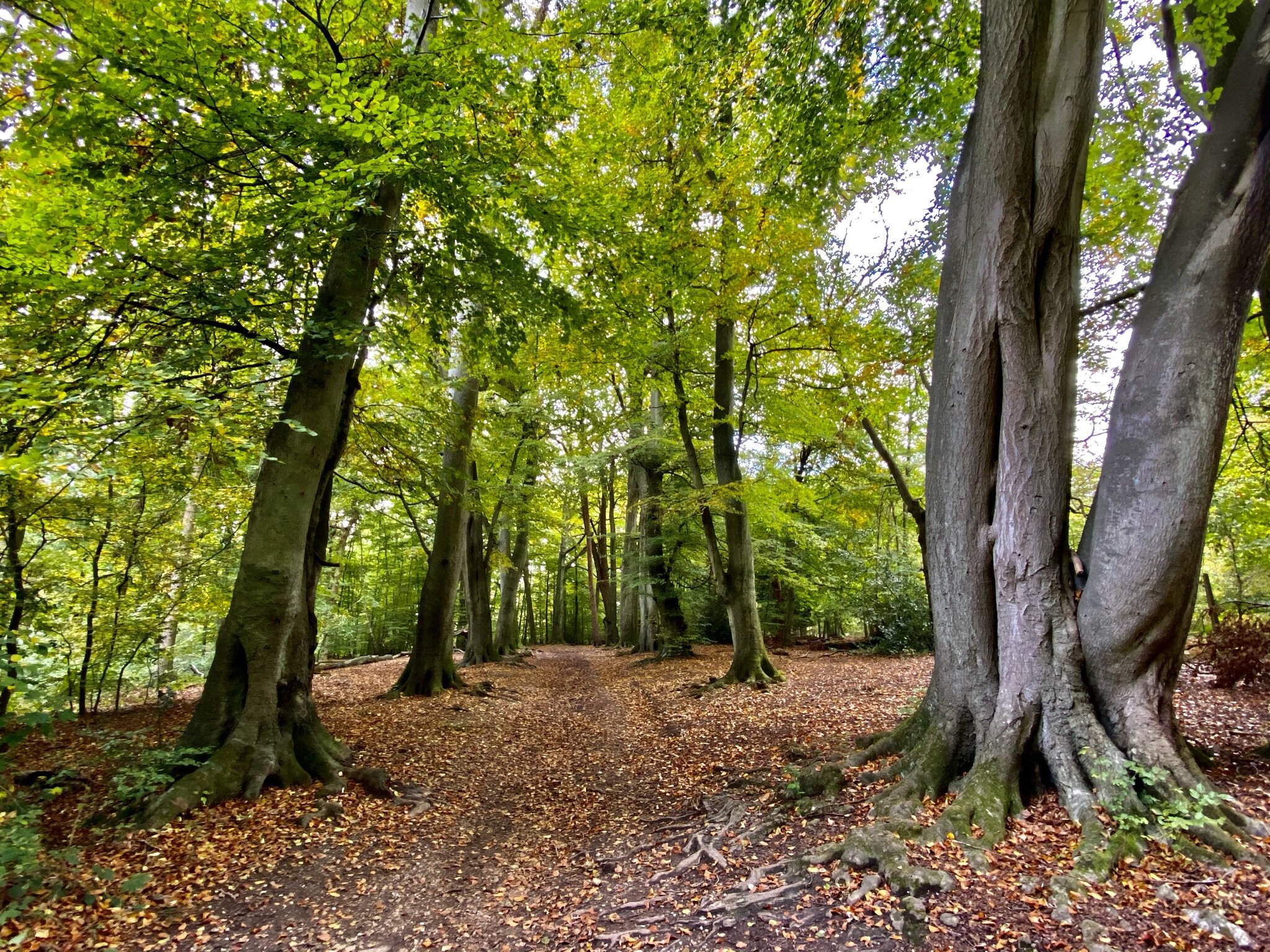
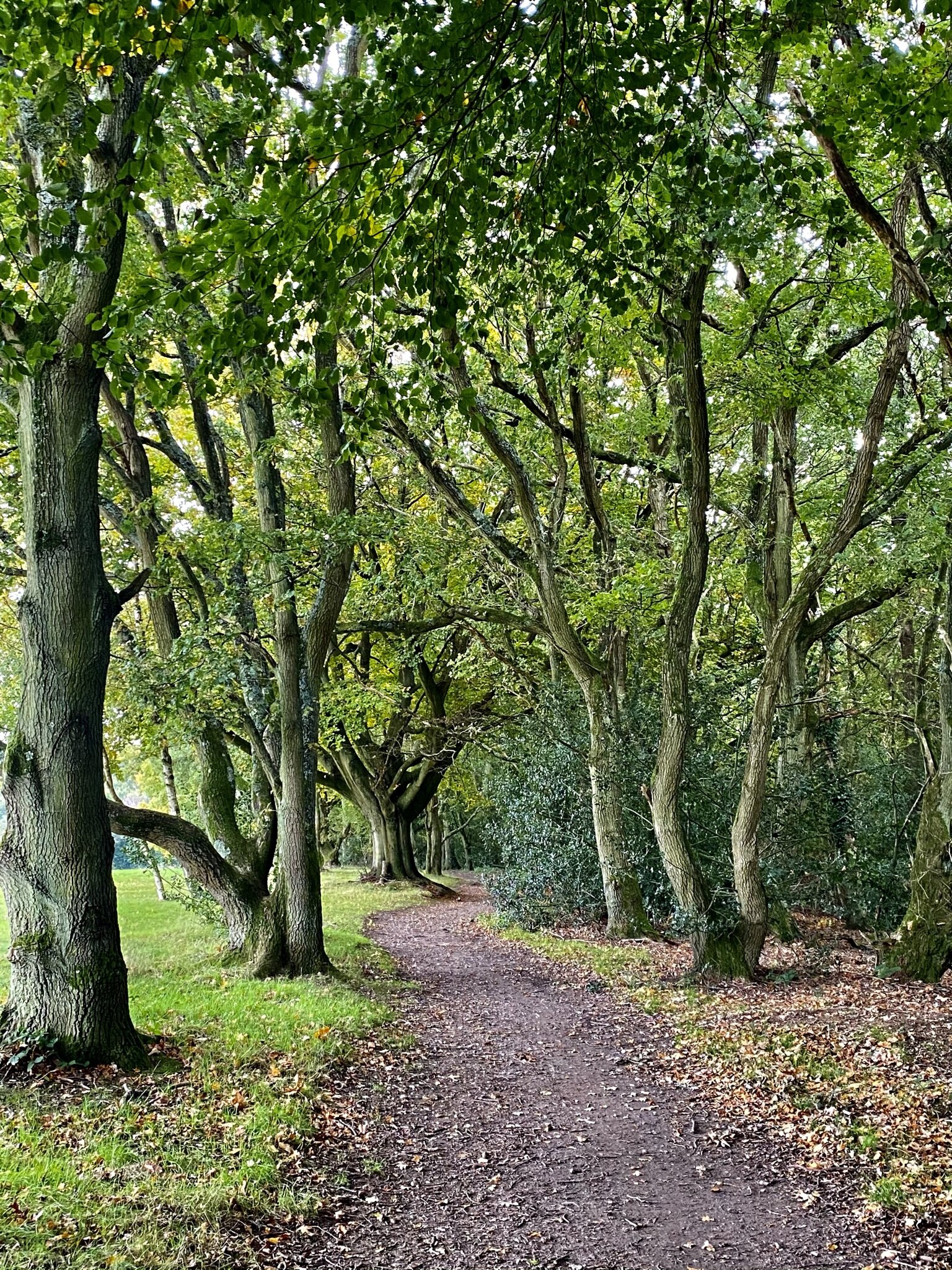
Cassiobury, Whippendell Woods and Croxley Green Circular Walk

Grand Union Canal near Croxley Green
Start & Finish: Cassiobury Park Car Park, Gade Avenue, Watford, WD18 7LG.
Alternative Start & Finish: at either Croxley or Watford Underground Stations
Distance: 10.1 km (6.3 miles)
Elevation change: +/- 84m
GPX File: get via Buy Me a Coffee
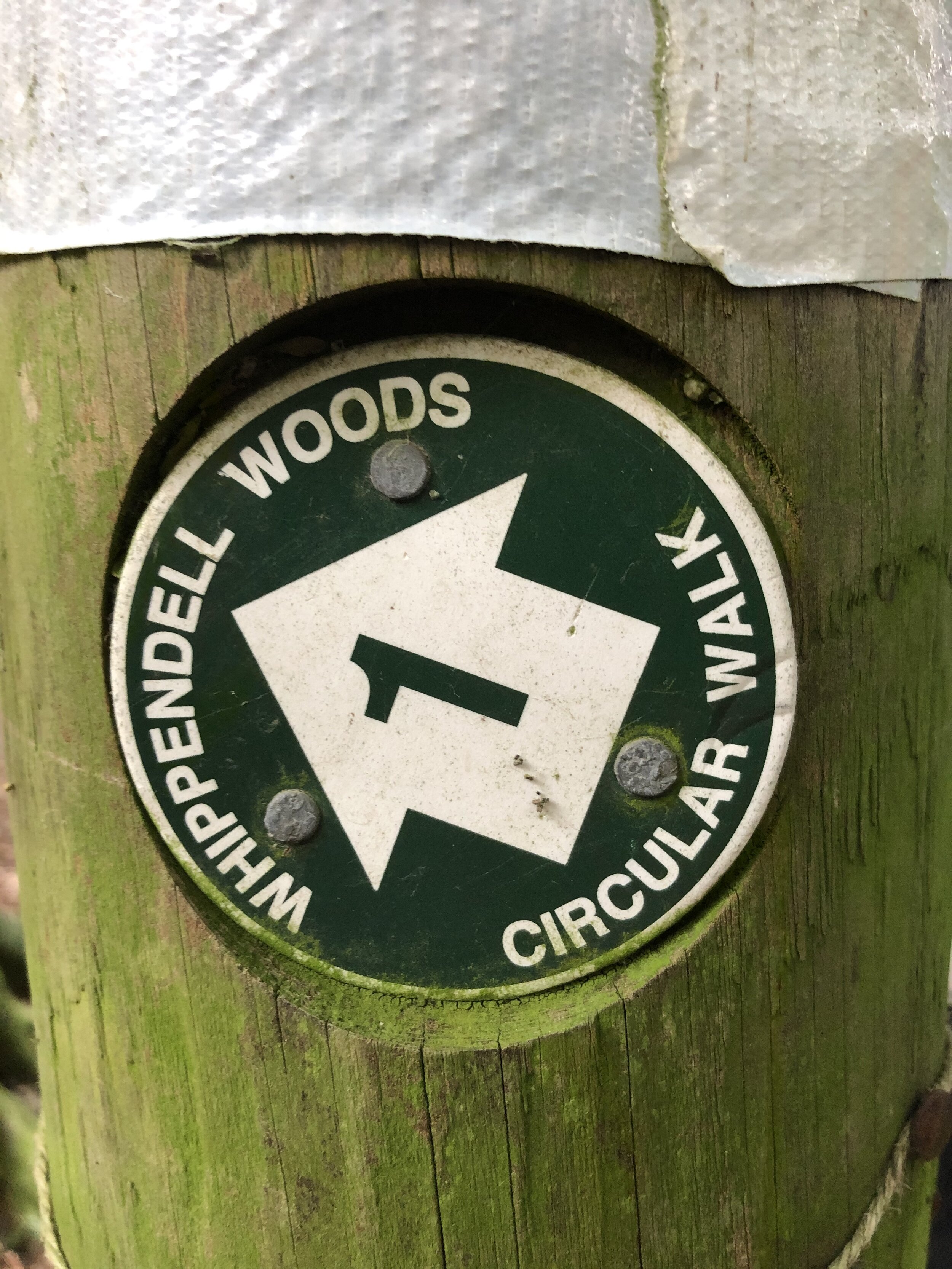
Other routes touched (walk): Grand Union Canal Towpath, Whippendell Circular Walks
Pubs / Cafes on route: Cafe In The Park at Cassiobury
Map: OS Explorer Map (172) Chiltern Hills East
Links: Cassiobury Park, Whippendell Wood, Croxley Green, Croxley Station, Watford Station, Cassiobury Estate.
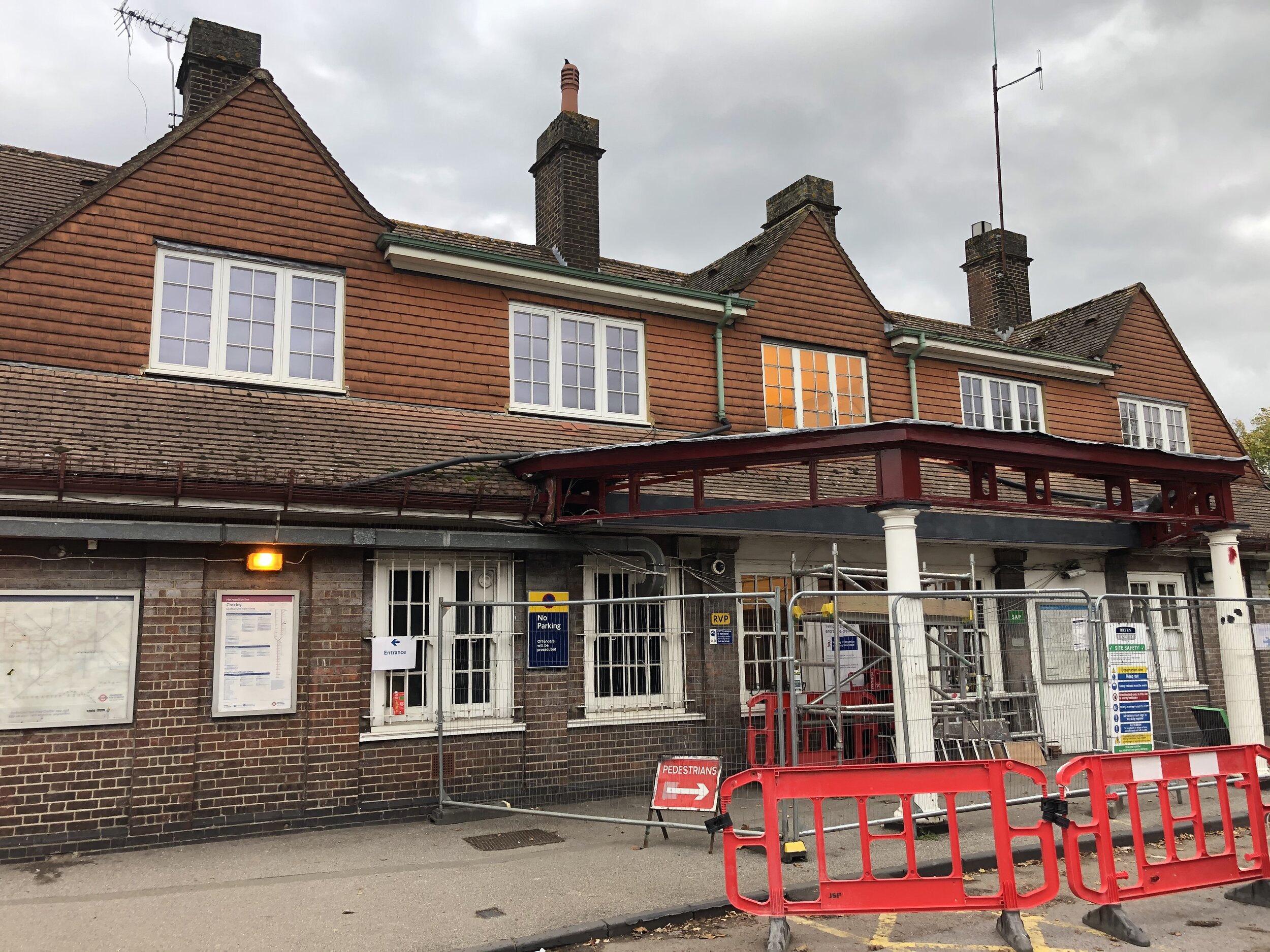
This trip was part of our series of walks based around the rail and underground stations of the Chilterns. On this one we explored the canal and green spaces around the Metropolitan Line spur to Watford. The guidance below will help you navigate but don’t use it as a fully accurate turn-by-turn guide. Always take a map and/or a GPX route and prepare well for the weather and terrain.
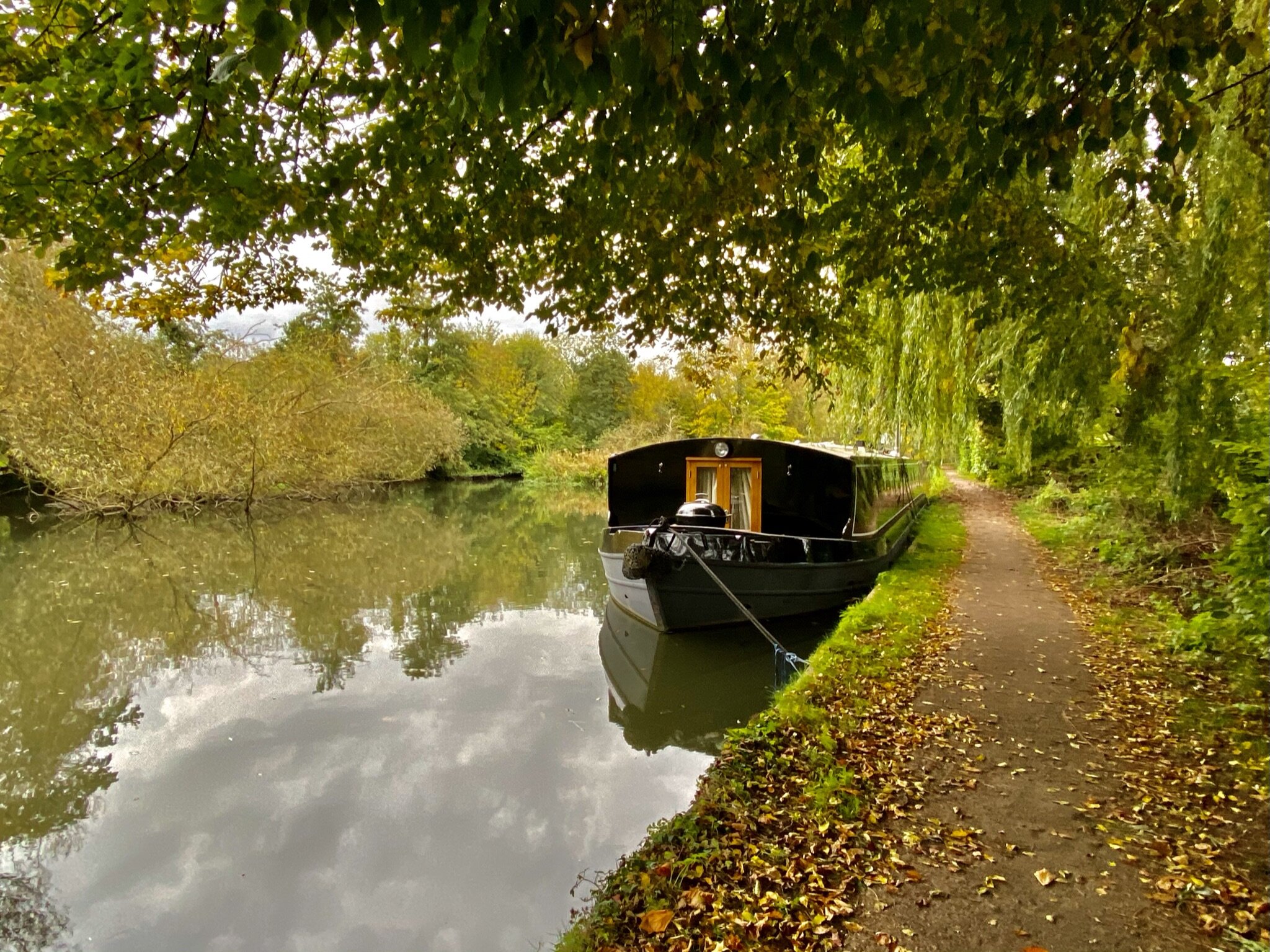
From the Cassiobury Park Car Park head north towards the cafe and around it to reach the main path running through the park. Take a left to follow the path out of the park and across the Grand Union Canal. On the western side of the canal follow the towpath in a northerly direction for 200m then take the path on the left to cross through the golf course into Whippedell Woods.
The next 4 km takes a circular route through Whippendell Woods, emerging onto Rousebarn Lane. There’s several routes through the woods so here’s where a GPX file or map is important. After emerging into Rousebarn Lane find the junction with Lodge End and follow that in a southerly direction to Baldwins Lane. Cross over and follow Winton Drive to the A412 Watford Road. You’ve now reached Croxley Station.
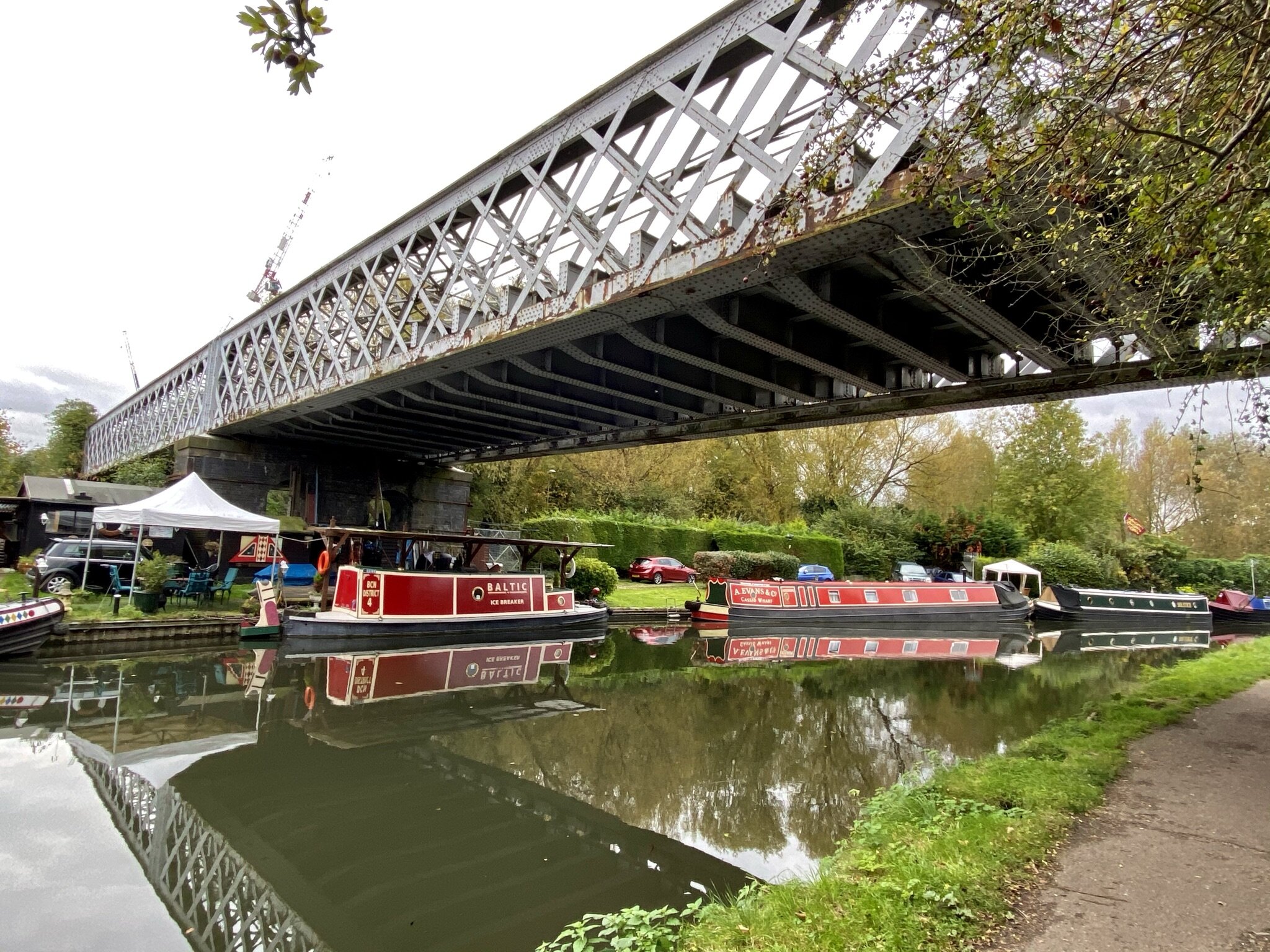
After the station follow the A412 Watford Road in an easterly direction then take a right onto Frankland Road and first left onto Mill Lane. This will take you back to the towpath on the western side of the Grand Union Canal. Take a left to follow the towpath in a north-easterly direction until you cross under the Watford Road / Rickmansworth Road flyover. On the northern side of the flyover take the steps to climb up to the bridge and cross over to the eastern side of the canal.
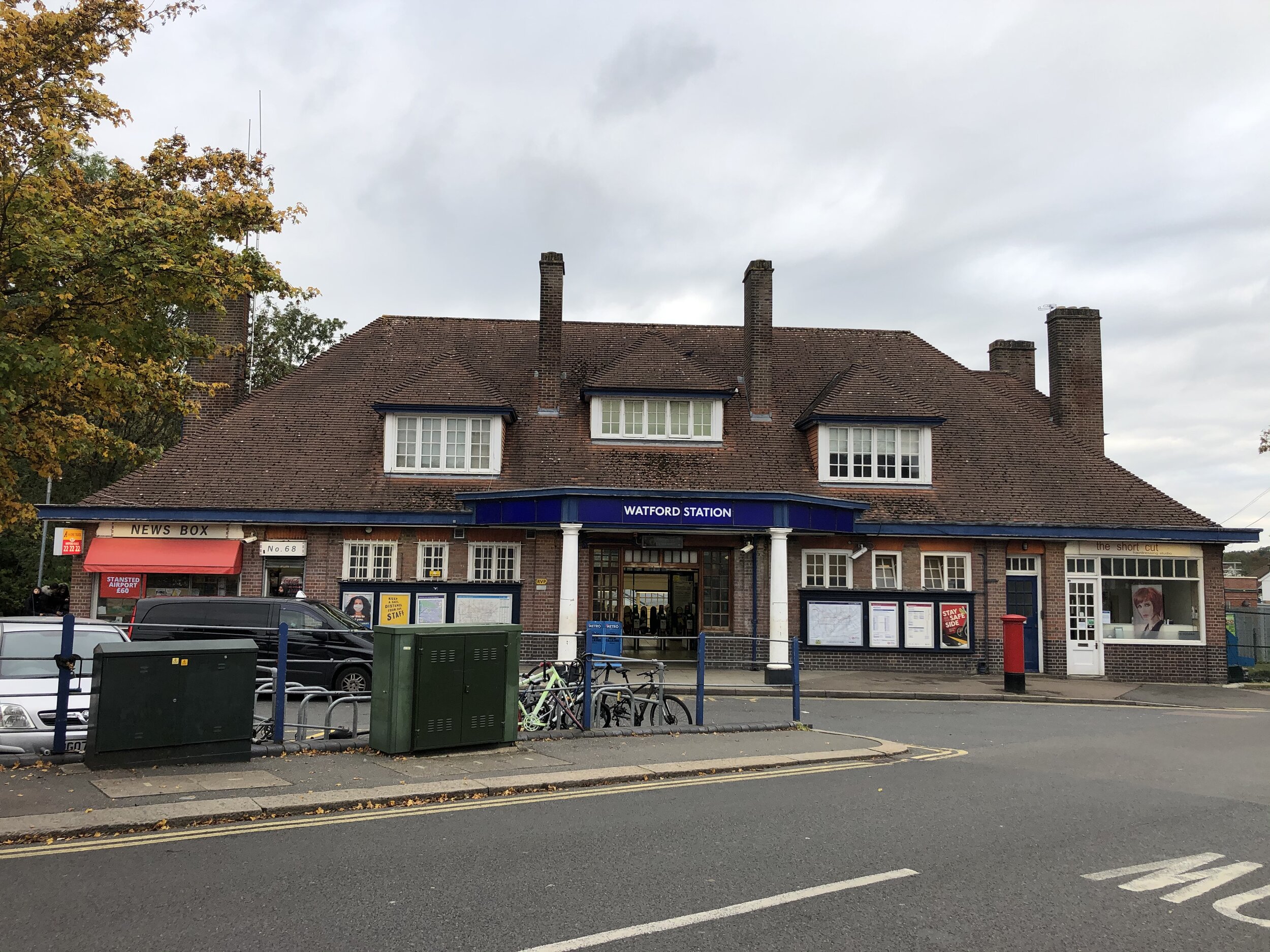
Follow the eastern edge of the Rickmansworth road, then take a left to follow Gade Avenue then a right onto Swiss Avenue and another right onto Cassiobury Park Avenue. You’ll pass Watford Station, the second underground station on the route. Shortly after the station take a left into Shepherds Road which takes you back into the park and the car park where you started.
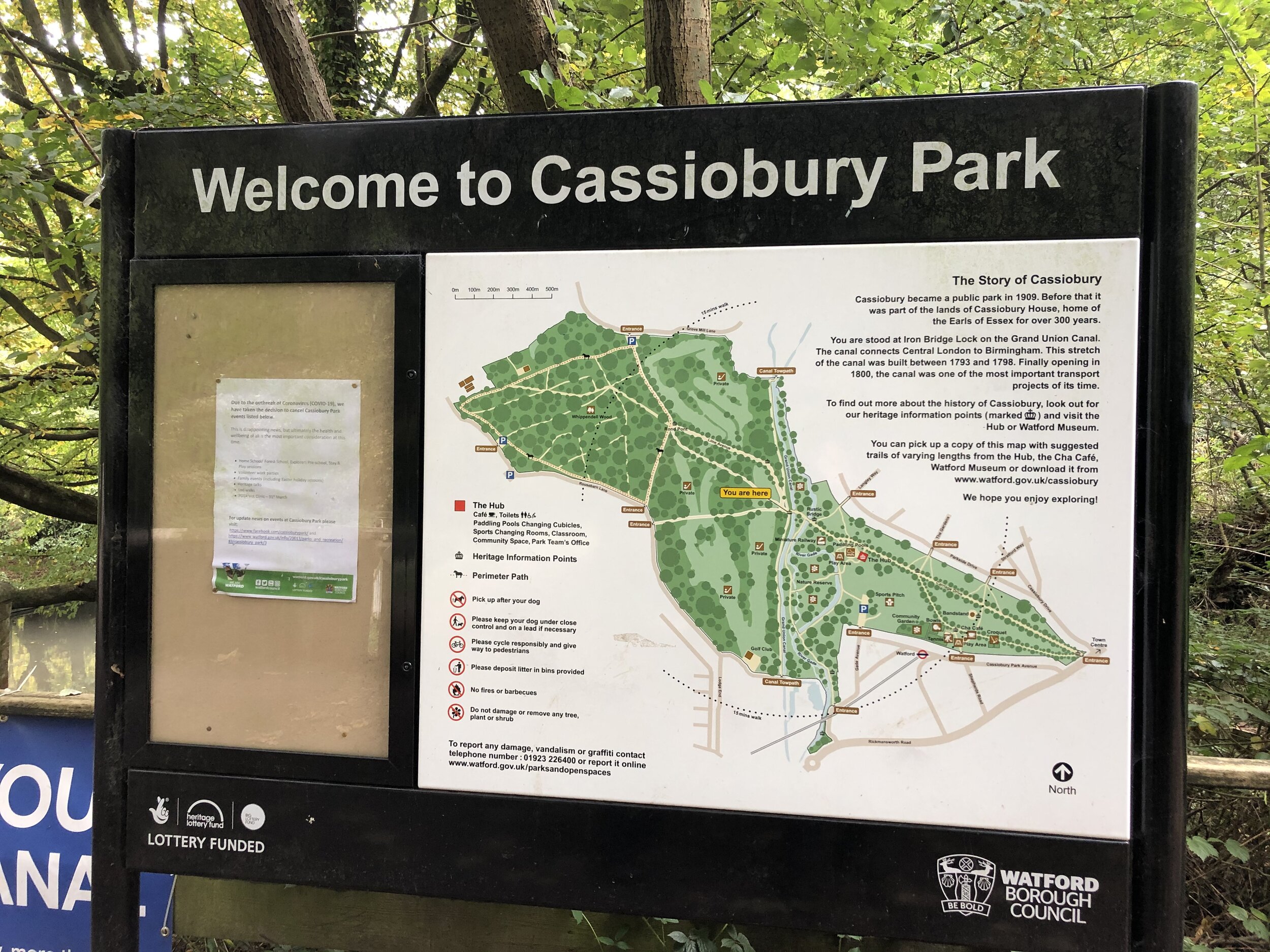


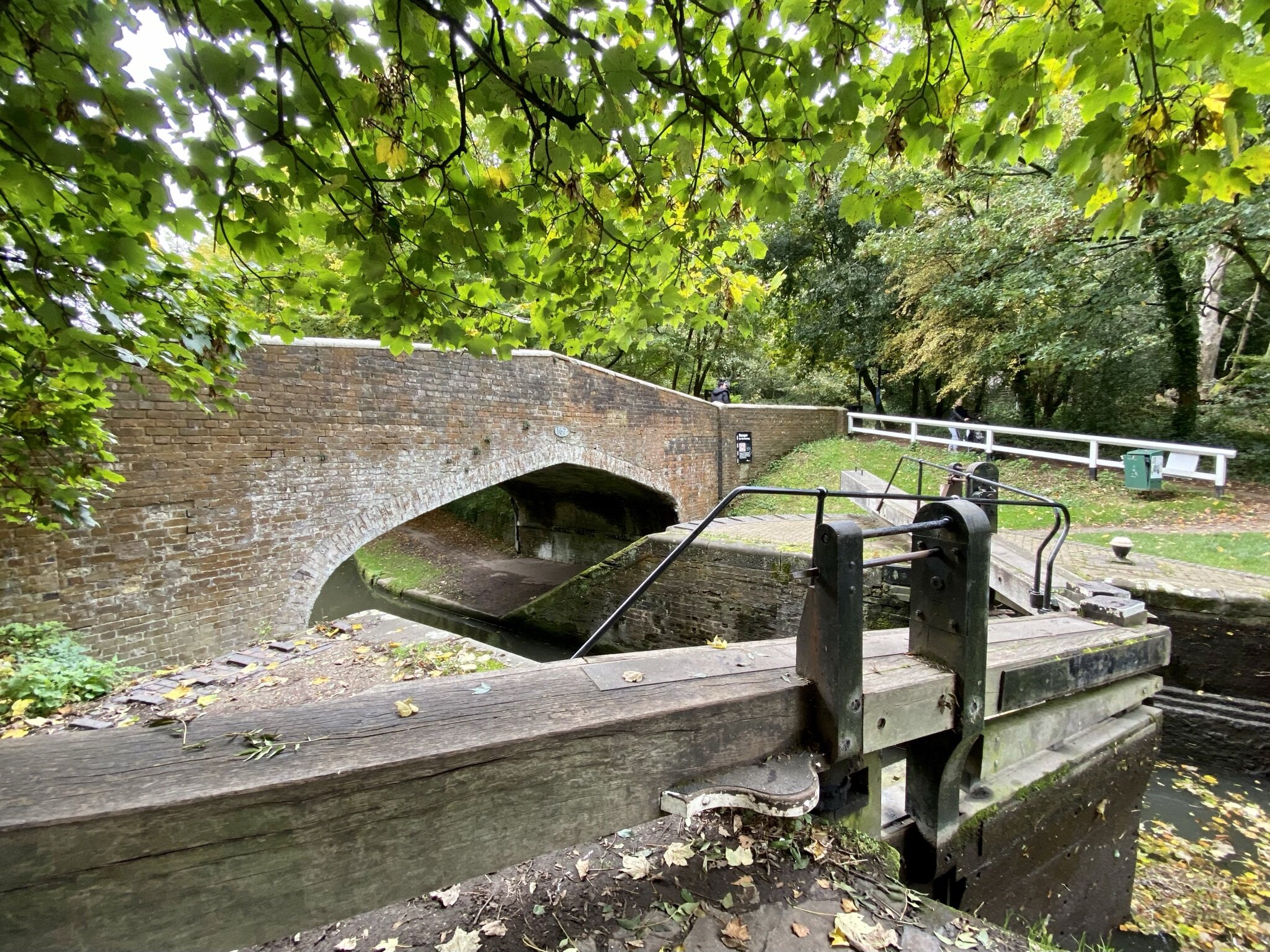
Chiltern Walks: Little Chalfont & Latimer

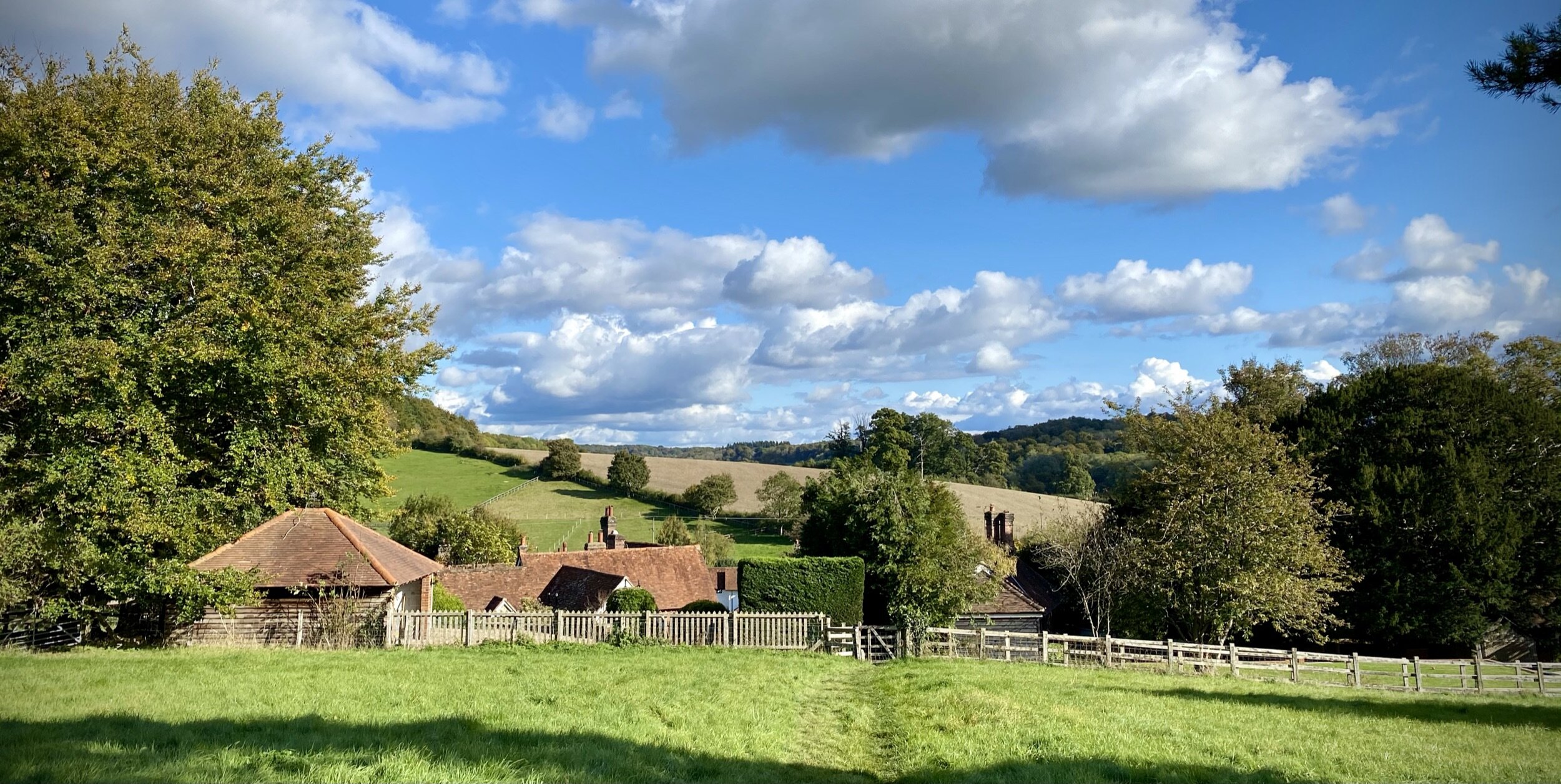
Fields near Flaunden Grove
Start & Finish: Chalfont and Latimer Station, Station Approach, Little Chalfont, HP6 6RZ
Distance: 7.5 km (4.7 miles)
Elevation change: +/- 91m
Chiltern Heritage Trail Section Covered: Latimer to Carpenters Wood: 3.3 km
GPX File: get via Buy Me a Coffee
Other routes touched (walk): Chiltern Way, Chiltern Heritage Trail, Chess Valley Walk
Other routes touched (cycle): Chiltern Cycleway, Harding Route
Pubs / Cafes on route: Several in Little Chalfont village centre on the A404
Map: OS Explorer Map (172) Chiltern Hills East
Links: Little Chalfont, Chalfont And Latimer Station, River Chess, Chenies, Latimer
This trip was part of our River Chess Circulars of less than 10 km. The River Chess runs from its source at Pednor, near Chesham, to Rickmansworth where it joins the Colne. The Chess Valley Walk is a point-to-point trail along the course of the river from Chesham to Rickmansworth stations. It’s also part of a series of 17 walks that, between them, cover the 83 km of the Chiltern Heritage Trail. Created as a Millennium project, this trail links the towns and parishes within the district, offering stunning scenery, charming villages, and points of historical interest.
The guidance below will help you navigate but don’t use it as a fully accurate turn-by-turn guide. Always take a map and/or a GPX route and prepare well for the weather and terrain.
Start at northern entrance to Chalfont and Latimer Station and exit onto Bedford Avenue. Take a right onto Bedford Avenue heading east, then cross over the small green Amersham Road. Cross over to Oakington Avenue onto Lodge Lane. Follow the footpath that runs alongside Lodge Lane in a southerly direction then take a left to follow the field=edge path around Old Hanging Wood to reach the Chiltern Way / Chiltern Heritage Trail.
Take a left onto the Chiltern Way / Chiltern Heritage Trail to head north away from the railway line. Cross over the Amersham Road to follow the Heritage Trail to Chenies. Don’t take the right-hand path following the Chiltern Way. Continue to follow the Heritage Trail through the Chenies Estate, descend through Chenies Wood to cross over Latimer Road and the River Chess.
After crossing over the River Chess take a left to continue following the Heritage Trail in a westerly direction. You’ll now be also following the Chess Valley Walk. Shortly after crossing over Stony Lane take a left onto a farm track, leaving the Heritage Trail, to descend back down to the Chess. Cross the Chess, continuing on the path to Latimer then a steep climb through woods to reach Chenies Avenue. Follow Chenies Avenue south to Bedford Avenue. Take a left to return to the start.

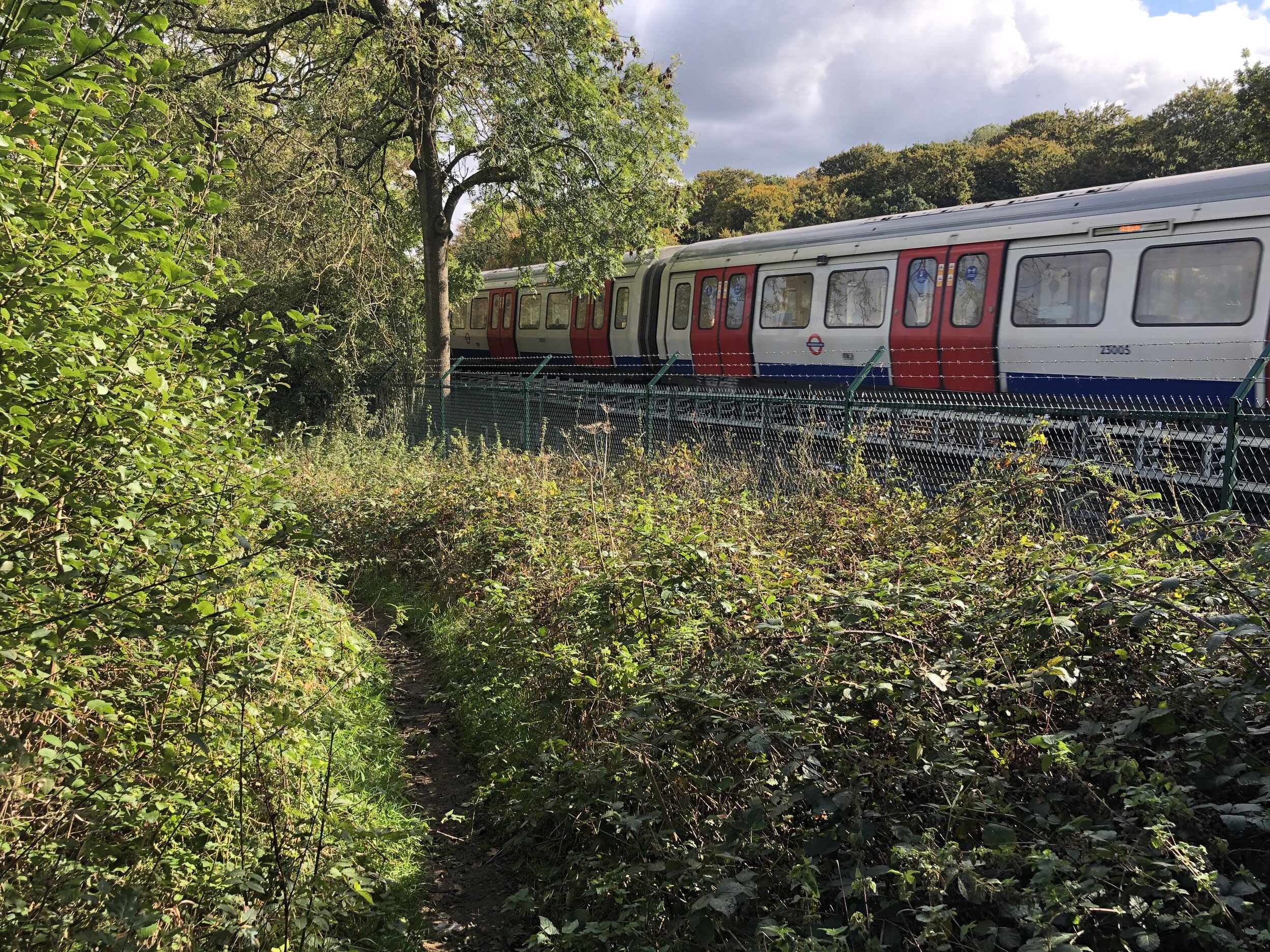
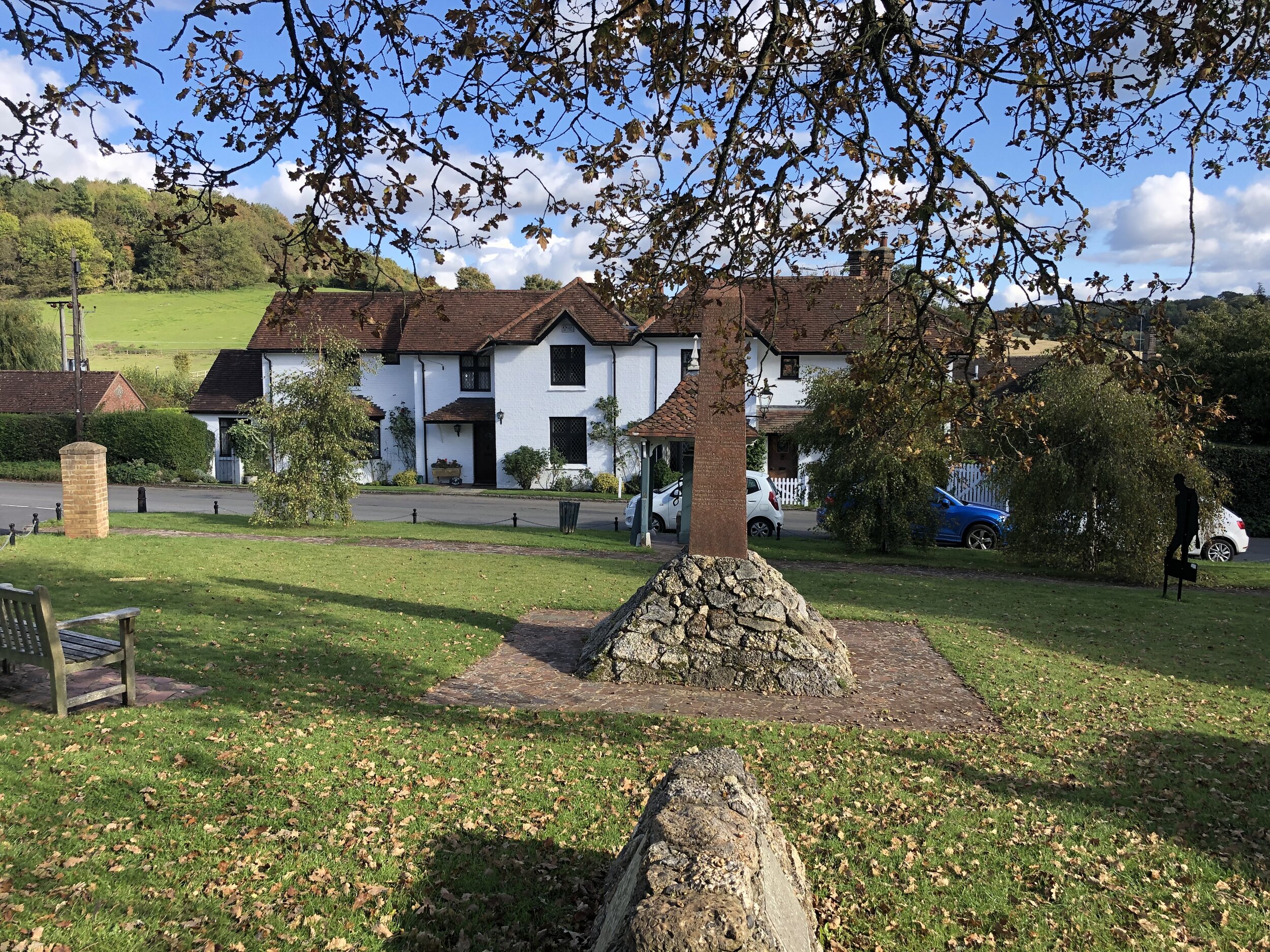
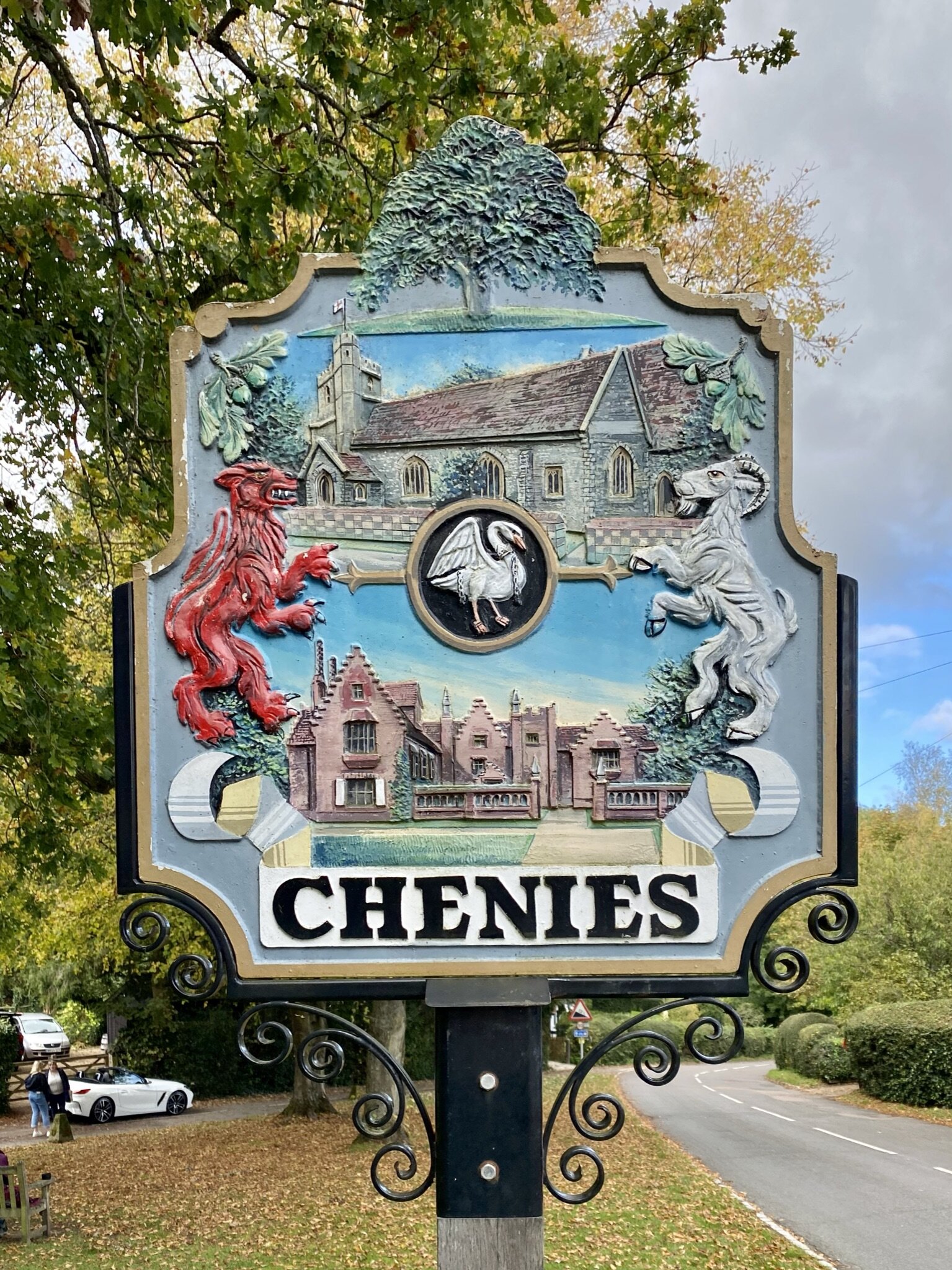
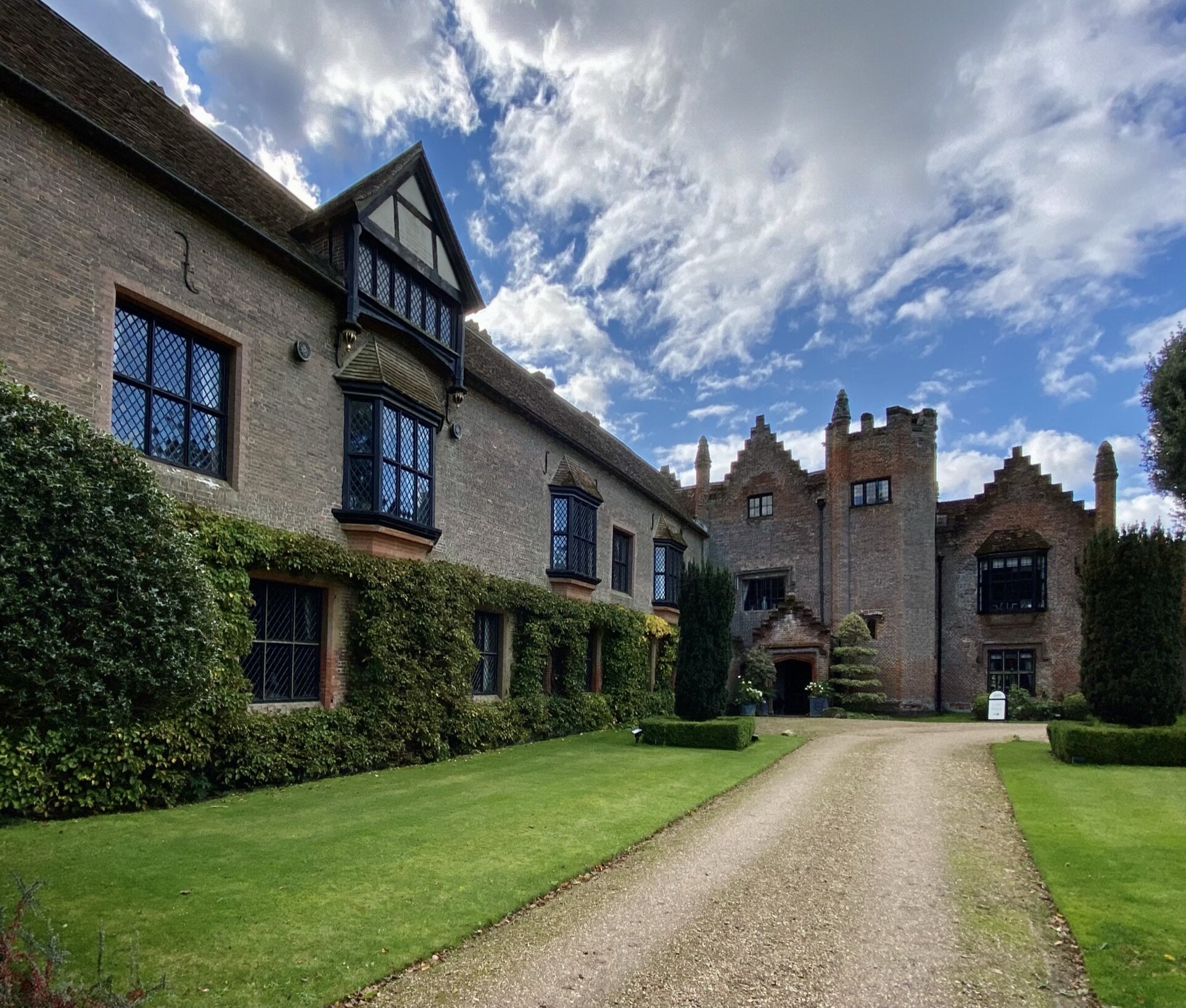



Chiltern Heritage Trail next section clockwise: Phillipshill Wood and Hanging Wood
Chiltern Heritage Trail next section anti-clockwise: Latimer and Codmore Wood

Chiltern Walks: The Chess Valley Walk

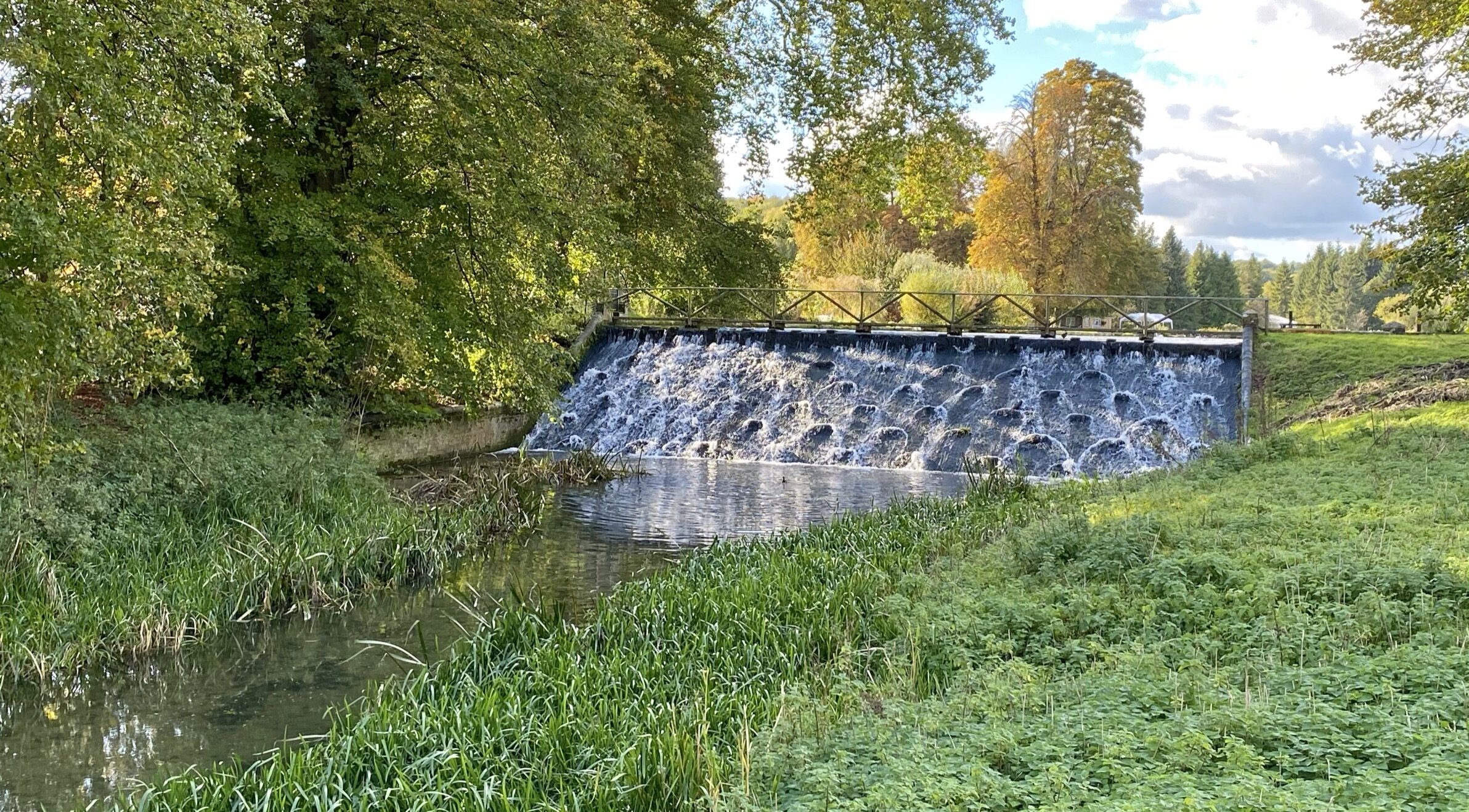
The Chess near Chenies
Part of the Chiltern Rivers Series
River start: Pednor, near Chesham, Buckinghamshire
River end: Confluence with River Colne at Rickmansworth
River length: 17.9 km (11.1 miles)
Walking route start / end: Rickmansworth Underground Station / Chesham Underground Station
Walking route length: 21.7 km (13.5 miles)
Walking route elevation change: +309m / -256m. Net -53
GPX File: get via Buy Me a Coffee
Other routes touched (walk): Chiltern Way, Two Rivers Walk
Other routes touched (cycle): Chilterns Cycleway, Hampden Route, Harding Route
Map: OS Explorer Map (181) Chiltern Hills North & OS Explorer Map (172) Chiltern Hills East
Links: River Chess, Rickmansworth, Rickmansworth Station, Sarratt Bottom, Latimer, Chesham, Chesham Station
Having completed the Circle Line Run I was now excited about the London Underground. Today's adventure was going to be running the Bakerloo Line. However, once I'd checked out the route on Streetview I got a little uninspired by most of the Northern section. I needed some countryside and I definitely wouldn't get that on the Bakerloo.
Google came to the rescue with a link to the Chess Valley Walk. It's a 10-mile sign posted walk following the River Chess between Rickmansworth and Chesham. Conveniently, it starts and ends at the Underground stations of each town. Both are on the Western end of the Metropolitan line, allowing for an easy point to point walk. Both are connected by a 16 minute Tube journey.
I chose the East to West direction starting at Rickmansworth where the Chess meets the Colne. I decided to do a longer version of the route by going as close to the source and the end as possible. The closest I could get was a small bridge near where the Underground crosses the river.
The actual route of the walk starts half a mile along after a small detour back towards the station. From here it meanders around the outskirts of the town, heading into the Chiltern countryside.
This was a cold, misty December day and I had the route mostly to myself. The path stays close to the river with some parts diverting off where it flows through private land.
Despite being well signposted, a few places can catch you out. Two spurs of the path divert to the Metropolitan Line stations on the route, Chorleywood and Chalfont and Latimer. This allows for the walk to be split into smaller sections, each linked by the Underground. I discovered that the signs for the spur were more obvious than those for the main path. Blindly following one, I ended up diverting towards Chorleywood for about a half a mile. It would have been easy to have made the same mistake further on in Latimer had I not been prepared for it.
The path between Latimer and Chesham was familiar. I ran it in the opposite direction for the Country to Capital Ultra 2 years ago. Once in Chesham I left the signed path and headed to find the source. The river starts at Bury Pond, about half a mile North West of town. The pond is on private property but you can get a good view of it from Pednor Road that runs next to it.
My route was 13.5 miles, with the extra 2 miles on the official route made up of the extra bits at the start and end plus the Chorleywood diversion.
I really enjoyed the combination of a proper countryside walk connected by the Underground. It also gave me the inspiration for a few more Chiltern River trips. Next up: the Pinn, the Colne and the Wye.
Above: Red = course of the River Chess, red = walking route. You’d think it would be the other way around but I can’t get the colours to swap on the app I’m using #usererror.
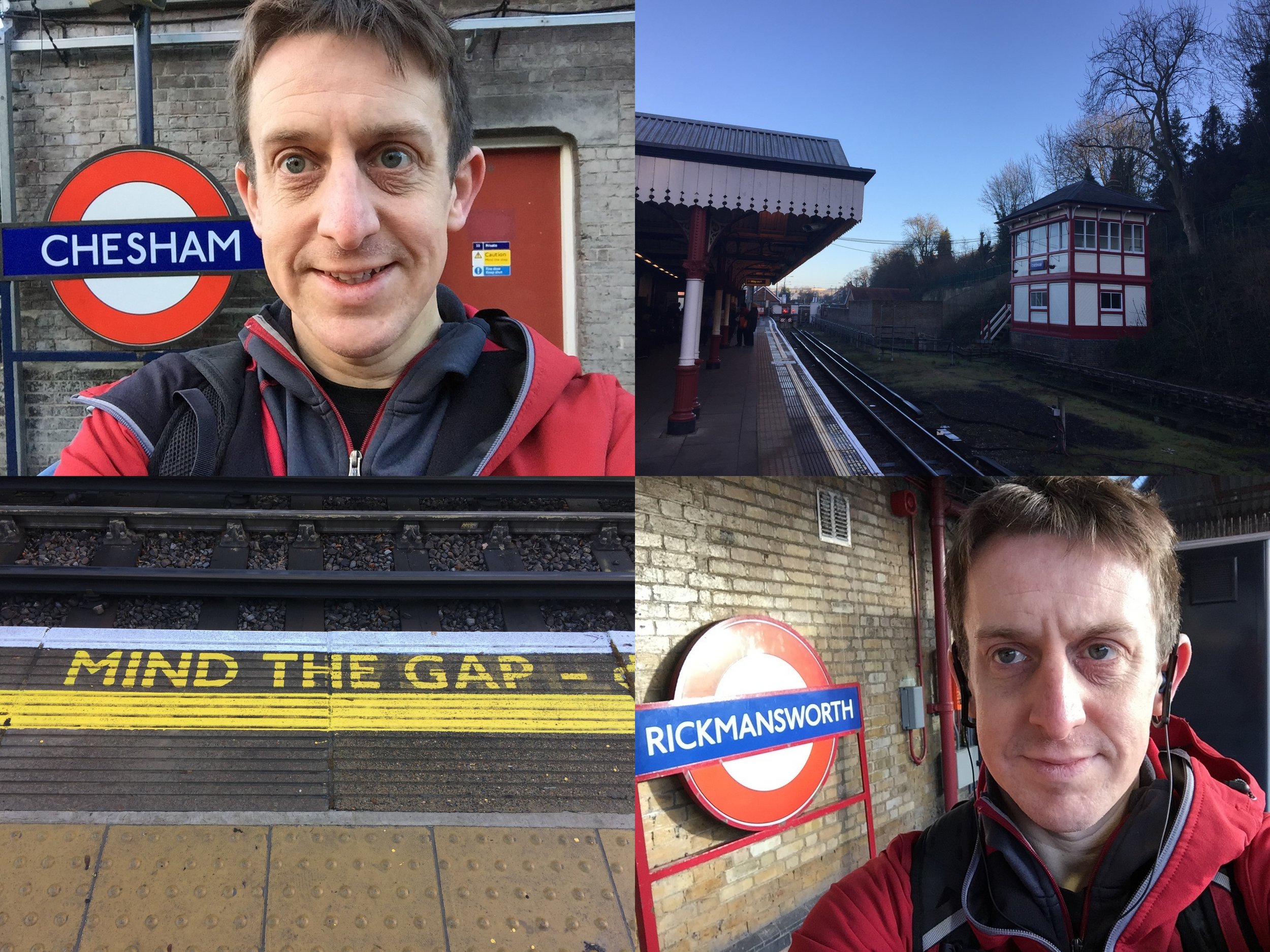
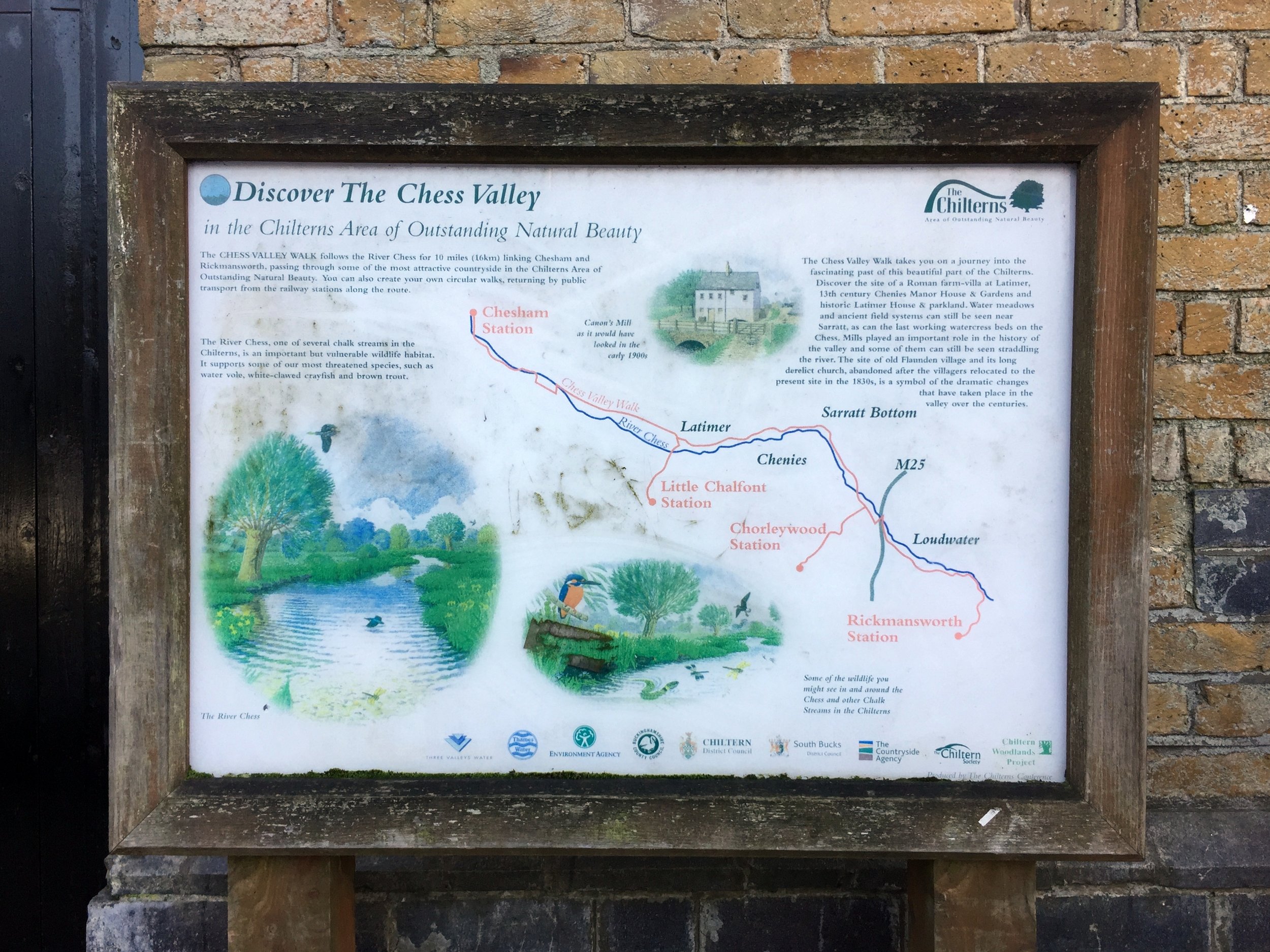
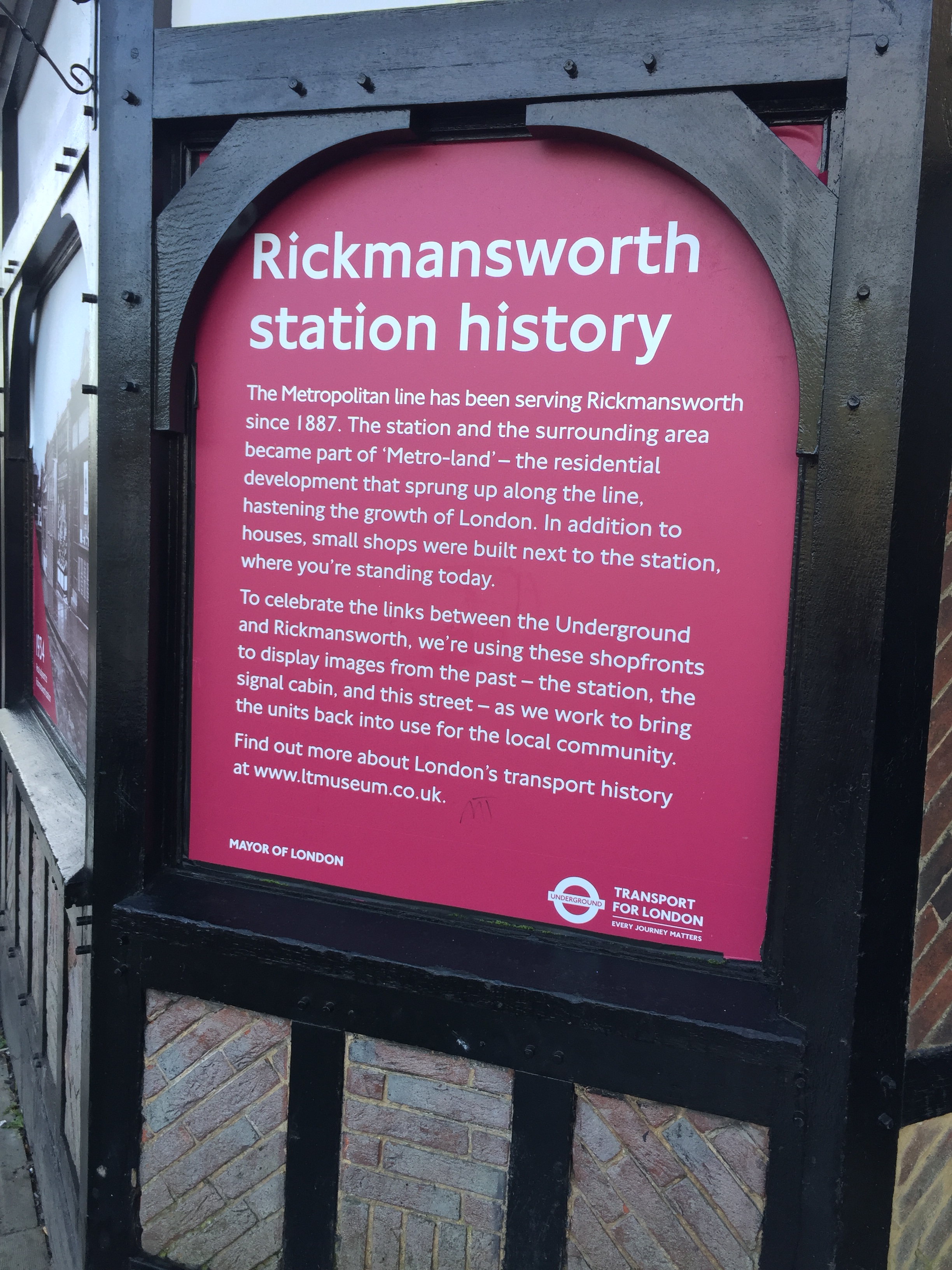

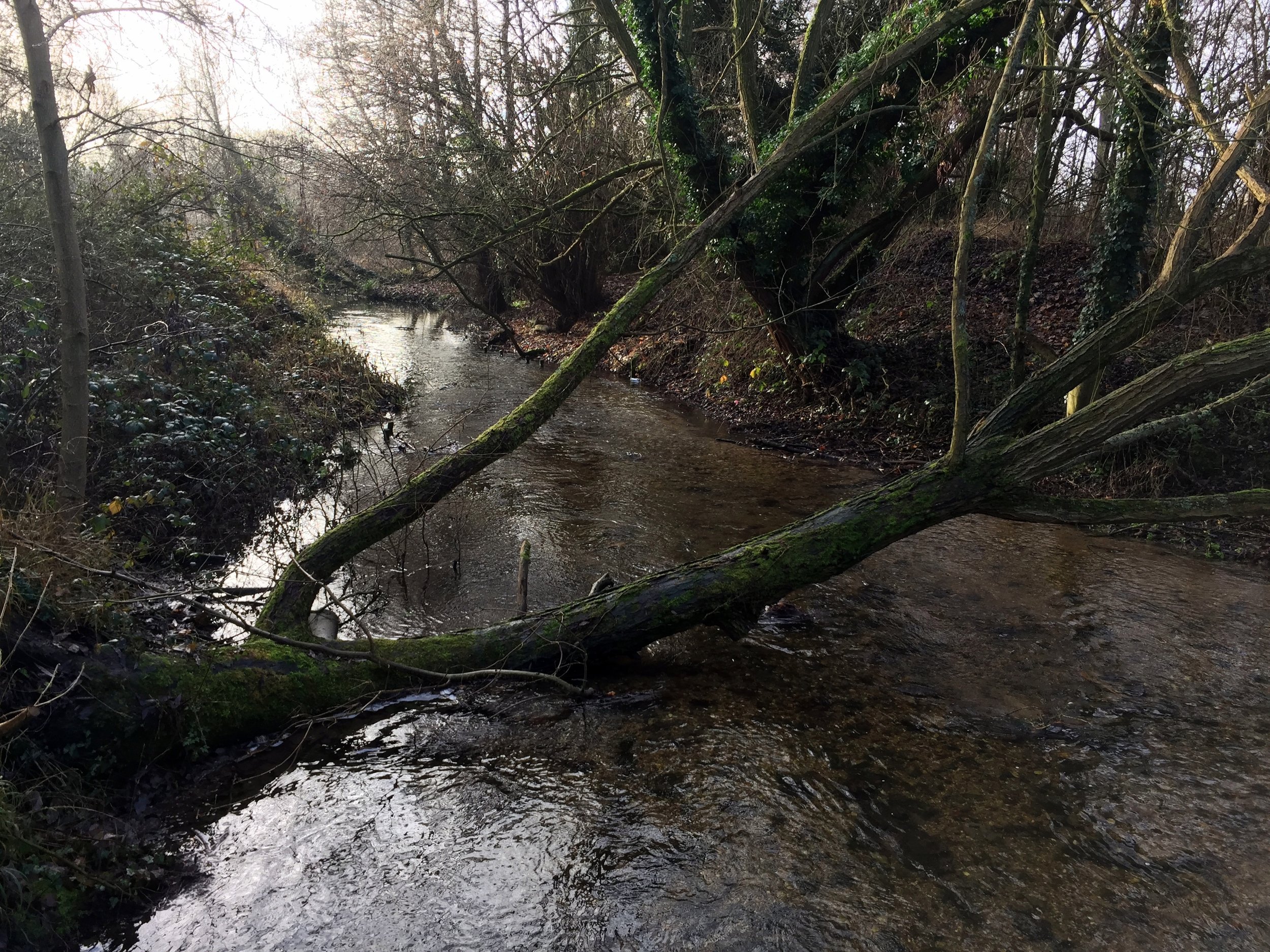
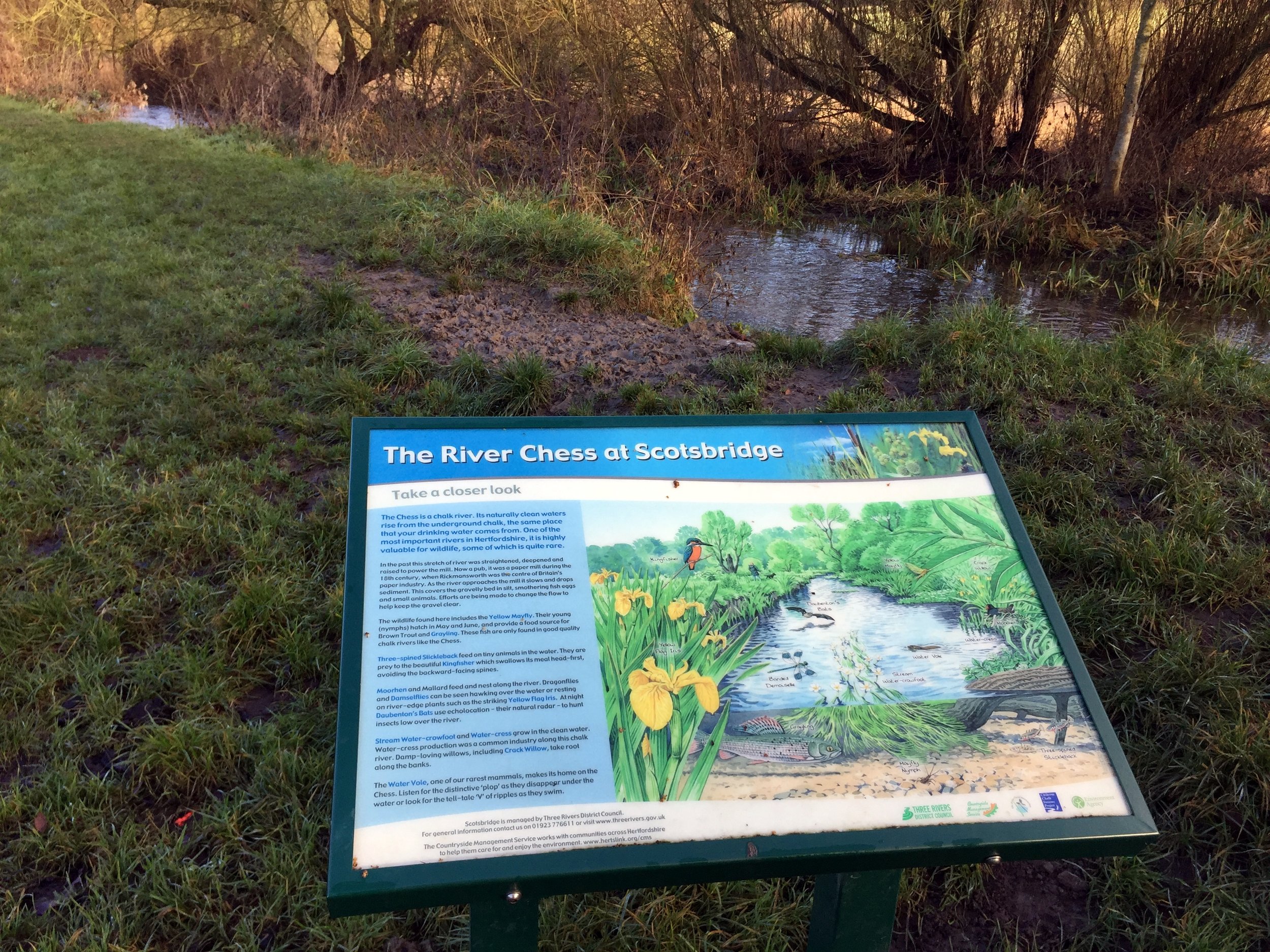
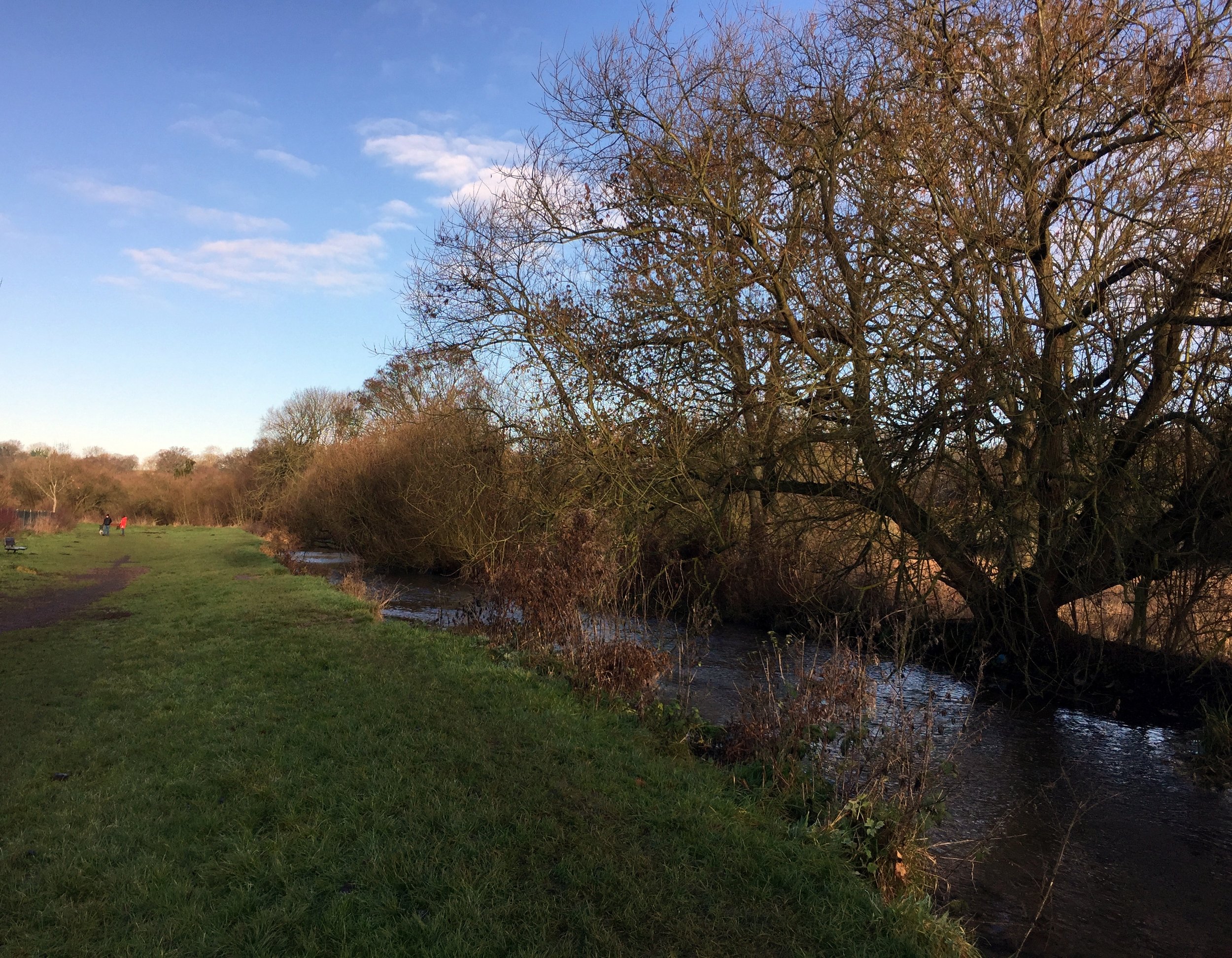
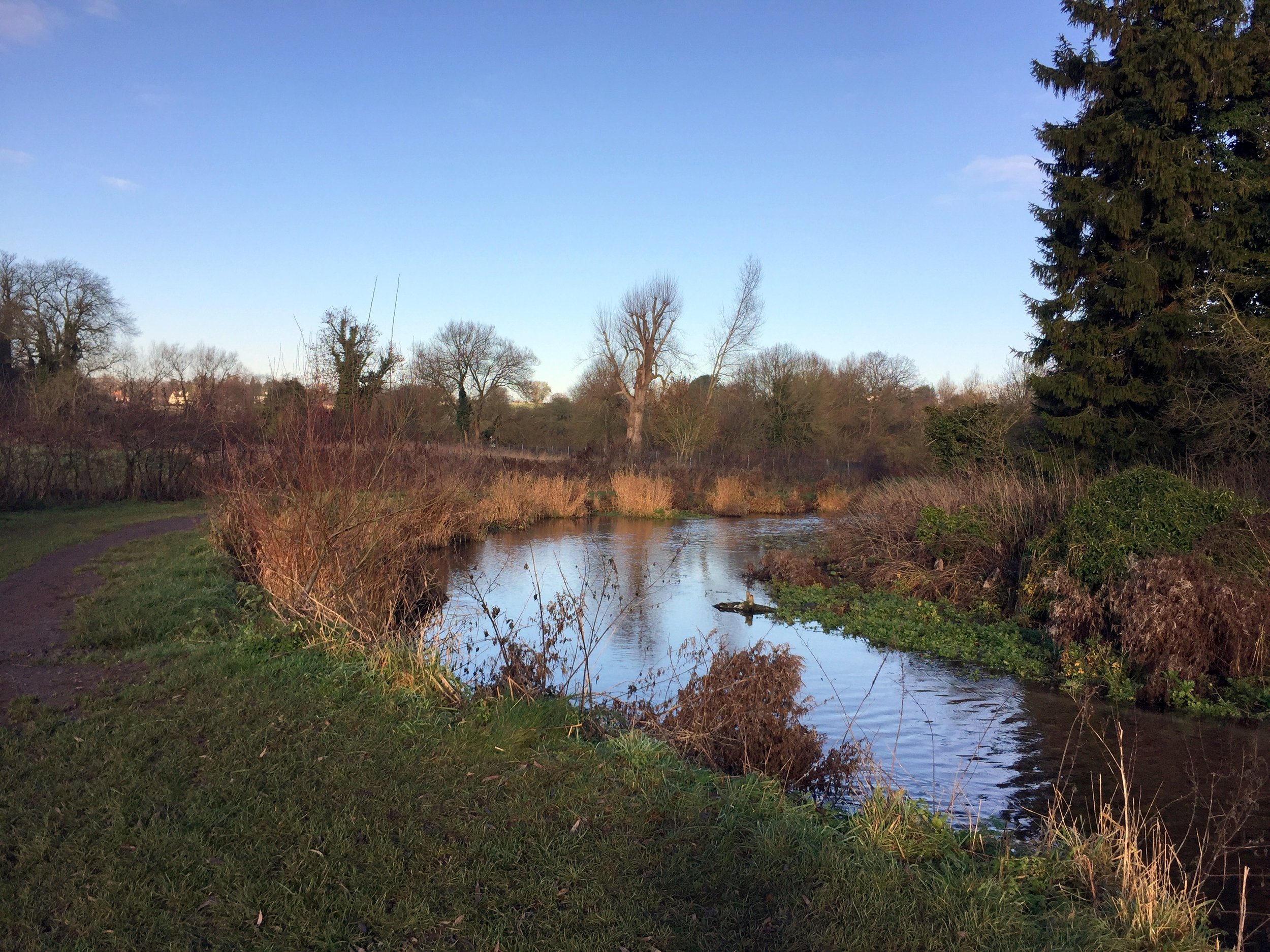
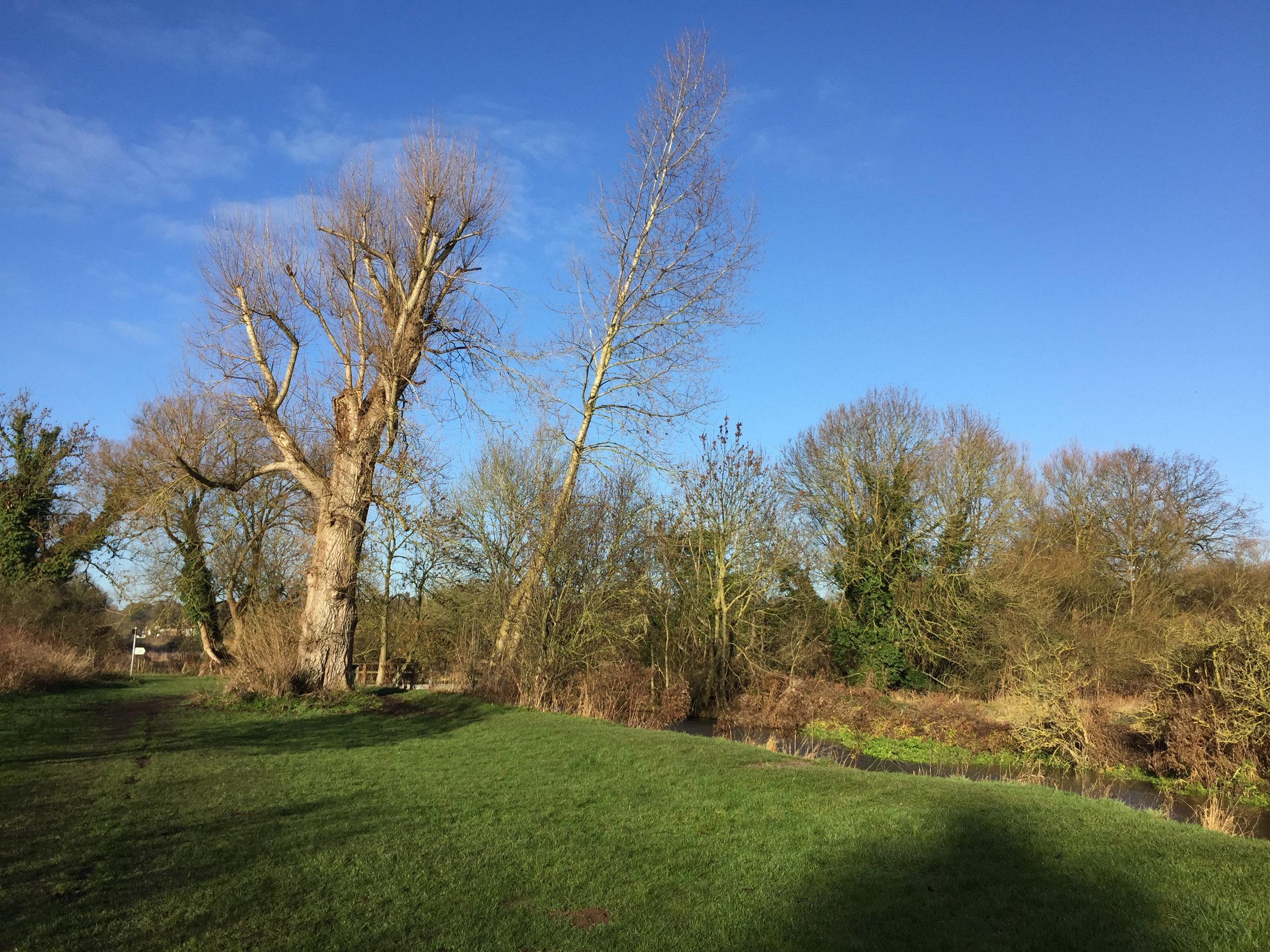
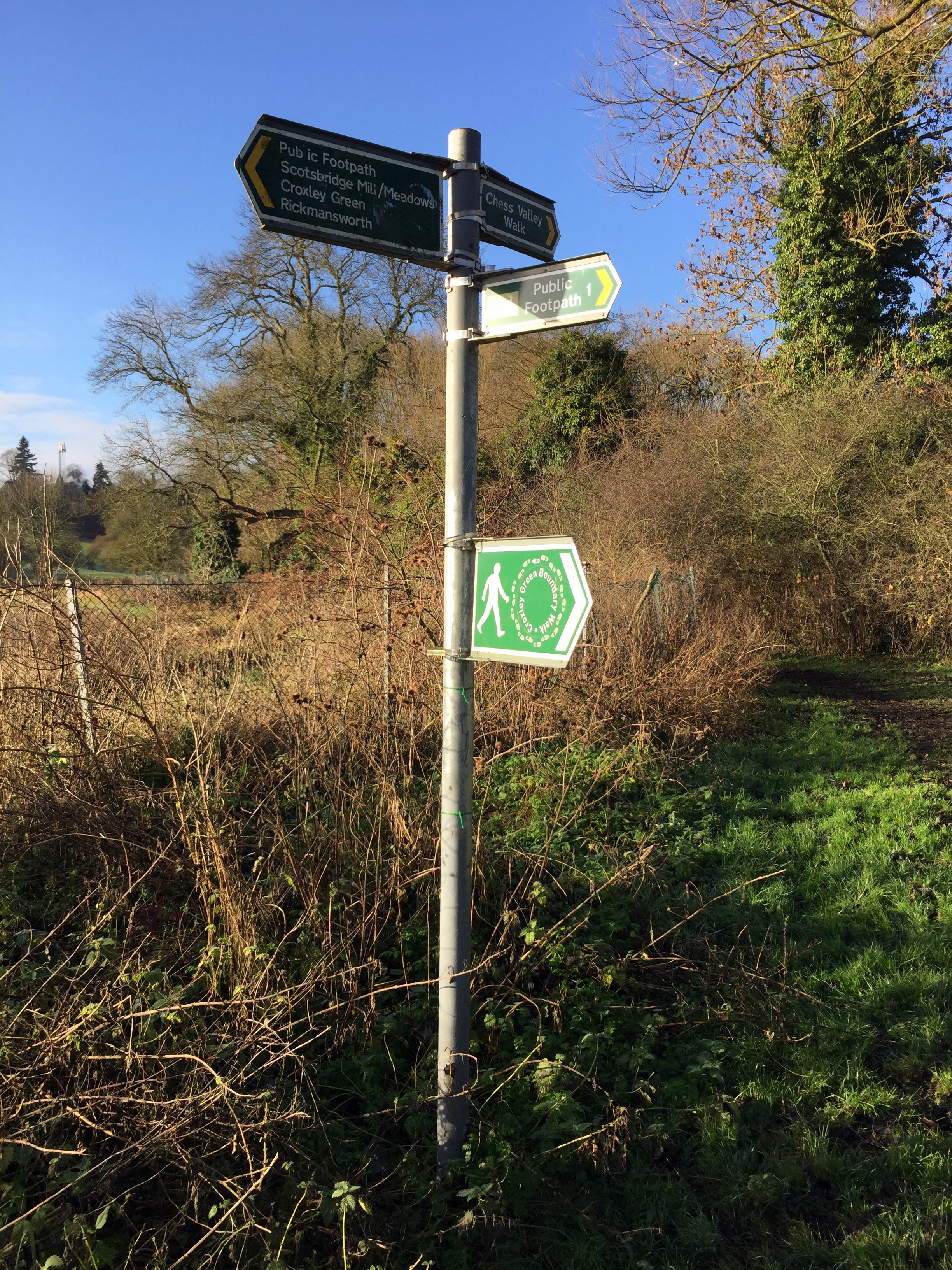

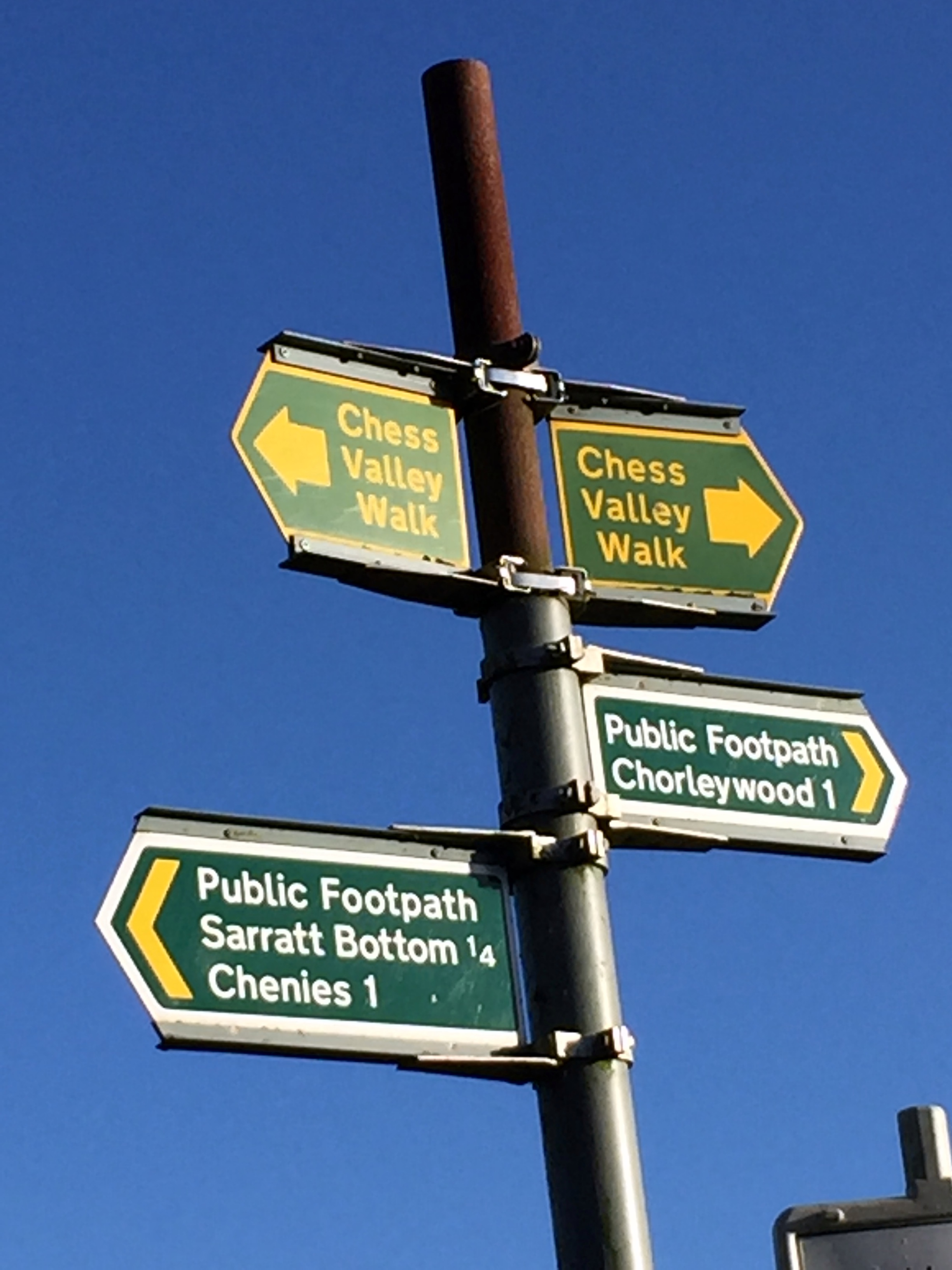
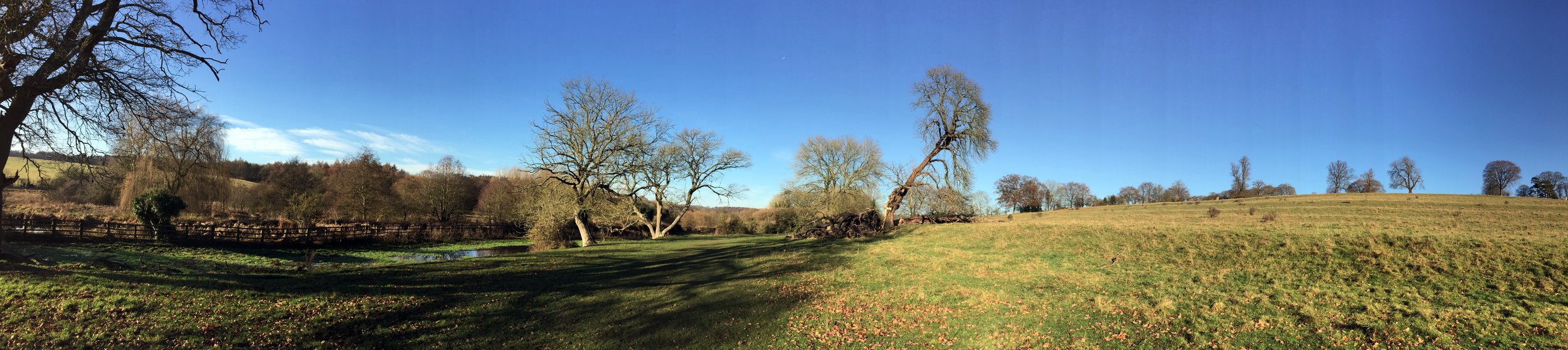
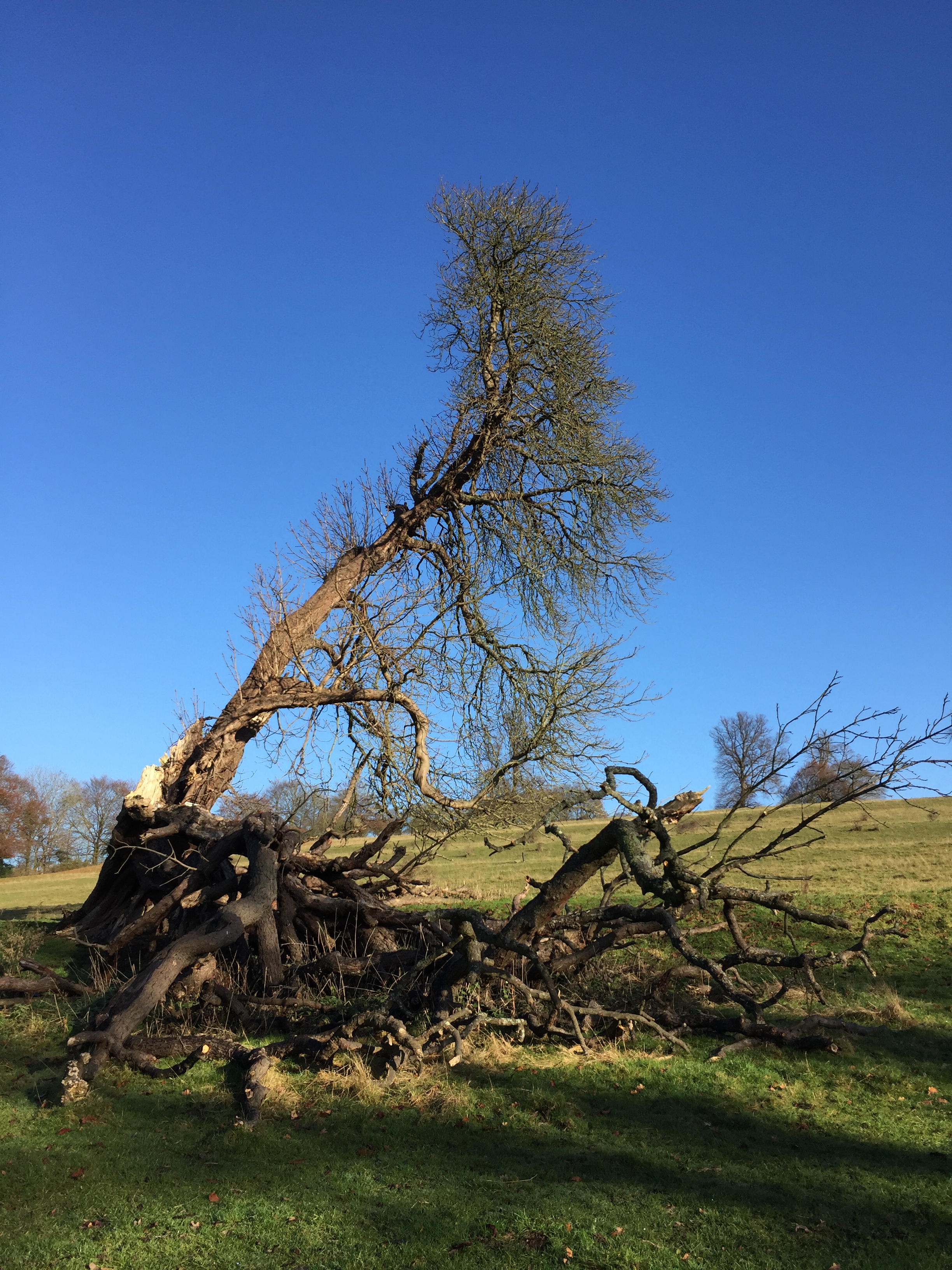
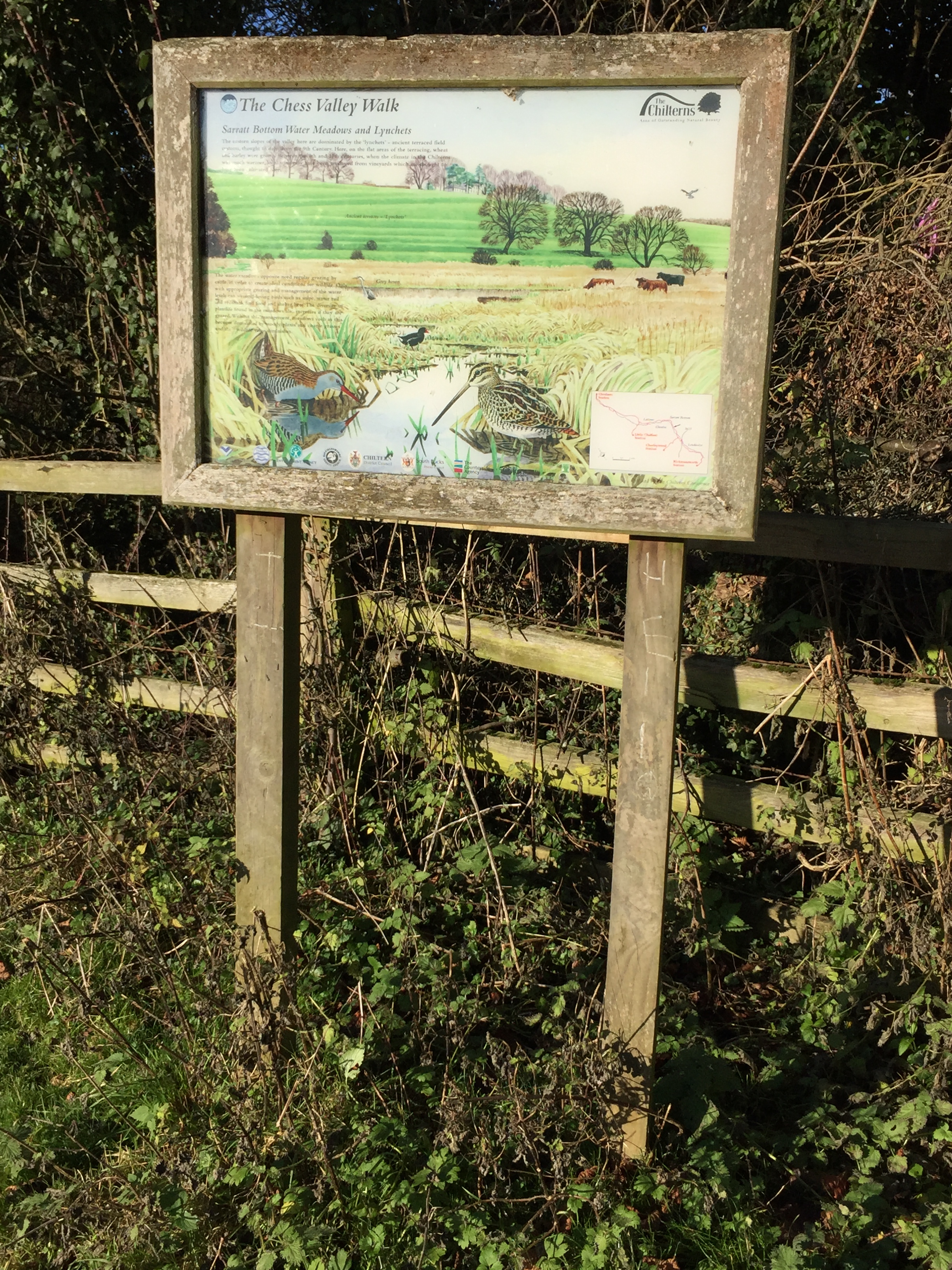
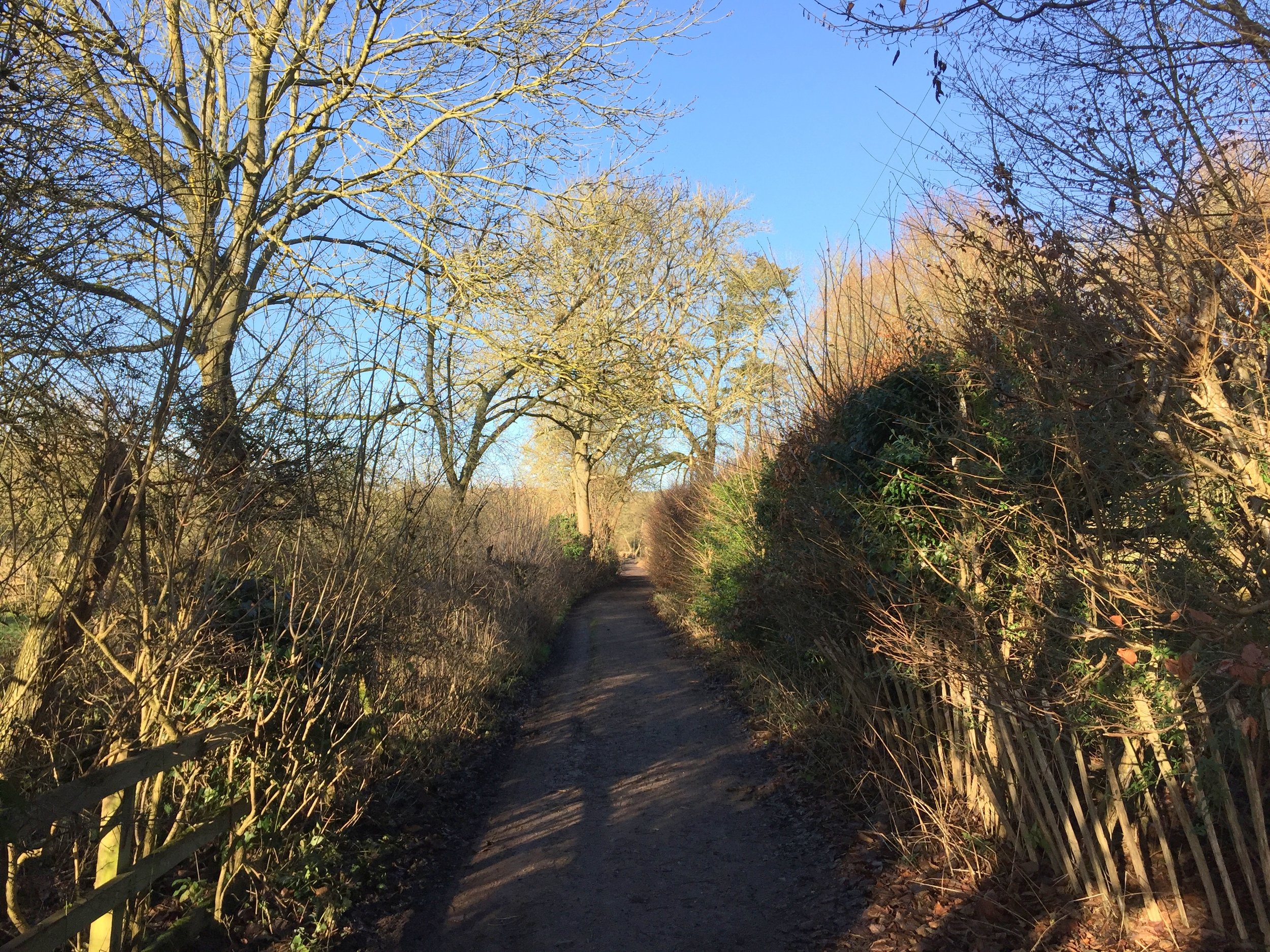
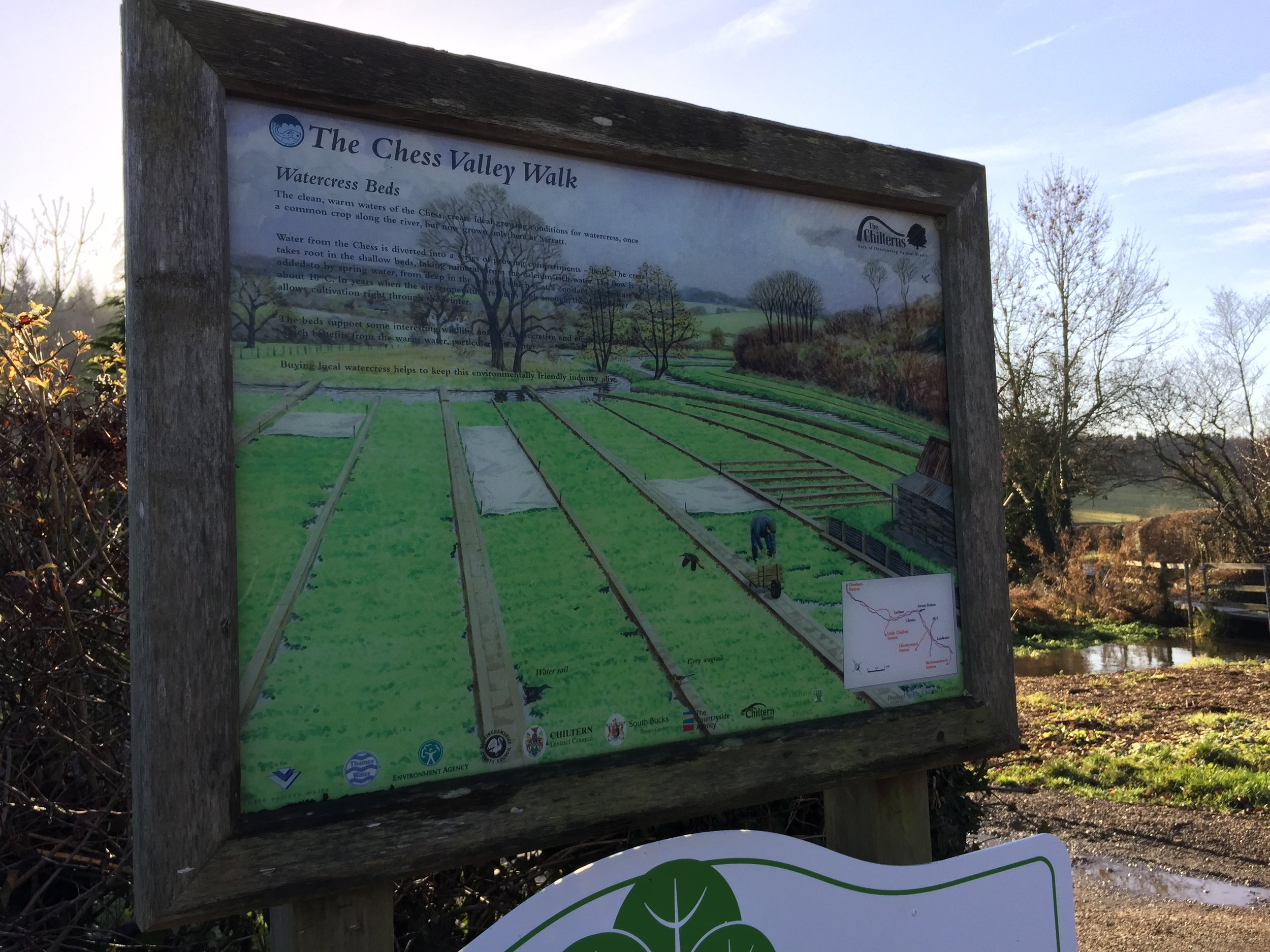
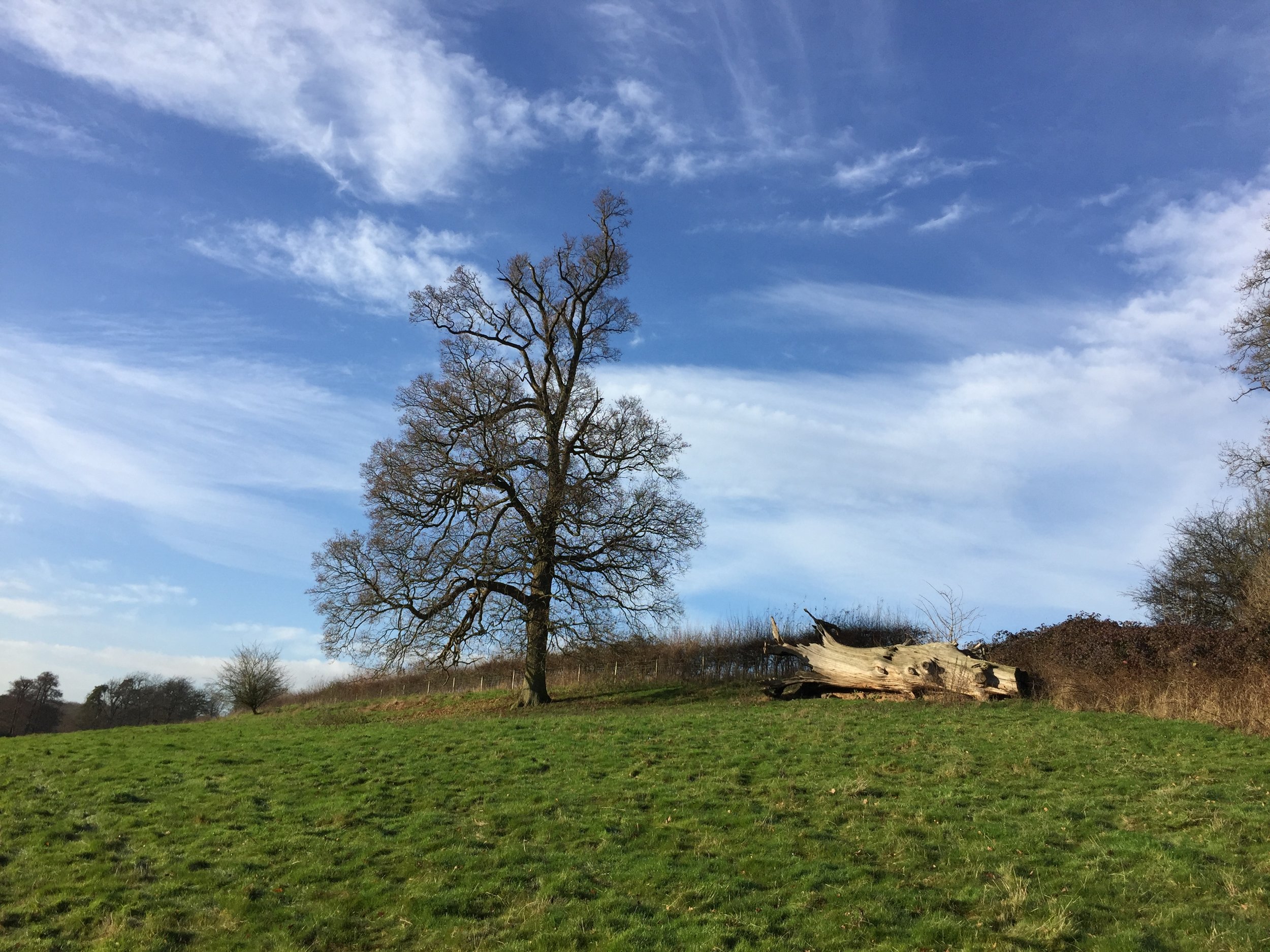
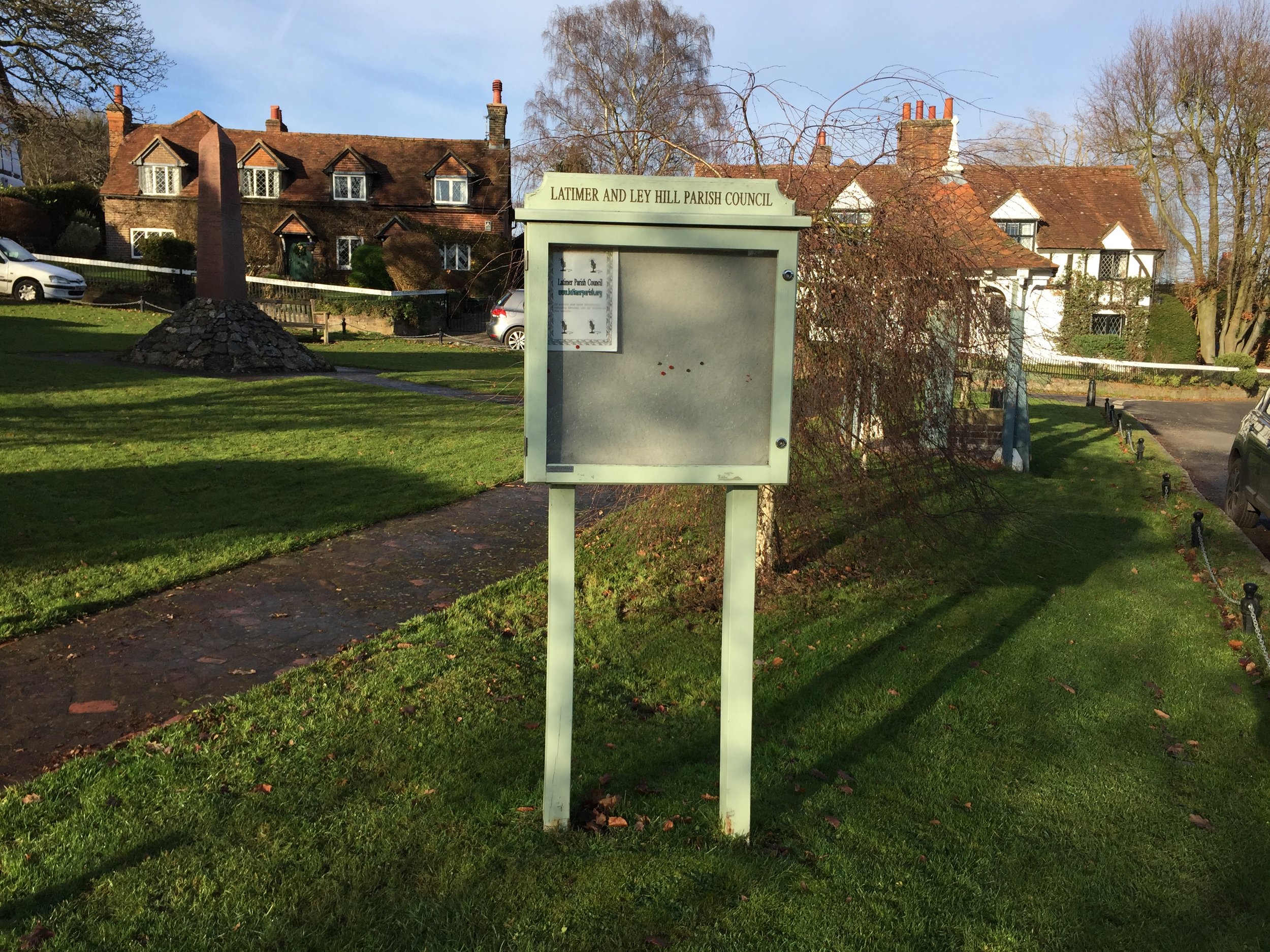
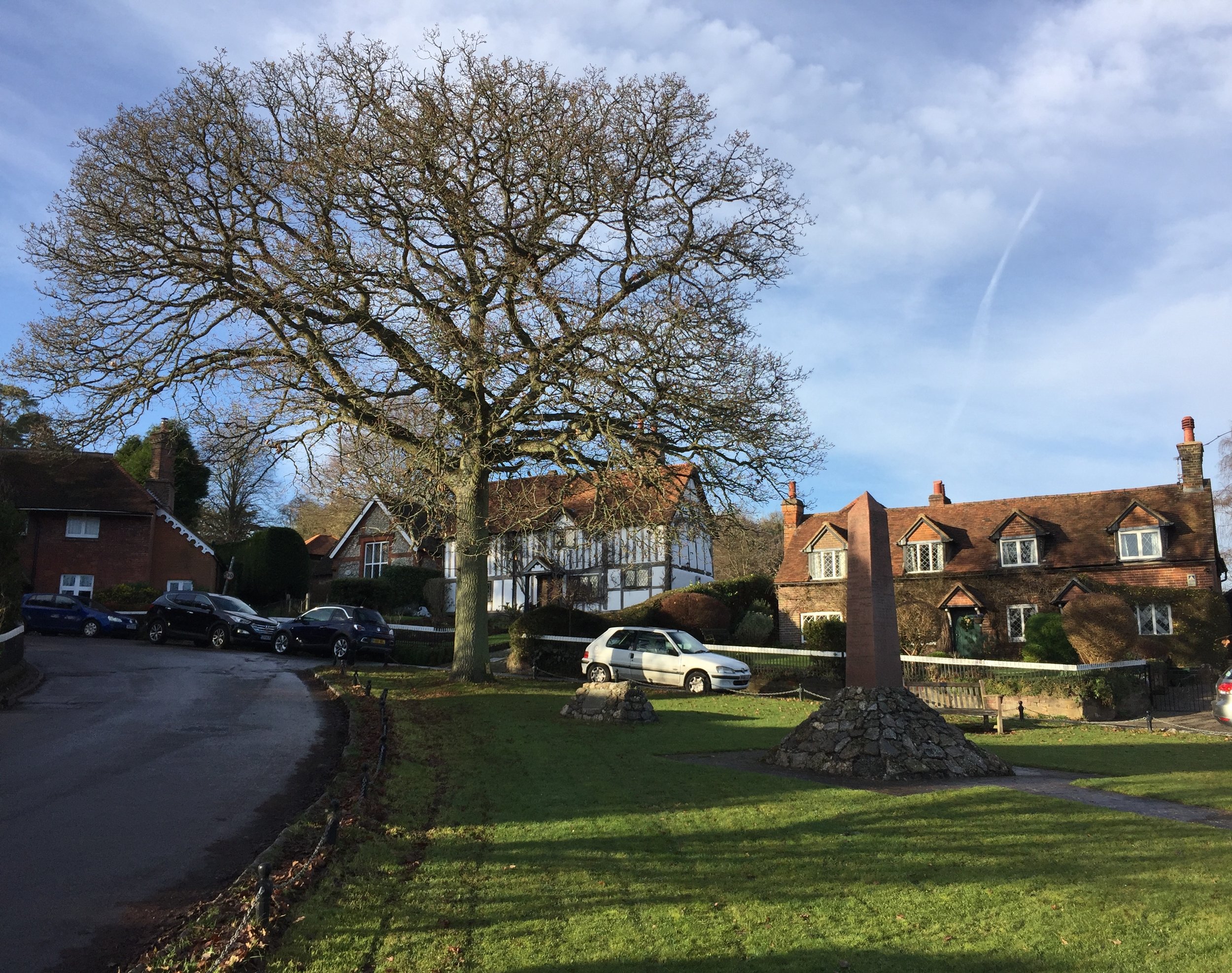
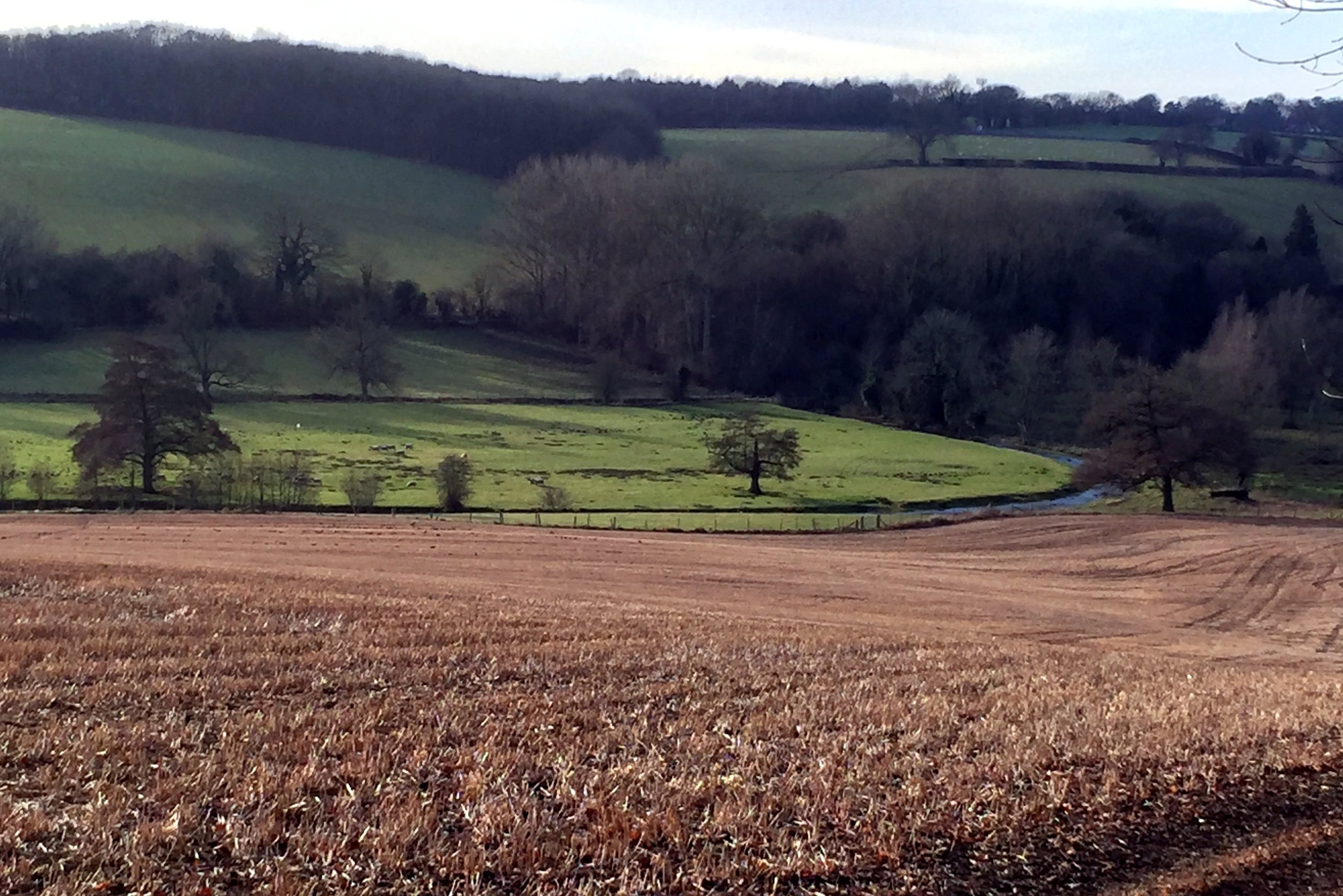
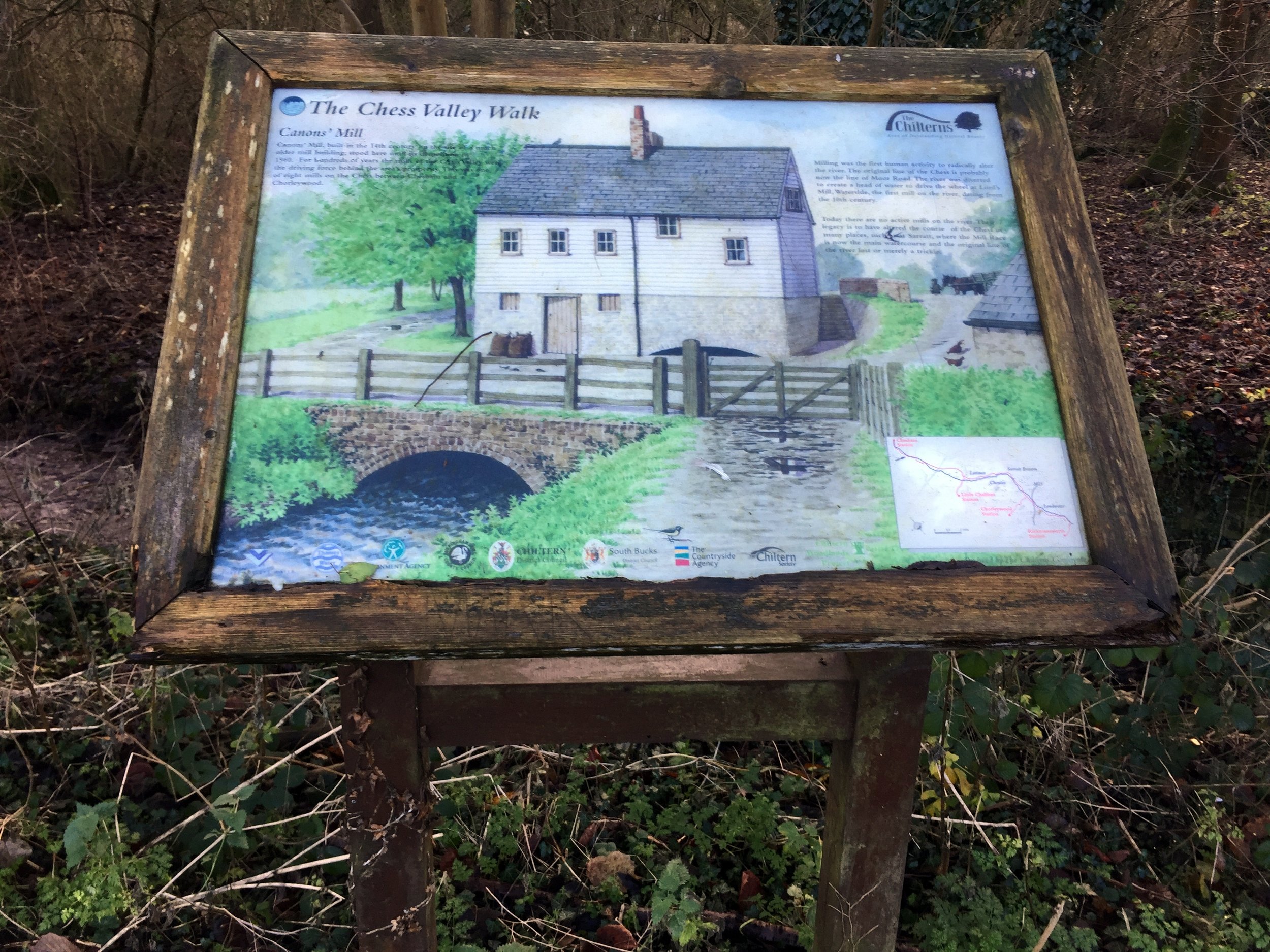
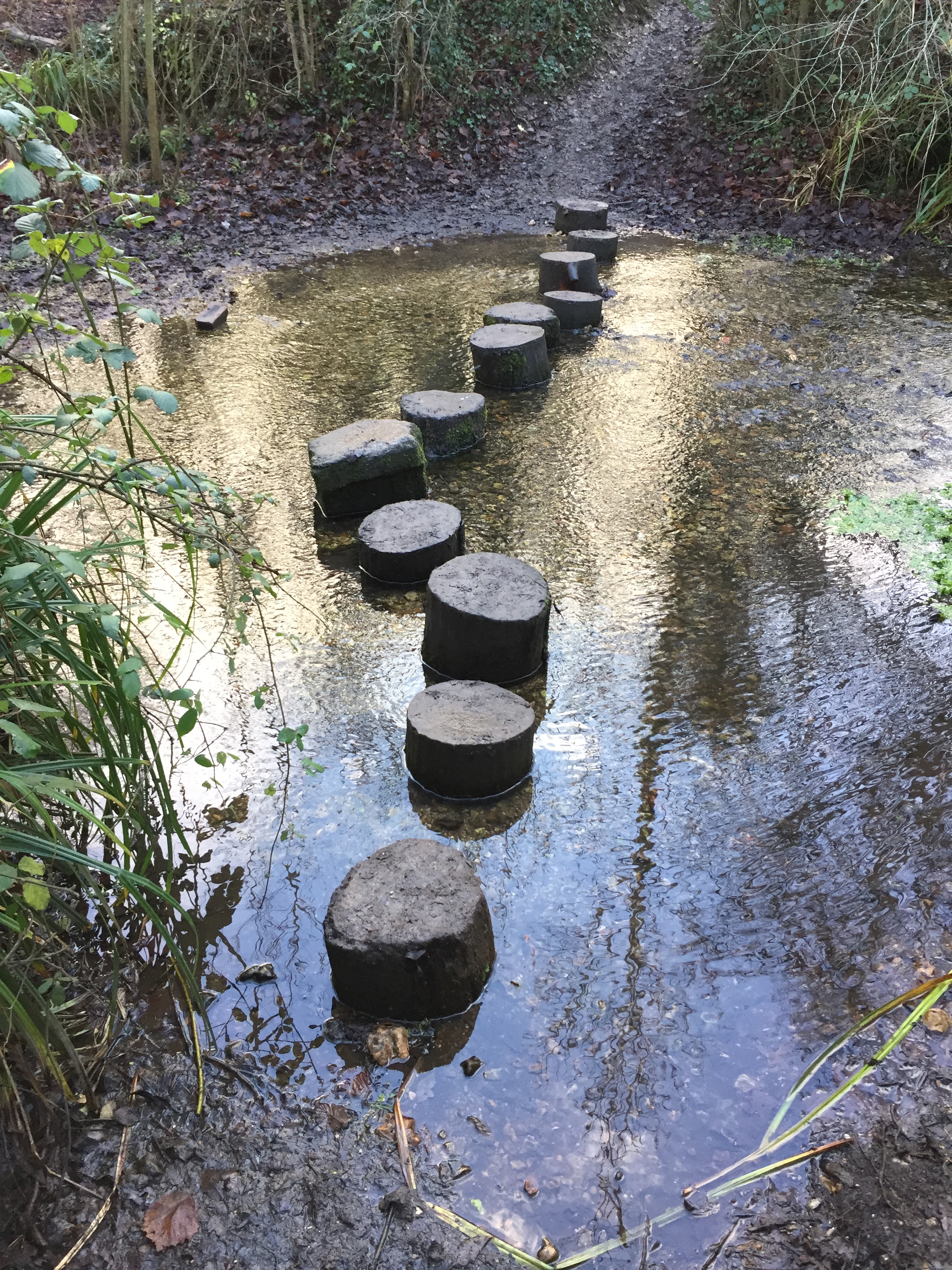
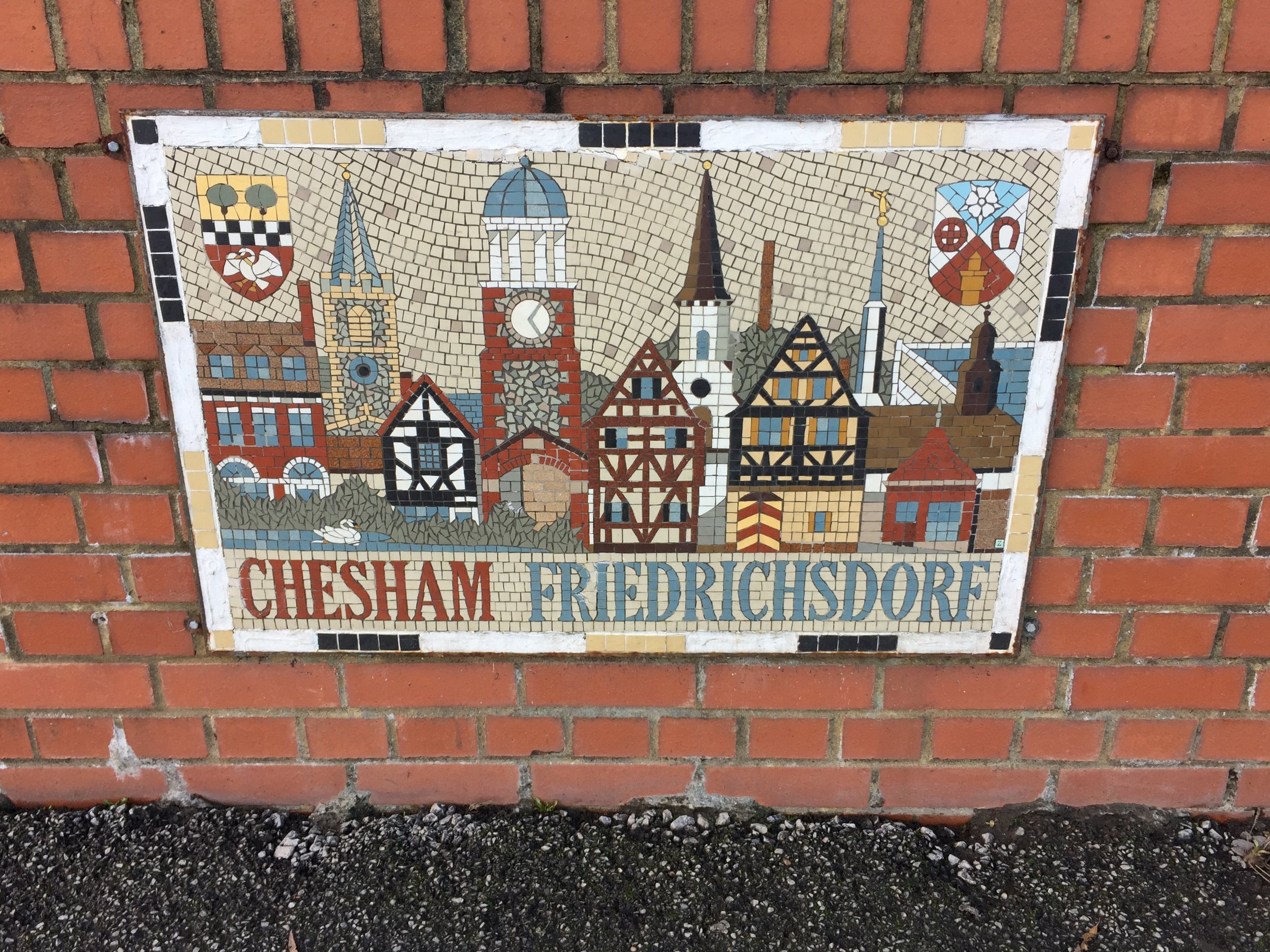
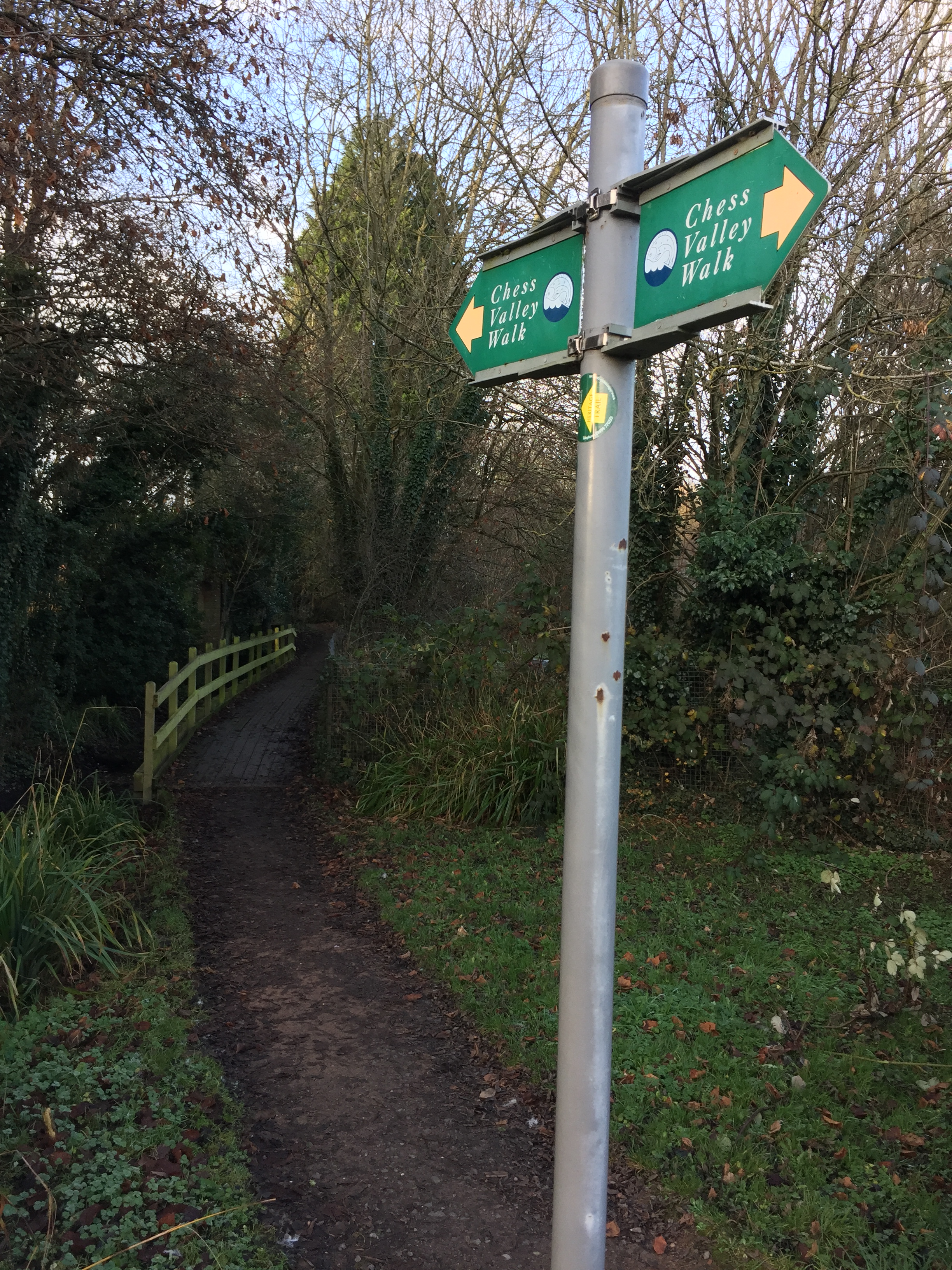

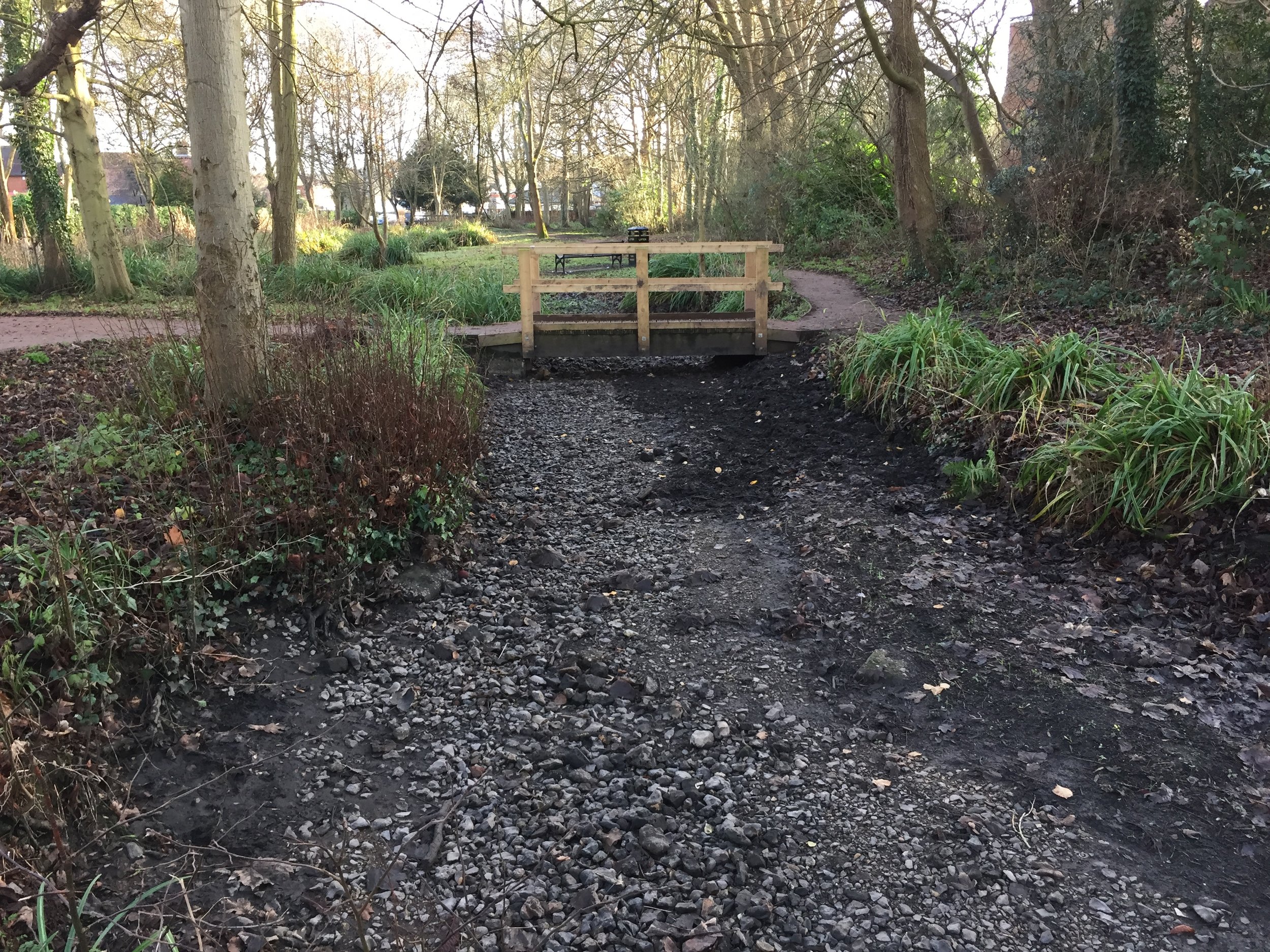
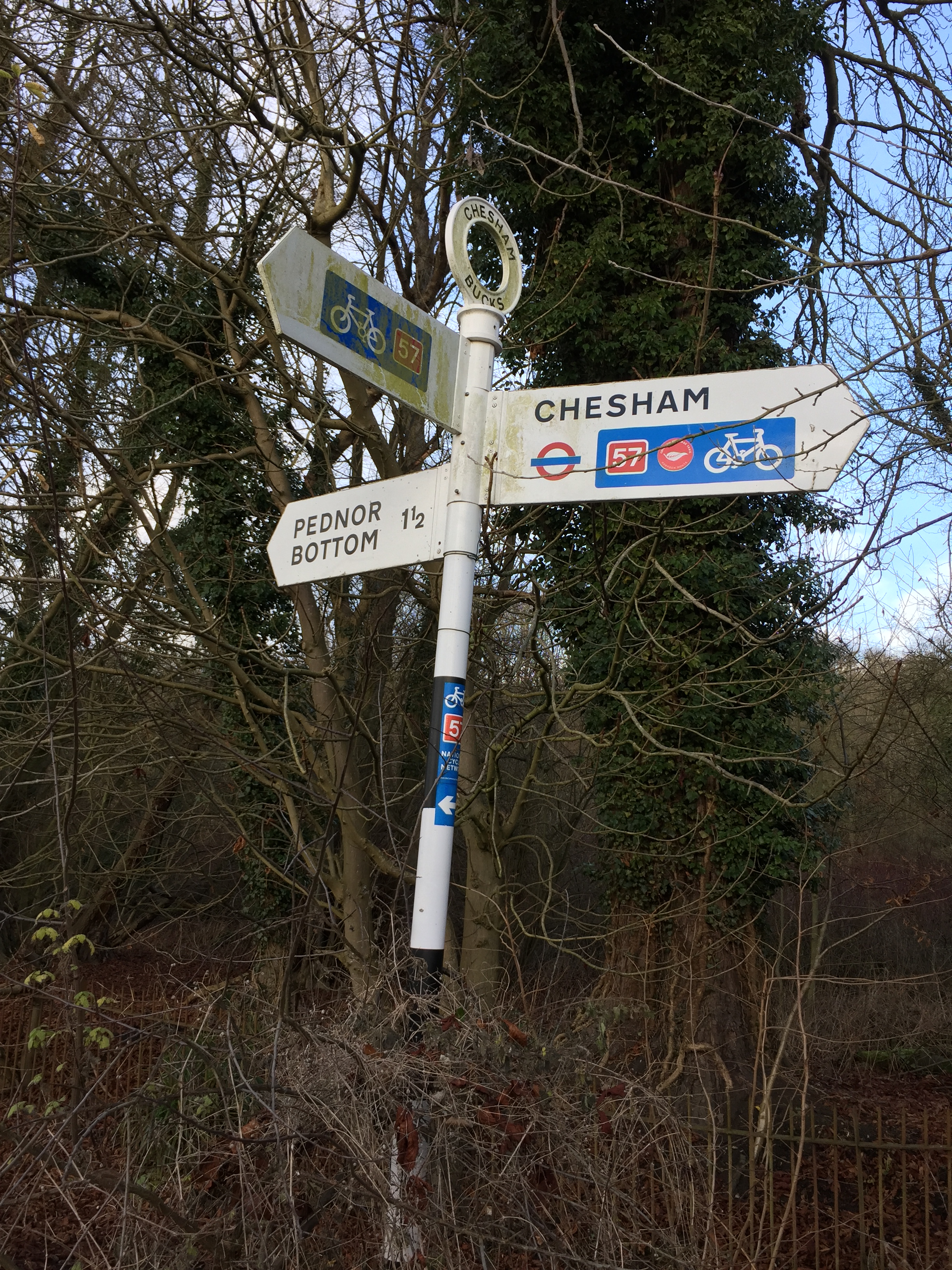

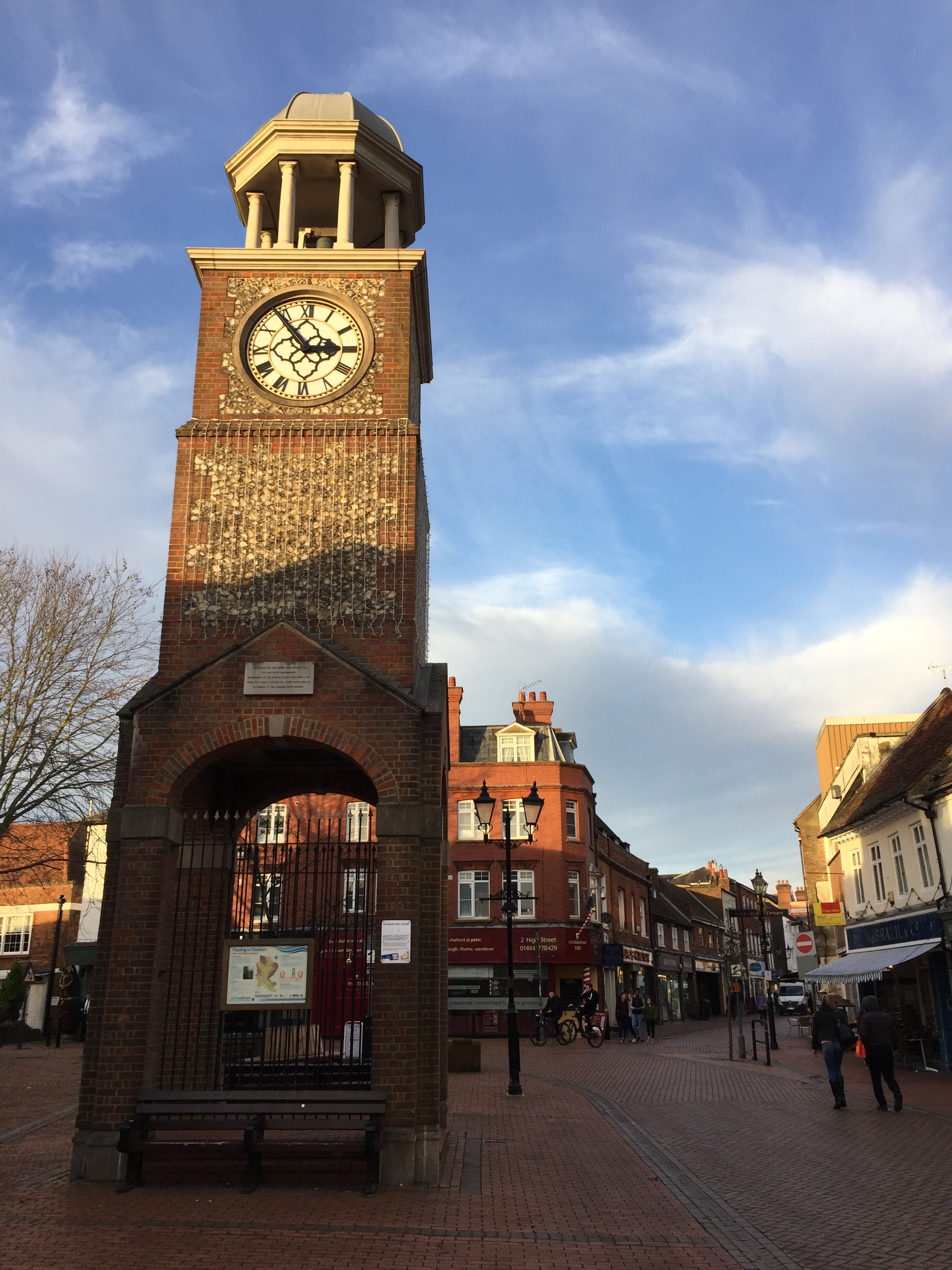

Elevation for cycle route