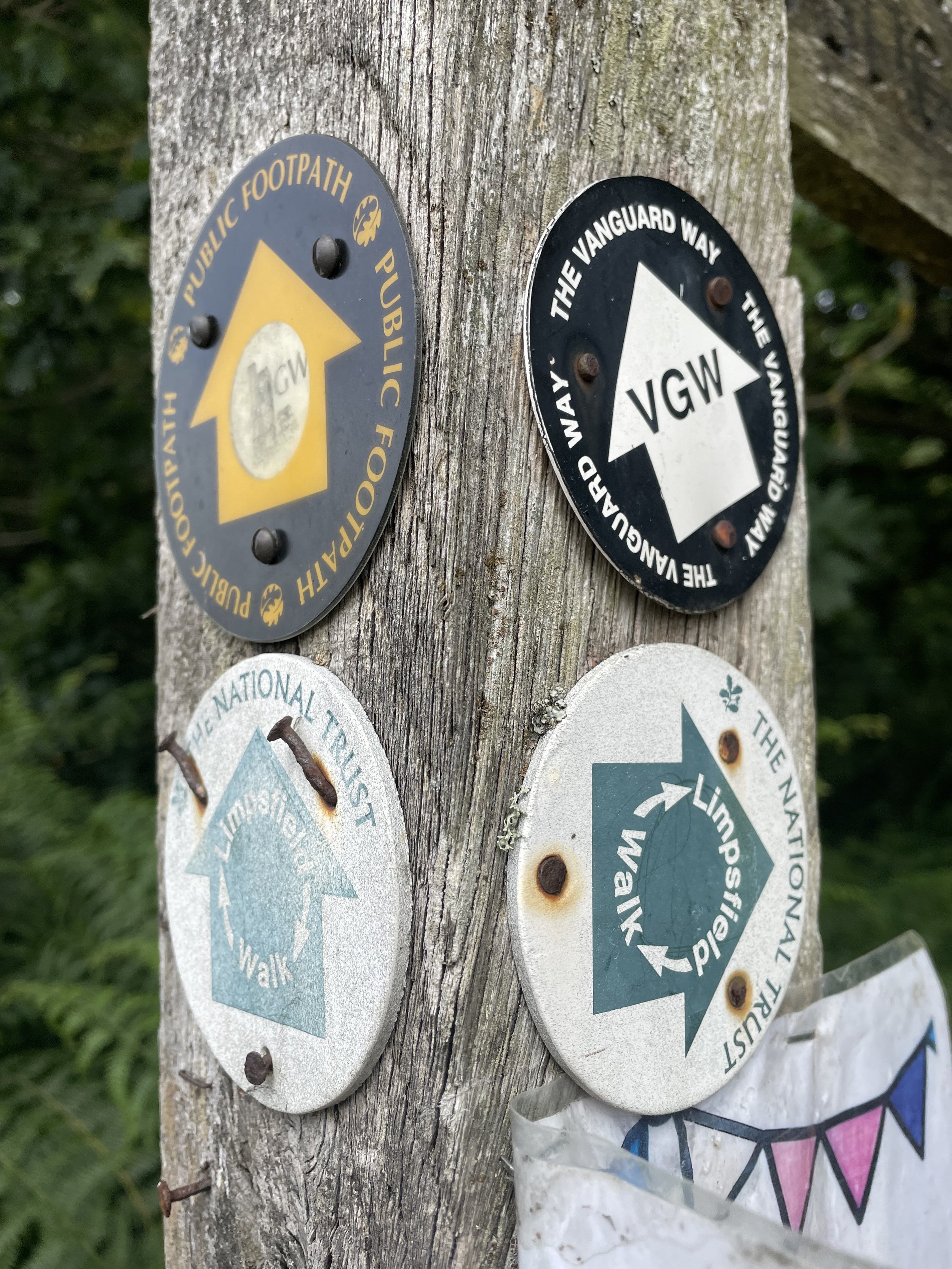
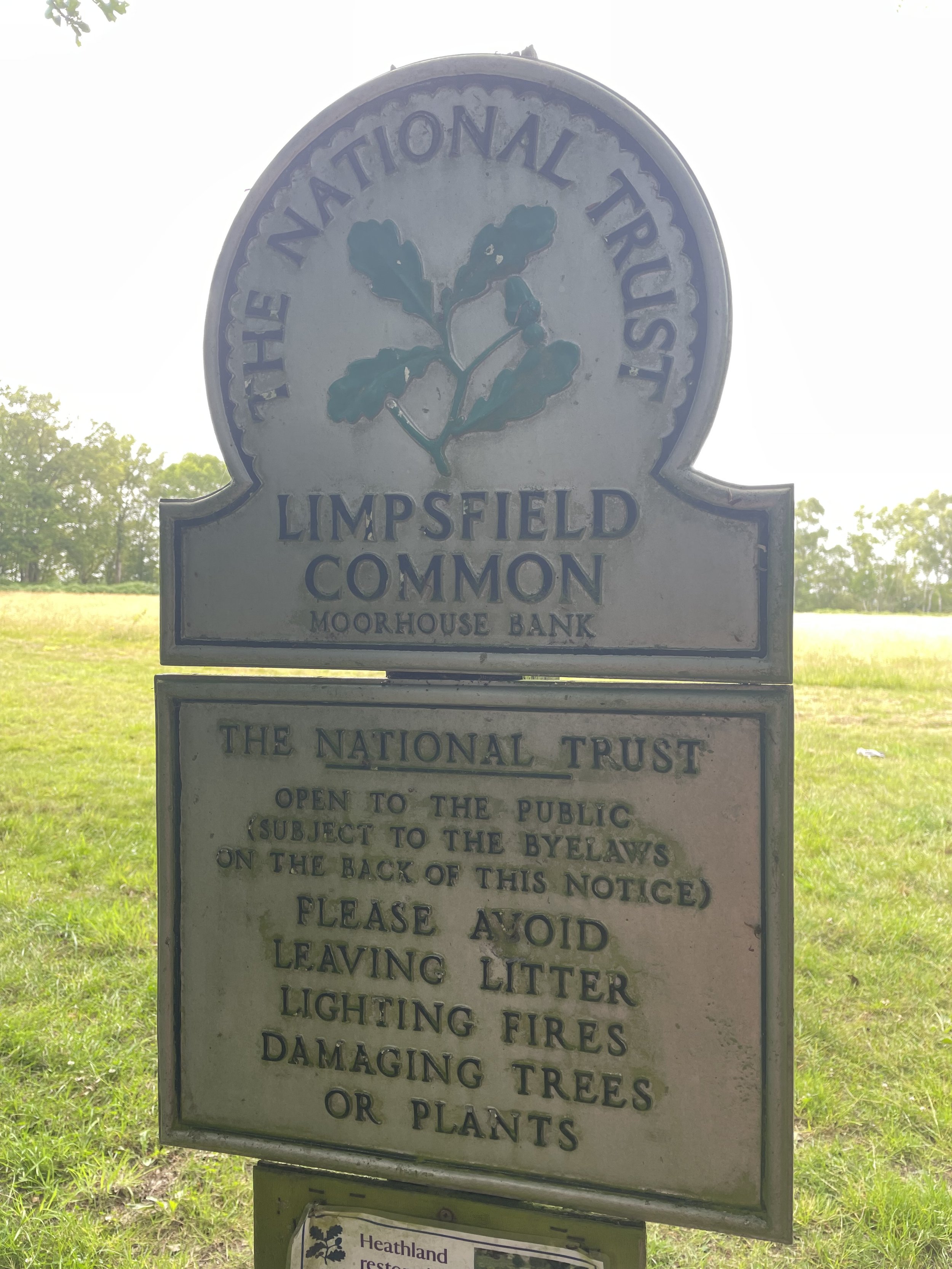
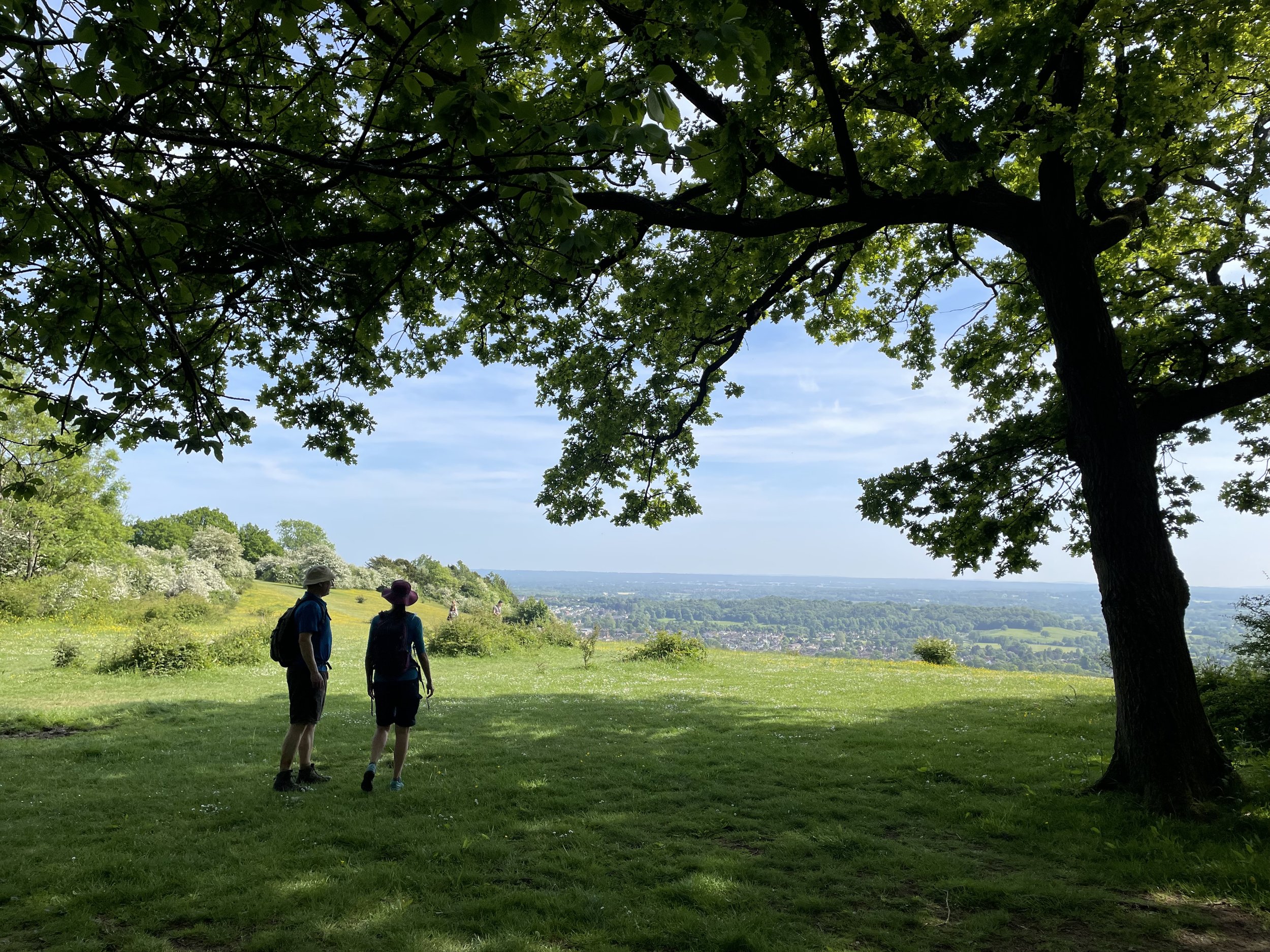
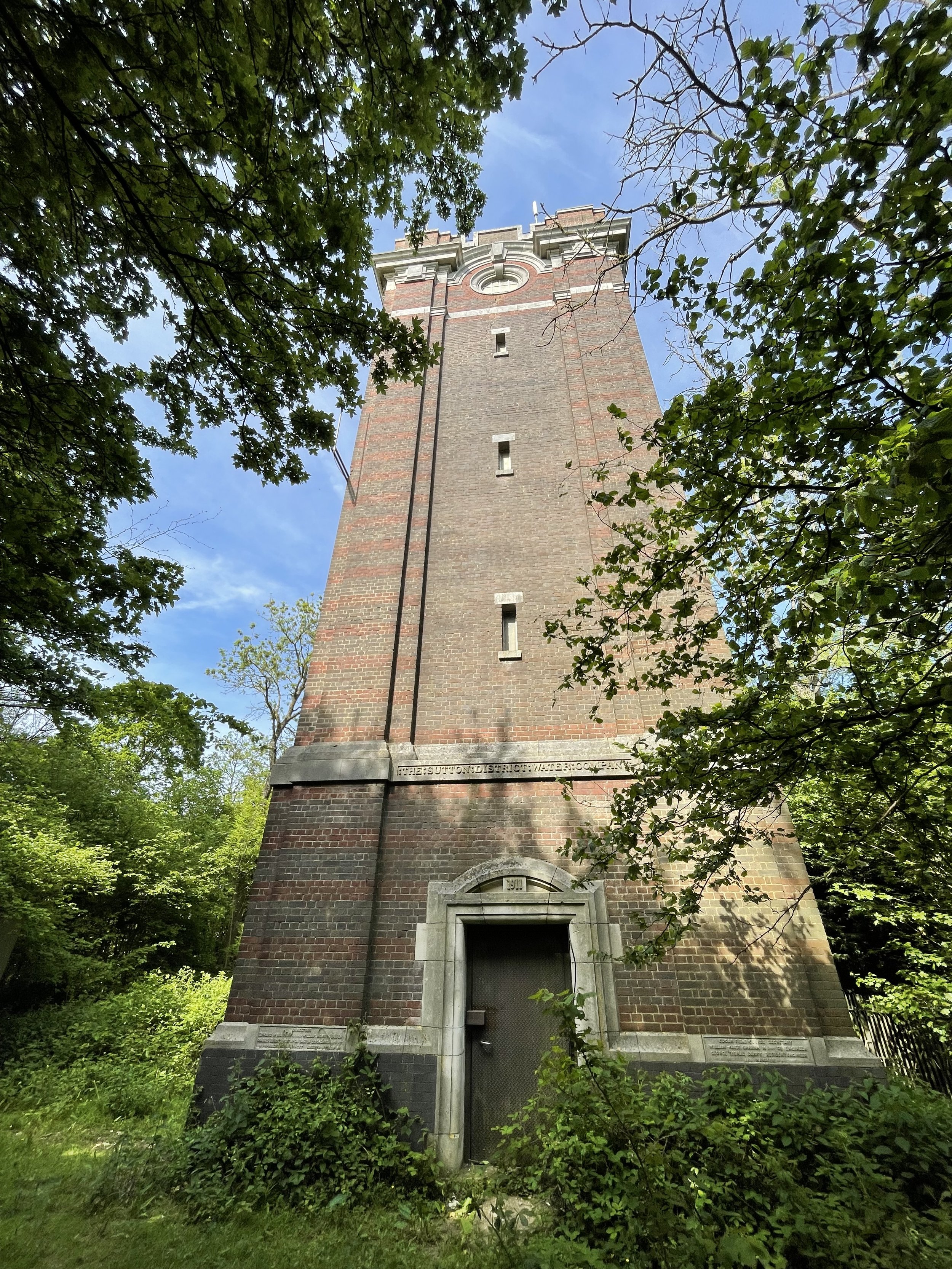
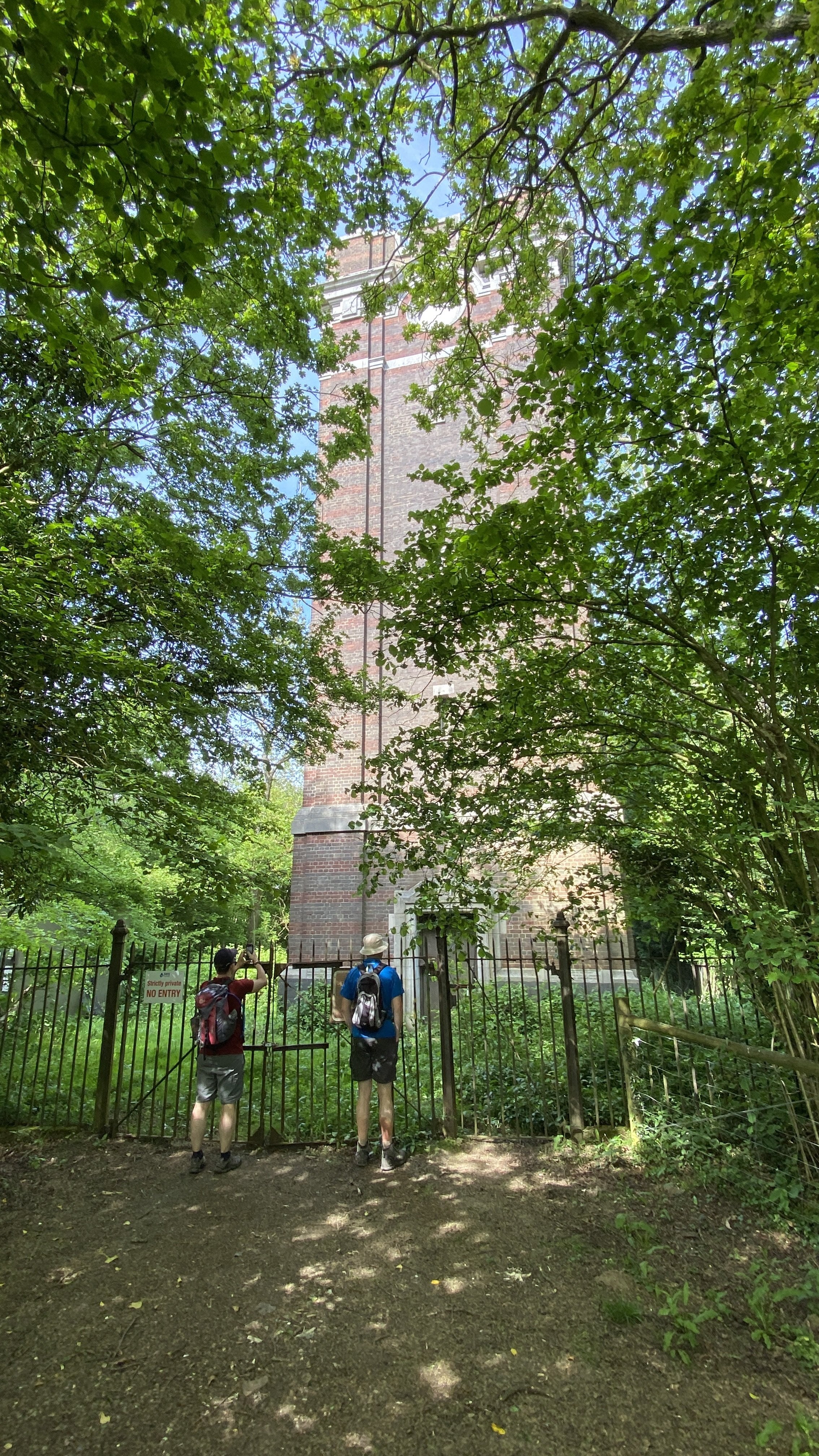
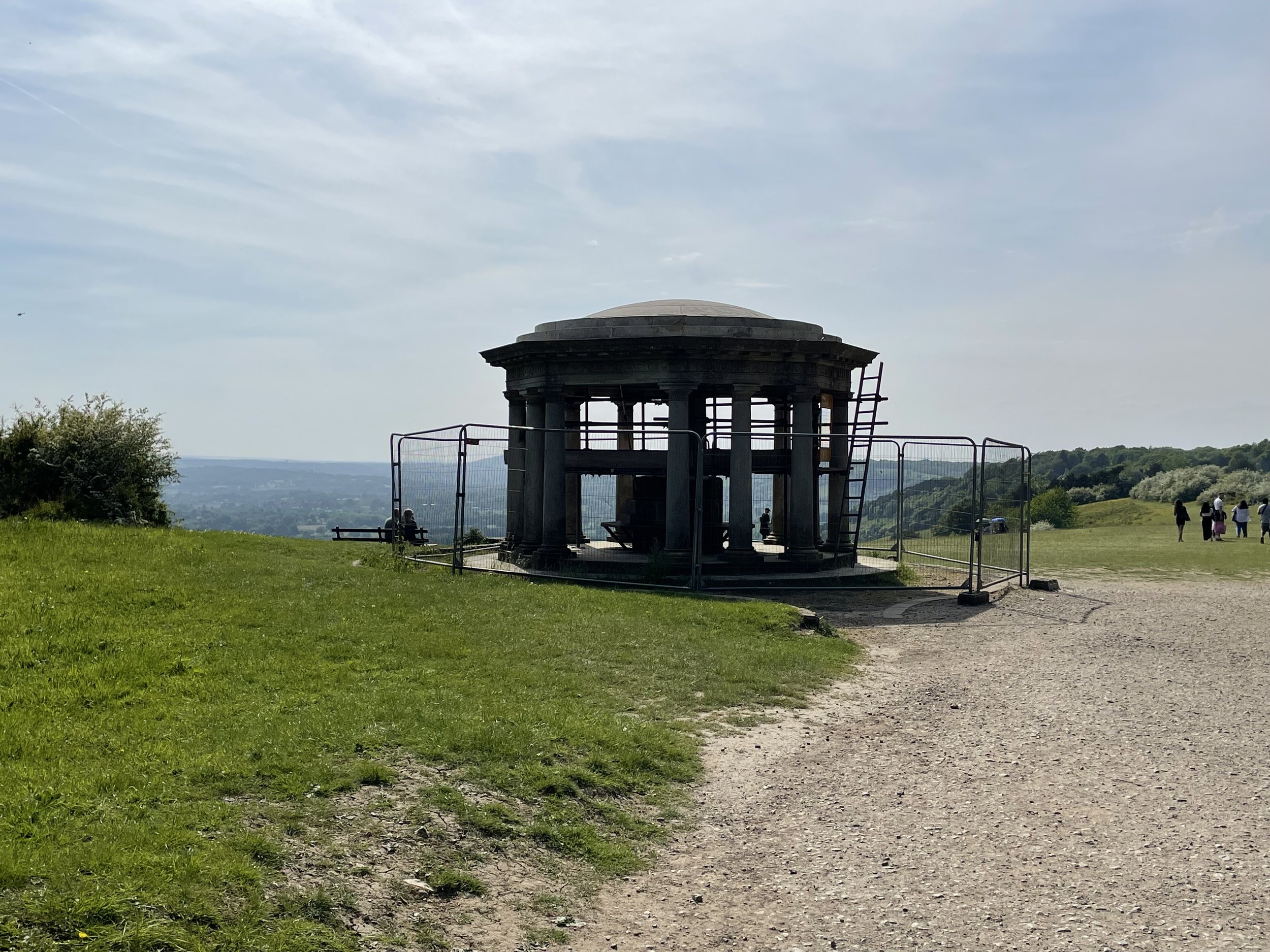
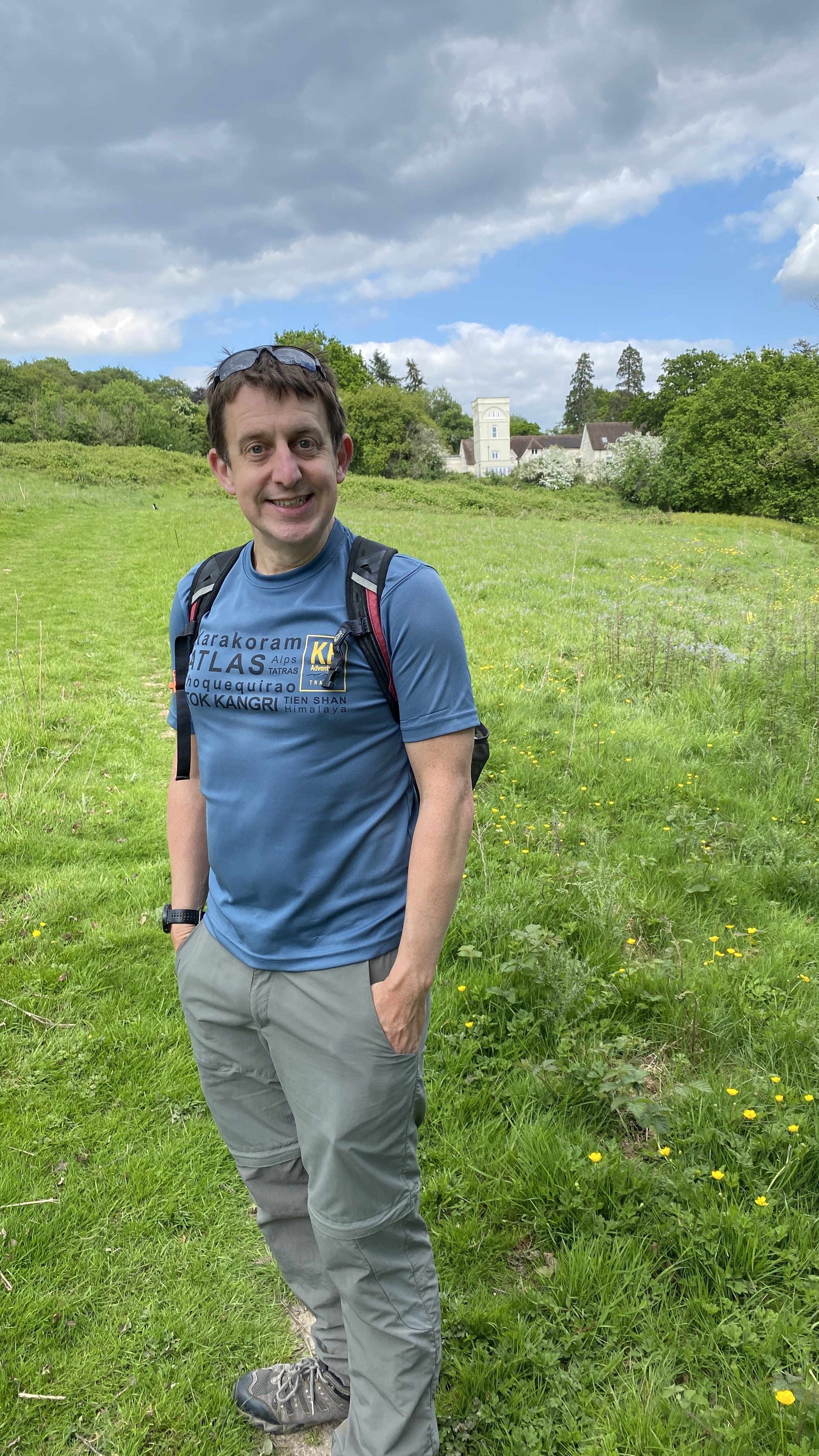
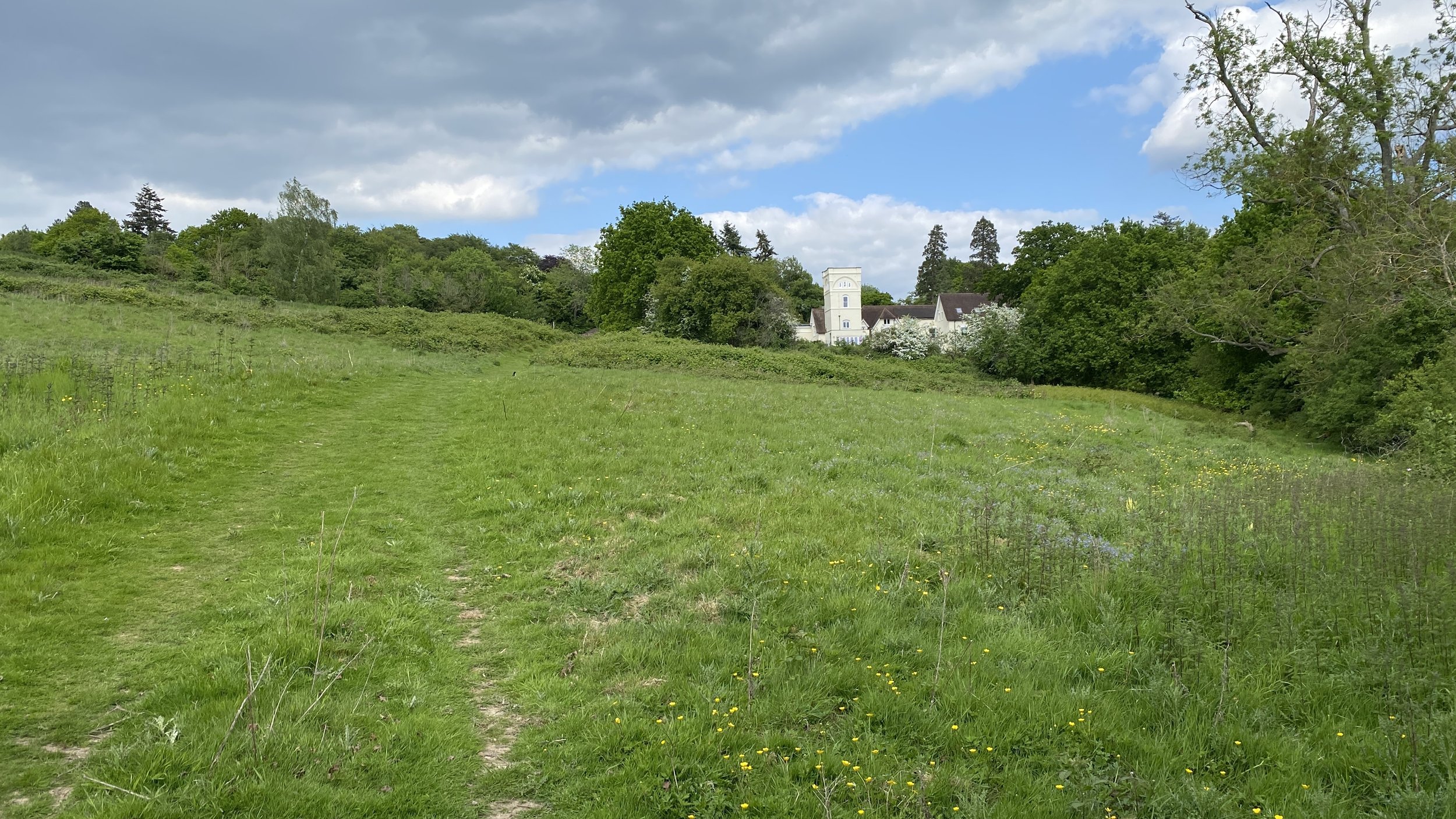
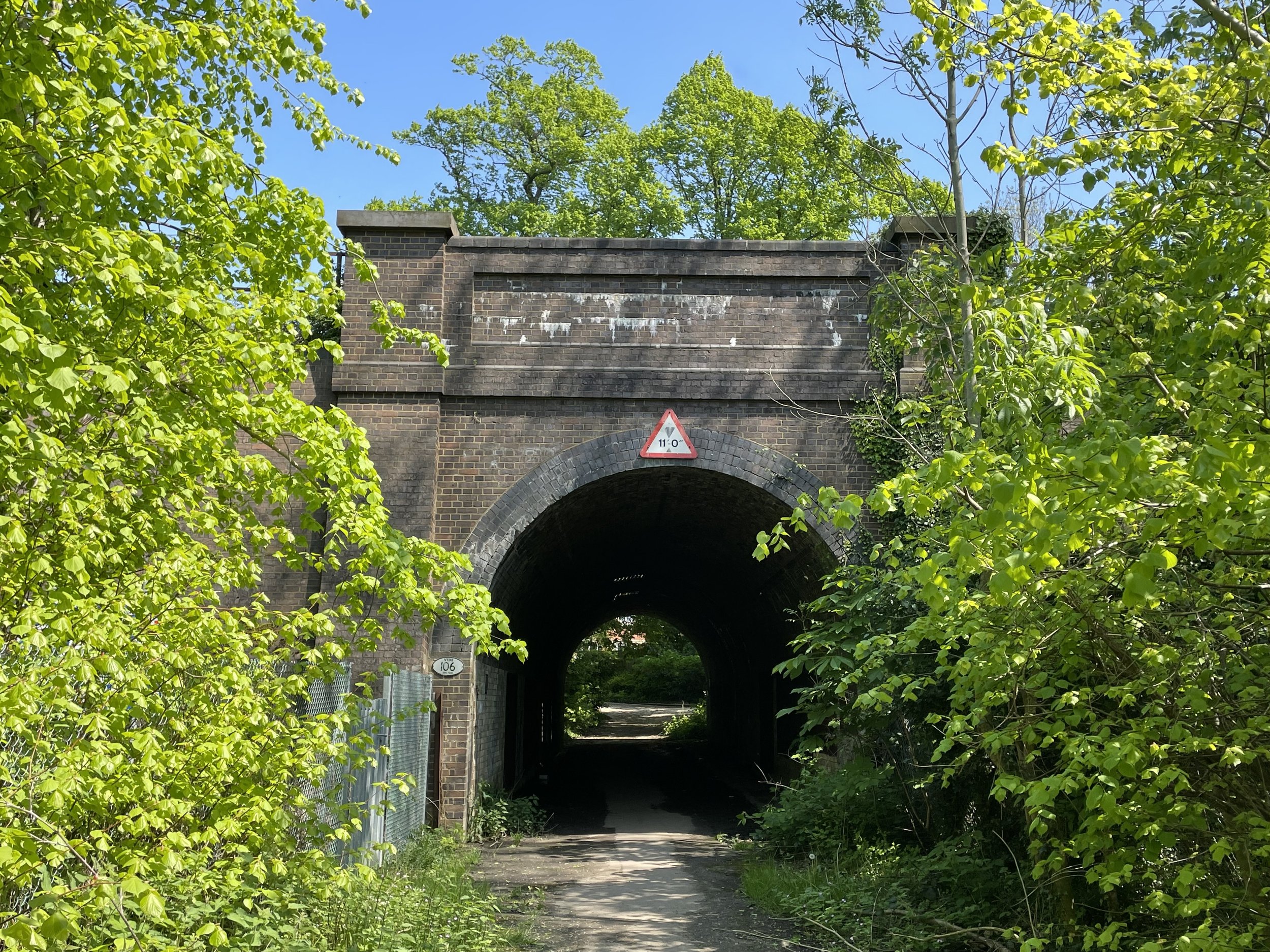
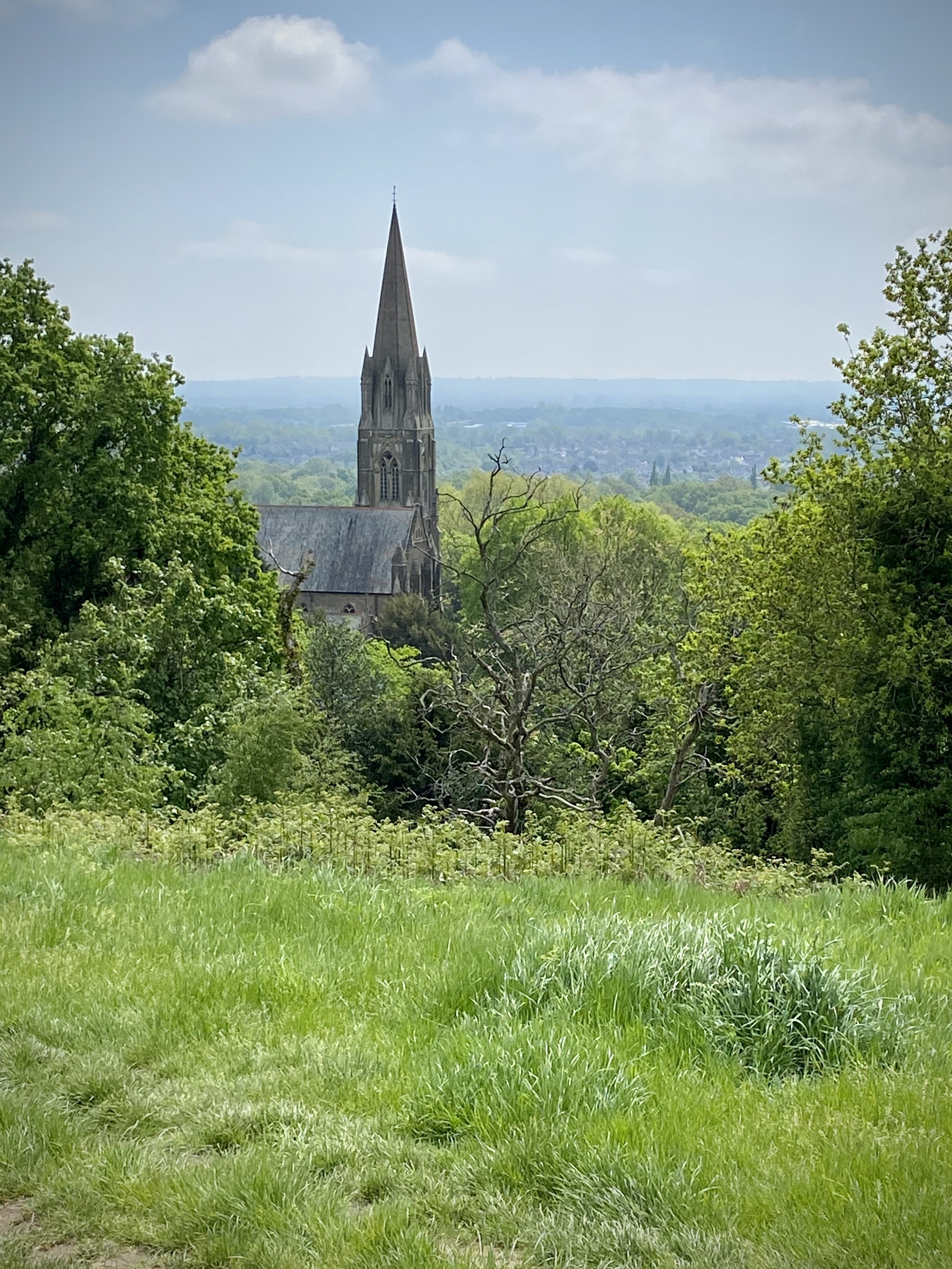
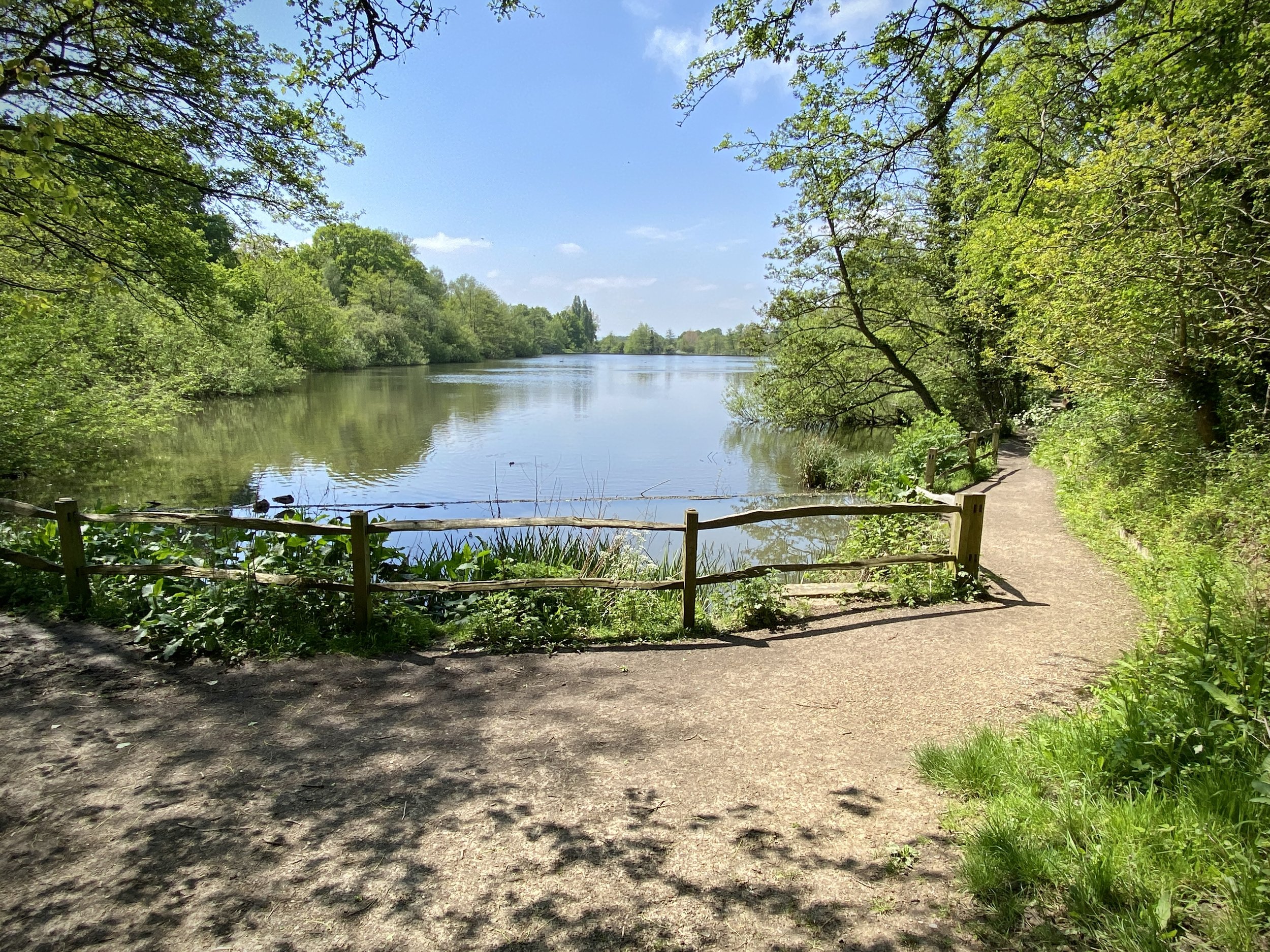
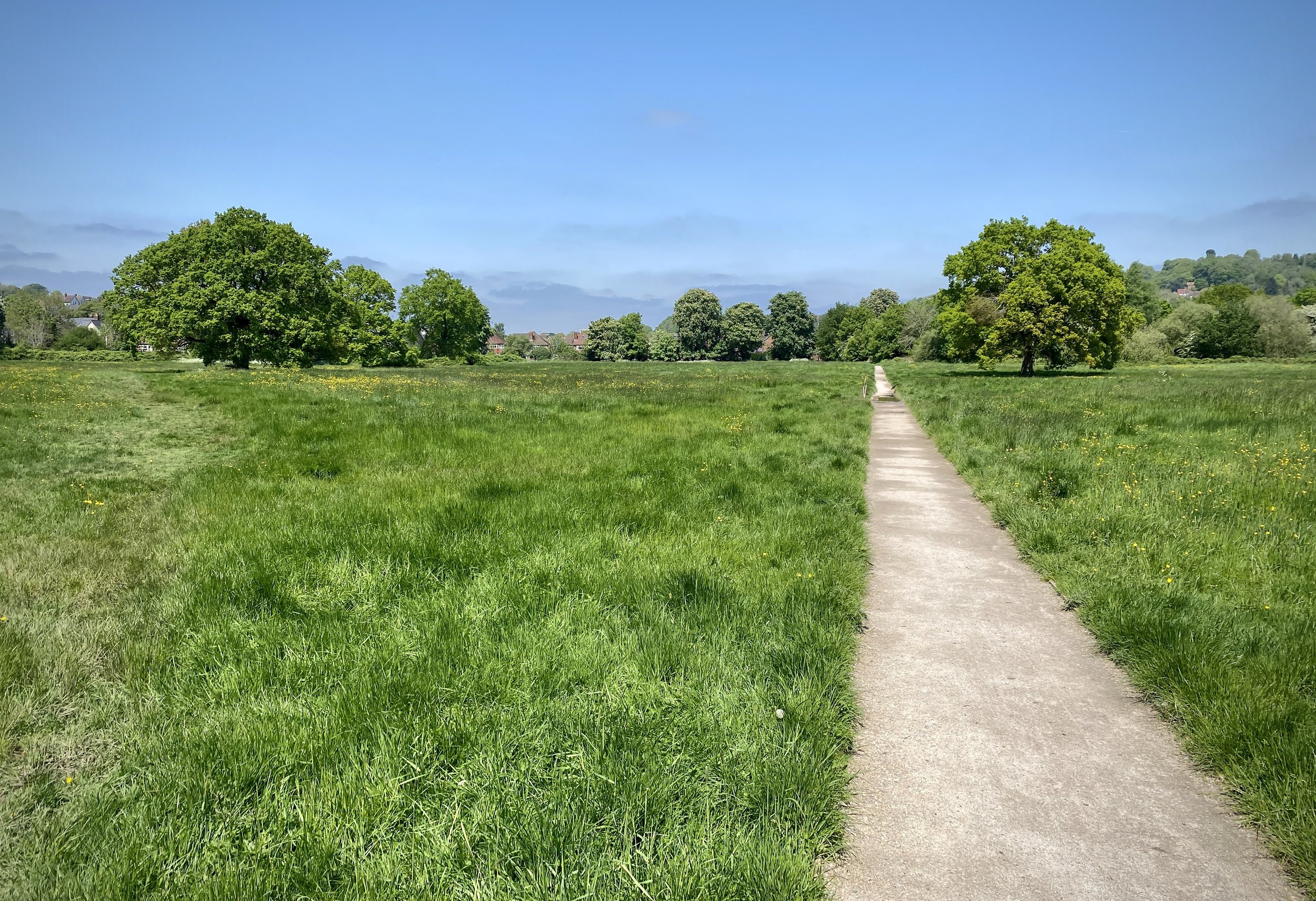
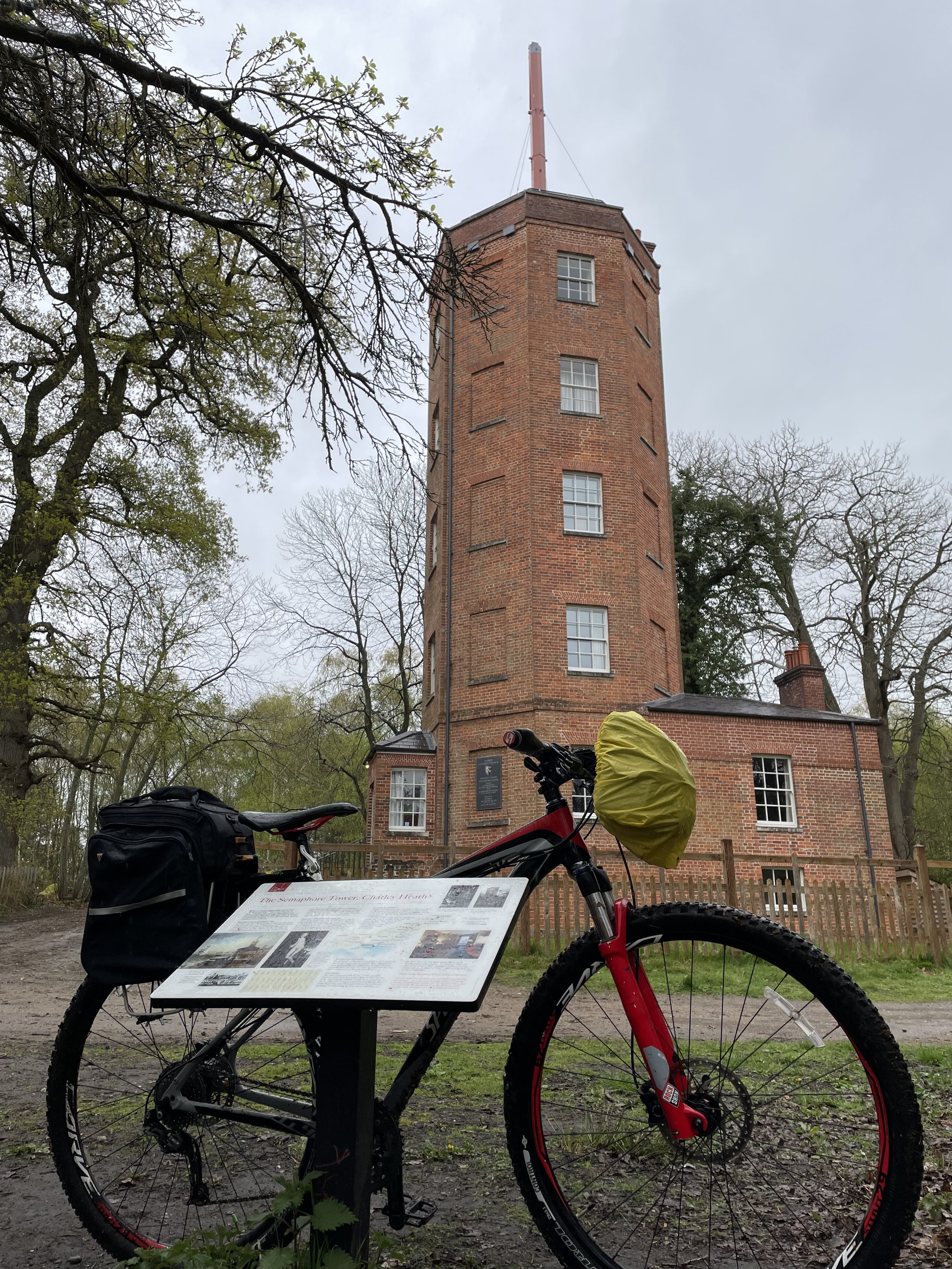
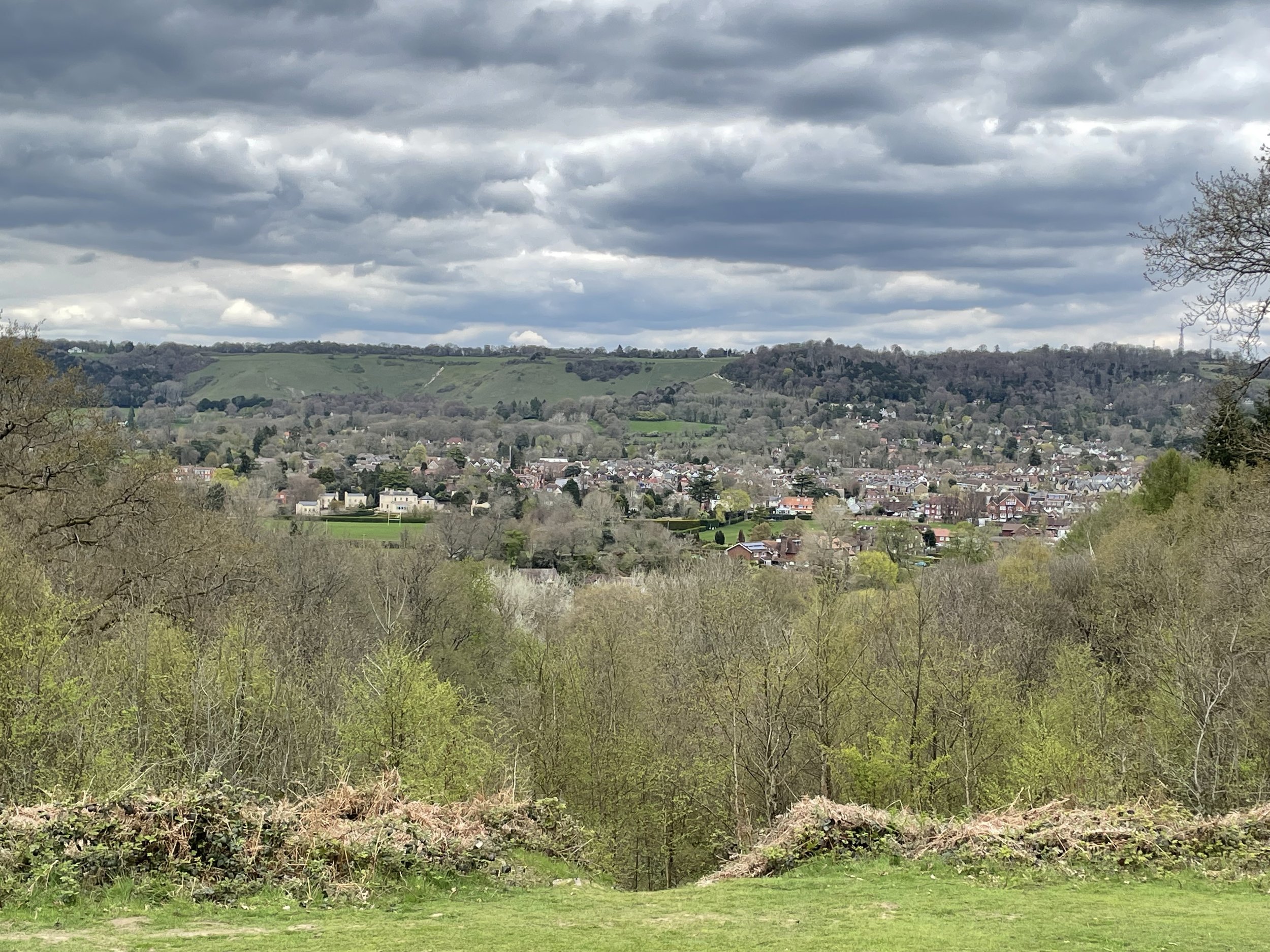
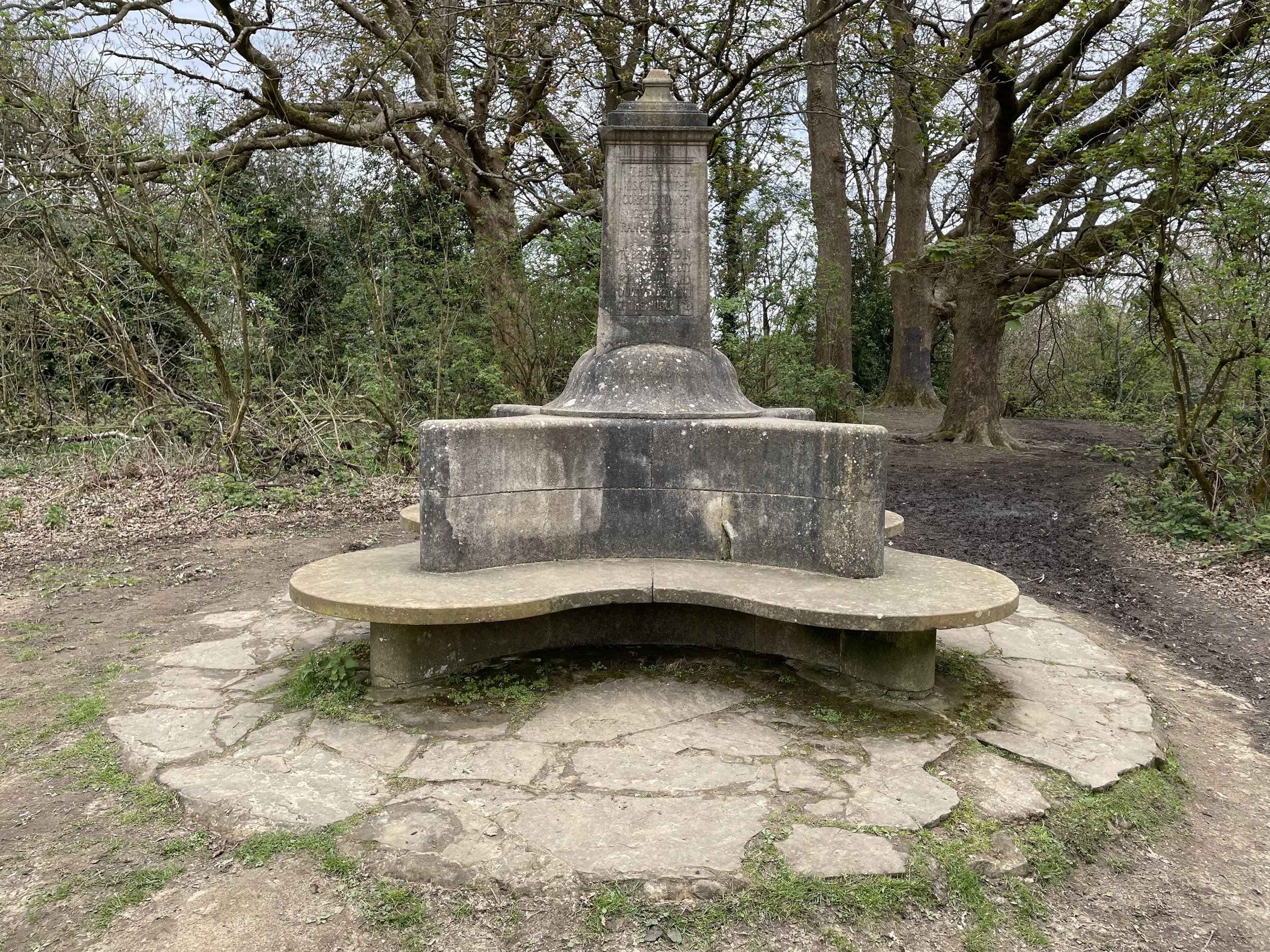
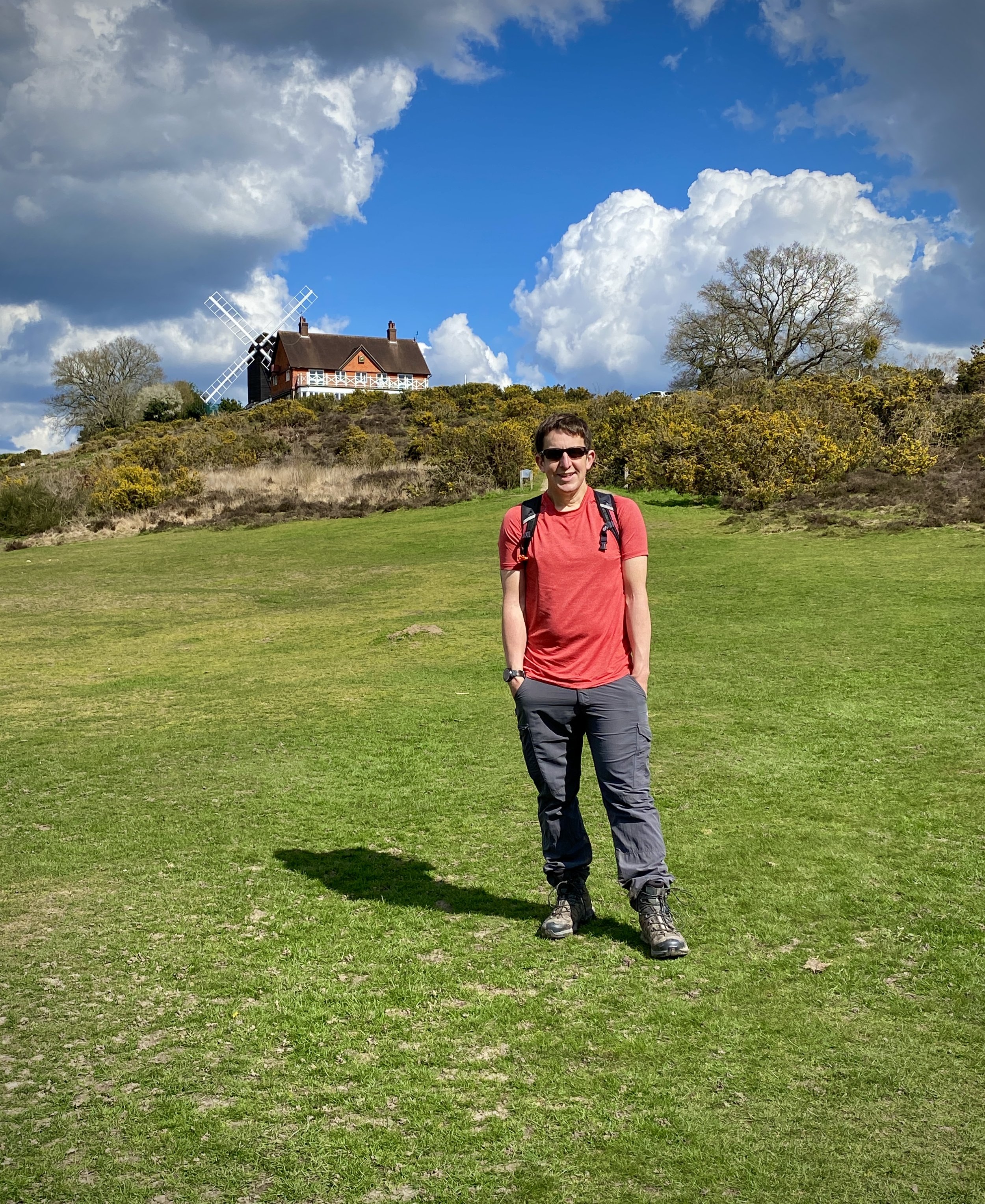
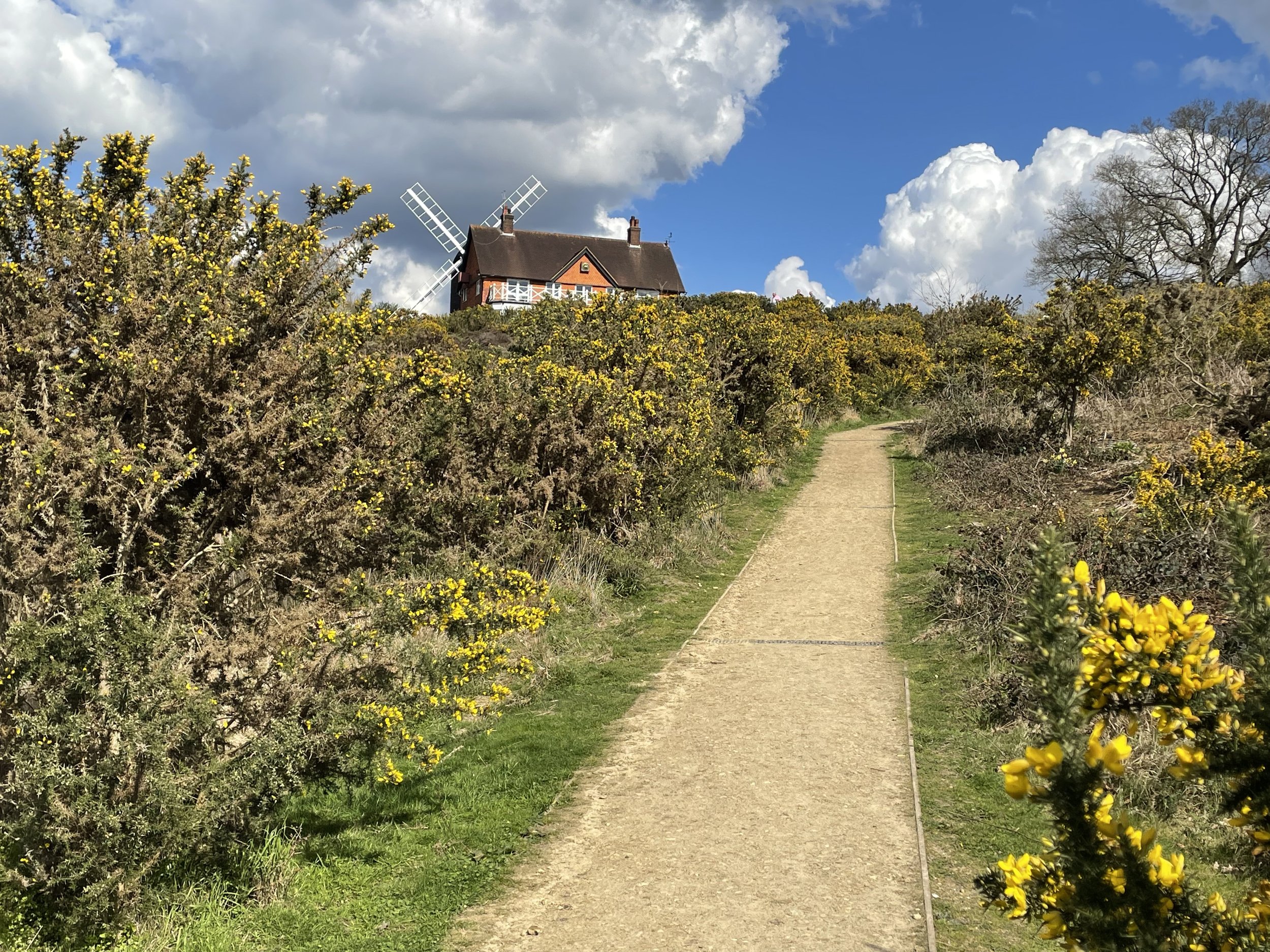
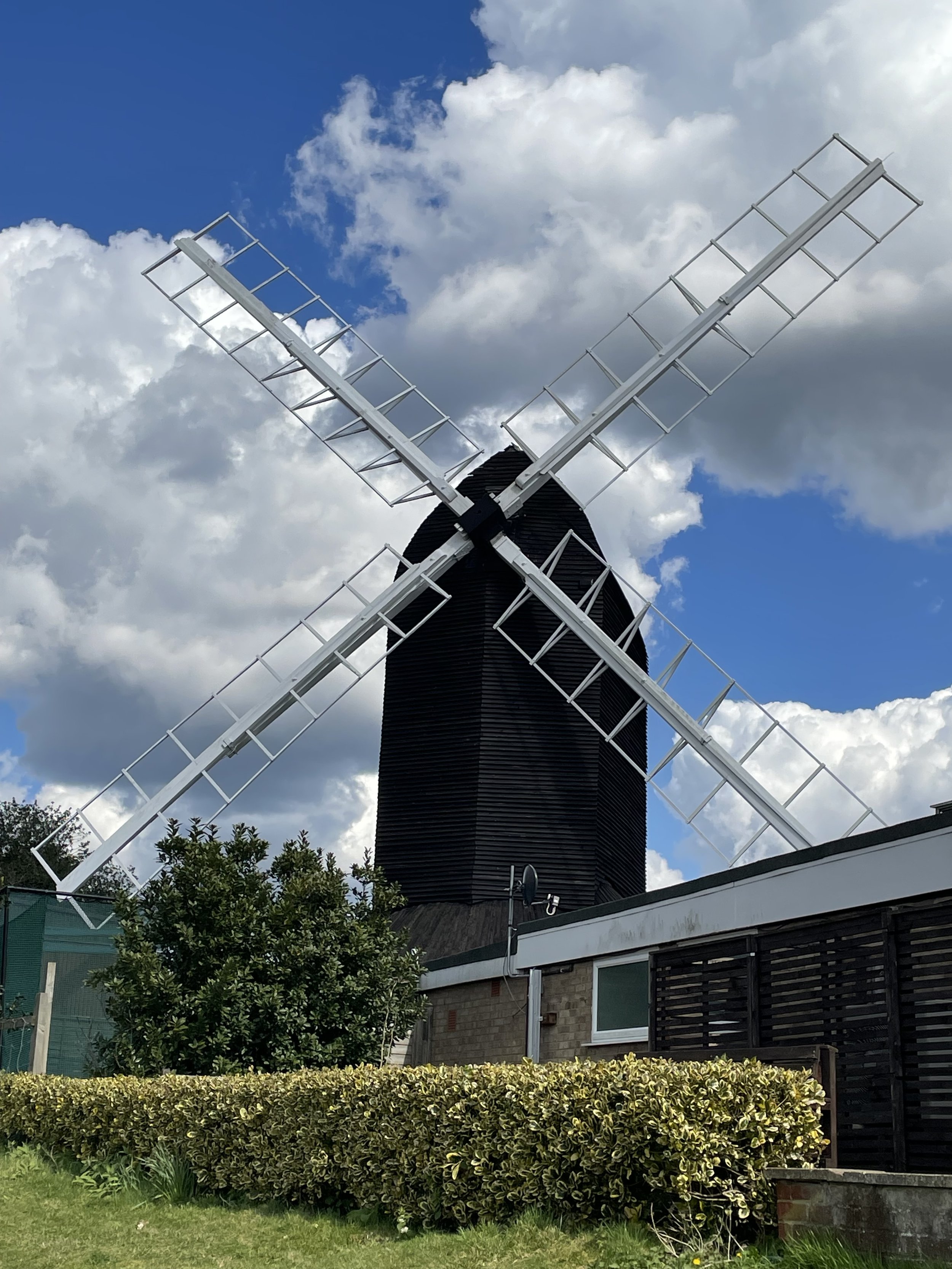
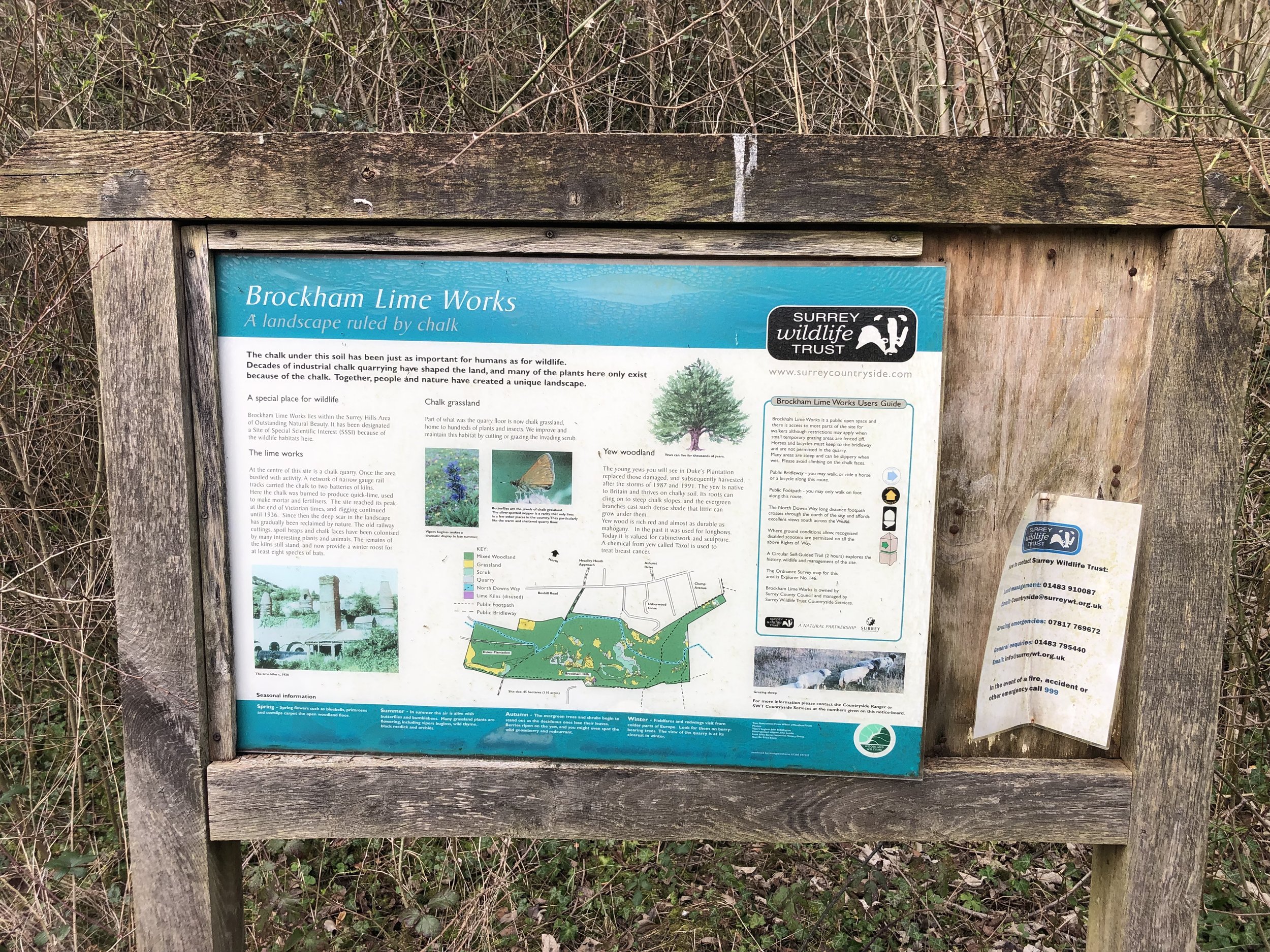
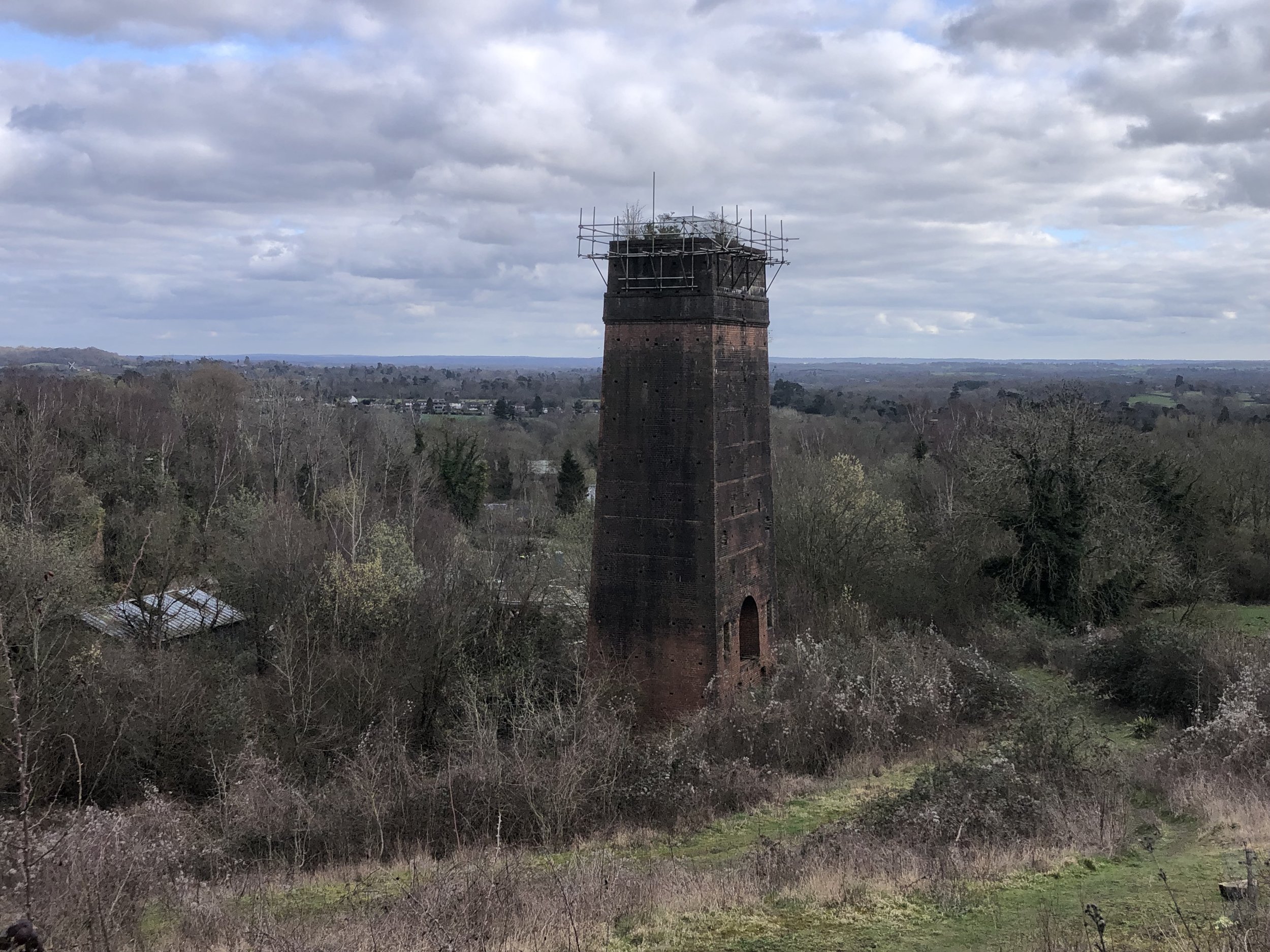
The idea for this trip came from a short walk that I did a few years ago in Surrey called Discover Downside. Halfway through the walk, we came across the magnificent Chatley Heath Semaphore Tower, the best preserved of a series of communication towers that formed a line between London and Portsmouth in the early 1800s. As I stood reading the information board, a brand-new adventure started forming in the back of my mind.
To understand the scale of this, it helps to know a bit of the history. In the 1790s, the French successfully developed a mechanical semaphore system to send messages quickly across the country. The British initially stuck with their existing shutter or ball signalling systems, even though they were less effective. Following the end of the Napoleonic Wars in 1815, the government finally decided to reinstate a fast, secure signal line stretching all the way from the Admiralty in London down to the Portsmouth Dockyard. They chose to use the new semaphore system invented by Sir Home Riggs Popham, a tall mast with two swinging arms, as it was the most advanced of the day.
The Chatley Heath Tower was the fifth station in this 75-mile-long line, which began right on the roof of the Admiralty in Whitehall. Messages could be passed from London to Portsmouth in just a matter of minutes! However, the invention of the electric telegraph in 1839 meant the rapid end for mechanical semaphore. New telegraph wires were laid alongside the expanding railway network, allowing messages to travel instantly. By 1847, the semaphore line was officially decommissioned and the masts were dismantled.
Over the next year, that back-of-the-mind idea blossomed into a fully-planned weekend cycle trip. It turned out to be a brilliant adventure, starting with a Friday evening drive down to Portsmouth, a long Saturday ride to Godalming, and a shorter section on the Sunday before heading back home. The original plan was to take the bikes down to Portsmouth by train, but some organisational faffing meant that we left it too late to book, and there were no bike spaces available. Instead, we did a one-way van rental, which was slightly more expensive than the trains would have been, but it got us there much more quickly and with far less hassle.
The choice of riding the route from Portsmouth to London, rather than the other way around, was mostly based on getting to tick off a new (for me) parkrun at Southsea on the Saturday morning. Arriving in London on Sunday afternoon also gave us a much shorter journey home.
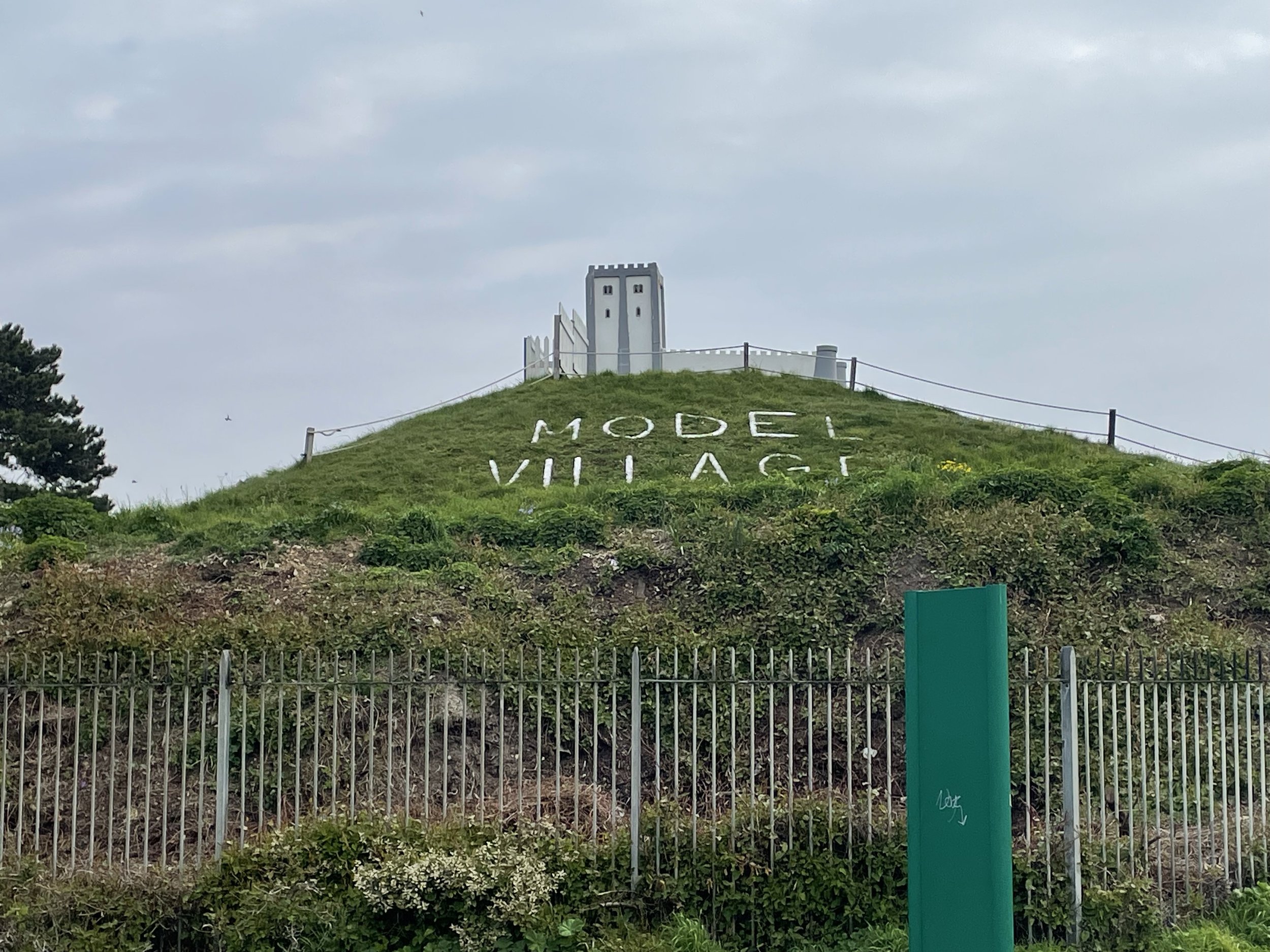
I must credit the excellent account of walking the Semaphore Line found on the Jont.org.uk blog. This site was absolutely invaluable in the planning process and provides far more intricate detail on the stations and the exact routes between them than I have covered here. In the list below, I have outlined the key details of the places where the semaphore stations once stood; it is not intended to be a strict turn-by-turn route guide.